Business RadioX ®

  • Home
  • Business RadioX ® Communities
    • Southeast
      • Alabama
        • Birmingham
      • Florida
        • Orlando
        • Pensacola
        • South Florida
        • Tampa
        • Tallahassee
      • Georgia
        • Atlanta
        • Cherokee
        • Forsyth
        • Greater Perimeter
        • Gwinnett
        • North Fulton
        • North Georgia
        • Northeast Georgia
        • Rome
        • Savannah
      • Louisiana
        • New Orleans
      • North Carolina
        • Charlotte
        • Raleigh
      • Tennessee
        • Chattanooga
        • Nashville
      • Virginia
        • Richmond
    • South Central
      • Arkansas
        • Northwest Arkansas
    • Midwest
      • Illinois
        • Chicago
      • Michigan
        • Detroit
      • Minnesota
        • Minneapolis St. Paul
      • Missouri
        • St. Louis
      • Ohio
        • Cleveland
        • Columbus
        • Dayton
    • Southwest
      • Arizona
        • Phoenix
        • Tucson
        • Valley
      • Texas
        • Austin
        • Dallas
        • Houston
    • West
      • California
        • Bay Area
        • LA
        • Pasadena
      • Colorado
        • Denver
      • Hawaii
        • Oahu
  • FAQs
  • About Us
    • Our Mission
    • Our Audience
    • Why It Works
    • What People Are Saying
    • BRX in the News
  • Resources
    • BRX Pro Tips
    • B2B Marketing: The 4Rs
    • High Velocity Selling Habits
    • Why Most B2B Media Strategies Fail
    • 9 Reasons To Sponsor A Business RadioX ® Show
  • Partner With Us
  • Veteran Business RadioX ®

Podcasting: The Secret Weapon for Business Growth and Community Building

July 25, 2024 by angishields

Sandy Springs Business Radio
Podcasting: The Secret Weapon for Business Growth and Community Building
Loading
00:00 /
RSS Feed
Share
Link
Embed

Download file

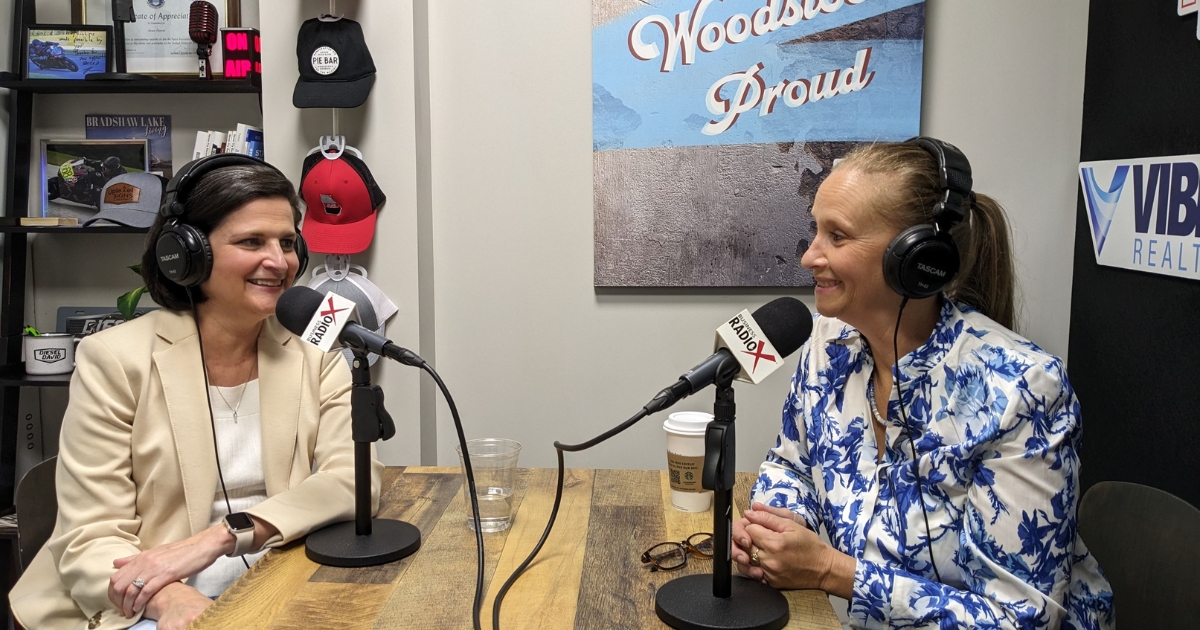
In this episode of Sandy Springs Business Radio, Lee Kantor and Rachel Simon discuss the intricacies of podcasting, focusing on challenges and strategies for success. Lee, with nearly 20 years of experience, highlights the difficulty of sustaining a podcast, while Rachel emphasizes its potential for business growth.

They explore the importance of planning, resource allocation, and content repurposing. The conversation also delves into how associations can leverage podcasts to promote member engagement and create a supportive environment for podcast guests. The episode offers valuable insights for businesses and associations looking to harness the power of podcasting effectively.

Lee-Kantor-Business-RadioXLee Kantor founded Business RadioX® out of frustration with traditional media’s cronyism, onerous gatekeepers and anti-business bias.

Business RadioX® is a community of community builders, helping solopreneurs, professional organizations, and brands build community around the people who matter the most to them.

Connect with Lee on LinkedIn.

Transcript-iconThis transcript is machine transcribed by Sonix.


TRANSCRIPT

Intro: Broadcasting live from the Business RadioX studios in Sandy Springs, Georgia. It’s time for Sandy Springs Business Radio. Now here’s your host. This episode of Sandy Springs Business Radio is brought to you by Connect the Dots Digital. When you’re ready to leverage LinkedIn to meet your business goals, go to Connect the Dots Dot digital.

Rachel Simon: Hi Lee, how are you?

Lee Kantor: I am doing well. Welcome to hosting your show virtually.

Rachel Simon: Yes. I’m sorry we can’t be together.

Lee Kantor: I know there was. The Sandy Springs Perimeter Chamber had some issues, but we’re here making it work virtually.

Rachel Simon: So well. I’m super excited about the show today. You know, normally we have a guest, but it’s the summer and everyone’s schedules are a little wonky, including my own. So I was out of town. And so I think we have a really fun conversation for the two of us to have on a topic I’m a big fan of, which is podcasts. You know, I was just out of town and I listened to I listened to podcasts a lot. But when you’re on vacation and I was sitting on trains in Europe, I listened to even more. So, um, I think we’re gonna have a lot of fun things to chat about in, uh, in the value and sort of challenges when it comes to creating, producing and maintaining podcasts, which is something obviously you are an expert in.

Lee Kantor: Yes. I you know, I’d like to tell people if you do something a few thousand times, you learn a couple things from it.

Rachel Simon: Exactly. So, you know, I’m sure you’ve heard this stat before, but it is a bit jaw dropping, which is that, um, only 90% of podcasts make it past episode three.

Lee Kantor: Yes.

Rachel Simon: Which is amazing.

Lee Kantor: It is. It’s kind of shocking because there are millions of podcasts kind of in the library of the various third party platforms like Apple and Spotify. And sadly, most of them have, you know, less than four episodes. And I think a reason for that is podcasting is easy to begin. It’s just hard to, uh, sustain over a period of time, and especially if you’re not getting any kind of results in terms of, you know, how you imagine it to be. So it’s easy to start, but hard to sustain.

Rachel Simon: Yeah, it’s interesting because I over many years of, you know, being in lots of different communities with entrepreneurs and business owners, there’s been many, many times that somebody is like, I’m going to start a podcast. And I’m always like, okay, do you know how to start a podcast? Do you have the time to, you know, make it happen? Do you have the what you need to record it for the sound? Are you going to edit it? Are you going to how are you producing it? How are you pushing out? Um, and you know, the amount of time and energy is that something that is particularly when you’re a business owner or a small business, is that going to push your revenue goals forward, or is it just something that feels like work? And it’s kind of fun, but may take up more time than it’s worth? It’s very interesting, and many of those people, I think, are in that category of having produced, you know, less than ten and have been kind of thrown in the towel.

Lee Kantor: Yeah, it’s one of those things that, uh, since I’ve been doing this and I’ve been doing this for, uh, close to 20 years. So I was doing it at the beginning of podcasting, and it’s something that I didn’t even it wasn’t even on my radar, because most of the people I work with have shows that last for years. I mean, we have lots of people who have shows five, six, seven years. Um, you know, I host the Atlanta Business Radio, which I’ve been running continuously for the almost the entirety of my time doing this, like since the beginning of podcasting almost 20 years ago. So it’s one of those things I didn’t realize that so many people start and then quit so quickly until I heard that stat. So it is pretty amazing to me that folks go through the effort to begin and then quit so quickly.

Rachel Simon: Yeah, I mean, it’s very, you know, it makes sense, I think on the again, on the small business, the entrepreneur side. But I think where it is surprising, um, that falls into that category is when organizations, when larger companies decide to, you know, get leverage their expertise, leverage their thought leaders to produce a podcast, and they still run into challenges. And so, you know, a stat that I um, saw is 60% of companies, uh, cite a lack of internal expertise as a barrier to podcast production, which makes sense, right? Who’s going to be the one internally? Who’s going to create it? Is it going to be your marketing director who already has 15 other things on their plate? Are you going to outsource it? Um, and if so, you know, where’s that budget coming from? Um, in order to get get your return on the investment of doing so. Uh, so I thought that was very interesting that companies struggle with this as well.

Lee Kantor: Yeah. And a lot of times in their head, they’re like, oh, we’re going to just have our, our leader be smart. And so we’ll just interview them or they’re going to share their expertise, or they’ll be the host of the show. And then reality strikes that their leader is busy leading and they’re not busy, you know, kind of doing all the work it takes to execute a podcast on a regular rhythm and that they realize pretty quickly they’re like, okay, we’ll do this once a month. It’ll be the third Tuesday of the month, okay, let’s do it. And they get the first one. They’re like, oh, that was great. And then the second one comes along and they’re like, I got a meeting or, oh, this thing came up or there’s a fire I got to put out and I can’t do it. And then all of a sudden they miss that month, and then one month they miss it turns into two months. And all of a sudden you used to be doing a podcast and that was, you know, now it’s a back burner thing. It’s no longer a priority. So it’s really hard for, uh, especially growing, fast growing organizations to have their leader carve out time to do a podcast on any type of regular rhythm. Um, and to get that return that they’re looking for.

Rachel Simon: Right. And I think that that, you know, the the intentions are always, you know, from coming from the right place as far as, again, we have got this all this internal expertise, we need to leverage it. It’s so easy to because we just need people to talk. And how hard could that be? Just talk and we’ll do. We’ll take care of the rest. Um, but, you know, one of the other challenges I see all the time is when these shows are are created. They’re not leveraged well enough beyond sort of that initial push out. Right. So maybe it gets pushed out on LinkedIn through the company page like, hey, here’s our newest episode, but that long form piece of content, your podcast, there’s so much richness in there and it’s just kind of sitting there collecting dust. And, uh, unfortunately, you know, that value is not fully taken advantage of. Um, whether this comes, you know, company A is able to produce five shows or they are able to really get in that rhythm of producing something on a consistent basis.

Lee Kantor: Yeah, that’s a mistake. I think that a lot of podcast guests make. Um, they don’t take that piece of content and repurpose it. I think you can repurpose it multiple times a year. Like I would look at any piece of content I create and put in my calendar. When it comes out, I’m going to put immediately into my calendar every at least quarter. I’m going to just put it out again and say, hey, I was on this podcast because no one’s going to remember and it’s still good information. Most of what we’re talking about in a business to a B2B podcast is kind of evergreen. We’re not talking about breaking news where it becomes irrelevant in a month. We’re usually talking about kind of, uh, things that will be true in three months, six months, a year. So why not just put out a blurb in your social media again about something you did three months ago no one is going to remember, and the way these social media platforms work. Anyway, your initial post didn’t go to your entire list anyway, so who cares if you know this will be new people that’ll see it. So I have no qualms at all about repurposing content. You know, multiple times the same piece of content, you know, three or 4 or 6, as many as you want really, over a period of time.

Rachel Simon: Oh, I you know, I love repurposing content. Um, and so I completely agree. And, you know, something that I’ve done is, um, is now I’ve been on a had the, you know, honor of being on a bunch of different podcasts. And so I have created a Spotify playlist of all the shows I’ve been on, which is in my featured content on LinkedIn. There’s a little tip for y’all if you’re a frequent guest, make a playlist. And I’ve actually sent that to prospects. They want to get a sense of sort of how I present on my area of expertise, which is you’ve been listening to us for a while, you know, is LinkedIn. Um, I send them an episode that I’ve been on and say, oh, here in this one, I specifically was talking about how leadership can position themselves on LinkedIn or how a sales team can leverage LinkedIn because nothing is better than you kind of talking about your area of expertise very organically to get for someone to get a sense of what it would be like to work with you. Um, and so that’s a fun little thing that I, I use, and I should just go back and repost some of those episodes. I’m going to go ahead and schedule that into my content calendar.

Lee Kantor: And it’s one of those things. And that’s a great idea with the playlist because it’s in essence, your portfolio. It’s giving a person a prospect. This this is the last mile, right? This is the time they’re going to make a buying decision. They can hear your own voice, your own passion, your own expertise in your own words shine. And then they can make that buying decision. Okay. I believe Rachel is right for me. I can tell she thinks like I think she’s she’s going to be able to help me solve this problem. Look, she’s obviously an expert. She’s been on all these podcasts. So it checks the box of social proof. And it also checks the box of hearing your own kind of expertise in your own words, your own passion. Um, so that’s it’s in essence to me, your portfolio. Um, it shows you that you can do the work that you’re promising that you can.

Rachel Simon: Yeah, absolutely. And I think that’s a great way of describing it. And it’s just a nice asset to have as well. And, and, you know, one of the things I mean for people listening, if you have been on podcasts, if you I mean, I don’t know, I listen to all the shows I’ve been on and there have been some where I’m like, this lady really knows what she’s talking about here. Like, because when you’re in the moment, you’re not really thinking about it and going back and listening. But it’s also helpful to kind of think about content ideas that are coming from those conversations that you’re having with people that I know on our shows here, our guests always get a, you know, they get the show, they get their audio recording, they also get a written transcript. And so that is such a great tool to be able to kind of mine content ideas from whether it is, you know, blog posts, LinkedIn social media posts, um, you know, ideas for presentations. Whatever the case may be, there’s just tremendous amount of rich, uh, content to be found in, in your conversations that you’re passionate about, because that’s the best way to kind of showcase your expertise is when you’re excited about it.

Lee Kantor: Right. And that’s something that we do at Business RadioX that’s a little different is we transcribe every, um, interview. So it’s important to grab that audio content, which really right now isn’t, uh, the ability to search that isn’t great right now. It’s getting better, but it’s not great. But the transcripts to create the digital text, which is searchable, is so important because that is where those chunks of information will be grabbed by the search engines. And and you’ll be found that way. And then from in terms of content to have for the guest, they can see all the words and they can grab chunks and they can say, oh, you know what? This would be a cool little quote on Instagram. Or this I can take this little clip here, starting from here to there, and I can edit it out and I can make a little video about this, a little highlight reel or, you know, you can use it in, in so many ways, when you have the text in front of you that you can read or like you said, you can make a blog post or you can go, you know what? I’m going to flesh this out and make an article about that, or I’m going to send this chunk to a prospect to remind them that I’ve solved this problem before. So having that, uh, an audio podcast, also in digital text format is so important. And it just kind of like you said, adds to this exponential pile of content that you can repurpose, you know, for months or years.

Rachel Simon: Yeah, absolutely. So, you know, switching gears a little bit, I know, um, on our show, we’ve had a few guests who are involved with different, um, community organizations, associations. And so, you know, what is it that, um, associations can do to really kind of pull podcasting into their, um, into their marketing plan, into their membership plan. Like how is podcasting an asset when if you have a membership organization?

Lee Kantor: Yeah, this is something that we’ve stumbled upon, uh, several years ago, is to create an offering just for, um, associations and business groups. And, and our model of doing this is we realized, like we discussed earlier, that the thought leaders intentions are good and they want to capture some of that thought leadership. So we include some of that thought leadership capture as part of the deliverable to them. But what we’re doing on their behalf on a regular basis, which is kind of counterintuitive, is we’re interviewing the members of the association and giving them a platform to tell their stories, and this activity is really a game changer for associations, because what it does is it allows them to show their members that they value them, and they are helping promote them and helping them get their next client, which is one of the reasons that a lot of these, especially B2B association members, are joining the association is to get more clients. So not only are they learning stuff from the association and getting the advocacy from the association, they’re also getting the association to kind of promote their work and share the stories that, uh, about their work to their other members. So that’s super important, um, for the membership. Because what we do when we do the interviews, we’re not only just hearing their story about what makes them special and unique. We’re also in the course of the interviewing. We’re asking them why they joined the association, what they’ve gotten out of the association. And when we do that, I would say 100% of the time we’re getting a great testimonial from the member.

Lee Kantor: And then when we one of our deliverables back to the association is we pull out that, um, that testimonial and we give them the association, the interview in its entirety. But we also pull out the testimonial. And so what they’re able to do is create that library of testimonials so they can do what you suggested and create those Spotify playlists of just testimonials so they can hear from the members mouths. Exactly why it’s great to be a member of this association and what they’ve gotten out of it. And I’ve had one association, even at their annual meeting, they took all of the clips of the testimonials, and they were just running it in a loop, um, at the, at the conference in the background. So they’re seeing all these members just talk about how great the association is. And, um, and what it did is it created a lot of engagement and a lot of positive feelings about the association and an unintended consequence of doing this kind of work is these associations realize the spotlighting of their members, and giving them that kind of love is a great way for them to refer new members to them, and these people are now looking to reciprocate back to the association and helping that association find their next member or two. And that is really where the rubber hits the road, and that’s where they see this tremendous ROI. Not only are they getting just tons of content, tons of testimonials, they’re capturing their leaders thought leadership. They’re also getting their members engaged and looking for ways to help the association grow by building their membership.

Rachel Simon: I mean, it’s like it’s like a win win, win, win win. There’s so many wins in there across the board. Um, and I love it for so many reasons. Uh, but one of the big main areas that what you were saying that I think is, is really so important to highlight is that there’s a lot of people, a lot of really smart professionals who have a lot of wisdom to share and And maybe a goal is to get on podcasts more often, but it can be a scary prospect of like, how do I find them? And I’ve never been on one before. Like, we’ve had guests on our show that it’s their first time ever being on a podcast, and they’re so nervous. Even though we try, we make them feel very calm and at ease because there’s nothing to be scared of. Um, but there’s a level of of, you know, nerves that go into it. And to make it so easy where these associations are just saying, sit down, we’re going to have a very comfortable conversation because we know you and you know us, and we just want you to talk about what you do. And we’re going to put the spotlight on you. Um, is such a good way of getting people to feel, uh, valued and at ease and start to build their library of podcasts, because once you’ve been on 1 or 2, it’s a lot easier to get on more, in my experience. So I just love that so much. It’s such a huge, huge value.

Lee Kantor: Right. And that’s what, um, one of the tenants of Business RadioX since the beginning is we always want to be the safe place for these people to go. And we understand these are not professionally trained media, you know, media people, they’re business owners that are just trying to get through the day in their business so they don’t really have the time to be an expert, uh, you know, media performer. So we try to be a safe place. And, and our intention is to support and celebrate their work. We’re not investigative reporters, so we try to give them a safe environment for them to share their story, to be comfortable and to know that we’re there, kind of watching their back and to help them articulate what makes them special and unique.

Rachel Simon: Yeah. And I would imagine that, um, within, you know, various associations, then it becomes a, uh, you know, something that members want to do, right? Oh, how do I get on there? When can I book a show to, uh. Because I want to do that. That looks like fun. And I think that’s so smart that that one group that you mentioned kind of used all those testimonials, um, during their conference as a loop because it first of all, you know how like when you are at a like some sort of event and there’s like a photo montage, you always get so excited when you see yourself in there. And I’m sure that the people whose, uh, testimonials were shown, like, were so excited when theirs came up, like, hey, that’s me. People love to see themselves exactly talk about themselves.

Lee Kantor: And they become a little bit of celebrities because the other people see them too. And they’re like, oh, I saw you on the screen. Like then they get that kind of, uh, attention that it’s all positive, it’s all kind of supportive. It really kind of leans into the mission of most associations that they’re trying to help their members be more successful. So this type of activity, while it might seem counterintuitive to spotlight your members, is really a great way to create that win win, win all the way around for everybody. Because by spotlighting your members, you’re really showcasing how important the association is, that they have members like that and it lets people connect easier because now they know this a little bit about them that maybe they didn’t know before. The members have a way to kind of share how great the association is because they take their interview and like you mentioned earlier, and they repurpose it, and it’s going out to the world about how this association spotlighted them. Oh, I didn’t even know about that association. Let me learn more about it. Like so it creates content in a very engaging way, and it makes the members feel good about being a member of this association. So it does create a lot of good vibes in a kind of win win win all the way around, um, elegant manner.

Rachel Simon: It’s like it’s like when you see yourself on the jumbotron and a Braves game, you’re like, that’s me, right? Damn. Um, well, for these, uh, when you’ve done this for different associations, how often are they producing shows?

Lee Kantor: Well, we have, um, our main service when we do this is we have a done for you element where we’re just we’re doing the interviews of the members, Um, at whatever rhythm they want to do. So some people want us to interview, you know, one, two members a month, some want to do. We’re doing interviews. I’ve done weeks where I’ve done five, ten interviews for one association. It just depends on how they want to, um, do this. So they have to reach out to the members. We do the interviewing on their behalf. We execute the podcast on their behalf and we give them back the content. We give them back. The testimonial pulled out, um, and then whenever rhythm they want, we also facilitate some sort of a roundtable or a subject matter expert episode where we’re interviewing the leadership on whatever rhythm works for them, because, again, the leader is busy, and I think that is like we discussed earlier, that’s where the disconnect happens. The people who want to do the podcast want to focus in on the leadership and make sure they get kind of the attention as the host or as the expert, but they don’t realize how much work goes into it and how how much it affects their schedule.

Lee Kantor: So we do that, um, whenever they’re available so we don’t have to worry about, oh, I got to get that leader in here every week or every month. We’ll get them in whenever we can get them in. And we don’t have to focus in on one leader. We can focus in on whatever leader is available that month. So we do this done for you. Turnkey association service that creates content as much as they want, really on whatever rhythm that works for them. And but it’s focused mainly on spotlighting members and then also capturing the thought leadership from their leaders. So it’s a done for you, a little done with you, but it’s one of those things where they can kind of set it and forget it. As long as they have kind of a good admin, they can just invite members on the show. Then we take care of all the rest.

Rachel Simon: Yeah, that’s I mean, what a great service. Um, for so many reasons. Right. Generating a ton of content, generating a ton of goodwill. Um, you know, another little stat I saw was 50% of companies find it challenging to measure the success and impact of their podcasts accurately. I would imagine that in a model like this, you’re measuring success based on, you know, you can come up with a few, uh, metrics to track. And that might be, you know, membership referrals, membership renewals. Right. If your members are happy, they’re going to continue to stay within your organization. Um, there’s probably a few other, you know, KPIs that could be. Yeah, you.

Lee Kantor: Can measure how much engagement the content, like you were saying earlier about the content, look at how much more content engagement, because each one of those guests is incented to share the content about the association with their network whenever it comes out. And if you teach them like we were going over earlier, hey, you should be repurposing this every month or every three months that the association goes along for the ride every time they share that. So, you know, some of these members have followings of, you know, 500, 1000, 10,000, 20,000 people. So they’re sending out that interview to that group, you know, multiple times a year if you train them.

Rachel Simon: And I would imagine, too, that this would be a great model for conferences where you could because I know that because I’ve come to events with you where you’re doing live podcasting, right, interviewing people, five, ten minute little snippets. Um, and that is always a fun sort of value add at conferences and in-person events to be able to just do it in real time, right?

Lee Kantor: It’s one of those things we tell them we can take the show on the road, so when they have a conference or it doesn’t even have to be their own internal conference, they could be going to a conference where maybe they’re speaking where they can tell the conference, hey, I’d like to have a booth where we’re doing our podcast at that event so it can be used in a variety of ways. But yeah, we do take the show on the road, and we’ve been doing that for decades now. Um, where we show up at these conferences, trade shows, other kinds of events, doing live, um, interviews.

Rachel Simon: Yeah, so much fun. And, um, I was at a conference last fall for it was a health care conference, and there was somebody there similarly like set up and was just interviewing, you know, had a constant stream of people coming in for these little snippets of interviews. And, um, it’s just a fun little activity, particularly for, again, for people who maybe don’t have experience, um, or looking to kind of kind of get that first couple of interviews, uh, under their belt and realize that, oh, being on a podcast is really, really fun and really, really easy because I just have to answer questions that are things I love to talk about.

Lee Kantor: Which is themselves.

Rachel Simon: People love talking about themselves.

Lee Kantor: Yeah.

Lee Kantor: And I, I’ve had multiple times people come up to me, um, thanking me, you know, years later. Oh, you were my first interview. That was the first time I’ve ever done this before. And now I’m, uh. You know, my business is killing it. And we’ve interviewed literally people who at the time had five figure businesses to now have nine figure businesses. So, um, we’ve been doing this for a long time, and we’ve been around people, um, doing their interviews early in their, in their kind of trajectory. So it’s been an exciting ride for us to be able to have been doing this kind of work for so long and spotlight so many great business leaders out there.

Rachel Simon: Yeah. So, Lee, does this model work within companies as well?

Lee Kantor: Absolutely. But what it requires, if they’re going to do it as a company, I would highly recommend instead of trying to just create content that is, uh, build it and hopefully they’ll come spotlight your clients, do this and focus in on the clients you already have and just show them more love and you’ll be amazed at the type of engagement and that they they’re going to want to reciprocate back to you and help you get your next client. Um, because most vendors are not are are treated as vendors. And then the relationships transactional. When you do this kind of work and you spotlight and promote your existing clients, what you’re doing is you’re elevating your relationship from transactional to relational. And what that does is it bonds you more with the client. The client sees that you’re trying to help them get their next client, and that’s ultimately why they’re hiring you, is they want more business, and they’re hiring you to help them get more business. So by promoting them to your own network, you’re helping them get the word out. You’re appreciating their talents and what they’re doing, and you’re helping them get their next client. So I would recommend any organization do a podcast, focus in on your clients. First, sprinkle in some thought leadership, but do a guest oriented, client oriented podcast. And I think you’re going to be a lot more successful and a lot more happy with the results you’re going to get.

Rachel Simon: I that is so smart. And you know this because again, lots and lots of companies love the idea of podcasting. But you know, again, all of these stats, whether it’s the amount of time it takes to produce the lack of technical experience and skills, the the challenge of staying on a regularly, you know, on a regular schedule. Um, you know, again, like I said earlier, like the ability to measure the results by finding a partner that you can outsource all of that to, and you literally just have to book your guests and show up, takes so much of that stress off the table and then leaves you with just a tremendous amount of content. And and then again, goodwill and relationship building. Um, that is only a value add for the organization. I mean, so smart, I love it.

Lee Kantor: Well, before we wrap, I want to make sure that people understand you are the expert on LinkedIn. You’ve mentioned some ways to leverage the content on LinkedIn, but what do you think would be some other tips you can give people regarding LinkedIn when it comes to this kind of work, or just content in general?

Rachel Simon: Yeah, so I think when it comes to, you know, podcasts and specifically since that’s what we’ve been talking about today, I think, you know, making it as easy as possible for your guests to know what to do. Right? So, um, if you, you know, give them directions when you send them the show to say, here’s if you, you know, you could give them a little blurb as a starting point for them to post, put a post out of it, make sure they know who to tag. Right. Because like, you want to make sure that you get tagged, your company gets tagged, your association, whatever the case may be. Um, but getting it out in a, in a in front of as many people as possible is super important. Right? And again, if you’re going to, um, you know, let’s say you do a do it as a video podcast, right? That can go up into a number of different ways. You know, we tested it one time on our show to do a do it as a LinkedIn live. It didn’t totally work. We’ll have to try that again. Um, but, you know, you could put that stuff up on YouTube, post those videos on LinkedIn as well. So it’s really, again, leveraging that content as much as you possibly can. But I do believe that one of the challenges is that guests don’t always know what to do after they get the show, so they might just click repost on something as opposed to creating their own original piece of content that talks about their experience on the show. You know, you could either give even give a couple prompts for a post of like, what was your favorite part of being on the show or what? What surprised you? This, that, and the other. So I think it’s just the ease piece is super important. And obviously before you’re going to do any content on LinkedIn, your profile obviously is going.

Lee Kantor: To be.

Rachel Simon: Looking good. So if it’s not, then you know where to find me.

Lee Kantor: And to find me you can go to Lee Kantor. Com you can book time on my calendar at Lee Kantor. Com and that schedule gets to my calendar. You can book a 30 minute call. Or if you want to learn more about how Business RadioX does this kind of association work, you can go to Business RadioX dot com and then you can look in the tabs for how we help associations. Um, and Rachel, thank you so much for allowing me to be a guest on your show. I love doing it every month with you. Um, and it was great to chat with you in this way.

Rachel Simon: Absolutely. Super fun. And, um, you know, y’all can find me at Connect the Dots digital.com or on LinkedIn. I’m very easy to find. Uh, Rachel. Simon. Just look for someone with big, curly red hair. Very easy to spot. Me. And until next month, hopefully, we’ll be back in the studio. This was a fun one.


About Your Host

Rachel-SimonRachel Simon is the CEO & Founder of Connect the Dots Digital. She helps B2B companies close more business by leveraging the power of LinkedIn.

Rachel works with professionals, both individuals and teams, to position their authentic brand on LinkedIn so they can connect organically with ideal clients, attract the best talent, and stand out as a leader in their industry.

Connect-the-Dots-Digital-logov2

Connect with Rachel on LinkedIn.

Tagged With: Business RadioX

BRX Pro Tip: How Do You Measure Progress?

July 25, 2024 by angishields

BRX Pro Tip: What Diet and Productivity Advice Have in Common

July 24, 2024 by angishields

BRXmic99
BRX Pro Tips
BRX Pro Tip: What Diet and Productivity Advice Have in Common
Loading
00:00 /
RSS Feed
Share
Link
Embed

Download file

BRX-Banner

BRX Pro Tip: What Diet and Productivity Advice Have in Common

Stone Payton: And we are back with Business RadioX Pro Tips. Lee Kantor and Stone Payton here with you. Lee, you’ve recently discovered a connection between diet and productivity advice.

Lee Kantor: Yeah. I’ve spent my whole working life, you know, kind of in the wellness diet place of business and also, obviously, in running Business RadioX, and I read a lot of books about both things. And I kind of figured out, after decades of studying these things, that each of those kind of things that people strive to do, they strive to lose weight and they strive to be more productive, they all can be boiled down to just a few basic tenets that if you just do those couple of things, then everything’s going to be fine.

Lee Kantor: But then, you know, there’s libraries filled with books and systems about each of those that have their own kind of little jazz hands and nuances that dress it up. But, really, the bottom line is both of them can be boiled down to just a couple of things.

Lee Kantor: And to lose weight, if you just eat less non-nutritious food and exercise more, you’re going to lose weight. And it doesn’t matter what all the books say. You can follow all the books, any of the books, some of the books, but that’s usually at the heart of all of this, you have to eat less and then move more.

Lee Kantor: And then, to be more productive, again, you can read all the books and they all have a variety of ways to get to this end point. But the endpoint always is identify the activities that are most important to you and then actually do them. And if you do those things, then you’re going to be more productive, get more done, and be more successful.

Lee Kantor: So, both of those cases, the advice is simple but not easy. And there’s been a lot of wealth created on dressing up those core tenants in each of those areas, but those are kind of the bottom line things you have to do in order to lose weight and be successful.

Hawaii WBE Feature: Leadership Coaching

July 23, 2024 by angishields

WIM-THINK-Feature
Women in Motion
Hawaii WBE Feature: Leadership Coaching
Loading
00:00 /
RSS Feed
Share
Link
Embed

Download file

In this episode of Women in Motion, host Lee Kantor interviews Sarah Kalicki-Nakamura, owner of TH!NK, a learning and development company. Sarah shares the origins of TH!NK, which began during a challenging period in her life, and discusses the company’s growth from modest beginnings to expanding beyond Hawaii. She details the services TH!NK offers, such as executive coaching and leadership development, and highlights the importance of these services at all organizational levels. Sarah also shares success stories, including the impactful “Growing Leaders” program, and emphasizes the benefits of being certified as a women-owned business.

Think-Training-Header-Logo1

Sarah-Kalicki-NakamuraSarah Kalicki-Nakamura, co-owner of TH!NK, is more than just a leadership coach and consultant – she is on a mission. Her goal is to inspire and empower managers and executives to create workplaces where people are excited to come to work. With over 20 years of experience in executive coaching and hands-on workshops, Sarah has been helping people thrive at work.

Sarah holds a BA in Broadcast Journalism from Arizona State University and a master’s degree in organizational management from the University of Phoenix. Additionally, she is an Everything DiSC® Certified Facilitator and a Five Behaviors of a Cohesive Team Certified Facilitator.

Based in Las Vegas, Nevada, Sarah lives with her husband Malcolm, sons Trey and Wyatt, and their fur baby Ikaika. Outside of work, she enjoys yoga, CrossFit, and finding the next most delicious dessert.

Follow TH!NK on LinkedIn.

Music Provided by M PATH MUSIC

Transcript-iconThis transcript is machine transcribed by Sonix


TRANSCRIPT

Intro: Broadcasting live from the Business RadioX Studios, it’s time for Women In Motion. Brought to you by WBEC-West. Join forces. Succeed together. Now, here’s your host.

Lee Kantor: Lee Kantor here, another episode of Women In Motion and this is going to be a good one. But before we get started, it’s important to recognize our sponsor, WBEC-West. Without them, we couldn’t be sharing these important stories. Today on Women In Motion, we have Sarah Kalicki Nakamura with Th!nk. Welcome.

Sarah Kalicki Nakamura: Well, good morning!

Lee Kantor: I am so excited to learn what you’re up to. Tell us about Th!nk.

Sarah Kalicki Nakamura: So Th!nk is a learning and development company where we really help leaders and teams to reach their full potential and help people get along at work. We do it through executive coaching, team building, as well as leadership training.

Lee Kantor: So, what’s your back story? How’d you get involved in this line of work?

Sarah Kalicki Nakamura: Well, like every story, it starts – you know, the seed is planted kind of way before the business even flourishes. I moved to Hawaii back in 1994, and when I moved to Hawaii, I was super excited about the change and moving there, but it ended up being somewhat of a difficult transition for me, just kind of finding my footing in the state and finding what do I do and who am I when I’m there.

Sarah Kalicki Nakamura: So, I worked in the hospitality industry at the time, and I was working with Hilton Hawaiian Village. I just started my job and I read a book about transitions. And when you’re having a difficult transition, it’s called your neutral zone. The exercise was to just list down as many things as you would ever want to do and start doing them. Get in forward motion to get yourself through this awkward period of time.

Sarah Kalicki Nakamura: And on my list was to actually go get a master’s degree, and I didn’t want to do it by myself. Just started this new job. I’m in a new state and there was a girl sitting next to me, I guess a woman sitting next to me, looked about my age, and I just introduced myself. I said, “Hey, I’m Sarah, I’m new to Hilton,” and she was new to Hilton too. And I said, “I’m thinking about getting a master’s degree. Have you ever thought about it?” She said, “Yep.” So I said, “Here’s the admission officer, give them a call. We’re going to start the program in a couple of weeks.” She signed up and we did the program together.

Sarah Kalicki Nakamura: Fast forward a year and a half later, at the end of our program, we were asked to write a capstone project and a business plan, and we decided to do it on learning and development since that was our field, got a great grade on it, put it away. Intention was just to go back and work in hospitality and stay on track that way.

Sarah Kalicki Nakamura: And then I had my first son, and I realized I didn’t want to work the same way throughout that time when he was young and I needed to not commute as much. I wanted to have more time with him. So I dusted off. The business plan was written as a partnership, and so I went to my business partner, Cindy, and I said, “Hey, I’m going to do this and work differently while my children are young and wanted to see if you wanted to do it with me or give me permission to do it on my own.” She said, “You know what? I’ll quit my job too.” And we started the business. So we always laugh. We’re actually accidental businesswomen or business owners. It was all centered around a choice for how we wanted to raise our kids and run our family and have an income at the same time.

Lee Kantor: So, how did you make that transition to go from this concept and saying, okay, how do I – did you ease into it? Did you keep your job and then start trying to get clients on the side? Like, how did that transition occur?

Sarah Kalicki Nakamura: Yeah, we went cold turkey. We did all the wrong things based on the business books, I think. So we literally quit our jobs. We set a goal for how much money we needed to make, which was very little. We just needed to pay, like, certain bills. So I always tell people, like, aim higher because we kept making the little bit of money that we were wishing for until we started setting stretch goals, and we just sought out our first client. We just started telling people what we were doing and we, you know, delivered our first, I think it was a customer service program for a hospital. And, you know, our belief system has always been just do great work each time. And the more people we help, the more business will follow. And I never thought we would be here about 24 years later under this identity.

Lee Kantor: So, how did you go about getting those early clients? You know, going from kind of a corporate setting, I don’t know if your job was sales, but when you’re an entrepreneur, everyone’s job sales. So, how did that take place that, you know, now I have to sell something?

Sarah Kalicki Nakamura: You know, we were in human resources, actually, so we weren’t sale – I mean, everybody does sales, but we were in human resources. We were specifically in leadership development training, and we had made connections out in the community and people we’d worked with. And like a lot of things, I’m sure everywhere but for sure in Hawaii, it’s just good relationships. So we just started calling people in and letting them know what we were doing and asking them if they needed any help with that. And one client turned into another client that turned into another client. One of the things we’re most proud of is that many of our clients from day one will still use our services over this period of time.

Lee Kantor: So, was your business primarily at the time Hawaii-based?

Sarah Kalicki Nakamura: Yes, our business is primarily Hawaii-based. Still is. So most of our clients are still in Hawaii, although we’ve expanded to Las Vegas recently and we’ve had some mainland clients over the years, and so we’ve been able to service them more. And our hope and our wish is that we’re going to be able to grow more in this area as well.

Lee Kantor: So, what is usually your point of entry with a company?

Sarah Kalicki Nakamura: You know, it’s been interesting. It’s just meeting people. Usually – well, our entry would be at the director or vice president or CEO level. And it’s typically through some sort of either volunteer project or community meeting where we’re able to start making these connections, or that somebody has heard about our work that we’ve done for other people and they’ve given us, you know, a reference or a lead saying that hey, you know what? They’ve helped things up, helped us. Maybe they can help you, too.

Lee Kantor: So, are you going in to do, like, a project, like, hey, do this, you know, workshop, or we need this kind of teaching happening because we had an issue, so we need someone to teach this thing?

Sarah Kalicki Nakamura: Yeah. So, they’re usually calling because maybe an executive needs some coaching to take it from this level to the next level, and they just need some guidance in that. So executive coaching would be one entry point.

Sarah Kalicki Nakamura: Strategic planning would be another entry point. An executive body needs to think about the next three years out and where the organization wants to go. They need somebody to facilitate that conversation to help them map that path. In our construction and military environment, we do a lot of partnering meetings. So when the military and a construction group get together before they kick off a project, they need to form a partnering meeting where they, you know, learn how to work together. They learn about each other’s strengths, weaknesses, build some trusting relationships so that they can have a successful project.

Sarah Kalicki Nakamura: And then it could be in leadership development. They have a group of people that they know that they want to invest in, to help them have those interpersonal skills and strategic skills to go ahead and lead the organization as they build a succession plan or a bench.

Sarah Kalicki Nakamura: And then also when people need to just get along at work, maybe there’s some conflict or some difficulties, some pain spots on a team, it’s just not working so well, we can come in and we often will help them get unstuck and find ways to, you know, really value each other’s differences and thrive.

Lee Kantor: Now, how have you seen coaching evolve in the business world? At one point, it was just for either senior, you know, the most senior of people and/or somebody there trying to fix that has a problem that needs some, you know, help. Are you seeing it kind of being disseminated throughout the entire organization nowadays?

Sarah Kalicki Nakamura: Oh, it’s everywhere. It’s such a funny thing. When we started over 20 years ago, it was kind of unheard of. You know, maybe the highest-level executive had it. And you’re right. Maybe somebody needed to fix something. Or maybe oftentimes, you know, once you get to that, that CEO level, you just need somebody to bounce ideas off of because, really, it is lonely at the top, right? You don’t have a lot of peers you can talk about what you’re thinking about strategy for your company, and then you can’t talk to your direct reports. So it was a very unique, small niche kind of business.

Sarah Kalicki Nakamura: Nowadays, everybody’s involved in it. So we do some long-term leadership training programs and embedded in that. By long-term, I mean we work with companies for three to 12 months where a cohort of people go together to experience leadership lessons and to develop their skills at a certain level so that they can help propel the organization built into those programs. Now, it’s supportive coaching after each session for every person. And this would go from a senior-level person all the way down to a high performer or a high-potential performer. So we’re seeing it go all the way through the organization from highest level to maybe C-suite to directors, managers, all the way to supervisors and somebody maybe in the succession planning pipeline that they’re helping, they’re trying to grow to get to the next level.

Lee Kantor: Are you also seeing it as kind of things that must be there to attract younger talent like that? Younger talent wants to see some sort of coaching or some sort of training that’s going to help upskill them so they’re going to get that out of the experience.

Sarah Kalicki Nakamura: Yeah, I would say with the younger talent where we’re seeing it be a talent attractor or a magnet of sorts, a recruiting tool, is when they have set programs in place and clear learning steps. So if an organization in their organizational development plan, they can show somebody, when you enter here, here’s the pathway to learning all the way through your career as well as here’s some potential succession steps that you can take. So that’s really valuable to them when it’s already embedded.

Sarah Kalicki Nakamura: And I’d also say that our younger or newer in their career steps are also looking for mentoring, not just coaching. And I would say the difference would be is coaching is they’re working on something that they personally want to develop and is very specific and we’re going to grow that skill set. Mentoring is that trusted person that they can go for advice inside and outside of the organization. It may not be specifically to develop a skill set but to just develop that relationship and just that tacit knowledge, that knowledge that can only happen by working with somebody who’s been through something.

Lee Kantor: What are some symptoms that an organization is going through, that they may not connect the dots where, hey, maybe we should bring somebody on to help us in this area when it comes to coaching or leadership development?

Sarah Kalicki Nakamura: Oh, that’s a great one. A more high turnover is an obvious one, right? If you have a high turnover, we have to drill down to the root cause of that. And the root cause could be maybe the supervisor is not fully developed. Maybe the manager is not clarifying what the job is. Well, maybe when they’re onboarding, there’s not a system in set to train somebody and build their confidence and competence really directly. So that would be a reason that you would want to call us.

Sarah Kalicki Nakamura: You might also be having a team that’s working together and you know they’re just not reaching their full potential. It’s a little sticky. There’s a bit of infighting. People is competing for individual success, not collective success, and there’s just not that openness and transparency of sharing information. In those team issues, we put people together and we just assume everything’s going to work perfectly. But there are actually systems that need to be put in place, both interpersonal and structural systems that we need to do when we assemble any team.

Sarah Kalicki Nakamura: And then maybe you’re also finding out that you’re not able to attract top talent. Or when it’s time to promote people, you realize you don’t have anybody internally to promote, which is a misstep, right? If somebody is hired by us, our belief system is they should actually be prepared to grow their career with us. And if we’re not developing them for the next level, then maybe we didn’t do our job well, and you might want to call in somebody like us to make sure that you have those growth opportunities and people are growing in your organization, not just staying stagnant.

Lee Kantor: Now, have you ever worked with a high-level executive and that person didn’t notice that there was friction or silos and there were, you know, problem people in the organization because to them everything seemed fine and the reports they’re getting everything seemed fine. But you dig a layer too deep and you’re like, “Dude, there’s some problems here. Like, this is – you have -things are on fire.”

Sarah Kalicki Nakamura: Yeah. Of course. Right. That happens frequently. Because there’s a certain level where you may not be completely in touch or the people who are reporting to you, you know, perceive everything as going well. But if you dig down deeper and you look at certain things happening, you can get a sense that we need to figure out more here. So you may have a sense that your engagement scores are down. That’s a symptom that you may have some troublesome leadership inside the organization.

Sarah Kalicki Nakamura: Maybe even your customer service scores are down and they’ll call us and say, “We have to do customer service training.” You’re like, “Well, what do you want to talk about?” They said, “Well, you know, our customers are saying that people don’t smile. They don’t have a nice tone of voice. They’re not saying hello right away.” And our question would be is, do you think your people really don’t know how to smile, don’t really know how to use the right tone of voice? It’s possible. Or is it that they’re not wanting to do that? You know, it doesn’t feel good. They don’t feel good being here, and therefore they’re not feeling in a way that they can communicate that to others. And oftentimes that’s the case. And so that would be a case where we’d say, we got to dig into this, right? We have to figure out exactly what’s going on to create that culture.

Sarah Kalicki Nakamura: Gossiping is another symptom that we can hear, if there’s certain gossiping or if people won’t just speak up in a meeting. When meetings are quiet and silent, sometimes leaders view that as agreeing, being agreeable to whatever they’re saying. But oftentimes that’s just people being fearful or not willing to say what’s on their mind because the trust level is low. And then we have to put in some systems to make sure that we can open that up in the environment.

Lee Kantor: How important are kind of regular assessments when it comes to engagement and the things that you mentioned?

Sarah Kalicki Nakamura: Well, we’re a big believer in self-assessments and 360 assessments where we love data and a different way of asking questions so that we can get actually tangible information of what to start working on. So we really love the Everything DiSC Workplace Profile to help people understand what their preferences and tendencies are for communicating with others and how others want to communicate to them and just build that environment of understanding that we all bring strengths to the team and how do we best use them.

Sarah Kalicki Nakamura: We also love the Five Behaviors product for team development, so they can take time to assess where are they at in trust. Are they engaging in conflict productively? Are they committing to ideas and moving forward? How well are they holding each other accountable? And are they pursuing collective or individual results?

Sarah Kalicki Nakamura: And we also believe in the PXT Checkpoint 360. That’s a 360 assessment where people can actually go out and ask people for feedback about their leadership and give them tangible skills that they need to work on so they can be even a more effective leader. And when things are down, rooted in data and there’s other profiles and assessments we like, but that rooting in data allows us to disconnect from our feelings and really look at what is and take that time to kind of look at ourselves through a different lens and really reflect on how is this working for us. And then from there, the strategies begin.

Lee Kantor: So what’s kind of the rhythm of those types of assessments? Because so many organizations and sometimes when you have dysfunctional organizations that have trust issues, they – you know, the people see this coming and they’re like, “Oh, here we go. We’re going to do this thing. We do it one time. And then, you know, I’m a yellow and you’re a blue, and then it sits on the shelf. And then, you know, we don’t talk about it anymore.”

Sarah Kalicki Nakamura: Yeah, yeah. The problem is we don’t talk about it anymore. That’s the problem, part of it, because, you know, that self-assessment part that’s always valuable as you look at it. I’m going to break this down in a couple of ways. So let’s take the yellow-blue and the color. I’m going to reflect on myself. I think that’s where organizations make the mistake. They share the content like, “Hey, look about this key information. Isn’t it cool?” And it is cool to look at yourself through another lens. And then we end and we just have a label but we don’t have so what. Like, so what do I do with this now? And I think we’re super committed to the so-what part of it. Now that you know this information, so what can you do with it? How can you apply it to make your life easier and other people more comfortable working with you and that practice component and embedding it into operations?

Sarah Kalicki Nakamura: So one of the things we do before we work with a company is first, make sure they’re really ready for the long-term development of it, right? Not just only short-term impact. While that has its place when we’re they’re looking for culture change, we have to really make sure that they’re going to be in it for the long haul. And then we help them look at their operations, like, where can you take this information and embed it in something you’re already doing? So we’re using the language throughout the organization.

Sarah Kalicki Nakamura: Now on the other side, you said you were talking about the trust like the team trust or if trust is low and then it’s the oh, no, we’re going to do this survey. Is anybody going to really listen or do anything with it? In those cases, we spend some time priming the organization, meaning we have one-to-one meetings with the participants before they do it, usually sitting at the team level. We talk to them about what the assessment is, what they want to get out of it, why they would want to participate what we’re trying to do, and we make that one-to-one connection first and really get to know a little bit more about the person. And then we invite them to take the survey and we show them in that process our commitment to that we’ve set up with their executive to actually carry it all the way through until there’s some sort of resolution that’s satisfying to the team.

Lee Kantor: Now, why was it important for your firm to become part of WBEC-West?

Sarah Kalicki Nakamura: It’s a funny thing. So, we’ve been around for 24 years, technically with the name Th!nk a little less than that. And we’re a women-owned business. Me and my best friend own it, although that was another rule we broke. I think somebody told us the only ship that doesn’t sail is a partnership, but we do. We sail well. And as a women-owned business, it was to us for a long time, like, isn’t it obvious? We’re two women and we own it, so we are one.

Sarah Kalicki Nakamura: And then, we would try to do the designation and it just – life would get away from us and we wouldn’t do it. And we finally met somebody named Monica Coburn here in Las Vegas, Nevada, and she’s a business consultant who helped us really see the importance of it and navigate the process. Once we got our designation, I just realized probably something I didn’t even notice is just this whole world of opportunity opened up to us.

Sarah Kalicki Nakamura: WBEC-West keeps us in the loop of future opportunities. There’s educational opportunities. Just even having the logo on our site and in our signature line has helped us even secure more business for people who are really interested in working with women business enterprises. And I’d say we’re probably just scratching the surface of all the goodness. We’ve only had it for about a year. We’ve recertified, and we’re excited to keep getting deeper and deeper and give back to, right, find our ways to give back as well as be supported by the organization.

Lee Kantor: Now, can you share a story about a company that went to you with a challenge and how you were able to help them kind of overcome that and get to a new level? And obviously don’t name the name of the company but maybe share what challenge they had and how you were able to help them.

Sarah Kalicki Nakamura: Yeah. Gosh. There’s so many ones. I’m trying to figure out which one would be most satisfying. Would you prefer a team conversation?

Lee Kantor: Well, whatever you think may be the most rewarding, where you’re like, oh, I made an impact that this really helped.

Sarah Kalicki Nakamura: We do this series called Growing Leaders, and it’s a six-month program that we bring inside organizations, and it’s really a leadership development program that focuses on interpersonal skills. And embedded in that is the content, a cohort goes to work together, and then they also are able to apply the lessons afterward. And we’ve recently been working with a healthcare company and we’re working at actually supervisory level. So these are early leaders. And at the end of this program, we do a graduation. And in that graduation, people talk about the most valuable lesson they learned or how it impacted them. And over and over again, what we hear is, I wish I would have known this earlier. It would have helped me so much. I’m now able to handle difficult conversations. I have the confidence and competence to speak up like I hadn’t been able to do before. I’m able to lead my team better, and now I’m willing to apply for jobs that I wasn’t actually thinking that I was qualified before. And it’s making a difference in terms of how we’re managing our budget, how we’re managing turnover, and how we’re growing our leaders.

Sarah Kalicki Nakamura: And we’ve now started with one cohort in that organization. They’re now on their I think they’re going to be on their fifth cohort because the organization is really seeing trust, just grow amongst all of their management team who have been going through it. They’re seeing that people are handling situations more directly. They’re able to – where they’re able to understand the business at hand and give innovative ideas to making sure that they meet their business demands.

Lee Kantor: Wow. So what do you need more of? How can we help you?

Sarah Kalicki Nakamura: Oh, gosh. We need people who would love our help. So if there’s organizations out there who have a team that they feel they’re just not working to their fullest potential and they just need a little help, we’d love a call to see if we can help out with that.

Sarah Kalicki Nakamura: If you have a leadership group and you just know that you want to put in a leadership program and you want to support your future and current leaders by giving them a common language and easy-to-apply strategies that will make a difference in their business and in the world that they live in, we’d love to be able to do that. And then if there’s somebody out there who just needs some one-on-one support, maybe there’s a business need that they have that they would like to just get a little bit better at in terms of a skill set, we’d love to be able to help them with that too.

Lee Kantor: Now, do you specialize in certain industries or are you industry agnostic?

Sarah Kalicki Nakamura: We are industry agnostic. Our philosophy is if you have people, we’re probably – we’re a good fit for your industry. But the perfect client for us is somebody who really believes in personal development and growth and that it really makes a difference.

Lee Kantor: Good stuff. Well, Sarah, congratulations on all the growth and all the success. And thank you so much for sharing your story today. You’re doing such important work and we appreciate you.

Sarah Kalicki Nakamura: Thank you very much, Lee.

Lee Kantor: All right. This is Lee Kantor. We’ll see you all next time on Women In Motion.
 

Tagged With: TH!NK

BRX Pro Tip: How to do More A-Level Work

July 23, 2024 by angishields

BRXmic99
BRX Pro Tips
BRX Pro Tip: How to do More A-Level Work
Loading
00:00 /
RSS Feed
Share
Link
Embed

Download file

BRX-Banner

BRX Pro Tip: How to do More A-Level Work

Stone Payton: [00:00:00] And we are back with Business RadioX Pro Tips. Lee Kantor and Stone Payton here with you. Lee, what insider perspective do you have on trying to get more A-level work done?

Lee Kantor: [00:00:12] Yeah. I think the easiest way to get more A-level work done is to stop doing C, D, and F work. And if you can eliminate doing work that you’re not proud of, that’s mediocre, and just focus in on the stuff that you do the best and that’s within your wheelhouse and is your superpower, then you’re going to raise the quality of all of your work.

Lee Kantor: [00:00:37] So, typically, most people do some A-work, but they also do some C and D work as well. And that’s the stuff they’re like, “Oh. That’s a necessary evil. Or that stuff has to be done and no one else can do it.” If you just kind of cut that out and just focus in on the stuff that is your superpower and just get that done to the best of your ability, you will find that, over time, you’re going to have a portfolio that’s filled only with A-work. And that you’re not going to invest time in stuff that you can’t do well or you’re not proud of at the end of the day.

Lee Kantor: [00:01:12] But, ultimately, you get to decide, if you want to do more A-work, then do more work and stop doing the work that you’re not as proud of as maybe you should be.

How Do You Measure Progress?

July 23, 2024 by angishields

Please log in to view this content

Filed Under: Uncategorized

3 Ways to Network Strategically

July 23, 2024 by angishields

Please log in to view this content

Filed Under: Uncategorized

The Greatest Journey: Anike Mlemchukwu’s Mission to Empower Families Through Lapapoe

July 22, 2024 by angishields

SSBRX-Lapapoe-Feature
Sandy Springs Business Radio
The Greatest Journey: Anike Mlemchukwu's Mission to Empower Families Through Lapapoe
Loading
00:00 /
RSS Feed
Share
Link
Embed

Download file

In this episode of Sandy Springs Business Radio, host Erik Boemanns interviews Anike Mlemchukwu, founder of Lapapoe. Anike discusses her background as a special needs teacher and the inspiration behind Lapapoe, a startup connecting families with special needs children to respite care and nutrition resources. She shares the challenges and growth of her entrepreneurial journey, emphasizing the importance of community support and a clear vision. Nick also offers advice for aspiring entrepreneurs, highlighting the significance of understanding their purpose. The episode underscores the impact of passion and collaboration in creating meaningful change.

Lapapoe-logo

Anike-MlemchukwuAnike Mlemchukwu’s passion is caring for children with special needs. Her experience spans volunteering at an orphanage in Peru, gaining a Postgraduate Certificate in Education from the University of Cambridge in the United Kingdom, a role as Secretary of the Cambridge Nigerian Society, and co-founding the Tech for disAbility working group.

After gaining her degree, she went to work in a special needs school where she taught children with autism, down syndrome, cerebral palsy and OCD. Her desire to do more to help parents of children with additional needs led her to develop Lapapoe.

Connect with Anike on LinkedIn.

Transcript-iconThis transcript is machine transcribed by Sonix


TRANSCRIPT

Intro: Broadcasting live from the Business RadioX studios in Sandy Springs, Georgia, it’s time for Sandy Springs Business Radio. Now, here’s your host. This episode of Sandy Springs Business Radio is brought to you by Mirability providing unique IT solutions, leveraging cloud, AI and more to solve business problems. Here’s your host Erik Boemanns.

Erik Boemanns: Thanks. And hi, this is Eric. And today we’ve got a very special guest with us today. Her name is Anike Mlemchukwu and she is a founder of the startup Lapapoe. And we’re excited to have you here today and a little bit more information about yourself and tell you about your story and your journey. So maybe if we kick things off, just introduce yourself to the audience.

Anike Mlemchukwu : Yeah, I’m going to say first, congratulations, because you said my name perfectly. Thank you. Very impressed with that. Um, so my name is Anike Mlemchukwu , founder of Lapapoe. My passion has always been working with children and families. Um, specifically making it easier for family to take care of their child that has special needs. I worked as a teacher for a few years, and just observing the challenges that those families face led to the development of the paper. Um, so yeah, that’s kind of a bit about me and my background.

Erik Boemanns: Awesome. So maybe tell us a little bit about Lapapoe. What is what is your startup?

Anike Mlemchukwu : Yeah, Lapapoe is focused on connecting families to respite care and nutrition commerce. So really focusing on the whole child. So if a family is overwhelmed they’re just tired. They need someone to come and support them with their child at home. Their child’s not eating their everyday normal meals. We support that sort of family, whether they’ve received a diagnosis or they’re just about to receive a diagnosis. We connect them to those resources through technology.

Erik Boemanns: I see no, that’s a that’s amazing. And so I’m curious I know it’s totally special needs, but are there particular conditions or does it not matter?

Anike Mlemchukwu : Yeah, I see it less as a label and more as a characteristic. So for example, a child that might have autism and a child that has cerebral palsy. Both those children might have that might be nonverbal. Both those children might have toileting needs. So focusing it more on the needs of a child. I see a child more as a individual that just certain things are just more exaggerated for certain children with different needs. So we don’t specify by specific category. We specify according to the characteristics that the child has.

Erik Boemanns: Yeah, that makes sense. I can understand that. I am curious, though. One of the things that I find out more about the name of the Papa. Where did that come from?

Anike Mlemchukwu : I love that question. That is Semi-virtual Nigerian and that word in Yoruba, which is a tribe that’s in Nigeria, means all together. So it’s this view of people coming together to support the child. So whether that’s the family, the provider, the whatever is coming together under one roof to support that child and that family.

Erik Boemanns: I like that now. That’s great. It’s actually kind of brings me to the next question who is the primary audience of your application of your company? Is it the parents and the families fighters? How does that work?

Anike Mlemchukwu : Yeah. So essentially it is a two sided marketplace. Um, so the families are one side, the providers are the other side. So providers come from a range of skills, whether it is a student that’s studying health and nursing at university or, uh, someone that’s graduated or someone that’s retired and they just kind of want to get back into working. Um, so there’s that side. And then the other side are the families. Um, future aspirations to go directly to Medicaid and health insurance and employers. Um, so that would be another kind of audience.

Erik Boemanns: Makes sense. Okay, that’s that’s helpful. Um, I want to take a step back, though, from kind of the day to day, what’s happening now with the the application and the company. What led you yourself to become a founder?

Anike Mlemchukwu : That is another great question. I love, um, I would say it was a it was like this internal pull, like some people might call it a calling, some people might call it intuition or whatever the kind of word people want to use for it. Um, but I was working as a special needs teacher, and I absolutely loved my job. Um, and I was working in it for about four years, and I just kept meeting parents that were like, I don’t know about this, and my child’s doing this, and this is a child. And so many parents were saying the same thing. Um, and that was when I was in London, moved to Atlanta, and it still experienced the same thing. Um, so many challenges around these parents trying to find the support that they need for their child. Um, in Nigeria, it was the same thing. And like, internally, I just felt like there has it shouldn’t be this hard. It caring for a child. They shouldn’t be this difficult. Um, and it was kind of a thing where. I was just kind of pulled into it, and I at first I was like, I’ll just do this and do this thing on the side. Um, but I eventually just stepped all in and. Yeah.

Erik Boemanns: Here we are.

Anike Mlemchukwu : Here we are. Yeah.

Erik Boemanns: But that is awesome. And and you mentioned you went from doing it on the side to stepping all in, which is some be a very difficult path. Right. So what keeps you going? What keeps you on?

Anike Mlemchukwu : Yeah. Um, I have a very clear vision of the world I want to see. Um, when I was a child myself, I had a lot of healthcare conditions. Um, I actually died when I was a baby and came back. And just being in that kind of environment where my mom was a single parent taking care of four children, it just seeing all these challenges and all this stigma. As I started working in this, um, industry with these families and these children, my view is a world where the stigma doesn’t exist, where this isolation doesn’t exist, where people don’t look at children with special needs and say, oh, I’m sorry, we’re parents. Don’t feel lost. So the vision is to really have a kind of go to place where family knows once they receive a diagnosis or before when they just have those questions, they know exactly where to go to find the support and the help that they need. Um, yeah. So that’s kind of where I’m going with it.

Erik Boemanns: Gotcha. So where are you today? What what’s the status of the the company and the product that you’re building?

Speaker5: Um.

Anike Mlemchukwu : In terms of, I think, I guess people say Pre-seed seed series, that kind of language. Um, still pre-seed I originally started in 2019, um, pivoted within the last year and a half. So it is still kind of like a new baby company. Um, although I, I’ve been on this journey for quite a few years now. Um, but it’s just right now we’re building up the directory of providers or building up the trust and the name brand within the families. I sit on a couple of organizations that are connected to families within Georgia. Um, I’m connected with a few universities that have students within Georgia as well. Um, so really just kind of building up that pipeline, um, and making those making those connections. Okay.

Erik Boemanns: I know that, um, healthcare companies, child related companies, they each have their own unique challenges. You’re doing both together in some regards. And then on top of that, you’re focused on a very specific group which has its own set of unique challenges. Are there specific ones in your journey that you’ve seen that you’ve encountered, and how did you solve them, or are you still working on them?

Anike Mlemchukwu : I think everything is a. Everything is something to be uncovered. I would put it that way. It’s like, I don’t know what I don’t know until I don’t know it. Would that make sense? Because there’s so many. For example, when I first started, I’m like, how am I going to find providers? Like how what does that even look like? Discovered universities discovered, CCNa skills discovered. There’s all these different avenues to get to provider. Okay, well, I know that part now. Then it was. How do I even connect to families? Okay. Discover these organizations that have families that need these. Okay. Got that piece now. Now I’m really looking at, um, the kind of reimbursement financial modeling type of piece, so it’s. Okay. So I figured that out, and I figured that out. What does this look like? And it’s it’s almost like a they call it like Pandora’s box type of thing where it’s like, okay, you uncovered that and there’s something else within it. Okay. You uncovered that there’s something else within it. And I feel like there’s going to be that constant, evolving journey of discovering unknowns.

Erik Boemanns: Yeah. No, I think that makes sense. It makes me curious. Maybe you have a different definition of challenge, right? What’s your definition of challenge?

Anike Mlemchukwu : Yeah, I definitely do have a different definition of challenge. Um, for me, I see challenge as learning opportunities. I if you don’t have challenge, you don’t have growth. Like there’s that whole view isn’t there? Where it’s like, this is your comfort zone just outside of your comfort zone. It’s your growth zone. Like there’s those zones and you only get to those zones with challenge. So the challenge is really a stretching opportunity. It’s an opportunity to pull, grow, expand where you currently are. Um, you don’t have growth without challenge.

Erik Boemanns: Yep. I think that makes complete sense. And, um, I’m curious if you have any particular ways that you overcome those. How do you approach that growth for yourself and for your business?

Anike Mlemchukwu : Yeah, I that’s a good question. Um. I, I do a lot. I’m very spiritual. First of all, I have a very strong faith and connection with God because I would not be able to do anything if I didn’t. Um, but on top of that, I do a lot of kind of like meditation. I do a lot of journaling, I do a lot of yoga. I do a lot of mindfulness work to clear my mind when there is a challenge, and to be able to figure out what my next steps are, because otherwise I would just sit and I would ruminate and I would just think and I would. So a lot of what for me is speaking to God, seeking divine guidance, meditating, clearing my mind, yoga, whatever I need to do, and then relooking at it instead of sitting there and pounding on figuring out.

Erik Boemanns: Okay, I can yeah, I can see the I can see that that makes sense. Um, I think one of the things, actually, you mentioned earlier that you started in London and then you came to Atlanta, and of course, you and I met at a startup event here in Atlanta. As you’re thinking about, as you’re growing your business, as you’re overcoming some of these challenges, how supportive is the Atlanta community for startups? Where are you finding success there? Or or even things that could be better, perhaps.

Anike Mlemchukwu : I think Atlanta is amazing. Um, I think coming from London, because I’d already kind of built my connections in London, and I really knew people. I knew what the organizations were. I didn’t know what it would be like coming into Atlanta. I didn’t know who I was going to meet. But I very quickly and very easily built her a supportive network around me. There’s so many different organizations in Atlanta, whether it’s the Tech Village, Atdc Women’s Entrepreneurship Initiative, uh, the black community, there’s so many different areas that are there to support founders. Um, so when you’re just kind of getting up and getting started and getting off the ground, there’s a lot of things around to support with that. Um, I’m not too sure about what the invest Make community is like. I’ve not yet kind of gone out and sought investment within Atlanta. Um, I do hear in terms of like B2C is not the best state for that, but I’ve not seen that for myself. That’s kind of just hearsay, right? Um, but yeah, apart from that, I think Atlanta is amazing.

Erik Boemanns: Yeah. I been here 20 years or been back 20 years. Yeah. And I’ve seen the same thing. Um, are there particular areas of support that you’re still looking for? Are there areas I mean, you mentioned you haven’t looked for investors yet, but other knowledge domains that you’re still looking to gain?

Anike Mlemchukwu : Yeah, I’m really trying to, um, get around the selling to health insurance and selling to employers. Um, selling to that kind of area. So that’s, that’s kind of the focus right now on covering that.

Erik Boemanns: Yeah okay. Which Atlanta’s got a great health tech space. So that that should be something to. To reach out into. Um, one of the other things I’m curious about that I always ask founders on on this is engineers are still really relatively early in your journey, but along that path. What’s some advice that you would give to other founders who may be thinking about starting something, or maybe in a similar spot? Just what are some lessons that you’ve learned along the way?

Anike Mlemchukwu : Oh, that is a great question. Um, I would say the first one is you have to know why you’re doing what you’re doing. Like deep at the core, you really have to have a strong. Why? Because life is going to throw and hit and push and twist and do all the things. Um, so if you’re really clear on why it is that you want to do what it is that you want to do, then when these snakes and stirs and all this comes in, you’ll still be able to remain anchored in what you’re doing. You’ll still be able to keep going and keep focused. Um, so I think at first it’s very easy to get caught up in the glitz and the glamor and the coolness and starting something, um, but to sustain and to remain in it, you have to have a you have to be anchored in your. Why? Um, so no, no. The what’s the North star where you’re going. Know why you’re going there. And that will keep you, keep you going.

Erik Boemanns: I think that’s a great advice, especially considering to your point, you’re thinking about a startup and you’re thinking about all the excitement that’s going to happen later, maybe forgetting about the journey that’s between here and there. Right?

Anike Mlemchukwu : Yeah, I hear a lot of people say it’s a it’s a marathon. It’s not a sprint. And people get confused with the images that they see because it’s not that. And and it takes time and it takes perseverance and it takes dedication and resilience and all the things. Um, so. Yeah.

Erik Boemanns: Absolutely. Uh, so for people who are interested in Limpopo and want to learn more, do you have a website? Where can they go to learn more about it?

Anike Mlemchukwu : Yeah. Leopard. Com lapa p o e com.

Erik Boemanns: Okay. That’s great. And that’s for providers or parents or anyone that’s interested in learning more about the business.

Anike Mlemchukwu : Yeah. Providers. Connectors, relationships, families, anyone that’s interested. Awesome.

Erik Boemanns: Um, before we close out, I am curious, is there anything that you want to make sure people are aware of that they know about the paper and is there?

Speaker5: Um.

Anike Mlemchukwu : I wouldn’t say to know about La Papa. I would just say, for anyone that’s thinking about starting a business, do it because the world needs a lot of change. So especially if you’re thinking of doing something that can benefit the world in one way or another. Get out there, pull your boots up and go and do it.

Erik Boemanns: That’s awesome. Yeah. Recently restarted my business, that I’ve heard that advice from others. And I think it is great advice and it is something that we, um, I appreciate that. And any other kind of closing thoughts that you want to share?

Speaker5: Um.

Anike Mlemchukwu : I just keep going, I love it, I love the entrepreneurship journey. It’s like a roller coaster, right? Ups and downs and then outs, twists and turns. Enjoy all of it. Celebrate all of it.

Erik Boemanns: Awesome. Well, I appreciate you coming on today. I appreciate you sharing your journey. That and that of Limpopo and where it’s headed. And so, uh, thank you. And I hope to see you around in the Atlanta events.

Anike Mlemchukwu : Thank you for having me.


About Your Host

Erik-BoemannsErik Boemanns is a technology executive and lawyer. His background covers many aspects of technology, from infrastructure to software development.

He combines this with a “second career” as a lawyer into a world of cybersecurity, governance, risk, compliance, and privacy (GRC-P).

His time in a variety of companies, industries, and careers brings a unique perspective on leadership, helping, technology problem solving and implementing compliance.

Connect with Erik on LinkedIn, Substack and Medium.

BRX Pro Tip: 1.6X Podcast Speed

July 22, 2024 by angishields

BRXmic99
BRX Pro Tips
BRX Pro Tip: 1.6X Podcast Speed
Loading
00:00 /
RSS Feed
Share
Link
Embed

Download file

BRX-Banner

BRX Pro Tip: 1.6X Podcast Speed

Stone Payton : And we are back with Business RadioX Pro Tips. Stone Payton, Lee Kantor here with you. Lee, you listen to our radio programming here at Business RadioX and podcasts from all over a little differently than some of us do. Say a little bit about that.

Lee Kantor: Yeah, I listen to all my podcasts at 1.6x, at the speed of 1.6x. I don’t listen to it at the normal speed as people talk. And this lets me listen to more podcasts in less time. Right now, I use Spotify as my main way to listen to podcasts and music, but when I listen to podcasts, I use Spotify. And we as a family pay for the premium family plan so we don’t have to listen to commercials so that’s important to me as well.

Lee Kantor: So, what I do with podcasts is I adjust the speed and I try different speeds, and I like 1.6x, which is just right for me. And that allows me to listen to a 60-minute podcast in 37.5 minutes so I can listen to more podcasts in less time and still get the idea of what’s happening. And it still allows me to pause it and take notes and things like that if something interesting comes up. But it just gets rid of all of the kind of the gaps and time and pauses and things like that, and it goes at a speed where I can still understand what they’re saying, I can still listen and comprehend what they’re saying, but it just gets rid of all kind of the extra time. And so, I get more information in less time.

  • « Previous Page
  • 1
  • …
  • 107
  • 108
  • 109
  • 110
  • 111
  • …
  • 1319
  • Next Page »

Business RadioX ® Network


Our Most Recent Episode

CONNECT WITH US

  • Email
  • Facebook
  • LinkedIn
  • Twitter
  • YouTube

Our Mission

We help local business leaders get the word out about the important work they’re doing to serve their market, their community, and their profession.

We support and celebrate business by sharing positive business stories that traditional media ignores. Some media leans left. Some media leans right. We lean business.

Sponsor a Show

Build Relationships and Grow Your Business. Click here for more details.

Partner With Us

Discover More Here

Terms and Conditions
Privacy Policy

Connect with us

Want to keep up with the latest in pro-business news across the network? Follow us on social media for the latest stories!
  • Email
  • Facebook
  • Google+
  • LinkedIn
  • Twitter
  • YouTube

Business RadioX® Headquarters
1000 Abernathy Rd. NE
Building 400, Suite L-10
Sandy Springs, GA 30328

© 2025 Business RadioX ® · Rainmaker Platform

BRXStudioCoversLA

Wait! Don’t Miss an Episode of LA Business Radio

BRXStudioCoversDENVER

Wait! Don’t Miss an Episode of Denver Business Radio

BRXStudioCoversPENSACOLA

Wait! Don’t Miss an Episode of Pensacola Business Radio

BRXStudioCoversBIRMINGHAM

Wait! Don’t Miss an Episode of Birmingham Business Radio

BRXStudioCoversTALLAHASSEE

Wait! Don’t Miss an Episode of Tallahassee Business Radio

BRXStudioCoversRALEIGH

Wait! Don’t Miss an Episode of Raleigh Business Radio

BRXStudioCoversRICHMONDNoWhite

Wait! Don’t Miss an Episode of Richmond Business Radio

BRXStudioCoversNASHVILLENoWhite

Wait! Don’t Miss an Episode of Nashville Business Radio

BRXStudioCoversDETROIT

Wait! Don’t Miss an Episode of Detroit Business Radio

BRXStudioCoversSTLOUIS

Wait! Don’t Miss an Episode of St. Louis Business Radio

BRXStudioCoversCOLUMBUS-small

Wait! Don’t Miss an Episode of Columbus Business Radio

Coachthecoach-08-08

Wait! Don’t Miss an Episode of Coach the Coach

BRXStudioCoversBAYAREA

Wait! Don’t Miss an Episode of Bay Area Business Radio

BRXStudioCoversCHICAGO

Wait! Don’t Miss an Episode of Chicago Business Radio

Wait! Don’t Miss an Episode of Atlanta Business Radio