Business RadioX ®

  • Home
  • Business RadioX ® Communities
    • Southeast
      • Alabama
        • Birmingham
      • Florida
        • Orlando
        • Pensacola
        • South Florida
        • Tampa
        • Tallahassee
      • Georgia
        • Atlanta
        • Cherokee
        • Forsyth
        • Greater Perimeter
        • Gwinnett
        • North Fulton
        • North Georgia
        • Northeast Georgia
        • Rome
        • Savannah
      • Louisiana
        • New Orleans
      • North Carolina
        • Charlotte
        • Raleigh
      • Tennessee
        • Chattanooga
        • Nashville
      • Virginia
        • Richmond
    • South Central
      • Arkansas
        • Northwest Arkansas
    • Midwest
      • Illinois
        • Chicago
      • Michigan
        • Detroit
      • Minnesota
        • Minneapolis St. Paul
      • Missouri
        • St. Louis
      • Ohio
        • Cleveland
        • Columbus
        • Dayton
    • Southwest
      • Arizona
        • Phoenix
        • Tucson
        • Valley
      • Texas
        • Austin
        • Dallas
        • Houston
    • West
      • California
        • Bay Area
        • LA
        • Pasadena
      • Colorado
        • Denver
      • Hawaii
        • Oahu
  • FAQs
  • About Us
    • Our Mission
    • Our Audience
    • Why It Works
    • What People Are Saying
    • BRX in the News
  • Resources
    • BRX Pro Tips
    • B2B Marketing: The 4Rs
    • High Velocity Selling Habits
    • Why Most B2B Media Strategies Fail
    • 9 Reasons To Sponsor A Business RadioX ® Show
  • Partner With Us
  • Veteran Business RadioX ®

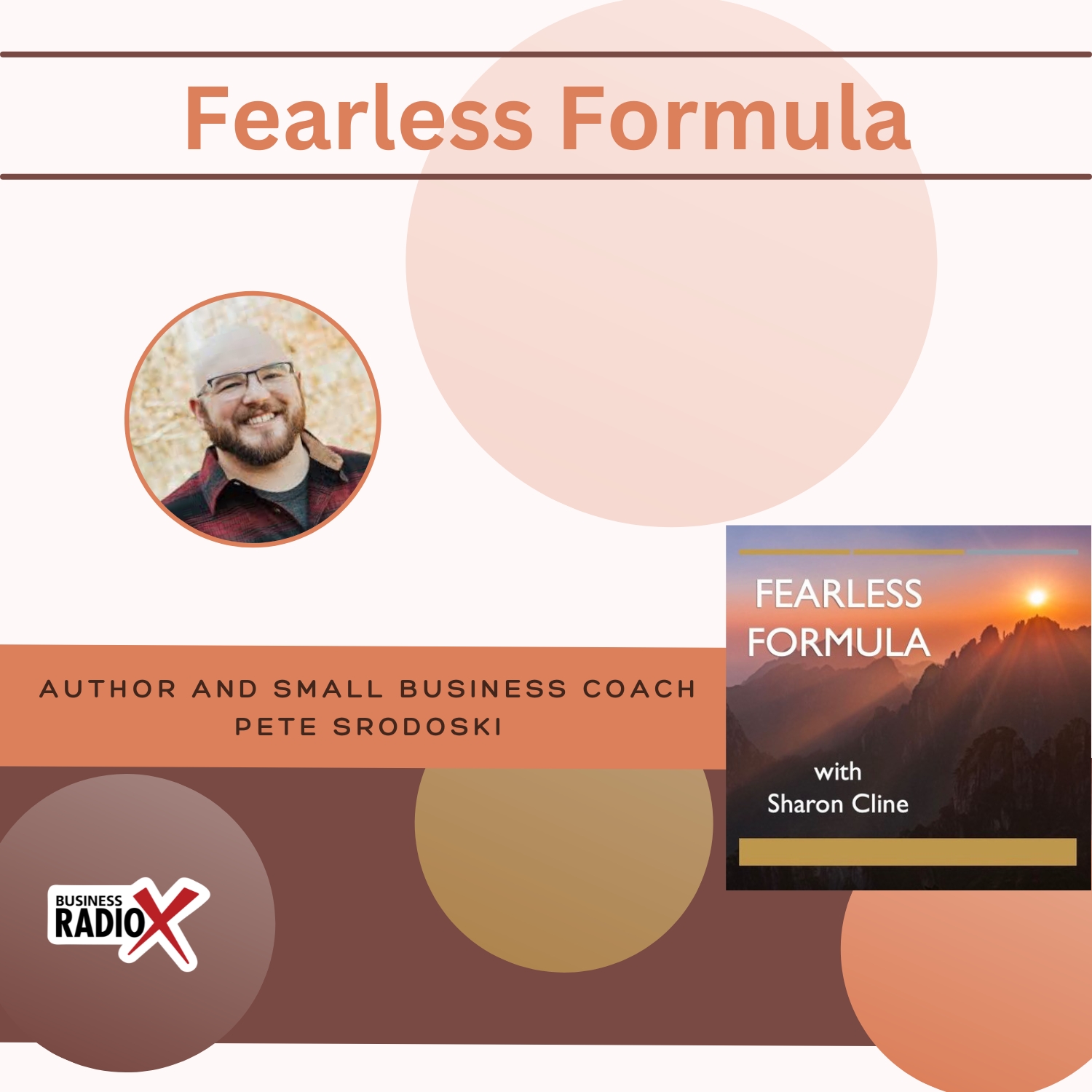
Author and Small Business Coach Pete Srodoski

January 19, 2024 by angishields

Fearless-Formula-Feature-1-17-24
Cherokee Business Radio
Author and Small Business Coach Pete Srodoski
Loading
00:00 /
RSS Feed
Share
Link
Embed

Download file

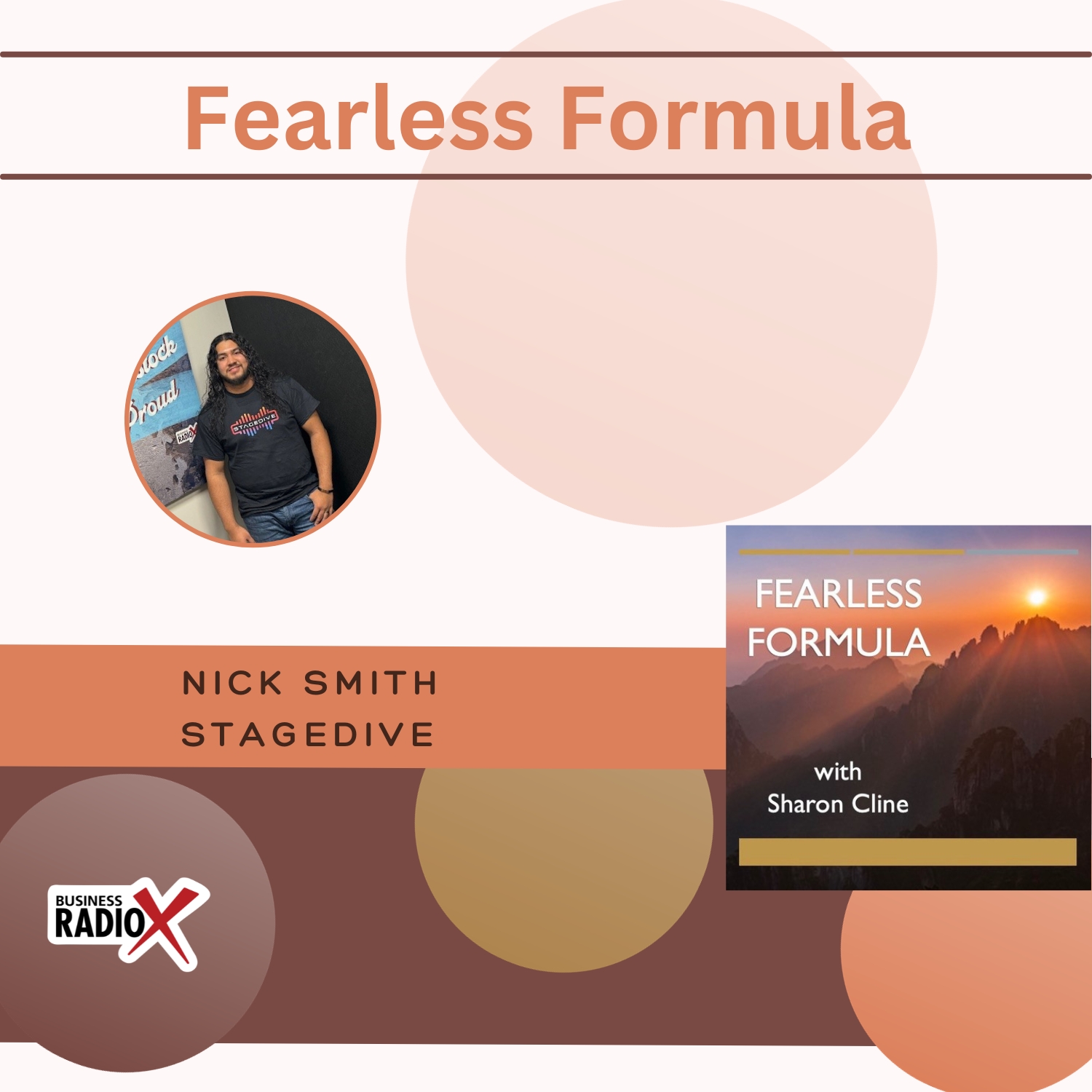
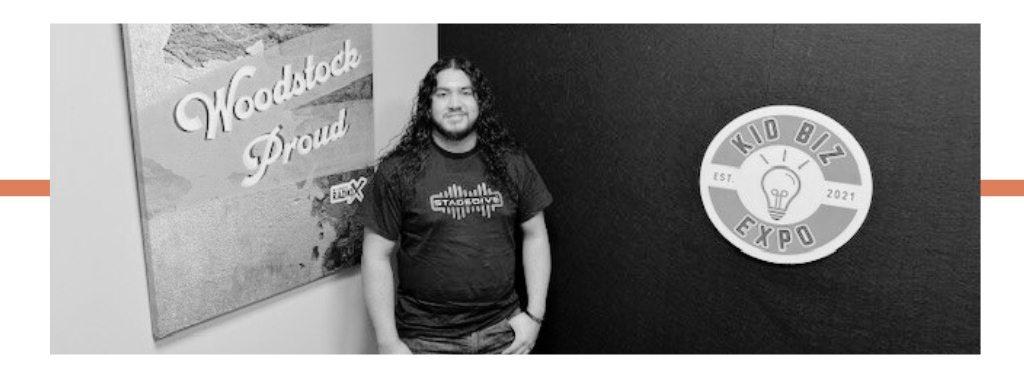
Fearless-Formula-Pete-SrodoskiPete Srodoski is author of the book, Lead With Empathy: Elevate Your Leadership & Management Skills, Build Strong Teams, and Inspire Lasting Change in Your Business.

Pete is not only a seasoned CEO, COO, and small business coach, but also a devoted husband, father of five, and a mentor. With his debut book, Pete combines his vast experience in entrepreneurship and small business with his passion for empathetic leadership and organizational development.

He embarks on a mission to empower individuals and teams to reach their utmost potential, weaving in his own insights as a family man and leader. Pete’s two-year journey of research and exploration into the intricate dynamics of empathy, emotional intelligence, and communication has culminated in a book that promises to be a beacon for aspiring leaders and anyone looking to foster a more compassionate and understanding workplace.

Balancing a successful career and a bustling family life, Pete Srodoski stands as a testament to the power of empathy and the importance of fostering positive relationships, both personally and professionally.

Connect with Pete on LinkedIn.

This transcript is machine transcribed by Sonix

TRANSCRIPT

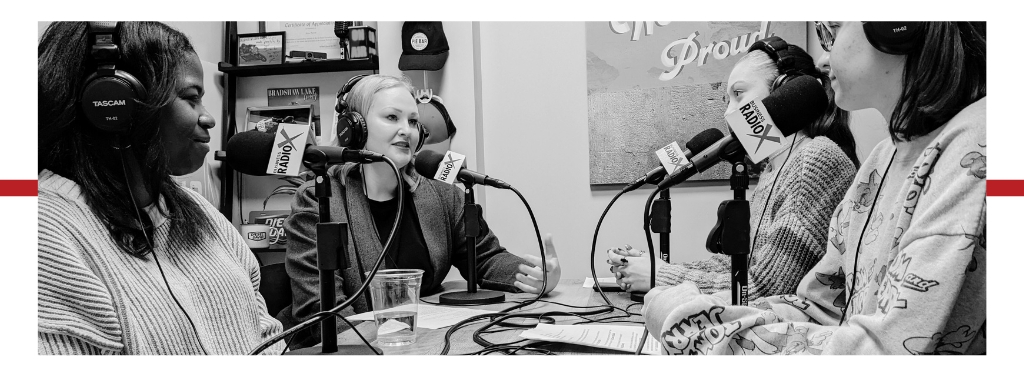
Intro: [00:00:05] Coming to you live from the Business RadioX Studio in Woodstock, Georgia. This is fearless formula with Sharon Cline.

Sharon Cline: [00:00:15] And welcome to Fearless Formula on Business RadioX, where we talk about the ups and downs of the business world and offer words of wisdom for business success. I’m your host Sharon Cline on a surprise Wednesday show, and today in the studio we have a CEO, COO, and a small business coach who’s also the author of the book Lead with Empathy. Elevate your Leadership and Management Skills, Build Strong Teams, and Inspire Lasting Change in Your Business. Welcome to the show Pete Sadowski.

Pete Srodoski : [00:00:44] Hello, hello hello hello. Thank you so much for having me.

Sharon Cline: [00:00:47] Oh my goodness. So excited to talk to you. I am really into authors these days, and I’m just so excited to see that you posted on Cherokee Connect about your book. Yes. It’s not a small book. It’s doing very, very well. I did some research on you.

Pete Srodoski : [00:01:01] Oh, really?

Sharon Cline: [00:01:02] Well, a little bit without being a stalker. You know, I worry about that kind of thing. I don’t want to be inappropriate, but I did see that you posted about book authority, which was really cute. You said that it Lead with Empathy is the eighth best management audiobook of all time, according to Book Authority.

Pete Srodoski : [00:01:18] So excited about that. And, um, you know, it couldn’t be any more grateful for that. Um, there’s seven books better than Lead With Empathy. But, you know, so far.

Sharon Cline: [00:01:29] That’s what you’re saying. Yeah, at this moment.

Pete Srodoski : [00:01:31] But, uh, just just a wonderful accomplishment. And the journey for lead with empathy. Um, it’s I was never intending it to be this, this powerful, this successful. Really. And so for me, it’s it’s very warming that that’s taking place. Well, do.

Sharon Cline: [00:01:47] You mind if I ask a little bit about your background before we get to the book? So clearly you were in the business world, CEO, CEO, um, a bunch of different letters that you throw together, I’m sure apply to you happened to mention before the show that you used to run King of Pops.

Pete Srodoski : [00:02:01] Yeah. Back before. It’s now a franchise program. But before that, um, I oversaw all of the company’s operations and sales.

Sharon Cline: [00:02:09] So how did you get into the business world? Have you always been since you were a kid?

Pete Srodoski : [00:02:12] No. So interestingly enough, I started in retail, okay. And I worked my way up. So my first real management job, I was 18 years old, and I was the store manager of a Hollywood video.

Sharon Cline: [00:02:25] Back in the day.

Pete Srodoski : [00:02:26] And if you could imagine, we had VHS.

Sharon Cline: [00:02:28] Oh, wow.

Pete Srodoski : [00:02:29] Yeah. So it’s been a minute. It has been, um, and Hollywood video goes out of business and I get a job across the street at PetSmart. Okay, uh, work my way up to a store manager role, and then I run multiple stores, and, um, I realized that, um, I just wanted more out of life than this. This retail world. Right. Um, I just I couldn’t imagine myself working those ten hour days, nights, weekends.

Sharon Cline: [00:02:54] Managing people all the time.

Pete Srodoski : [00:02:56] Just all the it. You’re really dealing with people at their very worst. Um, you know, the store manager doesn’t get called, um, when things are going great. You know, the store manager gets called because it was a problem. Yeah. So, you know, when I hear the page, like, uh, mod to the front of the store, um, I was like, oh, no. So, uh, you know, I took a chance and I took a role with, uh, King of Pop’s, and, uh, that was the game changer for me. That just changed my entire life. And, um, they were.

Sharon Cline: [00:03:28] Looking for someone to manage. Is that how that happened?

Pete Srodoski : [00:03:31] Yeah. So it was, uh, you know, when you’re a small business, the first group of people that you have work for, you are people that are in your, you know, uh, community. So, uh, people similar to you, they have the similar experiences as you, their family members, friends, etc.. And so I was the first guy that they had brought on board that was like a true and tried leader that had experience managing other people. And, uh, for them that was that was a really big deal. Wow.

Sharon Cline: [00:03:56] So it was a it was a win win. They hired you with experience and then you got to build this huge brand.

Pete Srodoski : [00:04:02] Yeah, yeah, I was I was a part of, um, you know, the tree elves, which was really cool, where we dressed up like Christmas elves and delivered Christmas trees. Oh. Did you really? Sorry.

Sharon Cline: [00:04:12] I haven’t heard of this. I’ve been kind of limited. Clearly, I’m missing out. So can you tell me about that? Yeah.

Pete Srodoski : [00:04:16] So, uh, you know, you sell popsicles, uh, from April all the way until October, maybe November. And then guess what? People don’t do anymore. They don’t buy frozen products and eat them outside. Um, because it’s cold. So we said to ourselves, we have all these trucks, we have all these employees. We don’t want to fire everybody every November and then hire them back in February. So what can we do for those 2 or 3 months? And we had this brainstorming session and the decision to make Treehouse was came about, and that was right before I got there. But we went into overdrive, um, when I, when I joined the company and opened up Christmas tree lots across the entire East Coast. We had one in Virginia, one in North Carolina, one in South Carolina, one in Tennessee, uh, a couple in Georgia. And we had these Christmas trees. And then. We would dress up like elves, sing a song when we got to your your house, and then put the Christmas tree up. And then we’d pick it back up after the season and chip it. Oh no kidding. Yeah, we would chip it and put it at the Atlanta Beltline.

Sharon Cline: [00:05:18] Oh my gosh, how ingenious. People hate getting rid of their trees. Yeah, yeah.

Pete Srodoski : [00:05:22] We do the entire thing and dress like elves. And then we’d make holiday flavored popsicles as well. Oh how festive is that a blast.

Sharon Cline: [00:05:30] Do you love.

Pete Srodoski : [00:05:30] It? So much fun, backbreaking work, though, in case you’ve never lifted Christmas trees off of a truck. Not lately. Uh, we would get delivery of 500 Christmas trees, and you’ve got to put these things on your show. I threw out so many shoulders.

Sharon Cline: [00:05:44] Oh, my goodness, over the years. But you know, the energy behind that is so festive and fun that I bet people can feel it.

Pete Srodoski : [00:05:51] Yeah. You know, it’s something that’s just so enjoyable. Like, you never really had a bad day. Oh, except we had a couple of times that trees would fly off of our trucks on the highway, uh, which would create a bad day. Um, but for the most part, you know, like, every time I went somewhere and delivered a Christmas tree dressed as an elf, the kids are just having a blast. Everybody’s so happy. I’m getting offered drinks everywhere I went. Heck, yeah. And it was. It was a really fun, um, environment, you know?

Sharon Cline: [00:06:21] So you got to experience all of that and be part of King of Pops. And what was your next step after that?

Pete Srodoski : [00:06:27] Yeah. So, um, I was recruited, uh, good old fashioned, uh, headhunter called you, sort of. The headhunter was the CEO and the owner of the major competitor for King of Pops, Steel City pops. Dun dun dun.

Sharon Cline: [00:06:44] This is very dramatic. Oh it.

Pete Srodoski : [00:06:45] Is. There’s a fun article about why one of the King of pops, the Kingsmen, uh, defected to the. It’s a funny article, but somebody wrote it. Defected to the competitor. Um, and that’s about me. Oh my.

Sharon Cline: [00:06:59] Goodness.

Pete Srodoski : [00:06:59] Um, and so I left and went to Birmingham, Alabama to be the CEO of Steel City Pops. Um, the company had gone through a chapter 11 restructure. The previous ownership team moved out and there was a group that took over. And so I had the just pleasure of taking over, uh, recently bankrupt frozen dessert company two months before Covid.

Sharon Cline: [00:07:23] Oh, geez.

Pete Srodoski : [00:07:25] What a blast. Uh, and the next 18 months of just pure, um, arduous stress of being a CEO turned, uh, terminated my employees twice. 400 people. Twice. Oh.

Sharon Cline: [00:07:39] Oh, no.

Pete Srodoski : [00:07:40] Beg them back to come back after. After the first wave of Covid, we got a pptp loan. Okay. Gotcha. I had to rehire them again.

Sharon Cline: [00:07:48] Oh, my goodness.

Pete Srodoski : [00:07:49] Only to fire them again.

Sharon Cline: [00:07:50] Oh my goodness. Okay, well let’s talk about that just for a minute. Because anyone in the business world can you imagine the nightmare that must have been for you. Yeah. And how daunting. And you clearly have a big heart. Look, your book is about empathy, so how could you not feel all 1000 different emotions? How did you manage it?

Pete Srodoski : [00:08:11] Um.

Sharon Cline: [00:08:11] I know you have to do what you have to do. I get that, but, like, how did you manage what it was like on your end to do that twice?

Pete Srodoski : [00:08:17] It’s really tough to, um, it’s just to even bolster that further. Um, my wife and I had surprise twins, uh, just a few months before. Uh, yeah. Babies four and five. And, um, so I’m having to travel to Birmingham, Alabama, where I was the CEO, and I stayed all week long, and my wife had to do it all by herself. Um, and it was unexpected. All of this was very unexpected. Covid hit. That was unexpected. Um, you know, I had a great I had a great group of people, um, we we all huddled around this, this operational methodology called EOS. Okay.

Sharon Cline: [00:08:57] I don’t know what that is.

Pete Srodoski : [00:08:58] It stands for, uh, entrepreneurial Operating System. And it’s from a book called Traction by Gino Wickman. And it’s a it’s a framework for how to run your business. But what it does is it empowers your team, and it gets this leadership team together that all share in the same dynamic and want to fight the fight together.

Sharon Cline: [00:09:18] Instead of against you or against each other. You’re you’re more of a team.

Pete Srodoski : [00:09:23] Yeah. And it’s that concept of everybody rowing in the same direction. Right. So, um, when I took over, we instantly implemented that right before Covid, and I couldn’t be any happier that we did. Um, had we had not implemented that system and that leadership team be built out, I don’t think we would have made it the year and a half that we did. Um, but everybody rallied together. They all felt empowered. They were all a part of the program. And I just kind of. You know, one foot forward every day.

Sharon Cline: [00:09:54] How wonderful to have a plan. It was almost like you had a plan before you needed the plan. So it’s so it’s so disorienting when you have to try to scramble and figure yourself out. And I mean, even as a parent, what am I going to do if if this happens with my kid or that, you know, like having a plan like lowers your stress level, but still sounds like you had a lot of stress to deal with.

Pete Srodoski : [00:10:15] Well, it was a tremendous amount of stress. But no, you’re you’re right about the plan. And as I as I think about it as a business coach, that’s pretty much my pitch for people when I work with them as a coach is just, do you want to be in the driver’s seat, or do you want to be in the passenger seat for your business? And most people say, I want to be in the driver’s seat, but right now I’m not in the driver’s seat. So I think that’s that’s kind of the the key. When I, when I had the opportunity to run Steel City was walk in the door, Institute this this new program, implement this new program collaboratively with the current leadership team, develop a structure where everyone is empowered, has a say. We’re all fighting for the same goal. And I think that carried us as far as it did. You know, we had a a very difficult time nonetheless with, you know, the first round of PPE for anybody that was dealing with that. They told us we had to spend all of our payroll in ten weeks. And, you know, so people are hiring more people than they needed to. And then on week nine, they told us that you actually had 24 weeks to spend that payroll, but we had burned it all already. So it’s just a lot of just awful management when it came to the program. But no one really knew what was going on in, you know, the unprecedented.

Sharon Cline: [00:11:33] We were out of our depth, everyone. Yeah. And you can’t plan for that. You can you can figure it out though. You did.

Pete Srodoski : [00:11:41] Well, I don’t know. I mean we tried to well.

Sharon Cline: [00:11:45] I don’t forgive me that I’m unfamiliar with Steel City, but how did they not survive? They did not.

Pete Srodoski : [00:11:50] Survive. After about 18 months as the CEO company went out of business, uh, we, you know, we absorbed a tremendous amount of debt from the previous chapter 11 restructure. So like I, we had over $100,000 a month in debt that we had to pay of debt payments. So when Covid hit and we had to close all 28 stores, no more vending, no more catering whatsoever. We just walked, you know, basically up to the firing squad. And, um, you know, we had to figure it out. So we pivoted, we we innovated, we created a popcorn line, um, which was cool. And that gave us a little bit of, um, uniqueness and allowed us to sell in stores. And, you know, we created a wholesale division and packaging. And, I mean, we did everything in our power to stay alive, but, um, just that that. Huge burden of the the previous, uh, you know, debt was just too much.

Sharon Cline: [00:12:53] So you’ve got such a daunting task as it is to come into a company and try to save it, and then even realizing that you can’t. How do you deal with the I mean, the show is fearless formula. Like, how did you deal with the natural fear that comes along with that? You’re supporting your family? I’m surprised. Twins, I mean, yeah. How did you manage?

Pete Srodoski : [00:13:15] I would honestly say, um, there was a couple of times where, um, I was in my car and I was driving, and I was talking to the owner of the company and our CFO, and we had a three way conversation going on, and we were waiting for that PPE loan, and we couldn’t make our payments to our employees payroll. I had already foregone months of payroll, you know, to try to make it my we can’t pay for groceries and my parents are helping out. It was a really difficult time. Um, and I just remember I was in Gainesville, Georgia at the time in my car driving back from 85 and, um, to Cumming, and I’m in the car and I got the phone call that we got our PCP loan and, you know, um, I pulled over on the side of the road and just cried. I just, I didn’t know what else to do. I it was I was so overcome with emotion, I just cried. I just sat on the side of the road crying because that meant I could pay my employees. That meant I could pay bills.

Pete Srodoski : [00:14:17] And I had multiple lawsuits that we were engaged in because we couldn’t pay rent and we were getting thrown out of stores and getting, you know, every week. It was another store that was getting locked up on us. And, you know, landlords needed their money too. So it was a it was a really awful time. But, you know, I really felt like at that time, you know, trust in the people that matter to you. Um, work hard, put your best foot forward, um, and do the right thing. You know, um, I have a lot of faith, and, you know, I believe in, you know, that kind of, um, that backbone. Like, I’m on the path that I’m supposed to be on. My family was so supportive. My father, who’s always just so incredibly, um. I don’t want to say unsupportive, but, um, someone who’s just, you know, a little unique in his own way. He he said to me, uh, Pete, I’ve never seen you work as hard for a company as I’ve. I’ve ever seen you work for this company.

Sharon Cline: [00:15:16] Really? Yeah. Your heart was in it.

Pete Srodoski : [00:15:19] Yeah. And it’s like, if you feel like you’re. You’re a part of something and you feel like you’re really giving it your all, um, at that point, you’re you’re just like, I can do anything I can. I can continue to fight this fight.

Sharon Cline: [00:15:33] I don’t know. I feel like the support that you have with the people around you, to me, feels like the common theme for people is that if you are surrounding yourself with people who are supporting you and caring about you, somehow, that just has the the ability to bolster your emotions and what you have to deal with when you’re stressed and scared. Yeah.

Pete Srodoski : [00:15:55] You know, you know, my wife was just she’s just an amazing woman. And she was the she’s the rock of our family and my kids and coming home and them being proud of me and how hard we’re working. And so, you know, you’re proud of that. And you, you you feel really good about yourself and you’re willing to do whatever it takes.

Sharon Cline: [00:16:18] I mean, that’s it right there. And the fact that you had such emotion knowing that you’d be able to, um, pay your employees, which because, you know, that’s so important to them, you know, you have like, your heart in it. And to me, I feel like that’s everything. Like when you really, genuinely are caring about what you’re doing, whatever does happen as a result, you’ve done the best you can and there’s like a peace that comes with it.

Pete Srodoski : [00:16:42] Yeah, that’s well, you hit the head on the nail, right? Is if you’re putting your best foot forward and you’re doing the very best that you possibly can. Um, at the end of the day, you have a peace. You know, I always say that I have to fall asleep in my own bed every night, and I have to put my head on the pillow and and do I believe that I put my best foot forward, and I’ve done the right thing by my employees and by the people in my life. And ultimately, um, I make mistakes, probably more than everybody. But no, I make tons of mistakes myself. And I would.

Sharon Cline: [00:17:14] Like to compare mistakes with you. But no, you’re right, like you can. I am the queen of mental torture and beating myself up for what I could have done and hadn’t done and should have done. But when you do have that feeling of I can look at this time and not dwell on the mistakes that I made, or I can say I didn’t know better because I, I would have done better if I knew better. There is a peace that comes with that and a surrender that, um, you know, doesn’t have to follow you every place you go and be a shadow on you. It can be learning experience.

Pete Srodoski : [00:17:47] Well, there’s you carry a lot of PTSD from that time like I, I, I know it sounds weird to even say those, those things like that’s it’s almost a shock to people that actually, you know, suffer from PTSD. But after that, it was hard to remember that time and not get mad. Oh, because of like, I felt like, you know, it’s the entire time that I was with Steel City, it was our backs are against the wall and we’re just. You know, trying our best to survive.

Sharon Cline: [00:18:15] Do you think they hired you in an attempt to save them selves?

Pete Srodoski : [00:18:19] Um, yeah. I mean, I really felt like had Covid not happened, I’d still be there and we’d be cranking. Um, that’s the saddest part about it. That is.

Sharon Cline: [00:18:27] It’s tragic.

Pete Srodoski : [00:18:28] Yeah, it really is. Um, we we just we had so many great ideas and we were trending up. And in the previous team mismanaged the company so badly, um, that taking over was kind of like, well, this actually isn’t going to be that hard. Um, you know, we have this, this great opportunity and we can do it. And then Covid hit, right? Like after we made our first tour of stores and visited all the territories, then, you know, snap Covid.

Sharon Cline: [00:18:59] So you are at Steel City. Things. The Covid hits, things fall apart. You clearly learned a tremendous amount in that whole process. Yeah, yeah. Is that what led to your next step and the book?

Pete Srodoski : [00:19:14] Um, yeah. Not yet.

Sharon Cline: [00:19:17] Okay, let’s hear your next step. This is fascinating to me.

Pete Srodoski : [00:19:19] Well, I’m glad it is, because this is probably a one of the bigger, more challenging things for me to even talk about. But, um, so my next step is, um, I’m kind of flailing at that point. Um, it was very difficult at, at Steel City to, to overcome that time at Covid. And I started looking for opportunities out in the business world, and I just had a lot that didn’t feel right.

Sharon Cline: [00:19:43] Were you looking at places like LinkedIn and were you were you having people call you as well? What what was that like to job search? Well it’s.

Pete Srodoski : [00:19:49] Weird. So, um, I’ll tell you, one of the most interesting things is for somebody who, like myself, that worked in retail, you’re always taught just to continue to fight up the ladder and move up the corporate ladder. When I eventually became CEO, I had some kind of fake I don’t know why it’s fake, but some kind of expectation of the way the world should be. When I step into my office that first day, it’s like dreams.

Sharon Cline: [00:20:14] It’s not fake, but it’s like, you know what you want to feel.

Pete Srodoski : [00:20:17] Yeah, like. So I walked in and I. I’ll never forget this. And I tell this to people all the time, is that I sit down at my desk for the first day as a CEO of this big company, and I was like, huh, nothing changed and I was expecting something to happen. I don’t know why. Maybe it’s just like this immaturity or whatever, but it’s this blind immaturity. But I’m sitting at my desk and I’m like, man, nothing changed. And at that point I realized it didn’t. It doesn’t matter what you’re called or what your title is or what your position is, it’s like, am I serving? Am I giving back? Am I, do I have purpose?

Sharon Cline: [00:20:52] So the the title didn’t satisfy you in the way that you thought it would?

Pete Srodoski : [00:20:57] None of it did. No, none of it did. Being the, the none of it did. It’s just, um, it’s just like anything else. It’s like, if your dream is to go work really hard in and get a Ferrari, you get that Ferrari and you’re just kind of like, oh, what’s my next dream?

Sharon Cline: [00:21:12] Wow, isn’t that fascinating about just, I don’t know, humans in general. Yeah. Like our personalities and what drives us and what doesn’t, because a lot of people are really motivated by that dollar and that title. Um, but it says something really special about you that your character is more about helping, not just achieving the material things or the title, but actually giving and making an impact.

Pete Srodoski : [00:21:38] Well, and that definitely leads to a little bit in my in my learning about myself and who I am of of what it’s eventually turned into. Okay, next, next step.

Sharon Cline: [00:21:49] All right. Your job hunting.

Pete Srodoski : [00:21:50] Oh yeah. So job hunting, looking for jobs, interviewing. Et cetera. Et cetera. And I had this opportunity. And I’m a learner. I love going to new industries and taking on challenges and learning a completely unique job. So I had a full career in retail, then this full career in popsicles and frozen dessert. And this opportunity came across to be the CEO of an innovation and design studio in Atlanta, um, a very well respected, uh, company called Thrive and Thrive. Um, very, very cool stuff. Um, made the first ever at home HIV test, um, made all of the wolf. Um, uh, the appliances in people’s kitchens by Wolf with the red. You know, you’re kidding me. Now, they did all those, uh, they also did the first ever at, uh, the side by side Keurig that has the coffee pot.

Sharon Cline: [00:22:46] And the thing and the. Oh, like, yeah, you’ve got your little your regular drip coffee. Yeah.

Pete Srodoski : [00:22:51] So they did that come up with that? They they did. So Keurig doctor Pepper reached out to them. They they innovated. They used their industrial designers to draw it all out. Then they had their mechanical engineers build it. That’s that’s what they do. They take these incredibly cool challenges and then they turn them into reality.

Sharon Cline: [00:23:08] That’s amazing. Yeah. How fun is that? That’s like creating.

Pete Srodoski : [00:23:12] Oh, it’s so cool. Uh, and learning that industry was a completely unique industry. I had no experience whatsoever. I mean, I popsicles and and and retail. So that was my third career change. Um, and it was, it was very it was very much marred with a lot of, uh, challenges. You know, I saw a lot of red flags. Okay. When I joined the company, the owners weren’t talking to each other, the two owners. And it was it was a doozy. So I was the guy that played middleman. Um, so we had the CEO and the C Co chief creative officer, and then I was the COO, and I was the guy who knew about expenses and knew how to manage people. And it was just so I was the middle guy. Oh, man. And cut to a couple of months, maybe six, seven months later. And, uh, the CEO has a breakdown. Um, kind of a mental breakdown he goes off on one of our female managers, says some really inappropriate stuff to her in front of clients. She quits almost the next day.

Sharon Cline: [00:24:23] This is like a TV show or something like, could you even believe it?

Pete Srodoski : [00:24:26] It’s going to get worse. Oh, no, it’s going to.

Sharon Cline: [00:24:27] I’m just trying to picture this because you can’t predict someone doing that either. No. Okay. So holy cow.

Pete Srodoski : [00:24:34] Yeah I know it’s going to get fun. I’m getting nervous. Are you. Yeah. Um, it just because, like, I this I very rarely talk about this. Okay. Um, so but this is the journey. And this is why I’m bringing this up. Because it is the precipice. It is the catalyst for this book. Got it. Um, so the CEO of the company sends me and the other owner a message says, I’m going to go away for a month. I got to work on my mental health. No problem. His first day back, he comes back. My wife and I, we make muffins, the kids make muffins, and we’re walking them back in the office. We go out to lunch. Everything is fine. He and I have had a great relationship. His right. After lunch, he bursts into my office door, grabs the laptop off my desk, and starts swinging it as hard as he can at my head. Uh, luckily, I blocked his two shots with this MacBook Pro with my arm. Um, blood spraying everywhere. And then he punches me as hard as he can in the face and knocks out one of my teeth.

Pete Srodoski : [00:25:41] No reason. We have no idea why it happened. Then he walks out and he goes and he makes himself a cup of tea. And I’m just sitting there bleeding everywhere, floored out of my mind. What just happened? I have no clue what just took place. And, um, I get up, I, I leave, I’m scared. This guy’s got a gun. You know, I have no idea. This is the owner of the company in my office. Just assaulted you. Just. I mean, bad to my. I can’t feel my arm. I think he broke it. Um, my face is swollen and bloody. Um. And so I get to my car, and I call my father in law, who was a police officer for 30 years and a Swat team member, and he tells me, call 911 right now because if he has a gun, somebody needs to get there and then go drive yourself to the emergency room. So while I’m waiting and I call 911, I see him leave and he leaves for good. And I’m sitting there and I’m just spitting out blood and my arm, I can’t I can’t even feel it. Right.

Sharon Cline: [00:26:53] I’m so speechless.

Pete Srodoski : [00:26:54] This is a true story. And I told you there was more.

Sharon Cline: [00:26:58] There is more.

Pete Srodoski : [00:26:59] Um, and so, uh, eventually we talked to the police, and everybody saw it. It was it was right in the middle of the the the headquarters. There was no justification, no understanding. So I drive to, um, uh, Forsyth County, um, Northside Hospital. I go to the emergency room, I’m getting x rays, and I’m doing all that kind of stuff, and I get a text message or an email. That I got fired. So then he fired me.

Sharon Cline: [00:27:31] The same man that.

Pete Srodoski : [00:27:32] Had just assaulted me, fired.

Sharon Cline: [00:27:34] Me and left. Fired you over email.

Pete Srodoski : [00:27:36] With no explanation, just said we want to thank him for his time with the company. I still to this day that’s two years ago, have no idea why he did it. No idea.

Sharon Cline: [00:27:47] How badly were you injured?

Pete Srodoski : [00:27:49] It took me about a week to start feeling my arm again. Um, yeah. Reconstructive. I need to do reconstructive surgery to my mouth for the tooth. And, uh. Yeah. So the arm. I started to feel it again. What happened to this gentleman? Well, he went to jail. Fulton County. Um, and we’re currently engaged in a lawsuit right now. Um, he’s. He got served with two counts of criminal, uh, aggravated assault with a weapon and then one count of simple battery.

Sharon Cline: [00:28:21] So it’s still haunting you?

Pete Srodoski : [00:28:22] Yeah, I still deal with it all the time. And he denies everything. He’s claiming the fifth on everything. My goodness, I know. Yeah. So, uh, this is where the book comes from, right?

Sharon Cline: [00:28:36] It’s interesting that you’ve been assaulted and had such a, um, you know, harrowing experience that would give anyone PTSD and you’re still dealing with. And then you write a book about empathy.

Pete Srodoski : [00:28:46] Well, I have to. Let’s hear. It’s, uh, as a Christian, what I believe is I’ve got to find a way to to to forgive this man. And that’s hard. Like hee hee.

Sharon Cline: [00:29:00] It was without provocation.

Pete Srodoski : [00:29:02] With with no provocation, which is the hardest thing for people to understand, right? But after that, trying to find a job. How do you tell a new employer that how do you tell somebody new that the reason I was let go was because I was assaulted? Um, with no explanation to. So it’s it’s very challenging, um, to deal with that. And, um, I just had to say to myself, how do you forgive yourself? How do you forgive him? And my wife was so nervous. How are we going to get, um, money? How are we going to continue to get paid? You know, I’m the only breadwinner in the house. Five kids. And you.

Sharon Cline: [00:29:47] Were happy in this position too.

Pete Srodoski : [00:29:48] Right? I loved it, loved it. Such a great company, everybody. You know, like I said, it’s just this mental health issue where I think he. He really was volatile, very physically volatile. I mean, just a couple of weeks before he went off on that female manager in front of clients and she quit. So like the catalyst was already there. And I said to myself, how do I marry? This strong desire to find a way to forgive this man, which is nearly impossible. To? How can I be helpful and guide others? And so the naturally this through this forgiveness journey I came up with this concept for a book lead with empathy, which was how do you find a way to treat your employees and treat your team like human beings respectfully? And not just like their employees.

Sharon Cline: [00:30:51] What I love about the book is that you say, what sets this book apart. I think that’s really important. You’ve got some bullet points here, and I think that’s really important, because when someone is looking for a book, you want to know what? What’s so special about this book that I should buy it? And I love that you’ve got some things written down. Practical, actionable strategies, insights from a seasoned leader, essential skills for modern times, which is so important. Um, I just feel like it’s so great to be able to have, you know, it’s it’s 140 pages or something like that. Yeah, it’s a short read. Yeah. It’s perfect because I’m.

Pete Srodoski : [00:31:22] Not an author.

Sharon Cline: [00:31:23] Listen, you are now, I don’t have a lot of time either. So it’s like, okay, give me what I need in a in a concise way that is not going to make it seem like I need a dissertation to be explained to me. So I appreciate that you have here’s here’s what I can offer you. And it all comes from your own real life experience. So you started to kind of organize your thoughts and get together. How would I how would I want to have a perfect kind of team, and how would I lead a team that would make me proud? And that’s how you came up with the concept?

Pete Srodoski : [00:31:55] Yeah, yeah, and it’s based on the two principles. I said to myself, what’s the hardest thing I’ve ever learned in management? The first thing that came to me when I was a younger manager is, the hardest thing I ever learned in management is how to manage other managers. Which is a it’s a it’s people don’t understand is that like there’s different motivations from an hourly employee who’s just working there through college or what have you, versus an individual that this is their career.

Sharon Cline: [00:32:21] Yes, yes.

Pete Srodoski : [00:32:22] And so that was the first big challenge for me. And I said to myself, I think a lot of people, even if they’re CEOs, in fact, especially if they’re CEOs, um, have struggled with this basic concept of not everybody is just there for an hourly job. You’ve got plenty of people that this is their career. They care tremendously. They don’t need to be talked down to. They want to work hard. They come to work every day with a desire to do better. So helping them, elevating them is, is going to be a better way for you to get more out of them, rather, and better for the company naturally, rather than you, um, just talking down to them, telling them what to do all the time.

Sharon Cline: [00:33:05] Treating every manager as the same.

Pete Srodoski : [00:33:08] Exactly.

Sharon Cline: [00:33:09] Yeah, I love that notion, because I’ve heard that the, um, like, even people in the company I’ve been working for, the hardest part of the job is not actually the job. It’s dealing with the people that they have to manage under them, which is fascinating to me. It’s dealing with the personalities. That’s kind of what you’re saying.

Pete Srodoski : [00:33:25] Yeah. Personality management becomes, you know, just an astronomical part. Um, I was fortunate enough when I was in retail to take a couple of courses called Situational Leadership. And, uh, thank you, PetSmart, if you’re listening for paying for that.

Sharon Cline: [00:33:41] But shout out.

Pete Srodoski : [00:33:42] Shout out PetSmart who? Um, but, you know, they paid for me to take this course by Harvard Business College. And it was a blast. Right. And you learn so much about how people’s personalities are different and you can’t manage everybody at the same, the same way, depending on their experience level and their personality structure. Be fair and consistent with all, but manage a little bit differently depending on where they are. You know, if you treat somebody who’s a brand new employee the same way you treat somebody who’s been with the company for ten years.

Sharon Cline: [00:34:12] There’ll be resentment.

Pete Srodoski : [00:34:13] Yeah, you’re gonna have a lot of different results.

Sharon Cline: [00:34:15] Interesting.

Pete Srodoski : [00:34:16] So that was the first concept is, is how do I manage managers. And then the second concept is how do I manage remotely. And that’s something that’s becoming even more important now is this remote leadership.

Sharon Cline: [00:34:27] Well when you were saying, um, imagining managing a new employee as opposed to a ten year employee, you have to know all of your employees. It’s not just a so, so and now, pandemic wise, it’s so many people are remote. How do you get to know people when you can’t physically be with them?

Pete Srodoski : [00:34:46] Often you have to be intentional. It’s the number one thing that people miss is you can’t expect it to happen without your involvement. So being fully intentional in learning and growing with your team and then verifying, validating, making sure that what you say you’re holding that team accountable, you’re providing that feedback to them. You’re being honest and transparent. There’s so many things that you can do, and some people will say, well, no, empathy means that you’re just being easy on everybody. Absolutely not. That couldn’t be any further from the truth. Um, you can be as terse and as difficult and as as as demanding as you want, as a boss and as a manager and a leader. But you have to make sure that you are being consistent and transparent and holding people accountable and verifying and giving them the reasons why. Right? Because people do come to work every day with a desire to do great things.

Sharon Cline: [00:35:40] So to get up in the morning, yeah, face traffic or do whatever. Exactly.

Pete Srodoski : [00:35:44] And and they’re, they’re willing to do it. I mean, 95% of people I’ve met in my life are great employees. And if, if um, and even I frequently hear about, like, this generation. Right. And you’re smiling. You know exactly what I’m about to say.

Sharon Cline: [00:36:00] Well, no, I don’t. But it’s funny because, well, I’ve heard that that phrase of this generation doesn’t want to work and blah, blah, blah. So you’re finding something different, completely different.

Pete Srodoski : [00:36:10] And it’s they just don’t know how to in many cases. So I have an expression I say all the time is what does good look like? And you have to find a way to share that and, and and really provide that. What does good look like as a mentor to the younger generations? And it’s it’s almost your responsibility to say that an entire culture is missing the point. It just couldn’t be any further from the truth. In my my observation.

Sharon Cline: [00:36:40] When you say, what does good look like? Can you give me an example of how you would define that in a corporate sense? Yeah.

Pete Srodoski : [00:36:46] I mean, if you’re going to give somebody instruction about how to take care of a task, you need to explain to them, how do they know what what would look good in your eyes. So if you’re going to give somebody a task, it doesn’t matter if it’s a basic to do or a lengthy to do. Talk with them, say, hey, here’s my expectation of what this should look like and by what time. Now a couple of days in follow up with them. Hey, you know, I gave you a task a couple days ago, and I’d love to know how you’re doing. Can you show me what you’ve got so far? Right. So basic check in and then at the end, provide feedback, help give them the barometer, help give them the guidelines to what good looks like.

Sharon Cline: [00:37:28] What do you find is, uh, do you have a list of motivating factors for people? Employees are, um, because I’ve heard that there are some people are very motivated by money. If you compensate them well, they will perform well. Um, some people are motivated by public, um, praise. You know, in the in the team meeting, you said, you know what, Pete? You did an amazing job on that. Really? Thank you. And that’s so motivating. Um, are you finding that there are some common themes this way?

Pete Srodoski : [00:37:59] Um, you know, it’s interesting. I would love to say yes, but I would actually say it’s it’s really, um. It completely depends on the business and the industry that you’re in. Um, you know, traditionally, you know, I’ve had sales departments and I’ve been a sales director, and I’ve had companies that had sales departments, and those folks traditionally gravitate towards that money. Right? Yeah. Um, that’s just kind of like if you’re on a full commission or you’re on a 50% commission and you’re probably more interested in money, I’m not saying that’s always the case, but that’s that’s generally.

Sharon Cline: [00:38:38] That’s why I work, you know, and do what I do. It’s nice. I’m providing a service. I get paid for it. I can support my dog. Yep. You know. Yeah.

Pete Srodoski : [00:38:44] And it’s just so I guess it’s different. And as I’ve been in now, like five different, very unique career fields, um, and widely different, um, industries, I would say there’s, there the only commonality between all five of those is that every person or most every person who have worked for me or who has worked for me, has wanted to do a good job. And that’s a very optimistic outlook. And it’s I always, always have to ask myself as a CEO, as a CEO, it doesn’t matter. Whatever position I’ve held, if someone is failing, I always start with me. How have I failed them? Because more than likely, it’s my fault.

Sharon Cline: [00:39:35] Because you haven’t plugged into them and figured out what it is that they may be lacking.

Pete Srodoski : [00:39:41] Yeah. We’re, um. I haven’t managed their direct manager. Right. You know, you start to move levels up and you start to have bigger gaps. And if somebody on your team is failing, I can’t even tell you how many times I’ve been able to turn around an individual on a team after someone’s told me that they have no hope. Really? Oh, it happens all the time. And and the reality is it’s because people give up on employees. It’s easier to give up on somebody to be done with them, to not give them a chance. I mean, as I’m saying this, I’m thinking of five, six, seven people just right off the rip immediately that I know of recently that I’ve been told that this person is not going to work and I’m, I’m, I’m, I say, you know, hey, let’s just give them some time. Let’s, let’s, let’s tease this out a little bit more. And, um, you realize that when you invest your time into people, they get better. It’s really incredible. And it’s like, if you’ve committed that you don’t want this person to get better, they’re not going to get better. So it’s a self-fulfilling prophecy as a leader. Might just be easier that way.

Sharon Cline: [00:40:48] Do you find that people are more likely to just fire someone than to really figure out what it will take for them to 100%?

Pete Srodoski : [00:40:55] And on top of that, they won’t even just fire them. They’ll just complain about them until they quit.

Sharon Cline: [00:41:02] Oh, the worst. So toxic. So toxic.

Pete Srodoski : [00:41:05] I mean, if if, uh, if managers in so many cases spend 80% of their time on the bottom 20% of the employee pool, and if instead they focused on their top employees and focused on leveraging their top employees, instead of focusing on what’s wrong with my worst employees and just gave them an opportunity and helped give them a buddy and a peer mentor. And there’s so many different things that you can do to get that bottom 20% up. But all we want to do is gripe and complain about the people that don’t work well at our company.

Sharon Cline: [00:41:36] Until they quit.

Pete Srodoski : [00:41:37] Until they quit.

Sharon Cline: [00:41:38] And then the hard work is done. Now we’re just going to hire somebody else.

Pete Srodoski : [00:41:42] We repeat the cycle, and it’d be so much better if we treated them empathetically, you know? Um, I love.

Sharon Cline: [00:41:49] That you have that statistic. And from your own personal experience, that 95, what did you say? 90. Some more than 90% of people want to do a good job and want to feel satisfied and happy.

Pete Srodoski : [00:41:59] Yeah. I mean, I can count on one hand how many people in the last five years of my life I would look at and say. This person didn’t want to do a good job. Now you might need to. You might need to bring it out of them.

Sharon Cline: [00:42:12] Yeah, but they just kind of showed up, phoned it in, so to speak.

Pete Srodoski : [00:42:15] Precisely. Very few, and I’ve worked in retail. I’ve worked. I worked in every industry. I worked in food service. I worked in a very few people I can really count on and remember that I would look at and say, this person wasn’t worth our time.

Sharon Cline: [00:42:34] So you’re able to go through and, um, really collect all of these experiences into a book where you like, okay, now I’ve got to really go into publishing this book. Yeah.

Pete Srodoski : [00:42:45] Well, it’s funny because my next company running publishing.com really helped out that.

Sharon Cline: [00:42:49] Oh my gosh. So that this publishing.com that’s like pizza.com or something. You know what I mean? It’s like publishing.com.

Pete Srodoski : [00:42:58] It’s like providence right. Like it’s just like this is providential. I didn’t have any expectation that this would happen this way. Um, but, you know, for me, I’m in this forgiveness journey. I’ve got to move on from the gentleman who attacked me.

Sharon Cline: [00:43:11] Can I ask you briefly? Yeah. Was it a challenge to really access the forgiveness part, like is something that you really had to work on? I’m wondering what parts of your personality made that accessible for you? Because I can think of many people who would not ever get to the point of empathy and could play the victim really hard and hate the world. Pretty hard for it.

Pete Srodoski : [00:43:33] Well, um, yeah, I like to see the the optimistic side. I like to, to to move along with things. I like to handle adversity and move on. And, uh, part of that’s, you know, my upbringing, you know, my, my parents and, and the way they’ve, they’ve taught me and, and growing up in New York and moving at a young age to Texas and having to deal with cultural changes. And so I’m like, I’m used to this experiential thing about rolling with the punches, which. Is the name of my company. Is it? Yeah, I named it roll with the Punches. And I did it, uh, as an homage to the man who punched me.

Sharon Cline: [00:44:12] Oh, my goodness.

Pete Srodoski : [00:44:13] So, um, in kind of a two way street, right? What? Roll with the punches is both a nod, you know, figuratively to, like, I can roll with the punches, I can deal with adversity. And then it’s also I got punched in the face. So wouldn’t it be funny if I named my company after getting punched in the face?

Sharon Cline: [00:44:30] You took something that could have been something, you know, obviously haunting you forever in a negative way, but you actually made it a positive for yourself.

Pete Srodoski : [00:44:38] I think you have to reframed it. Yeah, I think I had to. I think if I didn’t, um, there was a tremendous amount of pain coming from the physical assault and the depression afterwards. Um, the feelings of inadequacy as a man, as a father, as a husband, um, not knowing what’s coming next, I had to find a way to transfer that energy into a positive. And so creating this book became an outlet. And then creating roll with the punches, which this is my business coaching, um, roll now. And that’s what I do now. That’s the catalyst. That was the reason I said to myself, how can I help people like this man before they do what they did, before they do what he did?

Sharon Cline: [00:45:31] You still don’t even know why he did what he did.

Pete Srodoski : [00:45:34] No, no. He refuses to give any explanation to the police, to prosecutors, to investigators, to the HR department.

Sharon Cline: [00:45:41] When you look at what you’ve been through in so many different, um, I don’t know if you’re looking at a business slice of pie like you’ve kind of had many different slices out there. Do you know what I mean?

Pete Srodoski : [00:45:52] Like, not intentionally.

Sharon Cline: [00:45:54] No, but you have rolled with it and you’ve you’ve, um, learned something, obviously, through all of it. You know, there’s there’s there’s so much wisdom that you have that, um, not like most people. Lots of people stay in the same industry and don’t explore and expand. So I can see why this would be so valuable because you have, um, you know, retail experience, you have food service experience, you’ve got creating machinery experience, I mean, that touches so many different industries. Yeah.

Pete Srodoski : [00:46:25] Yeah. And, and that’s and.

Sharon Cline: [00:46:27] Dogs and.

Pete Srodoski : [00:46:28] Dogs I have tons of in movies.

Sharon Cline: [00:46:30] And oh.

Pete Srodoski : [00:46:31] If anybody’s looking to open up a movie store, um, let me know. And, you know, I think I think part of that, though, is, um, for me, um, what’s what’s kind of filled my cup, so to speak. Is this helping others? Right? How do I marry? Service and serving serving my community alongside all of this wisdom, all of this stuff in my head. And I found this way to be a business coach, really does that. So I get so much energy and and conviction.

Sharon Cline: [00:47:05] You feel like, you know you’re in the right place. Oh yeah. You know. Oh yeah.

Pete Srodoski : [00:47:08] In fact, I had a friend of mine who recently sent me a note that somebody’s looking for a new CEO, and he said, you want me to put my name out and put your name out? And I said, no, I’m where I need to be.

Sharon Cline: [00:47:20] Oh, how interesting was that moment?

Pete Srodoski : [00:47:22] Um, honestly, it it took me 39 years to know where I’m supposed to be in this world. Um, and I don’t want to do a day where I’m not.

Sharon Cline: [00:47:34] That’s amazing. Isn’t that just the goal? You know, for a lot of people, yeah.

Pete Srodoski : [00:47:39] I wish this was how I felt when I became a CEO that day, but it wasn’t.

Sharon Cline: [00:47:43] How fascinating your journey is, though. It’s, I mean, physical, uh, um, fear, you know, as well, it’s not just the emotional mental you actually are, you know, attacked, which is fascinating and horrible and I can’t imagine. But at the same time, you learn something through that as well. Yeah.

Pete Srodoski : [00:48:02] Yeah. I mean, and actually, if you think about it, the way things work in this world, the path and the reasons why. Things happen the way they do. My next role I really wanted to find a remote company because I was scared of going back into the office. The assault was so fresh. I can’t imagine, um, my last time stepping into an office, I was bludgeoned, so, um, and I had I had not blocked those those MacBook Pro shots, and they had hit me in the head instead. I might not even be here. I mean, the the violence behind those swings were it’s like baseball, you know.

Sharon Cline: [00:48:41] Do you relive those moments? Yeah, I would, I would relive it.

Pete Srodoski : [00:48:45] Yeah. It’s weird. Like I can’t remember anything that happened last week. Um, but I can tell you every second of that day it’s trauma. Yeah.

Sharon Cline: [00:48:55] I love that you’re taking something that is traumatizing in many ways, and you’re reframing it to be experience. And let me save somebody else from ever having to experience what I experienced.

Pete Srodoski : [00:49:09] Yeah, and there was a bit of a release too, because for about a year I refused to talk about it. I couldn’t tell people what happened except, you know, close family members and friends. I couldn’t I was embarrassed, I was so embarrassed. Um, and and.

Sharon Cline: [00:49:24] You took it on as a personal attack that you deserved it in some way.

Pete Srodoski : [00:49:27] I deserved it, and that that really helped me understand victim mentality a little bit because, wow, it. I don’t consider myself somebody that would be a victim of anything. You know, I’m a six foot tall, 270 pound man like, you know, sleeve tattoos. I, I’m not somebody that is a victim too often. And for me, um. Wow. I was so embarrassed. Uh, publicly, I couldn’t talk about it during interviews. Um, I had to find other ways to kind of say that, you know, the owner attacked somebody, and I lost my job as a result, and I just couldn’t say it was me.

Sharon Cline: [00:50:04] Well, and it’s interesting, if there were so many different employees, why were you singled out? Doesn’t that just, like, haunt you? It would haunt me, too.

Pete Srodoski : [00:50:10] Um, I think.

Sharon Cline: [00:50:11] You I.

Pete Srodoski : [00:50:12] Think if you think about the and I, I don’t know, I can only guess. Right. But I think that if if I’m thinking about the, um. The psychology behind it. He probably was most comfortable with me. The other owner wasn’t in the office. I was the only other executive in the building. And if he was thrashing out because he couldn’t take it anymore and he was crippling under the stress of running a business.

Sharon Cline: [00:50:42] You were the you were the target. You were the partner.

Pete Srodoski : [00:50:45] The easiest person that he would feel the most comfortable attacking. He’s you know, he didn’t want to attack a fresh out of college kid and, um, somebody who, you know. But here I am, this, you know.

Sharon Cline: [00:50:58] Trying to help and welcome back. Yeah. Go to lunch.

Pete Srodoski : [00:51:02] It was it was it was wild. Um, you know, so I’m looking for a a remote job for my next role, and I, I, um, applied at a bunch of places, but I’m being very particular here, um, because of my last experience. And I stumbled onto publishing.com, which is a. Very just unique business. Um, the owners were 26. The two brothers were 26. So young. And their previous jobs were Chinese food delivery driver. And, uh, worked at the front desk of a gym.

Sharon Cline: [00:51:38] Wow. Huh. Well, their journey is interesting, too, I’m sure. But you stumbled upon them.

Pete Srodoski : [00:51:44] Well, they became YouTube famous and created a business as a result of it. And, um, they’re very tenacious guys and super nice and.

Sharon Cline: [00:51:54] Smart, obviously.

Pete Srodoski : [00:51:55] Um. Smart and lucky. You know, sometimes you got to be in the right place at the right time, and you’ve got to be in an industry that’s about to hit. And they were in that industry that was about to hit, um, and very smart. They, they very tenacious, you know, guys that were no problem, you know, working 18 hours fearless, 100% fearless. Um, and and they made up for their lack of knowledge and experience with that tenacity.

Sharon Cline: [00:52:25] How fascinating.

Pete Srodoski : [00:52:26] It’s really cool. And I joined that company to run their operations. Um, this is a large company, $100 million, fully remote, global. Um, we had people in every country on the planet, basically, and, um, tons of clients and customers, and we taught people how to self publish books for passive income.

Sharon Cline: [00:52:46] That’s amazing.

Pete Srodoski : [00:52:47] Yeah. So we had an online e-learning education, um, service and um, yeah, it was it was a blast. And it was there for a year. And, um, the company decided that they wanted to try to create an AI software tool like most companies now. And, um, I bowed out. I have no experience in that whatsoever. And I can’t lead a company at this size with no experience. Um, so. I decided that, like, that’s a perfect opportunity for me to start this business coaching.

Sharon Cline: [00:53:26] Interesting that you kind of listen to your intuition so strongly.

Pete Srodoski : [00:53:29] Yeah. And it was we, we we had really great relationship the owners and I. So we were having these conversations. It didn’t come as like a, an abrupt departure. It was something that we talked about it for a while. We both we all agreed that I’m not the guy that’s going to be able to take this business to the next level. They wanted somebody who’s proven to scale a software business to $1 billion. Wow. And, you know, that’s just that’s just not me.

Sharon Cline: [00:53:59] You were in a good spot for a while, but then you felt like you had another place to be. Yeah.

Pete Srodoski : [00:54:04] And that entire time, you know, I call it providence. I would never have learned how to publish books. You know, and so I was able to marry my experience at thrive with my experience at publishing, to make this brainchild, this lead with empathy, which was that that was the finale of my forgiveness journey. So I don’t think that I would have been able to officially finish that journey had I had not worked at publishing and learned how to self publish books.

Sharon Cline: [00:54:37] I saw you also have an audiobook.

Pete Srodoski : [00:54:39] I do, I, you know, um. You didn’t snoop well enough for audiobooks.

Sharon Cline: [00:54:46] Oh, really?

Pete Srodoski : [00:54:47] So this is the only book I’ve wrote?

Sharon Cline: [00:54:49] Oh, okay. Because I only saw you. That’s the only book that lists you on Amazon as an author. Yeah.

Pete Srodoski : [00:54:54] I have a publishing company, and I’ve published, um, uh uh, five other books.

Sharon Cline: [00:55:00] Wow. Congratulations.

Pete Srodoski : [00:55:02] Thank you, thank you. But, yeah, this this audiobook. Uh, Dan? Dan, I think his name is Dan Wilson.

Sharon Cline: [00:55:07] I saw it on on Amazon because I’m an audiobook narrator as well. So it’s I always look to see. I wonder if he needs another, you know, and if I know someone, that would be a good fit for you. But I was like, well, dang, he’s already on top of that, too.

Pete Srodoski : [00:55:19] Yeah. So, um.

Sharon Cline: [00:55:21] Yeah, something I use ace as well. Yeah.

Pete Srodoski : [00:55:23] It’s something that they teach you at publishing. They teach you how to publish, how to publish everywhere, how to get it in front of literary agents, how to, you.

Sharon Cline: [00:55:31] Know, it’s amazing so many people have such great stories and just have have never had a way to. And here we are at home, you know, able to do so many things at home. Yeah, well, how exciting that was to be able to learn something that you could actually use yourself. You know, it’s not like you’re not a consumer of it. You know, you actually became a consumer of what you were teaching.

Pete Srodoski : [00:55:51] Oh, and it was great. Um, what a great way to get invested into a company is to use the product and to get excited about it. Yeah. I tell you, 25 years old, I’m running a PetSmart store. I never would have said 15 years later I was a published author. I had a book that was a best seller on Amazon. Yeah, eighth best management audiobook of all time. Yes. And all time.

Sharon Cline: [00:56:14] Anything of all time. And you have a 4.9 review score of 110 reviews. That is a very nice statistic. Thank you. I would be very proud of that statistic.

Pete Srodoski : [00:56:23] But you know, I appreciate it. The, the I never would have thought in a million years that I would have run a dessert company, a frozen dessert company, that I would have worked for the I, I didn’t even tell you this, but I worked for the Atlanta Braves for a year.

Sharon Cline: [00:56:36] Holy cow. Just sprinkle that in.

Pete Srodoski : [00:56:38] Sprinkle that? Yeah. Uh, and I was the manager of, uh, business development. And so anyways, like, I.

Sharon Cline: [00:56:45] The journey.

Pete Srodoski : [00:56:46] The journey has been a blast. But when I was there running PetSmart stores until I had that spark that like, I need something more from this life than what I’m doing right now. I don’t want to be 50 working at a retail store.

Sharon Cline: [00:57:03] Well, you had drive. You had to. You had.

Pete Srodoski : [00:57:08] To. Gumption. I don’t know, I don’t know what it is. I don’t know, uh, something their drive is such a good word. Um, there’s just some spark in your chest, and you’re just not going to be satisfied unless you get more out of this life.

Sharon Cline: [00:57:23] It’s so many people concede, and you can. I know, but there are people who do. And that’s what the show is about. Is that fearlessness that you have?

Pete Srodoski : [00:57:32] Please don’t listeners, please do not concede. Keep fighting. Please keep fighting.

Sharon Cline: [00:57:40] How has the reception been of your book? Like what are you finding? People are loving about it.

Pete Srodoski : [00:57:45] Um, you know, I’m I, I have a large personality, but I don’t ever feel like I do anything great. So, um, I have a natural humility. Yeah, I have the all of these people reaching out to me on LinkedIn and Facebook that said, um, hey, this this book was great. And I’ll tell you, this is the moment where I just like, kind of got and I went in or is, um. And if you’re listening. Thank you. Um, I there was a gentleman that was on Facebook and he had posted, um, the best books I read last year, and he had a picture of two books, and one of them was lead with empathy, and I didn’t, I was floored. And then on top of that, the mayor of canton said, that was my favorite book last year.

Sharon Cline: [00:58:35] Oh my gosh, I have like tears in my eyes. And I was so emotional for me because what a satisfying, what a validating experience. That must have been magical.

Pete Srodoski : [00:58:45] Yeah. And I had no idea it was like, that just blew me away. That all happened. And I remember taking a snapshot and sending it to my mom and dad.

Sharon Cline: [00:58:53] And I’m like, look what happened.

Pete Srodoski : [00:58:55] This is crazy. And, um, so it started, you know, naturally, I’m working on my second book, but it started as one of those things where I just became really proud, um, and that the journey, it was worth it. Getting assaulted, forgiving that man.

Sharon Cline: [00:59:14] Having a fire. 400 employees. Twice.

Pete Srodoski : [00:59:17] All of it. All of it. The stress my wife had to go through when I was gone and she had the kids, and she’s getting all the kids up for school and bottle feeding two twins. And just the stress and the gumption that my wife went through. And I could never, ever repay her for what she did so I could do that.

Sharon Cline: [00:59:37] It’s so sweet, you know?

Pete Srodoski : [00:59:38] And it’s it’s it’s incredible. So the journey has been worth it. And that’s why I say don’t give up. I mean, I’ve just consistently in my career hit wall after wall after wall after wall. And I just can’t let that stop me.

Sharon Cline: [00:59:54] One of the best quotes I ever read, and I think about it a lot, is that, um, at the end of the day, I’ve never been proud of giving in to fear. I’ve always been proud of doing something in spite of it, you know? And that’s something I think about a lot is, um, telling my story because I’m making my story every day. Right? Yeah. Being able to tell my story, to say I was afraid, of course, but I still did it because the times where I can torture myself at night, putting my head down, is when I’ve given in to fear and just allowed it to make decisions for me. Yeah. Um, and it’s a natural instinct, of course, that we have, but. And it’s there for a purpose. But when I allow it to control me, I’ve never been proud of it, you know, but to but to but to do what you’ve done and taken justifiable PTSD and still been able to find a place in your heart to say, here’s how I can help people with what I’ve learned. And not turned bitter. By. It is. It’s impressive. Thank you.

Pete Srodoski : [01:01:02] I want to be bitter. Right. It’s easier.

Sharon Cline: [01:01:05] Well, I mean, I can throw the best pity party you’ve ever heard. I can be the bitter, the bitterest person and enjoy it fully. But it’s, you know, it feels so much better.

Pete Srodoski : [01:01:16] In.

Sharon Cline: [01:01:16] To do the opposite.

Pete Srodoski : [01:01:17] Yeah. In the moment it might feel great to be bitter short time, but it kind of goes back to I lay in my bed every night and, you know, I’ve forgiven the man that did this to me. And it took a long time. And, um, he wronged me in so many ways. And, and and my wife and my family and my kids and and I can’t but take that incredibly personal. But I’ve. I’ve passed the point where I need to forgive him like I’ve done it. I’ve forgiven him, and I, I understand, um, that he was going through some horrible moments and and I don’t want that to happen to other people.

Sharon Cline: [01:01:58] Well, who who is your perfect client for your book?

Pete Srodoski : [01:02:02] Um, you know, I would say anybody that, um, manages, um, other people. Um, especially if you haven’t been doing it for a long time. Of course, I would always tell people, if you’re the kind of person that says that you don’t need help, then you’re probably the person who needs it the most. Um, because everybody needs help.

Sharon Cline: [01:02:24] Yeah. So if someone wanted to reach out to you directly to talk to you about your book or any of your experiences, how could they do that?

Pete Srodoski : [01:02:31] Uh, Facebook, you know, my how I found you. Yeah. Facebook. Linkedin. Um, I’m just I’m just a regular guy, you know, like, I, I go to varsity and get hot dogs, so I’m just like anybody else.

Sharon Cline: [01:02:45] Uh, you don’t lead walk around with, like, published author. No, no, I or your book in hand, just in case. No.

Pete Srodoski : [01:02:51] If people who know me are like, yeah, that’s just a normal dude. Oh. Um, uh, so you can just reach out to me just like any other person. I just happen to write a book because I got assaulted. And other than that, I’m. You know, I watch scary movies like everybody else.

Sharon Cline: [01:03:07] Well, Pete, I want to thank you so much for coming in and being so candid with your experiences and and being willing to share what some of the, the scariest moments that people face. Um, you have obviously handled with grace and given a nice blueprint for people to potentially understand that if they don’t turn to empathy and turn to forgiveness, it can become something horrible and debilitating. But you’ve you’ve done the opposite, and hopefully you’ve inspired some people to look at some of the darker things in life and maybe reframe them to something that can help other people.

Pete Srodoski : [01:03:41] Well, thank you so much for having me. On if if there’s only one person that from this conversation today was inspired to do better, be better, continue fighting. Um, forgive then I would look at this as a success. So thank you so much for having me on and I really appreciate your time.

Sharon Cline: [01:04:00] My pleasure. Pete. Thank you. Um, I think the same about the show. I hope one person, the the one fan I have is listening. Well, I’m enjoying it. Oh, great. You’re right. So you should feel great. And thank you so much, Pete. And thank you all for listening to Fearless Formula here on Business RadioX. And again, I’m Sharon Klein, reminding you that with knowledge and understanding, we can all have our own fearless formula. Have a great day.


 

BRX Pro Tip: Don’t Automate Humanity Out of Your Brand

January 19, 2024 by angishields

BRXmic99
BRX Pro Tips
BRX Pro Tip: Don't Automate Humanity Out of Your Brand
Loading
00:00 /
RSS Feed
Share
Link
Embed

Download file

BRX-Banner

BRX Pro Tip: Don’t Automate Humanity Out of Your Brand

Stone Payton: [00:00:00] And we are back with Business RadioX Pro Tip. Stone Payton, Lee Kantor here with you. Lee, I love automation. And I’ve started employing more and more automation in my work at the corporate level and for the studio that I run. But I think it’s so important that we don’t automate the humanity out of our brand.

Lee Kantor: [00:00:24] Yeah, you got to always remember that business gets done between human beings. And it’s so easy to automate the humanity out of your brand when everything is done in kind of a mass manner. You know, you’re trying to kind of automatically do these things. So you automatically say certain things and you email certain things or you post certain things that anybody could do or anybody can say. And you you leave some of the imperfections of being human out of it.

So I think it’s important to not make your content too perfect. It has to have a personality. It has to sound like you. Ideally, it has to sound like a human at the minimum. And I think it’s important to lean into authenticity over perfection.

Like in our business, the best interviews, we do sound like real conversations because they are real conversations. There are two business people talking to each other. They’re meant to sound that way. It’s meant to be sound like, you know, we’re talking over dinner and the listener is on a table next to us overhearing the conversation.

That’s what we shoot for. That’s what we train our people to do. And that’s why our content is so listenable and compelling. People during the conversation, they misspeak. They say, you don’t have to edit all this stuff out. You’re not making an NPR podcast. This is content that you want to capture that captures the humanity of the people talking. You want to hear their passion. You want to hear their intelligence. You want to hear their humanity. So don’t make your content too perfect, but make sure it is done professionally.

BRX Pro Tip: Are You Telling the Right Story?

January 18, 2024 by angishields

BRXmic99
BRX Pro Tips
BRX Pro Tip: Are You Telling the Right Story?
Loading
00:00 /
RSS Feed
Share
Link
Embed

Download file

BRX-Banner

BRX Pro Tip: Are You Telling the Right Story?

Stone Payton: [00:00:00] And we are back with Business RadioX Pro Tips. Stone Payton and Lee Kantor here with you. Today’s question, Lee, are you telling the right story?

Lee Kantor: [00:00:10] Yeah. When you’re talking to your prospect in a sales situation, there are some clues that – when you’re telling your story or you’re telling your pitch to your prospect, there are some clues that they might be giving you that you might have lost them or that you’re on the right track. The first clue is, are they nodding their head when you talk? If they’re nodding their head, they’re kind of agreeing with you. If they’re smiling, they’re kind of agreeing with you. They’re recognizing the truth in what you’re saying. They can kind of imagine themselves as part of using your services.

Lee Kantor: [00:00:43] If their arms are crossed, if they’re looking at their watch, or if they’re on their phone, you might have lost your prospect. They might not be interested. They may not be believing what you’re saying. So, you better make some changes when it comes to things like that.

Lee Kantor: [00:00:59] When you ask prospect about your solution and they talk about it as if they already own it, then obviously you’re on in a good place, and they’re already imagining themselves already buying what you’re having to sell. So that’s always good and it’s always good if you can lead them down the path where, as part of the conversation, they are taking ownership of whatever it is your service is providing.

Lee Kantor: [00:01:25] But again, if their arms are crossed, if they’re distracted, if they’re looking to leave, those are bad signs and you better change something, or else your prospect is not going to buy what you’re selling.

3 Useful Prioritization Frameworks

January 18, 2024 by angishields

Please log in to view this content

Filed Under: Uncategorized

Eder Garavito with Scholarnetics360

January 17, 2024 by angishields

High Velocity Radio
High Velocity Radio
Eder Garavito with Scholarnetics360
Loading
00:00 /
RSS Feed
Share
Link
Embed

Download file

Scholarnetics360-logo

Eder-GaravitoEder Garavito is an Assistant Professor at the College of Saint Mary’s Doctor of Physical Therapy Program. His responsibilities encompass instructing and organizing coursework focused on managing patients with cardiovascular and pulmonary conditions, delivering care in acute care settings, health informatics, and telehealth/telemedicine.

With a background as a board-certified cardiovascular and pulmonary clinical specialist, Eder has a decade of experience working in acute care settings. Presently pursuing a Ph.D. in Teacher Education and Learning Sciences at North Carolina State University, his academic emphasis revolves around learning design and technology.

Furthermore, he contributes as a PRN staff Physical Therapist at Duke University Medical Center in Durham, North Carolina.

In collaboration with three partners, Eder co-founded Scholarnetics360, healthcare’s first mentorship and knowledge-sharing hub, in the summer of 2023—a pioneering initiative in healthcare education.

Scholarnetics360’s aims to offer 24/7 access to industry leaders and specialists remotely and believes that a mentorship and knowledge-sharing network for healthcare students and professionals is the most direct and accessible method to access essential information for anyone in need, ultimately improving patient outcomes.

Follow Scholarnetics360 on LinkedIn, Facebook, X and Instagram.

This transcript is machine transcribed by Sonix

TRANSCRIPT

Intro: [00:00:04] Broadcasting live from the Business RadioX studios in Atlanta, Georgia. It’s time for High Velocity Radio.

Stone Payton: [00:00:14] Welcome to the High Velocity Radio show, where we celebrate top performers producing better results in less time. Stone Payton here with you. You guys are in for a real treat. Please join me in welcoming to the broadcast with Scholarnetics360, Mr. Eder Garavito. Good afternoon sir.

Eder Garavito : [00:00:36] Hey Stone, how are you? Thanks for having me.

Stone Payton: [00:00:38] I am doing well and I’ve really been looking forward to this conversation. I got a ton of questions. I’m sure we won’t get to them all, but I think maybe a great place to start would be if you could share with me in our listening audience. Mission. Purpose. What are you and your team really out there trying to do for folks? Man.

Eder Garavito : [00:00:58] Yeah, no. So, um, I myself, I’m an educator in higher education, and I think for our society, it’s kind of become a norm to really sort of, uh, make comments such as the health care system is broken. But I think something that we don’t talk about is how the higher education system is broken as well. And I’m talking about my job in general. Right. But like, really, we have to understand the limitations of any school, uh, specifically in health care, whether it’s the most prestigious school or a developing program. And so with Scholarnetics360, what we’re really trying to establish is the fact that we are offering the power of choice to our users, uh, to be able to choose a mentor based on their individual needs. And we’re doing that through virtual mediums, uh, through live chat, voice calls and video conferences. Uh, we recognize that mentorship is a right. It isn’t a privilege, and we just don’t want to leave a good quality mentorship relationship to chance. And so because there are limitations to that didactic knowledge and programs, we’re just offering the ability for students and health care providers to connect with one another, specifically with leaders and specialists in their field.

Stone Payton: [00:02:17] Well, I’ll tell you, it sounds like noble work. It also sounds like you’ve, uh, answered that question before. That was an incredibly articulate representation of what you’re up to. I got to know, man. What what’s the backstory? How did you find yourself here in this line of work and on this pursuit?

Eder Garavito : [00:02:36] Uh, sure. So I am a clinician, a physical therapist with a little bit over ten years of clinical practice, and I transitioned to full time education four years ago. And, uh, I just I’m very observant, stone. And I just realized that even my own knowledge has limits. And I recognize that there are individuals out there specifically in what I would call the frontlines, meaning our clinicians who are practicing daily with patients. I see patients once every, you know, six weeks that know more than I do. And so what better way than to improve the learning experience of my students in all health care students than to connect them with those individuals and provide them with resources beyond what I can provide them? Why seclude our students in our learners to just what’s in their institution and instead, uh, allow them to really connect with individuals out there? So, uh, myself, I’m cardiovascular and pulmonary, uh, specialist, which really is there are about 400 or 600 in the United States, not many. So I’m a product of good mentorship. Stone and that’s how I got to where I am today. Uh, when I had my mentor, I literally looked at him and I said, you know, I kind of want to be like him when I grow up. And and that’s really the story behind this. And so we just want to ensure that we offer these opportunities to our learners and even practicing clinicians, our new grads or clinicians who transition to new jobs that they just are not sure we want to provide them with a support system 24 seven easily on our app or on our website.

Stone Payton: [00:04:05] Now, have you found that you wanted to, when you built this mentoring platform, I guess is the right way to frame it. Did you find that you wanted to try to do some things that were set it apart from other platforms and make it even better?

Eder Garavito : [00:04:22] Yeah, so the platforms, when we were doing our research, the platforms that we found usually were programs that mentorship programs provided by individuals across the country here and there, few in health care. But at the end of the day, not only are these programs sometimes expensive, but they are mentorship. They’re mentorship programs with the individual running the program. Right. So there really isn’t a choice. Besides that choice, our our our system U um, allows our users to put an inquiry in our chat bot and through AI and all these algorithms that I don’t even know how to explain to you that our developers are doing for us, programing for us. It’ll connect them with a two, three, four individuals based on the the user’s inquiry so they can choose who they want to connect with. And if they connect with somebody and they don’t enjoy the conversations or they don’t click, they can shift to somebody else. What we’re really trying to focus on here, a stone, is that it credentials and experience in the field and all these initials and everything. There’s no real, uh, correlation between that and good quality mentorship. Right. So we need to stop looking at all these individuals with all these initials and publications and everything. Mind you, they may be amazing mentors, but there are so many other individuals that are amazing mentors that we just don’t look for because they don’t have those qualities. And so we’re putting them on our platform and making them available to our users.

Stone Payton: [00:05:52] I love this element of choice, and I like the idea that I can get on a platform, and I’m operating under the impression even someone with my lack of technical knowledge can navigate that pretty easily. I almost hope, like when you get done with this, you’ll you’ll build one for the media industry. Because it would be. Yeah.

Eder Garavito : [00:06:16] That that would be nice wouldn’t it? But yeah. Stone, it’s as easy as that. Um, log into our app or our website now, you know, we’re we’re building up to it launching here in the spring. And, uh, just putting an inquiry, whether you’re confused about a topic, whether you want to talk to somebody, uh, because you need support in terms of how to communicate with individuals. You want to collaborate in projects, uh, you have clinical questions, anything of the sort, as easy as that. Then our algorithm does the rest, and it just gives you the power of choice. Instead of these forced mentorships that we see often when we get new jobs and things of the like, hey, this is your mentor, you might not get along with them, right? We again, just as you mentioned, we are offering that power of choice. You can choose who you want to chat with.

Stone Payton: [00:06:59] Well, I’m sure it was very exciting in the beginning, and and it probably has every day probably has elements of surprise and excitement. What? Uh. What are some of the challenges you’ve been running into? Have you been surprised as you’ve tried to reach out on this pursuit?

Eder Garavito : [00:07:20] I actually have been surprised, to be honest, and I’m just going to be vulnerable and transparent because that’s who I am. And I believe that that’s a strength that I have. I have access to several hundred students and a decently large network. And my assumption was when this launched and we kind of publicized it, that everybody would hop on board. And one of the biggest, uh, roadblocks that we’ve had is really creating trust with our, our with our, our followers and really getting that buy in and increasing awareness and making sure that individuals know that we’re trying to help them because these pain points exist. So we’re finally getting the traction, we’re getting traction. And you know what really keeps us going? Stone, is that me, somebody who has imposter syndrome and regularly sort of questions what they’re doing, we continue to get amazing feedback from individuals. And this feedback goes right to our developers and they build what they’re, you know, from that feedback because we’re still constructing the system.

Stone Payton: [00:08:20] And so in your line of work particularly, probably much more so than in my field, I’m operating under the impression that you’re going to want some kind of, uh, credential checking vetting process. I mean, so there’s some there’s some there’s some levels of, uh, I complicated is not the right word, but you’ve got to do some due diligence as you’re, uh, bringing mentors onto the platform, don’t you?

Eder Garavito : [00:08:48] Oh, absolutely. Yeah. I mean, we we don’t want to really have just anybody hop on our platform because that’s what happens in the real world, right? We are really going to create we’re after creating an elite environment of mentors who know how to mentor. So we’re offering courses on how to mentor as well. So the vetting process of course will include credentials, resumes, CV well, resumes or CVS, uh, years of experience and some preferences that we have sort of like specialties, prior mentorship experiences and things of the like, uh, and you know, based on that, we we’re going to bring on board the people who we truly believe can make help us change this environment and the environment of mentorship in healthcare. So, uh, in terms of the legalities and all that stuff, Stone, we can have a conversation about an hour about that, but I’ll, uh, I’ll just I’ll just leave it at this. We have an amazing group of attorneys that are helping us make sure that we, you know, dot all our I’s and cross all our T’s.

Stone Payton: [00:09:43] Well, uh, I got to tell you, I went to school and got a marketing degree, and it was, you know, it was less than challenging to make it through the classes. But my roommate at the University of South Alabama studied and became a very successful physical therapist. But I know there was a great there was a great deal more academic pressure and rigor and discipline, uh, for him than there was for me. So paint for me if you could, as as a lay person. His name is Shannon. Like, what would his student life have been like? Or how might it have been enhanced if he’d have had this platform? Uh, should I even say it 30 years ago?

Speaker4: [00:10:24] I mean.

Eder Garavito : [00:10:25] Yeah, Shannon is now going to come at you for giving away their age, right? Yeah. Uh, so really, when we did an extensive market research stone, it was kind of scary to get the results back that most of our students are utilizing and leveraging social media to improve their didactic knowledge. Right. So your future health care professionals are learning from YouTube and before YouTube, you know, 30 years ago, we’re talking about textbooks and and faculty members. And so what if Shannon didn’t get along with the faculty members, or Shannon couldn’t understand concepts well, just from reading articles or textbooks, they could have hopped on to our app and asked the question or questions about specific concepts, and that would have connected them with somebody else who knows is an experienced leader or in their field on specific concepts that Shannon was confused about, and they could connect on the phone or on video conferencing and just talk things out. And hopefully that individual that Shannon connects with, with their clinical experience can help bridge that. You know, the that the excuse me, bridge their theoretical concepts into applying them into clinical scenarios. Right. So making that connection. So it could have been a lot easier for him to learn uh, or not.

Stone Payton: [00:11:41] So even right now, fast forward that 30 plus years, we do have practitioners and people who are wanting to are studying to become practitioners in these fields, and they’re already sourcing to some degree this, uh, shall we say, uh, less vetted, uh, some of these less vetted platforms to get some insight on the work that they’re doing, like they’re going we actually have practitioners and students going to YouTube and Google and that kind of thing right now.

Eder Garavito : [00:12:14] We do. Uh, and that’s what our market analysis came back as. And so, you know, when you have individuals who have a question about a concept and they go to YouTube and they learn it on YouTube, I don’t want to devalue those resources. They have value. But it could be a situation of the blind leading the blind. They don’t have the ability to really vet that content unless they really have that knowledge base. Right now, let’s say that these online resources that you mentioned, and even YouTube or Instagram are vetted individuals and are providing excellent, excellent, uh, knowledge that is asynchronous, right? It’s a video. They can’t speak to the individual. They can’t ask questions. Our platform offers those capacities. And heck, maybe some of those people that have those big accounts on YouTube or Instagram or what have you will join our platform as mentors and be able to connect, live with the individuals who really are just eager to speak to them.

Stone Payton: [00:13:08] Well, I love the idea that these folks are are life learners, and I like that they go out and they’re open minded and they try to find, you know, other ideas to to influence their work. But even as a layperson, I got to tell you, it’s, you know, it’s it’s concerns me a little bit that they they might be sourcing some material sometimes that, uh, you know, not might not be nearly as, uh, as well vetted, but I guess even more so I, I kind of I’m enamored with the idea of getting them connected with an actual person, maybe more than one person through this, uh, through this platform. Because from that relationship, you’ve got a seems like to me, uh, you know, an ongoing, sustainable foundation for continued education and sharpening each other’s soul and all of those kinds of things that life learners benefit from.

Eder Garavito : [00:14:08] Oh, absolutely. I mean, one of the biggest things we talked about vetting our mentors, right earlier, one of the biggest qualities that mentors need to have is vulnerability. And they need to understand that in a good quality mentor mentee relationship, the mentor is sometimes learning from the mentee, and the mentee sometimes outgrows that mentor. And if that happens, they can move on to somebody who knows better or knows different. Now, they could stick with somebody who has helped them through the years. And at that point, when they develop these amazing relationships and networking, the mentors can write them letters of recommendation. They can help them find jobs. You know, they can really help leverage their careers. It isn’t just a one and done. It can be if that’s what the mentee wants. But the mentee themselves are our users. Those are the they are in the driver’s seat. They can meet as many times as they request, as few times as they request. There’s no set requirement for either party.

Stone Payton: [00:15:02] It sounds like you’re at the practitioners. You’re connecting with the students. You’re you’re connecting with. It sounds like you’re getting plenty of individuals, at least open minded to the idea and intrigued with the platform and all those possibilities. How is, um. And I don’t even know if this is the right word. The establishment, the the the old guard, the health care arena? Or are are you running into some resistance at some points from the some of the established institution kind of thing?

Eder Garavito : [00:15:36] Oh, sure. And we’ve you know, for example, the big thing of that we hear is just that virtual mentor mentorship itself or, or teaching through virtual means. It lacks depth and connection that is found in face to face interactions. And we’re not going to challenge that because that is true. But still, in those face to face interactions that are argued, they are either by chance or they’re far and few in between are. So we are now offering the ability for people to connect nationwide, right? So seek those elite individuals in your field instead of just going to conferences and spending thousands of dollars or potentially cold emailing somebody or getting to know somebody because somebody knows somebody here. You know what? Let’s leverage our technology. Because let’s be real. Just like healthcare is dynamic, so is technology. So let’s adapt to it and let’s leverage it so that we can improve our knowledge. But the the true here, um, outcome stone is to improve patient outcomes. Right. That is the biggest thing. We want to make sure that we deliver good quality care to our patients.

Speaker4: [00:16:40] All right.

Stone Payton: [00:16:40] Let’s back it up a little bit. I’m trying to put myself in your shoes a little bit. Uh, successful practitioner and and educator. And then you decide to take on this very entrepreneurial pursuit. You got to find developers, you’re opening a business, you got to get out there and market it. It’s I mean, pieces of that had to be a little bit intimidating. Speak to that transition. And especially in the early days, what what has that been like? Just, you know, now you got a whole new, uh, a whole new job.

Speaker4: [00:17:15] And kind of sort.

Eder Garavito : [00:17:16] Of. Right. Uh, now I’m still working on my, my hours and my real job, I promise. But, uh, yeah, that was a very interesting transition, to be honest. Um, I bit a lot more than I could chew. Stone. Uh, and, uh, I’ve gathered amazing individuals that have really helped us grow through the process. And I think one of the biggest assets and and I have no shame in admitting this. Somebody who has been with us since the start, um, is we have this incredible business coach, and, uh, she’s just really helped us really strategize and make connections and make sure that we’re doing things right. We’re doing things appropriately because it has, you know, this concept grew so large that I had to get a team behind it. So I’m not alone in this. I have three other partners, you know, our teams of attorneys, our developers, and of course our business coach. And we have copywriters. Everybody’s working together in this project, and everybody’s so excited that it just makes working on it that much better on a daily basis.

Stone Payton: [00:18:12] Well, it does sound to me like it’s an awful lot to bite off. But you, it sounds like you are getting those kind of early wins and you’re getting some adoption and interest from people who can really contribute to the, uh, to the effort. And it may be a little early to ask this question, but but it does come up for me. Have you landed or do you feel pretty comfortable that you can land in a place that is going to provide, you know, affordability and accessibility to the people who need it and still be a viable business? Or are you still working out that part of the equation?

Eder Garavito : [00:18:50] We’re still working out that part of the equation. And, uh, you know, just for your listeners tone when they hear that we’re still working on that part of the equation, just know that we’ve been working on that part of the equation for about four months. And that’s a good thing, because we are taking all the input that we’re receiving, all the feedback, all the input we received on the on our surveys and our market research. And we want to make sure that what we develop is something that is accessible and is affordable. Now, I recognize that affordability can be subjective. What I can share is that we are diligently working to ensure that the vast majority of individuals who look at this, uh, look at our product and our service, it would almost be like too stupid for them not to refuse to use it because of the amount of value that it will have. And so that is our main goal. And so instead of sharing with figures with you, just trust us, we are. Affordability is at the forefront of what we’re doing.

Stone Payton: [00:19:46] Yeah. So now that you’ve been at it a while and I know and I’m going to ask you in a moment about, you know, what’s next and maybe a little bit about projected timelines on some key milestones. But now that you’ve been at it a while and it sounds to me like you’re neck deep in it, you’re like at a point of no return, which could be great for us entrepreneurs. Right? But but what are you finding the most rewarding about the day to day of this? What are you, uh, what are you enjoying the most?

Eder Garavito : [00:20:13] I’m enjoying the small wins. Whether it’s. We finished a task in our task list that’s, you know, giant or, um, when I am having my little moments of, uh, sort of negative thoughts, if you will, because, as I mentioned, I sort of self-sabotage somebody. And then I get an email or a comment or somebody reaches out saying they’re super excited about this, or, heck, people like you bring me on a show to talk about this because you’re excited. Those small wins just keep us going. And you are right, we’re at a point of no return, and we’re not going to back out because we’ve received so much positive feedback and excitement about this that, uh, we’re just we’re just excited to finish up and have something to to give back to the people.

Stone Payton: [00:20:54] Well, I won’t and we won’t hold you too tight to to some of these responses. But in general, uh, talk to us a little bit about projected timelines, some of the next, you know, milestones. What’s the what’s the near and mid-tum horizon look like?

Eder Garavito : [00:21:12] Sure. So, uh, you know, three of us partners are physical therapists. Uh, and one of them is a physician. So because of our knowledge base, we’re starting with physical therapy. First, we want to make sure we master the art first. And we have a really good recipe before we start moving on to other health care professionals, professions, which is the plan nursing physicians, occupational speech therapy, you name it. Right. Uh, in terms of our timeline, uh, we’re planning for a beta launch right around March or April of this year, we hope. And, uh, run it for a few months for free for our users, of course, where we can receive feedback from them and continue building what they want. Not what we want, but what they want. And we’re hoping for a full launch here in early summer.

Stone Payton: [00:21:56] What an exciting time. I’m so glad we got a chance to visit with you now, and we got to swing back around and pick up the conversation. Uh, you know, a little bit post, uh, past that, that beta launch. So what is the best way for people to tap in, get on the list, connect with you, start, you know, start learning more about this. Is there some way for them to start following what you’re doing?

Eder Garavito : [00:22:19] Absolutely. Uh, scholar analytics 360 on socials, Instagram, LinkedIn, Facebook. Uh w-w-w dot scholar CNET.com is our website, our current landing page. Uh, and and then uh, they can email us at info at scarletknights.com. And we will make sure that we get back to them in time. But to sign up for our beta beta user list, you can go to www.com or follow any of our socials.

Stone Payton: [00:22:47] And I got to ask you, I don’t know when or how you could possibly find the time with everything you’ve got going on. Uh, but I am interested to know, uh, if you have time for them now, any other passions outside the scope of this work that we’re talking about that you try to pursue? For instance, my listeners know that I like to hunt, fish and travel. Uh, is there anything you do to try to unplug or any other pursuit, like you playing the drums or riding horses or anything?

Speaker4: [00:23:17] No, no.

Eder Garavito : [00:23:17] Yeah. Of course. Um, you know, kudos to my wife when she listens to this, because without her support, of course, uh, you know, wouldn’t be I wouldn’t be able to do this because I’m working early hours and late evenings. But to unplug. We love me. We have three dogs that we love hanging out with and going on walks with. Uh, we love traveling to Colorado and going skiing and have a boat. And we like going out on the lake and just kind of hanging out. And so we make sure that when we do those things, uh, we have enough time to do them so that we can unplug, meaning we go skiing or we go out on the lake and we’re not going to be doing work. We’re shutting things off.

Speaker4: [00:23:49] Oh, I.

Stone Payton: [00:23:50] Got to tell you, I personally think that, um, uh, colleague of mine calls it white space, but I think, you know, people that are on entrepreneurial pursuits, like you and I both, I think it’s important that we create that space and, uh. Oh, yeah, live a full life, for one thing. But also, I think it really does serve the business. Right. You kind of recharge, rejuvenate, and then you get back and and and get get at it again.

Eder Garavito : [00:24:17] Absolutely. Otherwise all you’re doing is just staring through the a screen or memorizing things, shutting off and just making sure that we commit to it. Whether it’s one day, half a day or a few hours, we commit, we’re shutting off. We’re not thinking about any business. We’re not answering phone calls. We’re going to spend time in whichever way we want. It is so valuable. And and you know what? So it sometimes it hurts and I can’t I just it hurts to turn off things off. But I know when I come back, man I’m like a gorilla. I’m ready to go because I have so much energy and, you know, just rejuvenated.

Stone Payton: [00:24:48] Well, that’s a great piece of wisdom. And you’ve already shared a lot of tips by virtue of your experience being in the arena. But I wonder if from an entrepreneurial standpoint, from a, you know, from someone who is trying to build something, uh, like like you are if, um, if there’s 1 or 2 just actionable tips that, you know, somebody out there, maybe they’re in a corporate job, maybe they’re a practitioner and they’re thinking about some sort of entrepreneurial pursuit. I don’t know, you know, 1 or 2 do’s or or or don’ts or just some things to be thinking about or reading that will kind of help them navigate these waters, especially when they get a little bit rough.

Speaker4: [00:25:33] Yeah.

Eder Garavito : [00:25:34] And look, the first thing is, I’ll say stone is just go for it. I can’t tell you how many years I’ve seen colleagues and friends of mine start businesses. And I always think to myself, oh, I wish that was me. And now I’m on this side. I just went for it and it was scary. But just make sure that you, you know, if it’s something that you’re not sure about and it’s scary. Find yourself a good team, take your time and make sure that the people you’re going to be working with are people that are going to help you, not only the business but help you grow, that you’re like minded. And the very last thing never doesn’t matter if your business is going to be worth millions or not, or it’s going to fail. Whatever. Be vulnerable, be humble and ask for help. There’s nothing wrong with that.

Stone Payton: [00:26:17] I am so glad I asked this. This 20 minute conversation could be a business seminar. All right, let’s make sure once again that our listeners know there are a variety of ways that they can tap into your work. So let’s leave them with with those coordinates again.

Eder Garavito : [00:26:34] Yes. Uh, email us at info at sacred-texts.com. All our socials scholar x 360, Instagram, LinkedIn, Facebook X, Twitter, whatever it is, etc. or our website scholar netflix.com.

Stone Payton: [00:26:50] Well, editor, it has been an absolute delight having you on the program. I’m quite sincere. We want to circle back. Continue to follow your progress. Congratulations on the momentum, man. You’re you’re doing important work and we sure appreciate you.

Speaker4: [00:27:06] Thank you, Stone, and thanks for having me.

Eder Garavito : [00:27:07] And yeah, we’d love to circle back once we have a little bit more to talk about.

Stone Payton: [00:27:11] My pleasure. All right, until next time. This is Stone Payton for our guest today, Edgar Garavito with Scholar Genetics 360 and everyone here at the Business RadioX family saying, we’ll see you in the fast lane.


Tagged With: Scholarnetics360

Skinny Deville with Atlantucky Brewing

January 17, 2024 by angishields

High Velocity Radio
High Velocity Radio
Skinny Deville with Atlantucky Brewing
Loading
00:00 /
RSS Feed
Share
Link
Embed

Download file

Atlantucky-Brewing

Nappy Roots began experimenting with their home brewery, Atlantucky, which fermented their passion for microbrewing. In 2017, the group introduced their first two craft beers with Atlanta-based Monday Night Brewing.

The limited-edition brews were so successful that the group was inspired to expand on opportunities with other breweries across the county. Nappy Roots has produced more than a dozen craft beers to date. The group plans to open a brewhouse with their own taprooms in Atlanta this year.

Follow Atlantucky Brewing on Instagram.

This transcript is machine transcribed by Sonix

TRANSCRIPT

Intro: [00:00:04] Broadcasting live from the Business RadioX studios in Atlanta, Georgia. It’s time for High Velocity Radio.

Stone Payton: [00:00:15] Welcome to the High Velocity Radio show, where we celebrate top performers producing better results in less time. Stone Payton here with you this afternoon. You guys are in for a real treat. Please join me in welcoming to the broadcast with Atlantucky Brewering, Skinny Deville. How are you, man?

Skinny Deville: [00:00:34] What’s good Stone man? Pleasure to, um, be a part of this awesome opportunity. Thank you for having me.

Stone Payton: [00:00:39] Uh, first of all, am I saying that right? Is it Atlantucky Brewing?

Skinny Deville: [00:00:43] Atlantucky.

Stone Payton: [00:00:44] That’s my first question. Right out of the box, man. Uh, what prompted you to call it that?

Skinny Deville: [00:00:51] Well, um, so we’re in the group Nappy Roots. Me and my business partner, Scales, and, um, I’m from Kentucky, and we’re living in Atlanta, and just just going back and forth from Kentucky to Atlanta. Um, a lot just to, you know, do what we do as the hip hop group Nappy Roots. Um, it’s just that little fictitious place of driving down, uh, driving up 75, uh, the 24 to 65. And between Kentucky, Tennessee and Georgia, that little area right there, a little sweet spot is kind of what we call the Atlantic. And so, um, when we were just coming up with ideas to open up a brewery, what not a better way to do it was something that no one else would think about. Um, but still, give us where I’m from and where we’re at at the same time. And so Atlanta, Kentucky is just this down home vibe. Um, you get the southern, get the southern hospitality, but you still kind of get the, um, Midwest kind of edginess that, uh, little, little villains have. And so, um, to make beer within that little, that little safe space that we call Atlanta was, uh, was the only the only option that we saw as a no brainer.

Stone Payton: [00:01:59] Well, I love it, and I’m so glad that I asked. And I was, uh, stalking you a little while ago before we came on air, and I. And I got a little bit of a peek at some of your, your merch. And my listeners know that I’m a hat guy, so I got to get my, my hands on a hat. And I definitely got to get my hands on on some of this brew. I got a thousand questions about the about the brewing business, and I know I won’t get to them all. But before we go there, you mentioned being, uh, part of Nappy Roots, a hip hop group. Tell me a little bit about that work, man.

Skinny Deville: [00:02:29] Man. Oh that’s true. We’ve been in the game over 20 years. We got signed to Atlantic Records in 1998 while we were all still in college. Western Kentucky University. Shout out to the Hilltoppers if any Hilltoppers are listening. What up? But, um, we started, uh, this group, uh, me and my partner, uh, my other partner, Ron Clutch, back in the early 90s, mid 90s, uh, just really impressed by what Goodie Mob and Organized noise and, and Outkast were kind of doing a representing the South, and we thought that we could have our own representation from Kentucky, kind of how they were doing it. And so we just said we were going to be the southern conscious hip hop group. That wasn’t just going to talk about, you know, materialism or things that we couldn’t afford, but talk about the things that made sense to us, um, coming from where we’re from and, you know, things that we can relate to. And so, uh, we got signed to Atlantic Records in 1998. Um, our first album that came out with, uh, under Atlantic Records was a watermelon, Chicken and Grits in 2002. It ended up going to, uh, sell platinum, and we got two times, uh, nominated for a Grammy off of that album. And that just kind of set us up for, um, you know, fortune and fame and how we thought it would have been, um, a little different than what you think it is, but, um, still fun nonetheless. Um, fast forward, uh, you know, 2015, 2016, we started getting into, uh, craft beer and we was able to make our first beer with Monday Night Brewing and able to take what we’ve done through hip hop and recreate it into what we’re doing right now with beer.

Stone Payton: [00:04:02] Well, I got to believe that there were a great many lessons learned. Surely some successes, surely some trials in the music business. But surely some of that translated and helped you get this brewing business off the ground. Yeah.

Skinny Deville: [00:04:18] Oh, absolutely. Absolutely. The music business and the beer business or making beer and making music are very eerily similar. And I’ll just give you a quick synopsis of it. So you go to the studio. Studio, you know, you you got a an engineer in there. Um, you got a producer, you got your verses. It takes you about maybe 4 to 6 hours in the studio for, you know, a good session to really get going. And you got some songs coming out. You got about 4 or 5 hours to be creative so that that’s your brewing process. That’s your 4 to 5 hours of you making the beer. Um, you’re riding around listening to your music, you’re making some tweaks or whatnot. That’s your beer sitting in the fermenter for the 10 to 15 days that it takes to ferment. Um, you know, you get your song mixed and mastered. That’s your beer getting put into a keg. Um, and then, uh, you know, once you put that song out and people listen to it, that’s your song. Um, you know, finished version on streaming platform or your CD or whatever your, your can in the store. What used to be a CD on the shelf and distribution is distribution. Someone picks it up and takes it and puts it in this situation that’s, you know, that’s your that’s your universal distribution. And, you know, the consumer listens to a song for about three minutes and some change. And that’s about as long as it takes to drink a good IPA. And if you like that IPA, you tell someone about it. It’s like, if you like that song, you tell someone, you know where this song is at, how they hear it. And so for us to be from the hip hop standpoint and making music and us putting the same time and energy into the craft is the same thing.

Stone Payton: [00:05:50] So now that you’ve been at it a while, this the the brewing business, what are you finding the most the most rewarding man? What’s the most fun about it for you?

Skinny Deville: [00:06:00] The process in itself is really cool. Um, conversing with our customers and seeing them enjoy that beer that we spent, you know, so much time creating and developing, that’s always a highlight. But just as me and scale sitting in the back brewing and just, you know, we’ll sit there and watch it, you know, TV or we’ll watch a YouTube channel and we’ll laugh at some jokes and just the fellowship and camaraderie that me and my partner have is. It’s always a highlight. We brew about 2 to 3 times a week. And, um, I like the cleaning process. I like cleaning the tanks. I like prepping everything, getting everything measured up and weighed in. So when scales comes in to, um, fire up the brew system, he’s ready to go. And so we work hand in hand. Um, but just to know that I have a responsibility that people are counting on is is something that is better than me sitting at home waiting on a show to come down the pipe.

Stone Payton: [00:06:49] Like so many entrepreneurs I have a chance to visit with. Yes, there’s we all enjoy that end product and seeing our public, our fan base, our respective fan bases enjoy what we’re doing. And you know, we’re putting our soul out there a little bit for for people to kind of poke at a little bit, but almost without exception, for it to be sustainable. You got to really enjoy the work too, that the day to day of it, don’t you?

Skinny Deville: [00:07:18] Yeah. Absolutely, man. Um, and just like with music, you have to love to. You have to want to. To be an artist is is very traumatizing to a lot of people, because you’re trying to put your heart and soul onto this piece of paper and it’s just it’s just your opinion. And then someone who has a very terrible opinion will say, it sucks and your comments, and you have to fight through that. You want to be a performer, you have to not have stage fright. You know, you want to be a performer. You have to take all the nos that come with it. And to be in the beer industry is not based on my opinion on a piece of paper. It’s based on me writing this recipe, which is like my verse, and people appreciating this recipe that I wrote down and our execution of it. And so it’s very satisfying to know that what we’re doing on this side of it is just as as, um, gratuitous, if that’s the word I would use to making a song, you still get that same feeling of a sense of accomplishment when someone says, mm, that’s a damn good beer. And you’re like, yes, they like my verse. I mean, they like my beer, you know what I’m saying? So it’s like for me to be an artist and not have that concern, uh, about what people think about me allows me to really make this beer with the same type of kind of attitude and confidence.

Skinny Deville: [00:08:36] And once you learn how to make a beer, you never forget. Just like when you learn how to rap, you know, it’s just, you know, the gloves come off if you really get good at it and you spend some time doing it. So, um, I think we’re the best positioned for it. I think a lot of people, a lot of breweries, they don’t travel like we do. They don’t go to different cities and, um, try different breweries because they’re homebodies, you know, they’re pipe married, their wife. Don’t let them leave too far too long. They’re not comfortable with leaving because they got kids with responsibilities. But as an artist, we was on the road before the pandemic, about 75 shows a year. So when we were always going somewhere and getting a city and trying new beer and seeing how they did it in this city or this coast or this part of the country, and it just allows us to, um, talk to people where some people might be intimidated or shy or introverts. As an artist, you have to get out there and talk to people. And so we have that ability to get out there and talk to people to find out what’s going on. And we just have that easy, um, you know, uh, shake the hands and kiss the babies type of attitude when we’re making beer.

Stone Payton: [00:09:38] So in the early days of trying to take what is obviously a passion for for you guys on the brewing side and actually take it to market, commercialize it, did you find that you met with some resistance in some pockets, or did was it universally embraced, or did you have to fight through some things?

Skinny Deville: [00:09:56] Um, I’m sure at the very onset of us opening up, trying to open a brewery, even our closest friends, even my parents was like, yeah, right. And it’s almost the same thing as me saying, I want to be a rapper. It’s like, yeah, right, prove it. It’s like, okay, so like I said, our first beer we made with Monday night, they showed us how to actually do it and get the beer to actually to the tap. And what we did with Monday night is we ended up performing as Nappy Roots at our at that event that we had for the release of the actual beer. So we, we married our hip hop lifestyle to the beer itself, and fans of our music and beer came out. And so that says, okay, we can do this. And so we did that a couple more times with, uh, scofflaw. We did it with Cherry Street, we did it with arches, so we did it with some. We pretty much did a collaboration with some reputable, um, breweries, just like if we was a rapper and we got a feature from Jay-Z or Drake or Lil Wayne or T.I., we look for some people that already had some credibility in the game to help us establish our foothold. And once we started making our own beer and scales garage as a home brewery, um, brewer, um, we had some of these people that were supporters of us that come by the garage and try the beer and they’re like, man, this is good.

Skinny Deville: [00:11:14] You guys should open up a brewery. And then the pandemic happened. We were able to stop touring as Nappy Roots and really focus and hone in on what it takes to actually open up a brewery as, uh, Atlantic. And so while everybody was shut down for a year, year and a half, we were able to do all the paperwork and do all the filings to get the process started. So when the, the, uh, the curtain was lifted off of, you know, this, this, you know, once every 100 year pandemic, we were already had the brewery and we already had a lot of stuff ready to go. So we took that downtime to rehone, and we resharpen our blades in a different direction based off of, uh, the knowledge and and the assistance that we had from, uh, a lot of these breweries I named to show us how to get up to that level. Yeah, there’s a little bit of. Yeah, I’ll I’ll believe it when I see it. But now you see it. And we’ve been here for almost two years. Our anniversary, our two year anniversary will be the first Saturday of February.

Stone Payton: [00:12:08] Coming up man, congratulations on the momentum. And what you just described strikes me as a as a blueprint for virtually any entrepreneur to get a. Serious and productive concern up and running. You took something that was your passion. You honed your skills. You look for people who had had already put a dent in that arena. You collaborated with them. You continued to refine it. You took your, uh, a whole nother skill set. And that’s something you could leverage with your music career. And you married it. I mean, I would think that those are some timeless principles that would apply to virtually anybody trying to launch a business.

Skinny Deville: [00:12:47] Absolutely. I think if you want to get into anything, I think you need to be passionate about it because there are going to be some hard days, just like in music, if you know you’re meant to be an artist and you know you’re meant to put out this music, nobody’s going to stop you from you becoming that artist. And if someone does, then you weren’t meant to be an artist. And it’s the same way with anything you set your sights to be, even if it is brand new. Yeah, there’s a lot of heavy lifting at the beginning, but the view once you get to the top is what you you kind of work out and train for. You know, people that want to climb Mount Everest, they don’t start that day. They practice and work and probably go to some rock climbing. I’ve never tried it. I don’t want to go up that high. Uh, but I’m sure people that do put a lot of work to get to that point where they’re at least they get to the bottom of it and say, okay, now I’m here. Now the journey starts. And so with craft beer, you have to. It’s not a lot of money in it at the beginning, you know, um, it’s almost like taking all your money and putting it through a paper shredder is what some people have explained how to what? What’s it like to open a brew? Just take everything you got, throw it in the shredder, because that’s where it’s going.

Skinny Deville: [00:13:51] And if it wasn’t for Nappy Roots, me and my partner would be really in big trouble. Because as I tell everybody, this is skinny and scales of nappy roots opening up a brewery. But this is just William and Melvin trying to open a brewery. We be in really big trouble because we didn’t. We wouldn’t have the name in the brand awareness of Nappy Roots for people to come and be aware of just William and Melvin making a brewery in the middle of Atlanta, we would it would be very difficult because. And just just African Americans occupy less than 1% of the craft beer industry already. Mm. Less than 1% is what African Americans are a part of. There’s about 81 black owned craft breweries, whether they’re in distribution, whether they’re home breweries. Brewers are trying to get their start and actually open a brewery or the contract brewing with another brewery. And their brewery is putting their beer out under that brand that they have established. Only 81. There’s 81 breweries in Georgia alone, so there’s only two black owned breweries in Georgia. That’s us. And hip hop’s brick and brick and mortar. So you have to love it, and you have to know that it’s not. You’re not here for a quick lick. Just like an artist. You might work for ten years before you see any remote shot of fame and fortune, and the fortune part is probably not there. Both. It’s a it’s a, it’s a, it’s a drug. And once you find your first song and people like it and love it, now you’re hooked.

Skinny Deville: [00:15:13] Once you get to that first show and people scream when you come out, oh, you’re really hooked, you know? But you might not find another song for another ten years after that first song took off. We’ve been fortunate enough to have three good, successful singles and a lot of, uh, mid-level success in singles. Our Honor, Our Poor Folks, and Good Day have all gotten our nappy roots above the radar where people know about those songs. But there’s so many other songs that we’ve made that don’t get above that. But you just got to keep this. You got to keep making songs. You got to keep putting out projects. If you love and you’re passionate about what you do. And it’s the same thing as I feel like with the with the craft beer, you got to keep making beer and hopefully they will all stop and pay attention one day. And when they do, you have all these things. But, uh, behind you to say, hey, this is what I work for. It’s for you guys to pay attention to all 14 of my beers on tap, not just the first one I made as a home brewer. And so, um, like I said, you got to be passionate about it. Yes. I love what you do. Because there will be some dark, rainy days, and you gotta, you know, you just gotta embrace the rain just as much as you love the sun.

Stone Payton: [00:16:19] So where is this whole thing headed for you guys, man? What’s next for you on this front?

Skinny Deville: [00:16:25] Oh, man. Um, so we just ordered a cannon line. Um, that’ll be here hopefully by the end of March. Um, and we are not really interested in going to the distribution route because distribution takes so much money, uh, from the hands of the actual brewer themselves. So you got you got the brewer, you got the distributor, and you got the retailer and the distributor and the retailer, that’s they they pretty much take the lion’s share of what the brewers intellectual property and what they made. So for us, it’s like because we come from the music business and we’ve seen how Atlantic Records kind of did us. We went independent, um, back in oh eight, which allowed us to have independent success from, uh, our song Good Day, which went gold independently and allowed us to get the lion’s share of our artist royalties that most artists don’t get when they’re on a major label. So we took that same knowledge and said, well, why do we want to go to a distributor who’s going to take the lion’s share of our hard earned efforts? Um, let’s just sell the beer right from our brewery itself for as long as we can. And you know, those that are not from here. You better come in as a tourist, pick up a couple of beers and take it back.

Skinny Deville: [00:17:33] And hopefully in a year or two, uh, we’ll have those conversations again if we want to go the distribution route. But why go to a distributor and only get $2 out of a four pack when we can keep it here and get all 1699? And we could probably sell it for $2 cheaper than everybody and still make all the money. And so I was like, let’s just work smarter, not harder, and let’s not try to be famous as a as a brewery. Let’s just be respected as a, uh, as brewers and let’s just see where the where the cards fall after that. And if we’re respected and I’m, I’m on a speaking tour, uh, all over the world talking about craft beer, then great. If I just sit here on my patio and sip my own beer, and people respect me for that. Awesome. You know, I don’t want to sell myself short of whoever I am, and I don’t want to sell my soul just to make a little bit of money, because if I would have did that, I would have done a long time ago. So it’s not about the money for us, this is about having fun and growing old, doing something you’re passionate about, and you’ll never have to work a day in your life.

Stone Payton: [00:18:29] Amen. So how do we get our hands on your beer right now? Is there a place we can go, or how do we get to it?

Skinny Deville: [00:18:36] Absolutely. So we’re located on, uh, we’re at the corner of Northside Drive and Nelson, which is about a block one block south of Mercedes-Benz, and we’re 170 Northside Drive, suite 96, Atlanta. It’s right on the corner. Um, we sit below, uh, a big apartment complex called Intown Lofts. We’re on the ground level. And so, um, when you get here, you just park across the street. Um, walk about 20ft. Excuse me. I’m. My beard’s coming up, and, um. And you’re here, man, and we have, uh, three, 3 to 4 dope ass brew tenders that will point you in the right direction, no matter if you like lagers, IPAs, stouts. We have, uh, sours. We have, um, specialty beers like our shandygaff, which is a lemonade. Eliminate shandygaff. We have a sweet potato pie that’s about to kick. Um, we have a, uh, a honey wheat called honey. I Shrunk the Beer. That’s amazingly awesome. It adds real honey in it. And, um, so when you get here, you can hang out. We have, uh, 66. I said 66,022ft² of space that you can walk around in. We have games, we have TVs, you can watch a movie game, you can have your meetings here. Um, we’re just now getting into, uh, pizza. We’re doing gourmet pies and paninis here starting, um, next month. And, um, like I said, uh, hopefully by the end of March, we’ll have our canning line, uh, installed. And will you ever get these cans and take them to go right in time for the, um, the, uh, Atlanta United soccer season?

Stone Payton: [00:20:09] Man. Well, I’ll tell you this. You have certainly earned another fan here, and there is going to be a Business RadioX field trip to your facility. And we’re going to try every one of these beers when we get there.

Skinny Deville: [00:20:23] Yes, sir. I will not let you down. The beers are phenomenal. We’ve had a lot of, um, reputable, uh, beer aficionados come in and try the beer. They want to see what the hype was about. And, um, we we we we met the, um, we met up to their expectations. I’m very proud of the staff that we have. I’m very proud of the space that we’re able to, um, occupy. And I’m just honored to, uh, have a second chance at something that I’m passionate about. Thanks to the creator.

Stone Payton: [00:20:53] Well, your passion and your enthusiasm and, candidly, your business savvy comes through over the air. And I am so glad that we made the connection. Before we wrap, I want to make sure that our listeners know how to get to you. So once again, uh, let them know how to how to come have a good time and enjoy some of your beer, how to get there.

Skinny Deville: [00:21:13] Absolutely. So, um, we’re located on the corner of Northside and Nelson. It’s about one block south of Mercedes-Benz Stadium on Northside Drive. Um, we’re on the ground level of Intown Lofts apartment complex, but, um, when you come down Northside, headed south on it, you’ll see a big round sign that says Atlantic Brewing. And you see a big banner out there on the gate. Um, we have indoor seating, patio seating. Uh, we have the taproom. We have a lounge that’s very, um, cool if you want to have private meetings and whatnot. And you can find us at Atlantic at gmail. That’s Atlanta, UK at gmail. As far as our email, you can go to Atlanta Comm if you want to get a sense of it. But look us up on Yelp, look us up on Google, check out the reviews for Atlanta, and you’ll see that our, um, ratings are are we’re pretty high up there. Or you can look at some of the comments that the guests have and some of the things that they say. I stand behind our product, I stand behind our service, and I stand behind, uh, who we are as a, uh, a hip hop group as well as a up and coming brewery. But also USA today gave us the, uh, we made it to number seven best breweries in the country, according to USA today. That was last year’s, uh, voting. But we made it. And that was only our first year in it. So if USA, USA today recognizes this, I’m not saying it’s the word of God or nothing, but, um, pretty close.

Stone Payton: [00:22:37] Well, skinny, it has been an absolute delight having you on the show, man. Congratulations on the momentum. Keep up the good work and we sure appreciate you, man.

Skinny Deville: [00:22:50] Well thank you, sir. I appreciate, uh, taking the time out today to holler at you. And, um, it’s been definitely, um, a good. It’s been a good time. Thank you, sir.

Stone Payton: [00:22:57] My pleasure man. All right, until next time. This is Stone Payton for our guest today, skinny Deville with Atlantic Brewing and everyone here at the Business RadioX family saying we’ll see you in the fast lane.


Tagged With: Atlantucky Brewing

Chiquita Pollard and Heather Sexton with Kid Biz Expo Academy

January 17, 2024 by angishields

KidBizRadio011524pic3
Cherokee Business Radio
Chiquita Pollard and Heather Sexton with Kid Biz Expo Academy
Loading
00:00 /
RSS Feed
Share
Link
Embed

Download file

KidBizRadio011524pic1-bw

This episode was brought to you by

Kid-Biz-Expo-logo

Chiquita Pollard – Community, children, and entrepreneurship are what motivate and inspire me. I have an educational background in business from Kennesaw State University.

Heather Sexton –  10 year teacher veteran holding a Bachelor’s Degree in Liberal Arts, Master’s Degree in Curriculum and Instruction & Accomplished Teaching, and Gifted Endorsement.

Austyn-GuestAustyn Guest is a young entrepreneur from the The Kid Biz Expo program.


Layla-DierdorffLayla Dierdorff is a young entrepreneur from the The Kid Biz Expo program.


This transcript is machine transcribed by Sonix

TRANSCRIPT

Intro: [00:00:07] Broadcasting live from the Business RadioX studios in Woodstock, Georgia. It’s time for Kid Biz Radio. Kid Biz Radio creates conversations about the power of entrepreneurship and the positive impact that journey can have on kids. For more information, go to Kid Bispo. Com. Now here’s your host.

Layla Dierdorff: [00:00:28] Hello. Welcome to Kid Biz Radio. I’m Layla.

Austyn Guest: [00:00:31] And I’m Austyn.

Layla Dierdorff: [00:00:32] Today we have some awesome guests with us in the studio, Heather Sexton and Chiquita Pollard.

Chiquita Pollard: [00:00:37] Hi.

Austyn Guest: [00:00:38] Hello. Thank you for being here with us today.

Layla Dierdorff: [00:00:40] Um, so this episode is a little different today. Our guests are the teachers from the Kid Biz Expo Academy here to tell us about the upcoming classes they’ll be teaching. Welcome to our podcast for Kid Biz Expo. Please introduce yourselves and tell us a little bit about yourselves.

Chiquita Pollard: [00:00:54] Thank you for having us. I’m Chiquita Pollard. I’m a substitute teacher for Cherokee County, okay. Full time. I have two daughters who love selling everything that they could possibly create.

Heather Sexton: [00:01:07] I love one of their pens.

Chiquita Pollard: [00:01:10] She’s. She’s taking a little break now because of competition and everything, but she loves it. Um. That’s good. Yeah.

Heather Sexton: [00:01:16] I’m, um, Heather Sexton, and I am also in education. I’m a teacher. I’ve been teaching for ten years now. Um, started in California with older kids. Um, started with sixth grade from there, went down all the way to kindergarten. Wow. That’s all the way to pre-K. Pre-k? No. Thank you. Um, currently I am working with second graders, but I also, um, work with tutoring kids. And now I’ll be starting this journey with entrepreneurial kids. Yay! Very nice, very nice. Yes. Very nice. Um, so what inspired you to teach the upcoming entrepreneurial classes and kind of describe the classes that you guys are each doing, um, for? Well, for me, uh, recently I’ve been as a, as a single mom now to a three year old, I wanted to kind of be better and just acquire more skills and create opportunities for her and for I in the future. So I’ve, um, thought a lot about, well, what else can I do besides teaching, um, to potentially start earning side income and such? And so I. Had to acquire skills through a lot of practice and a lot of investment with my time and my money. But I bought myself a cricket and I taught myself how to create, um, t shirts, you know, with the vinyl. And I’ve done some cups as well and interested in trying out stickers and such. So, um, I’ve kind of been on my own journey and I’ve had some success with, um, selling to, you know, teachers, um, on campus coworkers, their family, uh, my friends and their family and in some, even in the community as well. So, um, it’s been nice to kind of, I guess, bridge what I’m doing personally in into professionally as well. It’s just kind of made sense. Yeah, I have had a cricket before. They are fun to work with. Some of the vinyl can be, um, a pain, but with the cheap the word is cheap. Yeah, invest in good products. Yes, it is definitely key. What about you, Shakira?

Chiquita Pollard: [00:03:29] Well, um. I just love being around kids. I found myself doing Girl Scouts. Yes. And then moving on to education. And I’ve always had a passion for business. I started my own small business when my daughter was barely one. Um, um, just because I decided to stay at home with her and we needed a little extra income. Yeah, yeah. Um, but high school, when I was you guys, age and younger, I’ve always had a passion for for entrepreneurship and going into the community and helping out and, um, marketing all of that. So I want to teach that to everyone that I can.

Layla Dierdorff: [00:04:08] That’s very nice. Okay.

Austyn Guest: [00:04:09] So in each of the classes that you are both going to teach, how do you plan personally for each of you to make said classes engaging to keep everyone you know, interested and participating, etc.?

Chiquita Pollard: [00:04:22] I’m a full on. In order to learn, I have to visualize it. I have to touch it. I have to be around it.

Heather Sexton: [00:04:29] I am the exact same way I feel you.

Chiquita Pollard: [00:04:31] Yes. I Cannot read texts and just absorb it. I have to be interactive. That’s understandable. All of my classes will be interactive. I set up a virtual store. Okay, cool. So yeah, so they can, you know, technology now, is everything right?

Austyn Guest: [00:04:45] Yes.

Chiquita Pollard: [00:04:46] You know, you want your video games, you want instant gratification. So we’re going to learn through that. We’re going to get to know everyone by interactive gaming. Okay. Um board games and also trying to go out and field trip.

Austyn Guest: [00:05:00] That’s okay. Okay.

Chiquita Pollard: [00:05:02] What else?

Austyn Guest: [00:05:03] Some little field trips every now and then.

Chiquita Pollard: [00:05:04] Learn from others. Yes.

Heather Sexton: [00:05:06] Well, they’ll just take a trip to Crazy Town with me anywhere. Uh, we’re going to stay indoors, but we are going to be super interactive. So when working with Chiquita and Rene and Amy, um, to develop the program, I thought it was super important to not just teach theory or the foundations of the business, although that’s important, but to actually do it, there’s, um, uh, in education, there’s a saying of like, tell me, I’ll forget, show me, I’ll remember and involve me and I’ll learn. Yeah. So I’m going to be doing a lot of involvement using some resources I was provided for kid entrepreneurs. I created the session to build upon, um, session by session, where we’re going to start with brainstorming ideas together. Um, they’re going to be writing on anchor charts. They’re going to be, um, you know, going back and forth with each other and just building up a really good bank of ideas to then choose their what they want to as a group for the one on one course, um, create. And from there they’re going to get their hands on actual materials, they’re going to produce the product, they’re going to be creating surveys, they’re going to be going to potential buyers and families and friends in their community to ask, um, for feedback and input. And they’re going to use that input and feedback to create an even better product. So they’ll be revising. And that’s something that a lot of kids will do in classes. Yeah. They don’t just you don’t get to turn a paper in and say, here you go. You do have to revise it. You have to revise it many times to then come out with a better product or a better outcome. Um, so after that they’re going to be creating business cards. They’re going to be using platforms like Canva. We, uh, very good platform to use.

Austyn Guest: [00:06:57] Yeah, yeah.

Heather Sexton: [00:06:59] Uh, we’ve got, uh, some donations from laptops. So they’ll be using real, real world skills that they’ll need in their adulthood, um, to really actually do it. Not just think about doing it, but actually doing it.

Austyn Guest: [00:07:13] It definitely does help when actually sticking with the information if you physically do it.

Heather Sexton: [00:07:17] Right, and then they have to work through the challenges because it’s not your plan might not succeed the first time. And that’s I think a big part of being an entrepreneur is, um, practicing and becoming better at responding to those challenges because you.

Austyn Guest: [00:07:34] Have to expect setbacks. It’s it happens to everybody. It’s okay. Yeah. They’re perfectly normal. So.

Heather Sexton: [00:07:39] And in the real world, yes.

Austyn Guest: [00:07:40] Of course.

Heather Sexton: [00:07:42] Um, how will these classes kind of connect concepts to the real world? How do you plan to guide students through the challenges and turn them into positive learning experiences instead of.

Austyn Guest: [00:07:51] Like, dang, I failed, kind of learn from those.

Chiquita Pollard: [00:07:57] It’s just like we said, it’s okay to fail. You just it’s all about getting up and trying again, no matter how many times you have to try again. Because as a business owner, you try to read the consumer’s mind, you try to understand what they want, but you’re.

Austyn Guest: [00:08:09] Going to understand your.

Chiquita Pollard: [00:08:10] Audience. Yes, you’re going to, but it’s okay. Um, just keep trying. I want to start over the question again. Sorry.

Austyn Guest: [00:08:16] Oh, um.

Chiquita Pollard: [00:08:17] I had it triggered a thought and then it went away.

Austyn Guest: [00:08:20] So, like, how will you, like, do.

Heather Sexton: [00:08:22] The fail to positive experience, but also how you kind of connect it to like, real world entrepreneurship and not just.

Austyn Guest: [00:08:28] In the classes?

Chiquita Pollard: [00:08:29] Um, well, like the life skills we were talking about, uh, finances. You can make mistakes, but you got to know your finances if you make a mistake. Yes. Um, and just positive, positive reinforcement, helping them get through those hurdles. Uh, problem solving, skill solving. Mhm. Um, my thing is sitting with each student one on one and saying, okay, what is your business? What are we doing? What has failed? What has not failed? Let’s work through this. So not only are we teaching everyone in a group setting with this the advanced class, but I’m also sitting down with you one on one so that we.

Austyn Guest: [00:09:07] Think that would be very helpful to some of the kids.

Heather Sexton: [00:09:09] Yeah, I think it’s important to teach kids, um, mindset because it’s really easy to get um, like.

Austyn Guest: [00:09:18] Kind of discouraged.

Heather Sexton: [00:09:19] Discouraged with the setbacks. But, um, instead of, you know, them thinking that a failure is a stop sign, it’s more so. No, it’s a redirection. So where do we go from here? A little detour, it’s a detour. And I think that’s when, um, collaboration comes into play. They’re going to be in a class with other kids, and we all have different ideas. We all have different skills, and we all have different interests and different. Did I say experiences? Those experiences really do shape the way we think. And um, and so it’s really important in anything we do to collaborate, whether it’s, you know, personal or and making any decision, collaboration really gives you the, the strength of, you know, other people’s experience.

Chiquita Pollard: [00:10:09] Can I piggyback off your collaboration?

Austyn Guest: [00:10:10] Yeah, absolutely.

Chiquita Pollard: [00:10:11] Of course. I think it also gives you confidence when you have the confidence with the collaboration and seeing everyone else. Maybe someone else made that same mistake, right? Yeah.

Austyn Guest: [00:10:20] Um, so that helps you try and figure it out. Maybe with them too.

Chiquita Pollard: [00:10:23] Less alone and less alone. Yes.

Heather Sexton: [00:10:25] And, um, like the the idea of. No, you’re not you’re not in this all by yourself. Yeah, yeah.

Austyn Guest: [00:10:32] You may be doing the business yourself, but everyone is working together to get you there. Right.

Chiquita Pollard: [00:10:36] And that’s the purpose of this organization anyways. Yeah. Everyone. Yeah.

Heather Sexton: [00:10:40] You have to involve the community and allow them to support you.

Austyn Guest: [00:10:46] Yes, yes, it is very crucial. So, um, we’ve been talking about the kids now. So how can parents support their kids in the class and what exciting projects or maybe events are in store for the future of these entrepreneurial classes?

Chiquita Pollard: [00:11:01] I think the parents being involved, just being just being a parent, that’s just very vague. Um, but like with Aria, for instance, and she does her pens, she wants me to come in and spend time with her to do them with her. So the parents being involved in that child’s business is critical. Sit down with your child. Help them work through because the classes are only an hour or 15 minutes, an hour and a half. So there’s so much more that could get done outside of the classroom. It really is. Yeah. Take what we’re teaching them and help apply it at home so that they can. So that they can learn.

Austyn Guest: [00:11:39] Yeah.

Heather Sexton: [00:11:39] I think just encouraging the students and just remembering to reinforce the the growth mindset that, you know, failures aren’t like I said, they’re not stop signs. We have to push through them and they should expect those challenges and, and just, um, have a positive attitude towards approaching how to problem solve. Um, and I forgot my last thought here.

Austyn Guest: [00:12:05] Have fun.

Chiquita Pollard: [00:12:06] With it. It’s fun. It’s a it’s an experience and it’s an adventure. You’re spending time with your child and learning more quirks about them, more things that they love to create. Just make it fun. Don’t make it all, you know, focused and money driven or, um, life. I know it’s life skill driven, but you learn that thing. You learn those things along the way through having fun.

Austyn Guest: [00:12:28] It’s so it’s a way to like, uh, connect with your kid and. Yeah.

Heather Sexton: [00:12:32] And to piggyback off of what Chiquita said, I remember my last thought. Now that it’s great that the parents actually spend time and help them, you know, think through things and help them possibly even create their products. But as a teacher and, and a mom, um, it can be easy for adults to just kind of shoot down kids ideas because they don’t like it. They don’t think it’s practical. I think it’s really a good idea for them to just sit and listen and. Their practice responding to them.

Austyn Guest: [00:13:04] Awesome, right?

Heather Sexton: [00:13:06] Not just immediately shutting their ideas down.

Austyn Guest: [00:13:09] Mhm.

Chiquita Pollard: [00:13:09] You know, get out of your comfort zone with your own child.

Austyn Guest: [00:13:12] Yeah. Yeah. Um, so these classes really do sound great for kids kind of getting ready to learn about entrepreneurship. When are these classes and when are they going to begin?

Heather Sexton: [00:13:22] First step is starting the classes on January 23rd and 24th, depending on which class they’re enrolled in. So upcoming Tuesdays and Wednesdays, um, there’s a 5 to 615 session and a 630 to 745. They all last about six. They last six weeks. And, um, and then we’ll start, uh, with session two, we’re going to introduce a 102 class which will expand. It will expand off of the 101 class to basically having the kids who have just started exploring entrepreneurship in a group setting to now trying it on their own individually.

Chiquita Pollard: [00:14:07] Right. And then they’ll merge it back into the getting the numbers wrong, the to the advanced class. Yes. And being on their own. Um, but we also spoke about, um, incorporating them into all of the expos. Yes. So you remember, you had a question earlier on how what events would be coming up and all that. Yes. So they’ll have their own, um, segment or portion portion at the expo so they could get a little experience on what it’s like to sell at a booth.

Austyn Guest: [00:14:35] It’s definitely helpful to have that experience. So now we’re kind of going to get ready for some more questions that require some deep thinking. Those yeah, those are.

Chiquita Pollard: [00:14:46] Already deep enough okay.

Austyn Guest: [00:14:47] Yeah. Those questions that might take a little bit longer to answer. It’s perfectly fine. All right. So for starters, if you had the attention of the whole world for five minutes, everyone was listening, paying attention to what you were saying, what would you say?

Heather Sexton: [00:15:03] So I think for me, I think this opportunity is something that as a parent I would jump on. Mhm. Um, because it’s encouraging the kids to think outside of themselves and I believe it will increase their self-confidence and their self-worth. And they’re going to really see that the world can make an impact on you, but you can also make an impact on the world. And, you know, businesses that are really successful now started at ground zero. So they they just have to start. They just have to start.

Chiquita Pollard: [00:15:38] That’s like a passion. Mhm. Compassion. Yeah. Five minutes I will speak on compassion. And then let’s wrap it back up into business. Yeah.

Austyn Guest: [00:15:46] You got to add some of it in there. Yeah.

Chiquita Pollard: [00:15:48] Just a little bit more. So they have compassion for these kids that are trying and understand that they’re learning. And you know when we go to uh, when I do events with my daughter, you know, there’s adults passing by, you know, stop, have some compassion that these kids are learning how to sell. They’re learning life skills. They’re learning how to put themselves out there into the world, because that is hard enough as it is. It really.

Austyn Guest: [00:16:14] Is. Yes. That was that was like a really good point. You’re like just at least that they’re trying like like knowledge that like it’s hard to try.

Chiquita Pollard: [00:16:21] You don’t have to buy anything. Just give them the small interactions. Right. That interaction is turns into a life skill. It helps them not be nervous and it helps them have confidence.

Austyn Guest: [00:16:31] Yes. Um, my public speaking has definitely improved since I started this. Absolutely. Like 1,010%. Those experiences definitely helped with that. Another one, if you could choose one superpower to help make the world a better place, what would it be and why? Again, this can easily turn personal. Either way, it’s all right.

Heather Sexton: [00:16:51] Yeah, I thought immediately. Okay, personal. I would, um, I would have a kindness kick. Like if somebody wasn’t being kind, I’d just kick them and then they absolutely love that.

Austyn Guest: [00:17:01] That was definitely one I’ve never heard before. Love it.

Chiquita Pollard: [00:17:04] So I would piggyback off your kindness kick. But before they got kicked, maybe after they got kicked.

Speaker4: [00:17:10] Yeah, I would.

Chiquita Pollard: [00:17:11] Um, I don’t know, the superpower, but what is it when they make you feel a certain way?

Austyn Guest: [00:17:16] Um. Empath. Empath. It’s like what that man does. And like Guardians of the Galaxy where she’s like, oh, yes, her. Yes. I want to say empath.

Chiquita Pollard: [00:17:25] Yeah. I would do what she does.

Austyn Guest: [00:17:27] Okay. Absolutely. Yeah. That’s good, that’s good, that’s good. That is a very good one.

Chiquita Pollard: [00:17:30] And then you get the kick.

Speaker4: [00:17:32] Then you get the kick freak. She’s a control freak over here. Yes.

Austyn Guest: [00:17:37] Okay. Um, so now we’re done with those kind of deep thinking ones. Let’s do some fun. This or that. Okay, so these are a little bit different than normal questions, but, um, if you had to choose a spirit animal that represents your entrepreneurial style, which would it be? And maybe why, you know, take your time, think well.

Heather Sexton: [00:17:59] Oh, I, um, I already know this one. I would definitely be a dog. Number one, because I love them. They’re the best. Uh, I did actually want to be a veterinarian, but then I was, like, 12 years of school. I don’t want to do that.

Austyn Guest: [00:18:10] Yeah, that is a lot.

Heather Sexton: [00:18:11] And I realized I’m a teacher. I’ll be in school for the rest of my life.

Speaker4: [00:18:14] Yeah.

Heather Sexton: [00:18:15] Um, but, uh, their dog, a dog is because they’re so cute and they’re a little bit crazy. They can be mischievous at times, but they really just want to be happy and loved and accepted.

Austyn Guest: [00:18:26] Of course, I love that. Yeah. What about you?

Chiquita Pollard: [00:18:28] I would do it. Reminds you of. Reminds me of tangled. I would do a chameleon. Isn’t that a tank? Yeah.

Austyn Guest: [00:18:33] Yes, that is a tangled. Yes. I love that.

Chiquita Pollard: [00:18:35] Chameleon because.

Austyn Guest: [00:18:38] He’s definitely a fun little chameleon. Yes.

Chiquita Pollard: [00:18:39] Isn’t he cute? He is. He changes colors. I’m so cute. Only because, like, they adapt. So in the entrepreneurship world, you have to learn how to adapt. Whether or not it’s adapt your product, adapt your sales pitch, adapt to your finances, whatever you have to learn how to adapt.

Austyn Guest: [00:18:56] Yes of course. Okay, so.

Chiquita Pollard: [00:18:59] And be cute, don’t it?

Austyn Guest: [00:19:00] Obviously. Um, if a celebrity could be your business mentor, who would it be and why? Alive or dead doesn’t matter. That gives you a lot of options. So take your time.

Heather Sexton: [00:19:14] I personally love Selena Gomez. I think that she not only built a career, but she’s. She’s building kids up and building adults up. She inspires me. Um, it’s really silly, but there’s a song called Who Says? And it’s just very, like, empowering. And it’s become my favorite song. And my three year old daughter song, and it’s just really.

Austyn Guest: [00:19:40] Like, I love it.

Heather Sexton: [00:19:41] Yeah. So it’s just all about like, who says you’re not perfect? Who says you’re not worth it? We all are. Nobody is better than the other. So I think that’s important in in an entrepreneurial mindset to to remind yourself that, yes, you might not have the experience yet, but starting is where everybody has.

Austyn Guest: [00:19:59] You will get there one day.

Heather Sexton: [00:20:00] Right? Right. Yeah. And she’s she’s done a lot of inspirational speeches. And just in general, she’s she keeps integrity at the forefront of, of her career.

Austyn Guest: [00:20:09] She, she just feels so real I love yeah. Yes. Real.

Chiquita Pollard: [00:20:14] I had three in my head. All right.

Speaker4: [00:20:17] Okay.

Austyn Guest: [00:20:17] Let’s say all three if you want.

Speaker4: [00:20:19] Okay. Yes. Go for it.

Chiquita Pollard: [00:20:21] My first one that came to head, I saw a meme or something on Facebook that said, um, got her name Jessica Alba?

Speaker4: [00:20:29] No.

Chiquita Pollard: [00:20:30] Not her. Um.

Speaker4: [00:20:32] Uh, sorry.

Heather Sexton: [00:20:34] I can’t help you.

Speaker4: [00:20:35] Yeah.

Austyn Guest: [00:20:36] She’s alive.

Chiquita Pollard: [00:20:36] She’s alive. Martha Stewart.

Speaker4: [00:20:39] Okay.

Chiquita Pollard: [00:20:39] Yes, Martha. I have to think about the vineyard. Um, said she started her business at 50. Mhm. Mind you, you’re too old. Too young to know about everything that went beforehand. But she has reinvented herself so many times. So many times not nothing was a failure to her. She’s reinvented herself with different target markets. Mhm. You know stay at home moms to older different demographics, younger demographics to even involved herself in the rap industry. Like she’s just went every.

Austyn Guest: [00:21:13] She’s went every direction you can go.

Chiquita Pollard: [00:21:14] And she’s I mean even if it seems like a failure it was a success.

Speaker4: [00:21:17] Yeah. So she learned.

Chiquita Pollard: [00:21:19] She learned. Yes. So I love that. And then just the fact that she does everything.

Austyn Guest: [00:21:24] It is impressive.

Chiquita Pollard: [00:21:25] Everything. Like gardening everything. Everything is a business. Yes. Um, my other one was Jessica Alba. Um, as a mom, a new mom. I loved how she found different things I would have never thought about to ease babies pains or how she reinvented the diaper. Like, um, yeah. How many prints of a diaper can you get?

Speaker4: [00:21:46] Yeah.

Chiquita Pollard: [00:21:48] And my last, I’m so conventional. One would be the Kardashians. Like.

Speaker4: [00:21:54] They are.

Austyn Guest: [00:21:54] They’re smart and they’re they’re smart.

Speaker4: [00:21:56] Yes.

Chiquita Pollard: [00:21:57] Like every every makeup brand, every. They started off with a small boutique, opened one.

Speaker4: [00:22:05] And I remember that California.

Chiquita Pollard: [00:22:07] Yeah. Then they had one in Miami and New York. Shut those down. It’s not working anymore. We’re going to shut it down. We’re going to start over. Try again. Yes. And then they went to Baby Boutique, started that over. They went to Skims and everything else and cosmetics and all that lip. It wasn’t I thought you said something.

Austyn Guest: [00:22:24] I said, I said it almost like blew up.

Speaker4: [00:22:26] Yeah. It all.

Chiquita Pollard: [00:22:27] Blew up. Yes. So from retail to fashion to makeup to shoes or whatever, even her little daughter gets into like, social media.

Speaker4: [00:22:37] North. Yes.

Austyn Guest: [00:22:38] North is an icon. Yes.

Chiquita Pollard: [00:22:40] And has the face for it too. Yeah. So yes, I my whole thing is all around those that are reinventing and trying new things. So I love that.

Austyn Guest: [00:22:50] That definitely works. Yeah. Okay. This is definitely a bit of a different question. It’s awesome.

Speaker4: [00:22:56] Though. That was.

Chiquita Pollard: [00:22:57] Really long.

Speaker4: [00:22:57] Sorry. You’re fine.

Austyn Guest: [00:22:59] All right.

Heather Sexton: [00:22:59] So back to me now. Yeah.

Austyn Guest: [00:23:01] If your business had a magical mascot, would it be a unicorn or a dragon and why? It’s very different from when we just asked, but.

Speaker4: [00:23:14] I.

Heather Sexton: [00:23:14] Would do a hybrid of both. I’m not going to say one or the other because I love the magic of a unicorn, but the fierceness of a dragon?

Speaker4: [00:23:22] Yeah.

Chiquita Pollard: [00:23:24] That was perfect. Yeah. Can we make but can we make the dragon, like, colored like a unicorn?

Speaker4: [00:23:28] Yes, yes.

Austyn Guest: [00:23:28] You can make it pretty.

Speaker4: [00:23:29] Yes, make it pretty and.

Chiquita Pollard: [00:23:31] Blow out glitter fire.

Speaker4: [00:23:32] Yes, yes. Of course. Okay.

Austyn Guest: [00:23:38] If you had to adopt an entrepreneurial alter ego, would you be a superhero or a villain? A super villain hero anti-hero. Anti-hero would work.

Speaker4: [00:23:52] Yeah.

Heather Sexton: [00:23:53] I again, I would be both because I love that the superheroes like their motivation is to help people. But I also love the selfishness of super villains and staying true to their goals as well.

Austyn Guest: [00:24:05] Of course.

Chiquita Pollard: [00:24:06] Yeah, yeah, this is where we can we connect.

Speaker4: [00:24:08] Yeah. They didn’t put their goals.

Austyn Guest: [00:24:10] Ahead of everybody else.

Speaker4: [00:24:11] Yes.

Austyn Guest: [00:24:11] Yeah. Okay, so another one. If you were seeking advice for business business decisions, would you be consulting a fortune cookie or a magic eight ball? Super important.

Speaker4: [00:24:25] Decision.

Chiquita Pollard: [00:24:25] Hands on the.

Heather Sexton: [00:24:27] You know what? I’m a troublemaker. I’m not gonna. I know I’m not gonna consult either. I’m going to consult. I have more confidence in myself. I consult myself a lot. But beyond that, I would consult other people that have, you know, had experience and learn from them as well.

Chiquita Pollard: [00:24:46] I think it depends on the situation. Yeah, situation.

Austyn Guest: [00:24:49] It would depend on your question.

Speaker4: [00:24:50] Like a, you know.

Chiquita Pollard: [00:24:52] It seems more random.

Speaker4: [00:24:54] Yeah. Yeah.

Chiquita Pollard: [00:24:55] I mean the, the cookies random too, but it’s more wiser eight balls. Like go with your heart. Do what you think.

Austyn Guest: [00:25:02] Yeah, yeah. It doesn’t give you a straightforward answer, right.

Speaker4: [00:25:05] Yeah, yeah.

Austyn Guest: [00:25:07] All right. Well, thank you so much for joining us today. We really appreciate it. Can you please remind everyone where they can get more information about the Kids Expo Academy classes and where to sign up?

Chiquita Pollard: [00:25:18] Yeah, social media, Kids Biz Expo Facebook page and the website Kids Build expo.com.

Heather Sexton: [00:25:26] Yes. Um, I did want to mention that we’re, uh, just some things that we’re going to be doing in the future. Um, beyond adding courses, we want to also create a summer program that is in the works right now. Um, and we’ll get some information about that out to you guys soon. Um, but it will look a little different than the courses.

Austyn Guest: [00:25:51] Okay, fantastic. We enjoyed our time with you today, and we know that the audience has as well. Thanks for listening to Campus Radio. See you next time.


BRX Pro Tip: What is the Real Desired Outcome?

January 17, 2024 by angishields

BRXmic99
BRX Pro Tips
BRX Pro Tip: What is the Real Desired Outcome?
Loading
00:00 /
RSS Feed
Share
Link
Embed

Download file

BRX-Banner

BRX Pro Tip: What is the Real Desired Outcome?

Stone Payton: [00:00:00] Welcome back to BRX Pro Tips. Lee Kantor and Stone Payton here with you. Lee, this is a question that I have to remind myself consistently to ask, to ask myself and ask a prospective client what is the real desired outcome.

Lee Kantor: [00:00:19] Yeah. A lot of times a prospective client will tell you what they want, but sometimes you have to dig a little deeper to really understand their true motivation of why they would even consider hiring you. You have to understand what is the true outcome that this person desires. And, you know, the usual suspects around outcomes for most people is around making more money, having more influence. They want more information or knowledge. They want access to unique experiences. Or they want more control or more power. I mean, usually their outcome is somewhere around those kind of things.

Lee Kantor: [00:00:59] Now, if your service or your product can deliver one, two, three of those things to your prospect, you should be able to sell somebody something. And that’s why our platform in Business RadioX is so powerful for our clients and our sponsors is because we deliver almost every single one of those outcomes. We help our clients make more money. We help our clients have more influence. We help our clients become experts in real thought leaders in whatever space they’re in. We help our clients gain access to unique experiences. We help our clients have really more power and control in their community because they become the mega connector.

Lee Kantor: [00:01:42] They become the person that knows everybody that has access to folks. They have access to events. And they have a way to meet people and make more money in whatever form that they want to. And it gives them multiple revenue streams. So, that is the power of the Business RadioX platform, and that’s why so many people are attracted to it and want to become part of it.

Nick Smith with StageDive

January 16, 2024 by angishields

Fearless-Formula-StageDive-Feature
Cherokee Business Radio
Nick Smith with StageDive
Loading
00:00 /
RSS Feed
Share
Link
Embed

Download file

Fearless-Formula-011224v3

In this episode of Fearless Formula, Sharon Klein interviews Nick Smith, co-creator of StageDive, a new streaming platform for independent musicians and content creators. They discuss the difficulties artists face with current streaming services and how StageDive offers a fair and transparent payout system.

Nick shares the platform’s origin story, its commitment to community, and its direct support for artists. They also talk about StageDive’s upcoming paid beta launch and how it aims to empower artists by providing a one-stop shop for connecting with fans and selling merchandise without third-party interference. 

Nick-Smith-StageDiveNick Smith the one of the creators of StageDive, a new streaming platform designed to change the music and streaming industry.

StageDive allows more control and profit for the artist, small bands and streamers, and is a hub for consumers and listeners to have access to their favorite content, all with no ads.

StageDive exists to disrupt the norms, and to empower the voices of the creators and listeners – the true stakeholders of content creation.

This transcript is machine transcribed by Sonix

TRANSCRIPT

Intro: [00:00:07] Coming to you live from the Business RadioX Studio in Woodstock, Georgia. This is fearless formula with Sharon Cline.

Sharon Cline: [00:00:17] Welcome to Fearless Formula on Business RadioX, where we talk about the ups and downs of the business world and offer words of wisdom for business success. I’m your host, Sharon Cline, and I haven’t been here in like a month. I’ve been I’ve been sick for a while, but I am so happy to be back and have missed my fearless Formula Fridays. And I’m so happy to have in the studio the co-creator of StageDive, a new streaming platform that is being created to change the music industry not just for musicians, but for content creators as well. Please welcome to the studio, Nick Smith.

Nick Smith: [00:00:49] Hey, how are you doing?

Sharon Cline: [00:00:50] I’m good. How are you?

Nick Smith: [00:00:51] I’m good. Thank you for having me on the show. This is awesome.

Sharon Cline: [00:00:53] Thank you. I’m so happy to have you in, because I. What I love about what you’re doing is that you are a champion for the little guys in the industry and the people who don’t have corporate power behind them. So if you could give an explanation of what stage dive is, I’d love it. Yeah.

Nick Smith: [00:01:08] Of course. So like you just said, it’s built for the little guys. That’s actually exactly who it’s built for is the little guys. Um, we want to appeal to everyone, but, you know, strip it down to its most basic thing. We’re a streaming platform. So the same way something like, you know, a Spotify or, you know, even YouTube to an extent, like I know their videos, but they’re still just a streamer. Um, content creators just upload their, their stuff there. And that’s really the way music, podcasting, everything is listened to. I think most of the time now, you know, like now it’s it’s rare that you go and buy a physical copy of a CD or something. You know, exactly. Most of the time you are going to stream it from whatever’s the most convenient for you. I think, you know, Spotify is kind of king right now in terms of just convenience. Um, but the truth of it is, and and honestly, most people don’t even know this. What artists get paid out on it is really, really hard. Um, you just don’t get paid very well on streaming platforms. And it’s, you know, the, uh, the music industry has changed a lot over the years. And, you know, one of the things that you see is just you get paid terribly and it’s kind of for the reason of, well, you’re able to be everywhere all the time now, which is true. Like, I don’t want to just come in and just dogging, streaming immediately. We’re literally building a streaming platform. So there is, you know, a lot of, um, a lot of great sides to it. And part of that is that, you know, back in the day, you had to try really hard to go, you know, be, um, be noticed in a club somewhere and then go on tour, probably yourself, like, you know, self-fund tours and just try to get everybody’s attention and hope that a record label would sign you.

Nick Smith: [00:02:47] And that’s a big hope also, that a record label would sign you. And then if they did, you know, you have to hope that it’s not one of those, you know, horror stories that we’ve heard of, like Def Leppard, where these Sharkey, you know, um, deals that you get, where you don’t actually own your own music or anything like that, and then, you know, you just you have to hope for the best that way. And now you can be completely independent. You can do it yourself. You can learn to be an audio engineer online. You can do all these things. And it makes it really, really convenient and possible. And that’s that’s a big word. It makes it possible for, um, just an average musician to learn to do this themselves and put this out themselves. The flip side of that is you’re not in competition with your local town anymore to get noticed. You’re in competition with literally the entire planet. Everyone is able to do it themselves, and that’s awesome. That also puts you like you are now a small fish in an extremely large pond. And um, so I think, you know, the way streaming was kind of built where it’s done with this intention of like, people can stream you so much more easily than they could in the past. It’s a little bit of a double edged sword, that’s true. But because of the the payouts being what they are, it makes it really hard to actually make a living doing it.

Sharon Cline: [00:04:07] Totally makes sense when you consider I mean, I had an album back in the day that was on that I had made through CD baby, and, uh, this is a long time ago, and I still will get a check maybe every couple of years for like $30, you know, and I’ll be like, oh my, that was like 0.00 $0.02 for like one person listening, you know, to a couple different tracks. So it’s like very little money. It’s not actually I would never even do it for the money. You know, you have to do it because you love it and then hope that that big things come. But what I’m wondering is, do you find that the artists that are are fighting to get notice that their, their craft has to be pretty stellar in order to compete?

Nick Smith: [00:04:49] Yeah. I mean, and that’s all subjective too, because people there’s, there’s bands that you will love that someone else will hate. You know, some of my favorite bands are not like super well known. And they’re people, you know, people just don’t like them. And then there’s also some of the biggest artists in the world I just I can’t get into.

Sharon Cline: [00:05:04] So true. I’m the exact same.

Nick Smith: [00:05:05] So, you know something like that. It’s it’s subjective. But yeah, you know, like you have to you have to find some angle to, to get noticed. And again, you know, it’s great that now you can do all of that yourself. But it’s also it’s hard to ask someone that, you know, I think of myself when I first picked up a guitar and did it because I wanted to be on stage and I wanted to be, you know, Eddie Van Halen somewhere and like, you know, just I just I wanted to to just be cool on stage, like, that’s what I wanted as a little kid. And, you know, you pick up a guitar for something like that. Now you kind of also have to wear the hat of being the audio engineer and a marketing director for yourself and videographer. Videographer make your own merch. Like there’s a lot of stuff you have to do that. Sorry. I know back in the day you would kind of look to a label to do a lot of those things, and now, you know, you’re able to do it all yourself, but you kind of have to do it all yourself now. And not everyone is wanting to do that. Not everyone is built to do that either.

Nick Smith: [00:06:06] There’s a there’s a lot of people that make incredible music that are terrible at marketing. And, you know, there’s always a band like which this is not new. There’s everyone can think of a band that was phenomenal, that just never made it. And they were never going to because they didn’t know how to, uh, how to kind of harness whatever it was to get out on the road or to market themselves the right way or to like, you know, they might have written an awesome song, but they never had a chance to actually get into a studio. They were they were never able to, like, just get it together, you know? And there’s a lot of those people. And just because you’re not a marketing director doesn’t mean you don’t deserve to get paid for what you’ve done. Now those people are gonna, you know, cream rise to the top. Those people are going to do better, probably because they’re putting all that work in. There’s nothing wrong with that. That’s great. Good for every single one of those people that’s able to do that. I champion every one of them. But that’s not everyone. And everyone else does deserve to still get something for their time.

Sharon Cline: [00:07:06] I agree with that. And some of the best artists I’ve ever heard are ones that I’ve never heard of and just happened to come in through, like a playlist that someone made sure that I happened to find on Apple Music or whatever in a streaming way. So it is wonderful. It’s like beautiful music, well crafted, well written that just doesn’t have the big Columbia label behind it or whatever. So what I what I love, though, is what you’re talking about is giving a space for someone who whose passion is to create music and create content, even if they are able to go and perform live, which I’m sure is all part of it as well. You know, be Eddie Van Halen on a stage somewhere. But still, to be able to to have that second part of it, which is being able to have access to the whole world by being able to stream and and like you said, being an engineer. And I find that many people who have such a great skill in music may not have the interpersonal skills that balance it, but that doesn’t take away from the talent that they have, right? Yeah, it just means they can’t wear all the hats. I can’t either. So I mean.

Nick Smith: [00:08:12] And it is a lot to ask, you know, it is, it is. And for the people that can do it, that’s awesome. And yeah.

Sharon Cline: [00:08:16] Wonderful.

Nick Smith: [00:08:17] All right. That’s that’s great. But it’s just it’s not everyone. Um, and you know, I had mentioned like, back in the day, you hoped to get a record deal, and you hope that it’s not one of these, like, kind of predatory deals that you hear about a lot. You know, you hear a lot of the horror stories, especially around that time, you know, like the kind of like 70s and the 80s where a lot of the bands that you think of, you know, Def Leppard and Motley Crue and that kind of era of bands, they got kind of a raw deal where, yes, you do get to live your dream of touring all over the world, of being on stage, and everyone knows who you are and, you know, um, that that’s that’s great. But they don’t own a lot of the music. And I know at one. Def Leppard was considering rerecording everything they had ever done. Which that also is next to impossible to, you know, you can’t replicate exactly what you did back in the 70s, in 2015, or whatever it is that they were talking about doing it and have it sound exactly the same. Especially, you know, you’re older, your voice doesn’t sound the same and all that. But they were thinking about doing that because they didn’t actually own their music. The label owned their music, and so they were making pennies for all of these classics that we hear on the radio all the time. And so their money was all coming from t shirt sales. That’s how they were staying relevant touring. And yeah, but I mean, even tickets with that, like they weren’t making a lot of money because in their deal their label got a lot of those ticket sales. So it was mostly t shirts as how Def Leppard was able to to stay relevant. And that’s crazy that they’re a Rock and Roll Hall of Fame band that’s, you know, that’s broke.

Sharon Cline: [00:09:47] I think about Taylor Swift, who did the same thing. He did all of her music because Scooter Braun owned her music. And so she’s like, that’s it. I’m going to make it all new for me for sure.

Nick Smith: [00:09:56] Well, and you see, you know how much she’s exploded. I really think that’s part of the reason why she exploded the way she did is that that kind of became such a big deal, um, publicly, that she did all of that and kind of just took it into her own hands. And I think people resonate with that.

Sharon Cline: [00:10:12] They do. When you’re talking about the fact that artists don’t have control so much over their material, that’s what you’re trying to combat or you’re trying to provide the service of with stage dive, allowing them to control where their content goes and and profit from it directly. So imagine that I’m an artist and I’m signing up with Stage Dive. What could I expect?

Nick Smith: [00:10:35] Sure. So, um, real quick to kind of a long way of answering that. Yeah, I have some notes. I do kind of want to break down what the actual payout looks like on, you know, the streaming platforms that are out right now versus how we the reason that we that we built things the way that we did. So. Just to, uh, to put it into perspective. So for a single stream, YouTube pays out 0.0006 $0.09 for a single stream. Um. Spotify pays out 0.00437. Apple is 00735. So on a million streams on YouTube, you make $690. Wow. On Spotify, you’ll make just over $4,000. And on Apple you’ll make just over $7,000. But Apple has kind of fallen off a lot with, you know, really just taking away a lot of the convenience that they had before. So they’re really not the best. Um, you do make a little bit more through Apple, but they’ve kind of just. Fallen by the wayside a little bit. So like I said, Spotify is kind of king right now. And so they’re the easiest one to compare to. And a million streams is $4,000. That’s. Look, $4,000 is a lot of money in your pocket just for the average person. But a million streams is a hard, hard number to achieve. Um, if like, you know, again, if you are not a massive touring artist, if you’re just the guy who’s busting his ass playing in a bar that is really, really trying to make it, and you’re putting out music and you’re trying really hard, you’re out there selling t shirts, you’re self-funding a tour, you’re doing everything that we talked about.

Nick Smith: [00:12:14] Million streams is a hard number to reach. Um, especially because, you know, they’re they’re an ad based platform. That’s how they make their money, which means you put Taylor Swift face on an ad you’re that’s going to sell. Everyone knows who that is. And her fan base is enormous. If you put my face on an ad, nobody cares. Nobody knows who I am, you know? Um, so it’s not. That’s not really built for that either, because realistically, it’s just an algorithm. It’s not. It’s not picking and choosing. I don’t like your music. I do like their music. It’s just looking at it and saying, you’re not making us money. You are in our way. Um, what’s making us money is whoever the biggest in whatever genre it is. So again, people like Taylor Swift and, you know, on the on the other side, you know, a band like Metallica, if you’re a rock band, like their put their face on an ad, it’s going to sell. Well. If your face isn’t going on an ad, you’re kind of getting lost in that algorithm. You’re not. Not only are you not being promoted, you’re kind of being pushed down because you’re in the way actively. Um, so a million streams, you’re not just competing with everyone to get a million streams, you’re competing to just stay above water, to hope for a million streams. Um. So with stage dive, we are we don’t we don’t have a free version. So we’re a paid version. And 3.99 is what it costs. And we tried to keep it as cheap as possible.

Nick Smith: [00:13:38] Um, just to make it accessible for everyone. So 50% goes to the company and that’s what gets, you know, reinvested into our marketing and, you know, paying out employees or whatever. The other 50% goes directly to the artists. And instead of paying out per stream, we pay out, um, broken down by time. So that’s the other part of being an ad based platform is we also have no ads, by the way. So we’re not doing any, any ads because that is infuriating to everyone. Um, but it also helps keep us honest, because when you’re an ad based platform, um, the money goes to the people that are selling those advertisements. So it’s kind of trickled down to everybody else. So whoever you listen to doesn’t matter who it is. Your favorite band that maybe, like you said, you found through a playlist that, um, that isn’t, you know, a super big artist. They’re just someone that you found you really like when you support them on Spotify or Apple or any of these platforms, your money doesn’t actually go to them. If you have like a, you know, like the paid version of whatever, it goes to whoever’s at the top, and then eventually they’ll get a little bit, you know, and that’s where you get this .00, whatever number. Um, that’s the reason it’s, you know, less than a quarter of a penny for a stream seems because, you know, the $11 that you’re paying is going to Taylor Swift first. Even if, you know, even if you actively don’t like her, which, you know, nothing against her, but she’s just the biggest artist today.

Nick Smith: [00:15:06] So it’s easy, even if you don’t like her, that’s where your money goes. So by breaking it down by time, it’s it’s like a pie chart, right? So if you have three bands that you listen to this month, you’re, you know, $2 that goes to them. Um, if you listen to one band 50% of the time and one band, you know, 35% of the time or whatever, that 50% of that money goes to that band that you listen to, 35 goes to the other band like it’s broken down exactly by who you’re listening to the most, because it’s not really fair. Not everyone, you know, you you’ve been sick. You said so. You haven’t been here recording in a month. So you probably also haven’t been driving around as much as you normally would. So if you’re not driving around, you might not be listening to music as much as you normally do. But that doesn’t mean that if you’re in the car and you listen to those bands that you like and you want to support, you’re still paying the same amount of money. So if you’re listening to that band 50% of the time, it’s still 50% of your money that you would expect to go to them. So we want it to be very transparent, you know, like this is what you’re paying and for what you’re paying. This is who you chose to support, so it should go directly to them. There is no third party that it goes to first. It goes directly to who you are choosing to support because that’s the way it should be.

Sharon Cline: [00:16:23] It does keep you honest. It keeps the band. Also, it’s got some statistics behind it so the band can see, or the artist or the podcaster can see how successful they’re being as well, which is important information to have, which is their most, most streamed or listened to song is super important as well. I’m thinking about how you created this whole platform. What was the how did it get started for you?

Nick Smith: [00:16:48] Right. So I have to give all the credit to, uh, to John Bruce. So he’s the one that started, uh, he’s the one that had this idea, put the team together and started all this stuff. And actually, oddly enough, um, so growing up, you know, uh, my dad and I would play Call of Duty online with, with people just all over, you know, and, uh, and you find people on there that you end up playing with more and they kind of become like your friends online or that.

Sharon Cline: [00:17:13] Like, for years. You can be friends with people you’ve never been in the same room with.

Nick Smith: [00:17:16] So my dad is also in a band. He’s also a musician. He plays bass. And that’s part of what got me, you know, interested in music and everything. Young. And he was playing online with someone that said, hey, I know a guy and I know you’re in a band. He’s starting this streaming platform idea thing. It sounds cool. You should talk to him. And so he put him in touch with, uh, with John. And I have a, uh, a media company. That’s that’s a very small startup. It’s, you know, it’s very, very small. It’s not, you know, we’re not a big company, but, um, it was built for this exact same reason, though. I was trying to do this kind of my own way and helping people to produce podcasts and produce music and music videos and things like that.

Sharon Cline: [00:17:58] Control it. Yeah.

Nick Smith: [00:17:59] And that kind of became our tagline is we don’t own you, you know, and was trying to build something grassroots that way. And, um, you know, you and I were put in contact through Zach Goodfellow, who was also on your show and means that go back a long way. Uh, we’ve been friends since middle school, you know? And so, uh, my wife and I did a podcast together that, uh, we don’t do anymore. But when, um, when we had our baby, she kind of took some time off from the podcast. And so I just had guest hosts come in and just kind of hang out with me. And Zach was one of them. And so we were talking about Sage Media, which is my media company. And, you know, he said something that I love and I kind of carried with me, which is, um, he liked what we were trying to do because there’s this idea that, um, there’s not enough room at the table. And that’s just not true. There’s room at the table for everyone to eat. There’s enough money to go around. There’s enough business to go around. There’s enough to go around.

Sharon Cline: [00:18:57] There’s enough unique sounds. There’s enough of an art of of an audience for whatever kind of music you have. There’s plenty for everyone.

Nick Smith: [00:19:04] Yes. And just content in general. Like there’s enough there for everyone to eat so that, you know, I love that he said that. And so I kind of took that with me. And when I started talking to John, so, you know, when my dad talked to John, he was like, you know, you need to talk to you. My son has a media company. I bet he would be into this. So when me and John started talking immediately, I was like, this is this is how everyone gets to pull a chair up to the table. This is how everyone gets to eat.

Sharon Cline: [00:19:30] Isn’t it amazing how you got hooked up with someone you know in just like a sort of a serendipitous way where you wouldn’t have even known if your dad wasn’t playing Call of right? Yeah, sometimes it just cracks me up. And it’s fascinating to me how people get put together. Like even your being on the show today is due to Zach and and his ties to music, and he and his dad played music, and you and your dad played music. And you’ve known each other since, you know, school. So cute. Um, so after you got in touch with this gentleman, um, now, now you you actually have, like, the bones of how you wanted to have this company get started.

Nick Smith: [00:20:05] Yeah. So, you know, John and I work together all the time. We have the, the dev team that we work with is phenomenal. So I got to give credit to, you know, he already had a team built and originally, you know me and him were just talking about me just, you know getting some stuff up there. And you know how this could help me. And right away I just I saw so much value in what this was. And me and him just started kind of talking and I was throwing ideas out. And, you know, I wasn’t looking for, you know, let me in. You know, it was just kind of, I, I love this and I want to help.

Sharon Cline: [00:20:38] You believed in it. Where are you geographically? Not together. You’re not.

Nick Smith: [00:20:41] Close? No. So there. The rest of the team is actually out in California. Got you.

Sharon Cline: [00:20:45] Um, but it doesn’t matter, does it? No, it.

Nick Smith: [00:20:46] Doesn’t. And that’s, you know, that’s something that’s that’s great about this. You know, like I said, streaming. It’s a little bit like social media and stuff like that. It’s really a double edged sword. But this is where it’s awesome for me, you know. Um. And so once we started talking a little bit and just kind of bouncing back and forth a lot, he was like, man, I want you to be a part of the team. And so they brought me in. And, uh.

Sharon Cline: [00:21:07] What an honor.

Nick Smith: [00:21:07] Right? Yeah, absolutely. So I, you know, like I said, I got to give all the credit in the world to him and to our dev team, especially who, you know, they bust their ass and makes it much easier for me and John to, uh, to be a pain in the ass for them also, because we can come on here and promise things that now they have to try to stick to. So let’s not do.

Sharon Cline: [00:21:26] That too much today. Right? Well, we were talking also before the show about how, um, you know, they’re able to on your, on your platform stage dive, you’ll be able to have access to merch if, if a client has some.

Nick Smith: [00:21:39] Yeah. So that’s, uh, that’s stuff that’s kind of coming down the road a little bit. So we’re, uh, we’re still early stages on this, you know.

Sharon Cline: [00:21:47] But you’re not on the App Store yet. No.

Nick Smith: [00:21:50] So we actually won’t be on the App Store. So I’m glad that you said that we actually won’t be on the App Store or on the Google Play Store or anything. And the reason is, um, you know, we know that’s going to be a little bit of an uphill battle for us to get people to kind of come to us directly at first, but for us to be on the, uh, the App Store or Google Play or anything, we would have to pay a pretty decent amount for anytime anyone were to download that, which would have mean which would mean that we would have to charge everybody more to be a part of our platform. So which is what.

Sharon Cline: [00:22:22] You’re trying to avoid.

Nick Smith: [00:22:23] Right? We’re trying to avoid that. We’re trying to keep it as cheap as possible and still have it be able to be something sustainable so that we can kind of share the wealth without, you know, no one’s in business to lose money. You know, like we still have to be able to make money ourselves. Right?

Sharon Cline: [00:22:35] But do you have to have an app?

Nick Smith: [00:22:37] So we will have an app. It’s just you’ll have to come to us to get it. So stagedive.com will be, you know, like we’ll have a, um, we’ll still have a website.

Sharon Cline: [00:22:46] Gotcha. And then you’ll have the links or whatever to be able to.

Nick Smith: [00:22:48] And from there you’ll still be able to get an app. It’ll still be on your home page, just like you’re doing it that way.

Sharon Cline: [00:22:52] Isn’t that so great?

Nick Smith: [00:22:53] Yeah, just going independent seemed to be the right way to do it.

Sharon Cline: [00:22:56] And for some reason, thinking about having an app at like the App Store. Apple Store. Yeah, who also has their own music just seems kind of wrong anyway. But it’s like the energy behind it feels like it matches what music is all about, which is not having someone control who you are and being able to freely express and to be able to profit from the way that you’re made and the way your mind works and where your soul is. So it just feels like exactly a perfect match, right?

Nick Smith: [00:23:24] Well, and that’s, you know, we had to have the conversation of, you know, look, this is going to be harder to convince people to come here instead of where everyone goes for everything, you know. And it is a little bit like, you know, if Walmart has taken over the town and we’re going to try to open up a small mom and pop shop, like it is hard to convince people to go around convenience to get to something that even if they believe in it, it’s just not always the easiest thing for people. Um, but the whole, the whole point of this is that it’s built to help, you know, independents and people that are trying to do this and that are kind of having to go underground with it and all of that. Like it just seemed to fit exactly what we were trying to build. And we just decided, like, look, we’ll take on a little bit more of the work there and, you know, we’ll have to be better at the marketing. We’ll have to be better at, you know, like getting this in front of everybody’s eyes. And, you know, however, we we feel like we need to do that. It just it just made more sense to do it instead of going like, all right, well then immediately we’re going to have to charge people more than what we thought. And it just felt like we’re having to immediately compromise.

Sharon Cline: [00:24:27] Exactly.

Nick Smith: [00:24:27] And cater. Yeah. And we just don’t want to do that. You know, it’s. It was a hard line of we’re not going to do ads. And when I say that, I also want to be clear because, you know, obviously podcasters and stuff, they make their money on ads. Any artist that’s on our platform, they can have ads themselves. You can do whatever you want with your airtime, but we’re not going to stop playing your music to put an ad because somebody gave us money. Um, you do whatever you want with your airtime, but we’re not going to force ads on anybody. Um, and so right away, we kind of had to figure out, like, how to still be able to make money and stuff like that because, you know, we just don’t want to compromise the, the vision of this and kind of what we saw from the beginning.

Sharon Cline: [00:25:10] What are the plans for marketing? Because I can imagine that is the big thing. I think if people know about it, they’re going to use it.

Nick Smith: [00:25:17] Yeah. And what man, what’s been so great is kind of what you’ve said a little bit too. Like, everyone has identified so much right away with man, if I could help out the people I listen to the most, that’s where I’d want to go. And it just seems like people are really craving, like, some sort of authenticity there. Um, so for us, a big, a big thing that’s been working well for us is really, um, a lot of the bands are so excited for this. They’re they’re working with us, which is great. And kind of just being able to say, like, hey, can we use you to help promote, you know, and, you know, running essentially what would be like a commercial or whatever using the bands on our platform. And they’re so excited to be a part of it. And that’s what’s connecting, really, is people are just finding exactly what you said, finding new music, finding people that they care about. And when you find, um, I think people are just naturally kind of tribal, you know, so when you find someone that you feel like you found them early, you love seeing those people kind of rise through the ranks a little bit, you know, like everyone wants to cheer for their hometown person, even if they’re not from your hometown. If you feel like you found them before everybody else did and you were there early, you love getting to say, I found them back four years ago before they were big, you know?

Sharon Cline: [00:26:27] Yeah, you’re invested, emotionally invested in doing well, too, and watching them grow. You know, I think what’s what’s exciting too, is, is the energy behind it being I am not going to allow someone else’s decision to dictate whether or not I can be successful. I’m not going to change who I I’m going to be. I’m going to live my truth and let that be the authentic part that comes out, and I can benefit from it, not anybody else. I always hated the fact that there were artists that were told they needed to change their sound, to be more marketable in some way. Yeah. You know, I always thought that was like, well, I mean, why the reason that they’re being successful or noticed at all is because they have raw talent. Right?

Nick Smith: [00:27:08] And, you know, I do want to shout out a specific band. Actually, there’s a band from Atlanta, uh, called Silly Goose. And it was these kind of young kids that, um, we went to a concert and when we were leaving, this ended up being the highlight of our night. And it wasn’t even the show we went to go see when we were leaving, there were these kids that had a show where they built a trailer, or they had their trailer and they secured all their gear on it so they could very noticeably, easily get away if the cops got called. But they were, uh, they just threw their own show out in the parking lot and they would strategically go like, okay, there’s shows going on here in Atlanta. There’s a big show here. Let’s get in front of a crowd. There’s a crowd that will be leaving an amphitheater at this time. Let’s get in front of them. And they were awesome. Like they were just their energy was incredible. Their music was great. And immediately like, you know, like I said, it was it was, who are these kids and how can I support them? And, uh, you know, we brought them on the podcast. We just started talking to them. We’ve gotten to know them and they’re awesome. And now, you know, they’re playing these, you know, like we saw them at Louder Than Life when we went. They’ve played Rockville. They’re they’re blowing up and they’re playing these big festivals. And everyone you can see in their crowd found them in the street, saw them doing it their way because nobody wanted to book them anywhere. They weren’t the most marketable band to anybody. They weren’t, you know, just no one wanted to book them. And getting to be in a room where, uh, where they finally got booked and they sold out a room and getting to say, like, you know, none of you wanted to give us a chance that we did this ourselves. How many people saw us in the street and the entire room went nuts. We were like, that’s it right there.

Sharon Cline: [00:28:42] Don’t you think it’s such a testament to the fact that that music companies and the industry in general don’t really know what it is? That’s not all the time knows what it is that’s really going to resonate.

Nick Smith: [00:28:53] Well, nobody.

Sharon Cline: [00:28:54] Does. I mean, it’s like a catching lightning in a bottle. Yeah.

Nick Smith: [00:28:58] I mean, you never know what’s going to what’s going to resonate any, any band or solo act or anyone that you can think of. At some point somebody looked at them and was like, nah, they’re not going to make it. Everyone. I mean, I can’t think of I mean, now, legends like Jimi Hendrix at the time, there were so many people that were like, you know, just not on board with what he was doing. And now he’s thought of as, you know, one of the greatest of all time, you know, and there’s just always going to be people that don’t get it. That’s not a reason to stop doing it. That’s not a reason to change either. I. If if there’s something that’s being done because it’s the best way, that’s fine. But if everything’s being done a certain way, just because it’s always the way it’s been done, I hate that I’ve never believed in that. It’s so.

Sharon Cline: [00:29:41] Contrived. Yeah, it’s not authentic and can’t. Can’t you feel authenticity when you’re in the midst of it? Yeah.

Nick Smith: [00:29:47] And that’s and like I said, that’s really what has been the driving part of this in terms of, uh, like marketing and stuff like that is people are seeing it and they’re feeling it. And when we start talking about this, um, and thank you so much, because, you know, these being able to go on shows and stuff like this and being able to really explain this, um, when people hear about it, it just connects with, with something in them where they go like, yeah, that’s who I want to support. I want to support who I chose, not who you’re telling me I have to.

Sharon Cline: [00:30:14] There’s just something about the freedom of it. Like, I think it’s just innate in our personalities that we want to be able to choose and not be forced or told we have to. So being able to have stage dive, which gives people that freedom, it’s like the energy behind it is so infectious. I feel like.

Nick Smith: [00:30:32] Yeah, well thank you. And also I do want to backtrack a little bit to one of the things that you said. So you had talked about, um, like merch and stuff on stage dive and all that. So, you know, like I said, we’re early stages, but coming down the road, we want to be a one stop shop for the bands also. So being able to have a way for them to communicate with their fans having like almost like a, um, just a direct line to everybody so that when you see an artist, you’re not having to again, go to a third party. You don’t have to leave and try to find them on, you know, social media or find a website or whatever their merch is, their, their tickets are there. You can reach out to them there, you know, like just ways that bands have a direct line to their fans, and fans have a direct line to the people that they are a fan of. Um, and just rebuilding a community that I feel like has fallen off in music. You know, that’s that’s a big part of it too, is there’s think of when you go to a live show, there is a community there. There’s people you have never met. In fact, it’s full of people you’ve never met. And there’s something bringing you all together. And you can look around and just connect with people all around you, and that just doesn’t happen anywhere else. You don’t go to the grocery store and look around and just start connecting with people. But you go to a concert and you do.

Sharon Cline: [00:31:41] Well. I had gone to see an artist here in Atlanta probably ten years ago, big artist and. It was sold out at Philips Arena. Is it called Philips Arena? State farm arena. I don’t know what it’s called now. Next is CNN and it’s I looked around at one point, one of his famous songs, and I just kind of turned around and watched the crowd and everyone was singing like the same song, the same thing, and just watching people so happy. It was wonderful to be able to step back and really appreciate what was happening.

Nick Smith: [00:32:12] That’s my favorite thing, actually, is exactly what you just said. It’s my favorite thing to do at a show is, you know, when we went to like Louder Than Life this last year, like going to these, like big festivals or going to a small show, uh, you know, going to see somebody at Smith’s Bar or going to see somebody in amphitheater or wherever. It’s the same thing, like standing in the room and just looking around and seeing like, wow, all of all of these people came here for the exact same reason I did. Like everyone came here to be a part of what’s happening right now. And it is like as soon as it’s done, this moment is done. You know, like even if you can watch it on a video or hear it on, you know, an album later or something like that, this moment is done as soon as we leave here, and there is something that just that doesn’t happen again, like music can bring something out that that just doesn’t exist anywhere else. And that’s incredible, you know, so being able to to give back to the artists that are doing that on stage, you know, they worked really hard to be there. And they’re just there’s not an avenue for them to like kind of own their own, like art anymore.

Sharon Cline: [00:33:13] I always feel like it is a reflection of this. It’s like a child, you know, it’s a little part of who they are and they own it. And so for someone, you know, imagining someone taking some of the music that I had made and used it for their own or not paid me for, it would hurt me so badly, you know, it sucks, you know? Yeah. And it would be like, that’s that was that was from my brain, you know, like that belonged to me. And so having control over that I think is it’s an emotional thing.

Nick Smith: [00:33:38] Yeah. Well and you know, like you said, you, you wrote music and put out an album and everything. So, you know, there is something really cool that I, I wish everyone was able to experience in some way. And you just don’t unless you do some type of some type of art. Yeah. Something creative. Yeah, but there’s not that many notes the same way. There’s not like there’s not that many colors, you know, like if someone starts painting something like you have all the same colors everyone else does, you know, but you paint something and you go, wow, that now there’s something that existed that didn’t exist before. When you make a song, it’s the same thing. Same thing.

Sharon Cline: [00:34:09] Yes, I totally agree. I can remember completing a song and and and you know, learning learning it and like singing it as I’m doing things around the house. And I was like, what? This is so crazy that this never the words were not put together exactly the way I did and the notes weren’t, and it just felt so, um, powerful, but not in a, um, a way that I want to control the world. I just felt like I can create something that now exists. I mean, that album exists out in the world that didn’t before. So it’s almost like, what else can I do? You know, it’s it’s exciting and, um, it’s sacred work. I felt like it was very sacred to me.

Nick Smith: [00:34:46] Yeah, well, and I do wish there was a way that everyone could feel that in some way. But you know that there just is a creative thing. You know that unless you have this creative process or whatever, it’s really hard to try to describe what that feeling is. It’s hard to describe the feeling of. Creating something and again, like you have the same stuff everyone else does. You have the same notes, you have the same equipment, you have the same same.

Sharon Cline: [00:35:09] Clay, same exact thing. Yeah.

Nick Smith: [00:35:11] And putting something together with especially, you know, like a band, like you put something together with your friends and go like, holy shit, that didn’t exist before. And now it does. And then you go on stage somewhere and you do this thing, and then when you’re done, people start cheering like, I don’t know how to put that into words for people if they haven’t experienced it before.

Sharon Cline: [00:35:28] It’s so true. I’m like, get chills when I think about that moment. I had given some money back to like a charity after I made some money on my album, and I can remember it was for Feed the Children, and I could not control myself as I was like getting the check from the bank because I felt like there are people out there that are going to eat. And have like a full belly from something that came from my brain. Like I could not.

Nick Smith: [00:35:53] A whole second level of that. I couldn’t.

Sharon Cline: [00:35:54] Handle it. It was like, I mean, the guy handed me the check was like, you’re doing a really good thing. Like, he felt so bad for me because I couldn’t couldn’t even speak. But it was it felt like very sacred work. And it felt like I did something that gave me joy, but also brought something good to someone else’s life. And like the win win was just so much. And that’s what I think. That’s what you’re talking about here is the win win.

Nick Smith: [00:36:18] Yeah, absolutely. Well, and you know when when you talk about that, I have some other stuff here that, um, you know, what’s crazy is you kind of know about this stuff if you’re in it, you know, like if you’re if you’re a musician that’s putting up music, you know, that.

Sharon Cline: [00:36:32] You think about it and you’re you hear about.

Nick Smith: [00:36:34] It. But the average person that’s listening to music or listening to a podcast, you don’t really think about what is, you know, this hour of my time, this three minutes of my time that I’m listening to the song, what is this person getting paid for it? Like nobody thinks about that, really?

Sharon Cline: [00:36:47] Um, you just want to enjoy the song. You don’t care. You’re just trying to get to the grocery store, right?

Nick Smith: [00:36:51] Well, and but you also don’t think about it in the sense of like, um. If you knew that I could give this directly to my favorite band. Or I could give them, you know, a couple cents and give the the the dollars here to someone else that I don’t know. And that isn’t really doing much for me other than just giving me a name. Yeah.

Sharon Cline: [00:37:13] Your name associated.

Nick Smith: [00:37:13] With. Yeah. Not many people I think would do that. And what? In doing research for this to try to like, you know, again having these numbers so that people could kind of understand all this, it’s way darker than, than than I originally thought. And now a lot of venues are, um, they’re taking cuts of merch also. So we talked about, you know, merch being kind of the way that most bands were able to stay afloat because you don’t make a lot of money in streaming. You don’t make a lot from ticket sales. And we’ve seen what happened with Ticketmaster and all that lately. And it just. So merch cuts, um. It’s not new, but it’s definitely becoming more prominent than it’s happening. Okay. Um, it’s becoming a much more regular thing, and it could be as low as 10%, but it could be as high as 40%. Wow. And from that. Depending on where you are. Some some cities, there’s 10% in tax that you have to pay on that. There’s 5% for credit card fees. And if you have a manager or lawyer, anything of your larger band, anywhere from 5 to 20%, you have to pay out on that too. So. I looked it up. Estimated 23% of Americans buy merch on site as opposed to, you know, going online and ordering it or whatever. You buy it there at the show. That’s almost a quarter of your fan base is buying it there at a venue. And it’s not guaranteed, but you have the potential to lose 85% of your money from that. If you add all those numbers up together, 85% on a quarter of your fans is what you’re losing. And those fans that are buying a shirt are buying it to support you. Yeah, they’re at a premium.

Sharon Cline: [00:38:48] Want it to go to you.

Nick Smith: [00:38:49] Yeah. Yeah. And that’s just it’s crazy to me that you could lose 85% of your money on that big of your fan, like, you know, that big a portion of your fan base just because there’s not another way to do it, because it’s either that or you don’t play at this venue. Well, if you’re a huge band, maybe you have the, you know, Taylor Swift can go somewhere and say, I’m not going to do that. Well, the venue is kind of beholden to her at that point. If you’re not that, if you’re someone who’s this is your only shot at a venue, you pay it because there’s not another way around that for you. Um, tour, you know, when bands go on tour, uh, you know, I grew up metal head and being, you know, Megadeth is is a band that I’ve loved my whole life. Right? And recently I was watching an interview with Dave Mustaine, and he talked about this. So a single day, if they’re not playing, like if they’re just if they take a day off, they still pay about $50,000 to their crew for that day to just be parked somewhere on a bus, um, because they’re paid a per diem. So they’re paid every day. Whether you’re playing or not, you still have to pay your crew.

Nick Smith: [00:39:54] So, you know, in the news lately, Taylor Swift, it’s great that she did this, but she paid $50 million in bonuses for her Eras tour to her, to her staff and the crew and everybody coming with her. That’s an insane number. And that’s awesome that she paid that. But think of those numbers like you’re paying 50,000 a day to just sit there. And I’ve seen them live like they put on a great show, but they are very much about the music. They don’t have a gigantic stage show the way she does, you know? And just those numbers just don’t seem real. And 50 million to get paid out to the staff. Like, you hear that? And it’s like, wow, how awesome that she did that. And for sure it is. It’s great that she did that. But. How expensive it is for her to go on tour to begin with. If she’s losing money on all of these things. The fact that, I mean, the fact that she’s making as much money as she is is incredible. But think of how much she’s having to pay, and she’s constantly losing just to be able to go out on tour and do all this. That’s I mean, those numbers are criminal.

Sharon Cline: [00:40:51] They are. And considering how successful she is, let’s compare and contrast an artist who does not have access like that. It’s just exponentially much more difficult.

Nick Smith: [00:41:01] Yeah, it’s it’s really hard when you think of, you know, so like I said earlier, um. It’s it’s kind of easy if you’re a band that’s in the Rock and Roll Hall of Fame to look at it and go like, well, this sucks that we’re losing this much money, but you’ve been around for however long and you’re still, you know, the Rolling Stones aren’t hurting. You know, uh, Taylor Swift is not hurting. She’s, you know, the biggest star in the world, but she’s still not getting paid what she should, you know? And, um, so I do like to do this when I come on shows and stuff. I asked you when we were, uh, trying to set up a time for me to come in some of your favorite bands, um, and one that you put on here is actually the perfect example of this. Uh, the Eagles are a band that that I love. They’re one of my favorite bands, and they have the number one and number three highest selling albums of all time. Uh, which I’m not going to use the number one because that’s their greatest hits, so I’m not going to count that.

Sharon Cline: [00:41:53] But yeah.

Nick Smith: [00:41:54] Uh, Hotel California is the third best selling album ever. It is 36 times or I’m sorry, 26 times platinum and has 32 million in sales. Um, which actually, I don’t think that 26 is right anymore, because the reason I used a million, uh, for my number before is that’s what qualified as a platinum album. Gotcha. So that should be 32 times platinum.

Sharon Cline: [00:42:17] Okay. Right.

Nick Smith: [00:42:18] Um, so I kind of break it down in. I know vinyl is more expensive, and especially for the Eagles, a lot of their sales are in vinyl, but a lot of it is in cassettes and CDs and whatever, which is roughly about $10. So I kind of keep it to that $10 number knowing that it’s it is more than that because that’s not, you know, taking into account vinyl and everything else. But if you just go with that $10 number. 32 million in sales would have made this a $320 million album. What that is in terms of streaming for 32 million streams is $139,000. Oh my.

Sharon Cline: [00:42:59] God.

Speaker3: [00:43:02] And oh, it’s that’s awful.

Nick Smith: [00:43:05] It’s crazy because then you look it up. Hotel California. The song streams about 778,000 times a day. So just that one song, not the album, just that song, which, you know, like I said, double edged sword. That’s the part of it that’s great. Is 778,000 times a day that that’s being streamed. That could not happen back in the 70s. That could not happen, you know, through the majority of their career. It happens every day, literally every day. Now on one platform that’s only on Spotify. That’s not including Apple Music, that’s not including, you know, any.

Speaker3: [00:43:37] Music, Amazon.

Nick Smith: [00:43:37] That’s not including anything else. That’s just one platform. So that’s incredible, that unbelievable unbelievable. But that also means on Spotify, they’re making, uh, about $3,400 a day. Again, that’s that’s a lot of money to stick in someone’s pocket every day. I’d love to have, you know.

Sharon Cline: [00:43:59] Well, then it’s passive income, right.

Nick Smith: [00:44:00] Exactly. So I would love to have someone just give me a check for, you know, $3,400 a day. But that’s also keeping in mind that they’re putting out, you know, what, a quarter or three quarters of what would have been a platinum album. They’re doing that every day on one song, and that would have been worth 320 million. And, you know, the 70s, if you just break it down by, you know, 70s, 80s, 90s.

Speaker3: [00:44:26] Yeah. Break it down by.

Nick Smith: [00:44:27] Just album sales or something. That’s what that would have been worth. And it’s now worth less than $4,000 every day. Like, again, you are getting way more eyes. You’re getting way more ears on it all the time. So it’s you know, it does genuinely really help you. And and I know I’m kind of taking a lot of shots at Spotify. It’s only because they’re.

Speaker3: [00:44:45] Well, they’re the number one.

Nick Smith: [00:44:45] They’re the number one. But also in doing all this, they’re not even the worst. Like I’m not picking them because they actually pay out significantly more than a lot of the other platforms, which is crazy when you hear these numbers that what would have been, you know, almost a platinum album pays less than $4,000, knowing that is the best it gets right now. That’s as good as you can hope for right now, is that? And that just doesn’t make any sense. And, you know, the the CEO of that company doesn’t write music, has never put out music. He’s three times richer than Paul McCartney. And that’s just. It. There’s there has to be a better way to do that.

Speaker3: [00:45:23] There’s got to be a balance.

Sharon Cline: [00:45:24] It’s not balanced at all. Right? And you’re you’re trying to create a balance.

Nick Smith: [00:45:28] Yeah. That’s why you know we again it’s it’s a hard line of we’re giving half literally instead of us keeping 99.9%. And that 1% goes back to we’re we’re taking half and sending it to the artist.

Sharon Cline: [00:45:41] So imagine people listening right now who believe in what you’re doing, like I do. What would be the best way that they could help you?

Nick Smith: [00:45:48] So next week, actually, um, so like I said, we’re in early stages. Alpha stage right now is kind of where we’re at. So we do have a site that’s live, but it’s, you know, we’re still I signed up on it.

Speaker3: [00:45:58] Yeah. It’s awesome. Yeah.

Nick Smith: [00:45:59] Um, so our paid beta launches on the 18th. So next week.

Speaker3: [00:46:05] Thursday. Yeah.

Nick Smith: [00:46:06] So next week the paid beta is going to go out. So you can sign up and and pay the 3.99. And the artists that are on there will start being paid. So whoever you’re listening to like everything is it starts going live next week@stagedive.com. Um, the app isn’t quite ready yet, but it’s coming very soon. I know that’s not the most convenient thing for people, but it’s it’s on the way. All the extra features that we’re talking about are they’re actively working. Like I said, our dev team, we’re they are busting their ass. You know, you got got.

Speaker3: [00:46:36] You have a deadline coming.

Sharon Cline: [00:46:37] You want to be able to fulfill.

Nick Smith: [00:46:38] Well and all of us have jobs still. You know, all of us have day.

Speaker3: [00:46:41] Jobs and everything.

Nick Smith: [00:46:42] You know, like I’m welding all day and then coming home and then working on this. And me and John are working on marketing stuff and, you know, these ideas and everything and the, the dev guys all have jobs. And then, you know, a lot of them are working, you know, into late hours at night, um, just trying to get the stuff ready. And they do a phenomenal job. But, you know, stuff takes time. So, um, all of that is coming and we’re hoping it’s going to be here really, really soon. Um, but it will, you know, there’s stuff streaming, there’s music on there, there’s podcasts on there. There’s stuff for you to go listen to. And again, it’s all it’s ready to go that whoever you’re listening to know that they’re getting paid for it. Know that the whoever you’re supporting, that’s who your money is going to look. 399 isn’t that isn’t that much, you know, less than a cup of coffee.

Sharon Cline: [00:47:27] That’s exactly what I was thinking.

Nick Smith: [00:47:28] Yeah, less than a cup of coffee gets to support, you know, artists for real. You know, um, it doesn’t take that many people for $2 to add up compared, you know, comparatively speaking, to what’s here.

Speaker3: [00:47:40] Wow.

Sharon Cline: [00:47:41] I’m so excited for you. Next week’s a big week.

Nick Smith: [00:47:44] Yeah. It’s, uh, it’s going to be big. And then at the, uh, the end of this month, we’re going to Nam out in California.

Speaker3: [00:47:50] Are you really? Yeah.

Nick Smith: [00:47:51] So, uh, again, I got to give all the credit in the world to John getting getting us badges, and, uh, we don’t have a booth, but we’re going to be there, uh, walking around, talking to everybody and trying to make a big impact out there.

Sharon Cline: [00:48:03] Well, I know that you’ve got stage Devcom. Um, but what is a way that people could contact you directly if they would like more information or would like to figure out different ways to help besides just being able to support? Sure.

Nick Smith: [00:48:17] Um, any of our socials at Get Stage Dive, or if you want to just reach out to us directly, um, you can reach out to me at, um, Nick at Stage dive.com if you want to just email me and if you have any questions or you want to be a part of it or anything, just reach out directly. And, you know, we’re always open to talk to to everyone about this. Because the other thing, um, I think people are just inherently skeptical. Also, you know, so there are a decent amount of people that have been like, no, this sounds too good to be true. I don’t I don’t trust you, I don’t, I don’t, you know, and we we kind of have to just break down everything that I got to do here, you know, which is which is why again, thank you for allowing me that to, you know, kind of have a platform to talk about all this.

Sharon Cline: [00:48:59] What I love so much is that music in itself has, um, um, lands where it’s supposed to and people are, um. Putting thoughts and words into something that they hope lands into someone else’s heart and has meaning like it does for them. There’s a belief that they have about themselves and what they’re creating, and you are also having a belief in them and a belief in what you’re doing. So it’s like, to me, this is so perfect. It’s the perfect marriage of energy, of being allowed, of allowing people to have control over something that they created themselves, that will keep them from being horribly bitter when they see how much money is being. Because I would be, wouldn’t you? I would be horribly like like it’s not worth it. It’s not worth my doing all of this when I’m a.

Speaker3: [00:49:47] Lot of people are.

Sharon Cline: [00:49:48] Oh, I can only imagine. I mean, I’m sure it would turn people away from even wanting to be artists when they see just how difficult it is. But here’s what you’re doing. You’re giving them an alternative that gives them hope and a platform that they know that they’ve got people behind them that believe in them just as artists. Not the big name out there, but just who they are as people and bands and podcasters. And I just, I love it because it’s it’s that belief that, um, it gives hope to people. Yeah.

Nick Smith: [00:50:15] Well, thank you so much. And like I said, you know, we just we have so much coming down the road that we’re so excited. I can’t talk about everything, of course, but, um, there’s just there’s so much that we see on the horizon for being able to offer bands and the fans, you know, being able to just like I said, the biggest thing to me is just that one stop shop for for a band, having the opportunity to just have such a direct line to their.

Speaker3: [00:50:36] Fans, nobody has that. And well, he has that.

Nick Smith: [00:50:38] Yeah. I mean, and especially not without third parties, you know, just everything. You have to go somewhere else to get whatever it is, whether it’s, you know, merch or tickets or, you know, you want to find them on social media or, you know, some bands have like a discord chat with their fans or whatever, trying to put all that in one place where you don’t. If you find a cool band like you’ve talked about, like just stumbling on a band or whatever, everything’s right there. You don’t have to, you know, you might be on the way here and you’re in the car and you look down and go, man, these guys are really good. Who is this? And then now you’re supposed to remember who that band is and go find them on, you know, Instagram after you’ve done an interview with somebody and, you know, like you’re not going to remember that, but being able to just have everything right there, um, having the ability to, you know. We’re going to have. So you can tip artists like if you want to throw.

Speaker3: [00:51:23] Them a little bit extra.

Nick Smith: [00:51:24] Like just stuff like that. Just just opening everything up to where you can support who you want to and.

Sharon Cline: [00:51:29] Know it really goes.

Speaker3: [00:51:30] To them. Yeah. And no it goes to them.

Sharon Cline: [00:51:31] Confidence in that.

Speaker3: [00:51:32] Yeah.

Nick Smith: [00:51:32] And that’s you know that’s that’s been huge is just people knowing like yeah this is real and this is authentic. It’s going I’m I’m supporting who I chose to not who you’re telling me is on top right.

Sharon Cline: [00:51:45] That rebel spirit man that just I love it because you’re not allowing someone to tell you what to do and how it’s going to go. Um, well, would you like to come back maybe in, like, I don’t know, a few months and let us know how things are going? I would love to hear your progress. I’m such a fan of what you are promoting. And, um, please come back so we can kind of just discuss the things that you’ve learned as well, you know, along the way.

Speaker3: [00:52:09] Thank you so much. That would be awesome.

Sharon Cline: [00:52:10] You’re welcome. Nick Smith stage dive. Com. Thank you so much for coming into Fearless Formula. Thank you. And thank you all for listening to Fearless Formula. And again this is Sharon Cline reminding you that with knowledge and understanding we can all have our own fearless formula. Have a great day.



Tagged With: StageDive

  • « Previous Page
  • 1
  • …
  • 149
  • 150
  • 151
  • 152
  • 153
  • …
  • 1329
  • Next Page »

Business RadioX ® Network


Our Most Recent Episode

CONNECT WITH US

  • Email
  • Facebook
  • LinkedIn
  • Twitter
  • YouTube

Our Mission

We help local business leaders get the word out about the important work they’re doing to serve their market, their community, and their profession.

We support and celebrate business by sharing positive business stories that traditional media ignores. Some media leans left. Some media leans right. We lean business.

Sponsor a Show

Build Relationships and Grow Your Business. Click here for more details.

Partner With Us

Discover More Here

Terms and Conditions
Privacy Policy

Connect with us

Want to keep up with the latest in pro-business news across the network? Follow us on social media for the latest stories!
  • Email
  • Facebook
  • Google+
  • LinkedIn
  • Twitter
  • YouTube

Business RadioX® Headquarters
1000 Abernathy Rd. NE
Building 400, Suite L-10
Sandy Springs, GA 30328

© 2026 Business RadioX ® · Rainmaker Platform

BRXStudioCoversLA

Wait! Don’t Miss an Episode of LA Business Radio

BRXStudioCoversDENVER

Wait! Don’t Miss an Episode of Denver Business Radio

BRXStudioCoversPENSACOLA

Wait! Don’t Miss an Episode of Pensacola Business Radio

BRXStudioCoversBIRMINGHAM

Wait! Don’t Miss an Episode of Birmingham Business Radio

BRXStudioCoversTALLAHASSEE

Wait! Don’t Miss an Episode of Tallahassee Business Radio

BRXStudioCoversRALEIGH

Wait! Don’t Miss an Episode of Raleigh Business Radio

BRXStudioCoversRICHMONDNoWhite

Wait! Don’t Miss an Episode of Richmond Business Radio

BRXStudioCoversNASHVILLENoWhite

Wait! Don’t Miss an Episode of Nashville Business Radio

BRXStudioCoversDETROIT

Wait! Don’t Miss an Episode of Detroit Business Radio

BRXStudioCoversSTLOUIS

Wait! Don’t Miss an Episode of St. Louis Business Radio

BRXStudioCoversCOLUMBUS-small

Wait! Don’t Miss an Episode of Columbus Business Radio

Coachthecoach-08-08

Wait! Don’t Miss an Episode of Coach the Coach

BRXStudioCoversBAYAREA

Wait! Don’t Miss an Episode of Bay Area Business Radio

BRXStudioCoversCHICAGO

Wait! Don’t Miss an Episode of Chicago Business Radio

Wait! Don’t Miss an Episode of Atlanta Business Radio