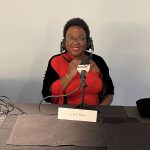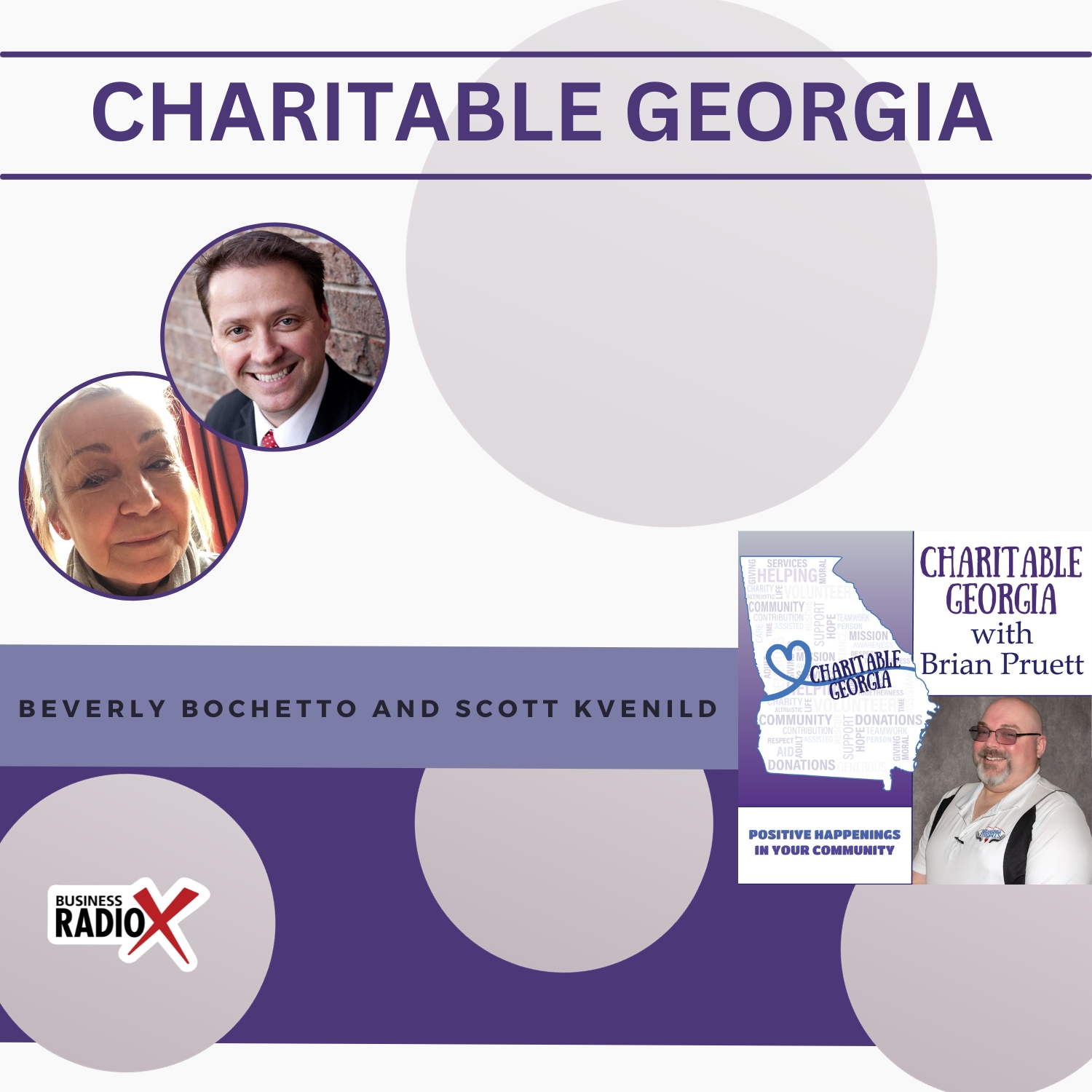

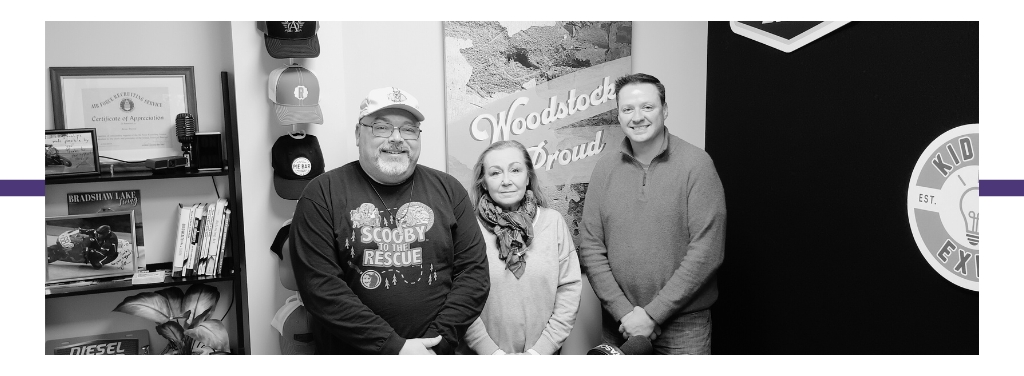
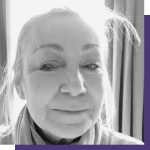
 Beverly Bochetto has been an advocate for horses for over 25 years. In 2005, she was instrumental in directing a six-figure donation to the ASPCA Equine Fund. During 2005- 2007 she was at the forefront of a successful campaign to legislate the closure the last US equine slaughter houses in Illinois and Texas.
Beverly was a Girl Scout leader for 12 years and Service Unit Director for 3. During this time, she volunteered frequently at the Girls Scouts of Greater Atlanta equine facility, Camp Pine Acres in Acworth, GA. During this time, her affection and respect for equines grew as she observed the positive effects changes these magnificent animals made in the lives of children.
When the Pine Acres equine facility was set to close (leased property of the Army Corp of Engineers) in October 2008, Beverly did not want the program shelved. She negotiated with GSGA to purchase half of the Pine Acres herd, which were otherwise going to auction and uncertain fates.
She began Blue Skies Riding Academy, based on Girl Scout law and principles on November 3, 2008, at a rented barn in Acworth. The rest is history, with many successful human ‘graduates’, and many loved and cared for horses.
Beverly has a Masters in Electrical Engineering and specialized in project management at Bell Laboratories before having children. Subsequently, she ran a successful interior decorating business and retail store in Buckhead for 12 years, before founding Blue Skies in 2008.
 Scott Kvenild is a Wyoming native who has been a resident of Acworth, GA for over 16 years. By day, he’s a Strategic Business Consultant with Paychex, leveraging his experience as a banker and branch manager in Cherokee and Cobb counties to assist small businesses with HR, payroll, and compliance.
Scott is a devoted husband to Kristi, and centers his life around family and their shared interests. He found himself suddenly learning to navigate the equestrian world when his daughter embarked on horseback riding lessons at Blue Skies Riding Academy, a place that has become a second home for the Kvenild family over the past eight years. Juliette, now 15, owns a pony named My Beau Romeo and competes at local horse shows.
When he’s not at the barn, Scott’s out on the water, enjoying some quality fishing time with his son, Camden. And don’t get him started on the Green Bay Packers – he’s a die-hard fan, adding a touch of Wisconsin spirit to the Georgia scene.
This transcript is machine transcribed by Sonix
TRANSCRIPT
Intro: [00:00:07] Broadcasting live from the Business RadioX studios in Atlanta. It’s time for Charitable Georgia. Brought to you by B’s Charitable Pursuits and resources. We put the fun in fundraising. For more information, go to B’s Charitable Pursuits dot com. That’s B’s Charitable Pursuits dot com. Now here’s your host, Brian Pruett.
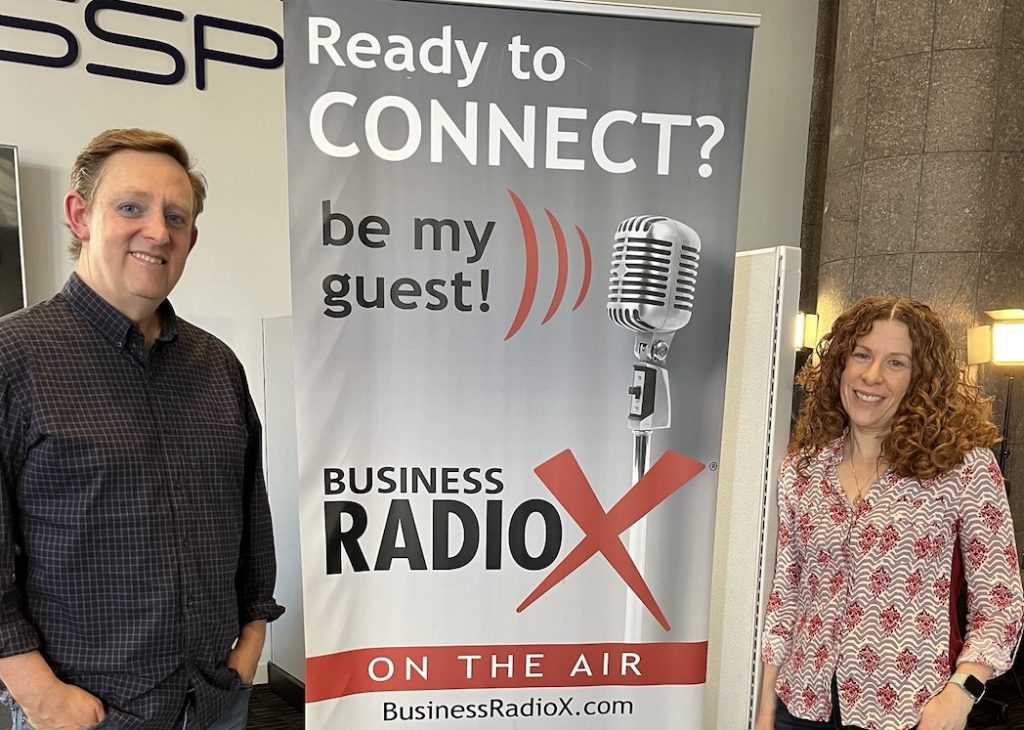
Brian Pruett: [00:00:45] Good, fabulous Friday morning. It’s another fabulous Friday and we’ve got two fabulous guests this morning. First of all, happy holidays to everybody and I’ll remind everybody at the end. But this will be the last show for the 2023 year. And we’ll get cranked back up in 2024. But if this is your first time listening to Charitable Georgia, this is all about positive things happening in the community and I’ve got two fabulous guests, again, as I mentioned, that are both kind of doing well. They are from the same organization, but uh, Beverly Bochetto, I say it right?
Beverly Bochetto: [00:01:17] Correct.
Brian Pruett: [00:01:17] Awesome. I got it right. We’ll see how I do well here,Scott, from Blue Skies Riding Academy, which is a nonprofit in Emerson, Georgia, correct?
Beverly Bochetto: [00:01:25] Yes.
Brian Pruett: [00:01:26] Um, we’ll get into that in just a second. But you shared with me just before we got on air a little bit of your story, but if you don’t mind, share your story and background and how then we’ll get in and talk to you about how you why you started Blue Skies.
Beverly Bochetto: [00:01:37] Where to begin? Um. My daughter loved horses from the time she was tiny, and she began to ride when she was five years old. And so I got involved, too. And then, um. We had a Girl Scout troop. I was a Girl Scout leader for 12 years. Um, and my troop did a lot of horseback riding at Girl Scout camps, and I got to know horses even more than I began to volunteer there. And when they were set to close, I negotiated to buy half of the herd at Camp Pine Acres, and I started Blue Skies. I think it’s a I love horses, I love kids and horses and kids just go together. They are a fantastic combination.
Brian Pruett: [00:02:19] Yeah, well, you were sharing too, that you don’t you don’t actually really ride, but you love the being able to share the passion of the horses and the kids together. So, uh, I’m just curious what the, uh, the not riding part. Do you still like being around them and and all that stuff as well?
Beverly Bochetto: [00:02:35] Oh, yeah. I like to groom them and talk to them and kiss them and whatever. I just don’t really enjoy riding.
Brian Pruett: [00:02:41] So do you have a favorite horse?
Beverly Bochetto: [00:02:44] You know, it’s like having your children. You love them, but you just love them different, right? They’re all they’re all different.
Brian Pruett: [00:02:51] Do you have, uh, miniature horses as well, or are they all the large ones? We have.
Beverly Bochetto: [00:02:55] One. And his name is Reptar. And he’s a beast. He’s a mighty beast.
Brian Pruett: [00:02:59] I like the name, too. How’d that name come about?
Beverly Bochetto: [00:03:01] Uh, he came with that name.
Brian Pruett: [00:03:02] Okay. Yeah. Is he kind of, like, does he help herd the other big horses around?
Beverly Bochetto: [00:03:06] Oh, he’s the boss man.
Brian Pruett: [00:03:10] Um. All right, so Emerson’s not that big. But if people aren’t familiar with Emerson, share about where you’re located.
Beverly Bochetto: [00:03:15] Uh, we’re on 501 Puckett Road, which is off Old Alabama Road, which is off 293. We are about two and a half miles from I-75. Okay.
Brian Pruett: [00:03:25] And that place is growing. I mean, Lakepoint helped that thing explode, so. Oh my.
Beverly Bochetto: [00:03:29] Goodness. Yes.
Brian Pruett: [00:03:30] Um, do you, uh, so do you work with, um, mainly kids and the horses? Is it just primarily kids and horses?
Beverly Bochetto: [00:03:39] We have we have quite an adult contingent too, of adult riders also.
Brian Pruett: [00:03:43] Okay, so go ahead and share about blue Skies. What is it? Is it just a riding academy or. I mean, it’s a rescue obviously for horses as well, correct?
Beverly Bochetto: [00:03:50] Yes. We are a horse rescue. Um, we actually specialize in off track thoroughbreds. We retrain them for our lesson program. Um. They. The kids love them. I love them because they’re just such athletes. They’re just just magnificent animals. Plus, we have a bunch of ponies who are bad little ponies. Scott has a pony. And, um, we yes, we give lessons. We also do programs for community groups and such, uh, you know, of learning about horses, grooming horses, fooling around with horses. Uh, right now we have a fall program that comes out once a month. Um, we also, some of our riders show, uh, their horses at Wills Park and at Conyers, uh, monthly, sometimes during the season. The season runs basically from March to November. Okay. And but I don’t care if the kids show or not. You know, everybody gets something different out of horses. And for some kids, it’s a competition. Scott’s daughter did not show for years. And then she got the show bug going on and got hooked. And Scott, Scott and his wife Kristy got hooked too.
Brian Pruett: [00:05:03] Well, kids do that to you and they make you get hooked on things. So yes, they do. Yeah. Um, so curious too. Do you actually, uh, are you able to board horses for other people as well or. Yes, we do. Okay. Yeah. Um, so one of the things I’d like to ask people when we’re on here, because it’s all about the community and stuff. So why is it important for you to be part of the community?
Beverly Bochetto: [00:05:23] Because I don’t mean to sound like gung ho religious or something here, because this is how God shows himself through us, in our community, with each other. And it’s very important to reach out. It’s very important for children to have that community. You know, our families over the years have become so fragmented. We’re all over the country. Trying to get together is just crazy business. We have to make more family and our barn is like family. We are a very family style barn. We have a lot of parties. Um, we have a lot of get togethers. We are known in the show world that when our girls are riding, the rest of the barn is there cheering them on. Awesome. And so that’s that’s important for kids. They make lifelong friendships at the barn. And oh, I know that person. And then there’s the horse community itself that we’re a close knit community. We all know each other and we all know each other’s business. Even if we don’t tell each other each other’s business, it gets around. Right.
Brian Pruett: [00:06:27] So I’m guessing your parties are like the hoedowns.
Beverly Bochetto: [00:06:30] Uh, it’s always potluck.
Brian Pruett: [00:06:32] Well, my kind of my kind of party.
Beverly Bochetto: [00:06:34] Yeah, we we just have potluck and cornhole and whatever. We have a we have all different. We just did our Christmas party on the eighth, and, uh, that was a lot of fun. That was in that we have that one at the barn. Usually they’re up at the farmhouse.
Brian Pruett: [00:06:49] Do you decorate the barn every year for Christmas? Yes. Are the horses wearing lights?
Beverly Bochetto: [00:06:54] Uh, occasionally.
Brian Pruett: [00:06:57] Do you pull them sleds? You got a sled you can pull? No.
Beverly Bochetto: [00:06:59] Oh, no.
Brian Pruett: [00:07:01] That’d be kind of fun.
Beverly Bochetto: [00:07:02] Or one driving horse. Dozer, um, died two years ago. Oh.
Brian Pruett: [00:07:05] All right.
Beverly Bochetto: [00:07:06] But, um, when the kids. The last time we had snow, which was several years ago, the girls were so excited, they wanted to see the farm in snow. And I guess I had maybe eight girls sleepover at my house all over the house, like, all over the house. And it did snow. And we hooked dozer up to, I think, a big plywood board, and we drove him around the pastures with the girls on the back. It was a lot of fun. They got they got a tremendous kick out of it.
Brian Pruett: [00:07:33] That’s awesome. So one of my family and I, his favorite show is heartland. Do you guys ever. Do you watch that?
Beverly Bochetto: [00:07:38] Um. Years ago. Yeah. I don’t really watch TV.
Brian Pruett: [00:07:41] Well, being a horse person, I mean, it’s actually just started at 17th season. This is a pretty cool show, but, um. All right, so you guys are a nonprofit? Yes. How can, uh, people in the community, businesses can. Do you have opportunities for people to volunteer support, and if so, how can people get involved?
Beverly Bochetto: [00:08:01] We always need help with the farm when you have 37 horses and 26 acres. It’s there’s always something to do, whether it’s just cleaning. Cleaning up the pastures from fallen branches and fallen trees to cleaning stalls. Rolling shavings. It’s it’s, you know, leading horses in and out. We have a lot of volunteer opportunities where if you’re afraid of horses, you don’t really have to handle them. You don’t have to know a lot about horses to come out and give us a hand. What do you think, Scott?
Scott Kvenild: [00:08:33] Yeah, a lot of the, like the four H girls and everything. They love just coming out and grooming the horses, especially some of the the rescue horses that they don’t get a lot of love. The ones that aren’t able to be in in the lesson program for whatever reason. So they’ll bring them in, just groom them. And that’s very therapeutic and calming to and and a lot of people love doing that. And it’s it’s great for the horses as well.
Brian Pruett: [00:08:53] Awesome. So what about, uh do you have a way for businesses to get involved in, um, in helping you? I know you said you guys are self-sufficient, but I’m assuming you can still take sponsors and do things of that nature.
Beverly Bochetto: [00:09:04] Always, always. Um, we always need our driveway graded. We always need gravel. We always need fence boards. We need people to put up fence boards and take down the broken ones. The horses break fences a lot.
Brian Pruett: [00:09:19] Um, so share your website, how people can find you and the best way to get a hold of you in case somebody wants to either talk about volunteering or help supporting.
Beverly Bochetto: [00:09:27] Okay, um, we’re Blue Skies Riding academy.com. Um, we’re also on Facebook is Blue Skies riding Academy. Um, my my phone number is (770) 925-5182. Um, our business line is (770) 926-2003. You’ll reach our barn manager who’s AJ, and she’s been with us for 12 years. Okay? 13 years, I think. Yeah.
Brian Pruett: [00:09:55] Do you guys have any, uh, fundraisers or anything like that coming up or things you want to share that might be coming up that people can, you know, know about right now?
Beverly Bochetto: [00:10:03] We’ve got a great silent auction that ends on Sunday with a lot of, um, fun activities in the Cartersville area. I, I bid on the one for the Booth Museum and Main Street Seafood myself, and I’m going to outbid anybody for that one. Um, but a lot, a lot of activities and restaurants in Cartersville, the, the, the business owners and the museums have been so generous with us, giving us tickets and gift vouchers and all that kind of stuff. And then we’ve got some horsey stuff on there and some other, other stuff. There’s even a cabin rental in in Ellijay. It’s beautiful. Yeah, like a four bedroom, three level cabin on the river.
Brian Pruett: [00:10:41] Awesome. Uh, so I’m assuming same website. They can go and check that out.
Scott Kvenild: [00:10:46] It’s actually, uh, you can find it on the Facebook page.
Beverly Bochetto: [00:10:49] Yeah, it’s on the Facebook page. It’s not on the website because it’s a temporary thing.
Brian Pruett: [00:10:53] Any, uh, do you guys do any shows or anything like that at the at your place as well?
Beverly Bochetto: [00:10:58] We’ve done it in the past. We didn’t do any, I would say the last two years maybe.
Scott Kvenild: [00:11:02] Yeah. It’s kind of been since Covid. It kind of shut down a little bit. But we’re getting those back up.
Beverly Bochetto: [00:11:06] We’re getting those back up again. We’ll have schooling shows which are just fun competitions. If if someone has never shown before at, you know, a big event like Will’s Park or a big venue or Conyers, this is a great place to start. It’s local, it’s friendly, we fire up the grill. It’s a kind of friendly competition. It gets our kids used to putting themselves out there because, believe it or not, a lot of the kids who. Come to ride are like really shy people. And I mean, the thought of like getting on their horse and showing off basically in front of a whole bunch of people is terrifying. So we were more low key at the farm and we laugh a lot. We still give out ribbons and all that, but it gives them a taste of this is what it’s like to show and it gets them outside of themselves, you know, which is which is kind of cool. So we’re planning, I think we’re planning two of them, one in the spring and one in the fall. Yes. Yep. And we invite local barns if they’d like to come to the show too. So we have a little it’s just it’s fun.
Brian Pruett: [00:12:05] So everybody keep up with their website and their Facebook and all that stuff. So you can find out about all that on there as well. So, um, so I was talking to you a little bit before we got on there about the Carnival Business Club and the little group Emerson connects that meet in the networking. And I’ve been networking in Atlanta for about almost 30 years. There’s a lot of powerful stories that can come out of networking. Have you had an opportunity to do any networking since you’ve had Blue Skies?
Beverly Bochetto: [00:12:27] Uh. Not much blue skies. Keeps me pretty busy. Um, basically, we have volunteers, and a lot of them are teenage volunteers, so we have good after school help most of the time for feeding and bringing the horses and stuff. But basically, Blue Skies is run by me and our barn manager, A.J. Martin. And again, 37 horses and 26 acres and two ladies of a certain age. Um, you know.
Brian Pruett: [00:12:56] Um, one of the ladies actually worked for the booth, uh, museum that works with the Cardinal Business Club. So, Leslie McMillan, you’re welcome, Leslie, for that shout out. Um, so I’d like for you to give a little advice because somebody might be listening who’s thinking about starting a nonprofit. Uh, and so if you would give anybody advice about starting a nonprofit, no matter what kind it is, what kind of advice would you give them?
Beverly Bochetto: [00:13:18] I think you have to go in with a plan. Um, I am very I’m not familiar with, like, nonprofits as a whole, but I am familiar with nonprofit and horse rescue and stuff like that. You have to go in with a plan. And again, I my plan was that Blue Skies would be self-supporting and self-sufficient, um, because I too wanted to serve children. Not just not just horses, but I think that if you’re not going in with something like that, you have to be very adept at fundraising, and you have to also be like an extroverted person, someone who wants to network. Because if you’re if you’re building your business that way, you will be networking continuously. You will be on Facebook, on Instagram, you know, a couple posts a day on the phone with people again, going to Doug’s going to Cartersville, and you’ll know everybody. Um, I’m not that kind of person. I’m like, I’m kind of shyer. Uh, so what I do works for me, but for others, you have to be ready to put yourself out there and have your elevator speech boom. You know, and and do it every single day. And I know a lot of other horse rescues were part of horse rescues. United of Georgia. Trinity rescue was part of that. Save the horses is part of that. We have some sister rescues down in South Georgia, and we all network together and try and help each other and occasionally pass horses around.
Brian Pruett: [00:14:47] Right? There you go. So, so just with the networking, it’s that that networking itself. Uh, do you have a positive story? A kind of a cool story testimony you can share from from that group?
Scott Kvenild: [00:15:03] Just as far as the like Instagram and, you know, networking, social networking like that. We’ve, um, recently launched a lot more activity around that. It’s, uh, one thing that’s kind of unique about blue skies from a lot of the other barns is that it is a community in itself. And so, uh, Bev said there’s really just her and AJ, but truthfully, the families are very, very involved. Um, other barns, I’m not sure exactly how they run. I don’t believe that they kind of have that much involvement from the families. But but a lot of us get involved. We run, um, a lot of that social media, uh, there’s and it’s really kind of almost a competition between a lot of the families, like, everybody wants to do it. Who’s going to take it over? And everybody’s always asking, what’s the password? I want to post stuff like, you know, it’s regulated a little bit here, but it is, um, it’s really kind of taken on a life of its own in just the, uh, the kids, the families, the parents, everybody is active in it. And there’s been a ton of Facebook activity now, too, since, um, we really kind of launched, um, a lot more campaigns like the, like the silent auction that you said and other stuff. There’s it’s growing exponentially because so many families are just sharing it out, and it’s sharing being shared by their share and, and everything. So it’s it’s um, it’s not really like your normal campaign for that. It’s kind of just been very organic, but it’s really it’s really exploded.
Brian Pruett: [00:16:30] Well, and that’s a true meaning of community. I mean, you talk about the families and all getting involved that way and stuff like that. So, um, do you guys take, uh, is it just Bartow County or do you have other places that come and.
Beverly Bochetto: [00:16:42] Everywhere, everywhere we’ve had even Girl Scout troops come from the other side of the city, you know, Lawrenceville, Lilburn. Uh, we get groups from Douglas County. Yeah, it’s all over.
Brian Pruett: [00:16:55] What, uh, do you have typical hours that you do?
Beverly Bochetto: [00:16:59] Most of our lessons are in the afternoons because the kids obviously are in school weekends. We don’t usually have regular lessons on weekends, because a lot of times that’s when we’re showing or we’ve got a project going on at the barn, like fixing fences or, you know, grading the driveway. Um, and we have our beginner lessons are mostly on Sundays.
Brian Pruett: [00:17:22] Okay. So another question I have for you, and then I’m going to come over to you, Scott, um, a nonprofit really is also a business. Yes it is. So, um, we talk a lot of, uh, entrepreneurial stuff on the show as well. And so, um. It may be the kind of the same advice, but what advice would you give somebody who’s thinking about starting a business?
Beverly Bochetto: [00:17:42] Have a plan, have a plan and be prepared to act on it. And be prepared to feel overwhelmed because it’s one of those, you know, your eyes are bigger than your stomach. I can do this and I can do that so well, right? Not always right, not always. Be prepared to scale back in a in a practical way, you know, don’t don’t throw the baby out with the bathwater.
Brian Pruett: [00:18:03] Well, I like that one. All right, well, we’re moving over to let me see. We’re going to get right Scott Kvenild.
Scott Kvenild: [00:18:09] Yes.Perfect.
Brian Pruett: [00:18:10] Oh sweet I got it. So he was the other voice you’ve been hearing. Um you you have a day job where you work for Paychex. But you’re also very involved with Blue Skies. So uh share a little bit about your background and we’ll talk about how you got involved.
Scott Kvenild: [00:18:24] Well, yeah, I’ve, uh, I guess I was born and raised in Wyoming and then, um, moved out here to Georgia. I guess it’s been 18 years ago. And, um, uh, we’ve basically got into blue skies and started writing about 7 or 8 years ago. My daughter, we were just struggling to kind of find some activity that she was going to be involved in. And the grandparents, you know, kept asking, we want we want something to come watch her. Do you know, what is she going to do that we can come and sit in the audience and watch her. So we struggled. We tried a lot of different things. Like I said, we did. We tried it through gymnastics, through dance, through martial arts, um, lots of different things. And then we decided, well, let’s try horseback riding. And, uh, so we actually found Blue Skies online and set up a little trial ride, put her on the back of a horse, and it just it clicked. And that was it for her. And she has been enamored with all things horses ever since then. She’s now, uh, she’s turned 15, and still we are at that barn pretty much seven days a week, for one thing or another. Uh, we we bought a large pony bow. We bought him last, uh, January. So it’s coming up on a year since we’ve gotten him. So he he breathed the whole new level of meaning into it. Excuse me. Prior to that, we we leased one of the horses, and she showed a lot.
Brian Pruett: [00:19:42] But I think it’s pretty cool because, you know, at 15, most of the kids, you sure want to sit in playing video games or doing something else. So it’s awesome that she’s out there and with the other kids, you know, with the horses and stuff like that. So, um, well, you shared with me before we got on the air, but I’m sure people listening are like, well, you were around horses all the time in Wyoming, but you weren’t.
Scott Kvenild: [00:20:02] Yeah. Excuse me. Yeah. No, in, uh, Wyoming. Unfortunately, my my brother was deathly allergic to horses, and we couldn’t I couldn’t be anywhere near them. There was actually a little incident where, when I was a kid, there was a blanket that was in our garage that had been on a horse many, many years ago, and he actually just touched it and had a crazy reaction. Wow. So we had to get rid of all things horses, and I could never be around him. So I yeah, I never really believed that I would move to Georgia to become a horse enthusiast, but here I am.
Brian Pruett: [00:20:31] There you go.
Brian Pruett: [00:20:32] There you go. So same question for you. Why is it important for you to be part of the community?
Scott Kvenild: [00:20:36] Uh, I think I mean, the community really drives it all. Uh, I believe that, um, without, you know, the community involvement, it’s just it’s too much for this to be run by two people. It’s not possible for the size and scope of blue skies to only have two people handling it all. So community is is vital. And we really need, you know, more and more people to kind of come in and, and volunteers just to come help out. If, you know, we get sometimes people who are maybe even just retired and want something to do and so they, you know, love animals and they come out and they can help even if it’s just, like I said, kind of routine stuff like scrubbing water buckets because that’s, you know, something we got to do every day to keep the clean water for the horses. And it’s it seems small, but it’s vital.
Brian Pruett: [00:21:20] So, um, you like I said, you have a regular day job with Paychex. What all, uh, is your, I guess, duties with blue Sky.
Scott Kvenild: [00:21:30] Well, uh, so with. Yes, we do. My wife and I both have full day jobs. Uh, but we, we really got more involved with Blue skies, uh, here this this year, actually, when, um, we kind of saw that there were a lot of changes that happened in last year, and, and we kind of saw where there was a need for more people to step in and do a lot more as far as families. Uh, so my wife and I kind of came up with with a proposal of how we really wanted to help out, and we went to, uh, to Bev and AJ and kind of presented our proposal on, on how we want to, to become more involved. And we weren’t sure if she was going to be receptive or not, honestly.
Beverly Bochetto: [00:22:07] But it was like a yes.
Speaker5: [00:22:09] Yes.
Beverly Bochetto: [00:22:10] When can you start.
Scott Kvenild: [00:22:12] Yeah. So we’ve we’ve kind of, um, helped really delve in uh, on the, the financial side, I actually have a background. Prior to Paychex, I was 19 years in the banking industry. Um, and my wife has actually run a couple businesses of her own as well. And she’s a product manager for senior product manager for a large company, too. So she’s got a lot of knowledge in that. So we we’ve kind of, um, delved in a lot to the business, gotten to know a ton more about it, and, and just trying to find out ways we can help. So we started creating committees. Uh, we’ve got a lot more parent involvement. We had a meeting with all the parents, and we basically I put them on the spot and I said, I said, would you guys rather volunteer your time or pay more money? You know, raise your hand? Yeah.
Brian Pruett: [00:22:54] I’m sure you got a lot of hands raised.
Scott Kvenild: [00:22:55] Yeah, yeah. So, so we’re really, uh, relying on the families a lot to kind of help out, because, yeah, we could hire people to come in. That’s not really the way Blue Skies has ever run. It’s been more on the family and the community within it.
Brian Pruett: [00:23:08] Um, so other than your horse, Bo, do you have a favorite horse that you’ve worked with over there?
Speaker5: [00:23:13] Probably.
Scott Kvenild: [00:23:13] Bella. Bella is a, uh. It’s a pony that my daughter leased for two years prior to buying Bo, and she showed on Bella for those two years. So we went to shows, and that was when he first, um, kind of what Ben was saying, that the my daughter was that way to where she was hesitant to go to the shows. She was a little nervous about it because it’s, you know, you go to these big shows, you have to compete in front of people. There’s, you know, a lot of stress behind it. And she was so nervous and didn’t want to go. So we kept kind of doing schooling shows, trying to get her her feet wet a little bit. And then finally we leased Bella and she went to her first show and it was just once again it clicked. And after that she’s like, I want to go to more. I want to go every month. Can we go more? We that first year we we told her we’d go to two shows. One in the spring, one in the fall. We went to four. And then last year, uh, I think we went one a month and it’s, uh, it’s it is, it’s kind of, I don’t want to say addictive, but it really is. It’s so much fun and it’s such a busy, crazy weekend and a show weekend. But it is. The community of Blue Skies is great. We all, we all get together at the shows. We have little potlucks where we’ll sometimes like bring out a grill and we all hang out. There’s usually a couple people with campers and we hang out there. We have dinners together. Um, it’s everybody cheers each other on when they’re when the girls aren’t showing, they all come to whoever is and they cheer ringside and and it’s, uh. It’s fun. It’s electric.
Brian Pruett: [00:24:33] That’s awesome. So this kind of week for both of you, um, do you guys have opportunities for families who might have, uh, kids that are special needs to come out and be able to do things with the horses?
Beverly Bochetto: [00:24:46] Yes we do. We are not, um, you know, like a certified facility. But we’ve had a lot of children over the years who I would say are kind of on the spectrum of autism and horses really help them come out of their shells. And so, you know, we’re not McKenna farms, which is a full service therapeutic facility. But yes, we can accommodate children with with special needs. Okay.
Brian Pruett: [00:25:13] Um, so, Scott, I’m going to switch gears just for a second. I want to talk a little bit about about Paychex. Um, I’m familiar with it, but for some, uh, people who might not be listening, share a little bit about what Paychex does. Yeah.
Scott Kvenild: [00:25:24] So, uh, Paychex is, is HR payroll, um, and compliance type of a company. We, uh, I’m specifically with the PEO department, and PEO is just a program that we basically handle outsourcing of HR and all the other parts of that. With worker’s comp, we do payroll, we do HR, we do we help with hiring with, uh, managing the compliance. We do training, uh, for the employees. We’ll also do help with performance reviews and everything. So we kind of help take all that off of a business’s workload. So we handle all the admin tasks so that business owners can focus on the reason why they got into the business in the first place, which is, you know, running their and growing their businesses. So we we help just kind of outsource that where it’s called Co-employment. We, we actually come in and we um, co employ their employees. So we, we help in a lot of other ways too. It’s great with restaurants, for example, uh, like restaurants, there’s a tax credits that restaurants can get for tips, but they can’t get it unless the restaurant is profitable. So new restaurants typically, you know, three years and or more and they’re not profitable. So we’re able to go in there with the Co-employment. We bring the employees also under our tax ID, and they’re able to get that tax credit, which can sometimes be tens of thousands of dollars for the year in a tax credit that they couldn’t get otherwise. So a lot of good advantages that we kind of bring there.
Brian Pruett: [00:26:40] You guys do background checks as well. Yeah.
Scott Kvenild: [00:26:42] Yeah. We do background drug tests okay. All that for.
Speaker5: [00:26:44] Them. All right.
Brian Pruett: [00:26:45] Um, so you told me and you mentioned that you came from the banking world, uh, prior to this. So you obviously a people person, I would hope. Yeah. Have you had an opportunity to do any networking?
Speaker5: [00:26:57] Yes. Yeah.
Scott Kvenild: [00:26:58] I’ve been in, uh, some BNI groups and of course, you know, Chamber of Commerce. Um, I’ve been in a couple other different clubs, uh, that I’ve, that I’ve done through the years. And I was part of the, uh, Kennesaw Business Association for a while as well.
Brian Pruett: [00:27:10] Okay. Do you have a positive story you can share for the from the networking?
Scott Kvenild: [00:27:13] Sure. Yeah. There’s a great BNI group that I was in in Kennesaw. It was when I was, uh, working at a bank down there, and it was, um, that’s actually where I first met my my first Paychex rep, a great guy there. He was kind of on the board, and it was one of the first BNI groups that I’d ever been a part of. And I’d heard I’d heard some negative things about BNI groups where people said, it’s kind of, you know, waste of time, waste of money. Um, and, you know, I think there’s good groups and bad groups, but this particular group was just fantastic. And they it was a really good, you know, sense of community there. And I got to meet some great people that I’m still in contact with. You know, it’s been, uh, five years ago, I think, and it was, uh, but I still in contact with these people. We still send each other business and help each other out. And it is it’s that that whole aspect of just helping each other. And that’s the reason why you’re in those groups. You’re not. You’re not. I mean, you’re there to get, you know, some leads and some help yourself. But it’s all about sharing and supporting each other.
Brian Pruett: [00:28:06] So for those I, I was part of BNI, I’m not really a fan of being I. That’s a story for off the air. But uh, um, for those who may not know familiar with BNI, share what BNI is.
Scott Kvenild: [00:28:17] So it’s it’s basically, uh, it’s a company that helps facilitate these, um, groups, and there can be groups all over and they can have their own focus and they kind of run autonomously. Uh, but you can easily look it up on BNI, I don’t remember the exact exact website, but look them up online and, and you can just search for a group and find one in your area. And like I said, some are hugely active and have large base of people that go. And typically BNI will they’ll limit it to where there will only be, say, one person from banking, one person from Paychex, one person from a law firm. So you’re not all stepping on each other trying to get leads. It’s a diverse group from diverse backgrounds that all just basically you go, you talk about what you’re looking for. You say, like, I’m really looking for customers that are interested in this. And then everybody thinks, hey, I know somebody like that, and they’ll refer them to you, and then you refer back and it’s just it’s a good, good way to kind of share people.
Brian Pruett: [00:29:12] One of the things I think that I’m not really I’m, I, I’m more of a believer of, uh, the open networking where you can have multiple things and believe in collaboration over competition. I’m not down at all. I’m being I, I just it was not the group I was in wasn’t that great. But, um, I do believe in the collaboration over competition. And when you go in networking, I share there’s two that you should go in with a mindset of helping others, not what you can get out of it, because that will come back to you anyway. Yeah. Um, a lot of people make the mistake of trying and going and selling something, and it’s all about me, and you’re never going to get anywhere that way. So. So for somebody who has a business, um, whether they work with Paychex or not, um, can you give any advice for, for any tips on from the HR or anything like that perspective that people might need to think about?
Speaker5: [00:30:00] Yeah.
Scott Kvenild: [00:30:01] It’s, uh, the world of compliance and HR is it’s vast and it’s complicated, and it can get businesses in trouble if they’re if they’re not in the know. So if you don’t have a good HR background, I would highly suggest finding somebody to help out there. Uh, because you can easily get yourself into hot water if you don’t understand all the compliance. And it’s all different from state to state. Uh, especially if businesses start to do business in multiple states. It’s a whole other can of worms there that you’re opening. So it’s good to always have somebody knowledgeable on the team. And don’t try to do it all by yourself.
Brian Pruett: [00:30:36] And that’s important because ask for help. I mean, anyone thinking that you’re doing right, Bev, you do the same thing at your group. Ask for help. Yeah. Um. All right, so what what size group or businesses do you guys typically work with?
Scott Kvenild: [00:30:48] You know, we can honestly work with about any size, but Paychex is founded more on the small business side. Uh, we really kind of want to be helping out the companies that are small to mid-size. Um, and we can do large corporations, like I said, but it really anywhere from about five employees, we can we can help out with payroll and stuff below five. But for the PEO there’s not a huge need for that under that. Um, so honestly, the sweet spot is probably from about 20 employees up to say 500 is kind of where where we really shine. Uh, and a lot of the newer startups, uh, they really can benefit from ours because they, we’re able to kind of just come in there and take on all those tasks that they don’t want to deal with anyway and, uh, and run with it from there.
Brian Pruett: [00:31:33] Now, is it Paychex. Is that a nationwide company, Metro Atlanta or where all do you guys work. We are.
Scott Kvenild: [00:31:38] Nationwide.
Brian Pruett: [00:31:39] Okay. How about you where all do you work.
Scott Kvenild: [00:31:42] So I’m really kind of Atlanta metro. Um, a lot of the businesses that I work with, I have a pretty large territory, honestly. I can I can work with a company in California if I want to. It’s not I’m not 100% territory based. Uh, but I focus right around kind of Acworth. Kennesaw out to Alpharetta, Roswell area. That’s a big part of mine. I’ve got some customers in Gainesville, um, that I go out so pretty wide net, and I’m happy to drive and meet with people in person. Or of course, we have all the virtual aspects today, so we do most of the meetings virtually. But, you know, I can be anywhere I need to be.
Brian Pruett: [00:32:14] So, uh, I got Wednesdays for you because there’s a group that meets in Acworth at Center Street Tavern every Wednesday from 11 to 1, 1130 to 1. Really? I tell people, get to 11 because you won’t get a parking spot if you get there after. But yeah, uh, there are no paychecks people that come to that. So. Okay. Uh, and it’s a free group. You just pay for your lunch and then drive up to in the mornings before that, come to Cartersville Business Club. Because honestly, in the last several years I’ve been networking. I’ve seen one Paychex person.
Speaker5: [00:32:40] Really?
Brian Pruett: [00:32:41] So get you involved. I was dubbed the leader of the Networking Posse several years ago. So I can induct you in that if you’d like.
Speaker5: [00:32:47] So that sounds good to me.
Brian Pruett: [00:32:49] Um, okay, so. This question’s kind of going to be for people who are thinking about maybe volunteering, right? They’re looking for something to do and they’re not sure what to do. From your perspective, what kind of advice would you give for somebody looking to do some volunteering, whether it be for, uh, Blue Skies or any other nonprofit?
Scott Kvenild: [00:33:11] Yeah. I mean, just reach out to us. We’ve got, um, plenty of, like, opportunities and and, I mean, just as volunteering in general, it’s it’s just having the right attitude when it comes to it, just being ready to help out and do what you need to do. Um, I’ve done a lot of volunteering, I guess, through my entire life. Not not just at Blue Skies. Uh, but I’ve, I’ve helped out with, you know, tutoring. Um, I actually tutored a, uh. I used to be fluent in sign language. Um, not as fluent anymore. I can still do do quite a bit of it. Uh, but I used to go tutor deaf, uh, wards like children in detention centers and stuff that, you know, and so I’d have to go into the detention center, work with deaf wards in there to to help tutor them and help them out and everything, because there was just a real need for it. But it’s just having that kind of spirit of being willing to do whatever you need to do to help somebody out.
Brian Pruett: [00:34:02] Um. Well, this is going to be kind of maybe of a dumb question. I always told myself when I was a sportswriter, I was going to ask the dumb questions, but this might be a dumb question. Um. What is your favorite part of volunteering at Blue Skies?
Scott Kvenild: [00:34:17] You know, it’s I love being out there anyway, just at the barn, because it’s quiet. It’s calm. You just feel like you’re in the middle of nowhere yet, you know, you’re not far at all from anything. And, um, and I just, I kind of like the peace of being able to just go out there and work even. And this may sound weird to a lot of people, but anybody who’s done it a lot understands I like cleaning stalls. It’s peaceful in a weird way. You just it’s.
Beverly Bochetto: [00:34:41] Meditative.
Scott Kvenild: [00:34:42] It is, it is. And I mean, yes, you’re, you know, cleaning up horse poop and and everything, but it’s there’s just something about it that’s just calming and relaxing and and. Yeah, it is meditative. That’s a great word for it.
Speaker5: [00:34:53] Yeah.
Brian Pruett: [00:34:54] Um, you said you have, uh, a miniature horse and the rest of the horses. Do you have any other animals on the farm?
Speaker5: [00:35:00] Cats.
Beverly Bochetto: [00:35:00] Cats.
Brian Pruett: [00:35:01] Well, you got to have. I guess you got to have cats.
Beverly Bochetto: [00:35:03] We are our our barn manager. A.j. is our unofficial cat rescue. She should really have her own NPO. We have, what, about 20 cats? Yes, right now. And they’re all sweet. She hand raises them, she gets wow. Picks up kittens off the side of the road. She hand-raised. They’re all they’re not feral cats. They’re all sweet cats. And people who don’t even own cats love to just have a cat on their lap and pet it. And so how.
Speaker5: [00:35:27] Are they with the horses?
Beverly Bochetto: [00:35:28] Oh they’re fine. Yeah. They’re fine. We had one. I don’t know if we still have her who used to ride on the back of. Oh yeah. Remember. Yes, I do remember. I’d have to ask AJ the horse.
Speaker5: [00:35:38] That’s awesome.
Brian Pruett: [00:35:39] That’s really.
Speaker5: [00:35:40] Cool.
Beverly Bochetto: [00:35:40] The other thing about volunteering, um, at our barn and my. I digress a little bit here. When I went to the welcome parents high school thing at Saint Pius years ago for my daughter, the principal, Steve said, now listen up, parents, these freshmen you cherish every moment in the car, car ride back and forth to school every day because once your kid gets their license, you’re not going to see them again. They’re basically out of your life. They have their own things that they want to do. And I thought, well, that’s ridiculous. But my daughter was 14, and I think I take that to heart that we kind of lose our kids to their social groups and so on and so forth. And being at the barn, if your child takes lessons, it’s an opportunity to stay close to your child, you know, and to cheer them on at shows, to watch their lessons, talk about their lessons, talk about their horse. It’s again, it makes it makes family. It keeps families close. And that’s why we really, uh, encourage community at our barn. Don’t just drop your kid off and go over to Publix and do your shopping. Stay and watch and talk to other parents, and then you’ll get to gossiping. And then, I don’t know, one night the dads will have a beer, and then they come to a party, and then it’s then it’s on, then it’s just on there all the time.
Speaker5: [00:37:00] No. And I think.
Brian Pruett: [00:37:00] That’s important because I’m currently reading a book about Barry Black. If you don’t know about Barry Black, he’s a, uh, an admiral, uh, chaplain, and he’s, uh, was in the Senate for a while, and he was talking about when he was growing up in the inner city of Baltimore, and the kids would have performances or whatever, and, you know, dads wouldn’t show up, moms wouldn’t show up. And how important it is to be a part of things like that for for the kids. I mean, Scott, you were talking about how your, your daughter is excited about, you know, got involved in the showing and wanted to go. And instead of going to two, you went to four shows and now you’re monthly and, you know, so, um, I just think that’s very important because you’re right, especially these days, you got to be involved with your child’s, you know, life. So, um, it’s just the way society has gone. So, um, Scott, share again about the, the silent auction, how people can can see that stuff and bid and, um, if you don’t mind, after he’s done sharing that with Bev, just because I know people like to know, especially with the smaller nonprofits versus like a, you know, a Saint Jude or whatever, what the money actually goes for. So if you don’t mind sharing that, but first, share about it first.
Speaker5: [00:38:04] Yeah. If you just.
Scott Kvenild: [00:38:04] Go to our Facebook page, just go look up Blue Skies Riding Academy on Facebook. We’re the only one there. So you’ll find it. And then there’s a bunch of links here recently to it. It just went live last week and you said it’s wrapping up I think Sunday Sunday okay so a bit more time. There’s a lot of great stuff on there. You can go bid you can see what the current bid is. Um, you know, put some more in there if you, if you want to do it, there’s some great prizes, great things to win. And, uh, I really think that they, you know, get a lot of value out of it. And then Bev can tell us where the money’s going, what.
Beverly Bochetto: [00:38:35] We spend our money on. Oh, okay. Feed hay shavings. Um, the mortgage, which is actually a business loan. We own our property, which I’m very proud of. It’s corporately owned. I don’t own it. It’s owned by Blue Skies Riding Academy. Our horses are either have their feet trimmed every five weeks, or they get new shoes every five weeks. Trims are. Are they 60? Scott I can’t remember. The trims.
Scott Kvenild: [00:38:59] Are 60.
Beverly Bochetto: [00:38:59] Yeah, a trim to trim. Basically filing the horse’s hooves down is $60 every five weeks. Now times 37 horses. It runs into some money. Uh, shoes can be anywhere from 125 to 150, depending on what what type of shoe we have that builds. Our horses tend to be very healthy, but we do have routine vetting, which is includes a Coggins, which is required by the state for equine anemia. And then uh, their, their uh, booster shots every year. Okay. But sometimes our vet bills get big. We’ll have lameness or horse will colic, which is always life threatening for a horse. And horses again tend to be pretty healthy and pretty sturdy. But when something goes wrong as a prey animal, it goes downhill fast. And it gets expensive fast. Right. Um, so our vet bills are always kind of our wild card, but we, we pray for the least and we kind of plan for the most, right? Uh, right now we probably need. How much in fencing?
Scott Kvenild: [00:40:02] Oh, yeah. There needs to be a lot of fence repair. Just the horses. They, you know, they kick, they right. They chew on.
Beverly Bochetto: [00:40:09] And and unfortunately, um, our they’re called corral boards. Basically, they’re rough sewing one by six, 16 foot board boards. Uh, a year and a half ago, they were 997 apiece at Home Depot. They’re now 1997.
Speaker5: [00:40:25] Yeah, it’s crazy.
Beverly Bochetto: [00:40:26] When we break them, when we break a board, we cry. It’s like, oh my gosh. It’s like, oh no. Um, right now we also have a little situation with our well, we need a new holding tank. And we’ve. Scott Jury rigged it because he’s a genius about things like this. We need a new holding tank, but it’s about $3,300, which we just don’t have, right? Um, you know, and then we have our property taxes, and it goes. And then just routine barn supplies, you know, that we need. We just got another 12 lead ropes. Mhm. Um, or we’ll need a new saddle. Last month was a new saddle. We had the saddle fitter out and one of our horses. We couldn’t find a saddle in the barn that she could either, um, pad for this horse or fix in some way. And so there was $880 for a new saddle so the horse could be comfortable, which that means also the horse needs less chiropractic care. There are equine chiropractors, and we have a great one. He comes down from Tennessee once a month, but it’s $90 a horse. And depending on what the horse is doing, sometimes they’re adjusted once a year, sometimes they’re adjusted every other month so that it all goes to that. I derive no income from blue skies. Our barn manager doesn’t always derive income from blue skies. We try, we try. Um, so there are our trainers are paid. They’re they’re paid for for giving the lessons. But really, all of the money that is raised or earned by blue skies goes back into the horses in the property.
Brian Pruett: [00:41:59] That’s it’s kind of cool that you talked about because I knew there was, uh, some equine chiropractors, but probably not merely there’s a chiropractor for horses. Yeah, there’s actually a chiropractor for dogs, too, I found out, so that’s kind of cool. Um, but I never thought about it until you mentioned it. Do you have to make sure that the saddle is comfortable for the horse? I just assumed you’d pick the saddle and saddle and set it on a horse. So, you know, you never think about things like that. So I’m glad you mentioned that. So I may have some connections for you. Um, do you guys. I’m sure you have one, but, uh, can you use any other farriers?
Beverly Bochetto: [00:42:28] We have one farrier, Nicholas Star. Shout out Nick if you’re listening. He’s been our farrier for, I want to say, ten years. Okay? And he’s our farrier.
Brian Pruett: [00:42:37] All right. If you if you would like another or need another introduction to one, I’ve got a good buddy of mine who’s actually a pro rodeo rider, but he also does ferrying. So. Okay, um, he’s up there in just north of, uh, Calhoun. So, um, he’s looking for some tough to get horses. I mean, he’d be right there because that’s that’s what he does. So, uh, I may have a fence person for you, too. We’ll chat afterwards, but, um. All right. So, uh, as we kind of wrap this up a little bit, uh, I like for both of you to share a little piece of, uh, positivity. Either a nugget, quote, word, something to live while the rest of 2023 is, what, only two weeks away. But, you know, the rest of 2023 and beyond with. So, Bev, I’ll start with you. What kind of knowledge would you like to share or positivity?
Beverly Bochetto: [00:43:22] I think no matter how you feel about, you know, religion or anything like that, that you have to have faith, you have to have faith and you just don’t give up sometimes. Sometimes when things get really bad, maybe you just need to go to bed early and wake up with a fresh, you know, arrested, arrested mind. Um, and and that’s and you keep going. And you always I always think there’s something better that tomorrow is going to be a better day. And for the most part, it is. It is. Um, Scott and Christie stepped forward a couple months ago with a business plan they actively criticized in 2 or 3 pages. You know, we noticed the barn is getting a little messier and stuff like that. Well, our barn manager, AJ, has been battling, um, two brain tumors for the last two years. And so when she’s in radiation or in chemo, it’s, you know, it’s very taxing for her physically. And they and I thought that they were just going to criticize us and say, the barn looks like a bomb hit it, you know, and instead they were like, here, you need to read this. We want to help. And I was like, oh my gosh, that was like a gift.
Beverly Bochetto: [00:44:30] That was a gift. That was a gift from. This is how God shows himself through us, right? Um, you know, the other thing that happened, and I’ll this was a long time ago. We were actually in the barn next door. Um, we had a landlord from hell. Not the current owner of that barn. He’s the current owner’s great, but the landlord from hell. We didn’t even have a toilet. We had a porta potty, which I called hell’s Potty, because those things get really hot in the summer. And we were paying, uh, pretty much what our business loan is now. And we had an outdoor arena that I paid for, and it was just it was a miserable life. Plus, I was going through a divorce, which was also no fun. And a real estate agent showed up at the barn and said, you know, I want to buy that place next door. And I was wondering if I could rent it out to you, but I just want to buy it as an investment. I said, yeah, I’d be interested because it has an indoor arena, which is all weather. We can have lessons, all weather and a couple of months.
Beverly Bochetto: [00:45:28] So we kept in touch and a couple months later he called me and he said, you know, I’ve decided not to buy that farm. I was like, okay, what? You know? And he said, but I think I could get it for you. And I was like, you got to be kidding me. And because I think it was at 1.2 million at that, I was like, oh, I said, I’m going through a divorce. There’s no settlement. Everything is up in the air. He said, no, no, let me work on this. And he worked on it. And he called me back a couple weeks later. He said, the farm is yours for half of 1.2 million, with a $50,000 build out, no money down. I said, all I have is my credit rating. And he’s like, that’s fine, that’s all you’re going to need, he said. As long as you can close by December 31st, I said, oh, I can make that happen. That’s awesome. And so talk about a miracle, the miracle of that. I think that that is aside from the births of my children, I think that that is the greatest thing that ever happened in my life.
Brian Pruett: [00:46:25] That’s awesome. Well, and that’s another reason I do the show, because those are all just examples of that’s more stories that we need to hear about. So, Scott, what about you? What kind of, uh, positivity or thing would you like to share?
Scott Kvenild: [00:46:37] I was just, uh, I think about it a lot, actually, every time I watch the news. Now, every time I kind of, you know, talk to people, look on a lot of social media, there’s just there’s a lot of negativity. And it seems to have really kind of built in the past several years. And if you get sucked into that, you become part of the negativity. But I think that all of us need to do our part to rise above that and do something good for somebody else. Help out a charity, help out your community. Do something in a small way to help somebody else out and rise above the negativity and spread positivity as well, because that is also infectious. Yeah, but I think it takes individuals to just make the decision to do it and do it well.
Brian Pruett: [00:47:15] I say make a change. Change the world one, one, one person at a time. Um, I forgot to ask you, Scott, if there’s somebody out there with a business or something that wants to talk to you about your services, how can they do that?
Scott Kvenild: [00:47:27] Uh, yeah, they can email me at it’s just at, well s which is s k v as in victor e n I l d as in dog@paychex.com. Or just give me a call at (770) 500-4723.
Speaker5: [00:47:43] Awesome.
Brian Pruett: [00:47:44] The other thing that, uh, is a lost art these days is a thank you. Um, so I want to Bev, I want to thank you for what you’re doing for the community with the horses and the kids as well. And, Scott, thank you for what you guys do for, uh, blue skies and and helping, keeping that going. Just a reminder to this is the last Charitable Georgia for 2023. We’ll talk to you guys in 2024. But let’s remember let’s remember, let’s be positive. Let’s be charitable.







 Rachel Simon is the CEO & Founder of