/
RSS Feed
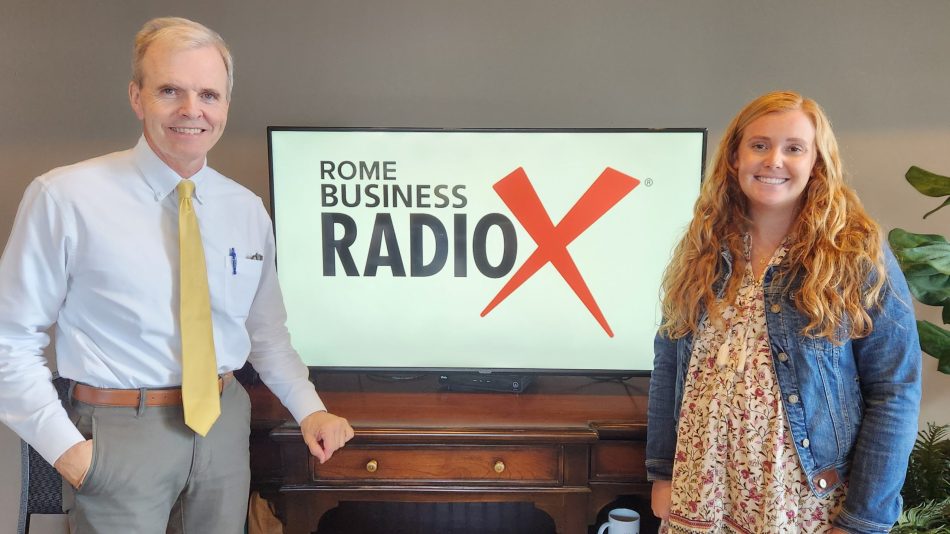
 Host Adam Robison interviews boutique owner Elisa Seratt about launching a new podcast called Hometown Heroes to support local nonprofits and families in need in Northwest Arkansas.
Elisa shares how her difficult childhood drives her passion for helping children through initiatives like an annual Christmas fundraiser for The CALL, a local foster care and adoption agency. She outlines plans for the Hometown Heroes podcast to collaborate with community partners and feature inspiring stories of people making a difference.
Elisa encourages listeners to get involved by donating auction items, shopping on proceeds days, or simply spreading the word. She and Adam dream about the positive ripple effect that can happen when individuals, businesses, and nonprofits unite towards a common goal of making the holidays special for less fortunate children.
They believe that when the community bands together, the impact is greater than any one organization could make alone. The new podcast provides a platform to highlight local unsung heroes while benefiting important causes.

In this episode of Northwest Arkansas Business Radio, host April Pelkey interviews Helen Ames and Breanna Beatty, the owner and operator of In-line Family Chiropractic. They discuss their holistic approach to health and wellness, focusing on six key areas: chiropractic care, movement and exercise, breathing, nutrition, hydration, and positive thinking.
Beatty explains how chiropractic care improves communication between the brain and body by ensuring proper alignment of the spine. Ames talks about incorporating functional movement exercises along with breathwork to engage the nervous system and create stability.
Together they aim to help people become pain-free and live an optimal life, starting with simple steps like mindful breathing. Their new company Inline Fitness and Wellness will offer virtual programs with breathing techniques, targeted exercises, and positive messaging accessible to people at any fitness level.
 Helen Ames is a functional movement expert who works with Inline Chiropractic.
She specializes in fascia release techniques, breathing exercises, and reinforcing muscular strength to create stability in the body.
Her goal is to help people move and feel better through understanding the body’s innate intelligence.
 Dr. Breanna Beatty is the owner of Inline Chiropractic. She takes a whole-body approach focused on the nervous system’s role in communication, pain relief, and optimal health.
Her mission is to help people become pain-free and live full, active lives through chiropractic care, movement, nutrition, and positivity.
Follow In-line Family Chiropractic on Facebook and Instagram.


Stone Payton: [00:00:00] Welcome back to Business RadioX Pro Tips. Lee Kantor and Stone Payton here with you. Lee, this tip is specifically for me. I need the help. I find myself in a networking environment and I don’t – how do you wrap up that conversation and move on to the next one?
Lee Kantor: [00:00:17] Yeah, this is an area for someone who’s an introvert, a well-documented introvert, and the genesis of the whole Business RadioX concept is built around my anxiety around networking. This is something that is built into our process. So it’s very fortunate that I work in an environment that lets me play this card.
Lee Kantor: [00:00:38] But for me, when I go to any networking, I have anxiety just going to the networking, and then as a bonus anxiety I get is when I’m talking to someone and I want to end the conversation, I have anxiety on how to end that conversation. So it’s a double-edged sword for me. So I’m getting anxiety at the beginning and I don’t have a means to end the conversation. So that was prior to being involved with Business RadioX. Now that I’m with Business RadioX, I have a built-in great way to end any conversation at a networking meeting. I say this, “Great chatting with you. If you know any business people doing interesting things, please send them my way. We are always looking for guests for our shows.”
Lee Kantor: [00:01:24] So, I mean, just that simple kind of exit line gets me easily extricated and I can move on and they feel like they have now something they do know people that might be a good guest and it creates a great win-win environment because now they can – it’s the easiest referral that they can make for one of their colleagues is just say, “Hey, you should check out Lee’s show. I mean, you’d be a great guest,” and we are constantly looking for guests for shows, so having another person refer a guest is always good for me, and it lets the other person know I have a show and then I’m looking for business leaders as guests. So it’s a win win win all the way around. It’s an easy referral for them. It extricates me from that conversation. I can move on and find other people to interact with, and it’s helped me out of a lot of networking jams.


 Jessica Carter is an army veteran. She was diagnosed with an autoimmune disease in 2010. Doctors tried everything for 5 years, before she took matters into her own hands.
She taught elementary music for 13 years. She now teaches about the life-changing benefits of essential oils, supplements, mindfulness and yoga. 
She is a 500-hour registered yoga teacher. She published 2 Amazon number one best-selling books on her trademarked system ōmmYōga® which combines essential oils, meditation, mantras and yoga to work through emotions that are no longer serving us so they aren’t stored in the body.
She’s a mindfulness, health and nutrition coach. Her passion is guiding women to better health, while loving themselves in the process. She’s currently in school to become a Board Certified Naturopathic Doctor.
Books: ommYoga and ommYoga Kids
Website: https://www.your-metabolic-reset.com/
Podcast: https://podcasters.spotify.com/pod/show/yourmetabolicreset

 Libby McRae is the founder of The Crucial Social. Her journey into social media for business started in 2020 when she saw small businesses missing out on its potential.
With a background in graphic design, Libby has combined creativity and strategy to help businesses thrive on social media.
The Crucial Social doesn’t believe in one-size-fits-all solutions. Libby focuses on personalized strategies to connect with your audience, secure leads, and drive conversions. Her vision is to empower businesses to tap into the limitless possibilities of social media and build authentic, supportive communities.
Connect with Libby on Instagram and Facebook.
 With a passion for design, Yin Johnson, Owner of Yin & Yang Designs, has taken on various careers throughout her life.
She has developed an eye for detail and understands the importance of effective communication.
She thrives on challenges and has incorporated her love for traveling and food into her design ethos. Our team is well-equipped to handle any project and we pride ourselves on the strong relationships we develop with our clients.
Follow Yin & Yang Designs on Facebook and Instagram.
This transcript is machine transcribed by Sonix
Intro: [00:00:07] Broadcasting live from the Business RadioX studios in Woodstock, Georgia. Welcome to Women in Business, where we celebrate influential women making a difference in our community. Now, here’s your host.
Stone Payton: [00:00:30] Welcome to another exciting and informative edition of Women in Business Radio. One of your favorite women in the community. Stone Payton here. No, I’m just kidding. I am going to be producing today and I have so been looking forward to today’s episode. And today’s show is brought to you in part by Woodstock Neighbors magazine, bringing neighbors and business together. For more information, go to Facebook and Instagram at Woodstock Neighbors. Wbvm. And if you have a heart for community and you have a small business that you want to continue to grow, please consider joining the Main Street Warriors movement. Go check us out at Main Street warriors.org. All right, it’s time for our headliner host and her guest. Please join me in welcoming back to the business radio microphone. Ms. Yin Johnson. How are you?
Yin Johnson: [00:01:24] I’m great. How are you, Stone?
Stone Payton: [00:01:25] I am wonderful. It is such a delight to have you back in studio and on this side of the mic. We’re going to have a ball. We’ve even kind of kicked around the idea of you being on the host faculty for this Women in Business series, and I can’t think of a better way to kick it off. Then with the two folks you brought in with you, who’d you bring with you?
Yin Johnson: [00:01:44] So I have Jessica Carter here. Jessica is with the company Metabolic Reset. Jess, would you like to give a little spiel about yourself?
Jessica Carter: [00:01:54] Sure. So I am with your metabolic reset. I’m a certified nutrition coach, a certified health coach, and I just really help people reach their health goals, whatever they are.
Yin Johnson: [00:02:05] Awesome, awesome. And I also have Libby McRae with the crucial social.
Libby McRae: [00:02:10] Hello, hello, hello.
Yin Johnson: [00:02:14] All right, Libby, just to kick us off with a couple of questions. So what have you. Oh, my screen has frozen. Here we go. All right. So. What are some of the effective social media strategies that small businesses can implement to stand out in today’s competitive digital landscape?
Libby McRae: [00:02:36] Oh, that’s a loaded question, but I love that question. Honestly, social media is so vast. There’s so many different strategies you can implement. I think the biggest thing is knowing how do you actually want your social media to work for your business, and how is it fitting into your marketing strategy overall, but overall, specifically for local businesses? I really feel like finding a way to specifically talk to your audience and kind of create a community online is just can’t be beat. Honestly, social media is there to be social. People don’t like being sold to on social media. So if you can create a way to have conversations and create genuine, genuine connections with your followers and create that trust with them to want to buy from you, follow you and continue seeing you on your journey, then you’re winning.
Yin Johnson: [00:03:26] I dig it, I dig it. Any input on that, Jessica?
Jessica Carter: [00:03:28] Yeah, I completely agree that a lot of times we just see sale sale, sale, sale sales and people are just going to scroll right past that. But it’s about making that connection with your customers.
Yin Johnson: [00:03:39] Yep, yep I agree. And then a question for you, Jessica, how did you get into your health and wellness thing?
Jessica Carter: [00:03:45] Yeah, so I was in education for most of my life. I was actually an elementary school music teacher. And in 2010, I was diagnosed with this weird autoimmune disease where my platelets crash. That’s what causes blood to clot. So worst case scenario is I could bleed out internally and not even know that that was happening.
Yin Johnson: [00:04:05] Oh my.
Jessica Carter: [00:04:06] God. The doctors put me on prednisone, which I think is such an evil drug. It’s a super strong steroid. And I gained a lot of weight and it changed my personality. Like I became mean and I was teaching elementary school, so I had to be sweet to kids all day. So my poor husband got all the meanness.
Yin Johnson: [00:04:23] He oh no.
Jessica Carter: [00:04:24] So I’m so glad he still loves me because I think I was intolerable. But after about six months of prednisone, we were like, what are the other choices? Because this is awful, right? And my choices were a type of chemotherapy where I’d have to go every two weeks and get a four hour transfusion or a splenectomy. And a spleen is what flushes out bacteria. And I was teaching 650 elementary school kids at two different schools. So they’re just walking, hugging bacterias. Oh my God. So I don’t think either of us thought we were going to go that route. But I ended up meeting with the surgeon and she explained things well. So December 2010 I had a splenectomy. Platelets are supposed to be in between 150 and 450, and after that they were 60 to 80. So I started trying things on my end. I tried cutting gluten and adding antioxidants. I tried being a vegetarian for an entire week. It did not go well, and I started finding natural supplements and natural wellness. And that was actually what put my autoimmune disease into remission. And so I had to share the good news with others. And then without even really trying, it became a business.
Yin Johnson: [00:05:35] I dig that. Wow. That’s that’s a phenomenal story. So, Libby, do you have any kind of issues that you’ve dealt with along the lines like that?
Libby McRae: [00:05:45] Just and I just and I have had some conversations about some things that I’m not really going to share on here, but.
Jessica Carter: [00:05:52] I won’t spill the beans, I will. Your secret’s safe with me.
Libby McRae: [00:05:56] But yeah, like I have been doing some of this stuff just because I’ve been recommending. And I will say I ran out of it not too long ago, and I’ve definitely started to notice the difference if I didn’t notice it before. I’ve been like, why am I feeling like, oh, I’m out of my stuff? So I mean, yeah, Jessica is a wealth of knowledge. She’s always helping me when I have really weird questions I go up to her with. But yeah.
Yin Johnson: [00:06:17] I ask because it’s the same thing, like, Jessica has, like, talked to me about my my own issues I have. A slight insomniac. And so Jessica has definitely helped me and given me some tips on how to cut out caffeine or how much caffeine to cut out and stuff. And it really has made a change. My sleep is much better, 100%. Much better. So how can businesses effectively tailor their social media content? Libby to connect with their unique target audience?
Libby McRae: [00:06:53] As with all of my answers, there’s a lot of different ways, right?
Yin Johnson: [00:06:58] They’re all loaded. All these questions, they’re all loaded.
Libby McRae: [00:07:00] I mean, it’s it’s really marketing. It’s how involved you want to be as a business owner. What’s your role going to be in the business? I honestly feel like talking to a professional that’s in the space. Even if you want to be more hands on in your business marketing and you want it to see seem more like you and feel more like you, at the end of the day, there’s professionals that understand the back end of the different platforms or the different ways of marketing and how they could benefit. So I would say speak to a professional, you know, try to have conversations and figure out where where is your zone of genius and where can you implement their zone of genius to best benefit your business overall?
Yin Johnson: [00:07:37] Okay, I dig it, I dig it. Um, excuse me, Jessica, what advice would you give to a woman who is thinking about starting or has just started her business? And, Libby, that’s a good question for you to.
Jessica Carter: [00:07:51] So I would say think of it like a road trip. It is a journey. And when you are driving on your road trip, some things might go wrong. So maybe you get a flat tire, but do you give up and just go home right? Change the flat tire and keep on going. Maybe you run out of gas. Call triple A. They will come find you. So problems are going to arise. All of the problems will have solutions if you just take your time to find them. And then when you get to the Grand Canyon, it will all be worth it.
Yin Johnson: [00:08:29] I dig it, I dig it, yeah. I’ve always heard the what was it? There was a saying that I grew up. I was always listening to that was it’s not about the destination, it’s the journey. So it’s like, take, take your time and just kind of figure it out altogether 100%.
Libby McRae: [00:08:47] I still tell myself that daily, like it’s not about the destination, it’s about enjoying the process, enjoying the journey. But yeah, problems are always going to happen. Like just start, man. Just start because you don’t know what’s going to happen. You can sit there all day and plan it out. You know, it’s like people that exercise like want to get to exercising. They buy all the exercise equipment and then they buy all the new clothes, and then they buy all the workout books, but they never actually do it. And once you actually start, you realize you don’t need any of that, because all the problems that you come up with in the process had nothing to do with anything you planned on. So I absolutely.
Yin Johnson: [00:09:18] Agree. I feel like I feel like there’s a way to to go about it. Right? So it’s like overpreparing like sometimes this is for me personally, like I feel like I try to over prepare myself and then something just out of out of left field comes in. I’m like, okay, I was not prepared for that, but I made it happen. Yeah. And that was a thing that was the biggest thing is just like, you’re never always going to be prepared for everything. And it’s just take it one step at a time. And I have to remind myself that I have to remind myself that the.
Jessica Carter: [00:09:50] Analysis paralysis can really set in. If you try to over analyze and overthink, you’re just frozen. You’re like, I don’t even know what step to do next, so just take a step.
Yin Johnson: [00:10:00] I agree, I agree. What’s one tip that you ladies could give our listeners that they could try to implement, maybe into their business, or maybe into starting their own business?
Libby McRae: [00:10:14] I would say from a social media standpoint, consistency, you know, just put something out there. Start with it, set a schedule and kind of stick to it and see what works and what doesn’t, just kind of measure. But I would say just focus on setting a schedule and sticking to the schedule and see how that works, because I think people will be really surprised at how much consistency can just get them in the online space.
Yin Johnson: [00:10:36] I agree with that actually. Yeah, yeah.
Jessica Carter: [00:10:38] I would say try on several things until you find what you’re passionate about. I think sometimes we just start a business because we think it would be lucrative, but it’s completely fine to just take a step back and be like, wait, what really lights me up? What causes me to be completely on fire? And when I talk about it, I’m just beyond passionate and people can see that passion. And it’s also okay to try several things before you find the one. Oh, this is where kind of what Libby was saying. My zone of genius matches with my passion, and then that business can just be explosive, right?
Yin Johnson: [00:11:15] No, I agree, I agree. I think as.
Libby McRae: [00:11:18] You do it, it kind of changes. You know, you learn more about yourself and so it kind of changes in you morph and you pivot and your business changes or you’re doing different things. So yeah.
Yin Johnson: [00:11:26] Absolutely. I absolutely agree with the pivoting.
Libby McRae: [00:11:30] I think, I think a lot of us have pivoted in the last couple of years, just understanding more about what we like to do and how we’re there to help people.
Yin Johnson: [00:11:38] I think that’s that’s a lot of things that people don’t account for is the pivoting. They just think that, oh, I failed, oh, I failed. And what, you know, like and I always talk about like is my husband for the listeners, what we talk about is like, you know, you always learn, you’re always learning out in the world and stuff. And for instance, we like we love to fish and during, you know, fishing, we always mess up. You don’t know what lures to use. You don’t know what baits to use or what rods or lines and you know, all those things and. You just you just go out and do it, and it’s trial and error. Trial and error the whole time. And, you know, one day it’s going to it’s going to work and you’re like, oh, okay, I’m going to try it again. And that works. And so learning to pivot, learning to understand that, hey, not even even the professionals that you see that are running, you know, billion dollar companies, like I feel like they don’t even know what they’re doing half the time. Sometimes, you know, like they’re just also figuring it out and just trying to understand what’s all going on.
Libby McRae: [00:12:51] Yeah, absolutely. Funny story. So my husband and I are really big Gordon Ramsay fans. Not in like enjoy like fantastic food but like we enjoy trashy reality TV. So. Right right. Gordon Ramsay fans. And you know he’s got a new series on that we’ve been watching. And we were kind of going through and we saw that he had a hotel show where he went in and like renovated hotels. I don’t know if anybody knows about this.
Yin Johnson: [00:13:19] It I’ve seen it.
Libby McRae: [00:13:20] It had like 1 or 2 seasons. But I think about that as you’re talking about pivoting and these people that are big and they don’t really know what they’re doing because you can kind of see that. And it’s hard to see it as like a regular consumer because he’s Gordon Ramsay. He knows everything. But like, think about all the weird, different things he’s done. And some of them did not work. No, but he’s still doing like he’s still going, you know what I mean? He’s still going. He’s still pushing. So as an example.
Yin Johnson: [00:13:45] Yeah, I mean it’s a great example. It’s just yeah, like pivoting. So for me, I was in the insurance world for a while there, you know, like about five years or so. And then I got in a horrible car accident and we won’t have too, too long. Didn’t read. But long story short, right there is I pivoted after that because I couldn’t handle a lot of the stress that came with the insurance world and our ever shifting market. So I was like, you know, I’m going to do something else. I’m going to go back to my creative roots of designing websites, and that’s what I’m doing. And so I really do encourage people, especially through our business clubs and our community and stuff. I always encourage people, hey, go out and educate yourself. Go out and learn. Go out and listen to what other people have to say, and you’re going to learn something. You’re always going to learn something. Yeah. So building an organic community on social media, that does take time. We all know this.
Libby McRae: [00:14:49] If you don’t know, it takes time.
Yin Johnson: [00:14:52] It takes a long time. Long time. What strategies and practices do you ladies suggest for businesses looking to organically foster authentic connections and engagement with their followers?
Libby McRae: [00:15:06] Well, I said earlier, consistency. That’s a big one. I think knowing who you’re talking to, you know, understanding your ideal client, you know, what are their pain points and being able to talk to them directly. A lot of people use the example of the person in the train station yelling out baby clothes. But when they yell out, you know, moms, all the moms look up because you’re talking to them. So I think being able to understand who you’re talking to and being consistent about it are probably two of the biggest foundational aspects with organic social that you should really be striving to do.
Yin Johnson: [00:15:41] I agree with that completely.
Jessica Carter: [00:15:42] And then I am in the service industry and I’m in coaching, so my business is kind of me, and I really want people to get to know different aspects of myself. So I kind of just wrote out on a piece of paper, what are the five things that really describe who I am? And it’s health, travel, food, and a couple of others. And I’m just very consistent on posting all those different variations. And so people just think they know me and they’ll tag me in a thing about bears, because I love bears. And so my community is like, oh, Jessica loves bears, and she loves food and travel and health. And then they’re more likely to come to me because it wasn’t all about sales. They really feel like they know me just from being on Facebook.
Yin Johnson: [00:16:29] Right, right. I agree with that. It’s finding the niche, finding that little niche. And it’s same thing for me. All of the marketing that I do is it’s all organic. I love meeting people. I’m highly extroverted, so I’m just like, yeah, people all the time. But I when I go out to conferences, I’ll talk to strangers. And I think that organic side for, for social media even is just reaching out to my people, quote unquote, you know, is what hobbies do we share? You know, like that’s my biggest thing is what hobbies do we share? If I see that somebody also likes fishing, I mean, or or hunting like stone over here, you know, that’s that’s how I connect with people. And I think finding that crowd and being able to immerse yourself in that crowd is the organic side of the social media.
Libby McRae: [00:17:19] 100% is creating those connections. And what easier way than to bond over something you guys already enjoy, right? Right.
Yin Johnson: [00:17:27] Yeah. Um. So for those who might be new to the field of business, could you provide a clear definition of what? Quote unquote, the topic that we just talked about, organic social media, like what really does that mean? Or how does it differ from other forms of social media promotions?
Libby McRae: [00:17:52] Yeah. So I mean, in a basic sense, organic social media is using the the native ways of the platform to market. So not necessarily doing paid ads or paid collaborations, but more using your ability to post on your page or, you know, be a part of a conversation in a group to organically market your business, right? It can be confusing, though, because a lot of people do hire like an agency to do organic marketing for them. So there can be paid aspects, but it’s pretty much, you know, using using what you have on the platform without actually having to pay anything to Facebook or Instagram or whatever platform you’re using to get your message out there.
Yin Johnson: [00:18:34] Okay, okay.
Jessica Carter: [00:18:36] My tip would be to mix up the content. So sometimes you do want pictures of your face like people do want to see you and know who they’re they’re working with. Like that’s a big deal. And then do some reels. Do some videos, do carousels. There are do questions that get people to interact with you, right. If I’m going anywhere, I’m going to poll what are the best restaurants there and get 100 comments. And now all of those people are seeing me in their feed organically. I didn’t pay for that, right? But when they come in to me and I comment back then, we’re seeing each other over and over again, right?
Yin Johnson: [00:19:14] Right. I dig that, I dig that. That’s a good, good tip right there. So going back on what you talked about for your health, Jessica. I know that you’ve been doing this for a long time, but are you still trying to find ways to improve your health? Yeah.
Jessica Carter: [00:19:33] So it turns out you can just keep nudging that needle towards healthier and healthier you. It’s you know, I’ve been in health and wellness. December will be nine years. That’s a long time to be in health and wellness. Right. And in that time I have not used an over-the-counter. I have not used a prescription. I have not gone to the doctor for sickness. Not saying that I wouldn’t. I just try natural things first. And they’ve they’ve worked and they’ve worked. Right. So if I, if I’ve needed to I would definitely go to the doctor. So lately I guess my most recent testimony is after 40, I really struggled with weight gain. And it didn’t matter that I was doing all the right things, I was still gaining weight. So to me, my body was telling me, I need something, you’re not giving me something that I need. And so for the first time in our lives, we didn’t diet. We didn’t cut out a food group. We’re not skipping meals. We really gave our bodies what it needed to reset our metabolism. And I’ve lost 60 pounds. My husband has lost 57 pounds. And that’s where your metabolic reset was really born. So that was a rebranding right after this testimony.
Yin Johnson: [00:20:38] That is phenomenal. I need to lose 30 pounds.
Jessica Carter: [00:20:42] I got you girl.
Yin Johnson: [00:20:43] I feel you. We’ll talk, we’ll talk. So here’s another one. How do you ladies measure success? Wow. Boom boom. Once again. Loaded question.
Jessica Carter: [00:21:01] Millions of dollars. No. I’m kidding. For me, it’s growth. Am I reaching more people every single quarter? At least. Are there more people in my circle than there were at least three months ago? And just always meeting people. You never know who’s going to need you, and you never know if you’re going to need them. And so always meeting people to me and expanding my zone of contact and connection to me, that’s success.
Yin Johnson: [00:21:33] Okay. Okay. Yeah.
Libby McRae: [00:21:35] I mean, yeah, I agree with that. Obviously, however many people were helping and can we continue to help more? I think for me, just because of the person I am, I measure it on, you know, my clients success, so am I. Do I feel like I’m helping their business, you know, are they getting the goal? Like, are we reaching the goals that we wanted? To me, that’s that’s kind of what I got in here for. Like, I wanted to help these small businesses is take advantage of social media and not get railroaded by these agencies that are doing just crappy work, right. So that’s kind of how I measure success, you know? Do I feel good about the work we’re doing? Do they feel good? Are we getting the results that we ultimately set out for, and is their business thriving through that? So probably not the best option? If you ask a business like serious business person.
Yin Johnson: [00:22:27] They’d be like, ha ha ha ha ha.
Libby McRae: [00:22:30] No, you should be looking at numbers. But for me personally, that’s what I measure a success for myself and my business.
Yin Johnson: [00:22:37] I agree with that.
Jessica Carter: [00:22:38] I agree with that too. Like the text testimonies of oh my gosh, I was able to do this and I didn’t have pain or, you know, whatever. That’s the best part of the job.
Libby McRae: [00:22:48] Yeah. That’s what makes you want to keep going. Yes.
Yin Johnson: [00:22:50] Right. Right. No, I 100%, 100% agree. It’s like the way that I do a lot of my business, I help a lot of nonprofits as well. And so when I can just take that weight off of like a nonprofit shoulders or a small business person’s shoulders, it’s like, hey, let me, let me shoulder this weight for you because I know what I’m doing. And, you know, you continue to do what you do in your business, but let me take this over for you. And being able to lift that weight off their shoulders is it feels great. Like I feel great doing it, you know, like it’s awesome just being able to give that time back to people. Yeah. Um, so. For the areas that you guys do your business. So like, I do a lot of business here in Woodstock and you guys are in different areas. Do you guys stay in that area marketing to those people, or do you guys expand to other areas, like would you want to go like nationally and then internationally or.
Libby McRae: [00:23:53] Yeah, I think for sure. I think small business for me is kind of my bread and butter. That’s who I want to help. So yeah, like nationally, I’ve had clients that were not in the state of Georgia. Like I’ve done some national clients, but for the most part, a lot of mine are based in like the Cherokee area because I do a lot of in-person networking. I know a lot of people in the area, and that helps being able to meet someone face to face in person and kind of get to know them. Yeah. Yeah, absolutely. But yeah, like a lot of Cherokee, a lot of Pickens, because I live in Pickens, Jessica lives in Pickens.
Yin Johnson: [00:24:31] I live here in Cherokee.
Libby McRae: [00:24:34] But yeah, a lot of local. But I mean, in the goal, like nationally. Yeah, that’d be fantastic. Being able to help business owners, whatever that would look like. That’s like the end goal on the horizon that I haven’t fully outlined yet, but it’s there. Right, right. Yeah.
Jessica Carter: [00:24:50] Yeah. So mostly Cherokee. I lived in Cherokee before I moved to Pickens. So still a bulk of my business is Cherokee. Also a little Pickens. I am, I think in every state I have at least one client. I’m in Canada, Australia and Europe, so definitely international. But it’s all about reach for me. So I’m always looking to meet meet more people.
Yin Johnson: [00:25:13] Well, you’re you’re the traveler. You’re like everywhere. Oh my gosh.
Jessica Carter: [00:25:17] Oh we travel. We’re pretty serious. All 50 states 55 countries. Oh that’s so.
Libby McRae: [00:25:22] Cool. That’s amazing goals for me.
Yin Johnson: [00:25:24] I’m just like all the food. All the food. So did you guys organically choose the areas where you guys are going to market to like, so Pickens, Cherokee or did it just happen that way?
Jessica Carter: [00:25:46] Yeah, mine just happened. I think I just, yeah.
Libby McRae: [00:25:49] Just kind of happened that way.
Yin Johnson: [00:25:50] Yeah, yeah. For me, like, I asked that because for me, when I first started my business stuff, I was in, in Fannin because I grew up in Fannin County. So I did a lot of marketing, a lot of networking up there, but it was driving from Cherokee to Fannin. And so that was. Yeah, that that was that was a thing for a while, you know, just just marketing there. But I also knew a lot of people up there. And so it was organic for me. And then as I started to do my networking down here in Cherokee, I started to get to know more and more people and and grow my network down here so I don’t have to travel as much to Fannin, I still do. I love it though. Like it’s fun. It’s nice. Um, so yeah, that’s why I asked that question. Um, so what is unique about our businesses?
Libby McRae: [00:26:46] Oh.
Yin Johnson: [00:26:48] What do you what do you find unique? Your face. I wish we had like. Or what do you feel is unique about your business?
Libby McRae: [00:27:01] I feel like I don’t want to. I don’t want to step on your thinking. So, um.
Yin Johnson: [00:27:07] She’s making faces.
Libby McRae: [00:27:08] Um. I feel like my business is different because, you know, my goal is never to do the basic cookie cutter things. Like, I absolutely hate that it doesn’t do well, like, stock images make me cringe. Oh, God, they make everybody cringe. Yes. Um, so I, I pride myself on being honest nicely about, you know, things that business owners expect because there is a lot of old school marketing, you know, when you get in your head and you’re like, oh, I need to market on Facebook or Instagram. You know, you’re like, you think, oh, I need to post a thing I have for sale and take a picture of it and say, for sale, you know? And like that doesn’t really work anymore. So I feel like I enjoy the fact that my business is different because I will look and be like, what is that like? We’re not doing that, you know, like and try to really understand my clients and understand where they’re coming from, why they came into their business. Because if I can understand their story and kind of what they want to bring to their clients, then we can use that on social to connect to the right clients for them, if that makes sense. So less of like a cookie cutter, one size fits all like I do. Work hand in hand with every single one of my clients to try and make it as personable and customized for them or for their business as possible. And I’ve worked with I’ve worked with other agencies at this point to know that that’s really not the case the majority of the time. So that’s that’s what I feel like is unique about my business.
Jessica Carter: [00:28:38] Okay, okay. I think what’s unique about me is I really do specialize in autoimmune diseases. And so in it’s mostly women. And when these women come to me, they’ve been to doctor after doctor after doctor who’s not really listening, who’s basically saying there’s nothing wrong, none of the tests are showing anything wrong. And I’ve even had multiple women tell me that they doctors suggested them seeing a psychologist or a psychiatrist because this was something in their head.
Yin Johnson: [00:29:10] Right. That was so frustrating.
Jessica Carter: [00:29:12] And so for me, I want to listen, tell me all the stuff, tell me what everybody told you, and then we will come up with a customized plan. That’s exactly for you, because I took the time to listen to everything that you’re going through.
Yin Johnson: [00:29:24] Right, right. I think I think that’s what a lot of people deal with is, especially nowadays, you hear more and more, especially after Covid happened and all the. Struggles with that. You get a lot of stories of just being like, oh, you know, doctors and health professionals. They don’t listen to me. They don’t listen to me. So what would you recommend at that point?
Jessica Carter: [00:29:46] I would look for the natural route. I would find somebody that you trust. It can be a health coach. It can be a nutrition coach, kind of depending on what you’re struggling with. I highly recommend finding a naturopath. I mean, that’s what naturopathic doctors are there to do, is really to listen. They don’t care about diagnosing. This isn’t about, oh, here’s a label and here’s a medication. It’s about what body systems are struggling. How can we support that with food and exercise and sunlight and water and then also possibly supplements. So I for me, if you’ve kind of given up on the medical system, which I don’t want to say that I’ve done that. Right. Right. I had a biopsy yesterday. I still go to a doctor. Right, right. But find someone who will listen to you and understands how the body works and how to help you.
Yin Johnson: [00:30:38] Okay? Okay. Um. Just struggling today. So. Oh, I’m trying to look for, let’s see, a specialty.
Stone Payton: [00:30:54] So I’ve got a quick question around. I think it’s a quick question. It might not be a quick answer.
Yin Johnson: [00:30:59] Oh no.
Stone Payton: [00:31:00] So.
Libby McRae: [00:31:00] Oh you’re looking at me.
Stone Payton: [00:31:02] Well we talked about the organic community building and social media and that kind of thing. So as a business partner in the Business RadioX network, we’re looking for people to run studios like this one all over the country. And so we’re seriously considering reaching out with some sort of advertisement. All we’re really trying to do is get people interested enough to have a conversation with me in our, you know, just start talking about what this could look like in San Jose or Dallas or Pittsburgh or whatever. Any experience with that? Any. Is that a a practical path for trying to kick up the dirt and get some conversations going in your experience?
Libby McRae: [00:31:38] Yeah, absolutely. I mean, there’s all different ways you could do it. I mean, Facebook groups are always a really good place to kind of dip your toe in the water with conversations like that, because you already have a group of people that are bonding over a particular topic. Oh, I see.
Stone Payton: [00:31:53] I hadn’t even thought about. So like go to a group of people who are either maybe interested in community or maybe they use the platform. Maybe it’s a podcasting type group of people.
Libby McRae: [00:32:05] Yeah. Yeah, absolutely.
Stone Payton: [00:32:06] Yeah. Just at least let that. Wow. That’s cool. See, I’m glad I tell you what, gang, if you want a lot of good, free advice, get yourself a radio show.
Speaker6: [00:32:16] That’s what’s up.
Stone Payton: [00:32:17] And just get smart people in here and ask them. I hadn’t thought about that.
Libby McRae: [00:32:20] Yeah, and I mean, as long as you’re posting on socials, you know, let’s just say you do post in a group like, hey, we’re interested in this. You know, they’re going to go to your page, they’re going to check you out, and they’re going to be like, who is this stone guy? What is this about? So yeah, make sure your socials are, you know, showing them that online, like who you are and what you do and why you do it. Because that can help them make a decision very, very quickly on whether or not they actually want to reach out to you or not. Because if they go to your page and it’s kind of empty or it’s ghosted, I haven’t looked at your page, I don’t know.
Speaker6: [00:32:49] I’m sure it needs a lot of work.
Libby McRae: [00:32:51] That can be, you know, it could be a red flag. You know, it could be, you know, they might think it’s a scam or they might think, oh, it’s not the right opportunity. So yeah, there’s I would that would be my first suggestion.
Yin Johnson: [00:33:02] I actually agree with that. Yeah. So like when I’m going and I’m looking at a client’s website or like their social media stuff to kind of get an idea or a feel of like who they are as a business. That’s the first thing I do is I go and I find their website and I’m like, okay, cool. And I’ll go and I’ll scroll through their website, like kind of gather information about them before the initial meeting, like they’ll reach out to me and be like, oh, hey, I would love to sit with you. I’m like, okay, cool. I’m going to go and creep I mean effectively. Yeah. That’s really what it is, is I’m going to go and creep. I’m going to go and check out their website. I’m going to go check out all these things, gather the information. And just so when I step into a meeting or I do a presentation, then I have some kind of idea of like who this person is or who this business is that I’m reaching out to or speaking with.
Stone Payton: [00:33:53] So you got to clean the house a little bit before you start inviting folks over, right? Yeah, yeah.
Yin Johnson: [00:33:57] Clean, clean your house a little bit. Absolutely. Absolutely.
Stone Payton: [00:34:00] No, that’s that’s Facebook group idea because that’s that’s not even paid really. Right.
Yin Johnson: [00:34:05] No. It’s free. It’s all free.
Stone Payton: [00:34:07] And if you think about who we’re trying, who would make a good. Business owner for a business radio studio, and then identify that profile and find out what kind of groups they would be a part of.
Libby McRae: [00:34:17] That’s why I understand your audience. When you’re doing any type of online marketing is so important, especially with things like Facebook groups, because Jessica might have 20 different types of people that she can, quote unquote, target online through Facebook groups, like different problems that people are having. And she could just be in there being helpful in a conversation, and it turns into a conversation, and then it turns into, well, here’s the link for this thing, you know, check it out. And then and then before you know it, they’re signed up, you know. Yeah. That’s where the real meat is with the Facebook groups is just being part of the community and being in the conversation.
Yin Johnson: [00:34:53] It goes back to the organic, organic social media, organic marketing for yourself, like finding the that niche and then. Delving into it for sure.
Libby McRae: [00:35:04] I feel like it’s it’s kind of similar to networking. You know, how networking I feel before it was, this is who I am, this is what I do, you know? Do you want to buy or not? Okay, next. And now it’s very much a who are you? Like, let me get to know you, let’s be friends. And then if I don’t, if I can’t buy from you, I know who you are. So I can refer you out.
Yin Johnson: [00:35:23] And it makes it easier.
Libby McRae: [00:35:25] It makes it easier. And I kind of look at social media marketing very similar to that because it’s a social platform. You can’t use it as a selling platform. It doesn’t work that well. Even with even when you’re paying for advertising, you can say, oh, well, yeah, I’m running an ad. Yeah, but an ad that’s basic that says, here, buy this thing or an ad that’s using user generated content are going to perform completely different because again, you’re taking away that sell, sell, sell feeling out of their feed, if that makes sense.
Yin Johnson: [00:35:58] Yeah. No, I see that I’ve seen like ads for, you know, like the short little video clips because you know, now they’re like, oh yeah, you have seven seconds to capture your audience. Do it, you know. So there was an ad, gosh, what was it? It was, it was a little a little video. And it was my husband who found it, actually. And he hates ads, like with a burning passion. Right. He finds this ad and he runs up to me and he’s like, watch this video. It’s so funny. It was so funny. It was really funny. And I was like, oh, wow, that immediately captures your attention. But they sold their brand without selling their brand. And it was it was Scrub Daddy. It was Scrub Daddy. Yeah, it was the sponge. Have you seen their commercials recently? Not commercial, but like their little ads. Oh my God, you need to. So like, it’s the funniest thing right. So they do like these short little video clips and it’s just hilarious. Just absolutely hilarious. And it’s not even selling anything. Doesn’t even mention anything about selling. It’s just they make a goofy video. That’s all it is. And my husband’s like, oh, I’m sold, I’m done. He’s like, this is captured. My attention, I’m done. And I think that’s really what it is when it comes down to like organic social media and stuff. It’s like selling without selling and how to do it and finding that little target like that little bull’s eye and just being like, all right, so I know what works, what doesn’t. And it’s kind of learning from everybody else around you because I that’s what I do is I organically learn is, is I just kind of look around and I’m like, okay, so this is how they do. I don’t know their design or their website. And I just kind of learn from that and just kind of try to replicate, not copy them, but like try to replicate that idea in my own work and just learn from from them and possibly learn from their mistakes too. I don’t know, like sometimes. Yeah.
Jessica Carter: [00:38:01] Yeah, I’m a strengths coach. And so it’s about seeing how other people do it. But then how can you apply that to your strengths? Yeah, I’d be willing to bet you have competition as one of your high strengths, and I have competition as one of my high strengths. And we’re able to look at other people and if they do it, then I can do it. Yes. How did they do it? I could do it. That I could do that way. Oh, I can tweak it a little bit. But I do want to say for people who have competition low, that was very scary, what you just said to them, because they can go into a compare and despair. Oh, I could never be on a podcast like Yin. I could never speak as eloquently as Yin does. You know what I’m saying? Right? Right. So you have to know that about yourself. Can you look at somebody, compare yourself, learn and do things like they do, tweak it right? Or is it better to not compare at all and just learn how to do things in your strengths, your way?
Yin Johnson: [00:38:52] You’re actually yeah, you’re absolutely right. And that’s I am high competitive personality. Who would have thought. But my husband’s not. We’re completely opposite. And you’re right there where he he does not do comparisons at all. Like he just doesn’t pay attention to anything. Whereas for me, as I’m looking at everybody else and be like, how can I learn from that? How can I learn from that? Let’s do it, let’s do it, let’s do it. And he he’s more like, I’m going to take it my own pace. And so yeah, like and I learned from him too in that manner where I’m like, okay, I should not compare. In some aspects of my business, I have to find my own way and how I want to do things because it is my business. It is my little egg, my little baby, you know, and I want to grow it my way. And that’s why that’s why we took off and do our own business. Right? Like, we we want to better ourselves, but also better our market and our industry and do things our way. So I agree with that 100% for sure. Yeah. So. For some of the effective social media strategies for businesses. How do you stand out like that? Like how do you go about trying to stand out to everything? Like for instance, back to the scrub daddy thing, like they’re the first and I feel like the only that has commercials like that and ads like that and videos like that out, like, how do you try to match that?
Libby McRae: [00:40:26] Well, like you said before, like you can compare, but they’re a product. If you’re a service, you can’t do something like that. It’s not going to work as well. So like I said before, like understanding your audience and talking to them directly and understanding what they like, you know, and like what you guys can bond over and creating that connection. Like, do you have a shared hobby? Is there a shared pain point? Like, did you are you coming from, did you come from the same place that they’re in now? Know, like, where can you meet them to kind of create that connection to where they feel like you understand them?
Yin Johnson: [00:41:00] Okay. Yeah.
Libby McRae: [00:41:02] That’s how you stand out.
Yin Johnson: [00:41:03] Okay. Because you’re.
Libby McRae: [00:41:04] Not talking everyone.
Yin Johnson: [00:41:06] Right?
Jessica Carter: [00:41:07] I completely agree. And also I would take time to kind of write a list of what what makes me unique. Yes. Right. And sometimes that’s really hard. And you can even text like three friends that you completely trust and say, what are five words that you would use to describe me, right. And then start posting things like that. So I’m funny. I want people to know I’m funny. I feel like I’m not funny on cue. Like if you’re like, be funny right now. I’m like, oh no.
Speaker6: [00:41:33] Oh no, I can’t do it.
Jessica Carter: [00:41:34] I don’t know any words, but I try to always be funny. And so several things that really stand out personally to me that make me unique when I put those out, it’s like a lighthouse beacon that are calling my people to me because they’ll relate to my kind of humor. Right? They’ll relate to my kind of silliness. And when I put the keys in the frigerator and wake up the next day late because I couldn’t find my keys, my crew loves that. They love when I post about my crazy things in the freezer that I the first.
Libby McRae: [00:42:06] Place I look when I lose my keys. What? If Finn calls me and he’s like, I can’t find my keys, I should look in the fridge because it’s that thing you would never look in there. And if you are a person who drops things and doesn’t put them away, chances are you dropped them in the fridge.
Yin Johnson: [00:42:22] I feel like if it was Finn, right? Like, I feel like if it was Finn, I would believe it. I would believe it. I’m not going to lie. I would believe it if you were like, oh, yeah, you know, like our keys are gone. And it was Finn who lost the keys.
Speaker6: [00:42:34] It’s always Finn. Okay? That’s what I thought. He’s got four.
Libby McRae: [00:42:37] Tiles and he still loses the keys.
Speaker6: [00:42:41] I say that because, like.
Yin Johnson: [00:42:42] Finn and Lock are exactly the same in that manner. So same thing. Lock has. I got him tiles for his wallet. I got him tiles for his keys, and he still loses them.
Libby McRae: [00:42:54] Yeah, we’ll leave the house and his phone will go off. I’m like, what is that? He’s like, oh, I guess I left my wallet like, oh.
Speaker6: [00:43:00] My.
Libby McRae: [00:43:01] Gosh, that’s not helpful. I guess I’m buying dinner.
Speaker6: [00:43:03] How do you function?
Yin Johnson: [00:43:04] How do you function? Yeah. There was one time we went grocery shopping. We went to the Asian market and we get all the way to Buford Highway, and Locke did not have his wallet. And I’m like, I guess I got the groceries today, I got it. It’s okay. Yep. No, he does it all the time. And I’m just like, oh God.
Speaker6: [00:43:23] What would they do?
Jessica Carter: [00:43:24] I’m the key loser in my house. But oh no, I feel like my husband loses everything else, even if it’s right in front of him. I’m like, how can you lose? It’s right here. Yeah. How did you lose it?
Yin Johnson: [00:43:35] Yeah. So Locke calls that witchcraft. So I’m serious. So, like, he’ll he’ll lose something, right? And it’s right in front of him. It’s literally, if it was a snake, it bit him, right? That kind of thing. And I would go and be like, it’s it’s right here. And he’s like, it wasn’t there. And I’m like, I promise you, it was witchcraft. Witchcraft. So now that like gives me an idea for another question is like for businesses, right. That lose things or lose their way like lose things is like losing their way of marketing or losing their identity. You know, like who they are. How do you lead them back or how do you lead people that have lost their way in health and wellness? How do you how do you lead them back onto that path?
Libby McRae: [00:44:29] Um, yeah. So I feel like with marketing, it’s something that’s always evolving. You’re always kind of looking at the data you’re looking at. Well, you should be looking at the data, looking at the analytics and kind of seeing what’s happening. So like every quarter there’s kind of a reassessment. You know, what did we what did we write down before. What were our goals. What were our values. How are we delivering on that. And then how are we going to continue delivering on that. So like in marketing you’re kind of always checking in. So if it’s like a business that’s, you know, that I haven’t like worked with or whatever and they’ve lost their way. That’s something that would come up in onboarding. Right. Or it should come up in onboarding because onboarding is where we learn all about each other. Right. So I can put you on social. So all that kind of comes out. And then there’s a check in process every quarter at the latest. Right.
Yin Johnson: [00:45:16] So you follow up with your clients like every now and again like after and just be like, hey, did that work out for you?
Libby McRae: [00:45:22] Oh yeah. Well, I mean, yeah, we’re every month we’re looking at numbers. Ideally we’re doing meetings every month. So we can kind of be on the same page and understand because it’s not really to do it properly. It’s not really a done for you. It’s a collaboration and it’s done with you to make sure that it’s honest and it’s accurate for what you’re trying to represent your business online to be. So yeah, absolutely.
Yin Johnson: [00:45:46] Maintain, maintain.
Speaker6: [00:45:48] Talk to all my clients.
Libby McRae: [00:45:48] All the time.
Speaker6: [00:45:49] Yeah. Maintain please probably stick with me.
Jessica Carter: [00:45:54] Yeah. For health and wellness I mean I think all of us lose our way. We probably all did some sort of consistent workout at some time and then stopped and then did it right here.
Speaker6: [00:46:03] Right here. Yeah.
Jessica Carter: [00:46:05] Exactly. So to me, when you come back to health and wellness, come back lovingly, I’m now in a place where I’m ready to do this. You were doing the best you can. If you had to give up exercise for a little while, something came in and you dropped that off, but you were still doing the best that you can. So I’m a love yourself where you are. Love yourself where you’re going. Love yourself, where you were right kind of person. And then we need to kind of look at, do you just have a crack in the sidewalk, or was there an earthquake in the bridges down?
Speaker6: [00:46:38] Yeah, those will be.
Jessica Carter: [00:46:40] Very different plans just to do a little patching or if we’re rebuilding an entire bridge. Right.
Yin Johnson: [00:46:45] Absolutely. Okay. Okay, cool. All right. Um. Anything to add to that stone?
Speaker6: [00:46:54] Well, I.
Stone Payton: [00:46:54] Got a thousand questions. We got to get them back. But I understand that each of you have your own radio show. So before we wrap up, we want to get your contact information and all that for our listeners too. But before we wrap, I’d love to hear a little bit about your show, Jessica and yours, Libby. So let’s start. Start with Jessica. Tell us about this thing.
Jessica Carter: [00:47:14] My podcast is called Your Metabolic Reset. Coming up on a year. It might even be this week that I’ve been doing this a year. And it’s super short episodes. Easy tips to implement the five pillars of health in your life right away. And so just start small. Once that becomes a habit, listen to another episode and then add that habit and you can slowly just nudge that needle towards health.
Stone Payton: [00:47:39] Cool fun stuff. So what compelled you to start the podcast? Was there some catalytic moment or.
Jessica Carter: [00:47:46] It’s a really long story.
Speaker7: [00:47:49] Well, I said, we’re going to have you back.
Stone Payton: [00:47:50] So when we do, you can tell the the whole story. But but it sounds like you’re enjoying it. It is helping you do all the things that you guys talked about today. It’s helping you serve. It’s helping you engage. And I don’t know if you find this or not, but I found in writing the book and in doing this work that even if a very small number of people are actually reached by it, doesn’t it help you sort of crystallize your own thinking and equip you to be that much better at serving others the next time you talk about organic or whatever, right? Yeah, yeah. Fun stuff. All right. Tell us about yours, Libby.
Libby McRae: [00:48:22] Yeah. So my podcast, it’s not just me, it’s me and a couple other ladies that are in the marketing industry, and it’s called Uplevel Local. And we get together and we do little bite sized episodes. We try to keep it within 30 minutes. Sometimes we gab a lot and it goes over 30 minutes. But the goal of the podcast is it’s specifically kind of what we’re doing here. We’re helping small businesses and the local community kind of understand how marketing works and kind of pulling back that curtain, because all of us have been in the marketing industry and we understand and we’ve seen that there’s kind of this, you know, man behind the curtain ideology around marketing and digital marketing, and it’s scary. And there’s all these things involved, and it’s enough to make the local business owner go, here, just take my money. I don’t want to do it. And then they end up with an agency that’s not really doing what they should for them. Right? So our whole goal is to kind of peel back that curtain and talk about marketing. Sometimes it’s relevant topics, sometimes it’s, you know, motivation to kind of keep the entrepreneur going because sometimes we need that just kind of depends. But you know, if you’re a local business and you’re trying to figure out how to market or if you’re just starting and you’re trying to figure out how to market specifically to the local community, that’s really what we talk about the most and kind of giving you tools and like a backstage pass into our brain to understand it a little bit better.
Yin Johnson: [00:49:44] And I’ve watched both watched and listened to both because I know you guys have videos too.
Speaker6: [00:49:50] We do. Yeah, I’ve watched.
Yin Johnson: [00:49:52] And listened to both of your stuff, both Jessica and Libby’s stuff, and it’s really solid materials, like just solid. I’m just like soaking it. I’m a sponge.
Speaker6: [00:50:06] So yeah.
Yin Johnson: [00:50:09] I just want to take the time to thank you guys for listening to our podcast here. And I really hope that we can continue to do this and continue to bring on if you guys are interested, ladies, if you’re interested in coming and attending and being a part of this awesome thing, reach out to me. I’d love to talk. This is Jen, by the way.
Speaker7: [00:50:29] I love the sound of that because.
Stone Payton: [00:50:30] That tells me you do want to continue doing this. And I absolutely think you should. Don’t you feel like she does a fantastic job facilitating the conversation? So we’re going to make that that happen just real quickly. Your organization. Jen, what is your outfit do.
Yin Johnson: [00:50:44] So I own yin and yang designs. And so what I do is website design. So I try to help nonprofits and small businesses in the area kind of get a platform for their website and get that solidified for them to showcase who they are. It’s not just about, oh, what do we do as a business? It’s like, who are you as a business? Let’s let’s try to translate that and represent that for the crowd. Because, you know, when I’m shopping for a business, I’m looking at, you know, who they are. What do they do? Are you are you big in the community and stuff like that? And I want to translate that for them. And I want to be that designer that brings all of that idea out to the surface.
Stone Payton: [00:51:27] All right. So if you want to come on the show for right now, reach out to Stone or to Jen directly and we’ll make that happen. We’re going to build out a booking calendar and get all the kind of our editorial calendar together. But what are the best coordinates for our listeners to reach out if they want to have a more substantive conversation with you about some of those topics?
Yin Johnson: [00:51:44] Facebook is a great resource for me, and then you can just find me on Facebook at Yin and Yang Designs, and if not, you can find me on my website at Unity designs.com.
Stone Payton: [00:51:55] Fantastic. All right, Jessica, let’s leave our listeners with some coordinates for you. What’s the best way for them to connect with you?
Jessica Carter: [00:52:00] You can reach out by email Jessica at your metabolic reset.com. Or you can just go to my website, your metabolic reset.com, or you can go to my podcast and all my information is there, which is called your metabolic reset.
Speaker7: [00:52:14] That is clever.
Speaker6: [00:52:15] Straightforward, straightforward.
Stone Payton: [00:52:18] All right, Miss Libby, tell us how we can get a hold of you. Yeah.
Libby McRae: [00:52:21] You can you can reach me on Instagram at the Crucial Social or my website, the crucial social.com. If you want to check out the podcast, it’s Uplevel Local. It’s on Spotify and Apple Music.
Speaker6: [00:52:35] Well, sweet.
Stone Payton: [00:52:35] It has been an absolute delight having all of you here and having you host us ladies. We got to stick together.
Speaker6: [00:52:44] Absolutely.
Speaker7: [00:52:46] This is great.
Stone Payton: [00:52:47] All right, until next time. This is Stone Payton for our host today, Yin Johnson and our guest, Jessica Carter and Libby McRae. And everyone here at the Business RadioX family saying we’ll see you again on Women in Business.
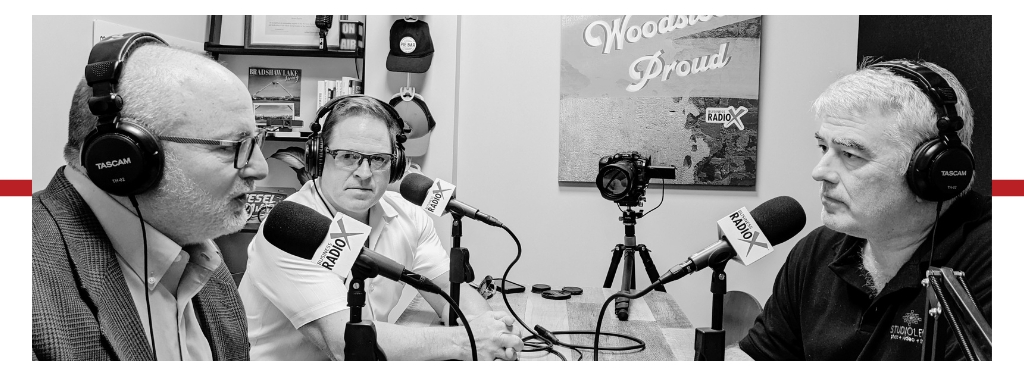
In this episode of Ask the Expert, Randell and Robert interview Mark McKenzie, owner of Docqmax Digital Printing, a second-generation family-owned printing business. Mark discusses the evolution of printing technology, the importance of entrepreneurship, and the value of building relationships in business.
He also shares his experiences in real estate and the significance of automation in his printing business. Mark emphasizes the importance of networking and serving others, attributing his business success to these aspects.
 Mark McKenzie is the owner of Docqmax Digital Printing. As a second generation family owned business everything we do and every decision we make will be for the purpose of improving service for our customers, making the company more profitable, and improving the standard of living of our employees.
We are in the business of printing. However, we feel that our company produces something much larger than ink and toner on paper. Our company produces success. We take pride in the fact that the products we create help to make your business more successful. We make every effort to be successful, and recognize that we can accomplish this only if we can help you be successful.
So give us a call and let’s start on the road to success together.
Specialties: Entrepreneur, Business Owner │ Helping clients promote and market their brand and Image by utilizing various products and services including, web-to-print, full color print-on-demand digital printing, 2 color and 4 color Heidelberg offset printing, big color wide format poster printing, newsletters, letterhead, envelopes, manuals, books, catalogs, reports, labels, carbonless forms, variable data and direct mail.
Connect with Mark on LinkedIn.
This transcript is machine transcribed by Sonix
Intro: [00:00:07] Broadcasting live from the Business RadioX studios in Atlanta, Georgia. It’s time for Excel Radio’s Ask the Expert. Brought to you by back shot photography and video. It’s your story. Make it awesome. For more information, go to buckshot.com. Now here’s your host Stone.
Randell Beck: [00:00:31] How are you doing? I am doing well, man. It’s been a while since we’ve been in, but we’re back on track now. But we’re missing a couple of things here. What are we missing? It didn’t say anything about Robert. Our co-host, Robert Mason from NXP. Hi, Robert.
Robert Mason: [00:00:46] Y’all left me out that time.
Randell Beck: [00:00:48] First I heard it. We did some edits and something went missing. And the other is it ain’t buckshot anymore.
Stone Payton: [00:00:56] Well, now that’s true that I knew the.
Randell Beck: [00:00:57] Rebrand is well underway. So we’ll be breaking out new new logos and new intros and everything pretty soon for studio Linza. The orange headed stepchild of buckshot.
Stone Payton: [00:01:08] All right. Fantastic.
Randell Beck: [00:01:10] And how was the hunt? You were just on.
Stone Payton: [00:01:11] It was marvelous. Harvested at eight point and set to processor now.
Randell Beck: [00:01:17] I like that term harvested.
Robert Mason: [00:01:18] And there are some out there for both of us. Mister Beck.
Randell Beck: [00:01:20] He asked if I wanted him to bring some. Yeah. And I was like, do you know me yet? You think you’re going to hurt my feelings, offering me fresh kill? Yeah. I mean, come on.
Robert Mason: [00:01:29] No, you’re not a vegetarian.
Randell Beck: [00:01:31] Not even close.
Robert Mason: [00:01:31] Not even close.
Randell Beck: [00:01:33] Today. Interesting show. Today we have brought in Mister Mark McKenzie, the unofficial mayor of Atlanta. Today, Mark is a printer in Atlanta. He’s going to tell us more about that. He’s also the king of the networking circuit. Hi, Mark. How are you?
Mark McKenzie: [00:01:47] Yeah, Randall, I’m doing well. Thank you for inviting me, stone. It’s always a pleasure to see you and recapture some of the connections we’ve missed over the past, what, 15 years? But it’s always a pleasure. And I get to meet Robert. So life is good.
Randell Beck: [00:02:01] Well, let’s jump right in. Let’s start off. Tell us about your business and know where you’re coming from. You’ve been around Atlanta a while. At least 10 or 15 minutes.
Mark McKenzie: [00:02:10] Yeah, about about probably 48 years.
Randell Beck: [00:02:14] Tell us the story.
Mark McKenzie: [00:02:14] So we’re a second generation, family owned business. I work with three brothers in the business. It’s a family owned business and it is a printing business. We started out as traditional quick printer, a franchise, and about 28, 22 years into it, we got out of the franchise and changed our name to doc Max Digital Printing.
Randell Beck: [00:02:39] What franchise was it?
Mark McKenzie: [00:02:39] We were a quick print, quick print franchise. Quick.
Randell Beck: [00:02:43] Seen them around.
Mark McKenzie: [00:02:44] Yeah, it’s it’s been a long time since they’ve been around. They they’re still few franchisees that are still in business, but the franchise is nonexistent anymore. So but so we basically were traditional printers doing everything from letterhead, envelopes, business cards, marketing and branding material, as well as functional forms and documents, documents that you use every day, invoices to bill your clients statements, things like that. But a lot of that has become digital printing or digital in the aspect that it’s actually not printed anymore. It’s actually done digitally.
Robert Mason: [00:03:24] Are you using the old Docutech machines?
Mark McKenzie: [00:03:26] You know? No, they’re they’re old dinosaurs. It can’t even use them for paperweights anymore. So but they have the one.
Randell Beck: [00:03:35] With the crank that makes the purple, purple page where the.
Robert Mason: [00:03:39] Stone comes down and goes, yeah, yeah, no, doc techs were big in the 90s. I used them quite a bit.
Mark McKenzie: [00:03:43] Yeah. And that is. So Xerox basically had the market on digital printing early on and they basically let it kind of slide away. But we are a digital printer. We use digital printing devices. Basically high end copy equipment is really the best way to describe it. They put toner on paper as well as ink on paper. So we use wide format printers as well to print posters, banners and labels, you name it. So being a printer for, you know, I went to college and took graphic arts to learn printing and everything I learned in college basically is the way of the dinosaur. So it’s basically evolved over the years. It’s changed dramatically, and it’s all about providing value and service to your customers that need brand and image products.
Randell Beck: [00:04:41] We were just having a conversation the other day with somebody. We were talking about our both of us have MBAs. We were talking about having the MBA. Of course, his was not newer than mine. Mine was 92. And I made the point. I said, you know, practically everything I studied is obsolete at this point. I mean, we were still we were doing big financial analysis with those IBM mainframes with punch cards, right, in the 90s. Right. And not that there weren’t other kind of computers, but that was still the large company standard. Well, we all know that’s gone by the wayside, too. And so, I mean, it was good to get a. Bunch of marketable skills and be able to educate yourself now, which I do a lot, but but probably should actually go back and do some refresher courses, you know, just to get up on the new techniques and the new terminology. It’s just gone.
Robert Mason: [00:05:30] Well, don’t you think that goes for just about every.
Randell Beck: [00:05:32] I imagine so I imagine there’s a shelf life to an education. Yeah. No matter what you do.
Robert Mason: [00:05:36] I mean, that was a.
Randell Beck: [00:05:37] Real estate you’re doing. I’m still using.
Robert Mason: [00:05:38] That. But really, does it matter?
Randell Beck: [00:05:40] I mean, unless you’re you studied left handed basket weaving, there’s probably a shelf life to everything, you know?
Robert Mason: [00:05:46] English. Yeah. Stuff like that. Right. Yeah.
Mark McKenzie: [00:05:49] Well, and I think that entrepreneurship is one thing that’s lacking in education, and it’s basically teaching people how to be entrepreneurs, how to sell their product and their their services. That really is probably more important than learning how to do. Your financial financials are very important, but learning how to add and subtract is basically how to communicate with others. And the best way to communicate with others and the way to communicate with others is to deliver where they want to be. And that means if they want printing, then deliver printing. If they want a web page, deliver the web page. But you can also use printing to direct them to that web page. So it’s all about being where your customer wants to buy or purchase. And that’s the important part of anything in communications, whether it’s video, print, real estate, all those things. And it takes a while. And my MBA was on the job training and losing thousands and thousands of dollars by making mistakes. But when you realize that the value you provide is being able to communicate with your customers and provide them with opportunities to increase revenue, whether it be through video or print or real estate, those are that’s how you succeed in life. And that’s not necessarily taught. And. Primary high school, College, your MBA programs.
Randell Beck: [00:07:26] So now we know what MBA stands for in your case marks better than anybody. Yeah, I always like to go to philosophy. And you kind of started talking philosophy there just for a minute. But the thing here’s something that really interested me. Robert, you don’t know this. I have a friend named David Lopez, another guy I know from the from the networking circuit, and he was working for a company, and he had a couple of opportunities come his way. He was trying to assess. One of them was to get involved in the printing business. And he’s like, I was like, I can’t help you make that decision, but I know somebody who can. So I connected David and Mark, and Mark gave him a lot of good advice. So David now he owns Buck Blue Printing over in Roswell, about ten minutes from your house, I think.
Robert Mason: [00:08:07] And not to be confused with Buck blue, right. Right. Okay.
Randell Beck: [00:08:13] Tell me about this. Why are you enabling your competitors?
Mark McKenzie: [00:08:17] Uh, first of all, I don’t know when that competitor might want to sell me their company or buy my company. But the other thing is, is I don’t have every piece of printing equipment out there to provide services to all my clients needs. So. Understanding what they do and do well. If my customer has a project that I cannot produce in-house, I have a vast array of friendly competitors. That can help me produce those projects. And today’s an example. I went to another competitor and picked up a small project for one of my clients that I couldn’t turn around in time to meet their deadline, but my friendly competitor could. And so I utilized their services to service my client the best I can. And that’s why it’s so important that, you know, Atlanta is a big city. There’s plenty of work. For everybody but learning how to create quality relationships, whether it’s with your clients, your competitors, your vendors, your children, your wife. That’s what’s important in life, and that’s what provides value to the people you serve.
Robert Mason: [00:09:34] Mark, there’s an old saying that I use, and it’s if you come from a place of giving, first and foremost, you’re going to be that much further down the road. And so in the end, the more people that you help get to where you want to go or where they want to go, you’re going to get further to where you want to go. Because if you look at it, that’s not your competition in real estate. We do that too, because I train a lot of real estate agents and have given a lot of good advice over the years because we’re all in the same industry. And when a buyer or a seller comes to me and they have a question, I will tell them a the truth and I’ll give them the whole truth. And if I can’t service that client, then I’m going to look to somebody else. I gave away a $1.8 million listing in Blue Ridge because it didn’t fit my profile, but I had another competitor, so say, and she did it, and she handled it very well, and everybody was happy. And we all got it on the road. We a lot of.
Randell Beck: [00:10:31] Video there before you gave it away.
Robert Mason: [00:10:32] We did. We did.
Randell Beck: [00:10:34] Yeah. You got to make use of your assets too. Yeah. That was a great house.
Mark McKenzie: [00:10:38] Well, and that is I mean that’s a I’m a firm believer in givers gain. That’s Ivan Meissner’s little. Ivan Meissner found be and I and I think that it’s true I kind of Adam grant does give and take. It’s about givers and takers. And it’s how you give with an open heart without intent, you know. So if you give without intent, basically it all, it all works full circle. And that’s what makes a difference in our world. Yeah.
Randell Beck: [00:11:10] Now let’s recommend that book on the air here. It’s a good one. You’re one of your networking groups Atlanta Business Growth Team uses that as a model. It’s by Adam Grant. It’s called give and take right. Chapter one is the difference between being a giver and being a chump. And the rest of the book is about how to accomplish that. Right? Right. But that’s that’s the model for a lot of people out there.
Mark McKenzie: [00:11:32] Right? Well, and it’s it’s a very valuable and it’s, you know, we’ve been in business for 48 years. Next year, I swear we’re going to make a profit. But right now, you know, it’s all about giving. And that’s how you build your business is you have to give. It’s give to your customers. Give to your employees, give to your team. Basically don’t ask for much in return other than you want to run a successful business, have opportunities to make a profit, and not not every year you make one. Some years it’s pretty lean, but it’s basically having the opportunities. And that’s what’s so great about America, is that no other country, you can have the opportunities like you have here, but you have to give.
Robert Mason: [00:12:20] And you have to create those opportunities to buy. It’s just like doing this radio program. I mean, we stepped into this and we didn’t know where it was going to go. And, you know, you just got to take some chances in life.
Randell Beck: [00:12:31] Still might not. Yeah. It still might not know where it’s going. We’re still.
Robert Mason: [00:12:34] Waiting.
Mark McKenzie: [00:12:35] It’s going straight to the top. Like I said to you before, you know I’m here to help raise that bar. You know me, me.
Randell Beck: [00:12:41] And Joe Rogan. We like this.
Robert Mason: [00:12:42] Yeah.
Randell Beck: [00:12:44] Well, I know that, David, from other conversations, I know he got a tremendous amount of value. And from the conversations he’s had with you and and that he really appreciates what you helped him do and he’s going, like hair on fire over there.
Mark McKenzie: [00:12:58] He is.
Randell Beck: [00:12:58] He’s he’s doing a little grand tour and they’ve got like a 12 foot by 12 foot inkjet printer or something like that. It’s crazy.
Mark McKenzie: [00:13:04] Oh, it’s a beautiful piece of equipment. And there’s not a lot of those pieces of equipment, that particular piece of equipment in the United States. And it can do things that are amazing. And by having a relationship with David and his company, I now have the opportunity to sell that product or service to my clients because David can produce it for me. And that’s the value of helping others. And, you know, that’s not why I helped David. But David is a great individual and but he is a friendly competitor and he has equipment that I don’t have and I have equipment that he doesn’t have.
Randell Beck: [00:13:42] And so this approach that you’re talking about, you know, it’s been a theme for you. I mean, you’re kind of all over the town. You’re in a million networking groups and you’re interested jagriti the peer groups and a few things like that. So tell me a little bit about why you do that.
Mark McKenzie: [00:13:57] Well, first of all, it’s better than having to pick up the phone and smile and dial is because it’s about creating relationships before I have an ask and before I, you know, I kind of relate it to The Godfather. You know, people come in and say, Godfather, I have a request, can you help me? And he helps them. And then they say, well, what can I do for you? Well. Right now. Nothing. There might come a day where I have something.
Robert Mason: [00:14:23] There’s going to come a time when I ask a favor of you. I’m going to make you an offer that you can’t refuse.
Mark McKenzie: [00:14:30] That’s right. And that’s part of it is. Is that you give without the intent. And if you ever end up having the intent of where you need help, you have friends there to help you. And it’s all about creating quality relationships with those you serve. And that’s what I know.
Randell Beck: [00:14:50] You live this because I’ve walked into the Buckhead Club for meetings that I was supposed to have, and I’ve seen you there for meetings that you were supposed to have, and sometimes they didn’t happen. And so we just sat down and did our own meeting, which is fine. So you kind of operate this way, right? This is a daily thing for you.
Mark McKenzie: [00:15:05] It is every day. And, you know, it’s being flexible, learning how to pivot. I mean, we all had to pivot during Covid, had to learn business a different way. And that’s how you survive in business is learn how to pivot and to pivot quickly. And but building relationships, I mean, that’s part of it is, is when we’re when you and I are out and we’re networking and I run into you in an event, if I know somebody that you should meet, I’m going to make sure that you connect with that individual. And I’m just going to just tell you is that Stone has done that for me over the years. It’s, you know, he used to put on events all the time, and he made sure I connected with the right people. And I did.
Randell Beck: [00:15:49] Not know that you guys knew each other when we booked this.
Mark McKenzie: [00:15:51] That’s right, that’s right. So. And but that’s where the value.
Randell Beck: [00:15:56] I was making a useful connection for you guys.
Mark McKenzie: [00:15:58] You are? Yeah. You still are because we we haven’t connected since pre-COVID.
Randell Beck: [00:16:02] So we’ll call it renewing then.
Mark McKenzie: [00:16:04] Yeah. Renewing. Yeah. But it’s all about. Being there. Being present. Understanding the needs of others and be willing to help others with their needs. And that’s, you know, that’s why I do golf for the kids, which is the charity golf tournament that we’re in our 17th year with. Tell us a.
Randell Beck: [00:16:22] Little about that.
Mark McKenzie: [00:16:22] So we have a mutual friend, Angie Raika, and she basically started this on a whim 17 years ago, and her second year of having the tournament. I met her at a horse farm up near Dalton, and we were in another group and we got to know each other, and I just mentioned that this barn smells like Kansas was where I grew up. And she said, well, what part of Kansas? And I said, you’d never heard of it. It’s a little town called Neosho, Kansas. And she says, well, my great great aunt is Neosho. And it’s amazing that we link together. Well, she had this tournament. It was her second year. I said, well, let me do your signage, let me sponsor it. I’ll play golf. I’ll play in your tournament. I’m a terrible golfer, but I’ll play in the tournament. And then after that tournament she raised, I don’t know, about 7 or $8000 that year. And I just said, what are you plans on growing this? And she says, well, I’d like to, but I need an advisory board. And I said, well, you know, maybe we can find some people to help you. And she says, good, you’re on the advisory board. And, you know, so 17 years later, we basically raised money for Children’s Healthcare of Atlanta, the Aflac Cancer Center. And first $15,000 goes towards their canine for kids program. And we have a service dog walking the halls at cholla. His name is Olaf, the first dog we purchased or helped to purchase. I don’t think we purchased all of him, but we helped to purchase him. And it’s all about giving back to the community that gives to us. So, you know, I’m blessed. I’m blessed with a quality life, a quality wife, quality children, and a community that really cares about what’s happening around it. So. So if I can give back a little bit, that’s part of my core existence and my passion.
Randell Beck: [00:18:22] Now, Robert’s a real estate guy. I know he wants to hear about your real estate deal. Yeah, you’ve got an interesting real estate deal going.
Mark McKenzie: [00:18:29] Well, so it’s basically it’s under contract and it is with a nice company. Hopefully it’ll it’ll close. It’s about a year out. It’s basically next July is when the closing is. But it’s we purchased a piece of property in West Midtown 20 some years ago. And so we could service all of our clients. We had three locations we were paying. Rent at all three locations, and we realized that we could basically invest in ourselves and consolidate our print shop our three locations into one. And. It was a point where equipment cost so much that to put equipment and employees in each one of those locations, it was quite expensive. But if we put equipment and employees in one location, it was a little bit easier on us. Plus, the internet was really starting to shift and change in the printing industry. So it was a smart move on our part. We’re over in West Midtown. We’re about two blocks away from the Georgia Tech campus. We realized that when we purchased the the piece of property, but we really didn’t think that that piece of I mean, at the end of the day, we thought, well, there’ll be some money when when we sell it and and maybe enough to help us retire.
Mark McKenzie: [00:20:02] The opportunity is that. My neighbors and I, we basically we put our three properties on the market, and we had a significant company come in and made an offer. And right now we’re we’re under contract. All the due diligence, the zoning and all those things have to be taken care of. But. We bought it. When we bought the property, it was 12,000 square foot building. And we have a tenant in half that building. So that tenant helps us pay the bills and produce income. And that’s the great thing about real estate and. Participating in a peer group of. Industry specific peer group of other printers from across the country. We would look at their financials and their goals and what they were doing, and all the really successful printers own their own real estate, so they were paying themselves. And over the years I’ve seen many of them retire well, their real estate was usually worth more than their printing company. And. A lot of them would say, you know, stop paying rent to somebody else, go buy your own real estate. And we after 28 years, we decided to do that.
Robert Mason: [00:21:22] So better late than never. Yeah.
Randell Beck: [00:21:25] That theme keeps coming up all the time, doesn’t it?
Robert Mason: [00:21:28] We talk about that often, do we?
Randell Beck: [00:21:29] Not often.
Robert Mason: [00:21:29] Yes. Creating wealth.
Randell Beck: [00:21:31] And they’re putting student housing there.
Mark McKenzie: [00:21:33] You said. Well, that’s what it looks like. It will be student housing. And because we’re, you know, two blocks away from the corner of Georgia Tech campus, it makes a lot of sense. It’s near the Hal mill corridor. I mean, we’re a block away from Hal Mill.
Randell Beck: [00:21:49] Right behind Star Metals office building.
Mark McKenzie: [00:21:51] Right behind the Star Metals office building. And so it is a prime piece of property. There’s I don’t know, I want to say there’s probably at least $1 billion worth of development going on within a two block radius of us. So it’s a it’s a time where the opportunity arose. So we needed to move on it. What will we do? We will probably find another building, invest in some more real estate, move our print shop and continue to do business. Find a few more tenants and and but real estate is is really the value of. Us being in business. The real estate was a side gig, so to speak, but it was. We created a separate company, a separate LLC, and it is basically it’s it been a long haul. I’m not going to lie. It was a struggle early on to to have that piece of property. And then we had 2007, eight and nine come along and and it was, you know, we bought the property in 2003. So we had about five years under our belt. But but having a tenant, a quality tenant always helps. And we found one and and it’s worked out well for us.
Robert Mason: [00:23:03] If you look at some of the financials and some of the guys in commercial real estate bankers and whatnot are talking about a lot of opportunity in the commercial real estate world next year in particular. Um, I think there’s going to and Randy and I talk about it, Randy was looking for a property, you know, to maybe put his business in as well. And in 2024, all of the major commercial real estate companies are talking about, well, office and shopping center space are in trouble, right? For obvious reasons. There’s going to be some fantastic deals to be had on the commercial side of our business next year.
Mark McKenzie: [00:23:41] Well, and that’s that’s also, you know, the theory is, is buy low, sell high. And, you know, 2008, there were a lot of opportunities. And, you know, a lot of the national REITs came in and purchased single family housing from the banks that were unloading it for pennies on the dollar. And now there are some of the largest corporations in our country right now, and they have thousands and thousands and thousands of pieces of real estate that they rent. And there’s a lot of money to be made. But it’s also timing. And, you know, it’s having cash when you need the cash stateside.
Robert Mason: [00:24:19] Blackrock there’s you know, Vanguard. These are the three big ones right there.
Mark McKenzie: [00:24:23] Right. And they are. And I just read something about Blackrock you know and student housing. You know that’s that’s where their industrial and student housing is where they’re putting their investments. Yeah.
Robert Mason: [00:24:35] They took over the pension funds in California years back. And that started just a wave. Yeah.
Randell Beck: [00:24:41] They’re so big. They’re in everything I mean I worked with Blackrock back when I was at Starrett in New York and and they were buying Remington back then. Yeah. You know what I mean. Right. If they can make a dollar on it, they’ve got experts and they know how to do it and they’ll go in and they’ll pretty much pick up anything, I think.
Mark McKenzie: [00:24:56] Yeah, I think so too. And but you have to be available for the opportunity and you have to take it. And it’s like anything else. Any other investments you make, it’s it’s a risk. It’s a gamble. And you know, being an entrepreneur is a gamble and.
Robert Mason: [00:25:12] You have to have the temperament for it too. That’s right. My wife is she’s she’s a diva. She’s in technology and I’m in real estate. So I’m a risk taker. Yeah. And so in 2008 I had 15 properties, you know, and we all know what happened there. And I’m wanting to push in my chips and I’ve got that steady on in my wife. She’s like, I don’t think so. I don’t think it’s the right time. Right.
Mark McKenzie: [00:25:36] And I have a wife like that. That always questions where where the money is invested and and it’s important. You know, it’s a great feedback for me. And it’s also a reality check. Sometimes because I am an entrepreneur, I do take risks on myself and our business, but I don’t like to take risks on other people as much.
Randell Beck: [00:26:02] I imagine that in the early days, you know, printing machinery and things were good for a long time, they’re probably real durable and so forth. But in today’s world, I imagine there are probably rapidly obsolete, have to be upgraded a lot and all that sort of thing. So how do you manage that now?
Mark McKenzie: [00:26:19] So automation is really the key is you don’t purchase or lease a piece of equipment that’s not fully automated. And if it’s not helping you eliminate and I hate to say this, but a person or help that person improve their skills and their job performance through automation and. You have to have that automation, whether it be your website, your point of sales, the actual. Software you utilize in order to print the pieces that your clients need. And so I do a lot of variable data personalization, and you need those tools in order to produce it and produce it correctly and efficiently. Automation is the only way if you’re going to make an investment, if it’s not fully automated and current automation. So 3 to 5 years that software or that piece of equipment becomes obsolete. And whereas I used to be able to buy a Heidelberg printing press, you know, and they were very expensive, you know, three, 300, $500 million printing presses. And I could basically run that press for 20 plus years. So my depreciation, the investment on those dollars. Well. Unless if you have the work flow to capture your return on your investment in a three year period, it’s almost a no go. Basically, you do not want to invest in something that you can’t get your return on your investment. And the only way to do that is through automation and finding the right equipment.
Robert Mason: [00:28:05] And you said three years. Is that a is that a critical.
Mark McKenzie: [00:28:08] Well, it’s three years is really for for me in my industry. And there’s others that might say, well, 18 months I look at three years as, as being that, that kind of key, because three years is when the software and the basically the automation starts to become extinct. And if you haven’t got your return on your investment within those three years, that piece of equipment will not. Get you the money that you need to get to the next level. If you haven’t taken that and made that wise investment. So that’s really kind of what I look at as a 3 to 5 year plan whenever I purchase equipment.
Robert Mason: [00:28:55] Well, so let me break this down because I’m a numbers guy. So you buy real estate or you have your rent, right. So that’s a big number, right? Then you have employee numbers and then you’re going to bring in a piece of equipment that’s $500,000. Right. So your monthly outlay is extraordinarily high right. Yes. So you’ve really got to sharpen those pencils. You’ve got to know what to expect and it be correct.
Mark McKenzie: [00:29:21] Well and and like I said earlier is I’ve made a lot of mistakes and learned from them. And it’s cost me a fair amount of money over the years. But I’ve also made some. Wise decisions. Listen to my wife a little bit. And it’s a situation where I’ve profited from it, and it’s a little bit of it is luck. A lot of it is hard work and. Yes. You have to look at those. You have to have your finances. And I would tell any business owner, you have to have a great attorney, you have to have a great banker, and you have to have a great accountant, and they all have to work together. And on top of that is having someone help you with your financials, your wealth management and manage that and help you control those urges to go out and spend $1 million on a piece of equipment that may just look really nice and shiny, but really doesn’t have the work to justify purchasing it.
Randell Beck: [00:30:24] And I’m betting you know those guys.
Mark McKenzie: [00:30:26] I do, I have a I have a few, and I have a few in the stable waiting for the opportunities to serve me. But it is.
Randell Beck: [00:30:33] So this rapid life cycle of these machines. Right. Is that why people are leasing these machines more than buying them now?
Mark McKenzie: [00:30:40] It is. It’s it’s almost the number one reason is because they can at the end of their lease, they can either have the option to to purchase that piece of equipment if it’s still productive, or they can upgrade to the next newest improved automated piece of equipment to move forward. And most leases are 3 to 5 years.
Randell Beck: [00:31:01] What happens to the old ones then?
Mark McKenzie: [00:31:03] They’re recycled. You know, basically the computer boards are basically deleted and scrapped. And a long time in my industry when we talk about the Xerox Docutech is they were around for a long time. And, you know, I had a friend in, in that business and he would buy 20 of them and then he would Frankenstein them. And sell three of them, and it was using parts from the other other 18 or 17 other pieces of equipment. And they would still be viable pieces of equipment to run. It’s just that they weren’t as automated, they weren’t as current, and it’s hard to compete. Basically, imprinting is very hard to compete if all you’re still doing is taking your chisel and stone and hammering out your your printing tablets.
Robert Mason: [00:32:01] Gutenberg’s no longer around. Gutenberg’s gone. But, you.
Randell Beck: [00:32:04] Know, his product is. Yeah. When I was in grad school, my degree program was a joint program with the business school and the School of Architecture. So I would have to go over to the School of Architecture for a bunch of the classes. And in their lobby they have a case, a display case that back in the 70s when they built it, the case cost $2.5 million. Climate control thing. And they have one of the remaining intact Gutenberg Bibles in there on display. Wow.
Mark McKenzie: [00:32:29] Yeah.
Randell Beck: [00:32:30] It’s pretty amazing thing to look at.
Mark McKenzie: [00:32:32] Well it’s amazing. It’s it’s what gave me a career. So, you know, several hundred years ago it was developed and I still have a career in it.
Randell Beck: [00:32:43] All right. Here’s an interesting question. I think Jordan Peterson was the one he claimed that. Youtube in particular, but that that method of using the internet to deliver information. But YouTube in particular was his was his. His case is as important a development as the Gutenberg Bible was. And his his thesis was because for the first time in history, you could do two things at once, like listen to or listen to something, or watch it while you’re doing something else and multiply your learning time and your skill developing time. What do you think?
Mark McKenzie: [00:33:20] It’s a valuable tool. No, no doubt about it. It’s like using Google. It’s like I coming on board. I think AI is going to shift. Our world and the way we do business dramatically, and it already has proven itself. But having these tools are very important, but knowing how to utilize those tools. Is where it’s more important. So having a professional like you. Producing a quality video as opposed to something. I’m just holding my phone and trying a video that’s not so. People aren’t going to listen to it. People aren’t going to view it because I’m moving it around. I’m an audio is not any good. It’s not produced at quality. Now some people that’s okay for some. But the masses it really isn’t. You know, there’s.
Randell Beck: [00:34:13] A market for everything, right? There’s a market for casual video, just like there’s a market for cheap hamburgers. Right. But.
Robert Mason: [00:34:20] Good point.
Randell Beck: [00:34:20] Professionalism shows that you care enough to get it right. And what happens if you start using your. This is something I talked to people about all the time. If you start using that cell phone, what happens is you very quickly reach the limits of what it can do and what you know how to do.
Mark McKenzie: [00:34:36] Right. Correct.
Randell Beck: [00:34:37] And so it’s it’s like if I tried to run, if I tried to go out and do some printing, commercial printing with my little inkjet printer in my office, I could get away with a little bit for a while, but I’m very quickly going to hit limits. Right? Right. Same deal.
Mark McKenzie: [00:34:50] Well, and it’s what I tell my wife. I tell her this all the time, you know, the the toilet needs to be fixed. And she says, well, can you fix it? And I said, yeah, I probably could. I’ll go to Home Depot. I’ll probably go in and and buy something and then have to go back to Home Depot and buy a tool to do to utilize it. Let the plumbers plumb let the attorneys litigate and let the printers print, you know, provide the value and the services that you do. And you know well. And make it happen that way.
Robert Mason: [00:35:21] It’s hard to get that through to so many people, though. You know, people wrestle with that. But you’re so right. That’s so true.
Mark McKenzie: [00:35:28] It is. And it’s basically, if you need a professional product, let the professionals do the do the service.
Randell Beck: [00:35:36] Diy is when you need to save money. Right. Professionals are for when you need to make your impact.
Mark McKenzie: [00:35:40] That’s right.
Randell Beck: [00:35:41] So you’ve got this networking thing going on. You’re all over town all the time. And we talked a minute ago about it being valuable to David and valuable to people. How valuable has it been to you?
Mark McKenzie: [00:35:53] Well, I’ve been in business for 48 years. Is that why? That’s probably one of the major reasons. And I had this discussion this morning, is that my brothers don’t want me to print. They don’t want me to go into the print shop, even though I took graphic arts in college and I know how to run presses, I’ve taught people how to run presses, how to do design, and my brothers want me to go out and create opportunities. And when I’m in the print shop, they say, stay away from the equipment, pick up the phone and make those phone calls. You know, do what you do and do well, and it’ll serve all of us. And that’s what you have to look at, is you have to where is that? Networking allowed me to to grow. I’m able to. Raise a family. I have two adult children that have children. I have, you know. Well, I no longer have a dog, but he was a great dog. You know, it’s what I’m passionate about. I’m passionate about networking. I’m passionate about serving others. I really am passionate about connecting others to opportunities and whether that be revenue or just friendships. And that, I think, is what gets me up every morning.
Randell Beck: [00:37:12] I’ve seen it to be true. The unofficial mayor of Atlanta. Everybody, Mark McKenzie, thank you for coming in.
Mark McKenzie: [00:37:18] Thank you. Thank you both for having me. Yes, sir. And, Stone, it’s always a pleasure seeing you. My pleasure.
Host Adam Robison interviews Kenley Holman, the Community Outreach Manager for My T By Design, Therapeutic Art Studio in Northwest Arkansas. My T By Design uses art as a therapeutic tool to help strengthen mental wellness for people of all ages and backgrounds, including at-risk youth, veterans, and seniors.
Kenley outlines their mission to help people see their value and self-worth through art therapy sessions, community paint nights, workshops, and other programs. She shares how the nonprofit provides a peaceful, welcoming environment and displays client artwork like a museum.
 Kenley Holman is from Heber Springs, Arkansas. She moved to NWA to earn her Bachelor of Arts in Psychology at the University of Arkansas.
Once earned, she gained her position as the Community Outreach and Programs Manager for My-T-By-Design Therapeutic Art Studio located in Fayetteville, Arkansas.
Kenley has been working alongside Lakisha Bradley, the CEO and founder, to strengthen the mental wellness of individuals one paint stroke at a time.
Stone Payton: [00:00:00] Welcome back to BRX Pro Tips. Lee Kantor and Stone Payton here with you. Lee, you have an assertion, and I certainly agree with it, all business starts with a conversation.
Lee Kantor: [00:00:11] Especially service-based businesses. Remember, you are a human selling to another human and the service is being delivered by another human. So, it’s important to communicate and understand the needs, goals and outcomes that those humans desire. So, it’s important to humanize as much of this process as possible. It’s easy to try to automate every single thing. You want to automate the things you can, but you cannot forget that this is a human-to-human interaction, and you have to want to go on the journey with your clients or don’t take them on as a client. If you don’t want to really immerse yourself into their world and really try to understand and serve them, then it’s going to be very difficult to really deliver on the promises that you’re making. So, remember, you’re a human, they’re human. Human interaction will help keep the client, get the client, and serve the client.
The Workplace Wisdom podcast features host Brock Holland interviewing Kayla Norris, owner of Marketing Mainstreet, about strategies for growing a small business through hiring and delegating. Kayla explains how she started her marketing agency to help small businesses in Northwest Arkansas that couldn’t afford big agencies. As demand grew, she had to hire help even when she didn’t feel ready, starting with creative tasks she didn’t enjoy.
Letting go of control was hard, but empowering employees to improve processes paid off. Now with 3 full-time and 3 part-time team members, Kayla focuses on business development while the team handles production. Though stepping back was uncomfortable, she realizes the team is more productive without her micromanaging.
 Kayla Norris is the founder and owner of Marketing Mainstreet, a full-service marketing agency based in Rogers, AR.
After a career in TV sales, Kayla started the agency in 2021 to fill a need for affordable marketing help for local small businesses. Her passion is helping Northwest Arkansas companies grow through modern marketing approaches while maintaining vintage small business values.
Kayla finds joy in building relationships with clients and seeing their businesses thrive through her work.