Business RadioX ®

  • Home
  • Business RadioX ® Communities
    • Southeast
      • Alabama
        • Birmingham
      • Florida
        • Orlando
        • Pensacola
        • South Florida
        • Tampa
        • Tallahassee
      • Georgia
        • Atlanta
        • Cherokee
        • Forsyth
        • Greater Perimeter
        • Gwinnett
        • North Fulton
        • North Georgia
        • Northeast Georgia
        • Rome
        • Savannah
      • Louisiana
        • New Orleans
      • North Carolina
        • Charlotte
        • Raleigh
      • Tennessee
        • Chattanooga
        • Nashville
      • Virginia
        • Richmond
    • South Central
      • Arkansas
        • Northwest Arkansas
    • Midwest
      • Illinois
        • Chicago
      • Michigan
        • Detroit
      • Minnesota
        • Minneapolis St. Paul
      • Missouri
        • St. Louis
      • Ohio
        • Cleveland
        • Columbus
        • Dayton
    • Southwest
      • Arizona
        • Phoenix
        • Tucson
        • Valley
      • Texas
        • Austin
        • Dallas
        • Houston
    • West
      • California
        • Bay Area
        • LA
        • Pasadena
      • Colorado
        • Denver
      • Hawaii
        • Oahu
  • FAQs
  • About Us
    • Our Mission
    • Our Audience
    • Why It Works
    • What People Are Saying
    • BRX in the News
  • Resources
    • BRX Pro Tips
    • B2B Marketing: The 4Rs
    • High Velocity Selling Habits
    • Why Most B2B Media Strategies Fail
    • 9 Reasons To Sponsor A Business RadioX ® Show
  • Partner With Us
  • Veteran Business RadioX ®

The Rowe Report, Episode 1: Short Term Rental Industry with Misty Van Hooser

August 11, 2023 by angishields

Misty-Van-Hooser
Northwest Arkansas
The Rowe Report, Episode 1: Short Term Rental Industry with Misty Van Hooser
Loading
00:00 /
RSS Feed
Share
Link
Embed

Download file

Misty-Van-Hooser

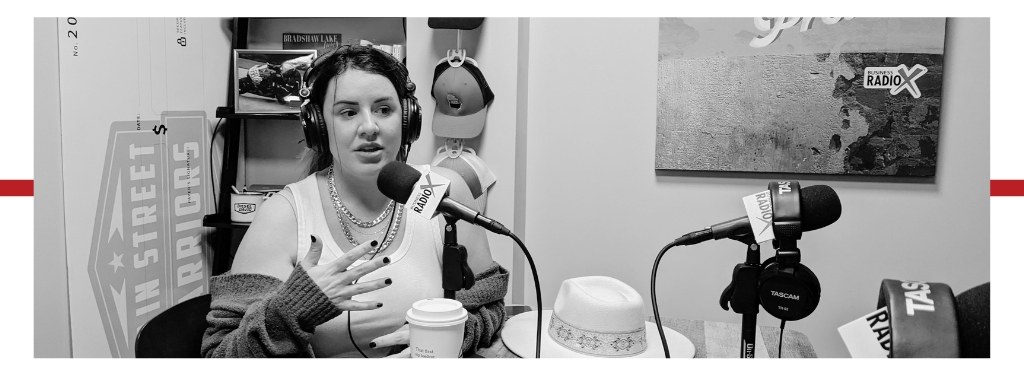
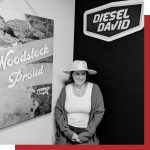
Welcome to the premiere episode of The Rowe Report, hosted by Elizabeth Rowe. In this captivating installment, we delve into the world of the short-term rental industry with our special guest, Misty Van Hooser, a Bentonville native and accomplished real estate executive.

Join us as Misty takes us on a remarkable journey, sharing her experiences of building a successful short-term rental design business in her hometown of Bentonville. As a single mom, Misty was not only searching for the perfect place to call home but also looking to make a mark in the thriving housing market of one of the fastest-growing regions in the country.

Throughout this episode, Misty shares her insights into the intricacies of the short-term rental industry. Drawing from her expertise as a real estate advisor, she provides valuable advice for those seeking their dream homes or looking to invest in properties. Whether you need assistance with interior design, staging, or understanding the market trends, Misty’s knowledge and guidance will prove invaluable.

Links:

LinkedIn

Facebook

About the Show

At The Rowe Report, our mission is clear: we are here to provide you with the knowledge, insights, and unwavering mindset needed to excel in the ever-changing landscape of the real estate industry. Whether you’re a seasoned realtor with years of experience under your belt or a passionate newcomer just starting out, this podcast is your essential key to unlocking new levels of success. Rowe-Report

Each week, we dive deep into the intricate world of real estate, exploring a wide range of topics that matter most to you. From industry trends and market analysis to mastering the art of client relations, negotiation strategies, and staying ahead of the curve, we leave no stone unturned in our quest to equip you with the tools and wisdom necessary to thrive in this competitive field.

Through engaging discussions and thought-provoking interviews with industry experts, The Rowe Report offers valuable insights and practical advice that you can implement directly into your real estate business. Our guests share their wealth of experience, unveiling proven strategies, tips, and techniques that will undoubtedly elevate your professionalism and help you achieve your goals.

So, whether you’re seeking guidance on growing your client base, refining your marketing strategies, or navigating the ever-evolving market dynamics, The Rowe Report is your go-to resource. Join us week after week as we uncover the secrets to success, unravel the latest industry trends, and inspire you to reach new heights in your real estate journey.
Get ready to unlock your full potential and ignite your career in the world of real estate. Welcome to The Rowe Report, where we empower you to think, feel, and act like a pro.

About Your Host

Elizabeth_RoweElizabeth Rowe is your trusted real estate broker in Fayetteville, Arkansas. With a passion for helping clients achieve their real estate dreams, Elizabeth has earned a stellar reputation for her exceptional service, extensive market knowledge, and unwavering dedication.

With years of experience in the industry, Elizabeth brings a wealth of expertise to every transaction. Her deep understanding of the local market, combined with her sharp negotiation skills, allows her to navigate even the most complex real estate deals with confidence and finesse. Whether you’re buying, selling, or investing, Elizabeth is committed to delivering outstanding results that exceed your expectations.

Known for her warm and personable approach, Elizabeth takes the time to listen attentively to her clients’ needs and goals. She believes that building strong relationships is the foundation of a successful real estate journey. By truly understanding her clients’ unique circumstances, Elizabeth can tailor her strategies to ensure their objectives are met. She is dedicated to providing personalized guidance, clear communication, and a seamless experience from start to finish.

As a lifelong resident of Fayetteville, Elizabeth possesses an intimate knowledge of the area and its vibrant communities. Whether you’re seeking a charming historic home near the University of Arkansas, a family-friendly neighborhood with excellent schools, or an investment property with high growth potential, Elizabeth’s deep roots and local expertise make her an invaluable resource.

Beyond her exceptional service as a real estate broker, Elizabeth is deeply committed to her community. She actively participates in local organizations, charity events, and community initiatives that strive to make Fayetteville an even better place to live. Her passion for the area is contagious, and she delights in sharing her love for Northwest Arkansas with her clients.

If you’re ready to embark on your real estate journey in Fayetteville, AR, Elizabeth Rowe is the trusted partner you can rely on. Whether you’re a first-time homebuyer, a seasoned investor, or looking to sell your property, she will guide you every step of the way, providing expert advice, unparalleled support, and a personalized experience tailored to your needs.

Connect with Elizabeth on LinkedIn and Facebook.

About Our Sponsor

Rowe Real Estate is a Fayetteville, Arkansas based full-service real estate firm that offers residential, commercial, asset management, and consulting services. The array of services we offer at Rowe Real Estate and our company’s target demographic sets us apart from other real estate companies.

We believe in being socially connected and motivated to reach a diverse group of people. At Rowe Real Estate you’re not just a commission or client, you are our priority.

Follow Rowe Real Estate on Instagram.

Rowe-Horizontal-LOGO

BRX Pro Tip: Power of Compounding

August 11, 2023 by angishields

BRXmic99
BRX Pro Tips
BRX Pro Tip: Power of Compounding
Loading
00:00 /
RSS Feed
Share
Link
Embed

Download file

BRX-Banner

BRX Pro Tip: Power of Compounding

Stone Payton: [00:00:00] Welcome back to Business RadioX Pro Tips. Stone Payton and Lee Kantor here with you. Lee, let’s chat a little bit about, I don’t know, maybe the eighth wonder of the world, the power of compounding.

Lee Kantor: [00:00:14] Yeah. This is, to me, one of the key learnings that any person can learn in their life, and the sooner you learn it, the better it is, is the power of compounding. We all learn it first through finances. And compounding, obviously, is the heart of any financial investment strategy, but it also works in other areas of your life as well.

Lee Kantor: [00:00:37] You can get better returns on your investments in your family, your life, your business life, and your mental health by just getting a little better every day, by moving the ball just a little bit every single day. These little wins add up over time and will pay off in greater success in the long run. So, figure out what are those daily activities you can be doing every single day to help your family, to help your spouse, to help your kid, to help your business, to help your own personal mental health.

Lee Kantor: [00:01:13] What is that activity you need to do every single day and get better every single day and you will see a huge return on your investment for those little activities. So, try to figure out a way to add those little things into your life every single day, and you will benefit from this power of compounding.

Kid Biz Expo July 2023

August 10, 2023 by angishields

Kid-Biz-Expo-2023-featurev2
Cherokee Business Radio
Kid Biz Expo July 2023
Loading
00:00 /
RSS Feed
Share
Link
Embed

Download file

Sponsored by Business RadioX ® Main Street Warriors

Main-Street-Warriors-Banner

Kid-Biz-Expo-2023-Banner

The Kid Biz Expo is unlike any event you have been to before – ALL of the vendors are kid-owned businesses! Kid Biz Expo is a 501(c)3 non-profit organization dedicated to empowering the entrepreneurial spirit in kids! We have three other programs that support the Kid Biz Expo. 

Those programs are Kid Biz Workshop, Kid Biz Connect, and Kid Biz Coach. The Kid Biz Expo is currently held three times per year – spring (Canton), summer (Woodstock), and fall (Milton). Our vision is to become the go-to resource for entrepreneurial education and experiences for parents and kids.


Our Inspiring Guests . . .


Ariana Lopez

https://stats.businessradiox.com/39151.mp3

DOWNLOAD HERE

Ava Harlan

https://stats.businessradiox.com/39153.mp3

DOWNLOAD HERE

CeCe Richard

https://stats.businessradiox.com/39152.mp3

DOWNLOAD HERE

Conner Oakley and Chase Oakley

https://stats.businessradiox.com/39154.mp3

DOWNLOAD HERE

Emma Barber and Griffin Barber

https://stats.businessradiox.com/39155.mp3

DOWNLOAD HERE

Iana Haji

https://stats.businessradiox.com/39156.mp3

DOWNLOAD HERE

Jayden Harlan

https://stats.businessradiox.com/39157.mp3

DOWNLOAD HERE

Katie LaCoco

https://stats.businessradiox.com/39158.mp3

DOWNLOAD HERE

Louisette Garcia

https://stats.businessradiox.com/39159.mp3

DOWNLOAD HERE

Makenna McMillan

https://stats.businessradiox.com/39160.mp3

DOWNLOAD HERE

Oulisa Dorleans

https://stats.businessradiox.com/39161.mp3

DOWNLOAD HERE

Ravi Shetye

https://stats.businessradiox.com/39162.mp3

DOWNLOAD HERE

Samira Kone and Iyana Dorleans

https://stats.businessradiox.com/39163.mp3

DOWNLOAD HERE

Stella Carberry 

https://stats.businessradiox.com/39164.mp3

DOWNLOAD HERE

Kid-Biz-Expo-logo

Tagged With: Kid Biz Expo July 2023

Purpose and Prosperity Expert Jenna Griffith

August 10, 2023 by angishields

Jenna-Griffith
High Velocity Radio
Purpose and Prosperity Expert Jenna Griffith
Loading
00:00 /
RSS Feed
Share
Link
Embed

Download file

Jenna-GriffithJenna Griffith, Purpose and Prosperity Expert is a renowned certified compassion coach, founder of the Service and Soul Group, and an accomplished author.

As a former military spouse and current first responder wife, Jenna empowers other military and first responder spouses to find their purpose and embrace their individual skills and passions while still serving alongside their spouse.

Connect with Jenna on Instagram.

What You’ll Learn in This Episode

  • Purpose and Prosperity for military and first responder wives
  • Resilience
  • The Power of Connection

This transcript is machine transcribed by Sonix

TRANSCRIPT

Intro: [00:00:04] Broadcasting live from the Business RadioX Studios in Atlanta, Georgia. It’s time for High Velocity Radio.

Stone Payton: [00:00:14] Welcome to the High Velocity radio show where we celebrate top performers producing better results in less time. Stone Payton here with you this afternoon. Please join me in welcoming to the broadcast speaker, author, purpose and Prosperity expert, Ms.Jenna Griffith. How are you?

Jenna Griffith: [00:00:35] I am great. Better than I deserve for sure.

Stone Payton: [00:00:38] Well, it is a delight to have you on the show. I got a ton of questions. I’m sure we won’t get to them all, but. But I’m thinking a good place maybe to start would be if you could articulate for me and our listeners mission. Purpose. What are you and your team really out there trying to do for folks?

Jenna Griffith: [00:00:57] Our main focus is on military and first responder wives. So I was a military wife for ten years. I’m a current first responder wife, and a lot of us really struggle with finding our place in this world, finding our purpose outside of that sort of community. And we are creating a community, a space for them to come to learn, to grow and to just support each other, whether it’s entrepreneurialship or just having a place to hang out with other women that are like minded, it’s really open to whatever they’re needing that for.

Stone Payton: [00:01:31] So I got to believe that’s must be incredibly rewarding work Now, now that you’ve been at it a little while, what are you enjoying the most? What’s the most rewarding for you?

Jenna Griffith: [00:01:43] My love language is connection. So I just love seeing women who feel relieved and excited and, like I said, just part of a community that they can be themselves. You know, there are so many times in my past and in my experience where I really struggled to communicate what I was feeling emotionally because there’s this unspoken mindset around things could always be worse. There’s people suffering worse than we are, so we need to kind of make sure that we keep that at bay and just move on because we have so many things to be grateful for. And although that’s true, it makes having any sort of desire or dream of your own. Almost seem impossible.

Stone Payton: [00:02:32] So speaking of on your own, seems to me like quite a leap from jumping into this business. Tell us a little bit about the origin story. What compelled you to to to take that leap and maybe some of what you feel like you’ve learned in the early days?

Jenna Griffith: [00:02:49] Yeah. So I was, like I said, Army wife for ten years. Unfortunately, that ended in divorce and I got remarried four years later to a home builder, aka a normal guy who had a 9 to 5 and gave me that structure that I wanted and had always dreamed of. And he’s actually a 22 year Air Force veteran. So obviously I have a type. It is what it is. But he was retired. So again, I was excited to have that stability and consistency. And he actually got approached by an organization, an organization called Aerial Recovery, and it is a profit disaster response group that also combats human trafficking. And because of his experience and all of his training, they knew he would be the perfect guy to really get it off the ground and grow it to a place where they could impact the most people. And when he told me about that, I very quickly said, absolutely not. I do not want to live that lifestyle again. I was in real estate. I was thriving. I felt like I was finally having my own life and my own experiences. And a lot of the the stuff that I experienced as a military spouse made me very apprehensive to enter another world of that of that caliber. And once I sat down with the owners of the company, I heard their hearts and really saw why they were so passionate about not only helping humanity and doing these disaster relief efforts and of course, saving our children, but they also repurpose veterans and give them a purpose again.

Jenna Griffith: [00:04:38] So they have this entire program called Heal a Hero’s, where they take veterans through a healing course and then they coach them in entrepreneurship for a year and when I saw really the root of the scale that this company could help not only veterans, but, like I said, help humanity, I knew we had to be a part of that. And when we decided as a couple to go ahead and move forward with that, I said to him, Well, if this company is going to repurpose veterans, I will not be the only wife who is going to say absolutely no way. We need something for the spouses. We need a community for them. We need them to still know that they’re going to be supported, that they’re going to be heard, that they’re going to have someone who is going to be there for them, stand up for them, and make sure that they’re connected as a whole, because that’s what’s so great about what he does Now. We call each other purpose partners because we both have the same vision on how we want to impact the world and when we can help the veteran and the spouse, It really makes the relationship a lot stronger and they can do a lot more together.

Stone Payton: [00:05:50] All right. So let’s talk a little bit more about the work. What does it look like when when a spouse begins to get engaged with you and your community? Just paint that picture for us, if you will.

Jenna Griffith: [00:06:02] Well, we have an online community in Facebook. Apparently, Facebook groups have not died. So we do have an online community on Facebook called Service and Soul, which is also the name of my book that will be released this November, all about helping coach these amazing women to their own purpose and prosperity. And so we created that community. It gives them a safe place. It’s super private. It’s it’s not hard to find, but you can’t see anything on it unless you’re part of the community and we have communicated with you. So it really created a safe space for them to come if they want to vent, if they need advice, if they want to start something and they want to be connected with someone else, it really is an open forum for whatever type of support that they need. And we have virtual live hangouts where we come together. We get to communicate with maybe something that we’re struggling with that week. We talk about our wins for the week, we talk about prayer requests that we have and ways that we can encourage and support each other.

Stone Payton: [00:07:04] So when it comes to building a community, this is a little bit of a selfish question, I guess, because I’m trying to build a community partner program here in my local market in little old Woodstock, Georgia, but I feel like there’s this chicken and egg thing. Like I feel like I could be more compelling and attract more people and they want to know who all is in the group. But then you’ve got to have people in the group. What was that like in the early days, getting that built up?

Jenna Griffith: [00:07:29] Well, fortunately, with my military experience, I already had a nice group of women that I could call on and say, Hey, I’m getting ready to start this. I think you and I both can agree that it’s needed and I need your help. And even on some of our virtual hangouts I just talked about this we have on on Monday. I said I heard these women saying this was so good. This made me feel good. I loved being able to come on. And I said, Can you please post that in the community? Because there are women watching who are nervous and don’t know, should I? Is this going to be fun for me? I don’t know if I can be vulnerable in front of a group like that. So if you can have a core group of people that essentially partner with you in spreading the word, getting the news out there and sharing their own experience, it helps kick start the credibility for the community.

Stone Payton: [00:08:23] Well, that’s a well, I’m glad I asked. It’s a good lesson and it’s a good reminder to just ask for some help, like be willing to ask for help instead of always. I don’t know. Sometimes the trap I fall. You make it easy for people to open up. Sometimes the trap that I fall into is like I want to have a certain posture or position or frame around me. And sometimes we just got to ask for help, don’t we? And we’ll probably get it. Nothing will.

Jenna Griffith: [00:08:48] Nothing will attract people more to you than your vulnerability.

Stone Payton: [00:08:52] Well said.

Jenna Griffith: [00:08:54] The ten year, the ten years that I was married, I hid a lot of myself of what was going on in my marriage and my family. And to be honest, when we announced our divorce, I had a lot of people that were shocked. They just did not see it coming. And it’s because I hid so much. And I’ve noticed that when I’m more vulnerable and just say to someone, listen, this has been a really bad week, I get on my hangouts sometime and say, Girls, I am about to lose it. I am really struggling. I need your help. Here’s what I need. When they see that vulnerability in me, they’re more likely to speak up and say, Either I’ve been there, I know exactly what you’re feeling, or here’s how I can help you.

Stone Payton: [00:09:42] Well, it sounds like that is probably one of those patterns or one of those recurring themes that probably come up in your conversations. Are there others that you can almost predict when a new member comes in or when a group of people get together? You can almost predict we’re probably going to talk about this, this and this. Do you see some of the same things over and over?

Jenna Griffith: [00:10:05] I would say the most common theme is purpose. And next to that is raising your children who are confused that they have a parent that’s not consistently in the home because it’s way different than children who are in divorced families where you can just tell them point blank, you know, you’re going to go to your dad’s this weekend or you’re going to go to your mom’s this weekend in a military community or even first responder with police officers and and firefighters who do the 72 hours on 48 hours off. It’s really confusing for children. And I’ve noticed a lot of the women in our group are concerned for keeping that connection with their husbands and the children and teaching their children that. Daddy’s serving or Daddy’s doing this for our country or doing this for the community. And he loves you. And and that seems to be the top two themes that I see in our group.

Stone Payton: [00:11:07] I would think that maybe people who are in that line of work in the military or in the first responder arena, maybe it’s part of their personality to begin with, or maybe it’s something that is cultivated by being a part of that of those groups. But I would think what’s the like resiliency, the ability to to bounce back? And I bet that’s that’s something you probably speak on, right, about all of that. Right.

Jenna Griffith: [00:11:36] Absolutely, because there’s different phases of resiliency. We’ve got the service member has a completely different experience with being resilient than the spouse does. I found myself so many times when my husband would come home. We have this like, here, take the kids. Finally, we can get help. We’ve been doing this all completely on our own. Thank God you’re here and not even thinking. Oh, he might need some time to zen and decompress and come down from what he just witnessed or experienced. And a lot of these services, they don’t talk about what happens to them, you know, during their tours or during their shifts because they don’t want to bring that home. It’s it’s painful. They’re taught to just laser focus, go in, get the job done and move out, move on. And it can be really hard for the women to, like I said, not be able to just hand that off to them and say, go take them. I’m going to the spa. And over time we build this belief that we’re not worth that self care because we’re not the ones physically putting our life on the line. And it can be a really sore subject for a lot of people, especially the wives, because there’s a guilt around needing to speak up, needing to ask for help, or just feel okay, having a bad day and venting about it and not being judged for it.

Stone Payton: [00:13:11] Yeah, I got to believe anyone who has a conversation with you over a cup of coffee or a beer or over a zoom call, I got to believe the result is, where do I sign up? I got to do this kind of thing. But. And in the same breath, I’m going to ask you, how does the whole sales and marketing thing work for an enterprise like yours? Do you still find yourself getting out there with some sort of sales and marketing system or something like that?

Jenna Griffith: [00:13:41] Yes. So my primary tool for marketing is my speaking engagements and interviews and Instagram. I can’t go wrong with Instagram and I make a lot of connections on there. It also builds a lot of credibility behind a brand. When people go and find you there and say, okay, she’s she’s got a following. She seems to be serving people and helping people. What I am doing to scale the business is partnering with other nonprofit organizations so that we can offer these services to these military spouses for free. Because I’ll also tell you, they’re not going to spend money on themselves and their self care and their growing and their healing. They’re not. And so that was something I really had to. Plan for everything that I offer them is free to them. I do not get paid by any of the spouses. I have the occasional coaching client who wants a one on one experience, but I would say 98% is completely free to them. I wanted to give them tools and resources to be able to, like I said, have the community and not feel guilty for. Well, I don’t know if I should budget this because it is just for me. Now, don’t get me wrong, some wives would, but most who care about healing their trauma or being the partner that their service member needs, they’re not. They are the bottom of the totem pole. They don’t feel worthy or deserving to spend anything on themselves.

Stone Payton: [00:15:15] Interesting. So the speaking the public speaking. Was that new and different for you? Was that a tough road road for you or did you really just sort of take to it pretty easy?

Jenna Griffith: [00:15:27] If you asked anybody who’s known me, I was made for this. I love speaking. I love talking to people. I love seeing people’s faces change throughout the conversation. And I can tell because I’m an empath, too. I can tell they’re really connecting to me right now and that is a huge reward for me. Um, so I really enjoy speaking. I love being able to teach. I’m just natural in that environment.

Stone Payton: [00:15:58] All right. You got to tell me more about this book and I want to hear about the content of it, maybe some of the high spots, but I want to go all the way to the mechanics of writing the book. A lot of our listeners are entrepreneurs. Some of them are in the professional services arena, some are authors. Others feel like they have a book in them. So my first couple of questions are more around, like, what was it like to to to get the commit your ideas to to paper like did some some parts of the book come together a lot easier than others?

Jenna Griffith: [00:16:32] Absolutely. So this I’ve had a book in my heart for eight years. I really thought that I was going to be writing about my experience as a micro-preemie mother. My youngest son was born at 23 weeks and we went through a ton of medical issues with him and I kind of put that off as I worked through healing with him and helping him grow and all the things. But earlier this year, I was at a divine relationship retreat with my husband, and a book publisher was there and I just blurted out to her, I’ve been wanting to write a book for so long, and she said, Let’s do it. What are you waiting for? I ended up going out to see her in California and I spent six days sun up to sun down with her, mapping everything out. And I wrote the entire book in six days. Wow. There’s a common misconception that you’ve got to take all this time. And when I get to it and put it on your schedule and that was what was so refreshing when I met her, she she said, We don’t have time for that. We need to get this book out. Every every person that she has told me about, who has had a book in their heart and hasn’t just done it. They procrastinate their message and their when she. When you look at in a place of I need to help people as soon as possible in the most effective way as well. It made sense to me. And so we mapped everything out for the first two days and I’m talking the biggest pieces of those rip apart brown paper, you know what I mean? And, and didn’t label and I didn’t know that you don’t write books.

Jenna Griffith: [00:18:16] Most people don’t write books in chronological order. That’s what trips people up as well. You think you have to start from point A and go to Z, but it’s kind of like the entrepreneurial experience where you’re highs, lows, highs low, low, high, low, high. And it takes the shape of that as well. So what we did is we mapped out 12 main points that I wanted to teach about, and then we had the explanation of it, the solution for it, and the call to action. And I don’t mean extra, extra. Read all about it. Call to action more. So how can you take this book, this chapter and grow from that outside of it? And we mapped all that out and then I picked up my phone, I turned on my notes and I started talking. That’s how I was able to do it fast. So I did the voice dictation, voice to text on my phone. I will warn you, Siri is not as smart as a lot of people make it out to be. So anytime I would go on a rant and really feel like I nailed that, I would look at the punctuation and some of them, I would even say I have no idea what I was saying right there. And I’d have to think back to what I was trying to say so I could correct the grammar, but it allowed me to effectively write it without the writer’s block or the typing and taking up time that is just not necessary.

Stone Payton: [00:19:57] Did you find by going through that exercise, aside from genuinely serving these constituencies that you’re trying to help, that it also helped you sort of solidify, crystallize your own thinking and get you better and better at articulating all of these key ideas that you want to espouse?

Jenna Griffith: [00:20:18] Absolutely. And I’ve done several interviews before where I will rewrite, rewrite them, and I’m like, Oh.

Speaker1: [00:20:25] What was I thinking?

Jenna Griffith: [00:20:26] And the more I talk to women, the more I do get one on 1 or 1 on three. Yeah. I notice it becoming easier to not only share the story, but share the message. And the more women that resonate with it, the more fired up I get to tell as many more as I possibly can. So it does get easier. And you may or may not have experienced this yourself, but when you’re niching to something specific, it’s kind of like musicians who go on tour and they sing the same song every day for six months. It’s the same with speaking about a specific topic. You master your speech every single time you say it, and then it just flows naturally and you can add and and take away whatever kind of vavoom you want to put in there.

Stone Payton: [00:21:21] Well, I don’t know where you would find the time, but I’m going to ask anyway. What passions, pursuits outside the scope of your work? Well, like for me, our listeners, my listeners know that I like to hunt fish and travel, right? Like they know that’s my thing outside of it. Is there something like that that you have a tendency to nerd out about and dive into outside the scope of the of the work we’re talking about?

Jenna Griffith: [00:21:45] Yes, I absolutely love traveling. I spend my money on travel, not on things. And I also say that music is my love language. I play guitar, I sing, and I’m teaching my kid how to play guitar. And it’s nice to just sit on the porch and strum it and be away from the world.

Stone Payton: [00:22:05] So but it’s probably true of anyone, but certainly I would say for people in an entrepreneurial arena, I think we need that that white space, right, to to kind of escape a little bit and then come back refreshed. It’s important, isn’t it?

Jenna Griffith: [00:22:21] It is, but so many people struggle with it. My husband is one of them, and I watch him grow and grow and grow and grow in the overwhelm. And I’m like, Babe, you’ve got to do something. And his is football. He’s a huge football fanatic. And even last year I said, You haven’t been watching football as much. That tells me something is going on. But he has gotten to a place where if he’s not rescuing, then someone’s being hurt or someone’s in need. And it backfired a little bit where we have to know that that’s why we build these connections and these partnerships with other amazing organizations that are allowing him that space to take a step back. Watch football. He loves to do those float tanks, too.

Speaker4: [00:23:13] Oh, I’ve heard of those.

Stone Payton: [00:23:14] I’ve never done that.

Speaker4: [00:23:16] You have.

Jenna Griffith: [00:23:16] To try. It’s it’s I will tell you, the first time a little strange because it takes all of your senses and and takes them away because you are in a tank. So you don’t hear anything, can’t really smell anything. And once you’re still enough to feel the weightlessness of it, you can’t feel anything either. Wow. It’s incredible.

Stone Payton: [00:23:39] All right. I think I’ll give that a shot. Okay. Before we wrap, I would love to leave our listeners if we could. Maybe a couple of I call them pro tips from the book, from your work, just a couple of actionable items, something that they could and we could begin to work on on our own. The number one pro tip gang is reach out to Jenna and her team, have a conversation, look into this community. But short of that or previous to that, maybe there’s something we could be doing or not doing or thinking about or reading to try to get us on this path to purpose and prosperity.

Jenna Griffith: [00:24:17] Well, there is something that I teach and it is not something that I came up with my I came up with on my own, I’ll be very honest with. But a mentor of mine taught it to me and her mentor taught it to her. And I teach about this on my free website. It’s called Jenny’s Free gifts.com. And I have free resources on there for anybody to come and start that journey like you’re talking about. And the number one most impactful exercise is writing out your eulogy.

Speaker4: [00:24:51] Wow.

Jenna Griffith: [00:24:51] Because if you know how you want to be remembered in the world, how on earth are you going to create a life leaving the legacy that you’re wanting to leave? And when I did this exercise, she had us completely write it out. And you cannot think. You just have to do you just have to start writing. Go for it and think about things like your health, your wealth, how you want to impact the community, the type of husband or wife or parent that you want to be. Be as detailed as possible and then you can categorize your eulogy into different categories to focus on, okay, if this is going to be true when I die and I’m just going to put it out there, I’m going to be 100. Okay. So I’m only 20. No, I’m kidding. So that tells me I’ve got 60 years to do these things so that people remember me for what I want to be remembered for. So what needs to happen in the next five years? And then what needs to happen in the next year to be on track with that? And then quarter and then month and then week. And it helps you organize all the chaos of the dream of the purpose you’re wanting to have so that you can not sit in limbo wondering, well, one day I’ll get to that. One day I’ll start that business or one day I’ll volunteer for that nonprofit or whatever the case may be. It just gives you that amazing view of what do I need to do now?

Stone Payton: [00:26:25] What a marvelous exercise. I am so glad that I asked. All right. What’s the best way for our listeners to begin to tap into your work, connect with you? Clearly, as you mentioned at the very top of the conversation, you’re all about connection. Whatever you feel like is appropriate, I just want to make sure that folks can get connected with you and yours.

Jenna Griffith: [00:26:46] Yeah. So on Instagram, I’m Ms.. Jenna Griffith. Miss Jenna. Jenna Griffith. Griffith, H. And like I just mentioned, you can go and get your freebies on my website. Jenna’s free Gifs.com. I’ve got some amazing resources on there. Videos, PDFs, all to kickstart the momentum towards your own purpose.

Stone Payton: [00:27:12] Well, Jenna, it has been an absolute delight having you on the show this afternoon. Thanks for your insight, for your perspective, and keep up the good work. What you’re doing is so important and I want to stay connected with you. Maybe after the book’s out a little bit, we’ll we’ll circle back around and maybe get some feedback on how that’s going.

Jenna Griffith: [00:27:34] I would love that. Thank you so much for having me. And I look forward to talking again.

Stone Payton: [00:27:38] Well, it is my pleasure. All right. Until next time, this is Stone Payton for our guest today, Jenna Griffith. And everyone here at the Business RadioX family saying we’ll see you in the fast lane.


Tagged With: Jenna Griffith

Ramtin Motahar with Joulea

August 10, 2023 by angishields

Joulea-logo
Tech Talk
Ramtin Motahar with Joulea
Loading
00:00 /
RSS Feed
Share
Link
Embed

Download file

Tech-Talk-8723

In this episode of Tech Talk, Joey Kline welcomes Ramtin Motahar, the Founder and CEO of Joulea, to discuss the company’s mission in the real estate industry. Joulea focuses on helping commercial building owners improve energy efficiency and achieve their performance goals. They assess buildings, provide recommendations, and target office buildings with automation systems.

They also discuss the increasing focus on sustainability among national asset management companies and the importance of technology in deploying sustainability solutions. Ramtin emphasizes the need for a multidisciplinary team and the challenges of converting office buildings to residential use. They also touch on the disruption of the real estate industry by technology and Joulea’s future plans.

Ramtin-MotaharWith a bachelor’s degree in economics and another in industrial engineering from Georgia Tech, Ramtin Motahar has been involved in real estate development from an early age.

His background in commercial real estate development, engineering and construction led him to identify silos in the industry and the lack of an integrated development ecosystem, resulting in higher energy costs and carbon emissions from commercial buildings.

To answer these issues, Ramtin pursued a master’s degree in aerospace engineering from Georgia Tech with the goal of creating a novel approach to commercial real estate’s energy use practices.

After 3 years of research and testing, He founded Joulea, a software platform that redefines energy efficiency and reduces operating costs within commercial buildings.

Connect with Ramtin on LinkedIn.

This transcript is machine transcribed by Sonix

TRANSCRIPT

Intro: [00:00:07] Coming to you live from Atlanta, Georgia. It’s time for another episode of Tech Talk with your host, Joey Kline.

Joey Kline: [00:00:18] Welcome, welcome, welcome, welcome to another episode of Tech Talk. This is going to be a trend that we’ve continued. We’ve we’ve done a little bit less of kind of the 2 to 3 round person conversations and really focused on kind of one company for our last couple of interviews. And this one is no different. We’ve got the founder and CEO of Joulea, Ramtin Motahar with us.

Ramtin Motahar: [00:00:40] Hello. How are you?

Joey Kline: [00:00:41] Good, good. Thanks for coming out today. So there’s a there’s a lot to talk about here. And obviously, where we have we do not specifically talk about real estate on this podcast, but the product and technology that we’re going to be talking about has a lot of overlap. And so this is near and dear to my heart, but just, you know, high level. Tell the audience a little bit about what Julia is, what you strive to be and kind of where it fits into the market.

Ramtin Motahar: [00:01:07] Sure. So what we do at Joulea is that we help a building owner, commercial building owners for now make their buildings energy efficient. How we do that is we assess where they are today and then what things they can do tomorrow to hit their performance goals that they want. All the national asset managers have some type of performance goals that they are trying to hit. Either it be net zero by a certain year, some percentage difference by 2030, whatever their whatever their goal is. We take that goal and we essentially figure out how they can change their aspects of building management within their buildings to hit those goals.

Joey Kline: [00:01:49] Okay. And are we talking about all across the different real estate, food groups, office, industrial, multifamily, retail, or is there a focus on 1 or 2 of those for the initial launch?

Ramtin Motahar: [00:02:00] So the initial launch is office. We’re working with building owners who have building automation systems because that’s a part of our product and we can also work on other buildings that have automation systems. So if it’s a warehouse that’s refrigerated, that has an automation system and they want to optimize their energy levels and energy usage, we can help them as well. Hospitals, we can help there.

Joey Kline: [00:02:24] Okay. And so is the focus on that type of property, just that if you’re looking at the type of property that would be the lowest hanging fruit just based on amount of emissions that it’s putting out there and size and scope, does the high rise multi-tenant office building just fit that better than a warehouse or maybe a strip center does?

Ramtin Motahar: [00:02:45] So the great thing about office buildings, Class A office buildings that have it could be Class B office buildings as long as they have a Bas. What helps us with the Bas is the building automation system. Bas What helps us with that is that it gives us more data that we can help the building owner even further. So that’s why we’re focusing on that, not necessarily that, you know, they they produce more emissions, it’s just that we’re trying to focus with them so that we have that additional layer of data.

Joey Kline: [00:03:15] Okay. So so your target right now are the national asset managers of large real estate investment trusts, you know, maybe more local or regional players, but essentially anyone that owns, you know, it sounds like multi-story office buildings, hospitals, but anything with a automation system is where your technology fits in the best, correct?

Ramtin Motahar: [00:03:40] Correct. So the automation system aspect is not the only part that we do. It’s just it’s one of the things that we’re looking to help building owners on.

Joey Kline: [00:03:48] And so our building owners going through a process that necessitates your technology because they’re looking to sustainability to reduce operating expenses, are they doing it because their shareholders are asking them for it? Is it all of the above? Like what are the motivations? Sure.

Ramtin Motahar: [00:04:06] I think, you know, post-COVID a lot of building owners across the US national asset management companies, those are the larger companies. They essentially started pushing more for reducing their emissions for us, if it’s reducing their emissions or reducing their costs that they actually pay to their local utilities, we can help them with both. So what we’re seeing is that they’re trying to really reduce their emissions, But how you do that is you have to assess where you are today. A lot of the low hanging fruit can be taken advantage of very quickly. But if you are trying to, let’s say, hit 30% energy efficiency by 2030 as a portfolio and you use I’m just, you know, giving an example, if you use 2015 numbers as the benchmark or if you use 2020 numbers as the benchmark of how much your entire portfolio of buildings were using getting to that 2030, there are some things that, you know, we all know to do post that it takes a very granular understanding of how the building is functioning, both inside the building, within how people are using the building. Which has nothing to do with the building automation system per se. How tenants are using the building, then how the building is performing on the outside, the skin of the building. You know, the skin of the building is probably the envelope of the building is the it’s the largest system within a building, but typically it doesn’t necessarily go neglected. It’s just hard to assess. But with our platform, we’re able to assess the envelope of the building as well.

Joey Kline: [00:05:41] Okay. So let’s go through this actually works and let’s just use the building that we’re sitting in right now. Okay? So, you know, three buildings and make up North Park, you know, north of 1,000,000ft². So owner of this property comes to you and says, I want to understand what we’re doing right, what we’re doing wrong and how to get better. What happens next? Sure.

Ramtin Motahar: [00:06:00] So what we do then is we create an energy model of their building. Energy model essentially is the physics of their building. What is the envelope made of? What are the what is the roof made of? If it’s multiple roofs, what are they all made of? How many people are coming and going in the building? What is their occupancy look like? What kind of mechanical systems do they have? What kind of lighting systems is it on Led? Is it on? Is there a lighting control system, orientation of the building to the sun temperate zone where it’s located? So here we’re in Atlanta, we’re in Sandy Springs. So that temperate zone temperature aspect of what the building experience is on a daily basis, 365, we can we have that information. That information is out there. So we make this energy model. Then we take their utility bills and we put it into the model. Now we have a what? Asher. Asher is kind of our FAA in our world, what Asher calls a calibrated energy model. Upon having this calibrated energy model figured out, we then take just a small, you know, palm sized computer the size of two iPhones, add it to their building automation system, and we’re getting all the information from their building automation system, the same info that will go to the manager’s office, the chief engineer’s office at the terminal that the automation system is sitting in. We get all that wirelessly. So now we have a continuously calibrated building energy model.

Ramtin Motahar: [00:07:20] While we’re doing all this in parallel, we’re also flying drones fully autonomously around the building. So we’re trying to capture any anomalies, if there is any heat or cooling anomalies, if essentially conditioned air is coming out or if there are water leakages, which is a byproduct within that process, we can also find structural anomalies, but we’re mainly looking for air leakages. So we add that information if we find any into the building automation system, I’m sorry, into our building energy model and our building energy model at that time can calibrate how much is attributing for that leak or that air flow that’s coming out of the building. So as we do all this, we then take this model that is now pretty accurate. Asher says If you have a predictive model, 15% error rate or below, we’re trying to be below that. Okay? So we take our model that are fairly accurate, and then we put it into our OpEx and CapEx planners. These essentially help the building owner how to optimize their operational expenditures as well as optimize their capital expenditures so that they can get to their goal and they see every little dial that they turn or whatnot or every piece of equipment that they want to upgrade or whatnot. How much that gets them closer to their 2030 goal, to their net zero goal to whatever goal it is that they have.

Joey Kline: [00:08:48] So so you’re able to track those metrics, I guess, one against sustainability goals, but two, you could say, you know, let’s say this building, I don’t know, the operating expenses make up about $14. Okay? You look at their breakdown and you see that their utilities are, let’s call it a buck two, a buck 50 or so. So you can look at that and say, okay, by doing X, Y and Z, we think that you can decrease that to $0.90 instead of a buck ten. Correct.

Ramtin Motahar: [00:09:16] So we can actually help them with their operating expense expenditures so that essentially at the end of the day, their NOI gets better. So that’s a byproduct of what we’re doing as well. So but if that’s what the building owner is primarily interested in, then that becomes the objective of the goal for them. So all our mathematics essentially then starts from there. Gotcha. But if emissions is there, is what they’re looking for. All our mathematics starts with emissions. If they want a portfolio of, I don’t know, I’m just making up something. Average Energy Star score of 87 and above across the entire portfolio. That becomes essentially their goal that we help them mathematically get to.

Joey Kline: [00:09:52] Okay. For those uninitiated, NOI stands for net operating income, essentially measure of profitability of a multi-tenant building. Interesting. Okay. So look, office landlords are in the news today for a whole lot of reasons. And not all buildings are created equally, both in terms of location as well as just amenities and market. Ability also in terms of how efficient they are. You know what you’re studying. I am curious in what has become as a guy who represents tenants. Right. It has become a very favorable market. You know, landlords are just competing far more than they used to have to for a tenant’s business. Are there landlords that you are interacting with across the country that are using your services or just sustainability in general as a differentiator to try and go out there and attract a tenant, whereas a different building might not be able to based on that tenant sustainability goals or mostly of what you’re hearing of, Look, we we need to get more efficient. We need to hit certain goals. It’s not so much around. We think this will make us more marketable to tenants.

Ramtin Motahar: [00:11:05] I think it’s both ways. I think they’re thinking about their prospective tenants as well as they’re thinking about their investors, their investors they kind of have to live with because they’ve been there. They’re going to be there. Whereas the tenant, they’re essentially seeing it’s a snapshot of what that company is doing or what that landlord is doing at that point. So I think it’s already the conversation has already started for the larger companies. And so they’re really as a byproduct of having their investors happy with what they’re doing there. It’s the byproduct is there for the tenants to also see that they are really pushing the envelope or really trying to push the envelope in in in the ability to be transparent with their energy reductions.

Joey Kline: [00:11:51] Sure. I mean, in the last decade, typically the only tenants that I saw that were really serious, you know, it wasn’t just like a, you know, performative check the box where the European companies that had you know, when they said we have to find a sustainable building, they actually meant it, right? It didn’t go out the window towards the end of the deal cycle. This decade, I think, is going to be very different in that you are going to actually finally see American companies not just pay lip service to that, but actually have it as a real need of any building they’re going to be in.

Ramtin Motahar: [00:12:28] Yes, I agree. I very much agree. I think two things are happening as of right now. You’re building you either have to have amenities in your building so that the tenant feels good about, you know, leasing this building in order to bring their employees back because there are these fun things and these thoughtful things and, you know, that you can do as a as an employee of the tenant inside this building. But they also are looking for buildings that have less emissions so that they report less emissions just from their general the tenant reports less emissions from their general business operations. As far as what they are doing and how what they’re doing, how much it’s emitting.

Joey Kline: [00:13:09] Well, and as the SEC looks to sort of formalize, finalize some of these rules, that seems like they’re on the horizon. I mean, look, this is what’s going to always happens, right? It starts with the public companies, then it trickles down.

Ramtin Motahar: [00:13:21] Yeah, Yeah, exactly. And I think as that formalizes, people want to be able to. Okay, well, I didn’t do it exactly the way that the SEC has now formalized it, but at least we’re doing something now. We can just figure out how what we have been doing fits into the metrics of what the SEC has put out there. Sure, it’s easier. It’s easier to get there when you’ve already been trying to do something than to just start from scratch.

Joey Kline: [00:13:46] That’s right. And look, as much as, okay, you could take a building owner and say, well, they know they’re building the best. And I guess you can make that argument. But you’ve got people internally there that are focused on so many other pieces of the business that I mean, I just imagine it’d be very hard for someone internally to deploy these solutions, especially absent the technology you have. That probably makes it a much more efficient and accurate process.

Ramtin Motahar: [00:14:14] Yeah, we try to really be comprehensive in how we’re assessing this because of not just how much the building industry residential commercial altogether emits as far as carbon, but there’s a lot of moving parts. So with there being a lot of moving parts you really want to capture as most of those moving parts that are contributing to the uncertainty as much as possible so that you really grasp how you can help this building owner. It’s essentially like, you know, I’ll give you an example. We we see we at Julius see the building, the buildings that we work with. I mean, these are all, you know, top notch buildings. We see them essentially as top notch athletes that are really trying to push the envelope on how good they get from how they how good they were yesterday. And when it comes to a professional athlete either in the NBA or Major League Baseball or whatnot, they essentially really check metrics against how well they’re doing today in this one aspect so that they can get better on it later on. On today for tomorrow. So we’re really trying to assess where the building is today. So essentially saying, okay, this is the athlete and this is where the athlete is today. How can we help this athlete become the best in the league or the best in their conference or whatever? We try to do the same way with the buildings, but you can’t get there if you don’t really assess where you are today.

Joey Kline: [00:15:36] Sure. I mean, this is look, I think with anything in life, you know, anything, anything that can be improved needs to be measured. Right. Without that, you’re setting yourself up for failure. Yeah. All right. So so let’s back up a little bit. What is your background and how do you come to this convergence of real estate, engineering and technology?

Ramtin Motahar: [00:15:58] Sure. So my background I went to Georgia Tech undergrad, studied economics and industrial engineering. After graduating, went into the world of just commercial real estate development offices and such and started seeing buildings could be built better. After some time after, you know, just being in the industry. Started seeing buildings could be built better. And I started reading academic journals, trade publications, and try to see, you know, how can I learn more about how can they be built better and why is it that they need to be built better? And as I was reading all that, I started noticing that they can actually be designed better as well. But I wasn’t an I wasn’t a design engineer, nor was I an architect. So I started thinking to myself, you know, what industry thinks about their product when they’re thinking about designing it. They’re thinking about the best way to make it as well as the best way to use it and take care of it after it’s fabricated. Aerospace came to mind. So when to to back to Georgia Tech, talk to a professor. I was like, you know, I have this idea. I think, you know, in a more collaborative or more integrative way, make commercial real estate or just real estate more energy efficient. And was like, Yeah, no, this is great because we’re actually the lab on campus that is helping all of the buildings on the Georgia Tech campus on getting their energy. But we don’t necessarily know how to optimize the energy at that time. That was the case. Now they’re working on it, how the buildings can optimize their usage.

Ramtin Motahar: [00:17:29] So they had the entire grid on the Georgia Tech campus as far as how the buildings are getting their electricity, he was like, okay, so I think this is very collaborative. I was like, okay, that sounds great. How do we collaborate? He was like, No, there’s no collaboration. You have to become a student. I’m like, I’m working. I got kids. What do you mean? Was like, No, it’s the only way. So I applied. I got in to the master’s program at at Georgia Tech for aerospace engineering. And one thing he told me he was like for two semesters, just forget about don’t forget what you’re why you’re here, but just forget about trying to interject and just see how we do things. So here I am with my background in industrial engineering and economics, and I’m in these aerospace classes trying to figure out how I can get gleanings from them in order to make the world of real estate better. Eventually, just sitting in there, I started noticing it. I was like, okay, this thing is called the integrated product management method of aerospace. Literally, when let’s say Lockheed Martin wins the F-22 contract, they’re essentially thinking about the best way to design it so that not only does it hit all the missions that are needed for the Air Force, but when it leaves their hangar, you know, it hits the company’s goals as well to, you know, to make some funds, but also how they take care of it, how the Air Force takes care of it, post use so that if the Air Force has an idea, then they’re like, hey, you know, if you move the pilot’s chair forward by two inches, there’s enough leg room and everything else is going to be okay.

Ramtin Motahar: [00:19:03] I have better access, let’s say, to the access panel that’s below it. This this way I don’t have to remove the chair in order to remove the access panel. I can actually just get to the access panel. So it’s this very in. It’s almost like a very collaborative internal system that they use in order to be able to make better products the next time. And so it’s very it’s very cyclical. Whereas in our world of real estate, it’s kind of siloed a little bit. So trying to bring that cyclicality of the aerospace industry as well as the robustness of how to think about things comprehensively so that there’s not the important leaves aren’t left turned, you know, So you actually turn everything that’s very important so that you can reduce the uncertainty. So that was like, you know, all this uncertainty that we face in the world of commercial real estate, if you put that thinking to it from the aerospace world, then you can really hopefully make a dent. And so that’s where we are today. We’re now working not in design, not in construction inspections, we’re working in post occupancy. So we’re working with building owners and post occupancy on how their buildings, you know, how their buildings are using energy in order to create those models that we talked about and then how to take them to the next level of wherever they want their goals to be.

Joey Kline: [00:20:25] Would you also work with look, we have adaptive reuse is obviously become a huge part of real estate, not just in Atlanta, but all over the country. I think for very, very good reasons, both, you know, economical, cultural and esthetically. Let’s say that someone picks up a property that they’re trying to figure out how to properly retrofit. Right. This is a building that exists, but really it’s changing. It’s not occupied yet. Is that something that you guys would be able to come into as someone is envisioning how they construct this new building properly?

Ramtin Motahar: [00:21:00] Yes. So we can help them. If there is like let’s say somebody picks up a building and they want to retrofit it to multifamily or something. We can help them in that process. In the process of going from a building, let’s say an office building that has a central plant and then figuring out the best way to go to multifamily on the Hvac system, the lighting system, so we can help them with that.

Joey Kline: [00:21:21] I love I’m curious to get your opinion on this because obviously we see all of these news articles, some of which, you know, I look at at them and I think, did they consult anyone who’s actually in commercial real estate before they went and, you know, kind of spewed their uneducated opinions on what it takes to convert office buildings to residential buildings. And while that is, I think, a very laudable goal for which some buildings make a lot of sense, the problem that I think we have with that is that you’ve got there’s two very different uses. And part of the issue is that the floorplate of an office building is typically not terribly conducive, at least a modern floorplate. You know, look, if you look at buildings that were maybe built earlier in the last century where it’s a 10 to 15,000 foot floorplate, maybe that works. But but I am curious if you’ve got a lot of people that are coming to you with that task in mind.

Ramtin Motahar: [00:22:19] So not necessarily, but I’ve been reading about about it as well, where you’re right, you have to figure out how to break up the office floor plate where you have windows so that it works for residential because rooms need windows in order for it to be technically a bedroom. Right?

Joey Kline: [00:22:35] I mean, again, let’s just take the building that we’re sitting in right now. I mean, you if to get everyone a window, you’d have to make this a very long, narrow hallway of an apartment. That just doesn’t make any sort of sense. Now, for an office tenant, right? That depth is great. Not so much for residential units. I mean, the one I can think of that’s happening downtown, which I think makes a lot of sense, is the old grant building, which is being turned into residences. And that makes a ton of sense. But case in point, that’s a building that was built in the early 1900s. And I’m going to guess off the top of my head is probably 12 to 13,000 square foot floor plates.

Ramtin Motahar: [00:23:14] Yeah, no, I agree with you that that is the challenge that I feel like the conversions are going to have. But there’s I’ve been reading there’s there’s architectural firms who are really pushing and trying to figure it out. But I agree with you, it’s not going to be easy.

Joey Kline: [00:23:27] Well, and look, they should because look, not just because there are some buildings that have reached the end of their useful life as an office building in this new economy. You know, for whatever reason, they just cannot compete with the newest of office buildings. But also, no offense to the multifamily industry of the day, but my God, I mean, I just feel like so many multifamily developers have totally lost an eye for design, anything unique. And, you know, in an environment in which people want choices to turn an old beautiful art deco building into a residence just seems a little bit more esthetically appealing than, you know, six storey stick built, right?

Ramtin Motahar: [00:24:12] No, And I definitely understand your sentiment because based on what’s out there, there is buildings that you can retrofit to help the, you know, the shortage of housing. Totally. Yeah. I’m with you.

Joey Kline: [00:24:26] Yeah. Yeah. And look, it’s not like it’s cheap, but we have it takes the will, right? And it takes someone that is actually adept and maybe that’s, maybe that’s the problem is that it is just hard to find a group of people with that have the skill set to really thoughtfully make that conversion and also have the expertise and access to capital to do it right.

Ramtin Motahar: [00:24:48] And I think, you know, where you saw maybe about 20 years ago or even 30 years ago, where you had developers who would purchase the turn of the century warehouses and then convert those into offices or even sometimes residential. I feel like you’re going to start finding some people who are very clever in how they, you know, go about it so that they can start maybe moving this needle and reusing these buildings.

Joey Kline: [00:25:14] Well, that’s I mean, that’s certainly what I hope is going to happen with Braden Feldman picking up the south downtown portfolio. Right. They’ve been very good at taking old factories, making them into cool places. Right. That should hopefully translate. Yeah. Yeah. Okay. So so let’s talk about your entrepreneurial journey, because I think this is always an interesting question for a founder. I feel like there are two people I have on the show. If they’re in the founder seat, there are some that are innate founders because they couldn’t ever do anything else. They couldn’t ever take orders from anyone else. They could never not have it their way. And I don’t I mean, I’m again, I’m I’m not so much an entrepreneur, but I am someone that has a hard time taking orders. And thus I’m in a commission only job because no one can tell me what to do if they don’t pay me a salary. And then I think there are those that. Are entrepreneurs by necessity in that as hard as they tried in the corporate world, they could not find something or someone to solve the problem they saw, and they finally just threw their hands up and said, I guess I’ll just do it myself. Which one of those categories do you find yourself in?

Ramtin Motahar: [00:26:23] I think maybe in the latter one, yeah. Where had an idea, hadn’t seen it out there being implemented and was like, you know, I feel like this will be great. And then the more you look, the more you see that it doesn’t exist. Yeah. So you try to figure out how to really figure it out. And so I think that’s that’s essentially, you know, trying to go back to school to learn how one industry thinks in order to bring it back to a different industry, but still make it where it is approachable, it is understood easily. And then you bring all of the understandings and and I guess technicalities from the current industry, which is the world of real estate development and take it to the next level.

Joey Kline: [00:27:08] What are you looking for as you’re building your team? Because this is a very different yes, it touches real estate, but I think it’s a very different type of person that you’re recruiting than those in, you know, a development development company. So who are you out there looking for? And that can be personality type skill set, all of the above.

Ramtin Motahar: [00:27:29] Sure. What what what I’ve noticed is that in the world of, I guess, technology for for for the commercial real estate world or just technology for the real estate world, proptech or whatnot, whatever you want to call it. Um, we the only way to, to really attack this is that you have to have a multidisciplinary team. So the team can’t be a lot of mechanical engineers, the team can’t be a lot of architects. It has to have some of everyone in there. So where we’re coming from, you know, the fact that we have the drones that are flying autonomously, we have aerospace engineers because we’re assessing mechanical systems. We have mechanical engineers who have designed buildings before. Um, when you are assessing how the product should look, we actually literally have someone who one person who’s on the on the UX team, she essentially her background was architecture undergrad and then she did UX UI. So you know, really trying to understand how someone based on their background, how they can really help create relevance for our client and how our client can see something and we can take those gleanings from how they see it, either good or bad, and then we fix it. The the bad obviously needs to be overhauled and the good can always become better. So, you know, we have aerospace engineers working on the drone portion of things. We have mechanical engineers, like I mentioned, working on the mechanical systems and optimizing that. We have computer scientists who are working on computer vision models that when the drone flies, it’s flagging anomalies automatically through algorithms. So I think that’s that’s the only way you can really deal with with this situation because like I said, it’s it’s multivariate a world of real estate. There’s a lot of uncertainty. So we really are trying to do things to bring that uncertainty down.

Joey Kline: [00:29:34] Yeah, you you’re in this interesting position in which you have to find people that have certain certainly skill sets and deep knowledge, but you also have to find folks that along with that have flexibility and can pivot really easily, are okay with uncertainty. That is a very small center of a Venn diagram to search for.

Ramtin Motahar: [00:29:58] Yeah, it’s not it’s not it’s not easy. But one thing I will tell you this, it’s it’s been really great for us, the fact that we’re close to Georgia Tech, that we find Georgia Tech students who are graduating to come on board.

Joey Kline: [00:30:10] I can imagine that that has been a huge talent pipeline for you.

Ramtin Motahar: [00:30:13] Yeah, it’s been very helpful. And, you know, it creates, I guess, kind of like not necessarily relevance, but it creates a connection that we’ve also been there. But, you know, you also want to not get into the concept that everyone’s from Georgia Tech. Then you get groupthink. You know, you want to kind of break it up a little bit. But no, it’s been great. It’s been great. Just willingness to to deal with uncertainty. Like you said, their willingness to be challenged mentally and where it’s actually fun, it doesn’t give them a headache. You know, it’s it’s that’s one aspect. I feel like Georgia Tech has been a great mover in the entire just start up community here in Atlanta.

Joey Kline: [00:30:52] How do you test for that? Because that is it’s you’re saying the the accepting of uncertainty, not getting stressed by that, but getting energy from it. It’s hard. Two. Sometimes it can be hard to ask questions that draw that out, but that, I would think, is an absolute must have right. You can’t hire someone at your stage that doesn’t have that. How do you suss that out in an interview?

Ramtin Motahar: [00:31:20] Yeah, no, I think one way is okay, what have because some of the previous things that they have done, they’re going to do aspects of those previous things to help what we’re trying to do now at Julia. So I feel like when you when we’re that’s how I do it when we’re talking to see how excited are they when they’re describing their previous projects that they worked with, either if they be academic projects or if they were commercial projects where they were working for a company and how they were when when they hit some type of because this is all a nascent industry, no matter like, you know, all this machine learning stuff is nascent. So how when they hit a, you know, a roadblock, a lack of data or a lack of full fully understanding how to maybe implement a way to analyze that data, how do they, you know, surmount that? So hearing just kind of the the enthusiasm when someone’s talking about it, you kind of pick up on that.

Joey Kline: [00:32:16] Yeah, I get that. I mean, yes, you can you can try and tell by attitude, but we also.

Ramtin Motahar: [00:32:22] Send software assessments. Personality assessments. No, no, no. Actually like just assessments where they code and such so that we see what are their coding skills. Yeah. Okay. So you know, technically we have that. But then when you talk to them after the assessment, you know, you can kind of see when they light up and they’re talking about a specific aspect that they’ve worked on before.

Joey Kline: [00:32:42] Yeah, that’s that, that sort of just basic human engagement is kind of hard to fake.

Ramtin Motahar: [00:32:46] Yeah. Yeah. After a while. Yeah.

Joey Kline: [00:32:50] Um, you know, so obviously you guys follow sort of loosely into the prop tech world. I just feel like real estate is kind of the, the last large industry to get disrupted by technology.

Ramtin Motahar: [00:33:03] Yeah, I agree with you. I think, you know, I when I went back into the to the program, to the aerospace program, it was 2014, literally, I think it was I think I graduated in 2017. I took a little longer than the, I guess the typical person. Well, you know, I was a little behind the curve on that. Yeah.

Joey Kline: [00:33:22] Look, you had a career, you had kids.

Ramtin Motahar: [00:33:23] You had to deal with stuff. Yeah, but that’s when McKinsey in 2017, I think it was 2017 that they published their paper on how the real estate world can really become better with technology. But the thing is, you have to empathize with the industry first, understand where the people within the industry are and work so that your product can help supplement whatever they’re doing on a daily basis. Because there’s a lot of, you know, balls in the air in this industry. So you really want to make someone’s life easier by providing them the right info at the right time.

Joey Kline: [00:34:00] Well, and that’s, of course, where your background as an actual developer comes in very handy. Yeah, it helps. You can you can speak from both sides of the equation.

Ramtin Motahar: [00:34:07] Yeah, it helps. You know, you can empathize with both your engineers and like, you know, I want to really make sure that they understand this. Okay, well, let’s maybe go and talk to them and say, if we put this in front of you like this, is this easier to understand or is B easier to understand? So you kind of straddle the fence, like you said. Yeah.

Joey Kline: [00:34:27] What what is next in the next 12 to 18 months for you all?

Ramtin Motahar: [00:34:32] Yeah, we would we’d so we’re working with national asset managers who have buildings here in Atlanta. The idea is to work and develop this this connection and and product and eventually deploy across their entire portfolio. So that’s the idea. I feel like that’s where the value really comes to a REIT or an asset management group. You if you have a across the board goal across all your buildings in the United States, you can’t just, you know, do these buildings but not do those buildings right.

Joey Kline: [00:35:04] One property is not going to cut it right. It might be a way for you to pilot and prove how great the technology is, but you’ve got to deploy it across the.

Ramtin Motahar: [00:35:13] Portfolio, right? So you have to deploy it across the portfolio. So they really see a great assessment on where they are, either good or bad. And then from there, you can just start, you know, making one move a day and literally showing them those small moves, how much it gets them closer over a let’s say 20, 23 is, you know, the year right now. And how and 2030 is their goal that they’re trying to get to how this one move helps them on a daily basis. And extrapolating that over the next seven years, if you were to do this with us on a daily basis, as as tedious as that sounds, but, you know, we’re in the building together on a daily basis. This is what it would do if you make this upgrade. This is how it helps.

Joey Kline: [00:35:56] Okay. So I mean, customer acquisition all day, every day, the biggest focus. Yeah. Which of course, at your stage it has to. Well, for any business it should be, but yeah. There is, you need to expand. And of course, in order to expand, you have to have these proof points within single buildings in this market to be able to do so. Yes.

Ramtin Motahar: [00:36:14] Yeah, exactly. So you realize there’s no perfect building, like there’s no perfect person. So, you know, it’s just every, every, every building has something that can become better about it.

Joey Kline: [00:36:26] Okay. So, look, obviously, if we as New York has finance, as Los Angeles has Hollywood, I think that if there was anything that came close to being a, you know, industry that dominated Atlanta, I think commercial real estate would probably be it. We probably have a decent bit of those folks listening right now. So for anyone in the commercial real estate space listening, Julia is the name of Robson’s company and spelled j u l e like jewel measure of energy. Pun Good one. Where can they go to learn more about you? How can they find out more about the company and the opportunity?

Ramtin Motahar: [00:37:06] They can go to our website and then they can request a demo and we will be. They’re very eager to show them.

Joey Kline: [00:37:12] Cool. Crompton Thanks a lot for coming on. Thank you for having me.


Tagged With: Joulea

BRX Pro Tip: Don’t Accept Chronic Mistakes

August 10, 2023 by angishields

BRXmic99
BRX Pro Tips
BRX Pro Tip: Don't Accept Chronic Mistakes
Loading
00:00 /
RSS Feed
Share
Link
Embed

Download file

BRX-Banner

BRX Pro Tip: Don’t Accept Chronic Mistakes

Stone Payton: [00:00:00] And we are back with Business RadioX Pro Tips. Stone Payton and Lee Kantor here with you. Lee, we’ve talked before about how to handle mistakes, we all make them, but there’s also something to be said for, you know, you can’t let it be an ongoing pattern, right?

Lee Kantor: [00:00:20] Right. It’s one of those things where you want to create a culture where it’s okay to make a mistake, it’s a learning opportunity. That shouldn’t be a big deal. It should be an opportunity for us to get better as a team and the role model that mistakes are okay because if people are afraid to make mistakes, they’re typically afraid to take risks, and then they could be holding your company back. But the line is drawn when they’re making the same mistake. If a mistake is being made over and over again, if you have shown a standard of behavior and that behavior is not at that standard over and over again, you have to do something about it. Those types of chronic mistakes that happen over and over again cannot be tolerated. They have such a detrimental effect on your company and on the rest of your team. When other team members are seeing behavior or results not lining up with the standard, then they become disincentivized to do the standard. So, you just have to have kind of hard and fast rules when it comes to these types of chronic mistakes.

Lee Kantor: [00:01:26] And you have to have rules, and systems, and disciplines that can document that mistake and turn it into a process that does not get repeated. Too many times, businesses fail not from one big blow but from a thousand little cuts. And these kind of little mistakes over and over again are eroding the trust you have in your community, the trust you have with your team. So, you have to start thinking about, what are some of the things that you can be doing to prevent new team members from making the same mistakes that former team members have made before them? You have to document everything. You have to have that standard operating procedure for all of the work that is being done in your business. And you have to nip some of these chronic mistakes at the bud. And sometimes, that means getting rid of that person, if they keep making the same type of mistake over and over again. They’re just not a good team member and they’re kind of poisoning the culture of your company.

Ask the Expert: Darin Hunter with MortgageRight

August 9, 2023 by angishields

Excel-Ask-The-Expert-Darin-Hunter-Feature
Cherokee Business Radio
Ask the Expert: Darin Hunter with MortgageRight
Loading
00:00 /
RSS Feed
Share
Link
Embed

Download file

Excel-Ask-The-Expert-Darin-Hunter-banner

On today’s Excel: Ask the Expert, Randell and Robert are joined by Darin Hunter from MortgageRight, who shares his background in the mortgage industry and how he grew his business. They discuss marketing strategies, the importance of direct communication, and the power of teamwork.

The conversation then shifts to Darin’s TV show, recent accolades, and upcoming episodes. They also delve into topics such as the Federal Reserve’s rate increase, inflation, and the challenges faced by community banks. They discuss the current state of the housing market, affordability issues, and potential solutions.

Darin-Hunter-headshotDarin Hunter is a seasoned professional in the mortgage industry with over two decades of hands-on experience.

As the esteemed branch manager of the Woodstock, GA MortgageRight location, he is a licensed loan officer operating across 27 states throughout the United States.

Darin’s extensive experience is amplified by his recent accreditation as a Certified Mortgage Advisor, a testament to his expertise and dedication to continuous professional growth.

His deep-seated knowledge, unwavering passion for assisting borrowers, and relentless drive to deliver the best mortgage experience set him apart in the competitive landscape.

Darin’s commitment to excellence and personalized service not only meets but often exceeds the expectations of his clients, solidifying his position as a trusted and respected figure in the mortgage industry.

Darin is also the President of the Woodstock Business Club.

Follow Darin on Facebook and YouTube.

This transcript is machine transcribed by Sonix

TRANSCRIPT

Intro: [00:00:07] Broadcasting live from the Business RadioX Studios in Atlanta, Georgia. It’s time for Excel Radio’s Ask the Expert. Brought to you by back shot photography and video. It’s your story. Make it awesome. For more information, go to buckshot.com. Now here’s your host.

Randell Beck: [00:00:30] Hi everybody. As they said in Poltergeist, they’re back. Stone’s with me here, co-host Robert Mason here. Hi, guys. How are you doing?

Darin Hunter: [00:00:39] Good, good, good.

Stone Payton: [00:00:40] Good. It’s a double header today.

Randell Beck: [00:00:42] Today we’re doing content. We’re throwing out the episodes, bringing in all the special guests and the superstars and the rock stars. You’d think we were a power player.

Darin Hunter: [00:00:50] I know. We’re going to be. It’s coming. That’s right.

Randell Beck: [00:00:53] That’s right. Special guest today, Darin Hunter from MortgageRight. Hi, Darren.

Darin Hunter: [00:00:57] Hi, sir.

Darin Hunter: [00:00:57] Thanks for having me in, guys. I appreciate it.

Randell Beck: [00:00:59] We’re going to talk a little about your story. But Darin, for those of you who don’t know yet, is a superstar and we’re going to get to that. Tell us a little bit about mortgage. Right and about Darren Hunter. Sure.

Darin Hunter: [00:01:11] So I am I’ve been in the mortgage game now for 22 years, so I’ve I’m like one of the old guys in the mortgage business. I’ve made it through a couple of different downturns and survived and keep thriving. They can’t get rid of me. I’m like the cockroach of the mortgage world, so I’ve been having a good time doing it. Been graduated from UGA with a finance degree and wanted to be a bond trader. That was my whole my whole gig. But when you graduate in 2002, things were changing. Things changed a little bit in Wall Street, you know, just prior to that, right?

Randell Beck: [00:01:42] So for about 15 minutes, I wanted to be a bond trader, too.

Darin Hunter: [00:01:47] So anyway, I literally took the first gig that I was offered and that happened to be in mortgages. And I just happened to you know, I understood finance. I understood how to restructure debt. I just kind of had a knack for restructuring people’s debt by taking equity. And at that time in the early 2000, we were having we were having a nice little run up in equity and appreciation. And so people were taking advantage of pulling out some money. So we’re doing a lot of refinances, second mortgages, home equity lines. And I just understood that and understood how you could take money and cash flow, how you could reinvest money and create other opportunities, whether that’s investing in the stock market or investing in real estate or whatever the case may be. And so I just was able to speak to people about that pretty intelligently and, you know, right out of the gate and just had some success. And, you know, shortly thereafter started just like most most success stories, I guess, you know, I saw that things could be done a little bit differently. And I went out on my own and was literally had a branch of the first net branching company that I got involved with, which was a group by the name of flagship financial group. They’re no longer around, but we started out of my out of my house, first house I ever bought.

Darin Hunter: [00:03:03] I had a I was in one guest room. I had another guy in another guest room. And as a couple years went on, I had people in my living room, people in my family room. And then the BellSouth guy told me that, Hey, man, there’s no more phone lines. You got to you got to get an office. So we eventually residential service. Yeah. Turns out, yeah. So, you know, we just started growing from there. And then, of course, the crash hit. And believe it or not, you know, I found that I had another knack and that was fine spotting trends. And I was able to find a couple of trends. I was licensed in 27 states and noticed that on CNBC on a daily basis, you saw campers and people flocking to all the states that were doing fracking. You know, the oil industry. You remember, you remember. I mean, you know, there was an asset bubble or a commodities bubble. South Dakota, North Dakota, That’s exactly correct. And people thought I was crazy for being in South and North Dakota. But it turned out, you know, it was kind of my saving grace. Pennsylvania, Ohio, of course, Texas. And so the oil industry, you know, oil was blowing through the roof at that time. So that was one of the only industries that were paying well. They needed places to go. They couldn’t be in campsites forever, so they started buying houses.

Darin Hunter: [00:04:12] So I was marketing to those campsites. And then I started thinking about, well, who else is paying the government? Well, we started looking at some of the different military bases that were out there in the States that I was licensed in and started marketing to them. And, you know, next thing you know, we’re doing a ton of VA loans and just kind of grew the business from there. And, you know, it was a weird time back in 2007, 2008. My parents, you know, I think my dad had lost his job. My mom was on the verge of hers. My sister had lost her job. My neighbors were out of job. I mean, it was just you know, there was a lot of, you know, high unemployment. Right. All across the board. So, you know, I was in my late 20s and I didn’t really you know, it wasn’t like a flashy guy. So and I didn’t want to flaunt anything. And we were having some success. And so I started just under the table, quote unquote, under the table. I say that I just wasn’t like telling people about it. I was just buying up real estate as much as I possibly could. And, you know, it turned out a good time to be buying. 15 years later, it turned out that was a pretty good move. Yeah, I’ll say so.

Randell Beck: [00:05:08] So this story is sounding kind of familiar to me. You know, our previous guest on our last episode was Mayo, professional football player. He and then. Then drug. Dealer. Now we got Darin, basketball player and then a mortgage agent. So basically same story.

Darin Hunter: [00:05:21] Yeah, pretty much. It’s all the same, Right?

Randell Beck: [00:05:25] All right. So Robert is a top market realtor over in Marietta and Roswell. He does a tremendous amount of business. I like to think that the video I do for him has something to do with that, no doubt about it. But but mainly. Mainly it’s his charming personality and movie star. Good looks, right?

Robert Mason: [00:05:40] Yeah, that’s all.

Randell Beck: [00:05:41] What was what does a guy like Robert need to know about mortgage? Right.

Darin Hunter: [00:05:45] So mortgage. Right. We provide value, right? So, you know, I’m not going to sit up here and I’m not going to talk to anybody and tell them how great my services are or how low my interest rate, how low my closing costs are because they are I’m going to talk about the value that we provide to you and your borrowers to how do we become a partner with you. And so that way I’m not sitting there asking you for referrals. How am I providing you referral? And it may not necessarily be handing you a deal, but it may be education, it may be the new trend right now is, is is Chat, GPT or AI and how we implement AI into real estate. And we’ve had a lot of success teaching agents, teaching brokerages on how to use that successfully right out of the gate. So again, just spotted another trend and felt like I wanted to be on the front end of that curve. So that’s how we add value. That’s the biggest thing you need to know about mortgage, right? For sure. When it comes to referral type partner, you.

Robert Mason: [00:06:47] Know, I think one of the hardest things for me to get get around these days is, is how reluctant people are to pick up their phone or answer their phones. I’ve got a lot of people in my sphere and it’s these are business hours. And you call people and people don’t answer the phone. People don’t return phone calls. You know, people are reluctant to talk to you or to meet with you. It’s like pulling teeth to get people to do their job these days. I don’t know if you’re finding that at all.

Darin Hunter: [00:07:16] So there’s no doubt. You know, there’s there’s the younger generation, I guess, you know, I’m. I’m the xenial, right? So I’m in between. I’m not quite a millennial, but the millennials definitely have that problem. And I’ve spent a lot of time educating my guys on how to. Have uncomfortable conversations and not buy. You can’t do that by text. Okay. So we always talk about, you know, your success will be determined by the amount of uncomfortable conversations that you have in life and in business. And you’re not having that conversation over the via text or via email. You’re actually picking up the phone. You’re discussing that with that person. And sometimes it’s about ripping off the Band-Aid. So we spend a lot of time on that because that’s one of my big pet peeves to just pick up the phone. Now, when I started in the business, I had to make 300 outbound calls a day. So I kind of got over that fear, that fear of getting on the phone and talking. And certainly when we brought when we bring people in, I definitely train them to to get on the phone. I don’t force them to do 300 outbound phone calls a day like I would do. I mean, that’s kind of like, you know, walking, right? You know, that’s like the old story as my dad used to tell me about walking to school in the snow. Uphill both ways kind of thing. So, you know, we don’t do that anymore. But but yeah, it’s it’s you’re on you’re on call in this business you have to be Yeah. You know it’s you try to set a expectations when you’re talking with your clients your borrowers also your your referral partners. But things happen. You know this you’ve been doing it. You said 33 years. So, you know, you got to be able to jump on things and put fires out right out of the gate and and be able to act and act efficiently.

Robert Mason: [00:09:03] I mean, because my business is linked to your business. Sure. And there’s no day that I’m. That I’m off. If I’m on vacation, my phone is still there. Unfortunately, I’m still answering the phone. Right. But I just so many of my coworkers, people that I’m around and they take the weekends off, they’ll go on vacation and they won’t answer their phone. And I get it. People need to unplug. I totally get it. But for me, in my business, if I need a pre-approval letter or if I need to know what the rates are to see if this guy’s going to qualify when I run it on my HB 12 C, I need to know the answer to those questions. Well, you.

Darin Hunter: [00:09:38] Know, one of the one of the answers to that is, is technology. You know, that’s that’s where we’ve been able to step into is use some of the some of the technology where we can if we’re not available for whatever reason there is, you have the opportunity to up to a certain level change your pre-approval letter or you have the ability to to check on interest rates. But not only that, but we’re you know, you mentioned it before. I didn’t say anything about it, but I was I was a fairly high level basketball player for a long, long time. And I’m a big team player. You know, that’s all Everything around my life is team, whether it’s my family, my office, the business clubs, the networking clubs. It’s about team and team effort and when I bring people on to my team. We’re all we all we have each other’s back. So if I’m on a town, somebody’s picking up the phone. If somebody else is picking up the phone, I’m picking out of town. I’m picking up the phone for them. Right. So that’s that’s the key is, is making certain that you have coverage. So yeah, I get that. Absolutely.

Randell Beck: [00:10:34] Woodstock Business Club was your baby, right? You started that with some of the others.

Darin Hunter: [00:10:37] Well, there was there were six of us that put it together for sure.

Randell Beck: [00:10:41] We started it as a team. Obviously, you’ve built a really good team over there.

Darin Hunter: [00:10:44] We have. We’ve got some great leadership. You know, we started as as another networking group. You know, it was one of the shall not be named networking groups. And and it just wasn’t going anywhere. There wasn’t I don’t want to say it wasn’t leadership. It just it was so rigid and it was closed. And they have their places and they have they do wonders, There’s no doubt about it. And for a lot of people and a lot of places. But what I find is no matter how closed the networking group is, not everybody is 100% loyal to that.

Robert Mason: [00:11:17] So the contributors, right.

Darin Hunter: [00:11:19] So we try you know, when we came up with the concept of the open, not the we developed the concept of it, but we implemented the concept of open networking group for the Woodstock Business Club.

Randell Beck: [00:11:31] You did it with a unique character, too.

Darin Hunter: [00:11:32] Yeah. And just energy, you know.

Randell Beck: [00:11:34] Some of the others.

Darin Hunter: [00:11:34] Just a lot of energy, not stuffiness. You know, obviously we’re in there to to to generate income. Okay. That’s that’s the bottom line. Like anybody telling you differently is, you know, I don’t believe you, but I mean, for friendship, of course. But we’re there to generate money, but we’re not going to sit there and put up numbers like you would on a you know, if you were at my office and we’re running through your pipeline, you know, we’re not going to we’re not going to go through you know, we’re not going to micromanage how many referrals you’re giving out and then putting a value to that. You know, your, your your level of contribution will rise to the top and people will see that as the way I believe. And then people will be loyal to you if you’re doing that.

Randell Beck: [00:12:20] People are getting tired of hearing me say it all the time. Stone Especially. But but you’ve built such a neat community there as well. I don’t know if Robert knows this about it, but when he says team, he’s not kidding. It’s a community effort. And the club I’m have reason to know that the club has helped people that have needed help when they’ve been in trouble. And some things have gone on and this this club has stepped in and made a real difference in some people’s lives just for the asking. Yeah. So it’s not just a networking group. It’s not even just a community group. It’s. In a very real way. It’s loosely organized, but it is a team, really a bonded team. It is. It’s a real unique environment. I like it.

Robert Mason: [00:12:57] A lot that I love that.

Darin Hunter: [00:12:58] Yeah, we’re taking it to the next level too. Now, at this point, you know, we’ve been able to we’ve had a couple of years of nice run and now we’re implementing some automation, newsletters, automated texts. Just to remind people, you know, we’ve got the websites, you know, that we’re just trying to trying to create additional value for being a member. It’s 50 bucks a year. It’s not a huge ask, but a lot of a lot of networking groups don’t charge anything That’s a cheese.

Robert Mason: [00:13:20] Dip and a margarita.

Darin Hunter: [00:13:21] For example. Yeah, right.

Randell Beck: [00:13:23] All day. And so, Robert, another surprise for Robert here. Stone and I kind of know a little bit about this, but Darren’s a superstar, Darren’s Darren’s gone national now. He Tell us about your TV show. Tell us about this hosting gig.

Darin Hunter: [00:13:36] So I don’t know about Superstar. I mean, I’ve been a superstar in my head for 44 years for sure. But but I got an opportunity to be on what’s called financing the American Dream. It’s part of American Dream TV. And there’s a couple of different arms. There’s selling Atlanta, selling Houston, selling, you know, whatever city they’re in, whatever metropolitan area they’re in, you know, selling. But those those shows are local, which is, you know, they’re great because you become a local sort of celebrity in that in that in that area.

Robert Mason: [00:14:03] The local expert.

Darin Hunter: [00:14:04] Exactly. So but financing the American dream which is what my arm is, is a national show and it airs once a month. It’s a five minute My segment is a five minutes within a 30 minute show. And you know, we we meet with it’s about community culture, lifestyle, real estate. So kind of like that 8020, you know, because we don’t want necessarily want to be HGTV. But, you know, HGTV has done pretty well, too. So.

Randell Beck: [00:14:34] Well. And this is a pretty special deal. That team that production team has got a couple of Emmys under their belt, according to their website.

Darin Hunter: [00:14:40] They do. They they and they’ve just recently picked up, I think, five tellys to his. And I’m still kind of new to it. I’m only I’m less than a year into it. So they’ve they’ve had some pretty nice accolades.

Randell Beck: [00:14:51] Those are vigorous slaps on the back from your colleagues right saying yeah that’s cool well done that’s what they are. Yeah.

Darin Hunter: [00:14:58] And they give us they give us so much freedom too. It’s really up to it’s real TV. It’s not just reality TV. It’s scripted. Yeah, it’s not scripted at all. I mean, you know.

Robert Mason: [00:15:07] It’s kind of like this.

Darin Hunter: [00:15:07] Program, right? Like when I go to a when I go somewhere, I do. I try to do my due diligence and I try to come up with questions and concepts and discussion topics. So it leads somewhere. So we’re not just wasting time out there. But, but yeah, it’s.

Randell Beck: [00:15:23] It’s excellence. Mortgage, right? Is excellence. Excellence keeps coming up all the time. Yep. And everybody else, you know, on a show called Excel, it’s almost like we planned it that way. Almost. Almost.

Robert Mason: [00:15:32] Well, I mean, when we’re talking about, you know, financing and mortgages and there’s a lot of people talking about that right now. That’s the subject of today’s environment, fiscally speaking.

Randell Beck: [00:15:44] They just hit us with another rate increase this past week, didn’t they? No.

Robert Mason: [00:15:47] I heard that they were not going to increase. That I could be wrong. You are.

Darin Hunter: [00:15:51] It was a quarter point increase on the overnight lending rate, which is not overnight. Overnight lending rate. That’s not mortgage rates.

Randell Beck: [00:15:57] That’s right. Clamping on the bank a little now.

Darin Hunter: [00:16:00] They’ve been clamping on the bank pretty significantly. It’s unprecedented.

Randell Beck: [00:16:03] Does that have to do with the Silicon Valley Bank deal or is it something else?

Darin Hunter: [00:16:08] No, this is this this is the Fed’s attempt at fighting inflation. Right. This is what their attempt is to fight inflation.

Robert Mason: [00:16:16] And raise the cost of money to fight and fight inflation, to me seems the.

Randell Beck: [00:16:19] Wrong way. It is make it more expensive. That makes no sense. It’s not going to work, right?

Darin Hunter: [00:16:24] Yeah, it’s the Fed is, you know, kind of our arch enemy at the moment, right? I mean, and unfortunately, what the Fed does is they look in the rear view mirror, they don’t look ahead, and they depend on lagging indicators to make decisions on information that, you know, you can get real time. So they should be able to make an act on real time. I mean, for example, they kept mortgage rates artificially low for too long. I mean, you can look at the charts for a decade when when if you follow inflation, the chart of inflation and you follow mortgage rates over the history of time, they they follow one another. Mortgage rates follow inflation. What happened when they kept when they were buying mortgage backed securities and they were artificially keeping mortgage rates low, They kept mortgage rates low, but inflation was spiking. So instead of stopping the purchasing of those mortgage backed securities and letting mortgage rates do what they typically do, we would have and stop pumping that money into the economy. We would have definitely not have seen as significant of an in my opinion. I can’t say without a shadow of a doubt, of course. But I mean, it should have slowed down inflation significantly. And now we’re playing catch up. And you I mean, and you see what we’re dealing with right now.

Robert Mason: [00:17:36] Well, you see the investment in the bond rate to that. It’s that’s taking a lot of these banks out as well.

Darin Hunter: [00:17:40] Oh, well, you know, interest rates go up. What happens? Interest rates and bond prices work inversely. So if interest rates go up the. Price of that bond goes down. So if that asset goes up, the interest rate goes up, then the cost is going to go down. And that’s exactly what happened to the community. Banks Right. You know, it’s a real thing. It’s called interest rate risk. And it’s mind boggling to me that nobody is overseeing that. That’s that’s that’s something that should have been paid attention to. It should have known it could have stopped a lot of this. And unfortunately, there’s a lot more to come, in my opinion. We just saw another one this past week where there was another banking failure. So it’s know just kind of really the sort of the tip of the iceberg, in my opinion.

Robert Mason: [00:18:29] Well, nobody’s talking about it. They’re afraid to talk about it because we’re already in a in a fragile economic situation.

Randell Beck: [00:18:36] They’re being and it’s.

Robert Mason: [00:18:37] Getting worse.

Randell Beck: [00:18:37] From talking about it, too, because it’s going to expose some imbalance in the bank portfolios where they’ve got.

Robert Mason: [00:18:42] And this outright.

Randell Beck: [00:18:43] Various kinds of risks that they’re overexposed to all these banks is what happened in the 80s with the fur bearing trout farms when the interest rates started going up.

Robert Mason: [00:18:49] Well, look@the.com collapse in 2000. Yeah, it was. It was. What was the.com collapse based on? Nothing. Air, No brick and mortar. Those those those companies were coming and going and were getting fed millions and millions and millions of dollars and people were buying it and people had no idea why they were even buying, me included. And I lost. So there’s a lot of that going on.

Randell Beck: [00:19:11] And inflation’s a money phenomenon. The more money you put into the system, the price is just printing money.

Robert Mason: [00:19:16] Randy, come on. It’s the federal government. They can do whatever they want.

Randell Beck: [00:19:19] There is no other outcome to that than inflation. And so now the question is trying to manage that by what do you do by the same people, by looking in the rearview mirror. That’s not a good not a good strategy, is the question.

Darin Hunter: [00:19:30] They’ll do what they want inflation, because then it devalues the debt that they have.

Robert Mason: [00:19:33] And you look at these countries that are getting ready to get rid of the dollar as the as the standard bearer as well. And that is frightening.

Randell Beck: [00:19:39] And we all know every one of our listeners knows that in an inflationary period, when you issue new money, the one that benefits the most is the first person to get the money. That’s right.

Robert Mason: [00:19:49] That’s right. And all of our listeners know where we stand to who is that? Yeah, before we get ourselves in trouble.

Randell Beck: [00:19:56] So what’s coming up on on your TV show now? What I saw you did a couple of episodes. One was with that Keller Williams agent.

Darin Hunter: [00:20:04] Yeah, that was that was one of the first ones we did, actually. So we just recently did Terminus Wake Park, which is up in right outside of Cartersville, or Emerson, really, right there at Lake Point. And and Chase Andrews is the owner of that, and he’s just an unbelievable guy. His energy is phenomenal. He’s so positive and he does so much for such for all the youth that he touches. Yeah. I mean, he’s he’s like, he really is like this father figure that’s out there showing he’s an ex pro. He used to live here in downtown Woodstock. Actually, that’s actually how I met him initially. And then, you know.

Randell Beck: [00:20:37] Pro what?

Darin Hunter: [00:20:37] I’m sorry. Ex Pro wakeboarder. Okay. Yes. So Terminus wake part is, is is a cable system on these two lakes and they have all these different jumps and rails and all the stuff. I have no idea what I’m talking about and how to do, but, but it’s really awesome to watch. And you know, the film’s really, really well and they just have this awesome community, tons of positive energy and he just does so much and he’s got a great thing going. And you know, you know, there was a lot of action going on, a lot of like suits coming in, talking to him while we were there. And so, listen, I’m just speculating, but it seems like he’s got a couple of big things in the works, but he’s got nothing but positive.

Randell Beck: [00:21:17] There’s a wake park, a wave park they’re going to build over like Buford area somewhere over that way. And the flat, big, big deal. Wave Park coming up. I talked to the developer on that a few weeks ago.

Robert Mason: [00:21:29] These are these are activities that we probably don’t want to go do. Right.

Randell Beck: [00:21:33] I think we want to try, don’t you?

Darin Hunter: [00:21:35] So let me tell you.

Randell Beck: [00:21:36] Screw up your other knee.

Darin Hunter: [00:21:38] While I was there, while I was there, there was a gentleman, his name is Leo. He he made the cut of the show that I got to see the first cut on. And he’s about he’s in his mid 70s. He was there for exercise and and it was just like, you know he wasn’t scripted at all. I just saw him. I was like, I got to interview you. You got to be on this show because we got all these young kids coming up. You know, I mean, I’m talking, you know, ten year olds up to mid 20s doing all these flips. And he’s out there. He grabs his board and gets on there and just an awesome guy, super positive again. I mean, it’s just a really cool community and he just goes out there 4 or 5 times a week to exercise during the summer. That’s awesome. Yeah, it’s cool. Very cool. It was a lot of fun. It was. It was one of my the most fun I’ve had on the show. So that was the most recent one that’s getting ready to air. I don’t know the date yet. I should know literally any day now, but it’ll be in the next week or two. And then tomorrow we’re actually filming at a this gentleman is from South Africa. He built this super successful business where they do the powder coating for all these high end and high dollar cars. He’s got a place in Alpharetta. He’s got a place in Marietta, and he’s also hooked in with Tesla. And so we’re looking forward to to checking that out and. And seeing some pretty fancy cars. And, you know, I’m not a big car guy. I mean, if I’m still driving the same first new car I bought in 2008. So I’m 15 years in on my car, well, I’m.

Robert Mason: [00:23:01] Afraid to spend money, so I’m a realtor. I never know when I’m going to get paid.

Speaker5: [00:23:04] Exactly.

Darin Hunter: [00:23:06] We’ve been down that road before, so. Yeah, yeah. So anyway, so and then then we’re doing Atlanta Motorsports, Park Speedway. It’s the one in Dahlonega. I’m drawing a blank on the name, but that’s at the end of we.

Robert Mason: [00:23:20] Have people stay at our we’ve got an investment property cottage on a lake lake, scanty and big canoe. And so we have people that come in and they rent our place and they’re they’re like racing at that track watch.

Randell Beck: [00:23:32] Watch in the fall, by the way, for the motorcycle racing documentary from us. Awesome.

Robert Mason: [00:23:37] John, is that is that where you did your that that shooting last year?

Randell Beck: [00:23:40] Some of it over there, some of it at Talladega and some of it down in Florida?

Robert Mason: [00:23:44] Yeah, that was pretty cool.

Darin Hunter: [00:23:45] So they’ve got these new condos that they built at the the park and where you can buy the condo at the garage below and then you can sort of customize the top level and like literally like a condo. I mean, there’s people make them into bars and like man caves on steroids, if you will. And then down below are like where they keep their cars and then they have little balconies and then they overlook the track. I mean, it’s just so, so cool. And we’re getting ready to go out there and film that. And there’s a drag race that night or that Saturday that we’re going out there at the 26th.

Robert Mason: [00:24:16] I think that would be so cool.

Darin Hunter: [00:24:17] Yeah, we’re looking forward to that one too. That’s going to be fun.

Randell Beck: [00:24:19] We should go check that. That’s a lifestyle deal, right?

Robert Mason: [00:24:21] Yeah, we should go look at that. That’d be good. Yeah. So tell me, what’s going to what are your prognostications for mortgages moving forward in the next, say, six months?

Darin Hunter: [00:24:33] So, you know, I’ll be the first one to tell you that I did multiple classes, multiple presentations back in November, December of last year on inflation and where my expectations were. And I should have been. Right. And.

Speaker5: [00:24:51] But were you?

Darin Hunter: [00:24:53] I should have been right. But I did not foresee the banking crisis that took place. And that’s where, you know, when that took place, you know, the amount of money that the Fed started to reprint again and pumped back into the system. You know, you saw M2, which was money supply, right. Of the Fed. So you saw it actually starting to make a nice trend. One of the one of the biggest dips we’ve had in decades. It was dipping nice very, very nicely. As soon as those banks went under in March, that spiked back up and then boom, interest rates flipped back around. So I was expecting interest rates to.

Randell Beck: [00:25:31] Is it really a crisis? We’ve had a few banks closed. Big ones. Yes. A lot of money. Yeah, no doubt. It’s a crisis for the people at the bank and their depositors. Is that really a banking crisis? I mean, it is. It’s we’re talking about a monetary phenomenon because a handful of banks went under.

Darin Hunter: [00:25:48] There’s going to be many more, in my opinion. I know time will tell, as always. Right. But it’s not it’s but it’s not that, you know, think about the payroll that’s not getting paid. The people that are that have nothing to do with these banks that are no longer going to be receiving their paychecks because, you know, a banker wasn’t paying attention to wasn’t paying attention to the risks that they were taking on with the amount of bonds that they were holding, which got devalued. And then they totally they got triggered. So so it’s not just it’s affecting so many people and there’s so many layers of people that are going to be hurt by this if they don’t do anything about it. And so, yeah, I think it is a crisis. I think it’s right now have been staved off. I think there’s there’s the potential for some significant hits. You know, we’ll see.

Robert Mason: [00:26:32] A couple of months ago, Janet Yellen was asked about inflation and she admitted I don’t really understand inflation. Oh, yeah. Oh, no kidding. Yeah.

Darin Hunter: [00:26:39] Yeah, no kidding. It’s. It’s it’s kind of sad, honestly. And they have, I think, 200 of the the top economic economists in the country supposedly, you know, evaluating all this stuff and yet they continue to make. Do you think their.

Robert Mason: [00:26:54] Hand is being forced or do you think that they’re just I hate to use the word ignorant, but come on.

Darin Hunter: [00:27:01] I think it’s above my pay grade, first of all. But I think, again, I mentioned it earlier, they’re looking at lagging indicators. They’re not looking at you know, they’re not they’re looking in the rear view mirror. They’re looking at data that’s already been that’s already been digested by the by the system. And if they were to make decisions real time, they would have a better handle on what’s happening. And so I just I think they’re using. It data that’s just late to the game. Honestly, that’s that’s really where I where I believe they’re making their biggest mistake.

Randell Beck: [00:27:33] So what leading in what are the leading indicators say what are you looking at.

Darin Hunter: [00:27:36] So you know when you’re calculating consumer price index, you know, housing is one of the shelter. The cost of shelter is one of the largest factors that’s in that calculation. Right. It’s about 30. I’m going to miss I’m going to not have this on dead on, but it’s around 32% of what the total calculation is. So shelter costs have been coming down tremendously. But how they’re calculating the shelter cost is a 12 month average as opposed to a month to month average. So a month over month average, in other words. So they’re looking at the last 12 months where so if you’re looking at a bell curve, you’re seeing it’s still going up and just barely peaking at the top of the we’re talking housing prices, shelter cost, monthly cost. So rental rates essentially.

Robert Mason: [00:28:26] Okay. Rental rates.

Darin Hunter: [00:28:26] So, you know, the cost and rental rates have been coming down, you know, across the board. And so in real time, they’ve they’ve dropped tremendously. But the factor that they’re using is still it’s it’s just now it’s just now rolling over. So it’s just taking some more time. But at the same time, you know, we’ve now seen where CPI numbers are coming down into the you know, the high threes peaks are coming down pretty significantly. Producer are. Consumer expenditure. Cpi, consumer price expenditures and then consumer price index. Those two inflationary indicators are coming down. So, you know, we should see you asked me about what my next six months is. I do believe that interest rates will come back down. You know, I initially thought they’d be closer into the fives by the end of the year. I think we’ll be back down to the low sixes by the end of the year. And, you know, as far as how that affects housing, you know, I mean, you you see it, you’re in real estate. It’s you know, I would say what housing crash, you know, we’ve been, you know, been told that there’s this housing crash taking place for the last two years. Well, nothing’s not seeing it at all. I mean, I think that’s.

Robert Mason: [00:29:32] A micro or a macro look, right? So if you’re looking at some cities, you’re going to you’re going to be okay. Sure. If you’re looking at LA, Yeah. Things are a little bit different in Chicago, Illinois.

Darin Hunter: [00:29:42] Boise, Austin.

Randell Beck: [00:29:45] Just the in-migration every year alone, which we’ve talked about. Right.

Robert Mason: [00:29:48] And Covid changed.

Randell Beck: [00:29:49] Everything. Thousand people a year. Yeah. We get 140,000 crash going to happen in the Atlanta area.

Robert Mason: [00:29:53] We have 120,000 that came in in the last three years every year. And we’re looking at the same numbers right now. What we’re not getting, Randy, is we’re not getting the people who live here that are upgrading their house that they’ve been in for seven and ten years going, hey, honey, now’s the time for us to have that house, right? No remodeling.

Randell Beck: [00:30:11] We’re also not getting 30, 40, 50,000 housing units a year coming up out of the ground. I mean, how would you It’s not even physically possible. You’re going to raise a new town the size of Woodstock every year. You can’t do it. Cartersville But Well, okay. So a thousand. A couple of thousand. Sure.

Robert Mason: [00:30:26] One of the things that I’m hearing.

Randell Beck: [00:30:27] But that doesn’t that doesn’t contribute to the backlog that’s stacking up.

Robert Mason: [00:30:31] Well, there’s a huge backlog. And for realtors like me that are busy, that have a lot of clientele and and some some gravitas in this business, we’re still going to make money. But a lot of realtors are flying out of here.

Randell Beck: [00:30:44] There’s no crash. Right. It’s just getting hard.

Robert Mason: [00:30:46] Yeah. It’s back to being.

Darin Hunter: [00:30:47] You got to back. You got to get back to working.

Robert Mason: [00:30:49] We’re back to normal again. It’s just a hard business to I’m seeing because 2024 is going to be a political year. Sure, the politicians are going to make some financial decisions based on what looks good before a election, an election year. And so I’m hearing for some from some pretty big people that I get to listen to some of their conversations that, yeah, you’re going to see some some of those numbers coming back down to earth and they’re going to try to help the housing industry because of that uptick in 2024.

Darin Hunter: [00:31:23] Yeah, it’s it’s a challenge right now. I mean, you know, I’ve had this conversation countless times over the last couple of years. And, you know, when I see first time homebuyers and they’re they’re taking on payments that are over $3,000, you know, I sit there and I think about like when I was in my mid 20s, I was like, God almighty, man. That’s that’s a that’s a tough nut to pay every single month. But I remind myself that what I’m seeing on a regular basis are dual incomes. And these folks are coming out of college making 80, 90, 100 grand a piece. So their the amount of money that they’re making is significantly more than the amount of money that I was making in the early 2000 when I first started. And I would imagine, you know, as we as you go on in the 90s and the 80s and so on and so forth. So there’s there’s definitely more money being made now that doesn’t help the lower class. The middle class affordability becomes a major, major issue and it still will it will maintain or continue to be an issue for some time. I don’t know how to correct that. I don’t know how you get a builder to build affordable housing when you have the opportunity to build a $500,000 house. How are you going to talk them into building a $300,000 house.

Randell Beck: [00:32:37] Make it affordable so the profitable to do it and the way you do that is ease up on the restrictions, not clamp down on them. And you let you let prefabs happen. And those beautiful architecture, prefabs, I was showing you and tiny homes and all the things, all the trends that are developing that cities tend to sniff at for 25 years before they finally get the message. Right. Right.

Robert Mason: [00:32:58] So some of the numbers that we’re talking about, so 85% of the population makes below $85,000 a year when interest rates are 5.5 and above, they’re tapped out. That first time home buyer or that second time home buyer is tapped at around $450,000. Okay. So if the average price and the average price home in Atlanta in particular is $475,000 unit sold, that is the average number. So 85% of the people that are out there to buy houses cannot qualify. Right. That’s a problem.

Darin Hunter: [00:33:33] It is. It’s a major problem. And the quickest way to do that is lower interest rates. You’re not you’re not going to get you’re not going to have a crash that’s going to drop prices so significantly that it’ll make it affordable. The only way to do that is you’re 100% correct is to reduce interest rates. But again, you know, pick your poison. We go back to, you know, artificially low mortgage interest rate, That means the Fed’s pumping in money into the mortgage backed security market and then, boom, there you go. Then we’re going to see spikes in inflation and the cost of living starts going up. So, yeah, commodity prices go through the roof, oil, food, you know, you name it, commodities across the board will spike. Now, they can’t now. Now they can buy a house, but they can’t afford to live in it. Right?

Speaker5: [00:34:22] Right.

Robert Mason: [00:34:23] Can’t afford groceries.

Darin Hunter: [00:34:24] And yeah, it’s it’s a it’s.

Robert Mason: [00:34:25] A tough look at new car prices. 65, 75, $85,000. I mean, who can afford that?

Darin Hunter: [00:34:30] Yeah. There’s a reason I’m still driving a 2000 2008 Toyota Sequoia. Yeah.

Robert Mason: [00:34:37] Well, I just borrowed Randall’s car because mine’s in the shop and I’m like, Dude, I can’t afford a rental car.

Randell Beck: [00:34:42] So you’re a sequoia man, too?

Speaker5: [00:34:43] Yeah. Oh, yeah.

Darin Hunter: [00:34:44] I’ve seen yours. I always got my eye on yours.

Speaker5: [00:34:46] Yeah. Salt tricked out the only.

Randell Beck: [00:34:48] Car with every vowel in its name.

Speaker5: [00:34:51] Yep, that’s right, Sequoia. I like that. Yeah.

Robert Mason: [00:34:55] So behind a door number A and door B are not so good. You can’t. You can’t reduce the interest rates artificially. You can’t. There’s no way to stop this train that the acceleration of prices of the homes. So there’s got to be a door see there’s got to be a third option.

Darin Hunter: [00:35:11] I think that’s back to adjustable rate mortgages. But here’s the here’s the kicker.

Robert Mason: [00:35:15] Libors and all that nonsense.

Darin Hunter: [00:35:17] Absolutely. Yeah. So, I mean, for a long, long time, that was a great product. Yeah. And but here’s the you know, you know, you’ve heard the word inverted yield curve.

Speaker5: [00:35:27] Yeah.

Darin Hunter: [00:35:27] Well, that’s exactly what we’re dealing with right now. That’s why that’s why we do not have. Adjustable rate mortgages that are lower than your 30 year fixed mortgages because we’re in an inverted yield curve. Now, that same time, when you’re qualifying a borrower on an adjustable rate mortgage, actually the qualifying to qualify a borrower for an adjustable rate mortgage is significantly harder because you’re taking that that that initial rate, you’re adding two percentage points to that to qualify them on that. So it’s a qualifying rate of two points higher than the initial start rate. That clearly wasn’t the case back in, you know, the during the crash years of mid 2000. Right. So that lesson’s been learned. So I think there has to be. Number one, we get back to a normal yield curve where your short term interest rates are lower. That’s going to help make it more affordable for buyers to get into a house. But you also have to change some of the lending guidelines and you have to ease up on that. And so, yeah, there there again runs the balance. You know, if we’re using now, now they don’t use Libor, they use the CMT constant maturity Treasury average is what they use, right? So it’s a little bit more consistent, a little bit more stable than what they used in the past.

Robert Mason: [00:36:36] But so conventional will have to adopt FHA guidelines or even even higher.

Darin Hunter: [00:36:42] So, you know, right now FHA is kind of the only, only game in town. I mean, frankly, the first time for first time homebuyers for the most part, because recently FHA reduced their my requirements, right? So they dropped it to 0.5% or 0.55%, depending upon if you’re putting 3.5% down or 5% down. And with a with a conventional loan, it’s going to be based off your credit score. It’s going to be based off your income, it’s going to be based off your down payment. So all these things play a factor in determining what your mortgage insurance premium is going to be as opposed to FHA. You could have, you know, 55% debt to income ratio. You could have a 600 credit score, you could have no assets, 3.5% down, and your mortgage insurance rate is the exact same. So as opposed to.

Speaker5: [00:37:33] A risk.

Darin Hunter: [00:37:34] That is a risk.

Randell Beck: [00:37:35] Also disincentivizes people to well, different conversation as is apparently. You know, we’ve used a lot of terms and ratios and acronyms here, including Libor. What do they know about money in London anyway? But.

Darin Hunter: [00:37:50] Well, it’s nonexistent anymore.

Randell Beck: [00:37:51] So apparently what we need to do is run a mortgage 101 series under this. Bring Darren back a bunch.

Robert Mason: [00:37:57] Absolutely. Because there’s a lot of people.

Randell Beck: [00:37:58] That this is how this works.

Robert Mason: [00:38:00] People don’t know how this stuff works.

Darin Hunter: [00:38:01] You know, now the you know, for there’s so many studies out there that that asking first time homebuyers how much they need for a down payment and all just I mean it’s the numbers are astronomical. It’s like 90% of people still believe they need 20% down for for first time homebuyer which you know listen, if you have it, that’s great, but.

Speaker5: [00:38:21] That’s not sure. But you don’t have to have.

Darin Hunter: [00:38:23] You don’t need to have.

Speaker5: [00:38:24] That. I mean.

Randell Beck: [00:38:25] Va is not even the only zero down deal.

Darin Hunter: [00:38:27] Anymore. Usda is available. There’s there’s a couple down payment assistance programs that are out there.

Robert Mason: [00:38:33] There’s Bank of America still the best USDA program.

Darin Hunter: [00:38:37] Actually, I heard mortgage rates, USDA programs, the best one in town.

Speaker5: [00:38:40] Okay.

Robert Mason: [00:38:41] Okay. So that’s where I need to go.

Speaker5: [00:38:42] Absolutely. Okay.

Robert Mason: [00:38:43] All right.

Speaker5: [00:38:44] Let’s clarify. You know.

Randell Beck: [00:38:45] You know, the opposite of right is both left and wrong.

Robert Mason: [00:38:48] Well, I knew I was setting him up to.

Randell Beck: [00:38:49] To deal with mortgage, right? Not mortgage.

Speaker5: [00:38:51] Wrong. Right.

Robert Mason: [00:38:53] I needed him to say that on the air, Andy.

Speaker5: [00:38:55] And it’s been said Bank of who?

Robert Mason: [00:38:59] Bank of.

Speaker5: [00:38:59] Who.

Randell Beck: [00:39:00] All right. So let’s shift gears for a minute. Your national scope with your show. You’re you’re involved in your community. You’re building this great team. We talked about doing doing good for a lot of people in a lot of ways, providing jobs for people. What excites Darren Hunter about this, all this stuff. What’s driving you?

Darin Hunter: [00:39:17] My daughter? It’s real simple. You know, I’ve got a I’ve got a beautiful young daughter. She’s six years old. She started her first day of kindergarten today. So we put her on the bus. She got on the bus, you know.

Robert Mason: [00:39:29] Picture day. You got a picture of that?

Darin Hunter: [00:39:30] Oh, I mean, my phone is loaded with pictures for sure from from this morning. And then, you know, my my mother was there. Father was there, you know, her older sister, of course. And then we we followed the bus to the school and walked her and she just walked right past us and went right into the school, sat down. I was like, you.

Speaker5: [00:39:45] Know, no big deal.

Darin Hunter: [00:39:47] We’re just, you know, mommy was in tears. And I’ll be honest, it was a little more emotional than I was expected. I expected to be. But but yeah, it was.

Speaker5: [00:39:55] It’s a milestone.

Darin Hunter: [00:39:55] Yeah, it is.

Randell Beck: [00:39:56] And of course, she has a medical challenge. And you have a foundation. You’re raising money, you’re contributing to the research.

Speaker5: [00:40:03] She does.

Darin Hunter: [00:40:04] She does. She was born with a rare genetic disease called Kbbg. So it affects the it’s a mutation. She has mutations. Some of them have deletions within their 16th chromosome. She has mutation, which means there’s some connectivity there. And so she’s you know, if there’s a spectrum, if you will, you know, she’s probably she does a lot better than most. So she’s, you know, functioning. She goes to school. She’s a little delayed. She’s she’s she’s got some she goes to speech, occupation. No physical therapy twice a week for all of them. And then, as a matter of fact, unfortunately, we just found out last week that I didn’t even know this was the thing. I thought we kind of skirted this. But, you know, hearing loss of hearing is an issue for the ears and just found out she’s deaf in her in her right ear. So we’re now dealing with that. She’s going in for cochlear.

Robert Mason: [00:40:53] Implants, maybe.

Darin Hunter: [00:40:55] Honestly, it’s so new. I’m still not even still kind of processing. We got to go in for a CT scan tomorrow to figure out if there’s anything else going on. So, you know, it’s one of those things where we thought we were kind of out of the woods on some of these things, but you’re just never are when you’re dealing with a genetic disease. Unknown. Like when she was born, she was 286in the world to ever be diagnosed with this with this particular disease. And it’s not to say there’s not many others out there. They just the genetic testing wasn’t that prevalent. Right. So and now it’s become more prevalent. There’s about 800 kids now. And and so sort of one of the the selfish ways that we dealt with it is we started a nonprofit. It’s called Every Link Matters. And we raised funds to help kids dealing with CABG. But we depend so much on the local community. We give back to the community as much as we possibly can, you know, in whatever form we can, whatever we need. And, you know, we talk with we try to do about one family a month, whether that’s, you know, helping with medical bills. That’s kind of like where it all started. You know, my wife and I were just blown away with the medical bills that we were experiencing. And we’re like, how are these how are people that don’t have the the resources able to pay for this? And that’s kind of how it all started. And then, you know, it was therapy for us to try to get out there and help a little bit. So it’s turned into a pretty fun, fun event. It feels great for us. We’re loving it. We do a big golf tournament. Stone is always their big, big, big contributor. And he gets out there and enjoys a couple beverages out there with with the crew.

Speaker5: [00:42:27] In fact, I heard.

Randell Beck: [00:42:28] The last one was sort of like a drinking tournament with a golf sideline.

Darin Hunter: [00:42:31] I didn’t even know they were playing golf out there.

Speaker5: [00:42:35] Yeah, swing.

Darin Hunter: [00:42:36] But yeah, it’s, you know, back in the early 2000 and mid two, thousands I don’t even know if you’re a golfer, but, you know, golf tournaments used to be a blast. There was so much fun. And then, of course, you know, a couple bad apples out in Sugarloaf ruined it for all of us. And it got on the news and all that kind of stuff. And so so, you know, we’re kind of bringing it back in a much more tame way. But but definitely, you know how it goes. If you’re the people’s wallets get a lot more loose. You know, the more opportunities they have to have an adult beverage. So we do it safely and have a good time with it. And turns out we raise a lot of funds and then we’re able to do some good with it. So we’re excited about it.

Robert Mason: [00:43:16] I was in a golf tournament in Chattanooga last year and it was for the UTC wrestling team and one of the one of their wrestlers had died of cancer or something. So they were raising money for that. And so for wrestlers, I was an old wrestler that I looked like a wrestler, right? And so on the tee boxes, skirmishes were were breaking out, you know, old guys against young guys and all these dudes. And we’re just, you know, we just never grew up. So. Yeah, I understand. I totally.

Speaker5: [00:43:46] Get it. That’s fun.

Randell Beck: [00:43:47] I can’t add to the golf conversation. My brother is a scratch golfer. My dad was a golf pro in the summers up in Colorado at this course.

Speaker5: [00:43:54] It was.

Randell Beck: [00:43:55] They make fun of my golf game. I got nothing to add.

Speaker5: [00:43:58] The blue bluebloods.

Darin Hunter: [00:44:01] I wish I was a scratch golfer. I love love the game, but not a lot of work.

Speaker5: [00:44:05] Oh, man. Yeah. No.

Darin Hunter: [00:44:07] But yeah, we’re excited about that. That’s, you know, that’s what gets us excited these days. And, you know, just just the growth of what we’re able to do in the community and being part of such an amazing community. I mean, we were downtown Woodstock. Woodstock as a whole is just an unbelievable place to be a part of. And we’re just so thankful that I had an opportunity. You know, I’ve been down here for a long time, lived down here, played down here, drank down here, ate down here. But, you know, of course I worked down here because I’m everywhere. But, you know, I had an opportunity to invest in downtown downtown on Main Street, on Woodstock, in Woodstock. And when the opportunity came about, I mean, it was a no brainer. I jumped on it all day. Yeah. And so we we now have, you know, part of the that’ll be the legacy building, you know, for the family or for kids. The building I bought the it’s a condo so there’s actually three units in there and I bought the top floor. And then my hope is is that I’ll have the bottom here soon enough.

Speaker5: [00:45:07] And you can.

Speaker6: [00:45:07] See the sign from ball ground.

Randell Beck: [00:45:11] It’s like the beacon on the way home on 575. Oh, there it is.

Darin Hunter: [00:45:14] It’s within the city limit or city standards.

Randell Beck: [00:45:18] Beautiful new office, by the way. I did actually manage to get out one night and get to your party for your ribbon cutting. That was a beautiful place.

Darin Hunter: [00:45:24] You can thank my wife for that. My wife is she’s got she’s a very, very talented lady. You know, not only is she beautiful, but she’s talented. She’s not must not be smart because she married me.

Speaker5: [00:45:32] Yet. Two out of three ain’t bad. Yeah.

Darin Hunter: [00:45:34] Yeah. So but she she did a heck of a job. And it’s, I mean, I enjoy going to my office every, every day. It’s just great to be part of the community, great to walk into a beautiful spot that, you know, we only we we we built and own and you know, it’s just it’s kind of like, you know, when people ask about ownership and renting, it’s kind of the same thing. Like I just I enjoy I feel more a part of the community that I own that building, you know what I’m saying? You know.

Randell Beck: [00:46:01] You got a stake in.

Speaker5: [00:46:02] It. Yeah.

Darin Hunter: [00:46:02] You know, I want to see everybody do well. I want to see the community stay up to a certain standard, those type of things. So, yeah, it’s owning is a big thing.

Speaker5: [00:46:09] We’ll be on.

Robert Mason: [00:46:10] The lookout because Randall asked me the other day about, you know, some some space to buy, you know. So we’re looking.

Speaker5: [00:46:16] Yeah.

Darin Hunter: [00:46:18] You know, one of the things I did too, a long time ago was I bought commercial real estate as well. And commercial real estate is an interesting game right now. But yeah.

Robert Mason: [00:46:26] It’s, it’s kind of on the down side a little bit.

Darin Hunter: [00:46:28] It’s a I’m interested to see time for me to buy.

Randell Beck: [00:46:31] In other.

Speaker5: [00:46:32] Words. Yes you know that’s.

Darin Hunter: [00:46:33] That’s one of the things I mean, this is kind of a little bit off topic. But you know what? How do one of the ways to maybe deal with housing shortages get people into some of these, repurpose some of these office buildings? I’m just going to take. I would think so. I mean, it’s going to take a lot of money to repurpose these and look.

Robert Mason: [00:46:51] At the shopping center space that’s getting ready to be the.

Randell Beck: [00:46:53] Last. They build everything around that core which serves the office properly, but it’s not built for residential, multiple bathrooms.

Speaker5: [00:47:00] Kitchens, shops. Take some money, but take some time.

Darin Hunter: [00:47:02] Yeah, it will. It’s not going to happen overnight, we know that.

Speaker5: [00:47:05] But but it’s.

Randell Beck: [00:47:05] A it’s a viable. It’s a viable approach. It’s going to be expensive, which means it’s going to be high end housing. That’s not the entire equation.

Robert Mason: [00:47:14] Well, the last guest we had was looking for a church space. Right. And so the idea for him was to look at some of the shopping center space that’s going dark. Sure. Because big spaces, he needs 35, 45,000ft² minimum. And so there’s a lot of there’s a lot of opportunity there for for guys like that. Right.

Darin Hunter: [00:47:32] Yeah. Well, I’ll certainly keep my eye open. I’m always got an eye on any opportunities. Yeah, it’s.

Randell Beck: [00:47:38] We looked at a space this morning and the roll up door where you can pull the truck in. Yeah, right in the middle of it. They’d built a wall. So the bay space was on one side and this little work area with a workbench on the other side. But the wall that divided them was you could pull the truck in about five, six feet and then you’d hit that.

Robert Mason: [00:47:56] Is it load bearing?

Speaker5: [00:47:57] No, there’s no way.

Robert Mason: [00:47:59] It is load.

Randell Beck: [00:48:00] Bearing. No, there’s no way it’s load bearing.

Robert Mason: [00:48:02] Oh, okay.

Randell Beck: [00:48:02] So in there to demise the space which could come out.

Speaker5: [00:48:05] Could come out. Yeah.

Randell Beck: [00:48:06] Trust.

Robert Mason: [00:48:07] I’m much better at demo.

Speaker5: [00:48:08] It was a trussed roof like every other thing.

Randell Beck: [00:48:10] It’s just like why did you put it there?

Speaker5: [00:48:11] You know? It makes no sense. Right in.

Randell Beck: [00:48:13] The middle of the.

Speaker5: [00:48:14] Door. They knew you were coming.

Robert Mason: [00:48:15] They didn’t.

Speaker5: [00:48:15] Want you.

Randell Beck: [00:48:16] I guess that’s it. Don’t let that guy in here, not Randall back. What inspires you before we leave? Anything you’d like to communicate to people in the community or the club or.

Darin Hunter: [00:48:28] I think just education right now, you know, really just educating people and letting them know what’s really going on. You know, there’s you know, I feel so. I’m very frustrated with so many that missed out and listened to some of the wrong talking heads and the fear mongering that took place while interest rates were low and while housing was a little more affordable. You know, and, you know, I just hope that I can educate more and more people and sound the alarms as much as possible that, you know, the. The one of the greatest ways to grow wealth is through real estate. I don’t you know, listen, I know there’s tons of different ways now. There’s Internet businesses obviously investing in stock markets, commodities, I mean.

Speaker5: [00:49:11] Equities, influencers, you know.

Darin Hunter: [00:49:13] Hey, listen, I just had an unbelievable experience with influencer. That was that was like eye opening. Very, very interesting. I’ve got some really very, very cool.

Randell Beck: [00:49:21] A lot of surprising stuff behind that, isn’t there?

Darin Hunter: [00:49:24] Very cool stuff coming up that I’m very excited about. We’re going to talk about that. Yeah, we will. I’ll definitely come on and show. I’m like, That’s actually one of the new inspiring things that I’ve got coming up. Cool.

Randell Beck: [00:49:35] Well, definitely come back.

Speaker5: [00:49:36] I’ll talk. We’ll talk.

Randell Beck: [00:49:36] About that. Jared how interesting that show was with.

Robert Mason: [00:49:39] We got a lot of guys we need to bring digital.

Speaker5: [00:49:41] Marketing. Yeah. Yeah. Wow. Yeah.

Darin Hunter: [00:49:43] Yeah. The influencing game is is mind boggling. And surprisingly, at least the couple that I’ve met are shockingly intelligent.

Speaker5: [00:49:53] And I say that I kind of.

Darin Hunter: [00:49:55] Have to say.

Speaker5: [00:49:56] That.

Darin Hunter: [00:49:56] I only say that because you see some of the silly stuff that they do and it’s like, you know, they’re it’s silly to us, but they’re laughing all the way to the bank and they’ve got all these different streams of income coming in and they’re and they’re just intelligent about it. And it was, it was just really like, Wow, man, I really am just judging this guy. I was like, Shoot, I got to take a step back and realize there’s a million ways to make.

Robert Mason: [00:50:21] $1 million check.

Darin Hunter: [00:50:21] Myself. Yeah, it was it was eye opening and, you know, and these guys are getting paid, paid for literally minutes of their time.

Speaker5: [00:50:31] Right?

Robert Mason: [00:50:32] That’s yeah, that’s a whole nother conversation we’ll have for later.

Darin Hunter: [00:50:35] Yeah, for sure. So yeah, hopefully education and then some of the series that I’ve got coming up, I’ll just give you a little, little, little tidbit. I’ve got an Nil education series coming out.

Speaker5: [00:50:45] Teaser.

Darin Hunter: [00:50:46] Name, Image Likeness series coming up. So sponsored by, of course, the one and the only, the mortgage rate team.

Speaker5: [00:50:54] I love it. I love.

Randell Beck: [00:50:55] It. We got a lot to talk about with Darren.

Robert Mason: [00:50:56] Yeah, we’ve got a lot to talk off the air, too.

Randell Beck: [00:50:58] He is a Renaissance man, a mortgage master, a real estate investor, a community pillar, a philanthropist and a business networking guru. Darren Hunter, mortgage. Right. Thank you.


Tagged With: MortgageRight

Ask the Expert: Mayo Sowell with LIIV Atlanta

August 9, 2023 by angishields

Excel-Ask-The-Expert-080123-Mayo-Sowell-feature
Cherokee Business Radio
Ask the Expert: Mayo Sowell with LIIV Atlanta
Loading
00:00 /
RSS Feed
Share
Link
Embed

Download file

ExcelAskTheExpert080123Session1MayoSowellbanner

In this episode of Excel: Ask the Expert, we’re joined by Mayo Sowell, Co-Founder of LIIV Atlanta. We learn about Mayo’s background as a former football player and his journey in life.

Mayo shares his struggles with staying focused and falling into bad habits during his time at Auburn, as well as his career challenges in the NFL. He then opens up about how he found faith, leading him to start a church in Atlanta. Mayo shares his vision for his church and the goal of finding a permanent location.

LIIV Atlanta’s mission is to see ALL people flourish by Knowing God, Finding Freedom, Discovering Purpose, and Making a Difference.

Mayo-Sowell-headshotMayo Sowell, Co-Founder of LIIV, is an experienced Executive Pastor with almost 15 years experience of ministerial background. He’s skilled in Communication, Creative, Leadership Development, and Discipleship.

Mayo’s leadership style exhibits loyalty, humor, grace, truth with an entrepreneurial mentality to successfully influence, design, and execute non-profit and for- profit mission based organizations.

Connect with Mayo on LinkedIn.

This transcript is machine transcribed by Sonix

TRANSCRIPT

Intro: [00:00:07] Broadcasting live from the Business RadioX Studios in Atlanta, Georgia. It’s time for Excel Radio’s Ask the Expert. Brought to you by shot photography and video. It’s your story. Make it awesome. For more information, go to buckshot.com. Now here’s your host.

Randell Beck: [00:00:30] We are in the studio today with Stone and Robert again. Hi, Stone. How have you been?

Stone Payton: [00:00:35] I am doing well. I’ve played all summer. It’s great to get back in the saddle again.

Randell Beck: [00:00:40] The last time we did this, you made me run that devil machine over there. And I’m going to let you do that today.

Stone Payton: [00:00:47] All right? I got you, baby. Earn your keep town.

Randell Beck: [00:00:50] And. And Robert Mason’s here. The real estate master. Yes, sir. How are you?

Robert Mason: [00:00:54] I’m good Man. Can’t complain. Nobody’s going to listen anyways.

Randell Beck: [00:00:57] You got that right. But they’re listening to the show.

Robert Mason: [00:00:59] They’re listening to the show.

Randell Beck: [00:01:00] So we’ve got a great show today with a very special guest that Robert invited. Robert, introduce your guest.

Robert Mason: [00:01:05] Our guest today. Well, we’ve got two gentlemen here. Mayo Sowell is my neighbor. And I mean, he literally lives right next to me. And he’s the senior pastor of LIIV Atlanta. And he played football at Auburn War Eagle. War Eagle. We won’t say go War Eagle again here on the show today. Promise. Go dawgs. And we’ve got Will Aldridge, his sidekick who we’re real happy to have on air today as well So welcome in, gentlemen.

Will Aldridge: [00:01:31] Thank you guys.

Mayo Sowell: [00:01:31] Thank you.

Will Aldridge: [00:01:32] Before we start, I just have to say one thing because I had to apologize the other day. I got an Alabama fan and one of my groups and I had to tell him, but this will be good. My nephew just got accepted to the School of Architecture at Auburn.

Mayo Sowell: [00:01:47] Praise. Congratulations.

Randell Beck: [00:01:48] And because he’s like valedictorian and all this, he’s starting almost a year ahead of his colleagues. So he’ll go straight into the labs and the practical stuff while the others are taking their their leveling courses and that sort of thing. Yeah, So that’s a pretty good school to get in, but especially on that basis, I think it’s going to be a good experience.

Mayo Sowell: [00:02:05] You’re going to love it. Yeah.

Robert Mason: [00:02:07] One of my best friends, Shan Morris, he played football at Auburn back in the 80s and we grew up together. So I see him a lot and he’s always he’s always playing those Auburn Tigers.

Mayo Sowell: [00:02:19] We need to be we need prayer.

Randell Beck: [00:02:21] Isn’t Clemson the Tigers also? Yeah they are yeah. So there’s a good rivalry there right?

Robert Mason: [00:02:25] I think Auburn just stole one of our recruits, a linebacker, if I’m not mistaken, from Georgia.

Mayo Sowell: [00:02:29] Yeah, it was a five star. We flipped him.

Robert Mason: [00:02:32] Flipped our linebacker.

Mayo Sowell: [00:02:33] Yeah.

Robert Mason: [00:02:34] Wow. They need help, though. Auburn doesn’t.

Mayo Sowell: [00:02:36] Oh, my goodness. Low blow. No, we do. I’m actually living here in Atlanta now. I’m kind of a tech Bulldog Falcon fan, so, I mean, I’m moving over. You know, I do have an allegiance to Auburn. But, you know, I’m you know, I’m here. I’m proximity now. So did you did.

Randell Beck: [00:02:55] You grow up in Alabama?

Mayo Sowell: [00:02:56] I was born in LA and I grew up in Louisiana. So I was an LSU guy. Uh huh, yeah, a little bit of UCLA guy. So I’m a little bit of everything.

Randell Beck: [00:03:05] So I guess, you know, when it comes to saying hook em horns, this is the wrong crowd. Yeah.

Robert Mason: [00:03:09] Don’t, don’t, don’t do that. We won’t talk Bijan Robinson today.

Randell Beck: [00:03:12] Yeah, yeah, right.

Mayo Sowell: [00:03:14] Today.

Robert Mason: [00:03:14] So we’ve got a fantastic story to tell here. Mayo’s got a fantastic story to tell here. And really, Mayo’s incredible journey in life is a three part series. It should be a frickin mini series as far as I’m concerned. So, Mayo, let’s break it down. Kind of like what you and I talked about years zero through 25, 25 through, you know, where you’re at now.

Mayo Sowell: [00:03:38] Yeah. It’s, you know, like, you know, Roberts is it’s been a journey and you know, I think the journey is still going. But you know, for for time’s sakes, you know, we will start at that young age where I was born, like I said, in LA and my parents, they lived and they did the California lifestyle in the 80s. So I was born in the 80s. And and, you know, we just we just had, you know, we had rough times in the big city. And my dad was struggling. He was trying to find his career. And my mom, you know, she was being a young lady in L.A. And they decided to move to Louisiana. And at that time, you know, the marriage wasn’t, you know, it wasn’t as healthy as it should be, I would say. And I just grew up, you know, seeing my mom and dad argue and fuss and fight and stuff. And probably around the age of 13, 14, I started playing sports. And at that time, when I really, you know, fell in love with basketball, that was my kind of my first sport. You know, I played basketball. My mom and dad got divorced and my mom decided to just run away from my dad one morning when he went to work and she was like, she just came and gave me some, you know, a trash bag. And she was like, Hey, fill this trash bag up with your clothes. And I was like, Oh, okay. And I felt I filled it up and we left. And we went all the way to Birmingham, Alabama, and that’s where we stayed.

Mayo Sowell: [00:04:56] And my dad wasn’t in my life at that time, and my mom was working somewhere and she she met this guy that was a Christian and he was a believer in his name. Was his name was they called him Dick Gardner, but his name was Robert Gardner. And he was like, Hey, Mel, I really love for you to play at my son’s. So I started playing with his son and his son, you know, mentor me a little bit. And that’s when I really fell in love with basketball. And I started to take it serious. And then they was like, Hey, man, why don’t you try football? I was like, I don’t play football. I just play basketball. And I excelled at football my first year, and that’s when I started getting recruited and stuff. And Auburn ended up recruiting me, Alabama, LSU, all the schools in the SEC. And I chose to go to Auburn University. And at that time, you know, when I went to Auburn, I was like, you know, I was I was pretty good in football, but I just couldn’t stay. I couldn’t stay focused. You know, I was going out partying and drinking, just doing the just doing the college thing. And I just had those bad habits. And, you know, ultimately, I got an opportunity to go to the NFL, went to the NFL, and that was my first time experience in Atlanta. You know, a black guy with money in Atlanta with no no values or no morals or anything, but just.

Mayo Sowell: [00:06:13] That’s an accident waiting to happen because we moved to Atlanta. My guys, we we said, hey, like we like we made the we made the we told each other. We was like, hey. So a friend of mine went number two pick to the Miami Dolphins. Another guy went number five to Tampa Bay Buccaneers, Carl Williams. Another guy went number seven to the Washington Redskins. Then another one went 17 to the Washington Redskins. So all these guys just millions of dollars. So I’m a friend. What’s my responsibility? Help them spend their money. So so we all decided like, hey, let’s just be friends, just help each other, spend our money. So we decided we was like, Hey, where are we going to live at? Like, let’s just like after the off season, let’s live in the same space so we can hang together. And we was like, Well, Atlanta, I mean, we heard the ratio is 16 to 1. Yeah, we was like, we was like, that makes sense. We got money, we got women 16 to 1. I can I can deal with those odds. So we moved to Atlanta and man, I mean, we just went on this journey, the 16 to 1. It was just fast living. And I just I mean, it just overtook me and I ended up getting at that time I got cut from the Buffalo Bills because I couldn’t keep up. I’m living this type of life off the field and I just couldn’t keep up. Then I tore my ACL. So I’m back in Atlanta and at that time.

Robert Mason: [00:07:26] Is that your rookie year?

Mayo Sowell: [00:07:27] Yes. And at that time, Robert, I was like, Man, I was like, What am I going to do? What am I going to do? You know, I graduated from college. I did get a degree, but I’m like, Am I going to start all the way over? So I tried real estate. That didn’t work.

Robert Mason: [00:07:39] That’s what your father was in real estate.

Mayo Sowell: [00:07:41] He my dad was in real estate. So I tried what I knew my dad was in. So I tried real estate that didn’t I didn’t have the patience. And I just had this bright idea one day. Well. In the in the nightlife, three people are glorified. The athlete. The rapper. In the drug dealer like, you know, in culture, in the nightlife at that time, it was three people that was glorified. I was like, okay, I can’t play and be the athlete anymore because my ACL is gone. I can’t rap because I can barely hold a beat. You know, I’m not going to grow cornrows out and be a rapper. I can’t do that. So I was like, Hey, what about this third option? Sell drugs? So, you know, you met my dad. Robert You know, we’re very entrepreneurial. My whole family is just very entrepreneurial. We see some do some get some recruit, some do some make something. That’s just us. And I gave it a shot, You know, I started, you know, went on my venture and I started selling drugs. I started with marijuana and then just continued to grow. And I did that for six years. And I was doing a deal down in Arizona. And I obtained I obtained everything that I wanted. I had all the cars my friends had.

Mayo Sowell: [00:08:53] I had all the money they had. I had everything. And I was doing a deal down in Arizona and. Little did I know I was doing a deal with the federal government. Oops. Oops. I remember like it was yesterday, buddy. You know, a car came across the parking lot going 40mph. And I was like, Man, this car is about to hit us. We was in the parking lot, you know, kind of broke in the deal. And and I seen the I seen on the shirt of the person driving it said DEA. Then the lady next door with the baby in the basket, she came out with a firearm. Dea. Then the guy walking on the corner in the trench coat looking homeless. Dea. It was a sting. The guy that we was doing. The guy that we was doing work with, he was a federal informant. And at that time, they took we was in Arizona and took they took us away. It was two of two of my friends and I seen a piece of paper come up under it. It came under the door and it said Mayo Sowell versus the United States of America. Now, this is not Mayo Sowell versus like Atlanta, you know, Fulton County, you know, this is the, I would say year to date the strongest,

Mayo Sowell: [00:10:09] Well established nation ever versus Mayo Sowell. So. Well. I didn’t know what to do and I was facing a minimum of 15 years of life. My other friend was facing a minimum of 30 to life and my other one was facing a minimum of 47 to life. And I was like, What am I going to do? And man, it was I mean, I can go on and on. Like,

Robert Mason: [00:10:33] Did you call your dad?

Mayo Sowell: [00:10:35] I was scared to call my dad. I called my mom. I called home the next day and I called my mom and it said it said, you have a collect call from federal prison. And I was thinking I was in Florence and Florence, Arizona to accept press six. To decline, press nine. She accept. She pressed six. At the other end of the phone, it was. Hey, mom. This Mayo. She hung up. Unbelief. I had to wait to call 30 minutes because you can’t you got to call in 30 minute intervals. So I called back. Screaming. No, no, no, no. My baby. I’m like, Yeah. Hey, man, it was just, you know, it was. Yeah. I mean, you know, life. Life hit me right there in the face, and I kind of woke up.

Stone Payton: [00:11:34] How old were you at?

Mayo Sowell: [00:11:36] That’s a great question. I don’t keep up with age anymore. I think I was 27. 28. 527. Right. I think I want to say 26. You know. Yeah, it hit me, you know, so I could either. Yeah, I just it hit me like I could. I had a decision. I could have went down in a shell. But if you go down in the shell in prison, right, then you can be taken advantage of you because now you become vulnerable or you had to numb up. Puff up. To not become vulnerable. So I had to numb quick. I had to real quick and and it was chaos because I was in Arizona at that time and Arizona, this gang like down south, you know, like we might do a little gangs out west. Oh, no, it’s gangs. You got the natives, You got you got the they call them the chiefs. You got you got the espanoles. You got the Serranos, you got the Nortenos, you got the Mexican mafia, you got the whites, you got the like, dirty white boys, they call them. Now you have Aryan brotherhood like this. It’s territorial. So it’s not. Let me think about my time. No, let me think about my life right now. At least five minutes, because they can take it. So it was it was chaotic. But yeah, it was. It was, Yeah. Hey, listeners, I’m sorry about this story, right? Right. Hey, somebody follow in your car? Like what? What is happening right now? Robert, are you sure this is your neighbor? How often do you stare out your window at your neighbor? You know me. I’m his neighbor. I promise. We’re neighbors and we’re good neighbors. We’re happy neighbors.

Robert Mason: [00:13:16] We are. We love each other.

Randell Beck: [00:13:18] There was a time, of course, the disclosure, right? All the people portrayed in this show are real. These are real characters.

Mayo Sowell: [00:13:24] Real people, real grass, like real hay, real traffic on the on the cul de sac.

Robert Mason: [00:13:29] It happens, man. There was a Sunday where we had an incident in my house where a guy came to my door who was arrested the day before, who broke into somebody’s house in the neighborhood and and ran off all of a sudden. So we’ve got this strange incident going on with a neighbor or we didn’t even know. And so this guy on a Sunday comes to my door and we’ve got ring doorbell and I, we saw him coming up the driveway and we knew exactly we were like, oh, no, it’s that guy. It’s the guy that’s going to break in. And so my wife and I, we have code words and we have we have action plans in place when things might happen. So hers is call the police, get her her Glock 27 and mine is to grab a shotgun rifle, whatever is appropriate.

Mayo Sowell: [00:14:20] Glock 27.

Robert Mason: [00:14:21] Well, yeah, a shotgun is appropriate for one coming up the driveway, in my opinion, because I you know, I’m a 1911. Don’t hurt the neighbors. Right. Don’t hurt overpenetrate and hit any of the neighbors if anything goes down. So this guy comes up and we I run him off. I’m like, dude, you need to leave my house right now. Wife’s calling 911. And they came and and the guy escaped. And so I think it was the next night I’m.

Mayo Sowell: [00:14:43] Out of town, by the way. My wife is blowing my phone up. I am nervous, but praise God, she’s in a group text with him.

Randell Beck: [00:14:51] Yeah, Robert’s next door.

Mayo Sowell: [00:14:52] So now I’m in this group texting. I see his preparation. I’m like, I don’t never need to come back. You okay? Trust me. Whatever I’m going to do, I promise you, he’s going to do it a thousand times better.

Robert Mason: [00:15:03] We’re going to get there. And so your wife hit me up and she goes, There’s somebody banging on the door.

Mayo Sowell: [00:15:08] This is the next day. The next night? Yeah.

Robert Mason: [00:15:10] And it’s dark. And so I grab a handgun and I go bolting out and it’s you.

Mayo Sowell: [00:15:17] Me, It’s me. He don’t know. It’s me. I’m beating on the door because. Okay, wives, they lock every door. Yeah. Like, why do they lock doors? No, we live here to not lock doors. Yeah, she locks every door, so I’m beating on the door. And I said, Hey, I hear. Hey, who are you? Yeah, I’m like, Rob this Mayo, bro. This Mayo. Like, Yeah.

Robert Mason: [00:15:37] So I had to apologize real quick. It was.

Randell Beck: [00:15:39] Amazing. Well, I find it’s good to announce myself when I’m showing up at his house, too. Yeah.

Robert Mason: [00:15:44] Yeah, Probably.

Mayo Sowell: [00:15:44] Good announcement.

Robert Mason: [00:15:45] Yeah. We heard you coming way earlier yesterday.

Randell Beck: [00:15:48] Walk me through this. How does someone get to the point where they want to become a drug dealer? I mean, I understand if you get kind of. You live in Compton, let’s say, right? It’s just the only path you can take and just kind of happens to you by circumstance. All of a sudden you’re surrounded by it. How do you walk down a path where you say, This is what I want to do?

Mayo Sowell: [00:16:05] I would say it’s the same. It’s going to be a horrible illustration. I would say it’s the same thing as Robert walking down the path and wanting to do real estate. You know, he knew it. He seen an opportunity, he seen a void, and he’s seen that he can learn it. However, it was a resource that was close to him. So there’s a lot of guys in the inner city now. My journey was different because I wasn’t in the inner city because I had to go in. But there’s a lot of guys in the inner city and they see that resource next to them. They see a void, they see a need, and they were like, Hey, this is a quick way. Let me learn it and do it. So for me, everyone around Atlanta, you know, just they would smoke this high level marijuana. I seen a need. Let me fill a void. Let me learn how to do it. That’s how I walked into it. Now it grew as as of course, you know, we probably know real estate guys that get in, you know, I would say residential. And then all of a sudden it grows to commercial and, you know, but the same thing, it grew on me. And the bottom line was it the bottom line? It was just pride, ego to get this lifestyle with someone with glorify Mayo at the end of the day. And it was by this word right here that we say sometime these words by any means necessary, I will get back to it. And that was it. It was the quickest route.

Robert Mason: [00:17:29] So are you saying that’s a cultural issue? Because.

Mayo Sowell: [00:17:32] No, I’m not saying it’s a cultural issue as much as I’m saying it’s the easier issue culturally. It’s easier to get to it to to go get like it’s I would say it’s it’s five people away. Like maybe in Decatur, in the inner city of Decatur, you can go to five people and you can get a bag of weed. Whereas right here in Marietta, I can go to five people and get a piece of real estate. It’s kind of, you know, it’s almost like who you know, it’s the circle. You know, they say, you know, you show me your friends, I can show you your future.

Robert Mason: [00:18:10] Five people you hang around with the most.

Mayo Sowell: [00:18:11] Yeah. You know, and it’s just, you know, so that’s why that’s why I believe in diversity so much. Because now my network has changed. Because my friends have changed. You know? So now just where I can go left and go five people away and probably get a bag of marijuana, now I can go right and go five people away and get a piece of real estate. So that’s why I think diversity is so huge. And I think it’s a lot of things that try to keep us divided so that we can’t use the resources from each other. And I think that’s this huge problem.

Randell Beck: [00:18:40] You mentioned the rule of five people. I hear that a lot lately. That’s been coming up a lot. It’s becoming a theme out there. Basically, you’re the average of the five people you spend the most time with. That’s right. You believe that? Is that a valid philosophy to you?

Mayo Sowell: [00:18:53] Do I believe it’s. This is gamble. What? I gamble on it. I would gamble and say, I don’t know what it’s proven, but I would take that back. That’s a good bet that if I spend time with five people, I would become the sum total of them. I take that back.

Randell Beck: [00:19:09] I think deceived bad company corrupts good morals.

Mayo Sowell: [00:19:12] That is that is a great piece of literature in the Bible.

Randell Beck: [00:19:16] I hear that one’s been translated a few times.

Mayo Sowell: [00:19:18] Oh yeah, probably. Yeah. A thousand times.

Randell Beck: [00:19:22] Yeah. So what made the difference for you? Here you are sitting in this prison, you get hard, you’re looking around, you know, I mean, at any on any given day, your life is a question you’ve got to answer. Right? So now what? What happens next?

Mayo Sowell: [00:19:34] So I end up I end up coming back to Atlanta because I bond out from Arizona. I came back to Atlanta and I’m still waiting on how much time they’re going to give me, what’s my sentence going to be. So I stayed out for a year and a half and I got worse. You know, I say I took more risk because I knew I was either going to go on the run or I was going to go to prison. So I took bigger risk, you know, So and a friend of mine, I was going to go on the run. I wasn’t going to go to court. I wasn’t going to go back to Arizona to go to court. I was just going to go on the run, take a chance. And I called a friend of mine and it’s crazy how, you know, like in the Bible, it has this story of God speaking through a donkey. And I don’t know anyone’s faith. I’m not into, you know, this is not a faith talk or whatever, but it’s just in my faith, in this Bible, it shows God speaking through a donkey and what the point of is the story. God can speak to anyone or anything. So I called a guy and he’s I mean, he’s not a man of faith. He doesn’t like I wasn’t even a man of faith. And I say, Man, I think I’m not going. You know what he said to me? He said, bro, just go. For some reason, I think you’re going to get your life back and it’s going to be better.

Mayo Sowell: [00:20:55] I’m like, hold on. You know, you’re the guy that’s going to encourage me and tell me how to go. Like, what do you mean, go? I think you’re going to get your life back and it’s going to be better. First of all, you don’t even say better out of your mouth like that’s not even in your vocabulary. So it threw me off. I’m like, Am I talking to the police? Like, are you the feds? Like, what’s going on? And I went, Sure enough, I went and I the judge, when I went before the judge, they gave my co-defendants one of them. They gave 16 years. The other one, they gave 37 years. And now I’m about to get sentenced. They sentence all three of us 3716. And now he gets to me, the oldest judge on the United States circuit Judge Carol. He says. And that’s a whole nother story right there. Because side note, I lawyers was from New Jersey and they wanted our lawyers for racketeering and conspiracies and everything, so they throwing heavy time at us. So I’m like, I’m about to give me ten years. He said, Mayo. For some reason. I think you’re going to get it right. I’ma give you under the mandatory minimum. I’ma give you 50 months. So 50 months is right. About four and a half years. So I ended up giving me 50 months. So I go to prison for 50 months. For 40 of those months, all I did was connect with people and think about how to do what I did better.

Mayo Sowell: [00:22:28] So. So prison is a school. It’s a school. So you can sit under different philosophies on how to do things. It’s a it’s a diverse school. So now you have Spanish people in there, you know, now you have a closer pipeline to where you come from. You got you got Colombian. Like it’s just like I mean, it’s a school and that’s all I did. Network Think about how I’m gonna do it better. Until ten months ago. Here’s my diversity. A white guy. Came across the racial lines. And said, Could I pray for you? Now, at that time, I’m like, why would I? I don’t need like, I’m there’s nothing you can do for me. He laid his hands on me and he prayed for me. Everything cold turkey. Everything. Now, you know, it’s PG 13. You know what we’re doing right here in prison? Like, I mean, like, it’s no females, so it’s like, I didn’t even have that desire anymore. And I went back to my unit and I’m like, Where is that desire go? So now I’m like, I’m checking all my desires. I’m like, do I want to go back to Atlanta and sell drugs again? Because I had two restaurants in Atlanta. I had I was doing music, I was doing a lot of things. I didn’t want to go. So I went back to him. I said, Hey, what happened with my desires? Where did they go? And he said, That’s God.

Mayo Sowell: [00:23:48] I can’t even tell you where they went. So it intrigued me to meet the God that took my desires and he gave me the Bible. So he said, You’ll find that God in this in this book right here. So I’m studying this book, looking for this guy named God that took my desires that I want back. I’m in prison. I can’t do nothing. Let me have them. I couldn’t get him back. Took me on this journey. And I fell in love with Jesus. Everything changed from that point on. For the remainder of the time. It took me it took me maybe a month and a half to figure out this is something supernatural. For that rest of the time. I said I would like to learn how to help other people come free of what I was in. Bondage to fear, insecurity, money, pride, power, position, everything. I want to spend the rest of my life trying to help people break free. And that’s when I sold my life. I called my I call my guys in Atlanta. I said, Yo, I’m not coming back. And they were like, no, you got to come back. You have all the connections. Well. I only got one connection I know about right here in his name. Is Jesus. It’s like, Yo, you got to come back. You got to come back. I’m not coming back. Call my dad. I say, Dad, can I come home and move with you? He’s like, Sure. Went home, moved in with him.

Robert Mason: [00:25:18] And he was in, what, Birmingham?

Mayo Sowell: [00:25:20] Birmingham? Yeah. He’s in Birmingham, Alabama. So I’m like, Man, I got to learn how to give people this hope and in a in a pliable way. So I’m like, I’m called to be a pastor, I think. But I don’t know how to pastor people, you know. So I got to learn. So I get out of prison. Robbie Here you go. You go again. I’m like, Hey, I’m out of prison now, okay? I gotta get trained. What do I do? I got to find a pastor, black guy. Let me find a black pastor. That’s what I’m thinking. Like, that’s. Come on, guys. I know you’re listening and you’re riding in your car, and that’s like you’re thinking the same thing. Black guy, black pastor. Okay. That’s what I think. But I had an ankle monitor on and I could only go to church within a five mile radius. In a tree just fell through my parents house on one side of town, and they just moved before I got out of prison on another side of town. Guess what? It’s only one church in a five mile radius. It wasn’t a black church, a white church. I’m like, oh, I’m like, okay, God, I’m here. You know? So this is not enough, right? Like, what’s going on? And I meet the pastor.

Mayo Sowell: [00:26:26] The pastor said, Hey, I want to shake some hands. I’m going to be out in the lobby. That’s 2400 people in this room. I’m like, I’m not going to be able to shake his hand. Like, everybody’s going to be in line. He got to hug every baby and kiss every grandma. Nobody was in line. And I said, Well, God, if I can ask him. And he said, Yes, that’s how I know it’s you. And I asked him and he said, You’re a pastor. I said, No, I’m something else with another P word, but not a pastor. And he said, No, you’re a pastor. I said, Well, actually, I’m a federal prisoner and I’m on probation and here’s my ankle monitor. And I showed it to him. And he said, your pastor, he ended up scholar shipping me to Highlands College, sending me to military school, hiring me on staff. Bought my first vehicle, made sure I had clothes. I didn’t have anything. I left every dime that I had in Atlanta. And he helped. He helped. He helped me get on my feet, you know. And I said, this is the guy that I served the rest of my life.

Robert Mason: [00:27:24] So God was speaking through him as he spoke through the gentleman in your prison. Yeah. And the.

Randell Beck: [00:27:31] Circumstances.

Robert Mason: [00:27:32] And the circumstances. And your mom and your dad. And now, Will, will you hear this? You know this story. Tell us how Mayo is doing.

Speaker6: [00:27:44] I’m thankful for his leadership, much like the pastor he mentioned did for him. In many ways, he did for me. I grew up in faith but never really made it mine until college. And when I went through some family things and I was actually in ministry school at the time and I actually had to complete a certain amount of work hours, internship hours with ministries in order to graduate. And so I had known the church that he came from church, the Highlands. They had a campus in Auburn, and that’s where I was at. And through a connection there, they were like, Hey, Pastor Mayo is going to Atlanta to launch a church and he’s going to need interns to get this thing off the ground. And I was like, Well, I got to get a degree, so I’ll do it. And so I came. In. It’s just the intentionality and the availability of like a pastor to be there. He uses the word proximity a lot, and I was just around him, and there’s just something so attractive about the way he lives his life that I was like, I got to like, I’m not going back to the school, that I’m literally two classes away from graduating. I’m staying in Atlanta because, like, I’ll do whatever he wants me to do because he’s poured so much into me. He sees where I want to be. He’s trying to grow me to disciple me to get to where God’s ultimately called me to be, but he just put his hand all over it. He’s like, Well, I see where you want to go. I hope you get there. Yeah. And so much like the pastor did for him, he’s been doing for countless people here, me included. So he’s doing amazing.

Robert Mason: [00:29:14] It’s it’s a funny thing about mentoring young people or mentoring people in particular. I’ve been blessed, starting with a great grandfather. His name is Mike Bloomberg. And back in the 40s and 50s Meyer lived in Memphis, Tennessee, and Jews couldn’t hold public office in Memphis, Tennessee, back in the 50s. And so Meyer was such a strong person back in those days that he couldn’t run for mayor. So there was a mayor in charge, but Meyer was the mayor and back of the mayor. And when the mayor retired after eight years in Memphis, his his leaving office speech was about Meyer, Bloomberg, my great grandfather. And it was amazing. I heard that story a couple of years before my father died. And my father pulls out this speech and here I’m 54 years old or 50, whatever. I’d never heard this about my grandfather or my great grandfather and Mayo. You are that kind of person. From the very first time I saw you when you moved in. You’re waving. I’m waving at your kids. We’re just. I’m like, Who’s this guy? I mean, yeah, he’s all right. This looks good, you know, because the neighborhood that you and I live in is like the UN. There’s everybody. Everybody, every single type of person there. And I love it that way. I mean, like, Diwali will come and we’ll be shooting off fireworks like we did last year and the cul de sac. And then this other family from Afghanistan will walk. It’s just I love it. And you talk about diversity and you really live that. Yeah.

Mayo Sowell: [00:30:48] It’s it’s important. It’s important because I’ve been I’ve been impacted by more than one. So it’s only right to give to more than one. So in some in some sorts, I think we’ve all been impacted by more than one, you know. So yeah.

Randell Beck: [00:31:05] I have a philosophy and these guys haven’t even heard it because we don’t get to talk about it in the This.

Mayo Sowell: [00:31:09] Is big when someone comes in. I have a philosophy. This is getting.

Robert Mason: [00:31:14] Ready to launch.

Randell Beck: [00:31:15] And I’m going to get you guys to discuss it. I want to hear I want to hear your feedback. But in these groups we run in, we don’t get to talk about this much. So we all go through stuff, right? And and we have crises and crisis produces opportunity, and opportunity gives you some learning and you can develop good things out of it. Right. But nowhere in there does anybody ever talk about purpose. What’s the purpose of going through all that? I think it’s kind of like the pay it forward idea. I think what you do in life enables you, empowers you, gives you what you need to bless other people going through similar things. Correct? Discuss.

Robert Mason: [00:31:51] Well, when you leave this life. Right? People are at your funeral. You can’t take anything with you. Right? So there’s that. The people that are sitting there are the testimony to your life. Those around you, whether it be your children, whether it be your friends, whether it be the wills, the stones, they are going to be the testament. Did you do it right or did you do it wrong?

Mayo Sowell: [00:32:11] Yeah, no, I, I totally I agree with Robert and and piggyback. I agree with you totally. I think that’s I think that’s biblical. You know, if you think about crises, you think about pain, you think about purpose. If you just go to the epitome of Jesus Christ. He went through a crisis. He went through pain. To leave a story so we won’t have to go through it. And I think that’s everyone’s I think that’s everyone’s calling life is the pain that you take on. Let’s make sure that you go through it and your purpose is no one behind you will go through the same thing, Right?

Robert Mason: [00:32:48] There’s some reasoning behind it. Yeah, it’s a reason.

Mayo Sowell: [00:32:50] But sometimes people they what happen in the middle of their pain, they start to get selfish and they only see them being out of their pain instead of seeing what they’re in their pain for, they end up paying for the people behind them.

Robert Mason: [00:33:04] So we’re talking about greed eventually turns into greed. Yeah, yeah. Power breeds greed.

Randell Beck: [00:33:11] Or validation or whatever it is they’re seeking for.

Mayo Sowell: [00:33:14] So it goes back to your statement. Pay it forward. Yeah. Yeah.

Randell Beck: [00:33:18] All right. So clearly, you went through this experience. Yes, sir. You got that calling, that that motivation to bless other people. Your church and being a pastor is the way you do that. Tell us about Live Atlanta.

Mayo Sowell: [00:33:30] What’s that like? Live? Atlanta is is living now. We’re nine months old. You know, I moved I moved over to Atlanta maybe a year and a half ago. And I was Robert’s neighbor. And still, you know, we still are neighbors. And I mean, he seen me in the infancy stages of it when we was just having like launch parties in the basement. And we launched last year, September the 18th. And we I mean, we worked hard, we prayed hard, we prepared hard, we prepped hard. And that first day we seen over a thousand people show up to the first service. Wow. And right now, we’re right now we’re just right in the six hundreds, you know, nine months in. And we just pushing I mean, we’re you know, the live is live alive and it’s a story behind that also, you know, but in short, it stands for love because our church, we are going to love every human that walks in the door despite their deficits. We’re going to love him despite that’s our job is to love him. We’re going to operate with a high level of integrity because people deserve to trust us. Myself included. That’s why I’m big on proximity, I believe. I believe it’s hard to go wrong when somebody is in your mess. Like when you’re this close to me. Like, I can’t go with Susie. I’m sorry. I’m with Robert. And Robert sees Susie and he sees me flirt at Susie. No, you can’t do that. So proximity is huge. So we believe in integrity. That’s the that’s the second. I mean, the first I and the second I is influence because I didn’t use my influence properly the first time. This time I want to use it right first, I mean, the second time. So we use our influence to help others up and push them forward and then victory. We all want to experience the victory of Jesus Christ. And that is live Atlanta. And we believe every human deserves love, integrity, influence and victory.

Robert Mason: [00:35:23] We had another friend of mine, Jim McCray, just.

Randell Beck: [00:35:26] Listening to him. Yeah, the live needs to have the E on the end and the E would be for excellence, for excellence.

Mayo Sowell: [00:35:32] It’s huge.

Randell Beck: [00:35:33] I can feel it.

Mayo Sowell: [00:35:34] Yeah.

Robert Mason: [00:35:35] We had another pastor friend of mine, Jim McCray, who was head of that church in Canton that I told you about. Yes, sir. That situation. Stone Remember that his wife ran same kind of vibe of how he lives his life now, purpose and his purpose is to speak, is to speak. The gospel is to educate those around us. And he’s doing a great job. And Mayo, you are doing an exceptional job. This is year one and you had 1000 show up day one and now you’ve got a congregation of 600. It’s going to build my friend and it’s because of you and people like Will that are sitting right next to you, man. They they love you. We love you and people are going to support you.

Mayo Sowell: [00:36:14] I think, you know, and I don’t take that lightly, you know, because, you know, as a leader and hopefully you guys are listening, you know, still love me a little bit. But as a leader, my biggest thing is insecurity. You know, I get insecure because you know of what I see and I’m like, Can I do it? But that’s why that statement means so much to me because just like the guy. That God spoke to him and said, Hey, you going to get your life back? My pastor, God spoke through him. Hey, your pastor. I take those words that you just said the same way. And I and I’m so grateful for it. Seriously, I’m so grateful for it because it speaks to the thing that I think about the most. Am I good enough in Mayo?

Robert Mason: [00:37:01] All of us go through those those moments of, you know, am I going to am I going to be able to honor the person that’s next to me? Like, I think that with my wife, I live a purposeful life to honor my wife and my children as well. And so, like social media, for instance, I’m constantly she’s got a nickname, Holy Bear. And she’s, you know, I put funny pictures of us and, you know, I don’t take it too seriously or try to influence in a way that’s not me real. And, you know, Randy has a unique situation being in the Navy and being side by side some of the nation’s toughest warriors.

Mayo Sowell: [00:37:39] And thank you guys for your services.

Robert Mason: [00:37:41] Well, that’s Randall and I have done a lot of shooting and a lot of stuff with some guys, Green Berets, SEALs. And to every one of those guys, they will say, yeah, I was I was not sure of myself for a large part of my terms in the service. He’s like, But it was a guy next to me. I had I had to I had to knuckle up. I had to put that extra weight on. I had to do what I had to do for the guy that was sitting next to me. I could not let that guy down. And that’s what leadership is all about. We call them.

Randell Beck: [00:38:11] Swim buddies and they have an enormous influence on you, right? It’s like the five people theory, right? But in the Navy, it’s all about your swim buddy. That’s the guy you don’t let down. That’s the guy you take care of. That’s the one with the big influence. Yeah. I really.

Mayo Sowell: [00:38:23] Swim next to each other.

Randell Beck: [00:38:25] In training and stuff. Yeah, like, it’s like a cohort thing. You’re paired together and. Yeah.

Mayo Sowell: [00:38:30] Who was your swim buddy?

Randell Beck: [00:38:32] He’s gone now. Yeah. Yeah. So the point I wanted to make of that was that. Influence from the people around you is one thing, but you’re talking about insecurity. Nearly every one of those guys had a. They felt like they had something to prove to the world. But which might you might call that insecurity. You might not, I don’t know. But the idea was I think I can do more. I want to do more. I need to prove to the world that I can.

Robert Mason: [00:39:09] That’s important.

Speaker7: [00:39:10] Yeah.

Randell Beck: [00:39:11] And sometimes you can’t. And in war, sometimes it takes a buddy to pull it out of you. You know.

Robert Mason: [00:39:15] You don’t have a choice. Yeah. You sink or you swim.

Mayo Sowell: [00:39:19] Sink or swim.

Robert Mason: [00:39:20] Yeah. And that’s what we all do in life, whether it’s being real estate, whether it’s being a pastor, whether it’s being a businessman. We sink and swim by the decisions that we make every single day. And we better hold ourselves accountable because, okay, there may be nobody watching. But you know what? There is somebody watching.

Mayo Sowell: [00:39:36] Yeah, yeah, yeah.

Robert Mason: [00:39:37] Yeah. And he’s much larger than anything we’ve ever thought of.

Speaker7: [00:39:40] Yeah.

Mayo Sowell: [00:39:42] Agree.

Randell Beck: [00:39:43] So the guy was gone. His name was Phil, And Phil was always watching.

Speaker7: [00:39:47] Always.

Randell Beck: [00:39:47] But I was always watching, too. And, you know, everybody has that experience and ideas fade and the group can be something you like and also something you don’t like. But that, buddy, you’re not going to let down. That’s right.

Speaker7: [00:40:01] Yeah. Yeah, yeah.

Randell Beck: [00:40:03] Which I guess in the Christian world nowadays, they talk a lot about accountability partners, but that’s not really the same thing. It can be close to it. Yeah.

Mayo Sowell: [00:40:11] Sometimes because accountability, your only good, your accountability is only good is what you let them know.

Speaker7: [00:40:18] Yeah.

Mayo Sowell: [00:40:19] Yeah, right. This swim, buddy, that’s different. He knows everything. He’s a buddy. He’s there.

Randell Beck: [00:40:23] You’re in the same state room. You’re on the same training. You’re in the same mission. You have no.

Mayo Sowell: [00:40:29] You have no option not to let him in.

Randell Beck: [00:40:30] If you. If you fart in your sleep, they know it.

Mayo Sowell: [00:40:32] Hey, bro, you got gas. You had gas last night and I stayed up. Yeah, You had gas, bro. Yeah.

Robert Mason: [00:40:40] So where do you go from here? Mayo? Tell me. You know, I know you’ve got your church up and running, and so tell me how this all evolves.

Mayo Sowell: [00:40:47] So where we go from here, of course, we are in Riverwood High School right now, so we’re a portable church. That means we.

Robert Mason: [00:40:54] That’s where I went to high school.

Mayo Sowell: [00:40:55] Really? Yeah. That’s cool. So we’re in River Ridge, Riverwood High School, and we’re a portable church, so that means we go in every Sunday and we set up we get there 430, 5:00 and we set up and we make it a church and we take it down after the service, after the 1130 service. So of course we would be praying. And, you know, I would say just waiting for God to just, you know, bless us financially to get our permanent location and we want to move into a permanent location. We do have a vision, you know, not to only be in one location, but we want several other locations around us, the city of Atlanta and hopefully Georgia. So like will, you know, my job, I think, you know, Will is called to be a pastor. So Will would like to pastor a location. So whether or not Will’s location is in Atlanta, Will has Chattanooga on his heart. He and I was driving. He was like, yeah, I think I’m called to go to Chattanooga one day. Pastor helped me get there. I’m like, okay, I’ll help you get there. So it would be a lift. Chattanooga one day, hopefully. So that’s that’s the vision, you know, for God to just continue to send great people because I think great organizations, you can’t be great without great people. And, you know, he sent us some great people thus far. And we’re just praying for great people. We pray for two things. Two peas. The presence of God because Mayo can’t change anyone. God can. The presence of God. It’s my job to love him and then great people, because great people begets great people. So that’s the two things that we pray for. And hopefully we become a permanent location here in the middle of next year sometime.

Robert Mason: [00:42:23] So permanent location, what does that look like? What type of space? Where? What county? What city?

Mayo Sowell: [00:42:29] That’s a great question. So permanent location would look like right now for what? We have to accommodate us. We would need 35,000ft² or higher. So if you get down into the 20 twos it now it becomes, you know, it’s not convenient for young families to bring their kids and check their kids in. It’s crowded parking lots more. So you need probably 31,000ft² or higher. So I would like to stay I would like to stay somewhere close to the 285 loop, not going past, I would say Peachtree Corners. So Buckhead, Vinings, Sandy Springs, not Camp Creek. Maybe stop at Smyrna right there for the first permanent live location. So I would say Alpharetta is too far. Canton is too far. Where we are right now is, you know, where we are right now is Woodstock. Woodstock. I think that’s too far north. I would like to start urban. Okay. I would like to start urban because they say they say 98%. They say 90 to 98% of the people within the perimeter is unchurched.

Robert Mason: [00:43:35] Well, there’s a there’s a real problem in commercial real estate these days. And so there are a lot of opportunities. And if I’m you, I’m looking at some shopping center space that people are pulling in and out of. I mean, you look at Lenox and Phillips and Phipps. I mean, no one’s going over there anymore. Nobody’s going into these malls. And these malls might be a good place for you to start. Yeah, I.

Mayo Sowell: [00:44:00] Think I think it’s I think it’s a great.

Randell Beck: [00:44:01] Space available to tons of.

Mayo Sowell: [00:44:03] Space.

Randell Beck: [00:44:04] Some of the office buildings.

Mayo Sowell: [00:44:06] You’re doing remote work now because of Covid, you know, the leftovers of. So it’s a lot going on. So I don’t know.

Randell Beck: [00:44:11] What would be wrong with being in an office building for that matter.

Mayo Sowell: [00:44:13] I mean, nothing would be wrong. Just have.

Robert Mason: [00:44:15] The open space.

Randell Beck: [00:44:16] Take the right configuration that you want. Yeah, yeah, yeah.

Mayo Sowell: [00:44:18] So that’s what we’re looking for. I mean, you know, we’re not picky, you know, we just want to have something with great people in the presence of God. I think it’d be great.

Randell Beck: [00:44:26] I love the story. I love the spirit. You brought it in with this. And you know, what’s going to happen here is people that are going to find this recording are going to be at a decision point. Right. That’s why it’s going to be brought to them to their attention. Right. So. What do you have to say to that person.

Mayo Sowell: [00:44:44] At the decision?

Randell Beck: [00:44:44] He finds this. He’s looking he’s in a crisis. He or she she’s they’re in a crisis. They’re trying to make a decision. They’re trying to figure out what their life’s about. Yeah. Before we go, what do you have to say to that person?

Mayo Sowell: [00:44:54] So I’m doing this collection of talks on try this. Meaning I’m doing a sermon series three weeks and I’m the whole idea is try this, try this, try this. Now you might ask that person might say, okay, may I hear you? They’re listening right now. Okay. What do you mean? Try, Try what? They’ve tried everything. They tried to escape in a bottle. They tried to escape in the pill. They tried to escape in porn, whatever it may be. They tried that. So try this. Try prayer. And to make it simple, I’m giving them the shortest prayer to pray. Three words. Lord, help me.

Speaker8: [00:45:36] Three words.

Mayo Sowell: [00:45:38] Try this. I’m not telling him to go to a church. I’m not telling him to get accountability. I’m not telling him to give. I’m not telling them to get baptized. I’m telling them to try this. Lord, help me. I believe I can look them in the eye and I can look God in eye and say I led them right. I never see him again. I will never meet him. Lord, help me. Try this.

Robert Mason: [00:46:10] That’s pretty powerful.

Randell Beck: [00:46:11] I don’t think I have anything to add to that.

Robert Mason: [00:46:13] What do you what do you say after that? Yeah.

Randell Beck: [00:46:16] I say thank you for coming in.

Mayo Sowell: [00:46:18] Yeah, no, thank you guys for having me.

Randell Beck: [00:46:19] I really enjoyed talking to you. Seriously?

Speaker7: [00:46:20] Yeah.

Robert Mason: [00:46:21] I’m so glad that this happened. Mayo, you’re a special person. And Will, man, your journey is just beginning.

Speaker6: [00:46:28] It is all this guy.

Randell Beck: [00:46:29] Sounds like it’s going to get fun.

Speaker7: [00:46:31] Yeah, it is. Someday.

Stone Payton: [00:46:33] Lord, help.

Speaker7: [00:46:33] Will No.

Mayo Sowell: [00:46:37] No. I pray that. No, I. I take the me out and I say, Will the Lord help? Will And did God say, is this why Mayo does will need help. Because he did with me. Yeah. Ain’t that the truth Cuz he deals with me and then I would change it. Lord help my wife. Why Mayo? Because she deal with me.

Speaker7: [00:46:59] Yeah, that’s the truth.

Mayo Sowell: [00:47:00] That’s a song.

Randell Beck: [00:47:01] Well, there you have it. Everybody excel with mayo.

Speaker7: [00:47:05] Yeah. Thank you. And we’re.

Robert Mason: [00:47:06] Going to have you back and we’re going to follow up and we’re going to we’re going to see how this this is.

Speaker7: [00:47:10] Going really interested.

Mayo Sowell: [00:47:11] Here. How you say no to my neighbor.

Speaker6: [00:47:13] No, thank y’all.

Robert Mason: [00:47:14] Because I found you in the front yard.

Randell Beck: [00:47:16] I really want to hear the the growth of the church. I’m very interested to see how this goes.

Speaker7: [00:47:20] Yes, sir. Thank you.


Tagged With: LIIV Atlanta

Women in Business Putting Food on Our Tables Part 2

August 9, 2023 by angishields

Women in Motion
Women in Motion
Women in Business Putting Food on Our Tables Part 2
Loading
00:00 /
RSS Feed
Share
Link
Embed

Download file

In this episode of Women in Motion, Rhonda Busnardo, Jacqueline Smith, and Michelle Razavi, discuss their roles in the food industry and the challenges they’ve faced in their careers. They talk about their companies and the unique products they offer.

The conversation also touches on the impact of the pandemic on their businesses, their approaches to digital marketing, and their go-to-market strategies and the opportunities available in the industry.

Rhonda-BusnardoRhonda Busnardo has worked in the Food sector most of her career starting off in retail, moving into food and beverage manufacturing and distribution, and currently in the Gaming and Entertainment industry.

Rhonda grew up in Southern New Jersey. Rhonda and her husband, Anthony, have 4 boys aged 20, 14, 12, and 6.

When Rhonda isn’t working, she enjoys family time and being at the beach. Rhonda enjoys kayaking, boating, dancing, and is currently working on her long game in golf.

Jacqueline-SmithJacqueline Smith has built Go Energy Foods from the ground up. With healthy products on her mind, Go Energy Foods created E3 Energy Cubes, a protein bar that not only tastes amazing, it’s actually good for you.

Jacqueline & her husband, Cleve, are passionate about using the finest ingredients to give you the highest nutrition and the most amazing taste.

They work tirelessly to see their products make it into your hands.

Michelle-RazaviMichelle Razavi is the Founder and CEO of ELAVI, a wellness company that offers gut-friendly designed by fitness trainers.

She brings a professional background in e-commerce working in sales, digital marketing, and online retail having worked at tech, digital marketing, & most recently the Sephora Innovation team.

Michelle is also a certified fitness instructor and yoga teacher at Equinox and Alo, based in Los Angeles.

About our Co-Host

Pamela-Williamson-WBEC-WestDr. Pamela Williamson, President & CEO of WBEC-West,  is an exemplary, dedicated individual, and has extensive experience as a senior leader for over twenty years.

She has served as the CEO of SABA 7 a consulting firm, overseen quality control at a Psychiatric urgent care facility of a National Behavioral Health Care Organization where she served as Vice President and Deputy Director,and has served as the CEO of WBEC-West, since 2008.

Her extensive experience in developing and implementing innovative alliances with key stakeholders has enabled the organizations to reach new levels of growth and stability. Her ability to lead and empower staff members creates a strong team environment which filters throughout the entire organization.

She takes an active role in facilitating connections between corporations and women business enterprises and sees a promising future for WBENC Certified women-owned businesses.

Dr. Williamson holds a Doctorate in Healthcare Administration, a Master’s degrees in Business Administration, and bachelor degrees in both Psychology and Sociology.

Connect with Dr. Williamson on LinkedIn.

Music Provided by M PATH MUSIC

This transcript is machine transcribed by Sonix

TRANSCRIPT

Intro: [00:00:07] Broadcasting live from the Business RadioX Studios. It’s time for Women in Motion. Brought to you by WBEC West. Join forces, Succeed Together. Now here’s your host.

Lee Kantor: [00:00:27] Lee Kantor here another episode of Women in Motion, and this is brought to you obviously by WBEC West. And we couldn’t be sharing these stories without their support. Today’s topic is women in business who are putting food on our tables. This is a food and beverage special edition. And today’s guests are Rhonda Busnardo with Caesars. we have Jacqueline Smith with Go Energy Foods and Michelle Razavi with ELAVI. Welcome.

Rhonda Busnardo: [00:00:57] Thank you. Excited to be here for having us.

Lee Kantor: [00:00:59] Well, I’m excited to learn about each and every one of you. Let’s first go around the room to share kind of a little bit about your firms. Let’s start with you, Rhonda. Tell us about Caesars, how you serve in folks over there.

Rhonda Busnardo: [00:01:12] Yeah, my name is Rhonda Busnardo. I’m a director of strategic sourcing on the food and beverage side. My job is basically finding the best price and the best foods to bring to the customer’s table and create a wonderful experience for them across the nation.

Lee Kantor: [00:01:29] Jacqueline, you want to tell us a little bit about what you got going on?

Jacqueline Smith: [00:01:33] Absolutely. My name is Jack Smith. Refrigerated protein bar that actually tastes good. So that’s our claim to fame.

Lee Kantor: [00:01:42] And Michelle.

Michelle Razavi: [00:01:44] Yeah, I’m the Founder of ELAVI. We make gut friendly snacks designed by fitness trainers. And we have two product lines, gut friendly collagen protein bars and these low sugar dessert cashew butters.

Lee Kantor: [00:01:55] Well, welcome to everybody. This is an exciting episode for us. This is a lot of folks are getting into this industry and a lot of folks want to learn about it. Let me throw this out to everybody. Maybe some of the early challenges in your careers. Was there any hurdles that you had to overcome to get where you are today?

Michelle Razavi: [00:02:15] I mean, I’ll go first. How long do you have? So what’s unique about our story is that we launched just two months before the pandemic in January 2020? So that in and of itself was a huge challenge in terms of trying to overnight overhaul our business and go to market strategy and really funding cycle because we were bootstrapping this thinking we could launch and then in six months we would be able to fundraise after showing some product market fit. And so having to operate on an extremely lean budget and build a brand online with no opportunity to sample and do events, that was really the most extreme form for a small business to kick off, but really encourage and force us to flex our digital marketing muscles and became a blessing in disguise. But yeah, that was that was really difficult to navigate in our in our early first year.

Jacqueline Smith: [00:03:11] Yeah, we had a very similar experience. We launched our brand in 2019 and we had one year under our belt and we were just getting ready to grow when the pandemic hit. And like she said, in-person events ended and people weren’t meeting with new products to put them on their shelves. Everybody just just kind of stopped. And so we survived that process. And really it took until 2022 for us to really have in-person meetings again. So that was probably our biggest challenge, was kind of waiting until we had an opportunity again to meet with buyers for in-store brands.

Lee Kantor: [00:03:55] Now, Rhonda, in your role at Caesars, I would imagine you’re constantly looking for vendors doing interesting things. How do you kind of go about that process?

Rhonda Busnardo: [00:04:08] Well, for me, what I do is I attend food shows, of course, and then I collaborate with our chefs at the property and see what they’re looking for and what their needs are. Um, and, you know, reach out to local markets that way.

Lee Kantor: [00:04:26] Now, is there anything you look for Like, are there some kind of must haves and nice to haves when it comes to a vendor?

Rhonda Busnardo: [00:04:36] Well, with vendors, obviously, depending on if it’s a regional need or a national need. Um, I’m obviously looking for volume. Um, if it’s a national need, of course. And then if not, then I like to really look into our regions and different, um, you know, local foods and produce and different diverse markets. Obviously women owned business is great for us. Seizures really supports that. So anything innovative is always, you know, what we’re looking for.

Lee Kantor: [00:05:14] Is there anything a vendor can do to stand out?

Rhonda Busnardo: [00:05:18] Um, really just become a part of any anything out there that’s diverse or innovative and really put yourself out there networking, going to these shows, attending events. There’s a lot of not only, you know, food shows, but diversity events and different things that make you stand out and stand above, you know, maybe another vendor or company.

Lee Kantor: [00:05:43] Jacqueline how do you go about standing out?

Jacqueline Smith: [00:05:48] So one of our of our biggest things that we’ve done is we’ve created this protein bar that is different because it comes in three squares. Instead of just being a big bar, it’s three different cubes. That’s where the name energy cubes comes from. And then we’ve really gone into the really amazing ingredients, like it’s soy free, it’s dairy free, it’s gluten free, everything’s non-GMO and everything’s all natural. So it’s really good for you. And that’s something that, when we were in our R&D process realized was happening. There were a lot of people who claim health benefits or healthy products, but their their ingredients don’t always say that when you really dig into the ingredient labels. And we wanted to make sure our ingredients were the top of the line.

Lee Kantor: [00:06:37] Michelle, how do you stand out?

Michelle Razavi: [00:06:41] The way we like to stand out is a couple of things. One is innovation in our product set. We’re the first and only company to have developed and launched a line of colorful dessert cashew butters. I like to. We just got into Costco for a Costco roadshow, and that has been an eye opening experience in terms of product positioning. And the number one thing people tell us is like, wow, this is like a healthy dessert that’s, you know, diabetic friendly and low glycemic and the colors attract people. So we have dessert cashew butters that are blue and pink and chocolate. And the innovation in that is how we stand out where, you know, for us to catch the eye not only in social media, but of like large retailers that are dream accounts so early in our in our brand like lifetime that’s that’s been really key for us is just like create a really innovative different product like we have a bar line as well and I’m sure Jaclyn can attest to this. It’s a very competitive category. And yeah, there’s like a million bars that, you know, people say it’s better for you for this and that. And so we’re like, okay, how do we push boundaries and really wake up and shake up a sleepy category of of nut butters? And so we kind of create something that’s like next level but cashew butter based. And second to that, I would say we stand out a lot in our digital marketing footprint. So have a digital marketing background, so very active on TikTok, on social media, on Instagram.

Michelle Razavi: [00:08:09] We do a lot of collaborations with influencers, and that’s really generated a lot of buzz. We’re in pop up Grocer in New York, and we also did a Mermaid Smoothie bowl with Juice Press, which is the Equinox Cafe in New York. So we love innovation. We love partnerships because it’s just such an opportunity to really combine audiences and get people excited to see that, you know, you’re you’re pushing boundaries and thinking outside of the box. And then lastly, we do, you know, put ourselves in front of the company, you know, not many brand founders are comfortable putting themselves on social media on their website. And we from day one have been full force about that because I’m a firm believer that people buy from people and that authenticity and trust that we have established from day one as fitness professionals, as health professionals who understand and know what happens to the body when you consume certain things and how important nutrition is, that’s really allowed us to generate that that trust with our consumers that, you know, we know what we’re talking about and we’re creating the best products that we personally put in our bodies every single day. And so that’s allowed us to really take market share from other incumbents and stand out that, you know, we’re we’re proudly women owned. We’re proudly bipoc owned. We’re, you know, proudly, you know, putting ourselves out there to really help people be healthier and feel better in their bodies.

Lee Kantor: [00:09:36] Now, any advice, Michelle, for folks that are aspiring food entrepreneurs is to really stand out in digital marketing? Did you kind of go heavy in one channel or did you kind of repurpose content content amongst the many channels? Like what are some do’s and don’ts in regard to digital marketing for food entrepreneurs?

Michelle Razavi: [00:09:59] Yeah, I love this question because for, for different channels you you can repurpose to a certain extent, but each channel really does have its own vibe. So for instance, TikTok, it’s it’s shorter, it’s faster, it’s leans towards a slightly younger demographic. So just even the editing style is significantly different and the value propositions and the hooks vary greatly. People want to be entertained on TikTok, they don’t want to be sold to. Whereas on Instagram and a little bit of Facebook, the content, you know, doesn’t have to be as choppy or as entertainment focused. It could be more product focused or storytelling. Then you can take that onto YouTube or Pinterest. You know, those are also different channels. So the way I approach it is, you know, have your value propositions where, you know, you stand out on. For us, it’s, you know, our dessert cashew butters or low glycemic and vegan compared to like a Nutella. So we’re helping people have less sugar without the sugar alcohol that upset your gut. So all of our products are gut friendly, so we double down on our content tentpoles really based on, you know, the value that we provide. I also in any content creation strategy for entrepreneurs, I highly recommend leading with value people do not want to be sold to, right? So, you know, there’s there should always be, you know, a storytelling aspect behind your behind your company of like, why you why did you start this? What was the pain point. But mostly what’s in it for them? What is the consumer gain from interacting with your product? How are you helping them? How is your life better with your product than versus without? And I think so many people make the mistake of saying like, buy us or we’re on sale or, you know, this is why we’re better or, you know, me, me, me versus like, no, no, no point it to the. Somewhere. It’s. This is how we help you. This is the pain point we solve. This is where we come in. And so that’s really, you know, how we position digital marketing and content is, is really consumer focused.

Lee Kantor: [00:11:55] Now, when you say consumer focused, is it something that you and your team have kind of said, okay, this is the focus, or is it when you had an opportunity to talk to consumers, listen to them, maybe take in some of their words that they’re using to describe your product and then integrate that as part of the message?

Michelle Razavi: [00:12:17] Yeah, no, that’s a great call out. So we do a lot of testing. So the way we kind of get that feedback to then reintegrate back into our marketing is by looking at reviews. So we do a 360 holistic view of how people are talking about our products and our company. So we look at everything from Amazon reviews to reviews. After submitting a review on buying from directly our website, we have a chat box on our website through Shopify where people can chat in and anytime they have a question. We also follow up with How did you hear about us? Would you like to see what you know excites you kind of thing like that? And then we also do a lot of field in-store demos and so we keep a log of any feedback or, or really just asking people, Hey, what resonated with you? What made you pick this up? What made you put it down? What do you like about it? What don’t you like about it? And so integrating all those different data points helps us create even stronger content. And look, people are vocal. Like anytime we’ll run an ad, people will type in questions, comments. And so then that integrates back to us of, Oh, okay, people don’t understand what Blue Spirulina is or why. Like people don’t believe that things can naturally be blue. And so then that, you know, helps me reinforce, okay, this is something that we can lead with or this excites people from an engagement standpoint. Um, but at the same time, we also, I think in person is people are just so open and excited to share feedback. And so I encourage entrepreneurs to just be curious. And if someone gives something negative instead of being defensive or taking it personally, just kind of dig deeper and be like, Oh, okay, like what would you like to see? What would get you excited and use it as an opportunity to get curious?

Lee Kantor: [00:13:57] Jacqueline, can you share?

Jacqueline Smith: [00:14:00] Oh, I have to say that I just love everything she said. And it’s so many of the same things that we’ve been doing as well. Um, so one of our biggest things is educating people. A lot of people want to eat healthy, but they don’t know why it matters so much and people don’t understand, you know, if you get half your daily fiber in a bar, how much that helps their mental health, their gut health, and why most of the foods that are processed out there now don’t have fiber in them. And so people have eliminated fiber from their diet. And that fiber is actually the lack of fiber is actually affecting their mental health. And so educating consumers on why what we’ve put in our bar matters helps them recognize, oh, there is a really big health benefit to this. And I actually like how it tastes. And so it gives them that that reason of their why behind what they already know they love and it gives them an additional reason. And I love that she talked about sugar alcohols because that’s something that I was talking to my team about just the other day, because we’re very careful as they are to not put sugar alcohols in our product. And so a lot of things that claim health benefits often have the sugar alcohols to keep their sugars down. But it is a gut buster and it is really hard on people’s guts and they don’t understand why they’re in pain or why they have that bloated feeling or why their stomach just in knots after eating something they thought was healthy for them. And so educating them on those kinds of things really makes a huge difference in how the consumer responds to your product and why they can see that it’s actually not just a product they enjoy eating, but why it’s actually good that they’re eating it.

Lee Kantor: [00:15:45] Now you’re using the word health and healthy a lot. Is that a term that it’s kind of lost some meaning in terms of it’s almost in the eye of the beholder. A lot of people are defining health and health healthy differently, and they’re not really educated on what’s truly healthy. And there’s a lot of things, especially in these larger brands, that they make it seem like it’s that healthy. But it really the bottom line, it really isn’t very healthy. And you got to educate folks on the difference between this kind of fake, healthy and real healthy.

Jacqueline Smith: [00:16:21] Right. So there’s different kinds of help. So some people are looking for something that maybe doesn’t raise their glycemic index. And so they think, well, that’s healthy for me if it doesn’t raise my glycemic index. What they don’t realize is the sugar alcohol is still producing an effect for their body. That’s that’s going to be painful or or more difficult for their body or it doesn’t help their digestion. And so when we’re talking about a healthy product, we want it to fit as many of the categories as we can for their health. We don’t focus on fads like keto or or paleo, but we’re focusing more on a macro, balanced, balanced diet rather than just a product that fits a fad that will come and go and that won’t maintain a long term health plan.

Lee Kantor: [00:17:12] Now, any advice for the consumer in this regard? Because I would imagine there’s some legal and regulatory requirements when using terms like healthy natural. Well, things like that. Or is it kind of still the Wild West?

Jacqueline Smith: [00:17:26] That’s a great that’s a great question. Yeah. So as far as I know, it’s the Wild West in terms of healthy. Now, you cannot make those same claims. When you say natural, something to be considered natural does have to be a truly natural product and it can’t be artificial colors or artificial flavors, but healthy. That’s kind of a anybody’s game. Some people may call it healthy when it’s maybe not for someone else.

Michelle Razavi: [00:17:55] Yeah, there’s there’s a couple different words, so I’m not sure if everyone’s aware with like kind bar with that long running lawsuit over the the word natural on their labels. Healthy might not be regulated. It could be regulated in the future. But at the same time I feel like consumers are becoming more educated and more discerning. You know, even at a Costco like I was having so many people ask me questions that I never thought people would ask me. And and there is this curiosity and and general interest coming out of the pandemic that people are having about their health, whether it’s from social media that they’re learning about things or their family members that are educating them, you know, it is really exciting, this overall general movement of people trying to just be healthier in general, how we dissect that and how people really try to, you know, slice and dice, that does vary. Some people think anything keto is healthy and that’s you know, it’s doctor pointed out not necessarily the case or just because it’s vegan. That does not mean it’s healthy because it could be pumped with a ton of sugar to taste good. And so I think, you know, the responsibility of the consumer is to do what’s best for them and and their specific body and health goals. But then also for the brands to just be transparent of what you’re not and what you are and drawing a line in the sand because you can’t be everything to everyone. And if you were, then you’d be paralyzing trying to run that kind of a company. But really just trying to find your tribe and, you know, aligning your value proposition with with their health goals.

Lee Kantor: [00:19:30] Now, Ronda, are you seeing that as a trend in your industry? Are you looking for the healthier when given a choice? Are you picking the healthier choice more of the time?

Rhonda Busnardo: [00:19:43] Yes. I know that a lot of our chefs are looking for health conscious choices for their menus. Not necessarily. Every single thing on the menu is going to be that way unless it’s that type of restaurant that’s, you know, of course, following that completely. But for the restaurants, I know that they do look for more health conscious. You know, you’re always going to have somebody that comes to a restaurant no matter what restaurant that is. Right. That might be at the table. Half the table might not care. Most of the table might not care, but there might even be just one person at that table that does care. So we try to fit and meet the need of everyone that’s attending and make sure that they have a good experience as well.

Lee Kantor: [00:20:23] Now, Rhonda, when you’re out there looking for vendors and folks like Jacqueline and Michelle are people that I’m sure would love to get their stuff on your radar. How do how would they go about doing that?

Rhonda Busnardo: [00:20:42] Really? Like, you know, most of my networking is done at the food shows as I’ve spoken. Um, you know, and really just it’s, it’s the need, right? The need of, of what our chefs are looking for and the innovation and, and what makes them stand out. Just like these ladies are both talking about, you know, all of the things that they’re saying are things that I look for, you know, something different, something that maybe you can get somewhere else or, you know, just having ideas as well of what you can use these products in different applications, you know, not just, okay, this is a really great cashew butter, right? But okay, what application can I use this cashew butter in? And just different ideas, samples and things like that are are very helpful in looking at different products. So sometimes, you know, there’s bases and and different things that the chefs can use these things for that, you know, may not be something. My brain doesn’t go there. That’s not the part that I do. I’m not an expert on on these different types of things. But if you can show different applications and ways of use for them, that’s really helpful.

Lee Kantor: [00:21:52] And then so you’re walking kind of the aisles at one of these shows and you’re looking for brands that catch your eye or have ingredients or, you know, variety of purposes so that you can connect your own dots and go, okay, I can see where this would be useful, or hey, maybe I’ll learn more about this one, because Chef had mentioned this to me recently.

Rhonda Busnardo: [00:22:13] Yes, absolutely. And then getting that information to bring back to my chefs or different category managers to see if it’s something that fits a restaurant profile or a whole casino. Possibly it could go to the whole nation or it could go go to one restaurant. It doesn’t matter how big or small the everyone thinks Caesars and they think the largest, you know, gaming, entertainment industry. And hey, we’re you know, I have to be able to have the volume for, you know, all of these properties and all of these restaurants that might not necessarily be the case. You can be a smaller vendor. That’s something, you know, just for a region or just for a restaurant. Um, you just never know, you know, what kind of platform, you know, you may have for that.

Lee Kantor: [00:22:56] And you’re actively looking for like women owned businesses. That’s part of what you’re charged with, right?

Rhonda Busnardo: [00:23:02] Yes. Caesars is a very, very big supporter. All women owned businesses, diversity, sustainability, a lot of these things. So, um, you know, and some of the regions, it’s something that we really, really push for and, you know, and look for and any anywhere we can really bring in any type of diverse spend we really support and push for that.

Lee Kantor: [00:23:30] Now, Jacqueline, where do you go for advice and collaboration?

Jacqueline Smith: [00:23:38] Oh, heavens. I do a lot of research on the Internet, and I listen to a lot of podcasts that are about business, but a lot of my collaboration happens with my team. But when we’re really looking for new ways to innovate, we only have five flavors right now. And we just launched our fifth flavor just this month. And so we’re still in the infancy of our business. And so our business is still doing a lot of the the groundwork to really lay everything out. We recently went to a natural products expo in Anaheim. We went two years in a row and that’s been a really big thing, which is probably similar to what she’s talking about when she talks about going to these food shows. That’s a really great show to attend to meet with all sorts of people from all walks of life and get a lot of information about new and innovative ingredients that we could add to our products, different ways we could raise our protein content or lower our sugar levels or maybe go with an apple juice infused, you know, fruit instead of a sugar dried fruit. A lot of different things. Just you just stay really up on it when you attend these shows. The Ift show in Utah happens once a year, and that’s a really great show as well. Michelle.

Michelle Razavi: [00:25:08] I would say in addition to like trade shows like National Expo West is a fantastic place just to get your your gear spinning and and your brain outside of like the normal day to day of like, operating a company. I also love to just go to the field of like grocery stores and just look and see what other categories are doing for inspiration, what are beverages doing? What are chips doing, what are, you know, other topics doing. So that’s where I look to get inspiration. And then we’re very fortunate to have some amazing advisors that are in CPG as well. So some of them are active investors, most of them are. And so they’ll, you know, share with me what they’ve seen or some ideas for like interesting ingredients or collaborations. I was also recently selected as a Stacy’s Rise grant recipient. And so I’ve built a great relationship with my PepsiCo mentors and so still have a really strong relationship with them where they’ll send me, you know, industry reports and trade news that are coming across their desk from like an innovation standpoint. So I really try to stay as plugged in as I can, both like proactively through my network, but also just going out into the field and being a kid and and seeing what kind of lights me up and gets me excited and seeing how that can inspire me.

Lee Kantor: [00:26:31] Now, what are some of your goals? What do you how do you see this story progressing?

Michelle Razavi: [00:26:38] So, yeah, I can go first. For us, it’s growing, our team growing our distribution. Rhonda, I’d love to connect with you after this because this would be a fantastic dream account. We have began begun building our food service channel tremendously. So as I mentioned, we do smoothie bowls with our dessert cashew butters because they’re so fun and colorful as a smoothie bowl topping for confectionery and for pastries and chefs and stuff. So we’d love to continue building out our our food service channels just because it’s such a fun way to collaborate and then continue building out our distribution. So a dream for us. We’re doing a Costco roadshow in California and SoCal. I’d love to get our jar formats that are launching in August out into Costco and more retail because a lot of our customers have been asking for them since we launched the packets first and build out our team because my co-founder and I are just literally running everything full time with some contractors. But we need some extra folks to help us out to support our growth. So that’s what’s next for us. Jacqueline.

Jacqueline Smith: [00:27:45] So our goals are fairly lofty. We expect to ten X next year and then ten x again the following year and then we’ll probably hit some slowdown and maybe two x and then two x. And our goal at the end of all of this is to eventually sell our company. And I’m older, so I’m not a young entrepreneur. I’m an older entrepreneur. I’m 58 and I do want to retire at some point and let let my children either run the company or pass it on to somebody else. And we’re excited to go nationwide with this protein bar and let people eat a protein bar that’s absolutely delicious and really does make them feel good on the inside.

Lee Kantor: [00:28:31] Now, Jacqueline, you mentioned I don’t know if you were kidding or not, but you like your children to take over the company at some point is that.

Jacqueline Smith: [00:28:40] I have five children and they are working with me right now. My daughter is the one who did all of our design work for our bars and our boxes. And she does an amazing job. I mean, she started when she was 17 and she’s just done so well. And and I have other kids that work in the kitchen and we just we make them ourselves. We don’t co-pack. We do everything ourselves. So we are as entrepreneurial of a family as we could be. And it’s it’s a blast to work with everybody. My son in law’s in charge of my warehouse. We just have a family environment that’s really cohesive and conducive to creating the kind of energy that we want behind the bar so that it’s it’s not just about, you know, that end result. Bottom line. It’s about creating an environment that feels good to work in as well.

Lee Kantor: [00:29:32] Now, do you have any advice for other kind of family owned businesses, for folks that are considering doing that? A lot of people don’t understand kind of the the intricacies of balancing, you know, a business with a family and especially when you’re all doing it together.

Jacqueline Smith: [00:29:51] Yes. The advice I would give is to let go. Let go of the way you think it’s supposed to look and let it flow the way it’s going to look and and really make sure that you have everybody on the same page emotionally, that there’s going to be days when it’s it feels harder than it’s ever felt. And there’s going to be days when it feels amazing. But to not let those days when it’s hard get you down and to really just see see it as as a process of learning like, okay, this happened. So what can we do to prevent that from happening in the future? And always look at it as a way to learn rather than to beat yourself up or beat each other up, because that’s kind of easy in a family anyway. And it really does make a difference to just keep people on a positive note and let them see that the end result is going to be worth it for all of us. We just have to stay focused on enjoying the journey.

Lee Kantor: [00:30:51] Now, Michelle, you mentioned investors. Can you give a little bit of advice of how to attract and manage investors?

Michelle Razavi: [00:30:59] Yeah, I mean, I would say putting your name out there and posting on LinkedIn, sharing your story, investors are now looking for brands that are. Great at storytelling because when you think about it, you have to storytell to your consumers. You have to storytell to your retailers, you have to storytell to investors. So if you can tell a great story and get your consumers excited, you know, I’m getting more and more investors asking like, what is your social media look like? I have investors follow me. My existing and prospective investors follow me on social media. They they really do like to see, you know, the ethos and 360 brand of of like how you’re executing. So I would say like that’s I’ve been using a lot of social media candidly and then just tapping my network of you know if one person says no trying to ask them if they can connect me to someone else. And so I found investors through LinkedIn, through Twitter, through clubhouse, through Instagram. And I’m just learned that I’ve had to be very proactive, persistent. And, you know, there’s there’s value to someone who can pleasantly follow up, have a sales background. So I think that’s helped me, you know, navigate this very difficult journey because I don’t have candidly and like like family support. I don’t have a network.

Michelle Razavi: [00:32:23] I don’t have like a lot of access that a lot of entrepreneurs do have entering the space. And so I’ve I’ve been self-made from day one, and my co-founder and I, we self-funded our company with our personal savings. We didn’t have any parent family money to to help us get off the ground. And that’s something that both we’re proud of. And investors notice, like, okay, they know how to manage their money, they hustle, they are fighters. And I think that’s also what’s attracted investors knowing that who they’re investing in is someone who will fight to the very end for their company and is pretty relentless. So that’s what I would, you know, suggest for entrepreneurs looking for investors is get really clear on, you know, your story on your brand, on your value proposition, especially in food and beverage. It’s so competitive. So whatever you can do to stand out, whether it’s, you know, you as a team of why you’re the best founder to lead this company or your product or your go to market strategy or just the timing of the market. You know, investors, you just have to get into their psychology of like they get so much deal flow and they get so many brands pitching them. So however you can stand out is really the key.

Lee Kantor: [00:33:38] Now, were you always going after the consumer or are you going after distributors like and the marketing, I would imagine, would be different depending on the path or that you went.

Michelle Razavi: [00:33:51] Yeah. So in terms of our go to market strategy, you know, we were forced to go direct to consumer, you know, by just the sheer reality of being in a pandemic. So we first, you know, built a relationship with our consumers. We didn’t think about retail until we really got that validation from the market. And our first product, candidly out of the market, you know, wasn’t our current one. We had to fail and make mistakes. And I think the fact that we were open to doing it publicly endeared our community to us. They felt like they were along the journey building alongside us. And, you know, once we’ve tested and because we’re creating products that don’t use preservatives, that don’t use synthetic ingredients, sugar alcohols, fiber sirups, anything that upset the stomach, and that’s something no one’s ever done before. So we’ve had to really pressure test it in a lot of different ways from both operations and from marketing. And starting with consumers first is allowed us to really build that that confidence and that that traction. And then from there, then we’ve taken that to retailers buyers and build out our strategy to other channels.

Lee Kantor: [00:35:00] Jacqueline, did you go direct or did you go were you targeting stores?

Jacqueline Smith: [00:35:07] So we did it. We did both. So we did the direct. We were we were going to fitness shows and direct to consumer shows where people could get it in their mouth and taste it. And we were also meeting with the retailers, but just like, um, and I apologize, your name just completely went left my brain. Michelle. Michelle Just like Michelle, because of the pandemic, we were kind of forced to do a lot more online work because we couldn’t we didn’t have those in-person events for either the retailers or the consumers. There was just almost nothing. We did a couple of events that they did outdoors during the pandemic in Utah. That was nice and it was great that they did that. It kept our doors open. It kept it the products in people’s hands, and it helped drive online traffic to us during the pandemic. But we absolutely did both. And and I just want to tell you a quick story. When you were talking about investors, we did have an investor come to us and mine was so different than Michelle’s that I just have to share it. I think that what she’s doing is exactly what you should be doing. But for me, I live in such a different like thinking that I’m always about it will just show up if it’s supposed to. And I really believe that.

Jacqueline Smith: [00:36:23] And because of that, I was I was teaching on stage at an event in Utah a couple of years before I started this company. And I’d been through the, you know, his classes tons of times. And I had this thought I should go to his class this weekend. And I’m thinking, why should I go? This is ridiculous. I know every single thing that happens at these events. I spoke on the stage, but I trusted my gut and I went anyway. And while I was there at his event backstage, there was a gentleman eating one of my protein bars and I said, Do you like that bar? And he said, Yes, I like this bar better than any protein bar I’ve ever had in my life. And if I knew who owned this company, I would invest. And I said, Well, hi, I’m Jacqueline Smith. I’m the president of the company and his name is Norris Cole. He played for the Miami Heat and he was a two time NBA champion with the Miami Heat. He just got inducted into the Hall of Fame in Ohio where he played. And it’s just amazing to me how that introduction happened without any real push. I wasn’t trying. I was just listening. And I was aware of my surroundings. And he did invest in our company and it’s been great.

Lee Kantor: [00:37:48] Wow, That’s amazing story. Congratulations.

Jacqueline Smith: [00:37:51] Thank you.

Lee Kantor: [00:37:53] Now, Rhonda, what do you need more of at Caesars and how can we help you?

Rhonda Busnardo: [00:38:02] I need more of everything. You know what? Right now, like I said, we’re health trends are huge, So we. We definitely, um, always look into that. Um, we’re looking at natural faces and different, you know, sources and just natural ingredients overall. Um, we’re also looking at vegan. The vegan market is huge right now, so looking at things like that. I also want to just give a little bit of advice too. So something like a power bar or, you know, you wouldn’t really think to come to Caesar’s and try to look for selling a power bar at Caesar’s restaurants or anything. But, you know, there’s not just restaurants within our casinos. We have a lot of different outlets, a lot of different, um, you know, just breakfast restaurants or little stop, you know, stop and go or, you know, we actually have what they call an ADR at Caesar’s, which is an employee dining room, that there’s always something where you can, you know, look to market your items no matter what they are. So just always think outside of the box and where we might be able to utilize your products as well, not necessarily just in a in a restaurant, but maybe one of our shops or our grab and goes or our offices. Everyone forgets that we actually have offices behind these beautiful casinos. You know, they’re out on the floor and everybody’s, you know, out there gambling or going to restaurants or seeing shows. And then, you know, there’s people that work in the background. So there’s a lot of different avenues. And just always, always think outside the box. It’s a it’s a big thing.

Lee Kantor: [00:39:53] And don’t self-select out before you even have a conversation. Right? It’s worth having a conversation.

Rhonda Busnardo: [00:39:59] Absolutely. There’s never anything wrong with having a conversation.

Lee Kantor: [00:40:03] And.

Jacqueline Smith: [00:40:04] And we should have a conversation. Rhonda. I think that would be awesome.

Lee Kantor: [00:40:08] Now and there’s a ton of employees like how many employees? Caesar’s has thousands and thousands of employees. Just that aspect of the business could be lucrative for a lot of folks.

Rhonda Busnardo: [00:40:18] Yeah, you have your front of the house, your back of the house, your restaurants, your, you know, your gaming floors. Just it’s there’s just countless opportunities for so many different avenues.

Lee Kantor: [00:40:30] So if somebody wants to learn more about Caesar’s or connect with you, what’s the best way to do that, Rhonda?

Rhonda Busnardo: [00:40:35] Yeah, I don’t know if you can all see, but I did share my email on chat and you can actually find me on LinkedIn. It’s my real name, so always feel free to connect with me there, even if it’s a category that I don’t necessarily manage. I know all the category managers and how to get in contact with them, so I can definitely put you in the right direction to see if there’s anything you know that we can do for you guys.

Lee Kantor: [00:41:00] And that’s caesars.com would get them if they want to find the Caesars near them if they want to check that out.

Rhonda Busnardo: [00:41:06] Yeah you can definitely go on Caesars on the internet or like I said go on LinkedIn and if you go on Caesars Entertainment on LinkedIn, they’ll you know obviously there will be a lot of different things that you can look at. But um, you know, obviously if you’re looking for something specific, you can just send me a message and, and we can connect.

Lee Kantor: [00:41:28] And. Michelle, what do you need and how can we help?

Michelle Razavi: [00:41:34] Ryan, can you say that one more time? You cut out a little bit.

Lee Kantor: [00:41:36] What do you need and how can we help?

Michelle Razavi: [00:41:39] I would love I mean, Rhonda, I got your email, so I will definitely be following up. But for anybody listening to this would love anyone support at our retailers at Lifetime Fitness. If you’re in New York, please go check us out this summer at Pop Up Grocer and our Smoothie Bowl or Mermaid Smoothie Bowl with Juice Press and yeah support your local woman owned businesses like Jacqueline and mine. We’re online as well so we have everything on Amazon Prime. So we’d love support just in getting the word out of our of our product and our company. And if anyone’s interested in doing food service or, you know, corporate purchases, we’re available for that and are fully able to support that.

Lee Kantor: [00:42:23] And what’s a website?

Michelle Razavi: [00:42:25] Our website is l.o.v. That’s l a v as in Victor i.com.

Lee Kantor: [00:42:32] Great. And Jacquelyn. How can we help you?

Jacqueline Smith: [00:42:36] So the best way to help me right now is to visit Walmart. In about two weeks. We are launching in 150 Walmart locations with three of our most popular flavors, and they will be in the Utah and Southern California areas. So we’re excited about that launch. You can also visit us on our website at E3 Energy cubes.com. You can preorder our peanut butter and jam strawberry Flavor, which is fantastic. We’re just getting ready to ship that out soon and or you can order any of our other flavors as well. And they’re all good and they’re all good for you. They’re all gut friendly and you can feel good about letting your kids eat them, eating them yourself, sharing them, saving them, whatever you want to do. And that’s what that’s what we’re doing.

Lee Kantor: [00:43:25] Well, thank you all so much for sharing your stories today. You’re all doing important work and we appreciate you. This is Lee Kantor.

Jacqueline Smith: [00:43:35] Thank you so much.

Lee Kantor: [00:43:35] You got it. You got it. This is Lee Kantor. We will see you all next time in Woman in Motion.


  • « Previous Page
  • 1
  • …
  • 167
  • 168
  • 169
  • 170
  • 171
  • …
  • 1319
  • Next Page »

Business RadioX ® Network


Our Most Recent Episode

CONNECT WITH US

  • Email
  • Facebook
  • LinkedIn
  • Twitter
  • YouTube

Our Mission

We help local business leaders get the word out about the important work they’re doing to serve their market, their community, and their profession.

We support and celebrate business by sharing positive business stories that traditional media ignores. Some media leans left. Some media leans right. We lean business.

Sponsor a Show

Build Relationships and Grow Your Business. Click here for more details.

Partner With Us

Discover More Here

Terms and Conditions
Privacy Policy

Connect with us

Want to keep up with the latest in pro-business news across the network? Follow us on social media for the latest stories!
  • Email
  • Facebook
  • Google+
  • LinkedIn
  • Twitter
  • YouTube

Business RadioX® Headquarters
1000 Abernathy Rd. NE
Building 400, Suite L-10
Sandy Springs, GA 30328

© 2025 Business RadioX ® · Rainmaker Platform

BRXStudioCoversLA

Wait! Don’t Miss an Episode of LA Business Radio

BRXStudioCoversDENVER

Wait! Don’t Miss an Episode of Denver Business Radio

BRXStudioCoversPENSACOLA

Wait! Don’t Miss an Episode of Pensacola Business Radio

BRXStudioCoversBIRMINGHAM

Wait! Don’t Miss an Episode of Birmingham Business Radio

BRXStudioCoversTALLAHASSEE

Wait! Don’t Miss an Episode of Tallahassee Business Radio

BRXStudioCoversRALEIGH

Wait! Don’t Miss an Episode of Raleigh Business Radio

BRXStudioCoversRICHMONDNoWhite

Wait! Don’t Miss an Episode of Richmond Business Radio

BRXStudioCoversNASHVILLENoWhite

Wait! Don’t Miss an Episode of Nashville Business Radio

BRXStudioCoversDETROIT

Wait! Don’t Miss an Episode of Detroit Business Radio

BRXStudioCoversSTLOUIS

Wait! Don’t Miss an Episode of St. Louis Business Radio

BRXStudioCoversCOLUMBUS-small

Wait! Don’t Miss an Episode of Columbus Business Radio

Coachthecoach-08-08

Wait! Don’t Miss an Episode of Coach the Coach

BRXStudioCoversBAYAREA

Wait! Don’t Miss an Episode of Bay Area Business Radio

BRXStudioCoversCHICAGO

Wait! Don’t Miss an Episode of Chicago Business Radio

Wait! Don’t Miss an Episode of Atlanta Business Radio