Business RadioX ®

  • Home
  • Business RadioX ® Communities
    • Southeast
      • Alabama
        • Birmingham
      • Florida
        • Orlando
        • Pensacola
        • South Florida
        • Tampa
        • Tallahassee
      • Georgia
        • Atlanta
        • Cherokee
        • Forsyth
        • Greater Perimeter
        • Gwinnett
        • North Fulton
        • North Georgia
        • Northeast Georgia
        • Rome
        • Savannah
      • Louisiana
        • New Orleans
      • North Carolina
        • Charlotte
        • Raleigh
      • Tennessee
        • Chattanooga
        • Nashville
      • Virginia
        • Richmond
    • South Central
      • Arkansas
        • Northwest Arkansas
    • Midwest
      • Illinois
        • Chicago
      • Michigan
        • Detroit
      • Minnesota
        • Minneapolis St. Paul
      • Missouri
        • St. Louis
      • Ohio
        • Cleveland
        • Columbus
        • Dayton
    • Southwest
      • Arizona
        • Phoenix
        • Tucson
        • Valley
      • Texas
        • Austin
        • Dallas
        • Houston
    • West
      • California
        • Bay Area
        • LA
        • Pasadena
      • Colorado
        • Denver
      • Hawaii
        • Oahu
  • FAQs
  • About Us
    • Our Mission
    • Our Audience
    • Why It Works
    • What People Are Saying
    • BRX in the News
  • Resources
    • BRX Pro Tips
    • B2B Marketing: The 4Rs
    • High Velocity Selling Habits
    • Why Most B2B Media Strategies Fail
    • 9 Reasons To Sponsor A Business RadioX ® Show
  • Partner With Us
  • Veteran Business RadioX ®

Women in Business Putting Food on Our Tables Part 1

August 2, 2023 by angishields

Women-in-Business-Putting-Food-on-Our-Tables-Part-1-feature
Women in Motion
Women in Business Putting Food on Our Tables Part 1
Loading
00:00 /
RSS Feed
Share
Link
Embed

Download file

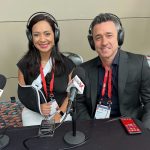
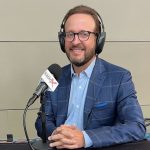
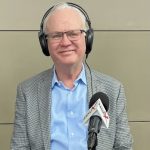
In this episode of Women in Motion, we’re joined by three guests from the food and beverage industry: Rhonda Busnardo from Caesars, Jennifer Reynolds from Sauce Goddess Gourmet, and Sashee Chandran from Tea Drops. The guests share their experiences and challenges in the industry, discussing marketing strategies, distribution, and networking.

They also talk about current trends in the industry, such as natural and plant-based products, and the demand for cafe-style experiences at home. The guests offer advice for aspiring entrepreneurs, including starting small and utilizing resources like cottage food licenses. They also discuss the importance of collaboration and finding support within the industry.

Jennifer-ReynoldsWith over 20 years in the food business as the proprietor of Sauce Goddess, a gourmet sauce and spice rub company, Jennifer Reynolds has created the overall vision of the company: that food does not have to be made from anything other than food. We can recognize what we eat and it’s delicious.

Her responsibilities and skills include product formulation, allergen awareness, ingredients research and recipe creation.

She has been featured on numerous regional TV news shows cooking live and providing recipe suggestions. She has taught cooking classes at various locations, in person and virtually. She has been a presenter at several Gluten Free events throughout the country.

All sauces, spices and dip mixes are certified Gluten Free. The dip mixes and spices are certified Kosher. Everything is made from real food only, no additives, preservatives, or flavorings.

Connect with Jennifer on LinkedIn.

Rhonda-BusnardoRhonda Busnardo has worked in the Food sector most of her career starting off in retail, moving into food and beverage manufacturing and distribution, and currently in the Gaming and Entertainment industry.

Rhonda grew up in Southern New Jersey. Rhonda and her husband, Anthony, have 4 boys aged 20, 14, 12, and 6.

When Rhonda isn’t working, she enjoys family time and being at the beach. Rhonda enjoys kayaking, boating, dancing, and is currently working on her long game in golf.

Sashee-ChandranSashee Chandran is founder and CEO of Tea Drops, which creates bagless whole leaf teas.

She wrote her own patent for this new category innovation, which sheds less waste than traditional tea bag packaging.

Tea Drops has become a favorite among new and experienced tea drinkers alike, launching innovative tea experiences that merge flavorful blends, food art and innovation.

Tea Drops are now available in 2,000 retailers — and are loved by Oprah Magazine, Chrissy Teigen, and former first lady Michelle Obama.

Sashee is a 2021 Inc 100 Female Founder, a 1st place $100K Tory Burch Fellow Grant winner, and the 1st place $50K PepsiCo WomanMade Challenge winner. She has also raised over $8.4M in VC funding for Tea Drops.

Connect with Sashee on LinkedIn.

About our Co-Host

Pamela-Williamson-WBEC-WestDr. Pamela Williamson, President & CEO of WBEC-West,  is an exemplary, dedicated individual, and has extensive experience as a senior leader for over twenty years.

She has served as the CEO of SABA 7 a consulting firm, overseen quality control at a Psychiatric urgent care facility of a National Behavioral Health Care Organization where she served as Vice President and Deputy Director,and has served as the CEO of WBEC-West, since 2008.

Her extensive experience in developing and implementing innovative alliances with key stakeholders has enabled the organizations to reach new levels of growth and stability. Her ability to lead and empower staff members creates a strong team environment which filters throughout the entire organization.

She takes an active role in facilitating connections between corporations and women business enterprises and sees a promising future for WBENC Certified women-owned businesses.

Dr. Williamson holds a Doctorate in Healthcare Administration, a Master’s degrees in Business Administration, and bachelor degrees in both Psychology and Sociology.

Connect with Dr. Williamson on LinkedIn.

Music Provided by M PATH MUSIC

This transcript is machine transcribed by Sonix

TRANSCRIPT

Intro: [00:00:07] Broadcasting live from the Business RadioX Studios. It’s time for Women in Motion. Brought to you by Wbec West. Join forces, Succeed Together. Now here’s your host.

Lee Kantor: [00:00:27] Lee Kantor here another episode of Women in Motion. And as always, this one is brought to you by our good friends at WBEC West. Without them, we couldn’t be sharing these important stories today on Women in Motion. We’ll be talking about women in business who are putting food on our tables. This is about the food and beverage industries. I’m so excited to be introducing our guest today. We have Rhonda Busnardo with Caesars. We have Jennifer Reynolds with Sauce Goddess Gourmet and Sashee Chandran with Tea Drops. Welcome.

Jennifer Reynolds: [00:01:03] Thanks.

Rhonda Busnardo: [00:01:04] Thanks for having us.

Lee Kantor: [00:01:05] Well, let’s kick things off with Rhonda. Let’s start out generally is working in the food industry. Is that a fun career? Was that a good choice?

Rhonda Busnardo: [00:01:16] Yeah. I mean, food is fun, right? Everyone loves it. So I would say yes, it’s fun. It’s very challenging at times, especially in today’s world, but I definitely enjoy it.

Lee Kantor: [00:01:29] Now. Was that always your objective to be in the food industry or did you kind of accidentally get involved with Caesars?

Rhonda Busnardo: [00:01:38] No, I actually started in insurance and investigations a very different and less exciting world. But I always worked on the retail side of food and, you know, Waitress worked as a bartender when I was younger going to school and then later ended up, you know, with a career change. And most of my life worked in the food sector. I moved on to food and beverage manufacturing and distribution and was there until my current role in the gaming and entertainment industry.

Lee Kantor: [00:02:11] Now, Jennifer, what’s your back story?

Jennifer Reynolds: [00:02:14] Well, my back story is I have a degree in printing management and I used to operate printing presses and sell people ink and solvents and digital imaging equipment and and I love to cook. And I used to I used to throw these lunches for my customers. They would buy a buy a plate setter or something. And on training day, I would come in and I would bring pizza or pizza turned into, Hey, let me bring a grill and I’ll cook some chicken. And then it turned into I’m enjoying this part of it much more than the other side of it. So I made the transition and just jumped in with both feet into an industry I knew nothing about.

Lee Kantor: [00:02:53] And Sashee, your backstory.

Sashee Chandran: [00:02:56] Yeah. So I first want to correct you. It’s the company is called Teardrops Not My Teardrop. For those listening. And I started Teardrops about seven years ago. I didn’t have any experience in food and beverage. I just had a huge passion for tea and the ritual of tea. My background is my mom is Chinese and my dad is from Sri Lanka. My dad was actually born on a tea estate in Sri Lanka. Both my parents are immigrants, so Tea culture was a huge part of my upbringing, and I just realized that the process of making tea is very cumbersome, especially loose leaf tea. And most tea bags in the market are filled with microplastics. So that just kind of sent me on this journey of exploring what was on the market, realizing there wasn’t anything that met my current needs, and that’s how the creation of my product started. And then I ended up patenting the idea and selling at farmers markets, and the rest is history.

Lee Kantor: [00:03:52] Now, has there been any, let’s say, unintended learnings along the way, or has it been kind of a smooth path for you? Sashi.

Sashee Chandran: [00:04:07] Um, I feel like that’s a trick question because, of course, there’s been a huge amount of challenges, um, in, you know, any, any endeavor, but especially in the food and beverage industry. Um, so no, it has not been smooth. I think that there’s a lot of unexpected surprises and a huge learning curve and things to uncover. But the one thing that’s really wonderful is the, the food and beverage community I feel are very generous with their time and their knowledge and their support, and I’ve been very lucky to benefit from that.

Lee Kantor: [00:04:39] Now, Jennifer, for you has it is is what you’re doing now the way you envisioned it when you started?

Jennifer Reynolds: [00:04:46] Not at all. Not at all. And and I can totally second what she’s saying. It’s you know, the interesting thing is everyone in this industry is very generous with their the lessons they’ve learned. And I try to do the same thing with young up and coming companies. You know, I’m like, okay, listen, this is the way to do it. Don’t want to do it this way because that’s the way I did it and it was wrong, you know? So you kind of want to want to help others with the, you know, mistakes so they don’t make the same mistakes because it’s a it’s a complicated industry when you get in there. It’s it’s one thing to have a good recipe and it’s a completely different it’s a completely different operation to to take that turn it into a product, get it labeled to go on the shelf. And then get customers to want it and get retailers to want it. And, you know, all of that is so complicated. There’s plenty of opportunities for success and failure both.

Lee Kantor: [00:05:49] Now, Rhonda, your lens on the industry obviously is a lot different. Is there any advice you could share with them from your perspective of how you see companies like theirs be successful working with companies like yours?

Rhonda Busnardo: [00:06:06] Um, really, the, I think the hard part and the hard part for Jennifer and probably Sashi is there are so many other products and items out there like Jennifer just mentioned. Um, you know, the only thing that I could say is just really get out there, you know, go to food shows. Find out what shows are popular and that we’re showing up to bring your innovative ideas and samples and, you know, everything that you have to have available and show while you’re there at those shows and really just keep reaching out and find the right person. Um, a lot of people will contact me for a category that I may not manage, but just finding that right go to person and just really networking and getting yourself out there is, is, you know, my advice.

Lee Kantor: [00:07:01] Now, is it.

Jennifer Reynolds: [00:07:03] If I can just add on to that, if that’s okay.

Lee Kantor: [00:07:05] Yeah, please.

Jennifer Reynolds: [00:07:06] You know, when I I’ve been in business 23 years and so about. I just along the way, there have been key people, Rhonda, that, you know, they’ve they’ve come in and they’ve helped, just like you said. You know, you find one person and they may not know the answers, but they’re they’re they’re like the connector that can go, well, let me find the right person for you in here and here and here and especially in the community. And it’s it’s the amount of of assistance in trying to find that connection. Everyone wants to connect everybody else up with someone that could be a good a good match. And so it’s really it’s really neat to have that.

Lee Kantor: [00:07:51] And and it is it is it the dream when you started, Jennifer, to kind of get a partner with one of these enterprise level organizations to really kind of multiply your efforts? Was that a goal or was it always kind of selling to the end user, you know, kind of one at a time, but grow it over time?

Jennifer Reynolds: [00:08:12] No. Well, in the in the printing industry, I came out of the distributor network, so I already knew that there was this middleman in between the people making the stuff and the people using the stuff. Whatever the stuff is in between is the distribution network and there’s people that are selling on manufacturers side and and distributor side. And I knew that existed. And that’s that’s a network that some people that get into the business if they haven’t been exposed to the distributor side of any business, they wouldn’t know that that necessarily exists. But I already knew that existed. So for me, I knew I had to have some big companies that would help give me the volume to have it make sense for everything else I was doing. I knew I needed that. And and we’re we’re continuing to grow every year. So it’s it’s really neat. I mean, we’ve had our little hiccups here and there and but but, you know, just having that base of some some good, some large, you know, customers and a lot of them, we actually got through webbank and we, you know, we’re we’re in Kroger and Macy’s and we’ve got a meeting with Target coming up and and we’ve got, let’s see, Whole Foods and Sprouts. They’re not necessarily in the, you know, Webbank community. But yeah, we’ve got Safeway, Albertsons, Myer. So we’ve got we’ve got some, some some big base customers that have helped us along the way for sure.

Lee Kantor: [00:09:56] And Sasha is your customer that distributor level or the enterprise level or is it the end user consumer?

Sashee Chandran: [00:10:05] It’s actually a little bit of both. So our business is structure and maybe a little bit differently than most. Not most food CPG brands, but different in the sense that we have a direct to consumer, pretty sizable direct to consumer business where we sell directly on our website and Amazon. We also have like alternative wholesale accounts we call them. So those are kind of the spa, some hospitality accounts, small boutique type of retail. And then we also have grocery retail, which, you know, we’re in a subset of Whole Foods, Natural Grocers, Target, and we’re expanding into Sprouts National and Walmart this year. So it’s a little bit of everything, a multichannel omnichannel approach, but it keeps us on our toes. It’s definitely it’s like running kind of a couple different businesses under one roof.

Lee Kantor: [00:11:07] So when you say a couple of different businesses, it’s because each of those customers you kind of market to differently and you communicate differently. Is that right?

Sashee Chandran: [00:11:17] Yeah. I think what I’ve learned over the years is that, you know, the way that you obviously direct to consumer digital marketing and content creation for for web is very different. It’s a very different skill set than selling into grocery, retail and knowing all the players. When you get into grocery retail, you have a distributor, you have maybe a broker to then you have the retailer and then you have to engage in different types of promotional opportunities, whether it’s, you know, directly with that retailer or outside of that to drive traffic and velocity at the store. So it’s it’s just a kind of a completely different business makeup each channel, you know, and I could say the same for how Amazon operates or how these small boutique retail operates. So that’s what I mean.

Lee Kantor: [00:12:08] Now did you always start as kind of multichannel or did you kind of kind of grow into each channel individually when an opportunity presented itself?

Sashee Chandran: [00:12:20] Well, when you’re first starting out, I mean, I didn’t have a ton of capital starting out, so I kind of just had to really focus my efforts of where the lowest hanging fruit was. And for us, that was getting into boutique retail. So going, you know, I would literally walk to small retail shops and pitch my product. And the great thing about them is, first of all, you’re you’re talking directly to, you know, a consumer or someone who really understands kind of buyer interest. But then also the net terms on when they pay are also much more favorable than larger retail. So, you know, you might get paid immediately or within 30 days. So that would help with cash flow. And then I would use those proceeds to then explore and experiment on on opening our own website. And I had a background in digital marketing. Marketing. Um. Uh, my prior life was working at eBay in Silicon Valley, so I worked in some social media digital marketing team. So I kind of understood the foundation of how e-commerce worked and that that definitely helped to start creating a presence online. And then basically online became a huge focus of ours for the next several years until we felt we were ready for retail.

Lee Kantor: [00:13:39] Jennifer, did you follow a similar path?

Jennifer Reynolds: [00:13:42] Yeah. Yeah. It’s it’s it’s surprisingly similar, but. But yeah, I was going into, you know, neighborhood places in San Diego. I walked into a, you know, gourmet cookware store and said, Hey, what do you think? I did that before. I actually had a real product. And the owner calls me back and says, Can you have actual product for me by January 20th? And I’m like, Sure. And I’m thinking to myself, I have no idea. But yeah, sure. Say yes. Figure out the details later, you know, that kind of thing. And, and yeah, that just started it. And then one person, you know, I go into one meat market and sell my product and they say, you know, you should really talk to so and so over over there. You know, she really likes new products. And I get my product in there and she says, you know, have you been over to talk to so and so? And they’re all telling me who else to talk to in the little town of San Diego in the gourmet grocery end of things, whether they, you know, they sold sold it in the gift area. Most of them sold it in the grocery area. But, you know, I had the cookware store sold it. And obviously, you know, they’re just cookware and gourmet foods.

Jennifer Reynolds: [00:14:51] So they weren’t really a grocery. But yeah, that’s that’s how it started. And then, you know, you get one, you know, a little bit larger retail and then another one and then all of a sudden, you know, you could maybe you could do distribution, but then you have to get that big fish that the distributor wants to be able to say, Yeah, we’ll buy some of your product, but you have to bring them the big fish. Um, and, and so that’s, that’s kind of how, how that went for, for us. And then yeah, we just progressed and we were starting to sell online maybe, you know, 15 years ago or something like that. And we do have a presence online and on Amazon, but it doesn’t come close to matching what we sell wholesale, which that’s actually one of my goals for this year, is to flip that the other way around. So it’s about half and half because there’s just much more control and much more margin in the direct sales. And we can offer we can offer a good value and get some direct feedback as well to what’s going on with our products. What do customers like, What do they want to see more of from us when it comes to innovating? So that’s valuable.

Lee Kantor: [00:16:01] Now, Rhonda, is there kind of some do’s and don’ts that you see when there’s an emerging brand entering a marketplace that’s maybe gotten on your radar or somebody on your team’s radar? Is there something, you know, some of the things that people should be doing and not doing in order to give their brand the best chance at Caesars?

Rhonda Busnardo: [00:16:24] I wouldn’t say really do’s and don’ts. I would just say more of, you know, seeing what your options are to make yourself stand out. Um, you know, like diversity. You know, I know that our company is very strong in support of diversity. Um, women owned businesses, you know, different socioeconomic and cultural, um, diverse owned businesses, even in some markets. Um, you know, they, they really follow that. Um, just seeing what makes you be a step above the rest and something that, you know, we’re looking for. Um, as far as don’ts, the only thing that I could say is just don’t sit back and wait for someone to contact you. It sounds like these ladies are. They already have learned that and they know what they have to do to get out there and have their presence out there. Um, and yeah, I mean, I think that, that that’s very important.

Lee Kantor: [00:17:23] So are there Rhonda, are there current trends that you’re keeping an eye on that you’re looking for to fill kind of a void?

Rhonda Busnardo: [00:17:33] Um, obviously, you know, anything more natural. You know, the vegan market is really big right now. Any type of plant based products are huge right now in the market and being sought after. Um, anything innovative that can be helpful in the back of the house for, you know, talking about sauces, even bases, you know, a soup base, a sauce base, anything to help the, the chefs not have to do as much prep work in the back, you know, for obvious reasons, not only to keep them, you know, to be helpful when they’re busy, but also to help with just having enough sous chefs in the back. I mean, as we all know, through Covid and through everything, we’ve things have changed. You know, it’s harder to find help. And some people have changed their whole careers in the food industry. We’re running into, you know, executive chefs that have been doing that for 25 years, changing their whole careers and moving into a different sector. So, you know, anything to help make that process go faster for the chefs in the back of the house is what we’re looking at a lot right now.

Lee Kantor: [00:18:54] So, Jennifer, go ahead. We’re going to say something. You know, the food industry is so complicated and there’s so many moving parts. Can you share a little bit maybe to educate our listeners who are maybe considering getting into it? Because a lot of folks with the advent of this kind of whole Food network culture where everybody sees chefs now and sees cooking and it’s a hobby that gravitated or has grown exponentially among home cooks and home chefs and everybody has recipes and and different products that they’re enjoying themselves, but to make that transition into a business. Can you talk a little bit about maybe some of the complexity and some of the issues regarding safety and health and just all the the stuff you don’t really kind of see on the surface but is happening in the background if you want to be successful in moving it from a hobby to a career. Jennifer, can you share a little bit?

Jennifer Reynolds: [00:19:59] Oh, I’m sorry. I wasn’t sure who you were directing the question to. Well, for us. I chose from the very beginning to use co-packers. So we use contract packagers to do all of our manufacturing and we have requirements of our manufacturers. We require that they be Sqf or BRC certified, which means they’ve been inspected on an annual basis and and food safety is top of mind. So that’s kind of how we we address the food safety end of things. I will say the interesting thing about using co-packers is that I, you know, initially I’m creating a recipe at home, testing it out of my dear friends. And and you know, I come up with a a formula, but it’s not actually a formula until my co-packer gets Ahold of it and uses the the industrial type of of products. So what I mean by industrial is the tomato paste that we buy in the grocery store that we use in our sauce is nothing like the tomato paste that our manufacturer uses. There’s so much less water in it that you could, you know, it’s more the consistency of a thicker peanut butter than normal peanut butter.

Jennifer Reynolds: [00:21:23] I mean, it’s really thick. And so all of the measurements that I might have in my home recipe are off when, you know, because the water is different. So they they have a formula they use for manufacturing it and then they make test batches and that kind of thing. But that that kind of that takes care of some of the food safety for us. One of the things we do do is all of our products are certified gluten free. So we do have our products tested so that we know they’re under five ppm, which is parts per million of gluten, which is to celiac standards. So our products are certified for Celiacs. They’re okay. And Rhonda, they are vegan and they’ve always been vegan. Actually, for 23 years ago, I made a big a vegan barbecue sauce. Actually, I had a vegan steak sauce for a while and that was pretty funny. And people were like vegan steaks. So but I don’t know if that answered all of, all of your, your, your question. Lee or.

Lee Kantor: [00:22:26] Yeah. Sashi what’s your take on that?

Sashee Chandran: [00:22:32] So is it is the question around like trends we’re seeing or what?

Lee Kantor: [00:22:36] Well, the question is kind of about the. All right. Let’s start start with trends from from your from T drops. What trends are you seeing in the tea industry?

Sashee Chandran: [00:22:49] Well, we’ve seen a huge shift in kind of the the modern day tea drinker, if you will. You know, traditionally, if you go to your grocery store and look at your tea, I’ll it’s filled with very legacy tea brands, I would say single flavor profiles like a black tea or a Earl Gray or, you know, some kind of herbal blend. But I think that the tea consumer today is very multifaceted. You know, they’re looking for drinks that very much mimic the cafe style experience when they go into their local coffee shop. And so that’s why you see the the kind of growth of of different types of lattes like a matcha latte and even bubble tea drinks like boba and milk teas. And I think that’s more in alignment with what we’re seeing with the modern day tea drinker. And so what we try to do is create these cafe style experience kits for retail so that you can make, you know, a cafe quality chai latte, mocha latte, even a Ube latte, which is new to market. And, you know, in the kind of comfort of your own home at a great price point. And we were the first to bring a shelf stable bubble tea, boba tea kit to target. And so we’re really trying to. Bring these more innovative experiences that this this this kind of modern day tea drinkers looking for in the aisle and just reinvigorate it a bit. So those are kind of the main trends we’re seeing, very much influenced by kind of coffee shop culture and some of the big trends from Asia, you know, in the the huge growth of bubble tea, boba tea.

Lee Kantor: [00:24:28] Now, the second part of that was about the entrepreneur out there that maybe is the home chef or the home baker that has some recipes or kind of has this itch to see if this could be a thing. Do you have any advice for that person on how to navigate some of the complexity and maybe share some of the things that maybe are obvious to you now, but maybe wouldn’t be obvious to that aspiring food person?

Sashee Chandran: [00:24:58] I think I think the great thing about food and Bev is you could start anywhere. I think that all of us are probably a testament in some way that you don’t have to have true experience to do this in a traditional sense or formal education. I was I learned about the cottage food license. Early in my in my in the start of starting my company. So, you know, you may not have the the resources to go right away to co-packer like Jennifer did, but you may want to just start something in your kitchen. And there is a law, at least in California called the Cottage Food License, where it enables you to make you have to obviously get your your kitchen or your home kitchen permitted, but make up to a certain amount at home, up to a certain revenue threshold. So you can sell whatever you’re making locally at farmers markets or in retail shops just to kind of test out, you know, get a proof of concept of your idea. So that’s one thing. And then the second thing, I spun my wheels around learning about upcs, which like unless you’re in this industry you don’t know anything about. But so I remember going online and like literally Googling up like how to create a UPC. And that led me to this like, you know, kind of off market site. And so the standard for all upcs is gs1. So that is just a piece of knowledge I’m passing on. But those two things, a cottage food license and UPC Gs1 really helped me out in the beginning.

Lee Kantor: [00:26:33] Now, are there any resources? I’ll put this out to the group. Are there any resources that you turn to to get some kind of industry knowledge? Are there groups that you joined or associations that you became part of that were kind of food specific in your niche or was it something you just kind of went boldly forward and, you know, may maybe Googled some stuff and just went for it?

Sashee Chandran: [00:27:00] The. You sure?

Jennifer Reynolds: [00:27:05] Yeah, go ahead. Okay.

Sashee Chandran: [00:27:06] There are some Facebook groups and Slack groups that exist. One is called Startup for Slack. A lot of different food. Cpg business owners are on it. A great advice and resources. And there’s a Facebook group called OMG, CPG, I want to say. Um, and if you join that group, it’s a lot of early stage food and beverage operators that share a lot of resources and knowledge. So those would be my two to start.

Jennifer Reynolds: [00:27:35] Jennifer And, and well, there’s the Specialty Food Association. All right. And, and they’ve got a lot of publications you can get as a member and membership actually isn’t that expensive. It’s like $300 a year. Um, and so even if you just starting out and you want to see what the business is about, getting membership in Specialty Food Association gets you access to the fancy food show, which is in Vegas now. And, and you can go there and see all of the different companies that exist and see how they show. And there’s a lot of classes that they have there like, you know, food, food, Business 101, I think is one of the classes they’ve had for probably 20 years. And it just kind of goes through the licenses you need and and all of that kind of stuff. Um, the other thing is, I know you can do searches online for things, but you know, the nutritional panels, you have to find someone that can do those for you and you’ve got to find someone good that knows the laws, not that can just do the panel for you. You have to find someone that knows what’s the minimal typeface you can have on your label and things like that. And as you’re a small company, it’s not as important if you have, I believe, under $100,000 in sales, you don’t actually even have to have a nutritional panel on your product. But once you reach over that or if you want to go for retailers, you have to have the UPC, you have to have a nutritional panel on there. Um, no one, you know, no retailer that’s really looking to grow and help you grow is going to want a product that doesn’t have either of those.

Lee Kantor: [00:29:21] Now, Ronda, what events or associations are you part of?

Rhonda Busnardo: [00:29:28] Um, well, I know that there’s also I mean, of course LinkedIn is always a good reference. The Food and Beverage Association of America is on there and just being a member of that, you can just see what they’re posting and different things that are coming up in events. A big one that I am involved with is market vision. They have two shows a year, one in the fall and one in the spring. Um, they have just a very different group of people from the restaurant side to, you know, like me, the gaming industry. So many different sides of the industry from, you know, personal little restaurants to fast food industries to group purchasing organizations. Pretty much every different side of this business. So they’re a really good one that I attend and I meet a lot of great, you know, different reps there from, you know, just retail to different restaurants that, you know, maybe just a friendship and someone to talk to about what’s going on in the industry, in the market. And they also have great speakers that really can help you with what what’s going on in the market, in your industry and the specific product that you’re making or the ingredients that are in that product that you’re purchasing. Um, you know, it’s a lot of great information and great people to be involved with, not just the sale of it, but the whole part of it and the business side as well.

Lee Kantor: [00:31:07] Now how important is webrequest and Webbank and associations like that to you? To you, Rhonda, when it comes to introducing your firm to these kind of up and coming businesses and these other resources that maybe wouldn’t be on your radar or any other way.

Rhonda Busnardo: [00:31:26] It’s actually very important to us. I mean, seizures is very, you know, involved in a lot of other things other than just gaming and restaurants and everything. We support so many things. You know, I’m dealing with everything from diversity to sustainability to, you know, cage free products and things like that, laws and where it’s not mandated by law. So there’s a lot of different things that are very important to us that might not be on the radar for some other companies.

Lee Kantor: [00:32:06] And is it is it sometimes that they say, okay, this is an initiative that’s important to us, go find some vendors that, you know, can do this. And then this is where something like a Quebec West or Webbank is helpful and you can find a pile of them in one place pretty easily.

Rhonda Busnardo: [00:32:26] Yes, absolutely. We have a whole department that does that and manages that and reports back to us as reports back to our category managers and directors on the food side and other sides as well. So having that information all together is is really helpful for us as an industry.

Lee Kantor: [00:32:48] Now, Sashi, how important is kind of a membership in a group like a Quebec West in terms of helping you get into some of these larger firms? Has that been useful and helpful for you or was that something that I.

Sashee Chandran: [00:33:05] Know it can be. And we’re and also I would just say, you know, the certification itself is just so helpful to have conversations with buyers. I think buyers and the industry really respects the Webbank as an organization efficacy of the organization. So I think that’s just one great talking point to bring up when you are having conversations with prospective buyers. I will say that I think my goal this year is to utilize the Webbank community more in terms of the relationships and the you know, there’s just like a plethora of advice here and connections to larger retailers. So while I haven’t necessarily utilized it as much in the past, it’s definitely something that I, I see the value in. I already I see so many other business owners who derive so much value from eBay that I’m excited to get more entrenched this year.

Lee Kantor: [00:33:57] So where do you go for support and collaboration right now?

Sashee Chandran: [00:34:02] So a lot of them are other founders that I know in the space, food and beverage founders, local founders and ones that I meet kind of in the online sphere and that we we kind of create in-person events together. So I would say that my the biggest source of of Intel I get is from other other founders in the space.

Lee Kantor: [00:34:27] And that just the people that you’ve kind of proactively found on your own or have found, you.

Sashee Chandran: [00:34:32] Know, they’re part of some of the groups I mentioned earlier, like Startup, CPG or that Facebook group. There’s also industry events, as Jennifer mentioned, like Specialty food Organization. There’s also a big one called Natural Products Expo that happens and that community. So by going to more trade shows and just being exposed to more founders, you end up you end up meeting a lot of great people.

Lee Kantor: [00:34:57] But that’s that’s a good advice for someone. You can’t kind of passively attend these events and join these organizations. You have to kind of proactively go in there with the intention to to find kind of like minded people to work with and partner with and to share with. Right.

Sashee Chandran: [00:35:16] Exactly. No, that’s exactly right.

Lee Kantor: [00:35:19] Now, Jennifer, where do you go for support and collaboration?

Jennifer Reynolds: [00:35:23] Um. You know I to go to you know founders that that I know in in the space I have. Um. I have a business group that I’m in that I also talk to, but they don’t know anything about the food business, so it does me no good when I need, well, not no good, but it has limits when I need when I have industry specific questions and things like that. But I have a network of people that I’ve met through years of doing in-person shows, consumer shows. I’ve done a lot of gluten free expos throughout the country, and some of those founders I’ve kept in touch with. Um, I do a lot of hot sauce shows actually, or several of them hot sauce barbecue shows. I’ve done barbecue competitions and we keep in touch, whether it’s through Facebook or because we see each other every year in New Mexico at the fiery food and barbecue show, you know, that type of thing. We keep in touch. And, um, you know, we, we can connect that way and help each other in some ways. But a lot of those, a lot of those companies aren’t in the CPG space in in terms of distribution to retailer. They’re direct to consumer in a lot of ways. And so it’s a different space. And is that something that I want to grow? It’s been nice to be able to talk to them about, well, how are you doing this and, and how are you how are you handling handling a particular issue that you’ve got and that kind of thing.

Lee Kantor: [00:37:02] So it sounds like you feel it’s important, but you weren’t you didn’t have kind of a go to group. You formed your own kind of tribe.

Jennifer Reynolds: [00:37:10] Kind of ad hoc. Yeah, yeah. We all just sort of reach out to each other when we need when we need help. Yeah.

Sashee Chandran: [00:37:17] Well, I see, Jennifer, you’re in the San Diego area, and I am, too. And I didn’t. I didn’t even realize that we’re local. Yeah. There’s also a great group called Naturally, and it’s localized to different areas, but naturally is like a CPG based organization. I know they have naturally San Diego. That’s an active group, naturally. La Naturally in Austin, I believe. So that’s also a great organization to check out.

Jennifer Reynolds: [00:37:44] Okay, good idea. Thank you.
Rhonda Busnardo: [00:37:47] Yeah. And on my side, I also, you know, I collaborate with my chefs a lot too. So having chef friends are a great, great resource because they’re in that front line. You know, they are talking to everybody. They’re dealing with the customer, the consumer, the distribution centers, you know, the products, everything first hand. And they have a lot of great information and sometimes very demanding information. But it’s very helpful. And what we do, you know, I live in New Jersey and, you know, I’m on one coast. I travel a lot. I’m all over. But what may work here on the East Coast and what’s going on in the West Coast are two totally different things. So, you know, they’re really, really great at collaborating and helping with ideas and what’s going on nationally. So getting out there and talking to different chefs, even if it’s going in a different restaurants or anything, I think is is also a great resource for everyone.

Lee Kantor: [00:38:54] Now, Sashi, is there a story you can share maybe your most rewarding part of the journey so far? Is there something that stands out for you in the growth of your company?

Sashee Chandran: [00:39:09] Yeah. I mean, I feel like there are so many great milestones that kind of keep you excited and reinvigorated. Um, I think for us, you know, we’ve had, um. A lot of great experiences of getting into kind of retail dream accounts. Like Target was a big one for us and we actually had our teas in a gift basket for. A certain speaker group at a convention, and little did we know it ended up in the hands of Michelle Obama. And she ended up writing a note to us thanking us for the tea. And, um, and just kind of a note about the type of business we were building. And so that was obviously like I thought the mail was, was truly spam. I didn’t realize when it said Office of the President.

Speaker6: [00:39:56] That was.

Sashee Chandran: [00:39:57] For real. But, you know, there’s moments like that that you’re just like, what? Like, you can’t make this stuff up. Um, or when another celebrity, Chrissy Teigen, unsolicited, we did not pitch her, although we were trying to get her as an influencer, just tweeted about our organically, you know, there’s just certain moments that are pretty are pretty transformational for you and also the business that I will remember forever.

Lee Kantor: [00:40:23] Jennifer, for you.

Jennifer Reynolds: [00:40:25] Wow. I don’t have any of those moments.

Speaker6: [00:40:26] That’s fabulous. Super cool.

Jennifer Reynolds: [00:40:31] Um, you know, for me. I love the random phone calls I get from consumers that are like, oh my gosh, you know, I can’t find Moroccan twist in the store. I moved out of the area and, you know, what am I going to do? And I’m like, Well, you can shop online, first of all, you know, but it’s just so nice hearing that. They’re like, oh my gosh, I love your product. I can’t make chicken without it. You know, whatever whatever the product is, it’s just that that phone call, because our phone number is on our website, it dials to a phone that actually gets answered by a real person. And, you know, most of the time it’s me. And it’s it’s it’s neat to hear those. It’s neat to hear that we’re making a difference in people’s lives because that’s really the end. The end of it. The big thing that I want to do is make a difference in people’s lives and get people back to the dinner table together, eating, telling stories and enjoying a really great meal that is made with great ingredients. There’s no, you know, no junk, no additives or flavorings. It’s just food, you know, and and just enjoy enjoy that time and that that food. And so for me, when I hear those stories, it’s it’s neat. It makes me all warm and fuzzy.

Speaker6: [00:41:50] Yeah.

Lee Kantor: [00:41:51] Rhonda, is there a story that you can share about your career thus far that’s been rewarding? Rhonda. You’re muted, Rhonda. Rhonda, is there a story you can share about your career thus far that got you high fiving your team and you can share with us? Uh, well, it sounds like something’s wrong with Rhonda’s audio. But before we wrap, I’d like to go around the room to get, um, maybe kind of the elevator pitch for each of your firms. I want to make sure that we get that on the show. Sasha, can you share a little bit about Teardrops in a nutshell? Tell us about the products that you serve and offer and where people can get it and get a hold of you if there’s a website or social media.

Sashee Chandran: [00:42:58] Yeah. So we are the creators of a bagless tea called Tea Drops, and it’s actually made with whole, whole leaf, loose leaf tea compressed together and fun shapes like hearts, stars, flowers. We make the ritual of tea time easy and convenient. And we just recently launched these cafe quality inspired kits that enable you to make a chai latte, matcha latte, even Ube latte and bubble tea conveniently in the comfort of your own home. And you can find that at Target and soon sprouts Walmart and also on our website at wwlp.com.

Lee Kantor: [00:43:39] And Jennifer.

Jennifer Reynolds: [00:43:42] Um, we make obscenely delicious gluten free sauces and spices and dip mixes that will transform your meals. Everything that we make is free of any preservatives, additives, colorings, flavorings, and. And that means our sauce has no xanthan gum. Our spices have no anti-caking. It’s literally just food, which even in the natural space, is surprisingly unique. There’s a lot of organic sauces that still have organic xanthan gum or organic rice powder. Um, same thing for the seasonings. There’s there’s a lot of that. Our, our products are all certified gluten free, as I mentioned earlier, to celiac standards. So that opens the door wide open that they can safely serve, serve sauce and spices with their their meals and what they’re cooking vegetables or meat or fish or whatever. Um, our products can be found at Sprouts nationally. We’re in four regions of Whole Foods. So the Northeast, mid-Atlantic, Rocky or not, I’m sorry, Midwest and in Southern Pacific region. And then they can be found at at Fred Meyer and QFC in the Pacific Northwest and King Soopers and City Market in the mountain area in the Denver area. And oh, my gosh, let’s see. I’m going to miss somebody. Maya in Michigan took our spice tins on, which is super cool. And yeah, we’re just we’re growing like crazy. Central Market, this really cute little gourmet store in Texas has it. And then you can go to Amazon and walmart.com source Us.com Macys.com all over the place. So got a lot of different gift packs and things like that to get.

Lee Kantor: [00:45:38] Good stuff now, Rhonda. If somebody can you share I know there’s obviously Caesars does a lot. Is there kind of a website the best place to connect with Caesars to learn more about what’s going on there?

Rhonda Busnardo: [00:45:56] Yes, I would definitely say Caesars Main website is the best way. Also on LinkedIn, you can search, um, you know, profiles of people that work with Caesars and the food and beverage sector and reach out directly. I know myself, I’m very helpful in directing you to the right person to get in contact with. Obviously, we’re very large, so I would say be patient, but you know, that’s a really good resource as well.

Lee Kantor: [00:46:29] Well, thank you all for participating in this roundtable. You’re all doing important work and we appreciate you. This is Lee Kantor. We will see you all next time on Women in Motion.


BRX Pro Tip: Watch Your Financials Closely

August 2, 2023 by angishields

BRX Pro Tip: What Are You Doing to Make Your Clients and Prospects Feel Special?

August 1, 2023 by angishields

BRXmic99
BRX Pro Tips
BRX Pro Tip: What Are You Doing to Make Your Clients and Prospects Feel Special?
Loading
00:00 /
RSS Feed
Share
Link
Embed

Download file

BRX-Banner

BRX Pro Tip: What Are You Doing to Make Your Clients and Prospects Feel Special?

Stone Payton: [00:00:00] Welcome back to Business RadioX Pro Tips. Stone Payton and Lee Kantor here with you. Lee, let’s talk a little bit about what we can do, how we can do it to make our clients and our prospects feel special?

Lee Kantor: [00:00:14] Yeah, I think this is really important in today’s world. You know, it’s so competitive nowadays. There are so many great places around you that you’ve seen go out of business and you’re like, “How is that possible? That’s such a great place.” And a lot of times, it comes down to they’re not doing enough to make their prospects and clients feel special. They’ve kind of taken them for granted. And then, they just move on to other places, other solutions for whatever problem they have.

Lee Kantor: [00:00:41] So, something to think about is just really analyze your operations, and analyze the services you provide, and think about what you can be doing to give a more memorable experience. And kind of imagine, what if I treated every interaction with a client or every interaction with a prospect as “This is my Superbowl. This is my chance to deliver exceptional service. I’m going to go all out.” What do I have to do to really deliver what you imagine would be your kind of optimum deliverable? Go over every aspect of your interactions and look for ways to to kind of slowly make each one of them more and more exceptional, more and more memorable, more and more valuable, more and more productive. And just continue to push the value until you become kind of that indispensable go-to resource for whatever service you’re selling. Push the value line farther and farther upwards, and you’ll be able to raise your prices, you’ll be able to acquire clients easier and faster, and you’ll be able to separate yourself from all of your competitors.

Stone Payton: [00:01:52] And I got to tell you, man, I love the surprise and delight element of this thing. It can be fun, and it really does strengthen those relationships, and it can be as simple as a token gift. You know, my niece and her husband, they make real raw honey down in Northwest Florida, and I bought a case not too long ago, and I handed out some honey to some of my special friends and prospects and clients. They really appreciate that, and just little things that are just good business anyway. But, you know, this morning I made a point of connecting to people that are in complementary businesses. All of those things, they’re powerful, they’re genuinely serving. And man, people really appreciate it. And I think it does make them feel special.

Brandon Watts: Your Photo’s Favorite Photographer

August 1, 2023 by angishields

Brandon-Watts
Northwest Arkansas
Brandon Watts: Your Photo’s Favorite Photographer
Loading
00:00 /
RSS Feed
Share
Link
Embed

Download file

Brandon-WattsBrandon Watts, Owner and Photographer of B Watts Photography, is an accomplished and highly sought-after artist in the world of photography. With a passion for capturing moments that tell stories, Brandon’s work has graced the pages of renowned publications such as Vogue, US Weekly, and OK! His exceptional talent and unique style have earned him recognition and admiration from both critics and clients alike.

Not only does Brandon excel in editorial photography, but his gallery work has also been displayed at esteemed venues including Crystal Bridges Museums, The Art Collective Gallery, Art Ventures, and The Faulkner Performing Arts Building. His captivating images evoke emotions and inspire viewers, showcasing his exceptional eye for detail and composition.

In addition to his artistic pursuits, Brandon is known for his collaborations with various commercial clients, demonstrating his versatility and ability to adapt his craft to meet diverse needs. Some of his notable collaborations include Walmart Inc., Black Hills Energy, University of Arkansas, Bentonville Film Festival, and Marshalltown Company. With each project, he brings a unique perspective and a commitment to delivering exceptional results.

Brandon Watts has rightfully earned the reputation as “Your photo’s favorite photographer.” His dedication to his craft, keen artistic vision, and ability to connect with subjects and clients make him a true master of his trade. Brandon’s work continues to captivate audiences and leave an indelible mark in the world of photography.

Website — click here

Social Channels:

LinkedIn — click here

Facebook — click here

Instagram — click here

Tagged With: Brandon Watts

Changing the Perception of Blindness Starts with Asking the Questions E32

July 31, 2023 by angishields

PodcastShowDavidBlake1080x1080-01
Phoenix Business Radio
Changing the Perception of Blindness Starts with Asking the Questions E32
Loading
00:00 /
RSS Feed
Share
Link
Embed

Download file

Changing-the-Perception-of-Blindness-Starts-with-Asking-the-Questions

Changing the Perception of Blindness Starts with Asking the Questions E32

When it comes to inclusion, it is all about education.

Surrounding yourself around others that are not like yourself is going to push you to learn more about others. This education then leads to the ability to be more inclusive and helping to be more accessible to other groups.

On this show, we had the chance to talk with two amazing gentlemen, both who started their lives out with vision and are now legally blind. The things that these gentlemen are doing to “change the perception of blindness” for others is instrumental!

In this discussion, they talk about the fears that set in when it comes to inclusion and accessibility. There is fear from one side when it comes to asking. Asking if a blind individual needs help. Asking how you can support them. There is fear from the blind community when it comes to applying for jobs, getting support, etc.

We all have fears when it comes to taking steps to change AND change is necessary. Asking the questions is something the simplest place to start.

This episode is a vital episode to listen to if you are wanting to support different communities in being more inclusive and accessible and you don’t know where to start. This podcast gives encouragement to just start. It can start with simply asking questions. Ask how to help, how to change, how to improve… and then let’s do it!

Did you know?

  • 7 out of 10 working age people in Arizona who are blind or visually impaired are not working
  • Estimated to be about 20K
  • 45% of hiring managers believe there are no jobs within their organization that a person who is blind could do
  • Changing the perception of blindness is the biggest barrier to employment and inclusion
  • So, ask the questions to start to make the change.

We are in this together and can make the changes to help others in the blind community. We can help this community and others to feel included and have the tools to allow them the access to resources and jobs.

Arizona Industries for the Blind (AIB) is a solution provider… Solving today’s complex business problems by providing quality products and value-added business process outsourcing services that matter to their customers, wAIB-Logohile providing a viable option for Arizonians who are blind or visually impaired to achieve their version of the American dream through dignified employment.

Their mission is to inspire individuals who are blind or visually impaired to achieve their highest goals and aspirations by creating and sustaining career opportunities while providing quality products and services.

Through collaborative partnerships with Federal, State and private sector companies, they are able to provide third party logistics services, document conversion services and quality AbilityOne products.

David-SteinmetzDavid Steinmetz is the Community and Public Relations Manager at Arizona Industries for the Blind in Phoenix. David works to “change the perception of blindness” through his advocacy and public relations efforts.

Mr. Steinmetz serves as the Public Information Committee Chair on the Governor’s Council on Blindness & Visual Impairments (GCBVI), and is a Board of Director on the Vision Rehabilitation Assistive Technology Expo and Arizona Center for the Blind & Visually Impaired.

David is a graduate of Arizona State University and participated in the National Industries for the Blind Business Management Training program through the Darden School of business.

In 2008, David was the recipient of the National Industries for the Blind Milton J. Samuelson Career Achievement award. This prestigious award recognized Mr. Steinmetz for his career achievements and community service work.

Mr. Steinmetz enjoys spending time with his family, fishing and traveling across the United States. David believes that every person who is blind deserves the right to full participation in work, community and life and with the right training, right technology and right attitude, it is possible.

Follow AIB on LinkedIn and Facebook.

With a 70% unemployment rate in the blind community, Clusiv is helping remove barriers to employment for the blind community by revolutionizing training and services for the modern workforce.

Their eLearning platform has been built to be accesible with assistive technology that blind or visually impaired people use, and this platform holds employment skills training courses to cover technology, occupational and career skills for the modern-workforce. Clusiv-logo-PurpleV

Clusiv works with state vocational rehabilitation agencies to provide access to its courses to people who are blind or visually impaired. They help simplify the work of vocational rehabilitation counselors through their Assessment Tool, easy enrollment process, and positive outcomes for their clients to achieve measurable skills gained.

Clusiv is here to equip the blind community for employment and impact inclusion in the modern workforce by giving graduates the skills, confidence, and insights needed to find competitive integrated employment and be an advocate for positive change in the workforce for people with disabilities. To learn more and get in touch go to https://clusiv.io/.

Blake-SteineckeBlake Steinecke grew up with perfect vision and at the age of 16 a condition called LHON caused him to go through severe central vision loss and become legally blind. This created many new challenges of relearning how to do school, navigating college, employment and more.

Blake has a degree in marketing from Cal State San Marcos and has worked in software sales, marketing in the mountain bike industry, accessibility testing and training, and now leads marketing for Clusiv as the Growth Manager.

Through Blakes work, he is able to connect his educational and professional background, his experience navigating the challenges of education and employment being blind, and his passion to serve the blind community through the work he does with Clusiv.

Outside of work Blake plays blind hockey for the US Blind Hockey Team, enjoys spending time with his wife, Amanda, and making videos, some of which you can find on his YouTube channel Adapting Sight.

Connect with Blake on LinkedIn and follow Clusiv on Facebook, Twitter and Instagram.

About Culture Crush

Culture is not just a tag word to be thrown around. It is not something you throw in job descriptions to draw people to applying for jobs within a company.

According to Marcus Buckingham and Ashely Goodall in their book Nine Lies About Work, “Culture is the tenants of how we behave. It’s like a family creed. This is how we operate and treat each other in the family.”CultaureCrushKindraBanner2

As a growing company- Culture Crush Business Podcast is THE culture improvement resource that supports companies and leaders.  Our Mission is to improve company cultures so people WANT to go to work. Employees and leaders should like where they work and we think this is possible.

Within the company: Culture Crush has Vetted Resources and Partnerships with the right people and resources that can help improve your company culture.

On this podcast:  We focus on everything surrounding businesses with good company culture. We will talk with company leaders to learn about real-life experiences, tips, and best practices for creating a healthy work environment where employees are finding joy and satisfaction in their work while also striving and growing within the company.  We also find the companies that offer resources to help improve company culture and showcase them on the show to share their tips and tricks for growing culture.

About the Host

ABHOUTHOSTHEADSHOT

Kindra Maples  is spartan racer, past animal trainer, previous magician’s assistant, and has a weakness for Oreo cookie shakes. Her journey working with people actually started working with animals as a teenager (don’t worry we won’t go that far back for her bio).

She worked for over 15 years in the zoo industry working with animals and the public. Her passion of working with animals shifted into working with people in education, operations and leadership roles. From there her passion of leadership and helping people develop has continued to grow.

Then came the opportunity for leading  the Culture Crush Business Podcast and she jumped on it. Leadership, growth, and strong company cultures are all areas that Kindra is interested in diving into further.

Shout Outs

We want to thank a few people for their behind the scenes effort in helping this relaunch to come to life. James Johnson with Tailored Penguin Media Company LLC.– It is a small, but powerful video production company with a goal to deliver the very best by articulating the vision of your brand in a visually creative way. Gordon Murray with Flash PhotoVideo, LLC. -Flash Gordon has been photographing since high school and evolving since then with new products that will equip, encourage, engage, and enable. Renee Blundon with Renee Blundon Design – She is not only one of the best free divers (that’s not how she helped with the podcast) but she is great with graphics design and taking the direction for the vision that you have while also adding creative ideas to bring to your vision to life.

These are just a few of the folks that supported the relaunch of the podcast. If you would like to be part of the Culture Crush team or would like to support underwriting the show- please reach out: info@culturecrushbusiness.com

Tagged With: AbilityOne, blind assistive technology training, blindness, Clusiv, disability employment, document scanning, employment skills training for the blind, online training for the blind, third-party logistics

Laura Knebusch with Georgia-Pacific

July 31, 2023 by angishields

Georgia-Pacific-logo
High Velocity Radio
Laura Knebusch with Georgia-Pacific
Loading
00:00 /
RSS Feed
Share
Link
Embed

Download file

Laura-KnebuschLaura Knebusch is an experienced marketing leader (15+ years) with classic CPG training at P&G. Proven track record of building brands and delivering results through agile leadership, innovative strategies, strong team development and passion for excellence.

As Consumer Experience leader at Georgia-Pacific, she’s responsible for transforming consumers’s relationships with our brands leveraging the power of purpose, data and technology. She’s lucky to have a talented group of experts on her team across media, creative, design, eCommerce, digital marketing, shopper marketing, Martec and innovation to achieve this vision everyday.

Specialties: consumer experience, brand equity, brand development, innovation and new product development, advertising development, strategic planning, channel and pricing strategies, brand architecture and segmentation, marketing analytics, marketing technology, DtC eCommerce, digital marketing.

Connect with Laura on LinkedIn.

This transcript is machine transcribed by Sonix

TRANSCRIPT

Intro: [00:00:04] Broadcasting live from the Business RadioX Studios in Atlanta, Georgia. It’s time for High Velocity Radio.

Stone Payton: [00:00:15] Welcome to the High Velocity radio show where we celebrate top performers producing better results in less time. Stone Payton here with you this afternoon. Please join me in welcoming to the broadcast with Georgia-Pacific, Ms. Laura Knebusch. How are you?

Laura Knebusch : [00:00:32] I’m great. Thank you for having me.

Stone Payton: [00:00:34] Well, it is an absolute delight to have you on the show. I got a ton of questions. I know we’re not going to get to them all, but maybe a great place to start would be if you could describe your your title, more importantly, your role and what you and your team are are really out there trying to do for folks.

Laura Knebusch : [00:00:53] Absolutely. So I am the head of marketing and consumer experience for Georgia Pacific Consumer Products. So I lead a team of about 80 people. And our role is to to to help our brands. We support a portfolio of brands, help our brands achieve their objectives and market by delivering a better experience to consumers across all the ways that they interact with our brands. And we compete in household essential categories like toilet paper, paper towels, paper plates and napkins and cups with brands like Brawny Sparkle, Vanity Fair, Dixie Quilted, Northern and Angel Soft. So a lot of great household names.

Stone Payton: [00:01:29] Well, you make paper towels sound exciting. So you must you must have a real talent for this. I can tell. I can see it in your eyes. I can hear it in your voice. You really do find the work exciting. Rewarding. What are you enjoying the most about the work these days? What’s the most fun for you?

Laura Knebusch : [00:01:47] Sure. Well, you know, some people may say toilet paper is an exciting category, but I would disagree. And I think we found that out during the pandemic. I mean, this is a product that everybody uses. You may not think about it all the time. You may not want to think about it, but when you don’t have it, it’s a it’s a big deal. And I don’t think any of us expected what the the potential scarcity, what that could how that could impact consumers that we saw during the pandemic. So these are household essential items. They are providing a benefit and convenience to consumers every day. So it’s fun to work on brands that, you know, consumers need and appreciate and a lot of fun to be in marketing today. There is so much that is changing between technology and digital and the consumer and content. It’s every day is like a new day. So it’s pretty exciting world to be in right now.

Stone Payton: [00:02:36] Well, say more about how you were able to navigate the pandemic, if you would. Anything that your that you’re able and willing to share about maybe some of the challenges that you were faced with and how you worked around or through them? I’d love to hear that.

Laura Knebusch : [00:02:51] Sure. I mean, it was a very you know, it was an entirely different experience. I don’t think anyone, as we know, was prepared for what was happening. And certainly from a brand, our brands and these categories, the role that they were playing with consumers. And so at the time, we knew, you know, as a brand, we weren’t going to be out there trying to sell our products. We didn’t, you know, that wasn’t what consumers needed. So our brands really transformed their messaging at the time to really be more supportive. I mean, we were there because we wanted our consumers to know we’re here with you. We’ll do our best to help you find the products that you need. We’ll make it as easy as possible for you to to find the products. But just know that we’re here and we know that you’re having a challenging time. So we very quickly pivoted our messaging just to provide that connection and that reassurance to consumers. And then when things were a little bit more stable, we knew, you know, we knew we had the products out there and available. Then we went back out and said, you know, made sure that we could connect consumers. So we just we had to be agile. So think about our messaging as I think about how we reach consumers, but also just understanding what consumers needed during that time.

Stone Payton: [00:03:56] So I got to ask, what is the back story? How in the world does someone like you find themselves in a role like this? Was it always consumer goods or was it a different path for you?

Speaker4: [00:04:08] Sure.

Laura Knebusch : [00:04:08] I mean, I’ve been and I would say general management, brand management marketing for my entire career. So 25 plus years. And I’ve been at Georgia Pacific for 15 of those. And I did know coming out of particularly out of business school, I was looking I had a passion for the consumer. I really enjoyed kind of some of my early jobs in this area. And I and I knew I did want to spend more time in brand management focused on bringing kind of solutions to consumers and then I’ve had the opportunity in my time at Georgia Pacific to work and lead businesses and also lead kind of the marketing capability I’m in now. And I and I very much enjoy the ability and opportunity to to do both. And so it’s been an evolution. It’s been a learning experience. A lot of great jobs along the way. But they have all led me to where I am today.

Stone Payton: [00:04:52] Well, and we’re all blessed for it. So what what have you learned over the years about not just connecting with consumers, but actually getting them to engage with the brand? I’m sure it’s a ton, but maybe a pearl or two of do don’t? I don’t know.

Laura Knebusch : [00:05:10] Well, I think the number one thing is to always start with the consumer. Don’t start with the product, start with the consumer and understand again, every brand is going to have a different target consumer. And it’s not a one size fits all. So understand your consumer, not just not just their functional, not just what they need from a paper towel. What are they? What are their needs and aspirations and values and belief and life and. As you think about your brand, how does the brand, how is your brand able to to address, again, the functional needs, but also their emotional needs? And I think being able to find that sweet spot is really critical. You know, we just launched a new campaign for our Angel Store brand. Angel Soft is a toilet paper brand. And that consumer, you know, is someone obviously busy life mom handling a lot of family priorities, often having to prioritize and make choices about what they buy. So not not able to necessarily buy everything they need every week and definitely needs to make sure things are not adding complexity to her life. And that brand brings a product that is soft and strong, so they’re not making trade offs. But for her, that also adds simplicity. So it’s providing functional benefit, but also that simplicity benefit to her life. And so we just brought that to life in a really fun new campaign. It’s and it’s we created an animated world of angel soft ink. It’s located in the clouds. So the campaign is called Crafted in the Clouds. And it’s just a really fun, engaging way to deliver a very simple message and be able to do it across all of our touchpoints. Because if if that’s the other big thing, it’s knowing your consumer being clear on what you want to say, but then you have to be consistent about doing that Over time and over, all the touchpoints or consumers aren’t going to take away. You know, what’s really different about your brand.

Stone Payton: [00:06:49] Now when you’re crafting an effort like that, all the way from initial ideation and strategy to the execution, are you working with internal teams, external teams, trying to hurt all the cats and they both work together, or do you do mostly in-house or. Yeah, tell it to that.

Laura Knebusch : [00:07:06] Sure, we’re doing both and we will leverage external partners. And we did leverage in particular an external creative agency called Gray to help craft the strategy and campaign around this idea. And we look to them for kind of their strategic and creative expertise. But we also have in-house resources because today, with all the different touchpoints and all the different content and all the different the added complexity of trying to reach consumers today, it can be more costly and timely as you think about what it takes to bring a campaign to market. So we use in-house. We have an in-house creative team as well. We have an in-house group that buys some of our media for us and digital. We have brought in some of our analytics in-house so that we can better and more quickly measure the performance of our campaigns and our investments. And that’s allowing us to do to to bring all of that great content to life for the consumer, but do it in a way that’s still efficient and allows us to be agile.

Stone Payton: [00:08:01] So in my world, there’s a little bit of data and more available than there was in the old days when we got started, way back when I had black hair. Laura But it’s easy to measure some things, but I can only imagine the amount of data available to you in your team and then trying to make sense of it. Do you have people dedicated to that as well?

Laura Knebusch : [00:08:24] We do, but I also think it’s really important that it’s not just one person’s job or two people’s jobs to be able to do that. I think with the amount of data that’s available to us, it’s really important for everyone in the organization to own how they can leverage that data and how they can use it. I mean, that’s how we’re really going to make the most impact and act in a more agile manner. But it was a focus of mine as I came into this role was to build us a better foundation. We had a lot of, to your point, we had a lot of data, but it wasn’t. It was in silos. It wasn’t connected. We weren’t it wasn’t always in the hands of the right people to use it. So we’ve kind of brought it all to all of our data is now together. It’s connected. We’ve added tools to make it more accessible to to the broader organization, to make it easier to visualize some of the, you know, the insights that are coming out of the data so that we can leverage it and actually create the kind of value we can with with all that data that is available today.

Stone Payton: [00:09:18] Clearly, you have seen witness been a part of often maybe an architect of more than just incremental change, truly transformation over the years. What do you see coming down the pike? Do you have your eye on some general trends in the industry or the economic arena period that you feel like, okay, this is going to impact us and we’re going to learn about this and nudge this way?

Laura Knebusch : [00:09:42] I’m sure. You know, I think we’ve seen so much change happen in the last couple of years, and I think it’s only going to continue to accelerate. You know, a couple things we are really focused on. One is just the changing consumer. As you see millennials kind of come into their full purchasing power. As you see Gen Z really come into market and start to really you start to see the impact of their purchasing power. You know, very, you know, different attitudes, beliefs, purchasing habits, you know, expectations from brands as you look at some of these different these different groups. And then you just look at the fact that we’re we’re talking with an increasingly multicultural consumer. And so, again, how are we making sure the diversity of our consumers is reflected in the diversity of our brands? So I think that’s going to continue to impact how brands can connect with consumers. Certainly we’ve talked about data. I mean, data again, will only increasingly impact our ability to hopefully be more targeted and be more relevant, be more efficient. But it’s also more complex as there are regulations around data privacy and consumer expectations around data privacy as we look to the deprecation of the cookie and what that’s going to mean as far as how we reach consumers. So there’s a lot of complexity in there that we have to navigate and manage. And then finally, like the hot topic right now is of course, AI and generative AI, which, you know, I’ve never seen something as come on as strong as think as the conversation in this area over the last few months. And you know, while it may not be all the way where where it will be yet it is the hype is real. Like there are some really, really exciting ways that this could transform how we operate and marketing. And so we are very focused on identifying some of those early use cases, starting to experiment and learn, because for me, this is this is a win and how not an if, you know, it’s going to impact how we work.

Stone Payton: [00:11:32] I love to hear you talk about this stuff. It’s like a playground for you. I mean, I mean, I’m sure you have your moments and your times, but you clearly enjoy the the work. So and I enjoyed my work as well. Earlier today, we had in the studio right here in little old Woodstock, Georgia, we had a city official and we had a CPA and we had a solopreneur like graphics person in the studio. It was fun to capture those local stories. Of course, I bragged, I’m going to be interviewing somebody from Georgia Pacific later today. But my question is this Are you finding that you are compelled to and that there is a path for a Georgia Pacific to leverage all these capabilities? The position you have in the marketplace, the influence you have in general to have some local economic impact?

Laura Knebusch : [00:12:21] Absolutely. And there is a lot of work happening at the Georgia-Pacific corporate level around, you know, involvement and a lot of different programs in the community. What I have, you know, my team helps more as as we think about each brand and as a role for each how each brand can impact in the local community and for any brand as they look at partnering with the cause or partnering with, you know, a local opportunity, it always needs to start with what that brand stands for. And does it make sense for that brand to kind of be in that conversation and to be kind of supporting in that area? And I think a great example is brawny. You know, brawny is a brand. Most people most people are aware of it. It it stands for strength. If you remember the big our big Giant, our lumberjack, you know, he’s about strength. The product’s about strength. And the great thing about brawny is they don’t just want to celebrate, you know, the strength of the product or physical strength. They like to celebrate emotional strength and resiliency. And that is a great platform to go activate locally. And, you know, again, pandemic was a was a wonderful example of this where very challenging time. A lot of people though everyday heroes in their community stepping up to try and help others. And so brawny created a program called Giants Take Action. And it was about celebrating those giants, those local giants, those everyday giants who were showing that resiliency. And so they supported they had people nominate and identify local heroes that were providing food to those who couldn’t afford it, who were getting necessities to those who couldn’t leave their home, who were providing hygiene, helping to enhance hygiene in the community. And so, you know, dozens and dozens of people, they were able to support their programs in the local community and highlight that, that, you know, the Giants and all of us. And so I think that was just a great example of it totally fit what brawny stands for, but absolutely a way to bring that to the community.

Stone Payton: [00:14:12] Well, I am so glad that I asked, and it inspires me because at our household we’re empty nesters. I am often the one who runs out and gets the paper towels and the toilet paper. But I’m going to lean a little more into Brawny just knowing that, I mean, it feels good to to know that. So I’m really glad that I asked. I’m switch gears on you here a little bit before we before we wrap, I am genuinely curious to know outside the scope of your work, which again seems like you have plenty of fun there. What passions, if any, do you have? My listeners know that I like to hunt, fish and travel, but what passions outside the scope of the work? What do you have a tendency to nerd out about or dive into?

Laura Knebusch : [00:14:48] Oh, absolutely. So, you know, my family, of course, my husband and I have an eight year old girl. And so a lot of focus just on on them and being together. I love to travel and love to explore. And I’m really excited. My daughter is getting to be the age that we can I can really help instill that in her, um, you know, health, health and wellness, you know, both myself. But, you know, especially again over the last couple of years how important it is to support that within others and within that, within my team. Um, and then just mentoring. I love to, you know, mentor others. I’ve been really lucky to be to get to be where I am in my position and the ability to impact others who are looking for how they can continue to grow in their career is pretty exciting to me.

Stone Payton: [00:15:32] All right. You got a lot of irons in the fire, Laura, as my daddy would say. So any big plans? What’s on the horizon like for the balance of the of the year? You guys rallying around a project or a set of projects?

Speaker4: [00:15:48] Yeah, we’ve got a.

Laura Knebusch : [00:15:49] Lot of great work coming out. As I mentioned, we have new campaigns from Angel Soft, a great new launch from our quilted Northern brand. They just launched in paper packaging or had a number of their items launched in paper packaging. So again, really exciting as we think about the the environment and continuing to try and bring our products to life in in a sustainable way. We’ve got, you know, exciting new kind of content coming out from Dixie. So a lot of really bringing to life a lot of the work we’ve been doing over the last couple of years on on how to make our brands more engaging. So we’ll definitely continue to see that continuing to work on digital transformation and how our, you know, how, where and how we reach the consumer and continuing to test and learn a new channels And then always internally, how are we just transforming the way that we work as a team?

Stone Payton: [00:16:37] Well, if it’s any endorsement or testimonial, every brand that you’ve mentioned during the course of this conversation is probably in my pantry right now, will certainly be in my pantry between now and when everybody descends on us for Christmas house. So you’re already doing a fantastic job. Keep up the good work. Let’s make sure that our listeners have a way to tap into your work. If they if they’re somewhere that they they can go to learn more or have a conversation, whatever you feel like is appropriate. But I want to I want to keep our listeners connected with your work.

Laura Knebusch : [00:17:07] Absolutely. So you can certainly find more about our brands by going to Georgia pacific.com and you can go and find any of the individual brand sites you can learn about Georgia Pacific, but also find any of the individual brand sites on there. If there’s any questions you have directly for me, you’re also welcome to reach out to me on LinkedIn.

Stone Payton: [00:17:23] Fantastic. Well, Laura, it has been an absolute delight having you on the show. Thank you so much for sharing your insight, your perspective. And let’s don’t make this a one time deal. Let’s let’s check in periodically and get caught up on your on your efforts. I think that I think that’d be great programing for for our crowd. And I know you and I have a good time in the conversation.

Laura Knebusch : [00:17:47] I would love it. I’ve enjoyed it.

Speaker4: [00:17:49] All right.

Stone Payton: [00:17:49] Until next time. This is Stone Payton for our guest today, Laura Bush with Georgia Pacific. And everyone here at the Business RadioX family saying we’ll see you in the fast lane.


Tagged With: Georgia-Pacific

Kelly Sirois with Atlanta Hollywood Acting Studios

July 31, 2023 by angishields

Fearless-Formula-072823
Cherokee Business Radio
Kelly Sirois with Atlanta Hollywood Acting Studios
Loading
00:00 /
RSS Feed
Share
Link
Embed

Download file

Fearless-Formula-072823-banner

Atlanta Hollywood Acting Studios is committed to helping students pursue the career they love.

We create an environment to nurture, educate and encourage individuals to achieve the highest level of success with incredible, seasoned instructors and additional services to take your career to the next level.

Kelly-SiroisKelly Sirois is the owner and founder of Atlanta Hollywood Acting Studios.

She is a content creator and entrepreneur, a sports and entertainment designated agent, and a Hollywood agent with The Green Room.

Follow Atlanta Hollywood Acting Studios on Facebook, Instagram and Twitter.

This transcript is machine transcribed by Sonix

TRANSCRIPT

Intro: [00:00:05] Coming to you live from the Business RadioX studio in Woodstock, Georgia. This is fearless formula with Sharon Cline.

Sharon Cline: [00:00:19] Welcome to Fearless Formula Friday on the Business RadioX network where we talk about the ups and downs of the business world. And we offer words of wisdom for business success. I’m so excited to have this woman in the studio today. She is the owner and founder of Atlanta Hollywood Acting Studios. It’s a premiere acting studio here in Woodstock, Georgia. It focuses on training, film and TV actors to grow and hone their craft. They have seasoned, talented instructors. You can’t go wrong if you are in this industry. Please listen to this this interview. And welcome to Kelly. I’m going to say it right. Wait. Sirois. Sirois. Kelly Sirois.

Kelly Sirois: [00:00:59] You got it.

Sharon Cline: [00:00:59] I love that it’s spelled differently, but, like, I really needed to practice it a little bit more. Kelly, thank you for coming to the studio.

Kelly Sirois: [00:01:05] Oh, my goodness. Thank you so much for having me.

Sharon Cline: [00:01:08] You’re welcome. I’m excited. I was just saying before the show started, I’m excited to know that there is such a really powerful school that didn’t feel like it had to be part of this big Atlanta city that actually you focus more on people who have access to it right here in our in our town.

Kelly Sirois: [00:01:23] Absolutely. I agree. I’m a little bit of a freak. I don’t like to leave Cherokee County.

Sharon Cline: [00:01:30] No, you’re not a freak at all. I know a lot of people that think that way. I’m in.

Kelly Sirois: [00:01:34] The microcosm. But hey, I’ve created quite the the world up here for for acting. There was really nothing this way. It was needed and we just filled a void. And it’s been great, just absolutely fantastic.

Sharon Cline: [00:01:49] And I’m assuming that you’ve lived in Georgia a long time because you went to Georgia State University.

Kelly Sirois: [00:01:53] I did. I got my degree in film and video production from there. My BA. I also graduated from Campbell High School of Smyrna. Oh, wow. So I’m a Georgia girl.

Sharon Cline: [00:02:03] Yeah, you are. And there not that many that can kind of say that they’ve grown up here like that. So at least people that I’ve met, it’s kind of a nice place to transplant to. But when you find someone who sees the growth that even this whole city has gone through, it must be amazing to really see how much it’s changed.

Kelly Sirois: [00:02:19] It is. I still run into a lot of my high school friends everywhere I go, so we’re all around. Oh, that’s.

Sharon Cline: [00:02:24] Nice. Okay, so 2018 is when you founded this school. So can you tell me about what was the impetus really for starting your studio?

Kelly Sirois: [00:02:34] Thank you for asking. Well, I raised two amazing children. I became an empty nester, and I kept waiting for them to be out of the house and not be busy doing the mom thing. To get back to my real passion that I’ve had my whole life. I’ve been acting since I was four years old. Wow. My mom was an actress and model, and I did a Coca-Cola commercial when I was really little. And just my whole life, I took acting classes at the Alliance Theater, Shakespeare classes, and then all through my 20s, I took casting director workshops and things like that. Then I became a mom and I just kind of focused more on my son’s career when he turned 13. He’s a musician and I kept saying, One day I’m going to get back to my acting. It’ll be your time. Yes. So that was I think that was 2017. I started taking acting classes and it was fabulous. They had it was local here to Woodstock, but they closed down abruptly and a lot of us were left without a place to study and nobody wanted to drive to Atlanta. And I just so happened to buy the domain name Atlanta, Hollywood, like ten years ago for my son because I was helping and I was going to make this online portal for him, for him and all these crazy things that I do, these ideas I come up with. But I knew I should hold on to that name. So when that other acting studio closed, I said, You know what? I had a couple of people literally come to me crying in tears and I said, No, don’t worry about it. I’m going to open up my own acting studio and I’m going to call it Atlanta Hollywood. So there we go. And I literally just did that. I didn’t even have a place. And so I just reached out to actually my son in law had some executive suite type things like where we are right here. And he said, you know, you’re more than welcome for a couple of months while you’re looking to hold class here for free.

Sharon Cline: [00:04:39] Well, you can’t beat that.

Kelly Sirois: [00:04:40] Oh, my gosh. It was just a blessing. The community reached.

Sharon Cline: [00:04:43] Out amazing to me how things unfolded so perfectly. You know.

Kelly Sirois: [00:04:48] It didn’t feel perfect at the time. But when I go back and it’s just it did for you.

Sharon Cline: [00:04:53] To even have the foresight, forethought to keep that name too, which is kind of crazy.

Kelly Sirois: [00:04:59] That is pretty weird.

Sharon Cline: [00:05:00] Yeah. Well, so when you first found your space, did you have to hire instructors or the people that were at the school before you? Were they also like, please hire, hire us to work here?

Kelly Sirois: [00:05:11] There were a couple of teachers that I did bring from the old studio to the new studio, and as time has progressed, I found. New teachers and a couple of them are still with us now from the beginning. And one of them is David Cox. He teaches our Meisner class and he’s in his 80s. And I just I’m in awe of this, man. He’s amazing. That’s pretty much our staple class. It has been. And he our best actors take his class. I mean, he’s just.

Sharon Cline: [00:05:43] What is the Meisner class? What does.

Kelly Sirois: [00:05:45] That mean? So there’s an acting teacher, coach Sanford Meisner, and he lived in New York. And anyone who’s anyone that has won awards took Meisner classes from him. Old school actors. He basically it’s kind of like a repeat and behavior type acting, and he’s just really, really well known. So David Cox actually took class with Sanford Meisner and Meisner. He wrote a letter of recommendation for David to teach class. Wow. So over time, David has kind of changed it. It’s not pure Meisner. It’s kind of his own take on it because David met Meisner before he went blind. It’s kind of a story. And once Meisner went blind, he had an understudy. And that’s a lot of what people learn today in other acting classes is what happened after he went blind. So David likes to teach the method before the school. Exactly. So and he’s also infused some more of his own. He’s been teaching over 30 years, 30 or 40 years at this point. So he’s just amazing. We’re so lucky to have him. So lucky.

Sharon Cline: [00:07:07] It’s his passion, right? Oh, yeah. And you can tell that’s his life. Yeah, I love it. And what I think is important is, like here in Woodstock, people are learning the very things that people are learning up in New York. They are. Or in Hollywood.

Kelly Sirois: [00:07:21] Oh, yeah. Well, we have Hollywood teachers, our gosh, our tween and teen class on Monday nights for tweens and teens. And we have a legitimate movie star that teaches that class. She’s younger, but she’s fantastic. She was Sprite in the Eternals, a marvel film. Oh, wow. So she played Sprite and she’s some of her best films, though, are not sorry. I mean, that’s amazing to be in a marvel film. But her best acting can be seen in The Lodge in a couple of other shows that she’s done, one with Demi Moore. It was so good. I can’t remember the name right now. But anyway, we’re so blessed to have her. Before we had Leah, we had some other celebrity stars that were teaching our class that that class, Rico and Zoe Soul, Paris. We’re just so lucky. We’ve got really, really lucky. They’ve they’ve found us. In a way. It’s just been great. Right now we have such a great suite of teachers. I’m just pinching myself.

Sharon Cline: [00:08:28] What I love that you’re saying is that in my mind, I guess the idea of an actor being very successful, like they wouldn’t be interested, you know, they don’t have to teach or share what they know. And I always admire people who don’t have to be so nice, and then they choose to be nice, you know, and really giving and generous with what they know because they like to see other people succeed. There’s something just so heartwarming about that. I think.

Kelly Sirois: [00:08:54] I do understand what you’re saying because I wonder why in the world they’re even doing. I’m like, okay, well, you’re interested. Thank you.
Sharon Cline: [00:09:04] But it’s kind, you know, and it’s like the notion of like when you get up top, you look back down and see if someone else needs a hand. And so I don’t know why I had an idea in my head that maybe like people wouldn’t do that. But it’s so nice to hear that people do. And you don’t have to be in Hollywood or like downtown Atlanta, even here in Woodstock, which is just like, Oh, it makes me feel proud of our of our town, you know, that we have so much to offer in so many different ways. What is it like to have a studio here in Woodstock in comparison to studios in Atlanta?

Kelly Sirois: [00:09:33] That’s a great question. I would say we’re Sometimes I feel like a little mouse in the big city. I started doing this just as a passion. And it’s just it’s a business. And some of the other studios, they’re SAG.

Sharon Cline: [00:09:52] Oh, yes.

Kelly Sirois: [00:09:53] And we’re not. Oh, so SAG clients can come take classes with us and nonunion can as well. Not that they can’t at the other studios also, but there are more rules. I mean, I don’t know. It’s a little controversial, but. Oh, back in the pandemic, when people were wearing masks everywhere and businesses closed down, we I decided not to close down.

Sharon Cline: [00:10:19] Was my next question was how did that affect you? So I didn’t.

Kelly Sirois: [00:10:22] Make people wear masks if they didn’t want to wear masks. They didn’t have to. If they wanted to wear a mask, they could. And it was a safe zone, so no one would make anyone feel bad if they did or didn’t.

Sharon Cline: [00:10:34] Did you find resistance to that?

Kelly Sirois: [00:10:36] Oh, it was horrible. Really? Oh, it was horrible. No way. Yeah, I stuck to my guns, but, I mean, I was yelled at. I was. I lost friends. You just would not believe how controversial it was. It was really horrible. But I feel like that’s part of what Atlanta Hollywood has taken this much time. We’ll be coming up to five years in November. Congrats. Thank you. And it’s taken this long for us to get our footing here, to get respect in the industry. If we’re not a SAG studio, then big agents or casting directors or whatever might have not looked at us and I don’t know if they were or weren’t. I mean, when I send out emails to my database, I can see who’s opened them. So some people that used to never open our emails are now opening our emails, they’re showing up to our showcases. So I feel like we have earned legitimacy and now we really need a good marketing person because we’re almost just like this hidden gem that nobody knows about, right? So we could probably if we just started doing some more marketing, we could probably double or triple our numbers.
Sharon Cline: [00:11:52] Why did you decide to not be a SAG studio specifically? Was there a strategy behind that?

Kelly Sirois: [00:12:00] I’d like to say there was strategy behind, but not really. I just I’m SAG eligible and I’m just you know what? I’m not I’m I am just not a huge rule follower. I if it’s if it affects the person directly. But I don’t always fall in line very easily. So to be connected to SAG rules, there’s a lot of things, a lot of hoops to jump through. Of course, being with SAG is amazing, you know, and it’s just a choice and I’ve chose not to. It makes it I can keep my prices more competitive. I can bring in teachers that I just have a lot more choices by not being SAG.

Sharon Cline: [00:12:49] I love that energy because oftentimes it takes someone who isn’t a rule follower to make a studio like this who isn’t going to do everything traditionally. And there’s a need for it, clearly, because it’s worked for you.

Kelly Sirois: [00:13:02] Yes.

Sharon Cline: [00:13:04] That makes me so happy. Okay. Wait, you’ve also been in TV and film. Do you want to talk about some of the things that you’ve done?

Kelly Sirois: [00:13:11] Well, let’s see.

Sharon Cline: [00:13:13] I have Coca Cola, which is the coolest, and it’s down the street. You know, it’s like the the headquarters. So that’s really.

Kelly Sirois: [00:13:19] Neat. It is fun. You know, I’ve never seen that commercial. It was so, so long ago. My mom didn’t save any of those things. So I’ve never seen that commercial. Oh, my goodness. I’ve done commercials throughout my life. I did a Ford car commercial and Roses commercial and things like that. Later. Since I got back into acting, I’ve done some of those. What do you call them? Like crime reenactment shows? Yeah, so I played a couple of those. I’m more about elevating other actors to get on TV shows and movies. I did finally book a feature film and I opened up the movie and I have yet to see it. It’s called Holy Irresistible. And it has. Oh, my gosh. What is Leah? She played an orange. Orange is the new black. And her name was Boo. She had the black kind of bushy hair. Yeah, I love her. I love her character so much. So she was in it. And another guy from oh my gosh, here I am blanking out on shows. But the one the Netflix show that all the teenagers love on the coast. Oh, my.

Sharon Cline: [00:14:34] Goodness. Oh, is it Outer Banks?

Kelly Sirois: [00:14:37] Outer Banks? Yeah. Yeah. So he’s one of the stars. One of the stars on there. He was in it. And oh, my goodness.

Sharon Cline: [00:14:43] How cool is that?

Kelly Sirois: [00:14:44] Yeah, it was fun. I mean, as soon as I got that, That’s what you want, right? That’s how you start building your IMDb profile, right? So that’s where you can pretty much see what I’ve done. I’ve done a lot of short films, films that have gone to the film festivals, one that’s winning awards in India right now. And oh.

Sharon Cline: [00:15:05] Congratulations. Oh my gosh, that’s so exciting.

Kelly Sirois: [00:15:07] Thank you. It’s fun. And Atlanta Hollywood has actually produced a couple of films that we’ve been submitting and winning awards and things like that. Pulse and the other one that’s winning awards in India right now Uncover. And, you.

Sharon Cline: [00:15:23] Know, eventually we’ll come back here, right to be, I’m imagining like at Sundance or something like that. That would be like the path, I imagine.

Kelly Sirois: [00:15:31] Yeah. When you do a short film and then you submit them into the film festivals, I think what most people are hoping for is to catch the eye of a distribution company that like a Netflix or however you want to have your films distributed, possibly even picked up where they would change it and turn it into a feature film. So at that point, if that happens, sometimes you lose the actors and the crew because they want to take it and just kind of redo it. So we’re we’re working on a film right now, getting funding for it from my acting teacher, David Cox. He wrote it. It’s called Texas Deception. And we’re trying really, really hard to get film funding without it being totally taken away from us, meaning our creative choices. So it’s a little hard with the price, like when you’re trying to get film funding, anything over $2 million, they’re going to want to have more control over.

Sharon Cline: [00:16:38] So how often does that happen where someone has a really great idea? It’s a great script, and then because someone else is funding it, they get to manipulate it however they want to. And how hard that must be because you want it to stay true to what you’ve written or someone else has written and that you believe in. But gosh, that’s such a dilemma, isn’t it?

Kelly Sirois: [00:16:57] It is. It is. And, you know, it could be a business model to write content that you don’t have an attachment to, which would be easier because then you could sell it and then let go of your baby. However, there’s been a lot of work done. What we’re trying to do here, when I got my I’m just going to back up to when I got my degree at Georgia State. I just I pray a lot. I prayed to God. I said, God, please, with this, what I’m what I want to do is I want to affect film here in Georgia. I want to be part of the industry. I also want to help pipe in, well, I guess stop the piping in of LA actors only and LA crew. You know, there’s a certain level that you could be at. And then everything else was done in LA and that is changing now. It could be better, but it’s my goal to elevate Georgia actors to where they are booking leading roles and also in the film industry itself is to have our own crew and we have built an amazing crew. So literally we don’t need a SAG crew. We’ve got our own nonunion people, but we also do play with. Play by the the rules that you have to you.

Sharon Cline: [00:18:20] Have to you have to kind of play the game a little bit. Yeah.

Kelly Sirois: [00:18:23] Yeah. So we do have both. I have non union, I have union at my fingertips. So whichever way I end up going, we can pivot.

Sharon Cline: [00:18:32] So you started in 2018 and now you’ve grown to have employees and a full course load of classes that anyone can take. Yes, and I think it’s cool about them. As I was looking on your website, there are like 6 to 8 weeks of classes and it’s nice because people’s lives are so busy and to commit to a year or even a full semester is a challenge, right? Was that a strategic choice or did it just work out great?

Kelly Sirois: [00:18:59] Well, I kind of followed the model of the studio before, and we might be actually changing it a little bit coming up here. But what we have is. Five ongoing classes that you can jump in at any time and take them. And so those those classes are ongoing. It’s the ones the the Meisner, the real kids aged 7 to 11 or 7 to 10 and then tween and teen scene which is seen steady for tween and teens ages 11 to 16. Then we have seen steady we have Meisner and now we have a new class, a Warner Loughlin class, which we’re so excited to have.

Sharon Cline: [00:19:47] I saw like a little picture that you have of a gentleman. It’s like a gentleman.

Kelly Sirois: [00:19:51] Wes McGee, West McGee.

Sharon Cline: [00:19:52] I saw his picture. So he’s teaching this class?

Kelly Sirois: [00:19:54] Yes. I’m so, so blessed for that. I would love to circle back around to that, but so we have our ongoing classes and then we have our 6 to 8 week courses or workshops. So those are the fillers. Those are things that, like you said, it’s good for people that don’t have time to commit and they can just jump in and do something short term. And that’s we have everything from voiceover classes to learning how to use your body, you know, action fighting. We have dialect classes, we have on camera, on set classes, all kinds of different things that we bring in experts from the outside in.

Sharon Cline: [00:20:40] I love that you have a Shakespeare class too.

Kelly Sirois: [00:20:42] Shakespeare, Hip hop.

Sharon Cline: [00:20:44] What is that one?

Kelly Sirois: [00:20:45] So I I’ve never heard of anything like this in my whole life. But we have such an amazing new teacher. Her name is Sherry Winkelman, and when she came in to interview. Huh? My. My studio manager, Cassidy. She and I were sitting there. We were blown away by this woman. She’s very, I say, worldly, like she learned Shakespeare in London. Right. So she’s just. She’s amazing. She’s. I’m so excited about her. She’s only taught a couple of classes now, So we’re. We’re getting her class filled and people love her. So she came up with this idea about she realized that hip hop and Shakespeare have the same. Pipe. Diameter, not diameter. Like a cadence. Yes. And that you can actually take every hip hop song out there and you can put Shakespeare over it and substitute Shakespeare for the words that are in all the beats. And it’s so much fun. Like, it looks like so much fun, actually. This is the first class will be held on on the 20th of August, so. Oh, my God, You should take it. Yeah.

Sharon Cline: [00:22:02] I was thinking it’s probably makes it so much easier to memorize Shakespeare if it’s set to something like a rap. I never even thought about that. Well, and you also do audition tapes I saw. So if someone is wanting to get into the industry and they need their reel, how what is that like? What do you do with a student?

Kelly Sirois: [00:22:20] So audition, self audition taping has happened since Covid and it’s new. You used to go audition in front of the casting director and you know, once you reach a certain level, you can pretty much do zoom directly with the casting director and things like that. But now all the actors, if they get an audition, then they have to self tape. So yeah, and it’s important for the lighting and all that, the sound. And a lot of times actors will be, you know, submit things that just like they’re not even going to look at. So we do offer that as a great as we have the best colored wall for it is this really pretty blue wall and it just makes them stand out. We have the lighting right? We also offer coaching with it.

Sharon Cline: [00:23:10] Wonderful. So the audition is as best as it possibly could be.

Kelly Sirois: [00:23:13] Yeah. And then we send it off and label it correctly and do all of that, all that work. So.

Sharon Cline: [00:23:18] So it’s intimidating to try to, I imagine, be an actor on your own trying to navigate a world that has been in place for a very long time. And if you don’t look professional, you’re just going to get lost.

Kelly Sirois: [00:23:31] Yes, headshots are important. We have the fabulous Jerry King. He’s local here and he’s great. And he’s in our studio Monday and Tuesday. So a lot of our students are getting their headshots done with him. I also use another guy in Atlanta on Hollywood headshots. He does a great job and he gives us an Atlanta Hollywood special. Oh, nice. Yeah. Yeah. So we got good deals with both of these fabulous photographers, but I call it the actor’s toolbox. You have to have certain things. You had mentioned a real you know, it’s hit or miss with the real because the main way right now that people are getting film and TV auditions is through actors access. And you can either upload your real up there or you can upload clips which are shorter and some casting isn’t going to look at a real and some will. So why not have both? Have all of it. So it’s one of the things that we do is we consult with people when they’re starting and just, you know, hey, you might want to take a look at your actor’s access and do this, that and the other professional.

Sharon Cline: [00:24:47] It’s like the pandemic kind of forced a change to happen where you don’t go downtown in front of casting directors anymore. But what other things have you seen that have changed over the last five years or kind of morphed? I know that oftentimes people talk about how important social media is, and I get that. And, you know, TikTok and the reels and all of those things are those actually tools that people use in the industry.

Kelly Sirois: [00:25:11] That’s an interesting question because I have through my management side of things, I work with some influencers. A couple have millions of followers. One of them has 7 million followers. Wow. The it’s a little bit it’s harder for them to be taken seriously in the industry as a as a legitimate actor. So that’s where I’m finding some of these influencers that they want to break into acting. So we’re having to kind of pull things back and show them how to be more authentic. You know, when you’re, when you’re on as you know, what that feels like when you have to be on, right? So with if you’re I can’t even say if you’re acting because we really shouldn’t say someone should act. They should be telling a story in an authentic way instead of acting. Right. But I’m just going to keep it simple and call it acting. Yeah, we just we need to see them. We need to see their essence and and strip away all of the flashy, hey, blah, blah, blah, blah, whatever it is they’re saying on their influencer. And then can people. Can they buy it? Can they differentiate them from their personality they see to a serious actor? They may or may not succeed at that. They’d have to do something really drastic. They’d have to really be fabulous at acting. Or they could get on a show because they are an influencer.

Sharon Cline: [00:27:03] There’s power there for them.

Kelly Sirois: [00:27:04] Yeah. And then they want to you know, they want the it could be like a lower budget film possibly where they’re wanting to get more followers for it and more and they think that the influencer could do that for them. So if you could have an influencer that has had some acting classes and knows how to actually act, and that’s a good way to segue into it also. So such a double edged sword. It is. It is.

Sharon Cline: [00:27:29] But so many people want that route, you know, and it works and lots and lots of ways. But I didn’t really think about it in terms of someone wanting to be an actor. If they would be considered like you’re not an actor, you’re just looking for more opportunities for fame or something. And that’s a shame because I’m sure there is an element of intelligence and talent to become an influencer, you know.

Kelly Sirois: [00:27:50] Interesting on both ends, really to be a really good actor, to be a good storyteller. It’s you have to be smart, you have to be raw. You have to be able to have good timing. And it’s it’s really like cracking yourself open and just allowing yourself to be free. And it’s harder than you would imagine. People probably make fun of actors or whatever thinking, Oh, that’s so hard. It is hard. It’s hard. You have to take classes. I mean, I guess if you’re working a really difficult job, this doesn’t sound hard, but it it isn’t as easy as people think. Let’s just put it that way. There’s a lot of rejection. There’s a lot of being told that, you know, you’ll never you’ll never make it. That that should just drive you to say, oh, okay, we’ll watch this.

Sharon Cline: [00:28:45] I think the right personalities, you know, can can take that as a challenge as opposed to like. But would you say that when you meet people that can you tell pretty quickly if they have sort of like an X factor that you just think, wow, this person’s going to go pretty far? I can just tell there’s like an energy or an innate talent that they seem to have and can tap.

Kelly Sirois: [00:29:06] Yes.

Sharon Cline: [00:29:08] Okay.

Kelly Sirois: [00:29:08] That’s one of I mean, for me. Yes. I don’t know about for everybody. That’s. So just to segue into this, I’m also a Hollywood talent manager with the Green Room Talent Management, and I’m the Atlanta division for them. And one of the reasons why I was recruited for that was because of that ability of being able to spot talent. I’ve always been that way. I’ve always seen it and encouraged people. But there is something special about certain people. People can learn it and they can surprise you, but it’s pretty easy to see if you’re directable. You could be fantastic and not be directable, and it would be like, Hm, that might this person might be a flash in the pan if they can’t listen and follow direction, that’s being directable. So if you can’t do that, then. You’d have to be so fantastic that a director would be like, You know what? I don’t care. I’ve got to have this person. But there’s a lot of people out there that really want that job, so you need to be able to be directable. And some people just don’t get it as hard as they try. It’s just certain things you have to be able to do and it’s not for everybody.

Sharon Cline: [00:30:25] So do you have to have a tough skin even in your position to be and to be able to have tough conversations with people that don’t want to hear it? Maybe. Yeah.

Kelly Sirois: [00:30:34] Yeah. If they if I feel like it’s. Something that might be like they’re getting discouraged and they just want to give up or whatever. I’ll encourage them to look at behind the scenes because that’s so much fun too. I mean, writing if you’re not a great actor, but you have all these ideas like why not write screenplays, create content for for people that’s needed, isn’t it? It really is. To have creative content. Yeah, that’s not the same. Formula that you see all the time, like come up with something. I mean, there’s nothing new under the sun, really, But it can it can be more interesting than some of the things that are out there right now. So, yes, good content writers is much needed. Also, behind the scenes is much needed. If being a film and TV actor isn’t your thing, perhaps voiceover is. Perhaps commercial acting is commercial is great, a great way to make money while you’re building your career. So that’s another thing they could do.

Sharon Cline: [00:31:43] Who would be your ideal student?

Kelly Sirois: [00:31:47] Good question. Uh, somebody that was hungry, hungry and directable. That’s it. I mean, if they got those two qualities, then I’ll love to work with them all day.

Sharon Cline: [00:32:04] That’s awesome. And I think what’s interesting, too, is like here we here we are in Woodstock, and I know I keep talking about how we’re here in Woodstock as compared to Atlanta, but there’s so much talent of people that you just don’t even know. You just walk by every day. And, you know, it’s kind of amazing, isn’t.

Kelly Sirois: [00:32:19] It, to see.

Sharon Cline: [00:32:20] It is as you’re watching people grow in your studio. I imagine that must be kind of like I’d marvel at it. I think I’d be like, look at this person. I just at Publix, you know what I mean? And yet here they are. Could be.

Kelly Sirois: [00:32:31] Potentially time. I literally was door knocking the other day for for for real estate. Sorry I didn’t even mention that one.

Sharon Cline: [00:32:39] But the other hat you wear.

Kelly Sirois: [00:32:42] I’m a Keller Williams sports and entertainment agent. That’s why I can tie them all together, because they’re all in entertainment related. But anyway, I was knocking on the door, and this guy, he was so cute. And I felt a little bit like a weirdo because I’m looking at him funny and I’m sure he probably thought I was making googly eyes at him. I wasn’t. I wasn’t really I was like, Oh my God, that is a face for film. So when I was done, I’m like, I know this is probably way out of order and you’re probably going to think I’m a total stalker weirdo. But have you ever acted before? Have you ever been an actor? And he was like, No, I’ve always wanted to. I’m like, Listen, listen. You need to get to the studio and take a free class, audit a free class. But that is a face that you’re just denying the world of. Oh, and he was like, Thank you so much. So but he so I think he’s supposed to come and audit a class. But I do that all. I’m always scouting and it isn’t necessarily like just this beautiful person that you would see, you know, what you might consider, you know, society considers beautiful. I’m looking for like a very a beautiful essence when a person glows, when they have something special that lights up. That’s the person I’m looking at. It doesn’t matter about beauty because that makes them beautiful.

Sharon Cline: [00:34:09] But the inside makes them beautiful on the outside.

Kelly Sirois: [00:34:12] Interesting. Very interesting. If you think about film and TV, acting versus theater is your face is in a black box. Think how big your face could be in a theater, right? So what if people who win awards, they’re not winning awards when they’re opening their mouth, they’re opening their mouth. They’re they’re winning awards when they are reacting, when they’re about to cry. I mean, that’s and it’s just so subtle. It’s so subtle. So it’s like the most interesting actors have interesting looks. They may not be Barbie doll beautiful, but they’re just very interesting. So I’m always, always scouting wherever I go.

Sharon Cline: [00:34:57] You can’t help it, like turn it off or whatever. It’s just always part of you.

Kelly Sirois: [00:35:00] Yeah, I’m such a goober. You know, I love watching Yellowstone. I love Yellowstone. And so they’re having a rodeo, and I’m going to the rodeo. No way. I just want to see if I can find a rip. Oh, my.

Sharon Cline: [00:35:15] Gosh. Let me know.

Kelly Sirois: [00:35:17] Well, I’m married, so I’m not saying for me, but I’m looking. I’m like scouting. I’m looking for, you know, somebody really got that energy. Yeah. Yeah.

Sharon Cline: [00:35:26] Isn’t that interesting that it comes down to energy, too, because some of the most beautiful, physically beautiful people that I’ve ever had the chance to speak to have been some of the, like, darkest energy. And then I don’t think they’re beautiful anymore at all. Right. It’s kind of fascinating that way.

Kelly Sirois: [00:35:41] That they’re usually the most insecure.

Sharon Cline: [00:35:44] Which is fascinating as well.

Kelly Sirois: [00:35:46] Well, I mean, when people like that have been. I hate to say it, but I mean, probably bothered their entire life. I mean, imagine being beautiful your whole life and people just want that energy and they they take the most beautiful people are have been taken, in my opinion. A lot of them have just human interaction to them is not real. Like people only like them because they’re beautiful and so they they start to build up a wall in a way. And it’s harder for them to talk to people. And I don’t know how to explain it. I know a couple of people that this that they seem like total jerks. Until you get to know them. But they’ve built up this wall and it’s all the same thing. It’s because they are beautiful and people try to take advantage of them. And I mean, back in the day when Britney Spears was like losing it and shaved her head, I’m like the only one at the dinner table that’s going. Does anyone not see how sad this is? Like all these grown ups around this kid, she might be a sexualized and all that, but that’s another whose parents let them let that happen. And she’s not being protected. And, you know, you have to think of things like that that people that are that beautiful or people that are famous, they’re getting taken advantage of. They’re people think they own them. People want to hate them. It’s it’s really weird.

Sharon Cline: [00:37:22] And it’s like this culture just really glorifies beauty and power in that way. But what you’re saying is there is such a dark side to there is.

Kelly Sirois: [00:37:32] But one of the things one of I just had a parent literally tell me that they love and they have their child taken classes at Atlanta Hollywood because they feel that we’re safe and we are that’s we’re very protective, Very protective. We have one young man, his name is Daniel Varnell, talking about someone that just brand new off the streets that has this amazing look. He looks like a young Marlon Brando. Oh, wow. And he started taking the Meisner class, of course, and my showcase class. And he got picked up by the People’s Store, which is one of the premier agencies here. He’s fantastic. And he’s so we’re having conversations with him like what? What could happen next? And he was we were talking about just certain things they’ll keep private for his sake. But we were having this make sure he knew you don’t sell your soul to get a gig. You just don’t because that’ll be a short blip and then you’ll probably be a drug addict. And I don’t know, because.

Sharon Cline: [00:38:39] You have to deal with.

Kelly Sirois: [00:38:40] That. You watch these kids and what happens to them in Hollywood if they’re not protected? If they’re not protected. It’s sad to watch. So we are very we try to really keep people grounded there, which is very important.

Sharon Cline: [00:38:56] I really wasn’t thinking too much about how dark it can be for young actors in particular. I mean, I know that there are people that have struggled and there’s like this, you know, if you’re a kid in this industry, chances are you’re going to maybe potentially go off the rails. It tends to happen, but not everybody. But I can’t imagine what this must be like to see someone who’s just sort of like, you know, innocent and like naturally just gifted this way that you just don’t want them to get, I don’t know, hurt. I don’t know if that’s the right word, but.

Kelly Sirois: [00:39:24] Get hurt 100%. Yeah, you have to you have like if any of the people at my studio when they make it, there’s definitely going to be a good handful that I mean one of the young girls that I’m that I manage and is also a student there she’s got a really good agent too, but she’s she’ll probably be the first one to make it really big. And I’ll probably go on set with her and just, you know, her dad is very protective also and he’ll go as well. But yeah, we’re going to be known for. They’re surrounded by people that care about them. So watch out.

Sharon Cline: [00:40:03] I love that. I mean, that makes you different, too.

Kelly Sirois: [00:40:05] I think so. I hope so. And whether it does or. I think everyone everyone should do this. You know, it’s. We can’t just let it let it happen.

Sharon Cline: [00:40:16] So would you say that your classes that you offer, even if you don’t want to be an actor? I’m thinking of people who get up in front of other people and have to make a presentation, or they really just need help with their public speaking skills that these classes could help as well. Because I’m thinking of what other local business owners maybe need that they hadn’t thought that, you know, they could benefit from what you offer.

Kelly Sirois: [00:40:37] 100%. 100%. One of the things that does is it really for me? Okay, as a realtor, one of the things that happened to me over time was that I became like my agent said, I became realtor Kelly. You know, just hi, you know, just happy all the time and just, you know, almost not, I guess authenticity is what it. And so as you go along, you become professional, you become serious, you’re raising kids and just kind of life beats you up and you’re told you have to be a certain way. So for me and for others that I know, what acting has done is it cracked me wide open and it it helped me be vulnerable again. It was hard, actually, but it also made me face fears. It made me stop my busy life because I can’t memorize scripts if I’m so busy. You know, you have to stop and you have to like, focus and then you have to be in class and you have to be unwound from your busy day. So, yes, it helps with so much, in my opinion, like stress relief and learning how to deal with stress. It helps you to find your authentic self again. If you never found it before, it’ll help you find it. Finally. For kids, I think it just helps them more with being social Social interaction. Same thing with grown ups. Grown ups can have the same problem, but definitely for public speakers. There’s a couple of people that took classes for that reason. Oh, that’s great. And they stuck with it. They love it and now they’re actors.

Sharon Cline: [00:42:16] I like that you’re talking about almost like a mindfulness exercise of being very present in the moment because like I was just telling you today, I’ve had like a thousand different phone calls and I’m like, I’m coming. I’m doing this. I’m doing that. But this is like the joy that I have right now. Anyway, that’s my happy, my happy moment on Friday.

Kelly Sirois: [00:42:34] You do a great job with this, by the way.

Sharon Cline: [00:42:36] Yes. That’s recorded. Did you know that? That’s recorded right now?

Kelly Sirois: [00:42:39] I’m saying it again. I think you’re amazing.

Sharon Cline: [00:42:41] Well, thank you. Oh, my gosh. Funny. Thanks. So, yeah, I’m finding that I struggle to keep myself really in the moment and be very mindful of the moments that are passing, because already it’s the end of July. School starts for so many of my friends children next week, and I’m thinking, Wow, in my mind I’ve already booked guests until till September. And so I think, well, okay, so fall and my head goes ahead really fast. And then I’m like, where did July go? Where did June go? And I’m like frustrated because I don’t want to not appreciate these moments because there are times where I get really wistful about things that I used to do, like when I had kids at home all the time and I was active, stay at home mom. And and I think did I appreciate those moments enough? And the only way I know that I am right now is if I feel some somewhat wistful of what I’m doing right now. Like I imagine, What if this was my last interview? I got to do so like feel feel it like it’s real, you know, like this is really the end of it so that I can appreciate it. And then I can not feel so much like I’ve let life happen to me and I haven’t really engaged emotionally. Like I can be very task oriented if that makes sense. So I like that you encourage that and I think a lot of people could benefit from it. At least I know that I would appreciate someone reminding me of that every day. It’s easy for me to not, you know, just run, run from one thing to another.

Kelly Sirois: [00:43:59] Yes. I mean, isn’t that designed for us to be that way in the little wheelhouse that we’re all running around in? It’s like it’s kind of by design, in my opinion, to keep everyone so busy that they just I don’t know. It it is it is a good way to be reminded for sure. But to me, I think you have a good connection with people because you’re you’re looking at me in my eyes and I feel like you’re listening to me. That’s what acting is.

Sharon Cline: [00:44:31] Oh, interesting.

Kelly Sirois: [00:44:32] It’s literally like if we’re talking and you’re reacting off of what you know, I’m nodding my head. You’re nodding your head. Right. So it’s behavior and it’s just paying attention to what that person is saying and absorbing the words. How many times have you had a conversation with somebody and you’re not really listening to them? You’re like, huh? Because you feel like you know what they’re saying already.

Sharon Cline: [00:44:53] You’re thinking about what you’re going to say and listening and not listening.

Kelly Sirois: [00:44:58] So but you already kind of have that naturally. So congratulations. Thank. Be an actress.

Sharon Cline: [00:45:04] Oh, my.

Kelly Sirois: [00:45:04] Goodness.

Sharon Cline: [00:45:05] Well, you’re very easy to interview, too. And I’ve really like, I’ve had so much fun just listening to what it’s like for you on your end, because I don’t think that. I mean. I don’t really talk. It’s just interesting to me. I think, like when I think about Atlanta and how big it is and I always think like Tyler Perry Studios and all of the Marvel movies and it seems so big and completely inaccessible to someone like me or any of my friends who are here in, you know, Woodstock. So thinking about the fact that they could have some very valuable skills that are respected in the industry, I just feel like so lucky it’s down the street. Why don’t more people know? I’m so glad that you’re here to talk about it.

Kelly Sirois: [00:45:44] Gosh, I’m so thankful. Well, anytime you need a fill in guest, call me. Oh, girl, we can talk all day.

Sharon Cline: [00:45:51] Could we? Absolutely could. Well, I can’t thank you enough, Kelly Savoy. I got it. Yes, you.

Kelly Sirois: [00:45:55] Did.

Sharon Cline: [00:45:56] Thank you for coming to the studio and sharing your story. And how could anyone get in touch with you if they’re interested?

Kelly Sirois: [00:46:01] Thank you. They could go to Atlanta. Hollywood.com. Our phone number is on the website. Also, our email is on the website as well. You could go to my personal website, Kelley Ink Biz, and find out more information. That’s all your hat’s how I tie it together somehow.

Sharon Cline: [00:46:19] All under the same umbrella. So that’s cool. Right?

Kelly Sirois: [00:46:21] Yes. It’s not fully developed, but it’s at least that you can find me and get my direct number there.

Sharon Cline: [00:46:26] So we’ll come back anytime. Maybe in like a little while we can check back in and see how things have changed for you as life goes on. It’s fun to watch people’s journeys, and especially because I feel like you have such a heart for what you’re doing. So you know, you’re making decisions from like such a good place. So I just, I don’t know. I just feel like such, such success happens when you’re in alignment that way. So I’m excited for you.

Kelly Sirois: [00:46:47] Thank you so much.

Sharon Cline: [00:46:49] Well, thank you also for listening to Fearless Formula on Business RadioX. And this is Sharon Klein reminding you that with knowledge and understanding, we can all have our own fearless formula. Have a great day.


Tagged With: Atlanta Hollywood Acting Studios

Kimberly George with Mary Kay and Clay and Dr. Amanda Gentry with Real Property Management Allies

July 31, 2023 by angishields

Charitable-GA-Feature
Charitable Georgia
Kimberly George with Mary Kay and Clay and Dr. Amanda Gentry with Real Property Management Allies
Loading
00:00 /
RSS Feed
Share
Link
Embed

Download file

Charitable-GA-Group-bw

Kimberley-George-bwKimberly George is a Native of Baton Rouge, La.  She’s married to the love of her life Aaron and they have 3 kids together.  Kimberly served 20 years in the Navy as a Surface Warfare Officer.  She retired from the Navy on June 30th 2022.

In the Navy she was stationed on ships and did multiple jobs such as the Ordnance Officer, Damage Control Assistant, Chief Engineer and Materials Officer. She deployed multiple times in support of Operation Enduring Freedom and conducted Counter Drug Ops in Central and South America.

In addition, she’s been building her Mary Kay business for 11 years and moved to Georgia for her final duty station.  Kimberly is excited about helping men and women experience their best skin while using the best products.

With her Mary Kay business, she’s earned 6 free cars and leads a team of over 110 consultants. Her mission is to paint the world Pink by helping women and men, girls and boys love the skin they’re in and to be more confident by putting their best face forward.

Connect with Kimberly on Facebook and Instagram.

Clay-Gentry-bwClay Gentry, MBA, is a co-owner and driving force behind our commitment to excellence at Real Property Management Allies being a native from Rome, GA. With a diverse background encompassing the United States Marine Corps (USMC), nonprofit organizations, and corporate manufacturing industries, Clay brings a wealth of experience and a passion for property management to our team.

USMC: A Foundation of Leadership and Integrity

Clay’s journey began with a distinguished career in the USMC, where he acquired invaluable skills in leadership, discipline, and unwavering integrity. His time in the military instilled in him a deep sense of responsibility and the ability to navigate challenges with composure and professionalism. Clay’s military background forms the bedrock of his commitment to providing reliable and trustworthy property management services.

Nonprofit Expertise: Making a Difference in Communities

Following his honorable service in the USMC, Clay dedicated himself to the nonprofit sector, driven by his desire to make a positive impact on communities in need. Through his work with various nonprofit organizations, Clay gained a deep understanding of the importance of compassion, empathy, and effective communication when managing properties. He brings this spirit of service and community enhancement to every aspect of Real Property Management Allies.

Corporate Manufacturing Industries: Unparalleled Industry Expertise

Clay’s expertise in the property management sector was further refined during his tenure with Corporate Manufacturing Industries. His experience with executive roles within corporate manufacturing industries provided him with comprehensive knowledge in maintaining and enhancing property value, implementing efficient operational strategies, and ensuring long-term sustainability. Clay’s background in this field allows him to approach property management with precision and expertise.

Amanda-Gentry-bwDr. Amanda Gentry, Ph.D., one of the co-owners of Real Property Management Allies, brings a wealth of experience and expertise to RPM Allies being a native of Cartersville, GA. With a background in both the nonprofit sector and higher education, Dr. Gentry has a deep understanding of business administration and a passion for delivering excellence in the property management industry.

Nonprofit Sector and United Way Experience

Dr. Gentry’s experience in the nonprofit sector, particularly her involvement with United Way, has shaped her commitment to community engagement and service. Through her work, she has gained valuable insights into the diverse needs and challenges faced by individuals and families, which she brings to Real Property Management Allies. Dr. Gentry’s dedication to community well-being and her ability to build strong relationships contribute to our company’s emphasis on creating positive and supportive environments for tenants and property owners.

Higher Education and Business Administration Expertise

As a professor of Business Administration specializing in Management and Human Resources at Shorter University, Dr. Gentry has honed her skills in strategic planning, financial management, and organizational leadership. Her academic background, combined with her practical experience, enables her to bring a unique perspective to property management. Driven by a commitment to professionalism and excellence, she ensures that Real Property Management Allies operates with the utmost integrity and efficiency.

Commitment to Property Management Excellence

Under Dr. Gentry’s co-leadership, Real Property Management Allies is dedicated to providing comprehensive and reliable property management services. We understand the importance of effective communication, attention to detail, and proactive maintenance to protect your investment and ensure tenant satisfaction. Whether you are a property owner seeking stress-free management or a tenant in search of a comfortable and well-maintained home, Real Property Management Allies is here to exceed your expectations.

Choose Real Property Management Allies for all your property management needs, and experience the difference that our expertise, professionalism, and commitment to excellence can make.

Real Property Management Allies is founded on the principles of professionalism, integrity, and a client-centric approach to property management. With the Gentry’s at the helm, we are dedicated to delivering exceptional results, tailored to meet your specific needs. Our ability to navigate complex challenges, prioritize client satisfaction, and implement innovative solutions sets RPM Allies apart in the industry. We will exceed your expectations, build lasting relationships, and provide unparalleled property management services.

Follow Real Property Management Allies on LinkedIn and Facebook.

This transcript is machine transcribed by Sonix

TRANSCRIPT

Intro: [00:00:09] Broadcasting live from the Business RadioX Studios in Atlanta. It’s time for Charitable Georgia. Brought to you by B’s Charitable Pursuits and Resources. We put the fun in fund raising. For more information, go to B’s Charitable Pursuits. Dot com. That’s B’s Charitable Pursuits dot com. Now here’s your host, Brian Pruett.

Brian Pruett: [00:00:46] Good, fabulous Friday morning. It’s another fabulous Friday. We’ve got three more fabulous guests. And I’m going to do a little update first. First of all, Sharon, welcome back. Doing producing this morning.

Sharon Cline: [00:00:56] Thank you. Thank you for having me.

Brian Pruett: [00:00:57] It’s always nice to have Sharon in the house. Not that we don’t like Stone, but as I mentioned, Sharon’s a little better looking to. And Sharon, thank you for coming out to my event the other night. We had a big locker room chat with several former athletes out at the Crosspoint City Church in Cartersville for all in all out ministries, which if you listen to the show, you’ve listened to Kevin’s story. But if you haven’t, first of all, the show is all about positive things happening in the community. And Kevin Harris started all in all at ministries helping men with addiction. And so at the fundraiser, we did everything the other night and we raised $10,300 for him. So, you know, you’re doing good. As Amanda just said, you’re doing good. And when you can make somebody cry and we make Kevin cry at least four times Wednesday night, so that’s awesome. So, all right. Like I said, we’ve got three more fabulous guests this morning and our first guest this morning is Kimberly George from Mary Kay. So, Kimberly, thank you for being here.

Kimberly George: [00:01:49] Thank you, Brian.

Brian Pruett: [00:01:50] So Kimberly has got an incredible backstory, which we’ll hear in just a second. But you’re a 20 year veteran of the Navy, right?

Kimberly George: [00:01:57] That’s correct.

Brian Pruett: [00:01:58] So if you don’t mind, share your story and then we’ll talk about why you’re passionate of what you’re doing.

Kimberly George: [00:02:03] Yeah, So the military was not a thing that I was that I thought I would do when I was younger. My family was never in the military. My dad, he was drafted in the Vietnam War, so he did his time and then he was out and he never talked about it ever again. So I really don’t even know really what he did during that time. But I so I started 12th grade and I was pregnant. I had my daughter at the first day of 12th grade. So I went to school that day. And then I went into labor that night and had her that I guess the next morning. And so I was trying to figure out like, okay, what am I going to do now? I have a baby. I got to finish 12th grade, you know, and I was going to college. It was no question was I going to college or not. I wanted to go out of state because I wanted to get away from home. But of course, plans changed, right? So I graduated from high school and I went to college. I went to Southern University, which is an HBCU in Baton Rouge, Louisiana. And my whole thought process was, how can I go to college and not have to get a job to take care of my child, but also go to college at the same time? So I had an academic scholarship. I also ran track in high school and ended up with a track scholarship. And the way my school worked was if you have overages as far as if your tuition is paid for, then that extra money goes back into your pocket.

Kimberly George: [00:03:27] And so I kind of went in like it was a business, right? And so I was like, how else can I get more scholarships to get more money in my pocket so I don’t have to work? And so when I went to freshman orientation, there was a table set up by the ROTC at college. And I walk by not even thinking about it at all. I’ll walk by. And they were like, How would you like to get your school paid for? And I was like, Wait, what school pay for? Okay, What I got to do, right? Because my mind was like, more money. Yes. And so I did the whole process, signed up, did ROTC for the four years in college, and then I ended up in the Navy and it wasn’t like, Oh, I want to join the Navy. It was just like, okay, they pay for me to go to college for four years. I got to do four years in the military. So I was commissioned as soon as I graduated. I graduated on May 10th. I was commissioned on May 10th, and I ended up having to select a ship because I was a surface warfare officer. So I had to select the ship and I wanted to get the closest ship to home because home was Louisiana. My daughter was in Louisiana. I ended up in San Diego. So not close at all. So my daughter had to stay at home with my mom for that first period.

Kimberly George: [00:04:36] While I was on the ship. I deployed on that ship twice and went to the Middle East. I was the ordnance officer, so I was in charge of all of the weapons, all of the guns on board, all of the ammo on board. And the captain of that ship, his motto was Gunsmoke is good, more is better, which means that we had to shoot a weapon every single day while we were out to sea. So that was a lot of fun. So then I left there and I tried to get closer to home again, and I ended up in Pascagoula, Mississippi. And if you know anything about Pascagoula, like, Oh, no, I thought Baton Rouge was like, bad, but oh my gosh, Pascagoula, there is nothing there. But I was closer to home where I was able to get my daughter. And so she had been with me since I got to Pascagoula, but I was the damage control assistant on that ship. So it was another ship in Pascagoula. And I was in charge of all of damages. So, like fire flooding, you know, and you’ll be surprised. We actually have a lot of flooding on ships, which is the worst thing that can happen because ships are supposed to float. Right. Water is not supposed to get in the ship. But we had lots of under the waterline flooding. So like our main engine room started to flood one time. It was very scary, but we got through it.

Brian Pruett: [00:05:49] So there was a big hole in the bucket.

Kimberly George: [00:05:50] Yes, a huge bowl. Like a huge hole, which is not supposed to happen. So then I left there and I went to Monterey, California, and Naval Postgraduate School, which is like the best secret in the Navy. It’s a little hidden gem in Monterey, California. Monterey, California is absolutely gorgeous, by the way. But I ended up getting my master’s degree in physics, but not because I’m smart. Not at all. I ask the detailer and Detailer is the person that like gives you your jobs and stuff. I said, Hey, what is the longest curriculum here? Because once I got done, I had to go back to the ship, right? So I wanted to be on shore duty for as long as possible. And he said the longest curriculum is physics and it’s two years. And I was like, I’ll take it. Whatever I need to do. I need to stay on land for as long as possible. So I got my master’s degree in physics and then left there and then went back to a ship in Washington state. And I was the chief engineer, so I was in charge of the whole engineering department, which was making electricity, making the water to potable water in charge of the engines, the diesels, the, you know, all of that stuff that has anything to do with engineering. And then left there, went to San Diego, California. And I was an in-between there. I was in Rhode Island for like spurts of time because that’s where our schooling and stuff happens in Rhode Island.

Kimberly George: [00:07:08] And then San Diego, I was on another ship. Well, actually I was the materials officer, so I was in charge of ten different ships for their engineering department and then left there, went to the Pentagon in Virginia, was there for four years. And at the Pentagon I worked on the and people are always surprised about this, But I was a part I was part of the nuclear weapons portfolio and the biological and chemical weapons portfolio and then left there. And then I went to made it to Georgia. I’m not from Georgia, made it to Georgia, but it was my last duty station and I was the executive officer and commanding officer for all Navy recruiting. So Navy recruiting in Georgia, Alabama and Panama City, Florida. And so Covid happened during that tour also. And that made me decide I would do 20 years and I would get out because it was very challenging. It was very rough. And in the midst of all of that, I had started my Mary Kay business 11 years ago. And again, it kind of was the same way how I got in the Navy also, right? Like it wasn’t like, Oh, I want to do Mary Kay. It just kind of happened because the girl on the ship with me and it was only me and her on the ship as far as females, and it was 274 guys. So we had to kind of stick together a little bit.

Kimberly George: [00:08:24] She had started her business. She didn’t tell me she started her business. She was just like, Hey, I have this business idea I want you to listen to. And I’m like, Oh, what is it? And she’s like, I’m not telling you what it is because I didn’t wear makeup. I really didn’t take care of my skin. And she didn’t either. And so I got on this call and a lady on the call, she started talking about the business opportunity. I was like, You know what? That sounds pretty good. I think I’ll do it. And so I started on a Sunday and then I went out to sea for a whole week and I completely forgot that I had started my Mary Kay business. When I came home, my husband was like, Hey, there’s a box at the door that you ordered something. It says Mary Kay. And I was like, Oh, yeah, that’s right. I did start a Mary Kay business, so I opened it up. I had to call the lady who told me about the business like, okay, what do I do with these products? I had no idea. So she had to walk me through how to use the products. And so 11 years later, here I am. I’ve earned six free cars since then, with one of them being a pink Cadillac. So people always ask, Do you drive a pink Cadillac? Yes, I’ve earned a pink Cadillac working on the second one now and absolutely love it.

Brian Pruett: [00:09:23] So that’s a lot of good information. So on the pink Cadillac, I just got I’m curious, did they get that because Elvis drove a pink Cadillac first?

Kimberly George: [00:09:31] I don’t know.

Brian Pruett: [00:09:32] We should ask Mary Kay that.

Kimberly George: [00:09:33] But you know what, Mary Kay, So the reason why she picked the color pink was because and this is so crazy. So Mary Kay started in 1963 when she opened the doors. But she loved the color pink because it was the color of the bathrooms at the time were pink. So she liked it and she was like, You know what? I’m gonna get this color car when I go to the dealership. And she did.

Brian Pruett: [00:09:54] You might want to remember that. That might be a trivia question, right? Yes. So I want to go back to some questions about the Navy. So were you on any aircraft carriers? I was on?

Kimberly George: [00:10:05] Were the ones were you on? So I was on the Vinsons, which was stationed out of Washington, and I wasn’t stationed on them. I embarked on them for deployment. So then when I went to San Diego and I was a part of a Destroyer squadron staff, we embarked on another one. And that one was the, Oh gosh, it just slipped my mind. What was it? Oh, the Lincoln. The Lincoln.

Brian Pruett: [00:10:28] So my cousin was in Desert Storm and he was on the Nimitz first and then the Saratoga. And his job in the Navy was he was in charge of the ejection seats for the pilots. Oh, wow. And if you remember anything at all about Desert Storm, you guys may be too young. I’m too old for this. But there was a couple of pilots who had. Eject and they were rescued. And my cousin’s the one that worked on those seats for them. And I guess their their thank you gift that they do for pilots was they brought him one of those commemorative crown royal bottles and stuff. I don’t know if he ever drank it, but I know it was on his TV for a while. So, um, what what was, I guess maybe your do you have a favorite memory that you can share from the Navy?

Kimberly George: [00:11:09] Um, I would say a favorite. I don’t know if it’s a favorite memory, but it’s an interesting memory. We were doing counter-drug ops in South America, and we. And it’s crazy. So there are submersible little objects. They’re not even ships or boats or anything, but this is where they use to carry the drugs on. And people were on board also on this little submersible object. And they’re trying to get from one country to the US the closest place they can land in the US to be able to offload the drugs. And so we tracked it with our sonar, tracked this object, tracked this object. So we got like super close for it to come up and when it submerged or not submerged, but like when it came up, the people jumped out of the object. So now they’re in the water. They set it on fire because the drugs were in there, because they didn’t want us to get it right. So then we instead of trying to like, get this object, it turned into a search and rescue mission because now we had to get the people off board. We had to put the fire out, you know, And we were like really close with our ship to this fire burning fire. So we were like, okay, is our ship going to catch on fire, too? You know? So it became this whole problem solving thing that we had to do. We ended up getting the people on board. On board. We took them to Cuba. Actually, they went to jail and it was over 500 tons of cocaine, heroin, you know, all of those big time drugs.

Brian Pruett: [00:12:48] Wow. Was it Quantico? You had to take him to Quantico? No, no. A Few Good Men is one of my favorite movies, by the way. So I think it’s really cool. You spent 20 years in the service, so thank you for your service. But also the fact that, you know, you’re a prime example of it’s just not men, right? When I was growing up, it was kind of looked down on that the females served. Maybe if you can just share a little bit advice for some young ladies who might be listening that might be thinking about going that route.

Kimberly George: [00:13:19] Yeah. So the military has opened up tremendously. There are so many benefits, you know, to the military also, which I think a lot of people don’t even know about or realize the benefits. But there are lots of women now that are joining the military. Right now. We’re at about I want to say, I mean, it’s still a very low numbers, but we’re at about 17 to 20% female in the military right now. But there are so many leadership roles. I mean, when I joined, I went in straight as a leader. And it’s so funny because my first division, when I went to my first ship, I was one of seven females onboard the whole ship and they had 300 and something people on the ship, right? But my division, I had 25 people in my division. I was 21 years old and I was leading this division and my chief was 42. He was double my age. So one, he never worked with a female before at that time and he never worked with a black person, you know, in charge of him, too. So it was challenging, I have to say. It was challenging. It took us about six months because I wasn’t going anywhere and he wasn’t going anywhere. So we had to figure out how to make it work and how to be able to move our division forward. And this is the one where the captain was like, Gunsmoke is good, more is better. So we had to like, figure out how to get past the differences, which I didn’t have a problem with.

Kimberly George: [00:14:39] But he had to figure out how to get past me being there and telling him what to do so that we can get these guns shooting every single day, you know, and getting the maintenance done on the guns and that kind of stuff. And I mean, at the end of his tour, you know, he gave me an awesome gift. He was like, Thank you so much, which I’m so glad I was able to be kind of the example for him, right? So because he’s going to run into other females in the military, well, he’s out now. But you know, the next job, he will have ran into other females, too. But there is so many opportunities for people like college opportunities and, you know, getting your school paid for insurance, medical insurance, you know, all kinds of opportunities for people that join the military. But women also, I think it’s so good for people to see women at high levels in the military also because representation matters, you know, And so for me, I just felt like I was an example for a lot of the females that were coming in, because you’re not going to see people, you know, women at a top level in the military. So I think we’re like starting that wave right now. We’re going to have. Our first female CNO of the Navy. She just got appointed by president. So we’re breaking barriers. You know, we’re coming in and we’re not sitting down and we’re not being quiet about it either. So I’m excited about that.

Brian Pruett: [00:15:58] That’s awesome. So your your oficer there must have been a Marshal Dillon fan, right? So it must be so.

Kimberly George: [00:16:06] Yeah, he probably was. Gunsmoke is good.

Brian Pruett: [00:16:08] Right? Right. So actually, you did just something. You have a big heart as well. You you not only care about, obviously, and passion about the military and navy and the community itself, but you actually just did something along with other people in Mary Kay. But for the deployed servicemen and women share about that.

Kimberly George: [00:16:28] Yeah. So I always wonder, like, how can I use my business to give back and to support others? And I’m a big proponent of the military, obviously, right? Because it was 20 years of my life, like, how can I give back to the organization that I just left? And so every year we partner with this organization called Operation Courage is Beautiful, and they send care packages to deployed service members. And I really like to do it in the summertime because it’s super hot. And so we have several service members in Saudi Arabia, Kuwait, you know, all of those different countries where the temperatures are like if we think it’s hot right now in Georgia, like I mean, like it’s really hot in Kuwait, you know, but a lot of the service members don’t have the resources for sun protection and skin care, you know, in that kind of stuff. A lot of service members don’t even receive care packages. And care packages are like gold when you’re on deployment. My first deployment, my husband didn’t send me anything on my first deployment, like no care packages. My mom didn’t send anything, you know, like it was rough. And so they never heard the last of it. My next deployment, they had learned their lesson.

Kimberly George: [00:17:38] I got care packages. I was like a celebrity because I was getting care packages all the time. But I was able to share with other people that never got care packages while on deployment. So care packages are huge. If you get a piece of mail with your name on it, even if it’s a letter, I mean, like that’s the best thing you can do for your deployed service member. And I know that. So being able to partner with that organization who gives care packages to deployed service members and I was able to put in skin care that has SPF in it. It makes a huge difference for the deployed service members, too. So this year I was able to send over 400 packages to be able to send out to deployed service members. And we’ve been getting letters back saying, thank you so much. This is exactly what I needed, you know, And they also put in like Girl Scout cookies, you know, and all of that stuff, too, with the skin care that we send. But it’s a really big deal. And so it makes a huge difference. It helps them get through deployment also because somebody is thinking about them, you know, well, I.

Brian Pruett: [00:18:32] Hope they didn’t put the lotion on. They need the cookies because they probably ate some lotion at the same time. But no, that’s awesome. So other than being a representative for Mary Kay, can you give us a, I guess, a benefit of Mary Kay that might be better than some of the other products that are out there?

Kimberly George: [00:18:48] Yes. So one is if you’re my customer or my client, you get me as your consultant. But what I really like is that so if you go to a store like let’s say you go to Macy’s or whatever, right? And you buy skin care, you can call them and say, Hey, how do I use this again? Or like, Wait, what works best with this? Okay, my skin is breaking out. What do you think? Like, you can’t go back and ask those types of questions to them or you can’t. Even if you open it and you realize like, Oh, this is not the right one, you can’t return it either, right? Like you can return your products back. To me, it doesn’t come out of my pocket. Everything’s 100% guaranteed. But then I can also walk you through how to properly use the product, what the product is supposed to do. I follow up with you to make sure that you’re getting the right results. Right? Because if it’s like, wait a minute, your skin’s not supposed to be breaking out, what’s happening? Let’s make sure you’re using it properly, okay? What are you allergic to? I can look up and see if that has those types of ingredients that you’re allergic to. I mean, so much. Right? And we always talk about customer service, but you really get upgraded customer service when you have a Mary Kay consultant.

Brian Pruett: [00:19:58] So I know I was kind of like a friend, Bob Brooks, and thought Mary Kay was just for women but share about all the products because you do have things for men and I’m sure there’s other things that we may not know about. So share some of those.

Kimberly George: [00:20:09] So we have a whole men’s line that has a facial wash. We have what Bob calls Frank’s hot sauce, which is for it’s instant puffiness reducers, right? I call it the magic eraser for puffiness underneath the eye area. And that’s for anybody, men and women.

Brian Pruett: [00:20:24] You have to tell why he calls it that.

Kimberly George: [00:20:26] He puts it everywhere.

Brian Pruett: [00:20:27] All right. There you go.

Kimberly George: [00:20:30] We have fragrances. We have body care, skin care, of course, for men and women. Also, we even have skincare for ages 4 to 17 because we want kids to start taking care of their skin at an early age. So when they get older, they won’t be like man. I wish I would have, you know, but also to learn about skincare, because a lot of times people will be out in the sun. They aren’t protecting their skin like the sun is not good when it comes to skincare. It causes damage, it causes wrinkles, it causes dark spots, you know, all of that stuff. And so we provide education to write about skincare. But then we also have makeup. A lot of times people always when they hear Mary Kay, they think, oh, makeup. It’s not just makeup. It’s like 80% skincare. And then you have the makeup also. And so I love providing the education to people about how to take better care of your skin, what you can do. Because sometimes when we look in the mirror, we’re like, Man, I need to lift this up. I need to pull this back. I need to get rid of these wrinkles here. I need, you know. And so starting sooner rather than later helps with that. But we have products for any and everything. Fragrances. I don’t know if I said that, but bath care, body care, foot care, all of that stuff.

Brian Pruett: [00:21:41] Got any car?

Kimberly George: [00:21:42] Deodorant, deodorant? No.

Brian Pruett: [00:21:47] So explain how kind of Mary Kay and you guys work, because I know there are several there’s a lot of Mary Kay consultants out there. Do you guys have certain territories? How does that.

Kimberly George: [00:21:58] Work? Yeah. So there are no territories, but we pride ourselves on what we call the go give spirit and the golden rule, right? Which is to treat others the way you want to be treated. But the go give is like, if I’m out and about and I’m talking to someone and I say, Oh, I do. Mary Kay, do you have a Mary Kay consultant? And if she says yes, then that’s the end of the that’s not the end of the conversation, but that’s the end of like me talking about Mary Kay, right? She can ask me questions about products and all of that stuff, but I’m going to always refer her back to her consultant because we never want to take a customer from a consultant because there are millions of people, there’s enough people, you know, to go around for you to have a consultant also, or a customer as well. So if I do a party and there’s people there and there’s a couple people who already have Mary Kay consultants, they can order from me at the party, but I won’t follow up with them. I’ll say, You got to go back to your consultant, follow up with your consultant, ask your consultant these questions and that kind of stuff. Because again, we never want to take anybody away from that consultant and so we pride ourselves on that.

Brian Pruett: [00:22:55] So can you share about what the the party kind of party are you doing?

Kimberly George: [00:22:58] Yeah, we like to get down and dirty, but we do all kinds of parties. So bridal bashes, so people that are getting married or having an anniversary, a wedding anniversary or anything like that, they get girlfriends together, even guy friends together. And we would do pampering. We call them pampering sessions where we’ll do like a hand and lip softening treatment with an anti-aging facial deep pore cleansing treatment. We do just regular pampering sessions. We do birthday bashes. So, you know, girlfriends get together for a birthday, you have a pampering session, a spa night. We also do birthday bashes. We do. We call them classes. Also, we do makeover parties, makeover bashes. We do mimosas and makeovers. I mean, there are so many things you can do.

Brian Pruett: [00:23:49] That can be troubling and stuff right there. Do you guys do any of those parties as fundraisers?

Kimberly George: [00:23:55] We do. We do. So I have a girlfriend. Who? Her? She’s doing it for a sporting team right now because sports is getting ready to start back up for high school. And so to help parents be able to cover the fees for their their kids. So she’s donating part of her profits because we make a 50% profit. So she’s donating part of her profits to the organization to help pay for the kids. Yesterday, I did an event with Ignite Hope, which is an organization that supports foster families and adoptions. And so I did free makeovers for the moms, the foster moms and the kids got some lipstick. So they loved it. They thought they were getting made over, too. But so yeah, we always do events and stuff like that, too.

Brian Pruett: [00:24:39] So I know a guy does fundraisers. We’ll have to talk.

Kimberly George: [00:24:41] Oh, that sounds good. Yeah.

Brian Pruett: [00:24:43] So. All right, so you do a lot of networking, you’re out and about. You go to several of the groups that I go to as well. And we always talk about the power and positivity of networking. Can you share a story that’s happened to you while networking?

Kimberly George: [00:24:56] Yeah, so? Well, first off, I didn’t even know networking groups existed until I retire from the Navy and I got a magazine in the mail and it was for Accurate Business Association and it said, you know, ABA meeting Aqua business associated meeting. And I was like, business association, what is that? So I called the number and I was like, Hey, can I attend this? You know, is this like something I can go to? And they were like, Yeah, you can come, you know? And they gave me the details of when the next meeting was, and I was like, okay. So I showed up. I didn’t know I had to have a spiel to say anything, you know, I mean, like I was completely new to networking and this was a year ago, like last year May, because I retired last year from the military, July 1st. But I was on terminal leave and I got the magazine. And so I showed up and. It was so welcoming because people recognize new faces, right? And they welcome you in and ask you questions and that kind of stuff. I had no idea what to say. I mean, like, I was so clueless. But then thankfully. Oh, and at my first networking meeting, this is when Bob called me out and he was like, Oh, you do, Mary Kay. Oh, I won’t be able to use your services, but I can probably refer you. I was like, No, we have many products like, and I was.

Brian Pruett: [00:26:08] Going to put Bob in a place that’s good.

Kimberly George: [00:26:09] Yes. And so I stood up, fumbled through my 32nd spiel and got better over time. But as I started to meet people, one thing was I didn’t even know that senior living homes were a thing, you know, like and I learned this through networking and I have met so many people and I have been able to go into senior living homes now and I pamper the residents, which is a lot of fun. I mean, they love it. You’ll be surprised. Those ladies love their makeup and they love when someone comes in and just pamper them and just kind of let them be right. Let them look in the mirror, tell them how beautiful they are and all of that stuff too. But I love connecting people, you know, not just me, but like connecting other people together. And so being able to sit down and listen to someone tell me a little bit about them and about their business. And I’m thinking in my mind like, okay, who would be a connection for this person? Like, who can I connect them with? And I’ve been able to make a lot of connections for other people through networking, which I probably would have never done because I didn’t even know that that was a thing.

Brian Pruett: [00:27:15] I love that aspect. That’s one of my third passions is connecting others. Others. And that’s one reason I shared last week why I bring three people on on the show at one time is to connect others with others unless you’re a husband and wife team. So. So if somebody is listening and wants to get a hold of you for your services, how can they do that?

Kimberly George: [00:27:33] So you can follow me on any social media platform. I am. Rms So Miss Kimberly George and Kimberly is with the L, Y, George G or GE, but Facebook, Instagram, TikTok, you know, whatever else is out there. Threads, Instagram threads. Yes, I am on threads now.

Brian Pruett: [00:27:56] All right. So the other question I have for you, other the difference, the reason why you network, why is it important for you to be part of the community?

Kimberly George: [00:28:02] Because I like giving back for one, but also, like I am still a huge proponent of the military. I am still recruiting for the Navy in my mind. Right? But I enjoy sitting down and telling people about things that they probably don’t know, like the benefits that the Navy has. Right? I’m taking a client to her granddaughter, to a Navy recruiting office to just sit down with her and answer questions for her, but to also make sure she’s getting the right services that she needs to. Right. But I also love telling people about Mary Kay and educating the community on what Mary Kay has to offer, because a lot of people want to think it’s all just women products and not for men, but also think that it’s only makeup and it’s not. And it’s a whole bunch of other stuff too. But then I love educating about skincare as well. I’m very passionate about skincare because when I go to the senior living homes, you know, the ladies in there tell me they wish they would have started taking care of their skin at a younger age, you know, And now they’re 75, 80 years old and they’re like, I need this and I need to pull this back and I need to, you know, get rid of this line here, you know? And so I love being able to teach and educate about why skincare is so important as well.

Brian Pruett: [00:29:16] Awesome. All right. So one more time to share your website if you can real quick.

Kimberly George: [00:29:19] Yes. So my website is you can either dap Mary Kay lady.com or you can go to Mary kay.com/kay George for three Awesome.

Brian Pruett: [00:29:29] Well Kimberly thanks for sharing a little bit of your story Don’t go anywhere because we’re really not done with you yet but we’re going to move over to now Amanda and Clay Gentry, Real Property Management. Thanks for being here, guys.

Clay Gentry: [00:29:39] Thank you.

Brian Pruett: [00:29:39] So we’re going to talk to your better half first Clay. Ladies first. And she starts with an A, So we’re going to go that route. So so, Amanda, you you also are a professor, right, at Georgetown University. And you also do a lot of things for the youth because you work with Excel Christian Academy and cheerleading and that kind of thing. So share a little bit of your background.

Amanda Gentry: [00:29:57] Yeah. So I actually went to Excel Christian Academy in Cartersville, Georgia, and then I went to Lee University after that where I did cheer. I was a collegiate cheerleader. I graduated with a BS that stands for Bachelor’s of Science people.

Brian Pruett: [00:30:13] I have a lot of BS, by the way, two BS, and that’s my first and two initials. So we’re good. There you.

Amanda Gentry: [00:30:17] Go. A Bachelor of Science in Human Development, but with a business minor. And then I went into academia immediately. But on the coaching side, I didn’t really love it as much as I thought I was going to. So I ended up working for the Fellowship of Christian Athletes for a little bit for the state director, Robert Green in Tennessee. Then I went to Tennessee Wesleyan. I was like, You know what? I want to go back to academia. But I want to go into academics versus of higher ed versus athletics. So I went to Tennessee, Tennessee Wesleyan University, where I got my masters, my MBA, and I did the Management Excellence Program. That’s the adult degree completion program. So, you know, when life happens, like maybe you did have a baby in college or you had to drop out for work or something or military service, this is where they come back and finish that degree. So I ran that program for a while and I decided I wanted to teach. So I went and got my PhD in org behavior with a human resource development cognate. And now I’m at Shorter University. I teach HR there, management, nonprofit management, all that fun stuff and both the undergrad and graduate level. And then I also adjunct at Tennessee Wesleyan University, you know where it started. I adjunct in their MBA program and then exciting news. I just got hired on at Oral Roberts for their doctoral program. So congratulations. I’m excited about that, to add that to my resume as well. But that’s a little bit about my background. I did work at United Way briefly. I’ve worked in the nonprofit sector. Clay has as well. I’ll let him talk a little bit about that. But what I do now is I do teach at Shorter mainly. That’s that’s my home. I love that place. But I also coach cheerleading at Excel. And then I also help this guy with RPM. Of course, somebody has to do the back of the house so you can see him at all the networking events, right? So I help him out with that. But yeah, that’s a little bit about me.

Brian Pruett: [00:32:29] So you’re teaching, I guess, all the other stuff. You’re doing all that by virtual. You’re not actually going out to the schools, right?

Amanda Gentry: [00:32:34] So the adjuncting. Yes. So the adjuncts with Oral Roberts is completely online. Twu is hybrid. So I do go up there and teach a residency for their executive program where students can come for that one weekend. It’s very intense. They have a big project, but it’s it’s a hybrid one.

Brian Pruett: [00:32:54] So you mentioned a little bit about working with United Way and you said you also did some fellowship of Christian athletes. So I’m sure you guys will be there anyway. But August 16th is the next trivia and it’s for FCA Bartow.

Amanda Gentry: [00:33:05] So yeah, I think we already bought our tickets.

Brian Pruett: [00:33:07] Yeah, the ticket link hadn’t gone up yet so.

Amanda Gentry: [00:33:09] You will.

Brian Pruett: [00:33:10] You will Monday So that’s when it comes Monday. Okay. Yeah. So other than that, obviously it’s a passion of yours, but why is it important to be a part of the community and giving back and just helping others?

Amanda Gentry: [00:33:23] Well, I feel like the way the way I was raised in my family, I feel like the community poured so much in into me, into myself, the school, really, the community in general, the churches, the chamber. I did, you know, youth leadership. And I feel like all these professionals poured into me and I really want to do that for other youth. I want to do it for these young adults that don’t know what to do, whether it’s the military, whether it’s technical college, whether it’s no college at all. Right. Everybody has a different path and a different plan for their life. And those plans change constantly. So being able to help them maneuver that, but just really to give back to the community that poured into me so much.

Brian Pruett: [00:34:06] All right. So I’m going to ask you, because I’m sure it’s a different story than what he’s going to give. How did you guys meet?

Amanda Gentry: [00:34:11] So we actually yeah, we actually.

Amanda Gentry: [00:34:13] Met on Facebook. We met online on social media. He actually played baseball with my brother and then he slid in the DMS.

Amanda Gentry: [00:34:25] Eight years ago. Nice way to say it. Nice. Yeah.

Brian Pruett: [00:34:29] Can’t wait for my turn.

Brian Pruett: [00:34:30] Yeah, there you go. But I like the baseball reference there.

Amanda Gentry: [00:34:33] Slid in so like he.

Amanda Gentry: [00:34:34] Yeah, he already knew me.

Amanda Gentry: [00:34:36] Kind of. Kind of.

Brian Pruett: [00:34:39] So I’m glad it worked out because I worked and dated somebody I met on Facebook and it was a disaster. So I’m glad that you got an example of it working.

Amanda Gentry: [00:34:47] So yeah, so we can.

Amanda Gentry: [00:34:48] Be we can be the poster.

Amanda Gentry: [00:34:50] Child. There you go. They need us. There you.

Brian Pruett: [00:34:51] Go. All right, Clay, you you’re also a veteran. Yes. Remind me of the branch. You served?

[00:34:58] Marine Corps.

Brian Pruett: [00:34:58] Marine Corps. Obviously. You look like a marine. So there you go. Yeah. Yeah. So share your story, if you don’t mind. Yeah.

Clay Gentry: [00:35:04] So I joined straight out of high school. Literally. I graduated as soon as I graduated, I went down to PCB. You know, it was a graduation trip, which was probably not a smart idea, but when I was down there, my recruiter called me and said, Hey, can you leave tomorrow? And I said, Sure, I’m in PCB right now, but I can be there. So I came back from PCB literally the next day, went to MEPs and then went to and went to Parris Island and that started a career that I had no idea what was to come, but it was great. I loved it. I was I was infantry. I was part of the Italian ninth Marines. As soon as I got to the to the fleet, we did a workup, went to Iraq, was there seven months, came back from Iraq, was only back like three months. And then we went to Central America and did counter-narcotics missions with the DEA and Coast Guard special operations. And we were at Gitmo and and then came back from that deployment and went on another one back to Afghanistan. And there I was injured overseas and I was sent back home and and medically retired out of the Marine Corps. So after that, I moved back to Georgia. Didn’t really know what I wanted to do. You know, I was like, Man, I’ve been through a lot in the past ten years. I just kind of want to just kind of want to take it easy, lay low. And so I was I was I was managing a zaxby’s in Cartersville. And like she said, we met on Facebook and she was like, Where do you work at? And I told her, well, she showed up.

Brian Pruett: [00:36:37] Oh, she.

Clay Gentry: [00:36:38] She showed up. And, and so I gave her some free food. I tried to get the free food.

Clay Gentry: [00:36:43] Okay. I was I was a college student at the time. Okay.

Clay Gentry: [00:36:47] Well, and so anyways, that sparked, you know, conversations. We started dating. And of course, there was there was a travel, you know, piece in there because she was going to Lee at the time. And, and anyway, so we dated for quite a while. A lot of long weekends go traveling back up to, you know, Cleveland, back down to Rome where I lived at. And and so we got engaged and she said, hey, do you want to move to Tennessee? And I said, Sure, why not? I have nothing else going on. So I moved up to Tennessee and she she said, you’re going to you’re going to go back to school or you’re going to go to school. And I said, You’re crazy. I’m not going to school. And she said, Oh, no, you’re going to go to school. She said, I think you’ll do great at it. And I said, okay, I’ll give it a shot. All right, I’ll give it a shot. And so I went to school and and at Tennessee Wesleyan, I got my undergrad there. And then I went on to get my master’s at Tennessee Wesleyan as well. So she got me for two terms, you know, at school. She tried. She’s trying to get me to go back to get a doctorate.

[00:37:45] But no, that’s not going to happen. I’ve seen the tears over here and I no way I can handle it. But in the meantime, while up in Tennessee, I was AmeriCorps Vista, which is like the domestic Peace Corps for the United States. And because I wanted to give back other, you know, in a different way, I didn’t want to I didn’t want to go be a police officer. I wanted to, you know, because being infantry, that’s kind of kind of what’s out there for you, you know? And I was like, I want to do something different, something unique. And so she worked for the AmeriCorps Vista program to at the time. And I said, what can you you know what’s out there for me? And she said, I think you’ll like this program called the YMCA Youth Community Action Project. And I said, okay, what’s that? She said, Y cap is a at risk. It’s a it’s a group for at risk youth ages 10 to 13 in the metropolitan Chattanooga area. And I said, okay, that’s that’s cool. I guess I’ve never worked with kids, didn’t really see myself working with kids. And so I went to work with them and I was there about six months and they hired me on to work in to open a site with another lady.

Clay Gentry: [00:38:49] Her name was Sloane and me and her went to Oodua and we opened the site and ran a site there and did that for 4 or 5 years. And it was the most rewarding, you know, one of the most rewarding things, you know, I’ve done other than my time in the military and just being able to see these kids who were all victims of crime of some sort and knowing the backgrounds they came from and seeing them grow, become young men and women and go to high school. And, you know, now they’re starting to graduate and I’m starting to get phone calls and, you know, I’m like, oh, man, I’m getting old. Like, I remember, you know, when they were little. Anyway, so that was very rewarding. Andy Smith up there in Chattanooga does a great job with the white cap program, him and his staff, and and they’re still going strong today. They just opened up another site in East Brainerd. I think it’s where it’s at. But yeah, there they do great things up there. I mean, they’re really the hands and feet of Jesus with those kids that are going through the school system and so while we’re up there, she got hired on, you know, at Shorter.

Clay Gentry: [00:39:50] And so we had to make the transition. And so we made the transition back to to Georgia. And I really didn’t know what I was going to do then either, you know. And so I saw that Mohawk Industries at the time had a had a position for recruiting military personnel that are getting out of the military. And they said, hey, you want to come be our recruiter, basically. And I said, Sure. So I traveled the country and went to all the bases. And it was kind of nice because, you know, you know how to talk to them and you’re back around in that environment again and and getting those individuals, you know, that were coming out of the military a job in the civilian workforce, in a corporate, you know, job, a Fortune 500 company and seeing them, you know, be able to come straight out smoothly transition into into, you know, a decent paying job and and have a have a, you know, some structure right off the bat, which is kind of unheard of. In some instances. And and so I did that. And then while we were on a trip, actually, there was a lady who helps veterans start their own business. And the one trip I took my wife on.

Amanda Gentry: [00:40:56] Okay, I have to come in at this point. Okay. Okay. So I went on one trip, one trip only. And the whole ride up there. Clay’s talking about how he loves his job, but he doesn’t think that this is what he’s called to do. And he feels like he should be an entrepreneur. And he’s talked about, you know, property management, real estate before. And anyways, I get up there, I’ll let you I just had to give that like preface before he keeps going.

Clay Gentry: [00:41:22] Yeah, yeah. So anyways, I get up there and, and it’s these guys like these, these service members, they go through a class, right? They, they go through a class and, and for them to get out as part of their criteria. So they go in, these speakers come in, these people from other jobs, they come in, they give like basically a 62nd spill of who they are, why they should come work for their company. Then they go work in like then they go out there and it’s like a little mini career fair. And so I’m up there doing my thing. I come back down and my wife here has taken my stuff off the table and moved it somewhere else that I didn’t even want to go. And I was.

Amanda Gentry: [00:41:57] Like, I didn’t like the table placement. It wasn’t really good for the fair. Let’s talk about that.

Clay Gentry: [00:42:01] It was great for me. It wasn’t great for her. She moved it. Okay. Well, she when she did the whole time, these guys and girls were coming through and talking to us. My wife’s sitting there talking to this lady. I’m like, Hey, you need to go. Let her, you know, recruit some service members. And she so she has you. And I said, okay, we’re going to talk about this afterwards, you know. And so I didn’t think anything of it. Long story short, we I was the her recruit and and it took us about a year, but she kind of walked and guided us through the process of starting a business from, you know, point A to point B and you know here we are now.

Brian Pruett: [00:42:38] So well. So that’s a good lead in. We’ll get to real property management in a second. But this is for you and Kimberly because you’re both vets. I might have mentioned this. I think I mentioned it to you. I don’t know if I mentioned to you, Kimberly, but there is an organization out of Dallas, Georgia, called the Outer Circle Foundation. They work with veterans and first responders on PTSD, suicide prevention and the transition back into society and working. Yeah, so we’re hopefully going to be doing a expo in November for businesses that are owned by veterans, first responders and businesses that hire them. So I’d like for Clay and Kimberly to share some advice for those who might be listening who are either getting ready to come out of the service or those who have retired and thinking about what’s next. Can you give some advice to those guys or gals?

Amanda Gentry: [00:43:23] The biggest thing that I’ve seen just traveling around recruiting these guys and kind of putting my own story into it is, is do your planning like plan ahead of time? You know, a lot of people like me, I was like, oh, that never going to come. Or even when it was coming, I was like, Oh, I’ll have something lined up. You know, the best thing to do is do your homework, do your plan, listen to your transition assistance counselors. You know, just just plan. There are so many people out there that just they just don’t plan. And they they go in there and no guidance and they they struggle. And but, you know, there’s a lot of help nowadays that’s out there with the transition services. And so, you know, get on LinkedIn especially connect network you know find people there’s there’s organizations out there that write free resumes for veterans, you know, link up with them. You know, let get a resume, you know, start sending it out to to businesses and go to these job fairs, you know, that like recruit military does or, you know, the ones on base, they have hiring events on base. You know, they can go to that. I mean, that’s just a short, small snippet of it. But yeah, plan.

Brian Pruett: [00:44:28] I mean, Kimberly, what would you say?

Kimberly George: [00:44:30] I would say the transition from military to civilian life is so different. It took me a long time to finally get it together because I was so structured. You know, like I got up at 430 in the morning and I went and ate and then I knew I had to do this next and I had this and this and this. And I know I didn’t get off until this time, you know? And so it was so structured. And then when I retired, it was like, okay, what do I do now? Like, I don’t know, Like, do I still need to get up at 430 in the morning? Like my husband was like, Why are you getting up at 430 in the morning? I’m like, I’m so ingrained in 430 to 40, you know? And so and it’s so funny, like coming here, I was like, I need to start getting back up at 430 in the morning, like, because I was like, I’m missing out on a lot of stuff. Like, I need to start doing that, you know, even as a business owner. But the transition, it took me a while to finally get my footing, you know, because I didn’t have somebody telling me what to do or, you know, somebody basically saying, this is what you got today, you know, for your schedule and stuff. And it was me having to put my schedule together. So that was a little different for me. But just know that you got to, one, find something that you like, right? Find something that you really enjoy doing and that you like.

Kimberly George: [00:45:45] But two, it takes a while for you to get used to it because the civilian world is completely different. And you’ll find that the way we operate in the military and the way civilians operate is not the same. Like it is not the same like there’s accountability over, you know, in the military. It’s accountability. You got to show up on time. You show up like on time is late. You know, all of that ingrained in you. And then when you over here in the civilian world, like what Time to meet starting. I thought we were supposed to start at 10:00. At 1030. We haven’t started yet. Like, what’s going on, you know? And so you got to get used to, you know, that kind of stuff too. But it’s the transition for me was a struggle for a while. It probably took me about 6 to 8 months to finally be like, okay, this is what I got to do. This is how I do it, you know? Because I felt like I was like flailing a little bit, you know, with the transition, trying to figure out what to do. And I had my business, but I worked my business in pockets of time around the military schedule. Now I have a full day to work my business and I had no idea what to do, you know? So it definitely takes a little time to get used to it. I’d say.

Clay Gentry: [00:46:52] Too, there’s a there’s this mentality of transitioning service members regardless of from whether they’re e one to, you know, I won’t go into the higher ranking officers because they’ve probably already, with their connections, already have jobs getting out. But you know, you got to know that you’re. And over. You know, this is your civilian career. And and I had the same mentality. I was like, oh, I’m coming out and I’m going to get this high paying job, you know, and be a middle level manager right off the bat. And that’s that was a quick, you know, slap in the face because it’s, you know, you start you’re going to have to start from the bottom again. You know, not saying you’re going to be entry level, but, you know, you’re not going to come out and be in a in a leadership role immediately, you know, to the level that you were in the military. So that’s that’s kind of hard, you know, thing for some service members to wrap their head around and and just know that, you know, hey, yeah, it seems like you’re taking a step back. But I mean, you got to it’s different, you know, in the civilian world, like you said, you got to you kind of have to you kind of got to adapt to how things are being done on on the civilian side and just, you know, kind of sit back and watch and listen and learn how it goes. Yeah, you have to give yourself time.

Kimberly George: [00:48:04] Like you have to give yourself time. You know, I’m still adjusting.

Brian Pruett: [00:48:07] Yeah, right. Oh, I’m sure it takes you because your body has to adjust naturally anyway for all kinds of things, even if you’re not military. And you. My mom just retired and she’s trying to adjust to retirement and she’s a week, not even a week into it. So. All right. So that’s a good transition. Let’s talk about real property management. What do you guys do and who do you serve?

Clay Gentry: [00:48:25] So we we do residential property management and small commercial. We we service six different counties. So Bartow, Floyd, Polk, Paulding, Carroll and Haralson and we can do outside of those territories. We just can’t market. You know, we can’t go in another territory and market but we do specialize in Airbnbs Vrbos now. So we, you know, we are getting calls from people all, you know, as far down as the panhandle wanting us to to do their do their marketing for them, do their, you know, property, manage their their units down there. So we it’s kind of a mixed race. So like we have we have residential, we have the Airbnbs, we have apartment complexes, I mean, you name it. And so with us, you know, it’s the reason we got into property management is because we rented for four years. And when we lived in Tennessee and I could tell you if I know what I know, if I had known what I know now, it would have been a different situation up there. But one of the reasons why when we started this business was we looked we thought back then, we said, you know, one day we’re going to start a business and we’re never going to be treated like anyone else. How we were treated. And little did we know it was property management. And now we’re in this. And I always look back and say, hey, we’re never, you know, be fair in what you do and be honest and what you do and, you know, have good will and good intent and with your with your clients, whether it’s the owner or the tenants. And and that’s that seemed to worked out pretty good, you know, so instead of you know I don’t want to put them on on blast or anything, but you know there was just there’s a lot out there, a lot of property managers out there, people here, property management, and they shy away. They’re like, Oh, yeah, there’s.

Amanda Gentry: [00:50:05] A negative connotation there. Yeah.

Clay Gentry: [00:50:08] And so how could we change that? So we, you know, at least in our community, obviously, and so we, we, we started RPM and it, it is a franchise out of headquartered out of Dallas, Texas. And we brought went over there and got our training learned the business model got my real estate license came back opened up here and now we’re servicing the northwest Georgia area. And I kind of let her touch on the give Back program that we have.

Amanda Gentry: [00:50:32] Yeah, like you said, we do have two clients. We have our owners that own like it’s their asset, right? The property. But then we also have the tenants just because I mean, it’s their home too, you know, it’s their place that they get to go home every day after a hard day and they get to unwind. So we know that side just because of how we were treated through that process. So I think that’s one thing about us is we’re very intentional, not just to, okay, we’ll just ask the owner, like snub the tenant, right? Because we want to listen to their issue as well. So the one thing that we do that’s pretty cool is we have what’s called a give back program for the owners. So when the owner signs on with us, they get a choice to opt in a percentage of the management fee, not of their money that they get, but of our management fee, can go to a nonprofit of their choice. So whatever they’re passionate about, whether it’s B’s Charitable Pursuits, whether it’s all in, all out, right, whatever United Way, whatever they’re interested in, they get to pick that non profit and a percentage goes there. So every year we cut the check for that non profit. And the cool thing about it is when we cut it, it’s a tax break for that owner because they’ve been donating. So it’s kind of cool. If you look at it, it’s a way that we can give back to the community, but also the owners know that they’re giving back a little bit too. So we’re trying to kind of change the stigma of property management. And of course, we can only start with us, right?

Brian Pruett: [00:52:10] Well, that’s awesome. I think a lot of people start businesses because they were treated or saw the way other people were treated. I need to connect you guys because I don’t think I’ve done it yet. Do you guys know Daniel and Aaron Reese? They’re husband and wife real estate team here in Woodstock. But they do something similar where they give back their commissions to the person’s choice of a nonprofit. Oh, cool. So I’ll make you guys that connection. So. So I got some questions on the property management. All right. So is there a difference in working with an investor versus somebody maybe like me who owns a home and just wants to rent it out?

Clay Gentry: [00:52:43] I mean, yes. Yeah. I mean, yeah, there’s I mean, sure there’s difference. I mean, it’s but I mean, if you have one home, you know, investors usually come in and they they’re either building a whole complex, you know, and they have 50 to 100 homes. So, you know, the prices look different. The paperwork looks different. But our specialty, while we can while we deal with a lot of investors, our specialty is a single family home. So if you come to me and you say, hey, I’ve got I’ve got a home, I own a home, I want to make a little passive income, I’ve just bought another one or, Hey, I’m moving, I want to rent mine. That’s where we kind of come in. We say, Hey, okay, this is what we’re built for. Here’s here’s what we can do for you.

Amanda Gentry: [00:53:24] Especially because some I mean, there’s different types of owners, right? You got the investors, you have those accidental owners, the ones that, oh, my parent just died. This is my family home. That’s completely different than an investor. An investor. They want to know the money. They want to know when do they get their check? They’re thinking about all the financials or that person’s like, okay, can you do an evaluation? Can you go take a photo? And we do evaluations for our owners so they can opt in on how many times a year they want Clay personally to go out there, take photos of the home so that they can see, well, this is our family home. This is where I grew up. The floor is still doing good. Oh, yeah, I see. You know, the fire because it’s it’s their home, too. So it really depends on the type of owner. But yeah, there’s a complete there’s a difference.

Clay Gentry: [00:54:12] Yeah.

Brian Pruett: [00:54:13] You can obviously tell which one they like working best. Best. Yeah. Yeah. All right. So if I guess and this may be some dumb questions, I’m going to ask them anyway, but so as a, as a homeowner and you want to run out of property, when you do sign you guys on as the management team, you, the owner is not working with the the people living the tenants. They’re calling you to work everything. Yeah.

Clay Gentry: [00:54:38] So you have no contact. You don’t even know who’s living in your house. You don’t even know who’s living in your house. You just, you know, that’s where you trust us. You hired us to do the job that, you know, we’re the middle middleman, you know, So we we have a very thorough screening process, probably one of the toughest ones in our area. I mean, of course, we do the credit check. We do a background check. We do the reference checks, employment checks. I mean, we.

Amanda Gentry: [00:55:02] We do our due diligence.

Clay Gentry: [00:55:03] We really want to know make sure that we are putting the best person in that home, the best fit for it, you know, And and so because, like she said, it’s your asset, too, you know, and we and while you’re not there, you want to know that you have a good qualified tenant in there, not somebody who’s going to trash it and rent it and claim squatters rights. You know, and that’s that’s a big thing right now. And and so I guess really, you know, it’s just. I don’t know.

Amanda Gentry: [00:55:31] Yeah, and equal housing is very important too. So when it comes to that, we make sure that the owner never knows who the tenant is and the tenant doesn’t know who the owner is. They all communication goes through us. So they may say, like the owner may say, Well, I drove by the property and I saw this. Okay, well, legally, you can’t step on that property. Please do not I know it’s yours, but everything comes through us because your headache is now our headache.

Clay Gentry: [00:55:58] Renters have laws too.

Amanda Gentry: [00:55:59] And they have. Yeah, they have rights, They have protections. And we’re trying to protect both sides. Both sides. So that’s kind of the cool thing that we do. We have one owner who has seven properties and he’s like, I want no one to know that I own this property. So of course we advised him to put it into an LLC that does not have his name on it, you know, like some kind of encrypted LLC to put those properties under because, you know, I mean, tenants are smart. They’ll look it up. They’ll start calling him at midnight about the water heater. No, that’s us. So we’re able to play kind of that.

Clay Gentry: [00:56:36] We handle everything. You know, we handle the maintenance, the financing, and on both sides for the tenant and the owner. You know, there’s there’s you’ll have your own you have your own portfolio. The tenant has their own portfolio and they can go online at any time and they can, you know, submit a maintenance request. They can pay their rent. They, you know, whatever it is. And we give a a quarterly sheet, I guess what am I thinking of?

Amanda Gentry: [00:57:01] We give that financial statement.

Clay Gentry: [00:57:04] Financial statement. She’s my back of the house. Yes. There you go. But yeah, so they get a quarterly financial statement, you know, to show, you know, what the rent roll is for the past three months, the maintenance log, you know, what are they making If we kind of do a 12 month projection to show them, you know, in 12 months, this is what you know, where you should be at, how much you should make. And are you still, as an owner going to make a profit, you know, over the next five, ten years if you keep renting this compared to if you just sold now.

Amanda Gentry: [00:57:29] Yeah. You know, and then one other thing that’s unique about us as well is we have a resident benefit package that the owners love, that we do. So this is where when the tenant comes on, instead of having to pay insurance and all this fun stuff, insurance is included in this resident benefit package. So they pay $50 a month and it comes with full coverage renter insurance, it comes with filter service. So the filters are come are coming quarterly. We put that in. It comes with pest control. It comes with special things that the tenant can hop on to their portal and they can get like discounts for food and stuff. So like DoorDash or something may give them like 20% off like that week. So there’s a resident benefit package that the owners love because they know the tenants are being taken care of, but also the asset is being taken care of, the home, the property.

Clay Gentry: [00:58:24] Yeah. One good thing about that resident benefit package, the renters have a choice to opt in to meet with an advisor and that advisor will coach and guide them along the way to buying a home. And so they have that credit. Yeah, they building their credit, they teach them. I mean and it’s not mandatory, you know, they, they have to opt into it but it is there and we have a couple that have taken advantage of it now. And and I don’t I mean, I wish.

Amanda Gentry: [00:58:51] I had that back in the day.

Clay Gentry: [00:58:52] And and you know, our goal is not for the tenant not to have them in their, you know, for longer than than needed, you know. So I’m hoping at the end of their lease that they’re able to buy and move on and, you know, go on to bigger and better things and buy a home. That’s what you know, that’s the homeowner. Be a homeowner. Yeah.

Brian Pruett: [00:59:09] Well, I was going to ask if you guys took care of them for the maintenance, so thanks for reading my mind on that. So you just mentioned lease. Is there a difference between leasing and renting? I know the difference if you do a car, but what’s the difference? Leasing and renting a home.

Clay Gentry: [00:59:20] There’s some contractual agreements, you know, things that the small print that comes that’s different on the property management side at least. So like, you know, if we rent your home, it’s leasing is basically is just a it’s usually short term on our end it is at least and it’s more of commercial based. You know you’re doing it for a business that’s got different it’s got different. Like I said, it’s different contractual agreements. There’s things in there that that differ from just like a residential property and a lot of legalities that play in. There’s different laws that go into a commercial lease than just a residential lease.

Amanda Gentry: [01:00:00] I mean, you pretty much said it. Leasing is definitely on the short term with the commercial where the renting is going to be your typical one year, 12 month contractual single family or even multifamily with apartments.

Clay Gentry: [01:00:12] And listen, there’s people out there that will lease to you for three years. I mean, and that’s I don’t advise it, but, you know. Right. Don’t advise it. But but yeah it’s but yeah, there’s there’s a difference and it depends on you know, your insurance has to be stated a certain way. It’s more costly in some instances not all but some. And so, you know, it’s just really what you’re trying to do, you know. It varies per person, you know, do you want do you want it to be sold, you know, to be rented by a business or do you want somebody to live in it?

Brian Pruett: [01:00:43] Right. So what’s a benefit for a real estate agent to work with you guys? Because, I mean, obviously they they are working with folks looking for homes and like that. So what kind of benefit is it with working with another real estate agent? Yeah.

Clay Gentry: [01:00:54] So we have a realtor referral program where if a realtor refers a owner homeowner to us and they sign a management agreement, they they get $500. And so, you know, that can add up pretty, pretty quick. And one of one of our biggest contributors right now is Stormi. And and and so, by the way, Stormi, if you’re listening, you have money coming your way. Yeah, but but no, this realtor referral program, it’s actually been really great. We’ve had we we get calls as far east as Buford, you know of people that are like, hey, I saw your LinkedIn post. You know, I have a client that’s moving out there and they’re buying a home and, you know, they want to they want to rent rent out another home. And, you know, it’s you’d be surprised all the there’s money out there that that I had no idea existed. And I’m like, how do I get into that circle? Right?

Brian Pruett: [01:01:50] What about some folks that are in the mortgage industry? Do you guys work with those folks as well? Yeah.

Clay Gentry: [01:01:53] Oh yeah. We work real close with the mortgage lenders because they’re dealing with clients that whether they’re buying a home or buying, you know, a I guess you could say investment properties, those are those are big ones. So those a lot of our mortgage lenders, they’ll like they’ll call they’ll call me and say, hey, I have a lead for you. You know, there I have somebody who’s who’s interested in buying, you know, six homes in Bartow County or they have a Airbnb or Vrbo or verbose that, you know, houses. And we know you guys can do that because they can be kind of a headache, you know, can you guys take care of that? And so it’s we do work closely with the mortgage lenders. They do call us. They give us leads. And and, you know, so it really right now, it’s more the realtors that are sending stuff our way. But the mortgage lenders they do they do contact us and say, hey, I do have leads. They kind of got to be careful, you know, too, because they they have contractual agreements with, you know, with privacy acts. And they don’t they don’t want to tell sometimes, you know, exactly who it is, and especially if it’s not a strong lead. So and the realtors, they get money right? There you go. There you go. You know.

Brian Pruett: [01:03:01] So I’m guessing with your background, too, you don’t have a problem. You have to go in And what’s not eject? What’s the.

Clay Gentry: [01:03:07] Big eject? Yeah.

Amanda Gentry: [01:03:08] No, he does not have that issue.

Clay Gentry: [01:03:10] No, no. We’ve only had one instance where where, you know, somebody was. Yeah. It got testy, but, but it’s, you know, it’s. Yeah. Everything was good, you know, it didn’t get physical or anything crazy like that. But we thought it was, it was, you know, like I said, it happens, it happens in everywhere. You know, there’s people, they have these lock boxes. It’s like that. You can go around and you can put a code in and, you know, you can go and tour the house yourself. The real estate agent doesn’t even have to be there. Well, we ran into is people are putting in the code and then they’re going in and squatting.

Amanda Gentry: [01:03:46] Or they’re scamming people and they’ll put up photos like and they’ll rent out the property.

Clay Gentry: [01:03:54] They’ll rent out the property. And so we had to go in and say, You got to pack your stuff like it’s time to, you got to get out of here. I’m not going to call the police if you just leave, you know? Yeah, that’s.

Amanda Gentry: [01:04:04] Definitely Clay’s part of the job versus mine. That’s not on my job.

Brian Pruett: [01:04:09] I think we should come up with, like, in the in the Jets and then have an ejection seat where you just.

Clay Gentry: [01:04:14] You know, it’s funny. I was like. I was like, look, I understand. You know, I don’t maybe I don’t understand what you’re going through, but maybe I can help you find housing, you know? And so while it didn’t turn into a client, but, you know, it was actually a pretty healthy conversation for somebody who was really in a tough spot. So, yeah, we deal with those, unfortunately. But, you know, it’s part of the business. It comes with it.

Brian Pruett: [01:04:38] So if somebody’s listening and thinking about wanting to have some passive income and thinking this is the route to go, other than calling you, give them some advice to start the process.

Clay Gentry: [01:04:49] So if they’re looking for, you know, to have investment property, I would say first thing to do if you if you haven’t talked to anybody is talk to a financial advisor first. Make sure this is something that that’s suitable for you and your family and your your goals and where you want to be and you know, or also talk to other talk to talk to your realtors, talk to your friends. Talk to other people in the business. Talk to real estate attorneys. Those are they’re really good about letting you know what’s going on. And there’s a lot of, you know, behind the scene deals that can happen there, too. And so, you know, get the advice before you just jump into it, because just because you see what you think might be a great, great price tag on something is not always the best investment. And so and.

Amanda Gentry: [01:05:31] Like I said earlier, I would establish an LLC. Yeah, that. Way. If anything happens legally, it doesn’t come after you, your family, your personal. It comes after the LLC. Also, when that tenant looks up who owns the property, it will be under the LLC versus you. So it also protects your privacy. So that’s one thing I would do is talk with an attorney and get an LLC established, especially if you’re trying to get started, even if it’s just one home, you know, because anything could happen and you want to really protect you, your family and all that fun stuff. So I would definitely get an LLC if you’re really thinking about that.

Clay Gentry: [01:06:12] And that starts with a real estate attorney. A real estate attorney can do most. They can do that.

Brian Pruett: [01:06:15] Yeah, that’s some great advice. So. All right. You mentioned you love giving back. Why is it important to give back?

Clay Gentry: [01:06:20] So for me, it’s really important because, you know, when I came when I was injured overseas and I came home, my my hometown, they rallied around me. My family, you know, they they took care of them. They took care of me. And and, you know, I’m very passionate about that. And so, like, kind of like Amanda said, I want to give back to who gave back to me so most so much. And then after working, you know, with the at risk youth in Chattanooga, that just opened a whole nother, you know, soft spot in my heart I didn’t know I had. And so, you know, I go every day and I think about those kids and what what can I do to be better, to give back to the community that we live in? And and so that’s why I’m passionate about it. That’s that’s why we looked at this giving back program. And because, you know, while we’re in property management, that doesn’t mean we still can’t give back. And and so and this is our way of making a difference.

Brian Pruett: [01:07:14] I mentioned last week, it doesn’t matter what industry you’re in, if you’re passionate, you’re able to do that kind of stuff. So you guys have been coming lately to the trivia and I appreciate it. But it’s funny watching him play because he comes up, brings the answer and it’s so mad because it’s like, Man, that’s the hardest thing I’ve ever heard.

Clay Gentry: [01:07:28] Listen, it’s like, you know, when you you know, when you didn’t study for a test, you know, when you didn’t study for a test and you and you. Right. You just Christmas tree the thing and you go to turn it in to the teacher and the teacher knows you didn’t study. And the teacher just kind of looks at you like, this is going to be good. That’s him. That’s where the worst is.

Amanda Gentry: [01:07:46] The worst is the questions from like the 70s. And we’re like, 90s babies, okay? So we’re like, we don’t know. And then like, we’re last time we were with Kevin Harris and he was like, I don’t know. I was like, Kevin, I need you to step this up, sir.

Brian Pruett: [01:08:00] But you guys finish third.

Amanda Gentry: [01:08:01] Well, yes. Well, I was pretty.

Clay Gentry: [01:08:03] Well, I’m impressed. Let me rephrase that. I’m glad we placed, but I think we were tied for second and we were like, oh, and we had to wager. And I was like, oh, maybe we just wagered like three points because if we get three, they wager two, we win. We didn’t get anywhere close.

Amanda Gentry: [01:08:20] Nobody listened to me. I was like, Just do it all, all or nothing.

Clay Gentry: [01:08:23] We didn’t. We didn’t get close.

Brian Pruett: [01:08:24] To see how much useless knowledge you’re gaining.

Clay Gentry: [01:08:26] It’s amazing.

Kimberly George: [01:08:27] Useless knowledge.

Clay Gentry: [01:08:28] But you know, me and Kevin, we really cared the team that night, I mean. Right.

Amanda Gentry: [01:08:33] That’s it. That’s exactly it.

Brian Pruett: [01:08:35] And my favorite category to ask just if you ever come, Sharon, is the is the laws that aren’t on the that are on the books but not enforced. Some of those are crazy. Oh, yeah. So, yeah.

Amanda Gentry: [01:08:45] The elephant in the parking ticket.

Sharon Cline: [01:08:47] Yeah. What? Yes. Yes. I don’t know. Makes enough sense.

Sharon Cline: [01:08:52] You asked me a question, Brian, once, and I swear I knew it was about wars or something. And I swear I knew the answer. And you just kind of looked at me with this smile, and I was like, I guess I’m wrong. Like, you didn’t. You were just like, okay, you believe that?

Brian Pruett: [01:09:04] Yes. Well, you know, I’ll just share one of these because it’s kind of funny. And obviously all of these are on the books because somebody sometime tried it. But the one that I’m still wondering about how in the world even got on the books is in the state of California. Well, that’s it explains it right there. But it’s illegal in the state of California. Remember this if I ever ask this. Okay. Right. It’s illegal in the state of California for any kind of animal to mate within 20ft of a church or school. Now, how first of all, I’m sorry, Mr. Squirrel, You’re coming with me.

Speaker7: [01:09:39] Yeah, like. Oh, my God. What are you doing?

Clay Gentry: [01:09:42] Could you imagine what happened for that law to go into place?

Brian Pruett: [01:09:45] I mean it’s like, Yeah, either that or they were dressed up in those outfits and somebody took.

Speaker7: [01:09:50] Them, right? Yeah. Yeah. Can you ask that in August? Yeah. Yeah.

Amanda Gentry: [01:09:54] We know.

Speaker7: [01:09:54] One six points. Yes.

Brian Pruett: [01:09:57] Yes. All right. So if somebody listening wants to get Ahold of you for your services, how can they do that? Well, they can go.

Clay Gentry: [01:10:01] Online and reach out to us there at W-w-w dot com or they can call the office at (678) 680-5065.

Amanda Gentry: [01:10:11] Yes.

[01:10:12] Yeah.

Brian Pruett: [01:10:13] You don’t ever call yourself, right?

Speaker7: [01:10:15] No.

Clay Gentry: [01:10:15] No, never. And it’s all wired to my cell phone, so, you know, I just.

Brian Pruett: [01:10:18] Right. There you go. Yeah. Well, speaking of useless knowledge, you can share as much as you can, but you guys just had a pretty cool experience, so you got to learn some more of this. You guys were just on Family Feud.

Clay Gentry: [01:10:27] We were, yes. Yeah.

Brian Pruett: [01:10:28] Share what you can.

Amanda Gentry: [01:10:30] Okay, so I can say this. I can’t tell you what exactly happened. But I can tell you, we are scheduled to go back for next season.

Brian Pruett: [01:10:40] Awesome.

Amanda Gentry: [01:10:42] So the filming is not over.

Clay Gentry: [01:10:44] Okay. That was the most stressful day.

Amanda Gentry: [01:10:47] It was very stressful.

Speaker7: [01:10:48] It was.

Clay Gentry: [01:10:49] Now I have to go back and do it all over.

Amanda Gentry: [01:10:51] Well it was a whole lot of fun because you get there and you have to be on like 24 over seven. So you’re like on the stage, off the stage. Steve Harvey walks past you. He’s now gone, right? So you’re like kind of like doing this whirlwind of emotions and you have to be there. I mean, we had to leave at like 5 a.m. to get there for filming.

Brian Pruett: [01:11:10] And where was the filming studio? Studios shut down by the airport. Past the airport?

Clay Gentry: [01:11:15] Past the airport? Yeah. Yeah.

Kimberly George: [01:11:17] Yeah, yeah.

Amanda Gentry: [01:11:18] So it wasn’t bad at all. We actually stopped to meet the rest of the family at Chick fil A, and we’re all dressed up, right? It’s like 6 a.m. We’re all, like, dressed to a tee, and a guy comes up to clay and he’s like, Are you here with your family? And Clay’s like, What?

Clay Gentry: [01:11:34] He came up. He said, Are you with the family over there wearing the matching shirts? And I said, What’s it matter to you? You know, I’m like.

Clay Gentry: [01:11:41] Who are you? And he was like.

Clay Gentry: [01:11:43] I’ll see you in a little bit. And I’m like is this part of it?

Amanda Gentry: [01:11:45] Yeah. And it was one of the guys who was like, I’m actually your stagehand For the day.

Clay Gentry: [01:11:50] Stagehand I was like, Oh, okay. Yeah, yeah, yeah. I started thinking Of like, taking, you know.

Amanda Gentry: [01:11:55] He was like, yeah, he was like, Y’all are filming for Family Feud, aren’t you? And he was like, How do you know that? Well, not many families are dressed up and, like wearing the same suits and dresses.

Amanda Gentry: [01:12:08] And heels that early.

Brian Pruett: [01:12:10] Yeah. Are you do you know, can you share when the first one might air?

Amanda Gentry: [01:12:13] So this season that we just went for airs in October.

Brian Pruett: [01:12:17] Okay.

Amanda Gentry: [01:12:18] And then we go back in January and that one to film and then that’ll be the next October.

Brian Pruett: [01:12:23] Gotcha.

Brian Pruett: [01:12:23] So how is Steve Harvey in person?

Amanda Gentry: [01:12:26] Oh, incredible.

Brian Pruett: [01:12:27] He just, like, on TV.

Amanda Gentry: [01:12:28] He’s so much better than you think. Like, I had high expectations.

Amanda Gentry: [01:12:33] Exceeded it.

Clay Gentry: [01:12:35] He’s very personable. Like, I mean, he he makes it a point like, you know, during the commercial breaks, he comes and pulls up a stool at the front and he.

Clay Gentry: [01:12:44] He just talks. He just talks to everybody. If you’ve got a question, ask it. He’ll he’ll talk to you. You know, he’s he’s not he doesn’t walk off to the side. Doesn’t talk to anybody. No. He’s very personable and he’ll call you out to it if you say something that that’s funny and he can’t really say anything.

Clay Gentry: [01:12:59] On the air. He’ll wait till. Afterwards and he’ll call you out then, you know.

Brian Pruett: [01:13:02] But on the air, though, it’s hilarious watching him, some of his facial expressions on some of the people out.

Amanda Gentry: [01:13:07] Yeah and it’s and that’s just a sliver so it took two hours to film a 22 minute show. Okay. And that’s because he says so much. So it really feels like if you’re not playing, you’re in the audience. And it really felt like a comedy show. Like I was at a personal Steve Harvey comedy show all day long. It was top notch.

Brian Pruett: [01:13:32] I got I got a homework assignment for you. What’s that? We need to get Steve Harvey on Charitable Georgia.

Sharon Cline: [01:13:37] Yeah. Can you imagine.

Sharon Cline: [01:13:39] You know, people who know people?

Brian Pruett: [01:13:42] So next time in January.

Speaker7: [01:13:44] Yeah, yeah, yeah.

Amanda Gentry: [01:13:45] I’ll send you the link. You need to come watch us.

Clay Gentry: [01:13:47] Yeah, let’s go. Say in person they’re going to have a live audience. Yeah, it’s free.

Clay Gentry: [01:13:50] Just come.

Sharon Cline: [01:13:51] Listen, I would love to come just to be part of, like, something kind of special that way.

Clay Gentry: [01:13:54] It is. It’s. You know, it’s neat.

Brian Pruett: [01:13:56] And then we can cheer you on.

Clay Gentry: [01:13:57] You can? Yeah.

Amanda Gentry: [01:13:58] So we can’t talk to you. I can’t say that. Yeah. So if you say, like. Hey, Clay. Hey, Amanda, we cannot acknowledge you because then they think we’re cheating, we’re cheating. So even if we wave, they take that as a hand signal, or we look at you. So, like, we’ll know you’re there. Of course, because the audience is not that. I mean, the whole room is not very big at all. I was expecting to be massive. It’s really not that big. So we’ll know you’re there. But it is free, so I’ll send you the link.

Brian Pruett: [01:14:27] All right. Well, baseball. We’ll just do some signals. Yeah.

Clay Gentry: [01:14:30] Yeah.

Clay Gentry: [01:14:31] It’s. It’s wild. You don’t see it on TV, but they have people that stand on the side of the crowd and they watch for people talking to each other and they watch.

Amanda Gentry: [01:14:39] For talking to you, talking to.

Clay Gentry: [01:14:41] You. And if you’re on stage, they look for signals.

Brian Pruett: [01:14:44] They got their own bouncers.

Clay Gentry: [01:14:45] Wow. I mean, really? Exactly. Yeah.

Clay Gentry: [01:14:47] That’s why it’s so nerve wracking.

Amanda Gentry: [01:14:49] And it’s so loud in there. I mean, it’s hard to hear him at one point. Like when you watch it. I’m like doing this.

Amanda Gentry: [01:14:55] Because I’m trying to watch his mouth.

Amanda Gentry: [01:14:57] I’m like, I can’t even hear you. And Steve is right beside me. Yeah, but also a little starstruck.

Sharon Cline: [01:15:02] Yeah. What? Yeah. Yeah.

Brian Pruett: [01:15:04] That’s awesome. All right. So you shared a little bit about doing some stuff with Excel and stuff. Do they have anything you want to share? Maybe some events that they might be having coming up?

Amanda Gentry: [01:15:12] Oh, well, of course, you know, school is about to start. So right now there are some events kind of coming down the line. One is the auction that always comes up in October. We do have an auction. It’s the ACA legacy auction. That’s a fun one to come to, especially if you want to buy some Christmas presents early and donate at the same time. So they have that one. And then I’m trying to get a comedy night going with a big rich. Rich. Yep.

Brian Pruett: [01:15:39] So he was my co-host the other night at the thing. We were the co emcees.

Clay Gentry: [01:15:44] I’m really intrigued by this because she’s, you know, she’s lined up Big Rich and and Katie has lined up her brother who.

Amanda Gentry: [01:15:52] Carter dames.

Amanda Gentry: [01:15:53] He was on wild and out. I don’t know if you know the show with Nick Cannon.

Amanda Gentry: [01:15:56] Yeah so he was on.

Amanda Gentry: [01:15:57] So we’re trying to get them to come the same night.

Clay Gentry: [01:16:00] Two polar opposites, right?

Brian Pruett: [01:16:02] Yes. So. So if that doesn’t work out for one of them. I just found out I was on the phone with one of my athletes that was there the other night. He’s a former soccer player. Yeah. Spent two years doing stand up.

Amanda Gentry: [01:16:12] Really?

Brian Pruett: [01:16:13] And I was out there just hysterically laughing because anyway, just let me know because we might be able to get him.

Clay Gentry: [01:16:19] Yeah, yeah, yeah.

Amanda Gentry: [01:16:20] Okay. That would be awesome.

Brian Pruett: [01:16:21] So, yeah, cool. All right, so as we wrap this up, I like to do this. I like for each of you to share one positive quote nugget or word that people can listen to today, the rest of 2023 and beyond with. So, Kimberly, what you got?

Kimberly George: [01:16:35] Mary Kay always used to say, if you think you can, you can. If you think you can’t, then you’re right.

Amanda Gentry: [01:16:42] Amanda, uh, a vision without execution is just a hallucination. So if you have a dream, you have that vision, go for it, because you never know.

Brian Pruett: [01:16:51] Clay Yeah.

Clay Gentry: [01:16:52] Hey, listen, you put me on the spot on this one. These two.

Clay Gentry: [01:16:55] Have, like, rehearsed.

Clay Gentry: [01:16:57] My. I mean, if you’re asking for advice, just, you know, if you’re, if you’re going to put your mind to it, do it. You know, I know things can be, you know, deterring at times and you think it can’t happen just if you put your mind to it, it will happen. And and, you know, don’t give up.

Brian Pruett: [01:17:12] Although people always say, I put him on the spot. If you ever listen to episodes in the past you heard I asked it every single time.

Amanda Gentry: [01:17:18] I did listen to you. So I.

Amanda Gentry: [01:17:19] Knew we listened To it.

Amanda Gentry: [01:17:21] Notice I didn’t tell him. Right? Yeah. Yeah.

Brian Pruett: [01:17:25] All right. The other thing is, the thank you is a lost art these days. So, Kimberly, thank you for your service. Thank you for what you’re doing for all the folks in there. Skincare. Amanda, thank you for what you’re doing for the young adults, the youth and Clay, thank you for your service and everything you’re doing for the residents and the the owners of the homes and just the community itself. So everybody listening, let’s remember, remember, let’s be positive. Let’s be charitable.


Tagged With: Mary Kay, Real Property Management Allies

Bryan Raya: Doing Business Right in Northwest Arkansas

July 28, 2023 by angishields

Bryan-Raya
Northwest Arkansas
Bryan Raya: Doing Business Right in Northwest Arkansas
Loading
00:00 /
RSS Feed
Share
Link
Embed

Download file

Bryan-RayaBryan Raya is a U.S. Army veteran with a diverse background including work in higher education, music, the performing arts, entertainment, casinos, food and beverage, hospitality, customer service, and project management. He is Advanced Certified in QuickBooks Online and Payroll.

Dr. Bryan Raya assists passionate small business owners and entrepreneurs increase profits by $5,000 per year by increasing business efficiency through high quality bookkeeping services.

DBR Bookkeeping also wants to help independent contractors and self-employed individuals manage their finances so they have more time to succeed in their work.

As a consultant, he can help in the areas of bookkeeping, project management, leadership, marketing, and overall financial planning.

Website — click here

Social Channels:

LinkedIn — click here

Facebook — click here

Tagged With: DBR Bookkeeping

  • « Previous Page
  • 1
  • …
  • 169
  • 170
  • 171
  • 172
  • 173
  • …
  • 1319
  • Next Page »

Business RadioX ® Network


Our Most Recent Episode

CONNECT WITH US

  • Email
  • Facebook
  • LinkedIn
  • Twitter
  • YouTube

Our Mission

We help local business leaders get the word out about the important work they’re doing to serve their market, their community, and their profession.

We support and celebrate business by sharing positive business stories that traditional media ignores. Some media leans left. Some media leans right. We lean business.

Sponsor a Show

Build Relationships and Grow Your Business. Click here for more details.

Partner With Us

Discover More Here

Terms and Conditions
Privacy Policy

Connect with us

Want to keep up with the latest in pro-business news across the network? Follow us on social media for the latest stories!
  • Email
  • Facebook
  • Google+
  • LinkedIn
  • Twitter
  • YouTube

Business RadioX® Headquarters
1000 Abernathy Rd. NE
Building 400, Suite L-10
Sandy Springs, GA 30328

© 2025 Business RadioX ® · Rainmaker Platform

BRXStudioCoversLA

Wait! Don’t Miss an Episode of LA Business Radio

BRXStudioCoversDENVER

Wait! Don’t Miss an Episode of Denver Business Radio

BRXStudioCoversPENSACOLA

Wait! Don’t Miss an Episode of Pensacola Business Radio

BRXStudioCoversBIRMINGHAM

Wait! Don’t Miss an Episode of Birmingham Business Radio

BRXStudioCoversTALLAHASSEE

Wait! Don’t Miss an Episode of Tallahassee Business Radio

BRXStudioCoversRALEIGH

Wait! Don’t Miss an Episode of Raleigh Business Radio

BRXStudioCoversRICHMONDNoWhite

Wait! Don’t Miss an Episode of Richmond Business Radio

BRXStudioCoversNASHVILLENoWhite

Wait! Don’t Miss an Episode of Nashville Business Radio

BRXStudioCoversDETROIT

Wait! Don’t Miss an Episode of Detroit Business Radio

BRXStudioCoversSTLOUIS

Wait! Don’t Miss an Episode of St. Louis Business Radio

BRXStudioCoversCOLUMBUS-small

Wait! Don’t Miss an Episode of Columbus Business Radio

Coachthecoach-08-08

Wait! Don’t Miss an Episode of Coach the Coach

BRXStudioCoversBAYAREA

Wait! Don’t Miss an Episode of Bay Area Business Radio

BRXStudioCoversCHICAGO

Wait! Don’t Miss an Episode of Chicago Business Radio

Wait! Don’t Miss an Episode of Atlanta Business Radio