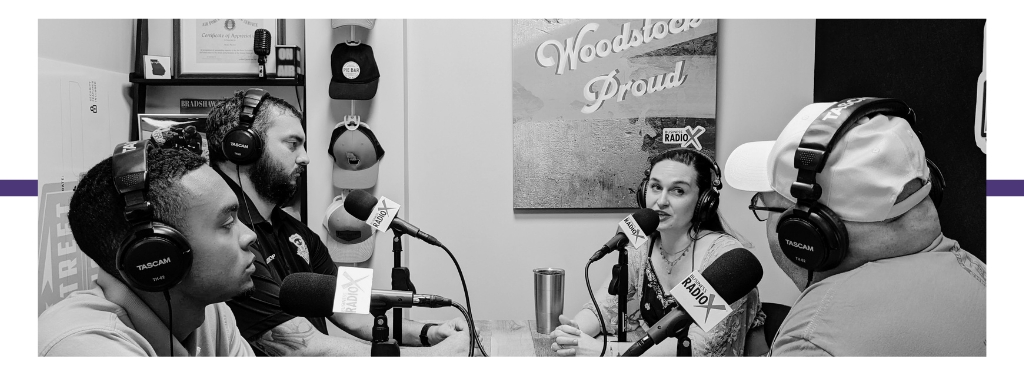
Hilary McDurmont, Zane Williams, Jr. and Daniel Lathrop


/
RSS Feed
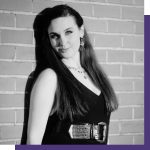 Hilary McDurmont – Born and raised in Pascagoula, MS and moved to GA in 2010. Hilary’s naturally infectious charm has made her a beautiful social butterfly, but behind her cheerful demeanor lies a dark story of overcoming deep-seeded hurdles. And her journey has only just begun!
Listen to how she has faced some of life’s greatest challenges and come through the other side.
 Kendall Kaden Zane Williams Jr., – From New Orleans, Louisiana, raised in Kennesaw Georgia, I have overcome battles with drug use/addiction, pornography, being kicked out of the house of family, only because I stood up for Jesus Christ. Sold my business for $1.00 to my father who was essentially using my face and likeness for his gain. So, I gave it up because things were not being done in order. Sales taxes were delinquent of almost $50,000.
I had no control of where money was going. Along with my grandmother that would not allow me access to my labeled bank statements when I asked for them (she was my bookkeeper). I am grateful God has been there for me and loved me when family could only show me their version of love. I have come out of these situations victorious in God and God alone and will stand of for his name at all cost.
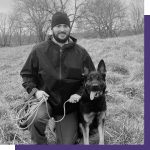 Daniel Lathrop – Married for three years and a native of Florida, my wife and I moved to Acworth two years ago to pursue both our passion for working with dogs. I am a five-Year Army Infantry veteran that holds a Bachelor’s Degree in Criminal Justice with a Forensics Concentrate. I also obtained various certifications ranging from but not limited to: obedience, behavior modification and a detection K9 instructor.
I am an AKC Canine Good Citizen Evaluator and certified as a Narcotics and Tracking/Trailing K9 Handler with my personal working-dog, Noble. I have a passion for making a difference in our community by training dogs to serve a higher purpose from narcotics detection to dogs helping veterans and first responders battling PTSD.
This transcript is machine transcribed by Sonix
TRANSCRIPT
Intro: Broadcasting live from the Business RadioX Studios in Atlanta. It’s time for Charitable Georgia. Brought to you by B’s Charitable Pursuits and Resources. We put the fun in fund raising. For more information, go to B’s Charitable Pursuits. Dot com. That’s B’s Charitable Pursuits dot com. Now here’s your host, Brian Pruitt.
Brian Pruett: Good, fabulous Friday. It’s another fabulous Friday. And we’ve got three more fabulous guests. So it’s been one of those weeks where I’ve been mostly home all week trying to get over my sinus issues. So I know there’s a lot of stuff going around. So if you’re out there listening, I hope you’re feeling better if you’re sick and if you’re not well, I hope it’s a great Friday for you. If this is your first time listening to Charitable Georgia, This is all about positive things happening in the community. And again, like I said, we’ve got three fabulous guests that’s going to share their stories and what they’re doing in the community. So my first guest this morning is Mr. Zane Williams Jr. Zane, thanks for coming this morning.
Zane Williams Jr.: Thank you for having me. I appreciate you having me.
Brian Pruett: So we have a mutual friend and Angelo, and we sat down and talked last week a little bit about your story. And up until recently you had your own business and it was a sneaker business in town Center Mall. Yes, sir. But we’ll get into that in just a second. But share a little bit of your background because it kind of leads into some changes for you. And I just think it’s kind of a great story of pursuing dreams. And then kind of refocusing as well. So don’t mind share your story.
Zane Williams Jr.: Um, so pretty much I was born here, not born here, born in New Orleans, Louisiana, but I pretty much grew up here, so I would say I’m from here. Um. Raised in a two parent, not two parent home, but parents split up. And so I got through high school. Got into things that I shouldn’t have gotten into. Got into snorting, drinking, smoking stuff like stuff I shouldn’t have been in. Stuff I wasn’t raised up on. Just not focused. Went to college. Had to come home because I lost my hope. Scholarship. Had a 2.9. You know, you have to keep a 3.0 to stay. But I came home from school and I didn’t really know what direction I wanted to go in my life. And so I kind of just started selling stuff from thrift store. And it started with the store, started with clothing, and then it started building with shoes. And my dad kind of saw what I had my drive to want something for myself. And so it got to the point where he saw he saw what I was doing and he kind of would put. His supporting me, put his money into me, and it got to the point where I could open a store. Business was in my name. I did all the I had some help from my grandmother to do the paperwork to get the business started and stuff like that.
Zane Williams Jr.: And so I started the business during Covid. 2021, and I wound up moving into the mall, opened opened a store on Black Friday in the mall, did very well in the mall. And that leads us to Angelo and me, me, me and him meeting. And it was like when I met him, I was in a point in my life where I. Had lost a friend over my lust and. I was hurt by it because that wasn’t who I was. And I was so tired of myself because I was still in a lifestyle of drinking and smoking and being out late and being a night owl, being places I’m not supposed to be, places I normally wouldn’t be. And so I was just tired of myself. I was tired of living the lifestyle that I was living. And I know that God felt my heart and. To the to the point where he sent me. Angelo. So I could. Be forgiven of all of my sins and to for me to really live a life that is pleasing to God. And while all this is going on, I’m realizing things about my family and how their love wasn’t really. Their love was shown in a way where. It wasn’t love, but it was to them, it was love. So I’m realizing things about my family and. And. Um, pretty much my dad was my dad was controlling the money side of the business, and I was just the face and.
Zane Williams Jr.: As as as to say this, to say this as humble as possible. I brought people to the business with my camaraderie and my genuineness and and people came for me. When people come to your business, they’re not coming for just the product. They’re coming for you because of what you have to bring with along with that product. So. I got to a point where I started to realize more and more that I’m just being used. Six Figure Business. And I’m not really seeing what I should see. And, you know, you have to keep putting back into a business as it goes. But it got to a point where I had to stand for God and and and do the right thing, even when the business things in the business weren’t being done in the right way. I was almost 50 grand in debt and in sales taxes because I don’t have control of anything when it comes to where money goes, where money is spent. I’m just getting a paycheck every week like I’m an employee, but my face is on the business and my name is on the business and I’m pretty much not getting. What I need from I got what I needed from the experience, but it got to a point where I just had enough and I pretty much walked out and.
Zane Williams Jr.: Um, I walked out of the business. Me and my dad got into an argument, and I walked out and. He said he said he said to me, Why don’t you go live with the Brad Pitt delicious guy. And that was pretty much him kicking me out of the house. And so I went to his house, which I was staying with him at the at the time. And I got all my stuff and I called Angelo and I just told him I just got kicked out and he took me in and. It’s been a blessing to me and it’s just been showing me how to live. How I sport how I’m supposed to be live and not to take anything away from my father because he did show me a lot. He showed me how to be a man. And in that time in my life, I. I rejected a lot. A lot of the times I don’t know why, but there was a rebelliousness in my spirit. And maybe maybe it was because of my parents not staying together. I wanted my parents to be together. You know, parents divorce. You kind of are confused at that time. You know, they remarry and they do. They do what they do. And it’s like you have two sets of parents. One that’s not really it’s not really how it’s supposed to be.
Zane Williams Jr.: Right. So. Time goes on. The business is still on my name and I get to the point where I have to pass this business off because. God can’t bless me in the way that he wants. If I’m still attached to something that is not of him. So I sold this business which I know was worth more than $1, but I sold it to one, sold it for $1 to my father. Just to. Cleanse myself from. Everything that I have been through with just being. A puppet, pretty much just being talked to any kind of way. Sometimes just. Verbal abuse. Whether he may see it that way or not, just things that you say, how you say it matters. I would like to say that I’m in a better place now that I’ve found God and I don’t. I know God, but I still have work to do in learning who God is and how he operates. But God took all of my desires to smoke, drink, took away my lustful desires. I was really big into porn at one point and masturbation and. And just. And just doing things in a routine and in a cycle that I was just tired of being in. And so that’s that’s really. I guess a good backstory for you pretty much gave it to you all at once. Right.
Brian Pruett: So, you know, it’s pretty sad. I know there’s a lot of family dynamics that even I know sitting around this table that is very, very not healthy at the moment. I you know, I got some family dynamics going on. That’s well, I’ll put it this way. A lot of times your friends become your family. And you found that out with Angelo and Miracle and their family. And so I’m curious, when you started your business, you were how old?
Zane Williams Jr.: How old? Oh, 21.
Brian Pruett: So really young to start your really your own business. And I’ve also heard and I’ve actually experienced where you don’t really want to start a business with family members or best friends. No, sir. You know, and that that kind of can lead to some things that that aren’t good so you don’t.
Zane Williams Jr.: Get the same respect.
Brian Pruett: Right. Right. And you take advantage of. Exactly. And a lot of times you’re the one doing all the work. So. So I’m curious. You it was a sneaker store. You said went into sneakers. Yes, sir. Just out of curiosity, why was it the sneakers that kind of caught your attention?
Zane Williams Jr.: They always had my attention. And. As a kid, my mom would always buy me shoes and stuff like that. So I was always into the Jordans and Nike’s. The I was always into it. So once I got to a point where I had money to buy a lot of the inventory. I was already familiar with shoe names. When shoes came out where I could get them. Who I can get them from at the lowest price. It was kind of. It led me having that interest as a young man led to me already. Having interest in it. So I knew about it so I could sell it.
Brian Pruett: So. You said you were 21. How old are you now?
Zane Williams Jr.: 23. I’ll be 24in September.
Brian Pruett: All right. So about three years ago is when you started the business and obviously doing real well. And the focus, I think, became a lot on the money, especially at that age. I’m sure it was like, man, you’ve seen a lot of green and the things like, oh, you know, I’m doing good, doing good, doing good. So here’s where the story I think of refocus comes in for you because obviously you’re still young, 24, but you’ve decided to step away. And like you said, you only sold it for $1, which to me is is amazing in itself because like you said, you could have got a lot more money on it. And and again, the money aspect of it. But you’re refocusing and trying to work on yourself. You’re going back to school, right? Sports management. Ksu Yes, sir. Good program, by the way. I graduated second degree with that. So what are your aspirations when you once you get done with that, what do you want to do?
Zane Williams Jr.: My aspirations. Honestly, to be truthful, to be 100% honest with you, wherever, wherever God wants me to be. I used to be so selfish and what I wanted, it was always about me and how I could maneuver my life to make everything easy for me. And I’m. I’m. I’m at a point in my life where I don’t want to do that anymore because. Sometimes God doesn’t to say sometimes a lot of the times God doesn’t want what we want for ourselves. So it’s not about me anymore at this point.
Brian Pruett: And God can use you wherever you are. I mean, if you look at the Bible, all the stories in the Bible, I mean, the guys that he gals he used were very I mean, he had murderers, rapists, people that he used, and he met them where they were. So so if somebody is listening and they’re younger, around your age and thinking about, man, I really want to do my own business at some point, give them some advice on what to do about starting a business.
Zane Williams Jr.: Do your research, know what you need. Make sure you have some people if you’re going to have people helping you. Make sure they make sure you make sure you write some type of contract before you start. Because that’s where I messed up. I didn’t have a contract. I just jumped into business and was hoping for the best. You can’t hope for the best. You got to have a paper trail for yourself or you’re setting yourself up to fail.
Brian Pruett: Okay, Great advice. So you’ve recently started networking with Angel. You’ve been coming to some events. Why is it do you think it’s important to get out there and network and then be part of the community?
Zane Williams Jr.: So people can know who you are. So people can. Figure out how we can all pretty much come together and. Maybe just not just fellowship, but learn from each other. There’s a lot to be learned from having met you guys yet, really. But sitting here with me. But I’m going to learn something today. And that’s what it’s about learning, because we can never stop learning.
Brian Pruett: Well, and you’re also willing to to give back in ways you’ve come to. Some of the fundraising events that I’ve done. You’ve done some trivia events and you’ve come to our locker room chat. So I appreciate you supporting those.
Zane Williams Jr.: I appreciate you putting those events on and you.
Brian Pruett: I don’t know. It just seems like you’re wanting to to make a difference, which is awesome because I think a lot of people in your age group these days. Don’t think about that. So anyway, thank you for sharing part of your story and. Well, let me ask you this. So is this part of the networking part? Actually, it’s been, what, a couple of months that you’ve been out networking? Yep. Do you have anything positive you can share since from doing the networking?
Zane Williams Jr.: I would say. Hearing, hearing from from God and just making sure that the people that you are meeting that you use them. And you let them use you. And it’s not it can’t be a one sided affair because. Like I said, we all can learn something from one another, but at the same time, we kind of have to give something to get something.
Brian Pruett: I wish more people would learn that because a lot of people come to networking and it’s about them or it should be me. How can I help you? Eventually they’ll help will come back. It’ll come back to you, but.
Zane Williams Jr.: It’ll come back around. You just got to. You got to have something for someone. And if you don’t have it at the time, that’s cool. But that’s where you go out and you learn from other people. You meet other people, you have new experiences with people and come with.
Brian Pruett: It, like with an open mind, like you’re talking about with learning. Because it is you learn every single day from somebody. Stone says he learns every time we do the show.
Stone Payton: Hey, I really do, man. I love doing this show. I don’t have to do any hosting, so I get to just sit back and listen and absorb it. Occasionally, Brian will let me ask a question, but I learned something every Friday morning, so your words could not be truer. Man. Right on. Right on target.
Brian Pruett: All right, Zane, So again, thank you for sharing your a little bit of your story. Don’t go anywhere because we’re not really done yet. But I’m now moving over to Daniel Lathrop from 1041 Canine. Daniel, thanks for being here this morning.
Daniel Lathrop: Hey, thanks for having me, Brian.
Brian Pruett: So, Daniel, you’re a veteran army, correct? Yes, sir. So thank you for your service. But I think you have a really cool job because if I could do this, I would do it all day long as well. But you get to play with dogs all day long, right?
Daniel Lathrop: Something like.
Brian Pruett: That. Yeah. Right. So first of all, share a little bit of your experience, if you don’t mind. Share about your your service and then we’ll talk about 1041 Canine.
Daniel Lathrop: Sure. Yeah. So I’m kind of back up a little bit. So when I was younger, I kind of grew up training, working dogs or being around working dogs. My my father was a accelerant detection canine handler and trainer with the fire department he retired from. And my mother trained guide dogs for blind people. So I grew up all around these dogs, you know, learning behaviors and how how the dog works and stuff like that. I remember when I was real little, probably third grade, I, I saw the movie Iron Will or whatever, and I was hooked. I was like, I’m doing I’m going to work with dogs for my life. That’s my job. Great movie, movies like that. And so fast forward a little bit. I got into high school, you know, did the JROTC and everything and decided that’s what I wanted to go to the Army. And I enlisted in 2004 and I got out in July of 2009. I went in with the with the hopes of being a lifer. My overall goal was to be a special operations canine handler. I mean, that was just wild to me, seeing those guys out there and, you know, working the front lines with explosive dogs. And, you know, that just really spoke to me. And and just the difference that made I’ve seen the difference that they made those those canine handlers when I was in the infantry and I deployed to Baghdad in 2005 to 2006. So sometimes we would get a lot of the handlers that would come out on patrols and missions with us.
Daniel Lathrop: And I mean, just the lives they save, that was just phenomenal. So that’s just kind of that just kept burning in me and burning in me to do that. Unfortunately, I left Iraq with a medical discharge, so had to make new career plans. Let’s see. Yeah, just kind of in and out of school, just kind of trying to refigure my life. Now I’m a civilian, and it was very tough, you know, going from wanting to, you know, this brotherhood to all of a sudden it’s like you’re you’re done, you’re out. So that was quite a hard adjustment. Struggled with a lot of things as well. And then, yeah, just life happened. I mean, I was married at the time to my first wife and we got a divorce. And then after that I just went downhill in and out of bad relationships and just heartbreak after heartbreaks, you know, putting myself through crazy situations. And then God pulled me back, you know, and he’s like, you need to get your stuff together. You know, you’re wasting your life. And the way I was, I was living was not honoring, you know, my brothers who fell and I was not honoring at all. And that stuff kind of really weighed on me. So I got back in the church, got back with, you know, close with God again, met my wife. We’ve been married for about my second wife. We’ve been married for about four years now. We just moved up here from Florida two years ago. We always vacationed in Jasper and fell in love with the area, and she’s a certified vet technician.
Daniel Lathrop: So that’s how we met was actually I took my dog in for an exam, and the rest is history. There you go. But yeah, we moved up here. She. She’s working at a neurological a canine or an animal neurology clinic. And my business has been going for almost a year now. So it’s been. It’s been great. I have my own personal working dog. He’s a narcotics detection canine. His name is Noel. He’s a four year old shepherd. We also do tracking and trailing. So we’ll get out there and find some people too. And that’s my passion, is just training these working dogs, especially with drug detection, with fentanyl being as as the epidemic that’s going on. And that’s one thing I told myself when I got out of the military or before I got out was I want to make a difference. Like, I don’t care what I want to make a difference in this world. And so I feel like God’s been He blessed me with this gift to work with dogs and just the passion that I have with these dogs and the connection I make is just it’s phenomenal. And when I train them on their, you know, to find drugs and then I get them with like a handler or something, or pet dogs doing obedience with their owners, seeing that connection that that bond that the dog and their owner make. Like it’s a it’s rewarding every time. But that’s that’s kind of how I got into the dog training and it’s just been it’s been great.
Brian Pruett: So I’m curious about the name. Where did 1041 come from?
Daniel Lathrop: So I’m not law enforcement, but you know. 1041 it’s part of the police ten code. And when I was coming up with the name, which I’m sure everybody can relate to how hard that was, I was watching some old training videos of working my dog Noble, and I came across his very first video of when I imprinted him on cocaine. I was his first odor I imprinted on and there’s a subtitle that I put in the video. Noble’s first step in his career or something. So I was like, How could I incorporate that? So I looked it up, just, I don’t know, just came on to me to look up police ten codes and 1041 means beginning tour of duty. So when I get puppies to come in for drug training or any type of detection work, I am the first step of their training career or of their career. So I was like, you know, it came up and I went with it and that’s awesome.
Brian Pruett: So do you work with any of the current law enforcement training their dogs?
Daniel Lathrop: Not yet, no. I’m still working on getting my working dog program going. Okay.
Brian Pruett: So you shared a couple of stories I’d like for you to share. One thing we were talking about you just started working with some dogs, training them on PTSD, but share how that came about because it’s kind of cool. Sure.
Daniel Lathrop: Yeah. So as I said, I was wounded and I was yeah, I was wounded in combat. And the difference a dog can make with somebody going through through those struggles, not just for the veteran, but also for the family and the breeder I’m looking at. They have dogs that are washed out that didn’t make the cut to do work. So I want to get those guys and get them going for like veterans or first responders who are dealing with PTSD. I would like to say I’m probably still here because of a dog, because all those dark times I went through, I always had a dog with me and. Wait. You know, the way they look at you, they don’t judge you. They’re there. They don’t ridicule you. They don’t make fun of you. It’s just 100% wholehearted love. And I just see the difference that that’s made in my life. And I want other veterans to experience that. So I want to take my God given gifts and give back to my veteran community as well.
Brian Pruett: We’ll share about the two dogs. You just because you just started with 2 or 1 I know of. But how how that came about with those two.
Daniel Lathrop: The two rescue ones? Yeah. So my wife, she found two part of being married to a vet. Tech is animals Come home. Yeah. Before I met my wife, it was just me and my pet shepherd. And then she brought in her two dogs and two cats and then a foster cat. So now we got three cats. Four dogs, including my working dog. Now these two puppies. And I got a board and train client at the house now. So we’re it’s busy, but yeah, so she, she found these two dogs mixes and I mean they just were, they were just dropped off. And so when she brought them home I noticed they had a heck of a nose on them. So I just went to Cabela’s, got the deer scent blood kit and now they’re tracking deer like they they enjoy it. So there you go. And I’m like, Hey, thanks for whoever dropped these dogs off.
Stone Payton: So can I text you when I’ve got one down and pay you a fee to come out with one?
Daniel Lathrop: Oh, no, no, I’ll train it, but not. All right.
Brian Pruett: Also share the story because it’s kind of funny. But. But you had a dog that actually had a party, right? So I found some. Drugs.
Daniel Lathrop: My working dog. Yeah, yeah yeah. He’s he’s. Yeah, he’s, he’s. He’s working trying to get him some more work. So.
Brian Pruett: Yeah. So be careful if you throw a party and want want something found and you invite Daniel over because you may have some unexpected surprises. So walk us through what’s the day look like for you? How do you first of all, how is it that you know where to start with the dog and then in which direction you’re going to train them.
Daniel Lathrop: As far as like, let’s say, narcotics detection or. Well, we’ll.
Brian Pruett: Go to that and then we’ll also do obedience.
Daniel Lathrop: Okay. So so for the narcotics detection, first of all, we select the puppy. They we actually have a sheet of what we’re looking for. We’re looking for the dog with a high. I want a dog that has a high prey. Drive high, retrieve, drive like my shepherd Noble that he would chase a tennis ball into oncoming traffic without even thinking about it. I mean, he has so ball driven and that’s what what I look for. So we take that usually with detection, we start about a year old. So we’ll get them in young, get their obedience, go and get them trained and then we’ll start them. We’ll start imprinting them at a year old on on the odors.
Brian Pruett: How about a for obedience? What does it look like when you’re trying to do an obedience training.
Daniel Lathrop: For obedience that’s on the dog? That is 100% how dogs all learn at different paces or different rates just like us. And it depends on, you know, I get a dog that comes in with severe codependency issues and stuff like that can can make the training longer.
Brian Pruett: So are there certain breeds you find that are easier to work with and are there breeds that you won’t work with?
Daniel Lathrop: So I like the big dogs. I don’t like zoos, I don’t like Dotson’s little. Those are toys. Those aren’t dogs. Heel nippers. Yeah, I like the Malfoys and the shepherds in the labs. Those are my my preferred.
Brian Pruett: So I’ll give you give you a funny story of a Dotson. I had a good friend who lived over here at the time and we met because I was back getting my sports management degree and I was older than all the students that I was even older than some of the professors. So I hung out with the professors and we became good friends with one of them, and he asked me to come over to meet his dog, Stitch, who was a Dotson, and he wanted me to come over and and pet sit for a while while they were gone. So I get over there and I open the door and he’s like, you know, Here, put your hand down. The first thing he does is take a chunk out of my finger. And then we go sit down in the living room, and the next thing you know, he’s up in my lap trying to, you know, ask forgiveness and all that. Sure. You know, and then so I do this several, several times now. And then I go over and and I pitch it for him. And anyway, there’s one day that I think Stitch really thought that Jason and Jessica were leaving and not coming back. And he was tired of them leaving. And so I was trying to feed him and he was up underneath the bed, their bed in their room, and I couldn’t get him out from underneath the bed. And so I reached in and all of a sudden he starts snarling. Now, those of you who know me, I’m not tall, but I’m a big guy. Imagine this in your head. I’m being chased around the bedroom by this Dotson. Kind of hit my knee heals. It’s just a funny, funny thing. So it’s.
Daniel Lathrop: True. Those little ones, they’re more vicious than the big dogs. The little man syndrome. Big man syndrome. I’ve been bit by more little dogs than right.
Brian Pruett: All right. So I’m curious to like you said, you started your own business. Give some advice for starting a business.
Daniel Lathrop: Some one thing I’ve learned, perseverance, especially as a dog trainer, that that carried over into my business is don’t give up. It took me years and years to get to where I’m at now, not only as a dog handler, but as a trainer. You know, I never went to like any formal canine school or anything, but I always had the knowledge from what I’ve learned growing up. So a lot of people wouldn’t give me the time of the day for like internships. I had one up here that I did for a year when we moved up. That’s where I got Noble and and I would try to get volunteer with like search and rescue. I would ask like law enforcement and, hey, can I help? Is there anything I can do? And just nobody would give the time of day and just kind of So I took that and I’m like, I’m not going to be like that. You know, I want to mentor people. If you’re interested in dogs, I will help you get to where you want. So that’s why I say perseverance is if you have a dream, don’t don’t have a fallback plan like that’s setting yourself up for failure already. Move forward. Keep fighting. If you got to take detours, take detours, But overall, you got to achieve that goal.
Brian Pruett: Good. So you actually share with me, too, that you’re trying to get more involved with some of these local animal nonprofits and helping them with their with their dogs. Have you had any success with that yet?
Daniel Lathrop: Sure. I’ve reached out to some shelters. I’ve have yet to hear back from them because I’m more than happy to volunteer my time, come in for like a day and work with shelter dogs if they get adopted out. I would even help them like give a free lesson or two just to help the success of that dog being being adopted because people go and adopt the dog and they think it’s supposed to be perfect the day they get home. It takes months for the dog to adjust and then they’re within two weeks they’re back in the shelter. Right? So, I mean, if you all know of any shelters or anything that, you know, would like something like that, I’m more than happy to volunteer my time and and to come and help out. So.
Brian Pruett: All right. We’ll share your contact information here in just a minute. So but I got a couple other questions for you. So you you like you mentioned earlier, you want to give back, you want to be part of things. So you and I met networking at the Connections originally and you have been coming to some other things. And you’ve also you recently donated a certificate for a fundraiser that I’m doing. You came a couple of weeks ago to trivia, which turned out was a surprise birthday for me. Stone I didn’t realize it, but they were throwing a surprise, which our friend Bob Brooks almost ruined. He texted me just as I start trivia and says, Sorry, I can’t be at your surprise birthday party. And I’m like, What are you talking about?
Daniel Lathrop: Oh, goodness.
Brian Pruett: That’s another story. But anyway, thanks, Bob. Um, anyway, so why is it important for you to be part of the community?
Daniel Lathrop: Like I said, I just want to make a difference. I want to do everything I can just. Just to help people. Just. Just for the good of man. I mean, we’ve got. There’s too much evil out there. There’s too much fight. Just all this. Just hatred out there. And if I can do a little something to bring a little bit of light into someone’s life or into the community or something, I’m all for it. I will do whatever I can to to help to be there.
Brian Pruett: Awesome. So, all right, so if somebody is listening and Well, actually, let me ask this first. Since you’ve been networking, you got any positive stories you can share about networking?
Daniel Lathrop: Yeah, networking has been great. It has built my confidence, especially with standing up in front of people and, you know, doing like a 30 minute or 32nd brief. You know who you are, what you do and all that. So it’s definitely has boosted my confidence in speaking and just being around good people who want to help you succeed and help you grow your business. And that’s what I love about it. It is like a family. Everybody wants to help each other succeed. Passing business. Cards and given ideas of, of of clients and recommendations and referrals and you know, a lot of a lot of good mentors, too.
Brian Pruett: So it’s funny because I don’t know if you noticed this, but I noticed when I’m around you and we’re networking and people, they hear what you do and then all of a sudden it’s like, Oh, can I get your information? Can you, can I Let me ask you this about my dog. Can you do this?
Daniel Lathrop: I got to carry extra business cards because I get chased down when I’m leaving and because, I mean, there’s times where I want to come talk to you and stuff, and then I just get, like, the.
Brian Pruett: Right. No, that’s cool. All right. So if somebody is listening and wants to talk to you about your services, how can they do that?
Daniel Lathrop: We you can check us out on Facebook. 1041 k9.com that’s 1041. And then the letter K and number nine. Same thing. Go online 1041 k9.com and that list everything we do tells more more in depth about our company who we are and services we offer.
Brian Pruett: So if you guys are interested in seeing what he does a little bit. So November 16th we are holding a expo over at the community center for veteran first responder owned businesses and he’s going to be doing a K9 demonstration while we’re there. So make sure you come out and check that out as well. So, Zane, I didn’t ask you this. If somebody is listening and wants to talk to you about possibly coming, maybe they’ve got something you can do for as an internship or things like that. Is there a way anybody can get a hold of you?
Zane Williams Jr.: I don’t want to get my phone number out.
Brian Pruett: Do you have an email address?
Zane Williams Jr.: Yeah, you can reach me at Zane. Zane0913 at gmail.com. That is the the best way to reach me.
Brian Pruett: Okay. So if anybody is listening in sports management has anything coming up for this young man, reach out to him. He’s a he’s a great guy. So. All right, Daniel, thanks for sharing a little bit of your story. And we’re going to move over to Ms. Hillary McDermott. And we normally start with Ladies First, but she’s got such a powerful story. I wanted to finish up with her. So Hillary, thank you for being here this morning.
Hilary McDurmont: Thanks for having.
Brian Pruett: Me. So you have recently kind of switched jobs. You’re now with Ace Handyman out of Acworth, correct? Yes. And Alicia Tedesco, who is a great, great person. So we’ll talk about how you maybe got that here in just a second. But you’ve got a great story. But you are you’ve done a lot of things. Your real estate agent, you’re a great singer and you do have a passion for helping others. But you’re also a story of overcoming perseverance, not giving up. And if you don’t mind, I’m going to I’m going to do a little disclaimer claimer for this, though, because if somebody is listening and going through a hard time, I don’t know. There could be some triggers here or not. But it’s a powerful, powerful story that I think needs to be shared. So yeah, just go ahead and share your story, if you don’t mind.
Hilary McDurmont: I will. Yes. Thank you. Yeah. Okay. Let me back up. I’m going to start with. Okay. I’m from Pascagoula, Mississippi, right on the Gulf Coast. And I was born and raised there. I grew up as an only child and I spent a lot of time by myself outside. I did have a lot of cousins, though, and I always loved going over to my grandma’s house and spending time with my cousins because to me that was like my only way to have like that brother or sister type of relationship. So I was really close with my cousins. And then fast forward. I also grew up in a music store, so that’s where I got my love for music. My grandpa owned a music store in our hometown called Chappies Music, so I would spend a lot of time there as well with my dad. Then when the store closed, they opened up a guitar center in Mobile, and that’s actually where I met my my husband and. And my ex-husband. I’ve been married twice. But so anyway, that’s how I ended up here in Atlanta. So I was married before. That’s my the the father of my first child. We were we lived in Mobile and then we divorced. And then I reconnected with my current husband and moved here to Atlanta. We I moved to Roswell and we stayed in Roswell for about ten years. And then we moved to Woodstock in 2020. Throughout that time, let’s see, I started see my first job. Oh, I I’ve had a lot of experience with customer service, working retail, you know, waiting tables.
Hilary McDurmont: I never really wanted a career when I was growing up. I always knew that I was just going to be a stay at home mom, you know, coming up in a in a small town, there’s not a lot to do there. You either wait tables or you work at the oil refinery or you work at the shipyard. That’s just, you know, that’s just the lifestyle there. But then you move to Atlanta, you know, a big city. You’ve got so many opportunities, right? So I come here and I’m like, Oh, what can I do? We had another child. We have now we have two kids. I still didn’t know what I wanted to do. Um, and I was also kind of struggling with my spirituality. I wanted to have a relationship with God, but I also wanted to do all the things right because I’m in a big city, small town girl. Um, yeah. So I’m just, you know, I’m young, young mom in a big town, confused. And I just. I mean, you’re going to have to, like, keep me on track because I got you. My. My story is such a whirlwind that sometimes I have trouble keeping it all straight. So anyway, let’s see. I’m in Atlanta. I have all these jobs. Okay. Where am I? Woodstock. Let’s get to Woodstock. Okay, So by the time I get to Woodstock, I am driving a school bus for Fulton County, and then I’m pursuing my real estate, my real estate license. Let’s see. I am also because I’m trying to do all the things I’m having a hard time balancing my life.
Hilary McDurmont: My marriage is not doing so well and I’m not handling it properly. I do. I make very poor choices. And throughout my life I have always struggled with depression. Growing up as an only child, being alone, not feeling like I belonged anywhere. I. Would go through these bouts of feeling like I was worthless. Feeling like I didn’t matter. Feeling like no one would care what I felt or thought. And I would keep those things to myself a lot. I’m. And I didn’t do the things that I knew I should. I didn’t throw those things on God. You know, I didn’t. And I would try. I would even pray. But for some reason, I would never feel. The relief or the comfort that I knew. I knew that. I should feel it. But for some reason I just wouldn’t feel the connection. And. I still struggled, so. I would turn to other things for comfort. Bad things. And I’m going to be honest, I, I did I did cheat on my husband. And it was bad. And I regret it every day. And I kept that secret for years. And let me tell you, lies are the heaviest burden to carry because they just eat away at you. It’s like poison sitting in your stomach. Because of those lies, I tried to even kill myself. And that was July 16th, 2020. I drove my car off of 575 into a ravine. But amazingly, I walked away without a scratch. I don’t know how. I don’t know why.
Brian Pruett: All you do as God. He still has a plan for you.
Hilary McDurmont: Yeah. Yeah. Because. It’s. The circumstances around that, you know, 110 miles an hour, no seat belt into a tree. The car was totaled. Glass everywhere. I don’t know, like the logically, there was no reason for me to walk away with no scratch.
Brian Pruett: So I’m going to say this. I think God puts us through things so we can help other people. And he allows certain things to happen. And you walked away because you can help somebody. You’re helping somebody right now by sharing this.
Hilary McDurmont: Yeah, yeah, absolutely. And the weeks that I spent in the hospital afterwards to get the needed mental help, the nurses would tell me, you know, there’s a reason that you’re here. And I at that time I was angry and I was like, because I sat in that car and I said, Great, I failed again. You know, I failed at everything. And I’m glad I failed. So I actually counted last night, I. I’ve been alive 1135 days since that car accident. Wow. I’ve been blessed that many days. So.
Brian Pruett: And it’s just it’s amazing what God does. And we don’t know why he does certain things or allow certain things. But in 2020 was a hard year for everybody anyway. It was, you know, so. Well, just keep going because you’re obviously you’re still going through some things, but it’s it’s you’re turning a corner.
Hilary McDurmont: It is. Yes. And and even though like that was that was a rock bottom point for me. It’s still I still didn’t make the needed changes. I made changes. It was a it was a starting point. And I. Another starting point for me was actually just recently because. Because even though I. That was a waking actually, that was my wake up call. I would call that my wake up call. And it got me on the trajectory trajectory to make changes in my life. So I was still lying. You know, I had all these lies that I that I was in my life. And then. I would say about a month and a half ago, I decided to come clean and I told the truth to everyone. And I lost a lot of friends. I lost my husband. But that’s okay, you know? My broker told me all change is good, right? Even if it’s painful at first. All change is good because. It will eventually turn out good in the end. What? What woke me up to tell finally. Tell the truth was my daughter. We were hanging out at the pool and she said, Mommy, are you going to get in the pool? I said, Yeah, I’m going to get in in a minute.
Hilary McDurmont: And she goes, okay, are you really going to get in? Or are you just saying that because sometimes you say you’re going to do something and you don’t actually do it? And I just was shocked. I said, What? She goes, I’m sorry. Don’t be mad. I’m like, No, honey, I’m not mad at you. I was like, Thank you for telling me the truth. Because sometimes, sometimes the truth is painful to hear, but we need to hear it. And I sat there and I thought about it that night. And for the first time in three years, I prayed and I apologized and I asked for forgiveness. And at that moment, I decided to start making things right. And it’s been hard because for years I wanted to come clean. I was terrified to do it because of the consequences that I knew were going to happen. But when I prayed and I asked for forgiveness, I asked Jehovah God to help me. To to be with me and give me the strength and the courage to come to do what was right. And he did. And he’s been blessing me ever since.
Brian Pruett: Well, I think, first of all, you talk about losing friends and stuff and unfortunately, you see who your real friends are.
Hilary McDurmont: That is true.
Brian Pruett: You know, maybe they’re the friends that you don’t need to have. Exactly right. And I’m going to bring this up right now because I think we talk all the time, Stone about the power of networking on this show on certain things. And when you and I were talking about when I originally asked you to come on and we were going to have some other folks and anyway, I still wanted you to come on and you were sharing with me. You were struggling, you were looking for a job, and you told me what you were kind of looking for. Anyway, long story short, you came to an network connection, and I invited you to. And you were telling people you’re looking for a job. And it was so cool to look over in that room of people trying to give you some leads.
Hilary McDurmont: Absolutely.
Brian Pruett: And it’s, you know, things. And so not to pat myself on the back, but you should.
Hilary McDurmont: It was you.
Speaker7: Thank you.
Brian Pruett: I introduced you to Alicia Tedesco. So and you guys hit it off. And now here you are.
Hilary McDurmont: So, yes, it’s been fantastic. I’m so excited about this opportunity. Sure.
Brian Pruett: About the opportunity and which you can watch what you know so far.
Hilary McDurmont: Okay, so I’m the new sales rep in charge of business development at Ace Ace Handyman Services in Acworth.
Speaker7: Now, if you need something done. Yes, yes. If you need anything done.
Hilary McDurmont: Around the house or even a commercial business, we can handle that. You know, anything big or small, We do everything you and your honey can’t, won’t or should not do.
Speaker7: Which for me is.
Brian Pruett: Quite a bit of everything because I break everything. So. No, but that’s just. That’s. You know, I won’t have to ask you the story because we just shared it. That’s the power of networking. And I think that’s, as Bob Brooks calls. It’s family.
Speaker7: Yes. A family.
Brian Pruett: You know, so but again, I just thought it was so cool that you shared about some other things you were looking for. And everybody’s like when they’re getting out their phones, they’re sending you information, you know? So I just thought that was really cool to watch. All right. So. You obviously just shared a very powerful story, but you also do with your singing. Now, first of all, I have to say this, too. I just saw a video where you sang a Whitney Houston song. Oh, yeah. Which was pretty amazing. Have you seen that?
Stone Payton: This lady is incredibly talented and I’ve seen her sing at several events. And if we do the block party I’ve got scheduled. She’s my first call once.
Brian Pruett: I’ve got to possibly holiday party that I’m going to ask you to come sing for. So. But. So why is it important for you to be out of the community other than the fact that it’s been helpful for you? But why is it harder for you, important for you to be part of the community?
Hilary McDurmont: You know, I. It’s in the Bible, right? Giving. There’s more happiness in giving than receiving. And you can’t give it to anybody if you’re stuck at the house, you know? So you have to be out there. You have to put yourself out there and give give of yourself.
Brian Pruett: And it goes back to helping others and, you know, and and listening and that because you were at a point where you didn’t know what to do. You had very little money. Right. And it wasn’t a selfish ask. You were just asking for, you know, if you hear of anything, let me know. Or that’s different as somebody come in and like I did when I first started networking and handing everybody a business card, Hey, what can I sell you? What can I sell you? What can I sell you? You know? So it is a difference. So I just like for you, for those somebody who is listening, who is possibly going through a dark time, can you give them some advice? What to do?
Hilary McDurmont: Don’t be afraid to ask for help. And it’s it’s so hard to ask for help when you’re down in that position. But just know this, that there are people out there who love you even if they don’t know you and they want you here. So just just let don’t be afraid to let people know that what you’re going through because you’re not alone. And I feel like there’s not enough there’s not enough talk about mental health and mental awareness and suicide like people. It’s almost like a stigma. So actually, I wear these earrings. So in my accident, I have these be earrings. If people know me, I wear bees. Bees are my thing.
Brian Pruett: We need to come work for me.
Speaker7: Then what’s going on?
Hilary McDurmont: So in my accident, the airbag actually ripped off the bees on my left side. The. The. The bees on my earrings on the left side. So I replaced the bees with a semi colon, which is a sign. It’s a suicide awareness sign. And the semi colon is represented. When an author could have chosen to end their sentence, but they chose not to. So that’s why the semicolon is used.
Brian Pruett: That’s a great trivia question. I need to learn that again. So so if somebody does need some help, the suicide hotline is nine, eight, eight, just in case anybody needs that. We had a couple of weeks ago on Matt Payne, who was part of the Outer Circle Foundation, who works with the first responders and veterans on PTSD and suicide prevention, too. So there’s there are organizations out there locally that can help as well. So make sure you do reach out to somebody if you need that help.
Hilary McDurmont: So also, the Georgia crisis line is 1-800-715-4225. Awesome.
Brian Pruett: Thanks for sharing that. All right. So you you were in real estate for a while, too. So obviously you had your own business at some point as well. What advice would you give you on somebody? Want to start a business as well?
Speaker7: Oh.
Hilary McDurmont: Do your own research. And like like you said. Get everything in paperwork if you choose to go into business with somebody. Paper trails.
Zane Williams Jr.: Please, please, please, please, please. Please.
Speaker7: Please, please.
Hilary McDurmont: Get advice, you know, Not like when you go networking, talk to other business owners, get, you know, talk to them and see how they run their business and gather as much information as possible to see what you want to implement in your own business and what you don’t want to implement in your own business.
Brian Pruett: I’m going to add. Find a mentor if you can. And also, don’t be afraid to fail forward. Yes, failing is not failing if you don’t if you learn from it and move on.
Zane Williams Jr.: So pride not don’t have any pride.
Brian Pruett: Maxwell has a great book on fail forward so that’s what it’s called. Fail forward. Read it. So um. All right. So. I don’t know where to go from that. But no, I thank you for sharing that story because, again, I know you’re a little hesitant on some stuff, but I just think it was so powerful that people needed to hear and you don’t know who listening that might needed to hear that. So, um. Well, I’m going to do this. Normally I like to do a little more, but I think that’s a great thing to to kind of wrap this up on. But before we do, I always like to have each of you share a positive quote, a word, some nugget doesn’t have to be. You can make it up whatever you want to do, something for somebody to live today and the rest of 20, 23 and beyond with. So, Zane, what you got for.
Zane Williams Jr.: Anybody out there listening that is truly and purely in their heart? Um. If you truly and purely in your heart, want God. Pray for. Pray. Pray about it. And make sure that it’s it’s true in your heart that you want to change your life and. If you want to get to heaven, you can’t get there if you don’t get baptized in the name of Jesus. So if John three and three says if you are not born of the water and you are not born of the spirit, then you are in, no man will enter into the kingdom of heaven. So yeah, that is what I have to say.
Daniel Lathrop: Daniel I think one of my biggest quotes is excuse me. What I like to tell people is don’t go through it. Grow through it. Don’t let don’t let things defy you. Because I’ve been there. I let the VA. I let the army define me. Oh, you’re not going to be able to do this again. You can’t do that. And then I prove them wrong and do it. So yeah, so that’s probably one of my go to’s. Awesome.
Hilary McDurmont: Hillary actually have this one on my Facebook cover page. It says, You can’t go back and change the beginning, but you can start where you are and change the ending.
Brian Pruett: Wow. Awesome. Again, that’s why I love this show, Stone Me too. I mean, so the other thing is a lost art these days is the. Thank you. Just a simple thank you, Suzanne. Thank you for coming and sharing your story and being an example of being willing to reinvent yourself and refocus. Daniel, thank you for what you’re doing for the the pups and all the people and their animals and your service as well. And Hillary, thank you for sharing your story and just being an inspiration. So everybody out there listening, remember, let’s be positive. Let’s be charitable.
BRX Pro Tip: Do You Know Your KPIs?

/
RSS Feed

BRX Pro Tip: Do You Know Your KPIs?
Stone Payton: Welcome back to Business RadioX Pro Tips. Stone Payton and Lee Kantor here with you. Lee, today’s topic, do you know your KPIs?
Lee Kantor: Yeah. KPIs are key performance indicators, and those are kind of the metrics that matter in your business. Every business is different. Every business has different metrics that are important to them. In some industries, it’s more obvious than in others. Like if you own a restaurant, your KPIs might include food costs, it might include table turns.
Lee Kantor: At Business RadioX, KPIs that we keep track of are guest flow and client retention. We know that if we have the right guests coming on our shows and if we’re keeping our clients longer and longer, then our studio usually is in pretty good shape. So we know the first thing that happens. If we’re in a lull, we check our guest flow. We’re seeing who’s coming into the studios, who are we interviewing. Are they the right people or are they the right people that can ultimately write checks and sponsor shows? If they’re not, something has to change. That gives us a guide to make a move and know that we have to invite different people on here to get them into the studio so we can meet them and build a relationship so we can sell them something. If you don’t know these metrics in your business that matter, you better figure it out quickly, or else your business may not make it.
Lee Kantor: So, KPIs are an important thing. Every business is different. The key performance indicators of your business will make or break your business, so know them. And when things aren’t going well, react and change something.
Stone Payton: And I think that’s an important distinction because the I stands for indicators. So, this is not something where you’re looking in the rearview mirror and saying, “How did we do last quarter?” This is real-time. What is our guest flow? How many people are building relationships? How many of the people that we’re bringing in through to have the studio experience and share their story and promote their work fit that ideal client profile? But it’s real-time. It’s an indicator of where you are at this point in a short window. You’re not trying to look back and try to fix, you know, a quarter’s worth of misdeeds.
Tracy and Anthony Latronica with Ant’s Construction Services

/
RSS Feed
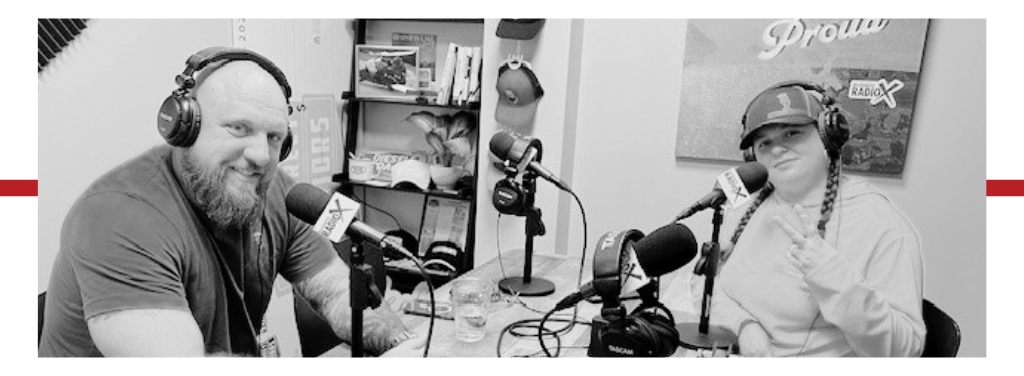
 Ant’s Construction Services is a woman-owned, family-run business headed up by our foreman, Anthony Latronica. Anthony is an InterNACHI Certified Professional Inspector who has resided in the Atlanta area since 2016.
Starting at a young age, Ant developed a passion for construction in various specialties such as building boat docks, remodeling homes, concrete work, and commercial renovation projects.
For over a decade, Ant worked in underground tunnel mining and has been an integral part of major infrastructure projects that have served the communities in Dallas, Austin and Atlanta. 
He is known for his strong work ethic, dedication to his craft, and his widely versed knowledge of a variety of aspects of both home and commercial construction.
He is a family man with a wife and 3 children; his hobbies include cooking and riding his motorcycle in his free time.
This transcript is machine transcribed by Sonix
TRANSCRIPT
Intro: Coming to you live from the Business RadioX studio in Woodstock, Georgia. This is fearless formula with Sharon Cline.
Welcome to Fearless Formula on Business RadioX, where we talk about the ups and downs of the business world and offer words of wisdom for business success. I’m your host, Sharon Cline, and today in the studio we have the owners of Ant’s Construction Services. They bring your construction visions to reality. Each project is tailored to the wants, needs and dreams of each client. And if you can dream it, they can do it. Please welcome Anthony and Tracy Latronica.
Tracy Latronica: Hello, Sharon. Good to see you again.
Sharon Cline: You too. Did I have that intro when we were here last time?
Tracy Latronica: I don’t think he did because I think I don’t think the website was up yet.
Sharon Cline: Yeah. So how nice. I just want to say welcome back. It’s been a full year. Unbelievably, unbelievably so. Cool thing about this show today is that we get to talk about what it was like for you to be here a year ago when your business ant’s construction was brand spanking new, which was fun for me to ask questions to you too. Like, how do you feel about this big endeavor you’re about to go on. That was awesome. But now we have a year under our belt and I say us, you know, like I’m a collective. We.
Tracy Latronica: You are. You’re a part of us.
Sharon Cline: Oh, thank you. And so, yeah, really, I’m excited to have you on to see what your journey has been like. And I know it’s had lots of ups and downs, like what the show is.
Tracy Latronica: The crazy thing is, is last year we weren’t even called Ant’s construction Services. So that’s an indication as to how much.
Sharon Cline: It was Ant’s inspection.
It was ant’s inspections. So our entire business has changed, pivoted in the year since we were here last. So lots, lots of surprise.
Sharon Cline: Such a surprise. Yeah. So in the beginning the notion was that the business would be you would be working with different builders as well. Right? And then personal inspections for homes and buildings. And so let’s talk about how that changed.
Tracy Latronica: So at the beginning, we were focusing on home inspections and mobile crane inspections. And those two things are things that we still do. But very quickly, right off the bat, Anthony was had people reaching out to him for construction projects because he has a 30 year history on your.
Sharon Cline: Websites over like 30 over 35 years worth of of.
Tracy Latronica: Of knowledge.
Sharon Cline: Experience. Yeah. And that’s very valuable.
Tracy Latronica: And so as soon as he was out on his own, people were, Hey, man, you know, can you come help me with this drywall project or Hey, can you build me a deck? And three, four months in we had done like one inspection, one home inspection. Wow. And we were just so busy with the construction.
Anthony Latronica: You can’t do the inspection and the work as well. Right? And there’s more, more lucrative to do the work. So.
Tracy Latronica: So if you do an inspection, a pre-purchase home inspection, you can’t then do the work. It’s a conflict of interest because you’d be saying there’s a bunch of stuff wrong, so you would get the work.
Sharon Cline: Or you would say it’s all fine when you did the work, right?
Tracy Latronica: Fair enough. I didn’t even think about it like that. But yeah, it’s a complex, great. It’s a conflict of dining here for sure. You know, the inspector isn’t the one who does the work. And so, yes, the, the the inspections are less lucrative individually. And so, yeah, we had to change the branding because people aren’t going to hire ants inspections to build a deck. But people will hire ants, construction services to do an inspection because an inspection is a is a a service, a service.
Sharon Cline: Under the construction umbrella. Right. Interesting.
Anthony Latronica: Yeah. If you’re going to make that work, you have to have a lot of inspections coming in. And it wasn’t happening, especially with the with the real estate the way it was. I mean, it’s turning around now, but it was at the time nobody was.
Sharon Cline: That’s true. Right? Because it was a year ago. Still. Pandemic ish.
Tracy Latronica: Yeah. Ish. Right adjacent.
Sharon Cline: A pandemic. Adjacent. Adjacent. One of my favorite words.
Anthony Latronica: There were still effects from it, let’s put it that way. Right.
Sharon Cline: Right. And so. You’re finding. Okay, well, we need to be making this money. Like, I’m just thinking logically as if it were me. Okay, I need to be making this money. If someone hired me to do voiceover stuff, but I’m only getting books. Well, I’m going to do books. That’s it. You need to be making the money.
Tracy Latronica: Yeah, but you don’t. But you wouldn’t turn down the voice. The. The commercial. Easy. Right. Right. So you have to be very flexible, which I think was a transition psychologically for both of us. We’ve been so consistent in our industries prior and had been working in the same industries for decades to come into your own business to where you have to bend and kind of flow with the changes was something that you had to have kind of a little bit of internal dialog about. Like, Don’t be stubborn. It doesn’t matter if this isn’t what you thought next week was going to look like, This is what next week looks like now, and just adjust and adapt.
Sharon Cline: How difficult that is when it already takes so much bravery and certitude in your own skills to even start a.
Tracy Latronica: Business Fearlessness, one.
Sharon Cline: Might say, Oh, well, fearlessness. Yeah, I would say that’s true. Okay, so I had a guest on the show last year that has a like a bakery that she had opened right before the pandemic ended. It’s called Bananas and Beehives. And Laurie was just wonderful to talk to because she was asked to wholesale and she’s like, I’m not a wholesaler. I have a a building come visit me. But she was constantly asked enough of that that she started to wholesale and she didn’t want to do the pivot. It was a fight. But then that actually has become more important with her business and has grown her business exponentially since she agreed or surrendered, I suppose is a good way to look at it. And I always thought, how interesting is that? Because her initial thought was just to have like a little downtown Canton Bakery and people would walk by and get coffee and some croissants. And now she’s in all kinds of different places all around the city.
Tracy Latronica: And had she maintained that stubbornness, she may not be as successful as she is now, just one day too long of holding on to those ideas and you’re going to lose that opportunity.
Sharon Cline: That’s exactly what I’m thinking, is like what happened with you is the you’re fighting to do what you know, you signed up to do, but now the requests are different and your need is different.
Tracy Latronica: So so supply and demand kind of thing.
Sharon Cline: So you started doing more of the construction part of it and then what happened next? I know there’s not like an exact linear. Sort of progression, but I imagine you were like, All right, well then how are we going to change and adapt?
Tracy Latronica: The initial thing was just the legalities of changing the name. It’s it’s that’s a process in itself, and it’s not super difficult to do with the government. You file a form and you pay 50 bucks and they change the name, but then you realize, oh, my email address and my website and my shirts and my.
Anthony Latronica: Hats, you might have a few.
Tracy Latronica: Hair business cards and business.
Sharon Cline: Cards.
Tracy Latronica: Right? And so everything, every everything, it’s.
Anthony Latronica: Like changing your, your phone number, you know, when you get or you lose your credit card and you have to reapply for a new one and everything’s attached to that credit card. And then you’re just like, oh my gosh.
Tracy Latronica: When you get married, right? When Anthony and I got married, I didn’t want to change my last name. I was so stubborn about it. And then a year later, I gave in and changed my last name just because of the obvious connection I had with him and him and our children. And I didn’t realize what a pain in the butt that would be, right? Like, there’s a reason why you hold on. Even if you’re divorced, you hold on to your married name because it’s a pain in the butt. Yeah. To change your name on everything, your bank documents. And so it was just like that, just from a logistical standpoint. And then you.
Sharon Cline: Changed your logo.
Tracy Latronica: Right? Logo had to change. The ant has has changed. It was just a little drawing in front of a house that our son had designed before, but we’ve upgraded that. And these.
Sharon Cline: Guys look construction hat on.
Tracy Latronica: There. He’s got his hard hat on, his hard hat, and he looks very cute and approachable.
Sharon Cline: Just like you.
Tracy Latronica: Guys. Just to counter the.
Anthony Latronica: Yeah, that’s.
Tracy Latronica: Me. So when Anthony walks up to a, you know, an older woman’s single woman’s home, she’s not as intimidated to see this creature walking.
Sharon Cline: Up and how that’s strategic. That was smart.
Tracy Latronica: He’s got a cute ant on on his shirt. He can’t be too scary.
Sharon Cline: No, not at all. And then and so we also talk about the fact that that sort of took over more of of what your business was like. But were you prepared for what that was going to do for your own skill set? In other words, you were prepared for one part and now it became something else. So did you find that you had to amplify different parts of yourself or realize this isn’t how this works for me, I can’t do this kind of thing.
Tracy Latronica: You know what’s crazy is I always thought that Anthony had every tool in the world, right? Every tool that anybody could ever need. And, you know, we’ve known each other for a while. If somebody needs something fixed, they call Ant, and he’s got the the supplies, the tools to do it and the amount of tools we’ve had to buy.
Sharon Cline: Oh, no, really.
Tracy Latronica: Over the past year that because every job is different, you know, if you’re if you’re a decking expert, you have every tool that you could possibly need for a deck. But we do decks and floors and walls and ceilings and, you know, exteriors, interiors, all of it. So you have to have all of those things on hand and you have to be skilled at all of those things.
Anthony Latronica: You usually don’t realize what you need until you’re on the job, until you’re there and you’re like, Oh, we didn’t we didn’t bid for this, but here we go. We’re going to need this.
Tracy Latronica: Yeah. And that’s part of the that’s part of the development I think of the first year is putting all of your money back into the business in marketing and in your in your tools and your supplies. And hopefully that slows down when it comes to your expenses and you get to the point where you have to buy fewer supplies. But if you were to open your attendee that you were just talking about for the bakery, yeah, she, I’m sure, had to buy everything in order to get started. And at some point you finally have everything you need. And yes, things break and you have to replace them. But we’ve gotten to that point where we’ve got a full shop and a full trailer. And so I think.
Sharon Cline: For right this.
Anthony Latronica: Moment, that’s what you.
Sharon Cline: Think. There’s no.
Anthony Latronica: More tools right.
Sharon Cline: Now on the wood. Knock on that table.
Anthony Latronica: I like tools.
Sharon Cline: All right.
Tracy Latronica: We’ll be at Home Depot on the way home. Probably.
Sharon Cline: You also do epoxy, which is really cool in a totally different kind of skill set, I imagine.
Tracy Latronica: Yeah. And we had never done that before. And we were so lucky to have a client that trusted us. And we were very we’re very transparent people and we communicated with them that this was our first attempt at doing this, but we were confident that we would be able to follow the instructions given by the supplier, and we gave them a very, very reasonable rate.
Anthony Latronica: You got to mention the supplier, the epoxy masters.
Tracy Latronica: That’s right. Epoxy master is the supplier. They started out as a DIY supplier for people that wanted to do their own epoxy at home. And they’ve they’re they’re pivoting once speaking of pivoting into being a supplier for installers and we’re the the first and only supplier in the southeastern United States for epoxy master. So we’re getting to grow with them as well, which has been.
Sharon Cline: Exciting. How did you find them? Like, what were the steps that you were able to build this relationship? Because that’s valuable.
Tracy Latronica: You know, it’s it’s the this, the Internet. Yeah. You know, you go on a search, how do you install an epoxy epoxy? Where do I get epoxy supplies? And eventually we stumbled upon epoxy master and they just. They’re their family owned and operated as well. And so they showed an interest when when they saw the size of the job, it was a 2000 square foot warehouse that we were doing. And so when they saw the size of the job, both owners separately reached out to us directly and they were like, how can we help you achieve these goals and what do you need?
Anthony Latronica: They started out also as a DIY.
Tracy Latronica: Right?
Anthony Latronica: That’s what I and so they already knew how to explain to people how to do it, and we needed that as well so that it kind of fit in. Now they’re transferring over to this new company that’s that’s a supplier now too, as well. So.
Tracy Latronica: Right. And it was way harder than we thought. I mean, way harder than we thought. The actual installation of the epoxy isn’t hard, but getting the the surface ready for the epoxy was something that we weren’t prepared. Now we know.
Anthony Latronica: Speaking of learning, though, we’ve learned that there’s some better equipment out there. Yeah. Speaking of getting more tools that we might need to get a hold of.
Tracy Latronica: You know, it’s like, I don’t know, using a teaspoon to get a bunch of soup from a pot into a bowl when there’s a ladle down the road that nobody’s told you about. Right now we know there’s a ladle. But that first time we were using a teaspoon. Yeah, you know.
Anthony Latronica: So do 2000ft².
Tracy Latronica: With a teaspoon. Yeah, it was a lot. It looks great, though.
Sharon Cline: It’s beautiful. I’ve seen.
Tracy Latronica: I’ve seen it.
Sharon Cline: Yeah. And you’ve done countertops, which are beautiful as well. In house in Woodstock here, actually.
Tracy Latronica: Yep, yep. Beautiful countertops. They look like marble or quartz or granite, whatever you want. The epoxy is so interesting because you can make it look like anything you want it to be. You could print a sticker and put it on this table here, a UV vinyl sticker, and then cover it in epoxy. And it would look like a candy coat on a on a car. Amazing.
Anthony Latronica: We did cornhole boards like that with our logo on them. And.
Sharon Cline: And you made those.
Anthony Latronica: Yeah. Yeah. And we’re about to do some for the fire department as well.
Tracy Latronica: That’s right. For 911, we’re honoring a local fire station and building a cornhole set that’s coated in epoxy with their insignia on the board. So we’ll be doing that on on September 11th.
Sharon Cline: Let’s talk a little bit about that, how you are collaborating with lots of different companies and lots of different events and sponsors. That marketing piece is a 24 hour day, seven day a week constantly on your mind. It is opportunities to do and you can never rest because we have the social media. And what is that like for you, given that you obviously you initially started as an inspections and now it’s construction, but that opens you up as well, not just inspecting houses but being part of a whole other all the other aspects of building something.
Tracy Latronica: It is way more complicated and fulfilling at the same time.
Sharon Cline: That’s nice to know. You’ve got the fulfillment part.
Tracy Latronica: I think with the marketing, the hardest thing to get past is you feel like you’re not making money. So if you’re if you go to an event and you’re not building a deck or putting down vinyl floors or whatever it is, you feel like, I’m not making money, I’m wasting my time today. But you’re not you’re not wasting your time. It’s so important those relationships, the relationships to show up and support those people that support you. You know, you can’t expect other people to refer you and vouch for you if you’re not going to show up for them for their stuff.
Sharon Cline: So do you feel like you’re Anthony, Would you say your time is constantly divided between supporting other people who have that reciprocal relationship with you, who would support you? Because think about all the different events that happen at night, right? Like you were talking about Governors Gun Club recently, and then you’ve got a bike night that you all are sponsoring and was once a month. I think.
Tracy Latronica: It’s the second Tuesday of.
Sharon Cline: Every month, Tuesday of every month at the Taco Mac in Hiram. That’s right. And so do you find that that’s true that your you have to constantly negotiate your time this way.
Anthony Latronica: Oh yeah. Because it’s it’s more important than social media when it comes to getting yourself out there because you’re going to get a lot of work locally because you’re going to be at these events. These people are going to see you, you’re going to network, you’re going to meet people. And I’ve got we’ve got more work from that than we have from the, you know, whatever $1,000 we spent on our websites or whatever. And I mean, we’re just getting that perfected as well. So we might see some more from that as well. But at this moment, just putting yourself out there and being it everything and charitable organizations, charitable events, I mean, like the.
Sharon Cline: 911 event that you’re.
Tracy Latronica: Involved in and the Bike Night supports the Lawn and Turner Foundation, which is for kids and their families, kids with cancer and their families. And it helps them out in a variety of ways. I think for Anthony, it’s especially hard because he’s he’s got tools in his hands all day for the most part. There’s there’s definitely times that we have a crew on site doing the work. But because we’re so new in the business, he’s he’s hands on all day. So to be working all day and then have to come home, shower, change and then go be social at a networking event that’s.
Sharon Cline: Been.
Anthony Latronica: Harder lately because it’s really. Really hot, right? It’s everyone’s I can muster up the energy and I’m like, Here we go. We’re going to go do this. Here lately I’ve been going, Oh.
Tracy Latronica: It’s so.
Sharon Cline: Hot. Yeah, so many things are outside.
Tracy Latronica: Well, we had to, you know, we had to. It’s. There’s a point where it becomes dangerous in the heat. You have to watch out for your crew. You know, when there’s a heat advisory and you have. You have guys on a roof. What do you do? We just like it’s raining. There reaches a point where and we’ll say this to the client, imagine that it’s raining outside and the weather is prohibiting the progress today. And we’ll come back on Monday when, you know, the temperature drops a little bit because the production doesn’t even there’s only so much you can do in 106 degree heat index.
Anthony Latronica: It slows you down quite a bit. You know, there’s things you can do. I put up a tent for us to, you know, our cut station and we got fans that blow on us. And, you know, we got those cooling shirts that we put out, and there’s a lot of things you can do. But at the end of the day, there’s only so much you can do.
Tracy Latronica: That’s right. And safety is so important for us. So it gets.
Sharon Cline: I imagine it has to be. Mhm.
Anthony Latronica: Yeah. We just had a person come to a Saturday, ask for help or we’re supposed to help them tomorrow. And I was like, this is going to be the hottest day of the year tomorrow. You know that, right? And she’s like, Yeah, but I need to do this now. Can we wait till Thursday? And no, she said, No, you can’t do that. And so we, we split it up. We’re going to do half a day. You know, compromise, right? We can do half a day for her on the hottest day and then shut down right before it gets to the hottest point of that day. And then we’re going to do the rest on Thursday.
Tracy Latronica: So 5:00 alarm, you know, to get to get started.
Sharon Cline: But if you don’t, another company will.
Tracy Latronica: Right. That’s it, you know. Amen. And that’s that’s been what we’ve always said. That’s where we are filling in, is that there’s a lot of contractors that don’t want these smaller jobs. And one of the slogans on the website as we’re having it rebuilt for the third time is projects big or small. We do it all. And that’s super important. You know, even if it’s a single day project, we’ll do it. And a lot of the contractors, they want the big fish and they ignore the little fish so that your average person who needs, I don’t know, their closet door fixed and their, you know, kitchen sink repaired. The kind of handyman stuff is, I think, hard for clients to find reasonable, skilled professionals. And so we use that as an opportunity to kind of fill in the gaps in between the bigger projects.
Sharon Cline: I’m the same way with voiceover, too, because I will do a job that pays a hundred bucks. I don’t care. You know, I’m just happy to have the work. And but I understand that if I’m not going to offer myself at that point some another person who’s hungry will. So it’s like the the fight, you know? But like you said, we were talking right before the show that when you do commit to a job that isn’t paying you as much, you’re working as much as you would if you were paying being paid more, but then you don’t have as much money to show for it. But then you still have the work. What a.
Tracy Latronica: Struggle. I don’t think anybody has that figured out perfectly. I don’t think it’s possible to to know exactly how to know your worth in a financial way, because if you’re bidding a voiceover job and I don’t know anything about voiceovers, but for $500 and you really think you should get 750, but you want the job, so you bid five for all you know, the next person bid a thousand, and you totally could have gotten that 750 And then you’re kicking yourself because maybe I could have gotten that. 750 But but you agree?
Sharon Cline: It’s like it’s like a peace that I have where I have agreed to do this book that’s taking me three hours to do for 50 bucks. Fine, fine, fine. I signed the contract. It’s exposure. There is a benefit in there for me and that it’s I can say I’ve done another book, but for sure, that’s not like the theme I want to have for my life. And I certainly would know that if that author were to come to me again, it would be harder for me to say, Well, now I’m so much more expensive, you know? Exactly. Because then you’re, you know, I want I want to build a relationship and a brand for myself this way with these different people. So I imagine that must be the challenge too.
Tracy Latronica: We went and helped a neighbor not too long ago hang a light on their outdoor patio and we charged them a very small amount of money. They’re a neighbor. We were off, quote unquote, that day. We you know, we went and helped them out. And they now have reached out to us three more times, which is great. But it’s kind of hard to be like, hey, this time we’ve got to charge you the the normal rate. You know, That was a one time. Yeah, that was.
Sharon Cline: One time.
Tracy Latronica: Discount. Yeah, I get it. And so we’re grateful that they keep calling us and they’re very they’re very agreeable to those terms. But it’s a little bit awkward when you’ve given somebody a deal and they don’t realize that you’ve given them a deal. Yeah. And you can’t give a deal all the time.
Sharon Cline: Well, in that negotiating friend relationships, it’s so different from professional relationships too, I imagine. Would you agree?
Anthony Latronica: Anthony Yep, yep.
Tracy Latronica: Yeah. Negotiating friendships. Friend. Friend.
Sharon Cline: Relationships while you’re working, you know, and providing a service.
Tracy Latronica: When you’re helping friends who were lucky to have friends that reach out. And it’s very easy to say, Oh, we’ll do this for you for $200 a. A cheaper than what we would do it for somebody else. And then the next thing you know, you know, they want.
Sharon Cline: You to build their whole deck in the backyard and.
Anthony Latronica: You’re locked into that.
Sharon Cline: Amount.
Tracy Latronica: You’re locked into that amount, you know, and and I’ve always thought about, you know, if you have a friend that is a hairstylist and you go and get your hair cut, do do you expect that person to give you a discount? And if you do, this was something I was thinking about talking about today is, is there’s three things to focus on as a as a consumer. There’s quality, there’s timeline and there’s price. And you can hope for two out of the three, but you can never expect three. So if you want something done quickly and inexpensively, you’re going to suffer with equality. If you want something that’s done high end, but and you want it done quickly, it’s going to cost you, you know, two out of those three. But I think a lot of times people expect everything and it’s a competitive market. And like you said, there’s somebody out there that will do it. But the quality undoubtedly is the amount of times we get called to fix other people who came in and just did a total crap job. And then we ask, well, what did you what did they charge you? And they tell you 1500 bucks. Well, this is a $4,000 job. No wonder.
Anthony Latronica: You know, there’s just saying it says good work isn’t cheap and cheap work isn’t good.
Sharon Cline: So that’s. Well, if you’re just joining us, we’re speaking with Anthony and Tracy Latronica of Ants Construction Services. And I have a question for you, Anthony. All right. What has surprised you the most over this past year?
Speaker4: Hmm.
Anthony Latronica: That’s a good question. I would say. As far as. As far as marketing goes, how difficult that’s been to figure out, to navigate that.
Sharon Cline: To know what’s the return on investment kind of marketing.
Anthony Latronica: Yeah. Yeah. I mean, Tracy deals with most of that, but I mean, I hear it when I get home and.
Sharon Cline: So, you know, so.
Anthony Latronica: I’m yeah, and I, but I also have to help her problem solve it because I’m the one that, you know, has to benefit from that marketing to go out there and do the work. And when we’re slow and whatnot. I’ve been very surprised at how hard that part of the of the business is. I mean, other than that, I’m aware of everything I was getting into as far as construction goes because I’ve done construction all my life. So. Right.
Tracy Latronica: He’s he’s known how to do the actual work as, as somebody under another person’s guidance as far as the business aspect goes. And I know how to run a business, but that business is a restaurant. So we’ve both taken our skills from before and pivoted them into business ownership. And it’s just very different when it’s your your money, your time, your effort, your heart, your blood, sweat and tears, as opposed to working for somebody else. It just it does change everything. You know.
Sharon Cline: What’s interesting to me is thinking that how you said that the most work that you’ve gotten has been through the the relationships and the networking that you’ve done as opposed to something on the Internet or social media. But what that costs you is so much more because it’s your time and energy and effort. That’s a huge price to pay as opposed to putting an ad, I don’t know, on Google or something. Right.
Tracy Latronica: And so it just takes a few minutes to put a social media post. But what’s crazy about social media and don’t get me wrong, there’s benefit to that and we’ve gotten jobs from that. But you’ll see somebody post, Hey, is there anybody that can help me screen in my back porch and within 30 minutes there will be 55 responses. Wow. And so how do you stand out in that way? And so that’s something that I’ve learned. And for me, it’s a direct approach. I tend to privately message that person. A lot of times it’s women that are looking for the work done on the home. So I’ll mention that it’s a female owned business and family owned and operated and throw that discount offer and, you know, things, things of that nature and respond directly. But it’s crazy how many people it’s almost like they have and maybe they do a bot set up to where as soon as somebody posts something with a with a keyword that they have an immediate response that says, give us a call. I mean, within 15 minutes, sometimes you’ll see 30 responses on, on, on, on a social media post. And it’s just crazy. How can it be how can you be just sitting there staring at it all day, waiting, waiting to respond? So maybe they do. Maybe they have somebody and that’s what you want to.
Sharon Cline: Be part of that.
Tracy Latronica: You.
Anthony Latronica: Know, we need that.
Tracy Latronica: Oh, yes. No, I mean, it’s not really I would much rather benefit me personally. I would much rather get the work other ways. I’ll still respond. It takes just a second to respond, but I would much rather get the work from a neighbor who sees us working on another person’s home, which just happened last week. Hey, we see that you’re building a fence for my neighbor. The fence looks great. We saw your sign at the end of the driveway. Do you think you can come bit? Our fence to that to me is successful marketing somebody, seeing your work, recognizing it and wanting to choose you as opposed to you just being the first person in line on a post.
Anthony Latronica: Yeah, in the local work does help a lot. Huge. At the end of the day, I mean, if you have to travel an hour each way to get to your job, which we’ve had to do a few, that way it becomes very taxing because you think about it, you’re going to lose 2 or 3 hours every day of your actual day because you’re driving back and forth, you’re getting set up, you’re breaking the equipment down, gas, gas money. And so, yeah, it’s and you can’t really upcharge all that.
Sharon Cline: You can’t say, well, because you live two hours from me, I’m going to charge.
Anthony Latronica: They’re going to find someone that does it 30 minutes away.
Sharon Cline: So the struggle is real.
Tracy Latronica: So it becomes an 11 hour day physically, mentally and with your with your crew. But you’re technically billing for an eight hour day. But yeah, you can’t say to somebody in Dunwoody that, you know, we’re going to bill you for my drive time from Hiram. So when you can when you can find that local job that is so huge. And so that’s.
Anthony Latronica: Why the networking comes in, because if you’re if you’re doing the the social media, you could get somebody from Cherokee County, you could get you could be all over the place. And when you’re when somebody finds you locally at one of your events, you’re going to be in your neighborhood, most likely. So that’s another payoff. And I mean.
Tracy Latronica: We’re in Cherokee County right now, am I correct? Yes. So this isn’t so bad. It’s when you have to go across the city of Atlanta. That’s crazy. So we keep getting jobs and we’ll do them. We’ll take them. But in eastern Atlanta and we’re west of Atlanta. And, you know, we’d much rather stay on the north and western side if we could.
Anthony Latronica: But but I’ll still take it. We’ll still take it. Say no. That’s one thing I learned saying no to nothing. Right. You just you still got to know your worth. But just make sure you include that somehow and what you’re going to be doing. So, you know, you know, I.
Sharon Cline: Think about how important relationships are, even just for me. I was telling you before the show, going to networking meetings, I’ve gotten work through that. And it’s interesting as well that you mentioned that women are often the ones that are like, Oh, no, we have a problem. I would like to contact someone because I just did a voice over for a local plumbing company here in Woodstock, and they wanted a woman because the woman is usually the one calling saying, I have a problem. And I had no idea there was that gender disparity there.
Tracy Latronica: Me neither. And I knew that we were going to highlight being a woman owned business for. I mean, there’s there’s just obvious reasons. There’s grants, there’s benefits of being a woman owned business from a logistical standpoint. But when it comes to the actual trust that you get from the client, it fits a female that’s calling in. They love to hear a female responding, you know, and and I think that men hesitate to call in repairs or or make the decisions when it comes to what kind of what color the floors are going to be. So they’re like, talk to my wife. And, you know, women, we’re always supporting each other. That’s something about women in general. I love that. So, yeah.
Anthony Latronica: Well, a lot of times when a woman calls into a company that that’s run by men or owned by men, they get mansplained a little bit, especially in the construction business, right? So it’s nice to sometimes for a female to hear somebody else.
Sharon Cline: Do you ever mansplain to to people sort of thing?
Anthony Latronica: I never that’s not my thing.
Tracy Latronica: No, he’s never been like that. I was going.
Sharon Cline: To say, I don’t picture you like that. But but interestingly, when I did have a plumbing issue, I did get kind of the let me explain to you how the world works. And but the truth is, I actually didn’t know. So I needed someone to tell me. But I never thought about the fact that someone can come in and having that gender as a factor at all in the way you relate. I don’t know why it just never entered my mind.
Tracy Latronica: It’s a trust thing. I think that if you think about when you go to a mechanic as a woman and you just are already assuming that they’re going to tell you that you need blinker fluid, right? Or something completely.
Sharon Cline: Silly. Your flux capacitor flux capacitors. Oh my gosh, no.
Tracy Latronica: And so with with home repairs, renovations, it’s the same way you have some usually big tough guy walking up talking in lingo that you don’t understand, saying words that you don’t understand by design. And that’s not to discredit women for having knowledge when it comes to their surroundings. I don’t mean that at all, but it just it just is that way. And so it is nice to have, you know, Anthony presents a very trustworthy aura about him in general. And then for me to be the front line and have that conversation with the client for the most part works and I feel like I’m educated in the industry enough to know what it is a male customer or a more informed customer that I can still hold my own with the conversation. But sometimes it backfires. You know, sometimes a man I feel like maybe we’ll look at it differently when a woman’s answering the phone with a construction company. But if that’s the case, that’s not the client we want anyway.
Sharon Cline: Especially just this industry speaking about this industry in general, because, you know, I look at Anthony, he’s like 100ft tall. This big beard, you know, big badass looking man, you know, And then that’s who your company, you know, who’s doing the physical labor. But then you’ve got you who’s like this petite person and you’re just like, Hi, Hi. Yeah.
Tracy Latronica: Even though emotionally it’s the opposite.
Anthony Latronica: I was going to say, when the guys get on the phone with her and try and pull one over on her, it doesn’t go so well for them. She she’s like, Oh, really? Let me tell you something.
Sharon Cline: Good for you.
Tracy Latronica: We’ve been lucky not to experience too much of that, but it does happen.
Anthony Latronica: Some of the marketing guys that were on the Internet stuff was was trying out with you. Well, yeah, I would listen to it and I’d just be sitting there like, I’m so proud right now. There’s no way she’s telling this guy.
Tracy Latronica: Yeah, I mean, we’ve been navigating, you know, what is the best way? I mean, is Yelp even relevant with construction? Because as a restaurant person, of course it is. But would somebody go? I’d be curious to have people comment on your TikTok or on your social media after this show and let us know when you are wanting to have something done on your house. Where do you go to find that contractor? Do you go to just straight to Google? Do you go to Facebook and look for referrals or do you use a service like Angie’s leads or Yelp? And I would love to learn from your listeners in that way if people can comment as to how to direct us because Yelp is very aggressively.
Anthony Latronica: Yeah, and they’re not. Many people go to Yelp. I think I’m going to a restaurant when I look at Yelp. Right.
Tracy Latronica: Or a hairstylist or a makeup artist or a you know, I don’t know.
Sharon Cline: What about Google reviews? I know how important Google reviews are to.
Anthony Latronica: That’s where I’m at. I think Google.
Tracy Latronica: Is just so saturated. I mean, I can I can argue every side. You’re right. But Google is so saturated. So even if you pay for a Google ad, they’re still going to be people, for lack of a better term, above you on the page that are paying more. We’re not going to be able to compete with Dr. Horton, is it? Dr.. I always get that wrong. You know, homebuilders, homebuilders that have, you know, $10,000 a month marketing budget, we’re not going to be able to compete with that. So that’s my focus right now, is is navigating that and figuring that out. Where do we spend our our.
Sharon Cline: I have a company that I think could help you with that. I actually had them on the show. Really? That’d be great. Big social marketing. They’re here in Woodstock. Okay. And she was very helpful to me in helping me understand, even as a voice over artist, where would my advertising dollars give me the most bang for my buck? She is certified in Google searching. She’s Google certified. I don’t know exactly what that means, but it sounded amazing and I trusted it. So anyway, I would like to shout that out to you and to big social marketing that there are people I do know that specialize in all of the metrics and analytics that give you. So for example, are they using a tablet? Are they using a phone? Are they using a laptop When they need a tow truck? They’re using their phone most likely because they’re on the side of the road. So it it can there are ways, I suppose, that I if I’m I believe I’m speaking correctly about it, that they can choose which device is actually the one that you want to be marketing to.
Tracy Latronica: And I’ve also speaking of things that I have no idea what I’m talking about. So when I’m talking to people, they can they can say words that I don’t I don’t know anything about SEO or Google, you know, anything like that. So I have to trust what people are telling me, which is a dangerous thing. It is because they’re trying to make a sale. They are. But what I’ve learned is that they can even they can even look at when and the person that you were just referencing, I’m sure, would be able to help me with this. When they are on your website, where does their mouse hover? How long do they hover over this area? And if you’re on a desktop, you tend to your mouse is going where your eyes are going and and and maybe that’s an area of your site that you need to make more prominent. We would love that connection. Excellent. You’ll have to set us up with her when we’re done for sure.
Sharon Cline: Would be wonderful. Yeah. All right. So another question. What do you wish you what do you know now that you wish you knew a year ago when you got started? What’s like a valuable tidbit that you were like, Dang it, I wish someone had told.
Tracy Latronica: Me and I apologize in advance to anyone who does this for a living. But in my personal experience, to not. Trust a friend. Buddy. Freelance individual website designer. And to go with the tried and true, you know, GoDaddy, somebody who’s got it all laid out. We’re on our third website build and the first two and once again, I’m so sorry if those people or anybody else is listening, I believe that their intentions were good. They’re people that we had relationships outside of this aspect of work. But the amount of time and money and just lack of completion that came with that has cost us a lot of money and a lot of lost time on on the website. So when it comes to something so important as your website or your trailer or your truck, right, those are the times that you go with the big guy and the times that you can use your friends or for maybe a little bit more nuanced things. And and you know, I feel kind of guilty for saying it. But no, it’s the truth.
Sharon Cline: I remember our.
Tracy Latronica: Website is still not done a year later because of that.
Sharon Cline: Got you.
Tracy Latronica: So, okay.
Sharon Cline: So spend your money where you are finding the most important aspects of the way that you’re getting your name out there is worth the investment.
Anthony Latronica: Once again, you get what you pay for.
Tracy Latronica: Yeah, yeah. And I think that when it comes to friendships, sometimes it’s so hard to navigate in business because they do want to give you the quote unquote homey hookup, but then all of a sudden you’re not a priority because they’re making money, too. So they prioritize the the the higher paying. And you can’t really fault them for that except, you know.
Sharon Cline: Can can you can you expect the same level of interest and care and deadline and boundaries within that friendship relationship as a professional person to. I don’t know and.
Tracy Latronica: You can from us I can promise you that. And so that’s we expected this. We expect the same in return. So if if a friend were to hire us to do a job and we were to discount it because of our relationship, if anything, that person is even more important because it’s somebody I care about and love and who’s trusting us, you know, directly. But it doesn’t always come back that way. You know, there’s people who who claim that they can do things that they can’t and so don’t always trust. That.
Sharon Cline: What would you say, Anthony? Would you say that that’s the same for you? Something that you wish you knew?
Anthony Latronica: Yeah. I mean, that’s one of the biggest struggles so far is I mean, I knew what I was getting into as far as the construction industry and and the inspections and all that. I just. I share I share some of her grief when it comes to that, because, I mean, and I.
Tracy Latronica: Think that people are trying to help you, too. And I think that people will send you in a direction because they genuinely think that it’s the right direction to go, but they don’t really know. So then you’re having to kind of figure it out the hard way. I don’t really know how to how to better explain it.
Sharon Cline: So I got you because some of the things that I’m doing professionally involve some of my friends as well. And and there is a part of me that is very business and it’s not about the emotion really behind it and what our friendship means. It’s more, okay, this is what works for me. This is what makes the most business sense. I need to go this way, but I don’t want to lose the friendship when someone’s feelings get hurt. So that’s I’m trying to navigate that. How do you.
Tracy Latronica: How do you critique a friend who’s doing something for you at a steeply discounted rate? How do you, without guilt, say, Man, this looks like crap. Okay. When if it was a business, if it was if it was Apple, you would be on the phone with customer service saying if you don’t fix this by Friday, switching over to a Samsung with no hesitation because it would be an anonymous person on the other end of the phone. But when it’s somebody you’ve known for a decade, you’re like, Hey, you think that maybe you know the deadline that’s two weeks past, You think maybe we could we could work on that. And you become all of a sudden more concerned about the friendship or the emotional relationship than your own well-being. And so when it’s something that’s super important, I would not go I would go with trusted, tried and true, been around for 50 years company and then let your friends help you out. There’s plenty of room for us to help each other in referrals and marketing and showing up for events and you know you being at bike night is is that in itself is you helping us? Right? So let’s let our friends help us in those ways, not in the make or break life or death, lack of a better term, you know, decision making.
Sharon Cline: It’s interesting because you didn’t know that initially.
Tracy Latronica: You thought the exact opposite.
Sharon Cline: So this is.
Tracy Latronica: Great. If you remember last year, I was like, the thing I’m looking the most forward to is, is working with my friends who are also small business owners and having us help each other in this way. And it ended up kind of biting me in the butt a few times. So now we have relationships with other small business owners that are strictly professional. We’re friendly. We we, we will message each other occasionally. But it started as a business relationship, and that’s where the foundation is. And then a friendship can develop out of it. I think that the opposite sometimes gets a little bit complicated.
Sharon Cline: I think as well, money is interesting too, because imagine your you you blow up, especially as a result of this show. Okay. You guys blow up so big and popular, now you’re hiring a bunch of people, the people that you were friends with. You know what I mean? Want to now? Yeah. Come along to that. And. And I’m experiencing a little of that myself, which is terrifying because I’m. I’m not a ruthless person. I care. But there is a division. So that’s fascinating that you experienced it as well.
Tracy Latronica: I mean, have you ever referred a friend for a job at your place of work? And then they show up and they are awful and that and that, that like. Yeah. So it kind of is a little bit similar to that where you vouch for someone in your own sense and then they show up and you’re like, I don’t even recognize that. So I mean, luckily we figured it out and everything’s fine and, and the website isn’t our primary driver of marketing anyway, but I might.
Sharon Cline: Be able to help you out there a little bit. I know some people who know people.
Tracy Latronica: I would love to know.
Sharon Cline: My people can talk to your people. That sounds terrible. I can’t believe I just said that. Sorry, Anthony, Go ahead.
Anthony Latronica: That’s also a learning experience on way to drive your own business as well, Right? So when you’re doing work for your friends, you make sure that you don’t cross that line. You make sure that you ask them over and over, Are you happy? Are you happy? Are you happy? Especially maybe even more than if you had a regular customer, because maybe they’re scared to express that. And so we have done some work for friends in the past and and hopefully in the future as well. And I treat them, if not better than, you know, a regular customer, at least equal to. So yeah.
Tracy Latronica: I mean, a random customer is going to let you know if they’re not if something’s wrong and it could be something small that you just overlooked, You know, you forgot to put cork on a on a nail hole on a baseboard. I mean, it could be something small, you hope. But if I was if we were doing your basement and you saw that hole, I don’t think that you would call me and say, hey, you missed a hole. I think you would just let it bug me, bug you? I’d fix it myself. And and I don’t. That’s not what we want, right? We want you to be able to.
Anthony Latronica: Say you push them to say, Hey, are you sure?
Tracy Latronica: Are you sure?
Anthony Latronica: Before I go. Before I come check this out. So, yeah, it’s a learning experience.
Tracy Latronica: All of a sudden, Sharon will be calling. What kind of caulk did you use? Why are you asking that, Sharon?
Sharon Cline: No reason. Is there a brand? She just sent me a picture.
Anthony Latronica: No, I love everything. It’s great.
Sharon Cline: Yeah. Just curious. Question for you, Anthony. What do you think your fearless formula is? Do you have a fearless formula?
Anthony Latronica: I’ve only solved part of the equation. My formula is incomplete. I mean, like, we’ve pretty much said everything that we’ve learned so far, and we’re still. We’re still struggling somewhat. So it’s not a complete formula. But the marketing is big. The interaction with with with clients is big. Putting yourself out there, putting the branding the little aren’t even just just having that out there and putting that front forward on my truck, on my trailer. If you go to Home Depot and you see and I do, I go in the mornings, I see five different companies representing at Home Depot, but they just have, you know, Bob’s construction. They don’t have any logo. I have a logo. You’re going to remember that more than you’re going to remember Bob’s construction. Bob’s construction. Right. So there’s you know, there’s things like that that are that I’m learning as we go help complete the formula. But I don’t have the formula yet.
Tracy Latronica: The firm is the fearless formula being like, how do you overcome your insecurities and the doubts that you have being an aspect of it as well, right? Like how.
Sharon Cline: Do you. I would agree with both.
Tracy Latronica: And we still have that. I mean, I would like to say that that we’re successful. I mean, we’re busy. We’re still here. You know, the bills are paid. We we’re doing we’re doing well, considering, you know, the things that have changed over the past year. But how do you stay fearless? You don’t I think you embrace the fear and you and you trust your gut and you and you you just have to, I don’t know, take a leap of faith every day and just, you know.
Sharon Cline: Trust yourself.
Anthony Latronica: Yeah, I think I think you lose if you lose that fear. You didn’t. Did you lose? You’re complacent. Yeah. You become complacent and you lose some of that drive, that behind that fear. I mean, you think about it, fear makes you do a lot of things that you wouldn’t normally do, right? So, I mean.
Tracy Latronica: As a mother, right? You’re you’re afraid of making sure your kids are safe and taking care of that. That fear is on purpose. So you tend to your children. So the business is like our kids are grown. So the business is like a baby that we had late in life and we’re like, not like we. We’re not exactly sure if we’re feeding it the right formula to to use a pun. But, you know, we’re going to keep an eye on it and make sure that everything’s okay. And so the fear, I think, is, is is like you just said, that’s a good point. Driving without it. Maybe you’re doing something wrong. You’re not pushing yourself enough if you’re not afraid.
Anthony Latronica: Once you find the answer to something, you need to be thinking about the next thing to find the answer to or you’re going to not. You’re not going to grow. You’re going to. You’re going to just stay complacent. And I don’t want to be working on my hands and knees the rest of my life. I would like to eventually run and operate a company. So to me, that’s a fear in itself is like, okay, I’ve got to get this going. And so I guess there is no formula to get rid of the fear. Just it’s having the fear might be part of the answer.
Sharon Cline: I like that. What you’re talking about is something I’m trying to tell myself a lot these days. It’s like a message I keep getting over and over is that I don’t know what the future holds, but I do believe that I have the ability to figure it out, figure out what I need to.
Anthony Latronica: Do that’s important.
Sharon Cline: And so that’s something that I feel like you’re saying, you know, I’m we’re going to face it every day and just deal with what comes and, you know, that you will have resources or people or someone something to help you figure out what to do.
Tracy Latronica: And, you know, we, of course, have each other. And and having a business with your spouse is has its own challenges. But at the same time, it’s really nice to have somebody that is going through it with you that has the same fears and the same concerns and the same excitement and the same pride, you know? And every day is just everything’s different every day. And so you think that you have a plan of what next week is going to be like and now it’s going to rain on Monday. So which is which we’re so excited for. We’re going to dance in the rain because it’s going to cool the entire southeastern United States off. And so we’re really stoked about. But shoot, now what do we do? Because we’ve got a schedule. And so we were talking about this today, these conversations. It’s just all the time. Okay. So do you push everybody back? Do you domino your entire schedule for the next month or do you tell that poor person who landed on rain days, we’re going to have to work you in a net, right? So how how do you navigate the weather? I mean, if you would have asked me that a year ago, what are you going to do about the weather? I would look.
Sharon Cline: Like you’re crazy. We’re going to be doing an inspection inside this kitchen. Looks great.
Tracy Latronica: Right?
Sharon Cline: Pouring out.
Tracy Latronica: It’s pouring out. Who cares? You know it matters.
Sharon Cline: This is my final question for you. What would you tell someone who’s getting started in the same industry that you are in right now?
Tracy Latronica: Um, I think that my biggest advice and you can think about yours, I guess, because since I keep jumping in but is to communicate clearly, if I could get into the brains of our suppliers, our clients, our subs, meaning our subcontractors. Just talk. Just talk to each other. So if something’s not going exactly the way that you thought, let the client know. I mean, if, hey, this has taken longer than we expected or, you know, this issue has arisen or from a vendor perspective, there’s a delay in shipment, you know, just communicate and everything’s going to be all right if everybody just informed each other. So if you’re thinking it and it affects somebody that you’re working with, communicate, it would be would be my advice is just to be open and communication, not be afraid to let people know your concerns.
Sharon Cline: What’s the what’s really happening and not try to cover. Don’t cover it.
Tracy Latronica: Know it, and your reputation will thank you for it. Well, thank you for it. It builds.
Sharon Cline: Credibility.
Tracy Latronica: People on our reviews will. They have mentioned that before is the clear and concise. Hey, we thought that, you know, this mold wasn’t going to spread beyond this wall. Come to find out when we get into the next room, we we see a presence of it as opposed to, oh, shoot, we didn’t bid it like this. Let’s just put some dry. No. Yeah. Let the customer make the decision.
Anthony Latronica: One of those ways of communication. We got an app that we use called Company Cam. It’s really great because I’m able to take pictures that aren’t saved in my phone. They’re saved to a cloud. And it’s really great for customers, especially that maybe it’s not their full time home. And so you can send them photos of what of the progress as it’s coming along. And that’s one of the biggest I think most people are grateful for on our part is that we continually show them updated photos and using that company cam, you can create their own little folder and send it to them straight off the cloud.
Tracy Latronica: So if somebody re insulating your basement and you’re at work and when you leave, you had your old drywall and then when you come home, you have new drywall, you don’t know what’s going what happened in between. And so we are really big on photographing every step that’s behind the scenes to show you, Hey, this is what we saw when we tore the wall down. This is what this is what the new insulation looks like and this is what the new drywall looks like because the customers otherwise, how would they know? You know, there’s you can feel taken advantage of. And I think it happens pretty frequently that people are taking advantage of because a lot of the things are happening that you can’t see. So you’re just trusting. Like I keep saying a mechanic, you’re just trusting that the mechanic fix the problem and didn’t put a used part in.
Anthony Latronica: It’s also important for documentation purposes as well. I mean, when you you say, I did this behind your wall and you say, oh no you didn’t. You say, Oh yeah, I did. Here’s your photo. There was there was a customer that we had that we retrimmed out one of her posts for her porch and it was a complicated trim job. And when we got to it, we took photos of it before we got there and we took photos afterwards and it looked exactly the same as when we arrived, except for without the rotten stuff in it and repainted and everything. And she was like, Oh no, it’s missing some here. And well, that was the way it was when we got here. Here’s evidence, please. Right.
Sharon Cline: You must have been so happy to have that photo. Imagine having to open that wall or something to prove that what you did. You know what I’m saying?
Tracy Latronica: Right. Right. So, yes, that’s that’s a great point, is to protect yourself. And if something does come back to you or on you, somebody tries to blame you for a future problem, you have that documentation. This is here is proof that it looked like this, even even a picture of the surroundings, because there could be a hole in the wall that they blame you for. And you say, actually, here’s the photos, the walkthrough video that we took on our first assessment and that hole was already there. Oh, my goodness.
Anthony Latronica: That’s where the company came. Comes in handy because you’ve got a thousand pictures for each job. And it’s it allows you to break it down and store files for each individual job that’s not on your phone.
Tracy Latronica: It’s not bogging down your phone. It’s in the cloud so you can share it.
Sharon Cline: What you’re doing is you’re talking about credibility and reputation. Right? Right. Those are the main things to protect yourself if you’re in new in this business. Yeah. Is to protect yourself with with your your work and prove that you did what you said you were going to do. And then also communicate. Yeah.
Tracy Latronica: Yeah.
Sharon Cline: Well, how can people get in touch with you?
Tracy Latronica: Tracy? Tracy at aunt’s construction services.com. Aunts. Not aunt like your uncle and aunt aunt like the aunts. Construction services.com. That is my email. That’s your website as well. The website is aunt’s construction services.com. The new one should be live on September 5th. There is one that’s functioning right now, but it’s not our our final social media Facebook, Instagram, TikTok. I almost said Twitter and I don’t have a Twitter. And then the second Tuesday of every month, we are at Taco Maxx, Hyrum, hosting a bike night slash networking event. It’s not just for bikers. It’s for small business owners in the area or elsewhere as well. And it raises money, as I mentioned, for Lana Turner Foundation. And we have giveaways and prizes.
Anthony Latronica: And I’ve been I’ve been perfecting my Twitter.
Tracy Latronica: Yeah.
Sharon Cline: Your Twitter, Your X tick.
Anthony Latronica: Tick tock. It’s tick tock, tick tock. So I’ve been doing videos in the field like, okay, this is what we do on a hot day or our little tips and tricks to do some of the construction. I only have a few videos out there, but I plan to step up my game.
Sharon Cline: I am too. I will make a deal. I need to do more of that as well. I just did a quick video before we got started, but I was like quickly like almost threw my phone across the room. Okay, I did it. I did a video. I got to figure it’s so frustrating.
Anthony Latronica: It’s intimidating.
Tracy Latronica: And then there’s people that are just perfect at it and they’re on it every day.
Sharon Cline: Right? Right. I’ll get there. Yeah. I can only be perfect at so many things.
Tracy Latronica: Our generation is. This is all this is. We’ve learned this. The younger generation grew up with this as as a part of their life. Yeah.
Anthony Latronica: We weren’t used to being. Look at me, look at me. Look at me every five minutes in the day. So. So, yeah, I’m out on a job trying to think of something that I can film and say, Look at me. And that’s actually useful.
Tracy Latronica: Interesting.
Sharon Cline: Well, it sounds like to me you’ve got your own fearless formula here. You’re doing the networking, which even matters more than doing a little TikTok. But who knows? Maybe we’ll all grow together. Yeah, this.
Tracy Latronica: Way. I mean, it’s like, how to quantify it, right? And that’s important, too. Like, where did you find us? Did you find us on TikTok? Which hasn’t happened quite yet. But once it does, all of a sudden you’re going to be doing more TikTok, right?
Anthony Latronica: You’ll find out. You’ll get you’ll wrap your brain around a lot better. Once you get some work, you’ll.
Tracy Latronica: Have a selfie stick. The next thing you know, just ready to go.
Sharon Cline: Following me everywhere. I’m not obnoxious.
Anthony Latronica: A little backpack with a camera drone.
Tracy Latronica: As I’m working, we’ll have our drone just hovering above you, filming you all the time.
Sharon Cline: Well, Tracy and Anthony Latronica of Ants Construction Services, thank you so much for coming on the show and being willing to share what it’s been like for you this past year. I mean, it takes a lot of of strength to be so vulnerable. And I really appreciate your being candid with me and and willing to share your knowledge that you wish you had known for someone else who I’m hoping will benefit from it as well.
Tracy Latronica: Thank you for having us. And yeah, we’re open book.
Sharon Cline: Excellent. We’ll have you, what should we say a year from now?
Tracy Latronica: Let’s set the date.
Sharon Cline: Okay. We’ll see you in a year.
Tracy Latronica: We should have a million TikTok followers.
Sharon Cline: I was going to say. And construction conglomerate or something. I don’t know. Let’s hope for.
Tracy Latronica: That. August ants construction. You know August.
Sharon Cline: That’s true.
Tracy Latronica: That’s what it is. A bunch of A’s.
Sharon Cline: That’s right. Well, also, thank you all for listening to Fearless Formula on Business RadioX. And again, this is Sharon Cline reminding you, with knowledge and understanding, we can all have our own fearless formula. Have a great day.
BRX Pro Tip: More Nos Means More Yeses
/
RSS Feed
BRX Pro Tip: More Nos Means More Yeses
Stone Payton : [00:00:00] Welcome back to Business RadioX Pro Tips. Lee Kantor and Stone Payton here with you. Lee, I sure hope this is true. I want to believe that it’s true and you’ve certainly shared it with me over the years. And the idea is that more nos mean more yeses.
Lee Kantor: [00:00:17] Yeah, I’m a big believer in this. Asking for more sales will help you close more sales.
Lee Kantor: [00:00:23] Just imagine – like a pop star. They don’t just write a hit song. They have to write a bunch of crappy songs. And the more crappy songs they write, then they can stumble upon the hit song. Or the comedian, not every joke is really going to be funny, but the more jokes they tell, the more laughs they’re going to get ultimately.
Lee Kantor: [00:00:41] So, salespeople have to have that kind of same mentality, ask for more sales more often, and you will sell more things frequently.
Lee Kantor: [00:00:49] So, this week I challenge you to try to get more nos at Business RadioX. That means asking more people onto your show. Keep asking until you get ten nos this week. Let’s see how many yeses you can get if you get ten nos. Ask more of your guests to sponsor some things, a show, a series, or even your community partner program. Don’t stop until you get ten nos and then ask – then see how many – how much did you sell. I bet you’re going to sell more than you think you could and more than you would have if you didn’t really try to get those nos.
Speaker Britt Hunter

/
RSS Feed
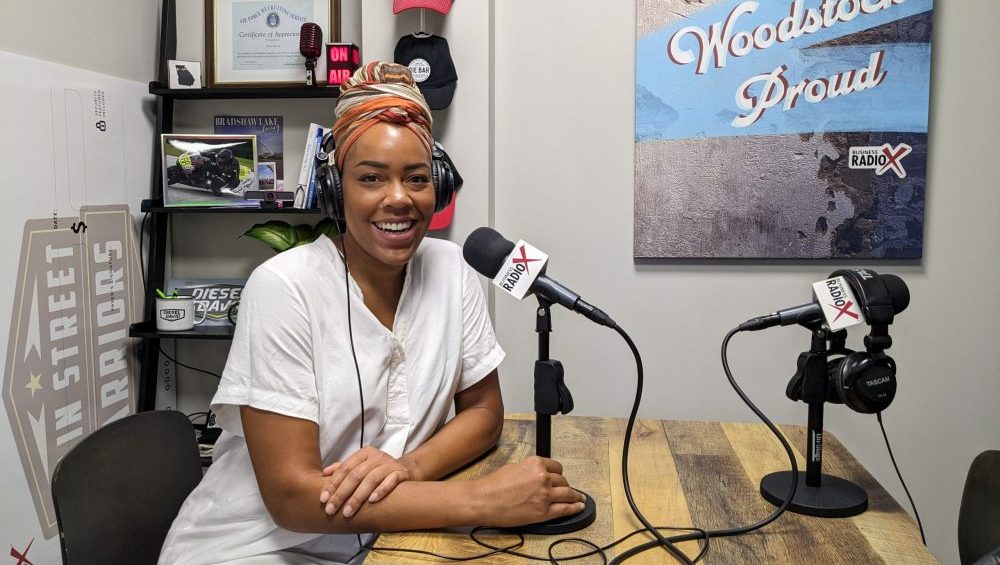

 Britt Hunter is a former D1 college athlete, academic educator, coach, Microsoft Manager and speaker. Her inspirational topics range from growth mindset portrayed through her sports and career experiences, the importance of core identity in education, the importance of Diversity, Equity and Inclusion initiatives at a corporate level and the subject of pivoting for those in entrepreneurship and business.
Hunter is adept at speaking to audiences on the subjects of growth and pivoting by using her own experiences in her career as the foundation for the discussions. After suffering a career-ending basketball injury her freshman year at Duke University, Hunter transferred to the University of Connecticut (‘04-‘08). She was forced to find a new purpose, which she found was tied to advocating for others.
That passion led her to return to UConn to pursue a Master’s Degree while working for Husky Sport, a non-profit that collaborates with the Hartford community to support youth and college student development through shared teaching, mentoring, learning and practice committed to equity.
That experience propelled Hunter into the world of education where she served as a fourth-grade teacher, Dean of Students and Vice Principal in a Harlem Charter School in New York. After seven years of servant leadership, Hunter decided to pivot her career and pursued an MBA at Vanderbilt University.
Upon graduation in 2020, Hunter landed a role at Microsoft in Atlanta, originally in HR but now in Business Operations, creating sustainable pipelines for filling engineering roles with more diverse talent.
Hunter is an active member in the Blacks at Microsoft Employee Resource Group and speaks at internal events and panels to express DEI and career development as a black woman. Her ability to connect with audiences has provided her a platform to convey her positive and negative experiences in her career as a way to uplift and inspire others.
Connect with Britt on LinkedIn and Twitter.
This transcript is machine transcribed by Sonix
TRANSCRIPT
Intro: Broadcasting live from the Business RadioX Studios in Atlanta, Georgia. It’s time for High Velocity Radio.
Stone Payton: Welcome to the High Velocity Radio show where we celebrate top performers producing better results in less time. Stone Payton here with you this morning and you guys are in for a real treat. Please join me in welcoming to the broadcast professional Speaker Britt Hunter. How are you?
Britt Hunter: I’m great. Good morning.
Stone Payton: Good morning. It is such a delight to have you here in studio. I’ve really been looking forward to this conversation. I’ve got a ton of questions. I know we’re not going to get to them all, but I think maybe a great place to start would be if you could share for me and for the benefit of our listeners, mission, Purpose. What are you and your team really out there trying to do for folks with your speaking?
Britt Hunter: Yeah. So I would say inspiration is is key, right? I want to inspire people to do more and really reach beyond what they think their potential is. And there are so many ways you can do that. And so some of the ways I talk about it is through self awareness and servant leadership and positive self-talk. And so those are the three things I really want people to hone in on and think about. It’s not it’s not so much like a Tony Robbins speech. It’s more of a storytelling. I love storytelling. The Moth podcast is my favorite podcast. I think we can learn so much about each other through storytelling, and that’s how I lead conversations with people like, Listen, I’m not going to be like your grandpa on the porch. Like, come over here and let me tell you a story, but I am going to be like your grandpa and be like, You know what? You got a situation. Let me tell you a quick story and you know, you take from it what you want. But I want people to to know and understand that whatever they’re going through or whatever they’re thinking about, you’re not alone. And I know people say that a lot, but I really want to inspire people to to to reach beyond what they think they’re capable of and go go for it, whatever it is.
Stone Payton: What a noble pursuit. And I’m sure it’s a lot of fun. I got to know what is the backstory? How does one find themselves in this role of a professional speaker trying to serve folks in this way?
Britt Hunter: Yeah, I think I proved what I’m selling to myself. So I have gone through many different transitions in my own personal life from being a prolific basketball player playing at the highest level, going to both Duke and UConn, being the number one player in the country, having a lot of notoriety and getting hurt really quickly. And my whole identity having to change in college, you know, having the prospect of playing professionally taken away at the age of 18 after having, you know, reached the climax and precipitous precipice of my career. It was it was really hard. And I had to shift the way I thought about myself. And that led me into servant leadership, working with students. And that really changed my self-talk. Like I really took a step back and wasn’t worried about myself anymore. I was really worried about my students and their success, and I poured so much into them that they inspired me to pour back into myself. So that led me to business school here at Microsoft. And, you know, I’ve just proven to myself time and time again that I can do whatever I want. It’s something you hear a lot of the times, but I think as a black female, like I was like, Well, I don’t have the resources. I didn’t grow up with the resources to do whatever I want. It’s like, you know, that’s fairy tale talk. Yeah, I just had to go different avenues about things. I had to go different routes about things. But so much of what I wasn’t doing was in my head. And I really, you know, I learned that from myself. So I want to teach people how to get out of their head and get out of their way.
Stone Payton: So now that you’ve been at this a while and you have you’ve done quite a bit of speaking, it’s not like you’re just now trying to get a speaking career off the ground. What did you find the most rewarding about the work? What’s the most fun about it for you?
Britt Hunter: Yeah, I love going into a room where I feel like I’m not sure if they’re going to listen to what I’m saying. So that could be middle school students. I mean, that is one group of children. I was like, I’m not going to teach middle school. I just I don’t have it in me. I’m not patient enough. But when I get into a room like a group of middle schoolers and they are on the edge of their seats or they’re actually not talking to their friends or they’re actually not on their phones, that feels really good because I know they’re taking something in and I don’t need them to change their trajectory tomorrow. I just want them to keep a little nugget, keep one thing and. And refer back to it know months from now, years from now, and encourage them to listen to other people, to listen to people’s stories, listen to what you know, whatever you’re going to go and go through in life. Someone’s already done this. Life is life is not a novel concept. You know, challenge is not novel. People have done this. And so anytime I see a room of people that I was doubting would listen to me, listen. I’m like, Yeah, good.
Stone Payton: So, so much of this wisdom that you are now pouring into other people came kind of the hard way. Take us back a little bit. If it’s not too painful to where you had this abrupt shift in your how did you put it? It it threatened you. It put your identity in jeopardy, at least for for you in your mind, right?
Britt Hunter: Yeah, I think and I think a lot of athletes can relate to this and not just athletes. Right. I think people when I went to business school at Vanderbilt, we had a lot of military current active and formerly active military people. And they were also going through the same thing. You know, when you’re an athlete and you’re doing something for your entirety of your life, I had I hadn’t really played basketball for so long, but between the ages of 13 and 17, I went from missing every layup to becoming the number one player in the city. The State. The Country Parade. All-american USA, all-American McDonald’s all-American. I was the first girl in the McDonald’s dunk contest, and it plays every year because it’s LeBron’s year. It’s 2003. And, you know, this is like the most notoriety I’m getting. It’s it’s crazy. It’s not it wasn’t a goal of mine, So I’m taking it in stride, but I am getting used to it and I am getting used to people associating my name with basketball. Their third game of the season. I’ve never had an injury before in my life. I tear my knee and I have a knee reconstruction, so I have a cadaver meniscus put in my knee. A 40 year old man died and he donated organs and tissue and I got his meniscus, which is awesome. But when you have a surgery like that, you’re not meant to play basketball on it. You’re meant to walk leisurely around the park. But I had four more years left and I wanted to try.
Britt Hunter: So I was actually only able to play 15 minutes a game. There was a stopwatch, a literal stopwatch on the sidelines with my trainer. I was only allowed to practice for 15 minutes and I went back to kind of missing every layup. You know, my mechanics were way off, but more than anything, I was in my head. I was very confused about who am I now that I’m not this thing. And. It was I was I was really depressed. You know, I do talk about this part openly because, again, I want to make sure people know that you can see a successful person, but that doesn’t mean that they didn’t go through anything. So I was extremely depressed. I developed an eating disorder. I mean, and I did that thing that every that most people do, they pretend like they’re fine. And I read a ton of books. This was my escape. Like, I’m going to put on a happy face and be present and be this silly, jokey teammate that all my teammates know me to be. But I you know, every time I was reading, I was deeply, deeply sad. And I think my teammates now, even today, if you told them that they wouldn’t remember the sad part, they’d only remember the reading part. I’m like, Yeah, I was going through it, but. Yeah. You know, time and changing my self-talk and finally asking for help really helped me climb out of that.
Stone Payton: Well, that’s important. Council, I think. And I think so many of us who have accomplished a little bit of something and some domain, maybe we’re I don’t know, maybe it’s for me personally, maybe because I want to have a certain position or image in the marketplace for me. Believe me, I’m no basketball star. But in the marketplace, I’ve had some success and I think maybe I have fallen into the trap periodically of don’t want to let anyone know that I’m vulnerable or need help. And then when I have asked for help, people help immediate help.
Britt Hunter: Right immediately. And they’re you know, it’s kind of like it’s weird because you’re like, man, this whole time I got to just set this. Well, you also you also kind of go through this moment where you’re like, It’s not that bad. You know, you start to compare yourself to other people’s problems. People have real problems. My problem is not a real problem. Right. And it is a problem. You know, you know, there’s no qualifier for problems. You know, you don’t have to compare yourself to someone with less than you to say that you need help. So.
Stone Payton: So have you developed discovered some sort of discipline, rigor, methodology structure around shifting your self-talk? Like beyond just saying I’ve got to talk to myself differently? Do you have some sort of process or some some way that you try to help people revisit the way they talk to themselves?
Britt Hunter: Yeah. So I really like for people to go to another time where they maybe weren’t feeling the way they’re feeling right now, and that has been really helpful for me. So perfect example, when I was applying to business school, I was deathly afraid of taking the GMAT, right? I don’t know. It’s just it’s it’s that fear and anxiety you have of standardized testing. And I used everything. Standardized testing is not fair. Standardized testing is wrong. You know, we shouldn’t do this thing. I’m not a good test taker. All of these things. But then I kind of thought like, you know, I also used to be really bad at basketball, and the only way I got really good at it was spending. An increasingly serious amount of time working on it. And so you go you have to go back to you’ve been in this position before. What did you do that worked for you before? And it seems obvious to do. But I think walking people through taking, taking an example from someone, letting them walk through that example and talk, talk to me about it. What did you do? And I think people look for 1 to 1 connections like, Oh, I worked out in the gym. Well, working out in the gym is not going to help me on the GMAT. But. But what was it tangibly that I did? Well, I was disciplined about getting up and doing it. I also practiced against boys because they were better than me. And so that meant practice tests needed to be rigorous. They needed to be harder than the actual test, right? And so it’s like trying to find those transferable skills that you’ve already actually used and apply them here.
Stone Payton: So when you’re on stage or one on one or small groups, what are some of the key? I don’t know what to call them points, pillars. Like I know I’m going to if I’m going to visit with this group, I know we’re going to cover this, this and this. Is there something like that for you?
Britt Hunter: Not all the time. So some people have different messages that they want to get through to their group. They’re typically all the same, though, right? Persevere. Do your best. Be kind. These are typically the big rocks. But I really like to I really like to personalize what I’m talking about. I don’t want to come in with something canned. And this is where the storytelling comes in. I mean, I have thousands of stories. I just feel like I’ve been through so many different things and on purpose. They were all some of them I fell into, some of them were very intentional, but I make it a point to learn something even when the situation is horrible and bad and I don’t want to be there. There’s something to be taken away from that. So no, I really like to meet the person and say, What is it you want to get across to your group? What is it that you you think your group is struggling with? What is a core pillar that you guys already have that I can help you stand up? So no, I really like to speak to what the what the audience needs.
Stone Payton: So did you study in some regard to become good at speaking? Did it come very naturally? Was it a little bit of both Because you mentioned mechanics and basketball? Yeah, I didn’t mention it to you before we went on air. I did grow up around the game a little bit as a young kid. My dad was a high school basketball coach. Oh, nice. I’m a little bit familiar with I know how important the mechanics, the fundamentals, all of that stuff is. Are there some some things like that that you studied up on and or maybe got a mentor to help you become a good speaker?
Britt Hunter: Yeah, I’m doing that now, actually. I mean, I’ve been kind of, you know, I’ve got this like, raw talent in me. And like I said, this kind of spurred from people have always been asking me to speak since I was 17. Oh, can you speak at this event? Can you come here? Can you be on this panel? Can you moderate this panel? Can you be our keynote? And I say yes to everything, right? So long as I’ve got enough sleep and I have time to prepare. But I want to say yes. And even if I’m terrified, I want to challenge myself to to make a connection with groups. And so now I am actually working with mentors and I am getting more formal training because, yeah, I could go on this way like, Oh, I’m pretty good. People want me. Yeah, right, right. But, but no, I want to I want to get to my best potential, right? I want to do that thing. I’m preaching to other people. Like why I just do something? Why not be the best that you can be at that thing? So that’s what I’m seeking to do.
Stone Payton: All right. So let’s talk a little bit more about the work. There’s there’s the speaking. Is there an opportunity to do more like, I don’t know, like a workshop kind of environment or a facilitator? Yeah. Okay. Yeah, say more about that.
Britt Hunter: So I am currently in the process of building content. Like I said, especially for student athletes, there is a big need for explaining the transferable skills that student athletes bring to the table. So I love to use this example a lot. I say, you know, when you go into a networking room, for example, and you’re maybe at a job fair and you’ve got corporate people there, corporate people don’t really understand what athletes bring to the table either because they don’t have any work experience on their resume. And so there’s this stifled conversation that’s just not happening. An athlete doesn’t know how to sell themselves and a company doesn’t know what they bring. And so I like to ask them like, okay, so, you know, as athletes, we’ve been through actually quite a bit. There are some things that we have as leaders that companies spend millions of dollars on, and it’s leadership. And these millions of dollars go to explaining to managers how to be agile, right? How to be adaptable, how to be personable, how to leverage your team, how to trust your team. These are all things that athletes do every day without even blinking, but they don’t know how to explain that to an employer. Right? And so that’s just one example of something I would walk them through, but also walk them through like how to network effectively. Right. And a lot of the things that I would be focusing on aren’t things that they can take and apply right away. And I think that’s something that everybody wants. People want an answer right now. I want to know how I can land this thing today and be done. And it’s like, no, this is a journey. So here’s some things you can do today, next month, next year and the next five years. And so working on some workshops in that regard. But I also I’m a facilitator, so I love presenting. There’s always an opportunity to freshen up or liven up some content that someone’s already created.
Stone Payton: Well, it’s a great example and it it strikes me as you were talking, it’s. It’s an interesting example for someone like you that had the talent and the drive and you were so successful and then, you know, you got you got hit by a bus, figuratively, right. But there’s also all of these kids and they’re all kids to me. I had my 60th birthday a couple of weeks ago that, you know, maybe there are no Brett Hunter, but they were good, successful Division one, Division two, whatever, ballplayer athlete. And now they’ve got to take this different path. They still have some of those same transition challenges, right? They’ve got to shift because they’ve been pouring their heart into anything from, you know, the high jump to the baseball or softball or.
Britt Hunter: Yeah, I’m and, you know, I think that’s it’s so interesting. I can run into an athlete from AD3 school and they did crew for example. Right They’re doing rowing. It’s not related to anything that I’ve done before, but their self-talk is also different. Oh, well, you know, I only played at D three. It wasn’t like a big deal and I’m like, I’m sorry. You balanced a, you know, academic schedule and I know you were on the water at 530 in the morning. Everybody’s not doing that. Right. And if you’re at AD3 school, you’re not necessarily getting funding to be there. This is like a whole new level of passion that you had. And so it’s really I just I have so much respect for people who are juggling two things at once. Like there’s so there’s so much skill in just doing that, and they don’t really see that all the time. You know, you you had to be present for practice. You had to be ready for competition. You had to encourage your teammates, you had to build yourself up. There are so many things that you have to do that goes into just one event that a lot of people struggle with just on a regular day to day basis, and they’re not necessarily performing at anything. So again, it’s that thing like reach into what you’ve done before and really consider the success that was sitting there. Success is not going to AD1 school. Success is not going pro. That is a kind of success. But. Just there’s just so many levels to success, you know.
Stone Payton: How great would it be? And maybe this is happening for an athletic program to have you there working with their athletes all the way through.
Britt Hunter: Yeah, I would love that.
Stone Payton: Their athletic career at that school because this is incredibly helpful, I’m sure, to someone who’s about to graduate or graduated six months ago and is struggling. But you catch them coming in. Yeah. And you prepare them all along the way. Even more powerful, right?
Britt Hunter: Yeah, And I love that because there you are a different person your freshman year, your sophomore year, your junior year. You are you are completely different human and your priorities shift dramatically. And so what a freshman wants and needs is definitely not what a junior going into their senior senior year need or want. And so definitely speaking and acknowledging those differences and celebrating those differences is definitely something that I want to do because, yeah, I grew tremendously in that time and. Yeah, it’s a great time.
Stone Payton: All right, well, let’s get to them early and often. Yeah, absolutely. Well, and along those same lines, I am curious, how does the whole sales and marketing thing work for you, for your speaking practice? Do you find that you do need some process for getting out there and kind of shaking the trees and cultivating relationships and conversations with prospective clients or because of the notoriety and because of the prolific work? Is it pretty much just coming to you and you’re working your way through it?
Britt Hunter: It’s a little bit of both, right? And so part of getting better is me honing the skill of selling myself. I’m not super. I always tell my friends, like if you have a fundraiser or you have an idea you want to sell, I will be on your team because I am the best at selling someone else’s idea when it comes to me and what I’m doing. I’m a little bit more modest about it, right? And I’m working through that. I know what I deliver. I know what I offer, but I don’t I don’t want to be the cheesy speaker that’s like, Oh, I can solve all your problems. I’m like, No, I want to be a good fit. I want to be something that you actually need. So I do quite I mean, I’m a social butterfly. I go out quite a bit and I just really start to talk about things I’m passionate about. And so I’m just talking about the things I’m passionate about. People will tap me and say, I’d love for you to get in front of my team and talk to them about x, x and x and some people I need to like, you know, reach out cold, call a little bit, Hey, I really be interested in and talking with this group. I’d love to talk to your sales team about X and really going after targets and what that means and what that entails and how to leverage each other and the importance of communication and asking for help and things like that. And so I’m stretching myself. I am doing a little bit of both, but I’m definitely not taking it for granted, you know?
Stone Payton: So I have my marketing hat on now, right? So now I want to get you in front of every athletic director across the country, right? Because I want you in there early and often. And then my vision for you, if we if we play this out, is that it’s like the Carfax. You know, when you buy a used car, you want to see the Carfax. So if I if my son is a college prospect and you’re recruiting him heavily, then the Carfax for me is. Well, tell me about your Brett Hunter program. Yeah.
Britt Hunter: Yeah, absolutely.
Stone Payton: Like that’s that would be Nirvana right there, right? Yeah.
Britt Hunter: You get all the information. Just tell me everything. The good, the bad and the ugly. That’s a favorite question I ask in interviews. Tell me three things you don’t like about this job. Tell me three things you don’t like about this. And so, yeah, I’m. I’m all about transparency and sharing what I know.
Stone Payton: So how do you and you touched on this a little bit earlier. We often have conversations around metrics with a variety of guests who come in here. They do work and they have a way of measuring the value of their work and the return on investment and all that. How do you apply measuring to your to your work? Like you mentioned, that’s not success. That’s a pat that is an example of a way to succeed. When you talked about becoming professional, like at the end of the day, at the end of the month or quarter, how do you look back and say, Yeah, Brett, you’re on track or Yeah. Brett You’re a little off. Like what’s, what’s your yardstick or Yeah.
Britt Hunter: So I love when people refer me to other people. And so if I can impact a group enough that they were compelled enough to say, Hey, you want or need or something, this person, or even if they don’t have that, they say, Hey, listen, I think you’d be great over here. You should. You know, it’s that networking piece for me because I do want to be in a space of like minded people. Like I said, I don’t want to give talks in a check box fashion, and I’m not going to do that. You know, I do. And I work at my job currently. And so I know a lot of people want to, you know, have DNI speakers and things like that, but I’m not going to do it if it’s a checkbox exercise. So I really want to be in a space where people are like minded and actually want measurable. Changes that they want to see and an ongoing relationship. So if someone can get me somewhere else where we are all thinking the same way and being open and and really wanting to do the work, then to me that’s perfect.
Stone Payton: Do you mind if we dive into DNI?
Speaker4: Yeah, let’s do it.
Stone Payton: Diversity and inclusion, if I got that right. Yes. And you just kind of glossed over it pretty quickly, but apparently you have a day job.
Britt Hunter: Yeah, I have a day job. I work at Microsoft all day.
Stone Payton: You know, I’ve heard of them.
Britt Hunter: They’re pretty they’re pretty well known. Maybe a little.
Speaker4: Bit.
Stone Payton: All right. So diversity and inclusion, what have you learned and what are you working on in that regard in that space? Yeah.
Britt Hunter: So I work in the cloud business at Microsoft. And so that is that is our moneymaker, right? We are trying to lead an AI in the cloud. And so I work with a ton of engineers, really, really smart people. And you know, engineers come from all walks of life. But I think the other thing is everybody, while we’re they’re all doing the same work, they’re all different people and they want that acknowledgment of being different. And they actually do want storytelling. They do want to hear about each other’s perspectives. And it also helps people collaborate more. When I know a little bit more about you and your personal life, I don’t need to know all the intricate details. But if I can just learn one little thing about you that can increase my empathy towards you, we’re going to work better together. And so what I’m doing is we’re starting off pretty basic. We’re going to just make sure we have accountability. And so we work with the leaders in in the organization and say, Hey, what are your goals? What are your actual DNI goals? And it doesn’t have to be, oh, we want to hire, you know, 50, 50 women by the end of the year. That’s not necessarily diversity and inclusion. That’s a that’s a target. That’s a checkbox. What are you doing to actually build more community where people feel comfortable and safe being at work, talking at work, sharing ideas, disagreeing, right. Like everyone feels included in the conversation. There are some things, metric wise, like who are you promoting, how often are you promoting and are you even considering this diversity portion of it? You have to think about it sometimes actively.
Britt Hunter: It doesn’t just come naturally. So right now we’re just working on building the framework of what are the goals and we’re going to measure you against those goals and we’re going to make your goals public to your whole organization. Yeah. And so accountability is a huge, huge, huge part of DNI. You can’t just also you can’t just put it on the website and say, this is what I’m doing. You have to check in on it. We’re going to talk about it quarterly. Hey, these are our goals. Here’s how we’re doing towards these goals and being honest when you don’t meet those goals. And so that requires a conversation. It requires trust. But we’re trying to build that type of culture. And so that leads to more transparency. So that’s the first framework. The next thing is ensuring that employees feel empowered. So every company has employee resource groups, right? You have Hispanics at Microsoft, you have women at Microsoft, the queer community at Microsoft, Asians, et cetera. You have all these different groups. And it’s not like they it’s not I think there’s a perception that like these ERGs, these employee resource groups are going to like, solve world hunger. We’re going to get, you know, all of our friends at the company. We’re going to solve world hunger. And it’s like sometimes it’s not about that. Sometimes it’s just about having community. And so how can we help? How can I help them build community, especially when we’re virtual? It’s really hard, right? Like I’m based here in Atlanta, but my whole team is in Redmond, which is Seattle.
Speaker4: Really? Yeah.
Britt Hunter: And that’s that’s the case for a lot of people. But how can we build that type of community? And it really starts with leadership, right?
Speaker4: Sure.
Britt Hunter: On top of that, leaders have to be present at these employee resource group events. So every leader is actually tied to a group. So they’re an exec sponsor and it’s like, okay, you can’t just say you’re an exec sponsor. What events do you attend? Do you have an AMA, which is an ask me anything, Do you allow this group to come to you and say, Hey, this is what we’re feeling, this is what we like, this is what we want changed. What can you do here? Hey, we want more learning opportunities. How can we do that? Like, how are you actually functioning? And so those are the first two things we’re working on. But like I said, it’s a continual it’s something you can’t just like, okay, boom, we made our core priorities done, okay? Boom. We made an employee resource group and there’s an exec sponsor done. No, it’s a continual ecosystem they have to continue to build. And then when you do that. They get to build their own thing, you know? Now I’m not needed anymore, which is great. I think that’s the ideal position, is to be somewhere where you can build something and walk away and be like, okay, I’ll go build something else somewhere else now.
Stone Payton: So have you had the opportunity? I’m almost certain that the answer is yes. So tell me about what you’ve witnessed, if you can, about the genuine intrinsic, real value of having a truly diverse and inclusive work environment. I mean, there is the it’s good marketing and mojo and goodwill and it’s good presence. Like I want everybody to know that we’re, you know, diverse and inclusive at the Business RadioX network. So that’s just good marketing. But that’s, that’s that. But there’s actual genuine bottom line, green dollar ROI value to having people with different frames of reference and culture. Exactly. Speak to that.
Britt Hunter: So yeah, so I think a perfect example and I don’t work in, I don’t work in a product sphere, but something that Microsoft does that is really awesome is they have a abilities lab. It’s often referred to as a disabilities lab. And so this team actually works within Xbox, and that’s because everybody’s a gamer, you know, despite, you know, you know, we have people who have appendages missing, you know, people with low vision. And we we can call this group the disability group. We can also call them neurodiverse. These are people who just they have different strengths and but they like to game. How can you build a game for community without the community? It’s impossible. You can’t really do that. And so creating diversity on a team just helps you better work and deliver to the general population. I mean, it seems obvious, but there are so many people in a room making a decision for another group with nobody from that group in the room. Yeah, and I think people are afraid about it because, oh, it’ll slow us down. This person will only come in to complain, you know, And it’s kind of like, well, that’s one way to think about it. The other way to think about it is they’re actually going to challenge you and then, boom, you’re done. You don’t actually have to revisit and redo things, right? It’s like you’re building something and then you have to recall it because you didn’t consider X, Y and Z. Well, you didn’t have X, Y and Z in the room. And so at a very basic level, within my team, within my org, I really we’re looking to build up the neurodiverse erg and I really like being in this position because I learn a lot more, right? I am queer, I am black, I am female.
Britt Hunter: I’m also six feet six three actually. So I have my own different I have my own, you know, situations with height. But you know, I think about myself and those spheres. But there are other spheres out there that I don’t even think about. And so when I’m in this role, I get to open my eyes and go, Oh wow, this group also needs advocating for. And so the Neurodiverse group is a perfect example. We held a session. It says, Hey, this is what neurodiversity is, this is how we hire for neurodiversity. And I think we had a huge attendance rate, people who were both neurodiverse and people who weren’t who were just curious, Right. And the comments the comments in the chat were. So it was it was there was so much curiosity. People were like, Oh, I didn’t know ADHD was considered Neurodiverse. Oh, I didn’t know that like low vision was an actual issue and that, you know, this, this email that I wrote, this PowerPoint that I wrote, I should actually put on the accessibility things because if someone can’t read it or see it, they can’t work on it. And now they’re immediately excluded from the project. And it’s like these really small things that you can shift that just you don’t even think about Why? Because you don’t hear from this group. And so, I mean, it’s just it just offers collaboration. And if people can go slow to go fast, everything is just better.
Stone Payton: And people who are members of these groups, they all have unique perspective or different than maybe we we have. And boy, they can come in with some real answers on some challenges that we’ve never thought about too.
Speaker4: Right. They can’t.
Britt Hunter: And and there’s there’s nuances within that group. I think a perfect example is and this was like I’ve taught many of my managers about this, you know, we sometimes we look at the metrics of like, how many African American black is the way they use it at Microsoft. Rb How many RB people do we have in the org? How many people have left? How many people have transferred out? You know, and let’s talk about that. Why? And I said, Well, let’s also figure out how many of the RB are actual African American, how many are actually African? She’s like, Well, what’s. Well, they’re both. I said, No, no.
Speaker4: They’re not the same.
Britt Hunter: They’re completely different. There is a nuance within that. Africans are very man, I went to business school with a ton of international students and the suggestion I got, you know, people give you tips when you go to business school. And the one tip I heard that no one else had said was become friends with your international peers. Period.
Speaker4: Full stop.
Britt Hunter: Period. Full stop. And I learned so much about their struggle and just getting here, being here, the visa process, their job hunt. I mean, it is hard and it put my life in what I was going through into perspective. But more importantly, when I would hang out with my African peers, you know, their dialect changed. They weren’t even fully speaking English anymore. They’re speaking just a lot of different other things. I mean, it is English, but it’s a different form of English. It’s kind of like patois for West Indian people. And I’m like, Wow, like you guys are only doing this with each other. I wonder how many times you guys wish you could just talk like this all day, but you’re not. You’re having to talk, you know, the queen’s English and some of them, some of them would call it. But you just see them open up and you see them liven up. And I was fortunate to be allowed in that space because they’re very communal, like the African people are very they not all, but they really like to be amongst each other. They have that kindred ness, especially when they’re not in their own homes or they’re not with their, you know, their families and those countries. And so, yeah, there’s just.
Speaker4: It was just.
Britt Hunter: It’s fascinating to me. And so I love the nuances within everything. And I love learning about all the nuances. And it’s not about solving for all the nuances. I think that’s another misconception we have to solve for everybody. And that’s not always the case. Sometimes acknowledging it is enough. It’s enough just to say I get it is enough sometimes.
Stone Payton: All right. Before we wrap, I’m going to shift gears on you a little bit and ask you about hobbies, passions outside the scope of the work we’re talking about. My listeners know that I like to hunt, fish and travel and that I have a real heart for young entrepreneurs and introducing young people to that path. Yeah. So how about for you outside the scope of what we’ve been talking about?
Britt Hunter: Yeah, I love cycling, so yeah, I try to go on a ride every Friday now. I used to cycle a lot when I lived in Seattle. You know, I never did a century ride. That’s 100 miles. Never did that. But I try to do 25 every week minimum on a Friday. And so, yeah, I love to cycle. I recently got certified as a yoga instructor and yeah, I by default had to love yoga just because of all the injuries I’ve had. I’m trying to envision it.
Stone Payton: I’m trying to envision six foot three. Yeah. Like, you know, bend over and take up space.
Britt Hunter: I take up a lot of space and it’s, it’s really, it’s, it’s fun because I get to tell people what I do in my body and because I, you know, I take up more space so I can’t do the pose just the way you did it. I have to do it this other way. And then they try it and they’re like, Wow, that feels different too. And I’m like, Yeah, my body’s a little different. So yeah, I love yoga, I love cycling and I love reading. Yeah, I still love reading. I’m a historical fiction nut. I love it. It’s like the best way to take in information in a narrative form. And I just think I love history and I think that’s part of it, right? Like I said, storytelling life is not a new concept. You can learn so much about yourself and other people through people’s memoirs, through people’s historical fiction readings. I mean, it adds so much color and nuance to everybody’s experience that it just I don’t know. I feel like it builds more empathy.
Stone Payton: All right. Let’s leave our listeners with a couple of I’ll call them pro tips, right? A couple of things they can be thinking about reading, you know, like and maybe there’s some specific works that you’re you’re like, you know, go, go read this lady or go read this guy. But just some things that folks can do on their own just to start working on anything from a student, kind of prepping for that transition to an athletic director or a or a parent. Just a couple of actionable things. And look, gang, if and I’m sure it does, if any of this topic interests you, just reach out and have a conversation with Brett. That’s the number one pro tip. But yeah, some things to start noodling on, thinking about reading, doing, stop doing. Yeah.
Britt Hunter: So I would say one is to maybe slow down on social media. I, I have removed myself from the gram as they say about three years ago and an uptick of my just general productivity everywhere else has has increased significantly. It’s also just not great for my mental health. But I had to get honest about that. I don’t think I wanted to be honest with myself about that. So check in with yourself if you if you can do that with moderation, go for it. I’m not at a place where I can do it with moderation. So I just cut it out. And it’s been nice. It’s been quite nice. And even if you don’t get rid of it, maybe take a break from it every now and again. I find that information can be a little divisive. And I hate to see that, you know, I hate to see people share ideas and then get attacked for them. That’s not right. The other thing I would say is meet people who look and sound and seem different than you. I think that is so very important, especially right now. I see a lot of people, you know, everyone will say this, oh, black people are not a monolith. White people are not a monolith. But I’m seeing people kind of just gravitate towards people who think like them. And I really think it’s important to go talk to people who don’t look anything like you.
Britt Hunter: It’s so, so important to hear their story. You might have a lot more in common. And yeah, I would say if you have some books that you want to read, I really love the book. During the pandemic I read, Maybe you should talk to someone that was a very popular book. Maybe you should talk to someone. A therapist writes it, and she writes about her own patients and then her own therapy sessions. And it was a moving book. I recommend it to everybody. Any book by my favorite author, Colson Whitehead. He’s a two time Pulitzer Prize winning author. He wrote The Underground Railroad and Nickel Boys. Those are the two books that got the Pulitzer Prize and my other favorite. Author is Wally Lamb. Wally Lamb was actually a professor at UConn, and I didn’t know that until my third book. But also one of his books became a miniseries on HBO with Mark Ruffalo. So Wally Lamb is there you know, they’re on the he’s on the Jodi Picoult Lane. I don’t know if you read Jodi Picoult, but her books always involve a child being murdered some way. And it’s so sad. But the the writing is so beautiful and moving. So, yeah, I don’t know. Maybe I shouldn’t have ended on that one. But I love those people.
Speaker4: No, I think it’s marvelous.
Stone Payton: Council. I’m really glad that I asked. And another takeaway from earlier in the conversation, you guys call it over at Microsoft AMA. Ask me anything, ask me anything. Business RadioX may tear a page out of that playbook and do like a ask me anything because it’s easy for us to get on the mic, you know, and let our our clients and all. That’s fine. It has been an absolute delight having you on the on the show. Thank you. I want to make sure that our listeners can connect with you, tap into your work, So let’s make it easy for them to to do that, even if it’s not on the gram anymore.
Speaker4: Yeah.
Britt Hunter: So I am found on LinkedIn. This is my main site. I am on there every day connecting with my peers. Linkedin. My name is under Britt Hunter. You’ll see there will be a subheading DNI. Speaker Microsoft, Yogi It’s all there. And I also have a Twitter handle at the Britt brand Underscore And yeah, I’m also on Speaker Hub, so if you are on the speaker hub and you’re looking for actual speakers, my profile is there under Britt Hunter Yeah.
Stone Payton: This has been so much fun. It’s been informative, it’s been inspiring. Thank you so much for coming. Thanks for sharing your insight and your perspective and I hope you’ll come back sometime.
Britt Hunter: This is awesome.
Speaker4: Woodstock’s beautiful.
Stone Payton: My pleasure. All right. Until next time. This is Stone Payton for our guest today, professional speaker Bret Hunter and everyone here at the business radio x family saying we’ll see you in the fast lane.
Women in Business Putting Food on Our Tables Part 4

/
RSS Feed
In this episode of Women in Motion, host Lee Kantor discusses the food and beverage industry with guests Rhonda Busnardo, Verona Tang, and Cindy Convery. The guests share information about their companies and the importance of health and healthy diets in their businesses.
The conversation then shifts to trade shows and the opportunities they provide for small businesses. They also talk about the areas where the food industry can improve, such as waiving slotting fees and educating consumers.
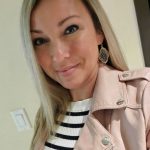 Rhonda Busnardo has worked in the Food sector most of her career starting off in retail, moving into food and beverage manufacturing and distribution, and currently in the Gaming and Entertainment industry.
Rhonda grew up in Southern New Jersey. Rhonda and her husband, Anthony, have 4 boys aged 20, 14, 12, and 6.
When Rhonda isn’t working, she enjoys family time and being at the beach. Rhonda enjoys kayaking, boating, dancing, and is currently working on her long game in golf.
 Cindy Convery is a member of the Choctaw Nation of Oklahoma and the founder of PureWild Co. marine collagen products.
PureWild Co. launched in June 2020 in 7 stores. PureWild products are now available in 800 stores nationwide.
Products include collagen infused drinks, collagen infused wines and collagen supplements formulated for recovery from breast cancer, autoimmune disorders and osteoporosis.
PureWild Co. is working with Native American support groups to donate supplements to Native women in need. PureWild Co. is a certified Native American Woman owned company based in Ojai, California.
Before launching PureWild Co. Cindy worked as a director at ABC TV in San Francisco and as a consultant for Warner Bros and Disney creating movie advertising campaigns.
Cindy is a graduate of the University of California at Berkeley and attended Le Cordon Bleu Cooking School in Paris. Cindy is the mother of 2 daughters and lives in Ojai, California.
 Verona Tang has been involved with the food industry since 1998. She started her private practice in 2015. They have two trademarks in the market, Little Jasmine and Arroyo Kitchen.
Little Jasmine and Arroyo Kitchen, a women- and minority-owned company, specializes in food that intersects clean ingredients and mouth-watering fusion flavors. The creative products are gluten-free, USDA organic, Non-GMO-certified, and free of preservatives and additives.
They are carefully sourced throughout the world, from India to Italy, bringing international cuisine directly to the consumer.
About our Co-Host
 Dr. Pamela Williamson, President & CEO of WBEC-West, is an exemplary, dedicated individual, and has extensive experience as a senior leader for over twenty years.
She has served as the CEO of SABA 7 a consulting firm, overseen quality control at a Psychiatric urgent care facility of a National Behavioral Health Care Organization where she served as Vice President and Deputy Director,and has served as the CEO of WBEC-West, since 2008.
Her extensive experience in developing and implementing innovative alliances with key stakeholders has enabled the organizations to reach new levels of growth and stability. Her ability to lead and empower staff members creates a strong team environment which filters throughout the entire organization.
She takes an active role in facilitating connections between corporations and women business enterprises and sees a promising future for WBENC Certified women-owned businesses.
Dr. Williamson holds a Doctorate in Healthcare Administration, a Master’s degrees in Business Administration, and bachelor degrees in both Psychology and Sociology.
Connect with Dr. Williamson on LinkedIn.
Music Provided by M PATH MUSIC
This transcript is machine transcribed by Sonix
TRANSCRIPT
Intro: [00:00:07] Broadcasting live from the Business RadioX Studios. It’s time for Women in Motion. Brought to you by Wbec West. Join forces, Succeed Together. Now here’s your host.
Lee Kantor: [00:00:27] Lee Kantor here, another episode of Women in Motion brought to you by our good friends at WBEC West. So excited to be talking to the ladies we have. Today’s topic is putting food and beverages on our tables and we have some experts in the food and beverage industries excited to be sharing they’re doing and just their knowledge about the industry. Today on the show we have Rhonda Busnardo with Caesars, we have Verona Tang, with Little Jasmine and Arroyo Kitchen and Cindy Convery with PureWild Co Inc. Welcome, ladies.
Verona Tang: [00:01:02] Thank you. Thank you very much.
Lee Kantor: [00:01:03] So to kick off the show, I’d like to go around the table and get each one of you maybe to share the elevator pitch of your company. Cindy, why don’t we start with you?
Cindy Convery: [00:01:13] Oh, thanks, Lee I’m Cindy Convery. I’m based in Ojai, California, and my company is PureWild Co. It’s a wellness company that makes collagen infused products like functional beverages. We’re in about a thousand retail markets in all 50 states. The first ever collagen infused low alcohol wines, which I love, and collagen supplements that were formulated to support women recovering from breast cancer and autoimmune disease.
Lee Kantor: [00:01:42] Verona.
Verona Tang: [00:01:42] Yes, my business. Little Jasmine and Arroyo Kitchen. We are based in Los Angeles, California, and we are specialty food business. The concept of the business is we want to try to put international cuisine on your home table as well as some unique natural, essential oil and non-food items. And we are currently distributing our items nationwide about two 3000 stores and which including mainstream chain Kroger’s, as well as ethnic markets. And we have unique items such as organic seaweed, and we also have premium oolong tea as well as we have a fruit bottle tea and we are still developing a more unique and fusion items to our consumer.
Lee Kantor: [00:02:32] And Rhonda, do you mind sharing kind of a little bit about Caesars and your role?
Rhonda Busnardo: [00:02:37] No, my name is Rhonda Busnardo. I’m the director of Strategic Sourcing on the food and beverage side. Basically, I’m finding the best food at the best price to bring to customers at our restaurants and give them the best food experience across the nation.
Lee Kantor: [00:02:51] Great. So I’d like to kick off the show today to talk a little bit about health and a healthy diet. How does just kind of the overarching trend towards a more healthy diet impacted each of your businesses? And let’s start maybe at from the largest enterprise Caesars. Rhonda, why don’t you start with you and how important is kind of this healthy lifestyle in the choices you make?
Rhonda Busnardo: [00:03:17] And it’s actually very important to Caesars. We are obviously looking to bring the customers and consumers what they want, but we do that in the cleanest and healthiest way possible. One of the trends that we’re seeing is health foods and plant based items. It’s actually becoming more and more important to the consumer as they get more educated on health and and what we put into our bodies. So we try to match that and always have those options on our menus for the people that are health conscious.
Lee Kantor: [00:03:50] Cindy, can you talk about how important health is to your firm?
Cindy Convery: [00:03:53] Sure.
Cindy Convery: [00:03:54] Actually, I was just working on this pitch because I’m a member of the Choctaw Nation of Oklahoma, and Pure Wild is the only certified Native American woman owned brand within food and beverage with national sales. It’s a very small world. And the company was financed by the Bureau of Indian Affairs. So it’s very much, you know, very much supported by Native American world. And I started the company because my mother was born in the Choctaw Nation in a house with no running water. A true and true, very true food desert. There were no healthy choices. So I grew up in a in an environment and a family that didn’t have access or education really about healthy food. So, you know, that was my foundation for starting the company. And then in June 2020, when I had my first products, it was the height of Covid. I emailed Erewhon Markets in LA seven stores. I think there are more now, but I emailed at eight in the morning and at noon they got back to me and brought in all of my functional beverages. You know that quickly because Covid was just driving that wellness desire for wellness. And what I’ve learned by expanding across the country is that really that middle part of the country is is just really hungry for healthy choices. You know, it’s my sales are much higher in the Midwest, in fact, which I think is a really fascinating because you don’t consider, you know, wide open spaces as big places to sell cutting edge wellness products. It’s an education.
Lee Kantor: [00:05:28] Verona.
Verona Tang: [00:05:29] Yes, health eating health diet is so important for me. And what we want to present here and is a food that is healthy, but it’s also delicious. So what I’m what I’m trying to do here, we are providing a really transparent ingredients. And also we do we try not to compromise the flavor. Most consumer will think it’s a healthy, healthy product, and delicious product usually doesn’t have the equal sign. And we kind of want to close that gap. So we try to we try to manipulate the ingredients and bring a few items that is healthy and delicious. And and the delicious is also important so people can continue and and also wanting to eat healthy food, not only just if they just think about healthy food, but it’s not delicious. Usually people will not be um people can not last this consumer will not not keep buying the same food. So so that’s our more purchase approach. And I personally think that is very important.
Lee Kantor: [00:06:39] So let me put this out to the group. How can kind of emerging or smaller brands compete with the larger players when it comes to quality, high quality, healthy ingredients? Like how do you differentiate yourself and how do you position yourself in this very competitive world?
Verona Tang: [00:06:58] This question is from me, right?
Lee Kantor: [00:07:00] Sure. Anybody could start. Go right ahead.
Verona Tang: [00:07:04] Yes, because this is a great question. So first, I like to really be transparent to our ingredients. Little things here. There, you know, no corn sirup, no fruit toss. Um, like we have our bottle fruit tea and it is sugar added. Um, but it’s limited and we use cane sugar, so it’s still flavorful and delicious, but the ingredients pretty clean and natural, things like that. And also we want to differentiate ourself that how we investigate our manufacturer that we work with worldwide, we work with, of course, manufacturers in the United States, we work with the manufacturers in Taiwan, we work with manufacturing in Italy, in Europe, and we do an audit once, twice a year. And so we know exactly how, um, what kind of product we bring to our consumer, for example, that we just launched that high end Oolong tea and everything, the sourcing, everything is the tea farm from Taiwan. It’s a small, it’s a small lot. So we see all the quality control and we know the ingredients where they come from. A lot of time that when we buy food, we of course we see the label, but it’s not all the label and stated that where the ingredients come from and the ingredient is something which is very important. And so we are really we I personally emphasize on the ingredient and the origination and everything that how we can put everything together and differentiate ourself is delicious and it’s healthy enough and with a premium quality.
Cindy Convery: [00:08:57] Lee Um, I think my experience with customers and with differentiating a small brand to a large corporation, you know, there’s obviously the financial challenge because I don’t have the marketing budget to compete with somebody that’s got 5 to 10 million in venture capital or a Coca-Cola type brand, which is not our category anyway. But they do have a healthy options they’re trying to sell. But my experience is that customers are really looking for that individual, individualized brand where the founder really knows the product and really is targeting that particular customer by understanding what that customer needs. You know, I founded my product based on my needs. It’s a collagen product. I was really looking for a clean wellness choice. There wasn’t one. My products are the only certified non-GMO Marine collagen drinks. They’re the only clean labeled drinks, meaning five ingredients or less. They’re sustainably packaged. We don’t use any plastic, and my customers really respond to that. I get personal messages all the time. And, you know, it’s like a friend group almost. It’s a little it’s really fun. But I think, you know, that’s the difference with small brands is you really have to connect directly with your customer. One. One story is I just went into Sprouts. So that’s our largest accounts at about 400 stores, and I didn’t see any sales in the only sprouts in a town called Libertyville, South Carolina. So I went on Instagram and I found a micro account. You know, it’s like 2000 followers. It was a clothing store fashion account. And I messaged them and, you know, we talked about the product. And the next day the store inhibits hills. South Carolina was sold out of Pure wild. So, you know, it’s that kind of outreach that starts a nice grassroots connection that I don’t think the corporate companies can really compete with or connect with.
Lee Kantor: [00:11:01] And that’s great advice for the small to mid-sized business owner. You have to do some things that maybe aren’t scalable for these larger firms, and maybe these larger firms are automating some of the things that you’re doing individually and creating those human to human relationships that are really giving you that traction in some areas that are helping you get the momentum so that you can kind of grow based on all those individual touches.
Cindy Convery: [00:11:32] Yes, that’s what that’s exactly what happens. I mean, yeah, I don’t know how to scale that, but at least it’s fun. I mean, you know, at least that part makes it enjoyable. It’s not like a chore, but it is. It is challenging to try to scale that connection.
Lee Kantor: [00:11:47] Now, Rhonda, can you share a little bit about your view of things from that enterprise level when you partner all the time with these small emerging firms, what are some of the things that they’re doing to stand out to get on your radar and to give you confidence that they can deliver what you need them to deliver?
Rhonda Busnardo: [00:12:08] Um, well, I always encourage all the small businesses to go to trade shows, and even if it’s a show that might not be specific to your type of brand or product, it’s good to get out there and meet new possible customers. Like, you know, a lot of people think that we’re looking for a certain thing when you just never know. We have so many different types of restaurants and stores and little breakfast areas or what have you. There’s so much out there, so it’s always good to just get your items out in front of the face of the right people. I really like when there’s sample there or information on what the vendors have so that way I can bring that back to my team.
Lee Kantor: [00:13:01] Now, I’d like to shift gears a little bit and talk about maybe the food industry as a whole. What are some things based on your kind of lens of the food industry that you would like the industry as a whole to be doing a better job at? Where do you think there’s room for improvement?
Cindy Convery: [00:13:21] I definitely think there’s room for improvement in the retail world with smaller brands for larger retailers to try to support smaller brands and, you know, frankly waive some of the slotting fees and the types of things that that small brands can’t afford to get on the shelf. You know, I think that’s it’s a little, on my level egregious for a chain to expect a small individually owned brand to pay a slotting fee. So I would love to see. And and they do. And I must say they do talk about it. And there are webinars and emails and all kinds of outreach about it. But bottom line, when it comes down to it, there’s always a fee. So I would love to see them put their money where their mouth is, you know, just saying.
Lee Kantor: [00:14:13] Verona, what’s your view of this?
Verona Tang: [00:14:16] Yeah. You know, Cindy just said I just had a meeting prior, this one, and we were just talking about those fees. So my buyer was wanting me to to put more promotional fees. And I think, yes, I think a continuously said like for some of the distributors and they score each vendors and based on how much we support their program and I think we have to have we have to meet the middle ground that by supporting their program, if that is also supporting our business, somewhere in the middle will be really reasonable that if they are expecting me to put a half million on their promotion banner, which I only have three DC three distribution centers, it does not make quite much sense. So I think when they design those programs, maybe I think they can have a chart like based on the company’s scale and they set up a requirement. I think that then we can all play the fair game here. I think that’s what I just I just experienced it this morning. And also I think that’s a bigger picture is, um, I think I don’t think we have too much control on that. But the trend of the food business, um, I see sometimes is, is misleading consumers and that I mean of course going to each consumers but how they promote like many years ago there was an acting diet and then keto diet, all those things. And I think as a consumer, we also need to know how to choose the correct product for each individual. And Cindy said earlier mentioned each individual customers is different. And of course it doesn’t mean this particular food will match to my body constitution just because it’s it’s trendy. So I think those things we have to find a balance and maybe more, um, more fair like educational media’s out there and that we can share our opinions.
Lee Kantor: [00:16:37] Rhonda, where are you seeing the industry as a whole and where are there room for improvement?
Rhonda Busnardo: [00:16:43] Um. You know what? For me, it’s a lot different on my side because I’m technically, you know, buying from vendors like these ladies. And really, it’s just being able to access the product and get the product that we need at the volume that we want to. Um, you know that we need it. It’s been very busy even with inflation and everything else and just having the products in house to be able to provide the customer with the experience that they’re looking for has been a challenge for us. Yeah.
Cindy Convery: [00:17:17] And Lee, I have a question for Rhonda on this subject. Do you mind?
Lee Kantor: [00:17:21] Sure. Go right ahead, please.
Cindy Convery: [00:17:23] So, Rhonda, you know, we’re in in hotels as well as grocery stores. And there are absolutely best accounts. You know, they don’t charge the fees they pay on time. They’re supportive. You know, it’s a unique product. So, you know, like spa hotels, like the Ojai Valley Inn or or Montage Healdsburg or something like that. And it’s such a different experience that, I mean, at least once a week, I just think, why don’t I just do hotels? You know why I’m doing it? Yeah, because it’s so it’s it’s so much more pleasant, frankly, I must say.
Cindy: [00:18:01] Yeah.
Cindy Convery: [00:18:01] Do you. What do you think? I mean, do you have any thoughts about just that general direction?
Rhonda Busnardo: [00:18:07] Yeah. I mean, it’s a big industry. Hotels, casinos. You know, people don’t realize too you know, you have a casino. Most of the casinos also have a hotel connected to it. So casinos and hotel industry is is its own thing. And yeah, I mean, you’re not having to pay those overhead charges the same way that you would for a regular retail store. So I don’t think that that’s a bad idea. You know, I wouldn’t suggest giving up on the retail just because you want yourself out there and available to consumers, you know, if they’re trying to find you. But it’s definitely a great opportunity to go and look at.
Cindy Convery: [00:18:48] Yeah, I almost feel like the retail aspect is just for branding, it’s just for marketing. And the on premise would be the profit because our our best account is frankly a mob casino, the San Manuel Casino. I think it’s just casino in California. And you know, we have a native product and casinos are native owned and all of that is a good fit. But yeah, I just think that our retail is going to end up being a big advertising ploy.
Rhonda Busnardo: [00:19:16] Yeah. And I mean, you don’t want to pull it out completely and then have a customer see you in a hotel and want to go be able to bring that to their home and not be able to. So it’s good to be out there, you know, still and have your footprint, I guess, in the retail side so you don’t lose that. But if you look for a bigger part of your business being the hotel side and casino side, that’s that’s always a great way to get out there, too, and deal with less of the retail hassle.
Cindy: [00:19:45] And what.
Cindy Convery: [00:19:46] Trade shows. You mentioned going to trade shows. What trade shows would you recommend for that market?
Rhonda Busnardo: [00:19:53] I actually a big one that I always promote that I go to is market vision. Market vision is just about the entire market and the food industry. It has everything from paper products to food beverages, and it’s a really great show that brings you together with a lot of different people from all over the world. They have, um, they have two shows. They have one on the East Coast and one on the West Coast. So if you prefer, you know, depending where you live to stay closer to home, you can choose one instead of both. I go to both of them, but there’s a lot of big casinos and vendors out there. And I also go to partner summits, so look into group purchasing organizations. They have a lot of benefits for vendors, you know, and I can provide you with more information offline if you’d like. We can talk more.
Cindy: [00:20:45] Oh, yeah, I’d really appreciate that.
Cindy Convery: [00:20:47] Thank you.
Cindy: [00:20:48] You’re welcome.
Lee Kantor: [00:20:49] Now, Rhonda, can you explain those group things you just mentioned? Like, what does that mean? And what is its mission and purpose?
Cindy: [00:21:00] Yes.
Rhonda Busnardo: [00:21:00] Group purchasing organizations are organizations that hold contracts with vendors. And then if you’re a member of that, then you get the benefits of their pricing. And, you know, there’s a lot of other things that are tied into it. Um, you know, if you’re a member of those on the vendor side, you get access to all the members that are customers, like the casinos, the hotels, the restaurants and all of that. And then for me, I have the benefit of having the pricing that is a group pricing that brings it down for everybody and be a part of the programs. Um, you know, that they have that they have within their. Within their contracts.
Lee Kantor: [00:21:43] So are their vendors usually the biggest players, or are they also those smaller emerging brands as well?
Cindy: [00:21:50] Now they have.
Rhonda Busnardo: [00:21:50] They have a lot I mean, they obviously have a lot of the bigger players. But any one I’m sure the smaller vendors can also be a part of it. There’s a lot of smaller vendors that I’ve met through group purchasing organizations, so it was definitely something that I would look into if I were them.
Lee Kantor: [00:22:08] Good stuff. Verona Are you part of any of those?
Verona Tang: [00:22:12] Um, we do trade shows a lot, so I joined the trade shows with the my distributors and as well as we go to the distributor shows such as like a key shows, we do fancy food show, we do Natural Product Expo, and we sometimes go to those Ramen Expo. That’s for ethnic markets. So yes, we do. We do join a lot of the events.
Lee Kantor: [00:22:38] Now, have you found a good strategy? When you go to these events? How do you get the most value out of attending or participating in one of these events?
Verona Tang: [00:22:47] I think we need to focus on the items since we have over 30 items, SKUs. I think depending on the show, we need to know the niche and we need to not to try to present everything. I think we need to target consumer and present a just few items there so that way we can focus and of course we also so people can try our items, see the package and know more. And from there we can expand the business.
Lee Kantor: [00:23:21] Cindy, how do you attack these events?
Cindy: [00:23:24] Uh, well.
Cindy Convery: [00:23:25] Because I’m part of the native food organization. It’s called Intertribal Agriculture. They actually pay for attendance to some trade shows. So those are the ones I’ve been able to go to and one I don’t know if you’ll be there, Rhonda, but it’s American Food restaurant show in Miami in September. You know, so anyway, I’ve been able to go to some of the shows through this group, but they’re not necessarily the shows that are going to serve the product. And I don’t know, they randomly choose the shows. And I went to Expo West, you know, and had to pay for that. But again, you know, it’s 10 to $15,000 to attend a trade show. So it’s this challenge of there’s like a pain point when you start a new brand where you can grow really rapidly locally and then when you want to expand, you have to have venture capital, but you don’t get venture capital until you’ve expanded. So it’s the whole chicken and egg dilemma that I think everybody goes through. And trade shows are part of that chicken and egg chase that I’m in every day. So it’s a.
Cindy: [00:24:35] Lot of fun. Yeah, well, just.
Rhonda Busnardo: [00:24:38] Keep going to whatever ones they send you to because you don’t know who you’re gonna meet and who can maybe get you into another show. So it’s kind of like running into the right people at the right time and just getting your name out there and continuing to do that, especially if you have the Indian reservation casinos and things like that. You know, a lot of them can just be your foot in the door to a bigger part of the corporation, too.
Cindy Convery: [00:25:00] Yeah, they have, you know, the annual casino show. I don’t know if you go to that. There’s an East Coast and a West Coast one.
Cindy: [00:25:06] Yeah.
Rhonda Busnardo: [00:25:07] I usually stay away from that one because it’s more gaming and I try to stay away as much as possible.
Cindy: [00:25:13] Oh yeah. I wasn’t sure it was a.
Cindy Convery: [00:25:15] Fit for food.
Cindy: [00:25:16] And beverage. Yeah, I get.
Rhonda Busnardo: [00:25:17] Enough of the casino life, so.
Cindy: [00:25:19] Yeah, that’s what I thought.
Lee Kantor: [00:25:22] Now, Cindy, have you had the benefit of any mentors, anybody that or any group or organization that’s helped mentor you in this venture?
Cindy: [00:25:32] Yeah, actually, I have a well, I’ve.
Cindy Convery: [00:25:34] Had some mentors that, you know, some of the advice was valid and some of it didn’t apply. So that was, you know, just just along the way. But the mentor who really made a difference is a woman named Sandra Velasquez. And she started a beauty company that’s Latin Latina focused consumer. It’s called Nopalera. And man, she just like hit it out of the park. She she launched in 2020. She got almost 3,000,000in VC. The next year. She’s I think she’s looking at 404 million in revenue this year, you know, from making soap in her apartment in Brooklyn. So she worked in distribution, which was one of her big secrets. She worked for Van Lew and Ice Cream, and she worked for a beauty product called High Bar. So what she did was she went in and worked for other companies, kind of like when you want to open a restaurant, you work for another restaurant and learn where the pitfalls are. And she did that. And then the great thing that she did for me and she still does is she shares her information. She shares her contacts. She has a podcast. She talks to people all the time. You know, she’s not she doesn’t come from a fear based mentality. She comes from a generous mentality. And that’s the kind of mentor that I wish everybody could have because it’s been wonderful. And it’s a friend. She’s a friend. So it’s, you know, Sandra Velasquez, Nopalera, putting a plug for her and now Verona.
Lee Kantor: [00:27:05] Have you have you had any mentors learn.
Verona Tang: [00:27:08] More about Personal mentor Because I think in order for us, we are the minority. And in order for us to stay strong and continue to grow the business, we have to have a very healthy and balanced lifestyle. Um, so I do have personal mentors that more we are talking more about spirituality, more about energy, more about positive views, vision board and which, which. That way I can balance and I can strengthen myself, empower myself to face my day, to face my daily tasks.
Lee Kantor: [00:27:51] Rhonda Have you had any mentors? Have you benefited from any mentorship?
Rhonda Busnardo: [00:27:56] I’ve had mentors as personal mentors and businesses that I’ve been involved in that have been great. Just even especially, I have another woman in business that was a personal mentor of mine that really helped me move forward and have the confidence to be a part of the business world when I was pretty young. So, um, yeah, mentors are very important and I think very helpful for everyone.
Lee Kantor: [00:28:24] Does Caesars have any mentorship Protege program?
Rhonda Busnardo: [00:28:28] They do. Yeah. There’s a ton of different mentor programs and being part of, you know, being someone else’s mentor as well. They’re big on just, you know, we’re big on diversity, we’re big on sustainability, we’re big on mentorship. It’s it’s a really support, you know, driven company.
Lee Kantor: [00:28:50] So let’s throw out maybe everybody look in their crystal ball and think about the next coming years. Are there any trends or any things that you foresee that can help benefit your businesses moving forward?
Cindy: [00:29:08] No, sorry. No, go ahead. Go ahead.
Verona Tang: [00:29:11] Go ahead. Go ahead.
Cindy: [00:29:12] Go ahead.
Lee Kantor: [00:29:12] Verona.
Verona Tang: [00:29:14] Okay. Um, I’ve been doing so many food shows, and actually, we just went to the Western hospitality shows, and we finished it yesterday. And we I’ve seen a lot of plant based product and which will benefit my business because I’m not a vegan vegan company, but I’m a vegetarian company. We don’t sell any animal proteins or animal products. So I think this will be a really positive sign and a positive direction. And I see, yeah, plant based items is the trend that I’ve seen recently.
Lee Kantor: [00:29:57] Cindy.
Cindy: [00:29:57] Yeah, no.
Cindy Convery: [00:29:58] I agree with that. And you know, especially even last year and the year before at Expo, it was always about plant based. And I think that’s, you know, due to the environment and meat, you know, cows causing methane gas in its simplistic way that straying away from me to supporting the environment or animal products. So you know, just sustainability continues to be the trend. I don’t know that this is a new trend that’s starting now. I think these are just trends that are growing sustainability and plant based.
Lee Kantor: [00:30:32] And Rhonda, are you seeing that as well?
Cindy: [00:30:35] Oh, yeah.
Rhonda Busnardo: [00:30:36] Client base is huge. Always. It’s been in every show that I’ve been at. It’s been a very large group of vendors that are plant based. There are so many out there now from, you know, just plant based to like get rid of meat, but to also plant based dairy, plant based ice creams and things that you wouldn’t even think of plant based sushi, you know, for people that have dietary problems as well. It’s very, very large right now. I’m also seeing a lot of, you know, colorful and bright natural color foods. A lot of different exotic fruits coming out to the table and definitely a lot of international flavors being brought back to the table. I just attended a breakout session with a spice company and a lot of their new trends are international flavors. So that was good to see.
Lee Kantor: [00:31:36] Is that something that everybody is seeing? This kind of the consumer is being more adventurous when it comes to spices and they’re looking for something new or exotic or something that maybe they had never heard of before.
Cindy: [00:31:54] Yes.
Cindy Convery: [00:31:54] Yeah, definitely seeing that, I’m seeing cardamom everywhere.
Cindy: [00:31:59] Yeah, I’m happy about.
Cindy Convery: [00:32:02] But, you know, I love cardamom, so that’s fun. But, you know, a couple of years ago, I was seeing ashwagandha everywhere as an adaptogen. So it’s fun, you know? I mean, I love seeing all these things that are in my cupboard that are appearing all around, so it’s great.
Lee Kantor: [00:32:18] Now, how do you, as a business owner, especially of a smaller emerging brand, how do you kind of know when it’s time to try one of these things that you’re seeing as a trend and and protect yourself from it being something that’s here today and gone tomorrow?
Cindy: [00:32:37] Um, I don’t know.
Cindy Convery: [00:32:38] That that is even a process that I go through because when I formulated, I went to cooking school and I worked at a restaurant called Chez Panisse in Berkeley. So I made the drinks in my kitchen and that’s why they’re clean label with five ingredients or less. And I made what I wanted to make and what I thought would taste good. They happened to have turmeric when skew happens to have ginseng and the other one has holy basil. And this was about four years ago. So they’re trending now. Um, I don’t think it’s about trying to chase a trend. You know, it’s really about creating something that’s true to the brand and true to the creator and then sticking with that. And, you know, when you’re a small brand, you can’t really create and launch new SKUs and test things. You just have to, you know, create the best product you can and get behind it. But it really is about being authentic and creating that product that, you know, you know, in your heart is the right product.
Lee Kantor: [00:33:39] Verona.
Verona Tang: [00:33:41] Um, I think on that aspect, I’m pretty lucky. I don’t chase chase the trend. I work very closely with my buyers and actually a lot of time that they request me, um, to source some products for them. Um, they see their distribution maybe needed certain items that they think I have the ability to create with them and they will ask me to do that. And of course I will always add my own concept in there. So the product they ask me to sourcing is fitting my concept. So, so I work closely with my buyers, not necessarily follow the trend as well. Yes.
Lee Kantor: [00:34:24] So sometimes I would imagine that you you go and create something and then maybe it has a slow launch, but over time it kind of builds a following.
Verona Tang: [00:34:36] Exactly. Exactly. I don’t have that luxury. I never had that luxury experience. It’s always take it slow. I would say two, three years would be a very reasonable amount of time for me to build one skew or that category.
Lee Kantor: [00:34:54] Yes. Did you know that when you first started that you’d have to have that level of patience?
Verona Tang: [00:35:00] Yes, because I’ve been in this industry for over 25 years, so I’ve seen the items that need some time to build. So usually I give my new item 2 to 3 years.
Lee Kantor: [00:35:16] Cindy, has that been your experience as well?
Cindy: [00:35:19] Well, I’ve only.
Cindy Convery: [00:35:19] Been in this business, you know, I put my products on the shelf in June 2020, so I frankly don’t have, you know, I only have the experience that I have. And, you know, I’m impressed by having the 20 years of experience that, you know, that could really enlighten how you create a product. But but so far, you know, I’ve had such great reception and I believe that it’s coming from that cooking school culture of using the best ingredients and making something delicious that people respond to. And it doesn’t have to be on trend per se.
Lee Kantor: [00:35:57] So you’re so everything you put out has been kind of progressed in a manner you’re happy with or has some things just not worked at all. So you’ve had.
Cindy Convery: [00:36:06] Well, I don’t know if marketing dollars, but, you know, I just feel like I know my customer and if I had marketing dollars, I could probably have a bigger conversation about it. But, you know, I have this collagen infused rosé that I knew people who are drinking wine don’t want empty calories necessarily. So I thought, how can I make a low alcohol wine with 60 calories and zero grams of sugar and a boost of wellness? How can I get that out into the market? So I just you know, I the reception that I’ve gotten from test results has been extremely positive. And the reception from the drinks, the, you know, kind of like Ronda described staying in retail for a marketing experience. The wine is piggybacked onto the drinks and then the my supplements that I have for women recovering from breast cancer which don’t really apply to, you know, the market that we’re talking about food and beverage. But my customers are looking for that type of product as well because it supports bone health and osteoporosis. Breast cancer treatments cause bone loss. I’ve had seven friends, including my mother, recover from breast cancer, and so I know a lot about bone loss. And I worked with an oncologist to create that product. So they all kind of link together in an interesting way. And I don’t even know if I’m answering your question anymore, but.
Lee Kantor: [00:37:34] You mentioned the wine, so how did that wine come about? Like you partnered with a vineyard and then.
Cindy: [00:37:42] Yeah, I was.
Cindy Convery: [00:37:43] Drinking a glass of wine and I threw in a big scoop of collagen and stirred it up and it disappeared. And I thought, Well, there you go. You know, there’s the product. So I found I grew up in Northern California and I knew a little bit about the wine business and wineries from my restaurant experience. So I found a custom crush where they do your own bottling and we worked with them and it was not easy to create a wine that could have collagen in it because the Bureau of Tobacco and Alcohol does not make it easy to create a wellness alcohol. They don’t want alcohol to be perceived as a health product. I get it. You know, it’s like, you know, candy flavored cigarets for kids or something. But, you know, this is a low alcohol wine with a small amount of collagen. So I was able to, after about a year, get it pushed through and that, you know, that took up the whole wine budget right there. So I’m hoping that I have an offer out to a couple of celebrity brand ambassadors and seeing if I can get that person to launch the collagen wine into the market.
Lee Kantor: [00:38:54] So how do you go about developing a partnership like that? Was it just like you just were shopping for a vendor or you had to find the right person who kind of had to be open to this type of concept?
Cindy: [00:39:06] The winery, Right.
Cindy Convery: [00:39:07] I just called, you know, I just had a list of wineries that did Custom Crush Crush, and I called. A lot of people were like, What? You know what we can’t do? You know, I thought it was crazy, but I found a fantastic winemaker that was really open to doing something different. And, you know, people get bored doing the same job over and over, bottling this wine, bottling that wine. And they were really interested in doing something new and fresh. And I had a fantastic label design, so I sent him the label and then they saw what the product would look like, you know, and people can see it. Then they understand it. It’s hard to see it when it’s just words.
Lee Kantor: [00:39:49] Now, Rhonda, in your experience, have you seen that kind of these kind of unusual mash ups where two seemingly, you know, totally different products come together and form this unique product that, you know, maybe has never been done before?
Rhonda Busnardo: [00:40:06] Well, yeah, I’m seeing it more and more, especially like, you know, with things that are not only health based, but even vanity based, you know, even things like putting glitter in wines and, you know, maybe glitter as a topping on a cupcake. Um, you know, just look at the Barbie trend right now. You know, everything pink. It’s like you’d be surprised what they can come up with. People come up with some very interesting ideas. But just like I was mentioning earlier, who would have ever thought that I’d be eating plant based sushi? You know, trying that at a show That was definitely never in my in my wildest dreams. So it’s very interesting to see what type of things they can come up with. But I see it a lot. Absolutely.
Lee Kantor: [00:40:54] And is that a situation in your. World at Caesar’s that maybe you’ll you’ll discover an ingredient or a product and then you share it with the chef and the chef then takes it and then creates this whole new thing, using that as an element of a larger product.
Rhonda Busnardo: [00:41:12] It could be I mean, with the mash ups, you know, on my side, there’s not a whole lot for, you know, the things that I look at that that can go with. But you never know. You know, you just don’t know what these chefs can do with these products. Um, you know, like infused products or, you know, have you it’s it, I completely promote it and say go for it. If you can find something new. Like Cindy said, people get bored, you know, with just the regular everyday thing. And that’s where really cool items like this come up.
Lee Kantor: [00:41:48] Good stuff. Well, we’re getting ready to wrap Verona. If somebody wants to learn more about your firm, what is the website? What is the best way to get Ahold of you or somebody on your team?
Verona Tang: [00:42:01] Thank you very much. Yes, my website is little Jasmine Food.com or our royal kitchen.com so they can go in there and check out our product. And we also have contact information there. And we are small operations, small business. So definitely we we reply quickly to our consumers.
Lee Kantor: [00:42:23] Cindy.
Cindy: [00:42:25] My website is pure wild echo.
Cindy Convery: [00:42:28] Com. Pure wild echo.com. And you can reach me at Cindy at pure wild echo.com and you know everything is on the website email and contact. So there you go.
Lee Kantor: [00:42:39] And Rhonda, if somebody wants to learn more about Cesar’s, the website for Cesar’s and maybe the best way to get Ahold of you.
Rhonda Busnardo: [00:42:46] Yeah, I definitely encourage everyone to go on seizures.com and check it out. I think everyone that isn’t really familiar with Caesars Entertainment doesn’t realize how many properties that we have across the nation. And you can go on and see everything that we own from east to west coast. It’s a pretty large list of places, and to contact me directly, you can contact me at armazenado@caesars.com.
Lee Kantor: [00:43:15] Well, ladies, thank you so much for sharing your story. You’re each doing very important work and we appreciate you.
Verona Tang: [00:43:21] Thank you very much.
Cindy: [00:43:22] Thank you so much. Thank you. That was fun.
Lee Kantor: [00:43:24] All right. This is Lee Kantor. We’ll see you all next time on Women in Motion. Thank you.
Jim Garip with Design & Remodel Brothers

/
RSS Feed
Sponsored by Woodstock Neighbors Magazine

 Jim Garip is a Partner with Design & Remodel Brothers (aka DnR Bros.). DnR Bros is an innovative remodeling company that specializes in providing top-notch remodeling products and installation services, supported by a combination of 30+ years in the industry.
With a passion for transforming spaces and a commitment to customer satisfaction, we have established ourselves as trusted artisans in the industry for our partners and clients. Our extensive range of remodeling products is designed to cater to a variety of needs and preferences.
Whether you’re looking to revamp your kitchen, upgrade your bathroom, or renovate your entire home, DnR Bros. has the perfect solutions for you. From sleek and modern products to timeless and classic designs, our product selection is carefully curated to suit every style and budget.
Follow DnR Bros on LinkedIn, Facebook and Instagram.
This transcript is machine transcribed by Sonix
TRANSCRIPT
Intro: Broadcasting live from the Business RadioX Studios in Woodstock, Georgia. It’s time for Cherokee Business Radio. Now, here’s your host.
Stone Payton: Welcome to another exciting and informative edition of Cherokee Business Radio, Stone Payton here with you this morning. And today’s episode is brought to you in part by Woodstock Neighbors Magazine, bringing neighbors and business together. For more information, go to Facebook and Instagram and find them at Woodstock. Neighbors. Em You guys are in for a real treat this morning. Please join me in welcoming to the broadcast with Design &Remodel Brothers, Mr. Jim Garip. How are you? Man?
Jim Garip: I’m doing excellent today. Stone Thank.
Stone Payton: You. Well, it is a delight to have you in the studio. You and I have had a chance to hang out a little bit together at Young Professionals of Woodstock. That’s right. So excited to have you guys here in town. I know you’ve got some cool stuff coming up and I want to make sure we talk about that and please make sure that we do before we wrap. But I think a great place to open the conversation. And I got 1000 questions. We’re probably not going to get to them all, but maybe a good place to start would be if you could articulate for me and our listeners mission, purpose. What are you, your brother and your team? What are you guys really out there trying to do for folks?
Jim Garip: Man Well, we are seasoned in the industry that we’re in. We are originally from the North States, New York, New Jersey, Connecticut and etcetera, lived all throughout the globe. And when we found out that Georgia had this beautiful little town called Woodstock, and after living here for a few years, we decided to give back to the community what we could possibly be doing on a more family level. So we decided to ensure the fact that we had a location here that was available for the clients and the community to come into where we could provide them with designing and remodel services in general all throughout their renovation.
Stone Payton: So are you finding that the community is embracing you guys, that the business community is embracing you guys? How do you find the the climate, if you will, the business climate here? What do you think so far?
Jim Garip: I think it’s spectacular. Stone. I think that Woodstock definitely is developing still and for this matter, that they are giving everything that they got to feed back into the business community as well as their local level. I think that their services and their and their the groups that they have set up all throughout the town is is very beneficial for small and mid level businesses. And I think that this growth pattern is to reach its climax around 2030 and I’m looking forward to being part of it.
Stone Payton: Me too, man. And that’s been my experience as well. I’ve been here a couple of years. April was a couple of years and I just found that everybody, the group at Young Professionals of Woodstock, the Woodstock Business Club, Cherokee County in general, it’s just been an easy place to do business and other business people that are genuinely invested in your success. You know, they’re not just meeting you and then trying to sell you something. They’re like, How can I help you? Stone? How can I help you get your thing off the ground? And it sounds like you’ve had a very similar experience.
Jim Garip: Yes, indeed. We’ve actually had a I want to say from both worlds, we have club meetings around the town where they are very cutthroat and they want to do business, business, business to a point where you have hundreds of cards being thrown at you and then you have the the network that’s more on the line with YPO, as you said, where they are focused on the the networking in a community matter where everybody just knows each other and just they relax. They go over topics on a weekly basis and they support each other on different levels.
Stone Payton: So how did you guys get into the design and remodel business in the first place? What was the path for that?
Jim Garip: That was actually our father. He was a GC, a general contractor located out in New York. And thanks to the unions that he was part of, we’ve seen him live hitting any type of renovation, whether it was interior or exterior. So naturally, growing up under him and me and the brothers, we decided to take down the family tradition per se and in our own ways with the different companies that we were working in. But hence, I said earlier it was it was about time that we actually butted heads together to to create a business for Woodstock instead.
Stone Payton: I love that verb there.
Jim Garip: Butted heads when it’s brothers. That’s the way it works. At the end of the day, you are brothers, so it doesn’t matter how well or how bad you are with your coworkers, but it’s family at the end, so it’s good.
Stone Payton: Who are the brothers?
Jim Garip: We have John and that’s the little one, I believe YPO he goes out to as well. We have Matt who’s available, but he hits the field more often than than the others, and he’s not really a social guy, I’ll say.
Stone Payton: So now that you’ve been at this a while, and particularly now that you’ve been at it a little while here in this community, what are you finding the most rewarding about the about the work? What’s the most fun about it for you?
Jim Garip: Well, the best part is they’re your neighbors. You know, almost everybody that you’re working with. We are specifically focusing around Cherokee County. So, you know, the people that you would assume that you would never meet before are coming up to you asking for help in what they’re trying to do with their businesses or their their homeowner level and whatnot. And it’s always fun to see the fact that you could actually speak with a neighbor much easier through the business route than on a normal daily route.
Stone Payton: All right. So let’s talk about the work a little bit. What I’d like to do is sort of paint the picture of beginning a relationship with a, let’s say, a prospective client. They’re not even a client yet, but they’re seriously entertaining the idea of doing something different with their home. I’d love to play out a little bit of a scenario, though, because I want to get a picture of what things look like very early in the relationship, what that process is. Yeah, walk us through that.
Jim Garip: Well. It all comes down to what the the the the client to be, let’s call them is interested in and what it is that they need. When we could dissect the ideas of what it is that they think is great and looks good on HGTV or Instagram or Pinterest and what it is that they actually need is it could be completely different worlds. I mean, there have been cases where they would assume the fact that, you know, clean and modern and chic is the best way to go. So they would go ahead and showcase what they’re interested in, and then we would dive into the project and then find out the fact that they have a lot of plumbing issues where it could get flooded. So back to the question, the way that we would start is actually go out to their location after they stop in or call us. And we would do a full scope where we’re taking measurements, we’re taking pictures, taking other required recorded work. And if needed be, we’ll go ahead and go through the permits and the county records and etcetera to find out exactly how deep we could actually take this project and the level that they want.
Stone Payton: It sounds like your business is a little I was going to say a little, maybe a lot more consultative and relationship oriented in the early part because I’m coming to you with very limited knowledge. If I’m looking at redoing the kitchen, there are some things I know I want different, but I get the sense that that you might at that stage be saying, okay, well, what are you trying to achieve with that? Have you thought about this? Or, you know, we’ve been doing this a long time. Here’s something we saw that was really cool. Might be something you want to consider. There’s that back and forth early on as opposed to just going there and taking the order and executing.
Jim Garip: No, no, no, no. That’s that’s definitely dangerous in the field that we’re in. There are a lot of companies out there that does it. There are a lot of companies that that does provide a lot of promises in the beginning, too. But to be to be precise and to the point, it is very important to understand exactly what the client is in need of and what they want to ensure that everything is on paperwork so that we could execute it the right way within the time frame, within the budget that’s requested.
Stone Payton: So do you find yourself from time to time having to address I don’t know what’s the right thing to call it a myth, a misconception, a misunderstanding, because you are dealing with people that don’t really understand, like you do countertops or whatever. You know these things, the backsplash, and they don’t really understand how they interact. They just like you say, I mean, we’re guilty of it at our house. We my wife is glued to HGTV. She likes to love it or list it, you know, like she likes the to the other brothers, brothers, the other brother brothers.
Jim Garip: Right.
Stone Payton: And they’re very entertaining show. So it’s which is great. It’s probably great for your business. It probably inspires people and gets them to thinking about it. And I got to believe that people like Holly and I probably walk away from some of that with some less than accurate notions about some aspects of the process.
Jim Garip: Yeah, no, it definitely is. I mean, you definitely hit it on the on the spot right there. I think that the biggest myth is the time frame that’s given for these projects, because the fact that a lot of people do tend to look at the, the finished product regardless if it’s in a magazine or if it’s on an a post that they found on social media or just the HGTV episode where they’re airing something that’s within half an hour, that’s really a myth. You got to understand the real scope of it. I mean, just considering a countertop exchange in your kitchen could seem very, well, easy and and could be done in about a week. But you got to consider there is a possibility that something might go wrong where you can’t really wash your dishes for a whole week where you have to use your tub for these things. So or go out.
Stone Payton: To eat every night. That would be our solution. Well, that’s.
Jim Garip: Good. That’s good for you. I would hope. The fact that a lot of people do consider that as another option as well. But yes, sometimes timing is something that really needs to be considered regardless if it’s a business or a home per se, where the timing needs to be showcased on on what it is that needs to be done for the full scope of the project.
Stone Payton: So I think I just accidentally created a marketing strategy for you. If you’re dealing with a job that’s, you know, several thousand bucks, maybe you could turn around and go and get $100 worth of gift certificates to local restaurants and just tell them right up front, look, the work we’re going to be doing, you’re going to be a few evenings without your dishwasher, without your stove. Good idea. And here’s here’s a, you know, a gift certificate. You know, maybe it’s not the prime 120, but you could probably get quite a bit over at pure.
Jim Garip: Oh, no, I like that idea. There are a lot of companies that we’re currently working with anyway through YPO and etcetera. Right, right, right. So I think that that might be actually something good to have. But the problem is it’s not always in Woodstock or Cherokee County.
Stone Payton: Right, Right.
Jim Garip: If you do have a job that’s located south of Atlanta, yeah, we’re going to be pretty much limited with that coupon book.
Stone Payton: But these are considerations that you need to inform the client and you want them to be well informed. You want to manage those expectations, and then you want to blow right through them. If you can.
Jim Garip: Absolutely. No, definitely. That’s well said, Stone. I mean. I mean, yeah, just timing is not the only aspect that you have to consider. It could be just the colors that you’re choosing, whether you’re looking for tiles, if you need it for the floor, the wall and etcetera. It’s always good to have an expert just just chiming in if needed.
Stone Payton: Be So let’s do talk about the scope of services. What all might that encompass?
Jim Garip: Well, we do specialize in kitchens and bathrooms, thanks to our father. That was the GC work that he was primarily focused on. But that was that’s never limited to what it is possible to do. Anything that is interior, that could be flooring, that could be a drywall job, that could be a framing job, that could be a fireplace job and etcetera installations of windows and etcetera. All of this is included in the remodeling services that we provide.
Stone Payton: Oh, wow. Yeah, much broader than I guess I had had anticipated. All right. So there’s that early consultation, getting everybody on the same page, managing expectations, setting up a timeline. You guys must be like really good project managers. Well, I’d starve to death if I were in your business.
Jim Garip: No, you have to be, because we don’t really go out and do the work ourselves 100% of the time. Yeah, I mean, this is just one of the downfalls of just being the brothers. I wish we had more brothers. So thank you, Mom. Thank you, Dad. But because the fact that we cannot reach all these possible projects throughout Atlanta, I think that, you know, you have to ensure the fact that everything is to the T with the team that you’re working with and the client to ensure the fact that there is no communication problems and ensuring the fact that the timeline is being prepped, prepped for whatever needs to come up. So project management, yes, that’s definitely something that we specialize in.
Stone Payton: Well, you mentioned a word communication. The other thing that would be valuable to me, I think and I know it would be to my wife, Holly, who will have a real appreciation for project management because that’s part of her work at a little company you may have heard of called IBM. Oh, so good little company. She’ll have a lot of appreciation for that, right, Because she’s got spreadsheets that she’s managing and all that. But just communication, you know, like and maybe you you have some built in points of communication that speak to that piece of it. Because I got to tell you, man, from the customer perspective and there’s a lot I can I can I can take, hey, we’re not going to make it out there today. We got a flat tire or we got doubled up on a job. But just communication is I mean, that’s just so important in it.
Jim Garip: It is for for small businesses out there. I’m sure that the little three lettered word, I call it between the brothers, but CRM, that’s where it’s at. If you have a good CRM program that is that is that is the heartbeat of a business like this that that we’re that we’re executing in the region here. Crms are very good keys and you should invest into a decent company that you are capable of working. If you cannot hire somebody that could CRM is where where you basically map out everything who you’ve spoken with throughout the day, how many minutes you’ve spoken with them about what type of project, What was the part of the project that you’ve spoken about? Who needs to be notified of this? What kind of a calendar event that needs to be in place and et cetera, etc.. So CRM is the key.
Stone Payton: Well, and you’re communicating with your customer. You’re communicating with some of these other people who have specific expertise in that domain and you’re putting them on the job. And you’ve got to vet those people and really trust them. That’s right. Because they’re you know, they’re facing your customer. I mean, you got you got a lot of moving parts in your business.
Jim Garip: Yes, indeed. And ensuring the fact that everything does get done within the budget and the timeline, that’s that’s something that me and the brothers, we literally go out to the cigar bar and enjoy it and kind of congratulate ourselves with because it is something that’s very hard for us to keep up with. But when it is something that’s executed properly, that is something that we celebrate within as well.
Stone Payton: So how does the whole sales and marketing thing work for a firm like yours? I’m operating under the impression that probably your best sales tool is just doing great work and getting, you know, but say more like, do you do you get out there and shake the trees a little bit and and try to cultivate new business? Yeah. How does that work?
Jim Garip: Well, word of mouth is the strongest marketing tool, in my opinion, and that is something that has helped us basically transition into doing this family business rather than what we were doing before. We were basically working for three different companies for three different positions. And, you know, all of the people that thankfully have have the experience of working with us previously are now supporting us with the jobs to help us transition into the market as a as a new company. So word of mouth is very important. That’s definitely a spot on. On top of that, I personally believe that outreach programs are very. Important. You have to communicate, you have to socialize, you have to network, and you have to treat it like it is a networking event to a point where it’s more more on the how could I say this, more on the on business side of things. You have to relax. You have to socialize in a matter of finding out who that person is that you’re speaking to and what kind of issues that they might be having. And put your put yourself in their shoes and actually execute a communication channel for hopefully where you could pick up a job or two later on down the road. If you focus on just getting excuse my French, but shit done. That’s not always the the accurate way of approach when it comes to it. That is one way of definitely getting it through. But that’s not that should not be the only and first route that you go to.
Stone Payton: So do you find that there are other people that you’ve built relationships with you get to to know them in their work that are in the home services arena, that are good, good connectors for you. Maybe they can refer business to you because maybe they handle maybe they’re a roofer or something they handle Another aspect. Is that also a piece of the puzzle?
Jim Garip: Absolutely. Anyone who is in the construction business or construction industry in general would know that referral programs are a thing. Everybody specializes in their own little thing, and it is very hard for a company to specialize in everything. Yeah, you cannot do that by yourself. You cannot do that with only just one team. It takes it takes corporate level management to take care of stuff like that. Just the other day, for example, we went to Firestone. I swear I thought that it was only a tire place, but I guess not. They do maintenance, they do all the things for a car. So, you know, if you are in the industry that we’re in excuse me, if you are in the industry that we’re in, referral programs are very important and we do work with a lot of pool maintenance people. We work with roofers, we work with insurance companies, we work with exterior based landscaping companies, hardscape companies. We work with people that just does painting jobs that need support on just our end. Again, if if we do keep that communication channel open with with these businesses on a professional and on a personal level, it does come back to us at the end.
Stone Payton: Well, and I got to tell you guys, I’ve known Jim for a little bit now. Jim is that guy, Mister roofer, Mister pool person. His first move is not going to be how can you send me some business? His first move is going to be, What can I do to help you? And he’s going to want to learn more about you, the person, and he’s going to have his antenna up for how he can serve you.
Jim Garip: That’s right. There are a lot of jobs that’s available out in the market. People come up to us assuming the fact that we do roofing because we do remodeling. But, you know, it’s something that we don’t specialize in. And I do pass it on to somebody that that has vetted with us.
Stone Payton: And really, that’s it’s the right thing to do. But it’s also it’s good mojo, but it’s actually it’s almost enlightened self-interest. If you can be the guy that knows the guy. Exactly. Right. Exactly. It’s one of the things that’s fun about having a radio show because, you know, every week I’m talking to different people and, you know, you may need a custom sport coat. Well, I’ve got a couple great places for you to go. That’s good to know. And if I send you there and you mentioned me, I don’t know if they’re going to give you a price break or not, but they’re going to make darn sure they serve you well. There you go. Right. That kind of thing. It’s good to be the guy that knows the guy.
Jim Garip: Exactly.
Stone Payton: Exactly.
Jim Garip: Well, that’s that’s I mean, yeah, you got to be stone.
Speaker4: All right.
Stone Payton: So what’s next for you guys? What’s what’s on the horizon? You’re going to try to scale this thing and grow it or what’s like next 12 to 18 months? Where’s the focus from an entrepreneurial business perspective?
Jim Garip: Well, for the next year, we are trying to just focus on the shop that we have and utilizing all the the social networks that we do have and ensuring the fact that we are keeping a steady ship, as they say, because it is very, very important to ensure the fact that you are giving your best and everybody is getting the best out of you. And once we could take care of that for the next year, the next step would be to moving into importing material from wherever it needs to be, because that’s something that we’ve done with other companies that we were working with. And it it drastically brings the prices down. So that’s something that we’re definitely looking to looking forward to down the line.
Speaker4: Yeah.
Stone Payton: All right. I’m going to shift gears on you a little bit before we wrap, because I’m genuinely interested and I always find the responses to this question fascinating. Passions, if any, outside the scope of the work we’ve been talking about. My listeners know that I like to hunt, fish and travel, and I have a real heart for supporting young entrepreneurs. Yes, you do? Yes. How about your thing? Man?
Jim Garip: We I’d like to definitely shout out to Stone. He definitely is a supporter of the of the community on a. Level, especially as the youngsters, as people call it, because I’m a youngster myself, don’t get fooled by my voice, but I truly do appreciate. Stone Definitely. That’s something that he does provide to the community, and that’s the whole reason why I’m doing this. So, you know, shout out to him again. But on my side, I love music, arts, creative stuff. That’s something that I personally do on the side. I do love to hunt as well. I love camping. I’m one of those guys that brings only ten items with him for the weekend, if not for a whole week if possible. I like to be alone sometimes because it gets so crowded in my head. Because the fact that we are open seven days a week. So if I could get a week in there, I really do like to be in the nature and just enjoy whatever is out there in general.
Speaker4: I’m so glad I.
Stone Payton: Asked and you’ll appreciate this. I’ve been working on one of our main tree stands. My brother is going to come up and hunt with me a lot this year from Tallahassee and I’ve really been trying to doctor it up with the camo and all that, and I’ve got the pool noodle that, you know, stuff so that it’s just easy to rest your arms. And I sent him a text last night. I said, All we’re missing is a cup holder and a USB port and we’re ready to go.
Jim Garip: I got to see that. I have to see that.
Stone Payton: No, it’s a lot of fun. But I think it’s also important and valuable, too, to have something like that that’s a little disconnected in some respects from the work that I call it. White space.
Jim Garip: Yeah, No, Well said.
Speaker4: Well said. Yeah.
Stone Payton: Yeah, that’s.
Jim Garip: Important. No, I definitely do agree. This is something that us brothers have not done properly with the jobs that we were working for before, which is weird because you would assume the fact that you are giving in 125% at the end of the day, but when you’re working for someone else, it kind of has that different feeling to what it is that you’re providing to the quote unquote team. But once we actually established our location here, we had the general rule of once it’s once it’s 6:00, unless it’s it is an emergency, one out of the three needs to go home. Oh, wow. And then we would have to circulate that because it’s very important to just pause, enjoy life out of work, enjoy the house, enjoy the kids, enjoy the dog, and enjoy whatever else you could do to kind of regen back into into reality in the morning.
Speaker4: All right. Let’s leave our.
Stone Payton: Listeners, if we could, with a couple. I call them Pro Tips. And I’ve got two different sets of pro tips. Pick one, pick them both. I one would be someone who is beginning to think about redoing that den, redoing that kitchen, redoing the the bathroom. Like, what are some things they should be thinking about? What are some things that they should be doing to kind of get ready to talk to someone like you? Maybe some questions they should be preparing to ask or some things they should be ready to share. And then also, if you’ve got any insight, counsel, hard learned lessons for entrepreneurs. You know, a lot of our listeners are entrepreneurs and they got a little something going and they’re trying to take it to the next level.
Jim Garip: Well, the first portion of the question, if you are interested in going down the renovating or the remodeling down, down that pathway, first of all, definitely check in with your partner. That’s that’s that’s the golden rule number one. Oh, that’s funny. Definitely check in with your partner. I’ve I’ve had plenty of cases where a lot of a lot of people, let’s just say, will be calling in and and ensuring the fact that, you know, this is something great that they’re interested in. You know, they have these examples in ET Cetera. And then we go out for measurements and the partner has no idea why we’re out there and what we’re doing and etcetera. So please do share your, your your thinking process with your partner. That’s definitely step one. Step two is definitely a scout around for ideas. Please understand that. You might have gone to a friend’s house where you thought that dining room set was really nice or that kitchen was amazing, where the the lighting fixtures were something that you’d been interested in for the past five years, but you haven’t gotten done. Just you have to understand that what may seem visible at their place might not work for your place. So you have to know exactly what it is that you want versus what it is that you need. So just definitely be scouting for ideas and then run it by whoever is the expert that you decide to work with.
Jim Garip: And the latter question that was asked about the boobs. Yeah, well, on our side of the industry, my recommendation is you need to know what you have in the pocket. You need to know what kind of services you could provide. You have to know what the scope of the of the of the labor or the material that you could provide for the clientele. You have to know who the clientele is, what areas you want to hit. So you need to know what’s in your pocket before you go out. I mean, it is always easy to become a handyman because that’s something that you’ve done all throughout your life. But you’ve got to understand that if you mess up somebody else’s house and if you do not have an insurance claim, that’s something that you have to really consider before you pick up that hammer. So again, just know what’s in your pocket and know what it is that you want to get started with. But if you if you have an idea that’s boiling in the back of your head, go out there, create something, you know, be be your own man or your own woman and become become the person that you that you ought to be and and get the support that you need from the community to achieve it.
Stone Payton: All right, man, What’s the best way for our listeners to connect with you? Learn more, have a conversation with you or one of the brothers, whatever you think is appropriate. Let’s just make it easy for them to connect with you. Sure.
Jim Garip: Dnr bros.com. That’s short for design and Remodel Brothers. We tend to keep our website updated. We did our own website and we are very active with our blogs and etcetera, so definitely keep up with us there. If you’re interested in stopping by the showroom. We’re located on Main Street right by 92, you’re more than welcome to stop in as well. Or if you’d like to give us a shout out or give us a call, we’re available on the social networks as well as the number that’s portrayed on the website.
Stone Payton: Fantastic. And although this is really evergreen programing for the most part, so this is a little bit of a time sensitive thing, but you’ve got something coming up pretty soon, right?
Jim Garip: We do. We do. We are actually we decided to get our grand opening up and our lovely mayor is going to be stopping in as well. If you are in the area, please do stop by our showroom. That’s on 9550 Main Street. And it’s going to be on Thursday at 10:00 in the morning.
Speaker4: All right.
Stone Payton: And Thursday is what, like the 20 what?
Speaker4: It’s going to be the 24th.
Stone Payton: The 24th? Well, color me there, man.
Jim Garip: Absolutely.
Speaker4: We got food for you.
Stone Payton: So fantastic. Well, it has been an absolute delight having you here in this studio, getting a chance to tap into your insight and your perspective. Thank you for the work you’re doing. Keep up the good work. Don’t be a stranger. Let’s have you come in periodically and keep us updated.
Jim Garip: Man Absolutely. Stone You.
Speaker4: Got it.
Stone Payton: All right. Until next time, this is Stone Payton for our guest today, Jim Garrett with Design and Remodel Brothers. And everyone here at the business Radio X family saying we’ll see you again on Cherokee Business Radio.
NWABRX Spotlight: Doing Business Right Episode 3 – with Guest Adam Robison
/
RSS Feed
 Join Dr. Bryan Raya for an illuminating discussion with Adam Robison, the pioneering founder of Northwest Arkansas Business RadioX.
Adam shares his winding career journey through various roles in education, corporate training, and more before arriving at his entrepreneurial calling.
He details the vision behind Business RadioX – to be a platform promoting community voices, small business, and economic development in Northwest Arkansas.
Adam provides invaluable advice for leveraging social media to organically grow an audience for your podcast. He emphasizes the power of community engagement, consistently creating content, and strategically sharing across your network.
The conversation explores how podcasting can be an invaluable tool for developing business leads, fostering relationships, and broadcasting your message. Tune in for inspiration, marketing tips, and insights on starting your own podcast as a business development strategy.
Connect with Adam on Facebook, Instagram and Twitter.
About Your Host
 Bryan Raya is a U.S. Army veteran with a diverse background including work in higher education, music, the performing arts, entertainment, casinos, food and beverage, hospitality, customer service, and project management. He is Advanced Certified in QuickBooks Online and Payroll.
Dr. Bryan Raya assists passionate small business owners and entrepreneurs increase profits by $5,000 per year by increasing business efficiency through high quality bookkeeping services.
DBR Bookkeeping also wants to help independent contractors and self-employed individuals manage their finances so they have more time to succeed in their work.
As a consultant, he can help in the areas of bookkeeping, project management, leadership, marketing, and overall financial planning.