Business RadioX ®

  • Home
  • Business RadioX ® Communities
    • Southeast
      • Alabama
        • Birmingham
      • Florida
        • Orlando
        • Pensacola
        • South Florida
        • Tampa
        • Tallahassee
      • Georgia
        • Atlanta
        • Cherokee
        • Forsyth
        • Greater Perimeter
        • Gwinnett
        • North Fulton
        • North Georgia
        • Northeast Georgia
        • Rome
        • Savannah
      • Louisiana
        • New Orleans
      • North Carolina
        • Charlotte
        • Raleigh
      • Tennessee
        • Chattanooga
        • Nashville
      • Virginia
        • Richmond
    • South Central
      • Arkansas
        • Northwest Arkansas
    • Midwest
      • Illinois
        • Chicago
      • Michigan
        • Detroit
      • Minnesota
        • Minneapolis St. Paul
      • Missouri
        • St. Louis
      • Ohio
        • Cleveland
        • Columbus
        • Dayton
    • Southwest
      • Arizona
        • Phoenix
        • Tucson
        • Valley
      • Texas
        • Austin
        • Dallas
        • Houston
    • West
      • California
        • Bay Area
        • LA
        • Pasadena
      • Colorado
        • Denver
      • Hawaii
        • Oahu
  • FAQs
  • About Us
    • Our Mission
    • Our Audience
    • Why It Works
    • What People Are Saying
    • BRX in the News
  • Resources
    • BRX Pro Tips
    • B2B Marketing: The 4Rs
    • High Velocity Selling Habits
    • Why Most B2B Media Strategies Fail
    • 9 Reasons To Sponsor A Business RadioX ® Show
  • Partner With Us
  • Veteran Business RadioX ®

BRX Pro Tip: Understand the Metrics That Matter

July 6, 2023 by angishields

BRXmic99
BRX Pro Tips
BRX Pro Tip: Understand the Metrics That Matter
Loading
00:00 /
RSS Feed
Share
Link
Embed

Download file

BRX-Banner

BRX Pro Tip: Understand the Metrics That Matter

Stone Payton: [00:00:00] Welcome back to Business RadioX Pro Tips. Stone Payton and Lee Kantor here with you. Lee, you told me some years ago, just because you can count something doesn’t mean that it counts. Talk about that a little bit.

Lee Kantor: [00:00:14] Yeah. Understanding the metrics that matter in your business is critical for your success. And even more critical is, once you understand the metrics that matter, ignore everything else. Don’t get distracted by other metrics that other people think are important, because if they’re not important to your business, you shouldn’t be focusing in on them.

Lee Kantor: [00:00:34] And sadly, the way that human behavior is, just because something’s easy to count doesn’t mean, like you said, that we should be counting it or even caring about it. And that’s one of the mistakes a lot of business people make, just because they can count something they think it’s important and it just could be easy to count. It may not be important at all.

Lee Kantor: [00:00:54] So, like in our business, the metric that matters is building relationships, and we do that primarily by inviting guests on shows. So, how many people we’re inviting on a show, that’s important to count. How many people that are coming on a show, that’s important to count. How many people that are meeting with us after the show to work together, that’s important to us. So, all of our metrics that are important involve guests and how the relationship is growing from the time we met them.

Lee Kantor: [00:01:23] So, we want to be counting what’s our database of potential guests, what’s our database of existing guests, and guests that we’ve had follow up meetings with. Those are the lists that our business tells us that if those lists are growing, then our business is pretty likely growing as well. If our business is struggling, we can usually point to the fact that we’ve been either inviting the wrong people on the show or we haven’t been following up effectively enough with the people that have been on the show.

Melanie Lambert with Just Write Grants, CPA Glenda Hicks and Major League Baseball Pitcher Reggie McClain

July 5, 2023 by angishields

CharitableGA063023pic2
Charitable Georgia
Melanie Lambert with Just Write Grants, CPA Glenda Hicks and Major League Baseball Pitcher Reggie McClain
Loading
00:00 /
RSS Feed
Share
Link
Embed

Download file

CharitableGA063023banner

Just Write Grants helps nonprofits save time, spend less, and raise more with affordable grant writing subscriptions that help you add or keep grant writing as part of your fundraising strategy without chaining you to your desk. We add decades of experience to your team in only a few days. And we know the right funders for your nonprofit and your unique needs.

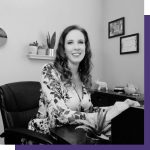
Melanie-Lambert-bwBefore launching Just Write Grants in September 2017, Melanie Lambert spent over a decade wearing lots of hats at nonprofits of all different sizes, missions, and programs. Some days she was the Executive Director of Development. Other days she was the grant writer. Sometimes she was the social media manager. Nonprofit work is crazy! Worth it, but crazy. ​

When Melanie had the opportunity to start Just Write Grants, she knew she wanted to help nonprofits bridge the gap.

There are millions of dollars in grant funds out there, but if a nonprofit executive needs to be out of the office or planning an event or hosting a golf tournament, it’s hard to find the time to sit at your desk and fill out those applications or draft that content. But, as Melanie says all the time, grant writing is like the lottery.  You can’t win if you don’t play.

Glenda-Hicks-bw

With a mission to provide organizations with “Best Practices for Becoming the Best Nonprofit”SM, Glenda Hicks serves clients through her firm Glenda Y. Hicks, CPA located in metro-Atlanta, Georgia.

Glenda combines her passion for teaching, her designation as a BoardSource-Affiliate, Certified Governance Consultant, her license as a Certified Public Accountant and other credentials and experience to provide coaching, assessment, consulting, and training services to support nonprofit boards of directors and staff.

As a thought partner and facilitator, Glenda engages clients in activities and discussions that help them develop and implement solutions to their challenges by employing best practices to create the future the envision.

Through her extensive consulting and training work with organizations, Glenda recognized consistent pain points encountered by executive directors and board chairs concerning board members’ performance and engagement.

In response, she created an experiential learning board game that simulates serving on the board of directors and managing a nonprofit organization. The game is called 501c Impact! and is used in capacity building services she offers through her company of the same name.

Reggie-McClain-bwReggie McClain is a Major League Baseball Pitcher who played with the Yankees, Phillies, and Mariners.

He played professionally for 7 years and is a true student of the game. He loves to work with kids to help refine their game and create a love for the sport that made him who he is today!

This transcript is machine transcribed by Sonix

TRANSCRIPT

Intro: [00:00:07] Broadcasting live from the Business RadioX Studios in Atlanta. It’s time for Charitable Georgia. Brought to you by B’s Charitable Pursuits and Resources. We put the fun in fund raising. For more information, go to B’s Charitable Pursuits dot com. That’s B’s Charitable Pursuits dot com. Now here’s your host, Brian Pruett.

Brian Pruett: [00:00:45] Good, fabulous Friday. It’s another fabulous Friday. And I’ve got three more fabulous guests. First piece of business, though, I have to wish my mother a very happy birthday. Today is her birthday, so I won’t tell you how young she is because she might get upset, but she’s still working full time. So anyway, as I mentioned, this is Charitable Georgia and we got three more great guests. If you first time listening, Charitable Georgia is about all positive things happening in your community. And our first guest this morning is Miss Melanie Lambert from Just Write Grants. Melanie, thanks for being here this morning.

Melanie Lambert : [00:01:13] Thank you Brian. Thank you for having me so much.

Brian Pruett: [00:01:15] So you and I spent some time talking on the phone. We well, I think all of us in the room have kind of the same passion. But you have a passion for nonprofits like I do, and you’ve made a business on working with them on writing grants. But if you don’t mind, first sharing your story a little bit, and then we’ll talk about what you do.

Melanie Lambert : [00:01:30] Sure. I live in Cartersville, Georgia, and I have spent my entire career in nonprofit fundraising, had the opportunity to work for lots of social service organizations and higher education institutions throughout Metro Atlanta. And then in 2017, I had what at the time felt like the worst professional experience ever, and I got laid off. There were some statewide layoffs and just things, you know, felt like it was just the bottom for me. My husband really encouraged me to take advantage of that opportunity and to take the skills and talents that I had learned throughout my career, helping nonprofits with all the different fundraising revenue streams and to turn that into a business. We had a one year old at home at the time, and so that was very appealing to me to be able to be home with him and to continue to serve nonprofits. So I took the opportunity and started the company in 2017 and really wanted to help nonprofits that were either new to grant writing or didn’t have the capacity to manage grant writing. Because during my career I’d really noticed that grant writing can be a sort of backburner project, right? It can be something that. The the individuals and the fundraising team know that they need to be pursuing grants. They they know that it’s something that can really be a game changing amount of money for a nonprofit, but they might be wearing lots of hats.

Melanie Lambert : [00:02:58] And so it’s easy to let grant writing sort of fall to the wayside because you’re out meeting donors, you’re out going to Chamber of Commerce breakfast, you’re out, you know, interacting with people and grants can sort of chain you to your desk. You’ve got to be there drafting that content, putting together those budgets. And so it can be easy to either just not do it at all or kind of do a rush job for it. So having experienced that in several organizations that I worked for, I wanted to bridge that gap for nonprofits because there’s so much money out there. But it’s kind of like the lottery, right? If you’re not submitting a grant application or you’re not buying a lottery ticket, you’re not going to win. So I wanted to help nonprofits that either didn’t have the time to do it themselves, the resources to hire somebody full time or the expertise on staff to be able to get a portion of all that money that’s out there. And to do that in a way that was really affordable and streamlined. So it didn’t create more work for them. And that’s that’s how just Write grants was born. We’re a little different and to intentionally to serve that need for nonprofits.

Brian Pruett: [00:04:05] So explain a little bit how you do work because it’s an interesting concept the way you’ve made the the business and how the grant writing is. Can you explain how you do it? Sure.

Melanie Lambert : [00:04:14] So a lot of grant writing consultants will charge by the hour or by the project. There’s nothing wrong with that. But in my experience, in some cases, having worked with consultants when I was in working for nonprofits directly, you’d get a quote from the consultant that would be one rate. And then when you got your invoice a month or two later, it could look very different. Just because it’s hard sometimes to anticipate what the time investment is going to be. For some projects, particularly with things like federal grants or state grants that can get really out of control time wise really fast. So I wanted to create a format that helped nonprofits feel confident in investing in a grant writing consultant. So we are set up with annual subscriptions for our nonprofit clients, where we charge a set rate every month. Nonprofits come on board and make a 12 month commitment with us, and they are charged the same amount every month based on how many applications we submit over the course of that 12 month engagement. So what we’ve done is taken all of the deliverables all of the time, investment that goes into submitting that certain amount of grant applications and just prorated it over 12 months so that nonprofits can plan effectively for the cost. For that, they know what their invoice is going to be every month. They know what they can expect from us.

Melanie Lambert : [00:05:35] They have a grant calendar that shows the applications that we’re going to be submitting, the activity that’s going to happen for each one of those and sort of some some estimates of what they may be able to expect as far as a return on investment goes. So that’s been a process that we’ve fine tuned over the last six years of doing this to where we can make some estimates so that nonprofits feel like, yes, you know, I understand the grant writing process. I understand that it’s a time investment as well as resources, investment to build those relationships with those funders. But. That it’s done affordably, it’s done intentionally streamlined, so that I’m not taking them away from what they need to be doing. Otherwise, those things that prevented them from submitting grants in the first place. But they know that the grant writing is happening sort of behind the scenes as much or as little as they want to be involved. But it’s always happening for them and they know that their nonprofit is part of that revenue generating, streamline, you know, revenue stream because we’re there for them and they can go out and truly be a director of development or an executive officer or whatever their role happens to be at the nonprofit without having to say, Well, now I’ve got to spend the next eight hours in the office writing this grant application.

Brian Pruett: [00:06:53] So you said you’re based in Cartersville, but you actually work all over the country, correct?

Melanie Lambert : [00:06:57] Yes. So we serve nonprofits of every budget size, every mission across the country. So us based nonprofits that are 500 and 1C3 registered, we have access to multiple databases to search for grant opportunities for them and can really fine tune that research to really any any nonprofit in the United States.

Brian Pruett: [00:07:18] All right. So if somebody is listening and they have a maybe a startup that’s a nonprofit or they’re a very small where it’s like one, maybe two people and they’re hearing you talk and they’re thinking, man, I can’t afford something monthly. Give them just a little bit of hope that they can talk to you and work with you.

Melanie Lambert : [00:07:34] Yeah, So absolutely. We usually recommend that a nonprofit that’s just in the start up phase gets a year or so under their belt just to be competitive with grant writing that gives you the data that you need to be able to fill out an application. Essentially, that’s the cutting down to the chase, because if you’re really, really new, you just don’t have that content yet. So investing in grant writing when you maybe a year or less than two years old, there may be some opportunities out there for you for what we call capacity building, where the grants are intentionally designed to help you grow. But a lot of times for those really, you know, those those typical grants that can really take your organization from one point to the next, they’re going to want to see that you’ve got some history there with data and stories and engagement with your clients. But there’s certainly some things that you can be doing in those early years while you’re still sort of bootstrapping it yourself. You can certainly explore other revenue streams, events, individual donations, social media donations, things like that that will help boost your sort of what I call credit worthiness with grantmakers where they can see, okay, you’ve had some other money coming in, you’ve managed that well. Oh, you’ve got this donor associated with what you’re doing. So that kind of gives you that credibility. You need to make the funders feel confident in investing in you. So just some groundwork. We’ve got a lot of that stuff on our website to help organizations prepare to be grant ready. But certainly, you know, I’m always happy to talk to new nonprofits to see if there’s things that we could explore as far as capacity building goes or provide those resources to say, hey, if you you here’s a list of things that you can do right now in the beginning of your organization’s history to really make sure that at year two or year three, you are really competitive and you start to see some return on that investment with whether it’s your time invested in submitting grant applications or working with a consultant.

Brian Pruett: [00:09:33] So when you’re working with these nonprofits, I’m assuming there are tons of different kinds of grants out there. How do you go about finding the best grant and can you explain a little bit, maybe a little bit about what the differences are with the grants? Yeah.

Melanie Lambert : [00:09:46] So there’s a few different types of grants. So you have federal grants, which obviously are from the federal government. Those are a beast in most cases. They’re rather large and are going to require that the nonprofit have a lot of history and data that that they’re really competitive. If you think about it, you’re competing with organizations across the country can be a game changing amount of money for your organization if it’s a right fit. Typically, federal grants are looking for organizations that are meeting a very specific need to a very specific population of people and sometimes even in a very specific area of the country. State grants are similar just on a smaller scale in your state. But then we have private and corporate grants which tend to blur the lines a little bit, but they’re usually set up by individuals in memory or in honor of somebody or of a cause that’s near and dear to a family’s heart. And they set up the organizations in order to truly be philanthropic, to meet a need in the community that they’re passionate about. And they may not necessarily be doing the work themselves, but they want to help fund that. They want to bridge the gap for the nonprofits that are doing that work. So we find those organizations through online research.

Melanie Lambert : [00:11:06] There’s several online platforms available for nonprofits to do that research. And it kind of comes over time where you develop. It can at first feel like a different language when you get out there trying to figure it out. And of course every platform is a little different. So you’ve got to learn the nuances. But utilizing keywords that are associated with your mission, oftentimes grants are geographically restricted, so you’d want to make sure that the funder is looking to support organizations where you are or where you serve. We work with some nonprofits that are based in the United States, but they serve internationally. So that gets a little bit of gray area there as well. But there are certainly grants available for that. And then, you know, you may be looking at the population that you serve as well as as a keyword essentially to narrow down those research results. And then it just takes time, you know, to kind of comb through those. And if you’re using a good platform, it’ll help you do that where you’re just reviewing them. You can also look, some of most of the online databases are paid, and that’s something that’s included in all of our subscriptions. But if you are a nonprofit that wants to do some research on your own, you can get some free trials with some of those, but then you can also do some digging.

Melanie Lambert : [00:12:23] It’s a little bit more of a time investment, but you can review funders, IRS form 990. So every foundation in the United States is required to submit a 990 to the IRS, which is basically their financial statement. But they list things like how to submit a grant application, who to send it to. Hopefully, in most cases, they’re also listing those requirements. And then in some cases they may actually list at the end of that form 990 the organizations that they supported that year, a breakdown of how much they gave to each one and what they were intending to support. So that’s really helpful information and that’s all accessible, free from the IRS. And it’s helpful because you can look at that and you can say, Oh, okay, well, you know, this organization is similar to mine. This is the grant amount that they gave them. So I might be able to assume that they would support our organization as well with a grant amount in that same range. So there’s a few ways to go about getting that information. And it’s really about how much time and resources you want to invest in the different options.

Brian Pruett: [00:13:29] So I know a lot of people lately have been asking around for grant writers, but they’re not nonprofits. You don’t work with any others who are not nonprofits, correct?

Melanie Lambert : [00:13:38] It is just not my expertise. There are some grants. There’s there’s kind of this misconception in the world that there are these or at least in the United States, I don’t say the whole world, but there’s this misconception that there’s so much government money out there for individuals and it’s just waiting for the taking. And I don’t really know where that came from. There are some grants available for for profit businesses. I always recommend that people look to a local bank, connect with an SBA representative, a small Business Administration representative in your community, or to a banker at your local bank that might be able to direct you better for loans and grants for small business. As far as individuals, we get contacted, sometimes individuals that are looking for personal needs, and I always try to redirect them to United Way in their community that might be able to connect them with a nonprofit that actually meets that need. But we we exclusively work with 500 and 1C3 registered nonprofit organizations just because that’s where we have access to those those research results and the expertise. And it’s truly philanthropic money at that point. As soon as you get into individuals and small businesses, it changes that contribution from an IRS perspective. And so that gets a little challenging. But that’s my recommendation for individuals that are looking or if you’re looking to get funds for a small business, it’s fewer and further between than people think for those funds, unless again, you’re meeting a very specific needs. For example, you know, there’s funding available for certain agriculture businesses that are starting in certain parts of the country because the government wants to invest in that. But just as far as if you’re you’re starting a shop in your little downtown area, that’s that’s more so. Probably going to be loans and grants.

Brian Pruett: [00:15:26] So are you are your business is not a 501. C three.

Melanie Lambert : [00:15:30] Correct. Correct. No, we are a for profit business.

Brian Pruett: [00:15:32] So people get confused. I’m the same way. I’m a for profit helping non profit. That’s the way we kind of all are. But all right, if somebody is listening to you and thinking, man, I’d like to be a grant writer, can you walk them through that process?

Melanie Lambert : [00:15:44] It is an art and a science, and it is something that has been, you know, that that comes with experience. But absolutely, it’s if you’ve got writing talent and you like that sort of competitive drive to see if something that you can craft with your words is compelling enough to inspire somebody to pull out a checkbook. That’s what drives me. Can I do something with that skill that I have that makes someone like someone’s passion enough about an organization that they’re going to invest? Because I know what that takes for me as Melanie, the individual, to make a donation because there’s so many nonprofits in the world and so I know what that takes for me. So I’m like, Can I inspire that in somebody else? So if that’s something that you are interested in, you know, I always love talking to people that are interested in getting into grant writing and and it allows you that opportunity to work remotely. Everything about grant writing can be done virtually. There’s nothing that requires a grant writer to be in a nonprofit’s office to do. Grant writing fundraising effectively. And that’s where we can streamline things really well and be affordable because you’re not having to invest in that overhead That requires a full time employee. But that’s not what you asked me. So we are actually going to launch here in the next few weeks a grant writing boot camp. So this will be an on demand series of informational sessions that will help a grant writer or an aspiring grant writer learn the nuances of grant writing to understand the language that it can be, to learn how to sort of read between the lines.

Melanie Lambert : [00:17:18] When you’re doing that research, how to craft a really effective and compelling grant application or a narrative, how to craft budgets. Budgets are one of those things that Glenda can can chime in on this. But budgets are one of those things that nonprofits hate and typically do last. And sometimes we’ll do a rush job and it can really be the make or break of a grant application. So we’ll go over how to do that, as well as how to have grant writing be part of your overall fundraising strategy. So it’s designed the grant writing boot camp is designed for aspiring grant writers who would like to do it excuse me remotely or work like I do as a consultant for many nonprofit organizations or who may have been recently charged with grant writing in their full time role at a nonprofit, or maybe doing it volunteer and maybe just want a little bit of expertise and backup. So as part of those on On Demand sessions, we’ll also include a private Facebook group where everyone that’s involved in the boot camp can ask questions, answer questions, get feedback on on content, and just kind of create a camaraderie of folks that are all doing the same thing for the greater good, trying to make the world a better place through nonprofit grant writing, as well as some consulting from me and some grant writers on our team. You’ll have access to that as well to help you kind of get over that hump of feeling like a fish out of water with grant writing, to really feeling confident in knowing where to find grants, how to cultivate those relationships, because that’s a huge step in the process that nonprofits that are individuals at nonprofits that are really busy can overlook that step of reaching out to the organization and building a relationship with them that can, you know, be something when you’re in a hurry, throwing together an application that you just skip that part.

Melanie Lambert : [00:19:06] But it can really be effective in building that relationship so that if you do get that grant, it’s not a one and done, you’re building that relationship so that next year it’s easier. You know, you just call that individual back up and say, Hey, we’re going to apply again. It’s a lot less work cultivating those relationships, drafting that content where you feel really confident in what you’ve done, submitting it, and then knowing what needs to happen on the back end as well. It’s not just to submit and you know, and you’re done. There’s there’s elements to grant writing that happen after that application has been submitted as well. So that’s all going to be part of that grant writing boot camp. I’m excited to, to share it with, with folks that just write grants may not be the solution for you right now as far as working with a consultant, but the grant writing boot camp may be an option to help you do it yourself and feel more confident and be more effective and win grants ultimately.

Brian Pruett: [00:19:56] That’s awesome. Are you ready for that? Let me know so I can help you promote that and get you some some folks for that. So do you have to be any kind of certification to be a grant writer?

Melanie Lambert : [00:20:04] You don’t. There are certifications available, but I don’t have a certification. I’ve just been doing it for a really long time. There’s one there’s not even really a whole lot of qualifying determinants for grant writing. There are some things that I like to caution nonprofits to be aware of in the grant writing world. As far as when you are working with a consultant, I’ll share a little tidbit with you that usually catches people off guard. Actually, I’ll ask you now get your you may know Brian, because you’re so involved in nonprofits, but if you were to guess the success rate for grant writers, a percentage of grants that they submit that are awarded, what would you guess.

Brian Pruett: [00:20:48] 15%.

Melanie Lambert : [00:20:50] You’re you’re pretty close Most people guess in the 80 to 90% range that grant writers get 80 to 90% of the grants that they submit the real average. And there’s no again, there’s no qualifier that’s out there like surveying grant writers. But if you ask grant writers and there’s been some people that have done a little bit of surveying and researching, but nothing official. But if you ask grant writers, it’s typically in the 20% range. So for every ten you submit, you get two. That goes back again to the competitiveness of it. Just write grants. In 2022, we had a 32% success rate, so I’m very proud of that. But there’s there’s a lot of non grant writers, consultant grant writers who will come back and tell you, I’ve got 100% success rate or I’ve got a 90% success rate. I always caution nonprofits that are engaging with them be cautious. 100% success rate might mean that they’ve submitted one grant and they got it. That may not be the experience level that you want. And an 80 to 90% success rate always gives me a little hiccup because I know I’ve been doing this for so long and I know how hard it is and there are so many things outside of the control of the grant writer that influence whether or not you get the award. So that’s one thing that I caution people that will promise you the moon and the stars because they know that you may be in a desperate situation to get funding for your nonprofit.

Melanie Lambert : [00:22:12] Be cautious approaching that as well. Do your homework, get get references. Call other nonprofits that have worked with that individual. Just make sure that what they’re telling you, you know, what they’re telling you is accurate as well as be very cautious moving forward. If you are a new nonprofit, particularly notice that new nonprofits tend to fall into this grant. Writers should never be paid a commission. They should never be paid a percentage of your grant award. It is unethical, according to the Association of Fundraising Professionals, which is kind of our overarching, not kind of it is our overarching kind of body of jurisdiction for fundraising professionals, and it can jeopardize both your award and your 501. C three status. So it’s not ever worth it. You should be paying a grant writer just like any other employee should be paid. And but there are grant writers out there who will say, you know, I’ll get you $1 million and I’ll take 10%. That’s not something that is going to work out well in the long run and can end up costing you a lot more money if you go that route with a grant writer than it would with a grant writer who’s following those ethics and those standards set up by AFP.

Brian Pruett: [00:23:24] So you mentioned just a little bit ago that there are a lot of nonprofits just within the United States. Do you know how many there are in Bartow County? I don’t know if you know this.

Melanie Lambert : [00:23:32] I don’t. Do you?

Brian Pruett: [00:23:33] Yes, I heard this the other day and it blew my mind because you know how big Bartow County is.

Melanie Lambert : [00:23:38] Well, we have 150,000 residents. Right. So how many nonprofits?

Brian Pruett: [00:23:41] Over 800 nonprofits in Bartow County alone. Wow, that’s. That blew me away. Yeah. All right. So I have to ask how to just write Grant’s name come about.

Melanie Lambert : [00:23:50] So we were previously turnkey writing solutions. So when I started the organization in 2017, I wanted to I love to write. I’ve always wanted to be a writer. If you’d asked me when I was six years old, What do you want to be when you grow up? My answer was a writer, and so fundraising kind of gave me the ability to make money doing that. So I, I started out wanting to just write all different types of content for nonprofits, direct mail solicitations, e newsletters, you know, everything you can think of that a nonprofit may need written for them. It was a lot to wrap your arms around. And the turnkey name came from, you know, I want to provide you with this package of content that you can just use, and it’s turnkey and it’s, you know, it’s it’s ready for you. And then I as I said, it was hard to get my arms around that and to promote it. It was hard to explain. I just had a hard time explaining it to you now. So I. Shifted gears and focused exclusively on grants. Because I knew that need. I knew that that would be a significant portion of fundraising that nonprofits would need help for. And, you know, a direct mail solicitation, you can kind of reuse, tweak it from year to year and you can do it on the fly. And, you know, it’s not something that you maybe want to pay a consultant an hourly rate for.

Melanie Lambert : [00:25:05] So. Grant So we shifted exclusively to grant writing, and then I spent the next, oh, maybe four years trying to figure out a new name. And it’s not easy. And I worked with marketing companies to do it. And I, you know, had a focus group trying to come up with a name and nothing stuck. And I promise you one day I just woke up and thought, just write grants with write w-r-i-t-e. And I was like, That’s it. Took me four years for my brain to come up with it. But I’ve gotten a lot of positive feedback out of it. I really wanted to make sure that the name portrayed what we what we do, and that’s what we do. We just write grants. Let’s, let’s, let’s do this. Let’s get them out there. Let’s build relationships with organizations so that you can, you know, effectively manage your nonprofit, serve your clients. And I know it sounds cheesy, but it’s all over my website, Change the World. I really, truly believe that the change that we want to see in the world can be instigated by non profit organizations and what they do. And if my company and my skills and talents and the skills and talents of the grant writers that I work with can help be a part of that. That’s, you know, the dream come true for me.

Brian Pruett: [00:26:17] We’ll talk to you in a second. But Glenda, as I’m sure the exact same way and that’s why I started my business. Right. And the reason I started this show. Um, so I wanted to ask you and I’ll ask you the same thing too, when I get to you, Glenda But I was asked just the other day by a business attorney if I registered for the Georgia charitable solicitation law. Do you know anything about that?

Melanie Lambert : [00:26:38] Yes. From having worked for organizations. Well, I think I’m thinking of the right thing where you have to register as an organization that. So the business is. Yes. Yes.

Brian Pruett: [00:26:47] So, I mean, I was thinking my idea because I do you guys know I do a monthly. Well, you may not know, but I do a monthly trivia show rotating the charities in Bartow County. And I’m helping some other nonprofits throw events, but they’re paying me. So after looking at the wording, it seemed like I’d be that guy that’s calling you. This is the Atlanta Police Fund. That sounds what that law is. So I was just kind of curious if you knew anything about that. So, all right. So if somebody is listening to you and wants to talk to you about your services, learn more about your boot camp, whatever, how can they get Ahold of you?

Melanie Lambert : [00:27:17] So the first place to go is just right. Grants.com. And again, the right is w-r-i-t-e. Excuse me. So just write grants.com or you can email me at any time. My name is Melanie. Melanie at just write grants.com or if it’s easier to remember info at just write grants.com or if you prefer phone it’s 18667 grants.

Brian Pruett: [00:27:39] Awesome. One last question. Well actually not because you’re going to be but if somebody listening also wants to think about starting a nonprofit, give them some advice.

Melanie Lambert : [00:27:48] So if you’d like to start a nonprofit, I would connect with me because I have another resource who’s an expert in that. Starting nonprofits is not my expertise, but I do have a resource that it is his expertise, so I’m always happy to pass that along. One more thing as far as connecting as well, we are we are on all the social media platforms. Just started a new series called Coffee with a consultant. We’re once a month. I do a live stream on Facebook and it also goes to YouTube as well, where I’m just discussing just a little short, maybe 10 to 12 minutes about a certain aspect of grant writing live. So I’ll take questions and eventually I’d like to just be there live and people ask me questions. We’re still getting some some traction on those, but we’ve got another one coming up July 11th. And it’s, you know, no pressure. You just tune in and watch. And if you’ve got a question, you ask it. If not, you might learn a little tidbit about how to how to write grants effectively.

Brian Pruett: [00:28:42] Awesome. Well, Melanie, thank you for coming and sharing. Like I said, don’t go anywhere. We’re not done technically. So we are now moving over to Glenda Hicks. Now, Stone, I said last week that we we were getting people from around the state, right? I have people from Gwinnett County, Gordon County, Bartow County, Cobb Cherokee. We’ve made it to Rockdale County now. So thanks for driving from Conyers this morning, Glenda.

Glenda Hicks: [00:29:02] Absolutely. It’s my pleasure to be here. Thank you for having me.

Brian Pruett: [00:29:05] Glenda and I is actually known each other for, I guess, over a decade. Yes, you were in Kennesaw, but then you decided to go out that way. Yes. But you two have a heart for nonprofits and numbers because you’re a CPA and help nonprofits with the numbers. And you train nonprofits, you help them do with boards. So please share a little bit about your background and why you’re so passionate of what you’re doing.

Glenda Hicks: [00:29:28] Absolutely. Thank you so much, Brian. So, yes, I was in Cobb County for about 17 years and during the pandemic in 2020, we moved a little further east. But it’s always nice to come back over here and have an opportunity to meet folks in person and talk about my passion, which is building capacity for nonprofits. So you mentioned that I am a CPA and I started with Public Accounting Coopers and Lybrand many years ago on the audit side of things. And in that capacity it gave me an opportunity to work with both for profit and nonprofit organizations. But being on the audit side, I also got to see infrastructure and policy and procedure as opposed to the tax side. And so I really believe that was the foundation for my my company today. And when I left Coopers, I felt like I had to do more. I needed to give more. And there was something tugging me. And I went to a client, which was a nonprofit University of Miami, and worked there for a while, but still something after several years was tugging. You need to give more, you need to do more. And I went to a local not for profit HIV Aids organization and was in more still in the accounting function, but making an even greater impact through that organization. And then we were expecting our first child. So I said, I’ll stay home the first year and that lasted one year.

Glenda Hicks: [00:30:51] And I said, I’ve got to get back to work. My brain. I can’t. I have to think more deeply about some things. But I realized I think I can do this on my own. And that’s when I started my practice, which was in 1999, and I didn’t intentionally go into the nonprofit space. I just was hanging out my shingle. Glenda with CPA. But every referral I received was from a nonprofit organization, and eventually I thought, okay, God, I hear you. This is this is my my divine calling. And then I began to intentionally serve and seek out nonprofit organizations. And of course, being an accountant, I helped them in their fiscal operations. But doing that again, I got to see everything. We have a little bit of a selfish mantra in that. We feel the finance department is the hub of the organization and it’s really about the service you’re giving to the community. But at some point, everything’s coming through finance in some way. You’re hiring folks, you’re paying vendors, you’re writing grants and having to do the accountability back to them. And so it gave us a perspective and an opportunity to see the whole organization. And in providing those services, I began getting requests to do other things from from organizations. And eventually I wanted to have a greater impact with their capacity. And from my observations, it was emanating from the board. The board of directors was setting the tone and if they didn’t understand what they were supposed to do, then it trickled down to the entire organization.

Glenda Hicks: [00:32:25] So I then began offering training and workshops to help boards understand what their roles and responsibilities are and how to best execute those. And things just evolved for me. I was talking to someone recently and he was saying, you know, he never says no to an opportunity. And I’ve always had that same mindset that I’ll listen and I’ll explore, and from that I continue to grow myself so that I can continue to serve the organization so that it can make an impact in the community. And in doing that, I said, Well, let me get more governance acumen because people know me as a CPA, but they don’t know that I do these other things. And that’s when I sought out certification in nonprofit board governance, which I received through Boardsource. And it gave me more tools and resources to bring to nonprofit organizations and help them in that capacity. And I continue to do that in various ways with consulting, assessment, coaching and training are my four main areas of providing services to nonprofits so we can assess how they’re performing and come up with ideas and plans to make improvements there, train them on how to do that. Still having my toe in the accounting side in terms of policy procedure and infrastructure, but none of the number crunching stuff anymore. Well.

Brian Pruett: [00:33:46] I can see a powerful tag team right here.

Glenda Hicks: [00:33:48] Indeed, Indeed. Indeed.

Brian Pruett: [00:33:50] I connected you.

Glenda Hicks: [00:33:50] Yes, I was excited when you connected me to Melanie because I do receive calls often around grant writing. And the thing is, you know, when you have various skills, you do have to focus. Like you were saying, you can you may be able to do a lot of things, but you want to do where you’re you want to perform in your area of sweet spot. And so, you know, folks will ask me to write grants. Yes, I can, but that’s not where my focus is. Let me connect you with someone who does that. Similar to Melanie. No, I don’t start nonprofits. But, you know, let me connect you to someone who does that, and then I can kind of stay in my lane, so to speak.

Brian Pruett: [00:34:26] So you talked about help training the boards. Walk me through that and how does that look?

Glenda Hicks: [00:34:31] Absolutely. So a lot of times organizations come to me, usually the executive director slash CEO, because of pain points, their board members are not following through. They don’t maybe show up to meetings regularly. They’re not engaged in the meeting when it’s taking place. They don’t follow through on what they signed up to do or they’re not volunteering to serve on a committee or to chair a committee. And all of that means it falls back on the executive to fill in the gap, and they become overwhelmed. And they’re already wearing a lot of hats and they’re already managing a lot of things. And so to have to fill in the gap for the board is one more responsibility. That can be frustrating, quite honestly. And it’s really the board’s responsibility to do that for themselves. And the chair of the board is that senior person who’s to steward that whole process and really ensure that everyone’s doing what they need to do and getting the training they need. So it’s either the board chair or the executive director who may reach out to me and ask, Can you come in and train us on what we signed up for? Because it’s very prestigious to serve on a board and it’s a way for people to give back. It’s a way for them to share their time, talent and treasure. But if you don’t properly inform them of what their legal responsibilities are and then equip them with how to execute that effectively, then you’re really setting your agency up for failure.

Glenda Hicks: [00:35:59] And they go through this continuous cycle of board members turning over or staying in the seat and not performing. One of the things we like to say is you have to get the right people on the bus and the right seats before you know where to go. And so there’s really this ongoing process where you need to assess continuously whether each board member individually understands what they’re doing, is equipped to do it accurately and effectively and still enjoys doing it, or that it’s an appropriate time still for them to do it and help them to communicate, to say things have changed for me. And this is no longer a fit because of dynamics at my job or in my household or physically. We’re moving and you want to encourage them to be able to step forward and speak and say that rather than just stop showing up or sitting quietly at the meeting. So I’ll come in and conduct training in various ways, either, you know, half day, a couple of hours, one hour or whatever it looks like in person, virtually, whatever that looks like. Deep dive into the ten universally accepted responsibilities of board members and what that looks like and really take it from where they are, meet them where they are and work with them to get to where they want to be.

Brian Pruett: [00:37:17] So two questions on the board, because this I have a reason for asking this two different nonprofits I’m thinking of. But would you recommend I think I know the answer to this, but would you recommend the person when they’re putting together a board asking people that are their close friends? And then the second part of the question is, if you have a board that people are just sitting there doing nothing, how do you handle that?

Glenda Hicks: [00:37:40] Great questions. Thank you. So the first one is that’s what we see most often, is when you start a nonprofit, you need, you know, for the IRS tax exemption, three folks on the board. And so they tend people tend to ask their friends and family to be those people so that they can get their exemption. And it makes sense. They’re the ones who see your vision and they love and support you and they want to help you through that endeavor, and that’s fantastic. The problem is when they are not necessarily informed or equipped to do what you need them to truly do. And when you’re a founding board member, it’s an even greater responsibility because you’re the first ones through the gate. So you need to lay the foundation for the future and you need to put in a lot of processes and policies and procedures, and you’re probably more hands on in the day to day than you are later in the life cycle of the nonprofit where you’re in a true governance mode. So I won’t say no, don’t put those people on because that’s who you’re able to find. However, accept the responsibility to know that now that I’ve put them on, I need to make sure they understand what they’re getting involved in, what I need them to do and how to do it, and let them know, excuse me, how long they’ll be serving.

Glenda Hicks: [00:39:00] So we encourage boards to have term limits for a variety of reasons, which includes giving folks a break so they’re not on there for a lifetime, but also so that you can bring in new ideas, new energy, new connections by rotating those folks every 3 to 5 years, 3 to 6 years if you allow them to serve two consecutive terms. So that’s the first one, be more intentional and thoughtful in that process, because what I find is I do come in and help with a lot of organizations, and right now I am doing that in terms of them helping them transition from that founding board to the next board and what that looks like. So that leads into the next question about moving people off the bus. Right? And it’s about your bylaws. You know, one of the responsibilities of a board member is duty of obedience. And that means following your laws, whether they’re federal, state, local, but also your internal laws, which would be your bylaws. When you’re when you organize your nonprofit, you should define various things in those bylaws.

Glenda Hicks: [00:40:03] And one of them is how do we handle absenteeism or what is the frequency that will meet? How many meetings do you need to attend? And if you’re not, how do we remove you? So most of the time they’ll read generically. We can remove you for any reason, with or without cause. But the thing is, organizations don’t exercise that because they want to maintain a relationship with that person. They don’t want to ruffle any feathers, they don’t like conflict. And all of those are valid. But there’s ways to handle that. It’s about, you know, sometimes I say, and I did not originate this, but in fact, I think it was from Joyce Meyer, You know, when you grow up, you become an adult, but you don’t necessarily mature. So we’re hopeful that these adults who are serving on these boards are mature enough to have these adult conversations directly, respectfully and timely around their behavior. And if their behavior is indicating that they’re not serving effectively. Let’s talk about that. Let’s not ignore the elephant in the room. So sometimes I’m brought in to help facilitate those conversations, to help them communicate and regain that respect for one another so that they can do the business of the nonprofit.

Brian Pruett: [00:41:26] If it comes to that point. And they need to ask somebody to leave the bus. So that’s the best way to do that.

Glenda Hicks: [00:41:32] The chair of the board ultimately has the responsibility. We. Encourage organizations to have a governance committee, which is a committee that stewards the board’s performance. They would be tasked with ensuring board members are performing individually and holistically as a full board. That training is happening, that they’re recruiting new board members and throughout the year and also having those kinds of conversations. So if you have a governance committee, then the chair could be the one that approaches that individual and has the conversation. If you don’t, then it’s definitely the board chair or it may be the two of them in tandem speaking to this individual and saying, you know, let’s have an open conversation. And part of that is predicated on having accountability measures. So we encourage folks to have an attendance roster where you’re tracking how many meetings you’ve had for the year when those meetings occurred, who was in attendance, which is going to be in your minutes? And then looking at the trend in the pattern and likely you’ll have a number of excused absences that are allowed in your bylaws and so you want to be mindful of how that’s occurring for each person. And so you’ll see it coming. It’s the point. And once you see it developing, then you start having that conversation. So that’s about leadership. That’s about maturity, that’s about what you do in your day job at the office.

Glenda Hicks: [00:42:54] And that’s why we brought you to this board to contribute that talent and that treasure that you have in your day job. A lot of individuals, they look at nonprofits as an extracurricular activity, sometimes in terms of their commitment. And so they will think that I can easily miss that meeting and go to something else because I didn’t prioritize it as a real thing, because I don’t think of the fact that I’m a legal fiduciary of this organization and I’m in a position to set the direction for the organization. And then the executive director, along with his or her staff, executes that and fulfills it. So understanding that and being more intentional on the front end and really explaining to folks what they’re about to embark on and understanding that every organization is different. So oftentimes we’ll say, if you’ve served on one nonprofit board, then you’ve served on one nonprofit board because they’re of different sizes. They have paid staff or non paid staff. They’re new, they’ve been around 20 years. And all of these things are present no matter how long they’ve been around. So I’ve worked with organizations that are newer in their infancy and those that have been around for years, and they all have the same issues that bubble up.

Brian Pruett: [00:44:11] So explain the difference between a board and a committee.

Glenda Hicks: [00:44:14] Well, the board is the legal governing entity, but the board gets its work done through committees, so you should have the necessary committees in order to affect change, which doesn’t mean that you have ten and it doesn’t mean that you keep those ten. It means that your bylaws speak to the minimum. You should have an executive committee. You should have a governance committee, you should have a finance committee. Those are probably your three core committees. Everything else can be ad hoc, if you will, and created by a charter that defines why you’re going to create this committee. What’s its purpose and when will it finish? When will it disband? And so it could be something that is ongoing or it could be something that is short term. But and there’s some organizations that I have not encountered them personally, but I know they exist where every year they reassess what committees do we need. And that way you don’t find yourself trying to stretch people too thin by having all these committees that don’t really do anything. And it’s in these committees where they’re having the substantive conversations and they’re doing the research and they’re getting the information that’s necessary to bring back to the board for them to then have a motion that they then discuss. So the board takes actions, the board moves them, makes a motion, you know, seconds, it has discussion and then votes it up or down or asks for more information. But the committees are doing all the work. But ideally.

Brian Pruett: [00:45:52] Right. But not everybody on the committee is sitting on the board is usually just the chair of that committee. Correct.

Glenda Hicks: [00:45:56] That varies as well. Some organizations will allow the will require a board member to be the chair and at least maybe one other board member on that committee. But some will allow community members to serve on that committee as well. And that’s so one. One reason is it allows you to have more folks involved if you have a small board, because if you’re a board of, say, 5 or 7 folks, you may not feel like you have enough people to staff a committee. But if your bylaws are written in a way that non board members can serve on your committee, it’s a way to get that additional expertise. It’s also a way to vet potential future board members. So you start to date and see if there’s. Is a good relationship. And then they can also find out if they like this culture and determine if they may want to serve on the board and have a legal liability in the future. So it depends on how your bylaws are written.

Brian Pruett: [00:46:50] So when you talk about the training you talked about, you do with the board and you help talk about through their finances a little bit, is there any more training that you offer nonprofits?

Glenda Hicks: [00:46:59] Absolutely. So it varies depending on the calendar. The the one I provide the most is board governance roles and responsibilities training. And then I will do finance workshops as well. I’ve done financial boot camps to help them understand nonprofit finances, which is another big area that tends to be a second pain point is not understanding how to read the numbers, not how not understanding how to identify trends and interpret the numbers and use it to make decisions. Because that’s what you’re trying to do is make decisions for the organization’s future. And with the Finance Committee, they’re getting into the nitty gritty and they’re working closely with the executive or the chief financial officer, whomever that might be in your organization, making sure the numbers are accurate. But then they’re bringing ideally summarized information to the board that’s critical for them to make decisions. And that’s, you know, either you love numbers or you hate them. I, of course love them. And so I break that down into a way for them to understand how to use that information in layman’s terms, if you will, which is another area. I actually thought I was going to be a teacher when I was growing up because my mom is a retired school teacher and I knew I wasn’t going into the Air Force at the time. I didn’t think I was fit enough, which had been following in my father’s footsteps.

Glenda Hicks: [00:48:23] But that teaching passion has been there since I was in the third grade, and I used to simulate teaching to empty desks in my mother’s classroom. And I think that’s really why training has become so natural for me and that I love it so much. Because if whatever I know and learn it does no good If I haven’t shared it with someone else and sharing it with others helps them to then make the community ultimately better for itself. So the training is a big component and I create training based on needs that I see. So there’s training on actually recruiting board members as well. I have a training where nonprofits come in and they learn the proper way for recruiting, identifying training, orienting, onboarding folks to serve on their board and treating it as a year round process. And then there’s training for individuals who want to serve on boards or who are currently serving, but maybe never received that type of orientation and need to shore up their skills. So it varies. And then depending on the organization, I may do specific workshops on succession planning. As far as the succession of the board in terms of officership or succession of the Ed, which is a board responsibility to hire, supervise and evaluate the executive director. So lots of different topic areas.

Brian Pruett: [00:49:53] So I’m assuming you kind of like you’re like Melanie, you can do virtual, you can do work cross country.

Glenda Hicks: [00:49:58] Absolutely. As far north as North Dakota, so far south is Florida and Texas, far west is California and East Carolina. All over the country. Yes, through Zoom. Zoom was a platform I had just discovered a year before the pandemic, and it has served me well. And then, of course, you know, being in person, there’s always a different experience and a greater experience, a richer experience, if you will, when you have the opportunity to to be in person. Yeah. So it’s really just being mindful of what the organization needs and listening to what their pain points are and then being responsive to that. And I will add, as a consequence of that, I created a board game which I think I shared with you, and I put that under a separate company. We were talking about names earlier, and I can definitely relate to Melanie because it took me forever to come up with the name of the other company, which is 501 C impact. And it was kind of, you know, no brainer with Glenda with CPA. But 501. C impact was to let folks know that this experiential learning platform allows you to use it with any 501. C I typically work with C threes, but there’s a litany of other C’s which represent like chambers of commerce and other entities out there in the environmental organizations and the like. But it’s, you know, there’s lots of nonprofit consultants out there doing the same work and we’re carrying the same message. But for some reason, these problems persist. And for. Me it was a question of maybe it’s because we’re telling them all the time, we’re lecturing at them and we’re not allowing them to experience the consequence of their inaction or action. And so this board game was my solution that I developed and then put under another company and then expanded the services that I can offer to nonprofits through that company as well.

Brian Pruett: [00:52:00] So want to share about how board game works.

Glenda Hicks: [00:52:04] Absolutely. So first of all, it was because I loved playing board games as a kid and but I always lost. And when I trialed this game with my family, I lost again. And I thought, how is that possible? I created the game. But anyway, where there are four teams, each representing a nonprofit organization, and they go around the board and they’re making decisions on behalf of that organization. So they simulate serving as a board, but also as the Ed because it’s a combination. And it actually morphed into this a combination of managing a nonprofit but also stewarding it as a board member. And through that combination, they have to hire the executive director. They have different life cycle events that happen to a nonprofit that they have to respond to and react to. They engage in strategic planning, which is another big service that I offer to organizations, is facilitating strategic planning. And so they have to do that throughout the game making decisions, and it allows them to network with each other because one of the things that I encountered is just board members not really knowing each other. And when you don’t know someone and you don’t care about them personally, then you’re not necessarily going to follow through because you don’t care that you didn’t.

Glenda Hicks: [00:53:23] You don’t really connect with them. And so a lot of what I do is in a way that board members begin to connect with each other in a social setting, and this game affords that opportunity as well. We simulate and assessment so they understand the benefit of evaluating their own performance. A lot of times what I find is board members become frustrated with the ID and they may demonstrate that in their evaluation. But the question is when did you last evaluate yourself as a board? So we recommend as a best practice that you evaluate the board every 2 to 3 years to see how they are performing and fulfilling their responsibilities. So all these different aspects are incorporated into this game. It takes about a half a day. You know, it’s kind of like Monopoly. Yes, yes. It’s a long endeavor and there’s a lot of teaching involved, but it’s all interactive, experiential, engaging conversation that allows them to even address issues that they maybe haven’t addressed in a board meeting because it’s coming out within the game and we’ll pause and we’ll address that.

Brian Pruett: [00:54:28] So is that a game that somebody can purchase or is that you come in with the game and do that? Or how does that work?

Glenda Hicks: [00:54:33] A couple of different ways. Initially, the idea was to sell it to consultants and have them add it as an additional tool to their toolbox. And then Covid hit and I had to retool and I came up with an online version and I began facilitating the game myself through the online version. And then I also offer it to other capacity building entities where they have consultants of their own and they go through a two day certification program. They receive the game to use in their institution, such as another nonprofit, and their consultants then can run the game within the context of their curriculum as they train nonprofit organizations. So right now I haven’t brought the game back to the market individually. It’s either as a part of that certification program that a university or another capacity builder would use, or I use it within my work that I do with organizations and individuals, but I may have to roll it back out as an individual board game, but it’s not going to be in a big box store. It’s a little more expensive than that.

Brian Pruett: [00:55:42] Well, it’s not the same price.

Glenda Hicks: [00:55:43] Line as Monopoly, right?

Brian Pruett: [00:55:45] Right. No, it’d be worth it, though, for the for the folks, I’m sure. So if somebody is listening and I’m going to ask you the same thing as Melanie, thinking about doing a nonprofit, give them some advice before they start one or as they’re starting to start one.

Glenda Hicks: [00:55:58] Yes. Thank you for that question. Nonprofits are vital to the community. They fill in the gap for so many people, for so many things. And when someone sees that something is lacking, they have this spark of I want to start a nonprofit. And the first thing that we like to say as consultants is look around and see who is doing that already. Because there are. You talk about how many are in Bartow. Nationally, there’s over 1.5 million nonprofits, and they’re growing daily because you have an idea. You start a nonprofit and you can’t take that away because we have an idea and we start a for profit, right? And we’re all in competition, you know, And you go to a corner and there’s a Burger King, a McDonald’s, a Wendy’s, and, you know, they’re all there. But the difference is it’s much harder to garner the funds. And so as Melanie was saying, that’s a lot of work to fundraise and to write grant applications and to go after corporate sponsors and to develop relationships with donors so they’ll give and create an infrastructure internally where you’re running it. And we hate to say this in the nonprofit space, but it is so true where you’re running it like a business because you first are a corporation within your state. You have to apply to be a corporation. Then you go to the IRS and apply to be tax exempt. So you have to have that infrastructure in place. And it’s it’s a lot to to create and build and you’re funding it. What I find is the founders fund them themselves with their own bank account. And you start thinking, oh my gosh, I can’t keep putting all my money into this nonprofit.

Glenda Hicks: [00:57:39] I need some funding. So we say, if you want to start a nonprofit first, look around and see who’s doing it and see if there is an alignment that you can bring your idea to that agency. And this might be something they were looking to do as an expansion of their service or as a new program. And you may be able to become the employee if that’s what you want to do or the director or the consultant or whatever that looks like. The other thing is, on the flip side, it may be that what you’re trying to start exists, but it’s not convenient to your community. So in order for your community to access those services, they may have to drive an hour, hour and a half, two hours. And so it makes sense for you to start your nonprofit because there’s no one else in close proximity to serve the folks you’re reaching. So there’s different reasons. And the the issue is explore and do your research. The Georgia Center for Nonprofits, the pro bono partnership of Atlanta candidate org. All three have pieces on their website that are great reads for folks who think they want to start a nonprofit. And it asks a lot of questions about your of you that allow you to be introspective and see is this really what I’m ready to embark upon? Is this really what the community needs? And is it something that’s not out there right now that I’ve just got to bring it to fruition? And those things can help you determine if you really should should launch.

Brian Pruett: [00:59:08] That’s a good point because again, like a lot of people, you said, I want to do this and then they just go out and do it. And a lot of times they fail. One thing for both of you to think about is that one thing that I’m considering and I’ve kind of offered this, but not in a full way, is fundraising consulting, because I’m finding out people that I’m talking to don’t even know how to get sponsors. So I’m I may talk to you guys about doing some kind of workshop, you know, bring you guys in to do that and we can talk about that. So if somebody wants to get a hold of you for your services or learn about the game or whatever, how can they do that?

Glenda Hicks: [00:59:41] A couple of different ways. The the consulting practice is G Hicks, cpa.com. The game company is 501. C impact 501. C Impact.com. Phone numbers. What are my number? 67887210036788721003. Or (770) 865-0979. So two websites two phone numbers should be able to find me there or LinkedIn. Yeah.

Brian Pruett: [01:00:16] So awesome. So thanks again for coming and sharing. And again don’t go anywhere because we’re not really done. But I’m like a kid in the candy store for my next guest. Every time I meet one of these gentlemen that played professional sports, I am a kid in a candy store. And then when I get their number and they call me about stuff, I’m like, Oh, man, check it. And hey, man, what’s up? Reggie McClain, thanks for being here this morning.

Reggie McClain: [01:00:37] No problem. Thanks for having me.

Brian Pruett: [01:00:38] Reggie, if you don’t know, played Major League Baseball for a couple of years and he’s now passionate about helping youth. So you’re from the Johns Creek area, correct?

Reggie McClain: [01:00:47] Correct.

Brian Pruett: [01:00:48] So share a little bit about your story. Share a little about your your baseball story, and then we’ll talk about what you’re doing.

Reggie McClain: [01:00:53] Gotcha. Yeah, We born here, born in Kansas City, moved down here when I was one years old, Johns Creek area. Been there ever since. So. Long time native here. About my baseball career, I got to play seven years professional with the Yankees, Phillies and Mariners organization. Just getting to be around, you know, in that atmosphere. You see, you know, how the clubhouse looks where a lot of these guys come from, you know, especially from the ones from Latin America. They you know, it’s a different it’s a different ball game for them. It’s it’s coming into a different country and playing a different in a sport with the circumstances that they had to kind of endure. The that’s not the reason I got passionate about getting these sports but just opening my eyes and seeing, you know, people that, you know, come from different experiences because I didn’t have that in Johns Creek. You know, I had bats waiting for me when I was going to, you know, parents never had to worry about equipment or anything. So that’s the, you know, the passionate side got to finish up, you know, playing an and now dipping my hand into the nonprofit space. And I wish I would have listened to you guys before I started my nonprofit because I was sitting here just learning from you guys, just talking about the nonprofits.

Reggie McClain: [01:02:14] But no, we I was I recently worked for a nonprofit. We we definitely hit some struggling points where we I wish we would have known some of the things that you guys have been saying. So it’s awesome to be able to listen and learn from you guys in that retrospect. But no, I’m passionate about getting these kids, you know, shape or shaping their lives in the sporting field. Definitely been something that’s never I’ve never took for granted where I was at, especially on the baseball field. And having a kid who, you know, necessarily doesn’t have the resources or have the accessibility to play expensive sport like baseball, travel ball equipment, getting here to there, that’s what really fueled me because, you know, I don’t want the sport that provided me so much in my life to be, you know, limited for somebody else around the, you know, around the globe. So we will be back in a very specific capacity, but I definitely probably will get in contact with you, too, after right after this show. And we will definitely, definitely be starting something back up again.

Brian Pruett: [01:03:19] So we’ll talk about the organization that you’re going to be with here in just a minute. But I got a few questions for you because I guess, first of all, when people talk about, you know, playing professional sports of any kind, right, it’s just not handed to you. You got to work for it. And kind of like you were just talking about at Johns Creek, though, you had things waiting for you, but you quickly learned after getting through college and then getting the major leagues, you were on the road a lot. You had to work your way up. Tell us just walk us through that process.

Reggie McClain: [01:03:46] A lot of you know, at that point, it’s the lifestyle. A lot of people, when you’re outside of it looking in, it looks a lot different. But when you’re in it, I mean, you’re you’re pretty much with that’s your family on the road, your team. You’re doing everything together. You know, just the long bus rides here to there. I mean, every night, 140 games a season, every night you’re in the stadium. So that really becomes your little your little safe haven. You got to love to be around the guys you’re around because that becomes your family at that point. But now just in the same breath, just meet some incredible people. You know, the stuff I remember about my baseball career is mostly off the field. The people I met, the conversations I had with people, you know, nobody was nobody’s going to be bad on you because you had a good game, especially in your teammates. Like those are your guys that you know you always can rely on. So no, just the whole minor league experience. It’s competitive. People don’t realize the there’s a lot of talent in baseball around the world and you know just even. Being blessed. I even got the opportunity to play Major League Baseball. It’s something I aspired when I was a kid and to be able to say that I lived out that dream is incredible because not a lot of, you know, I understand a lot. Not a lot of people get there.

Brian Pruett: [01:05:05] Talk about, though, there are many levels of minor leagues. Can you talk about what what that looks like?

Reggie McClain: [01:05:10] Yeah, Well, there’s about seven different every every major league team has about seven different farm teams. I think they might have cut them down to five after Covid, I’m not sure. But I know that there’s about five, six, seven teams under each professional team.

Brian Pruett: [01:05:27] So that’s each a different level, right?

Reggie McClain: [01:05:29] It’s a different level. Triple A double, a high low, a short season rookie ball. It goes down the whole list, different levels. That’s every different tier. You graduate from one that’s like graduating from elementary school to middle school. It’s like the same process. You get to go to the next level. You made it, right.

Brian Pruett: [01:05:46] So. And you’re a pitcher, correct?

Reggie McClain: [01:05:48] Yes, I am.

Brian Pruett: [01:05:49] Is there any kind of different conditioning that a pitcher would go through versus a position player?

Reggie McClain: [01:05:54] Yeah, I’d say that I ran a lot more than position players tend to do, but they got to play the field. So that’s, you know, they get to reap the benefit of that. But now the conditioning was I definitely always ran. I always made sure I was in good cardio shape. That definitely works better on the mound when you’re in that shape.

Brian Pruett: [01:06:16] So you’ve heard of the Savannah Bananas? Oh, yeah, right. I call them now. They’re Harlem Globetrotters of baseball. I’m curious, have you been to a game yet?

Reggie McClain: [01:06:25] I have not. I have a buddy who played against them, though. Really? Yes. Dwight Smith Jr. I think he’s in Columbus right now. He played against their team and he said it is impossible to focus when you play the Savannah bananas. He’s like, I don’t know how I’m going to get a hit. This is too much. Well, just.

Brian Pruett: [01:06:42] Seeing some of their videos, I mean, just out of nowhere, the umpire will start dancing, right? It’s crazy. And then a guy walks out on stilts to bat. I mean, it’s insane. I’d like to go to a game, but I understand it’s almost like Augusta. You have to be on a waiting list to get tickets.

Reggie McClain: [01:06:54] Yeah, they’re getting they’re popular and they’re making baseball like, a really exciting product to watch, especially going to those games. Right.

Brian Pruett: [01:07:01] So I have to ask, in your time in the major leagues, first of all, who was the batter you hated to face the most and who was the one you wanted to face the most?

Reggie McClain: [01:07:12] Oh, man. The batter that I hated facing the most, I would have to say, was. I’ll have to say it was Altuve. Only because the strike zone is so small. But he can hit anything around the plate. So it’s like he works it to his advantage. He’s he’s he’s he’s hard to get out. I’ll say that. Very hard out. The guy who I would have liked to pitched against probably probably Shohei he’s I mean he’s the best player on the planet right now. Yeah I wish I had one one matchup with him. See what happens. See if I can tell my grandkids something cool. I struck out the best best player ever in baseball. There you go.

Brian Pruett: [01:07:55] So your starter reliever, reliever, reliever is there. So somebody who may not be a baseball aficionado. I said a word. Big word, Stone. Uh, just tell a difference between a starter and reliever. Obviously, it’s in the name, but.

Reggie McClain: [01:08:11] Okay, so I mean, a starters starter just starts your game out. I mean, he pitches once every five days. He knows when he’s going to pitch. That’s his day when he pitches a starter. It’s like, okay, we got him the day that stays constant. Relievers, we are kind of, you know, we’re in that bullpen. We’re kind of just like the picking of the litter, just like, all right, which one’s going today? And it could be the same guy two times in a row. Three times in a row. It just depends on the game. But we just got to be ready at all times. Being a reliever, just being the back end of the game, it definitely could get a little dicey, but you just don’t never know. You’re on your toes every game. When that phone rings, it could be you.

Brian Pruett: [01:08:51] I noticed, though, they have started determining some of the relievers are not available because I guess they pitched so much up to a certain point. Um, how many pitches did you have?

Reggie McClain: [01:09:03] I had three pitches, a very basic fastball, changeup, breaking ball. That’s all I really needed. But I was. I got really good at those three.

Brian Pruett: [01:09:15] All right. All right. So now let’s talk about the organization. Where you going to be working with youth. Tell us about that.

Reggie McClain: [01:09:20] Yeah, we’re working out a turning point. I have a baseball academy that I’m starting up over there and we you know, we’re I’m putting my focus back into, you know, the youth. I want to be able to put my imprint on a kid to see him flourish in his, you know, his desire to play baseball. I know what it takes to get there. And I can help a kid out that wants to be in that light and work hard to get there. So that’s why I’m starting up youth, a youth facility, just getting guys where they can come in, meet a great team of people, have a beautiful 25,000 square foot facility in Johns Creek that we really could get, get after and get a lot, get a lot of work in and help some kids.

Brian Pruett: [01:10:02] So I know there’s a lot of different baseball academies out there. Walk somebody through the process on how to choose one because I’m sure everybody’s different and some of them may not be a good fit for everybody and some may not be good at all. So how can somebody, when they’re looking for a baseball academy other than because you’re Reggie, you know, what’s the best way to pick?

Reggie McClain: [01:10:24] I would say, you know, the personnel matters. The people that you’re going to be spending a lot of time with them if you’re going to be trusting them with your athletic career, you got you got to really like them. You got to you got to have a they have to have that vision for you. So see what they have in store for your kid or, you know, what plans they have for your kid, where they want them to be at. Just letting you know like that you care about their athletic career. That’s first and foremost. And then also where you train you, you want to be in a facility that you can call like a home base. You want to know that, you know, this is a place that I come back to regularly and they do a great job over there. Just building that community relation. You want people to be talking about it. You don’t want it to be like, We didn’t really have a good time over there. Like they didn’t, you know, they don’t instruct us. Well, you don’t. So just having that good personnel where you can build that good repertoire and build good, you know, build a good brand that people can be excited about, that’s what you know, that’s how I’m planning to attack it. Just having a great reputation, a good place to do it at.

Brian Pruett: [01:11:30] Are you going to be offering all kinds of aspects for baseball?

Reggie McClain: [01:11:33] Yes, we will be offering hitting, fielding, pitching. We can actually have a big enough space to have an indoor practice, especially in the youth league. Yeah. And youth sports. So we are we are getting going, starting up. We’ve only been open for about four months now. I’m really looking to get, you know, revved up on the baseball side. That’s what they brought me on for, to get that started and where we can really start affecting lives and getting some kids.

Brian Pruett: [01:12:01] Well, it helps. You’re from the area so yeah.

Reggie McClain: [01:12:03] Yeah. I’ve been in the area a long time.

Brian Pruett: [01:12:06] So I have to share this because like I said earlier, I’m a big sports nut and I’m like a kid in a candy store and I’m around these guys. And I helped with a celebrity golf tournament a few years ago. And sometimes they say, never meet your idols, never meet your, you know, things like that. And I won’t mention his name because. Uh, if he listens, he might come beat me up or something. I don’t know. But we had a I’ll just say it. Bo Jackson has. Anyway, he was. We had Pete Smith, former Atlanta Brave, brought in a jersey for a young man who had cancer. And he was one of all the guys to sign it. And that was my responsibility to help get these guys to sign it. And every time I asked Bo, he stuck his nose up and said, I’m not here to sign any memorabilia. And I’m like, This is for a young man with cancer. Here’s the letter from his mother. And he was just very, very rude. You know, you guys, obviously everybody is different in their personalities. But it’s cool to see because I know a lot of former professional athletes that you guys get back involved in the community, you know, and that you give back because you guys got to do something that most people are not going to be able to do. So why is it important for you to be part of the community doing that?

Reggie McClain: [01:13:15] You know, you always have to pay it back. There was always when I was, you know, in my adolescence, playing baseball, there was plenty of people that did the same thing that kind of gave me their insight. And they never were rude about it. They never they these are baseball junkies. They just love to talk the game and be a be a be a part of that and be a part of a growth process for you. And that’s how I view it. If I could steer one kid to, you know, and put my mold on him, to have him, you know, he made it to college or something like that, even making it to college is a great feat like that is you are still the 1% of baseball players that played in high school to make it to the next level. So don’t I think people get caught up in the end goal. So making it to the major leagues, stay in the present, stay in the process. You know, being able to see a kid, just get to that pedigree and learn more about himself. And as a as you know, as he athletically grows is a great you know, I have taken a lot of pleasure in seeing that and, you know, being around, you know, a kid that I can help.

Brian Pruett: [01:14:27] And that’s a good point you bring up, too, about the next level because there’s several different next levels. You could go to college. It’s an eye versus an NCAA Division three, you know, and on up. And I think it’s like you said, it doesn’t to me it doesn’t matter the level you go to, you’re there. Exactly. Um, so just give a little bit of knowledge of somebody, maybe a parent or somebody who has a child and maybe the child is listening about some conditioning. What should they start doing to get prepared to come and then what you guys are going to be working on.

Reggie McClain: [01:14:54] So I offer a bunch of programs at the facility. You know, I have I have 25 years of playing baseball experience under my belt, which a lot of is young to a lot of people. But know what we will what we’ll be doing is we have a bunch of programs as far as pitching side. We have hitting specialists. But on the pitching side, just for a young kid, as you see, the game is growing. A lot of guys are throwing harder. Just because you’re not throwing hard right now doesn’t mean that it won’t come. We kind of help facilitate that with, you know, Driveline Plyo Ball Plyometrics. I don’t know if you guys know what that is yet, but go ahead and share. It’s it’s like the different weighted balls that you see pitchers using nowadays. It’s kind of gotten into it’s a proven science. You’re throwing, you know, all these heavy weighted balls so that when you pick up a baseball, it’s like really light and you can just your arms are just like ready to go. It’s a different style of, you know, just locating like back in the 80s and 90s where, you know, Tom Glavine, Greg Maddux types located at the knees. That part of baseball is still there in a small sense, but usually when the guy’s in there, I mean he’s throwing 95 plus, they’re throwing hard. We get guys throwing hard. And I have I’ve ran these camps previously out of other facilities, but I’m excited to bring it to this facility. I have a bigger space to work out in my camp. I can reach a lot of kids that want to reach their goal and help them through that with, yeah, you know, the camps and stuff that I provide, I.

Brian Pruett: [01:16:33] Think that’s kind of a lost art, the way you were talking about Maddux and Glavine, because my favorite team is the Reds and Hunter Green. We all know he throws 105 miles an hour. He’s on the IL right now. But, you know, I think back to when I was growing up, Kerry Wood and Mark Prior, they blew their shoulders out because they were throwing so hard. But Maddux, I don’t know if you know this stat, but there’s not one baseball player who ever saw him, saw the same pitch twice. Did you know that?

Reggie McClain: [01:16:58] Oh, wow.

Brian Pruett: [01:16:59] I mean, that’s insane to me. He’s that good that nobody ever saw the same pitch twice. Jeez. So, I mean, just I think if somebody could learn, you know, the even the knuckle or just the thing, not just worry about throwing it so hard, it would be very valuable.

Reggie McClain: [01:17:13] Yeah, you think?

Brian Pruett: [01:17:14] But yeah, just ask Connor there, right? Or ask Reggie. He’ll tell you. All right. So. It. Tell us again where the location is and how people can get Ahold of you to maybe get your services.

Reggie McClain: [01:17:27] You guys can reach me on Instagram at Reggie McClain, 39. I’m going to be promoting a lot of what I do on social media platforms reaching adolescence. We also do I have a website that we’re about to put up that’ll have more of my baseball expertise on there still in the work right now. But I’ll make sure that we, you know, if you guys are, it’ll be posted on my Instagram where you guys can check that out. Once again, it’s Reggie McClain, 39, and you’ll see the baseball aspect of how I’m going to shape and the facility. At least you guys get to get to see the beautiful facility that I And what’s the.

Brian Pruett: [01:18:04] Name of the facility again? It’s called.

Reggie McClain: [01:18:05] Turning Point and it’s in point.

Brian Pruett: [01:18:07] Johns Creek, right.

Reggie McClain: [01:18:07] Johns Creek, Georgia. I wish I had an address for you. I can’t remember, but they.

Brian Pruett: [01:18:12] Have a website.

Reggie McClain: [01:18:12] Yeah, we do have a website. So, yeah, you guys could see us over there. And once we get up and running, we’re going to be we look forward to changing, change some lives.

Brian Pruett: [01:18:23] Well, I hope I’m going to get some Reggie out to some of these fundraising events. I do. And so I’m glad I got to meet you and and get to know you a little bit. So a couple of things before we wrap up. I wanted to ask Glenda and Melanie this question as well, because, Glenda, you and I used to network a lot together when you were over in this area. That’s how we first met. So why is it important for you to be part of the community?

Glenda Hicks: [01:18:47] Well, the community is everything. It’s your lifeline. It’s your safe space or we want it to be. And that’s why these nonprofits are so important, so that they’re equipped to create the communities that we imagine and that we can feel safe there and thrive and pursue our dreams. And for me to be a part of that, it’s just who I am. It’s what I’ve done since I was in college, volunteering, giving back. And, you know, with starting this other company, 501 C impact, it’s taken a lot of my time and I haven’t been able to engage on the frontline the way I used to. And it’s been quite unsettling actually. And so I’ve been behind the scenes trying to stand up nonprofits and equip them from an infrastructure standpoint. And I haven’t been out touching the people the way I used to. And so it’s interesting that you ask this question at this juncture because this is literally something that I’m changing for myself right now so that I’m back on the front side of things with people seeing them and doing things to change their lives directly, which which is interesting because let me just segway for a second, if I can, Nonprofits in terms of funding and Melanie can attest to this and most likely, you know, organizations really wanted to give to direct service.

Glenda Hicks: [01:20:04] They wanted to give to the front lines of the work. I want to give my money to literally change an individual’s life. And it wasn’t until the real estate bust a few years ago and then the pandemic that they said yes, but if the infrastructure is not there for the nonprofit to survive and be sustainable, then how are you how are you going to deliver those services? So I took pride in being able to be part of that infrastructure. But I realized that what made my heart sing was the community and being with the people and doing the work. So it’s critical to having the kind of communities and lifestyles that we desire to have. So I applaud the work that each of you do in your respective spaces and that we’re connected now so we can support each other and make a bigger impact, definitely.

Brian Pruett: [01:20:58] Melanie Why is it important for you to be part of the community?

Melanie Lambert : [01:21:00] So for me, I think it’s a little bit selfish and and personal in that Bartow County, even before knowing that stat you shared with me earlier about how many nonprofits we have, Bartow County is so philanthropic and I’ve lived in a lot of communities that are also philanthropic, but I feel that so much more in in Bartow. And that may be because I live, work and play there, but I just feel like there’s this sentiment and even beyond all of those nonprofits, individuals are very philanthropic in our community. And I think that just reinvigorates me in that sense of this is my role in that huge philanthropic community that we have. This is how I can contribute. I may not be able to write $1 million check myself to a non profit organization that can be transformative. But if what I can contribute with my talents can help do that for an organization, and when I can see that in the real world, you know, just write grants is completely virtual. And there’s, there’s pluses and minuses to that, as Glenda shared. But I have the absolute pleasure and honor of working with several Bartow County nonprofit organizations excuse me, Red Door Food Pantry being one, and I have helped them. Do you know Grant writing for several years? And one of the things that I like to. Share about the difference in working with a local nonprofit versus one that’s on a national level is I can actually see the results of my work. You know, I had the pleasure of helping them secure the funding for the mobile food pantry. Well, when I see that truck driving down the road that just lights a fire in me of, you know, I a lot of people were involved in that grant. I don’t I absolutely am not taking credit for it exclusively.

Melanie Lambert : [01:22:43] But having been a cog in that wheel that that made that happen and allowed them to serve the community at a completely different capacity than they were ever able to do before. That just gets me up in the morning. I mean, I love that and I can see a tangible result of that. So if, you know, I do love to be, I think I think community is how you define it, right? And so I also feel part of the community of the organizations that I work with that might be in California or New York or Florida that I’m not necessarily going to ever see in person. But if if the way that I manage those relationships with those organizations, I can feel part of that community and ingrain myself in what they’re doing, understand what they’re doing and the impact that they have, That’s important to me because I can see a bigger picture and I can sort of sell that better in the appeal that I’m making in the grant writing if I am involved in what they’re doing. And I make sure that the organizations that that I work with personally, I are aligned with, with what I believe in and things that I feel like are important to the community. Again, however you define that, because if it’s not as a writer, I think a reader can can tell that. I think a grant funder would be able to very, very quickly sense whether or not I believe in what I’m writing. And so being part of those communities helps me do that more effectively, but also helps me feel like I’m part of that mission work and I’m part of making a difference in whatever that definition of community is.

Brian Pruett: [01:24:22] Yeah, that’s pretty cool what you’re talking about seeing things happen, because one of the reasons I did start B’s Charitable Pursuits and Resources is the same reason I can’t write $1 million check right now. I can’t even write $100 check, but I can use my resources to put on events, bring the community together, have fun, get some of these athletes to come out and draw some folks and learn. And it’s cool to see when because to me it may not be a lot of money, but to these nonprofits a lot. I just think about January was the first month that I did the charity trivia for the charity and Footprints on the Heart was the charity, and I presented a check to $1,000 to them after we did the trivia and when she told me. You just paid for five caskets for me for the year. Not only did I get to see where the money goes, but I mean, that broke my heart. But it’s and then each of the rest of the time, they told me, you know, it may not be a lot of money that I’m giving them, but to them it is. So it’s just really cool to see that. So. All right. So the last question I have for all three of you before we wrap this up is I always like to end this show with some positive nuggets, quotes, uh, words to Live today, the rest of 2023 and beyond with. So we’ll start back with you. What you got, Melanie?

Melanie Lambert : [01:25:29] Oh, goodness. No pressure. Um, you know, again, it sounds cheesy, but, you know, be the change you want to see in the world, and I should know who to attribute that to. But I really I really believe that, that, you know, you can sit at home and complain about the way the world is all day or you can get up and do something about it, whether that’s starting your own nonprofit or, as Glenda mentioned, finding a nonprofit that is doing that work you’re passionate about and invest your time and resources into it because you know, if you don’t, it’s always going to be the way it’s always been. And there’s so many opportunities for people to get involved in things that can help whatever demographic it is that you’re looking to to help impact their lives. And so I really, really feel like that that’s the avenue for making the change that we want to see.

Glenda Hicks: [01:26:17] Glenda Wow. So many things swirling in my head. What to choose. I think I’ll just go with Never give up, Never give up. Whatever it is you’re pursuing, just keep chugging at it. Days can get long. They can get hard, they can get frustrating. You can become disillusioned, especially when you read and watch mainstream. I so appreciate this show and the way you describe your purpose with the positive stories and the good things people are doing in the community, because that’s what I try to find so that you can stay hopeful and maybe that’s it to stay hopeful and never give up and everything will fall into place. And it’s right timing. As long as you are really committed to the cause, whatever that might be.

Brian Pruett: [01:27:09] Yeah. Reggie.

Reggie McClain: [01:27:11] I would have to say, remember your why? Because there’s, you know, it’s always going to get rough. It’s going to it’s going to happen. But if you remember your why why you’re doing it, what got you into that? You know, that space, that spark that you felt. If you remember that, you know, you can get past all the hard times and the hardships and see see really the fruits of your labor on the other side.

Brian Pruett: [01:27:33] Well, I’m going to start we need to start writing a book of all this stuff.

Speaker6: [01:27:35] Well, you know what? We’ve got these responses recorded. Create a book. I love that.

Brian Pruett: [01:27:39] Yeah, that’s great. Like good thoughts, Don. I appreciate it. You’re welcome. The other thing that that I do, the thank you is a lost art these days. So, Melanie, thank you for what you’re doing for the nonprofits. Glenda, thank you for what you’re doing for the nonprofits. And Reggie, thank you for what you’re doing for the community and especially the youth. So all right, everybody out there listening. Remember, let’s be positive. Let’s be charitable.


Tagged With: CPA Glenda Hicks, Just Write Grants, Reggie McClain

Lois Songster with Eon Hawk

July 5, 2023 by angishields

Lois-Songster
Cherokee Business Radio
Lois Songster with Eon Hawk
Loading
00:00 /
RSS Feed
Share
Link
Embed

Download file

Lois-Songster-headshotLois Songster is an eco forward artist based in Canton, Georgia. Eon-Hawk-logo

Her work focuses on finding moments of joy in the surrounding environment, to give the viewer a break from the real world.

Her artist store reflects that with stickers, prints, and merch of animals, fun colors, and mythical creations.

Lois also works commercially on murals, brand designing, and graphic design projects.

Connect with Lois on LinkedIn and Instagram.

This transcript is machine transcribed by Sonix

TRANSCRIPT

Intro: [00:00:07] Coming to you live from the Business RadioX studio in Woodstock, Georgia. This is Fearless Formula with Sharon Cline.

Sharon Cline: [00:00:17] Welcome to Fearless Formula on Business RadioX, where we talk about the ups and downs of the business world and offer words of wisdom for business success. I’m your host, Sharon Cline, and today in the studio we have an eco forward artist based in Canton, Georgia. Her work focuses on finding moments of joy in the surrounding environment, giving a viewer a break from the real world who couldn’t use that. Let’s welcome to the studio Lois Songster. Hello.

Lois Songster: [00:00:46] Hello. Hi. Thank you so much for that wonderful intro.

Sharon Cline: [00:00:48] Oh, thank you. You wrote that. So it’s gorgeous. You did a good job. Well, you know, it’s artists is different. It’s not like you say I’m a plumber and I do this. You could be an art in so many different mediums. So why don’t we start with what your mediums are?

Lois Songster: [00:01:00] Sure. I work in like I’m a multi media artist, so I work in a variety of mediums. I grew up as a child dabbling in watercolor, so that’s how I started. And then I fell into college. Gouaches printmaking, paper making, wood burning, painting on wood, like with acrylics or gouaches as well. And then digital art. So like I know Adobe, I know procreate. So I do a variety of stuff.

Sharon Cline: [00:01:27] You are a true multi-media artist, so all right. You started when you were a child in watercolor and so did you always stick with this when you were young? You just knew that you liked to create art. I always wonder where people sort of discover that their their talent or their joy is creation like that.

Lois Songster: [00:01:44] I like that you say joy because, like, I’ve met a ton of people who say like, Oh, I’m not creative, I’ve never been creative. And I absolutely think that’s not true. Everyone is creative in their own way and they find joy in what they want to do. I always drew things. I always liked taking out a pencil, drawing shapes. I made my own comic when I was like six, and I just knew that I always wanted to do something creative. I just didn’t know if I could do it as a business and I kind of got scared away from it at the end of high school and then came back into it in college. So I think that’s a big turning point for people.

Sharon Cline: [00:02:18] Right? So you went you grew up in Athens, You went to University of Georgia. So did you do art work in in college like that?

Lois Songster: [00:02:25] I did. When I was a freshman. I had to decide between being an ecology major, which is what I came in as, and then being an art major. Oh, gosh.

Sharon Cline: [00:02:33] They’re so different.

Lois Songster: [00:02:34] Aren’t they? They are. And I didn’t know what to do because they were both very intensive. I could either be ecology and basically be sad for four years, taking hard courses and then having a job. Or I could be an art major for four years and be very happy and learning what I wanted to do, but not sure how that was going to pay out. And I decided to take the risk and do art school because I felt like I didn’t want to torture myself for something I wasn’t sure about and I wanted to do, like, see if I could make this work.

Sharon Cline: [00:03:03] So okay, so that’s a big leap because a lot of people, it’s like saying, I want to be an actor or a voice actor, voice over artist like me, you know, to to not know what your work is going to be, to not have steady work, to not know that you can count on anything that does require a big leap of faith. But how did you decide that it was worth it to you? What did you do to kind of make it okay? Because a lot of people have these dreams and wants, but like that leap of actually doing it, it’s very difficult.

Lois Songster: [00:03:29] That’s a great question. Well, I grew up my parents run a small business, So part of it is like I always saw small business as an option. I never saw them work a corporate job. My dad worked for other small businesses and then started his own. And my mom was always supporting him and being the accountant, like she’s like the office manager for all that. So they run a small business together. And then when I decided to be an artist, I was like, I don’t know how I’m going to make it work, but if other people can figure it out and they can do it, I can make it work too. And being around other artists as well, I had a lot more business mentality already in college, so I was like, Look, if I can’t make it work, then none of these guys are going to make it work either. So I got to try.

Sharon Cline: [00:04:09] So you felt like you had the right support and sort of a good foundation of what you could expect as a small business owner, so to.

Lois Songster: [00:04:15] Speak, Right? Yeah, yeah. I had a growing up around that, so I kind of knew how difficult it could be. There wasn’t any like rose tinted glasses about like, No, I’ll just fall into it. I’ll start making money my first year. Like, no, like it takes work. It takes time to build up the revenue to actually, like, support yourself on your small business.

Sharon Cline: [00:04:33] What did you start with when you were first making your business? What was your first sort of art or product that you were making money from?

Lois Songster: [00:04:41] So when I started my business, it was about two years after college because I kind of everyone graduates college and they’re like, What now? And so I kind of panicked and had a lot of jobs figuring out what I wanted to do, how I was going to build up my art. And then I had a part time job as a legal assistant, and that allowed me enough time to start doing. And this. Was during Covid. Oh, wow. I saw that a lot of artists were struggling during this time, but I also saw a lot of people getting Covid pets. And I was thinking if people were going to spend money on art, it was going to be for their pets that they were now spending a lot more time with. So I started doing pet portraits a lot.

Sharon Cline: [00:05:18] Oh, that’s clever. That was good marketing in your mind, I guess. You know, you put that together. This is where people’s loves and hearts are. Let me make it more, you know? I mean, who doesn’t love something personalized about their pet? I don’t care what it is. An ornament, A mug. I don’t know if people love all of that.

Lois Songster: [00:05:37] Yeah, it’s a whole market. And it’s also like, that’s kind of what I work in. I like drawing environmentally things. I like drawing mythological things and I like drawing pets. So that just kind of fell right in line for me.

Sharon Cline: [00:05:49] Wow, that was so smart. It’s interesting, too, because so many people, we talk about what it’s like on during the pandemic, on the show in particular, and some how people adapted. Some people didn’t survive and wound up doing something completely different. One of my favorite stories is Bananas in Beehives, Lori Sutton. She talks about how they had a storefront, but then during the pandemic, they really wound up wholesaling more. And now that’s almost strictly what they do. And but that they flowed with the circumstance that they were in. And so it sounds like you did the exact same thing. Yeah.

Lois Songster: [00:06:24] I mean, I had I think a lot of people had time to think and having that space to think really helps you figure out like, what do I want to do? Like, how is this going to work? And I didn’t want to run an art business if I couldn’t make it work. And that was the most important thing for me. Like, I love art, but if I can’t make it a sustainable business, then it’s not right for me or I’m doing something wrong and I have to pivot and find something creative I can do and I can do art on the side, but like I need to make it work, right?

Sharon Cline: [00:06:52] And you were talking about environmentalism. You have a passion for that in your art. Can you talk about that?

Lois Songster: [00:06:57] Sure. So I grew up that’s again, my parents influence. We were always eco minded growing up and I really appreciated that. And in my art, I saw a lot of other artists when there was ecological art being made very obviously styled for like recycled fibers, like any kind of eco fashion. Ten years ago, you could see the recycled fibers, you could see the tan coloring. Interesting. Yeah. And so I wanted to find a way to design things in an environmentally friendly or sustainable fashion without needing to have that style to it. I didn’t think that was necessary. So you can do that by sourcing local sourcing zero waste. So I use a shipping company, eco clothes, zero waste, recycled packaging and anything on that website. And it’s interesting, pretty close to regular packaging as well. So that’s one way that I’m like very environmentally conscious.

Sharon Cline: [00:07:49] Wow. I have not heard of this before though.

Lois Songster: [00:07:52] Oh, I’m happy to share them. They’re a great website. I use them for all my packaging and then other examples as well. So I partner with a local print shop in my hometown. So then all my prints are made locally rather than like large corporations, smaller carbon footprint as well for traveling. They make sure that they use bamboo paper. So like that’s environmentally friendly. It’s a good source for paper. And then they also work with recycled products as well because we we worked on that agreement together.

Sharon Cline: [00:08:19] How difficult is it, do you think, for a company to go that route? Is it is the challenge just really in their mind? Or is it would it be a real adjustment?

Lois Songster: [00:08:29] It depends. Like I’ve talked to other clients before when I’m working on art stuff and I come to them saying this is how I work. If you don’t work like that, then we can’t work together. And we have those environmental discussions for large companies or small companies to pivot to environmental environmentalism. I think it depends on their values. Sometimes certain industries, it might cost more overhead and then you’ll see returns later on, which is a hard sell.

Sharon Cline: [00:08:58] Well, you’re talking about the environment where sometimes there isn’t anything quantifiable. You can’t measure it exactly right.

Lois Songster: [00:09:04] You can’t. But you’re also talking to a company that wants to make a profit at the end. And if that’s cutting into their profits, like, I don’t like that. But I can’t disagree. I disagree with it either. And so it’s just a continuing conversation. Same with like getting solar power as an energy source Now, like convincing homeowners to do that nowadays it’s the conversation of no other utility can bring you back money like solar can like you’re actually getting money back on your power. But that’s another.

Sharon Cline: [00:09:33] Conversation.

Lois Songster: [00:09:34] For environmentalism and art. It’s more of like it might be a little bit more upfront, but then you can always label yourself as that.

Sharon Cline: [00:09:42] So do you do you think that environmentalism is also what inspires you for your art?

Lois Songster: [00:09:48] Um, I think it’s just a necessary part of it. I think if I want to run my own business, this is just a natural part of that of that process. Like, I don’t make things Sometimes I make things politically motivated in my art, and environmentalism is one of them, Yes. But generally I don’t make subjects so much about that, partially because I don’t want to remind people of what’s happening in the world.

Sharon Cline: [00:10:10] I like that you want people to escape. I mean, it actually is a gift in this way because it’s so much of what we see on our phones and everything in front of us all the time has got some message about something we should be spending or doing. But when you’re talking about being inspired with something beautiful, that’s a totally different reaction, totally different motivation. And so talk to me a little bit about sort of what inspires you and what kind of artwork is your favorite.

Lois Songster: [00:10:36] So I, I struggled with that idea for a long time because throughout art school, seeing things on social media, you see all these arts like there’s so many artists making such good art and way better than me. Like, I just know that. Oh, um, but what they talk about is a lot of the time, either a lot of things are happening in the world around them. They make responses to that. There’s protest art where people are reacting and trying to educate people on what’s going on in the world. And I struggled with that, saying thinking, should I be doing this? Is this my place where I need to be educating people as well and letting them know about what’s going on? And if I try to make escapism art, am I helping people in that way? Am I just running away from the problems and trying to bury my head in the sand? And I was worried about that and beating myself about it? Um, it’s really.

Sharon Cline: [00:11:28] Interesting too, because you feel like you almost have a responsibility, but then you also don’t want to to create stress for someone.

Lois Songster: [00:11:35] Yeah, and that’s what I came to. I realized that it’s not I’m not trying to escape. I’m just trying to bring comfort for myself, selfishly, and then also for other people where I want them to look at my art. And I’ve had these comments before when I’ve had shows or people have seen my large works where they’re like, I just like looking at it. I don’t know why.

Sharon Cline: [00:11:55] I just it just felt.

Lois Songster: [00:11:56] Nice to look.

Sharon Cline: [00:11:57] At and.

Lois Songster: [00:11:58] That, that, that one comment like I have had that a couple of times and that’s been the thing that’s stuck in my head. Nothing else. People are saying I like your work or I like the message or whatever, or I have some sassy stickers that are people just chuckle at. But the comment of it’s just pretty to look at and I just it makes me really happy. That’s the best thing I’ve ever heard.

Sharon Cline: [00:12:17] Oh, that’s good to know. Yeah, well, I think too, it’s art is so interesting because it’s so subjective. It’s the same as a voiceover artist. Not everybody. Can you believe it? Not everybody likes the life. Sorry, I was going to do it without laughing. Oh, not everybody likes how I sound, believe it or not. But it’s interesting in that way because there is a voice for every, you know, every, I guess, person out there that wants to sell something. But there’s art for every kind of person right there is.

Lois Songster: [00:12:42] And it’s finding your audience for that. Or just like this constant struggle for an artist like, Oh gosh, any artist who talk to and I’m sure voiceover as well, there’s going to be imposter syndrome of just like, I’m not good enough for this or I can’t do this. I’ve talked to people who have worked for Cartoon Network, who work in big companies and stuff like that, and they still say, like, I think I’m a fraud.

Sharon Cline: [00:12:59] Yeah, I know. I can’t believe they let me in this building still. Like I know the code and everything. Like, how come at some point it’s going to be over, right?

Lois Songster: [00:13:06] And so that’s like everyone’s personal struggle of like the reason of should I be making this art? Do people actually like this? Like, I’m going to show it to you on the Internet? Like, is this okay?

Sharon Cline: [00:13:16] Well, you were talking about knowing your audience. Who do you think your audience is?

Lois Songster: [00:13:20] Instagram says it’s people between 20 and 35 female. But who I think my audience is I think it’s a mixture of people. Like there I have these like what I said, sassy stickers or kind of these funny animals and people like the messages or they kind of cackle it like, yes.

Sharon Cline: [00:13:35] So you do you make stickers as well, which I don’t think we had mentioned, but you do, and you’ve got several of them on your website. So it’s kind of cute to see the different sassiness, but like so, so your they think your audience is like 20 to 25 year old females, right? That’s so funny because they’re really specific.

Lois Songster: [00:13:53] Oh Instagram like yeah it can really pinpoint audiences of like, this is your demographic right here. And TikTok is the same. It can pinpoint very specific groups or even tell you where people are viewing the videos. And I’m like, That’s a I have a large American audience that makes sense. But sometimes I’m like, Oh, someone looked at me from Italy. That’s cool.

Sharon Cline: [00:14:11] Exactly. Okay, so let’s talk about your stickers, because that’s like a huge thing right now. I’ve seen lots of different kinds. Like even at YPO, there’s stickers. There’s like the hedgehog hedgehog sticker. Those are cute. Yeah, they are cute. So tell me about what inspired you to do that.

Lois Songster: [00:14:26] So I have quite a few stickers and they’re different inspirations. There’s these I do vinyl stickers because I want them. You can’t get away environmentally with like paper stickers don’t last long and I don’t want people to pay for that, like if they’re just going to water away. For the vinyl stickers. I want them to last a long time. If I’m going to make something made out of plastic, let it last a long time. Make it worth it. But for the sassy animal ones, it was kind of after there had been some political rumblings about rights of women and their bodies. And I was kind of I don’t usually make politically minded stickers, but I was, in this case, trying to vent some of my feelings about that. And so I made like a skunk that said my body, my stink. I made like things like that, like little messages that are kind of like toeing the line, but not trying to be trying to make a joke out of it. Make it humorous in a way, because I don’t like such heavy handed of like or the aggression of it. I know there’s a lot of anger out there, but I want I just want someone to laugh or like kind of chuckle being like, ha ha. Or like, I have this print and the sticker of this raccoon that says, Today I’ve chosen violence. And I’m like, You know, sometimes you wake up with a mood.

Sharon Cline: [00:15:38] And today’s my my choice.

Lois Songster: [00:15:40] That is not to be like frowned upon. Like sometimes people are like, Don’t touch me. And that’s okay. Emotion to have.

Sharon Cline: [00:15:48] So you use social media a good bit for your art?

Lois Songster: [00:15:51] Yes, I’m a millennial. I heavily use social media.

Sharon Cline: [00:15:55] Was there life before social media for you? Pretty much. No.

Lois Songster: [00:15:59] No. Yeah, I have a childhood memory of like starting on a Facebook and like, being like, wow, I can be friends with like, I remember the beginnings of Facebook, so I’m dating myself.

Sharon Cline: [00:16:08] Okay, well, how do you, as an artist distinguish yourself on social media and how do you use it, social media for yourself? And do you also advertise that something people talk about, like on Facebook, you can buy an ad or whatever, but I was wondering what you do in order to use social media to grow your business.

Lois Songster: [00:16:26] So I do use social media. I think it’s an important I do think it’s an important connection point. I’ve met wonderful artists through there. I’ve had wonderful conversations. I’ve seen people who react to my art in such a wonderful way. I also think it’s a cancer that, like people doomscroll, I think people get really addicted to it. And I think it it’s just we don’t talk about the moderation of it so much. It’s either one or the other. It’s not like, Hey, maybe just use a little bit of it. And when you catch yourself, just stop. Or like, you know, maybe not make that comment when you’re really agitated right now.

Sharon Cline: [00:16:57] That requires discipline. And, you know, I get a notification every Sunday about how often or how long I’ve been on my phone, how many hours or whatever, which is kind of horrifying. But you’re right, there is a balance. And I think it’s very easy to get out of balance completely.

Lois Songster: [00:17:11] Yeah. And I think it’s like it’ll be a continuing conversation, but I think it’s like here to stay. I think it’ll just change in different ways. But I do think there needs to be conversations of moderation or not, just like throwing away new ways to connect with people because there are good things about it. Like I think people have had wonderful communities on Facebook and Instagram and TikTok. Although worries about TikTok being banned in the United States, probably fair, but there’s going to be some form of that, right? Right.

Sharon Cline: [00:17:36] So you’re on TikTok. Yeah, I’m going to friend you. Yeah, you’re on Instagram. I don’t know if I offended you there yet. You’re also on LinkedIn. Where else can people find you? Like where else do you have do you have pictures of your art on your website as well?

Lois Songster: [00:17:49] I do.

Sharon Cline: [00:17:50] So these are for sale as well?

Lois Songster: [00:17:52] Yeah. So I do a web store. I think any small business owner in the arts having multiple streams of revenue. Sorry, I can’t talk. Revenue is really important. So not just relying on a web store and not just relying on like Patreon or stuff like that. Like make sure that you have a well rounded cushion. Kind of like investing, Right? Right.

Sharon Cline: [00:18:10] But you also have stores where you’ll do or you’ll go to an art show or something like that. Yeah. So I’ll do that. Oh, you do conventions? Yeah. Well, dang. So tell us where you go. Where, where can people find your art in person if they ever wanted to?

Lois Songster: [00:18:24] I set up a schedule, so I’ll tell people when I’m going somewhere. The last convention I went to was a sakura-con in Seattle, which was awesome. It was really big. So many fun people there. People made comments about my art because it wasn’t fandom, so it was like, Wow, this is like really different. I’m like, Good, glad you like it.

Sharon Cline: [00:18:41] So explain to me fandom. So as if you were drawing like a Spider-Man or something like that. Exactly. Yeah.

Lois Songster: [00:18:47] So it’s kind of like and it depends on the convention. There’s all these rules, like kind of this whole community of artists who just go to conventions, they’ll go to like ten in a year. Wow. And you can make some good money there, but you need to know your market and you and some conventions are kind of anti fandom. So they’re like, you can’t you have to have original content and artists try to sneak under that and be like, Oh, it’s not. This shows character. It’s like they’re like, if my original character of that, you know, it’s not.

Sharon Cline: [00:19:14] But it’s like a.

Lois Songster: [00:19:15] Lot of kind of like dodging the rules or trying to see if you can actually get through selling merch. Some others don’t care about that. But it’s kind of the Wild West of like different conventions, especially after Covid. Like those things have exploded.

Sharon Cline: [00:19:26] No way. I didn’t think about that at all. Yeah, well, so what would you say is your favorite type of artwork to create?

Lois Songster: [00:19:34] When I have time. I really do like painting gouache on wood.

Sharon Cline: [00:19:38] So gouache. We had talked about it before the show because I wanted to make sure I said it correctly. And I’m so glad you said it a couple of times. I’m like, That’s right. What is gouache?

Lois Songster: [00:19:49] Okay. People who know it are going to get mad at me because I don’t know the chemical makeup of it, but I like to describe it as if, you know, watercolors. Watercolors are a beautiful, transparent layer. You can build up the colors. You always kind of have to protect. The white on the paper. And gouache is a much more is a thicker matte variety, I would say, of watercolor. It comes in smaller tubes. It’s a beautiful I don’t know how to describe the texture, but just think of it as this flat matte kind of wash that you can get. And it’s a very it’s thicker than transparent. So it’s a really beautiful material when you see it.

Sharon Cline: [00:20:22] Interesting. So you like to create art using that medium.

Lois Songster: [00:20:26] It flows. It’s a very lovely flow and it has beautiful pastel colors like all the Instagram artists are like, I use this brand and it’s these beautiful, like peachy colors.

Sharon Cline: [00:20:35] Oh, interesting. So what do you like to it? So can you imagine describing some of the art that you’ve loved for a listener who is trying to picture it in their head?

Lois Songster: [00:20:46] I make like very bright colors, either mythical creatures, kind of like my own creatures that I make up in my head, or I have animals usually of a larger size, usually very comfortably fed, and also just like organic scenes. So like environments of flowers or native plants and things like that. Those are kind of things that inspires me. I really like doing Animal like designs.

Sharon Cline: [00:21:17] Got you. And specifically, we were talking about how you have been able to do dogs as something. So do you still help people like do artwork for their dogs?

Lois Songster: [00:21:27] I can. I have commissions closed currently because I’m pivoting. I just don’t really have the time right now. I’m pivoting to doing murals or wholesale, which is a whole different beast. And I’m and other things as well, like reopening my Patreon, changing up the merch on my store. So like I have a lot of things going on right now.

Sharon Cline: [00:21:44] What was it like to create this business? And so you have your name of your business. Ethan Hawke. Ethan Hawke So, and it’s an LLC that’s like what mine is as well. So if someone were looking into creating their own business, that is art. What would you suggest are the best ways to get started? Like, I mean, you think about it, you’re relatively young and here you have this great company that you’ve created, you know, that’s intimidating for someone who doesn’t know even where to start.

Lois Songster: [00:22:11] Yeah. And I always, like any artist, can reach out to me if they find me and they’re like, Hey, I’m trying to start, what do I do? And I’m like, I’ll take care of it. I’ll help you wherever I can. It’s so sweet because I love like, it’s hard for artists like either if you’re self-taught or you go to school, they don’t talk about how to start a business. They talk about how to be an artist. But nowadays, being an artist and running a business is the same thing in my mind. So I have a lot of conversations, the same conversations with artists of they’re stuck. They don’t know what to do. And I’m like, Well, this is what I did and maybe it’ll work for you, maybe not. But I can at least be a voice to like, listen to you. And it’s kind of also like comforting. Like a lot of artists are panicking. Like, I don’t know what to do. Am I good enough? And I’m like, Yes, yes, you are.

Sharon Cline: [00:22:51] I promise. How sweet is that? Yeah, but people need a hand. It is a scary world out there, especially when you’re talking about someone who uses is it their their right brain so much as a creative way. But you really need to be able to access the logic part to be able to have a business plan or, you know, accessing numbers, you know, keeping your budget or whatever it is. So I think you’re right these days you have to be strong in both ways, right?

Lois Songster: [00:23:17] Or just like opening up for support so many artists have talked to are like, I’m going to make my own website, I’m going to run my own business, I’m going to try and do my accounting. And I’m like, No, you don’t have to do all that. And no one expects a small business to do that. Don’t, don’t do that because you’re not going to be good at it. All of it. I’m not.

Sharon Cline: [00:23:32] What do you recommend they do.

Lois Songster: [00:23:34] When starting a business? I like seeing what are you producing and what would you like to go into? And then I talk to them about making a plan. How much revenue do you want to make from this or what are your steps for that and when do you want to start? Because I’ve had artists being like, Oh, you do stickers, can I start doing inventory? And I’m like, It took me two years before I even felt like jumping off into doing this full time. Like, you are not going to start immediately unless you’re lucky or very talented or have been doing this for a while. Great. But not everyone is like that.

Sharon Cline: [00:24:02] The average isn’t right.

Lois Songster: [00:24:03] No. And for art especially, it is a slow turning wheel. Like you have got to get the presence of it. You’ve got to get inventory up. You’ve got to get like your idea of like your style and like I still work on those things or tweak them all the time. But you have to get into the routine of making in order to start selling or getting your feet wet and getting recognized by people.

Sharon Cline: [00:24:25] Okay, So there are two things I wanted to ask you about that. One is how do you keep your inventory going? So do you create art every day? Do you have to schedule it for yourself? Do you have to have business hours so that you don’t burn yourself out?

Lois Songster: [00:24:40] I keep business hours like I’m trying now not to work during the weekend as much unless I want to make something for myself. And I’ve seen I’ve talked to other artists. Like having a schedule and structure helps most people. And if not that, then at least having a clear idea of what do you want to make like having. A clean idea of who you are as an artist. And then what do you make that fills that niche? You don’t have to keep organized like that. You can do a lot of different things, but either continuously making in a healthy, regular way or being mindful of breaks. So you’re like, I’ve been making for a while, so let me just take a break for a little bit. Being aware of holidays like most artists start making for Christmas four months in advance. Oh, wow. Oh yeah. And getting all that ready. If there’s any challenges that are happening on the Internet that can help float your brand, get those ready in advance. But that also requires a very organized person. I am not perfect about that. I’m aware of what would be best. I don’t hit that.

Sharon Cline: [00:25:40] All the time. Do you think it’s really important for someone to have sort of their own niche like that?

Lois Songster: [00:25:45] I think it helps a lot. And I think if you’re not actively finding one, you’re going to fall into one because like artists kind of like they might develop their own style and then people just go to them because they’re like, No one else makes something like this. There’s an artist. I don’t know if you know anything about Magic, The Gathering I do, a little bit, yeah. So Seth McKinnon, he’s a fantastic artist, and I found him through those cards. And now I just love his art on just for what he does. I haven’t seen another artist make work like he does, and I think he’s just found a crowd of people who love his work because he’s made his own niche. I don’t think he was intentional in going in that direction. He just created what he loved and was very intentional in his inspirations to do that. But people now love him and search for his cards because he is so different than anyone else who creates cards for those industry. So it’s similar for a lot of artists who might not follow that.

Sharon Cline: [00:26:32] Interesting. So and have you ever considered maybe doing something similar where you are part of a bigger project?

Lois Songster: [00:26:39] Um, yes, I think so. But I want to get my own following larger first and like get more of my awareness out there first before I start going for the big corporations. Because like those kind of places are like applications that can take years or like you have to have a very strong personal style to do that. It it depends.

Sharon Cline: [00:26:57] Okay, It’s a whole world I don’t know anything about. I thought you just jump in. It’s fascinating, though, right? Yeah. I don’t know why. I just assume some things will be easy until you get there and you’re like, No, this isn’t easy. We were just talking about that with, like, voiceover work. A lot of people ask me, I want to do it. You know, I think I could do it. I’ve always wanted to do it. Like, let’s talk about like the background of because you can jump in some, you know, but most often it takes a lot of practice and work and instruction and understanding the industry. And so I guess I was similar with you, with your question where I’m like, why can’t you just like go do it?

Lois Songster: [00:27:28] But isn’t that fascinating? Like, I love learning about industries I know nothing about. I don’t know anything about voice overs. And I would love after this to talk to you more about like, how does that work? And not because I’m interested in doing it myself just because I don’t know it, right? So that’s a lot of art where I can find new things in the art world of like, I didn’t even know you could use wax crayons for this or I didn’t know you could reverse engineer watercolors like my new CRO fixation or Hyperfixation is making your own inks from scratch. So like, now’s the season to be collecting certain plants to make your own dyes and make your own inks. And that’s so cool.

Sharon Cline: [00:28:02] I’ve heard that’s how you create indigo.

Lois Songster: [00:28:04] Yes. Can you beautiful.

Sharon Cline: [00:28:06] Plant? It is beautiful. And it’s a special color blue.

Lois Songster: [00:28:08] It’s a really gorgeous blue. It’s like I can’t even describe the color. I wish if this was a visual medium, I’d be showing it right now.

Sharon Cline: [00:28:15] I know. Like holding up our phones to No. One.

Lois Songster: [00:28:18] But yeah, Indigo is very famous and well known idea of that. But you can make like I use walnut ink sometimes and that’s from processing walnut. So then it’s this beautiful brown, almost black ink and it has this musky smell to it until like kind of kills some of the bacteria in it or like the living organic matter in it. And that’s a really cool ink to use.

Sharon Cline: [00:28:40] When you look at art, that’s something like Native American art where they did use things like that. Do you ever can you ever tell, Oh, I know what they use to make this?

Lois Songster: [00:28:48] Oh, it depends. Like each culture has a different process for how they make their inks. And it’s even different, of course, than modern day processing of ink or how even people scavenge today because we have like soda ash and stuff like that.

Sharon Cline: [00:29:00] Soda ash.

Lois Songster: [00:29:02] Don’t ask me what’s in there. I know I used it for papermaking and stuff like that. I have no idea what it’s made of.

Sharon Cline: [00:29:08] I’ve never heard of it. It’s like two words you just threw together. I would have been like, Yeah, soda ash could be anything. It’s a soft.

Lois Songster: [00:29:13] Like I felt it before. It’s a soft, ash like material. My college professors are going to be pissed.

Sharon Cline: [00:29:18] Oh, that’s okay. We’ll move on. But. All right. So what other kinds of organic materials do you use to make ink? I’m thinking like, is it like berries?

Lois Songster: [00:29:26] You can use berries, leaves, flowers, roots. Ash makes a beautiful gray black. And, you know, charcoal is like a traditional way to make like a black as well.

Sharon Cline: [00:29:37] Totally makes sense.

Lois Songster: [00:29:38] So like, there’s tons of organic varieties like bark stuff, like whatever you see out there will make a color of some kind. You just might be surprised by like how many browns there are.

Sharon Cline: [00:29:49] Or greens I imagine.

Lois Songster: [00:29:51] To it. Actually. Green I think is hard to make, like from what I know. So there’s a color museum. I don’t know where in the United States but they. Keep in preserve like very rare pigments that can’t be made anymore or very hard to make. So there are stones that you can use to make blue or greens like Lapis lazuli is from that color is from a stone that is hard to find nowadays. And then there’s very famous examples like Mummy Brown, which you can’t make anymore.

Sharon Cline: [00:30:16] Mummy Brown.

Lois Songster: [00:30:17] Can you guess why you’re not allowed to make it anymore?

Sharon Cline: [00:30:20] Well I’m assuming they used it with mummies.

Lois Songster: [00:30:23] Mummy, bandages, bandages.

Sharon Cline: [00:30:25] Mummy bandages or maybe.

Lois Songster: [00:30:27] Mummy parts. I’m not sure but it was a very very specific brown. Oh wow. So interesting. They have that preserved in the color museum and you can kind of see a little bit of it and they use it for art restoration purposes or for research purposes, but not normal person can’t get it anymore.

Sharon Cline: [00:30:42] Wow. So a normal person, we’re not normal. We can get it. I like that you said that. Okay. So how do you. Business wise, How do you manage? What is the natural feeling, the natural emotion of fear? How do you manage to believe in yourself enough to keep going where if you don’t make a certain amount of money per month or whatever, it’s very easy for people to fall back into what they know as a standard. And so what is your fearless formula?

Lois Songster: [00:31:18] I’m going to make a joke of. The secret is I don’t stop.

Sharon Cline: [00:31:22] You got to make it. Oh, I know. Fake it till you make it. That’s the truth. Yeah.

Lois Songster: [00:31:27] Um, you go in with the plan, like you make sure that you can build up revenues of enough. Like, if I keep this up, you have a security blanket of funds. You make sure that you have savings going into it of, like, I can do this. Like, I had a conversation with my fiance of like, I’m going to do this for six months if I’m not making money, or at least breaking even or not making money. By this time, we have a conversation about what I need to do. I might need to retract and not ready to go fully freelance yet. And that’s not a failure. That’s a learning. You’re like, I’m figuring out how to be freelance. I’m not ready to do that yet. It’s kind of like a baby bird deciding to fly. And they’re like, not ready yet. No, hold on. Give me like, two more weeks and I’ll be good to go. So you make sure that you keep a security blanket of emergency funds on you. So then if anything is to happen, if you get hurt, you make sure that you have disability insurance or something, and you make sure that you take time. If like your body is breaking down, like you sit in a chair all day or you’re working and you’re like, I need to take a break, it’s very easy when you’re starting a business to think I have to work 12 hours a day. I have to catch up. I’m because you’re.

Sharon Cline: [00:32:28] Competing and you don’t want to miss an opportunity.

Lois Songster: [00:32:31] Right. And you’re not behind. I am telling you right now, go drink that water. Go stand up and go look at some trees just for, like 30 minutes. Yeah. Trust me. Your body, you’ll be able to last a lot longer if you do that truth.

Sharon Cline: [00:32:42] Because like, people talk about that, about how hard it is to shut their phones off and know that this is dinner time, this is my family time. And when you’re talking about an artist who’s local like you, but you also being on social media, you’re all over the world, you could have anyone needing something from you at any moment, right?

Lois Songster: [00:33:00] Yeah. I’ve had commissions in other parts of the world, like in England and Canada. I’ve sent it off to different parts of the country. So it’s like, yes, I could do that. But if I’m very clear that I work 9 to 5 and my time zone, people are very respectful of that. Yeah, if you set boundaries, you get a lot more respect from your clients that way. I learned that the hard way.

Sharon Cline: [00:33:23] Interesting. I think that’s something that I can take in for my own because it’s very easy for me to be like, What, you want me? Yes. And I don’t care what it costs, you know, in that way. But I also know if that were to happen over and over and over again, I would burn out very quickly.

Lois Songster: [00:33:37] Yes, I think there’s like specific people you can be like that for because you trust them or you know them or you’ve built a relationship with them and they might do the same for you. Great. But as a small business owner in general, and especially as a creative, people are always going to want your time. People are always going to want something free from you. I can’t tell you how many times people are like, Oh, this is great exposure, or would you like to do this for free? And I have to set the boundaries IT strategies I’ve developed of like I’m only available from 9 to 5. I’ll get back to you tomorrow. Automatic responses, having time off on the weekends and you can do art if you want, but it’s not a requirement. And then also for like free items, limit yourself to like three free projects in a year or have some kind of number and make sure that once you hit that, you’re like, I can’t do this anymore. I’m sorry, I’ve hit my quota for this year. Talk to me again next year.

Sharon Cline: [00:34:28] I love that because you’re teaching people how to treat you as an artist and how to look at you as an artist. Yeah.

Lois Songster: [00:34:33] And having those it’s basically what I call educating your client of like, you’re training them on how to respect and respond to you, and no one’s ever going to be mad. Okay, wait. A reasonable person will never be mad that you set boundaries because they also want those boundaries in return. And and you have set a clear deadline of I’ll be done by this time or we’ll get the project done. Constant communication is key for any creative relationship. I’ve seen so many creative projects crash and burn around because an artist just drops off or something happens. They don’t talk like it scares the heck out of me when I have to make a call. Being like, Hey, this project, it’s going to be late. Something has happened, but the client would rather know and respond than just not know what’s happening.

Sharon Cline: [00:35:16] But that takes some self esteem, though, I would have to say, and strength in knowing that you’re doing the best you can because you’re not. Everybody’s strong like that, you know, it’s like the dreaded phone call of saying, I can’t do what you’re actually paying me to do in the way that you want. Oh, yeah. But there have been many times that’s happened to me this past year. In this year I had a death in the family. And so having to explain to the author of this book, like I have to take two weeks off, I hated saying it, but someone who values your work, I can see how they would be like, Well, whatever it takes, you know? I know that the author was incredibly kind to me. And I tell you what, there’s something very wonderful about having someone look at you as a human, not just for what you’re doing, but just the fact that you’re here on the planet trying to juggle a bunch of different things. I have such gratitude toward that particular author, and I’m sure you’ve had moments where people have been willing to work with you and it’s like, Yes, I’m a human too. Not just a voice or You’re not just an artist.

Lois Songster: [00:36:10] Yeah, I’ve had moments where I’ve really appreciated the clients, where they give me time and I’m like, I’m sorry. Like this is going on or like I’m having some style problems right now. Like, you know, I’m stalling in my work. Like, I’m figuring this out. I can talk with you next week, but like, just give me a little bit of time. And they’ve been great. So and then I’ve had clients who like, don’t respect that or they get frustrated and impatient and I’m like, Hi, here’s a refund. I don’t think we’re going to work well together anymore. I think this is the better option. Wow. Like learning to fire your clients is like also important. You don’t do it all the time. Don’t fire every client. But every once in a while, a client needs to get fired.

Sharon Cline: [00:36:44] You just know it’s not a good fit.

Lois Songster: [00:36:45] Yeah, and it’s not like it just means the relationship isn’t working. It’s not a bad thing. It’s not a failure. It’s just like, I’m sorry, this is not going to work out.

Sharon Cline: [00:36:53] I like that you look at it from a very objective point of view because some people could take that so personally.

Lois Songster: [00:36:58] Oh yeah. In hindsight, everything’s objective in hindsight. Like when I’m in the middle of it, the first time I was like, like, what.

Sharon Cline: [00:37:04] Do you mean?

Lois Songster: [00:37:05] Yeah. Oh, this is like, terrible. Yeah, I got fired from, like, a book. I think one of my first firings was like a book author, and I’d been working with him for months trying to get this right, and he just wasn’t going to be happy. It wasn’t going to be what he wanted. And I knew it wasn’t me. I was really trying my best. I was so excited about this. And then like the publisher office, like, came to me and was like, Hey, he doesn’t want to work with you anymore. And I was like, What? Me? The work was.

Sharon Cline: [00:37:29] Me. How did you deal with that, though? In the moment, it’s painful.

Lois Songster: [00:37:33] It was painful. I think I took a day or two to like, I think processing emotions is very important. It’s not bad. Like as a baby artist, I was like, I’m going to go cry. This is my fault. And then after that I step back and I was like, All right. To be honest, though, I wanted him to fire me. He was insane. This was for the best, honestly. And I got to keep like, most of the money. So like, we’re good. And I just walked away from that, like, took a breath and I was like, Don’t have to talk about that again. Moving on. Yeah.

Sharon Cline: [00:37:58] Only one time have I had a very difficult book author who I just could not please and I was would verbatim do back exactly what they’re wanting. And then they would just be like, Why did you do it that way? I’m like, Oh my God. I was not trying to create trouble for myself, but I finally did have to fire them and I had never done that before. It was very uncomfortable for me, however, very empowering because I was miserable and I thought, Why am I doing this? Why I do commit and I sign a contract and but I like that you’re the same. It’s like I had to protect my own mental health here. And that was more important to me than whatever they were paying me.

Lois Songster: [00:38:32] And isn’t it a relief like, you know, you did the right thing? When you step away from that and you’re like, wow, like this weight has just lifted off of me. Like, I feel like I can work again and, like, breathe.

Sharon Cline: [00:38:43] Yeah, Because I went back and found the book that they found somebody else to do and listened to it, and I was like, Yeah, I did not sound like that. So ultimately and it was just.

Lois Songster: [00:38:53] Misaligned needs like it wasn’t a bad thing, like there was nothing on your character. It just didn’t work out.

Sharon Cline: [00:38:58] No, it did not. It was very, very interesting. But I like that you’ve had similar experiences and you bounce back. And I have too. I mean, that’s part of just being a human. You just figure out what works for you and what doesn’t. And I did feel wiser afterwards.

Lois Songster: [00:39:10] So yeah, I felt a lot wiser. There was a lot of red flags to help me get away from that. And I was like, Wow, I’m going to look for those next time.

Sharon Cline: [00:39:18] Yeah, we could talk red flags all day. I bet. All right, Lois, let’s talk about where people can find you if they’re interested in seeing where you where you’re. Artwork is going to be in person and how they can look up some of your stickers. Oh, wait, wait. I wanted to talk to you quickly about tattoos. You said that you do tattoos from home, like temporary tattoos.

Lois Songster: [00:39:37] I do. So I love temporary tattoos because I have, like, a FOMO, like, not fear of missing out, but, like, I don’t fear commitment. Fear of commitment. Exactly. Of permanent tattoos. I’ve designed permanent tattoos. I’ve had people get them. But for me, I just. I cannot do that. I don’t know what it is. I’m going to look at something ten years later and be like, even if I design it, I’m going to be like, I hate this. So temporary tattoos are a way to get around that. And what you can do is I design something on procreate, so I use my iPad or Photoshop and then I go, You can print it right out. You set it up on Photoshop to have an eight and a half by 11 sheet, you can get these temporary tattoo sheets on Amazon. There’s better ones like Ink Box and stuff like that are coming out with really amazing tattoos. But you can go on Amazon and get some nice temporary tattoo paper. You print it out, you cut it out and then you just apply it like a regular temporary tattoo and you can have color on it. It prints it right on the sheet. Or you can do black and white, like whatever you want.

Sharon Cline: [00:40:31] So I could at home create my own temporary tattoo if I wanted. I never even knew that I know.

Lois Songster: [00:40:36] Like, so how I found it was I was just looking through Etsy because sometimes I’m like, What are people selling?

Sharon Cline: [00:40:42] It’s a great idea. What could you be doing? Potentially?

Lois Songster: [00:40:44] Pinterest and Etsy are great for just kind of seeing like what people are selling. And I saw this one store selling temporary tattoos for your kids when they go to parks. So then the phone number is on their arm and it stays on for the day. So then if they get lost, the name and the phone number is right on their arm. And I was like, Oh, well, why don’t you just do like, I want to do self help temporary tattoos of like, remember to drink water or a little bit of image to make you smile. And so that’s what I started doing.

Sharon Cline: [00:41:09] So your energy really is of making the world a better place.

Lois Songster: [00:41:13] Oh, thanks.

Sharon Cline: [00:41:14] It is right. Like you’re like you’re talking about giving people inspiration of not only just taking care of their physical health, but their mental health too.

Lois Songster: [00:41:23] Yeah, I guess so. I just. I don’t know. I want to take care of people or I just want to people to look at my art and be like, Oh, I need to take a breath. Like, I want them to have that space. And I think there’s very clever visual ways to do that without like writing it or having it on a calendar or looking at your medication or like, whatever.

Sharon Cline: [00:41:40] Phone alert.

Lois Songster: [00:41:41] Yeah, exactly. Like you could have a fun little temporary tattoos. Like, did you drink water? And you’re like, No, I didn’t. And I think there’s fun ways to remind yourself of like taking care of yourself.

Sharon Cline: [00:41:51] But also that and I know we’re wrapping up here, but that also plays in your art too, because you’re talking about how you’re giving people an escape from the stresses of life and you’re giving them like we were talking about joy or something beautiful to look at, which I think is underestimated in the world, I think.

Lois Songster: [00:42:10] Well, yeah, that’s very relevant for all the news articles and stuff like being very negative. I think it gets a lot of views that way. But like I think quiet but strong joy and cheer, although that sounds really cheesy, I think it’s really important. I think that’s a very strong undercurrent of just caring for people. And I just, you know, I want people to feel like they can take a break when they look at what I make.

Sharon Cline: [00:42:35] I love it because it’s like the energy of who you are gets played out in lots of different ways. Yes. Through your medium. Yeah. Which is kind of like the dream, you know? Yeah, I hope so.

Lois Songster: [00:42:45] I like that. My art. And it’s a struggle. Like, you know, artists you feel influenced by things on social media, like, I should be drawing this cat because this cat’s really famous right now, so it’s hard to, like, put yourself out there. I mean, I just took a break from social media because I was like, I can’t do this. I need a break, guys. I can’t. I’m not going to be consistent. And immediately I started drawing things that I wanted to draw, and I didn’t feel pressure pressure from that. So it’s hard to like. It’s a strength to be yourself and to put yourself out there.

Sharon Cline: [00:43:13] In a world that’s constantly telling you not to be yourself, to conform.

Lois Songster: [00:43:17] Yeah, to conform or just to be like it’s a vulnerable thing, like showing your art and putting it out there. That’s a very vulnerable thing. And I think with social media, it’s become faster and easier and you see everyone doing that, so you feel like you’re expected to do the same, but it is hard to do that.

Sharon Cline: [00:43:34] Interesting. Well, thank you so much, Lois. How can people find you? What’s your website?

Lois Songster: [00:43:39] Yeah, so my website is W WW dot Ian Hawk. Ian H. I’m on Instagram under the same name. Ian Hawke. That’s the one I use the most. I’m really into TikTok now. Re into yeah, it’s, it’s a love hate relationship on TikTok And then you can also always message me on Instagram or send a message to my website and I will happily talk to you about anything you want to talk about the weather? Fine. You want to talk about art or like what’s going on in your visual brain? Fine. I’m there for you.

Sharon Cline: [00:44:09] Always be ready to be inspired, right? Yeah. Well, thank you so much for coming and sharing. I’ve always wanted to kind of hear about your backstory, and I appreciate people who have artists minds and are creative this way because I find there are so many different ways to be creative. But one of the best joyful moments I’ve ever had is. Is when a little bit of media goes out in the world that came from my brain or my voice, and it just makes me feel like so special. So thank you for doing the same for people, giving people an opportunity to see who you are in a way that they can receive it well, you know, and have access and maybe even be in their house. You know, that’s.

Lois Songster: [00:44:44] The that’s the idea. But I really appreciate being on here. This is a wonderful setup. And if anyone ever gets invited, this room is amazing. Like, it’s so wonderfully decorated, It’s so cool. So I’m so happy to be here speaking with you.

Sharon Cline: [00:44:54] Oh, awesome. Well, I know. I’ll have to tell. All right, Stone, if you’re listening, this studio is amazing. I should take more video and put it on social media for it because I can help you with that. Yeah, you can call. We’ll talk after the show. All right. Well, thank you, everyone, for listening to Fearless Formula on Business RadioX. And again, this is Sharon Klein reminding you that with knowledge and understanding, we can all have our own fearless formula. Have a great day.


Tagged With: Eon Hawk

BRX Pro Tip: Use All Forms of Communication

July 4, 2023 by angishields

BRXmic99
BRX Pro Tips
BRX Pro Tip: Use All Forms of Communication
Loading
00:00 /
RSS Feed
Share
Link
Embed

Download file

BRX-Banner

BRX Pro Tip: Use All Forms of Communication

Stone Payton: [00:00:00] And we are back with Business RadioX Pro Tips. Stone Payton and Lee Kantor here with you this afternoon. Lee, communication is so important to our business, to everyone’s business. But there are different ways to communicate ideas, messages. And I think it’s important that we use all forms of communication.

Lee Kantor: [00:00:24] Yeah. I mean, it’s just a fact. People learn in different ways and you want to give them the information that they need in the form of communication that they use.

Lee Kantor: [00:00:34] So, on your website, I think it’s super important to kind of leverage all forms of communication. Like, in our business, we’re primarily an audio business, but on our website we have some videos, we have a lot of written content, we transcribe all of our interviews. So we’re kind of utilizing a lot of these forms of communication so that when people come to our website and they learn in different ways, they can find content that is going to be appropriate for them in the way that they learn.

Lee Kantor: [00:01:04] So, I think that it’s worth investing in using all different types of communication, and especially the majority of people out there are using only text-based content on their website, and they really have an opportunity to expand into audio. Obviously, Business RadioX can help them with that, and even video and Business RadioX can help them with that. I can’t tell you how many clients we have that take our audio and then add some slides over some of the segments or highlight real clips and then make videos out of it.

Lee Kantor: [00:01:40] So, I think it’s important to have some videos on your website. I think it’s important to have some audio on your website. And obviously, you should have some text and images on your website. You don’t have to do this all at one time, but this is something that you should be slowly adding this type of variety of content onto your website regularly in order to make sure that you have the content that your prospective client needs in the form of communication that they desire.

Author and Business Coach Corinna Hagen

July 3, 2023 by angishields

ZaradigmProfileLogo
St. Louis Business Radio
Author and Business Coach Corinna Hagen
Loading
00:00 /
RSS Feed
Share
Link
Embed

Download file

ZaradigmProfileLogoCorinna Hagen is a thought-after coach for leadership communication, leadership development, and business growth.

She uses her 20+ years of experience in Management Consulting, Enterprise Transformation, and global leadership roles to help emerging leaders to grow, form better habits, build high-performing teams, and achieve their goals.

Examples of this include:

  • reducing lead generation efforts by 30% for SaaS firms without a drop in performance,
  • quadrupling leads in 5 months for a SaaS startup,
  • creating $13 M in hard benefits for a pest control business,
  • shortening the sales cycle by 8 months for an IT outsourcer,
  • generating $166 M in order entry for a multi-national B2B IT service provider.

Corinna has worked across industries and turned around struggling businesses from small businesses to venture-backed startups to large enterprises.

She is a trained and certified coach and a dynamic facilitator and trainer who helps her clients to become more confident leaders, communicators, and influencers.

This is important, because 75% of executives see communication as the most important leadership skill. Yet over 80% think their leaders are ineffective communicators, impacting their success on an individual and organizational level.

Corinna has also authored two books on leadership to help leaders master the challenges of leadership in remote, virtual and hybrid environments: High-Performance Virtual Work and Virtual Leadership Skills (available on Bookboon).

Connect with Corinna on LinkedIn.

This transcript is machine transcribed by Sonix

TRANSCRIPT

Intro: [00:00:05] Broadcasting live from the Business RadioX Studios in St. Louis, Missouri. It’s time for St. Louis Business Radio. Now, here’s your host.

Dr. Phillip Hearn: [00:00:18] Hello, everybody, and welcome back to St. Louis Business RadioX. This is Doc’s Discussions. You’re here with Dr. Phillip Hearn, and I’ve got a fantastic guest. So again, I get excited about all the guests. I love them all the same, right? It’s kind of like trying to pick a favorite child, but there are certain guests that when you get them involved, you know that you’re bringing a superstar to the table. So I’m here with a bestselling author, a business coach, a leader in branding and communication. This young woman has done quite a bit, and we actually have a little bit of bonding to do over one of the industries that we worked in together. Corinna Hagen is our guest today. Corinna, how are you?

Corinna Hagen : [00:00:56] I’m good, Phillip. Thank you for pronouncing my name right. Man, that was refreshing. Yes.

Dr. Phillip Hearn: [00:01:02] I try to do like research. I love the phonetic of spelling. And I’m like, okay, let me not let me not butcher the name right out of the gate. Right.

Corinna Hagen : [00:01:08] That’s great.

Dr. Phillip Hearn: [00:01:11] So happy to have you on. Docs Discussions. I always like to start off getting an opportunity for the listeners to understand more about your background. Where have you come from? So tell your listeners how we got to the Corinna of today.

Corinna Hagen : [00:01:25] Oh, that’s great. Yeah. So you already introduced me so people I can talk about books and all of that stuff, but how I got there, my background is not a straight line to where I am right now, although I would like to argue all paths led to where I am today. It’s never a straight line, is it? Yeah. So a way of background. I have studied international business and intercultural studies. What does that mean? Intercultural studies is a studies of other cultures, includes a lot of communication, language studies, all of it. At one point I spoke a few words of Arabic. I remember some. I don’t remember them all, but that was part of my my studies Spanish too. It’s a shame how much I forgot. But long story short, so that’s that’s my education background. And then right from there, I was launched into management consulting and what a ride that is. And the learning curve couldn’t be any more steep. It’s great. I started right away and actually initially I started in industries and services, so I worked with a range of different companies from, you know, automotive, like you’re talking BMW and and financial services and manufacturing, digital rights management companies, you name it. So, so a range of different industries. And then within a within two years, year and a half, two years, I was sent on an expat contract to the US and I started working within the Strategy and Innovation Group and doing startup scouting, scouting them for as acquisition targets for large organizations that we worked with developing go to market strategies, developing innovation projects or running innovation projects with corporate R&D departments, which is a ton of fun because you get to always be at the edge of innovation, always seeing the new stuff that’s coming out, coming up with some innovative use cases, creating the business case around it, right? And so, so to me, it was really exciting.

Corinna Hagen : [00:03:37] I would have never stopped doing what I did there because it was insane fun. But travel was not so much fun. And so I didn’t want to do that forever. And I started joining one of my clients and running their international or not running initially not running, joining the International Product Portfolio Group, doing international product rollouts, planning, go to market strategies. A little bit of what you have heard before, right? Go to market planning and then sales training. And then that segued me into becoming the head of sales enablement initially for the Americas and APAC. Again, also sales enablement is a lot of go to market planning, sales, training, marketing. So all that is meshed together there. And I’ve done that for also management consulting I’ve done for a good decade and another like 5 or 6 years of sales enablement. Then I’ve done enterprise transformation just for about a year now. That wasn’t too new for me. That’s something I’ve done in my management consulting years many, many times because a lot of these projects that involve strategy and innovation are transformational. So I’ve done that. And then in 2019 I have officially started my. My consulting and coaching practice and didn’t really kick it into gear until 2021. And here we are today.

Dr. Phillip Hearn: [00:05:14] And here we are today.

Corinna Hagen : [00:05:18] That’s right.

Dr. Phillip Hearn: [00:05:19] So with all of your background in not only transformation, sales, marketing, etcetera, you have that international flavor just for our listeners. I’m sure they can potentially pick up an accent. Where are you from?

Corinna Hagen : [00:05:33] Yes, there’s a slight accent.

Corinna Hagen : [00:05:35] It’s a German.

Corinna Hagen : [00:05:35] Yes. Yeah, it’s German.

Corinna Hagen : [00:05:39] Okay. Awesome.

Corinna Hagen : [00:05:40] Yeah.

Dr. Phillip Hearn: [00:05:40] Yeah. So when did you come to the States? More full time? Because I know part of your background. You were working all over and traveling all over. So when did you make the state your home? Tell us. Take us through that process. How did that.

Corinna Hagen : [00:05:51] Look? Okay.

Corinna Hagen : [00:05:52] So I made the states my home in my heart. Maybe in 2000, 2002 when I first came. So I did an internship in college last year. Second. Yeah, yeah. The last semester or second last semester in college in LA. And then always wanted to come back. But it wasn’t until 2005, 2006, excuse me, when I was sent as an expat and then decided I’m going to prove myself here, I’m going to stay. And then I think it took until beginning of 2007 when I officially made the move and had a great consulting firm. I love them. They’re datacom. They’re they’re a boutique consulting firm within the telecoms industry telecoms and and and it and so they were sponsoring me they were they were great to me. We made an agreement that I would stay an additional two years. I stayed another seven. I just love working with them. And yeah, so that was my journey. This is 2000, 2007. Till till now the US is my permanent home.

Corinna Hagen : [00:07:02] Permanent home.

Dr. Phillip Hearn: [00:07:02] Got it. Got it. But it started in 2002, so I wanted to kind of make sure that that was touched on. That’s important. That’s so I know one of our early bonding experiences actually is that we both worked in telecom and for the folks who have worked in telecom, we can say that it’s an interesting industry. Right? Maybe interesting is a good word. Take us through that journey and how that shaped who you became as a leader as as you push forward so many.

Corinna Hagen : [00:07:31] Question Oh, my goodness. Oh, I think it’s a setup. It’s a little bit of a setup.

Dr. Phillip Hearn: [00:07:37] Hey, just try to ask good questions and get out of the way. That’s my only job here.

Corinna Hagen : [00:07:40] So sorry. Right. I mean.

Corinna Hagen : [00:07:43] It’s a great question. I think you and I had that that, that, you know, chat about the ins and outs of the telecoms and IT industry. Look, telecoms is is a fairly intimate circle. Like you run into those people over and over again like they work for they work for BT now and for orange later. And you know, you just see the same names over and over again. Yeah, the dynamics are interesting because telecoms and it couldn’t be any more different. And again, the consulting firm I worked with covered both. And I’ve worked I’ve worked for big name brands, big Fortune 500 companies in it. And you know, as a consultant. And same in telecoms. And the difference couldn’t be any bigger in terms of corporate culture and how innovation is approached. So how has that shaped me? I can say this I think I’ve learned a good deal about paradigms which led to the name of my company, by the way, Zara, Dame Zara Meaning? Meaning Rising Sun. Like something changing, like an epiphany and paradigm. A shift, right? So it’s about paradigm shifts and paradigms is really what I’ve learned. Have such a strong influence on how you lead.

Corinna Hagen : [00:09:11] Okay.

Corinna Hagen : [00:09:12] And how you how you are being led and what you believe in. For example, one thing early on that I was taught in consulting, I think many people share that same experience is a good consultant. Leads arrives before the client and leaves after the client. Right. Okay. So Client comes at 8 a.m. while you’re there at 7 a.m.. Right. Client leaves at ten. You leave at 11 or whatever. Or ten. Ten. Ten.

Corinna Hagen : [00:09:37] Right.

Dr. Phillip Hearn: [00:09:38] Yeah. Make sure they clear out of the elevator first before you decide to leave. Right.

Corinna Hagen : [00:09:41] Right. That’s about it.

Corinna Hagen : [00:09:42] Right. Then you have to ask yourself, what’s the use of this? What is the. What is the client really want? We have had one corporate client who questioned a lot of the things that consultants did and really woke me up to really question those paradigms. But, you know, mostly what I’ve learned is that I had one really phenomenal leader who took over in, I think, 2008, 2009. She took over my group and she was a phenomenal leader because she broke all the paradigms and over delivered. Well, that’s ideally what you want, right? Promise. Overdeliver. And she did that in half the time. So. So there’s this book twice the work and half the time. And she is the living proof of that, I would say. She’ll come in at 7 a.m. She would leave at usually three, having all her stuff done right. People would criticize her for leaving too early. Like, what kind of signal does it send? I’m thinking it sends a great signal. It sends a signal that you should question what you’re working on. If in ten hours you can achieve the same things. What have you done?

Corinna Hagen : [00:11:00] Yeah. Yeah.

Corinna Hagen : [00:11:02] So talk about prioritization, setting boundaries, saying no to the right things and knowing what to say yes to. I mean, that woman really understood what it took to be successful, and then she focused on that. That’s it.

Corinna Hagen : [00:11:16] Yeah.

Dr. Phillip Hearn: [00:11:16] The time in telecommunication almost focuses you on how to really prioritize time, right? And truly how to be more efficient. Because sometimes and we’ve had our our little war stories on the side, but some of those times the efficiency was the thing that that rang out where you’re going. Why are we not being more efficient? We’ve got all this technology, but yet we have to rush into the meeting for 9 a.m. meeting to physically be in the office. And I’ve got two cell phones, a, you know, hotspot, a laptop, a tablet, and yet I have to sit 12ft from you to be efficient. So yeah, I love the parallels of going, Hey, how do you create those paradigm shifts and not just do stuff based on the time? Right? I want people to the old Bill Gates saying I want people who are almost lazy or think may be Steve Jobs. I want people who are lazy because they’ll get it done faster.

Corinna Hagen : [00:12:12] Oh, yes.

Dr. Phillip Hearn: [00:12:13] That idea of, hey, we can be much more efficient is what the biggest takeaway is. So. So yeah, no, no setup. I had to ask about the telecom days because we’ve had our war stories about it. So I thought that was important for the viewers to understand part of your background. So digging into what you’re doing now with Ceradyne and really your focus on Fractional, so everything now is kind of a buzzword when it comes to fractional. When you talk M&A space, when you talk expansion, consulting, everyone’s a fractional what does fractional mean to you? Because you’ve done it and you’ve done it successfully. So I think you bring a unique perspective to the concept of, Hey, we’re going to put in a fractional C-level and in your case a CMO.

Corinna Hagen : [00:12:55] That doesn’t even have to be.

Corinna Hagen : [00:12:56] C-level. I think sometimes people really like harp on that so much and they don’t realize when you when you work for a company that is a, you know, medium sized business. They may not be in need of like like don’t harp on that so much. Look at what the company actually is in need for. Right? So fractional. So so it’s fractional sea level. That’s what they call it. Right. And probably at a small organization, you’ll be at that level. If you work for a large organization, you may be at a director or VP level. Could be because you’re driving. Very fast change in a short amount of time. Typically when you’re in those positions or you fill a gap, but then again, to fill a gap, they usually don’t hire a fractional to just fill a gap for six months or nine months. They find somebody else in the organization to say, hey, you you be the representative for people to go to. That’s how it works. That’s the interim manager, right? Yeah. So you don’t need a fractional for that. Fractional typically are expected to deliver results in without being hired full time because either the company can’t afford it or doesn’t have the ability to justify a full time role or just needs the help right now. So there’s an urgency that drives this. And so instead of harping so much on the level that you’re at, I would focus more on the value you deliver. It will it will drive the respect you get and and the level you’re seeing at and the authority that you will have behind you. Right? Yeah.

Dr. Phillip Hearn: [00:14:38] Yeah. No, I think that was explained well, just because, again, people hear buzzwords, right? So it’s it’s great to get those subject matter experts like you that can help people to understand. All right. When you hear this buzz word, here’s what you’re hearing versus kind of the reality sometimes, right? Because there’s usually this gap or this gulf that you’re really trying to go through. So I love it That that’s that’s perfect. Yeah. Yeah.

Corinna Hagen : [00:15:02] I want to add one more thing. Right?

Corinna Hagen : [00:15:03] So so when when people so if somebody’s listening to the show wants to enter into fractional CMO, CFO, what have you, right. You have to understand the after what comes after the fractional is just the specialty. What can you deliver? And if you’re interested in entering into that and you want to help multiple companies with your because in essence it’s it’s just changing the verbiage to say like, I am a consultant specializing in this area and I can lead in this area. That’s why it’s fractional CXO Right. Fill in the blanks. So what problem can you help solve?

Corinna Hagen : [00:15:45] Yeah, in a way you have.

Corinna Hagen : [00:15:46] To specialize well, and you have to understand what challenges a company wants to solve and how are you helping an executive to solve this, because that’s typically who you will be working with.

Corinna Hagen : [00:15:58] Now.

[00:15:58] That’s beautiful insight and that makes complete sense. I think it’s a little easier on the business card though, if it says fractional X, but now it’s easy. So. But no, that’s exactly it. You’re there to solve for. It’s the old math problems we all have had, I’m sure, a time or two in our lives. We’re all here to solve for X, right? So the daily grind of the challenges that a business may face or the opportunities that the business may use for growth, you’re really helping to solve for X as a fractional. Would that be a good way to think about it? Great equation. I love that. Yeah. Yeah. See, I paid attention to math class. I wasn’t always great when they start throwing letters, but I understood solving for x, so that was good. So I’m going to come back to Paradigm a bit more because I want to dig into that. But part of your moniker is a best selling author. Take us through the work, what you’ve written, the background of the work. I’ve got a chance to read some of it, so I’m biased, but I want to hear it from you as opposed to my viewers hearing it from me. So take us through how you came to becoming a best selling author.

Corinna Hagen : [00:16:58] Oh, yeah, there’s a load of question. I didn’t. How did I come to it? That’s probably interesting. How do I come to actually write a book? I wanted to write books, but I would have never done it as quick as I did and at the time that I did, because this is the first year I had invested in really building my business after founding it officially, right on paper, like registering LLC, all that, actually working on my business. And I got approached by this publishing house. And so what they, what they do is bookboon. Bookboon has this learning library and they work with big corporations, small and big, but, you know, name brand companies we all know, and they have these learning libraries, including those books that then become part of this whole experience for the the employee who can download the book and listen to the audio version or listen to, you know, I have some almost like podcasts they call them expert talks. They’re between ten minutes and an hour. And I like to keep things short. So I have tried to keep them within a ten minute frame because I believe executives are chronically short on time. Right, Right. And so so, yeah. So they approached me and asked if I could write a book on virtual work. And given my extensive experience as a remote worker I had back in 2008, decided I’m going full time remote at one point in my life, and by the end of 2009, I believe I worked completely, remotely Granted, you know, as a consultant, you travel and are always committed to doing whatever it takes to connect with people and being in the office.

Corinna Hagen : [00:18:47] When we have workshops, traveling to the client, you know, for meetings. So all that aside, but I was working and doing the chunk of my delivery work, so to speak, remotely. So I have extensive experience in it. I have led global teams all from behind the screen. Yeah, minus some travel. And so it brings some additional challenges. And, and so, yeah, they approached me on writing these books and I thought, this is this is great. I have a lot to say about this. Now. My intention right from the beginning was to develop leaders with solid leadership skills. And one of the things that stood out early on is that the leaders that feel and again, like if your audience hears this and somebody feels offended, you know, please don’t feel offended, challenge me on it, prove me wrong. But I dare say that the leaders that feel most challenged with remote work. And that most inclined to micromanage or call for a return to office. Everybody has to the leaders that are least equipped with the right tools to lead with the fundamentals. Okay. If you know how to lead well, you can lead well in any environment.

Corinna Hagen : [00:20:03] Now, I will say this. It is more strenuous to have to take some extra steps and be more intentional when you lead remotely. The same goes for employees. They have to be more intentional in how they show up. You can’t you can’t rely on people. Just seeing you in the office is less serendipity there. Right. So you have to be very intentional about how you communicate, how you show up even on a zoom call. Right. And and also on the types of tools you’re using to communicate and to collaborate. And so so I welcome this opportunity to write a book about virtual leadership. And so the first book is called High Performance Virtual Work How Leaders Create Effective Virtual Workplaces. And it’s a hybrid between how You Lead well and breaking some of the really I’m aiming for the paradigms to be broken about what it takes to be remote. Um, and the second book then followed last year. Virtual Leadership Skills. What kind of skills do you actually need to lead? Well, virtually. And communication is the number one, which is also my number one focus on all the leadership development I do, and that’s based on the learning that I had, is that communication is the enabler of them all. You can be the greatest problem solver in the world. If you cannot communicate your ideas effectively, you slash your chances of success. That’s it.

Dr. Phillip Hearn: [00:21:35] I love it. I love it. It’s fun when you talk to people, number one, that that invite discourse. Right? So as you mentioned, hey, if somebody can prove me wrong, let’s have the conversation. So that’s always a fun part to good banter. You learn a ton through good banter and my personal experiences, but I think that’s important, too, because I was going to ask you that question, those characteristics of what makes a good leader, let alone someone that is leading virtually because again, going through the things that we’ve recently gone through, now a pandemic, folks having to work and break some of those paradigm norms. Right. And making sure that they can work anywhere in the world honestly and fully and really having to have a strong enough leadership source. That’s sometimes a missing component because, again, most leaders aren’t taught the methods to continue to grow as a leader. It’s normally, hey, the leader is in one set of suites. We give our middle management and our our frontline worker the training and the consistent training. But that opportunity for the leader to grow sometimes can get lost in the shuffle. So two fantastic books. We’re going to also make sure that after after this interview, you all have an opportunity to go directly to those links. So we’re going to make sure that folks can take a look at that book, because I think there’s a ton of really good information. I’ve got a chance to read the one of the books, the High Performance Virtual Workbook. So I’ve been digging into that myself. So I got notes and I can call the author so I’m in good shape. So that’s huge. That’s great. So let’s double back to Paradigm for a bit. So you talk about really creating those those shifts in business and how business is done. What types of clients do you and your team like to work with? I know you’re not pinned into one specific set based on your experience and your team’s experience and successes. What is that ideal client look like?

Corinna Hagen : [00:23:36] So are you talking on the business side? Are you talking individual leaders?

Dr. Phillip Hearn: [00:23:41] Who do you like? Who do you and your team like to work with in your organization? I’m going to I’m opening it up to your thoughts.

Corinna Hagen : [00:23:47] So I would say generally it’s more characteristics. So I work with emerging leaders in typically, um, yeah, mid to large sized corporations. So these are people who have high upward ambition. And on the business side, I work predominantly with startup founders and small business leaders. Talking like a million in revenue, wanting to grow right sometimes under. But that’s that’s typical for the for the small business established small business leader who wants to grow. And then on the startup side that’s a different whole different ballgame. All of these all these three groups have one thing in common. It’s realizing that in Marshall and I’m quoting Marshall Goldsmith right now, there’s a book that he wrote, What Got You Here Won’t Get You There. You have to realize that in order to take it to that next level, you might have gotten all the ideas, all the talent, all the experience. There are things you haven’t seen yet. You don’t know what you don’t know. Yeah. And interestingly, I watched a short like a snippet from a Ted talk from a doctor. Actually, believe it or not, he got a coach and he created a very practical experience of what that’s like. He said, Look, I cannot justify lack of growth if I don’t seek help from outside. And he said, I was always wondering why golfers, tennis players. Well, they all get coaches at all levels. Even the star players still have coaches to this day. Like, how is this? And so he said, let me try it out.

Corinna Hagen : [00:25:32] And he said it was so uncomfortable. So he didn’t he wasn’t hiding the fact that coaching is at times uncomfortable. But this coach stood in the operating room with him and observed what he did, you know, when he like lifted his arm and he goes, well, when you do that, like you really lose your stability. And so he really improved his technique and and he showed results. So so of course, like in the operating room, you don’t want things to go wrong. Yeah, but they do. And so he could reduce that number significantly through that coaching so he could show the results. But he said it was it was uncomfortable, but you have to be willing to go there. Right? So having that kind of I’m sorry it’s such a loaded word, but having that mindset is important. Yeah. If you don’t go in there with that mindset that there’s only gain from here, then there’s little I can do for you or anybody for that matter. And and I think I want to say one more thing. Information isn’t transformation and coaching is not teaching. It has teachable components. And I will give my clients anything they they ask me for as long as I have it, I will give it. But teaching won’t help them much. If it did, they could just take any other class, go to any other workshop, read my book and be transformed. Information isn’t transformation, but coaching will help you to get that transformation.

Dr. Phillip Hearn: [00:26:57] I think that’s that’s a great way to look at it because and I just had this conversation with some, some business colleagues of mine in that coaching, consulting and advising are three completely different things. And what’s funny about that is we hear again kind of the buzzword vibes. We hear that so much in interchange, so much between each other and they’re not the same thing. So I’m glad you said it that way because I think that gives our listeners an opportunity to really understand coaching. Here’s the why. It’s uncomfortable, right? Because you still have to do the work at the end of it, right? It’s it’s like the best coaches in sports and managers and baseball, like they’re good coaches because they, they can’t they’re not going out on the field and trying to hit the 95 mile an hour fastball. They are going and coaching you on what you have to look for when you hit the 95 mile an hour fastball. But you still have to go out and do it. I think that’s a great way to look at it.

Corinna Hagen : [00:27:58] Yeah, Yeah.

Corinna Hagen : [00:27:58] It’s tough to dribble, right? And it’s good that you make that distinction, too, for another reason because you asked me who my clients are. And so if I work with a if I work with a company, for example, a fractional CMO services, I typically that’s consulting, pure consulting hardly ever is there any coaching in it. I may because I of course, I’m a coach. I know coaching methodology. If it suits me and I see a great fit, I may have a coachable moment. I may use that methodology to drive some awareness and allow the person to come to a realization that they need to have. But it’s typically consulting and people who work with me, they need to be aware of what they’re in for. Do you want me to do the song and dance? Do the work for you, right? Teach you how to do it? Or would you like to experience personal growth and transformation? That’s very different.

Dr. Phillip Hearn: [00:28:52] Yeah. Yeah. And and your clients have to come in with a different mindset based on what they’re requiring of you. So think it’s a two way street, right? I talk a lot about being a willing or unwilling participant, right? So if you’re a willing participant in this, this is a different mindset than, you know, bucket B, because you have to be either willing to do it or if you’re unwilling, it’s not going to be a good fit. So I think that’s extremely key. That’s huge. So here’s always a fun question to understand what goes on almost behind the scenes. You have a ton of passion, You bring a ton of of expert capabilities and skill sets. What are the aspects of what you do day in and day out that you enjoy the most?

Corinna Hagen : [00:29:45] Mhm.

Corinna Hagen : [00:29:47] That’s interesting. It’s almost as if it has not too much to do with what I do in a coaching session. I mean, it’s incredibly fulfilling, right? But the moments that I look for that are that I that I thrive off of or like or live off of are the moments when people tell me that something hit them and they actually see the transformation. Right. When you can see that. I’ll tell you, that doesn’t happen every day. Because you might have a six month coaching agreement. And it’s not until four months in when actually something happens. Right. That’s not every coaching session that these things happen. There are some aha moments, but when the real light bulb I mean, you and I know what we are talking about when the real light bulb goes off and the real change happens, those are just, you know, the moments. I love working on my business. I don’t want to say I like being busy, but it’s almost like the business is my my hobby because it’s my passion. I like to think through ways how I can make it better. And maybe part of this was fueled through so many years of management consulting where I’ve worked in strategy and innovation. So you’re always thinking at like, what’s the next thing? How will this influence us, you know, years forward? And I do this for myself and for my clients where I go, okay, so if I work with an organization and they’re headed a certain way and and I have an idea or I see trends going on, I mean, the market is moving at such an interesting rate right now. Then my mind gets spinning and I love creating new things. I love developing strategies and really seeing where that lands us and playing those scenarios through and challenging myself, right, my own assumptions and other people’s assumptions. So I think this is probably what I’m most passionate about.

Dr. Phillip Hearn: [00:31:37] Yeah, I can appreciate, I think out of everything you just said, the, the Aha. For me if you will. Is that. Not every session is going to bring that. Aha. So what that tells me is you really have to enjoy a lot of times the journey because you’re not going to get the home run or even the Grand Slam every single time. It’s a lot of singles, it’s a lot of doubles. There’s building upon each other to where, like you said, it might be 3 to 4 months in out of a six month agreement. And there’s the Aha. So now we’re working in a different head space moving forward through months four through six. So I think that’s an important piece because I know we have a society that is instant gratification in a lot of cases. So being either a person who is coaching or a person that’s receiving coaching, you have to kind of be okay with I got to enjoy the journey. The journey is not always going to be, like you said at the very beginning. It’s not always a straight line. There’s some curves, there’s some ups, downs, lefts, rights. So being okay with what that that end journey turns out to be, I think is extremely important. So that was my Aha. I love it. That’s awesome.

Corinna Hagen : [00:32:45] I love this. You know, there’s something else in there because you also told me that that you’re getting your coaching certification there and so yeah, yeah. So, so we’re speaking the same language there. Again, to the distinction between consulting and coaching. Now in consulting, you can lean back and say, No, I gave you a six month deadline to deliver what I what I ordered.

Corinna Hagen : [00:33:04] Right, Right.

Corinna Hagen : [00:33:05] And coach, you, you can’t do that. You take an active part. And the the beginning question I always ask is how much time are you willing to invest? What sacrifices are you willing to make? Because you have to make some sacrifices. Some things will you have to say goodbye to you, do them differently than you did them before? I won’t force your hand, but like, if you’re not willing to do anything different, why are we here? Right? And then how much time are you dedicating between two coaching sessions? Because that’s where the where the forward movement actually happens. And so for us to sit in a session, you know, like to your point, like what you know, what drives that excitement? Well, the excitement is usually not each single session. Something will happen. It’s that I know there will be a reward if we stick to the process. It’s incredibly rewarding when it’s happening, but you have to develop a discipline and a commitment to sticking with that discipline and saying, okay, I’ll go to the coaching sessions. Each time we work something out, I’ll come to an agreement of what I will do with this insight and I’ll carry it forward and I keep carrying it forward. And then we see the results, right? But so the short term gratification that you’re talking about and and also being almost passive, like expecting that, you know, you put some money on the table, you show up once and something is happening. It’s very, very passive engagement. Right. To the sports analogy, I love that you gave that sports analogy. You still have to do the dribble. Yeah, the boring dribble every day, 400 times. 1000 times. Just dribble.

Dr. Phillip Hearn: [00:34:42] Yeah, yeah. And I think that’s the repetition of it. So that’s a part of the journey too, right? Major League Baseball players don’t just walk in every day and go, okay, I’m now I’m ready to hit for my 4 to 5 at bats. They’re taking hours of batting practice. They’re doing their fielding work. They’re doing all of that prep work where it’s a daily regimen almost. So I think that piece about the in-between calls is really where the secret sauce is made in terms of the coaching. So that’s huge. That’s absolutely huge. So a little more of a fun question to kind of close this out. You’re a person that sounds like they’re on the go. They’re always thinking about the next thing they’re working with, the next client, they’re trying to get the clients moving forward. They’re looking ahead. What do you do to rest and recharge? And it’s always interesting to understand what leaders are doing when people really don’t see them, right? So they they see you. They can go to LinkedIn and we’ll get all the the information where they can they can find you and follow up with you. But what do you do when you’re like, okay, I got to get away from work. I love work. It’s a passion. But how do you rest and recharge? What does that look like for you?

Corinna Hagen : [00:35:44] Yeah, yeah, a mix.

Corinna Hagen : [00:35:46] So I’m I am very active and depending on what my demand for rest calls for, sometimes rest looks like I’m doing a really hard, strenuous workout, and that’s just what I need in order to blow off steam, perhaps, right? Or I go hiking. I’m an outdoor person. I just love spending lots of time outdoors, especially when the weather is is fitting. And so hiking. Hiking is a great way to spend lots of time outdoors and get a workout in or and this is more recent. So so in the past I would you know I would stuff even my my personal life with a lot of things to do. I’ve stopped doing that. I love reading. But sometimes I will sit and contemplate and I’ve learned this by watching a video that really had left a deep imprint on me. And it’s an interview. It’s years old. You can watch it. It’s on YouTube. It’s like a five minute video, like Biz’s, the new Stupid or whatever they call it. It talks about. Well, it’s an interview with Warren Buffett and Bill Gates on how they manage time and how they prioritize. Yeah. Bill Gates talks about contemplation being so important. And it really caught my attention. I’m thinking, why is he talking about contemplation? You should have a strategy, a network, be with people, figure things out, learn things. Yeah, And there’s a time for this. But what do you do after you have done all the learning, all the doing? You have to let things sit a little bit for creative thought to do something valuable, right? Where where you know, the dots can connect in your brain because yeah, you’re sitting with yourself. Contemplation is incredibly important. So I’m focusing much more on doing that not just for results, but because it also puts my mind at rest. Otherwise, I have tons of things where I go, I had all these ideas. I don’t even know what to do with them and when. Right. And then you set time aside in your calendar and you pack it full. And I’ve learned that life is better with margin. And so sometimes not doing something deliberately is really good.

Dr. Phillip Hearn: [00:37:56] So you just made a t shirt? Think life is better with margin like that? Okay, I’m going to write that one down. I’m going to keep that one for myself. That’s a good one. I like it. But I do love that because I think the older we become, we start to figure out what works for us, Right? So I think that’s that’s always ask every one of my guests that question because I’ve gotten all different answers, right? I’ve got folks who go to the theater. I’ve got folks who read a ton. I’ve got folks who are like, when I’m done reading for a minute, I need to take a take a mental break. And like you said, go be active, go for a walk. So it’s always interesting to understand how leaders stay as upbeat and as and as passionate about their day to day on their off time. I think that’s just as important as the work that you do with your clients, with coaching, working as a best selling author and a brand leader overall. So that’s huge. So last question before we close it out, and I’ve so enjoyed the conversation as I knew that we would, how do our listeners connect and stay in contact with you? What are the best methods to reach out? Keep in touch. How does that work?

Corinna Hagen : [00:39:02] Sure. Yeah. I think the best.

Corinna Hagen : [00:39:03] Way to reach out to me is connect with me on LinkedIn. And if you want to if you want to email me personally, connect with me on LinkedIn, I’ll send you my email. Absolutely possible. But yeah, if you want to stay connected, that’s I think, a great way to reach out. If you want a soft connect and you don’t want to talk to me directly and you just want to follow, you can also do that. I publish a monthly newsletter where I talk about leadership, leadership, communication, leadership, transformation, building leadership skills. And so it’s light enough, right? Because there’s only once a month that it shouldn’t overwhelm. And I think that’s a that’s a great way to connect.

Dr. Phillip Hearn: [00:39:39] Awesome. And we’ll make sure to share your your LinkedIn link with our viewers after this on our website and everything else. So that’ll be perfect. So Karina Hagen, it has been a absolute pleasure to chat with you, to hear just about all the successes, really appreciate the time and good luck with your upcoming endeavors.

Corinna Hagen : [00:40:00] Thank you so much for having me. This was fun.

Dr. Phillip Hearn: [00:40:03] Absolutely. We’ll have to do it again soon. So. Well, it’s been another great episode here on dots discussions. We are so glad again to have our guest, Karina Hagen, join us today for Dr. Philip Hearn and the full Saint Louis Business RadioX team. We’ll see you again next time. Take care.


About Your Host

Phillip-HearnDr. Phillip Hearn Ed.D. is a results-driven entrepreneur, Senior Executive, Consultant, and Board Member with more than 20 years of success in business acquisition and real estate. His expertise in leveraging extensive experience with expansion, and financing, makes Phillip a valuable asset for companies, particularly in real estate, seeking guidance on growth opportunities and process improvement.

Phillip is the founder of Mid American Capital Holdings, LLC, an acquisition focused company. Current subsidiaries include Phillip Speaks, specializing in coaching, advising and public speaking engagements; Financial Center, consulting business owners on methods to implement business trade lines and credit to grow their operations, and other subsidiaries which continues to expand. Phillip also gives back via his non for profit Center for Communities and Economic Development.

Phillip has obtained an Ed.D. from Capella University and holds an Executive Masters in Health Administration (EMHA) from Saint Louis University; an MA in Marketing and a BA in Media Communication, both from Webster University, and Lean Six Sigma (Black Belt) from Villanova University. He has served as a Board Member for the National Sales Network St. Louis Chapter and Ready Readers, for which he has also served as the Governance Department Chair and President of the Board.

Phillip is a coach, advisor, key note speaker and podcast host on Business RadioX. Audiences benefit professionally and personally through his teachings of leveraging and application. His new book “Life Mottos for Success” exemplifies how positive words and thoughts can transform your life!

Connect with Phillip on LinkedIn, Instagram and Twitter.

Chris and Lori Cambas with Couplestrong

July 3, 2023 by angishields

Digital Marketing Done Right
Chris and Lori Cambas with Couplestrong
Loading
00:00 /
RSS Feed
Share
Link
Embed

Download file

Do you want to improve your relationship with your partner? In this episode of Digital Marketing Done Right, Chris and Lori Cambas, founders of Couplestrong, share their insights on how to enrich relationships.

Couplestrong provides resources for couples to improve their relationships. Chris and Lori explain that their resources are not in place of therapy, but rather enrichment for couples. They also discuss their marketing strategies and how they have successfully utilized social media platforms to promote their business. They attribute their success to their authenticity and the ease of their interactions, which comes from their 28-year marriage.

Our founders, Chris and Lori Cambas, established CoupleStrong and National Marriage Seminars in 2011 with a shared commitment to help couples worldwide achieve lasting and fulfilling relationships. Through marriage counseling, intensives, retreats, seminars, online workshops, and webinars, they have reached over 40,000 attendees and continue to make a significant impact.

Chris, a Licensed Marriage and Family Therapist and has accumulated over 45,000 hours of face-to-face experience in private practice. His academic background includes studies at the University of Tampa, Liberty University, and Southeastern, coupled with certifications in Gottman Method Couples Therapy and as a Certified Gottman Trainer.

Lori brings a diverse background in marketing, advertising, and hospitality to the table. Trained in Gottman Method Couples Therapy Levels 1-3 and a Seven Principles for Making Marriage Work Workshop Leader, she is the driving force behind our operations, ensuring CoupleStrong remains a beacon of excellence.

Together, Chris and Lori have a shared vision rooted in their personal journey of 26 years of marriage. Their passion extends beyond personal experiences as they continuously pursue education, certifications, and training to provide exceptional guidance to couples.

Follow CoupleStrong on LinkedIn, Facebook, Twitter and Instagram.

This transcript is machine transcribed by Sonix

TRANSCRIPT

Intro: [00:00:07] Welcome to Digital Marketing Done Right, A customer success spotlight from Rainmaker Digital Services and Business RadioX. We cover digital marketing success stories drawn from real Rainmaker platform clients and showcase how they use the Rainmaker platform to build their business. Now here’s your host.

Lee Kantor: [00:00:36] Lee Kantor here with David Brandon, another episode of Digital Marketing Done Right and this is going to be a good one. Who do we have today, David?

David Brandon: [00:00:43] Hey, Lee. So we’ve got Chris and Lori Cambas from Couplestrong. I believe I’m pronouncing that correctly, right? Cambas.

Chris Cambas: [00:00:51] Yeah.

David Brandon: [00:00:52] Yep. So welcome. Welcome to the show.

Lori Cambas: [00:00:56] Thank you for having us.

Lee Kantor: [00:00:57] Now, before we get too far into things, can you tell us a little bit about Couplestrong how you serving folks?

Chris Cambas: [00:01:03] You want to take that one, Lori, or do you want me to go ahead and take it? Sure. So Couple Strong is a company we created that really provides resources for couples. It’s always been a dream of ours to be able to get out in front of couples, keep them from getting into therapy offices. And so that’s what our, you know, our our website does that we host on on on rainmaker couple strong.com we have video library we have assessment library we have a handout library couples challenges. So we provide you know, just an extensive array of resources for couples to better their relationships.

Lee Kantor: [00:01:39] So what was the catalyst of the idea? How did this come about?

Chris Cambas: [00:01:43] Gosh, 17 years ago, me and my wife hosted a clinical training for therapists. I thought it was going to be a one off. She said, Hey, let’s keep it going. Um, and so for 17 years we’ve been hosting clinical trainings for therapists, but out of that grew this idea of, you know, Hey, what if we can just keep them out of the therapy office and get out in front of them? So strong has always been, you know, in our thought process. And we finally put it all together with Rainmaker. And we’ve been at probably the past year, a little bit over a year with Rainmaker, and it’s just been blossoming and growing in a lot of a lot of positive ways. So we’re we’re very pleased, that’s for sure.

Lori Cambas: [00:02:23] Yes.

Lee Kantor: [00:02:24] What are some of the trade offs between therapy and what you’re offering.

Chris Cambas: [00:02:28] What you want to give it to? Take that one, honey?

Lori Cambas: [00:02:31] Well, the resources that we do offer are not in place of therapy, especially for those couples who are in crisis. However, it is enrichment for couples. There are a lot of challenges. There’s webinars they can watch, there’s handouts and assessments they can take. It’s not only for couples to, but a lot of couples therapists use this website as well for resources, and they’ll ask some of their clients to do some of our challenges. Couple strong challenges on there. So that is, you know, different from being in a therapy office. They’re able to do some enrichment from home without a therapist and hopefully not have to come into the office.

Chris Cambas: [00:03:17] That’s the real differentiation, right? This is all about enrichment. It’s not about couples in crisis. However, we do have therapists nationwide that that use our challenges and handouts, those types of things as kind of part of their treatment plan for couples. So it’s kind of, you know, serving a dual purpose.

Lee Kantor: [00:03:34] How are you defining crisis like? I would imagine that different people would see their behavior and activities as a crisis that may be not a therapist wouldn’t see it as a crisis. Can you share a little bit about what differentiates normal friction with crisis?

Chris Cambas: [00:03:50] Yeah, So I see crisis every day, and that’s affairs, right? That certainly is a crisis. It creates PTSD in the offended party. That’s probably 99% of my caseload or someone in the midst of, you know, in the throes of addiction that really throws relationships into crisis And the individual who’s addicted into crisis for sure. Certainly when couples come in, you know, just kind of the general couple, the relationship doesn’t feel good and they’re arguing. But from a clinical perspective is that, you know, a level ten crisis. And the answer would be no. And in those situations, we can calm things down pretty quickly. And actually in those situations, from an educational perspective, with the resources on couples strong, that could be pretty effective.

David Brandon: [00:04:36] Now, now that we were talking about some of these things, we had somebody on recently, Keith Reese, who is in health and wellness space for you guys being in therapy. He mentioned that there were several things that you had to be more cognizant of when you’re on social media, when you’re putting out resources into the web, you know, that sort of thing. Do you have any of those sort of minefields ethically or platform censorship wise or anything like that that you have to navigate in your field?

Chris Cambas: [00:05:08] Well, I think we talk about all the issues that couples go, you know, suffer with on our social media sites, on our website, etcetera. But we’re clear the stuff that we offer, right, that we’re actually offering to couples and I’m not I don’t mean informationally on social media, but the actual resources that we’re offering for couples are for enrichment and knowledge not in place of therapy.

Lori Cambas: [00:05:33] And we’re very careful when we are using examples and things like that that, you know, we’re HIPAA compliant. We don’t have anyone on our website that are actual clients or anything like that.

Chris Cambas: [00:05:48] Right? Right. Makes sense.

Lee Kantor: [00:05:51] Now, when you started, I would imagine I think you mentioned that it was kind of in person in real life. How did you kind of mentally make that transition to go more digital and open up your world to, you know, the world rather than just the folks that are coming to you in person?

Chris Cambas: [00:06:12] Well, you know, all the concepts are the same, right? And the idea is to be able to reach as many people as possible. So you can only see so many in person, whether that’s offering an in-person clinical training or, you know, in-person therapy. When you move digitally, you can you can hit millions of people with the information.

Lori Cambas: [00:06:30] Right and digitally. When you go digital as well, you become more relevant in this day and age, even though we’re older, but we’re still trying to stay relevant.

Chris Cambas: [00:06:43] And more.

Chris Cambas: [00:06:43] Relevant in the space.

Chris Cambas: [00:06:44] Yeah. Yeah.

Lee Kantor: [00:06:46] Now but the difference in going kind of in a global manner in that digital allows you to do, you have to kind of create engagement. You know, it’s, it’s still instead of 1 to 1, it’s one to many. Are you having to kind of rethink maybe some of your activities so that they can be shared with lots of people and they in turn can share it to help you kind of grow like like is the thinking any different or is it. Oh, we used to do assessments and I would just hand out paper and now we do it digitally and they just download a PDF. So it’s really the same.

Chris Cambas: [00:07:23] Well, I think, you know, let me say this. In the day and age that we live in, I think that we go the extra mile to be careful and make sure that using Laurie’s language were relevant to. To everyone, right? I mean, the principles of relationship are exactly the same. Right. And we’re mindful of all different forms of relationship, and we deliver it in a sensitive way. Not helpful.

Lee Kantor: [00:07:57] Well, I’m just trying to understand kind of tactically at the level of, okay, now you have a website and people are going to engage with you on a website rather than they’re going to come to your conference or to to your talk that you’re giving and that and sometimes I guess you can just translate whatever you were doing in your talk to now you’re just going to talk on a live stream or something like that. So maybe that’s how you’re doing it. But I didn’t know if there was anything that you were doing differently digitally, and I’m not talking about kind of the concepts, I’m just talking about how it’s executed and it’s delivered to the person, you know, in another country that, you know, either is watching it live or is kind of downloading something after the fact.

Chris Cambas: [00:08:44] Yeah, we’re not really doing anything different from a from a digital perspective than we would do live in person. Again, whether it’s digital or live in person, we’re just we’re sensitive to our audience and realize that generalization, um, you know, is going to be a landmine in and of itself. So we’re careful to address that, right? Like this is, this is kind of the basic concept here, right? This is what the research shows us on sort of a standard couple, let’s say. Right. Um, say just two people that are part of a relationship. So, you know, we’ll generalize in that sense, but also give clarification that saying, you know, this is the research as it stands now under these precise set of circumstances, under this context. Right. And so whether that’s, you know, on our website, you know, whether we’re live streaming, whether we’re videotaping stuff and uploading those videos onto the website or delivering it in person, it’s the same material.

Lori Cambas: [00:09:47] Right. And I think I’ll jump in just for a second here is that, you know, for the people around the world that aren’t in the same time zone and we’re not live, you can go to the website and watch a webinar or watch over 300 videos we’ve done in, you know, podcast room. Um, and, and so they could get information that way. And, and even past web webinars we have on demand so there’s still can get access 24 over seven.

Chris Cambas: [00:10:21] Yeah.

David Brandon: [00:10:23] Now that brings up an interesting point. You guys talked about generalization and trying not to overgeneralize. I feel like it in your particular niche, it can be maybe challenging to to niche down like your particular audiences. How do you do you differentiate for different audiences and how do you do that? You know, when you’re speaking to such a broad segment of society.

Chris Cambas: [00:10:51] Yeah. Let me let me grab that one, Laurie. I think that the research is very clear on relationships meaning to people. There’s two people. The elements of relationship are the same across the entire spectrum, whether that’s a husband and wife, whether that’s a parent and a child, you know, coworkers, whatever you want to call it, just two people doing relationship. The elements of the relationship are the same. Now, can there be, you know, subtle nuances to, say, a couple living in Israel versus a couple living in Baghdad versus a couple living in Moscow versus a couple living in Chicago? Sure. I mean, there could be some cultural elements that we can certainly be mindful and and, you know. Take note of and bring and bring to the forefront. But at a at a straightforward level, the elements of themself on what creates great relationship are pretty clear across the board from a from a research perspective.

Chris Cambas: [00:11:56] That helpful?

David Brandon: [00:11:57] Yeah, that helps. Thank you.

Chris Cambas: [00:11:59] Yeah.

Lee Kantor: [00:12:00] Now, can you talk a little bit about your marketing? How do you kind of how are you going about marketing the the services and the different educational offerings that you have? How does how do you build kind of that digital clientele?

Chris Cambas: [00:12:18] Yeah. Why don’t you take that one, Laura?

Lori Cambas: [00:12:20] Yeah, we have first. It took a lot of content, content, content and SEO and things like that. So when people are searching, they can find us. We with National Marriage Seminars had a huge database of therapists and we had built relationships prior to starting couples strong. So we are able to use those resources as well as social media has been a big factor in getting our name out and getting followers and trying to get the brand recognition. And so that’s been our biggest push right now.

Chris Cambas: [00:13:07] I think the idea of with national marriage seminars, I mean, you already had 100,000 therapists in our database. And so to to, you know, plugging couples strong into our our e-blast that we would send to them advertising clinical trainings and saying, hey, check out this website became a simple thing to do. And it really pushed a lot of traffic over to the couple strong website. And in turn those therapists started pushing their client base. The couples that they were seeing, you know, over to the website as well. So that was a you know, that was a big help for us that we had already been doing. You know, we’d already been dealing in the therapy world for 17 years and just had a huge list already.

Lee Kantor: [00:13:49] Now, have you discovered kind of a best channel or is that is that something that kind of just evolves over time, that maybe something works for a while then you have to pivot to a new channel? Or do you have kind of go to marketing channels you utilize?

Chris Cambas: [00:14:04] Well, I would say our our emailing is always, you know, extremely helpful. I mean, that’s the biggest revenue generator. However, I think you might agree with this, Laura TikTok has been I mean, really kind of unchained, right? I mean, it’s been incredible, right.

Lori Cambas: [00:14:21] Because of our topics, too. You know, it’s a little bit different on in that area of social media. And when we’re talking about, you know, relationships and affairs and betrayal and, um, you know, narcissism and codependency et cetera. Those are really key words that people really want to listen to and hear about. And, you know, introducing ourselves in a relationship with the person on the other side of the computer, that’s the best way to do it. I mean, we could put pictures up every day with a link to read, um, you know, a blog. But them actually seeing us, um, I think makes a big difference.

Lee Kantor: [00:15:09] So was, was there any experimentation on coming up with the appropriate format that’s going to be effective in TikTok or did you just kind of just start trying stuff and seeing what’s getting traction?

Chris Cambas: [00:15:22] We threw it out there.

Lori Cambas: [00:15:24] We we.

Chris Cambas: [00:15:25] Were winging it.

Chris Cambas: [00:15:26] And now we.

Chris Cambas: [00:15:26] Know.

Chris Cambas: [00:15:27] Now we know it works.

Chris Cambas: [00:15:29] Right?

Lori Cambas: [00:15:30] Right. We just we’re not afraid to try anything. So Chris and I will just, you know, let’s do it. And if it works, it works. Let’s see what sticks. And then when we find, you know, uh, what, you know, was successful, then we just grab on to that and go.

David Brandon: [00:15:51] It’s really interesting because y’all are, I think the first one that we’ve had on here that that’s really used TikTok heavily. Um, do you see a lot of direct traffic come from TikTok or do you see more like indirect results with it?

Chris Cambas: [00:16:08] Correct. Correct.

Lori Cambas: [00:16:11] Chris has gotten a lot, a lot of therapy sessions and marriage intensives from people watching us on TikTok. I would say out of all of our social media platforms, that would be the one that we’ve gotten the most referrals from and we’ve used that, you know, have been on that social media platform the least amount of time and demographic.

David Brandon: [00:16:34] Go ahead.

Chris Cambas: [00:16:35] We’ve got like 70,000 people in less than a year that are following us. And I mean, we got millions and millions of views.

Chris Cambas: [00:16:42] Or over.

Lori Cambas: [00:16:42] 20 million views. Wow. Yeah.

David Brandon: [00:16:46] That’s awesome. And yeah, I mean, I think it’s easy, you know, especially if you’re from the outside looking in to think of TikTok as a younger platform. Does that demographic hold true as you’re looking at it from who you’re getting for sessions, you know, your back end data. You know, what are you seeing?

Chris Cambas: [00:17:04] No.

Lori Cambas: [00:17:05] Actually. Oh, go ahead, Chris. I’m sorry.

Chris Cambas: [00:17:08] Yeah, I was looking at the other day, and it really holds consistent from. The age brackets of and the demographics for therapists actually come into clinical trainings, which is totally different than than couples. Um, you know, it’s 25 to 55, right? Um, and so let’s say 25 to 34, you know, is, you know, ballpark, let’s say 20% and then 35 to, you know, 55 then engulfs just a huge percentage of of the folks that are coming to us. Then 55 above it starts tapering down a little bit. But we we get them. You know, the vast majority of people are 25 to 55.

David Brandon: [00:17:53] Fascinating.

Lee Kantor: [00:17:55] How do you move them off TikTok onto your website and into your email list?

Chris Cambas: [00:18:01] Yeah. Everything from, you know, saying, hey, go check our website out, you know, in different videos that we make to having our link there on the TikTok platform. I mean, guys, we post to TikTok every single day, all kinds of stuff. I mean, we’re heavily engaged with, you know, 70,000 people a day and growing. And, you know, we’re constantly, you know, talking about couple strong and and so that all that engagement on a daily basis pushes people over to the website but.

Chris Cambas: [00:18:31] Advertisement Yeah.

Lori Cambas: [00:18:33] There’s advertisement that we put on there as well on the stories you know that are will just be a picture with a link, you know, to go check it out. And that’s what happens.

Chris Cambas: [00:18:45] Yeah, it’s.

Chris Cambas: [00:18:46] Been TikTok has been a super positive experience for us, that’s for sure. And by far I mean outpaces for us anyway, Facebook and Instagram. It’s not even close.

Lori Cambas: [00:18:58] Yeah. I think our next where we’re headed, though, I think will do really well is on YouTube. We’re going to start our YouTube channel now. Yeah.

Lee Kantor: [00:19:11] So is one of the channels kind of the worst? And if they’re the worst, is it something you discontinue totally or is it you just taper it down to a minimal amount of investment?

Chris Cambas: [00:19:23] I think we’ve just tapered down. I mean, Twitter hasn’t done anything substantial. I mean, we still engage it, but at a very limited, you know, in a very limited scope.

Chris Cambas: [00:19:33] Yeah. Yeah.

Lori Cambas: [00:19:34] Twitter is not a big. A platform.

Lee Kantor: [00:19:37] For us. So when something works, you kind of double down and put more energy and resources onto it and then kind of taper off the things that aren’t working.

Chris Cambas: [00:19:45] Yeah, absolutely.

Lee Kantor: [00:19:47] But you’re still but you’re experimenting throughout your on your top performing channels. You’re still running experiments and trying different things to see if you can kind of juice it a little bit.

Chris Cambas: [00:19:59] Absolutely.

Chris Cambas: [00:20:00] Yes.

Chris Cambas: [00:20:01] Listen, we just from different backdrops that we film on, right? We filmed a lot in a podcast studio. We filmed some from our home. And just because of different backdrops, like the podcast studio that tends to get those videos tend to get more views than if we were sitting comfortably in a really nice living room at our home. Right. So everything from, you know, the backdrop to the topics that we’re talking about, we always experiment with for sure.

Lee Kantor: [00:20:32] Now. What’s your favorite part of marketing?

Chris Cambas: [00:20:36] But that would be a loaded question.

Lori Cambas: [00:20:39] Well, the favorite part is, I guess, the benefit or seeing something succeed. I would say building relationships, I think, is and we’re old school. I think I was a director of sales and marketing and general manager for Marriott for years. And I just learned that just being authentic and building relationships in your marketing and advertising, um, is, is the best way. Word of mouth, you know, recommendations, things like that I think go much further than the amount of money that some people spend on it.

David Brandon: [00:21:24] Now, that brings up something interesting, Lori. You know, with you two being a team, a husband and wife team as well as co-founders, you know, you mentioned, you know, you were a director of sales and marketing. I noticed that’s mentioned on the site as well. You know, what do both of y’all feel like you bring to the table, you know, complementary wise as far as being a team on this? Business.

Chris Cambas: [00:21:51] You want to go first?

Lori Cambas: [00:21:52] Sure, of course. Chris is the master therapist. He’s the relationship expert. I’ve been helping with the trainings and in the past with the therapists. I do all the advertising, marketing, booking, the hotels, all of that. He’s he’s the go to person for the clinical side. And so I think that with those two things, it’s been successful.

Chris Cambas: [00:22:24] I think the I think the. Listen, from a therapist’s perspective, you know, it’s been 20 years of reading a lot of books and seeing a lot of clients and doing a lot of trainings. Anybody can do that. One of the I think one of the reasons why our videos become successful, I mean, we’ve been married 28 years and so we’re relaxed with each other. But Lori can set a question up for me very easily. And so in doing that, it’s much smoother. So it’s more than just the idea of, Hey, Chris, you know how a therapy brain and Lori’s a marketing brain. It’s the history. I mean, we’ve spent, you know, almost 30 years together. And then just the ease of our interactions that I think I think that more than anything else makes people comfortable with our content.

Chris Cambas: [00:23:15] That’s awesome.

Lee Kantor: [00:23:16] Now, you mentioned the importance of referrals and word of mouth. Are there anything you’re doing from a tactical standpoint that you can share to help other people kind of get more word of mouth and referral business? Is there any tactic that you use that you find effective?

Chris Cambas: [00:23:33] I think we’re just.

Chris Cambas: [00:23:34] Content, content, content. And then and then being ourselves, right? I mean, we don’t we don’t try to be something that we’re not. We have constant content that’s going out there, but that content is just who we are. And so we’ve gotten to this point now where we’re, you know, we’re. I think we found our tribe, so to speak, Right. The people who, like, you know, really have bought in and they’re following us and getting a lot more engaged. That’s from my perspective. Lori, I mean, you have anything you want to add to that or take away?

Lori Cambas: [00:24:09] No, that’s that’s about right. I mean, we’re just I think it’s because we really believe in what we’re doing as well. And it’s not about all the likes and the you know, we’re not dancing on TikTok and singing and none of that, and we’re just who we are. And the information that we’re sharing is just really needed. There’s just so many couples in trouble. And and I think to to hear someone on a social media platform, that’s it’s actually, you know, touching their heart or touching, you know, a moment or a time in their relationship that needs work, I think that’s it’s just finding exactly something that someone needs. And I think everyone needs help in relationships.

Lee Kantor: [00:25:04] Now, Do you have any advice for folks that are new to content that haven’t really kind of gone as deep as you have regarding content? How do you decide what to create and what is appropriate and and the voice that you use? Is it. How did you come about where you’re at? It sounds like everything at the heart of what you do is really authentic and is coming from your heart. But for someone who has never shared like that and have become that vulnerable, it might be hard for them to imagine what to talk about and what to put on a video or what to write in a blog. Can you share a little bit about how you come up with the things that you decide to talk about and share?

Chris Cambas: [00:25:51] But Chris. Yeah.

Chris Cambas: [00:25:54] So the idea of what do we. You know what? How do we come up with what we want? To share? Those types of things. It’s really easy. You know, again, I’ve been in therapy rooms for almost 20 years. And so the the topics of what’s hot. What are couples wanting become very easy right. I interact with it every single day on a daily basis.

Chris Cambas: [00:26:20] Um, and.

Chris Cambas: [00:26:21] You probably hear a lot of those topics, you know, in everyday conversation as well, from everything from narcissism to affairs to addictions, etcetera, etcetera. So from, you know, what are we talking about? We talk about all the things that, you know, become really problematic for couples relationships. And then, you know, how did we ultimately get there? Well, you know, again, spent 20 years in in not only doing couples therapy, but also, you know, hosting, you know, close to 10,000 clinical trainings that we’ve had 50,000 therapists go through. So what I’m driving at is we have the pulse of of our we know who our customer is. How’s that? And we know what they’re looking for simply by probably overexposure to our environment. You know, we’re completely we’re completely, you know, entrenched in on a on a daily basis. So we know what we know what the audience is looking for.

Lee Kantor: [00:27:19] So what do you need more of? How can we help you?

Chris Cambas: [00:27:24] Yeah, I think the I.

Chris Cambas: [00:27:25] Think the idea for us is just always more exposure just by being on the podcast, right helps us. The more exposure we get, the more, you know, the greater things are for us. And we’re just I mean, we’re certainly grateful just by, you know, being invited on to the podcast. Rainmaker certainly has been great. You know, great to us. Ed’s been a tremendous help. We meet every Monday and, you know, talk about strategies and things that we could do, whether that’s, you know, eBooks or, you know, webinars or, you know, social media stuff. So you guys do a lot already. And just again, just by being on this podcast is a benefit to us for sure. And we’re grateful for all the things that Rainmaker has done for us.

Lori Cambas: [00:28:07] Absolutely.

David Brandon: [00:28:09] We likewise.

Chris Cambas: [00:28:10] Yeah.

Lee Kantor: [00:28:11] Now, if somebody wants to learn more, where should they go?

Chris Cambas: [00:28:15] Couple strong.com. Couple strong.com. Absolutely and they can always reach out to Lori. Lori. Lori at couple strong.com as well right. Yeah yeah so those are you know couple strong.com is the website and there’s a chat box on there where it goes directly to Lori but you can also reach out to her directly at Lori couple strong.com.

Lee Kantor: [00:28:39] And that’ll give them access to a lot of information all the social channels and lots of kind of ways to engage.

Lori Cambas: [00:28:49] Right absolutely. Most of our social media you know we’re on Facebook, Instagram, Twitter, TikTok of course and Pinterest LinkedIn. So it’s couple strong one or couple strong underscore one on TikTok.

Chris Cambas: [00:29:08] It’s couple strong nation That’s a big channel. The TikTok channel is a big one and that’s couple strong nation.

Chris Cambas: [00:29:14] Yeah.

Lee Kantor: [00:29:16] Well, thank you both for sharing your story today. You’re doing important work and we appreciate you.

Chris Cambas: [00:29:22] Thank you, guys for having us. Appreciate y’all very much.

Lee Kantor: [00:29:25] Any last words, David?

David Brandon: [00:29:27] I think we’re good. It’s been great having you guys on and we look forward to working with you more in the future.

Chris Cambas: [00:29:33] Thanks so much. Thank you.

Lee Kantor: [00:29:36] All right. For David Brandon, this is Lee Kantor. We will see you all next time on digital marketing done right?


Tagged With: Couplestrong

BRX Pro Tip: Consistently Delivering Value

July 3, 2023 by angishields

BRXmic99
BRX Pro Tips
BRX Pro Tip: Consistently Delivering Value
Loading
00:00 /
RSS Feed
Share
Link
Embed

Download file

BRX-Banner

BRX Pro Tip: Consistently Delivering Value

Stone Payton: [00:00:00] Welcome back to BRX Pro Tips. Stone Payton and Lee Kantor here with you. Lee, it’s so important that we strive to consistently deliver value. But even more so when our product service suite is subscription-driven kind of a recurring revenue model, isn’t it?

Lee Kantor: [00:00:20] Yeah. Absolutely. As more and more businesses move to some sort of a recurring revenue model, it’s critically important to always be pushing the value to the client. You should be constantly looking at ways to making sure the client is getting something that is making their life better in some tangible manner. The service has to be making your client more money, making their life easier, or relieving some pain they’re having. And you’ve got to be doing this every single month, every single week, every single day.

Lee Kantor: [00:00:55] If you can be continuously evolving your service to continue to deliver value, then you have a chance to have a client for life and you can extend the relationship longer and longer. You’ll get a lot more referrals if you could become that go-to service that is just solving this problem and is growing and evolving as the markets change. You will be indispensable. You will have clients for life.

BRX Pro Tip: Build Your Business with Super Fans

June 30, 2023 by angishields

BRXmic99
BRX Pro Tips
BRX Pro Tip: Build Your Business with Super Fans
Loading
00:00 /
RSS Feed
Share
Link
Embed

Download file

BRX-Banner

BRX Pro Tip: Build Your Business with Super Fans

Stone Payton: [00:00:00] And we are back with BRX Pro Tips. Lee Kantor and Stone Payton here with you. Lee, today’s topic, build your business with super fans.

Lee Kantor: [00:00:10] Right. There’s people in your network right now, clients, employees, vendors, who really, really resonate with your mission. They love being part of your community. They love your brand. And guess what? Those people will be the best fits for your business in the long run. And they typically are the ones that other people like themselves that are probably best fits for your brand as well. These people really get you. They’re rooting for you to succeed. And they want to come along for the ride.

Lee Kantor: [00:00:41] When you find those super fans, do whatever you have to do to keep them. Keep engaging them. These are the folks who want to build your business with and you want to build your business for. So, find them, nurture them, love on them, keep them engaged. Do whatever you have to do to keep them. Keep providing value for them. Invite their friends, their friends are usually a version of them. And then, just keep building out from those people.

Lee Kantor: [00:01:08] Those super fans are the genesis of the growth of your business. The more of them you have, the better chance of your business success, the more you can love on them, and help them solve the problems they are trying to solve, the better your chances for success. So, find the super fans, identify them, serve them, and grow with them.

BRX Pro Tip: Customer Re-Engagement Ideas

June 29, 2023 by angishields

BRXmic99
BRX Pro Tips
BRX Pro Tip: Customer Re-Engagement Ideas
Loading
00:00 /
RSS Feed
Share
Link
Embed

Download file

BRX-Banner

BRX Pro Tip: Customer Re-Engagement Ideas

Stone Payton: [00:00:00] Welcome back to BRX Pro Tips. Lee Kantor and Stone Payton here with you. Lee, let’s take just a minute and sort of brainstorm some ideas for reengaging customers.

Lee Kantor: [00:00:12] Yeah, this is something we’ve talked about over the past tips, how to re-engage former guests or former prospects. A tactic that we’ve used from time to time is to ask them for help. A great way to re-engage or touch base with some of these folks that have been around is just ask them to nominate some interesting guests, or share a photo with them with their mug, or maybe they could share a story about how they leveraged their interview.

Lee Kantor: [00:00:42] There’s lots of easy non-salesy ways to re-engage with people in our network because we’re providing such a great service to them, and then we never really ask them for anything. So, by asking them for a favor, it’s a great way to kind of build on that relationship and maybe create some sales momentum. And I know that’s a tactic that’s old school that comes from something you read a long time ago.

Stone Payton: [00:01:07] Well, I’ve just been so blessed in so many ways throughout my personal and professional life, but I did learn early on, it’s kind of counter-intuitive. But it’s like you say, one of the greatest ways in the world to make and keep a friend is to ask a favor. Ask a favor. The vast majority of people really do want to help you if they can.

Stone Payton: [00:01:29] Now, when it comes to being within the Business RadioX system, we have so many opportunities, resources available to us. You can invite someone to be a guest host. Like you said, you can invite them to nominate someone. You can set up a special addition or even a new little series. There’s virtually no limit to the things you can do with our resources to create opportunities to put other people together and put yourself back in relationship with someone that maybe you haven’t spoken to in a while. So, I think we’re very, very fortunate in that regard.

  • « Previous Page
  • 1
  • …
  • 175
  • 176
  • 177
  • 178
  • 179
  • …
  • 1319
  • Next Page »

Business RadioX ® Network


Our Most Recent Episode

CONNECT WITH US

  • Email
  • Facebook
  • LinkedIn
  • Twitter
  • YouTube

Our Mission

We help local business leaders get the word out about the important work they’re doing to serve their market, their community, and their profession.

We support and celebrate business by sharing positive business stories that traditional media ignores. Some media leans left. Some media leans right. We lean business.

Sponsor a Show

Build Relationships and Grow Your Business. Click here for more details.

Partner With Us

Discover More Here

Terms and Conditions
Privacy Policy

Connect with us

Want to keep up with the latest in pro-business news across the network? Follow us on social media for the latest stories!
  • Email
  • Facebook
  • Google+
  • LinkedIn
  • Twitter
  • YouTube

Business RadioX® Headquarters
1000 Abernathy Rd. NE
Building 400, Suite L-10
Sandy Springs, GA 30328

© 2025 Business RadioX ® · Rainmaker Platform

BRXStudioCoversLA

Wait! Don’t Miss an Episode of LA Business Radio

BRXStudioCoversDENVER

Wait! Don’t Miss an Episode of Denver Business Radio

BRXStudioCoversPENSACOLA

Wait! Don’t Miss an Episode of Pensacola Business Radio

BRXStudioCoversBIRMINGHAM

Wait! Don’t Miss an Episode of Birmingham Business Radio

BRXStudioCoversTALLAHASSEE

Wait! Don’t Miss an Episode of Tallahassee Business Radio

BRXStudioCoversRALEIGH

Wait! Don’t Miss an Episode of Raleigh Business Radio

BRXStudioCoversRICHMONDNoWhite

Wait! Don’t Miss an Episode of Richmond Business Radio

BRXStudioCoversNASHVILLENoWhite

Wait! Don’t Miss an Episode of Nashville Business Radio

BRXStudioCoversDETROIT

Wait! Don’t Miss an Episode of Detroit Business Radio

BRXStudioCoversSTLOUIS

Wait! Don’t Miss an Episode of St. Louis Business Radio

BRXStudioCoversCOLUMBUS-small

Wait! Don’t Miss an Episode of Columbus Business Radio

Coachthecoach-08-08

Wait! Don’t Miss an Episode of Coach the Coach

BRXStudioCoversBAYAREA

Wait! Don’t Miss an Episode of Bay Area Business Radio

BRXStudioCoversCHICAGO

Wait! Don’t Miss an Episode of Chicago Business Radio

Wait! Don’t Miss an Episode of Atlanta Business Radio