Business RadioX ®

  • Home
  • Business RadioX ® Communities
    • Southeast
      • Alabama
        • Birmingham
      • Florida
        • Orlando
        • Pensacola
        • South Florida
        • Tampa
        • Tallahassee
      • Georgia
        • Atlanta
        • Cherokee
        • Forsyth
        • Greater Perimeter
        • Gwinnett
        • North Fulton
        • North Georgia
        • Northeast Georgia
        • Rome
        • Savannah
      • Louisiana
        • New Orleans
      • North Carolina
        • Charlotte
        • Raleigh
      • Tennessee
        • Chattanooga
        • Nashville
      • Virginia
        • Richmond
    • South Central
      • Arkansas
        • Northwest Arkansas
    • Midwest
      • Illinois
        • Chicago
      • Michigan
        • Detroit
      • Minnesota
        • Minneapolis St. Paul
      • Missouri
        • St. Louis
      • Ohio
        • Cleveland
        • Columbus
        • Dayton
    • Southwest
      • Arizona
        • Phoenix
        • Tucson
        • Valley
      • Texas
        • Austin
        • Dallas
        • Houston
    • West
      • California
        • Bay Area
        • LA
        • Pasadena
      • Colorado
        • Denver
      • Hawaii
        • Oahu
  • FAQs
  • About Us
    • Our Mission
    • Our Audience
    • Why It Works
    • What People Are Saying
    • BRX in the News
  • Resources
    • BRX Pro Tips
    • B2B Marketing: The 4Rs
    • High Velocity Selling Habits
    • Why Most B2B Media Strategies Fail
    • 9 Reasons To Sponsor A Business RadioX ® Show
  • Partner With Us
  • Veteran Business RadioX ®

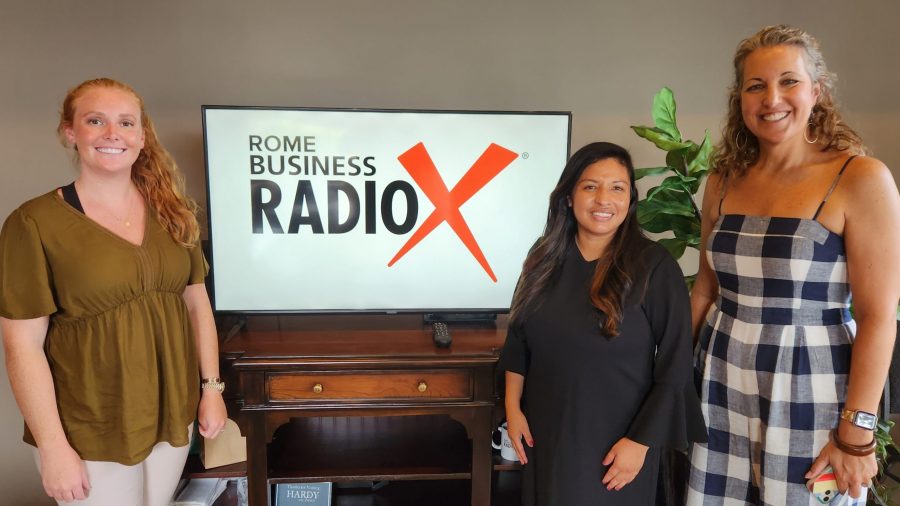
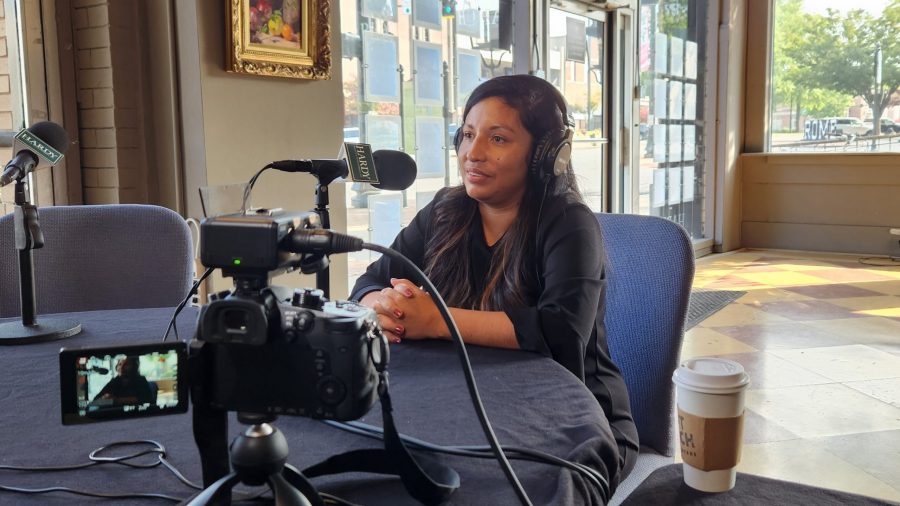
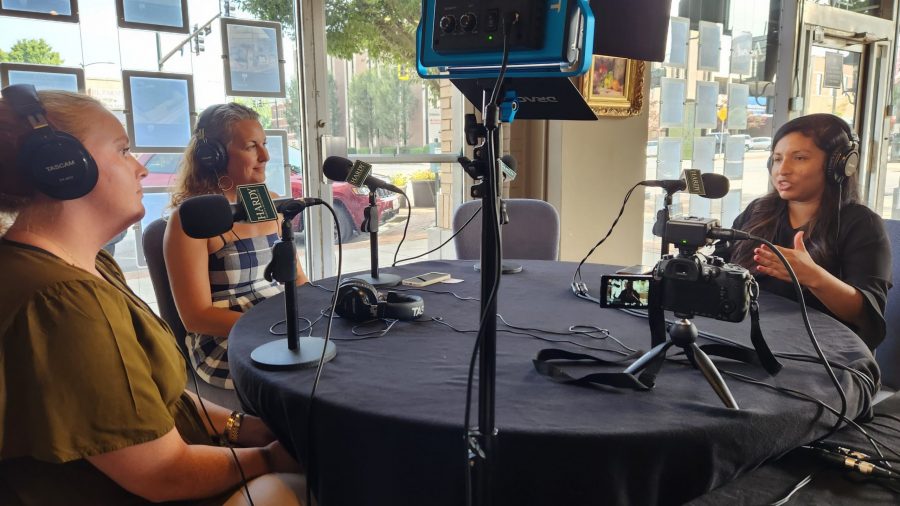
Rome International Film Festival podcast with Leanne Cook and Seth Ingram from RIFF, and Cheryl Jenkins with One Community United

May 24, 2023 by angishields

Rome International Film Festival
Rome International Film Festival podcast with Leanne Cook and Seth Ingram from RIFF, and Cheryl Jenkins with One Community United
Loading
00:00 /
RSS Feed
Share
Link
Embed

Download file

2023-05-18 riff pic 1 of 4 2023-05-18 riff pic 2 of 42023-05-18 riff pic 3 of 42023-05-18 riff pic 4 of 4

Tagged With: Broad Street, Cheryl Jenkins, Hardy on Broad, Hardy Realty Studio, Leanne Cook, Manco Logistics, Manco Logistics Corp., One Community United, RIFF, Rome International Film Festival, Seth Ingram

The Wrap Podcast | Episode 058: Unlocking Success in the Manufacturing Industry | Warren Averett

May 24, 2023 by angishields

TheWrapPodcastEpisode058UnlockingSuccessintheManufacturingIndustryWarrenAverett
Birmingham Business Radio
The Wrap Podcast | Episode 058: Unlocking Success in the Manufacturing Industry | Warren Averett
Loading
00:00 /
RSS Feed
Share
Link
Embed

Download file

Manufacturing companies face challenges that are different than any other industry. A global skills gap and worker shortage, an inability to pivot to remote work and changing regulations create a unique storm for these organizations.

So, what are the solutions?

Stephen Schaaf, CPA joins Kim Hartsock, CPA and Paul Perry, FHFMA, CISM, CITP, CPA, CDPSE to discuss the successful tactics that manufacturing companies are currently implementing to rise to the occasion. Learn how your manufacturing company can become more efficient, more effective and more innovative in this episode of The Wrap.

In this episode, you’ll hear:

  • Commentary about how manufacturing’s workforce challenges are a global issue
  • Ideas for improving hiring and employee retention practices specific to the manufacturing industry
  • Insight about interest expense limitations, research and development expenses and bonus depreciation
  • A story about implementing data analysis and technology into the manufacturing process to lower the defect rate in products

Resources for additional information:

  • Blog: What Will Research Expense Deduction Changes Mean for Your Business This Year?
  • Blog: Four Ideas for Employee Retention in the Manufacturing Industry
  • Blog: Six Strategies for Closing the Manufacturing Skills Gap and the Steps Employers Can Take Now
  • Blog: Recruiting Manufacturing Employees [How to Create A Winning Recruiting Strategy that Leads to Hires]
  • Event Invitations: Subscribe to receive invitations to future Manufacturing Roundtables.
TRANSCRIPT

Commentators (0:03): Hey, I’m Paul Perry, and I’m Kim Hartsock. You’re listening to The Wrap, A Warren Averett podcast for businesses designed to help you access vital business information and trends when you need it. So, you can listen, learn and then get on with your day. Now, let’s get down to business.

Kim Hartsock (0:21): Hi, everyone, and welcome to The Wrap. We’re excited to welcome today, Stephen Schaaf, the leader of our Manufacturing & Distribution Industry Group. So welcome, Stephen.

Stephen Schaaf (0:32): Well, thank you. I appreciate you guys having me, Kim and Paul. It’s a great topic, I think, of diving down into some industry specifics, or it’s a great series here to dive into some industry specifics, because it’s a complex world out there. And you really need to be an expert in your industry to truly add value and understand what’s going on. I’ve been with Warren Averett for a little over 30 years, and from day one, I’ve always worked with manufacturers and distributors. I like what they do. I like how they contribute to our economy. And it’s something that we at Warren Averett pride ourselves in as one of our larger industry segments.

Paul Perry (1:04): Absolutely, glad to have you with us. Now, Stephen, this is somewhat of a continuation of a discussion you and I had last week when we were having our Manufacturing & Distribution Roundtable. You know, lots of conversation in the room. Lots of discussion, lots of opportunities that they had and challenges. What were—you know, as you recap that that roundtable—what were the things that stuck out to you as major challenges for this industry?

Stephen Schaaf (1:28): Yeah, well, it was a great opportunity, that roundtable, to get some other CFOs together. Because one thing with manufacturing is that it is a fragmented industry. So, you’ve got your food and beverage group, you’ve got your plastics group, you’ve got your steel fabricator group. So, one thing we like to do is get those CFOs together from the different industry segments and share some of their pain points, their challenges and their issues. I’ll tell you right now that the number one challenge that came out of that roundtable—which a lot of other industries are having too—is workforce development and finding reliable and capable, qualified individuals who want to work. It’s not just a problem in the Southeast, or really in the United States.

I happened to be on a call earlier this week with an Italian manufacturer. One of our U.S. clients is looking at partnering with them. When we were talking about some of their challenges, the Italians said their number one issue was workforce development as well. They can’t find people. So, it’s on everyone’s mind, and it’s the biggest challenge. We’ve done it to ourselves as a society. I mean, manufacturing has its perception of being a dirty, blue-collar job, and everyone wants their children to grow up and be doctors and lawyers. But the facts are we need—and we do need doctors and lawyers—so, there’s nothing wrong with that. But we always need people to work in manufacturing; it’s not been a glorified position historically, but there are a lot of good-paying jobs, and that can lead to a rewarding career. With the advancement of technology, it can be a technical job too in a clean environment.

Kim Hartsock (2:59): Yeah, it’s interesting that you brought up the international impact, because I think for a long time, we’ve looked at this just as a silo of U.S. But as the industries—including manufacturing and distribution—have become global industries—right—then we have global challenges, like global supply chain, but also global labor markets. I don’t think anyone is prepared to come swoop in and solve our labor problems, right? We’re going to have to be a little bit more creative than that.

Stephen Schaaf (3:30): We are. I think the supply chain issue, which everyone was facing last year, seems to pretty much be under control a little bit more. In talking to a lot of our clients, 90-95% of their supply chain is back intact. We were able to work through that logistically. But this workforce development is a bigger problem that’s going to be here a lot longer, I think.

We try to advise our clients to look at it two ways to break it down into: How do you get new hires? Where do you find those people and get them on board? But, then also don’t forget about employee retention and keeping those employees you have because obviously, it takes a lot more time to bring someone on versus winning someone over and keeping them happy in the current job.

Paul Perry (4:15): I can imagine, Stephen, that the way that society and business is going right now with the move to remote work, that’s very difficult in the manufacturing and distribution industry, right? So, it’s to some degree, everybody’s having a problem. But I would argue manufacturing and distribution has it a little bit differently because you really can’t be remote and get the work done. Is that right?

Stephen Schaaf (4:38): Absolutely. I mean, you can’t take your mill equipment home to your house. You can’t take a lay or some other processing equipment. You’ve got to be there on site. We’ve had a lot of a clients too that have changed their administration side to say, “You need to be in the office if our plant people are here working. We want to present a team effort here and show them that you’re here as well.”

Kim Hartsock (5:02): So, Stephen, how are companies getting around that? What are they doing in terms of hiring? Any new ideas?

Stephen Schaaf (5:08): Well, some companies are trying to offer more non-traditional shifts. Some people have gone to 40 hours in four days. But depending on your production schedule, that can be a double-edged sword, because you may have to hire more people to meet these different shift needs. But it’s really trying to get outside the box. If you’re not on tech and if you’re not on social media, you need to be. I mean, everybody is—including the plant workers that are working these manufacturing jobs. It’s just another way to reach them and stay connected.

We’ve had a few clients that have looked at their current workforce and said, “Okay, these have been some great people. Where did we get them? Where did they come from?” They’re trying to use data, technology and what they already have in payroll. They may say that “Okay, our best employees come from this geographic area, and they live in this zip code. Well, let’s go market there and find more people that are like them, since they’ve been good employees.” A lot of other manufacturers are starting to go to career fair days at high schools and go ahead and plant that seed. In fact, we’ve had two clients—hundreds of miles apart in different geographic markets—that actually around the same time said they went to a middle school to go ahead and start planting that idea of if college is not for you, you can have a rewarding career here at XYZ plant, contribute to our local community and be a productive member.

Kim Hartsock (6:41): I think that’s interesting, because I do think that the approach is: our kids these days are seeing the cool jobs, right? The tech jobs, the Googles and all the things with AI. That sounds so cool. But if they could see the cool things that are happening within the manufacturing industry, right? Using robots and using AI? That might create a little bit more excitement—that it’s an exciting field for them to be interested in.

Stephen Schaaf (7:12): Absolutely. It makes them feel more valued and there’s the fact that they can learn to operate that equipment. I mean, there’s training that we obviously need to invest in the workforce, and it makes them feel a bigger part of it.

Paul Perry (7:27): And that’s bringing in the workforce. You talked also about, you know, retaining staff. Right? So that probably speaks to the culture of the organization. Would you agree with that?

Stephen Schaaf (7:36): Yeah, absolutely. Having that culture of a family environment where you can let these people know that they’re appreciated and valued and listened to? That’s a big thing. Now we’re hearing too of these multi-generations in the workforce that everyone wants their opinion known. And so there are little things where people have asked for picnic tables outside the outside the facility on a break, and even having one company build a gazebo that puts some shade in there. These are in the big scheme of things low-cost things. But that sense of appreciation and giving these employees a nicer environment really does go a long way. Some companies have brought in food trucks periodically on a Friday and either subsidize part of the lunch for the meal or had it be free for their employees. In that time when even (what I’ll call the administrative side) comes out, shares the lunches with them, gets to know them and has more interaction? That just makes for a more cohesive and friendlier environment that people want to stay in and contribute to.

Commentators (8:47): Want to receive a monthly newsletter with Wrap topics? Then, head on over to warrenaverett.com/thewrap and subscribe to our email list to have it delivered right to your inbox. Now, back to the show.

Kim Hartsock (8:57): So, Stephen, switching gears just a little bit, what are you seeing in terms of tax strategies? Is there anything new coming up that you’re starting to see more of?

Stephen Schaaf (8:58): Well, taxes have always been a big expense. When you think of that on an income statement as a percentage of revenue, that’s one of your largest items by labor and materials. In 2023, here under the current tax law, there are three areas that manufacturers are going to find an unpleasant surprise. Hopefully, Congress—in the next couple of weeks— may implement a workaround for some of this. But, as of right now, it’s not. That first one is the interest expense limitation. This has kind of slipped under the radar for a lot of companies and a lot of manufacturers because of two factors:

One, we’ve been in such a low interest rate environment for 8 to 10 years now. People have taken it for granted that I can have a loan at 2%, 3% or 3 ½%. But now, here, obviously, the environment pain rates are rising. Many people haven’t experienced that there’s actually a law implemented back from 2017 that limits the tax deductibility of your interest expense. Up until 2023, this was based off of 30% of EBITDA. So, you’ve got to take your earnings, plus your taxes, depreciation and amortization—that depreciation being a big one in manufacturing–that really lets you raise that baseline of then what you took 30% of that, and anything below that you’ve got to deduct as your interest expense. Well, starting in 2023, that baseline becomes EBIT instead of EBITDA. So now all these manufacturers are not going to be able to add that depreciation expense to their baseline amount to determine what is deductible from an interest expense. You couple that limit with now interest rates going north of 6%. There’s going to be an unpleasant surprise, if you’re not planning for it, of having a lot of your interest expense that will not be deductible for tax purposes.

Kim Hartsock (11:05): And if you think about specifically, within this industry, depreciation is a huge item, right? This is a very capital intense industry, where they’re relying on that depreciation deduction every year.

Stephen Schaaf (11:17): Absolutely. Then, you throw in that a lot of these companies are financing their working capital through a line of credit and have term loans. So, you have both of those components. One of them’s going away, and it’s not going in the good way. Then, the second. Another item here that changed recently deals with research and development expense. So, historically, these activities have been freed as a current expense for tax purposes.

But effective in 2022, those research and development activities are now required to be capitalized for tax purposes and amortized or expensed over five years. So now, what a company may have spent—and depending on the size of your company–you may have an engineering department or you may outsource some of these R&D expenditures. So, it can be a variety of level of expenses depending on what you do. But you used to be able to expense those, take them right off your bottom line for tax purposes. But now, you’ll only get 20% of that activity each year for five years. So, you still get it, but it’s just spread out over a much longer time period that you get that tax benefit.

Kim Hartsock (12:07): You alluded to this, Stephen, saying that you’re hoping that, you know, Congress will repeal this, but where is this stuck? And where, if I’m a leader within a manufacturing company, and I’m just hearing about this or I’m not aware that maybe this is a law change, where could you point me to that?

Stephen Schaaf (12:46): Well, you need to reach out to your local Congressperson. We’ve actually helped clients do that. We’ve got a draft of a template letter that you could send to your client, stating some of these three things, how they negatively impact your business and that you would like those things reverted back to how they were. But your question on where they stand? I’ve heard the Ways and Means Committee does have solutions to these. But everything right now is going to be on the debt ceiling. Whether these get worked in there or not is anybody’s guess.

I wish we had a crystal ball that we could look at, but as of current law right now, those two things, the interest expense and the R&D, are going to hit people pretty hard. Then, a third item that has always been on the books, but it starts here in 2023, is that bonus depreciation is now starting to be phased out. This has been going on for quite a few years where Congress allowed you to write off 100% of your capital assets, and it was referred to as bonus depreciation. Because historically, you would take that over a—just like that R&D expense I talked about—you take it over a certain amount each year. But that is finally under current law, down to 80% in 2023. So, anything you buy, whether it’s a new mill or any other capital asset you put in your plant, you’ll only get to write off 80% of that in 2023. It starts phasing down by 20% each year until it’s zero in 2027. So, it’s to be determined if Congress will reverse these and give the manufacturers a little more of a tax break, but hopefully they will.

Paul Perry (14:28): Stephen, it sounds like people in this industry and companies in this industry, there are a lot of dynamic issues that they have to solve, you know. What are some of the higher-arching solutions that companies are putting into place to respond to some of these issues? Are they rethinking what and how they do things? What is the solution for a lot of these issues for companies?

Stephen Schaaf (14:51): Obviously, it’s trying to be more efficient and effective in what they’re doing. Some companies—there’s been a little bit of a trend of more companies bringing services back on shore and not stretching out their supply chain as much to have a little more control over that and to get a quicker turnaround order lead time to be more efficient. Because if taxes are going up, we’ve got to find other ways to be more efficient. Companies need to look to using more technology in their manufacturing process. They need to think outside the box on what they do as well.

One story about a company that was a stamping facility: they had an acceptable defect rate. But they wanted to try to lower that even more. They spent a couple hundred dollars on some temperature sensors, and then lined that up from a data analysis perspective on timing on when those defects were occurring. When looking at the data, they realized that there was a certain time period and a temperature drop that were causing these defects to occur. When they analyzed it further, they realized that was when certain employees went on break, and they were opening a door in the facility that was then changing the temperature. Obviously, this was a time sensitive process or temperature sensitive process, and that was causing the defect. So, they ended up putting up plastic that you’d see in a freezer around that exit door. That ended up maintaining the temperature, dropping their defects and becoming more productive by spending a couple hundred dollars on some temperature sensors and by being able to think outside the box and using data in a different way.

Paul Perry (16:45): It’s interesting. I’ve always liked—I think it was IBM’s slogan—know what your data knows, right? It knew what the issue was, you just have to dive in to figure it out. That’s really interesting.

Stephen Schaaf (17:00): With the technology costs continuing to come down, it’s unlimited on what you really could do. You just need someone to come think outside the box and change a little bit or apply a different thought and data to to the process.

Kim Hartsock (17:16): Yeah, I think my approach is just to really recommend to people to understand that the technology is not going away. Instead of fearing it and thinking, you know, how it could negatively impact your business? Reverse that and think, “How can I use it to make us better and make us more efficient?” You know, we just talked about all these labor challenges. How can we use that to solve our labor problems? So, I think, instead of being afraid of it, let’s embrace it and try to figure out ways to make it work for us.

Stephen Schaaf (17:48): Don’t be afraid of asking your workforce too. They’re the ones that are out there in the plant. Go out and ask them: what do they need? What tools do they need to do this better, faster and more efficient?

Kim Hartsock (17:59): That’s a great idea. Well, Stephen, here on The Wrap, we always ask our guests to wrap it up in 60 seconds or less. So, what’s the one thing you want our listeners to leave with today?

Stephen Schaaf (18:11): Okay, well, we talked about a few issues facing manufacturing. My closing comment or wrapping up would be that—and a little bit what we talked about there—I would challenge each manufacturer to think of themselves as a data processor, not just as the manufacturer of your particular product. If you compare the quantity of your products produced each year to the quantity of data you create and analyze each year, I bet you’d be surprised. So, look for ways to improve that flow of data through your whole facility, looking at new data to collect, analyze and sort this data in different ways to your manufacturing process.

I’ve had a few clients that have looked at themselves as data processors—and not just manufacturers—and it’s led to changes that have made them more efficient, more profitable and ultimately increased the level of their happiness of their workforce too. So, no matter how old your product is, or the process is, you can become a leader in your segment by using that data and analyzing it to your advantage.

Paul Perry (19:10): Alright, well, Stephen, it’s been a pleasure having you with us on The Wrap. Thank you for bringing this information to our listeners, and I look forward to talking with you soon.

Stephen Schaaf (19:18): Well, thank you. I enjoyed it. Good to see you both.

Commentators (19:20): And that’s a wrap! If you’re enjoying the podcast, please leave a review on your streaming platform. To check out more episodes, subscribe to the podcast series or make a suggestion of other topics you want to hear, visit us at warrenaverett.com/thewrap/.

BRX Pro Tip: Beef Up Your Social Proof

May 24, 2023 by angishields

BRXmic99
BRX Pro Tips
BRX Pro Tip: Beef Up Your Social Proof
Loading
00:00 /
RSS Feed
Share
Link
Embed

Download file

BRX-Banner

BRX Pro Tip: Beef Up Your Social Proof

Stone Payton: [00:00:00] Welcome back to Business RadioX Pro Tips. Stone Payton and Lee Kantor here with you this afternoon. Lee, I think one of the things that we can do that get some results fast is if we invest the time and energy to beef up our social proof.

Lee Kantor: [00:00:19] Right. In professional services, especially, having social proof is critical in the buying decision of your prospect. They’re checking you out. They want to know that whatever you’re selling is working for somebody. So, the more energy and more kind of proof you have to other people that what you do works and it helps people, the better.

Lee Kantor: [00:00:42] You can’t have too much social proof. You can’t have too many testimonials. You can’t have too many case studies and too many success stories. It’s impossible. The more you have, the better. So, because of that, it’s important to invest time every week, every month on getting more of these things. Find people that you’ve helped. Get them to, you know, write something about how you helped them, to record something about how you helped them, but something that proves to other people that what you do works.

Lee Kantor: [00:01:12] So, you cannot invest too much time, in my opinion, in this area, and it should be part of your weekly activities. Persuasive social proof lets your prospective client know what you can do, how you have successfully solved other people’s problems. And that, ultimately, lets them know that your service works and it’s a safe choice for them to make. Nobody wants to take any risk if they don’t have to. And this kind of alleviate some of their fear when it comes to a buying decision. So, more social proof, the better.

Empowering Financial Literacy: Insights from April Hudgens, Five Rings Financial

May 23, 2023 by angishields

April-Hudgeons-Five-Rings-Financial
Northwest Arkansas
Empowering Financial Literacy: Insights from April Hudgens, Five Rings Financial
Loading
00:00 /
RSS Feed
Share
Link
Embed

Download file

Welcome to an engaging episode of Northwest Arkansas Business Radio, where financial literacy takes center stage.

Join us as April Hudgens, a prominent figure from Five Rings Financial, imparts her expertise, empowering listeners with valuable insights and strategies to navigate the world of personal finance.

Tune in and embark on a journey towards financial success.

Five-Rings-Financial-logo

April-Hudgeons-Five-Rings-FinancialApril Hudgens is a Regional Director with 5 Rings Financial, where her biggest focus is on educating middle Americans on how money works and how to protect their financial household with Living Benefits.

After many years of being a single mom, April knows and understands the stress an worry about money.

It is her team’s mission to help people to maximize their income with funds they already have in order to accomplish the peace of mind for both the present and the future.

April’s company and team are focused on educating average people, one person or family at a time, on how money works.

Connect with April on LinkedIn, and check out her web page livingbenefitsexperts.com/Hudgens.

To learn more about becoming an agent, check out The Donnelly Team App.

Key Points:

  • Gain Expert Insights: Uncover a treasure trove of expert insights as April Hudgeons, from Five Rings Financial, delves into the realm of financial literacy. Learn practical tips and techniques to strengthen your financial acumen.
  • Enhance Decision-making: By listening to this episode, you’ll discover how to make informed decisions when it comes to personal finance. April Hudgeons shares her knowledge to help you assess investment opportunities, manage debt, and plan for a secure financial future.
  • Learn from a Trusted Advisor: April Hudgeons, with her vast experience in financial planning, offers a wealth of knowledge to listeners. As you absorb her insights, you’ll gain confidence in your financial decision-making and develop a solid foundation for a prosperous life.
  • Unveiling Five Rings Financial: Explore the offerings and ethos of Five Rings Financial, as April Hudgeons provides an inside look at the organization’s commitment to empowering individuals with financial knowledge and resources.
  • Transform Your Financial Outlook: Whether you’re a seasoned investor or just starting on your financial journey, this episode equips you with the tools and knowledge necessary to make significant strides in your financial well-being. Prepare to transform your financial outlook.

Tagged With: Five Rings Financial

The Hardy Realty Show – Amanda Farrell with Farrell’s Frame and Design

May 23, 2023 by angishields

The Hardy Realty Show - Java Joy
The Hardy Realty Show
The Hardy Realty Show - Amanda Farrell with Farrell's Frame and Design
Loading
00:00 /
RSS Feed
Share
Link
Embed

Download file

2023-05-18 hardy realty pic 1 of 1

Tagged With: Amanda Farrell, Broad Street, Farrell's Frame, Farrell's Frame and Design, Hardy on Broad, Hardy Realty, Hardy Realty Show, Hardy Realty Studio

BRX Pro Tip: 30 Day Connection Challenge

May 23, 2023 by angishields

BRXmic99
BRX Pro Tips
BRX Pro Tip: 30 Day Connection Challenge
Loading
00:00 /
RSS Feed
Share
Link
Embed

Download file

BRX-Banner

BRX Pro Tip: 30 Day Connection Challenge 

Stone Payton: [00:00:02] And we are back with BRX Pro Tips. Lee Kantor, Stone Payton here with you. Lee, you have a challenge to issue the 30-day connection challenge. What are you talking about?

Lee Kantor: [00:00:14] Yeah, I love these 30-day challenges. These kind of sprints really get you focused on one thing and kind of forces you to execute in a timely, repeatable manner. So, this month, I’d like us to focus in on connecting people together. Every day for a month, I’d like you to take two people in your network and connect them together, people that don’t know each other. I would start with your clients first.

Lee Kantor: [00:00:38] Pick one of your clients, connect them with somebody in your network that they should know, they’ll be good guest on their show. That’s an easy connection to make. And then, I would move on to my power partners. Who are the power partners? I would connect them with people they should meet. Then, I’d move on to my good prospects. Connect them with people they should meet. And then, I’d move on to my good guests that I like to rekindle a relationship with.

Lee Kantor: [00:01:00] By doing that every single day, at least one connection or pairing two people together, you should be able to really get a lot of love and appreciation from the people you’re connecting and really differentiate yourself from people in the market. This is one of our superpowers, the ability to have a diverse network and to connect people together and cross-pollinate people that usually would never run into each other. So, leverage it, take advantage of it. That is one of the superpowers of being a Business RadioX studio partner or Business RadioX sponsor.

The Rome Floyd Chamber Show – City Clerk Joe Smith

May 22, 2023 by angishields

RomeFloydChamber
Rome Business Radio
The Rome Floyd Chamber Show - City Clerk Joe Smith
Loading
00:00 /
RSS Feed
Share
Link
Embed

Download file

2023-05-18 rome chamber pic 1 of 22023-05-18 rome chamber pic 2 of 2

Tagged With: Broad Street, City Clerk of Rome, City of Rome, Georgia, Hardy Realty, Hardy Realty Studio, Joe Smith, Karley Parker, Rome Floyd Chamber, Rome Floyd Chamber Business Resource Series, Rome Floyd Chamber of Commerce, Rome Floyd County Business, Rome Georgia

Courtney Culmer with Uplevel Communications and Brad MacAfee with Mission and Cause

May 22, 2023 by angishields

Atlanta-Business-Radio-051923pic3
Atlanta Business Radio
Courtney Culmer with Uplevel Communications and Brad MacAfee with Mission and Cause
Loading
00:00 /
RSS Feed
Share
Link
Embed

Download file

Courtney Culmer with Uplevel Communications and Brad MacAfee with Mission and Cause

Courtney-CulmerCourtney Culmer, Founder of Uplevel Communications, has been part of the communications and marketing ecosystem for almost 20 years.

She’s worked for Fortune 500 companies like United Technologies Corp. (now Raytheon Technologies), NCR Corporation and ESPN (a Disney company) and later providing communications and diversity, equity and inclusion (DEI) consulting services to industry leaders, influencers and non-profits such as Google, L3Harris, Precisely, Triumph Group, National Black Justice Coalition, and more.

Her career has given her a unique perspective of the pain points and opportunities for both companies and freelancers – and her passions for connecting people, creating value-based solutions and helping underrepresented groups succeed led her to found Uplevel Communications in 2020 while on maternity leave. She went on to raise $250K to bring the vision to life.

Courtney is a proud HBCU graduate with a B.S. in Journalism from Florida A&M University. She also holds an M.S. in Integrated Marketing Communications from Florida State University and an MBA from UCLA’s Anderson School of Management.

Connect with Courtney on LinkedIn and Twitter.

Brad-MacAfeeBrad MacAfee is the strategist and pioneer of people-first transformation. He builds profitable, socially responsible brands to maximize positive impact on the world. At Mission + Cause, he is committed to immersing himself in the client perspective for each search.

As the former CEO of Porter Novelli, Brad has a long history of hiring and retaining the best people in the industry. His passion is attracting, growing and retaining talent, and has been involved in the hiring of hundreds of executives in both agency and corporate environments. Brad has received a long list of awards for which he credits the talented practitioners who always seem to surround him. From PR Week Best Purpose Agency to PR News Best CSR Agency, from PR Week Best Place to Work to CR Magazine CEO of the Year, Brad is no stranger to accolades and recognition for his bold and transparent approach.

Driving purpose and growth, Brad looks for talent that delivers greatness through empathy, imagination and engagement. They are the qualities that drive him personally and make him a trustworthy partner.

An early champion of diversity and inclusion, Brad embeds diversity principles and practices into all leadership, talent, business and philanthropic initiatives to foster creativity and inclusivity. It’s a founding tenet of Mission + Cause, and one that he credits with broadening his worldview and critical thought foundation.

Brad holds numerous board roles, including Board President of the Global Impact Relations Network, Executive Committee Member & Former President of the Board of Trustees of the University of Georgia Grady College, Board of Trust Member of the LAGRANT Foundation and additional roles with Junior Achievement of Georgia, PR Council, Center for the Visually Impaired, and Jack & Jill Late-Stage Cancer Foundation.

Brad grew up in the suburbs of Chicago and relocated to Atlanta after graduating from Indiana University. He and his wife Nicole, and their two daughters share their time between Atlanta and New York City.

Connect with Brad on LinkedIn and Twitter.

What You’ll Learn in This Episode

  • About Uplevel Communications and Mission + Cause and their partnership
  • Benefits for clients from the partnership
  • What the freelance market will look like in the next few years
  • How the partnership between Uplevel Communications and Mission + Cause will impact the Atlanta PR and comms business community
  • Why organizations should consider hiring freelancers or contractors rather than full-time staff
  • The state of talent recruitment and retentionwithin the PR and comms industry

This transcript is machine transcribed by Sonix

TRANSCRIPT

Intro: [00:00:04] Broadcasting live from the Business RadioX Studios in Atlanta, Georgia. It’s time for Atlanta Business Radio. Brought to you by Onpay. Built in Atlanta, ONPAY is the top rated payroll and HR software anywhere. Get one month free at on paycom. Now here’s your host.

Stone Payton: [00:00:32] Welcome to another exciting and informative edition of Atlanta business Radio Stone Payton here with you this morning. And you guys are in for such a real treat. Please join me in welcoming to the broadcast founder of Uplevel Communications, Courtney Culmer and founder and CEO of Mission and Cause, Mr. Brad MacAfee. Welcome to the show.

Courtney Culmer: [00:00:57] Thank you so much for having us. Stone.

Brad MacAfee: [00:00:59] Yes, this is great. Thank you very much.

Stone Payton: [00:01:01] Well it is absolutely my pleasure. I have been looking forward to this conversation for some time now. And it is I think we’re going to have a good time. Courtney, I’d love to begin with you if we could. Could you articulate for for me and our listeners mission, purpose, what are you and your team really out there trying to do for folks?

Courtney Culmer: [00:01:24] Absolutely. So Uplevel Communications is a talent marketplace that connects companies in need of marketing or communication support with a pool of vetted freelancers and small agencies. At our core are more, simply put, rather, we’re helping to fill gaps so that these teams and organizations can really achieve their goals in the most efficient way. You know, our mission is to help communications and marketing professionals succeed. And a lot of times we find that these groups are under-resourced, understaffed, and we don’t want the any barriers to get in the way of them succeeding. And so, you know what? Where we feel we are able to bring the most value is by connecting them with talent that can step in, whether on a short term, temporary basis, which is what we’ve been doing through Uplevel or as I’m joined here by with Brad through this new partnership that we have formed with Mission and Cause, we’re able now to also say when you’re ready, whether it’s now or in the future, to have direct hiring, full time, longer term support. We’ve got the best experts on board and working with them in order to help you staff that way as well.

Stone Payton: [00:02:41] I feel like she’s answered that question before. Brad articulate, passionate. I mean, your passion comes through. So at this point in the work, what are you enjoying the most? What are you finding the most rewarding about the work?

Courtney Culmer: [00:02:54] Well, I love that question. You know, I’ve been a part of the marketing communications industry now for about 20 years, started out in journalism and television, went into corporate communications and went on to do freelance consulting work myself. And at this stage in season of my life, I feel what excites me most is it really is a desire to be helpful and resourceful and to make connections, meaningful connections. And so, you know, opportunity, whether that’s connecting people with other people, whether it’s connecting them with opportunities or information, that’s the core of the work that we’re doing right now. And so I’m excited by that. But I really am excited by this partnership with Brad because, you know, our values and what we stand for in that spirit of, you know, really, again, bringing value to our clients, it’s so important. And to meet another founder and find another organization with complementary service offerings, but that share our same values, that share our same just principles of how we approach business and approach being solution finders for our customers. That excites me. So it’s fresh and it’s new and it’s something that we’re pursuing, but I think it’s so needed right now as we look at what’s happening in the job market, as we look at drivers, whether it’s a great resignation, where you have people entering wanting to work on their own terms or whether it’s even unfortunately layoffs and people find themselves displaced and trying to figure out their next opportunity. You know, we’re really in this very unique position to help connect them and position them for that next opportunity.

Stone Payton: [00:04:33] Well, Brad, I appreciate you driving out, but I don’t know that you needed to. I think if you got Courtney in your corner, man, you just you just want her up and turn her loose. You must love collaborating with Courtney.

Brad MacAfee: [00:04:45] I think you understand. Now, how did this partnership developed? Because when you have a leader like Courtney who truly shows the passion, brings a passion, but also has an incredible solution, I mean, it became really easy for us to get from collaboration to dreaming to then executing.

Stone Payton: [00:05:04] I’ll bet it did. All right, Mission and cause I love, of course, the moniker. Tell us a little bit about the history of that and and what you guys are up to and how you’re trying to get out there and serve people, Right?

Brad MacAfee: [00:05:16] Well, one of the things that makes this relationship so logical is, as Courtney was talking about, the mission of Uplevel, to really help communicators be successful. We exist at mission and cause to. Communicators reach their greatest and fullest potential. So there’s such synergy right there. And what we fundamentally believe is that communications really can change the world. Amen. It really can. There’s nearly nothing that we do that isn’t influenced in some way, shape or form by communication. What we might order at a restaurant, which restaurants we might go to, who we might vote for, anything that you can imagine gets influenced, right? And so for us, if we can be a part of that, that environment, that market of helping raise up people as much as we can, and then it gets to people, right? You need people to help change the world and communicate. So for us at Mission and cause we’re a consultancy to communicators and also have a full executive search arm, which was focused on full time placements, right? So getting people full time positions, great positions that align with their values, their individual purpose, so that their career can really take off. But 2023 happened and we’ve got a little bit of of an economy that’s showing some uncertainty for many organizations. And what they started to do is hold back some on some of their full time hires. And we saw that trend happening a little bit last year. And it was like we need a solution for those gaps when when those organizations shift from a full time hire, but then say, I still need to get the work done, I still need talent, talented individuals who can really help our programs and our communication strategies and campaigns. We started looking for a partner who could really fill the gaps a freelance marketplace, a contractor marketplace. And when we started talking with Courtney, it became very obvious of which way we were going to go.

Stone Payton: [00:07:16] I cannot tell you, I don’t think, how many times I have kind of hit it off with someone in some environment, right? Whether it’s in a show or a networking thing or a conference or something. And we say, you know what? We ought to team up and try to help some people. We ought to collaborate. And, you know, we have a beer in my case, and then it just kind of fizzles away. What what disciplines, what process or structure, if any, did you guys lean on to? Really? It it worked this time. You made it happen. What what counsel can you offer on that front?

Brad MacAfee: [00:07:53] Well, maybe I’ll start with a short story and of how we got connected, how Courtney and I first got connected and there’s there’s a gentleman who’s, I would say one of the most connected people in all of Atlanta, and that is Joey Womack. He’s the CEO of Goodie Nation. And the mission of Goodie Nation is they help diverse founders and social entrepreneurs close the gaps on connections, close the gaps on funding, close the gaps. And they have an incredible program that they bring startups and entrepreneurs through. We were working with Joey Courtney was was working with Joey through Uplevel and like a really smart individual. He saw the connection and he put the two of us together. And and to your point. Well, then, yeah, but just meeting doesn’t equal a business opportunity. You have to take it from there. And maybe, Courtney, you want to kind of walk through how we went from meeting and feeling a connection, but then taking it all the way to the, to the stage. Yeah.

Courtney Culmer: [00:08:57] So I to me, when we first met, I came in and after that introduction from Joey, it was really just getting to know you, you know, meeting another person who, you know, knowing Brad’s background professionally. I looked at him like, this could be like a mentor to me, to be very frank about it. He was, you know, just so accomplished, had been in the industry for some time, working with working within organizations that were target clients of ours, but then also as a founder of an organization, an that. And then and I would say lastly, what was important to me was, you know, we shared a real it was evident to me and through that introduction that he he really had a deep understanding of the value people and diversity and just how that can really feed into and nurture an ecosystem, right? And so I came into it completely just I want to get to know him and have questions and get wisdom from him. And, you know, we laughed and I was sharing our solution with him. And he had some great feedback and suggestions. And we left really saying, you know, let’s maybe revisit and, you know, just kind of stay in touch. You know, there might be an opportunity to continue to continue this discussion as we progressed on our journey. And so, you know, to answer the first part of the answering, your question would be follow through, Right? You know, he said that we you know, I followed up in a few months and he said the timing is great right now.

Courtney Culmer: [00:10:24] Let’s actually, you know, connect again. And we were at that time going through what Brad’s saying he’s observing and his you know, through his interaction sessions, you know, what’s happening, how that’s impacting his leads and how his business cycle is changing. And we were similarly going through the same thing. And so it was just kind of like, hey, let’s keep the conversation going. And so, you know, the what the what brings it to fruition, again, I would say is, one, when you are looking to make genuine, authentic connection, it’s not coming in to just sell, but to get to know people to see where their synergy. I think what also is plays a part in it is really keeping a pulse on what’s going on in the industry and going on around you. You know, being able to be flexible and fluid and just say, you know, it was it just worked out. The timing worked out so nicely for us because there were actual things happening in the economy that just made it make sense. And so, you know, with relationship building, I think we just have to leave room that it’s not a walk in today, close today and walk out tomorrow. But let’s continue to explore and grow together. And if we’re always all of us are keeping our customers and the clients we serve top of mind, then we’re able to be responsive. And because the relationship was already there, we were able to move with some speed when it was really time to have that conversation.

Stone Payton: [00:11:46] So, Brad, you thought this was going to work out, You thought it’d be a good idea. Do you have a couple under your belt now that you’ve that you’ve validated? Hey, yeah, this is exactly what we should be doing. And and you’ve had some success serving this common constituency. Yeah.

Brad MacAfee: [00:12:01] So one of the things that was really fascinating is we started meeting every single week our teams and really plotting it out. So there is a real tactical aspect of getting everything out the door. But while we were doing that, I was very comfortable talking to my current clients that we had prospects and just saying, What about a freelancer marketplace? You know, what is you know, do you have needs? Because that’s a different conversation coming from mission and cause that’s typically been talking to those organizations about full time hires. Yeah, but what we noticed and we saw, you know, a great piece of research done by fervor that said in 2023 of these organizations that are kind of pausing a little bit on their full time hires, 78% of these organizations are shifting to contractors and freelancers. And we’re seeing that that same trend in experiencing it. So we would go out to these organizations and just openly ask, are your freelance needs being met? And what we kept hearing time and time again is either it’s really hard to find a freelancer. I have to take time away from our core business to go find a freelancer. It would be great if somebody just had, you know, a freelancer database and access to one. Then there’s the other elements of then you have to manage it, right? So if you think about some some small businesses, they may get a contractor maybe. Two, maybe three. Some of the large PR agencies, the global agencies, they may use literally hundreds. And when I was in my previous role at a global global Porter Novelli, it’s a public relations agency. We use more than 150 freelancers in a single year.

Stone Payton: [00:13:47] Good Lord. And what were all these people doing?

Brad MacAfee: [00:13:50] Oh, you can imagine.

Stone Payton: [00:13:51] Copywriting, copywriting, photography.

Brad MacAfee: [00:13:53] All that, all of that stuff. Design, editing, some writing. But one of the things that happens then, if you just think about a number of that size, then how many people do you need to have in your accounts receivable accounts payable group to just manage the invoices coming in and the payments going out? What are the compliance issues that you might have around your freelancers? What about the end of the year tax when you’ve got to get all those forms out to to to individuals? That’s a pretty heavy lift. And so one of the things that we were very it was important for us is and the and our clients, they said, can you take some of the administrative pain off of this and can you also give us access to people very quickly and the right type of people for the positions that we’re looking to fill on a part time basis? And that’s what we found with Uplevel.

Stone Payton: [00:14:44] Well, it certainly sounds like it’s been great for Brad. What’s in it for you guys?

Courtney Culmer: [00:14:48] I mean, I think, one, it’s helping us expand our potential client pool. You know, we have really leaned into and targeted a lot of your larger enterprises, some of your start ups. And we hadn’t tapped yet into the agency so much in a lot. And that’s in large part I come from the corporate world, as I mentioned. And so some of those same trends that Brad notes in agencies, you know, we would see in corporate spaces when you have when you think of the cycles of hiring or of managing employees and in downturns where you see reductions again, unfortunately, but then you start to see them when there’s the recovery or when you’re when the recovery is in sight. You may start with contractors first. And some of that’s just the administrative getting job requisitions approved, the process of searching and hiring and making offers. And so, you know, we were able to do that. We knew that cycle we and that worked for us and clear value proposition and business case to those those clients. But what’s been really cool is through this partnership is, as Brad said, the agencies and the volume of freelancers that they’re leaning on is is quite significant. And we do have these systems and the infrastructure and the technology in place to solve that pain point for them. You know, I think at times how the really obvious benefit in value was we’ve got good talent, you know, we’ve got this diverse pool, depth, breadth, experience, all of these things.

Courtney Culmer: [00:16:20] But again, that whole focusing on customers and what’s their real problem that you’re solving. It’s like, here is another problem that exists here. The management of the contractors. And to us that’s just part of how we’re doing the business. But that means a lot to them that, you know, that’s something they really need. And again, it’s just really beautiful how we kind of bounce off. And so I get again, just to summarize, he’s connecting us with so many more potential clients who could benefit from our business. And the other thing I would note too, is that, you know, we are a startup. You know, I started Uplevel in 2020, a tech enabled platform. I’m a non tech founder. And so we’re really still out here gaining traction, growing. And to have someone like Brad who has such credibility, who is of such great character and so many strong relationships that, you know, adds such so much value to us, you know, just to see the response when we make this announcement together. And I had colleagues who I worked with years ago saying like, Oh, you’re partnering with Brad McAfee, Like this is the people who I, you know, deeply start.

Stone Payton: [00:17:35] Dropping that name. This afternoon. We had Brad McAfee in the studio this afternoon. I’ll probably get free beer.

Courtney Culmer: [00:17:40] You probably will.

Brad MacAfee: [00:17:41] Your listenership may go down. Actually, you’ve got to be you’ve got to be careful.

Courtney Culmer: [00:17:46] And even hearing Brad say that, you know, one of the things I have to say about Brad that I just really appreciate is he has such a humility and such just he’s of such great character, you know, and that matters in this industry. When you talk about relationships as much as we we talk automation’s new technology, our respective skill sets and expertise in this industry, it still comes down a lot to the relationships and the trust that’s built and that that is just something that is you can’t even quantify in terms of the value Brad brings to me to uplevel into every client. Now, whether it’s. Our legacy client or our prospective client or those of mission and cause. That’s something that he brings. And so, yeah, I’m a fan. Super fan.

Stone Payton: [00:18:40] Well, tell me more, both either of you, about this, this world of of freelancing. Are there a lot of freelancers here in metro Atlanta and Georgia? Is it a is it a growing population in general or are they struggling? What’s the State of the Union with freelancers?

Courtney Culmer: [00:18:56] Absolutely. So, you know, the freelance landscape right now is you know, I’ll throw out some statistics. Okay. So in 2022, annual earnings by US freelancers grew by $100 Million up to a $1.3 trillion. That’s for freelancing. And projections are that by 2027, more than 50% of the workforce will be involved in the gig economy. And when you survey even those who are already actively participating, it’s like less than 10% even have a desire to reenter, you know, to go back to full time, you know, traditional work. You know what what I would say about the freelance economy, again, I mentioned earlier in the conversation around we had a great resignation, you know, well, first we had before even the great resignation, we had a global pandemic. It might feel like a distant memory. But, you know, as it relates to timing and kind of the trends of the why now, why I started Uplevel now, it was the pandemic had clear economic impacts. And so people found themselves displaced. Then they found themselves working in new ways, which I think also made companies get more comfortable with. Everybody doesn’t have to be sitting in a seat now because they can’t be right now. And our productivity can’t stop because people are not in the office. Then that was followed by a resignation, a great resignation, which were people saying, I want to work on my own terms, I’m feeling empowered or just I see a new world.

Courtney Culmer: [00:20:20] I see the future of work. We’ve talked for a long time about future of work around technologies and automation, but it’s about so much more than that. And so you had people coming in and saying, When I think of my future of work, I want something a little bit different. So you had voluntary, you know, that that voluntary joining of the gig economy and which was which was really great for us because we’re able to say, you know, even though we all jump out and say, I want to take gigs, you still have to do things like market yourself. You still got to sign contracts with every client that you do business with. You still got to invoice them and make sure you get your money, you know, in order for that to really be a sustainable career path for you. And then we next cycle was the great layoffs now. And so now it’s growing for it’s like almost like snowballing in ways because like I said, less than 10% of those people who already stepped away on their own accord aren’t trying to go back to work. And then you have the now I’m displaced and I am looking for something.

Courtney Culmer: [00:21:16] So gig work might be a temporary solution for you, but you might decide you don’t want to go back once you once you test the waters or again, it’s just something that’s an in-between until my next big thing comes up. And so, you know, we see it more and more in Atlanta. There’s a you know, as you see in Atlanta, just even more and more companies willing to have more of a hybrid workplace, if not a fully remote workplace. I think that plays into it. We have so many large corporations that will look for more creative ways to source their teams. You know, where did maybe before I had a full time person, but really the work load is more up and down, so it might make sense to fill this gap in with with with a contractor. And so I think that, you know, the gig economy is here to stay. It is continuing to grow. You know, I often tell people even that by 2027, it’s projected to be more than 50%. I would almost think we’d be there sooner because that reporting and that data point actually came out probably in, I think, around 2020 when I saw that report. So yeah, that’s kind of what’s going on in terms of the state of the freelance.

Stone Payton: [00:22:28] That’s very helpful. Okay. So let’s talk about me for a minute. You know, it’s my show, so my business partner and I, we have a media company, right? And we’ve had some success. We we are approached by a lot of people in the PR world, and we’re very blessed that we get to to pick and choose who we want to bring into the studio and and interview. So we see the PR world from that standpoint. And so as you guys are talking about your world, it sounds like some of those PR firms, maybe a lot of them are people that may in turn be working with you, Brad, to help them get the talent they need to execute on the work for their clients who are coming into my studio. Is that accurate?

Brad MacAfee: [00:23:10] That is exactly how it how it works. Okay. And you know, one of the things that’s interesting, if we look at the freelance side of this, so the freelancer experience, right. I think Courtney did a great job of describing why people have moved into that, the flexibility. I want to work differently. I want to have more. Or ownership of my day. And I want to pick and choose a little more. Like there’s a lot of benefits to it. When we were talking during the greatrillionesignation, when we were out talking with candidates for full time positions, we would often hear about it was about maybe one out of every 15 engagements we’d have. The person on the other side would say, I actually don’t think I want a full time job. I think I’m going to go freelance, Right. The reservation, the one reservation that most contractors and freelancers have when they make the decision is where am I going to get the next project? Right? Because some people are really connected and that’s not a worry for them, perhaps. But many people go, I’m going to go out. I might have one client to begin with, but then what? And now marketplaces like Uplevel actually help that portion of connecting projects with people. And and now we’re there are many different options for freelancers to kind of really make this a full time opportunity for themselves. And many of them end up finding out that they may end up making as much or maybe a little bit more or quite frankly, maybe it’s not about the financials. It’s more about their personal interests of what’s valuable to them. Maybe time with kids is valuable for them. Caregiving for an older parent. I mean, there’s a lot of motivating factors, but they find that they might be able to get it in this type of a format versus a full time job. Yeah.

Stone Payton: [00:24:56] What a marvelous credit to you, though, for identifying that challenge in the marketplace. And instead of digging your heels in, this is the only all that we do and we’re doing woe is me and, you know, world’s going to hell in a handbasket. These kids today don’t want to work. No, you saw the situation. You scan the environment and you landed on what apparently is a very productive solution. So I think that is fantastic. So back to me, my favorite topic on the other side of things being I own 40% of the network and then I wear this other hat and run and I run one of the studios. So we at the network and, and I here locally engage freelancers, right? And in fact, I just introduced you to a voice over artist. So and this young lady has has what I’ll call a real job, right? And so she has that. And then she’s a voice over artist and she’s working with us to help us produce and distribute some of the work that we’re that we’re doing now. I was very fortunate to stumble upon her. But as we continue to grow up, Courtney over at Business RadioX, it sounds like it makes sense that that would we reach out to somebody like you, have a conversation with you or tap into your platform and walk me through how that might work if we were a client of yours?

Courtney Culmer: [00:26:17] Absolutely. So when you come to our platform, there’s really two ways that you can engage with Uplevel. There’s what we’ll call a do it yourself option where you could simply say, Here’s my need. I put it, you put it out there, you know, you’re reaching a pool of vetted because we vet all of our professionals. So we’re not we’re not the place where someone can wake up today and say, you know what, I just really like to write. I think I’m a I think I’m a make a good publicist. You know, we vet our talent. We make sure that they have the experience that they say that they are actually experienced in this industry. So the benefit to you, again, even if you’re doing it on your own and simply posting your project or your opportunity out there, you’re reaching this kind of curated audience that you a first level of screening is already completed for, and then we can help you streamline that process of onboarding them. The second way that you can engage with us though, which is actually what most of our clients take advantage of, is more of an assisted hiring model. And so that would be where you would get on the phone with me or a member of my team. We would really talk through, what are you trying to accomplish here? You know, the parameters, the preferences and requirements and the talent that you bring on.

Courtney Culmer: [00:27:24] If it’s industry experience, if it’s a certain level of experience, certain location, if that matters to you. And then just again, some of the scope of the work and we take it from there, really, I mean, the ease and the speed is what we bring. And within as soon as within a few days, if you have urgent, you know, depending on your urgency, we can come back to you with a short list of, you know, here’s top 3 to 4 candidates for you. You know, do you want to move forward with one for sure. Do you want to have an interview? In most instances, people want to have an interview because you always got to make sure for fit. But and then from there, we really manage it. We handle all of the your contract through us. We make sure they get paid. We make sure that all of the administrative stuff is taken care of so that you and that freelancer can focus on making this magic here on the radio. That is what you want to be spending your time on versus in the weeds of a lot of the business stuff.

Stone Payton: [00:28:15] Well, I got to say, and I don’t know if your mentor helped you craft that value proposition and message, but I find that incredibly compelling. A big piece of it for me. I really find it compelling that there that there. Added get. Because one of my challenges, and you probably see this in your line of work, Brad, all the time, I’m just not good at hiring people. I have a tendency to just believe they can do a great job. And, you know, I hit it off with most people. We have a beer. Sounds like a good guy. Look for we get going Monday. You know, if you guys are professionals and you know how to get to do that vetting, but oh man. Taking the admin work. Yes. Off the plate. And also like in a system like ours, I can envision if we can identify because we have several different tasks within our workflow that I think freelancers makes a lot of sense for, like editing and producing the audio, like publishing it, distributing all that kind of stuff. I think it would be really neat if we could find a small pool of people vetted by you, forged by us over a little bit of time. And now Karen Nowitzki in Phenix is going to use that person some, but so so is Adam Robinson in Arkansas. Absolutely.

Courtney Culmer: [00:29:24] Yeah. Yes. I mean, it’s around I always like to lean on the term staff augmentation. How do we help you create an extension of your team that nobody on the outside knows, whether they’re your employee or they’re your contractor. But really, this this work that we do does require different owning your own business. You have to have to there’s owning your own business in communications, marketing, media, any of that. There’s two sides of your brain. You’re juggling constantly between my creative side and then my analytical business side. And that’s really hard. And so we want to I often use language, lighten the load, but say let us kind of take make that a little bit easier for you so that you can just stay in that creative zone and get that done. And a lot of that business administrative piece just keeps on going. And a couple other notes I would make about it. One, too, is that we’ve been really intentional about building a talent pool that’s quite comprehensive across the disciplines within marketing and comms. So we have video editors, we have strategists, we have corporate social responsibility, PR marketing, digital marketing, social media. You know, there’s so many different, you know, there’s so many differences in some of these roles. But but to be fair, a lot of people who don’t come from the industry don’t even know that. They don’t understand that. So they do get we have a lot of people come to us who’ve just got burned. You know, I went out, this person told me they did marketing and they gave me a resume that looked good and they didn’t know anything, you know, they were needing to do. So we’re able to bring some expertise. And this is again, something that Uplevel shares with Mission and Cause.

Courtney Culmer: [00:30:54] We were practitioners in this space. So we’re not just checking some boxes that you put on a piece of paper. We know how to really go a level deeper to make sure that people bring that skill and that expertise that you need. And then and then the last thing I would note around your example for your organization is when we are helping our clients through that second option, that more assisted hiring managed service for you. You have a dedicated account manager, so Courtney might be working with you and we’re getting to know you on an ongoing basis. And so we’re helping you almost be a thought partner in ways or helping you anticipate a need that may come further down the line. And so that that brings a tremendous amount of value because you need people who are going to be able to understand your business. I go back to what I said, We really understand the clients we’re serving. We understand the problems that we’re trying to solve. Well, you need that on a more micro level, too, you know, where are you trying to take your business? Trying to grow. You’re trying to expand. Okay. Where where can some of these where can you bring in talent? And then if it’s a full time hire, you need Brad and his team are able to go take you through their best, best in class process and find that. And then some of them might be much more tactical, short term, project based, and we’re able to help you do that. So it’s a really comprehensive solution that can help people, staff in the most efficient ways for them and and ease. We can’t, you know, downplay that.

Stone Payton: [00:32:19] Well, you had me at go. I got to believe, if you’re sitting in a boardroom in a conference room or having a beer under the elm tree, I got to believe most of the time you have this conversation, somebody signing the dotted line or saying, yes, let’s throw our hat over the fence. Let’s try one. You know, let’s let’s hire a couple of folks. But out there in in in the how does the whole I’m going to ask this of each of I’m actually going to start with Brad. I will circle circle back to you. But how does the whole sales and marketing thing work for you, for you to go get clients? How do you get to even have these conversations? And now I think if you’re wise when you can, you’ll bring Courtney with you. But how do you even get that opportunity?

Brad MacAfee: [00:32:57] Yeah, you’re right. You bring Courtney each and every time. She’s she’s a coach. I mean, I’m certain she brought a contract because it sounds like. Sounds like you’re signing up. Stone But no, you know, we’re we’re PR practitioners, which means this is relatively natural for us to market and promote an organization, right? Because it’s kind of that’s the day job or it’s been our our past, right? Yeah. So, you know, quite frankly, things like this is helpful. We got to get the word out. So first, how do we get the word out? Second. Letting people understand the different options. Some organizations that are engaged in in the contract or freelancer world, for example, doesn’t know that there are organizations that will help on the vendor management of that and take some of the administration off. We’ve got to get that message out there because that may be a pain point for one particular organization. That might not be the same pain point for somebody else. Maybe their pain point is specialization. When you are going through your example about finding a video editor, that’s one of the great reasons why people turn to a contractor or freelancer is I might not need that person 40 hours a week, but the 4 or 5 that I absolutely need them. I need the very best person that has that special technique, that special talent for that that particular role. So we’re getting the word out. Some of it’s doing these type of things we want. Last week we launched at PRSA Counselors Academy, which was a great, great event in New Orleans, and we were letting people know that this this is now an option for folks, especially our clients, that we’re now partnered up with. Uplevel. So it’s a multi dimensional marketing approach, but we’re first and foremost trying to get the word out to everyone we can.

Stone Payton: [00:34:43] Well, I bet that that crowd must have just open arms. They must have embraced you guys and you must have gotten hugged all day. Yeah. Crowd They got to be all over this.

Brad MacAfee: [00:34:53] It was a it was a great use of our.

Stone Payton: [00:34:55] Time, I bet. So sales and marketing. Now, you actually used the term startup and so you’re still kind of making your way. I’m sure. You know, every day is not butterflies and unicorns, I’m sure. But what’s the sales marketing thing? Yeah.

Courtney Culmer: [00:35:09] I love the question. And I have to say, I’m chuckling inside as you as at the start of Brad’s talking about the bring me along because this is really the area where I have to stretch myself. You know, I’m passionate about the work. And when I have the conversations that comes across and I think most importantly, the value comes across. But I’m also you know, we are again, a tech enabled startup. And so there’s a lot of making sure that the product is working, that the product is developed, that the back end processes and the efficiencies so that we can deliver on the value proposition. And so, you know, again, I’ve had to really push myself and part of our approach and our strategy was partnerships, you know, for a long for, for up until, you know, we cemented this and signed on the dotted line. That was something I was presenting, you know, go to market strategy. We need to find the people who are in the space, you know. But for me, it was also very important. It needs to be the right partners. And it really has always been important for me to have people working who we work with and who work in our organization who understand this industry, you know, who can talk the talk. And you’re not trying to prove like, you know, like getting them to understand why this is needed.

Courtney Culmer: [00:36:16] That’s just there. So partnerships is a huge was a huge piece. And I’m glad and grateful we’re able to check that off. And then just to Brad’s point, you know, it is it’s multifaceted. It’s the relationship building. You know, we’re reaching out, continuing to tap into our network, you know, existing network. We also lean on digital marketing that particularly helps us on our talent pool, you know, bringing in the talent because we’re a two sided marketplace. You know, we’ve talked a lot around. Well, no, we’ve actually talked about both sides because Brad has really brought to the forefront the talents point of view. But we have to serve both of these audiences. And so from the talent side, digital marketing has proved highly successful. And then for reaching, you know, getting the message out to the client side, it is a lot. It’s a lot of conversation and relationship building and introductions and and that’s good. And opportunities like this to sit here with you Stone where you help to amplify this message. And that’s really where we’re at. Like Brad said, this is a this is a new announcement. You know, it’s hot off the press. And so, you know, we’re really ramping all of this up right now.

Stone Payton: [00:37:24] So we’re delighted to be a part of it. And I’m quite sincere about dropping Brad’s name. That’s my new go to go to play. So as you as you go forward, what’s the next big milestone? You think like what’s going to make you feel like, yep, we’re right on track, man, You know, high five and this is working. Do you have something like that? Like a next.

Courtney Culmer: [00:37:44] Brad, go first.

Brad MacAfee: [00:37:46] This one. First and foremost, it’s paying this off, right? Because it’s new. So gaining more customers, getting their feedback, what they are really valuing from the engagement with mission and cause and uplevel how the other side of it, the freelancers, what their experience is as well. How many people are we placing? You know, I mean, I will tell you, one of the things that that is really interesting, we keep hearing how job numbers are going great, but there’s still a number of people that do not have a job. Right. And and and some of these stories, you know, when people start getting out a month, two months, three months that are not getting the fulfilling. Opportunities that they wish we always go. You know, there are solutions out there like Uplevel. So so don’t you know, even if you’re continuing your search, you know, make sure that you’re feeling, you know, your sense of purpose in work and getting those that fulfillment or income to, let’s face it, you know, so we I think first and foremost, it’s gaining traction on this, gaining feedback. And then we’re always thinking about how do you iterate from there when you have the client feedback and you kind of get a sense of they also want this or this would be great as well, and then we’ll add in some additional features as we go. Yeah.

Courtney Culmer: [00:39:04] I mean, I think I think Brad hit the nail on the head, though. You know, we want to get more and more traction here, get more and more data, add value, help people help actually make the connections between those looking for work and those needing to find people to do the work. And so, you know, what is beautiful about I think, again, a benefit of our business is we are able to move with some agility. So how do we use this to continue to iterate and improve on the technology? You know, there are a plethora of really great ideas around what where Brad and I think this could go that, you know, might not be ready to share yet, but that that that really excite me, you know, when I think about it. But what is most important now, though, is getting out in front of as many people as we can. You know, I always say when we have this conversation about what we’re doing, when we get in front of people, it almost immediately is like, this is so needed, you know, where where have you been? And so it’s just a matter of getting in front of more and more people to have that conversation.

Stone Payton: [00:40:06] I’m going to shift gears on you both as we wind down a little bit. And Brad, I’ll start with you. What passions, pursuits, if any, outside of the scope of this work for me, my listeners know it’s hunting and fishing for stone. I like to hunt, fish and travel, and I do this and I get a chance to meet great people and share stories. But outside the scope of this work, anything in particular, you have a tendency to nerd out about? As one of my daughters would say, that you just got to dive into.

Brad MacAfee: [00:40:33] Music, Music and more music. Live music. Spending time with with. With my daughters. Going to live music with my wife, going to live music. I just there’s there’s I can’t I can’t play a tune. I can’t sing at all. The thing I have is ears and I and I love it and I love to get consumed in it. So if if I’m getting free time, you usually will see me listening to music or attending some sort of live show.

Stone Payton: [00:41:02] Oh, I think that’s marvelous. And it often pairs well with dinner, dude, right? It does indeed. Well, Woodstock is great for that. You know the studio that we’re in right now? Yeah, absolutely. How about you, Courtney?

Courtney Culmer: [00:41:13] Well, I have a three year old, so my interests. You have no hobbies, you have no time.

Stone Payton: [00:41:18] We’ll talk to you again in about ten years.

Courtney Culmer: [00:41:20] I am. I am raising a start. Growing a startup in a human being in in parallel. So that is my hobby. And other than that, I mean, I like sports a lot. So I came in today a maybe overdosing on caffeine because we’re in the middle of the NBA playoffs. And so I’m up late watching basketball games and then up early because my toddler is in a toddler bed now and wakes up early and walks in the room like, well, enjoy meal.

Stone Payton: [00:41:48] Enjoy every phase. And I’m sure Brad will back this up. The kids are fun at every age. Take the time to enjoy it. You don’t get that time back and you put that investment in now. And when you when you get old like me, you can look back and and you’ll have that relationship with them that you just so and they’ll be fun at every age. But I’m so excited for for you what an exciting time. And I just I really look forward to watching your story unfold with this startup. And I think it’s going to be fun to watch this partnership, this collaboration unfold. And I do anticipate there are things you guys are going to find two ways to work and play together that maybe even you haven’t found yet, that you haven’t discovered yet. And I certainly I certainly haven’t thought of that is going to be a lot of fun to to to follow. Before we wrap, I would like to if we could leave our listeners with just a couple of actionable I’ll call them Pro Tips and I’ll do it from each of you. I’m going to start with Brad and then we’ll circle back around to you, Courtney, on both or either side of this equation, because, you know, you guys, you talked about kind of your you’ve got these dual constituencies that you’re that you’re dealing with, you know, tips anywhere from, you know, things to be doing, not doing reading, you know, stop doing this. Start doing that. Now look, gang, the number one tip, if you have ideas, questions, concerns about anything we’ve talked about here today, reach out to Brad. Reach out to Courtney. They’d love to talk with you and they’ll try to help you any way they can. But before that happens. You know, if there’s something they can be thinking about over the weekend to kind of get them in the mode. I’ll start with you, Brad. Sure.

Brad MacAfee: [00:43:33] Sure. I think that organizations and we’re talking primarily about communications organizations throughout the show, but I think even more broadly than that, 2023. Like every year. But this year in particular, what is your staffing? What is your overall talent strategy? What is your people strategy? What positions are absolutely those positions that should be full time? They’re needed each and every day. They add value to the organization. They drive the organization’s mission forward. What are the specialized services that you might need but you don’t need all the time? That could be, you know, maybe that’s in a variable staffing model where you’re bringing in a contractor or a freelancer for that specialty. What are the other roles in which are going to be maybe enhanced by automation or that you might want just part time or temporary talent as well, or your staff? So I think more than anything, look at the whole entire model of your people. And what what does that look like? What does it look like today? But ideally, with all these changes coming, what does it look like tomorrow? 24, 25? I think we’re going to see a lot of shifts on how people are really thinking through the people side of their business in terms of how they’re structured. And I think that’s going to be slightly, slightly disruptive in some cases. But I think it is like any disruption, it’s going to offer tons of opportunity for everyone involved. And I think solutions that we’ve heard here today, like with Courtney, I think in Uplevel, it’s going to be even more needed as we go forward.

Stone Payton: [00:45:19] I am so glad that I asked. You know, I think I’m going to carve that clip out. You know, I might print the transcript and sell it on as an information product. I’ll split the money with you, Brad. But hey guys, if you want to learn a lot and not have to pay a lot of money for it, get yourself a radio show and just invite people like Brad on. You can learn a ton now. That’s marvelous. Counsel Thank you for that. Courtney. Any counsel to offer these folks?

Courtney Culmer: [00:45:44] Yeah. So I’ll say three things and I’ll try to keep them brief. One, and this is really going to be more to kind of to Brad’s point, we’ve talked a lot about those in the industry, but those outside of it, I always like to say, you know, we believe marketing and communications are among the most critical functions to a company’s success because everyone has to communicate to someone, whether it’s your customers, your investors, your employees, the general public. And so you need to make sure that you have someone with expertise in that area in your corner. And you can either. So Brad’s point, that might be you might have the resources to bring on someone full time and turn to a mission and cause to help you do that. And if you don’t have that, there’s still a solution. Uplevel can help you find someone to support you on more of a project based as needed basis. So don’t downplay it and don’t wait until you get in the crisis. Or you needed someone yesterday to then try to scramble and find something. But even if you do, we can help you do that too. The second thing I would just say is to that, you know, as you’re thinking of your structure and you’re thinking of what’s really keeping you up at night and your pain points, you know, I always like to say we can help you overcome any constraint that you might be facing.

Courtney Culmer: [00:46:51] And so some people might say, hey, I have this gap. I can’t fill it right now or we’ve been trying to fill it for some time, whatever that may look like. You know, we are able, you know, think about there are options out here that can help you really take some of that load off of your plate to, you know, the benefit. One of the beautiful things about using freelancers and consultants is they can come in and literally help you just stop the bleeding. For the moment. We have experts with from various industries who have worked with some of your biggest companies, some of your startups, your nonprofits, and so know that you can quickly find someone and they can come fill in that gap for you. And then the third piece of homework, I would say, is go learn more about this partnership. You know, go to Uplevel Communications, dot IO Backslash mission and Cause and see, you know, learn more about us, schedule some time to talk through what your challenges are, where you see needs and opportunities, and we can help create and come up with the best solution for you. So just to repeat that, that’s Uplevel communications.io backslash mission and cause.

Stone Payton: [00:47:57] Well delivered as promised, concise, articulate, eloquent and chock full of great information. Okay, I do want to make sure that our listeners are able to connect with you. Tap into your work. What are the coordinates? The best way website, LinkedIn, email, whatever you feel like is appropriate.

Courtney Culmer: [00:48:15] Courtney Yeah, I again think the best way, one of the best, quickest ways is to go to Uplevel communications.io backslash mission and cause you can find us there if you want to find me directly. Linkedin is a. Place. Courtney Kilmer and my name will be printed, I think, along with the show. I’m happy to connect in correspond there as well and just be a value in any way that I can.

Stone Payton: [00:48:38] Fantastic. Brad, what’s the best way to connect with you? Man?

Brad MacAfee: [00:48:41] Well, thank you for this. And Stone, as I say, say this thank you for what you guys are doing also here at at Business RadioX. Because promoting businesses in Atlanta is so important and we’re seeing how the city continues to grow. So thank you for having us on. If if you do need any full time hires or now are offering with with Courtney here as well, you can find us at mission and cause talent.com for full time hires and then go certainly to uplevel communications dot zero forward slash mission and cause if you need part time or freelance talent.

Stone Payton: [00:49:19] What an absolute delight having you two in the studio today. I hope neither of you will be strangers going forward. We got to continue to follow this story. And I think what might be a fun segment if you guys are up for it, is maybe bring a freelancer in here, maybe bring a delighted client in here and get their perspective on it. I think that would be great programing for us. Probably wouldn’t hurt you guys in terms of getting the the word out. So yeah, if you’re up for that, let’s noodle on that again over a beer under the elm tree. That’s where I do my best work.

Courtney Culmer: [00:49:52] I love that.

Stone Payton: [00:49:53] But thank you both so much for sharing your insight, your perspective, your passion comes through. You clearly have landed on a set of services that that are going to genuinely help people and and we just appreciate. Keep up the good work, gang. Thank you.

Courtney Culmer: [00:50:10] We appreciate you. Stone This has been great.

Stone Payton: [00:50:12] Thank you. My pleasure. All right. Until next time. This is Stone Payton for our guest today. And everyone here at the Business RadioX family saying we’ll see you again on Atlanta Business Radio.

Speaker1: [00:50:28] Today’s episode of Atlanta Business Radio is brought to you by Onpay. Built in Atlanta, Onpay is the top rated payroll and HR software anywhere. Get one month free at on paycom.


Tagged With: Mission and Cause, Uplevel Communications

KC Sullivan with Curating Confidence

May 22, 2023 by angishields

KC-Sullivan-feature
Cherokee Business Radio
KC Sullivan with Curating Confidence
Loading
00:00 /
RSS Feed
Share
Link
Embed

Download file

KC-Sullivan-banner

KC-Sullivan-Curating-ConfidenceKC Sullivan is the founder of Curating Confidence, helping people feel comfortable in their own skin and loving what they see in the mirror.

She’s an expert wardrobe curator, style educator, shopping enthusiast, and genuine encourager committed to helping you love what you see in the mirror.

KC helps you achieve your most confident self by utilizing the one thing you have to have anyways… clothes! She’s here to serve, guide, and encourage you on your own journey of personal style and confidence while you curate your perfect wardrobe together.

This transcript is machine transcribed by Sonix

TRANSCRIPT

Intro: [00:00:07] Coming to you live from the Business RadioX studio in Woodstock, Georgia. This is Fearless Formula with Sharon Cline.

Sharon Cline: [00:00:17] Welcome to Fearless Formula on Business RadioX, where we talk about the ups and downs of the business world and offer words of wisdom for business success. I’m your host, Sharon Cline, and today on the show, we have the owner of a company that helps people feel comfortable in their own skin and love what they see in the mirror. Such a good message. Please welcome to the show the owner of Curating Confidence, KC Sullivan. Hello.

KC Sullivan: [00:00:41] Hello. Thank you for having me.

Sharon Cline: [00:00:43] I love that your message, it’s so good.

KC Sullivan: [00:00:47] It comes from a very deep rooted place.

Sharon Cline: [00:00:49] So that’s what this show is about. Let’s talk about how you got to where you are right now. I was just doing a little stalking on you, you know, like your your history. And I saw that you are from Texas. How did you get here?

Speaker3: [00:01:03] A boy.

KC Sullivan: [00:01:05] I wish it was a better story.

Sharon Cline: [00:01:07] Just threw a dart on the map and left.

KC Sullivan: [00:01:09] No, No. So I’ve been lots of places in between Texas and here. But essentially I was in a long distance relationship and he was here and I thought, well, I’m getting older and we’re either going to make this work or we’re not. So we should probably be in the same city. So here I am.

Sharon Cline: [00:01:27] He actually lived in Woodstock. Yeah. Oh, wow. That’s great. Because, look, now you’re here. And now I’m here. Established almost five years later. Well, we have met at a networking meeting that we have here in Woodstock called YPO, which is so fun because they ask personal question once a week, and it’s nice to get to know someone on a personal level, not just business, but it really led me to realize how much of a really fascinating backstory you have to get you where you are right now.

KC Sullivan: [00:01:57] Yeah, yeah.

Sharon Cline: [00:01:59] So let’s talk a little bit about well, first of all, you your company curating conference. It’s all about helping people to get out of their heads of what they think they look like and sort of really embrace who they are, where they are, and how much that can help the outside part can help your inside.

KC Sullivan: [00:02:17] Right? So essentially my goal is to help people say heck yes to themselves, right? So many of us hold ourselves back from our goals because we have limiting beliefs. We have fear around lots of things. It varies from person to person, but at the end of the day, it boils down to confidence. And I talk about a lot. What I really believe confidence to be is the willingness to try. And if you are willing to try, in the face of adversity and fear, that’s how you get to accomplish the thing. But you first have to have that confidence to go and do it. And so many of us sit in. You know, unworthiness and shame and disappointment and lack because we have been. Raised, taught, trained, whatever you want to call it, to believe that we don’t fit inside of this certain box in our culture, therefore we are not good enough. And I lived that message very personally, and I hated it when I realized how it destroyed me. I let it destroy me. And then when I started looking around and seeing how many other people were affected by it also I thought. Well, I’m going to do something about this. This is not okay. And people deserve to feel good about themselves. And so clothing, because of my background in fashion, is a tool I use to help people project that confidence. But really the confidence comes from the inside. And then the clothing piece is just the tool I get to help them put it out there in the world.

Sharon Cline: [00:03:46] So your history in fashion, you went you were in modeling, you went to fashion design school, you styled specialty runway shows for events like the Oscars. Oh, that’s huge. Big working for you. Worked freelance wardrobe on sets for the Disney Channel. Like I got this off your website. I’m like, Holy cow, I haven’t even appreciated these things about you. So it’s kind of nice to do a little bit of digging. But like you’ve done visual merchandizing at Versace, you’ve got quite a resume.

KC Sullivan: [00:04:14] I have lived a little.

Sharon Cline: [00:04:17] But so you were able to use those things that you learned. As far as I can imagine, if you’re trying to put a wardrobe together for a character that character has an image that you’re projecting, right? So you get to think about it visually. What does this person need to look like in order to project that image? So then you translate that to like real everyday, so real.

KC Sullivan: [00:04:38] Everyday people, the cool thing. So I call it a character analysis. When you get a script for a show or a film or whatever and you do a read through and you’re kind of coming up with, you know, you’re reading about this character and you’re reading about their what’s going on and the film with them, and you’re really sitting there taking notes and you’re saying, okay, so from a clothing perspective, because that being my tool, how do I project this characteristic, this personality in clothes, in objects, right? So it translates on camera for people to really have the full effect. That’s why costuming is so important because it ties the story together with the authenticity of the character. What’s the same thing in our lives if we are not intentionally, authentically showing up as ourselves? Who are we to the rest of the world, Right. Who are we projecting to be in? So many people? Don’t put the intentionality behind it because we’re not taught to. So I say all the time, you’re a walking billboard for yourself. What is the message you’re putting out there? And most of us don’t have a clue because we haven’t been taught to think about it. So it’s being able to teach people to utilize that tool and putting out the message that they actually want to share with the world.

Sharon Cline: [00:05:50] So how much does social media impact? That’s the first thing I’m thinking of, is how tough that is to compare yourself constantly to other people. But not just that, but the celebrities that promote their image constantly. And if you don’t fit into a mold or I don’t even know exactly like an energy that they have, well, what’s your energy? Is that valuable in itself? So I can see how it would play with your head.

KC Sullivan: [00:06:16] Oh, so much so. And I think that’s why I leaned so heavily into the confidence piece being internal external is going to come and go. It changes with time. We can’t control it. You know my own story, you know, post modeling, as I was working in the film TV sector on doing styling, I had some major health issues. I put on 100 pounds in nine months. And when that happened, I went into full on self-hatred mode because I had unknowingly tied my entire self-worth to what I saw in the mirror. And when I no longer had control of that, I thought I was I didn’t think I was worth anything. I didn’t think that I deserved my job. I didn’t think I deserved my friends. I self sabotaged relationships because I literally was out of control of my physical body and therefore I thought I had nothing to offer. And so when I start working with individuals, the first thing I want them to do is start grounding themselves and confidence in things that are authentic and true to them. What are their values? Who are they at the core? And when your self confidence is founded in that, it doesn’t matter what the external has going around you because you are grounded in the confidence internally. And then I just get to help you go and again utilize your clothes as a tool to put it out there in the world in the best way possible.

Sharon Cline: [00:07:37] That’s amazing. It’s interesting to me to think how much what we believe everyone sees on the outside is the value of a human. Yes. And how much if you don’t like what that looks like or are struggling with something, that it it affects everything on the inside. It’s really amazing. The mental gymnastics you play.

KC Sullivan: [00:07:58] Oh, man, such a great term. Mental gymnastics. I like it. But it is it’s such a trickle down effect because like it or not, we are an image based culture. You know, what kind of car do I drive? What kind of job title do I have? What kind of da da da da da. And so we are taught to think that is the most important thing when in reality it’s it’s smoke and mirrors.

Sharon Cline: [00:08:20] Because anyone can look super nice. Yeah. Especially with filters.

KC Sullivan: [00:08:23] It filters don’t even get me started on filters. They make me so angry. I know.

Sharon Cline: [00:08:28] I saw one recently. I was like, Oh my gosh, What? How would I possibly look this like this? You know, like, I wonder if these people, anyone brings their phone or whatever to a doctor’s office and like, can you make me look like this filter makes me look.

KC Sullivan: [00:08:41] Oh, when when I was modeling this was in the early 2000. So this was like at the height of we want you to be an adult but look like a 12 year old. Jeez. So like, thin, thin, thin, everything thin. And I was with a girl backstage and she was looking at me and she was looking in the mirror and she was just poking at her hips and pushing on and pushing on. And she was so anorexic already and she was just literally starving herself. And she goes, Do you think I could shave my hips down because there was no more weight for her to lose. She was bone on bone, and yet she still wasn’t booking work because her hips were broader than the ideal at the time on runways. And when you’re asking questions like, Do you think I can shave my bones down? I’m like, Oh, we have a problem, major problem. And it was it was so crushing to think that that’s what she thought of herself like that was her worth.

Sharon Cline: [00:09:39] How did you climb out of the dark place you were in?

KC Sullivan: [00:09:48] I threw myself into other things first. I didn’t even recognize the dark place I was in. And when I finally realized that some of my medical stuff needed a little extra help and I had two amazing, very supportive parents that were like, Hey, let’s get your health back on track. And then you can go like. Take over your career again. So I moved back to Texas to do treatments for some of that stuff and. Because I was in rural Texas and there wasn’t a lot of fashion work happening. I went back to school for rehabilitation services under the thought that I was going to then go design clothes for people with disabilities. And so a lot of that studying was the mental piece. So you have the physical therapist and the occupational therapists that work with people in trauma situations to deal with the physical. But there wasn’t anybody bridging the gap on the mental piece outside of counseling, which that’s great and amazing. And we need all of that stuff, right? But there was like the rehabilitation services was really focused on that mental side, that shift and how do I help people bridge that gap of of those two things. And so I really, through going to school to study something else, I started recognizing a lot of these gaps in myself and being like, Oh, that’s what that is. And really having to start doing that self work. Part of that was going to counseling. Part of that was just really slowing down and reading tons. I’ve read so many books. I’ve gone through so many personal development programs because I needed to for me, and now I get to do it and take all that stuff I’ve learned and grown through and get to help other people with it. So it turned out to be kind of a blessing in disguise.

Sharon Cline: [00:11:42] You’ve always been artistic. I was reading about you and creative, and so you use a lot of that creativity, correct, in helping clients?

KC Sullivan: [00:11:51] Yes. So I think this is kind of where I ended up in this business that I have now is I love working with people. People I that’s my heart. I love developing relationships and building relationships with people. I have never had a friend that I don’t try to stay in touch with forever. It makes traveling a little difficult because I feel like I have 3000 million places I need to be now to keep up with everybody. But it’s a gift to to be able to say that. So people have always kind of been my heart, but also the creativity side. So the fashion always gave me the creativity, but it didn’t always get to help the people with the fashion. And when I went into the nonprofit work, I got to help the people, but I had no creative outlet. And so both places I was like kind of what I call half happy, like like half full on the cup. And so this what I do now is kind of a hybrid of where I get to help people in a very creative space. And that just brings me so much joy.

Sharon Cline: [00:12:50] Well, it’s funny. It’s like you talk about joy. That’s like one of the highlights that I think really makes you realize you’re in the right industry When you’ve got something that you do that just fills your heart and your soul and helps people. It’s like just such a wonderful feeling that I think joy is like an indicator, like where you can make your true north so you’re in the right place.

KC Sullivan: [00:13:11] It sounds like I feel like I’m in the right place, so I’m going to go with it.

Sharon Cline: [00:13:15] Who’s your ideal client?

KC Sullivan: [00:13:17] That’s a great question. So I would say anybody in a big transition is and that’s pretty vague. So trying to narrow it down here. We all go through things in life that kind of like knock the wind out of our sails, but we’re really good at what we do. And so maybe it’s a divorce, maybe it’s a health issue. Like I had massive weight gain, bariatric surgery where they’re shifting and they’re not sure how to double mastectomies going through things like that. Those are all clients I’ve had and worked with people coming out of the military or the police force. They are tied to their identity around a uniform and they’re trying to figure out how to move to the next step. People that are fresh out of like med school, law school, and they’re like trying to figure out how to step into their new space or they’ve gotten a promotion in a space. I work a lot with women in male dominated industries because they’re really good at what they do, but they’re still like this imposter syndrome. And so tech finance, engineering, chemistry, like they’re boss women, but they’re still like struggling with just to like, own their space really. Well, as a woman in a, you know, 80, 90% filled room of men. And so it’s like helping people again, say, heck yes about themselves and in really own what they’re great at and helping them package it in the best way possible.

Sharon Cline: [00:14:43] So that’s amazing. You help so many different people. I didn’t actually think that so diverse.

KC Sullivan: [00:14:49] Yeah, and that’s why like when I say it’s vague when I say people in big transitions, but that’s the best common denominator I have found.

Sharon Cline: [00:14:57] So how much is how I’m all right. So if someone is incongruent, right, so they’re not living in alignment with who they are. The outside isn’t matching the inside. There is a toll. There’s a stress. So how do you what’s the step that you go through to help someone figure out the way the image that they want to project? I know you were saying you kind of talked to them about what’s important to them, their values, but what else do you ask them?

KC Sullivan: [00:15:23] So really it it starts way more facilitating conversations. And sometimes I have assessments I run my clients through from the beginning. I need to know all their baselines. I have a confidence assessment that I have designed to walk them through. I have a motivators thing, I have a self sabotaging thing. I walk them because it helps me to understand, to truly help people build the best self confidence. And then like all those baselines really matter because I can’t I call it labeling. I can’t help solve a problem we don’t know exists. So so the more information I can get, the more conversations I can have. A lot of it is truly digging in conversation and the clothing piece falls into place. So naturally after that, there’s a piece in there where I help them develop out a mood board where we do things like that, and that helps us really translate all of those internal pieces into physical, external things. And then we get to go and talk about their body shape and all the things that make them so uniquely beautiful and tie it all up in a big bow with a fabulous outfit.

Sharon Cline: [00:16:33] So what are the main factors that do influence our images of ourselves? I know I said social media, but what else?

KC Sullivan: [00:16:41] Oh, the list is endless. I mean, you talk about we tend to women particularly, but I see men do this too. We. Carry everything we’ve ever heard about ourselves in like a pocket on the inside of our shirt. And then when the time is right, it, like, rears its little ugly head. So, for instance, I’ve had people that were bullied on the playground in elementary school that thought they had a boy head because somebody told them they had a boy head and they now 50 years later are making hair choices subconsciously because they think they have a boy head and it’s not serving them. You know, your family, sometimes they jest and they poke fun and they’re not really trying to be ugly or mean, but in your head you internalize it like another client. She was just had so much stress around her stomach because when her mom would take her school shopping, she would always poke her little belly and be like, Oh, look at that little belly. It’s starting to poke out. And she’d poke it. And she was so self conscious because of these weird, like, little things that we do as humans. Not to be mean just out of like. Uh, you know, being, not thinking, just not thinking, really. And so there are so many factors and some of those are like little ones, but there are extreme ones, like people that have gone through true traumas, and those labels get carried on. So it could be. Anything like there is no short list here.

Sharon Cline: [00:18:09] That’s amazing, actually. And it’s it’s so slightly shameful as a parent because I know that I love my kids, but I have no idea the kinds of things that I would have said potentially that they live with.

KC Sullivan: [00:18:21] Well, and the thing is, and I don’t say this to make parents feel bad or I just.

Sharon Cline: [00:18:25] Naturally feel bad, So I’m with the parent.

KC Sullivan: [00:18:28] Shame.

Sharon Cline: [00:18:29] Oh, I live in parent shame. Go ahead.

KC Sullivan: [00:18:31] But like even as an aunt, right. So the thing is, is none of us are able to get through life without these things. It is a part of human nature. And it’s like, how do we how do we move forward with it? And so when people when those things really become a limiting factor, not everybody. It is that big of a limiting factor. Some people really do over time, have developed their own coping mechanisms, all the things that’s great and wonderful. But then there’s the handful of us that just need that extra hand up, you know, getting through some of that stuff and like personal example, when I was little, I had a kid that teased me about having blue eyes because I have a, you know, a more olive skin tone and my hair is really dark. And they just thought it was absolutely insane that I would have really light colored eyes. And I was like, I was like 6 or 7. I was in first grade and I was just distraught that this was not the norm. And I hated my eyes. I hated them. And so when I got to driver’s ed and I couldn’t pass the driver’s ed eye exam and I had to go to the eye doctor.

KC Sullivan: [00:19:38] And so I get fit for contacts. And I begged my mom to let me get colored contacts. And so she was like, Do they cost more eye doctor? Yeah. And the doctor was like, Yeah. And she’s like, Nope, you’re fine. And he was like, Can I ask you why you want colored contacts? And I was like, Because I hate my eye color. I just want brown eyes. And he’s like, Do you know, do you know most people are paying for your eye color, right? And I just looked at him like he was crazy. And it wasn’t until years later when I started realizing that my coloring was what booked me work as a model. Oh, wow. I was like, oh, like, this is this is a thing, apparently. And I hated it. Like, it was something I carried around as a label of shame because it was not the norm. And so it’s like there’s no limit to what could cause pain for people.

Sharon Cline: [00:20:22] Interesting, because not the norm. It’s it’s like we all want to fit in someplace, right? It’s it’s inherent to being a human is to be part of a community. Right? So you can survive. So anything that you’re doing that makes you a bit of an outlier feels very risky and scary. But I love that you reframe all of it to be something that’s special about someone and makes them unique in a beautiful way, not vulnerable.

KC Sullivan: [00:20:48] Right. Well, and I think if we really boil it down to its core, there isn’t anything that’s normal. You know, we just we just know what’s in our bubble. Right. And part of one of the things I do is walking people through self image. And one of the major components of self image is the sense of being accepted by your community. That is one of the biggest components of how your self image is developed and that is what affects how we feel about our weight, our ethnicity, our sexuality, our income, our title, because we want to be accepted by our community. And if we feel like we’re not, that’s when we start putting all these labels of shame on ourselves or not good enough or whatever it is. So if I can help you start grounding that self image in like the truths of that person that make them special and unique, their body is the least interesting thing about them.

Sharon Cline: [00:21:42] Which is the main thing that they’re thinking about.

KC Sullivan: [00:21:45] Exactly. It’s what we all think about. Yeah. It’s like, Oh my gosh, there’s so many cool things about you. Let me show you.

Sharon Cline: [00:21:52] And how interesting it is that if they start to feel good about themselves, like it exponentially affects lots of parts, not just the way they dress and move through the world, but all the relationships. And I’m sure you know much more than I do know.

KC Sullivan: [00:22:03] But you’re absolutely right. You hit the nail on the head. You know, all those things affect how we show up in our relationships, at our job and our families with our, you know, our community around us. All of that capabilities. Right. Everything. And again, going back to what my definition of confidence is, if you’re willing to try something or not, your achievements, you know, if you just get it, you can’t achieve anything new unless you’re willing to try something new. And to know that, you know, failure is only failure if you stop. We are expected to screw up. We’re never going to do anything right the first time, or very few people will. I sure as heck don’t.

Sharon Cline: [00:22:39] But that’s part of the reason I do this show. Fearless formula is because fear does stop people from making a lot of choices. And so talking to business owners who have gone through your trials and tribulations but have a business and are thriving, how it’s like, I would love for you to be able to give some words of wisdom to the people who would listen, who maybe are concerned about their own capabilities and maybe doubt what they can do. So are there things that you’re no longer afraid of now that you are are where you are with your business and have such a great resume and you have been successful in like different areas that are almost enviable, you know, it’s like, wow, look what you’ve done. Well.

KC Sullivan: [00:23:23] Thank you. That’s kind. I look at them and I think, Oh, look at all those places I messed up. You know what I mean? Like, fascinating to me.

Sharon Cline: [00:23:29] I’m like, You’re the coolest person.

KC Sullivan: [00:23:31] No, no. Just because I experienced some of those things didn’t mean I was good at all of them all the time. Right? Like, within those experiences, I had lots of mess ups. And so if there’s anything I’m not fearful of anymore, it’s just to get up and try again, whatever it is. I will say, because I am determined that I am going to keep going and I can’t keep going unless I’m willing to get up again. And that is the only absolute I have in my life.

Sharon Cline: [00:24:01] Did you always have like a resilience to you this way?

KC Sullivan: [00:24:05] Um, I think if if I was lacking in resilience, I had a community of people that were willing to lend me theirs in the interim. And I think that’s the one thing I can tell people we are not. All impermeable, right? Like life hits you sometimes. And, you know, we all get hit by different things. And sometimes you just need somebody that can lend you their resilience, their motivation, their their belief in you while you’re trying to rebuild your own. And so I think one of the biggest gifts I can say I’ve ever had is I have had amazing people in my life and all of these different journeys that have been able to lend me theirs when I was struggling with mine.

Sharon Cline: [00:24:50] That’s a gift in itself, isn’t it? Oh, my.

KC Sullivan: [00:24:52] Gosh, yes.

Sharon Cline: [00:24:53] Because surrounding your that’s a theme that I find is that people that surround themselves with support, whether it’s a business partner that is good at something that they’re not, you know, strategically putting people in your life that help your business succeed, but just having someone to give you a perspective that you don’t have naturally, how important that is so that you can see because, you know, we’re all supposed to help each other. I think while we’re here on this planet. So it’s sort of like imagining yourself on an island by yourself. You only have your own brain to go by. So if someone else can give you like a different perspective, it’s powerful.

KC Sullivan: [00:25:29] Yes, 100%. And so I can say that I have been blessed to over and over and over again. And that’s why I hope so much with this business. I get to give it back to others. You know, we are blessed so we can then bless others. That’s the way I’ve always tried to look at it. That’s what I was raised to believe. I can’t say in my more selfish moments. I have always been good at it.

Sharon Cline: [00:25:52] But did you come up with like a curriculum basically on your own? How did you do it?

KC Sullivan: [00:25:56] Yeah. So I think a lot of it was just experience when, you know, all the jobs I’ve held, all the. So one of my defaults is when I felt lost or confused or I didn’t know what to do next. I went to school because it was my safety net, right? Oh, I don’t have to know what I’m doing in life. If I’m in school, I can just like flounder around and it’s okay. It’s like.

Sharon Cline: [00:26:19] Yeah, I get that.

KC Sullivan: [00:26:20] So it took me a while to recognize I’ve paid for a heck of a lot of school I probably didn’t need. But so through through all of the education, through I’ve had so many jobs, like that list is very incomplete.

Sharon Cline: [00:26:33] So I’m thinking as you’re talking, I’m like, Well, I look at it as fabulous and you’re like, Yeah, but how much do I do that? I project some fabulous belief about somebody’s history and think it was amazing. Whereas you have the backstory of, Well, it was really difficult, but I paint it as positive and wonderful, and then I compare my life to it, right? Like, I’m like, I’m not as amazing. And that is.

KC Sullivan: [00:26:54] And that’s the saddest thing about comparison with people I find is and I’m guilty of it myself and I, but I’ve gotten better at catching myself in the moment, right, is if you are truly grounded in yourself, in all the core things that make you you, it means comparison doesn’t have the window of opportunity to check you out of the game, right? So if you’re confident in yourself, you don’t walk in a room, immediately start saying, Oh, her dress is better. Oh, she’s got long hair, my hair is short. Oh, she’s got you know what I mean? Like, because you’re just you and you feel good about it. And now you can move forward and do the things. And it’s not an easy place to be. And I still have my days where I have to check myself. I’m like, Oh, I wake up and I’m like, But it’s it’s having the tools and the skill set to pull myself out much quicker and to just get back in the game, right?

Sharon Cline: [00:27:43] So I sometimes in low moments compare myself voice artist wise to other voice actors and like I will go on websites and just be like, Wow, their website looks amazing. And then I hear them and I’m like, Why am I in this industry? Like, why would anyone hire me if they could hire her? You know what I mean? In my mind. And so I did hear that phrase, you know, comparison is the thief of joy. So I purposely can’t let myself go down that road. I mean, there are times where I’m like, how is it out there? Because it can be a very isolating industry. You’re in your own booth or whatever. So but I do see that it takes me a bit to get back out to where I feel like I actually do have the skill set to be able to be successful. It’s amazing how much that can affect my my self esteem. Oh my goodness.

KC Sullivan: [00:28:30] Well, if it makes you feel any better, the minute like your intro started playing, I was like, Oh, I have to sound like Minnie Mouse next to that. Like, I.

Sharon Cline: [00:28:37] Sound like Minnie. You’re so funny.

KC Sullivan: [00:28:39] What? No.

Sharon Cline: [00:28:41] That is not what I thought. I thought. Yeah. I can’t wait to talk to you some more.

KC Sullivan: [00:28:45] So I was like, immediately I heard your voice on the radio, and I was like, Oh, let me sink into my chair a little bit. Like.

Sharon Cline: [00:28:51] Oh my gosh, that’s hilarious because, well, this is fascinating. That’s funny. Well, interesting because I look at other people and think the same thing. So is this just a universal truth that we all just do this all the time and, you know, it can affect us in exponential ways. Like, I think about the fact that, as I was telling you, when I ride my motorcycle, sometimes I feel very self conscious and like my all eyes are on me. But we were just saying how that’s not true. Like people aren’t really looking at me. Even when I’m walking down the street, in my mind I’m like, Oh no, they’re looking. I don’t even know who, but I’m actually thinking about myself and they are most likely to.

KC Sullivan: [00:29:26] And that’s so funny because we all do that. We are all seeking that validation, right? And we’re all just like so worried that they’re everyone around us is thinking all these horrible, crazy thoughts. And in reality they’re all thinking their own crazy, horrible thoughts about themselves. They don’t have the time to think about yours. Like, so.

Sharon Cline: [00:29:43] Sad.

Speaker3: [00:29:45] You know?

Sharon Cline: [00:29:47] Oh, that’s hilarious.

KC Sullivan: [00:29:48] There’s a there’s somebody else in the beauty industry that’s much larger of a name than I am. Hilary Rushford. She talks about this thing she calls the 150% mirror. And she it’s that thing that you dislike about yourself that you see it so much more enlarged than it actually is. And in reality, most people see it at like 25% and you’re seeing it at 150%. And then and, you know, in the middle somewhere is the reality of it. So it’s being able to like keep that perspective of. You know what? She’s got her own problems and she’s thinking about those. She is not worried about my extra arm flab, like rock the sleeve of a shirt. Like I don’t, you know.

Sharon Cline: [00:30:33] So do you have a favorite client experience, like something that stands out as just super special, or are they all special?

KC Sullivan: [00:30:41] I have had so many amazing client experiences. It’s such a gift, honestly, because it’s such a space of vulnerability when people will sit and open up like, I can’t tell you the number of closet floors I have sat on and just held people while they cried. And it’s a release for them and they need it to be able to move on. And so being able to offer that just feels like a blessing in itself that I get to say that that’s my job.

Speaker3: [00:31:08] Goodness, I agree.

KC Sullivan: [00:31:10] But I will say, here’s here’s how this business really came to be. It was not because I had this great idea one day epiphany. It wasn’t that I was working in the nonprofit sector and was just doing fashion work on the side because, again, I was in rural Texas. There wasn’t a lot of it around, so I would just do it on the side when I had the opportunities. And then I was working my real job, so or my pay the bill job. And I had a friend that was like, Hey, my friend needs your help with finding a dress. And I was like, I mean, why? Because to me, I’m like, shopping is so easy. Why? Like, just send her to a couple of stores? I don’t know. She goes, No, she’s willing to pay you. And I’m like, Really? Like, I couldn’t even wrap my mind around that in the moment. But anyways, I agreed to meet this woman and we went to the store and she needed a dress for a special event. And I’ve mentioned this story multiple times. If you’ve not, you particularly, but if anybody’s heard much of my content. She needed a dress for a special event and she had had a double mastectomy and she was dealing with the mental trauma of feeling less than because she’d lost her womanhood or her womanhood was different.

KC Sullivan: [00:32:25] And I don’t know how often you try on formals, but they don’t cover a whole lot. Often, particularly in the Decollete area and things like that. And so she was just. She didn’t want to represent her husband that way. Like she was so worried that she was going to be judged and her husband therefore was going to be judged because she wasn’t beautiful enough. And I thought, this is the saddest thing ever. But I also knew that pain. I could relate. My story was different, but I knew that pain. And so I was like, Girl, we got this. And within a couple of hours we had her dress, we had her shoes, we had all these things, and we did like a once over. We put it all together on in the dressing room. We did a once over in the mirror and she turned around and just like tears and I was like, Oh crap, That was not the goal. I have failed and.

Speaker3: [00:33:10] I’m going to go.

KC Sullivan: [00:33:12] And she goes, No. She’s like, Thank you. I didn’t know I could feel this beautiful again. And I was.

Speaker3: [00:33:16] Like, Oh, no, okay. I was like.

KC Sullivan: [00:33:19] And I think it was that moment that I really realized, Girl, get over yourself. So many other people. Like, because it was I was really still in that moment dealing with my own, like crawling out of my own hole. And it was the first time I stopped and could look around and say, Get over yourself, woe is you. So many other people are struggling and you have the tools to help them.

Speaker3: [00:33:43] And that was unique to you?

Sharon Cline: [00:33:45] It’s unique to you because I don’t have those skills at all. So like, I couldn’t imagine trying to go find something that especially if I felt like there’s I’m in a I’m in a negative space of even being able to get to where I would want to feel even remotely beautiful. I can’t I can’t get there at all because of a physical problem, so I wouldn’t know where to go. I wouldn’t want to do it, you know?

Speaker3: [00:34:05] Right. And I think.

KC Sullivan: [00:34:06] That’s the unfortunate thing, is so many, particularly women, we just think we automatically should know how to dress. We should automatically because we’re women, we should be able to do it. But it’s like anything else, it’s a skill. And if you haven’t been taught to utilize it or to do that, why should you know? But we think we should and therefore we like don’t. We don’t try to get ourselves the education, the tools to to get better at it. And I mean, this is something I’ve done for 17 years. I have degrees in I have trained in this on multiple levels and multiple different facets of the industry. Yeah, like I have a different skill set in it than you, and I’m happy to share that with you. And that’s what the recognition comes in is like, it’s like anything else. If you haven’t been taught to do it, why do you feel like you should know how to do it?

Speaker3: [00:34:52] There’s no so.

Sharon Cline: [00:34:53] True, and I love that you talked about expecting perfection, like no one will do anything perfectly, but how much that belief can limit. I mean, a million things I do, you know, I don’t. Oh, yeah. I don’t like failing, especially when I’m trying really hard with every bit of information I have to get something to work and it doesn’t work. It’s the ultimate in frustration for me. It’s like I take it so personally, like it’s because of me, you know, something I don’t know and can’t do and oh yeah, it’s the worst feeling.

Speaker3: [00:35:21] Well, it’s like.

KC Sullivan: [00:35:22] You said, you know, comparison is the thief of joy. Well, perfectionism is the thief of achievement, because in reality, we will never be perfect. You just need to aim for progress, you know? And that’s. And. That’s where I think the shift has to happen is when you can say, I’m just going to keep practicing in this and I’m going to make progress, and that’s great.

Sharon Cline: [00:35:43] Where where does the belief of the perfectionism come from?

KC Sullivan: [00:35:47] You know, I don’t know if I know the root of perfectionism in and I’m sure we all kind of have our own stories behind it.

Speaker3: [00:35:55] You know, and it’s.

Sharon Cline: [00:35:56] Subjective to.

Speaker3: [00:35:57] Whatever. So much so.

KC Sullivan: [00:35:58] Like, I am a recovering people pleaser. So like, mine came around wanting to please everybody, right? Like, oh, it’s like I have to please this person. And then it was like, But this person is going to be happy and happy if I do that. And so therefore I have to shift, but then they’re going to be happy. And then I would never do anything because I was so worried I was going to please other people. And I’m like, Well, I can’t achieve anything if I’m sitting here terrified that this isn’t going to be perfect enough for them. And then the only people suffering is me. Like they’re over here clueless that I’m even over here, like drowning in my own insecurities.

Sharon Cline: [00:36:36] The only thing I’m perfect at is knowing how to struggle on the planet or like, you know, question myself. Like, I’m an expert.

Speaker3: [00:36:43] So good at it.

Sharon Cline: [00:36:44] That’s funny. Well, I mean, I love that you reframe how people look at themselves and it’s clearly it’s effective. It really works and helps people to look at life as a positive as opposed to a struggle.

KC Sullivan: [00:36:56] Yeah. And again, I don’t think it’s it’s always the easiest thing to do, but it is so powerful, if you will step into it and try. And that’s the shift that I want so much to get across. There’s so much stigma in my industry on both sides. So from the style side, it’s like, oh, you know, only rich people get stylists. Oh, she’s going to make me wear and buy a bunch of expensive clothes I don’t care about. And, you know, and I’m like, no, like, I don’t care about those things unless you want those things for you. My job is to help you show up authentically as yourself in the best way possible. But, you know, again, there’s stigmas of everything from the consulting side of my business where I really, you know, help people develop self confidence and put in strategies in place to do that. As a coach, the stigma is, well, I want the easy button. That’s hard work, you know? And so it’s like finding that person that’s in the right spot that they’re ready to do the work and grow because it is hard work and it doesn’t happen overnight. There’s no magic button for it and we’re all still waiting like and there’s so much misconception that if we have this one thing change, we will magically like ourselves better. Often it’s wait for people in my like I see the most is people want to lose weight first. Stop waiting until because now you’re just waiting until X, y, z happens. And when it happens, I guarantee you you’ll find some other reason not to like yourself, because that was actually never the problem, you know? Or it’s waiting till I achieve a promotion or a title or whatever, whatever, whatever. So it’s the shift in getting people to like themselves first, and then those things come into place next.

Speaker3: [00:38:40] Because.

KC Sullivan: [00:38:41] It’s like I go back to the weight one because it’s the most common one I see. If you are truly trying to lose weight from a health perspective, that’s great. Go be healthy. I want that for you. But health and beauty get meshed into one, and most of the time people are trying to lose weight for the like themselves side versus the I need to be healthy side. And so if I can help people like themselves first, then they’re motivated to go make themselves healthy because they think they’re worth it. Now they’re not fighting against themselves to do something they hate. It just makes those achievements so much easier. But we’re all so mentally in our own way, and I’m just as guilty of it.

Sharon Cline: [00:39:24] So you help people get out of their own way? Yeah, that’s the goal. I never really put that together in my head. How much health and beauty are overlapped and enmeshed and they’re very different things, and they’re subjective too. Like, well, health is health, but like beauty is subjective. So I can see how if you are trying to become a healthy person and your mind is going to make you beautiful or more attractive or something, but really it’s what it does for the inside of you, how you feel better. Like when you wake up in the morning and things that you can’t really say as an outside visual validation.

KC Sullivan: [00:39:58] And that’s where it’s like the health and beauty. The lines get blurred so much within ourselves, but they’re so different. They’re such different things. And, you know, if you put ten women all the same size and weight in a room at their but they’re all their numbers are showing optimal health, they’re all going to look different. All their bodies are going to look different because we’re so designed differently. There’s no way. So but the problem becomes we again, are such an image based culture and we see these things, right? This is beauty. This is beauty. This is beauty. This is not or I only fill in one corner of this box. So now I need to go force myself to fill in the other three corners and I’m going to become unhealthy to do that. But it looks like health because I’ve lost weight. I’m like, But now you’re actually not healthy.

Speaker3: [00:40:49] Yeah.

Sharon Cline: [00:40:49] You can’t go upstairs without like, almost passing out kind of thing. Like they’re not.

Speaker3: [00:40:53] Strong.

KC Sullivan: [00:40:54] And so I’m picking on weight a lot because again, it’s the most common one I see. But it’s not just subject to weight. There’s lots of things and variations in that. So it’s just being able to recognize that you have value outside of the exterior and believing that first because then the rest of it falls into place for you.

Sharon Cline: [00:41:15] Wow. What do you love about being a small business owner?

KC Sullivan: [00:41:18] What do I love about being a small business owner? Um. The ability to have a cocktail at lunch if I want one.

Speaker3: [00:41:33] What a good answer.

Sharon Cline: [00:41:34] No one’s telling you. No.

Speaker3: [00:41:36] I know there’s a lot of things.

Sharon Cline: [00:41:40] Listen, people talk about how they love. They don’t have a boss. Like that’s a big thing. Yeah. So that’s actually very valid. Anytime you want to do that, you just let me know.

Speaker3: [00:41:50] Right? I’m like my.

KC Sullivan: [00:41:53] Clients because a lot of times I joke about it and I’m not promoting this in any sort of like bad way, but sometimes my clients need a little boost of courage to get going. So I’ll bring mimosas and we’ll just before we jump into their closet. And, and again, I’m not trying to promote that in an unhealthy like move to alcohol for all your problems kind of way. But so it makes it easy for me to do things like that because I dictate my own rules.

Speaker3: [00:42:17] Dang.

Sharon Cline: [00:42:18] If that isn’t motivating for having your own business, I don’t know what is. There’s just something kind of so empowering about it. Right? Right. So how did the pandemic affect you?

Speaker3: [00:42:28] Did it? Oh, my gosh. I so I.

KC Sullivan: [00:42:33] Actually launched my business in January of that year.

Speaker3: [00:42:36] Two months later, boom.

KC Sullivan: [00:42:37] So start a style business. They said they will come. No, that was your. Nobody got dressed.

Speaker3: [00:42:44] Yeah. Really sweat. So now I’m, like, trying to.

KC Sullivan: [00:42:48] Convince people that they need help picking out their pajamas. Like.

Speaker3: [00:42:53] Like it was a huge.

KC Sullivan: [00:42:58] Shift for me to truly understand what I offered beyond clothing. And again, long term, a blessing in disguise. The first eight months, not so much. That was just rough, but it really forced me to really own what I had always actually wanted to do, which was the internal confidence piece, because it’s so integral to my story. It was so it affected me so greatly. And again, just because of my background, fashion is the tool I use to help, but the real goal of my my business is helping you like yourself first, you know, fall back in love with yourself. Or maybe for the first time ever.

Sharon Cline: [00:43:42] How many people do you think out there aren’t percentage wise, really accepting who they are? Most?

Speaker3: [00:43:48] I would say most.

KC Sullivan: [00:43:49] Just on some degree, yeah. And even the people that you think are the most confident because they’re like extra arrogant or whatever, that’s usually.

Speaker3: [00:43:57] Just.

KC Sullivan: [00:43:58] The lack of confidence showing up as a.

Speaker3: [00:44:00] Mask.

KC Sullivan: [00:44:00] Parading around.

Sharon Cline: [00:44:03] It’s pretty sad when you think about it because I believe what I’m seeing, you know, I’m infected. I’m infected.

Speaker3: [00:44:10] Yeah, we all are.

KC Sullivan: [00:44:11] But if you think about it from the perspective of if you are truly confident and grounded in self, you don’t need validation. You just show up and you’re authentically a genuine human. And those people come across so differently. Like that’s like feel.

Speaker3: [00:44:25] It right there. Groundedness Yeah.

KC Sullivan: [00:44:26] And so to me, that’s true confidence. But it’s not always the way it gets shown in our society.

Sharon Cline: [00:44:34] So where would you like to see your company in like five years? Um.

KC Sullivan: [00:44:43] It’s not so much the where as it is the impact. I want to be able to say I have.

Speaker3: [00:44:50] Truly been a disruptor in this industry.

KC Sullivan: [00:44:53] That I have been able to really revolutionize a. Large amount of people’s mindsets of themselves.

Speaker3: [00:45:02] So the wear isn’t so.

KC Sullivan: [00:45:04] Much my concern, but the.

Speaker3: [00:45:05] Impact I.

KC Sullivan: [00:45:06] Think, is my goal in five years. I want to be able to say I’ve helped a.

Speaker3: [00:45:10] Good chunk of people.

Sharon Cline: [00:45:12] I love it because it really is for the good of all and the harm of none. You know, that’s my hope. And helping people to accept the beautiful parts of themselves that make us unique in that in that way special. It’s very easy for those things to be considered not, like you said, put into a box. And so I can only imagine someone who never really felt like they fit somewhere all of a sudden looking at the things that they thought didn’t make them fit as assets. Right? You know, that’s so beautiful.

Speaker3: [00:45:45] And that’s that’s so real for all of us. How many times have we thought.

KC Sullivan: [00:45:50] Oh, well, this isn’t like anybody else’s? And then five years down the road, we’re like, Thank goodness I got this.

Speaker3: [00:45:56] Like, yeah.

Sharon Cline: [00:45:59] So being different is beautiful.

Speaker3: [00:46:01] It is. It’s so.

KC Sullivan: [00:46:02] Beautiful. And if I can help more people embrace that, then I am a happy person.

Speaker3: [00:46:06] Well, how.

Sharon Cline: [00:46:06] Can people get in touch with you if they wanted to?

KC Sullivan: [00:46:09] I am curating confidence on all the.

Speaker3: [00:46:10] Things, curating confidence. All the things. All the things. It doesn’t matter.

KC Sullivan: [00:46:15] Linkedin, Facebook, Instagram, website, all the things curating confidence.

Speaker3: [00:46:20] Well, Casey, thank.

Sharon Cline: [00:46:21] You for stopping by and letting me get to know a little bit more about what makes you your own special person and unique and how you really love people. And I’m sure it shows I can feel it here in the studio.

Speaker3: [00:46:33] Well, Sharon, thanks for having me. This was a lot of fun.

Sharon Cline: [00:46:35] Yay. And thank you all out there for listening. Thank you for listening to Fearless Formula on Business RadioX. And this is again, Sharon Cline reminding you that with knowledge and understanding, we can all have our own fearless formula. Have a great day.


Tagged With: Curating Confidence

  • « Previous Page
  • 1
  • …
  • 182
  • 183
  • 184
  • 185
  • 186
  • …
  • 1319
  • Next Page »

Business RadioX ® Network


Our Most Recent Episode

CONNECT WITH US

  • Email
  • Facebook
  • LinkedIn
  • Twitter
  • YouTube

Our Mission

We help local business leaders get the word out about the important work they’re doing to serve their market, their community, and their profession.

We support and celebrate business by sharing positive business stories that traditional media ignores. Some media leans left. Some media leans right. We lean business.

Sponsor a Show

Build Relationships and Grow Your Business. Click here for more details.

Partner With Us

Discover More Here

Terms and Conditions
Privacy Policy

Connect with us

Want to keep up with the latest in pro-business news across the network? Follow us on social media for the latest stories!
  • Email
  • Facebook
  • Google+
  • LinkedIn
  • Twitter
  • YouTube

Business RadioX® Headquarters
1000 Abernathy Rd. NE
Building 400, Suite L-10
Sandy Springs, GA 30328

© 2025 Business RadioX ® · Rainmaker Platform

BRXStudioCoversLA

Wait! Don’t Miss an Episode of LA Business Radio

BRXStudioCoversDENVER

Wait! Don’t Miss an Episode of Denver Business Radio

BRXStudioCoversPENSACOLA

Wait! Don’t Miss an Episode of Pensacola Business Radio

BRXStudioCoversBIRMINGHAM

Wait! Don’t Miss an Episode of Birmingham Business Radio

BRXStudioCoversTALLAHASSEE

Wait! Don’t Miss an Episode of Tallahassee Business Radio

BRXStudioCoversRALEIGH

Wait! Don’t Miss an Episode of Raleigh Business Radio

BRXStudioCoversRICHMONDNoWhite

Wait! Don’t Miss an Episode of Richmond Business Radio

BRXStudioCoversNASHVILLENoWhite

Wait! Don’t Miss an Episode of Nashville Business Radio

BRXStudioCoversDETROIT

Wait! Don’t Miss an Episode of Detroit Business Radio

BRXStudioCoversSTLOUIS

Wait! Don’t Miss an Episode of St. Louis Business Radio

BRXStudioCoversCOLUMBUS-small

Wait! Don’t Miss an Episode of Columbus Business Radio

Coachthecoach-08-08

Wait! Don’t Miss an Episode of Coach the Coach

BRXStudioCoversBAYAREA

Wait! Don’t Miss an Episode of Bay Area Business Radio

BRXStudioCoversCHICAGO

Wait! Don’t Miss an Episode of Chicago Business Radio

Wait! Don’t Miss an Episode of Atlanta Business Radio