Business RadioX ®

  • Home
  • Business RadioX ® Communities
    • Southeast
      • Alabama
        • Birmingham
      • Florida
        • Orlando
        • Pensacola
        • South Florida
        • Tampa
        • Tallahassee
      • Georgia
        • Atlanta
        • Cherokee
        • Forsyth
        • Greater Perimeter
        • Gwinnett
        • North Fulton
        • North Georgia
        • Northeast Georgia
        • Rome
        • Savannah
      • Louisiana
        • New Orleans
      • North Carolina
        • Charlotte
        • Raleigh
      • Tennessee
        • Chattanooga
        • Nashville
      • Virginia
        • Richmond
    • South Central
      • Arkansas
        • Northwest Arkansas
    • Midwest
      • Illinois
        • Chicago
      • Michigan
        • Detroit
      • Minnesota
        • Minneapolis St. Paul
      • Missouri
        • St. Louis
      • Ohio
        • Cleveland
        • Columbus
        • Dayton
    • Southwest
      • Arizona
        • Phoenix
        • Tucson
        • Valley
      • Texas
        • Austin
        • Dallas
        • Houston
    • West
      • California
        • Bay Area
        • LA
        • Pasadena
      • Colorado
        • Denver
      • Hawaii
        • Oahu
  • FAQs
  • About Us
    • Our Mission
    • Our Audience
    • Why It Works
    • What People Are Saying
    • BRX in the News
  • Resources
    • BRX Pro Tips
    • B2B Marketing: The 4Rs
    • High Velocity Selling Habits
    • Why Most B2B Media Strategies Fail
    • 9 Reasons To Sponsor A Business RadioX ® Show
  • Partner With Us
  • Veteran Business RadioX ®

Doug Belisle with Good Neighbor, Monica Whitfield with Family Savings Credit Union and Shannon Boatfield with American National

May 8, 2023 by angishields

Charitable Georgia
Charitable Georgia
Doug Belisle with Good Neighbor, Monica Whitfield with Family Savings Credit Union and Shannon Boatfield with American National
Loading
00:00 /
RSS Feed
Share
Link
Embed

Download file

CharitableGA050523-banner

In this episode of Charitable Georgia, we discuss the importance of collaboration in the non-profit industry and the impact it can have on improving communities. This episode shares the importance of treating those experiencing financial hardship with respect and dignity, and the power of community support in times of need.

The guests also discuss the lost art of letter writing and the power of written communication in building relationships. Overall, the episode highlights the importance of recognizing one’s purpose and working together to make a positive impact in the community.

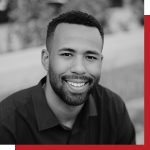
Doug-Belisle-bwDoug Belisle is the Executive Director at Good Neighbor Homeless Shelter in Cartersville.

Good Neighbor provides men, women, and families with temporary shelter and physical, emotional, and spiritual support.  A caring staff assists guests with developing and prioritizing goals for their return to the community as productive members.

Doug has lived in Bartow County since 2007.  His wife, Sarah, teaches 7th grade Science at Cartersville Middle School.  They have 3 children: Jack (18), Grace (15), and Judah (11).

Doug serves on many community boards and is heavily involved in the local church. He has been trained as a TBRI Practitioner, Connections Matter trainer, Trauma101 and Poverty 101 trainer and Darkness to Light Stewards of Children trainer.  He enjoys equipping members of the community to be poverty and trauma informed.

Doug has a passion to see families in his community become more informed, resilient, and successful.

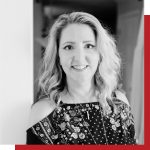
Monica-Whiftield-bwMonica Whitfield is the Business Development Specialist for GA for Family Savings Credit Union, a position she’s had and loved since July 2022. She is a single mother to an 11-year-old son named Jackson. She’s lived in Cartersville since the summer of 2009 and appreciates the great sense of community in there and how important that is.

Monica is honored to now be an integral part of the community and be able to volunteer her time and resources to so many meaningful organizations in this area. There are two organizations she volunteers for that were there for her when she needed them in the past. Becoming a single mother in 2011 was not expected, but Monica was blessed with the most amazing son.

During that time, the Bartow Family Resource Center was located right across the street from her church, and she visited often and was able to get many important supplies that she needed for her son. She received diapers, wipes, baby clothes, and many other necessary items. Monica is now honored to be able to call herself a volunteer for BFR, as well as a sponsor for many of their events through her job.

The next organization is Good Neighbor Homeless Shelter. From 2018 to 2020, Monica and her son were residents of one of their transitional housing locations. She’s now on the board and executive board for the shelter, and is able to help others in the community the same way that this organization helped her.

In her free time, Monica enjoys spending time with her son. Whether they are going to see a movie, or building forts in the living room, these years and time together are precious, and she wouldn’t trade them for the world. Monica loves raising him in this community and she prays he grows up inspired by his mom to become an asset to their wonderful community.

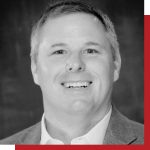
Shannon-Boatfield-bwShannon Boatfield is a Financial Services Specialist for American National in Cartersville, GA. He was previously the area director for the Fellowship of Christian Athletes (FCA).

He’s a former athletic director, coach, and teacher at both MS and HS level. Vocational ministry as a pastor.

Shannon lives with his wife (Monique) and two sons (Christian, Caleb).

Connect with Shannon on LinkedIn.

This transcript is machine transcribed by Sonix

TRANSCRIPT

Intro: [00:00:07] Broadcasting live from the Business RadioX Studios in Atlanta. It’s time for Charitable Georgia. Brought to you by B’s Charitable Pursuits and Resources. We put the fun in fund raising. For more information, go to B’s Charitable Pursuits. Dot com. That’s B’s Charitable Pursuits dot com. Now here’s your host, Brian Pruitt.

Brian Pruett: [00:00:45] Good, fabulous Friday morning. It’s another fabulous Friday and it’s Stone’s favorite holiday, Cinco de Mayo.

Stone Payton: [00:00:52] It is the best day of the year.

Brian Pruett: [00:00:53] Yes. Well, and welcome back. We didn’t have a show last week. We had some guest problems and guess not a problem. But anyway, we couldn’t be here. And Stone, you just got back from from Spain. So welcome back.

Stone Payton: [00:01:06] Well, thanks for having me, man. I tell you, I gained a little bit of weight, but it was worth the price. We had so much fun. I really do think travel like that broadens you. It gives you a different perspective. And I think all over the world, people are people. I mean, I saw a teenager being snarky with his mom. I saw toddlers enjoying each other. Folks, it’s if you get a chance, just, you know, go out and do and don’t wait till you’re old like me. Go ahead and start doing it before you can afford it. It was great.

Brian Pruett: [00:01:32] But you can’t run with the bulls here. You can do it over there. Did you do that?

Stone Payton: [00:01:35] I did not. Nor did I go to a bullfight. But it’s I don’t know, just getting to experience different cultures. It’s a it’s a great deal of fun. And it’s like this, man, it beats the heck out of working. Right?

Brian Pruett: [00:01:44] Right. Well, we’re glad you’re back safely. And I’m glad you’re here to doing this because as I told Sharon, we’d be in real trouble if I had to run the board. I couldn’t do that. So. Well, we got, like I said, three more fabulous guests this morning. And we’re going to start off with Mister Doug Belisle from the Good Neighbor Homeless Shelter. Doug, thanks for being here this morning.

Doug Belisle: [00:02:00] Brian, It’s so good to be here.

Brian Pruett: [00:02:01] So you and I met when you came and visited the Carville Business Club and you have a strong background with helping for helping people and nonprofits, because when I met, you were still with the Bartow Collaborative and getting ready to take over the good Neighbor homeless shelter. But if you don’t mind sharing your story with us and how you got involved doing what you’re doing,

Doug Belisle: [00:02:21] Sure. Well, I’ve always I’ve always been kind of, I guess, a people person. But we got to Georgia in 2007, moved was part of a church I was I’m my degrees in ministry and theology and doctrine. And so I didn’t know anything about nonprofit other than the church. And so in 2015, I stepped out of my role at at the church and stepped into a new role with Bartow Collaborative, which is a nonprofit agency within Bartow County, that that really just seeks to create collaboration among nonprofits and social services and schools and business to to really benefit our families and our children and make our community stronger. And I really felt like at home in that it was it was ministry, but it was community ministry. And so learning how to partner with everybody. And it just made sense. When you think about collaboration, it just makes sense that not everybody’s got the answer, that it takes all of us working together, and if we work together, we can accomplish a whole lot more than than if we work in silos. And I begin to see where communities really easily silo. And so jumping into that just was was really helpful. I got to know a lot of the the business community, a lot of the nonprofit community, a lot of our our school system programs just to see how those function independently, but how each of those independent organizations and systems really desire to improve families and and make life better for for everyone.

Doug Belisle: [00:04:01] But there’s not usually a lot of collaboration that exists because we just get busy doing the things that we do. And it’s easy for me to look straight ahead and not look around to see who’s who’s walking beside me. And so when we were able to get people to the table, it sounds really boring to say that our main ingredient for making collaboration happen was a meeting that we had Friday morning. But it’s, you know, hey, once a month we’re going to meet and have this meeting. Well, what happens at the meeting? Well, we collaborate and we learn about each other and we build relationships and wow, that sounds really boring, but it’s really effective to be able to do that. And then just in August, stepped into the role at at the homeless shelter and have been able to use a lot of the networking and relationships that that were built not only through ministry, but then also through the collaborative. I was there for seven years and that really helped with building relationships and and and helping with our population that experiences homelessness.

Brian Pruett: [00:05:09] Well, I like what you talk about the collaboration part because our friend Bob Brooks and Ben Hanks, we all they all preach collaboration over competition. And it doesn’t matter what industry you’re in. You know, Shannon, we’ll talk to you in a few minutes. But, you know, when you know, there’s several people in the insurance, several people financial and but not everybody does the same thing. So I just like the fact that we all can collaborate because you’re right, we’re all here to do the same thing there to help people. So share a little bit about the good neighbor homeless shelter, the vision, the mission and what you guys do.

Doug Belisle: [00:05:37] Sure. So good neighbor, homeless shelter exists to help families and individuals who are. Experiencing homelessness to to really get on a path to stability. And part of that is remembering that success for everyone may look different than the way that I expect or that I see success. And so we help people find their path and their their means to get to what they what they determine is successful. We operate two emergency shelters, one for women and families and another one for men. We’ve got a street outreach program. We have a transitional housing program, which which helps families not only to escape homelessness, but also to provide a way to increase their income potential. So that’s for families that that have one or both parents that are going to school. We’ve got a lot of single parents in that program that that struggle to make it. And a lot of times the way out or the way up is through education. And so they’re able to stay in a transitional house for two years and go to school and work and increase their income potential. And we provide case management and wraparound services for all of our clients and all three programs to really help walk alongside folks to to get to the place where they want to be.

Brian Pruett: [00:07:01] How long has the shelter been around?

Doug Belisle: [00:07:04] We opened our doors in February of 1996 during an ice storm in Cartersville and took in our first guest that February. I want to say it was February 6th.

Brian Pruett: [00:07:17] Wow. So that that’s a good question. Can can people volunteer or businesses get involved and help you guys at the shelter? And if so, how can they do that?

Doug Belisle: [00:07:27] Man, there’s a there’s a ton of ways and we couldn’t do it without our community support. We we have a great community that really comes alongside of the families and individuals that we have that that are staying at the shelter. So there’s a lot of ways. We’ve got ways for businesses, of course, to give financially and provide sponsorship. But above and beyond that, we’ve got community partners and local businesses that come and help us do work around our shelters or around transitional housing. We take donations of clothes and furniture and items that would be necessary as people move out. So when when people graduate the program, they they move into their own spot. And a lot of times they need all those items like dishes and silverware and furniture and pictures to put on their wall, things to make their place a home. So we take donations of all those items. Our community actually provides dinner at both of our emergency shelters most of the nights of the week. We have community partners that bring in dinner. And so that’s a that’s an easy and great way to help is for folks to get involved and and bring dinner to one of our shelters so that so that we can have a home cooked meal.

Brian Pruett: [00:08:38] It’s kind of cool. I mean, you guys do a lot within the community. There’s several folks that do different fundraisers for you guys throughout the year. And I know February was really busy for you guys fundraising wise. You know, I hosted a trivia night for you guys, but that’s your month that you do your Dancing with the Stars. Share about that, that event.

Doug Belisle: [00:08:59] Sure. So 11 years ago, somebody had the bright idea. They they stole, I’m sure, from another community. That’s kind of how it works, is we you borrow ideas from other people and other other spots and you go, oh, I think I could do that. But the the shelter and our school system homelessness programs partnered up and decided to do a Dances with the Stars event. And so for the for the past 11 years, on the first Friday or first Saturday in March, we do Cartersville Dances with the Stars and we get professionals who are in our community to work with local celebrities, community members that dance and and do so to raise money for the shelter and for our homelessness programs in the school system. We we serve a lot of the same families and a lot of the same people. And we’ve over the years raised almost $3 Million in the last 11 years to help homelessness initiatives in the school system and also to help our families that experience homelessness in the community.

Brian Pruett: [00:10:01] Several I guess a few months ago we had one of your board members, Tim Abbott, on the show, talking about his adoption story, but he shared about his night in the box that he does for you guys too. So can you share a little bit about that for those who maybe don’t know? Absolutely.

Doug Belisle: [00:10:13] Well, Tim was Tim actually got introduced to the shelter because he was one of our celebrity dancers a few years ago. And so as part of kind of what he wanted to do to help raise funds, but also to raise awareness is to to to do this night in the box activity. And it was one that he. He sat down and and with several of us in the community, it was like, I want to do something that raises awareness, but also that has this fundraising aspect. And I have a friend that I played football with growing up in Colorado, and he does the same kind of work, and he has organized what he calls nine in a box. And I said, Tim, I think you I think what you’re talking about sounds like nine in a box. And so he he he just jumped right in. And he is he has done night in a box for the last several years just to help raise awareness. It’s not a huge fundraiser, but it it helps raise awareness for the issues that that many of our families and individuals that are experiencing homelessness, you know, that they go through, that life has led them down a path and they’ve made certain choices due to circumstances and crises that that they’ve been through, that that caused them to be unsheltered.

Doug Belisle: [00:11:25] And while that’s it’s one thing to say, wow, that sounds incredibly hard and it’s another thing to spend a night in a box and realize how hard that is and realize, wow, if I had to do that for more than just one night, it sure opens up my understanding about what people go through and and how hard and difficult and and really, I think uncovers the why behind a lot of our questions about why don’t folks just you know it’s really easy to armchair armchair quarterback homelessness and say well if folks would just and then fill in the blank. And what I think we’ve learned both through Night in the Box and through just our work with people at the shelter, is that it’s so much more complicated, complicated than that. It’s so complex, the issues and the situations that people go through. So it’s it’s pretty incredible.

Brian Pruett: [00:12:21] What I think is incredible, too, is is you’ve got a full community around you and all ages. Because I think I saw a few months ago there was a little boy who brought peanut butter and jelly sandwiches for your staff members. Right. Share that.

Doug Belisle: [00:12:33] It’s so cool. Some of the ideas that people have to to get involved and to help people. And I love living in a community where people look for creative ways to help and to reach out and to to show love and and and so, yeah, we we had a little boy that that raised money and and I think sold baked goods and candy bars and stuff like that and then used his money to to come in and, and feed our staff. We’ve had folks for for high school projects and for Boy Scouts and Girl Scouts and things like that come in and build things or put put stuff in at the shelter. It’s really cool to see the creative ways that people find of reaching out and doing their part. And that means a lot. Sometimes that’s better than you know, than getting a big donation is just seeing that, that, you know, someone’s heart is in it. And donations are, you know, they have their place. We couldn’t survive without those. But but the personal connection aspect of I see you and I respect you as a person and you have dignity. And I want to show you that that I care. That goes that goes so far with our guests and with our staff. It’s hard.

Brian Pruett: [00:13:48] Work. Well, I like the aspect, too, that he you know, you guys are focusing on your guests and he was wanting to make sure that the staff was was respected and taken care of. So that was really cool. I love it. How old was he?

Doug Belisle: [00:14:02] I want to say he was 9 or 10.

Brian Pruett: [00:14:04] Wow. That’s awesome. That’s awesome. That’s the other thing I like about it, you guys is you guys celebrate when your your guests. Fine. I, I saw a post just the other day of a young lady who’s now getting her place and moving her family in. And, you know, you see us, you celebrate those wins and you and you you respect the folks that our guests you call them guests, you know, And I just I think that’s pretty awesome because, I mean, there are people there are humans. And we’ll come back to you in just a second. But we’re going to move over to one of your former guests, Miss Monica Whitfield, who is with Family Savings Credit Union. And so I’d like for you to share your story because you’ve been through the situation. You were a guest of theirs and now you’re you’re on your own. You got your you got a great job and all that. So please share your story.

Monica Whitfield: [00:14:50] Absolutely. In 2016, I was assistant branch manager of a bank in Acworth and very unexpectedly lost my job. And as a single mom, you don’t have a ton of savings. But what I did have was quickly depleted. And so I had to leave my apartment and moved in with a church family from my church for a little bit. But then around late 2017, 2018 is when I was able to finally start looking for a place for the two of us. And at that point I had gone back to school to finish my degree, and a friend of mine from church mentioned the Good Neighbor Transitional Housing program. I knew what the good neighbor homeless shelter was. I had heard of them. I knew where they were. I had no idea that they. Offered transitional housing. So I started asking around. I went to the shelter and asked questions, and that led me to filling out the application. And in 2018, we my son and I moved in to one of the transitional housing units there in Cartersville. And it was fantastic for me to be able to work and go to school and have a place of our own. But you just don’t you don’t know at what point in your life something like that is going to be necessary. You don’t expect those things to happen. But for good neighbor to be there was just amazing.

Brian Pruett: [00:16:08] So as I mentioned, you’re now with Family Savings Credit Union. Can you share about what they do and the mission behind what they’re because they’re different than the bank, correct?

Monica Whitfield: [00:16:17] They are, yes. A family savings. And I love that the word family is in the title because we are we’re a family. You know, We’re just good people helping good people. And we don’t call them customers. We have members. You know, these are our family members. They come in looking for the person that they want to come in, that they want to help or they want to be helped by. They’re not coming in. They don’t feel like a number. They don’t feel like just another account if something goes wrong financially for them or even sometimes personally, the first people they want to talk to is their banker, is that person in their branch. And that’s why I make it a very, very good point. When I’m out doing community events, I like to take someone from the branch with me because I don’t want them going into the branch looking for my face because I don’t work there. But they’re looking for the people. Like I saw you at the Fall Festival. We talked a little bit about mortgage. I want to sit down and talk to you. You know, I saw you in the Christmas parade. I want to talk to you. So I like to take a local face with me, depending on what area I’m at, because we do have six branches in Georgia. But it’s just a very community minded and it’s just a family. It is a family there and I’ve loved it. I’ve been there since July of last year, but I absolutely adore it.

Brian Pruett: [00:17:28] So you were we’re talking about family and you have a son that’s going to be in a play by his play because I know you’re excited about that.

Monica Whitfield: [00:17:34] I am a little shameless, mom. Plug at the Grand Theater in Cartersville, Georgia, opening tonight. And also a show tomorrow night is Winnie the Pooh Junior. And my son, Jackson Whitfield will be playing the role of Tigger. And he is very excited. Some parts of his costume are not coming in until actually this afternoon. And he almost had a Baptist fit over it because it was delayed in the mail. Like, it’s not my fault. I’m sorry. But he is very, very excited. It does. Open tickets are still available for tonight and tomorrow night show and they are being offered on DVD or thumb thumb drives also. How old is he? He is 11. Going on 28. Yeah. There you go. Yeah, that’s right.

Brian Pruett: [00:18:15] That’s awesome. So I’d like to ask you a question, if you could share. If somebody is listening that’s either going through what you went through or know somebody that’s going through what you’re doing or been through, can you share with them just, you know, something that’s a ray of hope. You know what to do, because I’m sure there’s a lot of people who may not even know where to start looking, right?

Monica Whitfield: [00:18:37] I would encourage them to ask questions, but you have to humble yourself first. That is a very, very big part of it. I before I had my son, I was on my own for a long time. I left. I left high school, went straight to college, left college in zero five. And it was just me and I had a schedule. I had a routine. And when you have a child, it humbles you. You have to now have a village. You have to accept help. You have to humble yourself and allow others to bless you, even if you’ve been on your own for so long and doing things by yourself. And I mentioned this in a meeting with Doug before because a lot of people have trouble understanding why when they’re giving handouts to homeless people or offering things or offering services, I’ll give you a ride, I’ll give you a job, I’ll give you help you with a house. And sometimes the homeless person or the unsheltered person may not respond right away. And I explained to them that if you’ve heard a season of no’s, it’s really hard to trust. A Yes. It’s not personal. It’s not that they don’t want your help, but it’s very hard to break that, that I can do it by myself mentality. I’ve had to do it. I’ve survived on the know. I know how to get through that. So you’re. Yes. Kind of scares me a little bit because I don’t know how long you’re going to say yes. And I don’t know when you’re going to get your. Yes. Might turn into a no. So it’s not personal when they don’t immediately accept the help. But that’s why I try to teach people that are in these situations humble yourself. You have to accept the help. Whether the help is for three days, three months or three years. It’s it’s an offer. It’s help. It’s something that you need. And if you say yes to that help, there’ll be help right after that. But don’t be shy. Ask questions because you’re not the only one going through that experience.

Brian Pruett: [00:20:26] I think you talk about accepting the help because I had a friend, my wife and I, we hang out with my best friend’s family a lot. Time. They’re like family with us. And so my best friend’s wife. Decided to pay for our meal. One time we were out and I’m like, Why? Why are you doing that? And she and then she got mad at me. She goes, You’re taking away my joy of blessing you. So I just think that’s cool that you shared that. So, um, you are very involved in the community. You’re an ambassador for the chamber. You do your network all the time. Why is it important for you to be part of the community?

Monica Whitfield: [00:20:58] It became apparent to me when I first moved here how big the sense of community was in Bartow County and Cartersville, not growing up military. That wasn’t my norm at all. I’m in a community for a little bit. My dad gets his papers, we’re gone. Some of those people who were my best friends, I never saw them again. So I didn’t have that sense of plugging in growing up. But when I moved to Cartersville and quickly realized that it was very important to me when I got to a place that I could give back, that I absolutely would. And so a lot of the organizations that I am either, you know, giving money to, that we are sponsoring through my job are organizations that have directly affected my life and have helped my life. Good neighbor included Bartow Family Resources. I’m very big on making sure that anyone that was in my situation and had these people help them can also know once you get in that position that you can help back and you can give back. You have to do that because now you’re in the position to bless others the way that they have blessed you. And that is very important to me. And it’s also very important that I teach my son that because he’s growing up in a sense of community that I never had, and I love that for him. But I also need to stress the point of you need to turn around and give back to this village that basically helped raise you. So it’s very important that he understands that that’s true.

Brian Pruett: [00:22:20] It does take a village. Come back to you in just a second, Doug. I got a couple of questions for you. While she was talking, I wanted to ask you a couple of things. Well, three things. First of all, I think especially some people have a stereotype for some homeless folks. And when people out there on the exit ramps with the signs, things of that nature, what can you talk about and share that may debunk that stereotype Or, you know, because a lot of people there are people out there take advantage of systems. But just can you share something that might take away that stereotype?

Doug Belisle: [00:22:51] I think what’s been helpful for me is just to remember that everyone has a story, right? And that’s not just for the person who’s holding the sign at the intersection. That’s the person that you sit across from at work or that you I mean, every person that you meet has got a story. And I know people that take like I know business, people that take advantage of situations and circumstances and I used to see that and get mad and think, Oh, I can’t believe that they, you know, and everybody’s heard the story about the, you know, the person that’s holding the need help sign. And then they go get in their Cadillac and drive off to their, you know, to their big fancy house. I don’t think I’ve met anyone like that, but it it always helps me to remember that. There’s a story that got them to that place. And as as I’ve been, as I’ve been blessed to kind of hear people’s stories, it has softened my heart to to people in general, because it I don’t know that that the type of resilience that it takes to get to a point where you’re standing on a on a corner asking for help like that, that takes some serious hustle. That takes a lot of guts. You’ve got to get through a lot of no’s and live down some stigma to be able to to do that. And are there people that take advantage? Sure. In every walk of life. And it also socioeconomic levels, there are people that do that. But the thing that I remember is everyone’s story is different. And and finding out what led a person to any place in life is is helpful for us to be able to understand and relate to to where they are and why they do what they do.

Brian Pruett: [00:24:38] Because we’re all just one, one, one minute, one second away from you never know what’s happening. So if. Somebody. This is kind of not part of it. But if somebody is thinking about starting a nonprofit and you being in this world for a while now and working with some other things, what advice would you give them?

Doug Belisle: [00:24:57] Slow down. There are a lot of there are a lot of of opportunities and there are a lot of people that get an idea and they go, Oh, I’m going to start a nonprofit. And. And I think the first question that you should always ask yourself is who else is doing what I want to do? Like, look around and get involved before you jump into a space and act like a leader. Like go follow and walk alongside some people that are doing the things that you’re doing. When, when, when I was doing a lot of collaboration work in my previous role, I had the opportunity to sit down with a lot of people that would go, Hey, I’m going to start a nonprofit that is for mentoring kids. And I’m like, Great. What other programs are you familiar with in the county that are already doing that? Well, I don’t know anybody that’s doing that. Oh, well, let me introduce you to some people that are doing that and then find out how you can partner with them, because I promise you, starting a nonprofit is a pain in the butt. There’s it’s not as fun as it sounds. The legal aspects, the tax aspects, the, you know, the things that that are involved are complicated. And so find somebody that’s already doing that and partner with them.

Doug Belisle: [00:26:24] And then if there’s a gap that you see somewhere, then fill it in. You know, then then walk down that road. But I think some people think, oh, I’m going to start a nonprofit and that will be my my day job. And it it it takes a long time to get to where you’re at a point where that becomes kind of a position or a role that can pay a salary. That is the hardest part of like the hardest fundraising that that any of us in nonprofit do is raising your your salary like people want to give to the mission they want to give to. They don’t want to give to pay you. And so that’s that’s really difficult. So anyone that comes to me to say, hey, I’ve got a great idea, I’m going to start this nonprofit. I say, Hey, tell me about that. And then let’s walk through that really slowly, because I guarantee there are some things that probably you haven’t thought of or that there are some areas that are already touching that issue that you haven’t thought about or don’t know yet. So go learn from some people that are doing it. And then if you see a gap and shoot into that gap. But but slow down.

Brian Pruett: [00:27:36] That’s some great advice because there are a lot of people out there who think they can fix the world and fix everything and they want to jump in and help people. They got good hearts, but that’s some great advice. So thank you. So other than what your ministry and working with the shelter and all that, why is it important for you to be part of the community?

Doug Belisle: [00:27:53] You know, I still I tell people this that are from there’s still a lot of like native Bartow Countians that are born and raised and haven’t ever, you know, moved. You know, they’ve never left. And they they don’t realize what a treasure chest that they’re sitting on. I’ve never lived in a community like Bartow County. There’s just something different about the sense of community that exists. And and it’s this is going to sound super corny. It’s it’s like a Hallmark movie is what it feels like. It feels like you’re living in a Hallmark movie where you walk into the grocery store and you’re like, Hey, Bob, how’s it going? How are the kids? You know? And you watch that and you go, that’s so stupid. But that’s what it’s like to live in our community. There’s relationships and there’s there’s people and and there’s a desire for, I think overall for everyone to succeed together and that I’m looking around me to, to, to kind of pull people up or pull fellow humans in the same direction. And that’s that’s kind of crazy. That doesn’t happen in every community. The partnerships and the collaboration that exists in some of these small town communities and some of these more rural places that are quickly becoming urban.

Doug Belisle: [00:29:20] I hope that that’s as we grow, that that’s something that we never lose. Because the truth is in all of our situations is that we need each other. We were we were not made to be. Alone. And so when we and I think we’ve we saw that even with the pandemic, I mean, when we were all confined to our houses and afraid and and by ourselves, that was no good for our mental health. That was no good. I mean, we’re we’re made to live in community. And so even even businesses that that work towards relational community do better. They retain their employees more. They have higher success rates with not only their employees, but also with their their customers. If you can develop relationships and you get good at the people part of it business wise, you’re going to succeed. So there’s a lot of truth in community and benefits in all aspects of society that we just we don’t function very well alone.

Brian Pruett: [00:30:24] I like your description of the Hallmark movie because it’s true because I don’t live in Bartow County. I live in the Kennesaw Acworth line. And there used to be a stereotype of Bartow County, the good old boy network. And that’s changed. I mean, there’s still a little pockets of it, but it’s changed. And it’s so true because I see it every Wednesday at the Cartersville Business Club. There are several folks who come to that who aren’t even part of Bartow County, but they love the community aspect of it. And then I see it every third Wednesday night when I’m doing the trivia and I’ve rotated the the charities man, the people that come in, we’ve averaged 60 to 70 folks every month and they’re having a good time. I host a trivia for years for for team trivia at metros around restaurants in metro Atlanta. And yeah, we had, you know, 20, 30 people, but nothing like this. And I realized that, yeah, there it’s it’s a fundraiser but you can tell it’s more than that. People come in, they laugh, they have a good time. And it doesn’t help. It doesn’t hurt to that there’s some awesome food involved in wings. So so but I appreciate you doing that. So if somebody wants to get a hold of you for wanting to find out how they can involve with the shelter or if they know somebody who needs the services, how can they do that?

Doug Belisle: [00:31:30] So the best way is to give us a call. Our number is (770) 607-0610. Our website is under construction. So we’re we’re we’re not quite up to par in our website, but please visit us on on Facebook at Good neighbor homeless shelter and and you can get involved there’s a ton of ways but our website once we once we get it fully functional it’s going to be the place that that will drive people to. So even now, if you want to contact us through our website, there’s ways to do that.

Brian Pruett: [00:32:05] Awesome. Well, don’t go anywhere because we’re not quite done with you. But Monica, I’m gonna come back to you for for a couple of minutes. We talked a little bit about the credit union. Can you share the difference between the credit union and the bank?

Monica Whitfield: [00:32:15] Yes, specifically with my background, I have ten years of banking history in my previous employment. And it’s the difference is like night and day. Honestly, it’s not just the the people that work there, but it’s the sense of community, the products that are offered, how people invest in your life and how they keep up with it. But it’s just a totally different and I’m not saying that every bank treats their customers like a number, but I have been inside both branches and it’s just completely different. Specifically at family savings. You know, a lot going on right now with people worried about their money in the bank and being insured. And I can just give a little, you know, shameless plug for family savings. Your money is insured up to $1 million with family savings. So it’s a lot different. There’s a lot more products that are beneficial, that are community based, that are family based, that are specifically based for that family’s need that some banks just can’t do. You know, we don’t have shareholders or our members. That’s our family. We love them and we we listen to them. We’re in tune to what’s happening in their lives and what needs that they have. And it’s just completely different than what banks are able to offer. So I know.

Brian Pruett: [00:33:27] When I’m traveling and I’m getting frustrated because I can’t find an ATM in my bank. You know, there’s always those charges for using ATMs. If somebody is part of family savings or any other credit union and they travel, how does that look when you’re traveling and you need some get some money?

Monica Whitfield: [00:33:41] Absolutely. We have what’s called shared branching. So you can use different branches and different ATM locations. I myself because like I said, we have six branches in Georgia, but sometimes I’m out traveling and I realize I need to go to the ATM. I got to get my nails done. I got to tip these people in cash because they’ve earned it. And I love doing that and I need to go to the ATM, but I don’t want to go all the way back to the family savings and then have to come back to the nail salon. So there’s actually an app I just realized it’s called Epic. I believe it’s called Co Share, but you can pull up different ATMs that you can use absolutely free and it goes by your location. A lot of them are Publix, 7-Eleven, things like that. They don’t charge if you’re a family savings member because they understand you may not be near a family savings, but you need access to your money. And so there’s no fees for that. And you can just use the ATM and get your money when you need it.

Brian Pruett: [00:34:32] Awesome. That’s good to know because that didn’t used to be that way. All right. If somebody listening wants to get a hold of you and talk about the credit union services, how can they do that?

Monica Whitfield: [00:34:40] I always direct them to the website, which is family savings, C-u Credit union family savings. Q.com Because again, reaching out to me, I’m just going to connect you to your local branch. I can talk to you. You know, I’d be happy to talk to you if you want to, but I’m going to give you a face that when you go into your branch. So I’m going to ask you where you live, what branch you’re closest to. But if you go on the website, it gives you a breakdown because we do have five branches in Alabama, six branches in Georgia. So you can look at each branch as contact information depending on your address to see which one is closest to you so they can feel.

Brian Pruett: [00:35:13] Like Norman Shears. Yes, there you go. All right. Well, again, we’re not quite done with you yet either, but we’re going to move over to Mr. Shannon Boatfield with American National. So, Shannon, thanks for being here this morning.

Shannon Boatfield: [00:35:24] Great to be with you, Brian.

Brian Pruett: [00:35:25] So you’re no stranger to the to the nonprofit world either. You used to be a big part of fellowship of Christian athletes. You’re also a ministry background, big sports background. So tell your story, if you don’t mind.

Shannon Boatfield: [00:35:38] All right. Thank you. Yeah, it’s great to be with with this incredible group that’s in this room, too. So thank you for that privilege. I’m a local kid and Marietta High School and went to high school in Marietta, rather. Lasseter High School. Go Trojans. For anyone listening but yeah sports background and I think the one consistent thread throughout my life was is identity. So much of my early childhood and early life was solely centered on who am I on an athletic field. I played everything in high school and, you know, was fortunate enough to excel in sports. And so that was my identity. Everything was wrapped up in that. And so I had the opportunity to play in college and continue to playing on at higher levels. And it just it continued to further, I guess, cement my identity in in sports. But when sports was over and for every athlete who’s ever played, the day comes when somebody says you’re not good enough to do this. Whether it’s because a college doesn’t call or because the draft doesn’t come your way or a free agency doesn’t happen, there’s a day when you’re basically told you’re not good enough to do this. And when that day came for me, I didn’t know who I was. And my entire life had been wrapped up in sports. And when that was over, like, what’s next? And so it just began, began this kind of journey for me. I started out in college thinking, I’m going to major in accounting and I’m just going to do that because that was the highest salary coming out of college was accountants. I thought that would be great. And I spent one class in college in accounting. I’m like, There’s no way in the world I don’t get to engage with people. I don’t get to interact with people. I’m just stuck at a computer crunching numbers all day. There’s no way.

Brian Pruett: [00:37:24] Different than stats than D-crunch.

Shannon Boatfield: [00:37:26] Yeah, it was totally different. And and so I changed majors a couple of times, again, trying to figure out my identity, what does that look like? And ultimately, I landed on political science, which I love. The two things were never supposed to talk about, right? Religion and politics. Those are the two things that I will talk about with you all day long, especially if we have different points of view. I love those conversations and there’s a long history of political backgrounds in our family. And so I just it just naturally gravitated there history, politics and those sorts of things. So finished with my degree in political science and got involved in the political world at this time. I was now living in Montgomery, Alabama, and so I got involved in the political scene there working Just as for a nonprofit association that represented all the engineering firms in the state of Alabama and just kind of one relationship, one connection led to this, led to that. And ultimately, so I did legislative work for the better part of a decade in the state of Alabama. And all the while, I’m having everything the world says you’re supposed to want, right? You know, making good money and relationships and the big beautiful home and etcetera. But but there was just an emptiness. And again, that identity I was struggling with.

Shannon Boatfield: [00:38:47] Is this all there is to it because I’m successful? I thought on what the world says you’re supposed to want. And I began to I reached out to a friend and I know some of the ones in this room would know. Well, David Franklin. David is I’ve known since I was about 14 years old. He was the associate pastor at the church I grew up in. And I remember having a conversation with him about, you know, is this all there is? Like what? How do I know what God has really called me to do? And he asked me a question. He said, Well, if you had to work for 40 hours a week but you weren’t going to get paid for a year, what would you do? And I kind of sat and chuckled. I said, Man, I would hang out with athletes and coaches all day and talk about Jesus. And he kind of we laughed together and he said, Well, we got to figure out what that looks like for you. And that began kind of a central prayer life for me was God, what’s the next step? And within about a year and a half, probably 18 months later, I get a phone call from some guy in Dalton, Georgia, that I didn’t know. And he says, Hey, we’re hiring for an area director for the Fellowship of Christian Athletes, and we’d love to talk with you.

Shannon Boatfield: [00:39:54] And I was familiar with FCA. Again, having been an athlete, I was involved in FCA in high school. When I was in college, I had the privilege to speak at FCA camps around the country and I was like, Yeah, I love FCA, but I didn’t realize people got like paid to do that. And kind of to Doug’s point earlier too, it’s like, you know, these people like raise money to just talk about Jesus and hang out with athletes all day. And I just thought that was amazing. So we began a series of conversations that led me to Cartersville, Georgia, a town that I had no familiarity with. Even though I grew up in Marietta, I was kind of an East Cobb snob. We would affectionately call ourselves like we didn’t think anything existed outside of East Cobb, Georgia. And and so here I am in Cartersville and so would get married. A couple of years later, my wife and I started our family, my wife Monique, and we have two sons, Christian and Caleb. They are nine and seven. And like Monica said, they’re kind of going, he’s nine, going on about 23. And if you ever meet him, he’s five foot six. So he looks like he’s already about 15 years old.

Brian Pruett: [00:40:59] But he’s he’s you’re tall yourself. So I was joking with Stone when you and Doug walked in. We felt very small. You can’t see it, But these guys are very. You’re six nine, right? Yes. And how tall are you, Doug? Six. Four. Right. So, yeah. Anyway, sorry. Go ahead. All good.

Shannon Boatfield: [00:41:14] And so, yeah, so I had the privilege to just pour, we say to and through coaches with FCA and so to minister to our community and and I echo a lot of what Doug said about that sense of community. There’s a sense of collaboration. And I know we talk about that at Cartersville Business Club, the the collaboration over competition. And so I saw that in the nonprofit world, we are so blessed in our community to have a lot of if there’s a passion that you have, there is an area where you can you can walk in that passion and purpose. And through the nonprofits in Cartersville and specifically Bartow County and and so that was just a wonderful experience getting to meet so many amazing people, learn so much in that and again, helped affirm my identity and that my identity was really in Christ. And I rewind to a conversation with a teammate in college who who knew that I was a Christian. But I didn’t always walk that out there. And if we’re honest with ourselves, we would say, for those of us that love the Lord, we would say, Man, I there’s probably an area of our life that we’re kind of like, God, I’m not going to let go of this. And for me and I so I had that. I was like, I’ve never done certain things. I’ve never experienced certain things and would love to sit here and say, it’s because I just loved Jesus so much and that the truth is it was I was an athlete and I didn’t want something to mess that up.

Shannon Boatfield: [00:42:36] So I stayed away from a lot of those vices. But there were others where I was like, God, I’m not ready to let go of that. I need that in my life. And and so I had a teammate who called me to the carpet on that and he said, listen. And basically just challenged me. He told me a story about Alexander the Great who Alexander the Great looked at one of his subordinates who had been breaking the rules. And he looked at him and he said, Tell me your name. And the soldier looked back at him and said, It’s Alexander. And he said, change your name or change your behavior. And I had a teammate who said, listen, quit telling people you’re a Christian but then living like you’re not. And and that really he had earned the right, I think, to speak into my life. Like, you know, that’s, again, the value of relationship. If some stranger says that to you, you might hold up, man, we’re about to fight. Like, who are you to say that to me? But he had really earned the right to speak into my life, and I took a lot out of that.

Shannon Boatfield: [00:43:31] And I’m still thankful for that man. We are still in each other’s lives to this day. And and and he’s gotten to meet my sons and and he’s he’s in the Hall of Fame at our university. And my son, we were having lunch and my sons were like talking to him because they just thought that was the greatest thing ever, you know, because I’m just a peon. I’m just dad, right? And so they’re talking to him and he’s trying to say like, Hey, your dad was really good and your dad was this, this and this. And my nine year old especially was looking at me. He’s like looking me up and down like, I can take you, old man. You know, he’s looking at me like I’m nothing. And but my youngest comes in and saves the day. And Caleb says, Daddy, he might be in the Hall of Fame, but you’re the goat. And I’m like, That’s. That’s my guy. Thank you, kid. So, so love being a father. That’s a great title that I get to wear now. And through that time with FCA, I got to also get into my passion again for coaching, and that ultimately led to also being able to teach. And so I spent some some years in the education system teaching as both an athletic director and teacher and coach at the middle school and high school levels and but frankly quickly realized education was not the place that I needed to be.

Shannon Boatfield: [00:44:40] And I love talking about Jesus too much. And I just I didn’t like some of the handcuffs that existed, frankly, in that in that world. And so we kind of began to look out for like, what’s next? And and I think God specifically opened the door for where I am now. I’ve gotten to take my love for financial literacy and take that into what I do now. So I’m working with an insurance agency, but we do so much more. And I like, I think, like what Monica was saying about family savings, like we aren’t your typical insurance company. We don’t do things the way that everybody else does. We don’t we don’t protect our clients the same way that everybody does. We we we don’t have A11 approach fits all. We want to look at your individual situation and find out what’s the right coverage for you. It might not be the right coverage for Doug, but it’s perfect for Monica. But Stone needs something totally different, and that’s kind of how we approach our clients. And so I love just that, the personal side of that again, so relationship driven. And I would argue and say that everything that I do, I try to do through that relationship perspective and through that relationship piece. And so I love what I get to do now in helping people protect the things that matter to them.

Shannon Boatfield: [00:45:59] You know, we don’t hesitate to think about protecting our little golden eggs, you know, our homes, our autos, things like that. But I’m really interested in protecting the golden goose that laid them. And so your income and protecting your income. That’s what I love to do. So within our agency, I actually do the financial services side. So that could be something like life insurance, for example, is a great vehicle, but also helping do retirement planning, retirement products, financial planning and even I love it. I had a family recently just sitting across from me who she’s like, We have $54 in the bank, like we can’t afford to do anything. And I got so excited about the opportunity to be able to serve that that type of client when the very next morning I’ve got a guy that’s got more money than he knows what to do with. And so again, he’s we’re helping put him in a better place too. I love the uniqueness of that and the variety of that every single day. So again, all of that rooted in what is my purpose. And I know God put me on this earth to serve other people. And and so every aspect and every professional role and volunteer wise, everything is about how do I serve my community?

Brian Pruett: [00:47:14] Well, you and I’ve talked about this before. I think it’s you don’t have to be a preacher to minister, right? You’re doing that with your job. Doug. You’re doing it. Monica. You’re doing it. And the story you shared about your teammate. I had a similar kind of story that I grew up 77 is still part of the church. And and for a while after my dad passed away, I worked for a garage in downtown Kennesaw. And you and I, Shannon talked about people who have to profess about being a Christian instead of just living it. Right. Right. And I and I was doing the same thing, you know, talking about going to church and all that. And and so Sabbath is sundown Friday, sundown Saturday, the Sabbath that we follow. And and the garage stayed open till 7:00. Well you know, in the winter it closes or it gets darker early. And they were fine with me leaving early. And so one day my boss comes to me and says, you have to stay. Till the end of closing. But he goes, No, but you talk about being a Christian, but the words that come out of your mouth is totally different. So to your point. Right? I mean, it’s just and that’s very humbling, too, when somebody says that to you. Um. Oh, before we get to what I want you to share that you shared the other day that I think is extremely powerful. Why, other than the reasons you just shared, why is it important for you to be part of the community?

Shannon Boatfield: [00:48:38] Because there are so many more people smarter than me. And I want to I want to learn from them. I, I think there was a time in my life when that was threatening. When you’re around better people that are smarter and more talented and more gifted, you’re like, I don’t want to be around them. I want to feel good about myself. And again, why? Why do I feel that way? Because I don’t know my identity. I don’t I don’t understand how to walk in the purpose of what God put me here for. And so and as God has helped me mature with that, I have learned and again, that’s a that’s an everyday thing. I pray that I’m not the man. I’m thankful that I’m not the man I was yesterday. But I’m also excited for the man that God is helping me become still. And and so that’s what community means to me when we take the individual talents of people like Doug and people like Monica and people like you who have hearts for community and who have a heart for these different sectors. And then we put all those talents together. Amazing things come out of that.

Shannon Boatfield: [00:49:34] I’m really involved in Rotary Club, for example, in Bartow County, and our motto is Service above self. And you take all these men and women in that room who are, you know, some who’s who’s in our community, who put their individual talents and giftedness together to make an impact and enlarge the footprint of ministry in our community. And you don’t have to have a vocational job that to be a minister. I think if God has if you if you know who Jesus is, you know that we’re called to be his hands and feet here on Earth. And so how do we walk that out? And the the number one thing I think we must do is just simply love people. And God calls us to love people. And if we love people, well, that will do more to bring about a sense of community. So that’s kind of what it is for me, is just that I know that there are gifts and talents that Monica has, that Doug has, that that will complement mine. In areas where I’m weak, they will be strong and and and that’s what what I love about our community.

Brian Pruett: [00:50:32] Awesome. Well, you you shared something last week at the Cartersville Business Club which I think we all talked about, is a lost art anymore. And it’s written communication. Yeah, right. And if you don’t mind just sharing what you shared because, I mean, Stone, you just heard some powerful stories, right? But what he’s getting ready to share is extremely, extremely powerful. So please share what you shared there.

Shannon Boatfield: [00:50:56] Well, so we do we talk about the power of the written word. There’s incredible power in it. And I just basically asked everybody, when’s the last time you wrote a letter, like an actual letter with a pen and a piece of paper, not a, you know, finely worded email or anything like that, but an actual letter. And then and then think about think about your letter story. Everybody’s got a letter writing story. And, you know, and I made some references as a student of history. I loved hearing and learning about how John Adams, when he was apart from his wife Abigail, every single day that they were apart during his his during their marriage, he would write her a love letter and she did the same. And so it was a constant source of communication. Can you imagine the gift that his children, grandchildren and so on. And we can still see some of those letters today. You can read the words of this incredible man of of American history and the the impact that he had. But you see his love for his wife and it’s on the written word. And I can just imagine receiving that and reading that. I think about even when we’re in school, we’re all of the age where you wrote the notes to each other, right? You’re sitting in class trying not to get caught, but you’re writing that cute girl, that cute guy.

Shannon Boatfield: [00:52:09] You’re writing them a note that tells them how amazing they are. And your life will never be the same without them. And then we hand them to you. And I’ll guarantee you, there’s somebody listening today who’s still got that box of letters somewhere in their attic. You mean, First of all, if you’re married, you need to go throw that away. But. But everybody’s got it. And we think about that. Your high school yearbook, you can read those notes from a high school yearbook and immediately be transformed to senior year. And that one big moment, that prom, that that significant stick out memory, everybody’s got them. And, you know, we could go on and on with examples of letter writing people who’ve been in war who would write letters back home and just the impact that those have had. My family still has letters of that sort that were written by men in my family who were in a wartime writing back home to their sweethearts. And then for me personally, what really drove this home was finding a handwritten note from my great grandmother. Her name was Virginia, but we called her Gin Gin, and she was about four foot ten, like just the tiniest, sweetest woman. But she was she’s literally the closest to God you could have on earth.

Shannon Boatfield: [00:53:19] She was that woman who epitomized all those all those kind of stereotypes that we might imagine. She she had them all was just an amazing woman. And in an old Bible of hers, we found a letter that she had written, and it was basically a prayer. And she had written this prayer about me. And about family members and specifically asking God. It was basically her prayer for us, Right? God, would you protect him? God, would you do this? God? Would you use him in this way? God, would you help him to understand his purpose? Would you help him to live in according to your will? Would you help him to be a godly man, a godly husband, a godly father, and to do it in that particular order? And and out of that came what I do with my sons now, which is a Hey, buddy, what is your vision? What’s your vision? We do it as part of our bedtime every night and they know my job. My calling is to be a godly man, a godly husband and a godly father in that order, because God is a God of order. And so out of that came this incredible. For me. I have this physical thing that I see that sweet woman’s handwriting in where she thought enough of me to take time to write. And. And so in this day and age, you know, I just appealed to people that technology makes everything so much more efficient, but at the cost of intimacy.

Shannon Boatfield: [00:54:45] And we are more connected because of technology than we’ve ever been in the history of the world. But I would argue we’re more disconnected from the people who literally live next door. And so the power of the written word, what we could do and how we could impact people if we would just take a moment to speak life into them through that written word. And I just think it has the power to be transformational in people’s lives. In my classroom, I guess I would close with this on that. Brian, We in my classroom when I was teaching, we used to do something called Speak Life, and it was something we would do every Friday and where the students would have to write a note to somebody else in the class. And they specifically had to say, I think you’re amazing because or I saw you do this and I was so impressed or I’m so impressed. You are so kind and you’re so this, you’re so that and they’d have to give the notes to me, of course, so I could read them, make sure they were appropriate. But then as kids would leave the class that day, I’d go, Hey, Brian, here’s your letters today.

Shannon Boatfield: [00:55:46] Hey, Monica, here’s a couple of letters that were written for you today. Hey, Doug, look what you got today, buddy. And I could just see literally the the the change in body language body posture as they would read something where some kid in the class that maybe didn’t even know would would say to them, You’re amazing. And I’ve seen it. I’ve lived it, I’ve experienced it, and I’ve also seen it in the lives of other people. So the written word is just transformational. And I encourage people to be intentional, to take a moment and write some notes, write some letters and and put your thoughts. You know, when you when you have to write something, literally write something, it makes everything slow down. And you’re so much more intentional about every word because I don’t know about you guys, but I can run my mouth and say something I don’t need to say that can come out the wrong way or it might come out. Maybe I just shouldn’t have even said it. It didn’t make it through the filter machine well enough, you know. But when you have to sit there and write it, it takes some of those things off the table. And so anyway, I think there’s great power in the written word and I want to encourage us to be better at that.

Brian Pruett: [00:56:55] Yes, that was also you also challenged us to go go and write one for that week. So I actually did two for. That’s awesome. So we have a young man in our group that he and his wife suffered a loss and so we did a card for him. And and then I wrote a note to Charlie Darian, who owns Charlie’s Angels Movers, who sponsoring my trivia events and just thanking her for everything she does in the community. So I think it’s right. And then Dr. Tyra Wingo, who’s part of our group, I’ve gotten two cards since I’ve started this business in the mail, you know, just affirming what I’m doing. And then Kelly Nagel sent me the same kind of thing. So you’re right. It is. Of course, you got to have good handwriting, and I don’t. So if you get something from me, you’ll need a couple of glasses or whatever to read that. So need a translator? Yes. Yes. And you also have to take big breaths because I don’t use commas either, so just forewarn you. But anyway, so no, I think another lost art is thank yous even just to say thank you. And before we wrap this up, I have one more question for you, but I’m going to take a second to say thank you, first of all, to Stone, because you’ve provided me a platform to share these positive stories.

Stone Payton: [00:58:06] So it’s my pleasure, ma’am.

Brian Pruett: [00:58:09] And then thank you to Doug because. People like you to step up to help people, you know? Monica sharing your story, that takes courage. And then Shannon, the same thing. So thank you guys for coming. All right. Before we wrap this up, I always like to ask us questions, so and we’ll start back with you, Doug. I like to end this with a positive quote, a word or just some nugget for people listening today to live today and the rest of 2023 and beyond with. Go ahead, Doug. What you got?

Doug Belisle: [00:58:40] Oh, wow. A word of wisdom that would have been helpful to come with. I think I think I’ll go back to to something that I said earlier, and that’s everyone has a story. And if we can remember that like that, that that has become so powerful in my life. Right. Because it’s really easy to get mad at the person that just cuts you off. You know, or is driving so incredibly slow in front of you or is, you know. Whatever the whatever the circumstance is to the person that messed up your order at Taco Bell. Right. I said no tomatoes. And there are tomatoes on this. Right. And so I can choose to I can choose to get angry about those situations and I can choose to become a maniac, angry person, which is an easy choice to make, right? Because if I’m not thinking about other people, then you have inconvenienced me and life becomes all about me. But when I realize when I started realizing that everyone has a story, I start thinking about that driver in front of me that that cut me off. And what’s what’s happening in their world that’s causing them to do that? Or what is the, you know, what is going on with the person that’s that’s working at Taco Bell that inadvertently put tomatoes when I said no tomatoes or didn’t put tomatoes when I asked for tomatoes.

Doug Belisle: [01:00:10] And I can choose to get upset about that or I can choose to go, I wonder what is going on in their world. I wonder what their story is. And once I start thinking about that, I find that it puts things in perspective, right? Like I think about my story and go, Oh, wow. Well, if their story is anything like mine, then maybe they’re just having a bad day. Or maybe this happened, or maybe they spilled their coffee and, you know, and they’re just having a rough day. Man, I’ve had a rough day. I know what that’s like, and it helps to like that makes me a better person. My blood pressure doesn’t become so high. I’m able to to to live with understanding. And that’s that’s been, that’s, I’d say lately one of the most powerful concepts that has hit me and changed the way that I that I walk through life is everybody’s got a story.

Brian Pruett: [01:01:08] Awesome.

Monica Whitfield: [01:01:08] Monica I’ve actually got to I say this to my son all the time and I actually just shared it in a quiet Reflections Facebook group group that I’m in and it’s every day try to show someone a little more grace than they showed you. And it kind of connects with what Doug was saying is because you don’t know what they’re going through, you don’t know why they were just rude to you. But if you just exhibit the grace that you wanted to be to get from them in return, it’s so much easier. And then another one that I say to my son all the time is yesterday is gone. Today needs to be intentional because tomorrow is not promised.

Brian Pruett: [01:01:48] Wow. Shannon. Wow.

Shannon Boatfield: [01:01:49] That’s good. Created things have purpose. As somebody who’s struggled with identity for a large part of their life. There’s power in that understanding and getting to the place where we realize, man, God created me and if he created me, I have a purpose. And there’s somebody listening today that I think just needs to hear that. And I think if we lived our lives with such intentionality, we’d make a big difference. And so one of my favorite scripture is from Ephesians, when Paul writes and challenges, hey, today, just walk worthy of the calling on your life. Whatever it is you do, whether we work at a bank or a credit union or we run a nonprofit, we’re in the insurance world, whatever it is we do, run a radio station. Walk worthy of the calling that God’s put on your life today. And and I think that’s going to make us all a better better for it.

Brian Pruett: [01:02:42] Wow. So, Doug, Monica, Shannon, thanks again for coming and sharing your stories. Everybody listening. Let’s remember, let’s be positive. Let’s be charitable.


Tagged With: American National, Family Savings Credit Union, Good Neighbor Homeless Shelter

Vincent Fernandez with C’est La Vie Restaurant

May 8, 2023 by angishields

Cest-la-vie-restaurant-logo
Cherokee Business Radio
Vincent Fernandez with C’est La Vie Restaurant
Loading
00:00 /
RSS Feed
Share
Link
Embed

Download file

Vincent-Fernandez-banner

Vincent-Fernandez-Cest-la-vie-restaurantVincent Fernandez is the co-owner if C’est La Vie restaurant with his wife, Laetitia, in Canton, Georgia, a gourmet French restaurant with a romantic atmosphere and authentic French cuisine.

Vincent and Laetitia were both born in the south of France, near Avignon and not very far from the Mediterranean – where in summer cicadas sing, lavender fields scent the countryside and the gastronomic culture is very rich.

They come from a region of France called Provence which, thanks to its Mediterranean climate and its incomparable location, allows them to enjoy fresh fish, quality meat, fruit and vegetables all year round, found in small Provençal markets while talking to local producers.

Vincent and Laetitia didn’t plan to become cooks. Laetitia has a master’s degree in Marketing and Communication and Vincent studied racehorses… But shortly after meeting in 2008, they opened a pizzeria – Laetitia’s dad has been making pizzas for almost 40 years and he passed on his know-how to them. After 10 years, they wanted to look further and learn about cooking.

A lover of the USA since his childhood, and truly enjoying being in contact with people, it’s quite natural that Vincent chose the States as his destination to share his desire to cook for others.

At the end of 2018 Vincent and Laetitia set off on a new adventure, with their two daughters Livia and June, to open their own French restaurant in Georgia.

Since February 14, 2019 their doors have been open in Washington, GA to let you discover their roots, their childhood, and their memories of this beautiful France so rich in taste and color.

The story continued in Marble Hill, GA from 2019 to 2002 and they are now coming in Canton, GA! They look forward to share their recipes with you.

Follow C’est La Vie restaurant on Facebook.

This transcript is machine transcribed by Sonix

TRANSCRIPT

Intro: [00:00:07] Coming to you live from the Business RadioX studio in Woodstock, Georgia. This is fearless formula with Sharon Cline.

Sharon Cline: [00:00:18] Welcome to Fearless Formula on Business RadioX, where we talk about the ups and downs in the business world and offer words of wisdom for business success. I’m your host, Sharon Cline. And today on the show, we have one of the owners of C’est La Vie restaurant in Canton, Georgia. It’s a gourmet French restaurant with a really nice romantic atmosphere. I was just in there. It’s beautiful. Please welcome Vincent Fernandez.

Vincent Fernandez: [00:00:42] Hello.

Sharon Cline: [00:00:43] Hello.

Sharon Cline: [00:00:44] What’s so cool is you have the nicest French accent. This is so fun for me. Thank you for coming in. I know your wife, Leticia, was hoping that she could come today, but she had a lunch rush, which is.

Vincent Fernandez: [00:00:59] The lunch rush. And we also have the first Friday in Canton. So then we have to set up a tent over there, so.

Sharon Cline: [00:01:05] Okay. Yeah. So I can see how it doesn’t always work out. But that’s how business ownership is, right? You just roll. Roll with the punches. Okay, So I wanted to talk to you about a couple of things. One is that, first of all, your restaurant is just so beautiful in Canton and it’s in this nice older looking house that’s got such charm to it. But when you walk in, it’s really feels like you’re visiting a completely different land. It’s like the esthetics that you chose and the colors on the walls and the wood tables and it’s just beautiful.

Vincent Fernandez: [00:01:37] Yeah, that’s exactly what we what we when we visit the first time, the house, you know, we see this historic and beautiful house then we don’t have in France, you know, that kind of architecture doesn’t really exist. So that’s the image then we have from the US. So as soon as we visit this house, we walk in, we feel the history and we really fall in love and we straight project on a project, the restaurant in it. Wow. And after that it was just a lot of work to make it happen. Oh, I.

Sharon Cline: [00:02:12] Bet. I bet so. Well, let’s talk a little bit about your history and how you got from France to Georgia. Okay. All right. So I did a little research on on both you and the teacher. And so I saw that Leticia has a master’s degree in communication and marketing and that you were involved in studying. Is it racehorses?

Vincent Fernandez: [00:02:33] Yes, exactly. I was a jockey from 14 years old to 18 years old. You were a jockey? Yeah. And the best in France in 2003 from The Apprentice. So after I met Leticia, I was 19 years old, so I stopped the horse race before because, you know, there’s a moment then you are young, you take some decision and you say, okay, I’m done with that. A lot of work, a lot of, you know, when you are young, you not always take the good decision.

Sharon Cline: [00:03:06] But sometimes it’s dangerous, right? It’s dangerous.

Vincent Fernandez: [00:03:08] It’s it’s dangerous. And also, it’s a lot of work. You know, you have no day off from 14 to 18 years old. You know, it’s the moment when you’re supposed to enjoy. So 18 years old, I say, okay, now what I’m going to do.

Sharon Cline: [00:03:23] So then you met Leticia.

Vincent Fernandez: [00:03:25] And I met Leticia and I. I decided to I was kind of entrepreneur already when I was young, you know, very young. I started to, to, you know, exchange products and product. So I we decided to together to because she had the job at one hour and a half from from where I lived when we meet and I tell her why not your father have a pizza business, why not to take this advantage, to to learn about it and go by yourself. And we will see what happens.

Sharon Cline: [00:04:00] And that’s how it started. You got started in a pizza restaurant?

Vincent Fernandez: [00:04:04] Yes. Yes. We had a pizza place for about ten years before to get very boring and say, okay, we pay a lot of tax in France. Oh, we don’t make so too much money for the. So we we decided and we wanted to see something else also and we we look all the, all the map, the world map and we say, okay where are we going to go? And so we tried different country and the US was, you know, it’s a kind of dream, you know, when you are a kid, you see this flag, this beautiful flag, you know, it’s all we have from Europe about us is, you know, that’s that’s what we wanted to do. We wanted to try so to come in Georgia when we were in France. The US is a big country and a lot of diversity. So we did a kind of poll with all the French people lived in us, all the people we know, all the people we don’t know, the people they live to work, the people live to just visit or something like that. And the funny thing is, George. It was number one.

Sharon Cline: [00:05:16] No way out of the people that have been to the US and they’re back in France. They said, come to Georgia. Yeah.

Vincent Fernandez: [00:05:22] Oh, even the people living in a different state, you know, it was almost 80% of the people told us.

Sharon Cline: [00:05:30] Wow, who would have known? Yeah. You were in Avignon. Is that correct? Yes, exactly. And that’s a coastal town, is that right?

Vincent Fernandez: [00:05:37] No, It’s about 45 minutes north of the Mediterranean on the on the Rhone Valley.

Sharon Cline: [00:05:42] Because I was looking at some of your history about what you were when you were making pizzas and you were able to kind of use some of the Mediterranean kind of spin on on food, right?

Vincent Fernandez: [00:05:53] Yes, exactly. And, you know, in the Mediterranean, all the coast, we all have the same influence. You know, it can be Spanish, Italian, Greek or north of Africa. You know, everything is kind of coordinated. You know, of course, there’s there’s some famous when the people talk about the prosecutor. Yes, it’s it’s Italian, but also we have the German crew. You go in Spain, you have the how we call that. You know, you have the same it’s exactly the same process, the same product. But of course, the prosecutor have a have a better name in us. But everything is about the same all around the Mediterranean. You know, it’s a lot of history. History. It’s everything is based on the same Everything was built on the same.

Sharon Cline: [00:06:43] Like recipes and things, Right. And ingredients and. Yes. And seafood and different things that are all around there. That makes sense. All right. So you decide to come to Washington, Georgia. That was your first spot. And did you know you were going to open your French restaurant?

Vincent Fernandez: [00:06:58] So so first we didn’t pick only Georgia because we wanted to visit everywhere, right? Of course I would. But so we we just visit the Colorado and the Georgia. And so Colorado was too cold. So we spent three weeks in in Atlanta. And after that, we we traveled for a week in in Denver. And as soon as we land in Denver, I had to run to to rush to buy a jacket in the end of September. So I said, okay, it’s maybe too cold when when my friend probably a month later send me a picture with probably a hint of snow. I was like, Oh.

Sharon Cline: [00:07:47] If you want to ski, it’s a great place. Right? And lots of wonderful things about Colorado, but definitely different temperature wise. So so you come here and it felt more like home to you or felt comfortable to you.

Vincent Fernandez: [00:07:58] I think what is great is we still have the season. Yes. Yes. That we we feel a little bit like in France because, you know, it’s not like Florida when it’s summer all year long and it’s very green. The I think the lifestyle is it’s great. The cost of living is great, too. So it was what the all the French people say about the Georgia and is booming also. So that’s exactly what we see since we are here and that’s why we we love Georgia. Yay. And about Washington. So I have my friend from Colorado when I tell him, you know, Colorado is too cold. Okay. Yeah. The friend in California invest in Washington. And he brought me over there. Then, you know, I was not ready for this first time.

Sharon Cline: [00:08:50] Yeah, I’m sure it’s a culture shock, too, you know, It must seem so different.

Vincent Fernandez: [00:08:53] Oh, yes, Yes. But I mean, we are from a Avignon is still a small town. And. And, you know, we we were. I was. I raised in a. In a small town. So it’s kind of. It feels the same. Yeah, it’s pretty similar. Everybody knows everybody, you know, I mean, in Washington, because, of course, it’s it’s only 3000 people. So.

Sharon Cline: [00:09:18] So you opened your first restaurant there. It was the same. Was it say, La vie was.

Vincent Fernandez: [00:09:22] Yes, it was La Vie. We start the first restaurant there, and it was, for us, a good opportunity to try your product without, um, without a big expense because the city wanted us over there. So we say, okay, but, uh, you know, we don’t have a big, um, let’s say a big amount of money to invest. And, you know, we arrived, I had zero English, my wife had a little bit. So on the, on a letter of ten, I had zero and she had probably 2 or 3. Oh, my goodness.

Sharon Cline: [00:10:02] Oh my goodness. So you didn’t speak any English when you came over here? No, no, no. Oh, my gosh. You speak so well now. It’s only been like three years or four years. I don’t know, something like that.

Vincent Fernandez: [00:10:12] Four years. And, you know, Washington was great because they have so deep Southern accent. Then I think I learned on a on a kind of rough, you know.

Sharon Cline: [00:10:25] Well, sometimes you can’t understand southern accents even when you speak English so well. So do you think you learned? Well, you don’t sound like you have a Southern accent right now. You sound. No, no, no, I may.

Vincent Fernandez: [00:10:35] I may. It doesn’t mean I have the accent, but I understand. Oh, you.

Sharon Cline: [00:10:39] Understand it because it’s so different. Oh, I got you so it’s so difficult to even learn. Oh, yeah. Oh, my gosh. I didn’t think about that. That’s funny. But listen, did you learn? How did you learn? Was it just being here and interacting with people?

Vincent Fernandez: [00:10:50] Yes, I learned I think we we both learned by the hard way. The hard way. The people tell us, oh, I will charge you $1,000 to make you a drywall wall from probably three feet, something like that. And I was like, Oh, yeah, sure, sure. We thought you understand because I understand you wanted to charge me only $40. You know.

Sharon Cline: [00:11:14] You can say there’s a lost in translation of whatever it is. Oh, that’s funny.

Vincent Fernandez: [00:11:19] So yeah, it was so we learned pretty quickly. And we also had to learn about how to run a business all the, you know, all the paperwork and all this thing pretty different than in France. So easier, so easy then. I mean, so easy to, to go open a business, run a business. Then you feel like you miss something all the time, right? You worry. Yeah, You worry because you say, oh, I miss something, I miss something. And and of course, we miss many things. You know, the first, uh, when we open after three months in France, you know, you have to pay your, your cell tax every three months. And for me, I didn’t even think about it. So after three months, we receive a, um, a letter from the IRS and say, Hey, you should have to pay. If you pay, you’re late. But the CPA, you know, didn’t even think about I mean, she made told us, but we didn’t understand. So we were just, oh my goodness late on few things. But we we learned and everything was okay. It was not a big consequence on it then. Yeah. We just went through and now. Now it’s okay. We know everything about everything.

Sharon Cline: [00:12:28] Well, you, you learned the hard way, like you said, but that there’s a lot of fear that comes into play when you are coming to a country. You don’t have the language down. You don’t speak English. You don’t understand all the laws. I don’t understand all the laws either until you have to. Right. So how did you what made you so brave?

Vincent Fernandez: [00:12:49] Uh, the craziness.

Sharon Cline: [00:12:51] Maybe you’re a crazy, brave person.

Vincent Fernandez: [00:12:55] Brave? I don’t know. But crazy. Yes. I think you. When you. When you want to do something, if you want this thing happen, you need to make it happen. You know, it will not happen by itself. So we wanted to move. You know, Leticia and I, we have different, uh, temperament. Yeah. Temperament. Yeah. So she’s a lot more she feels to need safe. Uh, she, she she’s not a risk taker. And. But she, she, she really enjoyed the. All happened since. Since we started. But. It was very different. She was very scared. I was very excited. And yeah, I work. I mean, we work both together very hard to go through. First, this language problem, this all all the administrative thing and leaving the family living. You know, before that, we my parents live at, what, a half mile from my home? Oh, wow. Uh, Leticia was probably ten, 15 miles from home, so we were. Very connected and we decide to leave. So from one day to another, we had the kid. 24 hours a day, seven, seven days a week. No way to to to have a free time or and in the same time running the business. A lot of energy. But, you know, uh, as we say, no pain, no gain.

Sharon Cline: [00:14:33] So that’s a good phrase, a good English phrase to say. Oh, okay. So how did you come up with your items that you’re having on your menu? All the different recipes and your ideas of how you wanted to have your restaurant.

Vincent Fernandez: [00:14:49] So what what we wanted when we opened this restaurant, it was having something like correspond to us. Yes. And we we really wanted to have our image in a restaurant. The people like when we receive them, we receive. We receive them at home, you know, like they can sit with us and we can, uh, so at the beginning we find out it was a very different culture because in us, the people, uh, sometimes they hit like, uh, like they go to fill the gas at the gas station. Then in France, you know, when you go to the restaurant is to spend our and our and our just talking, debating or something like that. So at the beginning we had to adjust, but a little bit by little bit, you know, the customer came and after that they know why they came. We had to explain the way, the way then we are, the way then we see the the restaurant and I think the people really enjoy it now. So.

Sharon Cline: [00:15:51] So they come and they stay. They talk to you. They don’t just come in, eat and leave. Oh, yeah.

Vincent Fernandez: [00:15:55] No, not anymore. The first restaurant was a little bit like that, so we were kind of, uh, you know, the people was like, Oh, it’s not quick enough. It’s not quick enough. Oh, my goodness. And now they say, Oh, already here. Really?

Speaker3: [00:16:08] That’s funny.

Sharon Cline: [00:16:10] Well, I had gone to your restaurant the other day and just because I wanted to be able to talk about it when you’re coming on the show and I got I had soup, but they brought a bag or half of a baguette. Half a baguette. It seemed huge, but it was half. And I didn’t know that. The baguettes that you have are very special. They’re not made here. They’re made in France, right?

Vincent Fernandez: [00:16:33] Yes, exactly. We we begged them. Uh, they’re like.

Sharon Cline: [00:16:38] Half baked.

Speaker3: [00:16:39] Over there and they finish here.

Vincent Fernandez: [00:16:40] Yeah, because the. The problem is about the flour and the, you know, the raising and all this thing. You know, there’s different wheat. Different. Right.

Sharon Cline: [00:16:48] The wheat is different.

Speaker3: [00:16:49] Everything okay?

Vincent Fernandez: [00:16:50] And, uh, we can. We can. We don’t have a time to do the, you know, in France, the the guy that they make the bread, you know, they wake up at midnight, you know, raise it and cook that at 6 a.m. You know, it’s take an hour. And our it’s a real job by itself.

Sharon Cline: [00:17:05] So just to make baguettes.

Vincent Fernandez: [00:17:06] Yes.

Speaker3: [00:17:07] Holy cow. I had no idea. I don’t think I’ve appreciated the.

Sharon Cline: [00:17:11] Baguettes that I’ve. Well, having them at your place, I could tell it was different. Plus, I mean, the gentleman who was explaining to me about baguettes, he was saying that they need to be proofed and baked where they were made. Like you don’t mess with it. So it’s a very serious it’s definitely a level of seriousness with food.

Speaker3: [00:17:29] Oh, yes.

Vincent Fernandez: [00:17:30] I mean, the bread is something very important. You know, bread, wine. I have my, uh, wine distributor come to me and come with some wine. They don’t understand. There’s some details. Then. I’m very picky about it because, of course, it’s like the bread, wine, the cheese. It’s a product. Then we cannot. You know, when you are French, you know, you. You cannot.

Sharon Cline: [00:17:51] Can’t cut corners.

Speaker3: [00:17:53] Yes, exactly.

Sharon Cline: [00:17:54] I was looking at I was looking at your menu. And I see you have some different kinds of things on your menu than than what’s typical. Like you have octopus on your menu, right? Yes. Where do you get this octopus from?

Vincent Fernandez: [00:18:05] From Spain. Oh, really? From Spain?

Speaker3: [00:18:07] Exactly. Does it come in.

Sharon Cline: [00:18:09] Like every day?

Speaker3: [00:18:10] How does that work?

Vincent Fernandez: [00:18:10] No, the octopus come frozen because anyway, when you know, when I was in France, I do spearfishing. So I collect a lot of octopus. But to cook it perfectly, you need to freeze it before it breaks the fiber. Oh, I got you. And after that, you have to cook it like, uh, for a certain time and slowly and to make it very, very tender.

Speaker3: [00:18:32] So what’s your.

Sharon Cline: [00:18:33] Favorite thing that you serve on your menu?

Vincent Fernandez: [00:18:36] You know, I’m I love too much food, so that’s why I do this job. Oh, all we have on the menu is all we do is what we like. So that’s why I don’t make the dessert.

Speaker3: [00:18:51] Oh, really? You don’t like the dessert?

Vincent Fernandez: [00:18:53] No, I like a savory food. I like, uh. I like the butter. I like all these things, you know? But you cannot put me to make dessert, because first, I don’t like it. I don’t feel a pleasure on it. So, Leticia, if she was there, she will tell you she’s very like, organized. A gram is a gram then for me. A gram, you know.

Speaker3: [00:19:17] Right.

Sharon Cline: [00:19:18] So there’s baking and then there’s cooking, right? Yes. Baking. You have to be so specific, but cooking you can just add.

Speaker3: [00:19:23] Oh, yeah.

Vincent Fernandez: [00:19:24] You have an idea? Oh, it’s okay. Five minutes later, you can arrive at the idea with any. I mean, you have no, uh, specific technique. You can create a technique. You know, it’s just you go this way and you say, Oh, I create a recipe. I didn’t know this thing exists, but you made it. You don’t know how, and you try to redo it the day after, but it doesn’t work. So but the most important is the work one so.

Speaker3: [00:19:53] Well, I think it’s interesting.

Sharon Cline: [00:19:54] It’s like you may love something, but then you don’t remember. You don’t remember how you made it.

Vincent Fernandez: [00:19:58] You know, that’s why I never write. I almost never write my recipe. Oh, wow. And sometime I take a whole menu. Then we have in the first restaurant and I find out and I read and I say, Oh, okay, that’s interesting. I may do it again, but every time then I redo. It’s never the same as I never write the recipe. You know, it’s, uh, almost impossible. And every, every day you, uh, you, you learn about test, you learn about, you know, the, the the food is unlimited. And, you know, you work in another restaurant, you work in another market, you find the spices, you find the test, and your test will change and evolve with you every day. So sometime I do some plate. Then I did one in my first restaurant and I feel like, okay, it’s a totally different deal because I changed the paper because now I have my test like this or and and it works. So.

Sharon Cline: [00:20:59] Well, you’re creative then.

Speaker3: [00:21:00] You’re creative.

Vincent Fernandez: [00:21:02] I mean. I try. I try. But, you know, it’s not I would say it’s not about creativity, but it’s about what you really love. And, you know, as your test change, one day you will want something like this. And I just go to it and I say, Oh, and you know, with all this show on the TV, on the Internet, it gives you a lot of inspiration about plating, about test. Also push you to to to go deeper on the on you know on the details. Yeah then it’s great I think the level of the cooking go a lot higher with all the show.

Sharon Cline: [00:21:46] I agree with that and people can see what’s out there outside of what they grew up with, what they thought was normal, which I love that you’re in Canton, Georgia, because that’s a very southern town. I don’t know that. I don’t think there are any other French restaurants anywhere near where you are. Like, I can’t even think of one.

Vincent Fernandez: [00:22:04] No, I think there’s a there’s one in, uh, I think in Buckhead. Oh.

Sharon Cline: [00:22:10] That’s pretty far from Canton.

Speaker3: [00:22:12] Yeah. So.

Sharon Cline: [00:22:13] So how nice for you that you get to introduce a whole area to authentic French cooking. That’s very satisfying.

Vincent Fernandez: [00:22:22] Yeah. I mean, we just do what we love to do, so it’s kind of for us, we don’t see like a introduced to the people. Like I tell you, we just take the people and bring them home and see them on the table and create a relation. Because you know why we pick Sylvie for the name of the restaurant? It means for me, Sylvie mean. You know, to to live. To live, you need to feed yourself. So that’s the first meaning of it. But the the second meaning meaning is you sit around the table with your friend, with your family, with your boyfriend with, and you just have a good time. You know, you that’s the moment. Then you see it. You you stop to think about all the parasite around and you just enjoy the time. Talk, drink good wine with a good food and. And just. That’s. That’s life. Yeah.

Speaker3: [00:23:15] Enjoy your life. Exactly.

Sharon Cline: [00:23:17] Okay, so what what would you say is the biggest mistake that you’ve made as you were opening your restaurant?

Vincent Fernandez: [00:23:24] Uh, the amount of work.

Speaker3: [00:23:28] You didn’t think.

Sharon Cline: [00:23:28] It would be this.

Speaker3: [00:23:29] Hard? No.

Vincent Fernandez: [00:23:30] The thing is, when we start, it was a small restaurant. So smaller. The restaurant, it is more. You need to work.

Sharon Cline: [00:23:38] That’s interesting. That’s interesting to think about. The smaller the restaurant, the more you have to work.

Speaker3: [00:23:42] Yes.

Vincent Fernandez: [00:23:42] Because you know what, you pay a chef. I mean, pay your chef, pay some critical position. You need to make. You need to make a sale.

Speaker3: [00:23:55] Yes, you’re right.

Vincent Fernandez: [00:23:56] And lower the sale. You cannot pay a chef for 50,000 a year if you make only 200,000. If I mean you can, but you will not make any money and you will probably, probably lose some. So that’s that’s a very good calculation then you need to have. And so now when I start, it was a small restaurant, so it was kind of hard. We we had to do everything. The only position then we had to pay was, uh, then we were able to pay. It was a dishwasher and, and the waiter. And for the rest we did all the. We did everything. Wow. And after that, of course, we grow. We move to Marble Hill. Marble. Right. So it was the problem then we had in Marble Hill was about the employment. Oh, okay. Yes. Because there’s not many young people, uh, around there. Uh, because, of course, the young people now go closer to the city, they make more money, it’s easier. And the young people stay, you know, they, they don’t care really about the restaurant, you know?

Sharon Cline: [00:25:03] True. That’s interesting. Where you put your restaurant, you have to be able to draw from that group in order to employ. Yes. Have employees.

Speaker3: [00:25:11] Interesting.

Vincent Fernandez: [00:25:12] And we can also it’s a gated community. So great because you have the customer. But the only problem was the employment. Wow. Because we were able to pay people. But the problem is it was nobody to pay. And the only people then we had there, they had no talent, you know, they, um, you know, they just do it to, to make money, not to put their heart in it. And that’s important because we have a product and we made with our heart. And if it’s not sell by heart, you know, of course we, we had, uh, one of our employees, if you go to the restaurant clock, the, the, the server then serve you last time. Yes. Then it’s great because he understand first he love it. He loves to hit and he really love the food. So he talked with his every time. Then he will talk to you about the plate. It’s going to be with dessert. And I can tell you, you have his eyes shine every time then. And that’s and for me, that’s that’s. That’s what I’m looking for on the on the people who work for me. If they don’t have these sparkling eyes, you know, it makes no sense because that means they don’t understand what we do.

Vincent Fernandez: [00:26:22] And it’s a small it’s a small business family owned. So you need to care about the people that you work for. You need to care about the product you have. And that’s the most important because if you are not able to. To to explain to your customer what we do, where we come from, what is the story behind that? It’s it makes no sense because we we sell experience. We don’t sell a plate. We sell experience. I think to sell plates you go and maybe McDonald’s. You know, you don’t need to ask anything. You know, the people know what they want. They they don’t they will not experience anything when they come to us. You know, they work in a romantic atmosphere, like you say. You know, we we dim the light down. We tried to keep it very like cozy, a very good feeling. And when you have the plate coming up, we try to in a plate so test then you probably you know, you’re not used to it and in the same time. A different product. Also, we try to have a different product always. And and it’s just us, you know, it’s just us in a plate. So we are different product. We have a bad accent.

Speaker3: [00:27:41] No, a good accent. It’s so fun to listen to you. It’s great. Yeah.

Sharon Cline: [00:27:46] No, well, I think that’s important. You’re talking about investing your heart and everyone that you have around you. You want them to have that same heart associated with how much they care. And when they come to work, what they’re serving, interacting with people, knowing that they love it just as much as you do. And that makes a nice feeling, a nice atmosphere in the restaurant. Just just the people, not just, you know, the music and the food, but the whole atmosphere feels like everyone really loves what they’re doing.

Speaker3: [00:28:18] Oh, yes, exactly.

Vincent Fernandez: [00:28:19] And, you know, Clark is is is a part of the family because, you know, he can tell you a story about us. I can tell you a story about him. You know, we are really like, you know, when you sit with Clark on the table, it’s like you sit with me, You know, it’s really, you know, everything about us in it care a lot about everything. You know, I was surprised because a week ago, I have some friends from France visit us and we sit at the table and I say, okay, Clark, can you serve us? And that’s what he did. And I live I live a crazy experience in my own restaurant. So I was very surprised I was there. The guy come to me and talk to me about the bread. Then I didn’t even know. I mean, it’s something that we know, but something then I never.

Sharon Cline: [00:29:14] Yeah, you never experienced. You were the customer. Yeah. You got to see it as if you didn’t know anything.

Speaker3: [00:29:19] Yeah, and you.

Vincent Fernandez: [00:29:20] Got to know. But even what he told me about the bread, I was surprised because that’s true. But I never explain him. I never talked to him about it.

Speaker3: [00:29:27] How did he know that then?

Vincent Fernandez: [00:29:28] Because he loved the food. He loved the food. And he tried to understand why this bread is so good, why this bread is so good. That’s why he tell me why this bread is so good. So he take his phone and research online, online, why? And on on his Google on on his search. You say why the French bread is so good. So it was it was a lot of fun.

Speaker3: [00:29:50] But those are.

Sharon Cline: [00:29:51] The kind of people you want in your restaurant.

Speaker3: [00:29:53] Exactly.

Sharon Cline: [00:29:53] People who Google. Why is this so good? And then they can talk about it and explain it and you can appreciate it. I didn’t have an appreciation for it, and now I do. So it’s nice.

Speaker3: [00:30:03] Yeah.

Vincent Fernandez: [00:30:03] And that’s and every customer, when they see it, like I was hiding and I listened to him talking and he was saying, you know, he said to the customer, you know, I’m the only American here. So it was funny, but I can tell you everything about the food, about everything. I never leave the country, but I know everything about it. You can also say the crossword.

Sharon Cline: [00:30:26] What did your friends that were from France and had dinner with you? What did they think of your restaurant?

Vincent Fernandez: [00:30:31] Oh, they just think it’s so. I have a friend. Then you have a restaurant. And when you tell me I don’t have any background in. In cooking.

Speaker3: [00:30:40] And in.

Vincent Fernandez: [00:30:40] Cooking. Yes, Um, you tell me. Really? It’s only four years, and you are this lover.

Speaker3: [00:30:49] That must have felt so good. I mean.

Vincent Fernandez: [00:30:52] For me, I don’t see. Like, I don’t see like this. For me, it’s nothing exceptional, you know? I just do what I like. And of course, I read. I try. You know, the most important is trying, you know, because you can read a book, you can do whatever. If you don’t never try, you will. You will never know.

Speaker3: [00:31:07] So. Exactly right.

Sharon Cline: [00:31:08] So that’s what I like to talk about on the show is how you deal with the natural fear that comes with opening your own business or with you even coming to the country and being not a native speaker. So I know that you said, you know, not so much bravery, but you just wanted to try it so badly. What would you say to someone that’s out there who might want to open their restaurant or try a business and they and they just I don’t know, don’t know what to do.

Vincent Fernandez: [00:31:36] So first of all, we wanted to do a restaurant because I think the restaurant was the the easiest thing to do to change country. Um, so for a few months we go to work for free in France in a restaurant to learn about it. That was so smart to learn about the basics because the knowledge of, you know, the, the knowledge is priceless. So, um, what we did is I say to, to, I work in a restaurant and I like what they did. And I go there and I ask, I say, Hey, can I come with you? And I don’t know. You don’t pay me. You. I just come. I see what you do. If you want to teach me, I’ll be happy. But I just want to see all the things. How to organize the thing in the kitchen or the service. The service needs to be done because you know the pizza. The pizza business is different than cooking, you know? It’s a different job. It’s is nothing like it’s nothing like a like a kitchen, you know, pizza. It’s easy. You have no worries. We have no I mean, you have a little prep, but it’s it’s nothing if we.

Speaker3: [00:32:45] Everybody likes.

Sharon Cline: [00:32:46] Pizza. It’s like everybody’s happy. But this at your restaurant, you have so many different kinds of foods, too, right?

Speaker3: [00:32:52] Yes. Yes.

Vincent Fernandez: [00:32:53] And so I went for three months. I learn, learn, learn everything. And I feel like I really love what I learn and I keep going on it. I didn’t give up. It was very hard. And we arrived here in the US and that’s the the first moment. Then the restaurant was ready to run because we opened on Valentine’s Day. Oh my. I think it was the the biggest mistake.

Speaker3: [00:33:20] Probably all the.

Sharon Cline: [00:33:22] People want to go to a romantic French restaurant for Valentine’s.

Speaker3: [00:33:25] Day. Exactly. That was your opening day. Yes.

Vincent Fernandez: [00:33:28] First it was that. And second thing is, when you open a business, uh, like a restaurant in a small area, there’s a lot of buzz around. Yes. And everybody is ready for it. So when we I remember when we opened, I was in a kitchen, like, I’ve never been alone in a kitchen. I never. I was stressed. Like. Like you go like like somebody’s ready to go on the stage with a 60,000 people in front of him. You know, you feel like, okay, now it’s time to go. What are we going to do where I have to start? So.

Speaker3: [00:34:05] Oh, my.

Sharon Cline: [00:34:05] Goodness. Okay, so. So advice do not open a restaurant, a French restaurant on Valentine’s Day.

Speaker3: [00:34:11] Never. Oh, my goodness. Yeah.

Vincent Fernandez: [00:34:15] And and after that, you know, it’s like everything in life, you know, you you make mistakes, you learn, you modify what you make it wrong, and you keep going, keep going. And sometimes it’s very hard. You have some very, very low. Then you just keep going. If you believe on what you do, if you have your heart in what you do, it’s going to be hard for sure. It’s everything going to be hard. You have no no reward without, uh, without, without pushing.

Sharon Cline: [00:34:46] But that’s an important concept. So to know that it is going to be hard work, but that’s expected if you own a business and. But you get to have that that reward, that satisfying feeling at the end of the night when you get to close down, everybody’s been happy and fed and that must be what it’s all about.

Speaker3: [00:35:02] Yeah.

Vincent Fernandez: [00:35:03] And you know, the I think the the thing then we really enjoy is when somebody walks to the kitchen and say, hey, it was the best thing that I never had. And you feel like proud because that’s what you want to do. You know, you do this job for this, you know, and when some people you know, I have a friend one time and now he’s a friend, but he was not at this time and he and he come to me and he say, my wife will do something for me, but I don’t know what it is, what is in this plate. And he looked like this, this lamb Oh, lamb, I never I hate lamb.

Speaker3: [00:35:39] No. And I say.

Vincent Fernandez: [00:35:40] Oh, I’m sorry you had that. I’m very sorry. And he said, No, it wasn’t. It was crazy. And after that, he go on the cruise and and he he tried lamb again with the cruise. And he told me it was awful. I could not hate it. So.

Sharon Cline: [00:35:56] So you made him like lamb. Your lamb. Just your lamb. Not everybody’s.

Speaker3: [00:36:00] Lamb. I mean, the.

Vincent Fernandez: [00:36:01] Wedding is marinaded. And you bring you know, it’s like everything if you take a raw product sometime, you just need to know how to how to make it right or to flavor it without to be. Yeah. And also, the cooking is a is a big deal. You know, right now on the menu, we have a monkfish. Okay. And a monkfish is a hard fish to cook because it can be very delicious, but it needs to be cooked right. And it takes two seconds to overcook it. And as soon as you overcook it, it’s like shibui and possible to it is tough. So that’s that’s that’s all about it. Most of the time, you know, you miss the cooking and and the plate you can feel like it’s it’s never it cannot be good but it can.

Speaker3: [00:36:52] If.

Sharon Cline: [00:36:52] You do it the right.

Speaker3: [00:36:53] Way.

Vincent Fernandez: [00:36:53] If you’re in the right. Yes, exactly.

Speaker3: [00:36:55] Well, I also.

Sharon Cline: [00:36:57] Saw that you have a mother’s Day menu, that you’re coming a brunch. Yes. Right. Yes. And then you also you are in a magazine, Taste of 575. Exactly. And then you’re going to be part of Taste of Canton next week.

Speaker3: [00:37:10] Or is it next week? Next week.

Sharon Cline: [00:37:12] So you’ve got lots of ways that you’re able to advertise and and encourage people to try your food like in samples and things.

Vincent Fernandez: [00:37:20] You know, opening a business is very, very I mean, now we are in Canton. Canton is a bigger city than. Any any place than we were before. So on the smaller city, the bus comes by itself. So you don’t really need to advertise because anyway, it’s a big cost. And when you are in a small area, you will not have this money back because you know the bus will do it by itself. But in a bigger city like Canton, you know, there’s a lot of competition and the people have the habit. Then you need to find a little spot on the on the schedule to bring them here. And it we need a lot of advertising also. We don’t have a sign now. So it’s kind of from outside. You don’t really know. That’s a restaurant.

Speaker3: [00:38:11] You have a.

Sharon Cline: [00:38:12] French flag and a United States.

Speaker3: [00:38:14] Flag. Right? Exactly.

Vincent Fernandez: [00:38:15] Exactly. But we work on the extending the deck outside and the sign is on a is on the way. And we will be a lot more visible from the from the street.

Speaker3: [00:38:26] Oh, that’s.

Sharon Cline: [00:38:26] Smart.

Vincent Fernandez: [00:38:27] So for now, for now, we are kind of in between. For now, the customer we have are happy. You see them coming back, come with their friend and and and keep coming and keep keep coming back. So that’s a false that’s a good sign. Well we are very grateful about it and yeah, but at the beginning it takes time to it takes time to grow. We are lucky because we have a kind of different product. So when the people want to experience something else, we are lucky also because we are French and the French have this reputation of a romantic of. So like you say, Mother’s Day, uh, Valentine’s Day was, you know, the people, they, they came because they had to find a they had to find the spot. A special spot.

Speaker3: [00:39:22] Yes.

Sharon Cline: [00:39:22] Something special and yeah, unique. Exactly. Because there’s nothing like this around us anywhere really? Yeah.

Speaker3: [00:39:29] That’s so great.

Sharon Cline: [00:39:30] That’s so exciting. What a great spot that you’re in, too, because you’re not too far from the highway, but you’re in a nice little part, like a little downtown part of Canton, which is historic. And they film movies all around there too. So it’s must have a nice little draw of different people and.

Vincent Fernandez: [00:39:48] Yes. And and the mayor do a great job to make the, uh, the city, uh, more dynamic downtown, more dynamic. So that’s, that’s great because we can see that, uh, every day there’s a lot more people coming up, a lot more walkers. So that’s, that’s very important for us because, you know, when the people just visit the city, they they find us and they feel like, oh, I didn’t know it was that and that’s good. And and they will coming back, coming back and that’s good.

Speaker3: [00:40:16] Well, this.

Sharon Cline: [00:40:17] Is so exciting to talk to you. I’m so excited for you to see how it grows and the influence you have on the community and knowing that you’re expanding horizons, you know, people’s palates and exposing them to some part of the world that they may never really get to go visit in France, but they get the feeling of it right here. So that’s very cool.

Vincent Fernandez: [00:40:40] Exactly. We try to give them experience. Um, travel without flying. Yeah.

Sharon Cline: [00:40:46] Wow. That’s awesome. Okay, so if anyone wanted to come to your restaurant, if. Is there a way they can find you on are you on Facebook or do you have your website?

Speaker3: [00:40:55] Yes, we.

Vincent Fernandez: [00:40:56] Have on we’re on Facebook, Sylvie, Canton, Georgia, something like that. We have a website. You put French restaurant Canton on Google, Only.

Speaker3: [00:41:05] One that’s going to come. Yes.

Vincent Fernandez: [00:41:07] Maybe. You see, I don’t know. Maybe you can put that on a French restaurant in Cherokee and maybe we’ll be the only one. I don’t know.

Speaker3: [00:41:14] I think so. Maybe I never.

Vincent Fernandez: [00:41:16] Tried, but maybe.

Speaker3: [00:41:17] We’ll try it.

Sharon Cline: [00:41:19] Okay. Well, Vincent, thank you so much for coming in and sharing your story. It’s been so fun to talk to you and imagine what it’s like to be you coming from a different country and and having a dream in your heart and now it’s a reality and everyone can enjoy it.

Vincent Fernandez: [00:41:33] That’s a yeah, that’s a great experience. And I hope if you have a dream and if you want to open a business because I know opening a business is very, very exciting. My wife may say the opposite, but she may say it’s stressful. But for me, I leave that like an excitement every day. Every day. Then you wake up, you will have something, something new show up. You have to face, you have to face the problem, go through. And sometimes it’s not a problem. Sometimes it’s a good surprise. And you know, when a when a customer smile and say thank you and they really love it, you know, that’s the best reward we can have. So that’s, that’s, uh, when you want something and you put your heart in it and you never give up, I think it will come. It will come.

Sharon Cline: [00:42:21] Oh, I love it. It’s such good advice. And I’ll come and meet your wife, Leticia. I can’t wait to meet her and have another. They’re wonderful meal with you. And maybe we can sit down and you can pretend I’m family, too.

Speaker3: [00:42:32] Yeah, exactly.

Vincent Fernandez: [00:42:33] That’s what we’re going to do next time.

Speaker3: [00:42:35] Okay. We’ll plan it.

Sharon Cline: [00:42:36] All right. Well, thank you so much for listening to Fearless Formula. And again, this is Sharon Cline reminding you that with knowledge and understanding, we can all have our own fearless formula. Have a great day.


Tagged With: C’est La Vie restaurant

BRX Pro Tip: Try Ads to Reach Your Ideal Customer

May 8, 2023 by angishields

2 Things Every Case Study Should Have

May 8, 2023 by angishields

Please log in to view this content

Filed Under: Uncategorized

Showing Up

May 8, 2023 by angishields

Please log in to view this content

Filed Under: Uncategorized

BRX Pro Tip: Better Onboarding

May 5, 2023 by angishields

BRXmic99
BRX Pro Tips
BRX Pro Tip: Better Onboarding
Loading
00:00 /
RSS Feed
Share
Link
Embed

Download file

BRX-Banner

BRX Pro Tip: Better Onboarding

Stone Payton: [00:00:00] Welcome back to Business RadioX Pro Tips. Lee Kantor and Stone Payton here with you. Lee, let’s talk about some key tips, some strategies, tactics, tips for better onboarding.

Lee Kantor: [00:00:12] Yeah. I know when in selling, I always feel like the selling is the most important part. But, really, once you’ve sold somebody, you got to have a good system of onboarding that person, whether it’s a client or an employee. You’ve got to get them to have a win early and often in the process. So, I think it’s really important to have a system in place when it comes to onboarding that include regular check-ins, maybe 30, 60, 100 day check-ins to make sure that they’re progressing as you both expect the progress to come.

Lee Kantor: [00:00:50] And like I said earlier, small wins, early and often, should be built into the process so momentum can be felt. So, the person feels like they are making progress. So that the client feels like, “Hey, this is working.” And the employee feels like, “Hey, this is a good place to be.” And then, ultimately, so that the client and the employee can feel some sort of escape velocity of, “Hey, I got this. This is a right fit. This is something that’s going to help me get the outcome that I desire.” If you do this correctly, you will have happier employees and you will have customers for life.

BRX Pro Tip: Say Thank You

May 4, 2023 by angishields

BRXmic99
BRX Pro Tips
BRX Pro Tip: Say Thank You
Loading
00:00 /
RSS Feed
Share
Link
Embed

Download file

BRX-Banner

BRX Pro Tip: Say Thank You

Stone Payton: [00:00:00] And we are back with BRX Pro Tips. Lee Kantor and Stone Payton here with you. Lee, let’s talk a little bit about how important it is the value in saying thank you.

Lee Kantor: [00:00:11] Yeah. This is another one of those things that you can control. You can, every day, express gratitude to your clients, to your team, to the people that are listening to this podcast. Saying thank you is essential every day, especially during these kind of chaotic times. So, everyone likes to be appreciated. Appreciation is free. Do it early do it. Do it often. When people do business with you, they should be treated like gold. And thanking them for trusting you is a great way to demonstrate how much you care about them and their success. So, don’t be shy when it comes to saying thank you. Appreciate people and then they will continue to appreciate you.

Bob Miner with Dynamic Traders

May 3, 2023 by angishields

Bob-Miner-Dynamic-Traders
Digital Marketing Done Right
Bob Miner with Dynamic Traders
Loading
00:00 /
RSS Feed
Share
Link
Embed

Download file

Dynamic-Traders-logo

In this episode of “Digital Marketing Done Right”, Lee Kantor and David Brandon interview Bob Miner, founder of Dynamic Traders, a financial newsletter and trading education company. Bob talks about his background in trading and how he adapted his business to the digital age. He shares his marketing strategies and how he evolved with new platforms and technologies.

They also discuss the different products Bob offers, including his financial newsletter, trading software, and streaming course. He emphasizes the importance of educational material in marketing and how it’s been the lead-in to his business.

Bob-Miner-Dynamic-TradersRobert Miner began his career in the mid-80’s with his first company, Gann-Elliott Educators where he produced analysis reports for the major financial markets and presented live workshops in the U.S. and overseas.

In the mid-90’s he founded Dynamic Traders Group to provide market analysis and trade strategies reports, practical trade education and develop his Dynamic Trader Software and Trading Course.

Robert’s first book, Dynamic Trading, was named the “Trading Book of the Year” by the SuperTraders Almanac and he was named the 1997 “Guru of the Year. His most recent book, High Probability Trading Strategies, has been one of the consistently top selling trading books since its release in 2008. It has become a must read classic trading book of practical trade strategies.

Robert has expanded on and integrated the work of W.D. Gann, R.N. Elliott and his own unique approach to Fib time and price target strategies into his own comprehensive and original approach to multiple time frame time, price, time, pattern and momentum trade strategies.

Follow Dynamic Traders Group on Twitter and YouTube.

This transcript is machine transcribed by Sonix

TRANSCRIPT

Intro: [00:00:07] Welcome to Digital Marketing Done Right, a customer success spotlight from Rainmaker Digital Services and Business RadioX. We cover digital marketing success stories drawn from real Rainmaker platform clients and showcase how they use the Rainmaker platform to build their business. Now here’s your host.

Lee Kantor: [00:00:36] Lee Kantor here with David Brandon, another episode of Digital Marketing done right and this is going to be a good one. Who do we have on the show today, David?

David Brandon: [00:00:43] Hey, Lee Well, we’ve got Bob Miner here from Dynamic Traders. Hey, Bob, good to have you on the show.

Bob Miner: [00:00:52] Hello, I’m here.

Lee Kantor: [00:00:53] Well, Bob, before we get too far into things, tell us about dynamic traders, how you serving folks?

Bob Miner: [00:01:00] Well, I’ve had this URL since 1996, so for a long time, three primary products that I’ve sell and that is a subscription based product, financial newsletter about analysis of stock and forex markets, that sort of thing. And I’ve developed a software program for traders many years ago and then I’ve most recently in the last year have released my third major trading course, which is now a streaming course. So that’s what I’ve been doing for a little over 30 years or about 30 years now.

Lee Kantor: [00:01:37] What’s your backstory? Have you always been involved in trading in some form or fashion and then just kind of evolved into offering all these services for traders?

Bob Miner: [00:01:46] No, I was all self-taught in this, and I began in kind of mid to late 80 seconds with a regular sort of subscription based newsletter that was mailed out. So all the marketing was done, you know, traditional direct mail, magazine articles and ads, as well as at that time, I would almost every month would travel somewhere around the US and sometimes in foreign countries and speak at conferences. So that’s how we attracted business at that time. So the kind of business that I’m in is just made for digital online marketing.

Lee Kantor: [00:02:26] Now, when you were starting out, this is at the beginning of kind of the Internet as we know it. Did you feel like you were able to just kind of transfer some of the knowledge about direct marketing just to the Internet and then use that as kind of the way to deliver those messages?

Bob Miner: [00:02:42] Absolutely. It was particularly earlier on, is that basically we did almost the same marketing on the Internet as we did with digital and not digital with print media, that sort of thing. And that’s mainly because and I really haven’t thought about this to ask the question is we didn’t have such an easy way to attract and capture a lot of email addresses and contact information at that time. I still, even when I had the website in the early years, would go out in person and do speak at conferences and do print ads and that sort of thing, just to get the eyeballs to come to the inner because it was so new. Not that many people were looking on the internet for their information as they have been in recent years or decades. Really?

David Brandon: [00:03:30] Yeah. Bob, do you feel like you got a little bit of a first mover advantage there? I mean, I know you said that this field, it’s a pretty natural fit for your for your industry. Do you feel like there was a first mover advantage for you?

Bob Miner: [00:03:43] There was somewhat, yes. I was kind of early on as far as subscription based. Of course, the Internet and digital marketing just made for subscription based businesses. So I think I had a little bit of a jump start. I can tell you one thing is I didn’t make the best advantage of it over the years because I did so well before I had the website and did digital marketing, and I did so well in those first few years that I kind of coasted and got left behind in a lot of the new marketing through social media and, you know, email campaigns and that sort of thing. So even though I’d been doing this a long time, I’ve still the last few years kind of learning new things and catching up.

Lee Kantor: [00:04:27] Because you’re always have to kind of have that top of the funnel collection of emails to send information to right like that. There’s no shortcut for that.

Bob Miner: [00:04:37] The whole business is based on your email list. You know, that’s the that’s the whole business is email list and how you communicate and treat your customers through that email list.

Lee Kantor: [00:04:49] So like you said, there has been an evolution and you always have to kind of, I guess, make some adjustments based on new information and new platforms that arrive in the on the Internet. How have you handled that? You said you were you feel you were kind of not not very late, but maybe later than you would have liked When looking back, how do you kind of stay in the forefront when there’s new platforms popping up, you know, seemingly every day?

Bob Miner: [00:05:15] Oh, I don’t know if I’m in the forefront. I’m kind of always catching up. I mean, literally, I am like I said, I’m learning new stuff right now. I can tell you something that happened to me a few years ago and actually why I’m now on the Rainmaker platform. As I was for years, my entire website database, everything was custom custom built. I probably spent 20 to $30,000 a year on maintaining that. I know, I know. And and I spent that kind of money long after I needed to, but I had my own server. It was hosted in a company in New York. And the guy that originally built the back end, well back end and front end. Um, we had that server backed up and you know, he’s the tech genius and the server was backed up with a hard drive connected to the server, which means no backup. And I got hacked and ransomed by, you know, the Russian mob basically, and encrypted. And one day I had a very thriving business and the next day I had zero. And because our backup and you know, it sounds foolish now, but because our backup was just connected hard drive connected to the server it was backing up the hard drive. It wasn’t backing up. The data is everything was lost in one day. And so I was out of business for more than six months. And that’s what brought me to Rainmaker as a system that was integrated already that I could hopefully, you know, get jumpstarted a lot quicker than what had taken me in earlier years.

Lee Kantor: [00:07:03] Now, there are several components of your business, right? You have the reports, you have education, there’s software. Do you treat each one of them as their own business with their own kind of funnels and their own kind of communication cadences? Like how do you create the content for each of the different parts of your business?

Bob Miner: [00:07:26] No, they’re all, they’re all integrated. Uh, the, the, the lowest cost entryway to what I have is a subscription to a report. Right. So that’s, that’s the primary marketing is for the subscriptions to the reports. And then through that report someone might subscribe a while and they, they see the software I’m using is my software that I developed. They might get interested in that. And of course that’s a big jump in cost. And then if they really want to take their education further, then I have the streaming course that, by the way, I wrote the first self-study futures trading course that was ever made in 1989. So. Wow. Yeah. So my my background, I briefly worked in the early 80 seconds as a real estate agent and worked with some of these, you know, middle of the night infomercial people that traveled around the country. And when I started trading and doing a newsletter, which was always been an educational newsletter as well as an analysis, as I said, you know, there is no trading course available. So I wrote one and it was very successful. And because I knew how to promote it and sell it and that went on, I sold that for many years and then I did a another course and that was released in 2006.

Bob Miner: [00:08:52] But it was on a a CD or DVD, and it was for its time it was pretty advanced. But of course, we got to the point where nobody even had a CD player to play it. So, you know, sort of had to redo that. And now through the Rainmaker and LearnDash is it’s been just a little over a year ago, I spent one year producing this course that’s currently available and it’s probably. The most comprehensive and reasonably priced and real world trading course that’s out there. That doesn’t mean that everybody believes that it’s that, but it probably is. And it sells fairly well. And I guess I should mention also that the lead in to all of my business has been two books that I’ve written, and the first book was self-published in late 90 seconds, but I sold about a half million dollars of that book in 6 or 7 years, and that jumpstarted the entire business. And the second book was it’s now 10 or 12 years old, but then it kept the business going. So that’s the lead in Everybody should know is educational material, whether it’s a book or something, you know, free report that you give out is the greatest email contact capturing mechanism there is.

David Brandon: [00:10:14] Oh, absolutely. I mean, we’ve talked we talked about promotion a little bit here. I’m curious if you can expand on that. You know, you’ve you’ve got your email list that you use. I’ve seen you put out your weekly YouTube videos, which it looks great. You know, you’ve talked about books being a way to get people in the door. What do you think is the most effective promotional avenue that you’ve had over the years?

Bob Miner: [00:10:40] Well, the book. The book? Yeah, the the book has probably been the most effective because a book, if it’s done right. I mean, one, it’s got to be a really good book and it has to sell. You know, you have to market it. So there’s a lot of good books that don’t sell because it could be the title, it could be the marketing. But if you market it and you get it out there and people read it and they understand it and they learn from it, everything has to be for the customer. You know, you got to it can’t be a promotional product. It has to be an educational, really good educational product. They’re going to come to you then for sure, because there’s so much material out there and there’s so much not just in what I do, what everybody does that is not quality material that’s written to to make sure it gets really great value to the customer, that the customer figures that out pretty quick. I’m reading a promotional book, you know, forget it. Now I’m reading something that I want to keep going through it because I’m learning something. So that’s one of the best ways. And you know, it’s not practical to tell everyone, go write a book, but some solid educational material on your website, whether it’s a free handout that is not just a promotional handout, but is really good, useful education well written. Well, people come back to you now. It’s pretty simple stuff.

Lee Kantor: [00:12:07] Is that a mistake? You see, maybe some entrepreneurs make that they don’t kind of share the good stuff, that they’re holding back too much and they lean on maybe being clever or try to persuade somebody to do.

Speaker5: [00:12:22] You know, to to.

[00:12:23] Sign up for something that really isn’t providing an overwhelming amount of information. That’s absolutely a mistake. It’s absolutely And particularly telling people, well, I can’t tell you about this until you pay me. You know, that’s the kiss of death for any business and absolute kiss of death. Um, so you you want to make everything that they get from you valuable because the lifetime value, at least in my business, the lifetime value of a customer is huge. You know, it’s hundreds of dollars every year. I’ve got customers that have had 20, 30 years sort of thing. And the low periods, those people that stick with you because everything you do is valuable is what keeps you, keeps you going. And since content is so important, how like in a given week, how much of your time do you invest in creating valuable content now? Probably 12 hours.

Bob Miner: [00:13:23] So a big thing. I’ve been doing this a long time. So.

Lee Kantor: [00:13:27] So. But a big part of your week is creating content and delivering content.

Bob Miner: [00:13:32] Well, it is, but it’s delivering my reports. That’s what that’s where my time goes, is I issue this report three times a week, and two of those times includes a 20 to 30 minute video analysis. So that’s got to be recorded and edited and as well as it accompanies a written report. So that’s where the most of my time is. I if I were younger, I would be spending much more time on new marketing material. But, you know, I’m not younger.

Lee Kantor: [00:14:07] But is that is creating and delivering the content. Is that something that you look forward to nowadays or is that something that’s kind of a necessary evil to be part of your business?

Bob Miner: [00:14:18] Well, it’s never a necessary evil if it’s part of your business, part of your business. So, of course, you know, anything I do, I’m trying to do the best at it and and keep the business going so and maximize my time. And I mean, I’ve been doing it a long time, so I have a base. It’s not like, you know, it’s free money from the sky. I still got to earn it, but I’ve been doing it a long time. So I’ve, I have a lot of routines that and a large mailing list and a reasonable number of subscribers. So but when you beginning is, you know, then you have to constantly, you know, everyone tells you that, oh, you’re self-employed, you got your own website, that’s fantastic. Get to work when you want. Yeah, They don’t know in the first ten years you’re working ten, 12 hours a day work extra. Yeah, exactly. It’s like you never stop because you’re. You’re never finished. There’s always something more you can do. And that’s, that’s still the same with me. But, but I’m just I’m kind of coasting now, to tell you the truth. I’ll tell you one thing, too. This one thing I really missed out doing is having a partner in someone particularly, you know, I kind of miss all the early years of the social marketing revolution, so to speak, because I was coasting. And, you know, if I had had a partner who kept on top of that or someone younger or whatever, you know, I could have taken advantage of that much better than I have now.

Lee Kantor: [00:16:00] Is it just as rewarding to you nowadays when you have a trade that goes extremely well, or if one of your clients has a trade that goes extremely well?

Bob Miner: [00:16:11] Well, I don’t know how my clients are trading. I know how I am. Part of what I do is just and this is personal, but it works for marketing is I’ve won a number of international trading contests. And so that’s, you know, that’s that kind of puts me in a category that a lot of people aren’t in and that I’ve actually traded quite successfully and I can prove it. Whereas most people selling courses and information have never actually successfully successfully traded. So the lesson learned, regardless of what information you’re selling, hopefully you have some way to show that you’ve been successful doing what what you’re trying to teach people to do. And that’s very unusual in any business.

David Brandon: [00:17:04] Yeah, I was going to ask, do you feel like that’s really like, do you feel like that’s something that more people should focus on first before they start trying to peddle themselves? And I think because I’m on the younger side, I see a lot of people around my age kind of trying to talk about it before doing it to some degree. Do you think that’s a danger?

Bob Miner: [00:17:24] Well, you know, I mean, that’s the entire universe of YouTube. Yeah. No, basically. And Twitter, if you want a legitimate, long lasting business, is whatever it is you’re teaching, you should have experienced success in it. Otherwise, all you’re doing is regurgitating something someone else has taught. So, I mean, it’s kind of that simple. And that’s kind of the the integrity part, reliability part and the authentic part that usually comes through. People usually figure that out whether you’re authentic or not. And so, yeah, I mean, you can only speak with authority if you’ve had successful experience doing it.

Lee Kantor: [00:18:10] Now for you. You started pre-Internet and had success in a on a book that that you published. Was there any kind of hurdles prior to that? Like in being taken seriously and being respected in the industry when you just starting out, you didn’t have that kind of badge of success, you know, and and winning awards yet, but you made that leap to having the credential and that social proof that you are who you say you are. How did you handle those early days?

Bob Miner: [00:18:45] Well, mostly, I guess I never tried to be something or someone I wasn’t. I didn’t try to allude to anyone that I was a great trader or investor or whatever. I sold information and very straight up about that is that in the early years I was obviously just an analyst, So I had a unique way of looking at the market and I communicated that well and people were interested in that information. So there’s a lot of people in my business that don’t trade, but they don’t try to convince people that they’re a great trader. They’ll say, I got a really good friend of mine who I’ve known for 30 years in the business, and she’s never traded, never traded or on and off, maybe a bit, but she’s real up front with people. I’m an analyst. I’m going to spend my time giving you information that you can use to make decisions. And so you just have to be up front with people on who you are, what you do, and and hopefully what you’re good at doing and how you can help them with that information.

Lee Kantor: [00:19:56] Now, you mentioned you have kind of several tiers of I guess I’ll call them membership in your site, in your community. Were you always looking at some sort of progression from a, you know, kind of a top of the funnel report to a more expensive offering, whatever that would be down the line? Or was that something that just evolved over time?

Bob Miner: [00:20:18] Yeah, it really just evolved over time. I mean, the early days was just a mailed out newsletter once a month and that never really grew very big. But through that and keeping her subscriber base is I learned a lot more. You’re constantly learning no matter what you’re doing. And at some point, you know, I quit the day job, so to speak, and just focused on that and and writing the course. My first course, you know, the first course was 12 audio tapes and two three ring binders and a great big 11 by 17 inch chart bucket. And it was I kid people. I sold it by the pound. It was a 17 pound package that, you know, I shipped out of my garage. But you know, it was $1,000 package. So you do a few of those a week or a day and pretty soon you got, they say, real money.

Lee Kantor: [00:21:17] Now, were you getting mentored at all or were you just seeing what else was out there and then saying, oh, that’s a good idea, Why don’t I start doing that? Like like how did you kind of learn all these more and more sophisticated marketing strategies as you progressed?

Bob Miner: [00:21:33] Just study, study, study. I read every book I could find on marketing. One of the best things we did at that time, I still do it is at the time is I cut out magazine ads that you see over and over again because they must be working if they’re being published every month somewhere. And that’s you know, that was recommended in some famous person’s marketing book because, you know, you don’t have to recreate the wheel. You got to find what’s working for someone else. Maybe you put your own spin on it and you know, they’ve done the work for you. So, you know, some ad agency with, you know, spending a lot of money has figured out how to write that ad right. And so just kind of copy that. It’s kind of like with websites is look at websites of successful companies, you know, and you learn as much as you can. Hand about website design and marketing, what works. But then always think about a company has been around a long time, could be small, could be big. What’s working for them? It’s probably more likely, by the way, it’s probably small. You know, the more you learn and when you go to big corporations websites, you go, Who’s thinking up this stuff? I’m so confused. I don’t know what they’re selling me or how to find the information.

Lee Kantor: [00:22:49] Now, when you had that crisis with the ransomware, what you could have gone to a variety of resources after that. What kind of drew you to Rainmaker?

Bob Miner: [00:23:04] All in one package, Basically, You know, that’s the that’s the idea is that you don’t have to put together all these components. You don’t have to put together with WordPress and your shopping cart and your membership, you know, plug in and all that. It was it was pretty much all together and it was membership based. And so that’s my primary business. And you know, we learned to work around it and how to sell the software and the add ons and all of that. So yeah, it was, it was a packaged package deal. And that I think has a lot of promise for people that are not programmers or not designers are, you know, all the, all the companies like WordPress say all this is real easy to do. It’s not, you know, it’s or maybe I’m missing something, I don’t know. But but it appealed to me that it was a package deal. And once you got it, got your site up and running. The the overhead is very reasonable, let’s say. Yeah.

Lee Kantor: [00:24:15] So now moving forward, is there anything you’re excited about for some of the future marketing trends? Like I know that you feel like you’re late to the game in a lot of ways and some of these platforms, but whatever you’re doing seems to be working. Is there any that you would like to just play around with or is there any that you’re saying, okay, this one I’m going to pass on or like anything future looking that you’d like to share?

Bob Miner: [00:24:46] Well, I’m doing I’m in the midst of hopefully doing a fairly substantial redesign of the website. I’ve already made a lot of changes and it’s based a lot on, what’s his name, Donald Miller’s Storybrand approach. Yeah. And and I think it’s for about three years I’ve been reading all this stuff and taking all of his courses and finally going, Oh, okay, I think this, this works. This looks good. So yeah, I’m constantly looking to improve it and get a new method of capturing emails and driving more traffic to the site. And, and I’m actually totally reinvigorated. I’m writing a new book, which is probably going to be my swan song, so to speak, and, you know, that sort of thing. I’m constantly improving. You got to constantly improve, change the format of the newsletter and content Every 2 or 3 years or so, I do surveys with my subscribers and say, What’s in this that you like? You know what don’t you? Don’t you use much? And I’ll change it. And, you know, you just you can’t stop. Someone else is going to pass you up.

Lee Kantor: [00:26:01] Now, that’s great advice for our listeners that are building some sort of a community. How can you talk a little bit about it seems so obvious, but communicating with your members to ask them what they’d like more of what they like, less of it seems like common sense, but has that always been part of your kind of dynamic when you were talking with folks, like, were you always asking for feedback and asking advice from your the people in your community, or was that something that happened over time?

Bob Miner: [00:26:35] Uh, well, my situation is a little bit different. I have almost no contact with customers. I have a woman that’s worked for me for 30 years, and. And about every 5 or 6 years I’ll see her because she’s in Tucson, Arizona, and I’m in North Carolina. But so she she deals directly with all customers. I get forwarded an email if they have a question. But what I do do is whenever I get emails, I look at what what are they asking about? What have they what is confusing to them about our product services, our information? And then at least every two years I do a survey of all subscribers. You know, you could subscribe to like Survey Monkey or whatever and do a for that matter, for free. I think you can do a a quickie survey with a few questions. And that’s the best feedback that I’ve gotten over the years, is I ask them specifically and I and I narrow the choices, you know, for them to choose from. You always want to make a survey so they can do it in about two minutes, uh, and ask a limited number of questions. But I find out what it is they’re looking to get educated on, which markets they want to see, what time frames and that and that’s how I might redesign the content or the format of the newsletter that they get on a regular basis as well as what it is I’m going to teach them.

Lee Kantor: [00:28:03] Now. Have you been doing that since the very beginning of the surveys or is that more recent?

Bob Miner: [00:28:09] Oh, for a long time, probably 20 years anyway.

Lee Kantor: [00:28:12] Yeah. So what do you need more of? How can we help you?

Speaker6: [00:28:17] Um.

Bob Miner: [00:28:18] I don’t know. Right now, I’m pretty. I’m pretty happy, you know, unless you can, you know, write for me. But right now, you know, I’m pretty happy with the system. You know, there’s there’s a few things with the reporting and the information about, particularly for memberships that I’ve made suggestions and a lot of them that have been taken and improved on and and rainmaker and there’s a few more that would be helpful. But because data is the name of the game, all marketing is data based marketing. So you have to have the best data you can on who’s buying, what percentage are buying, how many, and really important who’s renewing, not renewing when you have a subscription base. But I’m pretty happy.

David Brandon: [00:29:11] And especially now with with third party data kind of dying out, it seems like first party data is going to be really, really important moving forward.

Bob Miner: [00:29:20] Well, it’s always. You mean first party your own data? Yeah. I mean, that’s always been the most important. Those those are the people that come to you are they’re pre-qualified. If you if they give you their contact information, they’re prequalified as being interested in your product. So that’s the that’s the data you really want to have. You want to understand and you want to understand how often they come back, what they’re coming back to look at. You want to be able to analyze every email that you send out and how many people open it, read it and respond, all those sorts of things. Um, like I said, it’s like any business is if they come to you, they’re pre-qualified to be a probable customer, you know, at some point in time.

Lee Kantor: [00:30:13] Well, Bob, if somebody wants to learn more about dynamic traders, can you share the website dynamic traders.com. Good stuff. Well thank you so much for sharing your story today. You’re doing such important work and we appreciate you. You bet. All right. This. This is Lee Kantor for David Brandon. We’ll see you all next time on digital marketing. Done right.


Tagged With: Dynamic Traders

Ask the Expert: Chris Maier with Contractors Closers & Connections

May 3, 2023 by angishields

Contractors-Closers -Connections-feature
Cherokee Business Radio
Ask the Expert: Chris Maier with Contractors Closers & Connections
Loading
00:00 /
RSS Feed
Share
Link
Embed

Download file

Excel-Ask-The-Expert-Chris-Maier-banner

In this episode of Excel “Ask the Expert”, Randell and Robert welcome Chris Maier, founder of Contractors Closers & Connections (CCC). Chris talks about his organization’s focus on commercial real estate networking and connections. He also shares about the franchise expansion of CCC into various cities across the US, and the challenges of building trust and establishing CCC as a valuable networking organization in the commercial real estate industry.

Chris-Maier-headshotChris Maier hosts & organizes private commercial real estate events in Atlanta, GA through the Contractors Closers & Connections (CCC), a growing national organization bringing together the highest quality professionals in the business via exclusive networking functions.

The primary verticals that the CCC attracts are Developers/Owners, Owner’s Reps, CRE Brokerages, Investment Firms & Capital Partners, Management Firms, and Elected Officials.

Chris sits on the Executive Board of Directors for EV Hotel, Board of Directors for Lambda Alpha International (LAI) Atlanta, and serves as a special consultant for cold storage industrial development firm, Yukon Real Estate Partners.

15+ years sales & management experience, master’s degree holder, entrepreneur, business owner, multiple career promotions, proven track record of top-producing results, highly active in relevant industry-specific and nonprofit organizations, fitness enthusiast, father of (3) dogs, husband of beautiful wife, networking mastermind, lifetime relationship builder.

Connect with Chris on LinkedIn.

This transcript is machine transcribed by Sonix

TRANSCRIPT

Intro: [00:00:07] Broadcasting live from the Business RadioX Studios in Atlanta, Georgia. It’s time for Excel Radio’s Ask the Expert. Brought to you by Beckshot Photography and Video. It’s your story. Make it awesome. For more information, go to beckshot.com. Now here’s your host.

Randall Beck: [00:00:31] I’m here today with co host Robert Mason and our producer Stone Payton. Good morning guys. Beautiful spring day in Woodstock, is it not?

Chris Maier: [00:00:39] It is.

Stone Payton: [00:00:39] It is gorgeous.

Robert Mason: [00:00:41] Wonderful.

Randall Beck: [00:00:42] Special guest today, Chris Maier from CCC. He’ll explain what that is, what that’s all about. Good morning, Chris. Good morning.

Chris Maier: [00:00:49] Thank you, guys for having me. Pleasure to be here.

Randall Beck: [00:00:52] Let’s start with what’s CCC?

Chris Maier: [00:00:56] CCC. So it’s courage, conviction and confidence. No, guys, actually, what it is that fits, those are those are the morals that we stand behind. We have a lot of culture and energy, but what it actually is, is the contractors, closers and connections. Do you want me to go further into that? Yeah.

Randall Beck: [00:01:14] Well, you know what I tell everybody is that your group is preeminent commercial real estate connections and networking you’re doing. You’re just knocking it out of the park compared to all the other networking groups, your franchising all over the place, making all the money. So why don’t you elaborate on like, what you’re all about and what you’ve been doing, what you’ve got going on over there.

Chris Maier: [00:01:32] Yes. So, Randall, I started out in the commercial industry of demolition. A lot of people like to see things getting blown up, see all the environmentals getting done. You don’t see, you know, and that’s people like on on LinkedIn and social media. It’s important to build that brand. And so that’s where it all started, is just being dirty, you know, blowing things up, taking down hospitals, wrecking balls and that sort of stuff. And so in that capacity, you got to work with a lot of end users, developers, municipalities, things of that nature and master planners. So I took that opportunity to not only work with all the large general contractors under their schedule, but with the real estate, commercial real estate components of the business, and also attended every sort of seminar, conference and association. And we created the C.c.c. because there wasn’t any sort of melding between commercial construction and real estate and all those wonderful entities in between that have a say on the final decision making process. So that’s why we did what we did, created this professional forum about five years ago in 2019.

Randall Beck: [00:02:38] The thing I like about it at best, we talk about the whole built environment, right? The design build process from the project inception from permitting and design and site selection all the way through the finished product, whether it’s leasing up or whether it’s a resale or whatever. And so the thing I liked about C.c.c. was all those people are represented, right?

Chris Maier: [00:02:58] Yep, They are represented very consciously. You know, I think that’s a big part about what we do. There’s there’s a lot of wonderful brokerage associations. You know, they may have some that are specific to retail industrial office, but there’s really never been an organization that has put checks and balances in place. Operational on the back end to curate an audience that has the five verticals that we now know as our identity, which is development, investment management, brokerage and construction. So where we settle at a chapter when it becomes more evolved is like in Atlanta, it’s 85 to 15 principals. So the majority, 85% is actually commercial real estate. Like you said, 15% is the built environment. We can have architects, engineers, people like yourself that offer all sorts of services to assist in that overall decision making process and value add to projects and future developments and leasing and landlord and tenant rep and investment sales. And it’s just a it’s a wonderful environment that’s never really been been seen before, whether it’s you need equity, debt, you know, all that sort of stuff you can find at C.c.c..

Randall Beck: [00:04:12] Now you don’t have any exposure to residential. You’re strictly commercial.

Chris Maier: [00:04:17] There’s some there’s some agents and brokerages that might have a dip into into both worlds. But it’s meant to be commercial real estate. That’s our.

Randall Beck: [00:04:26] Brand. Now, tell me about all these franchises you’re opening up. You’ve got groups opening in Dallas and Nashville and we’re all.

Chris Maier: [00:04:32] Yes, sir. Yeah. So most immediate on the docket, we currently have ten chapters. So it started with Atlanta in 2019. Now we’re on our 10th, which is Memphis. So we’ve got Florida, we got Texas, we got South Carolina, North Carolina. And it’s all been organic. That’s what that’s what the beautiful thing has been. We’re just following where these primary markets and the United States is going with commercial real estate development and demand people moving in, single family, industrial, retail, mixed use and all those wonderful things that follow behind one another. So we’re in talks. We just had a national call with New York, with the New York City and people in Manhattan. We got folks we just flew in from Philadelphia. We had folks we flew in from Denver. We’re in talks with Charleston, Jacksonville. So we’ve got at least five more that we’re really hoping to have 15 by the end of the year, 2023 moving into 24. And they’re their licensed chapters. We find great people that are on the ground that can be our boots and they typically we like to have those two sides of the the field. We have construction professionals and real estate so they can pull in their resources, their networks, and we bring them all together and do what we’ve done in Atlanta. And we typically have to ship them out here first, because if we told them what we’re talking about today and they hadn’t seen it, they’re not going to know what to create. They won’t see the magic and feel the energy.

Robert Mason: [00:05:55] So what would be an example of a group of folks that you’d be looking for a franchise?

Chris Maier: [00:06:00] Yeah, you know, some of our organizations are started by a brokerage, which have been wonderful. Some have been started by a general contractor or an owner’s representative. Scott was actually our first licensed location in Tampa, and he found us, introduced himself to me in the middle of a pandemic. And he’s managing a 200 acre automotive enthusiast development. It’s mixed use. It’s got a track. It’s called the Motor Enclave down in Tampa. He’s an ex-Marine, very disciplined, great man. And and he said, I’ve been watching what you’ve been doing in Atlanta. It looks high energy. It looks genuine. There’s no sort of forum like this in Tampa, and I want to run it. So it starts on an individual’s heart and passion. And if I have that, I can work around them and we can bring attorneys, we can bring debt equity brokers, that sort of thing, to create what our environment is and and make it nice and finely balanced, that sort of thing. And I, you know, from the corporate perspective, we’re helping out with branding, marketing, keeping everything in alignment on on the websites and social media, things like that. And in person, when you got.

Robert Mason: [00:07:04] Into commercial real estate side of that, how did you what was the evolution like there? Describe that early on.

Chris Maier: [00:07:10] That was that was the hardest part, right? Because the hardest thing is building trust. I call phase one, establishing the company back in 2019. Who are we? Why are we doing what we’re doing? What is our value? Right? Where is our energy? People had to literally come to the events to see it and then they perpetuated it via social media. Phase two has been really what I see in the last 2 to 3 years. It’s been evolving. The decision makers. It’s not just folks in leasing or analysts crunching numbers or, you know, folks in the office sector. It’s got to be like, Hey man, we need the development directors, we need directors of construction, you know, acquisitions, professionals, principals of the firm, things like that. So if we don’t have the dealmakers in the room, it’s really hard for the brokers and everybody else to synergistically work out, Hey, where’s the capital coming from? Where’s the stack? You know? So that was the hardest part, is just just building trust. And now we’ve retained them. Now we have over 20,000 contacts we can reach out to actively in the Atlanta area and construction real estate architecture and bring them out to our events, which typically bring 300 people plus to a function.

Robert Mason: [00:08:19] When you’re evaluating folks, are you looking for a certain value add, what, 10 million? 20 million? What do you have a precip that you’re looking for?

Chris Maier: [00:08:30] You know, usually there’s a three step process to that. So step one is who is the individual? What firm are they with? Rather So they could be with a multifamily manager ownership group of apartment units. And it’s like, all right, check what is. And that’s point one. Point two. Well, what is their position in the company? Are they an acquisitions director? Are they an associate? Are they managing principal? What do they do? Right. So and then part three, my favorite, you know, because we could look into points like that, but it’s mainly based off the credibility of the firm and what they’ve done in the past and sort of name recognition in the community. Part three is their energy, right? Are they coming and are they bringing this energy of reciprocity and a Go-Giver servant leadership type of mindset like, how can how can we help each other? You know, we want to do more deals. That means you’ve got to give us some of the off market stuff. Mr. Broker You know, and that’s how we can all play synergistically. But if people aren’t coming to the table with that, it’s, you know, it’s not good. Right?

Robert Mason: [00:09:31] Okay.

Randall Beck: [00:09:32] All right. So Robert touched on a question. He said, why? And we all know why is the big question for buckshot. So tell me why you decided to do this kind of thing. You were in a demolition contractor, right? Yeah. And looking at opportunities. Why this?

Chris Maier: [00:09:52] Well, I thought it served a higher purpose. You know, I think I also worked at a mid-sized general contracting company. I figured this was a way to help a multitude of people, and I just started going to a bunch of associations and hearing the same sort of objections. And man, we really wish an association or some type of forum existed that gave back to the community that still cared about, you know, others and all sorts of causes. Is that we can now help and benefit. But it just nothing existed, you know, And there’s people that love us and there’s people that hate us because it’s not everybody’s organization. It’s not meant really for the junior. It’s not meant for for children to come in here. And it’s not an internship opportunity. We want people sort of like you were saying, like at least two years experience in brokerage and things like that. We vet that process and we’re constantly evolving, cutting the fat, evolve, move forward to have, you know, the elite private events of the industry.

Randall Beck: [00:10:48] So you’re seeing all the real players. We want the players, actual players. Yeah. Let’s let’s convene the big brain club for a minute here. Mba, MBA type people. What? Talk to me about trends. What are you seeing in the commercial real estate market in Atlanta that’s hot or that must be noted, whether it’s a good or a bad thing?

Chris Maier: [00:11:07] Yeah. You know, I just got off the phone with some of our people on our board of directors today, and they’re having trouble in the debt markets right now. You know, a lot, especially smaller deals, because it’s just as hard to go out for the larger deals. You know, the $100 Million, $50 Million plus. And these guys are looking for stuff that’s under 10 million, under 5 million. You know, some of these subdivision developments and multifamily, you know, mid-rise. And it’s just tough with the way our economy is. So having relationships is now more important than ever, you know, and the trend of this whole chat, GPT and AI and all that stuff, our motto is making business personal again. So there’s a trend to get out of the office and to move away from culture. You know, that’s that’s not our culture. People always say, Well, this is important to note as well. S.s.c. is not membership based. So what does that allow us to do? It allows us to move past the traditional association that are local here in Georgia. And if I’m being generous, they stop at 1000 to 1500 members and they put people’s information on the back of some website, and they call that a value prospect, right? Why would you put people’s information on the back of some website that’s private and these are the players. Like you said, they don’t want their information broadcasted. So we’re different. We’re blasting past that 1500 mark again into the 10,000, 20,000 people. And I’ve got a team that just prospects information and new opportunities. So it’s always fresh and novel.

Speaker5: [00:12:37] Okay.

Randall Beck: [00:12:38] And, you know, building and development trends, what’s going on with spec office, what’s going on in retail?

Chris Maier: [00:12:45] So there’s a there’s a bunch going on still strong in industrial. I guess just to pick on one sector we’ve got, usually what we do is we’ve got a board full of boutique hospitality, mixed use, petroleum based industrial cold storage developers. And it’s it’s booming. There are certain markets in Denver and Arizona and really all the places that we have a s.s.c. that are doing tremendously well. And I’m seeing a lot now and I’m hearing a lot regarding reuse, right? Adaptive reuse. There’s a bunch in that trend right now creative office where you’re taking old gas stations and turning them into co-working. Yeah, kind of like this place we’re in, you know, a bunch of things like that. So it’s again, going back to the whole inception of debt markets, equity placements, things like that, where the interest rates are where they are. You have to be creative with the redevelopment plays, you know?

Robert Mason: [00:13:42] So COVID changed the game in the commercial real estate in a big way, in my opinion. I mean, we’ve been talking about this for a long time. Randy Um, I’m seeing shopping center space become. It’s dark. People aren’t going to the malls as much. People are ordering online. Amazon’s doing incredible. I’m seeing a lot of office parks with a lot of empty space. My wife’s company in particular, you know, that’s tied with Nasdaq. You know, they’ve they’ve given up a couple of floors and that seems to be the trend. And there’s a lot of there’s a lot of speculation on what’s going to happen with all of this commercial space that’s sitting empty.

Randall Beck: [00:14:19] Well, my brother works for Ethicon. It’s a J and J company. Right? Big, big subsidiary of of J and J. They literally their goal is to reduce their lease hold and their employees in the office by half.

Robert Mason: [00:14:31] Their brick and mortar.

Randall Beck: [00:14:32] Holdings. They’re cutting in half and they’re basically saying half. You’re going to work from home and we’re going to convert our office to shared space, you know, and you can come in and do the ad hoc meeting.

Chris Maier: [00:14:41] And they’re not building banks anymore. I just noticed that I talked to the guy. All the banks chase banks. Why would.

Robert Mason: [00:14:46] They. You do it all online now.

Chris Maier: [00:14:47] Exactly. Go in there like you came in for an appointment. Get out of here. Why are you here?

Randall Beck: [00:14:52] We don’t want to go home, buddy.

Robert Mason: [00:14:54] Send me a picture of your check.

Randall Beck: [00:14:55] That’s right. Email me your money. Well, the apps. That is right. It’s like a picture of the check. And. And it has a Well, I.

Chris Maier: [00:15:01] Had to go in for like a money transfer, you know, it had to be electronically done through the person there. So and they just look at you like you’re crazy nowadays.

Randall Beck: [00:15:09] So so all these buildings are going empty. You know, clearly the lease holders are going to there’s going to be a shuffle, right? They’re going to want to renegotiate their space. And now some of your B tenants can move. Oh, I can get a deal on a space. So I’m going to move up and the C’s are going to move up to the B’s. So you know what’s going to happen? We’re going to hollow out at the low end the lower tiers of office space and retail space. It’s going to create opportunity.

Robert Mason: [00:15:31] Randy, We’re going to see some things out there. There’s going to be some plays. And investors that I represent are asking me about, hey, what’s the deal with the commercial real estate aspects? And I’m saying wait for your pitch because it’s going to be available. Prices are coming down these landlords and see, these are smart folks who own commercial real estate, right? These are no dummies, whether it’s in, you know, stock portfolios or whatnot. And REITs like we talked about, they’re going to figure it out, right? They’re going to repurpose shopping centers to be entertainment spaces, whether it be concert venues or condos with retail on the bottom. They’re going to figure something out.

Randall Beck: [00:16:07] I was talking to I think it was Michael Bull a few weeks ago. And, you know, Michael and he was saying he was actually saying that retail was at least in his experience or in his exposure, is doing well because all these people that are have left their jobs right. They work from home crowd. Some of them are starting businesses and they’re taking small retail spaces and they’re filling up all these neighborhood centers with their new entrepreneurial ventures. And I imagine that will see a lot of that.

Robert Mason: [00:16:35] You know, when the.com collapse happened in 2000, those were a lot of middle managers that worked for a lot of big companies. Right. These were not dummies. Right. And when they got their pink slips, they didn’t just go home and jump on. You know, the the dole. They went out and they did things. They created businesses. We’re going to see a revival of that kind of mentality, I think.

Chris Maier: [00:16:53] And that is exciting. You’re right. It’s an opportunistic time where a bunch of stuff is going to be left on the table. Sellers aren’t going to get what they want right now. They can command what they can command, but who knows what things might be like in the next 6 to 8 months. You know, it’s people are holding on to a lot of cash right now.

Robert Mason: [00:17:08] Right. Which is a good thing.

Randall Beck: [00:17:10] You know, we did a segment recently with Robert on investment properties on particularly like Airbnb, short term rental type things. And Robert had some ideas on hot areas or hot trends. So now let’s take let’s take somebody out there that might be listening to us as a business type person who wants to invest and put some capital into commercial real estate. What do you think is hot for them? Where should they be looking.

Chris Maier: [00:17:30] In commercial real estate? So there are some great opportunities that one of our board members had put out there. It was a HUD deal with a locked in 4% interest rate for 30 years fixed in Arlington, Texas class. A 358 units that was just built in 2021. Deals like that with the good sponsor team that’s putting in 20% of their own money. It sort of checks all the boxes. It’s on a golf course. You know, again, it goes back to the relationships and these private offerings, whether you’re an accredited investor or not, getting in on some of these deals, if it’s one of your first time and you’re not going to get a GP share, perhaps if you have the capital, you could. But yeah, I think in multifamily is going to keep going strong with the way the interest rates are. You know, they’re going to keep fixing them up even if there’s a little bit of value add and they can raise this. This particular opportunity I looked in last week, 96% occupancy so they can raise the rents easily, you know, and get and they’re based on a on a five year sell refinance. So you know.

Robert Mason: [00:18:34] That’s funny that you just said that you’ve got that high occupancy so they can raise the rents. Yeah with my with with Harley’s hideaway this this cottage that I’ve got at big canoe because we’re so occupied, our occupancy is so high, we’re raising the daily rate that we can get. And it actually works. Yeah, I get pushback from my wife, but she said that.

Randall Beck: [00:18:55] Worked for me to. It worked. Raising my rent. Yeah. Got me. Yeah. So. All right. Very quickly, plug your short term rental. Harley’s hideaway.

Robert Mason: [00:19:02] Harley’s hideaway, Big canoe, Great cottage on Lakes County on the golf course. All right.

Randall Beck: [00:19:06] We’re Daisy’s downtown one mile from Mercedes Benz in downtown Atlanta in the Pittsburgh neighborhood. You up and coming. You should see all the building going on there, Chris. Yours?

Chris Maier: [00:19:15] Yes. Stargazer hideaway in Clayton, Georgia, right off 441, next to the visitor center of Clayton Hookah, right next to Moonrise Distillery, right up the mountain. All right.

Randall Beck: [00:19:25] You said mountain. I was going to ask if that’s mountain. I don’t know. Clayton, Georgia. Yep.

Chris Maier: [00:19:28] Yeah, it’s about an hour, 15 minutes north of Atlanta. And it’s got a wonderful little town with shops and. Yeah, wonderful mountain town. Gorgeous. Yep. It’s a.

Randall Beck: [00:19:37] Secret. I’ve seen your website. The photos of your place is real nice.

Chris Maier: [00:19:40] Yeah. A lot of people ask about the LJ’s and the Blue Ridge and stuff. We’re sort of the path less traveled, you know? And there’s a stipulation on how much forestry authority that there is. So it determines how much residential can be built or not built. So it’s really nice. There’s not too much residential being built. There’s a cap on it.

Robert Mason: [00:19:56] How long have you owned that property?

Chris Maier: [00:19:58] Two years. Built it during COVID.

Robert Mason: [00:20:00] Okay. Yeah. New construction. Yes. All right.

Randall Beck: [00:20:03] All right. Robert, your former commercial broker. So let’s put your commercial broker hat on for a minute. How would you have benefited from having a s.s.c. in your life?

Robert Mason: [00:20:13] Holy smokes. Well, I’ve been doing it for so long. You know, I had less gray hair back then and a lot less experience. I think the coordination value, you know, to be able to focus energies where they were going to be most advantageous. A lot of times in the commercial real estate world, we’re just frantically knocking on doors, trying to to get new product, trying to get new centers to represent, whether it be commercial, retail, industrial, whatever. We’re looking for land. That would be a real big benefit for somebody like me to be able to look for land for development, right? Because like development now is huge. We’re looking for land and it’s we’re like California. We’re moving out. I mean, the epicenter is just getting further and further out. So that I mean, just to be able to focus on finding what we need for the parties that we’re representing.

Chris Maier: [00:21:02] Yeah. And not to sound pompous or anything, but, you know, it’s having us at the the back front because we’re not just, you know, there are people who run their organizations. Again, they reach that 1500 member and it’s just account maintenance mode. It’s some 16 year old that doesn’t know what they’re talking about. But us and our entire leadership, we’re all in the trenches, you know, So when I’ll give you a story the other day, one of our board of directors members, he’s in more or less the ground up hotel hospitality business between here in Greenville. And I said, How can we help you through the SEC? What is your most immediate need? And I thought he was going to say, Hey, find us sites for hospitality. But he said, no, we’d actually like more of an investment sales opportunity. And like a retail strip center, that’s cash flowing. I got some 1031 money we need to insert into that. And we knew exactly who the best investment sales guy is in Atlanta In less than a week later, we had a deal, right? So that’s the value is like saying you have to be very specific with your needs. Like, hey, we have a wonderful cold storage site and we’d like to build something spec. Do you have a developer and the best architect and industrial real estate that can build it and title it and do this, that and the other and design it? Sure we can.

Robert Mason: [00:22:14] So putting all of these people and and parcels into place, yes, it’s able to focus attention where it needs to go, correct?

Chris Maier: [00:22:22] Yes. And you know, I have a pretty exciting breakfast that’s coming up at one of the coolest mixed use developments with Bridge Investment Group and Lincoln Property Company in September. And our thought behind that is to bring in all the sort of elected official people, all the all the kids community improvement districts and economic development, so you can find out what’s going on in South Fulton. Ten. Gwinnett Forsyth And you hop basically from table to table. The landlord reps are gaining, the tenant reps are gaining knowledge. And that person saying, well, here’s what public and private partnerships we have going on. Here’s an industrial park in which we have this much availability for health care users, and we’d like to see like a 40,000 square foot sort of building there, like it could be so collaborative, but nobody’s curating that experience to bring value to the community. Not very often.

Robert Mason: [00:23:13] It was unheard of to be able to put those pieces. It’s like a big puzzle. Yes. How do you put the puzzle together? Yeah. Here’s the puzzle maker right here.

Randall Beck: [00:23:20] That’s right. For any entrepreneur, obscurity is the problem, right? And in commercial, you know, the pieces can be so fragmented that people are obscure, right? You don’t know who to talk to. They don’t know how to reach, you know. And so so this is a good lead in now because at a S.c.c event, you can walk right up and talk to these guys. So let’s talk about the character, the character of your events here. Yeah. When you do something, what’s happening right? Like the last one you did at the beautiful showroom had the the model. Now you’re doing a Kentucky Derby later this week. Yes. Let’s talk about your events.

Chris Maier: [00:23:53] You know, again, I think it all comes down to an energy and a culture, one of reciprocity, because it goes back to me seven, ten years ago when I didn’t have a network, but I still believed in the American dream and the entrepreneur and the fact that, you know, a few people can make a difference. And what I mean by that is even when I didn’t have a network and somebody said, Well, Chris, I’m really looking to meet, you know, industrial users or multifamily developers, and I’m like, Look, I’ll be honest with you, I don’t have the network, but I know that the civil engineer, that’s really all he does is these Home Depots and that’s all they do, their civil engineering and site plans and whatnot for perhaps that would be an advantageous introduction. Now the coin is flipped. Now that I have the contacts, it’s sort of irresponsible for me not to help people, you know, And that’s what we want other people to realize, like you said, is putting the puzzle together. It’s one of which people are like you said, we don’t want the ambiguity to be there. What do you do? How can we help each other? Like we want to try to bridge that gap?

Robert Mason: [00:24:53] You know, it seems to me that this this idea would be useful in all environments. It is. I’ll give you for an example. A doctor goes to med school, gets out when he’s 35 years old. He knows all about medical and biology and all this stuff. He doesn’t know anything about creating a business. He doesn’t know how to staff. He doesn’t know how to set up sources. I mean, your business could be for any different industry, in my opinion. Yeah.

Chris Maier: [00:25:20] We have to your point, I mean, I go to a bunch of these international conferences and just ask the people from North Rhine-Westphalia or Africa or wherever they’re coming from and they’re wanting to do business in the United States. It’s like guys view the C.c.c. as a soup to nuts, you know, enterprise that can help you staff with your manufacturing, with your health care, with your IT, with your electric vehicle charging stations, because we have just enough and the right trusted vetted vendors that can help you know, whether it’s Boone Boone’s Rich Kentucky or, you know, California. You know we can help people all all across the the nation if they want to invest in real estate or ground up, if they want to partner up on some hotel venture. Really the it’s endless. It is now.

Randall Beck: [00:26:06] One of the drawbacks in the networking world. I mean, there’s other groups out there and I’ve I’ve been to a few of them and, you know, you get you see the same crowd of people showing up and some of them are just there for the social event and the party and they take a bunch of selfies and they go home and that’s their marketing. The free drinks. Yes. This is not what you’re doing. Right? Right. You have you have a not only do you have high class events in in the themed themed venues that relate to commercial real estate. Yes. And that’s good. I mean, it’s a great way to meet people. But you have a series, you have a layers different types of events. Right. So kind of run through what your offerings are for us. Yeah.

Chris Maier: [00:26:41] So there’s a variety of different value add propositions we try to do nowadays we have the authority. I just reached out to North American Property Properties today about the Peachtree Corners forum that they’re redeveloping because there’s going to be a bunch of opportunity there for the commercial real estate and construction professionals to come out and lend value. And really, I view this game as one of a magnifying glass. If you’re not under that spotlight, under that magnifying glass and your property is not envisioned and you’re not top of mind, people aren’t going to know about it. So that’s why we host events such as our one in June coming up with Ackerman and Company, one of Atlanta’s oldest, if not the oldest brokerage firm.

Robert Mason: [00:27:23] That’s who I started with in 1991.

Chris Maier: [00:27:25] Good people, I think they’re the oldest. Charlie. She’s still around. I’m not sure. I don’t know. Charlie There he was, the owner.

Robert Mason: [00:27:31] Charlie Ackerman.

Chris Maier: [00:27:32] Yeah. No, I don’t know him personally, though. We we’re hosting an event with them, though, to show off 90,000 square foot of creative office that they have with the Leon White site downtown. So you know we’re. Doing events together with purpose so that they can drive the attention to that development.

Robert Mason: [00:27:51] Yeah, that’s perfect. You know, it goes back to we don’t know what we don’t know, right? And so if these people don’t know that there’s resources out there like you, then, you know, they’re kind of lost in the wind and you hit on it with the micro, you know, you put the scope on it and it’s going to magnify it and then people are going to know.

Chris Maier: [00:28:08] Yeah, I mean, I know a gentleman right now who’s and we’re doing a lot of curation, not only at the event, you know, we’re sort of leading people’s hand into it. Just it kills me when I see somebody right behind Randall and it’s like, that’s the ultimate person he needs to be speaking to right now to further his business, because I know they probably just asked there was an instance the other day we just formed a national partnership with a commercial valuation appraisals company, and they’re doing these they’re out of our Phenix branch and they’re offering appraisals and valuations for half the cost typically of what most of our vendors are that don’t even know me by a first name basis. And they’re doing it quicker. Sometimes it can take weeks for these appraisals and whatnot, and they’re doing it in a matter of days, if not one day. So we form that and we’re just we’re adding these national partnerships to help people not only in Atlanta but across the country.

Robert Mason: [00:29:00] Well, I think you need a cattle prod to hit Randy here up with when somebody behind him you need to speak with, give him a little electrocution. That’s right. I mean, from what you’re describing to me, Chris, I mean, there’s so many entities that that I know of firsthand that I could call today and say, you need to talk to this guy.

Chris Maier: [00:29:18] Chris Yeah, we’re pretty diverse. We certainly didn’t want to come off as like the jack of all trades. That’s why we really are special. Like if we’re getting 50 lenders that want to come to seek different banks on the institutional side, we’ll cut them off and say, No, we’re good. Like, we’ve got enough like 30, 40 architects, that’s too much, you know? So that’s where we’re really watching who is coming into this event because if it’s not curated properly, it’s not s.s.c., it’s just something else. But it’s not us.

Robert Mason: [00:29:50] You get 50 realtors in the same room. That’s just kind of like an overkill in your.

Chris Maier: [00:29:54] Yeah, yeah. We want the money. We want the people taking risk. We want the people to find the deals. And then we want some people to also help if they need a fees. I met with an architect the other day and again, I’m asking him that question real, like down to the point type of stuff. That’s my personality. And I’m like, All right, give me something here. What can I work with? And like, well, we just did a feasibility study where a developer of a hotel could come in on this particular site. I’m like, Now we’re talking. All right. So but a lot of these architects and engineer types don’t know how to play ball like that. They don’t speak the real estate language, but we’re teaching them.

Robert Mason: [00:30:26] Yeah, diversity of thought.

Randall Beck: [00:30:28] Yes, they need the real estate aspect. Yes. That’s just not where they function.

Chris Maier: [00:30:32] Yeah. They’re just they keep, they keep hitting up these end users and whatnot and going after the RFPs and it’s like, what if it was just negotiated? Yeah, right. Like, let’s talk that.

Robert Mason: [00:30:42] Well, you get a room full of 50 attorneys. Golly, that’s going to be a boring event.

Randall Beck: [00:30:45] The other day. You guys will find this. You guys will find this funny. I was in an antique store the other day, and there’s a book laying on this counter for sale. And it was the original. Feasibility study from an architect from Marietta Square. Yeah. Wow. That’d be back when? Back when you had to put photos on the page and glue them down, you know? Yeah. I mean, they’re.

Chris Maier: [00:31:10] Using the old.

Robert Mason: [00:31:10] You’re doing hand traffic counts.

Chris Maier: [00:31:12] Yes. Click, click. Yeah.

Randall Beck: [00:31:14] It was really interesting to see, you know, speaking of that kind of thing, how how different the reality was than the original concept. Right. You know, that’s cool. And of course, I see stone, you know, pretty often you see why I’m always showing up with blood and bandages right after hanging out with these guys? Yeah.

Robert Mason: [00:31:32] The minute you said.

Randall Beck: [00:31:33] Cattle prods, you know, the.

Robert Mason: [00:31:34] Minute he said antique, I was like, Wait, you are an antique.

Randall Beck: [00:31:37] Yeah.

Robert Mason: [00:31:37] Speak for yourself. Is it a book about yourself?

Chris Maier: [00:31:40] Speak for yourself. He signed it. I might be older.

Randall Beck: [00:31:42] I’m only 37. This. This comes from dealing with you. Okay, So, Chris, before we run out of time, a couple of things to promote for S.s.c.. What’s your vision? Where does seek going next?

Chris Maier: [00:31:56] So we want the business professional and commercial real estate and construction to be able to go to various cities throughout the US. We want to be in every 50 states, you know, and there are some successful associations that are well known in construction, real estate, and they’re in about 80. So I’m on the right track and with our with our brand growing the way that it is and the systems and operations that we have in place that are just essentially a better mousetrap. You know, we want to grow quickly. We make the turning the ignition and starting a chapter and licensing with us. Very simple. And we’re getting better and better and better at opening them and people seeing the credibility and purpose behind what we’re doing. So that would be the idea is to be in first all the primary markets. We want to get all the way coast to coast to California. We’re already as far as Dallas and Phenix. Again, we got to hit New York, we got to get Philadelphia and Denver so that it’s a pretty good chance if you’re going out to a conference or something or you’re just, you know, out of town for a week and you want to stop by a local or get instantaneously connected to that chapter’s leadership of brokers and developers and whatnot, just reach out to us and we’ll connect you to Cincinnati or Philly or whatever.

Robert Mason: [00:33:08] And again, it’s going to get back to knowing what you do. And people don’t know what they don’t know. So you’ve got to get out there and brand yourself and market.

Chris Maier: [00:33:16] And I’ll be honest with you, the tough thing about the name of our company, the acronym Contractors, Closers and Connections like it connotates more construction. So people are a little bit confused and it’s unfortunate, but it is easy to remember triple C, You know, we didn’t want to be the International Federation of Commercial Construction and sound extremely professional and just. We wanted it to connotate the fact that we’re a little bit more laid back, you know, in our events, like you mentioned, they’re genuine, they’re high energy. We typically don’t go to a stuffy hotel conference room with drop ceilings and carpets. That’s not us, you know. So we’re bringing people out to interesting, genuine sort of environments they’ve never been to before. And that’s what we wanted to Connotate. So we’re putting out a bunch of branding on video and digital to get to those new chapters because Atlanta’s already established, you know, we want to bring that same flag to other people and just shorten that time from A to B of understanding who we are and what the value is.

Robert Mason: [00:34:13] I know a really, really good video guy.

Chris Maier: [00:34:15] Yeah.

Randall Beck: [00:34:17] Now you’re going almost where I want to ask next because let’s face it, there are groups that that you know in the construction and the commercial real estate industry Boma people like that. Yes. That foster education. Yes. Relationships, you know. Best practices, thought leadership in the industry. So how is C-c-c different from, say, a UL?

Chris Maier: [00:34:43] So yeah, we want to leave a bunch of that to the organizations who do that best. You know, we want to leave the continued education, the award ceremonies, you know, people coming up on stage getting a plastic trophy for the most energy efficient building. That’s great. Like we’re boiled down dealmakers, right? We’re here. Black, white. Very simple. We want the best of the best people. And, you know, we want everybody to win. It’s not just about one person’s participation trophy. You know, it’s about let’s let’s win.

Randall Beck: [00:35:13] That’s an awesome way to differentiate yourself. And in terms of the people involved with you, who do you need? Who are you looking for? What’s what’s the big need or the big?

Chris Maier: [00:35:21] The short answer is just really people ask me this all the time, but it’s just if somebody is really in the trenches, they’re wheeling and dealing and touching commercial real estate, right? You could be a zoning attorney. You could be a civil engineer, you could be the developer themselves, the development team, the owner’s rep, the city, all those sorts of wonderful individuals that play into that unique ecosphere that we mentioned. People of that nature is who we want. Brokerages. Yeah.

Randall Beck: [00:35:48] All right. And some of those people are out there and they’ve heard about you or maybe they’ve been to one of your events and they’re not quite sure what to do next. You had one thing you could say to them, What would that thing be?

Chris Maier: [00:35:57] Come on out. Hey, we’ll get you a complimentary ticket to feel the energy and test it out for yourselves and spend some time with you on the phone to get a better idea for what you all do and how we can best serve you at c-c-c. And you can check us out at our website, which is contractors, closers, connections.com.

Robert Mason: [00:36:17] It flows very well off his tongue.

Randall Beck: [00:36:20] Chris Meyer, everybody from C-c-c.

Chris Maier: [00:36:22] Thank you.

Randall Beck: [00:36:23] Thanks for coming out today.


Tagged With: contractors closers & connections

  • « Previous Page
  • 1
  • …
  • 185
  • 186
  • 187
  • 188
  • 189
  • …
  • 1319
  • Next Page »

Business RadioX ® Network


Our Most Recent Episode

CONNECT WITH US

  • Email
  • Facebook
  • LinkedIn
  • Twitter
  • YouTube

Our Mission

We help local business leaders get the word out about the important work they’re doing to serve their market, their community, and their profession.

We support and celebrate business by sharing positive business stories that traditional media ignores. Some media leans left. Some media leans right. We lean business.

Sponsor a Show

Build Relationships and Grow Your Business. Click here for more details.

Partner With Us

Discover More Here

Terms and Conditions
Privacy Policy

Connect with us

Want to keep up with the latest in pro-business news across the network? Follow us on social media for the latest stories!
  • Email
  • Facebook
  • Google+
  • LinkedIn
  • Twitter
  • YouTube

Business RadioX® Headquarters
1000 Abernathy Rd. NE
Building 400, Suite L-10
Sandy Springs, GA 30328

© 2025 Business RadioX ® · Rainmaker Platform

BRXStudioCoversLA

Wait! Don’t Miss an Episode of LA Business Radio

BRXStudioCoversDENVER

Wait! Don’t Miss an Episode of Denver Business Radio

BRXStudioCoversPENSACOLA

Wait! Don’t Miss an Episode of Pensacola Business Radio

BRXStudioCoversBIRMINGHAM

Wait! Don’t Miss an Episode of Birmingham Business Radio

BRXStudioCoversTALLAHASSEE

Wait! Don’t Miss an Episode of Tallahassee Business Radio

BRXStudioCoversRALEIGH

Wait! Don’t Miss an Episode of Raleigh Business Radio

BRXStudioCoversRICHMONDNoWhite

Wait! Don’t Miss an Episode of Richmond Business Radio

BRXStudioCoversNASHVILLENoWhite

Wait! Don’t Miss an Episode of Nashville Business Radio

BRXStudioCoversDETROIT

Wait! Don’t Miss an Episode of Detroit Business Radio

BRXStudioCoversSTLOUIS

Wait! Don’t Miss an Episode of St. Louis Business Radio

BRXStudioCoversCOLUMBUS-small

Wait! Don’t Miss an Episode of Columbus Business Radio

Coachthecoach-08-08

Wait! Don’t Miss an Episode of Coach the Coach

BRXStudioCoversBAYAREA

Wait! Don’t Miss an Episode of Bay Area Business Radio

BRXStudioCoversCHICAGO

Wait! Don’t Miss an Episode of Chicago Business Radio

Wait! Don’t Miss an Episode of Atlanta Business Radio