
Business RadioX ®

  • Home
  • Business RadioX ® Communities
    • Southeast
      • Alabama
        • Birmingham
      • Florida
        • Orlando
        • Pensacola
        • South Florida
        • Tampa
        • Tallahassee
      • Georgia
        • Atlanta
        • Cherokee
        • Forsyth
        • Greater Perimeter
        • Gwinnett
        • North Fulton
        • North Georgia
        • Northeast Georgia
        • Rome
        • Savannah
      • Louisiana
        • New Orleans
      • North Carolina
        • Charlotte
        • Raleigh
      • Tennessee
        • Chattanooga
        • Nashville
      • Virginia
        • Richmond
    • South Central
      • Arkansas
        • Northwest Arkansas
    • Midwest
      • Illinois
        • Chicago
      • Michigan
        • Detroit
      • Minnesota
        • Minneapolis St. Paul
      • Missouri
        • St. Louis
      • Ohio
        • Cleveland
        • Columbus
        • Dayton
    • Southwest
      • Arizona
        • Phoenix
        • Tucson
        • Valley
      • Texas
        • Austin
        • Dallas
        • Houston
    • West
      • California
        • Bay Area
        • LA
        • Pasadena
      • Colorado
        • Denver
      • Hawaii
        • Oahu
  • FAQs
  • About Us
    • Our Mission
    • Our Audience
    • Why It Works
    • What People Are Saying
    • BRX in the News
  • Resources
    • BRX Pro Tips
    • B2B Marketing: The 4Rs
    • High Velocity Selling Habits
    • Why Most B2B Media Strategies Fail
    • 9 Reasons To Sponsor A Business RadioX ® Show
  • Partner With Us
  • Veteran Business RadioX ®

Constance Payne with Fresh Start Biohazard Cleaning Services

May 30, 2023 by angishields

Constance-Payne-Feature
Cherokee Business Radio
Constance Payne with Fresh Start Biohazard Cleaning Services
Loading
00:00 /
RSS Feed
Share
Link
Embed

Download file

Constance-Payne-Banner

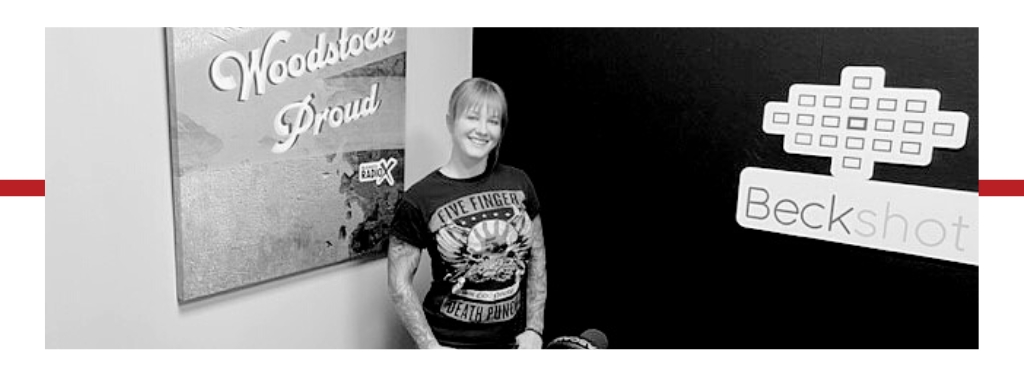
Constance-PayneConstance Payne is the owner of Fresh Start Biohazard Cleaning Services, a forensics cleaning company serving all of metro atlanta and surrounding counties, and is a successful actor here in Atlanta.

Connect with Constance on Facebook.

This transcript is machine transcribed by Sonix

TRANSCRIPT

Intro: [00:00:05] Coming to you live from the Business RadioX studio in Woodstock, Georgia. This is fearless formula with Sharon Cline.

Sharon Cline: [00:00:19] Welcome to Fearless Formula. I’m Business RadioX, where we talk about the ups and downs of the business world and offer words of wisdom for business success. I’m your host, Sharon Cline. And today on the show, we have the owner of a forensic cleaning company, which is so cool. It’s called Fresh Start Biohazard Cleaning Services. They specialize in cleaning up of crime scenes, tear gas deaths and hoarding and virus disinfection. I mean, you kind of cover all the bases here. All the things that nobody wants to touch or that would smell. I love that you’re here. Please welcome. I’m sorry. Constance Payne. Okay. I’m like, Yeah, I’m thinking about murder. Like, that’s in the back of my mind throwing me off a little bit because that’s not been something I’ve focused on here on the show. So I’m so fascinated by what you do because it’s not just that part of your life that’s really interesting and different. You have a whole other aspect which I can’t wait to talk about. So let’s start with your business. How did you get started in this?

Constance Payne: [00:01:19] Well, I started working for a third party company about four years ago. A friend of a friend got me into it because I was looking for work that I could do that was sporadic, that made good money. So I could also be an actor because I can’t really do the 9 to 5 or, you know, it’s really hard to rise in the ranks of a company and then say, Hey, I need two weeks off to go film this movie or I’m going to Europe for a month by. Right. So no, being able to own my own company and take these calls by myself, I can do the things that I want to do.

Sharon Cline: [00:01:52] Well, it’s what people say on the show a lot is how being their own business owner allows for so much more flexibility. And they’d never imagined working for another company where they have a boss. They can make their own hours. But I imagine with yours the hours are probably all over the place because all kinds of things happen day and night.

Constance Payne: [00:02:11] Yeah, yeah, it’s all over the place. It just depends on when somebody wants to make that call and say, All right, I’ve had enough. Or Hey, I’ve discovered my family member is in a jam and they have decided that this is enough or there’s everything is so different. I mean, it comes from hoarding people that have lived in garbage, never thrown it out for about a year or two to maybe people just hoarding certain items and then we go over to the death part of it. If there’s a murder, got to wait for the crime scene to be cleared on that one. Or if somebody’s found discovered dead, they depending on how long they’ve been there, is how hard my job is. I might have to cut a bath, like, you know, gut the bathroom out if they explode in there, you know, because you’re talking like human decomposition. If you’re stuck in a house and your air goes out and all of that for three months straight and you’re just roasting and people don’t know. Yeah, well, honestly, there’s certain cases where I’m like, how the hell did you all not know? I could smell a dead body? The smell of human decomposition is unlike any type of smell you’ve ever smelled in your life. And I could smell the shit from out at the beginning of a subdivision. And people that have been in, like, condo units, you know what I mean?

Sharon Cline: [00:03:29] Yeah, they’re all connected somewhere.

Constance Payne: [00:03:31] Proximity of each other. And. And you think you’d see your neighbors grass getting five feet high, their mail spilling out of their mailbox, Their cars haven’t moved in forever. And you got this horrible stink going on and.

Sharon Cline: [00:03:42] No one said a word.

Constance Payne: [00:03:43] Something might be amiss here, people. But, you know, it just goes back to the general population just being very into themselves and what they’re doing.

Sharon Cline: [00:03:53] I think that’s interesting just in general, thinking about how I think the world is like how I see it often. So I’m in my own world and the world, what gets reflected to me is the way I see the world. But there’s a whole other side that I’m guilty of it.

Constance Payne: [00:04:06] Too, in aspects, you.

Sharon Cline: [00:04:07] Know, like in my.

Constance Payne: [00:04:08] Office for acting. It’s like, I mean, I could it’s a very, very small universe that I live in for that. And I think that’s why I do like the job that I have outside of that with the forensic cleaning, because it reminds me about like being human, you know, and what’s important in life. And that’s one thing that I’ve learned at the end of every day. The only thing that matters is human life and quality of life. Absolutely everything else is bullshit.

Sharon Cline: [00:04:35] Well, I never really thought about how you can draw parallels between what it’s like to be an actor and sort of live a human experience in that way, reflect a human experience, but then also deal with someone else’s end of their human experience and how you can draw. Yeah, draw parallels between the two. I never thought about that.

Constance Payne: [00:04:53] That’s what makes me a good actor. Yeah, because I’m really taking like experiences from my from, from reality here and then just using under imaginary circumstances when I’m on a set and then I can just like really go into something and show some some really good unique emotions.

Sharon Cline: [00:05:10] So I can’t imagine. So how do you deal with what you. Do experience emotion wise in a crime scene or in a clean up situation that you can tell was maybe not a natural death, but maybe something violent or just the energy behind what you’re cleaning.

Constance Payne: [00:05:25] Yeah, really. Honestly, it doesn’t matter if something’s violent, Like there’s so many different words you can use to describe so many different scenes depending on the circumstances and all of that. And, you know, the first thing I got to do is just emotionally close myself off and do my job because I can’t be crying.

Sharon Cline: [00:05:42] Right.

Constance Payne: [00:05:42] Right. I can’t be crying. And I got to be able to do my job. Remember line item, how to do it, you know, for sanitation purposes and get on out of there. And then I deal with that later. Okay. So I’ll do some gardening. I lift weights, you know, hit the hit the heavy bag.

Sharon Cline: [00:06:00] You turn it to a positive.

Constance Payne: [00:06:02] Yeah, Yeah. For as much as death is a part of my life, I like to watch things grow. I’ve got, you know, a couple animals and stuff like that, too.

Sharon Cline: [00:06:09] And Garden.

Constance Payne: [00:06:10] Garden. And then I also like to shoot guns and run around topless in the forest, you know?

Sharon Cline: [00:06:16] About what time does that happen? I’m just curious.

Constance Payne: [00:06:18] 4:00, You know, cocktail hour.

Sharon Cline: [00:06:23] Where exactly would this be? Yeah, see.

Constance Payne: [00:06:25] I mean, my my decompression techniques might not work for everyone, but this is what works for me. Don’t knock it till you try it, everyone. Well, I think.

Sharon Cline: [00:06:34] Also it makes you. It’s a unique personality that can handle the kind of job that you’re doing as well. Right. So, I mean, whatever works for you to make this so that it’s a cathartic experience as opposed to one that brings your spirit down and has negative effects of your life. Sounds positive.

Constance Payne: [00:06:48] To me. Oh, yeah, yeah. And not to say that there aren’t like some really hard days. And, you know, sometimes I might not say nothing for a couple of days, you know, which makes personal relationships a little strenuous and stuff like that. I guess it’s more or less. I’m the type of person where it’s like, Hey, how was your day? Fine. Like. Like, why can’t that be an okay answer, knowing what I do for a living and that just leave it at that.

Sharon Cline: [00:07:14] Are you not allowed to talk about certain things? No.

Constance Payne: [00:07:16] I mean, I can talk about whatever I want. There are certain things I personally don’t. I mean, I could talk to you about in depth about other items off of air. Right. You know, for there’s a lot of different reasons. There’s a lot that goes into what I do. You know, did you.

Sharon Cline: [00:07:33] Have to get certified, obviously. What was the process in order to be someone that could have a business like this?

Constance Payne: [00:07:38] There’s a lot of online certifications and stuff like that. Just like with everything in business, everything has to be up to OSHA standards. So, you know, there’s in-person classes, there’s online certificates, and then every year you got to read up on them and pay your money and stuff like that. I got a lot of my blood cleanup experience when I was in my early 20s. I was a tattoo artist, and so that cross-contamination was really beat into my head. It’s like it doesn’t matter how many gloves you got to use in a day, you know, like you use them all the time. You use them all the time. You take them off if there’s even a question and, you know, just just being all around clean.

Sharon Cline: [00:08:15] Right, Right. So, okay, so you were able to get your certification you used to live, I want to say, is it Indiana that you’re from?

Constance Payne: [00:08:22] That’s where I was born.

Sharon Cline: [00:08:23] Where you were born. Okay. How did you come here?

Constance Payne: [00:08:25] Well, from northwest Indiana, I was down in Texas for a little bit, met and lived with my dad for a little and started doing radio while I was tattooing and stuff.

Sharon Cline: [00:08:37] What did you do with radio?

Constance Payne: [00:08:39] I was a it was on I was on a morning show. Well, first I was a bone babe for Cumulus Radio, and that’s where I met Dan Aykroyd and everything. Yeah, yeah, yeah, exactly. Yeah, it was. It was a very good, fun time in my life. And then I started being on a morning show in Alabama. I was the chick on the all male show.

Sharon Cline: [00:08:58] How was that? I need to know.

Constance Payne: [00:08:59] It was fun. I mean, I had a good time, a lot of laughter. It’s just Alabama Rocket City was not there wasn’t enough going on for me at that point in my life. And so then I went down to Daytona Beach. I had some friends and family out there and started tattooing again, started rocking out and became an actor. I mean, I’ve just done so many different things. It’s all gotten me where I’m at today. And you know, any type of business I’ve owned or worked for has helped shape the way that I do things today. And I haven’t always made the best, you know, the best choices in business. But I have learned from my mistakes. Sure. And I’m proud of that.

Sharon Cline: [00:09:40] Well, I mean, that’s to me, it’s not a mistake.

Constance Payne: [00:09:42] Well, yeah, exactly. It’s a lesson. And so when people ask me for asking for acting tips right now, too, and like there’s no book for that, all you can do is anytime I’ve done it, I do a lot of mixed martial arts, too. And so I’m really into cross training. And I take that type of lesson into every element and aspect of my life is that everywhere you go, people are going to do things a little bit different the way or totally different. And it’s good to learn all the different ways that everybody does stuff and learn all the different types of personality. And people that do it and then pick what works for you and just do that well.

Sharon Cline: [00:10:18] Even being able to identify with different personality types and different aspects of people can help you, I imagine, as an actor as well.

Constance Payne: [00:10:24] Oh, absolutely. I love going down the rabbit hole of of different businesses and unique personalities, just talking to people as much as I’m I was talking to you about this off air. I’m an introverted extrovert. As much as I’m like, I can’t get a conversation started. If somebody comes up and says hi to me, Oh, we can talk all day.

Sharon Cline: [00:10:41] Long, blah, blah, blah, blah, blah, blah, blah.

Constance Payne: [00:10:43] But I can’t just go up to somebody that I’ve never spoken to before in my life and say anything. You know how hard it is to get a.

Sharon Cline: [00:10:51] Date like that? Yes, I do. I’m very familiar. I’m the same in that I need as much time where I’m interacting as as I do quiet because it like refills my spirit in some way. I like both, but I’m not like exactly an introvert. I’m not exactly an extrovert, but I think like things like this to me feel like I get the best of both worlds because we’re, you know, using media to be out there in the world, which has extroversion to it. But here we are, just the two of us having like a little chit chat, like the energy is super calm because it’s just you and me, which is nice. Yeah. Okay. I just went down a little bit of a rabbit hole. Oh, no, no, no.

Constance Payne: [00:11:26] And we get like, you know, and that’s the thing too. It’s like with with acting between acting and the forensic cleaning, I get enough excitement there, you know, like, I want to go hang out in the forest after that or plant my garden.

Sharon Cline: [00:11:39] Something wonderful and calm about trees. And because I love trees, I love I have like a little bit of a woods in the back of my yard. And I have to say that some of the calming times that I have is being quiet outside, just listening to nature, and it’s amazing how it calms my spirit down. So yeah, I think that sometimes makes me feel more spiritual than like a spiritual, actual building, you know.

Constance Payne: [00:12:01] Just being in nature.

Sharon Cline: [00:12:02] Yeah, yeah, totally. I get you, girl. So you also do method acting? I do? Yeah. What is that like?

Constance Payne: [00:12:08] Well, I got my own thing, you know, like, there’s certain types of method actors out there. Like, some, they’ll. They’ll be in character are all on set from the you know what I mean. Or for months on end and I don’t do that I mean not knocking that that works for other people that’s cool. But me personally, I just do a lot of character research and development and, you know, I kind of create my own version of this character. I’ll talk to the director a whole lot or the writer and really get a good idea before I’m on set of who this person is, you know, because they’re only giving you certain details that you can pull out of the script. And if the script is written well, then you’ve got all this foreshadowing and you know all these things that you can work with. Yeah. To build an actual person and a unique character versus just being a body that moves and talks, right?

Sharon Cline: [00:12:58] Like if you embody it.

Constance Payne: [00:12:59] Yeah, yeah.

Sharon Cline: [00:13:00] But you also do stunts.

Constance Payne: [00:13:02] Yeah, I do stunts.

Sharon Cline: [00:13:03] Is that why also you’re doing, you’re into like the fitness.

Constance Payne: [00:13:06] Part of it. Yeah. That’s why I do a lot of fitness and MMA stuff and I lift heavy a lot. I’m boxing and jujitsu based martial artist, and so I’ve done a lot of my fight choreography for a lot of the lower budget films and everything that I do. And I mean, I think it’s fun. Oh, you got to see this one. I get my face smashed in the dirt in this mud pole. We were supposed to be doing something else. And then the rain started coming and we’re like, Oh, hell, all right. And I was like, We’ll just set this this scene up outside my producer’s house. We got a wood pile. I’ll just start chopping. So we just came up with something on the fly and we start wrestling around in the mud. And I was telling the guy who was a new guy I was working with, and I was like, All right, I want you to grab me by the back of my hair and fucking stuff me down in there, right? And and so it was a real fun scene. And like, I had mud in my teeth and it was yeah, it was. It was a good time. And I didn’t really we didn’t think things through. And so then I’m like butt naked in my producer’s backyard getting hosed off by the coldest water hose ever. We’re all just laughing. I’m like, So, you know, being on set is fun. You know, You never know. Every every day is a unique surprise. Like.

Sharon Cline: [00:14:17] It’s so funny. I’m trying to imagine this and they must love you because you’re diverse. You have like, skills that they really value, I imagine.

Constance Payne: [00:14:23] Oh yeah, I’m useful in a lot of different ways because I mean, I’m really popular in the indie market right now. I’m working my way up and everything, and I have a small production company based out of Calhoun that that I do a lot of work out of. So we do like little short little like, you know, anywhere between 5 and 10 minute type of real material for other actors and stuff.

Sharon Cline: [00:14:45] So it’s so fun.

Constance Payne: [00:14:46] Yeah, it is fun. I mean, I have a great time being an actor no matter what I’m playing like and we’re doing a lot of different types of characters for me right now. Like before it was always like, Oh, this former military, you know, badass. Yeah, mercenary, all the or FBI agent, all that kind of stuff. And, and now, you know, I paid an assault victim not that long ago and, oh, I just got booked on a music video. I get to. I get to kiss a really hot chick. Yeah.

Sharon Cline: [00:15:13] Yeah. What video? We have to see this. You have to send me links. I’ll send.

Constance Payne: [00:15:17] You links. I’ll send you links. Awesome. It’s a Brazilian artist. She’s, like, super awesome. I like her music, and I’m a little judgy when it comes to people making original music. I really like her music. It’s got this nice, creepy kind of sounds. I think like Beetlejuice Nightmare before Christmas type of cool. Yeah, but with a little poppy unfitness. It’s so weird.

Sharon Cline: [00:15:39] But how nice that you get to be part of something you actually really like.

Constance Payne: [00:15:41] Yeah, yeah, yeah. Well, I mean, that’s the thing. It’s like, I, like, I fit in this. I’m. It’s. I’m a genre in its own like. And that’s why I dress the way that I dress and, and I don’t cover up my tattoos anywhere I go. Because if you don’t like me, by the way that I look, then you’re not my people. And I don’t want to do business with you anyway. Exactly. And I’m not going to be baking muffins on any Hallmark movie channel or anything like that.

Sharon Cline: [00:16:03] I was reading a little bit about your story about how initially people gave you a hard time about your tattoos. You’ll never succeed in this business.

Constance Payne: [00:16:10] Oh yeah. I heard a lot of things from acting teachers when I first started. And, you know, that was that was the main one that they were like, Oh, no, you have too many tattoos. Nobody’s ever going to hire you. And not only saying that, but like looking at me like I’m a piece of garbage when they do it. So weird, so judgy. Yeah. And I was the first person hired out of that class, and I was hired for a lead role in in a YouTube series that’s got 2.9 million views on it. Oh, my God. Yeah. Yeah. So it’s really weird how. And now here I’m at in my career, I got a film called Adrenaline. I filmed out in Europe two years ago and I filmed it with Louis Mandylor from the Debt Collector. Oh my. Yeah, Louis and Costas were in that movie and I’m the leading lady in it as an FBI agent. Dun dun, duh. You know, and and it’s right now it’s running the European train. Right now it’s in Japan. Brazil. It just got released in Germany and just here in America shortly.

Sharon Cline: [00:17:11] You’re all over the world.

Constance Payne: [00:17:12] Yeah. Yeah, It’s been. It’s been. It’s cool. And. And then I just hang out here in little Woodstock. I know, right? I’m like.

Sharon Cline: [00:17:19] That’s so conservative compared to like, considering what you do in your genre and what you’re interested in and how you present yourself like it still works for you. Everything falls into place for you. That’s so cool though, because you’re being your authentic self.

Constance Payne: [00:17:32] Yeah, exactly. And you know, like a lot of my good friends, they’re all like senior citizens and stuff like that. Like, I, I.

Sharon Cline: [00:17:41] I love it, though.

Constance Payne: [00:17:42] Yeah. I mean, I’m like, I’m wholesome, but deadly.

Sharon Cline: [00:17:46] You’re on both sides of the spectrum. I feel like I am, too, because I’m kind of like I have, like I was saying, I’m a bit introverted, but I’m a bit extroverted. I have a rebellious side to me, but I also like to fit in. I have like, I’m I don’t know what I am. I I’m a radio host at the moment though.

Constance Payne: [00:18:02] Yeah, I would say. And you know what? That’s okay. Yeah. I don’t know what I was this morning, but then I realized that I was still stuck in this body. So. Yeah. So we do make the best of it. We work with what we have.

Sharon Cline: [00:18:15] All right. So how did you get into the acting industry here in Atlanta? So you started were you in Daytona first?

Constance Payne: [00:18:20] Yeah, I was in Daytona and I was going through my first divorce. I know that sounds like a fucking loser right there. No, it doesn’t.

Sharon Cline: [00:18:27] This is like the state of the way things are. I think the stronger we get, the harder it is to put up with a lot of things that don’t work. So I just think that’s the way the state of women in general.

Constance Payne: [00:18:36] Yeah. So, yeah, so I was on number one and we were going through a divorce and I and I decided I wanted something for myself. I’d spent so many years dedicated to his company helping make that grow and all that and, and being taken advantage of. So I started taking this acting class. That was the one I told you about that I got hired out of that. They told me that I wouldn’t be able to succeed.

Sharon Cline: [00:18:57] I would I would think about that every day. I think I would have so much pleasure out of knowing what really happened. Girl, I’ve.

Constance Payne: [00:19:03] Actually only taken, like, two acting classes in my whole life. Yeah, that’s another thing I don’t do. Like, there’s like, this whole list of things that they tell actors to do here in Atlanta. They have to have this. You have to do that. And if you don’t do this and you don’t do that, nobody will ever take you seriously. And I don’t do any of that stuff. I just yeah, I’m like totally against the core. I don’t even think my website is functional right now for my acting, and I don’t care because I get scripts in the mail all the time. Like I’m, you know, I’ll do some auditions here and there, but they’re really high level auditions. I’m not doing any, you know, basic stuff here. But then most parts people just send me a message like, Hey, here’s a script, here’s the part read for this. Are you interested? It’s always lead co-lead or a very strong supporting. And you know, because with budgets and movies like under $2 million that’s that’s considered ultra low budget. Wow. Yeah, I know, right?

Sharon Cline: [00:20:00] Yes. For me too. So yeah.

Constance Payne: [00:20:02] I know.

Sharon Cline: [00:20:03] For my life. I can’t imagine.

Constance Payne: [00:20:04] I can’t wait to say that at my company. Yeah.

Sharon Cline: [00:20:08] We’re low budget. I know. It’s such disrespect. But I can’t imagine what’s considered like a mid-budget what’s considered a high budget.

Constance Payne: [00:20:17] Anything over 2 million? Yeah.

Sharon Cline: [00:20:19] I suppose that’s true. I want specifics. Well, but that’s interesting because really people are coming to you. You don’t have to go out there and try to sell yourself in some ways, like I’m sure actors do, like I do with auditioning for voice over work. That’s kind of like a sale, like I’m trying to sell myself.

Constance Payne: [00:20:35] I mean, I do and I don’t, I guess like Facebook, I’m friends with a lot of people on Facebook, so my network is really there, most of my directors and producers and, you know, and I’ll go to certain events that actors typically don’t go to. Like I went to the AFM this last year, the American Film Market in Santa Monica, and there was a really good move. I met a lot of people making a lot of movies and a lot of people want to put me in their movies, you know? And it’s not like it’s really a distribution festival. It’s not something that actors, unless you were in the movie and your company made it or whatever, you’re not really there.

Sharon Cline: [00:21:09] But that’s thinking outside the box.

Constance Payne: [00:21:11] Yeah. And I just like met everybody. I cut the line, you know what I mean? Like, these are all the people selling their movies, all the directors, and these are the people that I wanted to say hi and not have to stand in a line to possibly, you know, work my way through all these auditions for years to maybe eventually work with you if I get so lucky, Right?

Sharon Cline: [00:21:33] Because really, I mean, I know that you have a unique look and a unique sound. Everything’s cool. But there is there’s got to be a level of competition that you’re always thinking, okay, this person could have potentially had this part.

Constance Payne: [00:21:45] Glad I got it. Honestly, I don’t really care. I mean, if somebody love that. Yeah, like if somebody else gets a job, there’s nobody that I have personally met that looks similar to me. There might be other like females with tattoos. They don’t have them the way that I have mine. They’re not as buff as me, girl. I’m a I’m a big little lady. All right? I’m breaking at 125 pounds. Five foot four. Constance Payne is the destroyer. So, you know, like, I am who I am, and people there are. They’re going to like it and hire me or they’re going to get somebody else. But, you know, I go all in when I do stuff. I’m fun to work around. I’m not I know when to shut up. I’ve been on a couple of sets where people just don’t stop. Really. Yeah, Yeah. And it’s really hard.

Sharon Cline: [00:22:37] I’ve heard that one of the things that I’ve learned through voice over work in particular is when you’re working with directors or script writers, people who are who are making the copy. If you’re a pleasant person to work with and for it’s such a different like people will come back to me because it was easy, you know, as opposed to working with someone who may sound a little bit different or whatever. If there’s any resistance there, they don’t want to go down that road. Y y you know, it’s so nice to have a nice experience. So I was happy to hear that you feel like that’s a valuable asset.

Constance Payne: [00:23:09] Oh, absolutely. I mean, that’s I mean, that’s I mean, shit. I prefer to work with people that are easy, like in film. Like, there’s. I mean, like I said, we got a little mini mini company and there’s certain people that I will never hire again and people that have been friends with and it just because, like while you’re cool to have a cup of coffee with on set you I can’t do you and I found it like personally insulting because here I am giving somebody an opportunity by being in one of my films and being opposite of me. And. And you’re acting the way that you’re acting. And that’s insulting because you clearly have no idea how hard I work to do what I do.

Sharon Cline: [00:23:50] It is a disrespect because you are providing an opportunity that someone would have worked extremely hard to get.

Constance Payne: [00:23:56] Oh yeah, you cut the line and you disrespect me.

Sharon Cline: [00:24:01] That sounds like a movie quote.

Constance Payne: [00:24:02] Yeah, I’m just glad that we’re only concentrating on little like 5 to 10 minute spots right now because we are. We’ve got a couple features coming up next year that we’re partnering up with people on and they will not be involved in those, you know, and I’d rather have you fuck up on a small one than really show your ass on something big and there’d be an actual problem here.

Sharon Cline: [00:24:25] I can’t imagine. So it’s interesting. You’ve got like friends that you can not work with but be friends with. Yeah, but then you’ve got people that you work with, I’m sure in this industry where you’re like, We couldn’t be friends. Glad to work with you. You know?

Constance Payne: [00:24:37] Uh, you know, it’s kind of funny on that one. Me I don’t really want to work with in the film industry. Like, you know, with forensics, I’m always going to work with all types of crazy people and, you know, all like, all different levels of personality. And that’s that’s what I find interesting about that occupation. But in film, I can choose. I definitely can because I want to always have a good experience on set. I don’t want to be arguing with anybody. You know, you can’t ruin the tone on set. And that’s what I didn’t like about, you know, certain people I’ve worked with in the past is that now half of my acting ability is going. Towards trying to keep the set at a certain tone. Otherwise you’re going to shut down for real. And this whole day has been wasted. You know, it’s thousands of dollars down the toilet because you want to have a moment? Yeah.

Sharon Cline: [00:25:27] So how is how realistic are forensic shows?

Constance Payne: [00:25:32] It depends on which one you’re watching.

Sharon Cline: [00:25:33] Okay. What would you say is the most realistic?

Constance Payne: [00:25:35] I would say the Samuel L Jackson movie, The Cleaner, was a very. How everything’s broken down and, you know, suiting up and very, very on point with that. So if you’re looking for something new age, that kind of gives you an idea. I would say that for sure.

Sharon Cline: [00:25:54] So what is not realistic?

Constance Payne: [00:25:58] Well, you know, it’s funny you say that. We were shooting a commercial for the forensics company a couple of weeks ago, and I was on the phone with my other producers, and they were like, All right, well, we’ll interview you and we’ll set up a scene. We’ll have like, you know what we’ll do, like the chalk outline and then maybe throw a leg in there. And I was like, I was like, That’s so Hollywood and like old school Hollywood to I don’t even remember the last time I saw a chalk line. Was that like Alfred Hitchcock? You know, like, what are we.

Sharon Cline: [00:26:32] Who are you trying to target here?

Constance Payne: [00:26:33] Negative. Negative, negative. We are not doing that. And there’s not going to be a whole leg, though. I mean, I have found you know, I did find a I find interesting things sometimes, but it was a little excessive what they were asking. So we just went with the pool, a standard pool of blood. And then I made some some chunks of skull and teeth out of clay real quick and tossed those. Yeah, toss those in there and just set up my crime scene tape.

Sharon Cline: [00:26:59] And is there anything you’re afraid of? Like when you go on to a job site, are you ever afraid of what you’re going to see?

Constance Payne: [00:27:06] I mean, I’ve I’ve seen a lot and I’ve seen it all. I mean, I would say, like when when cats or rats pop out of nowhere and they’ll spook, you know, you’re already kind of you’re in this cryptic environment already and now now throw like animals flailing around that are, you know, disgusting. Yeah. You know, you know, that’ll be like, ah. But then I’m like, oh, okay. That was just an ugly cat.

Sharon Cline: [00:27:31] I didn’t think you were going to say that. I didn’t think you were like, you know, the jump scare moment I was thinking.

Constance Payne: [00:27:36] About the only thing that scares me.

Sharon Cline: [00:27:37] Yeah, I would say I think it’s something else. I don’t know what. Just the notion of like, what you’re actually interacting with and and what happened behind what you’re interacting with. I don’t know.

Constance Payne: [00:27:46] No, I mean, I do think about all those things sometimes, you know, when I when I’ll take up stuff from 33rd party companies, I don’t know until I’m there until like I kind of discover and go through it until like the end. So that mystery of figuring out, Oh, that’s how this went down. And they feel, Oh, whoa.

Sharon Cline: [00:28:07] Okay, interesting. How many jobs do you do? Like a week? A month? Is it all the time constant.

Constance Payne: [00:28:13] It’s it’s sporadic. It’s all over the place. Like, I can I can I might work, like two, three weeks solid, you know, like, depending, like, let’s say there’s a big horde and a bunch of dead bodies in between on other calls. You know what I mean? Like it. It’s so all over the place. Or, you know, if I’m going to be on set, then I’ve got somebody else to kind of cover for me and take calls. But I mean, it’s hard. I think there’s something in the moon and the stars, too, with it. I know that sounds weird. We were just.

Sharon Cline: [00:28:38] Talking about that before the show, that sometimes things just happen. It just.

Constance Payne: [00:28:42] Happens. It’s like it’ll be like Murder week or Suicide Week. You know what I mean? It’s just. It’s very.

Sharon Cline: [00:28:48] Interesting. So, yeah. Is it Christmas time where things tend to pick up, you know, how there are like themes that there are moments that are more emotional during certain parts of the year or something like that?

Constance Payne: [00:28:58] Yeah, there’s I mean, it depends. It’s very like I said it each month does its own weird thing.

Sharon Cline: [00:29:05] Wild Do you ever see something on the news where you’re like, Oh, that’s the whole story behind what I cleaned up?

Constance Payne: [00:29:10] Yeah. And it usually aligns with what I’ve seen or sometimes, you know, like my, my buddies at the, you know, the police department or the sheriff’s office or fire department or whatever, they’ll they’ll tell me what happened.

Sharon Cline: [00:29:24] Interesting, because. Okay, so I know it’s.

Constance Payne: [00:29:26] Not I’m sorry. Sometimes I get a totally different version from the homeowner.

Sharon Cline: [00:29:30] Oh, no, really.

Constance Payne: [00:29:32] I’ve had people tell me I don’t live here and their mail is their name in the mail is everywhere. Oh, they know. You’re kidding.

Sharon Cline: [00:29:37] Yeah. Yeah, that’s crazy.

Constance Payne: [00:29:39] Yeah, it’s so weird.

Sharon Cline: [00:29:41] Like, flat out lies.

Constance Payne: [00:29:42] Flat out like I wasn’t going to know somebody stole all your mail and hid it in this house, lady. Like.

Sharon Cline: [00:29:50] So you deal with personality types all the time.

Constance Payne: [00:29:53] Everybody’s mentally sick in some kind of capacity, You know, It just depends on the level what you’re dealing with. Some people just get sad. You know, some people, their loved one dies, their partner dies, and then they get a depression room or depression house, as I like to call it. And and then one day they finally decide that they’ve had enough. Up in there. They’re ready to move forward in life, and that’s when I step in.

Sharon Cline: [00:30:16] So how many other companies are out there like yours, even in this Woodstock area? Because I see that you I typed it out. You service Cherokee Cobb, Bartow, DeKalb, Gwinnett, Fulton, Clayton, Henry, Fayette, Douglas and Forsyth Counties. That’s many counties.

Constance Payne: [00:30:33] Yeah, that’s everybody. So anybody that’ll call. I mean, it depends. I mean, the drive time and everything depends because I’ve got two service vehicles, I’ve got a big old truck and then I got a little car for zipping around. So, like, that’s what I keep. Everything just depends. Sometimes I might just need a bucket, you know, full of some gear. Sometimes I got to pull out the heavy equipment. Just disposing of mattresses, furniture, all You know, it’s every unique case. Yeah.

Sharon Cline: [00:31:03] So how much does what you see visually in your business affect how you help out or influence your acting career? In other words, like, if you know what something genuinely, really looks like as a crime scene and you go on to a set and you’re like, None of this looks even remotely normal.

Constance Payne: [00:31:21] Well, yeah. And that’s what I like about the acting community now, is like everybody’s wanting to get the realistic look. They just don’t know what it is in certain types of things, which I mean, I think it’s kind of funny. It’s like if you’re going to write a movie about like military personnel or detectives that maybe you might want to have a former on staff for writing, you know what I mean? For dialog purposes.

Sharon Cline: [00:31:44] I heard they had someone like that on like E.R. They had someone like, I don’t know if it was Michael Crichton or whoever it was, but someone who had like a real MD.

Constance Payne: [00:31:52] Yeah. Understanding of what we’re doing here today.

Sharon Cline: [00:31:55] It’s not going to be super fake, you know, it can actually have an element of realism to it. And that’s another.

Constance Payne: [00:32:00] Thing about preparing for yourself for, for set. Like if, if I were to cast somebody as an attorney and put them in one of my movies and I don’t see any and you do your research by watching other television shows versus doing your own personal research on your own reconnaissance. I can tell the difference that is being lazy, like, you know, interesting or being motivated.

Sharon Cline: [00:32:24] What’s your favorite acting job that you’ve gotten?

Constance Payne: [00:32:31] I mean, I guess you’d have to be more specific on the question of like just the content or I mean.

Sharon Cline: [00:32:36] How about this? What has been the most satisfying acting job that you’ve had where you were just like you left, you finished it, you were just like, Damn, that is why I’m here on this planet, is to have moments like this, jobs like this.

Constance Payne: [00:32:48] Well, I was butt naked, covered in blood on the streets of Miami about four years ago doing this film called Sadie.

Sharon Cline: [00:32:57] Like they they had.

Constance Payne: [00:32:59] Closed off this street in the like, we’re outside. Okay? It’s like between the hours of ten and four in the morning. And I spent that entire time covered in corn sirup and coagulated blood taking a stroll through hell. And I was very I found it very liberating, especially when we’re, like, wrapping up and I’m in this bathtub in the middle of an alley. You know, they’ve got it lit all like funky and stuff. And. And this truck driver, No, he drives by ever so. And he had his phone up and he was filming me and I’m like, just sitting there and I’m just covered in blood and I’m waving. You know, there’s a lot of good moments on that. I actually chased after the goat, too, because every, you know, at the gates of hell, there’s always a goat. And they took the rope off of of him against the advice of the goat handler. And then the goat took off. And I’m the only athlete on set. So now here I am, butt naked, covered in blood, running down the streets of Miami after a fucking goat.

Sharon Cline: [00:34:02] Not many people can say that. Definitely not been said on our show before. I think that’s amazing. Yeah.

Constance Payne: [00:34:07] I mean, I saved the goat, you know? And that was really fun. Like, I don’t think I’ve ever saved anything in real life on set before. Since then.

Sharon Cline: [00:34:14] Well, if you weren’t an athlete, that goat might have, like, really been out there today.

Constance Payne: [00:34:19] We would have owed somebody $350. I think that’s what the going rate you know how hard it was to find a goat down in Miami because of Santeria. Everybody’s looking at us like we’re crazy, like we’re going to murder this goat or something. And I was like, I swear, it’s just the movie. We’re not going to hurt the goat like.

Sharon Cline: [00:34:36] But they don’t know for sure.

Constance Payne: [00:34:38] But they don’t know because yeah, because we’re all flying in from LA. Like.

Sharon Cline: [00:34:44] Oh God, I like people I don’t even know. I don’t know what it’s like. But I can imagine, like if you’re, if you were to go back into your, into your history as well of acting like, is there a job where you’re like, I wish I had never signed up to do this position or this role?

Constance Payne: [00:34:57] Yeah, yeah. I’m not going to mention the title of it because that director is a piece of garbage. This is all over $300. And it was just a very I could tell that the director was chauvinist because, you know, it was one of those I’m a director, writer, producer, and I get his script and, and all the all the women in the script, they would always just follow the men around and agree with them all the time. And in what society does that ever happen? Okay.

Sharon Cline: [00:35:24] Fantasy land. Yeah.

Constance Payne: [00:35:25] The women just they were just like, oh, yes, yeah. Oh, no, you know? And so I could tell it was a chauvinist from, from the script writing and you know, that he didn’t know what he was doing. And I’m like, okay, whatever. You’re going to do this low budget film. And, and I went ahead and I did it. And and he was just really rude. Just this was like six, seven years ago. So it’s just very condescending, very rude. And then all out, he just didn’t flat out didn’t pay me three, you know, $300. And he must have forged my signature on the thing because you can’t get distribution in the film industry without all signed signatures from from actors. And there was a bunch of other people that had complained that they hadn’t been paid and that they also did not sign any type of contract or anything. And now he’s on a second film. So I’m just kind of letting this sit back because, I mean, my name is a I’m a registered trademark.

Sharon Cline: [00:36:19] Are you like an R?

Constance Payne: [00:36:20] Yeah, I’ve got the R with the little circle. Yeah. Really? Yeah. That’s amazing. Yeah. For acting and my clothing and my jewelry and stuff like that.

Sharon Cline: [00:36:28] Like, we could talk all day. Yeah, we could.

Constance Payne: [00:36:30] We could talk all day.

Sharon Cline: [00:36:31] That’s like, a whole other side I didn’t know about. That’s so.

Constance Payne: [00:36:33] Cool. Yeah. So I’m just kind of sitting back on that one and waiting until it’s actually relevant.

Sharon Cline: [00:36:38] Interesting. What do you think people don’t know about the acting industry that you think, okay, here’s my chance to really tell people some things that I’ve learned.

Constance Payne: [00:36:47] Well, I would have to say that I definitely don’t have to sleep with anybody to get where I’m at. I think that I find that like a very common thing. People, you know, when they meet me, they’re always like, Oh, you must, you know, Oh, are they looking at me like I haven’t busted my ass to do this? Now, there might be stories from back in the day where women had done that. And however, whatever, whatever as you, as you. But for, for people to just, you know, think that just because you’re in this industry that that you got to sleep your way up to the top compromise yourself. Yeah it’s just not true. Like people hire me because I’m a badass female and that’s what they’re looking for. They’re looking for, you know, some, some some fight moves and some feistiness. And I don’t have to sleep with anybody to get where I’m going. You know why? Because they write me a fucking paycheck, right? Right. You know, like. Like that. That’s.

Sharon Cline: [00:37:37] There’s your proof.

Constance Payne: [00:37:38] There you go. Yeah. And I guess, you know, in my most recent failed marriage, it was it was hard towards the end of that because I fly out a lot. You know, you got people paying for my my flights, my hotel rooms. They’re paying my salary for the week to one month that I’m on a set. And here he was thinking, I’m on vacation. Like I’m literally working from the time my plane lands to the time it goes up. I don’t. And if I’m not working and busting my ass on set, I’m exhausted and hiding in my hotel room. Right.

Sharon Cline: [00:38:11] So this the divided life feeling where you have your life, but then there’s a perception of what your life is really like.

Constance Payne: [00:38:17] Exactly. And I mean, I do a good job of showing because there’s a lot of great things about it. You know what I mean? I love my life, you know, But it’s not every single day I’m not doing lingerie photo shoots, you know what I mean? Getting my hair styled and, you know, makeup put on by Betty. Like, I’m not, you know, I’m not doing all that. When I do have those moments, it’s fun and I enjoy them. And we’re doing it for work and, you know, and we all have a good time doing it. And then the other half of the time I might be in somebody’s hoarding house shithole, having a piss in my own coffee cup because I ain’t hovering over that. Right.

Sharon Cline: [00:38:56] What a diverse life. Yeah, but have you had to deal? I know we talked just briefly. You mentioned about a director being pretty misogynistic, but have you had to deal with much of what’s considered the MeToo movement? Have you had have you had issues in that way in the in your acting career?

Constance Payne: [00:39:13] I haven’t had anybody. I think people I’m apparently I’m intimidating. I’m a bit intimidating. I’ve had people verbally try to test the waters. I could tell, you know what I mean? You can tell. And I always direct a conversation very quickly, especially when I pick up on one of those hints of somebody trying to gear it towards that way. Like when if a new director or producer hits me up on online and I could tell they don’t know how to have a conversation with me, the first thing I say is, All right, cool. You know, if you’d like to see my reels and resume, let me know. I can drop them to you here. If you shoot me your email address, I can send it there. And either, yeah, let it be. And either they’ll, they’ll say, Yeah, I’d love to see your stuff. Send it here, send it there or they don’t respond. And if they don’t respond well.

Sharon Cline: [00:40:03] Then you know.

Constance Payne: [00:40:04] Then I know, I don’t.

Sharon Cline: [00:40:06] Know why. I just sort of assumed it was very pervasive and everyone has to deal with it for some reason in my mind.

Constance Payne: [00:40:12] I mean, there’s a community, a very small community here and there, and it’s really about the the women that I’ve seen have those experiences. They’re they’re coming from a sense of desperation and wanting to be liked and and move ahead. And so they’re not seeing the signs of somebody with their bullshit.

Sharon Cline: [00:40:33] Do you think there’s an energy around that kind of an actor that is like, I will do whatever just so that I can like, I’ll get to know you and I’ll be close to you and I’ll do whatever I can.

Constance Payne: [00:40:42] Yeah. Or thinking that that this person is, is it at all valuable to their career and worth pursuing in any type of professional way, personal, professional, whatever way. But, you know, you have to identify what value does that have, Does that person have towards your goals and where you’re getting at in life? And, you know, I mean, I surround myself by good people who do what they say they’re going to do in the timely manner that they allow themselves or that I kind of have to be like, Oh, I’ll have it done next week. I’m like, Ah, I know you won’t till the end of the month, but that’s fine, you know, At least I know, but not ever getting that task done. That says something about your work ethic. Exactly. And it’s not because, oh, you got a million things to do and you’re so busy. Well, aren’t we motherfucking all? You know, that’s really presumptuous of you to think that you’re the busiest person in Woodstock or in Atlanta, Georgia, or these United States of the world, for that matter.

Sharon Cline: [00:41:37] We all have the same amount of time, right? Yeah.

Constance Payne: [00:41:39] We all got 24 hours in a day. And, you know, just like hitting the gym. I’ve had to wake up earlier sometimes and move my schedule around this way or that way to be able to to, to hit, you know, the amount of hours that I need to look, the way that I need to look for whatever I got coming up. Like right now I’m doing a weight cut. You know, I spent three hours jogging yesterday out in the hot sun. Yeah. And oh, I’m waddling. I’m modeling today. Yeah.

Sharon Cline: [00:42:04] Like you are. You look good. You look like you’re super strong, ready to take everything on, which is probably like a good thing, right?

Constance Payne: [00:42:09] Yeah. Yeah. I mean, well, at any any given moment, if. If the situation were to arise. Stand back. I’ve got it.

Sharon Cline: [00:42:17] Like. But how interesting. You have to really mold yourself to be whatever. I mean I know that’s what an actor does, but I’ve never really spoken to someone who actually is doing something actively well.

Constance Payne: [00:42:26] There are certain things like some people, they’re like, they don’t. They just like, This is the way I look and. That’s it. You know, and I’m that goes along with the method. Part of the acting is that I like to embody myself and, you know, always changing my looks and up and down and, you know, like this next one, I’m playing a Ranger like a state park ranger for a few scenes in a film. And I really want my my cheekbones to to pop hard on this one because the last couple of films, I just felt a little bit fuller and, you know, just weird stuff like that.

Sharon Cline: [00:42:59] But that’s that’s your assessment, not someone’s told you to change.

Constance Payne: [00:43:03] No, nobody tells me to change. I do it because when I get this footage back with because I think I’m going to be doing a Southern accent in this one as well, like a southern hippie type of. And so I have a whole look and a whole different sound in frame. And so that’s just showing range and all different types of characters that I can play.

Sharon Cline: [00:43:26] Opens up potential.

Constance Payne: [00:43:27] Other, yeah, for people to see me different types of ways.

Sharon Cline: [00:43:30] What other accents do you do? Southern accent.

Constance Payne: [00:43:32] I can pretty much do anything. Honestly, if I listen to like I’ll Google on on YouTube and stuff like that and it’ll take a little bit of research and then, you know, I’ll start reading a book in that accent and like hitting each every word because that’s my trick on set when if I because you can’t just practice the script, you know, if you’re doing an accent, you can’t just read the script. You got to read the whole book. It could be a book about anything. It doesn’t matter.

Sharon Cline: [00:44:00] But you’re reading it in the accent.

Constance Payne: [00:44:01] You’re reading it in the accent, and you have to read it out loud. And that way when the script changes on set because it always fucking does, you’re you’re spending less time, you can just, you know, assimilate. Yeah, you’re just assimilate to it. You’re just, you’re already there.

Sharon Cline: [00:44:16] You can do a British accent. I’m terrible at a British accent.

Constance Payne: [00:44:20] Oh well I used to have an RV and I had to stay at senior living communities.

Speaker3: [00:44:30] And so I would call in my little old lady voice. Oh, my gosh, that’s crazy.

Constance Payne: [00:44:38] That’s a good one, right?

Sharon Cline: [00:44:39] A really good one. I could never do it. It sounds so good. I’m like, it gets even.

Constance Payne: [00:44:42] That’s just like off hint like if I if I focus and sit down, I could do it. Like, you know what I mean? Yeah. It was not prepared for it, but I mean, shoot, I do. I mean, literally anything. I just got to listen to it and I get them.

Sharon Cline: [00:44:54] That’s a skill. That’s like a Meryl Streep skill. Yeah. You know, whereas she could do any accent and it sounds so authentic and normal, like. Like she lives this every day, but that’s kind of super chill. Yeah, exactly.

Constance Payne: [00:45:03] And it’s super chill because that’s another thing like not overthinking it.

Sharon Cline: [00:45:07] Oh, yeah. Well, that’s my problem.

Constance Payne: [00:45:08] Yeah. Yeah. Well, I mean, same thing in the cleanup. You know, if I’ve got somebody like brain and coagulated Blood, my I can’t really think about what I’m about touching. You know? I just got to. Just do it. Just do it.

Sharon Cline: [00:45:20] Just do it. But it’s sacred work, you know? It is sacred work.

Constance Payne: [00:45:24] It is. I mean, you’re dealing with the dead, you know, And like, I have a lot of respect for the dead. And, you know, I haven’t had any ghost experiences or anything like that and doing my job, which is very strange because when I lived in Daytona Beach in my first marriage, we lived in a haunted neighborhood. And yeah, I had like three, four different houses in the same neighborhood. Each and every one of them was haunted. It was kind of like every time we moved, like the there were more ghosts at the new place, but then the old ones would follow us. Yeah, it was crazy. And then it got to the point where it was like daily activity and it was insane. And then found a psychic. She did some. It was all through text message too. Really?

Speaker4: [00:46:05] I know it sounds like bullshit, right? And that was.

Constance Payne: [00:46:07] Like, this is garbage. And then days went by. Weeks went by, months went by. Never had an experience since then.

Sharon Cline: [00:46:14] Well, there’s so much I don’t understand out there. Yeah. You know of why things work the way they work and turn it on.

Constance Payne: [00:46:20] And turn it off like. And. And that was another thing. I was kind of scared to get into the forensic cleaning because that was a very terrifying experience in those houses. And, you know, just especially the unknown and hearing all these sounds and scary things.

Speaker4: [00:46:34] That’s why I was.

Sharon Cline: [00:46:35] Thinking it would be kind of spooky, But you’re like, it’s just when the animals come flying out of.

Speaker4: [00:46:39] Nowhere. Yeah, just the animals. I mean, after.

Constance Payne: [00:46:41] The first couple jobs, I was like, All right, nobody’s following me home, so this is cool.

Sharon Cline: [00:46:45] Shoe.

Constance Payne: [00:46:45] I think they know that. I respect them. You know that. That I’m trying to help out here. I don’t.

Sharon Cline: [00:46:51] Know. That’s an energy, you know, a respectful energy of sacred work. I think that’s the way I would look at it, too. And not everybody’s got the right disposition to do it. So I appreciate that. Like I was thinking how nice it is that I get to meet all these different business owners that do things that I could never do that are not in my wheelhouse or even thought about. But I really have a true respect for anybody that is following a dream that they have. And I think that’s so cool about you too, because you’ve got lots of different dreams that you’re following and are being successful in, in lots of ways. And I think What would advice would you give someone who is out there wanting to pursue a job or even getting into the. Acting field. What would you suggest for them?

Constance Payne: [00:47:34] Quit being a pussy.

Speaker4: [00:47:36] That’s our fearless formula. That’s my fearless formula. Because I’ve had.

Constance Payne: [00:47:40] So many people come after me for business advice, for regular business stuff, and then business advice for specifically being an actor. And I can talk to people for about two hours, kind of interview them, figure out what’s your dream, you know what I mean, and give them some breakdowns of, Oh, hey, you could do this. These are options. Da da da da da da da da da da. Two hours later, every single time. Sharon, You know what they say to me? They say, Well, what if I.

Speaker5: [00:48:06] Do all that and it doesn’t work out?

Sharon Cline: [00:48:08] I know.

Constance Payne: [00:48:09] And I’m like, Now I’m pissed because you wasted two hours of my time while I’m trying to help you out being kind. And now you want to have this loser mentality of you’re afraid to fail. Do you think I’ve always I’ve not been successful at everything. It’s been years in a lot of failure to get where I’m at and a lot of different.

Sharon Cline: [00:48:28] What makes you keep going?

Constance Payne: [00:48:29] Not being a pussy. I told you. I told.

Speaker4: [00:48:32] You. It’s really that simple. It feels like.

Sharon Cline: [00:48:35] It should be more complicated because really, people, including myself, I get in my own head and it’s just like, no, I get overwhelmed and I can’t face, I don’t know, not succeeding in some way my family or their excuses that I could come up with like 50 of them right now of why I can’t do.

Speaker4: [00:48:49] Something.

Constance Payne: [00:48:50] Well, a lot of family shame is a big thing that that leads a lot of people in their lives. And, you know, and that’s another big thing about being an actor is you literally have to not care what other people think or anything because you get caught in your head like that. You’re going to choke on camera. You know, if you’re like, Oh, God, was that okay? Was that you? Don’t you know what I mean? Like, you don’t need approval. You know, you just you just do what you do and approve of yourself and be like, all right, this is my big goal. I’m going to break this down into, all right, at the end of the year, I’m going to do this. And now let’s break this down into quarters and then let’s do, you know, monthlies and then be proud of yourself every time that you accomplish one of those. And then you’ll see the light at the end of time.

Sharon Cline: [00:49:32] Not overwhelming.

Constance Payne: [00:49:33] Yeah. When you break it down. When you break it down. Yeah. Everybody sees everything. All in this. This big mess. It’s all over the place. It’s all these thoughts and ideas and everything. And sometimes if you just like, get rid of all the bullshit and just focus on them, it’s like. Like building a house, you know? You don’t start putting the roof on first when you ain’t got no structure. But people.

Sharon Cline: [00:49:48] Want the roof, They want.

Speaker4: [00:49:49] It done. They want the yeah.

[00:49:50] They want to hurry up and done because it’s raining tomorrow. It’s raining tomorrow. Yeah. What are you going to do with all the roof.

Sharon Cline: [00:49:57] But that’s what people like the end result. But you know, I like that you’re talking about like the small things can be just as satisfying that you accomplished. It doesn’t have to be the roof, but it can be just that you have a plan.

Speaker4: [00:50:07] Yeah, exactly.

Sharon Cline: [00:50:08] Little things.

Constance Payne: [00:50:08] Yeah. Live in the tent, out back for a minute until you can save up for all the nails and the lumber.

Sharon Cline: [00:50:13] That feels so doable and, like, positive and accessible. You know, a little result is something that I can. I can grab on to and make that my goal. Like, if I did if I auditioned for ten auditions this week, well, that’s great. You know, that’s that’s what I wanted. Okay, well, then what’s supposed to happen will happen. You know, let go of the result. Interesting. These are all things like.

Constance Payne: [00:50:35] Obviously you want to book those roles just like everybody else auditioning for them. But the fact that they’re even looking at you and listening to you, that’s a big accomplishment right there.

Sharon Cline: [00:50:44] Right there. Statistics that show me how often people listen to my auditions, my reels, all of those things. And so or if I get shortlisted, which is like round two, all.

Speaker4: [00:50:53] Those things are.

Sharon Cline: [00:50:54] Fun. Yeah. So I get a real kick out of that.

Speaker4: [00:50:56] That’s good.

Sharon Cline: [00:50:57] So yeah, it can be very motivating and then it can also be demotivating because I’ll be like, Oh my gosh, Like I worked so hard on all of these and nobody liked any of them. And it’s like, Why am I in this business? But you know, when you get booked, then it’s like, Oh, well, this is why I’m in this.

Speaker4: [00:51:09] I’m a baby all the time. I’ll go like two.

Constance Payne: [00:51:11] Weeks and I don’t book anything as an actor. And then I’m like, Oh.

Speaker4: [00:51:14] I’m a loser. Nobody likes me. And then it’s like something.

Constance Payne: [00:51:17] Huge happens.

Speaker4: [00:51:17] And then you’re like, Oh, well, no, I’m not. Yeah, I’ve got like three big features.

Constance Payne: [00:51:20] I’m doing that. What am I even quit crying.

Speaker4: [00:51:24] Quit crying.

Sharon Cline: [00:51:25] All right, well, if someone wanted to get in touch with you, how can they do that?

Constance Payne: [00:51:29] Facebook is the best. Facebook would be the best way to get in contact with me. Constance Payne. Yes. And then also my website for forensic cleaning is Fresh start biocom. So if you need anything like that, let me know.

Sharon Cline: [00:51:45] I’ve had so much fun chatting with you. I really we could talk a very long time. Like I could see we have to have you have to come back.

Speaker4: [00:51:52] Of course.

Sharon Cline: [00:51:52] We’ll talk about your new projects, too, because there’s so many really fun, exciting things happening. But I think one of the best things about it is that you are truly authentically you. So what is yours was really meant to be yours, You know, it’s super cool. It’s super cool to watch and everybody listening. Thank you for tuning into Fearless formula. And again, this is Sharon Cline reminding you that with knowledge and understanding, we can all have our own fearless formula. Have a great day.


 

Tagged With: Fresh Start Biohazard Cleaning Services

BRX Pro Tip: Sales Tip – After You Get a Yes, Stop Talking

May 29, 2023 by angishields

BRXmic99
BRX Pro Tips
BRX Pro Tip: Sales Tip - After You Get a Yes, Stop Talking
Loading
00:00 /
RSS Feed
Share
Link
Embed

Download file

BRX-Banner

BRX Pro Tip: Sales Tip – After You Get a Yes, Stop Talking

Stone Payton: [00:00:00] Welcome to Business RadioX Pro Tips. Lee Kantor and Stone Payton here with you, Lee, here’s a little sales tip. When you get to a yes, stop talking.

Lee Kantor: [00:00:11] Yeah, it’s funny to watch. I think it happens a lot with younger salespeople that they, sometimes, get so entranced in their own storytelling that they’re missing buying signals from their prospect. And when the prospect says yes, stop talking, end the meeting, and I think it’s something you say is don’t spend more time buying it back.

Stone Payton: [00:00:35] Exactly. Once you sold it, don’t buy it back.

Lee Kantor: [00:00:39] And I think that that discipline is important. Remember, the reason you’re having this conversation is to sell something. And once you’ve done that, leave. Like, don’t keep talking, don’t keep kind of rehashing different benefits or why they’re really, really going to really enjoy working with you because the more you’re talking after they bought it, all you’re doing is bringing up the possibility that you’re going to stumble upon something that they don’t like, and they don’t want, and they might stop being interested in what you’re selling. So, the bottom line is when you get a yes, stop talking, end the meeting, and then start onboarding them as a client.

Stone Payton: [00:01:20] Amen. I mean, I’ve specifically recommend it and I try to practice this discipline myself. For me, don’t just stop talking, stand up, get out of there.

BRX Pro Tip: How Your Best Customers Will Help You Sell

May 26, 2023 by angishields

BRXmic99
BRX Pro Tips
BRX Pro Tip: How Your Best Customers Will Help You Sell
Loading
00:00 /
RSS Feed
Share
Link
Embed

Download file

BRX-Banner

BRX Pro Tip: How Your Best Customers Will Help You Sell

Stone Payton: [00:00:00] And we are back with Business RadioX Pro Tips. Stone Payton and Lee Kantor here with you. Lee, the last two pieces of business that I wrote here locally at the Woodstock Studio, I didn’t sell it at all. It was people already in my circle, people I was already serving as clients and I just – all I had to do was not screw it up. So, let’s chat a little bit about how your best customers will help you sell.

Lee Kantor: [00:00:31] Yeah. I think it’s – this is the easiest way to sell more is just talk more to your existing customers. You know, start asking them questions. They’ve already bought something from you, so they’ve already kind of trusted you. They’ve already kind of liked you. They’ve already established that you can help them achieve their goal.

Lee Kantor: [00:00:51] So, ask them what got them interested in working with you in the first place. Ask them what put them over the hump when it came to the actual buying decision. What information did they need to buy from you? What did you say that made them believe that you could make the pain of their problem go away? What did you say that made the math of the value-versus-cost equation work for them?

Lee Kantor: [00:01:12] The better you can answer all these questions, the faster you can automate a lot of your selling. So, if you can get your existing clients to educate you on what worked for them, then you can take that information and then implement it as part of your selling process. Because once you have the answers to all of this stuff, you can put it on your website, and then future customers can sell themselves.

Kyle Baxter with Big Bulldog Consulting

May 25, 2023 by angishields

Kyle-Baxter
Cherokee Business Radio
Kyle Baxter with Big Bulldog Consulting
Loading
00:00 /
RSS Feed
Share
Link
Embed

Download file

Sponsored by Business RadioX ® Main Street Warriors

Main-Street-Warriors-Banner

Big-Bulldog-Consulting

Kyle-Baxter-Big-Bulldog-ConsultingKyle Baxter, CEO of Big Bulldog Consulting, is from Rome, GA. He joined the U.S. Army in 1981 and served 10 years. He was a U.S. Airborne Ranger and Special Operations Operator.

Kyle worked in auto manufacturing for 16 years, 15 1/2 of that in leadership roles.

He owned his own business in Michigan, a convenience store he expanded to 2500 sq ft after the first year, adding a full deli and catering. Kyle ran the deli for 11 years, then sold it in 2012.

Kyle’s been a real Estate investor for 12 years. He became a Grant Cardone licensee, coaching businesses on marketing and sales.  He bought the 10X Business Advisor Franchise in 2022.

Connect with Kyle on LinkedIn.

This transcript is machine transcribed by Sonix

TRANSCRIPT

Intro: [00:00:07] Broadcasting live from the Business RadioX Studios in Woodstock, Georgia. It’s time for Cherokee Business Radio. Now, here’s your host.

Stone Payton: [00:00:24] Welcome to another exciting and informative edition of Cherokee Business Radio. Stone Payton here with you this morning. And today’s episode is brought to you in part by our local small business initiative, the Business RadioX Main Street Warriors, defending capitalism, promoting small business and supporting our local community. For more information, go to Main Street warriors.org and a special note of thanks to our title sponsor for the Cherokee chapter of Main Street Warriors, Diesel David Inc. Please go check them out at diesel. David.com. You guys are in for a real treat this morning. Please join me in welcoming to the broadcast with Big Bulldog Consulting Mr. Kyle Baxter. Good morning sir.

Kyle Baxter: [00:01:14] Hey, good morning. Good morning. So I really appreciate the opportunity to come on with you this morning. I’ve just been really excited about it. I mean, you know, the radio is just really huge. When I found out about it, I got lucky. And the more I got looking at realizing just how big it actually was and the impact it has, and I’m probably your biggest fan. So. So from here forward, I am the mouth of the South. It will be put out there.

Stone Payton: [00:01:39] Well, it is a delight to have you in the studio. I got a thousand questions. I know we’re not going to get to them all, but I think a good place to start might be if you could articulate for me and our listeners mission purpose, what are you and your team really out there trying to do for folks?

Kyle Baxter: [00:01:57] Man Well, let me tell you, Stone, I am a ten X business advisor. I partnered with Cardon Ventures, which is owned by Grant Cardon and Brandon Dawson. And, you know, Grant, if you don’t know Grant, it’s kind of shocking. But if you if you do, you know, Grant Cardone is the biggest, biggest promoter that they’ve got in the world, or at least in the United States. You know, number one sales guy rated by Forbes and everything, and Forbes even rated the number one influencer on social media. You don’t believe me? Get on there and check it out. He blows up Twitter, Instagram, Facebook. I mean, he’s on all of them. And it’s just crazy. I thought I posted a lot. I’m nowhere close to Grant Cardone, but that’s part of his promotion thing. Of course, you know Brandon, he’s a he is the West guy, came from Wall Street and you know, his last company he had he he sold that company for 77% EBITDA, which was set a record in Wall Street for. I bet it did. Yeah. For I mean for a private company, he sold it for $151 million. This guy is what I call the master guru of growth and scaling businesses. And that’s one of the reasons I partner. I was already sold a grant. You know, I was a grant licensee for a while where I helped businesses, you know, grow the marketing and the sales.

Kyle Baxter: [00:03:15] And then this opportunity came on and they combined because they want business advisors to get out and help get the word out to everybody. And I thought, Are you kidding me? Yeah. Where do I start? Are you kidding me? This is just it’s really been an opportunity of a lifetime to me. I’m like, and everything you do with Cardone, I got to tell you, the licensee, the support in the background, dude, it’s. It’s phenomenal. I don’t care what anybody says. I couldn’t complain. I had to lie to complain. I mean, anything you want. Boom, boom, boom. And same way with Cardinal Ventures built the same way. It’s amazing. But anyway, our goal, you know, Cardinal Ventures goal is to right now they want to get 100,000 businesses kind of up under their wing. They’ve trained and instructed and assisted and and in five years be $1 billion company themselves. And I’ll tell you, you know, the the first year they started zero capital and excuse me and they they made $2.4 million and last year was year four there were 84 million. Wow. That’s crazy. And this year they’re on track to probably exceed 150 million just this year alone. So it’s crazy.

Stone Payton: [00:04:27] So tell me a little bit more about exactly who you guys are serving and why is there a an industry, a segment, a level of of advancement that a company has reached? Tell me a little bit more about them.

Kyle Baxter: [00:04:42] Well, let me tell you, our baseline customer is one at the first break point where they’re hitting, getting ready to go on to the second break point at $1 million a year revenue. Okay. Now. Don’t don’t take that as I would not help a business that’s under that, because I do. I’ll do them too. But that’s our main line to go from Breakpoint one to Breakpoint two. You know, the breakpoints go from 100,000 to 3 million breakpoint, one 3 million to 8 million breakpoint to 8 to 15 and 1525 on up scale. And typically when a company gets towards that end or they’re getting ready to go break out of that breakpoint to the following One is when it gets the toughest and the hardest for companies. Yeah, that’s what we do. And as far as the industries. Brandon. Has done tons and tons of information and studies all across the industries. There’s no set industry. We work. We work on it doesn’t matter from anywhere. If you’re an insurance company to HVAC, to a roofer, to any contractors, a dentist for that matter, you know, because Brandon’s company was actually a audiology company. It was audiology hearing aids. You know, I’m a hearing aid guy, and maybe if I’d have known him sooner, I could save some money, you know? But but, yeah, and that’s kind of our target market. But any business that wants to help us in that place or they’re wanting to grow and scale. I’ll go out of my way to help because Big Bulldog itself, our goal is to help as many businesses as we possibly can. That’s our personal goal. You know, our motto is we don’t succeed unless you succeed. And that’s just why that works. And I mean that.

Stone Payton: [00:06:23] Well, I’m sure there are a number of idiosyncrasies, specific, unique challenges in any single business. And I got to believe, I’ll say in the same breath, I’ll bet you see patterns, some of the same pathologies may be a little bit strong, but some of the same challenges and patterns. I don’t care if they’re manufacturing surfboards or pulling teeth, don’t you?

Kyle Baxter: [00:06:43] You know, you really do. It’s it’s crazy. I see it everywhere I go. All kinds of different businesses, you know, work with. You know, I ran my own business for about about 11 years in Michigan to a little convenience store. After the first year, I’m sitting there going, Man, this ain’t going to work. It’s not enough money because I didn’t do my research and I sure didn’t have Brandon Dawson backing me. I didn’t have the knowledge he’s given me then. Or maybe I could have boomed up. But I’m thinking this is not going to work. So I expanded 2500ft², you know, added food, put it in a full deli and catering. And of course, my wife was the boss. She ran that. She she’s the one who made all the money for us. I was the the face, the front man of the company. But she is the moneymaker, you know, Thank God. And but, you know, if I’d have had the knowledge then that I do now, based on working with with Brandon and Grant and, you know, them being my mentors, Speedway is a big convenience type outlet up north in that area. And I’d have been their competition. I’d probably put them out to beat them because if I did that, I’d have dominated my market. And that’s what businesses need to focus on now. They really need to quit worrying about their competitors and they need to focus on dominating the market. Who cares about your competitors? You need best practices, set your goals and go in and do what you got to do. It’s your marketing, it’s your sales. I mean, you know, hit the four, the four pillars of business and be structured and have a goal and go and do it.

Stone Payton: [00:08:06] So now that you’ve been at this a while, what are you finding the most rewarding about the work? What do you enjoy the most about it?

Kyle Baxter: [00:08:14] Let me tell you, the the most reward I get is when is when I’m dealing with a company. And they come through us and they’re dealing with myself or Kadon ventures. And you see within the 12 month, 18 month time frame that advancements they’ve made, you know, their their growth and their scale and just that amount of time. And to see the expression on these owners faces, it’s like life changing for them. It is for me too, because, you know, I make a crazy amount of money and what I do and I really think I can’t believe I get paid to do this because I love it. You know, we’ve got 53 million small businesses in United States today, and unfortunately, about, uh, probably about 25 million probably be out of business 3 to 5 years. And I don’t want that because people don’t understand that our economy is driven by small business. You know, it’s not the big guys, you know, and I’ll tell you this, and somebody may argue with me, but we’re going to argue. Go ahead. But I’ll tell you, I’m right. As you know, Apple, you know, I’m an Apple guy. I’m not one of those that are time Apple comes up something new I got to have because I’m not that techie. It’s just all my stuff talks. And I think Apple’s for idiots because you don’t have to be a computer guy to use it. You know, their software to me is easier than Microsoft. But you know what? If Apple or Apple were to go out of business today, it wouldn’t be a blip on economy. You know, and Apple’s got $90 million cash reserves. They do most of their stuff with debt. And as big as they are and what they do, you’d think if they went out of business that impact our economy wouldn’t even notice. It would not. You’d hear about it in the paper. But money wise is economy of scale goes up and down. Wouldn’t be a blip.

Stone Payton: [00:09:52] I agree with you 110%. Everything I read says that. But just also just anecdotally, you know, I hang out with business people a lot. I really do believe with all my heart. We’re the backbone of this country financially in a lot of other ways as well. Let’s talk about the work a little bit. I’m particularly interested in in the early stages of the work. What are some of the things that happened early on as you’re getting an engagement off the ground?

Kyle Baxter: [00:10:22] Well, you know, I’ll tell you what. Say, for instance, I get a get a business owner. We sit down and have a discussion. And there’s a few things we do. I have a small three page form. It’s no major deal. All you do is color in the little circles. It kind of gives me a background on, you know, what their chief personal, professional and financial goals are tied to the business. Because I need to know that. And because what are we going to do is once I know their ultimate goal, we’re going to go out. And Brandon does it with a lot of business too, goes out a ten year time time frame, then reverse engineers it back. So you put all the steps in place. So so you know where your targets are every month, You know, every quarter. Da da da on down. So you’re hitting that to get to the level of your goal. And then, you know, we review a lot of things with owners. You know, one of the things I do is I go over the seven forces of impact that drive value owners. You know, the first one is process documentation, performance management and enhancement, best practice, duplication, you know, high accountability standards, peer to peer benchmarking, financial alignment based on the impact and market opportunity. And of course, you know, each one of those alone is probably, you know, excited to talk about for an hour.

Stone Payton: [00:11:39] Well, I’ll make an observation real quick because I am a representative of this species that you’re out there trying to serve. And I have read about those things. I intellectually understand how powerful and impactful they are as an entrepreneur. You know, I own 40% of the Business RadioX network. I run one of the studios. I get so buried in the weeds and managing the day to day, putting out fires, celebrating, wins, you know, recovering from from challenges that it’s easy or at least for me personally, I won’t speak for the whole population, but it’s easy to let those seven things fade, isn’t it?

Kyle Baxter: [00:12:15] Oh, you know, it really is. And I think that’s one of the issues that affects business owners that I can help them out with. You know, as a business owner, you know, you get busy, you get your priorities. Say you’re really pushing, you’re really promoting your side, your salespeople over here, if you’ve got a sales team, maybe you only got a couple of sales team that’s still a sales team guys, you know, doing theirs. Maybe you got somebody doing your marketing, so you’re kind of leaving that to the wayside and you’re focusing on what you’re doing and you could miss some of those key things. Well, the way we structure businesses with Cardinal Ventures their way, Brandon Dawson’s Way, all those things are inputted, are part of the day to day operations. Your structure, your business is going to be arranged where every one of those elements are impacted in place. Structured. We do that for companies. It’s like a blueprint from start to finish where it’s not something you have to think and focus on every day. It’s part of the business atmosphere. It’s part of the culture.

Stone Payton: [00:13:15] So how does the whole sales and marketing thing work for a practice like yours at Big Bulldog and a process like you’re beginning to describe here? Do you yourself have to get out there and shake the trees a little bit? Is it all coming in through this own brand equity? Is it a mixture of the two? Do you find yourself having to eat your own cooking? How do you get the chance to start having those conversations with the people who should be seriously considering engaging you?

Kyle Baxter: [00:13:46] Let me tell you, I do a lot. You know, I am all over social media, and that’s one of the things that some of the businesses I deal with that may not be at the million dollar revenue yet, you know, the 100,000 between that era, because typically if a business has got their marketing and their sales side pretty much laid in pretty good, it’s not perfect, but pretty good. They should realistically be able to hit that million dollar a year revenue. You really should. And I could show them stats and data to back that. And so that’s usually what happens. I talked to some of the business owners that’s in that lower scale. The first thing I ask them, hey, you know, what’s your marketing budget? Well, I really don’t have one. You know, we got a website. I’m like, Great. How many leads? You know, are you getting on that website? Well. Couple a quarter, right. That’s not marketing. So, you know, there’s some rules. There’s the Ten Commandments of marketing. And the first one is money follows attention. That’s right out of Grant Cardone’s mouth. He’s absolutely correct. Number two is best known. Always beats the best. Assume nobody sees. If you post stuff on social media, just assume nobody sees it because you’d be surprised.

Kyle Baxter: [00:14:53] You don’t know that. That’s why if you want social media work, you got to post regularly 4 or 5 times a day. I mean, I mean, it can be time consuming. That’s why you hire somebody to do that. And then attention is the most valuable currency businesses have today. Okay. You know, and in the end, I want to come back to that, too. But speed is senior to quality. And somebody says, well, I got to have this perfect product. I got to have all the bugs out of it. I don’t want get it out there, Dave, You’re going to lose. You’re going to lose you pocketbook book. Put it out there. Here’s a prime example. Every time Microsoft puts out software, how many of those little emails you get from going, Hey, we got an update. Apple does the same thing. Yeah. Why? Because it wasn’t perfect. If they waited for it to be perfect, it never hit market. And the goal is to get your product or service to market and whoever gets to market the quickest, that’s the guys win. Guys or gals, you know, it doesn’t matter. And frequency comes before greatness, you know, And and I have to say this, this is part of marketing. It’s also for sales. No one thing can blow a deal.

Kyle Baxter: [00:16:01] Okay. You know, I’ve had people say, well, yeah, I sat down. I didn’t close that deal. You know, and I think it’s because well, you know, I show enthusiasm. No, that’s not it. No one thing will blow a deal. It’s going to be several. See, their value wasn’t built and price is nothing. I don’t care what anybody says. Price means nothing. Price is made up. It is. It’s just made up. And but if you build enough value in there, then price is no longer an issue because what you are is a salesperson. That’s what I am. I saw people’s problems. And if you go and figure out, get the nitty gritty, get to the baseline problem your customer wants to wants to solve. Price means nothing. They’ll pay whatever it takes to get rid of that problem. Not that you’re overcharging, you know what I’m saying? But. But it’s really just a made up number. It’s not it’s not the quintessential I hear sales people say, well, you know, we just lower the prices around here. You know, my sale, my closing ratio would go up. No, it’s not. They used to back up and look the mirror. You’re just not a good sell. What part of your salesmanship are you lacking in? Is it your greeting? You know the presentation.

Kyle Baxter: [00:17:11] Do you know how to close? Are you handling objections? Right way and all that? All those are processes. And Grant Cardone has mastered those, you know, and that’s one of the products that I have for my customers is Kardan University as a sales training program. Best in the world. It’s a little little snippet, videos, 2 to 3 minutes long and you know, you know, Khalil started out in the automotive business, you know, and I’ll tell you today he hated sales, didn’t want it sucked, couldn’t talk. Nobody. He didn’t want to deal with nobody, but he couldn’t get a job. He had an accounting degree. Nobody would hire him. And so. Well, well, he figured he said, well, I’ve got to do something. So he said, You know what? I’m just even though I hate, I’m going to be the best sales guy. There is. And so he put his mind to it. He did. He really turned There’s probably over 300 auto dealerships today, if not more, that have have Kardan University. I guarantee you any car dealership that’s Kardan University or sales are far beyond anybody else. Let me ask you this. What’s the worst experience anybody’s ever run into? The one to a car, Right. You know, that’s me.

Stone Payton: [00:18:18] I’m raising my hair.

Kyle Baxter: [00:18:19] Oh, let’s go buy a new car. No, honey. 4.5 hours back and forth. Back and forth where Cardinal took that whole method and turned it upside down first thing out of mouth. Here’s a price. Because back in the old days, you know how much we’ll get to it. Don’t. Don’t tell them the price yet till we get the close and you’re taking people off.

Stone Payton: [00:18:37] And that’s all they’re thinking about the whole time. You talk about anything else, right?

Kyle Baxter: [00:18:40] They don’t care about the doodads, the gadgets. I want to know the price, price and payment. You go to dealership today and go, Hey, what payment would you like? I don’t care about payment, dude. I want I’m a tough sale because I’m a sales guy. I’m a hard sale and I love those guys. I’m going to tell you why I like hard sales because I can close a hard sale. They’re easy to close, believe it or not, that hard sell. They’re a lot easier to close than the regular Joe.

Stone Payton: [00:19:04] Well, no, the easy sale is the one I get concerned about because. Because then they have a tendency to backpedal when. Yeah, right. Has that been your experience? Yeah. Yeah, absolutely. You’re saying everything you want to hear, right in the first two thirds of the conversation and then. Yeah, that’s been my experience too, you.

Kyle Baxter: [00:19:19] Know, when you do that too. And plus price, you know, Grand will tell you he never lowers price. I don’t. I don’t lower any price for any of my products and my price is higher than my competitor. Yeah, they are. There’s a reason for that. Yeah, absolutely. But I guarantee you you’re getting twice the value for me than you are from that competitor. And that’s what I used to tell somebody. I had somebody I speak with the other day in sales call and the guy says, you know, I just like, I just I may have to go down the road and talk to that other company. I said, Well, go ahead, feel free, but let me explain something to you. I don’t come with the guy down the road, you understand? So you want me. Let’s just get the deal done because I don’t come down the road. You sign a paper. Thank you. And that’s what I see. A service as part of sales to. People don’t believe that it’s service really supersedes part of the sales process. And that’s the mindset you got to have in. And that’s the same way I do with the with the business advisor. You know, I care about my clients. They got to be successful. I do, but they do too. And and maybe to a fault, but I’m passionate about that.

Kyle Baxter: [00:20:23] And I’ll give you an example of this. I had a guy I’m doing some business coaching. I do that too. And so we’re doing weekly calls the guy, so I’ll get him on. We’re doing a little zoom call, so I’d give him some homework, if you will, some items, you know, tasks to complete at the last call to be accomplished this call. So I said, Hey, how’d you go? Did you get your list finished? Did you get everything? Well, no, I didn’t get it all done. Why didn’t you? Well, here we go with excuses. Well, I had to watch my daughter a couple of hours while I went shopping. I said stop. Stop. Help me understand why I care more about your business than you do. Okay. Now, some people might say, but wait a minute. He’s. He’s taking care of his family. No, he’s not. He won’t take care of his family. He does what he’s got to do to get his business to the level where he always has that security and financial stability to take care of his family. That’s how he takes care of his family. Not worried about his wife going shopping because she’s going to shop a little while because when he’s broke, her shopping day is over with. Yeah.

Stone Payton: [00:21:25] So do you find early on with prospective clients or even early on with a client who’s written a check and said, okay, we’re going to take a swing at this, that they sometimes bristle with some of these ideas or do they typically embrace them pretty fully right out of the box, you know?

Kyle Baxter: [00:21:43] Overall, most of them really kind of grab hold of it because you see, you know, or you don’t know and you only know what you know. And so what we bring to that table is the knowledge that business owners need. But we break it down to what’s real simple. It doesn’t have to be rocket science, you know, it doesn’t. It’s just baseline principles. And and I believe today that’s why a lot of businesses kind of kind of pull back or hold back. They think it’s money, but not necessarily. Sometimes it is, but they don’t scale or they don’t want to grow because they really don’t know how to go about it. And of course, you know, they watch the CNBC and the Fox business, all those ya-yas on TV. Turn that off. Yeah, Yeah. This breed. That’s my.

Stone Payton: [00:22:26] Couch. I know.

Kyle Baxter: [00:22:27] It. Yes. Breed negativity. The world’s coming to an end, Lord, I listen to them. I’d be on drugs. Which big pharma would love that you would just make more money. You got. You got to stay away from the noise. And I even tell people I had a client, a doctor, and she said, Well, you know, I hired a consultant, you know, a couple of years ago, but he didn’t do anything for me. I said, Well, really? I said, And I don’t really care who because I don’t I don’t rag on anybody. There’s some really good consultants out there, don’t get me wrong. But there’s no one else out there doing what I do today. What? Cardinal mission? No one. There’s no other company out there that’s doing what we do. But I told her, I said, Well, what did you do when you screened your consultant? Did you ask me the questions? Well, no, I said, let me tell you, there’s three questions you need to ask you. Anybody you’re getting information from, especially when it concerns your business. One What’s the largest company you’ve ever grown to? What’s the largest amount of revenue in a company you’ve built? And three, what’s the largest exit of a company you’ve ever accomplished.

Stone Payton: [00:23:31] That would weed out a lot of coaches and consultants? I think those three questions.

Kyle Baxter: [00:23:35] It does. It’s amazing, you know, and it’s kind of funny. I had to do a seminar. The guy said, Hey, let me ask you a question. He’s paying attention. I love that. How many businesses have you taken to? 150. 1 million? I said zero. I said, Largest business I’ve ever grown to date has been 1,000,005 years. And I know your next question is what makes you think I’m qualified? So I said, because I got Brandon Dawson that did that and he has taught me everything he knows and it’s his principles and his policies that I’m teaching you to blow your business. Up next question. You know, I’m not here. We’re totally transparent and I want you to succeed. I’m not here trying to get you money. It’s all about. It’s not. It’s about your success. But nothing’s free in the world, you know? Nothing is. And. And for what? What you pay to be part of our system. And what I do for you is really chump change. Compared to what your business is going to see at the end of the day. I’m talking about within 1218 month time frame. I’ve seen it. We’ve got business now. That’s fast. Yeah. Let me tell you this. I got to say, this guy. He owns a God. I forgot. I just went brain dead on. I’d say his full name.

Kyle Baxter: [00:24:46] I apologize. But he owned. He owns a SWAT roofing out of Texas. Okay. Here’s a guy that was stuck at break point three. About 4 million. About 4 or 5 years steady. Good God. A good business going. He just couldn’t get past that. Well, so he comes across Brandon, you know, the ten and grants, marketing and stuff. He comes to a 360, which was one of our big glasses two day event. That’s just phenomenal. I recommend everybody little a little pricey, but you get ROI on this in under 90 days I guarantee you. So he gets there goes through it takes four items he got from a 360 back implements them into his business and within a 18 month time frame, he went from 4 million to 8.5 million. And let me tell you what’s really mind boggling about that. The guy had double bypass surgery. Good Lord. Yeah. And a brain tumor removed, for Christ sakes. And he went all through because he used the principles he learned from 360, restructured a little bit of his business, got everything in place. So. So he wasn’t working in his business. He’s working outside and managing his business. And that’s another thing I think business owners really some don’t understand. And I was the same way. Am I? I’m right in the middle. I you can’t do everything.

Stone Payton: [00:26:07] Well, I understand it and I still do it. That’s right. And there’s that crowd, too, right? At least I’m self-aware enough to know that it’s a challenge for me. But it’s such an easy trap to fall into, at least for me personally. You know, it is.

Kyle Baxter: [00:26:19] I was the same way. I was the same, you know, because I’m in a hurry. I’m impatient. Want everything done right.

Stone Payton: [00:26:24] Now and I can do it quicker than she can. But if I start doing something quicker and better than she and he and her, then I’m not doing my job well.

Kyle Baxter: [00:26:32] That’s true. Yeah, but, you know, that’s part of the structure. You know, we’ve got we’ve got a two day event. It’s called People Essentials. And it’s amazing because you watch, you learn after that two days is really intense on how to hire, you know, fire terminate employees but really how to set your your your employees personal and professional financial goals and align them with your company business goals. That’s really the secret. You don’t see that in a lot of businesses now. I worked for one years ago, Prince Corporation of Michigan, that was kind of similar to that. They kind of had that that that mantra, if you will. But other than that, it’s not everybody looks like, well, we got to have this got to have this money, got to, you know, hey, I want a promotion. Well, forget it. You know, we’re not making enough money, not get promoted. Well, what happens is you can lose good employees because your employees say, well, why should I stay here? You know what’s long term? What’s in it for me? You know, What about me? Oh, I’m just making the business owner rich, and I’m over here starving. You know, I can’t make my house payment. And that’s what we go in and get rid of. You have to learn to incentivize your employees. There’s ways to do it. And I’m telling you, it doesn’t cost the business more.

Kyle Baxter: [00:27:38] You want to you want your employees engaged. That’s how you do it. Because let me tell you right now, they think might did the survey. 78% of employees are disengaged on the job right now. Okay. God, isn’t that scary? That’s two thirds, man. You know, I’m surprised we don’t have more businesses going out of business. You can’t run an efficient, effective business if your employees aren’t engaged. And and this kind of reverts back to what I was talking about a few minutes ago. If your employees broke, he’s not going to be engaged at work. Okay. And somebody goes, well, that’s not my responsibility. Yes, it is. There’s a business owner. That is your responsibility. Each one of the employees ought to be your responsibility because you’re bringing on board the board, your ship. You didn’t make sure that they’re right, because those employees are what’s going to build your business, not you. And that’s why I suggest we tell people, hey, you need to sit sit employees down when you first hire them. Your onboarding process. Hey, what’s your personal professional financial goals? I guarantee you 98% say, well, I don’t know. Nobody’s ever asked me that. I have never and I’ve worked W-2 job, you know, manufacturing over over 16 years. I’ve never had an employer ask me that what are my what are my goals? Never. You know. Have you ever had yours?

Stone Payton: [00:28:56] I have, and I feel incredibly blessed by that. And it’s one of the reasons that I learned to make money and learn to hang on to it. I had a mentor early in my career by the name of Steve Brown. He ran a sales training and development company and we also did Leadership Development Company. And he did ask me that question very much that way. And I think it set the stage for a very productive career and a marvelous relationship and a great deal of loyalty. But that has got to be rare.

Kyle Baxter: [00:29:27] Oh, it really is. You know, I think today I think Corridor Ventures has had a little over 50 companies go go through our full program. That’s from, you know, all our all our events 360 through then maybe through a platform. We have a platform review, which is a this is this is what’s amazing about this. This platform is about this thick. I ain’t kidding you about this thick that’s that long. You flip through it and this is a ten year, okay, a ten year plan, detailed blueprint for you to grow or start a business. I mean, it didn’t miss nothing. I’m talking about by the numbers. And I give you an example that we had a engineer guy out of. He’s out of Texas, young guy. He’s Oriental. Because I was kidding him. Because my Korean from the military is kind of awful. He is Korean. And I ask him, you know, you always learn the bad words first. And I think I used one. And he laughed. He said, that wouldn’t even be a good bad word because you said it wrong. Okay. That’s why I just stick with English because, you know, I’m Southern. I’m authorized to butcher the English language, you know, just because I’m Southern. But but he had went to the 360 and and spoke Brandon and after the 360 he called, got Ahold of Brandon. He goes, Hey Brandon, I’m getting ready to start my business and I don’t need all this other right now. I want a platform. And a platform is a couple hundred grand. Okay. But that’s really a dirt cheap. That’s like one 190, 190,000. And Brandon looked at him and said, Sure. He said, We already know what I’m doing. I got this background, I got this. He said, But I want to start it from the ground up the right way, perfect every time. And that’s what he got. First year after you got the platform done, $4 million. Uh, spoke with him two months ago. And that put him at about. 20, 20 months. He’s going towards $8 million.

Stone Payton: [00:31:29] Well, that math works for me. Tell me more about this 360. And you don’t have to dive into a lot of detail unless you just want to. But I’m trying to get a picture of how a client can take full advantage of all these resources and the expertise and experience that you and your team have in this domain. Is that often an entry point? The first place where someone sort of enters into your world is this 360 thing or.

Kyle Baxter: [00:31:55] Well, that’s one way, you know. You know, you can you know, if you see it on social media or have you been on my list, I might send you an email. I may even call you or my business development team could call you and offer that to you. You know, you know, I have to tell you just a quick thing. I won’t go into all of it, but I do want to hit the 360 because that’s one of the biggest, I would say. Well, it got my.

Stone Payton: [00:32:17] Attention, which was one of Grant’s rules. Right. Get my attention.

Kyle Baxter: [00:32:21] Let me tell you that that is the most amazing. It’s two days because what are you going to learn in two days? You’re going to be surprised. It’s so intense. It’s out of this world, but it’s great. You know, we have we have a basic three day business boot camp, which covers marketing, sales and some business strategies. We’ve got a marketing execution workshop, a sales execution workshop that I think anybody with a sales team needs to attend because you want to increase your sales and have a better sales team. You got to go. You got to do it. I’m telling you, trust me, it’ll work. People essentials. We have a leadership essentials, which I think a lot of business owners kind of, you know, some of us, I was kind of that way when I ran. I knew it all. You can’t tell me I’m the business owner. Don’t tell me I don’t know how to run my business, dude. I know how I felt. I was an idiot. Okay, but. But, you know, even part of that leadership essentials what it does. We kind of opened up and it shows you where your gaps are that you may have in leadership. There’s nothing wrong. None of us are perfect. Nobody is. There’s always room, you know, for more knowledge and learn. Then we got the finance essentials, which I would say if you already got a business going initially, I’d say the first two you probably want to come to or the People essentials and the finance Essentials because the finance, you know, it covers, you know, the baseline how to interpret basic financial statements, you know, PNL balance sheet stuff.

Kyle Baxter: [00:33:39] But it really gets gets more into, you know, the quality factors that affect business valuation. How do you incentivize your team at a bunch of other things? And you know as well as I do, it is about the numbers. A business has to make money to survive and especially got to make it to grow. And so you want to have those basics in place so you’re effective in your efficient and then, you know, then we get to the 360 and that really just they hit we hit really hard on the four pillars of business, you know, And then at the end of the end of the course, day two, you’ll see it a 90 day plan for your business based off a 360 degree look at your business. Because because when you go, you’re going to say, oh, wow, I didn’t know about that. Oh, I’m not doing this, or, hey, at least I’m doing that, right? But oh, you know, and it’s amazing. And it’s just such an eye opener. We’ve had over 400, over 400 people go through the 360 as of the date. You know, and like I told you, it’s about 40 grand. Round it off.

Kyle Baxter: [00:34:42] Someone goes, well, that’s a lot of money. Not really. We may think it is, but I can tell you this. Every business has gone through the ten x 360. Have recouped that money within 90 days, everyone. Some even sooner than that. And so you’re going to take away about 40 or 50 new things back to your business. You’ve learned from 360. All you need to implement is 2 or 3. You know, and you’re going to because if you were my client, I’m going to be calling, following up, going, Hey, did you do that? Because you don’t have an option. We kind of push because we care about car don’t venture us. If it’s not me or somebody else, we’ll be pushing. Hey, you get that done. I don’t spend money for nothing. But. But, you know, they really ought to charge them. You know, I shouldn’t say it three times what to do for that course. Not that they going to jack the price up, but they should. The value is is unbelievable. And then, of course, the I guess I’m at the platform. The next thing is the platform, you know, and I explained kind of what that is. And then we got a you’ll hear him talk about SBU and Strategic Business Unit. And I do want to kind of cover that because that’s you’d hit that level after you go through the platform system, so to speak.

Kyle Baxter: [00:35:52] You know, so you’ve got your platform now, you’re implementing it, getting it going, really starting to scale. And our SBU comprises about five functional experts, all dedicated to the fields marketing, finance, human resources and people, you know, training, you know, they worked cross functionally to help the business owners implement that strategy. The platform review, you know, you know, they have weekly calls, they have monthly calls, and they’re kind of the kind of acts, a bolt on pseudo executive leadership team, you know, to guide the present business decisions based on the future outcomes. You know, if that makes if that makes sense to you, you know, for their predicted for the ten year growth plan. And so, you know, say for example, you’ve gone through that you hadn’t hired a HR manager yet. You really don’t have one. But guess what you don’t have to Cardoen Ventures. Sbu could take care of that for you. Those things that you don’t have to necessarily you may not be ready at that time to to bring it in-house. Or maybe it’s not profitable for you to bring it in-house. A lot of times it is. But, you know, that’s just strategic business decisions. And each industry is a little different. You know, there’s not one size fits all. It’s all it’s all a industry specific to what it is. And but they do so much for the business. It’s just crazy.

Stone Payton: [00:37:11] Well, I’m glad you brought up the SBU and describe some of what happens when someone participates at that level, because it strikes me and it’s an assumption I want to test with you that as powerful as all of these different things you’ve been sharing with us, from the impact factors to the the Ten Commandments and that kind of thing, that that competency and high performance. It’s even with all of that knowledge and even with some operational practice, it’s still a moving target. Right? Things can fade. You got to you got to circle back. So there are these these events and there there’s this injection of content and principles and all that. But but there seems to be real process to what you do and the ability to to have people tap in and with an objective lens and help you stay on track. You’ve got to you’ve got to there’s a there’s a process, a process aspect to your thing. It’s not just a series of events. Is that.

Kyle Baxter: [00:38:11] Yeah, absolutely. Absolutely. It is not. It is. We have a we have a secret of events that we can do. Now, you don’t necessarily have to do a few of them in order. There are some that you should based on, you know, the people, the finest stuff you could do that, you know, one before the other wouldn’t really wouldn’t really impact you. But I would say the 361st prior to the platform boom, then you get into the SBU if you need them, do it that way. Structured.

Stone Payton: [00:38:37] But these calls, these this ongoing interaction with someone who has has a vested interest in my success, I mean, you can’t just do it and then be done, right?

Kyle Baxter: [00:38:47] No, no, no. It’s ongoing. Yeah. Yeah. You know, once you do those things, you’re going to have interaction with either my team or Cordon Ventures team. Yeah, that’s going to be assist you the whole way. If I’m your business advisor, you don’t get rid of Kyle. You don’t get rid of Kyle until you close your business or I die, and then I’ll come back because I’m not done with you. Sorry. I’m a pain because I’m going to be there, you know? And I do business coach a lot of my clients. I do. And part of the business coaching is, you know, people say, well, what do you do? Well, let me explain to some people because some people don’t understand the difference from a consultant, even though it’s big Bulldog Consulting, a consultant and a business coach, a consultant usually comes in and does everything themselves. Okay, boom, boom, boom. Here you go. There’s your thing. Lease. Of course, a lot of them. You leave runs. Okay. In about six months later, now it’s back to where it was. And you call them back and they go get some more money, do the same thing. I don’t believe in that because I believe in coming in. We set up systems, strategies and information formulations. You’re going to implement that something you keep, it doesn’t disappear. It’s you have it forever. But when I’m coaching coach is more of accountability. You know, I’m helping keep you on track. That’s a helpful.

Stone Payton: [00:40:03] Distinction. Thank you. Because because I come from the training and consulting world and I still get this consulting coaching thing, it kind of morphs for me.

Kyle Baxter: [00:40:10] Yeah, You know, people really need to understand this. Because there’s there’s tons of coaches out there. I mean, life coaches, you know, the kind of coaches. Yeah. Well, you know, as a consultant, you all you have to know what you’re talking about because say, for example, the only thing I could be technically a consultant about would be sales, okay? Manufacturing and leadership, period. Because I spent ten years in the military covers my leadership sales. I’ve done that for about 12 years. And then I was in manufacturing for 16 years because if you don’t know that and something goes south, somebody can go sue you. Because you want a true consultant. Where’s the coach? You don’t have to be. Technically, no. Sean, about. I know it sounds bad. I don’t mean that. You know what I’m saying? You don’t have to have, you know, 50 years worth of experience to be a coach and still be a valuable good coach. But that’s a significant difference. But Coach, I really enjoy you know, I’m I’m not really hard. I am sometimes it’s just because I care.

Stone Payton: [00:41:09] But there’s this accountability dynamic that’s a critical component of the coaching relationship, right?

Kyle Baxter: [00:41:14] Oh, absolutely it is. And, you know, I’ve got a coach, too. Mine’s the big guys and I have to answer to them. And I love it, though, that.

Stone Payton: [00:41:21] You eat your own cooking. Oh, yeah. You are a walking, talking example of these values that you espouse and these principles that you are recommending people engage.

Kyle Baxter: [00:41:31] Yeah. You know, how can I tell you, Hey, you need me to be your business coach? I don’t have one, dude. I’m not perfect. You know, I have to have I have a wife and she’s.

Stone Payton: [00:41:39] Over there nodding her head, too. She’s not on the air, but she’s in here with us.

Kyle Baxter: [00:41:42] Yeah, that does a real good job at keeping me accountable. But then I got, you know, I got Brandon and I got Grant be all over me. But you need that. But because, you know, as a business owner, like you said earlier, you get busy, you get a lot of things going on and you may well miss something or put something aside or like, well, I don’t know how important this is. I think in the moment this is more important. No, it wasn’t. So if you got that accountability part in your coach, go, Hey, wait a minute. No, this is your priorities. You and I set these together. We agreed on these. And, you know, I don’t go in and tell somebody how to run a business. Know it’s not up to me. I will give them proven strategies and systems to implement, don’t get me wrong, but I’m not going to come and say, Hey, you just need to do this, do that. Don’t you know, like I said, I’ve been there. Don’t come in and tell me how to run my business. Now, if you got suggestions to show me how my business can get better, I’m all ears. But don’t come dictate, you know? Because. Because maybe. Maybe I’m not ready for that yet. And that’s true. Everybody has different timelines for different people. Some may want to get it and go. And we do push. We push. I’ll push you. I want you to go quick. I want that. I want those dollar bills flushing out your pockets as quick as I can. But, you know, maybe you’ve got a little bit more of a conservative mindset and you want to pull back a little bit. I’m not going to let you retreat. I’ll let you slow it a little bit, but I want you to get there because that’s the way you got to. You got to be quick about it. You got to make quick decisions, make the right decisions, move on, move forward.

Stone Payton: [00:43:09] I’m going to shift gears on you as we begin to wind down here. You are clearly incredibly passionate about the work. You are obviously invested in your client’s success. Every time that you begin to talk about the work, your eyes light up and and it permeates the room. I know it makes the journey across the airwaves. My question is what passions outside the scope of this work do you pursue what do you have a tendency to to nerd out? As my kids would say, for me, my listeners know, it’s hunting, fishing and travel. Is there anything outside the scope of this work that you just really enjoy and dive and dive into?

Kyle Baxter: [00:43:48] You know what, some people say you’re crazy. I don’t. I’m all about building this secure network for my family. You know, I’m not the youngest guy. I’m 59. And I should have been at this level, you know, 40 years ago. But I didn’t have the mentors or the training that I do now. And I’m not looking back. It’s no poor, pitiful me, no victim. You know, it is what it is and it’s never too late. But I’m on this this track to leave this legacy for my kids and grandkids and I want a financial position for them. So if something happens to me, if something happens to me, I don’t care if the economy drops like zero eight or politics goes south, They get stupid that I want my family and the 5 or 1% model because middle middle America is broke. Society tells you hey just get yeah be part of middle America. Yeah and be broke guys. That’s a myth. It’s all bad stuff. You gotta get out of your head. You need to be pushing for the five and the 1%. I know people rag on the one percenters, you know, the Elon Musk and all those guys. But you know what? And, you know, actually, Grant’s one of those actually, he’s a one percenter. But, you know, he could go by the island belief, build a house, sit there and, you know, Bvds drinking Bahama mamas smoking cigars and and don’t have to do anything else. And his family, kids, grandkids are probably great grandkids. They’ll be taken care of. You know, some are brave. Those billions of dollars. You don’t have anything to worry about. And see, to me, that’s true freedom. And that’s what I’m after. I’m after freedom and financial freedom for my family.

Kyle Baxter: [00:45:27] And that’s the goal. Until I get get there, there’s no stopping. And I don’t feel like it’s hard because I really enjoy what I do. Oh, I can tell. So, you know, and I will say, before I really got pounded into this, you know, a lot, a lot of guys hunt and fish and I’m not ragging on them. You know, Michigan was was a hunter’s Paradise. But I spent too many years in the woods in the army, and my idea of camping out is a five star motel dude. Hot water. I’m sorry. That’s just me. But. But, you know. You know, Mr. Exciting. I don’t do any of that. I read books, you know, in school. I hated school, period. High school. The only reason I went for girls. Because they wouldn’t let me make money. Finally, my senior year, I got to go to a prom. You know, where you get out early and go. I’m like, Thank God I can make money because I hated school. I didn’t want anything to do. I was all about making that money. You can’t be a millionaire going high school. I was thinking, you know, but yeah, and that’s what I do. So I read and I really like it. The is one that got me reading. I hate it. But in the army it’s hurry up and wait sometimes. And so you always carry around the book. And that’s what kind of got me into reading mode. And now, you know, history books, you know, self-help books. I just I love reading. So that’s what I do for, you know, excitement, if you will, on when I’m not focused on my business and growing it.

Stone Payton: [00:46:44] Before we wrap, I’d love to leave our listeners, if we could, with a couple of actionable tips. And look, gang, the number one tip, if any of this is striking a chord with you, reach out, have a conversation with Kyle, somebody on his team and learn more. But between now and that phone call or that note, if there’s something that they can be reading, if there’s something they should be thinking about doing or not doing. But a couple of things just to begin to set the wheels in motion. Let’s leave them with a couple of tips if we could.

Kyle Baxter: [00:47:15] Yeah, absolutely. You know what I think every business owner today needs, if you don’t have your goals, your personal and professional goals written down, you need to write them down. You need to have your mission statement. And it needs to be right in front of you. Okay. You got to have it. You’re not going to be successful without it. Your core values. You need. What are your core values? And your business should be run off the core values. That’s something you need to look at and you don’t. You may not have them. May not be in stone yet. You really need to sit down and spend 30 minutes or an hour and think about them and put them there and then implement them in your business. That’s just something you can do on your own. Because when you talk to me, that’s the first thing I’m going to ask you. Let me see your mission statement. How are you going to do it? Let me see your core values. Let me see your goals. Because without any of that, you don’t have any path to know where you’re going. And guys, let me tell you, confusion guarantees failure.

Stone Payton: [00:48:14] Well said. Well, Kyle, it has been an absolute delight having you in the studio this morning. I knew it would be after we had a brief phone call. Thank you for your insight, your perspective. Thank you for sharing your experience. Keep up the good work, man. You’re doing important work. And I want you to know that. That we appreciate you. Hey.

Kyle Baxter: [00:48:35] Hey, Stone. I appreciate it. I appreciate you having me on here. And just so everybody knows, if you got any questions or anything, feel free to go to Big Bulldog consulting.com or you can call me straight at (770) 733-3470. Or you can email me at Kyle B at Grant Cardone team.com. Either one of those ways do it give me a call if this has something I could put a link and maybe I will later on where you can see it. Put a link where you can hit a button to set a calendar link for me. And if you’d like to have a 15 minute strategy, call no obligation, no charge. Just give me a call and we’ll set it up and be more than happy to do it.

Stone Payton: [00:49:19] What a marvelous way to invest a Tuesday morning. And yes, we will put that link on there where we publish. And again, this has been terrific, man. Thank you, guys.

Kyle Baxter: [00:49:28] So I really appreciate it and thanks for allowing me the opportunity to get the ten X mentality out to all these businesses because I just want to see them all grow and blow this world up.

Stone Payton: [00:49:39] My pleasure. All right. Until next time, This is Stone Payton for Kyle Baxter with Big Bulldog Consulting. And everyone here at the Business RadioX family saying we’ll see you again on Cherokee Business Radio.


Tagged With: Big Bulldog Consulting

BRX Pro Tip: Cancel Anytime

May 25, 2023 by angishields

BRXmic99
BRX Pro Tips
BRX Pro Tip: Cancel Anytime
Loading
00:00 /
RSS Feed
Share
Link
Embed

Download file

BRX-Banner

BRX Pro Tip: Cancel Anytime

Stone Payton: [00:00:00] Welcome back to Business RadioX Pro Tips. Lee Kantor and Stone Payton here with you. Lee, here at Business RadioX corporate and many of our studio partners, we choose to set up our arrangements with our clients in such a way that, really, if they want to, they can terminate the services. They can cancel any time.

Lee Kantor: [00:00:23] Yeah. Again, that goes back to what we believe in, that we should be providing value on a regular basis and that we don’t want to have our customers stay with us because they feel obligated to stay with us if we’re not delivering on the promises that we made.

Lee Kantor: [00:00:40] So then, rather than sell a service for a set period of time, we’ve created a model where our clients can proactively quit whenever they like, if they feel that they’re no longer getting the value they deserve. Now, some people might think that this is riskier, but research has shown that this can dramatically lower your customer churn and keep your customer longer. But the key is, you have to really be able to deliver on your promises.

Lee Kantor: [00:01:08] If you have a crappy product, then I wouldn’t do this. I mean, you have to have a good product or service where you’re confident enough that you’re going to be delivering the value so your clients will stay with you for a longer period of time.

Lee Kantor: [00:01:22] And that’s what we aspire to do and we encourage our studio partners to aspire to is to create these customers for life and be continually pushing the value curve, so they are always delivering more and more value and surprising and delighting your clients to keep them as customers for life. So, it might seem like it’s riskier, but in our business, it’s really paid off. And, you know, put the onus on cancel any time. You know, if you can deliver, then you have nothing to fear.

Rome International Film Festival podcast with Leanne Cook and Seth Ingram from RIFF, and Cheryl Jenkins with One Community United

May 24, 2023 by angishields

Rome International Film Festival
Rome International Film Festival podcast with Leanne Cook and Seth Ingram from RIFF, and Cheryl Jenkins with One Community United
Loading
00:00 /
RSS Feed
Share
Link
Embed

Download file

2023-05-18 riff pic 1 of 4 2023-05-18 riff pic 2 of 42023-05-18 riff pic 3 of 42023-05-18 riff pic 4 of 4

Tagged With: Broad Street, Cheryl Jenkins, Hardy on Broad, Hardy Realty Studio, Leanne Cook, Manco Logistics, Manco Logistics Corp., One Community United, RIFF, Rome International Film Festival, Seth Ingram

The Wrap Podcast | Episode 058: Unlocking Success in the Manufacturing Industry | Warren Averett

May 24, 2023 by angishields

TheWrapPodcastEpisode058UnlockingSuccessintheManufacturingIndustryWarrenAverett
Birmingham Business Radio
The Wrap Podcast | Episode 058: Unlocking Success in the Manufacturing Industry | Warren Averett
Loading
00:00 /
RSS Feed
Share
Link
Embed

Download file

Manufacturing companies face challenges that are different than any other industry. A global skills gap and worker shortage, an inability to pivot to remote work and changing regulations create a unique storm for these organizations.

So, what are the solutions?

Stephen Schaaf, CPA joins Kim Hartsock, CPA and Paul Perry, FHFMA, CISM, CITP, CPA, CDPSE to discuss the successful tactics that manufacturing companies are currently implementing to rise to the occasion. Learn how your manufacturing company can become more efficient, more effective and more innovative in this episode of The Wrap.

In this episode, you’ll hear:

  • Commentary about how manufacturing’s workforce challenges are a global issue
  • Ideas for improving hiring and employee retention practices specific to the manufacturing industry
  • Insight about interest expense limitations, research and development expenses and bonus depreciation
  • A story about implementing data analysis and technology into the manufacturing process to lower the defect rate in products

Resources for additional information:

  • Blog: What Will Research Expense Deduction Changes Mean for Your Business This Year?
  • Blog: Four Ideas for Employee Retention in the Manufacturing Industry
  • Blog: Six Strategies for Closing the Manufacturing Skills Gap and the Steps Employers Can Take Now
  • Blog: Recruiting Manufacturing Employees [How to Create A Winning Recruiting Strategy that Leads to Hires]
  • Event Invitations: Subscribe to receive invitations to future Manufacturing Roundtables.
TRANSCRIPT

Commentators (0:03): Hey, I’m Paul Perry, and I’m Kim Hartsock. You’re listening to The Wrap, A Warren Averett podcast for businesses designed to help you access vital business information and trends when you need it. So, you can listen, learn and then get on with your day. Now, let’s get down to business.

Kim Hartsock (0:21): Hi, everyone, and welcome to The Wrap. We’re excited to welcome today, Stephen Schaaf, the leader of our Manufacturing & Distribution Industry Group. So welcome, Stephen.

Stephen Schaaf (0:32): Well, thank you. I appreciate you guys having me, Kim and Paul. It’s a great topic, I think, of diving down into some industry specifics, or it’s a great series here to dive into some industry specifics, because it’s a complex world out there. And you really need to be an expert in your industry to truly add value and understand what’s going on. I’ve been with Warren Averett for a little over 30 years, and from day one, I’ve always worked with manufacturers and distributors. I like what they do. I like how they contribute to our economy. And it’s something that we at Warren Averett pride ourselves in as one of our larger industry segments.

Paul Perry (1:04): Absolutely, glad to have you with us. Now, Stephen, this is somewhat of a continuation of a discussion you and I had last week when we were having our Manufacturing & Distribution Roundtable. You know, lots of conversation in the room. Lots of discussion, lots of opportunities that they had and challenges. What were—you know, as you recap that that roundtable—what were the things that stuck out to you as major challenges for this industry?

Stephen Schaaf (1:28): Yeah, well, it was a great opportunity, that roundtable, to get some other CFOs together. Because one thing with manufacturing is that it is a fragmented industry. So, you’ve got your food and beverage group, you’ve got your plastics group, you’ve got your steel fabricator group. So, one thing we like to do is get those CFOs together from the different industry segments and share some of their pain points, their challenges and their issues. I’ll tell you right now that the number one challenge that came out of that roundtable—which a lot of other industries are having too—is workforce development and finding reliable and capable, qualified individuals who want to work. It’s not just a problem in the Southeast, or really in the United States.

I happened to be on a call earlier this week with an Italian manufacturer. One of our U.S. clients is looking at partnering with them. When we were talking about some of their challenges, the Italians said their number one issue was workforce development as well. They can’t find people. So, it’s on everyone’s mind, and it’s the biggest challenge. We’ve done it to ourselves as a society. I mean, manufacturing has its perception of being a dirty, blue-collar job, and everyone wants their children to grow up and be doctors and lawyers. But the facts are we need—and we do need doctors and lawyers—so, there’s nothing wrong with that. But we always need people to work in manufacturing; it’s not been a glorified position historically, but there are a lot of good-paying jobs, and that can lead to a rewarding career. With the advancement of technology, it can be a technical job too in a clean environment.

Kim Hartsock (2:59): Yeah, it’s interesting that you brought up the international impact, because I think for a long time, we’ve looked at this just as a silo of U.S. But as the industries—including manufacturing and distribution—have become global industries—right—then we have global challenges, like global supply chain, but also global labor markets. I don’t think anyone is prepared to come swoop in and solve our labor problems, right? We’re going to have to be a little bit more creative than that.

Stephen Schaaf (3:30): We are. I think the supply chain issue, which everyone was facing last year, seems to pretty much be under control a little bit more. In talking to a lot of our clients, 90-95% of their supply chain is back intact. We were able to work through that logistically. But this workforce development is a bigger problem that’s going to be here a lot longer, I think.

We try to advise our clients to look at it two ways to break it down into: How do you get new hires? Where do you find those people and get them on board? But, then also don’t forget about employee retention and keeping those employees you have because obviously, it takes a lot more time to bring someone on versus winning someone over and keeping them happy in the current job.

Paul Perry (4:15): I can imagine, Stephen, that the way that society and business is going right now with the move to remote work, that’s very difficult in the manufacturing and distribution industry, right? So, it’s to some degree, everybody’s having a problem. But I would argue manufacturing and distribution has it a little bit differently because you really can’t be remote and get the work done. Is that right?

Stephen Schaaf (4:38): Absolutely. I mean, you can’t take your mill equipment home to your house. You can’t take a lay or some other processing equipment. You’ve got to be there on site. We’ve had a lot of a clients too that have changed their administration side to say, “You need to be in the office if our plant people are here working. We want to present a team effort here and show them that you’re here as well.”

Kim Hartsock (5:02): So, Stephen, how are companies getting around that? What are they doing in terms of hiring? Any new ideas?

Stephen Schaaf (5:08): Well, some companies are trying to offer more non-traditional shifts. Some people have gone to 40 hours in four days. But depending on your production schedule, that can be a double-edged sword, because you may have to hire more people to meet these different shift needs. But it’s really trying to get outside the box. If you’re not on tech and if you’re not on social media, you need to be. I mean, everybody is—including the plant workers that are working these manufacturing jobs. It’s just another way to reach them and stay connected.

We’ve had a few clients that have looked at their current workforce and said, “Okay, these have been some great people. Where did we get them? Where did they come from?” They’re trying to use data, technology and what they already have in payroll. They may say that “Okay, our best employees come from this geographic area, and they live in this zip code. Well, let’s go market there and find more people that are like them, since they’ve been good employees.” A lot of other manufacturers are starting to go to career fair days at high schools and go ahead and plant that seed. In fact, we’ve had two clients—hundreds of miles apart in different geographic markets—that actually around the same time said they went to a middle school to go ahead and start planting that idea of if college is not for you, you can have a rewarding career here at XYZ plant, contribute to our local community and be a productive member.

Kim Hartsock (6:41): I think that’s interesting, because I do think that the approach is: our kids these days are seeing the cool jobs, right? The tech jobs, the Googles and all the things with AI. That sounds so cool. But if they could see the cool things that are happening within the manufacturing industry, right? Using robots and using AI? That might create a little bit more excitement—that it’s an exciting field for them to be interested in.

Stephen Schaaf (7:12): Absolutely. It makes them feel more valued and there’s the fact that they can learn to operate that equipment. I mean, there’s training that we obviously need to invest in the workforce, and it makes them feel a bigger part of it.

Paul Perry (7:27): And that’s bringing in the workforce. You talked also about, you know, retaining staff. Right? So that probably speaks to the culture of the organization. Would you agree with that?

Stephen Schaaf (7:36): Yeah, absolutely. Having that culture of a family environment where you can let these people know that they’re appreciated and valued and listened to? That’s a big thing. Now we’re hearing too of these multi-generations in the workforce that everyone wants their opinion known. And so there are little things where people have asked for picnic tables outside the outside the facility on a break, and even having one company build a gazebo that puts some shade in there. These are in the big scheme of things low-cost things. But that sense of appreciation and giving these employees a nicer environment really does go a long way. Some companies have brought in food trucks periodically on a Friday and either subsidize part of the lunch for the meal or had it be free for their employees. In that time when even (what I’ll call the administrative side) comes out, shares the lunches with them, gets to know them and has more interaction? That just makes for a more cohesive and friendlier environment that people want to stay in and contribute to.

Commentators (8:47): Want to receive a monthly newsletter with Wrap topics? Then, head on over to warrenaverett.com/thewrap and subscribe to our email list to have it delivered right to your inbox. Now, back to the show.

Kim Hartsock (8:57): So, Stephen, switching gears just a little bit, what are you seeing in terms of tax strategies? Is there anything new coming up that you’re starting to see more of?

Stephen Schaaf (8:58): Well, taxes have always been a big expense. When you think of that on an income statement as a percentage of revenue, that’s one of your largest items by labor and materials. In 2023, here under the current tax law, there are three areas that manufacturers are going to find an unpleasant surprise. Hopefully, Congress—in the next couple of weeks— may implement a workaround for some of this. But, as of right now, it’s not. That first one is the interest expense limitation. This has kind of slipped under the radar for a lot of companies and a lot of manufacturers because of two factors:

One, we’ve been in such a low interest rate environment for 8 to 10 years now. People have taken it for granted that I can have a loan at 2%, 3% or 3 ½%. But now, here, obviously, the environment pain rates are rising. Many people haven’t experienced that there’s actually a law implemented back from 2017 that limits the tax deductibility of your interest expense. Up until 2023, this was based off of 30% of EBITDA. So, you’ve got to take your earnings, plus your taxes, depreciation and amortization—that depreciation being a big one in manufacturing–that really lets you raise that baseline of then what you took 30% of that, and anything below that you’ve got to deduct as your interest expense. Well, starting in 2023, that baseline becomes EBIT instead of EBITDA. So now all these manufacturers are not going to be able to add that depreciation expense to their baseline amount to determine what is deductible from an interest expense. You couple that limit with now interest rates going north of 6%. There’s going to be an unpleasant surprise, if you’re not planning for it, of having a lot of your interest expense that will not be deductible for tax purposes.

Kim Hartsock (11:05): And if you think about specifically, within this industry, depreciation is a huge item, right? This is a very capital intense industry, where they’re relying on that depreciation deduction every year.

Stephen Schaaf (11:17): Absolutely. Then, you throw in that a lot of these companies are financing their working capital through a line of credit and have term loans. So, you have both of those components. One of them’s going away, and it’s not going in the good way. Then, the second. Another item here that changed recently deals with research and development expense. So, historically, these activities have been freed as a current expense for tax purposes.

But effective in 2022, those research and development activities are now required to be capitalized for tax purposes and amortized or expensed over five years. So now, what a company may have spent—and depending on the size of your company–you may have an engineering department or you may outsource some of these R&D expenditures. So, it can be a variety of level of expenses depending on what you do. But you used to be able to expense those, take them right off your bottom line for tax purposes. But now, you’ll only get 20% of that activity each year for five years. So, you still get it, but it’s just spread out over a much longer time period that you get that tax benefit.

Kim Hartsock (12:07): You alluded to this, Stephen, saying that you’re hoping that, you know, Congress will repeal this, but where is this stuck? And where, if I’m a leader within a manufacturing company, and I’m just hearing about this or I’m not aware that maybe this is a law change, where could you point me to that?

Stephen Schaaf (12:46): Well, you need to reach out to your local Congressperson. We’ve actually helped clients do that. We’ve got a draft of a template letter that you could send to your client, stating some of these three things, how they negatively impact your business and that you would like those things reverted back to how they were. But your question on where they stand? I’ve heard the Ways and Means Committee does have solutions to these. But everything right now is going to be on the debt ceiling. Whether these get worked in there or not is anybody’s guess.

I wish we had a crystal ball that we could look at, but as of current law right now, those two things, the interest expense and the R&D, are going to hit people pretty hard. Then, a third item that has always been on the books, but it starts here in 2023, is that bonus depreciation is now starting to be phased out. This has been going on for quite a few years where Congress allowed you to write off 100% of your capital assets, and it was referred to as bonus depreciation. Because historically, you would take that over a—just like that R&D expense I talked about—you take it over a certain amount each year. But that is finally under current law, down to 80% in 2023. So, anything you buy, whether it’s a new mill or any other capital asset you put in your plant, you’ll only get to write off 80% of that in 2023. It starts phasing down by 20% each year until it’s zero in 2027. So, it’s to be determined if Congress will reverse these and give the manufacturers a little more of a tax break, but hopefully they will.

Paul Perry (14:28): Stephen, it sounds like people in this industry and companies in this industry, there are a lot of dynamic issues that they have to solve, you know. What are some of the higher-arching solutions that companies are putting into place to respond to some of these issues? Are they rethinking what and how they do things? What is the solution for a lot of these issues for companies?

Stephen Schaaf (14:51): Obviously, it’s trying to be more efficient and effective in what they’re doing. Some companies—there’s been a little bit of a trend of more companies bringing services back on shore and not stretching out their supply chain as much to have a little more control over that and to get a quicker turnaround order lead time to be more efficient. Because if taxes are going up, we’ve got to find other ways to be more efficient. Companies need to look to using more technology in their manufacturing process. They need to think outside the box on what they do as well.

One story about a company that was a stamping facility: they had an acceptable defect rate. But they wanted to try to lower that even more. They spent a couple hundred dollars on some temperature sensors, and then lined that up from a data analysis perspective on timing on when those defects were occurring. When looking at the data, they realized that there was a certain time period and a temperature drop that were causing these defects to occur. When they analyzed it further, they realized that was when certain employees went on break, and they were opening a door in the facility that was then changing the temperature. Obviously, this was a time sensitive process or temperature sensitive process, and that was causing the defect. So, they ended up putting up plastic that you’d see in a freezer around that exit door. That ended up maintaining the temperature, dropping their defects and becoming more productive by spending a couple hundred dollars on some temperature sensors and by being able to think outside the box and using data in a different way.

Paul Perry (16:45): It’s interesting. I’ve always liked—I think it was IBM’s slogan—know what your data knows, right? It knew what the issue was, you just have to dive in to figure it out. That’s really interesting.

Stephen Schaaf (17:00): With the technology costs continuing to come down, it’s unlimited on what you really could do. You just need someone to come think outside the box and change a little bit or apply a different thought and data to to the process.

Kim Hartsock (17:16): Yeah, I think my approach is just to really recommend to people to understand that the technology is not going away. Instead of fearing it and thinking, you know, how it could negatively impact your business? Reverse that and think, “How can I use it to make us better and make us more efficient?” You know, we just talked about all these labor challenges. How can we use that to solve our labor problems? So, I think, instead of being afraid of it, let’s embrace it and try to figure out ways to make it work for us.

Stephen Schaaf (17:48): Don’t be afraid of asking your workforce too. They’re the ones that are out there in the plant. Go out and ask them: what do they need? What tools do they need to do this better, faster and more efficient?

Kim Hartsock (17:59): That’s a great idea. Well, Stephen, here on The Wrap, we always ask our guests to wrap it up in 60 seconds or less. So, what’s the one thing you want our listeners to leave with today?

Stephen Schaaf (18:11): Okay, well, we talked about a few issues facing manufacturing. My closing comment or wrapping up would be that—and a little bit what we talked about there—I would challenge each manufacturer to think of themselves as a data processor, not just as the manufacturer of your particular product. If you compare the quantity of your products produced each year to the quantity of data you create and analyze each year, I bet you’d be surprised. So, look for ways to improve that flow of data through your whole facility, looking at new data to collect, analyze and sort this data in different ways to your manufacturing process.

I’ve had a few clients that have looked at themselves as data processors—and not just manufacturers—and it’s led to changes that have made them more efficient, more profitable and ultimately increased the level of their happiness of their workforce too. So, no matter how old your product is, or the process is, you can become a leader in your segment by using that data and analyzing it to your advantage.

Paul Perry (19:10): Alright, well, Stephen, it’s been a pleasure having you with us on The Wrap. Thank you for bringing this information to our listeners, and I look forward to talking with you soon.

Stephen Schaaf (19:18): Well, thank you. I enjoyed it. Good to see you both.

Commentators (19:20): And that’s a wrap! If you’re enjoying the podcast, please leave a review on your streaming platform. To check out more episodes, subscribe to the podcast series or make a suggestion of other topics you want to hear, visit us at warrenaverett.com/thewrap/.

BRX Pro Tip: Beef Up Your Social Proof

May 24, 2023 by angishields

BRXmic99
BRX Pro Tips
BRX Pro Tip: Beef Up Your Social Proof
Loading
00:00 /
RSS Feed
Share
Link
Embed

Download file

BRX-Banner

BRX Pro Tip: Beef Up Your Social Proof

Stone Payton: [00:00:00] Welcome back to Business RadioX Pro Tips. Stone Payton and Lee Kantor here with you this afternoon. Lee, I think one of the things that we can do that get some results fast is if we invest the time and energy to beef up our social proof.

Lee Kantor: [00:00:19] Right. In professional services, especially, having social proof is critical in the buying decision of your prospect. They’re checking you out. They want to know that whatever you’re selling is working for somebody. So, the more energy and more kind of proof you have to other people that what you do works and it helps people, the better.

Lee Kantor: [00:00:42] You can’t have too much social proof. You can’t have too many testimonials. You can’t have too many case studies and too many success stories. It’s impossible. The more you have, the better. So, because of that, it’s important to invest time every week, every month on getting more of these things. Find people that you’ve helped. Get them to, you know, write something about how you helped them, to record something about how you helped them, but something that proves to other people that what you do works.

Lee Kantor: [00:01:12] So, you cannot invest too much time, in my opinion, in this area, and it should be part of your weekly activities. Persuasive social proof lets your prospective client know what you can do, how you have successfully solved other people’s problems. And that, ultimately, lets them know that your service works and it’s a safe choice for them to make. Nobody wants to take any risk if they don’t have to. And this kind of alleviate some of their fear when it comes to a buying decision. So, more social proof, the better.

Empowering Financial Literacy: Insights from April Hudgens, Five Rings Financial

May 23, 2023 by angishields

April-Hudgeons-Five-Rings-Financial
Northwest Arkansas
Empowering Financial Literacy: Insights from April Hudgens, Five Rings Financial
Loading
00:00 /
RSS Feed
Share
Link
Embed

Download file

Welcome to an engaging episode of Northwest Arkansas Business Radio, where financial literacy takes center stage.

Join us as April Hudgens, a prominent figure from Five Rings Financial, imparts her expertise, empowering listeners with valuable insights and strategies to navigate the world of personal finance.

Tune in and embark on a journey towards financial success.

Five-Rings-Financial-logo

April-Hudgeons-Five-Rings-FinancialApril Hudgens is a Regional Director with 5 Rings Financial, where her biggest focus is on educating middle Americans on how money works and how to protect their financial household with Living Benefits.

After many years of being a single mom, April knows and understands the stress an worry about money.

It is her team’s mission to help people to maximize their income with funds they already have in order to accomplish the peace of mind for both the present and the future.

April’s company and team are focused on educating average people, one person or family at a time, on how money works.

Connect with April on LinkedIn, and check out her web page livingbenefitsexperts.com/Hudgens.

To learn more about becoming an agent, check out The Donnelly Team App.

Key Points:

  • Gain Expert Insights: Uncover a treasure trove of expert insights as April Hudgeons, from Five Rings Financial, delves into the realm of financial literacy. Learn practical tips and techniques to strengthen your financial acumen.
  • Enhance Decision-making: By listening to this episode, you’ll discover how to make informed decisions when it comes to personal finance. April Hudgeons shares her knowledge to help you assess investment opportunities, manage debt, and plan for a secure financial future.
  • Learn from a Trusted Advisor: April Hudgeons, with her vast experience in financial planning, offers a wealth of knowledge to listeners. As you absorb her insights, you’ll gain confidence in your financial decision-making and develop a solid foundation for a prosperous life.
  • Unveiling Five Rings Financial: Explore the offerings and ethos of Five Rings Financial, as April Hudgeons provides an inside look at the organization’s commitment to empowering individuals with financial knowledge and resources.
  • Transform Your Financial Outlook: Whether you’re a seasoned investor or just starting on your financial journey, this episode equips you with the tools and knowledge necessary to make significant strides in your financial well-being. Prepare to transform your financial outlook.

Tagged With: Five Rings Financial

  • « Previous Page
  • 1
  • …
  • 192
  • 193
  • 194
  • 195
  • 196
  • …
  • 1329
  • Next Page »

Business RadioX ® Network


Our Most Recent Episode

CONNECT WITH US

  • Email
  • Facebook
  • LinkedIn
  • Twitter
  • YouTube

Our Mission

We help local business leaders get the word out about the important work they’re doing to serve their market, their community, and their profession.

We support and celebrate business by sharing positive business stories that traditional media ignores. Some media leans left. Some media leans right. We lean business.

Sponsor a Show

Build Relationships and Grow Your Business. Click here for more details.

Partner With Us

Discover More Here

Terms and Conditions
Privacy Policy

Connect with us

Want to keep up with the latest in pro-business news across the network? Follow us on social media for the latest stories!
  • Email
  • Facebook
  • Google+
  • LinkedIn
  • Twitter
  • YouTube

Business RadioX® Headquarters
1000 Abernathy Rd. NE
Building 400, Suite L-10
Sandy Springs, GA 30328

© 2026 Business RadioX ® · Rainmaker Platform

BRXStudioCoversLA

Wait! Don’t Miss an Episode of LA Business Radio

BRXStudioCoversDENVER

Wait! Don’t Miss an Episode of Denver Business Radio

BRXStudioCoversPENSACOLA

Wait! Don’t Miss an Episode of Pensacola Business Radio

BRXStudioCoversBIRMINGHAM

Wait! Don’t Miss an Episode of Birmingham Business Radio

BRXStudioCoversTALLAHASSEE

Wait! Don’t Miss an Episode of Tallahassee Business Radio

BRXStudioCoversRALEIGH

Wait! Don’t Miss an Episode of Raleigh Business Radio

BRXStudioCoversRICHMONDNoWhite

Wait! Don’t Miss an Episode of Richmond Business Radio

BRXStudioCoversNASHVILLENoWhite

Wait! Don’t Miss an Episode of Nashville Business Radio

BRXStudioCoversDETROIT

Wait! Don’t Miss an Episode of Detroit Business Radio

BRXStudioCoversSTLOUIS

Wait! Don’t Miss an Episode of St. Louis Business Radio

BRXStudioCoversCOLUMBUS-small

Wait! Don’t Miss an Episode of Columbus Business Radio

Coachthecoach-08-08

Wait! Don’t Miss an Episode of Coach the Coach

BRXStudioCoversBAYAREA

Wait! Don’t Miss an Episode of Bay Area Business Radio

BRXStudioCoversCHICAGO

Wait! Don’t Miss an Episode of Chicago Business Radio

Wait! Don’t Miss an Episode of Atlanta Business Radio