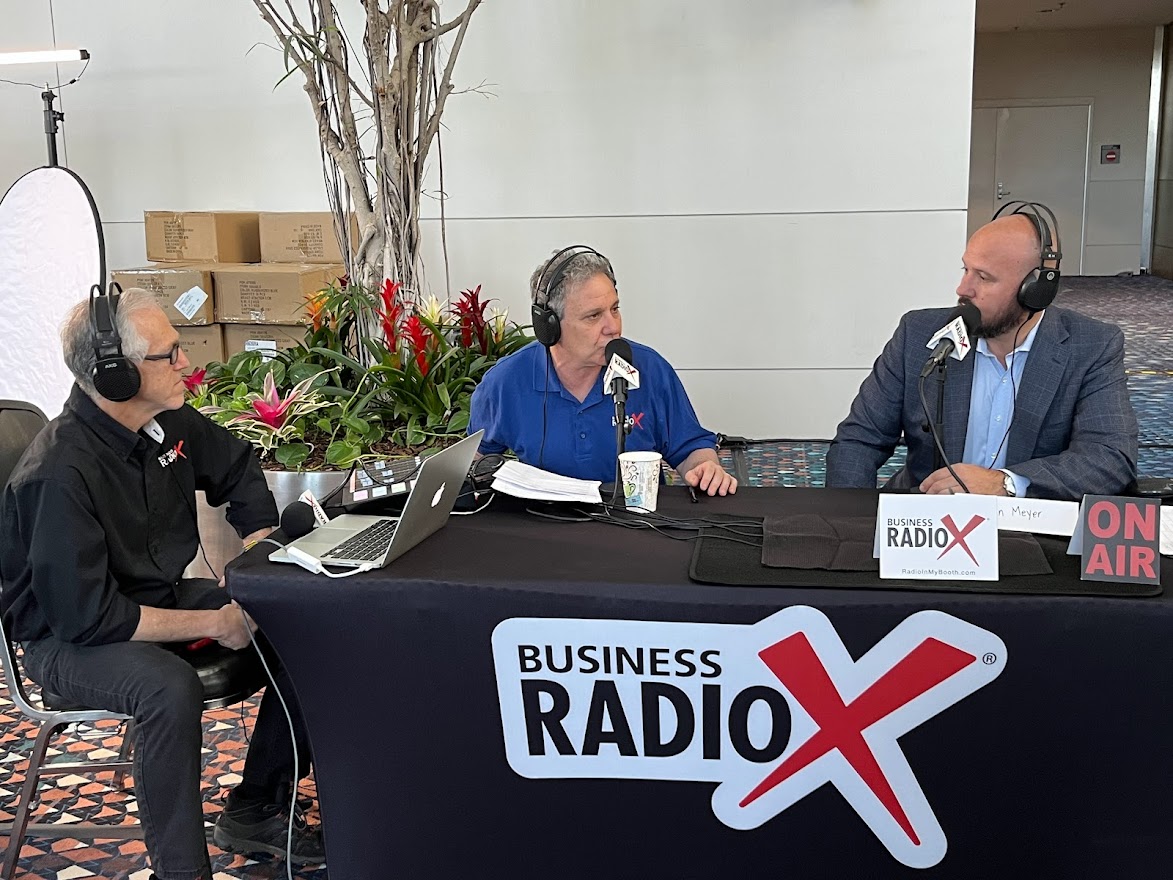
Georgia Technology Summit is THE preeminent, regional technology conference. In 2023, it brought together leaders, SME’s, athletes and educators to explore the intersection of technology, innovation and how they help to build high-performance teams.
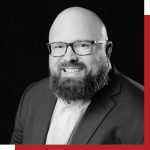
 Scott Waid, Atlanta Braves
TRANSCRIPT
Intro: [00:00:07] Broadcasting live from the Georgia World Congress Center for Georgia Technology Summit 2023. It’s time for Atlanta Business Radio. Now, here’s your host.
Lee Kantor: [00:00:26] Lee Kantor here broadcasting live from Georgia Technology Summit 2023. So excited to be doing this today. This is the largest technology showcase in Georgia and I’m so excited to be talking to my guest, Scott Waid with the Atlanta Braves. Welcome, Scott.
Scott Waid: [00:00:42] Thank you. Great to be here.
Lee Kantor: [00:00:44] Well, Scott, talk about a little bit the Atlanta Braves and technology. Most people don’t connect the dots with technology in baseball. So how do you how do you serve the community through technology with the Braves.
Scott Waid: [00:00:56] So technology plays a big part of the Atlanta Braves organization, both on the field. So think player development, coaching, positioning, defensive skills, player development, but also in the front office to enable the business of baseball to execute, whether it’s ticket sales or marketing or the different aspects that go into the day to day operations of the business. And then the third area is really in the fan experience. When they come to Truist Park, we have a lot of technology, whether it’s the LED boards that are present throughout Truist Park. We have the mobile ordering capabilities to enable the guests to use their smartphones to order food and beverage or retail merchandise for pickup. And then we also, you know, first and foremost, when fans are coming into the park, they come and scan their tickets using the smartphones. And we’ve got well over 95, 96% of the people that enter the park are using digital technologies to enter it. Whereas it wasn’t that long ago, if you wanted a ticket, you went down to a ticket office, they’d print it out and if you wanted to sell it, you held it up. Now we’ve got through the digital media not only the ability to purchase it, but also resell it on the secondary market.
Lee Kantor: [00:02:15] So what is kind of a day in the life of you? Like it sounds like there’s so many different avenues you can kind of deploy technology to help folks. How do you decide, you know, to prioritize, okay, this is the stuff that has to get done.
Scott Waid: [00:02:29] Well, it varies whether it’s in season or off season and even in season, a home game versus a road game. So a home game, it’s all about the fan and the guest experience and getting 42,000 people in and out of the Truist Park safely and securely and having a great family experience and a great business experience as well. And so and a game day, it’s all about preparation. So typically the games are at night, say 737 21st pitch and the gates open at 530. So leading up to the Gates opening, it’s all about preparation and making sure that when the guest enters, the Wi-Fi is working, the all the point of sales are working, all of the displays are working. And so making sure it’s the best it can be when they’re on the road, we’re we’re cleaning up and preparing for the next homestand because we have 81 home games and it’s spans from April through October. So it’s wash, rinse, repeat throughout the season. And then when we get to the off season, it’s when the real technology work begins because we try and do limited upgrades during the season because we have the the the day to day experience and operations, but planning for the new things, whether it’s new capabilities we want to add for the stadium and new experience, we typically do that in the off season. So that’s when the real work is done.
Lee Kantor: [00:03:50] Now how much of how much do you deploy technology when it comes to evaluating players?
Scott Waid: [00:03:57] It’s been predominant. I mean, it was chronicled in Moneyball almost 15, 20 years ago now, and that’s prevalent throughout Major League Baseball is.
Lee Kantor: [00:04:07] But it was the exception back then, right? It was the.
Scott Waid: [00:04:09] Exception. And now it’s the rule and table stakes. It’s table stakes. And it’s you know, there’s a lot of technology that goes into it. Whereas used to relied on coaches and pencils and and expertise. Now it’s all about spin rates and exit velo and player positions and all of that. The data and analytics is just proliferating now in in baseball.
Lee Kantor: [00:04:32] Now was that when that technology at least the mindset shift happened to lean on technology was it something that was gradual then sudden where like like a few people were dabbling and then all of a sudden it was like, okay, now everybody, we’ve got to kind of lean into this. This is I can’t ignore this anymore. There’s too much evidence to show that it’s effective.
Scott Waid: [00:04:53] Yeah, I would say it was very similar to the, you know, the life cycle of a product where you had some early adopters and when they were successful. And at the end of the day, sports is all about winning on the field. And if the data and analytics helps with that player performance and the team performance, but also in player development and with Major League Baseball in particular, we have a minor league system. And so using data analytics to help the player develop their skills that are needed are also very important in the in the whole ecosystem.
Lee Kantor: [00:05:24] And then it’s trickling down to younger and younger players. That’s right.
Scott Waid: [00:05:28] That’s right. I have a couple of boys that play travel baseball and even, you know, teenagers now they’re getting into the hitting dynamics and the swing playing and using all the different technology that’s out there again, to improve the improve the player performance.
Lee Kantor: [00:05:42] And are you seeing that translate to better and better performance at the major league level?
Scott Waid: [00:05:48] I would say yes. At the Braves, we’ve won five consecutive division titles, so we like to think that we’ve had a little bit to do with that. Yes. Both on the technology, but the data and analytics side.
Lee Kantor: [00:06:00] Now, why was it important for the Braves to have you kind of take a leadership role at TAG?
Scott Waid: [00:06:06] It was important because Atlanta is a very thriving community. It’s and we have we’re we support that community in a number of different ways through our Atlanta Braves Foundation. And so we wanted to be a part of the Atlanta community from a selfish perspective, how can we help the businesses be successful in Atlanta? Because if Atlanta is successful and the people are successful, that’s more opportunity for us to have fans in the stadium and to grow our revenue streams as well. And for me to tap into the great resources that are present here at TAG and the business forum today is fantastic because, you know, there’s a lot of innovation and a lot of creativity that’s coming out of the technology community and how can we harness that for our sports community in Atlanta to improve that guest experience? Because, yes, you will remember maybe if the team won or lost for the game you went to, but you’ll definitely remember the memories that you created while you were there with your family, your friends, your business associates.
Lee Kantor: [00:07:12] Well, thank you so much for sharing your story today. You’re doing important work. We appreciate you. Great.
Scott Waid: [00:07:16] Thank you very much for having me.
Lee Kantor: [00:07:18] All right. This is Lee Kantor. We’ll be back in a few at Georgia Technology Summit 2023.
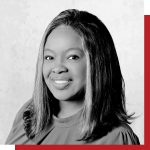
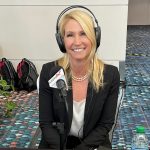 Megan Heinze, Idemia
TRANSCRIPT
Intro: [00:00:07] Broadcasting live from the Georgia World Congress Center for Georgia Technology Summit 2023. It’s time for Atlanta Business Radio. Now, here’s your host.
Lee Kantor: [00:00:26] Lee Kantor here so excited to be broadcasting from the Georgia Technology Summit 2023. This is the largest technology showcase in Georgia and I am excited to be talking to my guest, Megan Heinze. Welcome.
Megan Heinze: [00:00:42] Hello. Thank you so much for having me here today. It’s been a fabulous day.
Lee Kantor: [00:00:47] Yes. You’re the co-chair of the event. How did you get roped into that? Did you lose a bet?
Megan Heinze: [00:00:53] Yes, absolutely. I lost a bet. What are you thinking? I was voluntold. I actually co-hosted last year. And so I guess tradition. They say that you get to do it the next year. It’s a two year job and not just a one year job. And so I did it again. And but this year it was really important for me. I got a lot of feedback on two things that were really important were one is networking, making sure people get to know people outside of their influence area so they want to meet a lot of different people. And the second, the vendors also wanted to make sure that they were actually meeting people as well. So we tried to create a lot more momentum this year than we did in previous years. So one of the things to get people actually out here and talking to everybody else that’s sponsoring and supporting us, we have the music, the DJs, so there’s a lot of music, excitement. We had the tag balloons, so people are taking pictures. I added something for networking and we’re calling it networking Bingo, as you can say, and it’s forcing people to actually take pictures with a deejay taking pictures and phone of the tag sign and then actually meeting different people from everything from, Do you have a Palm Pilot? Please sign here. Are you part of BTS? Please sign here. And it’s getting people more involved and excited across the board.
Lee Kantor: [00:02:15] And that’s a great bit of advice for entrepreneurs out there to listen to your customer and then try to give them what they’re asking for, right?
Megan Heinze: [00:02:23] Yes, absolutely. Entrepreneurs should always listen to their customers. I think, you know, know your customer’s always the most important part is how can you create excitement and want people wanting to be there and want to be there every single year. And so that’s what we want to drive, is people to engage and get excited about being part of Georgia Technology Summit, but also for them to meet each other and actually grow their business, because that’s what networking is all about, is to grow your business, grow your network and meet other people.
Lee Kantor: [00:02:54] So now that you know you had it on a whiteboard, what to do and how it was going to work. And now that you’ve seen it in action, is it meeting your expectations?
Megan Heinze: [00:03:02] It is meeting. My expectations was super excited during lunch time. We had a full house last year. We didn’t have as many people in. A lot of people signed up, but not a lot of people stayed through lunch and so I was super excited. Every single table was full Coming outside. I saw people talking to all the different vendors and sponsors, and then each of the content sessions have been jam packed. So super excited about that as well.
Lee Kantor: [00:03:25] So what was it about Tag that got you involved personally and your your company saying this is something you should invest time in and taking leadership position?
Megan Heinze: [00:03:36] Absolutely. Well, for me, my journey started actually during COVID. I was like, well, I need to start networking. I knew we were going to close our actually our physical office here because we weren’t having people come to the office as often. So I wanted to be able to meet people and network at the same time. And so I joined the board. And one of the things that company, my company is called Idemia, and you know, it is 75% of the driver’s license in the United States are by idemia. If you sign up for TSA PreCheck, it’s through idemia most of the biometrics through the government or the police station, etcetera. And then we’re the largest provider actually of credit and debit cards in the United States as well as your SIM card if you have an Apple phone or an ESIM. But a lot of people don’t know us because we are always behind somebody else, right? And so this was a way to not only market ourselves, but also to find other great talent within Georgia as well. So this is a fabulous way to meet, you know, potential clients, but also to build talent within your organization.
Lee Kantor: [00:04:38] Now, how does your company leverage tag membership? Is it part of like when you have a junior person come on the team? Is it something where you’re like, Hey, you get a membership of tag or we encourage you to to to join Tag. And then when you’re there, take a leadership position so you can get the exposure you need, you know, to kind of to be the best you you can be and really grow your career.
Megan Heinze: [00:04:59] Yes, absolutely. So what we do is actually get everybody on a call with tag and allow people to understand all the leadership opportunities in society. So there’s over 20 societies in tag that people can get involved in, so they can actually get involved in what they’re most interested in. And that also can bring information back to our company.
Lee Kantor: [00:05:20] And has that borne fruit for you?
Megan Heinze: [00:05:23] Yeah, we just. Started doing it. So we were a little slow because of COVID. Now that we’re actually able to network and actually meet people and everything else, and so that’s become really important. So we’re really trying to move forward with that and really create a foothold here in in Atlanta.
Lee Kantor: [00:05:41] So how do you see Idemia growing? Like, what’s your forecast for the coming years?
Megan Heinze: [00:05:47] Well, the good news is, is that everybody is getting more excited about biometrics. And according to NYSED, we are number one. So that’s good. So people are feeling more comfortable about biometrics. I mean, they first saw it, you know, leveraging like the Apple phone, but now at the airports, too. So we do a lot of the stuff in the airports. So people are feeling more and more comfortable. And that’s really exciting for us because what we feel as a company, it’s all about identity and it’s all about you. And we want to make things as simple as possible. So we want to make it as simple as possible and experience going through the airport or through any kind of facility, through payments or even leveraging like your Tesla car. We’re actually in the Teslas today.
Lee Kantor: [00:06:29] So it’s one of those balances between ease and then protection.
Megan Heinze: [00:06:33] Right? Ease. Protection and security. Yes.
Lee Kantor: [00:06:35] And then to to be able to kind of thread that needle, that’s your that’s.
Megan Heinze: [00:06:40] What we’re trying to do. That’s our superpower. So a really good example is actually the Singapore Airport. Their goal was to take it from it was taking over an hour to go from when you were starting to check in and baggage claim all the way to duty free. So now they’re leveraging all of our biometric devices. And actually you go from baggage claim to actually do duty free on average about seven minutes. So super fast because you’re leveraging you as the identity.
Lee Kantor: [00:07:06] Right. And that that’s been the missing piece, right, to be able to do that efficiently.
Megan Heinze: [00:07:10] Yes. It has been a missing piece.
Lee Kantor: [00:07:12] All right. Well, if somebody wants to connect with you at Idemia or here at TAG, what’s the best coordinates?
Megan Heinze: [00:07:19] Of course. Just email me at megane. Dot heinzi h e i n z e at idemia.com.
Lee Kantor: [00:07:27] All right. Well, thank you so much for sharing your story. You’re doing important work and we appreciate you.
Megan Heinze: [00:07:30] Thank you very much. Have a great day.
Lee Kantor: [00:07:32] All right. This is Lee Kantor. We’ll be back in a few. Georgia Technology Summit 2023.
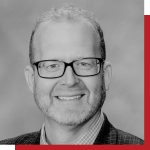
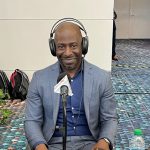 Brian Benn, Atlanta Housing Authority
TRANSCRIPT
Intro: [00:00:07] Broadcasting live from the Georgia World Congress Center for Georgia Technology Summit 2023. It’s time for Atlanta Business Radio. Now, here’s your host.
Lee Kantor: [00:00:26] Lee Kantor here broadcasting live from Georgia Technology Summit 2023. This is the largest technology showcase in Georgia. So excited to be talking to my next guest, Brian Benn, he is the TAG board chair and he is the CIO of Atlanta Housing Authority. Welcome.
Brian Benn: [00:00:44] Thank you. Glad to be here.
Lee Kantor: [00:00:45] So, Brian, before we get too far into things, tell us about Atlanta Housing Authority. What’s that day job look like for you?
Brian Benn: [00:00:53] Well, we’re support the the agency, which is about 400 strong at the agency who ultimately are serving 27,000 households, which amounts to about 70,000 residents in Atlanta proper. And we just try to provide an affordable, amenity, rich housing experience, not just affordable, but amenity rich housing experience here in the city.
Lee Kantor: [00:01:17] Housing has always intrigued me in terms of how do you create affordable housing in an area when if the area becomes as desirable as you want it to be, it almost in a capitalistic society by definition becomes unaffordable for some people.
Brian Benn: [00:01:35] You’re absolutely right. And that’s what gentrification does when as soon as these things get better, you end up pricing out the people you were trying to serve. So there’s another dynamic. So instead of just getting them the affordable housing that’s ultimately going to go up, what you try to do is make sure you change the trajectory of their lives by making sure they’re able to get off the program and they’re self sufficient. And that’s by making sure they have opportunities. Whether that’s I’m in my in my arena, that’s in the tech space, opportunities to leverage some of these certifications, whether it’s it cybersecurity or whether it’s A-plus, these certifications that can move their their yearly income from somewhere around 26, 27,000 to to 70,000. And then because we ultimately, again, want them off the program. So you don’t just look at it in terms of where they’re living, but you also look at it in terms of making sure that they’re able to make a livable wage when gentrification comes in to your point.
Lee Kantor: [00:02:28] So when when people talk about affordable housing, the person that is that is having the housing are renting, they’re not getting any of the wealth creation from the appreciation of the value of the home.
Brian Benn: [00:02:41] Well, I think this wealth creation for all, because the model we’ve seen is, for instance, if there’s a charter school in the area, if there’s a Barnes and Nobles in the area, and if there’s some opportunities like that, the the area is going to be good and sustainable. And we have different we have different options. We have mixed mixed income communities where you may have people in there that there are residents, but they have neighbors that are doing well. And so when they’re around that they become upwardly mobile. We we’re able to offer obviously we own a lot of land in the city, so we’re able to offer the developers tax breaks and what have you. As we work with the renters, we’re able to provide rental assistance to our to our participants who are working with those renters. And I think the win win for us all is that no matter where you are in the world, more poverty, more crime, less poverty, less crime. So that’s the value proposition for all of us.
Lee Kantor: [00:03:34] And do you see affordable housing or more housing a way to kind of stem some of the homelessness?
Brian Benn: [00:03:43] Well, yeah, but I mean, also when you look at homelessness and again, I’m not the expert on this, but when you do look at homelessness, there’s several other factors other than just not having a home. And it’s more than just not having a job to buy a home. Sometimes there’s some mental health issues out there. Sometimes there’s some there’s some other things that you have to almost evaluate or look at those things independently and get to the core of it. So again, not being an expert, but I know there are several dynamics beyond just providing affordable housing and pulling people off the streets. You’ve got to meet them where they are, where they are, see what their individual challenges are, and then see how we can help.
Lee Kantor: [00:04:18] Now, why was it important for you to take a leadership role at TAG?
Brian Benn: [00:04:24] I think the I think what TAG presents to me is an opportunity to to benefit from the intellectual capital around the thought leadership around. I think this tech ecosystem is unlike any other and it’s a fraternity, a brotherhood. And I think also the Atlanta area is ripe for the the incoming tech, whether that’s Microsoft that has an HQ to here. Now, whether that’s Google that has an HQ to Deluxe’s command, FanDuel has come in. So I think this ecosystem is ripe for making sure that we are developing talent, cultivating that talent, talents coming in, talents coming out. And I think I’d be remiss if I didn’t sit here and become a part of it and see how I could leverage and I mean leverage that expertise, but also learn and give back.
Lee Kantor: [00:05:09] Now, are there any trends you’re seeing when it comes to talent in the in the Georgia area?
Brian Benn: [00:05:17] Yeah, I think again, I think when we’re talking about the Georgia area, I’m glad that we’ve got some of those companies here so that we don’t necessarily lose all that talent. That we’re developing, whether it’s Georgia Tech, Emory, Morehouse. I’m glad that when we develop that talent, we have opportunities for those those resources to stay here and to continue to work.
Lee Kantor: [00:05:37] Are you seeing a good collaboration between the university systems and these enterprise level organizations that are coming into town?
Brian Benn: [00:05:46] Absolutely. I am. I’m seeing definitely there’s a pipeline between these university systems and these organizations in town. But it’s not just university. I think there’s I think with tech being so broad, there are opportunities for people that may have certifications and may have that expertise that may not necessarily have that two year or four year degree, but may still have that aptitude. And if they’re given them provided opportunities, they too can can contribute to the tech ecosystem.
Lee Kantor: [00:06:10] Is that a place where we can do better, having more technical training?
Brian Benn: [00:06:16] Absolutely. I think we can definitely do better, and I think it helps us all because there’s a lot of talent out there that may just not have access to that opportunity. And without that access, they know they can’t do the best for themselves. But it also allows us to widen the search parameters to widen that pool. So now we can get that better talent. And it’s only it’s better for all the organizations.
Lee Kantor: [00:06:37] And especially with these new developments in machine learning and AI, that has to trickle down to teaching and educating folks without having them to go invest in a four year degree. You should be able to get them up to speed to help a technology company with just this kind of vocational or technical training.
Brian Benn: [00:06:56] Absolutely. And I think the kids that are coming out today are tech savvy anyway. They’re growing up on iPads and these mobile devices. And so I think they already have an aptitude by default. So it’s just incumbent upon us as leaders to make sure they have access to those opportunities and take it just beyond the video gaming and what have you, and make sure they have access to cybersecurity training and to AI and ML and some of these dynamic technologies that we all can leverage, right?
Lee Kantor: [00:07:22] It’s one of those things where maybe this underserved community is consumer of the technology, but they’re not a creator and a participant in it.
Brian Benn: [00:07:32] That’s fair and I think it should be. I think it should be both. And I think there’s an opportunity not just to use it, but to learn how to create it and share and spread that wealth and spread that knowledge. And I think it makes us all better, not just as individuals, but collectively and even as a nation. And when we look at some of these European nations and these other places, they are way ahead of us. So I think, again, for us, I think it’s important that we make sure that that’s part of the curriculum and that we’re we’re armed and ready to to leverage technology to compete.
Lee Kantor: [00:08:02] Now, are you seeing you’re seeing this kind of technology curriculum trickling down to, you know, elementary school and middle schools and high schools and not just waiting until they get into college for it to appear?
Brian Benn: [00:08:15] I am seeing it trickle down, but we still have some of those bearing areas of what we consider those underserved areas where they may not have access to the same technology as maybe because they don’t have the devices they may not have the connectivity. And I think it’s important that if they’re able to to have those devices and that connectivity, then they can get that training, whether it’s the basic computing skills or something as strong as a cohort program that they can get into certificate certificate from and go forward.
Lee Kantor: [00:08:41] Right? There’s enough affluence in this community to solve this problem if we put our mind and hearts into it.
Brian Benn: [00:08:47] Absolutely.
Lee Kantor: [00:08:48] So what do you need more of? How can we help you?
Brian Benn: [00:08:51] I think just evangelizing is, one, just knowing that there’s a need and knowing that we can individually and collectively make sure that there’s access to it. Sometimes there’s so many barriers to success. Sometimes it’s just a lack of access, sometimes it’s fear. So I think just evangelizing and identifying the problem is the first step that we all can do.
Lee Kantor: [00:09:09] So as the tag board chair at the end of this summit, when you’re all in a room discussing how it went, what are some of the things that you’re going to share?
Brian Benn: [00:09:21] I think some of the takeaways I’m going to see is that it went very well. I was happy with the thought leadership that came in. I was happy with the demographic and that I mean, when I first came in, the tech tech was full of of white men. So seeing so many, so seeing so many women involved, seeing so many people of color involved, whether that’s on stage, whether that’s in the panels, I think it’s important that it’s equitable. And I think that’s one of the takeaways. And I think the tag has been one of the actually one of the catalysts for making sure that we’re spreading technology. And it’s again, it’s equitable.
Lee Kantor: [00:09:56] Right, where the leaders match the users.
Brian Benn: [00:09:59] Right, Right.
Lee Kantor: [00:10:00] Well, good stuff. Brian, thank you so much for sharing your story today. You’re doing important work. We appreciate you.
Brian Benn: [00:10:05] Thank you so much.
Lee Kantor: [00:10:06] All right. This is the Lee Kantor back in a few at Georgia Technology Summit, 2023.
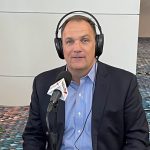 Ron McMurtrie, Honeywell
TRANSCRIPT
Intro: [00:00:07] Broadcasting live from the Georgia World Congress Center for Georgia Technology Summit 2023. It’s time for Atlanta Business Radio. Now, here’s your host.
Lee Kantor: [00:00:26] Lee Kantor here so excited to be broadcasting live from Georgia Technology Summit 2023. This is the largest technology showcase in Georgia and so excited to be talking to my guest, Ron McMurtrie. He’s a tech board member and he is the chief commercial officer with Honeywell. Welcome, Ron. Hey there.
Ron McMurtrie: [00:00:44] How are you? Thank you.
Lee Kantor: [00:00:45] I am so excited to be talking to you. Tell us kind of your vision of the summit and is it matching the way that you thought it could be?
Ron McMurtrie: [00:00:54] Yeah, well, the summit is gone on for 20 plus years. It’s really one of the most iconic events that we we host tag does about 120 events a year. This is the single event that is a melting pot for all. That’s Georgia, whether it’s start ups, scale ups, large enterprise, every persona from SEO down to, you know, someone starting their business for the first time. So it creates a great environment where the entire tech ecosystem comes together. And it’s been an interesting ride. Like most, you know, Tag went through its COVID virtualness of doing these events. And last year we came together in person. This is really a paramount moment where we’ve now up at peak guests and people out and about and couldn’t be better as it just started.
Lee Kantor: [00:01:46] Now what is kind of at the end of the day when the summit is over and you go back and you’re with the board, what are some of the things that you’re kind of looking for as like the metrics that matter for you? Like how do you kind of decide whether you’re high fiving or saying, hey, next year we’re going to do this differently?
Ron McMurtrie: [00:02:02] Well, at the end of the day, you know, tag is a reflection of the business environment within within Georgia, we have 20 societies. Those societies are all special interests based on some theme of business or technology. And this is an event about membership. So our members vote, our members tell us whether we’re hitting it, our members tell, and we look at engagement. We look at how our societies grow and the types of issues they take on and the kind of programs they spin out of this. So our metrics are really driven by membership, how they engage and how our societies grow with that.
Lee Kantor: [00:02:40] Now, when you talk about members, because TAG serves so many different groups, you have members that are, you know, young people to veterans, seasoned people that are retired and are giving back non profits. You run the gamut of all industries really, because now everything touches technology. How do you kind of break down the memberships and which ones are the ones that you think are the room for growth?
Ron McMurtrie: [00:03:05] Well, we’re always targeting the next generation of innovator. I mean, it’s ecosystems thrive.
Lee Kantor: [00:03:11] By the that’s your flywheel is you want to really capture that person’s attention and let them know that tag has something for them.
Ron McMurtrie: [00:03:19] Absolutely. Absolutely does. We have to serve all personas and all people in their life cycle. I might have been one of the categories people in your in your description of members and I’m I’m one that’s giving back the Atlanta community has been great to me and but my role is really helping create new members come in it’s a great way to develop leaders, future leaders not only within their own companies, but within tag and rise up through the ranks and keep keep the organization growing and thriving.
Lee Kantor: [00:03:48] So if you were giving a pitch to a young person that maybe has heard of Tag but hasn’t gotten involved yet, what would your pitch to them be?
Ron McMurtrie: [00:03:55] I give the pitch every season. We run early career programs within Honeywell that that I’ve started around bringing interns in. And part of the internship is we give them a membership to tag. And I do that because we have a group called Young Pros and Young Pros is a way where new leaders that are coming up in their career can apply themselves. It’s a way to network. It’s a way to get connected in technology and learn what’s happening and learn from others that have done it. So there’s a huge value prop for an individual, but it comes down to how you want to spend your time.
Lee Kantor: [00:04:28] Also now when you’re talking to young people, a lot of young people kind of lean into the digital communication and digital world and a lot of tag is in-person in real life like it is here. There’s, you know, hundreds if not thousands of people brimming around us. Is it difficult for you to move them in their mind, at least, to, hey, I have to meet people face to face, I have to shake people’s hands. I have to do work that people see me actually doing with their eyes and get to know me that way as well As, you know, no matter how savvy I am online.
Ron McMurtrie: [00:05:03] Well, look, the world of business has has changed a lot. And and the way people work has changed a lot. But at the end of the day, people still want to get out and they need to engage. There’s parts of tag that are highly virtual and parts that we come together, but we have found that our engagement is highest when people come together and regardless of the demographic, we. Have not seen a change in that.
Lee Kantor: [00:05:26] So young people are embracing that. They’re not kind of shying away.
Ron McMurtrie: [00:05:30] Yeah, absolutely. Absolutely.
Lee Kantor: [00:05:32] Now, when you’re if you’re an attendee of an event like this, how would you kind of structure your day?
Ron McMurtrie: [00:05:40] The best way to structure your day is to participate in the keynotes. We also have learning sessions breakouts there. There’s, you know, 1212 to choose from. So you pick yours that are thematic for how you want to stretch yourself, how you want to develop and make the rounds. Through the tech showcase, we feature the top 40 companies that are growing in Georgia and they’re exhibited here along with our sponsors. It’s a great way to make your rounds. So for me, I start with the keynotes, I attend some breakouts and I make my way through networking and all these the showcase we have going on now.
Lee Kantor: [00:06:14] Are there any trends you’re seeing in technology in Georgia, like moving forward into 2024 and beyond?
Ron McMurtrie: [00:06:20] No. Well, many I mean, if you look at future power generation and the amount of gig sites that are coming in, you’ve we’ve seen tech companies start to use Georgia as its southern headquarters. You know, across the patch, we’re seeing growth in in many different angles, especially e-commerce and fintech.
Lee Kantor: [00:06:42] Yeah, that’s been here for a minute and you see no slowing down in the growth in that area.
Ron McMurtrie: [00:06:47] Not at all. In fact, it plays very well with the business I’m a part of now.
Lee Kantor: [00:06:51] For people who want to connect with TAG, what’s the best way to do that.
Ron McMurtrie: [00:06:56] Comes comes straight to tag online. You can get engaged right there. There’s lots of ways to get started, whether it’s attending a society, attending an event. But, you know, the best way is to take action. And you do that. And any one of us on the board or anyone in membership will step right up to help you.
Lee Kantor: [00:07:12] Well, Ron, thank you so much for sharing your story. You’re doing important work. We appreciate.
Ron McMurtrie: [00:07:16] You. I appreciate it. Thanks again.
Lee Kantor: [00:07:17] All right. This is Lee Kantor. We’re going to be back live from Georgia Technology Summit 2023 in a few.
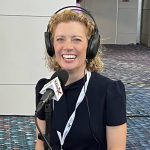 Elatia Abate, The Future of Now
TRANSCRIPT
Intro: [00:00:07] Broadcasting live from the Georgia World Congress Center for Georgia Technology Summit 2023. It’s time for Atlanta Business Radio. Now, here’s your host.
Lee Kantor: [00:00:26] Lee Kantor here broadcasting live from Georgia Technology Summit 2023. This is the largest technology showcase in Georgia. So excited to be talking to our guests right now, Elatia Abate with The Future of Now. Welcome.
Elatia Abate: [00:00:41] Thank you so much for having me. I’m thrilled to be here.
Lee Kantor: [00:00:44] Well, I am excited to learn what you’re up to. You were just the keynote speaker to kick off this great event. Tell us first about your role as a futurist.
Elatia Abate: [00:00:54] Yeah, so my role as a futurist, I get to dabble in a lot of different things, but essentially what I’m up to is revolutionizing the way that leaders understand, train and fuel their leadership.
Lee Kantor: [00:01:05] So how do you kind of pick that career or does that career pick you?
Elatia Abate: [00:01:10] In my case, it absolutely picked me. It was a total fluke. I went to a conference. I heard a fellow futurist talking about self driving trucks and the technology behind them. And I started wondering, what are all the people going to do? And that sparked an entire career that I get to live right now.
Lee Kantor: [00:01:27] So now. So what’s a day in the life of a futurist? Yeah, a.
Elatia Abate: [00:01:31] Day in the life of the futurist is a little bit of research. It’s a little bit of conversation. It’s creating models for helping us translate disruption into into tactics, tools and frameworks that we can actually use to thrive and build businesses in this crazy world that we’re living in Now.
Lee Kantor: [00:01:50] When you kind of are doing your research and you find something interesting, you’re like, Oh, that’s I’m sure you’re looking for anomalies, right? You’re looking for things that stand out a little bit.
Elatia Abate: [00:01:59] Yeah, I’m looking for things that stand out and and more than anything, right? So if you think about futurists, there are basically two kinds of them. One is people who push from the past forward into the future. And there are people who go way out to the edge of disruption, try to figure out what those dynamics look like and then bring that disruption to the present day. They’re kind of bridge builders. I very much find myself in that second camp. And so when we look at the big disruptions like AI and impact on work and working, the questions become, What does this mean for us, right?
Lee Kantor: [00:02:31] Like what are the ramifications?
Elatia Abate: [00:02:32] The ramifications? Yeah. So not just interesting cool ideas about tech, but what does this mean for us as human beings and how can we be more of ourselves as human beings because of this?
Lee Kantor: [00:02:43] Now, our futurists inherently optimistic?
Elatia Abate: [00:02:46] Not necessarily. I think you’ve got a fair amount of doom and gloom. And not to say that, you know, dystopian outcomes aren’t possible. However, if one is going to make a stand for a future, I would much rather make a stand for a future that’s better for everybody.
Lee Kantor: [00:03:02] But is like what is what would be kind of a reason somebody would be dystopian? Like I know that like historically, if you look at history, there’s been periods that were terrible but semi recently, there’s periods of just tremendous progress. I mean, no matter I mean it seems like the headlines are doom and gloom, but if you kind of look big picture progress is obvious.
Elatia Abate: [00:03:26] Yes. If you look at the data, you know, infant mortality rates are down. More people have access to running water rates, literacy rates, I mean, across the board, around the world in general, everything is better for everybody. And that’s where and why I think it’s important to focus on what’s possible and what we’re creating. Right. Mitigate for downside risk. Absolutely. But really, we are living in the most exciting.
Lee Kantor: [00:03:49] Age, right?
Elatia Abate: [00:03:50] I mean, I don’t.
Lee Kantor: [00:03:51] See I don’t understand. I mean, that’s what I mean. I’m in the media and I see so much media that’s doom and gloom. And I’m like, you’re not telling the whole story. I mean, you’re you’re shining a light on a sliver of which is going to happen in any time, even even in the most utopian scenario. There’s going to be the poorest people. There’s going to be people with less. I mean, even the most perfect world.
Elatia Abate: [00:04:15] There are going to be challenges. And though the invitation becomes how do we use this disruption, how do we use this technology to solve the problems that we still have? Right. That’s where the magic really comes in. Excitement, Right. That’s the.
Lee Kantor: [00:04:27] Excitement. So what are you seeing.
Elatia Abate: [00:04:29] In terms of.
Lee Kantor: [00:04:30] Like just I know. Let’s talk about AI, because that seems to be the biggest headline in most places today, that it’s an obvious disruption. Things have changed because now I guess lay people are aware of the progress that’s been happening for years in AI. Yes. But now, you know, regular people are going, Hey, there’s a thing called Chatgpt that I can type in, and amazing things happen that I’ve never seen before. Right.
Elatia Abate: [00:04:54] And so what’s what’s happening is that jobs, if you if you have a job that is repeatable. Right. With a checklist cognitively.
Lee Kantor: [00:05:02] That’s what I’ve heard. If there’s a checklist to your job, you’re in trouble. Yes.
Elatia Abate: [00:05:06] And and though and the game becomes if we can see that this is going to disrupt and replace as opposed to enable our job, then now is the time to empower ourselves and say, how might I need to shift? What else might I need to learn? With whom can I become connected in order to move? To be ready.
Lee Kantor: [00:05:25] Because there is going to be a disruption. Yes, there’s already here. Right? I mean, cat’s out of the bag now.
Elatia Abate: [00:05:31] It’s 100 years. Imagine this. It’s 100 years of technological disruption. Right. It’s been squished into the next decade of time. Right. And different from, you know, horse and buggy to a Tesla, which is a little bit more than 100 years, but different from one product that makes that transition, its products, its services and its the fundamental structures that we’re used to for that that are holding up our economy. And so this is where the big change is coming. And this is why I say to people, look, it’s here, it’s already here. The best thing we can do is get excited about it and ask, given that it’s happening, what do we want to create right now?
Lee Kantor: [00:06:08] Is that really where the difficulty is for most people that the change has always occurred, but it hasn’t happened as quickly and abruptly and as humans, That’s not our superpower. It is not our we’re kind of ease into things kind of people. And now it’s like things are different, so you better get on board or you’re going to be left behind.
Elatia Abate: [00:06:29] Yeah. So our human brains were literally, literally developed linearly and locally so we can process things that happen on an incremental basis. But when shifts start to occur exponentially or faster, we freak out, you freak out. Right. And there’s actually a term for this. It’s called future shock. It’s like culture shock, but it’s future shock and sort of disorientation. And we’re overwhelmed or overwhelmed.
Lee Kantor: [00:06:54] We think like, this is it. I’m done and we catastrophize. And then now all of a sudden we’re afraid of everything and we want to shut everything down, right?
Elatia Abate: [00:07:02] And so and that’s where the game becomes. How might I turn this into something useful? Yeah.
Lee Kantor: [00:07:08] And so for you, knowing all of this, how do you kind of help your clients kind of make these kind of drastic changes?
Elatia Abate: [00:07:16] Well, first and foremost, it’s recognizing that it’s okay to be scared, right? So we don’t want to bypass over that. Sure. It’s scary. We’re hearing invalidation, we’re hearing threat. We’re hearing life as we know and understand it is shifting. So recognize it and then utilizing a series of tools and frameworks, again, like we were speaking about today, if you can understand the logic behind the shifts that are happening, what does it mean that we’re moving from a world of awe to and awe from scarcity to abundance? If you can understand the fundamental logic, then you can employ that logic to help yourself and your organization thrive.
Lee Kantor: [00:07:52] Now, when you’re talking to your clients and you’re having these kind of conversations, is this something that they’re like, Oh, that light bulb went off, I get it. I can lean into this. And, you know, the world’s not coming to an end. There’s there’s benefit here. Or is it something where they’re like, let’s let’s let’s worry about that next quarter.
Elatia Abate: [00:08:13] Yeah so the so and that’s the tendency right especially in a world that Wall Street’s demanding results this quarter. It’s easier to double down and it’s more comfortable to double down and focus on what we know. And though one of the critical abilities to develop in this time is something that I call simultaneous strategy, right? So it’s the ability to do now focused results, producing actions and future focused innovation. You’ve got to.
Lee Kantor: [00:08:37] Have this kind of you have to at least be experimenting. You cannot not you can’t.
Elatia Abate: [00:08:42] Experiment, you cannot not. And with AI as the example, you know, one day in AI time is like a month in normal business time. I know, but.
Lee Kantor: [00:08:51] That’s I mean, most people can’t grasp that.
Elatia Abate: [00:08:53] That’s just so the, the cliff notes of that opera are essentially like, you’ve just got to start playing with it. You’ve got to get in.
Lee Kantor: [00:09:01] I think for me, the the what I’m seeing is there’s so much stuff. The first, at least to the lay people, the first iteration of this is so powerful, it’s hard to imagine what next year is going to be because this is insane how good everything is and people are just just playing now. They’re just scratching the surface of what it could be. I mean, to just go a year out, what a year’s worth of this. Like you say, a day is a month. A year is 365 months.
Elatia Abate: [00:09:32] It’s a whole new world is what it is. Right. And that’s why I encourage people we are there is no future committee. There is no group of folks who’s planning what the future is going to look like and is going to swing the doors open for us and welcome us into a future. Right.
Lee Kantor: [00:09:47] They don’t ring a bell, right?
Elatia Abate: [00:09:48] Exactly. We we are. And all of us, regardless of title, regardless of age, we are shaping and crafting this future, which is why it’s important for everybody to be involved. Right.
Lee Kantor: [00:09:59] And it’s just that people are so uncomfortable in chaos and it seems like we want order, we need structure. And there’s just we’re in a period of chaos.
Elatia Abate: [00:10:11] And that’s why the tools that I bring to bear really help. So, for example, we don’t know what’s going on. All this disruption is happening. There’s a tool that’s kind of like a guiding star that you can use, which is three parts. It’s mindset. Which is fundamentally the distinction between are you going to be captive to the circumstances, asking why is this happening to us? Or captain of your destiny asking and saying, given that we’re here, what do we want to create? So it’s mindset, it’s education. What do I need to learn, unlearn, do, undo? And it’s collaboration. With whom can I work in order to ensure that we’re all thriving?
Lee Kantor: [00:10:45] So if somebody wants to learn more about what you got going on, what’s the coordinates?
Elatia Abate: [00:10:49] The coordinates are my website. It’s shabbat.com and I’m most active on social media on LinkedIn. You can follow me there.
Lee Kantor: [00:10:56] Well, thank you so much for sharing your story. You’re doing such important work and we appreciate you.
Elatia Abate: [00:11:00] Thanks so much for having me. It was great to be here.
Lee Kantor: [00:11:02] All right. This is Lee Kantor. We’ll be back at Georgia Technology Summit 2023 in a few.
 Ethan Cole, Uruit
TRANSCRIPT
Intro: [00:00:07] Broadcasting live from the Georgia World Congress Center for Georgia Technology Summit 2023. It’s time for Atlanta Business Radio. Now, here’s your host.
Lee Kantor: [00:00:26] Lee Kantor here so excited to be broadcasting live from Georgia Technology Summit 2023. This is the largest technology showcase in Georgia. Our guest right now is Ethan Cole with you, Uruit. Welcome.
Ethan Cole: [00:00:40] Thank you for having me.
Lee Kantor: [00:00:41] I’m so excited to learn what you’re up to. Tell us about your route. How are you serving folks?
Ethan Cole: [00:00:45] Yeah, So we’re a nearshore development firm based out of Colombia and Uruguay. So we help companies that are in need of trying to execute on their roadmap items. So we have full stack developers who do React and Angular. We have nodejs.net Python and basically everything in between dev ops product and product management and design. And what we do is we help companies who are trying to get over the goal line. So maybe there’s one little place where they could use a little extra push to get their roadmap items into the hands of customers, and that’s where we partner up and help them out by embedding directly onto their Scrum teams.
Lee Kantor: [00:01:21] So what is kind of the pain they’re having where they they call you?
Ethan Cole: [00:01:25] Rohit Yeah, so it’s largely companies who are trying to have these, they have these large, robust roadmaps and right now a lot of folks have limited resources due to everything that’s happening around us. And so what we do is we provide those extra resources without the necessary, you know, huge overhead of hiring someone full time or big commitments. We can come in within 1 or 2 weeks. We can provide a lot of value to our customers and then help them execute on those roadmap items.
Lee Kantor: [00:01:56] Now, are your customers kind of funded startups who have just kind of bit off more than they can chew? Or are they kind of enterprise level companies that have, you know, this big to do list that you’re helping them execute something maybe down the line? Yeah.
Ethan Cole: [00:02:10] And you know, it’s a little bit of both. The funded startups will bring us on as full team. So they’ll take maybe a designer, a product manager and a couple devs to to maybe make an MVP. And we’ve actually had a unicorn come out of come out of our team. We also work with Enterprise, so we’ve worked with Bloomberg or we continue to work with Bloomberg, Tony Robbins, McMillan and we have five year engagements. So we really enjoy long term engagements with enterprise type customers and we also love working with folks who are funded and trying to get off the ground or if they’re, you know, a 50 to 200 and maybe they’re a little resource shy, maybe they don’t have a dedicated dev ops person, we’d love to come in and embed directly into their scrum teams and provide that extra skill set that they’re looking for.
Lee Kantor: [00:02:52] Now, do you ever work as kind of the technology partner for a non technology non technologist founder?
Ethan Cole: [00:02:59] We do so one. One great example is a fun one to its supreme golf. So it was a golf enthusiast who really wanted to get help getting tee times throughout the country and we were able to develop an app that lets golfers today find tee times wherever they want to be.
Lee Kantor: [00:03:17] Now, what from a pricing standpoint, I would imagine since it’s offshoring, that it’s more affordable than if they were kind of looking for people in California for for developers. Is that the case? For sure.
Ethan Cole: [00:03:29] And we’re all over the US. So we have customers here in Atlanta, we have customers in New York, LA and in between. And you hit right on the head there. It’s it’s nearshore. So it’s not necessarily offshore. That’s usually India or Eastern Europe or nearshore. So it’s dedicated in the Americas. So we’re Colombia and Uruguay. And you’ll find that the culture is so similar to America. It’s very similar to the folks you have next door. And so people love us for the culture and the time zone. So right now, Colombia, it is Central Time zone. So I’ve been there before. I worked at the NFL and when I was there, there was a demo I had to to put together. And I had one guy can count on on my team in India and I had to wake up at 2 a.m. to get ready for a demo with him. And at the end of the call is like, okay, biology, Like no one else can touch us, no one else touch the app. We have the demo tomorrow morning, and when you work with your route, you know you’re working in Central Time Zone. So no 2 a.m. phone calls, make sure everything works. All right.
Lee Kantor: [00:04:30] So now what brings you to the summit today?
Ethan Cole: [00:04:33] You know, we’re we’re here in Atlanta and we’re excited. We already have customers here, but we’re excited to expand within Atlanta and help Atlanta companies grow. We met with some folks yesterday and we’re meeting with some folks today at the conference and really excited to to meet anyone who’s open to finding out how they can have resources that help their companies really do some cost savings. And yes, that’s true. But really, it’s the talent that we have in Latin America that is incredible and just an amazing culture and amazing people to work with every day.
Lee Kantor: [00:05:05] Now, what’s going to be kind of the win for you, where you’re going to go back to your team and say, hey, high fives, look, look what I did when I was in Atlanta.
Ethan Cole: [00:05:13] I mean, the high five. I mean, we’re already here. It’s meeting the folks here in Atlanta and it’s fantastic town. I’ve had the chance to to walk around a little bit. But for us, it’s really about making the companies around us. That embedding directly into their teams with the skill sets they’re looking for. And for us, it’s kind of funny. We’re very much a company in every every right, a typical company. We have a product team, we have a design team, we have an engineering team. We each have team leads. We provide leadership to our own teams and mentorship. So it’s not an agency in the in the sense where there’s a lone gunman and that person is just a one contract hire for one project and they’re really looking to get a job somewhere else. The folks at Eurode are actually love to be in this company. The culture is very strong internally. What we love to do is help other people achieve their goals. And so it really is a fantastic group. And, you know, back home, I’m the president of the Product Managers Association, Los Angeles, and is a proud sponsor. And, you know, I’ve met them through that organization and it has been fantastic to see what this team can do.
Lee Kantor: [00:06:17] Well, if somebody wants to learn more, have a more substantive conversation with you or somebody on the team, what is the coordinates?
Ethan Cole: [00:06:23] Yes, absolutely. So we’re available@girouette.com. That’s Europe Whitcomb. My name is Ethan Cole. I’m the product growth director. You can find me on LinkedIn. Ethan Cole, PhD. You can also find find me on my email. It’s Ethan Dot Cole ethnically at Girouette, Yuzuru Whitcomb. So really love to hear from you folks. If you want to make your team better, if you want to try to execute on your roadmap items and you can use that extra push. If it’s Angular, React, Node.js, DevOps, we can help you get over the goal line.
Lee Kantor: [00:07:00] All right. Well, thank you so much for sharing your story. You’re doing important work and we appreciate you.
Ethan Cole: [00:07:05] Thank you very much and thanks for having me on.
Lee Kantor: [00:07:07] All right. This is Lee Kantor. We’ll be back in a few. At Georgia Technology Summit 2023.
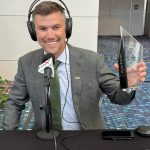 Kyle Porter, Salesloft
TRANSCRIPT
Intro: [00:00:07] Broadcasting live from the Georgia World Congress Center for Georgia Technology Summit 2023. It’s time for Atlanta Business Radio. Now, here’s your host.
Lee Kantor: [00:00:26] Lee Kantor here so excited to be broadcasting live from Georgia Technology Summit 2023. This is a great event. This is this summit represents the largest technology showcase in Georgia. And excited to be talking to my guest right now, Kyle Porter with Salesloft. He is the Hall of Fame inductee this year. Welcome, Kyle.
Kyle Porter: [00:00:47] Glad to be here. That’s the first time I’ve ever been introduced that way.
Lee Kantor: [00:00:51] Well, for us, it’s kind of a full circle moment because I think we interviewed you at the beginning of version 1.0 or 2.0 of Salesloft back in the day, and.
Kyle Porter: [00:01:01] I’ve lost track of the versions by now, but it was a long time ago and we we thought we had something, you know, we didn’t know how we were going to do it, but we figured it out.
Lee Kantor: [00:01:10] And that is the key to success. And for some folks, gets them in the Hall of Fame. Can you talk a little bit about the journey of Salesloft? Like what was kind of the initial moment where you thought we have something here, and then how did it progress to the Hall of Fame?
Kyle Porter: [00:01:24] You know, I was very fortunate to be partnered up with David Cummings really early. He believed me when I said that I wanted to create an environment where other people could come to, to learn to do more, to become more, to take their talents and skills to the next level. And that was the mission of the business before we even knew what the company was going to be. But it was natural that it was in sales because that’s what I’ve been doing my whole life. And so we just started chipping away at the problem that sellers faced, and we created a bunch of products and we tried them in the market and some worked a little, some didn’t work at all. And we just kept on and kept on. And, you know, we stumbled across this this solution that is now the flagship of our company and is really fundamentally changed the profession of sales. And and so we’re very fortunate to have stayed in the game, stayed close to our customers pains and and kept inventing and, you know, trying new things until we got one that’s stuck.
Lee Kantor: [00:02:12] Now in the journey. What kind of came first The market obviously was there people have to sell, right? If you don’t sell, you don’t eat kind of thing. But there weren’t the tools that they needed really to maximize their efforts and their efficiencies. Or was it something that you had this idea that you kind of fit into the sales community? You know.
Kyle Porter: [00:02:35] I’d say we fell in love with the problem that sellers face. They were using multiple different technologies. They weren’t able to deliver their customers with a sincere and authentic message. They weren’t able to do it at scale. There were, you know, the the market had been underserved by technology for the last decade with CRM really being the the only thing that had been created. And we came in and we said we can really do something special here and and we can fundamentally change this profession and do it with, you know, workflow solutions that are smart, that are easy to use, that understand the desire for sellers to connect with their buyers in amazing ways and understand the need to do it in a repeatable and scalable fashion. And and we started building it and it worked out. You know, it was it was really solving the problem first, though.
Lee Kantor: [00:03:22] So when you have a solution that’s new to a group of people that maybe were reluctant to try new things, how were you able to kind of create that escape velocity that enabled you to kind of catapult to the success that you have been?
Kyle Porter: [00:03:36] You know, I talked to entrepreneurs about this all the time. You’ve got to make your first solution so easy to consume and use that it doesn’t require significant integrations or configurations or, you know, anything like that. And so Salesloft had a, you know, a gateway version that allowed people to just click, log in, use and and open their eyes to what more could be provided. So that was one path that we did to come in there in that market. And the other thing was that they were so desperate for good solutions. Sellers were that, you know, they would try a lot of different things. And so we always got people that would raise their hand and and check it out to see if it was the real deal. Like we said it was.
Lee Kantor: [00:04:11] How important was kind of finding the right market partners for the product to kind of be in its own ecosystem so it can create adoption through people using tools. Maybe that weren’t exactly the same, but they were in the neighborhood.
Kyle Porter: [00:04:25] Yeah, we had some pretty good partners. You know, we ultimately did a really good partnership with LinkedIn where they invested in us. They became a big customer and let us integrate with their product. You know, that exists today. We’ve got great relationships with Google and we’ve got integrations with Salesforce.com. These have been great partnerships. But I’d say above all, all of these things, you know, we are we drink our own champagne, so we use Salesloft to communicate and connect with our buyers. And, you know, if we’re not the best at it, then how can we go out to market with the product and say that, you know, this will help you in that way? So we’re constantly able to have great discussions across our whole organization with our prospective customers, with our current customers, with our future customers. And and I think that engine of using Salesloft to evangelize salesloft or distribute Salesloft was really a key ingredient.
Lee Kantor: [00:05:14] So what’s next for you in Salesloft?
Kyle Porter: [00:05:17] You know, Salesloft is in very capable hands. In mid-March, I stepped away from the business as a full time CEO. Operator. And we brought in a gentleman named David O’Brien who has got more experience, more wisdom, more capabilities than I have amassed in my career. And and he really feels the need for where we are at this stage. And, you know, Salesloft is on a great trajectory. This is a company that could easily become an IPO public business, and, you know, continues to fundamentally transform the profession of sales. I remain on the board and active in assisting the business and and then I have more time to spend with my family. I don’t have any other business pursuits at this point in time. I’m helping my wife with her home farming business, her tangerine farming business. But outside of that, it’s, you know, love on my family and take the kids to school, coach, the coach, the sports, basketball, baseball, going field trips, you know, cook and clean and work around the house. And that’s what I’m doing right now. But I don’t think I’ll do that forever. So we’ll see what happens next.
Lee Kantor: [00:06:14] Now, how how have you found the Atlanta startup ecosystem? You’ve seen it grow over the years. Is it you know how you imagined it could be? Or is this are you see some gaps that maybe need to be filled?
Kyle Porter: [00:06:30] You know, it’s better. I think I fell in love with Atlanta technology in 2005. Our community, our venture backed community, the startups, the founders, the providers and supporters and and I hoped and dreamed it would be something amazing. But it’s really evolved to be something more than I thought. We have some incredible companies here that, you know, they’re making a difference on a global scale. It’s not like we’re playing the Atlanta Olympics against each other. It’s like we’re playing at, you know, against the rest of the world.
Lee Kantor: [00:06:56] Are you finding that there’s the collaboration and you’re seeing the mash ups where people have successful exits and they’re partnering with other people within the community, and there there’s a, you know, kind of a level of camaraderie that maybe that’s not part of every community like Atlanta.
Kyle Porter: [00:07:13] Yeah, I don’t think a lot of people are having big exits and walking away and, you know, living on the boat for the rest of their lives. I think they’re coming back and feeding that into the community. And I’m certainly going to do that and and have already started. You know, I probably made 25 angel investments, the majority of those around the Georgia and Atlanta area. And you look at someone like Rob Forman, who was the co founder of Salesloft, he held multiple sea level titles. You know, when he left, he was the president of the company. And and now I see him pouring into so many other awesome, amazing startups in town. And and they’re calling me and saying, you know, Rob is phenomenal and he’s helping our business in amazing ways. And so I think I think you’re going to see the Salesloft alumni community come out in full force. They’re going to start businesses. They’re going to join executive teams. They’re going to help companies take it to the next level. And and that’s a dream come true for me. But, you know, outside of that, I think we got a lot of great founders and entrepreneurs who are doing the same.
Lee Kantor: [00:08:04] Well, congratulations on being inducted into the Hall of Fame. You do important work and we appreciate you.
Kyle Porter: [00:08:10] Thank you so much. This means a lot to me, and I’m really grateful to be here with you all and be part of this big event today.
Lee Kantor: [00:08:16] All right. This is Lee Kantor. We’ll be back in a few at Georgia Technology Summit 2023.
 Carlos Delcid, Puzzle
TRANSCRIPT
Intro: [00:00:07] Broadcasting live from the Georgia World Congress Center for Georgia Technology Summit 2023. It’s time for Atlanta Business Radio. Now, here’s your host.
Lee Kantor: [00:00:26] Lee Kantor here broadcasting live Georgia Technology Summit 2023. This is the largest technology showcase in Georgia. I am so excited to be talking to my guest, Carlos Delcid with Puzzle. Welcome, Carlos.
Carlos Delcid: [00:00:42] Thank you. Happy to be here.
Lee Kantor: [00:00:44] Well, before we get too far into things, tell us about Puzzle.
Carlos Delcid: [00:00:47] Well, Puzzle is staffing firm that focuses on hiring software developers and technical talent out of Latin America so they can support the local startup ecosystem. We started two years ago pretty much a self-funded company, and ever since then we grew from being just being me and my co-founder to up to 50 employees nowadays. And you know, they are all focused on supporting startups, working on product development, software and all that fun stuff that, you know, has put a mark on the Atlanta ecosystem for sure.
Lee Kantor: [00:01:19] Now, puzzle started in Honduras.
Carlos Delcid: [00:01:22] It started here. I actually traveled during COVID to open the business here and, you know, kind of a learning process of first, the US way of doing things and doing business and also how to run a company. And out of there, you know, we started hiring talent in Honduras and in other multiple like Latin America regions at this point.
Lee Kantor: [00:01:43] So what attracted you to working with folks from Latin America?
Carlos Delcid: [00:01:47] Well, I work in the recruitment industry for ten years before Founding Puzzle, and I knew the solid potential that the Latin America region represented in terms of talent. And I felt it would be a good opportunity, given that COVID teach everyone that remote working actually exists and it works. So it was a kind of self proof of concept in terms of what the world was experiencing. So it was just a matter of helping us puzzle connect those talents with the startup ecosystem here.
Lee Kantor: [00:02:23] So what is the pain one of your clients is having before they go, You know what, we should call those folks a puzzle?
Carlos Delcid: [00:02:29] Well, one of those things is and what we have identified talking with our clients is there are 100 job boards, a lot of marketing budgets, and, you know, the startup ecosystem and mid-sized companies do not have those large marketing budgets to promote those jobs, nor are as attractive as other companies like the big players in the city are. And that’s where we support them by finding more affordable talent faster in Latin America.
Lee Kantor: [00:02:59] Now, what do you need more of right now? Do you need more talent, more clients? What are you looking for?
Carlos Delcid: [00:03:07] Always looking for more client opportunities. I think the region in Latin America and what our recruiters have been able to connect with give us a solid presence across multiple countries. And that’s a big talent pool where we can relatively faster pool from. And it’s just a matter of connecting more clients and more opportunities here in Atlanta.
Lee Kantor: [00:03:29] So is that your mission? Being here in Atlanta is just to find more folks that need your help and then you’re just trying to get them with started, I guess, with a small project and then it kind of grows from there.
Carlos Delcid: [00:03:41] It’s a matter of connecting, of course, more companies with the right talent and just also creating great opportunities in Latin America. That’s definitely the mission.
Lee Kantor: [00:03:49] So if somebody wants to learn more about puzzle, where do they get ahold of you?
Carlos Delcid: [00:03:53] Oh, they can visit puzzle.tech, that’s our website, and then they can find me on LinkedIn as Carlos del CID. They’ll definitely see a good puzzle logo there to identify me. And I’m based out of the Atlanta Tech Village. So definitely in Buckhead. If you’re around, always happy to jump into a coffee.
Lee Kantor: [00:04:11] Good stuff. Well, Carlos, thank you so much for sharing your story. You’re doing important work. We appreciate you. Thank you.
Carlos Delcid: [00:04:15] Very much.
Lee Kantor: [00:04:17] All right. This is Lee Kantor. We’ll be back in a few at Georgia Technology Summit 2023.
 Larry Williams, TAG
TRANSCRIPT
Intro: [00:00:07] Broadcasting live from the Georgia World Congress Center for Georgia Technology Summit 2023. It’s time for Atlanta Business Radio. Now, here’s your host.
Lee Kantor: [00:00:26] Lee Kantor broadcasting live from Georgia Technology Summit 2023. This is the largest technology showcase in Georgia. So excited to be talking to my next guest, Larry Williams, president and CEO of TAG. Welcome, Larry.
Larry Williams: [00:00:42] Well, thanks for having me. I’m delighted to have you here at our event this year, and I’m delighted to talk to you.
Lee Kantor: [00:00:49] So, Larry, you’ve been with TAG for a minute or so. Are you seeing that it’s evolving in the manner that you envisioned when it was just a bunch of people in a room saying, you know, we should be doing something for Georgia to help connect some folks?
Larry Williams: [00:01:05] You know, it’s funny that you mentioned us. You know, we’re in our 24th year at TAG and really looking forward to celebrating our 25th year anniversary next year. And, you know, spoken a little bit about it earlier on stage. You know, we’ve always been part of the fabric of the technology community. But if you think about, you know, you got to think, you know, pre iPhone, you got to even think pre BlackBerry about whenever we started and what Georgia was doing back with the Hayes modem and then even fast forwarding up until the early 90 seconds when Chris Klaus and Tom Noonan were starting guys and really setting the foundation for our prowess in cybersecurity to where we’ve evolved today and where, you know, if you look at how our skyline has evolved and the really the fabric of who’s in here, every major technology company, you know, certainly in the country and from around the world are here now. They’re calling this home. You see great. You know, you see a center, you see NCR, Norfolk Southern’s, you know, Anthem’s Innovation Center. When you drive up and down I-75, I-85, those are the logos you see on our buildings. Now. God has come. It has been a rocket ship and it’s been an incredible, incredible ride. And we still have a long way to go.
Lee Kantor: [00:02:22] Now, why do you think that Georgia has been able to foster this level of community and collaboration? You know, all across the country, there are cities and states that have a, you know, industry leader or some one company that is doing great things, but they haven’t been able to kind of harness a community and build upon each other and and, you know, create these clusters and these different kind of niches and that diversity and strength of an economy that can withstand a lot of hardship and challenges when they come.
Larry Williams: [00:02:56] You know, that is such a great question. And I wish that I could, you know, get the secret sauce and bottle it and sell it around the world. But I don’t know that it’s really as replicable as the way that we’ve been able to do it here in Atlanta and Georgia. You know, one is it’s multifaceted. You know, we do have every aspects of what it takes to have an innovation economy. And again, it’s there’s a lot of diversity that goes into that. So if we think about everything from academia, research and development, Fortune 100 companies, you know, medium sized companies, 500 million to 1 billion, a true robust start up community capital that will support it, a business community through those companies and those corporations that will support it. All of these things come together in a magnificent way. And then you inject some of the most valuable, talented workforce anywhere in the world that is both, you know, high value, highly skilled and the most diverse. That really puts together a great part of why we’re a success. Now let’s bring in the government part and really their focus of what they’re thinking about, of making sure that we continue to have a great, great policies that create a great business climate, really setting policies so that the private sector and our companies and our technology sector can thrive and grow.
Larry Williams: [00:04:22] Nine years in a row, State of Georgia has been the number one place to do business. Unprecedented. No other state has ever achieved that. And it’s an exciting part of what we do and what our story is. You know, I’ve mentioned education, academia, so we’ve got a great robust group. Everybody thinks about Georgia Tech, but we’ve got great universities and colleges all over this state, public and private. And I’ve got to mention our incredible technical college system of Georgia who can really think about reskilling, upskilling people, great certifications, great on the job training, and really get these people into the workplace and into jobs quicker. So the other parts are I got to give that one other part, and that’s how do we build this community? You know, I think part of it is we really greatly benefit from our southern values and our southern sensibilities. When people come here and companies come here, we want them to be successful. We. We know their success is our success. And even, you know, seemingly competitors will come together and get with a with someone new to our community, embrace them and help them get to know this community. So it’s very welcoming. And that’s part of our Georgia way, our Atlanta way that really contributes to our success.
Lee Kantor: [00:05:46] So what do you see going forward? It seems I mean, there’s a lot of talk about AI and this huge disruption that it’s going to be different, you know, than the other disruptions. This one seems to be at least scaring some people more than others. How do you see our community embracing and benefiting from this coming AI wave?
Larry Williams: [00:06:10] Well, you know, it’s it’s here. It’s coming. It’s here. It’s going to continue to proliferate. It’s going to continue to grow. It’s going to continue to get better and more effective. You know, it’s like anything it’s it’s you know, where there’s where there’s great disruption, there’s great opportunities. And I see our people really starting to already think about, okay, what is it they’re going to do if we can use some of the AI, the machine learning also that’s going on, how do we use it for some base repetitive things that need to be done and people can do. And then we’re going to move our human innovation up to another level so that they can really think about new products, new services and new ways to go and be able to layer on this automated part of artificial intelligence that’s coming. So I’m super excited about it. I think it will be disruptive. I think it will be as disruptive as the Internet was to things and it will help accelerate a lot of things. In some ways, if we think about some of the challenges that we have for workforce today, you know, we need some of this technology to help fill the void that that’s out there. We have low unemployment and we have to be able to complete these tasks.
Lee Kantor: [00:07:19] So how does tag, as an organization help the companies help themselves when it comes to a new technology or a newer technology like AI and machine learning?
Larry Williams: [00:07:30] You know, it’s really about, you know, how do we bring together the community? How do we bring you know, it’s, you know, how do we bring the current experts? And there’s nobody that knows everything about any of this, but also get the people that are actually testing these things, trying new things. How does this technology work? And it’s really about what we do. You know, we call our our committees societies. And if we think about the, you know, the collective societies and how they create a community that people can share, you know, best practices, trials, errors, how things are work and how this next iteration is going to improve. And it could be from a perspective of digital health, it could be a perspective from our from our film industry. It could be our fintech industry. All of these things have a different perspective and a different application of how this stuff could be used. This community is going to come together and really figure this out. And I think this diversity of our of our community and another strength that Georgia has is that we do have that diverse portfolio. We don’t just think about one industry. You know, we’re often known for fintech, but it’s fintech, digital health, it’s cybersecurity. It’s a lot of things that is a great testing ground for us to look at these new technologies, how they’re going to be applied, and actually it’s going to give us a competitive advantage in the world because we’re going to figure it out faster, right?
Lee Kantor: [00:08:55] We’ll be able to iterate faster because it’ll be deployed in so many different niches and you’ll see best practices, see what’s working, what’s not a lot faster than a place that has only one industry. You got.
Larry Williams: [00:09:07] It. And tags will be right there in the middle of it helping facilitate those learnings.
Lee Kantor: [00:09:11] Well, Larry, if somebody wants to connect with you or the folks at TAG, what’s the website?
Larry Williams: [00:09:16] Hey, it’s tag online.org and we’d love to see you get more involved. And you know, always delighted to see y’all here at the summit. And you know, and along the way during the year.
Lee Kantor: [00:09:25] Well, Larry, we appreciate all the work you’re doing. It’s important. And thank you for sharing your story today. Thank you. All right. This is Lee Kantor. We’ll be back in a few at Georgia Technology Summit 2023.
 Eddie Lai, Metro Atlanta Chamber
TRANSCRIPT
Intro: [00:00:07] Broadcasting live from the Georgia World Congress Center for Georgia Technology Summit 2023. It’s time for Atlanta Business Radio. Now, here’s your host.
Lee Kantor: [00:00:26] Lee Kantor here broadcasting live Georgia Technology Summit 2023. This is the largest technology showcase in Georgia. I am so excited to be talking to my guests right now. Metro Atlanta Chamber Senior Manager, Life Sciences and Digital Health, Eddie Lai. Welcome, Eddie.
Eddie Lai: [00:00:45] Thanks. Thanks for having me.
Lee Kantor: [00:00:47] Well, for the folks who don’t know, can you tell us a little bit about the chamber’s efforts in life sciences? What’s your work like?
Eddie Lai: [00:00:54] Sure thing. You know, so the chamber our goal is to really help grow the business community in metro Atlanta. So the 29 counties in and around city of Atlanta, of course, you know, spanning from north to south, east to west. What we do is part of that effort is to really specialize and look at some of our intentionally growing industries, including life sciences, digital health, as well as tech, which are sectors I cover. We really want to capitalize on the talent coming out of the universities and the other companies in the region.
Lee Kantor: [00:01:26] Well, for the folks who are in the Atlanta business community, life science may not be top of mind. How do you kind of share the successes? Because there’s been quite a few.
Eddie Lai: [00:01:35] Yeah, certainly we don’t be where we are without our support of different partners, both in the communities and the, you know, different cities and the counties, but also with trusted party of the Center for Global Health Innovation and Georgia Bio, which is one of their arms that collects kind of the different groups together in a trade state trade association.
Lee Kantor: [00:01:54] And we have the CDC here in Atlanta. That’s an important part of the ecosystem, right?
Eddie Lai: [00:01:59] We do. Yeah. The CDC certainly is a part of the ecosystem with their thousands of workers, part of the federal government and doing certainly you look back at Ebola and Emory University, which is right next there to the CDC, helped treat some of the first patients that came from the CDC, from overseas.
Lee Kantor: [00:02:18] And in Georgia, there’s thousands of companies that are involved with life sciences. There are.
Eddie Lai: [00:02:25] So certainly there’s there’s companies that are when you think about life sciences, you think pharmaceuticals, medical devices, biotechnology, all things that are helping heal and address human clinical trials. Clinical trials. That’s right. The devices are in clinical trials in different hospitals. Certainly, patients might take advantage of that or be a part of that. But companies are also adjacent to those industries in terms of, you know, legal and different shared services as well.
Lee Kantor: [00:02:51] So has there been any kind of big news when it comes to some Georgia companies having some success?
Eddie Lai: [00:02:58] Well, certainly I’ll share a highlight of one Oxford Medical. In fact, their CEO is from Georgia Tech himself, and I think the co-founder is from Savannah, Georgia. And they just raised a $26 million round. What they’re doing is making essentially a hand sized x ray machines so very useful for different sports teams and kind of quick, easy way to get an insight on the body.
Lee Kantor: [00:03:25] So what’s a day in the life look like for you?
Eddie Lai: [00:03:28] It’s cliche, but every day is a little bit different. You know, part of my job is to go out and talk to companies who are already here and say, Hey, this is what we do at the chamber. We help companies grow and scale. How can we help you address your growth needs, especially as an industry that’s growing? It’s also to go out to different trade shows. I’m going out to Boston in about a month to go to the bio international trade show, which is one of the biggest biotech shows in our industry, to say talk to companies who aren’t in the region to say, hey, come to the area. The other part, I would say, and part of my job is to be a part of the community. So I mentioned some of our partners. I’m out at a lot of different events both in and around this industry.
Lee Kantor: [00:04:05] So what’s kind of your sales pitch to a company that’s outside of Georgia to at least let them know about what resources are available here?
Eddie Lai: [00:04:14] Yeah, certainly. I think some of the things, depending on where they’re from, they might ask, you know, what is in Georgia in general, but also in life sciences. I personally came from the Northeast, from Boston and Philadelphia, which are actually, you know, generally big hubs themselves. But usually I just say, hey, what is what is it that your company needs right now in terms of growth? They might say, well, we need a new factory or, you know, we’re thinking about growing in general and expanding. And usually what I tell them is that Georgia is a great entrance to the southeast, obviously, in terms of transit for train and especially our airport. Those are general things we say. But then we also talk about the talent coming out of Georgia Tech. So and other schools, of course, Emory, Georgia State, Kennesaw, which are all getting funding from different federal institutions like the National Institutes of Health. Georgia Tech actually just came out in the rankings the other week that the Georgia, Emory, Georgia Tech, Emory Joint Biomedical Engineering Program was ranked number one in the country.
Lee Kantor: [00:05:08] So what do you need more of? How can we help you?
Eddie Lai: [00:05:11] I think what we need more of is we could definitely use more people to help tell the story of life sciences, industry growing and the region. Certainly some of the parts that are in that process are different. Base needs. So construction of labs and move in space. Investors who are interested in learning about this industry and putting money into these biotech startups coming out of these schools, as well as just, you know, advocates from all industries who want to learn more about this industry.
Lee Kantor: [00:05:38] So if somebody wants to connect with you or the Metro Chamber, what are the best coordinates?
Eddie Lai: [00:05:43] Well, you can find me on LinkedIn myself. I’m at Edward Lee. And you know, my name is under the Metro Atlanta Chamber. You can visit our website metro Atlanta chamber.com You can also yeah just if you’re really Google life sciences Atlanta will be one of the first two results.
Lee Kantor: [00:06:01] Good stuff. Well, Eddie, thank you so much for sharing your story. You’re doing important work and we appreciate you. Yeah, thanks so much. All right. This is Lee Kantor. We’ll be back in a few. Georgia Technology Summit 2023.
 Ken Meyer, Truist
TRANSCRIPT
Intro: [00:00:07] Broadcasting live from the Georgia World Congress Center for Georgia Technology Summit 2023. It’s time for Atlanta Business Radio. Now, here’s your host.
Lee Kantor: [00:00:26] Lee Kantor here so excited to be broadcasting live from the Georgia Technology Summit 2023. This is the largest technology showcase in Georgia. And right now with me is Ken Meyer. He’s the event co-chair and tag board member, as well as the chief information and experience officer at Truist. Welcome, Ken. Hey, how are you?
Ken Meyer: [00:00:46] I am doing well.
Lee Kantor: [00:00:47] First, I’d like to talk about your kind of vision of the day. How do you see the day playing out?
Ken Meyer: [00:00:53] Well, today is an amazing day in general. It’s always amazing to see who is actually coming to these events. And the talent that we have in the state of Georgia is just phenomenal. So we’ve got amazing technologists, innovators, business folks and alike just kind of all coming to the Georgia World Congress Center to learn about new capabilities, new innovative ideas and thinking. And it’s just a really great event. We feel like in the state of Georgia, we have some of the best, if not the best in the country, innovators and technology folks here today.
Lee Kantor: [00:01:28] Now, what makes Georgia unique in terms of having such diversity of different niches of technology firms? You know, there’s a lot of states in this country that would drool over the variety of technology kind of clusters that we’ve been able to cobble together. Yeah, I.
Ken Meyer: [00:01:45] Mean, in a lot of ways. I mean, we’ve heard of Atlanta specifically in the state of Georgia being kind of known as the Silicon Valley of the East Coast, if you would. And when you really think about it, it’s about the broader ecosystem. So there’s some fantastic large companies that have set up shop, obviously in the state of Georgia across many different industries. But the entire education ecosystem that surrounds the city of Atlanta and as you extend to to different parts of Georgia, that’s what’s really made it really fascinating to see. So you’ve got some great universities, you’ve got really good, strong talent. People want to live in the state of Georgia. And so when you put all of that together, you have nothing but opportunity when it comes to innovate across multiple industries. And we’ve really taken off.
Lee Kantor: [00:02:30] Now, is there anything that you’re seeing if you look in your crystal ball ahead? I know we do really well with supply chain. I know we do really well with fintech and healthcare it. Are there any other kind of things burgeoning in the technology world?
Ken Meyer: [00:02:45] I would I would tell you just based on some of my work that I do with some other organizations in addition to tech, I think the agriculture space is an area that a lot of people don’t think about from a technology and innovation perspective. But you’d be surprised how many really talented people are really looking at the agriculture side of the the industry landscape, if you would, and really putting today’s technology to work just like they have in supply chain and consumer goods and finance and all of those other types of industries.
Lee Kantor: [00:03:15] And Georgia is well suited for that. I mean, we have a long history in agriculture, So when you combine those two things that it’s a powerful combination. It really kind of opens some doors in ways that we probably haven’t even thought about.
Ken Meyer: [00:03:27] It’s really fascinating to watch some of these startups and others that are coming through the space and really trailblazing new technologies and capabilities for these these companies.
Lee Kantor: [00:03:36] Now, why was it important for Truist to have you kind of take a leadership role with Tag?
Ken Meyer: [00:03:41] Well, so our purpose at Truist is to build better lives and communities, and we believe that we should be a part of our community. Regardless of what role you play at the bank. It’s not just about working in the front lines with clients every day, even though that’s ultimately the experiences that we bring to bear. But as a technologist and a leader in the bank, we want to make sure that we’re leading on all fronts. And we think that bringing folks together in events like this is a great opportunity to showcase our commitment to the community, but also our commitment to technology and innovation as we continue to help move finance forward.
Lee Kantor: [00:04:14] Now, with all the talk of AI, how are you seeing that play out? Is Georgia taking a leadership role in that space as well?
Ken Meyer: [00:04:21] Yeah, I think when you look I don’t know that there’s a company here today that would say that they’re not interested in how I could help, could move their business forward or really disrupt the way in which clients interact with their their products or services. So I think that across the board, AI is a is an nothing has changed more rapidly than I even within the last year. So I think everyone is embracing it. And there’s a lot of experiment going on right now and hopefully a nice safe way so the robots don’t take over at some point.
Lee Kantor: [00:04:54] Now, are you seeing AI as this huge disruptive wave like there has been, you know, historically, you know, you’ve been in the in technology for a minute or two. You know, this is this kind of a fad in your mind or is this kind of a real wave that we should be really leaning into?
Ken Meyer: [00:05:12] I think I think the concept of AI has been around for a long time. Right? So it’s just a new use cases, new technology. Technology’s always going to continue to evolve. And that’s really where we are today. So before the. It was chat GP. There were all the chat bots and there was the Watsons of the world and things like that.
Lee Kantor: [00:05:30] This seems like a faster, bigger leap.
Ken Meyer: [00:05:33] Well, it’s no different than when we moved from data center on premise infrastructure to cloud computing technology, right? And now everyone’s trying to figure out what quantum computing technology is going to be. So I look at it as just the continued progression of of really smart people that are leveraging today’s technology today.
Lee Kantor: [00:05:52] And the technology is so powerful, it’s just accelerating everything. Yeah, I.
Ken Meyer: [00:05:56] Mean, what you have in your phone right now is like 100 times stronger than something that you had in in your house as a PC in 2000.
Lee Kantor: [00:06:04] And that took people to the moon at one point. That’s right. That would be buildings of of technology where now it’s in your hands.
Ken Meyer: [00:06:11] Exactly right.
Lee Kantor: [00:06:11] Exactly right. So for people who want to learn more about Tag, get involved with Tag, what is kind of the ideal tag member in your mind?
Ken Meyer: [00:06:20] Well, I think it’s just about engagement, right? And it’s about wanting to to give back to the community. It’s about wanting to be involved in a lot of different things. There’s a lot of different programs that tag leverages from an education perspective to early leaders and development of early leaders in this industry to board seats, right? I mean, if you want to get involved, there is a spot for you. And if you really want to, to donate your time and your mind and your generosity and all of that, then then there’s a spot for you to help tag continue to kind of move forward as a no matter.
Lee Kantor: [00:06:53] Where you are in your career, right? Like, so if you’re even a young person that’s in school, there’s a place for you, frankly.
Ken Meyer: [00:07:00] That we do so much with early education folks as well. I mean, if you’re a young person in school, you should get to know tagged right now because there’s no better way to find an opportunity than to network and get to know the folks that are out here.
Lee Kantor: [00:07:11] So if people want to learn more about TAG, what’s the best way to get a hold of the Tag folks website?
Ken Meyer: [00:07:17] But I think Larry Williams is literally everywhere. Larry will take your call any time. He will meet you for breakfast. He will do whatever it takes to to to make this a success.
Lee Kantor: [00:07:28] So he nudged you into this leadership?
Ken Meyer: [00:07:31] Larry just asks and I keep saying, you know, I don’t know that I’m going to do it. And then when Larry asks, you just say yes. It’s hard. It takes a lot of time. It does. It does.
Lee Kantor: [00:07:40] All right. Well, thank you so much for being part of this today. It’s a great event. It’s brimming with people here and it’s so excited to see TAG evolve and really help catapult Georgia forward.
Ken Meyer: [00:07:51] Thanks for.
Lee Kantor: [00:07:52] Being here. All right. This is Lee Kantor. We will see you in a few at Georgia Technology Summit 2023.
 Dr. Loretta Daniels, TAG Bridge Builders
TRANSCRIPT
Intro: [00:00:07] Broadcasting live from the Georgia World Congress Center for Georgia Technology Summit 2023. It’s time for Atlanta Business Radio. Now, here’s your host.
Lee Kantor: [00:00:26] Lee Kantor here broadcasting live Georgia Technology Summit 2023. This is the largest technology showcase in Georgia. I am so excited to be talking to my guest, Dr. Loretta Daniels. She is the director of TAG Bridge Builders. Welcome.
Dr. Loretta Daniels: [00:00:44] Welcome. Thank you.
Lee Kantor: [00:00:45] Well, can you tell us a little bit about TAG Bridge Builders? How are you serving folks?
Dr. Loretta Daniels: [00:00:50] Well, you know, it’s a really unique program. It’s designed to create pathways for generational wealth. And this is acquiring wealth through equity and opportunity.
Lee Kantor: [00:01:00] So but how does that pertain specifically to Tag and the members of Tag?
Dr. Loretta Daniels: [00:01:05] Well, with Tag, we have over 30,000 members and we wanted to make sure we were doing the right thing by our members and by our community. And so recently, you know, what’s been happening in the world, in the United States is, you know, when it comes to justice and equity, sometimes you don’t see minorities participating in that equity. And so Tag Bridge Builders was formed to make sure that this is a social justice and equity, to make sure that we have a goal of at least providing an impact for 1000 black technologists to gain, you know, access to the workforce or to grow their businesses within the next five years.
Lee Kantor: [00:01:47] So when you set a goal like that, what is kind of the roadmap in order to achieve that? Where do you begin?
Dr. Loretta Daniels: [00:01:53] Yeah, we took a three prong approach. And so what we want to do is we want to make sure that, number one, we’re providing access and opportunity for them to gain tech jobs, get into the workforce. Second is we want to make sure that those mid-level black tech professionals are advancing into senior level positions. And third, we want to make sure that the black entrepreneurs have access to funding and customer acquisition.
Lee Kantor: [00:02:19] So when you say let’s let’s tackle them one at a time, at the beginning, you have just kind of training people about technology, right? Young people that maybe don’t have access. And some of the things that maybe people that have had access to things aren’t aware of, they’re just having a device might be a roadblock that is not allowing a person that has the desire to move forward, but they don’t have the resources to move forward. How do you help in that way?
Dr. Loretta Daniels: [00:02:49] So we help to really communicate and collaborate with different community organizations who can provide that type of access to device. One of a part of our population is more so that professional who says, I want to transition from where I’m working now, making 30 or $40,000 a year to a tech job. And so we help them to line up with tech education when it comes to certificate programs and cybersecurity and software development to say here now you have an opportunity to go in and to become certified. And we help them, you know, to identify those programs that provide funding for it. And so now they have an opportunity to to move from 30 to $40,000 a year to 80 to $90,000 a year.
Lee Kantor: [00:03:36] And then this these are kind of skills that you can get through certification rather than a four year investment and a four year, you know, Georgia Tech degree.
Dr. Loretta Daniels: [00:03:47] Exactly. And then some companies are even waiving that three, you know, four year degree or three years of experience when it comes to tech jobs, because there are a lot of tech jobs to be filled, even though there are a lot of jobs right now that are, you know, being cut, there’s still a lot of tech jobs to be filled.
Lee Kantor: [00:04:05] And there’s a lot of resources out there to train people if they are aware of it, number one, and have the initiative and the desire to kind of go through them.
Dr. Loretta Daniels: [00:04:14] Exactly. Another program that we’re doing to help the workforce is the apprenticeship program. We’re designing a very unique apprenticeship program where it’s a tech apprenticeship program. These are individuals, again, who are looking to transition from career to tech jobs. The companies are interviewing them, making sure they have the aptitude for this position and for the training, helping to put them through the training and then hiring them for a year, giving them 2000 hours of tech development training or whatever that is, and then deciding to hire them at the end of the year. The great thing is, while they’re working there during this one year for apprenticeship, they’re actually being paid 80, $90,000 a year, same market value.
Lee Kantor: [00:04:59] Right? So that’s I mean, when you tell a person about an opportunity like that, it must blow their mind. Right? That seems almost too good to be true, doesn’t it?
Dr. Loretta Daniels: [00:05:08] It does. But you know what? If when companies realize the value of apprenticeship and it’s been going on for years, it started in Germany, this is a great way for the workforce because when you hire apprentices, your retention rate goes up. So it’s great for the company.
Lee Kantor: [00:05:23] Right. So the company benefits because they’re getting their training, their own right, like they’re growing their own here and they’re getting the person that to really understand the culture and how things work their way specifically. Exactly. So that when it’s time to hire them, it’s like it’s a logical progression.
Dr. Loretta Daniels: [00:05:39] Logical progression? Yep.
Lee Kantor: [00:05:40] So now in your work, have you had any stories you can share where somebody has kind of jumped to a new level that’s inspired you or has brought you, you know, a fond memory?
Dr. Loretta Daniels: [00:05:54] Well, fond memories is I work with before I started with Tag, you know, I work with the university. It was a professor at university. I worked with corporations. And it’s just seeing any student, not just one student, seeing any of these students or any of these individuals progressing to the next level.
Lee Kantor: [00:06:11] Right. The reason I’m asking about a specific one, if you can, you don’t have to name the person, but just the story so that people understand and it comes to life that, you know, that could have been me. I am that person. Is there anything that you can share where a person had a job somewhere doing work that was I don’t want to say beneath them, but maybe it wasn’t capitalizing on all their potential. But when they had this opportunity, they were able to make a lifestyle, a lifestyle change for their family. Their community. Like this is one of those things where if you get this right, you’re not just impacting an individual, you’re impacting a family or a community.
Dr. Loretta Daniels: [00:06:51] Yeah, this is great. Tags. Program Tags. Apprenticeship program actually starts this fall, but I do have experience working with another. I can share a story with you. This was a veteran who did not, you know, who came out, you know, serving his country, coming out, really not having any tech skills, not really being able to to, you know, provide for his family maybe about 40 some thousand dollars a year. This program was open to them. He he looked at the advertisement, applied for it, took the test. And you know, now he can provide for his family. It makes a big difference.
Lee Kantor: [00:07:27] Right. These these certifications aren’t anything to be taken for granted. They’re the companies are hungry for people that are trained in these skills. And these skills are not simple that anybody can do. You have to work hard. These are not just, oh, check some boxes and you’re done. This is you have to work for these things. But if you do these things and get this certification, it can make a big difference. I remember I interviewed someone a while ago about one of these programs and they were working at Goodwill like they were working in a kind of a dead end job. You know, that that was where they were working. They went through this program. It was it wasn’t even that long. I think it was maybe 12, 16 week program. And all of a sudden companies were vying for their talent because that skill was so desirable. They ended up leaving Georgia, but they went to an opportunity that was paying, like you said, 80 to $90,000 like to go from working and again, I don’t want to diminish the working of goodwill, but to go from there to, you know, almost a six figure opportunity to start. I mean, it’s just an amazing transformation that can happen if you’re aware of these programs and you kind of lean into it and do the work required to to successfully complete them.
Dr. Loretta Daniels: [00:08:44] And that’s the thing is being aware of it, So many people are not aware of it, right?
Lee Kantor: [00:08:49] Like they are limited. Like I think it’s people have been put on a path like to university or and they think that’s the the way out. And there are so many other ways in today’s world with technology that they’re just hungry for people with these skills. And if you just really kind of find them and lean into them, there’s a lot of opportunity.
Dr. Loretta Daniels: [00:09:09] To give you another example, here’s a student who was a nursing major, and so she looked at nursing. She goes, I really want this, but I would love to be able to see, you know, what kind of tech jobs are out there for me. And so she transitioned and now she’s getting her she’s getting her nursing degree, but she’s also getting a certification right in cyber security.
Lee Kantor: [00:09:30] Right. And so now.
Dr. Loretta Daniels: [00:09:32] She opens up a whole nother world for her and she.
Lee Kantor: [00:09:34] Becomes uniquely desirable because how many people have both nursing and cybersecurity? You know, anybody in that industry? She’s in a pool of one. You know, it’s to me these are it’s kind of a no brainer. You know, when you look at it from a 40,000 foot view, that this is stuff that is just kind of common sense. And we and we need more and more people to kind of know about it. Yeah. So is that kind of your A Day in the Life for you? Is this evangelizing about programs like this?
Dr. Loretta Daniels: [00:10:02] Yeah, programs like that. But also, you know, we help entrepreneurs as well. And so letting entrepreneurs know that there’s funding and investment opportunities out there for them, specifically for the black tech businesses.
Lee Kantor: [00:10:13] Now, is there any black tech businesses that you’ve kind of run across here in the room today? Today, work.
Dr. Loretta Daniels: [00:10:21] Is one of them. Just a great business opportunity. This particular young gentleman has gone through our tech connect and this is a Shark Tank environment. You know, it’s something that we wanted to make sure that we did where we have these black businesses presenting in front of large corporations to say here they typically would never get an opportunity to become a vendor. Now they’re in front of all of these individuals who make a decision, you know, to do business with them for customer acquisition.
Lee Kantor: [00:10:50] Now. So you’re seeing more and more of these kind of investors opening their mind to, hey, let’s let’s kind of include more people here. Let’s let’s cast a wider net.
Dr. Loretta Daniels: [00:11:01] Yeah. And we’re bringing this to the forefront. We’re being innovative in this approach. Typically, it’s everyone, it’s minorities, it’s everyone. But, you know, there are so much funding out there, but so little of it is going to black technology. And so these are particular investors and buyers who are interested specifically in looking at these business opportunities.
Lee Kantor: [00:11:20] Now, how has the ecosystem for the black entrepreneur? Are you finding that Atlanta has opportunities for them.
Dr. Loretta Daniels: [00:11:28] Has lots of opportunities, but again, a lot of funding is out there, but they’re still not getting the funding that they need.
Lee Kantor: [00:11:34] Is it just kind of a lack of connecting the dots or a lack of like what needs to be done in order to make it more equitable in your mind?
Dr. Loretta Daniels: [00:11:41] There are so many programs out there to help them. But what we have to do is we have to realize that when you’re in a room of different business ideas and you’re being presented, you know, to angel investors and VC capital firms, you know, a lot of times you’re going to go through the invest with the company that you’re most comfortable with, right? That’s just human nature.
Lee Kantor: [00:12:04] It’s not the voice, right? We need it to be more like the voice.
Dr. Loretta Daniels: [00:12:08] Yeah. There you go. Let me just turn around and see who I get.
Lee Kantor: [00:12:11] So you want to hear the idea and let me hear just.
Dr. Loretta Daniels: [00:12:14] I love that. Right. You have to add that.
Lee Kantor: [00:12:16] I like that because it’s I think that people just have a subconscious bias to, oh, I went to tech, so I’m going to look for tech people because I that’s where all my buddies are. And it just we need it to be more kind of a blind audition rather than a, you know, a usual suspects.
Dr. Loretta Daniels: [00:12:35] You got something there. So yeah, but these individuals are coming in and saying, I am going to take my time to listen to these black, you know, businesses. They could have some great ideas that I can invest in. Right. And specifically so there’s no other noise in the room. These are just these specific ones that they’re looking and then they’re.
Lee Kantor: [00:12:52] Picking from there. Yes.
Dr. Loretta Daniels: [00:12:53] So versus.
Lee Kantor: [00:12:54] Everybody else. Right. And then hope you’re in that small subset of who they pick. So good stuff. I mean, it must be such rewarding work.
Dr. Loretta Daniels: [00:13:03] It really.
Lee Kantor: [00:13:03] Is. Yeah. And there’s so much talent here. It just seems like there’s enough affluence in this state, you know, more people should be benefiting. Yeah.
Dr. Loretta Daniels: [00:13:13] Yeah, it is. And we’re just getting started. We’re not even a year in yet, and we’re making an impact, so.
Lee Kantor: [00:13:18] So what do you need more of? How can we help you?
Dr. Loretta Daniels: [00:13:21] We need to get the word out. We need more collaborators. We need companies who are willing to look at our the resumes that come in from black tech talent. We need investors who’s willing to take a look and invest. And we need investors in the program. You know, our program, you know, like any other nonprofit, we need those to help to support our programs and operations.
Lee Kantor: [00:13:39] Are you finding the community open to that? Yes. You’re at the beginning stages of this.
Dr. Loretta Daniels: [00:13:45] Yeah, we’re at the beginning stages. Lots of universities are working with us. Other, you know, companies, tech, corporate members are working with us.
Lee Kantor: [00:13:53] So you’re bullish about the community. You’re going to bet on us.
Dr. Loretta Daniels: [00:13:57] I’m going to bet on you.
Lee Kantor: [00:13:58] All right. Yeah. Well, if somebody wants to connect with you, what’s the best way to do it?
Dr. Loretta Daniels: [00:14:02] Just look us up on tag. Look me up on LinkedIn. Dr. Loretta Daniels.
Lee Kantor: [00:14:06] And it’s Tag Bridge Builders is the group that you’re leading. Yes. Good stuff. Well, thank you so much for sharing your story. You’re doing such important work and we appreciate you.
Dr. Loretta Daniels: [00:14:15] Thank you for having me.
Lee Kantor: [00:14:16] All right. This is Lee Kantor will be back in a few at Georgia Technology Summit 2023.