Business RadioX ®

  • Home
  • Business RadioX ® Communities
    • Southeast
      • Alabama
        • Birmingham
      • Florida
        • Orlando
        • Pensacola
        • South Florida
        • Tampa
        • Tallahassee
      • Georgia
        • Atlanta
        • Cherokee
        • Forsyth
        • Greater Perimeter
        • Gwinnett
        • North Fulton
        • North Georgia
        • Northeast Georgia
        • Rome
        • Savannah
      • Louisiana
        • New Orleans
      • North Carolina
        • Charlotte
        • Raleigh
      • Tennessee
        • Chattanooga
        • Nashville
      • Virginia
        • Richmond
    • South Central
      • Arkansas
        • Northwest Arkansas
    • Midwest
      • Illinois
        • Chicago
      • Michigan
        • Detroit
      • Minnesota
        • Minneapolis St. Paul
      • Missouri
        • St. Louis
      • Ohio
        • Cleveland
        • Columbus
        • Dayton
    • Southwest
      • Arizona
        • Phoenix
        • Tucson
        • Valley
      • Texas
        • Austin
        • Dallas
        • Houston
    • West
      • California
        • Bay Area
        • LA
        • Pasadena
      • Colorado
        • Denver
      • Hawaii
        • Oahu
  • FAQs
  • About Us
    • Our Mission
    • Our Audience
    • Why It Works
    • What People Are Saying
    • BRX in the News
  • Resources
    • BRX Pro Tips
    • B2B Marketing: The 4Rs
    • High Velocity Selling Habits
    • Why Most B2B Media Strategies Fail
    • 9 Reasons To Sponsor A Business RadioX ® Show
  • Partner With Us
  • Veteran Business RadioX ®

BRX Pro Tip: How Good Are You?

February 14, 2023 by angishields

BRXmic99
BRX Pro Tips
BRX Pro Tip: How Good Are You?
Loading
00:00 /
RSS Feed
Share
Link
Embed

Download file

BRX-Banner

BRX Pro Tip: How Good Are You?

Stone Payton: [00:00:00] And we are back with Business RadioX Pro Tips. Stone Payton and Lee Kantor here with you. Lee, those of us who are practicing a craft and trying to deliver value, it’s important that we’re good at it. But maybe an important self-awareness gut check, reality check should be asking ourselves, man, how good are you?

Lee Kantor: [00:00:24] Yeah. You might have been great back in the day, but today’s a new day. How good are you today? If you want to grow bigger and faster, you better be great at something. That’s a given. You have to have a superpower that separates you from everybody else. That’s a given. But have you been investing the time and energy to just keep honing in on your skills?

Lee Kantor: [00:00:46] You know, once you determine what your superpower is, you constantly have to be investing more and more to make yourself better and better. The better you are at this one thing, then the further you’re going to separate yourself from everybody else. The deeper your knowledge, the depth of your knowledge, kind of more wisdom you have about more and more of your niche, that makes you the go-to resource for that service.

Lee Kantor: [00:01:11] It makes it difficult for anybody to compete with you because you are the person that knows the most about this niche. So, that positioning is critical. That’s the place you want to be. You want to become that go-to resource for something. So, if you’re not the go-to resource for something, you’re missing an opportunity.

Lee Kantor: [00:01:31] So, whatever your superpower is, go deeper, be better, and just continue to learn, and be at the kind of bleeding edge of your niche, because that’s going to continue to separate yourself. And if you’re just kind of resting on your laurels, you’re just leaving the door open for your competitors to take over your spot.

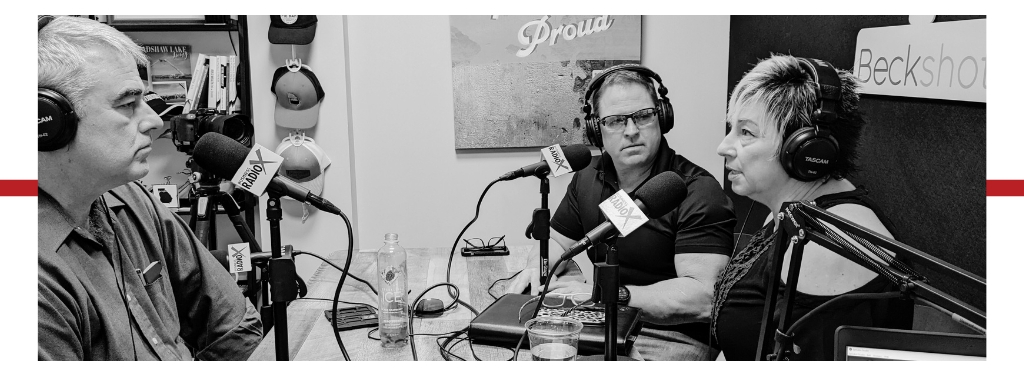
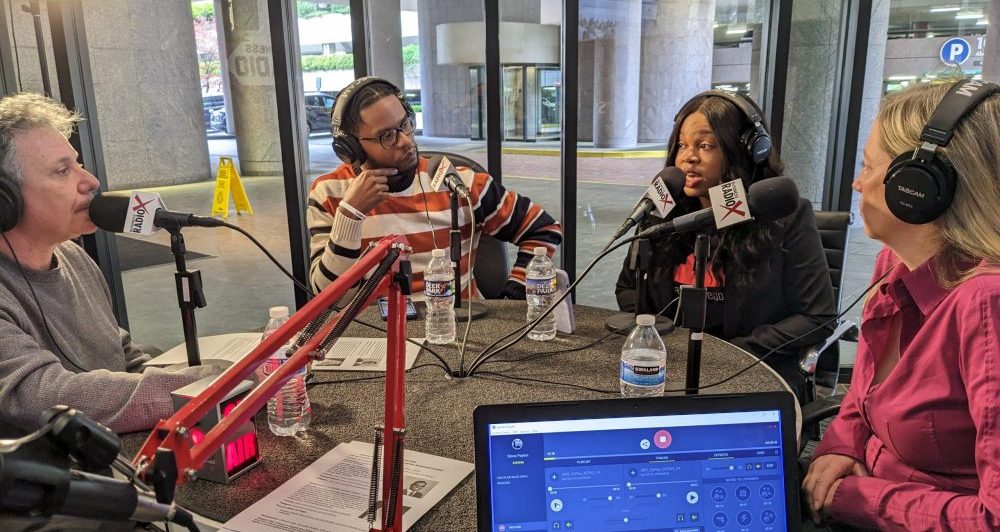
Mike Van Pelt with True Man Life Coaching, Melissa Stephens with Serenity on Fire and Stone Payton with Business RadioX®

February 13, 2023 by angishields

Charitable-GA-021023-feature
Charitable Georgia
Mike Van Pelt with True Man Life Coaching, Melissa Stephens with Serenity on Fire and Stone Payton with Business RadioX®
Loading
00:00 /
RSS Feed
Share
Link
Embed

Download file

Charitable-GA-021023-pic1

Melissa-Stephens-bwMelissa Stephens is the Chief Energy Officer of Serenity On Fire. She is a Professional Certified Business and Peak Performance Coach, and Consultant for Entrepreneurs who are ready to elevate and expand, banish burnout, shift from burning everything down to creatively building from their biggest vision and desire, all while repairing the cracks in their foundation and refusing to settle with where they are.

After years of working long hours in the corporate world at the expense of her health and well-being, sacrificing her time and energy, putting her family last while building someone else’s dreams who only saw her through the lens of being expendable if productivity didn’t meet unrealistic expectations, she suffered burnout. She was frustrated and exhausted that bosses were in control of her time, her income, and her freedom with no regard for her as a person, only what she could add to their bottom line.

Over the years in the workforce, she noticed some recurring themes that seemed to exist no matter where or who a person worked for. Toxic culture cultivated by “bosses” because the organization lacked leadership, unrealistic performance demands at the cost of one’s self-preservation, and a lack of respect for boundaries separating a person’s workspace and their personal life. She couldn’t imagine being stuck in this cycle forever and knew there had to be a better way for people and organizations to coexist and experience personal and professional success.

Out of this desire to create change in organizational operation and leadership development that can greatly impact everyone from the C Suite to the lowest rank, Serenity on Fire was born. It blends her passion for helping entrepreneurs build the business they desire that focuses on people over profit, and that will support the life they dream of without following others rules and breaking their own.

Helping entrepreneurs take a creative approach in their business where they shift patterns using strategies that focus on mindset, culture, communication, emotions, energetics, and spiritual changes. They elevate and expand their business using their core being as the driver to reach the success they desire for themselves and for those within their organization. The by-product is the positive ripple effect that transcends professional and personal spaces impacting the lives of many.

Her approach is a blend of whole life performance coaching and business consulting where the focus is on the intersection of business and life. It is unique, creative, and impactful across all areas of one’s world. The result is Serenity – an internal feeling of peace and joy while continually activating your core Fire that keeps a person building their vision and living their best life.

She created this experience because it is what she wished for early in her career of working for others – to be part of a company that was focused on leadership, the culture, the people, staying true to their core values, and having a positive impact on those around them.

Now she helps entrepreneurs bridge the gap for themselves and their business using practical strategies, systems and processes, combined with the magic of their being to transform, elevate, and expand their business and life.

Connect with Melissa on LinkedIn.

Mike-Van-Pelt-bwMike Van Pelt is an entrepreneur, author, speaker, and men’s life coach leader.  He is the founder of True Man Life Coaching and host of the popular men’s podcast, True Man Podcast.

Mike’s experience and passion for coaching, guiding, and mentoring men has come from his involvement in leading Christian men’s groups along with his own journey to take his life back and achieve success. In addition, Mike has served in leadership roles for most of his career, bringing over two decades of engagement and expertise in account management, consulting, and leadership development.

Mike has authored numerous articles and is featured in the best-selling book, The Art of Connection: 365 Days of Transformation Quotes by Entrepreneurs, Business Owners, and Influencers.  In addition, Mike is completed his first book entitled, True Man True Ways, A Roadmap of Discovery to the Masculine Heart.

Mike holds a BA in Business Leadership and a Master of Public Administration from The University of Arizona Global Campus.

In addition to being an author and coach, Mike is happily married to his wife and best friend of 26 years and has two talented children.  When he’s not coaching, he’s probably enjoying time at one of his many family activities or getting in a quick round of golf with friends.

Connect with Mike on LinkedIn.

Stone-Payton-bwFor over 30 years, Stone Payton has been helping organizations and the people who lead them drive their business strategies more effectively.

Mr. Payton literally wrote the book on SPEED ® : Never Fry Bacon In The Nude: And Other Lessons From The Quick & The Dead, and has dedicated his career to helping others Produce Better Results In Less Time.

Connect with Stone on LinkedIn, Facebook and Instagram.

Websites:

  • BusinessRadioX.com
  • CherokeeBusinessRadio.com
  • MainStreetWarriors.org

This transcript is machine transcribed by Sonix

TRANSCRIPT

Intro: [00:00:07] Broadcasting live from the business radio studios in Atlanta. It’s time for Charitable Georgia, brought to you by B’s Charitable Pursuits and Resources. We put the fun in fundraising. For more information, go to B’s Charitable Pursuits dot com. That’s B. S charitable pursuits dot com. Now here’s your host, Brian Pruitt.

Brian Pruett: [00:00:45] Good, fabulous Friday morning. It’s another fabulous Friday with three more fabulous guests this morning. We have two well, three incredible business coaches, I would say, and they all do things differently. So we’re going to start this morning with Ms.. Melissa Stephens. Melissa, thank you for being here this morning.

Melissa Stephens: [00:01:04] Thank you, Brian.

Brian Pruett: [00:01:05] So Melissa’s business is Serenity on Fire, and she does light you up when you’re a business does workshop, she helps you, but you have a passion for people in general. I think we all do. But you have a passion in people in general, helping them, wanting them to succeed. And if you would just share a little bit about your story and how you got into this, why are you doing what you’re doing?

Melissa Stephens: [00:01:28] Absolutely. So I actually come from a family who had small business, and I watch growing up the struggle, the feast or famine struggle that my parents went through as they tried to navigate running a small business, having a house, having a family, raising kids, and just really being able to navigate all of those things. And it was a struggle. And I watched how relationships were burned down sometimes in the pursuit of trying to build the business up. And I watched the sacrifice. I watched how often the late nights happened. The. Times that were missed from school events and the absence of them being there because they were so busy trying to build the business and they were running around like they were pants were on fire and they would be spending their wheels and not making a lot of headway. And then I transitioned as an adult working in corporations. I’ve worked for small businesses, I’ve watched I love small businesses, I love entrepreneurs. They bring so much to our economy. But it’s hard being an entrepreneur and anyone that says it’s just the limelight is not telling the truth because it is hard. It’s hard to be that entrepreneur. Get started, keep it moving, have a team, have a family, have a life. And it’s tough sometimes to how to how to create that balance, that harmony between all of the spaces that you want to inhabit. And I’ve watched people burn it all down in the pursuit of building it up.

Melissa Stephens: [00:02:59] I’ve watched marriages fall apart, I’ve watched kids relationships be damaged beyond repair and the pursuit of having something in the pursuit of entrepreneurship. And so for me, it’s being able to step in and help people see that there’s actually a better way, a different way that you can have both the business that you desire and let it support the life that you’re actually wanting to build without burning it all down and destroying all of the relationships that you’re actually having this business to support and allowing people to find their way. So I’m a rule breaker. I’m just going to be honest. I’m a rule breaker and I, I have my own rules that I won’t break, but I’m a rule breaker. And I don’t believe there’s only one way to do business. And I don’t believe there’s only one way to live life. And I don’t believe there’s only one way to get where you’re going. But I believe that there is the need for that journey to be the experience. And if all you’re doing is burning the midnight oil and being exhausted and not enjoying the entire time you’re doing it, what the heck are you doing it for when there are so many other ways that you can achieve what you want without the sacrifice of yourself, your health, your being, your family, your kids, whatever it is for you in your life. There’s another way to build it all up without burning it all down. So I always tell people all the time, if you live life like your hands are on fire.

Melissa Stephens: [00:04:23] Heck yeah, because you are out there living, enjoying and having the time of life. That’s what life is for. We’re here to live it. We only get one, so we might as well make the most of it. But if you’re running around in your businesses, running around like your pants are on fire, well now you’ve got it backwards. Because if your business is on fire that way, if your pants are on fire all the time, you’re so busy putting fires out that you’re not paying attention to what’s really going on and you’re losing sight of the people, you’re losing sight of your mission, your passion, and you’re losing sight of the people that are supporting you because they’re hanging out in the wing waiting for you to be able to be present, waiting for you to show up, waiting for you to have time for them. And they’re loving you and supporting you, but they also need from you. And you can’t seem to find enough energy to give them the time and presence that they desire and focus on the business and the people that help you build business. So many times, small businesses, entrepreneurs lose sight of the people that are in front of them and that help them because they are so in the trenches of being in the business and on the business that they lose sight of some of the things that are the most important to them.

Melissa Stephens: [00:05:28] And so I come in and help them reignite. We reignite that, so we reignite that fire. I always tell people I bring the flame when yours isn’t lit, we’re going to find what’s really inspiring you. We’re going to get back to your core and we’re going to build from that so that the people in front of you and the people supporting you know that you appreciate them and the way you’re doing business is supporting that. The way you’re doing business is actually supporting the life you want to build. And you’re not just running around with your pants on fire, putting out everything and never building, never growing, never enjoying the fruits of your labor because what the heck, We’re not meant to work, work, work and never enjoy. And the worst thing most people do is never take vacation. And if they take vacation, they work through the vacation. What the heck, I want to travel. And when I go someplace, I want to be fully immersed in that space. I can’t do that if my business runs like it’s on fire. I can’t do that if I don’t build the entrepreneurship the way I desire it so that I can have this life that I really want. And I can’t do that if my family is on vacation and I’m so busy working that I miss all of it. I don’t want to look up and see when my kids are grown.

Melissa Stephens: [00:06:33] What are the heck did all the time go? They were in kindergarten. What do you mean? They’re walking across the graduation stage from high school. What happened to all the years in between? And they come to me and say, You missed it because you were too busy working. Or the spouse that says you missed all the times that I wanted to talk to you and spend with you and love you and have a life with you. You missed all that because you were so busy building this thing that you can’t step away from. And we’re all gone now. So if you build that entrepreneurship and you build that business and there’s no one left around you, what did you build? Like there’s a way to have wealth and well-being without burning it all down. And that’s what I’m here to help entrepreneurs do, because it’s so important to me that families are preserved, that relationships are preserved, that we recognize the importance and the people that are around us, that business can come and go. You can make money. Money is not the root of all things joyful. But there is a better way. And when you can tap into that, you get to live like your pants are on fire, but your business can run while you’re on vacation. And there is no greater feeling for a small business person than to know that they can make money and create wealth and enjoy the life that they desire.

Brian Pruett: [00:07:49] So you talk about being living like pants on fire and that kind of thing. Is that where the name comes in for your business?

Melissa Stephens: [00:07:55] So Serenity on Fire is really about having this peace and harmony in your heart. Joy comes from within our soul. Happiness is external, but joy is internal. And when you have that peace, when you have that serenity, then everything you want, that core and your fire, that belly core, that burning fire delivery, you light up the world with that. And as long as you have that joy and peace internally, you have taken care of you, that everything you want to create is magnetic and it magnetize. And it lights up so easily and effortlessly because you’re limited from that core being of who you are, that internal joy that you determine. So Serenity and fire is really about being able to do all those things, but without all the stress, without all of the exhaustion, without all of the mind melt, without all of the burning it down and feeling lost and crazed and overwhelmed and overworked.

Brian Pruett: [00:08:50] So you talk about one of the things that what you say is that you keep the fire lit from the business to the bedroom.

Melissa Stephens: [00:08:57] So we do so we talk about the fact that it’s from the boardroom to the bedroom. 80% of people’s issues. Entrepreneurs have problems that start in the bedroom and it impacts the boardroom. Now, whatever you do in your bedroom, hallelujah, that’s all on you. But you know what else happens in the bedroom? You sleep, you rest. It’s your sanctuary. It’s where your well-being starts and how you put your head down at night determines how you get up and start your next day. The tomorrow you want starts with who you are today, so your wellbeing starts in the evening time in that bedroom. And if you’re so exhausted, so tired, full of stress, missing, all of it not having intimacy, not having communication, not having conversation and everything’s riddled with conflict. When you lay your head down, your mind doesn’t shut off because you don’t have any internal peace. And if your mind doesn’t shut off and you’re not getting rest, then you’re well beings impacted. When you’re well being impacted, then you can’t create the wealth you desire because there’s too many distractions, there’s too much you’re dealing with. So it starts in the bedroom, it takes to the boardroom. But the same thing. You can’t see your way from the boardroom to the bedroom, because if you’ve ever tried to talk to your children or your spouse the same way you might talk to your team, you can’t see them. It does not work. They will shut you down in a heartbeat because that’s not who they are and that’s not what they need from you. So transitioning from the boardroom to the bedroom is a difficult thing for a lot of entrepreneurs because they don’t turn it off. But we have to learn how to preserve those relationships, to preserve the life that you want to have. You have to learn how to shift from the boardroom to the bedroom. So we say we do everything from the boardroom to the bedroom because that’s where wealth and well-being really begin.

Brian Pruett: [00:10:33] So you don’t call yourself a business coach. It’s a business. I always get the word messed up. What do you actually say?

Melissa Stephens: [00:10:38] So it’s a business. Alchemist Right? We do practical magic with practical strategies. So we bring your essence with know how and strategies that work for you. We work from your strengths. And so there’s a little bit of magic in there because each person is unique and they each have their own essence, their own spirit, their own way of being. We’re going to capitalize on that with the strengths that serve you, and then we’re going to build from there because that’s what’s sustainable, that’s what’s repeatable, and that’s why we bring the magic with the strategy, because that’s where it gets to be a whole lot of fun. And then you get to live like your pants are on fire because you’re having the best time of your life and your business is growing and making you what you desire.

Brian Pruett: [00:11:15] So she, a few months ago did a little workshop for one of the networking groups and didn’t charge for it for come in to listen to her. And it’s just incredible. I was there and I took three things away from it, which I’ll share in a second. But what was really impactful is the fact that you not only talk to us in the workshop, but you were willing to talk to everybody individually as well, and the people who aren’t currently your clients so you can talk to them and give them advice. And you know, I was struggling and shared that I had felt like a failure because I had closed three businesses in the last five years and started another one. And you politely reminded me that it’s not about failing. It’s you fail forward, you learn, you know, and also the fact that maybe God had bigger things in store for me. The other thing is that just as you talked about, about immersing yourself in business and people who are workaholics don’t put their family first. And so reminding me the fact that, you know, it’s great to be home in the evenings because it’s not about presence. It’s about being present.

Melissa Stephens: [00:12:22] Yes.

Brian Pruett: [00:12:22] You know, and then the other thing that I want you to touch on and talk about is it’s okay to say no.

Melissa Stephens: [00:12:27] Oh, my favorite thing. It is okay to say no. Here’s the thing. I do what I do because this is what’s been laid on my heart. The Holy Spirit fills me and this is what’s been laid on my heart. So I serve from that servant leadership space. And so I’ll talk to anybody and give anybody strategies, tips, advice, whatever it is. And the best thing I love to talk about is how to say no, because, one, we’re not taught how to do it. When you’re little, you’re not allowed to say no to your parents, and as adult, you forget how to say no because you want to do doo doo for so many people, but you can’t fill everyone’s cup when yours is empty. So learning how to say no to the things that will not support the growth and the direction that you want to have is the most impactful thing you can do. Because every time you say no to things that don’t serve you, that are not going to move you in the direction that you desire, you’re going to say yes to every other opportunity that shows up.

Melissa Stephens: [00:13:16] You can’t do that if you are so overwhelmed with taking care of everybody else because you won’t say no. Instead of saying no to the things that aren’t going to be in your goal view and start saying yes to your family, to your relationships, to yourself, to the business you desire, to the life you want to build. When you start saying yes to the things that light you up, starting to say no gets a whole lot easier because you start setting boundaries that you will actually hold to. Well, we’re human and the hardest thing we have is creating those boundaries. It’s not too difficult holding those boundaries. Honestly. We’re not really great at that as humans because we move that goal line. We’re so easy to move the boundary that we allow people to keep pushing it, pushing it, and people will push. If you move it, people will push because they’re human. So you have to learn how to say no. But it’s actually something you most people have to be taught in practice.

Brian Pruett: [00:14:06] Yeah, because I would think, you know, as I used to think all the time, well, it’s selfish to say no, because first of all, you want to help as many people as possible, but you also want to help yourself. And saying no doesn’t do that to me at first. But when you present it the way you presented it, you see why it’s okay to say no.

Melissa Stephens: [00:14:22] The most selfish thing you can do is say yes to everything to the point of depletion, because then you’re serving no one and you’re not available for anyone and not available for yourself. And if you ever thought about having a bad day, if it starts because there’s something you really wanted to do or needed to do or desire to do, and you couldn’t get to it because of everything else in the way puts you in a bad mood and it puts you in a bad mood because you’re not living in your purpose. It’s not living according to the dreams that you have and you start resenting all the people you’ve said yes to while it was with the best intention, you start resenting them because they’re sucking up too much of your time. They don’t mean to, but you’re giving it, so they keep taking it. You have to be able to say no, that’s the most selfish thing you can do for you. Your business, your family, your life is say no to things that are not in that vision line for you, that don’t serve you, that don’t light you up, that aren’t going to put you in the space of moving forward and growth where that’s what you desire.

Brian Pruett: [00:15:18] So another thing I like to ask, and obviously you shared why you do what you do, but you’re also very involved in the community. Now of the five of us that are sitting in this room, you’re the furthest away because you live in Temple, but you’re very involved in the community. You do a lot of things. So other than the reason why you share what you do for business, why is it important for you to be involved in the community?

Melissa Stephens: [00:15:41] I mean, we’ve always said that it takes a village to raise children. It takes a community for people to thrive. Social connection is important and being able to give back into your community, to build the community the way you want it to live, the way you want to see it. That can only be done if you get on the ground and put your hands involved and you are willing to put yourself out there. So I love supporting our communities because small business ownership supports our economy, that supports our communities. They need support too. And it’s full circle. Right? And I love being involved because I love people. If you meet me, we can have a conversation all day. I don’t meet a stranger. It’s so important to give back to community. It’s so important to be a part of the community. You can’t make change unless you’re willing to be in the change. You can’t be a part of the solution if you’re going to sit back and be a part of the problem. So we have to get in the community. We have to give back. I mean, how else how else do I get to meet all these wonderful people that I meet if I don’t get into the community? Brian, I’ve met you.

Melissa Stephens: [00:16:38] I met Mike. I met so many wonderful people because I get in the community and I’m willing to serve. And it’s not about money. It’s about giving from the heart. Because when you do that, you meet people as people. And when you meet people as people, you get to know their soul. You get to know what drives them, what is purposeful for them. And then you have an opportunity to share. And it’s not about giving advice or giving tips or strategies. It’s about giving time, it’s about the presents. It’s about allowing people to see you and you see them and just building a community that is safe for our children, safe for our adults. It’s a clean and safe place for us to enjoy. I come from Florida. I lived my life outside, running the streets, running around, having a good old time. You can’t do that today. Communities aren’t quite the same anymore and we need to get back to that.

Brian Pruett: [00:17:27] So on the business side, are there particular size businesses? That are better for you to work with than others?

Melissa Stephens: [00:17:34] No, because I love all people. So that might be where I have a hard time saying no. You know, I work with Solopreneur Hours as they want to grow and I work with small and medium sized businesses. You know, somebody that’s got zero employees and wants to grow to, you know, 25, 50 or 150 employees, because the important part is that they see them as people and they see them as the people that are helping them grow. And they want to give back and they want to make sure they’re serving in the space that allows that growth to continue. And they’re not losing sight of that fact that they’re people and they want to continue serving in that way and they want to continue making sure the decisions they make, the business that are building and supporting those families and community, supporting those individuals, they’re not losing sight, Don’t work with businesses that are profit over people because I’m a people over profit person. And I’ll be the first to tell you no all day long because your people, the people you’re building for and the people that serve you and doing that, that support your vision matter. We can’t get anywhere without those people around us, and I’m going to support those people.

Brian Pruett: [00:18:36] And it’s true, because if you don’t have happy employees, your customers aren’t going to be happy. And so your vision is going down the drain.

Melissa Stephens: [00:18:43] Absolutely. Absolutely. Have you ever had a customer service representative on the phone who just sounded like they hated their job and so the service you got was so crappy and instead of being mad at them, you feel bad for them Because I just want to ask them, like, do you have a toxic culture, a toxic boss? Like, what makes you so miserable doing your job? You get to talk to people all day. Why is it so miserable? And you just want to go in there and help people understand there’s a better way, a different way of treating each other and building business off of kindness is so much easier and so much effortless because when people feel appreciated and valued, they give more than 100%. But when they don’t feel that way, they barely show up. And then I talked to them on the customer service side and I’m like, Oh, we need to figure out what’s going on because you’re not living, you’re not happy. There’s something else that’s at play here. It’s not just that individual. There’s a culture at play and that’s tough and that’s tough for people. We have to keep people as the forefront of what we’re doing.

Brian Pruett: [00:19:43] Can you talk a little bit about the workshops? I mean, there’s different kind of workshops that you do, correct?

Melissa Stephens: [00:19:47] Yeah. So I offer a couple of different kinds of workshops, and I do them throughout the year. And, you know, some of what we do is we do an intensive right. It’s a three day. We go hard, we go fast, we go deep, we get we really get in there, figure out where your blind spots are and figure out where you’re struggling. Where are the energy leaks are? We go in and start repairing Those Band-Aids don’t work. We’re going to go to the root. We’re going to figure out what it is and we’re going to tweak it. We’re going to fix it. We’re going to find what works. We’re going to make that repeatable for you. We’re going to do that over and over again so that you’re building on a sustainable platform. So we go in and we do these deep dives, these intensive other times, you know, we’ll do one day of just dive and deep. Everything we do is coming back to who you are and what you truly desire. The problem is, is we grow or we have these great ideas for business. As we lose sight of our vision, we lose sight of our mission in the chase of the dollar and the chase of the glory and the chase of whatever we lose sight. And when we can come back to that value, come back to that reason, that mission, the the vision that we have, we serve from that place.

Melissa Stephens: [00:20:49] Everything is so much easier. So we dive in and we get through that. So these workshops are really to help individuals figure out some of those things on their own and figure out where they might need help or where they might need to slow down and take another look. And it’s so amazing to watch. Just to watch people. When the light bulbs come on and they realize, Oh, it’s just a simple tweak. Oh, I’ve just been missing this. Oh, I don’t have to talk to people like Pooh on the shoe. Oh, I could treat them like decent human beings, and they do more for me. Oh, I don’t have to be this ogre. I don’t have to be this toxic boss to get things done. Oh, I get to live life joyfully, and I can be a happy, joyful employer, CEO and people like that. People want to work for me. That’s better. Oh, I’m making more money this way and my family’s happy in my life is happy. Heck yeah, let’s do it that way. So sometimes we just go in there and help people see where they misaligned, where they’ve stepped away. We bring them back to that core.

Brian Pruett: [00:21:49] If somebody is out there listening, want to get hold of you for either your your your coaching or your workshops, what’s the best way for somebody to get a hold of you?

Melissa Stephens: [00:21:56] So if you go to my website Serenity on Viacom, you can contact me through there. And if you see me in the community, you can always just say hello. I’m everywhere. I’m on social media. So there’s a number of different ways that you can connect with me. I love people just to reach out and say hello, ask questions. I’m always going to have that conversation. I’m always going to make time for that because it is so important for me. And besides, I don’t know if you all can tell. I’ll love to talk and I love people. So, you know, you can always hit me up and we can always have a conversation.

Brian Pruett: [00:22:24] You notice she didn’t say no when I asked her to come to the show because she does love to talk. So, you know, most I appreciate you coming this morning and sharing. Do you mind sticking around? Listen to these next two stories.

Melissa Stephens: [00:22:33] Absolutely. I can’t wait to hear them.

Brian Pruett: [00:22:34] All right. Now we’re moving over to a gentleman that I met, like about three years ago, four years ago. Again, networking and again. Don’t I say this all the time. Another powerful testimony of networking. Every story that you’re listening to it, this is the first time listening. This show is about positive things going on in the community, whether it’s about stories of adoption that we had a couple of weeks ago, or your passion or being vulnerable to share your testimony and let people learn from that and heal from that or whatever. So that’s just a very positive thing going on with networking. So Mr. Mike Van Pelt from the True Man podcast, you’re no stranger to the studio. You’ve been on Stones show, you have your own podcast, but I’d like for you to share because you have a passion for helping men in general, sharing their stories, getting them to, to, to get their stories out there, redo their stories. So share a little bit about, first of all, your story, why you’re doing what you’re doing, and then we’ll get into your podcast.

Mike Van Pelt: [00:23:32] I’m just glad I get to talk now. You know, that’s as long as I’ve ever said in front of a microphone without saying a word. I was really getting a little nervous. But Melissa is so incredible. I actually wanted to jump in and start asking her questions because I’m so used to doing that. It’s hard for me to just sit and be quiet. Yeah, So? So I started Drew man, Life coaching and the the podcast actually followed, but it really came from the whole idea of True man is Jesus Christ, walk on Earth as, as a true man. And you know that he serves as the model. And so that, that branding actually started in my men’s small group because we needed somebody to that had the model. And he’s the guy. He’s the guy. So that’s where the whole brand name came from and be by being a part of that men’s small group, what I recognize by going to retreats and just being around a lot of men was that I had started out doing some business consulting, but I just saw that there was a need in the marketplace for another man to come in and walk alongside another man and just help them weather it. Most of the time, these challenges start in business. Maybe Melissa can verify this come from the personal side of things, like things are not right inside of me and there’s a lot of reasons for that, you know, could stem from something that happened all the way back in childhood.

Mike Van Pelt: [00:25:02] And we just kind of as men, we typically carry this stuff along. We’re really bad about that. We bury it. We hope we don’t have to deal with it and it catches up to us later in life when you you know, part of business is having relationships, Part of marriage is that’s relationships. And so this baggage that we carry around sometimes shows up in relationships and can can end in a bad way if you don’t get your your self right. And so part of my coaching is to help guys gain that clarity and win their heart back, as I like to say, because the heart is the center of everything in the human body that is there more blood vessels and things that run to the heart than there are actually to the brain. So it’s a mini brain, so to speak, and you’ve got to get your heart right. If your heart’s hurting, you’re going to have a hard time being present for the people around you. And so I help men, you know, work through the things that they may be going through in their life when I do that one on one and. You know, I’m doing a lot more group stuff in that area, so.

Brian Pruett: [00:26:10] So that led to you having your own podcast now, too.

Mike Van Pelt: [00:26:14] So we did start the podcast and the whole idea around the podcast. It was started with Paul Bailey and I because we let our men small group and it was really the joke of the day, right? We’d get done with our small group and we’d be like, Hey, that would have made a great podcast. And it was a joke for the longest time. And until somebody else came to me and said, Have you ever thought about doing this? And I’m like, Hmm. Usually if somebody asked me if I get that question again, there’s something going on there, right? So I looked into it and, you know, Paul and I started doing the podcast together and he couldn’t keep up because that’s not his daily thing. He’s a financial advisor and I’ve just kept it going. I now do an interview style show. Sometimes I do solos, but, you know, I don’t like to hear myself speak and but it’s a lot more fun to do interviews because you have people on and the power of their stories is so real. You know, for example, yesterday I interviewed a gal, this will be a podcast that will come out in in March. And we were we were actually did a program on suicide. And she told me a story about her two teenage sons. She lost both of them in a 30 day span to suicide and which is and so the story is not only about the suicide, but it’s how she’s getting on in life. And the reason that that story is so powerful is we all go through stuff. We all go through stuff, and but we package it as if it’s unique to us, but it’s not unique to us.

Mike Van Pelt: [00:27:51] There’s somebody else has gone through that and it’s important that you be in community and put people around you that care about you in those situations. So the whole idea of the podcast is to help men be better men better, better dads and better husbands. And so topically we talk about a wide range of things that men need to know in order to be better in those areas. And it’s a great way, in all honesty, for people to hear me and begin to know like and trust me, I think podcasting is a great way to conduct business these days because it’s an opportunity to get your message and your branding out there. And it’s not just a podcast for me. My pants were on fire yesterday, Melissa, as we tried to reestablish my YouTube account, which went sideways for for a moment. But that entrepreneurial stuff, it’ll drive you crazy. But so so we put the video out on, on, on the YouTube channel as well because some people just like the YouTube. So it’s a lot of fun. We’re 93 shows in and first part of April I’ll be celebrating 100 shows which I reflect back on now. And it just I can’t even I just can’t even believe that there are that many in the books. And it’s really been the thrill of my life to to do it and meet these people and have them on the show. And and I hope it’s making a difference.

Brian Pruett: [00:29:25] Well, I saw something on Facebook yesterday that you interviewed somebody talking, overcoming obstacles. And that sound, you know, again, that’s the way about this show, too, is both things are talking about just inspirational stuff and people learning because you never know who’s listening or watching.

Mike Van Pelt: [00:29:41] You Absolutely don’t. Honestly, my favorite thing to get fact, some guy that I met the other day, he didn’t know I did a podcast. He listened to this week’s podcast, which is Dorsey Ross. He has he was born with a disease called Alpert’s Syndrome, I believe is what it’s called. And so he’s he’s his face is physically deformed. He’s gone through a number of different surgeries. His speech is a little slurred. But what an incredible story, because, I mean, we all hear these stories about bullying. So you can imagine if you’ve got some kind of deformity, what you go through as a kid. But his parents were so positive, they were so encouraging. And if you listen to this guy, listen to the podcast, you’ll quickly learn that he got the guy. Doesn’t even sound like he’s ever had a bad day in his life. Right? His attitude is so positive. And, you know, he’s a professional speaker now and travels around. That’s part of his ministry. And it’s it just goes to show you that you can overcome anything with a positive attitude and that, you know, the naysayers, the people that try to get you down, you know, they don’t matter. They don’t matter. And so it was a great podcast to. With with Dorsey. And here his story about overcoming essentially the odds. The guy when they told him he couldn’t go to college, told them he wasn’t smart enough to go to college. Guy went to college. Now, it took him a while, but that’s okay. It takes a lot of us a while. It took me a while, so, you know. But they said he would never get a college degree and he went on to get his college degree. So this guy is an overcomer. And I think that that’s an important a really, really important message that, you know, you can’t you can’t put up walls, man. You got to run through them.

Brian Pruett: [00:31:36] When you’re working with the man as their one particular area that you kind of see the most. I don’t know area that’s kind of like the struggle. Can you share that? Is there something that’s more prevalent than others that you see?

Mike Van Pelt: [00:31:49] Well, guys, talk about anger a lot and we all struggle with that to one degree or another. But it’s purpose. You know, I think that, you know, unless you’re doing something that you’re 100%. You know, dialed in on and you love and you got everything. And that’s that’s a small percentage of people. Quite honestly, I think a lot of us walk around. That’s what happened to me. You know, I went through a very long period of time where I was like, man, professionally, what I’m doing just flat out sucks. I hate it. I don’t enjoy it. It doesn’t bring me joy and I don’t. But I don’t know what I want to do. And I went through a number of different coaches trying to find the right person that could help me. And I don’t think it was any one person that helped me. I think it was just that learning that went with it as as I went through that process. But purpose is something that a lot of people don’t have peace or clarity around. You know, it just kind of float through life, hoping we can get through the next day and that can be a really miserable way to live.

Mike Van Pelt: [00:32:54] And it leads to a lot of other things that will make you unhappy. So I think people just try and my audience typically is going to be a middle aged guy. And at that point, you know, they’ve lived long enough to go, Maybe you’ve had a little regret here or there, but I don’t want to go down that way. What do I want my legacy to be? And I think that we all reach a point where we get, you know, what is my legacy? How do I want, you know, and I encourage people to sit down, write your eulogy. And if you don’t like your eulogy, man, you better change your game. And so, you know, but a lot of that is around finding purpose and just pausing to go, man, what’s next? What’s next? What do I really want once with my heart telling me? Because too much of the time we think with our head and not our heart.

Brian Pruett: [00:33:50] Melissa, you talked about sitting there and talking and talking for hours. When Mike and I get together, it’s wind up being three or four hour conversations and you and I talked to all the time about we don’t believe in things of coincidence.

Mike Van Pelt: [00:34:00] No.

Brian Pruett: [00:34:01] You are working on a book, but you just coauthored a book and then you shared with me a couple or about a week ago about somebody just that day reaching out to another one to share that story.

Mike Van Pelt: [00:34:11] This is getting crazy. I’ll tell you what, the things I kind of laugh about it, quite honestly, because I know that my high school composition teacher, I don’t know where she is, but if she’s not alive, she’s definitely spinning in her grave going, There’s no way that cat ever wrote a book. No chance. And by the way, I still remember that paper that you chopped to pieces. Oh, you’re forgiven. Yeah. So I did a collaboration book that I had a couple of pages in that came out the first week in January, and that was kind of a cool thing to be a part of. There were about 300 some authors in there. So for every day of the year, there’s an entrepreneur that wrote essentially a little story and had a quote just to provide motivation to other entrepreneurs. That book was called The Art of Collaboration. And then I’ve been in the process of writing my own book, which will be out probably towards the tail end of the summer. True Man, True Way’s roadmap back to the masculine heart. And, you know, the reason I’m writing that book is it gets into my story, but I’m really just trying to provide guys a very simple roadmap and gain clarity around, you know, their lives. And just based on things that I’ve worked on. And then I had another collaboration that came by way completely unexpected, expected the guy by the name of Jim Brett, who’s one of the top 20, I guess they call him one of the top 20 speakers.

Mike Van Pelt: [00:35:49] Historically, he was with Jim Rohn and worked with Jim Rohn on his team and built his sales team up. He’s the guy that hired Tony Robbins and he reached out to me and we connected and he asked me if I would be a part of their collaboration book where you get to write a chapter. So it’s Jim Britt and Kevin Harrington from Shark Tank do that together, and the book’s endorsed by Tony Robbins. So that’s another cool project that’ll be out later this year because I can’t pile them on fast enough, I guess. I don’t know. But it was too good to pass up. You know, I find in all honesty that the coaching field sometimes gets a little messy and there’s a big gap between the good coaches and the folks that just threw a shingle up and said, I’m going to help people. And there are a lot of nuances to coaching that, you know, there’s good and there’s bad. I’ll just leave it at that. But you’ve got to differentiate yourself in the marketplace. And over the last year, I’ve come to realize that and especially working with men, because as men, we don’t typically put our hand up in the air and go, Yeah. I could use some help. I could use some help.

Mike Van Pelt: [00:37:04] Usually we’re bleeding out before that happens, and so you know it. What I try to what I’m trying to do is position myself professionally to be at the forefront of the industry, of the men’s movement. Because I want to be there to help guys, because I know guys are struggling. Every once in a while somebody asked me what I do, and usually if I get that snicker, I’m like, You’re the perfect client because something’s going on there. They may not want to reveal it, but, you know, usually something’s going on there. But but that’s part of the reason I do some of those projects. And it’s cool to be around people that have been there, done that. So and now I find myself in the position of being an author, which is really cool. You know, I’m putting myself in the position to be a speaker. And this is one thing that I tell people all the time, Whatever it is that you want to do, get around those people. You know, if you want to be a speaker, get with other speakers. If you want to be an author. Get with other offers authors. So I think those things are really important and that’s what I’m trying to do in my business, because I not only want to be the best I can be for myself, but I want to be the best I can be for my clients.

Brian Pruett: [00:38:20] So you also are very involved with the community. You’re part of a rotary group. You do all kinds of things. Why is it important for you to be involved in the community?

Mike Van Pelt: [00:38:29] Well, listen, there’s a there’s community is everything. If you’re not involved in the community, how are things going to improve? Right. There’s a. When we first moved here, I’ve been in the area now for about 18 months. When we first moved here, I was very familiar with Rotary. I was not a part of Rotary, but one of the reasons I got involved was it was an opportunity to hit the ground running with people that were very familiar with the community. And so we do a number of things. I’m a member of North Cob Rotary, and if that’s something you’re interested in and you’re hearing about this, reach out to me because we have a fantastic organization that meets in North Cobb and we’ve got our hands on a lot of different things. And I just love serving and helping people. And there’s there’s so much opportunity in in our community. I’ll tell you, one of the cool things we did last year, North Cobb Rotary is a participant in this. We got I got to go to the baseball field and Acworth and the I can’t think of.

Brian Pruett: [00:39:44] What.

Mike Van Pelt: [00:39:44] League Horizon Lake and do the Horizon Lake. I just thought that was really cool because those kids, they didn’t have a care in the world, man. They were just having fun. And it was just so cool to run the bases with them and be in the field with them. And so, you know, there’s just all kinds of things like that that you can do in your community to make it a better place to live.

Brian Pruett: [00:40:03] So we just had them on the show not too long ago, and then we did an expo that helped benefit the Horizon League a couple of weeks ago. So yeah, it’s it’s a great organization. So if somebody wanted to get a hold of you, first of all about your coaching, how can they do that and then share how the people can listen to your podcast?

Mike Van Pelt: [00:40:21] Yeah, so all this stuff’s on my website, so but you can send me an email at Mike at True Man Life Coaching dot com and my podcast is actually on my website, but I’ll give you a link. True Man podcast will take you right to that page and my author, my page and my book or also on the website. So you know just go to true man life coaching dot com. Hopefully my videos will be up and running and it’s just you know entrepreneur thing man right And you know hopefully everything will be up and running today and Yeah but go check it out All my information’s on the on the website. You can get ahold of me there.

Brian Pruett: [00:41:03] Awesome. Mike thank you again for coming and sharing your story and what you do. And you mind sticking around for this next story.

Mike Van Pelt: [00:41:09] Absolutely.

Brian Pruett: [00:41:10] So we’re going to move over to no stranger to everybody, I’m sure that’s listening. He’s going to switch roles for a minute and be actually be interviewed because I’m sure he’s never been interviewed. Right. I mean, you’re used to the producing and asking the questions on shows. So Stone Payton from Business RadioX, How are you doing this morning?

Stone Payton: [00:41:27] I’m doing good, man, and I am enjoying listening to these stories. Can I ask a couple of questions? Sure, Absolutely. Before I put the other hat. I mean, those are a couple of tough acts to follow anyway.

Brian Pruett: [00:41:36] Absolutely. Go ahead.

Stone Payton: [00:41:37] But I wanted to ask Melissa, when you first are engaging with people, they begin to work with you. I wonder, do they sometimes come to you with a a definition of the challenge or problem that is maybe more often than not less than accurate, And you have to help them identify what’s really the challenge or the problem, or do they have it nailed when they come to you and then you can start working on it?

Melissa Stephens: [00:42:03] Oh, that’s such a great question. No, sometimes what we think the problem is is only a symptom. It’s not the root of what’s really going on. So oftentimes clients will come to me, they’re overwhelmed, they’re stressed, they’re feeling burnout, they’re frustrated, they’re angry, they’re mad, their relationships are falling apart. Business isn’t growing, whatever it might be. And those are sometimes just symptoms of what’s really going on underneath. So I’m a great listener. I love to talk, but I’m a great listener. And we we sit through all of that and get down to the root of what’s really going on. And it really comes down to Mike was talking about before, it really comes down to heart. So we get down to the root and the soul of what’s really happening, what really is underneath all of that. We start unpacking all that. I want to tell you what, we just go diving in. People hear me say it all the time. We go hard, deep and fast. We just start unpacking all that. If you’ve ever seen someone unpack after vacation, they just toss in everything. Everywhere. We start tossing everything everywhere, getting rid of everything that doesn’t need to be held on to it. Sometimes we hold on to energy that’s not ours. So we start unpacking all the junk that we don’t need to keep on messaging, communication, issues, traumas, whatever it is. We start throwing all that stuff out and start getting back to what you really want to get into. So that’s a great question.

Stone Payton: [00:43:18] Well, it’s it’s one that occurred to me while you were talking and the entire time you were describing the challenges of entrepreneurs in particular, I kept thinking, Boy, I resemble that remark. I resemble that remark and. And then I’ve reached periods and I feel like maybe now is one of them where I have felt the serenity, you know, like, I got it all, I got it all dialed in. And and then I had reached another point where I didn’t and I kind of cycles and I wanted to ask you, when in writing and doing the writing to talk a little bit about that experience, if you don’t mind my, my asking, because, well, my specific question, or at least my first one is, did some of it just come together really easy and like, you just couldn’t wait to get it on the page And then did you like just sit there and really struggle with how what am I trying to say here, what I want to say about this?

Mike Van Pelt: [00:44:10] It’s such a good question. Listen to tell you what kind of individual I, I, I grew up watching sports. I was very athletic. I was the guy that was in the driveway shooting hoops before I grew up in central Iowa. Before the Iowa game, I was shooting hoops. I would come in, turn the game on halftime in the driveway. And so I don’t sit very well, like I need to be active. Right? And and so sitting and trying to capture content is really a huge challenge. But I will tell you, towards the end of the year, I had a woman that I and she was in my mastermind group and she’d heard me and she she said, Mike, I want you to call me. This is my kind of my breaking point in terms of even getting towards the the book because I knew I was struggling, trying to come up with content and stopping. I needed to stop and do some stuff for my business. But, you know, as entrepreneurs, sometimes we keep charging even though we know we need to stop. And so she helped me towards the tail end of the year. And oddly enough, so you just heard me talk about these books. We basically outline where we were at with everything and we got done with it. And I went, Holy. I just outlined another book. So. So but to tell you the truth, it’s really hard. But I think what I found by going through that process with her is that the content is coming to me a little easier now because I have a better feel for how I can really help and serve.

Mike Van Pelt: [00:45:54] I knew what it was, but I hadn’t stopped to get it down on paper. And this is why and this is going to be part of the book, I think journaling is so important. I mean, we have all this technology in the world, and I know that there’s a number of different resources for journaling and in technology, but I just don’t think that there’s anything better. And I, I don’t write like this. I, of course, get on the computer and write, but I don’t think there’s anything better than getting pen to paper and writing our goals. And, you know, having a gratitude journal could be a piece of it. But, you know, writing and journaling I think is and guys don’t do this well. In fact, one of the things we’re going to work on, we’re going to bring out a masculine true man journal, a really masculine leather bound. So this has been stuck in my head forever because guys don’t journal for some reason, I guess we don’t think that that’s the masculine thing to do, but we need to get our thoughts down on paper. And so, you know, that’s going to be a part of the book. But I guess to answer your question, it is a struggle. But I have. But once you start in, you know, and you have clarity around the direction you want to go. Then, you know, it gets a little easier.

Stone Payton: [00:47:18] Well, the reason I ask I was thinking when you were talking, the way I got into this business eight years ago, Lee, and I’ve been doing this for 18 years, my business partner, Lee Kantor and I, I kind of came from the training and consulting world. When I got fired from the last consulting firm that I worked with. I went out and did some keynote work, self-published a book. Yeah. And the book had some success on its own and helped me book speaking engagements. It was a credibility piece for the consulting, all this stuff. And I got to tell you, if if all of the copies of that first printing that we did of that book would have stayed in Mom’s garage. And if me and Mom were the only ones that ever read it, I still would have been glad to have done it because I feel like it. It helped sort of solidify, crystallize my own thinking and equip me to be a more effective consultant, even if no one else had had read it.

Mike Van Pelt: [00:48:10] That’s that’s that’s totally it. I mean, it is it doesn’t come to me easy, but it’s it’s it’s kind of cathartic in a way, right? Because you’re like putting it down on paper and you’re like going, okay, this sounds good. And the funny thing of it is like, I’ll write something. I’ll go back a month later and I’ll be like, I wrote that. That’s kind of silly. And then you go back and you tweak it. So I think it’ll be an evolving thing for me. I think the hard part is doing number one, right? If you can get the first one out of the way, then the second one is probably a little bit easier. But you know, it is a very cathartic thing. And the reason I’m doing it, I’m not trying to sell millions of copies. If I do, great. But that’s probably not going to happen, by the way. But the point is, is that I want to be an authority figure in my industry. And so just by doing one collaboration book, I’m already an international best selling author, which is like really kind of cool, you know.

Brian Pruett: [00:49:12] A selfie now.

Mike Van Pelt: [00:49:13] Yeah, Yeah. So, so, you know, it’s, it’s a really cool thing to do. And, you know, Brian, you were talking about networking. Ultimately, you end up networking with a group of people, especially when you do a collaboration book that you would have never, you know, this, this collaboration book that I to do with Jim Britt and Kevin Harrington and this I mean, when in the heck was I ever going to run into Kevin Harrington from Shark Tank? I’ll give you a clue. Never. But, you know, they’re all a part of, you know, the the mastermind group that goes, you know, gets to be a part of that. And so who am I going to meet in that group? That could be the next great thing that helps my business. You don’t know. And that’s why I love networking and being a part of the community and getting to know people because you never know where the next great idea. In fact, the podcast has led me to so many different strategic partnerships that I mean, you know. Stone You may have you could have told me, Oh, well, it will. And I would have been like, I doubt it. But you know, but, but it ultimately it just, you know, so many cool relationships have happened to me over the last 18 months. It just blows my mind.

Stone Payton: [00:50:38] Something else that you get if you have your own radio show and if you’d like to interview authors about the books that they’ve written, or you can build up your own library of signed business books. I did that once the house burnt down and I’m building up my collection again. Okay, I’ve stalled long enough. I’m willing to be an interviewed guest now, Brian, but we’re going to leave their mikes open because I got other questions.

Brian Pruett: [00:50:59] Yeah. So first, have you ever written a book, Melissa?

Melissa Stephens: [00:51:01] It’s on the to do list.

Brian Pruett: [00:51:03] Okay, So I was a sportswriter at one time, but you don’t want me writing anything Because if you talk to my mother and my wife, I have a very strange disease, and it’s called comma phobia, and I don’t use them. So you have to take one long breath.

Mike Van Pelt: [00:51:17] I understand.

Brian Pruett: [00:51:18] That. But I was told one time when I first got the sports sportswriting job that that’s what editors are for. So we’re all good.

Stone Payton: [00:51:23] Yeah, well, mine’s dipped in adverbs. I think I would do it better. I mean, I wrote this thing like, 20 years ago. I think I would do a much better job of the actual writing. I stand by the content and it’s, you know, it’s had three printings and it’s been in leadership development curriculums. It’s had some success. But I so I cringe a little bit sometimes at the actual mechanics of the writing, but I stand by the content, which I think that’s a good sign.

Brian Pruett: [00:51:44] There you go. So, all right, we are going to ask you some questions.

Stone Payton: [00:51:47] Okay. All right. All right. And I’ll try to.

Brian Pruett: [00:51:49] Answer I know it’s hard to to sit back and not ask questions, but first of all, you are very passionate about helping others, too, because as you shared, you were a consultant. You’ve started this platform where you’re helping businesses. And before I get into what we’re really going to talk about, which is your Main Street Warrior program, which I really think is cool and I want you to share. But can you please share your story of why eventually why you wind up here and why you’re doing what you’re doing?

Stone Payton: [00:52:17] Sure. And I’ll try to be succinct, but I mentioned it was a book. You know, I published the book. I got invited to be on different shows and I got myself invited to be on like these Saturday afternoon. I’m a smart CPA, you know, shows on FM, and I did a handful of those. I got on cable access TV. I mean, I would have talked to the high school newspaper, right? Anybody to listen to me talk about the book. And they were fun. But it was very different than what we’re doing here. Right. It was often a little bit more host centric. You know, the host was the personality or we were I always felt like we were kind of doing a little bit of a dance for this anonymous audience out there. And but I got pretty good at it. But in those things, if you guys have ever been on one of those kind of shows, man, you got to have your three bullet points. That one joke that you know, always lands and then that quick offer it to, you know, it was much it was it was more superficial. Right? You know, like it wasn’t like the show’s about Brian, you know, and but I you know, it was still a fair energy exchange, right? I knew I could leverage the content. We didn’t have content marketing back there. We didn’t have the phrase.

Stone Payton: [00:53:18] But I knew enough about selling and you know that I did that. And then I got invited onto a show called Atlanta Business Radio. We weren’t a network back then, and this guy named Lee Kantor was running this thing. We walked in, there were two or three other business people in there. And I mean, I got to tell you guys, I mean, I walked in, the clouds parted, the doves flew, the angels sang. It was just it was a completely different experience. Like we had a conversation about me and the work and the why behind the work and where I was trying to take it. And I just I just got very enamored with that. So when when Lee explained to me his business model, which I could not figure out at first because he didn’t charge me to be on the show, he didn’t run any commercials. I think he did like a live read for some nonprofit or something. When he explained that to me, I wrote a check, became a client, started using the platform to grow my business, build relationships, and are you guys old enough? I don’t. I don’t know that y’all are. I know Brian is, but. But he used to be a commercial where the guy he he used the he liked to raise her so much he bought the company.

Mike Van Pelt: [00:54:23] I do recall.

Stone Payton: [00:54:24] That. Okay. All right. So Mike sold enough. Anyway, I liked what Lee was doing so much and got so enamored with. I bought 40% of the company. So I became, you know, so and to this day, I own 40% of the business radio network. Lee on 60%. We rarely disagree, but when we do, it’s his final call. That’s the way we organize stuff. And now we’re in 57 markets. We have 19 of these studios. And so that’s my day job is I am out recruiting people around the country. And now a couple of conversations internationally kind of provide for the care and feeding of people to run these hyper local studios. So that’s my day job. And then Lee and I ran a have been running for most of those eight years, a studio out of Sandy Springs, kind of our headquarters studio. And then Holly and I, my wife Holly, our youngest, we have two daughters, Katie and Kelly. I’m getting to see them both this weekend. Kelly When we broke her play and she moved to Chattanooga, we moved from our home on a cul de sac in East Cobb, and we bought a little patio home right here on the edge of town. And I told Holly, I said, I’m going to put a studio in Woodstock and we’ll do a Cherokee business radio.

Stone Payton: [00:55:30] So here I am. I got I’m wearing that hat. You know, I still have my day job of helping to run the network, but now I’ve got. Studio. And I’ve got, I don’t know, I think maybe nine clients professional services B to B, we’ve helped them create their own show and do all the things we do to do stuff like this. And they capture all these great stories and they build relationships. And and I’ll share with you and I know I’m jaded because I have a tendency to see everything through like the Business RadioX lens, right? Like Business RadioX going to solve world peace. And but I really my current belief as of today is, yes, storytelling is a marvelous way to promote your business. Get your thought leadership out there, provide some consistency of brand, and begin to create that foundation for people liking and knowing and trusting you. I got to tell you, gang, I think story gathering is infinitely more powerful in terms of building relationships and growing your business. I think that’s and I can’t take full credit for that thought. I’m reading a book right now. What is it costing you not to listen? And she talks about story together. So that’s that’s what I’m doing. And then I and then this mainstream warriors things happening.

Brian Pruett: [00:56:46] Yeah. So go ahead and share with that because it’s really cool. Your passion is again, like everybody here is people and helping others. And this is the way to help businesses who I guess fresh off the ground kind of thing. But when I have this platform that want to be able to leverage and and do things like this, but this is a way for them that that don’t have that money or whatever that you normally do. But share share about Main Street Warrior.

Stone Payton: [00:57:08] I’m so excited about this. And I wore the t shirt today. So if you let me be in the picture, I’m hoping you’ll let me be in the picture. You know.

Brian Pruett: [00:57:14] That. Well, you got to get someone else to take it because you won’t be able. You don’t have the selfie arm like Wendy does.

Stone Payton: [00:57:18] We’ll bring Monica in here. But no, Melissa, remember I was telling you about reaching that point of serenity, and you got it locked and loaded? Well, I mean, I’ve made a very comfortable living doing some really cool stuff with Business RadioX. And now we’re empty nesters. We live right on the edge of town. I know every bartender in town. I know a lot of people. So I just thought I had it all dialed in, right. You know? And then I started getting more and more immersed in the community. I started going to young professionals of Woodstock. I’d never done networking stuff. I went to the Woodstock Business Club. And so, you know, in Thursday mornings I get up and I’d walk across the street to the circuit and go here. And I walked down the street to reformation. And, you know, within six weeks I’m thinking, Man, I love these people. They’re great folks. Almost nobody in this room can afford to work with me. Our fee structure is a little out of reach for our ideal client for the business, radio, business, professional services B to B, But they’re established enough that they’re trying to make another 50,000 or 100,000 this year, you know, And so they can afford to make an investment that that warrants that and we’ll give them anywhere from a 4 to 10 x return on that.

Stone Payton: [00:58:29] But you got solopreneur hours. You get these small firms, you got startups, you got kids with an idea on a cocktail napkin. You’ve got all these nonprofits. And so much of what we do in here would benefit them greatly. Yeah, but, you know, so I guess I’m scratching my head since I got here, you know, like, what can we do for these guys? Now? One thing we can do and I always we’ve always done this all along is I can cast a wide net and invite folks on the show on like any of the house shows that I know are not going to be prospective clients, but I’m just serving the community now so I could help at that level. But I knew there were people in here if I could give them more access to the story gathering and give them more that and so so yes, what I came up with, with the help of Sharon Cline and a lot of mental energy and a lot of creative thinking from David Semel with Diesel, David Inc, help me think through this. So what we did is we created this this thing called Main Street Warriors. And the idea is to be even more directly targeting to support the that small business person is start up and retail. We’re not a good match for retail.

Stone Payton: [00:59:41] Our core thing, if you want to meet Bob Smith or if you want a Bob Smith, a husband and father to buy a lawn mower or diapers, I don’t have the first clue about how to reach that guy and convincing them. But if you want to build a real relationship with Bob Smith, who owns the lumber yard, I’ll put him in that chair right there and you guys will have a heck of a relationship in 45 minutes. Right? So but the lady who’s running the boutique, the guy who’s run into, you know, the dry cleaning place, the restaurants around town, all these small companies, I thought, man, we got to figure out a way to I got I got this space right here. So what we did, we create we call it Main Street Warriors, and we have kind of this creed, right, defending capitalism, promoting small business and supporting our local community. I hunt and fish. So everything’s camo. And I wore my shirt today. And so we built a membership structure. So for $12.50 a month, anyone who cares anything about any of these issues can can join the movement at a supporting troops kind of level. And they get to come along for the ride on stuff and they help us promote this. They help us help other nonprofits raise money. And they they go like they given anything else being remotely equal.

Stone Payton: [01:00:59] They’ll go do business with all these other small businesses that we’re promoting and talking about. And then so at the very I mean, like a kid, you know, there’s a lot of people that can afford $12.50 a month and and they’re part of something, right. This Main Street Warriors effort. And then on the business side, these smaller businesses for 125 bucks a month or 150 bucks a year. And what happens is we pool the money, right? So they’re not going to get a custom weekly show, you know, like somebody that’s paying me 30 grand a year. But they can sponsor episodes, right? They can have signage on like this wall behind you. That’s why I have the signs are down there because I’m switching them out with different things. We can we can talk about them on the air. They can we can put their logo and stuff. You know, today’s episode was brought to you in part by blah, blah, blah. There’s a as you know, Mike, there’s a ton of stuff you can do in the content once you’ve created it. Well, they can sponsor those things. So when we go out and do onsite remote broadcasts, right? Well they can be, they can they get to come along for the ride on that. They can schedule quarterly special episodes.

Stone Payton: [01:02:08] Right. So a small business person who, you know, is running a tax accounting practice, right? They don’t they can’t write me a check for 15 grand, 30 grand this year, but 150 bucks. And to be tied to and be part of the community, it’s not like. Sponsoring a Little League team and you just seeing everywhere and we take 20% of that. We’re not a nonprofit, right. But we take but it does allow me in our team to do stuff that was all coming out of my pocket. So we weren’t doing it nearly as much as I felt like we could and should. And so now we can serve a whole lot more people a lot faster, and we can go out and do these onsite kind of remote broadcasts. Again, it’s all about gathering these stories and supporting and celebrating these folks. Well, now that’s, you know, that tax accountant person. Is there part of how and why we’re able to serve those folks so we’re able to go out to like trivia nights and do an on site remote broadcast. It is the main Street Warriors is what is making what we’re doing this morning possible. We can we can work with charitable pursuits at a very different kind of fee structure than, you know, unless you didn’t write me a $30,000 check, did.

Brian Pruett: [01:03:21] You know it would bounce to the moon and back?

Stone Payton: [01:03:24] But and but we’re we’re part of any time we’re working with and through folks like Brian and and somebody like the Horizon League gets a check. We’re a small part of that right? And the main street and there’s the money thing, but there’s also the the gathering and the sharing and the redistributing of all this. So. So once you got me talking, you can’t show me up.

Brian Pruett: [01:03:45] That’s all right. That’s what this shows for.

Stone Payton: [01:03:47] I’m very excited about it. But but there was this gap and let’s what I’m getting at is, you know, I felt like I’ve kind of hit it. I’m coasting. I got money and I was rich before I was rich, which that was fortunate. I was I was I was rich before I was money rich. Yes. And then I got money rich. Or at least by my I mean, there’s always richer people, but we got plenty. We’re not worried about the next meal and the mortgage. And then it felt a little hollow. Right? Because I’m meeting all these people and they’re struggling and you want to help every little one of them. And you can’t say yes to all of them. But so yeah, Main Street Warriors dot org. Go there, think about it. Call me. Talk about it. We love to have you. That’s what we’re doing.

Brian Pruett: [01:04:28] And why so So other than what you just shared about that, you’re all very passionate about the community too. Because like you said, you came out and did a live remote at the trivia night. We had 60 people there helping footprints on the heart. My next trivia night, by the way, is this coming Wednesday the 15th at St Angelo’s help benefiting the Good Neighbor. Homeless shelters, tickets still available. If you want those, I’ll share those in the second how to get that. But you also came out and did a live remote for the Horizon League expo that we did to help benefit them. Yeah. So other than for the reasons you just shared, why is it important for you to be part of the community?

Stone Payton: [01:04:59] Well, for me, this is where we’re going to die. I mean, it just it’s that was in East Cub. We had a great life and we raised but we weren’t involved in the community. And now to me, it is so important that everybody around us that is just doing such great work and contributing. I just want to support them any way, any way that I can. And it’s it’s when you when you dive in and you hear some of these stories, it’s just it’s amazing that one of the favorite questions that I’m starting to ask now, I got it from from what Jared wrote and I asked two young professionals of Woodstock, if you in an environment like this, if you just ask Melissa. Melissa, outside of the scope of the work you talked about, what’s something you have a tendency to nerd out about the next 5 minutes, you will learn more about Melissa and her family, right? So in this role, it’s such a blessing to gather all these stories, support and celebrate all these folks. And I don’t know, maybe it’s as basic as Maslow or whatever, just wanting to feel like you’re partizan my wife, high powered exec, you know, very well compensated, very well respected at IBM. Right. She’s going to hang up her cleats before too long. So she’s starting to transition into getting involved in the community. She teaching watercolor class out at the Reeves house. She took the pottery class. Tonight is opening night for the murder on the Orient Express. She plays the part of Helen Hubbard. She is. So we’re both kind of moving in that direction. So to me, it’s important for me, it’s important to to Holly, and we want to be a part of it. Plus, I mean, every bartender in town treats me like go, you know, I mean, I tip them well.

Brian Pruett: [01:06:42] But I was going to say, because you’re out there paying their bills, so.

Stone Payton: [01:06:46] Right. And we want to we want to support the restaurants. I want to I think it’s it’s I don’t know. I don’t have great words for it. We’ll have Mike write a book about it. But it is important.

Brian Pruett: [01:06:56] You know, can collaborate and write together. Yeah.

Stone Payton: [01:06:58] It’s that other type of rich. Yes. Right.

Melissa Stephens: [01:07:01] And I have to tell you, Stone, you are your story. You’re the example. That’s serenity on fire. Yeah. Your soul recognition is infectious, right? From finding the struggle to finding the gold to then deciding there’s more. And then you want to give back a little more and you want to do more. And I see how it lights you up. That that’s the gold and that’s serenity on fire. Because it’s finding that internally that allows you to magnetize and light everybody around you up with that energy. That’s what it’s about. That’s what’s living. That is what the living about. Right. And so I am so appreciative that you shared that because you are a walking billboard for me. You’re a walking example of what that can do for you and what that is all about.

Brian Pruett: [01:07:47] That smoke was coming out of your headphones when you were so excited about that.

Mike Van Pelt: [01:07:50] I was thinking the same thing, you know, and but I was thinking at the same time. I was thinking when Melissa said, I have to say no, but but when this podcast is over, I felt like I got to ask Stone more about this, you know? But I’m supposed to say no.

Brian Pruett: [01:08:09] Well, Stone, you also I mean, obviously a giving heart and a passion because you’ve allowed me to use this platform to get the positive stories out there, which I really appreciate, because you’ve heard over the last since December 9th, all these amazing stories that we’ve had so far. Yes. I mean, and there’s not one that just tugs at your heart at some point or another, whether it’s a personal, whether it’s business, whether, you know, whatever the case is. So I just appreciate you allowing that. So we’ve got I’ve got two more questions for all three of you, and then we’ll wrap this up. But the this again, both of these goes to all three and we’ll start Melissa with you answering. So there at least when I was growing up and starting getting into the business world and stuff, there was always this stigma for business coaches and consultants. Share your myth buster, if you will, on on those.

Melissa Stephens: [01:09:04] Wow, that’s a tough question. So the myth buster is Mike spoke to it a little earlier. We’re all unique and we all bring something a little differently to the table. And it’s, you know, anybody can give you some tips, anybody can read you something out of a book, anybody can toss at you The marketing guru, statistics and cookie cutter ways of doing things. Well, tell you that stuff don’t work because I’m not a cookie on a pan like the rest of y’all, so that don’t work. What sets me apart and what’s different and what the myth buster is about, that is when you connect with someone who is unique and sees your uniqueness and recognizes your strengths and wants to help you build from that space that peaks, that fire that you have and wants to magnify it and wants to really light it up for you and help you figure out how to do that. Like that is the gold. Like that is everything, and that’s what sets people apart. So the people and you know, a lot of people making a lot of money, doing a lot of things that way, that’s great. I’m not a cookie cutter. I’m a rebel. I don’t follow the rules. I make my own. I have rules. I won’t break for myself. And I encourage everyone to have that. But otherwise, I mean, the world is wide open and possibilities are endless. So do it your way.

Brian Pruett: [01:10:25] Mike.

Mike Van Pelt: [01:10:26] Well, I concur. You know, it’s a. Coaching, consulting. Particularly coaching. For me, it’s serious business. You can affect somebodies life either negatively or positively, and I would prefer to do it positively for sure. But you know what? I’ve found and I’ve done a lot of study around this because I’m not the problem solver. I’m just the conductor of the orchestra in those coaching situations. We all have the answers inside of us. It’s my job to ask the appropriate questions, to get to the point where you find those answers. That’s it. And a lot of people that get into coaching, they think that they’re you know, they may say things like, well, I’m a great problem solver. It’s not your problem to solve. You know, you said that’s not that’s not what it’s about. You just you better study the questions and know what questions to ask in order to help people get it. I’ve gone through this personally. I know, I. And guess what? I remember saying at times, Just give me the answer. Just give me the answer. And if you have good people around you, they won’t give you the answer. You know what the answer is? And so, you know, anybody that’s looking for a good coach or a consultant, don’t find somebody that’ll fix you. Find somebody that will help you. Come up with your own conclusions.

Melissa Stephens: [01:11:59] That’s it. We challenge the status quo. That’s what I do. We challenge our thoughts, our beliefs, our situations. We challenge that because everyone does have the answers inside themselves. But sometimes they don’t have the confidence to trust that or the or they’re not willing to believe in their own gut intuition to follow through. And as coaches, as consultants, we’re here to help be the navigators, right? I’m a guide. I’m just here to help you.

Mike Van Pelt: [01:12:26] That’s it.

Melissa Stephens: [01:12:27] Find that for yourself. And I’m here to help you do it in a way that lights you love. I’m here to help you do it in a way that serves you. And, you know, after you get done with all the cookie cutter stuff and you realize that didn’t actually work, it only works for chocolate chip cookies, you realize that there is another way to do that, and it’s your way. And we just work coaches. We’re here to help guide that and help navigate that and be the sounding board and accountability for that.

Brian Pruett: [01:12:51] Stone You were in that world for a while. What about.

Stone Payton: [01:12:53] You? So I have a couple of observations. One very recent as recently as last night, I went to this young professionals of Woodstock gathering at Jacob Slaughter’s dental office, and we broke out into groups and I had the benefit in our little crowd was Joe, I’m going to butcher his last name since the analog, but he’s with Front Porch Advisors. Joe was so helpful to all of us. We were talking about customer experience. I don’t think he ever answered any question. He just he just asked great questions that led us to explore. So I’ll echo what you guys said. I also over the years have come to genuinely appreciate maybe there’s some label for this guys and you would know it. I don’t know if it’s micro coaching or highly targeted coaching, but I’m almost to the point now where I consider a lot of different people in my life a potential coach on a very specific little niche thing. And so the second observation is earlier this week, Holly and I went to go see Carrie Underwood. Oh man, what a set of pipes. And she’s a great entertainer. Before we did, we went to McCormick and Schmidt, Schmidt’s Schmidt Yeah, we had a bartender named Shawn. All my stories involved bartending. That was the quintessential I mean, it was the epitome. It was the paragon of virtue when it comes to providing customer service. How he asked us our names, wrote it down on the napkin, checked in with us. And I got to tell you, if I decided, you know what, this quarter, I’m really going to work on elevating our customer experience at Business RadioX. I really think I would go to Shawn and say, Hey, you know, can I engage you? Can you from a completely different business? Maybe. I don’t know what you guys think about that, but I would be inclined to take a swing at that because because this guy may have an idea that just would not occur to to to me.

Brian Pruett: [01:14:41] Well, you know, they say bartenders are counselors.

Stone Payton: [01:14:44] So if I thought about that.

Brian Pruett: [01:14:45] Right.

Mike Van Pelt: [01:14:46] Well, it’s all about right. You’re serving drinks. You have people in front of you. It’s all about building relationships. I think the thing that we’ve gotten away from just too much and you can go to any social gathering, how many people are talking to each other versus having their face buried in the phone. And so if you’re if you’re a bartender, such a great example, right? You don’t you can’t have your face buried in your phone. Right. And so the funny part about that stone here and you tell that example is I think through this, maybe it’ll land in a book someplace is No, but but that bartender has to be present for his customers, has to be present, has to be attentive and has, you know, has to ask you what you want. Right. You know, what would you like to drink tonight? Now, he may make some suggestions based on what our house specialty is, X, Y, and Z here, Based on what you said, you may enjoy that. You know, now that that would be a good way to follow it up. But I mean, a bartender has to be present and so much of the time anymore. We’re also buried in our phones that we’re not present with each other. And those relationships matter. That customer experience matters. It’s still matters. And we because we all want to be seen and heard, we all want to be seen and heard. And when we’re seeing and heard and, you know, we get that pat on the back, it feels good, you know?

Brian Pruett: [01:16:20] Yeah. Well, last question for the three of you and we’re going to wrap this up. So I’ve been ending the show with getting everybody on the show to share either a quote, a word or just a nugget going forward to live 2023 and beyond with. So, Melissa, what you got?

Melissa Stephens: [01:16:40] Every journey is the destination. Live it like it’s on fire. Just live life. There’s no tomorrow, right? So live every journey like it’s the destination because half the time we don’t ever get to the destination anyway. We get sidetracked off course but live like the journey is. The destination, enjoy and be present in every single micro moment and celebrate every single micro win because they’re the big things, big things that add up and that just bring so much joy to your heart.

Mike Van Pelt: [01:17:09] Mike Wow. And I’ll tell you what, this is towards the tail end of the last last year, everybody kept asking me, Mike, what’s the definition of a true man? What’s the definition of a true man? And you know what? Here’s what I came up with. And this is the best advice I can offer anybody. Jesus offers us a two word statement that I think is perhaps some of the most beautiful words he’s ever said. Follow me. And that’s my definition of a true man. And I think that if you want to have a truly authentic life, that that’s what you need to do.

Stone Payton: [01:17:45] Stone Well, the second book on my nightstand as we speak right now, was recommended to me by my daughter Kelly, who I mentioned earlier. And the title of that book is going to be my mantra for the next little while, I think, and it’s everything is figure out a goal.

Speaker1: [01:17:59] Yes, I love that.

Stone Payton: [01:18:01] So you.

Melissa Stephens: [01:18:02] Know this. Yes. Yes. And I want to tell you so when you were talking about that bartender story, which I think those stories are the best, because they are really they they have to be people, people, people, Right? Yeah. You said out of the box thinking if those servers, if those customer service people aren’t some of the most out of the box creative people sometimes because in order to make people happy, in order to make things work, they have to get creative. And I’m telling you, when you tap into your own out of the box or you tap into other people’s out of the box and you start allowing creativity to flow.

Mike Van Pelt: [01:18:30] Yeah.

Melissa Stephens: [01:18:31] Everything is possible because suddenly nothing is the same. Nothing is cookie cutter. And it’s unique to you and me and those ideas. I mean, there are some of the best things we’ve ever had in the world, like pool noodles. Who knew?

Speaker1: [01:18:43] Oh, noodles.

Brian Pruett: [01:18:46] Yeah. So all again, Melissa. Mike Stone, thank you again for your time this morning and being on the show. Everybody out there listening. Let’s remember to be positive and be charitable.


Tagged With: Main Street Warriors, Serenity On Fire, True Man Life Coaching

Pastor Cedric S. Allen with Career Club Networking Group

February 13, 2023 by angishields

Cherokee Business Radio
Pastor Cedric S. Allen with Career Club Networking Group
Loading
00:00 /
RSS Feed
Share
Link
Embed

Download file

Cedric-Allen-Fearless-Formula

Cedric-Allen-Fearless-Formula-featureCedric S. Allen is a Senior Pastor/Shepherd and host of the Career Club Networking Group, Director of Communications for Compass Prep Academy, an Emmy-award winning CNN journalist and multimedia producer.

Connect with Cedric on LinkedIn.

This transcript is machine transcribed by Sonix

TRANSCRIPT

Intro: [00:00:05] Coming to you live from the Business RadioX studio in Woodstock, Georgia. This is fearless formula with Sharon Cline.

Sharon Cline: [00:00:19] And welcome to Fearless Formula on Business RadioX, where we talk about the ups and downs in the business world and offer words of wisdom for business success. And today in the studio, Oh, I’m your host Sharon Cline, I should say today in the studio we have the host of I think you’re considered the host of the Career Club Networking Group, director of communication for Compass Prep Academy and Emmy award winning CNN journalist. Welcome. Among many other things, I had to choose. Welcome to the show, Cedric Allen. Hello.

Cedric Allen: [00:00:48] Hello. I just the the main one’s Pastor. Everybody goes like where it’s the first date. But they did this long parade keeps going.

Sharon Cline: [00:00:57] I should I should have said pastor first.

Cedric Allen: [00:00:59] Oh, well, does it matter if it. It doesn’t matter. It’s just just you know, it’s just one of those things where I talk to people and it’s just that’s where all the core of all these other things come out of. So it’s one of those things where, you know, it’s just somebody said, you know, what are you going to do with the director of communications part it it’s like it’s just helping people.

Sharon Cline: [00:01:18] So it’s interesting because you do help people in many different ways, not just pastor, but I can see how that can be sort of like the foundation of what where you shoot off from, right with that, Would that be right? Right. All right. So your senior pastor, Shepherd, director of communication and certified LinkedIn expert. Yeah. You’re you train people on LinkedIn as well as Zoom.

Cedric Allen: [00:01:38] Right. And I also help them with their LinkedIn profiles and company pages and showcase pages. So a lot of businesses have been helped in in the area here in Woodstock. A I always make sure I get a amp, which was basically a amp, you know, painting and flooring they’ve had. I’ve worked on two of them, maybe working on a third one. Thanks, Mr. Handyman of Canton and Woodstock, several other businesses that are out there, just Rhonda Brodsky’s Legal Services. You know, it’s just. Just just part of to do is just help it. Just make the community better.

Sharon Cline: [00:02:13] Well, I like that people come to you to say, help me make myself better, help me present myself in a business way better, because a lot of people don’t know exactly like I’ve done my LinkedIn, but it’s probably been ten years since I’ve even looked at it. You know, you’re kind of like it stays where it is. I feel okay, but I have changed some, so I imagine it would be great for me to look at kind of the different ways that I can make it look better and sound better and present myself better, I guess.

Cedric Allen: [00:02:38] Yeah. And I offer to do those things is one of the things like when Mr.. Handyman of a cantor in Woodstock, he was a very deep i.t. Professional, but then he started doing things like, you know, woodwork and all these other things that would fall under handyman. And he said, you know, let me do that. And it’s now turned into a very lucrative business. That’s a running joke between David and I who’s the owner of that business of. So, you know, he’s just like he comes in, he doesn’t meet maybe a meeting phone call, give him a phone call. Phone call, you know, from either the crew or somebody. I look at what he does and it’s a great feeling because, you know, he’s there to help and do those kind of things.

Sharon Cline: [00:03:19] So and all those phone calls are because you you know, potentially because you were able to help him get further along. Right. So that must be very satisfying for you.

Cedric Allen: [00:03:27] Yeah, it’s one of the things that different way of helping ministry doesn’t replace the main parts of leading shepherd and preaching, teaching and just being there for people and equipping people. But there’s also the thing of while you’re out there, okay, what’s the other skills? As you know, LinkedIn was one of those I picked up as I was in career transition, coming out of Liberty University and coming out of seminary. I know some people that know me, so there’s a running joke called Cemetery, but it’s a seminary. And then, you know, using look at those skills. And then just as I started to learn LinkedIn and they said somebody came to me said, a guy named Chris, I think you would be good at this. I’m like, Really? I mean, you know, I do the other stuff, but it’s like, okay. And it just became a thing. I started to teach and just help people, assist them with their LinkedIn’s. And I’ve gone through LinkedIn and just little things. And then even now there’s things each week I just go like my joke of, They’ll change something up, I’ll have to get some Mexican Coca-Cola, Here’s your sugar and it’s sugar cane. And just start because they’ll change up. They’re trying to be more innovative. Microsoft bought them for let me see if I can remember 5.2 or somewhere. Right. They’re really harder than that billion dollars.

Sharon Cline: [00:04:41] Microsoft, LinkedIn. I didn’t know that.

Cedric Allen: [00:04:43] Pay attention. So they bought LinkedIn. And from that point on, since then, they’ve just been modifying and growing it. You’ll see the more integration of Microsoft products and also something like LinkedIn learning. If you’re trying to learn a skill or understand certain things in business, whatever it is, LinkedIn learning has this. I’m not being paid by them, but maybe this should be a hint. And and they have these all these different skills you can learn, you can help get better with your Excel, you know, even get a little certificate, which is the LinkedIn learning thing, which you’ll have it down at the bottom. And it just shows that you’ve got a mastery or you understand it at some point. So even things like this, what we’re doing with radio and TV, granted it’s not the professional, it’s not like what I did in my undergrad at Morris Brown College. But you learn these skills and then you can go from there and get around people that can help you sharpen your skills, help you with your creativity a lot better, all these other things and just even techniques.

Sharon Cline: [00:05:44] It’s nice that it’s a resource online as well.

Cedric Allen: [00:05:46] Right. And if you’re wondering, well, I don’t have do I have to buy LinkedIn to do it? I said, Well, it is part of premium, but once you buy LinkedIn learning itself, you get on premium. It just depends what level of business. Hr, recruiter, career, whatever it is. Or here’s a little inside tip, and I do this on Fridays at a career club on Zoom on the Apex Christian Singles Ministries allows us to use that just you don’t have to be Christian or single to be there. Just somebody in career transition that LinkedIn learning you can use you actually get if you have a library card. Now, I know Sequoia has not have one of these, but if you’re full you can get an out of area library card and do it that way. But it’s just easier to go through the app if you got to.

Sharon Cline: [00:06:30] Well, that’s cool. Can you tell me a little bit more about Career Club and what that what how that applies to like your ministry?

Cedric Allen: [00:06:38] Well, career club is just another thing of just reminding people they have value and worth and they don’t have to be put in a box, but we help you think outside of the box. So I tell people that I joke with it. Your family members, they love you so much and you love them, but they can’t really be your accountability partners. They can interview you. They help the job of your memory, but then they can pray for you and do all the other things. But you need to be somewhere where you can find out where to get plugged in quick to get back to where you need to be for. Or even give you possibilities.

Sharon Cline: [00:07:11] So this is people in career transition.

Cedric Allen: [00:07:13] People in career transition, and sometimes since recently, since the recent trend. People that maybe think about a business or if they if you know, most of the people we do, they may be in transition but they’re also have a business or idea. And they might need to go somewhere. Maybe they need to have the know about Navy and other aspects of some are married, maybe some of the things that the Iraqi economic development here in town, commerce, whatever it is that gets them to that point to meeting people and also gets a chance at being a great environment that they feel supported. I’ve met so many people that have come in when they first came in as a business, they were just like, I don’t know what to do.

Sharon Cline: [00:07:58] Yeah, where do you start?

Cedric Allen: [00:07:59] Where do you start? Am I going to be clear enough? You know, Am I nervous? I don’t know all these people. And if it’s a bigger group, sometimes they feel intimidated or I have to talk into a microphone. Nobody told me this, whatever it is, and you’re trying, but most of the groups around this area are so comforting. They care, They help train, but it’s not like a traditional enough. I guess. B and I, Benny has his purposes and they offer training, but it’s a little different. And where it’s not a structure, but it’s more of individual saying, okay, getting you to clarify what you’re trying to do. Okay, what’s your message? What what are you thinking? How do you approach how do you use the skills you do have and maybe grow some more skills? And then where do you go? That was always the thing where, especially in career transition and helping people, they will stay more in what we call job seeker or career seeker mode versus you also need to hit other networking events, even the business ones where you can be an asset to that person or even say, Oh, I want to work in government. Well, have you been to a government event? Have you been to sort of like in Woodstock locally in town, or have you been to those places where they’re doing things? One of the craziest things right now at the circuit just down the street, I know we’re in Vegas, which is a great place as well as I do open things as well. But at the circuit there’s a thing called free coding. There’s a group that’s a made up group that meets at the circuit about how to learn how to code for free.

Sharon Cline: [00:09:37] You’re encouraging people to almost act like they’re in the industry already before they’re actually in the industry, like exposing themselves to.

Cedric Allen: [00:09:46] Right? Because I asked people, What do you do? What do you want to do? That thing you love to do? You have a passion, but you want to get paid for it. Let’s be honest. Some people, we we want to do that because Kovic showed us that you can’t take that risk. You know, you don’t have to do that and hear me out here. Right. But we still need businesses to hire people because they’re small businesses. Remember, McDonald’s was a small business. Wendy’s was a small business that became a bigger business. So your local space business like a pie bar. It’s become this big business reformation that’s big in town. How many relocations do we have? Like two big ones. They started.

Sharon Cline: [00:10:30] They started as just one.

Cedric Allen: [00:10:31] One? Yeah. So as you grow and that’s what we want growth. Now, I know most people will say just a small know you are on the global stage to be an asset. So going back to all these different things, that person trying to figure out where they are because you know, leaving out a CNN when I worked there for eight years and this is how the reporting comes in, you start asking the questions, you start getting the drive. And yes, it does wear on you. And trust me, for those that are in that transition or even in business, the grind does get to it’s how you refuel and how you take the time. Sometimes you just need to say, tap out. I need help. Sometimes it’s tap out, I need a break, and sometimes we’ll push ourselves. I was joking with our director of academic affairs over at Compass Prep Academy and I was joking text. I said, You better eat something. You better have some lunch today because she’s always thinking about the students and things we have to get done. But you always need to take care of yourself as well. And she did get her lunch today. I did. So, you know, her husband brought her lunch.

Sharon Cline: [00:11:44] So balance.

Cedric Allen: [00:11:46] Balance. But it’s one of those things of getting balance and getting help where you need it. And you’ll be surprised how many people are willing to help you. And that struggle and journey to get to where you are as a business or even individual. Some of the things where the churches were, that place and due to other things, the churches still can be that place. But there’s also I’ve seen a lot of it where that networking group becomes the only place because depending on the circumstances of what happened with the person or how they got to this part of transition.

Sharon Cline: [00:12:21] It’s nice to lead you. Yeah, because I feel like not everybody has an open heart when they’re talking about career and religion or sort of how that plays together. Some people just want to talk about their career. That’s like their focus. But I imagine that’s a challenge to kind of make it sort of like an open platform for anyone.

Cedric Allen: [00:12:40] Well, usually, and it can be, but it’s usually at times that God will open it up because usually I tell people all the time we don’t it’s not a even when I had my talks with Apex about doing this on a Zoom, we were the first one still up after COVID. We just kept going and everybody else took about about a month or so. Yeah, but it was one of those things where you just talked to church. What are you looking to do? Okay, I’m looking to do this. This. This God shows up. He’ll show up if he wants to. Monday Night Football proved that one. He could show up at any time. Anyone You got prayer in the middle of game here? I’m like, This is Monday night. Yeah, but prayer just happened in the middle of a game that stopped the game. But, you know, the main thing is to talk to a person. Okay, Now there might be times I go like, Well, I don’t know if that’s going to and it could be on anything. Sure, but.

Sharon Cline: [00:13:32] But you give them direction and you give them practical knowledge because it can be overwhelming. That’s what we talk about here on Fearless Formula, the exact same thing, how someone has an idea and it may just be or a dream and what are the things that keep us from following them, You know? And I also wanted to ask you, with your journey, which is extensive, it’s like amazing. All of the different things that you’ve listed on LinkedIn, even on your Facebook page, I’m like, Which one do I choose here? But I like that you talk about being in the journalism and that now when I try to imagine the transition from journalism to where you are right now, I’m like, What was it that kind of got you out of that and into such a helpful and sort of community based ministry?

Cedric Allen: [00:14:19] Well, it’s one of those things. It’s one of those that it takes a lot longer to talk about. But I joked with somebody recently, I said. Think of Hulk and Banner.

Sharon Cline: [00:14:31] Which one are you right now?

Cedric Allen: [00:14:34] The Fuzed part of it, which is the whole Professor Hulk kind of thing, where it’s for those that don’t understand comics. Look at the last Infinity War endgame movie. You’ll see Hulk there and he’ll talk about putting the two together. Well, I was coming out at that point, but I could see long term where God was saying that part of chapter was ending. And we’re going to take what you know here and move it there, because I’m one of those guys that would not only stay on the news desk, but I would go out with the crews. Right. And that was always at the beginning because I figured you got to know both sides of this thing. And it helped me tremendously. But it was a time that on certain things were getting out the way I could see looking back, God was moving some things out of there. Gotcha. That’s I won’t say that’s for me. If you want to believe that’s your own decision, it’s your decision. So before everybody goes.

Sharon Cline: [00:15:26] It’s your decision, has their own journey, and that’s yours.

Cedric Allen: [00:15:29] But if you got guilt right now, there’s something else you got to do.

Sharon Cline: [00:15:33] That’s a different show altogether.

Cedric Allen: [00:15:36] I’m available for that talk, too, anyway. But it’s one of those things as I’ve gone through and it hasn’t been easy because you don’t see yourself goes back. It’s some affair and then some of it is just like, You’re going to do this and you’re looking at God like. Wrong guy. Wrong, wrong.

Sharon Cline: [00:15:55] Guy. So you had these feelings of. Of feeling like you needed to transition out of journalism and go toward more this more of this as a ministry.

Cedric Allen: [00:16:02] Well, it was really a longer part. And the funny thing is there was only 4 to 5 people that saw this before I did, because I’m not even looking at I was glad I was one. My joke is I really this was glad to be saved. That’s it. That’s all. I was like, okay, I did. This second time was a real thing, you know? I was glad to be saved. I had nowhere. I remember talking to a relative passed on last year, but I said, You’ve known me all my life. When have I ever wanted to do that? First she said, Well, well, you were here. I was like, Yeah, but go from the beginning and go to now. When have I ever wanted to be a pastor? She’s like, Never. I said, Exactly. This was a totally out of the blue to me was like, Really? Really? And it’s even I have a day today. I don’t know where I’m going. I don’t know what we’re doing. How how is this going to work out? But it’s been for me, it’s been a faith for I want to say this has been a faith walk asserting I have no clue what’s going to happen next or what the craziness or who I’ll meet on this thing.

Sharon Cline: [00:17:06] But you have a sense of being on the path that you’re supposed to. So it.

Cedric Allen: [00:17:09] Works out. Yeah, I’m on the path, but trust me, there are those. And folks, if you’re a business owner, you know those those nights, 1 a.m. the 4 a.m. those unclean conversations where you are just like. Just like, I don’t know how I’m going to get through this. Why did I even get in this? Why am I dealing with this individual? What is going on here? Let me tell you something. If I could just be just a little encouragement. Yes, it’s going to hurt. But if you stick to it and you’re going to stick to it, you’ll get through it. I’m not going to say you’re going to have your nice big balloon and a big old smile all the time because. Like if it matters. Yeah. If it matters, it’s going to be hard. Even though I just, like, I don’t really want hard, even even hours. I just want to do this way. I want to go that way.

Sharon Cline: [00:18:01] Just no one wants difficult. But I like that notion, though, that you feel like you’re not you’re not just doing this on a wing and a prayer. You actually really do have support. You have people around you that you work with that are by your side, which we talk about on Fearless Formula a lot, that surrounding yourself with the right people can bolster you and kind of allow you to face the uncertainty with a little bit more certitude.

Cedric Allen: [00:18:28] Yeah, And there are times where you’ll sit there and you’re going probably be the only one in the boardroom or the only one that’s with business. Everybody will not get this, especially being a pastor. Now everybody’s going to get especially family at times and you have to take that walk. And the better analogy for those that are not getting it, Indiana Jones Temple and Indiana Jones in the Last Crusade. And he’s got to walk across a bridge that he cannot see, drove, does started like he can’t see this thing. But he’s got to believe by faith he could do it. Why? Because he the more important thing was saved. Dad. Right. So you’re walking across this thing. Whatever this business or idea, you may be totally standing out there at the beginning or different types of. Is this where I need to be? And those are the tests of life. And there are some days you just go like, Hey, I can’t redo. Call me later. And then some days you’re going to walk through that whole thing.

Sharon Cline: [00:19:29] Would you say those are the most challenging things for you as you’re helping people, not just being a pastor, but also helping people in their career transitions and trying to get them to believe in themselves? Like, how do you work around that?

Cedric Allen: [00:19:46] You just be as honest as possible. Try talking to a group of kids, young people, about their beliefs in God, and some of them don’t believe the same thing you do, or they believe part of this. But that. But this. And you still have to take the hand and go. Okay. And you even ask the tough question. So why you don’t believe this and be willing to hear to answer and be, you know, open because they you know, at that stage you’re they’re thinking there’s people that are good Christians, that they still struggle with some things at times. Doubts from the enemy, we would call it in Christianity or those fiery dots and arrows. But whatever that what you want to call it that walk through of man, I don’t know. Did I do the wrong thing? Did I just was this cold pizza and Froot Loops in the morning or. I don’t know.

Sharon Cline: [00:20:40] But kids are honest, aren’t they? Like, I believe that they will tell you flat out you’re wrong, you know, easily. Like I don’t believe that.

Cedric Allen: [00:20:48] Which sometimes is very humbling and didn’t. Also, as parents, we have to be careful how we react to it. And whenever I have kids, it’s going to be interesting because I have to and I tell people I can’t be the news guy that’s in the thing, because if you saw that guy, you run.

Sharon Cline: [00:21:04] Well, you have to tap into a different part of yourself, I imagine. News guy as opposed to Pastor Guy.

Cedric Allen: [00:21:10] Well, News Guy passed the guy I didn’t teach your guy. How do you kind of do that in a way that allows because these young people like we allowed them to grow and they have to agree it’s it’s like I told them yesterday, I think it was you got to have your own faith. This is your favorite. It’s not your mom. It’s not your dad’s. It’s not your family. It’s not who you community. It’s not your political party. It’s not who you vote for. It’s not any of these things. You have to build. You have to this has to be your favorite. When we were talking, this was a discussion and just you have to decide. You have to see what’s out there and say, day for business. You have to decide what is going to work for you. Because I could give you 15 financial plans, I could give you all the business plans, I could give you all the experts, I could give you all the resources. But. Just like I’ll go scriptural here. Just like with Saul’s armor, David wouldn’t like day to fit for me. Just give me a sling and a rock. I could do business.

Cedric Allen: [00:22:14] So as the new business owner or somebody who’s, you know, you might have to modify as you go through this, but. Remember why you started. I think sometimes we forget that for me it’s a piece of scripture that says, okay, this is where my direction goes for you. It may be that moment that you just helped this person or you did your first repair or you’re out there first sale or one person was talking about to me recently, they saw their name on the door of whatever they do. And that was the cool mile. Those are the moments you have to remember because and you could testify to this if you’ve ever been in news, folks, and people have done this a long time, you remember the nightmare shows you will still wake up remembering these nightmare shows. You will think you have gotten over it, but you remember every little part that done wrong. Even if you didn’t do wrong, you will remember this because it will bug you. We’re stuck in the negative. I say. I’ll say it’s from the garden, but still. But the thing is to remember the good things.

Sharon Cline: [00:23:21] Good moments, the things that you accomplished. Yeah. It’s so much easier for me to think about the things that I didn’t do correctly, though. Well, it’s like the story of my life.

Cedric Allen: [00:23:28] Maybe I need to talk about this part. A story When 911 happened, all the networks got together in the evening and they made a couple of decisions. One of the decisions they said, stop showing the building fall because we got it. We don’t need to be. We were already at the point where need to be. We need to become back.

Sharon Cline: [00:23:51] Up, build, build up the the positive story, the repair.

Cedric Allen: [00:23:55] Well, not even just we’ve we’ve seen it. We’ve hit bottom. We’ve seen we don’t need to dwell on it. Like I will tell people when they walk into career club, we’re not here to build a ziggurat, a city, a WWE, a WTA, a impact wrestling universe out. I’d leave it to those guys and sometimes they don’t get that right. But we try to keep it out of the negative zone and keep it in a positive zone. Yeah, there’s going to be days. I say we don’t deny stuff happen or you’ve been mistreated or whatever is going on. But let’s try to be positive. Even myself, in the past couple of months, I’ve had to kind of catch myself because you could be physically hurting and I’ve dealt with physical pain. So little things, once that pain gets out the way. And that’s a health thing. Yeah, I know. Saying goes back to the lunch. I know what as well. Well, you got to eat something. I’m going to eat something when I get out of here. Try to rest a little bit wherever I can. But it’s that thing of. Time for you. Because if you’re not you, it’s. You hear people say and you’re like, Yeah, yeah, yeah. Get the bumper sticker. Give me a t shirt. I’ll do it later. Because you’re trying to build this thing that it’s not a monster, but it’s part of you. You have a thing for it.

Sharon Cline: [00:25:12] Whatever. Yeah.

Cedric Allen: [00:25:13] Dream that big dream. It could be everything from being on radio to whatever you’re baking or whatever you’re producing, whatever that is. Or it could even be your role in politics in trying to be a positive light in a world that’s just because you got enough to live in. There’s there’s a reason why people in wrestling like the good guy.

Sharon Cline: [00:25:38] Well, if you’re just joining us, we’re speaking to Cedric Allen. He is the host of the Career Club Networking Group and he’s the director of communications for Compass Prep Academy, which I wanted to talk to you about. Tell me about Compass Prep Academy.

Cedric Allen: [00:25:51] Compass Prep. Well, I’m going to have my part in here because I want to make sure I got all these things. We are a learning community where a hybrid from pre-K to 12th grade. We are the place that, you know, we say, Do you go to college? Yes. You can even do a enroll with us. But also it’s also a place that said, wait a minute, maybe college is not your fit.

Sharon Cline: [00:26:17] It’s not for everyone.

Cedric Allen: [00:26:18] Not for everybody. And that’s a good thing. Maybe you need a trade, maybe whatever that is. And so we ask for career counseling and coaching. We also do distance learning for students on the go. We had a student that they go around and they do competitions well. We allowed them to do it and we give them their work early and then whatever. They don’t finish, they finish when they come back. We don’t they don’t have to worry about missing so many days.

Sharon Cline: [00:26:43] Got you.

Cedric Allen: [00:26:44] Or it could be now, because all these inflation and all the things with the economy, I really need to kind of I got to pull back on some things or well, we have long distance learning, so we’re fully accredited. We’re part of the National Honor Society. Just this this year we’re featured as one of the The Atlantic magazine, as one of the only one in Cherokee County that was featured, as, you know, just a private, affordable private school. And that’s where we are, very affordable. But we allow for students to grow up and be who they are. So it’s one of the it’s that kind of atmosphere I’m just making. And we also do accreditation and transcript services as well. Academic coaching.

Sharon Cline: [00:27:29] Did you create this?

Cedric Allen: [00:27:30] No. This was done by our founder, Laura George, who a mama G we call her, and also Denise Rudolph, who is the director of academic affairs talk to call Denise. She just said, just say call Denise. If you have any questions, call Denise.

Sharon Cline: [00:27:48] What I love, though, is that I can see how you can affect these children from kindergarten all the way to graduation. But then you have this other part of your life, this career transition, help for people who maybe just graduate and don’t really know even where to go if they don’t want to go the college route, which not like we said, not everybody does. It’s not for everyone. Right. But also you’ve got these relationships with people, right, that after, if they do go to college, can come to you for help. So you really do from fifth grade, fifth, I mean, five years old until, you know, now you can really be affecting people’s lives.

Cedric Allen: [00:28:20] Right. And it’s also something that was kind of weird. The US Army. There was a gentleman that was in the US Army and the Cars.com and the DOD. They came together and said, we need a better system for training our soldiers and also storing this information once people move on or resign or whatever, or retire. And the gentleman took it from basically from scripture that this whole thing of a lifelong learning from where God takes you from that point, or Christians will say from the point you come in and I was starting to young people about this point, you come free and God takes you where you are and takes you to where you need to be. So it’s one of those things that we’re all going through, some kind of lifelong learning. They call it a system of knowledge network, lifelong learning for the Army.

Sharon Cline: [00:29:07] Sustainment Knowledge.

Cedric Allen: [00:29:08] Network, not Knowledge.

Sharon Cline: [00:29:10] Network. Interesting. I never heard that.

Cedric Allen: [00:29:12] Yeah, it’s what it was what they did at the beginning of it in 2006, where I was with them to build this network because people were coming there and you just can’t yell at somebody for not knowing what they’re doing. So how did they do it? Well, they can go on for them. They could go online. It was the beginning parts of e-learning. So it was all these things that, you know, looking at. If I go back as a pastor, I will say so your pastor, shepherd, prayer warrior, healer, that’s kind of what I say.

Sharon Cline: [00:29:40] Warrior, inhaler and shepherd.

Cedric Allen: [00:29:43] Got you. But it’s the main parts that we’re all being. Shepherd We are pouring to somebody we could do, like the Apostle Paul would say, you know, Jesus came under Jesus, but I’m teaching, but I’m also pouring into. But then I had a Barnabas that poured into me. So you’re always pouring in that knowledge and training and strength and continuously going.

Sharon Cline: [00:30:05] So what sustains you? You’re giving out so much to people.

Cedric Allen: [00:30:09] That’s the times where I got to step back and then God will sometimes go. And Captain, a couple of nights ago, if you need to go to bed. I have so much that you need to go rest.

Sharon Cline: [00:30:19] Is it a challenge that way? I mean, especially with we talk about this on the show a lot, 24 seven information, constantly having access and access.

Cedric Allen: [00:30:28] But there’s just that go and if you have. Some of the things that you can tell. I use the wrestling analogies and it’s that whole thing. I have the killer instinct to drive. Jordan has it, LeBron has it, even though they.

Sharon Cline: [00:30:45] Never rest, do they?

Cedric Allen: [00:30:46] Well, it’s just that I got to be there. Kobe had it, you know, that drive Magic had it, Bird had it. All these guys had it. And when they have this kind of thing, you just don’t want to let go off the gas too much. You just don’t want to put the brakes on. You want to be ahead If you drive, if it’s an honest competition, that’s what you do.

Sharon Cline: [00:31:11] So it’s like you don’t you you live, eat, breathe, sleep. This sort of drive to continue forward. Is that how it is for you?

Cedric Allen: [00:31:20] At times it is. A point guard goes.

Sharon Cline: [00:31:23] Take a.

Cedric Allen: [00:31:23] Break.

Sharon Cline: [00:31:24] Take a break. Sometimes I think when I get sick or something, it’s almost like, yeah, that’s cause you need to stop doing this or that. You know, I have to.

Cedric Allen: [00:31:31] Fire.

Sharon Cline: [00:31:32] You. It’s so true, isn’t it? It’s like this. This feeling of not being able to like, are. You’re going to miss out if you don’t take this opportunity, You’re not going to move forward like it’s always there. I guess the way I look at it.

Cedric Allen: [00:31:43] That and also helping. Because helping can be also. Everyone else thinks of. Och, I can stand back. I met one lady more in a Christian room. She talks about wanting to be there for people when she can’t. It just feels like it’s poison or just a weight and it could turn to something else because you’re not allowed to do what you’re called to do. A depression sets in and you have to be careful of that. But also working yourself, running yourself, working yourself around yourself. When do you rest? When you take that break and you kind of have to know yourself. But. You also have to have people around there that know you.

Sharon Cline: [00:32:28] That can encourage you to take a break.

Cedric Allen: [00:32:30] Yeah. And also. Kind of just feel like, man. Let’s take a break. You know.

Sharon Cline: [00:32:36] I do. I think that’s actually really important because it’s very easy for me to look at. If I don’t take this opportunity, I’m not going forward if someone needs help. I very rarely say no. And there does feel like if I’m saying no, I’m actually out of alignment with what I think I should be doing. You know, really? So like, am I being selfish or am I taking care of myself? Like, which, you know, there’s a negative connotation with taking that selfishness, but taking care of yourself is like a positive thing. So I’m wondering what that’s like for you.

Cedric Allen: [00:33:07] It’s sometimes it’s just there are days that he just says, I need to go. I need to do this. It interface. You go, All right, I’m going to do it. You got to you got a straight for me because I’m about to go like, boom, I’m done.

Sharon Cline: [00:33:23] So for some of it’s faith.

Cedric Allen: [00:33:25] Mostly for me. It’s faith. It’s just that’s for me. Everybody. Like I said, make your own decision. So from there. But for me, it’s safe and. Because there’s days I go like, That’s it. I’m out. I need you. But he’s always good at all, right? I’ve. Ray. True.

Sharon Cline: [00:33:50] You have you have a track record of having help, you know, and support. So I think that’s wonderful, though.

Cedric Allen: [00:33:56] Yeah.

Sharon Cline: [00:33:57] So if you were to talk about someone who’s sort of your ideal client, who would who would how would you describe your ideal client?

Cedric Allen: [00:34:08] You know, it’s the funny joke, everybody. And. Look at some of the mentors I’ve had my grandmother, my mom, my two aunts, my uncles, even even my nephew or cousin, he’s going to go like really? Sort of. I’ll give you a little bit.

Sharon Cline: [00:34:28] You can be inspired by lots of people.

Cedric Allen: [00:34:30] True. And even now, just people at school, Compass Prep and all the people I’ve met in networking. So a lot of people. But if you say my audience, my audience is really everybody. It’s the person that’s sitting on the side that’s scared to get involved with the networking group. As a person that’s there and wants to walk out because they keep showing up during panel events and you go, hang in there with me. It’ll be cool. Just know what day is. You come. And if you’re looking for a desk, just hang out afterwards. It’ll be fine. The person that’s just first time. Or just they’re at a point or business and they haven’t got that idea. Or you give them an idea and they go. I hadn’t thought of that. That well well.

Sharon Cline: [00:35:24] That’s where that’s satisfying, isn’t it?

Cedric Allen: [00:35:27] That’s the fun thing when it connects where you have a specialty or something. And I go like, why don’t you call this guy or that guy? Because that would fit what you’re doing. One person I was talking to him about, you know, it’s a new year. How about a new you? You know, something of that nature that makes it.

Sharon Cline: [00:35:45] Inspiring.

Cedric Allen: [00:35:46] Yeah, inspiring. But also it fits your wheelhouse and you’re helping people. It’s not a sales pitch. It’s. I’m here to help. When I look at a person’s reflective profile, doesn’t matter if it’s an individual, a career individual, a career transition or business person, or even the business itself, I’m looking at how can I help them reach better, be better, be a better audience, and be more credible? Because look at their profile, look at things. And they hadn’t thought about it. They’ve been this way, that way. You know, it’s a funny joke. You get into business sometimes and say they tell you you need their this and you’re like, you’re like, No, maybe you need this one, this one, this one, this one. And then let some other people have to dabble in that one. But you don’t probably need to be everybody. Yeah. And every I call it the Wal Mart effect. Kfc is eliminating some things pretty, you know, good stuff. But I think they got to a point like, wait a minute, we’re a chicken stock. Yeah. Chicken? Yeah. Why are we trying to t why don’t we try to do a burrito chicken? What are we doing here? I thought it would be a good idea. Well, we overdoing it here. Just. Just just stick to. Chicken cooked chicken sandwich, fried chicken. She just.

Sharon Cline: [00:37:04] I like that, too, because it does feel like sometimes we do have too much information coming at us in too many choices. So it’s nice because I get overloaded. So I love the notion of someone coming in and kind of helping to pare down where my brain goes at 20, 24, 7 million miles an hour. So I love that you’re really interested in sort of paring down people’s goals and exactly where their strengths are, as opposed to you need everything. You need everything to be able to compete today.

Cedric Allen: [00:37:33] Well, it’s great day for education through all these other things. People will say, Here’s a box. Sometimes I’ll give you a box because that’s all they know is, here’s a box. I’m like, okay, that’s great. That’s fine. That box doesn’t work for me. So what do I do with this box? Well, that’s all we have. Box from education all through it, we’ve we’ve done this. And unfortunately, even the young people were the first one to figure out this box don’t work so well. So can can we cut. Can I cut some holes in a. But you can’t cut two holes in the box. Well, what kind of holes in the box can we put? Take the lid off the bottle. You can’t take the lid off. No, we take the lid off the box. So in your business, not. Not everything’s going to work for you. So. Or even in life of I’m going to try this. Well, okay, that might not work for you, but just be careful before we don’t want you to come back like the box hurt me. Yeah, I know, I know, but. But even in business, it’s one of those things of looking where to go. And then. For those that you might need the traditional, say, network group, any group. Nothing wrong with it. That’s where he excel. Other groups. Well, I need something a little bit more freeform, but they’re going to help me out with stuff. But I understand what I’m doing, but I need to have something a little bit more fun, a little bit more loose. I am not this person. I’m just. I’m just. This is what I sell. This is what I do.

Sharon Cline: [00:39:03] And you help people get there.

Cedric Allen: [00:39:04] Yeah, and that’s the thing. It’s being the bridge. Because all of us has to go over a bridge at some point. And, you know, coming from you know, I still remember that day at the Canton Business Club. And they’re they’re not playing me to say it. But I walked in there. It was a January. It was, I think a year after COVID. And it was they had 15 new business owners at the thing, just 15 new out of blue. I just started a business. Covid happened. Da da da da. I just started a business. And I knew right there, I said, Well, and you want to see how many more businesses they are. Take a minute. We are out on the street. A red light. Don’t be too distracted because it is Atlanta and even Cherokee County. Don’t be too sorry. And start counting how many new business ventures you see. And you’ll be like, Wait a minute. I never see. I never heard of them. Name them. Them. The. You’ll be shocked because a lot of people took the risk and said, you know what? I think it’s the time to do it. If I don’t do it now, I’m going to try. Now, you may talk to them a little bit and say, Is it hard? Yeah. Is it a bit painful? Yes. Do you love it? Oh, yeah. Because I finally get to be me. And so the risk. I know there’s high risk, but.

Sharon Cline: [00:40:28] But you’re there to support. You’re there to help, kind of. You’re the you’re an expert. So you really do have the ability to give people more of a certitude when they’re trying to decide where they want to go. And that is valuable. Very valuable for people, I think.

Cedric Allen: [00:40:43] Well, it is, but it’s really sometimes it’s just them. Sometimes you just sit there and go like, okay, it sounds like you want to do this. Okay, let’s try this. And they just sometimes it’s just. I just need a. Yes, just old joke. Wife talks to the husband. Husband’s like I’m about to. It’s like, No, no, I’m just venting.

Sharon Cline: [00:41:05] Just venting.

Cedric Allen: [00:41:06] And then sometimes, okay, I do need you to do or I’m going to do this. I just need to hear. I’m not crazy. So your support, you’re still go look, look and say, Yes, you are, but we’re going to do this. You’re crazy still. That had nothing to do with you. You’re just still, you know, joking, but joking. But still.

Sharon Cline: [00:41:28] That one is out there, though, that wants to get in touch with you and is is someone that could really benefit from the services that you provide. What’s the best way that they can get to you?

Cedric Allen: [00:41:36] Well, they could find me on LinkedIn as Cedric Allen, and you’ll see me up there, and that’s the easiest way to do that. Linkedin, LinkedIn. I just love going through that and just, you know, just remind me where I met you or where you heard me from in this case, because I will get so many requests of, Oh, what is that? This has no offense. It’s just like, Go. I saw through my LinkedIn, just like you would search through your friends and just your Rolodex and business contacts as well. But those would be the things in that aspect of just of just and just people that just need that person to just say, I’m not going to say I’m going to kick start you. I’m not going to hit you. I’m not it’s not going to be Peloton. It’s not going to be anything else. It’s just more of. Let’s have a conversation. Let’s talk and see where you are, because you might not be too bad as bad as you think you are, and you might be on the right track, you just might need just a little. As I used to tell this, I don’t need to pimp your ride. But you may need to come in, may need to change tires, maybe put some air in them, may need to get some windshield wiper fluid. We may need to just tweak the temperature in the car a little bit. Maybe you need to clean the inside. I don’t know. We don’t know until you get there.

Sharon Cline: [00:42:58] But let’s take a look.

Cedric Allen: [00:42:59] Yeah, but let’s not put the whole. Okay. All right. And then, you.

Sharon Cline: [00:43:03] Know, because overhauling pimping someone’s ride is like a really big change that some people are not prepared for. That’s scary in itself.

Cedric Allen: [00:43:10] Or here’s the thing. I think we’re starting to realize that as a society, it may not be needed at all. You may be the person. Just just adjust the GPS. Turn on the GPS. Here we go. And they’re off to the races versus somebody you do might have to go. All right. We’re going to start from a point because you’ve never done this before. Where do you go to? How do you go to who you talk to? How do you talk to? What are these things you need? And that’s a lot of things are the career transit even in a business, because you could be just one step of. Well, okay, I’ll just say there was somebody that was in town looking at something and I could tell. Part of me almost want to say, you need a guide on this, don’t you? And they’re like, Well, I said, well, talk to this guy. This guy is too. Blah, blah, blah. Talk to him. You might be able to get somewhere. And they were like, Oh, okay, so helpful.

Sharon Cline: [00:44:06] And I mean, I love that kind of about your spirit that you really do have a notion of we help each other. And because I think the same, we are here to help each other get through it, whatever it is. But you actively do things and have your business associated with helping people. And so that’s like such a nice reflection of your spirit. Thank you for doing that.

Cedric Allen: [00:44:25] No problem. I’m just really here to help. It just ends up it’s other things I just call it. It is a ministry.

Sharon Cline: [00:44:32] It is a ministry and you are a pastor. But where are you a pastor? I didn’t even ask this.

Cedric Allen: [00:44:35] Well, right now I’m just my own bro or God Ministries. And just probably looking into at some point getting building for the thing and just starting. It’s not a thing, but it’s just a ministry.

Sharon Cline: [00:44:48] Yeah, but that’s where it starts, right?

Cedric Allen: [00:44:49] Right. And I also teach at First Baptist Atlanta on Sunday, so that’s wonderful.

Sharon Cline: [00:44:55] So I love that people can be able to find you if they need you. And I think it’s just, like I said, so heartwarming to know that you really do care about what people’s lives, how they’re living them and whether they’re happy with them and the ways that you can affect them and positively. Thank you for doing that. It’s really been fun to chat with you. I mean, I feel like I could have chatted with you about a thousand different things, but I really appreciate the time that you’ve had with me today. Thank you. Thank you for coming. No problem. And thank you all for listening to Fearless Formula. I’m Business RadioX and again, this is Sharon Cline reminding you that with knowledge and understanding, we can all have our own fearless formula. Have a great day.


BRX Pro Tip: How to Bootstrap

February 13, 2023 by angishields

BRXmic99
BRX Pro Tips
BRX Pro Tip: How to Bootstrap
Loading
00:00 /
RSS Feed
Share
Link
Embed

Download file

BRX-Banner

BRX Pro Tip: How to Bootstrap

Stone Payton: [00:00:00] Welcome back to Business RadioX Pro Tips. Lee Kantor and Stone Payton here with you. Lee, we work with a lot of solopreneurs, we work with a lot of startups, what are your thoughts on how to bootstrap?

Lee Kantor: [00:00:13] Yeah. I think when you’re bootstrapping, you really have to understand the trade offs between time and money since you don’t have unlimited resources. So, when you start, you usually have more time than money. And then, when that’s the case, you have to identify the best uses of your time and where you should spend money.

Lee Kantor: [00:00:33] Delegating is, really, your first hard decision. By focusing on identifying your ideal client and their needs, not just their wants, you iterate quickly when you get new information. If you do all of that, then you have to decide how am I going to do that. Am I going to do it myself and me be the person that’s doing that work? Or how quickly can I spend some money, spend some resources on having somebody else do some of these elements, you know, this type of experimenting and learning. And when you reframe failing into experimenting and learning, you’ll find you’ll be much happier and have a lot less stress when it comes to that.

Lee Kantor: [00:01:15] But you ultimately have to decide how am I going to spend my resources, how am I going to spend my time, how am I going to spend my money. And when you find something that works, double down, invest some of those earnings into more customer service and kind of ride the winners, prune the losers, and just keep moving forward.

Lee Kantor: [00:01:37] But you really have to kind of give a hard look to the trade off between time and money. You don’t have unlimited resources. You have to use each of those resources correctly. Spend more time on the stuff that you do well, that’s your superpower. And spend more money on the things you don’t like to do, that you don’t do well, and that someone else can do better than you.v

GACC South Unplugged – Daniel Zimmer with SAP Labs U.S.

February 10, 2023 by angishields

GACC-South-Podcast-Banner-15001500px
GACC South
GACC South Unplugged - Daniel Zimmer with SAP Labs U.S.
Loading
00:00 /
RSS Feed
Share
Link
Embed

Download file

2023-02-08 GACC south pic 2 of 42023-02-08 GACc South pic 1 of 42023-02-08 GACC south pic 3 of 42023-02-08 gacc south pic 4 of 4

Tagged With: Daniel Zimmer, GACC South, German American Chamber of Commerce, German American Chamber of Commerece of the Southern U.S., Matthias Hoffman, SAP Labs, Sap Labs U.S.

BRX Pro Tip: How to Conduct a Productive Interview

February 10, 2023 by angishields

BRXmic99
BRX Pro Tips
BRX Pro Tip: How to Conduct a Productive Interview
Loading
00:00 /
RSS Feed
Share
Link
Embed

Download file

BRX-Banner

BRX Pro Tip: How to Conduct a Productive Interview

Stone Payton: [00:00:00] And we are back with Business RadioX Pro Tips. Stone Payton and Lee Kantor here with you. Lee, you’ve been at this a minute, what insights do you have on how to conduct a productive interview?

Lee Kantor: [00:00:13] Yeah. I think conducting a podcast interview that can eventually help someone generate a positive ROI is extremely difficult. It’s not intuitive. It is not something that anybody can just, you know, turn on the microphone and do just because they think they can or they think it’s easy.

Lee Kantor: [00:00:33] At Business RadioX, we spend a lot of time, a lot of man hours doing this trying different things, coming up with a methodology that works that generates an ROI for our guests, and for our clients, and for our partners. So, we have kind of figured out how to do it. And we train our people in this methodology. And I’d like to share some of those tips with you on how to do a productive interview.

Lee Kantor: [00:01:00] The number one thing is to be an active listener. You have to ask a question that allows the guest to follow up after the interview. And you have to have a patient long term time frame to make a sale. If you do those three things, you will have a productive interview for both your client, the sponsor, and the guest.

Lee Kantor: [00:01:22] You have to know that most interviews aren’t going to turn into a sale. And what the objective really should be is you’re trying to help someone create a pathway to a sale that’ll happen over time. And if you do this right, the interviewee is going to be happy and the client will also be happy.

Lee Kantor: [00:01:43] But there is a way to do it and it starts with being an active listener. You have to really let the guest be the star. Your job is to facilitate. And your job is to inject into the conversation an opening so that your client or the sponsor can elegantly follow back up with that guest. So, if you’re doing that right, the interviewee is going to be happy because they’re going to have a great piece of content. Your sponsor or your partner is going to be happy because they’re going to have an opportunity to follow up with a lead or a prospect. So, everybody is going to win if you do this right.

Lee Kantor: [00:02:21] But there is an art to this. This is not something you can just wing by just showing up and just start peppering somebody with questions. What I see time and time again is the podcast host is spending too much time talking, not enough time listening. They are trying to be the star. They’re trying to make it about them. And they’re not focusing their attention on making the guests create a great piece of content that they’re proud of and they’ll share. So, that is what I know about doing podcast interviews that create a positive ROI for everybody.

3 Ways to Get Prospects to Come to You

February 10, 2023 by angishields

Please log in to view this content

Filed Under: Uncategorized

Esther Etim with The Fearless Storyteller House Emporium

February 9, 2023 by angishields

Esther-Etim
High Velocity Radio
Esther Etim with The Fearless Storyteller House Emporium
Loading
00:00 /
RSS Feed
Share
Link
Embed

Download file

The-Fearless-Storyteller-House-Emporium-logo

Esther-EtimAs a thought leader and influencer, Esther Etim provokes people, tired of the status quo, to ask questions and find answers that will encourage and inspire them to live and work as authentically and fully as possible.

Esther believes “If you NEVER ask, the answer will ALWAYS be No”, as she’s seen what happens when people don’t know the right person(s), ways or questions to ask. Or that they can/should even ask questions! So, she helps young women in Law OR Media to develop strong voices, solid careers and stable personal lives.

An LLB graduate of the University of Kent in Canterbury, Esther holds a Postgraduate Certificate in Food Law from the De Montfort University in Leicester, is the CEO of The Fearless Storyteller House Emporium Ltd, writes multicultural women’s fiction as Chioma Nnani, and lives in Abuja with her husband.

This transcript is machine transcribed by Sonix

TRANSCRIPT

Intro: [00:00:04] Broadcasting live from the Business RadioX studios in Atlanta, Georgia. It’s time for High Velocity Radio.

Stone Payton: [00:00:15] Welcome to the High Velocity Radio show, where we celebrate top performers producing better results in less time. Stone Payton here with you today. Please join me in welcoming to the broadcast with the Fearless Storyteller House Emporium Limited, Esther Etim. How are you?

Esther Etim: [00:00:35] I am very well, thank you. And thank you for having me.

Stone Payton: [00:00:38] Well, we are absolutely delighted to have you on the show. I love the name of your organization. As you can imagine, we have a great deal of affinity for anyone who is out there capturing stories and helping other people capture and share stories. But tell us a little bit more about mission and purpose of your work. How would you describe what you’re really out there trying to do for people?

Esther Etim: [00:01:05] So I as a person, I help women in law and in media to develop strong voices, solid careers and stable personal lives. And obviously, one of the ways that I do that is through something that my company does, which is to help creatives and legal professionals to find their voices, fine tune their voices, amplify their stories, and then broadcast their story, amplify their voices, and then broadcast their stories. And the reason that we started doing that was that when I so I’m located in Nigeria right now, but I lived in the UK for nearly ten years, and then when I returned to Nigeria, I found out there were setting gaps that were not met by the educational system. And of course people that went through the educational systems of the universities here, they were suffering in their careers because of those those gaps that were not really their fault. And for me, I felt, look, I can complain about this or I can help to create solutions. And so I kind of wind about it for a while. I decided, fine, that whining is not helping. So I created solutions. Yeah, I know. That’s I created a solution. And even at that, like, it didn’t you know, it didn’t take off immediately. It still took a while for me to find my people. Right. And I think that one of the huge, as should I say, mistakes that entrepreneurs make is just because something, you know, a solution or whether it’s in a product form or it’s an offering or whatever, just because it makes sense to you doesn’t mean that it’s for everyone, or that is going to make sense for everyone to everybody that you come across. And yeah, I had to do a lot of waiting, a lot of reverse engineering stuff. A lot of yeah, quite a lot of waiting. And I would say I yeah, definitely found my people, including some of them who now who signed up, signed on to work for me.

Stone Payton: [00:03:27] Oh, I think that’s marvelous. And you found your people in the law arena and in the media world. Say more about that and how that how you got it narrowed down to that to that niche.

Esther Etim: [00:03:42] Okay. I actually studied law at university. I thought I wanted to become a lawyer. And then on the final morning of my last law exam. So this is after I’ve done the entire course. And I actually thought I wanted to become a lawyer. I woke up on that morning and it hit me, No, I don’t really want to do this, which was which was quite interesting and terrifying because I knew I didn’t want to do, but I didn’t know what I wanted to do, which up until that point, I didn’t know it was possible to have those two problems at the same time. I’ve always written so I’ve been writing from the age of six and but it wasn’t something that I felt could be a job, if that makes sense. It just wasn’t a done thing. But one thing led to another. Somebody tried to steal what Actually, they did steal my manuscripts for what turned into my first book along. Yeah, I know. Along with four or five other different pieces of work. And when I say pieces of work, I’m talking of a pilot script for a TV series, a stage production, you know, And I had to get somebody. Friend to so go after them, because I knew that legally there was nothing I could.

Esther Etim: [00:05:10] I mean, the court system in Nigeria is it’s completely a different story. And 18 months after my friend got my stuff back, my first book for about There for You was released and it’s. Things sort of just took off from there. I was offered a radio show after a chance meeting at MacDonalds, of all places. After that, I returned to Nigeria. I started doing things of my own. I created a blogger zine because I had magazine experience and I didn’t want to do blogging in the way that everybody else in Nigeria was doing it at a time. A year after I started my blog, a zine, I won an award in the UK for blogging. So yeah, it’s. I realized that these are things that I could teach people how to do it, people who were trying to get my results. I might not be a lawyer, but I understand to a great extent I understand what people in law, especially their new feeling when it comes to the media space as well. I do have quite a bit of experience with that. So yeah, I understand where some of the gaps, maybe not all because nobody knows everything. I understand where some of the gaps are and how to fill in those gaps.

Stone Payton: [00:06:39] So at this point in your work, what are you finding the most rewarding? What are you enjoying the most? What’s the most fun for you?

Esther Etim: [00:06:48] Finding my people, I it’s I can’t even tell you how how much of a relief it is, right? Because, you know, sometimes you come into an industry and you know, you have solutions to certain problems in that industry and you kind of think that everybody will be written for you, which is very naive. All that people will be, you know, people will be sensible about it. But all that, even some people who see the problems want those problems solved. Some people don’t. They’re benefiting from the status quo as it is, as horrible as it is. And so that was some of the problems. Those were some of the problems that I faced in the beginning, that thing of way. But I’ve got this really great solution. Why don’t we collaborate? And I was talking to someone a couple of days ago who is talking about collaborating with people who are actually perpetuating a problem. And I said, You’re not supposed to collaborate with them. You’re meant to replace them. They’re going to frustrate. And so yeah, and so finding my people and when I say my people, I’m not talking of just people in law or media, but I’m talking to people in law or media who see the value in what my company is offering and have actually said, hang on, where have you been? And it’s so funny.

Esther Etim: [00:08:09] It was I’ve been doing interviews because we’re hiring sales people at the company. I’ve been doing interviews for maybe the past three weeks now. And some of these people, they it almost feels like they are clones of me, like, but they need my solutions. And for some of them, when they sent in their resumes, I looked at their dates of birth and I was a bit taken aback and I realized, hang on. This is why they weren’t around before. Some of them are in their twenties. They’re very young. I mean, I have somebody who is turning 19 this year and my company has been in existence for over six years, meaning he was 13 at the time when I started. So he had no reason to look for me. I had no reason to know that he existed. And, you know, and there are all the stories of similar people. So, yeah, finding my people, that’s like the hugest the biggest thing for me right now.

Stone Payton: [00:09:05] Well, I could tell it. I can hear it. I know our listeners can over the airwaves as well. I loved what I what I read in your bio about helping young women in law or media develop strong voices, solid careers, and stable personal lives. I love that that frame. Talk about maybe a couple of specific examples of what the work looks like, like if someone engages you, especially the early stages, like what do you start working on with them?

Esther Etim: [00:09:35] Okay, we would typically do a consult where I would find out what it is that they are trying to achieve. So sometimes people say, I want to write a book or I want to start a blog or I want to do a podcast, and that’s the end for them. Like that’s just it. And I’m like, No, you need something more. There’s got to be a purpose to this thing. So it’s not just, Oh, I want to I just want to be an author. Why do you want to be an author? What is the message that you’re trying to you’re trying to spread, whether it is fiction or a nonfiction book? There is always a message. What kind of author are you? And for some people, they don’t actually know what they you know what they want a blog or a or to do a book or to do a podcast. And so I would. During the consultation, discuss with them, find out what it is, what their strengths are, what they are, actually the actual purpose that they are trying to achieve. Then I would suggest a book, a blog or a podcast as the vehicle to get there. Because I found out and I found this out the hard way, of course, that a book or a blog or a podcast and even sometimes, yeah, on a TV show are not the end.

Esther Etim: [00:10:56] They are tools to get to an end. And so when you see them that way, you’re not overly attached to them. It’s not like, Oh my gosh, if I don’t have this book, then the world is going to end. Sometimes the book is not your thing. Sometimes a blog is more, is more is going to get you to your goal faster. And obviously, I would tell them, okay, this is what I think you should do. And obviously if they for instance, for the blog, if they say, Yeah, I’m ready to do that, then I would put them on my blogging and digital journalism coaching program. So I’ve got different programs or different services that will help them achieve the ultimate goal using whatever tool that they have chosen. So if somebody wants to start a podcast, for instance, we would put them, or if they need to start a podcast, we would have them get our podcasts production package, which, you know, the purpose of that is make sure that they turn into a brand themselves with whatever whatever lesson or whatever message it is that they’ve got and will put that message in front of the right people and we’ll take things from that.

Stone Payton: [00:12:17] What a marvelous set of of services. Now, you’ve written several books, as I understand it. Is that accurate?

Esther Etim: [00:12:25] No I’ve, I’ve written to. You’ve written and Yeah. Right now two and then the third one is a it’s part of an e-book boxset. So Yeah. So that’s three.

Stone Payton: [00:12:39] The reason I’m asking, I’m operating under the impression that you’ve kind of developed a, a methodology, a process that has some discipline and some rigor to it on how you go about and maybe it applies to everything you described. How do you go about planning out the book, planning out the podcast, planning out the, the, the, the blog? One of the questions is, is that accurate? Have you developed kind of a methodology of process? And then I’m curious about the first time you wrote a blog or wrote the the book. Did you find parts of it came together pretty easily for you in other parts you really struggled with?

Esther Etim: [00:13:18] Yeah, there is a definite methodology with every every offering that we produce and we put out just because it helps for standardization of process and so that I’m not tearing my house and going, Oh, I don’t know why I did it last time. And you know, for some reason I can’t concentrate on a particular part of a project. I can farm it out and the person is not going to be confused. They’re going to know this is what I’m supposed to do. This is what the result is supposed to look like. Because I find that sometimes as entrepreneurs and even as bosses, sometimes if if people are not micromanaging, then they are assuming that their staff know exactly what they’re supposed to be doing, and then they get upset that the person doesn’t know what the person doesn’t know because you didn’t tell them, you didn’t give them any expectations. So, yes, we have a definite methodology for every every offering that we put out. The first time that I wrote a blog post, I didn’t know what I was doing. I think I just I had something to say. And so I just I just wrote it. I didn’t know anything about structure in terms of marketing or who should be reading this. So why should we say to make them read this or to make them want to read this? I just and it was just something that I felt that I had to have to say the same thing with my first book. And of course, that sounds like, Oh, I’m a creative and that’s what we do. But that affected our marketing and sales because obviously, you know, if you haven’t narrowed down what this is about, then you don’t know who to put it in front of.

Esther Etim: [00:15:05] You don’t know what to tell them apart from buy my book, buy my book. I’m people like why? And I tell my authors, the only person who gives a damn that you read your book is you. You’re the only one. Other people want to know what this book is going to do for them. So whether if it’s fiction, they want to know what the story is in terms of, you know, who the characters are, like, would I relate with a characters? There’s something that goes through that I’m going through at the moment that would help me if it’s nonfiction. There is a lesson in there, whether it’s writing about money or even food or something. There’s a lesson in there that this person is supposed to get. And of course, if you can’t say it in less than a paragraph, why this person should get that book or read that blog post or even sign up to a podcast and listen to it, then, you know, they might actually be your target audience, but then they’re not going to know and you lose. So yeah, I had to. It took quite a while, but I had to do the very IT on creative, but I had to really understand what marketing was and is and not just go, Oh, we’re, you know, we’re creatives like I don’t want to waste, you know, you can be creative and make money and market properly. So yeah, that’s something that we aim to do.

Stone Payton: [00:16:37] So how do you attract new clients, people who want to to work with you? How do you get the new clients?

Esther Etim: [00:16:47] So there are a number of ways we are currently, like I said before, we’re currently interviewing. So we’ve got sales people who are marketers as well. And so the people that they know, because sometimes people kind of go, Oh, I’m this CEO and I can do paid advertising and all, but then how you could get further if you’ve got people working for you who buy into your vision, they buy into that vision for a reason, because either they have the same problem or they know people who have the same problem that you don’t have access to for whatever reason. So that’s one of the ways. Another way is going on shows like this one. So I’ve done podcast shows, I’ve done YouTube shows as well, and obviously there’s social media. So I use at the moment I use Instagram and LinkedIn. And the reason for those is that that is literally like those two places are literally where I find that my audience is. So I remember when I first started, I think people were saying, Oh, you should be on every social media. And I was I was running myself where I got everywhere without because I didn’t understand that, you know, again, the only person who cares about your book or you’re good speaker or whatever is you, you need to go to where your audience is. And again, if you don’t know who your audience is and you don’t know how you’re going to help them, then you don’t know where they are.

Esther Etim: [00:18:20] It’s like I call it trying to sell meat to vegetarians. It doesn’t matter how great, it doesn’t matter how great the meat is or how fantastic the décor is in your restaurant. It is better the vegetarian they have vegetarian. They don’t need what you’re selling. Like. The reason that they’re vegetarians is not the point. Like when I say a lifestyle reason and religious reason, it’s not the point. The point is look for meat eaters. And even when using the analogy of food, again, even when it’s somebody who eats meat, you know, there’s different kinds of meat. If somebody is looking for lamb, for instance, for some reason you do have lamb. But I don’t know why it looks like chicken that they’re going to know. This is not what I recognize. This is not going to solve my problem, which is sad because you’ve identified the person who your who your you’re offering will help. But because of the way that you’ve packaged data or because of the way it looks, they don’t recognize it as something that they need or that they desire. And yeah, so and they are going to lose and probably even annoy them. So yeah, that’s something that we’ve had to learn and implement.

Stone Payton: [00:19:39] Well, what a great way to think about it. What a great frame. And as you were describing the the analogy, the parallel, like with meat eaters and vegetarians, I have to confess, I think in my career I have maybe from time to time fallen into the trap of not only going to the wrong place where my people aren’t, but maybe trying to convert vegetarians into meat eaters. And boy, that’s a lot of work.

Esther Etim: [00:20:06] And it’s frustrating. And there is no like that is zero return on any investment that is that is a waste of time. It’s a waste of hope. It’s a waste of energy. It’s just a waste. And, you know, the sad thing is that they are actually using this analogy. They are actually meat eaters who want what what you have. So why wouldn’t you leave the vegetarians alone?

Stone Payton: [00:20:32] Oh, that’s great. So on for yourself. Are there some things that you’re reading now or listening to that are impacting you like it? Sometimes I ask people, you know, what’s on your nightstand. And what I mean by that is, you know, like, what are you reading? What are you into? What are you studying these days?

Esther Etim: [00:20:52] I’m I’m doing quite a number of YouTube videos just to really sink myself and really get into my consciousness more. And that is because, I mean, I used to do it. I don’t know why I fell off. But it’s just the fact that sometimes you have these strategies and, you know, these plans and these lists. But if you don’t believe for whatever reason that you can really do it or that this is going to work for you, then it’s really not. And so and that’s why even with all our coaching programs, for instance, the first week and in some cases the first month is, you know, is utilized dealing with any blocks, any mental blocks that the student has just because I mean, I can talk to you about how this book is going to be a bestseller and you are not going to believe me. So when I then send you to an interview, the vibe that you’re going to give, the way you’re going to behave is going to make sure that the book is not going to be a bestseller. You’re going to be upset and you’re going to be wondering, and then I’m going to be frustrated with that. So for me, it’s just really trying to get rid of any any blocks and any thing, any baggage really, that is unnecessary and doesn’t serve me from from a mental space.

Stone Payton: [00:22:27] Well, I think that is incredibly powerful counsel. All right, before we wrap. I want to make sure that our listeners have the ability to connect with you. Learn more about your your work. What is the best way for our listeners to to learn more and connect with you?

Esther Etim: [00:22:44] Okay they would go to w w w dot s the atom dot org forward slash links. So that is e for exa as for Stella t for tango H for hotel E for Echo, Alfa Romeo, E for another echo C for another Tango I for India and for mother dot org for slash links. That’s links with a with an s plural and that links is really important or else they might get lost on the site. But the starting dot org links page will just it will direct them. There are not the necessary signposts. Therefore anyone who would land on that page.

Stone Payton: [00:23:31] Well, Esther, it has been an absolute delight having you on the show. Thank you for joining us and sharing your perspective and your your insight. This has been informing, It’s been inspiring and you’re just doing such important work. Please keep up. Keep up the good work and know that we sure appreciate you.

Esther Etim: [00:23:52] Thank you very much.

Stone Payton: [00:23:53] My pleasure. All right. Until next time, this is Stone Payton for our guest today, Esther Atom and everyone here at the Business RadioX family saying we’ll see you in the fast lane.


Tagged With: The Fearless Storyteller House Emporium

BRX Pro Tip: Know When to Sell and When to Serve

February 9, 2023 by angishields

  • « Previous Page
  • 1
  • …
  • 200
  • 201
  • 202
  • 203
  • 204
  • …
  • 1319
  • Next Page »

Business RadioX ® Network


Our Most Recent Episode

CONNECT WITH US

  • Email
  • Facebook
  • LinkedIn
  • Twitter
  • YouTube

Our Mission

We help local business leaders get the word out about the important work they’re doing to serve their market, their community, and their profession.

We support and celebrate business by sharing positive business stories that traditional media ignores. Some media leans left. Some media leans right. We lean business.

Sponsor a Show

Build Relationships and Grow Your Business. Click here for more details.

Partner With Us

Discover More Here

Terms and Conditions
Privacy Policy

Connect with us

Want to keep up with the latest in pro-business news across the network? Follow us on social media for the latest stories!
  • Email
  • Facebook
  • Google+
  • LinkedIn
  • Twitter
  • YouTube

Business RadioX® Headquarters
1000 Abernathy Rd. NE
Building 400, Suite L-10
Sandy Springs, GA 30328

© 2025 Business RadioX ® · Rainmaker Platform

BRXStudioCoversLA

Wait! Don’t Miss an Episode of LA Business Radio

BRXStudioCoversDENVER

Wait! Don’t Miss an Episode of Denver Business Radio

BRXStudioCoversPENSACOLA

Wait! Don’t Miss an Episode of Pensacola Business Radio

BRXStudioCoversBIRMINGHAM

Wait! Don’t Miss an Episode of Birmingham Business Radio

BRXStudioCoversTALLAHASSEE

Wait! Don’t Miss an Episode of Tallahassee Business Radio

BRXStudioCoversRALEIGH

Wait! Don’t Miss an Episode of Raleigh Business Radio

BRXStudioCoversRICHMONDNoWhite

Wait! Don’t Miss an Episode of Richmond Business Radio

BRXStudioCoversNASHVILLENoWhite

Wait! Don’t Miss an Episode of Nashville Business Radio

BRXStudioCoversDETROIT

Wait! Don’t Miss an Episode of Detroit Business Radio

BRXStudioCoversSTLOUIS

Wait! Don’t Miss an Episode of St. Louis Business Radio

BRXStudioCoversCOLUMBUS-small

Wait! Don’t Miss an Episode of Columbus Business Radio

Coachthecoach-08-08

Wait! Don’t Miss an Episode of Coach the Coach

BRXStudioCoversBAYAREA

Wait! Don’t Miss an Episode of Bay Area Business Radio

BRXStudioCoversCHICAGO

Wait! Don’t Miss an Episode of Chicago Business Radio

Wait! Don’t Miss an Episode of Atlanta Business Radio