
/
RSS Feed
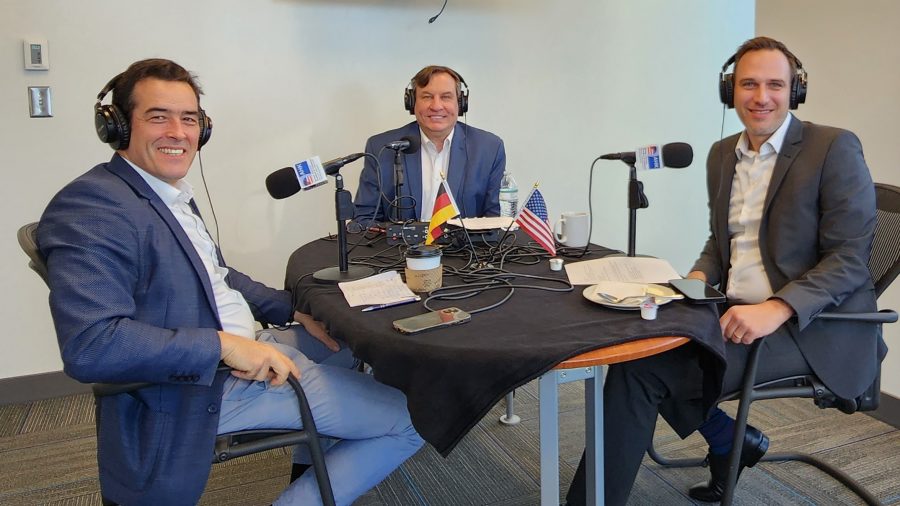
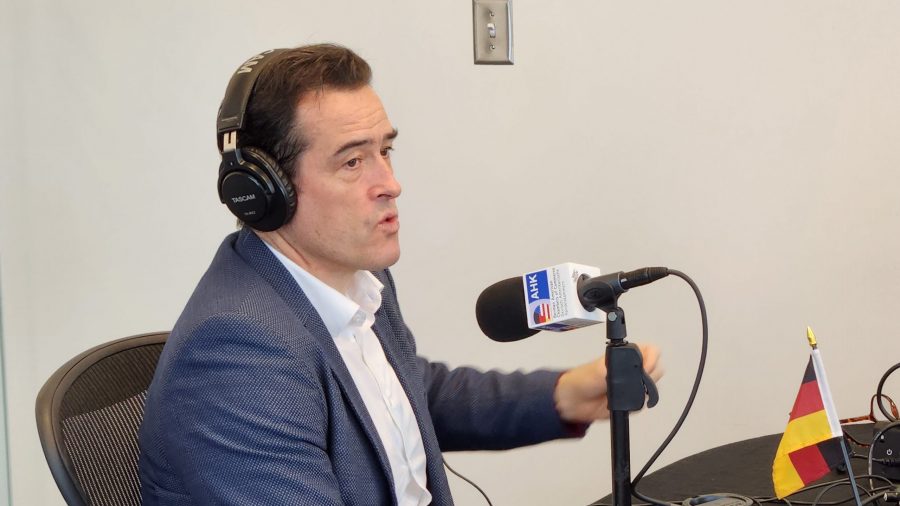
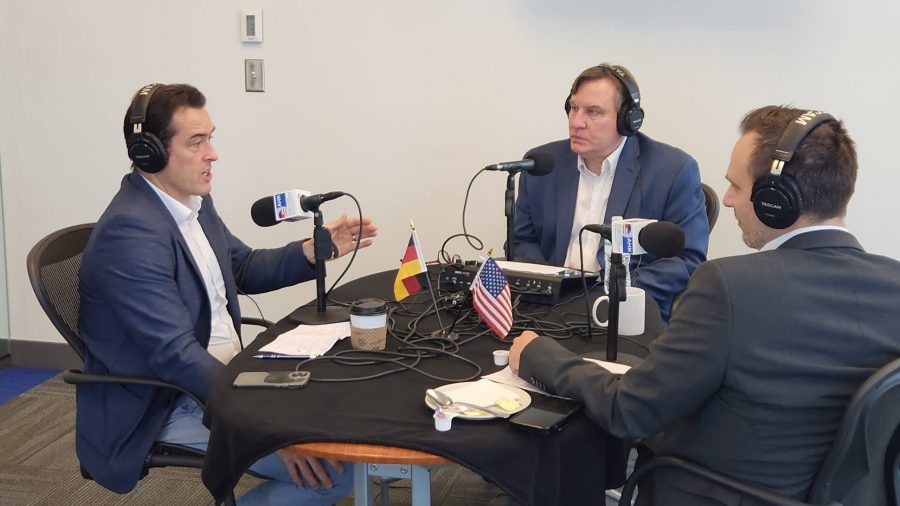
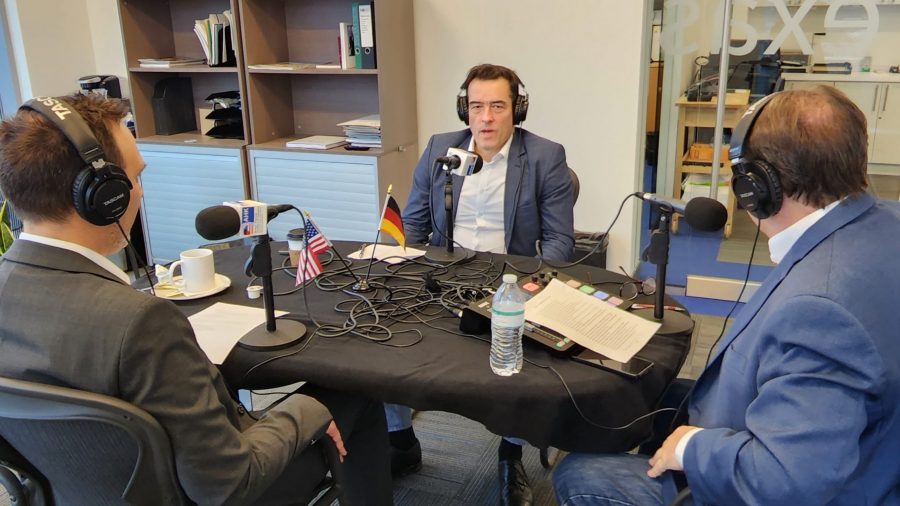
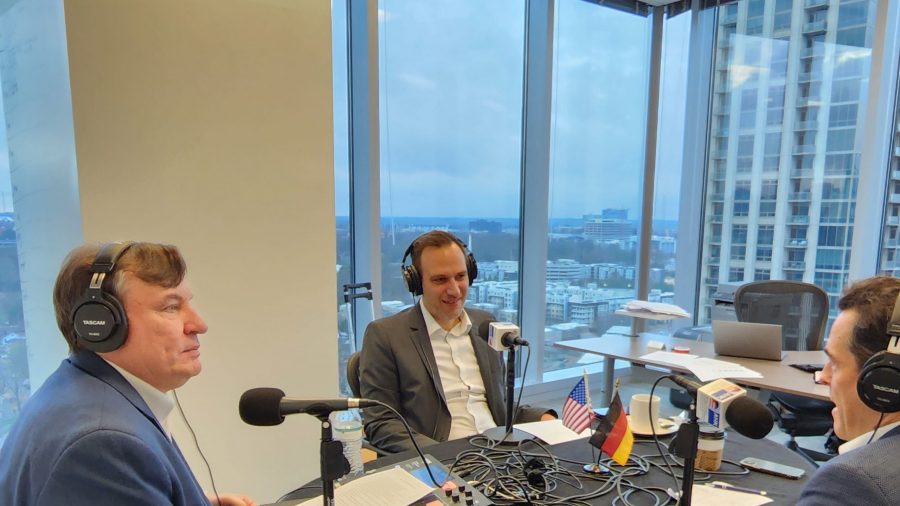
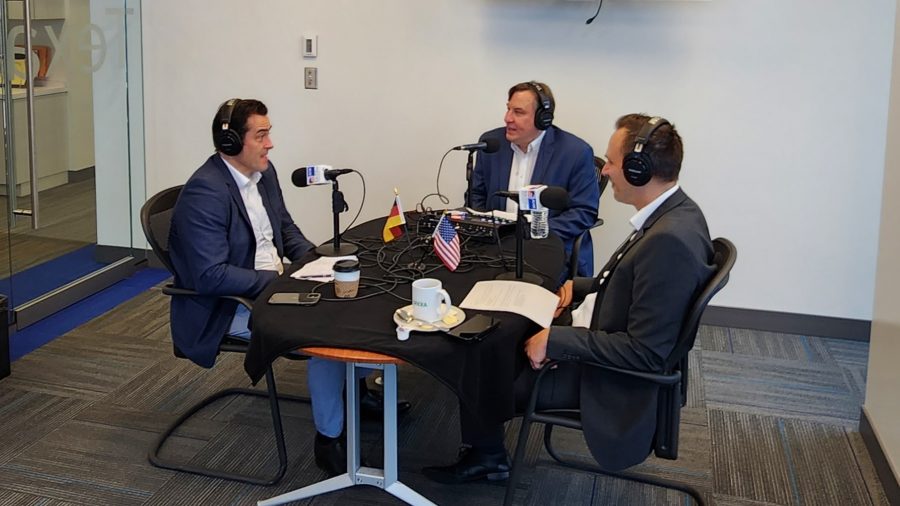
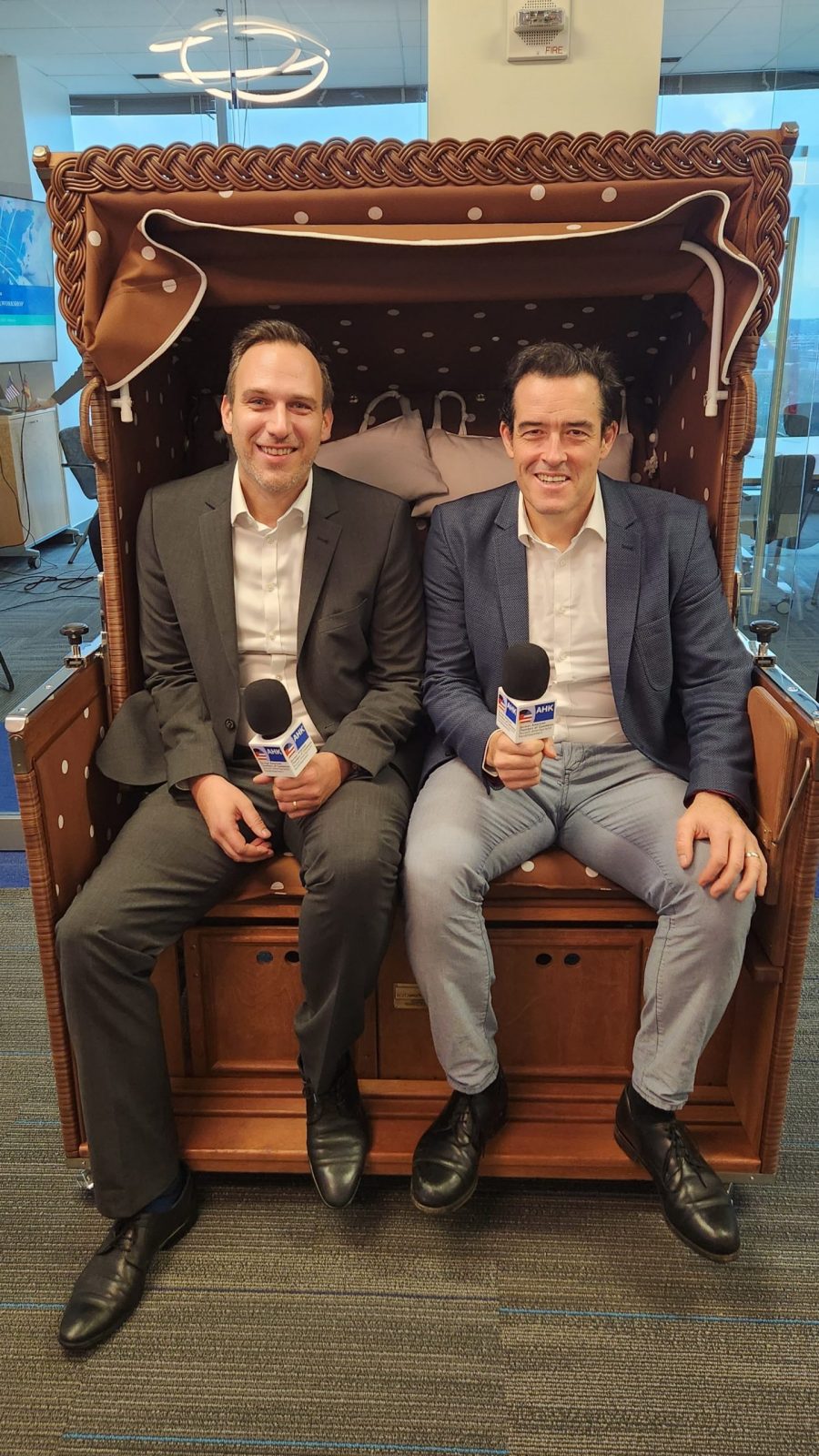


Stone Payton: [00:00:00] And we are back with Business RadioX Pro Tips. Lee Kantor and Stone Payton here with you. Lee, I think a very practical tip for new show hosts is to go back and listen to seasoned hosts do their thing.
Lee Kantor: [00:00:15] Yeah. This is something that we tell every new host that comes in the Business RadioX system. If you’re a new host, we highly recommend that you listen to interviews from some of our veteran hosts, like Mike Salmon, to John Ray, a Karen Nowicki, a Stone Payton, a Lee Kantor. If you listen to them host, then you’re going to learn some mechanics about hosting. And especially when it comes to interviewing a specific type of business person.
Lee Kantor: [00:00:44] So, for example, if you’re new to interviewing people and you know you have to interview an accountant, go listen to John Ray interview an accountant, or Mike Salmon interview an accountant, or Karen Nowicki interview an accountant. Just listen to the questions that they ask. Listen to what topics they cover. And you’ll get a better understanding of what’s important for accountants. And you’ll get some ideas for some questions you might want to ask. And it’ll give you some context so that when you’re interviewing your accountant then you’re going to be ready, you’re going to be prepared, and it’ll help you. So, now, this is a tip we give to our Business RadioX show hosts.
Lee Kantor: [00:01:24] But if you’re out there interviewing people and you’re hosting your own show, I highly recommend you go back through our archives and use our archives as a learning tool for yourself because we have interviewed thousands across the network, tens of thousands of business people. So, no matter who you’re interviewing and if it’s the first time you’ve ever interviewed somebody in this business category, the odds are somebody in Business RadioX has already interviewed them. So, go and listen to them interview the person and get some ideas so you have a better interview.

Barrel House Coffee Company was founded by two couples, James and Nicole Howard and Ryan and Katie Turnage. Working out of the Howard’s garage, we combined our love for bourbon and coffee by placing unroasted coffee beans into freshly dumped bourbon barrels. 
After some trial and error, the barrel-aging process was defined and ready to share with friends and family. Shortly after, we gained a large enough following while selling our beans at the Canton Farmers Market in downtown Canton, Georgia. We officially opened our doors to the public December 8, 2018 after months of building and preparation.
Barrel House Coffee Company is now owned and operated by Ryan and Katie Turnage. They both have degrees in Business Administration and Business Management, but more importantly they have a love for their community and a passion for excellent customer service.
 Who are Ryan and Katie Turnage?
Ryan Turnage was raised in Irmo, South Carolina and graduated from Dutch Fork High School. Shortly after graduating, he joined the United States Marine Corps as a Combat Correspondent (Private Joker for anyone who has seen “Full Metal Jacket”).
While stationed at Marine Corps Base Camp Lejeune, North Carolina, Ryan volunteered to deploy with Regimental Combat Team 6, 6th Marine Corps Regiment to Camp Ramadi, Iraq in support of Operation Iraqi Freedom. Feeling the urge to continue serving his country, Ryan reenlisted and was given orders to Marine Corps Recruiting Station Baton Rouge, Louisiana.
Once Katie joined him there, he knew his life would change forever. The two were married in December 2012 and he exited the Marine Corps in 2013. He immediately began his undergraduate studies at Kennesaw State University on the Post 9/11 GI Bill. Finishing his Bachelor of Business Administration in Business Management in record time and graduating Magna Cum Laude, he was hungry for more.
Ryan immediately began preparing for graduate school and was accepted to Kennesaw State University where he graduated just one year later in July 2018 with a Master of Business Administration. Just one month later, he helped found Barrel House Coffee Company.
Katie (Henry) Turnage was raised in Woodstock, Georgia and graduated from Sequoyah High School. She began her undergraduate studies at Kennesaw State University until she met her now husband, Ryan. She transferred to Southeastern Louisiana University in Hammond, Louisiana to build on an already strong relationship with Ryan while he was stationed there in the Marine Corps.
She graduated Cum Laude with a Bachelor of Science in Business Administration and a minor in Business Management. After building her skills in the banking and healthcare industry, she decided to focus her efforts locally on the coffee shop.
Katie and Ryan celebrated the birth of their first child, Luke, in January 2020. The three live on a small horse farm just a few miles from downtown Ball Ground. When not working at the shop or creating more efficient processes, Katie, Ryan and Luke enjoy walking the downtown sidewalks, shopping and eating local, and simply sitting on their front porch overlooking the horse pasture while drinking their favorite coffee.
Follow Barrel House Coffee Company on Facebook and Instagram.
This transcript is machine transcribed by Sonix
Intro: [00:00:08] Coming to you live from the Business RadioX studio in Woodstock, Georgia. This is fearless formula with Sharon Cline.
Sharon Cline: [00:00:18] And welcome to Fearless Formula on Business RadioX, where we talk about the ups and downs in the business world and offer words of wisdom for business success. I am your host, Sharon Cline. And if you’ve never had coffee beans, barrel aged and in in freshly dumped bourbon barrels because this is like so descriptive to me and I love it. You need to visit Barrel House Coffee Company in Ballground, Georgia. And I have one of the co owners here in the studio, Katie Turnage. Welcome.
Katie Turnage: [00:00:48] Hi, Sharon. Thank you so much for having me.I appreciate it.
Sharon Cline: [00:00:52] It’s funny because I was thinking, how do I describe what it tastes like? Because I had your coffee recently and was like, yes, I want the barrel, you know, aged beans. But it’s hard to explain. The flavor is not something that it’s like, oh, it’s creamy or you know, it’s different. Different. How would you describe it?
Katie Turnage: [00:01:07] So I’d.Say it’s not for everyone, but.It’s so it’s such a unique flavor. It’s not like adding a shot of bourbon to your coffee, but it definitely accents those great.Caramel chocolaty notes. So that.To that coffee flavor profile and.It’s wonderful.A lot of our lattes, our Nutella latte.Is the most.Popular with it, with that barrel aged coffee.And we Have it frozen.And is.Like.Perfect on that summer.Day.
Sharon Cline: [00:01:32] Oh, wow. Yes, I missed that one. I’m definitely going to have to come back. So let’s talk a little bit about first of all, I wanted to ask you about background, because 100 years ago when I moved here, it was small. It seemed smaller or sort of not as bustling, but it is huge right now and booming.
Katie Turnage: [00:01:49] We love. Ball ground. My husband.And I both live there.And.We love.The downtown area.The small businesses.Down there.Just Thriving doing. So well. They’re just it’s such a. Great little community of small business. Owners that we have over. There and living there. We eat there, we work there and we go home and we play there. So it’s wonderful. We have a ball ground.
Sharon Cline: [00:02:10] Yes, that’s awesome. I was there recently and I saw also in your in your store, what would you call it.
Katie Turnage: [00:02:19] Shop Street.
Sharon Cline: [00:02:21] Yeah, a little bit of everything. Whatever you want to call they you had some locally made snacks there as well and I thought how sweet is that that you really are helping to promote.
Katie Turnage: [00:02:30] No We have a local bakery That’s. Right in Canton. 10 minutes on the road from us. She makes wonderful baked goods. We roast coffee. We do good, great coffee, baking goods as our forte. So we love to partner out with another great local business, Paula’s Desserts. And she brings them in fresh. We’re able to sell. We don’t have to worry about making food yet, but it’s just wonderful.
Sharon Cline: [00:02:52] You each win.
Katie Turnage: [00:02:54] So we can advertise for her. She does for us. She sells our coffee. It literally it works out. It’s a perfect scenario.
Sharon Cline: [00:02:59] Win win on both sides. So what got you into coffee?
Katie Turnage: [00:03:03] So it was my husband. My husband had a dream. Of always. Opening his own coffee. Shop. Being deployed. A veteran Marine Corps veteran. They love their coffee. Veterans do. And it’s what they. Lived on when they were when he. Was deployed. And coming. Back. He always wanted a coffee shop. It was his dream. I was one with my. Heels in the ground, especially being a small business owner. That was. So scary. To me. He we found. Business partners. That were actually barrel aging coffee out of their garage. Using a couple. Of barrels. Selling at local farmers. Markets. We thought it was such a cool idea. I had never seen it before and my husband’s. A huge bourbon drinker. I shouldn’t say he drinks bourbon, but we thought the flavor profile. Was something we had never experienced. Before. And we wanted. To open a coffee shop but just have a different flair on it. That we hadn’t seen. Before. And so we. Opened it back in 2018, the summer of 2018. And. Decided to kind of make it. Look like a Rick House. We opened with the bare minimums. No bank funding at all. We just all. Savings and. Started very, very. Small. We opened actually without an espresso machine, which, looking back on it, I’m like, Holy. Cow, how the heck did we do that? My husband opened it, opened a close. We had partners to. Help us on the weekends and some nights and basically grinded it. For about a year and a half before COVID hit. Covid was super scary. Didn’t know what the. Heck to do. We stayed. Open because. We had a couple employees at that. Time, and. To us it was really. Important. To as much as we could keep the doors. Open. To provide a paycheck. For them. But to also give a place for people to. Come and. Still get a little. Sense of community as. Best as we could during COVID restrictions. And then right after COVID, we bought our business partners out. They went and did. Another business. Venture. It was a great transition to. Just my husband and I. I got pregnant with my. Son Luke.
Sharon Cline: [00:05:10] And things like like, I’m sure that was what I’m thinking about, too. It’s like all of these are different hits, you know? Yes. First of all, just opening your own business. But second of all, COVID and then third of all, buying out just like all these transitions.
Katie Turnage: [00:05:24] Happening all at once and a baby. And it all. Happened. Just. Looking back on it. It all happened in such an organic. Good growth way that, like we learn. So many. Valuable. Things each time, each transition. I had my feet in the ground about not wanting to really. Work back in food and retail. I had worked at all through high school college and said I would never go back.
Sharon Cline: [00:05:47] You went to Kennesaw State University, I thought, and you got your degree. I want to say, is it business, right?
Katie Turnage: [00:05:51] Yes, business. Management. Actually, from a small college. Out of Louisiana when my husband was stationed there in Baton Rouge. So I started I kind of saw and then transitioned. To Southeastern. And. But yeah, I said. I would never. Work in food and retail. And COVID happened getting pregnant. And it’s crazy how now I manage the shop. I’ve got a. Great assistant manager that helps and leads and. And it’s where I was supposed to be. So, like. I genuinely enjoy. It. I love the people, I love our regulars. Our team is like, phenomenal. I couldn’t ask for a better team. They’re the reason why I’m here right now. I just make sure they have what they need and they’re the one that handled all the handle, all the customer interactions, and they’re the one. That takes care of the people. I’m just kind of behind the scenes. Making sure that they. Have what they need to. Facilitate their job the best. But it’s crazy how everything works. And. You get. Reassigned. And I love it. It gives me the time to be with my son and the season of life with small kids, but at the same time. Still be a. Huge part of the community that we love and don’t. Home Background.
Sharon Cline: [00:06:53] When you were looking for a place to open your shop, where what was it about ball ground that drew you there?
Katie Turnage: [00:06:59] We live there and we just love the downtown area. It didn’t have a coffee shop. We lived there for about 3 to 4 years before. I didn’t know we.
Sharon Cline: [00:07:07] Have a coffee.
Katie Turnage: [00:07:07] Shop. We didn’t have a coffee shop. And I’m like, Oh my God, how does the. Downtown not. Have a coffee shop? So my husband. Was that was more of a reason for us to.
Sharon Cline: [00:07:15] Yeah, there’s a need, right?
Katie Turnage: [00:07:16] Yeah. And we, we love it there. Our location. Specifically, we happen to be eating across the street. Saw the landlord going in and out of. The place. We walked over right. After dinner and. Had a conversation. With him, Got along with him. Really, really. Well. And that’s how it happened. Word of mouth. Real estate and down home ball ground is very hard to get a hold of. So it was just perfect. Timing, again, of just an organic thing that we just happen to go over and talk. And the rest was kind of history. We’re kind of in the. Back of a building so we don’t have a drive through. We don’t really have. Storefronts, so. It is a little difficult to find us at first, but it’s cool because it’s like I always say, we’re the cool hole in the wall of like, you. Know, you have to know where. We’re at.
Sharon Cline: [00:07:57] And you have a really great little courtyard.
Katie Turnage: [00:07:58] Yeah, right out. We love the courtyard outside. We have a great parking lot out back. So for a downtown area, it allows us to kind of be tucked. A little bit, but we get a lot of foot traffic from the downtown area, which we really. Enjoy as. Well.
Sharon Cline: [00:08:11] We talked a little bit before the show about how things sometimes just unfold, like you were saying in such an organic way. How did it feel to kind of see all of these little not challenges but shifts and that you’re able to meet them so fluidly and easily?
Katie Turnage: [00:08:28] Easily? Oh, yeah, but. Having a good. Partner. My husband, a business. He’s my business. Partner. He’s my husband. My best friend. A. Communicating through that and bouncing. Ideas to be able to have that relationship of. You have good days, you have bad days, you. Have in any marriage. But also as. Business partners of. Like you, sometimes you don’t see eye to eye. Sometimes you’re really hot about. Something and another person can kind of. Talk you. Down. But having that other. Person to consistently bounce and find. Ways to grow. And learn from it. As cliché as it. Sounds, that’s the only way we. Are able to like, really just say, okay, all. Right, we’re not going in this direction. Okay, let’s go this direction. When I’m on the ground crying or thinking everything’s over. It’s like, Wait a. Minute, Katie. No, no, no. Let’s go. This could be the direction instead. So, I mean, some. Of them were easy. I shouldn’t say wasn’t easy. Some of them were. It just kind of happened and it just. As long as you kept putting a foot in the forward direction. It might not. Be a huge step, but it was still just one more foot forward. Yeah. Foot forward. Oh, gosh. We don’t know what we’re doing.
Sharon Cline: [00:09:38] We talk about that on the show a lot with different business owners about surrounding yourself with the right kind of people and how important that is. And what is it like. I know you were saying that you had have these employees that you couldn’t you really couldn’t do it without them. What was it like to try to find quality people? Because we talk a lot about that on.
Katie Turnage: [00:09:55] The business show. The hardest it’s the hardest part. Of running of my. Business. You know, you go through the interview process and you think you have a great ten minute interview in. That person’s going to solve all your problems and you know, they’re. Going to be absolutely wonderful to grow your team. And it’s so hard because you don’t want to make a quick judgment on someone. But for your business, you have to be able to figure. Out long term if you can trust them or not. You get them in and sometimes they don’t work and then it’s to. Me that is the hardest. Of being able. To. Give someone chances. You want to work with them, you want to work. Through things, you want. To grow with them, but at the same time, knowing when to. Cut the. Cut the line to where it’s not poisonous to the rest of your team. But I strongly. Rely on my team. Of. Constantly pretty much every business decision I’m fielding through them of like, Hey guys, I’m doing we’re doing this because of A, B and C. How do you feel about that? My husband says, I make it a lot more. Complicated because I do that.
Sharon Cline: [00:10:51] Executive decision. We’re doing that.
Katie Turnage: [00:10:52] But I’m like, You know what? They’re there at the heart and the. Baseline of it, of a decision that we make ultimately affects them the most. They’re the one having to. Deal with a upset customer. Over something that. Didn’t, you know. That has been changed or whatever. And if they don’t understand, they don’t need to know everything. But if they don’t understand the baseline of. Why. Then it makes their job. A lot harder. So I’d rather do a little bit more work up front. Communicating it then and making sure that they understand than just saying it’s. Because I said so. I don’t agree with it. But but my team is just absolutely incredible. I don’t I. Couldn’t say anything more highly of them. We’ve had a couple of them for. We’ve had one our longest employee, I think he’s at three and a half years now. Our assistant manager Tim, that I’m he’s my right hand he’s absolutely wonderful. Hero for all of our coffee for us. He handles all of our morning regulars and then we’ve got. Leads that. Help him help me and I’m just behind the scenes.
Sharon Cline: [00:11:53] Where do you get your barrels? Like, how do you make it work?
Katie Turnage: [00:11:56] Local distillery. Elbow out of Atlanta. They’re absolutely wonderful. They we get them freshly dumped from them within a week of dumping to make sure that it’s not just an old barrel that’s just been sitting out. That’s how we get it. We get it. Fresh and then beans within them within a week, allowing them to age for a couple of months. And then once they’ve aged for a couple of months, depending on the. Barrel, but. Depending on the strength, the bean will then pull and roast and house. And it’s I think we’ve got close to like 50 or 60. Barrels now. That are aging coffee to help forecast for. Four or five months. Out. So that’s how.
Sharon Cline: [00:12:31] Many barrels you have to have or four.
Katie Turnage: [00:12:33] Or five to forecast out. And then my barrel yields about two batches. And just my husband deals. A lot with that. Oh yeah, he’s our barrel manager. He goes the. He goes yeah, he just loves going to the bourbon places. I don’t know why but Yeah.
Sharon Cline: [00:12:47] But how cool. Because it’s like a win win. You know, this other distillery is not needing it anymore and then you get to have a second life with it.
Katie Turnage: [00:12:54] Yeah. Which is very cool. And it’s cool because there’s even a. Third life on that, which we didn’t realize opening the. Business of what are we going to do with all these barrels. When we get done with them? We’re not just gonna throw them out. They’re beautiful. Barrels. And so we then sell them to our customers. For what we pay. For them. And they. Do. I mean, the. Coolest furniture projects. Planters. I had a guy wrap his. Metal column in a. Basement. With man. Cave with barrels. I mean, just the coolest things with barrels that I would have never thought of. But it’s a secondary. Market. That like. We can, you know, not just. Take these gorgeous barrels and if I could, I’d. Keep them all. Yeah, I bet I love them. I bet.
Sharon Cline: [00:13:31] They smell amazing.
Katie Turnage: [00:13:32] Too. And each one is different and unique depending on where it was in a brick house and whatnot. But it’s cool. It was a total. Secondary thing that we now. Hustle barrels after we get done. So we have. Anywhere from like 1 to. 5 barrels at. A time that people can come and pick up and and do what they want with them with the furniture.
Sharon Cline: [00:13:50] That’s a really we’ll have to talk after the show. But I wanted to ask you, what is your number one thing that you sell like your most popular item, most popular drink, I should.
Katie Turnage: [00:13:59] Say popular. Drink. Our popular coffee bag is our barrel. Aged medium roast. That’s the one that’s the most. Popular. Coffee. And then our. Probably our favorite. It depends. The holiday drinks are pretty. Popular. But our. Nutella with that barrel aged coffee is a is a huge hit.
Sharon Cline: [00:14:17] I’m thinking about it. I’m thinking about it as we speak. I’m like, I’m paying attention, I promise.
Katie Turnage: [00:14:21] Yes, that one. Just because it pairs so well with the beautiful bourbon flavor that. It’s I’m craving it right now. Can you.
Sharon Cline: [00:14:27] Really get through the.
Katie Turnage: [00:14:28] Afternoon?
Sharon Cline: [00:14:28] But I was thinking, you’re not just having barrel aged coffee, you’ve got regular roast coffee.
Katie Turnage: [00:14:34] Yes, we do. Yes. So all of our coffee. Selection, we say like our Americanos, our cappuccinos. Lattes. Anything we can do, barrel aged or non barrel aged, non barrel. Aged as. Your I say, your normal. Espresso. We have an Asian in a coffee barrel and then our. Barrel age. Is that same espresso being that we have aged in a bourbon. Barrel. So you kind of have a different spin on pretty much any of. Your regular coffee. Drinks. To be barrel. Aged or non barrel age at that point in time.
Sharon Cline: [00:14:59] So if you’re just joining us, we are speaking to the co-owner of Barrel House Coffee Company, Katie Turnage. So I wanted to ask you to how how did you stay afloat during the pandemic? Because a lot of companies didn’t. So what did you do.
Katie Turnage: [00:15:15] Really relying on community. We made sure that we. Stayed open as long as we. Possibly could. Even within the restrictions, it looked a little funny during times of having like a line with. Arrows. And making sure everyone’s going the right way. Giving the six foot. Distance mass, whatnot, but making sure that when we’re going out to lunch to. Dinner, we’re. Keeping it within our community. Being able to go. Across the street, over the burger bus or. Frankfurters for lunch or, you know, being able. To. Support the other businesses that we could tell. Everyone was just kind of wide eyed and didn’t. Know what to do. So true. So it was like, okay. Instead. Of as easy as it would. Have been just to go home and. Be in our. House and remain our six feet apart and do all that. It was important for. Us to still be able to. Put money into the local. Businesses. So it was like we would. Buy lunch for. Staff or we would, after we get off. Shift, make sure. To go over places that we saw were a little. Slower than others. To. Just continue. To. Every little bit helps. So and also checking in on. Our other businesses. In the downtown area. Like, hey, look, are you. Okay? What’s going on?
Sharon Cline: [00:16:27] So kind of you to do that. Very compassionate of.
Katie Turnage: [00:16:29] You. Well, it was it was. Done to me. As well. It was so just. Kind of happened organically within the community. Because we were all scared. We were all just like, okay, is this are we going to be allowed to stay open? I know we have all these parameters, but then it’s like, who is enforcing them? And then what happens. If we. Don’t know the. Newest restriction of that day? Or you know what if we have a disgruntled customer. Come in and someone’s mass has slipped down and we’re in the you know, like. It’s just it was just a. Whole nother onslaught of. Just. Confusion that no one knew. But to be able to say to. Like everyone. Else was like, okay, this is what. We’re doing. That worked for you. What did this work for you like? It was just a whole nother. Tear of us. Getting together and trying to. And the city of Algren also. Was. Absolutely wonderful. To us to help with us of. Any questions that we. Had. They’ve always been amazing to work with, and they. Say they were allowed the red. Carpet said of the red tape. And I could not. Agree with that, that phrase. No. It’s and. I. Totally endorse it. And believe wholeheartedly. They absolutely do to us to help us and. They understand. The the. The hardships of it?
Sharon Cline: [00:17:42] Well, I mean, there’s nothing scarier or, you know, taps into fear more than something you’ve put your heart into and your financial future stability into. And then to have something like that happen. You know.
Katie Turnage: [00:17:54] One is. Like you spend all this time building this team that you. Have worked so. Hard and put so much time and energy to get them trained. And then it’s like, ultimately. If we shut the door, how do we. Continue to pay them. They’ve got to pay their bills, too. So then it’s like if we don’t keep the doors. Open, we can’t pay them. Then we lose a team that we’ve. Tried so hard to. And we were very lucky. We scraped by, but we were able to keep. The team that we had and continue to stay open and just put our head down and do the best we. Could with it.
Sharon Cline: [00:18:22] Wow. What do you find to be the. Our most challenging. Is it because a lot of people talk about balance? I always that’s the first thing I think about as far as like doing voiceover work to I could be doing all I could audition all day, all night, and you know, there has to be some kind of a balance in life, but particularly with social media being so prevalent and so many ways that people advertise that way, how do you shut off work and or do you shut off work and then be.
Katie Turnage: [00:18:52] On your husband and your.
Sharon Cline: [00:18:53] Business? I know, right? Can you just have a conversation that doesn’t involve.
Katie Turnage: [00:18:56] Yes, like no talking about the. Child and no talking. About the business. And we just like kind of look at each other like, I like you, like I love you, but I don’t. Oc The weather’s been nice. Like you don’t. It’s hard to.
Sharon Cline: [00:19:09] Imagine.
Katie Turnage: [00:19:10] So we’re constantly checking each other. And trying. To. Say, you know. Hey, look, we’ve talked a lot about this. We’ve, we’ve put. Our head together and we’ve. We’ve over communicated about this. We’ve overdone it on this. But. Balance is that. I’m. That’s the most difficult thing is finding a work life balance and especially I. Have a three year old. So finding the. Work. Life balance of being a good mom and being with him, having a business to where you want to spend a lot of your. All of your extra. Time making that business. Better. But knowing where to hang up the. Hat at the door to where. I’m mom now and I don’t want to. I don’t want to impede on that. Either. Because you can’t get that time back. Either. So it’s like it’s. Someone explained to me, it’s like a different season in your life. And I’m in the season of small having a small child right now and being out and being social and going to marketing events and growing the business on that regard just isn’t. This isn’t the season right now for me to be able to. Grind the pavement and that as much. As I would like to. But that time will come. And being at home with my child and being a small business owner and having a great team, it allows me to do things like this and. To go to his doctor’s. Appointments and concerts and little things that mean the world to me and being. Able to trust. A team that will open and close and run the store and just make sure it doesn’t burn down. You know, I joke with them about that, but it’s it’s so true to being able to trust. Them. That. They’ll let me know if they need me. And it’s taken a long time to get there.
Sharon Cline: [00:20:48] But yeah, because you can have your your you can shut off your work brain and really access more your mom brain or whatever it is that you want when you have trust that way.
Katie Turnage: [00:20:56] Yes, wholeheartedly. And just building into my. People of like, okay, I. Trust you. I’m not going to micromanage you. Let me know what you need. But you know I’m here. I’m here. And what can I do to help? And the last thing I’m doing is making a cup of. Coffee, even though it’s something that I would absolutely, you know, but. Being a small business owner and wearing all the different hats and constantly wanting to grow and. Get better. And. That’s part of. That’s part of it. And learning the balance. I’m still. I’m looking for mentors and. Guidance in different forums of how do I not lose my. Sanity.
Sharon Cline: [00:21:27] You know, what I like, though, is that we were talking about Alma Coffee and that’s like one of the coffee companies that helped sponsor some of the shows that we have and how you were like, Oh, I love them. And I thought, how sweet is that?
Katie Turnage: [00:21:37] That, you know, they’re wonderful.
Sharon Cline: [00:21:38] And appreciation for it’s not competition. It’s just like you’re both in the same boat, you know? And so it’s kind of sweet that you have your cheering on other companies, too.
Katie Turnage: [00:21:47] Absolutely. We can all do it. Together and they’re they’re wonderful farm to cup and that. I can’t compete with what they’re. Doing. I mean they’ve got multiple generations. They’re absolutely wonderful what they do. And and I know. They appreciate. Us too. And it’s. So cool because. We’ll bump into each other at events and whatnot. And it’s. It’s cool. I love. That. And to me, that’s the community that we want to grow and be and where we’re not. The only or the best or.
Sharon Cline: [00:22:10] Going down, you’re going down.
Katie Turnage: [00:22:12] It’s like, Come on, It’s like, I’m going crazy over this. Are you too? Yeah. Okay. All right. We have a little I have a little. Group that I’m like, Oh, my. Gosh, have you experienced this yet? But it’s cool. Because, I mean, we wouldn’t be able to grow and. We all grow. Together when we’re able to network and. Like refer people. Out. And another. Great coffee shop is. Bazaar down in Canton that they’re wonderful to. And it’s just like.
Sharon Cline: [00:22:34] I’d like to have him on the show at some point. I go there often.
Katie Turnage: [00:22:37] If I could have part of. Her creativeness, Oh my.
Sharon Cline: [00:22:39] Gosh, isn’t that amazing? Cow? But it’s so cool that if you have a strength here and someone else has a strength there, like you can learn and draw from each other, which is so cool. It’s supportive. And I think that’s what I love about our community in general, is that everyone really does.
Katie Turnage: [00:22:53] Cherokee County.
Sharon Cline: [00:22:54] Cherokee County. Yeah. And it’s it is really a special place. I think I’ve heard it compared to other counties where they’re like, it’s just not like that over there. And I’m like, really? I’ve gotten.
Katie Turnage: [00:23:02] Spoiled, you know? But it’s been from I think. Truly, I think it’s from all the hard work of the small, all the small business. Owners and breaking down that. Barrier of like, Hey, look, I see you’re. Struggling or. Hey, look, this is what I. Struggled with and not make it painting this. Picture perfect. That we all want. To create. Yeah, right. So we all want to, but it’s like, Hey. Look, I’m struggling with this. Oh, my gosh, I’m not going crazy. You are, too. And that’s. Just it.
Sharon Cline: [00:23:27] Normalizes it, right? I love. I love that. Do you do you advertise social media? So do you have to talk?
Katie Turnage: [00:23:34] No, you do not have to get yelled at about that last week. They’re like. You need to share me on your TikTok. I’m like, I don’t have an. Instagram and Facebook. And Tim, our assistant manager, and I, we meet. Twice a week for a couple of hours to. Kind of pull our brains together and get we’re trying to get on. To reels. Because that’s the new thing. And I’m. So old school. On photos and. How to make a latte look different every time. She’s just creative. Creativeness is not my forte. Right? Right. But yeah, social media is kind of what we put our marketing and advertising and right now building that. And that’s how. We get a lot of our regulars. And our different drinks and whatnot. Out. But we have hopes. To get kind of into that next. Year. To.
Sharon Cline: [00:24:16] Really promote it. I had someone on the show went to is associated with a social media marketing company. It’s her company and just how that is just the number one. It is just where everyone goes and it’s crazy. It is. I was just telling you before the show how I get down at Tik-tok Rabbit Hole. Yes. And I don’t mean to because I have a book that I really want to finish reading and I haven’t done it. I’m like, Let me just go through to it for 45 minutes. And I’m like, Oh my gosh. So I see how that’s if that’s where, you know, I’m not the only one that does this, but I just see how that can be If you’re on this, this is where and I need to do the same. I’m supposed to be using TikTok for this show. Exactly. And have I done it yet? No, I talk about it all the time, talking about.
Katie Turnage: [00:24:57] It in the vacuum, but the actual provide good. Quality content that hasn’t been done anywhere else. I’m like, I’m in all of people that can do that on a daily basis. That is just holy.
Sharon Cline: [00:25:08] Holy, sure. That’s such a gift. All right. We’ll have to talk after the show. Maybe we can come up with some good creative ideas. What do you find most rewarding about what you’re doing about your shop? And I was thinking to how great it is to have these relationships. It’s not just business, it’s relationships. Yeah, but I’m wondering what what do you find that just kind of drives you and gets you up every day? Not just the financial aspect.
Katie Turnage: [00:25:31] It’s the. It’s the people that are. Regulars that come in. We got it, especially over Christmas break that. You know, they’d come in and normally just see the one man or the one woman, and they’re all of a sudden with. A group of. Like ten people and they’re like, Oh my gosh, we have to. Show you this is our favorite shop. This is our favorite spot. We had to bring our family to come and see. We absolutely love. Like and then the family. Leaves with a bunch of. Coffee and then they’re like from California, they’re from. All over. And it’s like, to me, the highest. Compliment when it’s like. You’re their favorite spot. That you bring their family. To of like they don’t have to come and. Spend a lot of money or. You know, whatever. But it’s like they all feel, I feel so special that it’s like out of. All the time that you have with family, which is not a lot when you’re here and in the hustle and running around, they’re bringing. Their family to your shop. And it’s like or our city manager, we were during the Christmas. Parade this year. And our Christmas. Parade is. Our busiest night of the year. And we had a line. I mean. It was through three doors. Out into. The road. It was. Absolutely insane and. We were just cranking it out. We’re having a great time in there. And we were. The busiest we’ve ever. Been. And the. City manager is just like opens the door and is just like great job crew. And just like a cheerleader. And it’s like. You don’t have to do that, you know? And it’s like just to get those like little. Pats on the back, especially when you’re you’re grinding and you’re in the. Weeds a lot. It’s like that’s why that that’s and your team feels good. Everyone feels. Good and it’s just. Like it gets regurgitated out through all the other businesses as well. When. They’re. So it’s just that to me that’s.
Sharon Cline: [00:26:58] That was like I think I could almost feel it what it would feel like, you know, just like a joy.
Katie Turnage: [00:27:03] And you’re like, Are you doing it right? I think every, you know, you see. Everything going wrong. Especially being the business owner. And but it’s just like, holy cow, okay, we’re. Doing this like we’re and we’re. Cranking this. Out. And it’s an well-oiled machine. Most of the time. And it’s that’s. That’s to me, the one I’m the most proud of. And people come in to meet and whatnot.
Sharon Cline: [00:27:21] So I think it’s cool to to imagine that like, okay, just 20 years from now saying, oh, this is. I used to go, you know, during this period of my life where I was like, Oh, this is where we used to get hot chocolate with the babies. Or we.
Katie Turnage: [00:27:31] Just had an an. Illustrator come and do. Her. Book signing and our. Shop. And she was like, I drew the photos for I drew the photos, I drew the artwork for all these for this book at the shop, sitting right there at the table right there. And it was so cool. And she signed the book and gave it to my son. And I was. Like, things like like you just don’t think about it. You know, people. Are on their computer in their own little. Own little world, and you try to give them some. Privacy and whatnot.
Sharon Cline: [00:27:52] And but who knew that was even.
Katie Turnage: [00:27:54] Happening, right? I had no. Idea. It was no, I had no idea. It was. Oh, sweet. Yeah. Sean Shandygaff. Yeah, it. Was very, very nice of her. So anyways, little things. Like that that are so cool, like there’s surprises that you don’t. Know are happening, but. It’s like. All happening under the woodwork.
Sharon Cline: [00:28:09] And you’re making, you’re making memories, but you’re currently making memories as kind of a weird way to say.
Katie Turnage: [00:28:14] It. Yes, absolutely. Absolutely. It was just but just for her to, like. Come back and have the signing. At our shop and just kind of full circle there. It was really cool. Yeah.
Sharon Cline: [00:28:24] All right. So here’s a question for you. What would you say is your biggest mistake something that you learned the hard way? Yeah. Gosh. But I.
Katie Turnage: [00:28:34] Don’t like taking things personal to. Personal. Like it’s if like an employee doesn’t do something or like, I’m having a problem. Or they just. Forget, maybe sometimes something’s forgotten to be done of. Like, I’ll just take it. Personally and like, no, that wasn’t done personally. The person didn’t have time. Stuff happens during the day. They got. Busy. It’s not a big deal. And I’ve learned as I’ve kind of matured into this. Role of like. Being able to. Take that. Not take it so personally of like, no, they’re trying their best. You trust that they’re trying your best. Of like. Trust them to do. Their best. Don’t micromanage and don’t. Don’t take it. Personally. It’s not it’s not a thing. I just as a manager. That’s that’s been a hard. As I manage more people and then being able. To, you know. Give someone on off, not pawn off responsibility. You know, to be able to to hand off responsibilities of like it’s not the way I would have. Done it, but at the same time, like I would have never done it like. That. Holy cow, That’s a much better way to do that of like, why was I doing it so much harder. Making it so much harder on myself? And if something’s not done the way. I would do it, that’s okay. That’s okay. It’s not a personal blow of the way you did. It was wrong. Or.
Sharon Cline: [00:29:50] That’s so interesting. I love that you’re talking about that because I don’t think anyone said that on the show before. And I’m trying to apply it very quickly, super fast to my life. And do I do that? You know, do I? Because I do have a certain way I like. Yes. And I just assume that the world is like just like me and that everyone does everything just like me. So but having the perspective that it’s it’s actually has nothing to do with you. It’s actually somebody else’s thought process. That’s when.
Katie Turnage: [00:30:17] I. Communicate. That how I. Wanted it to be done. Effectively. Enough if it wasn’t done that way. And then I look back on it and I’m like, No, I just said. Three words of like, Would you mind go and do this? I don’t need to have. That expectation. That they’re going to. And then sometimes but on the flip side, that sometimes. I do it and it’s like. 50 times better. It’s like, Holy cow.
Sharon Cline: [00:30:39] I just let him go. Let him go? Yes. Letting go in.
Katie Turnage: [00:30:42] And empowering your people of like, Hey. Look, I’m a little stretched thin right now. Of like. And. And nine times out of ten. I’m I’m surprised. Not surprised. I shouldn’t. Say surprise. I am very grateful and humbled that like the way I did, it wasn’t the right way to do it.
Sharon Cline: [00:31:00] Wow. I love that. I’m going to take that for when I’m like, Why did you fold that towel that way to so often?
Katie Turnage: [00:31:06] Oh. No, but it’s true. It’s true. And I don’t know if that’s just as I, like. Mature an age of like being able to.
Sharon Cline: [00:31:14] Know. I’m like twice your age and I still do it.
Katie Turnage: [00:31:18] I’m still working on it, but it’s just something that I’m try I’m learning. I think.
Sharon Cline: [00:31:24] That’s great. You’re trying, right? That’s half the battle or most of the battle, right? So what do you think? What do you think some misconceptions about the coffee industry or your business are?
Katie Turnage: [00:31:33] I think business in general, being a woman owner. I have a lot of. Not much I shouldn’t. Say I have a lot, but I do. It surprises. Me sometimes. How? A lot of. People and. Trying to sell stuff or. Trying to. Get a. Decision out. They immediately. Jump over me and want to talk to my husband. And I’m. Just so shocked that that’s still. A thing of like, No, I’m the owner. How can I help you? What can I you know. But at. That point in time, once. You’ve. Made that assumption, I’m very quick to not. Be as responsive. I just it’s just it’s to me, it’s just so. Surprising that. People are still like that of like. Hey, look, I know I make the. Decisions. I do. Yeah. I mean, I’ll consult him if you want me. To, but that’s because. I want to. That’s not. A a. You don’t need to speak to speak. With the.
Sharon Cline: [00:32:29] Man, is it? Is it a certain age group of men that speak with you like that, or is it just across the board? I’m just curious if that’s sort of an old school misogynistic.
Katie Turnage: [00:32:38] So I thought it was. And it’s not. And it’s actually not just men. It’s females. As well. Which I’m that’s what I’m even more. Shocked about. A lot of times. And a lot of times it’s just sales of. Like, you know, they’re trying to get you on the phone. They’re trying to sell you on something the fastest and they’re trying to and I respect. That. Hustle. I could not I could not I. Respect that hustle. But it’s just. Crazy to me because it’s just like they need to speak with the man to be able to make the decision. And I’m like, He’s not. Going to give you a. Decision.
Sharon Cline: [00:33:03] I’ll get you the decision.
Katie Turnage: [00:33:05] So it’s it’s interesting to me that that’s. Still a school of. Thought. Coffee industry wise. The coffee industry is great. I’m not I don’t have any. We I’m constantly learning. People say that, you know, they want to. Ask if I’m a coffee expert. Absolutely not. I strive to. Be. And every day I learn and someone comes in and asks a different ask for a different drink that I’ve never heard of before. And you’re on Google like. Okay, I’ve made that 17,000 times. Okay. It’s just. Different in a different. Part of the world. Yeah, we’re constantly learning that. But yeah, in the coffee industry, they’ve been great. It’s just I guess it’s a. Female business owner. That’s my biggest. Qualm that. I have at. Certain. Points. So I guess I’m very sensitive to it because you work really. Really hard and. To get where you’re at and I have a. Degree, my husband has a degree in business management as well, and then he’s got his master’s as well. And so we both. Think like minded in that business. Playing field. But it’s just crazy to me that people like, I need to speak with it. Can I speak with your husband? I need to speak with the man. I’m like, okay.
Sharon Cline: [00:34:16] Goodbye. I don’t need what you’re offering me. Yes, Yes. I kind of take him back by that, I guess, because I know this happens and I’ve I’ve heard about it in different ways, but I hadn’t really had someone in the studio really kind of phrase it the way you have. And it’s like it’s kind of hitting me hard. No, it’s perfect because it reflects reality and that that is what happens. So it’s a shame, actually.
Katie Turnage: [00:34:40] And I don’t know if it’s necessarily in the coffee industry. Maybe I’m just experiencing that. I haven’t. Talked to a lot. Of other business female owners within the coffee industry, and that’s my own fault. I need to get out and reach out more and ask, you know, like what? Maybe. Maybe I’m not the only one experiencing that. I know I’m not. But you know, of like. How do they how do they. Respond as well And being able. To constructively. Instead of just saying goodbye?
Sharon Cline: [00:35:06] Well, actually, I think I will add that to one of my questions that I ask female business owners, because I hadn’t really highlighted that very hard just a couple of times.
Katie Turnage: [00:35:14] That it’s very probably a very. Small it’s just one of my.
Sharon Cline: [00:35:18] No, but but it would be defeating to me.
Katie Turnage: [00:35:20] Yes, it is.
Sharon Cline: [00:35:21] It is. I would feel very defeated. It is as it as a default, you know, to think, okay, well, you know, you after everything you’ve done and sacrificed and given and someone not respecting it would I don’t know. I have an.
Katie Turnage: [00:35:35] Attitude. So like I do I would have done so lightheartedly a. Lot of the times that maybe it’s not it’s not understood. How hard it hits, but it hits hard. When you like your pounding and you’re sweating and you’re, you know, grinding out and it’s not. And that’s what they want to focus on. So that’s and that’s okay. I just I need to not let it I need to not let it hit my arm or.
Sharon Cline: [00:35:55] You’re stronger than I am. I’m still reeling. I’m like, processing as you’re speaking. I’m like, how would I feel if someone treated me this way? I wanted to ask you to. So we talk a lot. You were talking about community and how important that is for for where you are. So I love the ways that you are. You check in on each other. But now that you’re through the pandemic, what is it like to see as it’s growing? Because just being I mean, just being there recently, I’m like, where do I park? Like, I am shocked at how busy it was a good thing. It’s like it was encouraging.
Katie Turnage: [00:36:25] It’s one even like something as simple as like our point of sale going down. A lot of us have a similar point of sale system in the downtown area and it’s. Like, you know, it always goes out. When you need it the. Most, like technology.
Sharon Cline: [00:36:34] Yeah.
Katie Turnage: [00:36:34] And so it’s cool. But I’m able to get on a text. Message with a couple of. Other female business owners actually in downtown area and. Say like, Hey, are you. Experiencing this? And then a lot of them are. Like, Yep, you’re able to do this. This, this, and you’re back online or, you know, like. To be able to troubleshoot. That of like you’re not. And then. To be creative of like, Hey, look. You’re down here, but you can also. Do let’s. Process payments over. Here or. It’s just been. I love it. Like the other day I ran out of coffee filters. What Coffee shop runs out of coffee? I counted a box that wasn’t a box. And anyways, and I called. Jill’s down the road and I was like. Jill, hey, can you. Do you have any coffee filters? I’m embarrassed even ask this question. I don’t have a coffee filter right now. And she gave me a whole, like, half a box of them. And then last. Week she ran on coffee filters and I give the, you know, but it’s like just because I sell coffee. In the downtown. She’s like, But it’s like, hey, look, you your game is so strong with. Pastries and baking. I don’t even want to touch that. And you do it so well that like this.
Sharon Cline: [00:37:30] Jokes, cakes and bakes.
Katie Turnage: [00:37:31] Yes. And downtown love them as well And. So there but it’s so cool to be able to text or be like, I’m having a payroll problem here. Who do you use for your payroll processor of Don’t stay clear of this or don’t do this or, you know, like this is the lessons that. I’ve learned And Dominic’s truck and Diane, they’re the same way Miranda down. There. She’s such a hard worker. And she was. Texting me yesterday about. Payroll questions that. We all have. The questions we’re not all. Savvy with technology and all these different platforms and stuff. But it’s like ultimately you want to. Pay your employee, You know what? You don’t want to spend time doing this stuff when you need to be spending time doing others. So it’s cool to be able to reach out. To people and be like, okay. Look. I had the same problem. Here it is. Here’s a solution.
Sharon Cline: [00:38:11] Abc But I got that because that’s like the theme of Fearless Formula is offering words of wisdom for business success. You don’t have to learn the hard way, and it sounds like the energy that you’re putting out there and receiving are the same.
Katie Turnage: [00:38:21] Yes, and I love that. And it’s just a text message. It’s like you don’t have to pick up the phone and like have a 20 minute long conversation and see how you’re. Doing and.
Sharon Cline: [00:38:28] Justify or.
Katie Turnage: [00:38:28] Justify. Yeah, I’m like, Hey, I see you. It’s just like. Hey, look, I need a quick answer. Can you do it? And it’s like just respectful of. Everyone else’s time. And I, I love that. So it’s been cool in the community and down home all around. I can’t say enough. Of it. About it. I wouldn’t be anywhere else. I talk about we have people. That’s another rewarding. Part is. People coming in and asking, you know, when you open up. Your second location or whatever, and to be able to replicate. The team and that area and ball ground and that community. It’s like. I don’t. I don’t see how he can.
Sharon Cline: [00:39:00] Where do you see yourself in five years? Somewhere or ten years somewhere? Do you have a goal like that?
Katie Turnage: [00:39:05] It depends on what you have. As of right now, no. Because I love our city. Our love, our city. I love our area. And I. Love. And so many other cities that are surrounding us. That we would look to. They already have great coffee shops that. It’s like, no, their hustle. They’re like, no.
Sharon Cline: [00:39:25] You’re just in your happy.
Katie Turnage: [00:39:26] I respect that. Yeah. And I have a sweet spot. Yeah. Happy Place is a good team, a good set of people that. Maybe in a different season. Maybe in a different season. The different lanes. Yes, yes, yes. Has done that. So let me change my answer tomorrow. But for right now, no background is home and where it’s hot and. We love our. People down there. So.
Sharon Cline: [00:39:48] Yeah, well, if anyone wanted to come by and see you or contact you, what’s the best way via email?
Katie Turnage: [00:39:54] Barrel house, coffee. Co at gmail.com and or on Facebook or Instagram. Give me. A second. To answer the. Messages, but contact. Us on social. Media too, because that’s a great way for us to have. Content and share and promote. And we absolutely love it when people do that. Our regulars are so creative with. Drink photos and tagging in our location and being outside and taking. Photos of the outside. Location too. So I love all of that. That’s all I see. All of it. And I try to share. As much as I possibly can.
Sharon Cline: [00:40:24] It’s like being loved on in a way.
Katie Turnage: [00:40:25] It is. It is. And it’s a totally different perspective. A lot. Of times on the same drink that you see time and time again and you’re. Like, Oh, that’s that’s so cool. I would’ve never thought about that.
Sharon Cline: [00:40:35] I love that. Well, it’s so excited to see your journey and and continue to I’ll come by and try some Nutella coffee because it sounds too amazing to pass up. Well, thank you so much for coming to the studio. I really appreciate it. Katie, it’s great to meet you.
Katie Turnage: [00:40:50] You’ve been some kind to me and I really appreciate it.
Sharon Cline: [00:40:52] And my goodness.
Katie Turnage: [00:40:52] Giving a platform to. Small business owners, that’s a that’s. Absolutely incredible. So I really appreciate it.
Sharon Cline: [00:40:57] I think it lifts everybody up.
Katie Turnage: [00:40:58] It does. Makes you not feel as alone.
Sharon Cline: [00:41:00] Yeah, I appreciate that. Not no. I’m going to be knocking on the door at six in the morning. Where’s my car?
Katie Turnage: [00:41:05] Yes, we will be there. Will definitely.
Sharon Cline: [00:41:08] Be there. Well, thank you all for listening to Fearless Formula on business radio. And this is Sharon Cline reminding you that with knowledge and understanding, we can all have a fearless formula. Have a great day.

 Khristie Staines is a native of Bartow County (Georgia), a graduate of Cass High School as well as Shorter University. She has been married to her husband Michael for 15 years and is the mother to Trevor, stepmother to Allison, and grandmother to Maddox and Natalie (in Heaven).
She is the co-founder of Footprints on the Heart. Natalie was delivered stillborn in 2011 and God laid on her heart that night to create a resource for bereaved families. After discussing this with her cousin, Lori Dowdy (who had suffered a miscarriage 5 years prior), Footprints on the Heart was created.
They offer free in-person services (Remembrance Photography • Memory Making • H.OP.E. Boxes • Assistance with Funeral Planning • Ongoing Peer Support) to families facing pregnancy and infant loss (up to age 2) in Bartow County (GA) and its surrounding counties.
They also host/participate in various Community Outreach/Events throughout the year. Footprints on the Heart is a registered 501(c)3 non-profit organization and they can be reached at info@footprintsontheheart.org. Find them online at footprintsontheheart.org or www.Facebook.com/footprintsontheheart.ga
 Sierra Kedzierski is 25 and was born and raised in Georgia. I’m a single mom to my miracle baby Jaxxson. I do Merchant Services for a living.
I have a Pitbull puppy who is 120 pounds and a year and half old. His name is Bander. I am a Big UGA Bulldogs Fan. GO DAWGS!
I also work for The MP Group helping businesses with their Credit Card Processing.
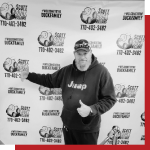 Scott DUCK Williams, I am your new friend in the car business! Growing up in Sylacauga, AL, I was always the class clown in my high school. Always disturbing the teacher, making silly jokes, and talking like my favorite character, Donald Duck. Needless to say, I stayed in trouble! The principles’ office was where I spent most of my school years. As I got older, I had a sudden “Ah Ha!” moment- WOW, I need to get my stuff together so I can move on with my life.
I ended up joining the Army at the age of 20, where I did my first three years in active duty stationed in Hawaii, with my job as Field Artillery. I then re-enlisted for another three years as Reserves while going to college at Jacksonville State University to get my teaching degree. From there, I decided even though I love kids and teaching, it just wasn’t in my life plan at the time.
I quickly became a General Manager at Wendy’s where I worked for 17 years! I loved my staff and learned a lot from the busy environment. Moving forward, somehow, I fell into the car industry, where I’ve been for 6+ years now. While being in the car industry has its ups and downs, but I love every day of it.
Meeting new people, making new connections, and having the creative freedom to be myself is what makes my job- not a “job”. I want to make your car shopping experience better, and change the stereotype of a salesman. I choose to be different, so Team Duck goes above and beyond for you, and I hope you are able to experience it!
This transcript is machine transcribed by Sonix
Intro: [00:00:07] Broadcasting live from the business radio studios in Atlanta. It’s time for Charitable Georgia, brought to you by Bee’s Charitable Pursuits and resources. We put the fun in fundraising. For more information, go to Bee’s charitable pursuits dot com. That’s b e. S charitable pursuits dot com. Now here’s your host, Brian Pruitt.
Brian Pruett: [00:00:45] Good, fabulous Friday morning, everybody. In the listening world, it’s another fabulous Friday. We’ve got three more fabulous folks here with some great stories. Stone welcome back. We missed you the last couple of weeks. I hope you had a great trip and you didn’t get hurt too much by those elk.
Stone Payton: [00:01:00] Thank you, buddy. We had a marvelous time, but I’ve missed being in the studio. I’m so glad we’ve got a studio full this morning.
Brian Pruett: [00:01:06] Yeah, it’s great. So we’re going to start off this morning with a young lady by the name of Khristie Staines, who runs a great ministry called Footprints on the Heart, which I’ll let her explain what that is. But if this doesn’t tug at your hearts and want to get involved with her, then I think you might be a little bit of a robot. But, Christie, first of all, thanks for being here this morning. And I know it’s a little rough. You actually, man, you talk about dedication. Stone This young lady went to Tennessee yesterday to even help with the wedding. Came back late last night. She’s here this morning and has to go back to Dalton to serve a family. So, again, thank you for being here, Khristie.
Khristie Staines: [00:01:48] Thanks so much, Brian, for having me. I really appreciate it.
Brian Pruett: [00:01:51] So tell us a little bit, first of all, about Footprints on the Heart, why you started this ministry and what you do.
Khristie Staines: [00:02:01] So Footprints on the Heart began on the night my granddaughter was delivered stillborn on February the ninth, 2011. And on that night, there wasn’t a lot of resources for families who face the loss of a baby. And so God laid on my heart that night, kind of the the start of footprints on the heart. I talked with my cousin Lori Dowdy, who had suffered a miscarriage and probably about five years prior to that, told her what God was laying on my heart. She wanted to get involved and to help. So there was a quote There is no fit too small that it cannot leave its imprint on this world. And that’s pretty much where our ministry name began and was born from. And so we’ve served families in the beginning. We had a candle lighting, we had a5k and just did some community outreach and events. And then a few years later, we started serving in person at multiple area hospitals from Bartow County up to Whitfield County. And so now last year I think we ended the year serving right around 62 families in person, which may not sound like a lot, but for a really small ministry, that’s a lot. Today we’re on day 13 and we are already serving our fourth family of 2023.
Brian Pruett: [00:03:18] Wow. So that’s got to be rough. First of all, it takes special people to do certain things. And you’re definitely one of those special people. You. You’re also a caregiver. You take care of elderly folks as well, correct?
Khristie Staines: [00:03:32] Yes. I have a sweet little patient right now that’s 87 who has the early dementia. And so I tell people all the time, I just I take care of people and God uses different vessels for that. I used to be an insurance agent. My role with that was taking care of people. I just happened to be an insurance agent, so I just feel like he’s called me to take care of people.
Brian Pruett: [00:03:55] Well, so you mentioned that you guys started off doing like a candle lighting in five K, and I know you continue doing the candle lighting, so share a little bit about what that is and what what’s the purpose for that?
Khristie Staines: [00:04:10] So when we began the candle lighting all those years ago, it was for families to have a place to come and honor their babies for our early loss families, you know, maybe a six week loss or a ten week loss, they may not have a burial location there. Their baby might have been too early to have actually delivered. So they don’t have a place to go to to honor and remember their baby. And that was one of the reasons we started with that candle lighting. In the beginning, we honored, I think, 40 babies, and a lot of those were friends and family and loved ones, babies. And to date, we’ve been introduced to well over a thousand, maybe even 2000 babies by now, just at various community events, peer support, online or different methods.
Brian Pruett: [00:04:58] You. When you say you serve families, can you share a little bit? When you say that, what exactly do you do?
Khristie Staines: [00:05:05] Yes. So when we are notified either by our family or by the hospital that there’s going to be a family that we’re going to be serving, we go in and just help that family navigate that time in that space. So we will help them bathe and dress their baby, take pictures. Do clay and ink imprints. And mainly just help them navigate the fear of the unknown. And to know that it’s okay to hold their baby and to not worry about what the outside world is, I call it thinks is normal. I’m taking pictures with a baby who has died, may not be normal for the world, but when that’s all, you have to last a lifetime of your baby, those photos and memories become everything we help with, trying to help them through that funeral planning. We’re not, you know, funeral directors or anything like that. But we do have some amazing funeral homes that work alongside our ministry to provide their services at no cost for the families that we serve. Just letting families know the resources that are out there helping them write an obituary. Because a lot of times these, especially our young families, may not have even had a loss in their family history, much less having to write an obituary for their baby, because that’s never anything anybody can imagine doing.
Brian Pruett: [00:06:21] Yeah, that’s that’s got to be tough. I know this is when you and I first met Stone when you were gone, I mentioned to Sharon the really cool thing about this show and the stories that you’re getting to hear on the show is one of the power thing. Powerful things of networking. Every person I’ve interviewed in some way or another networking, I’ve gotten to hear their stories. Yeah. So you and I met actually through your cousin Lori. I was with her in an event. She told me about your ministry. At the time I was doing Lake City branding. We were doing some direct mail and we wanted to also we’re doing stories in a magazine that we had on some non-profits. And so she shared with me your ministry and introduced us to and you and I met and met and talked for two or 3 hours, I think. And it’s what you do as is close to my heart. My mom miscarried before I was born. I’ve got several family and friends who have miscarried. So it’s just I don’t know. It just it tugs at your heart. Like I said, if this doesn’t tug at your heart, you got some problems. But I’m going to try to do as much as I can to help you. You know, I do fundraising for a living. So next Wednesday night, the 18th, I’m hosting a trivia show at St Angelo’s, which is at Lake Point Station in Emerson, and we’re raising money for your ministry. So come out, you’ll get for $25, you’ll get a pizza, pasta, wing salad, nonalcoholic drink buffet you’ll get to meet stone. Stone is going to be there.
Stone Payton: [00:07:49] Yeah, that’s going to be a blast. I mean, we’re going to broadcast live, right?
Brian Pruett: [00:07:52] Yeah, exactly. And the cool thing is we actually now have some retired sports celebrities coming. I actually met one last Sunday at Kroger. Believe it or not. I looked at him, knew he had to play ball. We got to talk and told me who he played for inviting him out. He said, I’d love to be there. So we’ve got NFL, NBA retired wrestler, stand up comedian. Those guys will all be there. So it’ll be a fun night. Of course, Stone’s a celebrity in himself, so you get to get to see what he does. And anyway, if you want more information on that, get a hold of me. And you can do that at Brian at BS. That’s B.S. Charitable pursuits dot com come have a good time and help raise money for a great organization If somebody wants to help you in any way, what ways can somebody help you in the ministry other than obviously the donation of money? What other ways can people help you?
Khristie Staines: [00:08:47] One of the biggest things, and I hope people hear it all the time, is just prayer. You know, it takes it takes a lot of strength to go into heartbreaking situations over and over. So we ask for prayers, of course, for our team and for the medical teams. A lot of times people put their focus on the families, and that’s true. But I’ve seen how much loss affects the medical teams that care for these families as well. We have we’re on Amazon. Smile. So if you’re not already supporting a charity of choice when you shop on Amazon, that’s just like free money for nonprofits. So we encourage you to support footprints on the heart with your shop and their, you know, monetary donations. But even just simple things like there’s specific items that we use blankets, Bibles, books, different things, and we have wish that we can share. It’s really the possibilities are endless. We’ve had families do cornhole tournaments and bike rides and sell t shirts and different things. So pretty much lots of options there.
Brian Pruett: [00:09:43] Another thing you told me that you do is you actually help provide and get wedding dresses and you make gowns for the babies for the burial from that. Is that correct?
Khristie Staines: [00:09:54] We do. But right now, because we don’t have very many of. Volunteers with that. We are not accepting any gown donations. We have tons and tons of gowns waiting to be worked up, but unfortunately we do not have a large volunteer base to help disassemble and reassemble those gowns right now.
Brian Pruett: [00:10:12] So if you want to help, there’s another way volunteer to help get those gowns ready for that. So one thing, one last thing are two more things before I let you go, because I know you’ve got to get up to Dalton. But just before Christmas, you guys actually went and take care of the nurses at Cartersville Medical Center. So not as an adult in Dalton. Okay, Sorry about that. But it’s not only just the babies you’re helping and serving, but you’re also taking help. Take care of the nurses who take care of them. So share about that event and what you did for them.
Khristie Staines: [00:10:41] Yes. So because we have had several losses in that NICUs setting and it’s never easy to withdraw care for a baby ever. I saw how it impacted the nurses and not not when I got home. God laid on my heart to make sure the families and the nurses in the neat department for Christmas felt seen and loved. So we did a fundraiser on Facebook. We raised right at $1,000. We provided them on Christmas Eve and Christmas Day with food, snacks, drinks, and we provided each nurse, the nurse practitioner, the neonatologist, and the families and the babies. We provided them all with a gift. And I know it may not have been a lot, but from the nurses, I know it was really special for them to be seen because a lot of times people may think about one department in the hospital or another, but there’s oftentimes those departments that get missed. So we just wanted on Christmas Eve and Christmas Day, my husband’s a respiratory therapist. I know what it’s like to be away from family on a holiday. So we just wanted to make sure that they knew how much we appreciated them, too.
Brian Pruett: [00:11:46] Well, let me just tell you, it doesn’t matter the amount of money to me that you raised, the fact that you noticed them and took note that they’re there means a lot, I’m sure, to them. So again, you just have a special giving heart. And I appreciate what you do. I know that there’s other out there that appreciates you. Do you get a lot of support from the Carnival Business Club? All of those have jump aboard to help you lately. So before I let you run, how can somebody get a hold of you if they want to help you in any way?
Khristie Staines: [00:12:15] So we have a website for print on the heart dot org. We’re mainly the most active with our Facebook page, which is Facebook slash Footprints on the Heart or my cell is 7705474333. People can reach out to us in any of those methods.
Brian Pruett: [00:12:35] Awesome. Well, Khristie, again, I appreciate you being here. And I know it’s tough. Why you why you do or where you have to go right now. But thank you for coming, sharing what you do and be safe. And we wish you the best with the family today.
Khristie Staines: [00:12:49] Thank you so much, Brian. And I can’t wait to listen to the recording after today so I can see what the others have to say.
Brian Pruett: [00:12:56] All right. Well, you’ll be safe and we’ll see you soon. Thank you. All right. Now, you know the thing about exciting about today stone to as well as you we have stories of comfort and care with Khristie. And we have a story right now of hope. I talked about the hearing of stories and networking. I actually just heard this story on Wednesday, a brief part of it. So I immediately thought about wanting her to be here because you were going to hear from Khristie. And and it’s tough when you lose a baby. This story right here gives you hope of somebody who was told. Right, that you weren’t going to be able to have babies. So this is Sierra Kedzierski. Did I say that right, Sierra? Because I’m sorry about that. I knew I was going to mess the name up.
Brian Pruett: [00:13:42] I was close.
Brian Pruett: [00:13:42] Yeah, right. That only counts in hand grenades and horseshoes. So but anyway, she is with the EMP Group, which is based out of Acworth, and she has a passion for helping business to as well with trying to get them and save them some money on credit card processing. So, Cierra, first of all, thank you for being here. Yeah. And and tell us a little bit, first of all, about the IMP group, your role, how you got started, and then we’ll get into the other.
Sierra Kedzierski: [00:14:06] Okay. So IMP Group is a local independently owned company out of Acworth, Georgia. We focus on helping businesses with their merchant services, which is also known as credit card processing. We try to save any person that takes credit card payments for their business money on their transactions to help them save money on the money that they’ve already earned. And the way I got started with them was I was a bartender and I have a little boy who is now four. But when I started, he was about two and a half and I was on my way out the door to go to work one day. And Jackson looked at me and said, Mommy, why are you never home for bedtime? And like in my head, I’m like, Wow, you’re two years old. Why are you asking me that already? I thought I had a couple of years to worry about that. But no, he was wondering why his mommy was never home. And I’m a single mom, so it’s just me and him. So I immediately went in the next day. I actually called out of work that night, went in the next day and went in the next day and put on my two week notice. And then from there I was on a job hunt because I needed a job, obviously. So I was introduced to my boss, Jay Worthy, through a old bar regular of mine, and went in, did a couple of interviews over the phone and person, and they gave me the opportunity to come in and try something I’ve never done before. And so far it has been amazing. I work for an amazing company and I really love what I do. And at first I was it was going to be something temporary. Now I think that this will be something I continue doing for several years.
Brian Pruett: [00:15:45] So awesome when you obviously have a passion for helping people as well. So we write a networking event called Acworth Connections on Wednesday. Bob Rooks, who runs that, always ask a question, kind of a personal question for everybody. And his question this week is what’s your side passion? You shared your side passion was your little boy that you just mentioned and you shared that you were you were told that you weren’t able to have kids and now you’re like you said, he’s four years old, so share as much as you want to. But I would love to share you share the story about that.
Sierra Kedzierski: [00:16:16] Okay. So I was 18 and a lot of people that are listening probably think it’s crazy to want a baby at 18 years old, but I’ve just always wanted to be a mom. I’ve babysat kids since I was 12 years old. I’ve always loved babies and kids, and I’ve just always wanted to be a mom. So 18 years old, I’ve been with somebody for about two years at that point, and we decided we wanted a baby. So we’re trying try and trying to have a baby and nothing was working. So we finally go see a doctor to see, you know, is it me? Is it him? Is there something going on? On why we can’t have a baby? The doctor, they ran a bunch of tests and stuff. I was on a birth control. The depo shot when I was 16. That made me like it gave me a lot of health issues. It really messed me up pretty bad, actually, to where I was bleeding for like nine months straight because of it, and it was just not good. So the doctor told me that because of that, whatever problems that the depo shot caused me, then made it to where it was nearly impossible for me to ever have a baby.
Sierra Kedzierski: [00:17:20] He told me I could never conceive. So I went and seen another doctor because I didn’t like that answer. I was like, There’s got to be a way. I mean, how can I not have a baby? Like, this is insane. So I go see another doctor, and that doctor then tells me the chances of you getting pregnant are one in a million. I’m like, Well, there’s got to be a chance. Like, I didn’t like that answer either. So I go see another doctor. Let’s see. I’ve seen about four doctors. I took medication. I was doing shots, everything, trying to get pregnant. It was nothing with him. It was just me. Well, long story short, that ended up destroying our relationship because we tried to have a baby for over a year. I could not get pregnant. It did not matter what I did, what medicine I took, how many times I went in. It was destroying me because. I wanted a baby so bad and it made me like, hate him and hate our relationship because I could not have the baby. I could not get pregnant. And it just drove me crazy. So I then fell off the deep end.
Sierra Kedzierski: [00:18:13] Things didn’t go great in my life for a long time after that. I got into drugs. I just kind of lost myself completely. So in the mix of all that, I had this one guy that I slept with one time and he was the only person I had slept with since my previous relationship that fell off because I couldn’t get pregnant. And whenever I mean, a few weeks later, about five weeks later, I’m like gaining weight. And I didn’t understand why I was gaining weight because I didn’t eat nothing then. So I’m like, Something’s going on. And I went to my mom’s house and she’s like, she’s like, You’re gaining weight. You look really good. And I’m like, I don’t know why I’m gaining weight, but I just need some food. Can I eat? And I go in the kitchen and I make me some eggs, some scrambled eggs, and I don’t know what was going in my pregnant mind, but I didn’t know I was pregnant yet. I put some sirup and some mustard and I mixed it all together. And I know that’s so disgusting. I would never eat that. I would never eat that.
Brian Pruett: [00:19:09] Now that’s almost like a meal that buddy the. Yeah.
Sierra Kedzierski: [00:19:13] Yeah, It was gross. My mom comes in there and I did that for about three days in a row. My mom comes in there and she’s like, You are pregnant. I said, I’m not pregnant. I can’t even have kids. And it made me so angry that she said that because it like, brought back all the memories of me trying to have a baby that I couldn’t have. And I was like, There’s no way I can’t have kids. Don’t you know that? Like, why would you even bring that up? Because it broke my heart that she brought it up. So I left and went about my business. Well, about two weeks later, I had a friend tell me, Look, you’re going to be on this pregnancy test or you got to get out of my house. And I was like, What? Okay, I’m going to show you, like, I can’t I can’t have kids. So I go in the bathroom, I take the pregnancy test, I come out and I’m like, Hmm, just wait. And I’m like, I’m going to show y’all. And I come back 5 minutes later and it said pregnant. And I was like, And this was like midnight. It was like the middle of the night. And it says, Pregnant. And I’m like, That’s not right.
Sierra Kedzierski: [00:20:09] So I take another one in total. Took like five pregnancy tests. They all said pregnant. So I’m calling my mom at like 1:00 in the morning talking about, Hey, you need to come get me from Cedar Town. I’m in a situation I shouldn’t be in, and I just found out I’m pregnant. Well, my mom starts crying and didn’t know what to do because we all thought I couldn’t have kids. Go see a doctor and. Throughout my pregnancy. I had multiple complications. I had gestational diabetes. I went into labor a few different times. Thankfully, they were able to stop it. I was on bed rest for the last ten weeks of my pregnancy because I just kept the I kept going into labor and they kept having to stop it. So they put me on bed rest, told me I couldn’t work, couldn’t do anything. I’m like, okay, so I’m a single mom and I’m the only one that can provide for this baby. And you’re telling me I can’t work for ten weeks? I’m like, That’s insane. Like, how am I supposed to make a living for this baby if I can’t work and save money to be able to support him? Of course, my parents are very supportive through all of that.
Sierra Kedzierski: [00:21:10] Thankfully, very thankful for them for that. And I mean, my son had a heart murmur. They thought they were going to have to do surgery on because it was really big. He’s still, to this day at four years old, has that heart murmur. But it is not it’s not anything they’re worried about at this point because it’s so little. He had something wrong with his testicles where they when he was born, they were huge and they thought they were going to do surgery there, too. But within two weeks, they went right back to normal size. I mean, I don’t know how I got pregnant and I don’t know why I that’s where I lost all faith in God when I couldn’t have a baby. And I have always been a Christian. I’ve always believed in God, but God blessed me with that baby. It was either I have that baby or I wouldn’t be here today. And it changed my life completely. So I’m that’s that’s pretty much it. I mean, I don’t know how, but somehow I have a very healthy four year old boy. And the only thing that’s wrong with him is he has asthma. So I can deal with asthma compared to never having a child.
Brian Pruett: [00:22:12] So. Oh, so there’s your story of hope for the day.
Stone Payton: [00:22:14] Stone Well, yeah, that’s more than hopeful. That’s incredible, man. What you’ve been.
Sierra Kedzierski: [00:22:20] Through. Yeah, that’s my baby right there. That’s my world now.
Brian Pruett: [00:22:24] So obviously, like you said, and I’m a big believer, I think everybody in this room is believer and and there’s no coincidences. And just the way God shows up at different times in different, different ways. I mean, I brought it up last week, but the whole situation with DeMarre Hamilton above from the Buffalo Bills.
Sierra Kedzierski: [00:22:43] Yeah, that’s.
Brian Pruett: [00:22:44] Amazing. God showed up for the world on that. You had people praying on ESPN. That doesn’t happen. Yeah it can you. Say give a little bit. I mean, you shared an inspirational story, but if somebody is going through something that you’re going through or went through, can you just give them some advice of what what to do?
Sierra Kedzierski: [00:23:03] I would say just don’t lose hope in yourself and your life, because I was 18 and I had it all. I lived by myself. I didn’t have roommates. I had a great job. I was doing phenomenal. And I literally let not being able to get pregnant destroyed at all. So I went from having it all to having absolutely nothing, finding out I’m pregnant and having to literally restart. I say don’t lose hope and find somebody that you can talk to that will help you through it, because that was probably my biggest thing, was I had no support system. I didn’t really have anybody that understood me because everybody I talked to about it was like, Well, you’re just 18. Why do you want a baby so bad anyways? Because I want one. I mean, why is that your business? If I want to have a baby, I’m going to support it, not you, Right? I’m the one that’s going to carry it and take care of it and raise it, not you. So why is it your business if I need a baby or not? Stop telling me I don’t need a baby. It’s my life and I want a baby.
Brian Pruett: [00:23:57] And obviously God wanted you to have a baby.
Sierra Kedzierski: [00:23:59] Yeah. Yeah. So I definitely say have supportive people. Don’t ever let anybody else tell you that you know it’s your fault or make you feel bad for wanting something that maybe they don’t want because I mean, that’s I feel like was the big problem. Like everybody I was around was like, I don’t want a baby. Why do you want a baby? You’re only 18. Well, because I want a baby. I don’t know what to tell you. So definitely a support system is the big thing, I think.
Brian Pruett: [00:24:27] Other than the story you just shared of obviously, you do what you do because of that. But tell me another reason why it’s important for you to be involved in the community, because you’re very involved in the community as well. So why is that important?
Sierra Kedzierski: [00:24:38] It’s very important to be involved in the community for me, because I like to build relationships and meet new people and kind of hear their story and what they’ve been through. Surprisingly, through networking, I have met multiple people that have been through and down the same road as me, maybe not as far as the baby situation, but as far as getting, you know, on drugs and just letting their life go and things like that. Like it’s inspiring to see people out here that had nothing at one point and now they’re working to have a life for them and their family. And it is very inspiring. Like you don’t let that define who you are today, because I promise you I would not be who I am today if I didn’t lose everything at one point. It’s definitely made me who I am and being out networking, it’s very inspiring to see people and then to actually get to know them and hear their life story and how they got to where they are today because nobody was just handed what they have on a golden platter. You know, they work for it. And so in order to get anywhere, you have to work for it and you have to be motivated to get there.
Brian Pruett: [00:25:46] You talked about the networking and you guys with the EMP group put on an event. Oh, yeah, that’s coming up. That’s good networking share about that event.
Sierra Kedzierski: [00:25:54] Yeah, we have a STIP event coming up on January 24th from 5 to 8 p.m. at Red Dot Brewhouse in downtown Acworth. We do this event quarterly, so it’s an after hours networking event. You with your ticket, you get a free drink on us. Of course, there’s going to be anywhere from 60 to 120 people there. It’s always a great turnout. The last event I think we had 110 people at. We have ten vendors lined up at this time now as well. So it’s just a great way to meet other business owners and get your face out there more and meet new people because you never know who. It’s not ever really about what you know. It’s usually who you know that will get you somewhere.
Brian Pruett: [00:26:35] So how can people get tickets to come to that event?
Sierra Kedzierski: [00:26:39] If you go on Eventbrite and look up IMP group or if you follow my Facebook page, which is, Oh, I guess I need to spell my name out. Sierra Sierra last name is k e d z i e r k i. It’s posted all over my Facebook page, but you can also go to Eventbrite and look up sip amp group and it should come up. Or if you just come, you can buy your ticket at the door as well.
Brian Pruett: [00:27:07] Sip doesn’t mean drinking, right?
Sierra Kedzierski: [00:27:09] It means strategy, impact and purpose.
Brian Pruett: [00:27:12] There you go. All right. If somebody wanted to get ahold of you about talking about credit card processing, how do they do that?
Sierra Kedzierski: [00:27:19] You can email me at Sierra at Go EMP Group dot com or give me a text or call at 4709992358.
Brian Pruett: [00:27:32] Sarah Thank our Sierra. Sorry, Sarah. Sierra Thank you for coming and sharing your story. Yeah. Again, that’s to me, a story of hope, you know, and you mind sticking around and we talk to this next gentleman?
Sierra Kedzierski: [00:27:44] Yeah, absolutely. Let’s hear what Duck’s got to say.
Brian Pruett: [00:27:47] All right, So we are now going into the story of giving back stone, So. Uh, this gentleman right here. First of all, I don’t know whether I’m supposed to be at a top concert or in Duck Dynasty, so. But he’s just.
Scott DUCK Williams: [00:28:01] Laziness.
Brian Pruett: [00:28:02] Right? Well, no, it’s cool. So I met this gentleman at a golf tournament. The golf tournament that I helped with our Aces Youth, Home and Experiences Foundation. Chad’s a good buddy of mine, and I’ve always heard the name Duck. And then I got to see the legend come to the golf tournament. A legend in his own mind.
Scott DUCK Williams: [00:28:23] Yeah, pretty much.
Brian Pruett: [00:28:25] But he is with Shattenkirk. Chrysler Dodge, Jeep Ram in Canton. Yes, sir. You’ve won their top sales person every year. Every year.
Scott DUCK Williams: [00:28:36] My first year, I was only there for eight months and I blew everybody away the next year, Just just keep blowing people away. I mean, I know it sounds bad. I’m not bragging, not patting myself on the back. I laugh. Yes, I am. But it’s, you know, it’s it’s not about selling cars. I don’t sell cars. I sell myself. You know, that’s what it’s about. So.
Brian Pruett: [00:28:58] Well, you know, the other thing that’s really cool about this guy is he has his own assistant, for one. And he actually has his own mascot. Yes. Right. There’s an actual duck that walks around with him. So I got to ask, where did where did it come from?
Scott DUCK Williams: [00:29:10] So it is actually a nickname from the Army. We were looking for code name nicknames and get to me, they really couldn’t think of anything. So I told them my favorite character is Donald Duck, which it has been. And I taught like Donald Duck in high school, even in class, I was a class clown. Couldn’t believe that. No, I don’t think so.
Khristie Staines: [00:29:27] What? I never guess that.
Scott DUCK Williams: [00:29:28] I know. I know, but. And so they started calling me Duck. And so in the Army I was known as duck. And fast forward, I went to a small college. I was in a fraternity. And of course they said, Hey, you got to have a nickname. What I have one is Duck. And I was older than him because I was going through the Army first and they said, Okay, cool. So it’s been most of my fraternity brothers, their kids know me as duck. They don’t know me a Scot so well.
Brian Pruett: [00:29:53] First of all, thank you for your service. What did you do for the Army?
Scott DUCK Williams: [00:29:57] Really? Nothing. And that’s a lie. It’s going to sound bad. I was stationed in Hawaii. I know. So horrible. Right? Right. They sold me with Hawaii, you know.
Brian Pruett: [00:30:08] Got well. Did you surf with that beard? I want to know now.
Scott DUCK Williams: [00:30:11] They won’t let us have a, you know, a beard army. But I’m originally from Alabama and I never heard of a surfer on tour from Alabama, so I didn’t surf. You know, it makes sense to me. Right? So now they sold me on Hawaii. I was actually a field artillery, which is 13 Bravo. You know, they just when they said Hawaii, I said, I mean, you know, I had, you know, never thought about going to Hawaii until I joined the Army. And I said, let’s go. Me and my best buddy signed up together. So that’s what we did.
Brian Pruett: [00:30:45] Well, so I’m guessing from Alabama. You’re in Alabama. Fan Absolutely. I’m sorry.
Scott DUCK Williams: [00:30:50] Born and bred. Dad had dad. My my father. We had to decide at the age of zero if we’re going to be an Alabama fan or the other fan. I was. One of the stories I tell all the time is my dad was such a big Alabama fan. I was trying to get out of school one day, as you know, permission. I had a permission slip and everything. I covered the whole thing up with my hands. Hey, dad, sign here. And he moved my hand out of the way. Read it. Well, it was Engineering Day down at Auburn, and he read it. He crumbled it up. He says you would never go to that school. So. And I said, Dad, I’m just going to go check out college girls. He goes, No. So didn’t get to go to that. You know, that’s how big of a fan he was.
Brian Pruett: [00:31:34] Well, and again, I don’t think you do this to brag, but every time I see a picture, you’ve always handing a check over to some nonprofit. I’ve seen you again with Aces Youth Home Experiences Foundation has always told me about things you’re doing for them. Yes. So the giving back to you is very important.
Scott DUCK Williams: [00:31:52] Yes, it’s very important. Before the car business. I haven’t been in the car business very long and it’s only been seven years before that. I was a Wendy’s restaurant manager for 17 years. So I’ve always would day Thomas Foundation with adoption. It was a great organization to be with. But me personally and I say, Mama Duck, which is my wife, we call her Mama Duck. I wasn’t able to give personally myself, you know, I would give time, I would give Salem, you know, different things that are Star Wars, stuff like that. But when I got in this business, I’ve been blessed. I mean, I have been blessed with people coming to see me just because the way I treat them. And we’ve always wanted to help in some kind of way, you know? And I’ve always asked her what would her dream job be? And she would say to help with an organization to a nonprofit to give back to the kids, to give, you know, just help people. And so that was been part of me. I’ve always I love kids. Kids. To me are like peas in a pod.
Brian Pruett: [00:32:53] Or you’re a big kid.
Scott DUCK Williams: [00:32:54] I’m a big kid. Anyway. Yes. So. And basically how that started, me and my assistant. She would have to sit there and we would come up with an organization. She does all the homework. She gets on the computer. She’s basically we switch roles. I’m the I’m the car buyer and she’s the seller. So we switch roles and she has to sell me on this organization. I don’t want to associate myself with a big, bad organization. They have to be doing something good in the community and you know, they don’t have to buy a car for me because it’s not what it’s about. It’s about helping people. So she sells me on the community that the organization that we’re actually helping. We were doing one every different one every month. But I really enjoy Aces homes. I really enjoy experience Foundation and Children’s Haven great organization. So we we stuck with them last year a lot and we still like being with them. So that’s what we’re doing this year too.
Brian Pruett: [00:33:48] If you find an organization that you like, they don’t have to be in Cherokee County, right?
Scott DUCK Williams: [00:33:52] No, sir.
Brian Pruett: [00:33:53] Well, maybe we get you Come play some trivia and see some of those, because there’s a lot of trivia. That’s why you put a team together. So who knows? Maybe we’ll just put your celebrities duck. I mean, Duck’s a celebrity when you say stone.
Stone Payton: [00:34:03] Oh, absolutely. You tell about just the way he walks, right?
Scott DUCK Williams: [00:34:08] It’s, you know, like. So this is me. Yes. I was a class clown in high school, but for me, I didn’t want people to notice me. I wasn’t loud. If I went to a party, I went to an outing or anything like that, I didn’t want to be noticed. This duck stuff is brought a lot out of me, you know, which is I think is cool because it’s actual me. I’ve always wanted to do stuff like this, but never have.
Brian Pruett: [00:34:30] So you came and played golf in September. Do you do you play golf normally?
Scott DUCK Williams: [00:34:35] I lose golf balls.
Brian Pruett: [00:34:36] You live okay. There you go.
Scott DUCK Williams: [00:34:37] I enjoy the game because, you know, growing up, I played a lot of sports. And as you get older, it hurts too much. So golf does not hurt as bad unless you pull something wrong, you know?
Brian Pruett: [00:34:48] Well, I just know from talking to the people that the hole that you guys were sponsored and the duck was out there, that was their favorite hole because the duck was on the hole the entire time. So I mean, the full golf course, he was out there, I mean, the full time.
Scott DUCK Williams: [00:35:01] So it was a buddy of mine. He was out there dancing. I had my assistant out there. She was like hit a home run. And I was like, Huh, girl, this is golf. But, you know, she’s she’s a unique person, unlike myself, right?
Brian Pruett: [00:35:13] So do you sell new and used cars?
Scott DUCK Williams: [00:35:17] I sell new and used cars mostly. The new size is Chrysler, Dodge, Ram. We have all kind of used on our lot. And if there’s other we have seven in Georgia, some in Texas, some in California, too. Anything used that I could bring to my store, I could sell.
Brian Pruett: [00:35:33] Well, I know a young lady is looking for a car that’s sitting right next to you, so maybe you can help her. I know a guy. Yeah, right. Somebody.
Scott DUCK Williams: [00:35:39] Absolutely. Absolutely.
Brian Pruett: [00:35:41] Do you have a particular. I don’t know. This may be a you say there’s never dumb questions or stupid questions, but do you have a particular car that you like the best that sells the best?
Scott DUCK Williams: [00:35:52] I like the jeeps. They sell the best. But, you know, it’s not about selling cars. I’m here to help people in their situations, whatever they need. Family growing, you know, job change. They need a downsize a car truck, upsize, you know, upgrade a car truck for maybe something bigger and better, whatever. It’s not about selling cars. I’m not selling cars. I sell Scott Williams 24 seven. You know, if I go out in public, there’s a duck shirt or duck cat or something. Duck out there like my jeep is even black and yellow. So.
Brian Pruett: [00:36:24] Well, speaking of hat stone, you collect hats, so he needs a duck hat. I’ll get.
Stone Payton: [00:36:27] Absolutely. Man. You bring me one. I’ll wear around town. You bring me two, I’ll hang one in the studio.
Scott DUCK Williams: [00:36:32] Done. Dud.
Brian Pruett: [00:36:35] Can you give somebody an advice? I know because a lot of people are scared when they go, especially to dealerships. Can you give somebody advice on buying a car?
Scott DUCK Williams: [00:36:41] Absolutely. And this is like a little story about why I started the duck stuff. We had our general manager. Now he’s been there six years now and I’ve been there a total of seven. He he came in, he brought a trainer in. And this trainer, I still follow him today. I’m with his group actually, I’m part of the group. Part part of the founding members is the called Pinnacle Society. It’s the top salesman in the United States. I’m in Canada. Well, he came in, says, Make yourself different. I’m like, yes, finally, out of 46 years, somebody tell me to be different. Can you believe that? Because, you know, I had an older sister. She’s like, why can’t you be like her? She’s a perfect child. I wasn’t. Why can’t you be like the other students? They pay attention. I wasn’t, you know, So, you know, I use that Not when people usually come in dealership. They’re all tense. They all got their preconception of what’s going to happen. Well, when you come to my office, it’s like ducks everywhere I’m talking about the whole thing is full of ducks. So I kind of try to break the ice with that. Don’t you introduce my name? If they don’t know me already, just then they look around. What’s this duck stuff about? Oh, let me tell you about it. So that’s one of the reasons why the biggest thing to do is to have your ducks in a row, pun intended. You know, like, I mean, it always helps to have money down. Okay. Do you have to have money down? I like to keep my money in my pocket or in the bank account or making things grow for me. If you don’t have to have money down, don’t put money down. But sometimes it helps the situation with that. With the banks and the banks. The more you invest into the car, the know they’re going to you’re going to pay for it and stuff like that. And the best advice for somebody looking for a car call. Scott Williams.
Brian Pruett: [00:38:28] All right. Obviously, what about if somebody wants to trade in a car? Is there any secrets to that?
Scott DUCK Williams: [00:38:33] Yep. Can you share it? Bring it. I mean, it’s better it’s better to have it at the dealership because the managers get to drive it. They get to smell it. They get to, you know, make sure they’re good bones about it. It doesn’t have to be like immaculate clean. It just has to make sure they could drive it, make sure they can get the most money for it, because.
Brian Pruett: [00:38:51] We’re not.
Scott DUCK Williams: [00:38:51] Here to steal no money and we’re here to help you in the situation, to get a new car upgrade, degrade whatever it needs to be, you know?
Brian Pruett: [00:38:59] Well, obviously you share it and that you like kids and you love getting back to them. But again, I’m going to ask the same question I did. Sierra, why is it important for you to be a part of the community?
Scott DUCK Williams: [00:39:08] Well, for me, I sell a lot in Cherokee County or even I live in LJ. We’re even actually looking to move down closer to this area because I sell so much in Cherokee County. If you take and take and take from Cherokee County, you’re just doing yourself a favor. But if you give and give and give, that helps out people more than anything. You know, I mean, almost made me cry. I mean, it’s frickin phenomenal that I’m able to give I’m able to help people. I’m able to find her organization to help. I’m glad I’m here to hear her story. I thought I was going to come in and be a big goofball. But these two women right here are dang, they’re making me cry. And I’m not a crier. But, you know, it’s is I feel good when I do it, when I’m having a like one time I was like, I’m not going to do any more organizations, you know, I don’t see any benefit in that. I lied to myself. I don’t care if I ever sell a car to this organization. I don’t I don’t care if I ever somebody in this organization never buys a car from me. But it makes me feel good. So that’s why I like doing it.
Brian Pruett: [00:40:16] I hope people listen to that because, you know, even in networking, you have people that just take, take and take. Right. You know, and not the givers. And I’m one of those people that I love connecting. I mean, you know. Stone I love connecting people with others. And even if I just get a thank you, I don’t care if somebody does a business with me or not or like, just be grateful. And so if somebody wants to other than coming to the dealership and they want to check things out, there are ways people can get ahold of you.
Scott DUCK Williams: [00:40:45] Absolutely. There’s like several ways, of course, Facebook, it’s under Scott D Williams. They won’t let me put duck in there too close to some things, you know so so Scott D Williams but in parentheses outside is duck you got to always call me my number is 7704023482. Or you can hashtag doing a little hashtag deal with duck. Just look that up. You’ll see pictures, you’ll see things I’ve done. You’ll find my phone number everywhere. Even start doing some Tik Tok videos. They’re stupid, but they get the laughs.
Brian Pruett: [00:41:16] That’s what TikTok is anyway.
Scott DUCK Williams: [00:41:18] I mean, you know, I could put a car on there and put X amount of dollars for sale. No interaction. I do something stupid like the duck, like the alter ego. Scott Tina, if you haven’t met Scott. Tina, It’s pretty funny.
Brian Pruett: [00:41:31] You want to share her while you’re here?
Scott DUCK Williams: [00:41:33] Yes. So I love doing goofy things. It takes me a moment to do goofy things. I mean, I’m a natural, nervous person. If I get up on stage, I start sweating and do something like that. It takes me about 30 minutes to an hour to get ready. We got a blond wig and we do like little skits, like there was one we did How to change a tire, you know, We did. I did. This last one I did was Scott Tina was Toys for Tots shopping at Wal Mart. And Scott.
Brian Pruett: [00:42:03] Tina.
Scott DUCK Williams: [00:42:04] Nice. You should have seen the looks I got. Whoa.
Brian Pruett: [00:42:07] You were at Wal Mart. Was it midnight? I mean, no, it was the.
Scott DUCK Williams: [00:42:10] Middle of a day, you know, during Christmas time. And these people are like, Oh, what is this dude doing? I was like, I just went there and just got a big old buggy, filled it full of toys. And my assistant is like, You know how much it’s going to be? I said, Oh, it’s going to be about $100. I don’t shop. It wasn’t. And then I was like, okay, cool. I don’t care. You know, it’s just for fun, Just for for Toys for Tots. Why not? You know, So, I mean, I have fun doing stuff like that. You know.
Khristie Staines: [00:42:36] I would have love to see that I need a sick dog.
Scott DUCK Williams: [00:42:39] Facebook. It’s on Facebook. Just look up my videos.
Khristie Staines: [00:42:42] I sent you a friend request this morning, so.
Scott DUCK Williams: [00:42:45] I got it. And you know, to me, if even selling cars is having fun, you know, selling myself is having golf tournaments. I didn’t win, of course, but just having fun meeting people, like you said, network. And that’s pretty much what we’re doing there and helping support great organizations, too.
Brian Pruett: [00:43:02] So that’s what it’s about, just helping others. I don’t care if it’s just like we said earlier, the simple thing is opening a door for somebody. Absolutely. Just just doing something like that. We’re in the second year of 2010 or second year. We’re in the second week. I can’t if there’s if there’s two years of 20, 23, we’re all in trouble. Yes.
Khristie Staines: [00:43:20] No, that’s right.
Brian Pruett: [00:43:21] We’re in the second week of 2023. Last week, I had the folks share some a little bit of a wisdom of what folks can do for the new year. So I’d like for you guys to do the same thing. Sierra, can you give somebody what can somebody do for the New Year?
Khristie Staines: [00:43:37] Let’s see. Well, my company has a word that they pick for the new year each year. This year the word is accountability. So hold yourself accountable because you are the only person that’s going to get yourself anywhere. And you’re also the only person that you can blame when you fail. So hold yourself accountable and do what you have to do to get where you want to be. I guess that’s that’s going to be my word of wisdom.
Brian Pruett: [00:44:08] All right, duck.
Scott DUCK Williams: [00:44:09] Well, words of wisdom told me so now my words of wisdom is probably just smile at people. I mean, that goes a long way. I mean, anybody in your five foot area, what we call is closeness, you know, bubble. Say hello. It’s been a rough two years. It’s been a stupid two years, hasn’t I? Yeah, I ain’t stupid. Yeah. I mean, we seen cars, we seen houses going crazy. But just smile and say, Hello, How are you? I mean, if you ever see me in Walmart, definitely say hello.
Brian Pruett: [00:44:42] Especially if you’re wearing a dress. I’m coming to say hello.
Scott DUCK Williams: [00:44:44] Well, no, it’s not.
Brian Pruett: [00:44:45] It’s not a dress.
Scott DUCK Williams: [00:44:46] It’s just a hair. It’s just a wig. Okay.
Brian Pruett: [00:44:48] You can’t do that.
Khristie Staines: [00:44:49] Oh, I bet you’d get so many views if you wore a dress. No.
Scott DUCK Williams: [00:44:55] I hope my assistant’s not listening.
Brian Pruett: [00:44:57] Just gave her an idea.
Scott DUCK Williams: [00:44:58] Yeah, you know.
Khristie Staines: [00:44:59] I hope she.
Scott DUCK Williams: [00:44:59] Is. I’m not wearing a dress now. Does me wear a wig? There might be. So, Scott, Tina has told me that she has a sister, so she might be introduced sometime, too.
Brian Pruett: [00:45:10] Now, I would like to see them together.
Scott DUCK Williams: [00:45:13] I don’t know how that’s going to happen, but we’ll. We’ll figure.
Khristie Staines: [00:45:15] I’ll figure it out.
Scott DUCK Williams: [00:45:16] Absolutely. That’s above me on the on the smashing videos together. And I don’t know how to do all that. Right. But, you know, words of wisdom, just smile, be happy, be nice to people. You know, somebody wants to get over in traffic, let them over.
Khristie Staines: [00:45:31] Yeah.
Scott DUCK Williams: [00:45:31] You know, open the door. Like you said, Close the door for somebody. You know, Just say thank you and frickin thank you.
Brian Pruett: [00:45:37] Right.
Scott DUCK Williams: [00:45:38] It’s been rough, right?
Khristie Staines: [00:45:39] Yeah, Definitely be nice to people. You never know what somebody’s going through. So. Absolutely. Just just don’t let your day or what you have going on affect anybody else’s day because they may have it way worse than you and they still have a smile on their face.
Brian Pruett: [00:45:53] So true. And there’s not there’s not many people out there that I don’t think are going through something. Everybody’s going through.
Khristie Staines: [00:45:59] Something. Everybody’s going through something. That’s how you let it affect you.
Brian Pruett: [00:46:02] Yeah, right. Hey, Stone, give us some words of wisdom for the new Year.
Stone Payton: [00:46:06] I’m going to kind of come behind Sierra here and I would say serve, serve first, serve early, serve often. There’s it always seems to come back tenfold anyway from a business standpoint or a personal relationship standpoint. But I find that you also just get immediate reward. I don’t know if it’s dopamine or whatever it is, but just serve man. It always comes back to you, makes you feel.
Brian Pruett: [00:46:29] Wonderful and gives you a natural high. Let me just tell you, doing that, it gives you a natural high. Yeah, well, Sierra Duke, again, I appreciate you guys being here, sharing your stories. I mean, it takes a lot for people to be vulnerable, but I enjoy him and thank people for being that vulnerable and sharing because somebody out there is going through something like you guys did and they needed to hear that. So everybody out there who’s listening make it a fabulous Friday. Be positive and be charitable.
Stone Payton: [00:00:00] And we are back with Business RadioX Pro Tips. Lee Kantor and Stone Payton here with you. Lee, let’s talk a little bit about how to craft your elevator pitch.
Lee Kantor: [00:00:10] Yeah. I’m not usually a big fan of having an elevator pitch at the ready, but I think it’s important for you to be able to articulate the value you provide and what makes you different and unique in order to help you identify those ideal fit client. So, an elevator pitch, just the exercise of coming up with one, might help you kind of explain your unique value proposition better when you’re introducing yourself to other people.
Lee Kantor: [00:00:39] One of the things that I like to do when it comes to our business is, I like to say I’m an expert in helping professional service providers meet more of those hard to reach people that actually move the needle in their business. So, that’s usually my go-to elevator pitch when it comes to our thing. Or some version of that, I’m an expert at using the media to help my professional service clients with business development.
Lee Kantor: [00:01:05] So, I like to kind of explain that my target is professional service providers. I like to explain that if there are challenges, meaning hard to reach people or helping them get more business, that’s kind of what I do. That’s why I tried to craft it around that. I didn’t get into, you know, “We’re radio people. We do internet radio or podcasts.” I don’t talk about any of that stuff.
Lee Kantor: [00:01:30] It’s what is the value that I’m delivering, and the value is always around helping our clients get more business or meet those hard to reach people. Some version of that resonates with me in terms of the value we provide.
Lee Kantor: [00:01:47] Because if who I’m talking to is a good fit, usually their next question is something about the how, “How do you do that?” And that’s when we can kind of get into the weeds about explaining, we do that by reverse engineering radio shows to help our clients meet those hard to reach people or the people that are important to them.
Stone Payton: [00:00:00] And we are back with BRX Pro Tips, Lee Kantor, Stone Payton here with you. Lee, today’s topic is the value of time.
Lee Kantor: [00:00:09] Yeah, it’s funny how people value their money more than they value their time, even though you can make more money, but you can’t make more time. I was talking to a friend of mine and they were so proud that they drove across town to save 10 cents a gallon on their gas. But at the same time, they’re telling me how they wasted half the day on social media, you know, because some guy was trolling something about something that they had no control over, but they were got kind of absorbed in this drama.
Lee Kantor: [00:00:44] And it was funny to me that this person’s hourly rate is a lot, and he didn’t take that into consideration. So he doesn’t take it into consideration when it comes to driving across town, doesn’t take it into consideration in terms of how much time he’s wasting on social media and something that isn’t moving the needle in his business.
Lee Kantor: [00:01:07] I think that it’s important to just become aware of whatever your hourly rate is and then just hold things accountable to that and go, is this worth this amount of money to be doing this activity? And if the activity can be done for less than the hourly rate, delegate it to someone else.
Lee Kantor: [00:01:24] And if you spend more time doing what you do best, you’re going to grow your business and you’re going to eliminate a lot of stress. So focus on the most important things and make sure you’re getting the most bang for your buck when it comes to your time, because if you don’t value your time, then no one else will.

 Danielle Levy is the CEO and Founder of The Boardroom League. A sought-after executive who has helped six and seven-figure businesses expand with clarity and efficiency, Danielle established The Boardroom League to give other entrepreneurs a little black book of trusted industry professionals to help them implement and scale their businesses.
The Boardroom League consists of experts in a variety of fields; including metrics, design, copywriting, strategic pricing, funnels, social media, and more.
Danielle’s vision came to life when she realized that she was taking this team of experts with her from project to project, and recognized that other entrepreneurs could benefit from her trusted team as well. 
With a background in agency work, Danielle has experience in the traditional business world, as well as the online entrepreneurial space.
An Integrator at heart, Danielle believes in helping business owners build a trustworthy ecosystem of professional resources, so that they can focus on their zone of genius, instead of being distracted by day-to-day business obligations.
She holds an MBA, is certified as a Project Management Professional, and is a Certified Online Business Manager. An energetic mother of two boys, Danielle understands the balance of being both a hockey Mom and a successful entrepreneur.
Connect with Danielle on Instagram.
What You’ll Learn in This Episode
This transcript is machine transcribed by Sonix
Intro: [00:00:04] Broadcasting live from the Business RadioX studios in Atlanta, Georgia. It’s time for High Velocity Radio.
Stone Payton: [00:00:15] Welcome to the High Velocity Radio show, where we celebrate top performers producing better results in less time. Stone Payton here with you this afternoon. Please join me in welcoming to the broadcast with Danielle Levy and the Boardroom League, the lady herself, Ms.. Danielle Levy. How are you?
Danielle Levey: [00:00:34] Good. How are you?
Stone Payton: [00:00:36] Oh, I am doing so well and have really been looking forward to this conversation. Got a ton of questions. I know we won’t get to them all, but I’m thinking a great place to start. Might be if you could share with me and our listeners mission purpose. What are you what are you really out there trying to do for folks?
Danielle Levey: [00:00:54] Sure. So I consider myself to be a business growth strategist. And what I do is I take a holistic look at different companies, brick and mortar and those in the online space and break them down by I generally think about businesses in three different sections, the front of the house, PR, marketing sales, their offers, and the reason they’re in business in that middle section and then the back of the house, all things operations and really work with CEOs to make sure that they have the infrastructure in place to really scale.
Stone Payton: [00:01:28] So what’s the backstory? How did you get involved in this line of work?
Danielle Levey: [00:01:33] Yeah, so I, I had a very successful corporate career. I sort of slid in the back door, I think. I don’t know if any of your listeners have watched the show Mad Men, but that was very much the the the feeling of the companies that I was I was working at. And I did that for 15 or maybe just a little more than 15 years. And I ended up at graduate school, really burnt out. And I treated myself for a milestone birthday and I almost didn’t go through with it. My travel companion had to back out and one thing led to another. But I said, You know what? I’m just going to go ahead and take myself on this adventure. And I had a happenstance introduction who I didn’t realize was one of the executive directors for one of the biggest influencers in the online space. And we just kind of got chatting and, you know, in came my next clients. And I think that was such an amazing moment for me because it was when I slowed down to celebrate my birthday that I had the biggest shift in my career, right? And then I did it as as I did it solo, right? I’m a super introverted person and I still sort of pinch myself that I, that I, that I made the shift. But all of the skills were very, very transferable. And I’ve been having a blast ever since.
Stone Payton: [00:02:54] What a marvelous origin story with the breadth of issues that you find yourself addressing, because it sounds like you’re working in a lot of different domains, pockets of the organization. I got to believe sometimes you find yourself needing to have the hard conversations with the client and maybe even helping the client have the hard conversations with their team. Is that accurate?
Danielle Levey: [00:03:23] It is. You know, I am a very, very people first individual, personally and professionally, like I am that friend that will always remember to drop off the birthday gift or so and so is in feeling well let me get them a meal or oh no, did I hurt your feelings or, you know, whatever the case might be. But I found in business, when I think about serving the business, not serving the CEO, that’s probably paying my invoice or, you know, not trying to be friends with the team. And I’m truly serving the business. And what does the business need? Hard conversations are much easier because for me, they’re not emotionally driven, they’re very fact driven. And certainly I’m not meaning to come across as cold in any any way. I think people are the heart of our businesses. But when you’re able to really look objectively at a situation both in the diagnosis of it and then the handling of it, it becomes much easier.
Stone Payton: [00:04:23] So at this point, what are you finding the most rewarding? What are you enjoying the most about the work?
Danielle Levey: [00:04:30] I love working with CEOs when they just sort of take that deep breath and they realize that they’ve been able to actually step into that CEO seat. You know, I think so many times that either I work with a lot of folks that were originally like passion partners that have become CEOs or CEOs that have experienced a tremendous amount of growth. And it really becomes unwieldy very, very quickly. And you sort of think you’re in this great situation because you’ve made it to the top or you’re running your own business or whatever it is. But the reality is, is that the business is running them instead of them running the business. And so when they’re actually able to say, Oh my gosh, I’m going to clock out and it’s Friday afternoon, or I’m going to step away, or thank you for helping me find this right hand or just that sigh of this is possible, this is sustainable is something that I very consistently see across the board. And it just brings me so much joy because these are people that I’m working with and are able to bring so much positive impact into the world that I hate to keep that all bottled up.
Stone Payton: [00:05:37] Do you feel like you’ve gained some insight into how to help people recruit, develop, retain and get the right people doing the right stuff?
Danielle Levey: [00:05:48] Yeah, I think it’s it’s twofold. I think one is understanding the situation at hand and what is the problem that needs to be solved. And separately, understanding either the people in play currently or the person that you need and then bringing them together. And, you know, it’s it’s not like a set of puzzle pieces that just sort of always match up. There are adjustments that have to be made for that. And I think also as businesses change, you know, those definitions will change. And so it’s not a a set it and forget it kind of thing. You know, Susie Q or Tom Smith used to be the one that did all of these things, but now the business is at a different state. How do we assess for where it currently is and where it needs to go?
Stone Payton: [00:06:34] So is there methodology, discipline, rigor or plan? Like is there a way to to systematically stay on top of that kind of thing?
Danielle Levey: [00:06:43] Sure. I mean, I think you can go at it from a couple of different ways. I’m a big fan of accountability charts and accountability charts for those that aren’t familiar. Kind of look like an org chart. You know, as the CEO, if you’re also filling this role, that role. And the other thing, like I really want to see what functions you’re doing within that accountability chart. And so it very is a it’s a great visual for people to see where folks are spread too thin or not covering enough ground within the organization. So that’s kind of one way to look at it top down. The other way that I like to look at it is making sure that there is an up to date job description. And I’m very clear on job description as opposed to a job posting for each position within the organization, making sure not to unicorn that position. I don’t believe in unicorn except in very rare, very rare instances. I have been convinced, but those are definitely one offs. And then setting a real clear key performance indicator against each one of the the components of the position.
Stone Payton: [00:07:46] When I have a chance to visit with experts in their field like you, I often find that they come across preconceived notions, assumptions. I’ll even call them myths sometimes that the rest of us hold that just that’s just not really the way it is. Do you find that there are some myths, preconceived notions, that sometimes you have to you have to help bust or put in the proper perspective in your work?
Danielle Levey: [00:08:12] Oh, without a doubt. You know, I think communication is is everything in an organization. And I think specifically around our team, if people are not thriving in the environment, it’s it may not because they’re not skilled enough or because they’re not trying hard enough. Right. It’s what information do they have? You know, even as as recently as a couple of days ago, I got into a fairly stern conversation with a colleague of mine. And we had very different philosophies on the approach to something. Well, what we didn’t realize was we had each been in in between the time the two of us had last met, we had each been in a different meeting and had gathered different information. And so it was actually just about coming together, getting through that kind of intense conversation and in a really professional. And it was kind of funny when it was all happening and realizing that we were actually both operating with different sets of information. So it’s quite possible that team members don’t have operating procedures or they’re not aware of a certain piece of the business, or there’s just so many things in play that I think it’s important to always just do a real thorough diagnosis of any situation rather than just saying, Oh, so-and-so said so, or this statement of work said this thing or this service offering said the other thing, right. It’s it’s really important to do your due diligence and your homework on every issue.
Stone Payton: [00:09:35] So are you finding that you’re gravitating toward certain types of organizations or industries or where are you finding the work is more easily and quickly embraced and put to work effectively?
Danielle Levey: [00:09:51] Yeah. You know what? I’m I’m not. And the reason that I say that is I had a thriving business before the pandemic, but the pandemic really, really forced a lot of people to get online and to show up in ways that they hadn’t been needing to show up before that with their audiences. So I really do work across a huge set of industries, everything from finance to dentistry to life coaches and Montessori schools and everything in the middle. You know, I think at the core of it, I think a lot of the folks that I work with are fabulous subject matter experts in the thing that they’re trying to bring to market or expand their market visibility for. But running a business is kind of its own, its own niche that has a lot of the same success stories and a lot of the same struggles.
Stone Payton: [00:10:42] So let’s dive into the work itself a moment, if we could. I know in reading my notes, I saw a mention of ICE plan or ICE plan and mention of this, this whole idea of operationalizing your your values. Can you speak to to those topics a little bit?
Danielle Levey: [00:10:59] Sure. So an ICE plan and I would encourage again, your listeners to think about this with a lens for both your home and your personal and also your business. But an ICE plan is in a case of emergency plan. And I think the last thing that any homeowner or CEO wants is for them to be the bottleneck of a business, whether it’s planned or not planned. There are times that other people need to step into a business to be able to serve certain problems. And obviously you want to have a certain amount of security around those things. But life happens, right? And so it’s about setting up a plan for the legacy of your business should someone need to step in. You know, we’ve all turned on the news and there’s just horrific things happening. It would be a shame. Of someone needed to step away from their business, even if it’s just for a brief time. And because communications with customers have gone away or because team members didn’t know how to react or whatever the case might be, that the business suffers from that. So my ice plan is really getting inside of your head and taking all of that valuable information, compiling it in a really safe and organized kind of way so that if and when someone does need it or has the opportunity to need it because, you know, there’s a vacation or we were chatting, a hunting trip involved or whatever that that they’re able to do.
Stone Payton: [00:12:17] So I think I’m going to walk away from this interview with some homework because I don’t feel like I’ve done enough on that front. No. Hey, guys, if you want to get some free advice and learn a lot, get yourself a radio show. But all kidding aside, I think what you’re describing, I don’t think me and my business partner have done enough of that. So thank you for that.
Danielle Levey: [00:12:35] Yeah. No, no, no. Of course. I mean, if you think about it in terms of your home life as well, right? If I were to go away on a girl’s weekend or, God forbid, something happened, like, would my husband know where all the bank accounts were or would my husband know how to reach out to my clients and say, this is what’s going on, Right? I don’t want my business to crumble. I don’t want my mortgage not to get paid because someone else that I really trust in my life doesn’t know how to solve for these problems. So I would encourage people to think about that personally and professionally. In terms of the other piece of the question that you asked, which is operationalizing values, I feel pretty strongly about this, and forgive me if I’m about to get into a soapbox here, but I have quite literally been in the physical space of meeting rooms and office locations with senior level executives where we figure out what the company’s core values are. They get jotted down. And quite literally, I’ve seen them posted on a wall and I’ve also seen them quite literally collect a whole lot of dust. I think a lot of times when businesses are getting started, it’s it’s not seen as much of a need at the start. And I would argue otherwise. I think having a set of core values gives your customers and gives your team a clear picture of what you stand for and also specific to your team, how they can embody them.
Danielle Levey: [00:13:52] It creates an incredible amount of efficiency confidence. It builds team culture very quickly. It gives a set of guiding principles to the work that’s being done. And I’ll give an example of this definitely putting myself out there, but I made what could have been a critical business mistake for a client of mine, and there was direct dollars involved in the mistake. And when we were talking about it in the retrospect, she said, Daniel, why did you take this set, this next step? And I explained to her, based on her core values and based on the plan that we had in place, this was a very logical next step. And she said, you know what? It was a mistake. And I can absolutely see why that was a very logical thing to do. And we recovered from it and it was not a big deal in the end, but it really opened up some great conversation in how do we want the business run and making sure that all team members were running in the same direction. So I just I can’t say enough about just making sure that that team members and customers know what those those core values are and what the company stand for.
Stone Payton: [00:14:54] What you were describing on both of those points also suggest to me these are things that you want to do. If you ever want to prepare to exit and or if you are genuinely invested in leaving a legacy of your intent. Legacy is is important to to a lot of us. And I bet it’s important to a lot of your clients in it.
Danielle Levey: [00:15:16] It is. And I think we spend a lot of time talking about or we working with a team that’s generating a high salary because it’s one thing to have an extra salary, it’s another thing to build a legacy and build a business that’s a stand alone. And I very much want to work with companies to help them that have that transition of mindset and accomplishment of doing so.
Stone Payton: [00:15:39] So how do you get the work? How does the whole sales and marketing thing work for a person like you, a practice like yours?
Danielle Levey: [00:15:47] Mainly through word of mouth? I was fortunate when I made the shift to working independently. I had an incredible network that really understood who I was and like I said, I’m very, very people forward and I spent a lot of time with the folks in my network and in my community.
Stone Payton: [00:16:07] So as hard as you run and as much as you invest yourself, I got to believe from time to time maybe you start to run out of gas a little bit. Where do you go? And I don’t necessarily mean a physical place, but where do you go to recharge and kind of get re-inspired so you can gear up and serve the next client? What’s your approach to that?
Danielle Levey: [00:16:26] So I do work hard and I would say I probably I’m definitely a workaholic and I love doing it, but I can literally feel my body when I’m not being as productive as as I should. And that is always a cue for me to get outside. And it doesn’t matter if it’s for 15 or 20 minutes to take a walk. It doesn’t matter if I’m able to get away for a little bit longer than that. As soon as I feel myself not being as productive as I should be, I know it’s time to step away and get that. For me, it’s it’s all about the fresh air.
Stone Payton: [00:16:58] But it’s so important that those of us who are leading organizations and trying to serve others, it’s important that we make that that space and that time available to ourselves, isn’t it?
Danielle Levey: [00:17:09] It really is. And, you know, I’ve I was brought up to believe that you work hard all the time and you don’t let your your foot off the gas. And and I still believe that. But I also believe that, you know, it’s important to be effective, efficient and deliver it the highest quality. And we’re all just human. And it took me many years of burnout and really being physically strung out and exhausted to really understand and to see the difference for taking that break versus versus not and to create those boundaries and how important they are for me.
Stone Payton: [00:17:45] Before we wrap, let’s leave our listeners, if we could, with a couple of pro tips, some things that they should be thinking about, reading, doing, not doing in this domain. Number one pro Tip gang is reach out and have a conversation with Danielle. But short of that or prior to that, some things that maybe we ought to be thinking about on some of these topics.
Danielle Levey: [00:18:08] Yeah, I am a believer in always staying in motion. A lot of folks have heard the mantra from tiny acorns, Great oaks grow, right? That’s an age old saying, and I couldn’t believe more in that. Just continuing to take that one next action step. Just saying I just have to find, even if I don’t do the thing, I need to figure out what my next steps are. I need to make that one reach out just to continually stay in motion. Because over time, all of those micro actions really, really build up.
Stone Payton: [00:18:38] Well, I’m glad I asked. I think that’s marvelous, Counsel. All right. What is the best way for our listeners to reach out, have a conversation with you, tap into your work, whatever you feel like is appropriate. Linkedin, email, website, that kind of thing.
Danielle Levey: [00:18:51] Yeah. So my website is Daniel Levy dot com and Instagram is a great way to get in touch with me. I always love DMS and to chat with people directly. It’s Danielle underscore C underscore Levy.
Stone Payton: [00:19:05] Well, Danielle, it has been an absolute delight having you on the show this afternoon. Thank you for sharing your insight and your perspective. This has been informative, inspiring and keep up the good work.
Danielle Levey: [00:19:18] Thank you for having me. I’ve really enjoyed.
Stone Payton: [00:19:20] It. Absolutely. My pleasure. All right. Until next time, this is Stone Payton for our guest today, Daniel Levy with Daniel Levy and the Boardroom League and everyone here at the Business Radio X family saying we’ll see you in the fast lane.
Stone Payton: [00:00:00] And we are back with Business RadioX Pro Tips. Lee Kantor and Stone Payton here with you. Lee, under the heading of pricing strategy, what are some things we should consider beyond just adding more value?
Lee Kantor: [00:00:17] I think it’s important to kind of always be reevaluating your services, and to see if there’s something you can add to an existing service that adds more value that you can sell it for a premium price, five to ten times the price of anything else that you’re offering. And once you do that, then maybe you have the ability to sell it to a larger company, or maybe you can tweak your offering to sell it to another department in a current client’s business. You know, maybe you can offer a bundle, some of your things together. And if you’re working in one area of the company, you can bundle something together to work in another or multiple areas of the same company.
Lee Kantor: [00:00:53] What is it that you can be doing right now that can make whatever service you have or are offering bigger or better or different? Start thinking in terms of adding this premium product to your arsenal in your menu of items. Number one, this will help anchor a higher price and more value in your offerings, which will help your brand and make you seem more valuable and kind of more premium price. And it’ll help your clients see you as they made a good investment. This is kind of the best service provider because they offer these kind of services.
Lee Kantor: [00:01:29] So, you don’t want to kind of keep working on the lower end of the pricing scale. You should always be kind of pushing higher and coming up with more and more expensive services that you can be providing that provide more value that help maybe a larger type client engage with you.
Stone Payton: [00:01:47] Well, I got to tell you – and I’ve learned this from you and our studio partner, John Ray – I’ve witnessed it firsthand, I think there’s some wisdom in paying careful attention to the sequence of the communication. But I have tried to exercise this discipline to some degree. And, initially, in a sales conversation, when we get to that topic, I’ve learned to talk about that premium product service suite, and I think you used a great word for it. That sort of anchors that. And then, if we need to move a little further down the continuum to fit the needs of the client, great. But that does seem to be a much more powerful way to just frame up the entire conversation.


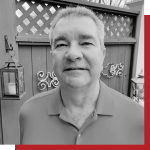 Farrell Middleton grew up in Savannah, Georgia as the youngest of four children from a middle-class family, and unfortunately was a product of divorced parents.
He met his wife, Kathy, in high school, they have been together for 42 years and married for 36 years, and they have two adult daughters that live in Atlanta.
He attended Georgia Tech and graduated with honors in four years while receiving a degree in Building Construction. Upon graduation, Farrell entered the homebuilding industry in Atlanta, Georgia and had a very successful 36-year career.
Early last year, the decision was made to pursue his long-awaited second career as a teacher, this has been a lifelong goal He has been loosely working on The Bell Curve of Life concept for many years, and it was finally time to pursue it.
This transcript is machine transcribed by Sonix
Intro: [00:00:07] Broadcasting live from the Business RadioX studios in Woodstock, Georgia. It’s time for Cherokee Business Radio. Now here’s your host.
Stone Payton: [00:00:24] Welcome to another exciting and informative edition of Cherokee Business Radio. Stone Payton here with you this morning. And today’s episode is made possible by the Main Street Warriors program Defending Capitalism, promoting small business and supporting our local community. For more information, go to Main Street Warriors dot org. You guys are in for a real treat this morning. Please join me in welcoming to the broadcast with the Bell Curve of Life. Mr. Farrell Middleton. Good morning, sir.
Farrell Middleton: [00:00:57] Good morning. Stone. How are you doing today?
Stone Payton: [00:00:59] I am doing well and have really been looking forward to this conversation. I think a great place to start. If we could share with us, if you will, a little bit about mission purpose. What are what are you really out there trying to do for folks, Man?
Farrell Middleton: [00:01:14] All right. Well, my goal with this, I retired from a very long career in production homebuilding just last year. And I’ve always wanted to be a teacher in my second career of some sort. And my desire right now with this program is to basically help people live a better life. I’m going to go very simple here. I want to help them work on overall better attitude, improve problem solving ability, enhance interpersonal communication skills and healthy relationship building. That is what I want to do.
Stone Payton: [00:01:46] So I got to know, man, tell me more about this back story. What compelled you to open up this this next chapter of your life?
Farrell Middleton: [00:01:54] Well, again, after a very successful career, I just wanted to spend my professional time differently. I’m only 58 years old. I got a lot of years left and just desperately wanted to get into the arena of, again, being a teacher, a life coach guide. There are many words to describe it, but then all of them are very appropriate. But I just felt compelled to have my life experiences help other people, and my one of my main focuses is going to be managers in their early thirties and younger. I think I can really help anybody with my program. The materials appropriate for everybody. We’ll get to that in a minute. But managers in their early thirties and younger, they could benefit tremendously from the program that I’ve put together.
Stone Payton: [00:02:42] So have you chosen a niche or to a type of industry, a geographic area.
Farrell Middleton: [00:02:51] Geographic areas here, the Metro Atlanta area? And right now my main focus of business clients is going to be the homebuilding industry. I was in the same industry and the same city for 36 years. Yeah, I know a whole lot of people and they know me. And I can say comfortably, I’ve got a very good reputation in the industry and I feel very comfortable with that. And so that is my current wheelhouse of potential prospects with homebuilders, suppliers, subcontractors, that type of business arrangement. But my program can help anybody. I actually had a two hour session, as I call it, with some Chick-Fil-A folks last week, the International Supply Chain Group. I went in and helped them. They had a one day seminar offsite and I went and helped them a little bit. And I am working with some other companies outside the homebuilding industry so I can help anybody. I really can.
Stone Payton: [00:03:48] So where in your experience, do things sometimes come off the rails or where is there opportunity for more efficiency and effectiveness when people are managing these? What I can only assume are incredibly complex projects.
Farrell Middleton: [00:04:04] Yeah, what basically can happen there is and very quickly, I was a manager at the age of 22 when I started my homebuilding career, and since then I have of course recruited, hired, trained, managed and motivated hundreds of people over the years. And what I have found and I’ve confirmed this with many of my friends that are in business, that with the current employment situation that we’re facing right now, they as business leaders are needing to promote younger individuals maybe a little sooner than they were expecting into a management type of a role. And I witnessed this and experienced it myself in my career as an executive manager. Basically, we just unfortunately, in some cases, that was just the better choice that we had. And some of these younger folks, male, female, you know, doesn’t matter the educational background or whatever the case may be. They just need some guidance in how they just manage their daily life. And my program can help them do that. The program is broken down. I call them topics, and I have what I call sessions and the sessions last 90 minutes. I am very deliberate about that. Everyone’s time is very valuable and basically with the way the world works with phones. And I watches and, you know, iPads, all that kind of stuff. 90 minutes is about the the amount of time somebody can break away for a little while.
Stone Payton: [00:05:32] So are you sharing skills, disciplines, methodologies and then sharing it and then having them practice it with each other? Is it kind of a peer to peer?
Farrell Middleton: [00:05:41] It’s not really a practice thing, but basically it is a group engagement in the session, and my optimum session is ten people in a room with me and we will discuss a topic, for example, for my middle manager category. My favorite topic is there is no wrong answer, which basically means that if a subordinate or employee comes to them with an issue, ask them what is going on. Please give me the facts without any repercussion. They solve the problem together. The manager becomes a better manager with this skill and hopefully the employee becomes a better problem solver along the way. So hopefully we get two things out of that. And the main thing that I’ve got going with me is that the I have my sessions and I have bundled them into what I call a series, which is five sessions, 90 minutes at a time, once every other week on the same day of the week, the same time of day. So maybe Tuesdays at 10:00 or Wednesdays at 4:00 or whatever the case may be. And Stone, I want less than one business day, seven and one half hours of group face time with these people. And I know that I can help them live a better life. I know I can.
Stone Payton: [00:06:55] So at this point, what are you what are you finding the most rewarding? What’s the most fun about it for you?
Farrell Middleton: [00:07:01] What I’m finding very rewarding is and this was a hope that I had, is that the participants, as I call them, they are learning as much, if not more from each other than they are from me. And so what I’m doing is I’m kind of facilitating the conversation. Again, there’s one topic for that particular session and we will discuss that and I’ll start. I’ll prime the conversation with my experiences related to that topic and basically I’ll kind of get it going. And then I will ask people to participate in the conversation, share their experiences relative to that topic. And so the conversation gets a little, you know, it starts kind of flowing a little bit, that kind of thing. And then what I have found, you know, the first session can be a little bit awkward if people don’t know each other, you know, you know, just that kind of thing. I’m sure you’ve run into that before in your career, but once we get going in the session and then have the second, third and fourth session with the same people, everyone is very comfortable and the conversation flows very nicely. And I believe that people so far have gotten a lot out of this and they’ve been very appreciative of my efforts.
Stone Payton: [00:08:06] So tell us a little bit about the experience of putting the curricula together, because that I mean, that is the that’s the fulcrum, right? You got to have the right stuff. What was that?
Farrell Middleton: [00:08:19] Basically, this is a compilation of my 58 years of being alive. And I’ve got information that goes back to my childhood years on the personal side of things. For example, my topic there about relationship building is Kathy and Farrell had nine parents between them and my wife Kathy. We’ve been together since high school about 40 years ago. But yes, through divorces and remarriages, all that kind of stuff, we ended up with nine parents and that is the basis of the topic for relationship building. And so go back to my childhood years with that. The majority of it as well, of course, is professionally related. And for example, I’ve got material for personal life. I’ve got four categories, personal life, and then three for professional. I’ve got owner, CEO director material, I’ve got middle manager material and I’ve got associate material. And my favorite topic for the owner, CEO director is a performer, C performer, a environment, C environment. And the fundamental of that is that a a C performer in an A environment can become an A performer. A a performer in a C environment will become a C performer or they will leave. Yeah. And so the goal there in helping to guide the owners, leaders of these businesses is number one, work on an a environment, whatever that may be for your business. But the basic fundamental thing there is do you have a clear vision of the desires and goals of the of the company? And do you share that with your staff? And then the next part of this is, as managers, how do you manage your staff on a routine basis for them to be as productive as possible? So you want a performers in a environments and there’s nothing that will stop you from having a great business.
Stone Payton: [00:10:11] So you made a conscious decision to include personal life, life skills. Why did you make that decision and what are some of the topics that you.
Farrell Middleton: [00:10:22] That was a big part of it. And, you know, I think one of the terms that’s been overused a little bit sometimes as work life balance. However, I’m a firm believer in that I worked very hard in my career. All of my friends work very hard. And, you know, you come to find out that stress of work can certainly get to you. But personal life is very, very important. And I’ve worked with some companies where that was a main focus and I’ve worked with others where it was not a main focus. And so when the personal side of things like the relationship building, I start in that I’ve got family relationships, that’s how you do it. And then my other favorite topic that I end the series with is Try to be yourself. Everyone else is taken.
Stone Payton: [00:11:07] I like that. Yeah. By the way, shout out to Kathy. I’m a little intrigued. What was that like when you went home one afternoon and said, you know, I’m going to quit this thing that I’ve been doing for so long, so successfully and I’m going to jump off this cliff over here. What was that like?
Farrell Middleton: [00:11:22] Well, that was kind of interesting, I must say. I think she was a little surprised by it. However, we had had the pleasure, I suppose, of raising two daughters and they both live in Atlanta now. They’re working professionals now, but they were we educated them. They were out of college. One is now married. We’re very pleased with that. But I was at a point in my life where I was just ready for it. And yes, there was a little, little challenge there. Also, I’ll admit it, Hey, I’m a regular guy like everybody else. And we’ve been together, like I said, for 42 years, married for 36. But she is my best friend, my soulmate and my biggest supporter. And it didn’t take too long to get her on board with it.
Stone Payton: [00:12:03] So moving into this line of work, did some things surprise you? Did you come across I don’t know if you would characterize them as myths or, you know, it’s not really quite like it is. I thought it might be like this. And it’s more like that as you’re as you’re starting to do this kind of work.
Farrell Middleton: [00:12:16] Well, I think what I’m coming to find is that everyone let’s take our business leaders and owners. And I’ve got friends that work for Home Depot, for example. And like I said, I’ve got my Chick fil A friends, and I’ve got some very good friends that work in the waste management business. And what I am coming to find is that they all have the same issues relative to personnel management growth of their employees. You wouldn’t call it training. Again, I think training is very, very important, but my training is on life skills. And what I have come to find surprisingly, is that everyone’s got the same challenges out there. And it was a remarkable when I did my Chick fil A thing last week, the similarities between Chick fil A opening restaurants and builders, opening neighborhoods. There were some extremely close parallels. And I was I was just very surprised that other that was that was what I found. And, you know, they they get all kinds of supplies from all kinds of different places. And they end up in one spot, that being the restaurants. And they serve the product to the customer, similar to home building where we get a lot of products and they get assembled on site and we they converge to a spot where we deliver a house for a customer. And so I think I’m going to be coming to find that out quite a bit. But again, getting back to the main thing for this is that over the last several years in all of my business relationships and I had, I’ve got a ton of relationships with folks outside my direct companies against suppliers, subcontractors, county government that I’ve dealt with as well. They all have these similar challenges of how do they help their employees just be better employees, and I want to help them be better employees, better managers, better directors, that kind of thing.
Stone Payton: [00:14:07] So how does the whole sales and marketing thing work for a practice like this, a business? Like, how do you get to have conversations like this with someone in charge who can at least consider engaging you?
Farrell Middleton: [00:14:19] Okay, well, well, basically that’s where the networking thing comes in. And again, like I said, I know a lot of people in the homebuilding industry here in Atlanta and, you know, and surrounding areas. Last company I was with, we did some work in Alabama as well, had a couple of neighborhoods over there. But what I found myself doing is getting out face to face. I’ve joined the Atlanta Homebuilders Association as an associate member. I go to a lot of their social events. I go to the board meetings, that kind of thing. And I’ve just let people know what I’m doing. And I’m going to a remodelers association event this evening. So I am just getting out face to face, introducing myself. And obviously I’ve got some marketing literature that I’ve got that I send out specifically once I introduce myself to someone. And basically it’s a matter of engaging, again, ownership CEO director in my services and the value that I can provide to them and their organization.
Stone Payton: [00:15:12] And you do have to get them engaged, right? I mean, if you don’t, they’ll train them quicker and you train them, they you.
Farrell Middleton: [00:15:18] Might be right about that. I want to be careful there. But yes, I think you’re absolutely correct. But. The principles of what I have put together back to where the where this came from. The principles are timeless. What I have put together can be reviewed in one year, five years or 20 years, and the fundamentals will still be the same. Like, for example, in relationship building with a in a professional environment, my first tip to the folks that I get in front of is return every phone call, email or text in an appropriate time frame. If you can do that, then people will recognize you as someone that they can take seriously, will be a problem solver, will communicate well no matter whether it’s good, bad or indifferent news. Respond back to people and you will find yourself in a totally different place professionally.
Stone Payton: [00:16:10] And it sounds so simple, but it sends so many critical messages when you exercise that discipline, doesn’t it?
Farrell Middleton: [00:16:17] It does. It does. Yeah. These the concepts here, they are simple concepts, but they can be complicated as life unfolds. You know, people have to wake up every day. And, you know, one of my topics as well is there are five workdays in a week. You’re going to have one good, really good day, three good days and one day that you would wish you could forget. But your day starts when you pull your head up off your pillow and we kind of just go through what are the things that make a day unfold. And the best thing you’ve got is your attitude. It is the facet in life that dictates whether you will be successful or happy or content or whatever it is. If you have a good attitude, no one can take that away from you. And that’s where it starts.
Stone Payton: [00:17:03] So if I’m a senior executive in an organization that might be a good prospective client for you, what are some signs that I ought to at least reach out and have a conversation with you? What are some symptoms or things that I might be seeing that indicate, you know what, I probably ought to reach out and at least have a conversation referral.
Farrell Middleton: [00:17:21] Okay. A few of those signs would be let’s take a company with, you know, 100 employees. And that was the size company that dealt with mostly my career, and that’s the SAS companies I was with. They will have a few vice presidents over different departments, that kind of thing. And of course, you know, staff levels going down there, some assistant managers, that kind of thing. Number one for the business owner are is that executive management level? Are they getting along well? You know, are they on the same page? Do they share your mission of what you want, the goals of your organization to be? And then below them, the same thing. And one thing that can happen very quickly and easily, and nobody’s blamed for any of this stuff. Stone Let me be clear. No one’s to blame for it, but it’s just the way that human nature works. But I call it what’s the silo effect where a department of people in a company, they focus on what they do. For example, in production, home building, you have your internal operations department, the purchasing, estimating architecture people, and then you have your on site construction staff.
Farrell Middleton: [00:18:24] If those two departments aren’t getting along well, it’s going to be a tough draw to get those houses built. It really will. And so those folks have to be on the same page. And that is a that’s a big, big issue. And again, in my conversations with folks, as I have been doing this for the last seven months, I have found that they’re saying, yeah, yeah, gosh, now that I think about it, my folks really could get along a little bit better. They could communicate a little bit better. And one thing as well that I’ve noticed back to your question a few minutes ago, in companies departments, they are their own internal customers. And if they don’t act like they are their own internal customers and they have to service that, then again, you’re going to have some problems that yours are going to grind and things like that. And if you don’t have that inside your company, then how in the world can you produce a good product for your customer in order to be a good are you good to that customer? If if you don’t have good internal customers in your departments?
Stone Payton: [00:19:22] So over the seven months that you described, are you finding that leaders are embracing the idea?
Farrell Middleton: [00:19:28] They are. Without a doubt. It’s it’s new. And I’ve always got the economic situations again. For example, home building is kind of slowed down a little bit. We all know, you know, with the interest rates and that kind of thing. But basically the feedback have gotten has been very, very strong. And I think it’s just a matter of can they commit the either their time And again, I got material for owners as well and I would love to get directly with owners.
Stone Payton: [00:19:55] Yeah.
Farrell Middleton: [00:19:56] And I’ve got all the stuff on my website of course with what I’ve got broken down. But you know, basically it’s just a matter of convincing them that if I can get less than one business day overall in an eight week period with their staff, they will perform better. And that’s that’s the task that I’ve got, is how do I convince those people to do that? And my, my, my material is it’s good quality. It is. And it’s a very fair price as well. We’ll talk about that in a few minutes, I’m sure. But yeah, it’s a good program.
Stone Payton: [00:20:26] Yeah. Let’s talk about fee structure and maybe dive into a little bit about some, at least at the headline level, some of the key components of the material, if that makes sense.
Farrell Middleton: [00:20:35] Absolutely. Absolutely. So yeah, the cost structure is very simple. Like I said, I’ve got a five session traditional series, which is 590 minute sessions. That’s $500 a person. Basically, the simple math is $100 a person for an hour and a half, you know, in a group setting. And then I do have an executive leadership series as well that I’m working on promoting, which is a meeting once a month, the same 90 minutes and again the 90 minutes. I have talked with educators at Kennesaw State University about. That’s about the maximum span of a session for learning and that kind of thing, just the way people are wired these days. But anyway, the executive session, again, it’s $600. There are six sessions of 90 minutes each and it’s $600. And then as well, what I’m also offering are my services for one or two hour sessions with either monthly or quarterly staff meetings. Like I mentioned, the Chick fil A, and it was an offsite retreat for this particular buying group. And then as well, trade associations with their with their, you know, quarterly meetings or whatever the case may be.
Farrell Middleton: [00:21:42] I’d love to be a guest speaker there. And so I’ve got I got that. But, you know, I’m flexible, I’m available. And, you know, some of the material, like I said, I’ve got material for personal life. We’ve already talked about the relationship building with my family situation. And then as well, try to be yourself. Everyone else is taken. And actually, it’s funny, I read that on the outside fireplace side of the volunteer fire department in Hickory Flat, Georgia, about 20 something years ago. It’s never left me. And then as well, I already mentioned for managers, my favorite topic is there is no wrong answer for the ownership. Again, I think I might have mentioned this. Maybe not, but anyone can hold the hill when the sea is calm. And that is absolutely true. True leadership comes out when things don’t go as planned. And how do owners, CEOs, directors handle that in making sure that, you know, they might be churning on the inside, but they have to let their people know they’re in control?
Stone Payton: [00:22:40] Yeah, I would think that coming back and and sharing some of the experience that folks have had and relating it to some of the topics that we talked about last time, I would think that would be invaluable, particularly and sharing the stories with each other, right?
Farrell Middleton: [00:22:55] Yes, it is. And a couple of the groups that I’ve had so far, one was a grouping of ten people and they were from four different companies. There was an HVAC company, a sheetrock company, an insulation company and an erosion control company. And again, these are all folks that I’ve dealt with in my career. And so I had some ins, so we had this fantastic group of these ten people that came from different companies all in the same industry. They had the same challenges every day of how do we provide our finished product to the customer, which is the builder. But it was just a fascinating exercise. And again, as the sessions unfolded, everybody got more comfortable talking and that kind of thing. Another one I did was with a specific homebuilding company based here in Woodstock, Georgia, right down the street from here, Tony Perry’s company. Tony Tony’s a great guy. And so I did some work with eight or ten of his employees over a five session period. And we did talk a lot of specifics about internal workings of homebuilding and, you know, skill sets, priorities, policies, procedures, that kind of thing. And they all got a bunch out of it as well.
Stone Payton: [00:24:04] So I hadn’t thought about that. But so so there’s the in-house committed program for for an organization, and there’s this more open enrollment opportunity where.
Farrell Middleton: [00:24:13] Yes, there is, Yeah, yeah.
Stone Payton: [00:24:15] I could see advantages in both.
Farrell Middleton: [00:24:17] There are advantages to both. And basically what I’ve got and again, there are over 90 topics in my portfolio. Wow. I’ve scripted 20 of them so far. Those are the ones that I focus on. I’ve got five of those topics per category, like I mentioned, personal in three professional categories. And what I’ve done as well, I’ve mixed and matched topics from the, the different categories for a particular group, like I’ll have one for the personal side of things combined with a middle manager topic or two, and then with a traditional staff level topic or two or something like that. So I am very flexible with this.
Stone Payton: [00:24:51] Well, congratulations on the momentum, man. It seems like you’ve got an awful lot of good stuff going. You’re making the right connections. You’re beginning to help the right kind of folks. Before we wrap, let’s leave our listeners with a couple of pro tips. I mean, number one, pro tip game is reach out and have a conversation with Farrell. But you mentioned one pro tip earlier, but maybe just a couple of other things that they should be beginning to think about. Read about.
Farrell Middleton: [00:25:15] Absolutely. Let’s let’s take one and I mentioned earlier about the, you know, professional contact getting back to folks. Let’s take one on the managerial managing your time. Let’s put it that way. One of my topics is Friday. Pm Did I have a good week? This is going to be an excellent topic for me as I move forward. I’m going to use it quite a bit. And basically the goal here is that the at the end of your workweek and let’s say it’s a typical Monday through Friday workweek on Friday afternoon, Saturday or Sunday, reflect back to see how you did that week and then before the next workweek starts, you want to identify the have twos and the want twos. My topics are very simple, as we’ve already discussed. And so in everybody’s professional life, no matter what they do, the next week is filled with the half twos. The thing. So just have to get done daily, weekly or routinely. And then what you need to do is fill that in with some want to’s. The things that are sitting on the corner of your desk or in the back of your mind that you know, you need to get to at some point in time, but you just can’t find the time to do it. The way to have a productive week is, number one, get all the have twos done and an extra productive week is if you can throw in one or two, one twos, whatever that may be, just just decide what it is. And if you can get that done, then you will have an extra successful week. It’s very simple stuff, very simple, but it’s hard for people to focus on it on a routine basis.
Stone Payton: [00:26:38] Yeah, I’m glad I asked.
Farrell Middleton: [00:26:40] Well, there you go.
Stone Payton: [00:26:41] All right, man. What is the best way for folks to reach out? Learn more about tap into your work, maybe have a conversation with you, website, LinkedIn, email, whatever you feel like is appropriate.
Farrell Middleton: [00:26:51] Sure, sure. So basically the website is the Bell curve of Life dot com. My email address is Ferrell at the Bell curve of Life. That’s F as in Frank a r e. L l at the bell curve of life. My cell phone number which I give out, I give this out to my homeowners over the years. I wouldn’t scare. I’m not scared of anybody. My cell is six, 786182024. I’m available by phone or text as well. And LinkedIn, it’s under Pharell Middleton, Facebook, Pharrell, Middleton and that’s how anybody can get in touch with me. And as I mentioned earlier, if you get in touch with me, I’m going to get back in touch with you because that’s the way to be a good professional.
Stone Payton: [00:27:33] Well, Ferrell, it has been an absolute delight having you on the show today. Thank you for coming in and joining us and sharing your insight and your perspective. Congratulations on the on the early momentum and keep up the good work.
Farrell Middleton: [00:27:46] Yeah. Yeah. Well, thank you. And my last statement here is the only thing I’m truly an expert on is being me. Let me be very clear. And I’ve channeled my 58 years of personal professional life into this program, and I just want to share that with people, to have them live a better life. And we’re going to have a lot of fun while we do it as well. It’s a very casual environment and basically I’m so excited about it. I’m having a great time.
Stone Payton: [00:28:09] Well, I can tell your enthusiasm just comes on over the airwaves and here in person. And I’m just thrilled for you and delighted to to have you in our circle here at Business Radio X, man.
Farrell Middleton: [00:28:20] Thank you. All right. Well, thank you very much, Stone. I really, really appreciate the time.
Stone Payton: [00:28:23] Absolutely. My pleasure. All right. Until next time, this is Stone Payton for our guests today, Ferrell, Middleton and everyone here at the Business Radio X family saying we’ll see you again on Cherokee Business Radio.