/
RSS Feed

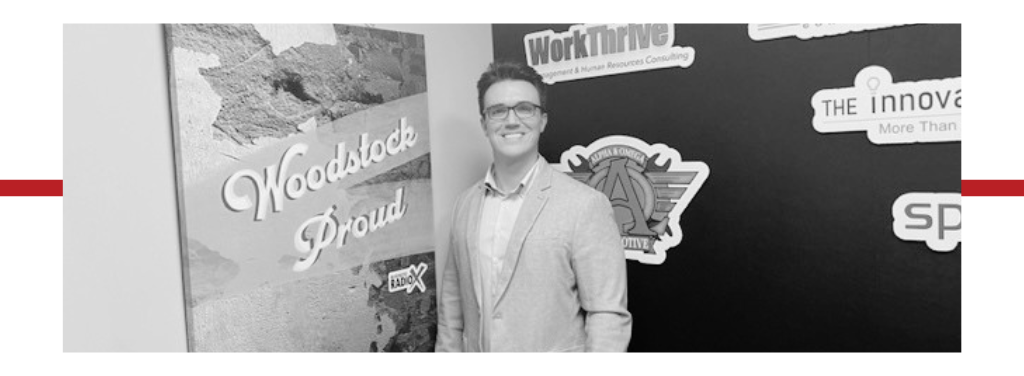
 Josh Bagby is a broker with Providence Insurance Advisors and owner of The Bagby Agency, Inc. He and his agency provide the ability to offer multiple insurance carriers to serve you and your family.
He is also the creator of Cherokee Connect, a collaborative Facebook Group to connect the residents of Cherokee County to local business and their community.
Connect with Josh on LinkedIn.
This transcript is machine transcribed by Sonix
Intro: Coming to you live from the Business RadioX studio in Woodstock, Georgia. This is fearless formula with Sharon Cline.
Sharon Cline: And welcome to a Fearless Formula Friday. This is Sharon Cline with Fearless Formula on Business RadioX, where we talk about the ups and downs in the business world and offer words of wisdom for business success. Today in the studio is a broker with Providence Insurance Advisors, but he’s also the founder or creator of the very popular Cherokee Connect Facebook group.
Josh Bagby: I don’t know what that is.
Sharon Cline: I know. Are you founder creator inside? This is Josh Bagby. Welcome to the show.
Josh Bagby: Appreciate you having me.
Sharon Cline: Do you call yourself a circus person?
Josh Bagby: Some days that’s what it feels like.
Sharon Cline: I was going to ask you a little bit about that. Like what? First of all, I just looked it up. 60 over 63,000 people are part of this group, Cherokee Connect.
Josh Bagby: In three years.
Sharon Cline: Three years. I was thinking it it started in 2000, 19, right before the pandemic.
Josh Bagby: And a presidential election year. That was that was a good decision on my part. Didn’t know about the pandemic, didn’t know about the election. I did know about the election. But that part was actually pretty smooth. But yeah, it was it was weird how the pandemic kind of brought the community together. I think that really did help the growth of it for sure. You had a lot of people that were at home and freaking out, to be honest, and they didn’t know who to ask or what to do. None of us did. And so it was kind of a I feel like it did kind of bond the group there early on to like we were all in it together and everything else and kind of figuring it out as we went.
Sharon Cline: So your main reason for starting it is because you had a lot of people moving into town and looking for people to help them with various things in this.
Josh Bagby: County, right? With insurance I would do they’d call me for home insurance and they’d be like, Man, hey, you know, I’m buying this house, but I hate the light fixtures. I need them swapped out. Who do you know? And hey, here’s my personal handyman or, Hey, you know, I need new tires.
Sharon Cline: Just randomly, people asking you because you’re you’re the insurance person, right?
Josh Bagby: Gotcha. Random. I grew up here for the most part, And so it was they and I would offer it up like, hey, if you need anything, let me know. Really let me know. I don’t mind giving it to you. And so I was like, okay, let’s just put our whole my whole network in a group. Facebook was kind of pushing groups at the time and I was like, Well, that makes sense. We’ll just ask somebody ask I’ll add them here, and they kind of introduce them to my network instead of copying them on an email to them or something like that. And by the end of that week it was 2500 people. And then by the end of the month it was 5000 and it just took off. So it was it feels fills a need and hopefully it still does. It has grown beyond what I ever thought it would be, but it is. There’s still a lot of people I get even the ball ground parades tonight and there’s people, Hey, I’m new to town. Where do you park? Where do you sit? You know, that kind of stuff. So it’s neat to kind of bring people along and kind of speed up how fast this place can feel like home to them. And it’s a beautiful community. It’s an awesome community, and they are very welcoming. And I mean, I’m not originally from here. I was nine years old when I moved here, so I’m pretty I’m from here now, but it welcomed me in and it’s still welcoming people in. So it’s fun to get to see that happen on a daily basis.
Sharon Cline: Do you feel like you can ever shut shut that down for yourself? Like are you always sort of on because it’s a 24 seven accessible, almost like PR thing?
Josh Bagby: Yes. I try not to look at it like that, but yeah, every morning when I wake up and I open my phone, I wonder what happened. You know, most of the time it’s pretty that we’ve never really had anything crazy happen overnight. But it it is a weird feeling at the, you know, when we get done with however long here, I’m going to look at my phone and see if anything blew up while we were talking.
Sharon Cline: What kind of things are you finding that blow up? Like, what are the main things?
Josh Bagby: Everything gets political. Random things that you would not think would get political, get political, and just trying to kind of not squash it. But, you know, things don’t always have to be political. That’s not the way things are meant. And you’ll get random, very benign posts that go crazy just because somebody decided to take it down a path that it was not intended to go. But that’s it. You can’t put your finger on any one thing because it’s so many random things that pop up.
Sharon Cline: Is anything have you sort of gotten an idea of what it’s what humans are like because of this? Do you know what I mean? Like the themes of people?
Josh Bagby: Yes. I just talk about the theme.
Sharon Cline: Good themes and maybe, you know, themes that are like the happiest.
Josh Bagby: There’s a lot of people that probably shouldn’t have a driver’s license.
Sharon Cline: If I’m seeing those posts, I hope they’re not about me.
Josh Bagby: You wonder. But I mean, they’re your friends and neighbors and they need help too. But it is you get some stuff where you’re like, Man, this is okay, I get it now. And there’s different strokes for different folks. And there’s a lot of that, too. It’s a very diverse group from all walks of life and all different. You got doctors and you got, you know, people that are struggling. And it’s just it’s it’s a great little cross section of and at that size, it’s it’s a very good cross-section of what our community looks like. So, yes, it is kind of fun to to joke about it. But there there is some crazy stuff every day.
Sharon Cline: But everywhere. Yes, I was on Nextdoor recently and was like, oh, my goodness, someone just talked about they talked about their trash cans or like a trash service. And it did become very political very fast. And I was like, I don’t want to see this. But then I did. Like I went back and looked.
Josh Bagby: Right, Yeah, you can’t look away.
Sharon Cline: I was like, How bad did it get? Oh, it got bad. Yeah.
Josh Bagby: Oh, and for every, every one of those posts that we have, like there will be this time of the year with it, I have noticed it’s kind of cyclical. Things get tight with people with money and they’re stressed because they’re having to visit their families and all that kind of thing. You know, it’s just a bunch of different stressors. And so it does get a little testy. And I did like an audit. Every now and then I’ll do an audit like, is this worth doing still? Like, does this make sense to keep doing? Is it more beneficial than it is harmful than anything? And every time I do it, it is like I’ll go through and I’ll look at 2030 posts just to see how it’s going. And there will be one that has has gone off the rails. I’m like that. That far outweighs what it is. And unfortunately the the back and forth and the tension of it is encouraged by the algorithm.
Sharon Cline: So really?
Josh Bagby: Oh, yeah, interesting.
Sharon Cline: I did not know that.
Josh Bagby: It has gotten better recently, but there for a while. Any kind of argument that was going on, it it would feed it and that’s crazy. Yeah, I wish it went true, but it’s it’s for sure.
Sharon Cline: Well, I’m kind of like trying to absorb. Well, you wouldn’t think that the notion of of drama would be something that everyone wants to see and you would want it to be furthered. It’s something like you said you would want to kind of squash, but how fascinating that that’s not even something you control.
Josh Bagby: It keeps you on Facebook looking at ads.
Sharon Cline: Uh, I’m sure I’ve been manipulated many times by that. Don’t even. I don’t even know it. I’m just like, oh, my.
Josh Bagby: Gosh, Like you said, you don’t want to look away. And that’s what it is. It keeps you.
Sharon Cline: There. Interesting. Well, has there been anything that’s just been the most surprising to you about sort of having started this this group?
Josh Bagby: I knew what kind of community we had.
Sharon Cline: I noticed, too, I looked a little bit well, I didn’t cyberstalking you too hard, but a little bit of history on you that you went to Cherokee High School. You’ve been in this county since, what, you were nine? I guess so. So essentially, you’ve been here and know very well this whole city. So you weren’t surprised by kind of what you were potentially getting into, I guess.
Josh Bagby: I’m the ever optimist. So like, I had really high hopes for it. And I still do. Like, it’s and again it again maybe I’m looking at it with rose colored glasses, but the majority of what goes on in there is is really cool. And but yeah, I knew it would do well and I knew what my personal network how they would treat people and how they would take care of people. And then I have been pleasantly surprised with how caring and encouraging the vast majority of the people in their.
Sharon Cline: And kind.
Josh Bagby: And they are. And I mean, some of the stuff in there. I mean, I’ll make you cry. Like there’s people that will screenshot it. One lady in particular, every time she makes sure that I see the good stuff because it’s oftentimes I just get brought in to handle the bad stuff and you don’t and the good stuff just passes and I’ll look and see. It was one a lady she thinks she donated a quilt that her that right that her great aunt it was all Goodwill’s casket. She thought she’d donate it to Goodwill. We got people that work at Goodwill tagged in there. We got people on the lookout like and there’s, you know, 2000 likes on it, you know, and it’s just like that. I didn’t even know it happened until I had 2000 likes and. The those like that. That’s what makes it worth it. And all the crazy lost dog posts, there’s dogs getting found. There was one guy called me one time. He was like, I didn’t even know my dog was out. I didn’t know my dog was missing. And I’m scrolling and I see my dog on Facebook and I go pick it up two miles down the road. I was like, This is crazy.
Sharon Cline: So I saw one about this woman who was walking in a park and she lost her wedding ring. And I swear the community, it came together. There were so many people out there looking for this ring. For her. It was so kind.
Josh Bagby: There was a dog that went missing and they had search parties, people coming from other states that they had put together in there. There’s a you know, there’s always car shows and fundraisers and stuff like that for and that that is what it’s for. You know, we try to let some people get upset when we decline stuff that’s critical of a business or critical of something. And it’s like, well, that’s not like there’s plenty of other avenues. Like you get a lot of negativity all over the place in your life and just let’s try our best to keep this as positive if we can. It’s not perfect, but you know, it’s worth trying.
Sharon Cline: Do you feel like you know so many people now or do you think people know you?
Josh Bagby: That’s a funny it’s a it’s kind of a running joke in my office because it’s it is kind of funny because, like, and before I’ve lived here long enough. Did I go to school with like you said, I went to six elementary, I went to Teasley Middle School and went to Cherokee, went off to college, came back, grew up going to church or playing ball. And so now in my brain’s not as sharp as it once was. And so I’m like, how do I know this person? Are they a client or, you know, like, how do I know them? And the other running joke is I will put my face on anything on a icebox, billboard or whatever I have come. I’ve stopped short of putting it on t shirts or something. But then, you know, who knows? But so like people, they’ll recognize me and they’ll recognize my name and my profile pictures on the Facebook group. It’s in my email signature, so they’ll recognize me before I ever recognize them. So until they tell me their name, I don’t know. Some people just won’t tell you their name. They get kind of shy talking to you. So yeah, there are I got I got paparazzi at a few times. Seriously, Once.
Sharon Cline: Was like at a.
Josh Bagby: Restaurant or last night. Yeah. What happened? This is so funny. Uh, I’ll leave the names and everything out, but there was a teen girl that I’ll show it to you because it cracked me up. And the.
Sharon Cline: Paparazzi.
Josh Bagby: The ladies in my office think it is just absolutely hilarious when this happens. Yeah, there I am In the back corner. Back there.
Sharon Cline: You’re just standing there.
Josh Bagby: Yeah. And so the mom, she texted it and sent it to her mom. And her mom and I have messaged on Facebook, she’s like, You’re going to think this is hilarious. And she sent it to me. So, yeah, I mean, that part is funny, but it you know, I don’t know why. Like, you try to I don’t want anybody to ever think I’m arrogant with it or that I think I am like a big deal because it’s not like it’s it I try to push all that back on the community like, oh, man, this thing is so great or whatever. I’m like, That’s not me. Like, it’s I hit the button to start the group and the community was going to find a way to come together regardless. And you just kind of had to be a little circumspect. You’re the kind of.
Sharon Cline: You’re the catalyst of it or an impetus for.
Josh Bagby: It. Oh, a catalyst. Just I hit the button, you know, like it just started and there it was.
Sharon Cline: So you’ve helped other counties, is that right, to create their own groups? What is that like to encourage or to teach someone or explain it?
Josh Bagby: It makes you thankful for where we’re at because there’s one in Hattiesburg, Mississippi, and he’s a great dude, very similar to who I am and everything. A lot of the same. Reasons for starting the group and Hattiesburg is just not the same as and Woodstock. So like the community doesn’t buy in. It’s not as engaged. It’s not as. Is loving for one. And now I’m not in that one a whole lot and it just kind of help him but it just doesn’t doesn’t feel the same. We had one that tried to start in kind of North Fulton and it just didn’t didn’t take off for whatever reason. Same kind of stuff. It just doesn’t I don’t know. That’s why I think Jerky Connect works, because it’s in Cherokee County for for whatever reason.
Sharon Cline: Oh, it makes me feel really proud of us.
Josh Bagby: Yeah. No, I mean, and I say it all the time and it feels. Like, I don’t know. I don’t want anybody to overthink it. I think it can sound fake when I say it, but it’s like it really is a special place. Well, if.
Sharon Cline: You do not compare it to other counties, you don’t know, you don’t.
Josh Bagby: Know you’re normal or if you’ve never lived anywhere else. And you know, I haven’t lived anywhere else very long. And I lived in Statesboro and my freshman year in Athens from there on. And that’s really it. But it’s not the same. And people that move here, like even you’ll see it like, man, I have never been in a community like this. And again, for all the negative and bad rap that we get, there’s so much good about this place.
Sharon Cline: It’s heartwarming.
Josh Bagby: It is.
Sharon Cline: You think about it. Well, actually, I love I love that you talk about kind of how you have this part of your life, Cherokee connect and that you feel like you’re out there a lot, but a lot of it has to do with your work. So they kind of are they’re not exactly married, but they have to do with each other.
Josh Bagby: I do.
Sharon Cline: Yeah. Right. So what’s great is that your work has allowed you to be able to get to know so many people and help so many people. So let’s talk about what you do as a broker at Providence Insurance.
Josh Bagby: So we, uh, I’m in year 13 of being an insurance agent. Had no intentions of being an insurance agent, and nobody ever wants to. I’m a washed up former athlete and that is an insurance is a great fallback career for when you don’t make the NFL and I was nowhere close so that’s I saw.
Sharon Cline: The I heard that you played for the Bulldogs.
Josh Bagby: I did you know it was a little it was.
Sharon Cline: Very you know, you played with Tim Tebow.
Josh Bagby: I played a game.
Sharon Cline: Against Tim Tebow.
Josh Bagby: Sorry, smoked button. But I spoke at a little elementary school one time and that came up. Did you ever play it in the kids wearing like a Gators jersey? I was like, Yeah, I play against Florida Gators. I was like, Yeah. He’s like, Do you shake hands with Tim Tebow? I was like, Yeah, actually I did after the game. And he comes up after he shook his hand, he’s like, I’m never watching this game. And I was like, I’m not that big a deal. He goes, No, but you should games with Tim Tebow. I was like, Cool, man. Go for it. He’s probably fifth grade, but how cute it was. But yeah the yeah. So got into insurance right out of college opened an agency had no business running a business at all.
Sharon Cline: So you know that something we talk about on the show all the time is how people don’t have everything planned out, all of the potential mistakes, anything that they just have a dream and they kind of figure it out almost backwards. Here’s what I want. So let me let me get go backwards to be able to get what I want, if that makes sense.
Josh Bagby: Yes. The I was just looking to make some money and well, and but but the timing of it. So I graduated from Georgia in May of 2009 and I was a finance major.
Sharon Cline: That was when.
Josh Bagby: I was planning on I was planning on getting into banking.
Sharon Cline: So as you say, that’s the time when the housing market was terrible.
Josh Bagby: It was terrible. There was one job per 75 college graduates. So that’s how I got into insurance, because it’s commission. And if you can sell, you can make money, if.
Sharon Cline: Not always need.
Josh Bagby: And oh well that’s well, people and I have realized that now and then kind of with the economy the way it appears to be going right now and people like man, you worried, I’m like, no, not really. Because I mean, you have to have it. And as long as we have a better price or better coverage or whatever, then we’re okay. But yes, I got into it. No business. The one thing that made me halfway decent at anything I’ve ever done in my life is a work ethic and just a just a grinder. I have never not once Little League any anything ever been the best athlete on the field ever. And it’s like, I’m probably not the best agent, but it’s like I’m going to try really hard and I’m going to put the work in. And most of the time, if you do that, you’re going to outlast the competition. And people like in sports, they’re not going to take, you know, they’re not going to cut you as long as you do it right and you take care of what you’re supposed to take care of. No, keep your warm bodies that halfway know.
Sharon Cline: What they do. Show up.
Josh Bagby: That’s it. You show up and you’re consistent and that’s and you can be trusted. And that’s what’s weird was when I did get to play at Georgia, you know, I asked my coach when I was leaving my running backs coach, I was like, why did you give me a chance? And he goes, I just I looked in your eyes. I knew I could trust you. I was like.
Sharon Cline: Well, that’s something you don’t forget.
Josh Bagby: No. The rest of your life. Yeah. I mean, actually, still, it’s been 15 years ago, and it still gives me chills. Um, I don’t know. I’ve never told anybody that, but it. It is. And so that kind of with this career, that’s the biggest thing. Like, if you can trust me with your assets and, and taking care of your family and all that kind of stuff, and then I’m going to work for you. And here we are just kind of marriage perfectly together. So and there’s a little competition aspect of it, even within our own office. So that kind of feeds that part.
Sharon Cline: That’s part of that sports, too, right?
Josh Bagby: Yeah. And it took me a long time for that to kick in. And now that I’m realized that my sports days are long behind me, I’m like, okay, this is the only way I’m ever going to compete going forward.
Sharon Cline: So do you have kids?
Josh Bagby: Yes. Yeah, I’ve got a five and a seven year old.
Sharon Cline: Is there like a boy? Does he want to play or if you have a son?
Josh Bagby: Yep. Seven year old boy. And he. Mhm. He does and he doesn’t and people like, Oh yeah, he’s in football. I’m like no I don’t know.
Sharon Cline: I wonder about that. You know when you have these dreams, like you said, it’s just kind of was on the back burner after a while. But wouldn’t it be reignited so easily, you know, if your child were in it.
Josh Bagby: I try not for I don’t want to be that guy that’s living through my kids like it’s I want him to do his own thing. And football’s great football opened a lot of doors for me. A lot. But his personality is a little bit different than mine. I’m a team sports kind of guy and he’s he seems to be more of like an individual sports kind of guy, which is fine. And maybe I was at six, seven years old. I have no idea. But from the outside looking in, that’s what it is. So like golf and tennis and stuff that he he is very critical of himself and very kind of his own own worst critic. And so that would probably lend better to something like that versus trying to take that out on a team now that my job is to coach him into being a team guy and not being critical of your teammates. So that’s my challenge going forward. But yeah, so he wants to do that. And my daughter is into dance and she’s she’s very laid back and it’s funny how polar opposite they are, but it’s it’s fun to I mean, they’re best friends and that’s why we had them close together. They’re 18 months apart. So it is it’s fun.
Sharon Cline: I appreciate that you kind of look at and you probably do this with every person that you meet with in your business to what what their strengths are, you know, and kind of play up to their strengths.
Josh Bagby: Well, and that I’m one of the people that I don’t think like yeah there’s some stuff that you’re bad at and but there’s a lot of stuff that you’re really good at. So let’s just use what you’re really good at and get better at that because that’s going to be what sets you apart. And then we can supplement what you’re not so good at because if you’re a D sales person or a D server, like you’re never going to be in a you can’t climb that far to take you your whole life and your personality is just not wired for that. So let’s highlight this. A If it’s a minus, let’s get to an A-plus and then let’s get your D to a C and hire somebody to help you or get a technology to help you a software. And so there’s there’s ways that piece together. We’re now the whole organization looks better. The whole team looks better because you’re you’re really good in these certain areas and then we’ll backfill it to to make you good at all the rest of it.
Sharon Cline: I love that because it really doesn’t put unrealistic expectations on anyone.
Josh Bagby: Well, and people enjoy what they’re good at. Like you want them to enjoy where they’re working. You want them to enjoy what they’re doing. So like, why would I make you like for me, when we got into CrossFit for a while, I hate burpees. Burpees to me are the worst thing.
Sharon Cline: You’re anything but. Yeah, no, they’re terrible.
Josh Bagby: Worst thing. And it’s like, yeah, you do some burpees get better. I’m like, You’re not. You know what I hate?
Sharon Cline: For me, I’m.
Josh Bagby: Really good at power cleans. I’m just going to get really good at power cleans and I’m gonna scrap burpees all together and only do them when I absolutely have to. Like, why would I force myself to do something I hate? Why would I force somebody at work to do something that they hate doing? They’re going to be passionate about what they’re good at, and that’s going to show to the client and liking stuff.
Sharon Cline: So interesting. Well, let’s talk a little bit about what you do with Providence Insurance Advisors. So it’s not just homeowner’s insurance and car insurance. It’s lots of other aspects. Correct.
Josh Bagby: So there’s a lot of layers to that. So we again, I’m not great at everything. I’m pretty good at Auto and Home Insurance because that’s what I kind of grew up on. The company I came from that was what our kind of bread and butter was, had some life insurance. So, you know, I know how to do live insurance. I’m good at it. Not great. So I have a higher life insurance specialist, happens to be my father in law. He’s been in insurance for 35 years now and we feed live insurance leads to him. Commercial insurance. It’s great. It’s where I kind of want my career to go.
Sharon Cline: I was going to ask you, like, what are your dreams for the future? So that’s where you would like to build it.
Josh Bagby: That’s where yeah, just like you said, you enjoy talking to business people like that. I enjoy that part of it too. It’s fun. I enjoyed team building and all that and kind of brand building and that you feel like you can kind of help people do that with their insurance. But so I hired a commercial specialist. I know enough about it to do it. Probably not going to be the greatest at it until I learn from somebody that’s been doing it. So she’s been doing it 20, 25 years now. At this point, I can learn from her and then by the time she’s ready to retire or whatever, then I’ll have figured it out by then and do that. Customer service piece of it. Pretty good at that. I enjoy taking care of people, so we’ve got that. But then you have people too. I have two customer service reps that are phenomenal at picking up the phone and loving on you on the phone. And then, you know, I’m like, what? Cherokee Connect, I’m putting out fires. And that’s that’s kind of what I’m doing now with The Office, which is, which is fine. That’s comes with the territory.
Sharon Cline: But yeah, I was thinking about this. So I did a story. I produced a story that involved the Cherokee, the Kent Police Department, and we talked about how what it’s like to to in like sort of interact with people under an extremely stressful situation. So normally they’re not just all calm and happy. It’s a ticket, it’s a it’s a domestic, it’s whatever. So it’s the same for you where you’re finding that you’re interacting with people under extremely stressful situations.
Josh Bagby: I wouldn’t call it extremely stressful most of the time, like even in a claim situation like it now, I have I had people call me right after an accident. Yes. You know, knock on wood, have yet to have a house fire in 13 years. But like that kind of thing, Nothing super major like we’re we’re the last. But you’re going to call 911 those people.
Sharon Cline: Are going to do. Got you. By that time you’re they’re ready to talk to you and kind.
Josh Bagby: Of I guess kind of chilled out a little bit. So now it’s just the just the random. Stuff that doesn’t flow the way that you would want it to. And so you just kind of figured out how to get it back on track and make it flow the way the way that it’s a good experience for everybody.
Sharon Cline: You reframe it for them.
Josh Bagby: You do, yeah. And explain it. And you know, a lot of the communication is key in so many things. And if you can just communicate it and you’re real and you don’t. Bs people and sugarcoat it. And you just kind of tell them like, Hey, look, yeah, no, that’s probably not a good idea. Or Yeah, hey, we screwed up. Like, you know what?
Sharon Cline: You admit those.
Josh Bagby: Things. Absolutely. And we’ll fix it. Like, if we screw up, 100% will admit it, fix it. Going down the road and the people. What’s crazy is that’s so rare, like you said, that, like, you will admit that that’s so rare that people cry if they appreciate you telling them that you screwed up.
Sharon Cline: But I feel like there is a BS meter people have.
Josh Bagby: They do.
Sharon Cline: Yeah. And I feel like if you don’t set that off, like if you are being genuine, I honestly think it comes across. Do you find that to be the case?
Josh Bagby: Oh yeah. People will read it. Yeah. Yeah, they.
Sharon Cline: Especially when you’re talking money and, you know, I don’t know, it’s so stressful. The whole thing of it is stressful, I think.
Josh Bagby: And it’s just do the right thing and it always comes back around. That’s one of the things the agency I was with before we had one carrier, and if it didn’t look right or I didn’t think we were the best fit for you, I send you on down the road, I’d give you a number for somebody else that had like a broker that has more options and then those people end up coming back to you, or they’ll refer you people that and you get more swings at being able to help those people. Like it’s just it always comes back around. And that’s kind of going back to the group. There are a lot of people in there. They’re giving free advice, you know, legal advice, a painting advice like just random stuff. And it always those are the ones that end up getting business out of the group are the ones that are encouraging and helpful and not just, you know, BS and you with sales stuff all the time.
Sharon Cline: So you’ve been in this industry 13 years, you said. So if you could go back to yourself 13 years ago, what would you have wanted to know before you got started?
Josh Bagby: You couldn’t have known it.
Sharon Cline: That’s a terrible answer, but probably the most real answer, actually.
Josh Bagby: I mean, I you know, I came out of school. I had taken in an insurance class. I had you know, you get your licenses, you go to school like the company school and all that. You know, I had a business degree and I was like, man, yeah, I can run a business.
Sharon Cline: You went to school for it.
Josh Bagby: You’re ready, right? Yeah. Like, here we go. And, you know, 22 years old and you have no clue how to run a business like none. And the age that really even matter. Like, if you haven’t ever done that before, there’s no way you know it until you do it. So and even on the insurance side, like, there was a lot of stuff that the company I was with was on Central Time. And so they closed an hour later. So I would stop answering the phone at five and I would blow them up with every question I could possibly do. So like, that’s the only way to learn it. My opinion is you just have to do it. You just have to take your reps and figure it out as you go. But now there’s nothing. I have no regrets on that at all. On how that whole thing went. It was drinking water out of a fire hose for six months and that’s it. I went back to school and got my MBA thinking I just needed it. And looking at that like, Man, you get an MBA in that first year of running a business. Like, that’s not that you have mastered business, but you, you know more than a lot of people that.
Sharon Cline: I think this is just so important, that notion that you do not have to have yourself completely set and ready in order to be able to follow a dream of.
Josh Bagby: Yours, you’re never going to be ready, ever. Like it’s like having kids. People want to wait to have kids until they’re financially stable or they think they have it all down it out. You will never be. It took me a long time to figure that out. I had my little plan in my head, my watching, like, well, you know, like, I think it was just go for it. Okay. Best decision we could ever make so that, yeah, you’re never going to be ready. If you have an idea, do your due diligence. Don’t get me wrong. Don’t just willy nilly go about it. But there’s a time where you will be. And having just launched this business a year and a half ago, the second agency in Providence. Yeah, I wasn’t ready for that. It drug out probably six months longer than it should have for me to launch it. And some of that was not my own doing, but and you just get it as ready as you possibly can and hit the ground and you’ll figure it out.
Sharon Cline: So you have some mentors you had mentioned. You’ve got someone that’s on the commercial side that’s kind of teaching you. So what? Who are some other mentors in your life?
Josh Bagby: My father One was a big one from the insurance standpoint. The you know, I had great parents and, you know, made me who I am and then off to college and come back. And then they moved back to Chattanooga to help my grandparents and everything and kind of on the family farm. And then my father in law was who got me into insurance and really coached me along like I would have left, probably would have gotten out a long time ago had it not been, you know, to kind of quell some frustration with what was going on. Like you think one way and then you would get the corporate side of why things work like that. And I think it’s made me better to do now when I’m talking to other carriers, like I understand what they’re looking for and I understand what we’re looking for in our frustrations. And it helps me convey that to my staff now. So like it’s he’s been huge in that aspect. Again, he was with an injured 34, 35, worked for the same company for 34 years and now he’s with us. So it is he’s he’s probably the biggest one. They lived down the street from us. We’ve got a ton in common and it’s my brother in law in him and my mother in law takes great care of us and everything. So it’s it’s a cool little. I married into a great family.
Sharon Cline: You’re lucky.
Josh Bagby: I am. Absolutely. That’s a blessing. Absolutely. It’s great to have built in babysitters down the street.
Sharon Cline: Yeah, you can go on date night down in some really great Woodstock restaurants.
Josh Bagby: That’s it. We live in downtown ball grounds. Oh, dear. We will do. We’ll walk up there, drop the kids at the in-laws and just keep walking up the main street. And it it’s a cool, cool town background. It’s a great.
Sharon Cline: Spot. It’s growing so.
Josh Bagby: Much. Yes. And I’m hoping it holds on to the small town USA vibe. And it’s done a good job of it so far. And. Yeah, I don’t. I don’t.
Sharon Cline: Know. I know. It’s interesting. It’s like I see so many things that are being graded, you know, for new subdivisions and things. And part of me is a little sad, but part of me knows this is normal and it’s the way it’s supposed to be. But it’s funny, I can’t quite make peace in my heart with growth, even though where I am, you know, needed to be built. So I can’t complain.
Josh Bagby: Right. And that’s another tricky connect things like people move here and they move here. They’re not from here and they’re here for like four or five years and they complain about the growth and it’s like, well, you know, people complained about you and you got here too. Like, it’s kind of it’s kind of cyclical hypocrite. I right it’s, you know, ball ground and even Woodstock Woodstock’s got a personality to it and that’s just what you want. You don’t want it to be a.
Sharon Cline: Big, big, big city.
Josh Bagby: Yeah, just too, too big. And there’s not enough. And I think going back to the business owner aspect, I think the business owners are what create that culture and knowing the people’s name, knowing the regulars names that come in there and you know, the coffee shop and ball me and they walk in and they know you and your chit chat and, and there’s a group of eight guys in the morning that are there every Friday morning, you know, like that. That kind of stuff’s what makes it what makes it tick.
Sharon Cline: So for your business, what do you do for sales and marketing? Like what do you how do you handle that? I’ve seen your face on a billboard. I just recently saw it and was like, Oh, I’m interviewing him.
Josh Bagby: What’s funny is. I don’t know. Something about that one billboard is it works. I’ve had billboards on 575 before, and they don’t do for me what that billboard does. Now, are there a lot of people calling me off that billboard? No, but I think it’s really yeah, I think it’s I’ve gotten some it says call or text Josh Bagby on there and I’ve gotten some funky texts.
Sharon Cline: Really?
Josh Bagby: I’ve got some funny voicemails, too. That’s a whole nother shout out to the Arlene. Oh, dear. Oh, my.
Sharon Cline: I. There’s a whole side of your life that I have not, like, asked you about yet.
Josh Bagby: Good Lord, to send you that one. That one. That was pretty fun. She’s. She’s kind of become a character in Cherokee Connect. She doesn’t even know it. So that’s. That’s pretty cool. But yeah, sales, marketing, part of it just kind of building a brand. I realized that the agency I was in before, nobody cared about that brand of insurance and it had no brand recognition locally for the most part. So what made it different was, was me, and that people knew me from just growing up and going to school and that kind of thing. So that was part of the brand. And then now, you know, kind of trying to brand providence off of that, trying to transfer kind of my personal brand and being able to spread that to my my people, my my staff to be able to use that brand. And then but all the while trying to build Providence a brand and a logo from nothing to to make it mean something and hopefully be something good in the community. You know, I look at Southeast restoration and their, you know, their logo and their brand like that’s recognizable, you know, what they stand for.
Josh Bagby: And so that’s kind of some of our colors are very similar to not like in kind of long shot Looper for the but like it’s a they do a really good job and they’re great people and that’s kind of that’s what we want to be known as. And they’re a you know, a good employer in the community and they they give back. And so that’s kind of piggybacking on what they kind of set the example. Benz You know, a few years older than me, Greg, I kind of took me in and I felt like he respected me even at 22, and he had no business, you know what I mean? Like, it’s just that’s just who he is and he’s a good dude. And so I want to be that guy going forward as kind of he. I don’t know. Not that we’re talking on the phone all the time, but like, he kind of kind of set an example that I could follow. So trying to do that in and be that for whatever the next business is that comes, you know, five, ten years down the road.
Sharon Cline: So we talk about that on the show a lot. People talk about how important it is to have the right people around you and that networking is huge and word of mouth is even more important than than having some billboard or even an ad on on Facebook. One of my friends was saying that there’s no need. Like they just talked to some people and it spreads maybe through Cherokee Connect. I’m not sure. But it’s nice to know that you don’t have to have a ginormous budget in order to get yourself out there.
Josh Bagby: Well, and that was where that was kind of the three. Demographics are the three kind of pillars stool, legs, whatever you want to call of chicken and egg. So it was a solid that the people needed handyman, whatever. So had them. I was like, okay, well we’ve got to get the handyman and all them and the electricians and the plumbers and all that. Got to get them in there and then the charities. Because we’ve got so many charities, we’ve got so many great people that don’t know how to plug in that. And the charities don’t have a sales budget or an advertising budget or whatever. So how can we get them all in one spot to be able to? So everybody benefits from it. And I think it has done a good job doing that so far. And there are like me giving a shout out to a business for that. It just kind of highlights it. But it’s the people that are shouting other businesses out, Hey, I saw there was one family traditions in town, like there’s a hard of hearing class at a preschool or kindergarten or something, and they gave them a taste test of Thanksgiving food the week before so that they could practice signing what they liked and what they didn’t.
Josh Bagby: How sweet. So like that, like that kind of connection is cool to see happening there. The but the word of mouth part of it matters and you don’t like are any businesses in Cherokee County going to be able to outspend Wal Mart or Google or Verizon or anything? Absolutely not. Like for me, can I outspend Geico? No. Like it’s just not even not even ever in my wildest dreams would I spend that kind of money on advertising. But we can hyper localize it if all your clients are here locally. Like this is really this is all you need to advertise to. You don’t need to waste money on people in Tennessee that a TV commercial may do or a radio type thing so we can hyper localize it. Make make what little ad dollars are spent. Go further and let your. Your own brand recognition and your own name. Carry weight to where? Hey, man, this is the best plumber I’ve ever seen in my life. Let’s tell other people about it. And so now that dude’s able to do more locally to support his family. And those people, the ones that do it locally like that, are the ones that are giving back and they’re the ones sponsoring and they’re the ones.
Sharon Cline: Plugged in to the plugged.
Josh Bagby: In. They’re the ones with the banners on the on the football field and in the basketball gym like that, that they’re putting money back in in there and their kids are here. Like, it’s it’s a cool thing to see.
Sharon Cline: You have like a win. It’s a win win for everyone.
Josh Bagby: For everybody.
Sharon Cline: I love that. So if you were to kind of look back at your career, are there things that you were I don’t know if afraid is the right word, but sort of like trepidatious about that. You no longer.
Josh Bagby: Are. No. I still don’t. And that’s not like a it’s a good answer.
Sharon Cline: It’s your truth. And I love it because it’s, you know, everybody has a different one. But I like that you are. You’re being honest like you.
Josh Bagby: But I it’s it’s not like I’m fearless and everything I do, like, it’s not that like, it’s just like a it’s not that I’m any better at it or that I overcame it. It’s like I just don’t focus on it. Like it’s I have found other ways to make up for what you don’t like doing or, you know. So yeah, that’s not that was way too short of an answer.
Sharon Cline: No, that was a good answer because it does vary for lots of people. And one of the themes that I find with business owners is that the notion of not giving up like the fear of I’m not going to do okay, I’m I won’t succeed. I don’t have everything figured out. I’m going to stop even before you get started. Like, that’s my story, you know what I mean? Like, everybody has those moments, so. But I like that you’re kind of you’re not letting that be a defining factor of yourself.
Josh Bagby: Yeah, and I wouldn’t call it a fear. Am I anxious? Yeah. Like, they’re always opening the phone every morning, but, like, that kind of thing. I use it as a motivator, you know? And how do you how do you function under stress? Like, stress just makes me work harder and longer and that kind of thing. So if you can figure out how to use it, if you’re scared of it, figure out how to use it to to motivate you. And I don’t think that happens overnight. I think it does Again, it’s a it’s a reps thing.
Sharon Cline: Practice, practice.
Josh Bagby: I mean, I gave my old agency up and I went from making a good living to zero in a month by choice, which is kind of stupid.
Sharon Cline: Well, not everybody can can do this, of course. Right. But the but you had some really good support.
Josh Bagby: Yeah, absolutely.
Sharon Cline: Which is what people talk about, as well as having the right people around you.
Josh Bagby: And I had to I had to trust that the community would support a new what I was doing. And that was a like they supported Cherokee connect for whatever reason. And I’m like, well I think if they support that, they’ll support this. And, you know, we had done insurance, had a track record of it. So, you know, it wasn’t a blind jump. But, you know, you’re first night, you’re you’re anxious going, man, I don’t have a paycheck coming this month unless I go make it.
Sharon Cline: Did you have to have did you feel like you had to have something to fall back on, like a contingency? Or did you just say, I’m just going to go for this?
Josh Bagby: Yeah. There was no plan B like it was a plan B, it was a burn the ships kind of it was going to work. I was going to make it work. Now, was I going to hit every goal that I set? You know, I had a pretty realistic idea that, yeah, maybe not. And would it be okay if we didn’t? That was going to be something we were going to have to cross when we got there. Yeah, it was.
Sharon Cline: It worked. And I think I think sometimes situations are it’s timing, too. Like, you know, where you had just the right setup for you to be able to have this moment of success. So there’s something you can’t make happen at the wrong time, you know, And that’s meant to.
Josh Bagby: Be that’s a that’s a spiritual thing for me. That’s where the name Providence comes from. It was like it was there is a calm about that. Like when you feel like you’re not doing it on your own and it’s not you doing it, it’s just kind of trust that somebody else has got you and it works out. And it’s amazing how often, like there’s no reason Cherokee Connect should be what it is. That’s there’s no and there’s got to be. And I constantly remind myself like this is not for me to sell insurance this is for those nonprofit for the church is for sponsoring kids at Christmas for like all like that’s what it’s for. And yeah, it helps it helps me sell insurance, but that’s a byproduct of it. But. I’m talking about Tim Tebow. Praying to win football games like, do you care? Do I think God cares who wins or loses a football game? Absolutely not. Tim Tebow used his platform to further. The kingdom and because he won football games. So I think in a roundabout way, yeah. Like, as long as he’s using it the right way, then its success will come with that. I don’t know. Do I think God cares the turkey is successful or Providence is successful? No, but if I use it to continue to be a version of a ministry and yeah, it’s worth doing. And I think we’ll we’ll stay on the right track.
Sharon Cline: You’re kind of you’re kind of mayor of Cherokee Connect. You’re kind of it does feel a little like slightly political, doesn’t it?
Josh Bagby: A little bit. Yeah, the politics thing comes up a lot.
Sharon Cline: But like, do people ever say to you, you should run for mayor of background or mayor? I don’t know, Woodstock or something?
Josh Bagby: Yeah, it comes up. Do they really? Yeah. Running. Yeah, And I don’t know. I’ve looked at it. I think that my kids are at ages. I think that I’m at an age that it probably doesn’t make sense. I think that there’s more. Um. We can move quicker and help fill needs faster with the group right now. Then you can in government with less red tape and with both sides and not it’s red or blue or it’s so it’s you can you can bring people together for that and they’re not going to shut you down because you’ve got a D or that kind of thing.
Sharon Cline: So I love that because it’s it’s, it’s not the notion, it’s using the power that you have, but in a way that includes everyone.
Josh Bagby: It’s inclusive is a weird word. Like, yeah, it’s not.
Sharon Cline: Wait, did I just throw a bad word? I don’t know why I said power. It kind of is. I guess the, the, the, the, the platform has power.
Josh Bagby: The, the platform about that. Yeah.
Sharon Cline: And sorry if I made it seem like.
Josh Bagby: No like it’s, it’s, it’s influence I guess. Or it’s, it’s the ability to bring to shed light on something just kind of bring a need to the forefront that people may not know about like the school lunch debt, stuff like that is huge. It’s crazy.
Sharon Cline: That, that you talk about it and you give people ways to help.
Josh Bagby: That’s right. Yeah. And more than happy to help. But we got to figure out a way to fix it. And so now that like, can we help it a couple of times. Yes. But like, there’s got to be there’s got to be something going on to help fix a greater need that I can’t do. It’ll take I don’t know if it takes a voters or if it does take a politician like I don’t have all those answers. But yeah, I mean yeah, I guess you could be the, the mayor of the group, but it’s not there’s no I don’t have a gavel in there when we’re not taking votes unless we’re polling on who your favorite chicken place is, which people do best Thanksgiving food. Right.
Sharon Cline: Well, Josh, I really appreciate you coming on to the show and kind of giving us a little insight into what it’s like to be you, you know, and your and your every day.
Josh Bagby: It’s fun. Most days.
Sharon Cline: Hopefully today is a fun day being here on Fearless One Minute. Wait. I did want to ask you if people wanted to get in touch with you, how can they do that?
Josh Bagby: You can find me on Facebook and job.
Sharon Cline: Yeah, Really? It’s good to know.
Josh Bagby: Yeah.
Sharon Cline: That’s probably the best. That’s generally speaking, that’s where a lot of people are finding. Even in our all the different interviews that I’ve done, people just say, Find me on Facebook. It’s easy, you know?
Josh Bagby: You know, I mean, if you Google it and you Google my name, Providence Insurance Advisors, it’ll come up. There’s, you know, my email and my phone number and Facebook messaged me, you can Facebook, Instagram message me. There’s like, there’s a lot of ways to get in my phone there.
Sharon Cline: Wow, you’re busy guy.
Josh Bagby: You it’s fun. I wouldn’t have it any other way.
Sharon Cline: Well, on that note, thank you all for listening to Fearless Formula on Business RadioX. And again, this is Sharon Cline reminding you with knowledge and understanding, we can all have our own fearless formula.
Josh Bagby: Thanks, Josh. Thanks for having me.
Sharon Cline: Bye bye.

 Fran Biderman-Gross, Advantages
Intro: [00:00:04] Broadcasting live from the Business RadioX Studios in Atlanta, Georgia, it’s time for GWBC Radio’s Open for Business. Now, here’s your host.
Lee Kantor: [00:00:18] Lee Kantor here broadcasting live from the 2022 WBENC National Conference inside the GWBC booth, Booth 1812, if you want to come by and see us. I’m so excited to have our guest, Fran from Advantages. I just followed your lead, Fran, so don’t give me a hard time. Don’t start second guessing not telling me your last name.
Fran Biderman-Gross: [00:00:37] Fran Biderman-Gross.
Lee Kantor: [00:00:38] You could do that. That’s on you.
Fran Biderman-Gross: [00:00:40] I’m just Fran. I’m good.
Lee Kantor: [00:00:41] You said Frantastic.
Fran Biderman-Gross: [00:00:43] I did.
Lee Kantor: [00:00:43] You gave me a lot of options, so don’t blame me.
Fran Biderman-Gross: [00:00:45] I’ve been called a lot of things.
Lee Kantor: [00:00:48] So, tell us about Advantages. How are you serving folks?
Fran Biderman-Gross: [00:00:50] Sure. We drive profit with purpose through marketing performance. So, we are a purpose-based, values-based organization that helps purpose-driven leaders.
Lee Kantor: [00:01:03] Other purpose-based organizations.
Fran Biderman-Gross: [00:01:04] Yeah. Exactly. Get their message out from the branding and marketing perspective.
Lee Kantor: [00:01:07] So, what’s your backstory? How’d you get into this line of work?
Fran Biderman-Gross: [00:01:09] Oh, my gosh. You ask the fun questions. So, my late husband and I started a mere kind of printing company, and we just kind of kept –
Lee Kantor: [00:01:19] A printing company?
Fran Biderman-Gross: [00:01:20] Yeah.
Lee Kantor: [00:01:20] For authors? Or printing, like, brochures.
Fran Biderman-Gross: [00:01:25] No. No. Brochures. Authors. No. The book came much later. So, we were helping companies get noticed. We’ve really been very true to that message for the last, literally, October is going to be 30 years. Today is actually his an anniversary. I lost him 21 years ago, just before 9/11, after a two year battle. But long live the dream of visionary in Visionary Land of helping purpose-based individuals or very intentional leaders do the really great things that they do. So, we did start in printing.
Lee Kantor: [00:01:57] So, the heart of it was always around that purpose-based, values- based?
Fran Biderman-Gross: [00:02:00] I was going to say, you know, good people want to want to work with good people. That’s really the bottom line. And we really love working with good people. And we want to attract good people to them. And we want to help them lead great cultures that are really intentional. And we want to help them with the clarity of their message, hence the brand component to what we do.
Lee Kantor: [00:02:22] But was that a strategic choice or was this something that, “Hey, this is just how we are, why don’t we just hang out with other folks like us?” Like, how did this come about? Like, did you start out that that is the mission?
Fran Biderman-Gross: [00:02:35] Definitely not. We wanted to really help other companies get noticed. We wanted them to stand out from their competition. But when we started to really build the relationships, and good people just tend to stick with good people, good people doing good things. Look, we buy stuff from people we like, right?
Fran Biderman-Gross: [00:02:54] So, we tend to do business with people that are similar to us, and what we believe in, and realizing that there is a communication strategy called purpose. And really diving into that got us going from goods to services, and really helping build the internal side of how I’ve dissected a brand which is into your three keys, which is really how you lead your culture from an internal perspective. And the agency just does it on the external side.
Lee Kantor: [00:03:24] So, the heart of it was you noticed some characteristics and you’re like, “Hey, instead of just hoping the next client has some of these characteristics, let’s just hone in on people who believe what we believe.”
Fran Biderman-Gross: [00:03:41] Exactly.
Lee Kantor: [00:03:41] “Who think like we think and let’s serve them.”
Fran Biderman-Gross: [00:03:44] Exactly. So, when you think about it, why do you exist? Why do I exist? I know this can get into a very interesting conversation. But we think about, Why am I here? Why is this business here? What am I willing to fight for? What am I willing to stand for?
Lee Kantor: [00:04:03] And what am I willing to say no to? Well, that’s part of it, too, right?
Fran Biderman-Gross: [00:04:06] A hundred percent. When you think about the theory of purpose in general or why, you want to actually repel the wrong people as much as you want to attract. So, to me, it’s a two for one. Because you don’t want a ton of people in the funnel. You don’t want to attract a thousand people. I actually want a hundred people in the funnel because they’re more likely to be more like me. So, I don’t want to attract the mass. I want to attract the people that believe the things that I believe, we have a much better shot of building a really great emotional connection.
Lee Kantor: [00:04:38] And building a business that matters about the things that matter to me.
Fran Biderman-Gross: [00:04:43] Exactly.
Lee Kantor: [00:04:43] And that’s really at the heart of it. And especially with these professional services and the service-based businesses, they don’t need a million customers that they burn and churn through. That isn’t a good model for them. It’s not efficient. It’s not effective. It doesn’t make them feel good at the end of the day. These folks need a handful of new clients. That’s it. They don’t need a million.
Fran Biderman-Gross: [00:05:01] A hundred percent. I mean, you walk away from a conference this big, if you walk away with just a couple of really good connections, it could completely be life changing. So, it’s not about let’s pound the pavement, stop at every booth, figure out who every supplier is, and who’s the decision maker. Yes, you need a strategy to come here. But you need to leave with the strategy at the same time, because otherwise you’re just putting a lot of stuff in the funnel.
Lee Kantor: [00:05:25] And that’s going to take up time, distract you, and maybe get you even off course.
Fran Biderman-Gross: [00:05:29] Exactly. I like to say, we flip the funnel and make a megaphone. Amplify your one message so that you can attract and repel at the rate. And then, you can just spend a lot more of your time talking to people who most likely believe you’ll find the alignment somewhere, whether you’re a perfect fit or they need my service right now, it just doesn’t matter. You’re building the world.
Lee Kantor: [00:05:52] So, when you were doing this and you were starting out doing, you know, brochures or whatever you were doing at the beginning, when did you start feeling, “Hey, you know what? This attraction and getting the right people, this is a better fit.” Like, when did you start kind of getting the hint that maybe we’re onto something here?
Fran Biderman-Gross: [00:06:08] You know, that’s a great question. So, for ten plus years, I was the printing princess, getting noticed, carrying a wand, all these things, and I have a pretty outgoing personality, so people would remember me. And it was just too many people.
Fran Biderman-Gross: [00:06:22] And then, I met Simon Sinek long before his TEDx Talk at an event. And this might sound really bad, but it was an event at the Entrepreneurs Organization and it was, like, bring your marketing and bring your best piece. So, I did. And we have award winning graphic design and award winning blah, blah, blah. And I brought my best piece and then he just ripped it apart. And I’m like, “Do you not know me?” I was insulted beyond control, thinking in my chair.
Lee Kantor: [00:06:52] I’m a princess.
Fran Biderman-Gross: [00:06:52] I know. I was like, “Just, whatever, bleep,” all over me. But I was curious about, like, what does this magnetic connection really mean? And we began a phenomenal friendship of exploration. And we worked together for a long time just exploring, you know, how does this start with why things work? Oh, there’s a whole communication theory of purpose. And that really put me on a ten year trajectory of breaking it down and saying, “Oh. There’s a place in Y, and there’s three keys, and there’s what’s your purpose? Okay. Well, that’s your cause, purpose and belief.” But inside of that is your mission and your vision, your cause and your impact.
Fran Biderman-Gross: [00:07:32] Like, we could get all business-y and everything, but the bottom line is, human beings are here for a reason. And just because you’re making money at something as a result of what you’re doing for your company, you are making the world a better place in some way, shape, or form by connecting people for the right reasons. And as long as you get really, really clear at what that is, it makes it easier to do it better and faster with more people you like. And that started me on that trajectory.
Lee Kantor: [00:08:00] Now, when you’re talking to folks and they maybe aren’t thinking as deep as that, and they are more superficially looking at their business and the nuts and bolts of business, because we wanted all the time here in our business, sometimes they focus on metrics and they use the word metric like it’s some magic thing. It’s a number, so then it’s real. And so, it’s real, it must be important. And if it’s important, I better track it. But they don’t know how to discern the metrics that matter versus the metrics that can be counted. So, just because something that can be counted doesn’t necessarily mean it’s worth counting.
Fran Biderman-Gross: [00:08:37] First of all, you are a great interviewer because that is a fantastic question. Counting things that really matter is really important. And most of the times, actually unconventional things that you need to really look at, which really make the difference. So, when we think about metrics that matter, it’s like, What’s going to help me move the needle? What’s going to help me go further, faster? What’s actually going to be aligned?
Fran Biderman-Gross: [00:09:02] We talk about qualifications and why are we even talking to this type of person if it’s not really going to suit what we’re doing, and keeping everybody on track. Like we start working with companies all the time and like, “Great. Who’s your ideal?” And they start listing them. And then, we go – we call it – hand-to-hand combat, when we’re actually providing that lead gen to sales, I’m like, “Okay. Wait a minute. You told me he had to look like this, or she had to look like, or they had to look like this, this.” But when it came down to it, that wasn’t really right.
Fran Biderman-Gross: [00:09:40] So, what are we actually measuring? So, let’s redo the qualifications. Let’s really look at the data. Well, all these people took six months to convert, and da, da, da, da, da. What do we learn from that? So, you have to really look at things with a different lens very often to get the juice of what is really going to get to connect you. So, metrics are great. Vanity metrics are a whole other discussion.
Lee Kantor: [00:10:03] Well, we call them cost-metrics.
Fran Biderman-Gross: [00:10:05] Cost-metrics. I love that. That’s awesome. But you’re right, it’s hard to cut to the chase of which metrics really matter. And it’s really important to actually dissect the unconventional things. Dissecting that is really key.
Lee Kantor: [00:10:20] That might take work. And a lot of times they don’t want to do that. They want to look at a dashboard and say, “Oh, there’s 14 greens, so we’re having a good month while I don’t have money in the bank. But I have 14 greens.”
Fran Biderman-Gross: [00:10:31] You know, you can’t skip doing the work.
Lee Kantor: [00:10:34] I know.
Fran Biderman-Gross: [00:10:35] You can’t skip doing the work. I mean, like if I had a magic wand –
Lee Kantor: [00:10:38] That’s why we’re doing this, it’s for the work. Believe it or not, the work is what matters.
Fran Biderman-Gross: [00:10:42] Every step of the work matters. Making the decision, like marketing, our job is to fail things faster. But enough time that it’s fast enough. I still need to gather data. So, don’t say, “Oh, two weeks of gathering data is enough.” No, it’s not. You can’t get a critical mass of anything. I can’t get to a baseline. Everybody wants to get to the steady state without doing the testing, and you can’t do that.
Lee Kantor: [00:11:06] But the calendar I built two months ago said it would be done by today.
Fran Biderman-Gross: [00:11:10] Uh-huh. That’s nice. And how many things did you not account for that we ran into that we actually had to adjust for? But it is about testing and taking the period of time that it needs. I like to say it’s four to six months in one channel when you actually create a hypothesis that you need to prove. But, honestly, that’s the right way. You can’t get to a steady state unless I can prove something in one channel. I couldn’t scale it unless I can prove it somewhere.
Lee Kantor: [00:11:38] Right. So, talk about your book. What was the impetus of writing it all down? Because that’s fun. That’s a job by itself.
Fran Biderman-Gross: [00:11:47] It was a very long job. It was a really, really hard job. If you told me how much – nevermind. I wrote the book as a gift because I really believe that entrepreneurs, whether you’re in professional services or not, you really deserve to understand the anatomy of your own brand. And when you can harness the clear communications, it really unlocks a lot of things.
Fran Biderman-Gross: [00:12:16] And when you think about the most successful people in the world, we can talk about Oprah. She sits down in a meeting and asks for clarity, what’s the intention of the meeting, which always is trying to get to clarity. As leaders, it’s our responsibility to get to clarity. It’s our responsibility to lead with clarity. So, marketing strategist, it’s a leadership book as a gift for CEOs going, You can be profitable in every aspect of your business if you have clarity. So, how do you get to clarity? And I give you the baseline. I mean, the appendix is actually the process we take people through. I gave it away.
Lee Kantor: [00:12:49] Don’t tell anybody that.
Fran Biderman-Gross: [00:12:50] No. Go by the book. But if you want to help, reach out, and all that’s great. But everybody’s always happier when there’s more clarity. People understand where they’re going. Why do they matter? Everybody deserves to be safe at work, to feel valued for their contribution. And it’s the leader’s responsibility to do that.
Lee Kantor: [00:13:13] Right. To help them be seen and heard.
Fran Biderman-Gross: [00:13:15] Absolutely. And valued. And valued. And given the opportunity to grow and given the opportunity to advance the company.
Lee Kantor: [00:13:24] Right. Have bigger expectations and bigger dreams.
Fran Biderman-Gross: [00:13:27] Exactly.
Lee Kantor: [00:13:28] So, if somebody wants to learn more, get a hold of the book, what’s the coordinates?
Fran Biderman-Gross: [00:13:32] You can Google Fran Biderman-Gross on Amazon.
Lee Kantor: [00:13:36] You can spell it.
Fran Biderman-Gross: [00:13:38] B-I-D- no. You can go to 3keysbook.com and, really, you’ll link everything from there, from the podcast that I do to – I don’t know, – just learn more about it.
Lee Kantor: [00:13:49] All your good stuff there.
Fran Biderman-Gross: [00:13:51] Yeah. Well, that’s a good video.
Lee Kantor: [00:13:52] Thank you so much for sharing your story. You’re doing important work and we appreciate you.
Fran Biderman-Gross: [00:13:56] My pleasure. Thank you so much for being such a great host with incredible questions. It was super engaging. Thank you.
Lee Kantor: [00:14:02] All right. This is Lee Kantor. We’ll be back in a few at the 2022 WBENC National Conference.
The Women’s Business Enterprise National Council (WBENC) is a leading non-profit organization dedicated to helping women-owned businesses thrive.
We believe diversity promotes innovation, opens doors, and creates partnerships that fuel the economy. That’s why we not only provide the most relied upon certification standard for women-owned businesses, but we also offer the tools to help them succeed.
The Greater Women’s Business Council (GWBC®) is at the forefront of redefining women business enterprises (WBEs). An increasing focus on supplier diversity means major corporations are viewing our WBEs as innovative, flexible and competitive solutions. The number of women-owned businesses is rising to reflect an increasingly diverse consumer base of women making a majority of buying decision for herself, her family and her business. 
GWBC® has partnered with dozens of major companies who are committed to providing a sustainable foundation through our guiding principles to bring education, training and the standardization of national certification to women businesses in Georgia, North Carolina and South Carolina.


 Jake Kelfer is a lifestyle entrepreneur, life elevator, and coach to ambitious entrepreneurs and freedom seekers helping people write and launch bestselling books.
He is a 3x bestselling author, a high-energy motivational speaker, investor, and the founder of the Professional Basketball Combine which has helped 70+ NBA draft prospects turn their dreams of playing pro basketball into their reality.
He and his work have been featured on Forbes, Sports Illustrated, ESPN, and many other major media outlets.
Connect with Jake on LinkedIn and Instagram.
What You’ll Learn in This Episode
This transcript is machine transcribed by Sonix
Intro: Broadcasting live from the Business RadioX studios in Atlanta, Georgia. It’s time for High Velocity Radio.
Stone Payton: Welcome to the high velocity radio show where we celebrate top performers producing better results in less time. Stone Payton here with you. Please join me in welcoming to the broadcast with Big idea to bestseller. Mr. Jake Kelfer. How are you, man?
Jake-Kelfer: It’s Don. It’s great to be here. Pretty fired up for this conversation.
Stone Payton: Well, we are so delighted to have you on the show. I have really been looking forward to having this conversation. I got a ton of questions. I know we’re not going to get to them all, but I. I think a great place to start would be if you could share with me and our listeners mission purpose. What are you really out there trying to do for folks? Man.
Jake-Kelfer: Man, what a great question to start this thing off. And since I know we got a lot to get to, I’ll keep this one short, but the mission has always been the same, and that’s to elevate people to achieve their own personal definition of success and to live the life they’ve always dreamed of. That’s always been the mission, the vehicle of which we’ve helped people achieve. That mission has changed as my journey has evolved. It started with me being a corporate partnerships assistant with the Lakers. Then it went to me becoming an author, then to me being a motivational speaker, then to me helping NBA players sign their first draft deal. So it’s become something. And now it’s by helping entrepreneurs, executives and people share their message through a book. So the mission has always been the same. We want to elevate people to achieve their own personal definition of success.
Stone Payton: What a fantastic way to serve and what a marvelous way to invest your time and energy and talent and resources. What are you finding the most rewarding about the work, man? What’s the most fun for you?
Jake-Kelfer: I mean, truthfully, I love what I do and I’m very blessed to to do what I do. But the thing that’s bringing me the most joy right now is helping people who have always thought about writing a book. We know that over 80% of people have dreams of writing a book, but very few people actually end up writing it, and even fewer people end up actually publishing it and launching it. And so what’s really rewarding right now is helping people tell their story in a way that can give them credibility, legitimize themselves, create an impact, leave a legacy, start a business, grow their business. And that’s really what’s bringing me a ton of joy and a ton of excitement is is helping people share their story, get their message heard, and help them achieve that that dream of writing a book.
Stone Payton: So what do you think the block is? And maybe it’s more than one thing. What keeps people from from getting it all the way to the goal line, man, what stops them?
Jake-Kelfer: And there’s a few things, you know, and I and I talk about this in my upcoming book called Big Idea, the bestseller How to Write and Launch a Nonfiction Book to Grow Your Business and Make an Impact. But there are a few things that I think are the biggest limiting beliefs, and one of them is I don’t have time, right? Because in our society we’re all busy, We all got things going on. We have families to raise, we have businesses to run, we have life to experience. And so one of the biggest things that we hear is I don’t have time. And then the other big thing that that we hear is, well, I just don’t know what to do. I have a ton of ideas in my head. So many people have told me I should write a book and share my stories, but I don’t know where to begin. And so we literally have found a way for from me writing for books and from helping countless others do the same. We found a way to help people write a book in about an hour a day so they can still be with their family, live the life they want, run their business. And also we found a way to really simplify the process to help anybody take the ideas in their head and turn that into something that can become a book that can impact people well beyond their close circle of friends and family.
Stone Payton: And you’re living into this whole idea yourself. You’ve given yourself a challenge. You’re attempting to write a and launch a book in like 90 days or less right now. Is that accurate?
Jake-Kelfer: Yeah. It’s always funny when I hear somebody asked me that question because, you know, 74 days ago at the time that we’re recording, the 74 days ago, I started on this on this journey. And I decided, you know what? I don’t want to be one of those people that just talks about things but doesn’t actually do it right. I don’t want to be one of those entrepreneurs who just talks a big game but doesn’t back it up. And so I said, You know what? I’m going to prove it. And so I ended up taking on a challenge to write and launch a nonfiction book in 90 days or less. And I’m excited to say that we’re going to officially launch the book on day 87. And a couple of quick statistics that that I think will be really important for for the listeners to understand is I wrote my rough draft in 17 days. All right? I just followed the process that we teach the people that we help. But I wrote my rough draft in 17 days, and as of today, on day 74, I have spent on average 45.5 minutes a day working on this book to get it completely done, edited, designed, formatted and ready for the official launch. So it can be. Owen. You just have to know where to go, what to look for, and have some guidance along the way.
Stone Payton: So two of my favorite questions in the world in a lot of different areas are who and why. So who should be writing a book in your opinion, and maybe even more importantly, why?
Jake-Kelfer: All right. Big, big, big answers and great questions here. So in terms of who should be writing a book, you know, there’s there’s a variety of different people that should be writing a book. But essentially, anybody who has a story to tell can write a book. Does that mean everybody should write a book? No, not necessarily. But if you have a story to tell and we’re going to talk about the why in just a second, but if you have a story to tell and you want to be remembered, this could be a great avenue for you if you want to impact people without actually being present in real time. A book is a great way to carry on a legacy and create an impact. Now, when it comes to why should people write a book? We specialize in helping people write nonfiction books. So some of the big reasons why people might want to write a book and why I truly believe it’s it’s the ultimate differentiator in your business is because it can help you sign new clients. It can help you sell products. It can help you start a coaching business. It can help you get speaking engagements. It can help you raise your rates. It is a way to make an impact. You build credibility.
Jake-Kelfer: You become the go to expert. You can create months of social content from this. So by doing the work one time, you now have a tangible asset in the form of a book which could be sold and given away to clients prospects, or it could just be sold and you collect passive income. You put in the work one time and then you reap all of these other benefits that you can use to really grow your business and make an impact. So who can do it? Pretty much anybody who wants to who should do it. People that have a core purpose and a core intention and then why you should do it is for some of the reasons that I just listed below, and that kind of gets people excited, gets people started, gets people thinking about books and a little bit different of a light then maybe, Oh, I just need to spend all this time lock myself in a cabin in the woods for two years, go dark and then come back. Because in reality you don’t need to do that. You can do this and do it while you’re present with the people that matter most to you in your life and still being able to operate at a high level in your career.
Stone Payton: So in writing your own books, did you find, in addition to all of those marvelous benefits that you just shared, did you find that it also equipped you maybe like helped you crystallize your own thinking and equip you to articulate your ideas and communicate even even that much more effectively in your client work as a result of of committing your ideas to paper like that?
Jake-Kelfer: Oh, 100%. I’ll give you a quick little story here. So I was working for the Lakers during Kobe Bryant’s final NBA season, and I ended up writing my first book in between traffic jams because I’m in L.A. and there’s always traffic on the freeway. So I’d leave super early and I would just kind of be waiting before the workday started at the Lakers office. And so I actually wrote my first book, and I was 23 years old when I launched this book. Kobe retired, I retired, I launched this book. And the crazy thing about it was I was just a kid that had a message to help people who were a year younger than me figure out how to get the dream internship or their dream job. What ended up happening was that led to me speaking at colleges and high schools all over the country. It led to my book being used in college programs as required reading for their classes. So when you say, Does it impact my message beyond. Absolutely. The book was the vehicle that gave me permission to express the message, and then the reception of the book allowed me to further enhance the message and develop the process and the teaching behind it. And so I kind of use that to kick start my whole book career. And now as I released my fourth book, Big Idea to bestseller writing, this book has just allowed me to fine tune my process, fine tune my program, make adjustments as I actually go through it. And it is just helped me build out so much more clarity in depth, improve my communication, made me a better leader within my team and so many other benefits. But to answer your question, absolutely. Writing a book has helped me and helped so many others improve upon their message and their clarity around the bigger vision.
Stone Payton: So as your practice has evolved, have you had the benefit of of one or more mentors to sort of help you shrink the timeline, remove some of the friction and navigate the new terrain along the way?
Jake-Kelfer: I wouldn’t be on this call with you right now if I didn’t have mentors along the way. Now, some of these mentors have been people that I’ve invested a lot of money to learn from and get access from. And some of these mentors have been from people that I’ve just developed friendships. One of my first mentors who encouraged me to write my my first book at 22, 23 years old, he was a professor at UCLA and he was the dad of a kid. I went to high school with. Another one of my mentors was someone who I did an internship under in college and we stayed very, very close. And he’s a digital marketing expert. Other mentors, I’ve paid for specific skill sets or paid for specific things because it’s all about, you know, who do you know and how can you really help them. And the truth is, no one would be where we are today without the help of somebody else. And so I always try to remember that. And in any situation, you might have the opportunity to step up and be a mentor or to be mentored by somebody. If your mind is open to it and you’re willing to receive feedback and be coachable.
Stone Payton: Well, you know, you’ve mentioned Kobe a couple of times, and it’s my understanding that even people who reached Kobe’s level, even they got help, right? They had coaches, they had specialists that helped them on different aspects of the game. That’s true, right?
Jake-Kelfer: Oh, of course. Of course. I mean, let’s look at a baseline level of of LeBron James, who’s playing right now. And there’s people that have said all types of things, but you have your basic, basic coaches, right? You have your head coach, you have your assistant coach, you have your skills coaches. Those are the coaches that are on the floor that are constantly helping you become a better player. But in LeBron’s case, he spends somewhere around $1,000,000 a year on other coaches, on other people to help him stay and optimize his gameplay. Tom Brady has done something very similar as well, so everybody at the highest level of their game is hiring coaches to optimize specific skill sets and specific opportunities. And so when you look at it from an entrepreneurial standpoint, when you look at it from a business person’s standpoint, when you look at it from a fitness standpoint, if you want to get to the next level, the fastest way to do that is to work with somebody who has been there, who has an experience in a specific area that you’re looking to improve and work with them in that capacity. And that’s why, you know, Kobe did certain things when he was recovering from his injury with his Achilles heel. Right. Like there were a few things that we look at when we look at these greats and we recognize the thing that all of them have in common is their ability to be coached and their willingness to learn from people who have access to information that they want.
Stone Payton: Now, the folks that you’re working with, for the most part, are you counseling them to get the book to A to the point where it can be? I don’t know what the right verb is shopped to publishers or are you counseling most of them to self publish or speak to that a little bit.
Jake-Kelfer: The majority of people that we work with, we encourage them to self publish and there’s nothing wrong with going the traditional route, but it often takes a lot more time and it’s a lot more challenging for a lot of people. So what we try to do is help people write the highest quality book in the shortest amount of time while still retaining 100% ownership rights and royalty. And so the people that we often work with, we help them go from what we say big idea all the way to bestseller, where their book is being sold on Amazon worldwide. And that is kind of the bread and butter of what we do. We coach you through the process. We help you find the right editors, the right for matters. We give you the roadmap, the steps to follow and the coaching that you need to be able to produce an amazing, amazing book in about 4 to 6 months.
Stone Payton: I mean, I just find this idea fascinating that it can be done so quickly and it’s so in line with the with the whole theme of this particular radio show. Right. The high.
Jake-Kelfer: Velocity.
Stone Payton: Radio show. I think that’s fantastic. To do that, I got to believe that you have to break through, break down, reeducate, destroy, if that’s the right word, some myths or preconceptions or preconceived notions or assumptions that people have coming into this process. There must be some some of those kinds of myths surrounding this big hairy thing for some of us of writing a book.
Jake-Kelfer: Yeah, no, it’s a great point. And one of the things that I always kind of compare this to is you’re not going to go run a marathon tomorrow just because you have the goal of running a marathon. Now, if you do all the power to you, right? But for most people, we need to break that crazy goal of running a marathon into smaller, actionable items. And so for some people, when it when it comes to a marathon, it’s like, what do I need to do first? And maybe they never run before. It’s I need to commit to it. I need to buy a pair of running shoes. I need to put my clothes out the night before I wake up so that I’m more likely to get into workout clothes. Maybe it’s take that first step outdoors. Maybe it’s walk your first mile, maybe it’s run your first five K, right? And you build up and up and up. And so that’s exactly what we’ve done with the book writing process, because truthfully, it is a daunting task and it is a lot of work. And so what we wanted to do is how do we simplify the process so that almost anybody can do it as long as they’re willing to put in the work and follow the roadmap. And so we’ve really, really gotten clear on, okay, here’s step one, here’s step two, here’s step three and here’s how long it can take you on average.
Jake-Kelfer: And the biggest thing I’ll say here when it comes to writing a book that’s maybe different from running a marathon or some of these other things is when it comes to writing a book, the first thing you should do is not to just start writing. All right? This is where a lot a lot of people go wrong is they say, I want to write a book. Let me just start writing it and hope that I can write the whole thing. And what happens is people start writing it, they get stuck. Maybe they start to revise, maybe they start to edit their book and they’re like, Gosh, this is going to take me forever. I’m a month in and I’m not even a chapter deep. This is going to take me years. And that discourages people and essentially stops them in their track before they even have had a chance to succeed. And so what we believe in is doing the prep work, is doing the prep work and showing up. So we actually have every person that we work with do what we call the five must do’s before writing, and I’m happy to share them with you if we have some time. But we essentially have everyone do the prep work before actually writing, and by doing that, the chances of completion increase exponentially.
Stone Payton: Well, we’re absolutely going to make the time because I personally want to hear about these five must dos. So. Yes, please.
Jake-Kelfer: All right. There we go. So so let’s break this down here. Right. And there’s a quote that I really love that is preparing to fail or excuse me, failing to prepare is preparing to fail. And this is the exact concept that we kind of take with is I want you to be set up for success. Right. Writing a book is already a big commitment for a lot of people. So that’s exactly where we start. So the first must do that anybody should do before writing a book is create a commitment. Now we literally have people sign their own commitment contract and frame it up on their wall so that they can honor that commitment with themselves. Because if you aren’t committed, you won’t do it right. And that’s that coaching me, that hard truth in me that coming out is like, if you want committed to the process, you won’t finish your book, period. So we really encourage people to get committed from the get go and ensure that this is a priority at this point of their life. The second must do is set your intentions all right. And there are typically three questions that we have people ask. The first one is what is your internal intention for writing this book? And this often falls in alignment with legacy impact service giving to others, inspiring others, sharing your story, something that you’ve always wanted to do.
Jake-Kelfer: That’s the internal intention. Then we ask people, What is your external intention? This is why the heck do you actually want to write the book? Speaking gigs, coaching clients, credibility, lead generation, raise your rates, whatever it is. And then the final question we have people ask in this in this phase is what is your definition of book success? How would you determine your book to be successful? And when you answer those things and you set your intention, you will have a much stronger purpose and drive to keep on going when things get difficult. And this is what we find happens a lot. So that’s the second must do. The third must do is you have to pick your book niche, your book audience. If you are writing a nonfiction book and you try to write it for everybody, it’s going to be really difficult to thin out the messaging, get clear on who you’re actually trying to to communicate with, and it’s much harder to write to everybody than it is to a specific group of people, especially people that, you know, you can help them solve a problem. And an example of this would be, you know, people are like, oh, I want to help people in real estate.
Jake-Kelfer: Amazing. But then we say, well, what really type of real estate do you want to help? And they go, Airbnb. I’m like, okay, that’s a little bit better. And then they go, I want to show people how to make their first six figures with Airbnb, with no money down, with little to no money down. That is a much easier book to write because it’s very, very specific for a specific person. So your book niche will really enhance your ability to communicate your messaging clear throughout the book. The fourth thing here is don’t I’ll wrap it up. Here is to add what we call book time to your calendar, because we know if it ain’t on the calendar, it ain’t getting done right. So you got to put it on the calendar, because what we found is if you don’t put on the calendar and you’re like, Oh, I’ll do it this morning as something came up, I’ll do it this afternoon. A book becomes one of the first things to go down because people in their mind, if it’s not on the calendar, it’s not as big of a priority as the sales call they’re doing today as the meet and greet as the lunch meeting.
Jake-Kelfer: And so what we really encourage people to do is to put book time on the calendar and create the habit of showing up that will really, really, really help people when they write their book to be consistent, do the little action repeatedly over time and eventually, boom, you’re going to have your book. And the fifth and final must do is to find an accountability partner. And you know, I love my mom. She’s one of my heroes, but she’s not the person that’s going to be my accountability partner because she’s just going to tell me what I want to hear. Right. And I love that. And so I encourage her to be a supporter of mine and to actually be my mom. Right. But a great accountability partner is someone who’s going to push you, someone who you’re going to show up for and someone who, you know will make sure you get your stuff done in a timely manner. And so those are the five must dos that when you do those before getting into the actual book, you set yourself up for a higher chance of success. And it is a magical thing. What a little preparation can do for you if you want to take on the task of writing a great book.
Stone Payton: Jake I think we have captured more practical content in the last three and a half minutes than we do in most entire interviews. I am so glad that you were willing to willing to share those five must do’s before we wrap, Let’s let’s paint the the endgame a little bit. The last mile and maybe you are a great specific use case example. You’ll have this fourth book out in a little while. Then what? So you’ve got you’ve got the books. So. So now what?
Jake-Kelfer: Well, that’s the question that everybody wants to know. Right? But look, here’s the thing for me in where I’m at at this point of my my career is, you know, my book comes out in a couple of weeks, and the goal is to get it in as many hands as possible. And I want to show people that writing a book is not only possible, but it’s possible to do faster than you ever thought imaginable. Right? And so for me, it’s really leveraging this book and using this book to impact people, get more books out in the world. And then on a personal note, it’s to be able to get more speaking engagements. I travel a lot for speaking, and so I want to continue to do that in the new year and then, of course, to continue to grow our business. And that’s what this book is designed to do. And it’s been a so much fun writing it this quickly. And we’ve already helped a lot of people as I’ve been documenting this entire process. But I’m really excited for for what to come next from there. And this book is just the vehicle to all of my wildest dreams.
Stone Payton: What a breath of fresh air. This this conversation has been inspiring, informative, chock full of practical, actionable ideas. I want to make sure that our listeners can easily connect with you or someone on your team. Begin to tap into your work. So let’s leave them with those coordinates, whatever you think is appropriate website LinkedIn. But let’s make it easy for them to to connect with you. Man.
Jake-Kelfer: Here’s the easiest way, and I appreciate you. You’ve given me the platform today. I really appreciate it. And I hope all the listeners got something out of it that they can implement right after this conversation. So the best place to connect with me is on Instagram at Jake Helfer. That is the the best place. I’m also on all social media at Jake Fromm and Jake Helfer in the world that I know of. So you can just find me anywhere. But Instagram is the place that I hang out with the most. And if you want to write a book, hit me up and we’ll we’ll get you a copy of my new book. We’ll get you an advanced copy. We’ll get you we’ll get you a live copy, depending on when you listen to this. And we’ll just we’ll get that relationship going and have some fun.
Stone Payton: What an absolute delight to have you join us on the program and a fantastic way to invest a Wednesday afternoon. Jake, you’re doing such important work, man. Keep up the good work. Don’t be a stranger. Let us know as your work continues to to evolve, I, I look forward to maybe subsequent conversations. This has been fantastic, man. Thanks for joining us.
Jake-Kelfer: Yeah, I appreciate you. Thanks so much.
Stone Payton: My pleasure. All right. Until next time, this is Stone Payton for our guest today, Jake Colfer with Big idea to best seller and everyone here at the business Radio X family saying we’ll see you in the fast lane.


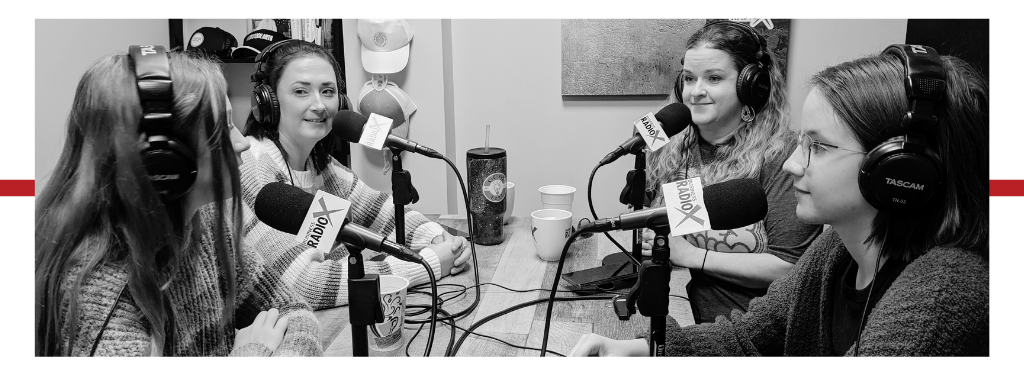
 The Kid Biz Expo was the flagship idea of Renee Dierdorff & Amy Guest.
They created a market where kids could compete among their peers instead of adults.
The Kid Biz Expo creates a space where the kids can use their platform to showcase their business, hone their sales pitch and earn a profit!
 Guests Layla Dierdorff and Austyn Guest are young entrepreneurs from the program.
This transcript is machine transcribed by Sonix
Intro: Broadcasting live from the Business RadioX studios in Woodstock, Georgia. It’s time for Kid Biz Radio. Kid Biz Radio creates conversations about the power of entrepreneurship and the positive impact that journey can have on kids. For more information, go to Kid Biz Expo. Now, here’s your host.
Renee Dierdorff: Hello, everybody. My name is Renee, and thank you for joining us here at Kid B’s Radio. Today, we are creating conversations about the power of entrepreneurship and the positive impact that journey has on kids. I’m here with the co founder of Kid Biz Expo, my partner in crime, Amy Lowe, and we are happy to have our two oldest daughters in the studio with us today. Layla, Hi. And Austin. And we wanted to take the time being the end of 2020 to to discuss with them, reflect on this last year and just get your perspective on the Expos and the workshops and the program and the organization in general and the things you’ve learned over the year and just get your insights on that because you guys are the ones in it and participating in everything because we take you to everything. Layla, would you like to start? I know this morning we chatted a little bit in the car and one of the main things you talked about was, I’m just going to get to start with the topic Communication.
Layla Dierdorff : Yeah. In schools, like whenever we do projects, you have to like talk in front of the class. And I used to be really nervous because like, it was scary, but now because I’ve talked in front of a lot of people before, it’s not as scary because it’s like it’s just people. They’re just people. And so, yeah.
Renee Dierdorff: And you talk to them at the Expos.
Layla Dierdorff : Yeah. To like, sell stuff, like you have to talk to them.
Renee Dierdorff: What about you, Austyn? Have you had that same. Have you noticed that in school as well?
Austyn Guest: Not too much in school, but starting with talking to people at the Expos, interacting with them to get them to buy something or just interacting with them in general has definitely improved since I have first started talking to them. It since all the workshops and the Expos since we started them talking to adults mainly has gotten much better and easier since then. Talking to them quite often.
Renee Dierdorff: Yes.
Layla Dierdorff : I’m talking to people. Like people just walk by me, not even looking at me, but like if I talk to them, I usually get a sale because now they’re interested.
Austyn Guest: Interact with them.
Layla Dierdorff : Yeah. Like, you know, I can make a lot of money if you don’t talk to them and bring them in.
Amy Guest: Right. Sales are key, Right.
Renee Dierdorff: So you’ve learned sales skills as well. Yeah.
Amy Guest: That coincide with those communication skills?
Austyn Guest: Yes. They definitely go hand in hand.
Renee Dierdorff: Yeah. And today we were at a networking group and you were walking around talking to everybody. And I think you actually got complimented on your.
Layla Dierdorff : Yeah. They were like, I know children who, like, would never want to talk in front of adults. I know adults who don’t even want to talk in front of other people. And yeah, I used to like, never want to talk in front of people, but it kind of happened slowly anymore.
Austyn Guest: Slowly.
Amy Guest: Slowly.
Layla Dierdorff : Not like judgmental robots there also people, of.
Amy Guest: Course, also.
Renee Dierdorff: People. That’s a really good point. And also we were talking about how those skills just not only in sales, but moving forward in your life after high school, interviewing places and things like that, not just like ordering at a restaurant, but, you know, those kinds of things will help or the communication skills will help you and less nerves going into like presentations and stuff.
Layla Dierdorff : Like we had to do a whole like award ceremony and we had to stand on a podium and talk in front of the entire class. I not know, nervous.
Renee Dierdorff: That’s great. I think when you’re with like group members and stuff, she’s part of a group. They always have her talk because they’re all in front. You should encourage them to talk about this. Yeah, that’s cool. What else can you think of? Anything you need.
Layla Dierdorff : To talk about? We were talking about school teaches teamwork, like working as a team, but this is taught networking. It’s not like going, like, helping each other and then getting help in return, because that’s not what school teaches. Being able to teach other.
Renee Dierdorff: People, it’s not an environment to do that. It’s teamwork, which is still important.
Amy Guest: But it’s it’s a it’s on the same level. You’re taking that concept from school of working in groups and teamwork and applying that. And now in the business area, when we go to these networking events to work as is is, you’re essentially can work as a group as well because you’re benefiting each other. So it’s laying that foundation.
Renee Dierdorff: Mm hmm.
Amy Guest: What about you, Austin? What do you think your biggest takeaway?
Austyn Guest: Definitely about back to communication help. That is definitely improved since we first started doing this. And also sales skills have definitely improved since the first time. Just getting all these interactions and with the workshops and the Expos and even some of these networking meetings that I’ve gone to have really helped confidence, I guess.
Renee Dierdorff: My confidence.
Austyn Guest: With all of that.
Amy Guest: Yeah, because the first couple networking events that we brought you to, you refused to speak and then this morning you did it without even thinking.
Austyn Guest: So yeah, I saw Leila said her intro and so I was like, All right, she can do it, I can do it.
Renee Dierdorff: But I think also the workshop we did back in September on creating your sales pitch helped with that because you narrowed in, you know what to say, your unique selling point, and I think that will definitely repeat next year. But you know, talking about the workshops in general, we’ve come a long way with those and we’ve learned what people want and what is helpful and beneficial in like what’s more attended in those kinds of topics. And I hope you guys have other than that one or is there, are.
Amy Guest: There any other ways that you’ve which ones stuck out the most? Like what do you think you learn the most from which workshop or what topic?
Layla Dierdorff : I think it was like your target audience. Okay. Like learning how to like children aren’t going to want this stuff. And usually adults with children don’t like they’re busy trying to manage their own kids, usually like older people.
Amy Guest: So learning how to target your audience.
Renee Dierdorff: Okay, What.
Amy Guest: Topic did you like?
Austyn Guest: Austin Like Leila said, the sales pitch was also very helpful to me, along with time management.
Renee Dierdorff: Oh my God, yeah.
Austyn Guest: That one was very helpful to me because I am personally not very good at it. So that is that one was helpful, cutting everything together and making sure I had enough time to do everything. And then the sales pitch, making sure I get people interested, but then don’t bore them with a long speech about what my thing about what my product is.
Layla Dierdorff : And the time management thing. It’s like for me, it’s like three weeks prep to get this done. It’s like, I didn’t think I was going to take that long, but it’s a lot doing all the labels and.
Austyn Guest: The there’s a lot that.
Layla Dierdorff : Go into every song. Like it’s a lot to do more than I thought.
Amy Guest: Pay attention to all the details.
Austyn Guest: Budgeting was also very helpful to make sure that you don’t spend too much money on something that doesn’t sell very well and to make sure that you are getting more products of what people buy more often than not.
Renee Dierdorff: Yeah, why should we say what you guys do? Oh yeah. Might be helpful. Okay.
Amy Guest: Yeah. What’s your sales pitch?
Austyn Guest: I am Austin with crafty creations and I make resin products such as tumblers, keychains, trays. Really? Anything that you can put into a silicone mold and you can customize it in any way. I can put a logo on it, I can put a name on it, any color, any type of glitter. Some other examples are jars, jewelry, jewelry.
Layla Dierdorff : Some earrings. I have a few necklaces from you.
Renee Dierdorff: You still have them.
Austyn Guest: Lyla. How about you?
Layla Dierdorff : So, like, my shorthand pitch is I’m dip it good and I make handmade, dried dip mixes more into depth as I have nine flavors, and eight of them are savory. One of them is sweet, and therefore parties events.
Renee Dierdorff: Like on chicken and things. It’s not just.
Austyn Guest: Delicious. Like very good.
Layla Dierdorff : A lot of people say that like Fiesta on chicken.
Austyn Guest: Chicken rubs, mix it with sour cream and cream cheese, not together separately, separately. Sweet one is cream cheese. All the others are sour cream.
Renee Dierdorff: So because we’re talking about your businesses and taking a cue from our topic this morning at our networking group, what have you learned in this year that you want to whether it’s like what’s happening with your business, negative or positive, and how are you going to implement new strategy next year?
Layla Dierdorff : So for me, I get very overwhelmed because a lot of people come at one time and I’m I’m two sets of hands. What one pair of hands? And like, it’s hard to like give like five people a bunch of pretzels and open lids, then package them. So one of my friend name is Lily, thinking of hiring her as an employee to help at the Expos, maybe to like help with the prep work. And I also want to do a lot of people ask like, can I eat this now? And I have to say, no, we make it at home. And I’m thinking of like those like.
Amy Guest: Ready to already made.
Layla Dierdorff : Yeah. So it’s like a like a paper bag. Yeah. Paper boats, that’s what they’re called. And then put like some pretzels and some dip. So like Lilly or I probably Lilly is like that’s easier could. Be running that while I do the samples. And so like you would walk in, it’s more interactive and more interesting. I love that because like, you get to walk in and like, look at all the stuff.
Renee Dierdorff: It’s. Good job with that. So you’re going to change your setup?
Layla Dierdorff : Yeah, I think of like I do an L right now outside than in. I want to do.
Renee Dierdorff: Like, like you.
Layla Dierdorff : Maybe like in the middle.
Austyn Guest: Have a table set up, like.
Layla Dierdorff : A walk in, like a stair step.
Renee Dierdorff: Like do. Okay.
Layla Dierdorff : Inside the tent. Yeah. So it’s like once you walk in to the left, on the side will be samples. Middle will be the. To go stuff and then like behind the like in the line will be like where I put like all this, like all the storage inventories.
Amy Guest: It’s a good strategy.
Renee Dierdorff: Yeah. Are you going to change flavors.
Layla Dierdorff : Yeah. One two of them aren’t selling great. I’ve been experimenting with some flavors. My add, some fun.
Renee Dierdorff: I know. You mean she keeps talking?
Layla Dierdorff : Another sweet one I want. Key lime.
Renee Dierdorff: Pie. Buffalo chicken. Yeah.
Austyn Guest: That would be really good.
Amy Guest: I want you to make that three.
Layla Dierdorff : Really similar ones, so I’ll probably exchange one of those for Buffalo Chicken maybe. And then I’m going to add key lime pie.
Austyn Guest: So I try that myself to test.
Amy Guest: Your quality control.
Renee Dierdorff: That’s the best part of all this. Yeah. You don’t get to test it. And then when we can we come back from expose Your dad is like we’re. Don’t throw those dips out to keep them in the fridge for a few days.
Layla Dierdorff : Maybe like one third of them is gone because people are like, I don’t. I don’t want to take too much. Take all.
Renee Dierdorff: You take as much as you want. Plenty. Because the ratios we don’t make, we make the whole thing 116 ounce. We’ve we’ve even been playing around with different ways of setting up the samples because right now.
Layla Dierdorff : Yeah, it’s like a big, like skinny float looking thing with ice in it. And then we put the containers. If the ice melts, you have to take it all out, dump it somewhere. That’s why I like being on the outside.
Renee Dierdorff: So I don’t.
Layla Dierdorff : Make noise.
Renee Dierdorff: You have anybody behind you? That would be rude. Yeah.
Layla Dierdorff : Like being behind grass. Cut the grass. So.
Renee Dierdorff: Yeah. What about you, Austin?
Austyn Guest: So I have recently decided to rebrand next year to a new business.
Amy Guest: Take a pivot.
Renee Dierdorff: Bit.
Amy Guest: Into a different direction because you have new interests and.
Austyn Guest: New interests. And I love doing the resident work, but it just hasn’t really been selling as much as I had wanted it to. And the I am going to rebrand to a mobile photo.
Renee Dierdorff: Booth.
Austyn Guest: Which is just going to be like a little camper where you can go in and take a couple of photos, some selfies with props and backdrops and backdrops and everything. And so I’m moving from resin to that. Hopefully within the next year would be ideal. And the goal?
Amy Guest: That’s a big change.
Austyn Guest: Yes, it is a very big change to working in my epoxy room where I have a ton of things everywhere to a small camper camper where I just set up everything and people can go in and take selfies and really just take any kind of pictures that they would like.
Layla Dierdorff : Would they take the picture themselves or will it be like one of those machines that like.
Austyn Guest: Going to have one of the machines inside the camper? But you can also take some with your phone if there’s something else that you want to do, like maybe outside the camper or if you want to do, I don’t know, something where the machine can’t see you, then either way it would.
Renee Dierdorff: Well, you have the this is the first time I’m hearing about it. So my my question. I’m sorry. Well, not hearing about it. Just. You know what I mean? Like like when you were like, I’m. I’m picturing it at expos, I guess. So in my mind. Do you have you have a way for people to book for like a birthday party or something?
Austyn Guest: People can reserve it for an A type of event for a certain amount of time, and it is just free for them to use however they would like. Or it’ll be at an event where you can go in and take pictures.
Layla Dierdorff : Would you like would you, would you like drive? Not you driving, but like would you guys go over there and like just kind of chill out there and.
Renee Dierdorff: Yeah, you kind of help. Yeah.
Austyn Guest: Yeah. We’d be at the event to help them go through it and bring it there and back.
Layla Dierdorff : I know you liked the old timey photos idea. Would you like to expand into that.
Austyn Guest: Maybe costume eventually be able to go into that? But for starters, just a photo booth type thing. But the old time photos do look very good and I would like to expand into that. Maybe in the.
Renee Dierdorff: Future. Yeah. Yeah. I think the people like doing. Would you, would you charge at the Expos or is it more of a promotional thing to get parties?
Austyn Guest: Probably. It would be nice to get parties, but if I did bring it to expose, it would probably be like just per photo that you take. And then if it’s an event probably per hour.
Layla Dierdorff : What if, like how many people like if there’s like ten people, would that be more than like two people?
Renee Dierdorff: Well, yes. Yes, I know.
Layla Dierdorff : But she said that.
Amy Guest: That we are still in the planning stages. We don’t have exact specifics. But yeah, that’s the goal. Like to find whatever that happy medium is for a charge like quote unquote admission, you know, maybe for like a mini session, like an event fee and such like that, like.
Layla Dierdorff : Like something under is free then like child and adult, right?
Amy Guest: We figure out, like, the best, most practical way that people would be willing, you know, if it’s $5 up to five people or whatever, you know.
Renee Dierdorff: Just only so many can fit in it.
Amy Guest: Yeah. And it’s little anyway.
Austyn Guest: It’s gonna be very small. So we can’t do, like, huge parties.
Renee Dierdorff: I’m happy for you. So you are going to do your resins all next year. Just kind of use what you have.
Amy Guest: Yes. Get through the inventory.
Austyn Guest: Get through the rest of my inventory and then that will.
Layla Dierdorff : Also give you some money to play with for props and backdrops and.
Austyn Guest: Stuff because that is.
Renee Dierdorff: Much needed investing.
Amy Guest: Learning.
Renee Dierdorff: How to do well. So taking all of that, you notice how we’re talking about the resin business? No, she never said it failed. Nope. You know, I mean, it’s you’ve learned what I mean. Even over the last year, you’ve changed your inventory based on what you learned, sold and didn’t sell. You made more of certain things, which you’ll do next year. But it’s not like we were talking about the car. They’re not. They’re just lessons you learn and interest change and.
Amy Guest: There’s nothing wrong with that.
Renee Dierdorff: You just move, you know, be happy.
Amy Guest: Yeah, You change directions and you find what works best for you and what you can do.
Austyn Guest: Yeah, my inventory is definitely changed since I first started as much expanded and changed based on what people buy more and what doesn’t take as much time to make as well. Yeah, but mainly what sells the best.
Layla Dierdorff : What’s interesting for me is that like I want my to experiment, like for like half the time I would like be like, this is like, this is my favorite. It’s selling really well and then this flavor and people always, like, chose the one that I was promoting.
Renee Dierdorff: Mm hmm.
Layla Dierdorff : Over. So, like.
Amy Guest: Power of influence. Yeah. Like.
Renee Dierdorff: It’s like I’ve got a lot of this. I need to push this one today. Yeah, I need to get this inventory sold.
Layla Dierdorff : Yeah, Like, sometimes I have, like, eight leftover, then I make 30, and I’m like, that’s way too many. I need to, like, sell that one.
Austyn Guest: But out the one you have more of.
Renee Dierdorff: Yeah, yeah, yeah.
Layla Dierdorff : The first one I didn’t and my perfectly perfect sold the best. So, so you know that one’s kind of like if I don’t have any influence.
Renee Dierdorff: I was going to say you don’t have to influence that one at all because people will.
Layla Dierdorff : Buy that one. Yeah, I try to get them to taste it because like all the other ones are like really interesting now it’s just like, perfect.
Renee Dierdorff: It’s amazing. It’s you do sell online and are there any is there? Do you want to do more of that next year? Just kind of keep it the same.
Layla Dierdorff : Every sale I make, I give them a card or like this, like long sheet where I’m like, if you go to this every single time, if you go to this Facebook page, you can order online, it’ll be shipped to your house. And that’s like what I’ve been doing and I’ve been getting a few after the Expos, maybe trying to, like, push that more.
Renee Dierdorff: Yeah, absolutely.
Austyn Guest: Exactly.
Amy Guest: If you have an employee, yeah. To help you work on that can.
Austyn Guest: Also be very convenient for some.
Renee Dierdorff: People. Yeah. Speaking of that employee, Shanna, his daughter Lily is the one that she’s talking about. And she was participating in the Expos as a business owner selling shirts. And she’s decided that it’s not for her, but she enjoys the helping part and wants to help her.
Layla Dierdorff : She likes she likes the, like, prepping and like that stuff. She doesn’t say she does a.
Amy Guest: Behind the scenes.
Layla Dierdorff : Or she doesn’t like staying there and trying to like, talk to people and selling it. She doesn’t like that part. That’s why I’m like, You can I can hire you, you know.
Renee Dierdorff: That’ll be pretty great. She and I talked at length about how she’s learned so much. Even still. Yeah. Yeah. And as an organization, we’ve learned that we’re not only it’s not that people are because we want to still be able to reach the Lilly’s out there and we want you to.
Amy Guest: Be a business leader. Owner? Yeah. Forever, right?
Austyn Guest: You don’t have to only be the one.
Amy Guest: Talking to learn where you.
Renee Dierdorff: Fit. Yeah. And and our goal is to create a space for them to learn life skills they wouldn’t necessarily have the chance to do. But the the vehicle is through entrepreneurship. So there are some kids that have this passion and want to do it. And we have the workshops and that’s where they’ll fit in there to, you know, learn more. But then also that’s why at expos we have some kids that have poster board signs and some that have real like real banners and like more marketing because they’ve been doing it a long time. And I love the eclectic feel and the just the randomness of all of it when we’re at the things because it makes it it’s real, you know, it.
Amy Guest: Gives them a chance to experience what that interest may be and whether or not they want to pursue it. Yeah, in a safe space. In a.
Layla Dierdorff : At the beginning it was handwritten posters and now it’s like full on, like.
Renee Dierdorff: It’s.
Austyn Guest: Actual banners and.
Renee Dierdorff: Yeah, and you just learn as you go and, and the prep work ahead of time I think is something that a lot of people learn and I think it helps them with project management down the road. Yes.
Layla Dierdorff : It’s helped with school projects like knowing that I kind of need to get this done, like I need to start sooner.
Amy Guest: Time management.
Renee Dierdorff: Yeah. So it’s more than just learning how to start a business. It’s the life skills that you apply to other things in your life. That’s the entire goal that we have and any other things that stand out to you guys now that we’re our brains are warmed up because.
Austyn Guest: So many things we’ve done.
Layla Dierdorff : Trying to, like, go through like all like, like the workshops in my head.
Austyn Guest: There’s been so many very helpful.
Renee Dierdorff: Yes. Oh, you know how we did go planning in January last year? Yeah. Have you still have any of that information? I would be. It’d be interesting to look at it and see if we.
Amy Guest: Achieved any.
Renee Dierdorff: Of those goals. Yeah. Like what your plans were then compared to where you end of the year and next year’s.
Austyn Guest: Plan, I believe I still have it, but I’m not sure if I accomplished those goals. I think that rebranding next year was definitely not one of the goals I had at the beginning of the year. I think the main goal I had at the beginning of the year was to get my stuff into small stores. That’s true was that main goal. And now my main goal is to rebrand to a different business.
Renee Dierdorff: Yeah. So yeah, I’ve just.
Amy Guest: Shifted.
Austyn Guest: Changed since then.
Renee Dierdorff: Do you want to try to get into stores?
Layla Dierdorff : I think I don’t know. I don’t think dips is something I want to do forever, Of course. Definitely not. I don’t know. I just want to make enough money to have the option to do something else.
Amy Guest: And that’s all it has to be. You know, it gets you through, you know, helps you save for your first car. It helps you do the things.
Layla Dierdorff : To save to account for.
Amy Guest: That. Yeah. Until you get to a point of what you can decide what you want to do. It’s a starting point.
Renee Dierdorff: It gives you freedom. I was going to say, talking about money, you bought yourself a switch.
Layla Dierdorff : Recently.
Renee Dierdorff: And a phone and she hated my phone.
Layla Dierdorff : Appropriately broke it in.
Renee Dierdorff: So she bought her cell phone and a switch, but she wanted to buy the switch. And it’s funny because she knew she had 30 days she could return it and she spent pretty much every one of those 30 days trying to decide whether or not that investment was worth it.
Layla Dierdorff : Yeah, because.
Renee Dierdorff: It’s a lot of money. Yeah. So, you know, you when it’s your money, it hits different. It hits different when you spend a good chunk of it on something that you’re like, Do I need it? But I was like, You play it. You enjoy it. Like because you don’t really buy a whole lot for yourself with it.
Layla Dierdorff : As a hard time buying things for.
Amy Guest: Myself.
Renee Dierdorff: You saved. A lot. You know, it’s okay to spend something on something fun.
Layla Dierdorff : I was more like, concerned about the switch because, like, I already paid for the phone at that time. So it’s like it’s going to be $600. It’s already gone in like a month.
Renee Dierdorff: Yeah, it happens.
Amy Guest: That’s what happened.
Renee Dierdorff: Life had replaced my age fax system. It happens. Yeah, but it’s a lesson learned, right? Like, that’s kind of my point, is that you’re learning those things.
Layla Dierdorff : You have money to.
Renee Dierdorff: When you’ve earned it.
Amy Guest: The value. Yeah.
Austyn Guest: Should be proud.
Renee Dierdorff: Of yourself.
Layla Dierdorff : Like.
Amy Guest: That. You had that. Like how many 13 year olds can say that they had this much money because they earned it and are able to do that? That’s impressive.
Layla Dierdorff : Yeah. Stops me a lot is like what? I’d rather have the $12. Or would I rather have the shirt?
Renee Dierdorff: Right.
Amy Guest: Like some of us in the room are more impulsive.
Renee Dierdorff: And.
Austyn Guest: Not to point fingers.
Amy Guest: I didn’t point a finger. I’m just stating.
Austyn Guest: I believe there’s more than one person in this room.
Amy Guest: Oh, you are not wrong. There are a couple of people in this room that are more impulsive and less equipped to save.
Renee Dierdorff: To save like that.
Austyn Guest: So on that topic, the budgeting workshop was very helpful in that effect to make sure I didn’t spend too much money on new molds and new stuff to make the products rather than just using what I have that still sells well.
Renee Dierdorff: Those ask you, do you? I know. I guess for the fall when you made some fall type things, whenever you did things that were more geared towards holidays, did those sell or is or not as much like.
Austyn Guest: I recently did some Christmas ornaments in the most ornaments in the most recent one that we had. And those did sell pretty well because you were sort of getting close to Christmas at the time.
Renee Dierdorff: Yeah.
Austyn Guest: Holiday themes. Yes. And I didn’t sell. I did sell a couple of the fall things that I had, but not all of them, because not everyone changes out everything for every holiday or every season. That’s just not everybody. But some people. Yes, that is what they did. They had bought some fall things or I had a couple Halloween things or a bunch of Christmas ornaments sold that day.
Amy Guest: Keeps a good variety.
Layla Dierdorff : I want to make holiday themed dips like one for each season. You should.
Austyn Guest: Do a.
Amy Guest: Peppermint.
Austyn Guest: Peppermint, cinnamon, gingerbread.
Renee Dierdorff: Peppermint. You got fall covered. Yeah, I know.
Austyn Guest: Pumpkin supplies.
Renee Dierdorff: Fall.
Layla Dierdorff : Like pumpkin winter, maybe summer and spring.
Renee Dierdorff: I think we need to work on a place. So I’m not using the Home Office as much anymore. I think that needs to be dipped central so we can store your stuff in there. It makes a difference because if you’re going to have that and.
Austyn Guest: Crafts, having a space definitely makes a difference.
Renee Dierdorff: It does. Well, food, I mean, we don’t keep the food down. We don’t keep the ingredients down there. We just keep the.
Layla Dierdorff : Packaging and storage.
Renee Dierdorff: Supplies. Yeah.
Layla Dierdorff : Everything you need, which is a lot, apparently.
Renee Dierdorff: Yes, a lot of.
Austyn Guest: Work goes into making your dips.
Renee Dierdorff: Yeah, but I mean, I think that it’s not trying. I mean, there’s a lot that goes into it when you’re starting something up, but people can do it on a budget when they’re just starting out.
Layla Dierdorff : Yeah, we’ve like upgraded materials. Like at first it was just like cheap stuff to see if I even liked doing this for sure. And now that I like it, we’ve upgraded to more high quality stuff so it’ll last longer.
Renee Dierdorff: Buying more in bulk.
Austyn Guest: Bulk less bulk is very helpful.
Renee Dierdorff: So kids that are thinking about getting into it and parents out there listening that have want to get their kids involved. I think a good workshop might be next year to have these two run one and it be a big brainstorming session, bringing kids that are wanting to get into it and helping them give ideas or give ideas on what they could do, explore their interests. And then we obviously be there to talk about the parents side of things and just kind of I think we should do that more than once.
Amy Guest: Yeah, we do get a lot of we don’t know where to start or we my kid wants to do something, but we’re not really sure what direction to go in, like what they could do.
Austyn Guest: With a couple of those.
Amy Guest: So outside of going beyond the lemonade stand and finding what interests and specific things that kids can target, because that helps. Obviously, if they have a passion for something, how do we turn it into a business?
Austyn Guest: Yeah. I also think that having other kids, teaching them where to get started and how to do it in that different ways you can start different things might also help to do that a couple of times.
Amy Guest: And shows that it’s it’s possible you guys can do it.
Renee Dierdorff: Yeah. And you guys can talk about if somebody brings it up, you know, the kind of the things we talked about today that you learned a lot, you know, specific to that business part of it, but you learned a lot and things like that. What?
Layla Dierdorff : Go ahead. I have an idea for the workshop. I’ll tell you later. I like like really cool.
Austyn Guest: New ideas are always coming.
Renee Dierdorff: Yeah, that’s great. So you guys have any other.
Amy Guest: Final.
Renee Dierdorff: Thoughts, final thoughts on the year or final thoughts? Any encouraging words to parents to get their kids involved?
Austyn Guest: These past workshops that we have done this year have been really helpful to help me continue my business and expand my business, and they’re even going to be very helpful for me to rebrand next year. And I am very excited to see the new ones that we do in the upcoming years to help other kids start up their business and keep theirs going and expand and see that they don’t have to only be an adult to start a business. They can start it now and create really anything.
Layla Dierdorff : Yeah, I like that kid expo. It shows that kids can’t like don’t just have to do lemonade, babysitting and like dog walking. Like you can do so much more.
Austyn Guest: Than what you can.
Layla Dierdorff : Do on a budget. Like with everything, you can do a lot, a lot more passion. Think yeah and be happy. Don’t do something that you don’t want to do.
Renee Dierdorff: Absolutely.
Amy Guest: And learning that now rather than later in life.
Austyn Guest: Much more.
Renee Dierdorff: Helpful very help you in life That’s great. Helped a lot. I really appreciate you girls being here today. I should just for the audience, they’re 13. They are eighth graders here in Cherokee County. And they, along with their sisters, have been they were our inspiration for the organization. And so we appreciate you guys being here today and giving your feedback. Yes, I.
Layla Dierdorff : Think it started this like sixth, seventh grade.
Renee Dierdorff: Like I was some of them in.
Layla Dierdorff : Seventh grade. And you started in sixth grade?
Austyn Guest: We started when Avery did, but Kid was was our.
Amy Guest: Seventh grade.
Renee Dierdorff: Year. Yeah.
Amy Guest: But you guys have been on this for a little bit longer than that.
Renee Dierdorff: Yes.
Layla Dierdorff : Since the beginning. Old pros. Yes.
Renee Dierdorff: Veterans.
Amy Guest: Veterans.
Renee Dierdorff: Thank you.
Amy Guest: Yes. Thank you so much.
Renee Dierdorff: Everybody would like to learn more about the organization. You can find us on TikTok, Instagram and Facebook at Kid B’s Expo and online at Kid B’s Expo. Com And we will see you for the next one by my.


 Vipin Singh is a Mergers and acquisitions professional working with small and medium-sized businesses. He owns a franchise of Murphy Business Sales in New Jersey.
Before this venture, he worked in the corporate world for 20+ years with large process-driven organizations like Visa, PwC, Morgan Stanley, General Motors, Merrill Lynch, Scholastic, Teleperformance, General Electric, and Hyatt.
He has incorporated the best practices utilized at these organizations in his business intermediary work. Vipin brings diverse experience supporting Financial Services, Sales & Marketing, Business Process Outsourcing, Manufacturing, and Public Accounting firms.
Vipin is an active member of the International Business Brokers Association (IBBA) and M&A Source. He has earned a Masters in Business Administration from Darden Business School at the University of Virginia, a Chartered Financial Analyst certified by the CFA Institute, and a Financial Risk Manager certified by the Global Association of Risk Professionals.
Connect with Vipin on LinkedIn, Facebook, Twitter and Instagram.
What You’ll Learn in This Episode
This transcript is machine transcribed by Sonix
Intro: Broadcasting live from the Business RadioX studios in Atlanta, Georgia. It’s time for Buy a Business Near Me, brought to you by the Business Radio X Ambassador program, helping business brokers sell more local businesses. Now, here’s your host.
Stone Payton: Welcome to another exciting and informative edition of Buy a Business Near Me Stone Payton here with you. Please join me in welcoming to the broadcast with Murphy Business Sales Edison Office. Mr. Vipin Singh. How are you, man?
Vipin Singh: I Stone Very good. How are.
Stone Payton: You? I am doing well. Excited about this conversation. Got a ton of questions. I know we won’t get to them all, but I’d like to start if we could. If you would share with me and our listeners mission purpose. What are you and your team really out there trying to do for folks?
Vipin Singh: So our mission is to help business owners find the ideal retirement they are looking for. We seek excellence in transactions that we support. We are business brokers and we cover Main Street to lower middle market businesses. And we want to make sure that both the buyers and sellers have the best experience while working with us.
Stone Payton: So how did you get into this line of work, man? What’s the back story?
Vipin Singh: I used to be in the corporate world until last year, and then I was looking to buy a business, didn’t really see a lot of good information. Most of the brokers I spoke with, I couldn’t really figure out how they were presenting the information. Then I started looking at franchises thinking that they’ll be some more diligence and there’s a PhD that I could review. And in that process I found more for business sales and the interactions I had with the team that is based out of Clearwater, Florida, and the team in New Jersey. I love the setup. I love the process. I signed up by thought. This way I will also get to learn dealmaking and if in the future I like something for myself, I would be an investor. But right now I’m happy being a business broker, M&A advisor.
Stone Payton: So you mentioned Main Street. I’m particularly intrigued with what you feel like you you’ve learned in that arena and why the focus or at least part of your focus being on on Main Street.
Vipin Singh: So as most of your listeners probably know, Main Street drives the real American economy. 70% of US GDP is driven by small businesses or businesses, and then Main Street businesses are the local businesses that help local economies. We have been in this business of helping with buying and selling businesses since the early nineties, and most of the volume that comes through our marketing channels is Main Street businesses. We do go up to 20, 30, sometimes even more millions of dollars, but our average deal size is close to $1,000,000, and that’s pretty much what we see in the main street space.
Stone Payton: So let’s talk a little bit about not only deal size, but deal structure, because these things can be crafted in a in a number of different ways, Right.
Vipin Singh: That’s correct. So that’s a good question because it comes down to price and terms. And when you say deal structure, that’s the terms component. Sometimes business owners, both buyers and sellers, they kind of focus too much on the price and forget that there’s a whole separate area around deal structuring. And typically what we see is that buyer brings to the table, say, around 10 to 20% down payment. There might be some amount of seller financing that the seller is willing to take some of that debt on their own future balance sheet. And then there’s a bank that typically is an SBA lender, SBA being the Small Business Administration that guarantees the loan that a bank would underwrite. So most of our deals, we see that kind of a structure. But then there are also deals where the investor has enough capital so they are able to bring in their own sources of money. And then there would be other instances where the business is small and the buyer is able to buy it all cash. But I would say majority is done through an SBA loan and some seller financing and the buyer bringing in some down payment.
Stone Payton: Well, it still sounds like a lot of moving parts to me. And a really strong case for teaming up with someone that has the the background, the expertise, the experience to help you navigate that that terrain. When you are working with first time buyers or sellers, do you run into, I’ll call them myths, misconceptions, preconceived notions, assumptions that you kind of have to educate them and help them really understand what this world really entails?
Vipin Singh: Yes. Especially on the main street side, as unless someone has bought a business or sold a business. It is a brand new world. And there is what we call asymmetry of information. So whoever is selling the business has all the information that a buyer would like to see, and the buyer has to essentially dig into that data and get that information out. So we act as intermediaries and we help kind of bridge the gap where in the beginning, when we are engaging with the seller, we educate them as to what the process would look like, what a buyer would ask for, how they should approach the conversation. And then on the other side with buyers, we tell them that what a seller would seek from a transaction, what kind of a buyer the seller is looking for. And it’s not just about the buyer bringing money to the table. Sometimes sellers are looking for that individual who would take care of their employees, who take care of their company in the future. One of the reasons they are trying to sell the business and not shut it down is because they want to preserve that legacy that they have built over several decades of their life. And it’s in a lot of cases, 80 to 90% of their net worth. So they want to protect it. They want to hand it to someone who will be a good custodian of that asset that they have created. And that’s the kind of education we are providing to the buyers and also the sellers in the beginning.
Stone Payton: Now, as I understand it, one of the really important steps or processes on the seller side is this business of of valuation, valuing the business. Can you speak a little bit to to that process?
Vipin Singh: Absolutely. So that’s where we start the discussion as valuation is key for any business, not very dissimilar to commercial real estate. We look at earnings that a business has and then we look at how similar businesses in that same industry, same sector, perhaps in a similar geography have sold for. And then it’s essentially based on multiples. So it could be, say, a business is generating $100,000 in earnings and we see that other businesses, similar sized businesses, have sold for two X earnings. So it will be 200,000 will be the value placed on that business. That’s at a very high level. These multiples change as the businesses grow. We do see larger businesses sell for sometimes four or five, six times their earnings. And the reason for that is because larger businesses tend to have teams in place. The investors are looking at themselves as more in a governance role versus being an operator for smaller businesses. They are mostly owner operator businesses and the buyer is essentially looking to run that business once they acquire. So they tend to pay a little bit less in terms of the multiples on that business.
Stone Payton: I think I already know the answer to this question, but I’m going to ask it anyway. Do you find sometimes that the seller just feels like the value of their business is well beyond what’s what’s, you know, to be practical in the marketplace?
Vipin Singh: A lot of times. So the there are different ways of approaching it. One, the valuation aspect that we just spoke about and we are happy for them to take that valuation and ask others for a second opinion if they want to. But we are generally coming from a source of knowledge and information that the seller typically won’t find other data points. But obviously there’s there’s an aspect of they want a certain number from the sale of the business. And in those situations our recommendation is to grow the business to a certain size. So the earnings are going to be able to get that price that they are looking for and terms and then we can reengage in the discussion. In fact, one of the businesses that I have currently listed and has attracted a lot of buyer interest is one of those where when I initially spoke with the owner, she was looking for a certain price. I recommended that price will not be acceptable to the market. She held back for a few months. She made sure that she made those changes, grew the business a little bit, and then came back. And this time her earnings were looking better, her price was more reasonable. And we listed and we got lots of buyers. So it’s a matter of patience in some instances. Sometimes we also recommend that if the seller is looking for a price higher than what would be acceptable, they might have to be flexible with their terms so the buyer might not pay them as much upfront in the form of downpayment and loan. They would maybe ask for an earnout or a future payment contingent upon the business returning a certain level of revenue and profitability. So the sellers have to be willing to accept those terms if they’re not as flexible on the price as we would recommend.
Stone Payton: Well, this raises what I suspect is a very important topic, and I’d like to dive into it a little bit, and that’s timing. Well, for example, my business partner and I, we run a pretty successful media company where we don’t want to do anything next year or even the year after. But but sooner is better than later as far as connecting with someone like you and kind of getting our ducks in a row and planning for the the result that we want, right.
Vipin Singh: Those are the ideal customers for us. And we do offer a service which is exit planning, and that is the service where we provide guidance to owners who are not looking to sell immediately but would like to sell a few years down the line and we would tell them how they can position their business for success. It comes down to keeping in mind what a buyer would be looking for when the business is for sale. So one of the key issues we run into is some of the smaller businesses, their financials or the bookkeeping is not in place as the buyer would like it to be. The other thing is a lot of business owners are working in their business versus working on their business. So a buyer typically would want to buy a business that they could own but not have to operate, as I was saying earlier. So building a team that can be a team that the new owner can inherit is an important factor. And just making sure that you’re not tied to a few customers. Customer concentration can be a big challenge. Some buyers would not be comfortable having 50% of their business coming from one or two customers. So diversifying customer base, supplier base, or all of those things that we recommend business should focus on.
Stone Payton: So now that you’ve been at this for a while, what are you finding the most rewarding man? What’s the most fun about it for you?
Vipin Singh: I would say most fun is that I get to talk to business owners, I get to learn their life story. I get to see what made them passionate about the business they are in. Even if we talk about a very small business, these are businesses that have funded their kids education. They have built a huge amount of net worth through these businesses and it’s just inspiring to see how they have done that. As like I said, my initial journey started with trying to buy a business of my own. So I’m respectful of what a business owner does, how they are able to deal with some of the volatility. They deal with good economies, bad economies, employee issues, inflation, and they are still being successful running huge part of the US economy and all over the world, all over the world. So I just enjoy that process of engaging with business owners from different industries, learning about them and in the process helping them.
Stone Payton: So there’s this activity, there’s this experience, and I’m operating under the impression, you know, structured process with some discipline and rigor to it. And in terms of you helping me prepare and then ultimately sell my business, how does the the whole sales and marketing thing work for for you personally? Like how do you attract the new prospective clients?
Vipin Singh: Most of our clients come through referrals, so it’s a very heavy word of mouth kind of a business because it requires a lot of trust. We are essentially getting into the details of a business owners biggest asset and we are asking for tax returns. We are asking for confidential documents. The business owner has to trust us that we will help them sell their business confidentially. Their employees should not find out until it’s very close to changing hands. Their customers should not find out. As in a lot of cases, they could switch to another service provider. Their vendors and suppliers should not find out. So confidentiality is a big requirement in terms of business sales and a huge difference from real estate sales. And in terms of our marketing, we make sure that when we are closing a transaction, we are sharing that with our network. We do our local networking with networking groups like B’nai to Chambers of Commerce. We participate in discussions with other business and industry associations. We are networking with CPAs, attorneys. So anyone who would be working closely with a business owner would be a great referral partner for us.
Stone Payton: So have you had the benefit of one or more mentors to to help you in this business along the way?
Vipin Singh: Yeah, that’s one of the reasons I joined Murphy versus trying to do this on my own as I had some background, I have MBA, etc. that I could have potentially started doing this without joining a franchise. But the reason I joined the franchise was because I was looking for that mentorship. And there are individuals in New Jersey and rest of the country with the Murphy platform who are helping me, and we meet regularly, we discuss our issues. We have forums where we can ask questions from each other, and that’s the benefit of doing it with a bigger team versus going solo.
Stone Payton: Yeah, I’ll bet. And like in my example of of Lee and I, having a successful media company approaching you, even if you personally may not have had specific experience, I’ll bet somebody in that Murphy system has done something. You’ve got precedent for probably virtually any type of deal, don’t you, that you can rely on?
Vipin Singh: Exactly. So we have closed close to $3 billion in total deal volume. Just in New Jersey, we have more than 100 businesses that we have listed. We are close to $50 Million in total value just in New Jersey. So, you know, that’s one of the questions I used to get or I still get. Every broker gets is have you sold a business like mine? And for someone who is doing this on their own and hasn’t experienced that specific industry, it would be hard to say yes or I was working in that space. But we have so many deals in our database that we have closed or we are working on that. We can always pull up examples that are similar to another business. There would always be a new kind of an industry, a new niche that we haven’t yet explored, but we can show something that comes very close to that business.
Stone Payton: What a tremendous asset to be able to lean on that to genuinely serve your your clients. Okay, before we wrap, let’s leave our listeners, potential buyers and sellers alike with a couple of pro tips and things to be thinking about, some things to be doing, not doing reading. Let’s leave them with a couple of action items on some of these topics.
Vipin Singh: So for people who are looking to sell their business, I would recommend that they should definitely reach out to their local network and ask for people who they trust or they can trust. As like you said, this conversation needs time and you need to know the people you’re working with and you need to work with people. As typically, especially for larger companies, buyers have advisors that they are working with. So you need to have some advisors on your side as well. And you need good accounting advice, you need good legal advice, you need good business brokerage or M&A advice that folks like myself provide. And it takes time to prepare. As I was mentioning, you need to have your books in order. You need to have a team in place. So all of that takes time. So starting early is a great idea. And then for buyers, I would say look for opportunities that align with your experience and also your financial capacity. As a lot of times we see buyers come to us with an interest in a business, but they don’t have a lot of experience that would make them successful. So we don’t always dissuade them for not looking at that opportunity, but we feel that it’s always a good thing to have that experience. Banks look for that experience. If you are going to an SBA lender looking for money, they would look at your resume. They would like to see how your experience fits with that industry or that acquisition you’re trying to make and keep an open mind. Because like I was saying earlier, sellers are not just looking for the best price. They are looking for good terms. They are looking for someone who will take care of their business. So build that rapport with sellers, with brokers, with other advisors that a buyer would work with because eventually it is a team sport and a lot of stakeholders are involved in the eventual buying and selling of a business.
Stone Payton: Great advice, man. All right. What is the best way for our listeners to get connected with you and learn more?
Vipin Singh: So best would be my email. It’s v dot sing assigned at Murphy business dot com. Murphy is mrp ph vi business us i n s dot com or I’m on LinkedIn and Twitter as well best as my email. V dot singh at Murphy business dot com.
Stone Payton: Well, Vipin, it has been an absolute delight having you on the show, man. Thanks for hanging out with us and sharing your your knowledge. This has been very helpful. And keep up the good work, man.
Vipin Singh: Thank you. I appreciate the opportunity. And this was great.
Stone Payton: My pleasure, man. All right. Until next time, this is Stone Payton for our guest today, Vipin Singh with Murphy Business Sales, Edison Office, and everyone here at the Business RadioX family saying we’ll see you again on Buy a Business near me.



Stone Payton: And we are back with Business RadioX Pro Tips. Stone Payton, Lee Kantor here with you. Lee, it’s one thing to gather a list, but it’s important that we market to that list.
Lee Kantor: Yeah. I think a trap that a lot of people fall into is they’re always focusing their marketing dollars and their marketing efforts on introducing themselves to strangers, to people who don’t know who they are at all. And you invest a lot of time and energy in getting strangers to kind of know you, like you, trust you, so that at some point they can buy from you.
Lee Kantor: I would highly recommend investing some of those marketing dollars into people who already know you and like you. And they should use your service because they know you and like you, but they just haven’t yet. So, spend some time trying to move those people through your funnel and move them to be a buyer than spending a lot of energy in trying to get a stranger to get into the top of your funnel.
Lee Kantor: So, I think that a lot of folks just always have that kind of shiny object mentality where they’re always looking for the new, the new, the new, the new, the new instead of investing in the people that already are part of their community. They already know them. They already obviously like them a little bit. They just haven’t bought from them yet. So, invest some time and energy and creativity into figuring out ways that you can stay on their radar, remind them of what you do and why you do it. And if you do that kind of relentlessly, I think you’re going to have a much better success rate and sell rate rather than just trying to get strangers into your funnel.