
Business RadioX ®

  • Home
  • Business RadioX ® Communities
    • Southeast
      • Alabama
        • Birmingham
      • Florida
        • Orlando
        • Pensacola
        • South Florida
        • Tampa
        • Tallahassee
      • Georgia
        • Atlanta
        • Cherokee
        • Forsyth
        • Greater Perimeter
        • Gwinnett
        • North Fulton
        • North Georgia
        • Northeast Georgia
        • Rome
        • Savannah
      • Louisiana
        • New Orleans
      • North Carolina
        • Charlotte
        • Raleigh
      • Tennessee
        • Chattanooga
        • Nashville
      • Virginia
        • Richmond
    • South Central
      • Arkansas
        • Northwest Arkansas
    • Midwest
      • Illinois
        • Chicago
      • Michigan
        • Detroit
      • Minnesota
        • Minneapolis St. Paul
      • Missouri
        • St. Louis
      • Ohio
        • Cleveland
        • Columbus
        • Dayton
    • Southwest
      • Arizona
        • Phoenix
        • Tucson
        • Valley
      • Texas
        • Austin
        • Dallas
        • Houston
    • West
      • California
        • Bay Area
        • LA
        • Pasadena
      • Colorado
        • Denver
      • Hawaii
        • Oahu
  • FAQs
  • About Us
    • Our Mission
    • Our Audience
    • Why It Works
    • What People Are Saying
    • BRX in the News
  • Resources
    • BRX Pro Tips
    • B2B Marketing: The 4Rs
    • High Velocity Selling Habits
    • Why Most B2B Media Strategies Fail
    • 9 Reasons To Sponsor A Business RadioX ® Show
  • Partner With Us
  • Veteran Business RadioX ®

Matt Teifke with Teifke Real Estate

October 19, 2022 by angishields

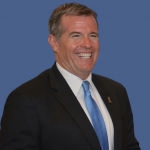
Matt-Teifke-headshot
High Velocity Radio
Matt Teifke with Teifke Real Estate
Loading
00:00 /
RSS Feed
Share
Link
Embed

Download file

Teifke-Real-Estate-logo

Matt-Teifke-headshotMatt Teifke is the Founder Teifke Real Estate (TRE), Longhorn Construction & Development, TRE Property Solutions, and TRE Homes Property Management. As the Principal Broker of TRE he employs over 150 agents and staff.

Matt also holds a Masters in Real Estate, Valuation, Analysis, Investment from Texas A&M University. Recently, he has returned to the classroom as a Professor at Austin Community College, teaching Real Estate courses with focuses in Law and Mathematics.

Teifke Real Estate was founded by Matt Teifke and Alex Coffman. Together, they seek to create the most enTREpreneurial real estate brokerage in the universe where there are no limits to what agents can do.

They prove a solution for those that want to make massive change. This is Opportunity City! Current locations in Texas include: Austin MSA, Houston, Dallas and Corpus Christi.

As a huge believer in the power of connecting and adding value, Matt seeks to shine light on what is possible and grow with others.

Matt earned his real estate license 13 years ago, at 18 years old, and is still just as passionate now about the Real Estate industry as ever. He grew up in Round Rock, Texas, and currently has two baby boys and is married to Lexi.

Follow Teifke Real Estate on LinkedIn, Facebook, Twitter and Instagram.

What You’ll Learn in This Episode

  • What it means to be enTREpreneurial
  • See the value of people on your team
  • We are looking for new partners to open TRE in new markets

This transcript is machine transcribed by Sonix

TRANSCRIPT

Intro: [00:00:04] Broadcasting live from the Business RadioX studios in Atlanta, Georgia. It’s time for High Velocity radio.

Stone Payton: [00:00:15] Welcome to the High Velocity Radio show where we celebrate top performers producing better results in less time. Stone Payton here with you this afternoon and you guys are in for such a real treat. Please join me in welcoming to the broadcast with Teifke Real Estate. The man himself, Mr. Matt Teifke. How are you, man?

Matt Teifke: [00:00:38] I’m doing great, man. I really appreciate you having me on. I’m excited and here to be of value and add as much value as I possibly can.

Stone Payton: [00:00:46] And you know, I believe every word of that. You and I had a chance to visit briefly a few weeks ago. I could hear it in your voice. The passion and a sincere commitment to genuinely serving, serving first, serving early, serving often. And I can’t think our mutual friend Josh Carnes enough for for getting us connected. And because of that, I have so been looking forward to doing this interview. I got a thousand questions. Matt. We’re not going to get to them all. But but maybe a good place to start. How would you articulate mission purpose? What are you and your team really, really out there trying to do for folks?

Matt Teifke: [00:01:23] Yeah, I love it. Great question. Start with the core values and the core focus and then I’ll give you the the dream and the vision that we are trying to accomplish. So core values as a company, we believe, number one, that there’s opportunities for everybody, no matter your race, your gender, anything. There’s an opportunity at TRE in real estate for you. We believe that everybody works with us and not for us. So we’re a team and we’re in the trenches with you to figure out how to grow together. And then lastly, we believe in having a no fear attitude and just jumping in headfirst and taking on challenges and the core focus as a business, we say in and on make money in and on real estate in as far as commissions, wholesaling management on as far as owning properties, flipping on, building generational wealth. And so the vision and the dream is for tree to be the brokerage where you come to get more out of real estate for yourself and to do that with others. And we say, Hey, come build your brand, build your team, be a real estate professional, utilize your license as one tool, but look for opportunities constantly. And I just believe that you have to be owning properties. And I think there’s a niche of people that get their license, that want to focus on the investing side, and then they really don’t find anybody who supports them to be an agent and an investor at the same time.

Matt Teifke: [00:02:59] And so all we want to do is help people create the life that they want with real estate for everybody. That’s something a little different. Some people only want to do leasing or they only want to do retail or traditional real estate. And so we say, Come here. Recognize that it’s your own small business at the end of the day, but have a built in partner that really cares and wants to help you get wherever you want to go. And I want to be able to go around the room and talk to 100 different people and say, Hey, are you getting what you need? Are you on fire? Yes. Are you? Yes. Next person, Are you? Yes. And those two be completely different paths or aspects of the business that they’re focusing on. And so come build what you want at TRE and let’s grow together. We currently have 180 agents that are with us. Wow. We do property management, we’ve got a fund, we have construction company and all different ways to add value. So we say come and drum up conversations. Talk to everybody and then let’s figure out ways that we can grow together.

Stone Payton: [00:04:08] So I got to know, man, what is the back story? How in the world did you get into this line of work?

Matt Teifke: [00:04:16] Yeah, great question. So my mom moved to Austin when I was two years old. I was born in Cleveland, Ohio, and she came here single mom with my brother and myself growing up. She raised us and she started cleaning houses when she got here. And over a 13, 14, 15 year time period, she would buy one or two properties a year. She would save up every dollar she could. She’d buy property. Eventually she got out of cleaning houses and she was working at a family business. And my uncle started doing sales for striping and paving for concrete company and asphalt. And she then she was able to buy three or four a year because she was making a better salary. And so I was very blessed to see how can somebody acquire assets and what does it look like to acquire assets? And by the time I was 20 years old, I think she had 17 properties and by no means was she raking in the money and making tons of money every month. But she was building something for the long run. And so I got to see what does it mean to own these properties? It doesn’t mean that you’re ready to retire. It means that you’ve got to prepare and manage these and have a good plan. And then also, what does it take to buy these properties? And it’s just a significant amount of sacrifice. There’s definitely a high level of risk involved, and I was very blessed to see her do that. And so 18 years old, I got my real estate license and went all in with the goal of Let me learn how to help other people buy and then let me go and buy my own properties over time.

Stone Payton: [00:05:53] Well, shout out to mom. That is a fantastic story. So this has got to be mine. I can hear it in your voice. It must be incredibly rewarding work. What are you enjoying the most about it now?

Matt Teifke: [00:06:10] I love the ability to make new relationships and help people break out of barriers that they thought existed and to do that with them. And I get to have them teach me as well. So I just constantly get to talk to people, see them grow, grow with them, take on challenges, take on risk. I get to build with people that I love and trust, and we have an amazing team in place, people that I’ve known my entire life. And there’s an energy that people really understand and they realize, like these guys truly are here to help support me. Nobody’s ever waiting on us. We almost overly check in, Hey, you’re good. You need anything? How can we help? Yes, Matt, I told you I was good yesterday, but we ere on. Hey, we care. And if you want to get more, we’re here. I’ll meet you here 7 a.m.. I’ve got a fire in my eyes and a deep drive that came from my mom. Subconsciously, you know, seeing a single mom raise two boys and hustle. It’s like I don’t know any other way. Almost to a fault where I got to, like, slow down sometimes and find some balance, which I’m. I’m in the process of learning that in a big way right now, but just very motivated to grow with people and to do things different. And I have a businessman and I study other brokerages. I read their financials, I see how they’re operating. And I’m constantly with my partner, Alex, thinking, what can we do to be better every day? What can we be doing that nobody else is doing? Whether that be the way we approach our social media or the way we buy real estate with agents that are partners with us. And I just feel blessed, man. You know, I don’t think everybody is clear on exactly what they want to do with their life and business life and a lot of ways. And I don’t have that question. And so all I got to do is wake up and start getting after it, which nobody has to tell me to do that. I really enjoy it.

Stone Payton: [00:08:02] And it’s also. Professor Matt. Yes, that’s another way that you express your talent and purpose and passion, isn’t it?

Matt Teifke: [00:08:11] Hey, man, I’m teaching tonight at 6:00 at Austin Community College. I teach real estate, math and also law of contracts. And that’s just something that I really enjoy. I my focus is to support and build the people on the team. And, you know, that might be helping them write a contract. Although we have somebody that’s full time for that, or it might be helping motivate them or going to a listing or meeting an investor. And I grew up playing baseball and I’ve realized I was a catcher, right? I was the guy behind the plate in some sense, kind of the heartbeat of the team, you know, not I didn’t need to have all the fame or the glory, but I was I was a workhorse and I was a grinder. And I look at what we’re doing and I’m like, Guys, I’m the catcher here. Like, I don’t I might not have all the answers, but I’ll do anything to support you. And when the is at the plate, I’m not going to drop the ball so you can count on me for that and just solely focused on me supporting. And then we have other people that have different roles. And back to the with, not for even the people that are full time employees, they don’t feel like they work for us. They just feel like they work with us. Which it’s almost like a pet peeve now when I hear people say, you know, I’ve got 100 people that are my agents or that they work for me, and other people can say or operate however they want, but it makes me cringe to think these are they’re not my agents, right? They don’t work for me. And so it’s a deep meaning on Come build what you want, and we’re here to support you and we’re going to grow together.

Stone Payton: [00:09:48] Now, there is a unique way that you utilize the word entrepreneurial. Speak to that for a moment, if you would.

Matt Teifke: [00:09:57] Well, it’s at the core is to be an entrepreneur. I mean, that’s why people want to get into real estate, I feel like, and a lot of them get put down these certain paths and they forget why they got into it. And I was always kind of drawing out our logo and being a little artistic on how we want to design things. And then the tree right in the middle of Entrepreneur just popped out and it just looked so perfect. So let’s entrepreneur capitalize the tree right in the middle of it and it means something. We got it trademarked, you know, we own that and come be an entrepreneur and represent clients. Absolutely. But also represent yourself and create properties that you’re going to pass on to your kids and your grandkids. And think of a 100 year business type mindset where this company is still around and not just, hey, how do we go make as much money as we can right now?

Stone Payton: [00:10:51] So was it a catalytic moment or more of an evolution that made you such a huge believer in the power of connecting and and adding value?

Matt Teifke: [00:11:05] Over time. I mean, it started when I was a commercial broker right out of college. I got my master’s degree in real estate and went and worked for a company called Edge. And my my boss would say, go get the information on these five properties, and nobody would call me back. These commercial brokers are notorious. They’re not going to call you back. And so I started to reach out in other ways because I could never go to my boss and say they didn’t answer. I don’t have. They’re like, Well, what do you mean they didn’t answer? Did you? Did you call them ten times? Did you text them? Do you show up at their office? So I started buying people coffees and then I enjoyed it. I enjoyed talking to people, I enjoyed hearing things and getting these puzzle pieces and learning how the different aspects of the business worked. And I was I went all in. I mean, I was having 4 to 6 coffees or lunches scattered throughout every day, like six meetings, 4 to 6 a day. And I would get their number. I would I would say, how can I help you? I would say, give me a challenge.

Matt Teifke: [00:12:11] One guy was trying to buy a landscaping business. I slid everything off the desk and for the next two days, tried to help him buy a landscaping landscaping company. And I just realized if you help people and you support people, not only do you get this amazing fulfillment and you do something good, you also will almost always see that come back around. It might not be today, tomorrow it could be in 20 years, but it means something. And I try very hard to be a person who’s not going to be a fly by night, who’s still going to be here, who you can count on. And those are principles that nowadays it seems like everyone’s just on to the next. And so we really think about things in a very long term mindset and you only have to see it work out a couple of times to realize that it’s extremely powerful to build relationships. And as many people that you can have in your foxhole that have your back and vice versa and you can treat them and lead with integrity, then everything becomes possible.

Stone Payton: [00:13:12] So how does the whole sales and marketing thing work for an organization like yours that is so focused on bringing on and providing opportunity for other agents? And do you have to have some discipline, some rigor, some structure to your marketing, or how do you approach that?

Matt Teifke: [00:13:34] Well, we run our entire business on an operating system called Traction, where everybody has KPIs daily. They have quarterly goals that they set for themselves and they go accomplish. But we’re every day, every platform, multiple videos, got a full staff, three full time people commenting, recording, editing, drumming up new opportunities. We teach this month. Right now, we have a class every single day for the agents that work with us. And so you can tap into it as much as you want. You don’t have to show up. You’re not required to. All we really ask from people. It’s to treat other people the way we try to treat you. Meaning? I have a new agent, and she. She just joined with us and she said, I’m trying to find investors. Well, I gave her my phone book and I said, Type in the word investor. Here you go. There’s literally 600 names. And I said, Take every number you want. You know, they might not remember me. Maybe they do, but call them. And that’s just a matter of time until an opportunity arises. So it’s not a structured path where you have to do this, but it’s there when you need it.

Matt Teifke: [00:14:42] You’re never going to be waiting on us and just get the lines in the water. I’ve still I don’t brag about this. It’s just, I think, a very interesting thing. I’ve never met anybody who had even close to as many contacts as I have in my phone. I store everybody I talk to. I store their number or store their information, and I scroll to the bottom of my phone and there’s 8649 contacts. Wow. And I talk to people and I’m like, Do you have a lot? And they’re like, Yeah, I got a ton. And people that think they have a ton will have like 2000 or 3000. The only one that’s ever come close, ironically, is my mom and she’s got around six, 6000. And so it’s just fascinating that there’s a differentiator there that has really led to a big database and there’s no secrets to what we’re doing. You know, it’s marketing, sharing the vision, but then executing when those leads or opportunities come our way.

Stone Payton: [00:15:41] So what’s on the horizon, I’ll call it near term, you know, maybe 6 to 18 months. Are you looking for for new partners you want to open try in new markets? What’s on the what’s on the project plan these days?

Matt Teifke: [00:15:55] Yeah, that’s the dream. We want to build this out all over the world, but we don’t want to go and say, hey, we’re tra we’re here in New York. Who wants to come work with us? We want to find the local partner first. You know, there’s limited time in this life, and we don’t want to just say, let’s go open up in all 50 states. But we would if we found 50 people that we really felt were aligned and knew who we were. So it’s a Trammell Crow old school real estate mentality of let’s get aligned with somebody that’s really entrenched in that market, that’s a student of the game that wants to build and let’s build together. So we’re constantly looking for people that like the vision. They get it, they understand it, they’re motivated, they’re driven, they’re value add, they’re long term, they’re students of the game. And then how do we go team up and build out a new market together?

Stone Payton: [00:16:48] I just love your energy and I know our listeners do as well. And in the same breath, you know, I also know that you’re that you’re human. So I’m curious when the batteries do start to run a little bit low, where do you go? And I don’t necessarily mean a physical place, but where do you go for for inspiration to recharge those batteries?

Matt Teifke: [00:17:13] Yeah, I mean, just I’m big into nature. I have a very strong faith in God. Did a Bible study this morning. You know, brothers and cry sisters and Christ is a huge component for me. I got two young boys, four and two have tons of fun with them. Married with an amazing, beautiful wife that supports me. But there’s a lot of people here at at Terry that handle different roles. And so, like this morning I woke up and I went on a run. I did a Bible study, I walked around the park, did some phone calls, I had one meeting, and now I’m doing this and then I’m done for the day. And so for a long time and this is my my new realization is like, I don’t have to constantly be here and show people that I’m here. They know that I’m here. I’ve proven that to them, and I’ll continue to do that. But almost I can do less and do more. I don’t have to be at the office. I could be at the park and run across people or just find inspiration and creativity. Like sometimes ideas just kind of hit me and I’ll just come up with 50 ideas, you know, every 30 days or so. And I pass them on to Alex, my partner, and maybe he likes three of them, or he says, Hey, we’re already working on some of those. But I’m I am really in the visionary role, and so I’m not required to do much. I don’t have to hold down certain roles of the company. I’m very blessed to have people that hold down different aspects, which allows me to be more creative and plug in where and how I want to on a daily basis.

Stone Payton: [00:18:48] So before we wrap, I would love to leave our listeners with a couple of actionable items. I’ll call them Pro Tips. And rather than about real estate, I think I’d like to get a couple of protests from you on on building culture, building an organization like the one you’ve you’ve described. Just a couple things we should be reading or thinking about or doing or not doing Anything you could offer on that front, I think would be incredibly valuable, man.

Matt Teifke: [00:19:18] Yeah, absolutely. I would say number one is just get to a point where you truly believe in what you’re doing and you love it and just lead by example. Show people that you’re doing this, that there’s no secrets. Be vulnerable. Show people that you’re not perfect. I’m not sitting in a glass tower telling you what to do. I’m in the trenches with you and to show people through, checking on them and having a little bit more of a conversation of, you know, they got a quick question When they call us like, hey, everything else good? You need anything that means something. And treating people with respect. I think that if people focus a little bit more on the long run and think about ten, 20 years down the line, although we have challenges today, still constantly build for that long run approach and get yourself around people that have positive energy and that will be in your foxhole and support you no matter what. So just constantly leading by example, create the life that you want. Daily life short. So I don’t think we have to just constantly be running a sprint, although you do, in my opinion, which I think a lot of people fail at, is treat this like a job for 2 to 3 hours a day.

Matt Teifke: [00:20:36] Force yourself to do things rather than just going with the flow all the time. Go with the flow most of the time, but for 2 to 3 hours, do something that is going to build your business that you can build upon. And then also I always think, how can I be different? How can I do things that nobody else is doing? And what can I do that nobody else can? Like for us, for example, we’ve got a full marketing team, so maybe our videos have a different component that most people can’t because they don’t have three people sitting there where you have a drone shot, you know, camera shot and another angle. So like do things that have a little bit of a spin that’s different and unique and just, you know, like I started with whatever that is that you really dream of or you’re clear on, then it just becomes fun and, you know, no one has to ask you to do it.

Stone Payton: [00:21:27] I am so glad that I asked what marvelous counsel. I want to make sure that if someone would like to have a more substantive conversation with you or someone on the team or tap into some of your work, I want to leave them with some coordinates. An easy way to get connected with you guys and and tap into your work. So whatever you feel like is appropriate Website, email, LinkedIn. Let’s make sure that they can do that.

Matt Teifke: [00:21:54] I’m the easiest guy, man. Cell phone number 51291448065129144806. Matt Typekit gmail.com type real estate dot com. We’re on YouTube, Instagram, Twitter, Facebook, Tik tok. We’re so easy to get a hold of and we want to be a resource. We want people to reach out, we want to support them and we do truly want to grow together. Hear your voice is heard like you got an opinion. Let us know. We’ll implement it.

Stone Payton: [00:22:28] Well, Matt, it has been an absolute delight having you on this show. Man, Thank you for investing the time and energy to share your perspective. And it’s a it’s been informative. It’s been inspiring. I have thoroughly enjoyed the conversation. You’re. You’re doing great work, man. Keep it up and know that We sincerely appreciate you, man.

Matt Teifke: [00:22:48] Thank you, sir. I really appreciate you as well. Thank you for having me on. And yeah, thanks for doing this show.

Stone Payton: [00:22:53] My pleasure. All right. Until next time, this is Stone Payton for our guest today, Matt Typekit with Tyvek Real Estate. And everyone here at the Business RadioX family saying we’ll see you in the fast lane.

 

Tagged With: Teifke Real Estate

Irwin Stromeyer with Sterile Space Infection Defense

October 19, 2022 by angishields

Irwin-Stromeyer-Sterile-Space-Infection-Defense
High Velocity Radio
Irwin Stromeyer with Sterile Space Infection Defense
Loading
00:00 /
RSS Feed
Share
Link
Embed

Download file

Sterile Space Infection Defense provides a unique and necessary service in today’s ever-infected world to seriously inhibit the issue known as Cross Contamination Infection. Now, more than ever before in modern history, our good health is hunted by bacteria, viruses, fungus, mold, algae, and worst of all, Adaptive Organisms or Superbugs. Sterile-Space-Infection-Defense-logo

It’s important to understand how and why deadly infections that used to be found only in hospitals and nursing homes have gained access to the public arena. The worst part is that our children and elderly are the easiest victims of these diseases because of their developing or dwindling immune systems.”

Irwin-Stromeyer-Sterile-Space-Infection-DefenseIrwin Stromeyer is a credentialed and experienced professional in the field of public infection control and germ eradication and a leader in the field of public or community-acquired infection prevention services.

He has the technology to SIGNIFICANTLY REDUCE the survival of invasive microbes in any space or facility. Most of these microbes are transported from surface to surface by human hands. There is no other company in the region that offers this service.

As an associate member of the Association for Professionals Infection Control and Epidemiology (APIC), Irwin is uniquely qualified to discuss the best way to reduce the communal spread of these microbes by infection prevention through control and eradication.

Follow Sterile Space Infection Defense on LinkedIn, Facebook, Twitter and Instagram.

What You’ll Learn in This Episode

  • What is Sterile Space and what services does it provide?
  • The pandemic and ways the decontamination provides a safer biological environment for your home, your office, your car, etc.
  • When was Sterile Space established?
  • What types of illness does the service protect against?
  • How did Covid reinforce the need for the services you provide?

This transcript is machine transcribed by Sonix

TRANSCRIPT

Intro: [00:00:04] Broadcasting live from the Business RadioX studios in Atlanta, Georgia. It’s time for High Velocity radio.

Stone Payton: [00:00:15] Welcome to the High Velocity Radio show where we celebrate top performers producing better results in less time. Stone Payton here with you this afternoon. This is going to be a marvelous conversation. Please join me in welcoming to the broadcast with sterile space and fiction defense, Mr. Irwin Stromeyer. How are you, man?

Irwin Stromeyer: [00:00:37] I’m doing well. Stone. How are you doing today?

Stone Payton: [00:00:39] I am doing fantastic. Really Been looking forward to this conversation. Got a ton of questions. I know we won’t get to them all, but maybe a great place to start would be for you to articulate for. For me and our listeners. Mission purpose. What are you in your team really out there trying to do for folks, man?

Irwin Stromeyer: [00:01:01] Well, I got to back up a little on that one. The first thing is we’re not a cleaning company. A lot of people confuse sterile space infection defense with a cleaning company. We are an infection prevention control and eradication service. We kind of work like the infection control department in a hospital where they should be keeping the areas near the patients clean and germ free, the patients rooms and all that. But I mean, since my father died from three, three or four super infections in the hospital, we don’t work with hospitals, but we do work with public facilities. We go in, we do a deep decontamination of everything in the facility. And since we do mostly child care centers, what that means is we decontaminate all the high frequency hand touchpoints, all the furniture, all the doorknobs, all the lights, which is all the chairs, all the toys, everything. So that when we finish with the first step of our process, which is decontamination, everything is as clean as clean can be and not like clean from a cleaning company, cleaning it because they don’t come anywhere near what we do. We go deep. So after that’s accomplished, we do a terminal disinfection of all of those high frequency touch points and a lot of the other surfaces as well.

Irwin Stromeyer: [00:02:25] And then we apply an antimicrobial coating, which lasts quite a while on the surfaces and can’t be washed off. And what that does is it creates a situation where as microbes land on the surfaces, whether they’re sneezed or coughed or touched onto a surface, those microbes become impaled on the coating and electrocuted because of the coating. And what that does is essentially render those microbes inert, harmless. In other words, dead. And basically, it’s a real simple concept. The fewer germs that are around you on the surfaces where you are, the fewer opportunities to pick up those germs and introduce them into your body and thus get sick. And the way I like to explain it is on average, a cleaning company might come into a room. And if there were 100 tax points up on that floor, they might sweep them up really quick and try and get to the next room. Maybe they get a quarter of them, maybe they get a half of them, but they don’t get anywhere near all of them. When we come in first, we decontaminate that room to get as much of the debris and biologics off the surfaces. Then we terminally disinfect that room to kill whatever we couldn’t get because germs are too small to be seen with the human eye.

Irwin Stromeyer: [00:03:53] And then we apply a specialized antimicrobial coating which binds to the surface with a covalent bond, and therefore, it can’t be washed off. I mean. It could if you use something like soft scrub and one of those green scrubby sponges, but then you’re going to destroy the surface of whatever you’re cleaning it off of. So by applying that coating and that coating lasting for quite a while and we warranty the efficacy or the effectiveness of our service for 12 months from the date of service. So basically what we’re saying is we’re going to give you a warranty after we’ve done our work, that you will have significantly fewer germs on your surfaces from people leaving them there. And for people to pick up for at least a year. And I’m going back to the tack example. If we were to come in and clean up 80% of those tacks, so out of 180 of them are gone, right? And we leave 20 of them spaced out all over the place, there’s a much lower chance of you stepping on one of those tacks with a barefoot and hurting yourself than if we didn’t do our service. Fewer germs on a surface, fewer germs to catch. I think it’s pretty simple to understand.

Stone Payton: [00:05:11] Well, yes, it is, at least the way that you describe it. So I got to know, man, what is the back story? How in the world did you get into this line of business?

Irwin Stromeyer: [00:05:21] Well, I grew up very fortunately as the son of a very well liked and very well respected dermatologist in North Jersey. So I’ve always somehow had my finger in the game of of the medical community, whether it was hanging out at night watching my father and his friends play poker once a month, or whether it was hanging out in the office or what have you. And as the years went by and I went to school, I did not become a doctor because I could not look at what my father looks at every day or looked at every day. I should say. He’s unfortunately at the great beyond at this point. But he got sick back in. 2009, right after my mom passed away. And not that that’s uncommon, but he had to go back and forth into the hospitals and he would get all these different infections. And a colleague of mine, I was in the surgical instrument business at the time. A colleague of mine came to me and said, Hey, I heard about this new thing about how you can reduce the germs in any space like exponentially and therefore make it healthier to be there. So that kind of clicked with my dad always getting sick and yeah, having to be careful, all that. So I went and I looked it over and I found it very interesting and I showed it to my father. I said, Look, there’s a lot of a lot of medical terms in here that are like two vowels and 54 consonants.

Irwin Stromeyer: [00:06:48] So you know what those words mean. So do me a favor. Here’s all the paperwork on this product that I’m thinking of getting involved with. Can you tell me if, since it’s written in medical leaves, is it true what it’s saying or is it B.S.? Because the last thing I want to do is waste my time. So he read it over and he went through all the information. He said, everyone of this stuff does what they say it does. We needed it 50 years ago. Well, surprise, we had it 50 years ago, made by a company called Dow Corning, which is now known as Dow Chemical and Corning Optics. They did they created, I should say, this solution, which is referred to as an organic saline or a quaternary xylene, which if you look at it on a surface in a microscopic level, it looks like zillions of little swords sticking up so that when a cell. So if you think if you think of taking railroad ties, nails that the landscaper would use and sharpening them to a pinpoint and getting them, if you could, to stand on the head of the nail and fill a room with that so that they’re like giant pins and you throw balloons that you blow up regular party balloons, you throw them up and you let them sink to the ground in that room. As soon as they hit those points, what’s going to happen? They’re going to get destroyed.

Irwin Stromeyer: [00:08:13] So the nice thing is, is that that’s how the coating works. 24 seven And with the way my father was, was not doing well and constantly getting sick, I thought this might be something to look into. And then, of course, he looked it over and said, if it’s real, it’s definitely something to consider. But the only the only caveat he had is it’s kind of like insurance. You can’t see it, smell it, taste it or touch it, but you have to have faith that it’s there when you need it. And in a manner of speaking, it’s very similar to that. So I got involved with initially just spraying this coating on surfaces without really realizing that there was a hole before that section that I didn’t know about and wasn’t trained on. When I got trained on how to use the solution, after a while, maybe a year, we realized that when we spray it. The surfaces of everything we spray it on have to be virgin clean. And that means no dirt, no dust, no dry juice, no dried anything on it, and no germs on it. Hmm. That would virgin clean surface allows the specialized coating to bond with the surfaces. If there’s something on the surface, like a dried previous liquid or dirt or dust, it’ll bond to that. But the first person to come along with some Windex and a rag is taking it all away. So that’s why it’s got to be on. Whatever you’re going to spray it on has to be virgin clean because no matter how much they clean it with that, as long as they don’t use soft scrub and a scrub sponge, they’re fine.

Irwin Stromeyer: [00:09:51] You can pour any regular cleaner on it straight and it won’t harm it. And the nice thing is it really works. As I said earlier, we work with a lot of child care centers. We’ve done some other types of facilities as well as doctor’s offices or restaurants or public areas of hotels, things of that nature, as well as residential homes. But the thing is, it’s nice. Since I’m in the child care industry, I work with people every day. And the one thing they say is they love the service because the service works. And when I say the service, I’m encompassing all of our pre spray decontamination work, which gets all their stuff looking brand new again and the spray and then the time after the spray where they get to see the number of six students or teachers drop and drop and drop and drop. So much so that they’ve said year over year they see between a 50 and 70% decrease in illnesses and infection issues in their schools. So that means that only 30 to 50% of the kids are getting sick as often as they did. That’s a big difference because especially in the child care field nowadays and even prepandemic, you had fathers and mothers needing to work to pay the mortgage, to pay the electric kids.

Irwin Stromeyer: [00:11:22] Child care became a bigger business as both mommy and Daddy had to go work. And so, you know, the worst thing a parent can hear that drops their kids off at daycare in the morning, get a phone call an hour and a half later, you know? Yeah, it’s a stone. I’m sorry, but little Johnny is has got a temperature and a runny nose and he’s got a nasty cough and we’ve had to put him in the sick room. But you need to come pick him up because you cannot stay at school today and he cannot come back to school until you’ve got a doctor’s note that says he’s through whatever it was and that he’s healthy enough to come back to school. Well, parents hate that because now they’ve got to leave work. And if they’re on an hourly job instead of something that allows them where they could work from home if they had to. If it’s an hourly job, like a like somebody who works in a warehouse or a store or whatever, if they’re not there, they’re not getting paid. And if they’re not getting paid, something on the other end of life has to give. So now when I go into schools and I say, Look, you want to make far fewer, come pick up your kid phone calls and have far fewer pissed off parents. You want a service like ours because it’s good on every side of the equation. So go ahead.

Stone Payton: [00:12:42] How does the whole sales and marketing thing work for a business like yours? How do you get the new business?

Irwin Stromeyer: [00:12:49] Okay, so let’s look at Prepandemic, because as we both know, the pandemic screwed up everything. It threw everybody’s method of operation out of whack. So let’s go back to how I used to do it and how since things have calmed down a lot with the pandemic, I’m starting to be able to go out and do that more. Which was. I would say, Och on Tuesday. I want to go into Bloomfield, New Jersey, let’s say. So I will bring up Bloomfield, New Jersey, on maps, on my computer. And then in the search field, I will say child care centers in Bloomfield, New Jersey. And the computer will do its thing and go out and ask the Internet for that information. And it will come back with a populated map with these little red marks on it saying, okay, this is ABC Preschool, this is XYZ preschool, this is Mrs. Johnson’s preschool, blah, blah, blah, blah, blah. Then what I would do is I would go online and research those schools. Now, if they were regular, stand alone, multi room child care centers, then they were a good quote unquote, sales target if they were what is called in-home child care, which I think you can only have ten or 12 children maximum is as your enrollment. That’s usually in somebody’s home. They’ve converted their living room or they’ve converted their basement and they put a jungle gym out in the backyard.

Irwin Stromeyer: [00:14:17] And it’s it’s a way of having a child care center in a neighborhood without a lot of expense because you’re usually using your own property. You’re not having to pay rent on that, you’re not having to pay utilities on that. You’re not having to pay for all kinds of other things associated with a standalone building. So we we deal not with home child care, but more with commercial child care. That being said, I would go around with my little map in my hand and I would go from location to location to location, and I would knock on the door and I would have my business card and my brochure and I’d say, Hi, I’m Irwin from Sterile Space Infection Defense. We work with child care centers in reducing the vast amount of infectious germs that are on the surfaces of the toys and the furniture and everything else so that you can have a healthier and happier school for the next 12 months. So a lot of times people would say, Oh, we don’t need another cleaning company, thank you anyway. And then we’d close the door and then knock, knock, knock. It’s still me and sorry, but I’m not a cleaning company. Well, you said you cleaned the surfaces and you. You spray it. Disinfect. I said, No, no, no. I didn’t say any of that.

Irwin Stromeyer: [00:15:31] I said, We work in infection prevention, control and eradication. It means we go after what no one can see with their eyes. Which are the germs. Your cleaning companies don’t do what we do. Do they spray 409 or whatever cleaner they’re using on your tables and your counters and your doorknobs and. And maybe some of the bigger toys. Like Ride on toys? Yes. Have they gotten them clean and I mean clean, meaning biologically clean, etc.? No, they haven’t done that. And they haven’t done anything to protect them for the germs that are coming into the space tomorrow. So then they would say, hmm, all right, come on in. Or they would say, look, I don’t have a lot of time today. Can we do something next week or the week after? And we’d make an appointment and I’d go back and most times I would get a yes. And then I would prepare. I would take measurements, prepare a proposal, send it in. And, you know, I can tell you that the clients, not all clients have stuck with the company over the last almost ten years. It’ll be ten years in May. But the ones that have. Do not. Most of them usually do not let me and my team leave the day of service if they’re there. That is until we have them in the schedule for next year.

Stone Payton: [00:16:51] Oh, wow.

Irwin Stromeyer: [00:16:52] That’s incredible. I have this one client. She’s just an amazing client. I remember just about eight and a half years ago. She signed up with her little three room school. And it was it wasn’t in her house. It was in a space she rented from a church. And I called her up and I, I gave her a quote and everything. And in the beginning she was like, well, I don’t know if I need that. You know, there was no fear of any kind like there was when somebody got on television and said the word pandemic and everybody just about lost it in their pants. But that said, you know, probably about six months later, I was at a conference, a child care conference here in New Jersey, and I saw this owner again and she came to say hello. And two of my original clients were talking to me at the booth. And so we all got talking together and we broke for lunch and we sat down and they this woman asked these other two clients a lot of questions. And when we got done at the show that day, she said, Is that proposal you gave me still good? I said, Yeah, as long as you haven’t added like two or three more rooms.

Irwin Stromeyer: [00:18:05] She goes, I don’t know. It’s the same exact thing. I said, Yes, the proposal is still good. She goes, Come to my office tomorrow and get a deposit from me. She now has six locations and the three newest of four newest ones are some of the the most beautiful child care centers you’ve ever seen. And this is not a franchise. These are privately owned schools where this woman has worked her ever 11 tail off, hiring good people, taking wonderful care of people’s children, educating them and preparing them to go into first grade and beyond. And so now I just did her proposal for this year, two days ago, and it’s going to be about somewhere in the neighborhood of 16 to $18000 this year for her to do all six schools. Hmm. And you know what? Last year, when we did all five schools, she sent me back the sign proposal, which she always does. With a check for full payment and the jobs weren’t scheduled for at least a month out. And last year it was more like 12,000.

Stone Payton: [00:19:22] That’s the kind of client we all wish we had.

Irwin Stromeyer: [00:19:24] So what can we do?

Stone Payton: [00:19:27] What? What geography are you serving there? What? How far do you go, realistically speaking?

Irwin Stromeyer: [00:19:35] I service all of New Jersey east, the eastern third of Pennsylvania, the lower left quadrant of Connecticut, Delaware, and southern New York State. The width of the top of the state of New Jersey.

Stone Payton: [00:19:56] Okay.

Irwin Stromeyer: [00:19:56] Now, I used to do I used to go wherever the business was. And the reason I say it that way is my daughter, who I love very much, who is married to a great guy who’s a full time military reservist. They move around every few years. And so initially what I did was I made a miniature kit to go do service wherever they lived. So I would schedule a week out there, go see them, stay with them. But during the days the kids are in school, my daughter and son in law are working and I would work those areas. And what made it easy for me to do it was because I was already vetted and accepted by a corporation called the Little Gym. It’s a children’s gym franchise. I don’t know if you’ve ever heard of it.

Stone Payton: [00:20:40] I think maybe.

Irwin Stromeyer: [00:20:42] Yeah. And you know, kids go, it’s kind of like modern Gymboree. Got it to Gymboree. Yeah. And so I would go in there and I would do a few of them in the eastern Pennsylvania area and a few of them here in Jersey. But when I started to travel around because my daughter was moving so, so many times, I would see if they had little gyms in that state in her area and I would call them and talk to them and schedule an appointment and go out and see them. And then if they said yes, I’d schedule another little vacation to go visit my daughter and go out and do the job and spend some time with them and come home and write the whole damn thing off.

Stone Payton: [00:21:27] Nice. Now, you mentioned franchising earlier. Do you have any designs on replicating your business, growing it either through franchising or some other way?

Irwin Stromeyer: [00:21:37] Initially, for the last several years, I felt, you know what, I don’t want to be a franchisor. I don’t want people calling me up every day and either bugging me that, oh, they didn’t know about this or they didn’t know about that, or how should they handle this? I mean, I don’t mind sharing my knowledge. I give a lot of my knowledge away for free. But, you know, I thought about licensing it for a while and I licensed it to one or two people out of the northeast area. And like a friend of mine who was in the medical business but lived in in western Florida on the west coast of Florida, I signed him up. I got him all set up. I got him everything. You know, he paid for everything he needed, but I got it for him. And I went down and spent two weeks with him training. And the following week, a massive hurricane hit Naples, Florida. And of course, a lot of the surrounding area and worked its way across the state. And the problem was that area was so devastated for like four months that people didn’t I mean, so many things were closed. Yeah, there was just no business to go after. So he continued doing what he was doing previously and we just wrote it off to God, didn’t want him to do that, and the other person just wasn’t a business person and I couldn’t be flying back and forth to Kansas to hold their hand.

Stone Payton: [00:23:09] Yeah. So what’s the competitive landscape like for you? Are there viable competitors in this space?

Irwin Stromeyer: [00:23:16] Well, some of the OC. To my knowledge, there are extremely few companies out there that do the level of decontamination we do because cleaning companies do not touch us. We leave them so far in the dust. It’s not even funny. I mean, not. Don’t get me wrong, there’s some really good cleaning companies out there, but the cleaning company industry is so overloaded with competitors and everybody’s trying to get everybody else’s customers by lowballing that you can’t pay people a decent wage. And if you can’t hire the right people, you can’t get the quality of work you want. So cleaning companies are in a competition for us because the most clean companies used to do was come in, spray and wipe and maybe spray some disinfectant of one brand or another. And that was it. When the pandemic broke out, a lot of people whose businesses who they worked for their business is either shuttered or shut down for a while or shuttered. You know, they started their own little cleaning companies and they all promoted COVID 19 cleaning and disinfection. And a few of them I’ve heard of have since started trying to work with anti-microbial coatings as well. But, you know, just like anything else out there, you want to spend your money on a product that’s going to work. And I did a lot of research before I got into this, so I truly know that I’ve got the best products in my hands. The other thing is there’s a lot of education to do what I do. Yeah, you need to understand how to do all the work the proper way.

Irwin Stromeyer: [00:24:54] That’s one to yes, you do have to learn a little bit about biology, how and why certain things happen with cells and things of that nature. I mean a lot. I have asked a number of people who work for cleaning companies. Do you guys even understand how fast germs spread? Well, they spread pretty quickly. I said, That’s not what I asked. How fast do germs spread? Now replace the word with How fast will germs colonize a surface? In other words, take over the surface where the germs have come in and literally they’re there and you’re not getting rid of them. Well, I don’t know. I mean, it’s got to be, you know, I mean, they’re living things, so they probably, you know, a couple of weeks. Well, how’s this one for you, Stone? A single bacterium and an example of the most prevalent bacteria in child care is E coli. And I’m sure you’ve heard of E? Yeah. Yeah. And you know what it is, right? Or where it’s most likely coming from. Right. Which is what comes out the back end of us. And the thing is, if you take a single one cell of bacteria, according to the CDC and multiple health sites, the average bacterium doubles in quantity every 20 minutes through a process called mitosis. And what that means is it’s a single cell that as it matures and they mature very quickly, instead of having to do anything with another cell to make a third cell, just like humans would have to do every 20 minutes, that cell literally bisects itself into.

Irwin Stromeyer: [00:26:45] And it makes an exact copy of itself every 20 minutes. So in the first 20 minutes, the one cell has become two. In the next 20 minutes the two cells have become four, etc., etc., etc.. So under average conditions and cells need for things to replicate. They need a friendly surface, they need warmth, moisture and a food source. Kind of like what we need. But on a much smaller level. Yeah. So if they have those four things and they have optimal or close to optimal conditions, which is actually very prevalent. A single bacterial cell can become well over a million cells in an eight hour period. Well, once and it’s never it’s never one cell. If you’ve got a diaper changing table in a in a in an infant classroom. And yes, you put your gloves on and yes, you try to be as careful as possible. And yes, you spray the whole table down after the child’s back in their playpen or on the floor playing with a toy and you wipe everything down. I guarantee you you’re not going to get all that stuff A, you’re not going to get it all cleaned off with the cleaner. And B, even if you spray disinfectant, you’re probably not going to get 100% of it. So that means whatever’s been left behind in 20 minutes is twice as much as after you did your work. Okay. And the thing is, even if you’re like, let’s say from the previous person who cleaned or who used that diaper changing table and everything, maybe a little something that was on the pinky pinky of their glove.

Irwin Stromeyer: [00:28:40] All right. Got transferred to the wooden edge of the table. And then somebody came by and their sleeve brushed on that section of that table. And then they went and sat down to read some children a story at another little table with a few chairs. And they rested their wrists on that table while they’re holding the book. And story time is over and some other children come by and sit at that table, and one of the children or even an adult puts their hand where that person’s wrist was and then rubs their eyes, nose or mouth. That’s how germs get into the body. Over 80% of the time. As a matter of fact, the CDC lovingly calls human hands the germ bus because germs get on your hands and they ride from surface to surface to surface to surface. And that is how they are spread. And the way people get sick most often is by something called cross-contamination infection, which means you took germs from point A and you deposited them at point B, Somebody else touched point B and then touched their face, their eyes, nose or mouth. Now, here’s another thing, and this just blew my mind. You know, an average workday. Say, 10 hours. How many times do you think you touch your face, whether it’s rubbing your eyes, running your finger into the edge of your nose because it’s tickled, tickled from something or whatever, or just wipe the corners of your mouth? How many times a day in a ten hour period would you think the average person does that?

Stone Payton: [00:30:20] Well, I have no idea. But I’m getting the sense that it’s probably happens a great deal more than we realize.

Irwin Stromeyer: [00:30:30] Uh. Pull the number out of the air?

Stone Payton: [00:30:36] I don’t know. 50 maybe.

Irwin Stromeyer: [00:30:40] Let’s put it this way. You missed the target by about 400,000 miles. Holy moly. The average person touches their face between 2004 thousand times a day. Wow. And so here, let’s say you come back. You went out to lunch at a restaurant in town. You come back from lunch? Yeah. You’ve most likely washed your hands or used hand sanitizer or whatever, but. You sit down at your desk and you know for a moment, you know how people just take their whole hand open and grab their whole foods and just like, wipe off the front of their face, so to speak.

Stone Payton: [00:31:23] Yeah.

Irwin Stromeyer: [00:31:25] Granted, you did that with one hand in one shot. But that’s not one touch. That’s three. Because you wound up touching your eyes, you wound up touching your nose, and you wound up touching your mouth. So when we talk about things like child care and how many things they’re handling and how often they’re rubbing their eyes or how often they’re sticking their finger four inches up their nose or how often they’re putting their hands somewhere else and then sticking their fingers in their mouth. So that’s one one way to look at it. Another way to look at it is, according to I forget if it was CDC or NIH or if it was an independent lab. I read this like years ago. How many live bacteria do you think are in a square inch of average residential carpeting?

Stone Payton: [00:32:24] You’re scaring me, Irwin.

Irwin Stromeyer: [00:32:27] Leave me when I get done with you on this call, you’re going to wrap yourself in heat, shrink plastic.

Stone Payton: [00:32:35] All right, well, drop this number on us. And then before we wrap, I want to make sure our listeners know how to reach out and learn more.

Irwin Stromeyer: [00:32:41] Yeah. According to the research, the average square inch of home carpeting has over 200,000 live bacteria. Now, think about that newborn you have at home or the grandchild your kids brought over and that little bundle of love is laying on their belly, on the on on the carpet or on the area rug and driving their fingertips into the pile of the carpet to pull themselves forward, to go from grandma to grandpa or to their favorite toy to play with the dog or whatever. And then they stick those fingers in their mouths all the time. Yep. All right. So, you know, yes, germs are all around us. Yes. We’ve gotten along, so to speak, with germs for a very long time. But germs just like us. Develop with age. They they adapt with time as to what they’re exposed to. So that’s why we have certain things called super infections like Mersa, VR and stuff like that. So the problem is these adaptations of different pathogens is never going to stop. It’s going to keep happening, which means we’re going to continue to get sick. And if you want to get sick less, you have to keep the environment you work in traveling or reside in cleaner and safer from the ability of germs to multiply.

Stone Payton: [00:34:06] Yeah.

Irwin Stromeyer: [00:34:07] And that’s what our company does. I’ll be honest, I’ve been doing this for just under ten years, nine and a half years at this point. And I can tell you that in this region, I don’t have a single. Competitor that does what we do. Yes, there are companies that are out there that clean very well. Yes, there are companies that clean and disinfect very well. All right. But I have not seen any companies that do it. A lot of other companies will hire companies to come in quite often, even monthly or sometimes every other week to spray disinfectants. The problem that people that don’t realize what they don’t realize about disinfectants is unlike the anti-microbial coating, we work, as soon as it disinfectant dries or evaporates, yes, the surface may be clean and yes, the service may be free of any biologics, but as soon as that disinfectant dries or evaporates, there is no more killing capability on that surface. So the next person to come by and cough, sneeze or touch that surface has just started microbial colonization all over again.

Stone Payton: [00:35:15] Oh, my goodness.

Irwin Stromeyer: [00:35:16] I think of those because most child care centers are open from 6 a.m. to 6 p.m. or some variation thereof. So after they leave, even though maybe they wipe things down and even maybe even though maybe they sprayed some of their disinfectants, you know, they didn’t get everything. And over the next 6 hours, whoever is left is going to multiply like there’s no tomorrow.

Stone Payton: [00:35:40] All right. Where can our listeners go to have a conversation with you or someone on your team or learn more about these topics?

Irwin Stromeyer: [00:35:48] My direct number and it’s available 24 seven. But please, if it’s not an emergency, don’t call between 10 p.m. and 6 a.m.. But basically you can reach me at 9737148288 or you can reach me via email at Irwin i r. W i n. The little symbol the word sterile s t e. R. I. L. E. Followed by the word space. Space dot com. Some people think it’s like sterile and then a space. And then the word space. No, it’s Irwin. Sterile space dot com website is WW dot sterile space.com and there’s oodles of information on there. Our our home page video will show you what we do when we do these jobs. It’s it’s video of a bunch of different jobs all put together and it will show you how how we decontaminate. It will show you how well we decontaminate. It will show you how we do a variety of different things to provide our clients with a space that is as germ free as can be.

Stone Payton: [00:37:09] Well, Irwin, thank you so much for joining us this afternoon. I got to be honest, you scared me a little bit, but I think it’s important that we’re all aware of these things. And I sincerely appreciate you investing the time and energy to visit with us and keep up the good work, man. You’re you’re doing important work. And we we sure appreciate you.

Irwin Stromeyer: [00:37:28] One last thing. When I told the things that I told you that just grossed you out, when I told those two, my web designer guy, he went home and he put a big sign in the front foyer saying no shoes for anyone beyond this point.

Stone Payton: [00:37:48] Oh, wow. All right. Thanks again, man. We really appreciate.

Irwin Stromeyer: [00:37:53] It. It’s no problem. Stone Anytime you want to talk, I’m here for you.

Stone Payton: [00:37:57] Okay, MAN All right. This is Stone Payton for our guest today, Irwin Stroh meyer with sterile space and facts and defense, and everyone here at the Business RadioX family saying, we’ll see you in the fast lane.


Tagged With: Sterile Space Infection Defense

WBENC 2022: Charlette Wynn with P3 Delivery

October 19, 2022 by angishields

Charlette-Wynn-GWBC-WBENC-National-Conference
GWBC Radio
WBENC 2022: Charlette Wynn with P3 Delivery
Loading
00:00 /
RSS Feed
Share
Link
Embed

Download file

Charlette-Wynn-GWBC-WBENC-National-ConferenceCharlette Wynn, P3 Delivery

TRANSCRIPT

WBENC_060822_CharletteWynn_2.mp3
Intro: [00:00:04] Broadcasting live from the Business RadioX studios in Atlanta, Georgia, it’s time for GWBC Radio’s Open for Business. Now, here’s your host.

Lee Kantor: [00:00:18] Lee Kantor here, broadcasting live from WBENC’s National Conference 2022. This is the 25 years of WBENC. It flew by. And we’re inside the GWBC booth, booth 1812, if you want to stop by and see us. Right now, we have Charlette Wynn and she is with P3 Delivery. Welcome.

Charlette Wynn: [00:00:38] Well, thank you.

Lee Kantor: [00:00:39] So, tell us a little bit about P3. How are you serving folks?

Charlette Wynn: [00:00:43] P3 Delivery is an award-winning management consulting firm that provides services in the area of project program management, business process improvement, and performance management, including organizational change and change in training.

Lee Kantor: [00:00:59] So, there were three Ps in there, right? That’s where they-

Charlette Wynn: [00:01:01] It’s P to third power, yes.

Lee Kantor: [00:01:03] So, if you’re looking for a fourth P or we’re going to stay with the 3 P?

Charlette Wynn: [00:01:07] We’re going to stay with the 3 Ps.

Lee Kantor: [00:01:09] So, how’d you get into this line of work? Were you always an entrepreneur?

Charlette Wynn: [00:01:13] I always had an entrepreneur spirit. I got into this work after leaving Deloitte Consulting for a year, management consulting career, and decided to branch out on my own.

Lee Kantor: [00:01:25] So, how’s it been? Do you enjoy your own adventure rather than the big corporate?

Charlette Wynn: [00:01:31] I do. I do. And I was actually back and forth for a period of time, and it was 2016 when I decided to focus on growing the business, as opposed to working in the business.

Lee Kantor: [00:01:42] Right. So, that’s a different mindset, right?

Charlette Wynn: [00:01:44] Absolutely.

Lee Kantor: [00:01:45] Did they teach you that in school or do you have to kind of learn that on your own?

Charlette Wynn: [00:01:48] I kind of learned that in my own.

Lee Kantor: [00:01:50] Right. I wish they’d cover that.

Charlette Wynn: [00:01:52] I wish they did, too. I have a lot of lessons learned that I can share with individuals.

Lee Kantor: [00:01:56] So, how did you get involved with GWBC?

Charlette Wynn: [00:01:58] I met Roz actually at a WBENC Conference about four years ago, and she shared me more about GWBC, and from that point on-

Lee Kantor: [00:02:07] And certified, getting started.

Charlette Wynn: [00:02:09] And getting certified and participating.

Lee Kantor: [00:02:13] And has it impacted your business?

Charlette Wynn: [00:02:15] Yeah, absolutely. I think that’s what led us to win our last two awards, through some of the connections I’ve made over the years.

Lee Kantor: [00:02:21] Wow. It’s so important for the women out there that have their own business to take that step to become certified. It can really take your business to a new level.

Charlette Wynn: [00:02:31] Yes, it can.

Lee Kantor: [00:02:33] So, now, how do you attack a conference like this one, where it just seems like it’s a family reunion, everybody’s getting together seeing people that they’ve never seen?

Charlette Wynn: [00:02:41] Well, you do your homework. You do your homework. For me, I had a more targeted approach this time, and actually, I’m using this also to do a survey on a couple of things that I’m working on. So, yesterday, I spent that time, because I knew it wasn’t going to be that busy meeting with the four companies that I wanted to have seen.

Lee Kantor: [00:02:59] So, you targeted four?

Charlette Wynn: [00:03:00] I talked—I had four that I was targeting for yesterday, yes.

Lee Kantor: [00:03:04] And that’s important for the newer business person out there. You come into this event, you can’t just wing it, like that’s a rookie mistake.

Charlette Wynn: [00:03:14] It is.

Lee Kantor: [00:03:15] Right? You got to kind of be strategic. You got to do your research.

Charlette Wynn: [00:03:19] And realistic. It’s hard and overwhelming, because you see so many great businesses, but I’m learning to go what I call deeper than wider. And then, even today, I followed up on two of the contacts that I made from yesterday. They told me to come back.

Lee Kantor: [00:03:35] Because you went even deeper, right?

Charlette Wynn: [00:03:38] I went even deeper. And so, it seems like I’ll get closer to an opportunity now as a result of this focus.

Lee Kantor: [00:03:43] Right. So, it seems like, oh, four out of there are hundreds here, that seems, oh, well, I missed a lot, and you don’t care. You care about, let me go deeper with these four, and now, that, maybe one of them will-

Charlette Wynn: [00:03:57] And then, balance the time with more of the classes and events.

Lee Kantor: [00:04:03] The education and networking.

Charlette Wynn: [00:04:03] Educational series like in the past. And I think most small businesses are so anxious to get a contract, and so they use these industry trade shows of way of what they think is connecting. And so, this year, I just chose to have a little bit more balance, and getting a little more education out of it, and do the survey that I want to do to get some primary information.

Lee Kantor: [00:04:24] And be more patient and not look at this as a quick fix solution. This is a long-term investment.

Charlette Wynn: [00:04:30] Yes. Yes. That’s a great way to phrase it.

Lee Kantor: [00:04:33] So, now, what’s been the most rewarding part of being involved with GWBC and kind of immersing yourself in this community?

Charlette Wynn: [00:04:41] Well, this is my second time on the air, so of course, it gives me exposure.

Lee Kantor: [00:04:44] That helps.

Charlette Wynn: [00:04:45] Yes. And I even delivered a webinar for them during the COVID time. We had the special series. And so, I believe that gave me some extra exposure as well.

Lee Kantor: [00:04:57] So, now, are you finding that when you’re working an event like this and you’re getting deeper in those relationships that—are you starting to see maybe some sprout, some like, hey, this is going to work out, you feel like this is a better approach?

Charlette Wynn: [00:05:11] I think it’s a better approach. Even a couple of companies that I boost, I stopped at, I actually knew a few of the individuals, and they were connecting with other people that were focused more in the area that I am pursuing.

Lee Kantor: [00:05:26] So, now, at P3, who is an ideal customer for you.

Charlette Wynn: [00:05:32] A UPS, a Coca Cola, a federal government agency, anyone that’s looking to improve upon their business processes, looking at efficiencies within their organization, that’s the ideal client.

Lee Kantor: [00:05:48] Right. So, an enterprise-level organization.

Charlette Wynn: [00:05:50] Enterprise-wide level or a large federal government agency. Probably 70% of the work we do today is with federal government, so our ideal client would be in that space.

Lee Kantor: [00:06:03] So, now, if somebody wants to learn more, what’s the website?

Charlette Wynn: [00:06:06] www.p3delivery.com.

Lee Kantor: [00:06:09] And it’s the letter P, the number 3?

Charlette Wynn: [00:06:11] P3delivery.com

Lee Kantor: [00:06:14] Alright. Well, thank you so much for sharing your story today.

Charlette Wynn: [00:06:17] Thank you for having me.

Lee Kantor: [00:06:18] Alright. This is Lee Kantor. We’ll be back in a few at the 2022 WBENC National Conference inside the GWBC booth.


About WBENC

The Women’s Business Enterprise National Council (WBENC) is a leading non-profit organization dedicated to helping women-owned businesses thrive.WBENC-Logo

We believe diversity promotes innovation, opens doors, and creates partnerships that fuel the economy. That’s why we not only provide the most relied upon certification standard for women-owned businesses, but we also offer the tools to help them succeed.

About GWBC

The Greater Women’s Business Council (GWBC®) is at the forefront of redefining women business enterprises (WBEs). An increasing focus on supplier diversity means major corporations are viewing our WBEs as innovative, flexible and competitive solutions. The number of women-owned businesses is rising to reflect an increasingly diverse consumer base of women making a majority of buying decision for herself, her family and her business. GWBC-Logo

GWBC® has partnered with dozens of major companies who are committed to providing a sustainable foundation through our guiding principles to bring education, training and the standardization of national certification to women businesses in Georgia, North Carolina and South Carolina.

GSU Main Street Entrepreneurs Seed Fund Demo Day 2022

October 19, 2022 by angishields

Entrepreneurship-Summit-GSU
Atlanta Business Radio
GSU Main Street Entrepreneurs Seed Fund Demo Day 2022
Loading
00:00 /
RSS Feed
Share
Link
Embed

Download file

GSU-Main-Street-Demo-Day

Georgia State’s Main Street Entrepreneurs Seed Fund (MSESF) is a 2-day experience on entrepreneurship and innovation. The 2022 summit was held on Oct. 13-14 in partnership with Zane Venture Fund, an early-stage investor in companies founded by diverse entrepreneurs.

MK-KhanMK Khan, MSESF EIR / Georgia State’s Main Street Entrepreneurs Seed Fund

LinkedIn

https://stats.businessradiox.com/37365.mp3

DOWNLOAD HERE

Recha-ReidRecha Reid, Assoc. Director ENI /  Georgia State’s Main Street Entrepreneurs Seed Fund

LinkedIn

https://stats.businessradiox.com/37366.mp3

DOWNLOAD HERE

Jennifer-ShererJennifer Sherer, ENI Director /  Entrepreneurship and Innovation Institute at Georgia State University

LinkedIn

https://stats.businessradiox.com/37367.mp3

DOWNLOAD HERE

Sig-MoselySig Mosley / Zane Venture Fund

LinkedIn

https://stats.businessradiox.com/37368.mp3

DOWNLOAD HERE

Jen-BaileyDr. Jen Bailey, Associate Dean, Undergraduate Programs, Clinical Associate Professor / Entrepreneurship and Innovation Institute at Georgia State University

LinkedIn


https://stats.businessradiox.com/37369.mp3

DOWNLOAD HERE

M-Brian-BlakeM. Brian Blake / President, Georgia State University

LinkedIn

https://stats.businessradiox.com/37370.mp3

DOWNLOAD HERE

Elissa-RussellElissa Russell, Founder and CEO / READI

LinkedIn

https://stats.businessradiox.com/37371.mp3

DOWNLOAD HERE

Rajess-MarshallRejess Marshall / Karaoke Noir

https://stats.businessradiox.com/37372.mp3

DOWNLOAD HERE

Savannah-SamplesSavannah Samples, Founder and CEO / Angel Assistance 

https://stats.businessradiox.com/37373.mp3

DOWNLOAD HERE

Nicole-TooleNicole Toole, CEO / ECGO

LinkedIn

https://stats.businessradiox.com/37374.mp3

DOWNLOAD HERE

Daniel-FitchDaniel Fitch, Founder / Natural Leaders Media

LinkedIn


https://stats.businessradiox.com/37375.mp3

DOWNLOAD HERE

Adesuwa-ImafidonAdesuwa Imafidon, Founder / Nurtur Skincare

https://stats.businessradiox.com/37376.mp3

DOWNLOAD HERE

Viraj-PatelViraj Patel, Founder and CEO / KemNu

LinkedIn

https://stats.businessradiox.com/37377.mp3

DOWNLOAD HERE

Kathy-PliskoKathy Plisko, Area Director / UGA SBDC at Georgia State University

LinkedIn

https://stats.businessradiox.com/37378.mp3

DOWNLOAD HERE

Nicolle-Parsons-PollardNicolle Parsons-Pollard, Provost / Georgia State University

https://stats.businessradiox.com/37379.mp3

DOWNLOAD HERE

Amir-Helmy-and-Jad-Helmy1st Place Winners – Jad Helmy & Amir Helmy, Co-Founders / Health Appy Tech

https://stats.businessradiox.com/37380.mp3

DOWNLOAD HERE

Tanisha-DeLeonTanisha DeLeon, Senior Director gBeta / gener8tor

LinkedIn

https://stats.businessradiox.com/37381.mp3

DOWNLOAD HERE


Tagged With: gsu, gsu entrepreneurship and innovation institute, GSU Main Street Demo Day, GSU MSESF Demo Day

BRX Pro Tip: How to Leverage a Crisis

October 19, 2022 by angishields

Business and Leadership Consultant Julie Bee

October 18, 2022 by angishields

Julie-Bee-logo
High Velocity Radio
Business and Leadership Consultant Julie Bee
Loading
00:00 /
RSS Feed
Share
Link
Embed

Download file

Julie-Bee-headshotJulie Bee is an award-winning entrepreneur, a leader of leaders, and engaging storyteller.

Julie has spoken for 14+ years on topics including leadership, management, employee engagement and morale, workplace culture, business ownership, and entrepreneurship.

Julie’s leadership insights have been featured on FastCompany, Forbes, Thrive Global and many more.

Her forthcoming book with Matt Holt Books, The Business Owner’s Guide to Burnout is scheduled to hit bookshelves in early 2024. Matt Holt Books is an imprint of BenBella Books, publishers of Traction.

Connect with Julie on LinkedIn, Facebook, Twitter and Instagram.

This transcript is machine transcribed by Sonix 

What You’ll Learn in This Episode

  • How Business Owners Can Be in the Room Without Being in the Room
  • Leveraging Burnout to Fuel Success
  • Why business owners with great teams feel busier than ever
  • How you can overcome objections and obstacles to key employees sharing the leadership load
  • What tools can help guide both the business owner and key employees/leadership team to a more balanced leading structure in a small business
TRANSCRIPT

Intro: [00:00:04] Broadcasting live from the Business RadioX studios in Atlanta, Georgia. It’s time for High Velocity radio.

Stone Payton: [00:00:15] Welcome to the High Velocity Radio show where we celebrate top performers producing better results in less time. Stone Payton here with you this morning. This is going to be a fantastic conversation. Please join me in welcoming to the broadcast with The Julie Bee, the lady herself, Miss Julie Bee. How are you?

Julie Bee: [00:00:37] Stone. I am doing great. I’m excited to be here this morning and I am looking forward to our conversation.

Stone Payton: [00:00:43] Oh, we’re going to have so much fun and learn a great deal. I’m sure a thousand questions. We won’t get to them all, but maybe a good place to start would be mission purpose. What are you and your team out there trying to do for folks?

Julie Bee: [00:00:59] Yes. So the the big vision here is to help 1 million business owners by 2032. So in the next ten years, that is the the vision of what we are doing. And my personal brand.

Stone Payton: [00:01:16] Wow. I would say that is not only a noble pursuit, but a pretty tall order.

Julie Bee: [00:01:24] It is. Yes, it is. Every time I say it, I have a moment of, okay, maybe I went too big. But you know, and my and my point of view, the vision is is kind of the dream, you know. And I do think we we will achieve that. I’m pretty confident that we will achieve that. But it’s also about the journey along the way of working towards getting there.

Stone Payton: [00:01:48] One of the things that really stood out for me when you and I had a chance to have a brief visit over the phone not too long ago was this this idea of business owners being in the room without being in the room? Can you speak to that a little bit?

Julie Bee: [00:02:06] Absolutely. So I think as business owners, we often get kind of stuck in this leader of managers role. So we have a lot of other managers who we lead, but those individuals aren’t necessarily stepping up as leaders. And part of what I help business owners do is step more into a role of leader of leaders, which means that some of those managers have to become leaders in the business as well. So that might be a key employee or to the leadership team. And what I often hear is from from business owners is that they have a fantastic team of people working for them, but they feel busier than ever and that that really should not be the case. If you have a really great team working for you, you shouldn’t feel like all of the pressure is on you all of the time. And I help business owners make the transition from leader managers to leader of leaders.

Stone Payton: [00:03:09] Now, do you find when you’re pursuing that work that while sometimes some of those employees, they they embrace the idea of taking on more leadership responsibility but but others maybe not so much?

Julie Bee: [00:03:26] Yeah, and it’s interesting because I think what I do when I first start working with a client is I have I have the client who is usually the business owner and then the key employee or everyone on the leadership team, just depending on how large the company is. Take a couple of assessments. And those two assessments really help me figure out who is more who’s more likely to step into a leadership role willingly and who is happy being in a managerial role. And that’s a very important thing to know about the people who work for you as a business owner. Because, you know, if you try to put someone who doesn’t want to be a leader and a leadership role, it’s just not going to work out. So the very first thing that I really like to do is have everyone take a couple of assessments because that helps me very quickly see in a very objective way who who can step into that role as leader and who really should probably stay where they are in a managerial role.

Stone Payton: [00:04:31] One of the things that that I’ve noticed with assessment So a lifetime ago, I spent a little bit of time, at least on the periphery of the of the consulting world. And I noticed that one of the things that assessments can do for you beyond giving you some insight and data, it creates a marvelous platform for dialog, right? It gives it gives you something that you can all talk into and around. Is that been your experience?

Julie Bee: [00:05:00] It gives the group a common language. Yeah. And it gives a really good, I would say, environment. And as you said, platform. It’s almost like a placeholder, an arena, if you will, for everybody having the same conversation and everybody being on the same page using the same words. I think that that’s what those assessments are really great for. For me personally, when I use them in my own business, it helps me get to know an individual more quickly. It helps kind of speed up that initial honeymoon period or that initial six months that might take someone, a business owner not using assessments. It might take you 6 to 12 months to really get to know someone. Whereas if you’re using assessments, I’ve found that you know who they are pretty quickly. I mean, within three months, I mean, you really know who you have and what their strong suit is and how to work with that to make sure that they also are set up for success.

Stone Payton: [00:06:05] Okay. I got to know the back story. How in the world did you find yourself in in this line of work.

Julie Bee: [00:06:13] That is a that is a story for the ages? I think so. I, I went to college like, like a lot of us did, graduated with a business degree and accounting and actually got my master’s degree and CPA license as well and worked in accounting for a few years. And I gradually started moving towards more small business. So I went from working at a really large international accounting company, PricewaterhouseCoopers, to working for a small business to working for an even smaller business. So I went from PricewaterhouseCoopers to a company that was doing about 400 million in revenue to from there to a company that was doing about 30 million in revenue a year. And I was working in accounting all that time, but I was also learning that I really. He had a passion for business ownership, for leadership, especially within the business owner arena. And in 2008, I lost my job because of the housing market crash and I was not going to get another job in accounting or with a small business. I did try but didn’t couldn’t find work. So I started a company and I started a marketing agency that specialized in social media at that time. What’s interesting is Facebook wasn’t even available to the public yet. It was still just available to college students around the country. And I really started working with business owners to help them market their business on social media.

Julie Bee: [00:07:52] And I’ve done that. I still own that business. I’m still in a leadership and strategic role in that company. But in 2020, like a lot of us, we kind of had to. I think a lot of us reevaluated what we were doing and what our next steps were. And I’ve always been very passionate about leadership and I also love creating content. And so a friend of mine actually I created a couple of videos about working remotely. I’ve been working remotely since 2004, and I created a couple of videos about how do you work remotely, but also lead a small business in a remote environment. And a friend of mine lifted the audio off of those videos, created a podcast for me, and the rest is history. So from there I started speaking about leadership. I had the podcast about leadership and specifically in the business ownership realm, because it’s a different it’s leadership as a business owner is different than leadership as a corporate professional. And then from there I wrote a book, got a book deal, and now I am speaking and consulting with business owners to help them achieve success without having to make significant sacrifices. I like to say I help them get it without having to lose everything else, basically. And that’s really what I’m focused on through speaking and consulting.

Stone Payton: [00:09:18] Well, it must be it has to be incredibly rewarding work. What are you enjoying the most these days about it?

Julie Bee: [00:09:28] I think when I have when I see a business owner go from being so burned out that they can’t even get out of bed in the morning, literally, they’re just exhausted and they they almost hate I mean, they some of them hate their job. You know, it’s kind of ironic when we create a job that we eventually we eventually come to really not like to go to every morning. So the most rewarding thing for me is when I see a business owner kind of fall back in love with their business and be able to get back into doing the work that they enjoy doing. And what I often tell them is, you know, it’s not necessarily about slowing down, it’s about finding a better prioritized and more sustainable pace of work. And that’s what I really help the business owner focus on. So when they find their joy again, they kind of fall back in love with their business again. That’s what I really enjoy the most.

Stone Payton: [00:10:28] And you’ve kind of cracked the code on on, on leveraging the point of a person’s burnout. Can you speak to that a little bit more?

Julie Bee: [00:10:38] Yeah. And there’s there’s a lot that goes into that. So there are, there are multiple steps. And I would say leveraging your burnout is kind of the that’s where everything comes together. But the one thing that I always tell people is it’s interesting. There’s this there’s the stigma of burnout and the small business community that I think I think it comes from this thinking that, well, you kind of did it to yourself. You know, you started a business. So if you’re burnout in your business, it’s kind of your fault and it’s your job to fix it. And don’t don’t really complain about it or talk about it. And I think so a lot of business owners don’t want to even accept that they’ve dealt with burnout or are dealing with burnout. So there’s a stigma. So the first step is you kind of have to embrace the burnout. You have to just say, Yeah, I’m burnout. And the way that I often recommend doing this is just taking a yes and approach. It sounds like, yes, I’m in burnout and I’m going to come out the other side of this and a better and a better way, or there’s a lot of things that can follow that. And it’s not the end of the world if you’re burned out. I think that’s the very first thing is you have to be able to embrace the fact that you’re burned out.

Julie Bee: [00:11:53] And then from there and part of what I teach for business owners working through burnout is making space and learning how to say no to new things and also pausing some initiatives. And ultimately, like as they’re working through it, when they do those things, they’re going to have some aha moments, they’re going to have some epiphanies about how they’ve been working and what they’ve been working on. And ultimately when we get to the end of this process. They are going to look at number one, most likely they have space that they have created, whether that’s physical space, whether that’s energetic or even space on your calendar that can open up an opportunity for them. Their leverage points is what I call them. And I basically asked them to take that space that they have created and combine that with one of their aha moments, because usually what happens is they figure out something about either how they’re working or what they’re working on that needs to change. And it’s not something to deal with right in the minute of burnout. But when you get to the other side and you’ve recovered from burnout and you’ve addressed any business crisis the burnout has caused, you then have an opportunity. You can either choose to kind of go back to doing the work the way you were doing it before, or you can make a change and you can leverage your burnout to make a change that you wanted to probably change for a while.

Julie Bee: [00:13:29] Or maybe it’s something new that came up when you were going through this process that you want to pursue and you just take the you take the combination of the space you made to deal with the burnout and you fill some of that space with one thing. I always just say one thing. Just pick one thing that came out of what you learned while you were going through burnout to pursue. And then that is how somebody can leverage burnout to go on to their next thing. Sometimes it’s a new business, sometimes it’s a book. I mean, I my last leverage point was writing a book and getting a publishing deal. That was what I did with my last burnout that I went through. Sometimes it’s I’ve seen business owners decide to sell a business. I’ve seen business owners decide to bring in a business partner. There’s all kinds of things that can happen with leveraging burnout, but really it’s paying attention kind of as you’re going through it to those moments of this is something I’d like to explore because once you get through the burnout, then you have an opportunity to make a change that will definitely benefit you, the business owner individually, and will most likely benefit your business as well.

Stone Payton: [00:14:42] So how does the whole sales and marketing thing work for for someone with a practice like yours? How do you get the new business?

Julie Bee: [00:14:55] Yeah. So it is honestly, the biggest thing is speaking engagements. Like I said, I’m still at the point where people people are not going to come to me and say, Hey, I’m burned out because there is a stigma around burnout. With business owners, they do often. They do not want to admit they’re burned out until they’ve kind of gotten through it and then they have a story to tell. So what I often do is I will speak to small, medium, small to medium sized organizations like Chambers of Commerce or conferences where business owners are sitting in the crowd. And from there, a lot of them will come up to me and we’ll have a 1 to 1 schedule, a 1 to 1 Zoom meeting. And then I go basically into my my sales conversation with them. And it’s really, you know, a lot of people are burned out, but they don’t realize they’re burned out. And so I really focus more on, like I said in the beginning, it’s it’s about helping business owners achieve success without having to make significant sacrifices in their life and their business to get it. So I help them get it without losing everything else, basically, because a lot of business owners think that, you know, I got to work 80, 90 hours a week to get to where I want to be. And, you know, don’t get me wrong, I’ve certainly worked my own 80 hour weeks from time to time, but that’s not sustainable for long term success for anybody, I think. And so I really focus on the success part without them having to make the significant sacrifices that I think a lot of us have been conditioned to think business owners have to make to get to where they want to go.

Stone Payton: [00:16:41] All right. Let’s talk about this book. This is it’s not released quite yet as of this conversation, but it’s coming, right?

Julie Bee: [00:16:49] Yes, it is coming. It’s interesting how how book contracts work. It usually takes quite, quite a bit of time for them to get it out and publish it and promote it and do all of that. So the book title is The Business Owners Guide to Burn Out, and it is a system of working through your burnout. And I’ve written it in a way where a business owner can in the very first chapter, I kind of break down each chapter, and this is not a book that you have to read in order to get everything out of it. So if you feel like you if you just want to skip straight to the Leveraging burnout chapter, you can skip straight to that chapter and implement it. If you want to create a burnout prevention plan for yourself, you can skip to that chapter and do that A Well, do that as well. If you’re not even sure you’re in burnout or not, there’s a chapter for that too, so you can kind of bounce around the book and figure out exactly what what chapter you need to read for where you are. And I wrote it that way because so many books that are process based or system based book, you have to start with chapter one and read it straight through. This is not that book because I want this book to help as many people as possible as quickly as possible. So I structured it in that way. The presales will start in 2023 and then it will be in bookstores in 2024. But I’m just really excited about it. The publishers of Traction are actually the publishers who wow my book out. So yeah, I’ve got a I’ve got a really good team behind me, so I can’t wait. I can’t wait for it. But I’m also enjoying the journey as we build the audience and get the word out that it’s coming and just get people prepared to purchase it.

Stone Payton: [00:18:42] So the experience of getting the book put together did some of it, some chapters, some parts of it come together really easily for you and and others more of a struggle. What was the experience like getting this thing together?

Julie Bee: [00:18:58] Yeah, it it was it’s funny, I often tell people I’ve already written like ten books, but this is the first one that I’m getting published this book was it really came from my own personal experience and then my own research and trying to find resources for business owners struggling with burnout. The the yeah, it was challenging and I’ll you know, I think the the most challenging part of it was structuring it in a way in an order that made sense, but also writing it with the end goal in mind of people being able to jump into it wherever they needed to jump into it. And. Another struggle that I had was getting some business owners to share their burnout stories. And it, you know, it’s not it’s not heavy on business owners stories. It’s very, very systematic and it’s a process based book. But the business owners who did share their stories were willing to be vulnerable and allow me to share them in the book, which I’m very thankful for. I would say probably probably the hardest part of writing this book was distinguishing between addressing the crisis that a burnout causes and your business or your personal life and how to go about that and distinguishing between addressing it and then personally recovering from burnout. Because those two things are not the same thing for a business owner. You often have to address the problems that the burnout is causing before you can really make a lot of time or a lot of space to recover from the burnout. Personally, most business owners, you know, when you’re when you have a crisis going on in your business, making space for burnout can be tough. And I think that distinguishing between those two things and then really ordering them in that way address the crisis and then recover from the burnout was was a tough thing for me to to separate and then write about individually.

Stone Payton: [00:21:12] Yeah. All right. Before we wrap, let’s leave our listeners, if we could, with with a couple of pro tips, a couple of actionable items, something to be thinking about, something to be doing, maybe something to be reading or listening to. Number one pro tip going is reach out and have a conversation with Julie or someone on her team. But but maybe there’s a little something that someone finds this content, something that they can go into and start doing or thinking about right now.

Julie Bee: [00:21:41] Yeah. So from a from a burnout perspective, for business owners, the very best thing you can do is know what burnout looks like for you. It doesn’t look the same for everybody. So that can be anything from you’re not getting enough sleep to your eating poorly to your. You can’t clearly and concisely relay a message. Those are some things that burnout can cause. And business owners, I think that’s the very important item is to know what burnout looks like on you. And then the other thing I would say just in general is that this helps in a lot of ways, recognize when you are working with your leadership team or whoever works in your business, recognize the difference between when you the business owner, when you are leading versus when you are managing. They are two different skill sets and it’s important first and foremost for you to know the difference between when you are leading and when you are managing. And I have a lot of podcast episodes and a lot of information on my website where you can kind of go and check that out. And then the third thing I would say is build your business owner support network. Now build it with people that when you are struggling with something that you can reach out to and have a very open and honorable dialog with and get some help, I think that is probably one of the most important things in helping people prevent burnout and also helping people be better leaders. So building your support network now instead of waiting until you need it, is kind of like what they say about having a bank before you need them. Have a support network before you need it, because when you need it, it’ll be there. And I think that’s a really important action that people can go ahead and take right away.

Stone Payton: [00:23:35] I am so glad that I asked that question was that it’s a marvelous counsel. Okay, let’s leave our listeners with some points of contact. I want them to be able to access the podcast that you mentioned. Whatever you feel like is appropriate website, LinkedIn, email. I just want to make sure that folks can, can, can reach out and connect with you and begin to tap into your.

Julie Bee: [00:23:59] Absolutely. So my website is the Julie B, My last name is spelled b E like a honeybee. That is my real last name. So YouTube.com that has pretty much everything on it. That’s probably the best place to go to contact me. My podcast is called They don’t teach this in business School and it’s available wherever you listen to podcasts, so you can search that out and find me there. And that is a mix of short podcasts where I deliver some, some knowledge and just some ideas and then interviews with other business owners. And then out there on social media, pretty much all of my handles are the Julie B, so you can find me pretty much by searching the usually B as well on LinkedIn, Tik Tok, Instagram, all of those social platforms. I am out there putting content out almost every day, so that’s where you can find me.

Stone Payton: [00:24:52] Well, Julie, it has been an absolute delight having you on the show today. I have found it informative and inspiring. Thank you so much for investing the time and energy to be with us and keep up the good work You’re doing. Important work and we sincerely appreciate you.

Julie Bee: [00:25:10] Yes. Stone Thank you so much for having me. I’ve really enjoyed this conversation and I look forward to listening to more of your podcast as well.

Stone Payton: [00:25:18] Fantastic. All right. Until next time, this is Stone Payton for our guest today, Julie B and everyone here at the Business RadioX family saying we’ll see you in the fast lane.

Tagged With: Business and Leadership Consultant, Julie Bee

BRX Pro Tip: How to Make a Better Decision

October 18, 2022 by angishields

BRXmic99
BRX Pro Tips
BRX Pro Tip: How to Make a Better Decision
Loading
00:00 /
RSS Feed
Share
Link
Embed

Download file

BRX-Banner

BRX Pro Tip: How to Make a Better Decision

Stone Payton: [00:00:00] And we are back with Business RadioX Pro Tips. Stone Payton and Lee Kantor here with you. Lee, let’s chat a little bit about how to make a better decision.

Lee Kantor: [00:00:11] Yeah. Every day you’re kind of required to make some sort of decision somewhere, and sometimes these decisions are big, sometimes they’re little. If you have a big decision at hand, I think it’s a good idea to pressure test that decision by playing out some hypothetical situations around the decisions before you decide to commit resources and time to it.

Lee Kantor: [00:00:32] I like to kind of play out from the edges of the decision, play out a best-case scenario and the worst-case scenario. Look at the choice through the lens of that optimistic super fan, you know, looking at it in the best possible way. What is the most beneficial way this is going to work out for you? And then, poke at it from a different angle. Look at it through the lens of the most pessimistic person. What is the worst-case scenario? What are all the different things that bad that could happen?

Lee Kantor: [00:00:59] When you poke at a decision from all these different angles, you’ll get to see and get a good sense of how it’s going to hold up to either one of those extremes. And when you do this, ultimately, you’re going to feel more confident that you can defend the decision and it’s a worthwhile decision to go forward with or to not go forward with.

Lee Kantor: [00:01:18] So, I would set some sort of time limit on this, because this is one of those things that if you do it, you can do it forever. But I would say, okay, I’m going to argue positively for 15 minutes. I’m going to argue negatively for 15 minutes. I’m going to just write all the good, all the bad, and then I’m going to just think about it, you know, at this point now, objectively, looking at the edges and saying, okay, is this something I want to invest time and resources in or not? And then, once you made the decision, that’s it. Move on. Either take action, don’t look backwards, just go boldly forward or not. But, you know, at the end of the day, once you make a decision, then you can use real data and assess whether you made the right decision or not.

Rick DellaRatta with Jazz for Peace™

October 17, 2022 by angishields

Rick-DellaRatta-Jazz-for-Peace
High Velocity Radio
Rick DellaRatta with Jazz for Peace™
Loading
00:00 /
RSS Feed
Share
Link
Embed

Download file

Jazz-for-Peace-logo

Rick-DellaRatta-Jazz-for-PeaceRick DellaRatta is now considered by many to be one of the finest Singer/Pianists performing today and one of only a handful of Jazz Artists who can make a successful musical presentation to a large audience without having to abandon the true art form of Jazz.

Through his life long endeavor to help advance people to their highest potential through the understanding of Jazz as well as spreading peace worldwide through his “Jazz for Peace World Tour”, Rick DellaRatta is considered to be an innovator and a visionary.

His unique and original piano playing and composing has been compared in print to Chick Corea, Herbie Hancock, Wayne Shorter, Bill Evans, McCoy Tyner, Keith Jarrett, Joe Zawinul, Horace Silver, Oscar Peterson and Thelonious Monk, while his signature vocal sound and style has been likened to Chet Baker, Billie Holiday, Joao Gilberto, Ivan Lins, Michael Franks and Antonio Carlos Jobim.

Connect with Rick on LinkedIn, Facebook, Twitter and Instagram.

This transcript is machine transcribed by Sonix 

TRANSCRIPT

Intro: [00:00:04] Broadcasting live from the Business RadioX studios in Atlanta, Georgia. It’s time for High Velocity radio.

Stone Payton: [00:00:15] Welcome to the High Velocity Radio show where we celebrate top performers producing better results in less time. Stone Payton here with you this afternoon. This is going to be a unique and special conversation. Please join me in welcoming to the broadcast with Jazz for Peace. Mr. Rick DellaRatta. How are you, man?

Rick DellaRatta: [00:00:37] Hey, Stone. Very good. Thank you so much.

Stone Payton: [00:00:39] Well, it is such a delight to have you on the show. And before we even dive into the conversation, I wonder if you would give us the treat of sharing a small piece with us.

Rick DellaRatta: [00:00:52] Okay, we’ll do. Actually, what I’m going to do is it’s fall here. It’s kind of fall everywhere in the United States. So but especially here in New York with all the beautiful, you know, the the the leaves and all that stuff. So this is just a little intro of a French song called Autumn Leaves that’s also famous in America, and that’s going to segway into a little thing called three J that I just make up. That’s also very short. And then I’m going to recite the poem Jazz for Peace, because a lot of people ask me on the show, What are those words to that poem that kind of started it all. So I’ll just get right to it here for you.

Speaker1: [00:01:34] Say.

[00:01:37] To see on the song. That’s on Blu ray. They said.

Speaker1: [00:02:01] They me.

[00:02:10] They launched a new song. Song? Look.

Speaker1: [00:02:25] Job he name.

[00:02:38] Oh, since you went away. The days for long. And around here. Oh, well.

Speaker1: [00:03:01] So.

[00:03:08] But I miss you most of all. My darling. When autumn leaves start.

Speaker1: [00:03:33] And.

[00:04:38] But. He’s. But.

Rick DellaRatta: [00:05:20] I hear jazz for peace coming through the tree In my heart it fills me like celebration. I see the lights and I want to follow. Inspired by the past contributions, those that came before and laid the groundwork for us to build on in this universal language that is the gift for all mankind. When we speak it.

Speaker1: [00:06:08] People are enlightened by the creativity and artistry that for peace and love.

Rick DellaRatta: [00:06:15] And humanity and intelligence and the terrific potential that we have in our souls so we can remain conscious. It’s a gift of giving. It’s our greatest.

[00:06:31] Privilege. Hi there, Charles.

Stone Payton: [00:06:50] That is absolutely beautiful, man. Thank you so much for the work you’re doing, but also for for that piece right there. And that is fantastic.

Rick DellaRatta: [00:07:02] Thank you so much. I appreciate. You know, it’s very unique just for your show. There’s no other show that will have this exact arrangement. I do something kind of special so that people from other shows can come and get hip to what you’re doing and vice versa.

Stone Payton: [00:07:15] I love it. All right. So a good place to start this conversation, I think maybe is mission purpose. What are you and your organization out there trying to do for folks, ma’am?

Rick DellaRatta: [00:07:26] You know, basically, Joan, we’re trying to define the role of what peace is, because, you know, the reason I recited the poem is so you could hear the poem that I wrote on 911 that all of these people had contributed to peace and kind of gave us this incredible foundation to build on people from Gandhi to Martin Luther King to, you know, musical greats like John Coltrane and all of these people. And so now we have this incredible foundation. And what we’re doing with peace is we’re helping outstanding causes, because we believe that by using this great American art form of jazz that’s spoken all over the world and that transforms all barriers from culture to race to religion, to creed to language, you name it, we’re able to address and help the world’s most outstanding causes all over the world. And by doing that, we’re not only helping that specific cause, but all of the people that they reach. And not only are we addressing problems of the present, but we’re helping to stop problems of the future at the same time. So it’s a lot of good that that all takes place one after another through this benefit concert series, which is also an instrument donation program and is also an educational program in the school.

Stone Payton: [00:08:47] So how did this pursuit, how did it all get started for you personally?

Rick DellaRatta: [00:08:53] Well, honestly, I have been traveling all over the world and I had done so many things to be just as myself. Rick Tyler Out of the Artist. I had traveled a lot as a sideman, played with bands from the Platters, the famous band, the 1950s to the Artie Shaw big band, to the opening act for Dizzy Gillespie. Then my CDs came out and I traveled a lot with those places, you know, places like Brazil and Europe and you name it Asia. And then I learned that music had an incredible quality to unite people in a positive way, to heal people and to bring people together for good purposes. So I knew all that when 9/11 hit. But watching it myself on the building where I was living, which was less than a quarter of a mile away down in the Lower East Side from those Twin Towers, I realized that it was really up to me to actually help the world to find out about this incredible power that music has. Maybe they already knew it, but I don’t think they realized the potential. And so when I started doing these benefit concerts, helping us standing causes, I started to get letters from people all over the place.

Rick DellaRatta: [00:10:10] I don’t know where you’re located, but I recited the Jazz for Peace poem in a Southern state. I love your southern accent, by the way, because my mother was from and my cousins all, and I used to imitate them. I just love the accent. So anyway, Savannah, Georgia, was where I recited the Jazz for Peace poem because it was only a couple of weeks after 911 that the country opened up and I was able to even get to that jazz festival. And then, like I said, the benefit concert series, I started to get letters from people, starting with the mayor of New York City at that time, which was Michael Bloomberg saying, Hey, I get it, this is fantastic. You got to keep going. And I thought I was done. I thought I’d just make my stamp with six outstanding a handful of outstanding causes. I didn’t realize there were causes all over the world to address every problem we have. And all we have to do is identify the ones that are really the most dedicated and help them.

Stone Payton: [00:11:05] And you’ve applied some real structure, some discipline, some some rigor. I guess I could even call it a methodology. You have a specific set of steps that you walk these folks through to to help them access some of these resources in very short time, don’t you?

Rick DellaRatta: [00:11:25] We do. And I’m so glad you brought that up. So this is called an empowerment tree. It’s a fundraising model. And this model is I have to give a lot of our credit to the model because this model works every time we follow the model and it works. And what’s so cool about it, it’s patterned after a tree. And when you look outside your window there you see trees. Not one of them looks alike. We all call them trees, but they’re all unique. It’s the same thing every time we run this model. Every event is completely unique to that organization that we’re helping. You can see our one of our recent events in Nigeria, which was our ninth time to Africa. You can see events that we’ve done in Atlanta. I’m just saying that because I’m not sure where you are, but I know you’re in the South, but all over the place, Alabama, Florida, any state and every continent and country. And they’re so unique. Yet they are an empowerment tree that we grew, starting with the roots, just like a tree. What the root is, it’s basically a comment from someone who, let’s say, listens to this podcast down the road and they they say, you know what? Wow, I like that music. I like this interview. This was fantastic here. I’m going to send them an email So they write an email to info and they can say whatever they want. Hey, I listen to Stones interview. You know what? This could be really good for our outstanding cause. That’s such and such and such and such city or town. Great. That’s called. That’s a seedling from a tree.

Rick DellaRatta: [00:12:54] Now what we’ll do is, you know, many seedlings fall, you know, only a few of them become trees. But that one, since there’s an outstanding college attached, we’ll work with them to grow that into roots simply by creating a document that they approve. Go back and forth to make sure it’s just what they want to show their board members, or if they’re a nonprofit or they’re they’re their team members who, whatever they are, show all those team members and show some of your supporters and show them all and get their comments. Those comments make the roots of the tree okay. From there, we will help them expand that because we want to bring in new donors. We want to bring new energy into this into this organization. And so when we help them expand that, now we have the roots of the tree. From there, we get their paperwork submitted into and get it approved here at Jazz for Peace so that we can grow the empowerment tree that starts with local business sponsors. On the local end. We want to get them really ingratiated with their community so that these people will support them year after year. From the local business sponsors, we were able to go to publicity and awareness and you can click on that interactive tree on our website and you can see, you know, you can see me on television, actually on NBC on that specific interview on NBC-TV promoting that organization. But there’s all kinds of publicity and awareness that are of that can happen from publicize this event. From there you can go to other things like major corporate sponsors, new and prestigious supporters, and we share fundraising tips and techniques that we’ve learned from all of the big names because we’ve worked with all the big names.

Rick DellaRatta: [00:14:35] And so all of these things amounts to an outstanding cause. It’s not only better funded, but that’s one piece of the puzzle. You just can’t fund them, but you can’t throw money at a solution and fix it because they’ll burn through the money. They’ll be right back where they were. But we want them to not only be more funded, but also more publicized. We want them to be more befriended. We want them to be more sponsored. We want them to be a more prestigious organization moving forward. And all of that adds up to a helpful step forward. And that’s what we that is our goal. And we realize that goal when we receive a testimonial letter from them, as we always do after the event, and go to Jazz for Peace, WordPress.com, the WordPress page forward slash about. So it’s Jazz for Peace dot org is our website Chesapeake dot WordPress.com for about. And you can not only see the Empowerment Tree interactive and click on it, but scroll down and you’ll read quotes from a lot of people that you know who they are, a lot of famous people. But then keep going. You’ll see the testimonials and you’ll never get to the bottom of that because there’s hundreds and hundreds of them from all the people we’ve helped. And like I said, I have to give a lot of credit to not only our staff and volunteers, but that fundraising model.

Stone Payton: [00:15:49] This has got to be this must be incredibly rewarding work, man. What are you enjoying the most right now?

Rick DellaRatta: [00:15:58] You know, I enjoy feeling like a trillionaire. Not on the outside, but on inside. You see what I’m saying? You feel? I mean, a lot of people never get to know what it feels like to be whatever a billionaire or a billionaire. But I do know how on the inside, because these people have filled me up with joy just knowing that I made a difference from them in their word. How are you going to argue with someone that writes your letter and said, Hey, you really made a difference for us? And you know, they’re an outstanding cause that’s really dedicated to their mission.

Stone Payton: [00:16:33] So what’s next for you guys? What’s on the on the horizon for you?

Rick DellaRatta: [00:16:38] Well, I’ll tell you, you know, I don’t know what this podcast thing has taken off, but there’s just been a lot of activity with that. And these podcasts like yours, you know, we’ve been hearing from the podcast now, hey, you know, our our message is blew up or people listen to it. They love what you do. And and I’m getting to meet a lot of those different kinds of people. But also at the same time, we are again, working with people on their you know, on their getting them ready to grow their empowerment trees. We recently came back from Nigeria, and that was the 20th anniversary of the United Nations concert we didn’t even have time to talk about, but maybe on another one, we’ll talk about that. But that was the concept we did the United Nations. This was the 20th anniversary of it. And you can see all of the sponsors that we were able to get for that organization on this giant wall. Because I think, you know, when you see the stars or whatever and they take their picture, it’s always in front of a backdrop of sponsors, right? So we had those giant walls. It was like 15 feet high because it had all the sponsors listed.

Stone Payton: [00:17:41] Oh, man, this is just marvelous. Okay, let’s make sure that our listeners know how to get in touch with you if they want to have a conversation with you or someone on your team, if they want to tap into this process. So let’s leave them with whatever coordinates you think are appropriate. Website, email. I just want to make sure they can connect and tap into this work. Man.

Rick DellaRatta: [00:18:04] Absolutely. So first and foremost is that email address because like I said, you can send us an email just with a comment from revealing. And by the way, we stumbled all into this. The we, we got this idea from someone who sent us an email and we’re like, Who is this person? This is an incredible comment. And it turned out it was a woman that was helping at this time. Now, because this has already been solved this problem, but it was a problem they were having in China with young girls and they were not educated. They were not going to school and they were they were doing a sponsorship program for them. And we were raising the funds here from their organization and we ended up doing four concerts for them, for them across the United States. But anyway, the email address is info, just simple info at Jazz for peace. Jazzy f0rpee dot org. That’s the email address. Of course, our website Jazz for Peace dot org. If you make a mistake and you write jazz for peace dot com because so many people are they think in dot com you’ll still get there. And then of course there’s my name Ric Dealer.com and you can kind of see who I was before Jazz for Peace got launched because like I said we’ve had so many events with Jazz for Peace that there’s no place to fit them on that site. So you can click highlights as a lead. See all the things I did before that.

Stone Payton: [00:19:25] Well, Rick, it has been an absolute delight having you on the show this afternoon, man. I sincerely appreciate you investing the time and the energy to visit with us and keep up the good work that what you’re doing is so important. And we sincerely appreciate you and your team, man.

Rick DellaRatta: [00:19:44] Thank you so much. Stone It’s been a pleasure.

Stone Payton: [00:19:47] All right. Until next time, this is Stone Payton for our guest today, Rick del Prado with Jazz for Peace, and everyone here at the Business Radio X family saying we’ll see you in the fast lane.

 

Tagged With: Jazz for Peace™

Julie Goodall with Genesis Consulting

October 17, 2022 by angishields

Genesis-Consulting-logo
High Velocity Radio
Julie Goodall with Genesis Consulting
Loading
00:00 /
RSS Feed
Share
Link
Embed

Download file

Sponsored by Business RadioX ® Main Street Warriors


Julie-Goodall-Genesis-ConsultingJulie Goodall, owner of Genesis Consulting, is a passionate, versatile, MacGeyver-like entrepreneur dedicated to helping business owners make sure their business is running at optimum efficiency. She is oddly interested in all the things that most people hate about running a business.

Her superpowers include not only an intimate knowledge of bookkeeping and back office systems but enough empathy to make even the most burnt out entrepreneur feel at ease. Julie believes the back office of a business is essential to success and while most people dread the finances, systems and strategizing that is a necessary evil, Julie puts her love of efficiency to good use, making sure everything is reconciled and workflows are churning so owners can focus on the parts they love; the reason they got into business to begin with.

When she’s not automating, coaching or cleaning up the books, she enjoys adventures with her family, traveling, food (both preparing and eating), running and trying to figure out how to do the millions of things on her bucket list before she’s too old to enjoy them or remember what they are!

Connect with Julie on LinkedIn, Instagram and Facebook.

What You’ll Learn in This Episode

  • Julie’s favorite thing about entrepreneurship
  • The most important thing Julie has learned about owning a business
  • The most impactful change Julie made in her business this year and her goals for next year

This transcript is machine transcribed by Sonix 

TRANSCRIPT

Intro: [00:00:04] Broadcasting live from the Business RadioX studios in Atlanta, Georgia. It’s time for High Velocity radio.

Stone Payton: [00:00:15] Welcome to the High Velocity Radio show where we celebrate top performers producing better results in less time. Stone Payton here with you this morning and today’s episode is brought to you in part by the Business RadioX Main Street Warriors program. For more information, go to Main Street Warriors dot org. You guys are in for such a real treat this morning. And please join me in welcoming to the broadcast with Genesis Consulting. Ms.. Julie Goodall. How are you?

Julie Goodall: [00:00:48] Excellent. Happy Friday.

Stone Payton: [00:00:51] Oh, we are delighted to have you on the show. And I got a ton of questions. I know we won’t get to them all, but maybe a good place to start would be mission purpose. What are you out there trying to do for folks, Julie?

Julie Goodall: [00:01:06] So Genesis was founded out of love for people pursuing their purpose. And so really, in a nutshell, people get into business to do what they love, and then if they see some success before they know it, they’re spending 50% or more of their time managing the business instead of doing that thing they love. And so we make the back office noise go away so those business owners can get back to doing what they love.

Stone Payton: [00:01:32] You know, you and I got a chance to visit briefly, I don’t know, maybe a week or so ago. And it was very clear that you are such an ardent supporter of entrepreneurs and such a believer in this whole idea of entrepreneurship. What is it that has you such an ardent supporter?

Julie Goodall: [00:01:56] Well, I think part of it is because I am one and I understand them. There’s a there’s a passion there that you don’t see traditionally in in kind of W2 jobs working for for someone else. There’s that that live for this. And in the beginning I thought that I had to keep keep starting businesses in order to feel that feeling. And then I realized, oh, I could help other people who are starting and kind of live vicariously through them and help them reach their goals and avoid those pitfalls of entrepreneurship. But yeah, there’s just something in Texas about that, that drive, that passion. When people find their purpose in life and they’re just committed to all in. It’s just it’s such a such a wonderful feeling and I’m just so grateful to be part of that.

Stone Payton: [00:02:49] So was there a catalytic moment, a specific event or set of events that compelled you to to own your own business, or did it evolve a little differently for you?

Julie Goodall: [00:03:02] Yeah. So when I had my second daughter, I was trying to lose the weight. And I’ve always been somebody who, you know, go big or go home, right? So normal people, they might join like a Weight Watchers or a diet program. I became a personal trainer because if a little information is good, more is better. And I lost all the weight. And people in my community and my family noticed and they asked me to start training them, and I did. And one day one of them said, You should start a gym. And that’s kind of where the seed was planted. At first I kind of scoffed a little bit. I was like, That’s ridiculous. We live in this small town. I have no money. You know, you have to have all this education and capital to start a business. But once we started, I just couldn’t get it out of my head. And I went to a friend of mine who was a manager of a bank to just kind of get my feet wet and ask about funding. And she said to me, and she was super kind about it, but she said, No one will ever lend to you because you are female, you are young. I was under 30 at the time and you are uneducated. And I’ll tell you, the best thing you can do to light me up is tell me I can’t do something. So once you said that, I was like, Oh, well, now the gantlet has been thrown like I have to make it happen. And there was no turning back at that point. I was just so driven to do it, and I did. So yeah.

Stone Payton: [00:04:30] So let’s talk about the work a little bit because you your expertise and experience is in an area that a lot of us entrepreneurs really don’t even like to think about, much less get involved in doing ourselves.

Julie Goodall: [00:04:46] Yeah, yeah. I mean, we, we really focus around the finances and part of it is because of that, you know, no pun intended, but the genesis of my first genesis. So the gym was actually Genesis Fitness. Apparently. I’ve got a theme going here. And, you know, a lot of business success or failure. I mean, there’s a lot of factors, but a lot of it really does come down to money. You know, and it’s not just not having it when you start, it’s the management of what you do have. It’s the forecasting and the budgeting. For me, I ended up with enough to start it. I guess you don’t know what you don’t know. And I know there’s seasonality to some businesses. And so when we hit Summer, I live in Vermont and so Summers all of like maybe six weeks long. And so Vermonters want to take their workouts outside. They don’t want to be in a gym. There’s only sunlight for a very short window here. And I just I didn’t have enough of a cushion to make it through. And so I’ve I’ve been part of businesses that have failed due to funding. My second business, you know, there is a funding component in there that broke up a partnership. And then I’ve since supported numerous businesses who when they reached out to me, it was their second attempt at business and they would tell me candidly that their first one didn’t make it due to kind of poor management of finances. And so it’s it’s critical, the money aspect, but there’s so much guilt and shame around money and not just in business in general, you know, in marriages and people just they don’t talk about it. It’s a big taboo. And so I love to talk about it. I love to make it a safe space. It’s okay. We all have it. We all use it. We all need it. It’s not a dirty word. Let’s talk about your business and your finances and help you understand them in a way that feels comfortable for you so that that can contribute to your success. Hopefully.

Stone Payton: [00:06:44] I’m sure every client situation presents its own unique characteristics, its own idiosyncrasies. And I suspect that you’ve been at this long enough now that you probably see some patterns, some things over and over, like when you’re first working with a client, you may not say it out loud, or maybe you do, or you say to yourself, Yeah, I’ve seen this before. Can you share with us some of those common, I don’t know, mistakes or less than optimal practices that you see entrepreneurs engage in?

Julie Goodall: [00:07:15] Yeah, absolutely. I mean, the biggest one and I think it touches everybody, I mean, there’s very, very few people who know everything they need to know when they start out, but it’s that you don’t know what you don’t know. And a lot of people reach out to me for just that. They’re like, I started the business. I’m excited and I know that I’m great at what I do. What I don’t know is beyond paying my bills, right? If you’re if you’ve got a brick and mortar store or a location, you know, things like you have to pay the rent and you got to keep the lights on. But there’s a lot of confusion for folks that have come from a W2 world about things like estimated taxes and how to know if they’re profitable and even if they are profitable when they get to that point where they’re ready to grow. How do I know if I can afford to take on an employee and how do I how do I set up payroll and and how do I track my expenses? You know, there’s a lot of stuff like that that there’s wonderful resources and software out there, but it’s not one size fits all. And so people end up in a in a platform or a software or with a a bookkeeper or coach or somebody that’s recommended or unfortunately, that they Googled and they found something online. I actually had a discovery call this week with somebody who did this package online and weighed it. It was an exorbitant amount of money and it wasn’t functioning and they weren’t helpful. The support wasn’t there. And I just felt really bad. And all I kept thinking is, you wouldn’t have known that. You don’t know if you don’t know.

Stone Payton: [00:08:52] It sounds to me like sometimes you you find yourself maybe being sort of the quarterback, like even if it’s a a service you don’t directly provide. You probably have a relationship with or are intimately familiar with a best in class resource that will help kind of plug this hole or serve this purpose. Is that accurate?

Julie Goodall: [00:09:13] Oh, absolutely. That is. Let me try to put a number on it. But I would say it’s at least half of what I do from day to day. Like, yes, I can help with the stuff they came with, but a lot of times they need some kind of resource or support that I can’t or don’t provide. And so a big part of what I do is, is networking and connecting with other professionals that have a complementary service, something that comes up often. And I vet them like I don’t I’m very I don’t know if it’s a maternal thing or if it’s just part of my character, but my clients are my babies, they’re family, they’re special, and I don’t just hand them off to somebody I found in the Yellow Pages, and I know that dates me a bit there, but they don’t go to anybody that I wouldn’t send my mother to or go to myself. So all of these people and I’ve I’ve cultivated this these relationships over a number of years. These are people that I would refer my own family to or use for myself.

Julie Goodall: [00:10:19] And so when people come to me, I tell them flat out, if I if I’m not the right person, I don’t send them away empty handed. I’m like, here are three other people who are exceptional in this space that I think would be a great fit for you or that you need to know. And so I spend a lot of my time also cultivating those relationships. So not only client relationships, but but people in that kind of sphere of influence. We’re sort of a board of directors. People go into business and it’s it’s unfortunate that they think going into business for themselves means going into business by themselves. It really doesn’t have to be that way. And if you’ve got this support staff, this board of directors, that’s all communicating. We’re all there to support you. I mean, that to me is the key to success. You can’t possibly know everything, and so you just have to have the right players there, whether you call them coach or cheerleaders or whatever, whatever works. But entrepreneurship can be lonely and you don’t have to go it alone.

Stone Payton: [00:11:27] So how does the whole sales and marketing thing work for a consulting practice like like yours? Are you out there shaking the trees and implementing some sort of marketing strategy, or have you sort of cracked the code on on a different path?

Julie Goodall: [00:11:44] Well, I mean, I think it’s twofold. One, I am incredibly grateful that we’ve been in business long enough and we have enough happy clients that we are 100% word of mouth. I don’t I’m terrible about doing social media or going out. And so our clients refer to us all the time. And that’s that’s really helped us grow kind of nationwide, which was just surreal to me. Know somebody had a sister in law out in California or or wherever, and everything we do is virtual. So we’re not we don’t have those geographical limits anymore. But the other one that I found that works for me is, is B and I Business Networking International. And I was fortunate enough about three years ago to find a local chapter that’s there. They’re my tribe, they’re my people. They’re completely invested in supporting me and seeing me succeed. And they care as much as I do about vetting those professionals. So when they make a recommendation, it’s very warm and it’s glowing almost to the point where if it comes from them, there’s no chance of not getting the business because we’ve taught each other who the right candidates are and and how to make those introductions. And I get about 50% of my business from them. So it’s still all word of mouth, but that’s part of that membership. So about 50% comes from my dry referral partners and the rest comes from just word of mouth, social media clients singing our praises or asking for recommendations or or that kind of thing. Yeah, So it allows me to be really targeted. I don’t I don’t have to do all the other stuff, if you will.

Stone Payton: [00:13:26] Well, it’s interesting that you mentioned B and I, because that organization has such a marvelous reputation here where I am, which is, you know, Woodstock, Georgia. So clearly, they’re doing a they’re doing a terrific job. I mean, I can hear it in your voice. You must really enjoy the work. What are you finding the most rewarding? What do you enjoy the most?

Julie Goodall: [00:13:51] My I like. I live for making people’s lives easier because I’ve been through this three times now and I finally hit my stride. Third time’s a charm, I guess I felt all the pain points, and I know how heart wrenching it can be to put blood, sweat and tears into something and have it not work out. And so if I can even be a small part of lifting those people up, forget financial advice. Maybe it’s just encouragement. Maybe it’s just saying, Hey, I’ve been there. I know exactly what you’re feeling because that kind of empathy and compassion, at least in my experience, it doesn’t often come from folks who haven’t tried to run a business. They would always get these comments like, Must be nice to work whenever you want and take days off whenever you want and keep all the money and you know, and it kind of makes me laugh because obviously they just have no idea what running a business is really like. We’re always on. You’re always, I mean, middle of the night, you got that idea. You got to get up and write it down and you’re always worried. And and so a lot of the folks that I meet with, they come for one purpose. But I think what they really get is a little bit of like entrepreneurial therapy. They get connection and they get somebody that tells them it’ll be okay. And I’m not saying that it always is. Sometimes it’s not, and sometimes they need guidance on how to get out. But yeah, that that connection and an advice and that trusted like connecting them to the people they need to know I just. I can’t imagine doing anything else.

Stone Payton: [00:15:35] I love that phrase, entrepreneurial therapy. You may hear that again, and I’ll try to remember to credit you, but.

Julie Goodall: [00:15:42] No, that’s okay. I actually used to have it on my website and I had a couple of therapist friends who were like, You really shouldn’t say that you’re not licensed. And I was like, Okay, okay. And I took it off. But I still use it from time to time because it feels like that’s the bulk of what I do on these calls. You know, it’s like I said that same that guilt. It’s it’s really just providing a safe space for them to let their guard down and be vulnerable.

Stone Payton: [00:16:06] So you’re out there, you’re helping folks make the adjustments, make the shifts, the changes that they need to make to live into their mission and purpose and and vision. How about you? Do you find yourself making changes? And have you made any substantial changes recently?

Julie Goodall: [00:16:24] Oh, gosh, yeah. I mean, I grow, I grow constantly. I kind of feel like when kids are small, it’s like they go to sleep and the next day you’re sure that they’ve grown. And I mean, I feel like that’s where my business has been at for the last few years because as I learn things, I mean, my day comes with such an amazing amount of variety. If I don’t know the answer, I always tell them, I don’t know and I’ll get back to them. But I learn all the time and I also learn from my clients. I might be able to help them with something, but they give me wonderful ideas and so I’m constantly adapting and shifting my own business. And I think the most impactful thing I’ve done in the last 12 months is let go and hire. So I never thought of myself as having an ego. But when it came time to let go of some stuff and delegate, I just kept hearing myself say, Well, nobody else can really do this piece of the business. This really has to be me. And when I finally really questioned myself and I’m like, Wait a minute, does it though? Does it really have to be you? You know? And so when I was finally able to delegate and let folks help me and take some things off my plate, I was shocked and impressed is not even the word, but it was like the weight of the world was lifted.

Julie Goodall: [00:17:44] I kind of I think I understood, like, what some people feel like we take from them. These people took from me and what it allowed me to do is free up some space to do things that were more. In my in my zone of genius, you know, like, do I really need to be monitoring my email all day long? Can somebody else help with that so that I can create new services and products and do continuing ads so that I can be of more value to people? And so I’ve really shifted and my happiness. Like, I was surprised I expected the revenue to take a dip because got to have those billable hours. And creation is not necessarily billable hours, but my revenue went up and my the happiness quotient was just through the roof. I’m just I’m right where I need to be. It’s so wonderful. I look forward to not every day. Obviously nothing’s perfect, but I really, truly do look forward to almost every day. And I’m so grateful for my team for giving me that space.

Stone Payton: [00:18:45] You mentioned a few moments ago that you couldn’t imagine doing anything else. But it’s still a fun question to ask, so I’m going to ask it anyway. If you weren’t doing this professionally, what else might you pursue instead?

Julie Goodall: [00:19:01] So about a month ago, I probably wouldn’t have had a great answer to that. But I’ve recently met this, I guess by trade. She’s a naturopath, but she was introduced to me by my business coach and good friend, and she and I said, Well, what makes her different? And she said, well, basically the boots on the nose and she can tell you what’s missing from your diet, or she’ll put your arm down and tell you that you’ve got lead in your system. And I was like, What? So I booked this appointment kind of just to see if she was crazy. And the woman is magical, like she has all these cool little things that she does. See, I don’t know how to explain it other than, like, magic or voodoo, but I’ve had sessions with her now, and I tell her every time, Boy, if I got a do over, I want to be you when I grow up. Like, it’s just so cool. It’s such a neat thing. I didn’t even know it existed.

Stone Payton: [00:19:56] So you are so full of enthusiasm. It comes through over the airwaves. And, you know, I recognize you’re human to sometimes you got to run out of gas. My question is, where do you go? And I don’t necessarily mean a physical place, but for inspiration to recharge the the batteries when it’s when it’s time to to do that, what do you do? Where do you go to kind of get get recharged?

Julie Goodall: [00:20:24] Yeah. So I think there are two different things. My, my main outlet is exercise, which again is something that, you know, even a few months back I would have said, you’re crazy. I’m like, I don’t I don’t run unless I’m being chased. But exercise is I crave it now. Yesterday was a particularly long day. I was quote unquote, on all day. And it was supposed to be a day off from working out. And I asked my husband after dinner, I was like, Hey, do you mind if I go down? We have a gym in the basement. I was like, I just need to get some energy out. And I felt a million times better when I was done, even 20 minutes. It just. I don’t know. It centers me. I can’t think when I’m exercising. It’s like my brain and my body can’t work simultaneously. So it allows me to turn off my brain and I don’t. Maybe it’s the blood flow. I don’t know enough about the science, but that’s what I do kind of for stress. And it does help with creativity because when I get off again, I don’t know if it’s the blood flow thing, but I get those ideas, I get a renewed energy, but I’m also an extrovert.

Julie Goodall: [00:21:30] And so getting together, especially with I don’t mean to do this, they’ve just become my friends, but with my entrepreneurial friends, not necessarily to talk about business, but just life in general because they have such a similar perspective, Like their lives are similar, you know, So we can commiserate on things and and they’re all experts in their field. And so, you know, I have a best friend who is social. She does social media coaching. And so he comes up with these cool ideas that I’ve never thought of before and I just love. And it happens organically. It’s not all of us using each other for our expertise. It’s we could be having coffee or drinks or whatever, but the energy and the enthusiasm and the creativity that comes out, I just I take pages of notes and I have to I have to bring my self down because when I get home, I just want to, like, redo everything. It’s like, Oh, I got to redo my website and I got to like, I just I’m so charged up by it. So being around other good, passionate, wonderful people, it just lights me up. It really does.

Stone Payton: [00:22:36] So what’s next for Genesis? What? What’s on the horizon?

Julie Goodall: [00:22:41] So I am actually really looking to get into more public speaking and next to snakes. It’s my biggest fear in life actually is public speaking, and I wanted to do more of it to get over the fear. And I’m not over it. But in doing this little exercise for the last year to kind of get my feet wet and try to get over that fear, I realized I really enjoy it and I. I just I love getting a message out and that encouragement that I do with my clients, if I could reach a bigger audience like how powerful, how wonderful would that be? And to meet new people. So this next year, I really geared up this year to put systems in place so that my business continues to run so that I can take more opportunities next year to do some speaking and do some traveling and meet some people. And I never, ever thought that that would be my direction. But it just feels right. And I’m a I’m a trust your gut girl.

Stone Payton: [00:23:41] Well, we have to swing back around after you have a few speaking gigs under your belt and and do an update and check in with you, because I’m sure you’ll learn a ton and meet some fascinating people. So let’s make that happen.

Julie Goodall: [00:23:53] Yeah, I would love it, Love it, Love it. Yes, please.

Stone Payton: [00:23:56] All right, before we wrap, let’s leave our listeners with a few actionable kind of pro tips. Pro tip number one gang is reach out to Julie and have a conversation with her. But short of that, before that, maybe, I don’t know, something. They should be reading a couple of things they should be doing in terms of going and looking at their their books. But let’s leave them with a couple of actionable tips that they can go ahead and and begin to put some wheels in motion right now, maybe or at least begin thinking about.

Julie Goodall: [00:24:27] Yeah, I think the one thing I would say most important for entrepreneurs is if you’re doing it alone, don’t there are people out there, there are free resources, there are webinars and classes and books and all kinds of people who want to support you don’t try to fumble through. And I love the Google as much as anybody else, but don’t just Google everything, you know, get some support because you’re going to need it, otherwise you’re going to burn out. And the other one, yeah, there are some fantastic books out there and that to me is like you just opened a can of worms. Greg McEwan wrote Essentialism and Effortless. Those are two of my absolute favorites. I’m currently finishing up building a story brand, and that one really is more about your messaging and it can really change everything. Positioning your client as a hero and your yourself or your business as the guide. You’re not the hero, you’re the guide. And it just is. It’s an exceptional book. There’s a program that goes with it that’s free and you can kind of map it all out. Oh, gosh. So many so many books. There are so many resources. Just don’t do it alone.

Stone Payton: [00:25:41] Well, I’m glad I asked. I think that’s marvelous advice. All right. What’s the best way for our listeners to reach out and have a conversation with you or someone on your team? Learn more about your work. Whatever you feel like is appropriate, whether it’s an email, website, LinkedIn. I just want to make sure they can they can connect with you and tap into your work.

Julie Goodall: [00:26:01] Yeah, absolutely. Best way is probably our website has all the contact info. There’s a contact form so you can get in, get a scheduled. I do free 30 minute discovery calls and the website is Genesis Consulting Corp Corp. Genesis and ISIS. Yeah. So Genesis, Consulting Corp, all kinds of info about who we are and what we do and why we do it. And you can get in touch that way. There are some blogs and I’m going to be adding a bunch of resources and stuff too. Yeah.

Stone Payton: [00:26:34] Well, Julie, it has been an absolute delight having you on the show today. Thank you so much for investing the time and the energy. You’re doing such important work. And we we sincerely appreciate you.

Julie Goodall: [00:26:48] Thank you so much for having me. This was a blast. I hope to do it again.

Stone Payton: [00:26:52] All right. Until next time, this is Stone Payton for Julie Goodall and everyone here at the business Radio X family saying we’ll see you in the fast lane.


Tagged With: Genesis Consulting

  • « Previous Page
  • 1
  • …
  • 223
  • 224
  • 225
  • 226
  • 227
  • …
  • 1319
  • Next Page »

Business RadioX ® Network


Our Most Recent Episode

CONNECT WITH US

  • Email
  • Facebook
  • LinkedIn
  • Twitter
  • YouTube

Our Mission

We help local business leaders get the word out about the important work they’re doing to serve their market, their community, and their profession.

We support and celebrate business by sharing positive business stories that traditional media ignores. Some media leans left. Some media leans right. We lean business.

Sponsor a Show

Build Relationships and Grow Your Business. Click here for more details.

Partner With Us

Discover More Here

Terms and Conditions
Privacy Policy

Connect with us

Want to keep up with the latest in pro-business news across the network? Follow us on social media for the latest stories!
  • Email
  • Facebook
  • Google+
  • LinkedIn
  • Twitter
  • YouTube

Business RadioX® Headquarters
1000 Abernathy Rd. NE
Building 400, Suite L-10
Sandy Springs, GA 30328

© 2025 Business RadioX ® · Rainmaker Platform

BRXStudioCoversLA

Wait! Don’t Miss an Episode of LA Business Radio

BRXStudioCoversDENVER

Wait! Don’t Miss an Episode of Denver Business Radio

BRXStudioCoversPENSACOLA

Wait! Don’t Miss an Episode of Pensacola Business Radio

BRXStudioCoversBIRMINGHAM

Wait! Don’t Miss an Episode of Birmingham Business Radio

BRXStudioCoversTALLAHASSEE

Wait! Don’t Miss an Episode of Tallahassee Business Radio

BRXStudioCoversRALEIGH

Wait! Don’t Miss an Episode of Raleigh Business Radio

BRXStudioCoversRICHMONDNoWhite

Wait! Don’t Miss an Episode of Richmond Business Radio

BRXStudioCoversNASHVILLENoWhite

Wait! Don’t Miss an Episode of Nashville Business Radio

BRXStudioCoversDETROIT

Wait! Don’t Miss an Episode of Detroit Business Radio

BRXStudioCoversSTLOUIS

Wait! Don’t Miss an Episode of St. Louis Business Radio

BRXStudioCoversCOLUMBUS-small

Wait! Don’t Miss an Episode of Columbus Business Radio

Coachthecoach-08-08

Wait! Don’t Miss an Episode of Coach the Coach

BRXStudioCoversBAYAREA

Wait! Don’t Miss an Episode of Bay Area Business Radio

BRXStudioCoversCHICAGO

Wait! Don’t Miss an Episode of Chicago Business Radio

Wait! Don’t Miss an Episode of Atlanta Business Radio