Business RadioX ®

  • Home
  • Business RadioX ® Communities
    • Southeast
      • Alabama
        • Birmingham
      • Florida
        • Orlando
        • Pensacola
        • South Florida
        • Tampa
        • Tallahassee
      • Georgia
        • Atlanta
        • Cherokee
        • Forsyth
        • Greater Perimeter
        • Gwinnett
        • North Fulton
        • North Georgia
        • Northeast Georgia
        • Rome
        • Savannah
      • Louisiana
        • New Orleans
      • North Carolina
        • Charlotte
        • Raleigh
      • Tennessee
        • Chattanooga
        • Nashville
      • Virginia
        • Richmond
    • South Central
      • Arkansas
        • Northwest Arkansas
    • Midwest
      • Illinois
        • Chicago
      • Michigan
        • Detroit
      • Minnesota
        • Minneapolis St. Paul
      • Missouri
        • St. Louis
      • Ohio
        • Cleveland
        • Columbus
        • Dayton
    • Southwest
      • Arizona
        • Phoenix
        • Tucson
        • Valley
      • Texas
        • Austin
        • Dallas
        • Houston
    • West
      • California
        • Bay Area
        • LA
        • Pasadena
      • Colorado
        • Denver
      • Hawaii
        • Oahu
  • FAQs
  • About Us
    • Our Mission
    • Our Audience
    • Why It Works
    • What People Are Saying
    • BRX in the News
  • Resources
    • BRX Pro Tips
    • B2B Marketing: The 4Rs
    • High Velocity Selling Habits
    • Why Most B2B Media Strategies Fail
    • 9 Reasons To Sponsor A Business RadioX ® Show
  • Partner With Us
  • Veteran Business RadioX ®

Business Coach Ellen Tyler, Natalia Hunter with Hunter Public Adjusting and Karen McDonald with Innovative Impressions

November 14, 2022 by angishields

Cherokee Business Radio
Business Coach Ellen Tyler, Natalia Hunter with Hunter Public Adjusting and Karen McDonald with Innovative Impressions
Loading
00:00 /
RSS Feed
Share
Link
Embed

Download file

This Episode is brought to you byAlpha & Omega AutomotiveAlpha and Omega
Women-in-Business-Top

Ellen-Tyler-Logo-Blue-2048x829

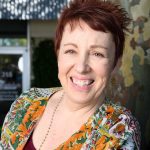
Ellen-TylerEllen Tyler is a Business, Mindset and Sales Coach who has been helping her clients create the life they want and making their (BIG) goals a reality.

Have you ever wondered why some people are successful and others aren’t? Ellen knows exactly how and why and more importantly – how many of us can have the same results.

Connect with Ellen on LinkedIn and Facebook.
Hunter-Public-Adjusting-logov2

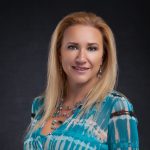
Natalia-HunterAt the age of seventeen, Natalia Hunter applied to be a foreign exchange student in the United States of America, and she and her family were thrilled when she was approved.

Natalia came to the US and earned a Bachelor’s Degree in Finance and Credit. At the age of 20, she began her journey to become an entrepreneur, opening a Kirby Vacuum distributorship, hiring sales teams, and pursuing the American dream while working 12-16 hour days, seven days a week.

Because of Kirby’s educational network, Natalia advanced and learned a lot about sales strategies, negotiating, and leadership. During the recession, she and her husband decided to take control of their lives and began a new business, Water/Fire Damage Restoration. They learned how unfair the insurance claims process is to policyholders while working with insurance claims and assisting homeowners and businesses in recovering after a loss occurrence.

They started Public Insurance Adjusting LLC when they were unable to assist and bargain with Big Insurance to get policyholders back to pre-loss conditions. In 2019, Natalia completed her studies and passed the State Exam, and they established a Public Insurance Adjusting Firm to represent policyholders against their insurance companies.

Follow Hunter Public Adjusting on Facebook.

Karen-McDonaldKaren McDonald is a Home Stager, and the owner of Innovative Impressions.  She provides vacant and occupied home stagings to Realtors as well as homeowners. When she stages, her goal is to highlight the features of the home, helping future buyers visualize their life in the new home. Innovative-Impressions-logo

Karen combines her eye for home staging with her professional art training.  Armed with a Bachelor of Fine Arts degree from the University of South Carolina, experience as an artist, and an eye for stylish decor, Karen is uniquely poised to make recommendations that will ensure a quick sale and a higher sales price for the many Realtors she works with in the metro Atlanta area.

Having a formal background in art really gives her a unique perspective. In addition to staging vacant and occupied homes for sale, or helping a new homeowner settle in by decorating with new or existing furnishings, Karen can create just the right piece of art to complement an interior.

During the holiday season, Karen offers her clients seasonal staging. She adds a fresh spin to holiday decor by combining beautiful live greenery, a client’s treasured decorations and shopping for new items.

Follow Innovative Impressions on LinkedIn and Facebook.

This transcript is machine transcribed by Sonix 

TRANSCRIPT

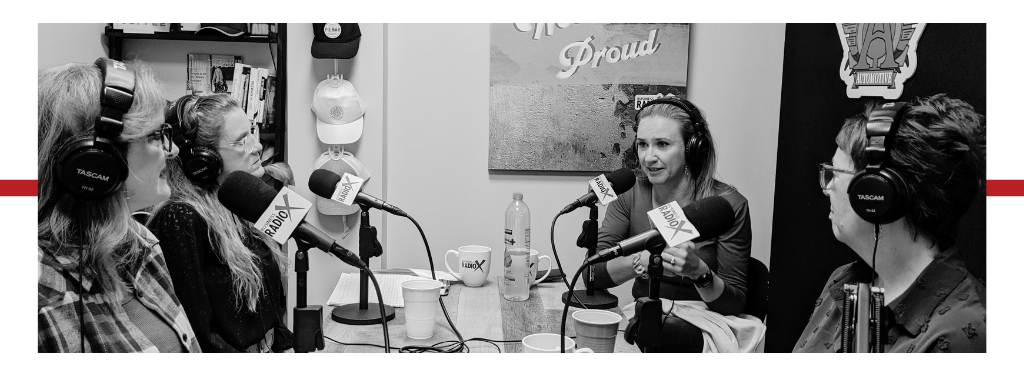
Intro: [00:00:07] Broadcasting live from the Business RadioX studios in Woodstock, Georgia. Welcome to Women in Business, where we celebrate influential women making a difference in our community. Now, here’s your host.

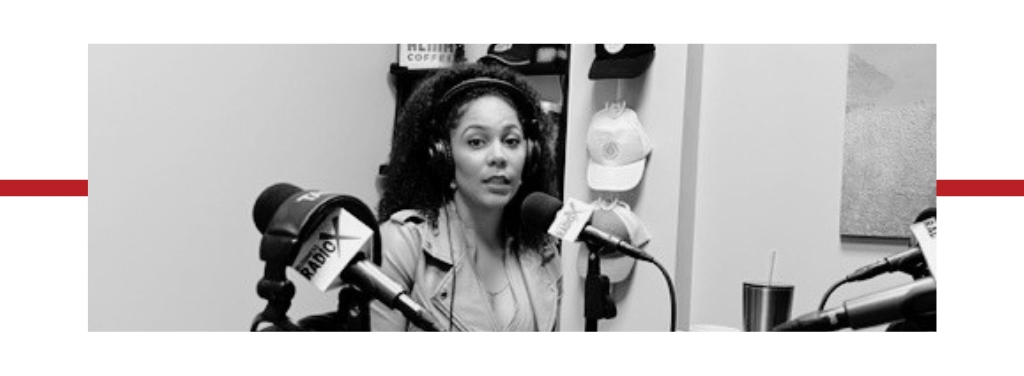
Lori Kennedy: [00:00:30] Hello, this is Lori Kennedy, and I’m your host today for Women in Business, powered by Business RadioX Stone Payton. Our producer is also in the studio with us today and we are grateful to have you tuned in. Today we have three amazing women. We have Ellen Tyler with Ellen Tyler coaching. We have Karen McDonald with Innovation Impressions and we have Natalia Hunter with Hunter Public Adjusting. I’m going to start with Ellen. Ellen, tell us a little about what you do and how long you’ve been in business and who you serve.

Ellen Tyler: [00:01:07] Thanks, Laurie. So my name is Ellen Tyler. I’m a business coach. I’m here in Woodstock, Georgia. And the easiest way that I can explain this, which I just heard the other day, which I thought was funny, any human who has a problem, I can help. And that’s really broad. But I come from business. I came from a very strong corporate business background. And so I knew the chains that I had when I worked with a coach. And I thought if I could just do that because there was such an impact for me personally, our family, we adopted three additional children at that point in time because of that flexibility. And I thought, what a great way to do that for other people. So I tend to like to work with small business owners, career changers who. Want to do the work for their family and their clients and community. But I help them. I help them just do business better.

Lori Kennedy: [00:02:07] I love that. I love that. I feel like whenever something in our life is an amazing makes an amazing difference that we want to. It’s like our instinct to then provide that to others, like be that same source of light for others. And I love that. There were some questions that you had, and I just want to ask one of them to start with. Tell us some goals that you that you give to people when you when you start working with them.

Ellen Tyler: [00:02:36] Sure. Thanks, Lori. When I think about goals, most people think about New Year’s resolutions, which they really don’t work. And one of the things that we help everyone understand is that we really don’t even know what a goal should entail and it should be something we’ve never done. So if it’s let’s let’s use business, it’s really easy or selling. Somebody might say, Well, I want to earn 50,000 more this year. Well, the goal has to be. But first of all, why? If you don’t know why And what does that what is that money going to do for you? Because just to have a goal of money won’t cause you to get up and get out of bed in the morning. It’s what does it do? Is it going to change your family? Are you going to take them to Disney World? Are you going to donate to charity? It’s it’s the why. And then just make it specific so you know what you’re aiming at.

Lori Kennedy: [00:03:41] That’s awesome. Thanks for sharing that, Natalia. Tell us about you and what you do and how long you’ve been doing it and how it. Functions in the community.

Natalia Hunter: [00:03:54] Thanks, Lori. My name is Natalia Hunter, and I’m my husband and I own a hunter. Public insurance adjusting. So we basically represent policyholders, homeowners, business owners against their own insurance. And the claim when I say against basically working with the policyholders and represent them. So kind of like an attorney, but without being an attorney. And we are kind of the next step and. Trying to protect the policyholders before they have to go to attorneys. And we’ve been in business, in the insurance business, really since 2008. We owned the restoration company. So we saw that side of spectrum and how homeowners basically get shorthanded on their payout and nobody could help them. So they would be forced to go to attorney. And of course, attorneys do represent them, but they do get small portion. So that doesn’t help the homeowner when you have to give away all your money that you’re paying your premiums for. So that’s how we ended up kind of switching almost five years ago now into public insurance adjusting, which is something that’s not very popular in Georgia. Not popular. People don’t know about it. If you go to Florida, everybody tells you, hey, call a public insurance adjuster, and that’s your first step. So that’s that’s what we do.

Lori Kennedy: [00:05:30] That’s interesting. I had never yes, I’d never heard of that until you told me about it. And I was like, wow, that’s awesome. Because you guys also have a lot of background in home building and construction and selling of real estate, you know, real estate in general. And so that I would think that’s definitely a need to have to make that beneficial for people, for sure.

Natalia Hunter: [00:05:53] Yes. And a lot of people tell us, oh, my God, we wish we knew you existed before. You know, I had the flood four years ago or we had people say, well, I had a flood last year and I was you know, I didn’t have enough money to put my business back together. And we actually say, you know, as long as it’s been less than a year, we can reopen the claim and go back and help those people.

Lori Kennedy: [00:06:15] Oh, okay. I didn’t know that either. That’s good. Yeah.

Natalia Hunter: [00:06:18] So we’ve had that come in, you know, where people had a gas station that was destroyed by tornado and we were able to get them enough money to function on a monthly basis. You know, they still had income coming in because that was in their insurance policy. Yeah. So, yeah, that’s what we’re here for. And we love helping people. That’s that’s the reason why we exist.

Lori Kennedy: [00:06:41] Well, I can’t help but notice that you have an accent. Tell us about what? How you got here to Georgia.

Natalia Hunter: [00:06:49] On the airplane. I’m just kidding.

Lori Kennedy: [00:06:52] Okay.

Natalia Hunter: [00:06:54] Well, I’ve been in the United States for 26 years. Originally came from Russia, and I came as an exchange student, graduated high school there, came here, took an extra year of high school as an experience, and then ended up going to college. Just kind of enjoyed, you know, my adult life kind of started here, I don’t know, the adult life in Russia. So I ended up staying. I went back to Russia and, you know, visit family, but I stayed here and went to college and then eventually met my husband and got married. So 26 years later, I’m still here.

Lori Kennedy: [00:07:34] That is awesome. Well, we’re glad you’re here. I’m glad that I get to life with you. Karen, How are you today?

Karen McDonald: [00:07:40] I’m good, thanks.

Lori Kennedy: [00:07:41] Good. Can you tell us a little about your company and what you guys do?

Karen McDonald: [00:07:46] Yes. I’m Karen McDonald with innovative impressions. I’m a home stager and artist. I stage vacant and occupied homes Right now. I’m actually doing holiday staging. I offer redesign services and I sell my paintings.

Lori Kennedy: [00:08:02] That is so many things. That’s awesome. But they’re all creative. Not like not my gift. Creative. I’m like, Spreadsheet, please let me do a checklist. I think that’s awesome. I can’t do those things. How long have you been doing it?

Karen McDonald: [00:08:16] I became certified in 2016 with the Cherokee Board of Realtors.

Lori Kennedy: [00:08:21] Oh, wow. That’s great. So how do you set yourself apart as far as marketing yourself and your business? This is this is one of the questions you sent in.

Karen McDonald: [00:08:35] Yes. So a few things. My background. I have a Bachelor of Fine Arts degree with a concentration in graphic design. Being an artist gives me a unique perspective to I use my paintings and my vacant homes. This makes it very personal and sets me apart from others. And number three, persistence. Whether it is a painting, staging or networking, I challenge myself to always be the best. It plays a role in all phases of my work.

Lori Kennedy: [00:09:04] Well, so you said something about certification. Tell me what degrees or qualifications qualify you for this job.

Karen McDonald: [00:09:12] I have a Bachelor of Fine Arts degree from the University of South Carolina, and I became certified through the Cherokee Board of Realtors in 2016 as a home stager.

Lori Kennedy: [00:09:22] That is awesome. Thank you for sharing that.

Karen McDonald: [00:09:25] Thank you.

Lori Kennedy: [00:09:26] Ellen. I’m going to come back. Q Because I have a question. In reference to goals. You talk about things like habits or. Tell us a little about how habits help you succeed in your goals.

Ellen Tyler: [00:09:41] Well, so I’ll I’ll I’ll help you understand. I’m going to ask you a question because this will help everybody understand habits. I know. Well, and actually it’s just going to be one to think about. So when you wake up in the morning and I always say this to anyone, if you have a spouse or you’re living with someone or just you, what’s your morning habit? And go to the bathroom. And then what?

Lori Kennedy: [00:10:03] Every morning.

Ellen Tyler: [00:10:05] I know. And then it’s like. And then what? Like you can you know, you can just look at it. I tell people, I get up and you go to the bathroom and brush your teeth. I take my animals downstairs, I feed them all happens the same way. Those are habits. And so when we’re not paying attention to the importance of habits in our day to day life, it also shows up. If I get my car and I normally go to the gym, but I think I’m going to the doctor and I go the same way to the gym. So if you think about it in that terms of how your daily life and working, if you let it just happen without paying attention, it’s very hard to get to a different place. So if I have a goal and I want to get to a different place and I’m using my same habits. I’m not going to get there. So we just have to change them.

Lori Kennedy: [00:10:56] Yes. That is awesome. That is awesome. Is there a book that you specifically recommend for somebody to starting along this journey? Like, I’ve read Atomic Habits and I thought it was amazing.

Ellen Tyler: [00:11:09] He’s really good because what he does in that book is James Cleary, who wrote Atomic Habits, and he actually helps people understand it’s small steps. Yeah, and the challenge for anyone in trying to create a habit is they go all in New Year’s resolution habits. 21 days later they give up. And it’s just it’s the repetition. And I think and I’m actually going to repeat one of the stories in this book because it’s really good to understand it was a gentleman who wanted to go to the gym and start working out. The first habit he had him do was get in the car, drive to the gym, sit in the car, drive home. So think of it that way. That’s how you can instill a habit.

Lori Kennedy: [00:11:50] I remember when I read it, it was habit stacking, which is basically what you’re saying. You start with something you’re already doing and then you just add something small to it and then you kind of correlate those, I guess, together.

Ellen Tyler: [00:12:03] Right, long term. Right. So the book is helpful, but one of the things I would I would tell anyone sitting here or anyone listening is that pick the one habit that you want to work on because the other challenge is, is that we go, I’m going to do this. I’m going to go to the gym, stop eating donuts, stop drinking my favorite drink, eating French fries and all. And we try to do everything. Pick the one that’s the most impactful. You get up every day. Attempt to keep the habit, start the next day, start the next. The illusion is in 21 days I should be able to do this. But the research actually shows it’s between 21 and 277 days for a person to make a habit. So but once they know that, then they can understand, Oh, I’m just going to try again tomorrow. I’m just going to try again tomorrow. And it is just building that skill.

Lori Kennedy: [00:12:58] I was that you were you’re funny because you were right ahead of the next question. Like, I was like, how long does it take to make a habit? And you were already answered it. Thank you for reading my mind today. All right, Natalia. Tell me what motivates or inspires you?

Natalia Hunter: [00:13:18] Oh, boy. It probably depends on the day.

Lori Kennedy: [00:13:23] I guess.

Natalia Hunter: [00:13:26] And it might be a. Not the answer you expect, but I guess financial freedom. And then there’s reasons why we do it. But most of the time we get up and do things is to make money and to have things and to be able to take care of our family and, you know, maybe help with community. So I’d say that’s what makes me get up and that’s what. Makes me move in the mornings.

Lori Kennedy: [00:13:59] Yeah, for sure. Karen, I’m going to ask you that same question. What motivates or inspires you?

Karen McDonald: [00:14:10] I love the creative process because I’m an artist and I love to help people and serve. Knowing that I’ve made a positive impact in the way someone feels about their space or about one of my paintings is very rewarding.

Lori Kennedy: [00:14:24] It’s awesome. I’m going to go back and ask you a couple of questions from your sheet. I want to know. I want you to share some difficulties that you’ve had to overcome in your business.

Karen McDonald: [00:14:40] So after renting furniture for my staging jobs, I decided to invest in my own inventory. This decision enabled me to cut cost and remain competitive. By making this investment, I’ve had more opportunities to stage.

Lori Kennedy: [00:14:55] That’s great. Well, what about a testimonial or a success story? Like, how is that fit into that?

Karen McDonald: [00:15:03] Actually, I do have a testimonial from my friend and realtor, Kris Contreras. We were recently featured in around Woodstock in the October issue, and here’s what he had to say. Having Karen as part of our listing team on every property has been an amazing investment for my clients and business that has more than paid off, Chris said. On every listing Karen has consulted, We have gone over the asking price. She’s my secret weapon.

Lori Kennedy: [00:15:31] That’s awesome. I feel like, yeah, when you I mean, we see it all over TV these days, you know, when the on all those real estate channels where they go in and they decorate the house with a professional not, you know, grandma’s old rose wallpaper and, and it makes, you know, it increases the value of those homes. So I love that you participate in that. Thank you. Ellen. What motivates or inspires you?

Ellen Tyler: [00:15:57] My family are, you know, when I and actually one of the things that it goes a little bit broader is like we all have a purpose. And so the purpose is really like Natalia said, you know, financial freedom is a huge motivator, but it’s because of the things that we get to do. And I always know that it’s I do it for my family. We’re changing the lives of five kids and it’s it’s just allowing them to experience life differently.

Lori Kennedy: [00:16:27] That’s awesome. Tell me, what what can you help with and why should I consider investing in a coach?

Ellen Tyler: [00:16:37] So the easy answer is anybody who has a problem but we don’t raise our hands usually. Well, here’s what I would say. A person should hire a coach to hire to help them solve a problem that they have that they’re that they’re aware that they have. Because I work with business owners, there’s usually a frustration or a plateau of the businesses staying at a certain point and they just can’t move past. And a great way to understand why a coach helps is if you ever played sports, played a musical instrument or learned how to drive a car, somebody taught you. We get as far as we can go with our capabilities. And there’s nothing you know, people think that that’s a bad thing to say. Goal. I got pretty far, but I don’t know how to get to the next stage, and that’s what the coach will help with.

Lori Kennedy: [00:17:31] And so in reference to that specifically, the expectation shouldn’t be that you know more about their business, but just that you know more about how to push people to achieve the next level within their their own selves. Is that a correct statement or how would you say that?

Ellen Tyler: [00:17:51] And that’s it’s a good statement because it actually differentiates. Think about all the coaches out there. I mean, like there’s been an explosion of people who help in different areas, and I think that’s actually great. But it’s what does the coaching help you get to? And the process shouldn’t just be specific, those words specific.

Lori Kennedy: [00:18:14] To like going.

Ellen Tyler: [00:18:15] For. Right. So let’s just say, does it have to be somebody who has just automotive experience? No, because that makes it sound too specific, like it’s only going to work for auto repair shops or realtors or lawyers or fill in the blank. It should have a process that you can apply to anything. Business is usually the first thing.

Lori Kennedy: [00:18:38] Gotcha. How, Natalia? How to use your influence in the community.

Natalia Hunter: [00:18:48] Well, that’s a good question. I don’t know if I use my influence. I try to be helpful as far as guiding people in a certain way, like if they need somebody, you know, they need help with their car. I know. Hey, call Lori, Cal. You know, they’ll they’ll take care of you, you know, or just I feel like I’ve known. I’ve met tons of people, tons of business owners, and that’s been very helpful. Also, try to volunteer as much as I can, you know, on a couple of different boards where I’ve realized that the only way you can make changes is to be part of it and, you know, make some suggestions for changes. And that’s pretty much how I do it. And of course, you know, donating time, money, food, whatever it.

Ellen Tyler: [00:19:40] Takes, I will actually add to that because I don’t she didn’t mention this. So Natalia took care of her health about a year ago. And I think sometimes that question can have the perception, like, I have to do something where Natalia just showed up healthier, which caused people to ask her questions so it might not be related to work or something else, But you inspired a lot of people.

Natalia Hunter: [00:20:10] Yes, actually, I didn’t even think about it, but I guess I was. Yes. I’ve decided to take control of me for once and lost £40 and change my lifestyle. And I did have I think I helped about 25 people on top of it because everybody was reaching out. What do you do? What did you do? What’s the secret? Well, it’s not a secret. It just, you know, you just have to get discipline and you have to want the bad enough.

Lori Kennedy: [00:20:34] But yeah, for sure.

Natalia Hunter: [00:20:36] For sure.

Lori Kennedy: [00:20:38] Karen, how do you use your influence in the community?

Karen McDonald: [00:20:42] Um, I actually am a sponsor of the Lights of Joy in Kennesaw. I look for opportunities to support nonprofits, and I’m continuously seeking out events that make a difference in the community.

Lori Kennedy: [00:20:57] That’s awesome. Ellen, how about you? How do you use your influence in the community?

Ellen Tyler: [00:21:01] So for me, it’s. It’s what do I care about? And and who do I want to help? And and I think one of it we’ll think about this like we got invited to come here today to share what we do with the community. And my mentor, Bob Proctor, was really great at this. I will tell you exactly what I do. I any business owner, anyone I get to spend time with, we’ll share. This is how you do it because. It’s not a secret. And so if they can just change something little by something I said. That’s the best thing ever. And then, you know, I love animals, so it’s why I can’t go into the humane shelter anymore because I will bring home more.

Lori Kennedy: [00:21:47] But it’s just I’ve been banned. Yes. Well.

Ellen Tyler: [00:21:51] It’s kind of like you can’t bring any more animals in. But, you know, it’s just really how can we help in the community? And we’ve always been a big supporter of doing business in the community.

Lori Kennedy: [00:22:01] Well, you mentioned mentors, so let’s go into that question. Tell us about if you have many mentees and if you are being mentored and how that looks for you.

Ellen Tyler: [00:22:13] Sure. And I actually love that question because a question I’ll get asked if somebody is intrigued about investigating hiring a coach, they want to know, what should we ask? And they said the first question you should ask a coach, Well, there’s two. One is who do they work with? Like who is their mentor or what coach do they hire? Because if I gave the impression that I’m done.

Lori Kennedy: [00:22:38] Like for sure.

Ellen Tyler: [00:22:40] Yeah, it doesn’t work. So we should always be working. So yes, I actually have to now that I work with. And then the benefit is, is that it filters down through. So if people hire me, it works for them. And but anyone I sit with it, they have the ability to learn from that knowledge that I gained from my coaches.

Lori Kennedy: [00:23:00] Yeah, I felt like this was a funny question for you because like, while I mentor for a living. Hello, You know, so. Yeah, no.

Ellen Tyler: [00:23:08] Well, but there’s, there’s free mentoring because it does happen. People aren’t always, they’re not always in the place, but can I give them something that can propel them. I actually, I will tell anybody this. There’s three things of a person did they never have to hire a coach? Do you want to know what they are?

Lori Kennedy: [00:23:29] Yeah.

Ellen Tyler: [00:23:30] Have a gold card with your goal written down. Gold card? Have a vision board with no more than 4 to 5 pictures on it and have a written descriptive statement of your goal. That’s it.

Lori Kennedy: [00:23:46] Hold on. I’m writing this down.

Natalia Hunter: [00:23:48] I just need one more. I need the gold card.

Lori Kennedy: [00:23:51] Well.

Ellen Tyler: [00:23:52] I have them. You all can hunt me down for them. But. But. And. But here’s the intriguing thing with all of my clients. Last December, this is. I told them the same thing. 90% didn’t do it.

Lori Kennedy: [00:24:06] Yeah. Wow. Okay.

Natalia Hunter: [00:24:10] And deceive him may mean to send text to a picture of picking one goal from my vision board. So just pick one. I’m like, I pick two. Like.

Lori Kennedy: [00:24:19] Of course you did. I’m surprised you didn’t pick ten. When we came in, I introduced Natalia to Lori, who owns Innovation Spot. And I said, I don’t even know all the businesses she owns because she’s like, She’s got an addiction. And it has to do with owning businesses.

Natalia Hunter: [00:24:40] We narrowed it down only to now.

Lori Kennedy: [00:24:43] So tell us about mentoring and how you are mentored and and how you mentor others. And if you don’t have an answer, I do. Oh, I’m kind of like Ellen had an answer for you on something else.

Natalia Hunter: [00:24:59] I guess I don’t consider myself a mentor. I try to learn from every person that I meet. Like, I feel like every time I talk to somebody, I learn something new. You know, it’s so to me, I these are my mentors. As people I meet, I try to read books, you know, sometimes. Listen. Listen to the motivational speeches. As far as me mentoring anybody else. I guess just when I did my weight loss journey and lifestyle change, I did that. And we try and we try to help people that call us that have small claims that it would not be financially responsible for us to get involved to help them. So we try to give them a few pointers and say, hey, we can’t get involved because it would hurt you more than, you know, we’d be able to help you. But here’s what you should do. You know your options is this, this and this and good luck. You know, like, let us know if that works and if there’s anything else we can do. That’s pretty much it.

Lori Kennedy: [00:26:14] Yeah, I do feel like I feel like you and I are very similar in the sense that I want to whenever I sit down with somebody, I want to learn from them, and I also want to give something to them. And so I feel like all of my many of my relationships are both mentor and mentee, depending on wherever. They’re going to know more about one thing and I’m going to know more about something else. And so when you and I sat down, for example, together, I was trying to structure some things for our future, you know, to prepare. I’m not a spring chicken, so trying to kind of prepare for what our next steps are and how to structure the businesses and that sort of thing. And you were very forthcoming and helpful. You’re like, okay, I’ve already done some of this, so let me share it with you. And I feel like those are my favorite relationships with people. Or when I sit down with somebody, I learn what their needs are and if I know something about that, I share that and then I listen and then I, you know, I get the same from them and it’s kind of like our sharpens iron, but I just.

Natalia Hunter: [00:27:15] Help each.

Lori Kennedy: [00:27:16] Other. Yeah, I just love that. And so I feel like all my relationships are mentor mentee to that effect. But Karen, tell us about your mentor and mentee relationships.

Karen McDonald: [00:27:27] I actually don’t have a mentor and I’m not. I’m kind of like Natalie. I’m not sure if I’m mentoring, but I do go to networking groups and try to learn more about the folks there.

Lori Kennedy: [00:27:41] And yeah, I feel like every time I see you, you’re like taking pictures and encouraging people and getting the word out about them and tagging them. Like there are ways that you are showing that you’re bringing people along with you on a journey.

Karen McDonald: [00:27:56] Good for sure.

Natalia Hunter: [00:27:57] But you do help like you came in and help some of my clients. You know, she came in and did a free consultation on one of the listings I’ve had before in my real estate business and give them some pointers. So that’s part of you being mentor.

Karen McDonald: [00:28:12] That’s true. I do offer first time realtors a complimentary consult, usually for an occupied home, but it’s up to 2 hours and it’s a $250 value.

Lori Kennedy: [00:28:23] Look at that post that later and tell us who’s in your household or who’s in your family. Who’s in your family?

Karen McDonald: [00:28:32] Actually, my kids are 18 and 22 and they are out of the house. My dog Abe and I are the household.

Lori Kennedy: [00:28:40] Gotcha. Tell you who’s in your household or who’s in your family. Because like I have adult children that are in my family but not in my house.

Natalia Hunter: [00:28:47] I was going to say it’s just me and my husband and our dog right now. But we’re blended families, so we have three kids, 31 be 26 and 19. So the last one is in college. She’s got another year. So hopefully by December next year she’ll be graduating. And so in.

Lori Kennedy: [00:29:07] Your and your bank, okay will be one step closer to financial freedom.

Natalia Hunter: [00:29:10] Yeah I know I told her play the lottery.

Lori Kennedy: [00:29:14] Maybe you will maybe retire. We’ll all retire. Oh, my goodness. What about you, Miss Ellen?

Ellen Tyler: [00:29:22] Well, a week ago, we finally got the last child out.

Lori Kennedy: [00:29:26] Who had come back finally.

Ellen Tyler: [00:29:27] During the pandemic. So honestly, and we’ve been married 40 plus years, and it’s the first time there was only there’s probably only been one year where we didn’t have somebody living with us. So we’re kind of going we don’t know what this is like, but there’s five kids, there are two grandsons, and then we have the fur babies at home.

Lori Kennedy: [00:29:48] Oh, I have one that keeps coming back. But did you see that maybe was I think it might have been failure to launch. Yes. But where he was like feeding the fish naked. Yes. Yes. Okay. My husband was like, oh, once everybody moves out, we’re going to have a naked house. I’m like, We’re too old to have a naked house. That would be scary. Well, all right. We’re going to everybody’s got like a little bit of blush on right now. Natalia, tell me about a mistake that you made in business and what you learned from it.

Natalia Hunter: [00:30:18] Oh, boy. I felt like I probably make them. If not daily, but weekly. I feel like there’s like whether it’s you said something or, you know, I think the biggest thing I’ve learned is to stop talking and start listening more.

Lori Kennedy: [00:30:36] Oh, that’s good.

Natalia Hunter: [00:30:38] You know, because when I feel like when you first get in business, especially being self employed, do you try to sell yourself so hard and you just talk, talk, talk, talk, talk, talk, talk, and then you realize you talk to yourself out of business because you either come through too strong or you set too much or something happens. So that’s one of the things I still work on or try to work on and listen to people.

Lori Kennedy: [00:31:05] Gotcha. I like what you said about that. You fail daily. Not because I like that you fail daily, but there’s a somebody that I work with that my other job and his name is Ryan Lake, but he has a book called Chasing Failure. And and we all know this like you’re never going to succeed without making an attempt and you’re probably going to fail before you get it right. So I just I have tried to I, I have a fear of failure and I’ve tried to embrace that. That is not going to help me gain my best life.

Natalia Hunter: [00:31:40] I have to change a paradigm on that, too, because I had that same, you know, have a strong personality control issues and like, I need to be in charge. I need to be the one making decisions and not fail. But then I kind of start looking at it as well. The only way I fail is if I don’t learn from it, from if I quit, if I quit trying. So that helped me change my paradigm and kind of start. And doing things differently.

Lori Kennedy: [00:32:09] Yeah, for sure. For sure. Karen, tell us about a mistake you made and what you learned from it.

Karen McDonald: [00:32:16] Yeah, I actually underestimated my time on a project in the beginning, but I still honored the price. It was a good lesson to learn early in my business.

Lori Kennedy: [00:32:28] Yeah, for sure. How about you, Ellen?

Ellen Tyler: [00:32:31] I would say early on, not charging enough.

Lori Kennedy: [00:32:34] And.

Ellen Tyler: [00:32:35] Letting individuals come into the group coaching who were not a good fit and disrupted it more than anything. So just personality wise. And. They weren’t really ready.

Lori Kennedy: [00:32:51] So tell us. I haven’t heard about group coaching before from you. So tell tell me a little about this and like, what kind of personality would mess up your group?

Ellen Tyler: [00:33:02] Well, so first I’ll tell you that the ideal person is somebody who is hungry and disciplined, who really wants to. Move the needle. The ones that don’t fit are the ones that blame everything outside and aren’t willing to look at. Like Natalia said, paradigms like so see where the problem. But we’re the solution. So if I can’t accept I’m the problem, then I’m not going to believe that there’s a solution that I can come with up with versus somebody outside has to give me the answer to my problem.

Lori Kennedy: [00:33:37] I love that. And I it was too much to write down, so I’m going to go listen to it later. So how did you start to discern who could be in the group and who couldn’t? How did you discern who has this attitude? Because I need this to hire employees.

Ellen Tyler: [00:33:53] Yeah, well, a lot of.

Lori Kennedy: [00:33:54] It.

Ellen Tyler: [00:33:55] I’m just going to tell you it’s intuition. But sometimes it’s like, think about the questions you would want answers to, and sometimes it’s their past. That would be a good clue. So for me, it’s that. Have you ever hired a coach or bought a program? Because most everybody would say, Oh, I bought I bought this program to do this and this, and it sat in the drawer or on the computer. The key is if they’ve done something in the past similar to what you’re looking for. My question is, did you do the work or why didn’t it work?

Lori Kennedy: [00:34:29] Yeah, I think why didn’t it work would help, you know, if they’re blaming themselves or blaming someone else. And I.

Ellen Tyler: [00:34:34] Right.

Lori Kennedy: [00:34:34] That’s a big key.

Ellen Tyler: [00:34:35] You get really good at just when you come into a conversation. There’s actually a way you can prepare even in interviews. And it’s to ask yourself, what do I want the outcome to be? Usually it’s that let’s use an interview as a process. Well, it’s that I want I want to determine if this is somebody I want to go to the next step with, not like hire them on the spot and then then it’s us. What do we have to think? I have a great place of work. We have great camaraderie. Camaraderie. I can’t talk today, you know, but just I’m creating this spot. And so you have to think about that. Okay. So if I think that, then how do I have to feel? Not like, oh my gosh, you know, if they’re the last person on earth, I’m going to hire them anyways because nobody’s walking through the door. That is not going to help you. It’s more that, you know what, I’ll know when they come in. It’s I’m just going to listen to my gut. And then you ask yourself, what are the action steps I need to do? Which in any situation it’s usually ask really good questions and then shut your mouth.

Lori Kennedy: [00:35:40] So what is different about you in reference to being a coach?

Ellen Tyler: [00:35:46] So for all of us, it’s what is my personal background that I brought into this that makes a difference. And I discovered I didn’t know this. I was an entrepreneur hiding in the corporate world. So I opened businesses, open businesses, open businesses.

Lori Kennedy: [00:36:03] Sounds like Natalia. Yes.

Ellen Tyler: [00:36:05] But I hid under the corporate umbrella.

Lori Kennedy: [00:36:07] She did it without it.

Ellen Tyler: [00:36:09] I was like, I’m going to wait.

Natalia Hunter: [00:36:10] And see that.

Lori Kennedy: [00:36:11] Now. It’s all fixed. I’m like.

Ellen Tyler: [00:36:14] Okay. And it’s that background. So I didn’t come out of that and go, Well, let me be a relationship coach, but it’s what do I care about and what can I help them with? And I had the experience because I did the work and I did the process. And coming from my background, I’m highly structured. I former life financial advisor, all designated. And that’s what makes me different is that I have a process. I didn’t just wake up and go, I think I had a life changing event. Let me see if I can help people. How are you feeling today?

Lori Kennedy: [00:36:50] Well, I’m feeling pretty good. I got out of bed this morning and I went to the bathroom.

Ellen Tyler: [00:36:54] I tell people I might be your friend. He goes, You go. But you don’t hire me to be your friend.

Lori Kennedy: [00:37:00] Yeah.

Natalia Hunter: [00:37:02] You got two habits for me. That would.

Lori Kennedy: [00:37:03] Be. I know, I know. I know. Lori was.

Ellen Tyler: [00:37:06] The bathroom when she.

Lori Kennedy: [00:37:07] Wakes up. That was good recall, wasn’t it? Right. And that back like that.

Natalia Hunter: [00:37:11] Learning good, fast learner.

Lori Kennedy: [00:37:14] All right. The next question is about a message that is for women specifically. Karen, I’m going to start with you.

Karen McDonald: [00:37:24] Great. Actually have an inspirational saying that I brought today. Clothes won’t change the world. The women who wear them will. Anne Klein.

Lori Kennedy: [00:37:35] I love it. Wow. Thank you. Thank you for sharing that. Natalia, do you have a message for women specifically?

Natalia Hunter: [00:37:46] Well, I guess it’s just just do it. Be like Nike. I mean, if there’s something you want to do it, do it. And don’t be afraid. I mean, the worst thing you happen is it doesn’t work out how you wanted it to be. Maybe, But it’s something’s going to change and it’s going to be a learning process. So whether you want to start a business or switch career, there’s plenty of places and people, you know, like Allen that can help you, guide you and tell you what to do if you lost. Yeah. So I just say, don’t be afraid of trying new things.

Lori Kennedy: [00:38:26] Ellen, do you have a message for women specifically?

Ellen Tyler: [00:38:30] I would say if you knew you couldn’t fail, what would you do? And start dreaming again?

Lori Kennedy: [00:38:37] What are some misconceptions about your industry?

Ellen Tyler: [00:38:40] That we’re consultants and will come in and tell you exactly what to do?

Lori Kennedy: [00:38:45] And that we don’t have to do any work. On the other hand, on the other side of that.

Ellen Tyler: [00:38:49] Right.

Lori Kennedy: [00:38:50] What are some misconceptions about your industry, Natalia?

Natalia Hunter: [00:38:54] I guess the biggest one is people think that when you know there’s a loss and because there’s award insurance and and our description that we work for the insurance company, just like when they send their own adjusters and tell you how much they’re going to pay you on the loss, we don’t see no conflict there. Right. People think we work for the insurance company and we don’t you know, we represent policyholders. And then. I guess another thing is that people think, Oh, it’s expensive. I already don’t have enough money. Well, our average increase from initial offer when we come in is about 600%. It’s not a yes, it’s not. So it’s more than covers our fee to the point where the numbers are staggering. I just did one of the videos. I don’t know if you happen to see it. The client called us. They had a flood. They offered they received from the insurance company was 122,000. So they didn’t hire us until two months later. And within a month and a half we were So far. So far we are up to 522,000. Wow. And it’s not we’re not finished yet. So it is huge difference Now, obviously not in every house, but 600% is big.

Lori Kennedy: [00:40:18] Right. And that’s definitely the difference. There is enough to have your fee.

Natalia Hunter: [00:40:23] More than that plus. Not to mention because my husband is a general contractor and like you mentioned, we have the knowledge of the construction we use to build homes and real estate knowledge. So the values we are able to get them, the money that’s going to get them put him back to pre loss condition in today’s market, not what they paid for it when they bought it because that’s what they entitled to to be indemnified and that’s why we exist.

Lori Kennedy: [00:40:51] Wow. That’s very eye opening. I appreciate that. Karen, tell us about a misconception in your industry.

Karen McDonald: [00:41:00] Sure. Staging a vacant home is essential, but staging an occupied home is equally essential. I think people only think about staging a vacant property. This is a misconception because occupied homes need to be staged. Occupied home means the home owners are living in the house while it’s for sale. During an occupied consult, I have the advantage of looking at the property with my staging and not from the homeowners perspective that live there.

Lori Kennedy: [00:41:29] So when you do that for a homeowner that actually lives there, do they have to move their furniture out? Like, do you have to? Do they have to like, get a storage unit and get their furniture out of that? Or how does that typically work? Like what? What do you do different for them that you would do for an unoccupied home?

Karen McDonald: [00:41:49] Yeah. So if it’s occupied, I go in and do a consult and I work with what they have. We start outside, we go room by room and I, you know, talk about making conversation areas with the furniture they have. Getting rid of personal items in the home. We’re trying to create a neutral environment.

Lori Kennedy: [00:42:09] Yeah, kind of simplifying it, Right? Got it. That makes sense. We’re going to start winding it down, ladies. So, Ellen, I’m going to start with you. I want you to tell me a tip of your trade, and then I want you to let us know how others can get in touch with your business.

Ellen Tyler: [00:42:25] So a tip of the trade is that. Guys. There are so many. Let’s do one. Pick one thing and do it. Pick one thing. You don’t have to do 100. Pick one idea. One idea from a book, one idea from a person, and just do it and they can reach me. I have a website. Ellen Tyler, Coach Pinkham The email is pretty simple. There’s contact me on there. They can get in touch.

Lori Kennedy: [00:42:53] Awesome. Natalia, how about you?

Natalia Hunter: [00:42:57] I guess the biggest or step one would be for the policy holders is read your policy. Know what you bought and see if you have a coverage and you know some of the policies could be up to 100 pages long. It’s not just a declaration page, you know, it’s the whole policy. So you have to read your policy. As far as getting in touch with us, our website is go back dot com. It can be reached at our office number 7702137020. And we’re here to help.

Lori Kennedy: [00:43:38] I’m going to ask you one more question, though, because I probably haven’t read all my policies. I’m just being honest. Am I looking for something specific?

Natalia Hunter: [00:43:48] Well, you’d be surprised. Some of the policies, for example, you buy insurance to protect you from flood, right? The flood happens. You want to be protected. Well, sometimes insurance policies exclude that or they may exclude something else that you want to have, you know, like or sewage backup, for example. Most policies don’t give you that automatically. You have to get that as endorsement. So, oh, that’s a big one.

Lori Kennedy: [00:44:17] Do you have like a little piece of your company that just helps people read their policies?

Natalia Hunter: [00:44:22] That would be actually, that’s our next business.

Lori Kennedy: [00:44:26] Oh, we’re back to that again.

Natalia Hunter: [00:44:30] Yes. So we were just we we’re restructuring as of New Year will have a new business or it will.

Ellen Tyler: [00:44:36] Be your new client.

Lori Kennedy: [00:44:37] Yes. I want to sign up for that to get my policies looked at. Yes. Because I don’t know what I’m looking for. Even if I read it, I don’t know what I would want. But I did remember hearing something about if the water comes in from above versus below, it’s different. Like this is a storm that’s a flood. And even though they might be the same thing. Yes, that one might. They are. They are right there. So you have a.

Natalia Hunter: [00:45:05] Flood in your basement that came in from outside. You do not have a coverage unless you have flood insurance. Yeah, I know. People don’t know.

Lori Kennedy: [00:45:15] That. Let me write this down, too. I’m going to have to go back and listen to this one for sure.

Natalia Hunter: [00:45:19] Yeah, So but yes, you know, we do do consulting. And like I said, that’s going to be our next business where we combine it and we’re going to have, you know, this department for this and that. And so we able to help people and business owners and, you know, anybody that we can because as of right now, we cannot represent the third party. We can only work for policyholders. But with consulting business will be able to help contractors, builders, anybody.

Lori Kennedy: [00:45:49] Got it. All right, Karen, tell us a tip of your trade and then how others can get in touch with you.

Karen McDonald: [00:45:56] Okay. A tip in staging is that less is more. Almost every home I see has too much clutter and furniture. Owning less is better than organizing more. Not only does it free up the space, but it frees you up mentally in staging. We want the rooms to feel bigger and creating a neutral environment and highlighting the features of the home is the goal. Folks can get in touch with me at I staging on social media. I also have a website I staging and my phone number is 404538885.

Lori Kennedy: [00:46:34] Awesome. I want to ask one more question and that is I want to know what areas you all serve or work in. So, Karen, what areas do you work in?

Karen McDonald: [00:46:42] Yeah, I work in the metro Atlanta area.

Lori Kennedy: [00:46:44] Okay. So any, any like on the south side or just on the north?

Karen McDonald: [00:46:49] Yeah, I’m all over. Most of my work is in Cherokee and Cobb, but I go all over Atlanta.

Lori Kennedy: [00:46:54] Okay, awesome.

Natalia Hunter: [00:46:55] Natalia Well, we are licensed in the entire state of Georgia, so it depends on the scope of work and the job. You know, we will go all over the state, but as of right now, you know, probably within, I’d say an hour, hour and a half radius from Atlanta. Got it. But we do right now. We do most in Cherokee County.

Lori Kennedy: [00:47:20] Okay. Okay. What about you, Miss Ellen?

Ellen Tyler: [00:47:22] Humans in the world.

Lori Kennedy: [00:47:23] Yeah, you can do Zoom or whatever. Some kind of online thing. Okay, great. Awesome. Well, thank you, ladies, for being here today. Before we close stone, say hi. Hi. Do you have anything brilliant Yesterday? Brilliant for y’all. But I am going to reach out to Natalia and bring her my insurance policy. I tell you that much for sure. Awesome. Well.

Natalia Hunter: [00:47:49] Thank you, Laurie, for having me.

Lori Kennedy: [00:47:50] Yes. Yes. I was so happy that you’re here. And thank you for joining us today. On Women in Business Powered by Business Radio X. Until next time, this is Laurie Kennedy reminding you to keep learning and growing.

 

Mindy Johnson with Beyond the Spotlight Dance Studio

November 14, 2022 by angishields

Mindy-Johnson-Feature
Cherokee Business Radio
Mindy Johnson with Beyond the Spotlight Dance Studio
Loading
00:00 /
RSS Feed
Share
Link
Embed

Download file

Mindy-Johnson-studio

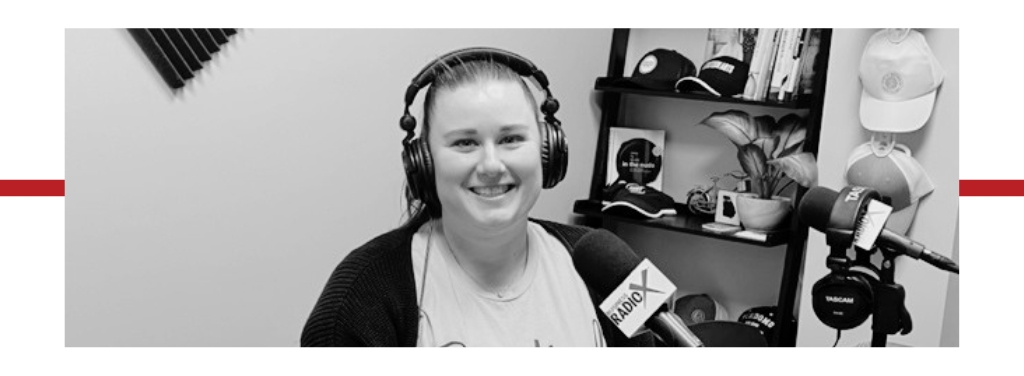
Mindy-JohnsonMindy Johnson is the co-founder and executive director of Beyond the Spotlight Dance Studio in Woodstock, Georgia.

She has been teaching for 20 years and grew up dancing at the age of 4. She has an Associate in Early Childhood and is Acro Arts certified. She has choreographed high school productions of Cinderella and Chicago musical.

Follow Beyond the Spotlight Dance Studio on LinkedIn, Facebook and Instagram.

This transcript is machine transcribed by Sonix 

TRANSCRIPT

Intro: [00:00:07] Coming to you live from the Business RadioX studio in Woodstock, Georgia. This is fearless formula with Sharon Cline.

Sharon Cline: [00:00:18] And well, hello, Happy Friday and happy, fearless formula. I am so happy to have this on the air. Last week I had some technical difficulties. However, it still did work out in the atmosphere somewhere, but hopefully things are going just fine this week. And today in my studio I have the co founder and executive director for Beyond the Spotlight Dance Studio here in Woodstock, Georgia. She has been teaching for 20 years and grew up dancing starting at age four. She has an associate’s in early childhood and Acro Arts certified. She’s choreographer. She knows how to work sound boards because she’s my backup today. Please welcome to the studio, Mindy Johnson. Hey, thanks for coming in.

Mindy Johnson: [00:01:03] Thanks for having me.

Sharon Cline: [00:01:05] Welcome. I’m excited to talk to you because you have a brand new business. Really?

Mindy Johnson: [00:01:09] I do. Yeah. We just opened in August.

Sharon Cline: [00:01:12] How is it going? That’s such a big question.

Mindy Johnson: [00:01:15] It was busy. We it’s been really interesting. We got into the building August 1st, and I had my open house, like, big grand opening on the sixth.

Sharon Cline: [00:01:26] Wow. So you only have three days.

Mindy Johnson: [00:01:29] Yeah, And luckily, it was the location we’re in was a studio before, so the flooring was there. Majority of the stuff I needed, like it was set up for how I needed it, but it was a lot of painting, a lot of.

Sharon Cline: [00:01:46] Scuff marks on the floor from legs kicking or whatever.

Mindy Johnson: [00:01:49] You know what I mean? Oh, yeah, a lot of people helping to paint that week. It was it was exhausting, but so good. And then, you know, we went into the open house and all that, and then we went into trial week where kids could come in and just try classes. And then we went into starting our actual years. So it didn’t stop and still kind of hasn’t, I guess.

Sharon Cline: [00:02:10] Maybe the week of Christmas, you know, where it gets kind of quiet. Well, so what were you doing before? This is a brand new venture for you and you’re the co founder and who is your other co founder?

Mindy Johnson: [00:02:21] So my sister and I started this together. Christy Johnson. Hey. Hey. She she has always been there. She’s my younger sister. She’s always kind of encouraged me and, you know, always there to talk through all the things where four years apart. So it’s kind of nice. And so she’s she wanted to jump in on this and she’s got the business side. She works for the county and she does the business admin. And so she knows all of that stuff. And, you know, I’m not a math person, so she handles the the money side and all the numbers and I’m like, just tell me.

Sharon Cline: [00:02:58] It’s nice to have someone who can balance you out like that.

Mindy Johnson: [00:03:00] Yes. Yes. And I’ve got like the creative teacher side because I also teach preschool. So, you know, I’ve had that in my life forever. I’ve been doing that for ten years ish, I think, now.

Sharon Cline: [00:03:13] So did you always want to have your own studio to to dance? How did it come about?

Mindy Johnson: [00:03:18] So surprisingly, I didn’t. I’ve been teaching, like you said, 20 years now. I actually when I was dancing, when I was younger, I actually wanted to be a dance teacher. I think it was about ten or 12 ish age. And, you know, back then my teacher, who was also one of my mentors, I wanted to be like her and I wanted to learn all the things. And so I assisted all the classes and I was at the studio all the time when I wasn’t dancing. And so then. As I got into high school, they had an apprenticeship program back then and I jumped into that so then I could go teach dance classes and get paid for it and do what I wanted to do. So I did that. So I technically have been teaching since I was a junior in high school, which is kind of crazy. So that’s why when I say 20 years, it sounds like forever ago, right? Right.

Sharon Cline: [00:04:14] But you can consider that actual that is teaching and experience.

Mindy Johnson: [00:04:17] So, I mean, they paid me. So that’s a professional. I did it.

Sharon Cline: [00:04:22] Good for you. Yeah.

Mindy Johnson: [00:04:24] So I was content, though, just kind of teaching. And then over the years, you know, all of my bunch of my coworkers that became friends and just friends in general all kind of said, you know what you’re doing? And you know, you know, you’re so good at this. Help me with this, you know, So they would come to me for stuff. And so then during quarantine, when we all had to change our lives and figure all the stuff out, you know, I always helped out in the studio and had different jobs and positions where I was in charge of stuff. So I kind of always had that leadership role somewhere throughout the years. And that one just kind of, I don’t know, it just kind of like taught me and showed me that I know I could do this. And then there were times that I would think, Oh, this would be a really cute idea to do. I wish I wish I could do it. But, you know, it’s like not my place. So I didn’t you know, I didn’t want to do any of that in that situation. So then I thought, well, you know, I’ve kind of been here in this same spot forever. So I thought it was a change, a time for a change. And. I went for it and it was terrifying.

Sharon Cline: [00:05:35] The show is all about fearless. It’s all about the ups and downs of the business world and how you navigate your emotions around business. Because it’s not just numbers. It’s, you know, it’s highly emotional, you know, and your your heart and your soul and spirit and all of that gets involved. So but you know, what that’s like says a lot about just sort of your belief in yourself, because there are lots of people who have dreams, who’ve always thought, I’m going to do this, I’m going to do that. And they don’t know, you know, because time goes by and there are million reasons why it’s not a good time. I mean, let’s just talk about the pandemic. What was that? How did that impact you?

Mindy Johnson: [00:06:08] Oh, so, you know, dancing.

Sharon Cline: [00:06:11] Yeah, I know. We got together.

Mindy Johnson: [00:06:14] Yeah. We’re we’re always so close to each other, you know, always breathing the same air. So we ended up where I was teaching before they we went straight to Zoom. I mean, we stayed open the whole time. It was it was awesome. I was happy that I could still work and get paid for it.

Sharon Cline: [00:06:33] Then that’s a big deal. A lot of. Yeah, you know, struggled so much. But were you also still doing preschool then?

Mindy Johnson: [00:06:39] So for preschool, because I teach, I’m teaching like the five year olds. So they all go off to kindergarten the next year. They we kind of stopped and then we kind of picked up like Storytime on Zoom. And I was sending a lot of stuff for preschool, like sending it to the parents. Now, you know, that age, it’s super hard to get kids to sit in your house and do work, which, you know, most parents know this now, right? So I was doing as much as I could to make sure that they felt like they were getting the education they still needed if they wanted to do it at home. And then, you know, sadly, we didn’t get to have our little graduation, but we did like a drive by car thing and it was really cute. And I delivered ice cream and balloons to my students with my assistant that year. So it was nice. We we got a little closure, but yeah, dance. We kept going on Zoom. We, I was making schedules for that and figuring out four different zooms and who’s on what zoom and what time. And and we actually ended up doing summer camps that summer in person, you know, all of the the cleaning and all of that and just making sure everyone was safe. But yeah, it was hard.

Sharon Cline: [00:07:48] You were still able to do it. So exciting to hear so many people struggled, you know, but it’s it’s probably the highlight of kids day, you know, to be able to do something that’s familiar. You know, I would have been a horrible teacher to my own kids. They know that. I know that. I’m just saying it probably would have been like a nice break for parents to have, you know, something. And plus, it gets their energy out. All the good things.

Mindy Johnson: [00:08:10] Oh, yeah. Oh, yeah, definitely. I mean, the kids were awesome on Zoom. Now I’m going to tell you for sure. Tapping on Zoom is very difficult. Unless you have all the fancy equipment. Zoom does not pick up taps very well. Oh, really? Yes. So I was I literally a lot of my teaching was sitting watching a screen because it was either acrobatics where, you know, I still they still did some tricks, but it was a lot of just conditioning. So I was sitting there counting how many, you know, tricks, you know, pushups they were doing or little obstacle courses they could do at home or, you know, in tap. I would I would have to do one at a time and you’d push play. And on your side it’s playing the right speed. But on the taps it was slower.

Sharon Cline: [00:08:55] Oh, fascinating.

Mindy Johnson: [00:08:56] So I would be like, Yeah, sure, sure. That looks good. Yep. Good job, guys.

Sharon Cline: [00:09:01] So when you really decided to go ahead and go for creating your own business, was it even from start to finish, like you came up with the name that you wanted, a logo LLC or DBA or, you know, when you actually start to create your own business, there’s so much behind it.

Mindy Johnson: [00:09:18] Yeah. There. I didn’t realize how much I had to think. I was just like, at first I didn’t I wasn’t going to do a studio studio. I was going to do mobile studio where I would rent like a room at a community center around town and maybe eventually do the studio just to kind of like get my feet in there. And then the location just opened up in like things just happened in the perfect amount of time in like two weeks. My plans changed majorly.

Sharon Cline: [00:09:43] Kind of opened up for you then. It feels like it was meant to be. If that’s the case sometimes.

Mindy Johnson: [00:09:48] You know, I didn’t even I really wasn’t even looking in Woodstock because there’s so many here.

Sharon Cline: [00:09:54] And I was taking a salsa class at that exact location before. Yeah.

Mindy Johnson: [00:09:59] It’s so crazy. But I mean, I’m so much I’m in this community all the time, so I guess it was meant to be that way again.

Sharon Cline: [00:10:06] Like things sometimes do just kind of fall into your lap. Yeah. Sometimes, you know, when you’re trying to fight to make something happen, it’s so frustrating compared to something just naturally opening.

Mindy Johnson: [00:10:16] So right when I was picking the name, I think that that was the hardest. And the person my one of my mentors that was my old boss a while ago, she was like, Don’t worry about the name until you get all this, this and this. And I was like, But I’m a theme kind. A person like when I teach preschool, it’s themed, so I need a name so then I can figure everything else out. So there was a lot of lists between me and my sister. And then we asked a lot of our friends to vote, and then we would explain why we like this name. Like what the meaning behind the name was for that.

Sharon Cline: [00:10:51] So, yeah, that’s so nice. You had support, such support?

Mindy Johnson: [00:10:53] Yes, it’s been a lot of support, a lot of friends, a lot of community help for sure.

Sharon Cline: [00:10:59] But I feel like. Plus, your location is so wonderful right in the heart of downtown. I mean, you can walk to your studio from anywhere in the downtown area, which is great. Yes.

Mindy Johnson: [00:11:08] I love the market on Saturday morning, so it’s kind of perfect because I make the schedule, so I made it so I could go to the market still and get my breakfast and coffee, and then I can walk down back to the studio and start teaching class.

Sharon Cline: [00:11:23] Has it been a challenge at all to get students? Because obviously you were working from another studio involved in another studio. So when you break free and have your own dream, you know, what’s it like to recruit people or to advertise?

Mindy Johnson: [00:11:37] I’d have to say in a sense that’s one of the hardest things in a way, because I was not out to poach students. That was not like the whole me doing this was just for myself, of course. And I’m sure it’s tricky.

Sharon Cline: [00:11:52] Because you’re the teacher, but but you’re not the first person to ever have wanted to break free and and do your own thing. It must be it must be a hard line to kind of navigate it.

Mindy Johnson: [00:12:03] It definitely is. So my goal was just to get the word of mouth out, you know, having my friends, my community, you know, having everyone announcing it to my, you know, networking groups and having them kind of pass the word out, getting it on social media. So then my Facebook friends and Instagram people will pass it out. So that that’s kind of been our our biggest thing, I think. Trying to figure out how to really recruit maybe is one of the harder things because, you know, not knowing where to put that money, you know, for advertising or I did a trunk or treat, which was really fun. So that was like free little thing. And I love that I had a blast because it was again, I was around kids, so I was in my element. Yeah.

Sharon Cline: [00:12:53] And it’s it’s so cute. It’s such a great Halloween area. Is that right Where it All over the area in downtown Woodstock. They really they do it well yeah, I think.

Mindy Johnson: [00:13:02] Yeah. No, it was great. So I mean I’ve been doing a lot of that and getting in into the community and getting our our name out there. And just like you said, there’s so many people around here working with other businesses here. I love that connection and just making those connections because there’s something between everyone.

Sharon Cline: [00:13:24] It’s true. And you just had an event last night.

Mindy Johnson: [00:13:27] Last night?

Sharon Cline: [00:13:28] Yeah. How did it go?

Mindy Johnson: [00:13:30] It was so much fun.

Sharon Cline: [00:13:32] So let’s talk about your your official event. It was called Empower, right?

Mindy Johnson: [00:13:36] Yes. Yes. So we jumped in with in Woodstock and we hosted last night the Empower Event. And that’s your.

Sharon Cline: [00:13:45] First time hosting, right? Yeah. How was it? Were you nervous? I would have been so nervous.

Mindy Johnson: [00:13:49] You know, I wasn’t nervous because I guess I was in my building and I was in my element. We did a tour and I had some snacks and goodies and and then I taught everyone there to conservative a little combo. Oh, it was a lot of fun. And everyone had a blast. They took some of the props and danced with those. You know, we had a blast and then we we split up and did some leadership questions about confidence. And that was that was a lot of fun.

Sharon Cline: [00:14:19] Were there any surprises that happened last night? Were you surprised at how excited people were or willing to participate?

Mindy Johnson: [00:14:26] I was actually I mean, they were they were kind of defensive at first because they knew they had to dance. But I think that goes for like anything when you do it new, you know, you’re you’re terrified. And then once I started teaching and they got a couple of it, you know, steps going, they their confidence kind of picked up. Yeah, I learned that. And then at the end we were all cheering after we ran it two or three times and they’re like, Oh yeah, this is fun. And I was like, I’m glad that’s what I wanted.

Sharon Cline: [00:14:55] So what do you think is the most satisfying part about having your own business? What do you think is sort of what drives you and kind of just makes you feel like, yes, all of this is worth it?

Mindy Johnson: [00:15:05] Oh, man. I feel like there’s a lot of things I want to say. Building that community and taking all these ideas that I didn’t know I had and being able to do them and make them my own. I grew up, you know, in an amazing studio that I learned so much from, and they were part of the community. And I just remember all of that. And I think I want to get my kids out there to do that. I want them to feel like they have this community, even with with the with people in the mornings, Like that group has just changed the way I’ve thought about everything. They they’ve kind of pushed me, in a sense, to do this, too. They gave me that, that feedback that I needed to tell me I could do it. So I think taking. Taking all of that and kind of putting it into the business is kind of where. Where I love all of that and having my own business to do that.

Sharon Cline: [00:16:09] I don’t think it’s really underestimated how important support is and how much that can really affect your thought process. Oh yeah. You know.

Mindy Johnson: [00:16:18] I love asking for help. I know it’s hard for a lot of people, but I’m one of those that I will take all of it. You want to offer it? I will take it. I just because then I, I feel like it connects us even more. So I feel like that’s going to help grow any business. You know?

Sharon Cline: [00:16:36] I do. And I think one of the things that I love about just sort of this community in itself is like, this is a real family community. And so it just works so well for I can imagine people coming back 15 years from now and being like, I took my dance classes right there, you know? Yeah, that’s.

Mindy Johnson: [00:16:53] Exactly my like, that was that’s one of my, like, visions for my studio. That’s what I want because, I mean, I’ve had I mean, obviously teaching for 20 years. I’ve gone through a lot of graduations with kids. So I think and in the last I’m going to say ten years maybe, or maybe even less or more, I, I finally seen the ones that I’ve taught when they were two or three growing up to then graduate and go off to college. And just hearing them when they come back are like, you know, being friends with them on Facebook and Instagram and seeing where they’re growing and keeping in touch with their parents, like having that community. That’s what I want to bring to to my studio. And so they they’re comfortable in my building talking to the teachers and then they can take what they learn here, bring it into their lives, you know, whether it’s college or professional dancing or something else, that they feel that they can come kind of like back home, you know, and and want to come back and tell me about how their life is or, you know, want to come back and take classes as an adult or bring their kids to me. And I just that’s that’s one of my biggest things.

Sharon Cline: [00:18:04] What are the ages for your for your studio? Are they all ages?

Mindy Johnson: [00:18:08] So right now in our first year, we are doing ages two through ten ish. Then we have some adult classes going on as well. I have a tap in a jazz class for adults. There’s so much fun. It’s such a different vibe from kids to adults. I love it. And then so yeah, and you know, eventually I would love to have a company and grow that so I can have them go around and perform, you know, out in the community more at festivals and, and do that. Yeah, that’s so we have right now we have 2 to 10 but eventually we’ll have all ages is my goal.

Sharon Cline: [00:18:47] What do you think Is you talking about sort of having your own business? Do you think that you’ve had something where it’s been sort of like, Man, I wish I had known that before I got started in this. Is there anything that you kind of wish that you had known from the beginning? Anything that surprised you? Oh.

Mindy Johnson: [00:19:05] Let’s see. Maybe, I guess, more of the business stuff. I mean, I, I learned a lot before, and I knew going into the studio, I felt like even now when people ask me, oh, is it like, isn’t it hard? Or is it, you know, are you surprised about how hard this is or something? And on the dance side, it’s so easy. It’s exactly where I was before. I’m doing.

Sharon Cline: [00:19:32] Your wheelhouse.

Mindy Johnson: [00:19:33] Yeah. Like, I know what I’m doing. I got that. But the business side, like the marketing, the. That was my next question. Finding the accountants, finding. I don’t know, whatever else. Again, that’s why I have my sister, thank goodness. Yeah.

Sharon Cline: [00:19:47] But how challenging is it? I mean, if you’ve never run your own business before, there’s a whole side that has absolutely nothing to do with your exact product. It’s more about making sure you’ve got all of your ducks in a row and you’ve got everything paid correctly. Yeah, exactly. So where did you go to get information on that? Because I really went to the basics. Like when I started doing voiceovers, I was just doing like, Google.

Mindy Johnson: [00:20:09] Yeah, exactly. No, that’s where we went. I Googled how to open a dance studio for sure. That’s so great. Or what? I what? I need to open a dance studio and, you know, and just talking to other people, you know, in, in my little network and asking those entrepreneurs, Hey, we’re doing this. Do you know someone who you do? Who’s your accountant? Who’s how did you do this when you opened, you know, stuff like that. Again, that’s using that community that you have. I think that’s I think that’s the biggest thing when you open a business and not feeling like you have to do it alone.

Sharon Cline: [00:20:47] We talked about this with other guests on the show about how important it is to have some good people around you that you feel like you can ask. You can be vulnerable enough to say, I really don’t know what I’m doing. Right, right, right, exactly. Work. Yeah. But, you know, we luckily have like some really great people that are willing to spend some time and explain things and not mind the helping.

Mindy Johnson: [00:21:08] Oh, exactly. Exactly.

Sharon Cline: [00:21:09] So what do you do for your marketing Now? I know we kind of briefly talked about it, but so you’ve got your social media, which is huge. That’s what everyone’s doing on exactly marketing with social media. So you have have you ever advertised on Facebook or do you just have your page?

Mindy Johnson: [00:21:28] We have not advertised on Facebook. From what I hear, it’s very tricky. If you don’t know how to do Facebook ads, I don’t know if it’s true or not. I’m still trying to figure that one out.

Sharon Cline: [00:21:38] Well, if you learn you can let me, I will. Like, we’ll help each other.

Mindy Johnson: [00:21:41] My sister talk to you about that because it’s not going to be me.

Sharon Cline: [00:21:44] No. You know, it is a whole world that I’m not as savvy.

Mindy Johnson: [00:21:47] No, I know we we were in some of the magazines when we did our ribbon cutting, so that that’s kind of nice doing that.

Sharon Cline: [00:21:57] So like the local Woodstock ones and.

Mindy Johnson: [00:21:59] Yeah, gotcha. We are doing we have a little ad in at St Michael’s Catholic Church down the road. So a few ads here and there. A lot of it, again is word of mouth. You know, the parents making sure your parents are out there talking about your studio and mom groups. I’m part of a few mom groups on Facebook, so that’s been helpful to kind of advertise that way in a sense. Let’s see, I don’t think we haven’t really paid for any advertising yet.

Sharon Cline: [00:22:31] Well, it’s just so fascinating to me. Yeah, because not everybody does. Yeah. You know, I think one gentleman I had has his own jujitsu studio and he said, I think I put like 100 bucks and advertising, but like, he’s enormously successful. But I think that’s actually even more important to have word of mouth because people are going to tell you the truth. It’s true. You know that’s true. This has gone well. This is not gone well. Yeah.

Mindy Johnson: [00:22:54] Yeah.

Sharon Cline: [00:22:55] So. What do you do as far as planning out, I guess, where you want to be? Do you have a long term or a five year goal or are you just taking it year by year as far as being a business owner?

Mindy Johnson: [00:23:08] So I want to say, I don’t know. I feel like I haven’t talked to my sister about this in a minute. We have kind of a five year plan. Like, we have an idea of where we want to be. We’ve also taken it into yearly. We do. Me and my sister, well, will meet even though we live together. We will meet and talk every every week about what we need for, like the next month or the next week. So I feel like us communicating like that has helped. And then kind of talking quarterly as well.

Sharon Cline: [00:23:44] When you’re new, I’m sure it’s hard to know exactly what to expect.

Mindy Johnson: [00:23:48] No. And you know, going into it, not knowing how many kids I’d have jump in here, you know, just having to play in that way. It’s it’s been. It’s a little bit harder to plan, but at least we have some ideas going into it. So yeah, we have a few a few ideas that we want for the future and where we want to go.

Sharon Cline: [00:24:08] I love that because like I said, a lot of people have their sort of dreams and goals and they never take that step of, Well, let me just Google how to do this, whatever it is, whatever their dream is. And so I like that you kind of it’s not like you have this huge. Set plan that you’re really sure is going to go this way. You’re kind of taking it as it comes because that’s how life is. But that’s also so less daunting for someone who’s wanting to open their own business. You know, they don’t have to have everything spelled out exactly right or know everything. Has there been anything that’s kind of been super challenging for you?

Mindy Johnson: [00:24:42] Um, I think making that, that work life balance for sure, which I think is kind of for everyone, honestly, unless you’re really focusing on it. I mean, I, but I also want to make sure I do it all. I have a hard time kind of giving stuff away. I will admit that. So me trying to plan out around my schedule when I should work studio stuff because I teach preschool in the morning, I’ll usually just go straight to the studio after and sit there until it’s time to start teaching, which is different every day. So I try to use those hours as my my working hours. And then usually during the weekend, at least one day during the weekend, Sundays, usually my me and my sister will go to a coffee shop and just like work on stuff. And it’s kind of our meeting. Right. Yeah.

Sharon Cline: [00:25:35] Like crazy how that is. Well, if you’re just joining us, we are speaking with Mindy Johnson of Beyond the Spotlight Dance Studio. I think that’s a big issue for everybody that I’ve interviewed on the show is trying to manage the work and life balance, because with social media being the way it is, if anyone posts anything, anytime, anywhere, there is a feeling of I need to respond to this or I need to be able to always be reachable through through texting or or through social media so that my business will grow. You can’t ever.

Mindy Johnson: [00:26:05] You can’t turn it off. Yeah, it’s horrible. I hate it, but I love it.

Sharon Cline: [00:26:10] I know it’s a good problem. But at the same time, no, it’s interesting. I’ve talked to a couple of people who are like, you know, having to put some some strict boundaries around themselves is. Is really difficult. I’m the same. You know, if anyone wanted me to do voice, I don’t care where I am. I drive home, I do it, I make it happen. But at the same time, I don’t know if you try to have a, you know, a life outside of work or, you know, even like kids and family. I was speaking with someone who’s a plumber on here. What the challenge is to kind of strictly this is my date night. This is my time out, you know, having to put. But then there’s the struggle of wanting to make money and be successful. So I don’t know. I haven’t really managed it.

Mindy Johnson: [00:26:52] I haven’t either. Yeah. I’m trying to build myself up to do the whole time blocking thing. The idea sounds amazing. I just really struggle to do that because then my brain is just like, Well, but I have this to do and I have this to, Oh, I could work on this. I feel like it’s a little A.D.D.. I’m not really sure if I am or not, but I feel like it’s a little bit.

Sharon Cline: [00:27:14] So you had done also some choreography for different shows. What kind of shows have you done?

Mindy Johnson: [00:27:20] Yeah, I got into choreographing musicals lately in the last, I guess, year. I guess I could say not this summer, but the summer before. It kind of fell into my lap and was amazing. And I was terrified to do it because I’d never done it before.

Sharon Cline: [00:27:38] Where do you find like, where do you if I were to I’m sure I’m picturing myself. Who knows nothing. Imagine going, you know, and knowing I have this whole show to do. Where do you find the inspiration for the different ways that you can choreograph? Is it already sort of spelled out for you or is it strictly up to your creativity?

Mindy Johnson: [00:27:55] So I did a lot of YouTube watching. That was where because so my first show was Cinderella, which is my favorite, like Disney Princess, and I love all those movies that are out. I’ve watched them all. So it kind of was like one of those, You need to choreograph this.

Sharon Cline: [00:28:17] Oh, that’s so great. It was in your heart.

Mindy Johnson: [00:28:19] It was. Yeah, it was meant to be again. So I went a lot of YouTube. I did Chicago in the spring, and then this summer I did Elf the Musical. So much fun. They did a Christmas in July. I was going to.

Sharon Cline: [00:28:32] Say, It’s summer.

Mindy Johnson: [00:28:33] It was well, it was really cute. But yeah, a lot of YouTube just watching. I know. Watching a lot of those. Every time I had to choreograph a piece, I would pull it up on YouTube, watch what a bunch of other places had, or even the real Broadway’s have. You know, like with Chicago, some of it you kind of use that. The Bob Fosse. Yes. Yes. So I used a few steps from that, but most of it I just had to come up with my own.

Sharon Cline: [00:29:03] So are you working with high schoolers? Is that what it is or what age group?

Mindy Johnson: [00:29:06] Yeah. So I go down to Newnan. Oh, okay. And choreographed down there. They have a star program during the summer. And then East Coweta High School is where I go during the spring. They’re doing Joseph and the Technicolor Dreamcoat this spring, so I’m excited for that.

Sharon Cline: [00:29:23] How fun. And you know, what’s cool is you’ve got a couple of different communities that you feel like you’re involved in. You know, I do Woodstock, you know, you’ve expanded.

Mindy Johnson: [00:29:32] Know and I’m I’m hopefully I’m going to be bringing in January we’re going to be doing some musical theater classes, dance classes for like. Little sessions at the studio, so I’m going to do it. Elementary school, middle and high school. So yeah.

Sharon Cline: [00:29:47] How cool do you feel like? So where were you living before? I’m still.

Mindy Johnson: [00:29:51] Here. I’ve lived. Yeah, I’ve lived in. I mean, technically, I live in Canton. I grew up there. When to.

Sharon Cline: [00:29:59] So how does it feel to kind of be putting down serious roots in a town that you grew up in? You know, it’s like an official part of the directory. You know what I mean?

Mindy Johnson: [00:30:10] No, it is. Yeah, it’s great. I mean, I’ve always you know, I grew up in the Canton side, went to Cherokee High School and lived my life in Canton all of those years. And then since I worked in Woodstock and, you know, teach down the road at a preschool church, Woodstock was always where I came. I mean, it was always had good restaurants and all that and then.

Sharon Cline: [00:30:35] Grown so much.

Mindy Johnson: [00:30:36] Yeah. And then I came started going to the networking group, and then I’m just here all the time because I made those friends. So then we were going to events here and now I’ve got the studio here. So it’s been kind of crazy how it kind of just laid out in Woodstock.

Sharon Cline: [00:30:50] Yeah, but, you know, I love that you I mean, you know, you grew up here, so you have family roots and friends roots here and now you’re making such an impact on their family and friends. Do you know what I mean? Yeah, it’s really kind of cool to think about.

Mindy Johnson: [00:31:04] Yeah, it is. It’s kind of fun.

Sharon Cline: [00:31:06] So if someone were wanting to start their own business, what would you recommend? Do you have any sort of things where you’re like, Man, I wish I had known that before. I always like to give people maybe like a heads up of things to think about if they’re interested in doing something.

Mindy Johnson: [00:31:27] I don’t know if I had anything where at least he had. I mean, we’re only since August. I don’t know. Maybe. Planning ahead a little bit more and not being so scared to do the things.

Sharon Cline: [00:31:46] But that’s huge because people are. So how did you manage to not allow your feelings, I guess, or being concerned or. I mean, money is so important to everybody. No one wants to lose, you know, an investment. So how did you push on?

Mindy Johnson: [00:32:02] Again, with my support, I mean, my sister has been awesome with all of that. Having the people around me just keep saying, you’re doing awesome. Your city is great, you know, giving me that reassurance. You know, I think everyone needs that, too.

Sharon Cline: [00:32:18] I do too.

Mindy Johnson: [00:32:19] Especially if you don’t. If you’re someone that doesn’t even want to ask for help, but then hears all of this coming from people that they’re close to, I think I think that’s big. If you don’t have that kind of system around you, then I feel like you’re you’re going to get lost.

Sharon Cline: [00:32:34] Well, there’s lost in the details and then lost for me in my own thoughts of insecurity, I guess.

Mindy Johnson: [00:32:42] Yeah, it kind of keeps you grounded. You know, it makes you realize this is where I still want like, this is where I want this to go and not make it so much about yourself. It helps you think about, you know, like for me to think about the kids and where I want them.

Sharon Cline: [00:32:57] Because it’s not about me so much as what I’m trying to do. And your product or who I’m trying to help. Yeah, that is very motivating.

Mindy Johnson: [00:33:04] Thanks.

Sharon Cline: [00:33:06] Well, if anyone wanted to reach you or find your studio, what would you recommend? The best way.

Mindy Johnson: [00:33:12] I would say go to our website, Bts’s Dance studio, not the K-Pop group.

Sharon Cline: [00:33:21] Yes. Oh my gosh.

Mindy Johnson: [00:33:22] Another reason why I really liked this name.

Sharon Cline: [00:33:25] Yeah, that’s hilarious.

Mindy Johnson: [00:33:27] So yeah Beats dance studio dot com. And we have a little thing where you could fill out questions. We also have a Facebook page and an Instagram so you can find us there, send us in a message there. Our schedule and everything is on the website though, so you can always look and see what we have.

Sharon Cline: [00:33:44] Are you on are you on TikTok?

Mindy Johnson: [00:33:46] I mean we have an account.

Sharon Cline: [00:33:49] You’re just like me. I have an account and all I do is follow people. I do nothing on there, but I barely.

Mindy Johnson: [00:33:54] Even get on my regular Tik tok to just scroll. But no, we I’ve been trying. I think I’m going to have to start doing Tik Tok just because, I mean, they’re fun, they’re cute. I just have to get over wanting to be on the screen.

Sharon Cline: [00:34:08] Listen, there are people who that is like their big way of advertising and like always surprised to hear about it. But I had a gentleman in here who he’s a real estate agent and was talking about how he kind of did like a Tik Tok kind of in service, you know, where he learned everything about it and a challenge so that it made it more comfortable for him to just make little videos and kind of made him do it. Because I think that’s what I need. I know, right? But, you know, I can imagine how cute it would be to have, like, little kids. Yeah, I could see it being something.

Mindy Johnson: [00:34:38] That’s where I need to go. I take enough video during class and like pictures to help for the page. I just need to actually put them for some like music for Tik Tok or something.

Sharon Cline: [00:34:46] Yeah, absolutely. No, and I need to as well. Maybe we could make a promise to each other. Like, yes, in like, I don’t know, a month, two months, two months. We’ll do one.

Mindy Johnson: [00:34:56] Let’s go. Yeah, let’s go out End of the year. We. I’ve got Thanksgiving break off and Christmas break so we only have like six more weeks of classes.

Sharon Cline: [00:35:03] I’m so busy. Well, Mindy, I can’t thank you enough for coming in and kind of giving some insight and what it’s like to open your own business and and kind of throw yourself in there and really have enough belief in yourself that no matter what, you’re still doing it for the right reasons and it’ll land where it lands.

Mindy Johnson: [00:35:21] Thank you so much. This was great. I had so much fun.

Sharon Cline: [00:35:24] Okay, good. Well, if everyone else is interested, please feel free to check out Beats studio. Is that.

Mindy Johnson: [00:35:32] Right? Beats dance studio. So close.

Sharon Cline: [00:35:34] So I got the beats.

Mindy Johnson: [00:35:37] See, now you’re going to remember it.

Sharon Cline: [00:35:39] Wasn’t that funny. Oh, that’s hilarious. Yes. So thank you so much for coming. And everyone out there, thank you for listening to Fearless Formula. I’m Business RadioX. And this is Sharon Klein again, reminding you that with knowledge and understanding, we can all have a fearless formula. Have a great day.


Tagged With: Beyond the Spotlight Dance Studio

Dr. Douglas M. Brown with Transworld Business Advisors

November 14, 2022 by angishields

Douglas-Brown-headshotv2
Buy a Business Near Me
Dr. Douglas M. Brown with Transworld Business Advisors
Loading
00:00 /
RSS Feed
Share
Link
Embed

Download file

Transworld-Logo

Douglas-Brown-headshotv2Douglas Brown has over 20 years as a business advisor and management consultant in several industries.

He is a business broker affiliated with Transworld Business Advisors and a commercial real estate agent practicing in eastern Virginia.

He and his family and their dog live in Williamsburg.

Connect with Douglas on LinkedIn.

This transcript is machine transcribed by Sonix 

TRANSCRIPT

Intro: [00:00:07] Broadcasting live from the Business RadioX studios in Atlanta, Georgia. It’s time for Buy a Business Near Me. Brought to you by the Business Radio X Ambassador program, helping business brokers sell more local businesses. Now, here’s your host.

Stone Payton: [00:00:32] Welcome to another exciting and informative edition of Buy a Business Near Me. Stone Payton here with you this morning. Please join me in welcoming to the broadcast with Transworld Business Advisors, Dr. Doug Brown. Good morning, sir.

Douglas Brown: [00:00:49] Good morning, Stone. How are you this fine morning?

Stone Payton: [00:00:51] I am doing well and I have had the pleasure of having on air conversations with a couple of other folks in the Transworld Business Advisors system. Always informative, always inspiring. So I’ve really been looking forward to this conversation. What part of the country are you serving, man? Where is where is your go? As my wife would say.

Douglas Brown: [00:01:16] Well, our office is based in Richmond, Virginia, and serves most of Virginia. I operate out of Williamsburg myself.

Stone Payton: [00:01:23] What a beautiful area of the country. How in the world did you get into this line of work, man? What’s the back story?

Douglas Brown: [00:01:32] Well, the back story is I wish I would have discovered it about 20 years sooner. I had a small business myself in Atlanta after the dot com crash and all of that, and most of the people I knew weren’t getting employed. So I decided to hire myself, started a small business, and it was doing pretty well until I got notified to my reserve unit was going to be called up for the Gulf War. And I didn’t think I could run a start up small business from that distance. So I went to sell it and I was successful in that. But that’s where the problems began and would not have happened had I had a business broker, which I didn’t even know was a thing at the time. So I went about my way and I went off. When I came back from the Army, I did business consulting work of different kinds for many years and a few years back Transworld contacted me and said, Hey, you know, you’re doing this consulting stuff. Have you thought about being a business broker? And then we’ll know because I didn’t know that that was the thing. So they told me about it and showed me what they did and I fell in love with it right away. It’s really something I wish I would have found decades sooner. I just like working with small business owners, helping them achieve the best they can with the assets that they have. And then for many of them, it’s that’s their pet, their retirement plan. So you really want to always makes me always want to do the best I can for them.

Stone Payton: [00:02:59] Well, and there really are I’m learning so many moving parts on both sides of the equation, buyer and seller alike. After hosting this series. Now for a little while, I cannot imagine being a buyer or a seller without someone with your expertise in this domain. There just there are too many ways to get it done there. There are plenty of opportunities to to stumble. So are you finding that you gravitate to a certain type of individual, a certain type of buyer, a certain type of seller, certain types of businesses?

Douglas Brown: [00:03:37] Well, Stone, I do what we call the main street businesses, which is the ones that have revenues. Revenues, typically between a half 1,000,005 million. You get much bigger than that. You’re starting to get into stock transactions, which takes a whole lot of different licensing and so forth, and it’s a different kind of a sale. So no, we don’t pick a particular industry to work with because in the end, the sales process other than how you how you inventory the product and that kind of thing, is pretty much the same across all those smaller businesses. And the places you advertise is pretty much the same. You know, there are some sub communities in there like the convenience stores and gas stations that seem to have their own ecosystem going on. But for the rest of them, it’s pretty much the same across the board, and that’s who I serve.

Stone Payton: [00:04:30] Okay. Let’s talk about funding a little bit on the on the buyer side. Let’s hypothetically say that my wife, Holly, is not going to let me tap into her 401. To buy this business I’ve got my eye on. It’s okay. I’ve got some options. Right. Can you walk us through some places ought to be looking at or thinking about for funding that business here on Main Street in Woodstock, Georgia.

Douglas Brown: [00:04:57] Yeah, sure. And I mean, first let me say that, you know, there’s this perception that money going into a small business is risk money. And that’s mostly because the dot com stuff, you know, you do a startup, you might lose all your money. But if you’re buying an existing small business that’s making a profit, you know what you’re getting. It’s been doing it for two or three years. It’s going to continue doing it. And, you know, historically, those returns have been greater than what you can get out of the regular markets. But to your point, there are people that don’t want to use their own money to buy it. The Small Business Administration’s loans is what people tend to think about. And they’re not as readily available in the main street market as you would think. Because, well, first of all, it’s a misnomer that the Small Business Administration is doing anything other than providing a guarantee. It’s actually a program that the lenders will use to guarantee the loans that they issue. So lenders have different rules for what they’re going to do. But for the most part, you’ve got to start out with three years of the last three years being profitable and a couple of years ago you could get away with saying, but COVID. But that’s kind of going away now.

Douglas Brown: [00:06:10] And you’ve got to be profitable enough not only to throw away, throw up enough income to service the loan, of course, but also to provide the owner. The requirement is that the owner has to be the operator of the business. So this business has to throw off enough money to pay the owner what they consider to be a reasonable salary. So you can’t say, I’m going to run a 20 person accounting firm and I’m going to pay myself 20,000 a year. I know that that doesn’t work. So it’s not that easy to get Small Business Administration financing, which means if they won’t touch it for the most part, most of the banks and the other lenders won’t either. The non SBA type lenders, they typically have deal sizes that are at least 350,000. A lot of them are higher than that. Some of them will require nets, annual nets on the order of 350 or 400,000. So at least for the market I’m in, getting financing from a third party is only for the best of the best. If you can get that, that’s great and it makes it a lot easier to get a buyer otherwise. And most of the deals on the main street level, the seller is going to have to provide quite a bit of the financing.

Stone Payton: [00:07:24] Okay, So say more about that, because I do. I walked into hosting this series and I’ve been hosting it for several months now. My picture of how this worked was I write you a check, you hand me the keys, and the deal structure can look a lot different than that and in the seller can finance all part. There’s a lot of different ways to do it and the seller be involved in helping finance the thing. Yes.

Douglas Brown: [00:07:49] Absolutely. One of the rules I tell buyers that I’m working with and sellers is if the buyer is coming in asking you to borrow the money to buy the business with, then they don’t really get to negotiate what the price of the business is. Mm hmm. And the seller is going to require the buyer to put down enough money to where if the buyer should happen to drive the business into the ground. And the business then says to the seller, I’m sorry, we just can’t pay you those debt payments we were talking about. Yeah, there’s a personal guarantee. A lot of sellers are unwise and refuse to pay the fee to a credit bureau to run the credit checks on the buyer. But even so, there’s a lot of things that doesn’t pick up. I mean, you really don’t know if this person would be good at running a business or not. So the seller is going to require enough of a down payment that if this whole seller financing thing blows up on them, they walk away with enough money. They feel like they didn’t just give this guy their business and now they got nothing. So I have just to see what they say. I’ve attended some of these seminars where they talk about buying a business with nothing out of pocket.

Stone Payton: [00:09:00] Mm hmm.

Douglas Brown: [00:09:01] One of the important things there is they don’t say nothing now. That’s not happening. Nothing out of pocket means you can razzle dazzle some ways to finance the inventory, to do some stuff where you can produce a check at the closing table that isn’t actually your money as the buyer. But the seller is not going to just turn their business over to you and let you borrow the rest of the money from them and walk away. Unless the business is just such a nightmare that they want to get rid of it. It’s kind of like having a boat. Nobody, nobody sells a boat. They give it to some other schmuck.

Stone Payton: [00:09:40] Oh, I resemble that remark. I grew up on the Gulf Coast.

Douglas Brown: [00:09:44] Yeah.

Stone Payton: [00:09:45] Oh, that’s funny. Okay, so let’s talk about the corporate guy. The corporate gal. Good career, you know, Still wants to stay there, at least during this transition period. You probably have some I don’t know if this is the right term or not absentee business, but something where I don’t have to be there Monday through Friday in the early going. Is that is that doable?

Douglas Brown: [00:10:06] If you’ve got money, anything’s doable. So, yeah, I mean, a lot of people say that the first thing that certainly we always tell them as a business broker is there’s no such thing as an absentee business if you think that you might. What would you pay to own an ATM? You know, you walk up to it, you take money out of it, and you come back when you feel like it. That would be very expensive. It is possible, of course, but you’re going to pay a lot of good money for it. And it would be a pretty good investment if you did it. But that’s not your typical business. You’re still going to have to have some hands on the owner if the owner was operating it at all. And so let’s just separate that out. If you’ve got a business that’s more than, say, three or $4 million in revenue, then they’ve got a full time professional person or two that’s actually running the place. And yeah, you can buy it as a semi absentee investor, but it’s going to cost you two or $3 million to buy that business. If you want to have an affordable business, it’s going to make the assumption that you are actually the owner operator of it and you’re going to have to do stuff.

Douglas Brown: [00:11:16] Now, you may not have to be the person that opens the shop every day and sweeps up the floor at the end of the night. But you’re going to have to be involved. The more the business can run itself, the more of a premium it’s going to command. But I would actually respond to the corporate part that we were just talking about. There’s a lot of people that come out of corporate and say, Oh, well, I have you know, I used to be a finance manager or a budget manager or contract manager. I was a line business manager, VP of 300 people. I know how to manage people well. And I can actually tell you this from my own experience, because the business that I started was a blue collar business. And I’d come out of that same corporate world, people in the kind of trades where you actually work for a living make decisions a lot differently from people that go to office and satisfy their boss for a living. Hmm. And managing people in that environment is completely different. A lot of people I talked to that are coming out of corporate world that have a chunk of money.

Douglas Brown: [00:12:16] The first thing they tell me, I don’t want to buy a franchise. Let me get this right. Now, you want to buy a business. You know nothing about an industry. You know nothing about managing people. You don’t understand. And you want to figure out how to do this by yourself so that you’re not paying the franchise or. A $50,000 fee or whatever it is. To buy a model that 1000 other people have proven works. And all you got to do is do what they do, and the least you’re going to do is a decent rate of return. But no, you know, if you don’t want to do that, then we’ll go find you at one off business. And it’s astounding the number of folks that we work with at our buyers that don’t want anything to do with franchises because they don’t want to pay that six or 7% royalty or whatever it is. And yeah, I get it. It changes the profit picture, but not really knowing how to run the business and run it into the ground is a whole lot less profit than giving somebody a 10% rate.

Stone Payton: [00:13:11] Go a minute. So you’ve been at this a while now. What? What are you finding the most rewarding, man? What’s the what’s the most fun part about the about the work for you?

Douglas Brown: [00:13:23] Well, I’m fortunate enough that I have other sources of income, so I’m not going to I’m not going to say that. Yeah, cash in the commission checks is the most exciting part, although I like to do that. But that really isn’t what it’s about for me. I really enjoy working with small business owners I like and I enjoy just seeing what they do every day. You go in and you see how these businesses operate. You see people who come in to work and are happy to work every day doing what they do in all kinds of different industries. It’s just curiosity stimulating for me as to how they work. And I really like working with these folks who have worked. For many years, try and trying to build up this business and make an asset out of it, because the sad part is almost 90% of businesses, small businesses. When the owner leaves, they get nothing. Either they don’t bother to sell it or they can’t sell it or whatever. And they’re, you know, a lifetime of something they thought that was going to be their retirement ticket turns out to be nothing. And I have that when I’m talking to folks in the back of my mind is I can’t let you retire from 20 years of this business with nothing to show for. We got to do something and figure out how to get you a reasonable return.

Stone Payton: [00:14:37] Yeah, well, talk about timeline a little bit if I have, you know, just poured my heart into this thing for 20, 30 years, and I do have my eye on exiting. Let’s talk about timeline. Timing window. I need to reach out and start having conversations with you to kind of get my ducks in a row because there are some things I need to get set up to get the most for it and have a good clean deal. Right.

Douglas Brown: [00:15:04] Right. So the answer that is now or maybe last year. Because here’s what happens. Small business owners, especially if they’re owner operators, they’re all busy, super busy and planning for the future for some day, that that could be five or ten years from now. I’m not ready to retire. I don’t have time to spend time in some ivory tower exercise coming up with an exit plan and doing all that because I got plenty of time for that. My observation has been that some day has a habit of arriving tomorrow. And to your point exactly, is there’s a ton of things I could do to make my business more valuable to a buyer. But if I did them now or over the next couple of years, wouldn’t be very expensive to do and wouldn’t disrupt the business too much and they would be possible. But if I wait until I need to sell. Those things are either super expensive to jam them in at the last minute or they’re just not possible. So. You really need to start. If you think about retiring any time in the next three or four years, you definitely need to start figuring out how that’s going to work and start doing the things you need to do to make the business more viable. If you need to retire right now, the reality is. And it may not be retired, right? It could be.

Douglas Brown: [00:16:26] You get sick, it could be somebody in the family has an issue. It could be somebody offers you a fantastic opportunity to join in with them in some new venture, but you don’t have time for it. So you need to sell the business. Could be any of those things. It’s going to take a business 3 to 4 months to close. Even if you’ve got a buyer standing there right now that actually wants to buy it. And I’ll tell you, half the people that have nothing. 90% of the people that say they want to buy a business, they never buy any business. And I can tell you in 100% of the cases where a seller is telling me, oh, I’ve got a buyer all lined up. You know, my Uncle Charlie or the guy from the my church choir or whatever, but we’ll have them show up here with a checkbook. We should be able to get a deal done in no time. You know, I don’t really need to charge you significant commission for that. We’ll cut you. We’ll cut you to get you in on the deal is if you brought us the buyer. I have never seen one of those people show up yet. Never. Yeah, you need 4 to 6 months as a minimum. If if your timeline is. I need to close this business right now, then you’re in the liquidation sale business.

Stone Payton: [00:17:31] Okay, so you’re helping clients market and sell their business. How does the whole sales and marketing thing work for you? How do you get the new interest, the new clients?

Douglas Brown: [00:17:42] Well, partly by doing things like this, which is fun, and then partly the shoe leather way where you go out and you visit businesses and drop in on them and see what they’re doing and meet the owner. We do have telemarketers. We do have mail campaigns. I don’t like the corporate and I’m not saying this about Transworld, particularly just the entire industry, the corporate telemarketer campaign, where somebody calls up a business, hey, your industry is really hot and we’ve got buyers that are waiting to buy your business at a premium price. Give us a call to that. I don’t like that. Yeah, because we don’t have a buyer like that usually. And if we do, we do. But the problem is they’ve heard it so often that there have been occasions like have a couple of buyers right now, and one guy really wants to buy automotive businesses, have another guy. And weird enough that I’m working with who is buying while in shops? I mean, what is that? Right. But that has set up a national chain. So he’s buying he’s buying shops, but they get these calls every day. So if I were to call somebody up and say, Hey, I’ve got a buyer interested in the shop, like, yeah, sure, if I click and your number goes on spam. So I don’t like that kind of thing, but it does go on. And for me, calling the business directly and talking to the owner is actually a pretty good way of doing it, but it’s pretty tedious.

Stone Payton: [00:19:04] Well, and now, I mean, you’re working Main Street, as you put it, and being affiliated with an organization, the caliber of Transworld, one of your best tools, I’m sure, is just like many of us. I mean, doing good work is an excellent sales tool, isn’t it?

Douglas Brown: [00:19:21] Yeah, Well, it especially comes in handy when you’re in the process because you have buyers and sellers and want to argue about how it needs to be done. And you know, model one is the real estate industry, which we are quite different from in some ways, but very like in other ways. Say, look, you know, you don’t argue with your real estate agent about the form that they use to do disclosures, and let’s not waste time with that. This approach that we’ve taken has worked worked for several thousand businesses a year. You’re really not going to be any different. There’s no need for you to reinvent this wheel. And that usually quiets things down, which is handy. It’s certainly handy being affiliated with transfer. I can look and see not just the stuff that’s on the Internet as far as what’s for sale, because stuff isn’t for sale and it doesn’t sell at that price. But I can actually see what we’ve done in the last couple of years, what we’ve got on the books right now, and you can get a much better sense of what a reasonable price is going to be. Then I can go look on some of those big platforms and get an idea. But I don’t know that typically businesses like that sell for two or three times earnings. But in the last two years, the best we’ve ever seen is one times earnings. That’s, you know, that’s good information to have.

Stone Payton: [00:20:33] Well, it’s great information. And I’m thinking like from my side of the table, if Lee Kantor and I, he’s my business partner. If we were getting ready to to sell all or part of business Radio X and I reach out to you, you’ve probably somewhere in that repertoire across that system, you probably have some precedent of buying or selling some types of media companies that would give me, I guess, a level of comfort. So that must be nice to be able to lean on that.

Douglas Brown: [00:21:04] It is nice. And I will say that some of the large business databases that the industry relies on, they are the best that there are out there, but they’re by no means complete. And probably 50% of the time I go in there with a small business. Obviously, you want to use those resources. I am not going to name them because no point going there. But. 50% of the time I go in there in the business I’m trying to list is not on their list of businesses that they have any data on. But if I go into the Transworld database, like you say, the odds are if we haven’t sold that kind of business. Exactly. We’ve sold something several, four or five things like it, maybe not this year, maybe four or five years ago, but at least you get an idea not of what people are asking, which doesn’t mean anything but what they’ve actually got.

Stone Payton: [00:21:53] All right, So what’s the best way for our listeners to connect with you? Have a conversation with you about any of these topics. What’s the best way for them to connect with you, man?

Douglas Brown: [00:22:02] Well, you can certainly call me on my phone anytime at 2025999996, which works pretty well if you get the nines. Right. So it’s two or 25999996. Or you can email me at DH Brown at TX world dot com.

Stone Payton: [00:22:23] Marvelous. Well, Doug, it has been an absolute pleasure having you on the program this morning. Thanks for investing the time and energy with us. And thank you for what you’re doing. The work you’re doing to me is just it’s so important. It’s so critical. It’s such a key aspect of what I think makes America great. I know I’m a little bit jaded, you know, being an entrepreneur, but being out there, helping people exit properly, helping them acquire businesses. And you’re doing important work, man. And we we sure appreciate you.

Douglas Brown: [00:22:55] Well, I appreciate what you’re doing is letting people know how the industry works and you’re not even judging them for it. That’s that’s a great service.

Stone Payton: [00:23:02] Well, it’s my pleasure. All right. Until next time, this is Stone Payton for our guest today with Transworld Business Advisors, Dr. Doug Brown and everyone here at the Business RadioX family saying we’ll see you again on Buy a Business near Me.


Tagged With: Transworld Business Advisors

Michael Davis with Olive Tree Ridge

November 14, 2022 by angishields

Michael-Davis-Olive-Tree-Ridge
High Velocity Radio
Michael Davis with Olive Tree Ridge
Loading
00:00 /
RSS Feed
Share
Link
Embed

Download file

Olive-Tree-Ridge-logo

Michael-Davis-Olive-Tree-RidgeMichael Davis, Founding Partner of Olive Tree Ridge, is a successful technology serial entrepreneur turned investor & special situations banker.

Passionate about education, financial well-being, and bridging the gender- and immigrant-wealth gaps.

Connect with Michael on LinkedIn and Twitter.

This transcript is machine transcribed by Sonix

TRANSCRIPT

Intro: [00:00:04] Broadcasting live from the Business RadioX studios in Atlanta, Georgia. It’s time for High Velocity Radio.

Stone Payton: [00:00:15] Welcome to the High Velocity Radio show, where we celebrate top performers producing better results in less time. Stone Payton here with you this afternoon. Please join me in welcoming to the broadcast. Founding partner with Olive Tree Ridge, Mr. Mike Davis. Good afternoon, sir.

Mike Davis: [00:00:35] Good afternoon, Stone.

Stone Payton: [00:00:37] So I have a lot of questions. I suspect we won’t get to them all, but I think maybe a really good place to start would be if you could articulate for me and our listeners mission purpose. What are you and your team really out there trying to do for folks? Mike?

Mike Davis: [00:00:55] Yeah, that’s a great place to start. We are out there, I would say, almost myopically focused on making sure that women and immigrant founders are able to access capital markets, right? Yeah, it’s just really unfortunate the amount of systemic barriers that prevent high caliber women and high caliber immigrants who are running amazing businesses from accessing equity capital, debt, capital or related instruments. It’s quite obfuscated. It’s a very sort of murky industry that very few people understand.

Stone Payton: [00:01:39] So when you say systemic, that suggests to me and I’m a middle aged white guy who’s made a little money, okay, but but, but it suggests to me that this the challenges here are well beyond just, you know, like a simple racist kind of thing. It’s more complicated than that, isn’t it?

Mike Davis: [00:01:59] That’s absolutely right. By no means is this a commentary about racism. This is a commentary about sort of asymmetry of information, access to information and sort. So how do you tilt the scales in favor of these incredible entrepreneurs and again, doing so systemically, meaning repeatedly making sure that that you are that we here at Otter, that what we’re doing here is more teaching and guiding along with the traditional services of investment banking, asset management, etc..

Stone Payton: [00:02:41] So how did you get on this path?

Mike Davis: [00:02:45] It’s a long journey, but I think it starts with that. I myself am an immigrant, right? I mean, you cannot tell by my name Mike Davis, but I’m 100% Persian. My parents immigrated to this country just like millions of others after the Iranian revolution. And and it was tough. It was brutal. It’s especially pronounced when you’re in a new country, new language and new environment, really. And I guess real definition of success. Right? It eluded me for the longest time, Right. I mean, the kind of pillars are there, right? The foundational understanding is there. You need to get a good education. You need to be hardworking. You need to be out there and kind of toiling, sharpening your spear, if you will. But how? And the means by which making that journey sort of easier, less onerous, or even having something as simple as a mentor or guideposts along the journey would would have been hugely beneficial. So so that’s what I’m doing, right? I started the company in 2019 after, I don’t know, 13, 14 businesses of my own, having started 13 to 14 businesses of my own and realizing, you know, it’s time for me to sort of give back. And, you know, my my fortunes are not quite made yet, but how do I do so? By upskilling and sort of illuminating the way for others so that they can continue doing the good work that they are doing.

Stone Payton: [00:04:33] So as you were kind of describing your back story, I was trying to to kind of get in the other person’s shoes a little bit. And I was trying to envision myself, even with my experience base, trying to go to Persia and access capital. I mean, just even just that one thing alone, like I would be right. So there’s there’s some culture geographical. There’s, there’s, there are a lot of what you call them systemic barriers, aren’t there.

Mike Davis: [00:05:02] That’s right. That’s right. I mean if you if you take just that example alone, right. You you know, step one in that process is getting to Iran. Right? Right. Where are you going to go? Right. Is it Isfahan? Is it Tehran? Is it Shiraz? Is it is it a regional city? And then who do you who do you talk to? What’s the what’s how are meetings conducted? Right. Like very basic questions that a lot of folks who are native to America and have mentors and and. Again, guideposts that they can follow along their journey. Take for granted, really, or assume as a ever present prerequisite.

Stone Payton: [00:05:47] So it’s one thing for someone like you to have the the drive, the passion, the ethos, the mindset, the sense of purpose to to go down this path and serve these constituencies. I, I would think it’s quite another to recruit, develop, train and continue to sustain a culture that lives into the to the values that you want them to live into and engages in the operational disciplines the way you want them to. Can you speak a little bit to to that side of the business? Because it’s got to go beyond? Mike I’m sure.

Mike Davis: [00:06:26] Yeah. The good news is that I have some really smart friends and I’ve met some very dedicated folks along the way to help me achieve this at scale. But the sort of early days, you know, it was as it was as simple or as basic as, are you female? Are you an immigrant? If yes, the conversation can continue. Like this very basic flowchart that then over time becomes more nuanced. Are you coachable? Is the business that you’re building something that would benefit society? What are your capital needs such that, like bootstrapping does not make as much sense as taking on outside capital? These are the types of considerations that get built over time. But the other thing that happens over time is so the ecosystem or let’s say the network is almost self selecting, right? Like great entrepreneurs know great entrepreneurs, great female entrepreneurs, no other great female entrepreneurs. So, you know, it makes part of my job easy and that I don’t spend as much time as one would imagine you would need to on business development, sales, etc. It’s more around vetting and making sure that that quality bar remains high.

Stone Payton: [00:07:54] And then the people around you who are on your on your team, you’ve got to you’ve got to you’ve got to recruit and develop there. You’ve got to pay some special attention there, too, don’t you?

Mike Davis: [00:08:07] Yeah, that’s right. Absolutely right. And and, you know, one of the things that I talk about with operators, but also try to sort of take those lessons in myself is find analogous business models, find analogous systems, networks that are doing what it is that you hope to do. And I was really fortunate to get my MBA at a school called INSEAD. It’s it’s a business school located in France and in Singapore. And they’re one of the most interesting things about INSEAD is that, you know, just like a lot of their peers, top tier schools in the world, they they promote about 1000 students a year, 500 per promotion. But they make sure that no more than 10% of the class is any one nationality. And so, wow, that is that is really interesting, right? That what is that experience like? And fortunately, I had the ability to attend and graduate and I see now the benefit of that diverse thinking, that global mindset and really gives me a model to to use when building Olive Tree Ridge and expanding it.

Stone Payton: [00:09:28] So now that you’ve been engaged in this pursuit for a while, what are you what are you enjoying the most and what’s the most rewarding about the work?

Mike Davis: [00:09:39] I guess I love my clients, right? It’s it’s it’s quite comforting to know that I have built a business serving the folks that I want to be like. It’s quite interesting to have a service mentality. I am. I exist to serve my clients and the kind of benefits the positive externalities of that is just like any other parent out there. My kids will run into the office and they’re excited to share something with me. They don’t know what my meeting schedule looks like. They don’t know if I’m available or not. But it doesn’t matter because the folks that I’m talking to inevitably themselves are parents. They are folks that understand what this. I hate using the phrase new normal, but what this kind of like hybrid work situation really looks and feels like. And that like being a good father, being a good husband is part and parcel to being a good operator.

Stone Payton: [00:10:50] Okay. Let’s talk about the work a little bit, especially the early stages of it. If you could just kind of describe what what happens if someone begins to tap into your work, those early conversations. Walk us through a little bit of that process, if you would.

Mike Davis: [00:11:05] Yeah, absolutely. So I think first and foremost, we’re talking about what does the world look like if you’re successful? And that’s that’s just a very open ended question, kind of almost on purpose. I want to see where that conversation goes. And if if it’s about self enrichment, like, I think it’s going to be a rather short conversation. But, you know, if you’re telling me a story about what the world looks like and it aligns with what I hope the world looks like or is additive to what I hope the world looks like in the future or the future of my kids. So that’s where we’re getting there. That’s one check in the check box. The other is sort of coach ability and sort of flexibility of thinking. That growth mindset. Some people call it lifelong learning. You know, are you open to hearing that perhaps you don’t have all the answers? And I’m not saying that I would be the provider of that gap or bridging the entirety of that gap. But, you know, as I introduce you through my network and again, like I said, my friends are all smarter than I am as I introduce you to my friends. How’s that going to go? So we sort of talk through some scenarios and then the sort of the brass tacks of it comes down to how much capital are you looking to raise? Right.

Mike Davis: [00:12:34] And some of that is stage dependent. Some of that is how capital intensive of a business are you running. And then it really falls into sort of three. And this is why OTR is broken up into the three kind of business units that we have asset management, investment banking and CEO coaching. If your business falls within the guardrails of one of our existing funds, one of our existing sort of sectors or geographies of focus, and we are able to play the role of investor, we will explore that path. If that is not true or perhaps like for a multitude of other reasons, you would like different capital than what we would be able to provide, then perhaps you are a better fit for our investment banking business. And there we would use our relationships to source either equity or debt or again, some hybrid financing structures on your behalf. And then the third business unit and the primary reason why the third one exists is if you are earlier stage than that, you are high potential business, great founder, great work ethic, great kind of global mindset. But you’re just early, right? Then we will talk about a coaching relationship. How do we get you to ultimately become bankable or become an investment grade opportunity for venture fund or private equity fund or whatever?

Stone Payton: [00:14:12] So it makes perfect sense to me that you would be working with some people who may just have a gap in information, just a lack of knowledge on some of these topics. But I wonder if you don’t sometimes run into people that think they have information and they do, but it’s just I don’t know if it’s if it’s a myth, a misconception, an assumption, just some things that people feel like they know about this arena. And then over and over again, you you sort of run into the same thing and you have to sort of get them back on track. Are there misconceptions and myths in your world around these topics?

Mike Davis: [00:14:49] Oh, absolutely. Absolutely right. The ease of fundraising is one of them, right? Like God bless TechCrunch. But you know, not every single company is destined to become a unicorn, right? Just because you and your buddies sit in Starbucks and have a latte does not mean that whatever discussion you’re having will result in an investment grade opportunity for investors, Right? That those are things that the culture, the media all are sort of they play a role in that narrative. And I look at it as it’s my job to share with you my opinion and share with you some of the underlying data that I’m using to form that opinion. And again, the thing that I say is, listen, you’re entitled to your own opinion. You are not entitled to your own facts, right? And so if we have divergent opinions and you don’t think that we’re going to be helpful to you or you don’t want to you don’t want to be flexible in that thinking, you know, there’s perhaps other ways that you’re going to see success.

Stone Payton: [00:16:04] You know, it also strikes me when you were speaking a little bit earlier about bringing different kinds of resources and opportunities to bear. You must from time to time kind of be quarterback. You must have people trusted advisors that are outside of your domain of expertise and experience that you’ll bring in to help shore things up. Is that accurate? Do you find yourself working with other practitioners and other domains to pull this off and really help 100% still?

Mike Davis: [00:16:37] And that is that is 100% like this is not a one winner takes. All right. This is not a zero sum game. Imagine imagine it right. If I’m if I’m successful, then I’m introducing companies that are further along in their trajectory that have posted amazing metrics and that become quite interesting for asset managers with perhaps later stage strategies than mine. Right. And the vice versa is also true, right? That maintaining that relationship or those relationships within capital markets, within, you know, other trades transaction support folks is important because sometimes they don’t you know, others are having conversations that don’t exactly fit their box and they want to be helpful and again, create value in the ecosystem in its totality. And so there’s there’s kind of like three different conversations happening, one with the potential operators, with with the operator. The second one is with Capital Partners. We might introduce to them. Or third is capital partners that we don’t even know yet, but we know would be better suited than the ones that we have existing relationships with. So it’s sort of like the Glengarry Glen Ross notion always be selling, right? You are always expanding that network. Every conversation has a potential of being productive, perhaps not today, but definitely if you take a long view.

Stone Payton: [00:18:18] All right, before we wrap, let’s leave our female, our immigrant entrepreneurs. And let’s be honest, anyone who is listening and is willing to grow and learn, they’re going to benefit as well. Let’s leave them with a couple of pro tips. Something to be thinking about. Reading, doing, not doing. Yeah. Let’s leave him with a couple of actionable things to kind of help them on this path.

Mike Davis: [00:18:42] How about we narrow it down to three tips? Okay, perfect. If you are early stage, if you are thinking about an idea, if you are trying to maybe take your first few steps, what I would encourage you to do is stop reading news and others opinions of the industry and think about what is the problem that you are solving and how does your solution solve that problem in a way that incumbent solutions are not right? And so really getting into that mindset of like, where is the white space or sort of the negative answer, the opposite of the question and so the opposite of the question. So that will help help you advance your thinking. So that’s a pro tip for early stage founders, for those who are looking to get perhaps some third party assistance with capital raises or equity or debt, that doesn’t matter. Not all investment banks are the same. And choosing your investment bank, the investment bank that you want to work with has more to do with the chemistry that you have with the investment bank than it has to do with the brand name of the investment bank. And again, this is no slight against some of my more recognizable IB buddies, but it has to do with what’s the likelihood that the investment bank understands where you are at and is willing to put in the work right there? Is there just like just like all fundraising is not as easy as TechCrunch suggests, right? Not all investment banking mandates go and get completed in a matter of weeks.

Mike Davis: [00:20:34] Sometimes it’s a grind. Is the bank that you’re talking to the investment banker that you’re talking to kind of shaped and configured such that they are willing to grind it out with you? So that’s maybe for the folks that are looking for bankers. And then lastly, for those who are considering taking capital from a fund, I would almost suggest the same thing, same advice, except slightly different. Right? Getting investment from a brand name firm, certainly helpful. But think about where you are as a business and where your gaps are. Where are your flanks exposed, and will that venture capital firm, will that venture capital partner, it comes down to that person that you have or likely to have the strongest relationship with? Are they someone who is a capable be willing to kind of shore up the flanks along alongside you right after getting the capital? You still got a business to run, right? There’s still day to day challenges. So so think about that. Right? So maybe not so obvious pieces of advice there, but maybe that’s three things.

Stone Payton: [00:21:50] Well, and you bring up such an important point when you start down this path as an entrepreneur, you still got your day job. So try to pull this off on your own. I mean, no, you need the guidance and expertise of somebody like Mike and his team. Where can our listeners connect with you? Tap into your work and learn more. What’s the best way for them to do that?

Mike Davis: [00:22:16] So. So two ways. One email Just shoot me an email. Mike at Olive Tree Ridge dot com, super straightforward. The second way LinkedIn, we post a ton of material on LinkedIn. Hopefully it’s valuable to you and you know, and introduce yourself. Don’t, don’t be a stranger.

Stone Payton: [00:22:35] Marvelous. Well, Mike, it has been an absolute delight having you on the show this afternoon. Thanks for joining us. And and thank you for the work you’re doing, man. You are putting a dent in this universe and we sincerely appreciate you.

Mike Davis: [00:22:52] Well, thanks for. Thanks for having me on the show. And I appreciate.

Stone Payton: [00:22:55] It. My pleasure. All right. Until next time, this is Stone Payton for our guest today, Mike Davis, founding partner with Olive Tree Ridge. And everyone here at the Business RadioX family saying we’ll see you in the fast lane.

Tagged With: Olive Tree Ridge

BRX Pro Tip: Niches Bring Riches

November 14, 2022 by angishields

BRXmic99
BRX Pro Tips
BRX Pro Tip: Niches Bring Riches
Loading
00:00 /
RSS Feed
Share
Link
Embed

Download file

BRX-Banner

BRX Pro Tip: Niches Bring Riches

Stone Payton: [00:00:00] And we are back with Business RadioX Pro Tips. Lee Kantor, Stone Payton here with you. Lee, today’s topic, niches bring riches.

Lee Kantor: [00:00:09] Yeah, this is something we’ve been preaching since we started Business RadioX and it’s something we do every day. We help our clients become that go to person for the niche that they serve and the niche here, the better in most cases. Our partners, Business RadioX sponsors and studio partners get this benefit. They have a tool that lets them meet the people they care about the most in an elegant, non-salesy surfer’s manner.

They have a tool that helps them build new relationships at scale and nurture existing relationships at scale. So, if building relationships and serving your community is important to you, then you should check out Business RadioX. We’ve been helping people do this and mind those niches for years and years and years.

So, go to BusinessRadioX.com to learn more. But if you are frustrated and you’re not able to talk to the people that are important to you, check us out. We have the tool that can help you meet the people you want to meet and serve the niche that you want to serve at scale.

Jacqueline Schadeck with Jacquelineplans

November 10, 2022 by angishields

Cherokee Business Radio
Jacqueline Schadeck with Jacquelineplans
Loading
00:00 /
RSS Feed
Share
Link
Embed

Download file

Jacqueline-Schadeck-headshot-bwJacqueline Schadeck is a Certified Financial Planner™, Best Selling Author and serial entrepreneur.

Her mission is to empower people with the confidence to lead their financial lives. From writing books to public speaking, she strives to show others that money is a tool to be used to build the life you want to live.

Connect with Jacqueline on her website.

Tagged With: Jacquelineplans

Lori Highby with Keystone Click

November 10, 2022 by angishields

Lori-Highby-Keystone-Click
High Velocity Radio
Lori Highby with Keystone Click
Loading
00:00 /
RSS Feed
Share
Link
Embed

Download file

Keystone-Click-logo

Lori-Highby-Keystone-ClickLori Highby is a podcast host, speaker, educator, and founder of Keystone Click, a strategic digital marketing agency.

Using her vast multi-industry knowledge – gained from experience and education, She has the ability to see the potential of greatness within the already established good of a business.

Through strategic actionable moves, she has worked with Fortune 500 companies such as ABB and Syngenta to micro-business owners, to achieve their marketing goals.

Lori carries her energy and drive into her professional engagements in order to empower and educate other fellow life-long learners.

Connect with Lori on LinkedIn and Facebook.

What You’ll Learn in This Episode

  • Why building a marketing strategy is so important?
  • When it comes to social media,  the best channel to use to grow your business
  • Common mistakes businesses should avoid when it comes to marketing
  • Best practices when it comes to building a new website

This transcript is machine transcribed by Sonix

TRANSCRIPT

Intro: [00:00:04] Broadcasting live from the Business RadioX studios in Atlanta, Georgia. It’s time for High Velocity Radio.

Stone Payton: [00:00:15] Welcome to the High Velocity Radio show, where we celebrate top performers producing better results in less time. Stone Payton here with you this afternoon. Please join me in welcoming to the broadcast podcast Host, speaker, educator and founder of Keystone Click,Laurie Highby. How are you?

Lori Highby: [00:00:37] I am great. How are.

Stone Payton: [00:00:39] You? I am doing well. Really been looking forward to this conversation. Got a ton of questions. I know we won’t get to them all, but I think a good place to start would be if you could share with me and our listeners mission purpose. What are you and your team really out there trying to do for folks?

Lori Highby: [00:00:58] Well, to keep it short and simple, what we like to do is help businesses really maximize and leverage the power of Internet to market their business. Digital marketing is so powerful and so many businesses seem to be lost and confused and how to really use it.

Stone Payton: [00:01:17] And you’re right about that, including yours truly here I resemble that remark. But. But why, from your perspective, why is building a marketing strategy so important?

Lori Highby: [00:01:30] It is so important because there’s first off, a lot of business owners attend a conference, hear one speaker and go, Oh, we got to do that. Or they read an article and a headline that this new platform is the way to go. And and at the end of the day, there’s a lot of tactics that can go out there. But if if you’re not saying the right message to the right audience at the right time, which is all about being strategic, you’re going to miss a lot of opportunity. Yeah, that new tactic might work for a short period of time, but you want to look at the long game. I mean, you can create content that has a very long shelf life and will serve you very well for your business for a long time. But you have to do the research and be strategic about what is that right type of content to be publishing and where are you going to publish it.

Stone Payton: [00:02:17] So you mentioned very early on in our conversation, you mentioned the word digital. And so I’m kind of making the jump in my mind to to social media, those platforms. Is there is is there one channel better than another, or is it kind of idiosyncratic? And it just depends on your business and who you’re trying to serve?

Lori Highby: [00:02:37] Yeah, my my answer to that question is it depends. I mean, it’s really understanding that ideal customer that you want to get in front of what is the pain that they have, that you’re the solution for, that you can be creating amazing content in the channel that they’re engaging in most. So just because an article says every business should be on TikTok doesn’t mean that your business should be on TikTok because maybe your ideal customer isn’t. Spending time on TikTok.

Stone Payton: [00:03:07] Makes all the sense in the world to me. Okay, I got to know I want to hear a little bit about the back story. How in the world did you find yourself in in this line of work? What was the path?

Lori Highby: [00:03:18] When I started going to school for commercial art, which is referred to as more like graphic design nowadays? And then I actually switched my major to marketing after I took a sociology class, and I was fascinated how messaging and images can and culture can influence people’s buying decisions. And that’s where I really led into marketing. So I worked at a traditional agency for a little while and spent a lot of time fascinated with the Internet and have done a ton of research over my 20 plus years in the space. And I absolutely love digital marketing and 22,008 I started my own firm and here we are almost, almost 15 years rocking it.

Stone Payton: [00:04:09] So what was that transition like? Was it a little bit scary going out on your own?

Lori Highby: [00:04:15] Oh, hell yeah. Yeah. I’m going to leave a full time paying job with great benefits to have no money coming in and just totally winging it. I mean, I’m definitely a risk taker and willing to step outside my comfort zone. I got to say, if I were to go back and do it all over again, I’d still jump in the deep end. But I would find mentors and people that have done it to kind of really make sure that I’m not making all the mistakes by myself. And I learned a lot of lessons over the years. But one of the biggest things I’d say is having a strong community around you is so important to I don’t have to do it alone, you know?

Stone Payton: [00:05:04] So I realize that you help other organizations, other practitioners with their sales and marketing. How about your sales and marketing? How are you getting the new clients?

Lori Highby: [00:05:16] Well, our space, we target B to B, and one of the best moves right now from a B to B initiative is thought leadership. So a lot of what we do is simply educate our audience on how best to leverage digital, digital and what those best practices are for their website, for social media, for paid advertising, for media production and us putting that information out there, showing our expertise is organically drawing in that ideal customer that we want to be doing work with.

Stone Payton: [00:05:52] All right. So you’ve been doing this a minute now, as the kids say. While. I mean, I can tell you love the work. It’s, you know, it just comes across over the airwaves. But what are you enjoying the most? What’s the most fun for you now at this point in your practice?

Lori Highby: [00:06:08] Actually, I love the sales side of it. I love meeting new people and going through the discovery process, learning about their business, learning about their pains and educating them on why things aren’t working for them or what the options are to put in front of them to help them achieve their big picture business goals. I love that.

Stone Payton: [00:06:33] So since you do have that experience base under your belt, I wonder, do you find that there are some patterns? Like do you see some of the same? I don’t know if mistakes is the right word or not, but some of the same pathology, some of the same things that, you know, you meet a new client, you have a bit of a conversation with them, and maybe you don’t say it out loud, but you think to yourself, Yep, I’ve seen this one before. Are there some common mistakes in this in this arena?

Lori Highby: [00:07:00] Oh, absolutely. You know, I appreciate that there’s a lot of DIY tools out there. Like a lot of companies can build their own website or write their own social media. But the biggest one of the biggest mistakes I see people is not being strategic about it. Just because you can build your own website doesn’t mean you’re actually producing the content on that site that is going to be of interest to that ideal customer that you’re trying to do business with. And a lot of times everyone focuses on the features and what the core deliverable is without really getting to the root of the challenge that that customer is facing. If you think about your own Google search practices, you type in the pain that you have before you know what the solution is. Once you’ve learned what the solution is, then you start Googling some variants of the solution. But you have to start at that root challenge that people have that’s going to help position you as the expert by helping them understand what that pain is that they have.

Stone Payton: [00:08:07] And what you’re saying makes all the sense in the world. And yet I suspect that some out there would be like me and and at least initially want to kind of lean into all the cool stuff about the solution, right?

Lori Highby: [00:08:20] Yep. Oh, yeah. But you can’t you can’t go right to selling the car without talking about what type of car is important to them. And is it a family vehicle, Is it a race car, the sports car? You know what? What is it that they’re looking for? So you have to start at the root cause and then work your way up. And that’s all about showing that expertise that you have. The other thing I see a lot of businesses making this mistake and this one is very common. They start on a social platform or they start a newsletter or they start blogging and then they stop. Now, the issue with that is if you’re starting something and you’ve got some momentum happening, you’re building a following. That’s amazing. And it’s going to take time for that following to continue to grow. But as soon as you stop, you’ve lost all of that following. And if you want to start up again, you’re basically starting up from scratch and it’s going to be harder to win over those people that already gave you their trust as opposed to reengaging them right away. So you want to keep that momentum of creating content going and a consistent, consistent format overall.


Stone Payton: [00:09:30] So you mentioned a moment ago, you talked about website and gearing a website to to be SEO friendly to me makes a lot of sense. Not that I would have the first clue about how to do that, but maybe I’m beginning to learn. But what are some best practices, particularly if you’re building a new I say building if you’re if you’re engaging someone maybe to help you build. What are some best practices when it comes to building a new website?

Lori Highby: [00:09:55] Sure. So obviously we want to look at your structure and everything, but you want to think about the user experience. And I call this the billboard test. Basically, whenever I’m having that initial discussion with anyone specifically around their website, there’s three questions that I ask. And if none of the questions or even one of the questions is an answer that tells me there’s some major issues with their site. First and foremost, is it clear and obvious what it is that you do and who you do it for? If your website on any page does not answer that, what do you think that person is going to do when they land on their site? They’re going to hit the back button and they’re going to look for the next site that tells them this is exactly what I do and who I do it for. The next thing is you have to have some sort of trust or credibility. You said that you can do this. How do I know that you can actually do that? That’s where testimonials, if you’ve won awards, if you’ve got media exposure, any sort of credibility that says, yes, I can do this is going to help establish trust a lot faster. And the third thing is, once those other two boxes are checked, okay, yes, you can do what I’m looking for you to do, and I trust that you can do it. How do I engage you to actually do this? A lot of websites are missing that. Very simple yet very important call to action. And that needs to be on every single page of a site.

Stone Payton: [00:11:23] I am so glad that I asked, because while I asked it in the frame of building a new website, I think this is a good conversation to take back to the team and look at the existing website. Do we pass the Lorri test? Well.

Lori Highby: [00:11:39] Honestly, most don’t. It’s exciting when someone does and I applaud them, but most are not right now.

Stone Payton: [00:11:45] So for those of you out there listening, if you’d like to get some some free advice, some from some really smart people, get you a radio show. It’s a marvelous way to learn a ton. Speaking of which, you have your own podcast. Talk about that a little bit and maybe, I don’t know, maybe some of what you’ve learned or observed in the process of interviewing. I mean, you’ve interviewed hundreds of professionals all over the planet, haven’t you?

Lori Highby: [00:12:12] I sure have. Yep. I actually have two shows now, but I’ll focus on the one social capital where I’ve interviewed. I think I’m at about 380 ish right now, professionals globally on the topic of networking. And I would say there’s there’s three things that I’ve learned that are a common thread and so important and I kind of call them my three golden rules of networking. First and foremost, be authentic because people can smell fake. I mean, there’s no doubt about that. Just be genuine and be real. Two is to give first. So don’t ask for something, but give first. If you if you connect with someone and you know what something they like in their personal world or if they have a need that you can fill in their professional world, give, give it away first. And third is follow through. If you tell someone that you meet that you’re going to do something, and this is the first part of that relationship and you don’t follow through on what it is you said you’re going to do, You basically put a negative vibe on that relationship going forward. So super simple. Be real. Give first and follow through. Yeah, you’re going to have great relationships going forward.

Stone Payton: [00:13:32] So in just a moment before we wrap, I’m going to make sure that our listeners have contact information so that they can have a conversation with you to begin to tap into your work. But before we do that, I’d love to leave them with a couple of actionable pro tips. I mean, number one Pro Tip gang is reach out and have a conversation with Lori or somebody on our team. But maybe even before that step, maybe there’s something that we can be thinking about reading, doing, not doing. Let’s leave them with a couple of tips if we could.

Lori Highby: [00:14:06] Oh, man, I don’t know if I was ready for that one, but I’ll wing it. You know, I mentioned that it’s always extremely important to have a good tribe around you. So when I first started my business, I had this It’s lonely at the top kind of mentality. But now I’m surrounded myself with others that are in similar lines of business and in similar roles. And that has been a huge game changer for my business. The other thing, regardless if it’s your marketing or anything related to business, it’s extremely important to be strategic. You don’t want to be throwing darts in the dark and hoping and praying you hit the bull’s eye. You want to be confident in whatever plan is that you’re you’re pushing forward.

Stone Payton: [00:14:50] Well, I’m glad I asked, and I think you were more than ready to field that question. No, you clearly have a great deal of depth and substance and and obviously, relationships are important to to not only you, but all the people you’re trying to serve. And you clearly are helping them cultivate those relationships and strengthen them. What what a that must be incredibly rewarding work.

Lori Highby: [00:15:19] No, I enjoy what I do. I love meeting new people and I like connecting others as well. It’s fun to see relationships grow.

Stone Payton: [00:15:28] Okay, let’s do make sure that our listeners can connect with you, Tap into your work, whatever you feel like is appropriate. Website, LinkedIn, Email. I just want to make sure that they can they can connect with you.

Lori Highby: [00:15:40] Yeah, I’m pretty active on LinkedIn. Just search for Lori Hobby and you can hit the follow button or connect. If you connect, you know, make sure you mention mention this show in this episode. Otherwise Keystone clicked. Com. You can take a look at some of the work that we do there. We have a ton of educational content, blogs, webinars, videos. As I mentioned, it’s all about teaching and educating our audience. So reach out if you have any questions.

Stone Payton: [00:16:06] Well, Lori, it has been an absolute delight having you on the program this afternoon. Thank you for investing the time and energy to visit with us and share your insight and perspective. Your you’re doing important work and we we sure appreciate you.

Lori Highby: [00:16:23] All right, thanks. This is great.

Stone Payton: [00:16:25] My pleasure. All right. Until next time, this is Stone Payton for our guest today, Laurie Habib and everyone here at the business Radio X family saying we’ll see you in the fast lane.


Tagged With: Keystone Click

Life and Business Strategist Regina Gulbinas

November 10, 2022 by angishields

Regina-Gulbinas-headshot
High Velocity Radio
Life and Business Strategist Regina Gulbinas
Loading
00:00 /
RSS Feed
Share
Link
Embed

Download file

Regina-Gulbinas-headshotOver the past 20 years, Regina Gulbinas has worked with over 100 businesses, helping them scale correctly and in many cases re-organize.

Regina’s function is to work very closely with the CEO and teach them how to run and grow their company correctly, improving their cash flow and position for long-term success and profitability.

In 2019 she expanded by bringing 17 years of her expertise online to teach online entrepreneurs how to be profitable CEOs.

People do not just pay for her time but invest in the opportunity to collapse time and tap into 20 years of real-life business-building experience.

Connect with Regina on LinkedIn, Facebook and Instagram.

What You’ll Learn in This Episode

  • Main components every business consists of
  • 2 Main reasons companies experience failure
  • Why the money is in the relationships (with employees, clients, and supplies/vendors)
  • How to produce better results in less time

This transcript is machine transcribed by Sonix

TRANSCRIPT

Intro: [00:00:04] Broadcasting live from the Business RadioX studios in Atlanta, Georgia. It’s time for High Velocity Radio.

Stone Payton: [00:00:15] Welcome to the High Velocity Radio Show, where we celebrate top performers producing better results in less time. Stone Payton here with you this afternoon. Please join me in welcoming to the broadcast, Regina Gulbinas. How are you?

Regina Gulbinas: [00:00:31] Well, I’m very excited to be here. Thank you for having me.

Stone Payton: [00:00:34] We are delighted to have you on the program. I’ve got a lot of questions. I think the first place may be the best place to start would be if you could share with us mission, purpose. What are you really out there trying to do for folks?

Regina Gulbinas: [00:00:50] A great question. So I’ve spent the last 20 years helping the companies reorganize back to profitability. And most of the 17 years of the last 20 has been hyper focused on that. So this has been an amazing journey When you can walk into a company that’s millions upside down, they’re about to go out of business and you get to participate in saving, not just restoring the company, but employees get to keep their jobs, marriages get to stay intact because we know financial cash brings a lot of cash into marriages and things like that. So this has been an incredible mission to walk with people and help them restore their lives, restore their businesses and continue to rise up, be profitable. And that actually affects other people that they’re employing and their families. So this has been a huge part of my mission just serving, supporting and serving CEOs, entrepreneurs, small business owners, and the last three years of the 20, I just felt God calling me into the online space. And I’ve shifted a lot of my focus to helping female entrepreneurs versus executives, CEOs in creating just businesses that they’re obsessed with lives, that they’re obsessed with just the life of business strategies. But to have the ability to leave your fingerprint on someone else’s timeline, that’s really how I see what I do.

Stone Payton: [00:02:07] Are you finding that businesses often fail or come close to failure for some of the same reasons? Do you see some of the same things over and over again?

Regina Gulbinas: [00:02:17] You know, believe it or not, it’s pretty much all of the same reasons. Yes, absolutely.

Stone Payton: [00:02:22] So what are what are some of the the ones that you typically see, some that may be when we have the benefit of listening to this conversation, we can say, okay, we’ll try to avoid those.

Regina Gulbinas: [00:02:33] You know, for small business owners and small, I would say maybe like under 15 or $20 annually, something like that for a small business owner. A lot of it is two main reasons. Number one, the needs of the company outgrow the knowledge base of the CEO because as long as long as your company continues to scale, you need additional information to run and support the infrastructure and the cash flow of the company. And in that case, I’ve noticed CEOs and small business owners are not often quick enough to catch that sweet spot and say, okay, the company needs outgrowing my knowledge. I need to bring additional support on board with an outside perspective to support the growth. So the moment the company needs begins to outgrow the knowledge base of the CEO. As the company grows, the gap between what the CEO knows and what the needs of the company are. When the gap becomes too high, they start to slide back and go into negative. Because if you don’t have enough information, you can only take your business so far and the needs of the company just grow. And the second thing, a lot of it is lack of infrastructure. A lot of businesses have lack of infrastructure. They don’t have the correct employees on staff. They don’t have the finances to hire the right people that can actually see the bigger picture. So the two main reasons that I mean, I’ve done over 100 corporations through reorganization. So the two main reasons are the needs of the company outgrow the knowledge base of the CEO and the CEO doesn’t get support fast enough and the lack of infrastructure within the company.

Stone Payton: [00:04:07] So tell us a little bit more about your backstory. How did you get into this line of work?

Regina Gulbinas: [00:04:16] You know, this is one that most people don’t believe. I don’t have formal training and education. School was not my thing. Struggle through high school. Every teacher said, very intelligent, very smart. Doesn’t show up to class. I just didn’t. School wasn’t my thing. Bottom line. Got a two year degree just to get my parents off the back of my back. You. I went to college because everybody was doing it. And like in fashion merchandizing, I don’t even know. I just took the cheapest, easiest thing I could do. I just. I was hungry for life. I knew that God made me for something impact driven. And I was very restless until I found that. And at the age of 24, I got hired in a company as an accounts payable clerk who was going who was at the tail end of a Chapter 11 reorganization. And the moment I walked in before I knew what they were doing, you know, like when you get that feeling, you’re like, okay, I know I’m supposed to be here, but I don’t know why. I knew I was supposed to be there, not necessarily in the company, but I was supposed to be there in that moment. And then I realized that they’re going through reorganization. And the gentleman who was reorganizing them, I realized I understand why. And I worked with him for 17 years as his right hand. And I just naturally understand people and money. It’s not of in numbers. There is a big difference between numbers and money. People confuse. They think it’s the same thing. Numbers and money are very different thing. And I naturally have gifts and abilities to understand people, to speak to people, to negotiate with people, to lead people, to navigate people and do the same thing with money.

Regina Gulbinas: [00:05:49] And businesses are, I mean, the two main components every business consists of. I don’t care where in the planet you are, what you sell, what are the two main components in any business, people and money. But from a very young age, I knew that I had got to just put something in me. I knew I wasn’t meant to just be an employee to five. Nothing wrong with that. I just knew I was supposed to. There is an impact. There is a fingerprint. I’m supposed to leave on the timeline that I’m here, that I get to be here, and then by mistake, bumped into the world of corporate turnaround. And I came alive. I knew I’m supposed to be there, but it was a very hard journey. It’s not like I bumped into and I said, I belong here. And it was easy. I’m 24 years old. Nobody cares what I say when it comes to reorganizing companies. No formal training, no education. And I fought for my spot. I fought for my voice. I worked extremely hard to prove myself to every single CEO that I that I came in contact with, that I am not only qualified, I’m much more qualified than anybody who can go to school for this because I have something I have something that you can’t just learn in school. Basic like mechanics, you know what I mean? And it was just the perfect fit. It was the perfect fit for me.

Stone Payton: [00:07:05] Well, I fully anticipated a conversation about numbers and money, but you’ve also mentioned every bit as many times people speak to people relationships that side of this, because this is an important aspect of this work, isn’t it?

Regina Gulbinas: [00:07:22] Absolutely. I believe that the money is in the relationship. The money is in the relationship while we focus on making money, which is important. You’re running a business. There’s nothing wrong with that. You should be aware of your numbers. Profitability, margins. Which clients to keep. Which clients to let go. But I’ve also seen some extraordinary things happen when we take care of the relationships. I have worked with big construction companies where clients will literally pay more money for per contract for whatever they can get, like a home built or a high rise built for less just because of the relationship of my client and the safety that my client provides in the transaction. They know they can hand off the product, they can hand up the the the construction aspect of it like a GC to a sub. They can hand it off and not have to worry about. People will literally pay more money for a peace of mind. I have seen people be able to charge more because the high quality of service that they provide. And again, when the client can hand off a project to you and walk away, not to have to worry and babysit their suppliers, they’re going to get done. Is it going to get done on time? People will pay more money for that. Same with the employees. Employees will work better if they feel like they’re part of the family. They’re part of the they’re not just an employee. So I think we often forget how much money is in the relationships. I’ve negotiated insane things for clients who were just filing bankruptcy and suppliers don’t want to really touch. They cut people off on credit. When people file bankruptcy and I completely understand, a lot of people don’t know that actually bankruptcy works.

Regina Gulbinas: [00:08:55] Just because you filed, you still have to pay, especially for new products. When has the file 100% of the dollar. So and that scares them. A lot of suppliers are scared. I’m going to cut you off. I’ve negotiated deliveries of like steel and material and all of these things after people have filed because I’ve maintained such a good, honorable, respectful relationship between supplier and client prior to that. And because of that, we didn’t have to shut up, shut production, for example, again, relationship. You know, I always tell my clients my like no people’s even personal know their birthday. I mean, how simple is it to keep a calendar of people that are like the key players in your business? The key players in your business are not necessarily in your business. Keep certain things that are important to the people, that are key players to your profitability, even if their customers are suppliers. These little things I have seen miracles be pulled off because I maintain these relationships for clients, for suppliers, for for my clients, for their vendors, for their suppliers, so and so for employees. The money is in the relationship. And I think it’s very important not to underestimate how much more money we can make, provided that the relationships are taken care of. If you take care of those relationships, I’ve seen those relationships take care of my clients when it was the hardest thing and nobody else would give them benefit of the doubt. And the people who really took care of really came through because we needed them. Otherwise, if there is no supplies, if there is no production, clients want their deposits back. It opens a chain of of bad reaction for for many pieces of the puzzle.

Stone Payton: [00:10:37] As we’re having this conversation, your eyes light up. There’s so much energy and enthusiasm and passion in your voice. I know our our listeners are picking that up over the airwaves. At this point in your career, what are you finding the most rewarding? What are you enjoying the most about the work?

Regina Gulbinas: [00:10:57] You know what? Interestingly enough, the most I enjoy is when I see the transformation in the CEO that I’ve worked with, because your profitability is nothing more than the byproduct of your decision making abilities. That’s it. The numbers in your balance sheet, the numbers are European, your penal, are simply a reflection of the decisions you make, the decisions you make on a daily basis as a CEO. So when I talk to the CEO, when I give him the lessons, when I teach them, lead them, navigate them, inspire them, and I see the shift in their behavior and they see that it impacts their entire life, their business, their marriages, their relationships with clients, the relationships with people. That, to me, is the ultimate win, because money is one thing. I mean, I love the hustle, I love business. I thrive on it like I am a strategist, that God made me a strategist. My mind is like a puzzle and it goes a million miles an hour. But to watch when you have helped somebody, you have changed to help them change the perspective of how they make their most important decisions in their life. Once you see the shift in their eyes, their eyes light up and you see that it’s impacting literally every aspect of their life, because if they can decide better in their company, they will decide better in their personal relationships, they will decide better when it comes to other things outside the company.

Regina Gulbinas: [00:12:13] Once you see that shift and you actually realize that what you’ve done is allowed somebody to change so much and have supported somebody in so much change that you have now impacted not just their life, but perhaps their bloodline for generations to follow. Because if they know better, if they do better, they will teach better in their family. They will lead their household better. What does that mean? Their children are watching. They will do better and their children. So I think a lot of times when we work with people in mentorship and things like that, we think we’re working for the moment like we’re here now. I don’t see it that way. If I can help a company or if I can help a woman build an incredible business and everything in her life changes and she takes it home and her kids now do better and they learn better. I’ve now impacted multiple generations. I mean, how massive is that? If you really think about it.

Stone Payton: [00:13:07] It’s incredible. Now, are you finding that you are drawn to kind of gravitating toward a certain type of business or industry?

Regina Gulbinas: [00:13:18] No, I don’t care. What industry Do I care who you are. I care who you are. So the clients that are just looking for a short fix not going to touch that clients where there is bad behavior manipulation, kind of not follow through with people that they work with, things like that. Not going to touch that integrity is really, really high for me. But no, I don’t care what industry. Money is money. People are people. It’s all the same thing, processes or processes. I care more about who I work with versus what they’re selling. I don’t care about that. That’s easy. That’s business. But I care. I look at who are you as a human being?

Stone Payton: [00:13:56] How do you get the new clients? Is it all referral at this point, or do you do some kind of proactive marketing to get out there and educate and inform and draw people to you?

Regina Gulbinas: [00:14:07] Referral. But I work mostly with online companies, so I do like online organic advertising. I’ve been here for three and a half years on line of position myself offline. Old clients still come back, ask for support. People refer me interviews just like this. A lot of people hear me and reach out. Just very organic.

Stone Payton: [00:14:25] So one of the things, as you might imagine that I found really, really attractive and smiled early in the conversation, you used a phrase that included fingerprint on the timeline because we’re all about producing better results and less time here at High Velocity Radio. Speak to that a little bit more and maybe talk about a little bit about what the the work looks like, especially in the early stages when you first start working with a company.

Regina Gulbinas: [00:14:52] Their work in the early stages is to, number one, see where the company is at. Because before I can change the behavior, before I can change the decision making process, I want to know where the company is at, what what’s impacting them. What are the numbers? If the numbers if you’re bleeding all over the place, so then do we. We have to plug the holes before we do anything else. Right. Because the business needs to continue. So first, I will it’s always able to want to look at the numbers. The numbers always tell me the how, the how the CEO makes the decisions. I don’t need the CEO to tell me a single thing. I can look at the numbers and know if there is a pattern. If there is, if there is, if there seasonal, if there this, if there that, if they’re short selling themselves, if they’re under charging, if they’re not paying careful attention. I don’t mean to talk to the CEO or the piano on the balance sheet will tell me everything I need to know how the CEO operates in their mindset. Everything. The numbers tell a story. The numbers really, really tell a story. It’s not just the numbers. I don’t look at the numbers. I look at the story. I don’t see just the numbers on paper. I see someone else’s decisions.

Regina Gulbinas: [00:15:53] So I look at the numbers first. I talk to the CEO. I’m highly intuitive. I just I kind of pick up on people who they are, how they operate. I want to know how they move, how they run their operations. So I observe a lot, I observe a lot, and then we just go to work and we start at the most critical to the least critical. What’s the first thing? Like I said, if they’re bleeding margins, if they’re bleeding in labor on the floor, if they’re just if they have clients that have terms, I’ll pay you when I feel like we need to fire some clients. Do we need to negotiate the terms? So I guess it depends on what’s happening in the company at the moment, but the numbers are a big chunk of it at the beginning, but the numbers are just the story. And then I don’t live by the numbers in a company. I live by the global operation. So when I first walk in, I want to know if there is a critical environment, if there is a critical environment, we have more time to put certain things in place. Maybe we have more time to plug some holes. We have time. So to make some additional decisions, if it’s a critical environment, what’s the low hanging fruit? Let’s get you guys into the safe waters.

Regina Gulbinas: [00:16:57] Let’s make sure you can stand up strong. And then we go on fixing things and making it more of a more of a just a tight ship to run. Because a lot of the times people bleed hours, people bleed and just unnecessarily cost and things like that. So a lot of shoring up. But again, ultimately it’s the decision making process of the CEO. And the CEO tells me a lot even through a conversation. And a lot of people will let people have terms on whatever they want. They will under charge, they will this, they will build that. So it’s a matter of shoring everything up, because what I’ve noticed often just by shoring up, you will end up more money to your bottom line with no changes, with zero changes outside of the current infrastructure, meaning with no additional from outside, but just shoring up within, looking at the cost, looking at the labor, looking at a decision making process, looking at the payment terms, looking at the time versus how much looking. Just by cleaning up inside, you can get a lot of work done and sometimes it’s even shuffling the right people into the right place because very often people have wrong people in the wrong position. They’re great people. They’re just not for that job. So sometimes you’ve got to shuffle people around.

Stone Payton: [00:18:10] Okay, let’s make sure that our listeners can reach out, connect with you, have a conversation with you or someone on your team. I want them to be able to tap into your work, whatever you think is appropriate. Website, LinkedIn, email. Let’s make sure that we can get them connected with you.

Regina Gulbinas: [00:18:27] Absolutely. Thank you. So I’m on LinkedIn, not very active on LinkedIn, but if you send me a message and link that, I definitely get it. Facebook Social media is the way to get in touch with people right now. Regina Gilbert News.com But people don’t necessarily contact me through the website, so people are welcome to check out the website of great testimonials there. But LinkedIn or Facebook is a perfect way to get in touch with me or my email is simple. Nicole Vena said gmail.com.

Stone Payton: [00:18:52] Well, Regina, it has been an absolute delight having you on the program this afternoon. Thank you for sharing your insight and your perspective. And I got to say, your energy with us this afternoon. You’re doing such important work, impacting so many lives. And we we sure appreciate you.

Regina Gulbinas: [00:19:11] Thank you. It’s it’s been a pleasure and honor. Thank you so much for having me.

Stone Payton: [00:19:14] My pleasure. All right. Until next time, this is Stone Payton for our guest today, Regina Gubbins and everyone here at the Business RadioX family saying we’ll see you in the fast lane.


Elizabeth Pampalone with Absolute Marketing

November 10, 2022 by angishields

Elizabeth-Pampalone-Absolute-Marketing
High Velocity Radio
Elizabeth Pampalone with Absolute Marketing
Loading
00:00 /
RSS Feed
Share
Link
Embed

Download file

Absolute-Marketing-logo

Elizabeth-Pampalone-Absolute-MarketingElizabeth Pampalone is a Marketing Minimalist, Content Creator, International Speaker, and Innovative Podcaster. She has developed proven formulas that help herself and her clients to create 1 year of marketing content in 5 days.

Her creative approach to marketing has helped overwhelmed business owners and burnt-out nonprofit directors achieve success and freedom through the power of Absolute Marketing™.

Connect with Elizabeth on LinkedIn.

What You’ll Learn in This Episode

  • About Absolute Marketing
  • Advice for those just starting out
  • How Elizabeth came up with the Absolute Marketing 5 day system

This transcript is machine transcribed by Sonix

TRANSCRIPT

Intro: [00:00:04] Broadcasting live from the Business RadioX studios in Atlanta, Georgia. It’s time for High Velocity radio.

Stone Payton: [00:00:15] Welcome to the High Velocity Radio show where we celebrate top performers producing better results in less time. Stone Payton here with you this afternoon. Please join me in welcoming to the broadcast with Absolute Marketing. Elizabeth Pampalone. How are you?

Elizabeth Pampalone: [00:00:34] I’m doing good. How are.

Stone Payton: [00:00:35] You? I am doing well. Really been looking forward to this conversation. I think maybe a good place to start is mission purpose. What are. What are you and your team really out there trying to do for folks, Elizabeth?

Elizabeth Pampalone: [00:00:49] Well, we are creating one year of marketing content in five days. That’s our goal and we pretty much get it done every time.

Stone Payton: [00:00:57] Well, I got to say, that is a good match for a show called High Velocity Radio. How in the world can you really do it? Can you can it really be done that quick?

Elizabeth Pampalone: [00:01:08] It can. A lot of what we find is that the back and forth between the designer and the owner and the person making the decision is a lot of unnecessary emails and time and meetings. And so we’ve just cut all that down by asking the client to sit with us for an eight hour day to complete one project. And then we have about eight different day options that they can choose from based on their needs.

Stone Payton: [00:01:35] Now, do you find that some types of industries, businesses really fit this mold better than others, or are you finding there’s quite a wide variety of businesses that can employ this?

Elizabeth Pampalone: [00:01:46] A lot of businesses can do this. We have one of our days where you can create one year of social media content in a day. And unfortunately, some people are too skeptical and they don’t take the chance. But we’ve had several real estate agents and other industries where they are constantly receiving new information. And so they think, well, how could I put together one year of marketing content in a day, especially social media? And it’s actually surprisingly easy and it does give them a leg up on their competition.

Stone Payton: [00:02:18] So is this an idea, an approach that was brewing in your mind for a long time, or did you stumble into it? How did you land on on this one year of marketing content in five days like that?

Elizabeth Pampalone: [00:02:34] Well, I actually had been doing it for myself for many years. This is my 15th year in business as a marketer, and I had been running my own marketing in this similar way. I just didn’t really see it as a thing, right? I just do it that way because that’s how I do it. It’s me. But I was doing the traditional marketing for other people where a website could take 30 to 60 days. You know, a logo could take 2 to 4 weeks. It just all these same typical things you hear. But when I actually came to it, I was like, Why am I not using my own process that I developed for myself on my clients? And in 2017, I took everything off my website and said, We only do day projects. Here they are. And that’s what we do still today.

Stone Payton: [00:03:21] Well, you clearly enjoy the work. I can hear it in your voice and I know our listeners can’t can too. At this point in your career, at this point, in your practice? What are you enjoying the most about the work?

Elizabeth Pampalone: [00:03:34] Really seeing people have that aha moment. It’s usually on. We work with people anywhere from 3 to 5 days as a typical engagement and it’s usually on day one. We’ll do that first day with them and somewhere along the way and that first day they just kind of look at me and go, This is really possible, isn’t it? Or We’re really doing this, aren’t we? And so I think that’s my my most exciting piece is for them to have that aha moment in that first day and then just be ready to jump into the second and third and etc. days and and really put everything they can into it because they, they do know that it’s possible.

Stone Payton: [00:04:13] This strikes me as such a pioneer move. The answer to this may be no, but I’m going to ask anyway. Have you had the benefit of one or more mentors along the way on this path that have helped you kind of navigate that terrain?

Elizabeth Pampalone: [00:04:30] Not this particular one. I’ve had mentors over the years who’ve really helped me to kind of break through some of the blocks I was having, whether it was naming the system or coming up with that tagline. Things like that to really help me market my own system because I am a marketer. But as you know, marketers need marketers, coaches need coaches, all that kind of stuff. And so I’ve had people come along the way and kind of help me see my own business from a different angle. But as far as like the actual concept, that was really something that I came up with after really, really reading about Parkinson’s law and a couple of other time saving energy saving tips and like theories from other people that don’t have anything to do with the marketing or technology field. These were like people who wrote in the early 19th century or early 20th century. So it’s something that I try to incorporate other types of modalities into what I do. And for me, it was looking at the process and going, Wow, this is just taking way too long and nobody really has time for this, especially me, especially the clients and just finding a solution.

Stone Payton: [00:05:41] Well, you bring up an interesting point, and I saw this happen a lifetime ago when I was in the change management consulting arena. Often, I mean, a drug company can look at the way a surfboard company is executing on some of its business practices and learn a ton, sometimes more than they can looking at their company. So kudos to use for sort of going outside of the of the established pattern and then then re synthesizing it to to to serve your clients. I’ve got I guess this is kind of a more of a tactical question, but and I certainly don’t even know that I understand the word, much less the the process. But you talked about social media. Where do algorithms and all this play into this whole process?

Elizabeth Pampalone: [00:06:33] Well, I actually build something called algorithm proof social media. That’s what that full day is about. It’s an eight hour day. And what we really focus on is that organic growth is more important and credibility is more valuable to a business than the number of followers you have or the number of likes you have. And so because those things can be manufactured, but credibility cannot, we really focus on going kind of around the algorithm, almost ignoring it completely and giving the client the best chance they have at being competing with the big guys, essentially, because as most of these small businesses I work with, they don’t have the ability to pay for these massive ad campaigns and things like that, which the big guys are doing and really dominating that space. So I’d rather make them really credible in their field, in their industry, or even in their local area, in their industry, in their local area, and have them compete on the level that they need to compete on rather than focus so much on ad spend and things like that. So really my focus is algorithm algorithm and really go around it and go for the credibility aspect.

Stone Payton: [00:07:43] I think that’s great. Now you’ve had an opportunity to serve nonprofit enterprises as as well. Speak to that.

Elizabeth Pampalone: [00:07:51] A little bit.

Stone Payton: [00:07:52] Yeah.

Elizabeth Pampalone: [00:07:53] Yeah. I love working with nonprofits because a lot of times they are really, really clear on their message, but they’re really, really unclear on their audience. And so this gives me a chance to come in and help fix that foundational piece when the house is kind of falling down around them and they’re not really sure why the donations are down and they’re not able to help as many people as they need to. This is a really great option for them to get this done quickly and have that credibility boost. But then also really focus on, oh, this is our actual client. And once those that piece of the puzzle is fixed, the website falls into place. You know, the social media falls into place. Email, blogging, if needed, podcasting, all of that starts to make more sense once they’ve clearly defined that audience.

Stone Payton: [00:08:43] So my instincts are that part of the answer to this question is going to be, as my daddy would say, eat your own cooking. But I wanted to ask about sales and marketing for you, for your firm, how you get the new interest to the new clients.

Elizabeth Pampalone: [00:08:57] I educate. I actually go out and teach quite a bit. I am teaching probably anywhere from 20 to 40 classes a year for any range of volunteer organizations to paid speaking engagements that are across the country. I also do a lot of podcasts like this one and just try and give people kind of a hope that there’s another option out there for them, especially if they’re frustrated or confused by a lot of the marketing stuff. And then also just doing a ton of volunteer work through the small business organizations that are in my local area and then also nationally. And then I also do a ton of networking as much as I can with all the other stuff that I’m doing. And I love doing that because it just helps me to see people in the in the field, if you will, and give them that small tidbit of, Hey, did you know this is happening? Yeah, you could definitely talk to this person and just make those connections and help people to see that there’s there’s other options than just, oh my gosh, I have to do social media again, you know?

Stone Payton: [00:10:04] Side note to our audience, Elizabeth is being very modest. She said, you know, she does a lot of podcasts. Yeah. I’ll say, like you have gotten on a hundred plus podcasts in in less than a year. Any secret sauce there that you’d be willing to share with some of our folks who want to get on shows more?

Elizabeth Pampalone: [00:10:22] Yeah. Yeah. It was really funny because in 2020 my goal was to be on 100 shows from March to December and I ended up getting on over 200. So it was really exciting and it was a lot of work, a lot of time. However, I’ve kind of got it down to a science now where if you have the right pitch again, knowing your audience, knowing your signature, talk to huge points and if you have the right elements. So for example, I have a press kit that I put together that has everything that you would ask me. Stone Everything you would need from me is in that press kit. And so I can literally send you that press kit and you have everything you need. You don’t even have to ask me for anything. And all we do is show up and have a great conversation. But that that pitch is what really gets me into the shows. And so I try to make it fun, I try to make it interesting. I try to put my best foot forward. When it comes to the topic of the show, I’ve spoken on everything from shows about old movies to shows about dancing, divorce, technology, marketing, sales, everything you can think of. And I really try to go outside the box when it comes to which shows I choose to go on. And I probably applied to get on those 200 shows. I applied to about 500 shows. So it’s not like it was definitely a game of numbers. It’s not like I got every show I applied for, but I really just tried to follow the trend of Where is the last show I was on, Who else was on that show and what other shows have they been on and kind of followed people through that path of this guy I really like. He was on one of the shows I was on and now I can apply to these other shows he was on and say, We were on a show together over here. You should check it out, you know, that kind of thing, and use that credibility to build on other credibility.

Stone Payton: [00:12:08] And you also have spent quite a bit of time on the other side of the mic and you are a podcaster. Talk about that experience a little bit, what you’ve learned and and your perspective on if other people ought to be exploring that as well.

Elizabeth Pampalone: [00:12:23] I think being a host is amazing opportunity and I have been in radio since I was in my teens and then I started podcasting in 2014, walked away from it for a little bit and then I restarted my my own show marketing minimalism in 2010, 20, 20, early 2020, before everything went crazy. It was like January. I thought, I’m going to try this again. I’m going to see what happens. And my show is a little different. I wanted to choose something that would fit my lifestyle. A lot of people say podcasting is really time consuming. While it can be, you can really choose what fits your lifestyle. Your show doesn’t have to be an hour long. My show is only 2 minutes and I have guests. Stephen So if you’re interested, you can check that out and hear how I accomplish that.

Stone Payton: [00:13:12] Well, let’s make sure we leave people with an easy way to to get there, including me. I want to go listen to those two minute bits. Absolutely. So I know that you say your company, you don’t say that your company sells marketing. What do you say that you sell?

Elizabeth Pampalone: [00:13:29] Relief. We’re like Rolaids. We we sell relief.

Stone Payton: [00:13:37] So relief from what? Just the headache, the burnout, the stress of.

Elizabeth Pampalone: [00:13:41] Yeah, all of that. I mean, I was in a session, I was teaching a session and a couple of a year ago, and I asked the audience, I said, how many of you on a daily basis feel anxiety over your own social media campaigns? And this was a room full of marketers and they all raised their hand. Anxiety or stress on a daily basis because of their social media. And I thought, that’s insane. So for me, it’s really about if I can take something off your plate or I can explain something to you that you didn’t understand before and make it easier and make it more manageable for you. Again, fitting it into your lifestyle wherever you are, whoever you are, then that’s my whole goal. And a lot of people that do the year in a day or do the year and five days, they walk away with so much accomplished and they see that it’s been possible in such a short time. They can now, one, go out on their own and just do it themselves, which I’m happy that they should do. Or they can know that this is not as hard and as time consuming and as arduous as they thought initially.

Stone Payton: [00:14:50] All right, before we wrap, let’s leave our listeners, especially those that are just kind of getting started. Let’s leave them with a couple of pro tips, maybe some do’s, some don’ts, some go read this, be thinking about that kind of thing.

Elizabeth Pampalone: [00:15:05] One of the things people always tell me is you’re too expensive because I am not cheap, let me tell you. But the thing I tell them is go read profit first and come back in three months. And a lot of them do, surprisingly, because profit first really helps small business owners to get a handle on their cash flow management. It’s not necessarily about budgeting, it’s about cash flow management, and that’s not something they teach entrepreneurs. So I highly recommend that as first thing it’s called Profit First by Mike McCullough. It’s very popular book. You’ll find it right away if you Google it. And then the second thing would be, once you have that budget and you know what you’re going to be able to spend on marketing, I would say set aside anywhere from 5 to 10000. If you’re starting out and you want to do it like all upfront and get it all done and do it right. But the first thing that has to be done is branding. If you don’t know who you are, what you’re doing and who you’re sharing it with, then there’s no point in the rest of it. Everything else will fall short. Everything else won’t work. It’ll feel tough. It’ll feel like this isn’t working. Why am I trying? You just keep trying and trying and nothing works. So brand is the first thing. Got to get that right. Then follows the website, then your social media, all these things have to come in this order for them to be successful. And then you can add things like blogging, podcasting, and definitely don’t forget email marketing.

Stone Payton: [00:16:25] Well, given the counsel that you just laid on us in 90 seconds, I have no problem believing that you can get an awful lot done in the course of a few days. Incidentally, I can’t pronounce his last name as eloquently as you do, but we interviewed the gentleman who wrote that book, Profit First, and it was a fantastic conversation. He’s amazing. Okay, let’s make sure that our listeners can get in touch with you. Let’s leave him with some coordinates. Email, LinkedIn, whatever you feel like is appropriate.

Elizabeth Pampalone: [00:16:56] Well, you can go to our website and get absolute marketing, and there’s actually a free tab there where I have every video I’ve ever made. It’s all free. And our free library. And also you can get my pro tool kit. It’s every tool that I use in my own business and for my clients. And there are discount links in there as well.

Stone Payton: [00:17:15] Well, Elizabeth, this has been a blast and it’s gone by incredibly fast. I have thoroughly enjoyed the conversation. Thank you so much for hanging out with us this afternoon and sharing your insight and your experience. This is You got me fired up. Now I’m going to go back, reread Mike’s book Profit first, but I’m also going to put some thought into these topics. You’re doing important work and you’re obviously doing a great job with it. And we sure thank you and appreciate you.

Elizabeth Pampalone: [00:17:42] Thank you so much.

Stone Payton: [00:17:44] All right. Until next time, this is Stone Payton for our guest today, Elizabeth Pantalone with Absolute Marketing and everyone here at the Business Radio X family saying we’ll see you in the fast lane.


Tagged With: Absolute Marketing

  • « Previous Page
  • 1
  • …
  • 226
  • 227
  • 228
  • 229
  • 230
  • …
  • 1329
  • Next Page »

Business RadioX ® Network


Our Most Recent Episode

CONNECT WITH US

  • Email
  • Facebook
  • LinkedIn
  • Twitter
  • YouTube

Our Mission

We help local business leaders get the word out about the important work they’re doing to serve their market, their community, and their profession.

We support and celebrate business by sharing positive business stories that traditional media ignores. Some media leans left. Some media leans right. We lean business.

Sponsor a Show

Build Relationships and Grow Your Business. Click here for more details.

Partner With Us

Discover More Here

Terms and Conditions
Privacy Policy

Connect with us

Want to keep up with the latest in pro-business news across the network? Follow us on social media for the latest stories!
  • Email
  • Facebook
  • Google+
  • LinkedIn
  • Twitter
  • YouTube

Business RadioX® Headquarters
1000 Abernathy Rd. NE
Building 400, Suite L-10
Sandy Springs, GA 30328

© 2026 Business RadioX ® · Rainmaker Platform

BRXStudioCoversLA

Wait! Don’t Miss an Episode of LA Business Radio

BRXStudioCoversDENVER

Wait! Don’t Miss an Episode of Denver Business Radio

BRXStudioCoversPENSACOLA

Wait! Don’t Miss an Episode of Pensacola Business Radio

BRXStudioCoversBIRMINGHAM

Wait! Don’t Miss an Episode of Birmingham Business Radio

BRXStudioCoversTALLAHASSEE

Wait! Don’t Miss an Episode of Tallahassee Business Radio

BRXStudioCoversRALEIGH

Wait! Don’t Miss an Episode of Raleigh Business Radio

BRXStudioCoversRICHMONDNoWhite

Wait! Don’t Miss an Episode of Richmond Business Radio

BRXStudioCoversNASHVILLENoWhite

Wait! Don’t Miss an Episode of Nashville Business Radio

BRXStudioCoversDETROIT

Wait! Don’t Miss an Episode of Detroit Business Radio

BRXStudioCoversSTLOUIS

Wait! Don’t Miss an Episode of St. Louis Business Radio

BRXStudioCoversCOLUMBUS-small

Wait! Don’t Miss an Episode of Columbus Business Radio

Coachthecoach-08-08

Wait! Don’t Miss an Episode of Coach the Coach

BRXStudioCoversBAYAREA

Wait! Don’t Miss an Episode of Bay Area Business Radio

BRXStudioCoversCHICAGO

Wait! Don’t Miss an Episode of Chicago Business Radio

Wait! Don’t Miss an Episode of Atlanta Business Radio