

Rome Floyd Chamber Small Business Spotlight – Constanza Sweeney with Intercultural Fest, Kristi Kent with Georgia’s Rome Office of Tourism, and John Fortune with The Exchange Club

/
RSS Feed


Stone Payton: [00:00:00] Welcome back to Business RadioX Pro Tips. Lee Kantor and Stone Payton here with you. Question of the day, Lee, can you argue both sides?
Lee Kantor: [00:00:09] Yeah, this is a fun little exercise to do that I learned when I did Seth Godin’s altMBA program. One of the assignments we had there was to look at your business through the lens of your biggest competitor. So, can you kind of look at the decision you’re going to make or something you’re trying to sell through the lens of both the biggest super fan of this in the world who wholeheartedly thinks this is the best thing in the world, and then look at the same exact thing through the lens of the naysayer who believes the complete opposite.
Lee Kantor: [00:00:46] By going through this exercise, you’re going to really reveal some things about how you think, maybe some biases you have, maybe some language you’re using. And it opens your mind to a lot of different things. And you’re going to feel better about any direction you’re potentially going to go in.
Lee Kantor: [00:01:05] So, if you use this in terms of making a decision, so like say you’re deciding, “Okay. I’m going to go on a cruise,” and you look at it through, “Okay. These people love cruises. These people loved this cruise. They checked it out.” And you look at it and argue all the points about going on the cruise through the lens of that super fan.
Lee Kantor: [00:01:24] Then, you go to the person who hates cruises. Just argue it, argue going on the cruise through their lens. What would they say to dissuade you? Why do they hate it so much? And just start listing all the things that they hate about it and all their points and why you shouldn’t do it.
Lee Kantor: [00:01:40] And if you do that, you’re going to have a better handle and a better view of of whether this decision is going to be right for you.

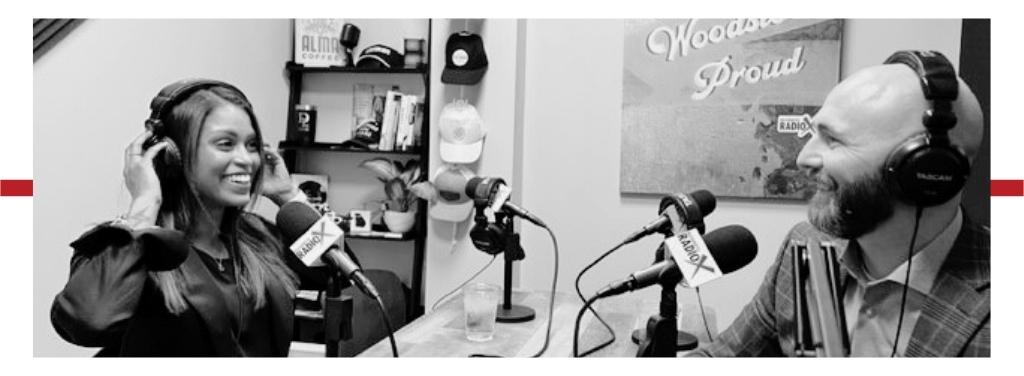
 Zahara Fallaw is a 20+ year professional in the staffing industry. She is currently VP over the commercial staffing division of a premier Atlanta staffing and recruiting company.
Having worked her way from the ground up, she is very adept at handling both operational and sales functions and leads her teams every day to help solve customer issues.
In addition to her day job, Zahara is wife, mother, an avid motorcyclist, and movie buff. In her spare time, she helps lead a women motorcycle collective, The Litas Atlanta, is a Harley Rider/Ambassador and enjoys introducing non-riders to the motorcycle world.
Chuck Fallaw has been a servant leader in the staffing industry for over 20 years and has been fortunate to oversee placing nearly 150 thousand people in some of the largest companies on the world.
He takes pride in improving his client’s ability to attract and retain top level talent across a multitude of industries. In addition, he is a screen writer, indie producer and an influencer in the motorcycle community.
This transcript is machine transcribed by Sonix
Intro: [00:00:08] Coming to you live from the Business RadioX studio in Woodstock, Georgia. This is fearless formula with Sharon Cline.
Sharon Cline: [00:00:19] Well, how about that? That was a brand new intro, which I hadn’t heard before. Then I did it myself in my closet. But still, it sounds really nice here in the studio. Hi, everyone. Welcome to Fearless Formula on Cherokee Radio X, where we talk about the ups and downs of the business world and offer words of wisdom for business success for lots of people. I’m your host, Sharon Klein, and our guests in the studio today. Both have 20 years professional experience in the staffing industry. Zahara, which I call you Ze Bella, is currently VP over the commercial staffing division of a premier Atlanta staffing and recruiting company. And Chuck Falla, her husband, has been a servant leader in the staffing industry also for over 20 years and has been fortunate to oversee placing nearly 150,000, which is so huge people in some of the largest companies in the world. Welcome, Chuck and Z to the show.
Speaker2: [00:01:16] Thanks, Sharon.
Zee Fallaw: [00:01:17] Thank you.
Chuck Fallaw: [00:01:18] Glad to be here.
Sharon Cline: [00:01:19] Listen, that’s a huge number.
Chuck Fallaw: [00:01:21] It’s a lot. It’s a lot. It’s a lot of people.
Sharon Cline: [00:01:24] 150,000.
Chuck Fallaw: [00:01:26] Yeah. I’ve been very fortunate to work with some of the best teams, I think, in the staffing world. So obviously directly I placed several of those folks. But then I also have overseen teams of people that specifically work, and they’ve been in industries from the banking industry where I started my career at to all the way commercial light, industrial staffing, logistics, supply chains, three PLS, things like that.
Sharon Cline: [00:01:49] So when you were in the banking industry, that’s before you started doing staffing.
Chuck Fallaw: [00:01:53] Gosh, that was actually my very first job in staffing was banking. I started out as a newbie. Everybody, you kind of fall into staffing. It’s not something that a lot of people go out and seek. You just wake up one day. I’m a recruiter, right? That’s right. That’s what I it’s what I do for a living. But I remember I started with a gentleman out of Greer, South Carolina, and my first day he said, you need to make a placement in 90 days or I’m going to fire you and you’re going to work banking. And I remember thinking to myself at that time, I can barely balance my checkbook and I’m going to work banking. But but, you know, you just you, you sales the sales, you pick up the phone and start making the calls and you kind of make it happen. So I figured banking out for a while, but it was quite an adventure. Getting into this industry.
Sharon Cline: [00:02:38] Are the things that you learned in banking, are those the things that still help you today in your.
Speaker2: [00:02:43] Some of them? You know, one of the things that’s interesting is you learn you learn a lot of things you want to do, but you also learn a lot of the things you want to avoid. And unfortunately, in the banking world, I learned a lot of that just to avoid. Yeah, well, just, you know, ways to avoid how you go about doing your business and certain types of things that people tell you like, hey, you should do things this way. And then you kind of through observation, realize it’s probably not the best way to do things.
Sharon Cline: [00:03:09] So you have to find your own groove.
Speaker2: [00:03:11] And, and it’s funny, if we get to it, I can give you a specific example of that. But, but yeah, for sure.
Sharon Cline: [00:03:17] Specific examples.
Speaker2: [00:03:19] This is a very, very basic story. But I remember I was starting out and I was sitting next to this guy and he was, you know, at this time I’m a young guy. I mean, I’m in my early twenties and, you know, he’s in his fifties and we’re doing the same job. And and he’s he’s giving me a lot of advice about how I should go about doing this job. And actually, this is probably one of my biggest pieces of advice that I give people who you take counsel from really matters. In any case, he was like, You know, you don’t need to do this, you don’t need to do that, blah, blah, blah. And then for whatever reason, I started paying attention to how well he was doing, you know, and professionally and personally. And he wasn’t doing that well. Right. So, so. So I learned. Pay attention to who’s giving you advice and actually where they’re at. Can they get you to the place? Are they somewhere you want to be? And if they’re not, you probably should, you know, a little bit of a suspicious eye to the the advice they’re giving you.
Sharon Cline: [00:04:16] So you’re speaking to this gentleman and you can see you could almost see your path being the exact same if you followed his exact same was like in his fifties in the same job.
Speaker2: [00:04:25] Exactly. He’s middle of the road in the KPIs. He’s middle of the road in production and KPI.
Sharon Cline: [00:04:30] I’m so.
Speaker2: [00:04:30] Sorry. Key performance indicators. Basically it means, you know, what are some of the indicators within your industry that determine whether or not you’re doing a good job, at least for the folks in the in the towers? Yeah, the ones that are ones that are the metrics.
Sharon Cline: [00:04:43] Okay, I’m in the business world in such a small way that I don’t have any KPI, so no, thanks for explaining to me. I should probably throw that term around a little bit. What are your KPI?
Speaker2: [00:04:52] No, no, don’t do that. Dang. Well, I think in this a vacuum when it could would be one of the KPIs like your reach. How many times people hear your, your voice or like when you’re talking to advertisers, you know, how many times do they hear the ads that are on your show?
Sharon Cline: [00:05:07] I have no idea what those are.
Speaker2: [00:05:09] It’s a rule of three, something like that.
Sharon Cline: [00:05:11] All right. Well, you’re clearly way smarter than me in the business. That’s why I’m interviewing you. This is so great that you’re here. I’m going to learn so much.
Speaker2: [00:05:17] Stop.
Sharon Cline: [00:05:18] Where were you before you got involved in staffing?
Speaker3: [00:05:21] I was in hospitality. Well, I worked for Marriott International, so it was a I was a reservation agent and then moved on to being an on the job trainer and trained other reservation agents and then just fell into staffing. Like Chuck said, I answered an ad. I was I was younger and I needed a job. I just moved to a new city and I answered an ad for a bilingual receptionist and ended up being a recruiter and then worked my way up from there. I was with that company for 15 years and it really was a great experience and I learned I did everything from the bottom up. So I grew was promoted time after time and it was a was a fun job. But it’s hard it’s a hard job in staffing and recruiting and just dealing with people and dealing with people problems.
Sharon Cline: [00:06:09] I was going to say. So a certain personality type will succeed in this, in this industry. What would you say are some of the key personality types or characteristics that just really make it a good fit?
Speaker3: [00:06:23] I think that you just have to be obviously a people person.
Sharon Cline: [00:06:28] That’s the first thing I was thinking, because you’re dealing 150,000 people, Chuck. You’ve got to talk to some people and get along with them. Like, you know, exactly.
Speaker3: [00:06:36] You have to be intuitive, like you have to have understand people. You have to have that IQ, you know, the emotional intelligence to be able to trust your gut when you’re talking to someone and and, you know, seeing if they’re really telling you the truth or not.
Sharon Cline: [00:06:51] Can you tell generally speaking, can you.
Speaker3: [00:06:53] Generally speaking, I can nail it with someone when it’s in the business world and it’s all my personal.
Sharon Cline: [00:07:00] Yeah, we’re different. You know what? That’s fascinating, though. Let’s just talk about that for a minute because. Right. All business is people and I talk about that on the show a lot. Business, obviously, is relationships with people. And so being able to identify someone’s strengths that maybe they can’t see or their weaknesses that they don’t even know about is key, I think, in being able to see, okay, well, where where will they fit the best or, you know, are they a people person or are they more than an introvert? And so are there things that you kind of analyze somewhat quickly as you’re chit chatting with someone, chit chatting, interviewing someone?
Speaker3: [00:07:36] Yeah, I actually don’t conduct a typical interview when I’m interviewing someone for a job. It’s more of a conversation. I’m asking them about their, you know, their life. Like what? Why did you pick these jobs? Why did you leave these jobs? What interests you? What do you like to do on your time, on your spare time? You know, things like that, so that I can get a an overall feel in that 30 minutes to an hour about that person. And it really is very conversational.
Sharon Cline: [00:08:08] So which probably lets their guard down. You know, it’s not an interview of, you know, what have you, where how can you explain this three month gap in your I don’t know. What do you think? Yeah.
Speaker2: [00:08:18] No, no, I think that’s a very good point. Personally, I, I like to look for dynamic personalities who are willing to put the work in. I don’t necessarily need them to know a ton about the professional world or even staffing. I just need people that are willing to put the work in. I can teach them this business and then I like to find something that has a little bit of an edge. I know this is probably not whatever, but I like to look for athletes personally, athletes and people in the military world, because what we do requires a certain level of grind. You have to be able to grind it out. And I like people who who are not losing for the first time as an adult, people who have played some sports, people that understand what it takes, that, hey, when I get knocked down, I got to get right back up and get back on that disciplined. Yes. Because you will lose 95% of the time in almost all of your endeavors when it comes to sales or what we’re doing.
Sharon Cline: [00:09:11] It’s 95%.
Speaker2: [00:09:13] I would say it’s it’s pretty pretty high up there. I mean, over especially when you’re first starting and you’re not very good at it. You were going to get told know, almost every time you make an attempt and you have to be resilient. You have to be able to to get back up after that and accept that and say that’s really, you know, heck, I mean, sometimes people aren’t so nice to you, right? But it’s not personal. It’s just.
Sharon Cline: [00:09:36] You know, what you tell.
Speaker2: [00:09:37] People? I tell people all the.
Sharon Cline: [00:09:38] Time, You know, it has nothing to do with nothing.
Speaker2: [00:09:41] To do with.
Sharon Cline: [00:09:41] You. Just their situation, their reality.
Speaker2: [00:09:43] What my I recruiters interact with clients quite a bit, and clients can be pretty fickle from day to day, which you were talking about. We call it the roller coaster. And one of my advice, one of the things that I tell my my recruiters is don’t ride it. You didn’t wake up bad at your job today. You were good yesterday. You’re good today. They’re having a bad day. Don’t own that. Now. If they give you something that’s a legitimate concern, you need to address it. But they don’t always say it in the nice way. And you don’t need to internalize that knowing it. You just need to go get back on that horse, start making those calls, start recruiting again, and try to address the issue. I. I think that’s really important. So I’m looking for that grind, that grit, which is a word that we like to use a lot, and someone who’s very well same or resilient I guess, is what I’m going for.
Sharon Cline: [00:10:29] It’s interesting. I’m thinking of myself and how I would take rejection. I mean, I take it with voiceovers all the time because, you know, the percentage is I mean, I think my statistically, I get one out of every 30.
Speaker2: [00:10:40] Exactly.
Sharon Cline: [00:10:41] But that’s a lot of auditions that are no’s and some I think I’ve nailed this so hard. I know I have. And then I just I’m not even on the short list and I’m like, don’t understand it. But it’s interesting the psychological toll that can take on me sometimes. If it’s been a long period where nothing good happened. It’s amazing to me that as much as I love the job and being able to do it, I’ll just it’s like force to force myself to just say it doesn’t even matter. It’s like looking at looking at what I get out of just even trying. And so I’m wondering if that translates to your industry, even just trying.
Speaker3: [00:11:19] I feel that in staffing, especially like in the type of staffing that we do, we have teams, so we’re always like pushing and motivating each other, which I think helps.
Sharon Cline: [00:11:31] When you’re together.
Speaker3: [00:11:31] When you’re together, right? Being a single, like a soul kind of independent producer, right?
Sharon Cline: [00:11:40] Like it’s hard in my booth. It’s hard about myself. Yeah. No one’s saying you can do it.
Speaker3: [00:11:44] Exactly. It’s hard. You have to get in your head. You have to, like, don’t let those things affect you or try to get out of that mood when you get down. But I’m always trying to motivate the team and keeping them going because it is what it is. You’re going to have ups and you’re going to have downs, but you know that what you do matters. Like everything that we do, we’re putting people to work. We’re we’re building the lifeline of a company, you know what I mean? So we’re putting those people in that role and helping the company and solving problems. And I think that’s what keeps me going, you know, 20 plus years is that I’m I like puzzles and I like to solve problems. And and that’s.
Sharon Cline: [00:12:24] That’s a personality fit then for you what would not be a good personality fit for staffing. In your industry.
Speaker3: [00:12:32] Someone that just wants to be by themselves and kind of like, I don’t know, like an accountant, right? An accountant. Just dealing with numbers, just dealing with a computer, not really dealing with interaction with people. You’re just, you know, fixing the books. That’s not necessarily the best personality type because you do have to interact. You have customers all over the place, internal customers, external customers, you know, coworkers. You have to deal with them and you have to be able to deal with confrontation. You have to be able to the personalities, you know, work out the issues and.
Speaker2: [00:13:05] Kidney.
Speaker3: [00:13:06] Problems.
Speaker2: [00:13:06] I would say you can’t be very timid. I mean, this industry, there are there’s a role for pretty much all types of personalities. I mean, prior to the show, we were talking about disk profiles. And I think there’s a role for for everyone on that on that spectrum. But if you’re going to be in a production role, if you’re going to be client facing, you’re going to have to be someone who’s not very timid because you’re going to you’re going to have to get into some pretty difficult conversations. I was coaching a recruiter the other day and they were saying, This just feels so personal. What they said to me was so personal. It’s like they attacked me personally. And, you know, I tend to cut through that with recruiters and give them a coaching. And what I said to them, I was like, Oh, so do you guys hang out on the weekend? And they were like, Well, no. And I was like, Do y’all go to dinner at night? And they’re like, No. And I was like, Do they know the name of your kids? And they’re like, No. And I said, How can it be personal? This isn’t personal. This is business. They had a they had a bad day. Don’t internalize that. You go back to doing your job and try to provide them with the best possible candidate you can for their role. And they will get over this really quick, I promise you.
Sharon Cline: [00:14:07] What are some of the biggest mistakes that you think you’ve made along the way that you learned the most from?
Speaker2: [00:14:14] Wow. I would go back to saying what I said earlier. A lot of the biggest lessons that I teach people come from my mistakes, which is who I take counsel from. There’s been a few times in my career where I’ve listened to someone that I shouldn’t have, didn’t trust my own gut on it. I would.
Sharon Cline: [00:14:31] Say feel it that you may be making a mistake.
Speaker2: [00:14:33] Or 100%. And that is another thing that I would say that I do a lot more these days. If I have a gut feeling or something, I really pay attention to it. But I will say that my gut is informed by 20 plus years of doing this. But I would say who? I’ve taken counsel from being stubborn from time to time, being enamored with my own ideas from time to time has has caused me.
Sharon Cline: [00:14:56] To even just admit it, though, like so many people are like.
Speaker2: [00:14:58] No, oh, now you can’t grow if you’re not honest with who you are. I just don’t see how you can because.
Sharon Cline: [00:15:05] I.
Speaker2: [00:15:05] Love that. Yeah.
Speaker3: [00:15:07] I would say similar to what you’re talking about and just. Riding that wave. You know, we’ve been doing this since I’ve been doing this since 2021. So sorry. 2001. Wow. I think it had a one in there.
Speaker2: [00:15:28] Can’t be 2001.
Speaker3: [00:15:29] So right after 911 is when I started. And but riding the wave, right, riding the highs and riding the lows will get you nowhere because. You have to have that even keel personality. You can celebrate, celebrate your wins, celebrate for 5 minutes and then all right, onto the next thing. Or in a producing role if you’re selling. Don’t just sit on that one account that you’re making big bank on, Right. Because anything can happen where that account can go under. They can choose another provider and they, you know, you lose all that business and you don’t have anything working in the background. You don’t have anything, you know, to that to replace it.
Sharon Cline: [00:16:12] That high is just as painful.
Speaker3: [00:16:14] Yes.
Sharon Cline: [00:16:15] As a low. That’s what you’re holding on to. Well, where do you find inspiration that kind of keeps you going and steady? Because when I get hired for a voiceover job, I like want to shout it to them? Like, of course I love this, but like the 30 other auditions I did, I’m like, Man, I’m just saying, like, how do you what do you tell yourself in those moments where it’s even if you have a win or a loss, what kind of keeps you steady? Where do you find the inspiration for that?
Speaker3: [00:16:41] Well, you have the win, right? But you have to keep it going because our business is not just transactional. It’s very it’s consultative. And we it’s you have to keep the customer happy. You have to manage the account. You have to manage the employees that are at the account. So our work’s not done When we when we make that win, when we make that sell, it’s not, it’s not over. Like you still have to prove yourself time after time, however long the contract is, and you want to keep them coming back to you for repetitive business. You want to keep that customer, you want partnerships. You don’t want just a customer relationship.
Speaker2: [00:17:18] You do. Yeah. One thing I would add on that too, is a lot of people make the mistake of thinking that what we do is a commodity industry, that because we’re providing people, it’s a commodity like what we’re, we’re providing a product, but it’s not. It’s a service industry. It’s the service of finding that person that people need to really realize That’s what staffing is. Inspiration for me personally, growing up, kind of how I grew up, I had some some experiences in life that I never really wanted to experience again. So being hungry from time to time can be a huge motivating factor for you. So early on in my career it was, I want to be able to eat, so I’m going to go out there and I’m going make another 20 cold calls today in order to try to get this account. But as I’ve gotten past that and I’ve gotten way more confident in my career that I could probably do this anywhere I go. It’s about my teams. I get super excited about watching other people come up, watching people that are just starting out in the industry and helping guide them through some of the challenges, some of the pitfalls. Like I had a conversation with one of my top mediums the other day about the dangers of success, like he about how not give me being enamored again with your own ideas and your own way of doing things and how to avoid those pitfalls.
Speaker2: [00:18:33] And I like that I’ve had enough experience now that I can kind of watch someone’s trajectory or watch what’s going on and be able to spot an area where they may have a pitfall and if they’re open and willing to take that feedback, I love doing that. The second part professionally is strategy. There’s there’s just something about seeing a problem within a company or within a person and being able to figure out where to, like you said earlier, like a puzzle. Where do I where do I put that puzzle piece in order to make this picture so that I can see the whole thing? That is something that I love so much and watching it work after you put a program in place, there’s there’s there’s it’s exhilarating, you know, especially whenever, you know, you’ve worked for a week on these different ways. And I know it seems very simple and straightforward, but it’s not. There’s so many moving parts in a recruiting plan alone, you know, that that you need in order to find the right person and making sure it’s attracting the right people. I mean, I love that stuff. So that that gets me excited.
Sharon Cline: [00:19:30] If you’re just joining us, we are interviewing Chuck and Zee Fallah, and they have both of them have 20 plus years in the staffing industry. But what I really like that you just said is that. It’s something that could take someone down. In other words, being hungry, you know, or even being a victim to their own ego. Yeah. You know, those are things that some people don’t rise above. So what do you think it is about you that you you do? Because seriously, some people just fall and don’t get back up. They don’t have resilience.
Speaker2: [00:20:03] I’ve been humbled a lot in my life by the things around me and watching people as they’ve succeeded and failures and successes and feeling like even even sometimes whenever you first start out and you win, you’re like, Did I deserve that? Right? And how cute is that.
Sharon Cline: [00:20:20] Trait, really? I always think that when I get hired for like I’m like, Wait, are you. Are you serious?
Speaker2: [00:20:25] I think for me, I’m just very introspective and I want to be as honest as I can with myself and people around me. First of all, I always joke around about how, you know, I’m not smart enough to remember when I’m being dishonest, so I never want to do it. But I think I think I just have to be very, very honest about who I am. And personally, I think I will give you I’ll tell you a real quick. I was early on in my career, I felt like I had to have all the answers, like I had to know the answer if I was any prepared. You mean? No, not prepare. Prepares. Different prepared means that I’ve done my research and that I have the data in front of me to back up my ideas or to talk about their business. I’m talking about when they when when they’re asking me about a strategy or their overall business, I felt like I had to have an answer. Right. For for how we’re going to fix this problem for you. Right. But I don’t I just have to be willing to discover the answer. And so what happened a lot is I would go in and I’d start talking and say, this is how we’re going to do things. And then I had this experience where I messed up really bad for a client and we all do it.
Speaker2: [00:21:25] It happens where I didn’t put the right program in place, and for whatever reason that day it was incumbent upon me to go in and sit down across from this person. I was scared. I was very young in my career and I mean, it cost him some money. What I you know, I made the wrong call on a hire and they had to pay a fee. And it was it’s a big deal. But I walked in and to this day, I’ll never forget her name was Mary. And I was talking to her and I said, I made a mistake and let me tell you exactly what happened. And she looked at me and said, It’s okay. The fact that you came in here and you sat down and had that conversation with me puts you above everyone I’ve ever worked with as far as this industry goes, because most people won’t do that. They’ll come in here and they’ll sit down and they’ll they’ll give me all these excuses for why they weren’t successful. And that meeting is probably one of the most impactful meetings I’ve ever had because I walked out going, I can I can just tell them when I mess up and.
Sharon Cline: [00:22:18] I don’t get fired. And it’s not like the worst thing ever.
Speaker2: [00:22:20] Yeah, and they actually respected me more for it. And honestly, I ended up getting more orders out of it.
Speaker3: [00:22:27] I think that’s one thing that people without experience or people that just haven’t had the pitfalls don’t understand that they just have to come out and say when they make a mistake, Right. Do you own.
Sharon Cline: [00:22:39] It? People that that tap dance around? Yes.
Speaker3: [00:22:42] Oh, wow. All the time.
Sharon Cline: [00:22:44] And then you can almost lose respect in some ways. Yeah, I think the same. I like when people are just like, no, I totally messed up. Yes, wholly messed up. So sorry.
Speaker2: [00:22:53] The flip is, I’m also super honest with my clients when they’ve made mistakes, which sometimes that doesn’t go over well, but it’s just who I am. I have to be incredibly straightforward and honest with everyone that I work with. I just think it’s the way to do business.
Sharon Cline: [00:23:08] What does diversity and inclusion like in the staffing industry for you all?
Speaker3: [00:23:13] We work with very diverse workforces, not only internally but externally as well. The part of the industry that I love that kind of keeps me going is the light industrial side, the commercial staffing. That’s what I’m over. The reason being it’s manufacturing, it’s distribution. It’s. Putting people to work for things that we actually are purchasing and providing to everyone in the world wide right, from cell phones to refrigerators to TVs to.
Sharon Cline: [00:23:45] Every day, every day, every day, things like hot.
Speaker2: [00:23:48] Wings.
Speaker3: [00:23:49] To bolts.
Sharon Cline: [00:23:50] To.
Speaker2: [00:23:50] Food. Yes, to to everything.
Sharon Cline: [00:23:52] Wow.
Speaker3: [00:23:53] Takes public. You know.
Sharon Cline: [00:23:54] Imagine like you’re not doing that, right. I mean, you know what it was like during the pandemic when all of those frontliners were in it still happening.
Speaker3: [00:24:02] We were still going.
Speaker2: [00:24:03] Our industry grew.
Sharon Cline: [00:24:04] Your industry.
Speaker3: [00:24:05] Our industry grew like we were very much necessary. We were the witty column. The essential.
Speaker2: [00:24:14] Essentials.
Speaker3: [00:24:14] Yeah, we were the essential companies that we needed to provide for. And getting these people out to work every day is kind of like a it’s like going into a show on Discovery Channel, how it’s made, you know.
Sharon Cline: [00:24:27] I followed that. I love. I love. Yeah, yeah. No, but listen, if you don’t have an appreciation for the back side of it, you really don’t have an appreciation for what’s right in front of you. You know what it takes for something to come to you?
Speaker2: [00:24:38] It is one of my favorite things to about our industry is that I walk into these different environments, these different work environments, and see how they make things. I mean, one of my early clients was the some of the folks that work at the BMW plant in Greer, South Carolina. And gosh, it’s like they have transformers in there. It’s like these huge robots that just pick cars up and move them around. And I remember looking at like, Should I even be in this? This is I shouldn’t be here. I’m a little scared. But to to address the question you asked about diversity, inclusion, I think that our industry has grown leaps and bounds since I’ve been in it. As far as that goes, the industry has worked actively to eradicate things like code words, where they would use things like heavy lift or light lift or whatever to indicate different types of people, you know, for for specific jobs. So we’ve worked really, really hard to eradicate that stuff. But but I will say, as as much as we’ve grown, I think we have room for improvement and I will continue to push that in my companies for sure.
Sharon Cline: [00:25:38] And I think that’s across the board for everyone. And in any company. It just seems like I’ll hear a little term where I’m like, Oh man, no way. Even 25 years ago, you’re not allowed to say certain things that you or you’re not allowed now to say things that you could have said five years ago. There’s just certain terms and ways to speak that I find, or even if I watch, you know, like a like a sitcom or something. Do you ever see things where you’re just like, what the heck did they just.
Speaker3: [00:26:06] Say that would be allowed here these days?
Speaker2: [00:26:08] Yeah, Susie and I have a very specific example of that. I grew up watching movies like The Bad News Bears. I don’t know if you remember that movie or was that Gordon? Was it? No. Little Walter? Walter Matthau. Walter Matthau. That’s it, Exactly. You know, and I watched that kid, that movie as a kid and thought it was great, loved it. Right. We decided we were going to put it in one day for the kids and say, Hey, you guys got to watch this movie we grew up on. And right away you pick up on things as an adult that you didn’t pick up on as a child, that that he’s an alcoholic, Right. That he’s got a really, really bad drinking problem. As a kid, I didn’t even know any of that. I just thought he was, you know.
Sharon Cline: [00:26:45] Kind of a jerk or whatever.
Speaker2: [00:26:47] Yeah. Loopy. Right. And then and then on top of that, some of the language that they used was pretty offensive. And you’re like, Holy cow, I think I probably should turn this off. Just kidding, kids. Sorry I didn’t grow up on this.
Sharon Cline: [00:27:00] Now, do you think it’s better now? Do you think that we are too soft?
Speaker2: [00:27:05] Yes, I would. I actually would say yes, absolutely we are. I think it’s gone too far in the other direction.
Sharon Cline: [00:27:09] I was wondering.
Speaker2: [00:27:11] We have to be adults about things. We can’t coddle the entire world and protect everybody from everything because that’s not reality. It’s like I said earlier, when I’m looking to hire someone, I’m not looking for someone who’s going to experience a loss for the first time as an adult, because that’s a that’s a hard thing If you’ve been again, I know this is going to be controversial, but if you’ve been given trophies for showing up your whole life and then you show up to a cold call and they tell you something negative about your mother, you’re not going to know how to take that. Right. Because, I mean, it happens. People will be pretty rude to you. So you’re going to be extremely offensive. It’s going to ruin your whole day. You’re not going to be able to go make the next cold call. So, no, I think we’ve we’ve gone a little too far. I’d like to see that rubber band contract a little.
Sharon Cline: [00:27:54] Bit, but I think it does like the pendulum swinging back and forth a little bit. Yeah. So would you say that the most satisfying part of your job is what you were talking about when you’ve when you’ve worked a job so hard and for the client and, and you see someone in a position that they are just super happy and it succeeding, is that what’s most satisfying to you?
Speaker3: [00:28:14] For me, yes, but. I’ve gotten to the point in my career where, you know, I’ve had my successes as far as like landing accounts personally, like being an individual contributor. The part about my job that I love the most is just being there for my teams and helping them get to where they need to be. Like helping them grow. Helping them be successful salespeople or recruiters and seeing them win and coaching them through the the adversities and the challenges that they’re going to be facing with and just kind of being a sounding board for them.
Sharon Cline: [00:28:48] The support, the support.
Speaker3: [00:28:50] I love being a coach, a mentor. I love it when I give advice to one of my employees and they take it and it works for them and it clicks and then they don’t have to like ask me that again. They know how to move through that.
Sharon Cline: [00:29:03] So you can see directly the impact that your presence and advice and influence has on someone’s life. That is very satisfying. I imagine.
Speaker3: [00:29:13] It is.
Sharon Cline: [00:29:14] What about you, Chuck?
Speaker2: [00:29:14] Yeah. Yeah. We have a phrase. What we do matters. I really, really believe that whether it’s helping clients achieve their goals by finding them their number one resource, which is the human beings that go out and do the work, whether I, whether it’s the seeing a program like that change the fortunes of a company or its watching someone that I placed in a sanitation role seven years ago become a plant manager. Stuff like that just gets me so excited because 100% when I chose to leave banking to go work in light industrial staffing, that was the reason I wanted to find people who weren’t making $500,000 a year, who really genuinely needed my help to find work. And I looked for I didn’t really even know this industry existed. I didn’t know that I knew temporary staffing existed, but I really know what it was. But I went looking for who’s filling the jobs that are making at that time. Minimum wage seven 5725.
Sharon Cline: [00:30:19] Still minimum wage.
Speaker2: [00:30:20] $10 an hour? Well, it is still a minimum wage, but any time I hear someone say that about by the way, it’s always fun when someone wants to argue with us about employment, Right. Because it’s what we do for a living. You’re like, well, they’re still paying minimum wage. No one has paid minimum wage for any job for God, what, ten years? I don’t think I’ve had anyone even close to a minimum wage job. They wouldn’t. That’s huge for you. That wouldn’t exist. Yeah.
Sharon Cline: [00:30:42] Like feather in your cap to say.
Speaker2: [00:30:44] I think it’s just general. I think it’s industry in general. It’s very rare. Like we, we constantly coach our clients on what they need to be as far as pay rates. You know, one of the things that I was just talking to someone about the other day is how quickly, especially in today’s economy, it’s supercharged, slowing down a little bit, but it was supercharged as far as pay rates go. Gwinnett County, the average was 12 to 25 in 2018, 2019, somewhere in that area.
Speaker3: [00:31:10] 2020 probably.
Speaker2: [00:31:11] Maybe even going into 2020 around that. And now it’s 1750 somewhere in that neighborhood. So it’s.
Sharon Cline: [00:31:17] Like amazing.
Speaker2: [00:31:18] So so what I the line I use is if you set your pay rates six months ago, you’re a dollar in a nickel behind the market.
Speaker3: [00:31:27] Because.
Speaker2: [00:31:28] That’s where they’re at.
Speaker3: [00:31:29] When I first started in 2021, I’m getting 2001.
Sharon Cline: [00:31:34] It’s weird to go back that far in your.
Speaker2: [00:31:36] Head, isn’t it? It is.
Speaker3: [00:31:37] We were paying. It’s, you know, five, five. I think five 550 was the minimum wage when we literally were paying people. 515 So it’s come a long way. But, you know, I the way I got started was it was right after 911. So people were very patriotic. And I it was a it was a flag company in the state, in the city that I worked in. So we had to put people to make those flags. And that was very, very just kind of it was just it just made me feel good.
Sharon Cline: [00:32:11] I was like probably felt like you had some momentum right there, you know, like you were on a ride, you know, that you can’t contrive either. That’s almost like I said, serendipity.
Speaker3: [00:32:20] Yeah, it was. Yeah.
Sharon Cline: [00:32:20] That’s amazing.
Speaker3: [00:32:21] Yeah. But as far as the wage wages go, we’ve, you know, we’ve had to be consultative to our clients and let them know that, you know, $10 an hour we’ve been paying $10 an hour for the last 20 years. You need to up your pay, especially now with inflation being at eight and whatever percent. So they’ve had to come along and there are still some companies that just can’t because they can’t raise their rates. So it’s really scary to think like what these companies, what will become of them if they can’t raise their rates, if they can’t get good people to work, because just the labor markets, just not the same.
Speaker2: [00:32:59] We’ve been under the replacement rate for, what, 50 years? Yes. So they like that as far as births for folks that are retiring. And once I think we again, don’t quote me, this might be a little couple of months old, but I think we had something like 5 million more jobs than we had people. And as the boomers continue to. Retire. That’s going to that gap is going to increase. And it’s it’s incredibly prevalent in skills and trades, which is one of the reasons why I’m starting to see that trickle of shop classes and skills like my coming back into school. Yes.
Sharon Cline: [00:33:30] A mechanic.
Speaker2: [00:33:31] I had shop class. I mean, we made paddles for the because that because corporal punishment was allowed back then.
Sharon Cline: [00:33:36] Oh, my God. You made the paddle they used to.
Speaker2: [00:33:38] Spank you with. Oh, yeah, we sure did. We sure did. And I remember there was this one guy next to me putting holes in it so it gets more air. And I’m like, What are you doing, man? He’s like, This is the one I have at home. You need to make that out of some really thin material. So it breaks up the impact. He’s trying to make it worse. It’s like, you must be a good guy. I don’t know what’s going on, but. But, yeah.
Sharon Cline: [00:34:01] If you hear people say that people don’t want to work, does that just drive you nuts? Because, you know, people say it all the time.
Speaker2: [00:34:09] It’s true. And it’s not. It’s true and it’s not.
Sharon Cline: [00:34:12] What do you. What do you mean it’s true? And it’s not? Well, with.
Speaker3: [00:34:15] With technology and all of this social media, that everybody’s the next Kim Kardashian or the next influencer, that’s really a lot of younger people have really been attracted to that. And so they go like, I was just talking to someone the other day, actually, and she said her daughter wants to be an influencer. Like that’s what she wants to be when she grows up. And it’s like I never as a job and I like I’ve never even heard that before. So I think that that’s really exacerbated the fact that people aren’t really looking younger people, younger people looking for careers, but that’s who’s coming into the workforce. Sharon Like we have people that are leaving the workforce, you know, through retirement. Baby boomers, we didn’t have. Like Chuck said, the birthrate has been low for the last 50 years. There’s a data set that says like in 2025, we’ll only have 200 countrywide, 200,000 people entering the workforce. Countrywide.
Sharon Cline: [00:35:13] When you have 5 million jobs.
Speaker3: [00:35:14] 200? Yeah. So it’s like now that doesn’t equate, right? So it’s just it’s hard to see that. But also the fact that. You know, Automation’s definitely going to be taking a lot of the the lower end jobs, the entry level jobs that we’ve been placing people in in a while. And I think over the next maybe 10 to 15 years, we’ll see a lot of those jobs kind of go away. But and those and the people that were in those roles probably move up and do something else. But it’s just. I feel that they they don’t put out there that there are that many jobs available. They don’t they just in the news and the media, they just talk about like how there’s no work. Yeah you know.
Speaker2: [00:35:57] Yeah you have I’ve seen over the last couple of years a influx of folks who come in and they do a good job for 30 to 60 days and then they come in your office and they’re like, Hey, I’ve been here for 60 days now it’s time for a raise in a promotion, right? And and you’re like, Well.
Sharon Cline: [00:36:19] Can you imagine?
Speaker2: [00:36:20] No, it’s it’s it’s common. Wow. And it’s a real question. And if you don’t address it, they will quit because they will go find somewhere else.
Sharon Cline: [00:36:28] Expectation is that.
Speaker2: [00:36:29] The expectation is that. So you do have that challenge with some folks, Right. But then you also have customers or clients or employers who expect way too much of the employee. So in my opinion, overall, the workforce has changed. Right now you have a lot of folks who are resistant to the change in the culture. They haven’t caught up to the workforce yet. They they’re going to have to figure out we’re going to have to figure out a way to make the environment something that people will come and stick to. Even when I was growing up, the 50 years and a gold watch was out the door, right. It’s even worse now where it was a year and a half. Oh, we get a year and a half out of someone. We’re like, Hmm, that’s pretty good, right? But but we need to get that back to where I think that’s not just it is a problem with the folks and how they’re coming up, but it’s also a problem with how we’re reacting to it. We have to figure out a way to make these environments more conducive to their life. We grew up saying, I have to figure out a way to organize my life and my fun time and the things that I want to do around my job. They’re saying I have to figure out a way to organize this job around my life and my happiness and my fun time. It’s a completely different shift.
Speaker3: [00:37:46] It is. I noticed, just like in general, you just can’t. You have to have a happy medium. We can’t cater to the people that have gotten participation trophies their whole life and they think that they can get a raise in a week and we have to have realistic expectations when it comes to that. One of the hardest parts about our job is the fact that you don’t just learn everything that you need to learn in 30, 60, 90 days. It takes years of experience because you have to experience the highs, you have to experience the lows. So when someone comes in to the organization and they see my job and they want my job, it’s like, okay, yeah, you can have my job. I want you to have my job because I would I want to be elevated as well. However, you have to be able to understand what is going to come at you from the people that are reporting to you.
Sharon Cline: [00:38:37] You have to only do that through. It’s been.
Speaker3: [00:38:39] There.
Sharon Cline: [00:38:39] Exactly how long would you say?
Speaker3: [00:38:41] Like I would say a good 5 to 6 years is a good. Like base of experience for our our industry and to understand people and understand the ins and outs and all the moving pieces that it comes with. Because you’re dealing with different levels of people. You’re not dealing with just entry level, you’re dealing with managers, you’re dealing with CEOs, you’re dealing with business problems, and you don’t learn that coming out of college. You don’t learn that, you know, you have to have real life experience doing.
Sharon Cline: [00:39:10] That, even how to relate to to the different people that like you relate to a CEO completely different than you do someone that’s underneath.
Speaker2: [00:39:16] There’s exactly there’s a skill set of being able to put yourself in someone’s operating reality to be able to have that conversation. And I do think you’re not good at that when you first start. You have to have, I would say, 5 to 6 years as well to be able to start really, truly understand what are the motivations of the folks that I’m talking to on a daily basis. As you go up the chain, your job becomes more about managing the resources that are available to you and delegating them into the market. Right? But each one of them is going to have a different motivation, a different operating reality, and you have to be able to put yourself into those shoes.
Sharon Cline: [00:39:47] That’s a skill. Do you feel like people are born with that or is that something you can teach?
Speaker2: [00:39:51] I think it’s something you can teach. I do, because it’s it’s it’s self evaluation and said, okay, these are my motivations based on my role. Now, if I wasn’t in this role and I’m looking at what this person’s role is, what are their primary functions, right? So their goals and their ideas are going to be set up around those primary functions. And if you can just take a step back and completely drop what you’re looking for in that conversation and say, okay, how do I give them what they’re looking for and also be able to get what I need out of this as well. That’s a that’s a real skill set and it’s the art of negotiation.
Sharon Cline: [00:40:27] And are those some of the books that you that you read? Yeah.
Speaker2: [00:40:30] Actually, one of my favorite books are the shoot. I just. The five dysfunctions of a team.
Sharon Cline: [00:40:39] I’ve dysfunctions of it. That’s a.
Speaker2: [00:40:41] Great it’s a great title. It’s one of my favorite ones. It talks about radical candor and trust and how important it is. Those things are really radical. Candor is actually another book by Kim Scott. I think our last name is I might have missed that up, but radical candor is another good book as well.
Speaker3: [00:40:56] Another good book is Grit by Angela Duckworth. If you haven’t read that, I haven’t read it. She also has a TEDx talk that she does a you know, it was like I think it was before the book that she wrote the book she did the TEDx talk came out. Yeah. And it was awesome. She’s just a American Chinese-American and it was crazy. She opens the book with how her father said that, you know, she’s not the smartest person, you know, and she had to, like, fight against that. That view from her father. And then she goes and she interviews people at West Point to see how they get through.
Sharon Cline: [00:41:33] Oh, that was really smart. Who really smart?
Speaker3: [00:41:36] Who are the people that, you know, get through that program and make it out and why?
Sharon Cline: [00:41:41] I have a question for you about this. So if someone is feeling that they’re not the smartest person in the room or that they have or they’re well aware of their weaknesses, how where does enough come in? Because I don’t think I’m the most talented voice over artist.
Speaker2: [00:42:00] But phenomenal, of course.
Sharon Cline: [00:42:01] Of course. I’m sorry. This is live radio. I wish I could go back.
Speaker2: [00:42:06] Right at the most.
Sharon Cline: [00:42:08] But I just mean I’m good enough, you know? So where does that come in? Do you ever kind of give people the notion that they don’t have to be perfect? I mean, how do you work around that? Because I have a horrible perfection complex that can be paralyzing, you know?
Speaker3: [00:42:28] I think the most I think just like one of the things that I tell people is like the most predictable thing about people is that they’re unpredictable. So you cannot. Try to control what you cannot control. I can’t control you coming in to work or not come in and work when you said you were going to come in and work. So just do whatever you can that is within your control. Did you make that call to make sure that they were going to show up to work? Did you call the customer to make sure that they knew that they were going to show up to work? And then did you make that call to see or were you there to see if that person showed up to work? Like, did you do everything within your control? And if you did, then.
Sharon Cline: [00:43:07] Then that’s enough.
Speaker3: [00:43:08] Then that’s enough, right?
Speaker2: [00:43:10] It’s just like I said earlier, you didn’t wake up bad at your job today. One of the things that I do with a lot of my team is I give them the room to fail forward. I think that having a because you hear people say a lot of failure is not an option. Yes, it is. It’s an option and it’s an option. And everything that you do right. And getting used to that and working from it and failing forward, being able to to take this experience, be honest with yourself about evaluate it, where you could have done better and then learning something from it. Gosh, that’s success to me. Right. And that’s that’s the thing that is hard is changing that mindset. If you if you didn’t succeed, there’s probably going to be some something that you can grow from that. And as long as you do that, that’s not failure to me. Right? That’s succeeding. And something as I said earlier, I look back and when I’m talking to BD AMS or business development managers or recruiters or anyone, it’s usually, Hey, I’ve been down this path. It didn’t work out very well for me. Let me tell you how to avoid that. That’s a failure that I’ve had in my past that has led to a success today. So I never really see it through that that lens. If you didn’t get the voiceover job today, why not, You know, ask for that feedback. First of all, what would you have liked to have seen different in this and then really take that in? Don’t don’t some people get so personal about, well, they don’t understand, you know, this. No, don’t do that.
Sharon Cline: [00:44:40] I mean, I heard I heard the ad that I didn’t get that I thought I was going to get because I thought I did such a great job and I was on a short list for and I heard it like I think it was last night. And so and I recognized the script. I had rehearsed it many times. And so I was just listening and like, how different was I, you know, and what was it that they were looking for? But it’s fascinating to how subjective it is. Someone it is might have heard something that I said and thought it was amazing. Well, let’s just assume everyone does. But I’m just saying, like, you know, it just depends on what someone’s looking for. But I do love the idea of being able to compare because you only know what you know in your own head. So to be able to look at my own self objectively and say, okay, well, I could have totally slowed it down, or I could have not put as much emotion in this because it clearly looks like they wanted someone to be more deadpan. You know.
Speaker2: [00:45:29] Self awareness is so important in almost everything you do and everyone has it. They just won’t acknowledge it. That’s the thing that I’ve always found is you typically know who you are, but you put up a lot of walls and fun of that to protect yourself from acknowledging that you were actually painful.
Sharon Cline: [00:45:48] It’s so shaming.
Speaker2: [00:45:49] But that’s but that’s where that’s where the the gold is, in my opinion. When you when I when I feel bad about an effort I’ve put out, usually it’s not because I failed, it’s because I know I didn’t do my best. Yeah right. That’s what upsets me is not that I didn’t get it. It’s because I could have done a better job on that. And now I need to make sure this doesn’t happen to me again. Right. It’s kind of how I see it.
Speaker3: [00:46:12] I think a lot of what we do is telling stories and telling stories about and case studies and telling stories to our employees, but also telling stories to our customers about like this is why we think we would be successful with your business is because we’ve done this before. Let me show you how I can do it after after discovering what their needs are, right after making that discovery, not just doing that that diagnosis before, you know.
Sharon Cline: [00:46:39] But I love that because you really are your wisdom is saving people pain, you know what I mean? Or struggle, which is kind of what the show is about. You know, it’s kind of helping people to understand how you manage your ups and downs so that they can take that wisdom for themselves and maybe learn something to prevent pain for themselves, I think. But I do want to talk about a really fun part of your business life.
Speaker2: [00:47:03] Okay.
Sharon Cline: [00:47:03] Completely separate from your business. Business life.
Speaker2: [00:47:06] Okay.
Sharon Cline: [00:47:07] But you are content creators that are very, very successful and that has a whole that’s a whole other business, which I think about this a lot, about how it’s 24 seven. It’s not clocking in and clocking out and you’re done with your job and you get to have your drink at night, watch TV. But this is constantly needing updates and constantly being addressed, almost like a public relations person, which is what I wanted to get involved in. At one point I thought I would be great at public relations until I went to a firm and followed someone or. Him was like waiting for in the morning. Someone over in Europe has said something about your company and you’re awake dealing with it. And I love sleep, so. But I was just going to say like this, this is that is a business. It’s a different business. Can you explain a little bit what it’s like and how many followers do you have?
Speaker3: [00:47:54] I personally have 44,000 followers on Instagram. It’s it’s insane. I’ve you know, I mean, I’m sure there are a lot more that have a lot more followers, but just being not even really wanting to get into it, it wasn’t something that I’d intentionally done. It was just something that naturally grew, organically, grew, and I love it. It’s it’s a passion of mine. So what we’re speaking about is Chuck introduced me to motorcycles six years ago.
Sharon Cline: [00:48:26] And and we ride.
Speaker3: [00:48:28] Together and Sharon rides with us. And it was it was just something that was naturally I just took too naturally. And I just can’t let go.
Speaker2: [00:48:40] She’s addicted, addicted.
Sharon Cline: [00:48:41] But it gets that way, I would say. And it’s something that it’s like one of the fun things that I get to experience when I’m with you all is when we talk about what it’s like to feel the wind and what it’s like to feel the road and accomplish a ride that’s more challenging than some other rides. You know, there’s a joy that is difficult to to explain to someone who hasn’t experienced it. So I appreciate being able to share that with you all.
Speaker2: [00:49:03] Yeah, there’s definitely a business aspect to it we’ve been able to parlay. Is that is that our is that a is that a talk or parlay.
Sharon Cline: [00:49:14] I think that is like, yeah, you’re using it.
Speaker2: [00:49:17] I’m thinking of palaver That’s a conversation parlay. We’ve been able to parlay that into being able to to earn some money from it, get some sponsorships and a few other things. But so there’s the business side of it, having that business acumen to where we can go to a dealership and say, If you were to work with us on this project where we’re going to exchange labor and service and parts for tagging you and talking about you and but there’s there’s being able to show them how they get a return on That is something that I think that we have a leg up. But what you said earlier is what I think it’s ultimately about is when you’re on Instagram, you’re looking for a feeling of what this is like, what this person’s life is like, what they’re doing. And I think that’s what it is. It’s creating a feeling for people, you know, that’s saying that people will never forget how you act or whatever. They always remember what you feel.
Sharon Cline: [00:50:06] But it’s how.
Speaker2: [00:50:06] Maya Angelou Yeah, how you make them feel. That’s one of them. That’s a good one. Yeah, I forgot. That was my Andre.
Sharon Cline: [00:50:12] It’s a good.
Speaker2: [00:50:12] One. But I think that creating that feeling, that social media feeling was very natural for us because I find that the people I follow are the people that when I’m watching them do something, they genuinely seem to be enjoying what they’re doing.
Sharon Cline: [00:50:27] I can feel that right.
Speaker2: [00:50:28] And they’re not out there actively just trying to get people to follow them. As a matter of fact, when I get that feeling from someone, I typically. Don’t follow. I’ll typically don’t if I feel like all you’re doing is trying to put, you know, a quote unquote thirst trap out there to get people to follow you. I’m not interested in that. I want to see you doing something that you love. And I get inspired by that. I get inspired by the guy that makes knives out of meteors. You know, that guy is so cool and he’s so good at what he does. Or I watch someone who’s building a bike from scratch and they just get so excited and the voice is trembling when they’re talking about what they’re doing on the bike. That stuff excites me. That’s the stuff that I want to be a part of. It makes you want to get involved in that. And I think that our job is to provide that. That’s I guess even though for us it was just kind of like we were doing it and then people were kind of responded to it. So we just keep doing what we love and we just do more of it now.
Speaker3: [00:51:21] What I what I get out of it is helping other people just find what they want in their bikes if or even get on a bike. Right. I have a lot of females that because I started the Help start the Leader’s Atlanta, which is our motorcycle collective that you and I are both a part of. And you know, watching and seeing other women just get on the bike and ride together and having those conversations about I’m a petite little lady and I ride this big bike. You know, stuff like that is really fun. But then having people reach out to me and say, Hey, I’m only five four, and I’m like, I’m only five two, so you can do it too, you know?
Sharon Cline: [00:52:01] But, you know, it takes sometimes it takes someone who’s got that experience to be able to say, you know, am I a good fit? And because you have that, it’s really helpful. I think about the people that you influence to open up a whole other part of the world. But they get to engage.
Speaker3: [00:52:16] In experience, though, right? Yeah. So I don’t I know for a fact that in 2016 when I first started writing, I had no advice to give anyone. You know, like I’m writing, I’m just starting out. I need to learn if I’m even good at this, which I wrote a lot. So I became good. But I was very I didn’t have the confidence that I have now. And it’s it’s very parallel to what I do in my job. And I feel that those two that my two worlds collide with the coaching and the counseling and the motivating and, you know, making people, like, excited to do ride or do do their job.
Speaker2: [00:52:58] It has been as her husband and has been so much fun watching her grow in confidence and then watch the zeitgeist around her grow with her within within the motorcycle community. I mean, the fastest growing demographic in motorcycles is female riders, and it has been for me, it’s been so cool, just like because when we first started most I mean, some there were a few, but most of them weren’t riding like really big bikes and performance bikes and really getting there.
Sharon Cline: [00:53:25] Doing long ride.
Speaker2: [00:53:26] Or doing huge long lines and watching her kind of grow into herself and gained that confidence as a rider and then that infectious nature. And that’s really what resonated with people I think about you is like even though you didn’t have a lot of advice to give, the look on your face when you’re on a motorcycle is just like, Oh my God, she looks like she’s having so much fun. I want to go do it as well. So that’s been fun. And then I’ve watched as other riders are not even just females. There have been male riders that have reached out. I mean, like, Hey, what do you think about this bike? And I’m watching you be able to actually give them that advice. And it’s been something that’s been a lot of fun to be a part of.
Sharon Cline: [00:54:03] I think it’s important, though. I love that. And not to be misogynistic, but the fact that you are opening people’s eyes to. Let go of the notion that there’s this really gruff, leathered male group, you know, with cigaret in their mouth. I just picture the people that they assume what writers are like. But like what I love is that if someone were to meet you on the street, they wouldn’t ever consider you the typical writer. But I think that’s what makes to me you so important because you are allowing you’re opening the doors for anyone. You don’t have to look or have an attitude of rebellion, I guess. You know, a lot of people consider motorcycle riding kind of pretty rebellious, I guess. Sure. But it’s it’s joy. It’s something that is such a lighter energy than I think typically has been focused on.
Speaker3: [00:54:57] Yeah, look at you. You know, you’re not your typical.
Sharon Cline: [00:55:00] Like what.
Speaker3: [00:55:01] You know, motorcycle rider.
Sharon Cline: [00:55:02] All right. Yeah. Me and my mom. Yeah.
Speaker3: [00:55:05] Biker gang girl.
Speaker2: [00:55:07] Right? Yeah. I think a lot of a lot of it, too, that people miss is a lot of the motorcycle community grew out of the military. And I think that people don’t realize that when people are on those motorcycles, they really couldn’t explain it or maybe didn’t have the vernacular or the understanding of it back then. But it’s therapy to I mean, a lot of soldiers have relayed the thought that this helps me with my PTSD. This experience of being on this motorcycle helps me with that. And it definitely is one of the reasons why I ride now. I’m not from the military world, but there are things that that obviously you kind of can work out when you’re on a motorcycle.
Sharon Cline: [00:55:41] Well, I think one of the reasons why it helps me is that I cannot be thinking about a million other things when I’m writing. I have to be very focused and it keeps me immediately present and that helps me slow down my brain because I’m constantly circular thinking, like analysis paralysis and like, what should I have done on my own worst enemy? But being completely present is just very important for me to almost remember who I really am and what I’m really doing. Going around a corner and seeing a mountain and cows, you know, you’re just in trees and trees and then all of a sudden you go around and you smell. Everything is so like fresh and air and it’s beautiful. And all of a sudden I’m part of the earth as opposed to just my brain telling me what I should have done different. Or I guess I just find it to be spiritual.
Speaker2: [00:56:39] Yeah, I would agree.
Speaker3: [00:56:39] I would agree. It’s a religion.
Speaker2: [00:56:41] It’s a religion.
Sharon Cline: [00:56:42] A religion of and religious feeling. Well, I wanted to ask you last question. Do you have some words of wisdom for people who would even want to become sort of a content creator? Like, what are some of the things that you have found through experience that would be helpful to someone else?
Speaker3: [00:56:59] Yeah, I mean, go ahead.
Speaker2: [00:57:02] Find something you love doing and film it.
Sharon Cline: [00:57:05] You told me to film myself mowing my yard. I’m on my tractor.
Speaker2: [00:57:10] I’m telling you, find something you love, that you’re passionate about, film it and put it out there. I’m telling you, I can’t tell you how many people. If we just appreciate the fact that you put it out. I mean, I that’s that’s my biggest advice.
Speaker3: [00:57:24] That is absolutely true. I think that there’s a lot of. There’s a lot of. Just there are a lot of things out there as far as like algorithms and people trying, you know, I see now it’s so weird just scrolling through Instagram, which is my favorite social media app, just scrolling through there and just seeing people do the same thing over and over again, like hundreds of people.
Sharon Cline: [00:57:49] Same doing this like makeup tutorials or, or.
Speaker3: [00:57:52] You know.
Speaker2: [00:57:53] Like a seven second video with the same sound clip behind it. Right. Got you. So as you’re as you’re scrolling through, it’s like, look at this. Look at this, Look at this, Look at this. And you eventually you’re like, oh, God, this is mind numbing.
Speaker3: [00:58:06] Or if you know, within the industry, let’s just say motorcycles not being authentic, not being genuine, not being your true self, because you feel that if you just do what you feel like you want to do, it won’t get as many likes or it just won’t resonate with people. But not knowing that, just that one life that you got, you’ve impacted someone, right? They’re not just they’re they watch the video, they made a comment on it and they’re excited for you. So why not just live with that?
Speaker2: [00:58:39] You give an advanced device. She’s like, she’s like, I’m going to the vain stuff. But actually not just how you get into it, but how you had the advance. I agree. I agree.
Speaker3: [00:58:47] It happened so.
Speaker2: [00:58:48] Quickly. It does. I agree with her. And I actually think I would commend you on one thing, because this was difficult for both of us as we were going through this, as we started to get a higher profile and people started reaching out to us like, hey, we want you to represent this. We want you to represent that. And I won’t name a specific name brand, but but there was one that reached out to us that was a huge opportunity. It’s a huge opportunity for for Z to be in a national commercial that was going to air all over the place, but it was with a brand or a product that she had never used. It was something that she hadn’t done. And so it was a conversation of, gosh, this is a great opportunity for me, but I have a feeling that the people that have depended on me for advice and influence in this specific direction are going to give me a Oh, can I trust her anymore? Because she completely just represented something that she does not actually use or utilize or ride. So I would say one of the one, if you only follow the trends, you’ll only be trendy, right? So all you’ll ever be. So you have to be true to who you are and be very consistent. And don’t let anyone degradation your message. Stay true to who you are. And if it picks up, great. If it doesn’t, you just keep doing it for yourself. That’s that’s the other thing that I would say stop worrying about doing it for everyone else. If it’s not making you happy, don’t don’t do it. So, so represent things that you use. Make sure that your word means something. Because otherwise, once you get past the glitz and glamor of what people see, you’re not going to be valuable to them.
Sharon Cline: [01:00:17] I think it’s great.
Speaker2: [01:00:18] Yeah. Is that good?
Sharon Cline: [01:00:19] Oh, it’s good. That’s a great way to end the show. This is my longest show ever. But you all had so many really wonderful things to say. So thank you.
Speaker2: [01:00:26] If I could hold the mic, I’d drop it.
Sharon Cline: [01:00:29] Don’t drop this mic.
Speaker2: [01:00:32] That’s pretty it.
Sharon Cline: [01:00:34] Well, Chuck and Z, thank you so much for coming to the studio today. I just so enjoyed chatting with you. I could chat more, but I’m sure there’s some people who want to live their lives out there. But thank you so much, everyone out there for listening to Fearless Formula on Business Radio X. And this is Sharon Klein reminding you that with knowledge and understanding, we can all have a fearless formula. Have a great day.
Speaker2: [01:00:56] Awesome. Thank you.


Business RadioX® was live at the 2022 GEDA Annual Conference in Savannah, GA. The conference is designed to give you a glimpse of what is here now, what the future looks like and the tools to help you implement strategies and tactics now to pay off years down the road.
 Kevin Shea / The Georgia Economic Developers Association (GEDA)
 Stacy Watson / Georgia Ports Authority
 Aaron Edewards / Evergreen Engineering
 Al Hodge / Hodge Consulting Services, LLC
 Ansley Rowe / Samet Corporation
 Aysha Treadwell / Virtual Properties Realty
 Christabel Ghansah / City of Norcross
 Christine Chmura / Chmura
 Courtney Johnson / ECS Southeast
 Ginger Carrington / Geographic Solutions
 James Dean/ Cranston
 Jeff Mullis /Top of Georgia
 Laura Linman / City of Chamblee
 Wayne Glover / GreyStone Power
 Linda Mosely / 365 Degree Total Marketing

 Lynn Patterson / Three Points Planning and Ralph Forbes / Thomas & Hutton
 Mike Fisher / WGI
 Mone’t Roberts / Better City
 Randall Toussaint / The City of Johns Creek

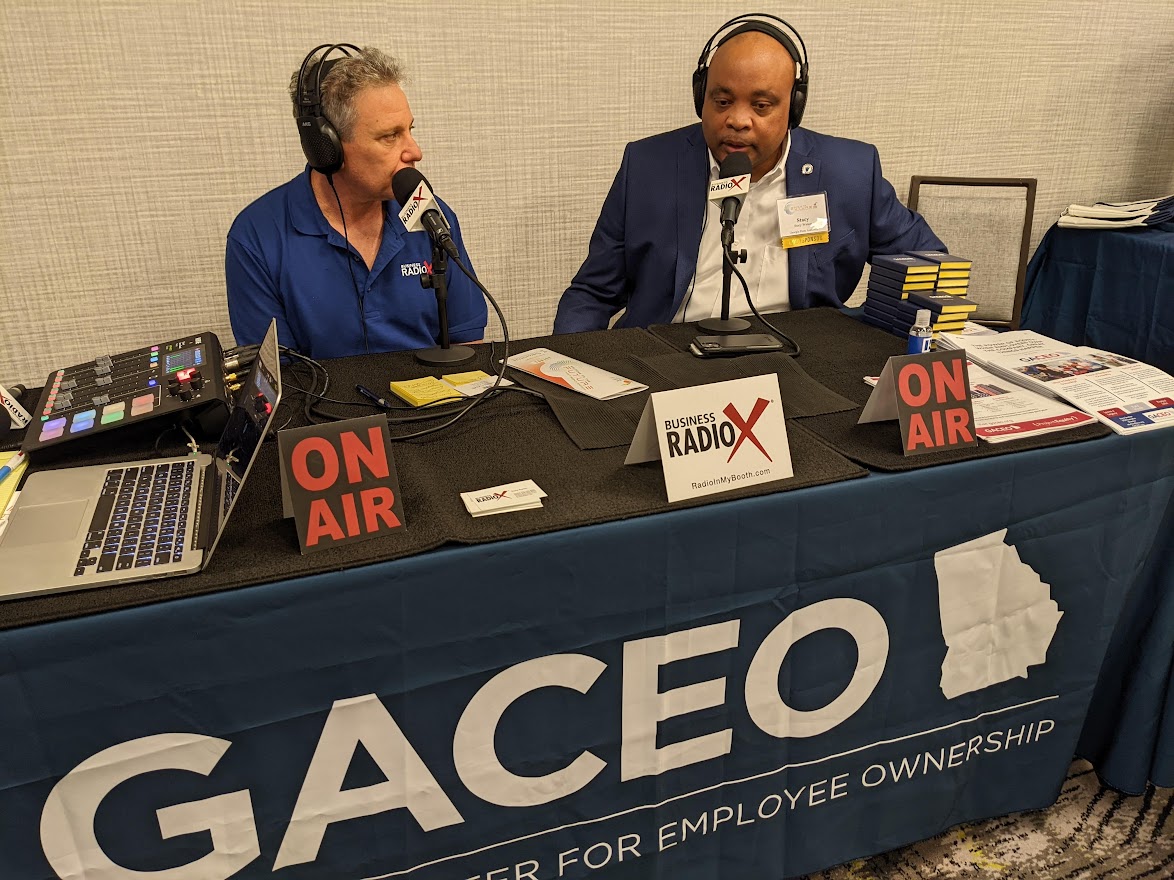
Business RadioX® was live at the 2022 GEDA Annual Conference in Savannah, GA. The conference is designed to give you a glimpse of what is here now, what the future looks like and the tools to help you implement strategies and tactics now to pay off years down the road.
Stacy Watson is the director of economic and industrial development of the Georgia Ports Authority.
Connect with Stacy on LinkedIn.

 Crystal King and Clovice Vaughn, Grady Health Systems
Intro: [00:00:04] Broadcasting live from the Business RadioX Studios in Atlanta, Georgia, it’s time for GWBC Radio’s Open for Business. Now, here’s your host.
Lee Kantor: [00:00:18] Lee Kantor here broadcasting live from WBENC’s National Conference 2022 inside the Georgia World Congress Center, inside the GWBC booth, Booth 1812, if you want to come by and see us. I’m so excited to have the guest we have right now, Crystal King and Clovice – Clovice?
Clovice Vaughn: [00:00:35] Clovice. There you go.
Lee Kantor: [00:00:36] … I screwed up. Clovice Vaughn – sorry about that – with Grady Health System. Crystal and Clovice, welcome.
Crystal King: [00:00:45] Thank you.
Clovice Vaughn: [00:00:45] Thank you.
Lee Kantor: [00:00:46] So, how’s the show been for you?
Crystal King: [00:00:48] It’s been really good. Lots of great exhibits, great conversation. So, it’s been awesome.
Clovice Vaughn: [00:00:54] It’s been great. It’s just been good just to get out and see –
Lee Kantor: [00:00:57] And see a lot of people at one place.
Clovice Vaughn: [00:00:59] And see real people, yeah, exactly.
Lee Kantor: [00:01:01] Spend a minute. Talk about GWBC, why is it important for you to be involved?
Crystal King: [00:01:06] It’s important for us at Grady. We have a really robust program at Grady for diverse suppliers, and women suppliers have come through for us in major ways, especially during COVID, staffing companies providing nurses and PPE. We just believe that women always make the world better. And we find the same with our women-owned business partners.
Lee Kantor: [00:01:31] Now, at Grady, you use a variety of services, and want the women business owners to kind of think bigger and broader, right? Because there’s a lot of things they might be able to help you with that they may not be thinking. They might be self-selecting out before they even have a chance to have a conversation with you. What are some of the maybe different types of things that you need from the women business owners that maybe they’re not thinking that they might be a good resource?
Clovice Vaughn: [00:01:59] Well, from my perspective, it’s business as usual. You know, being a hospital, you don’t really think about certain things in that capacity, because in a hospital we bill construction-wise, marketing, IT. I mean, all of those that you see in some of the other big name corporations, the hospital industry using them as well. Well, now we have our specialties like medical devices, durable medical equipment, things of that caliber. But for the most part, we use some of the same service levels as some of the other big name corporations.
Lee Kantor: [00:02:38] Right. So, anything that you would do for any large company would be appropriate for Grady. But a lot of times people think, “Oh, Grady. I don’t have a medical device or I don’t know anything about medicine. They’re not in my list of people to even have a conversation with.”
Crystal King: [00:02:55] That’s right. And we try to really change the conversation about that. Don’t think of health care as health related things all the time. Anything it takes to run your house, anything it takes to run a city, a school, any other business. We have printers, we have everything, janitorial service.
Lee Kantor: [00:03:15] Every business need you have.
Crystal King: [00:03:17] Every business need we have.
Lee Kantor: [00:03:18] And, plus, the medical stuff. So, it’s not an or, it’s an and.
Clovice Vaughn: [00:03:21] In addition to, correct.
Crystal King: [00:03:23] That’s right. And we would love to see more women-owned businesses on that medical side, on the clinical side of the house, with medical devices, with medical technology. Those are places where we we see that women pull the shrink tremendously. And so, we would love to help grow and develop women-owned businesses on that side of the business.
Lee Kantor: [00:03:46] So, now, when you say grow and develop, what does that mean? Like, say, I’m a woman-owned business and I want to partner with Grady, how do I even get started?
Crystal King: [00:03:53] So, if you’re listening to this podcast, hopefully you’re tuned in to WBENC, and we really use GWBC, the Greater Women’s Business Council, where Roz Lewis is the CEO and Chair, as our main resource to reach women-owned suppliers. Because it’s so many people, Clovice and I can’t possibly meet everybody. So, we have a level of comfort that if you’ve come through WBENC and you’ve gone through that certification process, it puts a stamp of approval on you.
Lee Kantor: [00:04:23] Right. You’ve been vetted. We know that you’re legit. Just because you’re a woman doesn’t mean you’re a certified woman-owned business. Those are two different things.
Crystal King: [00:04:31] That’s right. And we don’t get to count you for our spin reports if you’re not certified, so get certification.
Lee Kantor: [00:04:36] You better get certified.
Crystal King: [00:04:37] And so, we attend all of the WBENC events, the GWBC events, and that’s where you will meet us and most corporates, because we can’t be everywhere. So, we use them as our conduit to the people.
Lee Kantor: [00:04:53] Right. They’re the first line of defense.
Crystal King: [00:04:55] That’s right.
Clovice Vaughn: [00:04:56] And just to add to that conversation part, you mentioned about the certification piece and that vetting process, so that eliminates some of the fieldwork or trenchwork that we would normally do by identifying business that’s associated with GWBC and WBENC.
Lee Kantor: [00:05:13] Right. So, you don’t have to kind of vet them because they’ve already been vetted in order to be part of that organization.
Clovice Vaughn: [00:05:20] True.
Crystal King: [00:05:21] That’s right.
Lee Kantor: [00:05:21] And then, that enables you to focus on the most important part, the relationship building part, to making sure it’s the right fit for you and your team. And they have what you need and you have what you need from them.
Clovice Vaughn: [00:05:33] Very much so.
Lee Kantor: [00:05:34] That’s an education process, right? Just because someone sells something or has a service, that doesn’t mean they’re the right fit. You have to kind of learn how to work together, right?
Clovice Vaughn: [00:05:43] No. There’s a combination of things. It has to be a need for that product, goods, and services. You know, once you identify that need, then you can have that opportunity to identify women-owned businesses that can bring forth that value for those opportunities. So, yeah, it has to be a handshake for the need, for the products, goods, and services needs. Once that has been identified, then that’s where you can always start and develop those relationships that you have.
Lee Kantor: [00:06:13] Now, does it work best when they maybe start small with a small need just to get to know each other or get to work together so you can say, “Okay. These people are a good fit. They know how we operate. They know what to do in order to be successful in our ecosystem.” Because the way you do business may not exactly be the way that some other big business does business.
Crystal King: [00:06:32] Yeah. And we’ve been spending a lot of time educating our suppliers about what it means to work in health care, because health care is different than energy or telecom. So, we work with group purchasing organizations. For instance, Grady works with Vizion, our group purchasing organization. We use distributors, Medline is our distributor. So, while you might not be able to come in to sell something to Grady today, we make those introductions so you can get on Vizion contract or get on Medline contract. And they don’t just deal with Grady. They deal with all the hospitals.
Lee Kantor: [00:07:06] Right. Then, they’ll open the door to other things.
Crystal King: [00:07:07] So, we’re really trying to educate people on not minimizing what you do and making them understand what it really means to work in health care, being on GPO contract, being on distributor contract, and then bringing new technology to the table. Because I’m putting it out in the universe, there’s a huge need for hospital at home services right now. The technology and the connections to do it effectively.
Lee Kantor: [00:07:33] So, there’s opportunity there that isn’t being tapped and you have a need. And if somebody is out there listening –
Crystal King: [00:07:38] We know we have the need, but we know we haven’t met the person with the technology yet. But we need a way to monitor patients once they go home, that transition of care. Grady is great about we don’t send people home if we’re not comfortable that they will get the same level of care that we’ve been providing in the hospital. So, that makes our average length of stay a little longer than some other hospitals. But if we can send you home and know that you can be monitored, and get the food you need, and the outcome is going to be the same as if you were in the hospital, that’s a huge opportunity right now.
Lee Kantor: [00:08:15] Huge. Now, is there a story you can share maybe with a woman-owned business that you worked with that you, you know, helped and then it was impactful?
Crystal King: [00:08:24] We have so many.
Lee Kantor: [00:08:26] We don’t have to name the name of the company, but maybe tell the story about what they came to the table with. Maybe they were small and grew or something like that.
Clovice Vaughn: [00:08:33] Well, yeah, I have an excellent story in that aspect. One of the woman-owned certified business that is here at the event today. At that time they were highly into the IT profession. Of course, the pandemic happened. They had to pivot because not many businesses was doing a great deal in IT. They pivot to the nursing aspect. I was one of the responsibility. Crystal and I brought them to the team for the nursing aspects of it. And that really saved their company’s life.
Lee Kantor: [00:09:09] Because if they didn’t have that, then they would have gone out of business, probably, because there wasn’t any opportunity for a period of time.
Clovice Vaughn: [00:09:16] And every time that lady sees –
Lee Kantor: [00:09:18] She hugs you and thanks you.
Clovice Vaughn: [00:09:19] Yes, she does.
Lee Kantor: [00:09:19] I mean, I can’t emphasize enough, especially to the corporates out there, the account that you give them, even if it’s a small account, it could be life changing for them. It could be an individual with their family that makes a difference between them eating this month or not eating this month, or they’re in business or they’re not in business. So, the impact is real.
Crystal King: [00:09:41] It is. And we really have tried to help the suppliers understand our needs and help our internal customers understand the suppliers needs. Because we have to meet in a certain place.
Lee Kantor: [00:09:53] Right. They got to work together.
Crystal King: [00:09:54] So, in health care, you’ll find that a lot of things are streamlined. Like, for instance – I don’t know if I should say the name – but we use an MSP, I will say that. But during COVID, we have several women-owned businesses who made millions of dollars through that MSP, because nurses were writing their own ticket. But our internal customer only had to deal with that one person, right? They didn’t have to manage 15 different companies.
Lee Kantor: [00:10:26] Right. That became someone else’s problem.
Crystal King: [00:10:28] Right. And so, to understand the needs of the customer, but understanding that, “Hey, if you can just give a slither of that pie to this small or women-owned company, that’s life changing for somebody.” We’re really teaching supplier diversity at Grady from a standpoint of economic empowerment and economic impact that the more we employ the diverse women-owned businesses then those are people who give people in our communities jobs who don’t show up with no insurance in the ER, so it’s a win-win.
Lee Kantor: [00:11:05] Everybody wins, though. This is a situation that everybody wins.
Clovice Vaughn: [00:11:08] Yeah. There’s a trickle down effect.
Lee Kantor: [00:11:09] And a lot of these folks just need the opportunity.
Crystal King: [00:11:12] That’s it. That’s it. And we are opportunity givers. We love it.
Lee Kantor: [00:11:19] So, how does someone get on the supplier list? Is it through GWBC as the first step and then they get certified there, and then that’ll get them connected with Grady? Or does Grady have a place on the website or somewhere that they can go and raise their hand and say, “Hey, I’m here”?
Clovice Vaughn: [00:11:34] Well, I’ll say D, all of the aforementioned. Of course, I mentioned previously there has to be that need for that process –
Lee Kantor: [00:11:42] Right. There has to be a need and all that. But if everything is there, the best way to go to the website and kind of poke around, there’s a supply there or –
Clovice Vaughn: [00:11:50] We do have on our website contract opportunities. So, if you see a need out there that fit your bill or fit the opportunity skillsets that you provide, then, yeah, by all means respond to that.
Clovice Vaughn: [00:12:01] But it goes back to what you mentioned earlier, the relationship building. So, if you build the relationships with a woman-owned business and then an opportunity comes about, you’re going to instantly think about that conversation that you have. You reach out to them, ask them about their skillsets, and provide information pertaining to the RFP or RFI or RFQ, whatever, are reflected. And then, the next steps come into play where you make the introduction to the subject matter experts. The subject matter experts learn more about what those businesses do and kind of fits within that pipeline.
Crystal King: [00:12:40] We’re not big on the dropping your name in a bucket and then we try to fish you out. We want to know you. So, we are very involved with WBENC, with GWBC, we’re members at the national level and at our local level. And the best way to see us is to see us.
Lee Kantor: [00:12:57] Relationships are important.
Crystal King: [00:12:58] Relationships matter for us. Because I’ve worked in organizations and we’ve had instances where fishing somebody name out of a hat doesn’t let you know if it’s a good match.
Lee Kantor: [00:13:10] You got to do the work and you got to invest in the relationship.
Crystal King: [00:13:14] That’s right. So, supplier diversity at gmh.edu is a place they can send capability statements.
Lee Kantor: [00:13:23] But reach out to a human being, get to know you, and then let it evolve from there.
Crystal King: [00:13:28] That’s it.
Clovice Vaughn: [00:13:28] Yeah. It’s not a black hole.
Lee Kantor: [00:13:30] There are humans there, promise.
Clovice Vaughn: [00:13:32] Yes. We are not a robot.
Crystal King: [00:13:34] Yeah. We really do. We go through them all. And we’re not afraid to tell you it’s not a good fit. And we make so many introductions to other health care systems who are bigger than us, who have different needs. But I tell everybody, Grady is a very old hospital, so if you’re a construction, you should definitely be talking to us. We always have something broken, busted, leaking, need fixing.
Lee Kantor: [00:13:57] Well, thank you both for sharing your story today. You’re doing important work and we appreciate you.
Crystal King: [00:14:01] Thank you.
Clovice Vaughn: [00:14:02] Thanks for having us.
Lee Kantor: [00:14:03] All right. This is Lee Kantor. We’ll be back in the few at WBENC National Conference 2022 inside GWBC’s booth.
The Women’s Business Enterprise National Council (WBENC) is a leading non-profit organization dedicated to helping women-owned businesses thrive.
We believe diversity promotes innovation, opens doors, and creates partnerships that fuel the economy. That’s why we not only provide the most relied upon certification standard for women-owned businesses, but we also offer the tools to help them succeed.
The Greater Women’s Business Council (GWBC®) is at the forefront of redefining women business enterprises (WBEs). An increasing focus on supplier diversity means major corporations are viewing our WBEs as innovative, flexible and competitive solutions. The number of women-owned businesses is rising to reflect an increasingly diverse consumer base of women making a majority of buying decision for herself, her family and her business. 
GWBC® has partnered with dozens of major companies who are committed to providing a sustainable foundation through our guiding principles to bring education, training and the standardization of national certification to women businesses in Georgia, North Carolina and South Carolina.
Stone Payton: [00:00:00] Welcome back to BRX Pro Tips. Lee Kantor and Stone Payton here with you. Lee, in the category of sales strategy, selling mechanics, we ought to be thinking about anything that we might be able to pre-sell.
Lee Kantor: [00:00:16] Absolutely, I think pre-selling is a great way to test the market to see if this idea you have is worth paying for. So, if you have an idea for something that you want to offer a “beta version” of to your network and see if anybody will buy it before you actually spend a lot of time on building it. And that’s a good way. I always feel that if you’re charging someone and you make them pay something, then you really have an idea of something is going to work.
Lee Kantor: [00:00:45] A lot of people will give you lip service and say, “Yeah, that’s a great idea.” And then, you go off and build it. And you go, “Okay, here, it cost $100 or $1000,” and they’re like, “I’m not going to pay for that.” And it’s like, “Well, then, why did you say it was a great idea?”
Lee Kantor: [00:00:57] People will tell you it’s a great idea, but when they pay for it, then they’re showing you it’s a great idea. And so, I find that if you go to your market, people you trust and go, “Hey, I’m thinking about doing this thing. Would you pay $500 dollars a month for this?” if they say, “Yeah, I’m in,” then do it, build it, serve them, get a good testimonial from them, and then roll it out to more people at a higher cost.
Stone Payton: [00:01:24] And what I love about that strategy is when you’re having those conversations, if you give some people in your existing network an opportunity to have a hand in authoring the service, and they had that pride of authorship, I mean, that’s a bond that just I don’t think you could break that if you wanted to. So, to get your best clients involved in helping you design or refine your idea, I mean, that is just good mojo.


 Terry Boyle McDougall is an Executive & Career Coach and CEO of Terry B. McDougall Coaching.
She helps high-achieving professionals remove obstacles that keep them stuck so they can enjoy more success and satisfaction in their lives and careers.
Before becoming a coach, Terry was a long-time corporate marketing executive where she led teams, developed strategies and advised senior leaders to drive business results.
She is the author of Winning the Game of Work: Career Happiness and Success on Your Own Terms. She is also the host of two podcasts: Marketing Mambo and Winning the Game of Work.
Connect with Terry on LinkedIn, Facebook, Twitter and Instagram.
What You’ll Learn in This Episode
This transcript is machine transcribed by Sonix
Intro: [00:00:04] Broadcasting live from the Business RadioX studios in Atlanta, Georgia. It’s time for high velocity radio.
Stone Payton: [00:00:15] Welcome to the High Velocity Radio show where we celebrate top performers producing better results in less time. Stone Payton here with you this morning. You guys are in for a real treat. Please join me in welcoming to the broadcast executive and career coach, author speaker with Terry McDougall Coaching, the lady herself, Ms.. Terry McDougall. How are you?
Terry McDougall: [00:00:40] Stone I am great. It’s really good to be here. Thanks for having me.
Stone Payton: [00:00:44] Well, it’s an absolute delight to have you on the show. I got a ton of questions. We won’t get to them all, but maybe a good place to start. If you could give us a little bit of an overview, mission, purpose. What are you and your team really out there trying to do for folks?
Terry McDougall: [00:01:01] Well, we’re really there to help people not only be successful at work, but be happy and satisfied at work because way too many people are paying too high a price for their what I call quote unquote, success, because they may look successful on paper, but a lot of times they’re crying on the inside and it doesn’t have to be that way. So I’m here to help people be successful and happy at work.
Stone Payton: [00:01:28] So I don’t know if the right word is balance or overlap or integration, but I’d love to get your perspective on this relationship, this dynamic of professional success and personal happiness.
Terry McDougall: [00:01:44] Yeah. You know, for a lot of high achievers, which is typically the people that I work with, they have been, quote unquote, successful by paying attention to what everybody else expects of them. And overall, after time, they actually get addicted to that external validation and basically forget to actually check in with themselves. They kind of lose that connection with their own inner wisdom. And I believe that once once you can pay attention to what other people want from you. I mean, that’s what we need to do to be successful, successful at work, but also check in with ourselves to realize like, okay, is this what I want to be doing? Is this the best way to be doing it? Should I be speaking up, you know, really leaning into what they actually know and what they’re really about? Because I think for many of the people I’ve encountered and I would say that this was me for a while as well, that they can be so connected to what other people want that they lose themselves. And that’s a very sad place to be. So you’ve really got to pay attention to what other people want, but also be connected with yourself and your own purpose, your own wants, and your own authentic authenticity.
Stone Payton: [00:03:06] So this book, and I think it’s your most recent winning the game of work, what compelled you to commit these ideas to paper and and get this book out? There was was there a catalytic moment for you or was this kind of part of the plan all along?
Terry McDougall: [00:03:23] Well, I suppose that I had a little seed planted in the back of my mind many years ago that maybe I had a book in me. But it wasn’t it wasn’t something that happened overnight. It was really a reflection of my own career. I come from a blue collar background. My dad was a union guy, but I was put myself on. My parents wanted me to be on a different track going to college, and I wanted to work in more of the corporate world. And I can remember in my first job calling my dad and saying, Dad, you know when to ask for a raise. I don’t know how to do it. And he said, Well, I don’t know what to tell you because the union negotiates my raises. And I was like, okay, I guess he’s not going to be helpful. So I just started paying attention to what was going on around me and trying to figure out how do I advance here in the workplace. Because I’d been a good student and I just kind of thought when I went into the workplace that I’d just do the same thing at work that I did at school. And I just found that I wasn’t really moving ahead.
Terry McDougall: [00:04:23] And so it just occurred to me that there’s some unwritten rules of the workplace that honestly, nobody really tells you. And if you go into it thinking like, Oh, I’ll just, you know, I’ll be a good girl, I’m going to keep my nose clean, my head down, do my work naturally. They’ll they’ll see talent and they’ll all advance. That’s not how it works. And it took me a while to figure that out. And I actually was lucky to have some great mentors. And I also at a couple of key junctures in my career, I hired coaches and it really helped me a lot. And I started as I got into leadership, mentoring and coaching people under me so that they weren’t basically like banging their head into the wall, that they were like stepping back and saying, What’s going on here? How do I want to navigate? And so I really wanted to share those unwritten rules that I had learned the hard way in my book. And so that’s that’s really what it’s all about is just what are those unwritten rules of how you get ahead at work that nobody ever tells you?
Stone Payton: [00:05:28] So what is the the framework, the structure of the book? How did you choose to to lay it out? What kind of journey did you create for the reader?
Terry McDougall: [00:05:37] Well, basically, we start with the goal. You know, what’s your goal? You’re never going to get there unless you get clarity on what the goal is. And then once you have a goal, you start to think like, Well, okay, what are all the ways that I can get there? What’s the roadmap look like to get ahead? I mean, and I use the analogy, you know, if you’re in Georgia and you want to go to California, you know, at least you need to head west, right? But you can map, map that journey out in a number of different ways. And so really starting to imagine what are the different ways that you can get to that goal. And then a lot of times when we’re putting the roadmap together, we discover like there’s things that we don’t know, right? There’s skill gaps. Maybe there’s we need to know different people. So putting a plan in place to fill in those or bridge those skill gaps. And then really also and really importantly, shifting the mindset to not a fixed mindset, but more of a possibility mindset because. If we have a goal and we don’t believe it’s possible, it will not happen. Period. And honestly, like whatever it is that you think you want could land in your lap. And if you don’t believe it’s possible, you’ll just brush it off and keep complaining about how you never get what you want. So, you know, to me, I feel like. Getting clarity on the goal, believing the goals possible and starting to take action like even little baby steps. I’ve seen amazingly miraculous things happen in an amazingly short period of time with a lot of clients I’ve worked with when they’ve gotten those things in place.
Stone Payton: [00:07:25] So I’m sure the framing was a was a conscious choice to use the term or the phrase game of work. Can you speak more to why you made that choice?
Terry McDougall: [00:07:36] Yeah, because I think that a lot of people look at work and they’re like, well, I know what work is. I mean, we’re surrounded by quote unquote work. We go into a store and people work there. You go to the doctor. The doctor works there. We think we know what work is all about. And the reality is most people never really ask, what’s the objective like for the business they know for themselves? Like, I’m going to go give them some of my time and I’ll get money in exchange. But the reality that there’s a lot more to work and I guess if you get right down to the the basics, there’s really only three ways to add value at work. You’re either helping them make money, save money or reduce risk. And many people don’t look at work that way. They just are like, hey, I showed up, I was here, my butt was in a seat, where’s my paycheck? And then they get upset when they’re not advancing or they’re not. And I’m not trying to be negative about this or anything, but nobody ever tells you like you are here to create value for the organization. And if you can really look at and even if you’re emptying the trash cans or answering the phone, if you can put it in the context of how am I adding value, that’s going to give you clarity about how to keep advancing and keep winning the game of work.
Stone Payton: [00:09:01] So did the experience of writing the book itself. Did some of it come together real easy for you and then other chapters or other parts, more of a struggle or what was that like?
Terry McDougall: [00:09:13] Well, it’s funny because I left my corporate job in 2017 and right around that time, I mean, that’s a big that’s a big transition. I had been working in the corporate world for 30 years and to decide to take that big leap out of the airplane and hope that your parachute is going to work, it’s a little bit scary, but I guess that just got me thinking about all the lessons that I learned. And I actually started blogging and I blogged pretty much, I think like every other week for close to two years and just different ideas, you know, little, you know, 500 to 1000 word blog posts. And somewhere along the line, somebody opened my eyes up to the fact that if I if I downloaded all of those, that I might have enough for a book. And so and then I guess this is serendipity, but a friend of mine called and said, I just joined a book writing program, and I put two and two together. And I was like, I have all these blogs. My friend joined this book writing program, so I decided to join that too. And so I had a lot of content, but there’s still a lot of work that goes into thinking like, okay, I’ve got, I think I had. You know, 40 or 50 blog posts and like, how do you put those together into a narrative and, and put a framework in place that that was kind of hard. And I also think that I know that it’s a little bit scary writing a book because, you know, you worry that like you put so much effort into it and you hope that it’s going to be helpful to people and you don’t you’re not doing it for naught. So I’d say that probably one of the hardest things about writing the book was just overcoming my own fears about, you know, whether I had something valuable to share or not. And it’s been received well. So I think that it was worth me fighting those demons to get it out there.
Stone Payton: [00:11:13] All right. So let’s talk about the work itself a little bit. The the practice. What does it look like? Maybe paint the picture like someone like me if I, you know, I’m listening to this or I do read part of the work. And I think, you know what? I think I might want to work with Terry, particularly like in the early stages of that relationship. Can you kind of paint that picture for us? What does that look like?
Terry McDougall: [00:11:37] Well, I mean, first of all, we we always start out I do a free exploratory call with people, you know, just to hear them out, to hear like, okay, what’s going on right now? What’s working? What’s not working? You know, are you clear on what it is that you want? And honestly, I’ll tell you, a lot of times people aren’t. And that’s okay, you know, because part of working with the coaches is helping get clarity on those goals. But I have a questionnaire that I give to people. Will We’ll spend that first session just getting to know each other me like really delving in more to learn more about them. And then we basically use that framework that I talked about. I’d say that sometimes people may feel unhappy in their job and really they they know they want to stay in it, but they want to develop the skills to be more successful. They want to be more effective and not be on the verge of burnout. That’s that’s one type of person that I work with. I’d say the another type of person that I work with is one that I call should I stay or should I go? Like that old Clash song and where they’re like, I’m not sure if this is a fit anymore. And I’d say that once we start working together and we really focus on that goal, I’d say about half the time they decide, Yes, I want to stay here.
Terry McDougall: [00:13:00] And it moves over into that. Like I need to develop the skills and the mindset to be successful in this, this role or look for other opportunities within this company. That’s a good fit for me. And about half the time they are like, No, I’ve outgrown this place, or I’m starting to see it clearly. It’s just not a good fit for me. And then and then the third group of people are people that know that they want to leave, or maybe they’ve been laid off or they’re rejoining the workplace. And I’ll just work with them to help get clarity on what’s the right fit for them, help them develop those skills, really start getting them networking to to see where they can get help in looking for a job. I know for so many people like LinkedIn and indeed those are those are great places to go to look. But, you know, way too many people spend too much time expecting that, hey, if I perfect my LinkedIn profile, that the perfect job will fall in my lap. And that ain’t the way it works. You know, people hire people. And the more conversations that you have and they don’t, it doesn’t have to be calling somebody and saying, hey, do you have a job? Are you hiring? It’s really about, hey, I’m starting to look at the next chapter in my career.
Terry McDougall: [00:14:22] What you’re doing looks interesting or reconnecting with people that you’ve worked with in the past. And, you know, I can’t tell you how many people I’ve worked with where just a little outreach, a conversation results in a new job. It’s amazing, you know, because people hire people and they they typically like to hire people that they know, like and trust. And if you’ve worked with somebody, you’ve gone to college with them or you grew up next door to them, they know you. And a lot of times we’ll put in a good word. Or they may even be the hiring manager. So. Yeah. Just, you know, I’m all about encouraging people to believe that what they want is possible and start taking action. And it is honestly, really incredible what can happen when when people do that. You know, I’m not magic. You know, I just. I just encourage people. Like, I believe that the people that I work with totally have it within them to accomplish their goals. But sometimes it’s hard to see that. I always say you can’t read the label from inside the bottle, and I hold the mirror up so that they can see themselves more clearly and gain the confidence to do the things that they’re totally capable of doing.
Stone Payton: [00:15:45] This must be and I don’t mean to suggest for one moment that your work doesn’t have its own set of challenges. I’m sure it does, but it must be incredibly rewarding work.
Terry McDougall: [00:15:58] It is very rewarding when people get it and they start moving down, moving down the path. It can be a little frustrating, but totally understandable. I’m not complaining at all. You know, when when people are are stuck in that fear loop, right, where they just keep hitting the same brick wall and and, you know, when when people when all of us, any of us are thinking negatively or thinking like, oh, I’ll never get the job. Or, you know, I work so hard and I’m not getting promoted no matter what I do. Like, that is very natural. All of us do it and we do it to try to protect ourselves from disappointment. And, you know, it’s okay to do that for a little while. But the bottom line is that, you know, when we’re all cocooned up in our safe little place of like, I’m never going to get what I want, nothing’s going to happen there. Right. So when we. You know, find the courage to take even a baby step outside of our safe little comfort zone. That’s when things get set in motion. And it’s really it’s really, really cool. I mean, I’ve worked with people that there was one woman that I worked with and we had eight sessions and I would say probably six out of the eight sessions. We were really working on the mindset thing. You know, she had had some a lot of very, very tough things happen in her personal life and had also been working in a pretty toxic situation at work. And she really wanted to get out of it.
Terry McDougall: [00:17:47] But it was hard because there was so much pressure in her job. And when she finally shifted to. You know, believing, okay, maybe this is possible and started taking action. She literally got a job. Well, she had a job interview before our last session, so we only had two more sessions left. And then within like two weeks of that, she had a new job and it was just such a perfect fit for her. And I mean, I will tell you honestly, sometimes I’m even shocked and how quickly it can happen. But I think the most important thing really is believing that it’s possible. And, you know, a lot of times when people have disappointments, they start internalizing it and thinking like, oh, I’m not good enough. And, you know, oh, maybe I’m just not cut out for management or whatever it is. And that’s a lot of times what holds us back. Right. And but it’s like I said earlier, that also is sort of like a coping, self-protective mechanism. But if we can just take some little baby steps, a lot of times, you know. It connects the dots. Not to get woo woo. But, you know, the universe will step in and, you know, like your old friend from college will call you and be like, hey, my company is expanding. We’re hiring. I mean, it’s just crazy. I’ve seen it. I’ve seen it happen. It’s and I’m always, like, amazed and grateful that this does happen. You know, we get things in motion and and we get a little help along the way.
Stone Payton: [00:19:34] Well, I bet you do see some patterns evolve with as you continue to work with more and more people. Are there some things that maybe you don’t articulated out loud? But as as you’re beginning to build that relationship, get to know the client, you’re thinking to yourself, Yeah, I’ve seen this before.
Terry McDougall: [00:19:53] Oh, my gosh, yeah. Not only have I seen it, but most of the time I’ve experienced it personally as well. And, you know, I tend to work with these high achieving people. And one of the patterns that I see is that they’re they’re smart and they’re strong and they’re hardworking. And, you know, that’s fantastic. As an individual contributor, you know, they become like a superstar at work and they get promoted and then they move into a leadership position. And a huge pattern that I see is that they have a very, very difficult time delegating. And, you know, a lot of times what they contact me about is that, oh, my gosh, I I’m, you know, dying under the strain of this job. I wanted to be promoted, but I didn’t know that it meant that I was going to have to work 50% more hours. And, you know, I think that a lot of times, particularly high achievers, have a hard time mentally promoting themselves and realizing like, oh, I’m in a leadership position now. And, you know, the people reporting to me, the budget, the systems, all of this is within my control to use the way that I see fit. And, you know, it’s hard for them sometimes to recognize that maybe the people reporting to them aren’t as hardworking or maybe they don’t know as much. And and to learn how to develop their talent and then also delegate train them. They’re, you know, people on your team who are not you are not necessarily going to be as good at what you do right off the bat.
Terry McDougall: [00:21:31] But if you learn to delegate, learn to give effective feedback, you know, I’ve seen this personally that, you know, a lot of times what will happen is the people that report to you actually get better at the things that used to be your job than you ever were. And that’s a fantastic place to be, right? And then you’re like, okay, good. I can fully delegate that. I don’t have to think about it, and I can elevate myself to what my own job is because, you know, if you don’t stop doing your old job, if you try to do your new leadership job and your old job because you’re afraid to let it go, you’re going to be in a very unhappy place. And not only that, the people working for you are going to be unhappy because they’ll feel like, Oh, they don’t trust me, they’re not trying to develop me. And it just it becomes a vicious cycle, you know, because if you believe that you’re the only one that can do something perfectly and then guess what? That that’s going to be part of your job. And then everybody else is going to be sitting around twiddling their thumbs. And so anyway, that was a long way of saying that a lot of high achieving people have a hard time delegating. And that’s that’s something that I teach. It’s it’s not something that is typically taught, but there is a whole process of how you begin to delegate in a way that is not overwhelming for the subordinate, and it’s not anxiety producing for the leader either.
Stone Payton: [00:23:01] So do you find that at least early in the coaching relationship, a lot of these high achievers, they’re trying to move up in the organization. It’s almost like they’re in the gym. Like with this no pain, no gain. Got to just, you know, work harder. I mean, do they have that mentality sometimes coming into the conversation?
Terry McDougall: [00:23:22] You mean just naturally that you know, they’re going to. Yeah, yeah, I, I that’s actually a good analogy because I mean, probably any good personal trainer would, would say that rest and nutrition is just as important as the workout in the gym. And I, I think about energy and energy out and what I see a lot with people that I work with these high achieving types is that, you know, they’re going to meet the goal no matter what. And it doesn’t matter if they have to work 12 hours a day for weeks on end. And then they wonder why they’re feeling they’re getting sick or why they are getting in arguments with their significant other, or they’re feeling exhausted and can’t get out of bed on Monday morning. So it’s very, very important to be aware of what your own needs are. You have to refill your tank. You know, it’s like driving your car and never stopping to get gas or never stopping to get your oil changed or your tires filled. Eventually it’s going to break down, right? You’re going to get to your destination quicker if you maintain your car. Right. And that that is the same with ourselves.
Terry McDougall: [00:24:44] Right. We need to get enough sleep. We need to go out and have some fun. We need to spend time with, you know, with significant others. We need to eat. We need to drink water, not just coffee. 24 seven. You know, and for most people that I work with, too, I mean, they’re not they’re not on an assembly line making widgets. These are people that are doing knowledge work, right? So creativity, innovation, all of these things are important. And, you know, a lot of times you can find a faster, more efficient way to do things. If you’re fresh, you know, you can come up with the great idea while you’re out on a hike on Saturday or, you know, hanging out with your your kids at the soccer game after work or something like that, you know. So I think just really valuing yourself and realizing that you’re more than just like a robot that has to go into work and be seen singing and sitting in the office, just working constantly. You know, you’re human and you’ve got to really appreciate that and value what you can bring to work. Beyond just, you know, your body being there.
Stone Payton: [00:26:08] Yeah. So how does the whole sales and marketing thing work for a practitioner like you? Like, how do you get the new clients?
Terry McDougall: [00:26:19] I have a number of different channels. When I first started my business, my all my new clients came from my own network. I worked for a long time and and I blogged. And then whenever I let people know that I was doing coaching, a lot of people, I mean, even I had a client that that I had worked with at my very first job. I met her when I was 22 years old, and she’s now a university professor and she was running into some stuff political. It’s funny, I haven’t ever worked in academics, but I’ve I’ve learned that it’s very political and academic environment. But she needed some help, just kind of figuring out what was going on there. But a lot of my early clients came from my own personal network. I am affiliated with a number of different businesses that will go into companies and like sell large contracts. And so I’m sort of like a coach in their stable and they’ll match me with people that, you know, a lot of times people like to work with somebody that has a similar background. So I work with a lot of people in financial services because that was my background from an industry standpoint. And then I worked in marketing, so I’ve worked with a lot of people in marketing and advertising. I also get a lot of referrals from former clients and then of course being on podcasts, right, I’m getting out there, people are getting to know me and I do post a lot on on LinkedIn. I’m a member of some networking groups. I’ve gotten a number of clients that way. So it’s when you’re an entrepreneur, it’s all about the hustle.
Stone Payton: [00:28:00] Well, and I think my experience has been one of the best selling tools on the planet is just doing good work.
Terry McDougall: [00:28:09] Yes, absolutely. When people say, hey, you know, I. I couldn’t have done it unless I had worked with Terry. Now I you know, I do not take credit for my client success. It’s 100% their success. But if I can be along on the journey with them to help them maybe see some things that they didn’t see. Unfortunately, I cannot pick people up and carry them to their goal, but I can be their wingman as they go on that journey.
Stone Payton: [00:28:38] So speaking of podcast, you have your own radio show. In fact, I think I might have written where you have two radio shows. Speak to that a little bit. What’s what’s that like? And how do you how do you operate that?
Terry McDougall: [00:28:52] Well, yeah, I have two podcasts and they’re on all of the platforms. The first one is Marketing Mambo, and I started that at the end of 2020 because I’d spent so many years in marketing and I kind of missed talking with the creative, strategic marketing professionals. And I just realized, like, well, I can I can make that happen. You know, I kind of did it because I thought I would enjoy it. But also I do coach a lot of people in marketing. And so I thought if they understood it could hear me and know what I’m about, that some people might say, Hey, you know, Terry might be a good coach for me. So that’s all I call it what we do. We I talk to chats with marketing movers and shakers from around the globe, and it’s on all different topics around marketing. And then not sure why I decided to start this one second, but I have a podcast that I started earlier in the summer called Winning the Game of Work, and it is all about tips around how to be more successful at work, how to win the game of work. I. I recently completed a kind of like a mini series that I partnered with somebody on about how to deal with bullying and the toxic workplace. And I can’t take credit for for getting the guests together. That was my partner, Lisa. Lisa Edmonson. She’s she’s kind of got a mission of eradicating bullying, bullying in the workplace. But she identified a number of fantastic guests, a couple of professors.
Terry McDougall: [00:30:36] One teaches at Harvard Business School, another one teaches at Columbia University. People who are trying to get the laws changed. A lot of people don’t realize that, like the only kind of harassment in the workplace that’s protected by law is sexual harassment. You know that that’s illegal. Just regular harassment in the workplace is not illegal. And there’s a lot of people that are being bullied and abused in the workplace. And there’s nothing illegal about. So we just talked about a lot of that sort of thing and then a lot of tips about how to how to deal with toxic workplaces. Why maybe for more senior leadership, what they can do to recognize bullies and and get rid of it. Because a lot of times, unfortunately, what happens is that the people at the very top of the house think that, oh, this guy’s a guy or gal is a high performer, and the people underneath of them are like, oh my gosh, this person’s nightmare. Because a lot of times bullies and and toxic bosses can really mask what they do from the people above them. So anyway, we we talked all about that, but I actually just posted something earlier this week about that little voice in your head that hold you back. I call it the gremlin, because for so many people, they you know, their self-talk is is very negative and it can be exhausting. And it is a lot of times the thing that holds us back from being happier and more successful at work.
Stone Payton: [00:32:12] All right, let’s leave our listeners with some coordinates that they would like to reach out and have a more substantive conversation with you or somebody on your team. Let’s make sure that we can make it easy for them to get their hands on this book and access the the radio shows, whatever you feel like is appropriate. I just want to make sure people can access this information and connect with you. So let’s leave them with some coordinates.
Terry McDougall: [00:32:39] What I would love to. Stone So my book, Winning the Game of Work is available on Amazon. My podcast Winning the game of work is on Apple, Google Play, wherever it’s every place, or you can also go to Game of Work podcast dot com. If you’re into marketing marketing mambo is also on all of the platforms or you can go to marketing mambo dot net. And finally, if you would like to set up a free exploratory call with me either to work with me as an individual or if you would like to talk to me about how to improve team dynamics at work. I also do some workshops. You can go to Terry B MacDougall dot com and set up a free exploratory call on my website.
Stone Payton: [00:33:28] Well, Terry, it has been an absolute delight having you on the show. Thank you for investing the time and the energy. It’s I found it informing, inspiring. And you’re doing really important work. And we sure appreciate you.
Terry McDougall: [00:33:44] Well, Stone, I appreciate you. Thank you so much for having me on. I really appreciate the platform.
Stone Payton: [00:33:51] Well, it is my pleasure. All right. Until next time, this is Stone Payton for our guest today, Terry McDougal and everyone here at the Business Radio X family saying we’ll see you in the fast lane.














