Business RadioX ®

  • Home
  • Business RadioX ® Communities
    • Southeast
      • Alabama
        • Birmingham
      • Florida
        • Orlando
        • Pensacola
        • South Florida
        • Tampa
        • Tallahassee
      • Georgia
        • Atlanta
        • Cherokee
        • Forsyth
        • Greater Perimeter
        • Gwinnett
        • North Fulton
        • North Georgia
        • Northeast Georgia
        • Rome
        • Savannah
      • Louisiana
        • New Orleans
      • North Carolina
        • Charlotte
        • Raleigh
      • Tennessee
        • Chattanooga
        • Nashville
      • Virginia
        • Richmond
    • South Central
      • Arkansas
        • Northwest Arkansas
    • Midwest
      • Illinois
        • Chicago
      • Michigan
        • Detroit
      • Minnesota
        • Minneapolis St. Paul
      • Missouri
        • St. Louis
      • Ohio
        • Cleveland
        • Columbus
        • Dayton
    • Southwest
      • Arizona
        • Phoenix
        • Tucson
        • Valley
      • Texas
        • Austin
        • Dallas
        • Houston
    • West
      • California
        • Bay Area
        • LA
        • Pasadena
      • Colorado
        • Denver
      • Hawaii
        • Oahu
  • FAQs
  • About Us
    • Our Mission
    • Our Audience
    • Why It Works
    • What People Are Saying
    • BRX in the News
  • Resources
    • BRX Pro Tips
    • B2B Marketing: The 4Rs
    • High Velocity Selling Habits
    • Why Most B2B Media Strategies Fail
    • 9 Reasons To Sponsor A Business RadioX ® Show
  • Partner With Us
  • Veteran Business RadioX ®

BRX Pro Tip: Do You Know Your Ideal Client?

August 31, 2022 by angishields

BRXmic99
BRX Pro Tips
BRX Pro Tip: Do You Know Your Ideal Client?
Loading
00:00 /
RSS Feed
Share
Link
Embed

Download file

BRX-Banner

BRX Pro Tip: Do You Know Your Ideal Client?

Stone Payton: [00:00:00] And we are back with Business RadioX Pro Tips. Stone Payton and Lee Kantor here with you. Lee, the question of the day, do you know your ideal client?

Lee Kantor: [00:00:11] Right. We said this over and over again, niches bring riches. You have to have clarity when it comes to your ideal client. And when you are starting out, it’s important to identify and serve the people you have the best chance of delivering unbelievable success to.

Lee Kantor: [00:00:30] So, especially when you’re starting out, you’ve got to know, okay, I am great at over delivering value to this type of person and the clearer I can get on what that ideal client looks like, then that’ll help me kind of build that reputation in the industry that I am great at serving this type of client. I will, over time, have a deeper and deeper knowledge of the industry and I will become that go-to service provider for that niche.

Lee Kantor: [00:01:03] So, the clearer you can get and the more precise you can get when it comes to identifying and serving these people and delivering that unbelievable service to, in order for them to get that unbelievable success, then you are going to win over time. But remember you have to over-deliver value to your ideal client that will help you get more clients that look like that client. And you get that kind of deeper understanding, you become the more expert, you become the go-to person. And then at that point, you will have eliminated all your competition because you are the go-to resource for that niche.


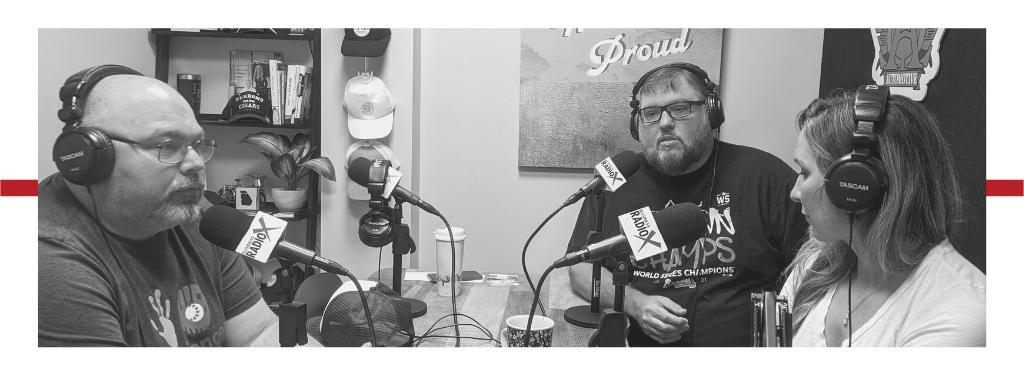
Brian Pruett with B’s Charitable Pursuits, Cristina Patten with Aces Youth Home and Chad Blake with Angel Auctions and Experiences Foundation

August 30, 2022 by angishields

CherokeeBusinessRadio082622-featurepic2
Cherokee Business Radio
Brian Pruett with B's Charitable Pursuits, Cristina Patten with Aces Youth Home and Chad Blake with Angel Auctions and Experiences Foundation
Loading
00:00 /
RSS Feed
Share
Link
Embed

Download file

Sponsored by Business RadioX ® Main Street Warriors

Bs-Charitable-Pursuits-group-image
Aces and Experiences Foundation Golf Tournament
Date – Friday, September 16th
Location – Fairways of Canton, 400 Laurel Canyon Pkwy, Canton, GA 30114

Bs-Charitable-Pursuits-logo

B’s Charitable Pursuits and Resources is a Christian husband-and-wife team who want to help charities raise money for their organizations, but at the same time get the community involved to raise awareness for the different charities in the area and have fun in the process.

Brian-Pruett-headshotBrian Pruett holds two degrees from Kennesaw State University: Communications and Sports Management and a Master’s in Business from St Leo University. Brian has 28 years of experience in sales, marketing, and fundraising.

He has served as a sports reporter, a sports information director, and a director of sales for a sports marketing/media company. Brian has organized many fundraising events, sports promotions and sponsorships for organizations such as Nobis Works, Atlanta Spirit, Bowlero – formerly US Play, The Ovarian Cancer Society, Lance Corporal Skip Wells Scholarship Fund, Kennesaw State University, Marietta Adventist Church, CLStrong Foundation, Tranquility House and more!

Brian also has an extensive background in sports and trivia. He has a passion for helping others and running events where not only the participants have fun but brings awareness about the client to the public. Brian believes that the most important thing is to build and establish relationships, teamwork and communication.

Connect with Brian on LinkedIn.

The Mission of ACES Youth Home is to provide temporary and long-term residential placement and care for youths, both boys and girls, ages 12-18.  We provide a safe, secure, and nurturing home for youths who have been victims of abuse or neglect. ACES-Youth-Home-logo

We help children discover their strengths and learn to cope with the crises in their lives.  We strive to recognize the value and dignity of each individual we serve.

Cristina-Patten-headshotbwCristina Patten is the Director of Business Development at ACES Youth Home. She is a focused leader and advocate with a record of success cultivating strong relationships with key decision makers and an attention to detail. Ability to leverage a diverse background and adapt to changes in any environment.

Strong social foundation and excellent communication skills combined with creative innovation of sales/marketing and human resources. Lead and influenced peers and direct reports to support overall business goals. Worked with diverse and cross function teams to achieve operation excellence for maximum productivity.

Connect with Cristina on LinkedIn.

Angel Auctions was founded to help Non-Profit and Charity Organizations raise funds and awareness in their communities. We started by specializing in Sports Memorabilia, but offer a wide variety of Framed Prints, Jewelry, and other items for your next auction.

We make it our goal to help your next fundraiser look bigger and better, while raising needed donations that otherwise might not occur. And the best part is we are 100% FREE to your organization! We work with any: Non-Profits, Charities, Schools, Government Programs, Churches, and any and all Community Organizations.

Chad-Blake-headshotChad Blake started Angel Auctions and Experiences Foundation because he has a passion to help others. Plus, he gets to incorporate his passion for sports and memorabilia, while giving back to his community.

Chad holds a BA in Management with an emphasis in Entrepreneurship/Small Business from Georgia Southern University. Although he continued to do a lot of charity work in college, his middle and high school years are where his charity and non-profit work truly started.

Chad started by working with many different charities, such as: Fellowship of Christian Athletes (FCA), Special Olympics Atlanta, Retirement and Assisted Living Facilities, and his local church. He understood the importance of fundraising and immediately took charge to raise funds and equipment for his football, volleyball, and baseball teams.

Using his contacts and ideas from his many years of experience in: Management, Real Estate, Insurance, and Charity Work helped form what Angel Auctions is today.

Connect with Chad on LinkedIn.

This transcript is machine transcribed by Sonix

TRANSCRIPT

Intro: [00:00:07] Broadcasting live from the Business RadioX studios in Woodstock, Georgia. It’s time for Cherokee Business Radio. Now, here’s your host.

Stone Payton: [00:00:24] Welcome to another exciting and informative edition of Cherokee Business Radio Stone Payton here with you this morning. What a fantastic set of conversations this is going to be. Please join me in welcoming back to the Business RadioX microphone with B’s charitable pursuits. Mr. Brian Pruitt. How are you, man?

Brian Pruett: [00:00:45] I’m doing good. Thanks for having me back.

Stone Payton: [00:00:47] Yeah, delighted to have you. So get us caught up. What’s going on over there with your outfit? Have you accomplished anything since I talked to you last?

Brian Pruett: [00:00:55] Well, you know, last time I was here, I was with Lake City branding, so we actually shut that down and I started being charitable pursuits, doing fundraising events. I’m very passionate about helping people and having fun. So what better way to do that than putting on some fundraising events and getting the community together? So that’s what I’m doing.

Stone Payton: [00:01:11] Fun stuff. So what’s coming up soon?

Brian Pruett: [00:01:13] So funny you should ask. September 16th we’ve got the first inaugural Aces and Experiences Foundation Golf Tournament at Fairways of Canada.

Stone Payton: [00:01:22] Mm hmm.

Brian Pruett: [00:01:23] So it’s two great organizations, and we’ll be talking to both of them here in just a little bit.

Stone Payton: [00:01:28] So timing, is it too late to get involved by a sponsorship?

Brian Pruett: [00:01:32] Not at all. We’ve got some sponsorships available for hole sponsors. We do need it pretty quick, though, because we’ve got to get the science printed and that’s deadline is next Friday for that. But we also have some openings for golfers. And if people want to donate just some items for the raffle or silent auction or just donate cash in general, you can do that as well.

Stone Payton: [00:01:49] So I know you’re having a good time with this. What are you enjoying the most, man? What’s the most rewarding about doing what you guys do?

Brian Pruett: [00:01:56] Just seeing the the look on the faces of folks when we’re able to hand them either however little or as big as much money as we can. And just, you know, they’re not expecting really much of anything, but just being able to help them and see the reaction.

Stone Payton: [00:02:09] Yeah, I’ll bet. And you brought a couple of folks with you. I did. From from your world team up for who did you bring with you this morning?

Brian Pruett: [00:02:16] So first I’ve got Christina Patton, who was the Aces Youth Home and she’ll tell you all about them. But she’s a friend of mine as well. And then also Chad Blake with Experience Foundation, another good friend of mine. He can explain what they do, but they both very good organizations and they work a lot with youth in the area. But yeah, so two great organizations.

Stone Payton: [00:02:37] Fantastic. And I would be remiss if I didn’t mention today’s episode is brought to you in part by the Main Street Warriors program. For more information, go to Main Street Warriors dot org. All right, let’s get this thing going. Please join me in welcoming to the show with Aces Youth Home. Miss Cristina Patton. How are you doing this morning?

Cristina Patten: [00:02:57] Hey, good. How are.

Stone Payton: [00:02:57] You? I am doing well. Okay, let’s start with mission purpose. How would you articulate what you’re out there trying to do for folks?

Cristina Patten: [00:03:05] Yeah. So Aces Youth Home is a place that provides care and shelter for kids and foster care. So any kids that are around, like 11 to 17 that have been taken into care, we provide we provide help and placement for those kids while the parents are trying to work a case plan. So, yeah, we also what we do most and I feel like something special about us is we have a home that allows the boys and girls to be in the same home. So the reason that’s really important is when these children are removed from homes, they’re sometimes removed from all their siblings too. A lot of places are boys only or girls only, and our purpose is to try to keep those families, the siblings together. A lot of times there’s difficulties and troubles with like transportation. So with us we just keep them together and it helps them flourish. It helps them in so many different ways, just kind of maintaining that family feel so yeah.

Stone Payton: [00:04:18] So there’s been a trend on Instagram lately that has me inspired and it’s either I don’t know if they do it audio or written, but it’s what do you wish people understood about blah blah blah? What do you wish more people understood about your arena, about the foster care system and that kind of thing?

Cristina Patten: [00:04:37] Oh, my gosh.

Stone Payton: [00:04:39] There’s it’s just going to be the Christmas show. She looked at her watch when I asked her that. So sorry, Chad. You have to come back another time. That’s all right.

Cristina Patten: [00:04:45] Yeah, it’s it’s a lot. It really is a lot. I wish that, you know, everybody understood kind of the the ugly process of, you know, removals and all the difficulties that the children are going through. Because what we do is actually, even though it seems kind of grimy and still not so pretty, it really is like the other side of the rainbow. Like once these kids get into the group home, they’re in a safe place. So you immediately start to see them flourish. We provide medical help, therapeutic will help, lots of educational help. And we’re located up in Jasper. So we have like a small town group feel that, you know, all these people come together through the community and they help so much with our kids that it’s it’s really awesome to see them grow.

Stone Payton: [00:05:44] Oh, so what’s your back story? How did you get involved in this kind of work?

Cristina Patten: [00:05:49] I started working in foster care in 2013 with Cherokee County artifacts. I went to volunteer and. It was so crazy. I just wanted to volunteer. That’s all I wanted to do. I just didn’t leave. I was like, I can’t. I can’t leave. Like, I grew up in Cherokee County and some of the cases that I was seeing, I was just. I felt like I grew up in a bubble. Yeah, there’s so many things going on that I. I felt like I couldn’t step away. I was so my heart was so passionate about just helping and working with kids. And as soon as I had, like a few cases that I got on that I worked with, I was like, okay, sign me up. I’m, I’m going to do this. But my background is psychology. I went to Valdosta State for major in psychology and a minor in religious studies. And then I went and got my international business degree, my MBA and London. So everybody was like, Why aren’t you using that? The cool thing about ACS was after I worked at Goshen, after I worked at Defects, I worked for another nonprofit called Goshen Valley Boys Ranch. Yeah, I was a case manager there. And then I was given the opportunity to kind of from aces be able to go over and help kind of restructure a program. So I was using not only my case management skills at that point. I was also using, you know, my MBA.

Stone Payton: [00:07:28] So so tell us a little bit like the day the day in the life of Cristina, like what will you do on a monday and a Tuesday? What are you. What’s your activity?

Cristina Patten: [00:07:41] Well, you just have to be very.

Stone Payton: [00:07:44] Flexible.

Cristina Patten: [00:07:45] Because you never know. You really never know. I mean, there could be there could anything could happen. So I don’t do the case management side of it anymore. I do more so fundraising and marketing. But yeah, as a case manager, you just have to kind of be up and ready for anything on a monday or Tuesday.

Stone Payton: [00:08:06] All right. So let’s talk about marketing, fundraising. Tell us a little bit about that world. Where does the money come from? How do you go get it? And we’ll also want to know how we can help.

Cristina Patten: [00:08:16] We are funded 50% from the state. So the kids that we care for, we have that. And then the other 50% we have to raise. So we do fundraising events. We have. We have we have one or two and then we have lots of donations. So we’re kind of trying to get our name out there and do more fundraising. This will be our first annual event for the golf tournament in September. We’re really excited about it and so excited to be working with experienced foundations. We’ve had them in the past work with the kids and they came in for what was it, Cinco de Mayo came in for Cinco de Mayo, and the kids were like, Don’t leave, have so much fun. Ended up playing basketball all night with them. And then Chad was like, I love these kids. How can how can we have another event together? So then he took them to the baseball game. The kids just absolutely love it. They love having a good, solid mentor figure to look up to and somebody who just wants to spend time with them. So it’s been fantastic. And then we’ve decided to kind of partner up and start doing fundraisers together. So we’ve done a few in the past, and then this will be our first one for the golf tournament.

Stone Payton: [00:09:35] Oh, fun. So we’ll get Ted’s take on this in a minute, too. But speak more to this idea of collaboration. I had a similar conversation as recently as this morning. Someone else who has a media property does podcasting, does video interviewing. And he and I, we are exploring all kinds of different ways that we can go to market together. And we just we feel like there’s plenty of opportunity out there. And together we each have strengths. We each have resources. Yes. And it sounds like you and Chad are of the same of the same mind.

Cristina Patten: [00:10:03] You’ve definitely.

Stone Payton: [00:10:05] Yeah. So tell us more about what was the catalyst for the collaboration and what you’ve what you’ve learned from working together like that?

Cristina Patten: [00:10:11] Oh, I mean, from the get go, I think we’re both very life minded. And the fact that, you know, we’re doing this for the kids, this isn’t a competition. You know, our business, our organization is all about the kids we’re not worried about, really. I mean, there I just have to say, there’s no competition like we we work better as a team and we work stronger together. So him and I are able to use the people that he’s worked with in the past, the people that I’ve worked with in the past, and kind of collaborate all that together. And it’s it’s awesome to see it come together because everything’s bigger, everything’s better, everything’s stronger. I don’t know really much about golf, so me putting it together might look more like a fashion show then.

Stone Payton: [00:11:06] That’s okay. Chad may not know a whole heck of a lot about fashion shows.

Cristina Patten: [00:11:08] I don’t know.

Brian Pruett: [00:11:09] I mean, I would not be models for that. So, you know.

Cristina Patten: [00:11:12] Probably could serve a drink. But I don’t know about anything else. I can I can do some pretty signs, but so it’s been really great. He’s got his strengths to this golf tournament, whereas like, you know, I really appreciate that part of it. I didn’t even know. Like, this is embarrassing. I don’t know. Like a foursome. What is this? I don’t know. I’ve never heard that. Like, okay, sure. Well, that’s what you call it. But there’s so many different things that I just I needed to be. I needed to partner with somebody. And so Chad’s experience and background doing this and helping me through it has been awesome as well. And then as far as like sponsors and working with people, I love going out and socializing and you know, on that side of it, I’ve, I feel strong about that too. So us going together to meetings and it’s just been fantastic. We work well.

Stone Payton: [00:12:05] Together. Oh, bet. So have you found that the business community, people who run small businesses and own businesses, is that a place to go and build relationships and get funding and connections?

Cristina Patten: [00:12:18] Yeah, yeah, for sure. I think as much as, you know, they see the need that we have in our small community for, you know, the kids like giving back to an organization like us. You see the effects. I mean, you see these kids are at the ballpark. They’re they’re in people’s homes. They’re your next door neighbor. So it helps everybody as a community. And it goes back to, you know, all the small business owners that, you know, when the kids are walking in, they’re talking about how awesome it is, or they got a free ice cream from somebody the other day or they got a special trip somewhere and they remember those moments and they talk about it. So it’s good for everybody.

Stone Payton: [00:13:03] Oh, bet. So how did Brian and his organization come into your circle?

Cristina Patten: [00:13:08] We met Brian last year or the last golf tournament, and he was super helpful with, you know, just the marketing side of everything. And he’s been been fantastic just to work with, team up, partner with, and now he’s got his for profit organization that helps nonprofits. So yeah, great.

Stone Payton: [00:13:29] I’ll bet. So you’ve done a lot of golf tournaments, Brian, that’s like one of your.

Brian Pruett: [00:13:34] Well, no, not I mean, only really three or four. I did one in college, helped with one in college. And that’s not a strong point of mind. I don’t think I want to I want to be more of the community type fields, but I know enough to be dangerous. So.

Stone Payton: [00:13:51] All right. So the next thing you have coming up that that we ought to let our listeners know about, is this golf tournament, is that the next big event? Yes. All right. So let’s make sure that we leave those leave our listeners with that. And they can get involved. They can still sign up to to play. They can donate in a small business, can sponsor in some way, sponsor a hole or whatever.

Cristina Patten: [00:14:13] Yeah, yeah. There’s whole opportunities. There’s sponsorships, even if you just want to donate a basket, something that we can raffle off, there’s many different ways to give back. I’ve had people even help with advertising. We got a billboard up, so. Fantastic, awesome stuff. Yeah, really good. So if anybody has any questions, they can just reach out or reach out through or, you know, email, aces, Youth Home or Experience Foundation for extra questions. If anybody wants to volunteer, we need all the help.

Stone Payton: [00:14:48] So yeah. So do you guys have a website or is there a LinkedIn profile or anything that you want to make sure that our I want them to be able to connect with you if they want to continue this conversation.

Cristina Patten: [00:14:58] Yeah. Thank you. We have a Facebook page. It’s the first annual golf tournament for Aces and Experiences and then Aces has their website Aces dot org. I’m also on Facebook and I’m connected with the Aces Facebook. So we. Usually get a lot of questions and just.

Speaker4: [00:15:23] Also if you have other experiences with the Nest Foundation dot org, there’s a link on their.

Stone Payton: [00:15:29] Okay.

Speaker4: [00:15:29] To charity today, which is a golf link that Dickson Golf donated to us. So that’s got all the information they can pay for sponsorships, golfers send questions so that maybe one of the easier ways to do it.

Stone Payton: [00:15:44] Yes.

Cristina Patten: [00:15:44] Well, he said.

Stone Payton: [00:15:47] All right, fantastic. So don’t go anywhere. Stay with us. We’re going to visit with Chad a little bit Chad. All right, Chad, tell us a little bit about your organization.

Chad Blake: [00:15:56] Well, before I do it, I do want to say something about aces and kind of how we got started with them. She was right. It was Cinco de Mayo had an absolutely just wonderful time up there. They’ve always had such great kids up there. And it was something that part of our experience is foundation is a Braves Buddies program where we take groups, we’ve done special needs and Power Cherokee, a bunch of different groups, obviously the foster care and brought them to the Braves game. And if I had two or three more bedrooms at the time, we would have adopted the three kids in particular that were brother and sister. Fortunately, in all honesty, they did get adopted, stayed pretty close, so it was awesome. But it was. You just fall in love with these kids when you’re out there. And I mean, one of them came up again. It was, I think, yogurt. We stopped afterwards. He came up and gave me a hug and I was almost in tears. So it’s just, you know, sometimes just that powerful ness of that. And Brian, we’ve besides COVID, we worked we obviously had a little bit of lull there, but our first couple of golf tournaments where a lot of success had some celebrities out there, a lot of athletes. We got that again this year, which I’ll touch on later. But Brian’s always had a passion and he’s always really done something similar to charitable pursuits. And, you know, he’s finally able to do something to passion. And obviously what happened with the COVID kind of hurt some of his other stuff, but he’s always had a passion for that giving back. And whether it’s through the magazine or himself, you know, his family. Same thing with Christina. I’ve known her for quite a few years. And just, you know, our friends and family have gotten close and everything. And it just it really is kind of like a family organization. So.

Stone Payton: [00:17:42] Yeah. So tell us about experiences.

Chad Blake: [00:17:45] We are what I like to call kind of like Mini Make-A-Wish meets Big Brothers, Big Sisters. And now obviously we don’t have the deep pockets that Make-A-Wish does and they do an awesome job. I don’t want to ever take anything away. I will say they have maybe more extreme cases than we do, but my goal was always to maybe somebody just going through a rough time. Maybe, you know, we find out a kid’s lost a parent or a divorce. We’ve had young people going through cancer treatments, brought them out to Braves game, done some fun things, movies, whatever, just something that experience to take their mind kind of off all the bad stuff that’s potentially going on in their lives. But I also love the volunteer aspect. You know, I do love to get out there. Sometimes I probably get more out of it than a lot of people we try and bring in. Our volunteers are trying to instill it in all my kids. You know, it really is about giving back. In fact, my daughter always she sees somebody, you know, potentially somebody on the side of the road asking for money. Well, let’s give them something. What do we have to give? And if I don’t have anything, she, you know, she’s like, oh, well, maybe we come back later. So it’s at least it’s probably at least working their minds with what we’re doing.

Stone Payton: [00:19:01] Yeah.

Chad Blake: [00:19:03] Excuse me. But, you know, it’s just one of those things I, I run a for profit charity auction company called Angel Auctions, and I’ve been doing that now about 20 years. We are our biggest client, so to speak, is the Brady Foundation. We do about 40 events, silent auctions with Gwinnett Stripers, the Rome Braves and a bunch of other nonprofits in between. So we do we do a lot with sports memorabilia and jewelry and relics and all that stuff and never charged the organization. They get a percentage of whatever auctions. And one of the things working with all these organizations, I notice not that they didn’t do a good job with their mission, but I was like, you know, there’s so many opportunities maybe to take a family somewhere or help out. And so we’ve worked a lot of those good relationships and that’s really what kind of spawned experience is foundation. We started officially with the 501c3 in 2018 after a couple of things that happened, primarily my wife’s family with some tragedies and then also a young man that was was battling cancer ended up passing. And it was just everything we were able to do for him and his family just meant so much. And we didn’t really realize the impact till later.

Brian Pruett: [00:20:19] You need to tell him what that was. That was just because it was pretty cool.

Chad Blake: [00:20:21] Yeah, it was. He was a young man, I say young. He was late twenties, I guess, when he was diagnosed. And he ended up huge praise fan from Augusta, a blue collar worker with the job that he was working they think probably gave him cancer. So ultimately he ended up at Emory and there was another charity that was housing him there that we were involved with. And so we took him out. We kind of befriended him and my wife and I and we went out there, took them to Braves game, got him a hat because unfortunately he lost all his hair. So we wore it all the time. Yeah. In fact, we and it was some of the things we take for granted. I remember walking just through the parking lot, not very far into the movie theater later on, too. And he explained to me how he felt like his skin was on fire because everything he was going through, all all the medicines and everything. So it just again, you just don’t realize that stuff. He wasn’t a guy who spoke a whole lot about it. You know, he had a lot of pains and aches and they actually sent him home in remission. And three days later, he collapsed. Unfortunately, they brought him back to Emory. And one of the things my wife and I at the time lived in Smyrna, so we were pretty close to there. His parents were going to drive back because they didn’t have money to stay at a hotel.

Chad Blake: [00:21:37] And my wife said, absolutely not. So she went and checked him. And fortunately, unfortunately, I guess in some manners he passed the next day. Yeah. With his children on top of him. He still had the Braves hat on that we gave him, but fortunately he was there. His parents were able to see him and say their final goodbyes and it was just something, again, talking to the wife later, we still follow the children. They just graduated, which makes me feel super old. But but it’s just, you know, again, that that impact we had was really just a couple of things we did. Sometimes there’s just a matter to sit there and talk. You know, we always kind of joke like we can do Braves games. You know, we’ve done a cool United thing where the young man was the first one ever again. It just happened to be a cancer thing. Brain cancer in remission. He’s doing well. He actually local here in Cherokee, but he was the first non referee to flip the coin on the field so and that was something we were able to hook up with them. We were on the field and yeah, it was just it was an awesome experience. And again, we still stay in touch with the mom. You know, the young man’s doing well. He just graduated.

Stone Payton: [00:22:46] High school too, so.

Chad Blake: [00:22:49] But yeah, and those are just a few of the stories that, you know, stuff we’ve done. But it’s, you know, if anybody wants, you know, to do anything, I mean, I’ll go fishing with them, you know, whatever it is, if that’s a small thing, if they have a passion for, you know, one of the things to we, you know, we’ve done over their experiences, I’m sorry, at ACS, just bring them dinner sometimes. Just sit there and talk with them, see what’s going on, because sometimes they get new kids. And, you know, I wish I could spend a little bit more time. I got three of my own, which keep me quite busy. But, you know, it’s just one of them, you know, it’s the passion, I think, that all three of us and I think that’s where that synergy definitely comes from for all of us to work together and, you know, again, make experience as foundation in this golf tournament. You know, what it’s becoming? We’re almost I’d say we probably got about 30 out of 120 left as far as golfers go. Yeah. So a few foursomes in there. It’s only $400 for the foursome, 125 for an individual. We do have Mark Wohlers coming out closer in the 95 Atlanta Braves. We got Terrance Mathis coming out. Besides Julio and Roddy, he holds all the records and he did till they came. Also have.

Brian Pruett: [00:24:01] Chris Hammond.

Chad Blake: [00:24:02] Chris Hammond, former brave.

Brian Pruett: [00:24:04] We have Chaz Lytle, who is a holds the current record of steals and triples for the UGA Bulldogs as well. He played in the Pittsburgh Pirates organization. And then the next guy nobody’s probably ever going to heard of. The name is Tim Farr. He’s a rodeo guy and you never consider rodeo and golf together. But let me tell you what, he’s a pretty good golfer. I never after being thrown off bulls, you would think that he couldn’t swing the golf club.

Stone Payton: [00:24:27] But he can really and most importantly, Brian Pruitt be there on tour. Right. That’s got to be a draw.

Chad Blake: [00:24:33] Sign for you. Autographs. All right.

Stone Payton: [00:24:35] Well, first of all, yes, the passion, all three of you, it comes through. I can see it in your eyes. I know our listeners can hear it in your in your voice. But one of the things that is coming to light for me in this in this conversation, it doesn’t have to be this great, big, heroic effort just interacting with these folks. So just yeah, I mean, these small things, they’re not small. Right? Right. But having dinner, having a conversation, taking a kid, fishing, you know, just I love to fish. So, you know, that would be a lot of fun to take a kid over to Debris Park or over to Altoona and drown a worm, you know, and just have a good time for an afternoon. Just it might seem little to us, but it’s not little, is it?

Chad Blake: [00:25:18] No, not at all. Yeah, I actually. Last night was. We had some stuff we’re going to donate and a Facebook friend, which I don’t know where that will. We just have a lot of mutual friends. She’s a little bit younger than me. She just moved into a brand new house and I said, Hey, I got some pots and pans and some other stuff. We’re getting ready to donate. Do you need anything? And she’s like, Yeah, you know, I could use this and this. And she wasn’t being selfish by any means. You know, again, I was the one who offered it and she said, Can I ask you a question? I said, Of course. She goes, Why would you help somebody that you don’t know? And I just I said, You know, it’s just something I love to do. I think, you know, if you have that ability to help somebody, you know, our mission is kind of to make a wish. But I always say to if we can help somebody, we have the money for it, we will. I mean, we do a Santa for seniors where we bring stockings and different things. We do donate and casa and all that stuff. It’s, you know, sometimes it’s more about getting stuff. And I’ll say this about Aces, their partners, especially up there in Jasper, when you see maybe a kid didn’t really get anything at Christmas or nothing at all to see what they get and they get everything on their wish lists usually. Yeah. Just is unbelievable. So it’s that joy sometimes just giving.

Stone Payton: [00:26:35] Them.

Cristina Patten: [00:26:35] We sometimes go a little overboard. But I mean, we’ve had kids come in. It’s like, you know, I never had a Christmas tree. So we’re putting up the Christmas tree and you’re just like, wow.

Brian Pruett: [00:26:46] Chad’s even taking some of this, though, out of the country, right? Twice.

Chad Blake: [00:26:50] Well, actually, four times we every time now I’m very fortunate, blessed. I’m going to be the first say that that my wife Cheryl has done awesome brownie points and is one of the top sales people with one digital insurance. And they’re actually our major sponsor here. So and always get great support with the Brooklyn family more brownie points and but she she’s always one of the top salespeople. And we go on different trips that she’s won through her company and earned. And we’ve gone to Mexico. We went one time and we’re in Dominican cap, kind of we’re able to actually get with the school and give away a bunch of learning supplies, a lot of baseball stuff, try to make sure that and it was just the coolest experience to see the kids come up. Appreciate it. Take pictures, just sometimes taking the pictures, especially with the teenagers, you know, five classes is all in Cap Khana from kindergarten to high school. 12th grade is what they had. So to see them all come out, it was just unbelievable. And they were so appreciative. And again, I’m sure I got more out of her. We got more out of it than anybody. But, you know, it’s just and again, anything I can do, I always get yelled at because they don’t want me going off site. But I always say, if that’s my end, that’s a good way to go and I’ll be okay.

Stone Payton: [00:28:15] Another thing that I just have to believe happens, particularly when you’re working with youth, but probably with other adults, is this ongoing legacy, right? So a kid comes through aces or they have these experiences and you’ve modeled for them this behavior. And I bet you’ve started to see some of those folks turn around and act in the same way and help others.

Cristina Patten: [00:28:41] Yeah, right. Yeah, we have I’ve had a few kids that have actually left aces and then reach back out and say, Can I help you guys volunteer? So that’s pretty cool.

Chad Blake: [00:28:49] I’ve had a couple of donations from the Aces. Kids do that. Have you really? Yeah. Once they aged out. Right. So, I mean, they, you know, they still want to be involved in to do things. And that’s again, that’s I think what she does, Christina does and then her whole team up there to just awesome any time I ever have a question or anything if we can do anything, we definitely try and help too.

Stone Payton: [00:29:10] So I got to ask about the auction business because to me, it’s just fascinating. You know, we love Holly and I going to the you know, to the galas for different fundraising events and and to watch the there’s the silent auction. We enjoy that. And we always spend more than we plan to. And we’re fine with it because it does feel good. We know it’s for a good cause and we’re very blessed and I love watching the live auction stuff. To How long have you been doing the auction thing?

Chad Blake: [00:29:36] Man I’ve been doing it 20 years of my my my first time doing an auction was with the Rome Braves at their hot stove. And it’s just that’s just turned into a great relationship. And I’ve seen so many gems come and go and different people. So but it’s been a lot of fun. I mean, I have my own little I call it my Romi family out there. So every time I get out them, I get hugs. It’ll get all the time. It’s like seeing, you know, family and friends come through because I’ve been out there for so long, I’ve seen the kids grow, too. But yeah, I just it’s something I had a passion for. I’m actually from real estate construction. Still hold my license, but you know the rest of it. After the second turn, I just kind of saw the writing on the door. I was like, I. Know, something a little bit more stable. And I was actually asked we were doing some work by one of the Falcons at the time. His wife asked if she goes, I know you love sports. Do you have anything to maybe help us with the auction? I said, yeah, I could probably do some stuff. And then I started looking and there were some memorabilia dealers who just kind of weird and almost shady the way they did. It wasn’t about fundraising. And I said, You know what? There’s something here, and I’ve changed it up kind of the way I do it.

Chad Blake: [00:30:47] But but again, we’ve raised I just wrote to the Braves Foundation, one check from a weekend was almost $5,000. So in any time I like doing those because that means, again, it’s enough to take care of me and my family, you know, as well as to give back to the community. People love it. You know, I see adults go crazy with, oh my gosh, this is my favorite player. And I hear all these stories and it’s that part is always fun, you know, especially in the galas and stuff. That’s definitely our sweet spot because everybody, you know, they focus on it. Yeah. You know, besides maybe the dinner or whatever the case is, do a little bit of live. I do not speak 100 miles an hour, but, you know, other than that, you know, we just we just help however we can. And it’s something again, I mean, sports memorabilia, relics, whether it’s fossils, civil war bullets, that type stuff, just always joke. It’s stuff you can’t find just walking into Mart, you know? And it’s a lot of unique stuff. People buy Christmas presents for their kids. Yeah, obviously with the Atlanta Braves and Georgia Bulldogs doing so well, that stuff goes crazy. We got replica rings, we do large canvases, just something for everybody. So it’s it’s been a lot of fun, especially this past year with with all the success of our local teams.

Stone Payton: [00:32:05] So and you’ve done it long enough. Now you’ve got the machinery in place, right? You’ve got the methodology, the discipline, the process. So if ABC non profit calls or whatever says, Hey, we want to raise some money, they reach out to you, you well, walk us through that process. What does that what does that look like? If they want to set something up and they want to start working with you? Yeah.

Chad Blake: [00:32:26] Yeah. I mean, I’m very, very simple. I’m very old school minded with kind of a handshake. I always get asked about contracts. To me, it’s not worth it. Yeah, because I stay so busy that honestly, I turn down sometimes more than I can take on. I do have a couple of people that help me out, you know, and I really appreciate that when they can do it. But, you know, it’s one of those things. It’s definitely my baby and I know how to do it. I mean, when I’m at going at a room, I mean, I’m walking on, you know, concrete for four straight hours, this back and forth, asking people they need help. Right. So, you know, it’s not necessary for everybody to do that kind of stuff. But I love it. You know, it’s the first thing, you know, I do. I introduce myself, talk to people the whole time. But, you know, somebody wants to get involved with an auction. All you to do is give me a call, tell me the date. We’ll check it out again. I’ll bring out all the items. And if they do have anything that they want to add to it, always 100% free. My goal is to really take that aspect of it off. So, you know, and they’ll get 100% of that, you know, it just adds to it. So and personally, we, you know, besides like the golf tournament and stuff for our nonprofits, I stay away from gift certificates stays somewhere because I always say they and I always try and help the nonprofits if they’re, you know, kind of ways to make extra money and really, you know, talk to that. That’s more about who, you know. You know, if you got a restaurant a bunch of times just asking for a gift card, you’re helping them out. Let them help you out. Right. And, you know, it’s again, it’s fundraising. I don’t have an online store. I don’t do anything like that. I’ll help people maybe with gifts occasionally. But, you know, it’s you know, it’s something if you saw my garage and basement. Oh, yeah.

Stone Payton: [00:34:08] So but it’s it’s zero risk, right? I mean, first of all, you know what you’re doing, but it’s also you’re going to bring all this stuff, we’re going to get our cause is going to get a percentage of what you do. And if I’ve got a cousin with a condo in Savannah, that’s we can put that out on the table too. And we keep all that.

Chad Blake: [00:34:25] Yep. Love it. Yeah. And it’s, you know, again, no setup fee, nothing. The only thing I ask for is tables and tablecloths and people, and I’ll literally do the rest. So we even take payments. We clean up at the end. Well, you’ll get a spreadsheet seeing exactly what went, how much, and we write a check within a couple of days. And I always love writing that check because that means, you know, we did well out there for everybody.

Stone Payton: [00:34:48] Sure.

Chad Blake: [00:34:49] You know, and it’s I mean, it’s a nice write offs at the end. I’m not going to lie.

Stone Payton: [00:34:52] But yeah, well, maybe you can coach people through that process a little bit too, or put them in touch with someone that has that experience and expertise. Because a lot of us, while we might have a heart for this kind of thing, we don’t know this world. The Business RadioX Main Street Warriors program. It’s it’s a relatively new thing. And we you know, we’re just kind of we’ve got a good heart and we’ve got some marvelous resources available to us to kind of make it work. But there’s just so much we don’t know. Right. And so that is fantastic. All right, let’s make sure that our listeners can reach out and connect with you on the experiences and or the the auction work, whatever you think is appropriate email, phone, website, that kind of stuff.

Chad Blake: [00:35:32] Yeah, definitely. First angel auctions, if you just go to WW dot my angel auctions dot com. That just showed my age because you probably don’t need the WW. It’s a world wide web for all you kids.

Stone Payton: [00:35:45] And Christina is on Tik Tok. No, no.

Cristina Patten: [00:35:49] Okay. I might have it on my phone.

Stone Payton: [00:35:51] I don’t actively post anything.

Chad Blake: [00:35:55] I’m still on Facebook. I’m the old man. That’s what my kids tell me.

Brian Pruett: [00:35:57] I’m still on MySpace we’re talking about.

Chad Blake: [00:36:00] But you got good music on there. But you know also. And then experiences. Foundation dot org. You know you can again check out the golf tournament, see a bunch of our work on there. They are just informational pages. So you’ll see a lot of different events. I mean, we work at Georgia, Georgia Tech, Braves, all sorts of different nonprofits. You can see them on there. I think to count it’s over 300 at this point that we’ve helped over than 20 years. Yeah. Do some kind of event charity auction something to those extents and. Yeah. I’m just. I don’t know, I’m so excited about, like, what we’ve accomplished. And I had the pro reach out to me today and said, Where are you at? And I told him and I think he was shocked because he’s like, Well, okay, y’all really are heading toward your goal. And when you have three like minded people, you know, you know, you’re going to hit that. And we’re we’ve been blessed. We’ve gotten a lot of the higher end. I do want to add this to a lot of the higher end sponsors are taken. We’ll still take more money if we need to and we’ll take care of you however we need to. We’ll be doing shout outs the whole time. We do have, I would say probably I think last count was about eight whole sponsors left. All of us are really big on networking, giving back. You can come out, set up at a whole hand out swag, talk to the golfers. You’re going to have at least probably 150 people total out there. Put stuff in our swag bags. You’re going to get a yard sign lunch for two and it’s only $150. Holy cow. So it’s a great way to get your business name out there, talk to a lot of people and meet some celebrities.

Brian Pruett: [00:37:40] Me, you get to meet me.

Stone Payton: [00:37:41] Get to meet Brian. Yeah.

Chad Blake: [00:37:44] We’re. We’re trying to get people out there. Oh, sorry. But it’s yeah, I mean, honestly, it’s, you know, it’s sometimes and we just did our cornhole tournament. And one of the things I’ll say real quick, we’re talking to one of the young men that was actually playing in it. And they were one of the, I think, top Final Four. The young man came up to me and he was he was talking to me. He actually came through foster care himself. So it was just the matter, you know? I mean, sometimes you just touch on people. And he was just so ecstatic. And, you know, he was gave me his information. He’s like, if I do anything. So, you know, a lot of people do appreciate it and pay it forward, you know, in every aspect they can to.

Stone Payton: [00:38:20] So, yeah. Brian, it just must be a delight working with these folks.

Brian Pruett: [00:38:26] Oh, yeah. Well, especially since Chad and I have known each other, what, 2000 and 2009, something like that. So it’s a long time. But you know, when you. Yeah. When you said when you get three like minded people that just have that passion to give them back and working together in community, I mean, this world is so much negative right now. Let’s get all the positive we can. Yeah, that’s another reason I’m doing charitable pursuits.

Stone Payton: [00:38:46] Yeah. All right, so I want to make sure we leave our listeners with contact coordinates for charitable pursuits as well. What’s the best way for them to reach.

Brian Pruett: [00:38:52] Out to you? All right. So yeah, so the the website is on the W WW. It’s BS like the bumblebee. The Web doesn’t like the apostrophe, so I couldn’t do B apostrophe. So it’s BS. So B’s charitable pursuits dot com that’s the best way to get to me.

Stone Payton: [00:39:10] Well, this has been a lot of fun. It’s been informative. It’s been inspiring. Thank you all for coming in and visiting with us this morning. You’re doing such important work and thank you.

Cristina Patten: [00:39:20] Thanks for having.

Stone Payton: [00:39:21] Us. Yeah, we really sincerely appreciate you and Business RadioX in general and the Main Street Warriors program. We’re going to see if we can’t find some ways to work and play together and and tap into to some folks like you that know what you’re doing. Awesome.

Chad Blake: [00:39:37] Thank you. Thank you. Till you make it. I mean.

Stone Payton: [00:39:38] Yes, absolutely. All right. This is Stone Payton for our guest today and everyone here at the Business RadioX family saying we’ll see you next time on Cherokee Business Radio.


Tagged With: Aces and Experiences Foundation Golf Tournament, Aces Youth Home, Angel Auctions and Experiences Foundation, B's Charitable Pursuits

WBENC 2022: Michelle Murdock with Core Green Technologies

August 30, 2022 by angishields

Michelle-Murdock-GWBC-WBENC-National-Conference
GWBC Radio
WBENC 2022: Michelle Murdock with Core Green Technologies
Loading
00:00 /
RSS Feed
Share
Link
Embed

Download file

Michelle-Murdock-GWBC-WBENC-National-ConferenceMichelle Murdock,  Core Green Technologies

TRANSCRIPT

Intro: [00:00:04] Broadcasting live from the Business RadioX Studios in Atlanta, Georgia, it’s time for GWBC Radio’s Open for Business. Now, here’s your host.

Lee Kantor: [00:00:18] Lee Kantor here, broadcasting live from the 2022 WBENC National Conference at the Georgia World Congress Center, inside the GWBC Booth, Booth 1812, if you want to come by and see us. I’m so excited to be interviewing Michelle Murdock with Core Air Solutions. Welcome, Michelle.

Michelle Murdock: [00:00:35] Hi. Thanks for having us.

Lee Kantor: [00:00:36] Well, tell us a little bit about Core Air Solutions. How are you serving folks?

Michelle Murdock: [00:00:40] Okay. So, we actually offer a holistic way of cleaning the air, it’s called Ionization Technology. And we have wearable technology that you can take with you anywhere you go. And it cleans the air in a three foot radius using ionization technology, which is what you get outside at the beach, you get lots of negative ions. So, negative ions also improve your mood, increase your cognizant ability, and improves your energy levels. So, it’s actually a really good technology and it also repels dust, dander, and pollen. So, it kind of helps protect you when you’re out and about. And, also, it’s great for people with allergies, which is me.

Lee Kantor: [00:01:16] And me. And how about the show? How has the show been working for you? Are you exhibiting or are you here wandering around?

Michelle Murdock: [00:01:23] We’re exhibiting. And it’s very amazing. Honestly, it’s so much to learn and do. So, this is really fascinating for us.

Lee Kantor: [00:01:30] So, now, you decide to do it because the event is here in Atlanta, you’re in Atlanta, so you said, “Hey. There’s a bunch of women-owned businesses. Let me -”

Michelle Murdock: [00:01:39] Right. It’s like learning from other women. It’s amazing. So, there’s so many people, and not just the women, but the corporate people here are telling you so much that you just don’t know. So, this is something new for us. We’ve never really done a product. And I found this technology a couple of years ago and it’s amazing. Two years, not a single sinus infection, or a single antibiotic, or a single puff of an inhaler. And so, I just want to take that technology to everybody, because if I can feel good, anybody can feel good.

Lee Kantor: [00:02:07] So, now, when you’re working a show like this, you’re in your booth, you have a booth, how are you kind of letting the corporates know about the booth and getting them to kind of learn more about the product?

Michelle Murdock: [00:02:18] We have tutus on.

Lee Kantor: [00:02:21] Tutus. You’re the only people with tutus, I believe, here.

Michelle Murdock: [00:02:24] Yes. We are always the only people with our costumes on and they’re just way of life for us. You know, we like to be different. We understand there’s a billion people here, so you have to do something that sets yourself apart a little bit. And what more fun than tutus.

Lee Kantor: [00:02:42] That’s part of the brand?

Michelle Murdock: [00:02:43] Well, it’s just our fun way of, you know –

Lee Kantor: [00:02:46] Well, the quirkiness and fun is part of the brand, right? That’s the culture of the company.

Michelle Murdock: [00:02:49] Yes. Our culture is very, very hands-on, fun. And, you know, we’re a green company, green technology. And then, our other side is a service organization that actually does green, we refurbish signage. So, we’re superheroes and it kind of bleeds over into our green technology side, where we’re also saving lives by saving them air. Breathing clean air is the first step to being healthy.

Lee Kantor: [00:03:14] Now, with the organization, did you get certified right away? Like, how did the certification come about?

Michelle Murdock: [00:03:21] So, we certified a little over a year ago – no. Oh, my gosh – almost two years ago, so right before or right after COVID, I think. I can’t remember. So, yeah, we got certified. We’re certified WSP as well. Really, this is awesome. I’ve done a lot of trade shows in my 26 years of being in commercial, and I’ve never had one that was just this kind of neat and different and, you know, full of women supporting other women, and even the guys supporting the women. So, it’s really neat to see.

Lee Kantor: [00:03:53] And it’s something that you can really feel it, right? It’s a different vibe inside here. I, too, have been to lots of trade show and this one feels different. You can feel the level of collaboration and people rooting for each other and wanting everybody to succeed.

Michelle Murdock: [00:04:08] Yes. I mean, I just had one of the guys from Target who’s amazing. I, you know, was not expecting, he was helping me understand how to really kind of put the product out there. And it was amazing because I’ve talked to quite a few people in the past before the show and it was just really hard to kind of understand what you needed to do and he was amazing. So, everybody has been, though. Everybody we talked to has just been very encouraging.

Michelle Murdock: [00:04:35] We do have a technology that’s really more of a science. And it’s interesting but it’s a health benefit, and nobody’s really heard of it, which is sad, because it’s actually a really good way to help yourself be healthy.

Lee Kantor: [00:04:49] And so, education has to be part of the product, right? Because you have to explain it. It’s not kind of intuitive. They see it and they’re like, “Oh, I want one of those.”

Michelle Murdock: [00:04:57] They’re like, “That’s so pretty. It lights up. What does that do?” And I’m like, “Oh, my God. It cleans the air.” Actually, also, yes, it does like the bacteria and viruses and mold, but also repels dust, dander, and pollen, which is what caused most of us to have our asthma attacks or allergies and sinus infections. And a lady just walked up because she doesn’t have a voice because she said her hotel is full of dust, and so she woke up without a voice this morning. I was like, “Oh. This is helpful.”

Lee Kantor: [00:05:22] Right. There’s a technology that might be able to help you.

Michelle Murdock: [00:05:26] Yes.

Lee Kantor: [00:05:28] So, here at the show, have you been doing any of the panels? Have you been doing any of the education? Or you’re just trying to stay above water with all the people that are probably flooding to your booth trying to check out one of those?

Michelle Murdock: [00:05:41] Well, we’re in a weird position because we’re not really in our category because we have two companies that are kind of both green. So, they kind of put us in the sustainability, which is awesome. But, you know, we’re a little different, so we’ve been really busy. Every time I try to leave the booth, somebody walks up. And, really, this is my passion, so I just really need to help people understand it.

Michelle Murdock: [00:06:08] So, it’s been great. I haven’t been able to go to the meetings or to sit down. But I’ve had so many people who are doing those that I’ve gotten to talk to that are, like, telling me things and helping because they see that I can’t even leave the booth most of time.

Lee Kantor: [00:06:21] Well, we appreciate you coming here. If somebody wants to learn more, is there a website to get more information?

Michelle Murdock: [00:06:26] Yes, coreairpurification.com.

Lee Kantor: [00:06:30] And coreair.green and core.green.

Michelle Murdock: [00:06:34] Yes. There’s lots of ways to find us.

Lee Kantor: [00:06:35] There’s lots of ways to get a hold of you. And Core Air is kind of the heart of the brand, right?

Michelle Murdock: [00:06:39] Yes. So, our green technology kind of pivoted back during COVID based on my senior living communities actually having a really big need, and so, I covered this technology. We were originally doing EV charging stations and things like that, and LED retrofits and things. But this, I mean, it changed my life. So, if it changed my life, it can change other people’s lives.

Lee Kantor: [00:07:02] Right. You got to get the word out to more people.

Michelle Murdock: [00:07:03] I got to get the word out. Yeah, that’s what we’re trying to do.

Lee Kantor: [00:07:05] Well, Michelle, thank you so much for sharing your story. You’re doing important work and we appreciate you.

Michelle Murdock: [00:07:09] Thank you for having us.

Lee Kantor: [00:07:11] All right. This is Lee Kantor. We’ll be back in a few at the WBENC National Conference 2022.


About WBENC

The Women’s Business Enterprise National Council (WBENC) is a leading non-profit organization dedicated to helping women-owned businesses thrive.WBENC-Logo

We believe diversity promotes innovation, opens doors, and creates partnerships that fuel the economy. That’s why we not only provide the most relied upon certification standard for women-owned businesses, but we also offer the tools to help them succeed.

About GWBC

The Greater Women’s Business Council (GWBC®) is at the forefront of redefining women business enterprises (WBEs). An increasing focus on supplier diversity means major corporations are viewing our WBEs as innovative, flexible and competitive solutions. The number of women-owned businesses is rising to reflect an increasingly diverse consumer base of women making a majority of buying decision for herself, her family and her business. GWBC-Logo

GWBC® has partnered with dozens of major companies who are committed to providing a sustainable foundation through our guiding principles to bring education, training and the standardization of national certification to women businesses in Georgia, North Carolina and South Carolina.

Celeste Simmons with Big Social Marketing

August 30, 2022 by angishields

Celeste-Simmons-Big-Social-Marketing-feature
Cherokee Business Radio
Celeste Simmons with Big Social Marketing
Loading
00:00 /
RSS Feed
Share
Link
Embed

Download file

Celeste-Simmons-Big-Social-Marketing-top

Big-Social-Marketing-logo

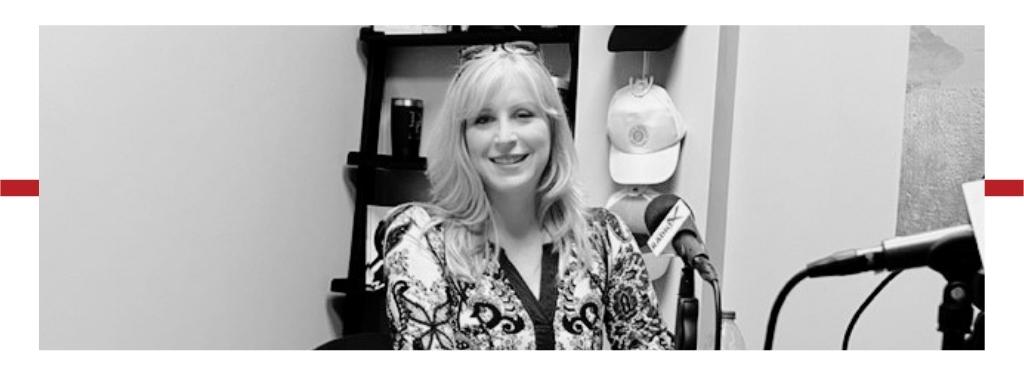
Celeste-Simmons-Big-Social-Marketing-bwCeleste Simmons started in marketing almost 20 years ago. She majored in Technical writing and English in college, and is a published author. She later attended “google university” to get certified in google ads.

She began her business, Big Social Marketing, 9 years ago. She plays an active role in all of the marketing campaigns. She and her staff create focused campaigns for clients on Facebook, LinkedIn, Google Business, YouTube, Twitter, Tic Tok and more.

Follow Big Social Marketing on LinkedIn and Facebook.

This transcript is machine transcribed by Sonix

TRANSCRIPT

Intro: [00:00:10] Broadcasting live from the Business RadioX studios in Woodstock, Georgia. It’s time for Cherokee Business Radio. Now, here’s your host.

Sharon Cline: [00:00:26] And welcome. It’s Friday at three, which means it is time to listen to Fearless Formula on Cherokee Radio X, where we talk about the ups and downs in the business world and offer words of wisdom for business success. I’m your host, Sharon Cline, and our guest in the studio today started in marketing almost 20 years ago, and she is a published author. She attended Google University to get certified in Google ads and she began her business big social marketing nine years ago. She and her staff create focused campaigns for clients on Facebook, LinkedIn, Google, business, YouTube, Twitter, TikTok, all the things. Please welcome Celeste Simmons to the show. Hello. Hello. Nice to meet.

Celeste Simmons : [00:01:08] You. Thank you for having me.

Sharon Cline: [00:01:09] You’re welcome. I appreciate you coming in. I didn’t know you could get certified. This is how little I know about marketing. You can get certified in Google ads. Can you tell me something about that?

Celeste Simmons : [00:01:19] So years ago when I first started, Google seminars came through Atlanta, and that was when I went. That was when I first went to their classes. But of course, now, like everything, it’s all online and you don’t even need to have much of a background in like website design and things like that. You can get Google certified. That class is very deep. The last time I took the test it was 150 questions on. It’s timed and they’re really difficult.

Intro: [00:01:47] You know, it’s.

Celeste Simmons : [00:01:48] It’s, it’s kind of a hard test but yeah that’s how you get certified. It’s it’s an online test. Do they have study guides on Google but it’s all about Google ads. It’s YouTube ads, it’s listing ads, things like that. All of the little Google products and especially now it’s changing because Google is changing. Google is changing all the time. It does updates all the time. So it’s it changes the questions year to year.

Sharon Cline: [00:02:13] Oh, my gosh. Do you remember a question? I mean, are we talking like metrics and things? There’s so much I don’t know.

Celeste Simmons : [00:02:19] Yes. A lot of metrics, a lot of analytics and try and it’s questions like how to determine if your campaigns are successful and then how to determine how to set up a campaign the right way, how to set up the budget correctly. So it’s it touches on all of those areas. It’s a lot of it’s a lot of analytics and tracking and things like that.

Sharon Cline: [00:02:41] Everyone think if I’m thinking Google, I’m just like, well, I need a plumber, you know? But I’m not thinking so much about how much behind the scenes is happening.

Celeste Simmons : [00:02:49] And yeah, are so many options now. And Google also updates, Google ads, the AdWords platform. So it’s it’s important. It’s an industry where I have to constantly stay up to date because nothing is the same. Even on Google AdWords from when I started almost ten years ago, the platform to design ads and to set up ads looks totally different than it did ten years ago.

Sharon Cline: [00:03:12] It’s like something I wanted to ask you about is like, what? What are the how has the industry changed? I mean, I’m sure it’s changing every minute. Like we were just talking a second ago before we went on air about tick tock and how how huge that is in terms of ads, too.

Celeste Simmons : [00:03:25] Yeah, tick tock is really shaking things up.

Intro: [00:03:27] That’s that’s a whole.

Celeste Simmons : [00:03:29] Nother subject with Google, for instance. So you YouTube is owned by Google and it purchased it years ago. But that’s one of the things like say that you want to do you want your product videos to appear on YouTube so that someone who’s searching for that widget or whatever, that the cooking product that you sell, that you want to put it on YouTube, you have to go through Google ads to set that up. So even if you do produce a video, you can tag it with keywords. But if you want it to be seen by people that are likely to buy your product, you have to you’re going to have to do a YouTube ad. And you you set that up through Google AdWords.

Sharon Cline: [00:04:06] So I was reading a little bit about this and how there are ways that you can do this apparently free, but it feels like if you’re really serious about your business, you need to invest a little bit, at least not even it’s not thousands of dollars, but I think you were even talking about hundreds of dollars in order to encourage these keywords to bring up your your business. How does that work?

Celeste Simmons : [00:04:29] Right. So there’s that’s kind of almost a difficult question to answer. So it determines it’s based on the fact it’s based on what do you sell and who your market is, that that’s the first determining factor of where do you need to be? If what you sell is a consumer product and it’s under $300, you might want to do Facebook and Instagram and maybe TOK ads that might be your niche and that might really work. But if what you sell is in the higher price point, you probably might want to focus on YouTube and Google ads, and you can also do Microsoft ads. But if what you sell is a higher price point, you have to cast a wider net and you’re going to have to put a little bit more dollars on it. You know, if what you sell is $1,500 or more, you’re going to you’re going to have to spend some money to advertise it, because you’re going to have to you’re going to have to find the people that have that kind of money to spend on the product. So it’s now there’s so many settings in Google. There’s so many, so many. I mean, you can do an ad for as little as 300. Dollars a month. People get scared about Google ads because the Google ads of ten years ago, that was when people would spend thousands accidentally because they didn’t know how to do it.

Celeste Simmons : [00:05:36] But you don’t have to do that anymore. When we set up Google ads, I can I can adjust it. Like if you just wanted your ads to show between two and 4 p.m. between Monday and Thursday, I can do it. No kidding. You just wanted, like, just certain phrases and keywords to be tagged according to your product of what you sell. Those are the keywords that you turned on. And then that way you can track what people are clicking on, and you can also track how many of those clicks are coming into a purchase. And that becomes analytics. There’s ads, but then you also get analytics, which is the tracking, and it kind of tells more about the buyer. I have one client who is he owns a body shop. And for him, his ads are his ads are on Google. But he wanted to do a very tight radius, as you can imagine, because if you’re in a body shop, that means you’re probably were just in an accident. Right? Right. So you probably don’t want to go with that without five miles of your home. So we had to set up a really tight radius and then we we tightened it up even more. We made it just within his business hours.

Celeste Simmons : [00:06:41] And then we went down again and he said, okay, I don’t want to spend more than 2000 months. So we set that budget up no more than 2000 a month. And then he also wanted to make sure that it was just specific phrases that people would click on. Now also, one of the funny things is I can track, I can set up the device. So with his ads, as you can imagine, people were finding him 99%. We found out we’re clicking on a mobile device. So we just didn’t even put any money on desktop units. We put we put it all on a mobile device. So his ads only show up within a five mile radius of a shop and on a mobile device. And because that’s where everybody was clicking, that was the highest conversion rate for him. So so things like that, it gets so specific. I mean, I can we can write the text, of course, we can pick the terms that people want to advertise on the time of day, the dollar amount. I mean, it just gets so deep. You Google will make you money based on how much you spend. It’s I always tell people the rule of thumb, it should return back to you about four times what you put in.

Sharon Cline: [00:07:49] Wow, that’s a lot.

Celeste Simmons : [00:07:51] Yeah. And Facebook ads is good, like I mentioned, for consumer ad products. But with Facebook ads now, Facebook ads cost less, but they’re also going to get a a smaller conversion rate. But they let’s say that you only have $100 to spend and you do have a consumer product. Well, you can put that $100 on Facebook ads and you’ll probably get you may get as much as 5 to $1000 back from your $100 spent.

Sharon Cline: [00:08:19] Do they have the same kind of analytics? Facebook?

Celeste Simmons : [00:08:24] Not really. Some of them are similar to what Google gives you. Facebook is is always it’s always riding Google’s coattails, in my opinion. I mean, Google Google just started earlier. They’re leaps and bounds ahead of Facebook. But Facebook is pretty good for the person that just wants to spend a little bit. If you just want to put your ads on Facebook and Instagram, which now you can join them together because of Facebook and meta Facebook meta put Instagram and Facebook business pages together. So now you can do kind of like two for one and you can get a wider audience cast out that way. But yeah, you can definitely limit your where you advertise to. You can limit to the types of people. If you’re if you’re a business owner and you’re trying to determine where should I put my money? The biggest determining factor of if you should do Facebook and Instagram ads or YouTube and Google is based on who is going to see your product. But the other thing about Google is that Facebook ads are run based on who is likely to purchase from you, who they’re on their behaviors, their purchasing behaviors and what they’ve looked at in the past. So in other words, they may not be looking right now. It’s just something that they’re likely to do. That’s how Facebook ads work. But Facebook ads are much cheaper. But Google ads, that person is currently on their phone. They’re currently in front of their computer. And they have just typed in that particular phrase that this person set up in their account. So Google ads will convert higher. That means they’re going to click to your website or they’re going to call more often, but it’s also going to be four times the price.

Sharon Cline: [00:10:03] Do you feel like there are people out there who, okay, let’s just take me because I have the smallest business on the planet. A voiceover business. Okay, let’s say I wanted to just do it myself. Like what are the mistakes that people tend to make? Like, I imagine I would want to come to you and say, I don’t know enough about human behavior and if people are looking for voiceover artists at two in the morning or whatever. So. How how what could how would you help me?

Celeste Simmons : [00:10:29] So I would even even as the smallest.

Intro: [00:10:32] Business in America, as you said.

Celeste Simmons : [00:10:35] I would tell you to not just only focus on social media. So social media is great. It’s a great springboard for when you’re just getting started and you don’t have much of a budget because, I mean, social media is free. You could be on all of them. Tik Tok, Pinterest, Twitter, Facebook. You can go across the board, which is great because the more social media sites are on, the higher likelihood that someone will find you. And then you have more opportunity to spread the word because people, you know, you have people that don’t like Facebook and they might be on LinkedIn. So you want to be on LinkedIn too, or they might be on Twitter because they think Facebook is annoying or whatever. So you want to make sure you’re on all of them. So that’s the number one tip is don’t just don’t just concentrate on just like Facebook and Instagram only make sure you spread out and other and now remember that that’s all organic. But remember that when it comes to be, to be and like for you, for instance, I would definitely say to be on LinkedIn and to focus some of what you do on LinkedIn, because that’s where the business owners are going to find you and that’s who your market is. And so I would really focus on B2B.

Sharon Cline: [00:11:41] Thank you.

Intro: [00:11:42] You’re welcome. It’s a free tip. Thanks for coming in.

Sharon Cline: [00:11:46] So what are some of the low cost marketing options for someone who’s a small business owner?

Celeste Simmons : [00:11:52] So they’re actually there’s a good bit of low cost, so you can still make free videos. So don’t forget about YouTube. To set up a YouTube channel is totally free. Now if you don’t want to have your face in a video and I know a lot of business owners are like, Oh, I don’t look good on camera. I don’t want to be on there because we hear that all the time. You can you can buy like stock video footage and you can make a stock video footage out of your product or service. You don’t have to be in the video. So remember that YouTube is free. The other free opportunities are like newsletters. If you have a newsletter list, just go through your email list, go through your list of connections on LinkedIn and then turn that into an email list and then use MailChimp or constant contact email. A newsletter list can be like $100 a month. I mean, and that, you know, that you can turn that into several sales per month every time you turn into a newsletter or you send it out. And then the other thing is also text messaging ads. Text messaging ads are really affordable. They’re very popular now. But if you have phone numbers, let’s say you don’t have a good list of emails that you’re confident in, but you do have client phone numbers from past appointments. You can use that phone number list. Let’s say you came up with 300 phone numbers and you want appointments for meetings or appointments for, let’s say, your massage therapist or something like that. You can send out a text alert and that’s only a few hundred dollars. The text messaging campaign is really, really affordable and it goes direct to people’s phones. So think about it. Those text messaging campaigns has a 96% open rate. Wow. Right. So, I mean, those get really good conversions. I really like text messaging campaigns for saving money as well as just getting appointments. It’s it’s a call to action ad every time because it’s it goes right to their phone.

Sharon Cline: [00:13:40] Wow. It’s it’s interesting to you. There’s this the aspect of it is human behavior, right? So I don’t think I’m learning right. And I’m like a baby in terms of marketing. I have not done much marketing of my own. Like I said, I always just hope people hire me and I’m so happy when they do. But the notion of looking at trends of how people behave, like you were saying, with people who would potentially have had a car accident, they’re on their phones immediately, probably next to their car. You know, how do I but it’s so smart to think this way. And so there’s such a human aspect to to business. Can you talk a little bit about what that’s like?

Celeste Simmons : [00:14:19] So we do try to consider like when somebody comes in and gives us a call, we do we always consider what type of business they’re in as well as what who their customer is, what age their customer is, and what kind of things where do they where does this customer shop? What are their activities? You know, if you are if you sell to the upper 5% income level, you have to go in places or market to places where those those type of people with that kind of income hang out. And so that’s a little bit tricky, like with Facebook ads, but that’s how it determines it’s based on their habits and their interests. So if they’re at the golf course, well, then that’s the one of the interests or the behaviors that you target if you’re trying to find maybe people with more income because what you sell is more expensive. If you’re trying let’s say you’re a consultant and your your perfect client is another business owner. Well, you would want to type that in like Facebook ads. You would want to make sure and pick that interest that they are interested in. Be to be and they have. They have their own business or they have a small business. Those are key words that you can find as far as picking Facebook ads. But based on, you know, we have a we have a like a questionnaire that we give all of our potential clients and we have them fill out the questionnaire so that we can figure out who is your perfect client, who is your perfect buyer. That way we can find out where they are because we don’t we don’t want to waste money either. And I know they don’t.

Sharon Cline: [00:15:51] Of course. Sure. Has there ever been a sort of a campaign that’s kind of surprised you, how well it’s done or how well it hasn’t done? I know that’s kind of an out of left field question, but I don’t assume I know answers anymore.

Intro: [00:16:05] Where.

Sharon Cline: [00:16:05] I can’t predict what I think is going to happen. Like I’m a lawyer and I’m going to ask you a question and you’re going to give me the answer. I think I know. I mean, I’ve been so surprised even just doing this show and having people answer in a way I just did not expect. So I’ve kind of opened my mind into just believing that I, I have just a very little bit of knowledge. I’ll do the best I can with where I’m putting my money, but I cannot predict how something can turn out great or not great. There’s only so much I can contrive, if that makes sense.

Celeste Simmons : [00:16:37] So I guess I have two examples of that. One, I had a customer one time that had her own line of cosmetics, and she specifically wanted to do Facebook ads. And it was it wasn’t it wasn’t an inexpensive cosmetic. It was it was a little upper price. So it was it ended up not being that great of a Facebook campaign because she picked her interest. Now, when we said, you know what, let’s try one more time, let us let us set up an Instagram ad for you and let me pick different cities, because she chose she was Internet based so she could go anywhere in the US, she could sell anywhere. So we chose the cities, we picked the interests. But that one surprised me. The Instagram ad did better for her on that particular face serum that she was selling. It was upper price, but she allowed us to help her rather than the customer coming in and saying, This is my client, this is where I want to go and this is what they like. I think her net was just too broad the first time. And so the second time when we did the Instagram ad, we spent less money, but we were very particular in what we chose to try to find that particular client for her. And the second one worked better.

Sharon Cline: [00:17:49] That’s so interesting.

Celeste Simmons : [00:17:50] Yeah. And that was a good lesson, I guess.

Sharon Cline: [00:17:53] How many clients come to you assuming they know how it goes, how it should go?

Celeste Simmons : [00:17:58] Most of them really ask for help. But this particular woman, she wasn’t new in business and she had done a Facebook ad in the past that did work. But the problem was she was comparing a Facebook ad that she she did for a $25 item. So when it came to doing a Facebook ad for the $300 item, that was different. That’s a different audience. And so that same audience that’s going to buy the $25 thing versus the $300 thing, that’s not necessarily the same people and they’re not necessarily in the same area. So we had to kind of fix that audience and those interests just because this was a higher price point, this was not going to be. She tried to use that same list that she did the first time so that those same people would buy again. But, you know, that doesn’t necessarily fit their budget because the people that she chose just didn’t line up with the $300 product. So we try to be particular with where we set it up and and how we set it up.

Sharon Cline: [00:18:55] Well, if you’re just joining us, I’m speaking with Celeste Simmons. She is owner of Big Social Marketing.

Intro: [00:19:00] How much? How? How?

Sharon Cline: [00:19:04] Gosh. Okay, here’s what I want to say. I get ads on Facebook and Instagram where I swear to you, I was just thinking about something I’m not and it has not gotten out of my mouth yet. And I hear comes in at how does that work? It just is the trends of the things that I like. If I’m a new homeowner, it’s going to assume I may need a new water heater at some point.

Intro: [00:19:28] No.

Sharon Cline: [00:19:28] How does it know I’m serious, though? Because I promise you I will not have spoken about anything. And all of a sudden something pops up where I’m like, Oh, my God, I was just going to look into this.

Intro: [00:19:37] Right.

Celeste Simmons : [00:19:38] So you have a lot of cookies on your computer as well as your phone, and there are these little tracking things. So even if you did click on a house and you’re not even looking for a house, it may show you that realtor ad next just because you clicked on a house. And so it tries, you know, Facebook gets paid big money for figuring out these interests. But again, it goes on interested things. Now, that’s where Facebook ads can be, can be a winner, but they also might be a loser. Let’s say that you were interested in like a piece of exercise equipment and but you were looking last week. And so now it comes up on your feed today. Well, you already ordered one last week, so Facebook doesn’t necessarily know when you’re done and you’ve already completed that purchase. Gotcha. So it just might keep showing you exercise equipment ads just because that’s what you were looking at a week ago.

Sharon Cline: [00:20:28] So, yeah, it’s funny. Amazon does that to me. I’ll buy like a blender and then they’re constantly asking me if I want another plant, but I just. Okay, thanks.

Celeste Simmons : [00:20:37] Sometimes they don’t know when to quit. Yeah.

Sharon Cline: [00:20:40] What do you think? I wanted to ask you, what do you think some of the biggest what is something that you are challenged by in in your in your business specifically? I guess I was trying to find a better way to say it, but like, what is the biggest challenge you experience?

Intro: [00:21:00] I guess I wasn’t even prepared for that question. Oh, no, that’s okay.

Celeste Simmons : [00:21:06] I guess the biggest challenge is to let’s say that we run a really good campaign for somebody, and it’s the first time they’ve ever used us. And then we just knock it out of the park and it’s great. And then they go, All right, that’s really great. Let’s do.

Intro: [00:21:22] It again.

Sharon Cline: [00:21:25] That would be terrifying for me.

Celeste Simmons : [00:21:28] Yeah, sometimes it is because I’m like, Man, they’re got.

Intro: [00:21:31] Really great results. How can I do this? How can I replicate it exactly.

Celeste Simmons : [00:21:35] So that becomes it. I guess that’s our constant strive here is just if we have something and we get great results, well, we want to do it again. So what we try to do is let’s say that we ran a great Instagram ad and we got really good results. Well, we might navigate over to Facebook so that we can try a different platform and get other results. Or we might go over to maybe YouTube ads and try to get those results there just from a different angle. But to try to mimic those results again, just to try to reach a different audience, but with the same kind of sales results.

Intro: [00:22:11] Wow.

Sharon Cline: [00:22:12] That must be an enormously daunting I mean, you can’t force someone to buy some something. But I also think I mean, there has to be you’ve got metrics behind the decisions that you’re making so you can back up why you’re doing what you’re doing. And I would imagine a client would understand why. I mean, that’s why they’re hiring you to do this.

Celeste Simmons : [00:22:33] Right? We always go through the metrics after the ad has run. And and of course, we have a long discussion before the we even set up ads to make sure that we get the interest right and the audience right. We we really try, you know, we don’t want to make any mistakes. Again, I don’t want to waste their money. And then, you know, Facebook also, they want their ads to work. So we just try to be we do. We set up as many specific things as we can. I’ll tell you one thing that we found recently. So I really am a good proponent of Google ads. I know that they work because I get tracking, I get analytics. But one of the things that I saw recently, we started doing Microsoft ads. Now Google has a little button on when you when you set up Google AdWords and it says, do you want to be on partner networks? And it’s just like a little switch. You turned it on and one of those partner networks would be being in Microsoft ads. But we never we always allowed Google to be on partner networks, but we never controlled it until just about six months ago where we started just doing Microsoft ads as well. Wow. Microsoft is still about 17 to 20% of the Internet search. And it’s still important to put a little bit of your budget. If you’re going to do Google ads, you should totally do Microsoft being ads as well. The platform is very similar, even if you think, well, I’m only getting 17 to 20% of that audience, but you’re getting it for a 10th of the price, 1/10 of the price. Wow. So that’s about the same cost as Facebook ads. But Microsoft also offers those tracking. So rather than just being on Google, I would say throw a little bit of the budget towards Microsoft also because it does offer that same tracking and it is getting customers over to those websites. We’re seeing that happen and it’s so much cheaper.

Sharon Cline: [00:24:22] Are you finding most people are using their phones? How how does that work statistically? Are they desktop or mobile phones mostly?

Celeste Simmons : [00:24:29] So it changes based on the business. Like if it’s a B2B based business, then it’s very desktop oriented. Then it’s it’s more like, let’s say 60% desktop if it’s a B to B business, like a professional item that they would have in an office or office building. If it is a consumer item, then it’s very it’s like 80% mobile devices. No way. And I have seen that change over the years. You know, when when mobile devices just became an everybody’s hand. I mean, I could I could almost log in every month and I would see the ratios going up and up and up. It’s almost I mean, 80% to 89%. It’s it’s really high. So Google allows you to gauge the money based on whatever device. If I just wanted the ad on a tablet, I could put it on a tab.

Intro: [00:25:15] I know. That’s amazing. I can’t believe that’s even an option, but it is.

Sharon Cline: [00:25:20] But I imagine that market is kind of smaller. Right.

Celeste Simmons : [00:25:23] And then people really and you know how I iPads were such the rage when they came out. Now people are just using their phones so much more. A tablet is just a blip on the radar. It’s just it’s in there. As far as your analytics of how many people are looking at your ads on a tablet versus a desktop versus versus a phone? But yeah, the phone is higher across the board, almost in every business, the mobile phones.

Sharon Cline: [00:25:49] What was it like prior to having Google or having that become such a huge part of marketing? What was it like? Before that. What were the main ways that you would mark it with people?

Celeste Simmons : [00:26:01] Oh, that’s a really good question. Blogs were the thing. If you remember in our industry, it was the big phrase content is king, and that came from blogs. It was all organic. With blogs. With blogs, that was a way that you could put in certain phrases that you wanted to be Google for. Now, blogs are still a thing. I’m not knocking blogs. We do them and we upload them for clients. But it’s not as important as just having your having all of your things spread out across the Web. That’s one thing. One big tip I would give business owners in particular is to not forget. You really do have to scatter the web with what you do. You want to be on all those social media platforms. You do want to blog. You do want to do Google ads or Microsoft ads just like you would diversify your financial portfolio. Think of that as what you would want to do for marketing. You don’t want to put all your eggs in one basket if you’re a business owner that really likes Facebook. So you love putting things on Facebook about, you know, like let’s say you have a t shirt shop and you put pictures of what you sell. That’s great. But don’t forget to put them also on Twitter and put them on LinkedIn and to put them on Tik Tok, because all of those things collectively help drive traffic to your website. Just don’t get stuck on just one or two platforms. You’ve got to scatter it across the web because Google sees that and Google, it’s almost like a point value that Google gives you for every social media site or every organic marketing like a blog, it gives you like a little point in your direction so it can give you more opportunities to bring the audience to your website. The more places that you’re on the web.

Sharon Cline: [00:27:43] The more you spend. Let’s say I do a search for a microphone, the more I spend. Does that does that bring up someone else’s ad above mine if they spent more money? So did I ask that correctly?

Celeste Simmons : [00:27:57] You did. So in other words, let’s say that somebody spends $500 on an ad and then your competition is spending $1,500. So the $500 ad is still going to show when the person with the $15 ad what they do. What Google does is it rotates spots. So it still gives the guy with the $500 budget an opportunity, but he may only have two chances a day where the guy who spent 4500 might have five chances a day. So that’s how it works. It just means that the $500 ads budget will run out, and that means his ad will be shown less.

Intro: [00:28:36] Got it.

Sharon Cline: [00:28:37] Did was your business affected by the pandemic at all?

Celeste Simmons : [00:28:42] It was. We did have some clients that just couldn’t afford to market anymore. Most of them just said, hey, you know, I don’t want to spend this much on Google anymore. Can you dial it back? Which that’s instantaneous. If you don’t want to spend whatever dollar amount you’re spending, you can turn it off, you can pause it or you can just dial back the numbers. That’s that can be done the minute you call. So most of them most of them said, I don’t want to cut it off. I just want to dial it back. Because if you just all of a sudden stop marketing, I mean, your your place on the web will fall if you just stop. Your voice has to be heard. It has to be put out on the Internet. Otherwise you will lose your place on the web. It will just kind of disappear. It’ll get covered up by other people.

Sharon Cline: [00:29:25] So it was financial?

Celeste Simmons : [00:29:26] Yeah, most of them were financial because they just couldn’t afford the big Google AdWords budgets. Or if they have consistent Facebook ads running, then they just said, Hey, you know what? Can we just pause this for a little while? And that’s true. I feel like everybody’s back. Almost everybody called us back. I had two people that closed. One of them was a restaurant they hated to lose. But, you know, restaurants had a particularly hard time. Yeah, but yeah, one of the benefits from the pandemic for us was that people were okay with letting us work from home. And whereas before we were we were we tried to go to the office 3 to 5 days a week so that we were there for people if they called. But now they’re okay with us working from home. Which, which I appreciate.

Intro: [00:30:13] I know.

Sharon Cline: [00:30:14] I had to, like, get dressed.

Intro: [00:30:15] Today. Right. I’m all spoiled.

Sharon Cline: [00:30:18] What do you think about the impact of advertising that’s on tick tock? Like people will say, oh, I just went to I did a whole at the makeup store and these are the things that I like and not like. Do you do you track any of that kind of impact?

Celeste Simmons : [00:30:32] So I really.

Intro: [00:30:33] I like to talk.

Celeste Simmons : [00:30:34] I think it’s crazy how that came out. You know, it was just that was also something that came out in the pandemic, you know, because we’re all home. Tick tock, tick tock just became crazy popular because we’re all on our.

Intro: [00:30:46] Phones because everybody nobody was working. No one wanted to talk to each other. Right.

Celeste Simmons : [00:30:51] So it just came it just became crazy popular. But yeah, that was something that I kind of hesitated to go, a market that I hesitated to go into. But we do have several clients on with tick tock campaigns. It’s affordable. I can say that it works based on what you sell, based on the price. Once again, I would you know, it’s one of the platforms that we might suggest, like I’ve got one client, they’re on tick tock, but they don’t sell their they have a very strict market because of what they sell is like they have to own the market in certain states. So I can’t advertise for them nationally. So we don’t put money on their TikTok videos and yet they’re still on TikTok. So there’s still ways around it. Like based on your your sales area, if you can’t be on TikTok, then you can still do it the freeway. You can still just get your name and they just put some videos out there and just see what happens. Yeah, they offer tracking also.

Sharon Cline: [00:31:49] They do. It feels like such a young market.

Celeste Simmons : [00:31:52] Tick tock. It is.

Sharon Cline: [00:31:54] Yeah. Although I see lots of people. Like some lady showed up on the TikTok that I don’t really officially have. It’s like the Facebook.

Intro: [00:32:00] Version of TikTok because I tried to.

Sharon Cline: [00:32:02] Get away from it and I loved it too much. So she talks about real estate and but but it’s kind of interesting because it’s like a the the notion is that I’m going to just give you a little snippet of what my life is and what I experienced today. And I can’t believe how much that influences the way I think, you know?

Celeste Simmons : [00:32:21] Yeah, yeah. Tick tock. I like hearing people’s opinions and people’s experiences from those different areas of work and from the different careers. I think it’s really interesting because it’s, you know, it’s like a day in the life.

Sharon Cline: [00:32:35] Yes, a day in the life. There is somebody that I just saw talking about the day in their life as being a trucker. And I was like, what is your life like? And the next thing you know, it’s been like minutes.

Intro: [00:32:43] It’s just one time. It pulls.

Celeste Simmons : [00:32:45] You in.

Sharon Cline: [00:32:46] It does. But it’s interesting, I think. And you do kind of see, like you said, a snippet of humanity a little bit. I know it’s kind of a you know, it’s not exactly. It’s like almost a little ad for what their life is like. Not everybody’s going to show every single aspect of their life, but I was wondering how important, like I saw a TikTok about a woman who was comparing different makeups, like the premium brand and then the kind that she got at Target or whatever. And I thought, Man, this is so powerful because people are really going to listen to this woman who doesn’t have a dog in this fight. She’s just curious. And then she’ll do either side of her face. Obviously, that’s what’s on my TikTok, right? It’s like makeup.

Intro: [00:33:22] Stuff.

Sharon Cline: [00:33:24] But, you know, those that’s like nothing that they’re not this company is not saying, please promote my my business, my product. They’re just she’s just genuinely going out. But I’m sure there are people who will promote a brand or something, right?

Celeste Simmons : [00:33:39] There are. And what gets me the most on TikTok is the ones that really are advertising. But you don’t know it first.

Sharon Cline: [00:33:46] Oh, I’m sure I’ve swallowed that whole thing whole like, oh, she’s not she doesn’t have a dog in the fight, but secretly she’s got like a huge bank account. I don’t know.

Celeste Simmons : [00:33:54] One that was circling and it was what’s the biggest scam on the Internet right now? And then it cuts to its insurance companies and this lady talks about car insurance. But if you look at the bottom and you look at who the account is, and then it was like auto brokers and you’re like, no.

Intro: [00:34:11] It’s a commercial.

Sharon Cline: [00:34:13] They’re sneaking it in.

Intro: [00:34:14] Exactly. So you have to.

Celeste Simmons : [00:34:16] Kind of look for who is doing it, because if it’s like a company, then, you know, I’m not saying it’s not authentic, but if you’re looking for the real, true, unbiased opinion, you always have to look at who who did the video.

Sharon Cline: [00:34:28] That’s interesting. I don’t do that. I just take everything.

Intro: [00:34:31] Fake like.

Sharon Cline: [00:34:32] My TikTok is going to blow up at this point with everything. So what do you think if someone out there is listening and they’ve really not considered doing using a marketing company to really help them with their social media? What would you recommend they do?

Celeste Simmons : [00:34:49] So I would say if you have I guess my rule of thumb is let’s say that you’ve got $500 a month to spend on marketing and you just don’t know what to do with it. I would say that’s room enough in your budget to find us a small business focused marketing company. Like you.

Intro: [00:35:07] Yeah, like.

Celeste Simmons : [00:35:08] You. Big social marketing could possibly.

Intro: [00:35:11] Yeah.

Celeste Simmons : [00:35:12] Shameless plug. So if you are if even even on a $500 budget, things can be done. It just. We just have to determine what’s best for you and your audience and what’s best for your budget. But if you’re firm on whatever dollar amount you want to spend, it can still be done. I mentioned the free stuff. Let’s say that you want to be on all the social media sites, but you just don’t have time to create that presents. Well, that’s where people can come in. That can help you. If you just hate posting on Facebook and you don’t even want to open it, you still need to be there and you still need a business presence. Let’s say that you did do those Google ads and you did bring in that audience. They’re likely going to check you out on social media to social media. May not. Influence them to purchase, but it may influence them to purchase later. So think about it like that. They’re just they’re going to do their background checks. If you look at the percentage of people that are looking at Google reviews and then how much that influences the purchase, it’s like 75%. What? Yeah, that’s.

Sharon Cline: [00:36:12] A huge percentage. So I can see how if you have a bad Google review, how impactful that could be as well.

Celeste Simmons : [00:36:18] Yeah, and I know that the bad reviews really make business owners mad. Sometimes there’s things that you can do about it and get it taken down. It just depends on what was said. But that’s also another almost ignored avenue of a free one that business owners can do is Google business. Your Google business page is tied to your Google Maps and that is tied to your reviews. So it’s very important for you to manage it because if you don’t, this stuff is just out there about you. You have to look at it and you need to be responding. You can also post on Google Business just like you do Facebook and it goes up on your Google Maps. People can see it. It’s on the web. So if you don’t post, then there’s nothing there. It’s just your map and your reviews. But if you fill that space in with, Here’s what we’re doing and here’s our latest sale, or here’s our latest update, then that little square will appear. If you don’t post there, then nothing is there.

Sharon Cline: [00:37:13] Interesting. It feels overwhelming when I think about it, but I know that that’s why you’re an expert with a with a Google Degree. Did they send you a certificate? I’m just.

Intro: [00:37:23] Curious. I have not done it for 2022. But yeah, they do send you a certificate like a graduation diploma.

Celeste Simmons : [00:37:33] Yes, they do. They they make those questions worth it.

Intro: [00:37:36] Well, it.

Sharon Cline: [00:37:37] Feels like, though, I would want an expert in my corner helping me. I wouldn’t want to waste my. I mean, every dollar I get, like, just such a gift.

Intro: [00:37:45] Right?

Celeste Simmons : [00:37:45] You know, and it is overwhelming because there’s so many marketing options. I mean, I’ll I will definitely agree. It’s hard to know what to do, but like some of them, certain business owners don’t need to bother with. Like if you don’t have if you’re not selling like retail consumer oriented products, you don’t you probably don’t need to be on Pinterest. If you’re a like if you’re a consultant, you don’t have to be on Pinterest, but you might want to be on LinkedIn probably. So. So and the same thing with Twitter. If you don’t really have anything that you feel like you can offer or you feel like you can’t say something of value within that short amount of spaces, because Twitter, you know, it’s just a couple of sentences and you have to you’re done. So if you can’t say anything of value in that short amount of space, well then go to Facebook and go to Instagram, go to LinkedIn. But yeah, and if you’re comfortable with videos, then you want to go to YouTube and Tik Tok and then of course Facebook and Instagram do videos too. Now all the networks are doing videos. So but that should also kind of speak volumes of how important video is. It’s just this beast is not going away. It’s just growing and growing. So even if you’re a business owner that hates being on video, you need to find a way to to get videos made.

Sharon Cline: [00:38:58] It’s interesting. I am supposed to be doing more like I even got a what is it, a little tripod that I can use with my phone and a selfie stick, which I never thought I would own for one second. And I mean, that was a goal of mine is even before this show to be able to do a little video and put it out there. But do I do it? That would be no, I don’t know what it is about it. It just feels so me. Look at me. And I don’t I don’t know why that bothers me so much, but because I’m not going to be able to compete.

Intro: [00:39:23] If you don’t look at me, I get it. I totally.

Celeste Simmons : [00:39:27] Get it. And, you know, maybe it’s just the mentality of we feel like it’s self centered and it’s self serving. So again, if you can’t do it, then make a video of images of you and then do a voiceover that’s.

Sharon Cline: [00:39:42] Okay.

Celeste Simmons : [00:39:43] For you. That way you don’t have to have an actual video, but if you have moving images or scrolling images, you sync it up with music and you sync it up with a voiceover. Nobody’s going to fuss about that. That’s excellent. So same thing for other business owners. If you just really don’t want to be on camera or you’re like, Gosh, I hate video of me, how about just this picture? Well, then you can use like a slideshow video, or you can take video footage of whatever you sell, or you can use stock video footage and then put it maybe with the last screen of you as the picture sitting at your desk with your logo or whatever.

Sharon Cline: [00:40:15] All photoshopped. Beautiful, right?

Celeste Simmons : [00:40:19] Yeah. You are in control of video, so you think of it that way rather than just going, Oh, I’m never going to do it. Never, never, never. Well, think about it in a different way. Think about what would it take to get you to do it.

Sharon Cline: [00:40:31] But you know what? I really appreciate these tips because it is a different world for marketing, especially for someone like me who’s older, who, you know, this is not my natural thought process is to take a picture of what I’m eating and talk about everything lots of people do, and that’s fine. It’s just not how my brain works. So I think I’m like really slow on the uptake of how to get myself. Thinking this way. So I really appreciate your coming in and giving serious tips on the best things for people to do to to help their businesses grow the way they want. And if people wanted to reach out to you and find more information about you, where can they go.

Celeste Simmons : [00:41:06] So you can email me directly? It is Celeste. Celeste at Big Social Marketing. Or feel free to check us out on the web at Big Social Marketing.

Intro: [00:41:19] Yay, Celeste.

Sharon Cline: [00:41:20] Thank you. I know we didn’t talk so much about fear today, but I’m afraid of social.

Intro: [00:41:24] Marketing, so that’s.

Sharon Cline: [00:41:26] The best thing I can.

Intro: [00:41:27] Come up with today.

Sharon Cline: [00:41:28] But you make me feel less afraid. So I really do appreciate your coming in and giving me some.

Intro: [00:41:33] I hope so.

Sharon Cline: [00:41:34] I hope lots of people out here listen to to just your wisdom. I mean, in your experience, it’s very valuable in this world.

Celeste Simmons : [00:41:41] Thank you. I appreciate.

Intro: [00:41:42] That. Sure.

Celeste Simmons : [00:41:43] And don’t be afraid of social media. There are no there’s really no rules. If it’s your channel, own it own what you want to say. And if you don’t want your picture on it, then just put other just put other things. Like you can make a picture out of a testimonial. You can make it just a really good product picture. There’s so many other options if you just don’t want to show your face, but it is important to be there and some capacity.

Intro: [00:42:09] All right.

Sharon Cline: [00:42:11] You’ve convinced me, at least for this minute.

Intro: [00:42:15] No, I.

Sharon Cline: [00:42:16] Really appreciate it. Thank you again for coming in. And thank you again for joining us on Fearless Formula. And this again, is Sharon Klein reminding you with knowledge and understanding, you and all of us can have a fearless formula. Have a great day. And we’re.

Intro: [00:42:41] All right. How was it?


Tagged With: Big Social Marketing

Barri Rafferty with C200

August 29, 2022 by angishields

Barri-Rafferty-C200
Cherokee Business Radio
Barri Rafferty with C200
Loading
00:00 /
RSS Feed
Share
Link
Embed

Download file

Barri-Rafferty-headshot-C200Barri Rafferty is a visionary and transformational leader, who was the first woman to run a top-five communications consultancy as CEO of Ketchum and led communications and brand management for Wells Fargo. She is currently serving as the interim CEO for C200, an organization dedicated to advancing women in business. Her superpower is being equal parts right brain and left brain.

Barri is a pioneering, creative thinker who is energized by innovation, and generates and champions big ideas that reshape markets, industries and brands. She always starts by listening, and leaning into analytics and measurement.

Barri is a tested, business builder who embraces and incorporates the newest tools and capabilities available such as digital, influencer and social in order to position businesses to capitalize on trends and engage customer loyalty. She possesses superior relationship-building skills with the ability to distill complex information, manage risk, persevere through challenges and act as a trusted team member to stakeholders while growing and scaling businesses of varied sizes.

As a confident, persuasive communicator with global public relations and brand expertise Barri has overseen internal and external communications, financial communications, government affairs, social impact, digital/social channels; product/service and enterprise brand campaigns, employer brand, corporate affairs, reputation management and change management. She leverages the intersection of storytelling, analytics, technology, and omni-channel campaigns.

Those who work for Barri say she is a motivational manager who marries empathy and accountability to create a learning environment that allows people to reach their full potential. She is recognized as a champion of diversity, equity and inclusion both professionally and through her philanthropic work. She is also an in-demand speaker who enjoys sharing her knowledge on marketing trends, reputation management, and unconscious bias in business having spoken at the World Economic Forum in Davos, TedExEast, Praxis (India) and the Women’s Leadership Global Forum. Barri is known as a collaborative, problem-solving senior executive who at Wells Fargo modernized their internal function while cutting costs, and simultaneously enhancing brand favorability and trust.

As Ketchum’s CEO, she transformed and repositioned an established agency to be better adapted to meet the needs and challenges of an omni-channel global marketplace. While leading the firm they shined creatively at Cannes winning 29 awards for 10 different clients in 2018. She has counseled clients in a broad range of categories from consumer products to tech, healthcare, retail and finance. She is an accomplished leader who serves on industry and non-profit boards, and who has been awarded for her management results and style.

Recent recognition since 2020 includes being named a Matrix honoree by New York Women in Communications, Outstanding Agency Professional of the Year by PRWeek, and named on Provoke’s Influence 100 List of influential in-house communicators. She is committed to bringing out the best in others and continually demonstrating her ability to successfully communicate findings, win supporters and move people and organizations to action.

Follow C200 on LinkedIn, Twitter and Instagram.

What You’ll Learn in This Episode

  • About C200
  • How C200 works with business leaders and entrepreneurs in the Atlanta area
  • How employees are feeling about workplace well-being right now
  • What empathy in the workplace looks like
  • Why it’s more important than ever to lead with empathy
  • How to build an empathetic workplace
  • How to tell if you’re feeling workplace burnout and ways to avoid or combat it
  • What companies can do to help people dealing with burnout

This transcript is machine transcribed by Sonix

TRANSCRIPT

Intro: [00:00:08] Broadcasting live from the Business RadioX studios in Atlanta, Georgia. It’s time for workplace wisdom, sharing insight, perspective and best practices for creating the planet’s best workplaces. Now here’s your host.

Stone Payton: [00:00:32] And welcome to another exciting and informative edition of Workplace Wisdom Stone Payton here with you this afternoon. This is going to be such a marvelous conversation. Please join me in welcoming to the broadcast with SI 200 to talk about the exec disconnect. Ms.. Barri Rafferty, how are you?

Barri Rafferty: [00:00:54] I’m doing great today. So nice to be here.

Stone Payton: [00:00:56] Well, it is a delight to have you on the show. I got a thousand questions. We won’t get to all of them, but perhaps it would be a good overview context for both me and the listeners to just learn a little bit about 200 mission purpose. What are you out there trying to do for folks?

Barri Rafferty: [00:01:14] Well, see, 200 is a global organization that’s comprised of successful women in business. And our goal is to help corporate leaders and entrepreneurs excel. And we want women to reach their full potential and to support one another and advance women in leadership. And there’s so much going on today where we all need additional support.

Stone Payton: [00:01:37] Well, it sounds like a noble pursuit to me. Got to know what is the back story? How in the world did you did you land here? Tell us a little bit about that path.

Barri Rafferty: [00:01:47] Well, I just recently became the interim CEO. I actually grew up in Atlanta. The first panel I ran was in Atlanta was for Ketchum, a global public relations firm there. I then became the CEO and then worked at Wells Fargo as head of Brand and Communications. So I’ve been on quite a journey and my passion the entire time has been to help support women reach the top echelons of companies. I was the first female CEO of a top five communications firm and have really always tried to help lift other women up.

Stone Payton: [00:02:24] To change the face of business by advancing women’s leadership in business, which those are not my words. I got that off of a little bit of pre-show research. Wow. What a lofty objective. Tell us a little bit about some of the things you’ve got in motion to to live into that.

Barri Rafferty: [00:02:43] Well, there’s some great programs. One actually is kicking off right now is what we call see ahead where this fall we’re taking women that are in operational roles but close to or have the potential to be at a C-suite in a company and creating an ongoing facilitation with them. We are going to have two days in person. They get to be mentored by a lot of our senior leaders. So if you go on and see 200 dot org a great chance to to join. And then we also have other programs called champion and Protege to support entrepreneurial businesses and help them. And we’ve done a lot of work in grants during COVID to help businesses continue to sustain and grow and scale.

Stone Payton: [00:03:28] Are you finding that people are embracing the idea of rallying around this, this set of purposes and trying to help you? Or do you find that it’s a sales and marketing job?

Barri Rafferty: [00:03:39] Well, the truth is there’s not a lot to sell because there’s so much need in the community. But we have a great roster of members. About 50% of our members are from the corporate side. Many are on corporate boards as well, and 50% are entrepreneurs. And so we leverage their networks. And also as a member network, we support each other. So we have a lot of programs for our members. And during the last two years, it’s really been a great time for us to support each other through a lot of the transitions, through some of the tough times and isolation. During COVID, we had our 200 sisters to rely on for advice, both professionally and personally.

Stone Payton: [00:04:21] So let’s talk a little bit about this topic. The disconnect and I think the assertion is that employees and leaders are not necessarily on the same page regarding well-being in the workplace. Can you speak to that a little bit?

Barri Rafferty: [00:04:35] Well, there’s a lot of research out there. When I’ll reference today is Deloitte that says 50% of employees right now are not feeling like executives care enough about their well-being. Yet, if you ask C-suite leaders, 90% of them feel they’re doing a lot of things to make employees happy. So there’s this real disconnect there of what does well being mean today, what is creating a culture of belonging. And as you can see in the time of the great quit, there’s a lot of work to be done to make sure that people want to not only come work for you, but want to stay and retained and be retained by companies.

Stone Payton: [00:05:16] As a leader, if I find this conversation, I attend a workshop or I just come across this topic and I think to myself, You know what? I need to pay attention to this. I’m trying to run this organization. I need to to learn more about it. Where do I start? Like, what do I do first?

Barri Rafferty: [00:05:34] Well, there’s so many great resources out there today, and there’s been a lot of studies for the past two years that have been done. But I would say, you know, a lot of work has to go in today to building an empathetic workplace. And that is changing in a lot of ways, right? I mean, when did we ever have terms like Return to work, which is a term I truthfully banned when I was working last year because the office. Right. We’ve all been working we’ve just been working differently. And from home, you know, there’s a lot of discussion. A lot of employees don’t necessarily want to go back to the office. And so what does it mean as you’re communicating what’s flexible, you know, and are people really able to be flexible? Are you creating something hybrid where you want them in certain times and certain days a week? So communication, understanding your employees needs and points of views is critical today. But also one of the things we’re seeing and one of the number one reasons people stay is because they really believe their manager cares. Their managers asking workers, how are you doing? What can we do to better create an environment that supports you both physically from where you want to work? But with all the mental health and mental wellbeing needs today to how do we fulfill that whole you right and create something that works for you both from a work and personal? And to be honest, I don’t know about you, but when I joined the course, no one really cared about my personal life to personal work life integration. I call it not even balance. Work life integration is a reality for people in terms of how they want to work and how they feel and how they deliver for you. And if we can figure that out, and companies can allow people to bring their full selves. To work and have that flexibility, then you see a huge difference in engagement.

Stone Payton: [00:07:29] What a practical, almost operational definition of empathy or illustration of empathy that you described. It seems so simple in retrospect after hearing you say it, but you mentioned asking the people, asking the person.

Barri Rafferty: [00:07:44] Yeah, why not? You know, it’s interesting. Empathy in many ways is a soft skill. And I remember as a female leader, sometimes it used to be seen as a negative. Right. And now it’s such a positive. Because empathy means you’re really listening to their feelings and their emotions and understanding the circumstances of people and all of that that encompasses them as a person. Right. So allowing them to bring their authentic self to work means having a better understanding of what leads to their productivity, what is going to make them feel more satisfied in the workplace, what’s going to help with their wellbeing and what’s going to make them want to stay? And I think that oftentimes we might ask the question, but we haven’t been willing to change the way we work or change our policies or even create more opportunities for supporting mental wellbeing and physical wellbeing in the workplace.

Stone Payton: [00:08:39] I have no doubt that a great deal of this was true when Matthew was collecting taxes and Paul was making tents and Jesus was doing keynotes. And in the same breath I got to ask is, is it even more important today because of it’s even more of an issue, you think, in today’s time?

Barri Rafferty: [00:09:00] Well, we’re seeing a huge amount of burnout today. I mean, 42% in a global study Qualtrics conducted said that people have experienced declines in mental health. There’s more anxiety, more stress, there’s new challenges working from home, right? These home and work lives intertwined. In some ways it’s easier, but in some ways it’s harder, right? It’s harder to leave the stress of work at work. And for many women in particular, it’s been even harder because they’ve been navigating, working from home, all the chores and things that they’ve had to keep and maintain the home and also supporting their children. I mean, whoever thought we’d have to be home educating our children in the last two years. Right. So so many things have put a lot more pressure on women that we’ve just seen. Also, a huge amount of women leave the workforce. And part of what I think executives and companies are going to have to do to really figure out how to fill all these roles is make it more compelling for them to come back. And that includes everything from pay equity to providing more flexibility to looking at women holistically and how do we support them.

Stone Payton: [00:10:12] This. This must be incredibly rewarding work. Very.

Barri Rafferty: [00:10:19] It is. You know, it’s I’ve always enjoyed leading profit centers and working as a CEO and as a senior executive. But I don’t think until the last couple years, I really realized how much work we still have to do in this area. I mean, pay equity for women is so not where it needs to be. The senior ranks are shifting very slowly. We see the numbers not really there creeping up, but not much. And, you know, the challenge of the last two years and the burnout is putting more pressure on women. So how do we help them and help leaders to really make shifts? And I think, you know, see, 200 is a group of members that really are committed to helping change the complexion of corporate America and the entrepreneurial companies and make it a better place for women to thrive as leaders.

Stone Payton: [00:11:16] So you’re speaking of C 200. I’m trying to envision and I am kind of painting a picture in my own head about what maybe happens. But groups of women who aspire to get better at this, groups of women who want to mentor others and grow themselves. You get together on a regular basis or you have events or some sort of platform for communication. Tell us a little bit about those aspects, if you would.

Barri Rafferty: [00:11:42] Yeah. So for those interested, you can go to see 200 dot org. But one of my favorite parts is actually regionally and by topic area. We have what we call councils and a council could be made of people that own family businesses or people that are entrepreneurs or people that work in New York City and want to connect in that way. But what I love about the councils is it really is a chance for us as leaders to be able to share challenges with each other, get support for some of our women that might want to get on boards or other things. There’s a lot of networking and opportunity, so it’s great for members to really support and help each other thrive. And then we have our mission programs that we talked about before, like see a hat and champion and protege that allow us to help the next generation of leaders really build their companies into large companies and become large owners within their companies. And our members are running $250 Million panels in a public company or $100 Million in a private company, or $25 million entrepreneurial built companies. So there’s so qualified to not only help each other, but help that next generation of senior women.

Stone Payton: [00:13:03] In just a moment, I have some questions around another topic that I know that you dive into in your work, that being burnout out. But before we go there, I wonder if we could leave our listeners with, you know, maybe like a I’ll call them pro tips, but just a few kind of tactical actionable things. So when I go home this afternoon and I and I tell Holly, my wife, Hey, I’m going to get a lot better at this empathy thing. And she’s of she goes like, Well, yeah, what are you going to do? I’d love to be able to say, Well, I’m going to do this, this and this starting now.

Barri Rafferty: [00:13:35] Well, I think one is prioritizing employee well-being and mental health. Right. We’ve got to do things that are going to make a difference. We talked about before really listening and showing you care, but it’s also creating true flexible schedules, know policies that support work life integration. But the other piece I tell everyone is to take care of yourself and put your own oxygen mask on first. And all of us as leaders, too, are combating burnout and trying to navigate the world that we live in today. And so really trying to for me, it’s morning rituals, you know, getting outside, taking short walks, some calendaring time for things that really energize me and managing your schedule in a way that does that. And I also think we’re talking about earlier the great quit or the great reshuffle, whatever you want to call it. And I also say to people, you know, really think about are you surrounding yourself in your current role or a new role with a supportive team in the workplace and with a corporate culture that allows you to thrive in a culture that creates belonging and brings out the best in you. So hopefully all of those tips you can take home and think about today.

Stone Payton: [00:14:50] Yeah, I think it’s a fantastic illustration, great imagery for me though, because I’ve spent some time on on an airplane in my career. Put put the oxygen mask on yourself first. That’s what they tell you, right?

Barri Rafferty: [00:15:04] Right. None of us are very good in day to day life and doing that. Right. We’re running and trying to keep up with that calendar and do a million things and, you know, our own energy. And physically we get tired and mentally get tired. And sometimes that’s when it’s harder to really listen and be empathetic and create that sense of culture and purpose that we need. So I often say every day, if you start with yourself as a leader and make that a priority, a lot of the other things will fall into place.

Stone Payton: [00:15:33] Oh, very well said. Okay. If you’re up for shifting gears just a little bit, I would love to talk a little bit about this this topic of of burnout.

Barri Rafferty: [00:15:44] Yeah. So I mean, we see it everywhere. And I mentioned before, you know, that it’s there is a huge amount of stress and fatigue. We are working from home, but we’re working different. We’re sitting a lot. There’s a heavy workload, there’s long hours and sometimes I don’t know about you, but you know, you wake up, your computer is right there if you’re working from home and your bedroom or your office nearby. So people are getting more attached to their computers. So I think part of this burnout is really thinking about prioritizing and compartmentalizing your responsibilities, you know, at home and at work. I’m really thinking about how do you keep those things as separate as you can, create buffers between them and be cognizant that a lot of people are experiencing. Still, even though we’re getting back out post COVID, we’re not in that same environment where there still is more social isolation and people need more support. So making sure that we are supporting them, connecting if you’re not in the office at all, trying to find ways to connect virtually and show people that sense of camaraderie and that that team is supporting them. And if you can, I think getting back into the workplace somewhat or collecting and connecting with colleagues is also really helping with some of that burnout to re-energize us and show a sense of forward purpose.

Stone Payton: [00:17:10] Well, and I can see right now, I believe I can see as a leader these two topics that we’ve been we’ve been touching on empathy and burnout. They can be so intertwined because, again, it’s incumbent upon the leader. I’m thinking, based on on hearing you talk to create an environment where it’s not only okay, but almost like a job critical responsibility to be willing to communicate to to the people around you. Hey, I think I’m feeling burnout or I’m feeling this way or you’ve got to you’ve got to make it safe enough to do that, right?

Barri Rafferty: [00:17:43] You’ve got to show your own vulnerability. That is part of empathy, is being honest with your people and yourself and authentic. I also often say to my leadership teams, you set the weather every day, and if you’re tired and stressed, people see it, they feel it, whether you’re on the phone or you’re on Zoom or you’re in person. So really making sure that you’re cognizant of the weather that you’re setting, of the culture that you’re creating and how you’re communicating with your people and how you’re giving them confidence in the future of the company and supporting them in their day to day routine all have a huge impact on who wants to work for you or are you somebody that’s going to be a talent magnet and are you somebody that people are going to want to work for and stay with and have high employee satisfaction? And those employee satisfaction scores can’t be undervalued today in terms of what it means to be effective as a leader in driving a company forward.

Stone Payton: [00:18:43] So I’m almost certain that part of this answer is your work because it just your your eyes light up and your voice lights up when you’re talking about it. It’s just a I think part of the answer to this question is doing your your work. And I’d love to know when you are beginning to feel a little bit drained or a little bit burned out, is there a where do you go for inspiration? And I don’t necessarily mean a physical place, you know, do you read do you do you talk to other people? Do you go kayaking? What do you do?

Barri Rafferty: [00:19:20] All of the above, to be honest with you, a lot of my female and male friends and colleagues and C200 sisters are a great part sometimes of lifting me up when I need that insertion of energy or advice. But I also love to go outside. That’s been a savior for me. Always is going on a little hike or a walk. My luckily I live near the sound and get out and see the water. So getting out into fresh air and moving and exercising a little bit always helps lift me up and I will say I’ve become a yoga kind of yogi. I don’t know how good I am at it, but I do that a lot in the morning. Now get up and kind of stretch and try to meditate. I’m not great at that at all either, but just giving some self my own time and quiet time sometimes to start the day and create a morning ritual has really helped me stay a little bit more grounded during all this.

Stone Payton: [00:20:12] Okay, I want to make sure that we leave our listeners with some ways to pick up this conversation, learn more, begin their journey, communicate what they’ve heard to, to other people. So I’d like to leave them with some points of contact, whatever you think is appropriate, whether it’s website, email, LinkedIn. But I just want to make sure that they can continue this conversation for themselves.

Barri Rafferty: [00:20:35] Yeah, so we’d love to have you come to see 200 dot org. Follow us on LinkedIn or on Instagram. We definitely are always providing tips and articles, have a blog and other things and get involved. Nominate someone for our C Ahead program. If you know someone or yourself, that’s an up and coming leader in a corporation. Learn more about our champion or protege or become a member of C 200 if you’re a senior executive because we’d love to bring you into the fold and help you continue to thrive and reach your goals in the workplace.

Stone Payton: [00:21:08] Well, Barry, it has been an absolute delight having you on the show. You’re doing such important work. I appreciate you. I know our listeners appreciate you. Please keep up the good work and let’s don’t be a stranger. I mean, I think it might be fun to as we continue to follow the work that you and the C200 are doing, it might be fun to maybe talk to some of your members, maybe, you know, some of the mentors in the system or when you’re doing a big event. But this has been informing, inspiring and just a marvelous way to invest a Thursday afternoon. Thanks so much for joining us.

Barri Rafferty: [00:21:45] Well, thanks so much. And I know we have a lot of members in the Atlanta area that would love to join. So let’s do.

Stone Payton: [00:21:51] That. All right. This is Stone Payton for our guest today, Barry Rafferty and everyone here at the Business RadioX family saying we’ll see you next time on workplace wisdom.


Tagged With: C200

Rome Floyd Chamber Small Business Spotlight – Carla Maton with American Red Cross of Northwest Georgia, Taesha Ward and Kandice Spivey with Visiting Nurse Health System, and Kelly Floyd with Suzuki Manufacturing

August 26, 2022 by angishields

RomeFloydChamber
Rome Business Radio
Rome Floyd Chamber Small Business Spotlight - Carla Maton with American Red Cross of Northwest Georgia, Taesha Ward and Kandice Spivey with Visiting Nurse Health System, and Kelly Floyd with Suzuki Manufacturing
Loading
00:00 /
RSS Feed
Share
Link
Embed

Download file

2022-=8-25 rome chamber pic 1 of 1

Tagged With: American Red Cross, American Red Cross of Northwest Georgia, Broad Street, Carla Maton, Georgia Red Cross, Hardy on Broad, Hardy Realty, Hardy Realty Studio, Kandice Spivey, Kelly Floyd, Rome Floyd Chamber, Rome Floyd Chamber of Commerce, Rome Floyd County Business, Rome Floyd Small Business Spotlight, Rome News Tribune, Suzuki Manufacturing, Taesha Ward, Visiting Nurse Health System

Author and Marketing Coach Jo Ann Herold

August 26, 2022 by angishields

Jo-Ann-Herold
Cherokee Business Radio
Author and Marketing Coach Jo Ann Herold
Loading
00:00 /
RSS Feed
Share
Link
Embed

Download file

Sponsored by Business RadioX ® Main Street Warriors

Jo-Ann-Herold-HeadshotJo Ann Herold, Author of Living On A Smile: 16 Ways to Live a Big Life and Lead with Love,  is a purpose-driven executive and brings more than 25 years of marketing experience. She has a long track record of delivering financial results and award-winning marketing programs that build sales and profitability for iconic brands in the B2B and B2C space.

She has served as the Chief Marketing Officer for The Honey Baked Ham Company, LLC twice. Prior to Honey Baked Ham, she was the Chief Marketing Officer for Interface, Inc., where she globalized the marketing team and brought forth a highly effective, integrated marketing approach resulting in five consecutive quarters of record financial performance. Prior to Interface, she was Vice President of Brand Marketing and Public Relations at Arby’s Restaurant Group resulting in a brand turnaround and 13 quarters of same sale growth. She also has owned her own marketing firm.

Jo Ann has an MBA in International Business from Mercer University in Atlanta, and an undergraduate degree in Communication from Mississippi State University. She is an adjunct professor at Mercer University and Georgia State University. A passionate community volunteer and served as Vice Chair of the Arby’s Foundation, whose mission is to end childhood hunger. She serves on the Executive Board of the Atlanta Convention and Visitors Bureau and served as the Board Chair.

Her work has been lauded by industry and community groups including the National Diversity Council’s Most Powerful and Influential women, two AMY Awards from the American Marketing Association. She was recently the recipient of the Atlanta AMA’s Lifetime Achievement award and the CMO Club’s President’s Circle Award.

Connect with Jo Ann on LinkedIn.

This transcript is machine transcribed by Sonix

TRANSCRIPT

Intro: [00:00:07] Broadcasting live from the Business RadioX studios in Woodstock, Georgia. Welcome to Women in Business, where we celebrate influential women making a difference in our community. Now here’s your host.

Stone Payton: [00:00:30] Welcome to another exciting and informative edition of Women in Business. Stone Payton here with you this afternoon. You guys are in for such a real treat. Please join me in welcoming to the broadcast educator, executive and author of Living on a Smile. Ms.. Joanne Harold, how are you?

Jo Ann Herold: [00:00:51] I’m doing great. How are you?

Stone Payton: [00:00:53] Stone Oh, I am doing well. Really been looking forward to this conversation and diving in to some of the specifics around this book. But before we go there, how about a little bit of backstory? Tell us a little bit about your your path to to where you are now.

Jo Ann Herold: [00:01:11] So I never imagined when I started as a star at McDonald’s and a star is a store area representative, and I wore the Hamburglar costume and gave birthday parties at McDonald’s that that would lead into a lifelong career of marketing and working in restaurants and retail and for brands that that early job as a 16 year old would lead into such an awesome career.

Stone Payton: [00:01:48] Well, we are so delighted to have someone of your experience here. And you have you’ve contributed substantially to a couple of little companies some of us may recognize. I know one that leapt off of the page for me is honey baked ham, because there is a honey baked ham at every patent affair, whether it’s a birthday, an anniversary, or just an excuse to get together. There’s going to be a honey bake tab there. And I know you’ve had an opportunity to do some stuff for for Arby’s. And I my my instincts are that you leaned on on some of that life experience in what you learned there as you began to commit some of these ideas to the paper and bring this book together. Yeah.

Jo Ann Herold: [00:02:35] Yeah. So, honey, Vietnam is awesome. I love the company, the brand, the values, the people. It’s a beloved brand that brings everybody together. So got the good fortune to work for them twice as their CMO. And before that was, you mentioned at Arby’s Restaurant Group where I got to lead brand marketing and also was the vice chairman of the our guest chairwoman of the Arby’s Foundation and then also served for a very purpose driven company called Interface, which is located here in Atlanta, but a global company that’s filled with purpose and sells beautiful, beautiful carpet tiles.

Stone Payton: [00:03:26] And do you find yourself in the classroom from time to time at a couple of different institutions, sharing some insights and facilitating those conversations as well. So you really are an educator, too? Yeah.

Jo Ann Herold: [00:03:38] Yeah. So I’m super excited. I’m doing work with Georgia State and love working with them. I’m co-leading or working with a partner. Dr. Dennis Shaw on the Georgia State Chief Marketing Officer Roundtable. But also I’m about to launch into teaching with them and teaching their executive MBAs. But I’ve three of the years I’ve been a teacher as an adjunct for almost 20 years, so super excited to work with Georgia State in this capacity.

Stone Payton: [00:04:16] All right. So let’s talk about this book. It’s living on a smile. 16 Ways to Live a Big Life and Lead With Love. First question, what compelled you was was there a catalytic event that said, okay, it’s time I got to put this thing to together? What was that that thing that nudged you to actually get it done, you think?

Jo Ann Herold: [00:04:39] So I’ve had the idea probably since I was seven years old, to write a book and have kept journals and notes. And but the catalyst was during the pandemic. I’ve got a really good friend who’s actually owns the publishing company. His name is Jeff Haislmaier, and he was about to write his fourth book and encourage me while he was writing his fourth book to for us to be collaboration partners. So I wrote my book while he was writing his fourth book, and we would every day text and how many words did you write? And so it was a great way to get the ideas onto paper and then get it written and then edited and then published and launched. So the writing, the book is one part of the marathon. And as you know, I know you’ve written a book also. It’s also the editing publishing. No marketing. So that’s other sprints of the marathon?

Stone Payton: [00:05:54] Absolutely. Okay. So 16 ways, can you share a few of them with us and maybe dive into one and give us some some context for some of this this info.

Jo Ann Herold: [00:06:04] So after each chapter it. I do have a field guide or a workbook, but it really is for the the reader a way to articulate your purpose, mission, values, goals, strengths, and also ways. So part of it’s autobiographical and talks about family and friends and experiences that have happened. But it gives the the reader ways and tips that I’ve learned from mentors and families and family and friends on ways to live a big life and lead with love.

Stone Payton: [00:06:54] Well, I’d like to dive into that one a little bit. It’s a big topic. It sounds like a noble pursuit. I don’t know that there’s anyone in a position of having responsibility for generating results with and through other people that wouldn’t want to be known as someone who would lead with love. But can you speak to that concept specifically a little bit?

Jo Ann Herold: [00:07:17] Absolutely. So as a marketer and a business person, everything that I did as a marketer would need to be executed through a field organization or a team. And so for me, in order to be successful and make sure the company was successful, I needed to to lead with love. And leading with love in that regard is making sure that any ideas and programs were vetted, that they were thought through from all areas, not only a marketing perspective, but supply chain operations, the field teams, so that it was easy to execute in the hospitality business. So much of it is when a guest comes into a store or buys the product, they’re coming for a happy occasion. So it’s it’s also making sure the programs and the culture embody what we’re trying to achieve. So and then another part is, is really just being kind and doing things for others and being service oriented and a servant leader, you know, with in business.

Stone Payton: [00:08:49] So. So when you were putting this thing together, were there parts of the book that just came together super easy and like, Yeah, I just got to get this out. I got, I got, I got to get this written down. And then other parts that you really struggled with and it took some time to get it like you wanted it.

Jo Ann Herold: [00:09:05] Yeah. I mean, I put together a good outline, I think. And some days the, the words would just flow and it was easy and 3 hours would go by. And I couldn’t believe how fast the time flew. And so that that’s around passion and purpose and vision. When I would get stuck, I would call my friend Jeff Hilmer, who I mentioned, and we would brainstorm for a minute, and then it helped in other ways, get the ideas onto paper and made it easier to flow. So. So there were definitely places where I get stuck. I tried to write every single day, and I still do write every single day. I’m not at this moment writing another book, but that just that practice made things a little bit easier.

Stone Payton: [00:10:11] So something like and these are my words, not yours, I don’t think. But like living into your purpose, identifying your purpose, trying to get that figured out. I mean, that can be real challenging for some of us, I think. Why do you think that that is so challenging or is that consistent with your experience? Do a lot of people find themselves challenged when they’re when they’re trying to really nail that and get it isolated?

Jo Ann Herold: [00:10:35] I think time is putting aside the time to do it. I think it’s having a good framework in order to do it. And in the book, I give a framework. It’s also iterative as far as for me, the the purpose and the missions stay the same, but my goals may change based on things I’ve learned and new ideas. So I’m always iterating and updating the goal part of the my purpose.

Stone Payton: [00:11:20] Yeah. I would think that that. And I wonder if from time to time when people are doing that as they should be, if they don’t sometimes get the sense that they’re that they’re getting off track. But that’s not really necessarily the case. It’s part of the process, right?

Jo Ann Herold: [00:11:36] It is. I a couple of years ago, I decided I want it to be just a great tennis player, even though I’ve never played. And I took lessons and I wasn’t so great. So. So now I’m. I’m back taking lessons, and I want to learn how to play tennis. I don’t think I’ll ever be a great tennis player, but I’m also thinking maybe pickleball might be more my speed.

Stone Payton: [00:12:06] There you go. So the whole sales and marketing, I guess, are the right words. What is that been like trying to because the book’s not been out that long, right. As we speak today. How long has it been out?

Jo Ann Herold: [00:12:19] It’s been out about three weeks.

Stone Payton: [00:12:20] Yeah. So it’s just now getting out there. So, yeah, you’ve put a lot of energy, I’m sure. Time and time and energy and blood and sweat is. What’s that been like for you? Promoting the book and trying to get it into the hands of people.

Jo Ann Herold: [00:12:35] That has been fun. I. And this is one where I have to thank my friend groups circle people in the posse who have helped me along the way. The book has done really well. It’s I think it was a number one bestseller in a couple categories. And it’s it’s still doing really well. So and that’s because of. The people in my circle.

Stone Payton: [00:13:15] Well, that is fantastic. Okay. So let’s take advantage of the fact that we’ve got you the author right here with us live. And let’s say I have a copy of the book in front of me. I’m excited about it. And thank goodness I know Joanne. So I write her up and I say, okay, Joanne, I’m about to sit down with this thing. Help me out with some some pro tips or some pointers on how to get the most out of the book so that it has some genuine and lasting impact for me. What’s the best way to approach the book mindset activities? Yeah, like that.

Jo Ann Herold: [00:13:50] Yeah. I mentioned it really was designed to be reflective and for the reader to have the opportunity to take a pause. So after each chapter, there’s ways that the reader can can write their own purpose, mission, values. And so I would recommend and I wrote it for that purpose so that the reader would walk away with their own kind of guide book as far as. Leading a big life and leading with love.

Stone Payton: [00:14:32] Okay. So let’s let’s talk about me a little bit. You know, it’s my show. So I got I have an opportunity to lead a few folks in our organization, the Business Radio Network, and I’m part of a mastermind. Is this the kind of book? Because it certainly sounds like maybe it is that that we could in each of those contexts that we might be able to utilize the book, maybe do some individual work, come together and and have some some pointed and focused conversation on some different aspects of of the work. Is that a viable way?

Jo Ann Herold: [00:15:10] That is exactly what it was designed for.

Stone Payton: [00:15:14] Okay. Yeah. I mean that would that would be fantastic to. So if you’ve got if you’ve got a team and do a little bit of individual work, then come back. Talk it through. And I think you said early in the conversation you have some sort of like a workbook or field guide that accompanies this to to help facilitate that.

Jo Ann Herold: [00:15:34] Yeah. It’s after each chapter, there is a way that the the reader can take the examples and translate it into their own self.

Stone Payton: [00:15:48] I love it. And the the vision. Speaking of purpose and vision, do you envision leveraging this book and the work around it into doing things in in other formats like, I don’t know, events, workshops, supporting different ecosystems in communities? Do you do you think you might go in that direction with this? Yes.

Jo Ann Herold: [00:16:18] Absolutely. I as I was writing it, the person I had in mind was a 30 to 40 year old exec. And in any field who’s juggling a busy life, who wants a life that’s filled with purpose and passion, and ultimately I’d love to teach and coach and use this in workshops, and that’s been working out so far. I had a lot of people who bought it and read it who are giving it to their daughters, which to me is the highest compliment I could receive.

Stone Payton: [00:17:08] Absolutely. Well, I can I kind of come from the training and consulting world. And I got to tell you, my instincts are just based on on this conversation and some of the topics that you’ve touched on. I think this is this is marvelous content that can be used as a catalyst for learning to challenge people’s thinking to to have them, you know, have some genuine dialog around this and make some decisions about, you know, maybe some shifts that they may want to make and goals or habits. And then in that group environment, you know, perhaps there’s some real value and what’s the right thing like holding each other a little bit of accountable for what they say they’re going to do. This this just it strikes me as incredibly rewarding work.

Jo Ann Herold: [00:17:55] It? It is. And my favorite part of being a leader is. The team and watching the team grow. And so the book was. Really a gift to the people who helped me along the way and to thank them, but also hopefully a gift to people who are coming up and growing their career and family and just, you know, again, just trying to live a happy and positive, productive and purposeful life.

Stone Payton: [00:18:34] In just a moment. Before we wrap, I’m going to make sure that folks know how to get their hands on the book and know how to reach out to to you or someone on your team if they want to possibly engage you, you know, to do you know, to do some speaking work or workshop work. But in the space between someone hearing this conversation and taking one of those steps, I’d love to leave them if we could with, I don’t know, a pro tip or two just things. We if this is something that really does interest us and we think we want to begin exploring some of these topics, you know, a pro tip, an actionable kind of thing that maybe we ought to try to do today or this afternoon or not do. Could we leave them with an idea or two just to start, stimulate their thinking and inform future conversations and kind of get them warmed up and prepped to get the most out of the book?

Jo Ann Herold: [00:19:30] Yeah. Something I do every day. I wake up and I think about the best possible outcome and. You know, it’s it’s easy sometimes to start thinking, oh, gosh, I’ve got to do this or that. So I’ve trained my brain to just be positive and to make it a great day. So that would be. My tip and then going back to to my purpose, which is to lead with love and try to do something kind. Every day.

Stone Payton: [00:20:09] I love it. All right, so where can we get our hands on this book? Let’s make sure we make that easy for our folks to do. And then let’s do leave them with some sort of point of contact, whatever you think is appropriate, whether it’s a LinkedIn or an email or a website or what have you. I just want to make sure that people can stay connected and and pursue this to their heart’s desire.

Jo Ann Herold: [00:20:33] So thanks. The book is available on Amazon and it’s Living on a Smile. And I’m Joanne Harrold so it’s and I’ll next LinkedIn is the best way it’s tied right to my email but if you want to email me directly, it’s Joanne Harrold and it’s Joanne in HDR old 1107 at gmail.com.

Stone Payton: [00:21:04] Well, Joanne, it has been an absolute delight having you on the show this afternoon. You are doing such important work. I appreciate you. I know our listeners appreciate you. Please keep it up and don’t be a stranger. You know, maybe there’s some wisdom in us sort of circling back around periodically and following your story. It might even be fun to speak with with you and an inspired reader sometime or an inspired workshop participant. So this has been fantastic. Thank you so much for joining us.

Jo Ann Herold: [00:21:36] Oh, thank you so much. It’s been such a privilege and a pleasure to be here today. Thank you.

Stone Payton: [00:21:42] All right. This is Stone Payton for our guest today, Joanne Harrold, author of Living on a Smile and everyone here at the Business RadioX family saying, we’ll see you next time on Women in Business.


Tagged With: Jo Ann Herold

Eric Mendelsohn with Transworld Business Advisors

August 25, 2022 by angishields

Eric-Mendelsohn-with-Transworld-Business-Advisors
Buy a Business Near Me
Eric Mendelsohn with Transworld Business Advisors
Loading
00:00 /
RSS Feed
Share
Link
Embed

Download file

Eric-Mendelsohn-with-Transworld-Business-Advisors-headshotA native New Yorker, Eric Mendelsohn understands the importance of working with an agent whose negotiating expertise and thoughtfulness puts his clients at an advantage during every step of negotiations.

Eric’s success can be attributed to his honesty, reliability, and ability to connect on a deep level with his client’s needs. Eric finds particular enjoyment in offering outstanding customer service, along with his Transworld Business Advisors support team of industry veterans who are highly connected and well-regarded industry-wide.

Business owners rely on Eric’s sharp market innovative marketing to secure the most highly qualified clients quickly and at the best price. Eric also brings to the table a roster of best-in-class service providers including attorneys, CPA’s and financial advisors. Eric had a seamless transition to small business advisory with over 300 successfully closed sales and rentals within Residential Real Estate.

Prior to a career in real estate, Eric spent five and a half years at a major investment bank where he held positions in client valuations, financial analysis and project management, Eric holds a BA in Marketing from the University of Wisconsin and an MBA from Emory University.

Connect with Eric on LinkedIn, Facebook and Instagram.

This transcript is machine transcribed by Sonix 

TRANSCRIPT

Intro: [00:00:07] Broadcasting live from the Business RadioX studios in Atlanta, Georgia. It’s time for Buy a Business Near Me, brought to you by the Business RadioX Ambassador Program, helping business brokers sell more local businesses. Now here’s your host.

Stone Payton: [00:00:32] Welcome to another exciting and informative edition of Buy a Business Near Me. Stone Payton here with you this afternoon. You guys are in for a real treat. Please join me in welcoming to the broadcast with Transworld Business Advisors. Mr. Eric Mendelsohn Good afternoon, sir.

Eric Mendelsohn: [00:00:52] Thank you, Stone. Pleasure to be here.

Stone Payton: [00:00:54] Well, we’re glad to have you on the show. Man where are you calling in from today?

Eric Mendelsohn: [00:00:58] I am in the Big Apple, New York City.

Stone Payton: [00:01:02] All right. So tell us a little bit before we dive into deep, can you give us sort of a State of the Union man? What’s what’s what’s the arena like right now?

Eric Mendelsohn: [00:01:13] Yeah. So I am a business broker with travel business advisors. We are the largest business brokerage, so we’ve access to a lot of great data out there. What’s going on in the current market as far as the main street and lower mid-market. So we’re seeing a lot of activity right now out there. It’s busy. I know the amount of closings we’re having as a firm is up by over 33% compared to this time last year. We have a lot of deals right now that are going into contract. A lot of intense out there. You know, last year was also a very good year for activity. But even more so based upon where I am here in the New York City region, we were certainly impacted very hard by COVID and by the crime wave last winter. And so that’s certainly took a bite out of the business sales market. But now, for the first time in a long time, we seem to be past COVID, which is great, and businesses are really selling and people are getting turned off to real estate due to the high rates and they want to buy business instead. So it’s it’s a great time for someone to want to sell their business.

Stone Payton: [00:02:37] So is getting ready to sell a business or selling a business getting any easier? And maybe I guess that sort of tells you that that in my mind, there’s a lot to it.

Eric Mendelsohn: [00:02:50] Right? Well, the word easier, I think that that’s not maybe the best word for it. I think that if a business owner is prepared and well educated, we have a lot of data about exactly where a business should be priced. And if you price a well, you price it to be sold in a business where there’s lots of buyers for for example, carwash is a very hot liquor. Stores are always very hot and they do manufacturing. It’s a hot business. Anything medical related. So you price a business one of those industries, well, it’s going to sell. And so it’s just letting the business owner know in education about where exactly their business should be priced in order for it to sell.

Stone Payton: [00:03:44] So what’s your back story, man? How did you get into this line of work?

Eric Mendelsohn: [00:03:48] Yes. So I mean, that’s a good question. It’s a bit of a long story, but I’ll give you the short answer. So my first career wasn’t in financial services. I was working for an investment bank, and after that I went back to graduate school, got my MBA, and then I came out of graduate school and I just couldn’t find a job. It was after the 2008 recession, and so I started doing residential real estate part time, and I saw that I liked it. I saw that I enjoyed sales, and I started doing that full time and really being here in Manhattan, New York City, you either learn the business very fast or you don’t. And you’re getting such high pass fail rate of people who can actually make it and make it a career. And so for nine years straight, I did residential real estate full time and that really gave me all that sell expertise, really honed my skills in marketing and sales and in 2018, 2019 start to become a very tough real estate market. And so I was just trying to look for other opportunities to make myself more diverse. And I heard the term business broker and I’m like, What’s that? And the more I heard about it, the more I thought that, Wow, this is something I can really excel at. Because in order to be successful at this, you need to do two things. First of all, be very good at sales. Second thing, I’m have very good business financial acumen, which is certainly what I have for my first career. So if you have both of those things, I think in business sales you’ll be a home run. And I just decided to branch out a couple of years ago and I sold this company called Transworld, and they were the biggest business, biggest business brokerage out there. And I said, All right, let me give them a try. And I was also very pleased about the education they give to new agents. So that’s what made me start this career.

Stone Payton: [00:05:47] All right. So walk us through the process, if you would. Broad strokes any way, and I’ll give you an example or you can pick a different one. But I own 40% of a company, the business radio network. My business partner owns the other 60%. If we were to reach out to you and we said, Hey, we’re ready to exit on this thing, what are what are some major steps in the in the process that you would kind of help us walk through?

Eric Mendelsohn: [00:06:13] Sure. So there are, of course, a number of areas, I think, that business owners make and then rehearse them when it comes time for a sale. First of all, if the business is really the owner, maybe you have your name attached to the business, could be maybe Smith Burgers and you know, you’re the you’re in charge of the burger shop, for example. It really hurts the sale because buyers say, Oh, how can I replicate what that owner is doing? And they say, well, there’s no way possible. And then if a buyer feels that, they’re going to say, Well, the business is not worth the amount of money, you’re asking for it. So it’s as I say, a good rule of thumb is what happens to the business if you’re away for a week, if you’re work for two weeks, does the business crumble? Do you have to be on your phone all day or can the business run effectively with you away? If it can, then that’s great. So ideally you want to really have some sort of manager in place. There was going to stay after the sale. That really adds comfort to buyers. So that’s the first major step that I would take. The second major step is you want to have really great books and records. That means all the cash is on the books. That means you’re documenting everything. So a lot of time. A business owner will charge personal expenses to the business. It’s called an add back. So basically we add that back because basically the reason why business owners do that is they want to they want to maximize their deductions on their on their return. So. You want to make sure that those those are valid add backs when it comes up to sell the business. So you want to have everything documented. So maybe you charge yourself into the business, maybe you charge some parking or tolls or gas or your health insurance. So all of that you want to document. So it’s very important to have really great documentation.

Stone Payton: [00:08:28] Well, that first thing you said about being away in the business still run effectively. Those are very encouraging words for me because it seems like every time I step away, everything just clicks. It does better. I should go on vacation more often, but I know it makes a lot of sense. Benefits. If it’s so heavily dependent on the individual, then yeah, it makes sense that that would definitely impact the market value. I think I know the answer to this, but I’m going to ask it anyway. Do you find that at least initially, often business owners have an inflated sense of the actual market value of their enterprise?

Eric Mendelsohn: [00:09:06] Yes. So great question. And I would say yes, I would say pretty much 90% of business owners have that perception. And that is why you see the results that basically less than one in five businesses posted for sale nationally actually sell. And that’s staggering. I think it’s about 17% is the official number that I’ve seen quoted. And the reason for that is because whether it is trying to sell the business on their own or they hire a broker, if they’re hiring a broker, the broker is not giving them the right information, the right education about where the business should be sold. And that’s the thing that I do that I bring to the table. And that’s why we sell businesses and get them sold. Not just list is because we have those numbers and that’s what we present to a seller when we are going to beat them.

Stone Payton: [00:10:05] So what I’m envisioning here, and maybe you have it all in house, or maybe you just have this really tight network of best in class advisors. But I’m envisioning you as almost like the quarterback of my cell team. So like you would bring in someone that can do valuation, the CPA type person, is that is that accurate or is it how does that piece were?

Eric Mendelsohn: [00:10:27] Yes. So I do refer to myself as the broker, as being the quarterback of the deal. I need to certainly read the deal to where it needs to go. We need to be the seller to where they want to go. And we need to basically be the CPA or the attorney to make sure get everyone onto the same page when obstacles happen or could be. Also, the lender to lenders are obviously involved in a lot of our deals also. So that’s kind of how we kind of lead read the deal. But yes, we are, I would say essentially the quarterback of the transaction.

Stone Payton: [00:11:05] So yeah, talk a little bit about not just lending but this, this, this whole idea of structuring the deal because I’m beginning to learn because I’ve now done a few of these interviews with people in your general space. It’s you can get kind of creative. There’s there’s more than one way to structure a deal, right?

Eric Mendelsohn: [00:11:25] Correct. So a few ways a deal gets done. First of all, a deal can get done all cash. Obviously, sellers love that. But actually very few of our deals get done on cash because less buyers can afford to pay all cash. The second way I would say the most common way we do deals is with seller financing. So essentially what that is, is the seller becomes the bank. So basically, for example, let’s say the business saw price is $1,000,000 buyer will put down, possibly half down and then half in seller financing. So that gets paid back usually over a few years with interest. And so there are some tax benefits to that, too, as far as deferring gains and buyers like that, because then the seller stays involved in the business. They want to see the seller succeed because they have payments coming to them every month. So buyers really do like it and it is easier to get done. Then the other alternative, which is bank financing, so that would be the SBA financing, which is of course common. And in this case the seller gets paid in full at the closing, but it just takes a while to get done. And banks obviously are getting, I think, a little more conservative as far as their lending, because obviously there’s talk about maybe we’re headed into a recession. So so certainly bank lending for the banks can certainly bring some complexities into it. So that’s why more of our deals get done with seller financing than with the other options.

Stone Payton: [00:13:10] So if you’re a layperson like me and candidly probably a lot of our listeners, how would you shop for a business broker? What are the characteristics you’re looking for? What kind of questions should should we be asking?

Eric Mendelsohn: [00:13:26] Yes. So great question. So first of all, what is their marketing plan? Where do they advertise which which website? So there’s a number of websites on there that are out there that are online, that post business listings. That’s the first thing. Second thing, what are you going to do to capture buyers who are not on their what’s your marketing plan? So that’s the second thing. Third thing, how big is your firm and do you Colebrook with other agents. So Colebrook is a real estate term and means do you work with buyers agents. So unfortunately business brokerage. I come from a real I come from real estate and real estate. There’s you, Colebrook. You belong to these organizations, you know, like like National Association of Realtors or your local real estate board. And so you Colebrook with other brokers and this is brokerage, unfortunately, it’s like the wild, wild west where there is no brokerage in many, many states. So most of our competitors do not go broke, do not book with buyer’s agents. They only do things in the house. And so if when a seller is listing their business with an agent who does not. Colebrook They’re really hurting themselves and the amount of money they can get for the business at Transworld. This is why I joined Transworld is because Transworld does go broke. We work with any agents, whether it be externally or internally and locally. Here in New York we have a nice team of about 20 agents. So not only is someone hiring me, but they’re hiring our whole entire team. And that’s super, super important. It makes us different.

Stone Payton: [00:15:09] So what’s the more challenging or is it just two sides of the same coin? Is it is it building relationships with with buyers or or finding sellers or is it just to. Yeah. What is one more challenging than the other?

Eric Mendelsohn: [00:15:25] Well, I think it’s a combination of both. I think the first thing is, obviously, there’s good sellers and there’s bad sellers. So bad sellers certainly are not realistic with the price. This inflated value are not responsive. When you’re working with a seller, your team, you know, unlike real estate where you just show up property for the most part and you just walk in and and there’s very few there’s very few items that you actually need the help of the seller and business sales. There’s so much information, there’s a lot of specific questions that only the seller would know about the business. So you really need a seller who’s going to be responsive because if not, then buyers lost interest if they don’t hear back within a fast period. But also you do want to find good buyers. And so that’s why it’s important to have a broker who is going to platform was going to list the business under a different platform where capturing a lot of different buyers depending upon the price of the business.

Stone Payton: [00:16:29] And does it largely localize like you do in most of your work in the New York area? Or are you subject to to help broker a deal in Austin, Texas? What’s that aspect of the business look like?

Eric Mendelsohn: [00:16:41] A good question. I can certainly help anywhere. That’s I mean, whether it’s anywhere across the nation, I do concentrate on businesses in New York City metropolitan area, whether that be New York, New Jersey, Connecticut. But I could help anywhere. So much of what we’re doing these days is over. Is over. Zoom anyway and zoom in the phone. Yeah. So it’s very little these days. We’re doing in person anyway and certainly we always want to maintain the confidentiality of the business. This is very important to us. So I’m not going to be walking in there every day with bars anyway because then they close it or No, something’s up. So. So I could help anywhere. And we do have offices, of course, all around the nation. So if it was a business that required more in-person hand-holding, then certainly that’s something obviously we can do and we have great resources here at Transworld.

Stone Payton: [00:17:41] Well, I suspect just the fact that you guys are so well known and that you do good work is probably your best sales and marketing tool. But I’m always interested how does the whole sales and marketing thing work for you guys? At the moment? I’m not talking about helping me sell my business, but I’m talking about you. Like, how do you get to go to market and have a conversations with somebody like me and lead, you know, a few years from now when we’re ready.

Eric Mendelsohn: [00:18:09] Right? So, you know, I always say it’s never too early to have a conversation and to talk to any business owner out there saying, oh, maybe I want to sell a couple of years. Well, you know, the right time to really prepare for the sale is now, not in three years. If you start running the business like you’re selling the business tomorrow, I guarantee your business is going to do better because you’re going to do the right things. You’re going to invest in the right in in the right approach. You’re going to make sure your reviews on social media are great. You’re going to make sure your website looks good. So these are all things that can help your business right now and certainly down the line that buyers are going to want to see. So I think this is very important to really contact someone like myself and see what it is that you can do better.

Stone Payton: [00:18:58] What a great point. I mean. Yeah, I mean, just beginning to work with a business broker just to help you get your ducks in a row. I mean, that’s just that’s just good mojo. That’s a that’s a technical term. You’re welcome to borrow if you want, Eric. But no, that makes all the sense in the world. Hey, listen, before we wrap, I’d love to leave our listeners with a few pro tips, a few things, actionable things. I mean, number one, pro tip, reach out and talk to Eric if you want to have a conversation. But maybe some things they can begin thinking about reading and I don’t know, buyers, sellers, whatever you think would be helpful. But I’d love to leave him with with a handful of pro tips if we could.

Eric Mendelsohn: [00:19:39] Right. So as far as the number tips to both buyers and sellers, as I just said to a seller, one obviously have an agent who’s educated, who who has comps, who shows up, prepare, you know, and that’s also and there’s also wanting to push back to you on on the price and listen to an honest assessment of where the value for your business should be. Because like I said, the odds are that your business will not sell to buyers. I think it’s important to understand the process, to understand the timeline for buying a business, how that how that works. If you’ve never bought a business before, it can be very stressful. So it’s important to have someone on your side to have have a broker on your side. Certainly selling a business is similar to selling a. Selling real estate and buying real estate is similar in to the business sells part of it and that there’s no charge for my services for I’m a buyer so I never listings at Transworld. So that’s why I would suggest to certainly use a broker like myself.

Stone Payton: [00:20:51] All right. So if someone wants to reach out and have a conversation with you or someone on your team, ideally so that they can avoid the 80% of businesses that apparently don’t sell and would like to learn more about these topics. What’s the best way for them to connect with you? Whatever you think is appropriate? Email, LinkedIn website. I just want to make sure that they can get connected with you to further this conversation.

Eric Mendelsohn: [00:21:15] Yeah. Thank you. So so my LinkedIn is Eric Mendelson, me and DDL. So look me up on LinkedIn also Eric Mendelson on LinkedIn. On Instagram or my cell phone. 5168403516. Feel free to get in call.

Stone Payton: [00:21:35] Well, Eric, thanks for being on the show. Man, this has been very informative. A pieces of it. It’s kind of sobering. That 17% statistic was a little bit sobering. But, you know, one more reason to seek out someone with specialized knowledge and expertise to to coach you through this, guys. Eric, thanks so much for investing the time to to visit with us this afternoon.

Eric Mendelsohn: [00:21:59] Thank you, Stone. Really appreciate the call.

Stone Payton: [00:22:04] Absolutely. All right. This is Stone Payton for our guest today, Eric Mendelson with Trans World Business Advisors and everyone here at the Business Radio X family saying we’ll see you next time on Buy a Business Near Me.


Tagged With: Transworld Business Advisors

BRX Pro Tip: The Power of Surprise Delight

August 25, 2022 by angishields

Access to this series is restricted to Business RadioX® Studio Partners.

  • « Previous Page
  • 1
  • …
  • 244
  • 245
  • 246
  • 247
  • 248
  • …
  • 1329
  • Next Page »

Business RadioX ® Network


Our Most Recent Episode

CONNECT WITH US

  • Email
  • Facebook
  • LinkedIn
  • Twitter
  • YouTube

Our Mission

We help local business leaders get the word out about the important work they’re doing to serve their market, their community, and their profession.

We support and celebrate business by sharing positive business stories that traditional media ignores. Some media leans left. Some media leans right. We lean business.

Sponsor a Show

Build Relationships and Grow Your Business. Click here for more details.

Partner With Us

Discover More Here

Terms and Conditions
Privacy Policy

Connect with us

Want to keep up with the latest in pro-business news across the network? Follow us on social media for the latest stories!
  • Email
  • Facebook
  • Google+
  • LinkedIn
  • Twitter
  • YouTube

Business RadioX® Headquarters
1000 Abernathy Rd. NE
Building 400, Suite L-10
Sandy Springs, GA 30328

© 2026 Business RadioX ® · Rainmaker Platform

BRXStudioCoversLA

Wait! Don’t Miss an Episode of LA Business Radio

BRXStudioCoversDENVER

Wait! Don’t Miss an Episode of Denver Business Radio

BRXStudioCoversPENSACOLA

Wait! Don’t Miss an Episode of Pensacola Business Radio

BRXStudioCoversBIRMINGHAM

Wait! Don’t Miss an Episode of Birmingham Business Radio

BRXStudioCoversTALLAHASSEE

Wait! Don’t Miss an Episode of Tallahassee Business Radio

BRXStudioCoversRALEIGH

Wait! Don’t Miss an Episode of Raleigh Business Radio

BRXStudioCoversRICHMONDNoWhite

Wait! Don’t Miss an Episode of Richmond Business Radio

BRXStudioCoversNASHVILLENoWhite

Wait! Don’t Miss an Episode of Nashville Business Radio

BRXStudioCoversDETROIT

Wait! Don’t Miss an Episode of Detroit Business Radio

BRXStudioCoversSTLOUIS

Wait! Don’t Miss an Episode of St. Louis Business Radio

BRXStudioCoversCOLUMBUS-small

Wait! Don’t Miss an Episode of Columbus Business Radio

Coachthecoach-08-08

Wait! Don’t Miss an Episode of Coach the Coach

BRXStudioCoversBAYAREA

Wait! Don’t Miss an Episode of Bay Area Business Radio

BRXStudioCoversCHICAGO

Wait! Don’t Miss an Episode of Chicago Business Radio

Wait! Don’t Miss an Episode of Atlanta Business Radio