Business RadioX ®

  • Home
  • Business RadioX ® Communities
    • Southeast
      • Alabama
        • Birmingham
      • Florida
        • Orlando
        • Pensacola
        • South Florida
        • Tampa
        • Tallahassee
      • Georgia
        • Atlanta
        • Cherokee
        • Forsyth
        • Greater Perimeter
        • Gwinnett
        • North Fulton
        • North Georgia
        • Northeast Georgia
        • Rome
        • Savannah
      • Louisiana
        • New Orleans
      • North Carolina
        • Charlotte
        • Raleigh
      • Tennessee
        • Chattanooga
        • Nashville
      • Virginia
        • Richmond
    • South Central
      • Arkansas
        • Northwest Arkansas
    • Midwest
      • Illinois
        • Chicago
      • Michigan
        • Detroit
      • Minnesota
        • Minneapolis St. Paul
      • Missouri
        • St. Louis
      • Ohio
        • Cleveland
        • Columbus
        • Dayton
    • Southwest
      • Arizona
        • Phoenix
        • Tucson
        • Valley
      • Texas
        • Austin
        • Dallas
        • Houston
    • West
      • California
        • Bay Area
        • LA
        • Pasadena
      • Colorado
        • Denver
      • Hawaii
        • Oahu
  • FAQs
  • About Us
    • Our Mission
    • Our Audience
    • Why It Works
    • What People Are Saying
    • BRX in the News
  • Resources
    • BRX Pro Tips
    • B2B Marketing: The 4Rs
    • High Velocity Selling Habits
    • Why Most B2B Media Strategies Fail
    • 9 Reasons To Sponsor A Business RadioX ® Show
  • Partner With Us
  • Veteran Business RadioX ®

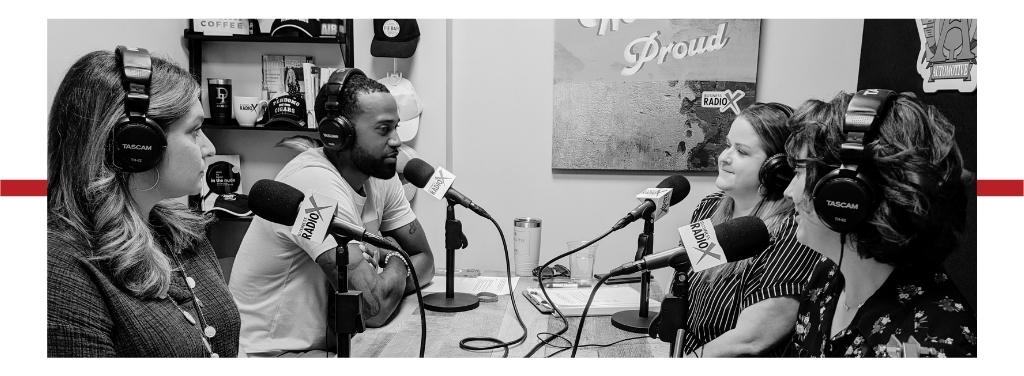
David Samaha and Brendon Canale with Diesel David

August 16, 2022 by angishields

Fearless-Formula-Feature
Cherokee Business Radio
David Samaha and Brendon Canale with Diesel David
Loading
00:00 /
RSS Feed
Share
Link
Embed

Download file

Fearless-Formula-1

Diesel-David-logo

From the back seat of a 1990 Toyota Corolla, into a box truck and then a 9,000sq ft building purchase, Diesel David Inc. company values to be sustainable and scalable, the focus must be on the team. When the people in the company are healthy and able to experience the win in their own goals and ambitions, fixing trucks and serving customers is the easy part.
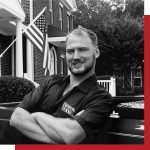
David-Samaha-Diesel-DavidDavid Samaha is an ASE Certified Technician. In 2014, he started Diesel David, which eliminates the frustrations of working with a repair shop. His services are 100% mobile.

David’s customers love him because he saves them time, money, and heartache. No more waiting rooms, no more sheisty mechanics, and the best part is you get to drive your car or truck with confidence!
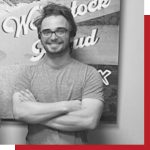
Brendon-Canale-Diesel-DavidA small drop can result in a ripple that grows into a tsunami. For Brendon Canale that was a toy truck as a young child and a bmx bike. These two seemingly small things gave him the fundamentals that would ultimately shape his life.

Bmx bikes taught Brendon to love adrenalin and turn wrenches. The toy truck began an obsession with vehicles that has only grown stronger throughout the years. When the opportunity to come on board with Diesel David presented itself, Brendon took the job.

Brendon started off as the shop handy man, then he took charge of projects and took care of what needed to be done.. That pattern of taking the initiative set him up perfectly to take over service writing, and eventually shop management.

Brendon didn’t realize this was what he would be doing, but if he hadn’t taken that initial opportunity, he wouldn’t be where he is at today.

Follow Diesel David on Facebook.

This transcript is machine transcribed by Sonix

TRANSCRIPT

Intro: [00:00:09] Broadcasting live from the Business RadioX studios in Woodstock, Georgia. It’s time for Cherokee Business Radio. Now, here’s your host.

Sharon Cline: [00:00:25] Welcome to Fearless Formula on Cherokee Radio X, where we talk about the ups and downs in the business world and offer words of wisdom for business success. I’m your host, Sharon Cline. And today I have two people in the studio that I’m very excited to introduce you to. One is this is his. He started his business in a Toyota Corolla, which I love. It’s such a great story and now has a box truck and a 9000 square foot building. And he’s built his company on a value that is it is sustainable, it is scalable, and the focus is on the team. I would really love to welcome David Samaha and his general manager, Brendon Canale, and this is from Diesel. Dave Inc. Welcome.

David Samaha: [00:01:06] Good afternoon.

Sharon Cline: [00:01:07] I like the colorful bio. I just thought it was amazing that that’s like you start you can picture a little like Corolla, you know, and you’re just trying to figure out how to do your business in a small car. And the next thing you know, you’ve got this huge, huge company.

David Samaha: [00:01:20] What was more interesting for me was writing the bio in the intake form for the radio show. It’s like I had to do this in third person. This is weird. Yeah.

Sharon Cline: [00:01:30] So you’re well now. You can do it in first person. So let’s talk a little bit about sort of how you got started. I mean, I know I talk about the car, but what was how is what’s the beginnings of of diesel?

David Samaha: [00:01:42] Dave Inc The beginnings go back to a go cart. So I was 13 years old and I had been cutting grass for probably about like a summer. And so growing up we were in this neighborhood called Parkway Commons in Kennesaw, and it was a really, really great neighborhood to grow up in in suburban Atlanta. And there were these specifically to go carts that the older kids had in the neighborhood for at least ten years before. I mean, I was probably three years old, and these go carts were just going around the neighborhood and they’re like these old 1970s vintage tube frame sheet metal for go carts. And they just kind of bounced around between different kids in the neighborhood. You know, they’d grow up, get, you know, 14, 15 and 16 years old, get a car and go cart would just be sitting and they would pass it down to someone. So at one point, my best friend, he lived right next door to me, had gotten a hold of this go cart with it, everything running and going great and it just stopped running, kind of was just kaput.

David Samaha: [00:02:43] And I saw it down, like in a storage shed. And I kept asking him. It’s like he wanted to sell it and he really did it. And I was like, You’re not doing anything with it. Like, just like, why are you not willing to sell it? He’s like, okay. So I took 50 bucks of my hard earned money from cutting grass, and I got it. And then I started to just, like, take it apart. And my dad was pretty supportive in that he’s always been like a handyman, but by no means is he like. An automotive mechanic or like he was just figuring it out with me. So he’s like, Oh, we need to get the engine manual. And I’m like, No, we just need to take it apart. And he’s like, Well, we need to do this. And I’m like, No, no, we need to see why this is. So he kind of like mentored me through the process, and I think that’s when I realized that I had somewhat of a mechanical aptitude.

Sharon Cline: [00:03:27] It’s funny because everyone thinks of the Internet now like I YouTube everything on how to fix anything. But you didn’t do that then?

David Samaha: [00:03:33] No, no. We went to we went to the library and we got an old school. Oh, Briggs in Stratton, five horsepower engines. And then we went and talked with this man by the name of Harold Huffman, and he owned a lawnmower shop, like right on Canton Road, actually, the same road that our shop is on now. Wow. And this was yeah, 17, 17 years ago. And I went over there and I asked a bunch of questions and he gave me some of his tools to take home, to take the engine apart. And then I came back with more questions, and then he gave me more answers. And it kind of was like this back and forth where he was really like my first mechanical mentor. Like, so I would start going there, like after school and just like. Oh, man. Like pushing lawnmowers around was really the biggest thing, like pressure washing lawnmowers and cleaning things off. And then like after like three months of doing that after school, my parents would drop me off there because I wasn’t driving. And, you know, everyone would like, hey, like, you need to use this to clean this off or you need to, hey, you can take this apart. And like, this problem on this lawnmower is actually caused because water is in it because they keep it outside and they don’t cover it up. So I learned a lot of really cool little like nifty things that, you know, you’re just a sponge at that age. You just soak it up.

Sharon Cline: [00:04:45] So you’ve been wanting to do this or have been interested in it since you were 13?

David Samaha: [00:04:48] Yeah, it was just like curated, right, kind of life. It’s one of those things where life just directs you. And I think if you’re so. I was just, like, letting myself be directed. I wasn’t, like, fixated on being some great mechanic or entrepreneur. Like, I was more focused on. Like cutting grass. Like I’d built this little wooden two by four. Like I took my skateboard apart and I like bolted my like the trucks and wheels on my skateboard up to this. Like, what? An apparatus. And I made a trailer for my go kart so I could put my lawnmower on it. And then I made, like, a side carrier so I could, like, carry my weed whacker. And I didn’t have to, like, have it, like, across my body while I’m driving the go kart and. So I was like, I still drove my go kart even when I was like 15. Like, I’d sometimes, like, I had a little truck that I bought for my brother in law. Like I would drive it to jobs in the neighborhood before I really had my license. But I would still like even at 15 years old and I was tall, I was like six foot by the time I was 15. So totally way too big for this part.

Sharon Cline: [00:05:48] But so fun. Yeah. But then fast forward to when you actually have this business. How did it. Well, you had the origins of it from when you were a teenager. But what were the next steps that created your business?

David Samaha: [00:06:00] Just same. Same thing. But. Different. So larger. Right. So it’s just like the common theme is, is how when you’re open and receptive and you’re just living within your talents and like what you’re good at, like opportunity continues to present itself. So from like the go kart I was doing lawns and I’ve met some like lifelong customers and mentors and I was at school one day and high school sophomore and a recruiter came from Universal Technical Institute. That’s when I really started connecting the dots on like doing automotive and like again, just living in your talents. Like I was installing stereo systems and radios and subwoofers for like juniors and seniors at that point. But like, I just didn’t view it as automotive repair.

Sharon Cline: [00:06:45] Or sustainable business, right?

David Samaha: [00:06:47] Yeah. No, it’s just like doing it because it was fun and it was felt like playing. And so then I like get this in my head that I want to be a mechanic. So I go home and tell my dad and he’s like, Turns off car cowherd was like, Let me tell you about like, you need to be an engineer. It’s kind of like what he was saying and he like drew graphs of like income, potential of engineers and, you know, income potential of mechanics and whatever, slightly outdated numbers and ideology. But anyways, he showed me and then afterwards he’s like, well, if you’re going to do it, you can go to this private school that’s 75,000. You can pay for it yourself. Or what I’ve done with your three older sisters is I’ve offered that if they go to if they qualify for Hope scholarship and the additional tuition expenses and books like I will help pay for, but I’m not willing to do that if you’re not utilizing the resources that are already available to you. And I was like, Okay, well where do I do that? He’s like, Well, there’s a school like two miles away, like it was North Metro Technical College, and I ended up doing a dual enrollment program with them. And it was really cool to just like you’re treated like an adult, you know? So at that point I’m a junior, I’m going to take college classes and, you know, just like little steps, right? So you’re learning these things. And then I graduated high school a semester early, so that winter quarter I started at North Metro Tech and my teacher there, a man by the name of John Hill, taught me like just a lot, like he and I really connected.

David Samaha: [00:08:16] And I think I reminded him a lot of himself when he was younger and he asked me to come work for him at an automotive repair shop. So I’m going to start speeding up the story now. So I went to go work for John for about four and a half years and he ended up firing me. And the termination was really he had called himself in a pickle that I think a lot of business owners do, which is they care more about the people than they do about the success of the business. And he had employed his nephew for quite a long time. And and I think, you know, no one gets it right the first time. And it was kind of in a spot where he either had to fire me or he had to fire his nephew. And he couldn’t fire his nephew because there was he was just over leveraged. His nephew knew how to do everything. And, you know, if John had, you know, it could have worked out a bunch of different ways and still been successful. But the way that it did work out was where he terminated me. He’s like, You need to go get a job in a corporate world like a dealership and see what it’s like. Was I had a bunch of ideas that he didn’t want to do. He’s very resistant towards. And I think if he saw that, you know, if I saw the other side that like his background was from a dealership, was from this like conglomerate, and those same principles are not as effective in a small business. So I went and I got a part time job at Firestone, and it was at Firestone that I really the money started making sense.

Sharon Cline: [00:09:39] Interesting.

David Samaha: [00:09:40] And there’s this gal by the name of Cindy. She’s a phenomenal service advisor. Women tend to make exceptional, exceptional service advisors and like that front facing customer dealing because your customers don’t expect you to be knowledgeable on the automotive technical side, yet they feel cared for. And if you have a woman that’s able to take like a concern and a complaint and like a goal and distill that down into a technical, like readable form for the technicians, and then take what the technicians say and then put it back and understand like layman’s terms, it’s extremely, extremely effective. So Cindy sold like $5,400 worth of work on a 2004 Toyota Corolla. And this was a Toyota Camry and this was in 2000, 13 or 14. So it’s like the car is only worth five grand. And and I was only working part time. So she was like, Hey, I’m only going to give this repair order to you if you tell me that you can get it done before you leave today because you’re off for like the next three days. And this lady is not going to be without her car for like five days. Four days. So it’s like, yeah, sure. You know, I think I can handle it. And I jumped on it like 8 a.m. and I had it done by lunch. Wow.

Sharon Cline: [00:10:51] How did you feel? Were you super proud of yourself?

David Samaha: [00:10:53] Oh, super proud of myself. And then it like started setting in. I’m like, holy smokes. This was. Almost 50 $500 and I got it done in like 4 hours.

Sharon Cline: [00:11:03] Then you could imagine sort of yourself having your own system where you are taking that 50 $400 or whatever it is to yours for yourself.

David Samaha: [00:11:11] Yeah. Yeah. And at the time, like, I just had two small goals, right? So like after I, after I lost my job, I was like, okay, I was making about 700 bucks a week. And this is after doing it like hardcore for four years, I can 700 bucks a week. So I was like, okay, so if I do like two and a half jobs a week, I can essentially make the same. Gross And then I can work at Firestone, start gaining some experience and knowledge there. And the education will make up for any type of discrepancies in that like total profit, right? So that was when I was like, Oh.

David Samaha: [00:11:43] Business, I.

David Samaha: [00:11:44] Need to do this full time. Shortly after that, I was driving home, there was this f 350 that was like blocking three lanes on bills, Ferry Road. I don’t know how he managed to do that. So I like but then the cars are going around them. So you couldn’t like he was he was stuck because everyone was stuck. But then they were going around him so he couldn’t back up. So I blocked the lane that people are using to go around them to create a pathway so he could back his truck up and proceeded to go like interview this 55 year old man and like, hey, man, like, what are you doing? He’s like, I’m broken down. I was like, Oh, okay. Like, well, that’s why I’m here. Like, let’s get you pushed out of the road. And he’s like, he’s like, Yeah, I know what the part is. Since I’m like, Oh, you’re this kind of person, like. You know what the part is that you put it off and you’re like causing all kinds of destruction out here on Bills Ferry Road with like traffic powder. And so we push it out, like push it out of the way. And I give him a ride home and he lived like half a mile from where he broke down. And he’s like, drilling me with questions is like, Oh, so like, what do you do? And I’m like, Oh, like, I work at Firestone, I fix cars on the side. It’s like, Oh, so you’re a business owner? And I was like, What kind of business do you have hitting on my business card? And it was like one of those nametags that says like, Hi, my name is.

Sharon Cline: [00:12:52] Like a business card. You put your name David on there.

David Samaha: [00:12:55] So it was just like it was just like, like I fix cars. I think that’s what I was like. I fix cars and like had my phone number.

Sharon Cline: [00:13:02] It was really cute. He remembers. I bet he remembers getting that business card. It’s kind of memorable.

David Samaha: [00:13:06] So hit him a business card. He’s like, So are you an LLC or a corporation? And I’m like, What’s the difference? Like, well, LLC has been around since 1996 and corporations have been around since 1776, and there’s only one that you want to be. And I was like, Okay, that’s interesting. It’s like, How do I do it? It’s like, well, first tell me how you how you learn so much about diesels. And until this question was asked to me, I didn’t feel like I knew anything about diesels. It was just nuts and bolts. So again, that common theme is like, it was just fun. I just did it because I enjoyed it and I was playing my own game and completely oblivious towards anything else going out in the world or potential or like I just wasn’t concerned with distractions and I told him I was like, it’s just nuts and bolts. He’s like, But yeah, like, how did you go to school for it? I was like, Oh, I went to Chattahoochee Tech, but it was actually there that I’m like, So I’m connecting these dots as he’s asking me this question. But it was actually there that I met this guy and I worked at a shop for four and a half years and like we just worked on a lot of diesels there. And he’s like, Oh, well, it’s hard to find a good diesel mechanic. He’s like. He’s like, Tell you what, he’s like, you come over later and help me put this fuel pump on and we’ll talk about it. So he ended up doing like he has a background as a business law attorney. So he did my whole business corporation and my articles of organization and all the filings and everything with the state. And then I just kept his diesel truck running.

Sharon Cline: [00:14:26] And how did you come up with diesel? I mean, it’s an obvious.

David Samaha: [00:14:28] That was his. Right. So he came off diesel. He’s like he’s like your diesel, David. And I was like, oh, like, what about this guy? That’s like Diesel Dave. He’s like, That’s a different name. He’s like, Your Diesel, David. So he got the domain, we got the dot com and got the phone number and. Then we also got Diesel David’s, which is funny because we did that seven years ago and like now I’m like been jamming with my new buddy Jared. We’re actually like best friends now. He’s an Internet marketer and. Gosh, Internet marketers. So we’re like going over different like sales copies. And the thing that always has a higher conversion rate is just like the bland, simple. Like advertising, like graphics, like it’s never anything, like, flashy or, you know.

Intro: [00:15:15] Like, hello, my name is, is.

David Samaha: [00:15:17] Yeah, no, it’s like. Yeah, no, but like the conversion. Yeah, the effective conversion rate. Like, what do people want to know? Like what problem do you solve for them? And like how do they, how do they get you to solve that problem?

Sharon Cline: [00:15:27] I love that, too, because you talked about that in your bio. You were talking about how one of the goals that you have is understanding the customer’s needs and desires. That is, it is a greater importance to you than the expected service. Talk to me a little bit about that, because I love the notion of looking at a person and not seeing dollar signs, but more seeing a problem that they have that, you know, you can tell them, I’m going to solve this for you or I’ll do the best I can.

David Samaha: [00:15:50] Yeah. So. Most like people come to the automotive shop to get their car fixed and most automotive shops fix cars. But what fails to happen is you have a lot of cars that don’t need to be fixed either. It’s not important. It’s not urgent. Combination of both of those and. The car might not be worth fixing or like if the customer is fixing the car, but then they plan on. There’s so many different scenarios. They plan on leaving the country. They don’t need to fix the car. It’s like, dude, you could actually Uber for the next two months and you might spend on what you told. Just told me your commute was like your normal routine. You might spend $400.

Sharon Cline: [00:16:35] You tell this to the customer. Do you ever tell you tell them, listen, it’s just not worth fixing right now. You might as well just hang out. Yeah. I mean, that must make you different. That must make you different from a lot of other.

Speaker3: [00:16:45] You have to understand what the customers goals are. Like, hey, like. Because you can tell them all the stuff that’s wrong with their car. Like, any mechanic can do that. But if you don’t know, like, what do you use a truck for? Because like a lot of people have have diesel trucks and they don’t need them. So it sounds like we’re talking ourselves out of business, but there’s so there’s so many diesel trucks on the road that it’s not like the people that don’t need them can can get rid of it.

Sharon Cline: [00:17:08] Why do you think people have diesel trucks that that don’t need them?

David Samaha: [00:17:12] It’s the it’s the dream. Like diesels go forever and they last a long time.

Intro: [00:17:16] I was going to ask you that question, actually, Brandon, because there is a difference between obviously what’s the difference between a diesel and non diesel engine like that was one of the things in your bio. It’s a good question. It’s a good question because I don’t know. I’m just the average Jane who does not know much about cars, who would come in and be like, I don’t know, it’s making this noise. Can you fix it? So yeah, can you tell me what the difference is between.

David Samaha: [00:17:38] Yeah. So diesels will last a long time. The main benefit of a diesel is the torque. So use it for towing, use it as a work truck. You got to really put it to work to get your value out of a diesel truck where if you’re just driving it to the grocery store, you’re just driving it to run errands. You’re not using the truck for its purpose. And it’s shorter trips that kill these trucks. So customer tells me, you know, I just throw lumber in the back of it and I go to the job site. It probably need to be in a tundra, not in a diesel truck. Diesel does have a lot of maintenance that come along with them. They’re great at towing. You’re not using it for the purpose of a diesel truck. You’re costing yourself a lot of money and maintenance.

Intro: [00:18:19] So you recommend for someone who’s just going up to publics and back, you know, in their diesel truck, maybe you could use use your money more effectively in a different kind of vehicle.

David Samaha: [00:18:29] Exactly. People want, you know, modern era hassle free experience. So if you want hassle free and you’re not putting the truck to work, you’re not making money with it, buy something that suits your needs.

Intro: [00:18:39] I mean, do you find that people respond to you in a way where they’re just sort of like quiet for a second when you tell them, here’s what we’re going to do for you, where they don’t even understand that what you’re actually trying to do is save them some money and potentially not even be used by you all. I mean, it’s such a different model, business model, and it’s refreshing and it gives me a feeling of trust.

David Samaha: [00:18:58] So something that David spoke with me about is I’m a service advisor, not a service writer. And so I’m going to advise you on what to do with your vehicle instead of just selling you a bunch of work because your truck needs it. There’s trucks that are heartbreakers, beautiful trucks, tons of power. It’s going to break. Is it going to break today? Is it going to break in two years? I don’t know. It’s going to break and it’s going to cost you a lot of money. So a get a truck that’s going to be reliable and we have a whole list of trucks we recommend, like I’ll send it to you. We do a pre-purchase inspections, all of that. What I don’t like to see is somebody put a large sum of money into a truck that’s going to break in two years. That’s not value. And ultimately, you’re going to respect me if I tell you what my honest opinion is.

Intro: [00:19:45] That’s true. I love the notion of respecting someone’s opinion where you’re not wondering what you were trying to get out of me. You know where I’m not thinking, well, of course he wants me to get all this service. Even this belt looks like it might need to be replaced because it has a small crack maybe, which I can’t even verify because I can’t see it. So, you know, there’s like, especially being a woman, I’ve had that happen to me and it did not happen to the man that I was with, you know? And I really resented it made me mad. So I appreciate that you’re kind of giving people a sense of safety.

David Samaha: [00:20:13] Exactly.

Intro: [00:20:15] Are you having any trouble at all hiring people who work on on diesel engines? I don’t know how common this is.

Speaker3: [00:20:22] So a lot of people can. Let’s back up. So everyone talks about labor shortage right now or like a lack of quality help and. If that’s what you’re seeking and that’s what you believe, then that’s all that’s going to exist. And that’s there’s nothing more to the answer for that. So all these people talking about. The struggles they have with labor. It has more to do with them than it does with other people. Because what I can tell you this is any company that has a great culture does not have a labor shortage. So if you’re talking about other people for so you can’t control that. So you’re just inducing stress and agony. It’s like a choice, like you’re choosing to be miserable. And I wake up and I’m like, I don’t want to be miserable today, so what can I change about myself or my business or our company culture that is going to attract top talent? And then from there. It’s. It’s easy. Like, I shouldn’t say easy. It’s simple. Right. So the work is hard, but the answer it’s way more simple to choose to adjust yourself and your business and know that. All right, if I create a culture around. The people, the team that the the workers are not going to be my problem. And then also, if you have a good team, then the customers are going to be less of your problem. So it’s kind of. So kind of it is a no brainer, but everyone makes it really complicated.

Intro: [00:21:47] Did you come up with this this culture philosophy in the very beginning of your business?

Speaker3: [00:21:52] No, before it was the customers. But then, you know, like energy is probably our most precious resource. So my own personal energy was being capped by how many customers. So then I had to expand. So then I hired one person and then hired another person. And then it was kind of like figuring out, okay, how do I take care of these people? So that way we can, like be our best at how we’re taking care of our customers. Because if it was like that very early realization, like, okay, the people aren’t taking care of like the team is not taking care of the customers. So just as a whole, like if people aren’t taking care of them, more people aren’t being taken care of. But if people are being taken care of, then more people are being taken care of.

Intro: [00:22:32] Right. It’s the notion of like last week I had someone on that talked about a rising tide. No. This all ships. God, take it. I can’t remember. But it’s like when everyone else is benefiting. When you’re benefiting, you benefit other people and other people benefit and everyone wins. That’s the notion of it. Rising tide sinks. No ships. All right, I’m gonna have to look it up. Sorry. I don’t have the right philosophy in my head right now, but I did want to talk to you a little bit about what you think your biggest mistake might have been along the road. Like if someone is considering doing something similar, starting their own business, what are some things that we could tell them or you could tell them that could be of benefit?

Speaker3: [00:23:12] Mm hmm. Brendan.

David Samaha: [00:23:16] All right, so you can probably.

Speaker3: [00:23:18] Tell me my mistakes better than I can tell me my mistakes. I’ll have to open up my Twitter.

Intro: [00:23:22] Friends for.

David Samaha: [00:23:24] Be calculated, not reactionary. So if you have you know, you have your heart rate. You know, you’re aware of yourself. Everybody has anxiety. We’re all humans. So something hits you and your heart rate rises. Your thoughts are running a million miles a minute and you say something that is not effective. It’s, first of all, probably not what you meant. Second of all, it doesn’t accomplish your goal. All it does is just kind of light the fire. I’m burning a bridge, so if you feel yourself in that state, take a step back, take a deep breath. Go find calm, come back, collect your thoughts, say what you need to say and be direct about it. You know, like, you know, Hey, man, you left a bunch of coolant on the floor. Everybody walked in it, tracked it throughout the whole shop. Now the whole shop is covered in coolant. You know, I took a second. Calm down, like we just need this cleaned up. And in the future, let’s as soon as there’s a spill, let’s put some oil dry on it and soak it up.

Intro: [00:24:24] Do you do you find that things that you’re experiencing at work and using those philosophies also bleed over into your personal lives, too? I would have to imagine it’s almost like training yourself reprograming yourself not just in business, but in the rest of your life.

David Samaha: [00:24:39] For me personally, I don’t have this like dominant persona about myself. I’m very direct and that catches a lot of people off guard. I have no problem saying what I mean, and it’s not an aggressive way. I’m just telling you how I see it and what it is. And here’s the next step. And you’d be surprised that first of all, the level of respect you gain, but the reactions and the surprise you get, especially for somebody that looks like me.

Intro: [00:25:07] What do you mean, looks like you? Nobody can see you.

David Samaha: [00:25:10] Understand? I’m just.

Speaker3: [00:25:11] I’m just. Let’s unpack that.

Intro: [00:25:13] Yeah.

David Samaha: [00:25:14] I’m just. I’m just a goofy 25 year old guy that, you know, people don’t expect it to come out of my mouth whenever I’m like, Oh, hey, man, that kind of looks like it needs a little more work put into that. Like, you know.

Intro: [00:25:26] What do you think are some of the biggest misconceptions of your industry are.

David Samaha: [00:25:31] That we’re that were con artist that’s the biggest one people have this this notion about mechanic shops which I get it you know whenever your car breaks it’s high stress and you know, they’ve been burned. Like I’ve had so many customers that say like this shop said my truck was fixed, I paid them $10,000. And the problem is still there. I mean, we don’t do that if we don’t fix your problem. There is no we don’t fix your problem. We fix.

Speaker3: [00:25:57] It. Yeah. There has to be an exchange of value. If we can’t provide value, then why are you providing money? Because all money is is just a measurement of exchange value.

Intro: [00:26:08] Ooh, hang on. For business people, I need to unpack that one. I love that because really I have some I have thought this and somebody mentioned to me recently that maybe this isn’t the case. But I do believe deep down that you either honor people or you honor money like there’s a real fight there between what’s most important to you, because you can you can really value money enough that you’ll take advantage of people or you can value people enough that you would never do that. And the money that comes is as genuinely meant to be yours, if that makes sense.

Speaker3: [00:26:42] I think. I don’t know. You can lead on this one, Brendan.

David Samaha: [00:26:45] All right. So I’ll simplify it down. You have a you have those electrical bucket trucks that they use. They pull up to the power lines. They have the bucket that goes up and that guy, you know, fixes whatever’s going on up there or runs line. Those trucks can make 2000 to $5000 a day. And so if it’s broken down, they’re losing money every single day. If we’re able to, you know, get the problem and figure out the solution, act quickly, get that truck back on the road. We provided an immense amount of value. We’ve solved the problem and to them, it’s worth paying the price to get it done.

Speaker3: [00:27:20] So I really do like money, but what I like more than money is what it signifies. Right? So when you talk about providing value and like money is just a measurement of exchange value. What Brendan was saying there is that if you can solve a problem. That is a costly problem. It’s worth what? It’s worth money. It’s worth a lot of money if you can solve. A lot of really costly problems. It’s worth a lot, a lot of money. So inversely, if you can if you can solve a problem that’s not worth much money, then unless you just do it for a bunch of bunch of bunch of people, you’re like, it’s not going to be successful. So I think earlier we talked about like advice for like people getting into business or you want to circle back to that because I think it fits into this conversation perfectly.

Intro: [00:28:18] I love that.

Speaker3: [00:28:20] What was the question?

Intro: [00:28:22] What were you talking about? Like, how.

Speaker3: [00:28:24] So? Just like choosing. Like. So if someone was like, all right, how do I play my own game? Like, how do I be me and do something that is, like, beneficial? It’s okay. Find out what, like, what problems exist that you can solve being you. And then after you get, like, a list amount. Just start with ten. And then out of those ten, be like, okay. Which these are the most costly problems. And then give that to like give that to your friends. To not friends that are similar to you. Like friends that are different, like give it to one of your parents. Gave it to like five different people. Be like, hey, would you rate these on a scale? Would you number them 1 to 10 on like what would be the biggest headache and the most costly? You can frame it different ways. So like frustration, that’s usually equates to money. Speed usually equates to money or just like actual direct costs. Like if. Let’s say your talent is. Narrating and you’re the problem exists is that people are afraid of it or you have a bunch of different problems around public speaking. So what I would go directly to is like who are the most successful peoples that have issues, public speaking? And I would put my thumb right on the tech sector. You have all these people that are extremely successful. They make loads and loads of money and they are scared, like spotless. So then I would transition from being a narrator to being a public relations agent, and I would market myself as an agency to as a public relations agent to the tech sector.

Speaker3: [00:29:53] And I would perform on stage. I would answer. It’s like I would get like hyperfocus on like understanding, like who they are and what they do and what they provide. And then I would do all of their interviews for them or alongside of them, and you can let them know that like, hey, we also have a coaching program, so there’s just a bunch of ancillaries you can go with. Like we also have a coaching program to get you to do what I’m doing, but I want you to know I don’t expect you to do that in the beginning. Like, that’s why I’m here. That’s why you’re hiring me. But we’re going to get you up to speed to where you can, like if you want to be on stage in front of ten people or 10,000, it won’t make a difference to you. Just like when you first learned code, whether it was one line of code or whether that code is 100 lines. It’s like, you know, when it does what it does, it doesn’t matter if you’re asleep. It doesn’t matter like that code is leveraged, it’s going to run and it’s going to multiply and it’s going to do more than what 10,000 people could do. And you’re capable of the same.

Intro: [00:30:44] If you’re just joining us, I’m speaking with David Samaha and Brendan Canal from Diesel, David Inc. And I loved that because it it’s very creative. My brain doesn’t work that way. So I always am fascinated by people who can think beyond well, most people can think beyond what my brain does. But I’m just saying that was cool because I never considered being a voiceover artist and audiobook narrator going to approach anyone who struggles with that. I’m always just kind of doing my own thing and praying someone hires me, which is not a very successful business model. Just to let you know, in case you’re wondering out there.

Speaker3: [00:31:16] I know Church is an extremely successful business model, so maybe there’s something in prayer.

Intro: [00:31:20] Oh, maybe so. I mean, it’s really, really marry it all together. Pray, hope that I get business.

Speaker3: [00:31:27] Take a bunch of action and strategy.

Intro: [00:31:31] Sorry. Do you find that that’s actually the most rewarding thing, is being able to take a problem that someone brings to you and kind of think beyond a general way of fixing something? I mean, I love that you think deeply about it and not not just here’s here’s the knocking sound that I have. But you’re actually wondering what they’re even using the truck for. I mean, is that what you find the most rewarding?

Speaker3: [00:31:55] Um. So that’s what makes it sustainable. Right. So when you think about like if you’re actually able to, that’s what provides value. So sustainability is directly proportional to value provided and so so is money. So if you can provide more value, then you’re going to be more sustainable and you’re going to make more money, simply put. So if we’re able to actually analyze. Because like, people are just focused on what they do, right? They’re not thinking about their car like they probably haven’t a lot of these cars they bought eight years ago. Right. So Brendon talks about people having diesel trucks that don’t need to have them. They had a purpose at one point. They made a good decision. Right. But that good decision might have been to go on a camping trip with their family or, you know, a three month thing. And they did that. But then they still had their diesel truck seven years later. Is this just because it doesn’t make sense to get something for three months and then get rid of it?

David Samaha: [00:32:51] One of my favorite questions to ask is How long are you planning on having this truck? Bingo. Some people ten, 20 years. I want this truck to last, like be a lifetime truck. Other people, it’s just got to get me through the year. Those are two conversations of, hey, here’s what you need to do to make sure that you’re not putting an engine in this thing in five years. And here’s what’s going to get you by. And here are some little extra maintenance items you’re going to want to do just to make it so you don’t have any catastrophic failures. Understanding the goal and educating the customer to most important things. Yeah, hands down.

Intro: [00:33:26] That’s so interesting. I love to the notion of asking someone because because I just went through a car issue with my Prius, which is a total opposite of a diesel. By the way.

Speaker3: [00:33:36] We work on Priuses, two in 100. We build the batteries in them.

Intro: [00:33:38] Actually, that’s. Do you really? Yeah. I’m so glad I met you. So let’s talk a little bit about this. This is my favorite vehicle. We have a relationship, but I wanted to ask you, actually, it’s a good it’s a good time to bring up what exactly what exactly do you provide for customers? Like if they’re listening right now and they have a car issue or if they don’t, just tell me what you do.

David Samaha: [00:34:00] All right. So customer calls, I answer the phone. Hey, how’s it going?

Intro: [00:34:05] We’re talking deep, literal. Let’s go a little.

Speaker3: [00:34:09] Down.

Intro: [00:34:09] Here. What are the services you provide?

David Samaha: [00:34:11] How’s it going? What can I do for you? It’s Brendan. And they’re like, you know, hey, you know, it’s this. This is wrong in my car. I’m like, okay, great. What’s your car doing? You know, you know, it doesn’t turn on it. It, you know, it drives and it shuts off. You know, I need to understand what’s going on. And then within that question is the circumstance. You know, I’m going 55 miles an hour. I floor it because I want to pass somebody and it shuts off every time. And I’m like, okay, so it happens at 55. Technician needs to know that they got to go on the highway like all that next step is educating. So, hey, based off what you’re telling me, I think it could be X-Y-Z. Obviously, a technician needs to look at it. And, you know, once we get an idea and a game plan, we’ll let you know if it’s a multistep process or if it’s, you know, this takes care of your problem. And, you know, the biggest thing is, you know, people get frustrated when people get frustrated due to lack of knowledge. Lack of knowledge leads to frustration every single time. So if you’re being ethical and, you know, educate, educate, educate, I can’t emphasize it enough. I’ve had customers that have had horrible, horrible experiences. They come to our shop and they keep coming back. They keep coming back because they understand what the next step looks like.

Intro: [00:35:25] Knowledge is power, in my opinion. So when I understand, I almost have empathy for what it is that you’re going through and you have it for me, you know, it’s like opens up some kind of it’s not such a mystery. And I just, I don’t know, I like being able to go and explain to my friend. Oh, yeah, he told me, it’s this, this, this. And I actually understand what I’m saying exactly.

David Samaha: [00:35:45] Because example was like oil leaks, you know, whenever you have a leak, your system is not making full pressure. We’re going to do this first round of repair. We’re going to repair the most obvious and the highest up because oil drains down. It covers other things up. So once we get that sealed up, we’ll clean it off, drive it. If another oil leak appears, the engine’s making more pressure inside of it now so it could be leaking from somewhere that previously wasn’t. We’ll keep working through it and, you know, let them know like we try to get them all at the first time. But it could be a two or three time comeback and we’ll keep working through it.

Intro: [00:36:16] What do you think? You know, the show’s fearless formula. And so one of the goals of this show is for other people who are listening to kind of understand maybe some of the techniques that you all have used to get through some setbacks or some surprises you weren’t expecting. What’s something that you’ve kind of had to figure out as a as a surprise in your business? We’re so quiet. Oh, my God.

David Samaha: [00:36:40] All right. So this is a hard one to say as a business, but sometimes you have to fire customers. And David can chime in on another setback that if he wants to. But there’s some customers that, you know, you you can’t fulfill their needs, you know, whether it be, you know, their expectation is too high for what their truck is capable of doing, for the amount of money they want to put into it. I don’t know a simpler way of saying it.

Intro: [00:37:09] What would you say? How is the response with customers when you do that? Is it terrible? Is it as dramatic as I’m thinking it is in my mind?

Speaker3: [00:37:15] Oh, normally there is relieved as you are because like what’s happening is like both parties are choosing to continue to entangle and both parties want want a solution. They want out and. Sorry. Let me clarify that. Both parties want a solution and they also want out. Just most people think that the solution is the only way out. And sometimes you just have to pick one. And that is like so that would be terminating the relationship. And whether that involves a refund or doesn’t involve a refund or. You know, for me, the number one thing is like reputation management because like, hey, just because we have a disagreement doesn’t mean that you’re wrong. It doesn’t mean that I’m wrong. It just is. So if that can be the outcome of like, hey, not everything always works out, then they’re less likely to share their opinion as a fact. Right? So like, and that’s all a review is, is just essentially a. A fact of reality. Right. But it’s treated as a fact of the business. And I think that’s where it’s so key to. When you’re. Firing a customer. You have to be empathetic towards what they’ve experienced because they don’t care about what you did or they don’t care about what was.

Speaker3: [00:38:41] What was given or, you know, all the extra stuff that you did above and beyond to try and make things go smoothly until they know that you care. So if you can meet them with that and then normally, you know, they’re going to want some type of financial compensation and which again, is understandable, right? If there was value provided, then you charge for it. If there’s no value provided that you don’t charge for it. The gray area with at least in most industries, is where there’s a disconnect in the understanding of what value is provided. So it’d be like vehicle comes in with five issues. We take care of four of them. Like you could go to any other shop, get a second point. Yes. These are not problems anymore. But that fifth one, it in the customer’s eyes negates the other four. So that would be an example where, you know, and a lot of times it’s a pattern. It’s not just one time you have the experience of the customer and something. Okay? The second time like now we’ve noticed it happens the third time. Then you have to like you have to terminate that relationship because it’s going to cost so much in energy again, which is the most precious resource that we have.

Speaker3: [00:39:53] Even more than. I mean, it’s kind of related to health, but it’s the energy is even more than health, right? So. Like if you’re costing your team energy and if you’re costing yourself energy, then how you’re showing up for your team, how your team is able to show up for customers, how your team is able to just, you know, you feel it. It’s a whole vibe inside the entire business. So. It’s not your it’s not enjoyable, but it’s necessary. Like if you can zoom out, you can see like how this relationship, the, the toxicity of it is actually damaging the growth of the company because it’s affecting the individuals inside of it. Then at that point the money doesn’t matter as much like the money, it’s always going to matter. And yes, but then one customer now it doesn’t matter. I mean, at least for automotive, like I can’t speak for like houses or you know, it’s like we’re higher ticket items, right? But like in the sense, yeah, if you’re just going to continue to be a headache for that customer, they’re going to be a headache for you. The relationship doesn’t need to continue.

Intro: [00:40:52] What was it like during the pandemic when also the cars were the value of cars was so inflated or high? I don’t know if it’s inflated, but high. I know that I was looking at potentially a new vehicle when my car was giving me trouble and I was like, heck no, I can’t afford it used vehicle right now. So what was that like for your business?

David Samaha: [00:41:11] Yeah. So new trucks, you know, you can easily pay $100,000 for a new pickup truck. 100,000. You could buy a crappy house or a brand new truck like okay. Or you could buy a used truck but 20 into it and or your current truck but you know a chunk of money into it and you have a truck that I got away. People like to say, Oh, it’ll be like new. No, it’s still a 20 year old truck. But the weak the weak points have been taken care of. You may have some failures here and there. Work through it. It’s better than forking out 100 grand. Yeah, and.

Speaker3: [00:41:47] No, it’s not going to be like new. And it’s actually better that it’s not going to be like new because you go out and you buy a brand new vehicle and it’s in for warranty work within the first month or two. So you don’t want that.

David Samaha: [00:41:57] Oh, exactly. And so, you know, working with customers, setting expectation accordingly is super important. You know, the, you know, talking about, you know, firing customers. On the flip side of that, you know, your biggest challenge is handling a customer who’s super frustrated. And it’s that that first time you have that situation, how you handle it sets the relationship for the course of the future. And, you know, you know, you you have customers where the timeline doesn’t work out or part doesn’t arrive. Like there’s other logistical steps to fixing your truck other than putting the part on. And, you know, we do our best to meet everybody’s goal. Things happen, you know, we’re human. So how you handle, how you communicate, you know, moving forward, they may be frustrated, but they’re going to come back because they respect it. You didn’t treat them poorly. You understood where they’re at. You explain the scenario of what happened and you know, you let them know what the goal is and how you’re going to accomplish it. They educate.

Intro: [00:43:05] Okay, well, if anyone out there was listening and wanted to get in touch with you, what’s the best way for them to find you besides just Google Diesel? David Not Dave Diesel.

Speaker3: [00:43:13] David Google is pretty easy.

Intro: [00:43:17] You’re everywhere, though. You’re on all the social media. Do you do tik tok things? Do you do any of those things for your business?

David Samaha: [00:43:23] Not yet.

Speaker3: [00:43:24] We’ll do them.

Intro: [00:43:24] Yeah, I know. I’m not embracing it either.

Speaker3: [00:43:26] I’m going to get moved in first and then we’ll make silly videos.

Intro: [00:43:31] Listen, it’s a thing.

Speaker3: [00:43:32] We’ll get paid with our likes or something like that. Whatever the influencers do nowadays.

Intro: [00:43:36] All right. Best way to get in touch with you is. Is through Google Diesel, David.

Speaker3: [00:43:40] Through Google. Diesel. David or Diesel. David’s or mechanic house cars.com or car convenience dot com or mobile auto mechanic dot com. There’s a bunch of them that all I think.

Intro: [00:43:49] So there are a bunch of them.

David Samaha: [00:43:50] Or a diesel mechanic near.

Speaker3: [00:43:51] Me. The diesel mechanic near me. If you’re in Georgia or Washington State or wherever. Like so for for a while we’re getting like three calls a week out of Washington State because some business decided to create their Google listing on mobile auto mechanic dot com and that’s our website it goes like if you search mobile auto mechanic dot com it goes to diesel datacom.

Intro: [00:44:15] But somebody put that out there.

Speaker3: [00:44:16] And so that was like, yeah. So when you search like diesel mechanic near me and Seattle, Washington, that’ll pull up this place in Kent, Washington, and then you click on the website and it goes to us. If you click on the phone number, it goes to them, but they don’t ever pick up the phone. I don’t know how they have a four star rating because they don’t ever answer like I’ve called them. Like I’m like tried to like sell our domain to them because they’re getting traffic. Yeah. Like, you know, just give me 15 grand and I’ll release the domain to you or something. I don’t know. But no, I haven’t been able to reach them, but their customers are reaching us.

Intro: [00:44:49] The Wonders of the Internet.

David Samaha: [00:44:50] My favorite search parameter that we have is about every two months I get a call from Great Britain. Oh.

Speaker3: [00:44:57] We’ll get yeah, we’ll get some inquiries. Like we’re going to have people like you need to step up your SEO game. It’s like we already have like it used to be worse. Oh, we used to get business from all over the United States and Great Britain and Canada and now it’s just like weird stuff like that Kent Washington thing because someone messed up.

Intro: [00:45:13] But so. So they would. Do they not know they’re dialing a United States number? I’m just.

Speaker3: [00:45:18] Curious. Yeah, I know. So I don’t know what’s going on there other than if they’re using a VPN and they have it set to Atlanta, Georgia. I think that would be.

Intro: [00:45:25] What goes on there. Are they always like, hey, where are you guys or No, you have to say it with a British accent. Hey, why are you guys.

Speaker3: [00:45:33] Hopped up on it and you take a look?

Intro: [00:45:36] Did you call it off on it? That’s what they call it, right? Yeah.

Speaker3: [00:45:38] Right. And then the boot. Yeah.

Intro: [00:45:40] Oh, my goodness. Sorry, I’m chuckling. Okay, well, this has been fascinating. I’ve really enjoyed chatting with you all because there’s a lot about this industry, I don’t know, but it makes me feel like there are people out there that are looking out for the customer, not just for the dollars. And I really do appreciate that notion.

Speaker3: [00:45:56] Yeah, thanks.

Intro: [00:45:57] You’re welcome. And everyone out there, thank you for listening to Fear this formula. And this is Sharon Klein reminding you that with wisdom and understanding, we can all have our own fearless formula. Have a great day. I love that you said that it was still recording.


Tagged With: Diesel David

BRX Pro Tip: Don’t be Afraid to be Vulnerable

August 16, 2022 by angishields

Access to this series is restricted to Business RadioX® Studio Partners.

Rome-Floyd Chamber Small Business Spotlight – Shane Walley with River City Bank and David Tomlin with RCB Wealth Management

August 12, 2022 by angishields

RomeFloydChamber
Rome Business Radio
Rome-Floyd Chamber Small Business Spotlight - Shane Walley with River City Bank and David Tomlin with RCB Wealth Management
Loading
00:00 /
RSS Feed
Share
Link
Embed

Download file

2022-08-11 rome chamber pic 1 of 1

Tagged With: Broad Street, David Tomlin, Hardy on Broad, Hardy Realty, Hardy Realty Studio, Karley Parker, Pam Powers-Smith, RCB Wealth Management, River City Bank, Rome Floyd Chamber, Rome Floyd Chamber of Commerce, Rome Floyd County Business, Rome Floyd Small Business Spotlight, Rome News Tribune, Shane Walley

Amanda Sutter with Cherokee Office of Economic Development and Realtor Chris Thom

August 12, 2022 by angishields

KidBizRadio081022pic2jpg
Cherokee Business Radio
Amanda Sutter with Cherokee Office of Economic Development and Realtor Chris Thom
Loading
00:00 /
RSS Feed
Share
Link
Embed

Download file

Sponsored by Business RadioX ® Main Street Warriors


Amanda-SutterA native of New Orleans, Amanda Sutter has proudly called Cobb/Cherokee home since 1993. With a B.B.A. in Economics from Kennesaw State University, Amanda has a diverse background in economic development in both the public and private sectors.

Throughout her career, Amanda has worked for several cities (Acworth, Alpharetta and Marietta), in various capacities such as a land development inspector, planning & zoning/business license admin, development authority director, historic preservation, and tourism. She also gained experience facilitating projects and asset management for real estate development companies, Walton Development & Management, SE USA, and Landeavor, LLC.

Prior to joining the COED team, Amanda enjoyed managing marketing initiatives and a welcome center as the Executive Director of the Marietta Visitors Bureau.

Amanda is a graduate of the Georgia Academy of Economic Development, Basic Economic Development and Business Retention/Expansion courses at Georgia Tech, KSU’s Leadership Excellence Certificate and is certified by the Southeast Tourism Society as a Travel Marketing Professional.

Amanda’s heart belongs to all things blessed by mother nature. She loves animals and is an outdoor enthusiast who finds peace in gardening, hiking, climbing trees, floating or playing in water.

Connect with Amanda on LinkedIn.

Chris-ThomChris Thom is a Realtor who’s motto is “Promise only what I can deliver; Then deliver more than I promise”! It is his goal to provide impeccable service and knowledge in the needs that you require.

Chris specializes in all residential Real Estate transactions representing Buyers, Sellers, Landlords, Investors, Tenants and Pre-Foreclosures.

As a United States Air Force Veteran, he lives by the core values of “Integrity First, Service Before Self, and Excellence In All I Do”!

Connect with Chris on LinkedIn and Instagram.

This transcript is machine transcribed by Sonix

TRANSCRIPT

Intro: [00:00:07] Broadcasting live from the Business RadioX studios in Woodstock, Georgia. It’s time for Cherokee Business Radio. Now, here’s your host.

Stone Payton: [00:00:24] Welcome to this very special edition of Cherokee Business Radio. It’s time for Kid Biz Radio. And today’s episode is brought to you by the Business Radio Main Street Warriors program. For more information, go to Main Street Warriors dot org. You guys are in for a fantastic episode this morning hosted by Renee Deardorff and Amy Guest. And we had the pleasure not too very long ago of being out broadcasting live at the Kid Biz Expo. We had so much fun. I didn’t do any work. I just walked around and bought stuff, visited with the kids in their booths. And my compadre, Sharon Cline, interviewed so many of these young people. It was it was a blast. What’s your recap on this, Renee? How do you feel like it went?

Renee Dierdorff : [00:01:13] It was incredible. I got to listen later to all of the kids and their interviews. And I was impressed. I was excited all day watching all of the kids give their interviews and watching from afar. And I was just I was like, I can’t wait to go back later and listen to all of these. And I got to listen later. I was working and just had it playing and just I was in awe of it all and just so glad that we had the opportunity to have that happen.

Stone Payton: [00:01:44] Amy, how about you?

Amy Guest: [00:01:46] It was amazing. It was so cute hearing all their different little journeys and their stories and answering questions like pros, like it was it was impressive. It was it was very cute. And I know they had a great time, so I’m so glad we had that opportunity.

Stone Payton: [00:01:59] One of the things that I particularly enjoyed and the credit goes to Sharon for doing this, I think. But she asked all of them, I think most of them, for a piece of advice for counsel, for other people, young and old, going into business. And you talk about wisdom beyond their years. They talked about persistence and don’t let other people tell you that you can’t do it. One kid said, Don’t spend all the money you make in one day because he had made a really good money at one of these things. And did he turn around and bought his mom like, you know, this expensive item? And I thought, man, this guy could be on a panel like a Wall Street Journal conference or something. It was it was fantastic. Yeah. So in just a moment, we’re going to have a chance to visit with a couple of esteemed guests that many of us know here in the local business community. But before we go there, Renee, Amy, either both let’s remind the audience what kid business is all about mission, purpose and what we’re out there trying to do for folks.

Amy Guest: [00:03:00] Okay. Well, we are a local nonprofit organization with the goal of empowering the entrepreneurial student spirit in kids, really helping them go beyond that. Just the lemonade stand mindset, rather, into the businesses of whatever they’re passionate about and just helping them like encourage that journey through. We have workshops, vendor markets, networking opportunities and some mentorships. Also just trying to implement programs and resources that help them really grow their confidence along the way and learn those life skills through this. The journey of entrepreneurship.

Stone Payton: [00:03:36] That was incredibly articulate. I get the idea that you’ve answered that question before.

Amy Guest: [00:03:41] A couple times.

Stone Payton: [00:03:43] All right, Renee, let’s don’t keep them waiting. Let’s tee up our guests. Who did you bring with you this morning?

Renee Dierdorff : [00:03:48] So this morning? Well, so another aspect of the Kid Biz Expo now is Kid Biz Radio. So this is our first podcast and the Giving Voice giving us a voice now. So us and the community, a voice. And the purpose of this show is to create a conversation about the power of entrepreneurship and the positive impact that that journey can have on kids. And we want to bring in the community to have that conversation with us. And so that being said, we have two very amazing people here with us today. We have Chris Tom. He is that realtor’s dope. And we have Amanda Suter here today with the Cherokee Office of Economic Development. And first, Chris, thank you for being here. I really appreciate it. Tell us about what you do and how you got. Well, you’re a realtor. Tell us about how you got into real estate.

Chris Thom: [00:04:47] I mean, before I get into myself, I just want to give you guys, you know, congratulations on just exactly what you do, just even providing this to the kids in the community. I think this is this is really huge. I wish this was available for me when I was a kid. So thank just congratulations first. But you know me, as you said, Chris Tom Arcade, it’s realtors dope. And obviously what I do, I’m a realtor. I’m a realtor here and locally. And Cherokee County really specializing in turning renters into homeowners and making sure that I educate people on the importance of homeownership. I mean, and I can get into and as we were. Get in here shortly. How being an entrepreneur or, you know, me trying to attack that space that I feel like is not, you know, tend to too much helps provide that foundation for people to build that generational wealth, which is another reason why people want to be entrepreneurs, start their own business and obviously, you know, generate that wealth for themselves.

Amy Guest: [00:05:43] Absolutely.

Renee Dierdorff : [00:05:45] So how did you get into real estate?

Chris Thom: [00:05:48] Oh, I get into real estate. So it wasn’t overnight. I started about four years ago. I was working Operation Space with UPS and it was great money. Let’s say that first it was great money. Originally from New York moved down here with that job, but probably within eight months I felt like I wanted more right. And I started thinking long term. I started thinking, I’m not going to work till I’m 65 to live off a401k. I just thought that make no sense to me. I’m young. I’m not working for another 30 something years for Somebody

Chris Thom: [00:06:20] Else, for somebody else to make, you know, a set amount of money, have a cap on what I’m able to to make and obviously to get into real estate. You think you’re going to make $1,000,000 the first day, right. And you sadly awakened. But I got into it and then I realized the impact that I can have on helping our community, to helping people that are less knowledgeable about real estate. And that’s pretty much, you know, what drove me to, you know, build a brand and focus on what I focus on in helping clients obtain that financial freedom through real estate.

Stone Payton: [00:06:59] So when you were going through that process, what did you envision as being the most challenging thing to get going?

Chris Thom: [00:07:05] I think getting people to, I guess, respect or understand my mindset. And because when you walk into something brand new, you’re not a you’re not seen as a professional in that space yet, I would say. So you have that type of. That something overcome there. But I think the more you stay consistent, the more I stayed consistent with it and realize, you know, the message that I’m trying to portray and get out there and how I’m just trying to help people. And I think that was very easy to overcome, wanting to stay consistent and knowing my purpose and what I wanted to do.

Stone Payton: [00:07:45] So do you think that some of that was self manufactured or do you think you had real data and people really did feel that way in the beginning?

Chris Thom: [00:07:54] Real data. My real data is just kind of seeing, you know, people that I’m around and, you know, social media is a very powerful tool. You know, just kind of seeing the fact that many people are not were owning. Right. Especially people that look like me, you know, we’re owning a lot as well. So I just wanted to kind of just kind of change that a little bit, but also just educate, you know, just everyone on how we can do that. So it’s a little bit about me. So self, self motivation, but also what I’ve seen and how I felt like an impact.

Renee Dierdorff : [00:08:26] What do you.Think? I guess one of your hardships or your biggest takeaway on that entrepreneurial journey that you could possibly teach to a child that’s trying that journey? You know, like experiencing those hardships at a younger age, possibly, and learning through those life skills would be beneficial to them. How could you correlate that from what your journey was?

Chris Thom: [00:08:52] So hardships, again, it kind of goes back to staying consistent, right? And I think that that’s key in anything that we do. We want to if we have a vision, we have an idea. I think we have to just kind of promote that, you know, especially to the kids. And we have to, you know, let them know like it’s okay. You have you have an idea. It’s okay to move on it, right? And find someone, find that trusted person that you can kind of share that information with. Right. And even if you kind of want them to have that share, that same idea with you share to understand it. But even if they don’t, you still want to be able to know that, that you have something special that you can move forward with. And don’t let someone tell you like, Oh, this may not work. Right, right. This people are just going to have something to say where it’s like, you know, we can do this, we can tweak this, but don’t let nobody say, hey, it’s not work, especially if you feel passionate about something. So just to touch on that, when I got into, I resigned from my job before I got into real estate. So there was no security there. There was no income. I did have enough, you know, safe to, you know, support my life. But I didn’t realize how expensive my lifestyle was.

Amy Guest: [00:09:57] First of all, rude awakening.

Chris Thom: [00:10:00] But I had people say, oh, no, you shouldn’t do that. You should try to get into real estate while you work and blah, blah, blah, blah, blah. But I believed in what I wanted to do and I just didn’t let that take me away. Now, were they right? Could they have been seen as right? It we all have different perspectives. Absolutely right. Maybe I would have never had to not make money for another eight months. But at the same time, they taught me something. It taught me to continue grinding, to continue staying consistent in what I’m doing. And and if I believed in what I was doing, that nothing was going to stop me. And by doing that, that helped me get to where I am today.

Amy Guest: [00:10:37] Absolutely. Finding that passion and that drive and focusing on it. And I think that comes back to what we’re hoping to encourage these kids to do, is finding that at a young age, it’s something that they can pursue in a path that they can follow.

Chris Thom: [00:10:50] Absolutely.

Amy Guest: [00:10:51] Because I know for some of us, finding that at a older age wasn’t as easy, learning those obstacles later in life versus accomplishing them when you’re a little more resilient.

Chris Thom: [00:11:01] But the good thing about, you know, kids, this makes me sound old. I swear I’m not old.

Amy Guest: [00:11:06] But that’s okay.

Renee Dierdorff : [00:11:08] None of us are old in this room at all.

Chris Thom: [00:11:09] It’s the information that’s available, right? The technology that’s available right now, it makes it that much easier. It makes it there’s some aspects of it that that are tough. But I feel like it just makes it that much easier to to press to press on and move forward and bring your ideas to life and connect with people that you may or may not even know. Right. Because at one point we didn’t know each other in this room. Right. So I think that’s very huge and something that you just want to, you know, tell the kids and have them press forward on.

Amy Guest: [00:11:38] Absolutely.

Renee Dierdorff : [00:11:40] Yeah. I think one of the things I was going to pick your brain on was in a kind of building on. What we were just saying was, what are your thoughts on the different career path options that are available now for kids versus we were in high school.

Chris Thom: [00:11:57] I mean, it’s there’s so many there’s so many career paths for for kids that do not include, you know, the conventional schooling. If I said that. Right. Right. Going to college, high school, finishing high school and all that good stuff. There’s so many opportunities and I like it. It’s a gift that occurs with everything. It’s a gift and a curse. But I think it allows this. The kids of today to to build these businesses, to become entrepreneurs, you know, to to have an idea and really grow their idea without and grow it themselves. When I say to themselves utilizing social media, usually, usually like, yeah, I can even talk. Yeah, I can’t.

Amy Guest: [00:12:36] Take that word, utilize it.

Chris Thom: [00:12:39] There we go. You got to crop that out utilizing what we have available to help them grow their their business. I mean, you just any idea I mean, I know you guys have seen, you know, a bunch of kid entrepreneurs and ideas that they come with. I don’t think the traditional way of education helped that. I felt like it came from within and I feel like it came from where they want to be. And then I’m not probably not seeing it going the traditional way. And like, you know what? I want to build something. I want to be the boss. I want to, you know, grow this into X amount of million dollar company or whatever their vision is. They didn’t get that, I feel like, from school. Correct. So that’s why I see that. That’s why I said that there’s a value in the information that’s available to kids nowadays.

Amy Guest: [00:13:26] Absolutely.

Renee Dierdorff : [00:13:27] I feel like sometimes, you know, like you were saying, there’s a blessing and a curse with all the information that’s out there. And I feel like with what we’re trying to do. There’s it’s it helps narrow in and give some structure to all of that information because with so many options, it can kind of become overwhelming. And what we’re trying to do is kind of rein that back in and give some structure to that to kind of help guide them to. Build a path to where they can have a way to get that.

Chris Thom: [00:14:04] Like it. Giving them another opportunity.

Renee Dierdorff : [00:14:07] Another path.

Chris Thom: [00:14:07] Another path.

Renee Dierdorff : [00:14:08] Another path that’s a little more structured and clear and gives them a sense of purpose behind.

Chris Thom: [00:14:15] What I also think you guys are doing, and you may, may or may not know this, is that you may kids may not know that this is even an opportunity for them. They may not know they want to start a business. They may not think it’s something of interest. But then when you see certain kids that you know or like, Oh my, that kid is ten years old and they’re doing that, like, why can I do that? Right. You’re showing them that. That’s outside of social media. This is the curse, right? Right outside of someone that has built something one one in a million. Right. But then you kind of see local kids that look like you, that’s in the community, like, wait, they’re doing that here. I can do that, too.

Amy Guest: [00:14:54] We get a lot of that at the Expos. A lot of parents are like, Yeah, we brought our kids here today just so that they could see and see if maybe we can inspire them to come up with their own business. And are they going to rule the world with beaded bracelets? No, but it’s the concept of putting forth a passion and the effort and the journey. And we had a lot of compliments on that from community members of parents that were like, My kids need to see other kids doing this because we want we want them to try this path, you know? And so we’re hoping that that influence, not like peer influence, essentially shows that that it is possible. Is this your lifelong journey right here? No, but it’s a step in that direction. You learn that resilience that, you know, if this one fails at seven, that’s fine, because then, you know, your next one could be better. You know, like my child’s already had to rebrand one of her businesses because one failed. You know, she’s only ten. You know, you’re learning those skills at that younger age rather than when we’re slightly older, learning those skill sets.

Chris Thom: [00:15:59] This is all background information. Imagine when your daughter gets 18. I was like, oh, you know, I started three businesses that that that hits a lot different.

Amy Guest: [00:16:07] Yes.

Chris Thom: [00:16:08] You’re you’re you’re going to like a boss. I’m just saying.

Amy Guest: [00:16:12] Different. They it’s amazing what they’ve already learned and seen. Their confidence just bloom and their ability to communicate with adults, which is almost unheard of these days, unfortunately. But I mean, even the basic skills of counting money, you know, just like all the things that they’re implementing, yes, it will help them in whatever path that they choose. But that’s the concept behind is like those life skills that you learn on this journey just dropped.

Chris Thom: [00:16:41] I wish we could drop this mic because that’s a drop mic moment because it’s more in my opinion, it’s more valuable than dissecting a frog.

Amy Guest: [00:16:47] Absolutely. Yeah. Yeah. You know, how many times have you, like, applied that in a day? Just learn how.

Chris Thom: [00:16:55] To count money, knowing my business accounts and, you know, just communicating with people, right? Mm hmm. You bring this up and not to go any into on a tangent, it’s learning how to communicate with people, right? You’re saying how to communicate with adults.

Renee Dierdorff : [00:17:09] Ordering food at a.

Chris Thom: [00:17:10] Restaurant like that. That’s huge. Yeah. Some people say social media takes takes that away or the new technology takes that away. Well, now, you know, by having something in place like this, this allows you to kind of combat that.

Amy Guest: [00:17:21] That actual physical interaction rather than technological and technology interaction. Yeah, we.

Chris Thom: [00:17:26] Could go on.

Amy Guest: [00:17:28] All day.

Renee Dierdorff : [00:17:28] Talking about I mean, but that’s the thing. I mean, that’s what this is, this show is for.

Renee Dierdorff : [00:17:33] That to talk about.

Renee Dierdorff : [00:17:34] This because it’s, you know, we going back a few steps when you were talking about bringing your kids to the Expos, having, you know. My nine year old, you know, you see these kids, they need to know that there’s things beyond YouTube. My nine year old will watch YouTube and like building the brand, you know, you want to build a business. They need to know they can build a business beyond building a YouTube channel. You know, they can do things beyond that. They can build you know, they’re not going to necessarily build a business and rule the world building the bracelets, like Amy was saying. But they can build something, you know, go beyond their screens or their phones. They can they have ideas, they have passions, they have ideas, they have purpose beyond all of that. And that’s what coming out and seeing all these things and seeing all these kids do these things, that’s what this is all about. And, you know, I just wanted that’s what I wanted to bring to it. It was just say that it’s you know, it’s the YouTube stuff. Like, I just see my kid watching this stuff and it drives me crazy. It’s not like there’s just a one in a million shot of being able to do it and all that stuff is so highly produced and you know, good for those people that do those things, but it’s not.

Chris Thom: [00:18:43] I think we need to get her a YouTube channel. Yeah.

Renee Dierdorff : [00:18:46] I don’t know.

Renee Dierdorff : [00:18:46] It just drives me crazy. Like, I just.

Stone Payton: [00:18:49] And there goes my YouTube sponsorship right.

Renee Dierdorff : [00:18:51] Down the drain. No.

Renee Dierdorff : [00:18:53] I mean, we have a YouTube channel, by the way. It’s all supportive. It’s just there’s just more to.

Amy Guest: [00:18:59] It, just showing that there’s real life concepts out there, not that social media influence that’s being highly pushed at the moment. So going outside of that, absolutely.

Renee Dierdorff : [00:19:11] Yeah, I’m passionate.

Chris Thom: [00:19:12] And I want to also just just chime in where we’re not, you know, saying that, you know, anything else outside of entrepreneurship is bad, correct? Sure. But I think what what I, I think that you guys also want to show is you can be an entrepreneur and you can still be a career professional.

Amy Guest: [00:19:28] Absolutely.

Chris Thom: [00:19:29] Right. And because think about if you’re like a doctor, you aspire to be a doctor. That’s a great profession, right? That’s your career. But maybe you have something that you can another business you can build that’s going to help you as a doctor. Like there’s nothing that’s going to stop that. And that kind of helps people. Like, you know what, I want to be a doctor, but also want to provide this tool to make surgeries easier, right? That’s that’s an entrepreneurial spirit.

Amy Guest: [00:19:52] While still owning your own practice is essentially the same concept. I mean, it’s implementing that path with your career, and there is no wrong path. We’re not trying to say what’s right or wrong, just showing that there’s more options than that. We were provided. We were somewhat forced down like two roads of life and you know, and that was really it. And now it’s like, wait a minute, my thoughts and passions and dreams could do something else.

Chris Thom: [00:20:21] Exactly. But guess what? By you being forced down those two paths allowed you to kind of you guys to kind of combine and put this thing together, right? So, like, there’s so much out there that you want to provide.

Amy Guest: [00:20:31] Absolutely. So still not that that we learned. We learned a lot, obviously, and we’re implementing those things. But it also opens your eyes to what you want for your kids and what more options you want for your kids.

Renee Dierdorff : [00:20:42] And technology has also opened the door to this other path for sure, I think has made it more accessible to people. And the traditional educational system only has so much time. To teach all the things. And I think that that’s also.

Renee Dierdorff : [00:20:56] Those.

Renee Dierdorff : [00:20:57] Things take a lot of time. Those frogs do. And there’s a lot of, you know, the red tape and all the things that they’re required to do, etc., etc.. So, I mean, it’s like we’ve said, there’s no knock to any of the things. It’s just we’ve come along, we’ve seen a need and we’re trying to fill that need. And as simple as that and.

Chris Thom: [00:21:16] This is going to be big. Yeah, this is going to be big. And I love what you guys do. Again, just giving you guys here your flowers. Just let you know that this is a this is a real big deal.

Intro: [00:21:25] I appreciate that.

Chris Thom: [00:21:26] Kids of all ages. Not all ages, but you get the most.

Intro: [00:21:30] Yeah, it’s the.

Chris Thom: [00:21:31] Most ages. There you go. Disclaimer, you know, can can do something special.

Stone Payton: [00:21:35] So I can see it in your eyes here, in your voice. I know our listeners can as well. You really enjoy your work. What are you now that you’re there to some degree, what are you finding the most rewarding, man? What are you enjoying the most?

Chris Thom: [00:21:51] Oh, man, which. Which one? I find. I find it all rewarding. I mean, and it’s something that people don’t know. So as a realtor, you’re damn near like a counselor. At the same.

Intro: [00:22:06] Time, I can see that when we went to buy a house. Oh, yes.

Chris Thom: [00:22:11] Yeah, you do it all. But I think the real gratification just kind of comes from knowing that you’ve helped someone elevate their life. Like, if you know people that know me and they’ll say, like, you know, Oh, he helped me level up my life and they’ll use that type of term and buy level up. Meaning you didn’t own a home when we met. Right. And so I have a client. Didn’t own a home when we met. God her to to purchase one. Right. And obviously, you know, the last couple of years is totally different. We understand it. But guess what? We capitalize on it. So in 2019, you didn’t own one. Now you you own a total of three. Wow. And you’ve added almost $1,000,000 net worth and million dollars in assets to you. Like I was a part of that and I think that’s huge. And to know that I helped someone do that, I think that’s the biggest gratification. Yeah, I got paid in the meantime, which is great. But I mean, that set them up for life and that set them up to do something that they can leverage and create more wealth for their family.

Intro: [00:23:11] That’s fantastic.

Chris Thom: [00:23:12] So that’s that’s the real passion for me. So that’s why, you know, just going back to renters they’re homeowners like that’s why that’s a thing. Do I do more than that? Of course I do. But that’s like a real passion because it all starts from that. You can just leverage so much you just don’t even know. So that’s why. So it’s funny you say that. So that’s just the real the real biggest thing. And there’s others. But I think that’s that’s the. That’s the biggest that’s the biggest for.

Renee Dierdorff : [00:23:40] Me, because you’re not doing it just for the money. Because you have to. You’re doing you have a passion for it. And at the end of the day, it’s bringing you gratification and the joy that it brings you and helping people and all of that. I mean, that’s absolute.

Chris Thom: [00:23:54] Now, we don’t want to tell kids to go out there and build businesses to not make money.

Intro: [00:23:58] There’s more. There’s more to it than that.

Chris Thom: [00:24:01] But what we want also what I think, you know, what I like to show people is just that the money is going to come if you have the right intentions and you focus on, you know, just kind of helping people serving, people serving. I think the money’s going to speak for itself. You’re not going to worry about the money. Not going to realize the money. Well, I say you’re not going to realize you’re going to realize it, but it’s going to be a point of focus, I should say. Right. It’s going to you’re going to get paid, but you’re going to like you know what, I’ve helped ten people this month. I’ve helped tell ten people.

Intro: [00:24:29] And you stay true to yourself that way. Absolutely. That builds upon itself and that that shows in what you’re doing. And then that helps create that. Your clients will see that. And that makes them want to come back to you or refer you, because it comes out in your personality and it’s showing what your honesty through that. And then like you said from that, yeah, the money will come, you know, and that’s the side note from that. But it’s finding a way to stay true to yourself and to build your business. And that can be said on any platform. And that’s another lesson to teach these kids, like finding that passion and staying true to yourself. Will lead you further than.

Chris Thom: [00:25:09] You have to. You have to stay true to yourself. Anything?

Renee Dierdorff : [00:25:12] Leave a couple of jobs along my journey where I wouldn’t, you know, I was going to have to look myself in the mirror right at the end of the day and those kinds of things. And I was like, I’ve had to leave a few.

Chris Thom: [00:25:24] But it’s okay.

Renee Dierdorff : [00:25:25] And that’s okay. I was fine with it.

Chris Thom: [00:25:27] That’s okay. And I got you, you know, here today, where you’re at today, you know, pouring into, you know, the future. Yep. That’s what I would call it. Pouring into the future.

Intro: [00:25:34] These life lessons. Absolutely.

Chris Thom: [00:25:36] But it’s it’s it’s it’s great. You guys just continue to do continue to do what you’re doing. Thank you. I’m going to say it at least five more times.

Intro: [00:25:45] Okay. We’ll count it. That was one. No.

Chris Thom: [00:25:48] Technically, that’s like three.

Intro: [00:25:50] That’s true. I have two more to go. There you go. There you go.

Renee Dierdorff : [00:25:53] So I guess we can introduce Miss Amanda Suter now with the Cherokee Office of Economic Development. Hi, Amanda.

Amanda Sutter: [00:26:04] Hello. Happy to be.

Amanda Sutter: [00:26:06] Here. Good morning. Thank you.

Renee Dierdorff : [00:26:07] For.

Amy Guest: [00:26:07] Amanda, how are you?

Renee Dierdorff : [00:26:11] You are so amazing. You serve on our board of directors and we appreciate you doing that. You have been instrumental in the growth of our organization and we appreciate you so much. And we wanted to bring you in here today because we just wanted to ask you what you think about the organization and how you envision it helping the county in the future.

Amanda Sutter: [00:26:47] Wow. That’s a lot there. A lot.

Amy Guest: [00:26:51] No pressure. No pressure.

Renee Dierdorff : [00:26:52] Yeah. And it’s role in kind of helping the county and and how you thought, you know, when you first saw us and maybe your initial thoughts on that and how you thought maybe we’d be good team.

Amanda Sutter: [00:27:05] Yeah, absolutely. So talking about my first experience and first thought of it, I have to say it’s been just about a year now.

Amanda Sutter: [00:27:12] At first, less than a year ago.

Amanda Sutter: [00:27:14] A year ago, at an event similar to the kids expos suppose at the Chambers Moosa palooza or we had adult business owners presenting. And when you guys first approached me about it, I was like, Oh, okay, they’re doing little classes for kids. They’re selling lemonade and friendship bracelets.

Intro: [00:27:31] Okay.

Amanda Sutter: [00:27:33] You know, just kind of shrugged you off a little bit and said, Good job, lady, helping our kids. But then I guess about six months later after that, we met again. And that’s when you’re preparing for your second kid, Biz Expo in Canton right there at the middle of the wall. And I said, hey, I want to check this out, so I’m going to volunteer. So I came out that Sunday and helped and oh my gosh, I had goose bumps all day long. It was amazing to see the kids just how well these kids were versed from their marketing skills. As soon as you walk past the booth, they were like, hi and ready.

Amy Guest: [00:28:06] To sell you something. They’re drawing people in really were.

Amanda Sutter: [00:28:09] It was amazing. So you guys sold me at that event? Absolutely. And I said, this is something that’s going to be wonderful, like you said, Chris, that you’re just pouring into the future. So I knew this was something that needed to grow and flourish. And so I’m happy to be on the board with everybody. You’ve got a great team behind you. So from a county perspective with education, we talked you guys talked a little bit about the schools and how instead of dissecting frogs, we really should be learning entrepreneurship skills. And I think that that’s amazing because when I was in Kid, that was a kid that wasn’t around, you know, you were taught you go to college and then you get a degree and you work for corporate America. And while it is a good opportunity, there are other opportunities available. And one of our programs for the Cherokee Office of Economic Development to help meet the needs of employers and your demand. Today for our trade skills, we have our Bobby Brown program, which is a great program that we bring not only to Cherokee County students, but throughout the state of Georgia. Our mobile workshop has 15 different trades that are represented on there, where kids can learn hands on, experience fun games about the different skilled trades. So I think that’s important because when you develop these skilled trades, you can be an entrepreneur.

Amy Guest: [00:29:22] Absolutely. What age group does that target?

Amanda Sutter: [00:29:26] Those are 13 and older, I believe. Yeah. So we’re mostly hitting the high school. It’s great teaching them. Yeah. From a from that standpoint of opportunities that they have.

Renee Dierdorff : [00:29:35] And I’m glad you brought that up because we are going to as an organization have a, I guess an arm of, I guess, kid biz trades where we’re going to try to be a feeder program into B Pro, be proud. And we have somebody within our organization that’s going to kind of champion that.

Amy Guest: [00:29:54] It’s in the works.

Renee Dierdorff : [00:29:55] Is in the works.

Intro: [00:29:56] We’re trying that right now.

Renee Dierdorff : [00:29:58] But I mean, it’s something that we’re going to try to do to try to work with that organization and see if we can try to make that happen. Because we agree that it’s really important to have that be. Something that we focus on.

Amy Guest: [00:30:15] Trades are incredibly important. That program sounds super influential and important to the kids in the school today. Yeah, well, I’ll be.

Amanda Sutter: [00:30:25] Happy to connect to you and let you so you can learn about the Vpro proud program that our office hosts. Connected with those. But it’s not also just about the skilled trades. You know, our office really promotes the film industry. Molly Mercer, she is our film product project manager. And they have a one time of year film summit where the kids get to come out and spend a day and learn about all the opportunities and the film careers. So that’s fun, but it’s really trying to meet the demand of the local employers here in Cherokee County, the metro Atlanta area, and making sure that kids are educated and ready and prepared for those demands. I mean, we know that skills are forever changing and you need to meet the demand of the needs today. I mean, we’re in a you know, from marketing, it’s no longer about newspaper ads and TV commercials. You have the social media tick tock. There’s so many different avenues now. So you definitely have to always have that skill that’s adaptable.

Intro: [00:31:17] Yeah, learning those life skills at a younger age and moving and applying it to what the employers demands may be. Absolutely.

Stone Payton: [00:31:26] So I’m curious so tell us a little bit about a day in the life of an economic development professional. What does your day, your week look like? It must be incredibly diverse.

Amanda Sutter: [00:31:37] Well, it’s never the same. You never know. You might get an invite to be on a business.

Intro: [00:31:43] Radio talk the next day.

Amanda Sutter: [00:31:46] It’s very diverse. Yeah. My career profession with economic development has ranged from working with Main Street, small business owners in downtown, historic preservation, working with tourism partners from hoteliers. But right now, with the Cherokee Office of Economic Development, I am working with small business owners, whether they’re at the concept stage, looking to get a business started to those that are growing. I thank you, Stone. Today I see you have your 1 million cups t.

Renee Dierdorff : [00:32:14] Shirt on.

Amanda Sutter: [00:32:16] Brand and 1 million cups. That’s a program that I manage. It’s a really fun opportunity for new business owners that are either at that concept phase or are about under 7 to 5 years, and maybe they’re looking for some help and guidance from their peers. So it’s an opportunity for them to come out, tell their story. Why did they leave their previous business to start this new venture? What are they looking to succeed with this business? And then they can ask the community questions, whether it’s from HR backgrounds. Maybe you’re looking for assistance for marketing feedback. Maybe it’s a supply chain issue that you’re having, getting your business up and going. And so there’s a group of people out there looking to help you and you get really good, strong organic feedback from that event. The other program that I’m working on is the North Atlanta Venture Mentoring Program. It’s a mouthful. We call it NAB to keep it short. It’s a program that started about three years ago. Our office chose it because it is a program that’s principled by MIT up in Boston. And so it’s the only one like this in the state of Georgia where it’s a team based mentoring. You come in and you apply and you say, Hey, I’m looking to grow my business and I’m needing some help in different areas. And after the application process, we’ll team you up with about three or four different mentors. We have seasoned professionals of all different backgrounds and very diverse group that we’re working with.

Chris Thom: [00:33:42] I wish we had a button to like drop a bomb right there.

Intro: [00:33:45] Like the sound of.

Stone Payton: [00:33:50] I’ll have the kids at the shop drop that in.

Intro: [00:33:52] For you, man.

Chris Thom: [00:33:54] I just think that’s amazing.

Intro: [00:33:55] It is amazing having all those resources available to small business owners that’s crucial for their development and their growth.

Amanda Sutter: [00:34:02] Yeah, it’s been a lot of fun to learn about all the different business owners. You know, we’ve had 17 come through the program for the mentoring and they range from an arborist to a cuckoo clock company. Our local.

Intro: [00:34:13] Favorite.

Amanda Sutter: [00:34:14] Coffee and bizarre coffee. Wow. Yeah. So it’s really.

Intro: [00:34:17] Neat. That is really neat. I love it. So you’re doing on a more professional adult version of what our program has kind of based on, which is amazing and keeping it within the county and helping all of these businesses. Yeah, love it. Yeah.

Stone Payton: [00:34:32] I love the idea of the mentoring and I wanted to ask Chris, did you have some mentors as you got into the real estate world? Did someone give you some guidance and have you had an opportunity now that you are where you are, to turn around and maybe mentor others? Any experience on either of those fronts?

Chris Thom: [00:34:53] You know, when it comes to a mentor, I didn’t have a specific one. I think what makes me different, I think I pull different things from different people. And I’ve done this even in my my work life. I call it where you may have something. You may have a way of doing something. You may have a way of doing something. You may have a way of doing something. And I just try to make it my own. I find ways to make what other people have done and try to make it my own. I don’t want to say make it better, but make it better. Yeah, but. But really make while doing it while making it better. You know, being true to myself and and being me.

Intro: [00:35:36] Applying it to what works for you.

Chris Thom: [00:35:38] Exactly. Now, as far as me mentoring and I didn’t know this and I’m going to go off on a little tangent here. I remember being in a restaurant in Abu Dhabi. It makes me sound cool.

Stone Payton: [00:35:50] I know that’s a little east of here.

Intro: [00:35:53] It’s just east.

Chris Thom: [00:35:55] I don’t even know. But I was there and I asked someone I was with. I was like, you know, what’s my calling? Right. And and someone said, You’re calling is that people want to hear what you have to say, like people listen to you when you talk. I didn’t realize that. I was just like, what? And my wife said the same thing. It’s just like when people people come to you for advice on something you probably know nothing about, but they want to hear what you have to say about that topic. Right. And and I say all that to say that even before, you know, I am where I am today and I still have a whole much more to learn because we all can learn. I still find myself just kind of mentoring, whether it’s new agents, whether it’s, you know, just people that I come across. Just giving them some tips to kind of help them grow, help them, you know, serve their clients and essentially make more money. So I do find and I bring it back to just because people just want to hear what I have to say, I guess, and take in what I have to say, because I don’t give you the the script or I don’t give you the generic answer, like I’m going to give it to you real and I’m going to tell you what you can do and how it can help you. And I’m going to and then you can and I’m going to also tell you, like, listen, what I tell you, don’t do it verbatim, right? Make it your own thing about a way to think about what I told you and see how you can make it your own.

Intro: [00:37:17] I think that’s key for a business owner, is you have to apply it to yourself in the way that it works for you in your business. Absolutely.

Chris Thom: [00:37:24] But good question.

Stone Payton: [00:37:27] There’s just so much I don’t know. I never run out of questions. So who’s doing the mentoring in your program, your nav provider? You don’t have to name names if you don’t want to, but like what kind of people are filling that role for you guys?

Amanda Sutter: [00:37:41] Amanda Yeah. So right now we have 26 mentors that were working. Wow. Yeah. So like I said, they have all different backgrounds. Mayor Michael Caldwell is one of our mentors. You know, he has black airplane here in Woodstock, so he has a strong leadership and background as Aaron’s, if that’s a familiar name for everybody here in Cherokee. He is a mentor. So it’s just all different backgrounds. We’ve that we have involved a lot of local people that are well engaged into the community. So people who have background with finance and accounting. Tom Devaney here at the Innovation Spot is one of our mentors.

Stone Payton: [00:38:22] Yeah, some real thoroughbreds. So how does one tap into this? Is this like a business person? How do they tap into this and participate in the program?

Amanda Sutter: [00:38:31] Right. They can reach out to me at the Cherokee Office of Economic Development, or they could check out our website or North Atlanta venture website.

Stone Payton: [00:38:41] I just I don’t know. I didn’t I mean, I did know about it because I know Jim Bolger.

Intro: [00:38:45] Yes. Yes. Right.

Stone Payton: [00:38:47] But I think more people, eh, ought to know about it and more people ought to take advantage of it. Just.

Amanda Sutter: [00:38:53] Absolutely. They can also follow us on our Fresh Start Cherokee social media pages that we have. And we post a lot of information updates about our program and maybe even some successes, wins of the mentors or mentees that are participating in the program.

Renee Dierdorff : [00:39:07] That’s awesome.

Chris Thom: [00:39:08] I think that’d be that’d be kind of that’d be kind of big for, you know, some of the people that come through kid besides as expose well to kind of get some of that.

Intro: [00:39:17] Interest.

Chris Thom: [00:39:18] As they grow.

Intro: [00:39:18] Mm hmm. Absolutely. Yeah. We do want to implement a mentorship program. So with a similar concept of finding the business leaders in the in the community that are willing to share their guidance and their journeys and their knowledge with these kids on a more on like a group setting and like aa1 on one basis. But yeah, that is a program that we’re hoping to implement next year.

Renee Dierdorff : [00:39:43] Yeah, I’ll probably get some logistics of how that is run, probably get some some feedback from you on how you do that. It’s probably an.

Intro: [00:39:50] Order.

Amanda Sutter: [00:39:50] I’m really excited to see the kids. Peer to peer mentoring. I mean, kids tell the truth. Right. Right.

Intro: [00:39:56] Each other. Absolutely. So another aspect we would like to do in, in essence, a peer networking group so that they the kids can sit down and have a roundtable of like, hey, what worked for you? What didn’t work for you? Essentially, like your kid and business club, like where you get to shout out each other and talk about the goods and the bads and have that open discussion where they really can be honest with each other and relate. And they’ll probably listen to each other more than they’re going to listen to us or parents or whatever. So unfortunately, but also good for them because they need to hear it from like minded individuals. So that’s that’s also a program.

Renee Dierdorff : [00:40:35] If it’s interviews from the expo or any indication, there’s going to be some wise.

Intro: [00:40:39] Wise beyond their years. It is amazing. Some of these kids.

Renee Dierdorff : [00:40:43] Some good information.

Intro: [00:40:44] You never know what’s gonna come out.

Stone Payton: [00:40:46] Well, I think it’ll be fun. And I think we have some designs on this. We’ll have to figure out the logistics, but I think it would be fun to have not only kids come in as guests, but maybe facilitating some of these interviews.

Intro: [00:40:57] Yeah, that’s a goal of what an.

Stone Payton: [00:40:58] Interesting format for mentoring, right? If they were to interview a Jim Bolger or Chris Thomas, right?

Intro: [00:41:05] Yeah. Really put you on the spot.

Stone Payton: [00:41:09] Really ducks in a row for that one, Chris.

Intro: [00:41:11] I don’t know. Yeah. We have a couple of 13 year olds that’ll really put you in your place.

Chris Thom: [00:41:16] This would be. Would be great. But you see, just me sitting on the outside looking in, I’ve already heard about three different type of I don’t want to call it programs, but three different goals that you guys have. I mean, that’s what’s going to make this, you know, even greater than than it is. And and I don’t don’t think people may not understand and some people do, but they still don’t understand. Right. That how big and how important this is, you know, and it’s something that you can always add to. You may see something. You may have someone come on here with an idea. You may have said something and it’s just like, oh, we can add that. We can add our own spin to it.

Intro: [00:41:50] Yeah. Like it is ever growing and changing every day we have when we have our meetings, we’re just like, Oh my gosh, what about this? They’re like, You could just we have to rein it in sometimes because there are so many avenues that we would that we would like to explore, that we’re like, okay, well, maybe just for this year, we’ll focus on a couple of these, you know, until we can just like develop these future.

Renee Dierdorff : [00:42:12] It feels like lightning in a bottle sometimes.

Intro: [00:42:14] Because we get very excited and there’s so many routes that we could take and there’s so many relationships that we’ve built that could help develop these things. And everybody’s got amazing ideas and wanting to help and finding ways to implement those.

Chris Thom: [00:42:28] Write it down.

Intro: [00:42:29] Yes. Yeah, we have a book.

Chris Thom: [00:42:31] You already have something to work with, which is great, but write it down. Yeah. And then you may get like, you know what, this is good. And then you may see like, oh, this is a perfect time to do this that we wrote down three years ago.

Intro: [00:42:40] Right. Right.

Chris Thom: [00:42:41] And it’s just going to be you know, it’s just going to grow.

Intro: [00:42:43] Ever growing. Yes. That’s the goal. Another goal. That’s the thought.

Chris Thom: [00:42:47] Yeah, man, look at that.

Intro: [00:42:48] Look we have.

Renee Dierdorff : [00:42:49] Other than there’s the two of us. We have seven other people on our board and we are extremely grateful to have them.

Intro: [00:42:55] And they help us with help us the our directions.

Amanda Sutter: [00:42:58] They keep us different.

Intro: [00:42:59] Strong sets. Strong sets, absolutely strong team.

Renee Dierdorff : [00:43:03] Yeah.

Intro: [00:43:03] So everybody offers something which is very nice because obviously we, we don’t know everything and we can’t do everything. So moving forward, we do need different sets of skills around us.

Renee Dierdorff : [00:43:13] And then even outside of that, there’s just so many people that are supportive.

Chris Thom: [00:43:18] I’m going to take this clip, she said. And by she, a woman said that she does not know everything. Oh, no, I am going to butt out and I’m going to replay.

Intro: [00:43:27] It every day. Really should have thought that went through. Thank you. I don’t think that applies to all women in general. I meant on this specific topic.

Amanda Sutter: [00:43:39] We don’t always make.

Intro: [00:43:41] Yeah. Also true. I don’t think.

Renee Dierdorff : [00:43:45] We want to change our minds. Prerogative or something.

Chris Thom: [00:43:49] Look at that. Look. See? I think I started something.

Intro: [00:43:52] No. Rein it in. See? There we go.

Renee Dierdorff : [00:43:56] No, I mean, we just we’re. We’re just very grateful. And, I mean, well, like Amanda was saying, it’s been on the 21st will be a year since our first.

Intro: [00:44:05] Expo when we started it all.

Renee Dierdorff : [00:44:08] So a lot has happened in a year and I don’t know, I guess gratitude has been the name of the game.

Intro: [00:44:15] Eye opening. Yeah. And just seeing the amount of support in from everybody that we’re getting and just yeah, it’s absolutely eye opening awakening. The gratitude is endless.

Amanda Sutter: [00:44:28] How has the participation changed over the last year with your different events?

Intro: [00:44:32] We’ve we’ve definitely grown, I think our first expo, when it was literally just an idea on a whim that we came up with, we had about 20, 27, 28 kids, which is amazing in itself. And then as we’ve gotten our 501 three star status and moved forward into different venues like the mill and the Woodstock art screen, we’ve gotten up to over 50 kids at an event, which is amazing.

Renee Dierdorff : [00:44:57] So total. Of all the ones we’ve completed so far, it’s been over 150 kids.

Intro: [00:45:01] Yeah, because we’ve hosted four total expos and we’ve had just at those over 150 kids. And then in between those we do our workshops and those range we can have as five kids, we can have ten kids, but the consistency is there, so it’s definitely growing.

Chris Thom: [00:45:17] What do you think has helped your growth? What do you think has helped it grow to kind of where you helped over 150 kids awareness?

Renee Dierdorff : [00:45:23] Now the locations.

Intro: [00:45:26] Just getting out there. We’ve been, you know, trying to talk to anybody and everybody that’ll hear us and spread that awareness. Just pushing it through, you know, marketing, Facebook, marketing groups and things of that nature. But really just getting out in the community and explaining what it is. And so people actually grasp what it entails.

Chris Thom: [00:45:47] And ask that question because I think you guys can kind of answer the next question or not even answer the question, but you see where you see the place that it has in the community. You don’t even have to ask me that. You kind of see it for yourself, the place that it has in the community, just through your own lens.

Intro: [00:46:02] Mm hmm. But it’s also nice to hear that other people think that it’s not just our vision, but that validation that, yeah, other people know that it is something that could be valued that is valuable.

Chris Thom: [00:46:14] I think it is. I mean, and I don’t even think you need to validate the validation, if that makes sense. I think the activity speaks for itself. Right. So even if you don’t hear the validation from from myself or anybody, right. You kind of see the activity. You see the growth. Now, if it was 27 kids and then it went to 26 and then 20.

Intro: [00:46:33] Right.

Chris Thom: [00:46:33] Through 29, it’s like, wait a minute, what’s going on here? But the constant growth and the the reception you’re getting within the community and and probably the different kids.

Intro: [00:46:44] That are we are.

Chris Thom: [00:46:45] Kids that are staying consistent. That’s your answer right there, right?

Renee Dierdorff : [00:46:48] Absolutely. We do have the veterans keep coming back, but we do have a handful.

Intro: [00:46:53] Of new kids every year or every expo. It’s been great.

Chris Thom: [00:46:57] Kids like to be called veterans. That can be veterans. We do it with the chest held high.

Intro: [00:47:04] Yeah, we have a group of the OGs that don’t.

Renee Dierdorff : [00:47:08] They love.

Intro: [00:47:08] It. Yeah.

Renee Dierdorff : [00:47:09] They sure do.

Chris Thom: [00:47:11] They would love to have a roundtable. Oh, man. Just imagine how that would go. If you do do a roundtable, it has to be recorded.

Intro: [00:47:16] Oh, 100%.

Chris Thom: [00:47:18] I mean, visually.

Intro: [00:47:19] Yeah.

Stone Payton: [00:47:20] Some pretty good cause. Yeah, I.

Chris Thom: [00:47:21] Want to see how this goes. I just can go.

Intro: [00:47:23] It’ll be interesting.

Stone Payton: [00:47:24] Any different ways we get Ron Green in here or the boys over at Mesmerize or somebody? Yeah. Capture some video.

Chris Thom: [00:47:31] That’d be hilarious. Goal number six.

Intro: [00:47:33] Yeah. Just keep adding them up. See these conversations created?

Stone Payton: [00:47:37] You’re coming out of this with a lot of homework.

Intro: [00:47:38] I know my notebook is full.

Stone Payton: [00:47:42] All right, before we wrap, I’d like to leave our listeners with some pro tips, both how they can tap into the economic development opportunities and resources around here, and maybe some pro tips for buyers and sellers alike in your world. Chris, we’ll start with a with Amanda, but let’s leave them with some pro tips, some some ideas about things that they can begin to think about or do. Amanda And let’s make sure that they have some points of contact, whatever’s appropriate, website, email, that kind of thing. So yeah, let’s help them out. So they kind of know where to go next, right?

Amanda Sutter: [00:48:16] Absolutely. So the biggest thing is that everybody needs to know you can have your business here in Cherokee County. You don’t need to drive anywhere, you know, around the office, they have the commute. Well, forget about it.

Intro: [00:48:27] You go. Yeah, go.

Amanda Sutter: [00:48:29] So definitely we’re here to help you. Whether you’re looking to start your business or grow a business or if you’re looking for office space, commercial space, industrial space, we’re here to help you so you can check us out at Cherokee. Office of Economic Development. On Social Media follow either our Cherokee Office of Economic Development handle. We also have Fresh Start Cherokee, which is kind of the umbrella for our entrepreneurship programs. My email is just a sutor at Cherokee Georg or just reach out and find me. I’m also on Facebook.

Stone Payton: [00:48:58] Fantastic. What a delight to have you in the studio. I hope you’ll come back again.

Amanda Sutter: [00:49:03] Hey, my little shy. Well, you.

Stone Payton: [00:49:05] Said that, but I mean, you.

Intro: [00:49:06] Know.

Stone Payton: [00:49:07] I got a marvelous job. So I know we didn’t prep you with this, Chris, but. But you are a veteran, so there you go. Maybe just a couple of things by our sellers, like maybe for primary residential, maybe for getting out of renting and going to a new home or maybe for investment real estate. Let’s just give them a few tidbits. The number one pro tip is reach out to Chris and have a conversation. But yeah, let’s leave a couple of things.

Chris Thom: [00:49:31] I mean, you said it right there. First, reach out to me.

Stone Payton: [00:49:33] That’s a that’s your pro tip right there.

Chris Thom: [00:49:35] But but seriously, I know we we’re in a if you watch the news or if you’re on social media, you see, you know, what’s going on with the economy and you may be kind of timid on whether you should, you know, right now is the right time to buy. Right time right now is the right time to sell. And and I my answer to that is never a bad time, right? It’s just all about finding someone that you can work with and implement certain strategies. I have someone that could be strategic with you because we all have different goals. Right? I told you, one goal is to help renters turn turn renters into homeowners. That’s one goal. But you may be as a seller to have like, hey, I have this house, how can I and I want to buy more. I love my house, but I want to also add more, more. I want to grow my wealth. Well, then that’s another strategy that we have to take, right? We have to take a different approach. So in a nutshell, I would just say, like you said, pro tip, call me and we can strategize no matter what it is that that you want to do. But we would find the perfect solution for what it’s trying to do, whether it’s buying right now, whether it’s selling your property, whether it’s investing in real estate. I think you just need to align yourself with somebody that can that can share those strategies and help you reach those goals.

Stone Payton: [00:50:51] So a very tactical aspect of that to my way of thinking and for what my opinion is worth. You touched on it earlier. You are incredibly articulate and people do want to hear what you have to say. And I think a big reason for that is you also are an incredibly good listener. And I think that’s a quality I would want in in a realtor.

Chris Thom: [00:51:14] Oh, that thought. We need to crop that out again so I can take that home, take that phone. If somebody said I was a great listener.

Intro: [00:51:22] Thank you. Apparently it’s situational. Oh, oh, ouch. I’m just kidding.

Stone Payton: [00:51:29] All right. So if our listeners want to reach out and have a conversation with you or somebody on your team, what’s the best way for them to do that?

Chris Thom: [00:51:34] Best way to reach out to me. This is dope. That’s on every platform Facebook, LinkedIn, Instagram, and you can find everything about me except my blood type.

Stone Payton: [00:51:45] Fantastic. Well, thanks for coming in. And thanks for for for your inspiration, your input this morning. And thanks what you’re doing in the community. Man, we’re. We’re blessed to have you in our circle.

Chris Thom: [00:51:56] Thank you. I appreciate the opportunity just to come in and kick it and also to be the first person.

Intro: [00:52:01] That’s right.

Chris Thom: [00:52:02] Where the first.

Intro: [00:52:03] Now you guys are the OG radio.

Chris Thom: [00:52:06] As this goes forward.

Intro: [00:52:07] You are.

Chris Thom: [00:52:08] When this blows up. We could say.

Intro: [00:52:09] We were there first. You were. You were there.

Renee Dierdorff : [00:52:11] We appreciate.

Intro: [00:52:12] You. Absolutely. Thank you so much for coming today.

Chris Thom: [00:52:15] Thank you. Thank you for inviting me.

Stone Payton: [00:52:17] Thank you. Yes. All right, Renee, Amy, events, programs, contact. Let’s make sure that we wrap with that.

Renee Dierdorff : [00:52:23] Yes. So tomorrow we are going to be at the chamber’s schmooze a palooza at the Woodstock City Church from 4 to 7 p.m.. So come see us there. We have our our next kid. Biz Expo will be on Saturday, October 1st, from 10 to 2 at Crabapple Market in Milton, Georgia. And you can find us at on all the platforms at Kid Biz Expo and I miss anything.

Intro: [00:52:54] No, those are the next upcoming events. We’re still working on our next workshop, but absolutely those are our next expo, is the biggest one, is our last one of the year. So come out and support these kiddos. We’re hoping to push past 50 kids this time. Yeah, we have the space. We can do more than that.

Renee Dierdorff : [00:53:10] Registration is open for that so you can find us on on the platforms and get the link to.

Intro: [00:53:15] That as well. And also I will plug as a501c3 nonprofit organization. We are gladly welcoming sponsorships for this next expo and for continuing all of our programs.

Stone Payton: [00:53:25] Fantastic. All right, so someone’s interested in sponsoring bringing a kid or just getting involved in any way. What’s the best way for them to reach out and get that information or visit with one of.

Intro: [00:53:37] You kid expo dot com or also. Also handles at Kid Expo.

Renee Dierdorff : [00:53:41] Kid Basics.

Intro: [00:53:42] But Kid Biz Expo, I apologize. Yes.

Stone Payton: [00:53:45] That’s why you both came, right? Yes.

Intro: [00:53:46] We complete each other.

Renee Dierdorff : [00:53:48] It is so needed. We need each.

Stone Payton: [00:53:50] Other. Well, thank you both for the work that you’re doing. It’s important work. We really appreciate you and we’re so excited for you and so interested in watching this whole effort unfold. Everybody in the room feels this way. Everybody that I’ve met hanging out at the at the event feels that way and keep up the good work. We’re going to do what we can here. And I think our listeners can look forward to hearing some interesting stories and getting some, some exciting perspectives as we do Kid Biz Radio. But hang in there and keep up the good work and let us.

Intro: [00:54:27] Thank you so much. We appreciate it. Thank you.

Stone Payton: [00:54:29] All right. This is Stone Payton for our guest today, Amanda Suter. Chris Tom, our host Renee Deardorff and Amy Guest and everyone here at the Business RadioX family saying we’ll see you next time on Kid Biz Radio.


Tagged With: Cherokee Office of Economic Development, Chris Thom

BRX Pro Tip: How to Get Wisdom

August 12, 2022 by angishields

BRXmic99
BRX Pro Tips
BRX Pro Tip: How to Get Wisdom
Loading
00:00 /
RSS Feed
Share
Link
Embed

Download file

BRX-Banner

BRX Pro Tip: How to Get Wisdom

Stone Payton: [00:00:00] And we are back with Business RadioX Pro Tips. Lee Kantor and Stone Payton here with you. Lee, we’re all in search of wisdom, but how do you get it?

Lee Kantor: [00:00:11] I think the secret to gaining more wisdom is to learn a little bit every day. And wisdom is built little by little over time. And, you know, I’m a big believer in compounding and wisdom is one of those things that can grow because of compounding. And if you can invest some time in learning, even if it’s a little bit, even if it’s just reading a page or two every day about something that is going to help you either grow spiritually, mentally, physically, or in your business, you’re going to benefit over time.

Lee Kantor: [00:00:44] And that’s kind of the thinking behind releasing these daily Pro Tips that we’re doing here at Business RadioX. We’re sharing what we’ve learned or we think is important so that our studio partners and our sponsors and our listeners can absorb just a little nugget each day. And it’s not like our expectation is we expect everybody to act on every single thing we’re saying. We just want to share what we’re learning to other people to let them know, “Hey, this is something that was interesting to me. This is something I learned about and this is something that might benefit you.”

Lee Kantor: [00:01:16] And, I think that as leaders of organizations, you almost have a responsibility to share your wisdom to the next group of people behind you. And we do that through these Pro Tips. And I recommend that if you’re not doing some version of these Pro Tips, that you should consider doing some version of this, whether it’s blog post, whether it’s these Pro Tips, whether it’s a weekly kind of webinars or office hours. But you have something to say. Why aren’t you saying it to the people who are most important to you? That’s what we’re trying to do. I mean, we’re trying to share the wisdom that we’re learning every single day with the folks that are most important to us. And we do it through these daily Pro Tips.

Lee Meyer with GoGetter Personal Assistant, Celina Meador with Century 21 Connect Realty and Melinda Servick with Sol Design

August 12, 2022 by angishields

GoGetter-Personal-Assistant-Services-Feature
Cherokee Business Radio
Lee Meyer with GoGetter Personal Assistant, Celina Meador with Century 21 Connect Realty and Melinda Servick with Sol Design
Loading
00:00 /
RSS Feed
Share
Link
Embed

Download file

WomenInBusiness081122pic1BW

This Episode is brought to you byAlpha & Omega AutomotiveAlpha and Omega

Lee-Meyers-headshotLee Meyers is the Founder of GoGetter Personal Assistant Services. She supports small business owners, busy professionals, and families in and around Cherokee County.

She gives you back your time and takes the tasks off your plate that cause you stress.

Connect with Lee on LinkedIn, Facebook and Instagram.

Celina-Meador-headshotCelina Meador is a local REALTOR® with Century 21 Connect Realty. She focuses on the local events and happenings in Cherokee County.

She links arms with other small businesses to help them succeed by providing a network of camaraderie and authentic, genuine business relationships.

Celina has run and operated multiple dance studios in Texas and California, and even worked in entertainment for 5 years at Walt Disney World.

Celina has an effective combination of humble perseverance and a South Texas Charm. She has lived in Cherokee County since 2017.

Connect with Celina on LinkedIn.

Melinda-Servick-headshotMelinda Servick lives in Atlanta with her husbandTodd and two sons, Brady (11) and Charlie(9). She graduated from Georgia Tech and has been in the residential construction andinterior design industry for 20+ years.

During that time, she has worked in business management, operations, marketing, sales and client management disciplines.

She is now the Founder and President of SolDesign, LLC, which focuses on Model HomeDesign, Residential Design and Builder Services.

She is highly committed to giving back to the world in many ways and spends much time volunteering at church,the boys’ school and throughout the community.

Follow SolDesign on Instagram.

This transcript is machine transcribed by Sonix

TRANSCRIPT

Intro: [00:00:07] Broadcasting live from the Business RadioX studios in Woodstock, Georgia. Welcome to Women in Business, where we celebrate influential women making a difference in our community. Now here’s your.

Lori Kennedy: [00:00:23] Host. Hello. This is Lori Kennedy and I’m your host today for Women in Business Powered by Business RadioX. Stone Payton, our producer is also in the studio with us today and we are grateful to have you tuned in today. We are interviewing Lee Myer with Go Getter or maybe something else. Melinda Servic was sold designs and Selina metter with Century 21. Welcome, ladies. I am so glad that you’re here and I am going to start with you, Lee. Yay, yay. Tell me your business name. What do you do and how long have you been doing it? And I know that you have a couple of different things happening because you have such an entrepreneurial if I said that correctly, I don’t even know Spirit. And you just cannot you just cannot stop it. One thing you have to do, 23 and a half, so that leaves a half an hour. Like to go to the bathroom or something today, maybe. I’m not sure. Anyway, tell us about what you do.

Lee Meyers: [00:01:27] Thank you, Laurie. Thank you for having me on. I feel really honored to be asked to be a part of this. It’s a dream when all this started to be in this place. So I’m super grateful. I own go get a personal assistant services. And what that is, is I do personal and business assistant services mainly for small business owners in my community. That could range from helping them on a personal side, whether it’s home management or getting their home under control from an organizational standpoint to helping them fit intermittent needs that they may not want to bring somebody on full time in their business, but they are drowning and they are low on bandwidth and they need somebody to come in and kind of help relieve some of that pressure. So I’ve done basic kind of admin duties of office organization. I do interpersonal networking for businesses, I market products really it’s tailored to each specific client. And I love to find out what their pain points are and how I can help them.

Lori Kennedy: [00:02:25] And you get rid of old Hawaiian shirts out of my husband’s closet.

Lee Meyers: [00:02:28] He’s still Danny, still mad at me. I also do a videography business. We specialize in wedding and events. It’s called the highlight reel, and I run that with a partner out of Cherokee County.

Lori Kennedy: [00:02:41] Awesome. All right, Melinda, tell us about you and your business and what you do.

Melinda Servick: [00:02:46] Well, I want to go to work for Lee.

Lori Kennedy: [00:02:48] I know. I know.

Melinda Servick: [00:02:49] That sounds amazing. I would love to organize people’s houses. I have no problem throwing things out of the closet to. To the point that my husband stays mad at me, too. But anyway.

Lori Kennedy: [00:02:59] That’s why I hired her. So he’d be mad at her.

Lee Meyers: [00:03:01] I know it’s so smart marriages.

Lee Meyers: [00:03:04] I save marriages.

Melinda Servick: [00:03:05] Which are so smart. I own Sol Design. We are an interior design firm that specializes in model homes and show houses for builders and developers. I’ve been in this business working for other people for about 12 years and then in residential construction, because that’s what we’re focused in for longer than I care to admit these days. But it’s been about 25 years now. I absolutely love residential construction and at periods in my career I’ve thought, I want to do something else, I want to go here, I want to do that. And every time I try to get out of this business, I just can’t. And I love it so much. And Sold Design was born in 2019 when the owners of the previous company I worked for retired and my husband said, What are you doing? You should just do this on your own. You should have done this five years ago. What is your problem? And I’m like, I’m so scared I can’t do this. But he helped me see the light and we started it. And here we are in our official third year and things are going great. So it’s a whole lot of fun. We’ve we’ve migrated into more residential design as well for individuals, which was not something I thought we would do. But COVID has kind of spurred that. And it’s been it’s just a lot of fun to enjoy the journey. And I, too, am honored to be here with you or you one of my dearest friends.

Lori Kennedy: [00:04:34] I miss you so much. Like we used to work together, everybody. And so we saw each other every day and we had to have girlfriend coffee time every morning because the industry was tanking at the time and it was stressful. So we talked about Jesus and how we could depend on other things outside of ourselves to sustain us. So it was I miss.

Melinda Servick: [00:04:58] You know, a really transformational time in both of our lives because you were down the road of marriage and kids and I was single and it just was really unique. I learned a lot from you.

Lori Kennedy: [00:05:08] Oh, thank you. That’s so valuable to have a friendship like that.

Lori Kennedy: [00:05:12] It’s kind of like we don’t see each other for months or even years, and all of a sudden we’re just exactly where we left off. It’s just very cool and just awesome. Celina, tell us hi. Tell us about you and your business and what you do.

Celina Meador: [00:05:28] So I am Selena met her with Century 21 Connect Realty. The office is in Roswell, but I base my business mainly in Cherokee County. And then of course, I have helped some of my clients move from Douglasville to Dawsonville. So but I mainly focus on Cherokee County. So I’m a realtor, so most people know what I do for a living. I sell houses and I focus on helping people buy and sell houses and mainly to people who like to live indoors. So that’s what I do. I think that you.

Lori Kennedy: [00:06:02] Do more than that, and I’m going to challenge you to give us a little bit more about like like I ran across you doing so many things in the community, like your name was popping up everywhere because you were drawing people together. Like that seemed to be a gift of yours that you just wanted to bring people together. Tell us about like how that works, not only how that feeds you personally, but how that works in your business as well.

Celina Meador: [00:06:28] So my background is actually in dance. I used to run and operate dance studios. I did that for 13 years between Texas and California. I also used to work for Disney World and just being in the entertainment.

Lori Kennedy: [00:06:42] Wait Wait World, she worked for Disney World as a character, y’all.

Celina Meador: [00:06:47] I was.

Celina Meador: [00:06:47] I was friends with Chip and.

Celina Meador: [00:06:50] Dale.

Celina Meador: [00:06:51] I was friends with them. They are. There they are quite they’re quite entertaining. Chip is a big flirt, and Dale is just kind of his. His silly sidekick.

Lori Kennedy: [00:07:07] Too funny. Sorry. I didn’t mean to interrupt you.

Celina Meador: [00:07:09] Go ahead. Good. You’re good. So coming from working in entertainment and just seeing the light in people’s eyes, whenever they see something that they like, they see their favorite character. They understand a dance step. Just seeing that light bulb go off in the kids faces is the world to me. Since I had moved from I was in California whenever I moved here to Georgia five years ago and. I knew I had to get into something where I could see the light coming up in people’s eyes again. So when I got into real estate a little over three years ago, I was like, this, this is what I get to do. And guess what I’m going to be doing? I’m going to be driving around and showing nice couples, these fancy houses, and that’s what real estate is going to look like because that’s what we see on TV. It’s not it’s almost not at all what actual real estate looks like. You spend about 80 to 90% of your time, of your working hours marketing. How am I going to market myself? I am. I feel like I’m a pretty unique person. I know that I have charm and I’m very approachable. So how can I put those aspects of myself out into the community to help the community? And I was sitting down with my broker one day and he was like, Selina, who are you going to help buy and sell houses with? Like, I really don’t know.

Celina Meador: [00:08:41] He’s like, What have what do you like to do? I was like, I like to help people. And he was like, You know what, Selina? I don’t think you’re the type of person to be in the office making cold calls. He’s like, That works for some people. I don’t want you doing that. I want you to get out there and meet people and make them like you. I’m like, Well, well, that’s easy. He’s like, That’s your job. So I was like, Okay, who am I going to be working with every day? And he was like, What do you what do you like? Who do you like to help? I was like, Well, I really like helping other like minded people. And he’s like, You have a business, right? Like, yes, I do. And he’s like, okay, help business owners. I’m like, okay, how do I help business owners? He’s like, You’ve got to figure that out. I was like, Okay. So what I did was I went onto Facebook into the search and I typed in Canton business. The very next week was going to be the very first Canton Business Club meeting.

Celina Meador: [00:09:33] I was like, Oh, there’s about 35 people that said that they’re going to this, I’m I’m going to go to this. And that just started my whole journey into networking. And I found a hashtag that is community over competition. And that’s very fitting for me and for my business because. That’s. That’s how I am whenever I meet another real term, like, awesome. It’s so nice to meet you. You know, tell me about your business. Tell me about your clients. You know, how can how can we help each other grow and with community over competition as the base for my business, it doesn’t matter if our business is crosspads if they never crosspads because I know so many other business owners, I now have somebody that whenever I’m talking to a client and they need something, whether it crosses real estate or not, I know where to send them. And that’s what networking has has brought me. So I operate on community over competition and like I said, I love meeting other realtors. Doesn’t matter if I’m a realtor, if we ever do business, you know, together, if we’re ever co hopping on a deal, it doesn’t matter. Because I know that person that’s that’s the warm above bubbly place. To me, it’s because I know so many different kinds of people.

Lori Kennedy: [00:10:49] Yeah, that’s awesome. That’s awesome. Well, tell us who is in your household.

Celina Meador: [00:10:53] I have myself I have an eight year old little boy named Waylon who is big into baseball and reading and sports and all of the boy things, including lots and lots of dirt and rocks that are in my house as well. I just got engaged a couple of months ago or about six weeks ago. Thank you. So I have my fiancee and we have his 18, 19 year old pit mix dog named Max.

Lori Kennedy: [00:11:26] That’s awesome. What about you? Melinda, tell us who’s in your house.

Melinda Servick: [00:11:31] I have my husband of about 13 years now. Yes. And two sons, ten and 12. So I have a lot of dirt and rocks in my house, too. And a dog, Quincy, who is two and a half golden retriever. She’s a cove, a dog. We we jumped in, took the plunge with every other household in America and got a dog during the puppy shortage who never thought there would be one. Exactly. There was. My husband also is an entrepreneur, and I say also reluctantly, because I don’t feel like I am I have become one. He is the entrepreneur in our in our household. He does sports consulting. And then Brady, my 12 year old is big into golf and my ten year old is into baseball. So very active fun. We’re in the honeymoon stage with our children. They are still precious and wonderful. They love us. We love them, that’s all.

Lori Kennedy: [00:12:33] It’s just terrific. That’s awesome.

Melinda Servick: [00:12:36] So sweet to that as long as possible. Yes, I know, because.

Lori Kennedy: [00:12:41] Yeah, I know.

Lori Kennedy: [00:12:43] Lee, tell us who’s in your household.

Lee Meyers: [00:12:45] Okay, so I have two girls. My oldest daughter just started high school this year, so I’m officially the parent to a high schooler. It’s so crazy because we just did our walk through of the school and when I went, I was like, I just left high school. So how are you here? I’m so confused. But her name is Annabel. She’s my oldest, and then my youngest is Scarlet. She’s in seventh grade and it’s just us girls and we just have a really special relationship. I feel really lucky to be their mom. They have been super supportive of me in business and it’s helped develop our relationship in different areas and I get to involve them and it’s just really special. And even though they’re girls and they’re older, I still have dirt and rocks in my house because they are always bringing in stuff and playing outside. And I love that. I love that they love to do that. So I don’t think our houses will ever be clean until they’re out of the house.

Lori Kennedy: [00:13:42] So I am curious, both ladies have gone in a little bit more in depth about how they got started or why they got started. I want to hear that from you as well.

Lee Meyers: [00:13:52] That’s actually funny, Selina, that you brought up Canton Business Club as an initiating point of your kind of business networking launch, because that group also holds a very special place in my heart. Back in 2020, I was still in my corporate job. I used to do risk analytics for a large company, and I was very unfulfilled in my job. And because I love people and I don’t want to be behind a computer and I always wanted to start a business and I thought, what am I going to do? Like almost praying, like, God, what gifts do I have? What can I go do? I just didn’t know. But what I did know is that I love people. I love helping people, and I wanted to find a way to make that work. And I started seeing all these services becoming really popular back in, I would say, 2019. I noticed that Instacart, the Ubereats, all of these convenience things, and I noticed that we live in an area where people do have some extra disposable income and they are very busy, so they have the opportunity to pay somebody else to help them with these tasks. And so I thought, well, I used to be a stay at home mom and I did everything. And that’s a lot of stuff. It’s very valuable to keep a household running and and to help people that are busy in their career with that. And I thought, I wonder if anybody would hire me for that. So I had found Canton Business Club and it’s funny, at the time I was in a relationship where I was not supported or encouraged and I was actually told that attending that would be a waste of time.

Lee Meyers: [00:15:28] What am I doing? Just really discouraged from going forward in it. And I went, I did not have a business. I did not have a business name. I didn’t know what exactly I was going to do. But I went to the group and there was probably around 30 or so people there at the time. And I told them that I said, I’m really here to be around like minded people. I want to be around entrepreneurs. I want to learn from you all. I want to learn how you got started. I want to find my path to be an entrepreneur. And everybody clapped like which I was not expecting. And I say that only to say the encouragement that came from that room and from these people who now years later have become some of my dear friends and clients and, you know, all of these things. They changed me on that day and I’ve told them this, and I cried at a meeting and told them this because they were the first people that really believed in me in my life and support. Ordered me to go do this business and to let go of that fear of I don’t know if I can. I don’t know if I’m good enough. What do I know? You know, all those things that you think. And they I never looked back from that day. I just felt so supported by my community.

Lori Kennedy: [00:16:42] That’s awesome. That is awesome.

Lee Meyers: [00:16:44] I think I was there that day. Were you? I think so. I do remember that.

Lori Kennedy: [00:16:49] Okay, that’s.

Lori Kennedy: [00:16:49] Funny. Yeah.

Lori Kennedy: [00:16:51] That’s a really awesome.

Lori Kennedy: [00:16:53] You got to be part of the.

Lori Kennedy: [00:16:54] Change of her life. Yeah.

Lori Kennedy: [00:16:57] So let me ask you, I’m going to start with you, Melinda, because I’ve seen some posts on your social media where you and your whole family are like out somewhere serving meals to the homeless. Or you take them like, tell us about how you’re using your influence in the community. And I love seeing you teach your children to care about those that are less fortunate. So tell us a little about that.

Melinda Servick: [00:17:25] Oh, that’s a great question. That is a huge family mission for us. In fact, we have named ourselves the Civic Sunshine Soldiers, which is super cute. The boys love that. When we came up with that name about five years ago, my husband Todd is such a humble and wonderful human and he believes in putting others before yourself. And we’ve always just both. We love helping people, and I think that’s probably what’s common about all of us in this room today, it sounds like, is we all just genuinely care about other people and helping them get from point A to point B. So volunteering was just something that was ingrained in our relationship from the very beginning. And then when you see small children like really getting so excited about it and asking and wanting to do these service things, it just, you know, it just makes it that much easier to make it happen. And since we had our name serving Sunshine soldiers, we kind of had committed to that role in in our world. We’ve actually implemented it as part of soul design. Giving back is a huge part of our company and our mission in the world. We give back a portion of every job that we do to the community. We pray about which where we should put our money. And it’s so funny how God lands very interesting things on our plate that you’re like, I don’t really think that was something, but but God has spoken through us as to where He wants us to place that emphasis in the community.

Lori Kennedy: [00:19:01] But I really think I need an example. Don’t you all want to hear an example?

Melinda Servick: [00:19:07] So again, like after we finish each job, we always take a portion, even if the profit of that job was not so much. That was a commitment that I made when I started the company that I just wanted to do God’s work when when I could, you know, I wanted to be able to to give back to the community. And so, for instance, there was a there’s a mission at our church called Good Sam. It’s a an inner city farm where they grow food for people that live in the UN, you know, the poverty stricken areas of Atlanta where they can’t get fresh food and they have created this garden that supports people to be able to eat healthy because eating is so bad in our country right now. And people, the less money you have, the worse you are forced to eat because that’s what’s affordable and you can’t get fresh produce and fresh things. And so good. Sam has started this garden, the farm, and again we heard about it at church. And I said to Todd, That’s it. That’s that’s where God wants the money to go. I just know it, you know, I just feel it. And it’s, it’s an awesome feeling. And every time it has been brought to us like that. But we also share our giving with our employees, too. And we ask them to identify a place that they would like the money to go. So we had a big project about a year and a half ago and there was a larger amount of money that we were able to give away. So we shared that with all of our employees and we let each person choose something that they thought was really important to give that money to. So it’s just so much fun to give back. I mean, you always say, you know, when you go on mission trips or when you’re volunteering, you get way more out of it than the people that you’re volunteering for. And a life of service will never go to waste.

Lori Kennedy: [00:21:02] That’s so awesome. Well, are you being mentored and are you mentoring others and what does that look like in your life?

Melinda Servick: [00:21:08] I am being mentored. I have a spiritual director, a lady at my church. And this is another fascinating story. And 2018, on a rainy Sunday, we went to church and we had a new pastor at the time, and this was probably his third or fourth sermon. And we really liked him. And he was giving a sermon about think about the people who. Made the biggest impact on your life. Think about their names and think about there’s going to think about names that pop into your head that could be influential for you in your life. And this name of this woman popped into my head, Sue Ellen. She’s a member of our church, but I had never. Lori, I think you might know this story, but I didn’t know her personally. She had a blog that I had been reading for about three or four years, so I knew of her and I’m thinking, Whatever God like. Thank you for that name. But I don’t know this woman. I don’t know how she’s going to have an impact on my life, whatever. Fast forward, she had groups that I could have gone to and attended, but I blew off all the. I don’t have time. I didn’t do it too busy to this to that all the things. And finally in 2020, she didn’t Enneagram course. And that.

Lori Kennedy: [00:22:18] Was the one you invited me.

Melinda Servick: [00:22:19] To. Yes. And I was sucked in because I love all things personality, you know, let’s peel the layers, figure it out like I love the research. That’s what I love about design. Our design company, that that’s the part of it I love the most is peeling the layers back and figuring out what direction we should really go with a project. But there Sue Ellen and then I got very close to her through that Enneagram course, started going to other women’s courses for her, and now she’s become my personal, spiritual director and has really mentored me through an interesting time in my life. I lost my mom last year and that was really transformational for me because she was my best friend and Sue has been instrumental in helping me through that journey. And so that is who’s mentoring me. And I have a girl who’s been in my life since 2013 that had come to work for the other company who I have been mentoring with her for that many, almost ten years now and adore her. And again, it’s just such a joy to feel like you can share your experiences and those people can benefit, hopefully kind of like what children that they can learn. Some of the things that you’ve you’ve already been through, you’ve already walked that path. So and she’s a blessing to me. I learn again. I learn just as much from her now. Yeah. As I feel like she might have learned from me in the early days.

Lori Kennedy: [00:23:48] So yeah, that’s awesome. Selena, tell us about mentoring in your life. Are you mentoring anyone? Is anyone mentoring you? What does that look like for you?

Celina Meador: [00:23:56] So at my office we’ve got our broker who is probably one of the most humble people I have ever met. You would never think that somebody this humble has got the resources to back him up, to help out the agents. And so his the way that he operates his business is there at the office is how can how can we help our agents succeed? And what do I need to provide? What can we as as a team? So he’s got his staff. What can we do as a team to help out our agents, sell more houses in less time. So anything that we can take off of their plates, how can we take that in so that they can go out and just go out and meet people, go out and talk to people. So that’s having that behind me and behind the rest of the other the other realtors at my office is it’s it’s inspiring and it’s also motivational to. To know that he has all of these resources there at the office for us so that we can go out there and just do what we need to do. So it’s like I said, it’s inspirational and it’s also motivational to get out there and just get out and meet people.

Lori Kennedy: [00:25:22] Yeah, that’s great.

Lori Kennedy: [00:25:24] Leigh, I want you to tell us a couple of things. I do want you to answer the mentoring question, but also for the what you’re doing in the community. I know you do a lot of amazing things, but I’d like you to focus on the video stuff for the city, like what that looks like.

Lee Meyers: [00:25:41] Okay. For me, I’ve had since I’ve started this, I’ve had several people that have been in my life. I don’t know if you could exactly call it mentor because it’s not consistent on like a planned basis. But they are people that have invested in me and have been there for me and have just really coached me through learning the ins and outs of beginning a business and what to do and what to look out for and how to protect yourself. And, you know, how to work through some obstacles that that come up. So somebody in our community that I really owe a lot of things to is Bronson KURTZ. He’s one of my best friends. He took me under his wing literally the day he met me. And at times I wanted to be like, Let me just not think for a minute, please, because he was so informative and so pushing. And I needed that because I, I was very in my head about what I was doing and I really don’t think I would be to the place that I am without his support all of last year. He means a lot to me. And so that’s somebody that comes to mind. We’re we actually work out of the same office sometimes. So I see him all the time and and that’s great.

Lori Kennedy: [00:26:56] Tell him I said hi and tell him we might have a client for him.

Lee Meyers: [00:26:59] Yeah.

Lee Meyers: [00:27:00] He’s great. He’s. He’s good. He’s very good at what he does. He owns a wonderful IT company in Woodstock. And then as far as the city goes, we don’t have we have not done paid work with the city. So I want to make that clear. But we love doing videos of events around our community. We don’t profit off of them. But what we love doing is showing how great our community is, showing all of the people in our community, just showing the events and what a great job the city does for all of our residents. And we also do in Canton as well, just all over Cherokee County. We just love to be able to show people what an awesome place we live in and let them feel that experience there. Video.

Lori Kennedy: [00:27:46] Selena. Tell me about a mistake that you made in business and what you learned from it, how you fixed it. You know, just give us the story.

Celina Meador: [00:27:58] So what I have learned over the past probably year, year and a half, is to not let the negative comments and the negative influence. Get inside and keep you from succeeding. In what you know that you’ve got to do in your business.

Lori Kennedy: [00:28:20] Yeah.

Celina Meador: [00:28:21] So that’s, that’s what I’ve had to, to learn and just just flesh it out. Flesh it out. You can listen to it all day long and it just it gets in your head and you can’t listen. You can’t you can listen to it if you’ve got to be in that atmosphere. But you can’t you can’t let it get to you, brush it off and just keep doing exactly what it is that, you know in your heart is how you build your business, is how you operate in your personal life. So every aspect of your life operate it on the way that you want to operate it and not let the negative thoughts get into your head.

Lori Kennedy: [00:29:03] That is a very good advice. Thank you. I need that today.

Celina Meador: [00:29:10] I think I needed to say it out loud too.

Lori Kennedy: [00:29:12] Right. Can you just like, text that to me each morning?

Celina Meador: [00:29:16] I can.

Lori Kennedy: [00:29:17] Just as a reminder, Melinda, what about you? Tell us about a mistake that you’ve made in your business and what you learned from it.

Melinda Servick: [00:29:24] It’s a great question. I love yours, Selena. By the way, how true changed the channel? I often say that to my kids, and in that same vein, I think my biggest mistake and my husband agreed with me when I I did pose this question to him earlier is that I didn’t have enough faith in myself from the beginning. Wow. I let fear drop me all the the the gloom and doom what.

Melinda Servick: [00:29:54] If’s the negative.

Melinda Servick: [00:29:55] The negative. Then it’s very similar to what you’re saying, Selena. It’s, it’s a really it’s a change of your mindset to to have faith and to believe that what you’re meant to do and what you’re meant to be will it will happen if you’ll just go down that road. And it’s scary because the road is so unknown. But even you said it, Leigh, I mean, how many people you had no confidence because no one believed in you until that group. And it’s it’s so true. Like and how many people out there are living under that little rock and how horrible that is because of all the great things that could be in the world if they would just have the faith.

Celina Meador: [00:30:38] Absolutely.

Lori Kennedy: [00:30:39] It’s so good. Sally. It’s your turn to answer that question.

Lee Meyers: [00:30:44] Is it my turn? This is a mistake that I made when I very first started my business, and I learned a lot from it. It has helped. And that is and this pertains especially to what I do, because it is so personal and it is me. I took on a client that I knew just because a client says, yes, I want to hire you does not mean you are always a right fit. And I had to learn that the hard way. I took on a client that is outside of Cherokee County, not my normal realm, which is all local small business owner. I took on somebody that was more of an executive level living in Atlanta that had very unrealistic expectations based on what we had agreed to. And I knew in my gut that this was not going to be a good scenario for me to continue. But I stuck in it for about six months because I thought that I needed to learn a lesson and I needed to learn how to work with difficult people, and I needed to develop a thicker skin, and I needed to do this and I needed to do that. And then one of my dear friends, who’s also kind of like a mentor, he said, Why are you teaching yourself this lesson? What what are you going to learn from it? Because this is outside of your comfort zone.

Lee Meyers: [00:32:04] It’s it’s breaking you down. It’s taking away from your clients who fill you up and who you do great work with. You have this one thing that is, it’s dragging the rest of you down and you’ve got to cut it. And that was a really hard thought to have to let somebody go, because I’m so grateful for every client that I have for anybody that wants to work with me. It just felt weird to tell that person this is not a good fit. But the minute that I did that, I had just a huge weight lifted off of my shoulders. I felt I felt re-energized about my business. My light came back and I was approached probably a few months after that with a similar situation of somebody that reminded me of that type of client. And I was very confidently able to say, I think you need to work with somebody that can give you full one on one time, and we’re just not a good fit. And I now can see what is going to benefit not only that, that person, but what will benefit me and being able to grow my business and and be maintain my sanity.

Lori Kennedy: [00:33:10] Which is important.

Lee Meyers: [00:33:11] Yes, it takes all kinds to make the world go round. And there are so many different kinds of people. And as business owners, we have to understand that not every person out there is the right client for us and we’re not the right person for them either.

Lori Kennedy: [00:33:27] So yeah, yeah. I feel like that’s especially like that’s important in all of our industries. But a lot of us like Melinda, for example, she deals with the whole company, whereas you for example, Selina, as you are dealing one person to one person. And I know that. You know, like a. A 50 year old couple looking for a house might have a different need than a 20 year old single male looking for a house, you know, and and that might require somebody different to help them. To best help them find what they need potentially. You know. And so I love what you shared earlier about your concept of cooperation, because truly there’s enough business for us all. And if you’re doing your job well, you’re going to get your share of it, right, for sure. What do you, Syleena, have a message that is for women specifically?

Lee Meyers: [00:34:29] I keep doing the do. Very simple. Keep doing the do. You can’t stop. You know, like I said earlier, you can’t let those negative thoughts, you know, like, am I pretty enough? Am I. Am I smart enough to do this? Am I do I have the right education to do it? Keep those negative thoughts out because you know what you’re doing. Just keep doing.

Lori Kennedy: [00:34:51] It. Yeah. Melinda, do you have a message for women specifically?

Melinda Servick: [00:34:55] The same. It would just be the same.

Lori Kennedy: [00:34:57] Get it, girl? I get it, girl.

Lori Kennedy: [00:35:00] Do you have a.

Lori Kennedy: [00:35:01] Message for women specifically?

Melinda Servick: [00:35:04] Is this supposed to just be an encouraging thing or like a life lesson thing? What?

Lori Kennedy: [00:35:08] Whatever your heart tells you to say.

Melinda Servick: [00:35:11] My biggest thing for I mean, I wouldn’t say that it’s woman specific, but anybody is find somebody who can remind you of who you are and what you are and what you bring to the table. And any time you are feeling like you are on that rabbit wheel of the self doubt and the negativity and all of those things that keep replaying find whatever it is that you need to pull yourself off of that wheel, whether it’s an encouraging something that you listen to, whether it’s a best friend that reminds you of all of those things, but actively seek that any time you feel that.

Lori Kennedy: [00:35:46] Yeah. I feel like, you know, I know we’ve heard this. We become like the five people we spend the most time with. I was about to say, like, I feel like we need to be intentional about who we choose to spend our time with and that because we want to spend time with people that make us better. You know that people who are already where we’re trying to be, both personally, emotionally, business wise, whatever, whatever it is that you’re trying to seek, which I guess is why ask a mentoring question? Because I want to hear all the things right, and I learn from these every single time I come in here, I have this whole page of notes I take with me. It’s like a counseling session.

Melinda Servick: [00:36:24] For those that if you can’t find the people, the physical people around you to be around the five people that you were just talking about that you most want to be like if you can’t physically find those people, you can listen to them, get them on audio books, find those books that you can listen to. So when you’re driving in your car on the way to work, you are becoming part of that person or you are getting connected to that person even if you’re not physically around them. Yeah.

Lori Kennedy: [00:36:54] Learning from them.

Melinda Servick: [00:36:55] Yeah. Great, sure.

Lori Kennedy: [00:36:56] Great point. What are some misconceptions about your industry?

Melinda Servick: [00:37:00] Melinda Oh, everybody thinks interior design is so fun.

Lee Meyers: [00:37:04] Yeah, I do. It’s awesome and just great all the time.

Melinda Servick: [00:37:08] It’s not well. Well, of course it is. I do it. I know. I chose to stay in it. Of course it is.

Lori Kennedy: [00:37:15] But every business has sticky points that are more difficult than others. What are the ones that are that people you know, like the misconceptions about your industry? What are some of the realities of things that you have to do that aren’t as fun?

Melinda Servick: [00:37:28] Well, they think it’s easy. You know, like what? What color should I paint my wall? And they think you can just spit that out like in 30 seconds. Agreeable. Gray Yeah.

Lori Kennedy: [00:37:38] Well, that is a pretty good color.

Melinda Servick: [00:37:39] Laurie You know, I could tell you’ve been in this business agreeable. Gray is super strong, but it takes a lot of thought. And what we do is putting lots of pieces together and making sure they relate and they’re cohesive and they create harmony. Because I know you’ve all walked in a house where it didn’t feel harmonious and it didn’t have that good juju. And that’s it’s just because the elements got mismatched or crossed and and maybe you didn’t explore things holistically like you should have. So it’s not this magic wand that you just flap and it’s poof, done. Yes, it would. And TV makes it.

Lori Kennedy: [00:38:23] Look like that.

Lori Kennedy: [00:38:24] Which Syleena, you said that. Yes. Like it just doesn’t happen like that. So understanding, getting people to understand that this is a process and this is a journey that we’re going to go down and we’re going to get there. But it does take the peeling of the layers and the understanding and the learning, because your lifestyle plays a part in what we’re going to want to put together for you and and all the things. It’s just not a one shot. And they wouldn’t be happy if it was a one shot deal because I probably tried that and that’s hence why they’re coming to us.

Lori Kennedy: [00:38:58] So I have a personal question. Oh, okay. You know, like the cobbler’s.

Lori Kennedy: [00:39:03] Shoes or oh, oh is mine.

Lori Kennedy: [00:39:06] Tell me about your house.

Celina Meador: [00:39:09] Well.

Lori Kennedy: [00:39:11] You got two boys bringing sticks and rocks in.

Celina Meador: [00:39:13] It’s too funny. And of course, I’ve picked a white couch because who wouldn’t have a white couch in the middle of raising two boys and now a dog? The dog, by the way, has been the most destructive of anything in my home, not my children. I believe that. Yeah. You know, it’s just crazy. I want to redo all of it. Lori right now, of course. I mean, I’m seeing what’s new, what’s next? It’s my life all day, every day.

Lori Kennedy: [00:39:40] Wait until your kids are a little bit older.

Celina Meador: [00:39:42] I know. And I keep telling myself that. And that’s another thing I have to say to myself is it’s okay if I don’t have the best and the freshest. People aren’t judging our talents and our abilities by what our house looks like. Because you’re right, the cobbler never has his own. His own cheese.

Lori Kennedy: [00:39:59] Yeah, I mean, my car runs. That’s appraised.

Celina Meador: [00:40:02] That’s right.

Celina Meador: [00:40:03] There. Maybe not the way you you just did one for your last client. I want new drapes. I want a new so far. I want a new rug. I want a new coffee table. It’ll come.

Lori Kennedy: [00:40:14] I’m sure Selena wants new houses. Like you see all those houses all the time. You’re like, Oh, I’d like to have that one.

Celina Meador: [00:40:19] I actually like the older houses.

Lori Kennedy: [00:40:22] Do you.

Celina Meador: [00:40:23] Because I see. I see the bones of a house. Yeah. And how can I paint the image for my clients of what the house could turn into whenever it’s their home?

Lori Kennedy: [00:40:35] Y’all, I’m seeing a TV show right here.

Celina Meador: [00:40:37] Oh, yeah.

Lori Kennedy: [00:40:38] Oh, right here. The three of you. I’m seeing the TV show.

Celina Meador: [00:40:42] Like, maybe you come design our homes and then we’ll do something.

Lori Kennedy: [00:40:45] All right, we’ll just. Yeah, I don’t know. I kinda. It was. We’ll just love you.

Lori Kennedy: [00:40:50] I love you. I need. I totally need help with the purge. Believe me, I’ve plenty of clothes that you need to say. Melinda, it’s got to go out of style.

Melinda Servick: [00:40:59] Now we play a game. It’s called the Yes or no game, and you have about 2 seconds to decide. You got to go with your gut.

Melinda Servick: [00:41:05] I read that book. Wasn’t there a book about that?

Lori Kennedy: [00:41:07] There’s been a lot today.

Melinda Servick: [00:41:08] My mom had me read it anyway about that. If you if it doesn’t bring you joy, you need.

Speaker4: [00:41:13] Marie.

Intro: [00:41:13] Kondo. Yes. That’s the one. Right.

Lori Kennedy: [00:41:16] Well, poor Lee got blamed with throwing a shirt away. That was misplaced. And I took up for you. I said, Well, I took up for me. I said, I knew better than to throw that sure away. I did not throw that shirt away and I did not tell Lee to throw that shirt away. We found it somewhere. I don’t remember where it was. My son probably borrowed it or something, so I totally forgot where we were. Let’s see. Misconceptions about your industry, Lee.

Lee Meyers: [00:41:44] So I don’t know anybody else that has a personal assistant business. I’ve actually never been in that realm, so I don’t have a lot of insight on what other people deal with or misconceptions as a whole. For me personally, the biggest misconception people have about me in my business is that I just do organizing and that is my fault because I have a social media aversion. I, I don’t like posting about myself. Honestly, I need to hire somebody to do that. For me, it’s very difficult for me to constantly be posting about myself and it’s just an uncomfortable thing. So what I have posted is all organizing. So people think Lee is an organizer and I do, and I love organizing. But what I want people to know about me is that the core purpose and soul of my company is to help small business owners. And I have a lot of talents that can be used to help them just take things off their plate, help them brainstorm with things, help them market and network their business. My goal is to help them grow and to achieve and be able to do more, not just keep their space organized.

Lori Kennedy: [00:42:53] Syleena Misconceptions about your industry, my dear.

Lee Meyers: [00:42:57] Oh, this one. So those times people think what a realtor does when it comes to selling selling house is you come over, you put the lock box up there, you put this on in the yard and disappear. And the house will sell. That’s not at all what happens.

Lori Kennedy: [00:43:12] There kind of was for a little bit, just for a smidgen of.

Lee Meyers: [00:43:15] Time, for a smidgen of time. So that’s a major misconception behind getting that client to be able to sell that one house. How much time did you spend with that client? What what time did you spend? What money did you spend to get that client? For me, in my business, I don’t spend a lot of money on gaining clients or earning clients is what I like to say. I spend a lot of time with people. So. You know, getting out there and just meeting people. If if you like me, great, you know, we can do business because there’s that line. I forget who says it. You only do business with people that you know, like and trust. So we don’t just show up and put a sign in the yard and. All right, it’ll sell. That’s not you know, that’s maybe 1% of what happens. Another misconception is, oh, we get to drive around in an S-Class Mercedes and go look at fancy houses all day with this nice couple that wants to buy these big fancy houses. That’s not what real estate is. There’s so much more. There are so many more houses than just the fancy ones. And the people that live in the not fancy ones are, you know, and there’s a huge there’s a range. How do I say? There’s there’s a spectrum of what people think of fancy houses like for me growing up, I grew up poor kid in Texas. So for me, if I grew up thinking that if you had a house instead of, you know, a mobile home or a shack, that, oh, you were rich. So that’s what I thought growing up. And then I now I live in a house and I’m like, wow. Like, you know, I’m living the dream. I’m living what I thought was rich as a child. So there’s a big spectrum as to what a fancy house is. But I digress. It’s not just driving around and showing nice couples a fancy house, and they pick one and buy it. That’s, you know, less than, you know, just like on the seller’s side, it’s like 1% of what I do.

Lori Kennedy: [00:45:29] What are the greatest challenges that you’re now facing as an industry?

Lee Meyers: [00:45:34] As an industry, it’s a. Gosh, there’s there’s so many different ones. Different. I kind of think of it as when you have a stone or you have a diamond, there’s so many different facets to it. What? I guess mainly what I’m finding is. Educating the people who think that they’re educated on my industry.

Lori Kennedy: [00:46:01] Wow. Okay.

Lee Meyers: [00:46:03] That’s that’s mainly what it is. And I guess putting it in a way that they they understand it where they think that it’s their idea. On how. On how the industry is. Does that make any sense?

Lori Kennedy: [00:46:19] Do you need to come work at an automotive repair shop? We have lots of people who think they know how to work on cars. They’ve looked it up on YouTube. Right.

Intro: [00:46:29] Right.

Lee Meyers: [00:46:30] Yep.

Lori Kennedy: [00:46:31] So say that again. Educating.

Lee Meyers: [00:46:34] Educating the people who think that they’re educated about your industry. Hmm.

Intro: [00:46:40] I think that’s what so good. That’s so.

Lori Kennedy: [00:46:42] Good. Lee, what about you? What are the greatest challenges you’re now facing as a business or industry?

Lee Meyers: [00:46:48] My challenge is just figuring out how to grow while being full force in it. I have been really contemplating that all year. I’m deciding on my next steps. I’m deciding on do I just stay myself because I do have another business that I love that is growing, that I love putting my support in. I’m just kind of still in that in that place where I’m still figuring out exactly where my path is going to take me. I can help.

Lee Meyers: [00:47:19] You with that. You are the best with that.

Speaker4: [00:47:23] Advice giver.

Lori Kennedy: [00:47:23] Ever.

Melinda Servick: [00:47:25] Melinda Oh, I think we all face that as a small business, so ours would be similar to Lee’s. Like, When do you put the pedal to the metal and go full in on the growth? It’s a scary thing because you get to a point where you have more work than you can do, but yet you don’t have so much work that affords the next person.

Speaker4: [00:47:43] Exactly.

Melinda Servick: [00:47:44] There. You got to think you got to go back to the faith. I know. That’s where we’re doing faith. Dang, faith.

Lori Kennedy: [00:47:49] Well, and affording the next person is also needs to be the right person if they’re going to be facing your customers. And so that’s so hard to to make sure that you’re in a place where the people that the next people that you trust with your customers and your clients are the right people.

Intro: [00:48:08] Yeah. And we definitely deal with that as well, finding the right people to come in. I have always said I want to work with people that are my friends. Absolutely. And that I love because there’s that level of trust there and there’s that level of comfort. And I want to keep that. The whole energy of what created sole design the same I don’t want to change it. But for our industry specifically and you guys are this is no surprise to you is or shortages I mean for us like we just can’t get things fast enough and products have escalated and cost and what we were able to do last year at a certain price is now 30% different. And that’s that’s just kind of baffling to I think we’re all we’re getting there because people are finally seeing the inflation in all different areas of the world. Right. So it’s not as shocking when we tell them that, but it’s it’s been a difficult obstacle for us.

Lori Kennedy: [00:49:09] Yeah. Same for us. Not only getting parts, but getting them to us. And, and then of course, they just the prices are just out of the right. Out of the world. Out of this world. Okay. We’re going to start winding down. And so I’m going to start with. Good. I know, right. Pau Stone probably has another meeting, though, at some point in time. I can’t stay here with us all day.

Intro: [00:49:31] I think he’s having fun. I think he is.

Lee Meyers: [00:49:34] I am.

Lori Kennedy: [00:49:37] How? Melinda, how can others get in touch with your business?

Intro: [00:49:40] Oh, well, we are on Instagram at sole design. Zero nine is one way. Also our website sold design design. We have a Connect with us tab that you can send to us. So those would be the two best ways to find us in the world.

Lori Kennedy: [00:49:58] Awesome. How about you, Miss Selena?

Lee Meyers: [00:50:00] I am on four major social media platform. So there’s the Facebook, the Facebook, there’s the Facebook, there’s the Instagram, there is LinkedIn and there’s YouTube. And so those are the four main ways. And then also you can find me in downtown Canton, in Hickory Flat, in downtown Woodstock. I’m in I’m in lots and lots of places.

Lori Kennedy: [00:50:25] You’re very active on social media, too. She’s gathered she’s a gatherer of of people to do things together. Like like you’ll find something that you think is a good thing or a fun thing to do, and you’ll get all these people to go. And I think that’s I can’t wait. I haven’t joined yet. I wanted to last night they did karaoke. They did like live band karaoke. I’d be so good at that. It would be so much fun. But we had plans. I couldn’t go. But next time. Really? Yeah, I want to do that. That one sounds amazing. Lee How do people get in touch with you?

Speaker4: [00:50:58] So I’m on Facebook and Instagram as well. You’ll find me under. Go get her personal assistant services on my social media. I put my actual phone number. It goes directly to me. I very much deal on a personal connecting level. So anybody that has any questions or is curious about if I could help you feel free to call, text and like Selena, I feel like I’m always out and about because I love my community, so I’m sure I’ll run into people at some point.

Lori Kennedy: [00:51:27] Okay. And I have one last question for each of you, and then we’re closing down what is a tip of your trade? Who wants to answer first?

Intro: [00:51:37] I had that. Yeah. Melissa, this is melinda. I have two tips real quickly. So for interior design, a lot of people try to just look at what should I do in my kitchen? What color faucet should I get? What color cabinets? What color countertops? I always encourage and most people are probably there now. But find a photo that you love that really is the end your end goal and work backward from that. It’s always easiest if you start with the end in mind and then find the elements that go with it.

Lori Kennedy: [00:52:08] Now you sound like Stephen Covey.

Intro: [00:52:09] Well, hey, I’ve read that book. Another great one to read. And the second quick one is when you’re mounting, window treatments, always mount them closer to the ceiling, not just at the top of the header of your window, because it makes the room feel a lot larger. Selina probably knows that one from walking in and out of so many houses, helps the room feel bigger, more spacious. I love it.

Lori Kennedy: [00:52:32] We just did that. We changed some of our colors. Probably got agreeable gray or something, I don’t know. And and got longer.

Intro: [00:52:40] Panels.

Lori Kennedy: [00:52:41] Blinds. So that were. Yes. Panels so that we could put them up higher.

Intro: [00:52:44] Yeah.

Lori Kennedy: [00:52:45] Smart words are hard for me.

Lee Meyers: [00:52:46] Sorry.

Speaker4: [00:52:48] You’re writing a podcast.

Lori Kennedy: [00:52:49] I know, right? That’s why I write it all down. Tips of the trade.

Speaker4: [00:52:53] I’ll give. This sounds kind of counterproductive because I said I don’t want to just be known as an organizer. But the most asked question I get from people is about organizing their business or their home, and they want to know, How do I start? I feel so overwhelmed. Everything needs organized. What do I do? And so I tell people, you start with one thing one drawer, one cabinet, one closet. Wherever that is, go to the thing that bothers you the most, that disrupts your life the most, and stops you from having some sort of flow in your home or office. So start there. And the feeling of accomplishment you get by completing one small step oftentimes is enough encouragement to keep going, and it empowers you. And you just feel better when you see these things come together. So start small and just keep on moving.

Lori Kennedy: [00:53:46] Got a tip for us, Miss Melina.

Lee Meyers: [00:53:48] For in real estate, whether you’re buying or you’re wanting to sell your home. Interview. Talk to me. See if I’m the right fit. If I’m not the right fit, I’m completely okay with that. I would rather somebody say, hey, you know, it’s just not, you know, not quite the right person for us. Okay, great. How can I get you in touch with the right person? So, interview? Yeah. Talk to me.

Lori Kennedy: [00:54:12] Well, my husband last night was he YouTube is his friend. He loves watching YouTube videos. I can’t I it’s so hard for me. But anyway, he ran across one about how to get your car to go 300,000 miles. Right. And so he’s watching that. And really, it’s all about preventive maintenance. So a lot of people forget their preventive maintenance. And so I encourage you to keep up with your preventive maintenance on your vehicle so that it can go further and treat you better and not strand you on the side of the road.

Lee Meyers: [00:54:45] I actually took a class called Preventative Maintenance in college. It was one of my elective credits that I could take.

Lori Kennedy: [00:54:52] Good job, girl. Yes, that’s awesome. Well, thank you for joining us today on Women in Business Powered by Business RadioX. And until next time, this is Lori Kennedy reminding you to keep learning and growing.

Tagged With: Century 21 Connect Realty, GoGetter Personal Assistant Services, SolDesign

WBENC 2022: Randy Brown with Emory University

August 10, 2022 by angishields

Randy-Brown-GWBC-WBENC-National-Conference
GWBC Radio
WBENC 2022: Randy Brown with Emory University
Loading
00:00 /
RSS Feed
Share
Link
Embed

Download file

Randy-Brown-GWBC-WBENC-National-ConferenceRandy Brown, Emory University

TRANSCRIPT

Intro: [00:00:04] Broadcasting live from the Business RadioX studios in Atlanta, Georgia, it’s time for GWBC Radio’s Open for Business. Now, here’s your host.

Lee Kantor: [00:00:18] Lee Kantor here, broadcasting live from WBENC’s National Conference 2022 at the Georgia World Congress Center. We’re inside the booth of GWBC, and that’s booth 1812 if you want to come by and see us. Right now, we have Randy Brown with Emory University Manager, Supplier Diversity Program. Welcome, Randy.

Randy Brown: [00:00:37] Thanks. I appreciate it. Looking forward to the conversation.

Lee Kantor: [00:00:39] Well, I’m excited to learn what you’re doing at Emory. Talk about the Supplier Diversity Program over there. How are you serving folks?

Randy Brown: [00:00:47] Well, first of all, Emory is listed as the largest employer in the metro area for the last two years. We’re the largest healthcare in the metro area. Prior to the pandemic, our economic impact was 14.8 billion, including health care.

Lee Kantor: [00:01:00] Starts adding up to real money, right, after a while?

Randy Brown: [00:01:03] Yeah. Well, that’s the economic impact, not spend. The thing for us is that we spent the last couple of years, about 20-plus years, focused mostly on our government contracts that we get from NIH, and research contracts, and also CDC. We have about $2 billion in research contracts. Bringing me on in 2020, December 2020, my current boss, Scott Schachter, and our CPO, Kevin Nash, and then our VP of Finance, Debbie Mowry, wanted to expand the program to survive diversity and inclusion.

Randy Brown: [00:01:36] So, in the first year, we were able to increase our spend exponentially. I think it’s around $10 million from me coming on and including the fact of adding more diverse vendors. One that we talk about the most is the fact of even having a diverse vendor for our sanitation that we deal with. It helps us from a sustainability standpoint and increasing visibility for Emory as well to be more inclusive within the metro area.

Lee Kantor: [00:02:04] And it’s one of those things when the enterprise-level organizations like yours come into play and start thinking about, hey, let’s see if we can engage with the more of the diverse suppliers, the impact is huge for them. Like a contract for them of 20,000, 50,000, 100,000 it’s game-changing. You can change their individual—them as an individual, their family, their community. And for you to be thinking like that and to opening kind of a wider net for folks, it must be very rewarding for you.

Randy Brown: [00:02:39] It is. I think that we look at it from a standpoint of what our mission is. Our mission is to create, teach, preserve, and apply knowledge in the service of humanity. Emory is really no more so for some of the research or the educational pieces that we do, but I talk about the fact that as we continue to do this work, we’d be in the business already of students, research, and patients, and health care. By being more inclusive and diverse vendors in the metro area, we’re able now to expand those areas, where people are going to come to Emory for those things that I just mentioned.

Randy Brown: [00:03:13] The best thing about my job is the fact of seeing businesses that mature as they grow. Now, I’ve only been there a year-and-a-half, but however, we’ve accomplished a lot, even using for—since the pandemic, we usually have a staff fest in the spring right after graduation, hadn’t had it in two years, had it this year. The first time ever we used a certified woman-owned minority business and we sold more t-shirts that we have in the last—any staff as we have prior to me coming.

Lee Kantor: [00:03:42] Right. So, the impact is real. Like this is not kind of this hypothetical, I wish this could happen. This is something you’re seeing it happen. You’re seeing the results, and then the impact you’re making is real. Now, as you’re moving forward, why why was it important to partner with GWBC?

Randy Brown: [00:03:58] Well, previously, Emory was members of the Georgia Supplier Development Council, but I felt that expanding our reach into other areas and other councils. So, the first was Greater Women’s Business Council. Then, this year, we expanded the Georgia Hispanic Chamber, and then OUT Georgia. The more that we’re able to expand our reach and engagement, it allows us to get more diverse vendors in, because we can’t reach them.

Lee Kantor: [00:04:22] Right. You don’t know everybody.

Randy Brown: [00:04:23] We don’t. I try my best, though. I’ve been here a lot. But yeah, that’s basically the goal, is to try to at least be able to reach out to those that we don’t know or get the word out.

Lee Kantor: [00:04:32] So, now, if there’s somebody that wants to partner with Emory, do you have a directory? Is there a way to kind of let them know they exist and to get on your radar?

Randy Brown: [00:04:41] So, one thing I would suggest is going Google, in the sense of Emory Supplier Diversity Program. We’re revamping the site, so at some point by August, we hope to have it changed. But you can email supplier.diversity@emory.edu. Again, supplier.diversity@emory.edu. Send us your capability statement. I always ask that they include at least 2 to 3 things that they feel they can do for Emory. The reason I say that is my background originally was working with an MBE, but also worked in various other positions.

Randy Brown: [00:05:18] But from a sales standpoint, you should already know the customer you’re trying to get and you should know some information about them. You also leverage the fact of Emery’s name being a very prominent figure in the metro area. However, I also recommend to vendors that come in, don’t try to eat a whale. They assume when they see Emory, they’re like, oh, it’s huge, we’ve got the Oxford campus, our research, everything else. Focus on what you do. So, we’ve had companies that say they do light bulbs, but they do other—that’s it. Focus on the lightbulbs.

Lee Kantor: [00:05:49] Lightbulbs, right.

Randy Brown: [00:05:50] Stay in your lane.

Lee Kantor: [00:05:51] Start small, dream big.

Randy Brown: [00:05:52] And that’s it, because we understand that. And the other thing is don’t look at it as your pipeline for all your business. Focus on continuing to do it, because the advantage for us is the fact that we’re willing to increase and do this work in the last year-and-a-half. And the other piece is, as mistakes happen, things happen, we want to make sure that we are addressing that through a process so that people don’t get a bad taste in their mouth.

Randy Brown: [00:06:16] Average employee at Emory is around 15 years. We’ve got people on staff that have been there 30 years. So, you imagine them in these cycles of being used to working in the same way, some complacent maybe in the sense of, I’m doing my job, habit-forming, so we started a new acronym that we use called PREP. So, PREP is something I brought along that basically means pause, reflect, evaluate, proceed. Pause before any engagement, reflect on what you’ve done in the past, and then go ahead and evaluate it from a standpoint if there’s an opportunity for a diverse vendor or sole source.

Randy Brown: [00:06:54] We do, do a lot of scientific, so that would mean that we do. And then, the other one is proceed. We don’t want to delay the pipeline of work that needs to be done. And in our case, we’re also decentralized. Because we’re such a big university, some business units that have their own procurement department. So, I try to focus a lot of that through central procurement, but I also do a road show.

Lee Kantor: [00:07:13] Right. So, you have to go around to introduce these vendors to maybe different groups that wouldn’t have been aware, because they have their own system internally. So, now, it was great advice, I think, for folks out there that are listening when it comes to when you’re selling yourself to an enterprise level of organization, start small, do a great job, prove yourself, make everybody comfortable, learn how to work together. And then, over time, you can expand, but don’t try to rush into things and try to do 14 different things for somebody, even though that you know you could.

Randy Brown: [00:07:45] Yeah, I agree with that. I think that I look at it from a standpoint of when we bought a house that had a fireplace, it was a traditional fireplace, not a gas logs or gas starter. So, I kept having problems trying to build this fireplace—I mean, build the fire. And so, I looked it up, Googled it, and then looked on YouTube. So, look at it from a standpoint of igniting your business, right? So, in other words, when you’re doing it, do you need fuel heating air?

Randy Brown: [00:08:08] The fuel is usually the newspaper. The heat is the kindling, which is new wood, thin, and you stack it close together, and then spread it out to allow air to come in. That creates a flame. And that’s kind of how you want to look at it from the standpoint coming into Emory. The advantage is as you continue to do that, at some point, you find a log that will push you other places, because I am not that person that’s authorized to do that. All I could do is be an advocate. And so, in doing so, you know that if you put a new piece of log on to cook, it’s getting cooked.

Lee Kantor: [00:08:41] You’re not going to heat anything.

Randy Brown: [00:08:42] Didn’t need to heat anything.

Lee Kantor: [00:08:43] You’ll just be frustrated.

Randy Brown: [00:08:43] But it has to be something weathered. It’s been through some things. The advantages, you get someone with the wisdom that’s been at Emory that is your advocate that, now, can basically say, hey, we’re going to push this forward. And I think that’s where you develop your relationship.

Lee Kantor: [00:08:58] Right. You have to be patient and let it evolve, and you earn your way up the ladder.

Randy Brown: [00:09:02] Yeah, that’s definitely true. And the one thing I’ll say is that, also, continue to do your research on whoever you’re working with. So, if we’re not in the news, find out where you can find news about us. Use the student paper, use the Emory Report, which is our university paper, but engage with areas of Emory to try to do that. However, I will say, continue to work with the supplier diversity manager, because they are your advocate. So many times, we developed a relationship, and then months later, I’m hearing, oh, well, we’re having a problem, I wasn’t on the email, I didn’t know about it.

Lee Kantor: [00:09:39] Right. You couldn’t help.

Randy Brown: [00:09:40] I couldn’t help. The other thing is having developed those processes in the background that we want to do, quarterly meetings, making sure that we’re doing what we need to do on our part, but also doing the same for the vendor.

Lee Kantor: [00:09:51] Right. The communication is important. I mean, you’ve got to check all these boxes, and that’s why you can’t fast-forward these things even though you’d like to. You just got to let it play out. It’s going to take as long as it takes. Do the best you can, earn your way up the ladder, and do a great job, and then you’ll see it evolve and you’re going to have more opportunities.

Randy Brown: [00:10:11] I think about it from the standpoint of the pandemic. The pandemic put the country on pause for about two years. However, prior to that, everything was microwaved. We’re coming out of the pandemic, now, you’re trying to accelerate that microwave, because you’re like, oh, I’ve had two years.

Lee Kantor: [00:10:26] Right. I’ve been waiting.

Randy Brown: [00:10:26] But instead of basically going back, to steal the PREP analysis, pausing, so you can basically make sure, because things have changed and evolved, technology has changed, however, the opportunities are going to be there if you’re willing to wait, but also be patient and consistent in your communication.

Lee Kantor: [00:10:43] Well, Randy, if somebody wants to learn more about the program, what’s the best way again?

Randy Brown: [00:10:46] Again, Google it. It’s under Emory Supplier Diversity, but also be able to send an email to supplier.diversity@emory.edu. And we ask that you send your capability statement. If you don’t know what that is, get with Greater Women’s Business Council, they’ll be happy with that.

Lee Kantor: [00:11:04] Right. They’ll be happy with that.

Randy Brown: [00:11:05] The other one is that you also need to make sure that you are a certified minority vendor. We definitely ask that. The other one is that as you do that, make sure you give us one or two items that you feel you can provide for Emory, but stay in a smaller-

Lee Kantor: [00:11:18] Right. The super power, the thing you do best.

Randy Brown: [00:11:22] Yes.

Lee Kantor: [00:11:22] Well, thank you again for sharing your story. You’re doing important work and we appreciate you.

Randy Brown: [00:11:26] Thank you.

Lee Kantor: [00:11:27] This is Lee Kantor. We’ll be back in a few. Broadcasting live from WBENC’s 2022 National Conference inside the GWBC booth.


About WBENC

The Women’s Business Enterprise National Council (WBENC) is a leading non-profit organization dedicated to helping women-owned businesses thrive.WBENC-Logo

We believe diversity promotes innovation, opens doors, and creates partnerships that fuel the economy. That’s why we not only provide the most relied upon certification standard for women-owned businesses, but we also offer the tools to help them succeed.

About GWBC

The Greater Women’s Business Council (GWBC®) is at the forefront of redefining women business enterprises (WBEs). An increasing focus on supplier diversity means major corporations are viewing our WBEs as innovative, flexible and competitive solutions. The number of women-owned businesses is rising to reflect an increasingly diverse consumer base of women making a majority of buying decision for herself, her family and her business. GWBC-Logo

GWBC® has partnered with dozens of major companies who are committed to providing a sustainable foundation through our guiding principles to bring education, training and the standardization of national certification to women businesses in Georgia, North Carolina and South Carolina.

BRX Pro Tip: How to Reduce Client Churn

August 10, 2022 by angishields

Access to this series is restricted to Business RadioX® Studio Partners.

Mike Hall with Transworld Business Advisors of Raleigh

August 9, 2022 by angishields

Mike-Hall-Headshot
Buy a Business Near Me
Mike Hall with Transworld Business Advisors of Raleigh
Loading
00:00 /
RSS Feed
Share
Link
Embed

Download file

Mike-Hall-HeadshotBWMike Hall loves connecting with business owners and hearing their stories. Being a good listener and a determined problem solver is what makes him good at what he does. He is a business broker and he helps people to buy and sell businesses.

Mike has had an entrepreneurial spark in him going back to the days of setting up lemonade stands in his parent’s front yard. He knows what it means to work hard, and take risks. He knows what it means to fail and to fail miserably, but in failing, he’s learned valuable lessons that pave the way for future success. Transworld-Business-Advisors-logo

Mike has been a business owner and knows what the world looks like from your chair. Since becoming a business broker, he has had the opportunity to be a part of listing and selling many businesses from mom and pops all the way to multi-million dollar ventures.

Regardless of the size of the business, the commitment on his part remains high. Mike will not rest until he has done his best to broker deals that his clients can look back on with pleasure.

When he isn’t connecting with clients or negotiating deals, Mike spends time working on his MBA at Longwood University. He also likes to read, exercise with his beautiful bride Patti, and travel around the United States and East Asia.

Connect with Mike on LinkedIn.

This transcript is machine transcribed by Sonix

TRANSCRIPT

Intro: [00:00:07] Broadcasting live from the Business RadioX studios in Atlanta, Georgia. It’s time for Buy a Business Near Me, brought to you by the Business Radio X Ambassador Program, helping business brokers sell more local businesses. Now here’s your host.

Stone Payton: [00:00:32] Welcome to another exciting and informative edition of Buy a Business Near Me. Stone Payton here with you this afternoon. This is going to be a marvelous show. Please join me in welcoming to the broadcast with Transworld Business Advisors, Mr. Mike Hall. Good afternoon, sir.

Mike Hall: [00:00:52] Well, good afternoon. It’s a pleasure to be with you today.

Stone Payton: [00:00:55] Well, we are delighted to have you on the show, man. One of the first things I wanted to ask you a little bit about is just this this whole general concept of exit planning. I’ve been running into that term a lot lately, and I know Lee and I, who owned the Business Radio X Network, I suppose at some point we should have some sort of plan for for our exit. But from your perspective, why is it so important to have an actual exit plan for your business?

Mike Hall: [00:01:32] Well, so that’s a great question. It’s a big part of what I do is educating people on this very topic is the importance of having an exit strategy. So for many people who own small businesses, their small businesses represent a huge investment of their time and money and their source of retirement. And in order for them to be able to maximize that investment, they need to have an exit strategy so that they can exit their business on their terms. Unfortunately, what we see a lot of is business owners will contact us and say, hey, look, I’ve got a health issue. I’ve got my parents live out of state and they’re in and declining health and we need to sell our business within the next 3 to 6 months. Can you help us? Well, our answer is always yes, because we want to help as many people as we can. But that’s not the ideal scenario. The ideal scenario is that I would have met with that business owner a year or two, even longer ahead of time. And we had sat down and come up with a strategy for how they were going to exit their business, what their benchmarks were, how they were going to ensure the longevity and the health of that business long after them.

Stone Payton: [00:02:55] So so in terms of time and timing, yeah, what are we looking at? How far out should we get on top of this thing is should it be one or two years or more?

Mike Hall: [00:03:06] Yeah, it could be even longer, because the fact of the matter is, if you’re a small business owner, you don’t have a crystal ball. You don’t know what life circumstances are going to hit you. And so in a sense, we use this phrase begin with the ending in mind. I use the analogy that entrepreneurs and small business owners are like someone who can build a plane and and get it off the ground and get it flying at a nice cruising altitude, but have very little, if any, training on how to land the plane. And that’s kind of what the strategy is. And that’s what I help do. I help these business owners land that plane successfully.

Stone Payton: [00:03:51] So I suspect that you’ve probably got a pretty good handle on you can probably pretty quickly when talking to someone get a get a handle on how sellable that’s a word how sellable their their business is or maybe even could be, or there’s some criteria or there’s some things you look for, some markers, some red flags, some green flags, kind of things that you’re looking for. At least get a baseline.

Mike Hall: [00:04:20] Yeah. So here’s a stat for you just to paint a realistic picture, anywhere from 60 to 70% of businesses that list never sale. And so what I’m looking for is I’m looking to get as many business owners and small businesses into that that 30 to 40% that do sell. And to get them there, there’s three criteria stone that that we really like to see. Number one, a motivated seller. In other words, they’re engaged with going through with the process and they’re going to be forthcoming with their financials and they’re going to be cooperative and helpful in the process of getting that business listed for sale. So number one and motivated seller number two, they’ve got clean books. That point cannot be overestimated because clean books, that is the rails that allow that train to leave the station. If you don’t have good, clean books that are a buyer or banker or another professional can follow very easily. It makes it very difficult to sell that business. And then the third thing is you’ve got to have that business competitively priced. So that business owner has to have a very realistic, market based understanding of what their business is worth.

Stone Payton: [00:05:43] Yes. Say more about that, because instinctively I can envision, for example, me and Lee, I mean, this is our baby, right? I can envision us feeling like this is worth maybe more than the than the market says that it’s worth, which if that’s the case. Back to your earlier point about time and timing. Okay, great. What can we do to get those two numbers closer together but that say more about this? Is valuation the right word? What this market?

Mike Hall: [00:06:17] Yeah, no. Valuation is precisely the word. In fact, normally when I engage in a conversation with the business owner who’s at least remotely interested in selling their business, that’s where we always start. Well, let me do a valuation for you. We don’t charge anything to do those. That’s our way of earning your your trust and your business. And so we we start with those valuations. Unfortunately, what we run into stone is we do a very realistic market based. We take a very realistic, market based approach to our valuations. And sometimes that means we just have to honestly tell a business owner something that they really don’t want to hear. But the fact of the matter is, so there’s no point in me giving a bloated valuation for the purpose of of enticing that business owner to list their business with me, because at some point reality is going to dawn and we’re not going to be getting buyers calling us to want to buy that business. Or if they do, they’re going to be putting in offers that are substantially lower than what it’s listed for. So we’d we’d much rather and the colleagues I work with in my office, we rather much get that valuation very grounded in the reality of where the market is so that we have those hard conversations up front.

Stone Payton: [00:07:40] So I won’t ask you to do a valuation webinar today, but like some of the high, high points they’re looking at what cash flow revenue, profits, like the number of customers, that kind of stuff I guess, right?

Mike Hall: [00:07:56] Yeah. So if I were to throw out a few key things that, that obvious attracting factors as it relates to a valuation, obviously profitability, if you’re not making any money, it’s going to be very difficult to sell your business and consistent profitability, too. That’s one issue we run into where, you know, is it something that you’ve steadily your profitability has steadily grown over time or do you see sort of a low profitability and then some kind of spike and then it goes back down again? So consistent profitability is a big, big attracting factor. If your business is the type of business that can have recurring revenue, that’s something that’s always very attractive to a buyer. And then other things like, you know, is your business the type of business that can be run with the minimal attention of the owner operator? So in other words, can it be a semi absentee business or is there management in place that the owner has to do very little? So it could almost be an absentee business. That’s obviously an attractive factor to an investor or buyer.

Stone Payton: [00:09:12] So how did you get in this business, man? What was the catalyst for you to start doing this kind of work?

Mike Hall: [00:09:18] You know, it’s interesting you ask that I actually have a background as a history teacher and so I yeah, yeah. So I did that for a number of years and I was also doing a little bit of real estate brokerage on the side. That’s how I got my teeth cut and the sort of the brokerage industry and brokerage knowledge and representation. And then a friend of mine, a lifelong friend of mine, the owner of our office, decided he wanted to open up a Transworld office in the Raleigh area. And after he did, I was very much curious as to what this was. But like many people out there, people just don’t know what business brokerage is or what business brokers do. And I was one of them and so I had a meeting with my boss. Now Balls and I just kind of started asking him a lot of questions and I was intrigued by what he was doing. But I thought, Yeah, I just don’t know if I’m going to be a good fit for this because I’m not a quote unquote salesman. And he said he said, Mike, you’ve been a teacher. You know how to educate people. You’re good with people. You’re a person of integrity. And, you know, you’ve worked in small business before. You have all the skills that are needed. I don’t need it. He’s basically said I don’t need some. He’s a salesman. I just need somebody who knows how to work with people and who wants to help people. And he said on top of that, he said, How many real estate brokers do you know in the greater Raleigh, Durham area? And I said, Well, quite a few. He said, How many business brokers do you know? And I said, one you. So that was that was pretty much the deciding factor. So then I came home and I talked to my wife about it and we both agreed that it was a good fit for me. So I’ve been at it going on four years now.

Stone Payton: [00:11:13] So let’s talk about the local market landscape and maybe you do more national work as well. But but I’m curious, is the is that Raleigh area a good place to to look to buy a business?

Mike Hall: [00:11:28] Well, you know, it’s funny you mentioned that, Carrie. The area outside of Raleigh where I live was just voted by, I believe it was MSNBC as the most prosperous place in the United States. Oh, my. Yeah. And this area has numerous accolades. Best place to start a small business. Best place to raise a family. This area is growing like gangbusters. I mean, we recently had commitments from Google and Apple to to increase their presence here. So this area is growing like crazy. And the small business climate here is is on the rise as well. So I know I’m a little bit biased, but I think the facts speak for themselves. This area is a fantastic area to start or to buy a business.

Stone Payton: [00:12:26] Now, it strikes me that if you’re if you’re selling a business, you’ve got this weird hydraulic this weird dichotomy of you want some degree of confidentiality maybe, but you also want to promote it, right? You don’t want to like I don’t know that I would want my clients to know that I was selling or maybe my employees. Can you speak to that a little bit? This, this, this. Yeah. Confidentiality, but promotion all at the same time.

Mike Hall: [00:12:56] Yeah. So there’s a little bit of sort of subtlety that a business broker has to be capable of and marketing a business because a hallmark of what we do is helping business owners to sell their businesses confidentially. And so to give you a perfect example, there’s a there’s a few things that we do in order to ensure that. So if I’m writing ad copy and I’m going to let’s say you you’ve got a restaurant selling that you wanted to sell, and it’s a fairly well known restaurant in my area. So I’m going to give a very vague description of that in the ad copy. I’m not going to name the name of the business. I might not even say if it’s a in Raleigh. I may not even say it’s in Raleigh. I may say it’s in Wake County. Oh, I may say it’s in central North Carolina if it’s very well known. The key thing is you want the concept of here’s a restaurant, and then you want to just throw out a couple of little sort of pieces of bait to catch a potential buyer. So the gross sales, the seller discretionary earnings or EBITDA, the net income essentially. And just a couple of other small things that typically is enough to attract a buyer. And then once they are attracted, they contact me. And then the first thing that I have them do is I have them sign a nondisclosure agreement. So anything that we discuss with them from that point on is just covered under that NDA. And then we kind of reveal information to them in stages to sort of keep them on the hook and keep them interested, keep them in the process. And as they make a greater commitment to the deal, whether it be an offer or whatever, that’s when they learn more and more and have more access to the business, if that makes sense.

Stone Payton: [00:14:56] It does. And I think you may have just answered this question just by virtue of your experience, based on your examples. But I’m going to ask it anyway, because I think some listeners might ask it. I mean, do I really need a broker? Can I just go out and sell it on my own?

Mike Hall: [00:15:14] So the quick answer to that is, no, you don’t need a broker. You absolutely can go out and sell a business on your own. But the problem with that is, and I just recently wrote an article about this for my website is I laid out all of the steps that you have to go through and all of the things that you have to give attention to if you’re going to sell a business. It requires a lot of time. It requires a lot of attention. And yes, you can absolutely sell your business yourself. But when you do that, you’re putting yourself at a great disadvantage because now you’ve got two jobs. Okay. Selling a business is not a part time job. It’s a full time job that requires full time attention. And if you think about it like this, let’s go back to the restaurant analogy I was just giving you. Well, let’s say that you’ve got buyers trying to contact you during the lunch lunch rush at your restaurant. Well, you can’t be taking care of your employees and your guests at your restaurant. If you’ve got people on the phone call and you’re trying to get information about the listing that you have for sale. I mean, that’s just one example of how. Yes, absolutely, you can do it. I don’t recommend it. And I know it sounds biased coming from me, but if I had a business for sale, there’s no way in the world I would try to sell it on my sell it on my own. I would want somebody to be an intermediary for me who was impartial, whose primary line of work was selling businesses. I would want to focus on keeping my business healthy and strong up until the finish and not having to take on that second role. But the short answer to your question is yes, it can be done.

Stone Payton: [00:17:03] Yeah. So so there’s all the work that you put in to helping other people sell their businesses. How does the whole sales and marketing thing work for you as a broker? Like how do you get the new business for yourself? That seems like that could be a bit of a challenge too.

Mike Hall: [00:17:21] Yeah, I mean, I think marketing is probably the greatest challenge can be the greatest challenge for any small business owner. And I just think it requires a lot of creativity and a lot of time investment. So for me, you know, there are some marketing channels that I use to help bring in new business. Sometimes it may be direct mail. I spend a lot of time networking, so I’m constantly meeting with small business owners and getting to know them and to know their needs. I have several networking groups that I’m a member of. You may have heard of an organization called BNI, so I’m a member of a local BNI group and that’s a huge source of referrals and encouragement for me. So networking is a big part of that direct mail. And then of course, I try to have an Internet presence and use social media as well.

Stone Payton: [00:18:21] And you’ve got to develop, nurture relationships on both sides of the equation. Right. Because you need you need buyers and sellers, don’t you?

Mike Hall: [00:18:32] That’s exactly right. So I’m a I am a candidate for one of the designations for our industry called Certified Business Intermediary. And that means a big part of what I do is just being an intermediary excuse me. Intermediary. I’m a go between. And so in order to be a go between, you’ve got to have something on either side. So, yes, you’re exactly right. I have to first of all, when the business of sellers and then once I win their business and they become my clients, then I have to help them to make a good case to buyers that this is a good business for them to buy.

Stone Payton: [00:19:10] Yeah. So let’s talk about deal structure for like how to finance the deal because it doesn’t always have to be straight up. I like your business. I agree with your valuation. Here’s your check. Right. It can be more creative than that, right?

Mike Hall: [00:19:25] Oh, absolutely. There’s any number of ways that deals get funded. It could be the traditional route, which is SBA funding. So if that particular business meets the criteria and credit worthiness of the buyer is there, they may be able to get SBA lending. And so that’s a perfectly normal and common way for people to buy businesses. It could be something that that business or that buyer doesn’t fit the traditional SBA model. So then you have to go for a more creative type of financing. And more, more than likely, it’s going to mean a combination of some type of banking bank financing, along with what we call seller financing. And so I always encourage my sellers to at least be open to offering part of the deal as seller financing.

Stone Payton: [00:20:26] So this kind of it kind of goes back to, yeah, you need a broker, but I envision you. I suspect you have a great deal of your own counsel on some of these matters, like due diligence and deal structure and all that. But I’m also envisioning you as kind of a almost like a quarterback, right? Like if we need to talk to investment bankers or people who can loan me money if I’m buying or even on the seller side so that we can grease the skids for the the buyer. So you must be you must cultivate and really nurture relationships with other practitioners that handle these specific aspects of a deal, huh?

Mike Hall: [00:21:07] No, that’s exactly right. So and that’s been one of the benefits to expanding my own professional network is now when someone contacts me a seller and saying, I want to sell my business, well, if I need to talk to an SBA lender, I’ve got a network of SBA lenders that I several SBA good SBA lenders. And in my network I can call if they are having some issues with their their bookkeeping. I’ve got a bookkeeper on standby and she’s ready to go to work and to help them out if it’s accounting and tax related issues. I’ve got a fantastic CPA now that’s in my network. So yes, I am quarterbacking a lot of issues because ultimately Stone, my job is to get this deal done. And so I’ve got to find creative ways to solve problems and to bring people together. It’s a huge part of what a business a business broker does. And, you know, and it’s one of the interesting aspects of what I do is just figuring out how to solve a problem and to keep that deal alive when in many cases it dies several times before we get it across the finish line.

Stone Payton: [00:22:26] Yeah, that’s you must be incredibly patient and persistent, but I can tell that you love the work, man. What are you finding the most rewarding about the work?

Mike Hall: [00:22:37] Thank you. Yeah, I do. I do enjoy it. I think a big part of it is the fact that I get to contribute to the future health of our local economy. So if you understand the nature of small business and where we are demographically, we’ve got a huge swath of baby boomer business owners that are really in need of passing the baton. And so I get I feel a sense of achievement and reward when I get to step in and help them to do that and to do it well, because that means that’s another. Of our area businesses that’s going to remain open and vital and serving our community for years to come. It’s going to provide employment for people. It’s going to help a business owner provide for his family. The new business owner provides for his family, and it’s going to provide retirement for that, that owner who’s stepping away. So I get to facilitate all of that and in a way I get to make a huge, like I said, a huge contribution, contribution to the local economy.

Stone Payton: [00:23:53] You know, I hadn’t really thought about it until you just touched on it, but I suppose there really is a what would you call it, like like a demographic trend. That’s I mean, that’s really going to this business is not going anywhere. Because what you said about the baby boomers. Right. Speak more to that, because that’s got to have a direct impact on this arena.

Mike Hall: [00:24:17] Oh, absolutely. Yeah. In fact, I did. Part of what I do for our office here in Raleigh is I have a background in research and writing, so I like to do research on topics related to the work that we do. I did a project on what we call the Silver Tsunami, which is basically a coin, a phrase coin to describe this this large exit of baby boomers from small business ownership. And so it’s roughly 27 million businesses representing anywhere from 5 to $6 billion worth of in our economy. And so this phenomenon is is so interesting because according to research in this area, only 20% of these baby boomer business owners are going to hand their business off to a family member. Roughly 18% of them are going to shutter their doors. And so that business will not exist anymore and the remainder of them will have to have somebody to help them to pass that business on and fund their retirement. And so I’m really keeping an eye on this trend and really trying to do my best to educate these baby boomer business owners. Hey, look, you have options, right? You know, even though over half of you have never had a business valuation, if statistics are correct, you have options. Let me help you understand what those options are.

Stone Payton: [00:25:54] All right. So let’s leave our listeners with a few pro tips, a few pieces of counsel. Buyers and sellers alike. I mean, one pro tip is just reach out and talk with Mike and have a conversation. But, you know, even short of that, some things that we ought to be thinking about, I don’t know if it’s something we ought to be reading or just a couple of actions we can take now so that we’re properly prepared when the time comes to buy or sell. Let’s leave him with a couple of pro tips.

Mike Hall: [00:26:20] Yeah. So one huge tip I would give our our business owners out there is don’t wait till the last minute to to come up with an exit plan. Again, over half of those business owners out there have never had a business valuation done. It doesn’t cost anything to contact me to have a business valuation done and that information can be used for you can useful be useful to you to set your benchmarks for your business. So even if you’re not ready to sell now, you can you’ve got something to aim for. You know where you are that will enable you to know where you want to go. So that’s the first thing. For buyers, I would say, hey, you know, don’t get frustrated. I know that there’s a lot more buyers out there looking for businesses than there are businesses to list for sale, but there are a lot of good businesses out there. Also, get to know brokers in your area. They can be some of the best source of information and they can also tell you things that you need to be doing to be prepared to get ahead of the game when you find a business that you want. So getting your financing in place, getting your financial statement in place, when you have to submit that to a potential landlord, if you’re going to buy a business that has a commercial lease, just little things like that that help you to be more prepared. A reputable broker is going to be able to help educate you so that you’re ready.

Stone Payton: [00:27:48] Yeah, well, I’m glad I asked. So what’s the best way if someone hears this conversation, but they’d like to get in touch with you and have a conversation with you or somebody on your team, whatever you think is appropriate email, phone, website, LinkedIn. But let’s leave them with some points of contact.

Mike Hall: [00:28:05] Yeah. So my website is very easy to remember. It’s a business broker. Raleigh R a l e business broker. Raleigh dot net. And my email address is m hall mphahlele at t WorldCom for Transworld T WorldCom. And then they can give me a call at 9194241927.

Stone Payton: [00:28:30] Well, Mike, it has been an absolute delight having you on this show, man. Thanks for coming on and sharing your story and your insights and your perspective. This has been very informative, man.

Mike Hall: [00:28:41] Well, I appreciate it, Selwyn. It’s been good to talk with you and to communicate with your listeners.

Stone Payton: [00:28:47] All right. Until next time. This is Stone Payton for our guest today, Mike Hall with Transworld, Business Advisors of Raleigh and everyone here at the Business Radio X Family saying We’ll see you next time on Buy a Business Near Me.


Tagged With: Transworld Business Advisors of Raleigh

  • « Previous Page
  • 1
  • …
  • 247
  • 248
  • 249
  • 250
  • 251
  • …
  • 1329
  • Next Page »

Business RadioX ® Network


Our Most Recent Episode

CONNECT WITH US

  • Email
  • Facebook
  • LinkedIn
  • Twitter
  • YouTube

Our Mission

We help local business leaders get the word out about the important work they’re doing to serve their market, their community, and their profession.

We support and celebrate business by sharing positive business stories that traditional media ignores. Some media leans left. Some media leans right. We lean business.

Sponsor a Show

Build Relationships and Grow Your Business. Click here for more details.

Partner With Us

Discover More Here

Terms and Conditions
Privacy Policy

Connect with us

Want to keep up with the latest in pro-business news across the network? Follow us on social media for the latest stories!
  • Email
  • Facebook
  • Google+
  • LinkedIn
  • Twitter
  • YouTube

Business RadioX® Headquarters
1000 Abernathy Rd. NE
Building 400, Suite L-10
Sandy Springs, GA 30328

© 2026 Business RadioX ® · Rainmaker Platform

BRXStudioCoversLA

Wait! Don’t Miss an Episode of LA Business Radio

BRXStudioCoversDENVER

Wait! Don’t Miss an Episode of Denver Business Radio

BRXStudioCoversPENSACOLA

Wait! Don’t Miss an Episode of Pensacola Business Radio

BRXStudioCoversBIRMINGHAM

Wait! Don’t Miss an Episode of Birmingham Business Radio

BRXStudioCoversTALLAHASSEE

Wait! Don’t Miss an Episode of Tallahassee Business Radio

BRXStudioCoversRALEIGH

Wait! Don’t Miss an Episode of Raleigh Business Radio

BRXStudioCoversRICHMONDNoWhite

Wait! Don’t Miss an Episode of Richmond Business Radio

BRXStudioCoversNASHVILLENoWhite

Wait! Don’t Miss an Episode of Nashville Business Radio

BRXStudioCoversDETROIT

Wait! Don’t Miss an Episode of Detroit Business Radio

BRXStudioCoversSTLOUIS

Wait! Don’t Miss an Episode of St. Louis Business Radio

BRXStudioCoversCOLUMBUS-small

Wait! Don’t Miss an Episode of Columbus Business Radio

Coachthecoach-08-08

Wait! Don’t Miss an Episode of Coach the Coach

BRXStudioCoversBAYAREA

Wait! Don’t Miss an Episode of Bay Area Business Radio

BRXStudioCoversCHICAGO

Wait! Don’t Miss an Episode of Chicago Business Radio

Wait! Don’t Miss an Episode of Atlanta Business Radio