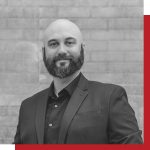
 T.J. Lewis, Ally
TRANSCRIPT
Intro: [00:00:04] Broadcasting live from the Business RadioX studios in Atlanta, Georgia, it’s time for GWBC Radio’s Open for Business. Now, here’s your host.
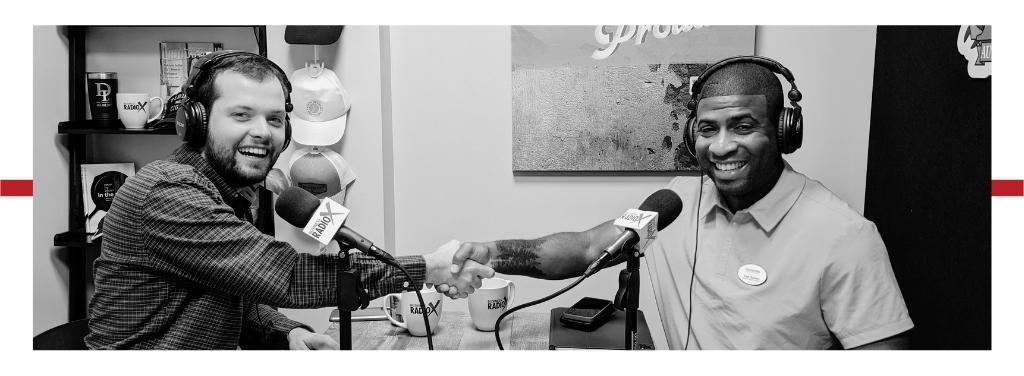
Lee Kantor: [00:00:18] Lee Kantor here, broadcasting live from WBENC’s National Conference 2022. This is the 25th annual conference here. So, we’re excited to be here and we’re inside the GWBC booth, booth 1812, if you wanted to stop by and see us. Right now, we have TJ Lewis with Ally Financial. Welcome, TJ.
TJ Lewis: [00:00:37] Thank you. Thank you very much. Happy to be here.
Lee Kantor: [00:00:39] Well, you’re a partner here with GWBC. Talk about why that’s important for Ally to be partners with GWBC.
TJ Lewis: [00:00:46] Yeah. So, Ally, just to give a little bit of background on myself and Ally, I joined Ally in January 2020 actually to launch our supplier diversity program. So, we’re a relatively new program. And in doing that, we knew we needed to really partner with some of the best councils in the area, and we have some key markets in the southeast, as well as the Midwest, and we immediately contacted Roz. I’ve known Roz from previous roles and knew that we wanted to kind of jumpstart our program engaging with the GWBC, and it’s it’s been a fabulous partnership that we’ve had over the last two-and-a-half years.
Lee Kantor: [00:01:36] So, you started this from scratch for Ally?
TJ Lewis: [00:01:38] We did. I did. So, I joined in. Ally’s known for very strong DE&I culture efforts, our corporate citizenship work that we had as a team. We had just gotten to the point where it was time for us to launch the supplier diversity program and I was honored to be selected-
Lee Kantor: [00:01:58] To champion that.
TJ Lewis: [00:01:59] … to champion that. And it’s been a joy. But keep in mind, I gave you the timeline, January 2020.
Lee Kantor: [00:02:07] I know. That was an interesting starting point.
TJ Lewis: [00:02:08] Right. Exactly.
Lee Kantor: [00:02:10] Like, hey, do you know that there’s a pandemic going on here?
TJ Lewis: [00:02:12] Well, it just—we didn’t know, and that was the thing. So, a couple of months in, less than three months in, we’re in the middle of the pandemic. And actually, one of the first things we did was we sat down with like the GWBC and some of the other councils, in particular, on the local side, and said, okay, we knew we had to reach a lot of the businesses that were being impacted the most.
Lee Kantor: [00:02:40] Right. And they needed the services of Ally and they needed the Ally to be an ally.
TJ Lewis: [00:02:45] Yeah, that’s right. And they needed the opportunities. And how do we do that? All of a sudden, WBENC, the national conference is going to be canceled. Everything’s canceled, right? And so, actually, we sat down, we talked with Roz and team, and we came up with some pretty innovative things, where we brought the access through virtuality, virtual events.
Lee Kantor: [00:03:05] Right. You had to figure out a way to make it happen, because business didn’t stop for everybody.
TJ Lewis: [00:03:09] Exactly. And that’s what’s been meaningful. So, it’s funny because being here today, I’ve worked—my team has worked with a lot of the the folks at GWBC for years, and we had never met them in person.
Lee Kantor: [00:03:22] And you never met them, right?
TJ Lewis: [00:03:24] That’s right. So, it’s exciting just to be here.
Lee Kantor: [00:03:27] It’s like a reunion.
TJ Lewis: [00:03:28] Yes, that’s exactly right. Exactly right. I joke that we’re not just a square box with a photo, right?
Lee Kantor: [00:03:34] Right.
TJ Lewis: [00:03:34] It’s real people.
Lee Kantor: [00:03:35] It’s hard to believe.
TJ Lewis: [00:03:36] Right. And so, it’s just been really exciting to be here, and the partnership and things that we’ve been able to do. We got involved in their mentorship program, where we were able to mentor a couple of women-owned businesses, and we’re doing that again this year.
Lee Kantor: [00:03:52] And the impact is real. Like this isn’t just something that a corporate higher ups are talking about, like, yeah, that’d be a nice thing. You’re seeing the real results of that relationship and the impact that makes not only on the individual business owner, but also their family, their community. I mean, the impact really trickles out and ripples out well beyond that individual.
TJ Lewis: [00:04:13] Without a doubt, and that’s what keeps us charged. And partnering and working with the GWBC and organizations like this just keeps us going. And we figure out ways to be more innovative and creative.
Lee Kantor: [00:04:29] Right. More creative and to make things happen, because you have to—you can’t stop innovating, or else, you’re going to die on the vine here. You got to keep kind of changing to adapt to what’s happening, because the world is so chaotic and changing so rapidly, you have to help them kind of dream bigger, really.
TJ Lewis: [00:04:48] That’s right. And just kind of tying it in, I mean, so Ally, if you know anything about Ally Financial, we’re a digital financial institution. And so, that’s kind of a disruptor. It’s kind of an innovator in this space.
Lee Kantor: [00:05:02] So, how do you kind of—as having a digital footprint, but you’re serving individuals locally and hyper locally, how do you kind of thread that needle to be available to them as they need you every day in a local market, but also have this kind of global really presence?
TJ Lewis: [00:05:20] Yeah. I mean, well, it’s the principles of the company. Well, we’re able to serve anyone everywhere.
Lee Kantor: [00:05:28] Right. But also you want to be hyper local so that you can serve the community.
TJ Lewis: [00:05:32] And that’s just in the communities that we operate and serve and across the 11,000 employees that we have. We are very active in those communities across the board. And so, it’s just part of that.
Lee Kantor: [00:05:46] That’s the culture and the DNA of the organization.
TJ Lewis: [00:05:48] Absolutely right. Absolutely right. And it’s actually why it was so fruitful starting the program here. It was—we already had a good culture, so it wasn’t about it’s just the right thing to do, everyone’s like, what can we do to help?
Lee Kantor: [00:06:02] Right. How can we do more?
TJ Lewis: [00:06:03] Yeah, exactly. Exactly. And that’s been exciting, working with Roz and team to, to really come up with those things. They’ve been really instrumental. We started a couple of things. Like we have—we do an annual symposium that we hosted virtually, and that all came out of the pandemic. We probably wouldn’t have done that, but we had to.
Lee Kantor: [00:06:24] Right. It’s kind of forced your hand there, but it’s one of those things, where after the pandemic, you’re like, well, let’s keep doing that, why not?
TJ Lewis: [00:06:31] That’s right. And then, that turned into then we do quarterly spotlight events, where we have a lot of the women-owned businesses are getting involved. They’ll pitch to our our teams. And what we found was in addition to how we we come to conferences like this, we actually do virtual events, where they’re able to talk directly to our buyers internally in house, and they’ve loved it. So, again, it’s just—the innovation that we’ve been able to get creative around is really exciting.
Lee Kantor: [00:06:59] And it must be so rewarding, too.
TJ Lewis: [00:07:01] It is. It is.
Lee Kantor: [00:07:02] Now, how do you attack an event like this, conference? Like there are so many people, like you said, it’s like a reunion where these are the first time you’ve seen in person probably a lot of these folks. What’s the strategy for you personally? Are you speaking and are you on a panel or are you doing any speaking? Are you kind of just going into booths and introducing yourselves?
TJ Lewis: [00:07:21] Yeah. So. A lot of the work that we’ve done was kind of on the forefront. A lot of the companies that we’ve met with and we know that they’re here, we actually scheduled a lot of time to try to follow up, meet with them in person.
Lee Kantor: [00:07:34] Because it’s an efficient way to really do a lot of face-to-face conversations.
TJ Lewis: [00:07:38] That’s right. Because everything else we’ve been doing for the most part has been virtual. And so, we’re taking that—the time to have that human touch. There’s always ad hoc meetings. I’ve been in this industry a while, so knowing a lot of people, a lot of companies that it helps. And so, we really, as a team, have kind of—we did our homework upfront, came in with a game plan. We do certain engagements.
Lee Kantor: [00:07:59] So, that’s great advice for someone that is new to this industry and had to work a conference is you’d better be doing some upfront work and plan this out, or else, it’s overwhelming. There’s too many people and too many things happening if you just show up and think you’re going to just wing it.
TJ Lewis: [00:08:14] That’s right. That’s right. Now, you’re 100% right. The homework is done. You’re almost in execution mode when you get here, not like wandering around.
Lee Kantor: [00:08:20] Right. You better be because you’re invested so much to get here, so you might as well get the most out of it.
TJ Lewis: [00:08:24] Absolutely. So, it’s been really fun. And I have a few team members that it’s their first conference here. And seeing that and with the changes, and it’s interesting, because it’s almost you couldn’t say like, how is it going to be, because it was all new for all of us, again, than what it was three years ago.
Lee Kantor: [00:08:42] Now, for the folks that should be connecting with you in terms of supplier diversity, are there certain niches that you want to work with or any women business is fair game here?
TJ Lewis: [00:08:54] Yeah. Our approach is if you have a product or service that you believe can help our institution, we’re here to listen. And so, because sometimes, we have a focus in certain areas, but our foundation is being a disruptor, and sometimes, disruptors, they come from areas you’re not thinking about.
Lee Kantor: [00:09:13] You couldn’t have anticipated.
TJ Lewis: [00:09:15] Right. Exactly. So, we keep an open mind around. So, really, I’m interested in companies that I may have never think that, we’re a financial institution, this isn’t going to, sometimes, they’re the ones that
Lee Kantor: [00:09:28] Surprise you.
TJ Lewis: [00:09:29] … can surprise you and be that supplier you really want to engage with.
Lee Kantor: [00:09:33] Right.
TJ Lewis: [00:09:33] Yeah.
Lee Kantor: [00:09:33] So, now, if somebody wants to learn more about Ally, what’s the website?
TJ Lewis: [00:09:38] Yeah. So, our ally.com, you can—you’ll hit the supplier diversity page as well. But one of the things, if people are interested, they can actually send an email to us in supplierdiversity@ally.com.
Lee Kantor: [00:09:53] And that’s A-L-L-Y?.
TJ Lewis: [00:09:55] A-L-L-Y, yes. And our team, we respond to that. We do—when we look for suppliers to potentially pitch us, we do have like a one pager that we would send to those companies, and they can fill that out, and we can get information on them to learn more.
Lee Kantor: [00:10:15] And that just gets the ball rolling.
TJ Lewis: [00:10:16] Gets the ball rolling. And so, you send an email there and our team will respond.
Lee Kantor: [00:10:22] Alright. Well, TJ, thank you so much for sharing your story today. You’re doing important work and we appreciate you.
TJ Lewis: [00:10:26] Thank you. Thank you. Thank you for having me.
Lee Kantor: [00:10:28] Alright. This is Lee Kantor. We’re broadcasting live from WBENC National Conference 2022 inside the GWBC booth and we’ll be back in a few.
About WBENC
The Women’s Business Enterprise National Council (WBENC) is a leading non-profit organization dedicated to helping women-owned businesses thrive.
We believe diversity promotes innovation, opens doors, and creates partnerships that fuel the economy. That’s why we not only provide the most relied upon certification standard for women-owned businesses, but we also offer the tools to help them succeed.
About GWBC
The Greater Women’s Business Council (GWBC®) is at the forefront of redefining women business enterprises (WBEs). An increasing focus on supplier diversity means major corporations are viewing our WBEs as innovative, flexible and competitive solutions. The number of women-owned businesses is rising to reflect an increasingly diverse consumer base of women making a majority of buying decision for herself, her family and her business. 
GWBC® has partnered with dozens of major companies who are committed to providing a sustainable foundation through our guiding principles to bring education, training and the standardization of national certification to women businesses in Georgia, North Carolina and South Carolina.