Business RadioX ®

  • Home
  • Business RadioX ® Communities
    • Southeast
      • Alabama
        • Birmingham
      • Florida
        • Orlando
        • Pensacola
        • South Florida
        • Tampa
        • Tallahassee
      • Georgia
        • Atlanta
        • Cherokee
        • Forsyth
        • Greater Perimeter
        • Gwinnett
        • North Fulton
        • North Georgia
        • Northeast Georgia
        • Rome
        • Savannah
      • Louisiana
        • New Orleans
      • North Carolina
        • Charlotte
        • Raleigh
      • Tennessee
        • Chattanooga
        • Nashville
      • Virginia
        • Richmond
    • South Central
      • Arkansas
        • Northwest Arkansas
    • Midwest
      • Illinois
        • Chicago
      • Michigan
        • Detroit
      • Minnesota
        • Minneapolis St. Paul
      • Missouri
        • St. Louis
      • Ohio
        • Cleveland
        • Columbus
        • Dayton
    • Southwest
      • Arizona
        • Phoenix
        • Tucson
        • Valley
      • Texas
        • Austin
        • Dallas
        • Houston
    • West
      • California
        • Bay Area
        • LA
        • Pasadena
      • Colorado
        • Denver
      • Hawaii
        • Oahu
  • FAQs
  • About Us
    • Our Mission
    • Our Audience
    • Why It Works
    • What People Are Saying
    • BRX in the News
  • Resources
    • BRX Pro Tips
    • B2B Marketing: The 4Rs
    • High Velocity Selling Habits
    • Why Most B2B Media Strategies Fail
    • 9 Reasons To Sponsor A Business RadioX ® Show
  • Partner With Us
  • Veteran Business RadioX ®

The Power of Personal Connection: Make Your Brand Unforgettable Through Storytelling

August 12, 2025 by angishields

HVR-Christy-Renee-Stehle-Feature
High Velocity Radio
The Power of Personal Connection: Make Your Brand Unforgettable Through Storytelling
Loading
00:00 /
RSS Feed
Share
Link
Embed

Download file

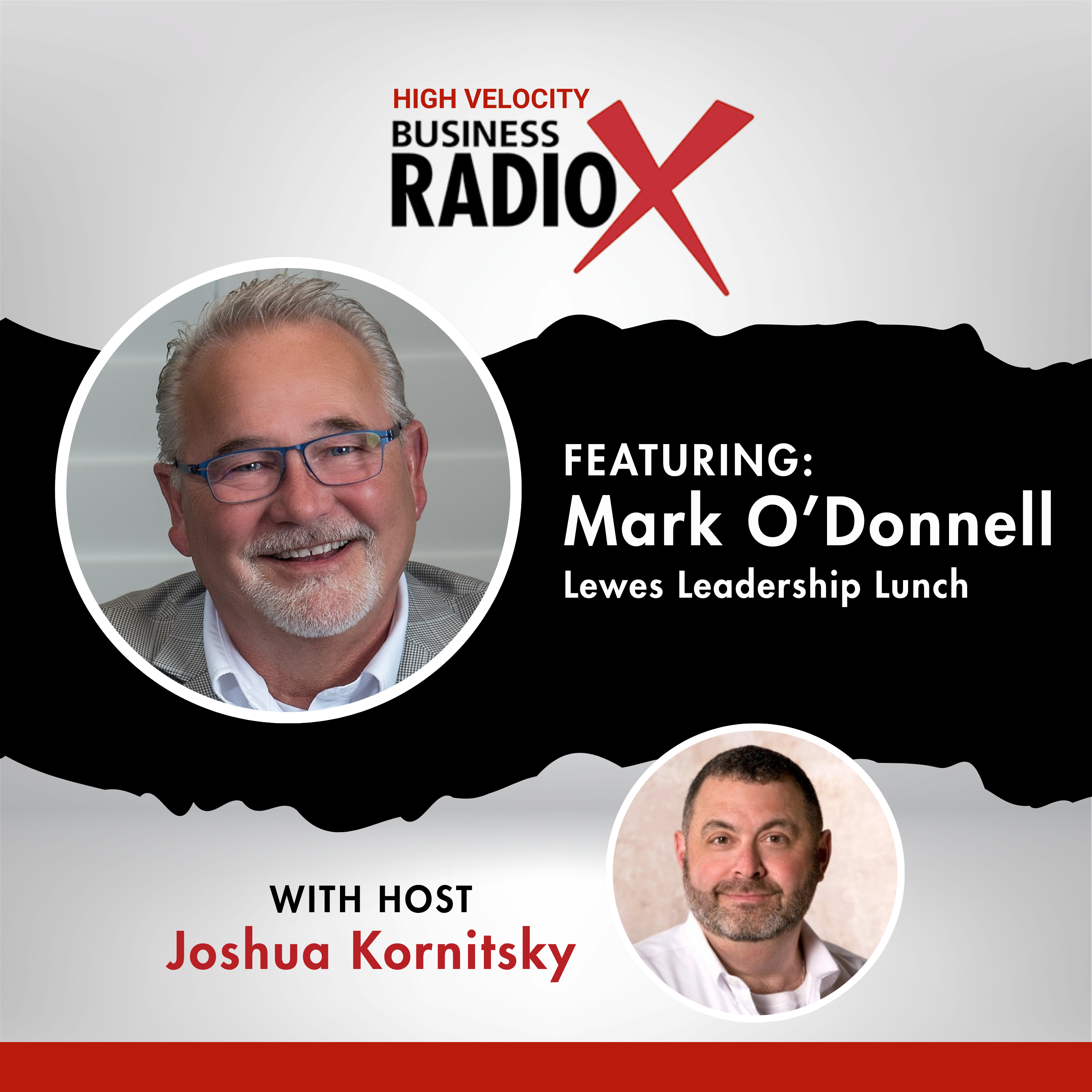
In this episode of High Velocity Radio, Joshua Kornitsky interviews Christy Renee Stehle, an award-winning brand storyteller, strategist, and coach. Christy shares her journey from avid reader to corporate advertising leader, discusses her storytelling framework, and emphasizes the importance of emotional intelligence and alignment in brand communication. She recounts success stories, including revitalizing Claire’s, and offers practical advice for entrepreneurs and organizations.

Christy-Renee-StehleChristy Renee Stehle is a dynamic speaker, coach and consultant who specializes in helping organizations stand out and scale through the power of magnetic storytelling and presence.

From chronic illness and spending 5 years traveling across 35 countries to helping organizations find clarity, structure, and consistency of their brand, Christy is a wealth of wisdom and a catalyst for change.

Connect with Christy on LinkedIn and Facebook.

Episode Highlights

  • Importance of active listening and emotional intelligence in understanding brand essence
  • Development of a unique storytelling framework for brands
  • The role of personal stories in connecting with audiences
  • Challenges organizations face in achieving communication alignment
  • The significance of consistency in brand messaging across platforms
  • The impact of mentorship on professional growth and confidence
  • Strategies for integrating storytelling into organizational culture
  • The evolving nature of consumer expectations and the importance of personal connection
  • Resources and methods for entrepreneurs to enhance their storytelling skills

About Your Host

BRX-HS-JKJoshua Kornitsky is a fourth-generation entrepreneur with deep roots in technology and a track record of solving real business problems. Now, as a Professional EOS Implementer, he helps leadership teams align, create clarity, and build accountability.

He grew up in the world of small business, cut his teeth in technology and leadership, and built a path around solving complex problems with simple, effective tools. Joshua brings a practical approach to leadership, growth, and getting things done.

As a host on Cherokee Business Radio, Joshua brings his curiosity and coaching mindset to the mic, drawing out the stories, struggles, and strategies of local business leaders. It’s not just about interviews—it’s about helping the business community learn from each other, grow stronger together, and keep moving forward.

Connect with Joshua on LinkedIn.

Transcript-iconThis transcript is machine transcribed by Sonix.
 

TRANSCRIPT

Intro: Broadcasting live from the Business RadioX studios in Atlanta, Georgia. It’s time for High Velocity Radio.

Joshua Kornitsky: Welcome back to another exciting episode of High Velocity Radio! I am your host Joshua Kornitsky, professional iOS implementer and in studio today I have a really incredible guest, Christy Renee Stehle, a magnetic brand storyteller, a strategist, a speaker, and a coach. Welcome, Christy.

Christy Renee Stehle: Hey, thank you so much.

Joshua Kornitsky: I’m so happy to have you here. I’ve had the opportunity to to see Christy as part of a panel, and she just made a really, really dramatic impact with the folks in the room. So having you here one on one just makes this all the better. So tell us a little bit about your background and what you do to help folks as both a storyteller, uh, for, for brands, for as a strategist and as a coach. Right. Because it’s multifaceted.

Christy Renee Stehle: Yes. Well, I help brands tell their story to grow their loyal client base. But what I really help brands do is to communicate their essence so that they can really have true transformation, which is really what I’m about. Growth, transformation and communication is all often the biggest sticking point. When companies go to grow. They don’t realize that, but it is okay.

Joshua Kornitsky: So you’re helping them understand who they are.

Christy Renee Stehle: Question mark.

Joshua Kornitsky: Yeah, I, I mean, I, I understand what you’re alluding to, but that must be an incredible challenge to elicit that from folks who are probably very black and white. And this is much more in the creative space than it is in the black and white space.

Christy Renee Stehle: You know, articulating their essence is far less complicated. That comes easy. What is a bit of a challenge, though, is that most brands who need this are what we call problem unaware. They don’t know that what’s sticking them is actually what I can help with. So it’s easy to communicate their essence because through a conversation I can see patterns. I can hear patterns. You know, we often have a blind spot. It’s actually not crazy science. What I do it, you know, if we were having a conversation and you said the word trust 17 times, that’s probably going to be important.

Joshua Kornitsky: That’s a good note to remember just for future interactions with anybody. Right. So people are what it sounds like. What you’re saying is people generally self-identify where their issues are. You’re just tuned to hear it.

Christy Renee Stehle: Yes. Active listening. My background in coaching obviously helped a lot. It really just is a lot of leadership training that allows me to be able to hold the space, listen, have very strong recall. I will say that that is important. Being able to notice that, recall it, and maybe even articulate verbatim what they said. But you can record that. You can take notes.

Joshua Kornitsky: There are ways these days. Yeah, more, more than ever. But let’s talk about that a little. What is your background? What was the foundation for all of this?

Christy Renee Stehle: Yeah, well, you know, I always tell people that I’ve been reading since I was about three years old, and I never stopped, and that’s awesome. Um, people don’t always like that answer because they’re like, no, I want to know exactly where you studied and exactly what you did. And honestly, reading for that length of time and never stopping has been the biggest educator.

Joshua Kornitsky: I’m the son of of a retired now librarian. You don’t have to tell me. Yeah. Um, so it sounds like that constant search for knowledge is, is ultimately the underpinning of of what made you pay more attention or was there more in your background?

Christy Renee Stehle: I mean, it’s definitely it was definitely my first experience with, with the bigger world than the area that I lived in, for sure. But even sentence structure, story structure, paragraph structure, when you’re when it when you’re reading bestselling books. Right. Again and again and again and again, you start to understand that there is a structure to this. And, you know, I have a storytelling framework story. It is used for inspiring trust and motivating action. And it really that was birthed from reading fiction. Yes.

Joshua Kornitsky: I think that’s incredible. Um, did you through your journey to arrive at being the the dynamic storyteller that you are, the magnetic storyteller that you are? Did you have any mentors? Did you have anybody that inspired you?

Christy Renee Stehle: Lots of people throughout the throughout the way, I’ve had so much help. I’m always, you know, for anybody listening that wants to feel inspired to do more with your life, seek help. It does not make us weak. It makes us strong. And one in particular, when I was in corporate advertising to have a middle aged man who had been doing this for decades and decades, always pushed the women to the forefront and give us opportunities where, for instance, directing a national TV commercial, being able to write the full script and I don’t know if I can do this and I don’t know how to do this. He’s like, you got this, really? You’ve got this, Christine. Go! Oh, yeah. And. No. Can you help in this? And there would be feedback in the end, but it was such a great mentor and development to help me trust in my own skills and learn this and then refine my delivery for sure.

Joshua Kornitsky: That’s and as you said, reaching for help doesn’t make you weak or show you that you’re weak. It shows you that you’re strong because the the best of the best all work with people who help improve them.

Christy Renee Stehle: And I think that that’s one of the biggest misconceptions. People don’t like asking for help. They think that it makes them look bad. I should know everything. I should do it myself. Absolutely not.

Joshua Kornitsky: If that was the case, they would already be at the top of everything they attempted and I’ve not met too many people there. Yeah. Um, so you had touched on this briefly about sort of this blend of both precision with data, but also with creativity. Right. And and with your background in, in your experience, can you talk a little bit about how the two overlap, or maybe not overlap. Maybe where they meet?

Christy Renee Stehle: Yes. Well, believe it or not, emotions can be data. And I’ve been using that a lot more recently because yes, the emotions that you feel, the emotions you want to convey, the emotions that your ideal audience feels. That’s what drives our communication. That’s true. So there is precision and in this emotional intelligence. And I think that for me, I’ve always been very detail oriented. That comes naturally to me. But working in corporate advertising, as I just mentioned, helped me develop my high level way of thinking. And I still remember, you know, this goes back to transformation and growth. When somebody asks you to do something. Yes, seek help, but also in certain settings be like, yeah, I totally got this. And I remember the first time I was asked to create concepts for a campaign, and that was actually some high level thinking, and that helped to bridge me into the high level. But when I was asked, Christy, can you make some concepts for a campaign? Sure, absolutely. Of course. Call ended, went to Google. What is concept? What is a campaign and. Figured it out.

Joshua Kornitsky: But it’s incredible because the way that you stitch it together now. I won’t say it’s effortless because clearly there’s a lot of effort in it, but you certainly seem to have honed your craft in a way that that shines through with some of the clients you’ve shared with me that you’ve worked with. Um, anything in that regard that, that without giving away names and companies of things that are obviously protected, uh, you had shared with me about, uh, one company that had grown 51% in a particular period of time that was remarkably short.

Christy Renee Stehle: From bankruptcy, I might add. Yes.

Joshua Kornitsky: Back from the dead.

Christy Renee Stehle: Back from the dead? Yes. At a time when many legacy retailers were going out of business, toys R us, K-Mart, Claire’s was threatened to go out of business as well. They did not have a voice that spoke to the new generation. They did not have consistency between their e-commerce site and their in-store experience, and a lot of brands may not think that that’s as important as it is. But for today’s buyers, if you don’t have that consistency, you’re not even registering in their awareness that you are worthy of them investing their time to check you out.

Joshua Kornitsky: Well, I’ll confide in you. Uh, I now both have a love and hate relationship with you because I have a 17 and a 22 year old daughter. And what you did at Claire’s clearly worked a few years back, because we spent plenty of time and money there. But to your point, they are the growing demographic, right? And all joking aside, if they didn’t see consistency between what they saw online and what they experienced in store, uh, you fall into a situation like the electronics retailer Fry’s. They were two different organizations, and the in-store experience was completely removed from the online experience, and they disappeared literally overnight.

Christy Renee Stehle: It happens. It happens. And, you know, with the voice for Claire’s, we were creating this new voice for the generation. And so the task was or what I helped them see, the task was, is that we need to communicate in a voice where the today’s 15 year olds will not roll their eyes. But then, as that bonus, can we communicate to the millennials that grew up with Claire’s and have them inspired too? Because in a lot of times the parents are the ones doing the buying. So how can you bridge that and speak to everybody and still be very specific and nuanced?

Joshua Kornitsky: And so you’re you’re doing multigenerational communication.

Christy Renee Stehle: Which is how we got here today with the Family Business Association Enterprise Center.

Joshua Kornitsky: Absolutely. Well, you had shared with me that you’re pretty well traveled on this planet of ours. Um, how many countries?

Christy Renee Stehle: 30. 36. Actually, I need to revise it. I went to Canada to two weeks ago.

Joshua Kornitsky: That’s amazing.

Christy Renee Stehle: 36.

Joshua Kornitsky: 36. So I think that leaves you about 45. Give or take a few left, but some of them are smaller, so you can probably hit a few of those in a day. But all joking aside, with that level of international exposure, understanding that not all of those were business trips, in fact, I don’t think many of them were business trips. How does that inform your perspective? Because it’s not just about American consumers. You’re dealing. Some of the clients that that you work with are global brands. Many of them are global brands. So did that inform your perspective?

Christy Renee Stehle: It did. And what I would like to share from that is in the idea of transformation and this idea of impossible growth. No, they were not all business trips. In fact, I had a two year work gap on my resume before I landed a six figure salary with no formal experience. Wow.

Joshua Kornitsky: So you are a really good storyteller.

Christy Renee Stehle: And that was a huge part of it. Yes, being able to leverage yourself as the best candidate in any room using your personal experience. So I went into that interview as the only one who had traveled the world, and instead of showing up and being, um, well, you know, I had a two year work gap and and I was like, no.

Joshua Kornitsky: Look at look at how much I built myself.

Christy Renee Stehle: How much and how I can communicate beyond borders. And I just really sold. I sold that, and by the end of that interview, I was the only choice candidate, because I had put myself in a box that no one could compete with. And I.

Joshua Kornitsky: Pretty strong.

Christy Renee Stehle: Piece again and again and again. And if anybody is listening and you feel inspired, but you’re like, I have not traveled to 35 countries, I can’t do that. That is part of what I help. I know we talked a lot about organizations, but for the entrepreneurs, understanding how to leverage that personal story, maybe it’s a misfired email. Maybe it’s a traffic moment. It doesn’t have to be these life altering stories, but captivating is in the delivery, not in what.

Joshua Kornitsky: Happened when you had shared it. It creates this, uh, my word connection point, right? Where where I can see where the person that I’m, um, talking with to convince of my product or service can see themselves in in the story as I tell it.

Christy Renee Stehle: And that’s really the key. It’s that right there. That’s all it takes today. Yes, there’s a lot that goes into that. There’s strategy. There’s, you know, refinement of, well, I have this big, huge life and I don’t understand how my personal transformation has anything to do with my business acumen. Well, that’s where I come in and that’s really where I help merge. Because yes, if you figure out how to do that, that’s all it takes.

Joshua Kornitsky: That’s fantastic. And in truly that that’s a cheat code to to to connect.

Christy Renee Stehle: You kidding me? I have gotten in the room. I was on the Mind Valley stage, my Mind Valley mainstage university next to visionary leaders like Fish and Lisa Nichols as a nobody. Right? I’ve just.

Joshua Kornitsky: Won. Not a nobody.

Christy Renee Stehle: But not a nobody because I positioned myself. And it’s this quantum leap type of growth that I’ve done again and again. And the rug has been pulled out from under me more times than I can count, and I’m constantly pulling myself up by my bootstraps building a new presence in a new industry. And I’ve used this, this magnetic storytelling method repeatedly for all this growth time and time again.

Joshua Kornitsky: I can you tell us a little bit more about it, because it sounds like it’s something that that absolutely taps into not only a need, but is is deeply in tune with the marketplace?

Christy Renee Stehle: Absolutely. I’ve joke I’ve been waiting my entire life for 2025. This is perfect timing. The world needs what I have to offer. And yes, there’s three parts to this, right? So you have your message, which we talked about a little bit with the previous guest. This is really where the data comes from, the emotional data. And under in order to understand what your message is you have to first understand your audience. Then you position it through that lens, then you have then you have something that I call magnetic presence. Magnetic presence is built through courage. It’s built through energy management, and it’s built through leveraging your story. And then you have story which depending on if we’re a large organization, you may have an evergreen story. You may have a campaign story, but then what nobody is talking about is the individual story. And that’s where I’m training leadership teams in the same way that I’m working with the entrepreneurs. Hey, what is your background? Every time you’re in a customer service interaction or sales interaction, don’t come out of the gate with just like, okay, let’s get down to business. No way.

Joshua Kornitsky: Right.

Christy Renee Stehle: Tell a story about what just happened. And so the person sitting there goes, wow, I’m in such good hands.

Joshua Kornitsky: So you bring up a really interesting point, and I want to make sure that I ask this question. You’re some of the organizations that you work with are really, you know, fortune 100 if and because it’s not my information to share pretty high up on that list in maybe even the single digits. That having been said, are you able to transfer the skills and abilities that you’re talking about? Now with me down to entrepreneurs that are at a local level.

Christy Renee Stehle: Oh yes. Yes, I’m working with entrepreneurs right now. I have one on one coaching clients, whether they’re really what I the translation in that really comes down to, are you the face and voice of your brand? That is what it takes today. So yeah, absolutely. It’s that same kind of thing, that same kind of storytelling training. It’s just on a team level or an individual level. But the the golden thread is really the same.

Joshua Kornitsky: That’s really incredible to know, because it’s the type of thing that, as you alluded to before, it’s a quantum leap if you can harness this ability. And it sounds like it’s sort of like the, the, the colors in the house. Right. The information’s contained in the folks. You just have to help them see it.

Christy Renee Stehle: Yes. And that’s really a lot of the work that I do. And, you know, whether you’re an organization you need to be. So if you’re an organization, you need to be as personable as a human. And if you are a solopreneur, you need to be as omnipresent.

Joshua Kornitsky: As an organization.

Christy Renee Stehle: As an organization. So we have all of these platforms that we’re expected to show up on. And no, you don’t as an entrepreneur, need to be everywhere. Focus your energy on maybe two, but you need your presence there. Because if somebody Googles you or goes to that certain platform and tries to find you and you’re invisible, you’re a ghost. Guess what? You don’t even register. Oh, they’re not real. Right. And that’s the that’s the problem that a lot of brands are having in the market right now, they’re not even aware of is that with AI, with all the scams, with the way the market’s changing, there’s a lot of mistrust and we have a really guarded generation of buyers. And so what we need to do is inspire that trust at a new level. So I know people kind of fear this disruption, but there’s so much opportunity here. And it really comes down to personal connection, telling your story. I mean, I think it’s a great time to be in business.

Joshua Kornitsky: It’s the way you tell the story. It certainly makes sense to me that there’s tweaks and and opportunities to improve just the way people are communicating on a basic level to to make a pretty dramatic impact.

Christy Renee Stehle: Well, you know, think about think about communication at the level in your home. Think about your loved ones or your children. How much of a difference does it make communicating with your wife or your husband from a place of emotion, anger, frustration versus internalizing processing your emotions and coming back with a level head?

Joshua Kornitsky: It’s a completely different experience.

Christy Renee Stehle: How much of a difference in an outcome does it make?

Joshua Kornitsky: Sure. That that, um, it’s a great way to to bring clarity to that. So who usually reaches out to you in an organization? Hoo hoo hoo if someone wants to engage with you? Who is it usually that does.

Christy Renee Stehle: I wish I had a simple answer for you. My life would be a lot more simplistic, but because I do so much public speaking, just like you saw me at the Kennesaw panel that same event, a CEO of a family business. A event organizer for the Kennesaw Super Women’s Conference that I’ll be in this month. That’s great. And a CEO event. And then there was an entrepreneur there that night that was interested as well. So honestly, everybody needs this at this time. And I’ve just been try as I might to say, that’s too many people to serve all at one time. I’m a team of one. Let me pull back every time I go into a new room. This same spread of people seem to be interested. So I’ve refined my approach, and now I’m building a very big and dynamic team so I can scale. And it’s my own medicine, right.

Joshua Kornitsky: Right, right. But but that’s what makes so to to your own point, it has credibility because it is your own medicine. Right? Because your belief in what you’re doing comes through very clearly. And it’s obvious that you believe in what you’re teaching, what you’re eliciting from the folks that you’re working with. And it makes a dramatic impact on how those engagements have to execute. Because when people when you love what you do, it comes through. And it definitely, definitely comes through.

Christy Renee Stehle: Well, you make such a good point. You know, that’s one of my core teachings, is that your energy about something is going to sell more than your words. And it’s just like the age old sales technique or job interview. If you’re not convinced, you won’t convince. If you’re sitting there as a job candidate thinking, man, I’m really trying to convince this person that I’m I’m the absolute right choice, but I’m insecure and I don’t have this. You’re not going to get it. And so if you believe in what you do, that energy, that passion, that conviction, it shines through. And that’s how you can really bring a lot of people in. That is the magnetism that I talk about.

Joshua Kornitsky: So when let’s take a hypothetical, when you walk into a leadership team that’s decided to engage you. Um, question number one is, is how often are they all aligned around and for clarity around who the brand is, what its identity is, what what they’re dedicated as a leadership team towards achieving.

Christy Renee Stehle: That is one of the biggest challenges that I see organizations have is that we are multiple people making up our brand. How do we have one voice? And in family business, you tend to have more alignment between and, you know, one of the CEO that I just mentioned when he said, you know, well, we’ve just been hiring people that are pretty much like us.

Joshua Kornitsky: A tried and true approach.

Christy Renee Stehle: And it and it works, but it still yeah, it it it it will have a hard time continuing to be sustainable in this new. Exactly, exactly. So there’s all different range of alignment. Um, but the I do have an align framework as well. And it was birthed from the fact that when I was in corporate advertising and I was at that director level, I was constantly like a broken record. Hey guys, I need to get the team to align. Can we align before this? So alignment is on a grand scale, but it’s also on a micro level of everyday interactions. You think that you’re saying the same thing. And this is why communication breaks down. And it is that sticking point, because a team will be having a conversation about something and then they’ll go break. And then they all go to execute and then you bring them back. I cannot tell you how many times a creative team delivered their heart and soul on a screen in a project, and the team said, oh, this is great, guys, but it’s not the ask, right? It’s like, who can you please learn how to communicate a little bit better, please? So I got in the habit of just getting into the micro moments of alignment.

Joshua Kornitsky: So, so are you bridging the gap between what I say and what you hear.

Christy Renee Stehle: Often, often. And as writers, our job is to be very literal. So I did train my staff to get into the habit of after everything, then go back. And it’s kind of that active listening thing that we talked about, right? Get in the habit of active listening. So what I hear it. What I hear the ask being what I’m going to go do. Just to clarify, these were certain things that I taught. So really an organization, if they were engaging me for my full services, I would be building you internal communication alignment processes as well.

Joshua Kornitsky: Well, and that makes sense, because if you’ve got five leaders that all have a slightly different interpretation of the goal, everyone in each one of those silos has a slightly different interpretation of the goal. And if you’ve got ten people in five silos, you’ve got 50 people that are marching to different orders. And and that’s going to do nothing but create chaos.

Christy Renee Stehle: And we’re communicating where slack teams as fast as we can in short little bursts of text. Then nobody.

Joshua Kornitsky: Ever, nobody ever misunderstands those ever.

Christy Renee Stehle: Ever.

Joshua Kornitsky: Well, so to me that that leads to a question that I’m curious about. How important is common language because of what you’re talking about?

Christy Renee Stehle: Oh my gosh. Yes. So yeah, I have been I’ve had eyes roll at me like, you’re such a dork. But the first thing that I do is like, we need to have a glossary of terms that we all use because otherwise, you know, especially in today, we’re talking about, okay, there’s no standardize for a lot of marketing lingo, let’s say. Right. If you’re trying to make a campaign on social media, the rules are changing all the time. First of all, you have a graphic designer, you have a writer, then you have an account manager. You have all these people. What’s the art copy on image? Text caption. Right. A lot of times people will say, make the text, say this, make the image this. There’s a lot of other text. If you’re doing paid ads, you have a headline. Is the headline the thing that’s on the graphic or is the headline the specific part that you have to plug in in the back end?

Joshua Kornitsky: So is the framework that you introduced to them. What you help them understand brings the clarity to it.

Christy Renee Stehle: It definitely brings clarity and it really depends on where an organization is and what their goals are. So the first thing that I always do is have a strategic onboarding. We need to know where you want to go and know what’s in the way. And then we can figure out what’s happening. So it’s not always the same. But just like we talked about before there commonalities. There’s patterns. It’s just a little bit of customization into the plug and play if that makes sense.

Joshua Kornitsky: So when you have those dialogs, is that where you begin to use your term? Is that where you begin to unearth the essence of that organization? Is that do you find that it sort of leaks out through the seams?

Christy Renee Stehle: It absolutely does. It absolutely does. It is very you know, I think that emotional intelligence is what equips me to do such a fine job at this. It’s being able to walk into a room and hear some stories, hear some conversations, see how people interact and get a little bit of legacy history and I mean within an hour we could say an hour, whether it’s a strategic workshop where we’re getting together. What I really love to do is team building events. I think that we need it now, that we are hybrid. People are wondering what the future of work looks like. How do we do that? Well, people don’t always like to carve out some time, but guess what? If we’re doing three things at once, right? In that time that we carve out, we are actually creating much more sustainability as we go along.

Joshua Kornitsky: So what are some of the misconceptions, right, that when you walk in the door and you’re talking about creating this alignment and creating this understanding, and even as basic a term as as a glossary of terms, right, to get everybody using common language, what are the assumptions that you have to combat?

Christy Renee Stehle: Mm. Yeah. Great. Great question. I always and one of my principles as well is always handle the objections straight out of the gate. So knowing what those misconceptions would be and being able to deliver them is important. I don’t know that they are always the exact same. I do think that really, as we talked about a little bit earlier, the. Amount of time you have to tell your brand story, I would say is probably the most consistent thing. I get the question of, well, how much time do you have to capture that attention? And it really depends on how good you are at retaining that attention. And I think that, well, we don’t need to tell our brand story because we don’t do a lot of long form content. Okay.

Joshua Kornitsky: Right. But but is I want to frame this as a question rather than a statement. Is is a brand’s story at the highest level? Is it a isn’t it more of an arc or a spectrum than a simple. We make widgets.

Christy Renee Stehle: Yes. And I would take it a step further and say that a brand story at the highest level is an emotion. It is an emotion that you leave others feeling at every touchpoint, whether it’s online, whether it’s a customer service, if you are making others feel taken care of, let’s use chick fil A, for example.

Joshua Kornitsky: I was going to ask for an example.

Christy Renee Stehle: I was perfect exactly. Chick fil A was the only brand that’s ever come across my desk. And you keep asking, no, it’s not protected. I’ve worked with the American Heart Association, chick fil A, sire, LTL free, Claire’s next door, the list goes.

Joshua Kornitsky: I just always have to be respectful because I know.

Christy Renee Stehle: Absolutely. And yes, I can be modest in that way sometimes, so thank you for drawing it out of me. Yes, but chick fil A was the only brand that’s ever come across my desk that had well-developed communication guidelines, so it’s easy to see why they scaled from a handful of locations in the southeast to a nationwide presence that people in New York say, yay, chick fil A got here, right? Why? Because they understand their audience so well. Their audience is primarily working parents, primarily working moms. So the energy that they make you feel at every interaction Is taken care of. You can trust chick fil A to give you a moment of peace in your day of chaos. From the little napkins, from the little flowers, from the smiling faces, from the. My pleasure. Everything they do is to give you the feeling that you are taking care of. That is their brand story.

Joshua Kornitsky: So I think you just touched on another aspect of of. I love this term, essence. Right? Because it isn’t just a leadership team discussion decision and they send it off to marketing. It sounds like it permeates every level of the organization.

Christy Renee Stehle: It should. And unfortunately, sometimes it is just a leadership conversation and it is sent off to marketing. But that is the old way of doing things, and that is not what will get you this huge kind of scalable growth that is possible, this impossible growth, this scaling, this nationwide presence. Yes, it does come from marketing, should be permeated in absolutely everything you do. And so I actually believe hot take here as somebody who came as an agency partner. I think that all. Somewhat.

Joshua Kornitsky: So I’m sorry, you were saying someone coming from an agency.

Christy Renee Stehle: A little bit of a hot take. Is somebody coming from it as an agency partner? I don’t believe that brands should have agency partners in this day and age. I think they need in-house marketing teams trained by expert professionals in how to develop the leadership internally to do this. Why? Because the amount of times agencies are a rotating door or they trade people out, they don’t document brand. No, marketing isn’t everything you do. So get really used to telling that story. Have somebody like me come in, give you the processes, outline the leadership training, teach you how to do it, and then carry it forth yourself.

Joshua Kornitsky: Well, so you mentioned before about sort of this next generation of consumer. Right going. Building directly on what you just said. Are you beginning to encounter next generation leaders? Are you helping sort of train those next generation leaders? Because it seems to me, thinking of the traditional stuffy, uh, leadership team meeting that that I’ve been in a party to and, and borne witness to. There’d be a lot of resistance to that concept.

Christy Renee Stehle: To the concept.

Joshua Kornitsky: Of of of that marketing’s got to be that that marketing’s got to be in-house, that we’ve got to have it permeate every aspect of the business because the, the old, uh, curmudgeon perspective is it has its place as, as part of the holistic organizational structure, but it’s no more important than anything.

Christy Renee Stehle: Else. Good luck. Good luck. But that’s how that’s how so many brands are becoming obsolete today because they’re not adapting.

Joshua Kornitsky: So broadly, what does success look like when When it all hits, when you’ve worked with a client and you’ve gotten them to understand and and extracted and they’ve embraced what their essence is and you’ve gotten it to again, you facilitate them. You don’t do it for them. If you’ve gotten them to understand the value of bringing that essence throughout the organization, obviously, financials one aspect of it, but what are the other impacts on the organization other than success?

Christy Renee Stehle: Success for an organization with their brand story are happy employees, fulfilled employees, top tier talent, a culture that not only your employees love to organically share, but also something that your customers can buy into. So it’s this idea of creating a movement, creating a culture. And truly that is the highest form of success because that is how you do less work and grow faster, because you have what I call walking billboards. People, employees, customers who are just so taken with what you. You do that they go and they share you on Cherokee Business RadioX plugging an automotive alpha and omega community leader who’s taking care of the community. People start talking for you.

Joshua Kornitsky: So what you’re saying, if I can paraphrase, is if you take care of good, if you take excellent care of the of your staff, your staff will take excellent care of your customers.

Christy Renee Stehle: Yes.

Joshua Kornitsky: Huh? Novel concept. I feel like that’s. That is both incredibly obvious and so counterintuitive to the way a lot of legacy business operates, because so many legacy businesses just see like the old Tom and Jerry cartoon, they just see that walking bag of cash when a customer walks through the literal or the metaphor, the metaphorical door, helping them understand that value must be a challenge.

Christy Renee Stehle: Yes. And one of the best projects that I worked on was actually a white paper documenting all of the data of this new generation of buyers. And all of the studies show, whether it’s event attendees or buyers today. They value this personal connection. So legacy brands who are thinking in the way that you suggested or that they’re not reading the data, they’re not reading the statistics that show, hey, we have a new generation of buyers who value things very, very differently. And if you adapt now, excellent, huge growth is in your future. And if you don’t, might be like toys R us I’d be like Kmart.

Joshua Kornitsky: And is that white paper available to people to reach out to you?

Christy Renee Stehle: It actually is.

Joshua Kornitsky: That’s a good.

Christy Renee Stehle: Actually.

Joshua Kornitsky: Yes, yes, I’d like to read that myself.

Christy Renee Stehle: Absolutely.

Joshua Kornitsky: Well, Christye, uh, I can’t tell you how informative I found all of this. Is there anything we didn’t touch on that we need to share? Other than. I do want to ask you, I understand that you’re the recipient very recently of an award, and I. I really believe you should shout it from the rooftops. So please tell.

Christy Renee Stehle: Us. I should be shouting it. You’re absolutely right. I think some of the shock is still wearing off. Fair enough. I’m. I’m in the same room in the same category as four time Olympian athletes and keynote speakers and global heads of event companies. I won a 2025 Smart Meeting Best of Stage award in the Life Changers category, and I am just beyond humbled. I’m beyond honored. This means so much to me. This is going to allow me to get out there and help so many other entrepreneurs and organizations transform, and.

Joshua Kornitsky: It’s well deserved. And I say this from a professional perspective, having having spent some time with Christie, having also seen her on stage in a panel, uh, you light up a room and I mean that in, in a strictly professional sense that people listen to what you say because the way you say it is so impactful.

Christy Renee Stehle: And if anybody wants to learn how to do that.

Joshua Kornitsky: How do we reach.

Christy Renee Stehle: You? Work with me one on one. You can find me at my website, Christina, on all the social platforms. That is exactly what I teach to do.

Joshua Kornitsky: That’s fantastic. Well, we will also share all of your mechanisms of contact, including your Instagram, with your permission. Yes. And make sure that people know how to reach you. Uh, Christina Seeley, unbelievable discussion, unbelievable essence that I’m taking away from this. You are a magnetic brand storyteller, a strategist, a speaker, and a coach. And I am so grateful for your time and for you sharing all that you’ve shared with us and our listeners. Thank you.

Christy Renee Stehle: Thank you so much.

Joshua Kornitsky: This is Joshua Kornitsky, the host of High Velocity Radio. Thank you for joining us. We’ll see you next time.


BRX Pro Tip: BRX For the Recently Retired Person

August 12, 2025 by angishields

BRXmic99
BRX Pro Tips
BRX Pro Tip: BRX For the Recently Retired Person
Loading
00:00 /
RSS Feed
Share
Link
Embed

Download file

BRX-Banner

BRX Pro Tip: BRX For the Recently Retired Person

Stone Payton: And we are back with Business RadioX Pro Tips, Lee Kantor and Stone Payton here with you. Lee, there are so many practical and productive use cases for joining the Business RadioX team and serving your local community. What about the application of a Business RadioX operation run by a recently retired person?

Lee Kantor: Sure, if you’re in business and you’re just retired, there is no better business to start the second act of your life as a Business RadioX studio partner. Because this is going to offer you a uniquely flexible and rewarding business opportunity that’s going to leverage all of your experience, it’ll leverage the relationships you already have, and it’s going to be without any of the constraints of a typical traditional job. This is definitely for the person who has that entrepreneurial itch that would like to do something, but they don’t know what their next move to make.

Lee Kantor: If you partner with us, a Business RadioX studio partner, you set your own fee structure. You keep 100 percent of the revenue that you earn. There’s no contracts. There’s no royalties. You build the business at your own pace. You can do it with no or low overhead. There’s unlocking as you grow multiple revenue streams, and I’m talking about more than two dozen different revenue streams, and it could be from sponsorships, to event coverage, to consulting, to coaching. There’s all kinds of ways to make money with our model.

Lee Kantor: And the model works great if you are a service minded professional who wants to support their community, who wants to remain relevant, and who wants to continue to make a difference in your work. If you want to do work that you feel good about at the end of the day, that you know that you made an impact, Business RadioX is a great fit for that type of a person. You’re going to have access to a proven system. You’re going to have ongoing mentoring. There’s a national network of like-minded partners that are happy and willing to talk to you, share stories and advice, and we make it easy to get started.

Lee Kantor: Again, it’s one of these things where there’s no long term commitment. If we’re not providing the value, you can quit any time. But if you’re ready for a flexible, meaningful business that fits your post-retirement lifestyle, go to businessradiox.com to learn more.

From Military to Cybersecurity: A Veteran’s Journey to Protecting Businesses

August 11, 2025 by angishields

From Military to Cybersecurity: A Veteran's Journey to Protecting Businesses
Veteran Business Radio
From Military to Cybersecurity: A Veteran's Journey to Protecting Businesses
Loading
00:00 /
RSS Feed
Share
Link
Embed

Download file

In this episode of Veteran Business Radio, Lee Kantor interviews Susan Rouse, Navy veteran and CEO of AG Grace, Inc, an IT managed services firm specializing in cybersecurity. Susan discusses the evolving cyber threats facing businesses, common misconceptions, and the importance of proactive risk assessments, continuous monitoring, and compliance with standards like NIST 800-171. She shares her journey from the Navy to cybersecurity, explains how AG Grace helps clients protect sensitive data, and emphasizes the need for ongoing employee education and strong security partnerships to safeguard organizations in today’s digital landscape.

AG-Grace-logo

Susan-RouseSusan Rouse is a highly accomplished professional with extensive experience in both the IT Services and Health Services industries.

With over 24 years in IT Services and 15 years in Health Services, she has a proven track record of directing a wide range of IT and security initiatives. Her expertise includes implementing secure network design, systems analysis, secure software development, and full lifecycle project management.

Susan is known for her ability to implement innovative security programs that drive awareness, decrease exposure, and strengthen organizations. She has hands-on experience leading all stages of system development efforts, including requirements definition, design, architecture, testing, and support. As a leader, Susan excels in coordinating and directing project-based efforts, managing, motivating, and leading project teams.

Her strategic approach includes developing strategy, mission, scope, and objectives for the creation of information security and risk management programs 2. Susan holds several professional certifications and affiliations, including CISSP, CISM, PMP, and memberships in ISSA, ISACA, (ISC)2, FISSEA, PMI.

Her core competencies are reflected in her extensive knowledge and experience in network and system security, cyber security, cyber intelligence, program management, and more.

Throughout her career, Susan has made significant contributions to various organizations, demonstrating her ability to manage complex programs, ensure compliance with legal and contractual requirements, oversee risk management processes, and develop and execute capture and strategy plans.

Her diverse roles and responsibilities have equipped her with a comprehensive understanding of the challenges and opportunities in both the public and private sectors.

In summary, Susan Rouse is a dedicated and skilled professional whose extensive experience and certifications make her a valuable asset to any organization. Her commitment to excellence, combined with her leadership and technical abilities, contribute to her reputation as an expert in her field.

Follow AG Grace on LinkedIn, Facebook and Instagram.

Episode Highlights

  • Importance of cybersecurity for organizations, especially veteran-owned businesses
  • Transition of a Navy veteran from healthcare and compliance to cybersecurity
  • Common myths about cybersecurity and misconceptions regarding small business vulnerabilities
  • Types of cyber adversaries: data thieves, disruptors, and ransomware attackers
  • AG Grace’s approach to identifying and mitigating cybersecurity risks
  • The necessity of continuous monitoring and proactive security measures
  • Role of employee education and training in maintaining cybersecurity
  • Specific security practices, including the use of virtual private networks (VPNs)
  • Compliance with cybersecurity standards for federal government contractors
  • The ethical obligation of organizations to protect sensitive data and maintain regulatory compliance

Transcript-iconThis transcript is machine transcribed by Sonix

 

TRANSCRIPT

Intro: Broadcasting live from the Business RadioX studios in Atlanta, Georgia. It’s time for Veterans Business Radio. Brought to you by ATL vets, providing the tools and support that help veteran owned businesses thrive. For more information, go to vets. Now here’s your host.

Lee Kantor: Lee Kantor here. This episode of Veterans Business Radio is brought to you by ATL vets, inspiring veterans to build their foundation success and empowering them to become the backbone of society after the uniform. For more information, go to ATL vets.org. So excited to be talking to my guest today, Susan Rouse, CEO of AG Grace. Welcome.

Susan Rouse: Thank you for having me on your show. I really appreciate it and I am really excited about having the opportunity to talk to you today.

Lee Kantor: Well, let’s get started with AG Grace, how you serving folks?

Susan Rouse: How do we serve folks? So AG Grace is an IT services managed services organization with a focus on cybersecurity. So what we do is we help our customers and our potential customers understand where their security risks are, and then we help them alleviate those risks or close those risks. That’s that’s what we do. And and we love what we do.

Lee Kantor: So what’s your backstory? Um, how’d you get involved in this line of work?

Susan Rouse: So it’s it’s a long story, but I’m gonna try to cut it really short. I started out in healthcare. I’m a Navy veteran, and while I was in the Navy, I was a Corbin. After getting out of the military. I transitioned into working for a government agency at the state of Maryland. As a compliance officer. And I learned about the Health Insurance Portability and Accountability Act at that time while serving there. And there was a portion of that rule, the law that required organizations to implement what they call the security rule, which indicated which meant that they had to actually go in and understand what their where their security risks were in their IT infrastructure and then close those risks. And at the time, I just really got interested in it. I really loved what we were doing. I loved how we were, you know, making things better for the organization and protecting patient data. And I just really fell in love with it security at that time. And since then, I pivoted my career so that I would always have the opportunity to help organizations, federal organizations and commercial companies increase their security posture and protect their data and protect their intellectual property.

Lee Kantor: So what are some myths around cybersecurity? A lot of people talk about it. Not a lot of people, in my view, understand it and maybe don’t appreciate really the cybersecurity risks that are happening every day for businesses of all sizes. But do you mind sharing a little bit about kind of the lay of the land, what’s happening in in the world regarding cybersecurity for business owners?

Susan Rouse: So what’s happening in the world is we generally have three different types of what I would call adversaries, right. We have the adversaries that just want to steal your data. We have the adversaries that want to interrupt your business operations, and we have the adversaries who want to take your data, hold it hostage, and make you pay to get it back. Right. And that’s called ransomware. A lot of companies, especially small companies who feel like they don’t have a large footprint, um, on the internet or, and even if they have a website, sometimes they feel like they don’t have a large footprint. And they think that because they’re small that the likelihood that they will be targeted is diminished. But that’s not necessarily true, right? If you have a web presence, if you have a network, if your network isn’t protected, then you are not protected. And adversaries will do whatever it is that they can to infiltrate your environment, hold your data hostage, make you pay for it, or at a minimum, cause severe damage and financial damage to you and your organization. A lot of times without you even knowing it, right? So I heard a person say once, you don’t know what you don’t know. And that really meant a lot of times companies have been attacked or they have someone who have already infiltrated their organization and they don’t know. And the reason that they don’t know is because they don’t have the infrastructure in place to be able to determine whether or not someone has infiltrated their organization and has started stealing their data. And if you’ve noticed, or if you if you’ve read from some of the, um, instances where very large companies have finally realized that they have been attacked. Number one, it takes them months and months and months before they even discover that they’ve been attacked. And sometimes those attackers and or hackers have been in their organizations for years, sometimes or months, just stealing the data.

Lee Kantor: Now is there I mean, maybe there’s a misconception that hackers are these, you know, um, teenagers in the basement drinking Red bull and eating Cheetos. Doing this for fun. But a lot of times these are kind of large organizations that this is their job. Like they treat this like they go into work, they whiteboard, they come up with strategy. It’s like, this is not just somebody kind of winging it here. It’s very organized and it’s very coordinated amongst multiple parties.

Susan Rouse: That is absolutely true. It organized crime organizations do it. Uh, nation states do it. And then you do still sometimes have people that just want to play around and see if they can, you know, break in and steal someone’s data. But it is very organized. It is very covert. And what I like to say is our adversaries are operating 24 hours a day, seven days a week, and they’re in different time zones all across the all across the world, and they get paid to do it.

Lee Kantor: So what? How do you kind of advise your clients in order to, um, you know, kind of at least prevent some of the, the easy stuff because I’m sure that there’s different levels of treatment you have to do when you’re working with the clients. There’s probably like the low hanging fruit, like, hey, let’s not click on emails that look like this versus, hey, you know, maybe there’s more security we have to put in the back end of the computer to protect ourselves from people doing some bad stuff. So how do you kind of work with your clients to explain the risk and the different the variety of risks there are, as well as implementing kind of preventative measures to protect them, sometimes from themselves.

Susan Rouse: Well, absolutely. So one of the things that we we like to do with our customers, our potential clients, is we offer a free initial risk assessment. Right. And with that assessment, we it. It is a tool. And we do use tools with that risk assessment. And we come in and we ask questions and we we run our tools and we show them through the reports from the tools where they’re vulnerable. Right. A lot of times people don’t know that they’re vulnerable. They don’t realize they’re vulnerable. So we show them where they’re vulnerable, which is a surprise to some. They like, oh, well, I didn’t know, you understand what I’m saying. But we show them where they are vulnerable. And then after we, you know, have that discussion with them and we show them where they’re vulnerable, then we help give them some tips on the things that you can do right now that isn’t going to cost you any money or a lot of money to, um, alleviate or eliminate some of those vulnerabilities. Now they are going to be some vulnerabilities that they have where it’s going to take a little bit of time, a little bit of effort, a little bit of expertise, and maybe spend a little bit more money than they were thinking about.

Susan Rouse: And I’m not saying break the bank, but at the end of the day, once they realize where they’re vulnerable and we help walk them through how to decrease their footprint. And when I say footprint, your footprint means that when some your vulnerability footprint like what the actual adversaries can see about your organization just from being outside of your organization, that’s that’s your digital footprint. So once we show them what their digital footprint is and where they’re most vulnerable, we help them close those vulnerabilities. And then we continuously meet with them on a regular basis. And to make sure that they’re still working on closing their vulnerabilities and doing whatever it is that we can do to help them maintain, because you have to implement your your solutions to mitigating your, your, your, your posture. But at the end of the day, you have to always continuously monitor it and make sure that your security is functioning the way that it should and is continuing to protect you the way that you want to be protected.

Lee Kantor: Right. Like this isn’t something that you just buy some software, put it in, and then you’re done, right? This is.

Susan Rouse: No. Absolutely not. Unfortunately, it is not like that. And some people think that it could be or it should be. And the reason why is because number one, technology changes all the time, right? Uh, some of the solutions that you buy have to be managed and maintained. You have to maintain your licenses. And every product that’s a software product or a hardware product, the vendors who build those tools have to maintain those tools and patch those tools, because adversaries are out there looking for weaknesses in those tools. They look for your firmware weaknesses, they look for hardware weaknesses. They look for software weaknesses. Right? And if you’re not constantly working with your vendors and getting those patches and applying those patches on a regular basis. Then adversaries will take advantage of those weaknesses because they do have a way, um, where they can tell whether or not your software or your firmware is up to date. And that’s called footprinting, right? So one of the things that adversaries do initially is they they establish a footprint of your organization. Right. And when they find organizations that have out of date hardware, out of date software, out of date firmware, you are a prime candidate for them to infiltrate your environment, steal your data, steal your financial data, do whatever it is that they need to do to harm your organization. Or. For lack of a better word, harm your organization, either professionally or financially.

Lee Kantor: Now, um, When a company contacts you, is it typically because something bad has happened, or some of them are proactive in trying to get ahead of it before something bad happens? Both.

Susan Rouse: We prefer the proactive approach because it’s much easier, and it helps us establish that relationship because we know that they are vested and they’re trying to they’re having a vested interest in protecting their information. When we have customers who think they’ve been attacked or have been attacked or have been, um, victims of ransomware, it’s usually because they’ve they’ve been victims of ransomware, and now they’re realizing that something happened and we need to fix it. And they’ve already spent money. They spent money trying to get their data back.

Lee Kantor: You mentioned some of the organizations you work with or some of the industries. Is there a niche that you find yourself working in a lot that you’ve developed? Some, uh, You know, some specialized knowledge around.

Susan Rouse: So our primary customers are mostly federal government agencies, commercial corporations, healthcare organizations, small IT service firms, um, marketing firms and financial organizations. And I’m sorry. And also manufacturing firms.

Lee Kantor: So now when you’re working with those, what are those what’s kind of the first, uh, conversation look like after they’ve gone through the security check to see where they’re at? I guess a baseline of of where things stand. What happens next?

Susan Rouse: So after we have our initial consultation and we show them where they’re where they are at risk, the next thing that we discuss with them is, you know, we prioritize, you know, how do we mitigate those risks? We talk about what are the easy things that you can do today that aren’t going to cost you a lot of money, that will significantly increase your, um, security posture. Right? And a lot of those things are just really, you know, one thing is like, um, a VPN, like a lot of companies do not use VPNs or VPN technology, and they don’t require their, um, employees who maybe work outside of the organization to use a virtual private network. Right. Well, you know, when you use a virtual private network, then that establishes a secure tunnel from wherever they are in, in, in the world to wherever your organization is. And now you’re you’re exchanging data using an encryption and encrypted tunnel. Right. So the information is not going across the internet in the clear any longer. Right now it’s it’s cryptographically protected. So we start to talk about those different things that they can do that are easy to implement that they they don’t really have to have a full time person on staff to do, and they don’t really have to. You know what I would say? Um, hire a managed services organization or a managed services provider. Just easy things that they can do right away to start that process of protecting their data. And then we sit and we come up with a strategy and a plan. Uh, what what what in the government is called a plan of action and milestones, right.

Susan Rouse: So this is your plan of action, and this is what we’re going to tackle first. This is how we’re going to tackle it. Um, and this is the time frame in which we want to do it. And then we just work down the list and implement the specific, um, recommended security requirements that they have in a, um, in a, in a timely manner. I’ll put it that way. So what you don’t want to do is come up with a plan that’s going to take them like ten years to implement, right? Because in that ten year timeframe, technology technology has changed and so many other things have changed. So you want to keep the momentum going and make sure that we have we’ve established a nice strategy in which we can close all of those vulnerabilities in a shorter time frame as possible, and also give the organization a time to, to catch up, uh, communicate the changes to their employees to make sure their employees understand what they’re doing, it, what they’re doing, I’m sorry, why they’re doing it, and help them understand, you know, what their responsibility is in regarding, you know, the implementation of these different changes that are going to occur within their environment. Now, sometimes security go ahead. Sometimes it requires that people do things differently. And if they don’t understand why they’re doing these things differently, then people will have a tendency to circumvent. Right. So we want to make sure that they’re well trained and they understand exactly why we’re doing this and what the impact is to the organization and What is the impact to the organization if they don’t follow the new security guidelines?

Lee Kantor: Now, you mentioned VPNs for organizations. Is that something that individuals should be taking advantage of as well, like for if they’re working out of their home a lot?

Susan Rouse: Oh, yes. Absolutely. And I mean, if you most of us already use some type of antivirus solution, right? Like Norton, I think most of us, you know, we have our computers and, you know, um, especially if it’s a new computer, you know, it usually comes with a subscription for Norton or McAfee, right? So even Norton has its own virtual private network solution that you can just add it on. You know, pay a couple dollars a month to have it or, you know, the $50 a year or however much it costs. But yes, as a as a private person or as a person, just, you know, working from home, um, it’s easy to download a VPN solution and use it whenever you access the web, like when you’re visiting, you know, your your, your any financial institution that you have or, you know, any medical for anything. Right. So, you know, if you’re using the internet and you’re using a username and password or whatever, you should be using a virtual private network.

Lee Kantor: Now, can you share a story where you were able to make a positive impact for one of your, uh, clients? You don’t have to name the name of the client, but maybe share the challenge they had and how you were able to help them overcome it.

Susan Rouse: So a lot of our customers come to us primarily because they do business with the federal government. And as a result of doing business with the federal government in their contracts, uh, they are required to to have, uh, certain, um, security controls already in place. Right. And I don’t know if you’ve heard of the, um, missed 801 71 requirements. Right. So, um, the National Institutes of Standards and Technology have written these guidelines that they’re not Nonfederal entities are required to implement when they do business and contract with the federal government in order to protect data. Right. So a lot of our customers come to us because they are federal government contractors, and they are required to implement those in this 801 71 controls. And it’s a set of about 17 different controls that run the gamut from what we call access controls to auditing to configuration management. And also there are some physical some physical security controls as well that they’re required to implement. So one of the things that we really do initially is we do our initial risk assessment with them. We show them where they are as far as being in compliance with those regulations. And then we show them what they need to do to get in compliance with to become compliant with those regulations.

Susan Rouse: And then we just basically start from there implementing we write policies and procedures for them. We help them determine which technology they need to use in order to meet the specific security requirement, and then we help them implement those security requirements. Like so. Say, for instance, if you have Microsoft Office 365 and you have to implement multi-factor authentication, right. So not every everybody, every organization usually has Microsoft Office 365 or some version of Microsoft in their environment, but they don’t necessarily know how to go into Microsoft tools and configure Microsoft tools to turn on those security features. So those are some of the things that we do for them. We just go in, we implement the control, we we enable the security features and then we help train. If they have a systems administrator, we help to train their staff on, you know, where to go and how to do, um, how to do certain things to make sure these security controls remain intact. And also how to, you know, do these things. You know, later on, you know, after we leave. To make sure they they stay up to regulations.

Lee Kantor: It must be such rewarding work to know the impact you’re making in all these organizations and keeping them safe and helping them sleep a little better at night.

Susan Rouse: Oh, it absolutely is rewarding. And one of the things that I like about it the most is that people really don’t understand how vulnerable they really are. And so we come in and we show them. And the other thing is people don’t really know if they’ve ever been attacked. Right. And what we do is we help them discover, first of all, if you’ve ever been attacked and some of some of our clients have been right, some of them, we do find out that, you know, they’ve been exploited, right? And then they don’t really know. Sometimes they can’t even tell what’s been taken. Right. Um, so it’s very involved. It’s it’s it’s. But it is very rewarding because at the end of the day, when we leave, we know that our customers are well protected. They’re well educated, and they can reach out to us and ask us any questions afterwards. You know, the follow up work that we do with them is excellent. It’s like we become their security partner.

Lee Kantor: Yeah.

Susan Rouse: I mean, I guess I would say maybe like a virtual security office or whatever you might want to call it. But, you know, we, we, we become a part of the company, but we’re not a part of the company.

Lee Kantor: Right. But you’re protecting them as if it was your company.

Susan Rouse: Oh, absolutely. Absolutely. As if it was our company. Because at the end of the day, you know, organizations have a lot of data to protect. You have your employee data that needs to be protected, which is what we would call PII or personally identifiable information. Right? Sometimes you have employee health information, which we call Pi, which is your personal health information. You definitely have your financial data that needs to be protected. You have your intellectual property that needs to be protected. And then you also sometimes have your own customers data within your environment. So you want to make sure that not only are you protecting your data, but you’re protecting your customers data as well, and you actually have an obligation to protect their data.

Lee Kantor: So if somebody wants to learn more, have more substantive conversation with you or somebody on the team, what’s the website? What’s the best way to connect?

Susan Rouse: So our website is WW Grace. Com. Um, we are also available I mean on LinkedIn. You know I have a LinkedIn page. Um AG Grace. Com Susan rose um, and also we do have on our website a um, a contact us page where uh, individuals can, you know, just fill out our contact us form and, you know, let us know what they’re interested in learning about. And then we’re hearing about or we all of our services are listed on our website. So whichever service that they’re interested in, um, exploring with us, we have the free consultations, we have the free assessments, uh, the free risk assessments. And we also have, you know, materials on our website like new security newsletters, um, things like that.

Lee Kantor: Well, Susan, thank you so much for sharing your story today, doing such important work. And we appreciate you.

Susan Rouse: Well, Lee, thank you so much for having me. I definitely appreciate it being a part of, uh, this exciting opportunity here with you. And, uh, maybe we’ll get a chance to do it again later.

Lee Kantor: Sounds good. All right, this is Lee Kantor. We’ll see you all next time on Veterans Business Radio.


Tagged With: AG Grace

BRX Pro Tip: BRX Pilot – What if it Doesn’t Work?

August 11, 2025 by angishields

BRXmic99
BRX Pro Tips
BRX Pro Tip: BRX Pilot - What if it Doesn't Work?
Loading
00:00 /
RSS Feed
Share
Link
Embed

Download file

BRX-Banner

BRX Pro Tip: BRX Pilot – What if it Doesn’t Work?

Stone Payton: And we are back with Business RadioX Pro Tips, Stone Payton and Lee Kantor here with you. Lee, you know we have the pilot program for candidates who are applying to become a studio partner, but simple, straightforward question here, what if the pilot doesn’t work?

Lee Kantor: I think this is something I like to do during a sales conversation, is, play out the scenario of, okay, say you go with us, say we’re planning on doing this thing, and then what happens if it doesn’t work? What is going to be kind of that worst case scenario? I like to address that early on and let them kind of work through it, and together we work through it, so we understand, okay, if we do this and it doesn’t achieve the objective we are striving for, what is going to happen? What am I left with?

Lee Kantor: So, like speaking about the BRX pilot program, that pilot program is one where we recommend that you go to your network and you send out two messages on LinkedIn to 20 people a day for five days. So, you’re going to send 100 messages to people in your network in order to test to see if this BRX pilot program is going to work for you.

Lee Kantor: So, these 100 people that you’re going to send the messages to, you’re choosing them, so they’re going to be people that are obviously important to you in some respect. There’s a combination of people you know a little bit, you don’t know a little bit, you know very well. So, what would be that kind of worst case scenario? What if it doesn’t work? What if you don’t move forward with the pilot?

Lee Kantor: In our pilot model, what we’re trying to do is prove to you that if you do send out these 100 messages, you’re going to get more discovery calls for your business. So, the worst case scenario is that you don’t get those discovery calls, right? But what you have done is you touched 100 people that were important to you, and you either nurtured that relationship, it improved a little bit, they thought about you a little bit.

Lee Kantor: There’s no kind of negative for that. None of them are going to dislike you for having sent this message. None of them are going to be mad at you for having sent this message. So, there’s really no negative from a relationship building standpoint. You may not get any business, you may not kind of get them to buy what you’re selling, but they’re not going to be mad at you. It won’t negatively impact your business.

Lee Kantor: The upside is you might have dozens of discovery calls to keep you busy for the next few weeks or months. If some of them go through the process, like we hope that they do, and that we recommend that you do. So, hopefully, you’ll be able to persuade some of them to be a buyer of your services at some point down the road.

Lee Kantor: So, I like to kind of play out those scenarios so that people understand, okay, in the best case scenario, every single person books a discovery call. In the worst case scenario, nobody does. But nobody’s mad at me. And who knows, maybe they’re going to book a discovery call with me down the road. I just kind of jogged their memory.

Lee Kantor: So, if you’re interested in learning more about the Business RadioX pilot program, please go to businessradiox.com to learn more. You can contact Stone, he’s happy to kind of have a call with you to discuss to see if you’re the right fit for this program.

Andrea Tsakanikas with Crew Logistics

August 8, 2025 by angishields

HBR-Crew-Logistics-Feature
Houston Business Radio
Andrea Tsakanikas with Crew Logistics
Loading
00:00 /
RSS Feed
Share
Link
Embed

Download file

Crew-Logistics-logo

Andrea-TsakanikasAndrea Tsakanikas is the founder and CEO of Crew Logistics, an Austin-based, women-owned business specializing in large-scale workforce housing and logistics solutions for government and commercial clients.

With a career spanning the logistics, property, and facility management industries, Andrea has led her company to become a trusted GSA Lodging Contractor—earning over 150 government contracts from agencies including the National Guard, Coast Guard, Department of the Treasury, and Veterans Affairs.

Andrea’s company played a vital role during the COVID-19 pandemic, coordinating emergency housing for tens of thousands of healthcare workers and first responders. Her commitment to efficiency, safety, and compliance led to the creation of CrewFacts™, a proprietary software and mobile app that manages over 250,000 housing assets, offering real-time tracking, roster management, and facility certification to meet health, environmental, and quality-of-stay benchmarks.

In her conversation with Trisha, Andrea shared her journey through the logistics industry and her experience building a mission-driven company focused on serving both corporate and government needs. She emphasized the value of mentorship, overcoming fear in entrepreneurship, and supporting women and veterans transitioning into civilian business roles.

Andrea also outlined her vision for Crew Logistics as a strategic, compliance-focused component of corporate spend—ensuring workforce safety and accountability while delivering world-class housing solutions.

Connect with Andrea on LinkedIn.

Transcript-iconThis transcript is machine transcribed by Sonix
 

TRANSCRIPT

Intro: Broadcasting live from the Business RadioX studios in Houston, Texas. It’s time for Houston Business Radio. Now, here’s your host.

Trisha Stetzel: Hello, Houston. Trisha Stetzel here bringing you another episode of Houston Business Radio. Today’s guest is a national and international leader in logistics and workforce housing, known for tackling massive operational challenges with precision and compassion. Andrea Tsakanikas is the president and CEO of Crew Logistics, an Austin based woman owned firm that become that that has become a trusted partner to agencies like the National, the National Guard, the Coast Guard, Veterans Affairs and so many more. With over 150 government contracts and a client list that spans disaster relief, emergency Response, energy and defense. Andrea’s company ensures crews and critical teams are housed, fed, tracked and cared for across the globe, whether during the pandemic or rapid response. Military mobilizations. Crew Logistics Deliver delivers 24 by seven operations field lodging and custom tech, including their proprietary Crew Fax system with over 250,000 vetted properties. I’m not done. Andrea, I know it’s so much. I’m almost there. Andrea, also a WB e NC leader, mentor to future women entrepreneurs and was named one of the Women Enterprise USA’s top CEOs in both 2020 and 2021. She’s here today to share how smart logistics saves lives, why compliance and accountability Matter and what it takes to lead with excellence and one of the toughest industries out there. Andrea, welcome to the show.

Andrea Tsakanikas: Thank you. I am so excited to be here, especially meeting you. You and I like have so much. I can’t wait to hear. I said, I want to interview you today, so thanks for having me. I’m excited to be here. Yeah.

Trisha Stetzel: You’re welcome and I’m so excited to have you here. I’d really like to start with just tell us more about Andrea, who you are and why you got into this business in the first place.

Andrea Tsakanikas: Love it. Thanks. Thanks so much. I am, um, basically started out as, um, in the property management industry, so I grew up both. What’s really interesting is both sides of my family on my mother’s side, my grandmother on my dad’s side, my great grandmother. They were all in property and facility management. Um, and so I basically started out my career in that area, growing up and just hanging out with, you know, the family and the summers and weekends and all of that. And one day I just woke up and realized, like, how did I end up here? I ended up doing the same business as all of the females or the women in my family. Um, and when I was a child, I used to think I was a little bit unique. Not on the on not on the plus side, but not so great. Um, as far as my mom was always working, my grandmother was always working. My great grandmother, they were all workaholics and they were never home. And I always found myself to be different than the other kids because I never learned how to do the basics of how do you cook, how do you do all these things? And I used to not like that. But once I hit my 20s one day I kind of woke up and thought, you know what? I was really given a gift because they taught me so much about how to be an entrepreneur.

Andrea Tsakanikas: And that’s not something that just comes naturally. Um, and so from then on, in my 20s, I really embraced it and realized that I didn’t have the same fears that a lot of other people have about taking risks and having a unique idea, and then just executing on it and just diving in. And so from property management, facility management, that evolved over many years until I had sold a property management company and I started doing consulting, and that one of my projects over the years took me to the oil fields of Texas and, um, where I thought I was setting up a property management division. I was actually setting up oilfield housing, an actual management company, to manage all all things oilfield housing, remote housing, remote lodging and logistics. Um, so setting up, um, man camps and modular facilities, um, hotels, apartments, anything in remote areas, and then not only setting them up, furnishing them, hiring the teams and the staff to manage them and then just filling them. I saw a new world and realized there’s a lot more to this. This is not property management. Um, what we were doing is we were housing mobile workforce field crews from all over the world. Um, in these remote areas. And we were doing, you know, crew changes and shift changes and even these apartments had, you know, a day shift and night shift.

Andrea Tsakanikas: And as all of this was evolving for me and I was setting this division up, I saw that there was a need for a company to manage it, not from the ground, as I had always done in managing the facility, but managing the people. So managing the logistics. Um, because there were companies worldwide that whether they were in Canada or Denver or Houston that were managing all these field crews, and it was very challenging for them to track all the moving pieces and parts. Um, tracking the people, tracking the quality of where they were staying and ensuring that they were giving their work and field crews a really a good opportunity to ensure they were getting a good night’s rest and tracking their people and their personnel. A lot of pieces that were related to safety, health, safety, environmental, and just all the way down to a good bed to be able to sleep and get that next shift to ensure that they were really rested and ready to do the critical work that they were doing, no matter what industry. At that point, it was oil and gas. So that’s kind of where this whole whole idea came from. Crew logistics and managing and moving people personnel from on the ground perspective.

Trisha Stetzel: So it sounds like you were already doing the work. Where did the idea of the business crew logistics happen in this timeline?

Andrea Tsakanikas: From from that point I actually saw. Um, instead of doing the property management piece, let’s do the crew logistics piece. And so I then partnered with a company in Austin, Texas that was doing we we launched the idea of crew logistics, but specifically in the oil and gas space. Um, and really learned a whole lot about that industry. And from there. Kind of the light bulb went on and said, hey, there’s a big wide world out there. There’s companies outside of the oil field that also need this type of support, whether it’s companies doing, you know, utility repair, doing Department of transportation, repairing of roads, building bridges, um, construction companies doing emergency response. So Crew Facilities was initially born in January of 2015. Um, and then from there, several years in, it just dawned on me and the idea came to say, hey, there are so many government agencies in addition to all these commercial industries that also need the same support. So starting in in 2017, we started looking into how do we get certified? We’re women owned, we’re women operated, and we started learning about the certification process of being getting into government contracting. And that’s actually how I was introduced to you, was Curtis Mueller. He was actually with at the time the tech at UT San Antonio. And and he really taught me the beginnings of government contracting. So from 2017, we added to our portfolio, in addition to commercial clients, also doing government agencies to this. And to date, we’ve done over 150 government logistics contracts, which spans the any of the different government agencies from Air National Guard in many states, National Guard, Coast Guard, Border Patrol, Veterans Administration, etc.. So we’ve really, really, really had some really great opportunities to help serve those that have served us, for sure. So that’s why I was so excited to meet you today.

Trisha Stetzel: Thank you. Andrea, you you’re an amazing woman. You’re doing so many amazing things. And I’m going to I’d like to dive into how you’re helping other women in a minute. But let’s tackle the this idea of how you started serving veterans. So you talked a little bit about it, but before we started recording today, we were riffing a little bit about this globalization of your company and being in Europe and seeing other veterans and really getting involved there. So talk a little bit more about how this veteran piece of giving back has really bubbled up for you.

Andrea Tsakanikas: It’s been an actual amazing journey because it happened organically. So being part of Women’s Business Enterprise, National Council and being on the board at one point for Women’s Business Council, southwest and the forum and all that I was doing during Covid, I was kind of like, like all of us getting a little like, antsy because I was so used to being on the road and traveling. And so I started doing a heavy, heavy mentoring that that year during Covid, I had nine different mentees as far as women that needed just a little bit of help in whether they were starting a new business, whether they wanted to move up in in their corporate job, or maybe they were retired and wanted to do something new on the side of just helping them coach them, give them the support and helping alleviate some of the fears that I’ve been blessed not to have as far as just taking that first step. And we have this story that we tell in the company, and I’ve been challenged to do this. One of the ways I explain this to women is that pretend that your life’s dream was to get out and skydive, and that’s your live stream. You you’re finally there that day. You’re up in the plane, you’re at the door, you’re ready to go, but you’re white knuckling, and you will not let go of that door to just take that leap.

Andrea Tsakanikas: I always say that’s at the point where if you don’t take that leap, just take it. Just step out of that plane. Because if not, you’re going to miss that opportunity to realize your dream. So my new challenge that I’ve been challenged by some gentlemen. Is that because I use that so often with women to help them alleviate some of the fears, to take the step, to just walk closer to the dream that I need to go and jump out of a plane myself. So I’m telling you this story so that other people can keep pushing me because. Because I’ve used that. I need to take that. I need to do it. I need to do it. So you’re all got to challenge me to take that next step and skydive. Um, but anyway, just I had to tell you this story, but organically from mentoring women about a year and a half ago, we have, um, we have technology partners that are based in Europe. And about a year and a half ago, I went to Europe and started working on upgrading and building our newest piece of technology. And while I was there, I was used to working huge 15, 16, 17 hour days.

Andrea Tsakanikas: I felt like I had so much extra time on my hands that our business development team said. Do you realize where you are? And I said, yes, I know where I am. And they said, have you looked on a map to see like what’s around you? You’re in the middle of some of the biggest U.S. military bases in Europe. And I thought, oh my gosh, well, let’s go say hi in some of these bases. And, you know, just let’s take up some time and go introduce ourselves. And I found that one by one, it was a lot easier to schedule meetings on U.S. military bases in Europe, I think in the US, because we have done so many contracts there. A lot of those different decision makers or contracting officers or end users are so busy and they’re used to getting a lot of visitors. But in Europe, I think they welcome to see a fellow American coming to visit and say hi because they’re so homesick. So little by little, I was spending more and more time on different bases and some of those that I was meeting, they were saying, hey, I’m getting ready to retire, and I’m really, really hesitating and I keep putting it off.

Andrea Tsakanikas: Can I have a job with your company? Are you guys going to be working here in, you know, staying in Europe? I may want to stay in Europe. I may want to go back to Austin or Texas or wherever. And so little by little, I found myself organically meeting with different military members that had had been ready to retire. And then I started getting introduced to some that have already retired and that were still in Europe. And organically, before I knew it, I thought, oh my gosh, like, there is so much potential. I did not understand how much of an adjustment it would be to go from serving your entire life in the military to then having to start all over from scratch and go into civilian life and working in the commercial space. So it’s organically really fallen into my lap and I’m really, really enjoying it. And it’s it’s been for crew logistics. It’s been one of our missions to hire more military members. And so part of that has really, really turned the corner for us to say, come and join us, come and join us. So it’s been a great journey and it’s really happened organically and over a very short period of time.

Trisha Stetzel: So that’s that’s amazing. And thank you for being who you are and supporting those who have served, uh, in a way that is so beneficial to them. And, you know, something as simple as, I don’t know what I’m going to wear tomorrow after I retire is a big decision for someone coming out of the military, right? It just is a big yeah, because I knew what I was going to wear every single day of my life. Right.

Speaker4: You don’t think of those.

Andrea Tsakanikas: Things unless we sat in in their shoes. And it was funny because one of the meetings we had is exactly the feedback I got. And this was like a lieutenant colonel saying this to me, saying I hadn’t asked my wife, like, what do I do? Where do I? And I’m thinking, oh my gosh, bless your heart. Like it really didn’t resonate. So that’s why I see things like that. We really, really are here to help, to just calm that. And so now I know before we have meetings to say, hey, the dress is completely casual to almost feel like, I can say, be comfortable asking me because I don’t want you to stress about something that should be simple and not as basic as what you’re going to wear. So I’m learning, I am learning, I am.

Trisha Stetzel: Well, thank you for all of the work that you’re doing in that space. So I know that people are already interested in connecting with you just based on the front half of our conversation. So what is the best way for people to find you? Andrea?

Andrea Tsakanikas: So on LinkedIn you can find my profile. And I know I’ve got such a challenging last name, but it’s Andrea Andrea. And then it’s sack and T is in Tom S is in Sam AK and is in Nancy I k s as in Sam or Andrea at crew logistics within s.com Andrea crew logistics.

Trisha Stetzel: Perfect. And you guys know I’ll have that in the show notes as well. So you can just point and click straight to her profile. For those of you who are watching or listening from your computer, not in your car. All right, Andrea, I would love to revisit this idea of mentoring women. So I think that’s a really important topic, uh, particularly coming from someone who’s who is as successful as you and willing to have these conversations and willing to be a mentor or coach to these women. So what, in the first place, made you decide to give back to these women or be a part of the WB, Inc.?

Speaker4: I think I.

Andrea Tsakanikas: Think the biggest piece was realizing, because I spent most of my childhood thinking I was unique in a not so positive way, and then realizing I had been given this gift from women on both sides of the family. That really eliminated my fears of doing, you know, making really quick changes or taking the leap to do different things in my career or my life to say, hey, how can I help pass some of that? On whether it’s just helping somebody figure out what’s going to make them feel more comfortable, like you’re saying in deciding what to wear. What are some of the things, not so much where I’m telling them, like what to actually do or where, but I’m just here for them to kind of use as a sounding board to be able to just chat and talk. Um, and letting them say and figure out a lot about how can they walk through. So what that fear may be maybe something as simple as them alleviating the fear by just talking through it to somebody and not feeling that they’re going to be judged or be uncomfortable to just kind of say it out loud. So what I found over the years and during that one, um, event during Covid, and it was actually a we Bank event and there were a few thousand of us on, we were all stuck inside. It was kind of the beginning of being hunkered down and I put in the chat. It was for a Women of Color event that we bank had sponsored, and I put in the chat and said, I have all this free time on my hands.

Andrea Tsakanikas: I’m not traveling. Anybody that really wants a mentor is just somebody to chat with. Here’s my email address. Reach out to me. And I ended up with nine women that reached out and I went, oh my gosh, I did not expect this many. But what’s amazing to me is that was in 2020. I think it was May of 2020. There is still one young entrepreneur that still has gone out of her way to be proactive, reach out, stay in touch, schedule these meetings and we still meet. And I keep telling her how proud I am of her, because most people fall back into that old mode of like, I tried this and I kind of just got out of the routine and it just kind of floats away. Um, and so I think that’s the biggest part. This isn’t like this very formal type of scenario. This is more of saying, what do you need from me and how can I help you? Um, because it’s all different age groups and different women that are in different stages of their lives and their careers. So that that’s kind of what really has motivated me. I really enjoy seeing women thrive and grow like this one young, young entrepreneur and just saying, and she and it’s all to her credit, it’s really to her credit. She did it. She did it. So it’s exciting.

Trisha Stetzel: Yeah. It’s not about the mentor. It’s about the person who’s actually moving through the journey. Right. And using the mentors to get where they want to go, or using them as someone that they can even vent to, right. Or just have a conversation with and get permission. They sometimes just need permission. It’s okay.

Speaker4: And I think it’s human beings.

Andrea Tsakanikas: Like none of us. We never are going to stop learning. I mean, that’s a big piece for me and how we grew. Crew logistics was, you know, in the beginning there wasn’t a lot of capital or funding. And so that’s one of the things I do to say, if you do want to open a business, you don’t have to think, you know, that. You have to go get some huge loan and get approved for half $1 million and all that. I help them kind of walk through how to build in stages and bootstrap to be able to get and grow their company. And so part of what we did Recruit Logistics did was instead of having a full blown leadership team, even at this point, I’ve always believed in hiring coaches and consultants that are experts in different areas. So I wanted to share this with you. I’ve had a leadership coach since 2017 that was an IBM, you know, executive for most of her.

Speaker4: Career.

Andrea Tsakanikas: Because I felt like I’m an entrepreneur. I learned from my great grandmother and grandmother. So I still see our company as a mom and pop company, even though we’ve grown to revenues that extend way beyond that. But I wanted to learn about what real, the real corporate IBM world looks like. So she’s been on board with us since 2017. So even I, I look to mentors and I look to coaches because again, we never stop learning and we never stop growing. And we all, no matter where you are in your career or your company, we all are going to have a lot of the same challenges and days. I just because somebody is at a certain revenue and a CEO of a company does not mean that they don’t have the same challenges that somebody in a startup that can’t, you know, pay their utility bill in their company that month. So I want to remind everybody, we’re all human, and no matter where we are in our careers or our businesses, we’re all still having days where we want to go in the shower and cry a little bit and, you know, say, this was a rough day. So that’s normal for all of us. I don’t want anybody to think it’s this perfect world, depending on where they’ve grown a business or where they are in our organization. I think that’s important for us to all realize for sure.

Trisha Stetzel: Absolutely. Thank you for sharing that. And it’s true. We all have bad days and and it’s okay because it is normal. And the people that we surround ourselves with matter as well. Right. I love to go back to the five people that we spend the most time with. We we become the average of. So who are those people that we’re spending our time with? Are they bigger, better, faster, stronger than us? They should be because we want to strive to be that much better right than who we are today. All right. So I want to circle back to this standing in the airplane, white knuckling with your parachute on. So there are a lot of women or even men listening today. They know that you’ve committed to going really do that. But what would you say to that person who’s standing there white knuckling? They want to, but they’re so afraid to. What is the what’s just one small thing that they can do to make forward progress when they’re in that type of position.

Andrea Tsakanikas: I think just that step and that’s what I say removing the word. But I want to do this. But and I’m doing it to you right now. I want to skydive. But you just get it out of your vocabulary. Let go of the butt and just go. Because we’ll always, if we allow it, we’ll always have a. But I want to do this, but my kid’s not yet out of high school, or I want to do this, but who’s going to find a butt? Because that’s fear talking. So I think it’s as easy as that. Let go of that word and find a way that that will work to even do it part of the way. So if you say, well, I need to make enough money to put away in savings till I leave my job to go start this dream business, how about you spend a few hours a week that you put aside to start that business while you stay at that job, so that you don’t have to take that huge leap and then have no income and have that kind of pressure on you. So there’s always ways to work around the butt of what’s keeping you from taking the next step. It’s as simple as that. I know it’s not simple, but the explanation of what you need to do is as simple as that.

Trisha Stetzel: And connect with people who will support you to take that next step. I mean, that’s a big right. I was thinking, as you were telling that story, that if you had someone strapped to you on your first right, the first time you jump out of an airplane, we’re going to do this together. Meaning you have a mentor or coach. How good would that feel? Right? And in some cases you want to jump by yourself. And that’s fantastic. But there are people out there who may need that copilot, if you will, that person who’s going to help pull the straps and make sure that you’re headed in the right direction. Right. And that mentor is there for you. All right. As we get to the back end of our conversation today, I’d love for you to talk about what’s next for crew logistics and Andrea. Yeah.

Andrea Tsakanikas: So we have you know, there’s obviously always changes in different ways that, you know, you look at your business, whether it’s on the commercial side or government side. I think the biggest piece for me is one of my dreams I’d love to see is at least on the commercial side, for for these larger companies. A lot of times they don’t see their logistics spend as a very big piece of their G&A or their overhead. They see it as a small spend compared to their corporate travel spend. But I would love them to take a look at and say, hey, but we’re really missing the boat on a lot of the the health, safety, environmental, a lot about looking at where are our crews and teams staying. Um, so and really focusing on start looking at to the larger companies in their procurement departments of putting their crew logistics piece of their company out to bid, whether it’s annually or every so years, very similar to how the federal government puts out RFPs request for proposals, meaning if they’ve got certain agencies that need the logistics, they’ll actually put out an actual request for proposal with a scope of work for companies to come out and compete and submit proposals and talk a little bit about how they can be helpful. I don’t see a lot of that in the commercial arena with companies where I think they just think their crew housing is just booking a bunch of hotel rooms, but really diving deeper into what is the quality of that night’s rest? Health, safety, environmental and safety? And how does that all correlate? Um, and then I think on the governmental agency side, a lot of the same thing that a lot of times, um, it’s not just about booking a lot of hotel rooms, it’s diving deeper into the entire logistics process of moving people and ensuring that they’re really getting, whether it’s staying in a tent or a modular building or a hotel that they’re really getting a good night’s rest. I think that’s a big piece that sometimes we get too busy and we forget about.

Trisha Stetzel: Yeah. Thank you so much. Like, I’m I’m sitting over here in my head just going, wow, wow, wow. This has been such an amazing conversation. You do so much in your business for the community, for veterans, for women. You’re just a powerhouse and you’re amazing. And I look forward to connecting with you again. Andrea.

Andrea Tsakanikas: I feel the same way. Thank you so much. I’m excited for our next conversation. Can’t wait to hear about you. I said I’m going to interview you next. Here you go.

Trisha Stetzel: We should do that. We should just oh, we’ll just video it and then we can do like a reverse engineered. Uh, yeah. Houston Business Radio, right?

Speaker5: Yeah. Let’s go.

Trisha Stetzel: I love.

Speaker5: It.

Trisha Stetzel: All right, you guys, if you want to connect with Andrea, you can find her on LinkedIn. It’s a n d r e a t s a k a n I t Acres and acres.

Speaker5: I say right again, thank you. I know that was good for me. Thank you so much.

Trisha Stetzel: Or you can email her at Andrea at. Com. Thank you again so much for being here. I’ve enjoyed our conversation so much and I can’t wait until next time.

Andrea Tsakanikas: Same to you. Thank you so much and thanks everybody for listening. Have a wonderful day. Thank you.

Trisha Stetzel: That’s all the time we have for today. If you found value in this conversation, share it with a fellow entrepreneur, a veteran or a Houston leader. Ready to grow. Be sure to follow, review, and rate the show. It helps us reach more bold business minds just like yours. Your business, your leadership and your legacy are built one intentional step at a time. So stay inspired, stay focused, and keep building the business and the life you deserve.


Earned Media Mastery: How to Leverage PR for Franchise Growth

August 8, 2025 by angishields

FMR-RipleyPR-Feature
Franchise Marketing Radio
Earned Media Mastery: How to Leverage PR for Franchise Growth
Loading
00:00 /
RSS Feed
Share
Link
Embed

Download file

In this episode of Franchise Marketing Radio, Lee Kantor talks with Heather Ripley, CEO of Ripley PR. Heather discusses the vital role of public relations in franchising and home services, emphasizing the importance of earned media, storytelling, and media training for franchisees. She shares strategies for balancing franchisor and franchisee marketing efforts, highlights trends in the home service sector, and offers practical PR advice for building trust and brand reputation. The conversation provides actionable insights for both franchisors and franchisees looking to leverage PR for business growth and success.

Heather-RipleyHeather Ripley is founder and CEO of Ripley PR, an elite, global public relations agency specializing in the franchising, skilled trades and B2B tech industries.

Ripley PR has been listed by Entrepreneur Magazine as a Top Franchise PR Agency for seven consecutive years and was recently named as one of Newsweek’s America’s Best Public Relations Agencies for 2024.

Heather was recently named as a 2024 PRNews Top Women honoree in the business entrepreneur category, and she was recently named as ACHR NEWS’ Top Women in HVAC.

She is also the author of “NEXT LEVEL NOW: PR Secrets to Drive Explosive Growth for your Home Service Business,” which is now available on all audiobook platforms. Ripley-PR-logo

For additional information, visit www.ripleypr.com.

Follow Ripley PR

LinkedIn
Facebook
X

Episode Highlights

  • The evolving role of public relations (PR) in marketing, particularly within franchise systems.
  • Strategies for franchisors and franchisees to effectively utilize PR to build trust and grow their brands.
  • The significance of earned media and its impact on franchise marketing.
  • Challenges in balancing marketing efforts between franchisors and franchisees.
  • The importance of storytelling and media training for franchisees to enhance their public presence.
  • Trends in the home service franchise sector and the growth of new competitors.
  • Practical advice for franchisees and local business owners on proactive PR strategies for franchise growth.
  • The necessity for franchisors to invest in PR to stand out in a crowded market.
  • The value of sharing franchisee success stories to enhance brand reputation.
  • The role of media training in preparing franchisees to effectively communicate their brand’s message.

Transcript-iconThis transcript is machine transcribed by Sonix


TRANSCRIPT

Intro: Coming to you live from the Business RadioX studio. It’s Franchise Marketing Radio.

Lee Kantor: Lee Kantor here. Another episode of Franchise Marketing Radio and this is going to be a good one. Today on the show we have Heather Ripley, who is the CEO with Ripley PR. Welcome.

Heather Ripley: Thank you. Glad to be here.

Lee Kantor: Well, I am so excited to talk to you. I know we’re going to give our listeners a ton of great, actionable information as a result of this conversation, but for folks who aren’t familiar, can you share a little bit about Ripley PR? How are you serving folks?

Heather Ripley: I can. Earlier in my career, before I started Ripley PR, I was working internally for a very large franchise system and fell in love with franchising and helping not only grow the franchise brands that I worked for, but I loved helping the franchisees, and I worked for Clockwork Home Services, which owned Benjamin Franklin Plumbing, One Hour Heating and Air and Mr. Sparky. And long story short, ended up getting them on Celebrity Apprentice in 2009. I went over to the agency side of things and quickly realized there was a need for PR folks in the home service and franchising industry. So I started Ripley PR in 2013, and we’ve been helping not only franchise brands, but independent contractors and service business owners throughout the country. And we love it now.

Lee Kantor: Can you talk a little bit about the evolution of PR, marketing digital? It just seems like there’s a blurring of the lines of who does what and why. It’s important to work with expert in whatever area that we’re talking about. So can you, you know, share your kind of maybe your view of the blurring of these lines and how an organization, a franchise or an independent can really leverage those experts the most to get the most bang for their buck?

Heather Ripley: Yeah, absolutely. It’s one of the most common questions I’m asked. A lot of these companies understand the importance of marketing, especially for the franchise owners in their local markets. Making the phone ring. I like to say that PR is a marketing tactic that should be included in a marketing budget, but if you want to think about it in terms of of media, you’ve got advertising, which is your paid media. You’ve got your website, your blogs, your social media. All of that is owned media. And then you’ve got traditional and even evolving media outlets like podcasts that are earned media. So what we specialize is earned media and we help clients get their name out there. Be the franchisor of choice in a very crowded market, or helping the franchisees be the expert in their local market. And we do that by positioning them as the credible experts, issuing press releases and news, and teaching them how to do media interviews so they can really leverage the power of earned media.

Lee Kantor: So now with a lot of the franchisors and we talk obviously a lot of franchisors, a lot of franchisees, there’s sometimes there’s some friction where the franchisors say, look, just do it my way. And the brand is partially that’s what you’re buying is the brand. And that brand value will help you attract business locally. And then sometimes the local people are frustrated because it’s like, well, nobody knows that brand here. You might be popular in Texas. But here, where I’m at, nobody knows who you are as a brand. So what do I have to do kind of physically to get, you know, bodies through the door in my local town. So how do you kind of create the assets for each of those people to achieve their goal, the franchise, or to get more franchisees and the franchisees to get more clients?

Heather Ripley: Yeah, that’s a good question. And, uh, it’s challenging to answer that because, you know, some of the best ideas come from franchise owners. Um, you know, the egg McMuffin is a perfect example of that. So what we try to do is work with the franchisor to let us have direct communication with franchise owners so that we can plant seeds and kind of teach them about PR so that they can identify opportunities for stories and tell us about it, and we can get local media interviews for them in their local market that help them grow their brand, while at the same time reaching out, maybe regionally or statewide or even nationally for the franchisors brand. So I think you need both. Um, you need a strategy for both, and it can play together very nicely. But if you don’t have that and you just allow your franchise owners to do what they want, you come into some problems. We’ve had, um, a couple instances over the years where a franchise owner gets eager to announce something and they let the media know too early. Um, you know, they they jumped the gun a little bit on an announcement that the franchisor wasn’t quite ready to announce, or they write a press release using AI or something and kind of gets the whole brand in trouble. So you do need some boundaries. But I think there’s a there’s a way to coach the franchise owners about things that could go wrong, and then they understand and want to work with a professional.

Lee Kantor: Yeah. I would think that, um, your work is kind of the quarterback, really of the marketing because yours entails, um, earned as well as owned as well as paid. So somebody has to kind of have a, you know, that view, that bird’s eye view of everything. Because if not, then one side, you know, one group is going to be doing one thing and other groups the other. And then all of a sudden you have kind of incongruent messaging or the chance for incongruent messaging.

Heather Ripley: Yeah. And and it’s so important. Trust is more important than ever. And PR can build trust and build up a positive reputation for a brand. And one mishap of a franchise owner, uh, strain can kind of kind of mess that up for the whole brand. So you do want to be careful. And I think communication is key. Training is key. Just teaching them about, you know, the the pros and cons of of good and bad PR not all publicity is good, right?

Lee Kantor: And that’s where I think there’s a misnomer that some people think that any kind of PR is good PR, where, I mean, you can really damage trust in a blink if you’re not careful.

Heather Ripley: Exactly. Yeah.

Lee Kantor: So now when you’re working with a franchisor, what kind of how do you start an engagement with a franchise? Or is it something that first you have to kind of get their brand voice, you have to understand what they’re doing, and then you give them a playbook that can work as a franchisor and also that can be handed to a franchisee. Like how does it work?

Heather Ripley: We do we we try to deep dive into the brand, ask a lot of questions at our kickoff. Um, we we try to find out what are some of the things that they’ve done over the years that worked really, really well. And then what are some things that they wish they could do over? Because we can learn more sometimes from the mistakes that a brand has made. And uh, also knowing their future plans is important because if you know, time and time again, I’ve worked with franchisor that wants to wants to grow the business, but their end game is selling. So knowing they want to be acquired will affect the strategy that we recommend. Um, or knowing they want to acquire other businesses and other brands is important to know too. So we try to find that out in discovery, and then our team goes back and we brainstorm and we make a plan for the next 12 months, 24 months and even five years. Sometimes we’re planning ahead so that we can plant those seeds and get the right media coverage to help them accomplish their long term goals.

Lee Kantor: Now, you mentioned working in the home service area. Are you seeing kind of an evolution in that space? I’ve noticed a lot of, um, kind of a I call them like a cluster. They’re they’re trying to build the franchise or is trying to build a variety of brands that serve that same consumer, whether it’s the pool person in the, the house cleaning and the painter and the. So they have one customer, but they have different brands that serve that one customer. Are you seeing kind of some sort of a consolidation or these kind of groups that are serving the home service area?

Heather Ripley: We are, you know, home service has grown since since Covid. Lots of people are trying to enter the space because they see dollar signs. Um, the franchise world definitely has grown over the years. Um, I was, you know, working for a home service franchisor in oh eight and oh nine, and, and we could name a couple competitors that we had on a national level. Now there’s dozens of competitors and and some are doing it really well and some are not, you know, some are growing and some are kind of stagnant. And it’s interesting to watch. Um, a lot of them are acquiring other brands. Um, it’s because the model is, is, um, easily replicated. You know, if you’re serving a homeowner, the number one thing that you need to do is build trust with the homeowner. The homeowner is not going to want somebody in their house that has a bad reputation. So I think PR is more important than ever for those home service businesses, because people want to know who’s in their home. And the great thing is, if you’ve got somebody in your home fixing your garage door and you find out their sister company is somebody that can replace your windows. You’re probably going to go with that company because you already trust the one that’s fixing your garage. So it’s I think it’s a good model. I think a lot of them are doing it right. Um, you know, we do specialize in home service just because that’s we’re in it every day. Um, we also work with manufacturers in the space and tech companies in the space. So we know it very, very well, and we’re passionate about it. Um, but yeah, it’s definitely grown over the years.

Lee Kantor: Yeah. But I think that model of identifying one consumer and then seeing what other complementary services you can sell to that consumer because it’s so hard obviously, to get a consumer nowadays. There’s so much noise out there. So when you have one, you want to kind of wring out the most value you can from that person. And having sister companies like you mentioned kind of makes it easier to get that, um, you know, doing some of that business development locally.

Heather Ripley: Definitely. Yeah.

Lee Kantor: So now let’s give some advice to our listeners, whether they’re a franchisee or franchisor. So let’s start with the franchisee. If you’re a local, uh, business person in a local market, what’s some kind of do’s and don’ts when it comes to PR? If you, um, if you were trying to do this on your own, what are some of the activities you can be doing to kind of get your name out there and not be a best kept secret?

Heather Ripley: Yeah. And this applies to anyone in business. You know, everybody says we’re not big enough for PR or, you know, we don’t have a bad situation and PR is clean up. Pr should be proactive. It should be building your reputation, not necessarily repairing it. If you build a strong reputation from the day you open your door from for business, it’s going to be harder to tear down. Um, I had a I had a client once say that PR is like planning an oak tree. You know, you nurture the seed, you you plant it, you water it, you take care of it. And then if something bad happens, if a storm comes, that tree is firmly rooted. It’s going to be harder to tear down. So the same with you know, the same is true with PR. Um, as soon as you open your business, you should be doing a press release telling your media what you do, who you do it for, how you’re different. Just introduce yourself to your media and let them know that you’re there for interviews. Um, you know, this is for people doing it on their own. Look for trends in the news on a national level and bring it back locally. Tell your local media that you can talk about it. Um, that’s probably the number one advice I would say is don’t wait to do PR. Um, don’t wait for something bad to happen. Just start it right away. Start it now and, uh, just build. It’s. It takes a long time to build that reputation. Um, but if something does happen bad later on, it’ll be harder to to tear down.

Lee Kantor: Now, what about when it comes to franchisors, when they’re trying to use to get their brand out there when it comes to, uh, franchise development? You know, it’s it’s really a struggle right now for franchise owners to get noticed. It’s like you said, there’s so many more out there. And especially with the advent of all these private equity firms kind of rounding them all up, it’s a different kind of environment than it was maybe 5 or 10 years ago. But any advice for, uh, the franchise owners when it comes to franchise development?

Heather Ripley: Yeah. Um, step up your PR, don’t pull back on it. Uh, the the number one way to stand out and be different is to do something that your competitors are not doing, and they’re all marketing in the same ways. They’re all doing the same thing to try to target that same prospect. So if your prospect we know this is true, they’re looking online to read about a franchise brand before they ever talk to your salesperson. So what are they finding about your brand? Is it old? You know? Is it constantly new things? Is it franchisee success stories that they’re finding? Uh, what are the things that they’re finding? If they search and you can you can search your own brand and see what they’re finding. But don’t ever pull back on PR, especially if sales are slow. You need to step up PR and do more so that you really dominate and really stand out.

Lee Kantor: Now, you mentioned that sharing success stories is important for franchisors to do, and I know for a fact that they’re not doing enough of that for whatever reason, whether they’re afraid to ask or they just don’t have a system in place to, you know, capture those amazing success stories. But let’s talk about your firm. Is there a success story you can share that maybe illustrates how? Don’t name the name of the organization, but maybe share what the problem was so that they came to you with and how you were able to help them get to a new level?

Heather Ripley: Mm. Good question. Uh.

Lee Kantor: Well, you mentioned one that was, uh, that you were able to get them on that show, um, early in your career, right?

Heather Ripley: Yeah. Well, that that was a unique situation. The CEO wanted to sell. The company wanted to do something major, wanted to, you know, get major national media coverage. So we ended up getting all three brands on Celebrity Apprentice, and he did sell the company. I think it was six months after it aired. Um, so that was the success. I think that every everyday stories are important, you know. Consider why people buy into your franchise brand. They either want a legacy brand that they can sell later. Um, they want more freedom. They want more money. And with the franchise especially, you know, a lot of times in home service, some of these franchise sales are conversions. So they’re changing. Uh, lease heating and air to a one hour heating and air, for instance. So, you know, what are the reasons they should change their company name? Well, there’s proven systems, there’s national support, there’s an operational coach that’s going to help them with pricing and teach them, you know, how to hire a general manager to manage the business. So those are the reasons. And if you can find those case studies of a franchisee who, you know, this is a real situation. Um, just got divorced, almost lost his business, almost lost his kids and bought into this franchise brand. Went through the motions, changed his systems, changed his operations, made money. Um, was able to get remarried a few years later and spend time at home with his wife and kids. Um, he had the free time. You know, those are the situations and stories you want to share, because that’s why people buy into a franchise system. It’s not because of the name. It’s not because it’s got a cool name. It’s there’s a reason. So if you can tell those stories from the franchisees perspective, that’s going to help the brand sell more franchises. Um, somebody else saying your grade is better than you saying you’re great.

Lee Kantor: Yeah. And I agree 100%. I just think it’s it’s one of those things where franchise owners aren’t really trusting their There are franchisees enough to articulate the story effectively, and I think that the franchisees are hungry to tell the story, and the franchisors just have to kind of just trust the process, you know, and trust that, look, they they signed up with you and, and once want to work with you. They’re proud of that. Let them tell the story.

Heather Ripley: Yeah. And I think that I think that’s, um, true in a lot of cases. I think sometimes though, it’s just not a priority to find those stories or to share it. And if there is that fear on the franchisor side, just put the franchisee through some media training. Um, if you’re worried about what they’re going to say to the media, like, help your franchisees have the tools that they need so that they can speak confidently to the media and, um, and be bold about it.

Lee Kantor: Now, is that part of your services that you provide a franchise, or could you help coach their franchisees with media? Could you help capture some of these stories? Is that some of the things that you bring to the table as a PR person? Because that might not they might not think of that as some of the deliverables a PR firm could deliver.

Heather Ripley: Yeah, we do, we do often, um, offer media coaching. We’ll sometimes do it one on one if somebody has a big interview planned. Uh, sometimes we’ll do a webinar where franchisees who are interested in speaking to the media will hop on the webinar and go through a training, and then they can ask us questions. Um, so we’ve done it both ways. We’ve also held workshops at some of the franchise conventions so that the franchisees can pop in, um, do some mock interviews, which is the best way to learn. And, um, and then we can help coach them to be just more confident. That’s all it is.

Lee Kantor: Right. And it’s it’s easier to do it. Um, you know, in this role playing way rather than, you know, for real the first time.

Heather Ripley: Mhm. Exactly. Yeah.

Lee Kantor: So, um, Heather, if somebody wants to learn more, what is the website. What is the best way to connect.

Heather Ripley: Yeah. Uh our website is Ripley ripley.com. Uh my email is H. Ripley at Ripley PR. That’s the best way. I’m pretty much always on email. Um, we also have a contact form on the website too.

Lee Kantor: Well, Heather, thank you so much for sharing your story today. You’re doing such important work and we appreciate you.

Heather Ripley: Thank you. Thank you so much for having me.

Lee Kantor: All right. This is Lee Kantor. We’ll see you all next time on Franchise Marketing Radio.


Tagged With: Ripley PR

Reality Check: Building a Brand in the Spotlight

August 8, 2025 by angishields

WIM-Hidey-Socks-Feature
Women in Motion
Reality Check: Building a Brand in the Spotlight
Loading
00:00 /
RSS Feed
Share
Link
Embed

Download file

On this episode of Women in Motion, Lee Kantor and Renita Manley interview Shannon Kehrer , founder of Hidey Socks (now Hidey Style). Shannon shares her journey from launching her brand at 19 to competing on a reality TV show for entrepreneurs. The discussion covers product development, overcoming business challenges, leveraging community support from WBEC-West, and the impact of national exposure. Shannon highlights the importance of resilience, strategic networking, and continuous learning in building a successful, woman-owned business.

Shannon-KehrerShannon Kehrer is the founder and CEO of Hidey Socks, a fast-growing, Women-Owned sock brand known for solving one of fashion’s most frustrating problems: no-show socks that actually stay on. Her patented sock design features a stylish anklet with Austrian crystals, blending function with fashion and redefining what it means to feel confident from the ground up.

Shannon turned a personal annoyance into a six-figure business, growing Hidey Socks into a viral brand featured on QVC.com, embraced by thousands of loyal fans, and admired for its fashion-forward aesthetic, topped off with luxe crystal details and packaging designed to leave a lasting impression.

Her socks have been gifted by companies for employee appreciation, used in giveaways, and even featured on reality TV. As a 2025 Enterprising Woman of the Year and a proud WBENC-certified entrepreneur, Shannon is on a mission to scale Hidey Socks into a multimillion-dollar household name—one foot at a time.

Connect with Shannon on LinkedIn.

Episode Highlights

  • Shannon’s entrepreneurial journey and the founding of Hidey Socks at age 19.
  • The origin of the product idea stemming from personal frustration with traditional no-show socks.
  • Challenges faced in manufacturing, marketing, and launching the product.
  • Intellectual property considerations, including patents and trademarks.
  • Strategies for business growth, including vendor events and social media marketing.
  • The role of WBEC-West in providing resources, networking, and pitch competitions.
  • Experience and insights gained from participating in a reality TV show focused on entrepreneurs.
  • The importance of community support and mentorship in business development.
  • Rebranding efforts and expansion of the product line beyond socks.
  • Future goals for Hidey Socks, including new wholesale opportunities and increased brand visibility.

Music Provided by M PATH MUSIC

Transcript-iconThis transcript is machine transcribed by Sonix

 

TRANSCRIPT

Intro: Broadcasting live from the Business RadioX studios. It’s time for Women in Motion. Brought to you by WBEC-West. Join forces. Succeed together. Now here’s your host.

Lee Kantor: Lee Kantor here with Renita Manley. Another episode of Women in Motion. And this is going to be a good one. But before we get started, it’s important to recognize our sponsor, WBEC-West. Without them, we couldn’t be sharing these important stories. Today’s show is titled Reality Check: Building a Brand in the Spotlight. So excited to be talking to our guest today, Shannon Kehrer, founder of Hidey Socks. This is going to be a great show, Renita.

Renita Manley: It is. I’m really excited that Shannon then our web is going to be featured on a very special reality TV show that will be airing this fall on Amazon Prime. Is that correct? So we’re just going to dig right in. Yeah, we’re digging right in.

Shannon Kehrer: It’s going to be the second season.So there’s already a first season y’all.

Renita Manley: So we got to catch up. All right so I do know a little bit about you Shannon. I know that you launched Heidi Socks at 19 years old. What made you feel like that was an idea of worth, you know, jumpstarting so early?

Shannon Kehrer: I mean, it really stemmed from a frustration that I had of wearing those other little, like, no show socks or peds little socks that, like, barely cover your toes and go underneath your feet. But the problem is, whenever I would wear those little socks and I would walk around in my flats or my tennis shoes or even my heels, that sock would slide off of my foot and get bunched underneath my foot. And I was so frustrated from it. Like personally walking around trying to do all of the things that I’m trying to do. And so I basically designed Heidi’s style socks with a comfortable anklet for myself to guarantee that my socks would stay on my feet. And then I chatted with other people about it, and pretty much everyone that I talked with about it said, oh my gosh, we hate it when that happens too. It’s so frustrating. And that’s where the idea was born.

Lee Kantor: So how did you go from having the idea to actually kind of creating the sock where you seamstress, did you know how to do kind of this type of sewing that it would take to kind of pull this off? Like, how did you, you know, create those first iterations of the product?

Shannon Kehrer: Definitely not. Lee. I had no idea how to sew. I still don’t know how to sew. And I never went to college because when I was 19, I got my first corporate job. So I just kept with the corporate job. And so I at 19, I had this great idea. But you know what? 19 year old has the money or the resources or, like, knows what the heck they’re doing to turn an idea in their mind into an actual physical product. So it actually took me a few years to find a factory and figure out how to do a website and advertising and all of the things. And so I officially launched Heidi Socks when I was 22 years old. And at the time, I kept my corporate job and I was taking care of my dad, who, um, has been disabled since I was a kid. And so when I first launched it, it was really part time for me because I had these two big obligations that I was fulfilling. And then just about two years ago was when I went full time into entrepreneurship and just doing Heidi Socks full time. And it’s been really big for growth. Now that I’m able to finally do full time for my business.

Renita Manley: So I’m curious, you have your product idea is, it’s so amazing because it’s so simple in the nicest way of saying it, because like you got it’s a simple problem that everyone has. And you were to like the first person that was like, yeah, I got a solution for this everyday problem. How did you have to patent that idea? How are you able to stop other competitors from trying to mimic your product?

Shannon Kehrer: I did I do have two different patterns and a trademark on Heidi’s socks. And not only that, but I have an exclusive partnership with Swarovski crystals because Heidi’s socks do have genuine Swarovski, so you can put them in the washer and in the dryer, and the crystals are not going to fall off. So I’m really branding myself on the quality of the sock. I mean, I personally have had some of the same pairs for over five years because they’re just phenomenal quality and I just want my customers to, number one, have a solution to the annoying problem of their socks sliding off their feet. And number two, have a quality sock that they are happy to buy and wear.

Renita Manley: Have you spotted any will be imitators yet? Like while you’re out shopping, do you see any Renita?

Shannon Kehrer: There is a Chinese company on Amazon right now that looks similar, and they can’t put crystals on it because I have the patent for the crystals, but they put these little rinky dink pearls. And if you look at the pictures, it looks like those pearls are literally going to fall off when you walk five steps. So that’s been unfortunate. And I, like my attorney said I can’t go after them because it’s pearls instead of crystals. So it is what it is. You know, if somebody wants to buy a cheap product from overseas that’s not woman owned, then you know that’s up to them. But it’s probably going to fall apart after what you saw.

Lee Kantor: Now when.

Renita Manley: You can’t find. Yeah. Sorry, I was gonna say you can’t find Heidi socks.

Shannon Kehrer: No, Heidi socks are not on team. I’m not on team. We have our website. We’re on qvc.com. That is new. And I worked for four years. Like literally. Okay, I have a vision board every single year, y’all. And QVC logo has been on my vision board for four years and we finally made it happen. So Heidi Sale socks are currently being sold on QVC. Um, but those are really the only two platforms right now. I did have them on Amazon, but I took them off of Amazon to revamp it because this reality show that I was on, I learned a lot. Not only was it a reality show, but they actually helped us entrepreneurs scale our businesses to the next level. And they taught me so much about marketing and branding, what I was doing wrong, what I could improve on, yada yada yada. So because of this, I removed Heidi off of Amazon because we’re currently doing a little bit of a rebranding.

Lee Kantor: So talking about the marketing side of this, how did you do the marketing at the very beginning when you launched, in order to get that kind of escape velocity that is now taking you to QVC and on a reality show. So what were the kind of the early stage ways that you were marketing?

Shannon Kehrer: Well, in the beginning I had zero money. So basically what I would do is do different vendor events where I would go and I would set up a table or a ten by ten booth, um, showing like people what Heidi stocks were. And that was like a very low way to grow it. But it was great because in the city that I was in, um, a lot of people ended up like knowing what Heidi stocks were because I did those vendor events. And then once I started getting more money with those vendor events that I was doing, I would do other things like social media, ad campaigns. And then I started opening up wholesale accounts and to where I would go to boutiques and I would show them Heidi socks, and then they would purchase wholesale, then sell retail. And that was a great way to get the word out as well.

Renita Manley: We have a lot of babies. Hi. I almost killed you, Heidi. We have a lot of baby Shannon like yourself that have great products. So can you tell them how were you able to get a product like yours on what is it, QVC? How were you able to get it on QVC? Like, what did you have to do differently that maybe other VBS aren’t doing and should be doing?

Shannon Kehrer: Okay, so what I will say, number one, the fact that you’re a game changer. Like I said, um, I went full time with my business two years ago, and the number one thing that I did to help me grow it was join way back west. Okay, so the cool thing about we back West is they have different pitch competitions for products and service based companies. So as I mentioned, I’ve been trying to get on QVC for several years now. And then after I joined we back west, I saw a pitch competition that I could participate in. So I participated in my local pitch competition with we back wasps, I did well. They sent me basically. I think I had like three pitch competitions that I had to do three different stages. You know, you make it past this one, you go to the next one, you got a party to where I made it all the way to pitch at nationals, where I got to be on stage with, I believe it was 19 other entrepreneurs. And because I got to go on stage in Washington, D.C.

Shannon Kehrer: and pitch Heidi style socks in the crowd with somebody from QVC, as soon as I got done with my pitch, the very first person who approached me was Samara from QVC, and she was so funny. She comes up to me and she’s like, love your product, I’m with QVC. I am not the buyer for QVC. I don’t want to promise you anything, but what I want to do is pass on your information to the proper buyer for you. And so this was like, I think not even a year ago. And so Samara sees me because the pitch competition thankfully because of way back west. Had I not done that pitch competition with we back west, I wouldn’t have gone all the way to nationals and I, Sameera, wouldn’t have seen me pitch and I probably still wouldn’t be on QVC. So the resources that you get being a TV, especially with we back West, is phenomenal. So take advantage of all of the different things that we left West has to offer the pitch competitions, the networking events, all of the things.

Lee Kantor: Now, when you were considering becoming part of the Quebec West community, was that something that somebody told you, hey, you should do this. Like, how did how did it come about? And, you know, obviously you got this relationship with QVC out of it, but what were you thinking you would get out of it?

Shannon Kehrer: Well, originally, the only reason why I joined way back west was to get the woman owned logo on my packaging. Um, that was the main reason why I joined. And then, uh, after I had joined. You know, I was getting the emails and I was like, oh my gosh. Like, there’s networking opportunities. There’s pitch competitions where I could win money. And so once I started seeing those emails come through and realized that it was more of a networking opportunity and like pitch, competition opportunity. That’s when I really went full throttle in it. But I had no idea that we bank we back was even offered all of these different, um, events. I originally just wanted the logo on my packaging and on my website, and I’m so happy that I paid attention to those emails from way back west and actually participated in a pitch competition. And now I go to all of the networking events. Um, I also just became second chair form for way back west. Uh, which is great. It’s an interview process that you have to do. And so basically I get to be like the voice of the Los Angeles biz when we do different networking events and like hearing their input, and then also like putting together networking events in Los Angeles with my two other form leaders, Angela and Amanda Marr. And so, yeah, it’s like I’ve kind of like just dived deep in after I realized how amazing we, Beth West is to helping me grow my business.

Renita Manley: Okay, I want to definitely get into more talk about the reality TV show, what you can share with us. But before I go there, I also wanted to bring up something since we are talking about Rebekah. I first met you in our platinum supplier program and that’s another resource that we offer. So a little plug for us. Can you please share about the benefits of that PSP program and how it helped you out?

Shannon Kehrer: Okay. If you’re listening to this, you need to join the PSP program. Okay. It’s only like what, Renita? Once a year or twice a year. How did they do it?

Renita Manley: Yep. About once or twice.

Shannon Kehrer: So the moment you see it, you need to join it, because that also helped me really think outside of the box. You know, when we’re a business owners and we get so used to doing the things that we’ve been doing and we get so like stuck in it, but it’s kind of hard to see outside of it. And so when I joined the PSP program, which I was hesitant about because, you know, it’s not it’s not free, but it’s also not like a bazillion dollars. It’s totally worth it. Um, I think the money that I paid for, I got so much more value out of the PSP program. And so what I really learned, the big nugget is that I should not only be selling Heidi sell socks retail like to one consumer here and there, yada yada. But I should also be selling Heidi’s socks to corporates as employee gift appreciation. Customer appreciation and doing branding on the Heidi Sale. Socks is like the main thing that I learned. They helped me put a capability statement together and like I looked back on like my very first draft of my capability statement to what it ended up being at the very end of the PSP program, and it is night and day.

Shannon Kehrer: I’m now proud of my capability statement and what it looks like. And now before I go to any networking events, I take my capability statement, print it out because you never know who you’re going to meet or who you’re going to see. And so that was just like a huge game changer for me being in the PSP program. And at the very end you get to pitch to different corporates, which is really cool. So I mean, that in itself is, you know, why you should do it. And they coach you and they help you on your pitch. You practice your pitch with them. They, the professionals give you great feedback of how to make it better. So I’m just so excited that I did the PSP program, and now I’m even more excited for all of the other pitch competitions that I’ll be able to do. Now that I learned all the things that I did from PSP.

Lee Kantor: So now let’s talk a little bit about the reality show. Was that something that you actively sought out or did they come to you like, how did this come about?

Shannon Kehrer: I’m in a women’s mastermind group, and one of the other women entrepreneurs mentioned this to our group. And I remember, like I clicked the link and I opened it and I was like, I’m not like, I don’t really I don’t okay, personally, I don’t even watch TV. Okay? Like I don’t watch TV. All I do is work. I’m very boring in that sense. And so when I clicked on it, I was like, oh, I don’t know if this is for me. And then literally, like, I guess the day before the applications were going to close, I just ended up applying for it. And then one of the like producers, we set up a meeting and she was like, I just want to let you know, like you literally applied in the very last like minute. And so, yeah, I wasn’t even 100% sure about it. But now that I did it, I’m so happy that I did do it. I mean, it’s not like a love reality TV show. It’s an actual entrepreneur reality TV show, and they literally bring in professionals to help you scale your business. And I cannot tell you, like the value that I got from this amazing reality TV show. And I’m so excited for everybody else to watch it, especially if you’re an entrepreneur, because you were just going to, like, relate to it, relate to our stories, and relate to our hustle so much.

Renita Manley: So what can you share with us about your experience on this reality TV show and the show itself? Can you tell us the name? Um, maybe some of the other participants that were on it. And then can you share with us who maybe you were on this reality show and how how was it filming? Like, really? How was it filming? Were there cameras following you around everywhere? Were there just was it just a competitions because, you know, you kind of pull back in on some of those competitions and that was really fun. So can you just share with us everything you can about that reality show and who Shannon was on that on that show?

Shannon Kehrer: Yeah. So I’m not allowed to say the name just yet. However, the moment I am allowed to share the name and talk more details, we’re going to do another podcast. Um, I know that the red carpet premiere event is probably going to be somewhere, um, in October. So as soon as I’m allowed to, like, share that, I definitely will. Um, I do want to give a shout out to Doctor Pamela, because Doctor Pamela, the moment I knew I got on the show, I reached out to Doctor Pamela. I emailed her and I let her know that I was on this entrepreneur show, and I had no idea what it was going to entail. But I knew it was intense because I had watched the first season, and it was extremely intense, and it was going to take a lot of time and effort and help that I was going to need in order to, like, keep making it. Because every single week, different entrepreneurs are eliminated. So basically every week they give you a different challenge that you have to do. And if you don’t do well in the challenge, then you are up on stage getting ready to possibly be eliminated. And it’s very intense. There’s some drama that goes on for sure, because everybody’s like, stress hormones are up there. And you know, we’re competing for a cash prize of $100,000, so big snakes are on the line. And so Doctor Pamela helps me out a lot. Basically, every single time I went to her, she was there for me. And we all know how busy Doctor Pamela is. So huge shout out to her for helping me and believing in me and supporting me through this.

Lee Kantor: So now that this is kind of under your belt and you’re waiting for this to kind of launch, is there anything else you have going on, like how do you how do you kind of make your next move, uh, after having gone through something this exciting?

Shannon Kehrer: Well, first of all, it’s sad that it’s over because I just loved it so much. You know, I spent two months on stage and back during this question. Yes, there were cameras in my face 24 over seven. The camera crews even came to my house several different times to film. Like who? Shannon is inside of her house. Like, they literally even opened my fridge and was like, what are you eating inside of, you know, Shannon Carey’s fridge? And it was really intense. It was a lot of fun. Um, not only did I have to be on my tippy toes with all of the challenges, but also, you know, make sure that I’m, like, saying the right things and like, like being true to myself instead of, like, falling into, like, oh, this is reality TV show. And there was some opportunities that I very easily could have like X out some other entrepreneurs. But instead of doing that, I feel like I was very true to who I am as a person and who I am as an entrepreneur. And I think that I very much like kept my integrity during the reality TV show, even though there was definitely opportunities to be like more drama or, you know, cause a scene. And so it was a really cool thing to, like, watch how I act underneath all of that pressure with all of these cameras in my face and all the high intensity of there’s $100,000 on the line, which would have like which would change any small business owners life.

Renita Manley: I was going to ask you that question. You kind of led me right into it. I wanted to know, how is it building a brand right there in the spotlight? You have the cameras in your home office, um, in your face. You have to be PC. You have to be professional as much as possible in your comfort zone and your safe zone. So how is that in and even with your brand now on QVC, how is it building a brand right there in the media, right there in the spotlight? What makes it different than it was, um, when you were about 21 years of age?

Shannon Kehrer: I mean, all the pressure, right, of having these big cameras in your face and all of these other entrepreneurs that you’re now working with. What I will say is, when the show started, we started with 20 entrepreneurs from all around the United States. It did film in Los Angeles area where I’m from, which was great because it was only like an hour drive for me, but people literally flew in like every single week. Basically, we would film different days, but basically it was Thursday through Sunday and 12 hour days. I mean, it was intense. Like I woke up like at 3 or 4:00 in the morning just to like make sure I was prepped and I would drive there ahead of the time. And like, I’d always make sure I was there an hour ahead of the time because, you know, all the traffic is crazy and accidents can happen. The last thing I want to do is, you know, be late to the filming. And so, yeah, it was just very intense. On top of filming for this reality TV show, I still had to run the business. So yes, they were bringing in professionals and helping us, but I still have wholesale accounts and I still have my website sales, and I still have my social media sales, and I still have all of my emails that I had to do.

Shannon Kehrer: And so it was just a whole nother experience. But I’m so happy that I did it because I did learn so much. I mean, with every single challenge, they legitimately brought in a professional to teach us and train us and prepare us for the challenge. And I learned so much about my branding and my business and like who I am as a person. And I mean, I think my like my, my, I want to say character on the show with like I was the very like professional person. Like I went in and filmed every single day pretty much in like, slacks or a skirt. And so to me it was very like, this is my business and this is my brand and this is where it’s at. And like some people were a little bit more relaxed with it or they were a little bit more, you know, and so I think that’s the character that they’re going to portray me as is like the very like, business like minded woman on the show.

Lee Kantor: So are there any kind of key learnings or tips that you can share that you learned or picked up going through this process?

Shannon Kehrer: Oh my gosh, so many. I don’t even know where to start. Um, the branding thing was huge to me. I mean, my packaging, like I’m totally doing a whole revamp on my marketing because during one of the challenges, they brought in a focus group of like totally random people, and they pinned my product against another product and the focus group got to like sit down with both of our products, not knowing who we were, not knowing what the product was then of that. And they basically got to like, dissect and like tell us their feedback on our packaging and what it looks like to them. And basically, yeah, that’s why I’m doing a rebranding for that. Um, and then like the main thing that I learned is like, I work my tail off pretty much every single day. But this show pushed me to a whole nother extreme of like, a whole nother, like, hustler for what I’m doing with Heidi style socks. I mean, I worked, I worked smarter being on the show because there was limited time. Normally I worked like 12, 16 hour days, but when I was filming on this show, it was really intense. And then just like working smarter, not harder is what I really learned on the show and outsourcing as well. I use Upwork more. I hire more freelancers now with things that I need to get done. And so that was really good information for me to learn.

Renita Manley: So here’s a if you can’t answer to, just say I can’t answer that. Okay. Okay. I’m digging I’m trying to dig. Is is there something you might have done or said on this show that you regret? Like, oh, I wish I wouldn’t have said that. Do you have do you have any of those moments?

Shannon Kehrer: Um, there was one moment where one of the one of the other entrepreneurs, um, I was taking a picture. So one of the other entrepreneurs, she’s a female. And there was a moment where we were like at our lunch break, which was really cool because they served us breakfast, lunch and dinner. We went over and so we had like our own little room and like a buffet and a private chef. It was honestly like really phenomenal. So we’re all there and we’re eating our lunch. And one of the guy entrepreneurs, I can’t say his name, but, um, him and I took a picture together, and he just, like, put his arm around me, like, regular, like we’re just taking a picture together. And one of the other female entrepreneurs, um, she was like, don’t you have a boyfriend? And I was like, yeah. She was like, don’t you have a like like that too? Like, don’t you have a boyfriend? And I was like, yeah, I do, but this guy and I can’t say his name, but I was like, I was like him. And I were just taking a picture. Like, my boyfriend would totally be okay with me just taking a picture with another guy. And so I don’t know if they’re going to use that in the show, but I was like, what? Like, who was this girl judging me for taking a picture with one of my cast members?

Renita Manley: Yeah, maybe she was just trying to get some camera time.

Shannon Kehrer: Maybe, I don’t know. I mean, but also, like, we were we were eating our lunch. Like, I don’t like there’s cameras everywhere all the time, 24 over seven. So I don’t know if there was cameras like, rolling at that time. I mean, we were mixed up 24/7, so we were mixed up the whole entire time. So they definitely could have gotten the audio. But I just wish I would have just like, not said anything to her at that point because like, obviously if she’s going to judge me for taking a picture with a male while I’m in a relationship, that’s just, that’s just immature. But that’s that’s literally the only thing that I regret saying.

Lee Kantor: So now, um, if somebody wants to learn more about what’s going on with Heidi style, is there is the website up at all or where are you at with that?

Shannon Kehrer: Oh yeah. Of course. Yeah. I mean, I launched originally on my website, it’s heidi.com which is spelled Heidi style and it’s spelled Heidi is spelled like you’re hiding your sock. Right, Heidi? Why? Because when you wear Heidi style socks with your flats or your shoes, you can’t even tell when it’s a sock. It blends in with your shoe. So you can find us on our website, Heidi style.com. You can also find us on our social media, which is Heidi style. We still own Heidi Socks, but we rebranded to Heidi Style because we also do other products other than just socks now.

Renita Manley: I’m really excited to see your your rebranding. That’s going to be fun. Um, when you are ready to show everybody. And besides the rebranding process, what else do you have in your pipeline? What’s coming up for Shannon and for Heidi? Socks in Heidi style?

Shannon Kehrer: Yeah, we’re doing a lot more different wholesale shows. Um, trying to open up more boutiques and stores and like, larger retail stores as well. So literally this month, I’m home less than I’m traveling. Like, they I’m home like five days out of the whole entire month because it’s just travel after travel after travel and trying to open new accounts to get more stores to carry Heidi style socks so more people can have them. That’s the big thing we’re working on right now. And then just really like prepping for the show, because once the show airs, I know it’s going to completely changed my life, which I am very, very excited for people to watch my story and how I operate, and why I designed and have dedicated my whole adult life to getting Heidi out there.

Lee Kantor: Well, congratulations on all the success. Renita, is there anything going on at we back west that we should know about any events?

Renita Manley: I just want everybody to make sure you go to Shannon’s website and make sure you go to Shannon’s LinkedIn and her preferred social media page. We want to make sure all our we are supporting Shannon while the show is airing. While we are watching her journey in our real time, her reality journey and our real time, I want everybody to be out there supporting. She’s very active on Instagram, so I know you can definitely find her there. Besides that, I just want to encourage everyone to go to Rebecca Hyphen Invest. Just go to our events calendar and check out some of those events that Shannon was talking about. We do have some amazing events, and if you take advantage of them like Shannon did, and maybe your product can get in front of somebody from QVC.

Shannon Kehrer: Definitely. And I know that our We Back West conference has officially secured the dates of December 16th through the 18th. So if you guys don’t have that in your calendar, put that in your calendar. December 16th through the 18th in Phoenix, Arizona. I will personally be there and would love to meet you all.

Lee Kantor: Good stuff. Well, thank you again, Shannon, for participating today. Uh, this is Lee Kantor for Renita Manley. We will see you all next time on Women in Motion.


Tagged With: Hidey Socks

BRX Pro Tip: Building a Business You Could Sell Tomorrow, But Won’t Want To

August 8, 2025 by angishields

BRXmic99
BRX Pro Tips
BRX Pro Tip: Building a Business You Could Sell Tomorrow, But Won't Want To
Loading
00:00 /
RSS Feed
Share
Link
Embed

Download file

BRX-Banner

BRX Pro Tip: Building a Business You Could Sell Tomorrow, But Won’t Want To

Stone Payton: And we’re back with Business RadioX Pro Tips, Lee Kantor and Stone Payton here with you. Lee, what’s your take on building a business that you can sell?

Lee Kantor: I think that whenever an entrepreneur starts out on any venture, they should be thinking about what their exit is going to look like, so you should be aiming towards that. The best businesses are built with the future in mind. So, even if you never plan to sell the business, you should create a business that could be sold. And if you’re doing that, then you’re building something that’s truly valuable, that’s truly sustainable, and it’s going to be enjoyable to own throughout the whole journey.

Lee Kantor: So, start by making your business run without you. That’s kind of the beginning that every business, once you’ve kind of mastered, you’ve got a good client market fit and you have a business that seems like it’s going to work, then you got to figure out how to make that business run without you. So, that means document all your processes and procedures so that anybody can step in and keep things running smoothly.

Lee Kantor: You got to build the strong team that isn’t dependent on your daily involvement and delegate sales operations, whatever aspects of the business to other people, so that it isn’t tied to your own personality or your own personal relationships, or your own expertise in order to make it run.

Lee Kantor: You want to create a brand that stands on its own. You want to make sure your company’s reputation, it’s marketing, it’s client relationships aren’t all about you. They can’t be tied to one individual. It has to be the value that the business delivers. So, build a business you can sell tomorrow and you’ll have a business you’re proud to own today.

Exploring FinTech South: A Deep Dive into Atlanta’s Thriving Financial Technology Ecosystem

August 7, 2025 by angishields

ABR-TAG-Synovus-Feature
Atlanta Business Radio
Exploring FinTech South: A Deep Dive into Atlanta’s Thriving Financial Technology Ecosystem
Loading
00:00 /
RSS Feed
Share
Link
Embed

Download file

In this episode we’ll preview Fintech South, a world-class event scheduled to run from August 19-20 at the Woodruff Arts Center and Atlanta Symphony Hall. Hosted by the Technology Association of Georgia (TAG), Fintech South has emerged as one the largest and most impactful financial technology conferences in the Southeast U.S. and nationally. The organizers are expecting as many as 1,000 attendees and the growing list of sponsors include leading organizations like Synovus, Mastercard, Truist, Stripe, Corpay, Deluxe, Priority Commerce, and many more. Join us and our guests TAG CEO Larry Williams and Synovus executive Jonathan O’Connor as we discuss Georgia’s growing fintech ecosystem and how Fintech South will become the center of the fintech universe for two amazing days in August!

For more information and to register to attend Fintech South, visit the event’s website at https://www.fintechsouth.com/. For a $25 discount on the current ticket price, please use discount code BRadioX25. 

FTSTAGLockup-01-01

Larry-WilliamsLarry K. Williams is President and Chief Executive Officer of The Technology Association of Georgia (TAG) and has served in this role since October 2016. As part of Mr. Williams responsibilities, he leads the NTSC (National Technology Security Coalition) and TAG Education Collaborative (TAG-Ed) benefiting workforce development across Georgia.

A recognized leader in economic development, Mr. Williams brings decades of experience in international trade, finance, public and industrial policy and marketing. Throughout his career he has guided organizations connecting local and global initiatives and most recently, he was President and Chief Executive Officer of the Beacon Council Inc (one of 36 accredited economic development organizations in the nation). Williams’ effort at the Beacon Council led Miami-Dade County to greater competitiveness.

Prior to joining the Beacon Council, Williams shaped the vision for the Atlanta tech industry as Vice President of Technology Development at the Metro Atlanta Chamber.

Mr. Williams has held similar roles including serving on Washington State Governor’s Global Competitiveness Council, leading Washington State’s Tourism Commission and Director of Operations of International Trade for the North Carolina Department of Commerce to name a few. Fintech-South-2025

In these roles, Mr. Williams honed his strategic and operational expertise and led economic development emphasizing innovation, international trade and sustainable policy. Resilient and battle tested, Williams has advised and worked alongside several U.S. Governors and dozens of foreign officials.

Mr. Williams stays actively connected to the community serving on a range of boards, including Georgia’s Partnership for Inclusive Innovation, Atlanta CIO Advisory; TECNA, the Economic Development Board, City of Brookhaven, the Buckhead Club; FinTech Atlanta, Metro Atlanta Chamber and Venture of Atlanta.

For many of these Mr. Williams is a founding member and establishing vision, purpose and governance for good. He is a graduate from the Darlington School (Rome, Georgia) and holds degrees from North Carolina State University.

About the Technology Association of Georgia (TAG)

TAG drives innovation among Georgia’s technology community, inspires tech leaders, and fosters inclusivity through four foundational pillars: connect, promote, influence and educate. TAG serves more than 30,000 members statewide through regional chapters in Metro Atlanta, Augusta, Columbus, Macon/Middle Georgia, and Savannah.

TAG hosts more than 150 events each year and serves as an umbrella organization for 18 professional societies. Additionally, the TAG Education Collaborative (TAG-Ed) is dedicated to developing Georgia’s workforce to meet the needs of our technology industry.

For more information visit the TAG website at www.tagonline.org. To learn about the TAG-Ed Collaborative visit www.tagedonline.org.

Synovus-logo

Jonathan-OConnorJonathan O’Connor, Fintech South 2025 Chair; Division President, Third-Party Payments, Synovus.

Jonathan is a results-oriented Executive, with 25+ years of experience leading sales teams, driving revenue, and identifying operational improvement strategies. Expert knowledge of global payment solutions, e-commerce, risk mitigation, digital currencies, merchant processing, mergers and acquisitions.

Adept at effective communication with internal executive leaders and external partners, building strategic relationships to drive corporate objectives and profit margin expectations. Forward thinker, with unique ability to collaborate with stakeholders driving innovative strategies and product offerings.

Dedicated team leader, with a passion for fostering an inclusive culture for teams and clients, prioritizing effective communication, team production, collaboration and respect. Unlocked staff potential with motivational mentoring and ownership techniques, leveraging inter-company resources to exceed project completion timelines.

Connect with Jonathan on LinkedIn.

Episode Highlights

  • Overview of the upcoming FinTech South event.
  • Atlanta’s status as a leading global hub for fintech, known as “Transaction Alley.”
  • The significance of Atlanta’s infrastructure, including its airport and fiber optic networks.
  • The role of the Technology Association of Georgia (TAG) in advancing the fintech ecosystem.
  • Initiatives by TAG to connect stakeholders and prepare the future workforce.
  • Historical context of Georgia’s pioneering role in transaction processing and fintech innovation.
  • Synovus Bank’s involvement and support for the fintech community.
  • The concept of “engineered serendipity” at FinTech South to foster networking and collaboration.
  • Key trends in fintech, including AI adoption and blockchain development.
  • The inclusivity of FinTech South, encouraging participation from students and emerging talent.

Transcript-iconThis transcript is machine transcribed by Sonix.
 

TRANSCRIPT

Intro: Broadcasting live from the Business RadioX studio in Atlanta, Georgia. It’s time for Atlanta Business Radio. Brought to you by Kennesaw State University’s Executive MBA Program, the accelerated degree program for working professionals looking to advance their career and enhance their leadership skills. And now, here’s your host.

Lee Kantor: Lee Kantor here, another episode of Atlanta Business Radio. And this is going to be a good one. But before we get started, it’s important to recognize our sponsor, KSU’s Executive MBA Program. Without them, we couldn’t be sharing these important stories. And today on Atlanta Business Radio, we have Larry Williams with TAG and Jonathan O’Connor with Synovus here to be talking about the upcoming Fintech South event later in August. Welcome, gentlemen.

Larry Williams: Hi, Lee. Thanks for having us.

Jonathan O’Connor: Great to be here.

Lee Kantor: Well, thank you both for for coming on. Uh, Larry, before we get too far into things, why don’t you share a little bit about TAG the overview, mission, purpose and how you’re serving the community?

Larry Williams: Oh. That’s great. Lee, thank you so much. We’re always delighted to be here with you and radio X. We are, uh, so super excited about what we can do in this community. Uh, TAG is really a professional organization about, uh, people that are interested in technology and the innovation economy. And what we do is we really bring together the ecosystem through lots of ways of engagement. Uh, tech for good, uh, projects connecting the ecosystem and building peer to peer networks. We also do a lot of lobbying, both the state and the local level, um, and the federal level, to make sure that we continue to have great policies that will keep Georgia as the number one place to do business, as it has been for 11 years in a row. And then, of course, we’ve got to prepare the workforce of the future, and we’re really dedicated to make sure that we have the most relevant workforce moving forward, because that’s what drives economic growth.

Lee Kantor: And, Jonathan, why was it important for Synovus to be involved with TAG and to be the title sponsor of this great event?

Jonathan O’Connor: Absolutely. You know, Synovus is honored to be diamond sponsor for the event here. In fact, we have a long history with TAG with that two board members. And, you know, the bank itself is is really here to support transactions, uh, in Atlanta. Uh, you know what? Our history from Columbus, in fact, being the oldest bank, uh, in Georgia and we continue to to to grow in the state of Georgia with some recent news as well, with our merger with pinnacle. But, you know, as we look at the, uh, the fintech ecosystem and and we look at what’s around us here. You know, we have over 260 fintech companies calling it home. 70% of all fintech global transactions, in fact run through Atlanta. And you know, we have a very great robust infrastructure here. You know two of the largest fiber optic outlets. And we got the biggest airport in the world. So you know, all of these together with Synovus support will will not only fuze the ecosystem but make made fintech side. 2025 the best event of the year.

Lee Kantor: So what are some of the kind of unique advanTAGes that Atlanta offers to fintech companies and entrepreneurs, startups and established, uh, enterprise level companies to want to move here to Atlanta to do business. And like you said, transaction alley. Larry, you want to take that?

Larry Williams: Sure. Um, hey, by all means, it’s a lot of the things that Jonathan just said. So if you think about the, um, the area, the area of expertise and focus that we have in Georgia about all things transactions and, you know, we didn’t just we didn’t just stand up one day and say, you know, plant a flag in the sand and say, we are going to be fintech. No, we have been involved in fintech since, um, since the early days. I mean, if you go back to Georgia’s history, we used to process checks. If you remember a checklist, people would send the paper to Georgia and we would process it. We actually were involved in digitizing that system. So we helped create what is now the digital transactions world. In fact Jonathan’s co emcee at Fintech South coming up. Um Natalie Hogg her grandfather was the pioneer of digitized payments. And so it was exciting to have them there. My point really is that we’ve helped build every part of our fintech and transaction processing, and that’s what’s put us as number one in the world. We’ve helped build every layer of the onion when it comes to that. So why does that make it attractive for people to expand and grow here, or create new, great ideas to build the next generation of of ingenuity here? It’s because we have the know how. We’ve lived through every iteration of the process and the industry. We’ve helped build it. We have the lessons learned, we’ve got the successes, and we know what’s going to be coming over. You know what’s two you know what’s past 2 or 3 waves. And we’re building that part of the future. People want to be part of that. We didn’t get to the point of being able to, um, um, be at the middle and, uh, process 70% of the world’s transactions by accident. We did it intentionally. We built the industry over a couple of decades. And now we are in that position. And again, people want to be a part of that. And that success begets more success.

Lee Kantor: Now when you’re saying 75. Yeah, please.

Jonathan O’Connor: If I can just add to that, that, you know, by having Atlanta as a very transient hub and city. You know, I’m not from Dublin, Georgia. I’m from Dublin, Ireland. And a lot of, a lot of international people have, have, have made this their home to be part of this ecosystem, to form part of the ecosystem and to grow together. And, you know, that’s very special because our intellectual capital of not only about local people, you know, us space people, but also international people is a very attractive fusion. And as Larry said, the upcoming talent, the next generation Creation of of of amazing fintech professionals in colleges like KSU and other areas. You know, that makes it all exciting for people like us to be involved in this, as we hopefully transfer some knowledge and mentor as well into the next phase of, of this growth.

Lee Kantor: Now, Jonathan, you bring up a great point. I mean, um, you obviously aren’t you didn’t come from Dublin, Georgia. You came from the UK. How did you. Um, how is Atlanta seen? I know we aspire to be seen as this global, um, uh, environment and ecosystem that’s serving the entire, uh, fintech community. And like you mentioned, 70% of these payments are globally. You weren’t talking about, you know, just in Georgia or the US. Those are 70% of the payments globally come through. Atlanta is a is the region seen in a positive way, like when people say I’m going to fintech Heck event. Do they think Atlanta or they think Georgia? Or do they think? What do you mean that? Why is that event? There? Why isn’t it in New York or, um, San Francisco?

Jonathan O’Connor: I think it’s to that point, as I said, it’s the history. You know, this was tactically laid out many years ago, and we have a lot of these payment companies having headquarters here. And now. We have involvements like the Merchant Services Limited bank charter, which is a very special piece of legislation for Georgia that’s now attracting large fintechs from Europe. The likes of Scout.com and and other players who are possibly going to engage in this new area of innovation. But what attracts people here is I would say, you know, its its position. Atlanta is in a good spot in the US. You’re kind of you’re not too far east, you’re not too far west. And you know and and it’s the it’s the easiest of travel, you know, having a great airport hub here, having access to great intellectual capital with people. And and it would have been a very transient city. You know, there’s a lot of change here all the time. And they’ve got a very good soccer team.

Lee Kantor: That’s a bonus, right? So now, Larry, how do how do you kind of encourage an event like Fintech South to become a catalyst for new ideas and strategic partnerships and not just kind of a, um, you know, event that people come and just talk and leave? How do you kind of create that community and in that environment to encourage those kind of, uh, serendipitous collisions so that people can kind of, uh, collaborate more effectively?

Larry Williams: The engineered serendipity. Lee.

Lee Kantor: That’s it. Engineered serendipity.

Larry Williams: You know, it’s, um, it’s both an art and art and a skill as well. Um, so what we do is we we’re bringing, uh, the best part? Leadership, the best content, the people who really know, you know, what’s now and what’s next so that they’re sharing, whether they be on the main sTAGe, um, or they’re on one of our breakouts. So we make sure that we have the most relevant content. Um, we also make sure that we feature some of the great, um, assets that we’ve mentioned here, um, throughout the show as well. We have our innovation challenge. So our innovation challenge that’s been going on for the balance of this year, that’s where we bring together a cohort of startups, um, people that are really thinking again about that next generation of ingenuity, what’s coming on and how are they going to provide services and solve problems for that next generation. And, you know, Lee on sTAGe at Fintech South August 18th, I mean, 19th and 20th, August 19th and 20th. We will award a single startup fintech startup with a $25,000 non dilutive award. That’s huge. That really helps a startup really propel them and catalyze them for the next part of their journey. We also have our advance award, where we celebrate companies that are established for coming up with great new innovations within their enterprises. We’ve always got to stay fresh, and that’s what keeps companies growing. That’s what keeps them relevant.

Larry Williams: And we get to celebrate the people that have really brought this along. Uh, so our Fintech Hall of Fame. I am so happy and so thrilled to be recognizing Sean Banks of TV capital, who’s been a part of a couple things. One, he’s been really dedicated to investing in our startup community, making sure that they have the tools that they need, and really thinking about this Georgia ecosystem as a way that can lift them up. Um, but he’s been part of the broader ecosystem as well. He helped start the uh Technology Association of Georgia. TAGs fintech society. So we were talking about fintech. You know, 20 years ago we were doing fintech before fintech was cool. And we really helped grow and bring together, uh, that ecosystem. And uh, um, Sean really helped bring that together and led that for many, many years. So those are a lot of things that we do. Um, the other is making sure that we have places for people to interact with, people to connect, talk about what they’re doing, uh, how they’re solving problems, the challenges and the opportunities they see. And then we can continue that great, um, dialog outside of the conference through our TAG, uh, societies and with, you know, Fintech Atlanta and other organizations around the state. So there’s a there’s built in mechanisms to have an ongoing discussion even after we leave the road.

Lee Kantor: Now, Jonathan, why was it important for Cenovus to get this involved with Fintech South? And how does how does that reflect the culture of the organization and your commitment to fintech number one, but also the community as a whole?

Jonathan O’Connor: Yes. Lee, like Synovus itself, you know, its commitment to community and community banking is core. As we look at Atlanta and Atlanta is one of our our growth cities, you know, being connected to the fintech arena is so important to us from the branch level of community, bank level, investment bank level, and we’re hopefully going to be here to help some of these fintechs as they start their journey on investments, they start their journey on funding and really having a a, you know, a collaborative approach to to supporting the fintechs and not only startups but mature. And, you know, you look at you look at the the 400, we call it fintech alley because you take any exit off there, you’ll hit, you know, anywhere from 5 to 7 payment companies and fintech companies. And with Synovus, you know, as embedded so much into the community of Atlanta, we want to really be there as a collaborator, advisor, helper for these companies as as they grow. And we look forward to our participation, uh, in Fintech South, uh, 2025, our continued support of Tyga and another, another, uh, association Nevada. And uh, we see an exciting road ahead.

Lee Kantor: So as Jonathan, as kind of being the boots on the ground and interacting with these organizations in the manner that you do, are you seeing any trends that we should be aware of our challenges or opportunities in the marketplace today.

Jonathan O’Connor: I think the, you know, opportunities definitely weigh. You know, any any type of roadblocks for fintech today. Uh, you know, I have to mention AI everybody. It’s everything is AI today. But I think, you know, as we as we get to witness more AI powered solutions, I think that’s a a very exciting accelerator to to both innovation and growth, not only in Atlanta and Georgia, but I think, you know, globally, um, because we have such a great presence and footprint in the financial services industry here. I think the mature, you know, maturation of blockchain and digital assets will will play a very big role. You know, you’ll see institutional action now of crypto and stablecoins. It was a very important piece of legislation this year called the Genius Act. And probably from a banking perspective, I think, you know, real world asset tokenization will be very important. And, you know, having token deposits and you’ll see a fusion, I think of of blockchain as a service. And AI blockchain will play a bigger role. I think now with the acceleration of, of um, of of not only not only stablecoin and crypto, but, you know, from a payments perspective how it happened. We’re also in the world of, you know, of a less stringent regulatory environment, which will I think will trigger a lot of, uh, a lot of innovation because people will rethink some of their models from before. And that said, then we do always have to keep an eye on security and fraud and areas like that. So hoping that the advanced making technology will, will, will help customers and help how any type of customer, you know, be protected. So I think overall a very exciting and path ahead. And we’ve got some great talk tracks and, uh, speakers about these particular topics at fintech site. So get your tickets today and you’ll get to enjoy it.

Lee Kantor: Now, Larry, has there been a moment you’ve been involved in this since the beginning? Uh, that has really inspired you and is really encouraged you in the growth of fintech in in the region, in the area. Is there a story you can share that maybe kind of encapsulates the potential and and how we’re just kind of really at the beginning of all this.

Larry Williams: Lydia, what’s really fascinating is the way money moves and that has been evolving over the last couple of decades. And what’s always fascinating to me is seeing the the dramatic and subtle changes of how that’s been happening. Um, so whenever we think about, um, you know, like I said, the digital. Digitization of payments as well as, you know, the acceleration of, um, of digital payments and then how it’s been migrating over to commercial and B2B payments. All of those have been iterative steps in this process. Some of the things that Jonathan just outlined about the big megatrends that are going on, the things that, um, are fueled by policies, uh, or more open policies about how we’re going to be able to function, um, the creation of things like stablecoins that he mentioned, as well as the new tools that are available, uh, like artificial intelligence. And then what, uh, quantum. When we talked in, lady, I remember we talked a lot about quantum computing at the Georgia Technology Summit earlier this year. That is all going to bring in, uh, Fascinating improvements and opportunities. Um, it’s also going to create some of the threats that we do that, you know, we have to be much more diligent about cybersecurity and fraud.

Larry Williams: But all of these things that we’ve been talking about, those are the things that we’re good at in Georgia. We’re good at looking at the future, looking at how these, you know, transformative technologies like AI are coming and how do we manifest them. So it’s been an iteration. You know, Lee, this is our eighth annual Fintech South. Um, so we we’ve got a great, uh, we’re established, we’ve got great roots, we’ve got great traction. But we didn’t start there either. For eight years before that, we were doing a fintech symposium that really started to grow this, um, and, and create a foundation for us to move this. And Lee, you all remember when we moved it out of a small ballroom and into Mercedes-Benz Stadium. I mean, that was that was drastic. So I think that puts a spotlight onto what we have. The amount of attention that this region has and how we can continue to be the epicenter for not only financial transactions but fintech. Um, this year, super excited about having Sean Neville, the co-founder and, uh, member of the board of directors, uh, of Katana Labs Container labs is going to be the first native AI platform for fintech that’s really going to think about all aspects of the transaction, uh, the compliance, uh, the, um, the fraud and, uh, cybersecurity protections, all of these things built into one.

Larry Williams: And listening to Sean’s perspective are going to be extremely, extremely, um, important. Uh, Doctor Raphael Bostic is going to be there. He’s the president and CEO of the Federal Reserve Bank of Atlanta. And Alicia Abbott, who was an entrepreneur futurist. And she will be talking about the future is now as it becomes to as it comes to payments, but also beyond that. Natalie, I’m going to give everybody a little preview. We’re now to get the more. But we also have the benefit of Mayor Andre Dickens coming and helping us make sure that this thing is successful. And I want to make one more one more point about this. It’s not just about the people on sTAGe. It’s about the people in the room. Those are the people that you’re going to network with. That’s where you’re going to build your your contacts. That’s where you’re going to build relationships. And those are the people that we’re going to use to continue this conversation after the conference is over.

Lee Kantor: Now, um, you mentioned a lot of the reasons to attend if you’re an individual, is this only for the executives, or is this trickle down to the students that are, um, you know, in the university studying fintech? Like who who should be attending?

Larry Williams: Oh, all means we’re going to have students there. So whether you’re an employer looking for the for the greatest talent or if you’re in talent looking to get into the fintech industry, we’ve got a great partnership with our friends at the Fintech Academy. Um, so we are actually building out and we are having, um, you know, quite a few tickets that are being dedicated to our next generation of talent that will be there. And so I know a lot of our members, as well as the people that are helping underwrite this thing, are super excited about this talent, giving them the exposure they need and giving them an opportunity, um, to learn more about the real world, real world experiences in fintech. And, you know, it’s interesting because when students get exposed to this or young people get exposed to it, they get super excited about it. So I’m delighted to say that individuals by all means people. If you’re if you’re in and interested in in fintech, you should be there. Like I said, it’s not just the people on sTAGe, it’s the people in the room. And those are the people that are going to be able to network with. So, you know, love for you to go online at fintech, Scout.com and get those tickets.

Lee Kantor: And, Jonathan, how do you recommend to your people to get the most out of Fintech South event? Um, is there any kind of do’s and don’ts you recommend for an attendee?

Jonathan O’Connor: Lee I was the first timer last year and I ended up as chairman this year, so anything is possible. And what I would say is that when you walk into the Woodruff Center and the sheer energy on the floor is is what really, really amazed me. You know, the collaboration, as Larry said, it’s it’s student and It’s it’s it’s, you know, it’s it’s middle management. It’s senior management, it’s employees. Everyone’s collaborating on this this really, you know, refined area and people sitting on stairs and you know, so so the atmosphere is is amazing. My only my my advice is, you know, make as much contacts as you can, you know, for your brand and business it’s very important for your network. It’s very important. And you know, you’re going to learn so much from people because we’ve got such amazing topics during the day. It’s going to generate so much debate and great conversation during the breaks. So that’s that’s all the pluses. The only downfall is if you don’t have a ticket, you won’t get the benefit. So I would say definitely get your tickets and be part of this, be part of this experience of collaboration, knowledge transfer, you know, meeting new people. And you know, you know, if we’re going to exceed our expectations from last year and we’re we’re super excited. And for the next two, we get going.

Lee Kantor: So, Larry, if somebody wants tickets or wants to learn more about TAG, what’s the website? What’s the best way to connect?

Larry Williams: I believe the best way is through fintech. South.com. Fintech South. Com which you can always get there through TAG online.org as well. And just go to our events and you can find every way to get registered and get plugged in with this. And I just want to build on something that uh, Jonathan was just saying. And that is, you know, when you get in there, you want to go to our innovation alley, which is like our expo hall. It’ll be 40, 40 plus, uh, exhibitors, sponsors. And that’s where we’ll also talk about, um, the people in our fintech ecosystem innovation challenge. And also, you know, the over 50 university students that are pursuing fintech careers. So you want to be there. You want to be engaged?

Lee Kantor: And Jonathan, if people want to learn more about Synovus and maybe connect with you or somebody on the Synovus team, what’s the website?

Jonathan O’Connor: Absolutely. We are WW, synovus.com. We will also have a a booth and a presence at the event. So we’ll be happy to field any questions, have some conversations, explore even more about how we can help a community level. And there you know we’re very excited to do that.

Lee Kantor: All right. Well Larry Jonathan.

Larry Williams: You’ll be there.

Lee Kantor: Right? Absolutely. We haven’t missed one yet. Well, uh, Larry and Jonathan, thank you so much for sharing your story today. You’re doing such important work, and we appreciate you.

Larry Williams: Thank you.

Lee Kantor: All right. This is Lee Kantor. We’ll see you all next time on Atlanta Business Radio.


Tagged With: Fintech South 2025, Synovus, TAG, The Technology Association of Georgia

  • « Previous Page
  • 1
  • …
  • 24
  • 25
  • 26
  • 27
  • 28
  • …
  • 1319
  • Next Page »

Business RadioX ® Network


Our Most Recent Episode

CONNECT WITH US

  • Email
  • Facebook
  • LinkedIn
  • Twitter
  • YouTube

Our Mission

We help local business leaders get the word out about the important work they’re doing to serve their market, their community, and their profession.

We support and celebrate business by sharing positive business stories that traditional media ignores. Some media leans left. Some media leans right. We lean business.

Sponsor a Show

Build Relationships and Grow Your Business. Click here for more details.

Partner With Us

Discover More Here

Terms and Conditions
Privacy Policy

Connect with us

Want to keep up with the latest in pro-business news across the network? Follow us on social media for the latest stories!
  • Email
  • Facebook
  • Google+
  • LinkedIn
  • Twitter
  • YouTube

Business RadioX® Headquarters
1000 Abernathy Rd. NE
Building 400, Suite L-10
Sandy Springs, GA 30328

© 2025 Business RadioX ® · Rainmaker Platform

BRXStudioCoversLA

Wait! Don’t Miss an Episode of LA Business Radio

BRXStudioCoversDENVER

Wait! Don’t Miss an Episode of Denver Business Radio

BRXStudioCoversPENSACOLA

Wait! Don’t Miss an Episode of Pensacola Business Radio

BRXStudioCoversBIRMINGHAM

Wait! Don’t Miss an Episode of Birmingham Business Radio

BRXStudioCoversTALLAHASSEE

Wait! Don’t Miss an Episode of Tallahassee Business Radio

BRXStudioCoversRALEIGH

Wait! Don’t Miss an Episode of Raleigh Business Radio

BRXStudioCoversRICHMONDNoWhite

Wait! Don’t Miss an Episode of Richmond Business Radio

BRXStudioCoversNASHVILLENoWhite

Wait! Don’t Miss an Episode of Nashville Business Radio

BRXStudioCoversDETROIT

Wait! Don’t Miss an Episode of Detroit Business Radio

BRXStudioCoversSTLOUIS

Wait! Don’t Miss an Episode of St. Louis Business Radio

BRXStudioCoversCOLUMBUS-small

Wait! Don’t Miss an Episode of Columbus Business Radio

Coachthecoach-08-08

Wait! Don’t Miss an Episode of Coach the Coach

BRXStudioCoversBAYAREA

Wait! Don’t Miss an Episode of Bay Area Business Radio

BRXStudioCoversCHICAGO

Wait! Don’t Miss an Episode of Chicago Business Radio

Wait! Don’t Miss an Episode of Atlanta Business Radio