BRX Pro Tip: Entrepreneurs Make Mistakes


/
RSS Feed

BRX Pro Tip: Entrepreneurs Make Mistakes
Stone Payton: [00:00:00] And we are back with BRX Pro Tips. Stone Payton and Lee Kantor here with you this afternoon. Lee, entrepreneurs make things. Entrepreneurs create services. Entrepreneurs disrupt the market. Entrepreneurs often enjoy tremendous rewards. And they certainly take a great deal of risk. And let’s face it, man, entrepreneurs make mistakes.
Lee Kantor: [00:00:25] Yeah. That’s something that when you kind of go on the journey of being a business owner or an entrepreneur, you’re going to do all those things. You’re going to kind of pedal to the ground. You’re going to be going boldly forward into areas that maybe no one’s been before. And then, inevitably you’re going to make some mistakes. You’re going to screw some things up.
Lee Kantor: [00:00:46] And personal accountability is critical, obviously, for the success of any business owner entrepreneur. But also so is some grace. You have to give yourself some grace knowing that, “Hey, you know, I’m moving fast and I’m breaking some stuff.” So, it’s how quickly that you admit that you made a mistake, how quickly you can fix the mistake that you made. That’s an important part of the job.
Lee Kantor: [00:01:10] Perfection is not an important part of the job. Perfection is impossible. So, don’t double down on bad strategy or an ineffective plan out of your pride. Your job is to figure out how to do the right thing as quickly as possible. So, mistakes are going to be made. That’s inevitable. You just got to kind of correct them and move forward as quickly as possible. That’s how you’re going to survive. That’s how you’re going to thrive. So, give yourself some grace and don’t be afraid to take risks, but just hold yourself accountable.
BRX Pro Tip: Invest in a Good CRM System
/
RSS Feed
BRX Pro Tip: Invest in a Good CRM System
Stone Payton: [00:00:00] And we are back with Business RadioX Pro Tips. Lee Kantor and Stone Payton here with you. Lee, it’s really good mojo and well-advised, I think, this day and age to invest in a good workable CRM system that you’re going to use.
Lee Kantor: [00:00:22] Yeah. Having a CRM is kind of the lifeblood of most small to mid-sized businesses. But having the system itself is kind of worthless if you’re not going to use it in the manner that is kind of the best way to use it. So, a CRM system can keep track of all kinds of good stuff and it can help you grow your business.
Lee Kantor: [00:00:44] But if you don’t input the data or if you don’t check on it regularly or if you’re not kind of using it properly, it’s worthless. It’s just a time suck. It’s just busy work. And it’s not going to help you get to where you want to go.
Lee Kantor: [00:01:00] So, my advice is, it doesn’t matter really what CRM system you use. Just become a ninja in that system and then use it properly. Move people through your funnel. It doesn’t matter the system. Just use whatever system you have regularly, reliably, and then the results will become predictable.
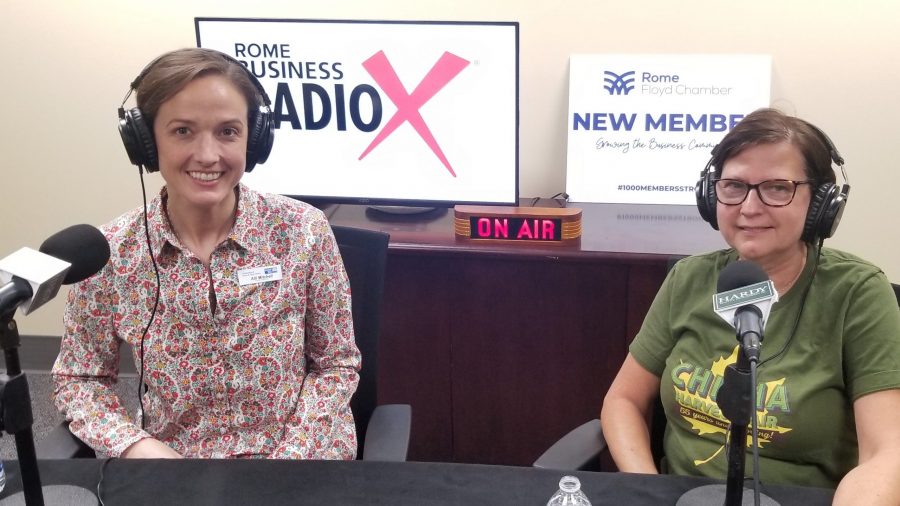
The Hardy Realty Show – Alli Mitchell with the United Way of Rome, Andi Beyer with Chiaha Harvest Fair, and Brooke Brinson With Hardy Realty

/
RSS Feed

Audit Your Network
How to be a Mega Connector
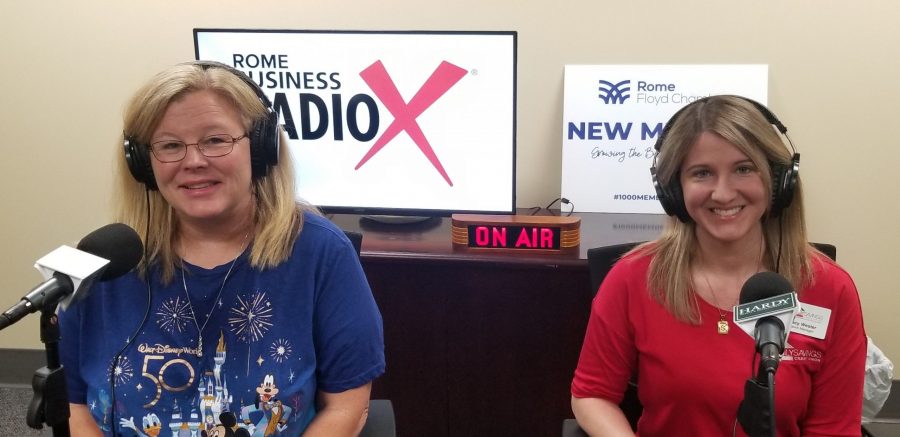
Rome Floyd Chamber Small Business Spotlight – Wendi Corn with Creating Magic Vacations, Stacy Wester with Family Savings Credit Union, and Seth Ingram with RIFF (Rome International Film Festival)

/
RSS Feed
BRX Pro Tip: No or Not Yet
BRX Pro Tip: Sales Tip – Restate Objections
/
RSS Feed
BRX Pro Tip: Sales Tip – Restate Objections
Stone Payton: [00:00:00] Welcome back to Business RadioX Pro Tips. Stone Payton and Lee Kantor here with you. Lee, we’re all going to get concerns, questions, objections when we’re in the sales process. And you’re suggesting that one good strategy, discipline, best practice when you get an objection is, before you do anything, first, restate the objection. Can you speak to that a little bit?
Lee Kantor: [00:00:27] Sure. When a prospect has an objection, just take a second and then restate it back to them or paraphrase it. That way, you can isolate that objection and get agreement that that’s really their objection. It might be something they just kind of impulsively said and they really don’t mean it, and that’s really not the objection.
Lee Kantor: [00:00:49] So, if you can just kind of pause the conversation and go, “Hey, you said that this is stopping you from working with me? Is that true? Like, what about this?” And start discussing it and see if there’s a way to resolve it. Because if you can resolve it, then you have a path to move forward.
Lee Kantor: [00:01:10] And, Stone, this is something that you do a great job of. And this is something that is an important part of your kind of sales background. Could you talk about how you do this? Or what are some of the language you use to kind of isolate an objection?
Stone Payton: [00:01:26] Well, and that’s the key to me is to isolate it. Otherwise, I think sometimes you can find yourself making an assumption. I think, I love the idea of restating the objection because that way you’re not making an assumption of what they said, or based on what they said, or how they said it, or even why they might have said it. But, regardless, once you’ve done that, you’ve restated it.
Stone Payton: [00:01:49] Now, to really make sure that that is the barrier, the roadblock, what’s standing between where you are now and where you want to take the conversation in the deal, is – and I learned this from a mentor by the name of Steve Brown with the Fortune Group. It was part of a great training course. But one very specific piece of language that I’ve learned that has served me so well over the years – if someone has an objection and you’ve restated, you know, “If I understand you completely, what I think I hear you saying is that you feel like the fee may just be too high at this point for you. Is that accurate?” And they say yes.
Stone Payton: [00:02:32] Then, the next thing I say is, I ask a question, “If you weren’t concerned”. So, if you weren’t concerned about the fee, then in your opinion, do you feel you would buy the show or do the thing? And if they come back and say yes, then at least you know what you’re dealing with. And then, you can create a different product, you can change the fee. Or you can say, you know, “Do whatever you want. Hey, maybe I’m too early or too late to be a real service to you.”
Stone Payton: [00:02:58] But what will happen if that’s not real and it’s just a smokescreen? And sometimes people will give you a smokescreen because they’re nice. They don’t tell you no. But if it’s a smoke screen, they’ll get kind of cagey, they’ll hem and haw “Well, no. Also, my mother-in-law is staying in town, she won’t be gone. So, we’re probably looking at October anyway.” If they’re at all cagey about when you say, if you weren’t concerned, if they come up with a different concern, that’ll help you, it will keep you from chasing red herrings.