
Business RadioX ®

  • Home
  • Business RadioX ® Communities
    • Southeast
      • Alabama
        • Birmingham
      • Florida
        • Orlando
        • Pensacola
        • South Florida
        • Tampa
        • Tallahassee
      • Georgia
        • Atlanta
        • Cherokee
        • Forsyth
        • Greater Perimeter
        • Gwinnett
        • North Fulton
        • North Georgia
        • Northeast Georgia
        • Rome
        • Savannah
      • Louisiana
        • New Orleans
      • North Carolina
        • Charlotte
        • Raleigh
      • Tennessee
        • Chattanooga
        • Nashville
      • Virginia
        • Richmond
    • South Central
      • Arkansas
        • Northwest Arkansas
    • Midwest
      • Illinois
        • Chicago
      • Michigan
        • Detroit
      • Minnesota
        • Minneapolis St. Paul
      • Missouri
        • St. Louis
      • Ohio
        • Cleveland
        • Columbus
        • Dayton
    • Southwest
      • Arizona
        • Phoenix
        • Tucson
        • Valley
      • Texas
        • Austin
        • Dallas
        • Houston
    • West
      • California
        • Bay Area
        • LA
        • Pasadena
      • Colorado
        • Denver
      • Hawaii
        • Oahu
  • FAQs
  • About Us
    • Our Mission
    • Our Audience
    • Why It Works
    • What People Are Saying
    • BRX in the News
  • Resources
    • BRX Pro Tips
    • B2B Marketing: The 4Rs
    • High Velocity Selling Habits
    • Why Most B2B Media Strategies Fail
    • 9 Reasons To Sponsor A Business RadioX ® Show
  • Partner With Us
  • Veteran Business RadioX ®

Professional Clothier Madison Guillory

June 30, 2025 by angishields

HBR-Madison-Guillory-Feature
Houston Business Radio
Professional Clothier Madison Guillory
Loading
00:00 /
RSS Feed
Share
Link
Embed

Download file

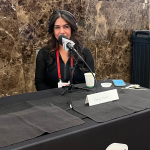
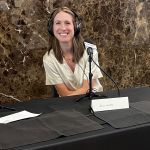
Madison-GuilloryMadison Guillory is a Houston-based Professional Image Consultant who helps busy professionals elevate their style and confidence through custom clothing and personalized wardrobe solutions.

Representing Tom James, the world’s largest maker of custom clothing, Madison specializes in creating bespoke and made-to-measure garments—from suits and shirts to jeans and casualwear—delivered directly to clients at their home or office for ultimate convenience.

In her conversation with Trisha Stetzel, Madison shared how her personal experience with fit challenges led her to the world of custom clothing and sparked her passion for helping others feel their best. She discussed her role in transforming clients’ confidence through tailored style, wardrobe organization, and grooming guidance.

Emphasizing the connection between appearance, self-esteem, and professional success, Madison showcased how thoughtful image consulting can empower individuals to make lasting impressions and achieve their goals. Tom-James-logo

Connect with Madison on LinkedIn.

Transcript-iconThis transcript is machine transcribed by Sonix


TRANSCRIPT

Intro: Broadcasting live from the Business RadioX studios in Houston, Texas. It’s time for Houston Business Radio. Now, here’s your host.

Trisha Stetzel: Hello Houston. Trisha Stetzel here bringing you another episode of Houston Business Radio. Is my pleasure to introduce you to my guest today, Madison Guillory, clothier, stylist, full service wardrobe consultant with Tom James. Madison, welcome to the show.

Madison Guillory: Hi. Thank you so much for inviting me on.

Trisha Stetzel: Yeah. Oh, and by the way, if you’re only listening, you’re missing this fantastic jacket that Madison has on. So you need to get on the YouTube channel and check it out. It is gorgeous. So, Madison, tell us a little bit more about you and the work that you do.

Madison Guillory: Yeah. Of course. So a little bit about me. Um, there’s a lot to learn about me and get to know, um, about me. Um, in my spending time with my clients, they get to know so much about me. But, um, I’m a native to the Houston area. Um, I know the ins and outs of Houston. I serve as clients all the way up to the woodlands, down to Lake Jackson, Clear Lake, um, Baytown, Katy area. So I’m all around Houston. I got into the space, the custom clothing space, about three years ago, and I can’t believe the time is absolutely flown, but I’m 25 years beyond just turned 25. And I got into this space when I was 22, and I met a girl in target of all places, and I asked her where she got her clothes from because she was wearing a custom blazer and custom jeans. And my clothes have never fit like that. I have one of the hardest fits to find off the rack, to the point where I’ve given up. Um, and when you look at me, you’re like, oh, like you don’t have a hard time. But no, I’m I’m a four up top and 8 to 10 at the bottom. That’s a huge drop. I was 15 inch drop from my waist to my seat measurement, and you can’t find that in pants almost anywhere unless you’re either doing something custom or shopping high end. But at that point, if you’re spending $300 on jeans, you might as well get something custom.

Madison Guillory: So I asked her where she got her clothes from and she was like, oh, my clothier. And she had just started in the space maybe a year before it came right out of college into the custom clothing world. And, um, she had just started in the space, so she didn’t recruit me at the time, but now she’s in recruiting and she just gave me her Instagram. She was like, check us out, see if we have any openings. And it took me a year to even apply because I was afraid to go into 100% commission sales. But it’s turned out to be such an amazing journey. But it took me a year to even apply. And uh, when I applied I was so scared. But I’m really, really liking it. Um, and so I really like the fact that I get to work with amazing people. The, the stigma around, like, executives and like, the top 1% of Houston is like, not true whatsoever. There’s some of the sweetest, nicest people that you will ever meet, some of the funnest people to hang around. They will include you in their inner circle and their events, and introduce you to their friends because they want to see you succeed. Successful people want to see you succeed. Um, and so that is what I love about what I do, the people that I’ve connected with and the people that I’ve helped increase their confidence when it comes to their outward appearance, because especially so many women have issues with finding things that fit off the rack.

Madison Guillory: They’ve just given up all hope on finding quality things that fit number one quality, and then number two things that fit. Um, because what we’re finding off the rack these days is just like whatever the market is giving us, and then we’re just supposed to accept it? No. We deserve, We deserve so much more than what we’re what we’re being given on the market as women. And when you walk into men’s stores, they have some of the nicest things, and we have more women who are in executive level positions in the market, executive level positions or business owners in the market than ever. And so we should have the opportunity to have that same level of quality that can have as well. And so that’s where I come in. I’m number one in Houston when it comes to working with women. About 50% of my book of business is women, and I work with a close to 200 clients here in the Houston area. Um, and so I have a 5050 split between men and women. And I love working with women just because it raises their their self-esteem and their self-image, but also they’re getting access to that high, high quality, um, garment and item that you don’t typically find in stores, even some high end luxury boutique stores, too.

Trisha Stetzel: Yeah, absolutely. So let’s, uh, let’s engage the part of the audience that says, I work from home. I don’t need anybody who can help me get a suit or a dress or anything else. So what would you say to that?

Madison Guillory: Um. At the end of the day, different people value different things. Um, I can only step in and build that value into clothing in appearance as much as possible. And at the end of the day, you can decide what you want to do with that. But, uh, for the people that that say, you know, I don’t need to dress up that much. Um, yes. You might not need to, but you can always be underdressed in a situation. Um, never necessarily overdressed, but you can always be underdressed. And so, um, really evaluate how you want people to perceive you, your self-image, your repertoire. Because your reputation. Your reputation does matter if you are trying to actually grow in and move faster further. Um, your appearance does play into that because what do you want to say when people talk about you? When someone mentions your name and say, oh, I know so-and-so. Oh my gosh, they they, they are the one that when they walk into the room, they own it. Um, they have a, a stance where they care about who they are and their appearance, and they give that to other people. Because like I said earlier, when you dress good, you play well. When you play well, you get paid well, but also when you look good, um, when you look good, you have a better mindset and are more able to give to the world around you because you start receiving all of these compliments, you start receiving and you’re like, okay, my tank is filled up to give to other people.

Madison Guillory: Everywhere that I go, like I dress up going to the grocery store. But who cares? Like, you can always be underdressed, but you can never be overdressed. But I get compliments all the time. Everywhere that I go. And I just receive, I receive and I say thank you. And, um. And I am able to give back to you. So you’ll be surprised how much more able and open you are to giving back to the world around you. When you do dress well, no matter where you go. Yeah, you’re working from home, but you still go to the grocery store. You still go to lunches, you still go to dinner with family and friends, you’re still going on vacations. And when you go to those places, I’m pretty sure you’re not staying at a at a motel or a Holiday Inn. I’m pretty sure you’re staying at a 4 to 5 star resort where people can treat you. They can treat you like a king or queen, but you’d be surprised by just elevating your wardrobe just a little bit. They’ll treat you like royalty when you walk into the door. They’ll hold the door open for you. They’ll ask you what you need. They’ll grab you back your bags without you even having to ask. I believe it’s it’s it’s a your outward appearance is a silent statement of I. I dress today to be respected.

Trisha Stetzel: Yeah. I, I love everything that you’re saying. And I tell people all the time that I’m working with you got to get up every day, and you got to get dressed and you got to go to work. And I don’t care if it’s down the hallway or a car ride up the street or on the other side of town, but you got to get up and you have to get dressed to go to work. So what is the importance from a mindset perspective for us to actually get up and get dressed, to go to work, even if we’re working from home?

Madison Guillory: Absolutely. I can boil it down to even science. That dopamine hit almost because most people get their dopamine hit from like coffee or energy drinks. But if you look in the mirror and you’re like, man, I look good. You just told yourself a powerful statement that’s now in your subconscious that, like, I look good, like I’m. I’m awesome. Like you were. You were just feeding yourself these these affirmations that at the time, you weren’t conscious about it, but it’s in your subconscious. And then that just that that kicks off your day to where you just have a good day. And at the end of the year, at the end of the year, at the end of your day, you’re just like, man, I had a good day. But when you really backtrack it, where did that come from? I guess you can have a good day if you’re in like, sweats and in, you know, tennis shoes. I’m not saying that I can’t have a good day, but you can have a fantastic day if you get up. Do your makeup. Do your hair. Like yesterday. I didn’t do my hair. And every time I looked in the mirror, I was just so mean to myself. I was so mean to myself. And I was like, oh, you look like Sonic the Hedgehog. Like, what are you doing? And that just bled into my entire day. And just like, oh, wow. Gross. But when you do your hair, you do your makeup and and you put on the clothes, you’re able to tell yourself the things. And at the end of the day, you are your own best friend, even if you’re working at home alone by yourself. You are your number one best friend and you are by yourself most of the time. Might as well be nice to yourself.

Trisha Stetzel: Yeah, absolutely. And give yourself a reason to feel good and get up and go to work. So I work from home. I have my have a house away, a tiny house away from my house. And every morning I get up, I get dressed, I put my makeup on, I do my hair, I put jewelry on, like everything is very purposeful and it’s not for anyone else. It’s more for me. It’s about the way I want people to see me and how I show up, and I show up much more energetic and ready to play. Yes, I’ve put myself together because girl, on the weekend We’re talking about, you know, like beach gear, right? No makeup, hair in a ponytail, but that’s okay. Uh, so tell me more about. And we we started talking about this before we started recording, and I want to draw it out. You were talking about, um, how the first thing that’s judged is your hair and your shoes, and then we move to everything else. So tell me a little more about that.

Madison Guillory: So how can I break this down? I can mention a little bit about my background here. Um, because being a, um. Being an African-American female, it growing up, that was the first thing that we talked about. We were taught about and had to have a conversation about growing up Is. Our parents are here. Um, and I think the generation before me, um, just was, was so self-conscious about their hair and, like, conforming to this, the standards of the corporate environment that, um, they almost neglected it, but they always looked good. It was going to the salon almost every week to make sure that your hair was put together. So no one could ever say that, oh, their hair is like nappy or on the side of their head. And over time we have, um, what’s it called? Companies who have been able to better cater to us, have, um, offered us products to be more confident in our natural state. And I, me personally have also grown to be more confident in my natural state and um, and also keep it more presentable in those situations. But, um, me personally, there was just so much conversation about hair growing up. I’m so aware of it. Um, and then when it comes to men, um, I’ve never seen someone who has their hair in their face on the side of their head, has not, has not been combed, overgrown, be respected personally.

Madison Guillory: Um, I can spot $1 million haircut from a mile away, and I can go up to that person and tell them that and say, you. You actually care about your appearance because you have $1 million haircut. They could be wearing workout clothes in the gym, but I can tell that they’re in a respected position or are are looking to rise into a respected position because of the way they cut their hair. Um, it’s huge. Even even men, um, African American men that have dreadlocks. But if they have a focus on keeping their locks together, keeping keeping that, uh, that edge up tight, um, the taper and everything. I can tell they care about their appearance. And I think that also came from my dad to my dad’s a business owner in the Houston area. And so he the things that he always, um, that he always checked in the morning was his hair. He would almost cut his hair daily, cutting his beard, shaving his face. Um, always, always had toothpicks on him. You have to make sure that your teeth are clean and put together. Your breath smells good because you’re communicating with people. You don’t look tired. Even if you are tired, you are doing things that that help you not look tired because no one wants to work with a tired person like your your face. This your neck up matters.

Madison Guillory: And then the shoes, um, when it when it comes to, um, Your shoes. I actually had this incense with a friend of mine who was. Giving him the benefit of the doubt. He didn’t have much money at the time we were in college, but I had, um. I had a friend of mine that didn’t take a focus in on his shoes. And he wore the same, like, beaten ups, berries every day. And then I had a, um, a business colleague of mine where I ran into him at the grocery store, and we got into conversation. The three of us looked down at his shoes and he’s like, well, I can tell that you’re not really focused on growing yourself by the by the way your sheets look. And that changed his life from that day moving on forward. He got some new shoes. He kept his shoes polished. Even if your shoes are old, making sure they’re. They’re polished and clean and not, like, busted and beaten up. You know it. It doesn’t take that much. Like, a little bit goes a long way. You don’t have to wear the most expensive Ferragamo shoes. But, you know, taking a quick trip to maybe Allen Edmonds or, um, or Marshalls, Nordstrom Rack, places that have, you know, markdowns and just investing a little bit more on the fun and goes a long way. Mhm.

Trisha Stetzel: I love that. So Madison, if folks are ready to connect with you and want to learn more, what’s the best way to connect.

Madison Guillory: So the best way to connect with me is via phone. But I’m highly active on social media. I’m all over Instagram, all over LinkedIn. On Instagram, my handle is styled by Maddy G. So stay dot, be DG and on there you can see so many things that I’ve done for my clients over the last few years, the relationships that I have for them. I even have clients featured on my page. You can see a little bit about me, um, and the many different hairstyles that I’ve transformed into over the last few years. Um, but there’s a multitude of pictures on there and ideas of what we do provide. Now is every single thing that we that that we offer on my Instagram page. No, because I have thousands of fabrics that we can dive into from anyone, any background, any size, any taste and style that you have, whether it’s conservative or super fun. As you can tell, I’m a super fun person. I love to dive into color. I appreciate the classics and I love the classics. A classic blue goes a long, long way, but I love to dive into prints and patterns and have fun with with, um, with different combinations and things like that. On LinkedIn, you can find me under Madison Gallery. It’ll pop up right there on Google. You can Google me on Google and all my information will pop up. But if you look on my Instagram page, my my cell phone number is on there. Um, for business (832) 875-8551 and, um, I’m easily accessible more by text than by phone call. Um, because I do have very in-demand clients, but I’m always open to helping out someone there.

Trisha Stetzel: Beautiful. Thank you so much for that. And by the way, if you’re not watching us on YouTube, you need to go over there because I already said something about the jacket, but her hair is amazing, too. You got to see Madison’s hair today. Okay, let’s talk more about the service that you provide to your client. So how does it work and what do you do for them?

Madison Guillory: Yeah. So, um, working with me is a huge benefit because I’m that bypassing in-store shopping and online shopping, and that can be a headache for a lot of people. Like I, I personally hate going into the mall. If you’re in the Houston area, I avoid the Galleria like a plague. It gives me so much anxiety and I have an idea of what I’m looking for, and I just want that one thing and go. Um, so when working with me, it’s grab and go. You know, if you if you, if you’re looking at your calendar and you have an event coming up in the next 2 to 3 months, all you have to do is text me and say, hey, let’s get this into process. But with working with the client for the first time, I love having an in-person meeting for about an hour to two hours. So we’re meeting and we’re sitting down and we’re discussing what you do or do not have in your closet. We may be doing a quick closet consultation. I typically meet most of my clients in their homes, so I get an idea of who you are and what you have. And so I’m not duplicating anything that you already have. Um, what you do have and what you don’t have. Um, we’re going over different, um, qualities of fabrics and pricing. Getting an idea of where you want to start.

Madison Guillory: Um, and then I’ll take your measurements. Um, talk about some of the specifications that you want when it comes to men. Men are pretty simple. But then you have, like, the traditional style. The more relaxed style, you have more of the tapered Italian style. Now, um, or if you trust me, in my, in my opinion, on what you need to do for you, I’ve never had a client that’s been unsatisfied with my personal recommendation. Um, because if you trust me in what I’m doing, I’m the expert, and I can help you get to the to the desired outcome that you want. Um. And then with ladies. With ladies. We have so many different options now when it comes to styles and fabrics. Um, I want to make the process as simple as possible when it comes to making decisions. And so I will come prepared with ideas, book, books, um, somewhere for us to start. And then I will always come back with ideas every time we get back together. I typically see clients 4 to 5 times a year, and the time absolutely flies. It takes about 8 to 8, 6 to 8 weeks to get a custom garment. And so we’re planning ahead of time. Um, and that’s where I come in, where we are staying, on top of the things that you do need that are coming up. So.

Trisha Stetzel: Okay. Beautiful. That sounds like so much fun because I hate going to the mall.

Madison Guillory: Oh, yes.

Trisha Stetzel: No. My favorite. I don’t like shopping. Uh, this is so tell me this. I know that you’ve got some favorite client stories as well. And so if you can share their experience or your experience with them, of course, keeping their identity private because we don’t want to tell everybody who your clients are. Um, but describe to me or tell me some of your favorite client stories so that the audience can get more of an idea of how you’re interacting with your clients.

Madison Guillory: Yeah, I would say my absolute favorite client story. Um, and I want to mention her name right now, but she’s an amazing woman. She was a referral. How I got connected with her was actually pretty funny. I ended up meeting a gentleman who is the top salesman at a BMW here in Houston. He referred me to a gentleman. That gentleman ended up becoming my client. And then he referred me to his colleague. Um, and she is an she’s an amazing person. She’s like the light of the world and deserves the best. But when I first met with her, she was so skeptical because, number one, she had never spent this much on clothing before. But number two, she was just so let down by the market that she had given up on trying to elevate her look, even though she was in she was in an executive level position where she was making important decisions in these boardrooms with with mostly men. Most of the time she was the only female in the room, and so she didn’t feel like she was necessarily getting the respect that she deserved. And the situation, because those men were dressed very, very well. And so when I first met with her, I was just like, just give me a shot doing a couple of outfits for you. Um, I will tell. I will say I like to set the right expectation on the front end with if you have a difficult fit. She’s not she’s not the easiest fit, but she has a very great shape to accentuate, um, and to appreciate.

Madison Guillory: But when, when working with clients that have a more difficult fit, I’m like, there’s going to be a couple of alterations that we need to make on the front end, but once we figure that out, then it’s super easy to work with me from from there. And we’ve yet to have to change her pattern since the first time doing alterations for her. And so I just saw her light up when her clothes came in, when her when her second batch of clothes came in directly from the factory and fit without making any alterations. She was so pleased. She was so excited. She was so happy. And that made me jump for joy, because I was so excited to see her have something that she felt good in, and she looked good and she just, she just lit up and it was night and day from like the first time that I met with her to now. Because like I said, when I first met with her, she was just so, like, disappointed. And and I know she didn’t want to be disappointed again. So all I wanted to do was deliver her a great garment that would make her feel more confident in, in the, um, and not the industry, but the market again. So so that’s what we we deliver. We deliver, um, convenience, we deliver confidence, we deliver quality. And so that’s one of my favorite, um, client stories.

Speaker4: I’m not sure if I.

Madison Guillory: Have any other client stories that are just as impactful.

Trisha Stetzel: So I bet.

Madison Guillory: You.

Trisha Stetzel: Impacted plenty of people. And I know you have another story.

Madison Guillory: Um. I would say when I get, when I get, like texts and photos from clients that are like, oh my gosh, look at what you put together. I look so good today. Um, type of thing. Or, you know, I, I, I’ve been I feel like I’ve impacted more women than men just because there’s so many choices for men when it comes to quality items. I get so much more feedback from my lady clients. I have this lady client that, um, she’s no longer living in Houston anymore. I think she stepped down from her position and living in another state now, so I haven’t heard from her recently, but when I first met with her again, she she was a little unsure about the process, but she was willing to trust me and try me out on a capsule. And we did a couple of capsules for her, um, which just made sense. We could take a couple of items. It just makes so many different outfit combinations out of it for her because she was like, I just don’t want to think. I don’t want to think when I go into my closet, I don’t want to think in the morning when I get dressed, I just want to look good. And so she looks like a million bucks. Like if I saw her walking down the street, which I never saw her walking down the street, but she always texted me when she got compliments.

Madison Guillory: Um, if I saw her walking down the street, I would stop her and be like, what do you do? Where are you from? You look amazing. Because she. She just looks like a million bucks. But we strategically planned out her capsules. Um, so I had taken pictures of each outfit and put them into a album for her. Oh, cute dog I have. I have a pitbull. Um, I had put them into an album for her, so whenever she needed to get dressed in the morning or pack for a conference or trip, she could just, she could just go into the album and pick out a couple of outfits and be like, okay, this is how I want to look for the next few days. And it was so easy for her to just get get ready and get dressed. So, um, that that was really awesome being able to do that and impact in that way. Um, and then turn around and help out with like, different style ideas. So at the end of the day, people just don’t want to think about it. It can be it can become very stressful. Um, if you’re always having to think about, how do I pair this with that? And, you know, different styles I have.

Madison Guillory: I have one of the most stylish clients walking into her closet. This is another client. This is another lady client walking into her closet. Her shoe collection is like, oh my gosh, I just want to live in here. Her shoe collection is amazing. Louboutins. Um. Um, what’s what’s the other one? Jimmy shoe and, um. Antonio. I can’t think of the of the name right now, but her shoe collection is amazing. Um, so I was able to go into her closet and take the capsules that we made up for her, impair the different accessories that she had with it. And she was like, I would have never thought about pairing this shoe with this outfit. You know, like, good thing you’re here. Because now I can actually wear these shoes because a lot of the times women were like, oh, we like this, but we don’t necessarily know how to like, style it or wear it, so it just sits there. So how can you get the most use out of the out of the clothing and accessories that you already have in your closet and strategically add, um, items and accessories based off of what you already have?

Trisha Stetzel: It’s amazing you offer such a valuable service, and I know your clients love you to death, so I know our time has already gone by so fast. Uh, thank you so much, Madison, for being with me today. Again, if you guys want to connect with Madison, you can find her on LinkedIn at Madison. Madison? Her last name is spelled g u I l l o y on LinkedIn. Or tell us your IG page again.

Madison Guillory: Instagram. I’m styled by G, so that’s s t l e d dot b dot d I g.

Trisha Stetzel: Fantastic. And we’ll have all that in the show notes for you guys. So if you’re sitting in front of your computer you can just point and click and connect with Madison. Madison, thank you so much for being with me today. This has been tons of fun.

Madison Guillory: Thank you Trisha I appreciate the opportunity.

Trisha Stetzel: That’s all the time we have for today. If you found value in this conversation, please share it with a fellow entrepreneur, a veteran, or a Houston leader that’s ready to go and look amazing. Be sure to follow, rate, and review the show. It helps us reach more bold business minds just like yours and your business. Your leadership and your legacy are built one intentional step at a time. So stay inspired, stay focused, and keep building the business and the life you deserve.


Tagged With: Madison Guillory, Tom James

BRX Pro Tip: How to Find Your Niche

June 30, 2025 by angishields

BRXmic99
BRX Pro Tips
BRX Pro Tip: How to Find Your Niche
Loading
00:00 /
RSS Feed
Share
Link
Embed

Download file

BRX-Banner

BRX Pro Tip: How to Find Your Niche

Stone Payton : Welcome back to Business RadioX Pro Tips, Lee Kantor and Stone Payton here with you. Lee, you are almost famous for talking about the power of niches. You’ve been continuing to read about niches, and specifically, I think you’ve come across something about finding your niche.

Lee Kantor: Yeah, this was a great – it was a great post from a guy named Josh Spector. And he has a newsletter called For the Interested, which I highly recommend for any content producer. But what he said was, every niche has two components: an ideal client plus an ideal result.

Lee Kantor: For example, our business can help you grow is too broad. At least one part needs to be hyper-specific for your niche to stand out. But if you can target a specific client with a specific result, you’re going to get kind of your optimal niche. And as a bonus, if you can throw in their biggest objection, you’re going to get more points.

Lee Kantor: So for Business RadioX, it would be, we have a proven system that helps female business coaches get way more discovery calls without that icky salesy feeling.

Lee Kantor: Remember, a good niche includes a specific client with a specific result and overcomes their biggest objection.

BRX Pro Tip: How to Re-Energize Your Show

June 27, 2025 by angishields

BRXmic99
BRX Pro Tips
BRX Pro Tip: How to Re-Energize Your Show
Loading
00:00 /
RSS Feed
Share
Link
Embed

Download file

BRX-Banner

BRX Pro Tip: How to Re-Energize Your Show

Stone Payton: And we’re back with Business RadioX Pro Tips, Stone Payton and Lee Kantor here with you. Lee, in my experience, and I’m sure this is consistent with you as well, even a good show well executed, it can get a little bit stale over time, it seems like. What are some ways to kind of re-energize the show?

Lee Kantor: Here are some things to think about if you’re getting kind of in a rut, or you’re feeling like you’re on a hamster wheel when it comes time to do your show. Some things to think about. Number one, have a superfan listener host an episode. Just hand over the microphone to somebody that is, you know, regularly commenting on your show or is a big fan of the show. Let them host, let them do whatever they want to do with it. You know, they obviously like it, so let them play.

Lee Kantor: Another thing is to have your producer interview you. Your producer has sat on the other side of the mic for all of those episodes. Let them now interview you and ask the questions that they’re curious about.

Lee Kantor: Another thing to do is something we do quite a bit, is show up at a local business and broadcast from there. You know, it’s a fun thing to do. It puts your show in a different locale. It lets different people see what you do, and then it benefits the business that you’re at. And it also kind of gives new energy to your show.

Lee Kantor: Something I highly recommend most podcasters do is curate a best-of list for brand-new listeners. I think that’s super important to have a, you know, a handful of shows or a handful of episodes that your listeners can kind of listen to to get them hooked on the show.

Lee Kantor: Definitely, this is something we do regularly, broadcasts from local high-profile events. I mean, we broadcast from Chamber of Commerce events. We’ve broadcast from major economic development events. We’ve broadcast from major fintech events. Like, we’ve been on the stage in the middle of the football field broadcasting before. So when you can bring your show on the road, it definitely elevates the credibility of your show, and it brings a bunch of new listeners to you.

Lee Kantor: So if you’re looking for ways to re-energize your show, start with some of these.

Unlocking Business Success: Expert Insights on Sales and Exit Strategies

June 26, 2025 by angishields

CBRX-62425-Feature
Cherokee Business Radio
Unlocking Business Success: Expert Insights on Sales and Exit Strategies
Loading
00:00 /
RSS Feed
Share
Link
Embed

Download file

CBRX-62425-banner

Brought to you by Diesel David and Main Street Warriors

CherokeeSponsorImageDieselDavidMSW

In this episode of Cherokee Business Radio, Joshua Kornitsky is joined by Dean Nolley, founder of Sales Growth Imagination, and Bob Tankesley, M&A advisor with Walden Mergers & Acuisitions and author of “Exit Teams.” The discussion centers on effective sales processes, business growth strategies, and preparing for business sales. Dean shares insights on building scalable sales systems, while Bob emphasizes the importance of assembling the right advisory team for successful business exits. Listeners gain practical advice on documenting sales processes, understanding business value, and navigating the complexities of selling a business for optimal results.

Bob-Tankesley-bwBob Tankesley is a mergers & acquisitions advisor for companies with $2,000,000 of net income and higher. His focus is on representing companies in the industrial sector that are buying or selling throughout the southeast U.S.

Connect with Bob on LinkedIn.


Dean-Nolley-bwDean Nolley is a Fractional Sales Leader that is leveraging his experience to help companies grow their sales results by improving sales processes, structure, training & performance gaps. while establishing a long-term sustainable model. He assists with assessments, sales management, by helping drive the sales process myself or enabling you to continue to own the process.

Dean has now started and organized Sales Growth Imagination, LLC, a Fractional Sales Leadership and Consulting company that is focused on supporting start-up, small and mid-size companies that range from 5M to 100 M for fractional leadership and sales consulting project engagements.

Sales Growth Imagination LLC focuses on fractional leadership through the power of Sales Xceleration.

Connect with Dean on LinkedIn.

Episode Highlights

  • Transition from corporate careers to entrepreneurship
  • Importance of having a documented sales process
  • Strategies for enhancing sales processes and addressing challenges
  • The impact of technology on sales growth
  • Common reasons businesses seek sales assistance
  • The “silver tsunami” and its effect on sales professionals
  • Role of advisors in preparing a business for sale
  • Insights on business valuation and exit strategies
  • Market dynamics affecting business sales
  • Importance of assembling a team of advisors for successful business transitions

Transcript-iconThis transcript is machine transcribed by Sonix


TRANSCRIPT

Intro: Broadcasting live from the Business RadioX studios in Woodstock, Georgia. It’s time for Cherokee Business Radio. Now, here’s your host.

Joshua Kornitsky: And welcome back. This is Joshua Kornitsky. Professional iOS implementer and your host of Cherokee Business Radio. I’ve got a couple of great guests here in the studio live with me this morning. Let’s jump right in. So good morning first. Uh, Dean Nolley, founder of Sales Growth Imagination. Welcome to Cherokee Business Radio.

Dean Nolley: Thank you for having me today.

Joshua Kornitsky: I’m so glad to have you here. So, Dean, tell us a little bit about about yourself and about what you do.

Dean Nolley: Well, about myself. Um, I’m very blessed with a great family. Uh, three adult children, uh, all out in the workforce. Um, beautiful, wonderful wife. Um, it really is a big part of why I do what I do today. Because I think, as you know, I made an intentional decision to leave corporate America. And that decision was we had been married. Um, I had moved five times in 11.5 years. And at that point, we were being asked to move again. And I could tell with my wife being pregnant with our oldest son, um, moving again was not a good idea. So. Okay, that gave us the courage and the path to start my own business. Digital Imagination, at that time.

Joshua Kornitsky: Okay. And what is it you do to help folks?

Dean Nolley: Well, um, what I do today is I help them grow sales. Um, and building out the sales model. I kind of see the group of where I focus in three different categories. And I would like to tell you that most of the companies I’m touching, they’re working well. That’s great. And we’re looking to try to scale their growth. Generally what happens? I get calls from people that need help, and it’s usually one of two areas. One they really need. Things are broken. It’s normally sales process. It’s people. It could be CRM, a whole litany of areas around strategy, process, measurables and people. But the key is you can’t you got to dive into the work. And that’s why I call myself a builder and an architect, because if I handed them a roadmap or consulting, you know, results, they wouldn’t know what to do with it. The other area is sales led business owners, so they you can’t say things are broken because they never existed. But let’s take an example of an owner that was three, 4,000,005 years ago. Now they’re 1015 million. She or he have now simply outgrown their structure. So if my dad were still living, he would laugh because he tied back to when I had my own company. I would have been the absolute worst sales lead owner to make a sales cone. So now I get to have the fun of going into those owners who put their heart and soul, blood, sweat and tears in their company. And I need to help them rebuild it. And I’ve got to touch their baby, so to speak. And again, as my dad would say, paybacks are hell, son.

Joshua Kornitsky: Well, so I know you shared with me that you’re a Six Sigma green belt, but you’re also a certified sales leader and, uh, an objective management group, um, certified.

Dean Nolley: Well, objective management group certification. But, you know, when you start looking at the different certifications, some of them don’t tie together very naturally. Matter of fact, you might say that I’m a little bit of a freak of nature.

Joshua Kornitsky: We would never say that. But my my point in bringing it up is it shows that you’ve got process background, you’ve got sales background, and we’ll delve into your background in a minute. But you’ve not just got your own experience, you’ve got certifications as well.

Dean Nolley: I’ve gone through the sales leader certification. Um, I’ve also gone through the Harvard Business School development program. Wow. Um, if you want to tie to Dale Carnegie. Also, Dale Carnegie advisor. So you have that part under the belt, but then you get into a large litany of I in the sales process. Uh, AI sales tool certification. Um, OMG, I will stay there is really around business or people’s skill sets. And do they have the requirements to do the job in the sales area that is so critical, especially with the five generational gaps that we’re dealing with. Making sure they have the skill set, and do they want to sell that product or service? Because what Gen Y and Z want to do is quite different than, say, Baby Boomer aging X or traditionalists.

Joshua Kornitsky: Okay, so so let’s back up and let’s talk again about how you help the people that you help. So it sounds like you can help on the process side. It certainly sounds like you can help on the technology side. And then obviously, as I came to know you, you help on the sales side. Correct. So that’s a that’s a lot of diversity in your in your knowledge. Where does this experience come from other than the certifications.

Dean Nolley: Well, if you take a look at the career path, when I left Eastman Kodak I was such a good employee, I went to put film out of business. Um, I started with the Silicon Valley startup. Um, I worked for gentlemen that were from Apple, Logitech. Sun micro SGI. Small companies? Yeah, a lot of tech companies and none other. The consultant for our group was none other than John Sculley. So I learned entrepreneurship like I had never seen. And it was a great venture. A gentleman by the name of Pete Orsini and I, um, once that group was being sold, started our own services business called Digital Imagination. Started it from scratch. Uh, built it to 5.4 million. We sold that to Applied Graphics Technology, a newspaper company in New York. Um, and I can honestly say to this day. And Peter Sydney is one of my dear friends in life to this day. So we started, we built, we sold. Um, that led me into the PE world. So, you know, mainly software services, both on enterprise, some print related, a lot of front end server. But that whole software world, I was working with the port codes and I was not running the company, but I was running sales. So we were either at scratch three, 4 or 5 million trying to take to 30, 40, 50 million to have that equity event.

Joshua Kornitsky: And it sounds like you’ve got a fair amount of experience helping businesses scale up from, from both the sales and the process side. Um, you know what? What’s the general impetus? Why do people reach out to you to to where do they start?

Dean Nolley: Well, that’s a great question. Um, unfortunately, they generally reach out about 3 or 4 years after they should reach out.

Joshua Kornitsky: Okay. So the time to call is now.

Dean Nolley: Correct. And if you think about it because I was one of them. If you’re a sales lead owner, there’s a lot of pride. There’s a lot of work you’ve put in your business to build it. So it’s kind of hard to reach out and ask for help. And if you are the sales lead owner, The one area that is probably most difficult to ask for help on is on the sales side. So when they reach out, normally they’re going backwards on sales. That’s generally the biggest issue I see. They do not have a sales process. And more recently in the last year and a half, everybody talks about the baby boomer owners that are leaving the workforce for every owner on a $20 million company. There’s generally three baby boomer sales professionals retiring, retiring for health, relocating for family. And it’s a major issue to replace those individuals. And most of them haven’t had to deal with this or replaced or hired in quite some time.

Joshua Kornitsky: So how do you help that type of organization? I think they call it the the silver tsunami. Right. That you’ve got this large group of folks that will be leaving the workforce and certainly on on the sales side, they’ve got a great deal of tribal knowledge, right? So what do you do to help a business plan for survive and thrive?

Dean Nolley: Well, the most important part and that that is where O-m-g comes in. You absolutely have to understand the skill set required to have an individual sell your product or service, and then you’re not going to probably hire perfect. So you need to understand what else do I need to do to train? Say with the rain group, you know, part of the training program that I work with within the company as well, because you’ve got to develop that individual. And can you get them to where you need them to sell the product? With the generational part, you got to make sure that they want to sell it, because I can tell you, there are certain industries that Gen Y and Gen Z are not attracted to, and it’s quite different again than baby boomer traditionalists.

Joshua Kornitsky: And you can help those business owners kind of traverse those waters.

Dean Nolley: We’re going to help build the job description, the requirement with amplify, we’re going to help recruit the people and get them in place. We’re going to onboard them. We’re going to train them. And most importantly, with the sales process, you’re going to document that because everything you’re doing needs to be repeatable, not just for the people you’re bringing on board today, but for future people you’re going to bring bored.

Joshua Kornitsky: Sure. That’s where scalability lives in documentation. Exactly. We share that with our clients all the time. So in addition to to that onboarding, in addition to that training, you also build out the process.

Dean Nolley: Yes. Um, the security stat is 92% of companies do not have a documented sales process, 97% do not have a strategic sales playbook. So when you’re going into an account, the thing that you’ve got to be most important is curious, because I don’t what I will come in and do is a discovery touching every element of strategy, process, measurables and the people both computerized, but also one on one interviews with every customer facing individual in the company, or a subset if it’s a larger company. But that is critical as a but it’s just a starting point. I can tell you that if anyone ever tells you they’re going to nail the discovery, you need to run like Forrest Gump, because you better be curious. And it’s not all bad stuff.

Joshua Kornitsky: Sure, but you still got to understand.

Dean Nolley: And find ways that you can help the client. And most importantly, it’s got to be individualized to their business. So when you’re building out the sales process, think of it this way from a time that you’re generating a lead to the time you’ve closed the deal, every step in that sales funnel has to be well documented. It has to be the right activities, most importantly, and it has to be repeatable because it’s not that you want to help someone wing it, you want to make sure that every person they have today and in the future can do it. Repeatable. But the other miss, it’s got to be balanced for the company because you could be doing a lot of great activities, but if it’s not producing the right revenue and the right gross margin output and other objectives that you have as a company for growth, then it’s not going to be balanced and eventually it’s going to break again.

Joshua Kornitsky: So it sounds like it’s a fairly long engagement for you potentially. Is this one size fits all or do you tailor this.

Dean Nolley: You know it starts out as one size but it winds up tailoring it. And I’ll give you an example. And one account went in to build the sales process. Um, it needed a lot of work. What we determined in the process, the sales professional, they had said, I can’t do the job now, but we built something that was fair for the salespeople. It produced what the company needed for growth. So we then started hiring. And I think the company was blown away with the fact of, wow. The new sales professional knows what to do. And it’s like, well, we do have a pretty good sales process now. We hired the second sales rep in the third. All three are doing well. What happened is they in their case, they’re never going to get past three people. So the question was who’s going to manage these people? So that actually expanded my engagement both time and commitment, because I’m now managing those three salespeople and other engagements. When I come in, Joshua, it’s predetermined that I’m there to help them build out the team. We’re going to hire a sales leader. I’m going to get that sustainable, and then I’m going to graduate, and hopefully I will have earned a very loyal customer and testimonial. And maybe there’s other one other initiatives I can help them with.

Joshua Kornitsky: Sure. So. So it sounds like you’re there for however long it takes to get them to where they need to be.

Dean Nolley: Correct. On the infrastructure where you’re fixing and putting things in place, you’re probably there for a 3 to 5 month engagement. If you’re managing people, it’s most probably a 8 to 12 month engagement. Um, and if you’re going into where things are working pretty well, and now we’re going to document build out the framework and roadmap with the strategic sales playbook that would look similar to world, you know, that would look very similar to EOS, because I’m going in with three sessions in the first 90 days, and I’m capturing about 60 elements well documented. That’s going to align to a strategic sales playbook that’s already been framed and educated with AI. So I’m taking customer data. That’s most important. Uh, probably 30, 40 hours of work on my side. Not to mention all the the customer side that’s into the playbook. But what that’s doing, it’s it’s perfecting the ability to scale. Also. And then I’m back in like once a quarter, similar to what you do.

Joshua Kornitsky: Touch base make sure okay.

Dean Nolley: Make sure they don’t jump back into what they were doing before.

Joshua Kornitsky: Well it sounds like it’s a pretty comprehensive engagement. Let me ask you, Dean, because of your experience at at everything from a startup through through what I presume is probably a fortune 100 company. Um, what’s your ideal client size? Who do what size companies do you work with?

Dean Nolley: Well, I would say it’s in the 5 million to 50 million range would be the sweet spot. Okay. Um, if you expanded that, I’m getting calls from people in the couple million range to 100 million range. And again, it depends on the services. If you’re up on someone’s scale, you’re generally in the larger companies. Sure. Um, and with the framework and the strategic sales playbook, uh, when you’re fixing and repairing, you’re probably more in the 2 to 20 million range.

Joshua Kornitsky: Okay. So it sounds like you can help, uh, really quite a wide swath of folks. Uh, that’s fantastic news, really, for anybody that’s listening, because it means, at the very least, you’ve got some guidance and direction for them. So what’s the best way for people to reach you?

Dean Nolley: Uh, the best way for people to reach me is on email or the website. So sales growth imagination at gmail.com.

Joshua Kornitsky: Okay. And we’ll all we’ll post all of your social all of your contact data. But I always like to give you that opportunity. Uh, is there a phone number they can call?

Dean Nolley: Yeah. The cell phone is (404) 307-1841. And the thing that I enjoy the most is having a conversation. And my commit as a sales guy is I won’t sell, which sounds backwards, but I think we’ve all seen animal House and I kind of feel like I’m the Delta. Meaning I’m on double secret probation. Okay, so people expect me to have a silver bullet. I don’t, uh, they expect me to sell them, I won’t. But what is critical is my personal goal. And I’m doing it this year very well. Is to have one conversation a day with the business owner. Right? And last week, I was in front of one of the Vestager chairs and a CEO group. You know, I spoke with 16 CEOs.

Joshua Kornitsky: So does that mean you take the rest of the month off?

Dean Nolley: No, it means this Thursday I’m back over here in your neck of woods at KSU, and I’m in front of 15 business owners. That’s fine. But you know, I love the one on one, the individual just to have a conversation. Because probably the hardest thing around this is people understanding what you do. And, you know, the more business owners that know what I do and you know, the better. So that’s why I don’t try to sell people, because you may not need my service or you may not today, but in a week or two you may know someone through church, through business, um, through your neighborhood. That’s like, I think you need to call Dean. And, you know, it’s just like you did, uh, a few weeks ago, you called me with a friend of yours who’s also a client, and he needed help with the CRM. That process. I got him in with an integrator. They are working with him. In this case, it’s HubSpot. Wonderful engagement. Uh, I think you’ve probably have heard the same feedback.

Joshua Kornitsky: He’s very happy with him.

Dean Nolley: Um, and I got to tell you, the CRM and then rain Group training, because rain Group is individual based training that could be in group structure. But for those owners that have 1 or 2 salespeople, it’s very affordable. It’s like a license of $985 a year. So it’s built for that. Um, most people don’t want to ever touch someone and train if they have 1 or 2 people. But, you know, the bottom line is those categories. And there’s other areas that I touch with a lot of sales tools, especially in the AI world, that help clients find clients, help them better engage with clients, and also help them better relationship manage. So there’s a lot of individual tools that can help companies that doesn’t require them to get a full engagement with me.

Joshua Kornitsky: So it sounds like there’s a lot of reasons to call you. Well, Dean Nolley, founder of Sales Growth Imagination, I can’t thank you enough for sharing your wisdom and your insight. I hope you can stick around. I’ve got another fascinating guest coming up who I believe you know. Uh, Bob Tankesley, can you stick around?

Dean Nolley: Oh, I would love to, because I’ve read his book. Okay. I did not know we were on the show today. A small world. We’re also in a networking group together, so I’m anxious to hear more because he’s put a lot of heart and soul into this book, and he nails on the exit teams part so well.

Joshua Kornitsky: That’s fantastic.

Dean Nolley: I can’t wait to listen.

Joshua Kornitsky: More then stick around. Thank you again. Dean Nolley, uh, founder of Sales Growth Imagination. Let’s move over and talk with my next guest, Bob Tankesley. Thank you, Bob, for being here. Bob is, uh, the principal and an M&A advisor at Walden Mergers and Acquisitions. And he’s also, uh, as Dean alluded to, the author of Exit Teams, which has the subtitle of Build a Team of Advisors for Your Business sale to get a higher price. Bob, welcome. Thank you for being here. Dean. Uh.

Bob Tankesley: Joshua, thanks for very much for having me. This is, uh, this is great. Like Dean said, you’re over here in my neck of the woods. Now, I live in Cherokee, too.

Joshua Kornitsky: Oh, wonderful. Well that’s fantastic. I live in Kennesaw, but we’ll just have you guys on all the time. We’ll talk about all kinds of great stuff. Well, Bob, tell us, what on earth made you want to write a book?

Bob Tankesley: So there’s a lot of books out there on exit. Okay. I think a lot of them assume that the the reader of their books, if an owner of a small business that that owner is, uh, running a business that even can be sold. So let that sink in for a minute.

Joshua Kornitsky: So explain that a little. Because I think I know what you mean, but I’d rather we not. Yes.

Bob Tankesley: Yeah. Um, let me just throw out a quick stat. I love stats. Uh, 4% of companies ever sell.

Joshua Kornitsky: Wow.

Bob Tankesley: Okay. So 20% of companies are ever taken to market. Only 20% of those ever transact. It’s a stat that every time the surveys are done, it’s a stat that just keeps showing up year after year. So a lot of these books that are out there make the assumption that their reader, if a business owner is running a business that can even be sold. I wanted to put a book out there that said, hey, yours might not be ready for prime time at this point. And like Dean said, a lot of it has to do with that critical sales role being held by the owner themselves.

Joshua Kornitsky: So I see this a lot in in some of the work that I do with my clients, where, you know, often you have this entrepreneur who, who took a chance, brought a product or service to market. And for lack of a better analogy, it’s their baby, right? And it is difficult as speaking as a parent, it’s difficult to let your baby go out into the world. But when you’re when you’re speaking about a business, as your business grows in skills, how do you help them understand that it’s time to to to let go.

Bob Tankesley: Great question. So I’ve often asked I’m often asking owners where is this going? Right. You know, it’s the most open ended question I could think of. I used to lead off with, hey, do you know what your business’s value is? And that’s a very technical, you know, left brain kind of sure Question.

Joshua Kornitsky: But if you can even answer it. Sorry to interrupt you, but how many can even answer that question?

Bob Tankesley: Another statistic for you? 2%. Wow, 98% of owners don’t know the true transferable value of what they’ve got. So I often lead with this question of where is this going?

Joshua Kornitsky: Okay.

Bob Tankesley: You’ll get them talking. They’re thinking about where this business is going. They’re thinking about the employees that they need to be hiring. They’re thinking about the lines of business. They need to be starting the thinking about potentially a customer that they need to, you know, win or sell more product to or a competitor that they’re thinking about buying. That very open ended question of where is this going? Will create. If you’ll give them a time, it’ll create an hour plus of conversation.

Joshua Kornitsky: So so what are some of you would you’d given such a low statistic for the actual ability of these businesses? Understanding that the answer to this question is it depends. But trying to bring it down to just a high level conversation. What are some of the reasons why that number is so low?

Bob Tankesley: I think you have to start with the highest on the list being owner dependance.

Joshua Kornitsky: Okay.

Bob Tankesley: The business is unbelievably intimidating, is unbelievably dependent on the owner being in the business at all times. The owner’s got the key customer or client relationships. The owner knows they were there from the founding, or if they bought it, they were there from that point forward. They’re in the business, what, 60, 70, 80 hours a week? Hopefully not that long.

Joshua Kornitsky: Ideally, yeah. But often the case.

Bob Tankesley: They’re doing all the hiring, all the firing, all the contract management. And obviously what we’re describing here are our businesses that are, you know, toward the smaller end of the size spectrum. Like Dean said, you know, somewhere in that 525 to $20 million range, we we tend to see these problems, though, even at companies higher than that, where you extract the owner from the business. You’ve got something that now is worth 20, 30% less, maybe even half as much.

Joshua Kornitsky: Because they’re the bottleneck. Yeah. And I presume in those circumstances and sort of what Dean was talking about regarding the the silver tsunami. Right. Similar but different. You’ve got all this tribal knowledge because the founder or founders are the people that know where what’s in every closet, what’s in every drawer, the client relationships that go back forever and, and the special arrangements that were made. And that knowledge is difficult to transfer, I presume. Yeah. So when you find a situation like that, that is that who this book is for? Or is this book for, for really anybody that’s thinking about the long term destination where it’s going.

Bob Tankesley: It’s for anyone. Quite honestly, it it’s I wanted to tactfully and through story form. If you buy the book at Amazon, you’ll notice that this this book plays out in a story form with, with lots of of, uh, of truth sprinkled throughout the book. But I wanted the owners that pick up this book to get that, that jolt, that sense that I don’t know as much about the future of my business as I thought I did. There are things beyond what I thought were important when it comes to selling my business. If their future does not include them selling their business externally, but selling it internally, it’s better to have these kinds of conversations sooner rather than later. Not not deep into due diligence when your buyer is picking apart your company. Right.

Joshua Kornitsky: Well, and I want to ask you because obviously it’s important enough to be part of the title of the book. Tell me about this concept of of a team of advisors. What do you what is it you’re advocating that they think of or think about.

Bob Tankesley: If you’re going to go to market? First and foremost, if you’re going to find an external buyer, you have got to realize your buyer is going to have a team of their own, okay? They’re going to have a finance person or or people. They’re going to have a legal person or people. They’re going to have valuation people on on site. They’re going to have investors, maybe with, uh, industry knowledge that weigh in with their opinions and their observations. You as the potential seller, someday you must have a team of your own. It’d be kind of silly, for sure. You know your favorite football team to get on the field. Their uniforms look like garbage. They got drunk the night before. They they haven’t run plays in three weeks. The other team gets on the field, their suits look great. They’ve run the plays. They’re confident. They can put lots of points on the board. You know where this outcome is going. You know where the game is going to end up. It’s kind of an unfair balance. Uh, or contest if you will. But buyers know what they’re doing and sellers are putting themselves up into this kind of situation every day.

Joshua Kornitsky: And and does the book offer guidance, broadly speaking, for the types of team members that they need to consider assembling for sure.

Bob Tankesley: I call it the core deal team. You got to start there. It’s your CPA, you know. Preferably a forward thinking CPA, preferably someone who’s, you know, open to new ideas. It’s a transaction attorney. I’m not necessarily talking about a real estate attorney or an estate planning attorney. Those folks have their areas of specialty. I’m talking about an attorney that has managed the back end of sell side transactions on a regular basis. They do this on a regular basis. Transaction specialist okay. Wealth manager I think you have to put that person on the team as well. Uh, valuation specialist, someone who knows how to comparatively value companies, uh, in a given marketplace. And then I’ll, I’ll play up my own side a little bit. You must have an M&A advisor call them a business broker if you want, but someone who regularly takes companies to market, someone who regularly gets feedback from buyers about the companies that are being presented for sale.

Joshua Kornitsky: And how important is it for that role to have a kind of a pulse on what’s going on? Because I presume one just like in anything, one market can be very different. Atlanta from Charlotte is going to be a very different environment.

Bob Tankesley: Correct resume and and industry sectors. Certain industry sectors can play hotter than others at certain points in the economy. You know, 2 or 3 years ago I would have said pretty much anything home services would have just would have sold very quickly. But at the same time, just a year back, further post-Covid, anything in the hospitality or restaurant space would have taken a very long time because the interest level of buyers for that type of sector was was unbelievably suppressed. So a sell side advisor, who knows for any given industry, you know what the what the momentum is for buyers when people make an introduction to me of a business owner that might want to sell. My mind immediately goes to the buyer pool because that’s where you have to think. Sure. How difficult or easy is it going to be to. To build a buyer pool for this company?

Joshua Kornitsky: I grew up in the car business. Very different business. My father taking a like Dean. My father was a big influence on me. And and it comes down, if I may draw the analogy to the book value. So the book value is I in the case of a business, I went and looked online and similar businesses to mine are selling for x millions of dollars. Great. Pick up the internet and shake it. When the money falls out, you can sell your company. It sounds like there’s a whole lot more complexity in determining what a business’s actual value is versus its perceived debt.

Bob Tankesley: And that has gotten more so in the last 4 or 5 years. Buyers have gotten unbelievably selective as to what they put their capital toward. I heard a stat the other day in the private equity space, one firm only buys one company out of the 3000 that they look at. Well, if you had told me one out of a thousand, I would have been surprised. Years ago, it might have been. You know, when things got really frothy and private equity was falling over themselves to buy companies, they might have bought one out of every 200 or 300 they looked at. But we’re at a ratio of one every 3000 companies that PE will actually commit capital to.

Joshua Kornitsky: Well, and even if you are that that lucky lottery winner right. That you’re one of those 3000. I work with a number of folks in the trades plumbers, electricians, HVAC, and they still remain a pretty active area. Um, to your point, the buyers, if they’re private equity, not only they don’t just have a team, they probably have multiple teams of multiple people because they’re not looking to come in and give you a fair price, are they? Uh, they’re coming into.

Bob Tankesley: Not in every.

Joshua Kornitsky: Case. Yeah. Not to speak ill of them. They’re coming in to acquire a business like any other asset. You want to buy it as cheaply as you can and.

Bob Tankesley: Um, realize they’re going to they’re going to bring in some leverage. They’re going to, uh, to Dean’s point earlier, they’re going to try to apply some type of of business efficiency to it. Sure. I wonder if a lot of them are seeing unlocked value in, in, uh, mid range, lower to mid market companies where I can be used to unfortunately end up displacing a lot of the workers. But, you know, subscribe to an AI tool and replace a team of ten people within the company. That’s massive savings. Push to the bottom line. And then you put a seven, 8 or 9 x multiple of EBITDA on that. Sure. And you’re looking at a much more valuable company.

Joshua Kornitsky: Well, it sounds to me like the book is a great guide and a great starting place. So I, I know from having talked to other people in the M&A space that there’s not there’s not a perfect answer to this question, but but if I’m a business owner and I’m thinking if I’m in the early stages of thinking. It sounds like the book is a great idea, but ideally, how far out should should that thought process be before they are serious about execution?

Bob Tankesley: If you had to pin me down, Bob, what’s just one number? I would say three years. Okay, three years is three years worth of improvements, and optimizations to a business is enough to impress that future buyer and that buyers provider of capital, whether it’s a bank or investors. But three years to an owner who might sell someday is not so long that they’re being asked to, you know, pay for consultants and advisors for five, ten plus years. You can hold their attention for 2 to 3 years, make these positive changes, and, frankly, show an enormous amount of improvement and optimization in a company in just three years time. If somebody says, I’ve only got, you know, 12 months, 18, 24 months, there can still be some significant improvements, but it won’t be as much necessarily as if we gave it much longer amount, a longer period of time.

Joshua Kornitsky: Well, and that’s great information. It seems to me that the book’s a great way to get started with this. And again, just to repeat the title, it’s it’s exit teams build the team of advisors for your business sale to get a higher price. And the higher price is obviously the the ultimate goal, but the necessary planning that it takes to to arrive and to do the work to get there, uh, it sounds like the book’s a good purchase really, for any business owner, because it just sort of gives them a long term thought process about, I think, in I would imagine Dean would agree with this from, from his, uh, objective management group certification and his sales certification. It gives them a roadmap. Your book tells them these are the things that are going to matter. And based on your time in industry, are the items in the book the types of things that have always been important?

Bob Tankesley: Yeah, yeah, but but even more so now because buyers are getting more selective, their due diligence process is taking longer. They’re taking longer to to commit the capital, whether they’re a sophisticated buyer, like like a private equity or a family office or a strategic or they’re at the other end of the spectrum and they’re an individual. Like any one of the three of us, buyers are simply taking longer to to commit.

Joshua Kornitsky: And I think with that being the case, the the more ducks you have in a row, the better the opportunity is for you as the business owner or owners. So the last question I’ll ask before I ask how obviously we can get the book from Amazon, but if anyone wants to speak to you directly, we’ll have that information available as well. Um, what are some of the things that that if your business owner listening to this now and maybe, maybe this is somewhere in your 5 to 10 year range, what are some of the things that the 1 or 2 things they should keep top of mind?

Bob Tankesley: I would say value. Start with value. Benchmark value today. Get into that elite 2% club that now know or have some rough understanding. If they took it to market at that point in time, what would the range of offers look like? Valuation is it’s more expensive than the cost of a tax return, right? For sure. But I can tell you it is 100% worth it. Think about it. If an owner’s got 60, 70, 80 plus percent of their net worth tied up in a business and they’re sprinting toward retirement, and they don’t know what the value of this thing is worth. And yet, three out of four owners are, depending on the sale of this business to have a successful retirement. It’s an amazing disconnect. So I would say start with value, have that be a benchmark re-up on that value every year if you wanted, but 2 to 3 years if if ten years is your time frame out, re-up that valuation every 2 to 3 years. Things change, the market changes. But you put enough of these valuations together and it’ll paint a picture for you. It’ll tell you a trend. Is your business becoming more valuable or less one?

Joshua Kornitsky: And I think that’s the kind of thing that that any responsible business owner or owners wants to know. Excuse me. And ideally, they want to know that as early as possible. So I imagine the book is a great jumping off point.

Bob Tankesley: That’s what I hear. Everyone that reads it got a bunch of five star reviews on the on Amazon to.

Joshua Kornitsky: Well.

Dean Nolley: Just one thing, because I do have the book and this was not staged. We did not stand here today, but it is an easy read. Um, if you pay attention to Bob on LinkedIn, you can see the story being told and you’ll learn about Dave, I think is his name. Um, it is an easy book. Follow him on LinkedIn. Um, I’ve heard him talk about the book to the trust group and some reconnects. But the key is it’s a very easy read. Um, and I think probably everyone in our group has read the book at this point.

Joshua Kornitsky: Well, and it sounds like something some of my clients would like, so I’ll be picking up a few copies. Maybe I can get a signature.

Bob Tankesley: Absolutely.

Joshua Kornitsky: Fantastic. Well, I, I, uh, last question, Bob, uh, other than Amazon to buy the book, if someone wants to engage you directly, uh, we’ll have that information on our website. Is there an easy way to get to you or just go with what we put up?

Bob Tankesley: Um, email Bob at TMZ.com. Try to make that as simple as possible. Uh, and then, uh, I’m sure we’ll have the the cell phone number in there as well.

Joshua Kornitsky: Absolutely. Well, I can’t thank you enough for sharing, uh, really valuable information that I think every business owner should know, even if they’re nowhere near considering selling their business. Uh, I was at a local networking event this morning and talking with people that are that literally were in businesses months old. And all I can think of after talking with you about this is, is this is not a how to book for them. It’s a hey, this should be on your radar book. But if you are a more mature business or you’re considering taking that exit, it’s not exactly. I presume it’s not exactly a how to, but it’s a pay attention to.

Bob Tankesley: It’s a wake up.

Joshua Kornitsky: Call. It’s a wake up. That’s fantastic. Well, uh, Bob Tankersley, um, principal and M&A advisor at Walden Mergers and Acquisition and author of the book Exit Teams build a Team of Advisors for your business. Safe your, excuse me, your business sale to get a higher price. I can’t thank you enough for being here. Dean Knoll, founder of sales Growth Imagination. Thank you for being here. I think it was a fantastic show today. I appreciate everything you guys shared. And, uh, we’ll see you next time. This is Joshua Kornitsky professional iOS implementer and your host on Cherokee Business Radio.


BRX Pro Tip: Optimism

June 26, 2025 by angishields

BRXmic99
BRX Pro Tips
BRX Pro Tip: Optimism
Loading
00:00 /
RSS Feed
Share
Link
Embed

Download file

BRX-Banner

BRX Pro Tip: Optimism

Stone Payton : And we’re back with Business RadioX Pro Tips, Lee Kantor and Stone Payton here with you. Lee, I have a bit of a reputation. And candidly, I think a track record for being pretty darn optimistic. But I don’t know if it’s anything I’ve done on purpose or if it’s cultural or based on experience. What’s your take on optimism?

Lee Kantor: I am pro-optimism. I think that it’s super important to look at life through an optimistic lens, and I don’t think that being an optimist is a personality trait. I think it’s a skill that you can build. I think the way you build it is by starting focusing in on things that you can control. Celebrating small wins, even on tough days. You know, expressing gratitude, appreciating the things, surrounding yourself with positive people who encourage growth and possibility.

Lee Kantor: And then whenever setbacks happen, and they’re going to happen, it doesn’t matter who you are, you have to reframe setbacks as learning opportunities instead of failures. You cannot look at any type of setback as you failed. You have to ask yourself, “What can I learn from this?” You can’t take that victim approach of why me, because why not you?

Lee Kantor: I think practicing gratitude, writing down just one thing you’re thankful for each day, these things change your mindset and can shift your mindset over time.

Lee Kantor: And optimism isn’t about ignoring challenges and hard things. It’s just believing that you have the tools to overcome those challenges and hard things, and that good things are possible. And the more that you practice these optimistic skills, the more natural optimism becomes. And then, invariably over time, you just start seeing the good. And then the bad is just learning opportunities and things that just come along for the ride. This is about, you know, just believing that good things are possible and you deserve them.

BRX Pro Tip: Outcome Based Pricing

June 25, 2025 by angishields

BRXmic99
BRX Pro Tips
BRX Pro Tip: Outcome Based Pricing
Loading
00:00 /
RSS Feed
Share
Link
Embed

Download file

BRX-Banner

BRX Pro Tip: Outcome Based Pricing

Stone Payton : Welcome back to Business RadioX Pro Tips, Stone Payton and Lee Kantor here with you. Lee, we just had a conversation on this topic offline, but let’s bring it online and talk a little bit about pricing strategy, particularly in the professional services arena.

Lee Kantor: Yeah, there’s something called outcome-based pricing. And it’s something that you should consider when it comes to pricing. With outcome-based pricing, what your customer pays is tied to the results they achieve from your service, not just the resources or the time that you’re putting in. And I think this approach aligns with your incentives, and it aligns with your customer success.

Lee Kantor: So, you’re not just selling a solution. You’re partnering for a measurable result. So, customers pay when they see real value, which builds trust and deeper relationships. But to make outcome pricing work, you have to define quantifiable success metrics before you begin. And those success metrics could be leads generated. It could be sales growth. It could be operational savings. Whatever they are, you have to both be clear, and it has to be something that’s transparent.

Lee Kantor: And there should be a place for both sides to share the risk and share the reward. And upfront investment from the customer is going to keep everybody engaged. And you know, skin in the game is important, but most of your – it would be great if most of your compensation though comes from delivering upon those agreed outcomes.

Lee Kantor: So, invest in tracking and analytics to measure the progress, and communicating results transparently is going to keep everybody kind of focused and on the same page. But ultimately, when you’re pricing is tied to the customer outcomes, everybody’s going to win.

Caty Witt with PostNet

June 24, 2025 by angishields

FMR-Caty-Witt-Feature
Franchise Marketing Radio
Caty Witt with PostNet
Loading
00:00 /
RSS Feed
Share
Link
Embed

Download file

Postnet

Caty-WittCaty Witt is a multi-unit PostNet franchise owner from Bakersfield, California. She started working in the shipping and printing industry at just 17 years old and quickly discovered her passion for business ownership.

After earning her bachelor’s degree in Business Administration, Caty purchased her first PostNet location in 2020. Since then, she’s expanded with a second Bakersfield location in 2022 and most recently acquired two additional stores in Buckeye, Arizona in 2025.

Franchise ownership has given Caty the opportunity to build a successful business while staying rooted in her values. She’s especially passionate about supporting children in her community.

As a mom of two, Caty works closely with local foster care organizations to provide resources and raise awareness. She’s a previous foster parent and currently serves on the board for a local foster agency.

For Caty, PostNet has been more than a business, it’s a way for her to have the work life balance she wants and give back.

Tagged With: Postnet

Is That You or AI? How to Use AI Without Losing Your Voice Part 3

June 24, 2025 by angishields

WIM-Stephanie-Nivinskus-FeaturePt3
Women in Motion
Is That You or AI? How to Use AI Without Losing Your Voice Part 3
Loading
00:00 /
RSS Feed
Share
Link
Embed

Download file

In this episode of Women in Motion, Lee Kantor and Renita Manley welcome back marketing expert Stephanie Nivinskus to discuss how AI can enhance content creation without sacrificing authenticity. Stephanie introduces her SPOT method for evaluating AI-generated content and shares practical tips for refining brand voice, avoiding common AI pitfalls, and leveraging storytelling. The conversation emphasizes the importance of maintaining a unique, human touch in digital marketing, and provides actionable strategies for businesses and individuals to stand out while using AI tools effectively. Listeners are encouraged to embrace AI thoughtfully and stay true to their brand.

SizzleForce Marketing is a very carefully curated team of certified fractional CMO’s, AI marketing strategy & execution specialists, digital marketing strategists, content marketers, copywriters, website designers and developers, branding experts, and social media marketers. Every day we strategize and execute marketing solutions for mission-driven, scaling companies. We service a broad range of clients, but we have an extra special place in our heart for pet brands. It might have something to do with the fact that we have not one, but two dogs on staff.

Stephanie-NivinskusEveryone’s got a story to tell, and Stephanie Nivinskus, CEO of SizzleForce, knows how to tell them. Since 1995, she’s helped thousands of business owners, big and small, transform their mission and vision into strategic marketing plans, compelling brand stories and meaningful marketing messages that humanize commerce, maximize opportunities and win customers.

The international #1 bestselling author of Absolutely Unforgettable: The Entrepreneur’s Guide To Creating A Heart-Centered Brand That Stands Out In A Noisy World, Stephanie is well-respected in the marketing industry.

She has written for Forbes and Entrepreneur and shared the stage with some of the world’s most renowned marketing and business growth experts, including Les Brown, Jasmine Star, and Suzy Batiz at Digital Marketer events as well as at countless business-building conferences including Level Up Live, The Copywriter Club IRL, and more.

Connect with Stephanie on LinkedIn.

Episode Highlights

  • The role of artificial intelligence (AI) in content creation.
  • Importance of maintaining authenticity and unique voice in AI-generated content.
  • Introduction and explanation of the SPOT method for evaluating AI content.
  • Common mistakes made when using AI for content creation.
  • Strategies for discovering and refining one’s brand voice.
  • The significance of human expertise in enhancing AI-generated content.
  • Best practices for effectively utilizing AI tools in content creation.
  • Opportunities for differentiation in the market through AI.
  • The financial impact of a strong and authentic brand voice.
  • Enhancing storytelling techniques with the help of AI.

Music Provided by M PATH MUSIC

Transcript-iconThis transcript is machine transcribed by Sonix


TRANSCRIPT

Intro: Broadcasting live from the Business RadioX Studios, it’s time for Women in Motion. Brought to you by WBEC-West. Join forces. Succeed together. Now here’s your host.

Lee Kantor: Lee Kantor here with Renita Manley, another episode of Women in Motion and this is going to be a good one. This is part three in our AI series. And today we’re going to be talking about Content, Is that you or AI? And we have with us once again our subject matter expert, Stephanie Nivinskus with SizzleForce Marketing and author of the book Sizzle Or Fizzle. Renita, we’re wrapping up the series. This has been a great topic to talk about.

Renita Manley: Yeah, it really has. I’m really, really thoroughly happy with all the information that I’ve gotten from Stephanie, and I am looking forward to hearing how we all can keep our voices authentic while using AI.

Lee Kantor: All right, Steph, so why don’t we just jump right in? What are your thoughts about this in terms of keeping your authenticity while leveraging an inauthentic tool like AI?

Stephanie Nivinskus: It’s so important to do this, and a lot of people don’t do this, and that’s why their voices are getting diluted by the different AI tools. So, I actually have a method that I recommend people use when they are generating content and they want to check and see, does it sound too AI-ish or does it sound actually like me?

Stephanie Nivinskus: So, I’ll tell you what the method is. It’s really easy to remember. It’s called the SPOT method, S-P-O-T. And the S stands for Sounds nice, but it doesn’t have any punch. The P stands for Personal touch is missing. It doesn’t have any stories that are authentically yours. It doesn’t include the verbiage that you tend to say. It doesn’t have your personality. Like if you’re a really energetic and friendly and conversational person, it might sound dry instead of the way that you really show up in the world. And it lacks nuance.

Stephanie Nivinskus: The O stands for Overused words, and I think we touched on this in the last episode, but I have a list of over 1000 no-no words for AI. And I think everybody should have a no-no list. And what’s going to be on your no-no list is probably going to be a little different than mine, because it’s dependent on the type of content you’re having it create. But there are some no-no words just across the board that everybody should forbid ChatGPT from using. And a few of those are the word delve, the word tapestry, the word unlock, unleashed, and fluff.

Stephanie Nivinskus: Those are five words, that if you see those, get rid of them. It’s not that they’re bad words. I mean, I’ve been a copywriter for 30 years, and those are words that we’ve used in copy over the years, but they’re overused by AI. They’re way overused right now, so you don’t want them in your copy right now, not forever, but not right now. And then, the last one is T, too much redundancy and rambling. AI loves to ramble. So, that’s the SPOT method for you.

Lee Kantor: Now, what are some of the mistakes you’re seeing people, when they’re using AI, is it that they’re just prompting and then they’re just kind of cutting and pasting and they’re not kind of giving it the once over and adding back the humanity to the content?

Stephanie Nivinskus: Yeah, I see that all the time. And it’s the biggest way to make it say your brand fits in with the masses. And that is the opposite of what we’re going for. We want to differentiate. We want to set our companies apart. And so, if you take AI’s first output and you copy and paste it, you’re just going to get regurgitated garbage.

Lee Kantor: So, if somebody say they’ve never used AI for content and they’re doing a social media post on LinkedIn, what would be kind of your SOP, Standard Operating Procedure, to create a LinkedIn post using AI?

Stephanie Nivinskus: So, the first thing I would do is I would tell the AI what role it’s playing. And this could be, you know, in the case of writing a post for LinkedIn, you would want to say you are a LinkedIn social media marketing expert. So, you assign it a role so it knows, okay, I’m looking at this from this vantage point. And then, you would say, I want to write a post about blank. Then, you would say my audience is blank. Some of their pain points are blank. I sell whatever product or service, and this helps solve their pain point by blank. Now, that’s obviously for more of a promotional post. But giving it that information will help you start to generate where you need to go.

Stephanie Nivinskus: I have a tool that I developed called The Bot Boss, and a whole bunch of training went into this. So, when it generates a LinkedIn post, you’re going to go way deeper, and you’re going to get something that’s on brand, and something that is really designed to convert and attract people much faster than going generic into, you know, ChatGPT out of the box. But that’s a good way to start by giving it that information.

Renita Manley: Hey, Steph, I do have another question about finding your voice by using AI. So, let’s say I’m a WBE, what if I don’t quite know what my voice is? I’m professional, but what if I don’t know what my voice is, how do I discover my voice in order to use it properly with AI?

Stephanie Nivinskus: That’s an awesome question, and I have good news for you, it’s really easy. You can actually take a few different things that you’ve written. They could be social media posts. They could be blog posts. They could be a report that you wrote. You know, really anything. And you take a few of those things and you upload them into ChatGPT or the AI of your choice, and you ask it to analyze what you’ve written and to identify your voice for you.

Stephanie Nivinskus: And instruct it to say things like, I don’t just want a generic tone, I want to know what are the intricacies of my voice, what are the things that I’m frequently saying? What is the the style? What is the tone? What is the personality? What’s off limits, blah, blah, blah? And then, you can also ask AI, What else do you need to know from me in order to continue defining my voice?

Stephanie Nivinskus: I mean, originally when I first started using Claude about two-and-a-half-years ago, I had it generate my brand voice for me. And one of the things I asked it was, if my voice was any celebrity, who would it be? Because it just kind of brings it to life outside of yourself. And mine told me it was Ryan Reynolds, which I thought was hilarious. So, apparently I sound like Ryan Reynolds.

Renita Manley: Did it tell you why you’re Ryan Reynolds?

Stephanie Nivinskus: It sure did. I don’t remember all the details. I just thought it was hilarious and started laughing.

Renita Manley: So, let’s say I have no idea what my voice is. I’m going to listen to your tips that you just gave me. But is it possible for me to go on Claude or ChatGPT and say, “Hey, I don’t know what my voice is? Can you help me discover my voice?”

Stephanie Nivinskus: Yeah, exactly. Just doing what I just said. Yeah, you ask it to analyze what you’ve written and tell you what your voice is. Now, as a copywriter, I’ve helped people create their voices forever. And I will tell you that the traditional method of determining a voice is much more in depth than what you’re going to get from ChatGPT doing a once over.

Stephanie Nivinskus: So, that being said, consider this a start. But if you really, really want everything written in your voice, this is when you’re going to want to bring in a human to help you create a brand voice guide. And that is something that, you know, ChatGPT or whatever, they’ll do a high level. You could think of it as a 30,000 foot overview of a brand voice.

Stephanie Nivinskus: But if you really, really, really want to dial it in, if it’s super important, which most of the time it is, that’s when you’re going to contact somebody like me, or me, if you want to contact me, and we can create your voice for you or we can create your voice with you. And there’s a whole process that goes into it. It’s a long interview. It’s about three hours long. Because we just ask you one question after another after another after another, a trained copywriter can spot these patterns. And we also know what questions to ask you to get to the brand voice.

Stephanie Nivinskus: It’s not just like, “Oh. Well, how do you want to sound? Do you want to sound friendly and conversational? Great.” So does everybody else. You know what I mean? We’ve got to get into what makes you you. And that’s what happens when you have a human doing this part of the job.

Lee Kantor: And when you’re working with your clients in and around perfecting their voice or getting a handle on it, what is the output you deliver back to them and how do they use that kind of moving forward?

Stephanie Nivinskus: When I’m done with it, they get a brand voice guide. And it is – oh, goodness – probably 15 pages going deep into their voice. I’ve actually seen brand voice guides that have been over 100 pages. I don’t do that because I think it just overwhelms everybody. Fifteen pages sounds like a lot to most people. And it’s in a PDF form, and I tell them, upload this to your AI and enter the prompt, you would say something like, this is my brand voice guide, read it, analyze it, tell me what you understand. And then, it will spit back an output for you and you can review that. And if anything doesn’t seem quite right, you can tweak it. You can say, “Okay, you got all that right. Here’s where you, you know, went off the rails. You got to dial this back in. This is what we’re looking for.”

Stephanie Nivinskus: The brand voice guide, it gets into so much of the psychology of marketing the persuasion techniques. And those are the things that AI is just not doing a very good job at, at this point, that’s why you need that human.

Lee Kantor: Now, when you’re working with your AI and you’re uploading the brand voice, you’re uploading these forbidden words, you’re explaining who your target market is and what you sell and all that stuff, is that something you have to do every single time you prompt it? Or is this something that happens one time and then it knows who you are and you don’t have to kind of reiterate that over and over again?

Stephanie Nivinskus: That depends on how you use the tool and which tool you’re using. So for example, if you’re using ChatGPT, you can tell it to save this in its memory and it’ll save it in its memory. If you’re using it in Claude, you can create a project, and you can do that in ChatGPT as well. But you can create a project, and in the process of creating that project, say you must reference these source documents every time you generate anything for me. So, yes, you can absolutely do that.

Stephanie Nivinskus: Will it remember things by default? For a time it will remember some things. But then a day will come and it won’t remember it at all. And you’ll be like, “What happened to you? What did you do last night? Because you apparently don’t remember anything about me even though I’ve been talking to you every day for, you know, the last year-and-a half,” whatever. You want to avoid those scenarios from happening, because then you’re going to have to go through the whole retraining process, and it takes time and care and attention to really do it right.

Lee Kantor: Now, is that a reason to kind of have all of these documents that are about your past history and what you’re trying to achieve somewhere, that if it does forget, you can remind it and then just quickly upload it to get it back top of mind. Is that just part of how you have to deal with AI at this stage?

Stephanie Nivinskus: Yeah, absolutely. I always tell people, you know, I use Google Drive, whatever you guys use, have a folder on your computer with all of these key guides that it might need to reference on more than one occasion. So that, if by chance, at a certain point when you’re using a free model or even the paid models, it will run out, the thread will run out of room, and it will say you can’t do anything else in here. And it makes people really upset and really sad, and rightfully so. However, if you have a Google Drive with your core training material in it, then you can just start a new thread and upload all of it again and start over and you’re good to go.

Lee Kantor: So, that’s a best practice to create a Google Drive folder or some sort of folder that has all of this key background information at the ready so that you can use it. If you switch to a different AI or whatever, everything’s there ready to go, and you don’t have to go searching for all this stuff.

Stephanie Nivinskus: That’s right.

Lee Kantor: So, now, where do you see kind of the biggest opportunity for the WBEs when it comes to branding in AI?

Stephanie Nivinskus: Where do I see the biggest opportunity for the WBEs when it comes to branding in AI? I think really in differentiating. I think that’s the biggest opportunity. I think that there’s so many WBEs that could be positioned as thought leaders in their industry, that could be positioned as the go-to authorities in their space, but they’re not, and it’s because they’re not differentiating themselves well enough, and they’re not really doing what’s required to create a personal brand that stands out and attracts attention. And I think that’s something that so many WBEs are just leaving so much money on the table by not doing that.

Lee Kantor: And then, would a way to do that be what you mentioned earlier, is you upload a bunch of stuff that you’ve done and ask it for help, in helping you kind of identify what it is that is your secret sauce or the differentiating features?

Stephanie Nivinskus: That’s a place to start. That’s very much a starting point. Honestly, if you really want to do this, you need to get my book. You need to get my book because I wrote 251 pages about how this works. So, there’s not a quick answer that I can just give you right now and say, oh, if you just do this, wave the magic wand and it’ll dial everything in. It’s a process, and there’s a lot to it. But I have a book. I’m sure there’s YouTube videos out there that talk about stuff like this. I talk a lot about this stuff on my TikTok profile. So, yeah, that’s what you need to do.

Stephanie Nivinskus: Think of when you’re using an untrained AI, meaning nobody has custom trained it for your brand, including you. When you’re using something like that, you need to expect that you’re going to get first level stuff from it, first draft is another way of saying it. You should not expect to get final documentation from an untrained AI, because if you’re considering that final documentation, I guarantee you, you are leaving so much money on the table and you are sounding like everyone else.

Renita Manley: So, Steph, I’m glad you’re bringing up money because that was actually going to be a part of my next question. So, let’s say I’m using AI properly. I got my voice down. I got your book. I’m doing my thing. Can you explain to all our business owners out there how using AI to perfect your voice and your brand voice translates into more money and more contracts?

Stephanie Nivinskus: Okay. Well, we all know the old saying people do business with people they like, know, and trust. And so, when you are perfecting your brand voice using AI, it’s going to make you more likable. It’s going to make you more likable. You’re going to be consistent, meaning not just your frequency will be consistent, but the way that you show up will be consistent. People like that. People like that because it makes it easier to trust you. It makes it easier to believe you.

Stephanie Nivinskus: Like, know, and trust, when you are using AI to create content for you, it will also really help you dial in that sector on how you can and should be known in your spot. All of those things, if you make people like, know, and trust you, they want to do business with you. It’s just the way it is.

Stephanie Nivinskus: I mean, yes, there are some organizations that it’s all about lowest bidder gets the deal. But there are a lot that are like, “You know what? We would pay more if it was someone that we liked, knew, and trusted that was going to do the job,” because that carries a lot of weight.

Lee Kantor: Now, how would you help the WBEs, we’ve talked about this in the past, that storytelling is an important component of communication and persuasion and differentiation, how would you leverage AI to improve your storytelling? Like, would you just kind of write out one of your anecdotes and then ask AI to make it better? Like, how would you use AI to improve storytelling?

Stephanie Nivinskus: I would probably start by asking it to tell me what it knows about storytelling. And I would say, tell me what you know about storytelling in this capacity? And then, it’ll spit something out and say, and what makes the stories really resonate? What are the elements that make it resonate? And are there any storytelling frameworks that are proven to attract or convert or both? And if so, what are they and why do they work?

Stephanie Nivinskus: So, I would almost more flip the switch on this one, and I would be asking the AI to tell you what it knows, as opposed to letting it ask you for more stories. Once you go through this process of kind of you’re almost interviewing the AI to find out what it knows about storytelling, then you can say, I really want you to integrate my personal stories into what you write for me, but I don’t really know what they are. I can’t really think of any off the top of my head that are super important to tell you.

Stephanie Nivinskus: So, knowing the type of content I’m writing, what type of stories would be helpful for you in order to give me the results I’m looking for? And then, let it tell you. And then, say, okay, ask me whatever questions you need to know about this. This is the beauty of conversational AI, you can go back and forth and back and forth until those stories are discovered.

Lee Kantor: So, kind of you’re giving it a framework or understanding its framework and then asking it to interview you to kind of uncover interesting anecdotes or points of view.

Stephanie Nivinskus: Yeah. So, have it interview you, and then after you answer it’s questions, say, Which of these would be good stories to integrate into the content you’re creating for me? Which ones do you think are the most relevant, the most riveting, the most memorable? And use that, use the AI to do that. You as a human, as always, as I’ve said in all three podcast episodes, you absolutely need to be the human that looks at everything. Don’t just say, “Oh, AI said it, therefore it’s right,” because that’s not true. AI said it, and that’s what happened, AI said it.

Stephanie Nivinskus: You’re the human. You understand the nuance. You understand the cultural expectations. AI is not very good at that. It’s not very good at that. And here’s a good thing, most of the time, if you ask it, let’s say you wanted it to write a LinkedIn post again, but you wanted it to write something political that happened, like recently we had the the No Kings Protests. Most of the time when you ask it to write something about that that relates to your business, it will say, “I’m sorry. I’m restricted from writing about that because it’s a hot kind of political, highly controversial topic.”

Stephanie Nivinskus: And so, that’s when your humanity comes into play and you have to say, okay, AI’s not going to do this one for me, or it’s going to put out something that’s super generic, so I really need to think about this using my human mind and my human understanding of what my audience needs to hear from me about this topic.

Lee Kantor: So, Steph, thank you so much for all of the information you’ve been sharing. If somebody wants to connect with you and learn more about SizzleForce Marketing or get a hold of your book, Sizzle Or Fizzle, what is the best way to learn more?

Stephanie Nivinskus: You can find my book on Amazon, and my website is sizzleforce.com, sizzle like bacon, force like may the force be with you, sizzleforce.com.

Lee Kantor: Well, thank you again for sharing your story. You’re doing such important work and we appreciate you. Renita, before we wrap, is there any upcoming events or anything that the folks should know that’s coming up in the WBEC-West world?

Renita Manley: Well, if you’ve been listening to this series, you know I’m going to say it one more time, make sure you go to wbec-west.com, go to our events calendar and sign up for our upcoming Unconventional Women’s Conference, happening July 23rd in Newport Beach, California.

Lee Kantor: All right. Well, this is Lee Kantor for Renita Manley, we will see you all next time on Women in Motion.


Tagged With: SizzleForce Marketing

Is a Quiet Retreat from DEI Really Happening? How Women Entrepreneurs Are Navigating the New Era of DEI Uncertainty Part 2

June 24, 2025 by angishields

WIM-DEI-Pt2
Women in Motion
Is a Quiet Retreat from DEI Really Happening? How Women Entrepreneurs Are Navigating the New Era of DEI Uncertainty Part 2
Loading
00:00 /
RSS Feed
Share
Link
Embed

Download file

On today’s episode of Women in Motion, Lee Kantor and Renita Manley are joined by Farzana Nayani and Chrysta Wilson, leaders in workplace engagement and DEI consulting. The discussion explores the evolving language and strategies around diversity, equity, and inclusion, emphasizing the importance of aligning with client values and focusing on outcomes. The guests share insights on building authentic client relationships, navigating industry changes, and leveraging community connections. Listeners gain practical advice on adapting to shifting business landscapes and fostering resilience, particularly for women-owned businesses seeking to make a meaningful impact.

Farzana-Nayani-HeadsotManazil Management, LLC was founded in by Farzana Nayani (she/hers), a long-time consultant and established leader in the community.

Her vision was to create a boutique consulting firm that could meet the needs of our ever-changing environment. Manazil Management, LLC is a women-owned and certified, and minority-owned and certified small business. Manazil-Management-logo

Headquartered in Los Angeles, CA (Gabrielino-Tongva lands), the company’s team members spans locations across North America and represent a wide array of identity backgrounds, skills, and expertise.

Connect with Farzana on LinkedIn.

Chrysta-WilsonChrysta Wilson is a nationally recognized coach, strategist, and consultant with over 20 years of experience helping mission-driven leaders and organizations create more connected, equitable, and impactful workplaces.

As the founder of Wilson and Associates Consulting, Chrysta brings a unique blend of strategy, storytelling, and systems thinking to help clients navigate change, align their values with action, and cultivate cultures where people can thrive.

She is the creator of the Recipe for Transformation™ framework, which guides leaders through meaningful shifts in mindset, behavior, and culture.

Chrysta’s career spans public policy, community organizing, entrepreneurship, and public service. After serving in leadership roles within government and philanthropy, she launched a consulting practice and later, a community bakery—both rooted in joy, equity, and purpose.

She is a Professional Certified Coach (PCC) through the International Coaching Federation, a certified Positive Intelligence Coach, and holds a Master’s in Public Administration and a BS in Public Policy and Management both from the University of Southern California.

Known for her warmth, depth, and ability to make complex ideas accessible, Chrysta blends data, humanity, and hope in every engagement.

Whether she’s facilitating a retreat, advising senior leadership, or delivering a keynote, Chrysta shows up with presence, clarity, and a commitment to transformation that lasts.

Connect with Chrysta on LinkedIn.

Episode Highlights

  • Current state of diversity, equity, and inclusion (DEI) initiatives.
  • Evolving language and terminology in the DEI field.
  • Importance of aligning business language with client values and priorities.
  • Strategies for navigating client conversations around DEI.
  • Adapting marketing language for women-owned businesses.
  • Building authentic relationships with clients and stakeholders.
  • The significance of resilience and agility in changing business environments.
  • Evaluating the effectiveness of corporate DEI efforts.
  • Leveraging community and ecosystems for support and growth.
  • Fostering collaboration and genuine partnerships in the workplace.

Music Provided by M PATH MUSIC

Transcript-iconThis transcript is machine transcribed by Sonix


TRANSCRIPT

Intro: Broadcasting live from the Business RadioX Studios, it’s time for Women in Motion. Brought to you by WBEC-West. Join forces. Succeed together. Now here’s your host.

Lee Kantor: Lee Kantor here with Renita Manley, another episode of Women in Motion and this is going to be a good one. But before we get started, it’s important to recognize our sponsor, WBEC-West. Without them, we couldn’t be sharing these important stories. This episode is actually part two of a series that we’re doing about DEI, Is a quiet retreat from DEI really happening? And on the show today, we have Farzana Nayani and Chrysta Wilson. Welcome to you both.

Farzana Nayani: Thank you. It’s wonderful to be back.

Chrysta Wilson: Glad to be here.

Lee Kantor: Now, Renita, before we get too far into things, why don’t you kind of recap part one and then let us know what we’re going to be talking about today?

Renita Manley: Okay. Thanks, Lee. So, in part one of the conversation, we spoke with Farzana, who did not hold back, she laid the groundwork on what DEI is currently looking like and why certification still matters. And now we’ve got Chrysta Wilson joining us, who is also a WBENC certified WBE, she’s going to be joining us to dig a little bit deeper into this DEI conversation. So, let’s just get started.

Lee Kantor: All right. And I think a great way to start is, Farzana, why don’t you share a little bit about your business and your background, and then we’ll ask Chrysta to do the same so the audience knows who we’re dealing with here today.

Farzana Nayani: Happy to, thanks, Lee, and thanks, Renita, for this wonderful continuing conversation. My name is Farzana Nayani. I’m the Founder of a boutique consulting firm called Manazil Management, LLC. We are based in Los Angeles, and I do a number of different services, including consulting, offering training for workplace engagement, and keynotes on leadership and inclusion. I also do coaching and assessment of workplace strategy and how to implement more effectively. You may also know my company name by Farzani Nayani Consulting and Training. People know me from the work I’ve done as an author, and I’ve written a couple of books on this topic as well.

Lee Kantor: And, Chrysta?

Chrysta Wilson: Yeah. So, I’m so glad to be here. Chrysta Wilson, I’m The Founder and CEO of Wilson and Associates Coaching and Consulting. We’re an 18 year old at consulting practice, and I’ll tell you, we help companies solve people challenges, like team tension, leadership breakdowns, or culture issues. And ultimately we help our clients improve retention and trust and strengthen the leadership bench, because we know what gets in the way of performance and things like miscommunication and tension and misaligned values. And so, we’re happy to do things like training and coaching, and strategy and change management.

Chrysta Wilson: And so, I’m glad to be here talking to Farzana, because we have a lot of things in common and overlap, so I think it’ll be a good conversation.

Farzana Nayani: Definitely.

Lee Kantor: Well, in the previous episode, Farzana, you mentioned that kind of the terminology is changing, people and culture is being used or is not being used, workplace engagement, some of the languages changing. How are you recommending your clients kind of navigate the semantics of this DEI issue?

Farzana Nayani: There is a definite shift. There’s a cooling off of certain terminology and an embracing of new terminology. And what I mentioned last time were the terms employee engagement and thinking about how we can move to people and culture. And I want to expand the conversation a bit more to those who are not even indirectly in diversity, equity, and inclusion work to think about how reframing can happen through just understanding your client’s priorities.

Farzana Nayani: So, for example, if we know that a client is focused on retention and thinking about talent management or performance, then just start with those words. And really the key as a WBE, as any business owner is to think about how to deliver value and solve a problem. And the key to that is to identify what the problem is currently and just use that terminology.

Farzana Nayani: So in the past, words that were emphasizing, let’s say, racial equity or the terminology that stress diversity, those were on the upswing. And right now there’s definitely been a shying away from those types of terms. Instead, thinking about how to create more workplace effectiveness and engagement and productivity, those are the types of words that I’m seeing now with regards to the shifting landscape.

Farzana Nayani: So, I hope that’s helpful for the listeners, and I think it can apply to anybody who’s in any field to do with working with organizations and people.

Lee Kantor: So, you’re focusing in on the outcome they desire rather than the specific words.

Farzana Nayani: Absolutely. And when we’re thinking about who’s making these decisions, I’m seeing a shift towards thinking about values-based leadership. So for example, creating an environment that does X, Y, and Z. So, instead of saying we want equity or we want X number of people, we’re not looking for quotas, we’re not looking for that type of metric. What we’re looking for is the environment that’s being created and instead emphasizing respect or emphasizing a place where everyone thrives, that sort of thing. So, I like, Lee, how you put it exactly, it’s really looking at an outcomes-based approach.

Lee Kantor: And, Chrysta, are you seeing the same thing?

Chrysta Wilson: Yeah. I would say the same. I’ve also seen other language, too, like again, looking at conditions. So, I’ve seen a lot of companies add language like what are the conditions that they can put in place to help their employees reach their highest potential. Or I’ve just seen a company put language out in their annual report, what are the conditions that can be in place to help their employees do their best.

Chrysta Wilson: Now, those of us, like I’m a retired evaluator, so we know that some of the things that have prevented people from doing their best have been things like they haven’t felt psychologically safe or that they didn’t belong. So, sometimes the language that they’re moving away from still finds its way back into the organizations. But the language that they’re talking about is around the workplace environment.

Chrysta Wilson: And so, I think that’s something that we want to pay attention to, and then use that language as you’re talking about your services and your programs, because I think when you use the language that your clients are using, it helps show alignment.

Lee Kantor: Now, when you’re working with your clients and you’re having these conversations, are they specifically using the words DEI, or are they are they mentioning that by name, or is this something that people are gingerly trying to navigate around without saying that?

Chrysta Wilson: I think it depends on the organization. I really do. I’ve seen a number of organizations who are still standing by the acronym. I also think the acronym is a kind of a hot potato right now. And so, you’ve seen people move to maybe DNI, maybe inclusion. I’ve seen an increase in belonging. And then, just like Farzana mentioned, I’ve seen also a focus on people and culture.

Chrysta Wilson: I always say this, I’ve been in the world of this work for 20 years, I’ve seen the language evolve over those 20 years. So, ultimately, what I see leaders really asking is this question, What is the environment that we want our people to work in? What do we care about when it comes to our clients, stakeholders, and customers? And then, how do we best get there?

Chrysta Wilson: And so, whether it’s called inclusion and diversity, diversity and inclusion, DEI, DEIB, people and culture, culture of belonging, I honestly don’t think it matters what it’s called. I think it really matters what’s the outcome that the company is trying to work toward and then how they best get there. And so, that’s I think what we’re seeing right now is this evolution of language, maybe an evolution of tactics. Now, true, some people are disavowing completely, but I do think by and large, a lot of people are just evolving language and tactics.

Renita Manley: Follow up question to that real quickly, for women specifically and in other groups as well, a lot of us have gotten comfortable to using our identity in marketing, in marketing our programs, our businesses, or our partnerships with other businesses. What do you say about, well, how are we supposed to shift our language now as a woman-owned business so that it’s not so all about our identity?

Farzana Nayani: I want to actually, if I could share, I think it’s looking at it with what you lead with. And I’ll just be frank, leading with race or leading with gender is, in a lot of cases, not the move right now. But what I’m seeing is if it’s layered with other things, it’s a real plus.

Farzana Nayani: So, for example, when I am going out to bid for a big contract, they’re asking if I’m a local business or they’re asking if I’m a small business. And so, I definitely lead with that, but that doesn’t take away that I’m also a woman and minority certified business. What that does, I feel like, is it just enhances my profile in total. Because if people, for example, the organizations are looking to move away from that, to be honest with you, not everybody is. It might be just a company-wide or organizational initiative, but the people that are in there making decisions, they still care about you and me. They still care about the the previous approach.

Farzana Nayani: And so, I think some of it is jumping through the hoops to kind of get in the door. But when you’re in there, we’re back to where we were, and that people know that it takes a lot. It takes a lot to be a WBE. It takes a lot to be certified. And it it takes a lot to get where we’re at.

Farzana Nayani: I’ve been running my business for eight years, I’ve been in the field for over 20, when people know and have seen that tenure, they trust it. And so, having women certification as a business owner really shows that trust. Having WOSP certification paired up with WBE certification, to me, I feel like it shows that I can play at a federal level. So, I feel that, again, it’s about packaging it together and then being able to lead with your strengths.

Lee Kantor: And then – go ahead.

Chrysta Wilson: Yeah. One thing that I would just offer as well is, last year I met with a buyer from a tech company. This was before a lot of the changes, but I think this wisdom is so good. He said that for all of us who are WBEs, that our differentiator is not that we’re OEB or a women-owned business. He said that we need to make the case why we’re the best in class. And I think that that’s how we future-proof.

Chrysta Wilson: So, for myself or Farzana, for all people who are listening, now more than ever, I think we’ve got to be clear about why we’re the best in class, what problem we solve. And if we’re not sure, everybody listening needs to figure out what’s a really expensive problem that we solve, get really good at it, and tell that story.

Chrysta Wilson: Like Farzana said, if you’re a local business, play up that you’re an expert in your geographic region because that is what makes you stand out. Not just that we also happen to be women, or people of color, or disabled, or a veteran. Those are assets that we bring, that color and shape, how we deliver our best in class service, but it’s just an addition. What’s going to help us win and be a long term strategy is being best in class.

Lee Kantor: And isn’t part of the way that you go about building these relationships is to kind of humanize the relationship and not just be boxes on a form. You want to get into a human to human relationship so people can see kind of your secret sauce and what makes you special and different.

Farzana Nayani: Yeah, definitely. I think you’ve hit the nail on the head. And the way that I would suggest WBEs and any business owner to go about doing that is to ask questions. It’s to emphasize that we’re listening, we’re here to offer a solution, as Chrysta was mentioning, and to really think about how to emphasize that this is an ongoing relationship.

Farzana Nayani: I’m saying that a lot with clients now, new and old, that, hey, I’m here for the long term. I’m not interested in a one and done situation. What I am here to do is be your partner, to be your partner in progress, and be your partner in problem solving.

Farzana Nayani: And the way that I can see that WBEs can establish that is to really understand what the values are of ourselves and also the values of the company that we’re working towards working with, and then see if there’s alignment. If there’s alignment, then we know that they’re here for the long haul. They know that we can work together and be true partners. And they know that it doesn’t have to be instant because this work is not an overnight thing in this day and age.

Farzana Nayani: Well, previously it was. Sometimes there were quick decisions made and then we find ourselves in massive projects, and then, boom, now they’re gone. So, what I’m finding is that clients are taking their time to make decisions, but the way that they’re making their decisions is they have to weigh pros and cons, and they’re checking us out.

Farzana Nayani: Let me tell you, as women business owners, as any business owner, they’re looking at your social media, they’re looking at what you’re saying, what you’re doing, and how you operate, and how you manage yourself. And all of those things play into the part of how we can be better partners to our clients and we can offer better our services to support them.

Lee Kantor: Now, you mentioned asking questions as a way to elevate the relationship from a transactional relationship to a deeper, more authentic partnership. Are there any other tactics or steps or conversation starters you can recommend in order to kind of pivot from that transactional relationship that no one wants to be that type of vendor, you want to elevate, to be that trusted advisor?

Farzana Nayani: Yeah. And there’s some advice that I can give myself because I’m having to shift. I am tried and intrude being known in this field for being responsive. I’m super responsive to the needs of others. However, what I need to do now is be proactive. And I really recommend all of us reach out and move towards asking the questions early, not waiting for the bid to be written up, or not waiting for the request to go out.

Farzana Nayani: I think that people are in a time right now where they’re trying to figure out what they need, and if we can be proactive and approach people early on, then we can be seen as that trusted partner. So, that’s something I could share as a tip that I’m trying to implement in these changing times, and I hope that’s helpful for other business owners as well.

Lee Kantor: Chrysta, do you have any advice you can share in this area?

Chrysta Wilson: Yeah. I think what I could offer is, you know, as experts in our craft, one thing that we can bring is our thought leadership and expertise. So for myself, one thing that we offer our clients is not even about like seeking the next sale, but it’s asking myself and my team asking themselves how can we be of service.

Chrysta Wilson: So, we pay attention to what’s happening in the industry and what’s happening in the market. And we offer like industry trends reports just to say we’re noticing this is happening, here’s a resource, here’s a tool. We’re noticing that these are some skills for our current clients that we’re hearing that they don’t have, and so we want to offer this little free resource that may help accelerate the skills in your team. It’s not the full program that we have, but maybe it’s a little snippet that it could be a faster resource for either a prospective client or someone that we’re just in talks with.

Chrysta Wilson: So, it’s almost like I always say, we give without the expectation that we’re going to get. And I think that’s one of the ways that we have built relationships and have been seen as a trusted advisor. Because what is a trusted advisor? We are giving advice and guidance. And so, I think those are two tactics that have been proven to be effective in our relationship building and our role as advisor.

Lee Kantor: Now, is there any advice you can give to the WBE that maybe is experiencing a shake up in their client base that all of a sudden now there is a lot of challenges that they hadn’t faced in a while. Anything you can share that’ll help them kind of stay resilient and adaptive during these changing times?

Farzana Nayani: Honestly, I would say that being agile is really key. Knowing that being flexible actually is our strength and that our size is our strength. So, thinking about if we can accept that change is constant, then what is the opportunity? And I think we can kind of swing around as women business owners, as small businesses to really support that.

Farzana Nayani: I’ve seen larger firms that are in my space really have trouble. They’ve had to slash budgets, lay people off, and maybe you’re experiencing that, too. But when we move to a leaner method and we really, again, listened to what the client needs and then serve that, that’s really what will be a chance for us to be, again, proactive and responsive at the same time.

Farzana Nayani: So, being agile is number one. Understanding that change is constant is number two. And then, looking at what the opportunity is, is really key, that’s number three. And I’m finding that, personally, as I’m shifting through this change as well, I’m being more creative. I’m looking at things in a new way. I’m having to kind of throw out things that really are not relevant anymore. And it’s taken a lot. You know, it’s a chance for us to really face ourselves and say, hey, what is it that we really want to do and who do we want to work with. And just let go of what no longer serves us, which it might be a cliche, but really it’s the time to do that.

Farzana Nayani: So, given that, when we do that, then, again, we’re more clear with our offer, we’re more clear with our solutions, we’re clear with our brand, and we know who we are, and that’s where we can come back to leading with our identity. Again, not just being a woman, but what it is, is the value we offer, and what Chrysta was saying, how can we be best in class and really stand out. So, I think all of that ties together to understanding that our size is our strength.

Renita Manley: I might be prying just a little bit, but do you mind telling us what are maybe some of those things that are no longer serving you, that you had to throw out as you reevaluate and become more creative with your business approach? And, Chrysta, I want you to answer that, too, if you’ve had to do the same.

Farzana Nayani: Definitely. I think that when people would come to us, there was a bit of, you know, a request sometimes because it was on trend. And a key to really evaluating if a client is serious is to notice if they’ve done the work before and if they’ll continue to do it after this “trend.” and right now, people that are following a trend will not be doing this work because it is not on trend.

Farzana Nayani: So, what I’m seeing is people who come to me now or who I’m reaching out to also, it’s because we have a values alignment. And you can tell this by their year end reports, by the communications that they put out, and even having a one-on-one conversation and ask.

Farzana Nayani: So, the thing that I’m letting go of is waiting for people to come to me. I think I used to be the problem solver, where folks would call me, we’re the firm that you would call to get people out of a crisis. We’d be super confidential. No one would know we we’re even in there and then we’re out. And I think I don’t want to be doing that type of work anymore.

Farzana Nayani: What I want to be doing is the type of work where we lead with integrity. We lead with respect. We lead with quality and caliber that people want. And we’re proud to partner openly, not because we’re trying to sweep under the rug something that went wrong. So, that’s a huge shift for me and I’m being very vulnerable in sharing that. But I’m not looking to serve the type of companies that do wrong. I want to serve companies that do right.

Lee Kantor: Chrysta?

Chrysta Wilson: Yeah. I feel like there’s so much in line with Farzana. You know, I think in the business that we’ve been in, not that I could speak for you fully, but I think I might, a lot of our work is cloaked sometimes in NDAs, because we do get called in times of crisis, because that is oftentimes where culture, and people, and crisis intersect. And so, I say in my work, you know, we’re the kind of the clean up people sometimes.

Chrysta Wilson: And so, I do have quite a bit of my clients who I say that when people are looking to do work around people and culture, there’s two pathways that they come into my world. It’s aspirational because there’s a value and a vision that is guiding them, or it’s because the bottom has fallen out and it’s a crisis. And so, I have never found in these years another pathway in which they come into our world around crisis of people and culture.

Chrysta Wilson: And so, for me, the first question that I heard, which was how do other WBEs navigate this time, the thing that I have been clinging to, because this time has been disruptive, I think I’m like many other WBEs, too, but the thing that has helped sustain us over these last, like, nine months has been having a very clear vision of the world that we want to help co-create, and having very clear frameworks and approaches about how we believe we can get there.

Chrysta Wilson: And so, it has just meant going back to that proverbial drawing board. So for example, we have two frameworks, Thrive Operating System and our Recipe for Transformation. So, they were programs that we offered that there just isn’t demand for. And I think part of the thing that’s not serving anymore, that second question, is, even though they’re programs that I love, like letting it go because people aren’t buying up, to be candid. But we’re still in alignment with our rest of our framework, so it’s going back to our framework and saying, well, what else do we offer that people likely will want and putting that front and center?

Chrysta Wilson: It’s not changing our identity. It’s not being fake. It’s not pandering. It’s going back to our identity of our business, our belief about what actually creates workplace, where people can get what they need and thrive, and companies can be productive and have high performance and high profitability, and put those services front and center. And so, that’s what we’ve done and we have found great success looking at how do we help leaders navigate change and navigate conflict.

Chrysta Wilson: And so, I think for any business that’s out there trying to figure out how do they navigate change and disruption, it’s having a very clear – this is a nerd term – theory of change or framework for your business, having a very clear approach that you aren’t just thinking of your business in terms of we have this service, but what’s your ecosystem that you have maybe multiple services that fall underneath, that you can switch different services, you can move them in and out, but still be true to the identity and the core of your business.

Chrysta Wilson: And so, I think that has been a recipe for our transformation and sustainability, even now, and so I would really recommend that to anybody who’s listening.

Renita Manley: Okay. Chrysta, I’ll ask you this question, then, Farzana, I’d love to hear what you think about it. So, what are some things that WBEs should be looking at for now when evaluating if a corporation or a potential partner’s DEI or inclusion efforts are strong or serious?

Chrysta Wilson: Well, I think there’s a couple things you could look for. In the world, we’ve often heard about, you know, some things like performative or transformative or real. And so, this is my own criteria, so I always say it would be performative if maybe you’re asked to speak on a panel, or you’re invited to an event, or there’s a photo op you’re invited to. And so, you think, wow, I’ve just been invited here to speak, to be in this photograph, to meet these people.

Chrysta Wilson: Or you’re told, like, we love what you’re doing, and I can’t tell you how many times I’ve been told that. We love what you’re doing. We love your framework. The periodic table of great culture elements, that’s so innovative. But then there’s no budget. Or I just got told by somebody within the WBE world, “Where’s the contract at?” And I’m like, “That is a great question. I don’t know.”

Chrysta Wilson: And so, I would say it’s almost that’s how I would call it performative. And I don’t mean that there’s even ill intention behind it. So, I’m not even calling out people for being like harmful or that’s not a kind of character attack. I just mean it’s going through the motions of support. But in small business, support really is transformative when it’s about connections, relationships, or ultimately a financial contract. And so, I would call that a profitable partnership. So, to me, what that looks like is it’s very clear from the start that they’re about introductions, relationships, procurement. You’re getting connected to budget holders, PNLEs. They see your value from the start.

Chrysta Wilson: And so, for me, a red flag is if you’re only talking to folks from supplier diversity, or maybe their DEI supplier inclusion, like, point person, but you’re not seeing any deal progress over 6, 12 months, that is feeling very, to me, performative. It doesn’t feel real in terms of the contracting relationship.

Chrysta Wilson: And then, I would say a green flag in terms of contracting, it looks like when you’re seeing decision-makers involved from the very beginning or you’re having conversations about here’s what we are investing in, here are our priorities, and we see how we might be able to work together, let’s have some conversations about what this might look like.

Chrysta Wilson: And I want to underscore, it’s not one conversation and it’s done, but that there’s an interest in seeing where this might lead to. So, I’m not speaking of timeline, but I’m speaking of from the very beginning, we want to see what kind of business we might be able to do together, let’s keep the line of communication open, so it doesn’t just feel like we’re inviting you to this luncheon, or we want to take these photos of you, and it feels more like marketing versus business.

Chrysta Wilson: So, that’s my initial thought, and I’m saying this from my own personal experience, but also from a number of WBEs that I’ve talked to over the years. I don’t know if there’s thoughts that you have, Farzana, or things that you’ve experienced.

Farzana Nayani: Yeah, I love listening to what you’re sharing, it’s making my gears turn as well. And I agree that some companies can be performative and kind of do the dog and pony show to get the suppliers to come out and sign up.

Chrysta Wilson: What I have noticed in contrast, in thinking about potential business opportunities that are real or strong or serious, I’ve seen these companies invest in building the business owner up. And I feel that I will take that education even if there isn’t a business opportunity, because I know they’re invested and I know I’m going to meet other people. And I know that when the time comes that I’ll be on a list because they know that I’m trained.

Farzana Nayani: So, an example I could give is a dear friend of mine, her name is Sonia Smith-Kang. She went through a training program, I believe it was with Macy’s. I will share her story, at the time, I don’t think there was a business opportunity. But years later, I saw this materialize in her clothing called Mixed Up Clothing, was listed on Macy’s, macys.com. I remember the day that it was listed, and I went and purchased her clothes. And I have kids, they’re teenagers now, but she sells children’s clothing with cultural patterns and prints. I remember charging my credit card, feeling so proud that I saw her from the ground up go through that program, wonder what would happen, but still believe in it, and then that company came through.

Farzana Nayani: And that’s what we’re talking about, because that was a program for women business owners. It literally was. And when I see companies, and I’ll just keep shouting them out, like Tory Burch Foundation or ones that I’m in as well, I was in the 10KSB program, 10,000 Small Businesses Program, I feel like these companies are trying to help us create opportunities, and they’re investing in us as business owners.

Farzana Nayani: So, with that, I feel that those companies refer other people. They refer us to people and they refer people to us. That’s the kind of ecosystem that we’re talking about that, you know, we want to be a part of. So, I feel like that’s what I’m interested in right now, like alliances and partnerships and collaborations that are intentional. I’m not looking for the bids that go up and go away because they already have the person in mind. We’ve all been there. You can feel it that when they put out that RFP, they already had somebody in mind.

Farzana Nayani: And that’s what’s going on in our business community. There’s nepotism. Sometimes there’s favoritism. There’s people who are incumbent that win the bid because they’ve been doing it for so long. Sure, I’ll be in those processes as well because I learn from them. But what I’m finding in my strategy is I’m looking at other places to learn and grow. And if my overall work is down right now, which it is – I’m happy to admit that. I’m working on vulnerability and sharing to help other people – but right now, I’m building my business infrastructure up.

Farzana Nayani: So, when the time comes, when this will change and there’ll be a chance for me to be on the ground again in front of people, I will be so much stronger. So, I’m learning and growing and I believe that the time is now for us to build ourselves up and learn and take advantage of these opportunities.

Lee Kantor: Now, how would you recommend other WBEs address kind of this chaos in terms of leveraging the communities and ecosystems that they’re currently in? Like WBEC-West, for example, you’re all part of that community, what is the best way to kind of lean on your fellow community members? I know each of you mentioned internally kind of figuring out what to do within the room of your team, but how do you kind of leverage the strengths of the communities that you’re part of and the ecosystems you’re part of?

Chrysta Wilson: Yeah, I can start. You know, I think, one of the things that happened when COVID came on the scene in 2020 is that we made our world the size of our computer screen. And so, I think one way that I want to invite all of us to tap into our WBEC-West resources is to get out of the computer screen and into the real world. It’s not to say that we can’t build relationships through a computer screen, we’ve been doing it for five years. But there is something so powerful when you can put a physical presence, and a face, and a voice, the smell of somebody’s perfume, just their physical energy to the name as well.

Chrysta Wilson: And I will say for myself, you mentioned it, too, Farzana, in your intro, like going to the Unconference that happens, like, on those boats and meeting both other WBEs but then also the corporates who are there. Because I think sometimes, too, we do this, we think of like, “Oh, my gosh. These are the corporates.” They’re the ones with the purses. We’re trying to get those contracts. And it feels intimidating for a lot of people. But at the end of the day, these are just regular human beings. They have a job. They care about their companies. And ultimately, they want to bring the best suppliers to their companies so that their companies can keep doing great stuff.

Chrysta Wilson: And so, the best suppliers, I’m telling you, are on these boats at Unconference because they’re us. But they got to meet us, so we got to be out there on those boats, or we got to be at the conference that we have, the regional conference, I can’t think of the name. But, you know, we have our regional conference and we got to go there.

Chrysta Wilson: So, I think it’s taking advantage of the meetups that we have, the regional conferences, and actually not thinking of every interaction as the next contract, but actually as just the next relationship that we’re trying to build as we make our world bigger than the computer screen. And for me, that has been transformational to remember that the world is bigger than the computer monitor, that you’re more than the little black byline at the bottom of your square or your LinkedIn profile.

Chrysta Wilson: And our network is big, and these people in our network are just generally great people. I say that and it feels corny, but every time I go to these events, I’m like, “Oh, my gosh. Y’all are amazing.” And I want to make connections. I want to introduce you to who I know. I want to partner with you. I want to refer you out. I want everybody to win, corporates and the other WBEs. But I don’t get that amped. It’s hard to get that amped on the Zoom screen because we’re overwhelmed, there’s 50 of us in a Zoom meeting. But when we’re in an intimate space, there’s just a different kinetic energy that happens.

Chrysta Wilson: So, I think that’s what I would say, Lee, we got to meet each other. We got to start building those relationships and not expect an instant payoff, but know that the riches are in the relationships. I guess if I had a catch phrase, that’s what I would say.

Lee Kantor: Farzana, do you have any thoughts?

Farzana Nayani: Yes. I would love to add, I think that I go to WBEC-West and the beautiful, wonderful, amazing business owners that I meet for encouragement and inspiration. I am inspired when I hear other people doing so well with their businesses. I want to be them when I grow up.

Farzana Nayani: And I remember years ago and this, by the way, was before I was even certified, I was asked to emcee one of the WBEC-West events. And I remember seeing the awardees get up on stage and receive the award and hear their stories of how they started in their garage or their the first native-owned business in their field, or others that I see that I just admire and look up to.

Farzana Nayani: And I said to myself, I want to be that one day. And it just encouraged me to get to the next step, even if I didn’t know what that was, I knew that someone started somewhere, and I’m starting where I am and I’m going to keep going. And I feel that every time I meet other business owners, other WBEs and go to these events, as Chrysta mentioned, you just get amped up. And that has kept me going.

Chrysta Wilson: And you know, LA has been through a lot. I live in Los Angeles. We’ve had the strikes in the entertainment industry. We’ve had the fires. We now have the ICE raids going on and that’s happening across the country. And morale is down. We’re upset. We’re questioning the future. And the one thing that we can do to keep our mindset strong and our hearts present is to be around each other.

Farzana Nayani: So, with all of the change and the tumultuous landscape that we’re in, the biggest thing we can do is just continue to serve the community and march on. And that will recycle dollars back into our communities the more we exist and thrive. We always give back. And that’s just a force of nature of being a small business owner and a women business enterprise. So, that’s what I would say, come to the events and take part, and you’ll also get inspiration in days where you may feel down.

Renita Manley: So, this event that Chrysta and Farzana are talking about, they’re getting all amped up about is our Unconventional Women’s Conference, the Unconference as Chrysta called. I like that nickname. The 2025 Unconventional Women’s Conference is actually happening on July 23rd at Newport Beach, California. So, if you haven’t registered for that, be sure to go to wbec-west.com and register today.

Farzana Nayani: I signed up and I’ll be there.

Lee Kantor: Now, before we wrap, Farzana, do you mind sharing some coordinates to connect with you? And also, if you could, who is your ideal client and what do you think is your superpower that you can help them?

Farzana Nayani: Definitely. The way to reach me is through LinkedIn, it’s my first and last name, Farzana Nayani. And you can go to my website, farzananayani.com. I’m on Instagram as well. I share a lot of good stuff there.

Farzana Nayani: My ideal client is a client that’s committed and is looking to continue to transform their environment, or the learning of people who work there, so anyone who’s looking for a facilitation training or a keynote.

Farzana Nayani: I think my superpower, I was reflecting on this just this month, my superpower is really taking information and making it easy for other people to understand. So, removing jargon, removing all the extras, and really getting into how it can be practically applied. So, if you’re looking for a consultant or speaker that can do that for you, I’m your person.

Lee Kantor: And, Chrysta, what is the website, best way to connect with you and ideal client and your superpower?

Chrysta Wilson: Yeah, so thanks again for having me. This has been fun. You can find me at recipefortransformation.com. And you can also find me on LinkedIn, it’s Chrysta Wilson.

Chrysta Wilson: And my ideal clients are folks who are ready to have a transformation, whether it’s through change, transforming conflict into collaboration, or ready to build the management and leadership skills that help them create productive, healthy workplace cultures. If you’re ready, I’m ready.

Chrysta Wilson: And my superpower, I would say that my superpower is helping people to bring heart and care back into the workplace. I have a dual superpower, if I could be greedy, and I would say that it is turning organizational tension into the tools required for that transformation. I help my clients move through conflict, change whether it’s unplanned or planned, and disruption and culture challenges with clarity and with purpose and with ease. Because, gosh, can stuff just be easy? That’s what my clients ask me. And I say, yes, it can be, and let’s make it easy.

Lee Kantor: Well, thank you both for sharing your stories today, Chrysta and Farzana. You’re both doing such important work and we appreciate you.

Farzana Nayani: Thanks for having us.

Chrysta Wilson: Yeah. Thanks for having us.

Lee Kantor: All right. This is Lee Kantor for Renita Manley, we will see you all next time on Women in Motion.


Tagged With: LLC, Manazil Management, Wilson and Associates Consulting

  • « Previous Page
  • 1
  • …
  • 32
  • 33
  • 34
  • 35
  • 36
  • …
  • 1319
  • Next Page »

Business RadioX ® Network


Our Most Recent Episode

CONNECT WITH US

  • Email
  • Facebook
  • LinkedIn
  • Twitter
  • YouTube

Our Mission

We help local business leaders get the word out about the important work they’re doing to serve their market, their community, and their profession.

We support and celebrate business by sharing positive business stories that traditional media ignores. Some media leans left. Some media leans right. We lean business.

Sponsor a Show

Build Relationships and Grow Your Business. Click here for more details.

Partner With Us

Discover More Here

Terms and Conditions
Privacy Policy

Connect with us

Want to keep up with the latest in pro-business news across the network? Follow us on social media for the latest stories!
  • Email
  • Facebook
  • Google+
  • LinkedIn
  • Twitter
  • YouTube

Business RadioX® Headquarters
1000 Abernathy Rd. NE
Building 400, Suite L-10
Sandy Springs, GA 30328

© 2025 Business RadioX ® · Rainmaker Platform

BRXStudioCoversLA

Wait! Don’t Miss an Episode of LA Business Radio

BRXStudioCoversDENVER

Wait! Don’t Miss an Episode of Denver Business Radio

BRXStudioCoversPENSACOLA

Wait! Don’t Miss an Episode of Pensacola Business Radio

BRXStudioCoversBIRMINGHAM

Wait! Don’t Miss an Episode of Birmingham Business Radio

BRXStudioCoversTALLAHASSEE

Wait! Don’t Miss an Episode of Tallahassee Business Radio

BRXStudioCoversRALEIGH

Wait! Don’t Miss an Episode of Raleigh Business Radio

BRXStudioCoversRICHMONDNoWhite

Wait! Don’t Miss an Episode of Richmond Business Radio

BRXStudioCoversNASHVILLENoWhite

Wait! Don’t Miss an Episode of Nashville Business Radio

BRXStudioCoversDETROIT

Wait! Don’t Miss an Episode of Detroit Business Radio

BRXStudioCoversSTLOUIS

Wait! Don’t Miss an Episode of St. Louis Business Radio

BRXStudioCoversCOLUMBUS-small

Wait! Don’t Miss an Episode of Columbus Business Radio

Coachthecoach-08-08

Wait! Don’t Miss an Episode of Coach the Coach

BRXStudioCoversBAYAREA

Wait! Don’t Miss an Episode of Bay Area Business Radio

BRXStudioCoversCHICAGO

Wait! Don’t Miss an Episode of Chicago Business Radio

Wait! Don’t Miss an Episode of Atlanta Business Radio