Business RadioX ®

  • Home
  • Business RadioX ® Communities
    • Southeast
      • Alabama
        • Birmingham
      • Florida
        • Orlando
        • Pensacola
        • South Florida
        • Tampa
        • Tallahassee
      • Georgia
        • Atlanta
        • Cherokee
        • Forsyth
        • Greater Perimeter
        • Gwinnett
        • North Fulton
        • North Georgia
        • Northeast Georgia
        • Rome
        • Savannah
      • Louisiana
        • New Orleans
      • North Carolina
        • Charlotte
        • Raleigh
      • Tennessee
        • Chattanooga
        • Nashville
      • Virginia
        • Richmond
    • South Central
      • Arkansas
        • Northwest Arkansas
    • Midwest
      • Illinois
        • Chicago
      • Michigan
        • Detroit
      • Minnesota
        • Minneapolis St. Paul
      • Missouri
        • St. Louis
      • Ohio
        • Cleveland
        • Columbus
        • Dayton
    • Southwest
      • Arizona
        • Phoenix
        • Tucson
        • Valley
      • Texas
        • Austin
        • Dallas
        • Houston
    • West
      • California
        • Bay Area
        • LA
        • Pasadena
      • Colorado
        • Denver
      • Hawaii
        • Oahu
  • FAQs
  • About Us
    • Our Mission
    • Our Audience
    • Why It Works
    • What People Are Saying
    • BRX in the News
  • Resources
    • BRX Pro Tips
    • B2B Marketing: The 4Rs
    • High Velocity Selling Habits
    • Why Most B2B Media Strategies Fail
    • 9 Reasons To Sponsor A Business RadioX ® Show
  • Partner With Us
  • Veteran Business RadioX ®

Emily Thompson with CoverMyMeds

December 20, 2020 by angishields

Emily-Thompson-CoverMyMeds
Learning Insights
Emily Thompson with CoverMyMeds
Loading
00:00 /
RSS Feed
Share
Link
Embed

Download file

CoverMyMeds-logo

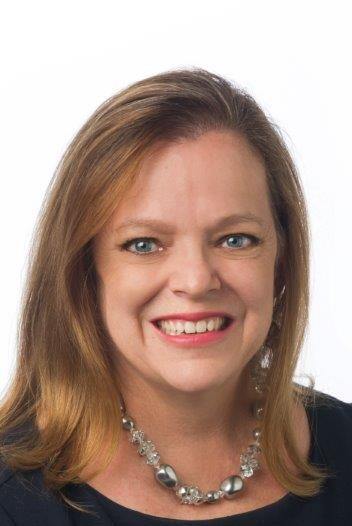
Emily-Thompson-CoverMyMedsEmily Thompson is the Learning and Development Manager for the Patient Services Team at CoverMyMeds, responsible for developing and scaling Training Programs to support two patient-centric programs.

She is actively engaged with enhancing Knowledge Management tooling for these programs and recently helped her team pivot from in-person training to a fully virtual platform. Prior to joining CoverMyMeds in 2015, Emily was an adjunct professor during graduate school at the University of Cincinnati and has a robust background in physical training.

Outside of work, Emily enjoys staying active with her fiancé and dog, Ruca, practicing her barbecue skills, and hiking.

Connect with Emily on LinkedIn.

TRANSCRIPT

Intro: [00:00:04] Broadcasting live from the Business RadioX studios in Atlanta, Georgia, it’s time for Learning Insights. Brought to you by TrainingPros. When you have more projects than people, TrainingPros can provide you with the right L&D consultant to start your project with confidence. Now, here’s your host.

Lee Kantor: [00:00:27] Lee Kantor here. Another episode of Learning Insights Radio. And we couldn’t be doing this without our friends are TrainingPros. So, please support them so we can continue to share these stories. Today on Learning Insights, we have Emily Thompson with CoverMyMeds. Welcome, Emily.

Emily Thompson: [00:00:43] Hi, Lee. Thanks for having me.

Lee Kantor: [00:00:45] Well, before we get too far into things, tell us about CoverMyMeds. How are you serving folks?

Emily Thompson: [00:00:49] Yeah, I’d be happy to. So, CoverMyMeds is a health care company in Columbus, Ohio. And we help patients get the medications they need to live healthy lives. We’re working hard to solve some of the most common medication access challenges. For some of our solutions, that include electronic pre-authorization, prescription, decision support and specialty patient support services.

Lee Kantor: [00:01:12] And then, what’s your role in the organization?

Emily Thompson: [00:01:15] Yeah, I am the learning and development manager for our patient services team at CoverMyMeds. My team, specifically, supports training and knowledge management and for two patient-centered programs. And our team serves new hires to the business, but also supports continued education and up training for our tenured members.

Lee Kantor: [00:01:35] Now, how did you get into this line of work?

Emily Thompson: [00:01:38] Yeah, good question. So, I kind of stumbled upon CoverMyMeds over five years ago. Joined our, then, very small support team, wasn’t planning to stay long, but quickly fell in love with the people, the opportunities and the real mission behind the work that we did every day. I joined the training team as our second ever trainer in 2016. And previously to CoverMyMeds, I was an adjunct professor. So, I loved education, and training and leading. Fast forward to today, I am leading our learning and development team.

Lee Kantor: [00:02:11] So, now, talk about the initiative about the onboarding plan for customer service that supports two different applications that you guys have.

Emily Thompson: [00:02:22] Yeah. So, as I mentioned, my team supports the training and knowledge management for team members for our two programs. Each program really follows a similar training structure where we take a blended learning approach anywhere from four to seven weeks, our training programs will run. Now, prior to COVID, we were pretty heavy in the classroom, spending anywhere from 13 to 20 sessions in the classroom, heavy on the lecture style. However, we’d always try to find unique ways to stay engaged through different learning games or whiteboarding sessions.

Emily Thompson: [00:02:56] Along with those classroom trainings, we also hold live shadowing sessions. So, we’d set up a new hire with a veteran team member in a side by side. A trainer would come in and shadow the new hire too side by side in office. And we’d always offer an element of feedback too. So, one-on-one feedback discussions with that new hire to discuss areas of strength and growth. The best part about being in office and the most fun part about our training program was our graduation ceremony. So, towards the end of those seven weeks, a new hire would complete their graduation exam. And then, we hold off on in-person ceremony for them with certificates, mimosas, and tend to send them on their way.

Lee Kantor: [00:03:36] So, the purpose of that, not only was to educate, but you were also kind of indoctrinating them in the corporate culture, and personal care and things like that. That was an important component of that when you were doing a face to face?

Emily Thompson: [00:03:49] Absolutely. Our trainers strive to not only educate but really lead team members to achieve such great successes at CoverMyMeds.

Lee Kantor: [00:03:57] So, now, when you had to go virtual, how did you kind of implement, at least, the spirit of some of that face-to-face interaction that was happening?

Emily Thompson: [00:04:08] Yeah, it’s been a challenge for sure. And if I think back to March, I think, overnight, we were told the company was moving to a fully virtual platform over the next following days. So, really, it was an all-hands-on-deck pivotal moment. My whole training team got on a call, and we had to decide how are we going to shift this in-person, seven-week program to fully virtual.

Emily Thompson: [00:04:32] We not only needed to quickly assess the need of the team members from the virtual standpoint, thinking about tech training, what do they need to thrive from home? But also our training programming. So, figuring out, one, how do we be as interactive virtually as we can be in a classroom? And then, what supplemental trainings or activities would we need to quickly create to ensure there’s that same knowledge retention from home? The biggest thing is we know the importance of social connection, especially in training, but as a new hire to the company. So, from the start, we’ve required that all team members, whether it’s in a meeting or a training, have their video on, so that we can get face time with each other.

Lee Kantor: [00:05:13] So, that was one step of it. Like part of it was shadowing and part of it was trainer shadowing the people learning. So, you were getting a lot of kind of human-to-human interaction, kind of looking over each other’s shoulders and being there physically. How do you kind of capture some of that serendipity in those accidental collisions and those kind of improvised moments that happened when you are in close contact. How does that translate to a screen?

Emily Thompson: [00:05:48] Yeah. No, really good question. So, our goal from the beginning with virtual training was to ensure our team members, regardless of tenure, felt supported. We knew that team members could no longer stop by our training space in the office to ask the question or seek advice. So, we’ve gotten feedback along the way through the past eight months of virtual training and working that some team members, especially the newer folks who have graduated, are really feeling a decrease in their confidence with the verbiage on their live calls. They can’t sit next to tenure team members anymore to kind of socially learn and observe other tenured folks’ phone skills.

Emily Thompson: [00:06:28] So, one thing that we’ve added to our training program is something called a simulation team. So, we’ve created this internal simulation team, which is comprised of veteran team members. We set up a new hire and a veteran team member through BlueJeans. It’s the application that we’re using to connect. And they practice calls. So, mock call scenarios, inbound and outbound with a tenured team member, and then seek feedback right away on, “Okay,” and seeing, “How did I do? What feedback can you give me? Do you have any tips and tricks for a future live call?” So, that’s one way we’ve been able to to still offer shadowing, we’re just doing it now through a screen.

Lee Kantor: [00:07:07] And that’s important for the listeners to really understand that you couldn’t just say, “Okay, this is how we were doing it live and in person,” and just cut and paste it into, “Now, this is how we do a virtual.” You have to almost rethink the spirit of what you were trying to accomplish, and then work with the strengths of a virtual in order to deliver those outcomes rather than just, like I said, cut and paste the activity you were doing.

Emily Thompson: [00:07:33] Yeah, absolutely. And another thing we really learned too is just the importance of social learning, especially in this virtual environment. So, before, in office, we’d get in a huddle room with a new hire and give them one-on-one feedback on strengths and areas of growth. Now, we’ve transitioned to doing group feedback sessions. So, we’ll have small groups of new hires jump on a call, turn their video on with a trainer, and listen to each other’s calls together. So, this really allows them to socially learn from each other, and together, take away key improvement areas or strengths as a group.

Lee Kantor: [00:08:09] Now, have you opened up things like Slack channels or kind of other means of communications?

Emily Thompson: [00:08:15] Absolutely. So, we definitely utilize Slack, whether we’re Slack messaging or Slack calling. I think for our training team, in particular, we’ve realized just how socially connected we are and how much we thrive off each other’s energy. So, we work really hard to stay connected via video call, whether it’s Slack or BlueJeans weekly. If not, sometimes, daily.

Lee Kantor: [00:08:36] So, now, I can understand how you’re getting that feedback, and they’re learning together kind of in a group setting, which might be a little different than how they were learning previously. Are you able to capture any of that learning, and then share those learnings with other people in the organization that weren’t part of that many group, and then anonymous way, at least, the key learnings, and the high points and low points?

Emily Thompson: [00:09:00] Yeah, definitely. So, CoverMyMeds as a company does a really great job of instilling a culture of feedback. And we take that to heart too on the training team. We’re always working to find ways to iterate and improve for our next class coming in. So, we capture feedback in a few ways around training. One is we hold skip level feedback sessions. These are small feedback meetings with graduated team members and either myself or a senior trainer, and really just pick their brain and ask them, “What did you love about training? What would you do differently next time? Do you have any creative ideas for us?” We were able to do those in office. And now, we’re doing them virtually the BlueJeans.

Emily Thompson: [00:09:40] We also, since working remotely, have incorporated weekly debriefs with the new hire classes. So, a trainer will get on a weekly call with that new hire class and kind of use it as an open forum. We’ll answer any outstanding questions they may have. We’ll seek feedback directly. We’ll ask them for it. We’ll hold knowledge check activities and really just work to open up space to engage with them virtually.

Lee Kantor: [00:10:03] Now, have you had any way to capture? Like, can you sense almost like if there’s kind of Zoom fatigue where. “Hey, we’re online a lot,” or “This is all I’m doing is online with somebody and I’m getting kind of burned out”?

Emily Thompson: [00:10:20] Yeah, definitely. And CoverMyMeds, as a whole, has worked really hard to preserve our culture even through the screen. To your point, there is a lot of screen fatigue. So, we encourage our new hires and team members across the board to really shut the laptop at lunch, take your break, close the laptop, go get a walk in. But we’re also trying to be creative in holding digital scavenger hunts. We’ve had cooking demonstrations with our culinary staff and random photo challenges, anything to really break up the day. I think our training team even has used some Jackbox Games to play too to just break up heavy training weeks.

Lee Kantor: [00:11:00] So, now, is there anything that’s happening now in this kind of new normal that you think will transfer and maybe just become a part of the new new normal maybe next year?

Emily Thompson: [00:11:12] Yeah, definitely. I am very excited for 2021. And I know the whole company is really excited too for our new campus. We’re hopeful to still offer virtual training. Some team members may not feel comfortable coming into office right away, and we’ll be able to offer them a virtual platform. Also, really exciting is, historically, before we were work-from-home, if you had an appointment or maybe you got a flat tire, you’d have to take a day of PTO because you couldn’t get into the office. Now, we’ll be able to offer that virtual aspect to join a classroom if you’re unable to come into the office.

Emily Thompson: [00:11:47] We’re also definitely going to continue with our simulation team. This is a great way for team members to get exercise reps in before they go live and really sharpen their skills and boost their confidence to get on a live call. And really, we’ll continue our feedback mechanisms. I mean, growth and iteration are integral to the success of our training programs. And we are always searching for new ways to offer an award-winning and creative training experience.

Lee Kantor: [00:12:13] Now, do you find that just going through this kind of a crisis and forcing your hand to make do with whatever you had, whatever resources you had to kind of improvise on the fly, do you think that when you’re planning for next year and the year after that, you’re going to take some of this and say, “You know what, this is how we’ve been doing things. We thought we were thinking outside the box before, but this really forced us into different boxes that, maybe, we didn’t even know existed,” or are you finding that your mind is now more open to more things that could possibly work and you could leverage to your advantage?

Emily Thompson: [00:12:47] Yes, absolutely. Like I mentioned, we get a lot of feedback from the new hires, and our people on the ground are the ones with the awesome ideas, and we are always open to trying things out. Each class, like I said, we’re trying to figure out, “How do we be more engaged? Sure, we can stand in front of a classroom and lecture all day, but how much retention is really had in those types of settings?” So, we’ve been experimenting currently with different online methods of presentation. So, Mentee is one example that we’re able to leverage. It’s kind of an interactive presentation tool. We’ve all bought personal whiteboards, and we’re using those on the screen through virtual training, and we’re always looking for new icebreaker games to include whether we’re in person or through the screen.

Lee Kantor: [00:13:35] Now, any advice for those companies out there that are struggling with it? And maybe let’s just talk about onboarding a new employee. Anything that you’ve learned that say, “You know what? Definitely do this. You may not want to do as much of this as you used to”? Any advice for those folks that might be struggling with this kind of virtual onboarding?

Emily Thompson: [00:13:55] Yeah. I mean, one thing that we have learned is that the video connection is super important. We’re seeing faces through the screen. We love to see them in person, but I think that that social connection through the video is huge. So, if you’re out there, and you have a platform that allows you to turn your video camera on, I definitely recommend that. It may be weird, you may be concerned you can shower, or your dogs in the background, but it’s really fun to still connect and see people’s faces. And that’s a really important part of learning as well. And just from the training perspective, we’re able to still watch facial expressions or body language, and tell, “Does someone have a question? Is someone furrowing their brow and maybe aren’t getting the concept or are concerned?” And really, that video aspect has been integral to us educating through a camera.

Lee Kantor: [00:14:57] Now, for you personally of having gone through this and it sounds like thriving in this kind of new world that we’re in, can you share a rewarding or surprising part of the year for you that that maybe your team, kind of their resilience or their ability to kind of just power through this was meaningful?

Emily Thompson: [00:15:22] Yeah. I think the most rewarding part for me is that I have brought in four new trainers over the past several months of working remotely. So, we’ve never, as a team, gotten to get together with these four new people and welcome them with real open arms and real hugs. So, that’s been really amazing to see four new team members integrating into our team and fitting in perfectly. We’ve also, within these two programs, been able to train over 400 team members in 2020. And I don’t know the math, but I would say the majority have been virtual. We have a 100% graduation rate and we have had that over the past three years, which is amazing that we still are able to successfully onboard, train, educate, lead people to success even through today’s environment.

Lee Kantor: [00:16:20] And then, as you move into 2021, how do you even go about kind of forecasting this because who knows what the world’s going to be like? Are you just doing things like at a quarter at the time? Like how do you kind of plan the year?

Emily Thompson: [00:16:35] Yeah, I mean, as far as going back into the office and what that looks like, I’m not sure of timing. I do know that CoverMyMeds is putting the health and well-being of our employees as first priority. So, we’ll continue with our virtual platform as is. Of course, still seeking feedback along the way. We hold multiple retro conversations as a training team. After a class graduates, we’ll get together, “What worked? What didn’t? What should we change?” And that’s the beauty of CoverMyMeds is we’re constantly pivoting. I think we joke that the training team is full of professional pivoters and we really look to lean into to the productive discomfort that we’ve seen this year.

Lee Kantor: [00:17:15] So, now, what do you need more of? How can we help you? Are you looking for more talent? What’s on the horizon?

Emily Thompson: [00:17:23] Yeah, great question. I mean, CoverMyMeds is always growing. And for those out there interested in learning more, you can look more into our culture at experience.covermymeds.com. As far as me, I mean, this interview has been an awesome experience, and I love being able to rave about my trainers and my knowledge management team. I heard a quote recently and it’s, “Exceptional leaders solve problems with people, not for them.” So, I’m really eager to connect and learn alongside other thought leaders in the industry. And this has been a good experience. Thank you so much.

Lee Kantor: [00:17:56] And then, for you, if somebody wants to connect with you, is the best way on LinkedIn?

Emily Thompson: [00:18:00] LinkedIn would be great. Yes.

Lee Kantor: [00:18:01] And that’s just Emily Thompson on LinkedIn?

Emily Thompson: [00:18:05] You got it at CoverMyMeds.

Lee Kantor: [00:18:07] And then, the website for CoverMyMeds is covermymeds.com if somebody wants to learn more?

Emily Thompson: [00:18:13] Correct. You got it.

Lee Kantor: [00:18:14] Well, Emily, thank you so much for sharing your story today. You’re doing important work and we appreciate you.

Emily Thompson: [00:18:19] Thanks, Lee.

Lee Kantor: [00:18:20] All right. This is Lee Kantor. We will see you all next time on Learning Insights. And remember, this work would not be possible without our sponsor, TrainingPros. Please support them, so we can continue to share these important stories.

Outro: [00:18:34] Thank you for listening. For more information about TrainingPros, visit their website at training-pros.com.


About Training Pros

Since TrainingPros was founded in 1997, they have been dedicated to helping their clients find the right consultant for their projects.

23 years later, they are proud to have helped hundreds of clients complete their projects and thousands of consultants find great assignments. Training Pros continues to focus on helping their clients and consultants as well as their community.

Follow Training Pros on LinkedIn, Facebook and Twitter.

TMBS E134: Sharon Miller BOA, 2020 Small Business Report

December 18, 2020 by angishields

Tucson Business Radio
TMBS E134: Sharon Miller BOA, 2020 Small Business Report
Loading
00:00 /
RSS Feed
Share
Link
Embed

Download file

Sharon Miller is the head of Small Business at Bank of America and is a member of the company’s Management Operating Committee. 

Her team is responsible for providing more than 12 million+ business owner clients a full range of financial products and services through Bank of America’s network of approximately 4,300+ financial centers, 16,600 ATMs, and an award-winning digital banking platform.  

Miller’s team delivers advice and guidance on cash management, business financing, personal lending, investments, and retirement to business owners in local markets throughout the United States.  


Bank of America 2020 Small Business Owner Report  

Business Owners Remain Flexible and Resilient:  

  • 85% of businesses stayed open in some capacity amid shutdowns 
  • Of entrepreneurs whose businesses remained open, 78% say their day-to-day operations were impacted 
  •          24% of business owners retooled operations to address the impact of the pandemic

 Cash Flow and Access to Capital Remains Crucial: 

  • 42% of business owners applied for at least one type of loan to address the impact of coronavirus, including:
  • 34% applied for a Paycheck Protection Program loan,
  •  16% applied for an Economic Injury Disaster Loan, and/or
  • 5% applied for a traditional bank loan 

 Guarded Business and Economic Outlook: 

  • Entrepreneurs are significantly less confident in the economy. Optimism has declined to levels not seen since 2016, while revenue expectations and hiring plans for the year ahead are at record lows since 2012 and 2013, respectively. Over the next 12 months…
  •  37% predict the national economy will improve
  • 34% anticipate their revenue will increase
  • 13% of entrepreneurs plan to hire, while 70% plan to keep staffing levels stable. 

Top economic concerns for business owners in the year ahead are the political environment (78%), the impact of coronavirus (75%), health care costs (62%) and consumer spending (56%) 

Tagged With: The Mark Bishop Show

TMBS E133: Susan Bailey MD President of the AMA

December 18, 2020 by angishields

Tucson Business Radio
TMBS E133: Susan Bailey MD President of the AMA
Loading
00:00 /
RSS Feed
Share
Link
Embed

Download file

Dr. Susan Bailey: 

 Susan R. Bailey, MD, an allergist/immunologist from Fort Worth, Texas, was elected president of the American Medical Association in June 2020. Previously, she served as president-elect of the AMA for one year, speaker of the AMA House of Delegates for four years, and as a vice speaker for four years. 

 Dr. Bailey, who has been active in the AMA since medical school when she served as chair of the AMA Medical Student Section, has held numerous leadership positions with the AMA. These include serving as chair of both the Advisory Panel on Women in Medicine and the AMA Council on Medical Education, as well as representing the AMA on the Accreditation Council for Continuing Medical Education, the American Board of Medical Specialties, and COLA. 

 Her long history of service in helping guide organized medicine extends to the local and state levels as well. She has served as board chair and president of the Tarrant County Medical Society, and as a vice speaker, speaker, and president of the Texas Medical Association. 

 Dr. Bailey is an allergist in private practice and has been with Fort Worth Allergy and Asthma Associates for over 30 years. She completed her residency in general pediatrics and a fellowship in allergy/immunology at the Mayo Graduate School of Medicine in Rochester, Minn., and is board certified in allergy and immunology, and pediatrics and has been awarded the title of Distinguished Fellow of the American College of Allergy, Asthma, and Immunology. 

 In addition to receiving her medical degree with honors from the Texas A&M University College of Medicine as a member of its charter class, Dr. Bailey was later appointed to the Texas A&M System Board of Regents by then Gov. George W. Bush and has been named a Distinguished Alumnus of Texas A&M University and of Texas A&M University College of Medicine. 

 Dr. Bailey is married to W. Douglas Bailey, has two sons and one grandson, and is an elder and longtime choir member of her church.


Tagged With: The Mark Bishop Show

Customer Experience: Lessons Learned from Tony Hsieh

December 18, 2020 by angishields

tony-hsieh
Customer Experience Radio
Customer Experience: Lessons Learned from Tony Hsieh
Loading
00:00 /
RSS Feed
Share
Link
Embed

Download file

CER

Tony-HsiehTony Hsieh’s rise to business icon is the stuff of entrepreneurial legend. After a stint running a pizza business while at Harvard University in 1994, Hsieh headed west to found LinkExchange, an online advertising cooperative, which he later sold to Microsoft Corp. for $265 million.

From there, the former Zappos.com CEO — who died on Friday at age 46 — established the venture capital firm Venture Frogs, which invested in, among other companies, an online shoe retailer named ShoeSite.com, to be renamed Zappos.com. Two months later, Hsieh joined the company full time as CEO. In 2009, he sold it to Amazon for $1.2 billion and continued to run the business independently.

Burned from the experience with his first company, LinkExchange, which grew large and impersonal, the CEO used Zappos as a platform to champion connectedness and employee relationships, and looked for ways to bring happiness into the workplace.

When asked last year about his biggest career accomplishment, he responded with an answer that didn’t surprise anyone who knew him well: “The relationships and friendships. We focus a lot on company culture, so these are not just co-worker relationships but true friendships, where people choose to hang out with each other after work or go on trips together. [That also applies to] the relationships with our vendors and other business partners.”

Hsieh built Zappos as a “service company” — and his formula became a model for many other internet startups. Read more here.

TRANSCRIPT

Intro: [00:00:01] Broadcasting live from the Business RadioX Studios in Atlanta, it’s time for Customer Experience Radio. Brought to you by Heineck and Company, real estate advisors specialized in corporate relocation. Now, here’s your host, Jill Heineck.

Jill Heineck: [00:00:18] Good morning and welcome to this very special edition of Customer Experience Radio. I’m your host, Jill Heineck. I’m a business owner, real estate adviser, and customer experience enthusiast. I thought it would be really cool to air this special episode in honor of Tony Hsieh, the former CEO of Zappos, who passed away before Thanksgiving at the age of 46. His loss is devastating to the world, being one of the world’s most beloved CEOs and mentors, a pioneer, and a trailblazer in the customer service space.

Jill Heineck: [00:00:51] Joining me this morning is our famed producer, Lee Kantor. He’s going to talk with us a little bit about how Tony also impacted him and his business. And I just wanted to kind of highlight how the lessons that I’ve learned from Tony and his business and listening and reading all things Tony Hsieh. If you’re in business, you’re in customer service. And whether it being client or end user facing or internal client or employee facing, you’re in customer service. The difference between Zappos led by Tony, and the rest of us, was his willingness to be authentic to himself, his beliefs on what could be, and to color outside the proverbial company lines. Would you agree with that, Lee?

Lee Kantor: [00:01:36] One hundred percent. I’m a superfan of Tony Hsieh. And he demonstrated his beliefs through action at Zappos and throughout all of his work in his lifetime.

Jill Heineck: [00:01:48] That’s right. And I think, you know, once he was able to prove and put everything into action, I think people were like, “How do we do that?” How do we model after what he’s been able to take, you know, what was a losing company into a multi, probably, billion dollar company at this point. And, you know, I think that while we all can’t be a Tony or a Zappos, I know we’re all inspired about what he accomplished and how he took customer service and experience to the highest of levels.

Jill Heineck: [00:02:22] In his book, Delivering Happiness – which, in my opinion, should be required reading for every company – Tony listed out the top ten ways to instill customer service into your company. Now, he kind of used customer service a lot, but I thought, you know, the way I read it, it’s really building that customer experience out. Service, I think, has been interchangeable with experience over the last several years. But I think as we get into when people are actually client facing, I think the experience is what we’re all trying to focus on. I don’t know, it’s not tangible enough. But, I think, this list is a great example of how to build out a service focused company based on the experience that the customer has.

Jill Heineck: [00:03:09] Tony and his team decided they wanted to build a brand around the very best customer service and very best customer experience. So, he thought if you got the culture right and you got everybody excited internally, that great experiences would come naturally. So, number one on his list was make customer service a priority for the whole company, not just the department. So, the customer service attitude needs to come from the top. And Tony focused on building repeat customers and word of mouth marketing, which is exactly what, I think, many of us strive to do. His belief that happy customers are the conduit to satisfied customers who would return again and again was ahead of its time. And how many companies, much like mine and yours, a model today, would you agree?

Lee Kantor: [00:03:56] Yeah. I think that, to me, this is all about empathy. And to really and truly understand and kind of walk in the shoes of and look through the eyes of your customer, what’s in it for them, how can you help them win, what do you have to do tangibly to kind of help them make all their dreams come true. And if you’re thinking about that all the time and adding layers and layers of your service to helping them succeed, then you are going to wow the customer, which is something that he is shooting for at every stage throughout the company, not just the sales guy, not just the account rep, but the accountant, the person who answers the phone. Everybody has that in mind that they’re trying to wow the customer, then good things are going to happen and you’re going to have customers for life, which was his objective.

Jill Heineck: [00:04:43] That’s right. And that, ironically, brings me to number two on the list, make wow a verb that is a part of your company’s everyday vocabulary. So, I think this is such an important part of everyday function. It should be. It is at our company, at Heineck and Company. And you know, the question you should be asking yourself as a business owner or as a leader is, is it ours as well? In fact, this year, actually, we are launching for 2021 a newly branded program, Surprise and Delight, in the spirit of wow. And it really is, you know, something that you want to bring to your customer.

Jill Heineck: [00:05:24] Every milestone of the customer experience should be a wow opportunity. And I think that’s one thing that Tony really kind of enforced and tried to empower his team and understanding that, you know, if you can make that customer feel cared for, then it’s just going to continue to create a great experience for them. Have you, Lee, seen or experienced lately any company that’s really kind of wowed you, for lack of a better word?

Lee Kantor: [00:05:59] Let me think.

Jill Heineck: [00:05:59] Or lately maybe.

Lee Kantor: [00:06:01] Customers that have been on my radar that have kind of gone above and beyond and wowed me?

Jill Heineck: [00:06:07] Right.

Lee Kantor: [00:06:07] I’m trying to think, I recently stayed at Hilton Head. And the company that was a management company of the Airbnb or the home that we rented there really did a great job of being proactive and thinking of problems – or not problems – just opportunities for me to have more fun and my family to have more fun that it wouldn’t have occurred to me. And they did it in a very elegant way. They added in services and built it into the process and included that as part of this overall kind of price for the experience. So, it wasn’t something that we consider doing, but we ended up doing because they thought of it ahead of time.

Jill Heineck: [00:06:50] I love that. I love that when it’s preempted and, you know, they’re kind of anticipating your every need and possible want. And I think that makes such a big difference in your experience. And then, the chances of you booking at that property again are probably pretty, pretty high.

Lee Kantor: [00:07:07] Right. Well, this is the thing that I think people have to understand. When you have a team, like you have a team at Heineck and Company, and if everybody on the team – it doesn’t matter if they’re customer facing or not – if they’re thinking about ways to make the customer’s experience better – and that could be the billing person, “Hey, you know what? At the bottom of an invoice, let’s put this thing in here or, you know, something that makes them smile.” There was a company that was selling things online and they would put in, like, some Milk Duds in the box. Just like you open up and you’re like, “Oh, look. Milk Duds.” You know, that cost them, like, nothing, pennies. But it was something that just brought a smile to somebody. That was somebody in the shipping department thought of that.

Lee Kantor: [00:07:49] So, everybody can participate on this wow project. You know, it doesn’t have to just be the people that are customer facing. I think that’s a big takeaway here, that you have to include everybody on your team to get everybody thinking that way. Then, you’ll really create that culture of wow. It won’t be just initiative that comes and goes. If everybody really believes and buys in and is brainstorming and thinking of ways they, as an individual, can wow the customer, then you’re going to really live into those values.

Jill Heineck: [00:08:20] That’s right. That’s right. And, you know, going back to number one on the list, is making customer service a priority for the whole company, not just the department. And, also, the customer service attitude needs to come from the top. So, it’s not just you get in your training, and now, you know, you’re let loose into the company, and you hope and pray that it sticks. It’s every day. And I think Tony just lived that every day and his team lived that every day. And that made such a difference in their business. And that is something, I think, a lot of us strive for. Which brings me to number three, to empower and trust your customer service reps or your customer experience reps. Trust that they want to provide great service because they actually do. And this is something that resonates a lot with me. Most people want to do right by others. Most people want to please others and take care of others.

Jill Heineck: [00:09:21] And much like co-founder Horst Schulze of the Ritz Carlton Hotels, Tony empowered his team to use their judgment. He would say, “Be yourself, use your head.” Instead of focusing on guidelines and policies, like most corporations, he emphasized culture and values instead. Be authentic, be human centric, be customer centric. He believed that if you could get your culture right – one way is by empowering them – the delivery of great customer experience and service and building a long term brand or business would be a natural byproduct. How many companies have you seen or experienced lately, Lee, that you could feel that from them?

Lee Kantor: [00:10:00] Yeah. Well, sadly to me, it’s less and less. And, to me, it should be more and more, especially in today’s world where it’s so easy to kind of automate so much a business now and that they’re just taking the human factor out of it. I think one of the great things that Tony did at Zappos was, he didn’t kind of time the amount of time that a call center person was on the phone. And I think that that kind of changed the game. Because everybody hates going through a phone tree. Everybody hates the fact that they’re just trying to move you on. And then, you go to the next person and then that person acts like you’re a complete stranger. They don’t know who you are. And we’re just getting frustrated by that. When he took them off the clock and said, “Hey, talk to him as long as they need to talk to you.”

Lee Kantor: [00:10:49] You know, that’s to buy shoes. I mean, imagine if they had that attitude in, like, things that really mattered, like healthcare or something — services and they had that attitude there, I mean, that would change how everybody feels about this stuff. And he was doing it for shoes. And that was game changing. It was a mental shift and that was important. And I think that’s why his book resonates, because it got people to think differently. We don’t have to keep track of things that maybe the accounting department wants us to keep track of. Let’s focus on the human being here and what really serves them. And let’s keep track of metrics that matter from that standpoint.

Jill Heineck: [00:11:30] Exactly. And to your point, you know, Zappos sells shoes. And he had admittedly said that he knew nothing about shoes. In fact, he had been wearing the same Asics and flipflops forever. And so, forgetting about shoes and focusing on what really mattered, the emotional connection, that is what keeps customers coming back. And he’s been known to quip that Zappos is a service company that happens to sell shoes. And, you know, it’s funny, I’ve always thought of my business in real estate as the same. You know, we are customer experienced experts that happen to sell real estate and we just happen to focus in there.

Jill Heineck: [00:12:07] And, you know, our visionary Gary Keller of Keller Williams International, he says the same thing. He said, “First, you’re a business person who happens to specialize in real estate. So, as a business person, how are you going to continue to engage and wow the customer?” So, I think, you know, these lessons that we’re learning from Tony and how he’s built his company is really making a big difference in business.

Jill Heineck: [00:12:31] He shared a funny story in his book, Delivering Happiness, to illustrate the impact empowerment can have. So, he was at a Sketchers conference in Santa Monica. And after a long night of bar hopping, he and a group of friends went back to a hotel to order room service. But room service was closed. So, Tony dares his Sketchers friend to call Zappos and order a pizza. And the Sketchers friend told the rep who answered the phone that she was at a conference in Santa Monica and had a hankering for a pepperoni pizza but room service was closed, so could she help. The request caught the customer service rep off guard, but she quickly recovered and put them on hold. Two minutes later, she comes back with five pizza places that were still open and delivering in the area at that time.

Jill Heineck: [00:13:19] I mean, you know, Tony just dared her and he was sitting in the room when this all happened. So, it was his own thing at work right in front of him, which I thought was amazing to hear that story told by him. And he said, needless to say, the Sketchers friend became a Zappos customer for life. And he also, as a side note said, “I don’t want everyone calling Zappos ordering pizza now.” He said, “I just wanted to illustrate what this can look like.” And I thought it was brilliant.

Lee Kantor: [00:13:54] Right. And it was a risk on his part. He was hoping that his culture really was the way he envisioned it and they delivered. And I’ve heard stories the same from Nordstrom, you know, Nordstrom’s return policy. At one point, Nordstrom bought out another department store that sold tires. And then, somebody came in and said, “Okay. I want to return these tires.” And Nordstrom doesn’t — tires now. But they, somehow, accommodated that person.

Lee Kantor: [00:14:22] And it’s that kind of attitude of, if the culture really is the culture you want it to be and your people believe it to be so, then you return tires even if you don’t sell tires anymore. That’s how you you behave. Like Seth Godin says, “People like us do things like this.” If we believe that we’re here to serve the client, then we’re going to serve the client. And then, that’s our true north. And it’s easy to make decisions once you have that as your true north, you just serve the client.

Jill Heineck: [00:14:54] That’s right. That’s right. And I thought, you know, this is bringing these concepts closer to home in these pandemic times. Zappos set up a customer service, Anything hotline. And he had, like, a landing page and he also had a phone number where their team was available to talk to you about anything you felt like. Everyday issues or concerns, no purchase required, anything, even ordering a pizza. Now, it is not in service at the moment, I checked yesterday. But for the last six months, that has been up and people were just calling because they were anxious, or nervous, or upset, and not necessarily wanting to buy anything from Zappos. So, that is just, I think, again, another example of Tony’s mantra at work, which I thought was brilliant.

Jill Heineck: [00:15:49] And so, given this conversation about empowering teams, number four on his list was, escalations to supervisors should be rare. So, when you’re empowering people, the team is not having to constantly call a supervisor or a manager to come take care of a particular challenge. The same thing happened with Horst Schulze. He used to give his team – and I believe that they still do this – each of the front desk or team team members had a $2,000, basically, account where they could use that money if it was going to help solve a challenge for a client without having to call to get approval to do so. So, I think that’s such a huge impact on (A) not having to call a manager every single time an issue happens. But also the customer is super impressed by that.

Jill Heineck: [00:16:44] Number five is, realize that it’s okay to fire customers who are insatiable or abuse your employee. I’m sure we’ve all been in that situation, and, unfortunately, I was in one recently where it was a really big decision to make. And, you know, sometimes as small business owners, we have to make hard decisions. And, you know, you’re thinking about payroll. You’re thinking about, you know, what kind of impact this sale could be. You don’t want to let anybody down. You don’t want to, you know, quit on something you started. Those are all things that went through my head.

Jill Heineck: [00:17:15] But at the same time, I also wanted to be able to serve. I wanted to be in a good spot when I’m serving. I didn’t want to feel taken advantage of and abused. And those were things that were happening. And I had to make a big decision to cut the cord. And I love that he says, you know, it’s okay to do this. And so, when I did that, for me, one door closed and, literally, five or six more opened shortly thereafter. And it makes such a difference. And so, I think when you change up that energy and you give people the power to make that decision, I think that makes a big difference. Have you experienced that, Lee?

Lee Kantor: [00:17:55] One hundred percent. And not only with clients, with coworkers, and people that are part of your team. At some point, just because that person was with you at a certain point, it doesn’t mean they’re going to be with you at all the points. And if they are no longer kind of living a life that’s congruent with the culture, as the culture evolves and you’re focused on doing certain things, then you got to be okay with letting them pursue other things. If we’re all not kind of rowing in the same direction, you’re doing a disservice to the rest of the team by allowing this person, this client, to misbehave and to not really be aligned with your values anymore. Because that person, whether it’s a client or it’s a team member, if they are not kind of aligned with your values, they become a drag on the whole organization because, now, you’re role modeling that this is acceptable behavior.

Lee Kantor: [00:18:50] And if your values say it’s not acceptable behavior, then they just can’t be part of your journey anymore. I mean, they can find someone else that’s doing a similar thing that has values that are congruent with them. But I think you’re doing a disservice for the team by allowing a client or a team member to not be aligned with your culture or your values. I mean, that causes way more problems than it solves, no matter how productive that person is or how lucrative that client is.

Jill Heineck: [00:19:19] That’s right. And as a side note, part of the Zappos training process was getting them through the first week or two of training. It’s a four week training for their call centers. And as you can imagine, it’s harrowing to be on the phone all day or on Twitter responding to customer challenges, et cetera, questions. And so, during this long training, they would kind of halfway through give them the offer. And the offer was, you know, “Here’s $1,000 or 2,000 to quit now. We’ll pay you for your time, plus this bonus to leave.” And this was their way of trying to weed out the people who are culture fit or not. If they weren’t passionate about delivering a great customer experience and great customer service, then they knew so much earlier on than dealing with this later on. And I mean, that’s just brilliant who does that. But I think that they invested so much of that on the frontend so that on the backend that they could really build this great model out, and great team, and culture fit.

Jill Heineck: [00:20:27] And then, again, to your point, I mean, now you have people who are congruent with the mission of the company, and I just love that. And to that point, he also, like you said, number six was, don’t measure call times, which I love. You spend as much time as you can or need to with the customer. Also, number seven, don’t hide your 800 number. He says it’s a message not just to your customers, but to your employees as well. Like, “Don’t call us. We don’t want to talk to you.” He had the number on the Zappos site is, you know, loud and proud, high up on each and every page. You can always call.

Jill Heineck: [00:21:06] I, ironically, last night was on a website – I will not mention the name – and I could not find a phone number for the life of me. And I literally threw my phone down on the floor. Like, “How am I going to cancel my account? I can’t call these people.” And they made the cancellation so teeny, teeny, tiny at the bottom that you could miss it very easily. So, I love this idea of, you know, here we are, we’re here to help you. And that was the message. He said, “View each call as an investment in building a customer experience brand. Not as an expense you are seeking to minimize,” which so many call center operators do.

Jill Heineck: [00:21:45] Number eight, have the whole company celebrate great service. Tell stories of wow experiences to everyone in the company. I mean, this is where testimonials and fun customer experience stories, like the one we just talked about where the Sketchers gal ordered a pizza. Those are things that they celebrate inside of the company all the time. It’s not necessarily outward. But I think it gets everybody pumped and really kind of connecting with what they’re doing. Wouldn’t you agree with that, Lee?

Lee Kantor: [00:22:16] Yeah. I think that it’s important to kind of document and have this, I think they call it, culture book that people contribute to, and that really demonstrate when they have examples that demonstrate the kind of values they have and the mission that they’re on. That everybody has access to it. I think it’s available to the public even, they’re willing to share the stuff. They don’t have a very kind of closed environment. It’s an open environment. They want everybody to win. And they’re not, you know, protective about that kind of stuff. So, they love to share their values. They love to share, you know, what they’re about. And they’re proud of it.

Lee Kantor: [00:22:59] And then, when you have that kind of values and culture, it’s easy. The right people are attracted to that and the right clients are attracted to that. And it just becomes this kind of vicious spiral in the best sense of the word that’s going upward. And it’s about serving and caring. And like you said earlier, the shoes are not really the business. That might be what they’re selling, but their impact is so much greater than that.

Jill Heineck: [00:23:28] Absolutely. And to your point, number nine is, find and hire people who are already passionate about CX or customer experience. I mean, literally, like I said in the beginning, when they are training and finding and hiring people, they are weeding these people out in the beginning. And they are just really zoning in on the right fit with the same passion.

Jill Heineck: [00:23:51] And number ten, give great service to everyone, including customers, employees, and vendors. I find that some companies really do kind of don’t match up all of their service protocols with all lines inside the business. So, every business has to have vendors, and employees, and customers. And so, if you’re not in alignment and delivering that same high level of service to all, you know, kind of sectors of your business, that can become a disjointed thing. I’ve seen that in many businesses.

Jill Heineck: [00:24:27] In mine in particular, we’ve been very focused on making sure, you know, from picking up the phone and responding to someone asking about a property, to writing the contract, to inspections, to appraisers. These are all people that are part of the process. And they all need to be treated with a high level of respect and experience and service. Some companies don’t get that.

Jill Heineck: [00:24:56] How do you point that out? How do you help companies kind of get – I mean, that’s the glue to me. The experience is the glue that keeps the company together. I mean, have you seen any companies that have kind of figured it out that they were falling apart and figured out a way to come back together? Or, is there any company that stands out to you that does a really good job of connecting all their sectors?

Lee Kantor: [00:25:18] Yeah. I think that there are examples of that. But I want to first kind of address that part about hiring the right people, because I think that that makes everything work better. And when I say hiring the right people, I include vendors in that mix as well. Like, I got to interview one of the leaders of Chick-fil-A a long time ago. And one of the things that they said to me and that really stuck was, “We only hire people that naturally smile.” And I’m like, that’s brilliant, because if a person is a natural smiler, then you don’t have to train them to be nice to the person in front of them. That’s how they are. They naturally smile.

Lee Kantor: [00:26:01] So, they’re choosing the right person that go. They’re not trying to fix the wrong person. And it’s just a more efficient way of getting – the person is almost there when it comes to delivering the service they want. They’re at the finish line. You just have to kind of tweak it a little bit to get them to say what you want them to say. But they’re already doing the hard part of the smiling, and engaging, and making people comfortable. So, I think that that’s critical when you’re looking at your team, whether they be your team of vendors or the people that are working with you. So, choose the right people that are already almost there and then tweak them rather than just take anybody and try to fix them. I don’t think fixing is a good long term strategy.

Lee Kantor: [00:26:43] Now, when it comes to companies that really walk the walk in all aspects of the business, again, this is something, sadly, I think that is lacking. A lot of people can justify, “Well, I really am mean to my vendors and I squeeze them. But I’m trying to be generous in these other areas, but I’m going to squeeze the vendors like some big retailers do.” And then, they’re trying to be like, “Hey, everybody is welcome here.” It’s like you got to walk the walk everywhere. And I think the key is to have that true north, believe what you believe, and then just kind of use that as the way to make decisions. If you believe customer service or customer experience is critical, then you have to deliver that everywhere. It has to be congruent because, otherwise, you’re telling your people that you really don’t believe it. That you only believe it some of the times or only with certain kinds of people. You know, we’re super nice to our clients but we mistreat our employees. Then, you’re really not living those values. You know, you’re saying those values, but you’re not living them. The values are values because they should be throughout your entire life. It should be a 360 around your whole company. It can’t just be certain departments you believe that. And that’s how they behave.

Jill Heineck: [00:28:04] Right. Yes. I mean, you know, it not just goes to Tony’s innate understanding that, you can’t build something special in the marketplace unless you also build something powerful in the workplace. That was his mindset and it was beyond its time at the time. And I just think, like you said, you know, you can’t do it in just one area. You have to do it throughout. And whether it’s, you know, in the workplace, or at home, or in your life, if you’re not the person that lives it, then you’re probably not the fit for Zappos, for example.

Jill Heineck: [00:28:40] I certainly could go on and on and on with this, but I wanted to, at least, pay homage to a game changer, an icon, and a true customer experience champion, given that we are Customer Experience Radio. I felt like I could not let that go without paying homage to him.

Jill Heineck: [00:28:58] I really want to thank you so much, Lee, for joining me this morning. I appreciate it. Everyone, thanks for listening. I am proud to share this show with you as these stories and more prioritize the customer experience as a legit business strategy. And reminding us that no matter the business you’re in, shoes, pizza, or real estate, the customer experience should always be the heart of the business.


About Your Host

Jill-Heineck

Jill Heineck is a business owner, real estate advisor, and customer experience enthusiast based in Atlanta, GA.

She is a founding partner of Keller Williams Realty Southeast, established in 1999, and the owner and managing partner of Heineck & Company, her real estate group under the KW umbrella, that specializes in Dual Sales, Relocation, Luxury Residential, and Historic Commercial districts.

Jill’s unwavering commitment to the Customer Experience, and her focus on anticipating needs of each client, serve as the foundation of her success. Her winning strategies and tenacious client advocacy have earned her a reputation for excellence among Atlanta’s top producers.

Follow Jill Heineck on LinkedIn.

Heineck-and-Company

TMB E50: Mark Ziska, Author of Titled ‘Do No Harm’

December 17, 2020 by angishields

Tucson Business Radio
TMB E50: Mark Ziska, Author of Titled ‘Do No Harm'
Loading
00:00 /
RSS Feed
Share
Link
Embed

Download file

Mark Ziska, Author (new Book Titled ‘Do No Harm’) 
Company: Do No Harm, Inc 
Address: 2239 E 5th Street
Tucson, AZ 85719 Phones: 520-909-0422 
520-909-0422            
markziska@comcast.net 

DO NO HARM offers a proven and time-tested 5-step process to help law enforcement organizations overcome the hurdles they are currently facing: community trust, engagement, and involvement as well as the use of force incidents.
Your co-author Ramon and you wrote this book after developing, testing, and proving that your 5-step system works. He was a former police chief was he not?  

Mark knows firsthand what many law enforcement organizations are up against. He helped create this system and implemented every step of our process with his government and community partners’ support and during his tenure, they successfully reduced critical incidents in his department and created a legacy of change.  

There are 5 Steps reference in your book.

As a civilian who has been behind the scenes of law enforcement my view on modern law enforcement includes “To serve and protect” is the mission of Law Enforcement Professionals across the country. 

We believe police reform is not “retraining” the police. 

We believe police reform is not defunding the police. 

We believe police reform starts at the top of every organization. 

We believe police reform is best maintained for the long term when there is a shift in culture and emphasis on shared values with the community. 

We believe police reform is possible, and we can change organizational culture to dramatically reduce the use of force and improve community relations. 

We pledge to support our Law Enforcement community as they undergo a cultural shift to not only “Serve and Protect” but also “Do No Harm.”

Forty-Niner Golf & CC – Tucson’s Hidden Jewel

Tagged With: Tucson Means Business

Rome-Floyd Chamber Small Business Spotlight – Cindy Quirk of Scout and Zoe’s Pet Treats, and Trey Tanner of Comprehensive Cleaning

December 17, 2020 by angishields

RomeFloydChamber
Rome Business Radio
Rome-Floyd Chamber Small Business Spotlight - Cindy Quirk of Scout and Zoe's Pet Treats, and Trey Tanner of Comprehensive Cleaning
Loading
00:00 /
RSS Feed
Share
Link
Embed

Download file

2020-12-16 Rome Floyd Chamber pic

Tagged With: Cindy Quirk, Comprehensive Cleaning, Rome Floyd Chamber, Rome Floyd Chamber of Commerce, Rome Floyd County Business, Rome Floyd Small Business Spotlight, Scout and Zoe's Pet Treats, Thomas Kislat, Trey Tanner

Teresa Ging with Sugar Bliss

December 17, 2020 by angishields

Teresa-Ging-Sugar-Bliss
High Velocity Radio
Teresa Ging with Sugar Bliss
Loading
00:00 /
RSS Feed
Share
Link
Embed

Download file

Sugar-Bliss-logo

Teresa-Ging-Sugar-BlissWith a Bachelor’s degree at the University of Chicago in Economics and Statistics and a career in finance for 6+ years, owner Teresa Ging left her finance position to attend Le Cordon Bleu Patisserie program in Paris.

When she returned to Chicago she set out to pursue a dream to open a cupcake boutique and spent eight months testing cupcake recipes. In October 2007, Ging launched the catering and delivery side of the business with 20+ flavors in the Sugar Bliss cupcake collection.

In January 2009, Teresa Ging opened Sugar Bliss Cake Boutique at 115 N Wabash in the Downtown Chicago Loop and in July 2016, she opened Sugar Bliss Patisserie at the Palmer House Hilton at 122 S Wabash.

In addition, she has received numerous awards since opening Sugar Bliss including Enterprising Women of the Year Award in 2019, Rising Star Award from the Women’s Business Development Center in 2011, and Best New Business from the City Treasurer’s Office/City of Chicago in 2010, as well as has been invited by President Obama to attend the signing of the White House Council on Women & Girls.

Connect with Teresa on LinkedIn and follow Sugar Bliss on Facebook and Twitter.

Tagged With: Sugar Bliss

Tactical Tip: How Will I Know What Comes Next Throughout the Process?

December 17, 2020 by angishields

1500x1500CXRadioBannerv2
Customer Experience Radio
Tactical Tip: How Will I Know What Comes Next Throughout the Process?
Loading
00:00 /
RSS Feed
Share
Link
Embed

Download file

Jill Heineck’s Tactical Tips for Selling Your House in Today’s Environment

Transcript

Lee Kantor: [00:00:05] Welcome to Jill Heineck’s Tactical Tips For Selling Your House In Today’s Environment. I’m Lee Kantor. Jill, today’s question is, how will I know what comes next throughout this process?

Jill Heineck: [00:00:15] Well, initially when we meet, we talk about the high level overview of how the process will work and how it will work with working with us and our team. And we’ll go through each step when it comes to prep, when it comes to pricing, and then when it comes to once we go under contract, what those steps are. Of course, you can’t remember everything. So, during the process, we are also reminding you of milestones that are going to be happening during the contract process. As well as anything that’s outside of the contract process, what you need to be doing in tandem or in conjunction with this timeline. So, we are definitely on top of it. You probably are going to hear from us more than you’d like. But at the end of the day, you’re going to get all the information you need consistently throughout the process.

Lee Kantor: [00:01:06] For more answers to your real estate questions, please go to heineckandcompany.com.

Rudy Krehbiel with Cloverly

December 17, 2020 by angishields

Rudy-Krehbiel-Cloverly
Atlanta Business Radio
Rudy Krehbiel with Cloverly
Loading
00:00 /
RSS Feed
Share
Link
Embed

Download file

OnPay-Banner

Cloverly-logo

Rudy-Krehbiel-CloverlyRudy Krehbiel has been working with startups for over ten years as a student, operator, and investor. He got his start while studying finance and entrepreneurship at Miami University.

After college, Rudy joined YapStone, a venture-backed fintech in the Bay Area, where he worked to align product, sales and ops with revenue targets and strategic goals. Rudy’s time in SF ignited his passion for sustainable living. Access to reusable materials, composting and recycling services, electric vehicles, and public transportation – he experienced the potential and the challenges to empowering people to have an impact in the fight against climate change.

After moving to Atlanta in 2017, Rudy enrolled in Georgia Tech’s MBA program, specializing in strategy and tech commercialization. Over the past two years, Rudy’s been an active contributor to Atlanta’s entrepreneurship and venture capital scene, holding multiple roles across three Atlanta-based VC funds. He’s helped over a hundred startups across the southeast in their efforts to raise capital and pitch for investment.

In 2019, Rudy discovered Cloverly and fell in love with the company’s mission. Today, he heads up operations at Cloverly, working to grow the company and deliver new ways for their partners to go green.

Connect with Rudy on LinkedIn.

What You’ll Learn in This Episode

  • What Cloverly does and how it got started
  • Who is Cloverly for and what kind of businesses do they work with
  • What are carbon offsets and how they can help businesses be more sustainable
  • While Cloverly is built for businesses, why it’s described as a B2B2C company.
  • How Covid has impacted Cloverly

About Our Sponsor

OnPay’sOnPay-Dots payroll services and HR software give you more time to focus on what’s most important. Rated “Excellent” by PC Magazine, we make it easy to pay employees fast, we automate all payroll taxes, and we even keep all your HR and benefits organized and compliant.

Our award-winning customer service includes an accuracy guarantee, deep integrations with popular accounting software, and we’ll even enter all your employee information for you — whether you have five employees or 500. Take a closer look to see all the ways we can save you time and money in the back office.

Follow OnPay on LinkedIn, Facebook and Twitter.

Tagged With: Cloverly, sustainability

  • « Previous Page
  • 1
  • …
  • 338
  • 339
  • 340
  • 341
  • 342
  • …
  • 1319
  • Next Page »

Business RadioX ® Network


Our Most Recent Episode

CONNECT WITH US

  • Email
  • Facebook
  • LinkedIn
  • Twitter
  • YouTube

Our Mission

We help local business leaders get the word out about the important work they’re doing to serve their market, their community, and their profession.

We support and celebrate business by sharing positive business stories that traditional media ignores. Some media leans left. Some media leans right. We lean business.

Sponsor a Show

Build Relationships and Grow Your Business. Click here for more details.

Partner With Us

Discover More Here

Terms and Conditions
Privacy Policy

Connect with us

Want to keep up with the latest in pro-business news across the network? Follow us on social media for the latest stories!
  • Email
  • Facebook
  • Google+
  • LinkedIn
  • Twitter
  • YouTube

Business RadioX® Headquarters
1000 Abernathy Rd. NE
Building 400, Suite L-10
Sandy Springs, GA 30328

© 2025 Business RadioX ® · Rainmaker Platform

BRXStudioCoversLA

Wait! Don’t Miss an Episode of LA Business Radio

BRXStudioCoversDENVER

Wait! Don’t Miss an Episode of Denver Business Radio

BRXStudioCoversPENSACOLA

Wait! Don’t Miss an Episode of Pensacola Business Radio

BRXStudioCoversBIRMINGHAM

Wait! Don’t Miss an Episode of Birmingham Business Radio

BRXStudioCoversTALLAHASSEE

Wait! Don’t Miss an Episode of Tallahassee Business Radio

BRXStudioCoversRALEIGH

Wait! Don’t Miss an Episode of Raleigh Business Radio

BRXStudioCoversRICHMONDNoWhite

Wait! Don’t Miss an Episode of Richmond Business Radio

BRXStudioCoversNASHVILLENoWhite

Wait! Don’t Miss an Episode of Nashville Business Radio

BRXStudioCoversDETROIT

Wait! Don’t Miss an Episode of Detroit Business Radio

BRXStudioCoversSTLOUIS

Wait! Don’t Miss an Episode of St. Louis Business Radio

BRXStudioCoversCOLUMBUS-small

Wait! Don’t Miss an Episode of Columbus Business Radio

Coachthecoach-08-08

Wait! Don’t Miss an Episode of Coach the Coach

BRXStudioCoversBAYAREA

Wait! Don’t Miss an Episode of Bay Area Business Radio

BRXStudioCoversCHICAGO

Wait! Don’t Miss an Episode of Chicago Business Radio

Wait! Don’t Miss an Episode of Atlanta Business Radio