GWBC Radio: T. Renee’ Smith with iSuccess Consulting

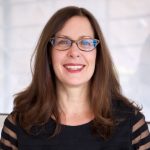
T. Renee’ Smith, CEO of iSuccess Consulting, Inc. is the secret weapon behind many small businesses and top corporations scaling and positioning themselves as an industry leader. Her super power is strategy.
T. Renee’ has helped raise more than $30 million in capital for small businesses and managed multi-million dollar budgets for diverse programming with Fortune 500 corporations.
iSuccess is an international business consulting firm helping clients in the corporate, government, and non-profit sectors in five key areas:
1. Strategic Planning
2. Supplier Development
3. Diversity and Inclusion
4. Board Governance
5. High-Performance Teams
Past and present clients include Delta Air Lines, British Telecom (Bahamas), Southern Company, and hundreds of emerging and established small businesses.
For over 25 years T. Renee’ has taught small businesses how to grow a sustainable business utilizing her CEO Life® Build Framework. She shares her step-by-step strategies in her best-selling book The CEO Life: A Holistic Blueprint to Scale Your Business and Life and through her online business development programs and workshops.
T. Renee has been featured in numerous local and national publications including Entrepreneur, Cosmopolitan, and The Atlanta Tribune.
Connect with T. Renee’ on LinkedIn and follow iSuccess on Facebook.
Transcript
Intro: [00:00:04] Broadcasting live from the Business RadioX Studios in Atlanta, Georgia, it’s time for GWBC Radio’s Open for Business. Now, here’s your host.
Lee Kantor: [00:00:15] Lee Kantor here. Another episode of GWBC Open for Business. And this is going to be a good one. Today, we have with us T. Renee Smith with iSuccess Consulting. Welcome.
Renee Smith: [00:00:29] Hello. Hello. Thank you for having me.
Lee Kantor: [00:00:32] I’m so excited to get caught up with what you’ve got going on. Tell us about iSuccess Consulting. How are you serving folks?
Renee Smith: [00:00:39] Well, iSuccess Consulting, it is a strategic planning boutique management consulting firm. We work with clients on diversity, equity inclusion, supplier development, and leadership development and training. And so, we are worldwide working with corporations, government, and small businesses.
Lee Kantor: [00:00:57] So, now, how did you get into this line of work? Were you always kind of passionate about this side of business?
Renee Smith: [00:01:02] So, it’s funny because I remember I started my first company when I was 19 and I was interning with Coca-Cola Enterprise and AT&T. And I had great internships with them for about three or four years. And I found myself inside these companies at such a young age looking at their strategy, what they needed to do, how they should change it, what pivots they need to make in order for the businesses or the units to be more successful. So, I think I just came here really liking strategy and leadership development. So, I really kind of fell into it. I don’t think I woke up and I said this is what I want to do. I just was placed in a situation. I saw a need. And I had innate skill sets that I developed. And I just love working with clients and helping them achieve their goals.
Lee Kantor: [00:01:48] Now, when you’re working with the clients – and I would imagine this is clients of all kinds of shapes and sizes – is strategy something that they spend, maybe, too little time on? It just kind of happens. And instead of, like, being methodical and mindful and kind of having a purpose around that, it just kind of occurs.
Renee Smith: [00:02:07] It is. So, for most clients, there is not proactive. It’s very reactive. So, when something happens and things are falling apart, they’re not making the kind of revenue that they want to make, then that’s when they look down and say, “Hey, what is it that I need to do?” So, that’s most clients. You do have some that sit down and they will plan their strategy for one year or three years in advance. But most of the time with the clients, whether it’s a government, corporation, smaller and mid-sized business, it happens when everything is falling apart or they’re not receiving the results that they want.
Lee Kantor: [00:02:40] And do you find that you’re spending some time with these clients in just kind of getting to the heart of why they exist? Like, what’s their big why? What is, you know, their true north? What is the the outcome that they wish to influence and help people attain? Is that part of your work?
Renee Smith: [00:02:58] Absolutely. It is. And that’s all within the strategy. Really looking at what’s your vision for your company, what’s your mission, what’s your purpose, what is your promise that you have to your clients. So, I think a lot of times, companies are focusing on revenue or money. They’re focusing on how can they grow their revenue. Or they’re focusing on how they can streamline their operations to save money. And so, what we have to say is your revenue, all of that really is tied back to what’s your vision, what’s your purpose, what’s your mission, what is it that you’re doing.
Renee Smith: [00:03:27] And so, as companies get larger, they kind of a lot of times lose that north star of why am I doing this? What is the purpose behind it? And they’re focusing more on the executable actions or the technical items. So, one of the very first things that we do is, we sit down and we, of course, do a SWOT analysis to figure out what’s working well and what’s not. But then, we say, why are you in business? Why are you doing this? What is the heart and the soul of this business? And what is it that you give to your clients? How you serve them and offer them value, whether it’s a product or service?
Lee Kantor: [00:04:02] And I think that that information is critical, especially in times of kind of chaos like we’re in now, where there’s a lot of uncertainty and there’s a lot of disruption. If you’re not clear about those things, you could be kind of devastated. It’s like if you’re one line of business is now disrupted and you don’t have a true north of why you even exist, it could be kind of an end game for you, like it could be over. But if you really are kind of clear, then you have kind of other ways to serve people and then you can survive.
Renee Smith: [00:04:37] And I think that’s a great point. And I think in addition to people understanding or businesses understanding their purpose and their north star, they have to understand what are they good at. A lot of businesses, they get caught up in the shiny object syndrome or the me too syndrome and really looking at other businesses or looking at what is successful. And then, they try to implement that in their business. And that may not be what they’re good at. That may not be part of their purpose or part of what they’re supposed to be doing. And so, that’s what we always have to say, you don’t just chase the money. You really have to chase the purpose. You have to chase what you’re good at.
Renee Smith: [00:05:14] And so, I think in these times, you’ve had so many businesses that have had to pivot because their purpose or their service or product that they provide because of, you know, everything that’s going on now with the pandemic, that is just not a need for that. And so, they’re having to go back and really take a hard look and say, what are my skill sets, what are my expertise, what are my experience, my core capabilities. And align that with what the market needs right now and what the market is willing to pay for and pivot their business to ensure that they’re able to stay alive and to stay afloat. So, it is about your purpose as well as understanding your skills, your expertise, your capabilities.
Lee Kantor: [00:05:53] And I would think that when you start working with a client, then you kind of bring in these fresh eyes and, maybe, can educate them and see things that, maybe, it’s obvious to you. But they can’t really see because they’re so far in the weeds and maybe they’ve gone on this kind of rabbit hole tangent that wasn’t really part of their north star that you’re able to say, “Hey, remember. This is why you started this. This is what you used to do. Why don’t we get back to kind of some of the fundamentals?”
Renee Smith: [00:06:23] And you’re absolutely right. And one of the biggest things for us is, when you bring in an outside consultant to work with you, they’re able to see your blind spots. You’re so in it, you’re so inundated in it, you’re so emotionally attached to your business, and you know the amount of hours that you and your team are putting in your business. It’s difficult sometimes just to be able to step away emotionally and detach and really look at it and say what is the best for the bottom line or what’s the best for the direction of our business.
Renee Smith: [00:06:53] So, when we come in, we have a proprietary process that we take all of our clients through that helps us to be able to identify what are their blind spots, what are the areas of opportunities, what are their threats, what are their weaknesses. And be able to present it to them or help them through this discovery process so that, for themselves, they can look at their business objectively, look at the industry objectively, and not make emotional decisions. We have to look at data or we have to look at past history, and then we have to look at the direction that the industry is going in to make sure that we’re making sound decisions for businesses to be able to be sustainable. And when you’re in the business, sometimes it can be very difficult for you to do that because it’s your heart, and it’s your soul, and it’s your baby.
Lee Kantor: [00:07:37] Now, when you’re working with clients and you kind of agree on, “Okay. This is the true north or north star. And this is how we’re going to go about this.” How do you kind of – I don’t know what the right word is – but kind of encourage them to take risks and to try things that, maybe, they hadn’t done because there is a chance of failing? But if you’re not really pushing, you’re never going to really get to the next level. So, it’s a balance of you got to, you know, do the stuff you’ve always done, but you also kind of have to go out there and take some risks in order to really see what you can become.
Renee Smith: [00:08:13] That is such a great point. I think one of the biggest things that we do for our clients is we help them to understand what is your goal, what is your endgame, your end result, what is it that you want to achieve. So, once we’re clear on what the angle and the end objective is, now we’re able to backtrack and figure out what is the best way to reach that goal. And we do it by looking at the risk, but in mitigating the risk.
Renee Smith: [00:08:37] So, I think a lot of people, when they think about business ownership, they think that these small business owners, they just are adverse to risk. They just take all kinds of risks. They just leap. No. Most small business owners, they take calculated risk. And so, they look and say what is the risk involved? How will this risk affect my business if it works out well, if it does not work out well? So, we have to go through all the different case scenarios and then we can make decisions to figure out how do we mitigate that risk before we actually take a step forward. Because if it’s a risk that is going to collapse your business, if it doesn’t work out, because there’s always an opportunity that when you’re doing something new that is not going to work out. So, you have to take calculated risk and you have to go through the process of figuring out what’s the worst case scenario, what’s the best case scenario, and make sure that you prepare for either case.
Lee Kantor: [00:09:30] Now, in your career, has there been a risk you took that maybe didn’t work out that you’re willing to share?
Renee Smith: [00:09:35] Oh, my gosh. A lot of them leave when I tell you. I think one of the biggest risks that I took, and it was probably about 15 years ago, it ended my company in bankruptcy. I had to file business bankruptcy. I lost everything. It was crazy because the same day the shares were coming to evict me out of my office space was the same day that my company was featured in Entrepreneur Magazine as one of the top rising companies. But I had taken a risk and gotten into a business partnership with someone that offered complimentary services to the business that I did. And I did not do my proper vetting. I did not do my risk calculation. I didn’t go through the best case, worst case scenario. And as a result of not doing that, I ended up being in a business relationship with someone where we didn’t have the same north star. We didn’t have the same values. And as a result of it, my company closed and I had to start all over again.
Renee Smith: [00:10:38] But I think that was one of the biggest lessons that I learned is that, yes, you can take risks, but it has to be calculated risk. And you have to do your due diligence to determine if this is a risk worth taking or not. And that particular instance, it wasn’t. But I looked at it not as a failure. I just look at it as that was an opportunity for me to learn on really how to do proper risk mitigation. The same thing that I do with my clients today.
Lee Kantor: [00:11:04] Right. And that’s the lesson. I don’t like to look at things as failures or successes. But there are lessons that we can move forward and help other people so they don’t have to make that mistake. And I’m a big believer in, with the right partner, you can do anything. But you have to kind of do your due diligence. You know, it’s a trust but verify kind of thinking I think works best.
Renee Smith: [00:11:30] Absolutely. I think it’s a combination when you’re a business owner of your intuition, your gut, as well as doing your research and proper vetting and due diligence. I think it’s a combination of both.
Lee Kantor: [00:11:41] Now, recently, you wrote a book, The CEO Life. Tell us about what kind of compelled you to do that. Was this a way for you to answer a lot of questions you kept getting over and over again?
[00:11:56] You know what? I wrote it for two reasons. Number one, absolutely. Yes. Because the businesses that I was working with and even the corporate or government clients that I had in dealing with their suppliers, it was always the same questions. And so, I would find myself answering the same question over and over and over again. And so, I wanted to create a manual or playbook, as I call it, of how you can be successful in building and growing your business. That’s number one.
Renee Smith: [00:12:23] And then, number two, I think that I was at a period in my life where I was working to figure out how can you have success in both your personal life as well as in your business? So, I’m married with kids. And I think, what so many entrepreneurs or small business owners deal with that they don’t talk about it, and even anybody, is, how can I have success in both and still be sane and not be stressed out? And so, I went on a journey of looking for business books out there that taught me both of them. They taught me the business savvy and how to have success in my personal life. And I didn’t find it. And so, of course, as any entrepreneur would do, I wrote the book. I wrote it myself.
Lee Kantor: [00:13:05] And is there anything you can share from the book? Is there anything you learned, like maybe a common denominator or maybe a myth about CEOs that you want to share?
Renee Smith: [00:13:15] So, I learned a lot. And I think one of the biggest things that I learned is really what is required in order to be successful. So, I think that I often talk about that you have to have the right mindset, you have to have strategy, you have to have accountability. But when I was researching and looking at different CEOs that was successful in all kinds of industry, whether it was in corporate, small business, et cetera, they really had several things in common. Number one was consistency. I think number two was discipline. And number three was perseverance. And that’s in any area.
Renee Smith: [00:13:51] So, whether you’re looking at mastering marketing in business, whether it’s strategy, whether it’s supply chain, regardless of what it is, you have to have those three areas because business is not going to always work out the way that you want it to work. And I think if most people understood in the beginning what was required to run a successful business, most people would not even start one. They just wouldn’t do it. And so, I think that people have to understand that it just takes discipline, consistency, and perseverance, regardless of what you’re doing, regardless of what industry you’re in, you’re going to get knocked down, and you have to get right back up.
Lee Kantor: [00:14:26] Now, part of your journey, I would imagine, that you’ve had people that have helped you, whether it may be mentors or maybe it was just folks that were encouraging and, maybe, opened some doors for you. Can you talk about the importance of kind of aligning yourself with the right folks?
Renee Smith: [00:14:44] I think that that is everything in life, whether it’s in business or in your career. You are a sum total. And I’ve heard this quote and I just love it, “You’re the sum total of the five people that are around you.” So, if you don’t like where you are in your life, you have to really look at the five people that you’re in most contact with that you talk to or that you’re around, because that is who you are. That’s who you’re going to become. So, one of the biggest things that has accelerated the success in my business has been being around the right mentors because they’re able to lessen your learning curve. Because they’re several steps ahead of you, they’re able to help you avoid pitfalls, they’re able to see the blind spots that you’re not able to see, and they’re able to help to guide you.
Renee Smith: [00:15:31] And so, I remember as early as when I started my first company, I always had mentors. And initially when I didn’t have the access to mentors, so I didn’t have the money to become a part of a mentorship program. Books, videos, they mentored me. And then, as I got older and got more seasoned in business and I was in different circles, then I was able to have one-on-one contact with the mentors. So, I say to anybody, regardless of where you are in your business, you have to find a right mentor. And I think sometimes people have a misconception about what a mentor is. I think a lot of people think that it’s just going to be a person that’s going to pour into your life. But a mentoring relationship, it is a mutually beneficial relationship where you’re helping to pour into their life. You’re helping them as far as in supporting and achieving their goals. And they’re doing exactly the same thing for you. So, mentorship, the right kind of mentorship, really is a two way street. And it’s not just a one way where you’re doing all of the taking and they’re doing all of the giving.
Lee Kantor: [00:16:34] Right. And that’s something that young people, especially, should take into consideration. It can’t always be just about them. There has to be some give back in there. And the give back doesn’t have to be anything monumental. But just being there and listening and doing your best to open doors or whatever you can do and add some insight. It doesn’t have to be like, “Oh, I have to do it in the same dollar amount or value wise.” It doesn’t have to be that. It’s just really in your heart. If you have that heart of helping and wanting to give, that goes a long way.
Renee Smith: [00:17:08] And it can be something simple. “Are you doing an event that I can come and that I can volunteer and give my time?” “I was reading this article and I thought about you, so I wanted to send it to you.” So, it could be something that is very, very simple. It’s just letting them know that you’re appreciative of them taking their time to mentor you and anything that they need from you that you are available to help.
Lee Kantor: [00:17:31] Right. Now, let’s talk a little bit about GWBC. How has that organization helped you in your career?
Renee Smith: [00:17:38] Well, GWBC is an amazing organization. I’m a woman entrepreneur, of course, woman business owner. And so, to be surrounded by other like-minded women, I think that in itself. Because you’re in a company and you’re around people that want to be successful in business, that they’re going to put the hard work in, in order to be successful. And, also, the resources that they have as far as the training, the introduction to corporate buyers, for you to be able to talk about your products and services, I think that it is invaluable. And so, I would encourage any woman business owner out there to become a part of GWBC. Oftentimes, we don’t find the support that we’re looking for in our family, or maybe not necessarily, even our friends, about somebody that can understand the journey. Because I think that being a business owner, I always say it is a spiritual journey because of the amount of time and effort and commitment that is required. And so, just to be in a space around other CEOs and other business owners, I think it is invaluable because sometimes our family and friends, not that they don’t support us, they just don’t understand the journey and what is required to run a business.
Lee Kantor: [00:18:51] Right. You had mentioned it earlier, these blind spots. If you have folks out there that are along in the same journey, maybe not on the same exact road you’re on, but it might be a road that has similar pitfalls. They can really open your eyes to things that you don’t know. I mean, you don’t know what you don’t know most of the time. So, if you have somebody that’s a little ahead of you in this journey and they can go, “Hey, watch out for this over here. This can bite you.” That’s helpful. And it’s great to have an organization where that’s what you’re surrounded by. It’s very collaborative.
Renee Smith: [00:19:24] And I think that it’s so important, too, because it is a diverse group of businesses, a diverse group of industries. So, a lot of times we will attract people that are in similar industries to us. They may think similar to us. So, I think when you’re part of GWBC, it just opens your mind up and it opens up your exposure to so many different type of businesses, so many different types of industries to expand you, to stretch you, to help you to grow as a business owner, and to help you grow as an individual.
Lee Kantor: [00:19:55] Now, I know you work with companies of all sizes in lots of different industries, but if you were to give advice to, maybe, a young person that’s starting their own thing, what kind of advice along the lines of strategy is kind of the low hanging fruit that if they get this right, they’re going to have a better chance of success?
Renee Smith: [00:20:16] I’ll get to the strategy in a minute, but I think the one thing that I would say to a young person in reference to business is, be clear and understand why you want to be a business owner. If it’s that you want it because of money or you want it because you just want to set your own hours, then those are not the right reasons for you to go into entrepreneurship. So, I would, number one, say, you’ve got to be very clear on what your reasoning is for going into business. Because for most business owners, the amount of time that it takes for you to build a successful business is way more than the initial payoff. So, I know a lot of people, they start businesses on Monday and by Friday they want to be, you know, making six figures or a seven figure business. And so, it doesn’t work like that.
Renee Smith: [00:21:07] So, number one, do you have the discipline, the consistency, and the perseverance to go through what is required in order to build a successful business? And if you have that, then one of the first things that you need to do is you need to develop your strategy. You need to be crystal clear on what your mission is, what your vision is, what you value, and what you expect from the business, what’s the outcome that you want for the business so that you’ll know how you want to build. Is it something that you’re building to create as a legacy for your family? Do you want to sell it? Or do you want to just have a business that pays you enough where you’re able to work for yourself? Because depending upon which path you take, it’s going to be different things required to build a sustainable business.
Lee Kantor: [00:21:53] Now, when it comes to your clients, what is the pain that they’re having right before they hire you and your team?
Renee Smith: [00:22:01] So, it really, really depends. And I’ll tell you the top three. Number one is dealing with a team, is dealing with a dysfunctional team. So, you have a leader that’s trying to achieve certain goals or trying to have a collaborative spirit within their team. And for whatever reason, they are not able to have that. And so, one of the biggest things is a team that’s in crisis, as I like to call it. That’s number one. Number two is, when we deal with diversity, equity and inclusion, and accessibility work, that is where they’re in crisis because some event has happened that has brought awareness and attention that their organization is not as diverse and equitable as they thought that it was. And, oftentimes, this is something that is negative, that has been leaked to the press, employees have complained about, or there has been some negative ramification. So, that’s number two.
Renee Smith: [00:23:00] And then, number three would be where companies that they have not achieved their goals, whether it’s their annual goals, quarterly goals, et cetera. And so, a VP or someone is looking at them and they’re saying, “Why have you not achieve these goals? Why have you not reached these benchmarks?” And so, they’ll bring us in to do a full strategic plan and assessment to identify those blind spots as to why they have not achieve those goals and put in a plan of action to ensure that they meet those goals.
Lee Kantor: [00:23:34] Well, if somebody wanted to learn more, have a conversation with you or somebody on your team, or even get a hold of your book, what is the best way to find you?
Renee Smith: [00:23:43] Okay. So, first, you can find me at my website, which is isuccessconsulting.com. That’s isuccessconsulting.com. Or you can reach me on any of the social media platforms at iSuccess Consult. That’s I-S-U-C-C-E-S-S Consult. And The CEO Life is available where all books are sold, Amazon, Barnes and Noble, anywhere books are sold, you can find The CEO Life.
Lee Kantor: [00:24:10] Good stuff. Well, thank you so much for sharing your story. You’re doing such important work and we appreciate you.
Renee Smith: [00:24:16] Thank you so much for having me on. And this is amazing. Thank you for doing this for GWBC.
Lee Kantor: [00:24:21] All right. This is Lee Kantor. We’ll see you all next time on GWBC Open for Business.
About GWBC
The Greater Women’s Business Council (GWBC®) is at the forefront of redefining women business enterprises (WBEs). An increasing focus on supplier diversity means major corporations are viewing our WBEs as innovative, flexible and competitive solutions. The number of women-owned businesses is rising to reflect an increasingly diverse consumer base of women making a majority of buying decision for herself, her family and her business. 
GWBC® has partnered with dozens of major companies who are committed to providing a sustainable foundation through our guiding principles to bring education, training and the standardization of national certification to women businesses in Georgia, North Carolina and South Carolina.
Delano Massey with JacobsEye Marketing Agency

Driven, fearless, and dynamic – are just a few of the attributes that embody the vision and passion of Delano Massey. As Chief Executive Officer of Atlanta-based JacobsEye Marketing Agency, one of the fastest-growing top 10 government marketing agencies in the U.S. with offices in Washington, D.C. and Los Angeles, Delano has become an unparalleled force as a global brand marketer and influencer.
Under his leadership, JacobsEye maintains a fundamental focus on marketing that matters. Since 2011, the agency has generated tens of millions of dollars of exposure for a celebrated client list that includes the U.S. Secret Service, the U.S. Air National Guard, the Coca-Cola Company, Centers for Disease Control and Prevention, the Home Depot, CNN, the Atlanta Falcons, and the Atlanta Hawks. For more than 20 years, Delano has produced award-winning marketing campaigns and events for some of the most venerated brands – enhancing visibility and brand equity for all of his clients.
A retired United States Army JAG Corps warrior, Delano has harnessed his military service to develop socially conscious initiatives dedicated to community development. Committed to promoting the importance of agriculture and sustainable foods in communities across the state of Georgia, Massey is the founder of The Fresh District and The Georgia Seafood Festival. The Fresh District is a movement which promotes fresh, local and sustainable food systems in urban environments and aims to inspire and cultivate the next generation of agricultural industry leaders.
Launched in 2019, The Georgia Seafood Festival is an annual event that celebrates Georgia’s burgeoning commercial seafood industry and raises awareness of the social and economic impact of the seafood industry in the State of Georgia. More than 15,000 attendees from across the metropolitan Atlanta region and state attended the inaugural event and were provided with an educational and culinary experience centered on Georgia’s coastal seafood scene.
Delano is also the creator and founder of Feed Me Fashion, an event that brings Georgia’s fiber tech industry together with Georgia student fashion designers for a discussion and fashion show aimed at increasing awareness on sustainable fashion.
Delano’s leadership and expertise has been widely recognized and celebrated. He has been named the 2020 National Contract Management Association (NCMA) Small Business Person of the Year, honored with the 2020 “Give Back” Award by Entrepreneurs’ Organization (EO) Atlanta, and 2018 Best Veteran Entrepreneur Finalist by the Atlanta Business Chronicle. In 2018, Delano was also recognized in a resolution sponsored by the Georgia State Senate acknowledging the agency for its work in managing all U.S. Air National Guard recruitment and retention marketing services
Follow JacobsEye Marketing Agency on LinkedIn.
What You’ll Learn in This Episode
- About JacobsEye Marketing Agency
- How Delano started the business
- How JacobsEye became one of the top ten fastest growing government marketing agencies
- What sets JacobsEye Marketing Agency apart
- Some of the top tier clients the agency works with
About Our Sponsor
OnPay’s
payroll services and HR software give you more time to focus on what’s most important. Rated “Excellent” by PC Magazine, we make it easy to pay employees fast, we automate all payroll taxes, and we even keep all your HR and benefits organized and compliant.
Our award-winning customer service includes an accuracy guarantee, deep integrations with popular accounting software, and we’ll even enter all your employee information for you — whether you have five employees or 500. Take a closer look to see all the ways we can save you time and money in the back office.

Birmingham Business Radio: Talibah Bayles with TMB Tax and Financial Services

As a Birmingham native, National Small Business Advocate, and Birmingham-based Small Business Owner, our Founder & CEO, Talibah M. Bayles, contributes over 15 years of small business capacity building for underserved populations. She founded TMB Tax & Financial Services in 2006 in the DC Metro area while working for the Department of Justice where she worked for over 12 years. Prior to working for the Department of Justice, she worked in the U.S. Senate where she worked for three years.
In 2017, Talibah made the decision to relocate back to Birmingham as a full-time entrepreneur and she has hit the ground running. On July 23, 2020, Talibah served as a panel consultant for the U.S. Senate Committee on Small Business & Entrepreneurship where she provided testimony on the topic of Capital Access for Minority Small Businesses: COVID-19 Resources for an Equitable and Sustainable Recovery. On July 30, 2020, she was featured in the Birmingham Business Journal as a finalist in the Small Business category of Birmingham’s Top Chief Financial Officers for 2020. 
In the small business community, TMB Tax & Financial Services has established deep relationships with local business owners, business owners throughout the state of Alabama, and business owners across the United States. Talibah works alongside diverse groups of community stakeholders and routinely contributes small business capacity building through technical assistance, development training, and through other financial management tools.
TMB Tax & Financial Services has also provided business loan and grant packaging services that successfully resulted in approved loans. On July 2, 2020, our company was recently featured in a Medium.com blog as a part of a team with six other black women in the accounting and finance industry that collectively has obtained over $1.5 million dollars is approved CARES Act funding for minority-owned businesses.
Connect with Talibah on LinkedIn and follow TMB Tax and Financial Services on Facebook.
Customer Experience Radio Welcomes Hotelier and Director of Operational Excellence Leticia Tavares


Leticia Tavares is a Hotelier and Harvard MBA Grad, originally from Brazil.
Since 2016 she has been working in the Travel & Hospitality industry, and she is currently the Director of Operational Excellence in a large hotel in Atlanta.
After graduating with an MBA from Harvard Business School, Leticia joined Marriott International on a rotational program that brings MBA talent into hotel management. After concluding an 18-month rotation she became the Director of Operational Excellence of a well-known hotel in Downtown Atlanta, and she is responsible for increasing Guest Satisfaction, Intent to Return, and other Key Success Metrics.
Leticia’s passion for hospitality led her to create a Travel & Hospitality blog and Instagram account: Hospitality Vitae.
Connect with Leticia on LinkedIn and Instagram. You can find the article on Leticia’s day to day in operational excellence here.
* Please note that this interview represents Leticia’s own views and opinion and does not represent those of Marriott International.
Intro: [00:00:01] Broadcasting live from the Business RadioX Studios in Atlanta, it’s time for Customer Experience Radio. Brought to you by Heineck and Company, real estate advisors specialized in corporate relocation. Now, here’s your host, Jill Heineck.
Jill Heineck: [00:00:17] Good afternoon, and welcome to this very special edition of Customer Experience Radio. I’m your host, Jill Heineck, and I’m a business owner, real estate adviser, and customer experience enthusiast. You know, I run my business mainly on deep relationships, and traveling around, and really getting to know people and where they’re from, and the areas in which they’re coming from so that I can share what Atlanta is about if they’re relocating to the area. And it’s a great way to really get a feel for other markets and get to know other people.
Jill Heineck: [00:00:50] And so, one of the things that I really love about our next guest is that part of her work is traveling. And that that has become a great big hobby for her as well. And so, I’m really excited to welcome Leticia Tavares. And she is the owner of the blog, Hospitality Vitae. Am I saying that right, Leticia?
Leticia Tavares: [00:01:14] Yes. Perfect.
Jill Heineck: [00:01:14] And she’s a hotelier and she’s also a Harvard MBA grad. And she’s originally from Brazil. And since 2016, she’s been working in the travel and hospitality industry. And she’s currently the director of operational excellence at a large hotel in Atlanta. So, I’m really excited to welcome you today, Leticia. I know we’ve had some scheduling challenges. So, welcome to the show.
Leticia Tavares: [00:01:42] Thanks so much for having me, Jill. I’m excited to talk to you today. As you said, I’ve been in the hospitality industry since 2016, but I’ve been always passionate about the industry. And I’ve been always passionate about traveling, you know, first of all. I’ve been to more than 40 countries, so hoping to share more with you.
Jill Heineck: [00:02:04] That is amazing. And has that been a lot on your own volition or is that been also part of work?
Leticia Tavares: [00:02:12] So, I have travelled a bit for work. So, since 2016, when I joined the company that I work for, I had to travel a bit because of work, but mainly in the U.S. Although, I was always based in Atlanta, I have worked in [inaudible]. I worked in D.C. I worked in Florida for a little bit. But, personally, I just love to travel. So, my first trip abroad, I think I was ten years old. I actually came to the U.S., so I went to Disney with my family back in ’96. And then, after that, I guess I didn’t stop traveling.
Jill Heineck: [00:02:55] You got the bug. I love it. So, do you think that your travel experiences leading up to, let’s say, the 2016 timeframe got you interested in giving that same kind of guest experience in your hospitality career?
Leticia Tavares: [00:03:17] So, I think that one of the things that drove me to hospitality was the fact that I feel it’s a career that you just deal with people from so many different cultures. You know, you work with people with so many different backgrounds. And I’ve always been interested about that diversity, which I think it’s really positive for the industry. So, when I came to the U.S. From Brazil back in 2014, I knew that I wanted to be in a company that was multicultural, you know, that value diversity. And I just found myself in hospitality. I think it’s wonderful that we get to work with people with so many different points of view. And we learn from their different backgrounds and from their experiences, too.
Leticia Tavares: [00:04:03] And I think, you know, maybe when you travel, you don’t realize, but you get to learn so much about the local culture. And one thing that I always try to do when I travel is get to meet locals as well. If either it’s like, you know, I have a friend who lives in that country that introduced me to someone who is there at the moment. I just love being able to get to know a place through the eyes of the locals. So, I think everyone, when we’re thinking about our careers, if we connect the dots, I think that part of looking back in my previous careers or previous experiences, traveling was always something that was part of it that I could see now, again, being part of my career. So, I think no matter what I do next, I think that’s always going to be important to me.
Jill Heineck: [00:05:01] Yes. And I relate to that so much, because being in the relocation industry, so much of our network is outside of my market. So, I’m traveling to these events to meet other relocation professionals. But I’ve always built some time or a day or extra to see the city that we’re in. So, we go to Chicago, we’ve done L.A., we’ve done Dallas, Houston, places that I wouldn’t normally probably go. Maybe a few of those I would go more often. But it gives you that flavor. And like you said, and I try to find those couple of things that are locally based, not necessarily tourist based that you would do when you’re in the city. So, I totally agree with that. And I think that that makes it so much more exciting whether you build it in on the front end or the back end, but either way, it makes work more exciting as well.
Leticia Tavares: [00:05:56] Yeah. Yeah. It’s always fun to be working in a new city and a new place. I always try to get the time to just do something interesting and get out of the hotel, get out of your comfort zone there, and just go explore a little bit.
Jill Heineck: [00:06:12] So, talk to us a little bit about your role in Operational Excellence. Because I think that this does really connect well with the customer experience. So, talk to us a little about what your day-to-day looks like.
Leticia Tavares: [00:06:24] Sure. So, first, when I joined the company that I work for, I did a rotation. So, for like one-year-and-a-half, I was doing different things and help that operations. So, I think after coming out of an MBA, I didn’t see myself going into a corporate role. I wanted to learn from the ground up. And, especially, you know, if you work in a hospitality company, it’s important to understand how to manage a hotel. Because I didn’t want to be in a corporate role without knowing what really happens on the day- to-day, relating to the staff and knowing what a front office agent does or a housekeeper does. And, you know, there’s just so much to learn with the staff. And that’s why I decided to go into the operational side. And for one-year-and-a-half, I did a rotation. So, I was in housekeeping, front office. I did marketing. I did a little bit of corporate. So, I was a few months in an office we have in Miami. I did marketing. I did finance in L.A. Actually, I did guest relations. So, I just got a few of so many different areas in operations.
Leticia Tavares: [00:07:38] And then, I thought that was perfect because when I found this position as director of Operational Excellence, it was kind of a position that I could bring all that I learned into this perfect position that is almost, like, made for me. Because you get to be in operations, but you also get to be a little bit in the background and, like, do some analysis, and look at data, look at customer research. You know, you read what the customers are saying. So, I like that balance of being part in operations and part doing more like a strategic planning, strategic thinking. So, that was perfect for me in, I think, on the day-to-day what I would say that I do. And that was more, I guess, before COVID. Because after COVID, my role changed a little bit.
Leticia Tavares: [00:08:32] But I do, basically, run process improvement projects within the hotel. Since my hotel is really big, it’s almost 2,000 rooms, we do have many process improvement projects that we want to work with. And that really starts by reading the customer research. So, by reading what the customers are saying and identifying what’s kind of wrong or what could be better, that gives me ideas for projects that I could work on in the hotel. And, you know, I never do anything isolated. My projects, I always build a team with hosts, so front of the line hosts that are living that on the day- to-day, they’re part of my work team. And together, we work to solve an issue and make the experience of the guests better.
Leticia Tavares: [00:09:22] So, that’s my goal. You know, I want to make my associate’s life easier and their work easier. I want to eliminate what we call wastes in their work. And I want to make the guest experience better and seamless. So, that’s very important to me as I do any projects in Operational Excellence.
Jill Heineck: [00:09:46] Right. Which makes perfect sense, because if your associate team is feeling empowered and feeling like they are all working towards a goal, they’re going to deliver an excellent experience to the guest.
Leticia Tavares: [00:09:57] Yes. Absolutely. Yes.
Jill Heineck: [00:09:59] That’s ultimately the goal.
Leticia Tavares: [00:09:59] And I talk a lot about customer, but for me, there’s always the internal customer, that is the associate. And the external customer, that is, in my case, my guests. So, when I do the voice of the customer, basically, when I read the surveys, I’m reading external surveys from guests. But I’m also talking to the associates to understand, “Okay. So, what’s your point of view? What’s wrong? What could we do better? Tell me about your job. Let’s walk through the process. What do you do on a day-to-day?” So, both points of view are extremely important. And I think that sometimes we talk so much about customer, customer, customer. But our internal customer, which is our associate, they have the best ideas, right? So, they’re the ones that I want to be working very close with.
Jill Heineck: [00:10:52] Right. So, is there a recent project that you’ve completed that you can talk about or kind of give us an overview of, possibly, what the challenge was and then how you overcame that or what you implemented to overcome it?
Leticia Tavares: [00:11:09] Sure. So, actually, I’ll share with you two. I don’t know if you’re putting this video and you can share a link (Here is the link: https://asksuite.com/blog/how-to-improve-hotel-operations/
). But I have an interview that I talk a lot about this specific project. So, if anyone has more questions, I’ll be happy to share with you. But, basically, we saw that our scores in in-room dining, which is the food you order from your room, they were not great. They were kind of stable. Not where we wanted to be. And we were wondering, like, what is going on? So, my first step was, you know, let’s look back and let’s see what the guests are saying. I mean, I’m lucky to have a lot of data. I know that many companies don’t have the amount of data. But because we send surveys to guests regularly, I have a lot that I can read. And from that point of view, the voice of the customer, which is my guests, I had a lot of people saying either, “The food is cold.” Or, “It’s taking too long to get my meal.”
Leticia Tavares: [00:12:10] So, I think, basically, timing and quality were, like, the two big things. And then, I then spoke to the associates to understand what’s going on. And, you know, and it’s the chefs saying, “Well, the chicken is not right.” And then, the runner, that is the person that actually brings the food up saying, “Well, I got the request to pick up the food. It was too late already. The food had been sitting there.” So, that first discovery phase, I guess, in the Six Sigma language, we had some tools that we used. But that first phase, it’s all about understanding that voice of the customer and really understanding, “Okay. What’s the process we’re trying to analyze?” Because you can’t tackle it all.
Leticia Tavares: [00:12:58] You can say, “Okay. I want to understand, you know, how the food is made and what happened.” So, you could try to understand as much as you want. But, in fact, you need to be a little bit more, you know, “Let’s focus. What do we really want?” So, you need to define when the process begin and when the process end. And for us, the process begin when the order is placed on the phone. The process ends when the order is delivered. That’s what I was trying to see. You know, I didn’t want to see anything before that and anything after that. And then, I built a team of hosts and including chefs, the runners, the person that takes the call that is talking about the food, because these are all the people that live and breathes that process.
Leticia Tavares: [00:13:47] And then, from there, there are different phases in the project. But, basically, we’re trying to understand what’s the root cause, what’s really wrong. And you’ll never do a Six Sigma project jumping into conclusions. I think that was my biggest learning when I went through green belt and black belt training is, you can’t jump into conclusions right away. You need to understand the root cause. And so, that was eye opening for me. And that’s kind of the mentality that I always try to bring because people tend to jump to conclusions too fast. I mean, that’s just one of the examples.
Leticia Tavares: [00:14:24] And then, of course, we put some new processes in place and new tools. And we saw this was growing.
Jill Heineck: [00:14:30] Like what?
Leticia Tavares: [00:14:30] So, it worked. You have a control phase that is after the project. You keep checking to make sure it’s working. And if not, of course, you’re going to go back and you see what needs to be changed. But at the time, our scores went back up and it really worked. So, that’s just –
Jill Heineck: [00:14:48] So, what did you change or what did you implement? An example of one thing that you might have changed in the process.
Leticia Tavares: [00:14:55] So, a big thing that we realized was that when the host was taking the order via the telephone, they were not necessarily taking notes. They were inputting in the system while the –
Jill Heineck: [00:15:11] And could forget. And could forget.
Leticia Tavares: [00:15:14] Because they’re doing that every day, so in their mind, I get it. You know, it’s like, “Oh, it’s an automatic process. I’m not going to forget it.” But you do forget. So, basically, what we created was exactly what you need to tell the guests, then spaces for you to write down what the guests say. Because there is a standard. You need to explain what room service is, because – I don’t know – I’ve been in a lot of hotels, it’s not the traditional room service anymore. So, you need to explain that it’s made to order, but it’s packaged to go. And a lot of the comments from guests were, “Oh, I didn’t know it came in a bag. I thought it would be the tray.” So, basically, this checklist reminded the host of what to say and also spaces for them to write things down, to then put in the system to send the order to the kitchen.
Leticia Tavares: [00:16:11] We also updated the whole MICROS. So, MICROS is the system where you put the order thing. Because when I observed – because part of the process improvement project is observing the process – there are a lot of items that were not in MICROS. So, the host had to write a lot of things manually, which doesn’t make sense. You know, you need to make their jobs easier.
Jill Heineck: [00:16:36] No. And that would make sense why the chef wouldn’t see it or would miss it.
Leticia Tavares: [00:16:42] But the thing is, I think for our associates – and any different industry – sometimes our associates are just tired of telling us because we’re not doing anything. And you just need to stop, listen, and make changes because they know it’s wrong. They’ve been doing it. So, I think that it’s the moment when you’re running this project that you really saw a police and then you’re like, “Okay. What are quick ways that we can change right now?” Like MICROS, we changed it in a week. And I’m not saying that no one was paying attention. It’s just that the hosts are just so used to do it that, maybe, it got to a point that no one was just voicing their opinion. And that’s why it’s important to talk and ask and checking with your associates to make sure that things are going well. So, we changed MICROS.
Leticia Tavares: [00:17:30] Well, we have a phone that we dispatch the orders. And we dispatch it to the runners when to pick it up or where to drop the order. So, just try tracking that data better to see how long it’s actually taking for the runner to deliver the order. What are the issues? So, we realized it was important to have people actually stationed at the kitchen. Not runners running around the building, which is 47 floors. That can take a long time to come up and down to deliver food.
Jill Heineck: [00:18:05] You think? My food is definitely going to be cold.
Leticia Tavares: [00:18:10] So, many small things but it’s just I love doing that kind of work because I’m making the whole slice – I mean, the associates we call them hosts – the associate’s lives easier. And that really makes me happy. I love doing that.
Jill Heineck: [00:18:29] I love that you love improving the process because I know that a lot of us have high aspirations for that. But when you’re actually seeing the change happen, it’s so rewarding, isn’t it?
Leticia Tavares: [00:18:40] Yes. Yes. That’s true.
Jill Heineck: [00:18:41] It’s so rewarding. So, talk to us a little bit about – I mean, I happen to be from the Boston area. I grew up on the Cape and went to school in Boston myself. So, tell us during your time there, what were your favorite things to do in Boston?
Leticia Tavares: [00:18:57] Oh, my God. So, I was in Boston for two years during my MBA. And I, actually, was coming straight from Brazil. And I think it was the worst winter ever in so many years. So, that was really interesting. From that moment, I realized I want to move down to the south. But no –
Jill Heineck: [00:19:23] Me, too.
Leticia Tavares: [00:19:23] So, I really enjoyed – do you remember this pastry shop called Mike’s Pastry?
Jill Heineck: [00:19:30] Of course. In the north end. It’s still there.
Leticia Tavares: [00:19:31] Yes. So, I like my Mike’s because they were in Cambridge. And to be fair, you know, school is so demanding that I didn’t have a lot of time to go to Boston. I mean, it’s really close, but I was most of the time in Cambridge. There is a Venezuelan restaurant, it’s called Orinoco. Very good. It’s in Cambridge as well. I loved it. I mean, I haven’t been back in a few years, but I think they had been there for a long time so I’m hoping they’re still there.
Leticia Tavares: [00:20:04] But so many things opened in Cambridge. I love this salad place called Sweet Green. And they were not in Boston when I was there. But I heard that they opened now. And you have Peet’s Coffee in Cambridge. I just love walking in that area. It’s so, so cute. And I just love walking through campus because my campus was not where, like, Harvard is. You know, the business campus is – I don’t know – maybe ten minutes away. So, I just felt that the business campus is a little bit isolated. So, I like to cross the bridge and just go towards Cambridge.
Jill Heineck: [00:20:42] And Harvard does have a gorgeous campus. I’ve been on the undergrad campus and walked by the MBA campus, but that whole area is so pretty and it’s so different now. I mean, it’s been a long time since I’ve gone to school there. So, it’s been a long time since I’ve actually kind of investigated Cambridge. Because every time we go back, we’re going back for a short stint in the summer because we try to avoid the cold.
Leticia Tavares: [00:21:12] Yeah. Yeah. I think it was in the summer that they have the Charles River – what is that big event that they have the sailing team?
Jill Heineck: [00:21:24] It’s the crew. It’s the crew event. Why am I losing my mind?
Leticia Tavares: [00:21:31] Yeah. Me, too. But that was beautiful because it was nice weather and the river just looks so pretty with everybody there. And I think, now, I guess things will be a little bit different, but I hope they keep those traditions.
Jill Heineck: [00:21:47] I do, too. Even in the really, really cold weather. I’d love to hear a little bit about any recent experiences that you’ve had that kind of wowed you from other big brands. Or it really wouldn’t matter to me, I just am interested to hear what you’ve experienced in your travels or just in your day-to-day. Any particular customer or guest experience that’s kind of blown you away and that you’ve taken away and you might kind of try to implement that in your day-to-day work.
Leticia Tavares: [00:22:23] So, I think that now travelling during coronaviruses times, not a lot of people have traveled and I completely understand that. I decided to travel a little bit, of course, taking all the precautions, wearing a mask, and doing whatever I can do to make my life safer and also all those people’s lives safer. But I try to travel because I want to experience that change. And since I work in hospitality, I want to see what other companies are doing. And it doesn’t necessarily need to be in a hotel. I like going to a restaurant to see what they’re doing or just visiting an attraction to see what are the things they have in place.
Leticia Tavares: [00:23:05] And I, actually went, recently – maybe a-month-and-a-half ago – to Disney. They have a resort in Hilton Head. It’s very cute. And I have a friend who has, you know, the timeshare, I think they call it Disney Vacation Club. So, she had points with Disney Vacation Club, and we found a very good deal in the middle of the week. And since I was working different hours that week, we were able to go from, like, a Monday to a Wednesday. And that was pretty busy, you know, there were a lot of kids and families. And I just thought they were doing such a great job. So, first of all, you get there, they have to check. The first house where you come with your car, it’s where they have the check-in area. And they tell you when you first come in that they just want one person off the party to go up and check, you know, to avoid crowds. So, my friend went up. She did the checking. They told us where to park.
Leticia Tavares: [00:24:10] The rooms there a little bit different because they are the Disney Vacation Club, so they’re larger. In the room, we had signs explaining how the room was cleaning and disinfected. They have those big shampoos, conditioner amenities in the bathroom, like a lot of hotels now have instead of the small ones. All those amenities were covered in plastic with signs saying it had been cleaned. The remote control was also covered in plastic with a sticker. So, all these new things in place that I thought, you know, was really nice to see. And then, of course, all the other things they had in the closet, like extra blankets, extra duvet covers, they were all packaged and nicely done.
Leticia Tavares: [00:25:03] And then, in the public space, of course, lots of signs. The pool, the chairs were six feet away or, I mean, adapt it to whatever kind of family. If you had four people in your party, of course, they would put chairs close by. And in the pool, they had someone cleaning the pool. Not the pool itself, but like the rails all the time. That person was like going around. You know, if someone touches the rail, that person would go and clean.
Jill Heineck: [00:25:36] In circles.
Leticia Tavares: [00:25:36] In circles. So, I was [inaudible] in the pool for two hours, that lady did not stop cleaning that pool. So, I think that now it’s a lot about first impressions and what you see. I think that before, if you think about hospitality as a concert or a theater, there’s the backstage and there’s onstage. I think that now it’s all onstage, because people want to know what you’re doing. Like, the guests wants to know how do you clean, how is it done. I remember when I started my career back in 2016, it was all about, you know, creating a seamless experience and doing things in the back stage so that for the guests it was like, “Oh, my God. How did this show up here? You know, that’s so magical.” But, now, I think people just want to know. Like, if there is an amenity in my room, how was this sanitized. Is the amenity put in plastic? So, all these things that before, maybe, people are not paying attention, now, they want to know. And that’s why I think training the staff and everybody needs to be on the same page, that’s more important than ever.
Jill Heineck: [00:26:57] So, I know you profiled that property, the experience that you had there on your blog. Will you talk a little bit about your blog?
Leticia Tavares: [00:27:07] Oh, yes. Sure. So, you know, I have started my blog because so many people asks me how is life working in hospitality. And I think people just think it was so different. You know, coming out of an MBA and just choosing a career that is not a very traditional path. It’s not very common to see people going into hotel operations, in general, after an MBA. So, in the beginning, I was like, “You know what? I’m just going to start and I’m just going to do whatever I feel like posting. I want to show my career in hospitality.” You know, I travel so much, too, that also became a way for me to show my travels and give people a different point of view. You know, I’m not a blogger that travels. I want to take pretty pictures. I think that that’s okay. But my goal is to bring a different perspective. Yes, I want to have a nice picture, but I want to show from a hotelier point of view how my experience was. And I think that people are so interested in that because I’m bringing that different perspective. And that’s why I started my blog.
Leticia Tavares: [00:28:14] So, it kind of evolved and so I brought more travel in, because in the end, you know, it’s not that I can show a lot of the backstage. I cannot be taking pictures off the backstage of a hotel, but I can talk about it. But, you know, not necessarily through images. And I tried to interview hoteliers nowadays. I try to talk about my travels. But to be fair, I mean, someone once told me, if you want to start something, just start. And that was how I started. I didn’t have any plans or any, what they call, content strategy. It was, I’m going to show what I feel like showing regarding hospitality. You know, I’m a small blog, small Instagram, but I just find a way to – it’s my creative side, like you have your podcasts. You know, I just like having something for my creative side. I have fun doing it.
Jill Heineck: [00:29:13] And remind everybody where they can find it.
Leticia Tavares: [00:29:17] So, it’s hospitalityvitae.com. Vitae means life or career in Latin. And, you know, I speak Portuguese, and Portuguese comes from Latin. So, there are a few words that I know and I just wheeled off that word and I just worked with them together. So, that’s it.
Jill Heineck: [00:29:39] And your Instagram handle is also Hospitality Vitae?
Leticia Tavares: [00:29:42] Vitae. Yes. Yes. The same handle. Yes.
Jill Heineck: [00:29:45] Excellent. So, give us a couple of examples of some special things that your team does to make guests feel special when they’re in the hotel.
Leticia Tavares: [00:29:58] Yeah. Sure. So, I think that there are two things that I usually look at. One, it’s anticipating needs. And I think when you have a lot of data available – that I told you I’m lucky to have – if you don’t really translate that data into actionable information, that’s just lost. So, I really like to dig into the data to understand who is my customer, why is he coming here, what is he doing here. So, all those things I can find very easily with the data I have on-hand. And that helps me anticipate needs. So, if you think about your business, if you have a restaurant or if you have a small retail shop, you know, who are your customers? So, that’s square one. And in the hotel pre-COVID, we did get huge conferences in my hotel. So, I know it’s business travelers. You know, they’re maybe there for one to three days. They like using the mobile checking because they’re in and out. So, all these things that we knew about them, we could use to make their experience seamless. So, I think anticipation of needs is a big, big one.
Leticia Tavares: [00:31:24] And one thing that I learned when I told you I did my rotations, I worked in the Ritz Carlton in Washington, D.C. And I really love luxury hotels. I’m passionate about it. And I think one day in my career, I’ll go back to a luxury property. It was all about preferences. So, that was back in 2017. Now, we have a system for that. But before, you know, we would give our hosts at the Ritz Carlton a piece of paper, like it was a little notepad, and they would discover preferences of the guests. So, like, if you talk to a guest in the restaurant and you’re a server, and you found out it’s their wedding day or you found out that they really like orange juice with two ice cubes, whatever, you could write that down. And we had a database of preferences so that we knew what the guests wanted or liked.
Jill Heineck: [00:32:29] And then, they’re very surprised later on when they go to another potential Ritz property and they have the orange juice with the two cubes. How did you know that?
Leticia Tavares: [00:32:41] So, that was a big thing at Ritz Carlton. And, now, we have one system now in place so we can really see preferences from other hotels as well. Preferences are like the guests preference translates to different brands. So, if I look at the guest profile and I know that he likes this, it doesn’t matter if I’m on a Ritz Carlton or Marriott or Renaissance, I could act on that preference. But there is a difference because preference is something that’s constant. It’s like if they travel with their kids and someone found out the kids really like chocolate and they put chocolate in the room. If that guest travels for business and all the time he gets chocolate in the room, then it doesn’t necessarily a preference because he could go back and say, “Why do you always put chocolate in my room? Like, I really like to workout. I eat healthy. I don’t need chocolate.” So, you can’t really mix what’s a preference with what’s something that happened on one travel in a hotel.
Jill Heineck: [00:33:48] Right. Exactly. Exactly.
Leticia Tavares: [00:33:51] Because he was there with his kids.
Jill Heineck: [00:33:54] With the family. Right. Different trip.
Leticia Tavares: [00:33:56] Different trip. Sometimes we had some mix up, but then we would figure it out this is really a preference. This is not a preference. It’s a one off. He’s with his family.
Jill Heineck: [00:34:09] That’s a big thing in our business as well when we talk about anticipating needs. And that’s based on customer feedback over several years. It’s the same thing that you’re talking about, where we go back and where we say, “Okay. We can do this better. We can do that better.” You and I, we’re in our businesses, our companies, in our jobs, and our roles every single day, all day long so we kind of know what we’re doing. And sometimes when you’re not conscious about kind of making these little milestones along the way for the experience, it definitely does make an impact whether you do it or not. So, when you do do it, when you do, do that little thing with serving the orange juice with the two ice cubes, that can really set the tone for the rest of the experience. That one little thing.
Jill Heineck: [00:35:04] And so, that’s definitely something that we’ve also focused on. And I love hearing that other companies are doing the same thing. We did have [inaudible] came on last year and he talked to us about the anticipatory needs. He talked about empowering the teammates to help any guest having a situation or a challenge. And so, you’re speaking right to that. And I really appreciate that, because it just kind of threads all the way through.
Leticia Tavares: [00:35:34] And he’s a role model. Definitely.
Jill Heineck: [00:35:37] He’s definitely a role model. So, before we wrap up, tell me, do you have a couple of, maybe, one or two actionable pieces of advice that you would share with our listeners to get more engagement either from your teammates in order to deliver that guest experience or anything that you would like to share with our listeners would be great.
Leticia Tavares: [00:36:04] Yeah. Sure. So, when we spoke about some of the projects I do at my role as Operational Excellence, I think a big actionable item that you can start right away is, listen to your associates. Stop whatever you’re doing. Put in your calendar, “I’m going to have a one-on-one meeting with my front of the line hosts to understand what is going on.” If you can do it this week, I would say, do it. Because there’s just so many things happening now and so many things impacting the day-to-day of our hosts and associates that taking that 15 minute, 30 minute of your time to talk to them will really, I think, make an impact. And that’s, again, what I call the voice of the customers, so that’s the internal customer. Which, if he’s happy, if your associate is engaged, if they have the tools and resources they need, they will do their job. They will perform. And your job as a leader will be even easier because you have a team that is empowered and a team that is ready to make a difference. So, I think that’s definitely a big one.
Leticia Tavares: [00:37:18] And then, the voice of the customer, your guests or your clients, how are you getting their feedback? Not necessarily you have research in place. You know, I’m very grateful to have a lot of researches and a lot of data. But what can you do? What’s the one question you can ask your clients to get that feedback and that input that you need to understand how your processes are going or how your business is going if people are satisfied. And I think in the hotel perspective, the big question is, what’s your intent to return? Would you return to my place? That’s what tells us if they give us a nine or ten, you know, it means that they had a very good experience. And if they give us a seven and eight, how we can make that experience better for the next time they can give us a nine or ten? So, I think you can look at, you know, net promoter score or you can do some research to see the different ways, the different types of research that are out there. But, you know, if you can ask one question, what would you ask? And if you are on the front line with your associates, how can you interact with the guests right away? Ask how was your experience, was there anything I could do that I could have made it better. I think that really is impactful.
Leticia Tavares: [00:38:49] Sometimes we might think, “Oh, there’s just one question.” But you can find out so many things. Because when I’m checking guests out and I ask, “How was your stay?” If they tell me it’s okay. Okay is not okay. I want it to be excellent. So, what could I have done better? Sometimes we’re a little bit afraid of asking the question because we know that we might hear what we don’t want to hear. But that’s the only way to act on those issues and change it for the better. And I think the last one would be, you know, I think with coronavirus, we had to be flexible, right? Like, we had to change and make changes on a daily basis. But there’s still some resistance to change. And that’s going to be in any business.
Jill Heineck: [00:39:37] Always.
Leticia Tavares: [00:39:37] Always. So, I think for you as a business owner or even if you don’t own a business, you just work in a corporate office, I think, for me, it’s always when you’re trying to implement changes, you always need to show to the people that are impacted what’s in for them. So, that’s the big question. So, in my case, the room service project that we were talking about, like, what’s in for the person who is taking the calls? What’s in for the chef? What’s in for the hotel? You know, for the hotel, our food scores are going to go up. For the chef, he’s going to stop having orders that are not right. He’s going to deliver a better product. And for the associate that is picking up the calls, you’re going to have guests that are not calling back and say, “Where’s my order? Where’s my fork? You forgot something.” So, you really need to show it to everybody who is involved in that process what’s in it for them. Because once they understand that they will win, that together we will win, they will want to, at least, try to make that happen.
Leticia Tavares: [00:40:54] And I love that because then it also shows that you and management or operations are actually listening to the team that is delivering the service. And when they feel heard and understood and then things that they’re giving you feedback on actually get addressed, that makes a giant impact on the end user’s experience. I so enjoyed talking to you today. Thank you so much for taking time out. And we definitely, in the show notes, have your blog and Instagram handle up there for people to come check you out.
Jill Heineck: [00:41:33] And I wanted to thank everybody for listening. I’m so proud to share this show with you as these stories do prioritize the customer experience or guest experience as a legit business strategy, reminding us that no matter the business that you are in, whether it be real estate, hospitality, teaching, consulting, the customer experience should always be the heart of the business.
About Your Host
Jill Heineck is a leading authority on corporate relocations, and is highly sought after for her real estate industry acumen and business insights. As a published author, frequent panelist and keynote speaker, Jill shares her experience and perceptions with people from around the globe.
Jill is a founding partner of Keller Williams Southeast, established in 1999, and the founder and managing partner of Heineck & Co. Her real estate practice specializes in corporate relocations, individual relocations, luxury residential, and commercial properties. Jill’s analytical approach to problem-solving, along with her expert negotiation skills and sophisticated marketing, deliver superior results to her clients. Her winning strategies and tenacious client advocacy have earned her a reputation for excellence among Atlanta’s top producers.
While Jill has received many accolades throughout her career, she is most gratified by the personal testimonials and referrals she receives from her clients. Jill’s unwavering commitment to the customer experience, and her focus on the unique needs of each client, serve as the foundation of her success.
Follow Jill Heineck on LinkedIn.
BRX Pro Tip: Confidence and Humility
Detroit Business Radio: Jeffery Hampton with Beta Sales and Marketing

Jeff Hampton, President of Beta Sales and Marketing, is an independent manufacturer representative whose primary customer base is large Tier 1 automotive suppliers.
Jeff has been involved in this profession for over 40 years. He received a degree in Mechanical Engineering from Michigan State University.
Brisa Renteria with Improve Growth

Brisa Renteria is the CEO of Improve Growth, where she saves companies thousands of dollars and months of frustration by introducing them to a sales selection process that makes the right sales hire 99% of the time.
Brisa spent the majority of her career in the sales consulting and training industry where she helped clients implement sales processes and a sales training program to help them increase sales. However, she quickly learned that having sales processes and a sales training program will not be as effective if companies don’t have the right sales talent in place. 
As a result, she created and taught her clients a five-step sales recruitment program that weeds out sales candidates that look promising but won’t deliver on those promises.
She has helped organizations all over the U.S avoid costly hiring mistakes by implementing and effectively executing a sales recruitment process that attracts only the best sales professionals.
Brisa is a first-generation college graduate from the University of Texas at Arlington. She has been featured in radio and print. In her free time, she enjoys spending time with her husband, daughter, and two dogs, and enjoys fundraising for pediatric cancer research.
Connect with Brisa on LinkedIn.
Tech Talk: Adwait Joshi with DataSeers, Karen Cashion with Tech Alpharetta and Jason Perez with Yardz


This episode is brought to you in part by our Co-Sponsor Trevelino/Keller

Adwait Joshi is the founder and Chief Seer at DataSeers. He has been successfully helping his customers Taming the Data Demon giving them working solutions tailored to their needs.
Adwait was not only a straight A student in school but was always interested in business opportunities. When he was 15 years old, he won a scholarship and learned C++. This exposure encouraged him to start his first company at the age of 15, AD’s Computers, which was extremely profitable and paved a path for Adwait’s future; not only giving him the right exposure but also making enough money to pay for his education. While at University at Buffalo, Adwait’s thesis on Visualization Techniques for Anthropometric Data made the concept of Universal Design easy and became a very important part of UB’s research for the next 10+ years.
Adwait’s IT career in the US began with Fisher Price where he spent his summer creating tools for mechanical engineers to speed up the design of toys and he was successful in automating a lot of trivial tasks. He then went on to work at Intel where he was given a challenge that had not been solved before, migrating a 3D visualization software to a 64-bit architecture. He not only took that challenge, but tenuously worked towards finishing the project and won an award for doing it 4 weeks ahead of schedule.
For more than a decade now, Adwait has been working with various verticals solving their Data problems. He has tremendous expertise in Big Data and analytics. After a successful exit in 2016, he is back in the startup mode. His latest venture DataSeers, is a startup focused on RegTech and helping FinTech companies with Reconciliation, Compliance, Fraud, and Analytics. The product he has engineered, FinanSeer, has been so majorly successful that within the first year the company was already profitable and winning awards.
Follow DataSeers on LinkedIn and Facebook.
Karen Cashion is CEO of Tech Alpharetta, which was created by the City of Alpharetta in 2012 and is now a 501(c)6 nonprofit organization. Tech Alpharetta’s mission is to help grow technology and innovation in Alpharetta. Tech Alpharetta is a tech economic development engine for Alpharetta and the region, helping to: grow new tech companies and jobs, attract and retain tech companies, and develop skilled workforce. Tech Alpharetta accomplishes these goals through its strategic advisory board, its tech startup incubator in Alpharetta, its tech thought leadership and educational programs, and key partnerships.
Karen is also the founder, Chairperson, and past president of the Greater Alpharetta Tech Network (“GATN”), a 501(c)6 organization, which she formed in 2013 in order to provide the Greater Alpharetta technology community with locally-based tech thought leadership, educational, and networking events. GATN merged into Tech Alpharetta as of January 1, 2018.
Karen is an attorney with twenty years of experience as a commercial litigator and corporate technology lawyer. Karen began her career at Simpson Thacher & Bartlett in New York City, and in addition to law firm practice, has served as Assistant General Counsel for EarthLink and Legal Counsel, Global Technology for Travelport, LP in Atlanta.
Karen received her J.D. with high honors from Duke University School of Law, where she served as Senior Editor of the Law & Contemporary Problems Journal. Karen received her Bachelor of Arts degree, summa cum laude, from Emory University, where she graduated Phi Beta Kappa.
Karen has served as a Commissioner on the City of Alpharetta’s Planning Commission, is a graduate of Leadership North Fulton, and is a graduate of the Georgia Academy for Economic Development. She has also served on the Board of Directors for the North Fulton Bar Association. Karen currently serves on the Advisory Board for the University of North Georgia’s Center for Entrepreneurship and Innovation, and on the Advisory Board for Vinings Bank. Karen and her husband and two children are longtime residents of the city of Alpharetta.
Follow Tech Alpharetta on LinkedIn, Facebook and Twitter.
Jason Perez, entrepreneur, advisor, and co-founder of Yardz comes from a pedigree of construction and entrepreneurship.
He has sat on several boards and has been a trusted advisor for a widespread array of companies. As CEO of Yardz, he brings a high business aptitude mixed with a passion-driven culture.
Connect with Jason and follow Yardz on LinkedIn.
About Your Host
Joey Kline is a Vice President at JLL, specializing in office brokerage and tenant representation. As an Atlanta native, he has a deep passion for promoting the economic growth and continued competitiveness of communities in and around Atlanta, as well as the Southeast as a whole. He has completed transactions in every major submarket of metro Atlanta, and works primarily with start-ups, advertising/marketing agencies, and publicly-traded companies. With a healthy mix of tenacious drive and analytical insights, Joey is a skilled negotiator who advises clients on a myriad of complex real estate matters.
With a strategy and business development background, Joey is first and foremost a pragmatic advisor to his clients. Most recently, he was the Director of Business Development for American Fueling Systems, an Atlanta-based alternative energy company. While at JLL, he has become a member of the Million Dollar Club, and has built a reputation as an expert on the intersection of transit-accessibility and urban real estate. With intimate involvement in site selection and planning/zoning concerns, Joey approaches real estate from the perspective of the end user, and thus possesses a unique lens through which to serve his clients.
Joey holds a Master of Business Administration from Emory University, and a Bachelor of Arts from Washington University in St. Louis. He is a founder, board member, and the treasurer of Advance Atlanta, and also sits on the Selection Committee for the Association for Corporate Growth’s Fast 40 event. In addition, he is a member of CoreNet and the Urban Land Institute. Finally, he is part of LEAD Atlanta’s Class of 2019.
Connect with Joey on LinkedIn.