TMBS E119: Dr. Chandra, Monkeys & lab. Experiments

DID YOU KNOW folks that every year in the US, more than 100,000 monkeys are kept in laboratories where they are confined to small cages or crowded conditions. Sadly, they suffer through painful experiments and eventually—sometimes after decades of abuse– all of them are killed. Dr. Alka Chandna is with us today to do all these Monkey’s come from.
Dr. Alka Chandna
Dr. Alka Chandna is the vice president of laboratory investigations cases for People for the Ethical Treatment of Animals, focusing on animal experimentation issues. She oversees PETA’s efforts to end cruel experiments on animals in laboratories, and her many victories include helping to close notorious contract animal-testing facility Professional Laboratory and Research Services and end the National Institutes of Health’s decades-long maternal-deprivation experiments on baby monkeys.
More than 90% of animal experiments fail to lead to treatments for humans. More than 95% of new pharmaceutical drugs that test safe and effective in animals fail in human clinical trials.
Since its founding in 1980, PETA has been urging the National Institutes of Health to move away from animal experiments, and its campaigns have shut down numerous NIH-funded experiments, including torturous psychological experiments on baby monkeys taken from their mothers.
For more information please visit: www.peta.org/
GWBC Radio: Ellen Tacher with Prime Sunshine


Ellen Segal-Tacher, founder and CEO of Prime Sunshine CBD, is a native Of Charlotte, graduated with a BS in Investigative Journalism from the University of Florida and an MBA from The University of Miami. Prior to her career in CBD she was the top sales person for two fortune five hundred companies.
Ellen is a pioneer in the hemp/cannabis industry, the first female cannabis company owner in NC, created the first CBD brand out of North Carolina, opened the first CBD store in the state – and the first woman to own a brick and mortar and online dispensary in Charlotte, which is known to be a male dominated industry. She started the company from the ground up, never took investment funds and grew the company to over one million dollars in sales by year two.
Prime Sunshine CBD, as a company, aims to help people overcome their physical, mental and emotional challenges naturally from what has Mother Nature provided and the human body requires. The brand is available in over 400 grocery stores and retail locations throughout the United States and is the first brand to be sold in a hospital.
Ellen was attacked and mauled by a pit-bull and used CBD oil to slowly come off several mental health prescriptions and pain medications following the tragedy. She located an heirloom seed that dates back 1000’s of years and began helping other woman. Since then, she’s helped over 6000 people around the world feel better, donates 10% of all sales to those in need, and gives away product weekly to disabled veterans and those in the community that can benefit from the use of cannabis but doesn’t have the means to buy it.
Connect with Ellen on LinkedIn and follow Prime Sunshine on Facebook.
Transcript
Intro: [00:00:04] Broadcasting live from the Business RadioX studios in Atlanta, Georgia, it’s time for GWBC Radio’s Open for Business. Now, here’s your host.
Lee Kantor: [00:00:18] Lee Kantor here. Another episode of GWBC Open for Business. And this is going to be a good one. Today, we have with us Ellen Tacher with Prime Sunshine. Welcome, Ellen.
Ellen Tacher: [00:00:28] Hi. Thank you so much for having me today. I hope everybody’s doing well.
Lee Kantor: [00:00:33] Well, before we get too far into things, tell us about Prime Sunshine. How are you serving folks?
Ellen Tacher: [00:00:39] So, we are the first all-woman-owned cannabis CBD hemp company in North Carolina. We grow all of our plants on a research institute campus, and we’re aligned with the medical school at University of Kentucky. We’re different than a lot of the other products. People don’t know that all CBD’s not equal and that we do not grow from genetically modified female plants. We grow from seedling in the most fertile soil in the United States.
Ellen Tacher: [00:01:09] So, when people ask me how do I know what a good CBD is, it really starts with the actual seed, the quality of that seed, which is the heirloom seed, dates back about 6000, and is internationally pedigreed, proprietary and certified. And then, our soil is the most fertile soil in the United States where we grow. So, that’s really how you start to know what quality is. When you walk into a store that sells CBB, they don’t really know what’s in the bottle other than what they’re told.
Ellen Tacher: [00:01:49] We’re an FDA-registered facility, ISO 9000. The farm is 210 years old. They’ve been growing hemp for over 210 years. So, we had brought a very famous star onto our farm in the early ’90s, Woody Harrelson, and got him arrested for planting four French hemp seeds. Then, he was acquitted, and the defense attorney became the governor. And then, our farm president sued the DEA over 24 years ago and won, and actually began the legalization vocalization on behalf of hemp around the globe.
Ellen Tacher: [00:02:35] So, I really got lucky when I found the seed. It was the only seed that would allow me to prevent having anxiety. I have generalized anxiety disorder. So, it helped me come off of my anxiety medication, my depression medication. I stopped drinking. I began to sleep through the night. And all I did was start helping other people, other women that I met, and the company grew organically just from helping people who needed CBD and began to learn about it. And so, it grew organically. It wasn’t a company that I actually woke up one day and started it. It was organic, simply from learning how to help myself naturally, and then helping other women that I met. And we went global.
Lee Kantor: [00:03:33] Now, what were you doing before you got involved in the cannabis business?
Ellen Tacher: [00:03:38] So, I went to college to be a news reporter and a journalist. And I was a medical investigative reporter out of Shands Hospital, which is how I found the seed, because I noticed while I began to research and learn, because it was so many years ago, we didn’t even call it CPD back then, I looked for a seed, something to give me more consistency since the other types of brands I was trying would change every month. Like one month, I would sleep well, and the next month, I wouldn’t.
Ellen Tacher: [00:04:13] So, I found the seed, and then I found the farm by looking through archives of studies in the ’90s out of Shands Hospital, which was where I was based out of as a news reporter. And I was lucky to find that an actual hemp family had been around for generations and generations who owned that seed. So, we know what seed, what hole, what plant, and what row is in every bottle.
Lee Kantor: [00:04:47] And like you said, that’s not the case in most of the CBD, right? That’s-
Ellen Tacher: [00:04:52] It is not. These companies have gotten so big that they have to buy from hundreds of family farms, indoor, outdoor, from genetically modified female plants that are grown into like a hefty bag indoors that have never seen the moon shine, the sunshine, or the starshine. And the hemp plants receive a lot of phyto and micronutrients from the moon and the stars. So, nighttime for the growth of those hemp plants are very, very important. So, it’s just too hard for them to be consistent and to know what’s in every bottle because they’re getting the oil from all over the world, literally.
Lee Kantor: [00:05:36] So, now, is your operation more of a boutique operation or it’s large enough to scale and to serve people all over the planet?
Ellen Tacher: [00:05:46] Yeah, we had to pivot a little bit, and we just had a pivot learning with the Women’s Business Program. And we do private labeling. So, if there’s anyone listening to this show today, and they would like to have their own brand, we can formulate and manufacture that brand for you, create your label, and you can have your own brand, or we could just send you our blanks, and you can package as you would like.
Ellen Tacher: [00:06:20] We also have an affiliate program, and we’re offering this today for anybody who wants to get into the CBD business but doesn’t have the time, and they don’t want to make an inventory investment, they can become an affiliate. And every time somebody purchases, we give 30 percent of that sale back to the affiliate. So, it’s a referral program, and we’ve had to pivot because we closed our little store during COVID.
Ellen Tacher: [00:07:00] And we have a coupon code today for all the members, 30 percent off everything on our website, and it’s WBENC30. And you just use that at checkout. That’s WBENC30. You can sign up for the affiliate program on the website. And if you have a non-profit or fundraising for school, you can always sign the school, or your church, or your non-profit organization up. And when you share the affiliate link, your organization will automatically get 25 percent of all sales that come in from your affiliate, like for the lifetime of that link. So, it’s a great way to get your CBD, and not have to pay for it, and also to get back to the community.
Lee Kantor: [00:07:47] Now, can you share a little bit about CBD for people who aren’t educated about how it works for people with anxiety and other ailments?
Ellen Tacher: [00:07:58] So, that’s a very loaded question. So, I’m going to kind of give you the explanation from a 10,000-square-foot view, okay, because there’s so many plant materials, including all the cannabinoids like CBD, CBDA, CDN, CBG. Even THC is a cannabinoid. THC is a CBD, and CBD stands for cannabinoid. And you have in your body an endocannabinoid system. All mammals have one. And we have two different CB receptors in our body.
Ellen Tacher: [00:08:36] So, with the hundreds of cannabinoids, and your receptors, and ligaments, which are receptors that run all over your body, work together synergistically to help move the body closer to homeostasis and balance. That’s why a lot of women, I know for myself, I had severe hot flashes going through menopause, and they actually went completely away, but I didn’t realize it because I didn’t put two and two together and realized that it was the CBD that got rid of the hot flashes, and I started sleeping through the night. I mean, it just helped restore balance to my life. And it leaches the toxins from our food and our water out of our tissues.
Ellen Tacher: [00:09:26] It’s used around the world. If you’re a stroke victim in Israel, you get CBD. Most of the assisted living elderly population get it every day. And I recommend the full spectrum. But if you’re drug tested, or you’re a nurse, or you’re a flight attendant, or a truck driver, or doing something where you can’t have any THC, then we have a whole other list of products that are just THC-free.
Ellen Tacher: [00:09:51] But with COVID, I’ve seen just everybody, including myself, is just dealing with anxiety with all of what’s going on with the politics, and racism, and fires, and climate change, and people being unsure about what tomorrow will bring. It seems like everybody has anxiety right now. And if you are suffering from anxiety, you’re welcome to send an email to support@primesunshine.com, and we can scheduled time to speak, and kind of see what’s going on, and create what we call a dosing schedule for you because cannabis is different for each person. So, we’re happy to work with you and make a suggestion of which products should work together for your specific issues.
Ellen Tacher: [00:10:45] And I think that’s why we’ve been real successful, if you read some of our Google reviews, because we do help people find the right frequency and dosage over a period of time. We have an online support group that is free. We’ve got cannabis nurses in there, we’ve got psychologists, we have veterinarians. We provide education. So, you’re not just going into some strange store buying a bottle. You’re actually coming to the source where we provide financial aid.
Ellen Tacher: [00:11:16] If you’re a veteran and you have your veteran’s card, we have Veterans Program. If you’re disabled, if you want help getting started in your business, if you would like to be a reseller, you can. You could also use the link to get involved, but you don’t have to do anything except share the link on your social media.
Lee Kantor: [00:11:43] And how is CBD consumed? Is it a pill? Is it, like you mentioned, oil? Like how does a person consume it?
Ellen Tacher: [00:11:53] So, that’s kind of when I was talking about the customer support, kind of figuring out what products are most helpful, there are topicals. okay. And so, that CBD is absorbed through the skin. A lot of people with joint pain, neck pain, knee pain, hip pain, that gets applied directly to the affected area. So, that’s one way to deliver CBD.
Ellen Tacher: [00:12:17] Another way of sublingually, which I am an advocate of, which is under the tongue. You take a dropper full or whatever your dose is, and you place it under the tongue, and you hold it for a minute, and you swallow. Then, we have gummies. Actually, we even have THC gummies now. They’re called Delta 8. So, they don’t get you high like marijuana, but they relax your body. So, it’s been great for sleep and anxiety for me at night and during the day. So, you can take it in an edible form.
Ellen Tacher: [00:12:48] So, we’ve got topical, we’ve got edibles, we have sublingual, which goes under your tongue. And that’s the highest bioavailability. It’s about 85 to 90 percent bioavailable. We have to be real careful with all these multilevel marketing groups out there that have all these fancy terms like nano and cold press. There’s so many marketing things that you really have to get right down to basics and know. If the company can’t tell you what strain, what seed, what farm, what soil and water that plant has had, then they really don’t know where it’s come from.
Ellen Tacher: [00:13:28] And besides those methods of delivery, you can also smoke the flower. And that’s a very inexpensive way to use for anxiety. Like for social anxiety, you could take one or two little puffs from one of our smokeable CBD with terpene pins or you can actually smoke the flower.
Ellen Tacher: [00:13:55] Another delivery is capsules, which we have three different types of capsules. We have joint support capsules, which have glucosamine and chondroitin in them, and white willow and some other herbs for inflammation and joint pain along with the CBD. Then, we just have an every day. These are all THC-free capsule that you would just take every day. And again, we would help decide which combination is right for you.
Ellen Tacher: [00:14:21] And then, we have a sleep capsule, which is 25 milligrams of CBD along with valerian root and melatonin. And then, there’s the gummy for sleep. So, there’s all different ways to deliver the CBD. Somebody like myself that has got issues, I’m a little bit malabsorptive, so I tend to use a higher milligram strength, so I absorb more. ANnd those are the things that you learn as you get started, especially for those of you who’ve never used it before. It’s a little bit of a learning process, but in about three weeks it takes to get fully comfortable with finding your dose and your frequency.
Lee Kantor: [00:15:09] Now, when you were starting the business, is this something that you got investment for or did you kind of bootstrap this? How was kind of the beginning like for you?
Ellen Tacher: [00:15:21] Well, it’s kind of got a happy or sad story, really, but a happy one, I guess, because it did change my life. My dog, Enzo, he’s a standard poodle, I let him out my backyard. I was going through a divorce to use the restroom on a Sunday morning, and he was immediately attacked by like a pitt mix. I’ve nothing against pitts, but that was the type of dog that it was. And the dog just belied my dog, and punctured him, and crushed him all over. And then, he crushed my ulnar nerve and bone. So, it bled out in my backyard.
Ellen Tacher: [00:15:58] So, I woke up a couple of days later in the trauma unit at the Carolinas Medical Center. And a friend of mine’s older brother brought me some CBD, but we didn’t call it that back then, and I just started over a six-month period. My depression lifted, and I was forgetting to take my sleeping pill, and sleeping through the night. And we just didn’t know enough about it back then, but so many good things were happening.
Ellen Tacher: [00:16:26] And then, as time went on, I shared my story with other people and started helping them just, really, to cover my own use of it. And then, I start to really learn the history of the farm and the seed, and began to come off of about five or six different medications, and other people started having the same experience. And it just grew very organically out of a pretty tragic happening. Watching your dog get eaten alive was very traumatic. He’s here with me right now, and he’s doing great.
Ellen Tacher: [00:17:03] And we also have a dog treat, by the way, that have five milligrams of CBD. And he takes a CBD right in his food. And then, I supplement one little pet treat every day. And he’s been running a fever. So, the CBD actually helped get a fever down. We didn’t know that, but that’s what it is. So, it helps with inflammation. And dogs have an endocannabinoid system too.
Lee Kantor: [00:17:27] Now, from the business standpoint, so it just kind of organically grew. And then, you got more and more involved and started kind of distributing it in a variety of ways?
Ellen Tacher: [00:17:39] Well, it wasn’t legal back then. It was illegal. So, I kind of had to hide it and keep it under the low. And we are the first in Charlotte. So, I had to deal with the police and the FDA. And we weren’t able to take credit cards. We got kicked off at Google, and Apple Pay, and PayPal, and Square App, and Cash App, and Stripe. The credit card companies wouldn’t let us process CBD back then. It was considered a Schedule One drug.
Ellen Tacher: [00:18:12] So, just trying to balance how to help people be able to pay, for about three years, was difficult. So, I didn’t know all that time that I was building a business because it wasn’t an industry back then. I was just helping people, and then covering my costs by providing and helping other women. And then, I was actually going through a divorce. I forget if it was my accountant or my attorney who said, “You’ve got to have an EIN number, and you have to register with the Secretary of State. You can’t just sell like that.” I didn’t know. And that’s how it started, just surely by a personal tragedy and followed by healing.
Lee Kantor: [00:18:58] And now that it’s kind of an established business now, it’s legal to sell and buy. Now, did anything really change or just maybe the structure of the business? But is it the same kind of business where it sounds like you’re still helping folks, and you’re trying to educate them, and to give them some relief from some anxiety and some issues that they’re dealing with? It sounds like it’s a similar type business, but now it’s just more formalized.
Ellen Tacher: [00:19:25] Yeah, we’re in several hundred grocery stores around the United States, pharmacies, veterinarian offices, chiropractic offices. Doctors refer their patients to us every day. We’re in about 300 different retail establishments around the United States. So, that’s one division of the company.
Ellen Tacher: [00:19:47] The other division is the private labeling and manufacturing for other brands or other people that want to have their own company. And then, of course, we formulate and manufacture per the specs that someone gives us a product that they’re looking for. So, there’s several different.
Ellen Tacher: [00:20:07] And then we have this affiliate program, which has really taken off like wildfire because there are thousands of people around the world who’ve had wonderful experiences. And all they’re doing is sharing this link with their friends and family in social media. And people, when they purchase, they’re getting 25 percent, and they can either get paid out every month, or just get their own CBD for free, or give back to their church, or their group, or school group.
Ellen Tacher: [00:20:35] So, that’s just been going out like gangbusters. I wish that we had done that sooner because we really have so many people around the world that are dedicated to to our brand. If you read some of the Google reviews, and it’s interesting because that’s where I really find out the experience of customers, they’ll say that they’ve been on this brand, that brand, this brand, but it wasn’t until that they found Prime Sunshine CBD and our formula is that their life really began to change. And that’s really when I don’t feel like working or it’s not as fun anymore because it’s work and it’s legal. It was kind of fun under the radar there for a while, but it’s really been miraculous for a lot of people.
Lee Kantor: [00:21:29] Yeah. And it’s a great story. Now, how has GWBC helped? Like, what compelled you to get involved with GWBC?
Ellen Tacher: [00:21:38] Well, we’re in the Ingles Grocery store chain. So, they asked if we were a member for tax advantages. So, at that time, they weren’t taking CBD companies. It’s just you would think that we’re selling … My own brother, by the way, who died at 52, he had rheumatoid arthritis, and he took Enbrel and, it killed him in four months from acute onset lymphoma. And it had killed, I believe, somewhere between 11,000 and 14,000 people, I had found out since like 2014 or something like that.
Ellen Tacher: [00:22:16] So, the fact that I couldn’t even put a gummy bear on a credit card charge, but doctors could knowingly prescribe medication that killed my brother, and it actually says on the commercial how it will kill you while the family is playing with their Irish setter at the parks throwing a Frisbee, it said exactly how my brother would die. That being legal and us not being fully legal for a gummy bear in all 50 United States is bizarre.
Ellen Tacher: [00:22:46] So, we do ask for people to learn about the use of cannabis throughout the world as medicine. Eli Lilly, Pfizer, Pharmaceutical and McKesson were the leaders in the sales, distribution, manufacturing and growing of cannabis up until 1937, our own pharmaceutical companies.
Ellen Tacher: [00:23:08] So, I urge everybody to become an advocate for plant medicine, especially medicine like this that’s tested, and there’s clinical trials, and there’s lots of information. A lot of doctors several years ago would say, “No, I can’t recommend it because there’s no proof.” Well, there has been proof, and it’s been used. We’ve got stories back to the 16th century of doctors using the oil from hemp for children having seizures. So, it dates back. It goes back about 15 million years that we have documented medical uses from the 16th Century and onward.
Lee Kantor: [00:23:44] Now, what is the best way for people to learn more? What’s the website?
Ellen Tacher: [00:23:50] My website for Prime Sunshine is www.primesunshine.com. You can also become a partner with us there on the affiliate page. And you can use for 30 percent off today and tomorrow, WBENC30, for 30 percent off everything on the website. And if people do end up listening and finding out about this coupon code and use it, then I will make it a permanent benefit for our community.

Lee Kantor: [00:24:27] Wow, that’s great news. Well, thank you, Ellen, for sharing your story today.
Ellen Tacher: [00:24:33] Well, thank you so much for having me. This is wonderful. And I look forward to hearing all the other amazing stories from the other women in our group.
Lee Kantor: [00:24:43] All right. This is Lee Kantor. We’ll see you next time on GWBC Open for Business.
About GWBC
The Greater Women’s Business Council (GWBC®) is at the forefront of redefining women business enterprises (WBEs). An increasing focus on supplier diversity means major corporations are viewing our WBEs as innovative, flexible and competitive solutions. The number of women-owned businesses is rising to reflect an increasingly diverse consumer base of women making a majority of buying decision for herself, her family and her business. 
GWBC® has partnered with dozens of major companies who are committed to providing a sustainable foundation through our guiding principles to bring education, training and the standardization of national certification to women businesses in Georgia, North Carolina and South Carolina.
GWBC Radio: Bernadette L. Harris with By the Book Accounting


Bernadette L. Harris is an award-winning Tax and Forensic Accountant, TEDx Speaker, bestselling author and podcast host committed to “Keeping Small Business in Business.” As President of By The Book Accounting, she has helped thousands of entrepreneurs across the country start, operate, and grow thriving ventures.
Bernadette, a Certified Fraud Examiner (CFE), earned a B.S. in Accounting from the nation’s oldest HBCU, Cheyney University of Pennsylvania, and later earned her MBA from Keller Graduate School of Management and an MS in Fraud and Forensics from Carlow University.
Before launching her company, By The Book Accounting, in 2001, she taught Algebra and Geometry and led a high school basketball team to a district championship during her first year of coaching.
Bernadette has conducted workshops for the U.S. Small Business Administration, The Urban League, SCORE, Access to Capital For Entrepreneurs, Dress for Success, and other non-profit organizations. She has been featured on ABC, CBS, NBC, and other nationally known media outlets speaking on entrepreneurship and fraud prevention. She also serves as an Adjunct Instructor at the Atlanta Institute of Music and Media. Where she teaches Accounting and Tax Essentials for Entrepreneurs.
A native of Miami, FL, she now resides in Atlanta, GA with her husband, Anthony.
Connect with Bernadette on LinkedIn, Facebook and Twitter.
Transcript
Intro: [00:00:04] Broadcasting live from the Business RadioX studios in Atlanta, Georgia, it’s time for GWBC Radio’s Open for Business. Now, here’s your host.
Lee Kantor: [00:00:18] Lee Kantor here. Another episode of GWBC Open for Business. And this is going to be a good one. Today, we have with us Bernadette Harris with By the Book Accounting. Welcome, Bernadette.
Bernadette Harris: [00:00:29] Thank you, Lee. Thank you for having me.
Lee Kantor: [00:00:31] Well, before we get too far into things, tell us about By the Book Accounting. How are you serving folks?
Bernadette Harris: [00:00:36] So, By the Book Accounting is a tax and forensic accounting firm. It is based in Atlanta, but our clients are actually all over the country. And I think we have a few clients that live abroad. And since 2001, we have been serving clients in multiple ways. One is tax preparation. So, we work with individuals helping them to file accurate tax returns, and we also work with business owners on the tax side. But the bigger part of what we do is working with small businesses and helping them to make sure that they’ve set up their businesses the right way and they’ve set up their businesses to last.
Bernadette Harris: [00:01:16] And so, that can include as much as creating accounting systems from the start, some way to track your income and expenses, whether Quickbooks or Excel. We also teach business owners as they’re growing their businesses, how to protect themselves from fraud. That’s where the forensic accounting comes in. And in the unlikely event that a person is a victim of fraud, we investigate those cases from the financial side.
Lee Kantor: [00:01:45] So, now, how did you get into accounting? Was that something as a child, you were always drawn to math, and numbers, and business?
Bernadette Harris: [00:01:52] You know me that my story is very interesting because, yeah, I have always been really good at math, but it didn’t equate to accounting for me. So, when I went to college, I went to college as an Education major. I thought, since I’m good at math, maybe I will teach math. And I took one education class, and I thought, “I don’t know if this is going to be the right path for me.” And my college algebra professor, she said, “Well, why don’t you try accounting? You’re really good at math. Why don’t you try accounting?” I had never thought about it because I’m a first-generation college student. And so, I said, “Okay.” And the next semester, I took accounting and fell in love. And so, here we are.
Lee Kantor: [00:02:39] And that’s a great example of how a person on your journey – it could be kind of semi-random person – can really propel someone in a new direction and open their mind to things that they hadn’t considered.
Bernadette Harris: [00:02:50] Yeah. And I think that, also, it speaks to the importance of really good teachers and teachers who are teaching because they love it. I think that the teaching part wasn’t far off because I still get to teach in what I do, I just do it in a different way. And when you have teachers along the way who are planting positive seeds, that makes the world of difference.
Lee Kantor: [00:03:14] So, now, when you started out, were you always kind of going after this entrepreneur and small business niche or was that something that just evolved over time?
Bernadette Harris: [00:03:23] Absolutely accidental. Absolutely accidental. I never thought that I was brave enough to be an entrepreneur. It was just never on my mind because, to me, entrepreneurship, it seemed like not real. Most of the entrepreneurs that I knew were people who were kind of hustling and not really making a lot of money. So, I just thought success looked like going to work for that same job for 30 years, like my mom did, and retiring. So, entrepreneurship fell into my lap. And I’m so grateful because it’s been the best decision of my life.
Lee Kantor: [00:04:07] So, what kind of was the impetus of kind of opening your mind to this entrepreneur path, and really embracing it, and kind of leaning into it? Because you’re not only doing accounting, you have books, you have a podcast, you have a blog, you teach courses. Like you’re just kind of have a whole boutique industry around you and your knowledge. So, how did you kind of expand the mindset of, “Hey, I’m an accountant,” or “I’m going to get a job,” to “Look, I can do lots of things, and I can help lots of people in different ways, kind of using the same base of knowledge”?
Bernadette Harris: [00:04:41] So, it started out very innocently. My cousin, a long time ago – this was probably about over 20 years ago – she had a Mary Kay party, and she asked is to come because she had just started as a Mary Kay rep. And you do what you do with your family, you support your family. So, I showed up along with a lot of my other cousins, and we had a great time at this party.
Bernadette Harris: [00:05:06] But one of the things that caught my eye – I was never like a really heavy makeup wear – so I learned some new techniques, I learned some things about skin care, but when the person who present it, who recruited her, she was a director in Mary Kay, and she was the director that was driving the pink Cadillac. So, she was like that top person in Mary Kay. And she started talking about the business opportunity. And I had never thought about it. It was never on my radar. And she piqued my interest. I thought, “Oh, my gosh. This class was so much fun, I could totally see myself doing this.”
Bernadette Harris: [00:05:51] So, I didn’t join right away, but probably about 18 months later, I joined Mary Kay. I had a blast. I made a lot of money, sold a lot of makeup, met a lot of people, and just empowered a lot of women because there were women who wanted to wear makeup, didn’t know how. There were women who wore makeup and didn’t know how. And then, there’s just people who just wanted to support me. And so, it was a very fun journey. And that was my introduction to entrepreneurship.
Bernadette Harris: [00:06:24] But being where I am now and By the Book accountinA, this is my true calling. This is where I’m supposed to be. And Mary Kay and a few other things that I did before By the Book Accounting were just a stepping stones to get me there because, this, being in entrepreneurship and being in By the Book Accounting has allowed me to impact the most people and allow my impact to be the greatest. And that’s how I know I’m where I’m supposed to be.
Lee Kantor: [00:06:57] So, now, when you’re working with entrepreneurs yourself right now, and mentoring them and kind of role modeling how to be a successful entrepreneur, are you seeing kind of the same mistakes entrepreneurs are making that they’re not setting themselves up for success or maybe they’re good at what they do, but they don’t know how to kind of build a business around what they’re doing?
Bernadette Harris: [00:07:17] That is absolutely what I see. And Lee, that is why I wrote my first book because I said, “Well, I keep getting these clients that come in, and they’re all making the same mistakes. So, maybe, if I write a book and tell them how to set up their businesses the right way and the things that they need to have in place, maybe they’ll stop making these mistakes.”
Bernadette Harris: [00:07:39] And so, that’s how I entered into becoming an author because I thought this will be a way for me to take my base of knowledge and be able to help more people. Because there’s only so many people that you and I can talk to in a day, right? If you have a workshop, there are only so many people who can come to the workshop. But something like a book can just really make an impact. When you don’t even think about it, when you’re asleep, your book can be making an impact. And so, that’s how I became an author just because I was trying to help people, even more people. And see, and we still come back to me being that teacher, just not in the traditional way.
Lee Kantor: [00:08:21] So, now, how much of your time is spent kind of educating, and motivating, and inspiring folks, and how much is actually doing accounting nowadays? Is your time kind of split between the two?
Bernadette Harris: [00:08:32] Somewhat. And you know what, Lee? One of the things that I realized is this year after the pandemic, and I realized that even though I spent a lot of time educating small businesses, I’m not doing enough and I need to do more because the pandemic opened our eyes, and I say it lifted the skirts of a lot of businesses to show the inadequacies of those businesses.
Bernadette Harris: [00:09:02] When I saw that there were businesses who weren’t able to qualify for PPP funding, businesses who weren’t able to qualify for EIDL, and unfortunately, businesses that are essentially closed now, it makes me realize that I still have a lot more work to do as it relates to educating small businesses. And I don’t know. I mean, I know it’s not my job alone, but I am just determined to do as much as I can to help businesses stay in business. So, my tagline is keeping small business in business because small business is important. Small business changed my, life and I just want that for everyone else.
Lee Kantor: [00:09:45] Yeah, I agree wholeheartedly. I think small and midsize businesses, they’re the lifeblood of communities, and they’re kind of the unsung heroes because they’re doing a lot of the heavy lifting, and they’re hiring folks, and they’re supporting community things that people just take for granted. And you’re going to miss them when they’re gone. That’s for sure.
Bernadette Harris: [00:10:03] Absolutely. There’s a statistic that I read that said that 47.5% of US workers work for a small business. And so, maybe it’s not the mom and pop store on the corner but, like you said, those medium sized businesses even. But a small business is anything under a hundred employees. A hundred employees is a lot of people.
Lee Kantor: [00:10:26] Yeah. The government definition of a small business and what you have in your head of a small business are not the same.
Bernadette Harris: [00:10:32] Yeah, yeah. So, I try to help. I’m helping small businesses. So, if it’s one employees or a hundred employees, those are the people who have my heart.
Lee Kantor: [00:10:42] Now, any advice for them? Like, right now, a lot of them are struggling and a lot of them are kind of having a hard time with the pandemic impacting their businesses. Is there are some low-hanging fruit, maybe something you can share that a place to start to help them kind of weather the storm?
Bernadette Harris: [00:10:59] So, one of the things that I’ve realized is how important it is for small business owners to have a relationship with an accountant because many of them, they’re really smart. I do my own taxes, I keep my own books, and I kind of do. And maybe you know how to do Turbo Tax, maybe you know how to do Quickbooks, but I think that when we get to the point where we’re doing too much DIY, we miss out on the relational things that, like you said, that low-hanging fruit that someone who does this as a profession is able to see. And the $500 that you save every year, what did you miss out on as a result of it?
Bernadette Harris: [00:11:49] And so, those businesses that are struggling, I would definitely say it is really important to have a relationship with an accountant. And having a relationship with an accountant doesn’t necessarily mean that this accountant is a line item on your monthly budget. It may be just, I have clients who just pop in, and they just schedule a consultation when they need help or guidance, and that may cost them a couple hundred dollars a year as opposed to not having that guidance, and making the mistakes, and having it come to me later to fix it. So, we always know it’s a lot easier to plug a pinhole than it is to replace the whole roof.
Lee Kantor: [00:12:33] Right. And it’s one of those things where it’s an investment. I mean, hopefully, you have a relationship with an accountant that’s saving you thousands of dollars and costing you hundreds of dollars and not vice versa.
Bernadette Harris: [00:12:45] Yeah, the benefit should always outweigh the cost.
Lee Kantor: [00:12:51] Yeah. It’s not an expense in my book. It’s an investment. Now-
Bernadette Harris: [00:12:55] I agree, I agree.
Lee Kantor: [00:12:57] … tell us about your involvement with GWBC. Why did you choose to join that association and why has it been important to you?
Bernadette Harris: [00:13:06] Well, GWBC has been really important to me because multiple things. There’s the opportunity to network with like-minded business owners. And so, that is so critical because entrepreneurship can be lonely sometimes, especially if the people who are close to you, they’re not entrepreneurs, they don’t get it. They may rah-rah you as much as they possibly can, but if you are not an entrepreneur, you don’t get this. You can’t get it by looking in. So, being a part of GWBC and being able to network and connect with business owners that are like me, it’s been out of this world.
Bernadette Harris: [00:13:53] One of the biggest things that GWBC has helped me with is this year, I was accepted into the Mentor Protege Program. And in that program, they match a WGBC member with a corporate member, and the corporate members serves as a mentor to the protege. And let me just tell you, like having access to someone who works in corporate America and them being able to impart things on you to help you grow your little small business has been tremendous.
Bernadette Harris: [00:14:31] And so, as a result of working, I’ve been working with my mentor, and even though this year looks a lot differently because we haven’t met in person, and we’ve been doing like video meetings, and things, and over the phone, but working with my mentor this year, one of the things that I said that I wanted to do was to grow and scale my business. Well, over the couple of months that we’ve been working together, he’s helped me to put together a plan to be able to hire a virtual employee and feel very confident about it.
Bernadette Harris: [00:15:08] And so, my new employee starts in a couple of days, and I’m just excited about the fact that I’ve been able to do it because I had a lot of anxiety around that, Lee, let me just tell you. And so, to get over the anxietym and just get to the point of excitement, and I can’t wait to be able, one, be able to bring somebody else on, so that they can help me with that accounting piece, Lee, so that I can focus a little bit more on the education part, it is amazing. So, I know that was a long answer, but I really felt that.
Lee Kantor: [00:15:41] Well, I think that it’s a great testament to you as a lifelong learner. And you spend so much of your time and energy historically in teaching other people that you’re open to be taught and to learn from others. That’s a great quality for everybody, and that’s a great lesson for leaders out there that there’s help. And don’t be afraid to ask for help and people want you to win. There’s a lot of people out there that want you to win. So, if you’re in the right group, you can do anything.
Bernadette Harris: [00:16:11] Yeah, I agree. I agree. I always say that there are more people for you than there are against you. Sometimes, it’s just you have to find your people.
Lee Kantor: [00:16:20] Right, you’ve got to find your tribe. That’s what Seth Godin, one of my favorite writers, says is if you can’t find your tribe, make your tribe. And just when you’re around people that are supportive and they’re celebrating your work, it gives you a lot of confidence and resources to really take your business to the next level.
Bernadette Harris: [00:16:37] Absolutely.
Lee Kantor: [00:16:39] So, now, what’s next for you? What could we be doing to help you in your journey? I know you got your podcast that’s going on that, I guess, started recently. And then, your blog is a lot of information. Your courses are out there, your books, and I’m sure you’re looking for clients. What can we be doing to help you?
Bernadette Harris: [00:16:57] So, absolutely. I’m definitely. So, now that I have a new employee and we’ve essentially doubled my capacity, so we’re definitely taking on new clients. So, this is individuals, as well as small businesses, who need help with tax preparation. I love working with small businesses, and my absolute sweet spot is working with them when they first get started.
Bernadette Harris: [00:17:21] So, if you’re just getting started with your business, I love working with you to make sure that you’re doing things right from the start. The businesses that take advantage of those services usually lasts a little bit longer and the business owners enjoy it a little more. And so, new clients, of course, we’re always open for that. And so, I always tell people, go to my website, bythebookaccounting.com, schedule of discovery call, and let’s see if we’re fit. And if we are, I’d love to work with you.
Bernadette Harris: [00:17:54] As you mentioned, Lee, I’m also a podcast host and this is a passion project of mine. It is a project with my daughter and myself. And we started the podcast in July of 2020. July 1st actually is when our first episode dropped. And it’s a weekly podcast where we just talk about the good, the bad and the ugly in entrepreneurship.
Bernadette Harris: [00:18:19] And the really cool thing about the podcast is we talk about entrepreneurship from two different generations of entrepreneurs because I am a first-generation entrepreneur, and then my daughter is now a budding entrepreneurs. So, it’s a really cool conversation between the two of us, and it gives you an opportunity to kind of see me outside of the boardroom. So, you get to see me and my personality. And also, you can kind of overhear the relationship that I have with my, now, adult daughter. So, those are some ways. The podcast is called the CEO Launch. We’re on all major platforms. So, follow us on social media and subscribe wherever you listen to podcasts.
Lee Kantor: [00:19:04] Good stuff. Well, congratulations on all your success, and you’re doing important work, and we appreciate you. Thank you.
Bernadette Harris: [00:19:10] Thank you. I appreciate being here.
Lee Kantor: [00:19:13] All right. This is Lee Kantor. We will see you all next time on GWBC Open for Business.
About GWBC
The Greater Women’s Business Council (GWBC®) is at the forefront of redefining women business enterprises (WBEs). An increasing focus on supplier diversity means major corporations are viewing our WBEs as innovative, flexible and competitive solutions. The number of women-owned businesses is rising to reflect an increasingly diverse consumer base of women making a majority of buying decision for herself, her family and her business. 
GWBC® has partnered with dozens of major companies who are committed to providing a sustainable foundation through our guiding principles to bring education, training and the standardization of national certification to women businesses in Georgia, North Carolina and South Carolina.
GWBC Radio: Tina Weede with Peerless Performance


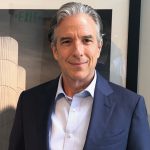
Tina Weede is President and CEO of Peerless Performance and has a proven track record of more than 30 years delivering award winning and successful solutions that drive positive results.
The research and experience at Peerless Performance, a woman owned, WBENC certified Performance Improvement, Engagement, Culture Engineering and Incentive Agency, is focused on the workplace of the future, its generational mix, the interdependencies of its knowledge base and how employee and customer emotions drive not only the corporate culture but increase productivity, profitability, and community.
The Peerless Performance design team constructs highly targeted strategies needed to address specific challenges and opportunities, from employee engagement, culture engineering and leadership coaching, to communication, learning, rewards, recognition, incentive design, incentive travel, concierge travel, meetings and events, safety, and wellness programs.
Tina serves as the Vice President of Research and Content and sits on the Board of Trustees for The Society for Incentive Travel Excellence (Site) Foundation. Tina is also a Past President for Recognition Professionals International (RPI). She is an active member of the GWBC Mentor/Protegee and Voice Committees as well as a Mentor.
Follow Peerless Performance on LinkedIn, Facebook and Twitter.
Transcript
Intro: [00:00:04] Broadcasting live from the Business RadioX studios in Atlanta, Georgia, it’s time for GWBC Radio’s Open for Business. Now, here’s your host.
Lee Kantor: [00:00:18] Lee Kantor here. Another episode of GWBC Open for Business. And this is going to be a good one. Today, we have with us Tina Weede with Peerless Performance. Welcome, Tina.
Tina Weede: [00:00:29] Hi Lee. Thanks for having me today.
Lee Kantor: [00:00:31] Well, before we get too far into things, tell us about Peerless Performance. How are you serving folks?
Tina Weede: [00:00:37] Oh, I would love to. Thank you for the opportunity. Peerless Performance, of course, is a woman-owned engagement, coach engineering, and incentive company. And the services that we provide our clients, it’s really interesting how we pivoted this year because our big focus today is on employee engagement, culture engineering, and how to build emotional connections with those who represent your brand, which could be your internal employees, your channel partners, or your customers.
Lee Kantor: [00:01:13] So, now, you mentioned the crisis we’re going through today. And with more and more folks kind of working virtually, I bet there’s an extremely high level of need for a service like yours to help people through this.
Tina Weede: [00:01:27] Oh, there has been. It’s interesting when I look at the different tiers of organization. So, we’ve all been faced with different challenges. The larger companies, a little bit more prepared of having a remote workforce; where the middle tier, especially in manufacturing, has had a little bit more of a hardship. It’s hard to have those people out of your office.
Tina Weede: [00:01:55] But what we do and what we do really well with our clients is we go in and help our clients create the culture that, one, they thought they had or they hoped to have created. We build a level of engagement alongside with our customers to drive engagement through recognition, rewards and other tools that we have, some being technology, but others are exercises like going in and doing culture engineering, revamping your core values, making sure. Because everything we do should be tied to our core values. Our core values or are the heartbeat of our organization.
Tina Weede: [00:02:41] So, in designing recognition programs, we must design those programs based on that heartbeat of the organization. So, when we have a virtual workforce, communication is different, how we recognize those associates are different, how we reward those associates are different. And it’s even more important today that we allow and provide vehicles for those associates who are now working from home to have a voice within the organization.
Lee Kantor: [00:03:12] Now, you mentioned culture, and that is so critical. A lot of companies don’t invest a lot of time in their culture, even though that culture is one of those things that happen, whether you’re being mindful about it or not. So, what are some ways, maybe some advice you can give organizations, so that they can create that culture and create that kind of core value ubiquity that maybe happens organically when you are at a location, and we see the signs, and the look, and the feel of the office we’re in, but we don’t get those reminders when we’re working from home?
Tina Weede: [00:03:48] Well, it’s interesting because there are tools that are available that allow us to … it’s not the same as coming into the office, but some of the tools that we use and some of the technology that we use do allow us to have kind of that window into our culture because, to your point, you have a culture, whether you like it or not, whether it’s a good one, or a bad one, or something in between. And major employers are investing in their workers and their communities more today because they know that it’s the only way for them to be successful in the long term.
Tina Weede: [00:04:27] And that came from the chairman and CEO of JP Morgan. The relevance here today is regardless of whether you have a virtual workforce or you’re starting to bring your workforce back in today, it’s really focusing not on, necessarily, the plaque that hangs on the wall because, a lot of times, the plaque that hangs on the wall was created by leadership team. And it’s not something that may necessarily be lived throughout the organization. So, what we do is we come in and we create culture ambassadors within the organization by doing a cross-diagonal in the organization, looking at the existing core values, and really building a set of core values that are really being lived or are the goals to what the organization, what they want that to be.
Tina Weede: [00:05:17] The day of CEOs coming in and putting a pool table in the middle of the room, putting a wine cooler in the corner and letting everyone wear jeans, that’s not culture, right? That’s really a band-aid on something that really needs to be developed further.
Lee Kantor: [00:05:37] So, now, when you’re working with your clients, what is the pain they’re having where the answer is, “Well, we better call those Peerless Performance folks. They’ll be able to fix this”? Like, what are some symptoms of a problem?
Tina Weede: [00:05:53] Dissatisfaction, customer dissatisfaction, quality of work, missing deadlines, silos within your organization. We see that a lot of times. And there are two things that have to happen. I’m a previous president of Recognition Professionals International. And in our teachings and our certifications that we provide, two things have to happen for people strategy to be effective. You have to have the leadership buy-in, and they have to live the principles of your core values. They have to be servant leaders within your organization, and there has to be a strategy. And a lot of times, we find that companies miss that strategy or, either, there may be the removed discipline of having that leadership buy-in.
Lee Kantor: [00:06:49] So, now, is there any kind of low-hanging fruit organizations can do to kind of just build some sort of more emotional connections with the folks in their company?
Tina Weede: [00:07:01] Absolutely. So, when we look at the generational mix today, there’s one thing that everyone has in common, and it’s finding purpose in the work that they’re doing and making sure that they are contributing to the overall well-being of an organization. So, communication is critical. And that’s where we see, when we do some of our assessments, we see that there is a breakdown. It may be from top down or bottom up. A lot of times, it gets caught in the middle. And so, creating tools and processes, so that people feel as if they have a voice, that they are recognized.
Tina Weede: [00:07:40] The other thing that we teach at Recognition Professionals International is you cannot recognize someone too often from a positive standpoint. So, some of the fun exercises that we do with our clients – and they actually become team building – is when we bring these groups together and we see that there’s this compassion and there’s purpose. It’s they want to improve the overall well-being of the company. They want to improve their overall well-being of the company.
Tina Weede: [00:08:13] Now, of course, we’ve worked with clients who won’t let us get that close to their people, right? So, it all sits at the leadership team. And that, a lot of times, is a mistake because the leadership, in some cases, are going to see things differently than those within the organization. And that’s why a true leader is going to open that up to the organization to provide them with a voice, to provide them the opportunity to share their feelings.
Tina Weede: [00:08:47] And a lot of times, when we look at feelings and emotions, leadership will go, “Oh, my. I’m a little fearful of that,” but emotions tell you why people are doing something, right. So, if someone’s happy, they’re proud, or they’re angry, or they’re distressed, we can map programs based on the emotions of your associate, So, then, an associate’s feeling one way and they want to feel another way, we know how to design programs that promote that feeling. And feeling, again, goes back to why. Why is a driving force in every individual. How we do something and the way we do something, it can be trained.
Lee Kantor: [00:09:36] Now, how do you kind of deal with the leader who’s saying, “You know, all that sounds good, but I need metrics that I can measure. I need to see a dashboard that I can see we’re making progress”? Is there a way to measure any of this?
Tina Weede: [00:09:50] Oh, absolutely. I am so thrilled that you asked this question. So, I love what I do, but I’m also kind of a data nerd and a research nerd. So, I’m also the VP of Research and Content for the SITE Foundation. And I believe that through data, we provide greater levels of wisdom back to our clients. And so, every program that we design, we design with KPIs in mind and lead measures, so that either at the end of a cycle within a recognition program, or an engagement initiative, or even in incentive, we are able to look at those lead measures and see how we are reaching our goals at this point. And then, you can change things based on the behavior and the performance that you’re looking, really, to drive.
Tina Weede: [00:10:44] So, I’m in the process right now of working with Dr. Jack Phillips with ROI Institute out of Canada and Alabama. And his ROI methodology is the most widely adopted methodology in all the world. And we are looking at producing a book that allows us to take this methodology and apply it to rewards, recognition, engagement, initiative and incentives.
Tina Weede: [00:11:16] So, yes. So, long answer to your question, but yes. And I’m very excited about this. And we also have technology that allows us with certain enterprise-wide technology that we work with that allows you to see engagement scores, allows you to really look at safety standings that are looking at lead measures instead of lagging indicators. So, we’re very big into designing programs properly, so that you have measurable results.
Tina Weede: [00:11:51] And the other thing that I will add to that is when we look at engagement culture reform, different initiatives that, in the past, would have been looked at as kind of soft measures, soft benefits, we now are getting better at being able to monetize those benefits, so that they can go into the ROI analysis. But Dr. Jack Phillips will also tell you that those soft benefits, in many cases, are either equal or more important than the actual ROI measurement.
Lee Kantor: [00:12:30] Yeah, I’m a super fan of Jack and Patti Phillips at the OI Institute. We’ve done a lot of work with them over the years. And that’s fantastic that you’re able to adapt his methodology into your world. That’s fantastic.
Tina Weede: [00:12:44] Ain’t that amazing? I’m so excited. I have a phone call tomorrow about this. And I think it’s going to come to fruition. So, I’m very excited about it.
Lee Kantor: [00:12:54] Now, let’s talk about GWBC for a second. How has being part of that organization impacted your business?
Tina Weede: [00:13:02] Well, we’ve been a member for the last three years, and it has provided us with a voice. It’s made a great deal of many introductions. But it’s also the relationships that you build through GWBC are amazing. So, I’ve been a mentor for the last two years, and we have a great group of ladies on the Voice Committee. And part of it is in the world we live in today, diversity and inclusion is so important, and no one has a greater voice in the women’s community than GWBC. And I’m just thrilled to be part of a group with such amazing women. We learn from each other. We share best practices. We share heartaches with each other. And at the end of the day, it’s about doing better business, and we’re able to do that as well.
Lee Kantor: [00:14:08] Yeah, I find that a lot of folks that are part of that group, they find that the camaraderie and the shared experience is invaluable. And in terms of finding a safe place to maybe ask a question you’re uncomfortable in your own workplace is a very useful part of that reason of being a member. You have a lot of folks that are going through similar things that you’re going through, may be in totally different industries, but those things may not be exact but they rhyme.
Tina Weede: [00:14:39] Well, and the other thing it offers too are the women within my organization, different training opportunities, being involved at their level as well, and having a voice. I mean, not only does it provide resources to the actual active member or the the person who owns the company, but the resources are so rich for those within those companies as well, which has been a huge benefit for my company.
Lee Kantor: [00:15:11] Yeah, that’s a great point. A lot of people don’t kind of appreciate that going in that this is a benefit for the whole firm. It’s not just for the individual member.
Tina Weede: [00:15:21] Exactly, exactly.
Lee Kantor: [00:15:24] So, now, if somebody wanted to learn more, have a more substantive conversation with you or somebody on your team, what’s the best way to get a hold of you? Website or social media coordinates?
Tina Weede: [00:15:33] So, social media either personally through @tinaweede. Our website is peerlessperformance.net. And can I get my email?
Lee Kantor: [00:15:45] Sure.
Lee Kantor: [00:15:47] So, my email is tinaweede@peerlessperformance.net. And peerless is P-E-E-R-L-E-S-S Performance.net.
Lee Kantor: [00:16:01] Well, Tina, thank you so much for sharing your story today. We appreciate all the work that you’re doing. And it’s an amazing story.
Lee Kantor: [00:16:09] Well, we thank you. I appreciate this opportunity, and I love sharing our story. We’ve got a great story. And one thing I will end with is our purpose statement is every day, we get to enhance the quality of people’s lives. So, whether that’d be in our for-profit, which is Peerless Performance, are in our nonprofit, which is called Confetti Celebrations, we provide weekend retreats for women with cancer, it’s an amazing feeling every day, we come to work that that’s what we get to do. So, I’m just thrilled. So, thank you.
Lee Kantor: [00:16:43] All right. This is Lee Kantor. We’ll see you all next time on GWBC Open for Business.
About GWBC
The Greater Women’s Business Council (GWBC®) is at the forefront of redefining women business enterprises (WBEs). An increasing focus on supplier diversity means major corporations are viewing our WBEs as innovative, flexible and competitive solutions. The number of women-owned businesses is rising to reflect an increasingly diverse consumer base of women making a majority of buying decision for herself, her family and her business. 
GWBC® has partnered with dozens of major companies who are committed to providing a sustainable foundation through our guiding principles to bring education, training and the standardization of national certification to women businesses in Georgia, North Carolina and South Carolina.
GWBC Radio: Tina Stevens with Secondary Solutions


Secondary Solutions CEO Tina Stevens grew up at a time where women knew their place in business —and that was being at the top of their game in everything they did. With a military school education at Vermont’s prestigious Norwich University, Tina’s earliest influencers taught her the importance of “thinking differently” especially as it related to business processes and applications.
When Tina first began working in the male-dominated manufacturing industry, she quickly discovered that she was someone who saw solutions where others might have only seen problems. After carefully examining the many challenges of modern manufacturing, Tina was on her way to a new venture in Florida when she stopped along the way in Spartanburg, SC. It was there in South Carolina’s rapidly evolving manufacturing community that Tina saw an entrepreneurial opportunity with the creation of Secondary Solutions, a company solely designed to solve the many challenges that manufacturers face.
Secondary Solutions has developed a stellar reputation as the company known for solving errors and failures in product design, assembly, and delivery. Their roster of clients includes major appliance, healthcare, packaging, and industrial equipment manufacturers—along with first tier automotive companies like BMW and aerospace leaders like Boeing.
In addition to her executive duties at Secondary Solutions, Tina also serves as a board member for the Greater Women’s Business Council (GWBC). She is also a part of the National Forum of the WBENC (the largest certifier and advocate of women-owned businesses in the U.S) to help strengthen women’s business opportunities across the nation. Along with having a woman-owned business that is also a certified ISO9001:2015 Company, Tina is most proud that-since founding Secondary Solutions in 1997-they have established a legacy of success in problem-solving for clients.
Transcript
Intro: [00:00:04] Broadcasting live from the Business RadioX studios in Atlanta, Georgia, it’s time for GWBC Radio’s Open for Business. Now, here’s your host.
Lee Kantor: [00:00:18] Lee Kantor here. Another episode of GWBC Open for Business. And this will be a good one. Today, we have with us Tina Stevens with Secondary Solutions. Welcome, Tina.
Tina Stevens: [00:00:29] Welcome. I’m looking forward to talking to you.
Lee Kantor: [00:00:32] Well, before we get too far in the things, tell us about Secondary Solutions. How are you serving folks?
Tina Stevens: [00:00:38] We are a third-party inspection company for the manufacturing world, as well as we do assembly, kitting, marketing and packaging for when a purchase displays for the retail sector of business.
Lee Kantor: [00:00:53] So, how’d you get into this line of work?
Tina Stevens: [00:00:57] Well, we started as a machine shop. It’s really interesting to think about it. In 1997, I was working for a company that was a dye caster and doing all different various functions of that position. And it was an opportunity that opened up for what’s called the secondary operations of that business. They wanted to outsource it. So, at the time, my husband and I decided that it would be a great opportunity. So, it was machining, solely a machine company. And as you will note, 23 years later, I have eliminated that out of our repertoire business.

Lee Kantor: [00:01:34] And that’s funny lesson about business, right? You might start at one place, and then end somewhere else. And it just all happened just kind of organically, right?
Tina Stevens: [00:01:44] Yes. It’s just meeting the needs and finding out what needs to happen. The Ross Perot giant sucking sound of everything going overseas really affected our business. And slowly over the years, we’ve pivoted out of it into into this new line of business. And so, it’s a whole different world. And specifically, since COVID hit, we’ve even transferred more out of the automotive world and into more packaging and helping customers in a different whole marketplace to support the COVID pandemic.
Lee Kantor: [00:02:27] Now, that’s a great lesson for business leaders everywhere. How do you know when it’s time to make that pivot and where the forces are just to kind of insurmountable that, “We’ve got to make a move”? And then, how do you kind of implement that change?
Tina Stevens: [00:02:44] Well, for me, the biggest factor happened in 2008 and 2009. We were one hundred percent automotive at that time. And that taught me a big lesson about diversification. So, over that period of time, we started working with customers like WesTrac that do a lot of entertainment kind of work that needed hand packaging kind of operations. And then, we also picked up the nutraceuticals. There’s lots of pharma nutraceutical happening in South Carolina where I’m located at. And we started picking up those kinds of customers.
Tina Stevens: [00:03:24] And so, when we looked at our metric system and where we wanted to be positioned, we had a third, a third, a third. So, when COVID hit, and one third of the business was going down, we took the opportunity of taking the PPP loan, and keeping all of our people on staff, and pivoted and said, “Where can we go to?” So, when we started reaching out to the other sectors of our business and said, “Do you have a need for more people?,” the answer was yes. They were struggling to keep their lines open because of the influx of business. So, we were able to transition out of the automotive sector and into the other sectors.
Tina Stevens: [00:04:08] And then, when COVID came – not only came down, but when the opportunity for the automotive came back up, we’ve been slowly going back into that sector. So, really, our businesses is much bigger than it was before COVID as a result of COVID. That sounds strange, but that’s really where we’re at.
Lee Kantor: [00:04:30] Right, because you were able to make the change. And then, when it kind of stabilized a little, then you benefited from still having all of the skill to execute on what you were previously doing. That didn’t change.
Tina Stevens: [00:04:43] Yeah, I was really happy because that PPP alone really gave us the advantage of being able to keep our skilled people on staff. So, they were prepared to be able to go back into the marketplace the second that we had the opening and could pivot them. So, in that three to six-week period of time, we are able to transition everybody into another job until the other jobs came up available. And then, we’ve been adding people.
Lee Kantor: [00:05:09] Now, in your career, you said initially you were working for somebody else, and then you took over. Is that what happened that you were working for a plant, and then you had the opportunity came that you can kind of be the owner of it?
Tina Stevens: [00:05:25] Yes. That happened in 2001. I took over the business in 2001.
Lee Kantor: [00:05:32] And when that happened – I was just reading Seth Godin. I’m a big fan of Seth Godin. I don’t know if you know who he is, but he’s a marketing person. But he talked about the imposter syndrome, and he says that everybody has it and just get over it. That’s just the way it is. There’s always that point where you don’t know how to do something, and then you’re trying something, and then you’re doing something. Did you have any of challenges from that same role, from a leadership standpoint that, “Am I the right person to lead this company?” Like you said, it’s male-dominated. “Are they going to be able to see me as the leader?” Did you have to overcome anything along those lines?
Tina Stevens: [00:06:09] I really did. And what’s interesting is that in 2001, when I took over the company, I ended up hiring a man as a salesperson because I was finding that I couldn’t get in the door to get the appointment to even have the conversation. So, thankfully, we’ve transitioned. So, I don’t feel that way anymore, that I can open the door myself. So, I would say that’s a great change for women in business in the last 20 years. So, I did.
Tina Stevens: [00:06:46] But as far as being a leader. I don’t really feel the imposter syndrome anymore. I used to. And that’s what’s really great about WBENC, GWBC, the Women’s Presidential Organization. All these women’s groups have really taught me and helped me to see the value that I bring, the value that the company brings, and also that we’re all in this together, not in the COVID sense of the word, but in the business sense of the word, that everybody is struggling with those. I really didn’t take advantage of for many, many years what that would bring to the table of networking with all these other great women.
Lee Kantor: [00:07:36] Now, when you were coming up, there had to be fewer of those opportunities to find groups of women that were organized and kind of supporting each other. But now, it seems there’s more. There’s quite a few kind of avenues for a young leader to go, to plug in, to kind of find that support network and to find peers that are going to kind of help you up and hold you accountable and things like that.
Tina Stevens: [00:08:04] That is definitely true. I would say, I have been with GWBC for almost 10 years, and the biggest lesson I’ve learned is that I wish I had plugged in 10 years ago. I only really plugged in, I would say, in the last three years, and that’s when those relationships have really ballooned and grown. And anybody that’s listening to this, please take that as a piece of grand advice. Plug in, networking. All these women are your friend and they want to help you. And take that help, and take that advice, and run with it because they’re seeing things that you didn’t see before.
Tina Stevens: [00:08:04] For me, in my experience, that’s what was so overwhelming. It’s like, “Wow!” I had my head down, and was working really, really hard, and making decisions that, now, I look back and go, “It would have been so much easier if I just asked for some help, and said, ‘Hey, I’ve got this issue. What do you think?'” because the information or the help is out there and available. Just to ask.
Lee Kantor: [00:09:15] Yeah, and that’s a good lesson for leaders to be kind of humble in this regard, and have some humility, and that it’s okay to be vulnerable and ask for help. Like you don’t have to be a lone ranger. This doesn’t have to be kind of a solo operation. There’s plenty of resources out there and plenty of willing people that have been there and done that, that are open to sharing with you. It’s not a close kind of environment in most cases.
Tina Stevens: [00:09:42] Well, I think a big change for this year, this has been the 2020 aha moment was when we had the COVID shutdown, and we couldn’t go to the conferences, and we couldn’t do the traditional networking opportunities that come up, what really interested me was the Zoom meetings and all these teleconferencing opportunities. It really has opened my eyes to being able to have more face-to-face networking opportunities than I have ever had before just sitting in my office because I get to see their picture, I get to engage with them and have a conversation; whereas, at the conference, there’s thousands and thousands of people, and I’m seeing some of the same people. And your inclination is to network with the same group of women. And occasionally, you get to meet another person.
Tina Stevens: [00:10:34] But through this platform, which I hope never goes away, I still want to do the live people events as well, but this platform really has given me an opportunity to really hone in and meet people that I really can do business with and that I’ve built great relationships with. So, I fully embrace this kind of environment of the teleconferencing world. It’s a big advantage to businesses.
Lee Kantor: [00:11:04] Yeah, I think that networking had that kind of a stigma attached to it in a negative way maybe more back in the day then than today where it was kind of superficial, and it was like everybody’s handing out business cards, and they don’t care about you, and it’s very transactional. And I think what people are finding is if you find the right group of people, it’s very supportive, and it’s kind of there’s a high kind of IQ when you’re dealing with a lot of these folks that are leaders, that are involved in these groups. They really want to help. They want to get back. They’ve learned some lessons. They want to share the lessons. They want to open some doors for folks. Isn’t that kind of old-school, hand-me-my-business-card, what-do-you-do kind of environment?
Tina Stevens: [00:11:50] Well said. That is more true than ever. I really feel the engagement. That’s the part that is being really promoted, the engagement portion of it. People really want to engage with you and want to feel part of the inclusive environment. So, that’s just a different … you’re right. I mean, I’m not giving out business cards, but that whole philosophy of giving out a card, and you come back with a stack and never follow up on it. This changes what that looks like because this is a more real conversation.
Lee Kantor: [00:12:27] Right. It’s personal. You’re getting really to know the people. And if you do this kind of work over time, it pays dividends. But like any group, this isn’t something you can just join and then expect benefits. You really have to kind of lean in and volunteer, take leadership roles, and kind of proactively interact rather than just wait for stuff to come your way. I mean, that’s not going to work for anybody.
Tina Stevens: [00:12:51] Yeah, I would say that, for me, being a part of GWBC, I’m also the head of the Voice Committee, which is a group of women. They get together to have your voice be heard, thinking together, and just trying to figure out how we can get a networking message out to more women and get them involved because there’s so many opportunities.
Tina Stevens: [00:13:17] The educational opportunities. I took two classes this year that were supported by Wells Fargo and UPS, several different businesses, TruWest and stuff. But they had these classes that was called Thrive, and they did the EOS, the entrepreneurial operating system. Both those classes, not only do you get to network with people, but what the educational portion that you learn from it really helped your business, and it made you be able to concentrate on your business and implement systems. In our business, we took full advantage of those educational opportunities.
Tina Stevens: [00:13:55] So, really, plugging in in the marketing sector, the marketing committee, or being on the Voice Committee. I’d really invite anybody to join the Voice Committee of any of the RPOs that are out there because it’s a great networking opportunity.
Lee Kantor: [00:14:14] Right. And it’s a great way for young folks and kind of new business people to demonstrate their kind of core values, and skill, and leadership in those environments in a safe way that kind of lets people see, “Okay, this person is for real. They got it going on. I can trust them with a project,” or “I can trust them to be referred.”
Tina Stevens: [00:14:38] Yes. And so, we have a question that just happened recently where there was a whole webinar on that, and it was an interactive one. And the questions you need to ask to protect yourself and make those relationships work for both of you, it was so eye opening because when you start a project, you’re so full of hope, and you’re working together, and you don’t think of the downside. So, having that educational opportunity to look at that made me realize, “Okay, yeah. So, we need to look at this.”
Tina Stevens: [00:15:12] And I thought it was interesting. She said, “You really need to think about it is getting a divorce when you start doing business with other companies, so that you know, worst-case scenario, work your way back from that.” I thought, “That’s so true. Get everything down ready. Get it all. Get all your questions, all the concerns that you have about doing business with somebody else out on the table, so that you can have a good relationship to start with. And you know if something goes what goes wrong, what’s your one, two, three you’re going to handle, how are you going to handle it?” And I thought that was very intuitive.
Lee Kantor: [00:15:48] Yeah. I think that GWBC does a great job in setting up these smaller business folks with opportunities, with these enterprise level and kind of educates them on, “Look, you can’t just show up here and say, ‘This is what I do.’ You’re going to have to really have a lot of empathy and understand, from the enterprise level’s standpoint, what they have to gain and what they have to lose.'” So, you have to kind of shore up some areas a lot of the times that the young person may be or the new business person isn’t aware of.
Tina Stevens: [00:16:21] That’s very well said as well, because I love what GWBC is doing and WBENC is doing as well, is that they’ve identified groups of women that are having more of a struggle than other groups. So, they have another group within the group called Women of Color. And I’m very excited to see that program coming to fruition and seeing the excitement in the level because lots of businesses fail because they don’t have all the knowledge and the expertise coming into it.
Tina Stevens: [00:17:00] So, the Mentor Protege Program that they have within GWBC another way to work with a corporate. They can help you build that relationship, and get those questions, and get those soft skills and hard skills that you need in order to be competitive and withstand all that’s coming at you and make your business be successful.
Lee Kantor: [00:17:24] Right. And those kind of relationships, that can catapult your company from one level to five levels higher if you kind of listen and kind of let them help you.
Tina Stevens: [00:17:39] That is so important. That really is so important. Because at the end of the day, all these people, men and women, are trying to be successful. And I will say that I have not run into, really, anybody in my recent past year that hasn’t given me something to think about that can help my business, or give me a hand up, or make an introduction, or give me a thoughtful idea that I hadn’t seen it because they’re looking at my business 10,000 feet out. So, always being open to that, I think, is the most important thing to move your business forward.
Lee Kantor: [00:18:24] So, what could we be doing to help you move your business forward? What do you need more of?
Tina Stevens: [00:18:30] Actually, I’m in a really great place. I mean, I’m in a position where I’m wanting to help others. So, what can the community do? I’m looking to do more assembly work and kitting work. We’re an ISM. We’re also a hub zone company. So, I’m looking to do some more government contracting and expand our company into that field. That’s been on my radar for the last couple of years. Now, I’ve got my certification, so I’m moving in that direction. So, thank you for asking that.
Lee Kantor: [00:19:08] Well, congratulations on all of your success and thank you so much for sharing your story today.
Tina Stevens: [00:19:14] I appreciate the time. And this is a great avenue. And I love listening to the stories, the great, success stories. They’re motivating. I’m listening too. Whenever you put on out, I’m listening to it. So, thank you so much.
Lee Kantor: [00:19:26] All right. Well, Tina, again, thank you for what you’re doing. You’re doing important work, and we appreciate you.
Tina Stevens: [00:19:32] Thank you. You have a great day.
Lee Kantor: [00:19:34] Well, if somebody wants to get a hold of you, what’s the website and the best way to connect with you or somebody on your team?
Tina Stevens: [00:19:40] Okay. So, our company name is Secondary Solutions, but our website is www.getproblemsolved.com. It’s “problem.” We’re not two Ss. We found that to be an issue, but that’s what our email addresses. Our telephone number is 864-574-6550. And please reach out.
Lee Kantor: [00:20:05] All right. Thank you again for sharing your story.
Tina Stevens: [00:20:08] Thank you.
Lee Kantor: [00:20:09] All right. This is Lee Kantor. We will see you all next time on GWBC for Business.
About GWBC
The Greater Women’s Business Council (GWBC®) is at the forefront of redefining women business enterprises (WBEs). An increasing focus on supplier diversity means major corporations are viewing our WBEs as innovative, flexible and competitive solutions. The number of women-owned businesses is rising to reflect an increasingly diverse consumer base of women making a majority of buying decision for herself, her family and her business. 
GWBC® has partnered with dozens of major companies who are committed to providing a sustainable foundation through our guiding principles to bring education, training and the standardization of national certification to women businesses in Georgia, North Carolina and South Carolina.
William Warren with The Sketch Effect


William Warren is an entrepreneur, illustrator, speaker and writer who has spent his career using visuals to help communicate ideas in an effective and enjoyable way. He is the Founder and CEO of The Sketch Effect, a Visual Communication agency that helps make ideas understandable and actionable through animation, live event sketching and graphic design.
The Sketch Effect’s client list includes top-tier brands such as Marriott, Walmart, Microsoft, Chick-fil-A, P&G, and Delta in addition to premier consultancies including Boston Consulting Group, Bain, Ernst & Young and Accenture.
The Sketch Effect has sketched for thought leaders such as Steve Wozniak, Brene Brown, Malala Yousafzai, Sheryl Sandberg, Peyton Manning, and more.
Connect with William on LinkedIn and follow The Sketch Effect on Twitter.
What You’ll Learn in This Episode
- Live Sketching
- Animated Videos
- Visual Communication
- COVID-19 Impact on The Sketch Effect
- Small Business
- Creative Entrepreneurship
About Our Sponsor
OnPay’s
payroll services and HR software give you more time to focus on what’s most important. Rated “Excellent” by PC Magazine, we make it easy to pay employees fast, we automate all payroll taxes, and we even keep all your HR and benefits organized and compliant.
Our award-winning customer service includes an accuracy guarantee, deep integrations with popular accounting software, and we’ll even enter all your employee information for you — whether you have five employees or 500. Take a closer look to see all the ways we can save you time and money in the back office.
Shannon Denton with Wripple

Shannon Denton is a Co-Founder of Wripple and the former Global CEO of leading digital agency Razorfish. During his 16-year career at Razorfish, Shannon was a key executive leader that helped to grow Razorfish to a $750M business serving top brands worldwide.
During Shannon’s tenure as CEO, the company received numerous industry recognitions including multiple appearances on Ad Age’s A List and top rankings in high-profile analyst reports such as Gartner’s Magic Quadrant for Digital Marketing Services and Forrester’s Wave’s for Digital Experience and Commerce Consultancies.
Prior to Wripple and since leaving Razorfish in 2017, Shannon has been active in Atlanta’s startup scene as an angel investor, board member, Techstars mentor and Entrepreneur in Residence (EIR) at the ATDC incubator located at Georgia Tech. Immediately prior to his tenure at Razorfish, he was the President &
CEO of an Internet consultancy startup that he sold and combined with Razorfish and other acquired businesses.
In summary, Shannon has extensive experience in high-tech, professional services, innovation and running high-growth businesses. As part of his startup and executive management experience, Shannon has acquired and integrated several businesses, led successful exits and raised more than $40M of Venture Capital. Shannon started his career in Technology as a Software Engineer, Architect and Product Manager and early in his career, led the creation of several successful software products from scratch.
Connect with Shannon on LinkedIn.
What You’ll Learn in This Episode
- How COVID has impacted Wripple
- How other companies can adapt to changing workforce dynamics
- Where the best place is to engage people for work / find talent and more
- Industries that are hiring right now
- Skills that are most in demand, given COVID-19
- What can someone who is currently unemployed do to better their chances of landing a job
About Our Sponsor
OnPay’s
payroll services and HR software give you more time to focus on what’s most important. Rated “Excellent” by PC Magazine, we make it easy to pay employees fast, we automate all payroll taxes, and we even keep all your HR and benefits organized and compliant.
Our award-winning customer service includes an accuracy guarantee, deep integrations with popular accounting software, and we’ll even enter all your employee information for you — whether you have five employees or 500. Take a closer look to see all the ways we can save you time and money in the back office.
BRX Pro Tip: Look for Minimum Viable Audience

BRX Pro Tip: Look for Minimum Viable Audience
Stone Payton: [00:00:00] Welcome back to BRX Pro Tips. Lee Kantor and Stone Payton here with you. A piece of counsel, Lee, that you offered up the other day in a conversation was look for a minimum viable audience. Can you speak to that a little bit?
Lee Kantor: [00:00:15] Yeah. This is something Seth Godin refers to, the minimum viable audience to serve. And I’m a Seth Godin super fan. So, I’d like to explain what that means, at least in terms of Business RadioX. The minimum viable audience is that, what is the smallest number of people that you can serve to get started? And with Business RadioX platform, we’re perfectly aligned along finding that because we help our clients become the voice of business for the niche that they serve.
Lee Kantor: [00:00:45] So, once we can clearly identify what that niche is, who are the constituents, we can then, kind of use the full power of our platform to really serve the heck out of them and build the relationships that really help our clients get to the next level and really serve that group.
Lee Kantor: [00:01:03] So, it’s important for us to help our clients become that media resource for the people that matter most to them. But if they don’t identify the audience correctly, then they’re going to have a hard time doing that. So, that’s why we spend a lot of time at the beginning getting crystal clear on who is that exact group of people who will move the needle in their business. It’s going to assure that they get the successful result and the successful outcome that they desire. So, I think, perfectly, we’re built for identifying the minimum viable audience, and our platform really does a great job in serving that group effectively and efficiently.