
Our Most Recent Episode








 Before launching Sifted, Kimberly Lexow specialized in building and turning around marketing, sales, and operations teams. She now runs Sifted’s sales strategy and drives the client experience. Managing their multi-city teams, Kimberly encourages their staff to think big picture, train effectively, and continuously iterate.
She embodies the essence of what a client experience with Sifted is: friendly, warm, and attentive. Kimberly received a master’s in business administration while on a full academic scholarship at Vanderbilt University. She’s committed to faithfully questioning assumptions and sharing the Sifted inclusive culture with both her teams and clients.
Follow Sifted on Facebook and Twitter.
What You’ll Learn in This Episode


Stone Payton: Welcome back to BRX Pro Tips. Stone Payton, Lee Kantor here with you. Lee, it’s challenge time and today’s challenge is help your clients get more clients.
Lee Kantor: Right. One of, again, the secret sauces of Business RadioX platform is that we are a client’s client strategy. Instead of helping our clients kind of create thought leadership, we spend a lot of time helping them get more clients. So, this week, I challenge you to come up with creative ways to help each of your clients get more clients. Some suggestions might be, go through your LinkedIn, you know who their ideal prospects are.
Lee Kantor: Make it a point to go and connect some of your connections with their potential clients and invite them on the show as a guest or at least let them kind of peruse through your LinkedIn to see if there’s anybody there that’s interesting for them and that they want to get to know a little better. Some other clever ways to go about doing this is maybe consider running some Facebook ads to promote your client show to a targeted audience of their best prospects and existing Facebook friends of their business to help them look for guests.
Lee Kantor: When their friends start seeing the ads promoting their show, they’re going to make a point to tell them. And as John Ray, I’d like to quote John Ray on this, the audience that matters most to your clients are your client’s spouse, boss and, you know, inner circle. So, if you’re running Facebook ads to that specific group, they’re going to see the show, they’re going to make a comment. They’re going to let them know that they saw that.
Lee Kantor: So, that’s going to be good for you in the long term. So, I would definitely consider doing that. Another thing you can do is in your studio, if you have a TV screen, make sure that you put a slide up for your client shows on your TV screen promoting that show, that host. And then, that way, when people see it in your studio, they’ll say, “Hey, I know a guy or I know somebody that might be a good fit for that show.” Those are some ways you can help your clients get more clients.
Stone Payton: Well, I’ll tell you, my models for this are you and one of our clients, Corey Rieck, Tuesdays with Corey. And I think the strategies, the tactics just kind of come to you if you have the mindset. And you and Corey both, you intentionally dedicate time and energy to figuring out what can I do to help my clients get more clients. And then, I think these strategies and tactics come. So, I think it’s the mindset and just be prepared to try to help your clients get more clients and the rest of it falls into place, don’t you?
Lee Kantor: Amen.

 Jason Feifer is the editor in chief of Entrepreneur magazine, and host of three podcasts: Pessimists Archive, a history show about why people resist new things; Hush Money, about the way money makes life awkward; and Problem Solvers, about entrepreneurs solving unexpected problems in their business.
He has been an editor at Men’s Health, Fast Company, Maxim, and Boston magazine, and has written about business and technology for the Washington Post, Slate, New York, and others. His novel Mr. Nice Guy, which he wrote with his wife, is currently being developed for television. Jason lives in Brooklyn.
Connect with Jason on LinkedIn, Twitter and Instagram.
The Franchise Bible Coach Radio Podcast with Rick and Rob features no-nonsense franchise industry best practices and proprietary strategies that franchisors and  franchise owners can implement to improve their profitability and operational efficiencies.
Our show guests are franchise superstars and everyday heroes that share their tips for growth and strategies to survive and thrive during the current challenges.
 Rick Grossman has been involved in the franchise industry since 1994. He franchised his first company and grew it to 49 locations in 19 states during the mid to late 1990s. He served as the Chief Executive Officer and primary trainer focusing on franchise owner relations and creating tools and technologies to increase franchisee success.
Rick developed and launched his second franchise organization in 2003. He led this company as the CEO and CMO growing to over 150 locations in less than three years. He developed the high tech/high touch franchise recruiting and sales system.
Both companies achieved ranking on Entrepreneur Magazine’s Franchise 500 List. During this period Rick served as a business and marketing consultant to small business and multimillion dollar enterprises. He also consulted with franchise owners and prospective franchisees, franchisors, and companies seeking to franchise.
Rick had the honor of working with his mentor, Erwin Keup as a contributing Author for the 7th edition of Entrepreneur Magazine’s Franchise Bible published by Entrepreneur Press.
Mr. Grossmann has been chosen as the new Author of Franchise Bible and his 8th Edition was released worldwide in January of 2017. He currently serves as an executive coach and strategist for multiple franchise clients.
Follow Franchise Bible Coach on Facebook.
 Rob Gandley has served as SeoSamba’s Vice President and Strategic Partner since 2015.
With 25 years of experience in entrepreneurship, digital marketing, sales, and technology, he continues to focus on leading the expansion of SeoSamba’s product and service capabilities and US market penetration. SeoSamba specializes in centralized marketing technology built for multi-location business models and continues to win industry awards and grow consistently year over year.
Concurrent with his work at SeoSamba, Gandley is a strategic growth consultant and CEO of FranchiseNow, a digital marketing and sales consulting firm. Gandley consults digital businesses, entrepreneurs, coaches and multi-location businesses across diverse industries. Prior to SeoSamba, he built an Internet Marketing business and platform responsible for generating over 100,000 qualified franchise development leads used by more than 400 US-based franchise brands for rapid business expansion.
Gandley also held various senior sales and management positions with IT and Internet pioneers like PSINet, AT&T, and SunGard Data Systems from (1993-2005) where he set sales records for sales and revenue growth at each company. He graduated from Pennsylvania State University’s Smeal Business School in 92’ with a BS degree in Finance and emphasis on Marketing.
Connect with Rob on LinkedIn.


 Katie Cyphers is the owner of Academics Plus. Located in the Buckhead community of Atlanta, Academics Plus is an education group focused on understanding each child’s learning profile in order to help parents identify the best school environment and ensure their child has the necessary foundations to grow & thrive.
Katie has trademarked the phrase, Learning Checkup™, to help parents understand that all children’s learning should be assessed in the same manner as they would assess their wellness. This unique model ensures families are equipped to make the best school selection, whether they are relocating or a local Atlanta resident. Academics Plus has gained a great reputation for ensuring that all children are able to reach their greatest potential.
Katie Cyphers attended the University of Tennessee, where she obtained a M.S.Ed. in Theory and Practice in Teacher Education and a B.S. in Special Education. Katie’s dedication to her alma mater has remained apparent with her position on the University of Tennessee Dean’s Board of Advisors for the College of Education, Health, and Human Sciences. Katie is a member of the Rotary Club of Buckhead and was awarded the Vocational Service Award.
She has served two terms on the National Board of Directors for the Learning Disabilities Association of America and currently sits on the board for the Learning Disabilities Association of Georgia. Katie is a Professional Member of the Independent Educational Consultants Association (IECA) and is also a member of the Secondary Schools Admission Test Board (SSATB), International Dyslexia Association (IDA), the American Psychological Association (APA), the Shepherd Center Society, and Women’s Community Bible Study.
Katie recently received the UT Alumni Promise Award, which recognizes an alumnus under the age of 40 that has made extensive marks early in their careers, both civically and professionally. In addition, Katie received the Outstanding Community Advocate award from the Department of Theory and Practice in Teacher Education.
Connect with Katie on LinkedIn and follow Academics Plus on Facebook and Twitter.
 Born under moss-draped live oaks in Savannah and raised on a low country island surrounded by azaleas and saltwater marshes, Ashley Stamoulis grew up at the heels of three generations of colorful, charismatic entrepreneurs.
A diploma from the University of Georgia in hand, she answered the siren’s call of the big city and moved to Atlanta to pursue a Masters of Communications and embark upon an adventure in public relations, working with some of Atlanta’s most recognizable brands. Her next leap was Ashley Sparks Communications, a marketing and events company serving clients across the country.
Three kids and two decades later, Ashley came full circle to her family roots, promoting southern makers and entrepreneurs through SUTHINGIRL, one of the South’s most celebrated lifestyle brands, and the SUTHINGIRL Box, a seasonal selection of southern style featuring today’s top southern makers and brands.
Follow SUTHINGIRL on Facebook and Instagram.
Intro: [00:00:01] Broadcasting live from the Business RadioX Studios in Atlanta, it’s time for Customer Experience Radio, brought to you by Heineck & Company, real estate advisors specialized in corporate relocation. Now, here’s your host, Jill Heineck.
Jill Heineck: [00:00:19] Welcome, everyone, to this very special edition of Customer Experience Radio. I’m your host, Jill Jill Heineck. I’m a business owner, real estate advisor, and customer experience enthusiast. Today, we are airing live from my home. What an insane time we’re living in. It just seems so surreal. As most of you know, I run a boutique real estate group specializing in corporate relocation. And trust me when I tell you, practicing responsible social distancing while listing and showing homes to relocating families has been just the challenge needed to take our customer experience strategies up a little bit of a notch here. So, think about it, the ultimate customer-facing job helping people make giant investments, now, we’re doing this virtually. So, many of us are having to get creative and, perhaps, unconventional to meet our customers and clients where they are at home but still with needs and requirements. And here is where we are poised to exceed expectations.
Jill Heineck: [00:01:21] So, I am so excited to have Katie Cyphers on with us this morning remotely, of course, as hers will be the first company in education showcased here on the show. Her company, Academics Plus, is based here in the Buckhead community, consults with families to help parents identify the best school environment for their children across the Atlanta Metro area. Her service is invaluable to companies attracting talent, as well as the families themselves. We also have actually Ashley Stamoulis, mom of three and three different schools and a former client of Katie’s who will be able to give us some insight with her experience working with Katie and her team. She’s also the owner of Suthingirl, which provides corporate welcome boxes and gifts. So, welcome to both of you, and thank you for being here.
Katie Ciphers: [00:02:04] Thank you for having us.
Ashley Stamoulis: [00:02:06] Thank you.
Jill Heineck: [00:02:06] So, Katie, let’s start with you. Tell us a little bit about yourself and the company and how you got here.
Katie Ciphers: [00:02:12] Yeah, absolutely. Academics Plus started out as a learning center, but we’ve really been around for over a decade serving families and helping parents find the best school fit for their children. We, now, are really specialists as a result in helping families to relocate to the Atlanta area. I’m thinking right now, I think if I’m in my own virtual world over here with my dog next to me, and we’re having to really transition, and I love how you started the show by saying that families are having just—you’re FaceTiming as you’re showing properties et cetera. We’re all transitioning. So, Academics Plus is an education group that specializes in school search and in helping parents to make the best educational decision for their children.
Katie Ciphers: [00:02:56] I met Ashley years ago whenever she had a child that we were helping to serve in our learning center, and I think that her family is not unique in that each of her children are very different, and they are all wonderful and have amazing attributes, but they require different learning techniques and different things to help make their learning, really, the best experiences. So, Ashley, I’m going to let you kind of jump in and tell them a little bit about how we first connected.
Ashley Stamoulis: [00:03:23] Well, I’m going to go ahead and brag and say that I was your first client or my daughter was your first client. I’m not sure if that’s completely accurate, but I like the way that sounds. I met Katie when she first purchased the business back from her mom’s former partner. It was a really cool story. But I was there with my daughter, and she’s my oldest of my three kids. And like Katie said, everybody’s got something different that they’re working on in the education arena. My kids are all at different schools. And this beautiful, precious butterfly of mine really needed some extra help. She was a preemie, and she was, at that time, at the Atlanta Speech School. And we just found that we were not reaching her potential, that we weren’t getting her where she needed to be, especially around math. Of course, I raised my hand and say it was probably 90% genetic from her mother but we came in on bended knee to Katie and just immediately felt so welcome in her environment.
Ashley Stamoulis: [00:04:24] I mean, at that point, I have to tell you, ladies, I had been everywhere. I knocked on every door in Atlanta from OT, PT, educational psychologists, all the different types of things, and current pain at the wall as you deal with that first child trying everything. And Katie’s environment, Katie’s touch, Katie’s embrace when we first walked in, I was like, “Oh, my gosh.” It’s like the angels all in the background. I mean, it felt like we are where we need to be just from that touch standpoint. I felt so embraced and like everything was gonna be okay, very clear about what her expectations were of us and what our expectations could be of her.
Ashley Stamoulis: [00:05:08] We brought her probably a six-inch three-ring binder full of all kinds of data and testing. And she did not shy away from that. We flipped through the whole thing on that first meeting. But that’s a really interesting experience when you have been a mom, which is so highly emotionally charged when you are a mom, and then you are sort of out of your depth with something. I always make the joke that I can make the best grilled cheese and pound, and I can change a diaper with my eyes closed, but I couldn’t help my child and having someone make me feel like, “Hey, that’s great. That’s no problem, because I got that. You can make that grilled cheese. You go do whatever it is that you need to do as a mom. And we’re going to take it from here.” That level of customer service, at the time, I wouldn’t even have felt that that was the right phraseology. I think that’s what it was, but it felt more like extreme professionalism and kindness sort of going [crosstalk].
Jill Heineck: [00:06:07] And she was also taking care of you. And so, you felt cared for-
Ashley Stamoulis: [00:06:10] For sure, for sure.
Jill Heineck: [00:06:10] … which are obviously takes the experience working with her to the next level.
Ashley Stamoulis: [00:06:17] That’s right. That’s right. She immediately went to the top of the Christmas card list and guest list. Like, what do you need? What do you want? What can I buy you? You want a pony? You got a pony. I mean, yeah, for sure. And you people don’t have to be that way. Nine times out of ten, When you go in, I think people who are in their sphere of how they help your child, especially we talk about children because that’s sort of what Katie does every day, they could be really good at that services they’re going to provide as far as technically, right? But not everybody has that high touch also at the same time.
Ashley Stamoulis: [00:06:52] And it’s a very unique thing. It’s like lightning in a bottle. It’s magic. And when you find somebody like that, you want to hold them by their ankles and not let go. So, here we are now. My child is a senior. She’s no longer at Katie’s care. And we’re still constantly in contact. I mean, she’s one of my best friends. And I feel so lucky. And I know that I’m not saying that everybody has to be best friends with Katie because she doesn’t have room, she’s got me, but she is so good with that. And I think, isn’t that just the test, right? The minute that her services were ever to our family, she is still a part of our life, a big part of our life. I can keep going. You better shut me up and be on the right topic.
Katie Ciphers: [00:07:38] I think that Ashley is not unique, though. And that finding the right school environment, and especially in a city like Atlanta where the options are overwhelming and there are so many different things that each child might need, and different offerings, and curriculums, and tools, and that’s not unique to just Ashley’s family or her sweet Caroline, who she did not brag on but, yes, she is headed off to school, and she got into her high school, and we hope that she could start school in the fall due to all this coronavirus, which is a new thing. Oh, we’re hoping that everyone gets to go back to normal start in the fall.
Katie Ciphers: [00:08:15] But what we realized is that Ashley is like many other families. She needs to have someone listen to her child’s unique needs. That six inch binder, she’s not the first, and she definitely would not be mom with the most paperwork. Six inches sounds like a lot. You should see the Dropbox files that we get nowadays. They can go back to preschool, these early preemie days and give us every report from the NIQU or just the report cards when a family is relocating to Atlanta. Opened up one family’s file yesterday and received all of their reading scores, their ERB results, their psychological evaluations, teachers’ report. That takes a lot of insight to go through, and you do have to do it in a careful manner.
Katie Ciphers: [00:09:01] And for us, we consider ourselves education experts because we did own a learning center before we started this school search and relocation process. And so, we really understand what children need. We take time to get to know the child. Now, we are getting to do all of that virtually. But that’s not something new for us because we’ve always helped families, whether they’re in California. We’ve had a family from China relocated to Atlanta that we’ve had to assist virtually. Jill, I know you’re an expert in relocation. And so, I’m sure that’s not new to you either. Virtual is not really new to our world.
Jill Heineck: [00:09:35] Not really. I mean, this part the consulting part is not the new part. For my piece of it is when they’ve actually spoken to you, they figured out what schools that they are going to hone in on. And then, the actual seeing the homes that are in the school districts that they’re looking at or in the vicinity of the school that they want to be near, that’s the challenge for us. Of course, we’re making those adjustments where we see fit, but what I really wanted to make sure that we talk about, Katie, for you is when you’re talking to these relocating families, specifically from China or from the other side of the country, I mean, what’s the first part of your process when you’re trying to kind of unpeel the onion, so to speak?
Katie Ciphers: [00:10:26] Absolutely. The first step of our process is really getting to know the family and their unique goals. Every family has a list of non-negotiables, and it’s really not in the beginning that people even realize they have these non-negotiables. It might be that religion is an important aspect in their school choice. It may be that they’re actually opposed to that. And then, you’re moving into the south where we do have more schools that have a faith-based orientation. And so, we want to make sure that we take everything into consideration.
Katie Ciphers: [00:10:59] I had one family that they had a child that’s an expert in my ice hockey, very good at ice hockey. I’m sorry. I’m getting a beep because, now, we’re doing this from home, and I’m going to decline that. But in ice hockey, and you have to make sure that everything is taken into consideration. We have a lot of families where they might have specific learning needs that need to be assessed, and they need a certain curriculum or certain methods, such as Orton-Gillingham, in order to make sure that the child adapts to this new learning.
Katie Ciphers: [00:11:32] And so, our first step is we can fill out a submission form that gives a list of all the students’ interests. What are their unique needs? What are their challenges? What are their families non-negotiables? What are the things that really, at the end of the day, if they think of a successful relocation, what does that look like? And so, we start by collecting that information. And then, we set at the time. We do a learning checkup on a child. And so, each child is assessed socially, and we figure out what are their reading scores, what are their math scores, and how are they processing information cognitively? This helps us to match with the right curriculum.
Jill Heineck: [00:12:12] I love that. And so, then, once you have an idea of where the child is at, are you then having a note? You’re having another consulate, obviously, with the parents, and then trying to get an idea of which direction they’re going to go in, and it’s going to be based on all those results. Plus, is there anything else, any other factors that you’re considering when you’re looking at schools for kids?
Katie Ciphers: [00:12:41] Absolutely. I think in Atlanta, especially, geography comes into play immediately. And I always try to encourage my families to really look at the map. We have a 6-foot-by-6-foot map in our office, and we’re able to put that on the wall, or we put it up on the screen, and we start with, “Okay, let’s put an X where mom is working. Let’s put an X where dad is working. Let’s put an X where child is going to be attending their activities. Let’s make sure that we really put geography into consideration.” As we all know, the first thing when people say, “I’m moving to Atlanta,” the response that they get is, “Why would you want to enter into that traffic?” So, we try to take that. And geography is the number one play.
Katie Ciphers: [00:13:25] But then, from there, it is really navigating the different school options. The next question is always, of course, is it public or private school? What are our opportunities there? And so, then, that helps to narrow the focus. By the time you have all these Xs on the board, you then really put a special pocket and mapped out a concise area where you can start your school search. And then, we look at their different hobbies, their talent, their school needs, and curriculum, and start to narrow down the process. You’ll be surprised that by being strategic, the list of school applications that our families send out are very minimal.
Katie Ciphers: [00:14:05] I’ll say that the majority of my families apply to less than three schools. In fact, I’ll say 90% of my families this year had only two schools on their list. Occasionally, we’d put a backup option. Even though Atlanta is a very competitive landscape, by being strategic and making sure that we’re always ensuring the child has the right plan in place, we don’t have to send out 50 applications or in Atlanta, do that six applications. I see a lot of parents just throwing darts and hoping they land somewhere. We don’t want to do that. We want to be strategic with our families and really take all their needs into consideration.
Jill Heineck: [00:14:44] This is exactly why I like working with you and partnering with you because that is exactly how we have to do this, particularly when you’re working with relocating families who are not from the south or not from the Atlanta Metro area, and they are literally throwing a dart at the wall to see where it lands. And so, I think starting with you, it really does help me serve the client much, much better once they have a real good feel for what the school opportunities are in those geographic areas. What I’m finding more and more, and I don’t know if you’re hearing this as well, but we’re hearing that while schools are a priority for most families relocating, they also try to put commute up there as a priority. And what we see more and more is that the commute gets pushed down, and pushed down, and pushed down. So, from a geographic perspective, it’s all about the school. And then, it seems like the parents will just work around the school. Are you seeing that?
Katie Ciphers: [00:15:47] We are seeing that. I have to admit that I enjoyed my quality of life. And I do, I am one of those blessed people to have a short commute. And so, I feel that our role is to make sure that parents truly understand what they’re signing up for. Especially, Jill, I think one of the reasons that you get so many referrals and relocation is because you make sure that the entire family is taken care of, and you’re very honest with your clients. I hear you often say, “That’s not the right client for me.” But it’s because you always want to make sure it’s the best fit and that you serve them well. And I so admire that about you.
Katie Ciphers: [00:16:25] And I think we’re in the same boat whenever parents are deciding. I had a family recently that was looking at schools that are 30 miles north here. And then, we’re looking at a bus that could take them an hour a day. And I finally said, “We have to stop and look at the timetable and look at the schedule. Do you want to be at the child’s soccer game? You’ve said that’s your favorite thing to do. You’re going to miss out on that opportunity.” And so, we do have to kind of help them to be strategic.
Katie Ciphers: [00:16:52] And we know that not every family can live in the heart of Buckhead. We would be silly to think that that was the case. But we can make sure to be strategic on where we put each person and which school we select for each child, so that it gives mom and dad a chance to be involved in their lives and to have that opportunity because, sometimes, even if it’s the best school in the world, it might not be the best fit for your family. And that’s okay.
Jill Heineck: [00:17:22] Right. No. And I so appreciate that. And which will bring me to another question regarding—and I don’t know. Since you’ve been working in this fashion for so long, you’re doing your evaluations virtually, and this has really been your model, is there anything particularly different about what you’re doing over the next, let’s say, these last three, four or five weeks? Are you changing? Have you changed the way you do things at all? Is there anything that you’ve been implementing or something different that is happening in your service as a result of us being in quarantine?
Katie Ciphers: [00:18:02] Absolutely. Jill, it’s interesting. I actually think this is the most exciting time for entrepreneurs and for businesses. I think this is a chance-
Jill Heineck: [00:18:10] Absolutely.
Katie Ciphers: [00:18:10] … for us to really shine as leaders, for us to think about what the customer truly needs. We’re in educational consulting. Mental health is something that we work with on a daily basis. We have a lot of feelings and emotion when you’re dealing with children. That’s the number one player. One thing that we have had to do, you’ve heard us start by saying we’re a learning center, but we’re also education experts in the school search process. We had a lot of families that have contacted us and say, “This homeschooling is not working for us. We need your help.” And these are families that may have just moved to Atlanta and started the school of their dreams that they loved for the first two months, but they started to transition in January. We have picked up on back on those families. And actually, I’ve been impressed by the corporations that have contacted us and say, “Will you please continue to take care of this family? They just relocated here, but they’re trying to remote work and it’s not working.”
Katie Ciphers: [00:19:03] So, we have a unique homeschool model. And so, we’re offering packages for students to receive face-to-face direct instruction. We have students as young as 5 years old logging on to Zoom each day and receiving a one-to-one live, in-your-face teacher instruction. It’s interesting how many schools, private schools – and Ashley can probably speak to this – are having a lot of the direct instruction from teachers. A lot of the public schools have not been given the go ahead to do a live call with the class because of security reasons. And I’m sure there are many things that come into play with that. But there are a lot of kids, whether they’re special needs, whether they’re regular education that are kind of left behind and are given an at-home packet. And an at-home packet does not replace a teacher.
Katie Ciphers: [00:19:50] And so, what we’re doing is giving them one-on-one instruction. So, whether it’s one hour a day or two hours a day is what most of our families are doing, and they are receiving that one-on-one instruction, and then they’re getting a report card on Friday that explains everything that happened. What’s happening on the parents’ side, if they’re actually getting their remote work done and the corporations are happy because they’re actually not hearing the kid go, “Mom, how do you spell dinosaur?” And he’s like, “If I had to spell one more word, so you can learn to use a website now.” But that’s the reality or the math problem.
Katie Ciphers: [00:20:24] We had one family that contacted us and Abby said, “The math is just not working.” And they’re in a great private school, but they went from having the regular class setting where the child could get help whenever he had a question to where it’s a Zoom and he may or may not be able to get the help that he needed. And in this case, he needed more. And so, we’re supporting that and teaching all of the math. And so, we’re all at a unique time but I’d say it’s an exciting time because if a business doesn’t change during times like this, will they be around for that next road? And I think it’s fine. And my team is excited, and they’re jumping into this areas we never would have otherwise really gone to.
Jill Heineck: [00:21:06] I absolutely love this, and this is exactly what I was kind of leaning towards because this home-schooling, the homework aspect of being in school regularly has always been a comedy hour for me and my girlfriends because a lot of them are doing fourth grade math when they get home from a full day of work because they’re helping their kid with their homework. Now, they’re working remotely, trying to be productive, and teaching school that they never actually wanted to do, and having to learn all this. So, I think having your service available, so that parents can focus on what they do and the kids can get what they need is brilliant. And I do not see that going away. Do you?
Katie Ciphers: [00:21:50] I don’t. I think that this is something we will be offering for the long haul. We built a unique model, and that we don’t just give a parent a teacher, and expect for them to oversee the teachers teaching. Everyone needs to have someone in between. And so, our model has been set up to last for the long haul. We have a relationship manager in place. And so, every student has a teacher for that specific subject. But now, the relationship manager is overseeing everything. And so, if the parent ever has a question or has an issue, they can go to the relationship manager and make sure that everything gets addressed.
Katie Ciphers: [00:22:26] And then, if we need to do any transitions, or switch, or if something’s not working, or maybe it’s an attention piece, we can make that transition. And I think that relationship manager piece is something that will never go away for us. I love the fact that my parents can call and say, “We seem to have a really hard day. I think she needed more visuals.” And instead of it being directly sent to a teacher, they send it to the relationship manager who, then, make sure that the teacher is fully equipped with everything. Okay, Sally needs to get up and move. She needs more visuals. Here’s five things that we can do. That piece is something that we want.
Katie Ciphers: [00:23:00] It’s the customer experience that you talk about so much and that we know we’re all here today for. But I don’t think that our model will change. I think we will continue to have families. And we’ve already had most of our families that signed up for the first three weeks because we were all unsure of what was going to happen. And then, of course, as soon as the call got made that schools were ended for the school year, our families continued and signed up for the school year. And we’re also getting families that are touching base about July now, which they’re saying, “We’re not sending our child to camp anymore, so we want to continue our current model because it’s working for our family.” We know that there was a little bit of a regression whenever the first started. And so, we want to keep this going. I would be surprised if there are many families who do not continue home schooling even after this happened, after the end of COVID-19.
Jill Heineck: [00:23:47] Yeah, I absolutely see there’s probably going to be a wave of this. And then. What I’m noticing in consultations with my families is that if they’ve already taken on a full-time homeschooling role and it’s working for their families, then our real estate needs are changing and that we’re not really that concerned about where a school is in terms of school district where we’re focused on really what home is going to be conducive to homeschooling, any activities that they’re involved in, and that kind of thing. So, it’s kind of an interesting dichotomy now where it used to be all driven by where the school was, and that’s where we would buy the house around the school. And now, it’s really more about where is the education experience happening? And that’s, now, our new starting point.
Jill Heineck: [00:24:35] So, I just love this. And I think just you’re pivoting and meeting the market where it is, is exactly where you need to be. And I think it’s such a need. I mean, thank God you’re here in Atlanta, but I can’t imagine how many other metro markets around the country could really use this in such a fence. I mean, I could see your growth going exponential with this because there’s just not that many specialized companies like yours around. And speaking of, I was going to ask Ashley, you’re sitting there, right?
Ashley Stamoulis: [00:25:11] I’m here, girls. I’m having the best time listening.
Jill Heineck: [00:25:16] But what I want to talk about a little bit is about the experience when a family is relocating to the area. And you talked about your corporate welcome boxes. Tell me a little bit about what your strategy is and what your service provides.
Ashley Stamoulis: [00:25:32] So, Suthingirl is all about promoting brands and artists that are in the South. I’ve been in marketing and PR for about 25 years and decided to … I think pivot is our new favorite word right now.
Jill Heineck: [00:25:32] Right.
Ashley Stamoulis: [00:25:46] So, I decided to pivot about five years ago and say, “That’s all great, but I really love that small business energy and vibe, and I’ve never lived anywhere outside of the South. And I want to use everything that I’ve learned and all that I do toward promoting businesses, and brands, and artists that are in the south.” And so, that’s what I’ve been doing the last five years now. With corporate boxes, what that means is that companies would come to me and say, “Hey, we want to give gifts to our employees,” or “We have an incentive trip coming up to somewhere fun and fabulous. And we want to give them things that are meaningful to either where we’re going, or where we are,” or “We want to send things to our clients with thank you’s or to our big donors and sponsors that are representative of our community.”
Ashley Stamoulis: [00:26:37] And so, we’ll look at where they are. If they’re in Atlanta, then we’ll try to find some really neat things that maybe they haven’t seen before and connect them with brands and special things. Maybe small pieces of art, something that they can eat, something for the home that is special, and meaningful, and not necessarily — not that there’s anything wrong with logos and branded things, but it’s different from that, right? Like it’s actual things with stories and a little bit of soul, things that you would put out in the coffee table and your significant other wouldn’t be like, “Why do we have that branded Suthingirl paperweight on the table?” It would be something a little more meaningful that you maybe would have purchased for yourself if you’d seen it out. And those are the things I think that we need, the things that connect us with other people.
Jill Heineck: [00:27:24] Especially now, right?
Katie Ciphers: [00:27:24] And that’s one of the reasons that we love using — I’m so fortunate to have Ashley not only as a friend, but also in this space with the Suthingirl box, we use them for our families. When they’re coming to Atlanta, our process begins really at the airport. We want to make sure they touch down well. Typically, the companies that are relocating them provide car service but the next point of contact is really for us that when they check into the hotel, we use our local companies like our toy store to make sure that there is a toy delivered for each child that’s specific to their needs. And then, from there we have a Suthingirl box in play that can make sure that there’s local jellies or I think, one of my favorite things is some wineglasses that’s in one of Ashley’s box, a hand-painted wineglass, and they are gorgeous. I wish I remembered the designer. We should give them a shout out.
Ashley Stamoulis: [00:28:17] Payne Baker.
Jill Heineck: [00:28:19] Yeah, [crosstalk].
Katie Ciphers: [00:28:19] Payne Baker. They are awesome.
Jill Heineck: [00:28:21] There you go.
Katie Ciphers: [00:28:23] But these are things that they want to hold on to and they’re items from the south and curated. That’s part of that customer experience. When they come in, they need to feel that they are welcome to Atlanta, really welcome. There’s a magazine inside called Good Grit, and that’s part of what we do. We don’t want to just be the education expert. We want to welcome them to a place that we call home, into a community where they’re introduced to our good friends, to my good friend, Ashley; to my friend, Jill; to my friend Melissa; to these people in this box, and it just really kind of ties everything up with a pretty bow. I love how just special these are.
Ashley Stamoulis: [00:29:02] Well, that’s what she’s done so well from the beginning.
Jill Heineck: [00:29:03] I love that. And I think-
Ashley Stamoulis: [00:29:03] Oh, sorry. Go ahead, Jill.
Jill Heineck: [00:29:05] No, no, I think I love that because that is really what we try to do when we’re working with companies. And really, it’s the initial, the transferee themselves, we just try to get all the information we can from them about their family and surprise them with something in their Airbnb, or at their hotel, or maybe at the first meeting. We have something that will, again, emote that connection to Atlanta. So, do you do any boxes that go outside of Atlanta?
Ashley Stamoulis: [00:29:39] Great question. I absolutely do. I have a subscription box for women of things that are made in the south. And so, people subscribe to that and I send them everywhere. I told Katie this, Jill, this is hilarious, when I started the business, I would have thought, “You what? I’m going to kill it in Georgia. I’m going to kill it in South Carolina. These boxes are really good, they’re going to go all over.” I was absolutely stunned at how many I said, I call it abroad. That means anywhere outside of the south. I send them to California. I send them to Wisconsin.
Ashley Stamoulis: [00:30:10] And I don’t want to be goosey, but I am. So, I’m always like, “I’m so excited to send this to you. I am just so curious. How did you connect with the south or with my brand?” And it’s so fun to hear the stories about, “Oh, I grew up in Atlanta, but then I met a guy at college, and we ended up,” or “I took my first job at a school in California,” or whatever. And the south is so much more than a place on the map. It’s in your heart. I mean, a lot of people come on vacation. Maybe they went to Charleston for their first wedding anniversary or something like that. And then, 20 years later, they just love anything that’s got a palm tree on it.
Ashley Stamoulis: [00:30:44] So, we’ve had a lot of fun connecting with people all over and sharing the sophistication of things that come out of our geographical area. We’ve got things that can compete globally with style. And I think that part of my job is to debunk that sense that people have of maybe like everything’s in a mason jar down here. It’s like, “Okay, yeah. Maybe it’s a Mason Jar, if you want it,” but when Katie’s families come in from outside the south, we really want to hit them first with just like, “You’re really going to love it here.” We can be as personal, Jill, as like if we know Jill is coming in with her family, we know the ages of the kids or what have you, then going to make sure, “We know Jill loves her wine,” “Okay, great. Well, we’re gonna make sure that Jill’s got the wine bottle.”
Katie Ciphers: [00:31:32] This is true.
Ashley Stamoulis: [00:31:32] Part of what we love to do is to really go that next level of being personalized to the extent that we can that we have that information. And Katie’s been a great partner with that. It’s a lot of fun. And I enjoy that level of customer service that we’re able to provide, getting back to the customer experience, because you want people to come back, and you want them to have that first initial box or that first initial hug like Katie gave me all those years ago when I brought my daughter into her. But then, you want to build that relationship, so they think about you for holiday gifts, or they think about you for their neighbor’s birthday, or what have you.
Jill Heineck: [00:32:15] And what I love about this is that it can be implemented. And on the sad day that I have clients that are relocating out of Atlanta for a job, we can have one of those boxes waiting for them at either their temporary spot or when they move into their new home and their new location. So, I think it is a fantastic way to keep them connected to Atlanta or to the south; and yet, surprise them abroad, so to speak.
Ashley Stamoulis: [00:32:42] That’s right. And so, we think about that a lot. Jill. Like, for instance, if you have people that are moving away or Katie has families that graduate out of needing her service, we want to make sure that something that we put in that box is going to hang around. And when they see it, they’re going to remember you, right? Like it’s not going to be—I don’t put anything in these boxes that—everybody loves a good goody bag, but as I get older, I’m just like, “Don’t give me stuff. I want nice things. I want things that serve a purpose around the house,” and that sort of thing. So, we’ve put a lot of thought into what could we put in Jill’s box for her client that every time they glance at it in the kitchen, or family room, or whatever, they’re going to be like, “Oh, that was so great. I mean, Jill gave us that. Remember how great it was that she helped us?” We want to continue to have that be your ambassador in their life. So, we do put a lot of thought into whatever that might be.
Katie Ciphers: [00:33:38] Honestly, I know Jill and I know how stressful this time can be for families when they’re coming, especially if they’re looking for homes when they’re with Jill. And with us, they’re doing evaluations and testing or talking to a psychologist because the admissions process in Atlanta is extremely competitive. And it’s not a fun time necessarily for kids or families. We wish everything were fun and sunshine. But at the same time, it’s a stressful process.
Katie Ciphers: [00:34:04] And so, I think taking a step back, and I’m especially thinking about this so much with the virtual learning and virtual work that we’re all doing and remote work, is that we just need to have a little joy. And I think that’s the extra addition. It’s not just about the education process or the home search. It’s about bringing joy back to people and helping them to really feel connected. So, it is and it’s a special thing.
Ashley Stamoulis: [00:34:04] When somebody is stressed, and I think stress naturally comes when you’ve got a child that needs an extra level of service, until you feel like you’ve gotten in the groove. I mean, once you’re with Katie, you’re no longer stressed. But when you come in her door to her business, you’re going to feel that agitation because you’ve probably been ten other places, you probably had those awful conferences where they put every single teacher in the room, and you’re like, “Oh, my God.” The minute you walk in, you know it’s not going to be, “Kelly is doing so great.”
Ashley Stamoulis: [00:34:59] And then, Jill, when they come to you and they’re like dad wants this in the house, and the mom wants this in the house, and the kids are just running everywhere, and it’s like you have to play kind of like marriage therapist and wear all the different hats, and also find them the best house. Those are the times that I kind of think that like if you can step back, like Katie said, and think about how you’re going to sprinkle in a little joy, you are really going to set yourself apart from every other service provider that they are coming into contact with because it is always appreciated but no more so is that extra level of like, “I got you, girl,” or here’s a little surfie, here’s a little happy for no other reason other than sister looked like she needed it. You know what I mean? That is really one of those things that makes it deep into the brain and they don’t forget that because it’s like everything else was just swirling around them and chaotic, and somebody came at me with a random act of kindness. That is our favorite thing to do.
Jill Heineck: [00:34:59] And that speaks to being the type of person, or the type of business person, or the human that actually is listening, paying attention, seeing where your client or customer is at, and then being able to respond to it. So, that is why it’s very important for our group to partner with companies like Katie’s and what I’m hearing like Ashley’s because you are in response to what your customer needs. And the whole underlying idea of being able to deliver great service is to understand what the customer is experiencing. And I think you’ve both in an excellent job demonstrating how you can meet your client where they’re at.
Jill Heineck: [00:36:56] And I really, really appreciate both of you taking the time to hop on a call and talk with me about this. I think our listeners really, really get a lot out of it. And what I love to do is get each of you to tell us where our listeners can find you online. And let’s start with Katie.
Katie Ciphers: [00:37:18] Absolutely. You can go to our website. Of course, we’re also on LinkedIn, Facebook, the whole shebang. But go to our website, wwww.aplusatl.com. So, it’s aplusatl.com. And from there, you can find a lot of our services, including our remote homeschooling service, our school search service, which Jill knows all too well. And there are still learning support options. We look forward to speaking with you and hopefully providing kind of the best customer experience possible.
Jill Heineck: [00:37:51] Excellent, Ashley?
Ashley Stamoulis: [00:37:53] Yes. And so, I live in the world of Suthingirl, and it is spelled just like you say it. It’s S like Sam, U-T-H-I-N, Suthin, G-I-R-L. And you can do Suthingirl.com You can do @Suthingirl on Instagram. We have a lot of fun, and we’re a great resource for people who are looking to shop the south, looking to connect with brands and artists from all over the south that are doing incredible things. And we offer a corporate gift boxes. We offer welcome boxes. We have a subscription box that comes out seasonally. That’s a lot of fun. You should definitely send one to yourself because you deserve it. And we just have a lot of fun. We’re in a really happy place that that lift other people up. And we do 20% back to non-profit across all of our products because we believe in the south, all our backyard’s touch. And we want to make sure that everybody helps everybody to be their best and to feel their best.
Jill Heineck: [00:38:57] Well, thank you guys so much. I really appreciate it. And thank you, the listeners, for listening. So proud to share this show with you as these stories prioritize the customer experience as a legitimate business strategy and reminding us that no matter the business you’re in, the customer experience is always at the heart of the business. Thanks so much and have a great week.
 Jill Heineck is a leading authority on corporate relocations, and is highly sought after for her real estate industry acumen and business insights. As a published author, frequent panelist and keynote speaker, Jill shares her experience and perceptions with people from around the globe.
Jill is a founding partner of Keller Williams Southeast, established in 1999, and the founder and managing partner of Heineck & Co. Her real estate practice specializes in corporate relocations, individual relocations, luxury residential, and commercial properties. Jill’s analytical approach to problem-solving, along with her expert negotiation skills and sophisticated marketing, deliver superior results to her clients. Her winning strategies and tenacious client advocacy have earned her a reputation for excellence among Atlanta’s top producers.
While Jill has received many accolades throughout her career, she is most gratified by the personal testimonials and referrals she receives from her clients. Jill’s unwavering commitment to the customer experience, and her focus on the unique needs of each client, serve as the foundation of her success.
Follow Jill Heineck on LinkedIn.

 Kristi Porter, Chief Do-Gooder with Signify, is a copywriter and consultant who helps nonprofits and social impact companies get noticed and grow through effective marketing and communications. She also teaches solopreneurs and small businesses how to incorporate easy philanthropy strategies.
Essentially, Kristi makes cause-focused organizations look and sound more professional so they can build and engage a larger audience, increase sales or donations, and do more good.
Connect with Kristi on LinkedIn and follow Signify on Facebook and Twitter.
What You’ll Learn in This Episode

 Casey Dalen
Wild Creek Naturals
Salmo BC Canada
Tucson, AZ
250-538-7717
info@wildcreek.ca
www.wildcreek.ca

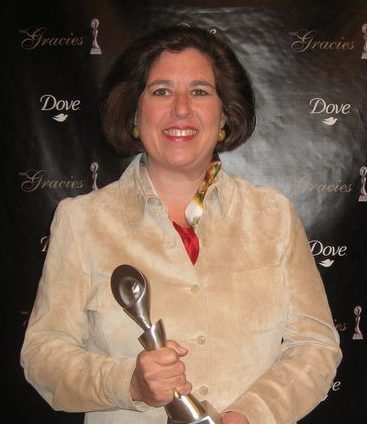
JENNIFER SAWYER ENGLISH
520-302-2566 | spiritskitchen@gmail.com
PROFESSIONAL SUMMARY
Jennifer is a multi-award-winning broadcaster, writer, and culinarian who is the founder and host of the Food & Wine Radio Network. Her in-depth interviews and intellectual musings on the craft, history, and culture of all areas of food and drink have earned Jennifer the prestigious Gracie Allen Award from The Foundation of American Women in Radio & Television and The James Beard Foundation Award for Best Radio Show.
Jennifer serves on the Board of the New Orleans Culinary & Cultural Preservation Society and was proud to participate in the very first Seminar Panel at Tales of the Cocktail. Jennifer is a co-founder of the World Margarita Championships. For over 8 seasons, Jennifer launched and hosted the weekly Let’s Make A Meal segments for NBC affiliate KVOA TV-4. and the “Bottoms Up Radio Hour”, and R.S.V.P. Radio Show. Boston born Jennifer delights in sharing the delicious and bountiful flavors, colors, smells and sips of the Desert Southwest and the beautiful Pacific Northwest. Jennifer brings the conviviality of our contemporary culinary community to life. As a versatile radio anchor, Jennifer brings 20 years in broadcasting with experience in news, talk, variety, and non-scripted formats. Poised and confident with a strong speaking voice and a talent for on-air interviewing.
SKILLS
WORK HISTORY
May 2018-Current
Blau + Associates
Hospitality Management Marketing Consultant| Blau + Associates/BA Restaurant Holdings/The PARQ Vancouver | Vancouver, British Columbia + Las Vegas, Nevada
Through collaboration with the Blau+ Associates team, Jennifer has played an integral part in BA Holdings tactical marketing and PR operations; furthering the Elizabeth Blau, PARQ and Honey Salt brands by spearheading local, regional and national promotional efforts, including the successful facilitation of multiple awards, accolades, and coverage.
Successful generation of media opportunities, increased direct revenue, speaking engagements, and print, digital and social media coverage. Additional recent media coverage in the Vancouver Sun, Vancouver Province and the cover feature of Food & Beverage Magazine, which resulted in the media, marketing and PR department of BA Restaurant Holdings to a new level.
JANUARY 2017-JANUARY 2018
Producer & Co-host | Fong on Food: The Radio Show, Roundhouse Radio 98.3 FM | Vancouver, British Columbia
Fong on Food: The Radio Show is hosted by Vancouver-born and raised Nathan Fong He travels all over town and around the world discovering and sharing the bountiful goodness and delicious complexities of the modern Vancouver Culinary landscape. Each week the most interesting, inspiring and influential tastemakers in Vancouver will join Nathan and his co-host, James Beard Award winner Jennifer English, for conversations and culinary postcards, recipes, food news and all good things to sip. From Sea to Table and from Farm to Fork, Jennifer & Nathan bring their encyclopedic knowledge, passion, generosity connoisseurship and connectedness to every episode of Fong on Food: The Radio Show, making it the most irresistible hour of authentic Vancouver flavors and voices. DECEMBER 1999-CURRENT
Founder President | The Food & Wine Radio Network | Tucson, AZ
JANUARY 1994-FEBRUARY 1997
Account Director | Cone Communications | Boston, MA Oversaw team of strategic marketing and public relations professionals creating and implementing innovative strategic marketing communications campaigns for Fortune 100 Brand
accounts including Bausch & Lomb, Pepperidge Farm, Nestle, Perrier, Member of the core strategic launch development team for Cause-Related Marketing, an innovative marketing discipline launch proving effectiveness. of strategic philanthropy
FEBRUARY 2016-CURRENT
Contributing Editor Tea Journey Magazine | Tucson Tea Journey is a digital magazine for those thirsting for authentic knowledge about fine tea. The publication’s website and mobile app is a bridge connecting those who craft handmade teas in 35 countries to the growing number of premium consumers globally. The magazine is a collaborative venture, self-financed by editors, writers, tea consultants, tea educators, and tea experts globally. Tea Journey educates readers not only in the selection and preparation of artisan tea but also in the manufacture of teaware and authentic utensils designed to enhance the tea experience.
EDUCATION


 As general counsel to PETA and its international affiliates for nearly25 years, Jeff Kerr built and leads the world’s largest legal team working for animal rights. His team was named Corporate Counselmagazine’s 2017 Best Legal Department, and his high-profile cases—including the 13th Amendment case Tilikum v. SeaWorld, the first three successful constitutional challenges to “ag-gag” laws, and the”Monkey Selfie” copyright case—have made headlines around the world and sparked a global conversation about the legal rights of animals. Kerr graduated from the University of Virginia School of Law and George Mason University, where he was a Weber scholar and he lectures about animal law at law schools around the country.