From Employees to Owners: The Journey of Transitioning Your Business


/
RSS Feed
Brought to you by Diesel David and Main Street Warriors

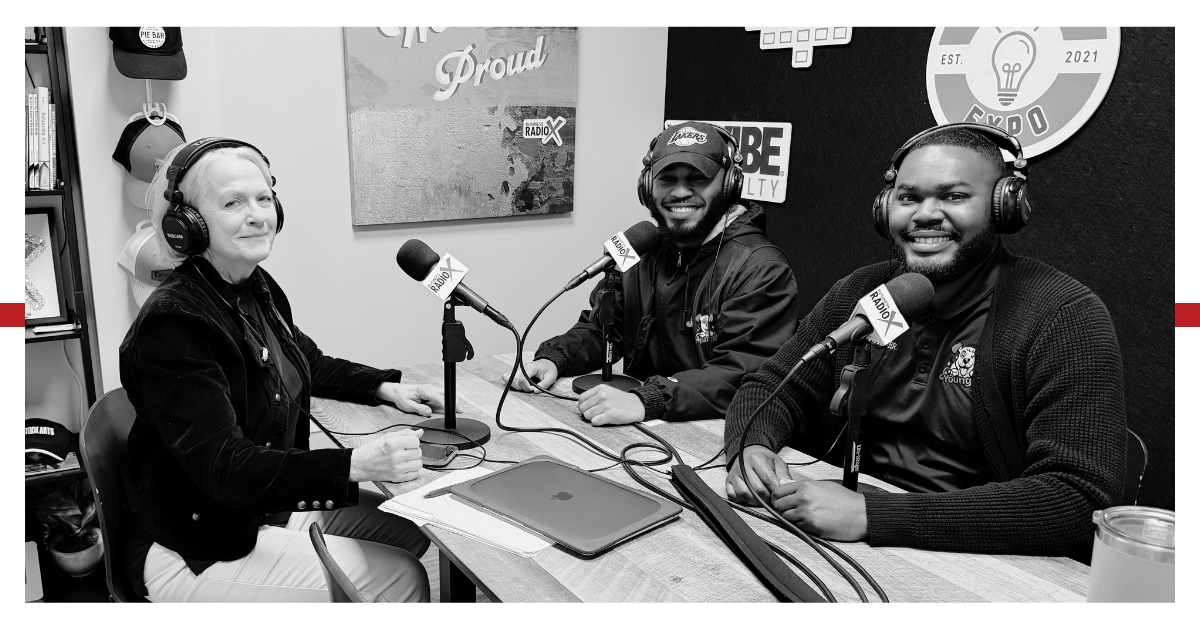
In this episode of Cherokee Business Radio, Joshua Kornitsky discusses employee ownership with Marie Davis, executive director of the Georgia Center for Employee Ownership, and Keith and Kevin Young from Young K9. Marie explains the center’s mission to help small businesses implement employee ownership models, highlighting benefits like increased engagement and productivity. She shares her personal motivations and success stories. Keith and Kevin discuss their dog-walking business, Young K9, and how employee ownership has positively impacted their operations. The episode underscores the transformative potential of employee ownership and the importance of early guidance in the transition process.

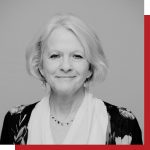 Marie Davis is an Atlanta, Georgia native. She currently serves as Executive Director of The Georgia Center for Employee Ownership (GACEO), one of 24 State Centers created by the Employee Ownership Expansion Network (EOX).
After obtaining a Social Work degree at The University of Georgia, she served as a foster care coordinator for the State of Georgia, certifying foster parents and working with foster care children. Obtaining a Series 7 and 63 financial license, she worked with a private financial firm as Assistant to the President.
While raising her two children, Marie worked for a local developer, forming relationships with County and State officials. Moving to Florida for ten years, Marie served as a Targeted Case Manager with Children’s Home Society of Florida and a certified tutor for autistic children.
Marie also served as the Director of Mentoring for Center Point in Hall County Georgia, recruiting and training mentors for several school systems. She also served as a Technical Assistant for the National MENTOR program, working with mentor programs across the country with direction and development and served on the Georgia Mentor Provider Council For 6 years.
Follow GACEO on LinkedIn and Facebook.

 Keith Young, owner of Young K9, is originally from Ohio. He has a background in Psychology and ABA therapy, which is applied behavior analysis for kids with autism. He has worked in the school setting, as well as the clinic setting.
Kids and animals are definitely Keith’s two passions. He’s been working in the pet industry since 2013, from selling dog food to walking dogs. With over 10 years of experience servicing over 500 clients and multiple breeds of dogs, he really enjoys what he does.
Growing up Keith had turtles, rabbits, fish, and is currently the doggy dad to a German Shepherd Pyrenees mix named CoCo.
 At 25 years old, Kevin Young is a proud graduate of Jacksonville State University, where he earned a degree in Communications, graduating cum laude with a 3.6 GPA.
Kevin’s passion for storytelling and connecting with audiences has shaped his career path, leading him to diverse experiences in both media and pet care. He previously worked as a sports journalist covering the Atlanta Dream, where he honed his skills in reporting, content creation, and audience engagement.
Currently, Kevin serves as both a dog walker and Social Media Manager for Young K9, a professional pet care company based in Atlanta. In this role, he combines his love for animals with his expertise in digital marketing, helping to build the company’s brand presence while providing high-quality care to clients’ pets.
Follow Young K9 on Instagram.
 This transcript is machine transcribed by Sonix.
TRANSCRIPT
Intro: Broadcasting live from the Business RadioX studios in Woodstock, Georgia. It’s time for Cherokee Business Radio. Now here’s your host.
Joshua Kornitsky: So welcome back for another exciting episode of Cherokee Business Radio, where we help business leaders get the word out about the important work they’re doing to serve their market, their community, and their profession. I’m your host, professional EOS implementer, Joshua Kornitsky, and I am here today with Mary Davis of the Georgia Center for Employee Ownership, and Keith and Kevin Young from Young K9. Let’s get started. So good morning, Marie, if you would. Let’s start with you.
Marie Davis: Good morning.
Joshua Kornitsky: So I understand that you’re the executive director of the Georgia Center for Employee Ownership, and I can I can read what that means. And you’ve explained it to me in the past. But tell me so that people can understand. What do you do? What does the Georgia Center do?
Marie Davis: Okay, well, the Georgia Center is one of 24 state centers that were created as a way for small business owners like these guys who are with us today to find information on how to set their business up for success. And by that, I mean thinking of their employees engaging their employees. It might not be the employee ownership model, but we can help you figure out what to do with your business. Seasoned businesses, young businesses, entrepreneurs. We just want them to have the information about how they can do this wonderful model.
Joshua Kornitsky: So is this you said that it’s across the United States in different states that you’re heading up the one in Georgia. How many employee owned businesses are there across the country?
Marie Davis: You know, and I also neglected to say that we have a parent company called Employee Ownership Expansion Network, and they are the ones that created all these state centers. Most of them, some of them have been around for 40 years, like, I believe the, um, Ohio State Center that’s at Kent State has been around a long, long time, very solid state center. Um, well, so what.
Joshua Kornitsky: Uh, so across the country, I was wondering, are there a lot of employee owned companies?
Marie Davis: Oh, sorry about that. That’s okay, I got distracted. So there are nearly 7000 employee owned companies, and we would really like to see that. I’d like to see it quadruple, because in the last few years, when I have moved up from launch manager at ten hours a week, uh, to program director to an executive director, I have seen and talked with so many businesses that have done this and are just so successful, and it changes lives. It absolutely changes lives.
Joshua Kornitsky: So you mentioned in, in your overview of what the Georgia Center does, that there are very, you know, businesses of various size, various stages. If in a perfect engagement, when would you engage with an organization to advise them on this? Is there a lot of pre-planning that goes into it? You know, what’s the ramp? Time to get ready to turn a company into an employee owned company.
Marie Davis: So I’ll say that if you do go on my website. Org you will only get me. It is just me. And so most of the calls we get are people who this is not right for them or it’s not right for them yet. I got a very exciting call. It’s been well over a year now from a company that already knew about employee ownership, and was extremely excited about the prospect of finding information out front before they had to go hire somebody. So the process for them is we immediately, uh, I put them in front of my executive national executive director and talked and said, oh, you know. And I knew that they were perfect for employee ownership model and they knew it too. So rather than rush them, we had them talk with other employee owners, sort of in the same field, uh, about the same size, so that they would know what the process was going to be like. And that was well over a year ago. They have some big events coming. I can’t tell you anything about them, of course, but I will tell you that they are. It’s going to be very exciting. And so they met with those employee owned companies, and then we introduced them to the service providers that do this kind of work. And unfortunately, they had already paid. And this is this is a big point to make for companies. Don’t go pay a trust attorney. Don’t go have a business evaluation done until you talk to us.
Joshua Kornitsky: Wait, wait, how much does it cost to talk to you?
Marie Davis: It doesn’t cost anything. I should have said that. We’re all nonprofit. We are funded.
Joshua Kornitsky: A big deal.
Marie Davis: It is a big deal. Eocs, our parent company, is funded a lot by some of these service providers, but also by very, very happy founding owners. I’m pointing at these guys across the room since this is on radio and you can’t see me, but they will sent their business, put their business in an employee stock ownership plan for their employees, and they made a ton of money. And so they’re very happy about how their business prospered and their employees prospered. So they give back to employee ownership expansion network. Sometimes it trickles down to the state center, some sometimes it doesn’t, but it doesn’t cost anything. And so going back to this company that gave me the call right after they they had already paid a trust attorney, unfortunately, and had that business evaluation and that probably cost them, I don’t know.
Joshua Kornitsky: A bunch of.
Marie Davis: Money, a bunch of money, I’m going to say upwards of $50,000. Ouch. And it doesn’t apply to what we’re going to do with them. We don’t actually do any of the work, and I will stress that. So we won’t ever charge you a penny. So we put them with different service providers and we’re actually still doing that. And then they choose the one that clicks with them. Because when in a in a Esop transaction, there’s a lot of people that have to be involved, especially right at first. And you need to like you might not like working with your brother if that was the case. And you might want to choose Joshua to work with you get the idea. There’s clicks and there’s personalities.
Joshua Kornitsky: Well, sure, anytime you’re making introductions, you’ve got to make sure that it’s an introduction that resonates for all the parties involved in order for everybody’s interests to get served. But it’s great to know that this is a service that’s available to a business owner, and they can get guidance and advice that has no bias, has no leaning one direction or the other. It sounds like you just give them the information and help them find the right match. Is that.
Marie Davis: We do. And so you I didn’t finish answering your question because again, I keep seeing something shiny over there. But, uh, when a company decides to become employee owned, they can do it in less than six months. It might take a year. It depends on whether they’re already an S Corp, if they’re an LLC or a C Corp, and they want to move to an S Corp, that might take time, might take time to work out the funding of paying off whatever percentage the owner wants to put into the employee fund. And by the way, that can be 10%. Most companies now are doing 100%.
Joshua Kornitsky: So it sounds like there’s it’s and I mean this in a good way. It’s not a one size fits all. And it sounds like it can be customized to fit the the transitioning out owner, what their goals are.
Marie Davis: Exactly.
Joshua Kornitsky: And if I can ask only because you had shared this with me in a previous conversation, what are the some of the benefits? Understanding that obviously it depends on the circumstance in the situation? Are there are there specific benefits for the owners in order to make this transition that they see, in addition to handing their their legacy to people that they know, trust, love and respect? What other benefits potentially are there for an employer?
Marie Davis: Well, hopefully they’re going to do it before they’re ready to walk out the door and they’ll still be involved so they can watch that company explode. And they can watch their employees learn to become employee owners. They can watch their retirement plan grow. They can watch their company, their legacy, remain forever, hopefully. You know, sometimes people buy employee owned companies. It just depends. That happened right here in Woodstock. Uh, the last time I was on this show, I had a lady from Erb Industries here, and, uh, it was on. If you all remember, the, um. I’m only doing this because it’s Cherokee wood, uh, Business Radio. But if there was a water tower right down here near the technical group, right here in Woodstock. And it said Erb industries proudly, 100% employee owned. They sold, but they negotiated that that stay there on that water tower. No one lost their jobs. No one fired the management and they just recently sold. There’s a new name down there, and they took it off the water tower.
Joshua Kornitsky: But that’s.
Marie Davis: Okay. That’s because the company’s become so. Powerful so quickly. Um.
Joshua Kornitsky: Strong and passionate in what they’re doing.
Marie Davis: They do. So for a founding owner to realize that they’re that water tower is going to be there as long as they want it to be there. That’s pretty exciting.
Joshua Kornitsky: That is cool. But you had mentioned to me that there may be some tax benefits. Oh, there’s.
Marie Davis: Wonderful tax benefits. So for the for the founder he can defer his capital gains. And that’s really important. And again that I’m not the technical person. But last time we were on here we were very technical. But um, it depends on what form. If they’re an S Corp or C Corp and that’s kind of getting in the weeds. Really anybody can do it. But there are more benefits if you’re an S Corp for the founder. They’re still going to be deferred capital gains. And you know, if you sell your business or move your business into an employee ownership plan, that is critical.
Joshua Kornitsky: That’s great. So thank you for letting us know that. And before we’re done, we’ll make sure people know how to get Ahold of you to to learn more about it. Uh, and obviously, it’s important to share again that there’s no cost in asking questions. Um, so tell me, Marie, how did you get involved with all of this?
Marie Davis: Well, I was, um, in Gainesville, Georgia, and wanted to move this way and had to have a knee replacement. Couldn’t drive that distance there. So, um, I was looking for a job, and it said something like, like, what the heck is a launch manager? It didn’t say anything about employee ownership. And so when I did the interview, uh, my now executive director said, uh, well, um, I see you had your series seven and 63. What do you know about employee ownership? And I said, well, I said, we had our own Esop attorney. I said, I haven’t heard that name in a long time. And then I told the story of my parents business that, um, my parents had a business on Buford Highway for almost 50 years.
Joshua Kornitsky: Oh, wow. What type of business?
Marie Davis: It was a landscape business. My dad was a landscape architect and horticulturist. He’s been gone a long time. He’d be 104 now, but he, um, got on the, uh, just out of. He got after World War two. He got a double major back when a major’s like a doctorate now. And he came to Atlanta and started his own business. And this is before Lowe’s. This is before Home Depot. All this, you know, people doing yard work now. So, uh, it was very successful. It was a huge place about the size of a small Walmart.
Joshua Kornitsky: Wow.
Marie Davis: And then a big nursery and right next door. And I love to tell this story is where Mr. Pike started Pike’s nursery. And they were great friends, so they both went completely different directions. My father had two locations and as you know, Pike Nurseries has many, which by the way, 100% employee owned.
Joshua Kornitsky: Good to know.
Marie Davis: Yes, and that’s another story. But we probably don’t have time for that. So you got to have me back. But anyway, I’d love to do that just to have employee ownership stories to tell.
Joshua Kornitsky: We’ll talk more about that then.
Marie Davis: That’d be fun. People really like that. But, uh, so he at one time had 41 employees. He had two crews, and he had a couple of management people, mainly my mother, who worked her whole life. They worked together. And when my dad got sick now he was still working at 78 every day, seven days a week. But he got sick and sorry. So we just had to sell the land. I mean, the business was him. There was no handing it over to his management team. Nobody was prepared. His three daughters. I’m the baby. Um. We’re not in that business at all. Sure. And so he ended up losing the legacy that now nobody knows who Atlanta Garden Center was, which everybody did. Um, my dad was, you know, president of the Farmers Club, which doesn’t sound that big, but it was.
Joshua Kornitsky: Well, there’s a lot of land that has houses and subdivisions and shopping centers on it. And in the modern Atlanta area, that all used to be farms.
Marie Davis: Exactly. And so everybody knew who. Atlanta. My point is, is that his legacy is totally gone. It’s in my head. And people my age probably came over there and bought their mother a rose for, for Mother’s Day or bought the fertilizer there. And I was pulling the little red wagon with the cow manure in it. I did grow up doing that kind of stuff. But when he died, and this is what’s really sad, I went to clean out his drawer. The drawers in his cabinet. My mother just couldn’t do it. And there were envelopes of money with his key employees name on it. One was his head guy that ran the group. That was his idea of saving for them. And so there was literally envelopes of money because he even though he was a very smart man, he didn’t know how to help his employees other than that. Had he gone?
Joshua Kornitsky: The mechanisms that you teach and show now didn’t exist. But it’s it’s great you’ve ended up helping others now maintain that legacy for their families and generations to come. That’s fantastic.
Marie Davis: So when I told that story, one of our board members, uh, and my boss, Steve Sorkin, looked at me and said, can you tell that story to other people? Can you talk about that? I said, you bet I can. What?
Joshua Kornitsky: What an incredible backstory for someone who didn’t grow up thinking, gee, one day I want to be the executive director of this.
Marie Davis: Yeah.
Joshua Kornitsky: That’s fantastic. Well, I know we were talking, Uh, before that, you’ve got some events that are coming up. I think the first one is, is this month in Macon, right?
Marie Davis: Yes. On, um, April the 11th at the Macon. Well, it’s not at the Macon chamber, but it’s at a business in Macon. You could go to the Macon chamber, and it’s going to be a really great team, a panel. It’s their morning group called brew. They’re just getting to go again.
Joshua Kornitsky: Okay.
Marie Davis: And it’s going to be two employee owned companies from Macon. One is Sheridan Construction. They’re all over Georgia. The other one is B and D industrial. And they’re going to be there to talk about what it’s like to be an employee owned company and also score. If you know what score is through SBDC, they’re going to be there. Now, the story behind this is that the absolutely fabulous president of the Macon Chamber, Jessica Walden, used to be very involved with the SBDC. So she knows what it’s like for businesses to be looking for information. And she wanted to do a panel on employee ownership. So I’m going to be very challenged to be sitting there. I can’t say any boo boos with two employee owned companies there. It’s going to be great.
Joshua Kornitsky: That’s awesome.
Marie Davis: So that’s at 830 okay.
Joshua Kornitsky: And that’s in Macon. You said they could go to the Macon Chamber of Commerce website to get the details on where. And then you’ve got something coming up in May in Athens.
Marie Davis: And. Okay. And so we have a grant to work in my favorite town in Georgia, sorry, Atlanta, Athens. And I was born in Atlanta. So we have a grant to work there. And so I have a joint venture with the Athens SBDC. And if you don’t know this, the Georgia SBDC is also headquartered there, and I hope they’ll be there. And the small businesses, the SBA, the Small Business Administration, and we’re going to be at the Delta Innovation Center from 9 to 12. We probably won’t be that long, but we hope it’s going to pack it out. None of these are going to be online because we want people to come and mingle with other business owners, meet the SBA, meet the SBDC, and get involved with them because it doesn’t matter what size your business is. One of the best sbdcs in Georgia, I’m going to call them out is in Kennesaw and they’ve been around, uh, Drew Tonsmeire who runs that one? He’s he’s led some amazing companies to where they are now. And one is anybody with kids knows elf on the shelf. They came right through the Kennesaw.
Joshua Kornitsky: Really?
Marie Davis: Yes they.
Joshua Kornitsky: Did. The elf on the shelf was born in Kennesaw.
Marie Davis: Uh, I’m assuming so because they came through the Kennesaw SBDC.
Joshua Kornitsky: We’ll have to talk more about that and let’s see if we can get them to to come tell us more about it. And then last I know you’ve got something bigger happening. It’s an annual event in October, right?
Marie Davis: Yes, in October. And I don’t have my date yet, but it’s, um, we’ve. This will be our fourth year. October is employee ownership month, and I’m very proud that one of my first things I did with my boss poking me say, do it, do it, do it, was to ask Governor Kemp to declare the first one, the first time it’s been celebrated in Georgia. So we have the governor’s proclamation every year. We’ve done this, and we’ve held it every year at 100%. Well, okay. The first year is Choate. That’s a very Georgia Choate construction. We had it there. There 100% employee owned. The last two years we’ve had it at J.E. Dunn Construction, which is not 100%. They may never be because they’ve got 5000 employees. But the point is, is to have the new employee owned companies in the room and give them awards. And two of the better known ones from last year, you’re going to know these names Woodstock Furniture Outlet. They we gave them an award last year, and Georgia Spa Company, which was berthed right near Athens. And they’re very well known names. And so we had a lot every year. We’ve had a long list to give awards to for becoming 100% employee owned. And let me tell you, there’s some happy companies.
Joshua Kornitsky: That’s wonderful to hear. Well, before we wrap up the segment, I do want to ask. I like to ask a question of of all the guests. That’s just a little bit thought provoking. Uh, as you look back along your family path, your professional path to what brought you to here, what’s the most valuable piece of advice you were given that you would share with others?
Marie Davis: Um, it has nothing to do with business, really. So my background and I’ve been here before is the mentoring world and give back. Absolutely. Try to help somebody. And I know every time I’m mentoring a lady through the University of Georgia mentoring group now, and she’s a grown woman, she’s teaches me things every day. And I always have to say, oh, Marie, you know, you don’t have anything to share. You don’t know anything. But you do. You do. And so whatever age you are, give back. Go read to a kid at school. Whatever it is, give back and it will grow your business and it will grow you. And you will touch a life that you will never, ever know how far that reaches, but it will.
Joshua Kornitsky: That’s great advice. Well, thank you again. Uh marybelle. Davis, executive director of the Georgia Center of Employee Ownership. Marie, what’s the best way for people to get Ahold of you?
Marie Davis: Well, I’m going to give them my phone number because it’s on everywhere anyway. It’s (400) 432-7255 four. Nobody’s worn that out yet. All right. Marie at g a CEO. Org. Or if you go to the website you can pull GA CEO. Well go to the Georgia Center for Employee ownership because there’s another great company called GA Georgia CEO. That’s film company. So Georgia Center for Employee Ownership. And you click on a contact me button and there is no one else. It will be me. All right. So any of those things I’d love to.
Joshua Kornitsky: Chat one and only. Well, thank you again for your time. I hope you have the ability to hang out and stay with us as.
Marie Davis: Oh, I want to hear about these guys. I’m watching them. I can’t wait to hear.
Joshua Kornitsky: So thank you, Marie. All right, well, switching over, uh, we have with us both by special arrangement, Keith Young and Kevin Young from Young K9. So I know that Keith, you’re the founder of the company, correct? Tell us, what is Young K9?
Keith Young: Hey, guys. Good morning. Um, young canine is a dog walking, dog training dog sitting company. So we help busy professionals take care of their dogs while they’re at work. Um, they’re out of the country. Or if they just got a new puppy and they need some training.
Joshua Kornitsky: So you do training as well?
Keith Young: Yes.
Joshua Kornitsky: Oh, wow. Okay. So what other kinds of services do you offer that maybe other dog walking companies don’t.
Keith Young: Um, so right now I just got a company van. So we pick up dogs, we do group walks, and then also for people that have, uh, big backyards that don’t want to pick up their own poop, we actually do poop poop pick up as well. So that’s something.
Marie Davis: I live right down the road.
Keith Young: Yeah. So that’s something we just recently added. Um, but we have a couple people that, you know, need the Arcs picked up, so. Yeah.
Joshua Kornitsky: Well, so how did this get started?
Keith Young: So during the pandemic, I used to work for a company, um, for about 4 or 5 years, and I had to kind of make a decision. Um, well, let’s back up. My background is working with kids with autism. Oh, okay. I was a behavior therapist, and, um, I had to kind of make a decision. Do I want to work with kids or do I want to work with dogs? And like I said, when the pandemic came, it kind of made me shift my focus. I’ve always had a passion for working with, um, dogs. And the company I worked for, they went under because of the pandemic. And then that kind of just jump started everything.
Joshua Kornitsky: So. So you had this opportunity that just presented itself? Yes. And so and and you’ve got your brother working with you?
Kevin Young: Yes, sir.
Joshua Kornitsky: So how’s that?
Kevin Young: Well, one thing I will say is, uh, growing up, like, you know, when we were younger, we did have our like tussles and fights and stuff like that. But one thing I will say is we always been close and tight. So just being able to work with my brother, that’s probably like one of the best things in the world. So like I get a kick out of it most definitely. Because like, you know, growing up we would talk about like toys and all kind of like kid stuff. And now it just comes to a point to where now we’re talking about business. And hey, um, how do you feel about this? How do you feel about this idea? How do you feel about that idea? So I still get a kick out of it, because I still look at us as ten and five years old. So like I said, I most definitely get a kick out of this.
Joshua Kornitsky: Okay, so Kevin, what else do you do other than walk dogs there. So young canine.
Kevin Young: So my background, um, I recently graduated from Jacksonville State in 2022. Thank you. And, um, I graduated with a communications degree. So like, by communication being so broad from broadcasting, um, running the teleprompter, social media. So that’s what I’m, that’s what I pretty much do as far as, um, with young canine, I run the Instagram page so.
Joshua Kornitsky: Nobody likes looking at pictures of dogs online.
Kevin Young: I mean like literally so literally all day, I’m just, you know, just coming up with ideas on, you know.
Joshua Kornitsky: This is what you do all day is just take cute pictures of dogs.
Kevin Young: Like, that’s what that’s what we all like, literally like, um, that’s a part of the business. So, um.
Joshua Kornitsky: That’s awesome.
Kevin Young: So as we’re walking the dog. So most of our walks are from 30 to an hour walks. And during that time that we’re walking the dogs, we’re taking pictures of each dog like, um, we’re taking a picture of, like, just different areas, like cute pictures of the dogs and everything. And we’re sending messages to the owners like, hey, your dog did a very good job of, you know, literally, literally, like, we’re just sending like, messages.
Joshua Kornitsky: So that brilliant idea that is.
Kevin Young: Yeah, like we’re literally sending them messages. So at the end of the day, we’re making them feel better and more comfortable. So, you know, we’re getting more clientele and stuff like that. Like, oh yeah, these guys took really good care of my dog. And you know, that’s how the more clientele starts coming in and everything.
Joshua Kornitsky: That’s a really great differentiator. What else do you guys do that that kind of sets you apart from what others do in this space.
Keith Young: Um, we also set up meet and greets. So some dogs during the pandemic, um, they weren’t socialized properly. So they don’t like seeing new people, or they’re used to certain people. They don’t like people that wear hats or they don’t like, you know, taller guys. They don’t like women. So we do meet and greets just to kind of have the walker feel comfortable, have the client feel comfortable, and also get a better assessment of the dog. And even just to see if it’s a fit, because there might be a case where this dog really doesn’t like a walker and it’s just not a fit for us. So that’s why we like really.
Joshua Kornitsky: So it goes down to that level of detail. But I guess that kind of aligns with what you’re saying. You want to make sure that you’ve got the right person working with the right animals.
Keith Young: Yes, because we’ve had it happen. We’ve had a couple clients, um, do a meet and greet, and the dog just didn’t care for the walker. It was nothing the walker did. It was just it just wasn’t a mesh. So then we got another walker and it worked out perfectly well.
Joshua Kornitsky: So. And you had shared with me because it’s not just about the the dog and the walker. It’s also about the client. And without asking for anything confidential, uh, you had shared that you have some kind of high profile clients. So you work with, uh, people who’d rather not be named?
Keith Young: Yes. So we work with doctors, lawyers, um, all types of business owners around Atlanta. So the biggest thing they want to know is like, can we trust this person coming in? So that’s why we like to do meet and greets so they can get a better, better understanding of who’s coming into their house. Because we’re getting access, we’re getting codes, we’re getting all this personal information from these high end people. So we just want to make sure, like this is a perfect fit.
Joshua Kornitsky: So that that makes great sense. And it must go a long way to putting people at ease. And and like with all things in business, the the more business you do, the more people will grow to trust you. Yes. So that’s fantastic. And, um, going back to what you were saying about social media, do you are you utilizing things like Google reviews and other ways? How do you get the word out?
Kevin Young: Um, so pretty much what I do is, um. Excuse me. Yeah. Um, pretty much what I do as far as with the social media, is I, um, I post on my Instagram or I. Yeah, I post on the Instagram page, but then I also post on my separate Instagram. So like, we get more people to view and just participate in certain things that we do. And then also as well, um, I send stuff out to like Facebook. Okay. To get people to because we got a lot of clientele from Facebook, just from, you know, me reposting things and hey, I seen you guys on my Facebook. You know, um, the only thing that we’re working on now to get more people is, like the other social medias, like the TikToks, the Snapchats, the Twitters, maybe. So once we get that aligned, I feel like we’re going to get like even more so. But just as of right now, we’re just sticking to like, one thing. So like, you know, we’re just staying consistent with that one thing. And then as we continue to grow, that’s when we start adding more other like.
Joshua Kornitsky: Well, and so that brings up an interesting point that I’d ask both of you. What are some of the other challenges that you guys run into.
Keith Young: Um, I would say the biggest challenge, um, would be funding, because we’re still a new company. Um, we’re about to be two years in July. So, yeah, we’re about to be two years in July. So sometimes getting funding and having banks actually see that we’re a legit business can be a struggle. Um, and also scheduling.
Kevin Young: I was about to say scheduling. You can most definitely you can.
Keith Young: Touch.
Kevin Young: On scheduling. So the biggest thing with scheduling is we feel like that most of the clients book at the same times and.
Joshua Kornitsky: Breakfast, lunch and dinner.
Kevin Young: Most definitely. But like our prime time is really between like that 1130 to that 130, uh, time frame because it’s like the afternoon, it’s lunch time or whatever. And we only have so many walkers and it’s like, you know, trying to like, you know, decide who’s going to walk which dog or on that time. And, you know, just it can be a lot. And then also too, whenever a walker is out like an emergency or Anything. It kind of throws a lot of things off, and that’s when we kind of have to, like, step in and do as much as we can.
Joshua Kornitsky: It sounds like you guys are pretty adaptive and cover all the bases, which is important for people to know that, that the doggie’s not going to be left at the door.
Kevin Young: No, no.
Joshua Kornitsky: So did you guys grow up with dogs? Animals of any kind?
Keith Young: So it’s funny you say that. So, uh, we had every animal but a dog. Uh, really? Until I went off to college.
Joshua Kornitsky: So what’s on the list?
Keith Young: So we had bunnies, we had fish, we had turtles. And I’ve always asked my dad, like, can we have a dog? Can we have a dog? He’s like, it’s too much responsibility. And I’ll be stuck handling.
Joshua Kornitsky: Wait, wait, do turtles fetch?
Keith Young: Turtles are actually faster than what you think. Really? They don’t play fetch. Okay, but I used to let it out in the grass, and then I would look up. I’m like.
Joshua Kornitsky: Where’s the turtle?
Keith Young: Where’s the turtle? Turtles on the sidewalk. Wow. Yeah. So they’re actually faster than what you think. But, um, I didn’t have my first dog until, uh, I went to college in 2013.
Kevin Young: Sophomore year?
Keith Young: Yeah, my sophomore year. And I’ve had her ever since. She’s ten years old now. Her name is Coco. She’s a German shepherd. Pyrenees mix.
Joshua Kornitsky: Oh, wow.
Keith Young: She goes everywhere with me.
Joshua Kornitsky: Super sweet. And and in fairness, she is not in the studio only because we didn’t have a microphone.
Keith Young: And two, I don’t think we have space for her. She’s a big dog. Oh, yeah?
Joshua Kornitsky: Well, she’s she’s welcome for her outdoor. When we do a remote event, please bring her along.
Kevin Young: Definitely will.
Joshua Kornitsky: Um, so what are the. Well, wait a minute before. Before I ask that question, what on earth is March Wagner?
Keith Young: I’ll let Kevin tell that it’s been so much fun, but. Yeah.
Kevin Young: Um, so pretty much this was. When was this? February when we talked about it. Yeah. Um, like I said, we’re just always just jotting down things. We’re sending each other ideas like, hey, how do you feel about this? How do you feel about that? And I’m a big basketball fan. Okay.
Joshua Kornitsky: So I just there’s something going on in March, isn’t there?
Kevin Young: March madness just. Yeah, literally March Madness. So I just thought I’m like, Keith, how do you feel about, uh, we do like a tournament for the dogs? Uh, and we do like, a march madness. And I was like, how? How about March Madness? How does March Madness sound? He’s like.
Joshua Kornitsky: You know what? With brackets and everything.
Kevin Young: Uh, yeah, we have brackets. Um, it was we start off with 32 dogs because this is our first time doing it, and we just wanted to see how it was going to go the first time. And it’s been going pretty good. And we even have like four different regions. So one region is Mutt Town. You have, uh, what is it? Hollington, Howell’s town. Um, it’s like two others. It’s, uh I’ll have to get back to it later. But yeah, we pretty much just separate them all in different regions, like a march madness tournament. So.
Joshua Kornitsky: And and are these all your your clients dogs?
Kevin Young: Yep. All the clients.
Joshua Kornitsky: Dogs. Does the winning dog get a ring or something? What happens?
Kevin Young: Uh, they get they pretty something in that line. But, um, we’re gonna, like, arrange, like, a gift basket. So, like, it’s going to be nothing but, like, a whole bunch of treats. Toys. Just like a little gift basket like that.
Joshua Kornitsky: So I’m telling you, by next March, you’re going to have clients beating down your door. Just trying to get there.
Kevin Young: We’re going to have a full 64 next year. I guarantee you.
Keith Young: We already have clients. Like, why wasn’t my dog on there? We’re like, hey, we’re just testing it out.
Kevin Young: Can you use more than 64 dogs?
Keith Young: But we had to kind of test it out this first.
Joshua Kornitsky: It’s got to be like college football. You got to explain the playoffs.
Kevin Young: Yeah, literally. Like, we literally have to break down the whole process how voting is and everything. So but yeah, for the most part it’s been very interesting. And we just text each other like, man. Like, you see, uh, goose is in the lead right now or Bansky’s in the lead right now. Like, this is crazy.
Joshua Kornitsky: Based on on people’s submitting their their vote for it.
Kevin Young: Yeah. So, um, how we get people to vote? Um, we, um, I set up a poll on the, uh, on our IG story. Okay. And I have, like, the, uh, the first seed dog against the eighth seed dog, and it’s like a, um, a poll at the bottom, and they just literally just click to see who they want. So.
Joshua Kornitsky: So where are we now? Have we reached the finals?
Kevin Young: We’re in the finals. Okay. We’re in the.
Joshua Kornitsky: Finals. Are we down.
Kevin Young: To. So we have, uh, moose Most of the third seed. And we have, um. Clark. He was the second seed.
Joshua Kornitsky: Okay, so where do people go to see this?
Kevin Young: Um, they go to our, um, Instagram page. Our Instagram page is the real young canine. And, um, we have, like, highlights set up to where, um, you can pretty much just look at the whole recap of how the tournaments been going on from start to finish. I think we already even had like the first, the first tournament or the first round. We had like maybe like 4 or 5 upsets, like we had a couple number one seeds get kicked out really, which was pretty shocking.
Joshua Kornitsky: I’m like, that’s that’s what makes it a game.
Kevin Young: That’s what Mark Wagner is all about. So like because we love Mark, because.
Keith Young: You would literally look at the votes at like lunchtime, you’re like, okay, such and such is winning. And then by dinnertime you’re like, wow, they’re beating them by like 25 votes. So it’s it’s amazing to see.
Joshua Kornitsky: Yeah. Maybe next year you can move this into YouTube as well. Yeah. Tiktok. You were.
Kevin Young: Saying.
Joshua Kornitsky: Yeah that’s fantastic. Well, so as I asked with Marie, if you guys don’t mind, I want to ask this of both of you. Um, I like to ask one question that kind of makes you think a little bit towards the end here. Uh, for each of you individually, if you don’t mind. Uh, Keith, then, Kevin, what’s a mistake you guys have learned from whether personally or professionally, kind of along the way, that that’s changed the way that you’re doing things.
Keith Young: Um, I would just say, like, just communicating a little better. Um, when it comes to this business, sometimes you’ll do things because you’ll do it, but sometimes you got to put your, uh, your, your perspective in, in the other person’s hands because people deal with so much on a daily basis. We got to have more, uh, empathy for people rather than sympathy, because there’s so much going on in the world. We’re so quick to, you know, lash out or we’re so quick to judge or we’re so quick to, you know, be mad about a certain situation. But like I said, as we grow and and we develop, like I said, just having more empathy for people and just communicating a little better.
Joshua Kornitsky: Do you think and I’m not being funny. Do you think you obviously your background with behavioral understanding. But do you think working with with animals has also helped you be more patient?
Keith Young: Yeah, honestly. And also working with kids too.
Joshua Kornitsky: I didn’t want to draw comparisons.
Keith Young: I mean, I hate I hate to say it, but sometimes there are some, some similarities with kids and animals. Um, especially working with kids with autism, you might have a kid that’s nonverbal and he can’t properly talk to you. So just like with animals, they can’t speak to us, but their body language. Certain things that they do, um, just gives you a heads up of like, okay, like that’s what you want. Okay.
Joshua Kornitsky: So you learn to be intuitive. And with that, we’ll we’ll switch back over to the guy with the communications degree. What’s what’s a mistake you’ve made and learned from.
Kevin Young: Um, I made a few mistakes. Like more. Okay. More. So just just dog walking, I made mistakes. So, um, it was a situation to where, um, like I said, like the clients, they most definitely trust us. And, like, one mistake that I made was, um, I was kind of, like, in a rush. It was a lot going on as far as, like, picking up other people’s schedules and stuff like that. So I probably had like, ten dogs that whole day. And one mistake that I had made was, um, just pretty much just like, um, leaving the doors unlocked. One day I left the door, like, open, like kind of wide open, not even paying attention. And the dog was across the street or whatever. So it was just little stuff like that that I kind of like made mistakes and but the good thing about it that like, you know, mistakes happen, obviously. And like the clients, they, you know, just one time.
Joshua Kornitsky: And checklists.
Kevin Young: Literally. So just like little things like that. So and like I said, that’s whenever trust comes into into play as well. So.
Joshua Kornitsky: Well and I appreciate your honesty. That’s that. It’s the only way any of us learn.
Kevin Young: That was a that was a one time thing guys too, by the way. That was a one time thing. One thing about.
Joshua Kornitsky: Me I wasn’t worried about that because like I said, you learned from.
Kevin Young: It literally. So like.
Keith Young: I’m sorry, just because he’s my brother, I’m hard on him too, because when he told me that I, I was, I was furious.
Joshua Kornitsky: I was no nepo baby stuff.
Keith Young: No.
Kevin Young: Yeah.
Keith Young: No. Like I told him.
Kevin Young: Shout out LeBron and Bronny. But yeah.
Joshua Kornitsky: That’s right. Discipline and accountability.
Kevin Young: Yes.
Joshua Kornitsky: That’s what we need to know for sure. All right. Well, uh, Keith Young Kevin Young, thank you both. What’s the best way for people to find you? Thank you for sharing the Instagram. But how do they find you? What’s the best way to reach you if I. If I’ve got a dog that needs to get walked?
Keith Young: Yeah. So if you can go to our website at Young Canines, or you can give us a call at (404) 476-4985.
Joshua Kornitsky: Well, Marie White, Marie Davis pardon me, Marie bell Davis, Kevin young Keith Young, thank you guys for joining us today. Uh, we will have all of your information posted up onto our website. And, uh, this has been another episode of Cherokee Business Radio. I appreciate everybody listening.
BRX Pro Tip: How to Get People to Find You, Not What You Do

/
RSS Feed

BRX Pro Tip: How to Get People to Find You, Not What You Do
Stone Payton: Welcome back to Business RadioX Pro Tips. Lee Kantor and Stone Payton here with you. Lee, let’s dive into this idea of getting people to find you. What are you learning on that front?
Lee Kantor: Yeah. You know, we deal with a lot of business coaches, and I think this is really appropriate for business coaches specifically, but a lot of entrepreneurs, in general, when people are searching for a solution to their problem, you want them to choose you. You don’t want them to choose business coach. So, if you’re a business coach, you don’t want to be found in a pile of other business coaches because that’s not going to help you. If they just search business coach, and a hundred business coaches show up, that’s probably not going to help you.
Lee Kantor: So, how do you get your brand and what your superpower is kind of locked into what it is they’re searching? So, that, to me, is much more powerful and that’s a better marketing objective than it is to be just found as a business coach. So, you want people to search for you specifically and associate your name, your brand, and your unique approach to whatever it is the solution that you’re delivering is. And that’s when you have a chance to build something that’s really special.
Lee Kantor: So, how do you make this happen? So, the way to make this happen, some of the steps you can be taking today to make sure that people are knowing who you are and what your superpower is tomorrow is you have to show up. You got to show up consistently, you have to be visible, you have to be engaged, and you have to be present, so people get to know you. And when it seems like you’re everywhere, they can’t help but think of you first when they need help. So, that’s an important to kind of create that level of being always there when your prospective partners need you.
Lee Kantor: Second is you want to build a personal brand that’s not just a business. Building a personal relationship is so much more important than building an anonymous audience. So many of the people out there are just building kind of this generalized thought leadership, and they’re not really building relationships with the people who matter most to of them. I would argue that it’s much more important to have lots of people know who you are and what you do way more. That’s way more important than it is for just the internet to know, “Oh, that’s business coaching content.”
Lee Kantor: So, ask yourself, how can I show up today in a way that makes me the one person that people remember? And do this individually. You got to relentlessly meet people and serve people, so they connect you with the problem that you’re trying to solve.
Lee Kantor: And if you’re having a problem in this area, if this is an area, a weak spot in your business, this is where Business RadioX can really help because we specialize in helping our clients build that authority and reputation, so that they can stop chasing clients and instead have them come to them like a magnet where people are excited and they want to know our clients. And we have systems in place that can help people really separate themselves from all the other people doing work that may look similar, but it’s really not.
The Evolution of Intelligence: How SCIP is Shaping the Future of Data Utilization
/
RSS Feed
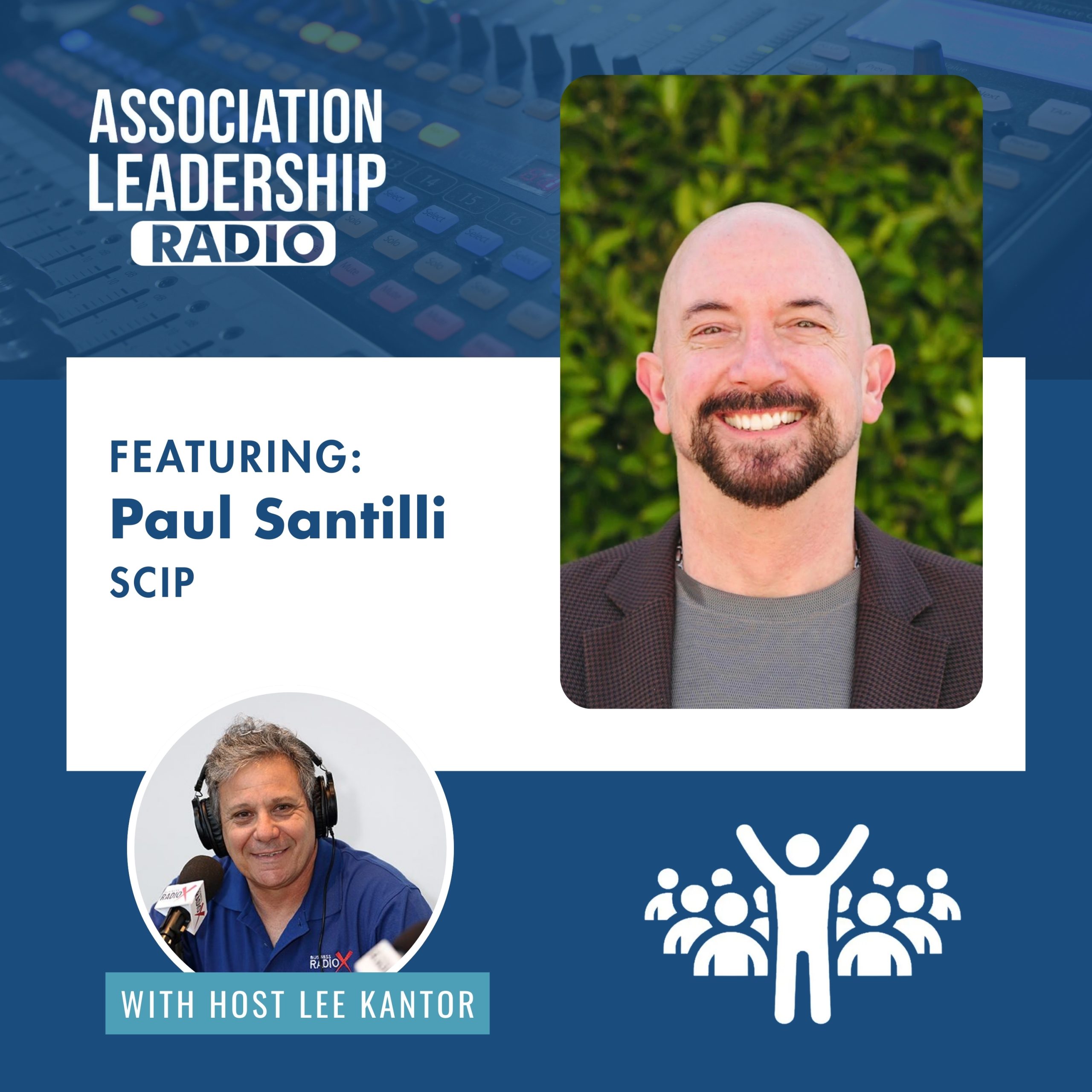
In this episode of Association Leadership Radio, Lee Kantor is joined by Paul Santilli, CEO of the Strategic Consortium of Intelligence Professionals (SCIP). They discuss SCIP’s mission to promote effective data use for organizational growth and personal development. Paul highlights SCIP’s evolution from a focus on competitive intelligence to encompassing broader disciplines like economic and social intelligence. The conversation covers the impact of COVID-19 on data utilization, the challenges of distinguishing valuable data from noise, and the importance of critical thinking. Paul also emphasizes the role of education and global collaboration in building a robust intelligence community.
 Paul Santilli is the Chief Executive Officer and Executive Advisory Board Chair Emeritus of the Strategic Consortium of Intelligence Professionals (SCIP) organization and is active in several advisory roles to academia, business, and government organizations.
Paul presents worldwide on Intelligence, Innovation, and Strategy in keynote and executive coaching capacities, and has published numerous papers in industry and academic journals related to Intelligence Modeling, Innovation, Disruption, and Strategy.
He is a recognized thought leader in this space and chairs multiple Executive Customer Councils and Industry Advisory Boards globally.
Paul is also Founder and CEO of Strategence LLC, a company that provides proprietary advisory and business insights & analytics to companies for intelligence-based business growth strategies.
Prior to his current role, Paul was a long-term veteran of Hewlett Packard Enterprise (HPE) and most recently headed up the HPE Worldwide (WW) Industry Intelligence & Strategy Organization for the Original Equipment Manufacturer (OEM) Solutions Business. 
Paul also contributed at Apple Computer in various leadership roles around Quality, Operations and Product Development.
Paul has a Bachelor’s degree in Engineering from the University of Michigan, and a Master’s degree in Engineering and Business from Stanford University.
Connect with Paul on LinkedIn.
What You’ll Learn in This Episode
- What is SCIP and what they do
- Why Data and Intelligence is important
- How SCIP works with individuals and organizations to expand the role of Intelligence
- Some of the globalization efforts SCIP is doing
- How to become a part of this “Consortium”
This transcript is machine transcribed by Sonix.
TRANSCRIPT
Intro: Broadcasting live from the Business RadioX studios in Atlanta, Georgia. It’s time for Association Leadership Radio. Now here’s your host.
Lee Kantor: Lee Kantor here, another episode of Association Leadership Radio. And this is going to be a good one. Today on the show, we have Paul Santilli, who is the CEO with Strategic Consortium of Intelligence Professionals, SCIP. Welcome, Paul.
Paul Santilli : Thank you Lee. Pleasure to be here.
Lee Kantor: I am so excited to learn what you’re up to. Before we get too far into things, tell us about SCIP. How you serving folks?
Paul Santilli : So SCIP, Strategic Consortium of Intelligence Professionals. We are the world’s largest global intelligence association. We’re a nonprofit community. We have over 25,000 individuals in 120 countries. And our mission is really to promote, develop, share knowledge around data, the use of data, and how data can be transformed into intelligence and insights that can be used to build organizational growth, improve personal development, improve societal issues and things of that nature. So we are an institution that has a lot of thought leadership, that provides that sort of value and content to a greater population.
Lee Kantor: So what was the genesis of the idea? How did this come about?
Paul Santilli : Actually, SCIP’s been around for many years, over 30 years as a nonprofit, and it’s been traditionally in what we call the competitive intelligence platform footprint. Really looking at what are your competitors doing, how are they performing, what are their customers and products and pricing and marketing strategies and all those kinds of things, and use that information then to develop your own competitive positioning and how you can compete better in the marketplace and, and hopefully get your products to sell and gather market share and so forth. Over the last few years, I’ve taken leadership of SCIP. I’ve been affiliated with SCIP for a long time on the board of directors and so forth. But now, as a leadership position with SCIP, I’ve realized the importance of the fact that you have to really go beyond just the competitive intelligence landscape that is forever critical, absolutely critical in any intelligence modeling effort, but we want to build off of that to include other data driven intelligence disciplines, such as economic intelligence and social intelligence and human intelligence, and all the other types of applications anywhere there’s data generated. For example, the electric car gets anywhere from generates anywhere from 4 to 20GB worth of content, terabytes, I should say, of content every day. Now that data that’s being used there is being used by many, many different people downstream. A lot of the advertisers and the manufacturers of the tires and and all of these sorts of things in terms of how they use that data to create a strategy to promote certain elements in your lifestyle, or to promote a business development plan or whatever the case might be. So this use of data is critical and very important for all individuals to really understand how to use that data to create a strategy that can help you and your organization grow.
Lee Kantor: Well, I think your associations more and more important, especially in an age we’re living in now with the with AI and large language models and machine learning, it seems like what you’re doing goes hand in hand with that effort.
Paul Santilli : Yeah, absolutely. See, the the intent here is, I think what’s happened over the last few years, especially with Covid, has really come to make organizations and individuals realize the importance of data. You know, the use of data to digitally transform. You might have used that. Heard that term used before in the industry. Digitally transform your organization to be one by which they use the data to be able to understand customer behaviors. Using data to improve your infrastructure. Using data to improve how you market and price and position your products in the marketplace. And Covid, a lot of organizations because of all the restrictions that were put on on companies and individuals. Many companies failed because they didn’t have this data centric mentality in the organization. Now, from the learnings from that, we’re able to to have a pretty comprehensive understanding of how data can get you into this digitally transformed, 21st century type of a company that is so crucial to be able to compete in today’s world.
Lee Kantor: Now, do you find that we’re getting to the point where so much data is being, um, captured that without a strategy on how to learn from it, it’s kind of you’re just doing something. It sounds like you should be doing. But if you’re not kind of learning from it or connecting dots from it, it’s kind of a silly pursuit, right? Like, if you’re not able to do anything with it, then why are you doing it?
Paul Santilli : Absolutely. And that’s the whole crux of what SCIP is all about. We help individuals understand the fact that the data is there, you can collect it, but it’s how you analyze it and how you use it in order to make it a growth enabler for you and your organization. And you mentioned AI earlier. Um, you know, interestingly, AI has been around for at least 50 years. I took an AI course in college 100 years ago. So that tells you how old this AI has been around, right? The reason why it’s really taken off over the last few years is because of two things. One, the fact that we have the data because we didn’t have the data enough for the models to learn from, and B we have compute power, the compute technology, in order to run these algorithms, you know, very effectively and quickly. So with that now in play, you’re able to have these AI algorithms as as tools in your toolbox to analyze the data, to come up with behaviors and experiences and hopefully get to a point where you can project future situations. We call this scenario planning or futures planning, and understand what the future may hold for a different organization. You know, doing extrapolations and in roadmaps and technology trends, and vertical market trends and things of this nature, and then come up after that, really a prescription of how the organization needs to behave in order to respond to this sort of scenario that’s been painted by AI.
Lee Kantor: Now, how do you help or advise people to kind of separate signal from noise and to know what are the metrics that matter? Because there’s so much data, it might be easy to see something, but it may not be the thing that really matters. Like just because you can capture something easily or you can count it doesn’t mean that it’s, you know, worth counting. Like, how do you is that an area that you help your members with?
Paul Santilli : Well, without a doubt. I mean, it’s, you know, I call it trying to extract the golden nuggets of information from that vast population of noise out there. And if you look at different sources, I mean, social sources, for example, has a tremendous amount of noise. But there are golden nuggets you can extract around customer sentiment and behaviors and things of that nature, uh, structured data that comes out of, um, you know, corporate environments or, or public domain content. There’s always information to pull from that. And again, the tools you use and the way you’re able to interpret the content that these tools generate the content from are really the way that you need to do that. And the key to this is employing not only the technology around AI and all the other sophisticated knowledge management tools out there, but it’s also the human intelligence element that’s a very critical component to help eliminate bias and help eliminate hallucinations in your AI algorithm and help eliminate, you know, the the the trends that are strictly data centric when in fact society has accepted a different perspective. They may not be representative of the factual data that comes out of out of the AI information. Many times in history, we have instances where the societal acceptance of a perspective is what dictates the future trends, and that may not be based on the actual data that comes out of the research. So you have to be able to differentiate and know which one do you want to use as the data source for your strategy and growth? Uh, opportunity for you and your company now?
Lee Kantor: Yeah, absolutely. And I think it’s so important to have this knowledge and the ability to think critically about all of this because it’s it’s permeating every aspect of our, our world right now. And if you don’t like if we can’t agree on certain things as facts, it’s hard to have conversations about data. And, um, and the importance of it and what’s true and what’s not true and what’s a hallucination? What’s not a hallucination? If we can’t all agree with this, it gets really challenging.
Paul Santilli : And it’s that’s, you know, that’s a whole nother podcast episode that’s probably at least two hours long, to be honest with you, Lee. Uh, I talk in this topic quite often, and, uh, it is certainly a challenge to, uh, What I like to call the the intelligence professionals out there. Um, this expanded perspective of using data around all types of things that are intelligence based. You know, competitive, as I mentioned, with all the other types of intelligence, even intelligence and sustainability and social responsibility. This is something that SCIP is active upon and using and educating individuals and organizations how to use your data and intelligence to create what we like to call, uh, a consortium for the betterment of people and planet. How do you use this data to to improve your infrastructure, to improve societal, uh, challenges and behaviors and things like that? And the, the, the aspect around SCIP is really these individuals who understand the need of intelligence. And also SCIP is comprised of experts in the field, people who understand and have the tools to be able to analyze this. So we are a consortium of this intelligence, thought leadership and intelligence subject matter experts that are able to educate and train and show people how to use data in order to create this better environment we’re trying to get to.
Lee Kantor: Now, under your leadership, you mentioned you’ve kind of, um, made the tent larger, maybe, and or including people in other areas in other industries that maybe weren’t first part of this.
Paul Santilli : That’s absolutely yes. We call this expanded perspective. What I like to call the intelligence ecosystem. It’s really that expansion of all things generated from data. And so this again applies to many different applications. But we’ve not only expanded the reach of where data can take us and intelligence can take us, but we’ve also expanded ourselves significantly in the global sense. And what I mean by that, we’ve expanded our major events that we have around around the world. We used to be primarily North American focused. We’re now in Europe, Asia, Africa, um, putting one in South America, uh, Japan, so forth and so on. So we’ve expanded our international conferences, but we’ve also put together what I, what I call these intelligence centers of excellence, iQOS. These are regional communities that are extensions of Skype that reside all over the globe to talk about the regional data and intelligence needs and challenges. How does the intelligence and data management and the maturity of the intelligence model exist over in Africa versus Indonesia versus, you know, Romania versus Silicon Valley? And as you can imagine, the maturity levels between those areas are going to be very, very different. So it’s not a one size fits all in the intelligence business. The the having these intelligence centers of excellence all over the globe allows us to get a footprint of how the intelligence model behaves in these other regions so that we collect the information from all these regions. And now we can disseminate best practices to everybody so that everyone can get up to speed, and the learning curve becomes that much faster for those organizations and countries that have a very low maturity model, for example.
Lee Kantor: Now, since doing this effort and expanding the participants as well as the reach, have you had those kind of serendipitous connecting the dots that maybe no one had connected because there hadn’t been that many disparate individuals doing, you know, disparate things all in one place now, but now they have kind of a, a common playbook that maybe they can all, you know, there’s now a more common language that you’re you’re connecting the dots between people that maybe hadn’t really maybe they had been siloed previously.
Paul Santilli : Yeah. So I referenced these intelligence centers of excellence. We started this a little over a year ago. Uh, we we kicked it off with eight locations around the globe. We currently have 22, and we’re going to probably have 30 or so in the next 3 to 4 months. That’s how much traction we’re getting in the international community. So these are areas that are hearing what we propose and what we want to do and are in dire need of being able to understand the value of data in today’s environment, especially around, you know, countries around Africa, countries of Southeast Asia. These are emerging markets that really need to have a better understanding of how to use data. Now we coupled that also with what we call our affiliate program. Now our affiliates are partnerships with other international and local um intelligence organizations that have a similar but different sort of intelligence mission and focus. For example, there’s there’s um, several of them in Africa we’ve dealt with where we only US based, um, intelligence organization that has partnered on a, on a grand scale with a number of different African intelligence communities. We have intelligence relationships and affiliates with several different universities around the world who are helping us develop our educational content that we put together. Um, so these affiliates have, have are starting to fill in the gaps in the overall intelligence ecosystem model that I painted and are really helping us to become much more broad in our intelligence applications. As I mentioned from this, uh, data centric perspective that I painted.
Lee Kantor: Now, I would imagine that in certain places they’re just hungry for this type of interaction and this type of education and this type of sharing. It must be so rewarding to be able to give these people a place to go and a community to become part of where where everybody is kind of talking the same language and really passionate about the same, uh, things.
Paul Santilli : It’s without a doubt. And, you know, there’s one thing to build an organization, but to do it for the right reasons and to have a, a, a, a, um, global impact, uh, and have an impact on societal behaviors and organizational behaviors. And underdeveloped countries like we’re working now with Africa, uh, is truly rewarding. And I think that’s the real value you get from this. It’s not only the, you know, the ability to create a strategy for your business grows better and you make more money and so forth. But it’s also to help those organizations that are underdeveloped in infrastructure, you know, helping them use data to understand, you know, what is needed to put sanitation systems or water water cleanliness system or help to, you know, eliminate, uh, the destruction of native native habitat and so forth and so on. These are very rewarding things that are part of the model to use data and intelligence, as I say, for the betterment of people and planet. So it is very, very rewarding in that sense.
Lee Kantor: So who should become a member? Who are the people that you want in this ecosystem? And you mentioned a variety of groups and industries and and organizations. But who should consider being becoming a member of SIP?
Paul Santilli : Yeah. So the beauty of this is, you know, the question to ask is what individuals or who are the individuals that use data to make informed decisions and to create intelligence to make informed decisions in the workplace or even in their individual personal lifestyle or whatever. And it’s hard to say hard to find somebody who doesn’t or shouldn’t use data. And that’s the whole context here is the fact that, you know, we call these I call these people intelligence professionals. Well, they’re more of people who can understand the value of data and how to use that not only to you can grow your your organization, but to provide a skill set for yourself as an individual, to be more knowledgeable and better equipped with tools and the way you look at data and analyze information, the logic applied and the intelligence you can derive from that, and how to implement and take action on these things to make a change rather than, you know, sitting on your hands and kind of waiting for everyone else to do it. So the door is open. We have a very broad membership community portfolio you can join for free and be on the receiving end of a lot of very valuable content, or for a nominal fee. Every year you can get access to literally thousands of pieces of assets webinars, papers, podcasts, all different kinds of things we generate that can be used as, um, content to equip you with the knowledge that you need. Plus the training. We offer very broad education program and access to workshops and webinars and and all kinds of things in that space to get you more equipped. As you know, again, it’s adding the tools in your toolbox and increasing your brand as an individual with the intelligence knowledge that will help you, uh, be better in industry and in life in general.
Lee Kantor: So in a given business, um, who is typically the like, what’s the title of the person who is the member in an organization?
Paul Santilli : Well, it could be anywhere from a data analyst. Uh, there’s, there’s people who are in the competitive intelligence role in different industries, but it can also be folks in marketing and sales and product development and strategy. You can have mid-level and upper level management who are looking at supply chains and logistics and, and even all the way up to C-suite. And we have a C-suite program in development right now, um, an advanced Education degree program in intelligence and data management. This is something we’re developing because it’s so important to have the leadership of your organization be data driven and understand the data requirements that organizations must have, that digital transformation mindset that organizations must have in order to to create a culture that uses data within all of its decision making context. And once you have that at the top level, you know, the the trickle down effect within the organization that much more efficient and more usable for other people to then gain that knowledge and make it a priority in their everyday efforts.
Lee Kantor: Now, what about for the young people out there? Uh, is there a career path or a, um, maybe a like what? What would be their major? What would be their, um, kind of the direction they should go in in order to really, uh, learn more and get more involved in data and intelligence.
Paul Santilli : There’s a number of, uh, universities around the world that offer intelligence, uh, career path intelligence curriculum, I should say. Um, one of them we partner with, they’re an affiliate as well as a provider of curriculum for our education program. And I’m going to give a plug here to Mercyhurst University out of Pennsylvania. They’re very much advanced. And one of the world leaders in the intelligence development, business, community development, education and curriculum. So for young people getting into the into this environment and getting into this industry, it’s really you can start it at the, at the education, you know, school level. And then you can take that as a part of SCIP to help you nurture it along within your career all the way through to, you know, senior management type levels of applications. So there’s really a a groundswell, but there’s also an executive swell that’s happening simultaneously. And when you have both of those growing, you know, they’re going to then encompass the entire, you know, Ecosystem of of of the range of people that are affected then by in organizations by this whole data centric perspective.
Lee Kantor: Now, do you have any advice for other association leaders that would like to expand the reach and expand the types of members of an organization? That was probably a big lift, and it was probably took some negotiation to even get the board and everybody kind of on the same page of, hey, we used to do this, but now let’s aim higher. Let’s think about this more holistically. Um, can you share some strategies or some ways you were able to kind of get everybody on board with this?
Paul Santilli : Certainly challenges and there’s setbacks, but then there’s, you know, two steps forward, one step back, sometimes three steps back. It depends. But it all begins with a vision. It’s all begins with how you want to paint the world. And once the you know, from a leadership standpoint, when you have the vision, the next part of your your, your responsibility as a leader is to garner the troops around to follow that vision and support them every step of the way to achieve the, you know, not only the trajectory, but to achieve that vision over time and that that involves trust and and support and behaviors. Um, that’s the sort of thing that I, that I think is a critical element for anybody trying to take an existing organization, um, and kind of expand the box or get out of the box to create a different environment. Today’s world is so small, and the data has made it that way, such that if you try to stay within some sort of a niche geographic or product or services niche, I think you’re going to be limiting yourself in terms of the longevity and your ability to compete.
Paul Santilli : Now there’s exceptions, of course, but I’m talking about, you know, the the world being so small, the globalization effort is, is really, I think, where there’s opportunities and that’s happening all around us. Mergers and acquisitions and, and, you know, different perspectives to being taken on from a, an international, um, business relationship standpoint and, and all of the things happening in this context. I think the the ability to bring in partners, you know, the consortium we’re building has grown significantly over the last two years. And I’m very, very excited and happy about that. But to me, this is still scratching the surface. I’m trying to create what’s called what I call intelligence gravity, where as you build more and more of an intelligence consortium, you tend to draw more and more intelligence related entities into your consortium such that you have this gravity effect. And I think organizations in general have to really reach out and try to determine how do they affect this sort of gravity behavior of other organizations to build that sort of consortium model to have an impact, especially in the areas that we’re trying to focus our energies at.
Lee Kantor: So if somebody wants to learn more about SCIP or connect with you, what’s the website? What’s the best way to connect?
Paul Santilli : Yeah, obviously LinkedIn profile, you can reach out to me by all means. I’m more than happy to have a have a frank discussion with anybody who’s interested, but our website’s websites. Wwe. Has all the content there you can join for free if you’d like. Or as I say, you can pay a nominal fee and get all the great content, literally thousands of pieces of information and access to a ton of other content that can really help you develop as an individual and also help you develop the tools needed to help your organization grow and be a part of the consortium. So that was how I would recommend reaching out and connecting.
Lee Kantor: Well, Paul, thank you so much for sharing your story today, doing such important work, and we appreciate you.
Paul Santilli : Lee. I appreciate the opportunity. I had a great time and uh, hopefully, uh, you know, we can make a difference out here. So thank you again for the opportunity.
Lee Kantor: All right. This is Lee Kantor. We’ll see you all next time on Association Leadership Radio.
BRX Pro Tip: Two AI Prompts for Better Sales Prospecting
/
RSS Feed
BRX Pro Tip: Two AI Prompts for Better Sales Prospecting
Stone Payton: And we are back with Business RadioX Pro Tips. Lee Kantor and Stone Payton here with you. Lee, I know you’ve really been diving into AI, artificial intelligence. What’s the latest, man? And how can we apply it?
Lee Kantor: I think that one of the things that every business leader should be doing nowadays is playing around with AI. I think that one of the places you play around with AI are, you practice, and you use different prompts, and then really test the limits to what AI can be doing for you in any given area.
Lee Kantor: Here’s a couple of AI prompts that might be able to help you when it comes to sales prospecting. These are power user level prompts. This is designed to help you dig a little deeper, and maybe really understand the level of detail you have to put into a prompt in order for the prompt and the AI to help you get the outcome you desire. So, it’s important that you keep that in mind that prompting, it’s not a Google search. It’s more like you’re trying to get a friend or an expert to help you get what you want. So, in order for them to help you or give you the outcome you want, you have to be able to ask it specifically exactly what you need.
Lee Kantor: So, if you’re serious about using AI to supercharge your sales prospecting, try this prompt. Number one, in quotes, the word analyze. “Analyze.” And then, in parentheses, your LinkedIn profile, your website or recent content. So, you put the word analyze, and you put in the actual URLs, either LinkedIn profile or website or recent content of, and then you put your prospect’s name there. And then, you ask the AI to identify their key business challenges, goals, and pain points.
Lee Kantor: So, when you ask AI and you give it the data it needs, so you include that LinkedIn profile, that website, the recent content of that specific human being, and then you ask the AI to identify what they think that the key business challenges, goals and pain points that this person is having are, it should be able to give you some information that you’re going to be able to draft a compelling, highly personalized cold outreach message, and you can even ask it to.
Lee Kantor: So, once AI has given you that general information about your prospect, you can ask it. You can say, “Draft me a compelling, highly personalized cold outreach message that demonstrates how my business coaching services can help them achieve their specific goals.” And then, you should tell it. You have to say things like this, keep the tone friendly, or formal, or funny, or warm or whatever personality you have. And then, you should also include, “And include a clear non-pushy call to action.” Like the more specific you are in these areas, the better response you’re going to get. So, that’s prompt number one. I would try that with a prospect, see what you get.
Lee Kantor: Number two is ask the AI to analyze the following data from my past coaching clients, and then put a bunch of testimonials, case studies, sales data that you have. Then have the AI go through that, and you ask it to identify common success patterns, identify demographics and psychographics of my most profitable and coachable clients. And then from that, generate a refined ideal client profile and a new outreach strategy tailored based on these findings. Do that, you’re going to get interesting results. Keep tweaking, keep playing. But every week, you should be getting into an AI platform and playing around and asking it to do stuff for you.
Unlocking the Secrets to Sustainable Business Growth in Office Technology
/
RSS Feed
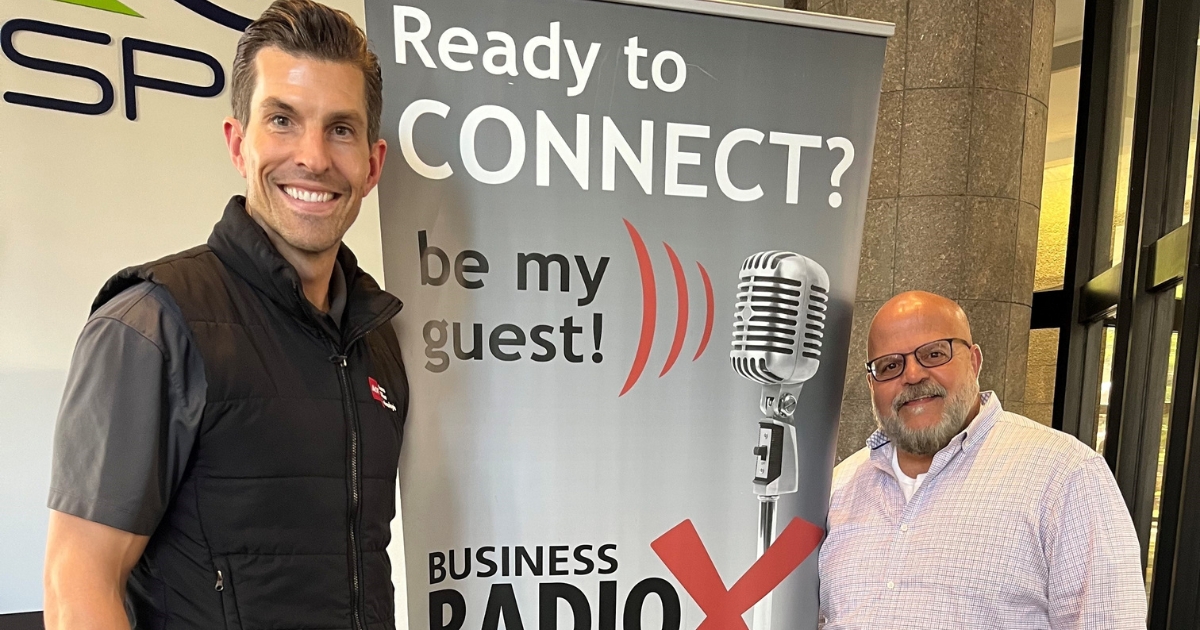
In this episode of Greater Perimeter Business Radio, host Ramzi Daklouche interviews Phil Van Gelder, co-founder of AOT Office Technologies. Phil shares his unconventional journey into the office technology industry, initially aspiring to be a professional athlete and later a broadcast journalist. He discusses the founding of AOT Office Technologies, which provides enterprise print management solutions to small and medium-sized businesses. The conversation covers the importance of hiring the right people, customer retention, and the challenges of marketing. Phil emphasizes the value of focus, perseverance, and building strong client relationships for sustainable business growth.

 Phil Van Gelder, co-founder of AOT Office Technologies, oversees sales and new business development.
AOT is an Atlanta-based, locally owned and operated, office equipment and automation company. The founding members of AOT have over 150 combined years of industry experience.
Since our inception, we have witnessed exponential growth throughout the entire USA, serving more than 1,600 clients in 44 states. The success of AOT is not derived from a secret formula or unmatched wit, but rather, simple principles that continue to not only produce results, but a world-class customer experience.
AOT is focused on offering powerful solutions, in really simple ways, around these commercial technologies:
- Copiers and MFPs: We work with clients that have one machine, and others that have a thousand
- Printers and Managed Print Services: We take the headache of managing these units off your plate
- Software: Print management software, document retention and workflow software, intelligent scanning
- Wide Format Printers: We bring construction and engineering to life with these units; up to 48” wide
- Thermal Printers: We provide the label and shipping printers to the e-commerce, logistics and warehouse industries
- Audio/Visual: Interactive touch panels, video conferencing, noise cancellation, and microphones/speakers
What makes AOT different?
- We hire service and support staff, before salespeople. We know we’re good enough to earn your business, but we want to be great enough to keep it! You’re not going to call us to tell us we’re doing a great job. You’re calling because you have a problem. We never want a client to wait for their need to be addressed. Staffing to that need is critical to differentiating our business.
- We are debt-free. Operating a business that holds a strong liquidity position is vital to the longevity of that business. Furthermore, we see it as a responsibility to our clients. We need to have every element of our business fully-stocked and ready, so that nothing is ever delayed due to limitations in our credit worthiness.
- We have size and scale. We are a dealership, which means we buy our products from the manufacturer and then sell and service that product to and for our clients. Our size allows us to have incredible influence with our OEM partners, helping to ensure industry-leading prices and top-notch support. We believe our clients deserve that.
We operate AOT with a mindset that, “Bigger is not better. Better is better.” It’s not that we don’t want to grow, but rather, we want to make sure that we’re growing our business in a fundamentally sound way. That requires profit and reinvestment, not just more zeros on the topline.
Follow AOT on LinkedIn and Facebook.
This transcript is machine transcribed by Sonix.
TRANSCRIPT
Intro: Broadcasting live from the Greater Perimeter. It’s time for Greater Perimeter Business Radio. Now, here’s your host.
Ramzi Daklouche: Welcome to Greater Perimeter Business RadioX, where we highlight the innovators and leaders driving business forward. I’m your host, Ramzi Daklouche. Today’s episode is sponsored by VR Business Sales of Atlanta, trusted advisors and business sales, mergers and acquisitions. With over 20 years of real world experience. VR helped business owners maximize value and exit on their terms. Learn more at world.com or call (678) 470-8675. Joining us today is Phil Van Gelder, co-founder of AOT Office Technologies. Phil leads sales and business development for a team serving over 1600 clients nationwide with smart, scalable technology solutions. Welcome, Phil. How are you?
Phil Van Gelder: I’m good. Thanks. I feel like now I’ve got to live up to what you just said. Oh, I feel they. What did they say? Your reputation precedes you. I’m like, wow, this sounds a lot better than I ever imagined.
Ramzi Daklouche: So it’s really not 1600. It’s like more than 12. Round, 1200 rounding up. Fantastic. Well, listen, Phil, you’ve been in this business for 20 years. What originally brought you into Office Technologies and how has that journey evolved?
Phil Van Gelder: Well, I would probably tell you that I didn’t dream about doing this when I was a little kid. I didn’t fall asleep thinking, oh, if I could just sell copiers or printers in life.
Ramzi Daklouche: You were not playing with printers when you were young?
Phil Van Gelder: Not so much, I thought. I thought I was going to be a pro athlete, much like any young guy, and fall asleep in my uniform and dream about big money and lots of opportunity. I actually came out of school with no, no real professional endeavor that I was going to go do I. I didn’t have anything defined for myself. I got a I got a degree in broadcast journalism, so I was going to be on TV. That was kind of my goal.
Ramzi Daklouche: Well, you’re on radio now. You use your talent. Use your talent.
Phil Van Gelder: Uh, so. So this was not at all what I thought I was going to get into. Didn’t ever take a job in the industry. I found out it was terrible for family life. And it was important for me that I was going to be able to be available to my future family and my future kids, etc. but I had a buddy that was in sales technology sales, which I found out was copiers and printers or print management, and he said, hey, we’re looking for salespeople. Would you be interested in this? I said, well, I don’t know anything about this. I mean, I can spell it, but that’s about as far as it goes. And he says, come on in. He said, do an interview. Did an interview, still didn’t fully understand the capacity of what we were trying to sell. But I learned that everybody I was talking to was making money. And I thought, okay, I’m money motivated. Like, this is an opportunity where the harder I work, the luckier I get. That was my introduction to copier sales 20 years ago, as soon as I got out of school and never done anything different.
Ramzi Daklouche: Same company, same place, same everything.
Phil Van Gelder: Not so. I came right out of school, worked for an Esop company that had about 250 employees at the time. They were probably about $40 million a year and enjoyed that. It created some golden handcuffs. I learned a lot about how the intricacies of a business works and what motivates people to stick around, but ultimately, you hit your cap pretty quickly in an environment like that. And I got recruited away by Xerox, which was the biggest brand in the industry at the time. Big opportunity from a sales leadership standpoint and had really grown to love the industry, figured out how to make money. Not just that you could, but the the way the sausage was made figured out. Okay, this is how I can lead a team and perhaps help more people do what I’ve already gotten the chance to do. And I found out really quickly I was not cut out for corporate America. Um, I wasn’t good at the bureaucracy, the red tape, the politics. Uh, it was way I’m more of a black and white person. Um, and it was, it was far more about, are you pleasing the right people? Are you making decisions based on maybe a publicly traded shareholder or what this senior manager wants? And as a VP, I still felt kind of hamstrung.
Phil Van Gelder: And, um, so I got two guys together that I really trusted. And we spent about two years talking of starting a business. And the culmination of that ended up being Aot. And we were going to buy somebody. So we said, hey, you know what? It’s a lot easier to just to acquire a small business, invest our know how into it and blow it up really quickly. Um, it’s math, not magic. And a lot of small business owners think their business is worth more than it really is. We went through due diligence about a half dozen times with different companies throughout the southeast. Um, we were coming from Indianapolis. We wanted to get away from the snow. And, um, the last guy we looked at was here in Atlanta, and we didn’t come to an agreement on that. We just said, hey, you know, this is probably a tale of two cities. We’re going to go our separate ways. And we decided then and there we were just going to start from scratch. So that was a little over ten years ago, uh, Aot became a reality with no customers, no revenue. All my money in the middle of the table and a 50% pay cut. We said, there you go. Let’s go chase the American.
Ramzi Daklouche: Do it right. Yeah.
Phil Van Gelder: No skeletons in the closet. But also, uh, no money in the bank.
Ramzi Daklouche: So did you have kids, young kids to deal with at that time? Because that’s usually the worry about small business startups.
Phil Van Gelder: Uh, it’s definitely a motivation I had, uh, I’ve got three total girls and a wife. And at the time we had two of our girls and my wife was due about three months later with our third and our final. And, um, there’s nothing that makes you throw the covers off and get out of bed like people wanting a paycheck every two weeks. And for people that are depending on you to provide. And so, um, you get a couple sleeves of business cards and, uh, your partners together and you say, let’s go tell the world about who we are.
Ramzi Daklouche: Great. Later in the in the broadcast, we’re going to talk about, you know, uh, you know, what kind of help can you offer and lead with, you know, for small businesses, because I think it’s very important that, you know, at some point people need to know what does it take, what’s at stake, and what does it take to really succeed in small business? Because it’s very hard. It’s not as easy as people make it out to be, sometimes easier to be corporate, uh, employee. Even though if you don’t like it, then a small business. But the small business is very rewarding as well.
Phil Van Gelder: I think if people knew exactly what was going to be involved, they’d never do it. It was like, yeah, no way.
Ramzi Daklouche: Yeah. So for those new to Aot, what exactly do you offer and what type of businesses do you serve?
Phil Van Gelder: Great question. The simplest way I would tell you is we offer enterprise print management solutions. Now, that’s even a fancier way than I would probably tell somebody. But we sell and service commercial office equipment, things like copiers, printers and audio visual solutions. Um, we like to affectionately say that everybody needs what we sell, and no one likes dealing with it. Uh, it’s, uh, a generic but also a requisite part of any kind of business environment where people are putting black and colored dots on white paper. Uh, the illustration I’ll use a lot of times is an average piece of paper is worth a penny or less. It’s not a valuable commodity. However, you print a contract on that piece of paper, it could be worth $100,000 to your business.
Ramzi Daklouche: I never thought of it this way, but yeah, that’s absolutely right.
Phil Van Gelder: And when you when you need somebody to sign on that dotted line. I know DocuSign exists and we use that a lot too for contracts and things like that. But if you print a contract out and you need somebody to sign that contract, that can be a life changing amount of money to your business. And when you need that printed out, you got to have dependable equipment and company providing that to you so that you can get it out on time. So that’s probably the most simple way I could describe what we do is help move and manage information around people’s offices on a daily basis.
Ramzi Daklouche: Great. And what size business do you guys serve? Like what’s your is there a sweet spot or you serve an office of five to office of a thousand 2000. How does it work? Sure.
Phil Van Gelder: I tell people I use an analogy or metaphor. Um, everyone likes cake, and a three layer cake is really good because there’s usually icing in between each layer. But when you think about that three layer cake, the bottom is probably the people that have the smallest type of business, right? And the people spending the least amount of money will waste the most amount of your time. Those are those 0 to 5 employee type practices. Um, they tend to stress a lot about things and they can kind of slow. They oftentimes can slow down the sales process. The top layer of that cake is the enterprise. Let’s talk chick fil A, UPS, Delta, uh, Home Depot. We’re never going to go after those kinds of people. Those people want the sun, moon and the stars and they don’t want to pay anything for it. And it takes a cast of thousands to support an organization like that. We love to be in that middle layer of the cake. That’s the small to medium sized business owner. Hopefully they’re locally based so that we can shake hands, press flesh and be able to service them. They understand and appreciate value because they’re doing the same thing for their client. Their value proposition is probably not hey, I’m the cheapest, so you could just go with me. They understand they need to make a profit in order to support their organization. And we love partnering with people that do that if they have locations across the country. Fantastic. The DNA profile of that is paper intensive environments. Typically, if you want to cut something out of the market, I would say it’s that 25 to 500 employee organization that’s paper intensive, that’s printing contracts information on a daily basis.
Ramzi Daklouche: That’s awesome. Very good. So most companies, as I was reading a little bit more about your company, most companies hire a lot of salespeople and figure out the rest later. It seems to me you guys got it wrong or they got it wrong. So you hire. I mean, you really go after service and support team first and then you hire salespeople after that. Explain that to me because that’s different, you know? Yeah. Way of doing business, I don’t know.
Phil Van Gelder: So, um, I’m a big baseball fan. Now, in this part of the country with Atlanta and the Braves, um, I’m a Dodger fan. I was born and raised in Los Angeles.
Ramzi Daklouche: I stopped right now.
Phil Van Gelder: I was just going to say the Dodgers are a big deal to me. So I’m going to use a baseball analogy. Sure. Uh, the the evil empire were the New York Yankees of the 90s, and they would overpay for all the greatest talent. And by overpaying for that talent, they’d have a stacked lineup. But they won World Series by doing it. Now, it’s not always the way to do it. We have taken a similar approach. Bigger is not better. Better is better. I can hire 12, 15, 20 different sales reps, and the majority of the time you’re going to have a bottom third that’s underperforming that you either need to performance improve or you need to get out of the business. You’re going to have that top performer who’s that top third that’s really producing, paying for themselves, making lots of money, and they’re happy in the same breath. You got that middle third that’s kind of hiding there hoping you don’t get. They don’t get called out or they don’t have to try and step up and meet the demand. And we just made a conscious choice that we’re going to we’re going to make sure that we get the best of the best, and we don’t need as many people to get the results we want, because we’ve got that talent and we’re willing to overpay for it a little bit. And by doing that, you get a really predictable outcome. It helps you manage your cash flow better. Your business ultimately grows, and then as a byproduct of that or bifurcating that, you have the opportunity to reinvest in a greater capacity with your service and support people. Because I’m not having an SG&A or sales expense line item on my business that is sucked up by 20 or 30% more salespeople than I really need.
Ramzi Daklouche: Yeah, there’s a couple of things you said that are very, very important. Because really, if you just keep a big group of people selling for you or whatever, whatever department, and you don’t kind of weed out the people that take up a lot of your time, just like the customers that take up a lot of time. Sometimes we all have that. You end up spending a lot of time on, on stuff that you really shouldn’t be spending time, right. Unproductive stuff as as the owner of a company.
Phil Van Gelder: 100%. And it becomes sideways energy. So we are a very renewal based business. So our contracts are typically 3 to 5 years long. Um, so although you’re signing up in a transactional format, you’re signing a contract, you’re implementing a solution, um, it becomes a marriage. I am then tied to that business for three, 4 or 5 years.
Ramzi Daklouche: Right.
Phil Van Gelder: So the expression I like to use a lot is we are good enough to earn your business, but we’re great enough to keep it. And the whole idea there is, everyone’s going to tell you that they’re going to provide great customer service, because that’s how they differentiate supposedly over that 3 to 5 year period. I get the opportunity to prove that to you, and you’re going to find out whether or not, because I can guarantee you over a 3 to 5 year period, something’s going to go wrong. And hopefully we get the chance to prove just how good we are.
Ramzi Daklouche: And in industry, you can measure it. If they renew after three five years, you can measure that. So you churn numbers probably if they’re low that means you’re doing something right. If people want to can’t wait to get out of that contract, you’re doing something wrong.
Phil Van Gelder: So we maintain about a somewhere between a 95 and 96% retention rate.
Ramzi Daklouche: That’s incredible.
Phil Van Gelder: Um, and even then, a lot of that, uh, a lot of that washout or attrition is really attributed to acquisition, divestiture, uh, going out of business or something like that, a true organic loss of client just because they went with someone else. Uh, does not happen terribly often.
Ramzi Daklouche: Yeah. You talked also about finding the best people, which is in, uh, small business because they’re competing with big business sometimes. And their employees, uh, it’s very difficult. How do you guys go about that? Because having the right people really makes a difference for a small business. Very much so.
Phil Van Gelder: Uh, I’d be on a beach somewhere if I had the perfect answer to that, because I’d just turn around and sell that same practice to everybody else. Uh, I would tell you, it’s it’s a science. It’s really more of an art. Um, the best way I could describe it would be higher hard and give people reasons to stay. If I do enough good vetting on the front end of things I know I’m acquiring, or I’m partnering with the right person and they know what they’re getting into. And in the same breath, once they’re on board, you’ve got to do everything you can to ensure and help them understand they’re a valuable component to the team or the overall outcome.
Ramzi Daklouche: Right.
Phil Van Gelder: And that you are putting things in place that create an opportunity for them beyond what they were originally hired. And the best, the most concise way I can say that is we have this expression we use internally. If I lie to you, I expect you to quit. Because if you lie to me, I’ll fire you. And the whole idea there is we have to have a base or core level of trust that operates beyond all of our relationship. And the reason I say that is if if you sit down across from me, I know you’re not here for spiritual reasons. You’re here to make money. This is a job for you. You’re trying to feed your family. You’re trying to pay your mortgage, whatever the case may be. And I’m hiring you for this particular role. But then beyond that, I know you’re going to want to make more money. You’re going to get promoted. You want to have more responsibility? Potentially. Some people have ambitions, some don’t. But if I know you want to move your career forward, you want to make more money. I’m hoping you do it here with me. And so if I make you a promise that if you accomplish X, Y, and Z, you’re going to get this opportunity.
Ramzi Daklouche: Yeah.
Phil Van Gelder: If I don’t follow through on that and you do the things I’ve asked you or told you to do, you’re never going to trust me. So you should leave because we’ve broken that promise. And in the same breath, I know that if we make a mistake, that’s okay. Let’s own up to it. We’ll spend a $10,000 to prove a $1,000 point. As long as you’re honest with me, as soon as you tell me. Oh, yeah, I took care of that. Don’t worry about it. But then I find out that that wasn’t the case. Now, I can never trust you further, with more responsibility, more money, and more stake within my business. So as a result, it’s a two way street. And when people have that level of clarity, they understand that everything you’ve told them is the honest truth. And everything they’re telling you is the honest truth. We’re pulling on the rope to service our customers as best we can.
Ramzi Daklouche: I do believe in any role. It doesn’t matter small company, medium company or enterprise. Clarity is very, very important. Sometimes it’s lacking, but the clarity is really very important to kind of get people to work as a team, right.
Phil Van Gelder: Oh my.
Ramzi Daklouche: Goodness. We want everything else. We want money.
Phil Van Gelder: Yeah. We went through this book at church. It was called I said this. You heard that. Oh yeah. And it’s like the whole concept of communication is like, we may sit here and we both nod and say, oh yeah, I got it. And they walk away with two different messages. And if that’s the case, it’s again a tale of two cities. Those, those will never meet.
Ramzi Daklouche: Now tells you why I love to do this radio broadcast. Because it’s very clear. We listen to each other. We’re actually looking at each other, listening to each other. So very good. Okay. How do you market your business? Because it seems like you guys have a lot of competition. I mean, this is very competitive market. I mean, it is. Yeah.
Phil Van Gelder: Um, it’s difficult. Uh, so everything, anything and everything we do is organic. It’s all internal. Uh, we don’t outsource any of that business development, any of the marketing, messaging, communication that we, um, cultivate or generate on behalf of Aot. It all comes within our four walls. Um, I don’t know if that’s by default or by design, but the reason that that’s important to us is that there’s a chain of custody, that if we’re making a promise or a commitment or we’re messaging something to a client, it didn’t come from somebody else. It comes from our ability and our know how industry knowledge to be able to deliver on what we’re telling. Um, the if I could give you an idea of how we market, it’s primarily done through our salespeople. Our salespeople are involved in their community. They’re involved in associations, um, particular groups, whether that’s networking or, uh, closed environments where people have strategic focuses or best practice sharing. But the best way I could probably analogize it would be what I described a little bit off air before we began today, which was so much of our industry is push marketing. People are knocking on doors, sending emails, making phone calls, trying to tell this customer or this prospect, hey, you want to do business with me? Call me back. This is a good time. Let’s talk about this now.
Ramzi Daklouche: I have something that’s gonna, you know, give you 70% growth in your business.
Phil Van Gelder: I’m gonna cut cost and increase efficiency.
Ramzi Daklouche: These text messages and emails all day long.
Phil Van Gelder: Yeah, yeah, we like to say, hey, there’s more sizzle than there is steak, but you got to call me back. This is a great thing. That’s push marketing. And we’ve just tried to develop and create and we have to do that. That’s a requisite part of the business. We have tried as best we can to create a pull marketing strategy when it comes to doing business with Aot. And what that means is you’re watching us from a distance, hopefully in some facet or capacity, and you notice those guys, those folks there are doing something different or they’re doing it differently. And this is all derived from a podcast I listened to many, many, many years ago, which it described. The human brain has a very difficult time determining when something is better than something else. So if I tell you, oh, you know, the the best steak in town, you’ve got to go here. Well, that’s my subjective opinion. Your ability to decipher whether that steak is better or this steak over at location B is better, you’re going to struggle with that. But if I tell you how one restaurant or one product and service is different than another, the human brain has a really easy time determining or deciding that’s different. And that’s what we’ve attempted to do with our marketing, is not just telling you we’re better than everybody else, because that’s a really indecipherable thing. But if I tell you how we’re different, people can hold on to that quicker.
Ramzi Daklouche: Yeah, I think I got to go back to one thing that works for small businesses. And I hear a lot about, you know, people waiting by the phone or making phone cold calls. I was talking to somebody today. I’m doing cold calls. What do you get out of it? Well, you know, it’s probably eventually work. It doesn’t work anymore, right? People want face to face, especially in small business. Sure. And they try to impact the world where they all have to try to impact your zip code, how to impact, you know, just a block around your house if you can, before you try to impact the world. So there’s a lot there. And I believe networking. And you said that, you know, closed group networking or networking in general, right. I think for small business to medium business is very, very important to do.
Phil Van Gelder: You got to create zealots for your cause. Um, everybody’s so wrapped up in what they’re trying to do. I mean, you know, they go to a networking event and sure givers or gainers and that kind of thing. But the reality of the situation is everyone is there thinking about their business, their practice, their focus.
Ramzi Daklouche: Yeah.
Phil Van Gelder: And it’s very difficult to create zealots for what you’re trying to penetrate the market with. But the more that you can create, um, that swirl, that, that centrifugal force that pulls people in to going, hey, I don’t even know if these people need what you offer, but you just approach things the right way. I got to at least introduce you guys. You guys are. You guys are gals. You are two great professionals. I think you should really spend time together, because I think there’d be a mutual benefit. That and you can do that all you want on your own cold calling, handshaking, etc. but if you all of a sudden have 35, 40 people in a group that believe the same thing about you, your chances of success go way up.
Ramzi Daklouche: And even going to a group, take for example, you know, chamber or BNR or any of these groups, if you just go and show up for that 45 hour. You’re wasting your time. It’s like going to church but not never praying again, that I go to church on Sunday. Well, what else do you do? I really don’t. You’re not going to get anything out of it.
Phil Van Gelder: My Bible study teacher likes to mean on Tuesday mornings. He likes to say no one’s getting changed in 52 hours a year.
Ramzi Daklouche: No it’s not. You know, some of us listen to that. You have to put the time into it. You got to go meet one on one, talk to people, let them know exactly what you do, understand why they do the things you do. Because the experience that they got to remember, it’s not the like you said, I’m going to remember you because the experience, you know, you provide and all that stuff. So awesome. Very good. So with 1600 plus clients, what’s your approach to customer retention on ongoing service.
Phil Van Gelder: From a sales perspective? So one thing that I don’t know how people necessarily divide these responsibilities up within their organization. When we talk about sales, sales is all encompassing. So if I acquire a client, let’s say the average sales rep has 150 to 200 clients at their servicing. In that scenario, they’re acquiring that client they are then managing and doing ongoing support for that relationship in that 3 to 5 year period. It’s not, hey, we set it and forget it. I don’t I don’t hunt and kill and then throw it over the fence to an account management team like that. Customer service experience is really the tip of the spear as that salesperson, because maintaining that relationship allows that renewal to be that much easier. So I would say that’s probably the primary focus. That’s the immediate point of contact. The other differentiator I would give somebody else is if you call our number during business hours, a live person picks up the phone, you’re not getting a prompt system. And the reason we say that is because you’re not calling me to tell me I’m doing a great job. You’re calling me because you got a problem? Yeah. And so the last thing you want is press one for this, press two for that. Hold here. Wait for this. You want to call? You want a live person to pick up the phone? In the event that there is an issue, that person on the phone can address that issue by placing a call through dispatch. While you’re on the phone, you get a call from a technician within the hour. They’re on site within less than four hours for business hours. Ours, um, that that chain of custody, that ownership of problem resolution or problem solving is probably the secret sauce as to why people can understand there’s a value in doing business, because the more someone is up on a daily basis, the more chance they have to print and produce documents.
Ramzi Daklouche: Yeah. And you know what? You said something that’s so very important is that a human voice at the other side? And a lot of enterprise companies, medium sized companies, can abandon this or farming that out to people that don’t know what they’re talking about. Not that, you know, but I’ve not seen a good solution where I can go through it and they use bots and all the stuff, and it’s confusing as confusing can be. I don’t get it. I don’t get it. Yeah. We have the same, you know, strategy. We pick up the phone, everybody, even my my, you know, my office phone rings on my, uh, mobile. So I pick it up anytime. So. And that really helps my business because I don’t never know when it’s not complained. I don’t know when it’s a sale. Even you know.
Phil Van Gelder: Well, in the same breath, if there is a problem. Yeah. We like to say that problems create opportunities. So if somebody’s calling with heartburn or they’ve got an issue with something, don’t look at that as like, oh man, I want to try and avoid this. I’d rather not have to talk to this person. You have no idea what hangs in the balance of an opportunity that’s presented to you in that way. And you kind of intimated this a little bit earlier. Nothing new under the sun. Everything comes full circle when email, text, voicemails and all that stuff was new or first coming to the marketplace. It was cool. Like everybody wanted to get a text message, everybody wanted to get an email. Now everybody avoids it. What old? What was old is now new again. Yeah. If you compress the flesh, you can give people a human experience. It’s different than what they’re probably used to.
Ramzi Daklouche: Yeah, absolutely. 100% agree with you. So one thing I know about the company that you guys are debt free and maintain strong liquidity. You know, some people may say, well hold on. You got to reinvest. How do you guys manage that? What’s the idea behind that?
Phil Van Gelder: Um, this might not be the case for most companies and even most companies our size that are in different, let’s say, a services space, that’s all intellectual property. They don’t have to maintain a warehouse. Um, it’s not it’s not nearly the same cash intensive type business that we are, right? We are incredibly laden with the responsibility of having supplies, equipment available at any given time. We’re running trucks every single day. We’re delivering both equipment and supplies on a daily basis. As a result, we have discounts available to us with cash if we do a cash with order position. So all that to say, we maintain a very strong cash position and debt free status. And the reason for that, it gives us a couple of things that differentiate. It allows us to buy equipment in bulk, which create greater discount opportunities for us. By buying in bulk and creating discount opportunities. We have equipment at more aggressive rates than a competitor may, so that we can be as cost efficient as possible for a client when our when we’re creating an offer of some sort or a proposal and you say, well, what does that help? How does that help our client? When you contact us, we’re going to be able to turn around and install something quicker than anybody else, depending on what your schedule is. We can do some. We’ve done stuff even same day, but it’s going to be a lot quicker than most individuals because our inventory is in stock and available for.
Ramzi Daklouche: So you keep your inventory in stock. That means you have narrow focus on. You don’t have the width of printers that others would have. Or do you focus on specific printers? Specific. And I’m saying printers, but you guys do a lot more than printers, of course, equipment to have that service level, otherwise the cash would be an issue if you’re going to carry brands that are not as popular.
Phil Van Gelder: The best analogy I can give you there is, um, let’s say you have a Honda Accord that you drive and you want that serviced. Now let’s pretend it was a little bit more difficult, and it wasn’t quite as obtuse as servicing a vehicle. You want to take that to somebody that’s factory trained by Honda has the parts, the OEM requirements available that when you pull in it’s up on the rack, it’s fixed quickly and you’re back on the road, and it’s mitigating any sort of downtime or inconvenience to you. You take it to a jiffy shop of some sort and that technician is servicing Honda. It may be a Lexus the next time. Here comes a Ford. Chevy’s pulling in VW right after that. He may be a Swiss Army knife, and he may have a lot of intellectual know how, but that’s when you get the call that says, hey, Ramzi, good news, bad news. We figured out what’s wrong with your engine. It’s this, this and this. We don’t have those parts on hand. It’s going to be about 3 or 4 days before they arrive. We don’t have any loaner vehicles, so you’re going to have to either Uber. You can come pick the car up if it’s drivable. You have to wait a little bit. None of that happens when you’re dealing with us.
Ramzi Daklouche: I call that Cousin Joe that doesn’t know anything about cars.
Phil Van Gelder: So yes, to your point, we’re very micromanaged and we’re extremely focused on the products we do offer and ensuring that we have all the elements in stock and available to be able to fix and turn those as quickly as possible. So we have technicians that drive around the city, the of the state, the country on a daily basis, and in doing so, their stock and inventory within their cars is inventoried every 90 days. So the machines, the machines that are in the field, that they’re servicing, we know that they’ve got the arrows in their quiver to fix whatever they come across when they’re out there on a daily basis.
Ramzi Daklouche: What a great lesson for small businesses, especially when they start up, because they try to get, you know, revenue any way they can. So they try to be jack of all trades and carry everything. Yep. And soon they found out I’m out of money because I’m way overspent on product or inventory or, you know, time. They just don’t have time to kind of focus on my core. So that’s very, very important.
Phil Van Gelder: Everybody wants to talk about diversification, multiple streams of income, all this different.
Ramzi Daklouche: Stuff that way.
Phil Van Gelder: And I would tell you there was a study that was done by Forbes. This was a handful of years ago. They interviewed, interviewed about 200 billionaires, and they were looking for personality traits that all of them shared in common. And of course, there was a lot of bleed over and cross over between those individuals. But the one thing that came up most common as it related to success was focus. Yeah. And the whole idea is do something that’s challenging or difficult for like 20 years. And if you’re not successful, you should probably try something different. But I guarantee you, if you give all your focus and effort to a singular idea or singular focus, you’re probably going to get the outcome you’re looking for.
Ramzi Daklouche: I tell you what, I can’t tell you how often I get that because influence social media, right? Everybody talks about I got to diversify. I got to do.
Phil Van Gelder: Those streams of income.
Ramzi Daklouche: Right. They have. And I have to explain to them, are you really good at what you do? Have you reached a peak at what you do? The peak could be local. Could be national. Whatever it is. Have you reached where you want to reach? No, no, but I have this business that’s running. But I have to be there 100%. So I really need another business. And so are you. Debt free in this business? Like, where do you think you are first before you go do anything else? Because they look at athletes like they have. They play basketball and they have seven different businesses. They really worked hard to be really good at basketball first before they did anything else. And I think people miss this. Oh my goodness, really good at one thing. And just do it. And don’t think national. Don’t think global. Even if you’re not that you know you don’t have the infrastructure. Just think locally. There’s enough local for you to worry about. Don’t worry about bigger things.
Phil Van Gelder: Make that impact on a micro level basis. Because if you can do that, you’ll become the best at what you’re doing. Money is certainly important, but the modern day currency is busyness. How busy am I? And I understand that everyone wants to feel like they’re important. They’re needed, they’re busy. But I would tell you focus a lot more on being productive.
Ramzi Daklouche: Yeah. Yeah. And by time. By by time, you can. So, um, what’s the vision and the and the outlook for the industry in general? And, you know, and now especially for you guys, I would have to believe and I again, I haven’t done any research on it. I have to believe it’s picking back up again, because people have to go back to work and the offices are filling up. I know in my building where I am, the office is filling up really fast. I hate it because I have to wait to go to lunch and. But parking? Yeah, parking. How does it look for you guys? What’s the outlook for 2526?
Phil Van Gelder: Every time you think you’ve got something figured out, it seems like the old analogy or the metaphor is the pendulum swings. Yeah. Um, for for the longest period of time, people have been talking about the paperless office. And as soon as everybody says, oh, here it comes. And Covid was an accelerant to that, everybody thought, this is the end of the corporate office, the physical environment. Um, and the pendulum swung pretty far. And here we are just a few years later, five years post Covid. It swung back the other way. And everybody says coming back into the office when people are in the office, documents get printed, documents get produced. Right now, I would not be naive enough to sit here and tell you that our industry is completely up and to the right. I’m extremely sober about the reality that people will print less and less. We’re probably still two generations from that being kind of a common occurrence. And in that period of time between now and then, I don’t need this to last in there 60 years. I’m not that young. But it gives us the opportunity to ensure that, uh, the greatest number of people that need this in the marketplace, we have availability to go capture that business. We built the business starting with zero. So I like my chances of being able to maintain a growth trajectory in this marketplace, which is a very pro-business environment. If we were in different parts of the country, I might have more concern, but there are 168,000 registered businesses in greater metro Atlanta area. I like my chances of that continuing to grow as we maintain our status of being the most pro-business state in the country.
Ramzi Daklouche: Absolutely. So ten years now in the journey you guys have grown, you have great reputation in Atlanta market. Have you thought of acquisitions or do you want to grow organically?
Phil Van Gelder: Really good question. And we’ve debated this back and forth. Um, what would they say. The hunted have become the hunting. Have become the hunted. Um. We have been both approached about selling the business.
Ramzi Daklouche: I’m pretty sure you have.
Phil Van Gelder: And we have had several opportunities where people have asked if we’re interested in buying their business. To this point, we have not made any acquisitions. Are we open to that? We are. And we’ve entertained a few of those. Um, the real rub we have goes back to staying true to our roots debt free. If we did make an acquisition, it’d probably be a cash acquisition. We don’t want that burden. Borrowers slave to the lender. We want to maintain our agility and kind of the DNA of who we are. Um, so it would be extremely strategic. I’ve always heard that acquisitions should be done in two for two specific reasons vertical integration or geographic expansion. Yeah. Um, and most of the time at this point, it’s been geographic expansion that we’ve considered. Um, we haven’t been able to land the plane on those. But the thing that’s also kind of difficult is we’ve grown on an average, uh, probably about 22 to 23% over the last 4 or 5 years, and it’s difficult to justify spending money for additional growth when we’re doing that kind of double digit growth on an annual basis without having to acquire anybody. So I think once the trend of growth slows down, it may become something we’re more serious about. But we’ve been kind of laissez faire and casual about it, and we have no plans to sell the business. We’re all too young to do that.
Ramzi Daklouche: So yeah.
Phil Van Gelder: At this point it would be the opportunity to buy somebody and we just haven’t gotten to the altar yet.
Ramzi Daklouche: Fantastic. And I think acquisition is not going to go anywhere anytime soon. There’s a lot of opportunity to be acquired or acquire somebody. It’s just happening all the time. So question for you with and you know, I’ll be remiss if I don’t ask a question with I know everybody talks about AI a lot. I would say 80% of people don’t even know. They talk about don’t even really know what AI is or how it works. Not at ChatGPT level, but in general. How does it impact your industry, or do you see now more Our technology service business with AI built in.
Phil Van Gelder: Yeah. Um, the first kind of creep we saw. Well, let me answer it this way first. We don’t know yet. It’s a little bit too early. But the first couple of iterations I could give you that have been kind of how it’s creeped into our industry. Um, was the first was the idea of the Internet of Things. So every if we, if we’ve got plus or -10,000 machines in the field, those devices are reporting back to us about every 30s. So each of those has kind of an automated beacon that’s running on the device. It’s reporting its diagnostics to us. And our dispatch, our coordination team is watching those. It’s receiving alerts and it’s either dispatching technicians or it’s sending supplies proactively to respond to that. Um, one way in which the AI has alleviated some of that human burden, we used to have to have human beings watching those alerts in order to turn around and execute on a supply order. We now have the ability to put an automated system in place. It receives the alert from that Internet of Thing beacon. Once that alert comes in, it places an order automatically for itself with the dispatch and fulfillment center in our warehouse. That order goes out the same day and arrives in the next UPS shipment. All of that happens without human intervention.
Ramzi Daklouche: That’s incredible.
Phil Van Gelder: And how how that morphs in the future, how that becomes cancerous to the operational side of our business. We don’t know yet.
Ramzi Daklouche: But can I give you a suggestion?
Phil Van Gelder: Sure.
Ramzi Daklouche: As somebody who actually owned a print shop. Yeah. If they can come up with a small robot that takes care of the of the paper.
Phil Van Gelder: The paper.
Ramzi Daklouche: The paper jams or breaking inside a machine. Right. That would be phenomenal. That would. They would win.
Phil Van Gelder: Hey, you and me both, brother, let’s come up with an idea.
Ramzi Daklouche: That is probably. I’ve been on, like, I feel like I was on the cars, but it’s a printer. Actually. Just trying to figure out where a7 B is. I have no idea.
Phil Van Gelder: And I guarantee you it’s going to happen at the worst possible time.
Ramzi Daklouche: Oh, absolutely. Yeah. We used to print catalogs and, you know, you know, with the the binding. The binding. Oh, my God.
Phil Van Gelder: Always the worst time.
Ramzi Daklouche: Yeah, we spent a lot of nights taking care of that. Okay. Well that’s great. So I have a question for you. So now I’ll be also remiss if I don’t ask questions. A lot a lot of new businesses open every day, right. You know, ten years in the journey, at some, once you pass the five years, the success rate, you know, and you already mentioned that it gets really, really higher, right. What’s your advice? I mean, just give advice to new business owners that will be listening to this on how what to do the first year, what to do the first six months to really help them build, you know, a structure built on not built on sand. Right. Built on concrete.
Phil Van Gelder: Uh, well, at the risk of sounding repetitive or repetitious in the process, I would say two things I would probably tell them. The days are long. The years are short. And when you’re starting a business, it is everything. You eat, sleep and breathe, right. You wake up thinking about it. You go through your day thinking about it, and you go to bed at night thinking about it. It’s very difficult to be present in your personal life or your family or what have you. But what I would tell you is when there is a little bit of extra money, or you do start to taste a little bit of success, your immediate human innate desire is to taste some of that and say, oh, you know, we just had a great month or things went really well. I want to pull some of this out to go do x, y, and z. And the thing I would encourage you to do is if you’re in it for the long haul, reinvest. Don’t take that. Proceed. Don’t take that opportunity and put it in your own bank account. Keep it in the business. If you reinvest in that business, it will pay you back tenfold. And then the other thing I would couple with that is again, to be repetitious would be the idea of focus. It is going to feel you’re going to go through lots of different periods and seasons where you go, this is failing. Like this is not working out. But if you’re at a minimum maintaining what you’re doing, fundamentals never lose. Hustle never loses. I would say keep your head above water and keep keep kicking because there is an industry. You’re in some sort of industry and there is a business opportunity within that industry. And if you keep running hard enough, most people quit on the fundamentals and that’s when you start to taste traction.
Ramzi Daklouche: Do you think there’s a difference? I mean, you start with two other partners. You said and probably were in the industry as well. Maybe not, I don’t know. But do you think there’s a difference when some, uh, entrepreneurs, new business owners trying to do it themselves versus. And what do you advise them. Because I believe they need they need a team behind them. They it’s very difficult on your own.
Phil Van Gelder: I that’s one of the things I’ve learned the most about probably in the last ten years is I have seen so many businesses fail because the partners couldn’t get along. The business was successful. The idea was working. The fundamentals were there. The the cash was there, the the financing was there. Business owners couldn’t get along. You know, I want to do this and you want to do that. I’m incredibly blessed. My two business partners, Matt and Bill, have we have complete alignment as it relates to how we want to do things. And at times, if we do start to feel like there’s a divergence in some sort, we’re able to come together. We’re talking about the pros and cons of things, and we always go back to some of those core principles that we established from the beginning, kind of that we’re not a big mission and vision type company, but there are some loose things that we’ve done by default, not necessarily by design, but default that we are going to be as a company. And that has helped us maintain our identity and not start to waver or get left of center. And I would tell you, that has been what has kept us on the right path in this to this point.
Ramzi Daklouche: That’s incredible. Yeah, I know Matt. I thought he was an upstanding guy and he’s he’s I don’t know, he’s, uh, driven differently, so. Very good. So anything that you want to talk about Aot or the industry itself that I didn’t ask or talk about.
Phil Van Gelder: Oh, wow. Um, you’re right, it is an incredibly competitive industry. A lot of the one thing I would say I probably pride myself, not myself. I would pride myself regarding Aot above all is we can easily be put into that commodity space. Yeah, everybody needs what we sell. And there are, like you mentioned earlier, 38 competitors in town that do the same thing. Um, being able to deliver value in a very commoditized space is a real badge of pride for us. Um, and so when it’s one of those things where you go, well, I’ve got to have somebody do this for my business. If you can tell somebody I actually like the company I work with that I do that, that, that does that for me. I feel like that’s a badge of honor that most people don’t get to have.
Ramzi Daklouche: Yeah, that is true. I could tell you from experience that you can buy Xerox from minolta, you know, big time machine anywhere, and you can do it online as well. It’s a service that you need, and if you have the bad service center helping you, especially when you have when you you know your business depends on it or if it’s a piece of paper that ends up with $100,000, you know, there you go. Signature on it. It changes how you think about printers and what printers do for you and all that stuff. Great. So if people want to get in touch with Aot or with you, how do they do it? Just kind of like to wrap this up.
Phil Van Gelder: Yeah, absolutely. You can go to our website. It’s your Aot Y-o-u-r Dot-Com. Um, I’m on social media, LinkedIn. We do have Facebook pages. We’ve got a Twitter account. Um, all the typical places you’d find somebody.
Ramzi Daklouche: Can you talk a little bit about before? I’m sure. And you just have to find Aot online and Google it. Great. So tell me a little bit about your, your your, uh, YouTube YouTube channel. You talked about it earlier today, but I really want you to plug it because I think it’s important to for people to if they can learn from it, great. If they can connect with you through it, that’s great too.
Phil Van Gelder: Um, I like to say that what I do for a living is not anything that really comes up at a barbecue. No one’s talking about their copiers and printers at a barbecue. Oh.
Ramzi Daklouche: I’m shocked.
Phil Van Gelder: And so it’s not like, hey, where do you get your taxes done? Or do you have a guy that can do what.
Ramzi Daklouche: Kind of printer do you. And they don’t talk.
Phil Van Gelder: About not at a barbecue. We we’re kind of like the fly at the barbecue. You want to try and get us out of your face? Um, so it’s not something that comes up commonly. However, I realized a couple years back, it was important for me that I was building a personal brand that somebody says, I don’t even know what this guy does, but I enjoy spending time around him, or he’s investing in other people. He’s promoting their business. I wonder what he does. Um, again, going back to that whole marketing. And so I started this podcast that, uh, about 18 months ago. Um, it’s highlighting local business leaders, their stories, how they do things. I call it on assignment. Um, I think one of the worst things you can experience over the course of your career is being successful in something that you don’t feel is like the right assignment for you. And I just like to find people that feel like they really are where they’re supposed to be, and they’re fulfilling their purpose. And we try and highlight that. I put out an episode a week. It’s a video podcast, and, um, I take the 45 minute conversation. I put it into 6090 second clips so people don’t have to invest a full 45 minutes. You can go kind of pick and choose from your a la carte menu. What what it is you want to learn about. I try and title the videos so that it tells a little bit about what’s in that clip. Um, and it’s been.
Ramzi Daklouche: And you do all the production yourself.
Phil Van Gelder: I do uh, it is uh, let’s say let’s call it a labor of love, because I had no idea what I was doing when I got started.
Ramzi Daklouche: That’s a lot of give back.
Phil Van Gelder: Well, um, it’s not without an intentionality tied to it. Um, if you give somebody something of great value and you don’t ask anything in return, they typically feel indebted and say, how can I help you?
Ramzi Daklouche: Absolutely fantastic. Well, Phil, thank you very much for being you.
Phil Van Gelder: This was great.
Ramzi Daklouche: Thank you. Appreciate it. I learned a lot. Thank you very much.
About Your Host
 Ramzi Daklouche is Principal at VR Business Sales. His mission is to facilitate seamless transitions for business owners looking to sell or scale. The organization’s four-decade legacy in managing transactions, from modest enterprises to extensive mergers, resonates with his expertise in mergers and acquisitions. Our collaborative approach consistently unlocks the true value of businesses, ensuring sellers’ peace of mind throughout the process.
His journey began when he left corporate world to venture into the challenging realm of entrepreneurship. After running their own business for several years and earning accolades for their dedication to service and quality, he decided to establish VR Business Sales Mergers and Acquisitions Atlanta. Their mission is to provide unmatched value through transparency, security, diversity, service, and experience.
At VR Business Sales Mergers and Acquisitions Atlanta, they empower business owners and buyers with clear, honest guidance and exceptional service throughout every step of the transaction process. While their office is based in Atlanta, they offer their services nationally and globally, embracing diversity and engaging with a broad spectrum of communities and businesses.
With decades of industry expertise, they aim to build lasting relationships based on trust and excellence, enabling their clients to achieve their business goals with confidence and peace of mind. Whether they are transitioning from owning their business or moving toward ownership, they’re here to support every step of the way, navigating the vibrant landscape of Atlanta’s business community and National & Global markets for remarkable success.
Connect with Ramzi on LinkedIn.

BRX Pro Tip: When You’re Stuck, Lean on Something New
/
RSS Feed
BRX Pro Tip: When You’re Stuck, Lean on Something New
Stone Payton: Welcome back to Business RadioX Pro Tips. Lee Kantor and Stone Payton here with you. Lee, what do you do when you’re feeling stuck?
Lee Kanto: Yeah, this happens to everybody. Everybody goes through this kind of ebbs and flows and plateaus in their life, and they feel like, “Oh, why am I doing this? I’m not making enough progress.” And it’s easy to kind of feel sorry for yourself and to say, you know, “Why bother?” So, when you’re stuck and having those kinds of thoughts, I think it’s really important to kind of step aside and maybe start thinking about learning something new. Just dive into some new skills, strategy, or even a different approach. Shift your mindset. Open doors that you didn’t even know existed. Embrace curiosity and willingness to learn. This is going to turn your roadblocks into stepping stones.
Angela Kim with Illumines Core
/
RSS Feed
 Angela Kim is the founder of Illumines Core, a transformational space dedicated to mental, emotional, and self-development.
Her personal journey—rooted in generational trauma, survival, and healing—inspired her to pursue psychology and dedicate her life to helping others overcome deep-rooted pain.
Through Illumines Core, Angela now supports children, veterans, spouses, athletes, and professionals in navigating trauma and reclaiming their inner strength.
In her heartfelt conversation with Trisha Stetzel, Angela shared her powerful story of resilience and healing. Together, they explored the importance of self-care, mindfulness, and self-awareness—especially for women who often neglect their own needs. 
The discussion touched on trauma, loss, and the emotional toll of comparison culture driven by social media, emphasizing the power of compassion, grace, and self-acceptance in the healing process.
Connect with Angela on LinkedIn.
This transcript is machine transcribed by Sonix.
TRANSCRIPT
Intro: Broadcasting live from the Business RadioX studios in Houston, Texas. It’s time for Houston Business Radio. Now, here’s your host.
Trisha Stetzel: Hello, Houston. Trisha Stetzel here bringing you another episode of Houston Business Radio. It is my pleasure to have my guest on today who was introduced to me by John Brocato, who always introduces me to the most amazing people. I want to introduce you to Angela Kim. She is an Empowerment Coach, a Reiki Master Realtor, Illumines Core Core LLC, and D-town International LLC. Angela, welcome to the show.
Angela Kim: Thank you.
Trisha Stetzel: I’m so excited to have you on today.
Angela Kim: It’s so great to be here. I’m so nervous. I know me. Um, and I think I’m just just get to get it out and say it.
Trisha Stetzel: Yeah, absolutely. So, Angela, we’re going to tackle some tough stuff today, right? Uh, but before we get there, tell us who you are.
Angela Kim: Well, um, I am a mom, um, of a nine year old boy, and he is turning ten in May, and, um, I am actually working on building an empire, both in real estate and in the mental health world. Um, and, uh, it just it all stems from my backstory. Who? You know, what I went through and where I came from, um, and experiencing the things that I experienced that really helps to shape who I am and how I’ve experienced life and how I can help people see life a little bit differently. So I think I just summarized myself.
Trisha Stetzel: Yeah. No. That’s beautiful. And, uh, I love that you introduced yourself as mom first, right? Um, because you are. And I think a lot of times as women, we put everyone else ahead of us. And I think the thing we’re going to tackle today is our overworked nervous system, because we are always thinking about all of the other things. Right? And sometimes we have to stop and really assess ourselves and where we are and the things that we should be working on, um, internally and externally for ourselves. So why don’t we start with Angela? The whole idea of just being overworked. And as women, we are always caring for others. I like to talk about, um, putting our mask on first. You’ve been on a flight. Uh, listeners, anyone who’s been on a flight. You know, the flight attendant always tells us to put our mask on first before we help others. So, Angela, how does that play into the work that you’re doing on yourself and even the work that you’re doing with your clients?
Angela Kim: Um.
Angela Kim: Well, for me, the selfish slash unselfish thing is, you know, whenever I remind my clients, hey, or you have a habit of worrying about other people and worrying about this and that, and you forget about yourself, at the end of the day, there’s nothing left. And whenever I say that, I’m like, okay, let me check with myself. Have I been doing what I’ve been preaching and how am I implementing it? And so I really the the work that I do and how I coach myself constantly is really the work that is the work that’s constant because we have those dark, negative thoughts that come up, especially when we’re overworked. And we have, you know, we’re working from fumes. There’s nothing left. You know, there’s it. And I’m getting emotional right now because I’m seeing the pattern and the effects of an overworked nervous system, you know? Excuse me.
Trisha Stetzel: It’s okay.
Angela Kim: I have a hard time with it. And seeing my family members pass away from stress. Over and over. Um, it’s just like that constant reminder for me to really be self-aware and teach my my son and my clients how to learn that practice of self-awareness. And it’s it’s almost like back to basics of life, right? And how are your manners with yourself? How are you treating yourself? What are you saying to yourself? And that’s really what I do, is help people shift. And that’s why I call myself a paradigm shift advisor in that sense, is helping people to shift the the ways that they look at themselves in the different areas of their life. And so.
Trisha Stetzel: Yeah, thank you for sharing that. And I appreciate you being so vulnerable today. And, you know, we’re always I think we should always be working on ourselves. And I think you as a coach are particularly special because you know what your clients are going through because you go through it as well. And I think that that’s something really special that you bring to the table. Um, do you want to talk a little bit about your backstory and why you do the work that you do?
Angela Kim: Yes.
Angela Kim: Um, I’ll start with my most recent backstory, and I think it kind of ties into my whole life story is, um, a few days before the pandemic is when I had my miscarriage, and it’s my first and hopefully only one. And that experience tore me apart. And it helped me realize that I had overcome PTSD, you know, trauma over and over again, not realizing that I did. Um. The miscarriage was a very somatic thing that happened. It was the trauma for my body. And. I had a challenging time coming to terms with the fact that while I had lived through, you know, high intense anxiety and, um, PTSD and, um, it just helped me realize that I had, um. I had complex PTSD. It was really hard to acknowledge and to accept that. Um, at first, because I was like, I’ve been doing this personal development work. I’ve been working on myself. I’m a coach, you know, I want to, you know, my background’s in mental health counseling. I’ve worked with soldiers. I’ve worked with schizophrenia patients. It’s nothing in that mental health area really scares me. And yet I was scared of myself.
Angela Kim: Mhm. Yeah. And I didn’t realize.
Angela Kim: You know, the trauma that I was experiencing at the time. Um, and why it was so hard. Why did my manners go away? You know, overnight. And so it was a challenge to accept that this new me was something that I get to work on. It’s a piece of work.
Trisha Stetzel: Yeah. And how how important is it to know that the triggers. Right. Those things that are setting us off. So we’ve talked about our overworked nervous system, which started the conversation, and then leaning back into your backstory, which is not just overworked mentally, but your body. Right. Uh, was in a position and overworked from the miscarriage. What are some of the things that you worked on personally for yourself to move through that trauma, and even some of the things that you work with, with your clients as they move through trauma as well.
Angela Kim: Well.
Angela Kim: The I will say the the biggest lesson that I learned through this experience is my compassion, grace and patience. Um. And really deciphering, you know, is this person gaslighting or are they really saying that they are tired and that they’re really struggling, you know, and really hearing and feeling engaging where they’re at? Um, because I’ve been through the the challenges of PTSD and the complex PTSD. It it opened up everything that I worked on was, you know, as a younger child, my first suicidal thought was around 5 or 6. And that’s not normal, I realize. Later on in life that for a child to want to kill themselves at that age, it means that there’s a lot of trauma that I had gone through because my mom was very suicidal, and she would have a lot of threats about her life and just not wanting to be here, and it’s too much. And so that’s what I thought life was. But I overcame those things. And when PTSD from the miscarriage opened up complex PTSD, it just opened up everything. All my negative thoughts were roaring back because it was gone. You know, I worked on it. I, I tamed that part of myself. And it was almost like this, this thing where you want this change in your life. And so, hey, you’re going to really dig deep and really learn the nuances. What how to gauge your energy level, how to work with your nervous system, how to really calm yourself as much as possible. And it takes a lot of practice and a lot of, um, intention.
Trisha Stetzel: Yeah, absolutely. So as you were doing this work on yourself, is that where you found the part of you who wanted to help others with the same challenges?
Angela Kim: Yes. Yeah.
Angela Kim: It’s, um, every time I go through a life stage or a life cycle or a loss in my life, it just helps me see another aspect of, okay, this is why I’m doing this, um, and this, this last miscarriage. And I’m still in the month of the anniversary. It was last week was the anniversary of my miscarriage? And I’m still going through it. Experiencing the loss of a child is very different from the loss of a parent. I’ve not lost a parent in the physical sense. Um, I’ve lost my dad who had a brain tumor. Um, and he had surgeries multiple times when I was in middle school. High school. So that’s building up to the traumas and the losses that I’ve experienced. And so I’m very considerate and compassionate when it comes to the energy of what people are saying because, um, I realize that I’m highly sensitive and that highly sensitivity came from a lot of the trauma that I experienced. Um, and so when I see another individual going through what I’ve been through and I see that I can understand. And I’m more compassionate when it comes to coaching my clients and when it comes to giving them that space to just be themselves and actually feel through that experience, whatever emotion it is that they’re feeling. It could be anger, it could be sadness, it could be depressive feelings. And it’s okay. It’s just that phase because it comes and goes. And as long as we allow them to feel and I allow myself to feel and acknowledge and accept that this is what I went through and that it was rough and it’s okay to experience it that way. Then the change and the movement forward and the healing, really, it’s like it catapults you. It’s faster than a domino effect.
Trisha Stetzel: Yeah, absolutely. And I think that your the energy that you bring is perfect for the people that you work with. That because you’ve been there before them, you’ve walked in their shoes and you absolutely understand. So while we’re on the topic of energy, I want to talk about you being a Reiki master because not everybody may understand what that is. So can you talk about that just a little bit and how you use that in your practice as well?
Angela Kim: Okay.
Angela Kim: That’s a great question because Reiki Master, it’s the practice of working with the energy and really tuning into energies. And everybody has energy, right? This world is made of atoms. And so recognizing that we all feel and sense a shift in energy and space and then recognizing and tying it back to, hey, this is what makes us us. And if we think something, then we’re emitting it. And so the Reiki that I do, it’s a lot of energy work within the system of a person. Yet I’m actually working on their emotional system more than just what other Reiki masters do. Reiki masters that they probably teach more on how to treat and move the energy systems in certain organs and their different, you know, practitioners. Mine is specifically for the mind and the emotional bodies. And so it’s it’s really working with, okay, how can we move this emotion so that we can feel it instead of being numb or thinking that everything’s okay and, um, facing it and actually going through it instead. And so it’s I work with energy systems that way. I hope that explains it. I’m not really sure if I’m doing a good job of it.
Trisha Stetzel: Oh, I think it’s fantastic. And it goes along with everything that we’ve been talking about already. Right. Which is those, uh, the energy systems and the emotion and the way that you can feel people’s emotions. I think this all comes together, and I it’s a little interesting that you’re. Before we started recording, your dog came in the room, and you and I started talking about that, and then my dogs moved. And it’s not because we said anybody’s dog’s name. It was the energy that we, the two of us, were emoting into the room. Right. And our dogs picked up on it. And I think that’s really interesting. Your dog came in the room for a reason, and then mine woke up because we were having a conversation around that. Um, I’d love for you if people are really interested, Angela, in connecting with you and understanding more about what you do, your coaching practice, or even knowing more about your story, what’s the best way for folks to find you?
Angela Kim: I would say for right now, the best way is to reach me. Um, you know, what is it called? Message me on Instagram. Um, and it’s going to be at Angela Kim’s .111 and just message me and say, hey, I found you, found out about you. I heard about you through Tricia’s podcast, and that’s the best way.
Angela Kim: Yeah.
Trisha Stetzel: Fantastic. So Angela Kim 111 on IG and.
Angela Kim: .111.111.
Trisha Stetzel: Angela Kim .111 uh, is her handle on IG, and you guys can just put Houston Business Radio in there, or Tricia and Angela knows exactly how you guys found her. I really appreciate you sharing your story. Uh, Angela and I know there’s a lot of emotion around it. You work in this space of loss and trauma and holistic approaches to healing and, um, even core issues from lack of verbal communication and listening skills. Can we dive into that just a little bit? And this idea of the lack of verbal communication and listening skills between I’m guessing that that’s between people and helping others communicate better with each other?
Angela Kim: Yes. I mean, when I wrote that, it was actually more of how is it, how is it affecting across the board, across every, you know, with doctors, with yourself, with your spouse, with your kids? Um, well, we don’t really put much intention towards the way we communicate with the individuals around us or put much thought into it. We just say things and it doesn’t make sense to people. And sometimes lack of, you know, listening or lack of asking questions can create the miscommunication or misdiagnosis or, you know, if we don’t tell the doctor everything that’s going on, we’re like, well, you know, I want to tell you this because it’s embarrassing. Well, they’re there for a reason. You know, or parents are there for a reason. And parents don’t cultivate that with their kids that it’s safe for them to communicate with them instead of a judging, you know, stance that it’s that’s where people get complacent. And and my my point in all that is over time, the hurt and the even the trauma that builds up or the the resentment that gets built up in a lot of individuals or the mental health area in today’s world, I would say that it’s not knowing how to communicate what’s going on, not knowing how to prep people in, hey, this is going to be a an interesting conversation. Instead of just diving in and, you know, not having them as root when we speak and learning how to convey what our thoughts are. Most people are speaking and they’re only painting half of the picture, and we’re expecting others to understand and know exactly what we’re saying. Yet we’re not saying the whole thing.
Angela Kim: Right.
Trisha Stetzel: Yeah, absolutely. And it as you were, as you were talking through that, I was thinking it may make someone suppress their feelings because they don’t feel like they have a safe place to communicate. They’ve never had that openness or someone like you that they can openly communicate with without judgment. Right. And I think that’s so important. I, I spend a lot of time on communication skills, typically in the office, uh, less in the personal space, but I know how important it can be, um, verbal and nonverbal. Right. As we communicate with other human beings. All right. So I’m going to go full circle back to this overworked nervous system. And I think that this, um, you talk in part of your write up, you talk about artificial stimulation. So is there some part of that that really makes our nervous system so overworked? I know there’s real things. There are things that we do and we get worried about and our kids and our families and our work, and. But is there some part of this artificial stimulation that’s causing some of that? And how do we know?
Angela Kim: Yes, the.
Angela Kim: Artificial stimulation that I’m referring to, it’s it’s like the media, the news, the the shows that we watch, uh, the people that we listen to, the people that we talk to or the books that we read, um, it’s Healthy to a certain extent, to trigger ourselves if we’re stuck and numb us to feel certain emotions. Because that’s where my my specialty in trauma and PTSD working with those comes into play. However. Oh, I just lost my train of thought.
Angela Kim: Oh my goodness. It’s okay. Yeah.
Trisha Stetzel: No worries. You were talking about we were talking about, uh, artificial stimulation. How all of this outside communication can really heighten. Right. The way we feel. Mhm.
Angela Kim: Yes. When I yes, I was talking about getting triggered. Right. So when we get triggered, um, a lot of times in my coaching practice, I encourage my clients who tend to have a tendency of numbing their emotions out and not really recognizing that there’s something bothering them, that they’re not realizing that they’re behaving or reacting in certain ways. And so I encourage them to use artificial Stimulation to trigger certain emotions. Those are helpful. Yet the unhelpful side of it is when people are watching a lot of horror movies or they’re watching, you know, a lot of war movies or documentaries. Those are helpful. Yet too much of anything, you know, anything in this world, you know, is unhealthy, unhealthy and unhelpful. And so that’s where I was saying the artificial stimulation is creating the heightened. The body’s the mind’s still overstimulated. Right. So the body is going to be working and it’s going to be in fight or flight while you’re watching the movie and you’re not realizing that every little bit adds up. It’s almost like every little compliment that we give a child. It helps them to be confident and boost them, and it helps them grow. And it’s nourishment and the things that we every little bit that we, you know, chip away at our shoulders and chip away at our heart and or the traumas that we watch. That’s it does the same thing. And so that’s the artificial thing that I was talking about.
Angela Kim: Yeah.
Trisha Stetzel: No. So I see both sides of it where it can be good for healing if done purposeful. Right. Uh, but on the other hand, if we’re just filling our brains. Uh, listen, I am not a news gal. I hate having the news on because I feel like it just. It heightens my stress. So when I go in the house, I’m like, mom, turn the TV off. Let’s put something else on. Right. Because I think there’s so much outside. Um, I don’t in my head it’s arguing, right? No. I’m right. No. I’m right. No. I’m right. So I, I want to tackle one other thing because I, it comes up a lot with, uh, women that I work with, which is comparison. So I’m using social media as an example. A lot of us will get on social media and scroll, and most, most people on social media are only telling part of the story. So I’m just kind of bringing this full circle right around some of the things that we suppressed, the things that we aren’t communicating, we’re only communicating the good. But then I maybe sit alone and scroll through and then compare myself to all of the people who are amazing and beautiful and doing amazing things. So what are your thoughts around the whole idea of comparing myself or ourselves to others on social media?
Angela Kim: Mm.
Angela Kim: That’s a rough I mean, that’s comparison is ah, it’s actually one of the key things that I, I work on with my clients. Um, because how can we compare, you know, how can we compare that person’s progress or that person’s accomplishments or their looks. If you have no idea what they’ve done to get to that.
Angela Kim: Point.
Angela Kim: Or what it took, right. The discipline is something that people don’t really see on the backside and the comparison. Again, it’s a very self-defeating habit. And these are just habits, right? The habit of overthinking, the habit of comparing, the habit of worrying. So these are the things that I really work on with my clients especially. While I work on it with both male and female clients. Right. It’s just my words. I use them a little bit differently, so it works well with that population. And so women worry and then men they just think mhm.
Angela Kim: Yeah absolutely.
Trisha Stetzel: So I’d really be curious to know who I know. Who some of your clients or potential clients might be. But I also know that many of them may have been through something that, um, they’re scared to have a conversation with someone about. So what words do you have for those people who are listening to the show today that might just need to have a conversation with you? What are your words for them today? To let them know that it’s okay just to reach out and have a conversation with you?
Angela Kim: The word.
Angela Kim: Honestly, there’s I can just say that no matter what we do or what they have done or what they’ve gone.
Angela Kim: Through.
Angela Kim: Or lack thereof. Right. Because sometimes we judge ourselves more harshly than anyone else. And so, um, I would say if somebody who is a believer of God or the universe, it’s look inside of you because that’s where you can find that God or that universe. And so it takes you sitting with someone who can actually just accept you for what you’ve done and who you’ve been, and then help you recognize that for you right now is someone who gets to be loved and heard and seen.
Angela Kim: Mhm.
Trisha Stetzel: I love that. Angela, thank you for being here today. Being vulnerable, talking about working on yourself. We all need to be working on ourselves all of the time and really understand the triggers and where that’s coming from. I’d love for you to share as we finish up today a success story, either your own or one that you’ve had with a client.
Angela Kim: Um.
Angela Kim: I think right now you can see that I’m my success story. However, I have a client that is very near and dear to me. Um, I actually keep in touch with all of my a lot of my clients that I’ve had. Um, they’re a former Olympic wrestler in Hawaii and former for a reason. They had a traumatic brain injury not once, but multiple times.
Angela Kim: Mhm.
Angela Kim: Um, so, you know, when you’re in the Olympics, that’s like your dream, that’s your sport, that is your passion. That is what you live for right. And so it’s almost like my sport of coaching and working with people’s mental state. This individual was working on their physical mental everything. So when they went through the traumatic brain injury. They were pushing themselves way harder than they should have. The first time it happened and they came to me at the last, almost like at the last resort. The their family member. Nothing was working. Therapy, treatments, the, um, the cell treatment, neural stem cells. Those weren’t working. Nothing was really helping. And they finally gave me a chance to work with him. And I said, let’s work with you from the basic, from bottom up. This is rehabilitating because rehabilitation comes with a lot of acceptance and just realizing, okay, this is my new name. How can I take what has happened to me and transform it into something that I can help others, you know, do better the next time? Around because he’s now coaching other wrestlers. He has his own gym now and he’s passionately helping other students. You know, the kids that he’s coaching and how to take care of themselves, how to work on their mental, emotional and physical state because there’s that, that soul part of your passion. Right. And learning how to shift that around from pain to purpose.
Trisha Stetzel: That’s beautiful. Angela, thank you so much for being with me today. It’s been a joy to have you on the show. And again, I appreciate your vulnerability telling your story, and I would love for people to connect with you if they’re feeling that energy from you. So how do you want people to connect with you?
Angela Kim: Thank you.
Angela Kim: Must connect with me through, um, the Instagram and just reach out that way. And uh, Angela Kim .111.
Angela Kim: One.
Angela Kim: And just message me there and say, hey, I found you out through Trisha’s podcast. Um, and it’s called Houston Business Radio. And so just let me know that you heard about my story and it it resonated with you. And, um, let’s have a chat. So thank you so much, Trisha.
Trisha Stetzel: Thank you. I appreciate you very much for being here. So Angela Kim 111 on Instagram. I’ll have all of her other social channels available for you in the show notes, so that you can just point and click if you’re sitting in front of your computer. Angela, thank you again for being with me today. That’s all the time we have for today’s show. Join us next time for another exciting episode of Houston Business Radio. Until then, stay tuned, stay inspired, and keep thriving in the Houston business community.
Alan Lazaros with Next Level University
/
RSS Feed
 Alan Lazaros is the Founder and CEO of Next Level University, a Global Top 100 Self-Improvement Podcast reaching listeners in over 175 countries.
After a near-fatal car accident at age 26, Alan transformed his life through holistic self-improvement, leaving behind an unfulfilling career to pursue his true calling.
Today, he leads a global team, coaching and training others with his heart-driven, no-BS approach to achieving lasting success and fulfillment.
In his conversation with Trisha Stetzel, Alan shared his powerful personal journey from tragedy to transformation. They discussed the role of self-belief, mindset, and consistent action in reaching one’s potential.
Alan also shared strategies for working with individuals stuck in negative thinking and emphasized the importance of prioritizing personal growth to create lasting, positive change.
Connect with Alan on LinkedIn.
This transcript is machine transcribed by Sonix.
TRANSCRIPT
Intro: Broadcasting live from the Business RadioX studios in Houston, Texas. It’s time for Houston Business Radio. Now, here’s your host.
Trisha Stetzel: Hello, Houston. Trisha Stetzel here bringing you another episode of Houston Business Radio. It is my pleasure to have Alan Lazaros with on with me today. He is the CEO and founder of Next Level University and does coaching, training and podcasting. We have so much to talk about. Alan, welcome to the show.
Alan Lazaros : Thank you, Trisha, for having me. I the aligned things that I do early on podcasts ten years ago really started to sort of help me reconstruct my life. So I don’t take it lightly to be here. I really appreciate it. And anyone who is watching or listening, I think what you pay attention to changes your future drastically. So I don’t take it lightly. I don’t want to waste a second of anyone’s time. I will do my very best to sincerely help you improve yourself and improve your life.
Trisha Stetzel: I love that, thank you so much. We have so much to talk about, but I told you before we started the show that we’re going to have to be tight today. Now, first, I’d really like for you to tell the audience, Who is Allen?
Alan Lazaros : Yeah. So I’ll give you the shortest possible version that I can. So I’m 36 now. I used to joke and say, I hope I hit puberty at 37, but now I have a little mustache, so I can’t say that anymore. Uh, but, um, I look very young. And so I’ll give you the three main, pivotal, pivotal, pivotal points of my story. The first one, uh, so started in adversity. Not a great start. Grew up in a very challenging situation. So my father, my birth father, his name is John McCorkle, passed away when he was 28, in 1991, in a car accident. So that was the start. Uh, older sister, mom, stay at home mom, stepdad came into the picture. Steve Lazarus. I took his name around age seven. So from 3 to 14 I had a stepfather named Steve Lazarus. He worked for a company called Agfa AG and for hospital computers during the.com bubble in Massachusetts in the US. So we did very well financially as many people did in the 90s. Uh, so from the outside looking in, it was very good from the inside out. My mom and stepdad did not get along, and that is a very polite way to put it. And they loved to party. Stepdad leaves at 14 because they don’t get along. Takes his entire extended family with him. Also takes 90% of the income. So I go from boats and ski trips to even if I get into college, my dream was to go to WPI mini MIT in Massachusetts, it’s called WPI, Worcester Polytechnic Institute.
Alan Lazaros : It’s one of the best engineering colleges on the planet, and it’s $50,000 a year. And this was back then. That was my dream to be an engineer. And I went for my hope I get in to even if I do get in, I’m not going to be able to go because we’re broke. We’re not going to starve, but definitely not 50 grand a year type of family. So no dad, no generational wealth. Uh, no future trust fund, none of that. So it’s like, if it’s going to be. It’s up to me. Man of the house by 14. Other side of this coin to mom gets in a fight with my aunt Sandy, her sister. We get ostracized from her side of the family, too, and we don’t associate much with the mccorkles because we were kind of being the lazarus’s. So in some ways, by the time I’m 14, I kind of lost three families. To this day, I’ve not seen or spoken to a single person from my step dad’s side. To this day, I’ve only ever seen two human beings from my mother’s side, so the abandonment challenges didn’t know this at the time. Obviously, because I’m a kid and I don’t know any different. But now it’s very clear that I became this sort of super achiever, prove myself guy. And so straight A’s through all of high school computer engineering at WPI.
Alan Lazaros : Master’s in business. Off to the races. 1% earner in my early 20s. Just investment account. The whole nine. Then I get in my car. Accident. 26 years old. My fault. Crossed the double yellows. Head on collision. Fortunately. Volkswagen Passat 2004 Volkswagen Passat. I bought it for five grand cash just because I didn’t need much. Broke high school and college, that kind of thing. And thank you. Volkswagen totally saved my life. I used to call this car the tank and I was physically okay rattled. But this was my quarter life crisis because I’m 26 at the time, my dad died in a car when he was 28, and this is when I just questioned my entire life. So that was ten years ago. And so after that, I found self-improvement. I found personal growth. I found personal development. I started a little company called Allen Lazarus, LLC. What you’ll never learn in school but desperately need to know. Good luck getting speeches at high schools and colleges with that tagline. And now I have next level university. We have a 17 person team. We’re herding 175 countries. We have, as of today, 1.18 million listens. And we have a global business now. But it all started from very humble beginnings and a lot of work ethic and a lot of pain and suffering and adversity. And that was the shortest the shortest one I could give you. Sorry if it was too long.
Trisha Stetzel: Yeah. There’s absolutely no need to apologize. I appreciate the vulnerability and being able to share as much of your story as you did today. And I know the things that you like to bring to the table, Alan, are consistency, habits, peak performance, mindset. All of these were kind of shook up in that story that you just gave. So thank you, uh, for doing that. I’d love to focus on the mindset piece today if that works for you. And I really believe in all of the adversity that you’ve been through and the things that we start to tell ourselves, and we believe that mindset is a huge part of that. So you talk about how that I know that it’s played out in your story, but particularly and by the way, he doesn’t look a day over 21 if you’re not looking at the video. I’m just saying, um, in your 30s, how does that play out now from a mindset perspective?
Alan Lazaros : Well, first and foremost, thank, thank you for the the looking young thing that does not help me in my business career, though, particularly with men. They love learning from a 12 year old. Uh, no seriously. But I think later on it’ll be helpful at the end of the day. Mindset. What I would transform that word into in the context of this conversation is actually self-belief. What I think is interesting, and Trisha, I can already tell that you are someone who is an achiever and achievers, for lack of better phrasing, are people who have very high what’s known as self-efficacy. So the adversities that I went through, and I only gave you the tip of the iceberg. And there’s something called an ace score adverse childhood experiences. And I have a therapist named Carol, and I finally had the courage to ask her, like, hey, where am I at on this? And she said, worst I’ve ever seen. I’ve never seen the level of trauma like it is, you know, a whole thing. So. And I bawled my eyes out. I accepted it and and I also am grateful for what I’ve made of it, what I’ve made of it. But what I’ve come to understand as an adult, having coached, uh, hundreds of people over the years, I have 18 people on my roster right now, business owners, and it’s been hundreds over the years. Um, mindset, coach, peak performance coach, life coach, business consultant, fitness coach, and eventually landed on business coaching. What I come to realize is that adversity is only your advantage if you have high self-efficacy.
Alan Lazaros : And I didn’t know that I had high self-efficacy. And by the way, people who have high self-efficacy don’t know that you don’t because everyone pretends they believe in themselves in in social settings, especially around other people who believe in themselves a lot. And so what I’ve come to understand is that, uh, the best way I can describe it is that some people think that they have high self-belief, but unconsciously they don’t. And then some people think they don’t, and unconsciously they do. And then there’s some people that are both meaning they think they do and they do. You’re probably one of those. Okay. So other people look at people like Trisha, for example, and they don’t understand why she always follows through. They don’t understand why she wins at everything she does. The truth is that socially, she feels like she has to dim who she is in order to get along with people at a barbecue. But behind the scenes, she’s a monster. She’s able to crush it. And most people are the opposite behind the scenes. They’re struggling. They don’t believe in themselves, but socially, they puff up and pretend they’re awesome. And what I’ve come to understand through years and years and years and years and years of this, is that your level of success is directly correlated to the amount of unconscious self-belief that you have. And again, if you research it, call it self-efficacy.
Alan Lazaros : You can ChatGPT this. You can Google this whatever you want to do, there’s a way to build it. Now there’s two types of self-efficacy. There’s the external self-efficacy, which is self-belief. My ability, my belief and my own ability to achieve something externally. You and I have that very high. What? We don’t have as much, or maybe didn’t until we were older is, uh, self-worth. Self-worth is how much you value yourself. And usually that’s based on social, uh, being treated well. And so for people who have been very mistreated, uh, particularly by insecure people, you basically feel like, why doesn’t anyone like me, I don’t understand. I feel like I’m treated so unjustly when in reality what it is, is you are triggering the insecurities of other people who don’t believe in themselves and think they do. And so all this is landing for you, okay. And any other achievers, it’s it’s landing too. For anyone who’s not identifying as an achiever, you’re probably not listening to the show. But if you are out there, you got to check in with your level of true self-belief. Now, true self-belief is built with a formula. I’m an engineer and this will be the last piece. I know we’re short medium here. It’s a formula state. Proves self-assign. So state. I’m going to go to the gym tomorrow. Prove to yourself that you’re going to go no matter what happens. And then self-assign it once you go. Then what else can I do? What else can I do? What else can I do? What else can I do? Here’s the problem.
Alan Lazaros : If you don’t have high self-belief, unconsciously you’re not going to state in advance what you’re going to do. So my business partner, Kevin, he was an all star baseball player, but he thought he got lucky. He didn’t decide to be. I have never not decided in advance. So for me, I always got to self-assign it after I did it. So the straight A’s in high school, I decided to do that, and then I proved to myself I could do it, and then I self assigned it once I did it and I got the president’s award behind me signed by George W Bush. And that’s building self-belief. But I didn’t know that at the time. I was just doing this unconsciously without knowing it. And now that I’m 36 and I’ve coached so many people, I go, oh, you’re not building self-belief. So of course you’re not going to aim high and shoot for the stars and land amongst the moon and all that kind of stuff. I actually think that’s terrible advice for someone who doesn’t have deep, unconscious self-belief. For someone who has tons of self-belief, you need to go eat humble pie. You need to aim higher, work harder, get smarter. For someone who doesn’t, you got to start really small and you got to build a staircase. What else can I do? What else can I do? What else can I do?
Trisha Stetzel: I like that a lot. So, um, you’re gonna we’re gonna talk about it or think about it, and we’re going to show the proof of it, and then we’re going to self-assign it. I think that that breaks it down into such simple terms. So one of the things that I talk with my clients about quite often when it comes to mindset is the actual language that we’re using. Um, I don’t know about you, but I meet a lot of people who use a lot of don’t, can’t, won’t, shouldn’t and negatives in their language. How do you think that plays out in that self-belief, in the actions that we actually take?
Alan Lazaros : Well, if you have high self-belief, we all have a record playing and I’m going to give you Trisha’s record and she’ll nod her head when I say it. So we all have an unconscious record playing the unconscious record playing for you and I, as scary as this is to share, is you got this. You can do it. You got it, you can do it. You got this, you got this. You can do it. That’s not the record most people statistically have playing. So I researched this, uh, back in 2024. We do a monthly meetup every month. We’ve been doing them for four years. They’re totally free virtual events. And the it was setting clear goals for 2024. And I did some research, and I found out that only 4% of people have clear written goals and only 8% of them, based on this research, ever achieve them. And when I heard that, I was like, what? I’ve never not had written goals even when I was a kid, you know? But I’m the weirdo engineer, though. So. So the other record that the majority 96% of the population has playing, and this goes to your question about the the verbiage is you’re not good enough. You’re not smart enough. It’s not going to work for you.
Alan Lazaros : You’re not like them. It’s never going to happen. See, those people need self-belief. What you and I need. We’re already optimistic. We don’t need more optimism. We don’t need more delusion. We need humble pie. Right. You think you’re so great. Go run a marathon on a whim. I tried to do it. Humble pie for days. Three days notice. Okay, but for people like my business partner, Kevin, they do not need to run a marathon on a whim and then feel even worse. What they need to do is prove to themselves, little by little that they are good enough. They are smart enough, they can do it. And so it all depends on your wiring. And the record that’s playing is based on the story you told yourself when you were younger. And it’s also based on core wounds. And that’s a lot of therapy stuff. So, um, for you, it’s I’m a winner, I got this, we can do it. We got this. We can do it. And that’s the verbiage that they hear. And it’s like some of your friends and past people from your past are like, why does Trisha win at everything? I don’t understand, like, she must be so lucky. You. And I know it’s not luck.
Alan Lazaros : It’s every second of every day behind the scenes when no one’s watching. Wow. She gets lucky a lot, right? No, it’s not luck. It’s it’s it’s a wiring. And for someone who does have the not good enough, I, I empathize, I understand, I know that I don’t have that. And by the way, anyone listening knows I don’t too. That’s why everyone thinks I’m so arrogant. Okay? But in reality, I’m not actually that arrogant. I’m just confident. Real confident. And yes, sometimes a little arrogant. But at the end of the day, what I’ve come to understand is that if you have the record playing, that you’re not good enough, which is the majority of the population, even though socially no one admits it. You have to work on that. And that comes down to your verbiage that you use. So for you and I, we can say, ah, man, I suck. Damn I suck. Like, ah, I’m really sucking right now. Ah this podcast. I’m sucking. But for us that’s actually getting us humble. For other people that’s very detrimental, very deconstructive, because you and I are going to show up regardless. And so for achievers, you got to give different advice for people who don’t identify as an achiever.
Trisha Stetzel: Yeah. Oh my god. Okay. So I feel like I should be on the on the like on the receiving end of counseling. Today I’m just saying you’re doing a really good job. Head nodding and everything. Um. All right, we’re maybe halfway through our conversation. Uh, if folks are already interested, Allan, in getting in touch with you or learning more about next level university, how do they find you?
Alan Lazaros : Yeah. So I appreciate it very much. And, uh, Next Level University is the name of the podcast. It’s next level, you pun intended. So I’m Allan, version 3.6, far more mature than Alan version 2.6. So every year we upgrade our software. It’s a metaphor. I’m an engineer, so I’m a tech guy. But anyways, um, so next level, you pun intended. It’s a it’s a place where you work on yourself. 1% improvement in your pocket from anywhere on the planet. Health, wealth, life and love. Completely free. And that’s that’s where you can find me. But ultimately, I’m on Instagram, I’m on Facebook, I’m on LinkedIn. Uh, you can DM me on Instagram. That’s definitely the best place if you want to connect, because I do check that daily right now. And um, my email is Alan at Next Level. Universe.com. If you do reach out, please provide context. Obviously we all get a lot of spam these days. And then next level Universe.com is the website and everything is on there. We have a book club every week. We do. I got a journal, uh, the Dreamliner that helps you reverse engineer your goals. We’ve got monthly meetups we do every month, and, uh, all of it’s on there.
Trisha Stetzel: Fantastic. And listeners, you know, I’ll put the show notes out there so you guys can just point and click if you happen to be sitting in front of your computer. All right, Alan, since we’re on the topic of mindset, things have been a little I don’t know, um, I’m hearing a lot of negativity from my the people that I run my typical circles with, right? Whether they’re my clients or the people that I’m hanging around with about the environment for business right now. Last year, there were excuses of, you know, things that were happening in November this year, there are more excuses about things that are happening. I don’t know right now, yesterday or the day before. And I really believe that this whole idea of being an achiever, what you were talking about, not all of us are. Thank you for helping me figure out what’s wrong with me.
Alan Lazaros : It’s a it’s a beautiful sickness. It’s a gift and a curse. Yeah.
Trisha Stetzel: It is absolutely a curse. Um, but how do we. What can we do to help? What questions do we ask? What conversations do we have with these business owners around this mindset where nobody’s buying. Nobody’s moving. Nobody. Fill in the blank. Right. Nobody’s doing anything. And they’re just these business owners are sitting still, waiting for something to shift and the phone to ring.
Alan Lazaros : Everyone wants to jump on a moving train. And I think it’s really important if you can do it behind the scenes when no one’s watching. And consistently. I always ask myself this before I work with someone, and I don’t know if I’ve ever actually shared this in a public medium, but, um, can this person sit alone in a dark room on a StairMaster for a half an hour without anyone watching, without posting it on Instagram? And if my answer intuitively is no, I’m not hiring that person. I’m not going to work with them. So there’s there’s a certain type of person that I’m really good at working with. And this is through massive pain and failure of ten years of mentoring, eight years of coaching. I work with people with high humility, high work ethic, and low self-worth. And the reason I work with people with low self-worth is they’re the earners, not the entitled. And for anyone out there that, uh, is entitled, you’re not going to like me at all because I came from nothing, and I’m. I haven’t taken a day off in ten years. Um, and you probably think I’m arrogant, and that’s okay. It is what it is. But what I would say to answer your question is there’s there’s always going to be a reason not to start. There’s always going to be there is an okay. Kevin and I both grew up without fathers. We both grew up with very little. After my stepdad left, we had nothing. We came from nothing. We didn’t have any generational wealth. We didn’t have any advantages. Um, we were born. Let me rephrase. I was born in a country that helped me with financial aid.
Alan Lazaros : Massachusetts and the US, thank you so much, because I wouldn’t have been able to go to college if it wasn’t for that. So we were born in a large economy. I’m very grateful. Other than that, there wasn’t any advantages. It was you have to make your own way. And I gave you the tip of the iceberg of my story. And, uh, I could have made any excuse in the world, you know, I could have, you know, I could have made every excuse. And what I’ve come to understand back to the self-belief, conversation, the mindset, the record playing. If you do have low self-belief, you have to own that first. There needs to be an acceptance. So there’s that great quote that says it is our dark. It is not our darkness, but our light that most frightens us. Okay. So that resonates with you. That doesn’t resonate with someone who’s afraid of failure. So your fear is success because the more you climb, the more you get socially ostracized by people you love. Okay. All that’s resonating. So that resonates with us and we’re alone in that. And statistically speaking, that’s like 3% of the population for the other people. They’re not afraid of their greatness. They’re afraid of not being great. That’s their actual fear. I’m not afraid of not being great. I’m afraid of outshining and then being villainized by everyone who’s insecure and doesn’t know it and doesn’t want to admit it because they’d rather attack me. And that’s why I’m probably red right now. I’m super red. So you see how red I am on my neck?
Trisha Stetzel: Is that what you’re picking up on? My cheeks are red.
Alan Lazaros : Well, that’s because we’re not allowed to talk about this stuff, right? This is social ostracization. Hard. Yeah, it’s very hard. So in a business networking event, Trisha feels great at a barbecue. Not so much. Right. You don’t fit in at a barbecue. Most people do. Most people do. Statistically. Statistically. So back to the conversation of the question that you had asked. If you do struggle with self-belief and you don’t actually believe in yourself and you do have the record playing when no one’s watching of I’m not good enough, I’m not smart enough, it’s not going to work for me. I’m not one of those people. Then what you have to do is admit that first. Not to me, not to Trisha, but to yourself. Why would you work on something that you don’t admit needs work. You wouldn’t. So the first step to success, regardless of the economy, regardless of who’s president, regardless of your circumstances, is going inside and going, okay, this is going to be a mountain. This is going to be hard. Most people don’t win despite what social media shows us. And there’s a good chance that I fall flat on my face. There’s a good chance I’m going to get judged. You will get judged. Aunts, uncles, family, you name it. You will be ridiculed.
Alan Lazaros : You will be disliked by certain people. You will fail. You will give a speech that bombs. You will try an event that doesn’t sell out. You will xyz. And it’s better than sitting here and waiting and living with regret later. So the only way that I’ve been able to help people, uh, chase their passion and their purpose for a profit and build a business is to get them to realize the downside of not doing it. Because in two years, there’s going to be another reason not to do it. And in five years, there’s going to be another reason not to do it. And in business, staying power is the game. I’m eight years in. It was crickets in the beginning. Trust me, I couldn’t get a client to save my goddamn life. Um, and now it’s people. Literally. I got an email earlier from a new client. It does. It snowballs. And so you got to start the train because everyone does want to jump on a moving train. Think about a winning team. Everyone wants to be on a winning team. But that same team that’s now a championship team was at one point down and out struggle bus. Nobody knew their name and no one cared. And that’s where everyone starts.
Trisha Stetzel: I like your analogy of the trains. I talk to people all the time. You know, if you don’t start now, you’re going to be six months behind. If you don’t start now, you’re going to be A year behind. You’re going to be 12 months behind. You’re going to be whatever that looks like, right? For that particular person. And I love the idea of the moving train because everybody wants to get on a moving train. So just move the train. And that’s a great place to start and engage with somebody like Alan who can figure you out just like that.
Alan Lazaros : Thank you. Trisha, I appreciate it.
Trisha Stetzel: Thank you. I’m teasing you. Uh, okay. So I know our time has gone by so fast, which just means that you have to come back so we can tackle another topic together. But before we part today, I would love to hear your favorite success story.
Alan Lazaros : Ah, yeah. Yeah, yeah. Um hmm. So thank you for priming me for this one, because I do have many that come to mind. You know what? There’s two that I’ll share very, very quickly. My business partner, Kevin, is probably the greatest success story that I’ve ever seen. He. He came from nothing. He’s the first person in his entire extended family to ever even Chase his dreams. Um, he didn’t go to college. He was a forklift operator. He was a gas station attendant. Like he is just. Just such a beautiful display. I’ll share this story that I think, uh, articulates it. So I was at his wedding, and he did his first dance with his wife, Taryn, and I knew them, you know, before they got married. And I started bawling my eyes out. And his, his best friend Matt came over and he gave me, he said, hey, here you go, man. It gave me a handkerchief. And I don’t know if Matt knew why I was crying, but the reason I was crying was because this, this dude could have been nothing. And I don’t mean that negatively. I don’t mean that in any negative way. But seriously, like, he could have been nothing. He came from a I’ll let him share his story another time. But he came from a a humble beginnings and he made something of himself.
Alan Lazaros : And to me, that’s the most inspiring thing in the entire world because we all know someone who had a lot of potential. We all know someone who had a lot of potential. I can think of several. It makes me very sad that didn’t didn’t reach their potential at all, didn’t even touch their potential, actually. And, uh, Kevin, we just crossed 2000 episodes like he’s a business partner of mine. I mean, he’s he’s my my best friend and my my business partner. And we have created a global company together. And he never thought in a million years he always asks, he’s like, did you think we’d get here? I say, brother with like, don’t ask me that on air. Yes. You know, if anything, we’re behind. Um, but it’s beyond his wildest dreams. It’s. Yeah. Yeah, exactly. You’re not allowed to say that, right? So, uh. But for Kev, he’s beyond his wildest dreams, and he’s he’s unbelievable. So you know that. That’s so inspiring. And then I have another client named Bianca who also same, same type of story. And, you know, just all of her dreams. I remember going through a checklist when I coached her six years ago, and there’s a checklist of all her dreams coming true. And to me, I’m the ultimate dream chaser guy.
Alan Lazaros : Like, I love dreams. I can’t imagine a life without achievement and without dreams. Like, when you’re a kid, achievement is cool. And then when you’re an adult, it gets all weird. It’s like, oh, good for you, bro. I, I just think that the future could be bigger, better and brighter if we all work toward it. And I don’t like dreams. I don’t like life without dreams. Like, I grew up in the boulevard of broken dreams. I grew up where people didn’t like their life. They didn’t like their career. They didn’t like their job. They don’t. You guys don’t even love each. You guys don’t even like each other. Never mind. Love each other. Like marriage. Scared the hell out of me, right? So I’ll get off the soapbox here. But ultimately, those are the success stories. They both started from very humble beginnings. They both could have been nothing, and they made something magnificent of themselves. And now they’re inspiring so many people all over the world. Both of them are. And that’s that’s possible because they didn’t believe it was possible. And I think that we all need someone to believe in us or love us, depending on which type you are. I think achievers need love. I think people who who don’t have self-belief need someone to believe in them.
Trisha Stetzel: So yeah, absolutely. We all have a story to tell, right? All of us do, whether we’re achievers or need somebody to believe in us. Absolutely. Oh my goodness. You have to come back because I want to talk to you some more. I love this topic of mindset. There’s so many other things that we can talk about. And I love what you brought to the table today. I know that my listeners got a ton of value out of the conversation that we had. So thank you so much for being with me today and having this conversation around mindset.
Alan Lazaros : Trisha, thank you for having me. Thank you for the work you’re doing in the world, and I would love to come back. It was an honor. And for anyone listening, thank you for listening. Because like I said, that what you pay attention to is going to change everything. So. Yeah. Thank you.
Trisha Stetzel: Absolutely. Alan Lazarus, tell us how we can find you one more time.
Alan Lazaros : Uh. Next level universe. Com. The person who has next level University.com was charging way too much. And Next Level University is the name of the podcast, and you can find that on all the podcast platforms. Youtube. We just crossed our 2,000th episode. So, uh, if you want a mentor or a guide or just some motivation, inspiration or education in your pocket from anywhere on the planet, completely free, next level university.
Trisha Stetzel: Fantastic. Congratulations on your just going over your 2,000th episode. That is not an easy thing to do.
Alan Lazaros : Thank you very much. It was a, uh, challenging journey.
Trisha Stetzel: I look forward to having you back. Thank you again for spending the time with me. That’s all the time we have for today’s show. Join us next time for another exciting episode of Houston Business Radio. Until then, stay tuned, stay inspired, and keep thriving in the Houston business community.