Business RadioX ®

  • Home
  • Business RadioX ® Communities
    • Southeast
      • Alabama
        • Birmingham
      • Florida
        • Orlando
        • Pensacola
        • South Florida
        • Tampa
        • Tallahassee
      • Georgia
        • Atlanta
        • Cherokee
        • Forsyth
        • Greater Perimeter
        • Gwinnett
        • North Fulton
        • North Georgia
        • Northeast Georgia
        • Rome
        • Savannah
      • Louisiana
        • New Orleans
      • North Carolina
        • Charlotte
        • Raleigh
      • Tennessee
        • Chattanooga
        • Nashville
      • Virginia
        • Richmond
    • South Central
      • Arkansas
        • Northwest Arkansas
    • Midwest
      • Illinois
        • Chicago
      • Michigan
        • Detroit
      • Minnesota
        • Minneapolis St. Paul
      • Missouri
        • St. Louis
      • Ohio
        • Cleveland
        • Columbus
        • Dayton
    • Southwest
      • Arizona
        • Phoenix
        • Tucson
        • Valley
      • Texas
        • Austin
        • Dallas
        • Houston
    • West
      • California
        • Bay Area
        • LA
        • Pasadena
      • Colorado
        • Denver
      • Hawaii
        • Oahu
  • FAQs
  • About Us
    • Our Mission
    • Our Audience
    • Why It Works
    • What People Are Saying
    • BRX in the News
  • Resources
    • BRX Pro Tips
    • B2B Marketing: The 4Rs
    • High Velocity Selling Habits
    • Why Most B2B Media Strategies Fail
    • 9 Reasons To Sponsor A Business RadioX ® Show
  • Partner With Us
  • Veteran Business RadioX ®

GWBC POP 2024: Tammy Cohen with InfoMart

October 2, 2024 by angishields

GWBC-InfoMart-Feature2
GWBC Radio
GWBC POP 2024: Tammy Cohen with InfoMart
Loading
00:00 /
RSS Feed
Share
Link
Embed

Download file

The Power of Partnering (POP) is a half-day event where women entrepreneurs, business leaders, corporations and procurement professionals come together to train, network and create matchmaker opportunities to help create and reach procurement and business goals.

Each agenda includes educational resources from thought leadership and subject matter experts and the opportunity to showcase your capabilities statements in a meet the buyer setting or matchmaker sessions.

Tammy-CohenTammy Cohen, an industry pioneer and expert in identity and employment screening, founded InfoMart over 30 years ago. Deemed the “Queen of Screen,” she’s been a force behind industry-leading innovations. She was most recently the first-to-market with a fully compliant sanctions search, as well as a suite of identity services that modernizes talent onboarding.

Tammy revolutionized the screening industry when she stepped into the field, developing the first client-facing application and a due diligence criminal search that has since become standard for all background screening companies.

Cohen has received national awards and honors for her business and civic involvement, including Atlanta Business Chronicle’s Top 25 Women-Owned Firms in Atlanta, Enterprising Women Magazine’s Enterprising Women of the Year award, the YWCA of Northwest Georgia’s Kathryn Woods Racial Justice Award, and a commendation in the 152nd Congressional Record.

Connect with Tammy on LinkedIn.

Transcript-iconThis transcript is machine transcribed by Sonix.


TRANSCRIPT

Intro: Broadcasting live from the Business RadioX studios in Atlanta, Georgia, it’s time for GWBC Radio’s Open For Business. Now, here’s your host.

Lee Kantor: Lee Kantor here broadcasting live from the GWBC Power of Partnering event at Georgia Power Headquarters. I’m so excited to be talking to my guest right now, Tammy Cohen with InfoMart.

Tammy Cohen: Hi.

Lee Kantor: Hey, it’s been a hot minute, but I hear you got some big news.

Tammy Cohen: It has. It has. Besides this has been an exciting event for all of us, learning a lot, getting Georgia Power to present and give us tips on how to get into business with them, but InfoMart is 35 years old this month.

Lee Kantor: Congratulations. Thirty-five years is an amazing achievement. Any tips for our other entrepreneurs out there on how to have a business make it for 35 years?

Tammy Cohen: You have to hire a good team. You have to have good people support. You can go as long as you want to go, as long as you have that team behind you.

Lee Kantor: So, for the few people out there who aren’t aware, can you share a little bit about InfoMart? How are you serving folks?

Tammy Cohen: Yeah. So, InfoMart is a global background screening company, and we do the background checks on candidates, and that’s the criminal and driving type of records. But we also screen suppliers and volunteers, all types of different people. Anybody that you’re going to have in your business or in your systems, you want to mitigate that risk with a background check.

Lee Kantor: So, how has the business evolved? Because 35 years ago, there wasn’t an internet, there wasn’t a lot of things that we take for granted today.

Tammy Cohen: So, Lee, you’re showing your age in that fact that you knew that to ask that question. So, yes, when we started, it was all fax machines.

Lee Kantor: Fax machines.

Tammy Cohen: Yeah. We had one computer. Our database was index cards. In the early days, they came out with voice mail where you could just leave a message, you could push a button yes or no. You know, we were very innovative with the technology, but, yes, a long way.

Lee Kantor: So, what is it like today for your clients? Like, how are you doing a background check today that kind of can be as fast as it has to be, but as effective as it has to be as well?

Tammy Cohen: It has changed a great deal in the speed of time and how fast it is to get a background check. As you can imagine, it used to be anywhere from three to five days. Now, you’re looking at under one day to get a good background check done. And what’s really interesting about our industry, it hasn’t had a lot of changes in that you submit the information, we go out and procure that data, and then we distribute it back to the customer.

Tammy Cohen: Now, compliance has really changed, so that’s put a lot of layers in that InfoMart takes care of for customers. But one of the things that InfoMart is innovating, which is really exciting, is the Career Wallet, and that’s where you, as the candidate or the supplier, will basically now have your data in a wallet that you can share with me. And when you share that data, some of it I don’t have to go do a background check and the employer doesn’t have to pay for because you already shared it with me.

Lee Kantor: Because that is vetted information that’s kind of blessed so that this is real and that’s good enough for everybody involved?

Tammy Cohen: Yes, yes.

Lee Kantor: And that’s a new development?

Tammy Cohen: Yes. Believe it or not, it is. No one in our industry has done this, and I’ve been actually working on this a long time. But I’ve have now some of my competitors that are going to work with me, because we look at this as a whole industry-wide change that needs to happen.

Lee Kantor: But it was proprietary to InfoMart?

Tammy Cohen: Yes. Career Wallet, trademarked and everything.

Lee Kantor: Trademarked and everything. So, when you develop this idea, then you had to create kind of a marketplace for it, right? You needed the corporates to say, “Okay. I’ll accept that because if InfoMart said they vetted it, then that’s good enough for me.” So, that 35 years helped that go along, right?

Tammy Cohen: Oh, definitely. And, you know, when I first came up with the idea, the technology wasn’t out there. You couldn’t do a mobile wallet. You couldn’t even do a web wallet. Basically, it’s been going on for years because it came out about with your credit report. So, we’re doing credit reports for employers. and it was like, “Gosh. I really wish the candidate could own their own information and share it with me. That way, we don’t make a mistake and the employer doesn’t get a mistake.” And so, the technology first had to come along, and keep figuring that out and figuring that out.

Lee Kantor: Because it can’t be alterable, right? It has to be kind of locked down and saying this is the facts as it is at this moment in time.

Tammy Cohen: Right. And there’s only certain data you can do that, like in education. So, criminal history, you can’t. It’s not static. But an employment verification, you can certainly do that. But now what’s so great is that employers are looking at skills, so as much as your verification is important, how long you worked at a certain place, what you learned and what you know is far more valuable to the employer.

Lee Kantor: Are employers being more flexible in their thinking when it comes to they have to have a degree, or are they looking at some of these certifications that maybe I can get through some of these organizations when it comes to cybersecurity or for digital learning, or those kind of things where it shows that I have competency in these areas and they’re saying it but it’s not an official kind of college degree. Are those becoming acceptable?

Tammy Cohen: Absolutely. And you used the exact word, competency. A lot of people don’t realize that, but that’s what employers are looking for, what is your competencies, and that could be a skill, that could be where you worked. But all these different levels of education and certifications and experience, even volunteer work, means a lot to the employers when they’re making these selections.

Lee Kantor: So, if you’re working with somebody and you are verifying their employment, are you going to that individual that you’re verifying and saying I can put all your stuff in this wallet that you can take with you and you don’t have to do this step anymore?

Tammy Cohen: Exactly. And after we do the background check, we basically ask the candidate if they want to open a wallet and have all that data in their wallet, and most of them say yes. And if they don’t, the employer then can ask them after they get the background check, would you like to have this data. Because on the other end, what makes this really great is that the employers have a module where they can add other competencies into it, and it’s also in that wallet. So, when the candidate leaves, there’s certain information that the employer can let them have because they paid for, say, the education. But then there’s other things they might have got at another part-time job or Uber or volunteer that stays in the wallet.

Lee Kantor: And that way, the candidate is ready for the next one, and then it’s more value for the next person to verify because the bulk of it is already been verified?

Tammy Cohen: Yes. And it leaves money in the budget for employers to do more of the criminal history more in depth, because cybersecurity is huge. And then, just sanction searches on people so you can see who is not allowed to work in the medical industry. I mean, there’s all kinds of searches like that that employers don’t do because they’re looking at budget, so it sort of helps in that regard.

Lee Kantor: And so, you’re helping them kind of prioritize, really, what is most important, and they don’t have to pay as much for the things that are more static and they’re not really changing, but the things that could be changing minute by minute are getting checked.

Tammy Cohen: Yes. It makes it very robust. The background check is going to become more and more robust as the years go on and adoption happens. And it’s exciting because I think there’s a lot of other things that can happen inside this wallet as far as education and QR codes and seminars.

Lee Kantor: And this is why it’s so important, I think, to partner with experts like you. You’re thinking about this 24/7 and you’re really trying to kind of get in the weeds of any opportunity and anything that has to do with it where your clients aren’t. This is one thing that’s on the checklist of a lot of things that they got to pay attention to, and they’re not spending as much time and energy on this specific challenge that you are, and that’s why InfoMart is so important to the marketplace.

Tammy Cohen: It really is. And my title is Chief Visionary Officer. You know, I’d always had a CEO because we’re in security. And I got where I was like, “I want a title with a C in it too.” So, I went to my team and I’m like, “Ken, will you give me a title?” And so, they came back and they’re like, chief visionary officer, because that is what I’ve done, is really looked at the future.

Tammy Cohen: And it’s not just what the employers need, but what candidates need, and what us, as consumers, think of how much aggravation we’ve eliminated with like LifeLock. That’s what you’re sort of doing with your background check, because courts make mistakes all the time. They’ll send you a record on somebody and it’s not them, and it gets sent to the employer.

Lee Kantor: Right. It could be a typo. There’s like a million places it could go wrong.

Tammy Cohen: Absolutely. Especially in the courts, courts only use your name and a date of birth, and many times it’s what you told them. And I’m going to tell you why, criminals usually don’t use the correct information.

Lee Kantor: You know, believe it or not, they might not be telling the truth.

Tammy Cohen: Exactly.

Lee Kantor: Shockingly. So, if somebody wants to learn more, have a more substantive conversation with you or somebody on the team, what’s the website? Where should they go?

Tammy Cohen: backgroundscreening.com.

Lee Kantor: And then, before we wrap, why is it important for your firm to be part of GWBC?

Tammy Cohen: Wow. You know, I have about five of my team members here just to meet other women business owners, because people don’t realize, you know, we’re women business owners and, yes, we’re involved because we want to do business with the supplier diversity people here, the Georgia Power, the Emory University. But there is just as much value in doing business with other women. So, that’s been my focus today, is, getting my team spread out through all these women business enterprises.

Lee Kantor: Yeah, that’s great advice. Don’t neglect the network because your network is where the power is, really, ultimately, because relationships matter.

Tammy Cohen: Well said.

Lee Kantor: Well, thank you so much for sharing your story. You’re doing such important work and we appreciate you.

Tammy Cohen: Thank you.

Lee Kantor: All right. This is Lee Kantor, we’ll be back at GWBC Power or Partnering event.

Tagged With: InfoMart

GWBC POP 2024: Dr. Tiffany Parr with Navana Health Agency

October 2, 2024 by angishields

GWBC-TIffany-Parr-Feature
GWBC Radio
GWBC POP 2024: Dr. Tiffany Parr with Navana Health Agency
Loading
00:00 /
RSS Feed
Share
Link
Embed

Download file

The Power of Partnering (POP) is a half-day event where women entrepreneurs, business leaders, corporations and procurement professionals come together to train, network and create matchmaker opportunities to help create and reach procurement and business goals.

Each agenda includes educational resources from thought leadership and subject matter experts and the opportunity to showcase your capabilities statements in a meet the buyer setting or matchmaker sessions.

Dr-Tiffany-ParrDr. Tiffany Parr, President & CEO at Navana Health Agency, is a Public Health Practitioner at the core, Epidemiologist, Healthcare and Business Executive.

She has almost two decades of experience in medical epidemiology, quality improvement, population health, teaching, and developing responses to grants, cooperative agreements, and RFPs for local agencies and health management organizations such as The Georgia Department of Public Health, The Centers for Disease Control and Preventions, Walter Reed National Military Medical Center, SciMetrika, CareSource, Kent State University, and The University of Georgia.

Dr. Parr is a nationally recognized Epidemiologist who focuses on improving health outcomes through geospatial intelligence and mixed-methods research, which has improved maternal and child health outcomes for at-risk minorities. Previously, Dr. Parr was the Associate Vice President of Quality Improvement at CareSource, a Managed Care Organization, and Section Chief of the Maternal and Child Health Epidemiology Unit at the Georgia Department of Public Health. In her spare time, she serves as an Adjunct Professor at Kent State University, teaching Epidemiology and Health Promotion.

She earned an undergraduate degree in Biology and Chemistry from Xavier University in Louisiana, a Master of Science in Public Health and Tropical Medicine from Tulane University, and a Doctor of Public Health in Epidemiology from The University of Georgia.

Connect with Dr. Parr on LinkedIn.

Transcript-iconThis transcript is machine transcribed by Sonix.


TRANSCRIPT

Intro: Broadcasting live from the Business RadioX studios in Atlanta, Georgia, it’s time for GWBC Radio’s Open For Business. Now, here’s your host.

Lee Kantor: Lee Kantor here broadcasting live from the GWBC Power of Partnering event at Georgia Power Headquarters. I am so excited to be talking to Dr Tiffany Parr with Navana Health Agency. Welcome.

Tiffany Parr: Thank you. Thank you very much.

Lee Kantor: Tell us about Navana. How are you serving folks?

Tiffany Parr: So Navana was launched March 2023. And so far we basically have two pillars. Our one pillar is that we serve the federal and contracting services much more with the staffing services. Right now we have four contracts, one, some with the Department of Defense with the Army as well as the Air Force. We provide religious education coordinators positions.

Tiffany Parr: And at Navana, we are very, very much in support of making sure that we are wrapping mental health support and spiritual health support around individuals, especially with our military families.

Tiffany Parr: We also have another pillar which is around consulting. We do population health consulting, quality improvement, a lot of strategic planning. We also hire epidemiologists, statisticians, evaluators. So we really have a very narrowed focus. Our goal at Navana Health Agency is to really make sure we have a seamless process with onboarding. We actually onboarded an individual within two days of receiving the award. We are very much of making sure that that is the right person and the right fit for the position.

Tiffany Parr: We don’t just hire and then we’re gone. We make sure that we are taking that individual from onboarding through the process of being successful in that position. So the way that we do that is really making sure that the team’s on best boots on the ground have an opportunity to interview that individual as well.

Lee Kantor: Now, what’s your backstory? How’d you get involved with this line of work?

Tiffany Parr: So I am a medical epidemiologist by training, really – I really focus on the business development side as well. I did a lot of proposals with business development teams, and I found just a passion for making sure that organizations have the right person and the right people in the industry.

Tiffany Parr: I also serve as a consultant for strategic planning and quality improvement and most importantly, population health. So population health kind of includes the physical health, the behavioral health, the oral health and really bringing into that spiritual health as well. So I wanted to take a leap of faith.

Tiffany Parr: One thing I knew I had was grit. And I was very, very motivated as a corporate individual. First, I served at the Georgia Department of Public Health and then with care management organizations that executive leadership level. And then I said, you know what? Let me take a chance on myself. Let me go ahead and put this work in and see when I wake up at 3 a.m., can I do it for my own business?

Tiffany Parr: Now, what’s kind of my daughter, who’s eight years old, actually saw me doing that, and now she’s a published author at eight years old for two books, and then started her own company where she said, “Mom, I think I want to design some merch.” And I said, “Oh, okay.” So, you know, I tried to not just – I tried to be an example for others. And that’s where I’ve gotten into this.

Lee Kantor: Now, any advice for corporations when it comes to finding that right fit candidate? Like, what are some do’s and don’ts that you’ve kind of learned over the years?

Tiffany Parr: First, the do’s is to find the right coach. I have a coach for everything. Did that person – does that person have the outcome that I want to to to achieve? First and foremost. And do they have the strategy for it and do they – do we have a personality match?

Tiffany Parr: I find that – that’s been my key of making sure that I have the proper coach, as well as making sure that first year your business has the foundation that’s needed. The accountant that’s needed. The business transactions. Do you have a capability statement? What is your passion? And what I always truly love to do is how am I providing service to the community, because that’s what’s going to get you up. Yes, the money may be there, but if it’s not led by service, it’s going to be very hard.

Lee Kantor: Right. If there’s not a good why behind it, it’s hard to get fired up every day, right?

Tiffany Parr: Exactly, exactly. So that’s what I would also say if you – what I also like doing was going for. If you’re interested in federal government contracts, don’t go necessarily after the the big contracts such as the 15 million, 20 million unless you’re getting in there. I know that money sounds great, but you want to make sure that you can also fund that contract if you get it, because the government may not pay you as soon as you get that award. Therefore, you need to pay yourself.

Tiffany Parr: Navana Health Agency is 100% owned by a woman, myself, by minority owned, and we do not have investors or anything. This is fully funded through myself. And so making sure that any profit that you do have, you’re able to put it back into your company. Don’t go into there thinking that you’re just going to supplement your salary.

Lee Kantor: It’s not an ATM machine.

Tiffany Parr: Exactly. And I think we’re in that generation right now with that quick money. I just want to get that quick money real quick. And you see a lot of individuals on YouTube really thinking that federal governments and staffing and doing product and service will get you that fast money, when really you need to build your foundation first in your business and having the core individuals of that’s already done it in your circle is extremely important.

Tiffany Parr: What I’ve learned, even more importantly, is to ask the questions. Ask the questions. No question is basically unheard of unless you don’t ask it. A closed mouth doesn’t get fed.

Lee Kantor: Right. Now, why was it important for you to become part of the GW BBQ community?

Tiffany Parr: Well, I definitely wanted to make sure that I was certified as a woman-owned business, and I knew that this was a community that is a where basically empowered-women empower women. And I wanted to make sure that I was part of that movement.

Lee Kantor: And for your prospective clients, what is the pain they’re having where Navana is the right fit?

Tiffany Parr: So if you are having pain on finding that right individual that is right for your organization, the cultural fit that you’re looking for someone that is going to stay there for years and not leave, we are the company for you. If you are looking to better understand your community and you need a community survey, we are the company for you.

Tiffany Parr: What about population health? Do you have the effective interventions in place to truly move the needle with health outcomes such as maternal mortality, infant mortality, behavioral health issues? If you need a strategy and a strategic plan that is developed and that can work with your organization to develop this strategic plan and execute it. We are the company for you, and we want to be able to serve you because we first start with transparency, honesty, and most of all, we will be that organization that’s worth waking up at 2 or 3 a.m. for you if you’re a morning person.

Tiffany Parr: If you’re an evening person, I might have to send another staff. I’m more of a morning person, not an 11 p.m. person. But we are that organization that will put your needs first. And most importantly, listen and not speak all the time and just listen.

Lee Kantor: So if somebody wants to learn more, have a more substantive conversation with you or somebody on the team, what’s the website? What’s the best way to connect?

Tiffany Parr: Right. Please connect with me at www.navanahealthagency.com. Or you can also look for me at LinkedIn as Dr. Tiffany Parr. And we will definitely be able to get in contact with you. Please go to the website. Thank you so much.

Lee Kantor: Well, thank you so much for sharing your story today. You’re doing important work and we appreciate you.

Tiffany Parr: Well, thank you so much. Now this is my certification and media relations.

Lee Kantor: All right. Well, this is Lee Kantor. We’ll see you back at the GWBC Power of Partnering event.


Tagged With: Navana Health Agency

Jamilah Robinson with Missing Pieces

October 2, 2024 by angishields

HBR-Missing-Pieces-Featurev2
Houston Business Radio
Jamilah Robinson with Missing Pieces
Loading
00:00 /
RSS Feed
Share
Link
Embed

Download file

Missing-Pieces-logo

jamilah-robinsonJamilah Robinson, a Dallas native, moved to Houston after marrying her college sweetheart. Initially struggling to find her career path, she invested in herself and became an entrepreneur.

Passionate about her faith and helping others, she assists business clients with their online presence, supports ministries at her church, and adds value to others’ lives while sharing God’s message. After experiencing two miscarriages in 2018, Jamilah founded Missing Pieces to support women who’ve faced similar losses.

In 2020, she and her husband welcomed their rainbow baby, Lacy Olivia. Jamilah also owns J Robinson Digital Media Services, providing content creation for small businesses and non-profits.

With an undergraduate degree from Texas Tech and an MBA from the University of Dallas, she values life experiences and meaningful conversations. Despite her busy schedule, she enjoys reading, running, watching sports, and spending time with her family.

Jamilah’s organization provides support for those experiencing pregnancy loss and has expanded to include men’s support groups. The conversation also covered upcoming events to raise awareness for pregnancy and infant loss.

Life After Loss 5K Event Page

Transcript-iconThis transcript is machine transcribed by Sonix.


TRANSCRIPT

Intro: Broadcasting live from the Business RadioX studios in Houston, Texas. It’s time for Houston Business Radio. Now, here’s your host.
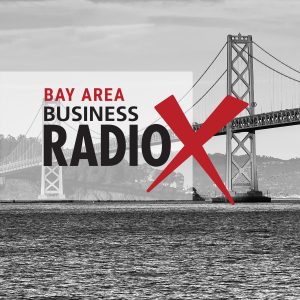
Trisha Stetzel: Hello, Houston. Trisha Stetzel here bringing you another episode of Houston Business Radio Serving the Community. Series. I am very excited to have a guest back on the show. We spoke just about a year ago, and she’s got a lot going on with her organization. I’d love to introduce you to Jamilahh Robinson, who is the founder, one of the founders of Missing Pieces Support Group. Jamilahj, welcome to the show.

Jamilah Robinson: Thank you, Tricia, for having me back. And I can’t believe it’s already been a year. But you know, time flies. That’s right. Having fun?

Trisha Stetzel: Absolutely. Well, in October is a very special month for your organization. So first I would love for you to introduce yourself. Tell us a little bit about you and then how you got involved in the organization and where this organization is going this year, because you’ve got some really exciting events coming up.

Jamilah Robinson: Sure. Thanks. Um, so about me, I have a family. Uh, I married my college sweetheart, uh, almost 14 years ago. As of two days from now. And, um, we have a ten year old son and a four year old daughter. In between those two wonderful, adorable kids, I experienced a recurrent miscarriage back in 2018. Um, at that time, I was an entrepreneur. Still am an entrepreneur, uh, that owns a marketing firm that now specializes in helping nonprofits after becoming a nonprofit leader. And, um, When it happened the first time, it was very traumatic. Like I’d heard of miscarriage, but nobody really knows what it is. And until you go through it. Um, so my experience was traumatic because, you know, not only after you hear your baby no longer has a heartbeat, you have to figure out what to do next. But, um, I had to be rushed to the emergency room because of so much fluid loss. And so, um, you know, I tried to process those emotions, but then I put my head back down and went to work. Uh, several months later, though, we found ourselves pregnant again, and, uh, at seven weeks, lost that pregnancy. Uh, that second pregnancy spiraled me into depression.

Jamilah Robinson: Tricia. And, um, you know, there was nothing really, uh, tangible that was able to to help me, uh, from a mindset Set experience. Um, I was just down and disappointed and, uh, felt helpless. Um, fortunately, I was able to connect with the pregnancy loss support group resource through Bo’s Place. They are local here in Houston, Texas near NRG, and they support all types of grief. Um, but I’m so thankful that they had one specifically for pregnancy loss because in that support group, I was able to find a safe space with other women who had gone through something similar to to my pregnancy loss experience. And we found so much commonality in our stories that it created this unique and quick bond where we were able to just be transparent and share without people stepping on our feelings or feeling triggered because, um, you know, people that go through this or don’t encounter pregnancy loss. Um, often, sometimes say things that could could cause someone who is going through it to spiral. So, um, fast forward a year from that seven week experience, it’s still meeting with those several of those ladies in the support group that I had met because we were friends now.

Jamilah Robinson: And, you know, we watched each other get pregnant again and watched each other’s kids grow all of the things. And I reached back out and said, hey, I want to, um, do something to support this, um, community we found ourselves in because of pregnancy loss. Um, we were all very aware of how little and scarce resources there were, uh, to help with, uh, with grief and, um, life after suffering a loss like this. And, um, so that that resonated with several of the ladies, um, and two of them said yes to the opportunity. And then I connected with the third, um, of our founding members, um, through, um, my church, who I knew had had a stillbirth. And she was in the very late stages of her pregnancy, about to have a baby shower. And, um, they lost the baby. Um, and she said yes to the call as well. So back in 2021, we were able to connect with a nonprofit attorney who helped us, filed the right paperwork to become a nonprofit. Uh, and we work with the name Missing Pieces Support Group, uh, because there is a small missing piece when when you go through a loss like this.

Trisha Stetzel: That’s beautiful.

Jamilah Robinson: And I could I could go on forever. But what what was the other question that you asked or tied to that?

Trisha Stetzel: It’s okay. I appreciate you sharing that story. And it’s so meaningful. And I remember when we had had you on last year, there were so many people that reached out to me that said, thank you for having this show on, and I know that it will touch others, and I appreciate that you built this community or this family of women, and you were able to found Missing Pieces support group, which is out there. And so, by the way, if anyone’s listening and you haven’t, um, and you don’t know Jamilah and you don’t know anything about this particular organization, you can find it online at Missing Pieces Support group.org and look for more information out there. So Jamilah I would like to talk about the events that you have coming up because those are going to be happening in October. And October happens to be a very special month as well. So tell us about that.

Jamilah Robinson: Yes, October is our month for pregnancy loss. Uh, it happens to be pregnancy loss and infant uh, Pregnancy and Infant Loss Awareness month. And so we have, um, some community related events to, um, you know, not only bring in those who have encountered pregnancy loss so that they do see visible visual support of those who have gone through it and have navigated that grief journey, but also an event that will bring in, um, supporters of a community that have not gone through it but can empathize and want to show their support. So the first event that we have in October is Sunday, October 13th, uh, at at 6:30 p.m. at Bell Park. We will be hosting a wave of light event. Wave of light is a national holiday that is essentially a candlelight vigil. Uh, it gives those who have encountered pregnancy loss to collectively light a candle in memoriam of that pregnancy loss. And so last year we collaborated with two or partnered with two other charities and the the Baby Loss community, little Angel network and the Harmony Grace Foundation. Um, little Angel network has similar offerings to a support group where they support those encountered pregnancy loss, and then Harmony. Grace Foundation specifically deals with NICU. Um, baby loss experiences. Anyhow, we have decided and committed to doing hosting something like this annually to encourage those who have gone through this loss to come out, connect with our resources.

Jamilah Robinson: Um, learn more about who it is that we are and how we can help them, as well as to honor the the loss that they are grieving. Um, it’s a physical way of expressing, um, you know, the loss and the heartache that you bear. Um, and you’ll be surrounded by those who can, can be there for you, to support you. So, um, we also had an amazing opportunity to partner with the women’s hospital this year who hosted something similar, uh, last year on their site and noticed that one of our apartment charities was doing this, and they said, hey, we don’t want to compete here. We want to join forces so that we can, you know, grow as much community around this opportunity to support those who have gone through this type of loss. So they are a sponsoring partner as well as, um, participating, uh, as a resource to help those who have gone through this loss. So we are excited, um, not only for that partnership, but just the opportunity to make this kind of connection with those that we seek to serve. And that’s going to happen again October 13th at Bell Park, which is in the Montrose area. Uh, starting at 630 that day.

Trisha Stetzel: Perfect. Do, um, do folks who want to participate need to register?

Jamilah Robinson: Yes. They can go to any of our partnering organizations websites. Uh, click on the event and sign up. We would love some free registration around this so that we know how many. Um, we’re this year, we’re doing lanterns that we’re going to release across the waterfront at this park. Uh, so we can know how many of those to to plan for and prepare. It’s just going to be a really unique, elevated experience this year. And we want to draw as much of a crowd as we can for that.

Trisha Stetzel: Fantastic. I will put the links for that in the show notes. So if you’re listening to the show and would like to register, all you have to do is point and click. So you can go and register for that. So Jamilah, you have another big event coming up in October as well.

Jamilah Robinson: Yes. So at the end of the month that last Saturday, October 26th, Missing Pieces Support Group will be hosting our very first five K. And this is to bring um community uh around uh pregnancy loss awareness. So, you know, we’re inviting those who have encountered loss to come out to see and be seen so that, you know, of our resource. We’ll have vendors there that speak to mental health and wellness and other resources that can help you navigate your grief journey. But we are also, um, inviting the running, running community to join us. Um, I’ve been going and attending running clubs to talk about our mission and our cause, and I’ve found so much support around, uh, you know, those in the running community who have experienced this or know someone who is closely experienced it, and it’s just been a beautiful thing to watch. Um, our mission resonates, um, with this, this, this group, um, of, of the running community that we’re reaching out to. But don’t feel like you have to be a professional runner to join us. Like, we’re also encouraging families, moms with strollers. Everybody come, come join us. Come run. Come show your support. And, um, help us bring some spotlight to pregnancy loss awareness because it’s it’s truly a traumatizing suffering in silence type of situation that should not exist in 2024. There are too many people that encounter this for us to not have access to the resources that we need to move forward in a positive manner.

Trisha Stetzel: Yeah, absolutely. So tell me when that five K is in October.

Jamilah Robinson: Yes. So the five K is Saturday, October 26th at 8:30 a.m. at McGregor Park. Uh, we have a specific race website set up for this, so I’ll give you that link as well. Tricia. Um, you can find us on runsignup. And there you can, you know, you can sign up to, to run a walk in the five K, you can sign up to volunteer. Um, if you’re a business owner and would like to have a vendor booth, you can register there as well on that site.

Trisha Stetzel: Wonderful. I will absolutely put that in the show notes so that folks can just point and click and get right to that registration site. And that’s for everyone. Everyone who wants to come out and support this, your organization and these women who have gone through pregnancy loss, I would love, I have.

Jamilah Robinson: I’ve got one other thing to mention. I’m so sorry. There is a virtual option to this five K as well. So if you’re not able to join us in person or if you’re in another state, um, beginning October 1st, first through the day of the five K, uh, you have the opportunity to participate with us virtually. You can gather a group of family members or your team from work and go out on a 3.1 mile run or walk of your choosing will send you a virtual five K packet so you can, you know, post your pictures and your experience, uh, along with the hashtags that we will look to find you and share your content online with our community. So, uh, don’t be discouraged if you can’t be in person. We’d love to have you as a virtual connection for our five.

Trisha Stetzel: Oh, what a great idea. I love that, so I will definitely put all of those links in the show notes so that folks can get directly there. Um. Thank you. Tell me how I and you have some amazing events that are going on, whether it’s supporting these women or the community supporting these women. But I know that there are other people in the community. Maybe they can’t make these events and they still want to support your organization. How can they get involved?

Jamilah Robinson: Thank you for asking that question. You know, money is always a need of, um, organizations like us as we’re a nonprofit. But if you want a volunteer opportunity, um, or a way to tie yourself to our organizations, we do now have things that you can, you know, incorporate in your own personal communities to help us. One of the biggest opportunities we have is a care package. Um, becoming a care package, um, Host for a drive where we collect materials for our care packages. So if you know you are a part of a group that wants to support us in that way, we can connect you to our events Coordinator who will help coordinate an on site. Um, care package drive where you can collect the items we need for the care packages, and then also assemble the boxes. Um, to help us in a very meaningful way, because, I mean, we are few in numbers, and I’m usually one of the people that is having to put those care packages together. So, you know, the more hands we have on stuff like that, the better. And it just, um, helps us in such a physical and tangible way. So that’s one of the ways that we’re seeking support from our community. Um, now with our within our mental health and wellness community, uh, there is an opportunity to sponsor the care package materials that we have. Um, and with that sponsorship comes, uh, you know, a label that we place on the materials that you’ve sponsored within the care package. Um, so that, um, those who go through the care package see you as a trusted resource, um, of someone they can reach out to if that’s the specific type of help that they need.

Jamilah Robinson: Um, we will, of course, in exchange for your generous donation of sponsoring materials, um, include in recognize you on our online platforms, website, email marketing. Um, and social media. Um, and wished you as a, as a trusted resource in that space. Um, and then for those um, organizations that encounter, um, pregnancy loss, we are partnering with them to distribute our care packages for a nominal fee of $10 a box. Um, where, you know, you can have these boxes on site when you have to deliver that awful news, and that person doesn’t leave that place empty handed without a next step resource. We, of course, are not expecting someone to go that’s going through this, to go through that box immediately. But you know, when they’re ready, it’s there for them. And they can be be connected to a website not only comforted by the items in the care package, but connected to our website for the additional resources, like our um, support group program, where they can be a part of that experience. Um, and, you know, look at our library directory of resources so you can navigate your own grief journey. You know, support group isn’t the best start for everyone, But we we can show you songs, books, podcasts, uh, therapists, uh, recommendations. Uh, that might be a better fit for where you are in your journey. So. And you shared those are the ways to.

Speaker4: Let’s go ahead.

Trisha Stetzel: Thank you for sharing that. And you shared with me before we started recording today that you you’re actually inviting men into the support groups now as well. So it’s not just specifically for women who have gone through pregnancy loss, but for men as well.

Jamilah Robinson: That’s correct. So, um, right now our current structure is to host virtual and in-person support groups, uh, specifically for women, uh, the, the licensed therapist that we connected with to create that curriculum for women, um, exist. And we have implemented and we are currently in an iteration of our support group that.

Speaker4: Started a.

Jamilah Robinson: Couple of.

Speaker4: Weeks.

Jamilah Robinson: Ago. Those ladies will actually get to be a part of our five K, but we’ve been looking for ways to support men. And as you know, a board of directors of women and, you know, founders who are women. We can’t speak to that name. Um, however, we have been able to connect with someone in the health and wellness space who is a male who’s experienced a stillbirth. Um, from the partner perspective. And, um, he is working with, um, our, our lead, our, our liaison for support group, uh, facilitation doctor Ken Cooper, uh, to create some curriculum for men. And, you know, it, we don’t expect it to look like something that would help a woman. Right? Men connect in different, totally different ways. And, you know, his insight, you know, is a professional in that space as well as being a lost dad is going to be huge for us. And figuring out how to to support men that are going through this, um, because they’re not totally sure about, you know, not only how they’re what they’re going through, but how to support their, their partner and what what best to do. So, you know, it’s it’s a two birds, one stone type of situation with supporting them and then showing them how to support, uh, the partner in their life. So we’re really excited about that.

Trisha Stetzel: Uh, your organization is blossoming, and it’s so amazing to hear how much you’ve grown just since the last time we spoke a year ago. So for anyone who’s interested in the events or learning more about Missing Pieces support group, you can go to Missing Missing pieces. Support group. Dot org. To learn more about the organization or even register for the events that we talked about today, or volunteer to be a part of these care packages that Jamilah was talking about. I really appreciate you being on the show, and I’d also like to highlight that this is not the only thing that you do, and you are such a giver and you support this community of women and men so wonderfully, but you are also an entrepreneur and business owner, so there’s something to be said about that. And running your own business as well as running this amazing organization. So thank you for all of the time and effort and heart that you put into everything that you do.

Speaker4: Oh, Patricia.

Jamilah Robinson: That truly means a lot. Woman to woman and entrepreneur to entrepreneur. Uh, but, you know, as I begin to walk this nonprofit space, I’ve seen God essentially marry my World because I’ve tailored my offering to help and support nonprofits. So whenever I can connect with a nonprofit leader to help elevate, um, our impacts in the community, I can also now help them with their marketing needs. And we’re creating community amongst nonprofits in my for profit business with the quarterly networking meetup, where we invite them to, you know, come out and meet each other, we provide a learning and educational opportunity. And, you know, we give back, uh, to a nonprofit through a social media contest that we run online. So it’s just come full circle for me. And I’m thankful to have made it to this point where I can watch the vision unfold.

Speaker4: Beautiful.

Trisha Stetzel: Thank you so much. Is there anything else that you’d like to share before we close for today?

Speaker4: Uh, no.

Jamilah Robinson: I just want to thank you for this opportunity. Um, looking forward to to meeting someone who resonates with this at, you know, either A5K or a candlelight vigil or is an opportunity to support us through a care package drive. And, um. Yeah. Thank you. Tricia. I really.

Speaker4: Appreciate I’m so glad that.

Trisha Stetzel: You’re on this show with me today. I appreciate it and look forward to getting more people involved and getting the word out about your events and about your organization that does such important work for the community.

Jamilah Robinson: Thank you so much.

Trisha Stetzel: And that’s all the time we have for today’s show. Join us next time for another exciting episode of Houston Business Radio. Until then, stay tuned, stay inspired, and keep thriving in the Houston business community.

 

GWBC POP 2024: Crystal Davis with The Lean Coach Inc.

October 1, 2024 by angishields

GWBCPOP-Crystal-Davis-Feature
GWBC Radio
GWBC POP 2024: Crystal Davis with The Lean Coach Inc.
Loading
00:00 /
RSS Feed
Share
Link
Embed

Download file

The Power of Partnering (POP) is a half-day event where women entrepreneurs, business leaders, corporations and procurement professionals come together to train, network and create matchmaker opportunities to help create and reach procurement and business goals.

Each agenda includes educational resources from thought leadership and subject matter experts and the opportunity to showcase your capabilities statements in a meet the buyer setting or matchmaker sessions.

Crystal-DavisCrystal Davis is CEO of The Lean Coach, Inc. She is an experienced business management consultant with twenty years of experience in the design, development, and implementation of Lean Business System solutions.

She has accumulated extensive domestic and international expertise in the design and implementation of solutions for automotive and healthcare manufacturing, and consumer packaged industries.

Crystal has assisted clients in formulating comprehensive business and logistics strategies and in re-engineering distribution and manufacturing operations to reduce costs, improve customer service and drive revenue.

With Crystal’s vast knowledge and experience she has played integral roles on several enterprise-wide Supply Chain Management projects. Crystal has also trained and coached globally in Operational Excellence at various organizational levels.

As a teacher, coach and speaker, Crystal uses practical techniques, innovative methods, and Socratic teaching to engage, captivate, and add value to those she encounters.

Connect with Crystal on LinkedIn.

Transcript-iconThis transcript is machine transcribed by Sonix.


Intro: Broadcasting live from the Business RadioX Studios in Atlanta, Georgia, it’s time for GWBC Radio’s Open For Business. Now, here’s your host.Lee Kantor: Lee Kantor here broadcasting live from the GWBC Power of Partnering event at the Georgia Power Headquarters. I’m so excited to be talking to my guest, Crystal Davis with The Lean Coach, Inc. Welcome.Crystal Davis: Thank you. I’m so excited to be here.

Lee Kantor: I am so excited to talk to you about your business. Tell us about The Lean Coach. How are you serving folks?

Crystal Davis: Oh, great question. So, we are serving corporate clients currently looking to expand to govcon in three verticals, project and program management, lean and operations consulting, and leadership development training and coaching.

Lee Kantor: So, what’s your backstory? How did you get involved in this line of work?

Crystal Davis: My backstory is I started doing this work in corporate America for over 20 years in the automotive space, food and beverage, and life sciences, and decided that I wanted to expand and be able to serve on a greater level the work that I was successful at, leading inside of corporations.

Lee Kantor: So, where do you think the opportunity is for you to help corporates maybe get to a new level?

Crystal Davis: Great question. So, there are a couple of key verticals that I think are important now. So, we do a lot of work in the supply chain and manufacturing space, and so there’s still a lot of churn in that space from COVID around just supply chain issues and navigating that. And then, I think the second space that’s most important is workforce development. Workforce development with the advent of all of the online opportunities and businesses, a lot of people looking to exit corporate has created a huge challenge in the skills that will need to be developed as well as the skills that people will need for things like AI, predictive analytics, and so forth and so on.

Lee Kantor: So, what kind of is the pain that these corporates are having where they’re going, “Oh, we got to call Crystal and her team”?

Crystal Davis: The pain is that we can’t seem to go fast enough. And without having the skillset in-house, they’re looking more external for some of the subject matter experts to be able to come in and accelerate the pace of change that’s needed nowadays.

Lee Kantor: Now, what brings you to GWBC? Why was it important for you to become part of this community?

Crystal Davis: Well, one, as a certified woman-owned business, Roz always talks about showing up and being in the room, so I had to be here. And then, the second thing is I think it’s important the topic of today, how do small businesses do business with government contracting. And there’s so many opportunities for us to learn how to navigate that space, which operates very differently than the corporate space, I would say has been my experience, so it’s a challenge and something I want to learn.

Crystal Davis: And then, secondly, I appreciated the panel of government experts that are here locally, from the state, from the surrounding counties and the City of Atlanta to provide insights about how we can do business with them.

Lee Kantor: Now, are you looking at it from a coaching standpoint to get into the government arena to be able to help them maybe become more efficient or take advantage of some opportunities, like you were saying, that maybe they’re not moving fast enough on?

Crystal Davis: Yes, absolutely. That’s, you know, primarily what I’m trying to understand is what are the pain points of our local government areas where I can pitch and offer supports, where we have past experience. And then, the second thing, which was mentioned by the keynote speaker is, where should I be expanding our services, whether that’s through partnering or even through reflecting on my own experience of where I have past experience in corporate, but just may not be aware that that’s a service needed now.

Lee Kantor: Right. And did you learn anything when it comes to navigating kind of the complex web of bureaucracy there is in dealing with the government of just finding that right path through the maze so you can even get in front of the people that you need to get in front of?

Crystal Davis: Absolutely. They shared insights about a lot of programs and events that they put on. And so, going back to the point that I made about Roz saying being in the room, one is I need to do a better job showing up at those spaces and building those relationships. And then, secondly, I think that I will personally say that I find it very daunting, and so they made it seem much more personable and approachable.

Lee Kantor: Well, that’s important. Well, I think you hit the nail on the head in terms of relationships matter, and having the right kind of champion or Sherpa to help you kind of get through the maze can save you a lot of time, energy, and money when it comes to pursuing this type of opportunity.

Crystal Davis: Oh, absolutely. Absolutely. And I’ll tell you one other thing I learned today that I have heard, but I haven’t really thought much about. So, in WBENC and also in GWBC, they talk a lot about doing business together. And as the keynote speaker was talking, I thought, “You know what? There are a lot of services that we provide to large corporations that a lot of small business owners in the room could leverage to improve the operations of how they do their business, and I need to be building relationships with them as well.”

Lee Kantor: Well, that’s an important part of the community. I think a lot of WBEs don’t really leverage enough is to partner with other WBEs, and somebody is the primary or the secondary, but together you’re way more powerful and more marketable because now you’re solving more problems for the client. So, yeah, I think that’s a missed opportunity for a lot of WBEs that they’re not leveraging the other WBEs in the room.

Crystal Davis: Yeah. That was so keen.

Lee Kantor: That was an aha, right?

Crystal Davis: That was a real aha moment today, yeah.

Lee Kantor: Yeah. And it’s great that you’re around in the room today in events like this where you’re around a bunch of other people just like you that are like, “Hey. Why don’t we take this on together and be stronger together rather than individually?”

Crystal Davis: Yes, yes, yes. And as a small business owner, you get so busy, sometimes you think, “Oh, do I really need to go there? Is it going to be worth my time?” You know, I’m guilty of it. But I think that just those small little aha moments and the opportunity to be in the room and to network, it definitely could be game changing.

Lee Kantor: It could be game changing, right. And that’s the thing where a lot of the smaller folks that don’t have a team, really, they’re doing the marketing and they’re doing the work, and it’s just hard. You start doing the work and you forget about the marketing, or you’re doing the marketing and you’re not getting the work, and you get frustrated so it’s hard to kind of wear all the hats.

Crystal Davis: Oh, yeah. You just perfectly described our lives. We’re so busy working in the business that we forget to work on the business.

Lee Kantor: Right. And you’ve got to really be mindful about that if you want to get to a new level.

Crystal Davis: Yeah, yeah. So, partnering is key.

Lee Kantor: Good advice. And so, if somebody wants to learn more about The Lean Coach, where should they go?

Crystal Davis: They can go to www.theleancoachinc.com. And then, they can find me in my home on LinkedIn at Crystal Y. Davis.

Lee Kantor: Well, Crystal, thank you so much for sharing your story. You’re doing important work and we appreciate you.

Crystal Davis: Thank you for having me.

Lee Kantor: All right. Back in a few at GWBC Power of Partnering event.

TRANSCRIPT

Tagged With: The Lean Coach Inc.

GWBC POP 2024: Lynn Cowart with Talent Dimensions

October 1, 2024 by angishields

GWBCPOP-Lynn-Cowart-Feature
GWBC Radio
GWBC POP 2024: Lynn Cowart with Talent Dimensions
Loading
00:00 /
RSS Feed
Share
Link
Embed

Download file

The Power of Partnering (POP) is a half-day event where women entrepreneurs, business leaders, corporations and procurement professionals come together to train, network and create matchmaker opportunities to help create and reach procurement and business goals.

Each agenda includes educational resources from thought leadership and subject matter experts and the opportunity to showcase your capabilities statements in a meet the buyer setting or matchmaker sessions.

Lynn-CowartLynn Cowart’s career spans multiple industries working with senior leaders in support of their long term strategic goals in talent management and learning and development.

Through the lens of retention, engagement and career development, her corporate experience with GE, Martin Marietta and Lockheed Martin has helped propel her clients to consistently achieve operational success through value creation.

In her role as Chief Operations Officer of Talent Dimensions, Lynn is responsible for global delivery and solutions development, along with ensuring organizational excellence for Talent Dimensions and its clients.

Lynn recently co-authored the book, ‘Up is Not the Only Way – Rethinking Career Mobility’ with Bev Kaye and Lindy Williams, challenging leaders and employees to re-imagine what it takes to achieve ultimate career success through a true mobility mindset.

Transcript-iconThis transcript is machine transcribed by Sonix.


TRANSCRIPT

Intro: Broadcasting live from the Business RadioX studios in Atlanta, Georgia, it’s time for GWBC Radio’s Open for Business. Now, here’s your host.

Lee Kantor: Lee Kantor here broadcasting live at the GWBC Power of Partnering event at Georgia Power Headquarters. So excited to be talking to Lynn Cowart with Talent Dimensions. Welcome.

Lynn Cowart: Hey, thank you. Great to be here. Thanks for having me.

Lee Kantor: Well, I am excited to learn about Talent Dimensions. How are you serving folks?

Lynn Cowart: Well, we first serve in a number of different ways. Talent Dimensions is a talent management company and we serve the continuum of engagement, retention, belonging, career development, diversity, equity, and inclusion. So our goal or our vision is to be the company that serves and partners with organizations to help them bring their best and brightest people to work and have their people bring all of themselves to the workplace.

Lee Kantor: So what’s your backstory? Have you always been involved in this line of work?

Lynn Cowart: Pretty much. So, yeah. My corporate background was in GE, human resources, and came – did a number of consulting gigs in the Atlanta area after closing shop in Valley Forge, Pennsylvania, and have always been in the talent management field in some way, shape or form. And this is the epitome of being able to do our best and highest work.

Lee Kantor: Now, why was it important for you and your firm to get involved with GWBC?

Lynn Cowart: Gosh, this has been a goal of ours. We’ve been in existence for six and a half years as an organization, and this has been a goal of ours for the entire time. It was just a matter of getting to it. It’s a great partnering organization, great networking. We’ve received tremendous support from GWBC as well as with WBENC. And this is – we’re just thrilled to be here.

Lee Kantor: Now, how are you going to kind of attack this kind of an event? This Power Partnering event is so important for the community as well as the organization. So how does an attendee like yourself kind of take advantage of all that’s offered here?

Lynn Cowart: Gosh, that’s a great question. That’s a loaded question. I’m here just to be a sponge. This is actually the first formal event that we’ve attended since we were just certified earlier this year, and I’m just looking to understand more about others, how we can partner with others, but also how we can support each other in this, in this event.

Lee Kantor: Now, in your career, how have you been able to kind of take advantage of education like this here? Are you going for the speakers? Are you going to the networking opportunities with other kind of firms like yours, or looking at it as a business opportunity where, “hey, there’s some corporates here that I might be able to get onto their radar”?

Lynn Cowart: Yes, yes and yes all the way across. Now, we’re looking to just just like I say, partner in any way, shape or form, certainly provide any services that are needed or that would be helpful, ability to speak, hear speakers. You know, the business climate is changing so quickly. The way that we work, how we work, where we work, that it’s really, really important for individuals to keep on top of it and keep ahead of the curve.

Lee Kantor: Now, who is kind of the avatar, the ideal client profile for your firm?

Lynn Cowart: Anybody who’s got people working as their employees.

Lee Kantor: And so they could be in office, remote, it doesn’t matter?

Lynn Cowart: Yeah. Remote, in office. Global. Yeah. We have large clients. I mean, you know, Fortune 100 companies as well as smaller companies that are less than 500 people. But they’re just looking to strengthen their highest resource, which is their people, in ways that they hadn’t thought about before. So we offer creative ideas.

Lee Kantor: Now, any advice for the candidates out there? How do they kind of rise above the, you know, the masses? How do they kind of distinguish themselves when they’re looking?

Lynn Cowart: That’s a great – that’s a great question, too. I think it’s just being curious. I think the big word is being curious, understand more about who you’re talking to, what the need is and most specifically, how you can fill the need based on your experience. It’s not so much jobs or skill sets, but your experiences. It’s all about experiential base.

Lee Kantor: Now, is LinkedIn, is that a must have kind of resource or is it a nice to have resource?

Lynn Cowart: It’s a must have. Yeah. Just to keep on top of what’s going on in the industry to read the daily postings, understand who’s who in the community, and most importantly, show, you know, show the – or show the world what you have to offer to by virtue of thought leadership, content, solutions, things like that.

Lee Kantor: So that’s something that if you’re a candidate and you’re looking, you should be kind of investing some time on creating thought leadership things and posting things so that you can be found by people like you.

Lynn Cowart: Yes, exactly. And really show your interest in and, again, it goes back to curiosity. Right? Going back and understanding what’s – what the others are looking for and how you could really do your research to be more present in the organization, present in the conversation.

Lee Kantor: So if somebody wanted to connect with you and have more substantive conversation, what’s the website? What’s the best way to connect?

Lynn Cowart: Probably a couple of different ways. Talent – and talent-dimensions.com is our website. My personal email is lynn.cowart, C-O-W-A-R-T, @talent-dimensions.com. LinkedIn. You know, Lynn dot Cowart or Lynn Cowart would be a way or Talent Dimensions website. A LinkedIn post is a place to go as well. We’re constantly posting things. We’ve got a great webinar coming up tomorrow about choosing respect in the workplace. So if anybody would like to join that, you can find that on LinkedIn and our Talent Dimension space.

Lee Kantor: And then if there’s a potential client out there, that’s a way to kind of ease into a relationship with you. Maybe, have you host a lunch and learn or some sort of a webinar or something along those lines?

Lynn Cowart: Absolutely. We’d love to hear more about what’s going on in the community and use our marketing database to provide webinars that kind of shed some light on what’s going on in the community.

Lee Kantor: Well, Lynn, thank you so much for sharing your story today. You’re doing such important work and we appreciate you.

Lynn Cowart: Thank you so much for having me. I appreciate it.

Lee Kantor: All right. This is Lee Kantor. We’ll be back in a few at GWBC’s Power of Partnering event.


Tagged With: Talent Dimensions

BRX Stories – Creating Serendipity

October 1, 2024 by angishields

BRXmic99
BRX Pro Tips
BRX Stories - Creating Serendipity
Loading
00:00 /
RSS Feed
Share
Link
Embed

Download file

BRX-Banner

BRX Stories – Creating Serendipity

Stone Payton: Welcome back to Business RadioX Pro Tips. Stone Payton and Lee Kantor here with you. Lee, you’ve observed and I have seen it time and time again in the studio these serendipitous moments. Speak to that a little bit.

Lee Kantor: Part of our methodology, and especially pre-pandemic, this was really the only way we did business, was in a studio, we would invite two or three people to come on a show. Each person would have their own segment, and they would kind of tell the story. We would interview them and we would get them to just talk about their backstory, how they got into what they’re doing, what makes them special and unique, how do they serve people, all that good stuff. So, we were doing that in every episode we did, for every show we did over and over again.

Lee Kantor: And one of my favorite stories about serendipity, what we would find by doing this activity is you would find that, “Oh, this person used to work for this company,” and you’re like, “Oh, my wife used to work for that company. Do you know this person?” And then, you would have those kind of moments would happen more frequently than maybe a lay person or person in the industry would think. But kind of the world is small and these kind of weird connections would happen regularly.

Lee Kantor: But my favorite weird connection that happened involved two college mascots. We were doing the Atlanta Business Radio Show, and one of the guests was the inventor of this kind of party bus called the Fur Bus. And he comes on, he’s talking about the Fur Bus, and he’s like, it’s covered in fur and it’s a party bus you rent for proms and weddings, and things like bachelor parties, bachelorette parties.

Lee Kantor: And he was telling his backstory is that he was a zoology major at Auburn University and he was the Auburn Tiger mascot. And we’re like, “Oh, that’s hilarious. Wow. I’ve never met a college mascot.” So, we’re going around the room and he tells us that and we’re like, “Oh, that’s interesting.” So, the next person comes, they do their interview.

Lee Kantor: And then, finally, the final person comes, and this guy is a guy that’s an older guy and is probably at the time in his 60s. And he used to sell insurance, but now he is kind of a net-weaving guy. That’s his background. He does this program called Net-Weaving, which is all about networking and things like that and how to do it right and elegantly.

Lee Kantor: And I never knew this about him. I’ve known him for many years. And he goes, “You’re never going to believe this, but I went to University of Colorado and our mascot is the Colorado Buffalo, and I was the Colorado Buffalo.” So, there we have it in this one episode with three guests, two of them were college mascots.

Lee Kantor: Now, what are the odds? I mean, I had never met a mascot ever. And here, I was meeting two of them at the same time.

Lee Kantor: Now, I just talked to this guy a few weeks ago. He came on another show and he brought up, he was like, “Remember when I was on and the other college mascot was on?” Like, this is a memory for him that’s still around ten years later, and I’m sure it is for the Fur Bus guy, where two college mascots, they weren’t coming on as college mascots, they were coming on for some other reason, but they were both college mascots on the same episode at the same time.

Lee Kantor: That, to me, is just serendipitous. And this happens on a regular basis. These moments of serendipity happen when you bring a group of people together and ask them questions about themselves in a relaxed, safe environment where they can kind of let their hair down and talk about what’s important to them. You’re going to uncover kind of weird threads and connections amongst your guests in ways that you couldn’t imagine or script in a million years. And that is one of my favorite parts about doing the work that we do, and I think it’s one of the most valuable things we bring to the table when we’re helping our clients serve the people that are most important to them.

From Small Businesses to Corporations: Tailoring Incentive Programs for Every Workplace

September 30, 2024 by angishields

WIM-Karen-Kelly-Feature
Women in Motion
From Small Businesses to Corporations: Tailoring Incentive Programs for Every Workplace
Loading
00:00 /
RSS Feed
Share
Link
Embed

Download file

In this episode of Women in Motion, Lee Kantor interviews Karen Kelly, owner of K2 Ultimate Incentives. They discuss the significance of employee engagement and motivation through incentive programs. Karen explains how these programs benefit organizations of all sizes, shares best practices for implementation, and emphasizes inclusivity. She also highlights her journey in joining the WBEC-West community and adapting incentive programs to be more environmentally friendly. The episode underscores the importance of recognizing and motivating employees to enhance workplace culture and productivity.

Karen-KellyKaren Kelly is the driving force behind K2 Ultimate Incentives, where she serves as the owner and managing partner.

With over two decades of experience in sales, customer support, and guiding customers to solutions for their goals, Karen is dedicated to helping businesses achieve their goals through effective incentive programs.

She has a proven track record of success in various industries, from pharmaceuticals to early learning centers.

Prior to founding K2 Ultimate Incentives, Karen held several key roles, including Director of Operations and Sales Executive for Incentives Midwest, Inc, Ultimate Choice Incentives Account Manager, and Territory Business Manager at Nabriva Therapeutics.

Her experience includes developing and implementing reward and incentive programs, fostering strategic partnerships, and achieving exceptional sales results.

Connect with Karen on LinkedIn.

Music Provided by M PATH MUSIC

Transcript-iconThis transcript is machine transcribed by Sonix


TRANSCRIPT

Intro: Broadcasting live from the Business RadioX studios, it’s time for Women in Motion. Brought to you by WBEC-West. Join forces. Succeed together. Now, here’s your host.

Lee Kantor: Lee Kantor here. Another episode of Women in Motion. And this is going to be a good one. But before we get started, it’s important to recognize our sponsor, WBEC-West. Without them, we couldn’t be sharing these important stories. Today on Women in Motion, we have Karen Kelly, who is the owner and managing partner with K2 Ultimate Incentives. Welcome.

Karen Kelly : Thank you. Thank you so much for having me, Lee. I’m really thrilled to be here. I’m looking forward to our conversation. And again, I appreciate this opportunity just to share more about K2 Ultimate Incentives.

Lee Kantor: Well, before we get too far into things. Tell us about K2 Ultimate Incentives. How are you serving folks?

Karen Kelly : Sure. So K2 Ultimate Incentives has really been focused on dedicating and enhancing employee engagement and motivation through incentive programs. They are meticulously crafted and aligned with the company or the customer that we’re in front of, the company goals or their individual aspirations. We offer a diverse range of rewards and recognition strategies so that we can empower organizations to achieve their objectives through innovative and comprehensive incentive solutions.

Lee Kantor: Now, are these kinds of incentive programs only for the larger organizations, or can smaller organizations take advantage of them as well?

Karen Kelly : That’s a great question. Incentives – what I always say to people is to keep in mind the purpose of incentives. And it’s really to stimulate a greater output. It’s incentivized to change behaviors. So incentives are going to be beneficial for organizations of all sizes, not just small or not just large. While larger companies may have more resources to allocate or more complexities, smaller organizations definitely can implement effective incentive strategies that can be tailored to their needs and their budgets as well.

Lee Kantor: Now, do you mind if we get a little granular in this and maybe explain some best practices for small businesses, if they wanted to kind of dip their toe into this, and also what it would look like for larger enterprise organizations?

Karen Kelly : Yes. Of course. I think the foundation of building an incentive program really remains similar in all, whether you’re a small or large enterprise. Again, the goals are to motivate and change behavior.

Karen Kelly : One of the big things I always say at the beginning is this takes a team, like look at who is involved, maybe your legal team, the accounting team, HR department leads, IT employees, and obviously, anything with compliance because every state, every, you know, may have different compliance or rules on it. But specifically for small businesses, some of the best practices really are to define that clear objective. Like, what is the organizational goal that you’re trying to achieve? Some common goal that I always hear about obviously is increasing productivity. Employee retention is a big one, just boosting morale and building that culture, maybe participating in surveys, increasing referral programs. Again part of that design, obviously, is budget. Knowing what your budget is.

Karen Kelly : What’s really key, too, is understanding your employees. What are their preferences? What motivates them? Because if you put a program together and the end product is not something that’s going to move them or incentivize them, they may not be as involved. So you want to make sure the incentives you offer are meaningful and really will motivate the team.

Karen Kelly : Set clear criteria and communicate. This is so important that everyone understands the specific goals, what they’re earning, what they’re, you know, just to try to help communicate everything with fairness and transparency.

Karen Kelly : I think with a small program and small business I would also encourage with enterprise is really to test pilot, kind of have a pilot program. What I always say is when are you already buying? Is it holiday time? Is it employee recognition? Is it Healthcare Week or Human Resources day?

Karen Kelly : If you want to try a new program out, pilot it with something like this with one in an organization and to put it out to everybody and then get feedback. Because then you can really refine and build a program based on the feedback of the results of what you may have just, you know, achieved in this and this is really more geared towards when choosing, you know, certain platforms and again, communicating, you know, clearly, and just recognizing achievements regularly. That’s another thing that a lot of programs designed today were kind of designed a while ago when different generations were in the market.

Karen Kelly : And there are different generations now. And millennials and Gen Zs, I think I just read that 2025 will be 60% of our workforce. And we really need to be recognizing regularly because they grew up in a world where everything is instant gratification. And long gone are the times of maybe rewarding quarterly or yearly. It really should be more regular acknowledgment and regular, you know, celebrations and then really to just always evaluate and adjust.

Karen Kelly : Another best practice is you can include non-monetary rewards. It doesn’t have to always be something of dollar value. Maybe it’s letting someone go out to work or, you know, our work early, or giving them flexible work arrangements. Public recognition. There’s a lot to be said about social recognition.

Karen Kelly : So I think as far as a small business, those are some best practices.

Karen Kelly : I think when it comes to enterprise, a lot of those are similar approaches. Obviously, there’s probably more of a strategic approach with enterprise because of the complexity of the business. And really where I just see maybe some differences from what I’ve just included is maybe enterprise has more segmented in their program, meaning segmented in their workforce. There’s different departments, so distinct goals and motivations may be different in each department. So you may want to strategize a little there but really think about the different departments.

Karen Kelly : For a larger enterprise, we would probably, you know, suggest maybe doing some type of data analytics if they already have a program, kind of see what’s working, what’s not. Disengaged employees are always one that comes back.

Karen Kelly : Another difference that I would see between small and big enterprises would probably be implementing more tiered awards, really structuring different awards for different levels. Again, obviously communication, transparency, and fairness. Here is another area where they may want to integrate technology. So they may want to be looking for something that they can do, you know, technology integration. With both, you really should be encouraging employee feedback.

Karen Kelly : I’m trying to think. Another one here too, I guess would be definitely to promote – design your program that recognizes a diverse contribution across the organization. And what that means is, you know, you may want to ensure – you have to ensure that all, everyone in this company has an opportunity to reward, regardless of their role, regardless of where they’re located, because enterprises are typically across the nation. So it may be something like commitment to the company values or reward for innovation, problem-solving, leadership, and teamwork.

Karen Kelly : So there are ways we can discuss to kind of be more creative there. It’s probably some of the most differences I would say between the two.

Lee Kantor: Now, I’ve seen people try to do incentive programs, obviously without expert help like you, but on their own try to do a program and then sometimes the highest performer is winning every time, and then everybody else is kind of disincentivized. How do you go about creating a program so that everyone is incentivized throughout the program, not just that first week of the program?

Karen Kelly : Right, right. And that is an excellent question because it’s not even so much just the first week of the program. What I also heard you say is kind of that the top performer that keeps winning over and over again. And the goal of an incentive program is really going to be to incentivize and change behaviors across your organization.

Karen Kelly : Again, a goal there would be to diversify the criteria of it. It may be something like I mentioned before with, you know, culture or maybe it’s an innovation with teamwork or it’s, you know, if somebody embodies the value of one of the cultures, you’re going to reward them. And it’s a continuous thing. You want to focus more on strengths and achievements of the individual instead of just that top, you know, performer. Sometimes, you know, again, what will help here is those tiered recognition programs. So you want to give different tiers, maybe a first place, second place, and a third place, allowing more employees, you know, to be recognized.

Karen Kelly : Another suggestion here would be really a lot of enterprise companies they do point systems and so they develop points based on different goals, various achievements, so that everyone is kind of waiting on their own thing throughout the whole thing. And it’s not always, you know, the same, you know, same person.

Karen Kelly : The other suggestion is rotating the recognition program. It doesn’t have to always be. So many of these enterprise companies have that one set, we’re going to work towards this. So we’re going to work towards a travel. We’re going to – rotate what the recognition program is. Make sure you involve the whole organization because you will – for those that always win or if it’s not achievable, you won’t get them engaged in the program.

Lee Kantor: Now, when someone is starting to work with you, maybe for the first time, or somebody coming to you that has never done this before, can you share a little bit about what it looks like to onboard or to explain, you know, how to get an incentive program in place?

Karen Kelly : Sure. Frequently, we’ll have – someone will come to us the first time. And I want to say that their mindset is always years of service, which I think is very important. And I think it shows value and appreciation with the years of service and acknowledging it. What I do always want everyone to think about is if you are trying to incentivize and motivate, years of service would only motivate someone to stick around or change behavior if they’re trying to hit the next level.

Karen Kelly : So really what I would encourage them to do is, really, again, we would sit down and we would define what it is, maybe plan a program, define objectives, what are the key metrics, and really just design the program from what they’re doing – communication, initial rollout. So there’s a lot more. If it’s their initial time coming, there would be a lot more work in place of really just the planning process. Like I said, with communicating your initial rollout, you want to do feedback, ongoing engagement, and just really monitor and evaluate to make sure what you’re doing is even working.

Lee Kantor: Now, can you share a little bit about why it was important for you to become part of the WBEC-West community?

Karen Kelly : Yes. I love this question because it often keeps bringing me – you know, my purpose in this is to always make a difference. And I had a customer come to me. I took over a family business that was for over 20 years my dad had run and I took it over and recreated it to K2 Ultimate Incentives. And when that occurred, I had a customer ask me, “Now that you are running the business, you are a woman, you know, would you get your women’s business certification?” And I did not know anything about it at that time. So I started researching and looking at it. I really saw the value in not only strengthening my business, strengthening and giving credibility, but it was also helping achieve my customers’ goals as well.

Lee Kantor: Now, is there a success story you can share where, you know, maybe you don’t – obviously, don’t name the name of the company, but explain the problem that they had and how you helped them kind of get to a new level?

Karen Kelly : Yeah, absolutely. Along – or I would say in most of the past few years, a lot of it is all an on-the-spot recognition. There are studies that show on the spot, meaning that they want to hand something, whether they’re in the field or in a warehouse or in the office. They want to go up and acknowledge right then and there. And so they want to hand something. And oftentimes it is a physical gift card. Well, the physical gift cards now today are showing some studies that, you know, with the CO2 emissions and all the sustainability goals, it’s not a choice that we should be choosing.

Karen Kelly : So we came up with a creative solution of creating what may look like some type of physical gift card but on something on paper that would be customizable, or an image or a message or something that they could physically handle. But I also added suppliers that can keep everything digitally in technology to where they can actually text something right then and there, send and text something. So that’s still very impactful. But I think it feels good to know that the reward program didn’t stop because they didn’t want, you know, they wanted to do something impactful. And I think it feels good to know they stopped choosing physical gift cards, plastic gift cards that were not great for the environment.

Lee Kantor: And if there – is there a way for someone to get ahold of you and learn more and have more substantive conversation with you or somebody on the team? Do you mind sharing your website or socials or best way to connect?

Karen Kelly : Sure, absolutely. You can always reach out by LinkedIn, you know look for me, Karen Kelly or K2 Ultimate Incentives will pop up. You can email me at karen@k2ultimateincentives.com. And that’s K with the number two, ultimateincentives.com. You can definitely visit my website www.k2ultimateincentives.com. And all of my information is on there as well. And really what’s best for them. Call me, text me, email me, LinkedIn. Whatever their preferred method is, I will return and help them.

Lee Kantor: Well, Karen, thank you so much for sharing your story today. You’re doing such important work and we appreciate you.

Karen Kelly : Thank you so much for having me. It was really a pleasure.

Lee Kantor: All right. This is Lee Kantor. We’ll see you all next time on Women in Motion.


Tagged With: K2 Ultimate Incentives

BRX Pro Tip: Studio Partner Systems Checklist

September 30, 2024 by angishields

BRXmic99
BRX Pro Tips
BRX Pro Tip: Studio Partner Systems Checklist
Loading
00:00 /
RSS Feed
Share
Link
Embed

Download file

BRX-Banner

BRX Pro Tip: Studio Partner Systems Checklist

Stone Payton: And we are back with Business RadioX Pro Tips. Lee Kantor and Stone Payton here with you. Lee, let’s chat a little bit about some disciplines with regard to the Business RadioX Studio partner opportunity, and one that comes to mind for me is the systems checklist.

Lee Kantor: Yeah, I think it’s so important when people are kind of buying into a methodology like the Business RadioX methodology, one of the things they’re looking for is some sort of a operator systems checklist, a place they can go to know that they are doing the right activities in order to move the ball and deliver the service, the value, and making the money that they’re trying to make.

Lee Kantor: So, we have in our system kind of three main buckets that we recommend people focus their time and energy on. The first one is connecting with the right people. The second is serving those right people. And then, thirdly, obviously, is selling something to those right people.

Lee Kantor: So, number one, under connecting, the things that we ask them when we’re evaluating how well they’re doing or if they’re doing the right activities, one of the most important things about connecting is, are you meeting the right people? How many guests have you invited in the last, you know, 30 days, 60 days, 90 days? Who were they? Are they prospects? Are they clients? Are they referral partners? Are they community members? Are they influencers? When you’re doing those kind of connecting, are you connecting those people within the network together? How many people did you connect? Who were they? What was the result of the connection? Those are some of the connecting activities that people in our world should be doing on a regular basis.

Lee Kantor: And if things are slowing down, that’s the first place to look for the reason why things are slowing down. And it’s usually because you’re not inviting the right people onto your shows. You’re not doing enough of them. And that happens for a variety of reasons, one of which is that it just becomes so easy. You’re getting so many inbound guest offers that you’re just doing those instead of saying, “You know what? I got to curate this a little more. I got to make sure I’m getting more potential prospects on and less of just anybody who asked to be on.” So, the first system checklist place that we look for problems or opportunities are under connecting.

Lee Kantor: The second one is under serving and being of service to our community. And some of the questions we ask around that are, Are you making sure the right people who matter most to you are winning? So that means are your clients getting clients? Are your guests being able to leverage their guest appearance in a way that’s helping them close a sale or make more money? And some of the metrics we’re counting are, how many interviews did you do? Who were they with? What are you doing to help them?

Lee Kantor: When it comes to listeners or consulting or sharing thought leadership, are you coaching people up on how to get the most out of their interview? Are you having follow up calls with your guests to make sure that they are kind of sharing it and creating the engagement that will help them and help you? Are you serving everybody in the marketplace?

Lee Kantor: Sometimes you want to focus on prospects, but sometimes you want to focus in on referral partners or existing clients or other community members or influencers. Make sure that everybody is being accounted for. Any of the people important to you are being accounted for.

Lee Kantor: And then, finally, the last area where we make sure that they’re doing the work that needs to be done is in the area of selling. Are you having sales conversations? How many sales conversations did you schedule? How many did you have? Are you closing enough sales? How many good fit potential clients came through the door? How many people bought something? What problem did they solve by buying something? Why didn’t they buy something? What problem did they want to solve that maybe you could expand into?

Lee Kantor: So, asking questions of the people who bought and didn’t buy, understanding why they bought or didn’t buy is important and helps you hone your messaging to them, and making sure that you’re getting in front of the right people who are getting the most value out of the service.

Lee Kantor: So, those are part of the Business RadioX Studio partner systems checklist. Those are the areas we look at when we’re troubleshooting and helping people get the most out of this great business opportunity.

Stone Payton: Well, I’ve got to tell you, man, having that actual checklist is so important to me because the hole in my swing is the connecting, the first one that you mentioned. It is so easy. Once you get your studio up and running, you know, it’s weeks or just a couple of months and you can have people in your studio every day just by saying, yes. But you got to put some intentionality behind it and get the right mix of those people who meet the prospect profile, those who could be good referral partners, those who are centers of influence. And, yeah, cast a wide net and say yes to a variety of people. But you got to really think that through. So, for me personally anyway, having this checklist is really important.

Tussle: The Game-Changing Gear for Women in Fight Fitness

September 27, 2024 by angishields

WIM-Tussle-Feature
Women in Motion
Tussle: The Game-Changing Gear for Women in Fight Fitness
Loading
00:00 /
RSS Feed
Share
Link
Embed

Download file

On today’s Women in Motion, Lee Kantor is joined by Cary Williams, founder of Tussle, a fight fitness gear company for women. Cary shares her journey of opening her first boxing gym without prior experience, navigating the 2008 financial crisis, and eventually pivoting to create specialized gear for women. She emphasizes the importance of identifying market gaps and resilience in entrepreneurship. The episode highlights her partnership with WBEC-West and her plans for Tussle’s future, including a test partnership with Dick’s Sporting Goods.

Tussle-logo

Tussle is a woman owned and operated company in the USA. They are the only woman owned USA company that specializes in women’s fight gear.

Cary-WilliamsFounder Cary Williams has been in the boxing & fitness space for over 25 years as a fighter, Olympic level coach, gym chain owner, educator and presenter. She has trained and worked with tens of thousands of individuals in the realm of boxing.

Connect with Cary on LinkedIn and follow Tussle on Facebook.

Music Provided by M PATH MUSIC

Transcript-iconThis transcript is machine transcribed by Sonix


TRANSCRIPT

Intro: Broadcasting live from the Business RadioX studios, it’s time for Women in Motion. Brought to you by WBEC-West. Join forces. Succeed together. Now, here’s your host.

Lee Kantor: Lee Kantor here. Another episode of Women in Motion and this is going to be a good one. But before we get started, it’s important to recognize our sponsor, WBEC-West. Without them, we couldn’t be sharing these important stories. Today on Women in Motion, we have Cary Williams with Tussle. Welcome.

Cary Williams: Well, hello. Nice to get on here with you and chat.

Lee Kantor: Well, I am so excited to learn what you’re up to. Tell us about Tussle.

Cary Williams: Yes. Well, Tussle is a fight fitness gear company, and we specialize in women’s gear. So, we’re talking about athletes and non-athletes. So, you know, we’ve got gals that do boxing, kickboxing, Muay Thai, MMA, but they also do these activities for fitness. And so, we specialize in making their gear, well that it fits. We’re not doing a shrink it and pink it with it. We are actually form-fitting gear to fit them, and it looks amazing as well.

Lee Kantor: So, what’s your backstory? How’d you get involved in this line of work?

Cary Williams: Yes. So, about 26 years ago, I guess, I opened my first boxing and fitness gym. So, this was way before boxing and fitness kind of went together in the same sentence. And you would either go to a boxing gym to learn how to be a fighter, or you would do Tae Bo at home. So, I opened a- you know, it was kind of a pioneer back then and offering boxing for the everyday person that wanted to learn the skill set but didn’t want to get punched in the face. And I ended up growing that gym to three locations. I did not have any boxing experience before I dove into that. I didn’t have any business experience. I don’t have a business degree. So, you know, it was kind of I ended up becoming a fighter in an Olympic level coach throughout the years. So, it’s kind of a little bit of a backwards story, I would say, because usually you’re an athlete, a coach, and then you open a gym, but that’s, you know, the- that’s kind of the beginnings of everything.

Lee Kantor: So, what attracted you to boxing and fighting?

Cary Williams: Well, I was raised by my father, and I remember watching boxing with him being a youngster. But what had happened was when I graduated from college with my Environmental Science degree, I had a friend who was a boxer at the time. And I remember him talking about how people would come into the boxing gym, and they’d want to learn how to box, but they didn’t want to be fighters, and they never- you know, the trainers would say, “Well, you know, you’re going to- we’re not going to work with you because you don’t want to fight.”

And I just kind of thought, well, maybe that’s an opportunity to jump on. And I started thinking about what could I do? How could I open a business that is something no one’s done before? And that’s kind of what struck me was this, you know, kind of it was a gap in the market, really, something that hadn’t been done, and there was a need for it. So, I decided to hire him as my head trainer, and I put together a business plan. Back then, we didn’t have Google, so I bought a Business Plan for Dummies book. And I wrote up a business plan, and I set up an appointment with a banker at Bank of America. I did a lot of research on SBA and all of that, and I was able to land a $40,000 SBA loan, which he called a feel-good loan because I didn’t have any collateral or experience. And then, I kind of just took off running with that.

Lee Kantor: Now, were you initially targeting men, or was it men and women? Like, how did kind of the concept evolve?

Cary Williams: You know, initially, because there weren’t really any women that were doing boxing or really wanting to do any boxing, I really focused on everybody. So, you know, the thing is you kind of go into that guerrilla marketing state where we didn’t have, like I said, Google. So, we didn’t have social media, obviously. The field was very different as far as how you marketed. So, I would print up fliers, I’d go to local events, boxing events and pass out fliers. And I started actually get some press. So, I started to learn very quickly that I was a bit of an anomaly in that kind of arena. So, I wrote some press releases, sent out to the local press and was able to get some great articles on, you know, this woman opening a boxing gym in Sacramento, California. And that really did the trick. You know, getting that press really catapulted the business. So, yeah, you know, these are the things you do is kind of boots on the ground.

Lee Kantor: So, the boots on the ground, you’re just looking for people to come in and join, right? Like you didn’t care, man, woman. It was- you were just trying to get members at that point.

Cary Williams: Just getting members. You know, back then, I didn’t really think about, “Oh, we’re going to just cater to men or just cater to women.” It wasn’t even a thought in my head. It was just getting people in that wanted to learn but wanted to do it more for a workout. But we did start- because I am a woman, obviously, we did start to see more women coming in because, you know, if they see an article of this woman opening a boxing gym, immediately it’s, you know, female-friendly and, you know, I can come in, I can learn self-defense, I can feel comfortable, I could feel safe, you know, all of these things. So, we definitely started seeing a lot more women come in. And I’d say, you know, in the beginning it may have been about 20% women, which back then for a boxing gym was pretty high.

Lee Kantor: Yeah, I would imagine. And then, would it be that the woman is coming, like you mentioned, “Oh, I’m going to work out. But I’ll also learn self-defense.” Like, was- like how important was self-defense in kind of the marketing and the positioning of the service?

Cary Williams: You know, initially, I think that a lot of women did come in for that, but once they figured out that, “Wow, this is a great workout. My body’s changing,” then they saw more benefits to it. And then, what ended up happening, you know, like, over the years, maybe the first few years, we started to be a bit more fitness focused. And then, people were coming in for the fitness aspect of it. You know, we had- I actually created the first, what we call, boxing camps. You know, everybody says boot camp. There’s a camp kind of put on to everything. But back then, there really weren’t things like that. And so, I created these four-week boxing camps. And so, you know, we did the weights and measurements. We did nutritional guides. You know, there was a set time. They came in for four weeks, and so they could really see the changes and the progress. So, they would then start coming in more for the fitness side of it. And then, they would end up staying, not even because of the fitness part of it, but because they were learning this amazing sport, appreciating the sport, and it was challenging, and they started to kind of fall in love with that and the community that, you know, we were building throughout the gyms.

Lee Kantor: And this is a great example for our listeners that are entrepreneurs. At first, you’re just trying to see what works, right? Like everything’s kind of an experiment, and you’re doing different things, and you’re trying different things. And then, where you finding yourself, “Okay, this is working, let’s do more of this,” “This is not working. Let’s not do that,” like, is that how it, kind of, over the years, kind of fleshed out to what it is?

Cary Williams: Yeah, I believe those, and I don’t own any gyms anymore which, you know, we’ll get to Tussle because Tussle is a gear company. But over the years of those gyms, you definitely- you know, I had a lot of people going, “oh, you should add in kickboxing. You should add in yoga. You should add in, you know, all sorts of things.” But I stayed really true to, you know, what it was and what I started as, which, you know, there’s like two sides of that coin, right? There’s one part where you kind of stay the course, but then the other side, when you’re doing your marketing and figuring out what customers are coming in and what they’re wanting, then you have to be pliable. So, you know, you kind of have to shut the noise out of people telling you what you should be doing and listen to what’s actually happening in your space.

Lee Kantor: So, then, you kind of rode that wave for quite some time. You got to the point where you were franchising the concept.

Cary Williams: Yes, I started franchising the concept in 2007. And I ended up getting, you know, lots of loans because in California it’s extremely expensive to franchise, and I didn’t have any partners or anything. So, took out a bunch of loans, started franchising. I sold my first franchise. I had a couple of area development agreements that were in line to be signed. And by 2008, all of that changed.

Lee Kantor: Yeah. 2008, for those who weren’t paying attention, there was a little bit of a financial crisis.

Cary Williams: Yeah. So, when the housing market crashed, it crashed my company. You know, when you have agreements that are ready to be signed and you have folks that are ready to open up, you know, 20 gyms in Spain or whatever, and then the bank pulls back financing for that individual, then that goes away for you. You know, our company was impacted a lot by the housing market crash. So, what ended up happening was I had to close the franchise company. I ended up keeping three of my gyms open and went through some other things personally. And within a couple of years, I decided to move to Santa Monica, California from Sacramento. And I let my managers, at the time, run the gyms. And then I just opened a small studio in Santa Monica that was more of a one-woman show at that point.

Lee Kantor: And then, now, with all this experience in the space, you decided to kind of go into the clothing and apparel line.

Cary Williams: Well, I decided to go into the gear-

Lee Kantor: Gear?

Cary Williams: – line? Yeah.

Lee Kantor: So, that’s-.

Cary Williams: So, we do have apparel though, too. But what happened was- so, I’ll try to skip forward. My story is a little long, but what happened was when I had my studio in Santa Monica, I started to work with a lot of trainers. And so, I had a certification program. So, I started certifying trainers to teach boxing. It’s kind of to where you get to a point where you’re gaining such a skill set in one thing, and you want to pass it down to somebody else to also do that. So, I started training trainers. I started traveling around the country, universities and gyms and kind of, you know, training up all of these amazing fitness people to be able to teach boxing, because boxing started to become very popular in the fitness space and it’s continuing to grow.

So, I started doing that. And I was at a trade show last year, which is the IDEA World Convention. If you’re in the fitness space, you’re familiar with it. And I had these gloves that I had created for the programing that I was, you know, certifying trainers for, which was a boxing and a weightlifting program. And I had created these special gloves you could box with, and you could lift weights with. And I had those out in my booth, not really paying any attention to- you know, it wasn’t my focus of selling the product; it was more of the service. And I had a buyer from TJ Maxx approached me and asked if they could put in an order for my gloves.

Lee Kantor: It’s that simple, folks, right?

Cary Williams: Oh, boy. If only, right?

Lee Kantor: It just took, what, 25 years to be an overnight success.

Cary Williams: And still working on it. So, you know, that had happened. And it really kind of hit me. I thought, “Well, maybe I should change direction and focus on product. I have these amazing gloves that are the only glove like it in the market. And I just had a buyer of a huge retail company come up and want to put an order in for them. So, maybe that’s where my focus should go.” So, I sat on that for a few months, and I really thought out, what do- you know if I’m going to do product, what is my focus? You know, where should it be at? What population do I want to serve? And for me, it’s girls and women, and that’s for a lot of reasons. I mean, I’m a woman but also because in our space, there aren’t any companies that are really specifically making gear that fits us. And I thought, well, that’s where I’m going. I’m going to start a fight gear company and it’s going to be really for girls and women. And I came up with Tussle, created the logo, I started designing the website and it just kind of blossomed into this whole new thing. And I launched it in January 2024.

Lee Kantor: And here we are. We’re, what? Six-seven months in? What’s it- are you getting traction? Are you getting more and more orders? Is it- is the marketplace kind of embracing this?

Cary Williams: Yes, all three. We’re definitely getting more orders in. The market’s definitely embracing the- the gals who are in this space are really excited about it. We don’t just do boxing gear. So, we do, you know, Muay Thai gear, MMA gear. You know, pretty much all the fight gear you could think of, specifically for girls and women. And our hybrid glove, which is my patent-pending glove, is kind of a superstar of, you know, our line. I had a meeting with Dick’s Sporting Goods in March, which, first of all, was, you know, quite a feat to get that meeting. And we’re going to do a test in 25 of their stores.

Lee Kantor: Wow. That is an amazing success story. And it shows you a lot of lessons in that. And you touched upon one of them is when you start kind of going deep in one niche, you become kind of a subject matter expert and understand some of the nuances that maybe somebody who has more of a generalist understanding of things doesn’t appreciate. But because you went deep, you saw there was a space for what you have to offer.

Cary Williams: Yeah, I truly believe that. I think if you’re, you know, looking at what you- you know, maybe you want to be an entrepreneur or maybe you are already and really kind of figuring out in your space, where is there a gap? You know, we have to fill the gaps. We have to find the problem, and we have to create a solution. And, you know, that’s really, you know, what Tussle is. So, for any entrepreneur out there, that’s how you start it, right? What’s the problem? Where’s the solution? And how do I create that solution? And then, actually, let people know about what I’m offering. You know, that’s always the big hurdle.

Lee Kantor: Yeah. There’s lots of hurdles. There’s not just one hurdle. It seems at every turn, there’s another hurdle.

Cary Williams: Absolutely.

Lee Kantor: That’s why being an entrepreneur is not for the faint of heart.

Cary Williams: No, no, you have to be a risk taker. Big time risk taker, right? You have to be diligent. You have to have a mind of steel. Meaning you’re going to hear a lot of nos, and you’re going to get a lot of non-responding emails, calls. You know, a lot of that’s going to happen. And honestly, it does get discouraging. I’m not going to, you know, sugarcoat it. I’m not going to say, you know, “Oh, I have a strong mind. Therefore, it’s not hard,” or “Therefore I’m not discouraged,” because that does happen. I think it happens to every entrepreneur. But you know, the one thing that I have learned over all these years as an entrepreneur is that even when things seem like they’re not moving forward, if you’re diligent and you’re working every day toward your goal, they are moving forward. You’re just not seeing it yet.

Lee Kantor: Exactly. And that’s one of those things where- and I’m sure in the ring, it’s the same thing, right? You got to do the work every day. And then, it- you’re betting it’s going to pay off over time, you know, when it matters. And then, you might not see the benefit that minute but, you know, when the bell rings and you can still stand up and go, that’s where that is paying off.

Cary Williams: Exactly. All the hard work, all the early mornings, the bumps and the bruises, you know, all those things. Yeah. I mean when you’re in the thick of it in training for boxing or any, you know, combat sport, you’re just day in and day out doing the same thing, doing the same thing. You’re not seeing that end result yet. And then, when you step in there for competition, then it all kind of comes together.

Lee Kantor: Now, why was it important for you to become part of the WBEC-West community? Because it sounds like a lot of your work has been kind of as the solo founder of things.

Cary Williams: Yeah. Well, you know, I felt like WBEC-West really gave me a lot of different opportunities and continues to do that. You know, when they send out emails, their emails are full- chockful of great information, great opportunities. I never want to miss one of their emails because, you know, it’s- there’s always something in there. And, you know, becoming a certified woman-owned business that was- you know, it’s a tough thing to go through as far as you know, there’s lots of different hoops to jump through, lots of, you know, paperwork and those things. And they were just really, really helpful and made that process a lot easier for me. So yeah, I’m really glad to be a part of them.

Lee Kantor: So, what’s next for Tussle? You mentioned some deals with, you know, large stores and retail establishments. What else is on the roadmap as you move forward?

Cary Williams: Yes. We’re building our athlete teams. So, we have a couple of gals who are affiliates with Tussle that are at the Olympics right now. So, we’re, you know, really building our community just so that we can really spread the word, and so that all girls and women who are in this space, they know that we’re here and we’re there for them. And that’s really important to us. I mean, it’s, you know, really why I started the brand and the company, you know, not only just to give them what they need, but also support them in all of their journeys. So, you know, we’re continuing to do that. We’ll continue with Dick’s. We’re testing in 25 stores. So, I know it’s going to do extremely well. So, we’ll be getting into all their stores at some point and that’ll be a big endeavor. So, yeah, just continuing to push forward.

Lee Kantor: So, if somebody wants to check out the gear, what’s the website? What’s the best way to connect with you all?

Cary Williams: Yes. It’s tusslegear.com. And our Instagram is also @tusslegear.

Lee Kantor: And that’s T-U-S-S-L-E-G-E-A-R dot com?

Cary Williams: Yes, correct.

Lee Kantor: Well, Cary, congratulations on all the success and the momentum. You’re doing such important work. And we appreciate you.

Cary Williams: Thank you. Thank you so much for having me on to share.

Lee Kantor: All right. This is Lee Kantor. We’ll see you all next time on Women in Motion.


Tagged With: Tussle

  • « Previous Page
  • 1
  • …
  • 91
  • 92
  • 93
  • 94
  • 95
  • …
  • 1319
  • Next Page »

Business RadioX ® Network


Our Most Recent Episode

CONNECT WITH US

  • Email
  • Facebook
  • LinkedIn
  • Twitter
  • YouTube

Our Mission

We help local business leaders get the word out about the important work they’re doing to serve their market, their community, and their profession.

We support and celebrate business by sharing positive business stories that traditional media ignores. Some media leans left. Some media leans right. We lean business.

Sponsor a Show

Build Relationships and Grow Your Business. Click here for more details.

Partner With Us

Discover More Here

Terms and Conditions
Privacy Policy

Connect with us

Want to keep up with the latest in pro-business news across the network? Follow us on social media for the latest stories!
  • Email
  • Facebook
  • Google+
  • LinkedIn
  • Twitter
  • YouTube

Business RadioX® Headquarters
1000 Abernathy Rd. NE
Building 400, Suite L-10
Sandy Springs, GA 30328

© 2025 Business RadioX ® · Rainmaker Platform

BRXStudioCoversLA

Wait! Don’t Miss an Episode of LA Business Radio

BRXStudioCoversDENVER

Wait! Don’t Miss an Episode of Denver Business Radio

BRXStudioCoversPENSACOLA

Wait! Don’t Miss an Episode of Pensacola Business Radio

BRXStudioCoversBIRMINGHAM

Wait! Don’t Miss an Episode of Birmingham Business Radio

BRXStudioCoversTALLAHASSEE

Wait! Don’t Miss an Episode of Tallahassee Business Radio

BRXStudioCoversRALEIGH

Wait! Don’t Miss an Episode of Raleigh Business Radio

BRXStudioCoversRICHMONDNoWhite

Wait! Don’t Miss an Episode of Richmond Business Radio

BRXStudioCoversNASHVILLENoWhite

Wait! Don’t Miss an Episode of Nashville Business Radio

BRXStudioCoversDETROIT

Wait! Don’t Miss an Episode of Detroit Business Radio

BRXStudioCoversSTLOUIS

Wait! Don’t Miss an Episode of St. Louis Business Radio

BRXStudioCoversCOLUMBUS-small

Wait! Don’t Miss an Episode of Columbus Business Radio

Coachthecoach-08-08

Wait! Don’t Miss an Episode of Coach the Coach

BRXStudioCoversBAYAREA

Wait! Don’t Miss an Episode of Bay Area Business Radio

BRXStudioCoversCHICAGO

Wait! Don’t Miss an Episode of Chicago Business Radio

Wait! Don’t Miss an Episode of Atlanta Business Radio