
Business RadioX ®

  • Home
  • Business RadioX ® Communities
    • Southeast
      • Alabama
        • Birmingham
      • Florida
        • Orlando
        • Pensacola
        • South Florida
        • Tampa
        • Tallahassee
      • Georgia
        • Atlanta
        • Cherokee
        • Forsyth
        • Greater Perimeter
        • Gwinnett
        • North Fulton
        • North Georgia
        • Northeast Georgia
        • Rome
        • Savannah
      • Louisiana
        • New Orleans
      • North Carolina
        • Charlotte
        • Raleigh
      • Tennessee
        • Chattanooga
        • Nashville
      • Virginia
        • Richmond
    • South Central
      • Arkansas
        • Northwest Arkansas
    • Midwest
      • Illinois
        • Chicago
      • Michigan
        • Detroit
      • Minnesota
        • Minneapolis St. Paul
      • Missouri
        • St. Louis
      • Ohio
        • Cleveland
        • Columbus
        • Dayton
    • Southwest
      • Arizona
        • Phoenix
        • Tucson
        • Valley
      • Texas
        • Austin
        • Dallas
        • Houston
    • West
      • California
        • Bay Area
        • LA
        • Pasadena
      • Colorado
        • Denver
      • Hawaii
        • Oahu
  • FAQs
  • About Us
    • Our Mission
    • Our Audience
    • Why It Works
    • What People Are Saying
    • BRX in the News
  • Resources
    • BRX Pro Tips
    • B2B Marketing: The 4Rs
    • High Velocity Selling Habits
    • Why Most B2B Media Strategies Fail
    • 9 Reasons To Sponsor A Business RadioX ® Show
  • Partner With Us
  • Veteran Business RadioX ®

Stephanie Calabrese With HiCast Sports Network

December 13, 2024 by Jacob Lapera

Sephanie-Calabrese
High Velocity Radio
Stephanie Calabrese With HiCast Sports Network
Loading
00:00 /
RSS Feed
Share
Link
Embed

Download file

HiCast-Sports-Network

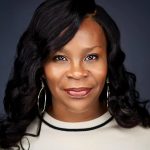
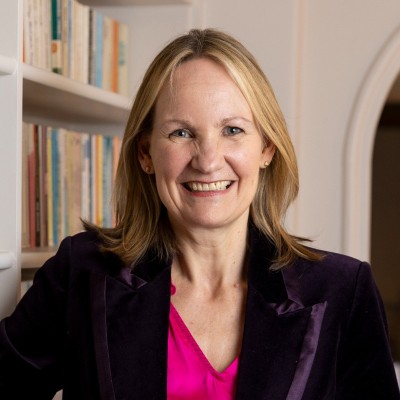
Sephanie-CalabreseStephanie Calabrese, the Chief Operations Officer and Co-Founder of HiCast Sports Network, is a seasoned leader in digital media with over 25 years of expertise in web and application-based product innovation and management.

In her role, she oversees marketing and communications, user experience design, product development, and customer support, ensuring a seamless experience for both users and partners.

Before co-founding HiCast Sports, she served as a Partner at Elemental Interactive, an award-winning web design and development firm that catered to Fortune 500 clients. Her strategic leadership contributed to the firm’s significant success, culminating in its acquisition by Grey Global Group—a division of WPP, the world’s largest advertising agency—in 1999. Throughout her career, she has consistently demonstrated a commitment to innovation and excellence in the digital media landscape.

Outside of her role at HiCast Sports, Stephanie Calabrese is an accomplished filmmaker whose documentary “UNSPOKEN” delves into the racial divide in Monroe, Georgia, exploring the community’s history and the legacy of the 1946 Moores Ford Lynching. The award-winning film builds upon her earlier photography series, “Hometown: A Documentary of Monroe, Georgia,” and has been widely recognized for fostering dialogue about race and reconciliation, with screenings on Georgia Public Broadcasting.

Follow HiCast Sports Network on LinkedIn, Facebook, and Twitter.

What You’ll Learn In This Episode

  • An overview of HiCast Sports Network and what inspired the company’s creation
  • How does HiCast Sports Network deliver value to their venue partners
  • What opportunities have opened in implementing and scaling their technology across different sports

Transcript-iconThis transcript is machine transcribed by Sonix.


TRANSCRIPT

Intro: Broadcasting live from the Business RadioX studios in Atlanta, Georgia. It’s time for High Velocity Radio.

Lee Kantor: Lee Kantor here. Another episode of High Velocity Radio, and this is going to be a good one. Today on the show, we have Stephanie Calabrese with HiCast Sports Network. Welcome.

Stephanie Calabrese: Thank you. Glad to be here.

Lee Kantor: Well, so excited to learn what you’re up to. Tell us about HiCast Sports Network. How you serving folks?

Stephanie Calabrese: Sure. Well, we are sort of a leading live and video on demand streaming platform, and it’s a subscription based service specifically for the amateur and youth sports market.

Lee Kantor: So what’s the backstory? How did this idea come about?

Stephanie Calabrese: Well, my business partner, Robert Stribling, who’s the CEO of our company, I’m the CEO. We had been friends for a long time we had each had children who were playing youth sports, multiple sports, travel sports, multiple locations. And we were kind of lamenting over the fact that, you know, we couldn’t be in one in more than one place at the same time. We were missing games from one child or the other child. And Robert’s background is very much sort of more of a mechanical inventor engineer. He loves coming up with physical products that help solve problems. I come from sort of a digital media software design background, and we got together and we thought, gosh, there’s got to be a way that we can set up one camera that would record an entire game. And then for each of us as parents, we could just go in and grab the moments of our own kids that we wanted to preserve. And so we set out on that journey back in 2010, which was before live streaming was actually even a possibility and just evolved a prototype into a product, and we’ve been building on it ever since.

Lee Kantor: So what was kind of the beginnings of this? Did you have to you went after the, I guess, the teams that your kids were on as, as beta testers, or did you find other people that were interested in pursuing this?

Stephanie Calabrese: Well, we actually started with the concept of partnering with the venue. So we figured that the best installation for like a fixed camera network solution was to capture as many games as possible using a camera that would be remote controlled. So you wouldn’t need a human manning the camera. So we partnered with a handful of venues, one of which was East Cobb Baseball Complex here in Georgia, very popular travel baseball park. In fact, one of the first in the country. And we set up our camera network and started partnering with the venues initially.

Lee Kantor: And so how did the partnership work? They just gave you permission to put a camera Somewhere? Yes.

Stephanie Calabrese: Yep. So we had venue agreements where we partner with a venue. In the beginning in particular, we would put we would invest in the equipment and the installation of our network at the venue, and then we built a platform where we could basically remote control camera schedules to make it, you know, as minimal of an impact on the venue. Right. So these travel parks really are focused on programing, running the tournaments, running the games, caring for the facility, caring for the patrons at the park. And so because they, you know, really didn’t have a lot of bandwidth to get into and understand technology streaming, you know, all that it takes to provide that video coverage, we took on the burden of all that for the venue. And so in the agreements, you know, we would set up the network, we would manage subscription sales. And then we also do revenue share back with our venues. So really it’s a win for them in that they receive a brand new amenity for their park, which is super compelling for patrons who can’t attend the games in person. It generates social media content for them and it generates income, which is always helpful for these venues.

Lee Kantor: So, um, how did you know that you were on to something when you put the camera up? Were people, like, clamoring for this? Were they, you know, sending links to their relatives around the country? Like, how did you know that you were onto something good?

Stephanie Calabrese: Yes. I mean, in the beginning, I mean, we launched the first app in the iTunes App Store back in 2017, which was very, very early, um, for live streaming in general. And so, um, we just got great feedback. I mean, at first, you know, patrons were pleasantly surprised to hear that they could remote watch games at these venues so early on. And then in the Covid years of 2020, that’s when it really became more of a, uh, a critical amenity for these venues where parents and grandparents wouldn’t be able to attend the venue. And so we really saw a lot of growth coming out of 2020. And it’s it’s been pretty rapid growth ever since.

Lee Kantor: So, um, what’s happening now? What stage are you at? Are you just trying to spread it around the country and just get more and more teams and fields and locations?

Stephanie Calabrese: Yeah. So we’re increasing our venue count by the year. So we have venues. We cover more than 30 venues, which which spans about 250 live streams across the country. So as far west as, um, Colorado, um, up and down the East coast, central US. Um, so yeah, our plan is to just continue with that growth, partnering with these venues who really are travel sports. Um, so high volume of games. Um, and we’re just a great partner for those top venues across the country.

Lee Kantor: So what are some of the qualities of a top market would have, and you’d be interested in partnering with them?

Stephanie Calabrese: Really the biggest one is volume of play. So it makes sense to install a fixed camera network where you’ve got games played, you know, daily and throughout most of the year. So we manage our camera schedules and, you know, more often than not we’re we’re running cameras, especially in the summer months when when travel sports are so high for families, we’re running cameras from seven in the morning until until midnight. So really we look for volume of play is number one. We also look for venues who really do a great job of marketing their their programing and their services to their patrons. So, um, you know, that partnership is important because they receive revenue share. So for those venues that are really motivated to, um, you know, monetize, um, the live stream. In addition to advertising on the live streams. You know we are a great fit for those venues. Those include the Ripken Baseball Parks, which is part of Unrivaled Sports. Their facilities have been great partners with us. The Jackie Robinson Complex down in Vero Beach, which is owned by the MLB. Um, we just partner with a lot of great, a lot of great venues.

Lee Kantor: Is it primarily baseball, softball, or is it expanded to other sports?

Stephanie Calabrese: We have expanded into other sports. So we initially started with baseball, softball. Um, number one, because it really gave us the most difficult, uh, outdoor weather conditions. And so we wanted to be able to build a network that would be rock solid, whether it was sitting out in lightning in South Carolina or, you know, withstanding hurricanes in Florida or snow in the northeast. And so having that rugged outdoor solution was very important to us. We also had the ability to install just one camera behind home plate, which would give us a wide angle view of the entire field of play. And then a user has the ability to come in and zoom and pan to look at the area to find their kid that they want to focus on. Um, so we started initially with baseball softball, but now we’re sort of expanding. We cover an equestrian facility, and we’re looking to be expanding coverage in that area of sports as well. We cover volleyball and basketball. Um, and we’re now just moving into soccer, lacrosse and football on these rectangular surfaces. And they’ve been challenging in that the the field of play is so wide. So you can imagine one camera can’t cover an entire field of play. Um, we’ve tried two camera solutions and that works well in some cases. But now we’re using AI powered cameras that sort of auto track the play on these rectangular surfaces. And that’s exciting as we continue to expand into those other sports.

Lee Kantor: Are they like those cameras like in the NFL games that are strung across the center of the field.

Stephanie Calabrese: They’re not strung across the center field. Hopefully one day we’ll have that capability. But the eye cameras typically are at the center point of a rectangular field. It’s an extremely wide angle view. And then the AI technology follows auto zooms and pans to follow the play, whether it’s soccer, football or football or lacrosse on that playing surface. So it’s like an auto produced feed.

Lee Kantor: So, um, no swimming yet? I would think that’s a fairly easy to capture.

Stephanie Calabrese: No swimming yet, but we’re always looking to expand into new sports. Um, we also look at sort of the growth in youth sports. Right. What sports are having rapid growth? Um, knowing that we’ll have sort of a higher market of interest for those sports. Volleyball has had tremendous growth Recently. Also girls softball is is growing rapidly as well. So we also look at the markets too.

Lee Kantor: And so as you expand, what have what opportunities have kind of bubbled up for you? It sounds like you were getting more and more partnerships with some of these larger players. Is that kind of in the roadmap just to get more and more partnerships?

Stephanie Calabrese: Yes. More partnerships with venues, definitely. Um, and I think another area of growth for us has been in the space of sponsorship and advertising. So for many of our venues, they’re already working with local sponsors. So, you know, of course, you’re familiar with you go to a baseball park, you see banners hanging on the fence, or you go into a gym and you see, you know, banners hanging on the wall. And we’ve built a very robust advertising engine within our product that allows us to serve video ads, very targeted. So we can send those ads specifically. For example, we’ve been partnering with Rawlings this year and serving, you know, ads for bats, custom gloves to our baseball and softball users targeted at the field level. Um, so that advertising space gives us the ability to help our venues, you know, further monetize to help them raise, raise more funds that allow them to then, you know, make advancements in their facilities. Um, you know, new netting, new turf, um, helps bring in dollars to support that. Um, in addition to additional programing. So the advertising space is definitely an area for growth for us too, because we can begin to sort of match up our individual users with the brands and products and services that bring them value to these families playing travel sports.

Lee Kantor: Are they advertisers? Are they mainly kind of these national brands that are just using the aggregate audience? Or can somebody, like you said in in the Carolinas. Have a local car dealer be a local advertiser on the on the videos.

Stephanie Calabrese: Yeah, that’s the beauty of the ad platform. So we can work with local sponsors, more regional sponsors. We have the ability to target those ads on just a specific venue. So if it’s let’s say, you know, a local car dealership who may have been a sponsor for a venue for many years now, we give them a digital platform to serve ads to users at that same venue. And the beauty of that is each of the ads are clickable. So the, um, the user can go directly, you know, to that product or service to learn more. We track all of our analytics and share that back with the sponsors as well. So it’s a great marriage. And we’ve been you know, we’ve been very sensitive to the fact that, you know, parents and grandparents and fans are coming in to watch live play. More often than not. We do have video on demand availability too. But what we don’t want to do is disrupt that experience. And so we’ve found a very sort of elegant way to play those ads on the pre-roll, right when you come in without disrupting live play and that balance of, you know, being able to continue to make improvements to our product without having to increase the price of subscriptions for our family. So we’ve been very sensitive to finding a good balance between, you know, allowing advertisers to help support that growth and, you know, keeping a solid, enjoyable experience for the users.

Lee Kantor: Speaking of the users, is there a way to maybe like clip highlights of their kids so they can share it on social media? Is there any tools that you’re using to help in that regard?

Stephanie Calabrese: Yes, absolutely. So anyone who’s watching the footage live, they’ve got the ability to live. Tag a moment. So let’s say I’m a parent. I’m watching my daughter play softball. She has, you know, a great hit when she’s at bat. I can quickly live tag that moment and just continue watching live without disrupting that experience. And then it saves those timestamps. So after the game or between innings, I can go back to those live tags and then turn them into highlights. So any user has the ability to download as many, you know, 62nd highlights as they like, whether it’s a, you know, a great play or, um, you know, just a wonderful moment that happened on the on the field. They can save those highlights. They can share them in social media, they can download the highlights and then create highlight reels for college recruiters. Um, that ability to really save and share those moments that matter has been core to the business since the inception.

Lee Kantor: Now, is that something that the individual has to kind of be there in order to capture it, or can you just do a search for number 12 and then it’ll pull all the times number 12 was a bat or did something.

Stephanie Calabrese: It’s not automated to that degree yet, but hopefully over time using AI technology. That’s that’s definitely on our on our roadmap. But yes, the user would watch the play. They can have availability of a game for 90 days from the date of play, so they’ve got plenty of time to go in and replay those games and grab and share those highlights.

Lee Kantor: Now talk about the subscription. So if I’m a grandparent of a child, I can subscribe and I’ll be notified whenever there’s a game and I can watch.

Stephanie Calabrese: So basically subscriptions work. We’ve got a variety of different subscriptions options. If you’re playing in sort of like a one off tournament at one of our venues, you can do a seven day pass. That seven days gives you the ability to watch live and then plenty of time to watch on demand. So when your athlete comes home, he’s got time to replay the games and save and share any highlights that were important to him. Um, we also have monthly passes which can be canceled at any time. So for some of our venues like Buckhead Baseball in Atlanta, Georgia. Those players will be playing all season, so you can start your subscription at the beginning of the season in February and cancel it in May when your season is over. So we’ve got a variety of different subscription options. We don’t have the ability to notify a family when their team is playing, but more often than not, these families know their schedules and they can come in and watch the games, whether they’re live or if they want to watch them whenever it’s convenient for them. On demand.

Lee Kantor: Now, is there a story you can share? Maybe how one of the venues partnered with you and they were able to maybe generate some revenue that they hadn’t had before and were able to, you know, uplevel their venue or their experience for their fans.

Stephanie Calabrese: Um, yes. I mean, gosh, we we share revenue with, um, you know, most of our, most of our venues are eligible for revenue share. So if we front the upfront equipment and installation cost for a venue. We will recoup that initial cost up front and then begin sharing revenue. So for many of our venues that may not have that capital up front for the installation, that’s a nice way that we can get them installed and then, you know, have them eligible for revenue share. Um, but we’ve got a handful of venues that, um, have received very nice revenue share checks, um, over the past several years. And they’re always looking at reinvesting that money back into the ballparks.

Lee Kantor: So what do you need more of? How can we help?

Stephanie Calabrese: Uh, we.

Stephanie Calabrese: Are always looking for new venues, new travel venues, um, any sport we are interested to talk to. Um, we’d also love for anyone who is playing at any of our venues. You can take a look at the venues that we do cover on our website, which is high caste sports.com/venues, um, shows, the venue list, um, anyone is, you know, is interested in sort of looking at our footage. They can subscribe and watch any games live and on demand. And of course anyone can follow us in social. We’re on Instagram, TikTok, Facebook, LinkedIn. We’re always sharing our best highlights that users have shared with us across the network. And any time you are liking or commenting on a great play from a youth athlete, you are supporting that. And and of course we welcome that.

Lee Kantor: And that’s high caste sports. High caste sports.com.

Stephanie Calabrese: That’s correct.

Lee Kantor: Well, Stephanie, thank you so much for sharing your story today, doing important work and we appreciate you.

Stephanie Calabrese: Thank you. Lee. I appreciate you too.

Lee Kantor: All right. This is Lee Kantor. We’ll see you all next time on High Velocity Radio.

Tagged With: HiCast Sports Network, Stephanie Calabrese

Brandon White With 3rd Brain Digital Operations and Automations

December 13, 2024 by Jacob Lapera

High Velocity Careers
Brandon White With 3rd Brain Digital Operations and Automations
Loading
00:00 /
RSS Feed
Share
Link
Embed

Download file

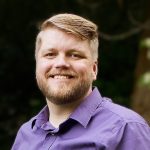
Brandon White is the COO of 3rd Brain, a company at the forefront of digital transformation, specializing in embedding expert digital teams within businesses to drive efficiency and profitability through AI and automation.

With 3rd Brain, Brandon provides companies with a powerful, flexible approach to modernizing their operations, allowing them to scale seamlessly and gain a competitive edge without the complexities of building internal teams. His team’s plug-and-play solutions reduce costs, streamline workflows, and offer businesses an accelerated path to adopting advanced technologies.

Brandon’s career spans over 25 years in tech and entrepreneurship, beginning in 1996 with the founding of Worldwide Angler, one of the earliest online social networks and e-commerce platforms for sport fishing. He later sold this successful venture to a large media company, marking the first of two company exits. His experience extends to venture capital, angel investing, and executive roles in digital marketing with companies like America Online, all of which contribute to his unique ability to blend innovation with operational expertise at 3rd Brain.

As the host of The Brandon White Show, Brandon shares insights from his extensive career, offering listeners actionable strategies for scaling and modernizing their own companies. He’s also taught over 1,500 students his efficient, 11-slide approach to business planning and pitching. Brandon holds an MBA from UNC’s Kenan-Flagler Business School, dual degrees in psychology, and is a Certified Expert Tiny Habits Coach.

When he’s not driving transformation in business, you’ll find him road biking along California’s coast.

Connect with Brandon on LinkedIn.

What You’ll Learn In This Episode

  • Building a Digital Operations Team from the Ground Up
  • The Evolution of AI and Its Impact on Business
  • Building a High-Impact Digital Operations Team with AI
  • Building a Culture of Innovation Through Digital Transformation
  • How Small and Mid-Sized Businesses Can Benefit from Automation

Transcript-iconThis transcript is machine transcribed by Sonix.


TRANSCRIPT

Intro: Broadcasting live from the Business RadioX studios in Atlanta, Georgia. It’s time for High Velocity Radio.

Lee Kantor: Lee Kantor here, another episode of High Velocity Radio, and this is going to be a good one. Today on the show we have Brandon White and he is with Third Brain Digital. Welcome.

Brandon White: Hey Lee, thanks for having me man.

Lee Kantor: I am so excited to learn what you’re up to. Tell us a little bit about Third Brain Digital. How you serving folks?

Brandon White: Uh, well, what we do is, is we help people introduce AI and automations into their workflows in their business, really to drive efficiency and ultimately to have that efficiency drop to their bottom line so they can make more money.

Lee Kantor: So what’s your backstory? How did you get involved in AI and automation?

Brandon White: Well, honestly, I’ve been doing it a long time, probably over 15 years. As you and your listeners probably may or may not be aware, but AI and machine learning and things like that have been around a really long time. They’ve actually been around for probably 50 years, but I’d been experimenting before these large language models came out, and integrating machine learning in types of things, like trying to find out, for instance, what someone’s hobby was or what sports team they liked in from email conversations that I was having in my own email. So I’ve been experimenting and built some software applications that were used commercially in the government for this type of stuff. And most recently, I had an exit of one of my companies, and I was doing some talks on AI and automation and where it was going. And the large language models were we had had access in the beta version, so we had seen it coming for over a year before ChatGPT specifically was released. And I started doing some talks and people were really interested and people would come up after after these talks and say, hey, can you come into my company and help me? And I really didn’t have anyone. I didn’t have an infrastructure, to be honest with you, Lee. I mean, I was happy to give people advice, but I didn’t have a consulting company. I didn’t even think about it. I was really just enjoyed talking about, you know, emerging technology and if it helped people. Great. And I had known a friend, Michael Greenberg, who had been in the space as well for a while out of Saint Louis and had this company, Third Brain, and we were in a mastermind group together. And one time, one day I was like, hey, maybe can I just partner up with you and we could work together? I’ve got a lot of people asking me about, you know, coming in and doing work in their company and getting them prepared for to introduce AI and automation. And we just he’s like, yeah, of course. So we hit up a partnership. And that’s how I wound up at Third Brain.

Lee Kantor: So where is the opportunity for those small and midsize businesses to benefit from automation? Is there kind of low hanging fruit for those folks, or is this something that they got to really invest a lot of time and energy and resources in order to, to get any value out of them.

Brandon White: Well, I think it’s just based on really where you want to start. So the low hanging fruit is you could just use ChatGPT or Gemini or, you know, I don’t want to say if you’re on the Microsoft platform, maybe Copilot. I’ve heard some mixed reviews about it, but or you could use perplexity. Claude, there’s tons of anthropic. There’s tons of llms out there that you could just use to hey, help me write an email better. Or hey, I need a contract for XYZ, or read this contract and tell me if there’s any problems with it, or automating your CRM or having things connected so that you can. If somebody emails you, it can dump in your CRM along with other information that the CRM may not automate itself. So there’s low hanging fruit like that. I was talking to a small business owner the other day and they’re like, oh, well, I need to build a flier for this event. And I was like, well, just prompt that ChatGPT and say, hey, I’m building, I’m doing x, y type of event. Can you write a promotion for that? And it did it. So those are type some of the lower hanging fruit that any SMB I mean anybody even if you’re in a, you know, small or medium sized business or if you’re in a big business in a division, you can help you pretty pretty much immediately.

Lee Kantor: Now, is there a way, though, to, um, take your workflow? And then instead of having a human do the actual work, uh, have the automation, do the work, and then maybe just have the human just double check to make sure everything’s correct.

Brandon White: Yeah, absolutely. I mean, that’s putting the human in the loop. The thing that we find with a lot of people is they want to integrate AI. They, they they’ve read about it, they’re excited about it. They’re excited about doing what you just described, which is, hey, I don’t have to do these manual labor anymore. I can get a form filled out automatically. I can get an order form filled out out of email. Um, but when we go in, the thing they’re generally missing is, and this is the case in a lot of small to medium sized businesses is they don’t have their operations mapped out. Usually it’s in their head or in one of the employees heads. And the thing about automating things and leveraging AI is you actually still have to know each step. You have to know each step that you do so that you don’t miss it. And I use this analogy. It was from my third grade teacher and she assigned a homework assignment. She said, go home and write instructions on how to write a, how to make a peanut butter and jelly sandwich. And I thought, along with all the people in my class, that we were going to ace this thing, and I was like, this is the easiest homework assignment we’ve ever gotten. So I went home. I wrote what I thought were instructions on how to make a peanut butter and jelly sandwich, and the next day everybody came in.

Brandon White: They had a drop their homework assignment on a piece of paper in a box, and then all the items that you needed to build a peanut butter and jelly sandwich are in the front of the class, and everybody would go to the front of the room, pick out randomly directions, and they had to follow those directions exactly, exactly like they were written. They could not improvise. And it turns out that I forgot to say, spread the peanut butter or spread the jelly, which obviously made a really terrible sandwich. And it was a lesson that I’ve learned or kept with me for a really long time. And it’s applicable in businesses where people will say, well, we know what all the steps are, or um, or they just they think they know these things. But then when we go to implement, it turns out that they didn’t know or they missed a step. So what we wind up doing a lot of the time is going in and saying, hey, let’s write your standard operating operating procedures down. And once you have those documented, now we can start to look at how can we leverage technology, whatever that is, to make this a more efficient process.

Lee Kantor: So a lot of people kind of want to skip the first step, which is documenting the standard operating procedures.

Brandon White: Yeah, they all want to skip it. So it’s a terribly painful thing. It’s painful to do that. So yes.

Lee Kantor: Well how do you. So how does. Obviously they’re avoiding it because it’s difficult. So at some point it has to be done. So how what’s the best way to do it. And is there a way. There’s no I way to do this. You have to just kind of manually write down every single thing that you do. Is there like, can you do it like by talking it like by having someone video you? Like, is there an easier ways to do this as opposed to just trying to remember every step?

Brandon White: Uh, the answer is yes. And we go in and we have a formula that we use, a framework that we go in to interview people, and then we wind up building the SOPs for people a lot of the time, if somebody wanted to do that, they certainly could. Well, one, I think what Neuralink and Elon Musk, you might be able to plug your brain in at some point. So I don’t think we’re quite there yet, but that’s probably coming. The other thing you could do is now you could videotape yourself on loom or something like that, and, and tape those processes, and you could probably feed it into a model and say, hey, write the steps for this and then edit that. So there’s different ways to go about it. Or you could just sit down and say, hey, Lee, when you fire up a podcast, what are all the steps that you go through that you do and you know, you could do them and list them as you’re doing them, or someone could watch you. And so there’s multiple ways to go about it. We tend to go in and help clients do it just because we’ve done it over and over again. And we’re pretty good at it to go in and say, hey, let’s we interview people and we usually get it right now.

Lee Kantor: But for people who aren’t ready for you, they can just have someone videotape themselves doing one task and just start there.

Brandon White: So let’s let’s break it down. If it’s something on the computer, I would probably do a screen recording and you could use something like loom for that. Or you could record yourself on zoom and, and you know, share your screen. And I would record it and then I would go back and I, being an AI person, might try to feed it into a large language model, although I do want to caution on doing that, because when you feed those processes into these publicly available models, you are contributing your data to the bigger data set in many cases. So I probably wouldn’t do that, but I would record myself, and then I’d play it back and I’d write down all the steps.

Lee Kantor: So that would be done manually. So there’s no escaping some manual ness in this.

Brandon White: Not in general. I think that you will eventually be able there will be a model that an AI model that you can just say, hey, watch me do this and write down all the steps, just like you could have an AI come into your meeting and do summaries. But like I said, I just caution against that a little bit because if you aren’t using a a AI model that has walls around your own data, then you are exposing your your company data to a bigger data set and that, you know, has some challenges or some bad things can happen because you could be exposing proprietary things that the larger model learned that you didn’t want to expose. So to get around to your question, I think there’s going to be some things in the future where it at least has to watch you. Um, if it’s a physical thing, you could videotape yourself and and probably feed that in, again into an AI model. But right now there is there are manual steps.

Lee Kantor: So now when the person is building out their standard operating procedure for their work. How many different procedures are there typically in a business that you work with? Is this something that there’s 100 or 10, or is this something that this is going to take a minute to get it all documented.

Brandon White: It can take a minute. It just depends on the you know, that question is the variables are how big is the business? How many people do you have working in it? How complicated are the things you do? If it’s a customer service, uh, division. What you know, what are the steps? How big is the company? Do people come in by phone? Do they come in by chat? Do they come in by email? What has to be done? How many systems have to be, uh, accessed to be able to one log that call or find out the answer to that call? If this is, uh, how we take an order to build a metal building. Uh, say you build pole buildings for people. Then what is that process look like? I mean, it can be as simple as three steps or it would be complicated as 100.

Lee Kantor: Now what about the like? I can understand, like if you’re an e-commerce business and you’re putting, you know, you have a shop, uh, a Shopify or you have Amazon and you’re writing an ad and then they buy it and then you have to, you know, send it to them. There’s those seem like processes that are fairly easy to capture and then to build that document. But what if your work is like a marketing agency or an advertising agency or a lawyer where you’re having a conversation and you got to be able to listen, and then you got to be able to kind of understand what the real problem is, not the problem they said they have. And it’s it’s more complexity. And it requires kind of human ingenuity and thought and problem solving, like how do you kind of build standard operating procedures for a company like that?

Brandon White: Well, I mean, the first thing is you could just have I drop in on your conversations and listen to your notes, because it can summarize and it can give you some ideas of what’s going on. And you could train that model with your with your own data. I think I think there’s probably still some challenges around, you know, you you mentioned a whole bunch of different use cases. So I think that it just depends on your business. It depends on some e-commerce businesses. What you just described may not be as sophisticated. They may not be using Shopify. They may be using an old version of WooCommerce that doesn’t have automation built into it. So what if you know, you have to integrate. The customer comes in through your website, you have a WordPress website, you have WooCommerce on the back end there, but you have a CRM that’s separate so that you can keep track of customer service and maybe your dropshipper. So you have to take that order and you need to put that order into another Manufacturing system. So that could be done manually. And maybe you want to. Automate that so that you could you can it automatically happens if it doesn’t already. So I think there’s opportunities in almost all businesses depending on the system. Sometimes in some cases you might not be able to automate everything. Yet just because some of these legacy systems that are ERPs or some sort of some sort of legacy software may not be open enough to allow you to do that. So I hate to say that it’s a case by case basis, but it really is a case by case basis, because even a law firm could be set up six different ways with their technology.

Lee Kantor: So who is the ideal client for third Brain?

Brandon White: Uh, we see a lot of Main Street businesses. So everyone from manufacturing companies, um, we see service companies, marketing companies who have multiple clients who are or managing multiple clients. Um, we we tend really to be focused in the manufacturing right now. It seems like there’s a lot of opportunity there. And that industry has not made significant progress with their systems to date. So there’s just a lot of opportunity to to automate manual order taking and, uh, order taking from the customer all the way down to supplies. And those are the sort of opportunities that we’re seeing right now.

Lee Kantor: So what’s the pain that that manufacturer is having where third brain can really make a noticeable difference quickly?

Brandon White: Uh, well, just I mean, I’m going to give you one that’s simple. It’s just to automate, uh, uh, ordering process. So if if it was being done on a piece of paper, maybe it still gets done on a piece of paper. But we now scan that we we now digitize it, and now we automatically put that into the ordering system where that was being done manually before. I’ll give you another example. We have a franchisee company that has about 60 franchisees franchises of this of one type of restaurant, and they receive multiple accounting pieces from every store, every day that need to be reconciled. And they need to be reconciled because some people are paying by credit card, some people are paying with Uber Eats, some people are paying Grubhub, some people are paying debit card. And all these types of transactions are settled in different systems. And they were managing that system manually every day with all those spreadsheets. And they were missing a lot because they couldn’t find it. They couldn’t figure out if there was missing money. And I didn’t mention cash. People do still pay with cash and they couldn’t reconcile their books. And we automated their entire back end financials so that every day they can actually see if they’re off. And that’s a huge deal for their business because they were basically in catch up mode every day. They didn’t know if it was off completely or if they missed something. So I’m giving you two very different examples, but those are some examples.

Lee Kantor: Now in your business, what is the way that you kind of leverage AI and automation?

Brandon White: Well, we try to automate everything, everything from meeting notes all the way down to customer calls to anything that we can automate. We do try to automate. So our back end systems from our all tied together, I didn’t go through. We have different levels of automation that we talk about as a progression for people. A one through six. But what at level one you’re in analog. At level two you’re in sort of siloed cloud silos where we and then you get to an integratable cloud services where you can integrate software, but where we are in our businesses is that we’ve been able to get to a unified data layer. So that’s really stage four. And if you can get all of your data into one spot early in your company, then now you can do almost anything with it. And that’s when you say the best way for me to describe how we manage our businesses is that we actually have a unified data layer, so all of our information from all of our systems are all going into one repository. And once we have that, we can feed different systems with it relatively easily, which if you get to level five, you have automated workflows with the human in the loop. And then level six, which just isn’t completely possible for just because the technology is completely AI driven automation with no human in the loop. We just haven’t seen that yet. But with our business, we’ve gotten everything to a unified data layer, and that allows us to do automated workflows.

Lee Kantor: So what do you need more of? How can we help you?

Brandon White: What do we need more of?

Lee Kantor: Yeah.

Brandon White: Uh, we’d love to have more customers. So anybody out there who needs help, who’s looking for to automate processes, document things, or figure out just a strategy of how they’re going to integrate all of this new technology into their business? I think the other thing, Lee, that I do want to mention quickly is that just because the technology exists doesn’t mean it’s the right fit for your business. And that’s that’s the expertise that we really bring, because sometimes you don’t want to automate something just to automate it if there’s actually a reason not to. So I throw that out there to listeners, because I think it’s important to figure out not just using technology for technology’s sake, but really think through where in your business it makes sense and where it doesn’t in some, you know, automating customer service completely probably is not a good idea. I think anybody listening to this has hit zero and yelled agent! Agent. Agent. Operator. 50 times into their phone because you just want to talk to a human. So sometimes you need to figure that out for your for your business where it does make sense and where it doesn’t.

Lee Kantor: Well, if somebody wants to learn more, have a more substantive conversation with you or somebody on the team, what is the website? What’s the best way to connect?

Brandon White: Yeah, just reach out to us. We’re third brain. The number three D brain brain.co.

Lee Kantor: Well Brandon, thank you so much for sharing your story today. You’re doing important work and we appreciate you.

Brandon White: Thanks a lot Lee. This was a lot of fun.

Lee Kantor: All right. This is Lee Kantor. We’ll see you all next time on High Velocity Radio.

Tagged With: 3rd Brain Digital Operations and Automations, Brandon White

Dave de Csepel With TCA Venture Group

December 9, 2024 by Jacob Lapera

Pasadena Business Radio
Dave de Csepel With TCA Venture Group
Loading
00:00 /
RSS Feed
Share
Link
Embed

Download file

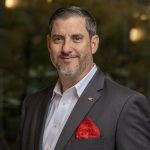
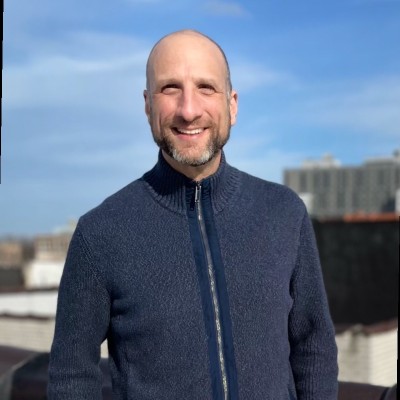
Dave de Csepel is the current Chairman of the TCA Venture Group and Chairman Emeritus of the Pasadena Angels. Both organizations invest and mentor early stage companies. The group’s 500+ members have expertise in a wide variety of industries. He serves on a variety of boards and as an advisor to many of these start-ups, where he and the TCA Venture Group have taken an interest.

He has been a serial entrepreneur for the past two decades. He currently serves as a lead investor and consultant at BioCorRx Inc, a publicly-traded healthcare solutions company with a leading-edge treatment for alcohol and opioid addiction.

Previously, he was an Owner and Founding Member of Veritas Realty Investments, a real-estate development group which owned and operated multi-family residential projects across Greater Los Angeles. In this role, he led design, project management and sales and marketing for a portfolio of apartment buildings and condo-conversion projects.

In 2003, he launched his Real Estate Development Company, Veritas Realty Investments in the Los Angeles area in 2003. Prior to relocating to the West Coast, he worked in New York City and Chicago leading teams in advertising sales for the Discovery Networks, Turner Entertainment and ESPN.

Dave graduated from the University of Wisconsin with Bachelor of Science Degrees in Economics and Political Science.

Connect with Dave on LinkedIn and follow him on Facebook.

What You’ll Learn In This Episode

  • What the Tech Coast Angels Venture Group is and how it relates to the Pasadena Angels
  • How much of an influence their group is to the start-up community
  • How they assist Founders and CEOs in Southern California
  • How their group meets the goals for investors

Transcript-iconThis transcript is machine transcribed by Sonix.


TRANSCRIPT

Intro: Broadcasting live from the Business RadioX studios in Pasadena, California. This is Pasadena Business Radio. And now here’s your host.

Lee Kantor: Lee Kantor here, another episode of Pasadena Business Radio. And this is going to be a good one. This episode of Pasadena Business Radio is brought to you by Xavier Inguanzo, realtor, Berkshire Hathaway HomeServices California Properties. Today on the show, we have Dave de Csepel. He is with Tech Coast Angels Venture Group. Welcome.

Dave de Csepel: Thank you Lee, it’s good to be here.

Lee Kantor: Well, I am excited to learn what you’re up to. Tell us about Tech Coast Angels. How you serving folks?

Dave de Csepel: Sure. Well, tech Angels, we started as individual angel groups back in 1997, in Southern California, here there were three angel groups which started from MIT. Professors actually were milling around and trying to figure out the best way to invest in startups and how to analyze those startups and make smart investments. And so investment groups started in Irvine, California, as well as the west side of LA and in Westwood, near UCLA and Santa Monica, and then also right here in Pasadena. And we we grew early. It started with about a dozen members for each of those chapters. And, and today we have about 120 members for each of these chapters, still trying to make smart investments, but having a much wider funnel now to attract a lot of founders. And if it makes sense, we are quick to pull the trigger and quick to invest and mentor along the way.

Lee Kantor: Now, do you mind educating our listeners a little bit about maybe the differences between angels versus venture capital or private equity or, you know, incubators, accelerators. It seems like there are so many players in this ecosystem. So can you share a little bit about what makes angels maybe different than the others?

Dave de Csepel: Oh, sure. As angels, we we and you’re right to say ecosystem. We’re all part of a larger ecosystem. Typically when when founders come across an idea or they try to develop their idea before getting it out the door, they need a little bit of funding to help them, to help them along, to help them kind of get their legs and to get their prototype out the door. And so typically that might involve getting some family or friends to, to give to their cause. And of course, at this point, that’s the most risky money right now because we don’t know if that’s going to make it. But if they show some progress and they start to actually prove their most viable, viable product. So that would be your MVP, as we say in our circles, if they get that out the door and they start making a little bit of money testing it in a pilot program. Typically, an angel group will come along and take an interest in investing to get it to the next level. Typically, the valuations that those founders would then put on their companies would be in the range of about 4 million to about 1520 million.

Dave de Csepel: That’s all negotiable with the angel groups that they speak to. If that then becomes successful and they scale up to several different markets or depending on how they’re laid out, we would then make introductions to venture groups for venture capital to get involved in. Venture capital will come along. You know, the $20 million valuation or more. And typically those raises would be in the neighborhood of about 3 million to 6 million. Backing up the angel groups. We would be looking at rounds of about 500,000, up to about 2 million. That’s kind of the center of what an angel or a seed round would entail. If venture groups are then successful. Sometimes that might, um, that might elevate itself above 40 or 50 million to a private equity group might come in, and then they would be on their way to perhaps getting acquired or having an IPO, and that would be the exit of that. Or they would just grow and grow like like Uber and Facebook has. So there are lots of examples out there, but it’s an exciting world to be in, and I’m glad that I’m a part of it now.

Lee Kantor: Can you share a little bit about why, the reason why somebody would kind of work with an angel group rather than using a crowdfunding app, or like you said, just keep going to their friends and family or bootstrapping based on existing sales in order to kind of launch and to test the concept.

Dave de Csepel: Oh good question. Um, from a founder’s perspective, you would want to you would want to present yourself to an angel group so you could get strategic money in again out of just an individual group. It’s 120 members. Within that there are accountants. Uh, there are IP attorneys. I’m just throwing out examples. We’re here in Pasadena. I’m located right next to Caltech, so there’s quite a bit of brilliant engineers who are also being in Pasadena. There’s 3000 employees here at Jet Propulsion Labs, and so our members include just brilliant engineers and and software folks that can really help a company achieve the next level. So it’s not, you know, our our slogan at the Pasadena Angels, it’s more than just the money. And that really that holds true. So that’s an attractive element for a founder to get involved with. Investment from our group, much like the other TCA groups, um, have expertise in life sciences and medical devices and such. So we’re attractive again as a strategic investment on that front. And plus, as I said earlier, we can then if successful, we can then make introductions to venture capital, which will help them along the way. Uh, from an investor’s point of view, it’s great to not just make investments as if you’re in a silo. It’s great to, uh, to look to the chair next to you and learn interesting things about IP, whether it’s strong or not, or whether the accounting is strong or whether the engineering is solid. So what we like to know that we don’t know everything, but we count on our members to fill in the gaps. And so we’re not venture capital and we’re not we’re not paid to analyze these deals. However, we do involve other volunteers to kind of help suss out what’s a good investment and what’s not a good investment.

Lee Kantor: Now, you mentioned, um, I guess, something some people call smart money and dumb money. Um, and like you said, all money is not the same. If it comes with connections and leverage, then that can really help accelerate a startup’s growth. Can you talk a little bit about kind of is there any mentoring involved or any kind of maybe connecting the startup with beta clients or are people that might be good use cases to demonstrate the value of the startup. Is that included in part of the way you guys work together, or is that something separate?

Dave de Csepel: Oh, absolutely. That’s included and much more. But to answer your first question, um, we are all, you know, as investors, we are all we’ve all done well in our careers. We’re all at a point to have this extra money to make these angel investments. And so many times that includes many of us who have been started, businesses ourselves, who have made right the right investments or succeeded, whether it’s in real estate or small businesses. So once a company is formed and ready to take on clients, um, we’re an important resource for introducing those to clients, whether it be municipalities or whether it be just other firms to help them along. Um, another way we connect is and this is the strength of the Tech Coast Angel venture Group. We are six, um, groups out there where six important angel groups. So if you come and apply to one group and we like that, one group likes what, what your presentation is and figures out a good valuation, then we are very quick to introduce you to the other five angel groups. So if one angel group might make an investment of 300,000, it might very quickly turn into 1 million or 1,000,002, uh, through quick introductions to our other angel groups. And that’s our value to investors as well, that we get great referrals from groups that have done the due diligence, that have established a personal connection with the founders and believe in those founders enough to refer them to our other groups.

Lee Kantor: And then you mentioned a few of the kind of sweet spots for your group specifically, but is that like when you look at the whole kind of six, uh, angel group that you’re all a part of? Is that cover pretty much the entire, uh, economy in terms of industries and expertise, because I would imagine it covers a lot of ground.

Dave de Csepel: Um, uh, to answer your question, yes. I mean, we cover a lot of different, um, a lot of different businesses come our way. Some of our groups are more, uh, have more expertise than others. So we would refer that, we would first, uh, for instance, medical devices or life science startups. We have a group based out of Washington, DC called Meta Angels. That’s m e d a angels, and they comprise of 40 or so, uh, medical researchers or doctors that would quickly analyze any kind of startup and then kind of get back to us to say whether it was an investment worth pursuing. Uh, here in Pasadena, we specialize in software and, and SaaS plays, um, and in Los Angeles, in the West side of Los Angeles, obviously, they’re very strong, not just in software plays, but also entertainment, type startups in Orange County has is pretty strong in life sciences and medical devices themselves. So each of our chapters does have a bit of an expertise, and we’re quick to kind of analyze and see if it’s an investment that’s right for our group.

Lee Kantor: Now, what’s your backstory? How did you get involved in angel investing? Is this something you’ve done throughout your career?

Dave de Csepel: No, no, it’s I’ve had to kind of earn my way up to this, you know, to this point to be able to invest and invest smartly. It hasn’t always been the case. My career has been in the business side of television. Um, I started out actually my very first job out of school was in 1988 with ESPN. And ESPN was so young at that point, I was in the ad sales department in New York, and we would trade golf clubs for advertising. And, and every Wednesday the the fence would come to pick up our golf clubs and we would trade, you know, we would we would get $0.30 on the dollar for all the golf clubs that we would deliver, uh, to them. And that was the way to fund ESPN as we were growing and, and had just kind of minor sports. And so I was happy to be that really kind of taught me a little bit about the excitement of being part of a startup. I know 1988 ESPN had been around just for a few years at that point, but it was fun to see how it operated. I then moved on to working with Coca-Cola and McCann Erickson and Foote, Cone and Belding as well. And then finally I spent about ten years at Discovery Channel, uh, part of Discovery Communications, uh, doing other advertising sales in New York and in Chicago, uh, with my end of the year bonuses in those days and more luck than anything because the cable TV market was growing, uh, pretty well at that point.

Dave de Csepel: I used those bonuses to invest in Southern California real estate in the form of apartment buildings. And finally, uh, in 2003, I made the move to the West Coast and fully developed a lot of these properties and even got into some development, developing apartment buildings into nice condos and so forth. Um, doing well in that. Then I transitioned to small businesses, and as of about, uh, ten, 12 years ago, I got into, um, investing into some small businesses, serving as a part time CFO for a couple of them and learning about this market. I met up with, uh, the Pasadena Angels, oh, about ten, 11 years ago. And I found out it was much more valuable for myself and strategic for me to invest side by side with some experts in various ventures, uh, than to try and do it on my own. And I’m glad I made that decision. So that’s how I came about, in a roundabout way to, uh, Texas Angel venture Group and the Pasadena Angels. And today I’ll just throw in also that I, I teach a course in entrepreneurship at a local college here at the Art Center College of Design, which is a well regarded art and design school, and I enjoy teaching grad students, uh, in, in entrepreneurship.

Lee Kantor: Now, do you have any advice for people who are new to angel investing? Is this something that it’s best to become part of a group, find a group in your area and then kind of immerse yourself in it and try to get involved that way, rather than kind of going at it alone, because I would imagine, you know, going from risking, uh, your finances on things like real estate or things you might know or be familiar with is a lot different than investing in a startup.

Dave de Csepel: Uh, yeah, that would be my advice. I’m always attracted to people who know what they don’t know. And, um, and I found in the angel group in the early days of making angel investments, I admit, I made a couple of mistakes in looking at companies getting swayed by what I think is a great idea, but successfully investing into a startup takes several factors. It’s a little bit of luck, but it’s very much the team that’s involved. It’s very much the product. Is it different than what’s out there already? And and with all those things, you just see a more clear picture. If you can do it with colleagues and and and folks that can help you, you know, answer questions. Obviously that founder always wants to position their company in the best possible light, but it’s up to that angel investor to find out the answers whether it’s truly viable for success. And so I found that I’ve had many more successes after I joined the angel groups because of that collaborative approach to investing.

Lee Kantor: Can you share a little bit about what it’s like to kind of pitch to your group, like if I, if I am a startup founder and I have an idea that I think is viable and I hear about Tech Coast Angels, like what is the process? How would you kind of vet my opportunity? And can you share a little bit about what those early steps, those early conversations look like?

Dave de Csepel: Sure. Um, well, I would encourage, if you believe that you are ready for a seed round or an angel round, um, I would encourage you to visit the TCA venture Group website and and apply for funding. Um, now, not all applications are the same, but I would say what is in this market of high interest rates? Uh, we tend to look at companies that have some revenue, some monthly revenue per month. And so that will get the most attention. It doesn’t have to have a lot, but it has to be successful in one market or another, and it has to start showing some success. Uh, right now seed investment, we’re we’re in the stage of looking at companies that we can help scale up. Not so much get out of the idea stage, but really start to drive more revenue than you already have. We don’t mind if there’s a loss right now. It doesn’t have to be cash flow positive, but we do like to see some revenue right now, and you can read more about it again on the Tech Coast Angel venture Group website.

Lee Kantor: So are there some questions that are. You must be able to answer like do you have to be clear on okay, this is my ideal client. I know who that is. It’s just a matter of I got to just reach more of them or, you know, my, um, my service or product has been at least tested somewhat. And I know that somebody will pay money for this. Not just like it or share it.

Dave de Csepel: Sure. I mean, come on in and make that point. You know, we all have that process. And if you get to the stage where you would be interviewed by 3 or 4 members of our groups, that would have some experience around your area and ask you questions for 15 minutes. We don’t want to waste the founders time, and we don’t want the founders to waste our time. So we’ll get right to the meat of the matter right now. Uh, I’m making generalizations when I say you need to have monthly revenue. That tends to. I’m kind of looking at our results of what we’ve been funding this past year here in 2024, and I tend to, you know, with, again, with a high interest rates, the expectation of raising more money a year from now is, is, uh, you know, it’s difficult when there are lower interest rates. Investment was money moved a lot more smoothly. And so garnering investment seemed to be a lot easier. Um, but if it’s a certain area, such as life sciences or medical device, it’s well understood that that needs FDA approval or some regulatory approvals. And so we’re willing to bypass looking at, you know, revenue perhaps at that point. But if it’s if it’s software or if it’s a granola bar or something, you know, of that nature, then yes, we probably would need to see some revenue if we were going to take you to the next stage. Um, every if you, if you come on to the website, everything is open for applying. It’s I’m just trying to set expectations as to what gets funded.

Lee Kantor: Now, is there a story you can share about a startup that made it to a new level? Is there, you know, maybe name, not name the name, but maybe come share a little bit about the challenge they came to you with and and how you were able to help them get to a new level.

Dave de Csepel: Uh, sure. We’ve just had a couple of exits, which I think are going quite, which have gone quite well. Uh, there was a, um, there was a company out of Santa Barbara called Parents Square. Now Parents Square, uh, they offer an interface between, uh, between schools and parents regarding, uh, you know, a child’s progress and so forth. It’s it’s the interface which might provide report cards, might, uh, also, uh, tell you, if you have a snow day, all sorts of communications that go on when passing angels. When angels overall first invested into Parentsquare, they just had 1 or 2 school districts out of Santa Barbara. Their local, um, their local area evaluation at that point was about 5 or $6 million. And, uh, this founding couple, they did a terrific job of, um, of developing their website and selling it through the rest of California. We invested again once they had one market down, and we started started speaking to those customers and finding out, you know, whether they were happy with the results that Parentsquare had offered them. Uh, once that investment went through, we helped them along. We made some introductions, but they did a lot of the work themselves.

Dave de Csepel: And today they’re in about one 12:45 third of all California school districts, and they’re nicely spread throughout the country, having, uh, about one 12:45 third of all school districts in Connecticut, New York, Indiana, and really throughout the country. Uh, they’re quite well known. So what does that mean for evaluation for our investment? Well, private equity firm came in and put a valuation of about 60 million on them, uh, just a few years ago. And that gave investors a chance to get out at, uh, at 100% of their money at about 11 x return, or investors were allowed to stay in for two thirds of the shares and only take out one third. Well, all of us investors really did believe and still do believe that the company would be in good hands, and the founders were still in charge. So we all made 12 X on our money on the basis of just one third of our shares now keeping two thirds of our shares. And we believe now the company is at a valuation of about 150 to 200 million. So we’re really we’re quite pleased with that, uh, success and seeing that growth of, of that company.

Lee Kantor: Wow. That’s an amazing story. Um, so what do you need more of? How can we help you?

Dave de Csepel: Well, we just would love if investors, if you were an angel investor out there and you’re looking to, uh, have great access to deals and to see pitch presentations, and, you know, we my kids ask me all the time about the Pasadena Angels and about Tech Coast Angels and I, my short answer to them is we’re respective Shark Tank. Um, we’re very respective to the founders that come our way. We offer them, even if we don’t invest, we we might offer them some advice. We’ll keep them on a short list and continue to mentor them. If it’s an area that we believe in, um, and, and then when we do make an investment, we like to stay involved with those companies and help them achieve success. So from an investor’s point of view, you know, you side by side some very bright minds. We’re not venture capital. If you wanted to invest, take less of a risk, maybe find a great venture capital group and you would pay the fees that are associated with that. But truly we’re about we’re a co-op investment club for the most part, where folks can come in and, uh, and make investments and hear the pitches just like, just like all of us, and then decide themselves whether that’s something they would like to invest in. So we’re we are a way to organize, um, investors, um, when founders come to visit us and make their pitches.

Lee Kantor: So if somebody wants to learn more, have a more substantive conversation with you or somebody on the team, what’s the website one more time?

Dave de Csepel: Uh, TCA venture group.com.

Lee Kantor: Well, Dave, thank you so much for sharing your story today. You’re doing such important work and we appreciate you.

Dave de Csepel: Thank you. Lee. Thank you for the time.

Lee Kantor: All right. This is Lee Kantor. We’ll see you all next time on Pasadena Business Radio.

Tagged With: Dave de Csepel, Tech Coast Angels

Dr. Derek Scott With Famous Dave’s

December 9, 2024 by Jacob Lapera

Atlanta Business Radio
Dr. Derek Scott With Famous Dave's
Loading
00:00 /
RSS Feed
Share
Link
Embed

Download file

Dr. Derek Scott, a sports/rehab medicine physician and restaurateur is bringing the iconic Famous Dave’s franchise to Georgia. Dr. Scott started his entrepreneurial journey while still in medical school, opening his first restaurant, Taste of Chicago, in Nashville. Now, he’s expanding his portfolio with Famous Dave’s and has signed to open three locations in Georgia, starting in metro-Atlanta.

What You’ll Learn In This Episode

  • About Famous Dave’s

Transcript-iconThis transcript is machine transcribed by Sonix.


TRANSCRIPT

Intro: Broadcasting live from the Business RadioX studio in Atlanta, Georgia. It’s time for Atlanta Business Radio, brought to you by Kennesaw State University’s Executive MBA program, the accelerated degree program for working professionals looking to advance their career and enhance their leadership skills. And now, here’s your host.

Lee Kantor: Lee Kantor here, another episode of Atlanta Business Radio. And this is going to be a good one. But before we get started, it’s important to recognize our sponsor, CSU’s executive MBA program. Without them, we couldn’t be sharing these important stories. Today on the Land of Business radio, we have Doctor Derek S Scott with Famous Dave’s. Welcome.

Dr Derek S Scott: Thank you. Thank you for inviting me to your show.

Lee Kantor: Well, I’m excited to learn what you’re up to. I see here that you’re bringing Georgia’s first Famous Dave’s location to the metro area. Tell us about it.

Dr Derek S Scott: That is correct. I’m originally from Chicago, Illinois, but I moved here from Tacoma, Washington, and when I was in Tacoma, Washington, that’s when we fell in love. That’s me. And my family fell in love with Famous Dave. And it was more than just barbecue. It was some of the other items that they have on their menu. And when we moved here to Georgia seven years ago, we didn’t find a restaurant similar to it. So I want to bring it to Georgia.

Lee Kantor: Now, we mentioned you’re a doctor. Is this normal for doctors to also have a side hustle of opening restaurants?

Dr Derek S Scott: Well, I wouldn’t say it’s abnormal, but most physicians just concentrate on their their medical practice. But it just so happened in my case, my restaurant experience helped finance my medical career. Because when I was in medical school, I had a restaurant that helped defer some of my student loan costs.

Lee Kantor: So you’ve been involved in the restaurant industry in the past? What got you into into opening franchise.

Dr Derek S Scott: My first restaurant adventure was a restaurant that I started called Taste of Chicago was in Nashville, Tennessee, and it specialized in Chicago style cuisine, Italian beef, Chicago style hot dog, Chicago style politics. But when I moved to Georgia, I was going to do a similar kind of concept, but they already have restaurants similar to that here. So I wanted to wear my second love, which was Famous Dave and Barbecue.

Lee Kantor: Now, were you looking for a restaurant or you were looking just for Famous Dave’s? Like, did you go through what a lot of folks go through when they’re thinking about a franchise? Okay, I’m going to research this. I’m going to choose a, you know, from a different menu of a lot of different options, and they land on what they land on. But for you, you were just going to do Famous Dave’s pretty much.

Dr Derek S Scott: I wanted to do just Famous Dave. I tried the local barbecue spots around here, and they really just didn’t satisfy our need of what we really was expecting from barbecue. The good thing I like about Famous Dave is kind of Chicago inspired barbecue because the owner is from Chicago. So that’s what I really like about the taste and the flavor of Famous Dave versus some of the local chains that are already here.

Lee Kantor: Now, where is it located?

Dr Derek S Scott: Ah, we haven’t opened yet, but I’m looking at locations up in Alpharetta, Roswell, Saint John area and pretty much off of 400.

Lee Kantor: Is it going to be a freestanding store?

Dr Derek S Scott: It depends on if I find the right space. That’s what I ideally that’s what I would like to have, but it depends what’s available.

Lee Kantor: So then can you talk a little bit about what it’s been like working with Famous Dave’s to open here in Georgia? What were they looking for? Someone to kind of come into Georgia? Or are you just kind of it was the right fit for you and them?

Dr Derek S Scott: A little bit of both. This will be the first famous Dave in Georgia. Um, the next closest one will be Knoxville, which is in Tennessee. Um, so they were wanting to expand into Georgia, and it just so happened I live here and I want to bring Famous Dave’s to Georgia. So we kind of, um, a match made in heaven kind of speak now.

Lee Kantor: Did you buy just the metro territory or did you buy all of Georgia, or are you looking to build an empire here?

Dr Derek S Scott: Ideally, I would love to build an empire, but right now it’s just concentrated around Atlanta area and hopefully we can expand from there.

Lee Kantor: Now, what are some of the things you look for in an ideal location? What type of community is best suited for Famous Dave’s?

Dr Derek S Scott: I like to be mixed use. I like to be some commercial business, but heavy and residential. Um, one of the things that we really liked about the product is the famous streets, which you can order ahead. Um, you pick it up, take it home for the family. It’s enough to feed a family of 4 to 5, and you still have enough for a snack or two tomorrow. For the next day.

Lee Kantor: And what.

Dr Derek S Scott: Is it? Location. Oh. Excuse me. Go ahead.

Lee Kantor: Well, what? How have they been when it comes to getting you ready to identify the right location? Are they. Have they been good? You know, in assisting you in narrowing it down?

Dr Derek S Scott: They have been excellent. So, um, I’m working with a local real estate agency, and we, um, we searched the area, researched different spaces that are available. Then we discuss it and see if it’s a good fit. Uh, a good fit being enough traffic going by it, visible from the street. And like I said, that mix of commercial and residential to make sure it can sustain the business. And they’ve been very helpful in helping me identify locations.

Lee Kantor: And, um, how does this kind of, um, synergize with your medical practice, or is this two separate ventures for you?

Dr Derek S Scott: It’s really two separate ventures. But I can I can see, uh, some catering with some of my colleagues, and I think they would appreciate, um, over some of the usual stuff that they get catered into their practice. I think it would be a good change for some, um, physician and medical practice in the area.

Lee Kantor: Is your medical practice your own practice or you’re part of a larger entity.

Dr Derek S Scott: It is my own practice.

Lee Kantor: So what? What are you a physician in?

Dr Derek S Scott: I’m a sports medicine and rehab physician.

Lee Kantor: And how did that come about? What’s your backstory in that?

Dr Derek S Scott: Well, I’ve always been an athlete. And so I always wanted to work with, um, athletic and, um, athletes. Athletic persons and athletes. So, um, that’s how I kind of fell in love with doing sports medicine. Rehab. The rehab function is those people that have suffered, let’s say, a life changing injury. I hope to increase their functioning, get them back to their their normal or their new normal.

Lee Kantor: Do you do like are you do you operate? Are you a surgeon or are you do rehab and physical therapy?

Dr Derek S Scott: Yeah. Non-operative. So I don’t do physical therapy. I’m non-operative sports medicine and rehab.

Lee Kantor: So any advice, any advice for the weekend warriors out there? And, uh, what are some, some of the are you seeing a lot of pickleball injuries.

Dr Derek S Scott: Well it is starting to pick up as far as pickleball injuries. But I see a lot of, um, weekend warriors, as you just mentioned. Um, a lot of people, um, who was athletic in their youth and maybe one weekend try to do too much and injure the self. And I really see them and get them back to normal or get them back happy and walking and running and enjoying life.

Lee Kantor: Now, um, what has it been like for you here in Atlanta? Is this a good, uh, market for you as an entrepreneur?

Dr Derek S Scott: I think it is. I think it is the good thing about Atlanta and Atlanta, surrounding areas. You have people that’s coming from every part of the world and of the country, and it’s so you get a good mixture of a little bit of everything. So it’s a good pool to pull from for cuisines and for restaurants. I think it is a a good fit.

Lee Kantor: Now, do you have any other ventures other than the restaurant and your medical practice?

Dr Derek S Scott: That’s it. My hands are full with those two.

Lee Kantor: Now, is your whole family going to be involved in the restaurant?

Dr Derek S Scott: Um. Mostly me. I have two young sons, one about to go to college, and one will be going to high school in a couple of years. So, um, they have other things they need to concentrate on. And my wife is also a physician, so she has other things she needs to concentrate on. So this is mostly me.

Lee Kantor: Now, how do you go about kind of building a team for a venture like this? Do you have somebody in mind before you started or you got to hire somebody?

Dr Derek S Scott: A little bit of both. I have some family members that worked with me before in my other restaurants as coming down to help me with this, and we’re going to also hire some local talent.

Lee Kantor: So what do you need more of? How can we help you?

Dr Derek S Scott: Just to get the word out that we’re coming and we’ll be hiring soon. As soon as we find a great location that we would like to hire some good local talent.

Lee Kantor: And then anything about Famous Dave’s we should know about. You mentioned that feast, But is there like a signature sauces or anything special you do like for holidays?

Dr Derek S Scott: So we do, we do, um, special kind of, um, menu items from holidays. Our sauces, our barbecue sauces I think are the best out there. Uh, several different varieties of of barbecue sauce. One being the Georgia mustard, I think will really be big down here. Um, Devil’s spit, which is a nice, spicy, bold sauce that I love. So we have definitely our sauces are great and the side dishes are also great.

Lee Kantor: And then once you identify the location, how long does it take to build it out and get you operating?

Dr Derek S Scott: Well, it really depends if it’s already a restaurant or if it’s a if it’s a second generation kind of, um, project I should be up in in six months if it’s, um, a show, probably eight months if it’s from ground up, that’s a year to a year and a half. So I’m looking for something that’s already pre existing. So I’m, I’m planning for hopefully summer or fall of 25.

Lee Kantor: Have you been networking with the other restaurateurs in the area?

Dr Derek S Scott: Uh, a little bit. A little bit, but right now I’ve been kind of concentrating more on Famous Dave and some of the Famous Dave’s that are closer to us here, and just making sure that I have a good knowledge base before we open up.

Lee Kantor: What are some of the things they were telling you? What advice did they give you?

Dr Derek S Scott: Well, just when you’re the first in the area and you’re competing against local chain that it may be slow, but the quality food will win overall. So that’s the main thing is just they want me to concentrate on or the advice was to concentrate on. Make sure you bring the best product to your customer, then they will come.

Lee Kantor: Well, there’s quite a few local chains, at least in the city. Maybe not in the suburbs or exurbs.

Dr Derek S Scott: Yes it is. The competition is stiff, but I think the product that we’ll be bringing to the market is superior to most of them out there, and I think the community will really be happy when we open.

Lee Kantor: Now, what’s it like to make a decision like this when, you know, there’s, um, restaurants similar in the area, but you believe that this is better than what’s out there. How do you kind of go about the pros and cons of, of getting involved in a venture like this?

Dr Derek S Scott: Well, what I did is did my research on the on the parties that are already available in the area where I want to open and make sure that what I’m bringing to the market is better than, better than what’s already there. If I thought it was a good barbecue party, it was better than what they would bring to the market. I wouldn’t bring it, but I think this is superior to what’s out there now. That’s what I truly believe. Right.

Lee Kantor: So you believe it’s exceptional and people will will come for the for the quality.

Dr Derek S Scott: Right? Right. Like that old saying build it. They will come. I think if I open, they will come.

Lee Kantor: All right. Well if somebody wants to learn more about the famous Dave brand while they wait, what’s the website?

Dr Derek S Scott: Uh w-w-w. Famous Dave’s. Com. That’s Dave’s with a S. Dave’s.

Lee Kantor: Famous Dave’s dot com. Well, doctor Derek s Scott, thank you so much for sharing your story. Doing important work and we appreciate you.

Dr Derek S Scott: If I could leave one more note, they also can contact me directly if they want more information about when when I will be opening or more information about the store itself. My email address is actually Famous Dave’s Gar at aol.com.

Lee Kantor: Okay, Famous Dave’s Gar at aol.com. If they want a job or want to explore the opportunity.

Dr Derek S Scott: That’s it. Exactly.

Lee Kantor: Good stuff. Well, thank you again for sharing your story.

Dr Derek S Scott: Thank you for inviting me and hopefully I can see you soon in the restaurant.

Lee Kantor: Sounds good. All right, this is Lee Kantor. We’ll see you all next time on Atlanta Business Radio.

Tagged With: Dr. Derek S Scott, Famous Dave's

Somia Farid Silber With Edible Brands

November 21, 2024 by Jacob Lapera

Atlanta Business Radio
Somia Farid Silber With Edible Brands
Loading
00:00 /
RSS Feed
Share
Link
Embed

Download file

Somia Farid Silber serves as the Chief Executive Officer of Edible Brands®, a role she assumed in October 2024 after her transformative tenure as President. As CEO, she leads the company into its next era, steering the strategic direction for both Edible Brands and its subsidiary, Edible®, with a focus on innovation, growth, and expanding the brand’s market presence.

Under her leadership as President, Edible introduced a hybrid retail model that combines its robust e-commerce platform with a renewed brick-and-mortar presence. Her vision includes developing Edible’s Next Gen retail stores, expanding product offerings, and launching initiatives like the new subscription-based service FreshFruit.com. These efforts are geared toward reaching a new generation of gifters and enhancing customer experiences.

Her journey with Edible began in childhood, and she officially joined the company in 2016. Her previous roles as Vice President of Ecommerce and General Manager of Netsolace®, Edible’s technology arm, were instrumental in driving digital transformation and operational excellence.

In 2024, she was recognized as one of Georgia’s top 100 C-level executives by Titan 100. Somia holds a bachelor’s degree in business administration from Babson College and has served on its Board of Trustees since 2021.

Connect with Somia on LinkedIn.

What You’ll Learn In This Episode

  • Her vision for the future of Edible
  • How Edible is modernizing to attract the next generation of consumers
  • How has Atlanta’s business environment and community shaped Edible’s growth and her vision for the company

Transcript-iconThis transcript is machine transcribed by Sonix.


TRANSCRIPT

Intro: Broadcasting live from the Business RadioX studio in Atlanta, Georgia. It’s time for Atlanta Business Radio, brought to you by Kennesaw State University’s Executive MBA program, the accelerated degree program for working professionals looking to advance their career and enhance their leadership skills. And now, here’s your host.

Lee Kantor: Lee Kantor here, another episode of Atlanta Business Radio. And this is going to be a good one. But before we get started, it’s important to recognize our sponsor, CSU’s executive MBA program. Without them, we couldn’t be sharing these important stories. Today on Atlanta Business Radio, we have Somia Farid Silber with Edible Brands. Welcome.

Somia Farid Silber: Thanks so much for having me, Lee. Happy to be here.

Lee Kantor: I am so excited to learn what you’re up to. For those who aren’t familiar, can you share a little bit about edible brands? How are you serving folks?

Somia Farid Silber: Yeah, so Edible Brands is the parent company of a brand we all know and love called Edible Arrangements. We’ve been around since the late 90s, started out in East Haven, Connecticut, and quickly grew to 800 locations today, doing about half a billion in sales and helping people celebrate moments that matter with our delicious food, gifts and treats.

Lee Kantor: So what was the genesis of the idea? How did the concept come about?

Somia Farid Silber: Yeah, so my dad was actually a florist. He had a flower shop in Connecticut. You fruit has always been the central to our family. Fruit is dessert, as we like to say. At home, he’d seen the concept of fruit cut into fancy shapes and said, let’s see if we can do something that we can bring to people very easily. And Edible Arrangements was born in the back of the flower shop. We started franchising in 2001, opened our first franchise location in Waltham, Massachusetts and happy to say we are about 99% franchise today with a couple corporate locations here and there.

Lee Kantor: So at first was the main driver of business, using the fruit as flowers, like a substitute for flowers.

Somia Farid Silber: Yeah, it’s we we love flowers. So we actually recently got back into flowers and have, you know, traditional flower bouquets as an offering at Edible Arrangements too. But it was, you know, how do you create something that everyone can enjoy beyond flowers that, you know, you might get to see sitting at your table for a couple of weeks? We started out with, you know, all of the fruits that we enjoy, like strawberries and grapes and pineapples started dipping them in chocolate. Chocolate dipped fruit is actually one of our best sellers today and has been since since we launched that in the 2000.

Lee Kantor: So how have you been able to expand the occasions for where edible is the right solution for consumers challenge or whatever they’re dealing with?

Somia Farid Silber: Great question. Our top occasion that people use edible for is birthdays has been since day one. We’ve actually recently seen an uptick in just because gifting, and our data is showing us that 1 in 4 purchases is usually just because whether it’s, you know, a treat that you’re picking up on your way home or, you know, surprise and pick me up for your friends really liking that occasion. Starting to take more life. But birthdays continues to be a hit. Anniversaries are top, holidays are Valentine’s Day and Mother’s Day. We see a lot of happy, significant others and moms and moms and motherly figures during that time. Um, yeah. And just continuing to hit home on just because gifting. Um, we are seeing a very big uptick in sales with millennials and Gen Z as well. So one of my main priorities as I’ve jumped into this role and really since I joined the company, is how do you start to introduce the brand to that next generation of trendsetting consumers? Um, and we’ve been able to do that by increasing our our product offering and expanding the categories and moving beyond just the fruit arrangements to, like I mentioned, flowers. We’ve got a whole bake shop line. Um, chocolates and so much more.

Lee Kantor: Now, when you were younger, was this something that was on your roadmap that at some point you were going to come and take over for your father?

Somia Farid Silber: I think it was always in the back of my mind. I’ve grown up in the business. The first store opened when I was six years old. Um, I used to go there after school almost every day. Uh, I went to used to go to visit franchisees, opened their stores, and all through college, you know, whenever we were working on a case study or a group project, I was always thinking about how whatever we were learning could impact edible. Um, I did a brief stint in advertising after I graduated college and then joined the company full time in 2016, and have worked my way through a variety of departments since then.

Lee Kantor: So, um, what is it like kind of now leading the organization? Are you obviously there’s a lot of things going just like they should, but I’m sure you have your own kind of vision on what this could be.

Somia Farid Silber: Yeah. For me, the biggest priority is is continuing this brand refresh and turnaround. And like I said, bringing in that next generation of consumers and really understanding what they’re looking for. So we have a very strong e-commerce platform and we also have a really incredible retail destination. So over the last year, we’ve worked on roadmaps for each one of those channels. And, you know, with e-commerce, want to introduce more personalization to the platform, really let customers shop how they want to shop, whether it’s by category or by occasion, show them promotions and offers that are relevant to them. So that’s, you know, one side of the house and then the other side of the house with retail, it’s continue to continue to bring in new franchisees into the system and then building best in class destinations. And really excited to share that. We’re actually working on building out a flagship location here in Atlanta, right on Roswell Road. Soon?

Lee Kantor: Yeah. Um, as full disclosure, as a consumer of edible over the years, in multiple occasions, a variety of occasions, some of which you discussed. Um, I’ve seen a shift for myself as a consumer that at first it was I would just call them to get something sent for something that has occurred. And now I’m noticing that there’s, uh, an effort to make the store more of a drop in and come in and kind of explore there, rather than just a place to call to fulfill an order.

Somia Farid Silber: Definitely. Yeah. And what we’ve realized is the online shopper is very different from a call and shopper, um, who’s different from a, you know, stop by stop in the store shopper. So we definitely want to create different ways for customers to interact with the brand. Um, a lot of that has to do with making sure that the product offering is unique for each one of those platforms and channels. So in our stores you can find smoothies, you can find small treats under $1,520 to go. But then you can also buy that that arrangement for a birthday or an anniversary.

Lee Kantor: Now, how do you kind of marry the the two things you mentioned? One, you said franchising, which is an important part of the company, but also there’s an online component. How do you keep your franchisees okay with you also having an online presence and, you know, online sales through that avenue?

Somia Farid Silber: Yeah, yeah, I’d say the beauty of our system is that the online, the the online system and our website is actually feeding orders to our franchisees. So all of the orders that get generated online are actually fulfilled by our locally owned and operated franchise locations, which is great because that gives them an immediate revenue stream. So they actually work very hand in hand. Both of the channels are incredibly dependent on each other. Um, our franchisees, uh, not only are they selling all of the stuff that you see online, they’ve got their own offering, but it allows us to have that that personal touch with the the customer and the recipient. So Edible Arrangements gifts don’t show up in a brown box on your doorstep. They’re actually every single one of them is actually hand-delivered by a delivery ambassador from our stores.

Lee Kantor: Now, why was it important to kind of land here in Atlanta? And how has kind of that shaped edible in the growth and the vision for the future?

Somia Farid Silber: We so we actually had one of our IT companies based out of Atlanta beginning 2014 or 2015. So when we started to explore, um, moving out of Connecticut, Atlanta was top of mind and it actually made the transition down here easy since we already had a presence. And so that was one factor, two, really great transportation hub. Um, I’ve lived in Atlanta for six years now, and I’ve come to really enjoy traveling out of Hartsfield Jackson and really like that I can get anywhere in one hop. So that was a big driver for us, especially since we have remote employees in the field working with our franchisees. Um, and then of course, the franchise and the tech talent. Atlanta is a fantastic franchise hub. It’s a tech hub. And it was really important for us to be able to draw on that talent. Um, and we’re really happy with the the decision to move down here. I was the first one to move down from the team in in 2018 and have helped build our, our tech and E-com and now franchise teams here.

Lee Kantor: So you mentioned, um, a new store in Roswell Road. Can you talk a little bit about what that flagship is going to be like and look like and how the community, you know, the community’s going to interact with it?

Somia Farid Silber: We’re still in very early stages. We actually do have a store on Roswell Road today in the Tuxedo Plaza Center. Um, so we’ll be moving that location about a mile and a half up the street to the Chastain Square neighborhood. Um, and the goal is to really turn it into a flagship retail destination like we were talking about. And, uh, your comment on stores becoming more of a place where people can come in and order. We wanted to have the, of course, the fruit arrangements and the food gifts, but then also have a retail component where you can come in and get a gift basket. You can get a gift for a party, you can get treats for your kids, whatever it may be. So really excited to have a location somewhere with a lot of foot traffic, a lot of eyeballs, and a lot of traffic, um, and start to integrate more into the community.

Lee Kantor: Now, having grown up in an entrepreneurial family and you kind of embracing entrepreneurship at early on in your life and your career, how do you see edible kind of contributing to the entrepreneurial community here in Atlanta?

Somia Farid Silber: We yeah, we I’ve, I’ve grown up in an entrepreneurial household. My dad instilled entrepreneurial leadership and the entrepreneurial spirit in me from a very young age. I went to Babson College, which is one of the best schools for entrepreneurial leadership. Um recently joined the Endeavor Advisory Council. It’s a group that works with high impact entrepreneurs in the southeast. Um, so really excited to be a part of that and continue to find opportunities to get integrated into the the business and entrepreneurial community here.

Lee Kantor: So any advice for maybe second generation entrepreneurs taking over a parent’s business, anything you’ve learned or anything you can share that might help make that path a little smoother?

Somia Farid Silber: Um, yeah, I, my dad and I, we work very well together. Um, our leadership styles complement each other. Um, I think, you know, what we’ve we’ve learned very quickly is very open lines of communication, right? So we’re constantly talking not just as father or daughter, but also as business partners. Um, and it’s really important that we have transparent conversations and open lines of communication with how the business is doing, where it’s going. And, you know, sometimes it can be a little challenging, right? When you’re spending time as a family, we’re usually talking shop, but I think that’s what’s helped me be the leader and individual that I am today is just being a sponge at a really young age and just taking a lot in. Um, and, you know, there’s, there’s trust between us, but the trust is there because we know whenever there is a challenge or a situation, we’ll be able to tackle it together and make sure we have each other to rely on. So, um, yeah.

Lee Kantor: Now I’ve had the, um, fortune to have worked on several, uh, family owned business shows over the years and family owned business. I wasn’t aware of it, but they have their own unique challenges. Is there anything you can share about how to manage that kind of separation between the business and the family, and then the family and the family? Because sometimes, you know, not everybody in the family is involved in the in the business. And it can dominate conversations and it can dominate kind of time if you let it to. How do you kind of manage both of those things?

Somia Farid Silber: I think one thing that I learned pretty early on is that when you’re in a family business, business is personal. So there really is no such thing as, you know, leaving work at work and then coming home and forgetting about it. And part of that’s just because, like I was saying, you’re you’re in it all the time. You’re thinking about it all the time. Um, so, you know, for us as a family business is very personal, but, um, we, whoever’s in the business and operating it, um, we find ways and avenues to talk about it and make sure we’re having discussions and making informed decisions. Luckily for us, it’s really just my dad and I and one of my sisters who works with us on our franchise development team. So we’re a small crew, and we meet regularly to talk about what’s going on and how we can all help each other out. Um, so we’re fortunate in the sense that there aren’t a lot of, um, operators from the family, um, within the business today. Um, but, you know, I think something that’s important to us is when we are together as a family, we do spend time together and talk about other interests and other things. And luckily, you know, I have a daughter, I’ve got nieces. So when the kids are around, they are exposed to the business. But at the same time, when we’re home, it’s really time to enjoy them and be together as a family.

Lee Kantor: Now, you touched on this a little bit, but can you share a little bit more about this new subscription service, Fresh Fruit? Com and um, what’s that going to be like from a consumer standpoint? What can they expect?

Somia Farid Silber: Super excited about it. So if you go to fresh fruit com today you’ll see you know staple produce that’s available um on a subscription basis. You can order it for a weekly subscription or a monthly subscription. We’ve got boxes that start at right around $40 and and increase from there. And it’s all about ease and convenience. Right? I’m a busy parent. Many. There’s many, many busy parents and people who are looking for easy and convenient ways to to get whole fruit and and help all things health and wellness to their families. So we’re really excited about this offering. Um, and hope you get a chance to to check out Fresh fruit com.

Lee Kantor: And.

Lee Kantor: That’ll be it’s kind of on a subscription basis. It’s not something you just go or I guess you could just go and order one time, but it’s meant to be kind of a regular.

Somia Farid Silber: You could order one time and if you like it, you can turn it into a subscription as well. Uh, today it’s a lot of staple fruits like pineapples, strawberries, blueberries, bananas, apples. Really excited about introducing seasonal offerings as well as early as springtime next year.

Lee Kantor: And then what do you need more of? How can we help you? Are you looking to get more franchisees? Are you looking just more folks checking out the brand? What do you need more of?

Somia Farid Silber: Yeah, I always love it when people check out the brand and visit us on Fresh fruit. Com and Audible.com. We’re excited about kicking up all things franchise development and sales with the the next gen store rolling out. We have a couple that are in build right now between Connecticut, Atlanta and Orlando, Florida. So if there’s any interest for next gen edible franchising, give us a shout.

Lee Kantor: And do you have a story you can share, maybe of a franchisee that came into the system and then has, you know, edibles impacted their life and they’ve been able to kind of build their own edible empire within your brand.

Somia Farid Silber: There’s so many, there’s so many that come to mind. I’ll share. We have a franchisee in Ohio. Um, his name is John Grover. Uh, he actually started out as a delivery ambassador in one of our stores in Ohio, and slowly worked his way up to manager and recently became an owner, um, with, with the new franchise partner who took over that enterprise. So he’s he’s a fantastic franchisee. We’ve loved seeing him grow from working in the store, um, to now being an owner of of six locations. Um, you know, those franchising is so powerful because it creates small business owners all over the country. And we’re excited to have people like John within our system.

Lee Kantor: And then one more time, if somebody wants to connect with the brand website.

Lee Kantor: Uh, you.

Somia Farid Silber: Can find out more about the brand at Audible.com. Um, fresh fruit. Com is our, uh, new subscription platform. Um, and then if there’s ever any interest in franchising, you can visit us at franchising.com.

Lee Kantor: Well, thank you so much for sharing your story today. You’re doing such important work and we appreciate you.

Somia Farid Silber: Thanks so much for having me, Lee.

Lee Kantor: All right.

Lee Kantor: This Lee Kantor we’ll see you all next time on Atlanta Business Radio.
Tagged With: Edible Brands, Somia Farid Silber

Kristel Bauer With Live Greatly

November 21, 2024 by Jacob Lapera

High Velocity Radio
High Velocity Radio
Kristel Bauer With Live Greatly
Loading
00:00 /
RSS Feed
Share
Link
Embed

Download file

Kristel Bauer is a corporate wellness expert and the host of the Top 1% self-improvement podcast Live Greatly. Her expertise stems from many years practicing clinically in healthcare as an Integrative Medicine Fellow & Physician Assistant with experience in Integrative Psychiatry and then transitioning to a successful entrepreneur.

As a keynote speaker and through her podcast, Kristel teaches strategies to support company profitability while promoting vibrant company cultures while also gaining insights from the top minds in wellness, mindset and overall success.

Connect with Kristel on LinkedIn and follow Live Greatly on Facebook and Twitter.

What You’ll Learn In This Episode

  • Strategies to thrive as an individual; specifically, maintaining a healthy mind and body by prioritizing oneself
  • Key insights for managing remote and flexible teams so that they can create the conditions for success

Transcript-iconThis transcript is machine transcribed by Sonix.


TRANSCRIPT

Intro: Broadcasting live from the Business RadioX studios in Atlanta, Georgia. It’s time for High Velocity Radio.

Lee Kantor: Lee Kantor here. Another episode of High Velocity Radio, and this is going to be a good one. Today on the show we have Crystal Bower and she is with Live Greatly. She is the author of a new book, Work Life Tango Finding Happiness, Harmony and Peak Performance wherever you Work. Welcome!

Kristel Bauer: Thank you so much for having me. Super excited to be here with you, Lee.

Lee Kantor: Well, I am excited to learn what you’re up to. Tell us a little bit about Live Greatly. How you serving folks?

Kristel Bauer: So live greatly is my mission, my purpose to try and help people wake up, get off autopilot, and start being intentional with how they’re living their lives. Really trying to help people live on purpose, live with intention, and really the goal of living greatly, right? So I used to be in health care, and I transitioned over to the speaking and media business back in 2020, and I absolutely love it. So definitely a huge part of my personal mission.

Lee Kantor: Well, tell us a little bit about your backstory, how you made the transition from working, I guess, for other people and now kind of building this media empire that you’ve started?

Kristel Bauer: Sure. So I was trained in healthcare, as I said, working as a physician assistant. So I got my master’s, worked in different areas of medicine. And the last position that that I had was actually in an integrative psychiatry practice. So I was working with individuals who were going through different mental health struggles, going through burnout, stress related conditions, and along the same time, I furthered my education. I became an integrative medicine fellow. So what that is, it’s a program a lot of physicians do to get certified in integrative medicine. And I did that because I really wanted to broaden my horizons about like, what does it really take for people to live happy, healthy, successful lives? And I wanted to look at that from all angles. So from my personal experiences, my training, the experiences I had working with these individuals, I wanted to take it to a wider scale. I wanted to start to share it with larger groups, and that’s really what got me inspired to start live greatly. And then now at this point, you know, writing my first book, Work-Life tango.

Lee Kantor: Now, what was the reason to get into the corporate wellness side of this, rather than just go to individuals individually?

Kristel Bauer: So individuals individually, that’s really what I had been doing right? In healthcare. I was working one on one with people in the office, and I wanted to be able to reach a wider audience. I really wanted to try and help people help themselves, right? Inspire people to make the positive changes that they needed in their lives. And I had seen a lot of things throughout practice, as far as, you know, what’s not working so well for a lot of people and what is working. So I really was excited and inspired to share that and to share it on this broader stage to reach more people.

Lee Kantor: But when you go into the world of corporate wellness, the business has maybe different outcomes they desire than maybe the individual has individually. How do you kind of marry that?

Kristel Bauer: You know, I am a firm believer that it all starts with you. So whatever it is you’re looking to achieve, if you have your goals for your career, your your professional goals, your personal goals, you know, whatever it is, if you’re looking to take your career to the next level, if you’re looking to improve your relationships in your personal life, whatever it may be, I think we all really need to take a close look in the mirror. A loving, compassionate look in the mirror. But we have to take the blinders off and we have to really put in the work with ourselves then to be able to show up how we want to show up in the world and how we want to show up at work, how we want to show up in our personal lives. So I think a big thing that I like to talk about is how we are showing up and our perspective around these things. I talk a lot about having a growth mindset. So I think when you work on yourself, then you’re able to show up at work and perform your best. Then you’re able to handle the ups and the downs and the in-betweens and be able to feel really good about your responses because you’re less reactive, you’re more intentional. So it really is all about this kind of, I guess, holistic approach to how you’re living your life.

Lee Kantor: And then when you’re talking to if you’re or do you go to corporations and say, hey, let me speak to your corporation or let me do some sort of workshops or plans to help you get the most out of your employees. Is that part of your portfolio or is it, uh, well, let’s start there.

Kristel Bauer: Yeah, I do a lot of speaking, so I’m hired. I’m represented by a handful of speaking bureaus, but I am a managed speaker with Executive Speakers Bureau, so I do a lot of keynote speaking. I’m brought into different organizations, companies. It could be, you know, it could be a nonprofit, it could be whatever it is, where they’re looking to feel inspired. Perhaps they’re looking to motivate their employees around a change, or they’re looking to boost happiness and morale in the office. So there’s a lot of different angles where I can come in, but typically I’ll do some sort of a keynote talk and that’s virtual or in person. And then, um, you know, at times there could be more involved with that. But it really is the organization wanting to educate and inspire their team to be able to show up how they really want to show up, to feel excited about what they’re doing. I have a keynote that I give quite often called Find Your Imperfect Happy. I love that phrase because, uh, you know, perfection is not a reality in our work and in our lives. There are ups and downs and stressors, and happiness doesn’t have to be perfect either. So I’m really passionate about that topic of leaning into optimism, finding your imperfect happy, and working towards really where you really aspire to be.

Lee Kantor: Now, what are the kind of some of the symptoms or the challenges these companies are having, where you are the right fit to help inspire their troops?

Kristel Bauer: So, I mean, this could come across in a lot of different angles. I’m thinking just recently I gave a keynote last week for an organization that was going to be undergoing change. So there was there’s that level of unknown, right. You’re not sure what’s necessarily going to happen. There’s a little bit of unease that people can be feeling when it comes to change. That’s just human nature. So I pull from my training, my experience to help People get a higher perspective around this and to learn how to build resilience, while at the same time be able to navigate some of those tough emotions. And, um, you know, there’s there’s a lot of things I go into here, but one thing I love to talk about is this growth mindset, where setbacks and challenges, they’re bound to happen. But the key thing is what are we going to do with them? Like, how can we focus on the solution instead of getting stuck in the problem? So that’s just one example. Then there’s, you know, other organizations where they’re having their, you know, their yearly meeting. They’re looking to feel inspired and excited about whatever it is they’re looking to achieve. They’re looking for a boost. Right. How can they approach work in a more upbeat, optimistic way? And that’s really where I like to come in and get people excited that, you know what, wherever you are, little small changes can lead to a big impact.

Lee Kantor: Now, do you help around, um, maybe the way the different generations approach work and their, um, kind of relationships with their job and career.

Kristel Bauer: So the, you know, the book work life tango, it’s getting out of this old model of work life balance that I think a lot of us still think of. But in reality, the old school 9 to 5 job, it’s a thing of the past. So we are accessible at all hours with technology. There’s hybrid work, there’s remote work. So we have to be. And I’m using this word again, really intentional with the usage of our time. And that’s something that um, there’s different viewpoints on that, you know, where you should spend your time and especially in the workplace. I am a big fan of a work life harmony approach, where it’s really about trying to tune in with yourself, build self-awareness, and then live your life in alignment with the things that are really important to you. And this is getting away again from that old model of work life balance, where work is from 9 to 5 and then all the other stuff is before and after that. We have to take a new approach to how we are doing work, how we’re showing up in our lives. Because again, like they’re all bleeding in together, there’s blurred boundaries. It’s not as just cut and dry as it used to be.

Lee Kantor: So, um, how do you help the individual kind of create that type of harmony? Because I would imagine and I think some of this is generational, is that younger people, you know, when I’m not there, I’m not there and I’m not thinking about it, I’m not going to answer the phone. I’m not going to, you know, I’m not going to play. This is my time. And then maybe previous generations were like, look, things have to get done. I’m gonna make it happen kind of person. So whatever it takes, it takes. Um, how do you help somebody kind of manage the expectations of this new kind of work environment that everybody is thrust into.

Kristel Bauer: Yeah, I think we need to focus a lot on the outcome. So as far as what is the end goal and then how people are going about getting that end goal done, as long as it’s high quality. There can there should be a little bit more flexibility in our current lifestyle to allow that. So what I mean by that is if it’s possible, you know, some people might want to do a huge chunk of work really early in the morning. That’s when they feel super productive. That’s when they can get a lot done. And then maybe they want to take a little time midday to take a little time for themselves to, you know, go work out or to grab lunch with a friend or whatever it is. And then they get another big chunk of work done in the afternoon where someone else might have a little bit of a different schedule for how they like to work. So this world of hybrid work, remote work, it allows people to have that flexibility and that autonomy is really important to people. But at the same time you have to get the end result. So you have to show up, you have to perform, you have to bring it. And if that’s not happening, then you know that autonomy and that flexibility and it might go away. So I think that’s a really important thing. You have to take ownership over that regardless of what your work situation is.

Lee Kantor: So are you, um, how do you feel about this coming generation? Are you optimistic or pessimistic? You’re neutral about how, um, kind of the younger folks are handling this type of transition.

Kristel Bauer: I am all about leaning into optimism. I think one thing I talk a lot about in the book, Work Life tango, is self-awareness, and that’s an area where we all can benefit from improving our self-awareness in a compassionate, courageous way. So the first chapter of the book is called When You Think You’re Doing the tango, but you’re really doing the chicken dance, and I’m sure we can relate to this in one way or another. I’m thinking, for example, like you’ve ever been dancing at a wedding and you might think, okay, I’ve got the moves down, you feel like I’m looking great. And then you’ve seen a video of yourself from the videographer and you’re like, oh my gosh, what I was envisioning in my mind, it doesn’t quite match up with what I’m seeing on the screen here. So we all have those blinders on in certain areas. So I think for every individual, it’s our responsibility to get to know ourselves, to have a sense of curiosity and to get feedback, you know, to talk to the people that we trust to be curious and open to feedback so we can grow and so that we can learn. And I think if people do that, you know, we’re going to be in a in a really good place to grow together.

Lee Kantor: Now, do you have any advice for leaders, um, when it comes to managing the new workforce that we’re in? This, like you mentioned earlier, there’s remote, there’s in the office, there’s hybrid, there. There’s all kinds of ways that people are coming and going. That weren’t the case, you know, a generation ago. Any advice for that leader in order to manage kind of this more chaotic time?

Kristel Bauer: Yes. I have a whole chapter in the book about this. You have to get to know your employees and you have to make an effort. It really does take effort and intention to build connection. So having conversations where you open the floor for discussion, what what are your employees value? What’s important to them? What are their pain points? How can you help? So going into these, I guess, informal conversations with that sense of curiosity, not having your mind made up before you even get into the meeting. And when you do that, you have a sense of authenticity and it’s it’s very noticeable. People can tell when you’re genuinely interested in them what’s important to them. You know, how do they do their best work? How can you help? So I think we have to, you know. Yes. You need to have formal meetings. We need to have check ins about all these work related things. Super important. But you also need to make an effort to just have a conversation to get to know your employees. Because when you do that, you’re building trust. You’re opening the doors for communication, you’re opening the doors for feedback. And that’s really at the core of success in the corporate world and in our personal life as well. You know, communication is so important.

Lee Kantor: And.

Lee Kantor: Building that sense of community.

Kristel Bauer: 100%.

Lee Kantor: Now, is there a story you can share? Maybe, um, a company came to you for help and you were able to speak there. You were able to make an impact and how you were able to get them to a new level.

Kristel Bauer: So one thing that I’m that’s coming to mind is more of just opening these doors of communication, right? For people feel like you care, like it’s safe to talk about areas where where there’s room for improvement, or perhaps there needs to be support in different areas. So I’d given a keynote to an organization, and we typically do a Q&A at the end, which opens the floor for people to have discussions or ask questions about things. And an individual was asking for help for strategies to navigate their mornings, and they had a lot going on within their family life that they felt like they couldn’t get a handle on their day, because by the time they had to clock in for work, they were just finishing navigating all of the other family stuff, and they’d started their day feeling overwhelmed, like feeling frazzled. And so I gave some suggestions. But what was really cool is this person’s boss was there, and they said to this individual, I had no idea you were having these struggles. I had no idea that this was an issue for you. Thank you so much for sharing that. Let’s set up a meeting because I want to talk about some options for you. You know, we do have the flexibility where you could start at a later hour. You know, maybe we can adjust your hours a little bit. And that was really cool because again, if you are able to open the door of communication, solutions can arise. But if we don’t bring up these things, how in the world are they going to, you know, get connected? How are we going to move forward? So I think it’s having the courage and confidence to articulate what you need in a respectful way.

Lee Kantor: Now in your career, you’ve gone from working with individuals to now corporate work and now writing a book or any of those challenges or transitions more difficult than the other. Um, what was that like to to make those kind of, you know, each one of those transitions for a lot of people would have been life, their life’s work. And you’ve done multiple things throughout your career. Can you talk a little bit about that?

Kristel Bauer: Sure. So I throughout all of these different transitions, I’ve really learned that you need to be your own biggest advocate out there. You need to believe in yourself. So whatever it is you’re doing, whatever your goals are, they have to mean something to you. They have to be important to you. Because if you’re trying to go after a goal that just it’s not something that really resonates with you, that you don’t feel super passionate about. When those bumps in the road come up, which they will, you might not have that inner motivation to push through it, right? So for me, I really felt connected to what I was doing. So that gave me the confidence and the courage to keep going. And even when you know you hear a no, even when something doesn’t go the way that you want, what I was doing is then saying to myself, okay, how can I approach this in a new way? So it’s constantly like focusing on that growth mindset and not feeling stuck like, oh my gosh, that didn’t work. I’m going to give up. All right well that’s feedback now what. Now what do I want to do next. So it’s keeping things exciting. It’s encouraging yourself along the way. I talk a lot about our inner voice and our relationship with ourself. So how can you develop a relationship with yourself where you are your own biggest advocate? Because we really need to do that in life. We need to be our coach in life. And that’s what I share a lot of different things about how to do that in the book.

Lee Kantor: Did you have a coach in real life, or was this something that you just learned on your own, maybe through books or, you know, podcasts or videos, or did you have somebody that helped you kind of get these key foundational learnings that helped you get to new levels?

Kristel Bauer: I did a lot of personal development, professional development throughout my life. Right. And I have that official training in healthcare as a PA. And then I got my fellowship in integrative medicine, working in integrative psychiatry. So I’ve seen a lot, I’ve learned a lot, and I really wanted to try and see what are the key things for people to be happy and successful, right? So I’ve made this, uh, a key part of what I look into, what I’m interested in, the research that I do. So I don’t have a coach that’s helping me. I I’m my, I guess, my coach on this journey where. But I’m looking for resources and outlets all the time as far as looking to feel inspired by different things. I have a great network, community, family, friends that support me, um, wonderful people and colleagues that in the past who are supportive of my work. So I definitely have people in my life that have helped me along the way 100%. But I think, as I said in this, uh, dance of work and life, we really do need to be our own biggest advocates. And while getting support from others super important, we also need to make sure we’re showing up for ourselves.

Lee Kantor: So if somebody wants to learn more about your speaking, your book or your podcast or anything else you’re up to, is there a website? What’s the best way to connect?

Kristel Bauer: Yeah. So the book is available Barnes and Noble, Amazon, work life, tango, finding happiness. Harmony, peak performance wherever you work. My website is live greatly.co so people can check out some of my speaking clips. Learn about my keynote topics, connect with me there. I’m on LinkedIn and Instagram. I post there quite a bit and then my podcast is called Live Greatly so they can find me in all those places.

Lee Kantor: Well Crystal, thank you so much for sharing your story. You’re doing such important work and we appreciate you.

Kristel Bauer: Thank you so much, Leigh. I really appreciate.

Lee Kantor: It. All right.

Lee Kantor: This is Lee Kantor. We’ll see you all next time on High Velocity Radio.

Tagged With: Kristel Bauer, Live Greatly

Ramzi Daklouche With VR Business Sales Atlanta

November 19, 2024 by Jacob Lapera

VR-Business-Sales-logo
Atlanta Business Radio
Ramzi Daklouche With VR Business Sales Atlanta
Loading
00:00 /
RSS Feed
Share
Link
Embed

Download file

Ramzi Daklouche is Principal at VR Business Sales. His mission is to facilitate seamless transitions for business owners looking to sell or scale. The organization’s four-decade legacy in managing transactions, from modest enterprises to extensive mergers, resonates with his expertise in mergers and acquisitions. Our collaborative approach consistently unlocks the true value of businesses, ensuring sellers’ peace of mind throughout the process.

His journey began when he left corporate world to venture into the challenging realm of entrepreneurship. After running their own business for several years and earning accolades for their dedication to service and quality, he decided to establish VR Business Sales Mergers and Acquisitions Atlanta. Their mission is to provide unmatched value through transparency, security, diversity, service, and experience.

At VR Business Sales Mergers and Acquisitions Atlanta, they empower business owners and buyers with clear, honest guidance and exceptional service throughout every step of the transaction process. While their office is based in Atlanta, they offer their services nationally and globally, embracing diversity and engaging with a broad spectrum of communities and businesses.

With decades of industry expertise, they aim to build lasting relationships based on trust and excellence, enabling their clients to achieve their business goals with confidence and peace of mind. Whether they are transitioning from owning their business or moving toward ownership, they’re here to support every step of the way, navigating the vibrant landscape of Atlanta’s business community and National & Global markets for remarkable success.

Connect with Ramzi on LinkedIn.

What You’ll Learn In This Episode

  • Business sales and why business owners are transitioning
  • Business valuations and using the right broker
  • Preparing your business for sale
  • What happens after you list
  • Marketing your business
  • Final stage “the turn over”

Transcript-iconThis transcript is machine transcribed by Sonix.


TRANSCRIPT

Intro: Broadcasting live from the Business RadioX studio in Atlanta, Georgia. It’s time for Atlanta Business Radio, brought to you by Kennesaw State University’s Executive MBA program, the accelerated degree program for working professionals looking to advance their career and enhance their leadership skills. And now, here’s your host.

Lee Kantor: Lee Kantor here, another episode of Atlanta Business Radio. And this is going to be a good one. But before we get started, it’s important to recognize our sponsor, CSU’s executive MBA program. Without them, we couldn’t be sharing these important stories. Today on Atlanta Business Radio, we have Ramzi Daklouche with VR Business Sales Atlanta, welcome.

Ramzi Daklouche: Thank you very much, Lee. I appreciate the invite and I appreciate being on your show.

Lee Kantor: Well, I’m excited to learn what you’re up to. Tell us about your firm. How you serving folks?

Ramzi Daklouche: Absolutely. Thank you. So we are you know, at our business Sales Atlanta. We’re brokerage firm dedicated to helping business owners and entrepreneurs achieve their goals, whether they’re looking to sell a business, explore new ventures, or get an expert valuation. We have over 20 years of hands on experience. Our team at Business Sales Atlanta provides full service support at every stage from valuation, strategic marketing, negotiating, negotiation and even closing. We are committed to transparency, which actually sets us apart. We offer clients a real time dashboard to track every step of the process. We work with a diverse client base, both locally and globally, delivering trusted, expert guidance with a personal touch to make every transaction smooth and secure.

Lee Kantor: So what percentage of your business is helping someone sell a business, and what percent is helping someone buy a business?

Ramzi Daklouche: Oh, I think on this. Well, every I think the question is how many times we help buyers versus sellers?

Lee Kantor: Well, just I’m just trying to get an idea of in your business on a daily or weekly basis, are you helping more people buy businesses or are you helping more people sell businesses?

Ramzi Daklouche: No, I’m helping more people sell businesses. I think it’s about 80, 20, 80% are selling businesses, 20% are looking to buy a business. You know, with an idea in mind of what they’re looking for.

Lee Kantor: So if somebody comes to you to sell their business, what does that conversation look like? I would imagine most entrepreneurs think their business is worth more than what it is in on the market.

Ramzi Daklouche: Yeah, you’ll be right. I mean, it’s interesting because we get both the my favorite ones are where they really don’t know the value of their business and they think it’s a lot lower. And I’ve had that lately where they end up in a hug, actually, because they believe that their business is worth X amount, ends up being X plus amount and ends up selling. And I have very good examples of that. But yeah, a lot of businesses especially been around for a long time in the service industry. They tend to think their business is worth a lot more than it is right now. And this is where I really believe in valuations early on in the business, regardless if you’re ready to sell or not, is to get a valuation on your business and understand where your business sits right now. So then you can decide if you want to grow it or sell it.

Lee Kantor: So what are some of the components of a valuation? Is it just strictly how much money are you making or are there other factors.

Ramzi Daklouche: Oh no no there’s a lot more factors. And we take somebody who understands valuations to kind of do this business valuation. And we can also do certified valuation. But in a nutshell, we take uh, you know, what revenues they make, plus net profit and then add back anything that the that the owner uses. For example, if they have personal car, if they have depreciation, if they have interest amortization, all this gets add back some one time, uh, you know, uh purchases they made may be added back. Uh, you know, so cash flow uh, is what we, what we call or and we look at and then we and that’s the add back from everything. So net profit by itself is not really a good indicator of what the business value is. There’s a lot more to it than that.

Lee Kantor: Now how do you work with companies that may be most of their business is online. So they may not have real estate per se, or they may not have a lot of tangible assets, but they have maybe a website that’s been around for a while and has a high page authority, or it has a lot of traffic or it, you know, it has some online value. How do you how do you factor that valuation in when you’re calculating the business’s value.

Ramzi Daklouche: Yeah that’s a great question. So assets actually include not just tangible assets intangible assets. Right. So we look at stuff like, you know traffic flow. We look at how many customers they served. We look at their reputation online. So there’s a lot more than just uh, nowadays assets are not just brick and mortar. And what you have in the back of the warehouse, there’s a lot more than that. And and that also all of it gets calculated in our, in our valuation and also the business track. Right. If it’s tracking up, tracking down or, or stagnant we that also goes into the valuation process.

Lee Kantor: Now how do you um how early is too early to have a conversation with somebody? Because I would imagine every business that starts, it has to end at some point, whether it’s through a sale or it just closes. So I would imagine you want to have conversations with business owners all throughout their life cycle, because you never know when it’s time to sell.

Ramzi Daklouche: Yeah. And if you allow me, I’ll give you a personal, uh, story about that. Lee. So my wife and I started a business during Covid about four years ago, and then, uh, you know, from from my background, um, and it was she was running it from my background. I always looked at exit strategy. Anytime a business, I start a business, I look for an exit strategy. So we had an exit strategy of five years. We said, okay, if we build the business today from 0 in 5 years, we’re going to be. And then every year we measure where we are. So for us, we were doing valuations on a regular basis, but we knew we want to exit in five years. And valuation happens every year. And we before we do our strategy for the next year, we knew what the valuation is. For example, let’s say our valuation was $200,000, right. But we’re not there yet for the year. So what do we do? What are we doing to, you know, to get there or if we’re ahead, okay. Are we ahead of our schedule and because of that we sold in four and a half years very successfully. Um, so to answer your question straight, uh, never too late to have somebody that knows about valuation helping you as you build your strategy on a regular basis to know what the company is worth today, and if you want to make it $1 million company or $2 million company. Uh, and what is it going to take to get there? And then, you know, you have to have the right people around you to do this. Um, so and we help people, we do valuations free. So any listener out there wants to do valuation, you can reach out to us. We don’t charge anything for valuation. The only time we charge if it’s a certified valuation.

Lee Kantor: So what’s the difference between uh valuation for free and a certified valuation.

Ramzi Daklouche: Yeah. The the the process of certified evaluation typically is not very for very small businesses, for bigger businesses, you know, lower middle market to middle market. And uh, and this really is a valuation that is, uh, looks to every part of the business. And also we certified so you can take it to the bank or, you know, get a loan against it. Or sometimes for mergers you need certified valuations. So it goes more in detail about every part of the business.

Lee Kantor: So is this similar to what a person would do. Like they go on Zillow to get an idea of what their house is worth, but then they get, um, a professional kind of valuation before it’s time to get the loan.

Ramzi Daklouche: Yeah. This is actually a very good analogy of it. So and I’ll ask a question, if you ask ten people, hey, do you know the value of your business, your house, you’re probably going to get ten yeses because they probably have been on Zillow or, you know, Zillow sends them. Hey, by the way, the value of your house today is this, um, in business is not the same. If you ask ten people, maybe one of them may have a slight idea where the business value is, even though it’s a second, maybe for some first or largest investment they have. So yeah, it is like that. So if you think of Zillow as your first step and that’s what your your point of view, that will be just a, you know, a broker opinion of values. Very simple way to look at it. If you get appraiser, a professional appraiser to appraise your house and the bank approves it, that will be more certified valuation.

Lee Kantor: Now let’s talk a little bit about the the people you helped. You said 20% of the people you help are someone buying a business. Um, why would someone buy somebody’s business as opposed to either starting their own business or maybe buying a franchise or something along the lines like that? Why would they buy an independent business?

Ramzi Daklouche: Yeah, very good question. Because each one of them has a customer. I spent a lot of, you know, my life in the franchise business as well. If each one of them has a question, I think the toughest one usually is starting my own business. Unless, uh, you know, I know exactly what I’m going to do. I have a market for that already. Starting a business take time to build up, so you may start a start a little bit lower, you know, money wise investment wise, but it’ll take time to kind of get to where you want to be. A lot of people buy businesses because they know that there’s already a base to that, and they buy to kind of say, hey, I can, um, I can develop a couple of things. I can change the marketing. I can add, uh, a couple of chairs here, whatever it is, to kind of continue to grow the business. So they buy at least some kind of cash flow in the business and in hopes and if they have strategy, they build it to more. So that’s really the difference between buying new and buying, uh, you know, somebody’s business, right? The third one, which is franchising, is so you can buy system. You’re not really, uh, having to build a system from zero. You already have, uh, you know, uh, operating procedures, you have training, you have all these systems in place, and hopefully the franchise has a reputation. So people come to you because you are a b, C franchise and not just, uh, you know, independent business.

Lee Kantor: Now, what is it like when somebody, if they’re not using a professional or an expert like yourself? Like how do how do they even exit their business? Like what is their what are they thinking? Like, I don’t understand. Like to me, what you said rang true. Like, as soon as I started a business I’m thinking about. I have to have a way out of this business. So what does a typical person who’s running kind of a, you know, a small brick and mortar or, you know, a barber shop or a hardware store or just some local business or even, you know, a small ad agency or law firm or dentist. How what are they thinking when it’s the end of the road? Like how how do they typically exit?

Ramzi Daklouche: Well, you know what I think, uh, it’s a very good question, Lee, and one that puzzles me. Since I’ve been in this business, why do people not really reach out to business brokers? One is knowledge. Um, you know, we’re not we’re not a market as well as real estate agents do. So there’s real estate agents everywhere. We’re not really that big of a community, even though there’s a lot of businesses in the US, right? So that’s one of them. So they don’t know about us. The second thing is they believe they know best, which is fine. If you know best, then you’re you know, you have finance background and you can figure out what the value of the business is and go through the process of selling it. But more and more people that I talk to don’t know. Right. And they’re leery about using somebody because of course we are professionals, so we get paid for our service. Of course. Um, and they don’t want to do this, but the more they engage us or engage, you know, a broker and we are intermediaries. So we really work for the seller and the buyer. Um, they find out that if we give them a valuation work on the valuation, they’ll end up better off, uh, selling or have a better chance of selling the business than without us at all. So going by themselves, unless you’re going to sell to your cousin or family member or somebody you know, or a competitor? You’re really better off always using professional. Even if you sell it to a competitor, you’re better off using professional even just for the valuation, because not every conversation I have ends up with somebody signing a selling agreement. Right? I’d be more than happy to help people just because I want to help people. And then if they want to sign up with me, great. But if they don’t, at least they know the value of their business.

Lee Kantor: Now when they work with you, is it like a residential real estate, uh, relationship where you’re the person just gets paid a percentage of whatever the selling price is or is it with you? You have to just pay a flat fee. Like, like how does the financial of this work.

Ramzi Daklouche: Yeah, uh, it really is like real estate. We are, um, you know, we get success fee based on on making sure the business sells. Um, so exactly like real estate.

Lee Kantor: So it’s the same. So there’s really not a lot of risk when they’re working with you. There’s only really upside, you know, because theoretically you’re going to be selling it for higher than I would get myself.

Ramzi Daklouche: Well, yeah, you hope so, right? I mean, that’s the intent. I mean, you know, when you’re working with, uh, a group like ours, you’re always going to get the best advice. I don’t, you know, I don’t celebrate just having listings in the books. I celebrate making sure we have a listing that’s salable. Right? And that we actually work and do the marketing that we need to to make sure we sell the listing. So to answer your question, yes, you get better value from us. Plus we deal with it from A to Z, so you don’t have to deal with the buyer on regular basis. You don’t have to deal with the number of tire kickers. You don’t have to deal with answering all the questions, and you don’t have to deal with the paperwork, because once the listing is listed and then you have a buyer and then the work really starts, right? You know, to finalize the due diligence between the buyer and the seller to get it through to closing. That takes time and takes a lot of effort. And our team, that’s what they specialize in.

Lee Kantor: So now if I’m ready to sell my business, you mentioned the first thing I have to do is get a valuation. So I have some number that is kind of close to reality of what we’re going to put it out to the market with, but are there other steps involved? Because I would imagine if I have employees, it’s not something that I’m, you know, shouting from the rafters.

Ramzi Daklouche: Yeah. So everything we do is confidential, even we go to a business. If a business owner wants to meet with us, we meet outside or we meet after hours. So to keep it very confidential, because a lot of sensitive stuff, when you talk about, um, employees, first, you don’t want them to leave, start looking for another job because, uh, you know, um, the business is going to sell. Uh, and, you know, it’s interesting, uh, one of the first questions I have, how am I going to protect my team now. Oh, I can’t wait to get rid of him. How am I going to protect my team? Which is, um, very noble. Of business. Small business owners are very, very thoughtful of their team. So very noble of them to do that. So, yeah. So once, once, uh, you know, first of all, I don’t sign any agreements selling agreements unless I have valuation. So we don’t we just don’t do that. It’s easy sometimes to say, all right, we’ll sell it for you. Here you go. Sign here. Let’s do valuation. Let’s do this. No. If you and I don’t agree on the price, we’re not going to sign an agreement. You may have to find somebody else that would agree with you, because I’m going to give you the honest truth about what the business is worth. And and going through the, you know, the steps of making sure I know what the business is worth. So that’s really the first step. Once you sign the agreement, then the actual work starts for us with how to list it, how to market it. You know what size to go to. Do we need to put on a site, or is it one of these sales that we just have to call a bigger competitor to buy you out? There’s so many, tactics and ways to sell a business that, you know, our team kind of gets involved in to make sure we finalize the sale.

Lee Kantor: So you’re the one who’s making the call. You’re the one who’s negotiating.

Ramzi Daklouche: I yeah, we negotiate to a point. We do not we don’t negotiate, uh, because, you know, usually the seller has a right to refuse or accept an offer. Right. So but we do make sure we give the business, put it, highlight the business to the best of our ability and to the best of the business, right, to make sure that the business shows up properly. So you you mentioned a couple of times real estate’s just like real estate. If you want to sell a business, get the business ready to sell. Right. So in business you have a lot of stuff you got to get ready. One of them is your paperwork, your finances, your bills, you know, contracts you have with vendors. All that stuff must be ready to share with the buyer at some point, right? Especially after they finish. Uh, especially when they are doing their due diligence. That’s the number one thing. Second, if it’s a brick and mortar business or even a warehouse, get it cleaned up, get it ready, right? Because if so, is better, it sells better. So not not different than a house. Um, and then make sure you don’t have any outstanding, uh, bills or outstanding liens on your business that will kind of, uh, scare away a buyer or actually breaks the sale because you cannot really sell your business because you have liens on it. So just like a house, you got to make sure, uh, everything is aligned to sell the business, get your business ready.

Lee Kantor: But something that is different than a house is you can’t put a for sale sign up in front of it, and you can’t, um, kind of you’re not going to be in the selling your house. You’re not calling people up directly and saying, hey, you know, you live around here, you want to buy this house. Like you’re doing some proactive things to sell the house and not just passive things.

Ramzi Daklouche: Oh, absolutely. Yeah. Yeah, yeah. I’m completely unlike a you know, you’re not going to tell somebody to come. You can’t put a, you know, a. Yeah, we use we use a technology to make sure market the business. So if you talk about marketing the business, you know, there are well known sites where you can list business depending on what it is. And, you know, for online businesses, there are some sites for brick and mortar and service businesses and other sites as well. So you got to make sure you market it properly for them. But also if that’s the only thing that the broker depends on, you may have to wait a little bit before a sale. There are other ways you could do it. We you know, since I started the firm and especially in the past three years, um, we’ve been really engaged with AI and making sure that we use the latest AI tools from finding, uh, buyers to how we list as well. So that really helped our business a lot, but also helped the sellers, uh, you know, spotlight their business the best way possible.

Lee Kantor: So what happens, um, at the end when there’s agreement of the price, like, are you is it like a closing? Is it similar? You know, where you’re in a room with lawyers and you’re signing papers and writing checks?

Ramzi Daklouche: Yeah. Depending on the size of the business. Uh, you know, typically, if the business is small, let’s say less than, you know, three, $4 million, they don’t engage, you know, lawyers directly because the process is, uh, you know, similar to closing on a house. So there’s one lawyer. The transactional lawyer does not represent either one of them. Uh, that’s very familiar with how to write an asset purchase agreement and then finish finalizing the closing. And if there’s a, you know, owners financing or SBA loan financing, they’re, um, you know, very well versed on how to deal with that. So one lawyer can suffice and do both. Sometimes it’ll be more complicated where the buyer has their own lawyer or seller has their own lawyer. And then you have a lawyer that does still transactions. So it just depends on the on the complexity of the of the of the purchase.

Lee Kantor: So do you have a success story you can share? Don’t name the name of the business, but maybe explain how they came to you with their business and how you were able to help them get a a successful sale.

Ramzi Daklouche: Oh, sure. Yeah, there’s a few. I’ll take one from one that really, for me, success is not by how fast. Sometimes we sell it, because that’s not really as important for me as it is for the seller. But this one in particular, a person that had a lot of the business they’re in, just had some personal issues. They could not deal with the managing the business anymore. They want to work in the business, but they don’t want to manage it anymore. Uh, you know, she found me and, uh, she gave me what she would like to get for the business. And, uh, through the value that literally happened, just, you know, four weeks ago, Lee, when I met her first. And through the valuation, it was actually about 75% more than she expected from the valuation. And when I said earlier today, earlier to you said, you know, sometimes you get a hug and these are the good days. And she really gave me a hug. And she was, you know, crying that we can’t sell it this way. And then, you know, once I gave she signed and then, you know, listing we listed this really fast.

Ramzi Daklouche: Within 48 hours it was listed and in on different websites and different places and got three offers. Actually the the offer that she signed on was done yesterday. She signed the offer yesterday and it’s already in the lawyer’s hand. And I’m going to meet with the buyer at 3:00 for some due diligence in the location. And hopefully we close within three weeks. So there will be for me, that’s pretty fast for any business. Pretty fast businesses don’t close the way homes do. Our selling cycle is a little bit, uh, longer because some due diligence if there’s an SBA loan takes time as well. With this one, the buyer became a cash buyer, which makes it easy. And now she’s going to be able to go with her mom outside the country, uh, in, in, in January, which she didn’t expect to go. So for me, these are the reasons we do this. It’s not the size of the ticket. Because if you do, right, uh, business will come to you. So I really believe in that. And these are the good days, Lee.

Lee Kantor: So do you have a niche that you serve, or do you work with all kinds of businesses, like are you good with medical or you’re good with professional services or manufacturing brick and mortar, like, do you have a specialty or any business is a good business for you?

Ramzi Daklouche: Yeah, all of it is good business for you. But I’m going to ask you in two ways. One of them, I had an opportunity to work abroad for five years as a head strategist for big group. Big conglomerate. We had seven sectors, 84 companies, and my job was strategy for them. Part of it is exit strategy, merger, acquisition work. So I literally worked in every sector very heavily for five years. So that kind of, uh, got me involved in things that just never even minerals and, uh, and mine, I mean, you know, mines and, uh, and oil. Um, so when I, when I started this, I was very well versed in most, uh, you know, most fields. So I’m pretty comfortable in all of them. So they ask the question differently. Every business has a profit and loss statement. Every business sells based on net net worth, not, you know, net profit minus all the add backs that they have. Uh, so the valuation for us may be a little bit different from one thing to another. Uh, but at the end of the day, if you do your homework, you can get to the bottom line of valuation. And if you have a good marketing team, you can market it to the right group.

Lee Kantor: So if somebody wants to learn more, have a more substantive conversation with you or somebody on your team. Is there a website? Is there the best way to connect?

Ramzi Daklouche: Yeah, yeah, they can connect through our website. We’d love to, you know, have them out over at our office. Our offices are in Dunwoody Sandy Springs area. So beautiful offices. Or they can reach us at, you know, Vrbas, Worldcom. We have a contact me. Um, we’re no pressure firm. Um, again, like I said, you do. Well, you get your business, you get your, uh. What? What’s coming to you? So, um. Yeah. Vr Bizworld VR Bizworld is our website.

Lee Kantor: Well, thank you so much for sharing your story today. You’re doing such important work, and we appreciate you.

Ramzi Daklouche: Thank you. Lee. Appreciate you. You’re doing a great job, by the way.

Lee Kantor: Thank you. All right. This is Lee Kantor. We’ll see you all next time on Atlanta Business Radio.

Tagged With: Ramzi Daklouche, VR business Sales Atlanta

Todd Davis With FranklinCovey

November 19, 2024 by Jacob Lapera

Todd-Davis
High Velocity Radio
Todd Davis With FranklinCovey
Loading
00:00 /
RSS Feed
Share
Link
Embed

Download file

Todd Davis is a senior leadership consultant, 7 Habits content expert, and thought leader at FranklinCovey, with over 35 years of experience in human resources, talent development and executive recruiting.

As the former Chief People Officer and Executive Vice President, he was responsible for the global talent development in over 40 offices reaching 160 countries.

Additionally, he authored and co-authored Wall Street Journal best-selling books including Get Better: 15 Proven Practices to Build Effective Relationships at Work and Everyone Deserves A Great Manager.

Connect with Todd on LinkedIn and follow him on Facebook and Twitter.

What You’ll Learn In This Episode

  • Assume the responsibility and focus on the things that can be influenced rather than what can’t
  • Define clear measures for success and create a plan to achieve them – in the next few hours, over the next few months, or over a lifetime
  • Prioritize and spend time achieving the most important goals
  • Approach each situation looking for ways everyone can win
  • Listen, understand, and honor others’ perspectives and have the courage to express thoughts and feelings respectfully
  • Leverage diverse perspectives to solve problems, innovate, and achieve more than any one individual alone
  • Increase energy, motivation, and vitality by making time for renewal activities

Transcript-iconThis transcript is machine transcribed by Sonix.


TRANSCRIPT

Intro: Broadcasting live from the Business RadioX studios in Atlanta, Georgia. It’s time for High Velocity Radio.

Lee Kantor: Lee Kantor here. Another episode of High Velocity Radio, and this is going to be a good one. Today on the show, we have Todd Davis with Franklin Covey. Welcome, Todd.

Todd Davis: Hey, Lee. Thanks for the invitation.

Lee Kantor: Well, I am excited to learn what you’re up to. For the folks who aren’t familiar, can you share a little bit about Franklin Covey? How are you serving folks?

Todd Davis: Thanks, Lee. Yes, Franklin Covey, for those who may not be familiar with Franklin Covey. Franklin Covey is a global organization that helps organizations, uh, achieve results when the achieving of those results requires a change in human behavior. We do that through leadership, and we have been in the leadership space for nearly four decades, in fact. And I say this with humility, but many tout us as the as the most trusted leadership organization in the world we were founded. Many people might be familiar with the Seven Habits of Highly Effective People, written by Doctor Stephen Covey, one of the best selling business books of all time. And and that was one of our founders and our founding pieces of content. And then also Hyrum Smith with Time Quest and the and the time management concepts and the Franklin Day Planner that many people may be familiar with or remember their parents or their grandparents having, but that those were our beginnings. And like I say, we now we do leadership development at all levels of leadership and organizations and have done that for 40 years now.

Lee Kantor: What’s your backstory? How did you get involved in this line of work?

Todd Davis: I’ve been with the organization for nearly 29 years. I’m in my 29th year now, and for 18 of those years, until about two years ago, a year and a half ago, I was Franklin Covey, chief people officer, overseeing their human resources and some other operations of that. I like I said, I came to them 29 years ago. I had read the seven Habits of Highly Effective People and thought, I wonder if there’s an organization behind this because it is powerful. And so I came to work for them at that time.

Lee Kantor: So what are some of the symptoms of organizations that aren’t working with Franklin Covey, but maybe should be? Are there some symptoms and things that are happening within the organizations that are kind of breadcrumbs that, hey, maybe we ought to make a change here and invest in leadership?

Todd Davis: Yeah, it’s a great question. Well, what we are finding even more so now in this age of technology and AI, where we’re artificial intelligence, is replacing more and more of our roles. Recent survey that was done with 290 different organizations that are heavy users of AI, their top management rated the number one skills that are needed. And among those top three were interpersonal or emotional intelligence skills. Something that I can’t do or doesn’t do. And so this is where, um, the seven habits we have just re reimagined the seven habits, which again has been around for 35 years. But because it’s based on principles of effectiveness, it’s as relevant today as it was when Stephen Covey first wrote about them. And so we are finding more and more that the relationships at work, not just a nice to have, but the way people work together, really has a significant impact on the bottom line of the organization, the growth of the organization and how well top performing organizations do. And so. So the seven habits is what what I’m out doing. In fact, I was just down in Atlanta yesterday. Just got home last night leading a two day, seven habits workshop. So, um, these interpersonal skills and emotional intelligence can never be understated as far as how important that is to help organizations and teams achieve the growth they’re trying to achieve.

Lee Kantor: Now, how do organizations, um, manage the communication skills needed when your workforce is not all in the same place physically and you’re seeing kind of face to face, and you’re kind of seeing body language and maybe some nonverbal cues when a lot of folks today, you know, their whole world is on their phone, and that’s how they’re interacting with their teammates and their clients and the, you know, just humanity in general.

Todd Davis: Such an important question always. But now more than ever before, because as you as you state, we are most organizations are more remote than ever before. And we, you know, before or as the pandemic hit and opened up this whole different geography, we are now recruiting and hiring people from not just, you know, within our own nations, but all over the world. And so, while it’s always been important to your point, communication and the way we understand one another is more important than ever and more challenging than before. For those who are not familiar with the seven Habits of Highly Effective People, habit five is seek first to understand, then to be understood. It’s based on the principle of respect and empathy. And so while that sounds theoretical to your question, having that mindset and that principle at the core really helps us to do a better job of of when we’re talking, like you and I are today, you know, just in an audio version or on a zoom call or whatever, taking the time, slowing down and asking more questions. You know, tell me how things are going and tell me what you mean by that, because a lot of things, like you said, we can’t see anymore. Some of the physical signals that we get. And so we just need to bring more discussion to it. And we need to have more frequent conversations and check in more with people. I think there are huge. Well, I know there are huge benefits to the flexibility that remote work offers us all. But there’s also this isolation and this, quite frankly, loneliness. And so great leaders are aware of that and they are checking in on their teams more. They are they are, um, coming up with reasons not just to have meetings for meetings sake, but more engagement, more interaction. Realizing that for people to stay engaged, they need to be interacting even more so now than they were before with their team members.

Lee Kantor: Now, how do you help people? Um, I want to phrase this right. How do you help them give people the benefit of the doubt and give them grace? Those qualities seem to be lacking in kind of the increased polarization in the world today, where people have picked sides and have teams, and then on their team and their side, they get information. And that information is saying one thing. The other side is no longer just a the other side, but they are kind of deemed as evil. They’re not it’s not, you know, my opinion. Your opinion. It’s it’s right or wrong. It’s good and evil. So how do you kind of help open people up to that grace and the empathy that, um, that habit number five espouses.

Todd Davis: Well, thanks for teeing that up because, well, all of the habits in some way address what you’re talking about. But it is habit five, this habit of empathy that we have to make a choice. How about one is to be proactive. And so the reason that’s habit one is because we’ve got we’ve got to make a decision. Wait a minute. Do we even see a problem. And if so, are we willing to take a first step. And so so recognizing that it’s up to us. And in this time, especially here in the in the US where there is such discord and seeing things so polar opposite, we’ve got to decide if we’re fine with that status quo or if we want to work with in what we call our circle of influence, and to work within our circle of influence versus our circle of concern. We do have to take time to understand the other person. So something that I find very helpful and I and I facilitate and coach others is simply moving our mindset from I bet to I wonder. So simple and yet so difficult to do. I bet she’s acting this way because she believes that. Bla bla bla bla bla bla bla bla. First verses I wonder why she sees it that way. I’m going to ask. And so instead of judging, instead of assuming, ask. And when you ask, don’t ask and then listen with the intent to reply. I mean, how many of us, how many of you are listening? If you’re honest with yourself, you you listen to someone and you nod and you’re looking at them and you’re not talking over them, but in your mind, you’re already formulating your response or your defense or your solution or what you’re going to come up with.

Todd Davis: We are all guilty of that. We all do that. And and I think a lot of it doesn’t come from a bad place. It’s because we’re fixers. We want to, you know, we hear just enough of a conversation to say, oh, I know how to fix that. Let me. As soon as they stop talking, I’m going to tell them. And the key to to really understanding and starting to heal from what you’re talking about, Lee, is listen with the intent to understand, suspend, not not agree or disagree, but suspend your feelings, your thoughts, your opinions long enough to truly hear the other person. I had this experience just the other day with someone who who had a very different opinion on something that has happened in our world than I did, and I as wrong as I thought this person was, I just said, hey, help me understand. I know you and I have said we see it differently, but I really want to understand why you why you think such and such and went into that and I and I forced myself to push my opinion aside. And while after listening to them I didn’t say, oh, I completely see it their way, I got a much better understanding of maybe considering a different way to look at things, and I could. I had more of an appreciation for why this person was was acting the way they were acting. So it’s it’s listening with the intent to understand, not just to reply.

Lee Kantor: Now, when you’re working with your clients, are your clients. They have to have a level of self-awareness to even consider working with you. Um, and the folks who might need you the most maybe lack that self-awareness. So, um, how do you help the people or do you not? And maybe that’s just a choice from, you know, kind of your worldview is saying, hey, we can only help the people who raise their hand and want to be helped, but is there anything for the folks who maybe aren’t ready to buy into what Franklin Covey is saying, but do need help? Like, is there some low hanging fruit for that crowd?

Todd Davis: Yeah, absolutely. But it does take a it does certainly take even an ounce of self-awareness. And so how we in, you know, a little bit hard to summarize this in such a short period of time. But but how we work with organizations and we just ask them front up, you know, are they exactly where they need to be. Are they exceeding all of their expectations? We have not met. I’ve not met an organization, including our own at Franklincovey who is there. And so if you’re not achieving all of your goals for the organization with excellence, help us understand where the pain points are, what’s getting in the way, and most organizations, most leaders can come up with, well, here’s a problem here, here’s a problem here. And are you is there any area of improvement or is there anything you think you could be doing differently? And again, with rare exception, most people are willing to say, no, I’m not perfect. I and so when we get to that point, they are willing to at least do an analysis and evaluation. So we have with all of our our work sessions and the and the content that we teach, we do an analysis for seven habits.

Todd Davis: There’s a profile a 360 profile. And you’ll see senior leaders, including CEOs. They’ll do this 360 profile where they’ll send out. It’s an anonymous survey to all of their team members, their executive team, people that report up to them and they’ll get feedback. And you’ll be hard to argue with feedback. You can say it’s not accurate. Well, it’s their opinion. And so when a leader as good as she or he is sees, gosh, this is what people think. I’m doing well. But this is where they think I’m, I’m I’m needing some help that that creates not in a bad way, but it creates some humility and some willingness to say, well, gosh, that’s not my intention. And and I may not agree with their feedback, but I’m doing something that’s causing them to think that. And that’s where we find people willing to say, would you be would you be open to let’s discuss a few things that we could do to improve the results we’re getting, including the results of how people feel about our leadership.

Lee Kantor: Now, how do you help organizations that might have some maybe subconscious bias, because the people around them are all kind of look the same. They’re not kind of leaning into the diversity of this country, America, that has such a, um, diverse crowd that is part of the America team. You know, we have people from all cultures, from all countries, and that’s just part of the fabric of the country. But in a lot of organizations, all it takes is to look on their website of their, you know, their board of directors or their leadership, and you’ll see that they all look the same. So how do you kind of help them take that step to say, hey, you know what, maybe we should expand our universe of of talent and maybe expand our universe of leaders.

Todd Davis: Well, such such a great point you bring up. And we have we have a couple of we call them solutions. But our content things that that I facilitate and other consultants facilitate, we have one on inclusive leadership, we have another on unconscious bias. And they kind of go hand in hand. And so to your point, Lee, there are whether you choose to believe them or not. And that becomes more and more of an issue in our country here. But there are research data points that show diverse, inclusive cultures. And there are two different things. We can have a very diverse culture that at least looks diverse but not be inclusive. But a diverse, inclusive culture generates much more revenue or success or whatever. However you want to measure the growth and the success of your organization, then a non diverse and inclusive organization. So that’s the first thing, is that a senior leadership team, executive team has to recognize that if we don’t have people with from different walks of life, from different backgrounds and experience, we’re not going to be as successful as the other competitors in our space that do that. If they don’t acknowledge that, not much we can do about that. But if they acknowledge that, then we talk about the benefits of not just checking a box, in fact, not checking a box at all and saying, oh, we want to look diverse, diverse, but in really looking for what talent do we need and seeking out people with different opinions, you know, it’s easy.

Todd Davis: We all do it. We gravitate towards people who are like minded, who think like we do because it honestly makes the day go easier. We don’t have to, you know, defend ourselves or push up, but we also don’t grow and develop. And so great leaders and great, great individual contributors, they recognize that we want different opinions and different experience at the table to challenge us, not in an argumentative way, but to get us to think outside the box. And again, it all starts with habit one being proactive. I got to make the choice if I’m satisfied with my results. If I’m satisfied with where the company is, great. I’m not going to do anything but but I haven’t met anyone, leader or otherwise, who doesn’t say no. We could get better. And if they’re open to that, we can talk about ways where they can. I like your use of the word expand. It’s not okay. Let’s go seek out a bunch of diverse, ethnically, ethnically diverse people or gender, you know, different gender people. But it’s let’s let’s cast the net wider. Let’s expand the net so that we’re pulling from great talent all over the place. And not just this little defined subset that we’ve gotten comfortable with.

Lee Kantor: So what is a an engagement with Franklin Covey look like? What is kind of that first conversation you have or even the pre conversation. Maybe you give them some homework to do even before you begin an engagement, can you share a little bit about what it looks like to start working with you guys?

Todd Davis: Appreciate that. So so with this, a couple of different ways with this relaunch or rebranding or Reimaging reimagining the seven habits we do. This is what I’ve been out doing for the last four weeks now. It just barely launched. We do a lot of public, um, half day or two hour overviews of that. And so that’s one way where a, you know, prospective clients can come in and get invited. They can go to our website, franklincovey.com and find out where those are taking place. They’re all over the nation. And in fact, doing them in some of our other international direct offices. And then they can attend one of those. The other thing they can do is they can go to our website at franklincovey.com, and they can just book a time and we, we offer this complimentary to have a consultant like myself or a client partner, or both of us come in either virtually or depending on geographic to meet with them, live and just talk about their business, and spend even a half hour understanding where they believe their gaps are, what their challenges are, and then just giving them an outside view of, you know, here’s what we’ve seen in other clients in your area, or here’s what we have learned. We’ve been in this business for, like I said, for decades. So we’re not out there pounding our chest telling people how great we are. We’re just saying, like all of you who have been in a particular skill for a long time, you have so many reps. We have a lot of reps in the leadership business, in growing companies, and so we can share with you and and offer suggestions on what we would recommend as we put together an impact or a learning journey for you and your leadership team.

Lee Kantor: Is there a story you can share that illustrates what it’s like to work with Franklin Covey? You don’t name the name of the organization, but maybe share the problem they came to you with and how you were able to help them get to a new level.

Todd Davis: Uh, sure. And in fact, this one, I’ll be happy to share the name, because they’ve given us permission to share the name, and everybody knows them, or most people know them, at least here in the US. And that’s Panda Express. Like, I cannot pass up the walnut shrimp in the Panda Express fast food chain. And, uh, Panda Express has been a long term client. And when they joined us, you know, they had their very first, um, uh, restaurant down in, uh, I can’t remember what part of California, but anyway, they they were having huge turnover as as people in the fast food industry do have they have a huge turnover. And they were recognizing that culture, you know, while they were paying the appropriate amount of pay to keep people and had the right amount of benefits, they were still having turnover and they and they hit home that it wasn’t a very wasn’t a non-inclusive culture, but it wasn’t a culture that inspired people to want to be there. And so they, we, we connected with with them. And there’s long story about how we we first became in touch with them, but we connect with them and worked with their leadership team and their owners that started that. And and to this day, they have had phenomenal, measurable success, not just because of Franklin Covey, but they will tout that it was Franklin Covey that helped them bring their culture to a level where there are a lot of competitors for that talent in their in their industry, and they continue to attract top talent because of the culture they’ve been able to establish through their leaders at at Panda.

Lee Kantor: Now, is there any advice you could give folks listening right now? When it comes to culture, there are some do’s and don’ts. Or is there some low hanging fruit that a leader could implement? Um, without Franklin Covey’s help that could improve their culture?

Todd Davis: You bet. Um, a phrase we use. And for anybody listening, of course we’d love to work with you. We’d love you to go to our website. But. But even if you don’t think about this, leaders, leaders who are listening, if your foundational goal as a leader were to have every member of your team saying the following statement with confidence and with certainty. I’m a valued member of a winning team doing meaningful work in an environment of trust. I’m going to repeat that again and think about what it would take to have those people reporting to you, or for whom you have stewardship. Able to say that with confidence. I’m a valued member of a winning team, doing meaningful work in an environment of trust. Are you a high trust leader? Do you inspire trust? Do you? Are you authentic? Do you show up as the same leader every day? Do you, um, are you willing to create a safe space for people to develop and grow and make mistakes and learn from those mistakes? Are you a high trust leader? Do you do they know they’re valued? Do you invest in them? Do you coach them? Do you let them know what they’re doing well and where they can improve? Not from a critical standpoint.

Todd Davis: Not to be critical of them, but to let them know you care about their progress. When we say winning team, are they able to measure the contribution they’re making and that your team is making so that they know they’re making a difference and that they’re winning this game? So I’m a valued member of a winning team doing meaningful work. Do they understand the mission of your organization and how what they do contributes to that mission? So so that is something that everybody that’s listening could take away today to enhance their leadership skills. I’m convinced of it because I’ve done it myself and I’ve seen it with the hundreds, if not thousands of leaders that I’ve coached over my three, nearly three decades with Franklin Covey. I’m a valued member of a winning team, doing meaningful work in an environment of trust. Let that be your focus on each of your team members that they can say that statement with confidence.

Lee Kantor: Now, as the work with Franklin Covey is your ideal client, are they in a certain industry or niche, or is this kind of industry agnostic that these are kind of just Foundational truths that can help any organization.

Todd Davis: Great. Great clarification. These are we are industry agnostic because these are principles that are as true today as they were hundreds of years ago. And as they will be thousands of years from now on, they apply to every person and they apply in not just our professional lives, but in our personal lives. Be be proactive. Begin with the end in mind. These are the habits. Be proactive. Begin with the end in mind. Put first things first. Learn how to prioritize. Think. Win. Win. It’s a mindset of abundance versus a scarcity mindset. Seek first to understand, then to be understood. Like we’ve already talked about. Synergize. It’s a habit of creative collaboration. And then habit seven is to sharpen the saw. It’s the habit of renewal. Invest in yourselves not because you’re selfish, but because by doing so, investing in the body, the mind, the heart, and the spirit. It makes me that much more capable and equipped to do so much more for my organization, for my team, for my important relationships in my personal life.

Lee Kantor: Well, Todd, if somebody wants to learn more, have a more substantive conversation with you or somebody on the team, what is the website? What is the best way to connect?

Todd Davis: Thanks for asking, Lee. It’s just franklincovey. That’s c o v e y.com. They can also reach out to me directly. I’m on LinkedIn under Todd Davis. If you just put in Todd Davis Franklincovey on LinkedIn, you’ll be able to find me very quickly. And we would love to we would love to continue the conversation.

Lee Kantor: Well, Todd, thank you so much for sharing your story today. You’re doing such important work and we appreciate you.

Todd Davis: Thank you. Lee.

Lee Kantor: All right. This is Lee Kantor. We’ll see you all next time on High Velocity Radio.

Tagged With: FranklinCovey, Todd Davis

Claudia Vazquez With Elevink

November 12, 2024 by Jacob Lapera

South Florida Business Radio
Claudia Vazquez With Elevink
Loading
00:00 /
RSS Feed
Share
Link
Embed

Download file

DTLLogo-Blue-Bannerv2Claudia Vazquez, Founder of Elevink.

Highly collaborative, results-driven, and team-oriented individual with over 20 years of experience in the insurance and benefits industry. A leader who specializes in building and transforming organizations. Skill sets and experiences include strategy and planning, management consulting, Six Sigma/LEAN, customer experience, compliance and leadership of multi-site operations and enabling systems.

Her strong leadership skills, disability claim management background, cultural diversity coupled with a six sigma black belt make her a versatile strategic leader. She is passionate about the role Hispanics play in the market place, and helped create a Hispanic initiative for Unum. She was part of the NHBA (National Hispanic Business Association) National Board member from 2008-2010, was recognized in Washington DC by HACR as a Fortune 500 Young Hispanic Corporate Achiever.

She led Prudential’s Hispanic Business Resource Group (approx. 1000 members) strategy team and is the founder of Elevink, an organization that has a mission to support underrepresented talent tap into their potential to reach their success in corporate America. First generation Latina, bilingual, bicultural.

Connect with Claudia on LinkedIn.

What You’ll Learn In This Episode

  • What inspired her to write “From Dreams to Destiny”
  • 8 Guided Principles
  • Her work with Hispanic Star to support the Hispanic community in her area

Transcript-iconThis transcript is machine transcribed by Sonix.


TRANSCRIPT

Intro: Broadcasting live from the Business RadioX studios in South Florida. It’s time for South Florida Business Radio.

Now here’s your host.

Lee Kantor: Lee Kantor here, another episode of South Florida Business Radio. And this is going to be a good one. Today on the show, we have Claudia Vasquez and she is with Elevink. Welcome.

Claudia Vazquez: Thank you. How are you, Lee? Thank you so much for allowing me to be here with your audience.

Lee Kantor: Well, I am so excited to learn what you’re up to. Tell us about Elevink. How are you serving folks?

Claudia Vazquez: Yeah. So L’avenc started during the pandemic as a way to service underrepresented talent. I have been in corporate America for over 25 years and realized that the people that were outreaching to me for support, for coaching, for professional development, you know, career aspirations, topics of discussion, most of them were first generation, didn’t have role models that they could follow or ask questions to. And that’s when I. You know, I had an idea and I had a dream and I went forward and created L’avenc. So. L’avenc what it does is it creates a platform that has different elements of workshops that helps those underrepresented individuals or first generation that are entering the corporate arena to be able to learn soft skills or skills that are not necessarily taught in school, or the non-written rules of what you need to be able to navigate a corporation, especially, you know, fortune 500 companies.

Lee Kantor: So what type of kind of career paths are these people on and what level are they starting out at when they start having conversations with you?

Claudia Vazquez: The majority of them are entry level, where they are still individual contributors, so they don’t have a team. They’re not managing or leading groups of people yet, Or they are so that their aspiration, that’s the next step that they’re looking forward to, to becoming. Or the other one is those individuals who have been on a manager role but are now looking to go up to a director level where they will have different managers reporting into them. So those are the two groups that I seem to get the most interest from. And then we also have some that are about to graduate, and they want to get ahead of the game and they want to start, you know, getting their hands around, you know, what will be required for them. So we also have a small percentage of those individuals.

Lee Kantor: So do you mind sharing some tips or advice for we’ll go after both of those groups. Let’s start with that person that’s looking for their first job. Any tips or advice you would recommend for somebody who is going after a job? Is it something that you target a company and just start trying to figure out a way in there? Or do you just say, I have these, you know, desires or skills, and I’ll just put my name in the hat whenever, you know, I’ll just apply online to all the things like what would be kind of some advice you would share for that person looking for their first opportunity.

Claudia Vazquez: Yeah. And that’s a great question. And that ties back into one of the concepts in the book that we will be speaking about later on. Right. So I’m very clear with this individuals to talk about their North Star. I want them to focus as much as possible into the 5 to 10 years down the road. And sometimes that’s difficult, but that may sometimes be the starting point where they could go into that career path that will allow them to achieve their ultimate dreams or one of their main goal aspirations. So, for example, I understand sometimes business is tough and they have to apply it. And now with algorithms that are the selective portion of your resume, you have to make sure that you understand and know what can you do to make sure that your resume is has the keywords and has the elements that will be selected for that interview opportunity? But, um, but I will always ask them to start somewhat aligned to what their aspirational goal is. And and we have a method at living that we, you know, we call the the you can say the leap forward or the leap backward either way. So I ask them to go into ten years down the road and see what is the job that they would like to have. And then I ask them to go into LinkedIn and look for that role and look at that individual that already has that title and look at their career path. What did they do? Did they move around from companies? Where did they started? Does that give them some hints in regards of how could they get themselves started? And I mean, that’s one of the different exercises that we utilize. But but it’s always good to look into the future and then decide where they want to start so that they can concentrate their efforts at a good point, at a good starting point.

Lee Kantor: So now let’s talk about that person who maybe is already working for a while. You know, they’re they’ve been progressing a little bit, but now they’re ready for that next step and maybe get to this new level, maybe a management level, maybe now a director level. They’re trying to take that next step in their career. Do you have any advice for that person or any tips that they should be doing? And is it okay for them to, you know, go? You know what, this company was great, but and it might be a good launching point and maybe I have to jump ship over and go somewhere else, and maybe then I can really accelerate my career.

Claudia Vazquez: Yeah, but both are great options, right? So, um, the first thing that I do with those individuals is I ask them to, uh, read and learn about the Pi model. Uh, the Pi model, it stands for performance, image and exposure. And one of the most difficult concepts to understand is that what got you to that point where you are is probably not going to get you to the next place where you want to be, and you have, and you can be a very hard working individual. You can be super intelligent and, you know, like you can have been tapped for projects. But now when you are looking to grow within the organization, you have to help yourself be seen differently, be seen as that next level role. And that’s why this model is such a, you know, quick way to learn, right? But performance at the end of the day, you have to perform well. You have to master your job, you have to do a good job. But that only takes about 10 to 15% of the overall picture. Then the image are you being are you seeing? Are you consider as a person who has solutions? Are you seen as an innovative person? Are you being looked at for as a strategic thinker? And, you know, like there are several skills that depending on your, you know, on the job field that you’re in that you may want to start to, um, demonstrate.

Claudia Vazquez: But then the exposure is, who knows of you. How many projects have you or initiatives or outside of your job day to day? Are you volunteering? Are you taking a board, a role in another organization where you can start to expand your network and you can start to be seen as someone who has grown outside of the role, right? So it’s extremely important that people understand that it is something networking, it’s part of it. Right, etc.. Uh, and then sometimes the realization of looking into your current organization and have you already hit that maximum role that you might be able to get, or have you been passed down now 3 or 4 times, uh, in that given that opportunity, those are always good times for you to consider. Is are you at the right company for the next level that you want to achieve.

Lee Kantor: Because sadly, sometimes if you’re doing a great job in a certain, uh, in an organization, they’re like, why would I want to get rid of this person and move them somewhere else? They’re they’re not going to need to fill this hole. And they’re like, I’d rather them just stay here. That’s better for me. And then that sometimes forces your hand. You have to leave if you want to accelerate your career.

Claudia Vazquez: Well, and one of the, um, concepts that I always bring, or the mottos is like, every one of us is the CEO of our career, right? So going to that point that you just expressed my my recommendation is always that people need to have transparent and honest conversation with their managers all the time, right? Not only checking in for feedback, how are they doing? What can they improve, but also sharing their aspirations and talking about their individual developmental plan? And what are the activities, courses, conferences, opportunities that they want to put themselves, and they should be talking about that next level openly with their managers. So together they can co-create that plan and they can be looking at the succession planning for my role, because if I’m that good, I know it’s going to be a struggle. But it’s also important for me to say, hey, this person has, you know, some of the skills and talents I could start training. I could start showing so that you always have an exit strategy and you don’t fall into that category. But I agree with you. Sometimes those individuals that are really strong are the hardest one to let go.

Lee Kantor: And then you made up a great point about being proactive. This is your career and ultimately you’re in control of it to the degree that you can leave. So I mean, you have to take personal accountability for that because this is your career 100%.

Claudia Vazquez: And that’s why networking, attending conferences, Joining professional associations within your industry. There are so many different ways where you can just start to get to be known, but also where you can learn, right? You can learn the newest trends, you can learn about the newest technology vendors, etc. but you start to create a networking and an ecosystem, and then you hear about roles that may be popping up even before they actually become public, right? So you may get some other opportunities ahead of time if you’re strategic about the type of growth and how fast, right at the end of the day, one of the stories that I always share is when I started in corporate America and I had, um, my career path outlined for myself, I was having conversations. I knew as soon as I got promoted to the next level, I knew exactly what I needed to do to get promoted to the next. So day one of my promotion, I started working towards the next role, and within seven years I started from the entry level position of paying disability claims at an organization to be in charge of the entire business unit of more than 60 people. So I was I am still the fastest track that has been identified in that environment, but I knew exactly what I wanted. I worked towards it, and I stretched myself to the max to be able to learn what I needed to learn to be a, you know, a successful candidate when the opportunity came.

Lee Kantor: Well, so far it’s been great advice. And I imagine in your book From Dreams to Destiny, that is chock full of great advice as well. Can you talk about that book and the process of writing it?

Claudia Vazquez: Yes. So for the past three years, um, I had been outreached by the publishing company in regards of like, oh, are you ready for your book? And I just didn’t think I have the material? Or that I had what it takes to write a book? But 30 years of experience in in corporate America and also personal experiences. I’m originally from Mexico, and when my husband and I came to the United States, we lived in a car garage for five years. Uh, it was a converted car garage. It was converted into like a mini studio. And, you know, it was tiny, but but it allowed us the opportunity, or at least me to, you know, finish a master’s degree to be able to finish my bachelor’s, my master’s, and then also be able to start to save some money. So this book, it’s it’s a compilation of stories for the past 30 years from a personal perspective, from risk that have been taken and what I wanted to do. I’m a very practical type of individual, and I love when I read books and all this great stories, but I want I always want to know the how, like if I wanted to follow this recipe, what do I need to do? What are the steps? Right? What’s the methodology behind it? So the way that I created my book and that made sense for me personally, was to create the, you know, put down the eight principles that I have practiced all along this 30 years to be able to accomplish what I have been able to accomplish, and break it down with personal stories that reflected that particular, um, principle.

Claudia Vazquez: And then in addition to that, three methodologies that anyone can use so that you can pick and choose what resonates with you, but they all get you to the same spot. So the first one is you have to dream. I had plenty of dreams, right? So you have to start with your vision, your North Star, whatever your dream is when you were a child, and then from there, you know the logistics of planning, sticking to the plan, but then being grateful along the way in the journey, through the challenges that you get, and also the great and wonderful things that are happening. Um, lifting others, mentoring, feeling good about yourself. And there I talk about five different dimensions from a health perspective, spiritual perspective, and then Finding Your Tribe, which talks about mentorship, sponsorship, and, you know, how do you find that support system and those alliances that are going to help you move forward and then finally letting go? There are some things, and I think it’s part of our initial conversation. Sometimes we just have to let go to be able to get ourselves free from whatever is detaining us, from moving forward in other directions. And there’s things that we cannot control. Um, and we just must be ready to, to let it go. And on that particular chapter, I talk about my, uh, journey with, uh, breast cancer and, you know, hearing about the diagnosis and just kind of letting go of, you know, the fear and etc.. So it’s it’s a mixture of life with practical applications. Um, and some even scientific, uh, statistics, uh, you know, share there.

Lee Kantor: Now, um, how would you recommend that people handle setbacks and those kind of big challenges that come in all of our ways. Everybody has setbacks or challenges throughout life. There’s no escape from that in any in any life. But how would you recommend somebody kind of handling some disappointment or a failure or some type of kind of a something negative that they anticipated, something positive or neutral, and it ended up being negative. What is there some steps that you would recommend to handle that type of, uh, incident?

Claudia Vazquez: Yes, definitely. Um, and I think that I briefly touch upon that in, in one of the areas in regards of how can we create, um, optimism? Or how can we practice optimism? How can we develop, um, determination? Right. But I think, uh, behind any disappointment or any failure or any setback, there’s something that we could all learn from, right? I mean, it’s painful to learn that way, but I have, you know, my personal belief is there’s a reason why you’re being put through that situation. And most of the time, if you don’t resist it, but instead you take a step back, you analyze the situation, you learn from it, and sometimes you may have to let yourself feel you know the victim. You may have to cry. You may have to go through a little bit of that period of poor me. But then on the other hand, it’s like, okay, what can I learn from this? And then what am I grateful sometimes, you know, again, one of the stories that I share there is that when my family and I moved from California to New Jersey, we had made an offer for a house. We sold our house in California, and we were traveling across the country. And while we were traveling, we learned that the house that we put the offer on, that, you know, we were looking forward to move in, was no longer hours due to some legalities of the, you know, the couple that was getting a divorce.

Claudia Vazquez: So all of a sudden, imagine we had uprooted our family. We were on the way from California to New Jersey with our three kids, our dog, ourselves. We no house in new Jersey, no house in California, and new job in new Jersey. We had no family, no friends, no one. And we arrived and we had to live in a hotel for like 2 or 2 and a half, almost three months, while we started the search again of the house. Right. So anyone could imagine getting to a new city, new school for the kids, new doctors, I mean everything and anyone could see. Like, wow, that is a huge setback. But what happened? We ended up buying, getting to know the city a little bit better. We ended up purchasing a much larger, newer house. We had a little bit more time for us because we didn’t have to clean. We don’t have to cook, we don’t have to write. So we kind of enjoy the whole fact that we were living in a hotel, and we used that time to spend weekends going to New York and, you know, visiting a few. So it’s it’s your attitude towards life and, and how do you want to perceive those setbacks and disappointments? But everybody has their method. But I’m the type that likes to look for what can I learn, what can I be grateful of this and why is this happening? Right?

Lee Kantor: Yeah, I recently interviewed someone who used the word reframing like you have the the reality is the reality. But you can reframe the reality to something that’s more positive if you, you know, invest the time to do that. You don’t have to, um, take whatever happened as the worst thing in the world. You can see this. You know, we all can see the same thing and see it in a different way if we change our attitude.

Claudia Vazquez: Yes, exactly. So now we we think of that episode and I actually see it as a wonderful time.

Lee Kantor: Right. It’s an adventure.

Claudia Vazquez: Yes, exactly. Although having the dog in the same room with us, you know, for that period was a little bit, you know, and she was a big dog. But in any case, it all worked out really well.

Lee Kantor: Now, how important is it in your career now, especially as your career has progressed to invest back into your community and to really, um, help kind of the next group of people?

Claudia Vazquez: Yes, I have. Hot off the press news to share with you, uh, this past week. So so going back, I’m a full believer of giving back to the community. I have for the past 30 years, I have been giving back to the community, both in Mexico and the United States in many different ways volunteering for organizations, putting programs together, making um, tools accessible to those in need, um, you name it. I mean, countless of hours in different organizations. And because of of that commitment to the community and the consistent work for those 30 years, I have just received last week a honorary doctorate honoris causa by the World Leaders Organization. Uh, this is one of the highest awards that anyone in their lifetime can receive. And I’m very honored and humbled to have been one of those selected individuals. So, um, to answer your question, I think giving back and it’s one of the of the eight principles that I talk about in my good, it’s a must. We what type of legacy Do we want to live in our lives right? Yes, we should concentrate on ourselves and we should concentrate on our growth. And we should concentrate on, you know, us as the primary source. But then we have so much to offer, and we have talents, innate talents that have been given to us at birth that makes us different, that become our superpowers, and that we can share with others. So I have again made it one of the, um, chapters in the book. I have made it my commitment for life. And I just received this, um, amazing, you know, award that it’s, um. Yes, that has changed my life.

Lee Kantor: Well, congratulations on that. And, um, can you share with our listeners who is your ideal client? Who is your ideal candidate that you want to connect with?

Claudia Vazquez: My ideal candidate is anyone that is, you know, that has that voice in their mind that tells them, yes, you should go for it. And then on the other side they hear like, oh, you’re not enough, you’re not prepared enough, you don’t have enough experience. You should do, you know, like all those, you don’t have enough time, all those negativities. Those are my ideal candidates. I’d like to work with people who have the desire to let you know. Achieve something that they thought was impossible. Um, it doesn’t matter whether they’re starting on their career, whether they are progressing and now looking to change. I mean, I’m 54 years old and I just wrote a book. I just, you know, I started a company four years ago. I work full time. I’m a full time mom of three kids. And and when people say like, oh, I don’t have enough time, I’m like, I’m sure you can find some, right? So I love to work with people who are creative and who who can see the positive in life and who are ready to make a change for, for the good, for, for themselves and for the community.

Lee Kantor: So if somebody wants to connect with you and learn more. Is there a website? Is there a way to get the book? Like where should they go?

Claudia Vazquez: Yeah. So from dreams to Destiny, what’s something that we didn’t talk about, but I should mention is From Dreams to Destiny. It’s not just a book. There’s also a companion diary. And the diary is a workbook that I put together to match the concepts of the book so that people can actually, if they wanted to do self-work, they could start working on it immediately. So that’s one thing. They’re both available in Amazon. Uh, you can get the, you know, uh, hardcover or the soft cover. Um, I will be having three workshops starting in January. So people that buy the book can come over and we can have an open discussion. I can go more into the details of the principles. I can share more examples. I can answer some of their questions. That is already available through Eventbrite. We do have the first one scheduled that will be January 9th. I want to make sure people have the tools and the resources to get, you know, to start their year strong. So I this is completely free of charge, complimentary for people that you know can purchase the book. And then for L’avenc, yes, we do have a website. I also have so it’s WW w you know living.com. And then we also have Instagram Facebook and people can contact us um, whatever their method of connection is best for them.

Lee Kantor: And that’s l e v I n k.com.

Claudia Vazquez: Yes. Correct.

Lee Kantor: Well, Claudia, thank you so much for sharing your story today. You’re doing such important work and we appreciate, you.

Claudia Vazquez: Know, thank you for your time, I appreciate you.

Lee Kantor: All right. This is Lee Kantor. We’ll see you all next time on South Florida Business Radio.

Tagged With: Claudia Vazquez, Elevink

  • « Previous Page
  • 1
  • …
  • 19
  • 20
  • 21
  • 22
  • 23
  • …
  • 117
  • Next Page »

Business RadioX ® Network


Our Most Recent Episode

CONNECT WITH US

  • Email
  • Facebook
  • LinkedIn
  • Twitter
  • YouTube

Our Mission

We help local business leaders get the word out about the important work they’re doing to serve their market, their community, and their profession.

We support and celebrate business by sharing positive business stories that traditional media ignores. Some media leans left. Some media leans right. We lean business.

Sponsor a Show

Build Relationships and Grow Your Business. Click here for more details.

Partner With Us

Discover More Here

Terms and Conditions
Privacy Policy

Connect with us

Want to keep up with the latest in pro-business news across the network? Follow us on social media for the latest stories!
  • Email
  • Facebook
  • Google+
  • LinkedIn
  • Twitter
  • YouTube

Business RadioX® Headquarters
1000 Abernathy Rd. NE
Building 400, Suite L-10
Sandy Springs, GA 30328

© 2025 Business RadioX ® · Rainmaker Platform

BRXStudioCoversLA

Wait! Don’t Miss an Episode of LA Business Radio

BRXStudioCoversDENVER

Wait! Don’t Miss an Episode of Denver Business Radio

BRXStudioCoversPENSACOLA

Wait! Don’t Miss an Episode of Pensacola Business Radio

BRXStudioCoversBIRMINGHAM

Wait! Don’t Miss an Episode of Birmingham Business Radio

BRXStudioCoversTALLAHASSEE

Wait! Don’t Miss an Episode of Tallahassee Business Radio

BRXStudioCoversRALEIGH

Wait! Don’t Miss an Episode of Raleigh Business Radio

BRXStudioCoversRICHMONDNoWhite

Wait! Don’t Miss an Episode of Richmond Business Radio

BRXStudioCoversNASHVILLENoWhite

Wait! Don’t Miss an Episode of Nashville Business Radio

BRXStudioCoversDETROIT

Wait! Don’t Miss an Episode of Detroit Business Radio

BRXStudioCoversSTLOUIS

Wait! Don’t Miss an Episode of St. Louis Business Radio

BRXStudioCoversCOLUMBUS-small

Wait! Don’t Miss an Episode of Columbus Business Radio

Coachthecoach-08-08

Wait! Don’t Miss an Episode of Coach the Coach

BRXStudioCoversBAYAREA

Wait! Don’t Miss an Episode of Bay Area Business Radio

BRXStudioCoversCHICAGO

Wait! Don’t Miss an Episode of Chicago Business Radio

Wait! Don’t Miss an Episode of Atlanta Business Radio