
Business RadioX ®

  • Home
  • Business RadioX ® Communities
    • Southeast
      • Alabama
        • Birmingham
      • Florida
        • Orlando
        • Pensacola
        • South Florida
        • Tampa
        • Tallahassee
      • Georgia
        • Atlanta
        • Cherokee
        • Forsyth
        • Greater Perimeter
        • Gwinnett
        • North Fulton
        • North Georgia
        • Northeast Georgia
        • Rome
        • Savannah
      • Louisiana
        • New Orleans
      • North Carolina
        • Charlotte
        • Raleigh
      • Tennessee
        • Chattanooga
        • Nashville
      • Virginia
        • Richmond
    • South Central
      • Arkansas
        • Northwest Arkansas
    • Midwest
      • Illinois
        • Chicago
      • Michigan
        • Detroit
      • Minnesota
        • Minneapolis St. Paul
      • Missouri
        • St. Louis
      • Ohio
        • Cleveland
        • Columbus
        • Dayton
    • Southwest
      • Arizona
        • Phoenix
        • Tucson
        • Valley
      • Texas
        • Austin
        • Dallas
        • Houston
    • West
      • California
        • Bay Area
        • LA
        • Pasadena
      • Colorado
        • Denver
      • Hawaii
        • Oahu
  • FAQs
  • About Us
    • Our Mission
    • Our Audience
    • Why It Works
    • What People Are Saying
    • BRX in the News
  • Resources
    • BRX Pro Tips
    • B2B Marketing: The 4Rs
    • High Velocity Selling Habits
    • Why Most B2B Media Strategies Fail
    • 9 Reasons To Sponsor A Business RadioX ® Show
  • Partner With Us
  • Veteran Business RadioX ®

Angela Dotson With Aprio Black Business Forum

July 18, 2024 by Jacob Lapera

Atlanta Business Radio
Angela Dotson With Aprio Black Business Forum
Loading
00:00 /
RSS Feed
Share
Link
Embed

Download file

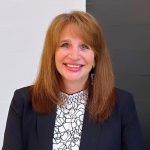
Angela Dotson focuses her finance and accounting expertise on women-owned businesses, enabling them to become sustainable entities for the long-run. She empowers women by educating them on tax planning, nonprofits and business opportunities.

During her 17 year career, Angela has helped clients resolve issues with the Internal Revenue Service and various state agencies. She is the partner-in-charge of the Tax group and the Black Business Segment Co-Chair at Aprio.

Every day, she provides tax services to corporations, partnerships and individuals, with extensive experience in working with owners and managers of professional services companies and nonprofit organizations, as well as commercial real estate businesses.

Connect with Angela on LinkedIn.

What You’ll Learn In This Episode

  • Why she decided to start the Black Business Forum.
  • What is the purpose and mission of this organization

Transcript-iconThis transcript is machine transcribed by Sonix.


TRANSCRIPT

Intro: Broadcasting live from the Business RadioX studio in Atlanta, Georgia, it’s time for Atlanta Business Radio, brought to you by Kennesaw State University’s Executive MBA program, the accelerated degree program for working professionals looking to advance their career and enhance their leadership skills. And now here’s your host.

Lee Kantor: Lee Kantor here another episode of Atlanta Business Radio. And this is going to be a good one. But before we get started, it’s important to recognize our sponsor, CSU’s executive MBA program. Without them, we couldn’t be sharing these important stories. Today on Atlanta Business Radio, we have Angela Dotson with Aprio Black Business Forum. Welcome.

Angela Dotson: Hi, Lee, thanks for having me today.

Lee Kantor: I am so excited to learn what you’re up to. Tell us about Aprio Black Business Forum. How you serving folks?

Angela Dotson: Absolutely. First, let me give you just a brief background on myself. I’m a tax partner at Aprio, working from our Atlanta office and a co-chair for the Black Business Forum. And my normal day to day work is spent with business owners, um, working with them on their business and personally on their individual taxes. And so I was fortunate enough to be included in the conversation post-pandemic about what could we do to serve the, you know, black business community. And so, you know, the Black Business Forum, you know, evolved. We started last year in 2023 was our inaugural year. And we are providing an ecosystem for black business owners, um, from the standpoint of business relationships and also providing relevant financial education to help them grow their businesses.

Lee Kantor: Now, how are you defining a black business in terms of size? Is it like somebody that is a, you know, an individual that has their own, you know, side hustle or is it a, you know, a business of a certain size, like $1 million business, like what is kind of the range of the businesses that are part of this ecosystem?

Angela Dotson: Yeah. So any business could be part of the ecosystem. It could be the, you know, solopreneur to, you know, one of the largest black owned enterprises in the country. So, you know, we’re providing information from a financial standpoint to fill in some of the financial literacy gap that we see, you know, based on our vantage point. So we can serve entrepreneurs at various stages, and our content is usually targeted to specific folks. So every event might not be for every business owner. And so depending on the topic, that gives them some insight into whether you know that information is for that, you know, particular size of company.

Lee Kantor: Now how do you communicate with the community? Are you doing this in person events? Are you doing kind of virtual online, you know, webinars, things of that sort?

Angela Dotson: Yeah. Right now we’re doing in-person events. And, you know, Future State is to have, you know, some additional resources, you know, from a digital perspective. But we have events typically quarterly here in the Atlanta area. We recently launched a partnership with the Gathering Spot and had our kickoff event with them this past June. They have the beautiful space down there in Midtown and had the capacity to serve, you know, more businesses than we had in our office space. Um, in, um, Brookhaven in Atlanta. So we’re definitely expanding the size of the room and look forward to, you know, in the future, expanding beyond the Atlanta market.

Lee Kantor: So what happens at an event like Walk Me Through if, uh, if someone wants to attend an event?

Angela Dotson: Yeah, absolutely. So we market the event internally, of course, to our clients, um, and our network people who have interfaced with us here at Aprio. We put out, um, our information on the social media platforms for those who are not clients so that they can have exposure to know that the event is happening. And of course, there’s, you know, some word of mouth that happens. And so our events always start with networking. So we want to make sure that black entrepreneurs are mindful of expanding their network. So we have found that many black business owners, you know, spend most of their time in the business and not a lot of time on growing their network. So an important component is networking and making connections with people that you need to know before you need to know them. So that’s that’s the first component. Um, and that’s the first thing that we do is, you know, have um, a good amount of time for networking, usually 45 minutes to an hour. The second hour is comprised of, um, some curated content around a very specific topic. For example, in February we had an event related to obtaining government contracts, and so we fill our panel with business leaders first, because entrepreneurs like to hear from other entrepreneurs, and they want to get advice from people who have been in this, you know, position that they are in.

Angela Dotson: So, um, it means more coming from the business leader entrepreneur who’s made it versus if I were to be on the panel, I’m telling owners what they should do. And then we have other service providers or other experts, you know, in those particular fields, um, to round out those panels. And so there’s usually about an hour of education that leads to some actionable items that the attendees can take. For example, there were very specific takeaways for people who were interested in obtaining government contracts. And there were some, you know, resources and tools that were provided as takeaways for all of the attendees. And then generally at the end of the event, there’s some organic networking after the event is technically over. People have historically hung around for another 45 minutes to an hour to continue the networking, after they’ve had a chance to hear the content.

Lee Kantor: Now walk me through what it was like to, um, at the beginning when you were had the idea of you would like to do something like this. And was this something that you approached the Apria leadership with and said, hey, I think this is important. We should be doing this? Or did they approach you and say, hey, this is important. Can you help us spearhead this? Like talk about the genesis of that, because I like to leave the listeners with some information on how to get something like this started. If their organization thinks it’s an important, uh, initiative to take forward.

Angela Dotson: Yeah, absolutely. Our office managing partner in Atlanta. Elena Apollo, this was her brainchild. And she approached me to, um, find out if I would be interested in spearheading it. Um, you know, as I mentioned before, I work closely with business owners. My parents were entrepreneurs. So, um, you know, small to medium sized businesses have, um, you know, a huge place. You know, in my heart, I appreciate being the extension of the team that could help businesses be successful. And so the next step was to determine, you know, who should be involved. And so I decided to contact, um, other senior leaders in our organization, namely partners and directors who I thought shared a similar passion for helping black owned companies. And so, you know, we have a core group of leaders that’s about five of us who meet on a regular basis to discuss strategy, um, meet with our, um, you know, network to determine what content you know, they would like to see. And, um, it’s definitely a passion project that takes, um, you know, additional, um, energy and effort in addition to our day jobs. So I would say a commitment to the outcome is critical. Um, because there have been other, um, you know, similar groups that kind of had a slower to launch or a failure to launch. But I think it was because, you know, the passion wasn’t there. The commitment to seeing the outcome, you know, wasn’t there. And so, you know, our team, we have a phrase that we use and it’s two feet in. And so each of the leaders we are two feet in, it’s a very democratic process, you know, within the team. And once we’ve made a decision, you know, to go forward with an event, a speaker, a location, you know, what have you. We all know that we’re all, you know, 110% committed to what we’re doing now.

Lee Kantor: Um, how do you measure success? How like is success that, oh, more people are attending the event? Is success more? There’s more black owned businesses in the markets we serve. Like, how are you kind of measuring that to make sure that it is delivering on, you know, what your mission is trying to accomplish?

Angela Dotson: So there are a few.

Angela Dotson: Different ways we look at success. And, you know, we’re still, um, fine tuning how we, um, you know, measure it from, you know, a number standpoint, but, you know, some examples of success. Um, you know, there’s one client of mine who was at an event. He’s a, um, solar panel, solar panel manufacturer. And there was a, um, you know, I would say he’s a mature small business, and there was a, um, person in the room who wanted to get into manufacturing. So my client is now mentoring and helping another business owner along. So, um, for me, that’s a measure of success. We’ve helped companies, you know, apply for government contracts. We know they’ve applied. We’ve helped connect financing to some business owners. Um, there are some business deals that have taken place between people that came from the networking, um, that has happened at the events. And so people do come back and let us know, um, the success that they found because they connected with someone or the information that was shared by the panel was helpful to them. Another measure of success is the number of outlets, um, organizations, firms that have reached out to us that wanted to, um, come alongside and be a part of what we’re doing. So, for example, ACG um, did an event with us last year. We partnered with the United Way of Greater Atlanta. We’re actually working on a project, um, with them that will launch later this year. Um, we’ve had William Blair and Maurice Manning and Martin, who came on as sponsors for an event based on their attendance, and we do get great feedback. Post events in real time from business owners and from other professional service providers. And so I think there’s a lot of excitement and value in what we’re providing. And, you know, the market is telling us, though.

Lee Kantor: Now, what are the trends when it comes to black business ownership? Is that something that is growing?

Angela Dotson: So it is definitely growing. Um, among among minorities, it’s the fastest growing, um, segment of business. Atlanta has one of, you know, the strongest black owned business communities, and more than half of all black owned businesses are in 12 cities in the US. So there are some concentrations of that business. And, you know, with us being headquartered here in Atlanta is one of the reasons why we started with Atlanta first. Um, you know, just based on, you know, the number of companies in our backyard that we can serve.

Lee Kantor: And then when it comes to your growth, you mentioned your, uh, expansion goals are, is this going to be something that you’ll just kind of, uh, grow market to market as you expand?

Angela Dotson: So we do plan to expand.

Angela Dotson: Um, you know, our firm is a global firm. And our partnership, you know, with the gathering spot, gives us a partner that has a national reach. And so there are a lot of synergies. Um, for some of those other top 12 cities. And so, um, you know, we look forward to possibly in 2025 moving into our, um, you know, next city outside of Atlanta. And we just want to make sure that, um, we’re very thoughtful and can bring the same content, the same excitement, the same result that we, um, found in Atlanta. So working, you know, with our partners across our platform, our gathering spot partner and our other collaborators who’ve come alongside us. And so we definitely want to be very intentional that we’re bringing to those communities the content that they need. And so with us being here in Atlanta, we’re very familiar with some of the trends and some of the, um, you know, obstacles that black owned businesses faced. And, you know, we believe it is similar in other cities and look forward to that expansion.

Lee Kantor: Now, what are some of the upcoming events and speakers have you decided moving forward? As you know, as we get through the summer here?

Angela Dotson: So we just had our summer event, um, at the end of June, and we were very fortunate to have some Atlanta legends at that event. Um, the event was scaling Atlanta, learning from, um, business legends. And we had Matt Wilburn, who was the first black McDonald’s operator in Atlanta, on one of our panels. Uh, we were fortunate to have Jerome Russell, um, president of H.J. Russell and Company, one of the largest black owned construction and real estate, um, firms in the country. Um, we had a private equity, um, partner, IRA mallen, out of ICB partners and a pioneer in interactive technology, um, in Farah Allen, who was the CEO and founder of the labs. And so that was our latest event. It was on June 27th. Um, folks can check out our website, um, for video, full video of previous, um, events. And we’re in plans for our November event. Right now, we don’t have any topic and the speakers, but we are looking forward to a fourth quarter event and, um, you know, branching out into 2025, um, doing, you know, quarterly events, um, primarily, um, with the gathering spot, um, as our, um, partner for the event hosting.

Lee Kantor: So if somebody wants to learn more and become part of the community, what is the best way for someone to do that? Is there a website?

Angela Dotson: Yeah, absolutely. They can find us at aprio. Com search for Black Business Forum. And there you can connect directly with us. You can share information, um, name contact information. We can put you on our list to make sure that we send you invites and information as we’re sharing it, and we will post future events and upcoming activities, you know, first on our website and then out on social media, but definitely connect with us on our website now.

Lee Kantor: Is there still opportunities for sponsorship or other types of partnerships with the Black Business Forum?

Angela Dotson: Absolutely We are looking to collaborate with others because we want to bring resources and tools to business owners in a very efficient manner, and so we’re open to collaboration with other partners, other sponsors. Um, you know, right now we have our primary event sponsor, but we’re not, um, we don’t have dedicated sponsors as far as legal or, um, you know, financial advisory or any other services. But we’re very interested to connect with other business leaders who are trying to reach the same population and who have the same goal of fostering the growth of black entrepreneurs. And they can also reach us on our website at pro.com. Um, that’s a p r I o. Com.

Lee Kantor: Well, Angela, thank you so much for sharing your story today. You’re doing such important work and we appreciate you.

Angela Dotson: Thank you so much for having me and giving me the opportunity to share about our Black Business Forum.

Lee Kantor: All right. This is Lee Kantor. We’ll see you all next time on Atlanta Business Radio.

Tagged With: Angela Dotson, Aprio Black Business Forum

Georgette Fraser-Moore and ChannelCon

July 15, 2024 by Jacob Lapera

Atlanta Business Radio
Georgette Fraser-Moore and ChannelCon
Loading
00:00 /
RSS Feed
Share
Link
Embed

Download file

ChannelCon is the IT Channel’s Premier Event to Energize Your Business & Career.

Dr. Georgette Fraser-Moore is the president and CEO of Transformation Lead, an IT services and consulting company that specializes in digital transformation and organizational change, based in Atlanta.

She is a member of the CompTIA Community Workforce Advisory Council and was a member of the CompTIA board of directors from 2019-2024.

Connect with Dr. Georgette on LinkedIn and follow CompTIA on Facebook and Twitter.

What You’ll Learn In This Episode

  • About ChannelCon
  • How ChannelCon helps technologists keep pace with emerging technology
  • Why Atlanta is a good fit to host ChannelCon 2024
  • Why MSPs and professionals in the channel should attend this year’s ChannelCon

Transcript-iconThis transcript is machine transcribed by Sonix.


TRANSCRIPT

Intro: Broadcasting live from the Business RadioX studio in Atlanta, Georgia, it’s time for Atlanta Business Radio, brought to you by Kennesaw State University’s Executive MBA program, the accelerated degree program for working professionals looking to advance their career and enhance their leadership skills. And now here’s your host.

Lee Kantor: Lee Kantor here, another episode of Atlanta Business Radio. And this is going to be a good one. But before we get started, it’s important to recognize our sponsor, CSU’s executive MBA program. Without them, we couldn’t be sharing these important stories. Today on Atlanta Business Radio, we have Doctor Georgette Fraser Moore. She’s the CEO of Transformation Lead. But we’re here to talk about ChannelCon. Welcome.

Georgette FraserMoore: Hello. Thank you for having me.

Lee Kantor: I am so excited to learn about ChannelCon. Can you tell us a little bit about what it is and why we should be paying attention to it?

Georgette FraserMoore: For sure. So ChannelCon is brought on by CompTIA. Comptia is actually the leading voice in advocate for like five for the $5 trillion global information technology ecosystem. So they’re one of the largest IT trade associations in the world. And they support tech professionals as well as companies and organizations and help drive the workforce around technology. So this is the first time the channel con is coming to the city of Atlanta. And Channel Con is a three day conference. It features, um, collaborative sessions where basically leading technology business executives and technologists will offer insightful information about what’s happening in technology today. What are these emerging things that are that that are coming in technology, as well as some of those hot topics like cybersecurity, artificial intelligence? Um, it’s going to be we’ll have vendors there from all, all of the different technology companies, as well as managed service providers that help support businesses with their technology, information and systems.

Lee Kantor: So when this event is not going on, is there a CompTIA chapter here in Atlanta or is that how it works? They have chapters around the country.

Georgette FraserMoore: No, there are no chapters. So the membership consists of vendors like Microsoft and Amazon and Google and all of the technology vendors out there that provide products and services like as well as like the HP and stuff like that. It also includes distributors. So those are the companies that distribute technology across the world, as well as IT solution providers and managed service providers. So there are no chapters there, just there’s membership.

Lee Kantor: And then what do you for being a member like what are some of the reasons someone would be a member of this?

Georgette FraserMoore: Um, well, companies become members one because they get access to a lot of information. So being the largest, one of the largest IT trade associations in the world, CompTIA does a lot of research around technology, and we give that to the technology community. And they’re part of the research itself. But they’re also able to feed off and leverage these this research. So that’s everything from the state of technology and state of cybersecurity to workforce research and data as well, because there’s this ecosystem of vendors and providers and distributors and resellers where they’re able to network together, share information, be able to connect with each other, to be able to support the businesses from a technology perspective and share information.

Lee Kantor: But, uh, but this event here in Atlanta, that’s an in-person event, which is kind of unusual because most of this is all done online.

Georgette FraserMoore: No. So every year we have an in-person event called Channel Con. Um, Channel Con brings together those resellers, those technology companies, the vendors, distributors. And what what they’re doing is having those collaborative sessions I mentioned where they’re talking about the newest things that are happening in technology so that the providers, the people that are offering technology like our company does, um, we work with large corporations and the government to provide them their IT products and their IT services. Um, panel con helps us be able to stay on top of what’s new, what’s upcoming as as well as the vendors and providers and connect us together to be able to provide the best services for businesses.

Lee Kantor: Yeah, when I said it’s unusual, it’s unusual to be in person in Atlanta, right. That’s unusual. That’s the first time that this occurred.

Georgette FraserMoore: Okay. So yes, this is the first time channel con is in Atlanta, but it’s been um, last year it was in Las Vegas. Um, it’s been in multiple I mean, um, CompTIA has been around for I want for over 30 years. So each year we have channel con in a different state or a different place. And then we also have a conference call, EMEA con um, that happens in the UK every year as well.

Lee Kantor: So the reason Atlanta has been chosen is because it is such a good, um, tech hub here in the southeast. Is that part of the decision to have it here?

Georgette FraserMoore: I would I wasn’t part of the decision making process. So I don’t really there’s a but there’s a lot of things as to why Atlanta. So and I know your audience definitely knows why Atlanta is amazing right. But I’m excited I’m personally excited about it being in Atlanta because technology, Atlanta specifically has a huge tech ecosystem. So most of the major technology companies have a presence here. So you know, Microsoft has has has a huge corporate office here. Um, Amazon, um, Google has an office here in downtown Atlanta because we have those amazing universities like Georgia Tech, where we have great engineers and technologists coming out of it, as well as Atlanta being a hub for the world. Having having the the largest and busiest airport out of Atlanta, it allows for a lot of tech. Some you know, it’s built a lot of, um, to it’s become a home for a lot of technology companies. And in addition to the technology companies overall, if you’re thinking about the larger ones, Atlanta has also been recognized as a place to start, a great place to start a small business and small business, small businesses, they usually they usually require help in their managed services and their technology. So Atlanta is actually a place where managed service providers are, which are the companies that help support businesses with their technology. Um, where it’s a great place for them to, to be established as well as grow their businesses to support those small and midsize businesses.

Lee Kantor: So at this event, there’ll be a lot of opportunity to learn things. Right? I’m sure there’s going to be a lot of experts sharing their wisdom, and that’ll be a great place to maybe see some things that you hadn’t seen before.

Georgette FraserMoore: I both of all of those, um, they’ll be able to learn some things. They’ll be able to see things that they haven’t seen before, but they’re also going to be able to be working directly with those vendors and seeing what’s coming up next. So they’ll see what’s what’s the what are the new things happening in technology? I think one of the for me, one of the biggest benefits of channel con is really the community itself, connecting with other IT professionals, connecting with other um, companies that are doing similar things that you can either partner with, grow from, um, be able to, you know, being able to have that community to, to that that allows you to have a larger reach and be able to, um, expand and grow your business.

Lee Kantor: So what is some can you share some advice on how you would, um, tell maybe somebody who’s new or hasn’t gone to as many as you have, uh, how to kind of wring out the most value in building those relationships. Like how do you do it?

Georgette FraserMoore: Well, for me it’s showing up. So number one, show up to channel con. If you’re a managed service provider or IT solution provider or you’re working in that IT space. Um, it I feel like in business it’s. You do business with people that you like and people that, you know, versus just products and solutions nowadays. So getting out there and actually meeting people is a great way to be able to expand and grow as an individual, as well as if you’re coming in from a business and and company perspective, being able to grow yourself as a company.

Lee Kantor: So meeting people in real life as opposed to online in.

Georgette FraserMoore: Real life.

Georgette FraserMoore: Real life connection, real life, people getting to know their name, being able to call them up later on and, you know, have lunch with them at some point in time maybe, um, you know, I’m actually really tired of those virtual coffees that people had during the pandemic where everybody wanted to have a virtual coffee for about 15 minutes to to connect with people. We’re outside now. We’re ready to get back in person and be able to really see people, really get to know them, put a face with the name and build relationships that can help grow again, your your company as well as grow you as an individual.

Lee Kantor: Now in, um, in technology, are you finding people have a similar outlook as yours, or are they want to meet in person and get to know people personally? Or. It seems like a lot of people in technology kind of like to lean on technology.

Georgette FraserMoore: Well, the thing is, channel con is for the providers. Um, so for when you think about a business, if no one is talking to you, you’re not growing your business. Right? We’re not talking about the people in the background that’s typing and doing the doing the coding in the background. Um, businesses have to sell, right? So we’re selling products and we’re selling services. So you have to actually connect with people to be able to do that and connect to the buyers and providers of those products and services.

Lee Kantor: And this do they have kind of structured, structured ways to network and meet each other, or is this something that you just go there and you just are kind of like you would any other, uh, business networking event where, you know, you just go up to people or you go into their booth and you just start conversations.

Georgette FraserMoore: Well, there’s four tracks. There’s four education tracks throughout, um, channel con. So, so as a attendee, you can choose which track you’d like to attend. Um, and you get to kind of know people along that track. There will be a vendor showcase where vendors get, um, you’re able to go out there and see what new products, all of the different vendors that have out there, as well as being able to test and talk to them about some of their solutions. Um, I there’s also a bunch of networking opportunities. So one of one of them is we’re going to be having a party at the aquarium at the Atlanta, um, the Atlanta Aquarium, the Georgia Aquarium. There’s going to be a really fun. And the events are fun too. So there’ll be a ton of, um, networking, like cocktail parties, um, afterwards, where you can kind of wind down and have a, have a cocktail and network and mingle in a more unstructured environment. But then there’s also the sessions and and the vendor showcase hall as well, and the after hours event that people will have opportunities to connect with.

Lee Kantor: And, um, something you’ve done is take a leadership role in the organization in the past.

Georgette FraserMoore: Yes, I was I was, um, uh, in the past, I was a.

Georgette FraserMoore: Board.

Georgette FraserMoore: Of I.

Georgette FraserMoore: Was on the.

Georgette FraserMoore: Board of directors for CompTIA. Um, and that was actually I wasn’t a member of the organization at that time. But um, but just kind of based on my technology background and, and, um, working, kind of interacting with them over the years when they were looking for new board members to provide insight. Um, I was nominated by someone within the organization and had the opportunity to be on their board for the last four years.

Lee Kantor: And for somebody who is in this space, you find taking leadership roles in organizations like this is something that has been beneficial for you and your career.

Georgette FraserMoore: Um.

Georgette FraserMoore: I think taking a leadership role in any organization is a great thing for people that are trying to grow their career. Um, I know corporate board roles are something that most people don’t get an opportunity to opportunity to do, but um, within CompTIA we have a ton of opportunities or a ton of areas where people in the tech industry can get involved. So we have committees and we have councils where they have people that are working on specific areas in technology. So we have for example, we have a cybersecurity council, we have a workforce council, we have an AI council where they’re looking at, um, and where, um, people that are working within that space get together and take leadership roles within those communities and or councils to help drive some of the vision and the research and being able to help move some of those areas forward.

Lee Kantor: Now with, with the technology, um, kind of landscape changing so dramatically, it seems every I mean, it’s probably day to day for people that are in in that space. Um, how do you keep up is going to a channel con? Is that one of the ways that some folks just keep up with all that’s going on, because it’s impossible for an individual to follow all this stuff?

Georgette FraserMoore: Yeah. It’s really I mean, think about the about technology in general. The internet started in 1983. That’s that’s 40 years ago. And look at how much it’s evolved since then. Um, because CompTIA has been around just about as long as the internet. Um, one of the reasons why anyone would want to be connected with a trade or industry association is because they’re staying in front of the technology versus hearing about it afterwards. So because we’re connected with the companies that are creating the new technologies, we’re the first to be able to share that with our communities. Um, because we’re connected with the the people that are leading the leading the way in cybersecurity. We’re able to share that with our communities. So, um, not being connected kind of keeps you in the dark a lot more because we have a ton of resources and information, as well as up to date information that we share with our communities on a regular basis.

Lee Kantor: So out of all the business groups that you’re, uh, probably affiliated with in some way, shape or form, uh, CompTIA is kind of a must, must have industry association as part of kind of the work that you’re doing. Like this isn’t a nice to have. This is a must have.

Georgette FraserMoore: If you’re a managed service provider or IT solution provider or a vendor in technology and you’re not part of CompTIA, yes, you’re definitely missing out. So it’s a must have for those organizations.

Lee Kantor: And then for people who have never attended, um, what how would you attack it?

Georgette FraserMoore: Um, expound a little bit on that question for me.

Lee Kantor: Like, say you’ve been a member, but you’ve never gone to a channel con, how would you, for a veteran of multiple comm, uh, channel cons, how would you kind of approach an event like this? Because I would think it could be overwhelming because there’s so much going on and there are so many ways to, uh, kind of manage your time there. And.

Georgette FraserMoore: Well, the wonderful thing about Channel Con is it has an app. There’s an app for that. Right. So, um, before the before the conference, it’s up actually up. Now the agenda is put out there for everyone to act, kind of start planning how they want to navigate channel con. So you’re able to choose your from your sessions, right from your phone. You’re able to do it from your computer as well. Be able to see what’s coming up, what you’re also what’s coming up where you would like to attend, where you need to be. There’s also ways to connect with other people in the app, so you can see other attendees, see what companies they represent and reach out to them and set up times to meet with them. Um, there’s also another great opportunity that I didn’t mention was they have, um, at Channel Con, you have the opportunity to have sessions with experts. So we have a corner where you can set up time to meet with any particular expert and get there. And, um, they’ll sit with you for, I think, 15 or 30 minutes and be able to help you or educate you on any particular area.

Lee Kantor: And, and like you mentioned, all the areas cover pretty much the gamut of what’s happening in tech, right? So if somebody wants to learn more, uh, where should they go? What’s the coordinates at Ordnance?

Georgette FraserMoore: That’s a really good question, but I would go ahead and send you to connect.com to org backslash channel con. And then you’ll be able to find out all the information about registering. If you’re a managed service provider and you’re a member if you’re a part of the community already, it’s completely free to register. Um, if you have if you are a managed service provider but a nonmember and you’re attending for the first time, they also have a you can also attend for free. Um, if you if you’re a managed service provider as well, and you just want to come and check us out for the first time.

Lee Kantor: And the website for the organization is connect CompTIA. Org. And then from there they can navigate to Channel.com.

Georgette FraserMoore: Com that.

Georgette FraserMoore: Is correct.

Lee Kantor: Well uh thank you so much for sharing your story today. You’re doing such important work and we appreciate you.

Georgette FraserMoore: Well thank you so much.

Lee Kantor: All right. This is Lee Kantor. We’ll see you all next time on Atlanta Business Radio.
Tagged With: ChannelCon, Georgette Fraser-Moore

Don Templeman With Aemula

July 11, 2024 by Jacob Lapera

Atlanta Business Radio
Don Templeman With Aemula
Loading
00:00 /
RSS Feed
Share
Link
Embed

Download file

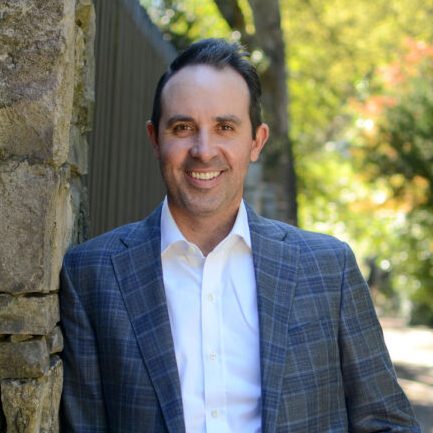
Don Templeman founded Aemula, a decentralized platform for independent journalism, with the goal of reversing the trend of polarization in today’s media. The concept for Aemula emerged during the 2016 election while he was studying computer science at Wake Forest University and serving as the Business Manager of the university newspaper.

Due to limitations in decentralized networks at the time, the business model was not initially feasible. After a six-year career in finance, most recently at ICONIQ Capital, Don committed to Aemula full-time in February of 2024 once recent advancements in decentralized technology made the vision possible.

Connect with Don on LinkedIn and follow Aemula on Twitter.

What You’ll Learn In This Episode

  • Polarization in media
  • The benefits of decentralization
  • Recent technological advancements in decentralization
  • Aemula’s mission
  • Aemula’s business model

Transcript-iconThis transcript is machine transcribed by Sonix.


TRANSCRIPT

Intro: Broadcasting live from the Business RadioX studio in Atlanta, Georgia, it’s time for Atlanta Business Radio, brought to you by Kennesaw State University’s Executive MBA program, the accelerated degree program for working professionals looking to advance their career and enhance their leadership skills. And now here’s your host.

Lee Kantor: Lee Kantor here another episode of Atlanta Business Radio. And this is going to be a good one. But before we get started, it’s important to recognize our sponsor, CSU’s executive MBA program. Without them, we couldn’t be sharing these important stories. Today on Atlanta Business Radio, we have Don Templeman with Aemula. Welcome.

Don Templeman: Thanks, Lee. It’s great to be here. Thanks for having me on.

Lee Kantor: I am so excited to learn what you’re up to. Tell us about Aemula. How are you serving folks?

Don Templeman: Yeah. So Aemula is a decentralized platform for independent journalism. And what that means is we’re able to offer readers an affordable subscription where they can find diverse points of view from independent journalists. And we’re able to offer independent writers a platform where they can go and maintain full ownership of all of their work and still receive monetization rates comparable with running their own platform, but without having to take the burden of building their own audience or having to appease any editorial boards or other, uh, people at centralized publications.

Lee Kantor: So what was the genesis of the idea? How did this come about?

Don Templeman: Yeah, so I had the idea back in 2016. If you put yourself back in that time, it was a 2016 election cycle. I was in college at Wake Forest University helping to manage the business side of our university newspaper, and I was also studying computer science. It was when blockchains were really starting to gain traction, and I was thinking about how we were seeing a lot of polarization within the media, and got me thinking about how we could use some of these new technologies to combat that. And I actually attempted to build a platform like this at the time, but the tech wasn’t there yet, and I always told myself that once it became viable, once we had a few more advancements in the field, I would take another stab at it and try to make it work. And that actually occurred in March of this year, which led me to quitting my job in finance and going to pursue building out Amula full time.

Lee Kantor: So what what changed that enabled you to do it now?

Don Templeman: Yeah, it was really the increased efficiencies and decentralized networks, the cost of operating them came down by multiple orders of magnitude. Just for reference, when I was initially trying to build out the idea for the platform, it was about a million times more expensive to operate this than it is as of today.

Lee Kantor: And then, is that price continuing to plummet because of, you know, the exponential way that this kind of world works.

Don Templeman: Yeah, it’s a rapidly moving field. And as more and more people are starting to contribute to decentralized Web3 technology, we’re starting to see even further advancements. And the pace at which they’re coming along has only increased. So I would expect to continue seeing even further cost efficiencies as more people start to contribute?

Lee Kantor: Now everybody’s heard that the media is in trouble, that, you know, readership in traditional media sources are becoming, um, you know, it’s getting worse and worse from a business standpoint for them. A lot of them are moving to some sort of sub subscription model. Um, how have you how do you kind of view the media since you’re not? I mean, I know you were working kind of tangentially in the media at your college, but your career hasn’t really been in the media.

Don Templeman: Yeah, exactly. Um, so it is an interesting time to be getting into journalism. Like you said, readership is down, but I think that’s more of a symptom of how people are starting to view who they can trust and where they can receive their information. The business model for traditional media publications is fairly antiquated. I mean, the concept of having subscribers and subsidizing that revenue with advertisers was developed in the 1800s. So as we started to see new technologies for distributing information and more rapidly, it’s harder for those companies to keep up and maintain trust in their reader bases and what they’ve done As the market for journalism has seen new entrants and become more competitive. These publications have started to carve out their own niches of specific audience types, and that allows them to defend a smaller market share. But what it does is just continue to reinforce existing beliefs as they pander to an existing audience base, which as you start to try to find new sources for information. As a reader, you’re met with small, tightly clustered pockets of information that are harder to approach, and once you become aligned with one of them, it’s even more difficult to expand outside of that. And what people have tried to do to combat this is they’ve turned to social media, and a large portion of the American population gets their news, their primary news source, on a daily basis from people on social media. However, these social media platforms aren’t fundamentally geared for distributing high quality, factual investigative journalism.

Don Templeman: These platforms are meant to, uh, drive user engagement and to gain a user’s attention that they can then go on and sell to advertisers because these platforms are free and the advertisers are the ones that are paying the social media companies. So that’s where the social media companies align their interests. As a reader, it most people feel that they don’t necessarily need to pay for news, since there is such an abundance of information that is free to access on the internet. But creating quality, factual journalism is something that takes a lot of time and something that has to be compensated. These writers, and hundreds of thousands of people on a daily basis, are working to report the news and to earn compensation for that effort, they have to be paid from somewhere. And as a consumer, as a reader of that information, if you’re not the one paying for it, someone else is paying to get that information in front of you. And this is something that on a daily basis, we don’t necessarily pay that much attention to. But at the end of the day, it’s the information that you’re receiving through the news is what you’re using to build your own worldview that drive decisions that you make within your own life. And if you’re not the one that’s controlling how you find that information, then you’re essentially giving something that is so important to how you experience your life up to someone else.

Lee Kantor: So then in your model, um, how would it work?

Don Templeman: Yeah, essentially, we’re trying to make it as easy as possible for an independent writer to be able to share their expertise directly with an audience. There are a lot of very great and qualified independent writers out there that are struggling to make ends meet because they’re trying to enter a competitive media landscape and start from scratch. They have to go out and build their own audience, build their own subscriber base, and try to monetize and advertise and essentially manage running their own business while also trying to focus on reporting quality content, which is a very difficult and time consuming task. And while there are a lot of tools to help with the monetization aspect of it, no one is really helping these independent writers go out and compete with institutional publications. If you’re a staff writer at a publication, you have access to editorial rooms, you have access to coverage funding to help you go out and spend a longer time investigating the piece. But these independent journalists are having to take the risk of going out and doing this all on their own without necessarily having an audience there and ready for them. So what we’re doing is building a community of readers that have already subscribed to the platform, and we’re welcoming independent writers on to come in and focus solely on writing quality content. And we will handle the community building and the monetization side of it. And for the readers, if you wanted to find independent writers, you’re going out. You’re doing your own research. You’re largely finding them through your own social media, um, followings. And you’re going out and having to subscribe to all of them individually. And if each of these writers are charging 7 to $8 a month after subscribing to a few of them, you’re already paying something comparable to a premium subscription to a Wall Street Journal and New York Times, but you’re only getting access to a few independent writers. We want to make it affordable and accessible for readers to come to our platform, pay $110 a month subscription, and then be able to access a wide variety of diverse, quality content from independent writers.

Lee Kantor: Now, you mentioned earlier about the polarization in the media. Can you talk about how this solution kind of addresses that? Because, um, I think it’s a saying that goes back thousands of years. But you know who watches the Watchmen?

Don Templeman: Exactly. So I think what is funny when thinking about a funny, maybe the wrong word, but, uh, when thinking about polarization in the media, we’ve seen a continuing and accelerating trend of polarization ever since the early 2000. But when you think about it, anyone with an internet connection theoretically has access to the entire base of human knowledge, which you would think that with better access to information, we would be able to more easily come together to a consensus point of view. However, as more people gain access to the internet, we’ve seen more of a trend of polarization. So it’s clear that there is some flaw with how we are routing information. And again, that goes back to institutional publications trying to carve out their own niche audience or social media algorithms geared towards driving user engagement to sell advertisements. But one thing that we have seen more recently and has become a bigger topic since the 2016 election, is just the level of factual content that we’re able to find. And as people move towards social media or faster news cycles, as we’ve been able to distribute information more quickly, we’re starting to see that people aren’t really held accountable for their mistakes if they are spreading misinformation, uh, by accident.

Don Templeman: It tends to get covered up in a news cycle that is rapidly moving. And when you don’t have to take ownership for that mistake, it becomes less of a burden for people to try to pay attention to it up front. What we’re able to do on our end and leveraging Web3 technology is we’re able to tie reputations to riders, and we’re also able to enable a community moderated platform where it’s not just a generic community modernization, like, uh, moderation, like you would see on a social media platform like Reddit. But we can actually compensate people for their time and track reputations and make sure that people are building up a track record of making good decisions and supporting quality factual content. Essentially, we’re able to take away the middlemen that you would typically trust of an institutional publication and distribute it to the community, but not lose any of that quality, because we are able to make sure that people are held accountable to actions they take on the platform, which helps to limit some of the cover up that you see through quick news cycles.

Lee Kantor: Now, you mentioned earlier about how maybe the incentives weren’t really aligned with the the consumer when it comes to that traditional advertising model, you know, where, you know, the one with the most clicks wins the most money. And so therefore it becomes kind of a race in to the bottom on how can I manipulate in order to get clicks, uh, rather than get good factual information. So if your true north is factual information, how are you measuring that? Because like you said, that something might seem factual today, but in six months it might not be factual.

Don Templeman: Exactly. What you see with how typical platforms of today are monetizing content is, again, they’re incentivized by driving advertising revenue. So all the advertisers care about is the number of eyes that see the content. So they’re compensated based on clicks and article reads or opens, which means you can have some clickbaity, attention grabbing headline and then not necessarily follow it up with quality content or helpful, useful information for the community. But you can still get the monetization from people clicking into an opening that article. We want to take it a step further and only promote content that people widely agree with. So we end each article with a quick, uh, essentially upvote downvote like dislike. Uh, question for the user of do you want to support this article or do you disagree with the content of it? And through that, we can track how well received articles are. And if a lot of people from a lot of different backgrounds, with a lot of different points of view are all supporting an author, you can then assume that that author is creating quality content that is coming from a moderate point of view that a lot of people agree with, and those are the type of people that we want to promote.

Lee Kantor: And so where are you at right now in the evolution of the business? Like I guess it was created, at least in your mind, you know, quite a while ago. So where are we at today?

Don Templeman: Yeah, exactly. I spent about eight years thinking of this, but started seriously building out a proof of concept. Uh, over the past two years. It became apparent towards the end of 2022 that the roadmap for decentralized networks were going to hit a point where the business model would become viable, which started to get me looking into it, learning more about the platform. And again, I professionally was working in finance, so I was spending a lot of nights and weekends learning and studying more computer science in the Web3 space to be able to code up a proof of concept. Once I had that available in January of this year, is what gave me the confidence to start pursuing this full time. And in April, we launched a live demo of the platform so people can go and interact with articles that are just populated on the platform for testing purposes. It’s completely free to use, but you can go in and start to get a sense of how it would, uh, work from the user perspective. Essentially, you open the app and the user is presented with a personally curated daily newspaper, and anyone can go in and write and post and share their content. What we’re trying to do now is build a commercially viable platform that we can start to monetize, so we can start to pay through riders and incentivize them to create content to seed the platform with. Uh, we’re going out to riders and making sure that we’re able to offer them all of the tools and support that they would like to see, uh, to start posting to the platform and doing work to help make our systems more robust on our end, to make sure that everything is incentive aligned. And once we release it, uh, we’re able to achieve our mission successfully.

Lee Kantor: So what do you need more of? How can we help you?

Don Templeman: Yeah.

Don Templeman: Uh, there are two main, uh, problems that we’re starting to work with. It is, uh, getting riders onto the platform to start posting. So if you are riding, if you are already generating content and you have ownership of that content, uh, there’s really no downside to start cross posting that to Amila because you maintain full ownership of your work. We have no exclusivity rights. You can promote other platforms that you’re already getting subscription revenue from. You can do whatever you want with it. You maintain full ownership. What we’re able to do is help to promote your content to readers who may be outside of your existing reader base, uh, try to drive new subscribers to whatever platform you’re currently writing for, and we can monetize your content through Amul as well. So there really is only upside. The other thing we’re looking to do is build out a larger development team to more quickly scale up development of the platform to handle more and more users. Uh, our initial user goal is to hit 75,000 daily concurrent users, which would take some considerable beefing up of our tech stack. And we’re looking for, uh, a few back end web three developers, as well as front end designers, to come onto the team and really help us start scaling up to achieving more users.

Lee Kantor: Now, what about funding? Do you have some funding now or are you bootstrapping?

Don Templeman: Currently just bootstrapped. Luckily again, uh, working uh, seven year career was starting to save up because in the back of my mind, this was always something that I knew I wanted to pursue and wanted to make sure that I would have enough runway to get this off of the ground and bring on investors. Uh, we are looking to start raising capital again, trying to build out a team, trying to begin reaching out to writers and onboarding the platform at a larger scale, which all will require more resources than I currently have available to me. Uh, so starting to have conversations about putting together a type of seed round of financing to really get us, uh, able to build more quickly.

Lee Kantor: So if somebody wants to learn more, where should they go? What’s the website?

Don Templeman: Yeah, they can go to amula. Com that’s h e moola. Com. Uh, they’ll see a lot more information about the platform there, and they’ll be able to subscribe for weekly updates throughout our progress. Uh, and they can stay informed through those.

Lee Kantor: Well, Don, thank you so much for sharing your story today. You’re doing such important work and we appreciate you.

Don Templeman: Awesome. Thank you so much for having me. It’s a privilege.

Lee Kantor: All right. This is Lee Kantor. We’ll see you all next time on Atlanta Business Radio.
Tagged With: Aemula, Don Templeman

Ernesto Mandowsky With The Million Dollar Machine

July 4, 2024 by Jacob Lapera

High Velocity Radio
High Velocity Radio
Ernesto Mandowsky With The Million Dollar Machine
Loading
00:00 /
RSS Feed
Share
Link
Embed

Download file

Ernesto Mandowsky is the Founder of The Million Dollar Machine. He helps scaling service providers with designing systems to improve revenue, retention, profit and peace of mind.

His personal mission is to democratize access to business operations resources and shares his insights on The Million Dollar Machine platform across Spotify, Youtube, and LinkedIn.

Outside of work, Ernesto enjoys reading, baking challah bread, working out, and spending time with his wife in Miami, FL.

Connect with Ernesto on LinkedIn.

What You’ll Learn In This Episode

  • The difference between Software and Systems
  • What is the challenge with developing a business system
  • Why is Hospitality so critical in today’s market

Transcript-iconThis transcript is machine transcribed by Sonix.


TRANSCRIPT

Intro: Broadcasting live from the Business RadioX studios in Atlanta, Georgia, it’s time for High Velocity Radio.

Lee Kantor: Lee Kantor here. Another episode of High Velocity Radio and this is going to be a good one. Today on the show, we have Ernesto Mandowsky and he is with the Million Dollar Machine. Welcome.

Ernesto Mandowsky: Thank you Lee. Happy to be here.

Lee Kantor: I am so excited to learn what you’re up to. Tell us about the Million Dollar Machine.

Ernesto Mandowsky: Well, the million. Most companies, most growing companies struggle to keep up with all the internal changes as they’re getting busier, as they’re scaling. And so what we do is we help companies design systems so that they can not only increase profit, but increase the peace and the performance that they’re feeling, along with all the growth.

Lee Kantor: So is that an issue you find in the companies you work with that they don’t have their processes? Correct?

Ernesto Mandowsky: Yeah, every company has processes, but they also have just so many tools that they’re using. They have like six different communication tools. And so it’s really unclear which one to use at what time, which creates a lot of confusion.

Lee Kantor: And the fact that every day a new one appears. Does that make things worse?

Ernesto Mandowsky: Oh yeah. It doesn’t help that ChatGPT is keeping everyone excited about new AI capabilities, you know?

Lee Kantor: So now how does it work if somebody works with you and your team?

Ernesto Mandowsky: So every client, they start with us through a 90 day program. And in those 90 days we set up six core systems. The first one is how they set goals. The next one is how they cultivate relationships. The third one is how they manage projects, how they manage work that gets done internally. The fourth one is how they communicate and promote their message. And the last two is how they design training programs and how they keep it all together through weekly, monthly and quarterly planning cycles. So we believe that these six systems are what keep the foundation of any business.

Lee Kantor: So someone can’t just hire you to come in and fix their kind of marketing automation?

Ernesto Mandowsky: No, it’s never one problem. Everyone goes through this cycle because as you’re going through it, you uncover all of the problems that exist. And that’s what usually happens in the second phase of work.

Lee Kantor: And then what is the outcome if they follow your plan?

Ernesto Mandowsky: The outcome is that everyone feels a tremendous sense of peace. Everyone has immediate clarity on what the company’s prioritizing. There’s ownership and understanding of who needs to do what by when. And when you have that level of clarity everyone can feel confident around when work will get done or when it won’t get done. Just it’s clear now and then.

Lee Kantor: Are there kind of is there workflow now moving more efficiently, or is it a different workflow altogether?

Ernesto Mandowsky: No. We use we like to we like for clients to preserve as much as possible of their existing workflows. We just suggest that they integrate what they’re doing with aspects of what we teach. So, for example, clients probably have a weekly meeting. Probably it’s some sort of a weekly status check in, but we want their status checking to be. We want for them to use our our software to run that status check in. Because our software helps them review all of the projects that they’re working on, all of their priorities, all of the relationships that need to be followed up with. And so we kind of blend both worlds together.

Lee Kantor: So, um, what’s the genesis of this idea? How did it come about?

Ernesto Mandowsky: I spent ten years in restaurants and, uh, working in restaurants, working in startup operations and even working in Deloitte and Fortune 500 companies. The challenge, you know, the size of the business is very different. Challenges was very much the same in that there were so many things happening and people couldn’t keep up with all of the initiatives, all of the requests, because all of these businesses were using so many different communication tools. So I said, there must be a way to be more effective and efficient when collaborating, when delivering projects. When building a business. So that’s when I discovered a software called notion, and I kind of took my best practices around designing these workflows. And I used this tool, which is extremely customizable to implement it in over 50 companies across ten different industries.

Lee Kantor: Now, you mentioned that, um, your system touches on a variety of aspects of running a business. What was kind of the early users of this? What were their challenges? Was it the holistic like you’re describing with issues in multiple areas, or were they coming to you typically with an issue in one area? And in order to solve that one area, you had to kind of, you know, at least discuss the other areas.

Ernesto Mandowsky: People typically come to me saying, hey, we want to grow our business. And so I’ll ask them, how many clients do you work with? And they’ll say, any number from 8 to 15. And I’ll say, so what happens when you double the size of clients? And they’ll say, well, we wouldn’t know how to fulfill that. And so that’s why it goes back to the way through which I designed my, my program. It’s not just one problem. You have to look at the entire system and how it’s set up. So that’s why every client starts with a holistic analysis of how they are organizing their business, how they’re setting goals, how they’re tracking relationships. So even though client thinks it’s one area, it’s usually a number of areas that they need to fix.

Lee Kantor: And then what’s kind of a symptom of a potential client is having that. The million dollar machine is the solution towards.

Ernesto Mandowsky: Uh, the scaling of overwhelm, uh, the feeling of overwhelm, this feeling of stagnation. They haven’t been able to increase the capacity. Maybe they’ve only been able to bring on three new clients each month, but they can’t bring on 5 or 6. It’s too much of a demand on the teams. And so when they when you don’t see that revenue is growing or number of new clients is growing, that is a typical symptom of a probably time to improve your workflows.

Lee Kantor: And are you working with these people individually, or is this group or is it a webinar based like cohort learning?

Ernesto Mandowsky: There’s two ways of doing it. One is through a cohort in which everyone is learning to make this information accessible. And for those who need more in-depth support, I do offer working one on one with people getting into their business and implementing what we teach.

Lee Kantor: So what was kind of the first hint that you were on to something?

Ernesto Mandowsky: Uh, the first hint was when I applied my same methodologies for a marketing agency and an organizational trainer and a coach and a life coach, the three of them vastly different, vastly different businesses. But they all experience the same pain, and they all experience the tremendous gain when we’re able to set up their business system. They all were able to increase their capacity. We productize their business and they were able to triple their capacity. So I said, you know what? Like I think this is the thing.

Lee Kantor: And is it industry agnostic? You mentioned several use cases.

Ernesto Mandowsky: It is industry agnostic. Um, we primarily like to focus on businesses that have a services model. Uh, the services model are more complex, and it requires moving pieces across different collaborators on your team. It doesn’t really help people who are selling $30 T-shirts on Etsy or $200 products on Amazon doesn’t really apply to them or them or manufacturing businesses, mostly for services.

Lee Kantor: So people who are kind of selling the invisible.

Ernesto Mandowsky: People selling the invisible, the invisible and very tangible.

Lee Kantor: And then, um, do you help productize that you use that word earlier?

Ernesto Mandowsky: Yeah. And for those who don’t know what that means, uh, typically services businesses that are earlier on in their development, they you ask them, well, how do you how do you help a client? And they can’t explain it to you because they’ve never written down all of the steps. And so what I do is not just write down all the steps, but we set up automations to support the delivery of that step. Sometimes it’s reminders, sometimes it’s laying out a list of tasks according to a schedule so that a team can follow a timeline when they’re working with their clients. Um, it’s really turning that service into a product, into something that is tangible.

Lee Kantor: And is that a product that is, um, kind of hands off? It’s a digital product.

Ernesto Mandowsky: Um, no. Services are usually. It’s a service sometimes, and a website is a digital product. But the building a website is a service. And so we turn that service. We turn that service into a product to make. It’s as simple as possible for teams and contractors to understand what is the progress of that service.

Lee Kantor: Right. But productizing sometimes also means that you’re taking something like a service and then turning it into an e-book or a course or a, you know, a series of webinar series.

Ernesto Mandowsky: It could mean that I don’t particularly focus on that. Those are more acquisition tools when you’re trying to enhance your marketing. I focus more on the fulfillment side.

Lee Kantor: So the services that work best in this system are services that are kind of bespoke, so that they’re creating a service that is being delivered kind of customized to an individual, not something that’s like a digital product. They’re just buying off a shelf.

Ernesto Mandowsky: Correct. The clients that we work with typically have $10,000 plus offerings in their services, with something that is extremely custom and bespoke to their clients needs.

Lee Kantor: And it’s delivered like kind of a human to a human. Yes. It’s not like scalable to get 10,000 sales necessarily.

Ernesto Mandowsky: No, not 10,000 sales. We like to teach people, hey, if you have a $10,000 offer, you will need 100 clients to build $1 million business.

Lee Kantor: Right? So it’s to create higher value offerings for less people. Correct. And then what is kind of your biggest success story thus far? Or you don’t have to name the name, but maybe explain the challenge they were having and how you were able to help them overcome it and get to a new level.

Ernesto Mandowsky: Sure. So we have a we had a $3 million software development shop and they, you know, got into the business and they asked them, hey, what are you focused on? What are your goals? They said, well, we’ll get back to you. And it took them two days to get back to me with the Google Sheet that they needed to pull the goals from. So after working together, we were able to get their 30 people in this company onto my six piece system, and now they’re at 5 million in sales, and they’re excited about the prospect of getting 10 million over the next three years. And it’s that piece. It’s that clarity that my systems have given them that gives them the confidence to hit ten, 10 million.

Lee Kantor: Now, is your system kind of a do it yourself. Do it for you. Do it with you.

Ernesto Mandowsky: Well, if the client wants to set it up themselves, I do offer do it yourself offering. Um, there is also the done with you or I support them on a weekly basis. Um, and then in very rare cases, I offer done for you. But this is all based on client’s budget and availability.

Lee Kantor: So now, um, how long does it take to get a noticeable result?

Ernesto Mandowsky: Every client is different, but people typically feel the results right in the middle of the implementation. They already feel clearer about how they’re fulfilling their service. And so within 45 days, they’re already feeling the confidence of increasing their capacity because everything is down on paper. It’s in the system, and they know that they can serve twice as many clients in any one month.

Lee Kantor: So it takes around 90 days to implement the entire system. Correct. And then once it’s implemented, is it like you’re done now or is it something that you got to kind of be continuously tweaking over time?

Ernesto Mandowsky: Well, businesses are, uh, eternal work of art. Uh, you will have to tweak over time. Businesses typically grow, and then they have to adjust whatever was built for them to account for the new level of capacity. So it is something after we after the 90 day program, we do offer continuity programs to continuously train and support the operator that is owning the system. Typically, the operator maybe didn’t necessarily work in a tech company, or they didn’t work in fortune 500 company, or they don’t necessarily have the scaling mindset. Um, so that’s why we offer this continuous training program in the form of a membership.

Lee Kantor: So the first stage is this 90 day kind of launch. And then after that, if they choose, they can become a member and then have ongoing support.

Ernesto Mandowsky: Correct.

Lee Kantor: And then if somebody wants to learn, uh, and get more information and maybe have a more substantive conversation with you or somebody on the team, what’s the website? What’s the coordinates?

Ernesto Mandowsky: Yeah. You can go to the Million Dollar machine.com and you can press the button. That’s right at the top. We’re on around calculating your potential. We offer a complimentary strategy sessions around building the scorecard of your future business. Uh, we talk through what your price is, how many clients you need to serve, your conversion rate, how many calls you need to have, and really set yourself up to have that clarity before we actually get started to build your business.

Lee Kantor: Good stuff. Well, congratulations on all the success. Thank you. Um, and, uh, is there anything you would need from our listeners? What could we be doing to help you grow your business?

Ernesto Mandowsky: I would love for you to share.

Ernesto Mandowsky: Uh, we have a monthly workshop every month where people can come and do the work in community. That’s called the designer machine Experience. And that is something available to all listeners. Totally free, totally complimentary. Um, you could we can include a link in the show on where you can sign up and, uh, just spread the good word.

Lee Kantor: And will they find that on the website?

Ernesto Mandowsky: Uh, we.

Ernesto Mandowsky: Will find that at the end of the growth scorecard, after you get your growth scorecard.

Ernesto Mandowsky: We’ll.

Ernesto Mandowsky: Have information on how you can join our monthly training.

Lee Kantor: Good stuff. Well addressed. Thank you so much for sharing your story today. You’re doing important work and we appreciate you.

Ernesto Mandowsky: Thank you Lee.

Lee Kantor: All right. This is Lee Kanter. We’ll see y’all next time on High Velocity Radio.

Tagged With: Ernesto Mandowsky, The Million Dollar Machine

Shena Simmons with Stewart Simmons

July 1, 2024 by Jacob Lapera

Atlanta Business Radio
Shena Simmons with Stewart Simmons
Loading
00:00 /
RSS Feed
Share
Link
Embed

Download file

Shena Simmons is the founder of Stewart Simmons, an apparel brand that specializes in game day clothing for women and children. She started the company in 2016 with no prior fashion, retail, or apparel experience.

She received her undergraduate degree from Florida State University and MBA from Emory University. As an undergraduate at FSU, she developed a passion for college sports and academic communities but found collegiate apparel offerings to be limited for women.

Years later, she left a career in corporate finance to start Stewart Simmons and to change the landscape for women’s collegiate apparel. She created the brand with the mission to help women celebrate the collegiate communities they love. She realized that across the country, college campuses have more females enrolled than men and that women had higher graduation rates.

Yet, women had fewer apparel options than men in this space. She created a brand that gives women elevated apparel options that allow them to support and cheer for the teams they love and communities that they have helped build.

Stewart Simmons now has licensing partnerships with 34 universities and can be found in over 350 retail locations. She plans to continue growing the brand by adding additional partnerships and game day collections each year. Shena & Stewart Simmons has been recognized by the Seminole 100 — ranked #8 fastest growing business owned or led by an FSU alumni.

Shena currently lives in Atlanta with her husband and two children. You can find her at the soccer fields with her children, out walking with her dogs, or hosting game nights with friends.

Connect with Shena on LinkedIn and follow Stewart Simmons on Facebook.

What You’ll Learn In This Episode

  • About the start of Stewart Simmons
  • The biggest challenges Shena faced in the early stages of Stewart Simmons and how she overcame them
  • What influences Shena’s designs
  • Future plans for Stewart Simmons

Transcript-iconThis transcript is machine transcribed by Sonix.


TRANSCRIPT

Intro: Broadcasting live from the Business RadioX studio in Atlanta, Georgia, it’s time for Atlanta Business Radio, brought to you by Kennesaw State University’s Executive MBA program, the accelerated degree program for working professionals looking to advance their career and enhance their leadership skills. And now here’s your host.

Lee Kantor: Lee Kantor here, another episode of Atlanta Business Radio. And this is going to be a good one. But before we get started, it’s important to recognize our sponsor, CSU’s executive MBA program. Without them, we couldn’t be sharing these important stories. Today on Atlanta Business Radio, we have Shena Simmons with Stewart Simmons. Welcome.

Shena Simmons: Well, thanks. So happy to be here.

Lee Kantor: Well, I am so excited to learn what you’re up to. Tell us about Stewart Simmons. How are you serving folks?

Shena Simmons: Yeah. So Stewart Simmons is an apparel brand, and we create collegiate clothing for women and children.

Lee Kantor: So what’s the backstory? How did you get involved in this line of work?

Shena Simmons: Well, my background is actually not in the apparel or fashion or retail space. My background is actually in finance. So I went to Florida State for undergrad, and I came out with a degree in marketing and finance and worked in corporate America and got my MBA. And then one day I just decided that I wanted to do something different. And I went in and I quit my job and now I make clothing.

Lee Kantor: So what led you to this idea? Where was the aha moment where you’re like, let’s go in this direction?

Shena Simmons: Yeah. So as I mentioned, I went to undergrad at Florida State and I loved being there. I loved the collegiate environment, but since I was there and for the years afterwards, I felt like every year around July I would start looking for game day clothing, and I felt like there was such a gap in the women’s apparel space. And after, you know, doing that for enough years, I decided to do something about it. And here we are.

Lee Kantor: So how do you go from wow, there’s a hole in the marketplace to, um, let me get into this business that I don’t know anything about.

Shena Simmons: Yeah, absolutely. So I was actually at home on maternity leave with my second child, and I had time to just think and reflect about where I was. And I had a great career in corporate America, but I didn’t really I didn’t love what I did, I didn’t feel very passionate about it. And I had felt, you know, for the longest time that I’d wanted to go out and do something on my own. And it was about that time of year where it was football season. And again, I found myself just looking for game day apparel and not finding options. And I started just this little piece of me, started thinking, well, I can do something about this. And so I started researching it, and I had a few months before I went back to work, and I realized that, hey, even though I don’t think I know anything about this, I can figure it out. And so I went back in and I said, hey, I’m going to give it a try and started figuring it all out.

Lee Kantor: So at the heart of any apparel brand is design. So are you a designer? Did you come up with the designs or did you have to? Did you have concepts like or do you have to identify a partner that can do that side of the business?

Shena Simmons: So I do all the design myself and again, no background in it, but we’ve we’ve figured out how to do it. And we have lots of great factories that we work with that help us kind of fine tune everything.

Lee Kantor: Now what about kind of the complexity of getting the licensing rights from the universities? How did you approach that?

Shena Simmons: Yeah, so when we started, there were a few years in which I was just doing game day colors, and I realized pretty early on that in order for us to really be successful, we had to go into the license space. And at that point, we had already started to get into some retail locations. And so we were lucky enough to have retail partners that could go to the different agencies and to the different schools on our behalf and say, hey, we see what they’re doing in this space. We think they’d be even more successful if they were able to partner with the schools or with your school and to become licensed. And so we started small that first year. I think when I went into the licensing space, we had two partners that we worked with, and since then we’ve continued to get new partners that we work with. And at the beginning, it was a lot of kind of begging and pleading, frankly, going to them and showing them our product and saying, hey, here’s what we do, here’s how we’re different, here’s how we think we could really serve the university and your fans. Um, and now we’re at a place where, like, we have universities that are coming to us and saying, please, you know, we’d love for you to to offer our products and be able to carry stuff with our brand or with our logos on it. And so, you know, luckily, we’ve been able to make a name for ourselves and develop that pool.

Lee Kantor: Now, any advice for somebody who else who wants to pursue the collegiate licensing kind of path that you did? Is there like, how did you even find who the right person at the university? Is this something that’s just out there that if you just Google it, you can kind of figure it out?

Shena Simmons: Yeah you You can. Um, and then it’s just a matter of getting in front of them and being able to explain to them, here’s how we’re different and the way universities work. I mean, they’re it’s in their best interest to kind of not work with a giant handful of partners. Right? Like it’s easier for them to work with a smaller number of brands. Um, but if you can explain to them, like, hey, here’s why it’s worth taking a chance on me, you You know, there are lots of times willing to listen. And we now, because we have a track record and other schools are able to look at and see what we’ve done. Um, it’s a lot easier for us to now work with them.

Lee Kantor: So what are the things that they’re looking for? What are kind of the go no go, um, points for through their lens. You know what? Obviously you have to be able to deliver the volume that they need. But what are the things they’re asking you in terms of, you know, your production and things like that?

Shena Simmons: Yeah. Um, it’s quite a process. I would say the most important thing to them is, are you different? Right. And that’s with any brand. Whenever you’re going out and trying to figure out, you know, where do I fit in this marketplace? If you’re just creating t shirts or cups or whatever it is, and the product’s the exact same as somebody that they’re already licensed with, they have no interest in pursuing that conversation. And so it’s really about being able to explain to them, I’m different and here’s why.

Lee Kantor: And then it’s kind of a leap of faith on their part that it’s going to sell like because it’s a chicken and the egg. Right. You can’t prove that people are going to like it until they put it out there and then they know, but then they don’t want to put it out there because it’s a risk that no one will buy it.

Shena Simmons: Yeah. Um, I will say that we work very closely with all of our licensing partners, um, every product that we create, every design that, you know, before it goes on the market, everything is submitted to our licensing partners. And so they’re looking at each shirt, each dress that we do and giving it a yay or nay. Um, so there’s that extra piece of the process when it comes to working in the license space, but it really helps the institutions protect their brand and make sure that what’s going out there is what they want to see in the marketplace. And then for the most part, all of our partners were on about a year long contract. So every year they’re coming back to us and saying, hey, how did the product sell? Did we like the product? Are we interested in working with you again next year?

Lee Kantor: Now, from a design standpoint, is it the design of, you know, maybe the graphic that’s on the thing? Like you say, you’re from Florida State, like it says go Seminoles. And then you would use that same kind of type design for go, you know Bulldogs.

Shena Simmons: Yeah. Um, I think one of the hardest and most interesting facets of what we do is learning how each school, each fan base, is so unique. Um, so for Georgia, the color red is going to sell better than the color black for Florida State, Garnet is going to sell better than gold. Um, different sayings work better for women than they do for men. And so working with our retail partners and literally like going out into the market and being able to understand what our customers are looking for really helps us create super unique collections so that we’re not just kind of putting a seminal head on this and a Georgia head on this, but really learning those markets and exactly what marks customers and what sayings customers want to see in that space.

Lee Kantor: So it’s everything becomes kind of bespoke for any individual university.

Shena Simmons: Absolutely. Yeah. I mean, we’re still learning things all the time about, you know, some schools, their official color is this. But they really like to wear this. And so it’s like I said, it makes it fun but it makes challenging. Right.

Lee Kantor: Because there’s everything’s different. You know they’re similar but they’re not the same.

Shena Simmons: Absolutely. And that’s you know, especially in the female space. Right. Like we’re looking for stuff that’s different and unique. And so I mean it allows us every year to create a collection that’s just totally new and specific for those fans.

Lee Kantor: So what was the kind of the point for you, um, that you were like, hey, I think we’re on to something because you say you started out just with colors, like is that you don’t need licensing, right? Like for Georgia, you can just make red and black things. Yeah. That have kind of general, you know, um, graphics on it that you know, imply Georgia without saying. Georgia.

Shena Simmons: Yeah. There’s a fine line there, right?

Lee Kantor: But that’s, you know, you I don’t know if you can say go Dawgs, but you can say go. And it could be red and black or like, you know, we’re the best or something, but it how did you realize like, hey, this is something that is working and we really should be investing more and going for it.

Shena Simmons: Yeah. Once we created those two license collections and again, it was so small. Right? It was two universities that we were working with and we saw how successful they were. We knew, hey, we have to continue going down this license path. And so this year we’ll have 34 partners that we’re working with. Um, and that will just continue to grow exponentially.

Lee Kantor: So, um, now that you’ve kind of switched gears to this entrepreneurial hat or how do you feel about this? Is this fun? Is it frustrating? I mean, you traded one boss for lots of bosses now. So, you know, the life of an entrepreneur, you know, people imagine it a certain way and then it it is a certain way.

Shena Simmons: Yeah. It’s all the things, right? I mean, it is it’s harder than I ever thought it could be. I was always used to working hard. This is a different type of hard. Um, but it is so rewarding, right? I mean, I, I spent so much of my career making PowerPoint decks that we would show in a boardroom. Um, and now I get to make clothes that I can walk around Athens or Tallahassee or wherever it is on game day and see people wearing products that we created. And it is so, so rewarding to be able to do that.

Lee Kantor: And then how does it feel about the stakes, you know, because now the stakes are higher, because now you’re responsible for other people, whereas before, you know, you had deadlines and you had responsibilities. But this is, you know, on you now.

Shena Simmons: Yeah. Um, and every year that becomes more and more as we grow and we bring in more product. Um, there’s more on the line every year. Um, and but I feel like we’ve gotten to a place now where we have enough experience. We know what we’re doing, that the stakes are high. But I’m so confident in the team to be able. Things are going to go wrong, right? They always do. But we’re able to recover.

Lee Kantor: So how do you kind of find community? Uh, are you involved in any entrepreneurial groups or are you part of anything that you know helps you kind of lead the team?

Shena Simmons: Yeah. Um, I find being a business owner in the fashion and retail space, you know, the best thing for me is talking to other business owners in this, in this space, right? Because we’re all going through the same thing, and we all have similar struggles. Uh, and I get so much valuable information through other individuals. One of the biggest challenges that I struggled with when I first started the company was finding good factories. I mean, being able to make quality product is one of the, you know, it’s the most important thing that we do. Um, and it was so hard for me at the beginning, and I finally met this wonderful lady who also owned a clothing business. And these are secrets that people don’t tell people, right? You don’t say, hey, go talk to so and so. But she was kind enough to give me the name of a manufacturer. And that’s just, you know, through meeting people that are doing what I’m doing. And if it weren’t for that, I mean, we’ve been working with them now for 7 or 8 years, and had I just not reached out and talked to her, we wouldn’t be where we are.

Lee Kantor: Yeah, it’s so important. And I think that’s what’s kind of unique about Atlanta. It is pretty collaborative. You know, it isn’t as cutthroat as some other, um, markets.

Shena Simmons: Yeah, I agree very much so.

Lee Kantor: So while what are you most excited about moving forward?

Shena Simmons: Uh, we have a fall collection that’s launching on August 1st. And, you know, I don’t think people realize this, but we spent a whole year, you know, putting building this collection and getting it to getting it into our retailers hands and into our customers hands. And so we have that that launching, which I’m very excited about. Um, and just the continuing to grow, continuing to add new teams and work with new partners and learn about new schools and going to new communities and spending time on campus and getting to really know the fans and the people that we work with as we continue to grow is the most exciting thing for me.

Lee Kantor: Now, are you involved in any of those Nil deals?

Shena Simmons: No, no, that’s a world that we have not got into yet.

Lee Kantor: Um, but it is it on the roadmap. Is that something that are you curious about or.

Shena Simmons: I would say curious about. Um, but just that right now is curious about it.

Lee Kantor: So if somebody wants to learn more, um, about the line or check it out, where should they go.

Shena Simmons: Come to Stuart simmons.com. Like I said August 1st we launch our our new fall collection. And it’ll be a the biggest one that we’ve had thus far. So we’d we’d love for you to come and learn more.

Lee Kantor: And then when you launch it that goes across all the universities.

Shena Simmons: Across all the universities. That’s right.

Lee Kantor: And that Stuart Simmons com s t e w a r t s I’m m o n s com that’s got.

Shena Simmons: That’s right.

Lee Kantor: Well, Sheena, thank you so much for sharing your story today. You’re doing such important work and we appreciate you.

Shena Simmons: Yeah. Thanks so much for having me.

Lee Kantor: All right. This is Lee Kantor. We’ll see you next time on Atlanta Business Radio

Tagged With: Shena Simmons, Stewart Simmons

Lynnette LaRoche With Midlife Redesign Collaborative

June 24, 2024 by Jacob Lapera

Bay Area Business Radio
Lynnette LaRoche With Midlife Redesign Collaborative
Loading
00:00 /
RSS Feed
Share
Link
Embed

Download file

Leah-Davis-Ambassador-logo1Lynnette LaRoche, Founder/CEO of Midlife Redesign Collaborative.

As a woman who once felt lost, defeated, and fearful of her future after going through multiple major life transitions and having to rise and reinvent her life multiple times, it excites her to guide midlife women on how to do the same.

As a life architect, she is committed to guiding women who have faced life-altering transitions and/or who feel lost, invisible in society and unfulfilled in their lives through transformative changes, empowering them with the belief that they are their lifelong passion DIY project!

By incorporating mindset and behavioral transformation modalities in her toolkit of services, she walks with women as they rediscover self-confidence and rebuild a foundation of self-worth and love whilst igniting their passion to rise, reinvent and curate the blueprint of a life without apology, for a future of joy and purpose as they live boldly and in alignment with their true purpose.

She is a life and health coach, hypnotherapist, speaker and 4 time international best-selling author. She enjoys wellness, travel, and fashion.

Follow Lynnette on Facebook and Twitter.

What You’ll Learn in This Episode

  • Why did she start Rise/Reinvent (now named Midlife Redesign Collaborative)
  • Why is it important that women facing midlife understand it’s an opportunity to rebuild, reinvent and refresh their lives
  • What are some of the services her company offers its clients

Transcript-iconThis transcript is machine transcribed by Sonix


TRANSCRIPT

Intro: Broadcasting live from the Business RadioX studios in the Bay area. It’s time for Bay Area Business Radio. Now here’s your host.

Lee Kantor: Lee Kantor here, another episode of Bay Area Business Radio, and this is going to be a good one. Today on the show, we have Lynnette LaRoche with Midlife Redesign Collaborative. Welcome.

Lynnette LaRoche: Thank you so much, Lee. I’m grateful to be here today.

Lee Kantor: Well, I am so excited to learn what you’re up to. Tell us about your practice. How are you serving folks?

Lynnette LaRoche: Well. My practice Midlife Redesign Collaborative, serves midlife women between the ages of 40 and 60 who are feeling stuck or lost. Or maybe they’ve gone through a major life transition, such as divorce or career loss. And they they want to have a restart at life, but they feel fearful. And I’m there to walk them on that journey for to redesign the life that they really deserve at this point in, in their lives.

Lee Kantor: So what’s your back story? How’d you get involved in this line of work?

Lynnette LaRoche: Yeah, so I guess I’m my own muse, my own, um, client avatar. Because, um, starting late 2022, my life started spiraling out, and I had a major life transition around, you know, financial distress. And and it was just through the stripping of everything that I had. I this, this beautiful niche was born. I’ve always worked with midlife women. But this this space I’m in now is just really authentic. And I know that this is the best place for me to serve, because so many women go through some type of major transition in their lives, and they just need that, that support, you know, to bolster them as they journey on to reinventing themselves.

Lee Kantor: Now, do you find that when people are going through a transition, that there are certain kind of common steps that they all kind of pass through as they’re going through it? You know, maybe similar to, you know, what you do when you’re grieving or mourning that there are certain stages of that. Is there a certain kind of, you know, moment where, you know, you feel sad, you feel like, why me? And then you, you know, accept it. Like, is there a kind of a, a common path through a transition in midlife?

Lynnette LaRoche: Well, yeah, absolutely. Um, I would say many times. People are feeling it. Women are feeling this. I mean, it’s what’s called the midlife crisis. And you usually only really talk about it like it was a male thing, but now it’s just really coming to the fore about women have experienced it themselves, but they sort of go through denial. And then yeah, there is some why me? It’s like I’ve done all the things right. Why is my life not the way that I envisioned it? And but then they go through fear because they feel that time is now against them and. And then they start feeling, you know, less attention from society. And so how can they break that void. And so that fear sort of leads them in a prolonged state of stuckness. And so it’s only a brave few that actually reach out for support to help them to clear out, you know, that past life that’s no longer serving them so that they’re able to now move into the life that they get to really create now they’re not living off of pre-scripted or societal expectations now. They’re really free to live their own.

Lee Kantor: So what are some kind of maybe things that are actually happening in a person that they just haven’t connected the dots that they are in kind of crisis, or they are in a transition that they would benefit from having help of somebody like yourself. Like, what are some of the things that might be happening that they just haven’t kind of, um, put a name on it to say this is a transition or a crisis.

Lynnette LaRoche: Well, there could be things like going into more financial debt because they’re they’re out there looking for something outside of themselves. Um, so they’re looking to placate that by, you know, just buying all of these unnecessary things when they’re not seeing that what’s really suffering is, is their own self-worth. And so that’s one of the things. Um, the other thing is they start, um, going on this sort of this journey of. Forcing themselves into a youthful environment. You know, maybe they they don’t want to be around those in their age group and and they don’t want to lose that youth, that society mostly put the attention on. So whether it’s the way that they dress or like where they’re hanging out. Um, just some of the behaviors, it’s like, you know, I’m going to fight this every step of the way that I’m not going to let this part of my life, you know, change the way that I live going forward. So, yeah, they sort of go in reverse and like, oh, I’m going to be this young woman and I’m going to go and have like this, this just really like. Chaotic life that sometimes they have had in their youth, and that’s one of the other things. And then the other thing is like they there is that sadness. There is that where they, um. Inwardly they are just really suffering. They feel like a lot of stress on themselves, but they’re afraid to let others know. So they continue to live this facade that everything is going well because that was me, you know, I had everything was like sort of perfect from the outside looking in. But there was more that I was looking for.

Lee Kantor: Now, do you find that after speaking with you and you kind of maybe recentering them in certain ways and you help them understand that, you know, this, if we’re going to look at this as a metaphor, as this is midlife, you still have the other half of your life here. And, and that in some ways, you’re in a better spot today than you were when you started, because there’s less to lose in a lot of ways. Um, and I’m sure you help them kind of match up their expectations with more of the reality of their situations and manage that rather than, uh, maybe some of these, um, thoughts that they had of what a life could be that, you know, it just didn’t work out for whatever reason. And this is the reality of today, and this is how we can move forward here in a positive manner.

Lynnette LaRoche: Yeah, absolutely. Um, there’s the quote by George Eliot that is never too late to be who you might have been, and that sort of becomes sort of like this mantra. And just as you said, this is the period of, of your life where now all the, the risk that you kept yourself from taking, now you’re free to do, to do those things. Maybe the children are out of the house, maybe you you’re now single, or even if you are coupled up, now is the time where you really can start stripping off the worrying about the fear of judgment and the opinion of others. Because at this point, you’ve already seen what living your life based on others expectations have done for you. So now you get to say like, forget all of that now I’m going to live my life based on what I want. And, and and when women understand that women over 50 are 17.2% of the US population, that’s like almost 4 billion women in their 50s on this earth. And so we have to embrace this part of our life because aging is inevitable. But being old is a choice. And so as long as we’re out here defying the stereotypes on aging, that it’s never too late to go out, whether it’s going back to school, starting a business, learning to paint, or learning to fly is something that I would love to be to do for myself. But now more than ever, is is the time to really live out those dreams that you have put on hold because. Then you’re going to go along with your life with even heavier regrets. And you do not want to live that regret because regret can build up. But this is in the body. And this is the time where not only our careers, our financial, um, worth, but also our physical health is even more critical at this stage in our lives. And so we really have to embrace this part of our life.

Lee Kantor: Now, can you share maybe some of the questions you ask your clients? Um, in helping them understand, you know, of what’s ahead and what could be, rather than kind of dwell on what was.

Lynnette LaRoche: Yes. And so questions that I ask is one of the first ones is like, what was it that you really wanted to do with your life when you were between the ages of ten and 13? And that is usually an eye opener for women because there was like all those little giddy dreams that you use to talk about with your girlfriends. Like when you’re out there doing each other’s hair, like, yeah, I’m going to be this, I want to do this. And so we sort of start from that place and then we bring it forward and, and what is it that now in this adult phase of your life that doesn’t match up with those childhood dreams, what is it that you want to aspire to? And then we we then work work back from there so we know what the end goal would be desired. And then how do we put this blueprint in place so that they can build the foundation. And so this is like again stripping down everything that was not serving them. And then being able to rebuild the house, as I like to call it, their life to the way that they want it. But yeah, definitely starting with the question of what did you want to do and be when you were this young girl? And what is it now in your life that doesn’t match up with that? Maybe now there’s something even better.

Lee Kantor: Yeah. That’s interesting. You bring this up because I recently have interviewed, um. Uh, this person that was sharing with me that as children when a child like in kindergarten, preschool and they ask who wants to be an artist like, or who’s an artist, everybody raises their hand. But by like third grade, they ask the same question, and only the two people that draw well raise their hand. You know, like everybody kind of self selects out of that. Um, you know, probably because of peer pressure they get made fun of or whatever the reason is, they just kind of back burner the thing that was bringing them joy just a few years before. And it probably happens throughout life and especially with women, that at some point they start kind of. Kind of curating what they’re good at based on other things that that what they really believe they’re good at. You know, other people are kind of shaping their direction rather than what’s in their heart. And then if you’re able to unlock that for them later on, you’re giving them such a gift.

Lynnette LaRoche: Yes, absolutely. Because yes, it just as you were just saying, we’re told to be realistic to stop dreaming, get that dream out of your head and get out there and do something real with your life. Do something constructive. And that’s the thing is, is like, look at this woman in the mirror and and bring back that one who used to dream. And that dream can be made, realized. And that is what I that is just so much part of a mission for me is to help them to see that is that you no longer have to put your dreams on hold, or the worry about whether this is going to be acceptable to anyone else. Because right now you’re living for yourself. You’re not living for your children. You’re not living for your husband. You’re not living for your employer. This is now your time to really shine.

Lee Kantor: And if not now, then when?

Lynnette LaRoche: Exactly.

Lee Kantor: So how do you work with your clients? Is it one on one coaching? Is it group? Is it kind of um, webinars like how do you interact and serve your clients?

Lynnette LaRoche: Yes, and so I. It’s about 5050 right now, one on one clients. And then there are group coaching cohorts where in the group coaching cohorts, women are a little bit these women are a little bit more open. Um, they and then as a bit more general in terms of it’s not really razor focus into a specific area for them. So in my group coaching cohorts that are more generalized, I might have women who are empty nesters or someone’s going through a divorce or, you know, someone who just feel like, God, I haven’t even lived my own life. I’m just stuck. Whereas the one on ones we these are women who. Again. They just want their privacy. They, they, they don’t want to share in front of others. But we we really get to deep dive and it’s so personalized. And not that the group coaching doesn’t get personalized support, but 101 is is just so much more transformative. And um, and and again, um, it’s just really just such a beautiful thing to see these women’s lives transform.

Lee Kantor: So if somebody wants to learn more and connect with you, um, what is the best way to do that? Do you have a website or is it, uh, through social media channels? What’s the best way to connect.

Lynnette LaRoche: So they can.

Lynnette LaRoche: Reach out to me? Um, via rise Reinvent with, um, with Lynette. Com or on social media. Instagram is where they will find me the most. Lynette Laroche. Um, all one word. L y n n e t t e l a r o c h e. Com. And you know, there are links in my Instagram where they can reach out and schedule a discovery call where we can just really find out what it is that they want in their lives, and how I can be of service to them to help them be who they might have been.

Lee Kantor: Well, Lynette, thank you so much for sharing your story today. You’re doing such important work and we appreciate you.

Lynnette LaRoche: Well, thank you so much for having me. And I really enjoyed my time. Thank you.

Lee Kantor: All right. This is Lee Kantor. We will see you all next time on Bay Area Business Radio.

Tagged With: Lynnette LaRoche, Midlife Redesign Collaborative

Kyle McDowell, Author of Begin With WE

June 21, 2024 by Jacob Lapera

High Velocity Radio
High Velocity Radio
Kyle McDowell, Author of Begin With WE
Loading
00:00 /
RSS Feed
Share
Link
Embed

Download file

Former Fortune 10 Executive turned inspirational speaker, bestselling author, & leadership coach Kyle McDowell is on a quest to create cultures of excellence and reignite leaders’ passion and purpose. With nearly three decades of experience leading tens of thousands of employees at some of America’s biggest firms, his philosophy is rooted in his trademarked principles, The 10 WEs.

While today’s workforce is plagued with uncertainty and apathy, his strategy is simple – Begin With WE.  His mission is clear: crush the deep-rooted dysfunctions so many organizations passively accept. During his incredibly successful run in corporate America, his  leadership legacy was born from delivering superior results, empowering leaders, and driving massive cultural transformations.

His Wall Street Journal and USA Today bestseller, Begin With WE, delves into the root causes of business dysfunction, offering a remedy through The 10 WEs framework. Rather than outsourcing solutions or ignoring cultural challenges, He elevates leaders and sparks massive change within organizations by adopting a mindset that prioritizes “WE” over “I,” “you,” or “me.”

McDowell’s insights have earned him invitations to speak at prestigious business, educational, and nonprofit institutions, and his expertise has been featured in major national publications, including The Wall Street Journal, Forbes, and Inc. Magazine.

Connect with Kyle on LinkedIn and follow him on Facebook and Twitter.

What You’ll Learn In This Episode

  • Leadership
  • Toxic Work Cultures
  • Teams
  • Thriving instead of Surviving inside Corporate America

Transcript-iconThis transcript is machine transcribed by Sonix.


TRANSCRIPT

Intro: Broadcasting live from the Business RadioX studios in Atlanta, Georgia. It’s time for High Velocity Radio.

Lee Kantor: Lee Kantor here, another episode of High Velocity Radio and this is going to be a good one. Today on the show we have Kyle McDowell, author of the best selling book Begin with We, welcome.

Kyle McDowell: Hey Lee, really great to be here. Thank you for having me.

Lee Kantor: I am so excited to learn about you and your book. But before we get into that, can you share a little bit about your backstory?

Kyle McDowell: Yeah, absolutely. I spent nearly 30 years in corporate America, leading at the end of my journey, leading tens of thousands of employees at, at, uh, household names here in the States. And I was really privileged to, to have a really successful run. And I usually use air quotes when I say successful. But, you know, by most standards, I had the fancy titles, the Cool corner offices, uh, great compensation, and, you know, a pretty big sphere of influence. But what I found the last decade or so of the career of my career was with each new kind of step of growth and taking on bigger and bigger operations, I found myself becoming more and more apathetic to the whole engine. Like so many of us. You know, I started my my career with a lot of passion. I wanted to make an impact. I wanted to find fulfillment. I wanted to do big things. And and I was able to do a lot of those, a lot of, you know, fulfill a lot of those expectations and hopes. But I also, um, never really took the time to ask at what cost. So I found myself just completely disconnected from the very environments that I was responsible for creating, which is a really tough thing to swallow. So I stepped away from it all 2019 and, uh, felt like I had an opportunity to, to, to share a message that I had seen really, really impact several, several organizations in to these concepts that I created called the ten wise, their principles that I use to create a sense of belonging and inclusion and really transform cultures inside of, of of big organizations.

Kyle McDowell: When I left, I was at a crossroad that I want to I want to put this book together and get it out to the public. Or do I want to go back into the corporate world and lead another organization? And I just felt like my purpose was bigger. So I wrote the book and became a USA Today and Wall Street Journal bestseller. And now I just spend my time, uh, working with leaders and, and companies alike to, to help them get out of their own way, to help reconnect them with their, with their passion and, and try to find fulfillment and man, maybe in some ways get them to. Lose the Sunday scaries and not necessarily hate work, but try to find a way to thrive inside of it because, as you know, will we? We spend a good portion of our life doing what this thing is called work, like 100,000 hours, as a matter of fact. So it’s my mission to, to to rid the world of that toxic stuff that I was a part of and help people find real fulfillment, genuine fulfillment.

Lee Kantor: Now, just, um, before we get too far into things again, I want to share a little of my background, my background. I’ve always been an entrepreneur. Always had small, uh, businesses. My wife, on the other hand, had a corporate career. Um, not exactly like yours, but involved in, you know, super large enterprise organization and kind of worked her way through. So I’ve had a chance to get a glimpse of what that corporate kind of life and mentality is. And then I’ve experienced firsthand this kind of small business entrepreneur grind. Uh, obviously there’s a lot more people like me on the planet that are doing a small business kind of grind, rather than working in a large enterprise level organization. Can you talk about kind of how you view that lens of your career has primarily been through these large corporate enterprises versus kind of the. The entrepreneur. That’s kind of grinding on on Main Street, not on Wall Street.

Kyle McDowell: Yeah, man. What a what a really, really important question. Because after spending those 28, nearly 30 years in the, in the, you know, big, big settings, uh, you know, for some context, my last role I had, I, I led a team of 15,000, um, had a PNL in the multi billion dollar range, um, switching that, switching that, that, that, that kind of, um, paradigm from big, big organizations to going the entrepreneurial grinding route. It could not be more eye opening. It could not have been more of a of a shock to the system. Um, now, the common element between the two scenarios is just people is trying to connect with people and and help people. And I genuinely believe, at least for me, I can speak for myself. Right? During during my corporate America run, most of that time was focused on me and not on those around me. When I discovered the principles and started to cascade them and evangelize them as who I am and how I wanted to lead the whole. My whole paradigm shifted, and my emphasis and focus was on people and the we, the people around me and developing them. And I’ve managed to keep that through the entrepreneurial journey. The grind is different. The way I spend my days is wildly different than it was in the in the corporate days. But at the end of of of everything, it’s really about the people and those that I work with and try to help.

Lee Kantor: Now, in your book, uh, I believe the first we is do the right thing, um, and do the right thing always not that’s not that’s kind of a non-negotiable. Now, in the corporate world, um, do the right thing is that in the context of do the right thing for me and my career, to get to the next rung of the ladder or do the right thing for humanity, or do the right thing for my shareholders, or do the right thing, uh, you know, for my employees, I mean, who are we doing the right thing for? And who’s our true north?

Kyle McDowell: Yeah. So I, I walked the reader through kind of a decision tree in the book that that helps. And and before you react, just hear me out because I love the way you framed that. I’m like, am I working? Am I helping myself and doing the right thing for me and getting to the next rung? But here, here’s that filter. If I’m struggling with a decision or need to to to make, uh, or choose a path for, for the team, by the way, or for my organization more broadly, I like to think of it through three filters. The first is, and this is where I ask you to hear me out. The first is, am I doing the right thing for the company? Because this just end. If there’s no company, there’s no client. And that’s the second cohort, the three keys, by the way, the company, the client. And if there’s no client, there’s no crew, there’s no team. So my goal has always been to make a decision or choose a path that checks all three of those boxes. I’ll live with two, and if I have to, I’ll sacrifice and just live with one. But you notice what’s missing me. There is no scenario where I should prioritize myself and my own well-being as a leader. When I’m struggling with doing the right thing now we can disagree with the right thing is we can argue about it. We can go on and on because it is a very subjective depending on the scenario and the environment. But at no point should should I prioritize my well-being in that decision. Hard pill for some to swallow, but it really does show in how we approach our leadership game.

Lee Kantor: Now, in your model, you don’t include the C being the community. Um, like the where you’re located, the people around you that aren’t part of the company but are part of the ecosystem that the company is part of.

Kyle McDowell: Yeah, fair point. But I do believe if I focus on those three cohorts, the company, the client and the crew, by definition, if I’m with an organization that cares about the people, the crew. Yeah. Um, there will be some payoff for the community. We’re going to be providing jobs. We’re going to be providing opportunities. And of course, we want to be in a situation where we’re giving back to the communities in which we operate. So I think it’s inherent in those three C’s.

Lee Kantor: Now, when you’re talking to people about this concept and having them not focus on themselves, is this something that people are like, hey, Kyle, where have you been all my life? This is a breakthrough. This is eye opening, you know? Tell me more. How do I get more of this? Or is it something that like, dude, you’ve gone through this? Yeah. It’s easy for you to say. Don’t worry about you. You’re set.

Kyle McDowell: Yeah, yeah. Really? Another great question, Lee. The, um. And I would say it’s split. Um, um. The principles. I am the first to admit the ten we’s, the principles that are outlined in the book, and where I spend almost every waking moment trying to evangelize. They are incredibly simple. You just touched on one. We do the right thing. No one’s going to. No one’s going to disagree that, hey, I want to be a part of a team that does the right thing. It’s very, very simple. But simple is not easy. Um, so the split is those that say, ah, yeah. And I even say this on stage and hopefully you can bleep this out. It’s like, no shit Kyle. This is this is so elementary and fundamental. But it’s not easy. It’s not easy to live it every single day. It’s not easy to walk it every single day because you’re faced with challenges that our natural reaction is to go into self-preservation mode and do things that benefit ourselves. The other side of of the coin, the other cohort that that I hear from is like, this makes so much sense. I’ve never had anybody put it in writing and say, this is who we are, and be as discreet and and succinct about how these rules and I call them they the rules that govern our behavior, how we treat each other behind the scenes. So it really falls into those two camps. And I’m prepared to work with either candidly.

Lee Kantor: Now, another one of your, um, wheeze, uh, is the we of we measure ourselves by outcomes, not activity. How how can you measure yourself on outcomes when so much of outcomes are really outside of your control? I mean, you can you can you can measure yourself on doing the work, the process, doing all of the things that could possibly lead to an outcome. But the outcome, a lot of times there’s nothing you could do. It just, you know, sometimes the fate is not working for you today or all of a sudden there’s a pandemic there when there wasn’t a pandemic. So all your numbers are going to not work out because something dramatic happened that was outside of your control.

Kyle McDowell: Well, I think once in a century scenarios notwithstanding, like a pandemic, which presented a number of challenges that no one had ever faced before, you know that that aside, what we’re talking about here, when we say outcomes over activities starts even before we have, uh, before, whether we judge if we have achieved an outcome. And that starts with expectations. So every person theoretically, and I’m sure there are exceptions, but at least in my experience, every person on the team has a series at least one of outcomes for which they have been assigned or to which they’ve been assigned. Right? So it’s on their annual appraisal. It’s on their, uh, evaluation. Like whatever those metrics are, those are the outcomes we’re talking about. And if there are scenarios or hurdles that step in the way of us delivering those outcomes, that’s fine. But we have to talk about it. What we’re trying to avoid is mindless activity, meeting after meeting that are not connected to the outcomes that we’ve been assigned to deliver. So if I know what’s if I if if my leader and I have aligned on what the expectations for me are throughout the course of the next quarter, the next year or whatever.

Kyle McDowell: And we have agreed, even even gone as far to like, shake hands that this is this is the list of things that Kyle must achieve over this, over this defined period of time. Then that’s what I got to chase. And I really need to eradicate all activity that is not connected to those. I say very plainly, if you can’t draw a straight line from something in which you’re engaged, whether it be a series of meetings or whether it be, you know, you pick whatever the activity is, if you cannot draw a straight line from that to an activity or an outcome, rather that you have been assigned or that you’re chasing, it should be scrutinized. And that’s the point. Sure, things will get in the way and you’ll have you’ll have unexpected, uh, scenarios. But the point of a we oriented culture is when those things arrive or arise, we talk about them openly and we share. Okay, boss, this is something that might stand in the way of me delivering that outcome. And then we rally to come up with a different outcome. But it’s really about weeding out the mindless and unnecessary activity.

Lee Kantor: And it’s the, um, honest and transparent communication. Amen.

Kyle McDowell: Amen.

Lee Kantor: Because a lot of, at least in my opinion, a lot of corporate issues are because somebody doesn’t want to tell somebody bad news. So that’s true. They’re they’re true. They’re maybe that’s.

Kyle McDowell: Why one of the ways is, is what it is. We number five is we own our mistakes. I want I want my teams to understand if if they stumble or make an error or even a giant blunder. I tell a story in the book about a guy on my team who made a $10 million mistake. We’re still great friends many years later, but owning our mistakes is is essential for recognizing improvement opportunities for us to avoid repeats of those same mistakes and ultimately satisfy those we serve externally, our clients. But, uh, this fear mentality, uh, and fear of retribution for making a mistake, it’s all over the news lately with Boeing and the CEO testifying in Congress. Is is a scenario that I just can’t be a part of. And I don’t want my teams to live that way.

Lee Kantor: Yeah. And our organization, we have a rule, uh, bad news fast, you know? Amen. Yeah. We just want to let this come out now so we can proactively deal with it rather than be surprised by it, you know, next quarter. Yep.

Kyle McDowell: Yep. And that’s you know, that’s why I also created we number six is we pick each other up. So if I’m brave enough to raise my hand and say, hey boss, I blew it. Or, you know, there’s something that I’m really struggling with. Everyone around that person, peers, leader, even members of that team, if they lead another, another team, they need to say, okay, Kyle, it’s okay, I got you. My hand is extended. What can I do to help? Uh, and when we have that, that environment owning up to mistakes, that it becomes so much more natural.

Lee Kantor: Now, how do you role model? Um, kind of that combination of being vulnerable and authentic but also confident and competent. Right. So you have to your team has to believe that you know where where you’re going, but you also have to kind of. Sometimes tell them that this is a best guess here. You know, I’m. There’s no guarantees.

Kyle McDowell: I don’t know that it’s a balance as much as just you use a couple of words that I think are super powers for leaders. Uh, vulnerability, uh, was one that was one that stuck out. That is absolutely. Um, uh, something that I think more leaders must get comfortable with. There seems to be this positioning that so many leaders more appropriately, bosses take that they must have all the answers. Um, and I believe, you know, the foundation of all leadership is trust for for my definition, for me to be a leader, I’ve got to have followers, and no one’s going to follow me if they don’t trust me. And I think trust is the outcome of authenticity and relatability. So authenticity plus relatability. You’re going to land on trust. So when my team knows and I practice this in my business today, um, in a couple of different businesses, my team is well aware when I’m uncertain, they are well aware when I don’t have the answers because I tell them. And the goal is for us to align on the approach to something. And if we fail, we’re going to fail together. And if we win, we’re going to win together. But we will not have dissenting opinions once we’ve made that decision. So I just believe in being incredibly open with with my concerns, my fears, because they have the same. And if I’m not, that relatability component is lost and therefore trust is lost.

Lee Kantor: Now, what’s your kind of temperature on this upcoming cohort of young leaders? Are you bullish or bearish?

Kyle McDowell: I tell you, man, I think I’m bullish by the way. I’m bullish. And there’s a story that I’ll tell, a really brief story that highlights this for me. I gave a keynote in South Florida not long ago, and I was checking into the hotel and, um, I live in Tampa, so I actually drove down. I had a, I had a box of books in my trunk, and, and I was checking into this hotel. The trunk was open to grab my luggage out of the back, and the valet walks up, and the valet couldn’t have been more than 18 years old. Um, and he, um. Tattoos on his face like he was. He was a rough looking fella. Like you would not would not be the kind of guy that would proceed to do what he did. He looks. He looks inside my trunk and he sees this box, these boxes. He said, are you an author? And I said, yeah, man, I’m an author. He said, you write books. I go, yeah, well, I wrote a book. He said, no kidding. He said, um, where can I buy your book? And I said, well, first of all, I said, what’s the book about? I said, leadership, you know, trying to thrive inside of your work life and not just, you know, bear it.

Kyle McDowell: And he says, uh, well, where can I buy the book? I said, well, I’ll give you I’ll give you a book. I have a bunch right here. Let me give you one, I said, but I have one condition. I said, I you have to promise me you’re going to read the book, and then promise me you’re going to get back to me on what you thought about it. And he said, of course I will. I said, you give me your word. He said, yeah, of course. So I actually took a picture of me signing the book and he signed it, as well as his commitment to get back to me. And this again, probably 18, 19 years old, uh, wouldn’t, you know, a couple of weeks tops. Maybe a week and a half went by. I get an email from him telling me he started the book. He’s loving the content. My point is, sharing the story is if we judge an entire generation or profile of people in that, uh, you know, that their, their approach to work, um, all the, all the descriptors you hear in the media today, if we if we approach an entire generation or profile with that negative mindset, we’re going to get exactly what we expect we’re going to get.

Kyle McDowell: Garbage feedback. We’re going to get garbage results. I’m not naive. The workforce is absolutely changing the profile, the expectations, the work ethic, absolutely changing. But at everyone’s core, there’s a degree of humanity that I think can be reached. It just has to be reached in a different way. That’s where I think we’re at, this inflection point where we’ve got baby boomers aging out of the workforce. We’ve got Gen X that is also kind of getting up there. And as they approach millennials, um, it’s a different approach. Um, for, for decades, if not centuries, all employees had to conform to the way the organization operated. That’s that’s no more. Uh, there are too many opportunities. There are too many. With work at home being what it is with gig, the gig economy, there are chances for people to do so many different things, far more than they ever could in the past. So now I think it’s important for the leader in the organization to find ways to reach the employee, to get the most and best out of them.

Lee Kantor: So who is the ideal reader of this book? Is it just people in corporate America, or is it going to be anybody?

Kyle McDowell: Yeah. It’s really and I and I mean this with sincerity. It’s not a, it’s not a play to sell books. Um, because I didn’t write the book to make a bunch of money and. Good thing, um, although, you know, I have to share. We’ve just passed 15,000 units sold, which is a mind bending number to me, but it is for anyone who is tired of the old. Tired of the old leadership playbook. Someone that wants to lead in a way that they’ve never been led, or be on a team and participate as a team member in ways they’ve never been asked or allowed to participate in the past. The other thing that has been so heartwarming to me, and a completely unexpected byproduct and I heard it. I hear it a lot, actually, lately, is the impact that the principles can have on one’s personal life. So these are rules for life. They’re there. They’re principles, which is let’s let’s just level set. A principle is a fundamental belief. It is a it is a system of beliefs, a foundation for a system of beliefs. And if we align around these ten keys or any one of these principles, we’re going to be better off in the workplace and out. Um, and I just I am really, really, uh, optimistic that there’s a place for these principles much broader than the corporate world.

Lee Kantor: Now, if somebody wants to take advantage of, uh, principle number four, we take action. And by the book, where can they go? Uh, do you have a website or do you. Is just Amazon. Where should they go? What you did.

Kyle McDowell: There? Lee it’s available essentially wherever books are sold. Um, Amazon seems to be the easiest and quickest for most people, but it’s also an audible, um, there’s an e-book as well. Um, Barnes and Noble target, you know, basically anywhere books are sold.

Lee Kantor: And then if somebody wants to connect with you, do you have a website or LinkedIn? What’s the best way to, uh, kind of follow you?

Kyle McDowell: Yeah. You bet. So really simple. Kyle McDowell Inc.com is the website and my social, uh, for all platforms essentially is, uh, Kyle McDowell Inc as well. So LinkedIn, uh, Instagram, TikTok everywhere. Always. Kyle McDowell Inc.

Lee Kantor: Well, Kyle, thank you so much for sharing your story today. You’re doing such important work and we appreciate you.

Kyle McDowell: Well, Lee, you are as well man, and thank you for the platform to share to share the message. I’m very grateful.

Lee Kantor: All right. This is Lee Kantor. We’ll see you all next time on High Velocity Radio.

Tagged With: Begin With WE, Kyle McDowell

Eric Pfeiffer With MPWR Coaching

June 20, 2024 by Jacob Lapera

High Velocity Radio
High Velocity Radio
Eric Pfeiffer With MPWR Coaching
Loading
00:00 /
RSS Feed
Share
Link
Embed

Download file

Eric Pfeiffer is the founder and CEO of MPWR Coaching. He has been in the leadership development space for over 15 years, having helped build a multi-million dollar coaching business and trained over 150 coaches worldwide.

He founded MPWR Coaching in 2019 to expand his efforts to unlock leaders’ potential so they can grow their organizations and teams in new, never-imagined ways.

He is known for creating one of the only Leadership Operating Systems available today, which empowers the true engine of any business – its people. He has published two life-transforming books: Leadership Gravitas and Transform Your Trajectory, each introducing simple tools that give leaders a competitive advantage in any context.

He speaks and leads out of the overflow of his own journey. He is a fierce practitioner of what he teaches and is committed to becoming a better version of himself daily.

Connect with Eric on LinkedIn.

What You’ll Learn In This Episode

  • Leadership
  • Development
  • Emotional intelligence
  • Leadership operating system
  • Culture transformation
  • Unlocking leadership potential

Transcript-iconThis transcript is machine transcribed by Sonix.


TRANSCRIPT

Intro: Broadcasting live from the Business RadioX studios in Atlanta, Georgia. It’s time for High Velocity Radio.

Lee Kantor: Lee Kantor here, another episode of High Velocity Radio and this is going to be a good one. Today on the show we have Eric Pfeifer with Empower Coaching. Welcome. Thank you Lee. Great to be here. I am so excited to learn what you’re up to. Tell us about Empower Coaching. How you serving folks?

Speaker3: Uh, yeah. Well, I started in power coaching about seven years ago. Now it’s slightly before the pandemic with a desire to help leaders become the best leaders of themselves. Uh, which then translates into becoming better leaders of other people. And, uh, then the pandemic hit, and I thought the business was done, but instead, um, it went in the opposite direction. Uh, our business grew very rapidly as, um, people in corporate America came under a lot of pressure. And, um, you know, we have a little saying that when things are going well, we’re usually okay. But you put us under enough pressure and we start to crack. And I think there were a lot of companies that were starting to feel the wear and tear of internal relationships and the struggles that came out of that season. And so we’ve we’ve been working hard ever since to help people identify the key challenges they’re facing within their businesses, especially from a personnel standpoint, and to help them, um, develop long term sustainable remedies for those.

Lee Kantor: Now, what’s your back story? Have you always been involved in coaching?

Speaker3: Uh, yeah, in some degree, yes. I’ve always been involved in the leadership space. Um, and like so many people, you know, in my younger years, I couldn’t have led myself out of a box, per se. But then, you know, began a long journey of trying to figure out what it meant for me to become a better leader and consumed lots and lots of content over the years. And but most importantly, thankfully, had a few very significant mentors who helped me discover what it meant for me. Really, uh, to to become a better leader of myself. And I think that’s where all great leadership starts. And and so I’ve been on that journey personally and have just basically translated all of, of what I’ve been learning from smarter, wiser people into simple, practical tools that, um, that everybody can benefit from.

Lee Kantor: So what was going on for you to hit a point where you’re like, uh, I don’t think I have all the answers. I better start asking some folks.

Speaker3: Yeah, well, to be honest, Lee, I hit multiple points. That’s probably what kept me on this track is, uh, you know, in the early days, you. I think we all kind of glamorize leadership. We think, you know, what comes with a role and a title and a potentially a better paycheck is, you know, that we’ll have the answers all of a sudden. We’ll know what to do when problems arise. But it was the exact opposite for me. I found myself constantly feeling like I was underwater. I found myself in stressful situations, uh, operating in ways that were unhelpful actually, to the people that I was trying to lead. That was a big wake up call. Um, I was seeing some of those same trends in my the early years of my marriage and my parenting. Um, and, uh, and I think for me, um, you know, I really there was a particular mentor who basically said, hey, listen, um, you’re coming to me bitching and complaining about, you know, how the world’s not playing fair and things aren’t working out for you. Um, but until you wake up and realize that it’s the person in the mirror that’s the problem, um, you’re going to have a very frustrating life. And that that began my journey into what we call, you know, the power of personal responsibility, that we can’t control the world around us. But we we have a lot more control and power over our own attitudes and behaviors than we realize. And we are the people who really do end up shaping the life that we experience. And so we’re either going to choose to give away that power to the people and circumstances around us, or we’re going to take that power and learn how to leverage it wisely, um, for ourselves and for other people’s sake.

Lee Kantor: So when a person is going through a struggle and then they have that aha moment that, hey, maybe it isn’t you, it’s me kind of situation, what are um, like, what’s the next move? Like, say you get to that point, you have that aha moment of oh personal accountability. Yeah I usually don’t like that. But I’ll give it a try. And then you say, okay, I’m going to be uh, more personally accountability. I’m going to control what I can control. I am going to work on the processes and focus less on the I mean, focus more on those and less on the outcomes I desire. Yeah. What are kind of the baby steps that then get you moving instead of just talking about it? But to actually doing it because the doing is the hard part.

Speaker3: It absolutely. Um, I would say this for, for any listener out there. First of all, most of us didn’t learn these basic skills growing up. Some of us were fortunate enough to great, but most most of us didn’t. I certainly did not. And so it wasn’t until my late 20s, early 30s, um, where I began to wake up to this reality. And fortunately, in that time I was apprenticing in under a mentor who began to coach me and teach me the basic core skills of what we call self-awareness. Right? So practicing honesty, um, humility, self-love, all of which sound pretty easy, um, but are incredibly difficult because, um, you know, like I often say, we’re our own worst enemy because we have blind spots, because we don’t really want to take a hard look inside, because shame and guilt and self condemnation are always lurking around every corner, what people nowadays call the imposter syndrome. And so I tell people that the first order of business, um, when we wake up to the the necessity for personal responsibility, the first thing is to give ourselves permission that like every other human being in all of history, we come with all kinds of dysfunctions, inadequacies and foibles, some of which have been inherited from our family of origin, some of which we’ve picked up along the years out of self-protecting coping mechanisms.

Speaker3: And so just giving ourselves permission like we’re human. And so for us to embark on this journey of personal responsibility, we need to give ourselves permission. To be on that journey to, um, to wrestle and what I call stumble, fumble, bumble our way through the practices of honesty, humility, and self love and and to know that it takes time. But I you know, people like Brene Brown, I’m so grateful for people like her who have, um, have declared that this is perhaps one of the bravest of all journeys that we can make as people. Um, but it’s also the journey that I think leads us to a much clearer perspective on ourselves, which gives us a chance to change something we can’t change, what we can’t see. And so the first order of business, after we give ourselves permission, you know, to to be on a journey is, um, is to begin the process of learning the simple skills of seeing ourselves more soberly, more clearly, so that we have a fighting chance to make the necessary changes.

Lee Kantor: Now, is that where, um, some of the really important value of a coach comes in is to be that kind of honest broker? Uh, to tell the truth to the person, um, and hold them accountable to some degree about what they’re saying and then what they’re doing.

Speaker3: Absolutely. Lee, I think I think the role of a coach, a great coach, is to empower their clients with the skills, the tools and skills. So that they can do that for themselves. But at first, because that is such a difficult and oftentimes uncomfortable, painful, disorientating experience that the help the partnership of a good coach to practice those skills in a safe environment where there’s no judgment, um, and there’s lots of grace, empathy and compassion, I think is essential. Um, but ideally, the clients that we work with, um, we want them to learn how to solicit the appropriate feedback. Um, through a variety of mechanisms from their environment so that they can self diagnose and self assess and then make the necessary changes in their own attitudes and behaviors. But yeah, a coach is usually a great start for people who are either unfamiliar, lacking confidence, or feel like, man, I really would love some partnership as I learn how to how to how to engage this process.

Lee Kantor: Now, how does a person who is struggling decide if is coaching right for me? Is therapy right for me? You mentioned his mentor having a mentor. Is that right for me? How do I know who is the right Sherpa for me at this point in my journey?

Speaker3: Yeah. You know, I’m a big believer in all of the above, Lee. I think, um, at different times, most of us, especially if we’re in our adult years of life, we can point, we can look back and point at particular persons in our life who have served different purposes, whether mentors or coaches and guides, um, uh, you know, consultants, whatever. Um, or therapists. What I, what I tell people is I think we need therapists, um, when, when we come up against things from our past that are holding us back and we need to get free from those, I think therapists can be very helpful, um, in dysfunctions that are rooted in our family of origin, um, in, in traumatic past experiences. So when I think of of therapists, I tell people that’s like looking in the rear view mirror and as you’re driving through life, um, I think we need coaches who can equip and empower us with practical tools so that we can move forward today, um, where oftentimes therapists, there’s most of that time is spent thinking about the past. Coaches are, are, are are meant to help us develop the new skills, um, so that we can operate more effectively moving forward. I think the role of mentors is we need people that are further down the road than us. Um, these may not be therapists or coaches, but these are people, um, who we can be inspired by, that we can process tough situations with and by virtue of their their experience and their wisdom. Um, they’re not necessarily there to give us the answers, um, but to speak from the overflow of their journey in whatever area of life we’re looking to, to receive mentorship, and we can draw from their wisdom and begin to develop our own solutions.

Lee Kantor: Now as your client, typically somebody in business that’s going through some business like struggle or is it just could it be a person that’s, you know, retired at home and has their own personal demons they’re wrestling with?

Speaker3: Yeah. You know, we I have a variety of coaches that are a part of our organization. And and so we work with a very diverse, um, uh, spread of different kinds of people. I personally work with, um, high level executives for the most part, or high level performers and maybe professional athletes, um, CEOs, presidents, ownership groups, um, boards. Um, it’s and it’s all the same toolkit that we’re all using but applied um, in, in contextualized a little bit differently for, um, the particular client that we’re working with.

Lee Kantor: And and your business has evolved to not only are you coaching people, but you’re also certifying people who are considering becoming a coach.

Speaker3: That’s right. So I spent I’ve spent, you know, the better part of 20 years, um, borrowing from people much smarter than myself, other coaches and mentors, um, other other thought leaders and, and working to develop what I call a leadership operating system. And what I tell people is it’s it’s comprised of a set of core visual tools that provide people because we’re all leaders, right? Leaders are anybody who has influence. And so we’re all leaders in our own way, shape or form, even if we don’t have a role or a title in an organization. And so what these tools do is they provide for us a mental framework so that we can, first of all, have real clarity around what does it mean for me to be the best version of me, regardless of who I am, my context of life, my, you know, my economic, social, uh, situation? How do I, as a human being, have a clear picture of what it means for me to be the best version of me? Um, and then secondly, these tools provide a diagnostic effect and that we can assess our attitudes, our behaviors, our impact on the environment around us through these tools, um, so that we can determine what’s working, what’s not working, um, which is incredibly important. Um, and I think, you know, in the midst of all that, um, I think that what we call our leadership operating system, which I, you know, I could be wrong.

Speaker3: I think it’s one of the only or one of the only organizations, you know, um, promoting a, a leadership operating system. Um, it’s so incredibly important because so much of what’s available out there in the world of coaching and consulting, which all of its great, um, a lot of it reflects more of what I would call an app. Like, you know, we pick up our smartphones and we open them and we love them because we can download a million different apps to help us solve a particular problem in our life. Uh, but the genius behind these smartphone devices is the operating systems that were developed, which I think think of the operating system as a governing or parental, um, set of software that dictates, determines, guides, protects, sets, boundaries and expectations for what the apps can and can’t do. Um, how much energy is given to an app, um, managing those apps. And I think for most human beings, what we fail to realize is that from when we were in our youngest years, we’ve been developing our own human operating system. We inherited something from our family of origin, from from our upbringing, from schooling, from coaches, from different contexts, different jobs, bosses. And I think what most people get frustrated with in their leadership journey is they read the books, they listen to the podcast, they watch the YouTube videos, they go to a conference, they get all these amazing ideas.

Speaker3: Then they start trying to integrate and put those ideas into practice. And and they don’t find the kind of success they want. So they get frustrated and they blame those various products. And I tell people the problem usually isn’t the product, because those are apps, and they usually work well because somebody spent a lot of time developing those particular apps, those leadership apps. The problem is probably more fundamentally in your personal operating system that you are unable to effectively, um, leverage those leadership apps that you’ve you’ve acquired. And so once a leader recognizes that, they first of all, do have their own operating system, in other words, the kind of the internal system of attitudes and behaviors, default patterns of, uh, reacting, responding to life. Um, once they recognize I actually do have an operating system and some of it is helpful and some of it isn’t. And so all we’re doing is helping people, leaders, uh, anybody who wants to increase the benefit of their influence to to recognize, hey, if I can, you know, download this leadership operating system, then it’s going to greatly enhance my ability to actually engage in all of the different spheres of my life. Um, with a far greater chance of bringing the best version of me to that space.

Lee Kantor: So what? Um, who is a good candidate for Empower Coaching certification? Like what is what are they doing right now?

Speaker3: Yeah. I mean, our ideal clients are business leaders, business owners, maybe business owner operators, um, high, you know, higher level executives, although we work with, you know, we have a lot of coaches that work with anybody. Um, but our ideal client, we want to work with people of influence because we know that if we can help that leader and then get access to their team, then to their organization, the the scope of impact that we can have is much greater. And yet we’ve developed content and products to put this operating system into the hands of as many human beings as possible. Honestly, this this is the stuff I wish I had learned when I was 14, 15, 16 years of age. I wish I had learned this in college and grad school. I wish I had learned this in my early years in the workforce. I this what we’re trying to do is change the world by changing the leadership of the world, by empowering those leaders of at any level with an operating system that will allow them to move beyond the the dysfunctions that are robbing them of greater experiences of success.

Lee Kantor: So are they currently a coach of some kind or are they, you know, a retired executive or are they, you know, a somebody who just graduated college? Like who who is this person?

Speaker3: Yeah. So most of the clients that come to us right now, um, for, you know, for actual coaching, um, these are people, first of all, who can afford it. Right? And so, um, these are usually leaders of larger organizations. And when I say larger, I mean, you know, these are businesses that are usually 50 to $100 million a year in revenue or larger. These are professional athletes. These are people of influence. So they’ve they’ve reached a particular level in their, their industry, um, but are beginning to experience the wear and tear of I may know how to build a. This. I may know how to market and sell whatever said product or services, but as any business grows, more people get involved in the business. And what I tell these leaders is the people are the engine of your business, not the product or the service, and therefore to the degree that those individuals and collectively they are operating effectively, the business is going to succeed and flourish to the degree that that engine is not operating well. That’s why you’re finding aspects of your business broken down on the side of the road. And therefore, for most leaders, they eventually fatigue because they have never been trained in how to assess and change culture in their organization. They’ve never been trained in how to develop other leaders. They’ve never been trained well in how to engage in in what we would refer to as, you know, the very common experience in the workplace of conflict and disagreement and, you know, difference of expectations and what happens when somebody is not performing up to snuff. And what do we do with the difference of personalities and perspectives that are that are going to be involved in any context where there’s a team? And so it’s it’s really all about helping leaders who have hit a threshold where they say, I know how to build a business. I don’t know how to build the people of my business. We want help.

Lee Kantor: Now, how have you seen kind of just the career of coaching evolve over the decades that you’ve been in it? Um, at one point it was only, you know, for the highest performers, and now it seems to be trickling down to all aspects of organizations.

Speaker3: And for that I am so incredibly grateful because like I said before, leadership is synonymous with influence. And I think the more that we recognize that we as human beings are leaders in our own particular domain of influence, the more seriously we will take the importance that all people should be engaged in some kind of leadership development. I mean, you know, we are we are in the influencer era, right on all over social media. And I just it absolutely scares the snot out of me to think of all these incredible people who are having lots of influence on a lot of different platforms. Right before, it was just the politicians, the high level business leaders, the professional athletes, the, you know, the celebrities. But now, you know, we’ve got young people who have are able to develop a significant scope of influence, who themselves behind the scenes are breaking down, burning out and and operating, um, you know, out of a lot of insecurity, heartache, uh, stress, anxiety and not not because they’re not great people in and of themselves, but because they’ve never been trained in how to operate well under pressure. They’ve not been given the simple skill set, um, that would enable them to persevere, endure through difficult challenges. Um, and so, you know, I’m a big believer that the more that we can popularize not just the importance of, but access to, um, basic leadership training, um, I think we’re going to see, uh, a significant uptick in the health of our kind of prevailing culture across every sector.

Lee Kantor: So if somebody wants to learn more, have a more substantive conversation with you or somebody on your team, what is the website? What are the best coordinates to connect?

Speaker3: Yeah, so it’s empower coaching, but it’s spelled m p w r. So empower without the vowels empower coaching. Com and um we offer a free one hour coaching call for anybody and everybody. Uh, it’s we are democratic and we want everyone to have access. And we’d love to have a chat. Not because we’re the solution for everybody, but because we want to help people get connected with the resources that will help them. Increased their leadership capacity.

Lee Kantor: Well, Eric, thank you so much for sharing your story today. You’re doing such important work and we appreciate you.

Speaker3: Thank you. Lee.

Lee Kantor: All right, this is Lee Kantor. We’ll see you all next time on High Velocity Radio.

Tagged With: Eric Pfeiffer, MPWR Coaching

Jason Leverant and Kamal Bhatia With AtWork

June 18, 2024 by Jacob Lapera

ABR-AtWork-Feature
Atlanta Business Radio
Jason Leverant and Kamal Bhatia With AtWork
Loading
00:00 /
RSS Feed
Share
Link
Embed

Download file

Jason Leverant is the President and COO of the AtWork Group, a franchise-based national staffing firm centered around and driven by the simple mission, to be AtWork For You, to its employees, clients, and community partners.

His service-focused mindset makes him incredibly passionate about not only helping people find jobs, but, through AtWork’s franchising model, helping others find the joy he does in the staffing industry.

Stepping into the COO role in 2012, Jason used the opportunity to refocus the company mission, which he views as one of the key drivers of the company’s growth. Under his leadership, AtWork has seen consistent double-digit growth at rates 3 to 4 times the industry level.

AtWork has received several recognitions including:

– Inc. 5000 five years in a row
– One of the top 100 of Entrepreneur magazine’s Franchise 500
– One of Staffing Industry Analysts’ largest and fastest growing staffing firms
– Inavero’s Best of Staffing Client & Talent Diamond award winner

He spent the first 5 years of his tenure at AtWork, which he joined in 2007, as Vice President of Sales. Prior to that, he was a senior staffing manager at Randstad. Before working in the staffing industry, he was in the golf industry as a marketing manager for Dunlop Sports (Focus Golf Systems).

He has been included among Staffing Industry Analysts’ “100 Most Influential People in the Staffing Industry” for six years consecutively, and in 2019 was inducted into the Hall of Fame. He has also been recognized in Staffing Industry Analysts’ “40 Under 40” lists and as one of Knoxville Business Journal’s “40 Under 40”.

Jason has a BS in Business and Economics from University of Tennessee at Martin and an AS in Business Administration from Greenville Technical College.

AtWork Peachtree Corners is locally owned by Kamal Bhatia, an immigrant from India with decades of experience in hospitality and Senior Vice President of Operations of Atlanta-based Action Bartending School.

He is a valuable member of his community and is dedicated to helping the area’s economy thrive by connecting qualified workers with rewarding opportunities.

Follow AtWork on LinkedIn, Facebook, and Twitter.

What You’ll Learn In This Episode

  • Global trends in staffing
  • How AtWork differentiates itself among the industry
  • Spotlight on opening the third Metro Atlanta AtWork location in Peachtree Corners

Transcript-iconThis transcript is machine transcribed by Sonix.


TRANSCRIPT

Intro: Broadcasting live from the Business RadioX studio in Atlanta, Georgia. It’s time for Atlanta Business Radio. Brought to you by Kennesaw State University’s Executive MBA program, the accelerated degree program for working professionals looking to advance their career and enhance their leadership skills. And now, here’s your host.

Lee Kantor: Lee Kantor here, another episode of Atlanta Business Radio, and this is going to be a good one. But before we get started, it’s important to recognize our sponsor, CSU’s executive MBA program. Without them, we couldn’t be sharing these important stories. Today, on the Land of business radio, we have Jason Leverant and Kamal Bhatia with AtWork. Welcome, gentlemen.

Jason Leverant: Hayley, thanks for having us.

Lee Kantor: I am so excited to learn what you’re up to. Let’s kick it off with Jason, who is the CEO of Atwork. Welcome.

Jason Leverant: Hey. Thanks, Lee. Yeah. Super excited to, uh, to join you and share, uh, all the exciting growth we’ve been experiencing here at the At Work group. You know, the staffing industry is is really an amazing place to be. You know, we’re creating impact in all the markets we’re in, helping great people find fulfilling careers and employment across, you know, across the country. It’s it’s amazing and exciting to, uh, really bring that impact to Atlanta.

Lee Kantor: Now at work Group is a your franchise. You’re a national staffing company and you’ve been around for a minute. This isn’t the the first time you’ve done anything like this. Can you give us a little backstory into how that work started?

Jason Leverant: Yeah, it’s definitely not our first rodeo. We’ve been franchising for 32 years now. I think that’s the count where it just keeps, you know, time flies when you’re having fun. But, uh, we, you know, we focused our business model exclusively around franchise sales and franchise support, really building a really unique staffing model. We’re quite different. There’s only a couple other real active staffing franchise companies that exist in the market today. Our model, how we structure the business is unique, and it brings massive strategic and tactical advantages to our franchise owners. And so, again, it’s one of those where our business really emulates and follows the, uh, the employment market in the US. And if and if you’ve just been around, you drive around your local communities, uh, you’ve been seeing now hiring signs literally everywhere, uh, whether it be the local Starbucks when you’re grabbing your coffee or big manufacturers, everyone is hiring. Unemployment rates are adjusted unbelievably, unusually low levels, and they’ve stayed there for for years now. And it creates massive demand for our services because we bring, you know, speed, we bring flexibility, we bring adaptability, agility. Those are key words that most businesses are really trying to trying to bring into their businesses. We can deliver on the on the human capital side, on the employment side, which in most instances is is company’s biggest expense. So it’s been an awesome time to be in the staffing industry.

Lee Kantor: Now, when you’re defining staffing, what types of jobs are you helping folks with? Is it, you know, light industrial? Is it kind of administrative? Is it executive? Are they C-suite? Like? What is kind of the scope of the staffing solutions you offer that?

Jason Leverant: That is an awesome question because, you know, you think about staffing. It’s it’s very broad. You know, a lot of people immediately think of, uh, who aren’t experienced and aren’t hiring managers and haven’t, uh, done this type of thing, maybe never worked for a staffing agency. They have a preconceived notion of what it is. But when we look in the mirror, uh, at work is what we call a commercial staffing organization. So we primarily focus on your traditional staffing opportunities. So those are going to be your warehouse manufacturing industrial positions and your clerical call center administrative roles and things of that sort. Those are the type of roles that we handle day in and day out. And we typically handle those types of positions on on an hourly basis. Those are true contingent or temp to hire type positions. We also have opportunities to work in what we consider most people familiar with, like headhunters or executive search, where we’ll help professionals find the next career that they’re looking for. But the engagement is slightly different with our customer base, where we were actually take that professional, find them that career directly with that organization. And it’s a slightly different structure. It’s a direct hire is what we call it internally. But, um, the reality is we can fulfill pretty much a very, very broad range of positions within, within an organization. And we do so across the country. It’s not like we only do this in this area. We only do that in that area. All of our offices are capable capable of handling those various types of roles.

Lee Kantor: Now, from a candidate standpoint, are you a good fit for somebody who wants to work remotely, or is it a better fit for somebody who is okay with going into an office on a regular basis?

Jason Leverant: Oh, that’s a that’s a great question. Obviously, work from home is has been a very, very, um, interesting topic over the last few years. The reality is, most of the positions that our businesses focus on are, uh, on site and in location due to the nature of those positions. Now, depending on the clients we work with. And that’s the reality. Our jobs are very much bound to the type of companies that we end up working with, and that can be somewhat market specific. So if we’re marketing into downtown Atlanta, where there’s high, you know, a lot of high rises, but a lot of those high rises now are 5050 open or not open because people are working from home. Then our opportunities mirror those of our clients needs. Whereas in the manufacturing setting, there is no work from home when you have to go operate, uh, manufacturing, uh, equipment or, uh, move products in a warehouse or things of that sort. So again, it all depends on the types of clients that we work with, the type of companies we serve in our local communities.

Lee Kantor: And then. But so the best fit, though, are the ones that have a need for people to physically be there. That’s a great fit for you and your.

Jason Leverant: Yeah, if I had to look in the mirror, that’s the vast majority of our opportunities are on site client. You know they’re working at the company’s facilities locally. But again it’s not any kind of direct rule or anything like that.

Lee Kantor: Now, when you’re looking for a franchisee, um, what is kind of that avatar for you? What kind of skills does a good franchisee have?

Jason Leverant: Well, you’re about to talk to, uh, one of one of them right here in just a minute. So he just said I could take an easy cop out and say, oh, just just, uh, look at Carmel’s profile. But the reality is, we’re looking for someone very much like Carmel. Entrepreneurial minded, has been successful in really everything they’ve touched, engaged with. Um, you know, obviously our industry is very, uh, sales focused, very business development focused. So, so that is very, very critical to see, uh, previous experience in direct sales or managing sales teams, growing businesses. It’s really important because at the end of the day, staffing, uh, and being in the staffing industry, we sell to companies, we also sell to candidates why you should come to work for us. So we’re selling on both ends of the spectrum and both aspects of what we’re already doing. So that’s such a key component of it. But having you know, you know, again, hot list of traits uh, grit, determination, resilience, those are all qualities that we want to see from franchise owners that join the Atac system. Uh, and obviously we want to work with winners. We want people with with track records of success, uh, who want to be successful in our industry, who want to see the value.

Jason Leverant: You know, staffing is unique in the fact that it offers tremendous scale for entrepreneurs. So, you know, other franchise concepts, other business industries, you know, there’s a there’s a general kind of maximum that you can really do in a market. You know, I know the threshold for growth is only so much for a quick service restaurant or for, uh, a small service based company in staffing. With the right client mix, you can build 20, 30, $40 million enterprises out of single branch locations in relatively small markets. And we’ve got the proof to back that statement across the at work network. It’s truly amazing. And I’ve found and I challenge anybody, show me another industry that offers the same level of scale and then compare that to the investment required, the amount of capital required to do that because we don’t need them. You know, we don’t have massive inventory, we don’t have machinery we have to acquire. We don’t have big assets that we have to bring in. It all goes back to that hard work, the drive and determination of the franchise owners that we have in place, then building and motivating their team success will follow that.

Lee Kantor: Now, one of the qualities I didn’t hear you mentioned is experience in the staffing industry.

Jason Leverant: Oh yeah. Yeah. Good good good observation. You know that that helps obviously. But we’ve got a phenomenal structured approach to to doing business. And I’ll tell you, the staffing industry, as you heard me say a moment ago, uh, it takes determination. It takes resilience. It’s not really about having this unique proprietary knowledge that nobody else has. At the end of the day, we work with companies, we provide great service. We find great people for them. That’s really the secret sauce. It’s the service. It’s that franchise owner being there at present, ensuring that there’s a high level of service. Service in our world really focuses on communication, facilitating communication, making sure that the employees are prepared for the assignments they go to, make sure they’re the right fit. Uh, having staffing experience helps, uh, elevate slightly, but only to a certain point. At the end of the day, once somebody understands, our industry knows what needs to happen, it’s rinse and repeat. We’re going to go and keep doing what we do. So yeah, it gives you a little bit of a tactical advantage on the front end. But especially savvy owners like Jamal, we bring in folks that have business sense, good acumen, understand sales. They jump right into it very quickly and they realize, wow, put the work in and the results follow. Doesn’t take 20 years experience to be really, really strong. Staffing. Operator.

Lee Kantor: All right.

Kamal Bhatia: Let’s bring back and uh, yeah.

Lee Kantor: Yeah, please. Kamal, I would like to welcome you. Kamal is, um, I think one of the newest at work, uh, franchisees. And his location is going to be in the Peachtree Corners area. Kamal Bhatia. Welcome.

Kamal Bhatia: Thank you, thank you. Lee. So, uh, basically what, uh, you know, I want to add on to what Jason said when I looked at the artwork, I could see the work ethics. I could see how genuine they were, uh, you know, had total integrity in, uh, in what they were serving. And that’s what intrigued me. And, uh, you know, I’ve been in the hospitality business, uh, you know, opening up hotels for investors or for the Marriott. And that’s what intrigued me, uh, looking at the job market. And, uh, so it is basically not you got to have staffing experience. It’s all about creating more leaders and right from from the bottom, because that’s what I did in my past, uh, you know, created, uh, right from the bottom, you know, people who have accountability, they, you know, they take ownership and, uh, they have good sense of being a team player. That’s when you see that, uh, the profitability, uh, you know, for the company starts to grow. And that’s what, uh, you know, the staffing requires. And, uh, me being in the hospitality business, I could see that there was always a need of, uh, you know, of the right people with the right profile. And, uh, when I went for the artwork discovery session, I could really see, you know, how focused they were, how the training proper, uh, you know, processes were, uh, right from their, uh, systems of operations. And everybody were so welcoming. And that’s what, uh, you know, uh, guided me that I should. This is the, uh, you know, company. I should, uh, basically franchise with. Now, that’s where I am today.

Lee Kantor: Now, can you talk about kind of the decision to get into franchising, just in general? You were working in hospitality. You’re probably still working in hospitality to some degree. Can you talk about, hey, I think I want to do something on my own. I want to buy a franchise. And then once you have that thought, how do you kind of narrow it down and land on that work?

Kamal Bhatia: Yeah, absolutely. So, uh, you know, with the franchise, uh, you know, I don’t have to create systems. You know, the systems are already created. All I do is go there. And if I have any questions, they are. You know, there’s a team of leaders who assist me in every aspect of it. So as soon as I, uh, you know, went for the discovery session, I could see, you know, how focused they were and how, uh, you know, inviting they were and, uh, you know, they would take ownership and, uh, create every value. The values were awesome. And that’s where what I thought that, uh, you know, that will help me, that even, uh, not, you know, having this kind of a business like, uh, you know, I do not have any experience in the light industrial, administrative finance or, you know, placing people in this, uh, different companies. I would, uh, get a very thorough training and, uh, and also leaders who would assist me, uh, to, uh, hold my hand and, uh, guide me through the whole process and looking at the numbers, you know, because it’s all about numbers also. And I see that, uh, you know, within, within a year, they start to make $1 million and within like what Jason said, you can even a small entity, a small business can even touch 30 to $40 million. Uh, so with the limited amount of money, what you’re putting in, and this is where I want to leave a legacy not only for myself, but also for my children. So they also can, uh, you know, uh, hold my hand and move forward with it. So that was my reason of now this, uh, franchise.

Lee Kantor: So when you say, okay, now I’m in at work, I go to the discovery, I sign the papers, I’m in what is like your first hundred days look like at at work? Like, what is the kind of the work that you’re doing to grow the business locally?

Kamal Bhatia: They give us. They give us a whole manual. They give us, uh, you know, handheld training. We actually go to the corporate, we hire the people. What they require, they say we need a recruiter along with the sales person. So we go there and we get specific, uh, you know, skills that are required for each and what the recruiter needs, you know, how do we actually recruit people right from the scratch? Like, what are the norms and what are the policies and procedures? What while we are recruiting, same thing goes with sales. You know, uh, they even recommend us books to read. Uh, what books? We can actually keep enhancing our, our growth. Not only that, they are audio, audio, uh, you know, programs which consistently are there. They have training managers with them who can guide us through the entire process. And then not only that, then we have, uh, some, uh, test on, uh, you know, online, which we give that also gives us even more confidence. And then if we are not if we are not aware of it, that gives us a, you know, it’s anybody, you know, from any field, I would say can come in, join this franchise and they will hold your hand, guide you through the process, and then you start to make what what your dreams are now.

Lee Kantor: How quickly is it open now? Is the is your location open? We.

Kamal Bhatia: Yes, we just opened, uh, you know, our location. We just got a signboard actually, last week, and, uh, we are getting a lot of, uh, you know, uh, calls from, uh, people are coming up to sign up with us because we are centrally located right on Buford Highway and Jimmy Carter. So a lot of people actually, because it’s right on, on the main road. So a lot of people just look at the sign and come in, and then they also read, uh, you know, at work reviews. And they, they see that it is one of the top 100 franchise. So I actually don’t have to upsell in any way, even when I go, you know, I’m treated with a lot of respect because, uh, you know, the name carries itself and then.

Lee Kantor: You have a physical location. So there’s an office for people to go into and. Absolutely.

Kamal Bhatia: Yeah, we got to have a physical location because there we, you know, we recruit people, we interview them, uh, we make them fill up all the paperwork and, uh, we get all the assistance from at work, uh, you know, at the corporate.

Jason Leverant: If I could jump in Lee two on the, uh, the first 90 days, you know, and Kamal mentioned that, uh, kind of playbook we deliver on staffing is is really two parts. And I referenced it earlier. You’ve got the client development where we’re working with companies locally to identify where their needs are. And those the sales part of it is asking those companies to allow us to help them with their open jobs, their open requisitions and the recruiting side, which is building the talent pipeline. And so, you know, really the first 90 days is is getting the gears moving on, on both of those processes, you know, and the reality is building relationships with, with on the sales side of it, it’s, it’s it takes time. It’s one of those it’s the challenging aspect of starting any business is generating those those sales activities and those sales leads. And so, you know, Kamal brought his sales team, he brought his whole team to training and got firsthand really experience on what it takes to kind of get those gears moving and those, those, uh, those things happening because building relationships takes time. And the faster we can do it, the sooner we can do it, the more effective we can do it, the better the results become. And the reality is, as those things start building, that’s where the grit and resilience, just like any sales role.

Jason Leverant: Right. How many no’s before you get the. Yes. And that’s really the key is to keep your your sales team motivated, keep them encouraged, you know, embrace the yeses, embrace the positive outcomes, push through the nos because it’s going to happen at sales in any in any industry. And the outcome is ultimately positive. The big differentiators though, I go back and what stands out to me about Kamal’s experience and where, I have no doubt you’re we’re going to see the impact in Atlanta to the positive are companies that they will be servicing. We’ll see. The impact. Is his background in hospitality. You’ve done any time in hospitality. You know what it takes to provide service that is different or better than your competitors. And so we found that that folks that come from the hospitality industry, they just get it. They understand what good service means. And so if we can be the in the hotel reference the Ritz-Carlton to the staffing industry, high levels of service, our clients will see that they feel it, they embrace it. And now we’ve got lifetime customers, which is really our M.O. we have customers that we’ve served for many, many years. Our retention rates are so much better than industry averages, and I attribute it completely to that service focus from franchise owners and that commitment to our mission. So.

Lee Kantor: So now, what’s that conversation look like when an at work person goes to a company? And I’m assuming that you have to be proactive in this. You can’t just wait for companies to go to you that you have to. That would be awesome that you’re going to have to take some action and say, hey, if you have this need, we have the people. Um, like, is that what the work is like? Is that relentless kind of prospecting in that area?

Jason Leverant: That’s it. Lee. So, you know, we provide resources to kind of start the baseline of where to start calling. And we look at validation. We look at account qualifying. We have a it’s pipeline funnel management. It’s your it’s your typical B2B based sales approach with staffing the the the identification of talent, the screening of talent and placement of talent as being the service that we deliver on. And so that sales person gets into it and they’re cold calling, they’re dropping by customers, they’re visiting them, they’re hitting them on email. They’re hitting them on social media. It’s every avenue possible. Flanked by the resources that we deliver. There’s some marketing resources. There’s social media resources to help facilitate that process. At the end of the day, though, it’s those local activities that really make the difference for us. Our typical buyers are going to be HR directors, maybe plant managers, maybe office managers. But for the most part, just if I had to stereotype, it’s going to be those HR type roles. They typically own the staffing relationships. So we’re engaging with those people and they want to build that relationship.

Jason Leverant: They want to build that trust. To know that Kamal, that Jason, that that Lee is going to help them find the best people in the market. Why should I trust you? Well, it takes relationship, takes a while to build that trust. So that’s where we go back to the repetition of those calls, the really the focus on our differentiators. Uh, yes, we have we’re nationally backed. We have all the resources of the big boys. But at the end of the day, we’re locally owned, we’re citizens of this community. We are here in this market. You’re going to see me at the grocery store, you’re going to see me locally. And it’s my reputation that I care about. It’s my team’s reputation that I care about and the service that will follow it. You build that trust using those differentiators. The basic value props in the staffing industry client says, great, send me XYZ person. Send me an office manager, send me a forklift driver, send me a machine, whatever the title is. And the recruiting team goes into action and starts delivering candidates.

Lee Kantor: Now, you mentioned that it’s you’re it’s kind of a two sided marketplace. You have the you need the the clients and you need the candidates. Is there any kind of training for a candidate that a person comes in and says, hey, I’m enthusiastic, I have some of the right qualities of a good employee, but maybe I don’t have the skills to do that specific thing. Is there any training element as well, or is it they got to be kind of on their own, a perfect fit.

Jason Leverant: So it all depends on what the client’s needs are and what they want. So if a client said I need an experience X, I have a candidate come through the doors. They really need to meet the needs of the client with. The job orders that we have. There are opportunities for what we call upskilling and what’s a very hot, hot topic in the in the HR world right now. And looking at partnerships for upskilling and allowing training opportunities for our customers. And we have those opportunities. We have partnerships with skills based assessments and learning, uh, resources and things of that sort. That’s an area where I feel like personally, we could we could increase our presence in. Although we have those vendors, we have those resources. The reality is our customers needs are are very specific. And for us to be able to meet those needs, provide good service. We need to find candidates that match exactly what our customers are looking for. So upskilling is on our radar. It’s something that we want to do, but it also becomes a component that we have to engage with our clients who are willing to accept candidates that may not match their skills directly, that we can upskill into. That’s a dialog that’s more of a a deeper relationship with a customer where we can have those type of discussions. But I’m I’m a huge proponent. I pushed out some blogs recently. I’ve got a piece on Forbes in regards to upskilling and mentorship programs to help develop talent that is on everybody’s mind, because the reality is today, the talent that is on the market and interested in work doesn’t always align exactly with the positions are available. So offering offering opportunities for skills development is becoming very much the forefront of everybody’s minds in the hiring and HR world.

Lee Kantor: Well, if Jason, if somebody wants to learn more about the at work opportunity as a franchisee, where should they go?

Jason Leverant: As a franchisee and or a candidate and or a client. It’s really easy to remember. At Work.com Artwalk, they can find all of the information around our franchise opportunity, but most importantly, the opportunities that we’ll have at Atlanta and Malls office, uh, opportunities for clients, jobs available for the talent who are interested. Um, also, another great place is is find us on LinkedIn. Kamala and I both are very present on LinkedIn. Uh, you know, follow us on LinkedIn. Connect with us on LinkedIn. All of our contact information is there. Send us a message. We’d love to engage and chat with you further about, uh, about at work and about how we can deliver a positive experience, whether it be a franchise owner, client, or a talent.

Lee Kantor: Now, Kamala, is there a website for your specific location at at work, or should they just go to at work.com and then kind of drill down to your your geography.

Kamal Bhatia: At work.com/peachtree Corners? Uh, they can uh, then we can, uh, they can fill up their applications online and, uh, they can hit us right there.

Lee Kantor: And, Kamal, what do you need more of at this stage? Do you need more candidates? You need more clients. What can we be doing to help you?

Kamal Bhatia: Uh, you know, as a start up business, I need both right now. So I’m working side by side, both on on the recruiting as well as on the sales. Uh, definitely on the sales side, because as as long as I have the clients, then I can recruit the people. And especially with the market right now, how it is, uh, especially in my location, you know, we have a lot of candidates who are ready to, uh, you know, jump for the jobs. So I’m looking for the right, uh, you know, uh, clients who can whom I can fulfill all the needs and just move forward with it. But I definitely know that there is a lot of growth in right in Peachtree Corners.

Lee Kantor: Well, thank you both so much for sharing your story today. You’re doing such important work and we appreciate you.

Jason Leverant: Thank you for letting us, uh, really showcase and share the work we’re doing. We appreciate you.

Lee Kantor: All right. This is Lee Kantor. We’ll see you all next time on Atlanta Business Radio.

Tagged With: AtWork, Jason Leverant, Kamal Bhatia

  • « Previous Page
  • 1
  • …
  • 23
  • 24
  • 25
  • 26
  • 27
  • …
  • 117
  • Next Page »

Business RadioX ® Network


Our Most Recent Episode

CONNECT WITH US

  • Email
  • Facebook
  • LinkedIn
  • Twitter
  • YouTube

Our Mission

We help local business leaders get the word out about the important work they’re doing to serve their market, their community, and their profession.

We support and celebrate business by sharing positive business stories that traditional media ignores. Some media leans left. Some media leans right. We lean business.

Sponsor a Show

Build Relationships and Grow Your Business. Click here for more details.

Partner With Us

Discover More Here

Terms and Conditions
Privacy Policy

Connect with us

Want to keep up with the latest in pro-business news across the network? Follow us on social media for the latest stories!
  • Email
  • Facebook
  • Google+
  • LinkedIn
  • Twitter
  • YouTube

Business RadioX® Headquarters
1000 Abernathy Rd. NE
Building 400, Suite L-10
Sandy Springs, GA 30328

© 2025 Business RadioX ® · Rainmaker Platform

BRXStudioCoversLA

Wait! Don’t Miss an Episode of LA Business Radio

BRXStudioCoversDENVER

Wait! Don’t Miss an Episode of Denver Business Radio

BRXStudioCoversPENSACOLA

Wait! Don’t Miss an Episode of Pensacola Business Radio

BRXStudioCoversBIRMINGHAM

Wait! Don’t Miss an Episode of Birmingham Business Radio

BRXStudioCoversTALLAHASSEE

Wait! Don’t Miss an Episode of Tallahassee Business Radio

BRXStudioCoversRALEIGH

Wait! Don’t Miss an Episode of Raleigh Business Radio

BRXStudioCoversRICHMONDNoWhite

Wait! Don’t Miss an Episode of Richmond Business Radio

BRXStudioCoversNASHVILLENoWhite

Wait! Don’t Miss an Episode of Nashville Business Radio

BRXStudioCoversDETROIT

Wait! Don’t Miss an Episode of Detroit Business Radio

BRXStudioCoversSTLOUIS

Wait! Don’t Miss an Episode of St. Louis Business Radio

BRXStudioCoversCOLUMBUS-small

Wait! Don’t Miss an Episode of Columbus Business Radio

Coachthecoach-08-08

Wait! Don’t Miss an Episode of Coach the Coach

BRXStudioCoversBAYAREA

Wait! Don’t Miss an Episode of Bay Area Business Radio

BRXStudioCoversCHICAGO

Wait! Don’t Miss an Episode of Chicago Business Radio

Wait! Don’t Miss an Episode of Atlanta Business Radio