
Business RadioX ®

  • Home
  • Business RadioX ® Communities
    • Southeast
      • Alabama
        • Birmingham
      • Florida
        • Orlando
        • Pensacola
        • South Florida
        • Tampa
        • Tallahassee
      • Georgia
        • Atlanta
        • Cherokee
        • Forsyth
        • Greater Perimeter
        • Gwinnett
        • North Fulton
        • North Georgia
        • Northeast Georgia
        • Rome
        • Savannah
      • Louisiana
        • New Orleans
      • North Carolina
        • Charlotte
        • Raleigh
      • Tennessee
        • Chattanooga
        • Nashville
      • Virginia
        • Richmond
    • South Central
      • Arkansas
        • Northwest Arkansas
    • Midwest
      • Illinois
        • Chicago
      • Michigan
        • Detroit
      • Minnesota
        • Minneapolis St. Paul
      • Missouri
        • St. Louis
      • Ohio
        • Cleveland
        • Columbus
        • Dayton
    • Southwest
      • Arizona
        • Phoenix
        • Tucson
        • Valley
      • Texas
        • Austin
        • Dallas
        • Houston
    • West
      • California
        • Bay Area
        • LA
        • Pasadena
      • Colorado
        • Denver
      • Hawaii
        • Oahu
  • FAQs
  • About Us
    • Our Mission
    • Our Audience
    • Why It Works
    • What People Are Saying
    • BRX in the News
  • Resources
    • BRX Pro Tips
    • B2B Marketing: The 4Rs
    • High Velocity Selling Habits
    • Why Most B2B Media Strategies Fail
    • 9 Reasons To Sponsor A Business RadioX ® Show
  • Partner With Us
  • Veteran Business RadioX ®

Jennifer Dawn With Jennifer Dawn Coaching

September 22, 2023 by Jacob Lapera

High Velocity Radio
High Velocity Radio
Jennifer Dawn With Jennifer Dawn Coaching
Loading
00:00 /
RSS Feed
Share
Link
Embed

Download file

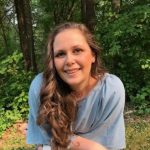
Jennifer Dawn is the founder of Jennifer Dawn Coaching and the creator of the Best Planner Ever. She began her entrepreneurial career selling apples off her grandfather’s tree because a lemonade stand was so “yesterday”. She is a serial entrepreneur who has grown two multi-million-dollar businesses and is a successful speaker and author. She serves high-achieving entrepreneurs through private business coaching and hands-on workshops.

She is a master at setting and achieving goals, problem-solving, profitability, and cash flow. She is also the host of the top-rated podcast, Happy Productive with Jennifer Dawn. A mother of three children, Jennifer currently lives in Rhinebeck, New York with her family. She loves to spend time with her family, ride horses, travel, and coach/mentor others.

Connect with Jennifer on LinkedIn and follow her on Facebook and Instagram.

What You’ll Learn In This Episode

  • Shortening the Learning Curve
  • Sustainable Growth and Work-Life Balance
  • Transitioning from Solopreneur to Effective Delegation
  • Controlled Growth for Customer Satisfaction
  • Hiring Slow, Firing Fast
  • Implementing Profit First
  • Nurturing an Evolving Owner Mindset
  • Aligning Actions with Financial Goals

This transcript is machine transcribed by Sonix.

TRANSCRIPT

Intro: Broadcasting live from the Business RadioX Studios in Atlanta, Georgia. It’s time for High Velocity Radio.

Lee Kantor: Lee Kantor here, another episode of High Velocity Radio. And this is going to be a good one. Today on the show, we have Jennifer Dawn with Jennifer Dawn coaching. Welcome, Jennifer.

Jennifer Dawn: Hello, Lee. It’s great to be here with you.

Lee Kantor: Well, I am so excited to learn what you’re up to. Tell us a little bit about Jennifer Dawn coaching, how you serving folks.

Jennifer Dawn: Yeah, well, so we help business owners who feel like they are stuck and struggling at six figure revenues and they want to get to seven figures and we help them to do that by developing world class teams because at the end of the day, your team is going to be the difference between those who are able to scale and those who aren’t. So that’s what we focus on.

Lee Kantor: Yeah, that’s funny that you bring that up because I was I was talking with a founder of a startup and he was saying that at the beginning of a startup, you want generalists, but as you grow, you need specialists. And it sounds like you’re philosophically along that same line that you need a team in order to grow because you can only do so much as an individual.

Jennifer Dawn: Absolutely true. And you’ll find to, at least in my earlier businesses and in my current business, that when you don’t have those right people in place, it just creates so many headaches for you as the business owner and so many people problems. And even in my current coaching practice, like I stayed a one woman show for the first four years, I was in business because I just had come off of other businesses and had to deal with all the people stuff and I just didn’t want to deal with it. And so I literally made the intention not to grow my business because I just didn’t want to deal with the people element. But, you know, I hit a ceiling and it’s like, you can only go so far if you, you know, by yourself. And there’s a point where it’s just like, you know what? I’m really going to need the team if I really want to take this further.

Lee Kantor: So what are some symptoms that an individual or a small group are having where it’s time to expand the team?

Jennifer Dawn: Well, it’s interesting because for people who are listening, like when you think about your team and some of us are like, Oh my God, they’re so amazing. And they they they make my life so much easier because when you have the right team, that’s where you get your freedom back, your time back, that’s where you can make more money with a team than you can on your own. And when you don’t have that team, it just becomes kind of painful when you don’t have the right team. So you might find that you’re working extra hours doing work that you wish that you could delegate to them, but you just can’t because it’s just like they just won’t get it done to the quality or the expectation that you have. You might find that you are putting out fires all day because your team, you know, they’re not thinking outside of the box. They can’t solve problems. And so you’re having to do a lot of their their thinking for them. You might find that you can’t take time off or you can’t take a vacation because it’s just like, oh, you know, like your company is not in good hands. So if those kinds of things are happening, it’s it’s usually going to be a sign that one, you need to either maybe let go of some people or hire the right people or develop the people that you have so they can actually do the job better.

Lee Kantor: So now when you’re working with somebody, walk me through what that looks like when you when you’re kind of letting them know, Hey, it’s time to have a team. Are you really suggesting who the team members are? Are you helping them onboard these team members? Like, what is your role? You know, because there’s a line between coaching and consulting.

Jennifer Dawn: Absolutely. We go a little bit further in the coaching realm than I think most people do. And so we are coaching the business owner because we need to develop them to be a good leader. We need to teach them obviously how to hire, how to fire, how to discipline, how to do all of these things to actually build a great team. But then in our coaching, we also will coach the team members because we we found that when we were working with the business owner and we’re coaching them and they’re getting great results, a lot of that coaching wasn’t trickling down to their team. And so plus a lot of business owners just don’t have like the time they’d like to to develop their team. And so what we actually do is we take it a step further and so our clients will send their teams to us as well. And so they get to work with our coaches. So now the business owner, the head of the snake gets developed, the snake gets developed, and now everything starts to click and work better together because the entire team is really being coached and developed. And so that’s what we’ve found works really well.

Lee Kantor: Now for most people. Is there a typical first hire? Like what is the typical area that you have to take care of first as you build out your team?

Jennifer Dawn: Yeah, great question. Usually if you’re a solo preneur and you know you’ve got your business, it’s usually going to be more of. Mundane administrative tasks that are actually not a good use of your time. And when you look at an hour of your time, you know, if you can charge for that hour of time and charge a nice price versus you doing that work, usually that’s a great first place to start is getting that mundane administrative stuff like off your plate so that you can really, really focus on the higher tasks in the business, like, you know, growing sales or delivering your product or service. So generally that’s a good first place to start.

Lee Kantor: And then as you build out the team, do the does the entrepreneur or solopreneur all of a sudden feel this weight has lifted off them? Like I’m sure there’s some trepidation and fear. Maybe I can I trust this person. But after a while, their their whole kind of work life balance must just get re settled there. I would imagine.

Jennifer Dawn: It absolutely does. So it can actually go both ways so it can go the wrong way or the not so great way, which is where you hire. You’re not doing it effectively, you’re not really delegating. You don’t have the right people. They don’t have the right skill set. And if you’ve ever been down that road where you yeah, you’ve hired people and then it makes your life worse, that’s the wrong way to do it, which is the way I have done it myself in the past and how I learned so many of these lessons. And then you have the right way to do it where you kind of learn, you know, how to hire the right person, the right skill set, how to develop them, how to onboard them. And when you have the right person on your team now, you’re able to delegate. You’re able to know that your company, your clients are in good hands, and that’s when it starts to click and that’s when it really starts to work.

Lee Kantor: So now, is that really before once you kind of mentally make that shift and say, okay, I’m going to hire people is the first step of kind of documenting what that task is, you know, real granularly so you can hand it off.

Jennifer Dawn: Yeah, absolutely. So with my clients, when they are, you know, getting to that place where they’re like, Hey, okay, I’m ready to hire my next position. Many of our clients already have teams, and so it’s like, Hey, I’m hiring my next position. But let’s say that you’re just getting started and you’re like, Okay, I’m ready to hire my first person. Awesome. Take a week or two and just keep track as you go through and just and start by creating a high level list of everything that you’re doing that somebody else could be doing for you. And if you just track your time over a week or two, you’re going to have a very nice list of all the tasks that you want to outsource and get off your plate. You can easily pop that into many of these AI tools that are out there and say, Hey, write me a job description and include these tasks in it and it’ll pop out a beautiful job description for you in five seconds. And then there you go. There’s your job description. So now you can advertise that position. You’ve got a nice clean list of exactly what you need this person to do. And then from there you can work on your onboarding process of teaching that person the right way to do all that stuff. So that way they can get it off your plate. So it’s kind of like, you know, when you’re ready to hire that first position and you’re already stretched for time, it’s going to get a little bit worse before it gets a whole lot better. You just kind of have to get over that little hump of making sure that you’re clear on what you want them to do. Hire the right person, train them up so they know what to do. And then once that starts to happen and they start taking over, it’s like the clouds parting and you’re just like, Oh, yay. You get so much of your time back when you when you have that person now on your plate, freeing it up.

Lee Kantor: Now, where do you even begin to look for the right person for a given task?

Jennifer Dawn: Great question. There are so many different places out there that you can you can obviously post advertisements on job websites, you know, places like indeed ZipRecruiter, those kinds of places I love. One of my favorite ones is called Hire My Mom. Now this is for virtual positions online. So hire my mom. Dot com is one of my secret weapons. I’ve used it so many times to find great online talent and LinkedIn, those kinds of places. Absolutely. You know, you can also we have our clients that will post on social media. So if they have people that are following them, that are interested in working for them, they will do social media posts around it. We’ve had people fill fill positions from that. And then also just asking, you know, asking people in your network who also have businesses if they know or can recommend somebody, that’s another great way to get connected and find good people.

Lee Kantor: So when you have narrowed it down and maybe landed on a person, is there a way to have kind of a pilot period or a trying out period? Is there a good way to go about doing that? So you, you know, feel confident that you made the right decision with this right person?

Jennifer Dawn: Yeah, absolutely. We see a trial period being used quite often, up to 90 days of that initial trial period. One of my. Favorite books on this. It’s called The Ideal Team Player. And they have some resources and the shorter name for it is hungry, humble and smart because in the book they talk about how they kind of narrowed down that ideal team player that you want to hire and you want them hungry, you want them humble and you want them smart. And so there are some great free resources of interview questions and things like that that you can ask people. So in the vetting process, you’re making sure that you, you know, really do the best that you can to hire the right person. And then once you get them hired, obviously training them to do things the way that you want it, want it to be done is super, super key. And make sure that when you’re training that you’re actually recording. We love to use Loom, which is a recorder, a video recorder software. It’s I think it’s ten bucks a month. It’s super cheap, but you can screen share, you can record your voice. And so when we’re onboarding our people, we we’ve created a series of loom videos. And so that way every time we hire somebody new, we don’t have to spend precious time and resources onboarding them. We can just send them through the recordings and that person essentially onboards themself. And then all we have to do is answer questions that they have.

Lee Kantor: Now, in your in your coaching, do you spend most of your time coaching people in and around kind of the operations of the business or the marketing of the business like the creative side, the more, you know, operations side, the administrative side, Where do you like, what’s your sweet spot?

Jennifer Dawn: Yeah, absolutely. So the answer to that question is yes. So when we work with a new business owner, we do a top to bottom assessment of their entire business. So we really and truly go through all the different aspects. So we look at their sales, their marketing, their operations, their finance, their retention. We look at all of the different areas of their business. We do an assessment to identify where those gaps are. Then we prioritize what are the most important things, because we don’t want to all go off in 14 different directions. We prioritize the top 1 to 2 things and then we we match all of our clients with a private coach. And so they work with their private coach to really just then start to execute. So the method that we use, it’s called pace and pace stands for profit acceleration through clarity and execution. And that ultimately is what we’re doing and we’re repeating that process over and over. And that’s how we help our clients really increase their revenues is just clarity and execution. And we have some great proprietary tools that we’ve developed to help them get that clarity, and then we pair them with a private coach to execute.

Lee Kantor: Now, since you do have a team, is it something like, say, I come to you first and I have maybe finance issues and I need help with setting up accounting or I believe you’re a believer or a proponent of profit first methodology. So I need help setting that up for my business. But after a while I have that set up and now I need somebody with more, maybe a more creative mindset. Do you now switch me to a different coach at that point? That’s more of a specialist in that area?

Jennifer Dawn: No, I don’t. And here’s why. Because the way that we have positioned our company, all of our coaches have training in all of the basic areas. The the recorded training content that we do all comes from me. And I have one other business coach, Thea on our team. So all of that like recorded content, the real intricate, specific strategy, all that stuff is recorded from me. So I really kind of handle all of that. Then I use it to train my coaches and then if my coaches get into an area like, for example, like the finance, they get into an area where they’re just like, Hey, this I need we need to go deeper with this client. But I don’t have that expertise. They can refer that out to one of our other coaches. So like Thea on my team has ten years of corporate finance and so she’s, she’s a CPA or she’s in the UK, so she’s the version of a CPA in the UK. And so she’s got that finance expertise so the primary coach can bring her in to consult with the client and get them wherever they need to be. But they stay with their primary coach because we’ve just found that when you have that one primary person that’s guiding you through the process, it just we just get such better results with it. And then if we need to bring in somebody with specialized expertise, we can always do that. So they can still tap into the resources of the whole team.

Lee Kantor: So what can we do to help you? What do you need more of?

Jennifer Dawn: Me. Yeah.

Jennifer Dawn: Lee I’m not used to anybody asking me that. I’m used to helping everybody else all day long.

Lee Kantor: So do you need more clients? You need more team members, coaches to work with? How can we help you?

Jennifer Dawn: You know, we always.

Jennifer Dawn: Love referrals of business owners who right now have maybe been stuck at six figures for however long, or they’re really, really struggling with people on their team that the headache that that can be. And if you want to send us some of those lovely folks, we would love, love, love to serve them.

Lee Kantor: And if somebody wants to learn more, have a more substantive conversation with you or somebody on the team, where should they go?

Jennifer Dawn: Yeah, absolutely. Just visit our website at Jennifer Dawn. Jennifer Dawn coaching.com and you’re going to see a nice little link on there to schedule a call. And you can schedule a call and talk with us and talk with my team. We’d love to talk with you.

Lee Kantor: Well, Jennifer, thank you so much for sharing your story today. You’re doing such important work and we appreciate you.

Jennifer Dawn: Absolutely. Lee. Thanks for having.

Lee Kantor: Me. All right. This is Lee Kantor. We’ll see you all next time on High Velocity Radio.

Tagged With: Jennifer Dawn, Jennifer Dawn Coaching

Jon Greiver With Stay Sitters

September 22, 2023 by Jacob Lapera

Atlanta Business Radio
Jon Greiver With Stay Sitters
Loading
00:00 /
RSS Feed
Share
Link
Embed

Download file

Jon Greiver, Founder and Business Coach of Stay Sitters.

With significant comprehensive marketing experience, he sits squarely at the intersection of innovation and execution. His cross-functional expertise allows him to understand both project initiation as well as the challenges faced with program execution.

His proficiencies in project management, brand activation and digital marketing tactics allow him to keep the goals of his clients top of mind while also coaching them to think outside of the box. 

Connect with Jon on LinkedIn.

What You’ll Learn In This Episode

  • Increase in pet ownership during COVID (adoptions, fostering, etc.)
  • Ensuing lack of boarding/kennel space – providing a service to match this challenge for pet owners
  • Caring for pets in their own home vs kennel (safe surroundings, sickness, fleas/ticks) – providing a service in their local community
  • Creation of a small business – start with something you HAVE or something you KNOW – doesn’t have to cost a fortune
  • Process – licenses, insurance, web presence, social media, etc. (start with something you HAVE or something you KNOW)
  • Growing the business organically (grass-roots)
  • Encouraging others with similar passions to “go for it.”

This transcript is machine transcribed by Sonix

TRANSCRIPT

Intro: Broadcasting live from the Business RadioX Studios in Atlanta, Georgia. It’s time for Atlanta Business Radio. Brought to you by on pay. Atlanta’s New standard in payroll. Now, here’s your host.

Lee Kantor: Lee Kantor here another episode of Atlanta Business Radio, and this is going to be a good one. But before we get started, it’s important to recognize our sponsor, Onpay. Without them, we couldn’t be sharing these important stories. Today on Atlanta Business Radio, we have John Greiver with Stay Sitters. Welcome, John.

Jon Greiver: Hi, how are you? Good morning.

Lee Kantor: I am doing well. I’m so excited to learn what you’re up to. Tell us a little bit about stay sitters, how you serving folks.

Jon Greiver: Stay sitters is an idea that I had for several years for dog walking and pet sitting service for people in the north Atlanta area. Started off relatively recently here and just trying to build up our clients through an organic grassroots campaign and take advantage of an idea that’s been bouncing around in my head for a number of years.

Lee Kantor: Well, let’s talk a little bit about that idea. What was kind of the genesis where you said, you know what, this is a problem that I might be able to solve for folks.

Jon Greiver: Well, it really was during Covid when the idea kind of came into a reality. As I sat at home remote, working from my office and staring out my front window, watching dozens and dozens of dogs walk by every day. And one of the things that Covid brought to us was a huge increase in the number of folks that were adopting dogs, cats, pets of any kind, because they were staying at home more. So we saw a huge surge in that. I think national numbers were something like 24, 25% increase in the number of pets that were owned at home. So this was a great opportunity for me to see what pet owners really needed. Having a dog of my own, I understood that sometimes it was difficult to find someone to watch it while I was traveling or had to work or things like that. So I thought with an increase in the amount of pets, what an what an interesting idea it would be to offer some sort of a service for all those people.

Lee Kantor: So, okay, so you have the idea that I’m going to create a service. I see this opportunity. There’s a bunch of pets around. Maybe this is new pets for folks as the pandemic wanes and they have to go back to work, maybe travel more, there’s going to be needs. But did you go out, do market research? Like how did you start from moving from this idea? You know, it sounds good in my head to, hey, someone’s going to actually pay for something.

Jon Greiver: Right? I had spoken with several friends and they were having a very similar problem with the increase in dogs and the increase in ownership. There was also an increased need to try to find a boarding for them when they went out of town or couldn’t take care of their own pets. So there was a real rush on boarding facilities, so much so that it’s very difficult to find a reservation right now. And it’s very difficult to find a place that you trust. So I thought to myself, well, people love being at home. They love their pets at home. Their pets are more comfortable at home. So let’s offer a service where we can board them at home, in their own home. And that was the kind of the the brainchild of stay sitters is that it’s very difficult right now to find care for your animal. People love their animals and they are willing to splurge on them even during recession or inflation. So really it’s providing a service to people that need it and that can’t find another similar service.

Lee Kantor: So the pets never actually leave the home. They stay in the home.

Jon Greiver: That’s right. That’s what differentiates stay sitters just a little bit. I’m not watching your pet in my house. I’m watching your pet in your house where they are most comfortable, most, most aware of their surroundings. And you don’t have to deal with the risks that are sometimes associated with a boarding facility or a shelter that could include things like disease, not eating when they’re supposed to because they feel stressed out. Fleas and ticks. Sometimes your animal comes back from the boarding facility even worse than yours when you drop them off. So this is an opportunity for you to feel safe and secure in your own home, that your pets are feeling more comfortable.

Lee Kantor: But one of the trade offs on that is that I’m allowing a stranger into my house.

Jon Greiver: That is absolutely correct. So what we do, I offer an initial meet and greet service and that kind of lets me get some face to face time with the owner, come over and meet the pets and then find out what they’re all about. And at that point, the owner would have a chance to say, This is right for me, this is not right for me. I feel comfortable. But yes, you would be letting myself into your own home only after I had been vetted and met you in person.

Lee Kantor: And then what exactly are you doing for the pet and the time that you’re with them?

Jon Greiver: That really depends upon what the owner would like. There are basic services such as food, water. If it’s a cat changing the litter out or scooping the litter. And then. Getting some exercise or some play time. So typically dogs, I will walk them outside for 20 to 30 minutes. If they’re not up for that, maybe it’s a little play time inside the house. Same thing with cats. They’re not typically going to go out for a walk. So there’s there’s play time and there’s just general welfare check on animals as well. And then the homeowner can actually if let’s say that they’re going on vacation, I can talk to them about watering their plants, checking on their home while they’re gone, picking up their mail and doing some other services that may not necessarily be pet related, but more related to when you leave your house alone.

Lee Kantor: So what’s your backstory? Have you always been involved with working with animals and pets?

Jon Greiver: Actually, no. I really wasn’t much of a pet person when I was younger. Didn’t have a lot growing up, but once I got married and have children, we have found our way to fostering several dogs and we had a foster fail who ended up staying with us for nine years. So he was a love of our life up until last year when he passed away. And I’ve just I tend to get along with animals a lot better than people sometimes.

Lee Kantor: Now, is this the first business you’ve created? Is the first entrepreneurial venture for you, or have you always had that bug?

Jon Greiver: It really is the first thing I’ve done on my own. I’ve done a lot of consulting and so I’ve kind of understand how to motivate myself, how to act like your own business, even though you might be working for someone else, that that consulting and contracting type of lifestyle lets you be that entrepreneur without necessarily having the risk of going out on your own. So when I decided I wanted to do this on my own, I’ve been going very slowly, very cautiously and carefully. So as I feel comfortable with the process trying not to make mistakes, as you set up businesses and get your licenses and get insured and all that good stuff. So it’s been a learning process for me, but it’s also been a fantastic opportunity to start my own business and really see the process that’s involved.

Lee Kantor: Well, how about share a little advice for folks that maybe had a corporate career and then have pivoted maybe second act into their own venture like this? Are there some do’s and don’ts that you’ve learned so far?

Jon Greiver: Um, I would say don’t be afraid to give it a shot. I would say it is. It’s probably easier now than ever to start your own business in terms of the licenses you need, in terms of setting up a website, printing, maybe some physical assets. I had a good friend of mine with tortellini marketing, so I’ll give them a small plug, helped me out with my initial web design and some initial assets that we printed up, but it really was great. She helped me get started, but now I’m able to manage it and maintain it on my own through web services and other scheduling programs. And I think it’s a little bit intimidating for some folks to get started, especially when you’ve been part of a corporate career or corporate culture for so long and realize that the company has already done a lot of those things for you. They’ve already been set up and they’ve already had a reputation and and they’ve got presence online and all those little things. When you take them all together, they seem a little bit intimidating, but when you break them down, they’re really not that bad. So I encourage folks, especially folks who have been in corporate live corporate setting for their entire career, but they still have creative ideas. Take a chance. Think about it carefully. Think about how you would start it on your own and then jump in. I don’t think you have to take as much time these days in order to get set up.

Lee Kantor: Now, you mentioned that you’re growing the business kind of organically at kind of a slow grassroots process. Is that like how does how would you recommend that for other folks out there that are listening in terms of starting their own thing? Like you started with you mentioned your friends first, but at some point you have to get people who don’t know you to buy what you’re selling in order to make a, you know, a thriving business. So have you gotten to that point where where strangers are saying, hey, tell me about Lasseter’s or are you still at that kind of grassroots where all your clients are people you know?

Jon Greiver: We definitely started grassroots, literally with neighbors around my house passing out a little flier or or doing some some free pet sitting for them just to kind of get my name out in my local neighborhood, which is really the way I wanted to grow it. There are so many ways to grow your business digitally if you want to go that route. And so once I got over that initial hump, I did some very sort of test advertising with Facebook, and that is where I started crossing over into from, from customers that know me and my neighbors into strangers literally calling me, asking for assistance. Now, as I start, I am pretty small. I have myself and one other helper, so we have kind of a small radius that we’re going into right now. I did receive a lot of calls from people all over Atlanta. Some of them were just a little bit outside my service area. So again, this is about starting small, starting grassroots and growing the business the way I want it, which is really important. As a small business owner, you may not know how you want to grow your business. You may feel timid about it.

Jon Greiver: So one thing I suggest is, is starting slowly. You don’t have to go out onto Google and buy a bunch of digital advertising or paid search or search engine optimization. You can get by with a lot of basic things to get started. And to be perfectly honest, I think digital advertising scares folks a little bit because. You may grow your business much faster than you’re prepared to handle. So by doing this with grass roots and organically, it enables me not to bite off more than I can chew. I can throttle my business by taking advantage of some of those digital aspects, or I can grow it slower by holding off on the digital, just using my website and word of mouth. One. One thing that I’ve also found interesting is is advertising through other dog or pet related events or functions around town. There was a Atlanta lab rescue who is a local rescue, and as you might tell by the name, primarily focuses on Labradors. They had a beautiful facility event in Dunwoody about two months ago, so I was able to sponsor that and become active with their group and spread word of mouth that way as well.

Lee Kantor: Well, that’s great advice. Like the a couple of the things you said, one, that, you know, create partnerships in and around your ideal customer. That’s fantastic advice. Another of know when to say no. You know, a lot of entrepreneurs, especially starting off, they say yes to everything and sometimes they get pulled in directions that maybe is not going to help them in the long term. Especially you have a clear sense of, okay, this is my target, this is my area. If it’s not a perfect fit, I’m going to have to say no because I’m not going to be able to deliver the service that I want to.

Jon Greiver: Right. Exactly. I think I think it’s a little bit of a misconception that you have to jump in to feet first and do everything possible, advertising web presence and spend lots of money. But you need to be careful because you need to understand what that’s going to do to your business, to your brand and to your schedule. So definitely make sure that you don’t bite off more than you can chew and that you’re comfortable with it. If you’re not comfortable, then take a step back and get to a place where you feel like things are manageable.

Lee Kantor: So now is your area still the Dunwoody area? Is that primarily the the area you work in or has it expanded to Sandy Springs or Brookhaven or is it still Dunwoody?

Jon Greiver: We’re trying to focus a little more on the northern suburbs. So Dunwoody, Sandy Springs, Brookhaven, Chamblee around the Perimeter center area is really where I’m focusing to start with just because, like you said, I want to make sure that I can deliver good service if if it takes me an hour to get to your house, that’s probably going to be a little bit too long. So again, we’re starting it small and growing it organically and hopefully it will continue to grow. Manageably And I won’t feel like I’m I’m swamped and overwhelmed.

Lee Kantor: So what do you need more of? How can we help you?

Jon Greiver: Oh, I need more animal lovers. It’s great. I really do appreciate you giving me the time this morning. This is a great way for me to contact people that I know via LinkedIn and your website as well as to share this with other people that may not be aware as well. So just this opportunity alone has been fantastic and I really appreciate it.

Lee Kantor: So you need more people with pets in in the kind of perimeter area. Do you need more team members? Are you right now looking for additional folks to to go in and help with the pets?

Jon Greiver: That. That will be my next step, definitely, as I get to a point where I’m having a little bit too much business for me, I will definitely need assistance. So I will be looking for people with pet experience, caregiver experience, previous dog walkers. You know, there’s a there’s a lot of other services out there. This is not something new that I’m creating. So there’s a lot of other players out there that have a lot more experience and a lot more web presence than myself. So there’s a lot of folks that have had dog walking experience, pet sitting experience, maybe even folks that have worked at a veterinary before.

Lee Kantor: So if somebody wants to learn more, have a more substantive conversation with you or somebody on the team, what is the website? What’s the best way to get Ahold of you?

Jon Greiver: It’s stay sitters.com so it’s star city ers.com kind of trying to make a play on words there like stay sit go the type of comments you might give to your pet. So stay sitters.com is the best way to reach us. You can book online. You can also book your initial meet and greet or just send an email to me requesting more information.

Lee Kantor: Well, John, thank you so much for sharing your story today. You’re doing such important work and we appreciate you.

Jon Greiver: Thank you so much, Lee. I appreciate this. I think Business RadioX is fantastic.

Lee Kantor: All right. This is Lee Kantor. We will see you all next time on Atlanta Business Radio.

About Our Sponsor

OnPay’sOnPay-Dots payroll services and HR software give you more time to focus on what’s most important. Rated “Excellent” by PC Magazine, we make it easy to pay employees fast, we automate all payroll taxes, and we even keep all your HR and benefits organized and compliant.

Our award-winning customer service includes an accuracy guarantee, deep integrations with popular accounting software, and we’ll even enter all your employee information for you — whether you have five employees or 500. Take a closer look to see all the ways we can save you time and money in the back office.

Follow OnPay on LinkedIn, Facebook, and Twitter

Tagged With: Jon Greiver, Stay Sitters

Gloria Ward With Girls L.E.A.P. and The I’m Loving Me Project

September 20, 2023 by Jacob Lapera

Atlanta Business Radio
Gloria Ward With Girls L.E.A.P. and The I'm Loving Me Project
Loading
00:00 /
RSS Feed
Share
Link
Embed

Download file

Gloria Ward is an Entrepreneur, Revenue Strategist, Author and New-Thought Leader who has devoted her life to helping women around the world level up in every area of their lives. “For over 18 years I’ve experienced what it feels like to achieve success, lose it all, and rebuild. I know what it’s like to battle with the mind when it comes to making decisions that will drastically impact your way of being and life,” she says.

Considered to be the next international leader in self-development and business performance, Gloria has become obsessed with helping women truly understand their worth and value and is the author of the bestselling book Becoming Truly You. Her platforms The I’m Loving Me Project and Girls L.E.A.P. have coached and mentored women from every walk of life. Members enjoy her confidence, humor and down-to-earth approach that has made her the most sought-out female entrepreneur and self-love coach of her era.

Connect with Gloria on LinkedIn.

What You’ll Learn In This Episode

  • 5 Ways to Support Black-owned Businesses This Month
  • Self-care in the Workplace
  • Passion to Profit
  • Business Model Innovation
  • The Seasons of Life
  • The Intelligent CEO
  • Excelling in the Digital Age
  • The 7 Strategies of Success

This transcript is machine transcribed by Sonix

TRANSCRIPT

Intro: Broadcasting live from the Business RadioX Studios in Atlanta, Georgia. It’s time for Atlanta Business Radio. Brought to you by on pay. Atlanta’s New standard in payroll. Now, here’s your host.

Lee Kantor: Lee Kantor here another episode of Atlanta Business Radio. And this is going to be a good one. Today on the show we have Gloria Ward. She’s with Girls Leap and the I’m Lovin Me Project. Welcome, Gloria.

Gloria Ward: Hi, Lee. How are you? I’m so glad to be here.

Lee Kantor: I am doing well. I am so excited to learn what you’re up to. So let’s take things one at a time. Start with Girls Leap and then tell us about the I’m Loving Me project.

Gloria Ward: Oh, Girls Leap is my amazing platform for those women business owners out there who is looking to scale their business or even start their business. Leap stands for Learn, Earn, Advance and Profit, which means that when you come into Girls Leap, we really teach you what it means to be successful in business. And what that means is how you make sure your paperwork is in order, making sure you understand the software that you need in order to run your business, showing you how to do leverage, showing you how to go ahead and earn money working on pricing. Right? Because pricing is the biggest thing as to why most businesses go broke. Show you how to get out there and network. Show you how to get out there to pitch and earn money and then leave. Take all of that to the bank because you should be in profit by then. So I’m excited about that. I’m loving Me project. That’s my baby. What we do is, is that while you’re working on your business and while you’re trying to push yourself each and every day, you got to make sure you have the perfect mindset. You have to know what your blocks are. You have to deal with your trauma. You have to be able to be around other people who are like minded just like you. So we have this sisterhood at the I’m Loving Me project where we inspire every woman to love herself and know her worth and her value. So that is our time where we get together and we have retreats and, you know, we do workshops and seminars just to relax for late release, to learn and to figure out more about ourselves. So that’s the both of the programs.

Lee Kantor: Well, what’s your backstory? How did you get involved in this line of work? It seems very inspiring and rewarding.

Gloria Ward: Oh man, I am one of those women, right? I am a business owner. I’ve been a business owner for 19 years, went through a lot of struggle to go ahead and build up my business to the million dollar level so I know what it takes to actually get there. But I had some setbacks and most of those setbacks came in the form of making bad decisions with divorce and drinking every day and getting DUIs and doing all those things. But what I discovered, Lee, was that I had to deal with me. I had to deal with the issues that was going on with me inside because it wasn’t that my business wasn’t performing well. I had a block, I had a money block because I was raised in the Bronx. My mom died of Aids, and it was six of us in the house. So we knew how to survive. But we didn’t know how to get out there and grow a business, let alone even thinking about having a business. Right? And so I had to learn from the school of hard knocks how to actually go ahead and get those things done. And once I started to work on myself and love myself just a little bit more and remove those roadblocks, my business actually took off and I wanted to go back and help other women like that because we blame a lot of society and say, you know, women don’t get enough capital, which is true. You know, it’s hard for women to get out there and network. We’re scared of rejection. Right. And some of those things are true. But the biggest thing is, is that we don’t put ourselves first. We sacrifice everything for our family and the kids and everyone else. But when we know that when we put ourselves first, everyone else is happy, that’s exactly how you grow. So that’s what I’m stomping out here, teaching all the women that I encounter. That is, when you put yourself first, everything around you changes, including that bank account.

Lee Kantor: Now, how did you kind of come up with this methodology? I know you went through some struggles and you overcame some challenges. How did you document everything? Did you, you know, come up with a methodology so that you can share with the next person so they don’t make the same mistakes? Like how did that part, you know, how did you come to the conclusion of I better write all this down so I can help somebody else rather than just like, just keep going and keep just pursuing your dream?

Gloria Ward: I had a mentor. That’s the biggest thing that people are afraid of today. You need somebody who is ahead of you to go ahead and show you the way. I had a mentor, I was doing all of the regular stuff. Right. You go. Go to Barnes and Noble’s. You buy a whole bunch of books, you get finance books, you get marketing books, you get all of these books on how to run your business and how to fix yourself and do all that. You’re reading all day long and they tell you business owners or readers, but when are you ever working on your business? Right? When are you ever pushing yourself to the next level? Because you’re basically going back to school in order to learn where. When I got a mentor and a coach Lee it made my life harder, but my business more profitable, right? Because what I learned was how I can take the skills that he already had, apply them, learn them, put in my 10,000 hours and start to climb my way up. Was it easy? Absolutely not. That’s why we have that methodology of learn, earn, advance and profit, because you need somebody to help you get there. You need to learn what leverage is right? Because nobody gets there by themselves. For those solopreneurs that are out there thinking that they’re going to get to their goals all by themselves, that is not true. You need someone who knows where you want to go. They’ve already been there and they can show you the blueprint. And that’s what happened for me and that’s what I put into Girls Leap to show other women.

Lee Kantor: Now, do you have any advice for those entrepreneurs out there that maybe have never had a coach before? How do you even go about finding the right coach? Because there are so many, and how do you make sure that it’s the right fit and they are going to gel with you and you know that they can really help you. So you’re not just kind of just spending money in the hopes that it works, but you’re investing money with the idea that it will work.

Gloria Ward: That’s a fantastic question because everybody is a coach on social media, right? Everybody is saying that they can help you get yourself to the next level. The biggest thing that I did is I asked to I looked at my coach and looked at their results. Right. And I saw their business. I interviewed them like I was like they was interviewing for a job, Right. I asked them to show me how they were moving and getting to the next level in their business. Remember, when you are getting a coach, you are entering a partnership. They have the way to get you to where you need to be and you got to make sure that they’re the right fit for your industry and what it is that you want to accomplish. Please do not go out and get a coach that has not achieved the goals that you are looking to achieve because you will never get there. I don’t care how much money they said they made, they could have made that money 1520 years ago and never learned how to get it back. Right. They can also be telling you a story about what they think because a lot of them have intellectual knowledge but have not been in that school of hard knocks to show you how to get to the next level.

Gloria Ward: Those are the people you want to stay away from you. Your coach will be that ideal role model where you will see them put in the results to get to where they need to be. And they’re always reaching back to let you know and give you help and guidance and ideas on how you can get to the level where they at or where they have where they’re trying to go. Right? So I always say interview that coach, make sure they have the same interests and have been there already. And, you know, just make sure that you’re getting in the right group. And if you don’t, if you don’t gel with your coach, then that’s just not the right one for you. Right. Because that relationship should be a long term relationship. It’s been over 15 years now with my coach and we’re doing just fine. I was I was one of the lucky ones.

Lee Kantor: Now, when you’re working with your clients. And sometimes, though, at least the business people I come to are aspiring business people, that they might have a passion or something that they love and they’re like, well, I you know, I wish that I could just make this my business, you know, like my wife likes to bake cookies. Is that necessarily a, you know, a future business for her or is it something that should just stay at that passion hobby level? Like, how do you discern which is the which passion you should be investing in and really making into a business and some that you should just keep as a passion on the side?

Gloria Ward: I tell people who have passions like that, if you love to make cookies and that excites you, that’s where you use your leverage and you go find a business person that can help you build that business because one, you’re going to be stepping into a realm that you’re uncomfortable with and it’s going to make you not like being in business and not like making cookies, right? Because a lot of especially like artists and bakers and and chefs, all of those people who just love doing what they love to do. Stay there. Stay there. Find someone who’s the business mind that can that can put a business around what you love to do and make sure you can trust that person to help you move along the way. Because if you are really serious about it and you get that right person, you will form a good business and you will grow. You know why? Because you love it and they love what they do. And you’re in two separate realms and you only come together on business matters. You can make cookies all day long, come up with different recipes and shapes and sizes and everything, and they can go out there and promote and sell and make sure that your pricing is good to bring you back the money for more ingredients. Right?

Lee Kantor: So how do you how do you go and find that partner like that? Because like, if you’re good at one thing and they’re good at something totally different and you just, you know, pair it together, that’d be fantastic. Is there some sort of matchmaking app out there that finds these people? Like, how do you find that person that’s that, you know, hand and glove fit with what you’re trying to accomplish?

Gloria Ward: That’s a that’s the beauty of networking, especially local networking, because let’s say you go to the Chamber of Commerce, right? Or you go to the SBA office. Those people who are there are just starting out just like you. Most of the people who are volunteering at the SBA and the Chamber of Commerce have been business owners before who have who have decided to dedicate their life just to helping business owners and just want to work at a government job to get a little bit of money. Those people have resources and contacts of people who they can pair you with, where you can see again if they can become a coach for you or you can actually do business with them to help you grow. Or you can become a piece of a puzzle for someone else. So if someone is making one thing and you add the cookies, if if that person is giving out cards and you send cookies for every card that they give out, now you got a person who needs what you have, right? So there’s a lot of ways that you can mix and match, but you have to be able to get yourself out there and network social media is okay, but for something like that, face to face is very important. And they’re out there. They’re out there. So I say start on the most basic level that you can get as much information as you can and get out there and network. Like I said, even an SBA office, those people who are in the office, usually the counselors have businesses before, have great networks and can really pair you with someone who can help you make your business grow. And all most if not all of the time, especially when I was starting out, that was for free. That was just an exchange of emails and phone numbers.

Lee Kantor: So it sounds like you’re helping a lot of people and growing like crazy. What is the best way to connect with you? If somebody wants to learn more and get plugged into your network and to see the different services that you have and maybe they want to be helped or mentored or coached to get to a new level, where should they go? To learn more.

Gloria Ward: You can go to my website, Love and Net. That’s our website where we have all of our things there that work on your mindset and also to work on your business. You can actually go to that website and click on our. Our programs and see our business innovation program that we have. You could click on that. It’s a free downloadable that you can get from a course that I taught to show you how to work on your business model, making sure your business model is good, making sure you’ve got the right business model for your business, and how to use that business model to come up with a pricing strategy so you can actually price your product based on it’s worth, right? Because value is something that’s relative. So you have to know the value of your product. You have to know the value of yourself. And I teach that in business model innovation. And you can find that on Amazon dot net or you can follow us at Net Girls Leap Elite on social platforms on Facebook and Instagram.

Lee Kantor: Yeah, if you go to the website, there’s just so many resources, some of them free, but just a whole variety of resources. No matter what stage you’re at, you could be at just the idea stage and there’s stuff that you can learn from the website or if you’re a veteran business person that maybe just hit a plateau, there’s resources for that person to.

Gloria Ward: Absolutely.

Lee Kantor: Well, Gloria, thank you so much for sharing your story today. You’re doing such important work and we appreciate you.

Gloria Ward: Thank you, Lee.

Lee Kantor: All right. This Lee Kantor, we will see you all next time on Atlanta Business Radio.

About Our Sponsor

OnPay’sOnPay-Dots payroll services and HR software give you more time to focus on what’s most important. Rated “Excellent” by PC Magazine, we make it easy to pay employees fast, we automate all payroll taxes, and we even keep all your HR and benefits organized and compliant.

Our award-winning customer service includes an accuracy guarantee, deep integrations with popular accounting software, and we’ll even enter all your employee information for you — whether you have five employees or 500. Take a closer look to see all the ways we can save you time and money in the back office.
Follow OnPay on LinkedIn, Facebook, and Twitter

Tagged With: Girls L.E.A.P. and The I'm Loving Me Project, Gloria Ward

Phil Davis With FulPhillment® Solutions, LLC

September 20, 2023 by Jacob Lapera

Atlanta Business Radio
Phil Davis With FulPhillment® Solutions, LLC
Loading
00:00 /
RSS Feed
Share
Link
Embed

Download file

Phil Davis, Certified Professional of Human Resources® (PHR®), is inspiring and helping people find clarity and confidence in their careers, in business, and in life. For this reason, he founded FulPhillment® Solutions, LLC to build transformative relationships and connect invigorated job seekers and dynamic employers.

Directing passion for harmony into bringing people together and helping greatness grow, FulPhillment® utilizes a highly personalized and collaborative process to help individuals and employers reach ever-evolving goals.

Connect with Phil on LinkedIn.

What You’ll Learn In This Episode

  • What is FulPhillment
  • Why was FulPhillment created
  • Who do they serve and why
  • Any business developments coming up

This transcript is machine transcribed by Sonix

TRANSCRIPT

Intro: Broadcasting live from the Business RadioX Studios in Atlanta, Georgia. It’s time for Atlanta Business Radio. Brought to you by on pay. Atlanta’s New standard in payroll. Now, here’s your host.

Lee Kantor: Lee Kantor here another episode of Atlanta Business Radio, and this is going to be a good one. But before we get started, it’s important to recognize our sponsor, Onpay. Without them, we couldn’t be sharing these important stories. Today on Atlanta Business Radio, we have Phil Davis with FulPhilllment Solutions. Welcome, Phil.

PhilDavis: Hey, Lee, Thanks for having me today. Appreciate it.

Lee Kantor: Well, I am so excited to learn what you’re up to. Tell us about fulfillment solutions, how you serving folks.

PhilDavis: Absolutely. So fulfillment and it’s spelled literally with p h i l l. So my name is actually trademarked within the fulfillment name. It is a unique career coaching and recruiting consultancy company. And so the bulk of what I love to do is I love to help Mid-senior level career professionals to find fulfillment in their career journey by helping them to tune into their value with confidence right? So as we all know, right, we all have unique value add in our careers and in our lives. And so one of the things that I absolutely love to do with my clients, my job seeker clients, is to not only help them really tune into their value, but to really show it out to companies, to whether it’s to their current employers or to a new employer, if they’re looking for a job in a way that’s compelling, but that they also feel good about. Right. And so I came up with fulfillment. The idea of of the fulfillment brand and business model, gosh, it’s been over about two years or so just during Covid and just absolutely love what I do. So that’s a little bit about that.

Lee Kantor: So what’s the backstory? How did you come to this point where you want to help people kind of get their dream jobs?

PhilDavis: Absolutely. Well, as you know, as Covid 19 hit, right. We saw a lot of a lot of career professionals get laid off. Right. Lose their positions very, very quickly just during the kind of the big season of the pandemic and being a being one of one of those affected by a layoff or really multiple layoffs. Myself, I’ve been through three consecutive layoffs in my recruiting career in corporate. I decided that I needed to just do something different with my life, right? And so for me, I saw kind of a solution, if you will, to go into the marketplace, to start my own journey, really with fulfillment. And in the beginning, rightly, like, like most entrepreneurs, I started just kind of doing pro bono work, right? Helping people with their resumes, doing a quick resume review here and there, checking out a LinkedIn profile, doing cover letters. And this was all just during Covid while I was first looking for a job myself. And I knew the job market for me was going to be a little challenging just based on my level of experience. And so just really, really being able to give and to serve back to my community here in Atlanta, I said, you know what? I’d really monetize something and really build a brand and a business just off of this fulfillment name because really the name fulfillment came to came to being through LinkedIn, right? And so when I started kind of getting on on LinkedIn, I had marketing coaches reach out and say, Hey, you need to have a unique hashtag on your LinkedIn page.

PhilDavis: And so I thought, Well, what am I here to do, right? Am I here to find a job or am I here for something kind of at a deeper level? Right? And and I knew that the frustration of Covid and job seekers being laid off then just I knew I was going to be there to help inspire and fulfill people. And so what really kind of started out as a unique, kind of quirky hashtag then became a built from scratch business model where I actually do help those job seekers and sometimes, you know, other businesses one on one with their brand and really to bring their brand out and to sing it out, if you will. I do have an opera singer voice, so I actually I went to school for opera in business. And so a lot of my framework is very musically inclined, if you will. So.

Lee Kantor: So it’s all coming together now. Coming together is your like, tell me about your ideal client. Is it somebody that is kind of in an enterprise role right now that wants to go to another enterprise role? Could they be in like you, you were a musician, Could they be in the creative arts? And you help them, you know, find a career in that path? Or do you have a sweet spot in terms of an ideal client fit?

PhilDavis: Yeah, great questions, Lee. So typically, I mean, I’ve since I’ve, I’ve been in all sorts of different industries myself. I mean, I primarily work with operations professionals. So usually folks who are in marketing or accounting finance or even HR, but a lot of, a lot of clients, a lot of folks that I love to serve are folks who want to pivot, you know, career, pivot, whether they want to change jobs, like if they’re in the education space. I’ll work with some clients in the education space that want to go into like a corporate opportunity or if they want to change industries, right? So like, let’s say I’ve got somebody that works in HR and they’re in the technology space, but they want to move into manufacturing, right? So I’d say the bulk of my work with those mid-senior level operating professionals are folks who want to make a complete career change either into a new kind of job in and of itself or into a new industry. But I work with all sorts of people. I don’t really niche down too much where I’m working like solely with like a technology client, if you will. It’s primarily those mid mid to senior level people that are currently in a career where maybe they’re not feeling that fulfillment and they want to find fulfillment in a new opportunity or a new company altogether, if you will.

Lee Kantor: So what’s the symptom? Say I’m working somewhere and you know, things are going on. And, you know, yesterday it was like today, which was like, you know, last week, how do I know? Maybe I would like a refresh or a, you know, a new career. How do I know if I’m in kind of a rut or I’ve plateaued?

PhilDavis: Yeah, it’s really, really good question. I mean, I think a lot of it and a lot of people who reach out to me primarily on LinkedIn, they’ll they’ll kind of say, hey, Phil, you know, I’m I feel like I’m ready for a new career opportunity. But, you know, I’m not sure where to begin or I don’t know if I’m fully ready to to leave my company. Right. And I think a lot of that and I tell these these folks a lot you know, a lot of it’s kind of inner reflection. Right. And so I think the most important thing when it comes to being ready to to make a move is really to like have the have the proper mindset and the realization that you are ready to make a change. Because, I mean, let’s let’s face it, right? Moving into a new career opportunity can be scary, right? Whether you’re getting into a new industry or whether you’re ready to make a move into a new job altogether, it can be very, very scary. And so I think a lot of it is is really reflecting on your career as a whole. And I tell folks to all the time, like, really give your time, Give yourself that time and that grace to reflect on where you’ve been in your career and also like write down or type out accomplishments throughout your career that you you felt really good about, right? So, for example, for me, kind of going at entrepreneurship, I knew as I was doing a season of being laid off kind of before Fulfillment was a business.

PhilDavis: I basically wrote down on paper, you know, I love to serve others, right? I love to serve other people. I love to see other people grow. And in corporate, I absolutely love recruiting, but I also loved developing talent as well, right? So helping them to build their careers, whether they want to be promoted or whether they want to move into a lateral position. Right. And so I’ve kind of thought about for me what was going to excite me most about my next steps. And I knew that I wanted to talent develop people, you know, so I wanted to get into a new career opportunity where I could truly help other people define their value and to feel good about all the achievements that they’ve done within their careers. And so I’d say, you know, writing things out on paper, really taking that time to reflect. And I call that, you know, some clarity coaching, right? So I do a little bit of that clarity coaching with folks who maybe want to uncover not only some of their value, but also really to dig into their career achievements and really helping them to define, you know, a role that might be be a good fit for them for their next story. So a lot of it is is internal reflection and getting yourself to that mindset of, you know, I am ready to make that change. And of course the time to do so, right? Because I think it takes it takes some time to to really reflect on our achievements and not really rushing the process either.

Lee Kantor: Now, what like, what’s the split of your work in terms of helping individuals as opposed to helping corporations? Like I was talking to a CEO today and he’s going from 30 people to 50 people in a year. I would imagine he’s going to need to bring on somebody if he doesn’t have it on the team, somebody like you that can help them make sure that they’re getting the right fit people in the organization to fill the right specific roles.

PhilDavis: Yeah, definitely. So I’d say for my business model right now, I’d say about a good 60 to 70% is, is on the coaching side and then the 30% is typically B2B work. And so in my business work, you know, I do offer full scale recruitment, right? So I do, I do a lot of recruiting for various industries, as I mentioned earlier. But then I also do one one thing that’s really fun that I love to do is kind of the talent attraction space and the employer branding space. So really helping typically smaller high growth organizations with their employment branding piece, right? How are they branding themselves organically or through social media, right. To really attract that top talent and the talent that they’re looking for to hire. And so I incorporate a lot of that branding into some of my recruiting strategy with those those clients, those business clients. But that is shifting, right? I think, you know, naturally, as we’re seeing the job market, as I like to say, it’s complex as we start to see companies looking to close out positions by the end of this year, they’re looking to finalize budgets and things like that and get ready for the 2024 year. Um, a lot of my my service offerings are starting to see more of an even split now. So I’d say, you know, 5050 is about what I’m doing right now. Half the work is with my job seeker clients and the other half of the work is going to be with businesses and companies who are maybe they’re looking to to hire, you know, a new recruitment department for their small startup company or they’re looking to get some consulting work out there because they have a big hiring surge that they’re going through. But it just all kind of depends.

Lee Kantor: Now, how about some advice for that job seeker? Is there anything they could be doing right now on LinkedIn specifically that can help them be found by people, you know, that are recruiters that are looking for folks? Like what are some of the the tips and tricks that a person could be using so they get, you know, pulled out? You know, they’re the needle pulled out of the haystack.

PhilDavis: Yeah, absolutely. I mean, I think the biggest the biggest tip of advice well, I’ve got kind of two things off the top of my head. I think the biggest thing and I did a post about it today on my LinkedIn page is just to start, you know, get out there. One of my good friends who’s a marketing consultant, she says, Put yourself out there. And it’s something that resonates with me to this day. Right? Because, I mean, I was in a in a same boat during Covid, right? I, I had used LinkedIn primarily as a corporate recruiter to to identify and source talent and then just send them messages on LinkedIn. But I never got to a point where I was creating content and just really putting myself out there. And so I think the biggest thing is just to start right and and really not to compare yourself to other folks out there who have maybe done content a little bit longer than you. Because I think, you know, comparison is the thief of joy, right? Like we all are on our own unique journey. And when it comes to LinkedIn and content creation, right, like really just getting started, right? Find find people that find people that create content out there that you resonate with and that you can start commenting on their posts. And you know, we don’t have to spend all day, every day on social media to get noticed, right? Even if you just take a few minutes a day and start commenting on people’s posts or also like company pages, if you’re interested in a company that you might want to work for, start start looking at those company pages and seeing what what’s out there that you can engage on that’s important.

PhilDavis: I also think, too, you know, sharing your story is critical, right? Like we say, LinkedIn is a professional platform, which it is, Right. And it was designed in the beginning, right to be a platform for job seekers and companies to identify opportunities and candidates. But it’s more than that, right? I mean, I think it’s it’s really becoming truly like a social media platform where folks are sharing their stories, their experiences and and being a little bit personable as well. So I like to say all the time, especially on LinkedIn, you know, be personable all in a professional way, but then also show your professionalism with a personable approach. So it’s a balance between the two. But I think, you know, the more that you do it and just to be your authentic self out there, you know, people will see that that you’re out there. And I think, too, you know, don’t focus on the metrics when starting out, focus on the impact that you’re going to be making. Employers love that. And believe it or not, you know, people are looking at you when you do engage and when you do comment and when you do post. So every interaction you have matters and people people are watching.

Lee Kantor: So how do you kind of get in front of people? Do you do webinars? Do you do events speaking like, can people hire you at their organization to do lunch and learns? Like how how do you kind of get the word out? And do you have any events coming up?

PhilDavis: Yeah, absolutely. So I was part of a LinkedIn local Atlanta event with my good friend Rachel Simon and Adam Marks, and we started doing kind of a local networking event through LinkedIn. You don’t necessarily have to have a LinkedIn account, but that’s something that the three of us decided we wanted to do. I’m linked in. Event events kind of informally. Once a quarter or so, I’ll do some of those volunteer work with them. But then as far as like speaking engagements, absolutely. I mean, I’m I’m more than happy to get into an organization if they’re looking for somebody to talk about maybe career development or job progression. Right. Or if there are some like colleges and universities out there who may want somebody to come in and do like a resume review day or like an interview, like a like a mock interview day or something like that. Because I know a lot of colleges and universities out there in the market, you know, looking for folks to to help them with their, you know, their students about to graduate from college and things like that. So, I mean, I do all sorts of stuff, but definitely, you know, community speaking, engagement around career career development and and even recruitment strategies and talent attraction. Those are areas that I love to talk about. So all sorts of different stuff.

Lee Kantor: And if people want to learn more, have more substantive conversation with you or somebody on the team, what’s a website?

PhilDavis: Absolutely. So I’m a one man business. So they basically get all of me if they want to learn more. My website of course w WW dot fulfillment, which is l p h i l l mint.com. If you type fulfillment on Google, you’ll be able to find me. And then of course I’m on LinkedIn as well primarily. Um, so if you type fulfillment and you’ll be able to find me, find me all over.

Lee Kantor: Now on the website, there’s a lot of information for the job seeker, including career coaching course.

PhilDavis: Yeah I do have a free and it and it is it is a free introductory career coaching course. So I created this little 25 minute introductory course for the job seeker. Maybe if they haven’t job sought, you know, been a job seeker for a while or if they just need kind of a refresher to get them started, right? To get them motivated along their job search, the people can click on that. It’s on the top right of my page. So it’s free career coaching course. People can access that and it’s literally just a 25 minute video that job seekers can watch and they can kind of learn the ins and outs of, you know, why job seeking can be challenging and other things as well, right? To help them kind of find results along their job search. And then of course how to fine tune your path. Right So really focusing in on a couple strategies that, you know based on my experience, job seekers can kind of get a quick little snapshot on before they decide they want to, you know, work with me one on one.

Lee Kantor: Well, congratulations on all the success you’re doing important work and we appreciate you.

PhilDavis: Oh, I appreciate it. Lee It’s definitely been a fun and fulfilling experience for me as well. It’s definitely I love I love what I do and I definitely appreciate it.

Lee Kantor: All right. Well, thank you so much for sharing your story today, Phil.

PhilDavis: This for having me. Lee, I appreciate it.

Lee Kantor: This is Lee Kantor. We’ll see you all next time on Atlanta Business Radio.

About Our Sponsor

OnPay’sOnPay-Dots payroll services and HR software give you more time to focus on what’s most important. Rated “Excellent” by PC Magazine, we make it easy to pay employees fast, we automate all payroll taxes, and we even keep all your HR and benefits organized and compliant.

Our award-winning customer service includes an accuracy guarantee, deep integrations with popular accounting software, and we’ll even enter all your employee information for you — whether you have five employees or 500. Take a closer look to see all the ways we can save you time and money in the back office.

Follow OnPay on LinkedIn, Facebook, and Twitter

Tagged With: FulPhillment® Solutions, LLC, Phil Davis

Steve Latham With Canopy

September 12, 2023 by Jacob Lapera

Atlanta Business Radio
Steve Latham With Canopy
Loading
00:00 /
RSS Feed
Share
Link
Embed

Download file

Steve Latham is a tech entrepreneur with over 20 years in the software industry. He founded Banyan Hills Technologies in 2013, now rebranded as Canopy, a leading platform for Remote Monitoring and Management (RMM) in hardware sectors like kiosks and digital signage.

Under Steve’s guidance, Canopy has hit major milestones, including four appearances on the Inc. 5000 list of fastest-growing companies. This year is particularly noteworthy as it marks Canopy’s 10th anniversary and its return to the Inc. 5,000, based on software revenue alone.

Prior to Canopy, Steve was the CTO for NCR’s Entertainment division and launched the Blockbuster Express kiosk business which was later acquired by RedBox for $125 million. He’s active in Atlanta’s tech scene and serves on various boards.

Connect with Steve on LinkedIn and follow Canopy on Facebook and Twitter.

What You’ll Learn In This Episode

  • About the Canopy platform and what its remote monitoring and management (RMM) software provides to customers
  • The significance of Canopy’s return to the Inc. 5,000 list, highlighting that this is the first time based solely on software revenue growth
  • The reasons behind the shift from Banyan Hills Technologies to Canopy and the significance of the new name
  • How Canopy is different from other RMM products on the market? What kinds of solutions could benefit from Canopy vs. a traditional RMM
  • Upcoming features in Canopy’s product pipeline and enhancements planned

This transcript is machine transcribed by Sonix

TRANSCRIPT

Intro: Broadcasting live from the Business RadioX Studios in Atlanta, Georgia. It’s time for Atlanta Business Radio. Brought to you by on pay. Atlanta’s New standard in payroll. Now, here’s your host.

Lee Kantor: Lee Kantor here another episode of Atlanta Business Radio, and this is going to be a good one. But before we get started, it’s important to recognize our sponsor, Onpay. Without them, we can’t be sharing these important stories. Today on Atlanta Business Radio, we have Steve Latham with Canopy. Welcome, Steve.

Steve Latham: Hey. Thank you, Lee. Great to be here.

Lee Kantor: I’m so excited to learn what you’re up to. Tell us a little bit about Canopy. How are you serving folks?

Steve Latham: Sure. So Canopy is a software solution, remote monitoring and management solution that we sell primarily to service providers that are responsible for managing uptime and availability for distributed large distributed networks of unattended solutions like device solutions that are out in the marketplace.

Lee Kantor: Now, you’ve been around for a while, but people might not know you as Canopy. Can you talk about the rebranding from Banyan Hills?

Steve Latham: Sure. Yeah. So the company was we just celebrated our 10th year anniversary in August and I started the business ten years ago under the Banner Technologies, which was at the time we always had a vision to go build a software platform that ultimately became Canopy. But the way that the business was started and funded, we first created a services business, consulting services, where we went out to the market and we did primarily technology consulting, customer facing solutions around where we built software, proprietary software products for customers, anything in exchange for revenue to ultimately fund the R&D necessary to build this software platform canopy. And so as I said, that started ten years ago and about three years in, we had enough of the product and the platform built to where we could take it to market. And then for a period of time we ran effectively two businesses. One was a consulting services and then we were really bonding the Canopy business, which was a software platform business. And then post pandemic, we made the decision to really focus in now that Canopy had gained some traction in the market, we really wanted to double down on canopy and really chase that. That part of the business, it’s highly attractive business that’s had a lot of success. So what we did is we shed the services part of the company and then probably did the most difficult thing that I think we’ve done in over the last decade, which is really transitioned out of the mindset of services and consulting into being a true software product company. And this latest rebrand that we announced here a couple of weeks ago, where Canopy is now the banner of the company and Banyan has sort of gone as has gone away was a really almost a final step to really realizing the full, complete vision of now we are everybody inside of the company is fully focused on canopy and serving our customers with that technology.

Lee Kantor: Now, can you talk about how you do these kind of monumental shifts, like when you started, you mentioned that, you know, being a service company was kind of a means to an end and then you have canopy up and running. But Banyan Hills was still such a well respected and thriving company. And then now you’re shifting gears to put all the chips on Canopy as a platform, which is a you know, it’s a different business than the service providing business in a lot of ways. So how what was kind of the like how did you come up with, number one, these kind of shifts? And like I’m sure you looked ahead in your crystal ball and said, this is where we have to be, but how do you bring everybody on board that have been so invested in the previous iteration of your venture and then get them kind of involved in belief in this new mission and this new you know, it might have, you know, the same cast, but it’s a different mission and a different objective.

Steve Latham: Yeah. Thank you for that question. I love that question for lots of different reasons. I think the truth is, is that Canopy has always been the overarching vision. Even before the company, Banyan was incorporated. I was as a part of our ten year anniversary, I went back and found all the the napkin sketches and the the roadmap for what the business was going to be. And this idea of a remote monitoring and management software platform was was the focus. And I think along the way, I was our team. My team and I were always very, very transparent about what our objective was. I can think of service companies that we did business with that was very strategic for them. And I was. I was up front with them about what my personal journey was for this business and what we were aiming to achieve. And so Canopy Canopy was always there in the forefront. And everybody that’s been a part of the company, both customers and employees, have always they’ve always understood that that was the goal. And but then I would say, you know, the other part of your question that I really like is it made me think for a second, you know, how did how did I manage these big, big turns? And truthfully, a lot of these the shifts that we had to make, I definitely underestimated the complexity.

Steve Latham: And there is a part of me that says, Boy, if I knew how complicated and what a significant investment of emotional and physical capital it would take to do some of these turns, would I have what I have chosen to do it? And so I think some blind optimism probably contributed to, you know, to the to the fact that I wasn’t nervous about doing it. I knew that through resilience and and keeping a focus on Canopy as the target that we could ultimately get there. And that probably gave me strength through some of those difficult turns. Um, I think the answer to the question, you know, if I were to ask my if I ask myself, would I do it again, the answer is probably yes, because I love the I love the journey and I don’t regret anything that we’ve gone through. But but definitely it’s if I was advising a young entrepreneur that had high aspirations like this, I would I would give them some insight as to some of the complexity and the maybe the the things around the corner that they might not be thinking about just to try to give them a better chance at success.

Lee Kantor: Well, I would think that like as a leader and the visionary, this probably is I don’t want to say simple, but in your head, mentally, it’s not that difficult to make that leap, right? You’re like, oh, this is the new path. This is how we’re going to do this. I get that. But your team and all these people who have invested, you know, months, years of their life with Banyan and have skills that maybe are uniquely Banyan skills, you know, they they don’t know how they fit into this. And maybe it’s a little harder for them to flip that switch and then, you know, say, okay, let’s go boldly forward. Canopy is the way we’re doing this and I’m going to have to relearn some stuff or I’m going to have to do some stuff differently or different things are going to be expected of me.

Steve Latham: That is so true. You know, and I think the the along the way, there were there were skill sets that were recalibrated. There’s no question that when we look at the relationships that we have with our with our customers or strategic partners today, that services consulting services is a is a big part of our value proposition because the software that is canopy, coupled with the expertise that our team has around remote monitoring and management and getting value out of an effective implementation requires some level of consulting service. So for those in the business that have been here for the entire ride, they they simply not simply don’t want to oversimplify it because it was a big shift for them, but they had to recalibrate their skills to be canopy related services instead of services that at times took the form of. We’re going to help advise you on how to build an enterprise data warehouse or a mobile platform to support a particular use case for your business. And, you know, I think if they were on this call, if they were participating, what they would tell you is they got a lot of relief out of narrowing their focus on the services front to be just focused on how to make Canopy successful for our customers as opposed to having to be spread so wide across multiple disciplines, multiple industries and solutions. So, um. Then I think the other thing is, is that there were moments and I’ve reflected on this quite a bit. There’s moments where the the mission and the objective, that is to get to canopy and to scale that business. There were there were moments where people did leave the company because part of their core value proposition themselves as an employee didn’t fit as well. And so I think that that did cause, you know, and those were those were moments that were clearly difficult. I’d like for everybody that had been on this ride to stay with us for the entire time. But I do think that those kind of big shifts force changes that that that can cause that kind of outcome.

Lee Kantor: Now, do you think it’s a competitive advantage as a platform to have this kind of foundational strength in being a service provider and and being kind of in the weeds of all these services and needs and desires from the customer, from that lens as you build out a platform that’s obviously trying to serve that community and solve their problems, where you you intimately know where a lot of the landmines and a lot of the problems and the friction is.

Steve Latham: Yeah, another great question. The that’s pretty insightful. I didn’t really have this perspective until probably a month or so ago. But the, you know, my my experience has been really strong consulting services having to shift and change into a product company and to really shift the identity and the way that we report on metrics within the business, the way that we think about our go to market strategy. And my focus has been in my reflection has been like, wow, that’s really much more difficult than I thought it was. And someone that I’m close to that advises the business about a month ago who was involved in a software product company that had a very, very successful ride. We all know the brand that this person was with had a very successful ride all the way through and what he was sharing with me was they had built a software product and they had taken it to market and they had scaled quickly and they ended up doing big enterprise deals and realizing in those enterprise deals they would sell the software. And then the buyer turned around and said, okay, now that we’ve purchased the software, how do we implement it? How do we make it? How do we make it create the value that you’ve sold us on? And they had this realization that they were missing a services component to their business that really is success oriented. You know, we pair up with you, we know our software really well. We know how to facilitate the change management inside of your business so that you can get the value out of the product. And so they almost had the reverse problem that we did. And he was making the observation, you guys are light years ahead because a lot of the services mentality that you’ll need as you scale up and do larger, more and more large enterprise deals, you’re going to walk in with a service mentality that will help differentiate you from some of the competitors that that maybe are less involved with that.

Lee Kantor: Right, because they’re getting the platform, but they have now the intelligence partner that can help them just wring the most juice out of it.

Steve Latham: Yeah. Yeah. I mean, it’s, you know, software software is great. It’s a great business. But honestly, it’s it’s only really, really maximized when you pair it with great intellectual capital, you know, and experience to make it to make it effective for the customer, you need to understand their business problem. You need to understand how the product needs to be tuned or at least get them to the point to where they have that perspective. And and so I think services services is always going to be an important part of our important part of our focus. And I think more and more as we think about our roadmap and where we’re taking the product, we do have aspirations to make the product canopy, have some of that intellectual capital built in so that it’s easier for customers to take advantage of the technology without our human capital. But, you know, my perspective is and I think there’s lots of things and areas of opportunity within our product to do that, But I do think that that that portion services in our experience is always something that will that will carry forward with us.

Lee Kantor: Yeah, I mean, you’ve heard so many horror stories of, you know, big investments in software and then all of a sudden now you’ve got these services bills that are attached to that that you didn’t anticipate. You didn’t realize how much was involved. So the more you can add services to it, the more value you’re providing to your customer, the happier the customer, you know, in the longer they’ll be around.

Steve Latham: That’s right. Yeah. I think that the the. The truth is the business that we’re in is remote. Management is especially what I like to think of as next generation. Remote monitoring and management is really complicated. The because if you just think about an operator today that has a physical presence and the amount of technology that’s being introduced into their environments, whether it’s security and access control or new innovative products that are doing things like sensing environmentals about that space or traffic, you know, sensors and smart technology that’s being put into these places. If you think, think, just think back to the operator. In order for all of that technology to breathe, in order to get the value back to the business operator, it has to be functioning. And there’s so many things that can go wrong. You know, people interact with that technology and they can knock it out of service. Network connections can go up and down and be sporadic. And so as more and more of that technology gets into these environments, the technology that is responsible for monitoring and providing remote central visibility, but also the ability to remotely resurrect that technology is becoming increasingly important. And then to continue our conversation that we were just having, thinking about helping someone get their arms around the scope of that problem, and then to tune a product like Canopy to maximize uptime, that that oftentimes requires some some experience. You have to draw on some people that have been there, done that. And that’s and I think we have a lot of pride in that.

Lee Kantor: And I would imagine that your customers don’t have those subject matter experts on the team a lot of the times, or at least the number they need that you probably have, you know, all around your office.

Steve Latham: Right. I think that that’s true. We if you if you look around the the makeup of our team here at Canopy, these are people that have built some of the largest unattended solution networks in the world and operated them at scale. And so they have those life lessons to take back to customers that are beginning that journey. And what we see a lot of times is a customer will develop a solution that they can deploy and there’s high value in that solution. They will put it into into the market. And it’s it’s producing value for the market that they serve. And they do it once and then they scale it up to ten and they scale it up to 100. And every blip, every increase in the size of their deployment introduces new complexities. You start to have failures that you didn’t expect. And the way that they solve that initially typically is just through people. They throw more people through things like break fix field service by dispatching technicians to go fix those solutions, or they create massive contact centers that can take the calls that are coming in from, you know, from people trying to use that technology. And they get to the point to where they realize they’re scaling their their organizations to the point to where it’s becoming cost ineffective. And then they start looking for how do we tame this complexity. And that’s that’s really that intersection is typically where we come in and get involved to try to help rationalize some of that.

Lee Kantor: Now, is there a story you can share that maybe don’t name the name of the company, but maybe the the problem they were trying to solve. And were you able to kind of make a big difference for them?

Steve Latham: Yeah, there’s there’s lots and lots of fun stories that we have here along the way where where we’ve done that. Um, some of my more recent favorite, favorite stories, probably just because they’re more recent. We, we helped a, we helped a solution provider that sells into they, they, they have a really neat solution where they’re streaming they’re streaming high school sports and it’s all automated. So it’s like a it’s a broadcast of high school sports with, um, that’s on on on premise without human operators. And so it’s all technology based and they scaled very quickly because the demand around remote viewing of the high school sports across all sports really has gone up dramatically, particularly in through the pandemic. And then once that ability was there, it’s like, boy, this is great. So that we can we can view those sports. But. As we were talking about earlier, you scale that really quickly and you put it lay down a lot of technology, smart, really innovative, smart technology to facilitate that sort of operation. Stuff will go wrong naturally, whether it’s human induced or if it’s weather induced or if it’s just pure technology ages and breaks. And so the where as they scaled their operation and started to hit some of those breaking points, they really needed some something to you, no pun intended, a canopy to sit over the top of that large network of unattended solutions to start to look at and look for common points of failure so that they could identify them before the problem became fatal, where it created downtime and so that we could address it and keep the their solution up and running and they very, very successful in terms of, you know, there’s these moments along the journey with them that were so fun where the first the first big like maybe spiking the football in the end zone was just seeing all of their locations on a single pane of glass on a map.

Steve Latham: And then in a view where they could look at all of those locations and say, wow, okay, boy, our network really has grown to a significant scale. And more importantly, then to start to calculate the status around the those individual sites and their availability and readiness to go stream the sports. And once we started to paint those pictures, then they can really tune their operation to to go focus in on those locations that maybe are about to go into a streaming experience. And so they want to really give them a higher level of visibility and support to make sure that the experience happens as they intend to. And and the benefits just been it’s been dramatic. You know, I think now they are at a point where they see all those locations they tuned, they understand the status of the location relative to when it’s about to stream. And there are about and they have the remote management capabilities to if there’s a problem, then they can start to resolve it, which obviously increases efficiency of uptime. It decreases their ability, their their need to dispatch technicians to go on site, which can be expensive and it could be long. So lots of success metrics out of that example.

Lee Kantor: Wow, that’s amazing. So what do you need more of? How can we help you?

Steve Latham: You know, I think the things that when we look into the future and how we continue to grow, I feel like I’m I’m so just I’m so proud of the team’s ability to have made the shift that we made that we just discussed earlier. I’m so proud of the branding and the product and the and the product capabilities that it has. The results that we’re driving for our customers is, you know, I think it’s sort of undisputed and I think we just need more visibility, more at bats, you know, for those solution operators that are out there managing these large networks of, you know, complicated solutions that need and would like to have central visibility, we just like the opportunity to talk to them and have the chance to show them the impact that we could make through through the implementation of Canopy. So it’s really about, you know, getting increased visibility, helping the market understand that there is something out there to help them and facilitating a conversation with us so that we can help.

Lee Kantor: So if somebody wants to learn more, where should they go?

Steve Latham: Several places. So our website w-w-w go canopy.com. You’ll have a chance to do a review of the product. There’s a chance there to contact us through the site. I’m also fully accessible, as is my team. I’m Steve Latham at Go canopy.com. Linkedin is always a great way to get in touch with us. You can find my LinkedIn profile, you can find the company’s LinkedIn profile and contact us there as well.

Lee Kantor: Well, Steve, thank you so much for sharing your story today. You’re doing important work and we appreciate you.

Steve Latham: Thank you, Lee. Really appreciate the opportunity to talk.

Lee Kantor: All right. This Lee Kantor. We’ll see you all next time on Atlanta Business Radio.

About Our Sponsor

OnPay’sOnPay-Dots payroll services and HR software give you more time to focus on what’s most important. Rated “Excellent” by PC Magazine, we make it easy to pay employees fast, we automate all payroll taxes, and we even keep all your HR and benefits organized and compliant.

Our award-winning customer service includes an accuracy guarantee, deep integrations with popular accounting software, and we’ll even enter all your employee information for you — whether you have five employees or 500. Take a closer look to see all the ways we can save you time and money in the back office.

Follow OnPay on LinkedIn, Facebook, and Twitter

Tagged With: Canopy, Steve Latham

Lloyed Lobo With Boast.AI & From Grassroots to Greatness

September 7, 2023 by Jacob Lapera

High Velocity Radio
High Velocity Radio
Lloyed Lobo With Boast.AI & From Grassroots to Greatness
Loading
00:00 /
RSS Feed
Share
Link
Embed

Download file

From-Grassroots-to-Greatness-banner

Lloyed Lobo, an entrepreneur, podcast host and community builder, experienced the Gulf War as a young refugee in Kuwait, witnessing the strength of community in evacuating the population to safety.

As the co-founder of fintech platform Boast.Al, he leveraged the Community-Led Growth model to bootstrap the company to eight-figure revenue and secure over $100m in funding, while also co-founding Traction, a community empowering over 100k innovators through connections, content, and capital.

He is also the author of ‘From Grassroots To Greatness: 13 Rules to Build Iconic Brands with Community Led Growth’ (foreword by Jason Lemkin), which covers tactical advice from community-led businesses both big and small, such as Apple, Harley Davidson, Nike, Crossfit, HubSpot, and many more to help readers attract passionate and devoted fans of their own.

The book topped Amazon’s new release charts in various categories, including Startups and Business Technology, within mere hours of its pre-sale launch. He has been covered in Fox Business, Techcrunch, SF Business Journals, Forbes, and several other publications. He has also been a speaker at more than 100 conferences and podcasts including SaaStr, Entrepreneurs on Fire, Marketing School, Mixergy, TearSheet, MarTech Podcast, and Success Story.

Specifically, this book will teach you how to:

  • Build an audience
  • Bring your people together to create a movement
  • Craft experiences that keep your community coming back for more
  • Leverage the power of rituals to turn your community into a cult-like following
  • Nurture loyalty and forge unbreakable bonds
  • Turn your customers into evangelists
  • Make your brand unforgettable
  • Build a long-term sustainable growth engine

Get ready to turbocharge your business with insights and tactics that will reshape how you approach growth.

Grab it for just $0.99: https://www.amazon.com/dp/B0CFR8F7PH?ref_=ast_author_dp

Connect with Lloyed on LinkedIn.

What You’ll Learn In This Episode

  • Top Rules to Build Iconic Brands with Community Led Growth
  • Top Lessons from Bootstrapping to $10 Million

This transcript is machine transcribed by Sonix.

TRANSCRIPT

Intro: Broadcasting live from the Business RadioX Studios in Atlanta, Georgia. It’s time for High Velocity Radio.

Lee Kantor: Lee Kantor here another episode of High Velocity Radio. And this is going to be a good one. Today on the show we have Lloyed Lobo with Boestami and the new book From Grassroots to Greatness. Welcome, Lloyd.

Lloyed Lobo: Thank you for having me. Super excited to be here.

Lee Kantor: I am excited to learn what you’re up to. But before we get too far into things, tell us about Boast.AI. How are you serving folks?

Lloyed Lobo: Definitely so Boast.AI helps innovators with funding to develop new products or improve existing products and materials globally. Hundreds of billions of dollars are given in government funding, but it’s a cumbersome, broken application process prone to frustrating audits and receiving the money takes a long time. So Boast automates and streamlines that process. So more innovators have money to fund their research and development.

Lee Kantor: Now, part of why we’re here is to talk about this community led growth model that you’ve developed, I guess, over the years.

Lloyed Lobo: Definitely.

Lee Kantor: Now, what was kind of the impetus to for you to lean into the community as as a way to grow rather than maybe more traditional ways? Maybe community is the traditional way, I guess when you put it under a magnifying glass.

Lloyed Lobo: Yeah, definitely. So part of it, a little bit of my DNA going backwards. So I grew up in Kuwait, in the Middle East, and my parents are from India, grew up in the slums of Mumbai. So my fondest childhood memories were spent every summer in in the slum of Mumbai, where watching TV was communal. Even going to the bathroom was communal. Fast forward a few years. The Gulf War hits Kuwait, and I experienced the largest grassroots evacuation movements. Security had lapsed. There were no cell phones, there was no Internet. And the community came together to coordinate building after building one after the other, coordinate with governments and evacuate the people to safety. Fast forward a few years, finished engineering, started working at startups, decided to start boci with my co-founder who I went to engineering school with. And when we started it and started picking up the phone and calling people to buy our service, nobody would talk to us. Manufacturing oil and gas construction. We started hitting up every single company we could find and nobody would talk to us. I mean, sounds scammy, right? Two guys hitting you up that you haven’t heard of saying, Give me your data and we’ll get you money from the government for your R&D. And so we were forced to lean into the power of community. And and that’s how it started. Necessity is the mother of all inventions. And to get customers, we had to build that community and long term. Now fast forward ten years. That community helped us not only bootstrap to 10 million in revenue with no outside funding, with no marketing team, but also ended up helping us raise more than 100 million in funding when we eventually did between debt and equity. It also made us very rich in the sense our investors who bought half the company came from that community. And I’m everything I am because of the power of community.

Lee Kantor: So now how are you defining community or is this kind of a human to human interaction at the heart of this, or is it something that can be scalable?

Lloyed Lobo: Definitely. It starts with human to human interaction at the heart of it, and then it scales, right? So today our community, which we call traction, has over 120,000 subscribers. We do meetups in different cities. We do a big annual conference, we got podcasts, we got YouTube and everything in between. So it’s human to human interaction. So the reason why I actually wrote this book was when I left the day to day of my company, I transitioned to the board and, you know, all my life I had no money. And for the first time I came in a million. But I found myself depressed and hit rock bottom. And eventually what got me through was the community again. I joined a fitness and health community and and I sailed on the other side. And then I looked back and reflected. And I realized every time in life when I had no money, I was happy. And when I came into money and I felt I lost my community, I ended up depressed. So I started looking back at all our community events that we hosted. We had some of the biggest speakers like Uber CEO come to our events.

Lloyed Lobo: Twilio ET Cetera and started looking at all the iconic brands that have endured over time, right? Like the Harley Davidsons, the apples. And I found this very common theme. Every obscure idea that eventually became a global phenomenon from Christianity to CrossFit had four specific stages, and community was rooted in all of them. And so, you know, you when people listen to you or you have something to say and people listen to you or buy your product or service, you have an audience. When you bring that audience together to interact with one another, it becomes a community. And when that community comes together to create an impact towards a greater purpose that far that’s far beyond your product or your profits, it becomes a movement. And when that movement has undying faith in its purpose through sustained rituals, over time it becomes a cult or a religion. So I started seeing this theme over and over again, and because I was asking the same questions through my research process. I was able to distill them down into 13 rules to build iconic brands with community led growth.

Lee Kantor: Now, it sounds kind of aspirational in a way that, you know, sure, everybody would love to be able to create the next Harley Davidson or Apple or CrossFit. Is it something that that every entrepreneur or brand has has a path towards if they kind of do work the program, or is it something that certain things are just more are better fits for this type of methodology?

Lloyed Lobo: I think everyone has the opportunity and that’s why I weaved in my story as well. We’re two obscure guys who built like a big company by leveraging the power of community would be more relatable, going from 0 to 10 million in revenue and beyond, raising over 100 million over time versus just talking about an apple or a Harley Davidson that’s so aspirational. Now, we of course, boast I didn’t build a movement or didn’t create a cult like brand. We stopped at community, but the journey is far ahead. But you look at another company, Atlassian, which has a movement going in the last year, their community members came together to organize 5000 events without any help from the Atlassian leadership. And that just shows, right, this brand took 20 years to get there, but it’s now worth 40 billion. So I wanted to lay in different stories so it’s more relatable to people. But ultimately it starts with an audience. It starts with understanding your niche. What are their pains, what are their goals, what are their aspirations, understanding their circle of influence, and then start starting to serve them with content around a white space that they resonate with. Then once you start building that audience, it’s about bringing them together. I talk about the science of senses and how do you orchestrate experiences that engage all the senses.

Lloyed Lobo: When people come together, they form bonds with each other and from there it’s about then how do you bring them to create impact to a greater purpose? And finally, we talk about rituals. How do you build sustainable rituals that over time you can become a CrossFit or a Harley-Davidson? Now all these steps anyone can follow. I’ve helped, like so many companies, build communities. I’ve seen so many companies build communities. Ultimately, you know, yesterday’s innovation always becomes tomorrow’s commodity, right? We don’t say.com company anymore. We don’t say social company or mobile company anymore. There’s all the rage of I. Another thing, what I wanted to convey was, hey, I built an AI company that’s successful, but I leveraged the power of community. There’s a lot of talk around ChatGPT, but OpenAI wouldn’t exist without the community. Openai was getting all its data from the community. We were members of the OpenAI community since 2019. If we weren’t feeding them with training data and helping them build the product, there would be no OpenAI or ChatGPT. So that’s what I wanted to convey, is, hey, yesterday’s innovation always becomes tomorrow’s commodity. But if you build this community, it ends up being your long term sustainable moat because they give you product feedback, they’re there to support you. They become your customers and your advocates.

Lee Kantor: So let’s kind of help our listeners with some practical things that maybe they can implement today if they are so inclined to build a community. And do you mind doing some kind of consulting on the air? Is that.

Lloyed Lobo: Okay? Definitely.

Lee Kantor: Okay.

Lloyed Lobo: Definitely. How much time do I have?

Lee Kantor: As long as you need. So I’m going to use myself and my business as this test case. I own a company called Business RadioX where this show is a part of that network. Our mission is to create communities in small communities, micro kind of hyper local business talk, podcast, slash Internet radio businesses in communities around the country. And our our mission is to be the place where the stories of business are told, where we support and celebrate business in a hyper local manner, and our studios become kind of mini networking places where people go to congregate to help tell those stories and they meet and they support each other. The way that it works is that our businesses are entrepreneurs. They are paying a license fee to us to use our branding and our kind of methodology, but that’s their own business. They keep all the money. So that’s my mission, is to put thousands of Business RadioX studios around the country to be the voice of business in those local communities. What should I do today to grow the community so that I can attain that goal?

Lloyed Lobo: Definitely. I mean, you have a great start. You already have a big community. How many people are engaged through this currently?

Lee Kantor: So we have about, let’s say, about a dozen active entrepreneurs in local markets doing what I just described in their local market.

Lloyed Lobo: Awesome. And through that, I’m assuming they’re engaging thousands of people already, right?

Lee Kantor: So in each market, it’s their own kind of community that they’re building, using the Business RadioX studio as kind of the hub and the the reason for being there as that connector, as that person serving each of those communities.

Lloyed Lobo: Awesome. I’ll take it all the way to the back. Right. I think I think what you have already is a great framework. But let’s say you have listeners who want to even start and they have nothing, right? So the first thing I think, I think what you shared is perfect. I have a mission. You know, great communities are built on great purposes, on great mission. So start with your purpose, your why, like, what is the big aspiration? And that’s not your product or your service, but rather what is the impact you want to create? Because the thing is, if you have no purpose beyond your profits, it’s very hard to create a long term, sustainable community because you’re always going to be looking for profits and money and it will be hard to sustain. Building a community, especially engaging volunteers is a labor of love. It’s a marathon of the heart and mind. So find something that you’re passionate about, that you care about giving. You have this DNA of giving, give first mentality. Start with that purpose, Distill it to your vision, which is your someday what the world will look like as a function of your being. Then your mission like how do you do it? And then your values. What are the core values that people show up with? The next thing is figure out the kind of community you want to build. There’s three kinds of communities you want to build. So I would say your community is a community of practice where you bring people together to learn about being better entrepreneurs. Is that more or less right? Well, we’re selling a product.

Lee Kantor: We’re not. We’re a place where businesses small to mid-sized businesses primarily, but all businesses in a local community can tell their story. It’s a place where they can be heard and they can share what makes them special. Definitely. So that’s the heart of it.

Lloyed Lobo: Definitely. So that’s a community of practice, right, where people come together to learn from one another, to tell their stories. That’s a community of practice. Now, the second kind, you may have listeners who have products and that’s turning your customers into evangelists. How do you build a community of product where people come and learn about the product? And the last one is a community of play where people just come together, hang out to have a good time, like a Nike or a or maybe a Harley Davidson. Now the key thing here is if you don’t have a product which has customers or product market fit, meaning customers don’t come repeatedly to use it, then I wouldn’t create a community of product because people will feel like they’re sold to. So create a community of practice like you guys have. Then it’s about finding that underserved niche and identifying their pains. Figure out like where they eat, breathe, dream, sleep, figure out their aspirations and goals so you can come up with the right content to help them go from A to Z. If you’re building this community of practice, like what are the things I need to learn? What are the gaps I have? And now once you have this ideal customer profile nailed like like you guys have and you understand all their pain points, then it’s about. Building their circle of influence. For example, who do they fund? Meaning what other tools and services they pay for. That could be your potential partners to promote and bring the audience. Who do they follow? Meaning who are the influencers they follow that you can bring as guest speakers so they can learn from? And then what do they frequent? What events, magazines, blogs, other things they read, what platforms they present on so you can distribute the content. Now the next step from there is starting with creating this audience through content. Now you’re already doing this content. Do you do any other forms of content beyond the blog and the events, or rather beyond the podcast and the and the events?

Lee Kantor: So we take every episode that we do is always obviously shared through all the traditional podcast platforms all over the planet, you know, every one. And then also it is machine transcribed. So the content is also in digital text form. So we have it in audio and we have digital text. And that digital text is just on our website, definitely.

Lloyed Lobo: So this is this is a great example where you turn, take one form of content, right? And turn it into multiple forms. And if somebody who doesn’t even have this, once you understand your audience, you can write down a hundred burning questions your niche audience has. So you have a repository of ideas and you think about like, Hey, if I had to write the ultimate guide to like my ideal customer profile, achieving their aspiration, what would be the chapters subchapters and key topics then like you’re doing, you can start by just interviewing experts on Zoom for best practices. Then you post the long form video to YouTube, you post the audio to podcasts. You can turn the highlights into YouTube shorts, insta reels, TikTok and highlights the text highlights for LinkedIn posts, Facebook posts and tweets. You can even take that and turn it into a weekly newsletter. There are newsletter platforms like Substack right now are absolutely blowing up because Substack starts recommending and other newsletter creators, they start recommending as well, and your audience just starts growing. And you could even take that content now and turn it into an eBook. You can turn it into a certification program like HubSpot did with their inbound marketing certificate, which in the early days drove them a lot of growth and community. Now that you have this audience that’s building, how do you bring your audience together? So what I found in a lot of companies, what they do, and especially specifically for us, our email subscriber base is now 120,000.

Lloyed Lobo: Before the pandemic, we were entirely offline. We were doing a lot of meetups, a meetup a week in some cases, big conferences, retreats. And during the pandemic everything was shut. So what we did was we opened up all our Zoom recordings, we moved everything to Zoom, and we opened up all our recordings to make it interactive. So now, like we’re doing this conversation 1 to 1, when you activate your audience to join, then they’re also chiming in and asking questions, interacting with one another. And we started doing them from once a week to twice a week. And over two years we saw our audience go from like 30, 35,000 subscribers to over 120,000 subscribers. The next thing I’m a fan of is in-person meetups, and this works really well. It doesn’t have to be a big production event like the traction we do, or a 10,000 person conference like Saster or a big Harley Davidson festival, just doing meetups in different cities. What I find that’s beneficial is consistency and cadence. When we started doing the meetups, we were doing ten person meetups. When we first first started, we would invite ten people talk about a specific topic that people would not get education on elsewhere and bring them together.

Lloyed Lobo: And every time we’d host that meetup, more and more and more people would show up. One day we had 200 people show up at the co-working space and the co-working space were like, Listen guys, this is not a pizza meetup anymore. This is a full blown conference. And that evolved then into a 500 person conference and a multi thousand person conference. Anytime you engage more than two senses, you start to build stronger connections. And that is what drives community stronger bonds, right? So we’re now sound and sight or rather, we’re not even sight, we’re just sound. But when you’re in person, your taste, touch, smell. And once you start integrating that more regularly, even small meetups, you’ve got so many groups in different cities. Can you do a regular mastermind over food and drinks? Just 1010 people and that you will find grow when you done over cadence and then you tie it all together with like your newsletter with a WhatsApp chat group. And so something, a cadence, a good cadence would be like you have daily social posts, let’s say shorts, LinkedIn tweets, you have a weekly podcast like you already do. Then you do monthly pin ups or meet ups Every other week. You get into a quarterly retreat and you do an annual conference and all the communication flow is through a newsletter.

Lee Kantor: Wow, that’s great advice. Thank you so much for sharing that. Is there. One of our challenges is identifying people who believe what we believe in. Markets were not. Not in yet. So we’ve been able to grow kind of organically from people who have been part of our community in that they’ve been to a studio, had an experience, really enjoyed it once to contribute that way. But how do we find the person in a market that is doesn’t know who we are at all? How do we kind of get begin conversations with people who aren’t familiar with what we do right now?

Lloyed Lobo: Definitely. So when we started, nobody knew us, okay? And so we were in a small, obscure market. And now, of course, we’re in different cities, 7 or 8 different cities. But when we started in this small, obscure market, what we did was we started talking to our ideal customer profile. We built the list because we knew exactly who they were. And so we found the matching of what? Who are these people in these communities? And we started talking to them. And one of the best ways is you either email them or call them. Another great way is you just host an event and, you know, you have this framework of who do they fund, who do they follow, who do they frequent? So maybe partner with somebody else they’re familiar with. So you get their social proof, their brand rub, invite a speaker or two that they follow that are experienced in that community so that social proof will reel them in. So a great example was we started doing these meetups, right, and we started inviting influencers who are known to them to talk about their business. And as a result, we got the social proof of the influencer in that community. And that brand rub helped us build not only visibility but credibility with that audience. Another thing what we did, which really worked is hit up the local newspaper and ask them to give us a column.

Lloyed Lobo: Now, initially they didn’t give us a column, so we wrote for a second tier publication and drove so much traffic to it, then followed up with the newspaper and the newspaper saw the traffic and said, okay, we’ll give you a column and we call that column Startup of the Week. Basically, we’re weekly covering each business. Being in that newspaper gave us instant credibility and it gave the companies we were covering a lot of social proof and they started sharing. Now that created this boomerang effect because more and more people wanted to be in that column and so they would apply and our database started growing, and then whoever would apply, we would also invite them to the meetups. And that started to build social proof. So I think in the early days when nobody knows you, it’s about finding people that have more social proof in that community. We call them out a lot of people, but if you have a network, leverage that network to bring them as guests to partner with them and you get their brand rub. And over time now when two obscure guys host an event and a CEO of Twilio, which is $20 billion company, shows up, that gives me the social proof of that that influencer.

Lee Kantor: So what do you need right now? How can we help you?

Lloyed Lobo: Hey, I’m just pushing the book. I want to spread the message of community and building sustainable businesses. It’s on from grassroots to greatness. Dot com. The digital is for $0.99. I could have made it free, but if it’s free, I have to spread it. If it’s $0.99 more, people will buy it. The reviews will spread it and put all the templates step by step templates on a notion workbook which will be available on from grassroots to greatness. Dot com forward slash bonus.

Lee Kantor: Well, congratulations on all the success you’re doing such important work and we appreciate you.

Lloyed Lobo: Thank you so much. Thank you. I appreciate the.

Lee Kantor: Interview. All right. This is Lee Kantor. We’ll see you all next time on High Velocity Radio.

Tagged With: Boast.AI, From Grassroots to Greatness, Lloyed Lobo

Mickie Kennedy With eReleases

September 6, 2023 by Jacob Lapera

Mickie-Kennedy-HVR-feature
High Velocity Radio
Mickie Kennedy With eReleases
Loading
00:00 /
RSS Feed
Share
Link
Embed

Download file

Mickie Kennedy founded eReleases 24 years ago to help small businesses, authors, and startups increase their visibility and credibility through tier-1 press release distribution.

Mickie created eReleases to give small businesses access to the media and to a national newswire – all with a personal touch.

eReleases has grown since then and even works with big names now, but the spirit of Mickie’s original intent has not changed.

eReleases delivers personal service and exceptional value to every customer, with every press release, at every price point.

Mickie lives in Baltimore County with his family and two feuding cats.

Connect with Mickie on LinkedIn and follow eReleases on Facebook and Twitter.

What You’ll Learn In This Episode

  • What a press release is and how they work
  • Tips for writing a winning press release
  • Why so many press releases fail
  • How a company can use media coverage to improve conversions and get more sales

This transcript is machine transcribed by Sonix.

TRANSCRIPT

Intro: Broadcasting live from the Business RadioX Studios in Atlanta, Georgia. It’s time for High Velocity Radio.

Lee Kantor: Lee Kantor here another episode of High Velocity Radio. And this is going to be a good one. Today on the show we have Mickie Kennedy with rereleases releases. Welcome, Mickey.

Mickie Kennedy: Hi, thanks for having me.

Lee Kantor: I am so excited to learn more about what you’re up to. I think what you do is so important and a lot of entrepreneurs really have to get this part of their business right if they want to grow. So tell us about your releases, how you serving folks.

Mickie Kennedy: Right? So E Releases is a press release distribution platform. We work with PR Newswire, which is the oldest and largest newswire of press releases. But if anyone has worked with them before or knows of their pricing, they’re closer to $1,300 for like a 600 word press release. And through E releases, it’s about two thirds less for a national distribution. And it’s because we serve small businesses, they don’t do outreach to small businesses, and we sort of act as a co-op representing buyers. And we do between, you know, 10 to 14,000 press releases a year.

Lee Kantor: Now, do you mind just kind of educating the listener about why they should consider having press releases as part of their marketing mix?

Mickie Kennedy: Sure. So the biggest value with PR is the ability of leverage. If you have a message that is extremely newsworthy or craft a message that is newsworthy, you could potentially get, you know, 4 or 5 articles written about you is what we see as a good result. We had seen I have a case study on the website E releases.com where during the pandemic we did a press release for the dining bond initiative, which was set up for a very short time just to help restaurants that were closed down during the pandemic. And we stopped counting at 150 articles. All the big players, Wall Street Journal, Washington Post picked it up, as well as like food trade publications and many, many small newspapers across the country. And it also got international pick up as well. And it generated in excess of $10 Million in revenue. And they had paid for the release because we did it as a courtesy to help out the initiative. It would have been like $400. So, you know, I challenge any marketer to, you know, put $400 in and get $10 million plus out. You just can’t do it. But with PR, there is that ability with leverage. Now that’s an extreme example, but you know, it’s a valid example and shows that by basically putting small little efforts into a PR campaign over time you can get some real considerable benefit, including new customers as well as when you get these articles written about you, you can take those and put those in front of your leads as well as your existing customers, and it helps your leads who may not have converted to move over to your side of the fence and potentially do business with you. And for existing customers, we don’t take into account that every year there are some who are going to be shopping to make sure that they’re with the right company. And if they see, you know, this article about you, which serves as sort of like an implied endorsement, it goes a long ways for them to say, hey, I’m pretty comfortable with who I have. I don’t need to shop this year.

Lee Kantor: Now, for a lot of business people, maybe they take their work for granted and they don’t kind of look at what they’re doing as newsworthy. Is this something that you really have to be creative to come up with something that’s, quote unquote, newsworthy? Or is it something that any business, you know, with kind of an understanding of what the media is looking for can figure out on a regular rhythm? Okay, this is newsworthy. And we do something newsworthy every, you know, 4 to 6 months or every two months or I don’t know what the appropriate rhythm for press releases are. You can maybe educated about that, but I would think a lot of folks don’t consider what their work is doing is newsworthy.

Mickie Kennedy: Right. So I think that anytime you have a major milestone in your company, that potentially could be a press release. And you know, for small businesses, I recommend you try to do a press release once a quarter. You do have to sort of be strategic. I think that, for example, I’ve helped clients who’ve just tried PR and it never worked for them. And what I suggested was that they do a survey or study within their industry, and that sounds really daunting, but it really isn’t. You know, it’s about 15 minutes and survey monkey creating, you know, four pages with four questions on each page, a total of 16 questions you want to make sure you’re asking, you know, timely questions, things that are relevant today. And if you were to ask in six months, the answers would be probably different. They could be trends that are going on in your industry. Like, you know, is your you know, are you spending less or more in your marketing budget over the next couple of quarters? Are you having difficulty with hiring or are you planning layoffs or are you seeing resistance to people not wanting to come back into the office and work? All of these things could be really interesting questions to ask. Anything that you would perhaps talk to a colleague at a trade show or conference would. Be potentially a really interesting question you could ask. And also looking at what’s going on and if you put a little bit of effort there and ask the right questions, you’re going to come up with a survey that gives you some really interesting results. You’re going to take maybe 2 to 4 of those questions and talk about them in the press release highlighting what the big Aha moments were, what were the surprises? And you’re going to provide a little bit of analysis with a quote by you as to why you felt the numbers skewed a particular way.

Mickie Kennedy: And then by doing that, you position yourself as an expert. And generally when these go out, we see between four and as many as 14 articles that get written from a single press release. And, you know, that’s the way in which you can sort of create the news. And it really is one of the things that most anyone can do, you know, do get a little pushback, saying, you know, we don’t have enough people in our industry to send the survey to. But if you think about it, there’s lots of independent and small trade associations in every industry. And unlike the large trade associations, they don’t get a lot of media love. So if you approach them and say, Hey, could you send this to your members, I’ll mention you in a press release I’ll be issuing over the wire. Many of them will do it because they see it as a win win, you know, and the goal is to get them to send it to their members. Often they’ll do that by email or through social media. Sometimes you can get them to do both, and sometimes they push back themselves and ask, could we co-brand the survey so that the trade association and you are both aligned as the authors of the survey. I don’t see a downside to that and it’s really a great way to get some recognition within your industry, expose yourself to other businesses that could potentially be allies or potential synergies as well. So there’s lots of different ways in which you can benefit from that, as well as getting the actual articles written about you.

Lee Kantor: Now, is that something that works best for a company that has a national audience, or is it something that could work for the local hardware store?

Mickie Kennedy: It could work for anyone. I did one for a local auto repair shop in Pennsylvania. Their their goal was to get links from auto industry trade publications. And I felt like a survey would be a really great way to do that. Despite them being a local company. You know, they got national trade pickup. They also got local newspaper picked it up as well. But we weren’t certain that that would happen. And, you know, this went to the question that was basically the whole press release was what’s the strangest thing customer left in their car while being repaired? And we sent that through a trade association to other independent auto repair centers across the US. I think a couple hundred people filled out the survey. I think we highlighted about in the press release, I think we highlighted 20 of the strangest things people left in their cars and we had a page where we listed, I think about 80 of them in total, and it went really well. The auto trade publications picked it up. I mean, it’s kind of a human interest element, you know, What was the strangest thing? People left in their car while being repaired and, you know, people really responded to that. You know, there was a boa constrictor. There was grandma left in an urn that had to be retrieved after hours for memorial. Just lots of little quirky things. There was no statistical relevance to the survey because everybody’s response, which was written into a field, was unique. But it really did do extremely well and shows that a local company can also get a lot of national mileage out of it, as well as some local media attention as well.

Lee Kantor: Now, is there a line that can be drawn to something like that that can that that person who put that out can trace to I got a new client.

Mickie Kennedy: Right. So it’s very difficult to measure local media. It was picked up in their local newspaper. A lot of their existing customers told them that they saw the story. You know, they said they’ve been busy. But, you know, other than that, it’s really hard to say. Their biggest factor was they were looking to they had a new domain name. Their old domain name was attached to their yellow page ad somehow, and that went dark. And so they lost their ranking locally and they had been trying to rank and they just weren’t ranking with the new domain name. And so they were told by SEO person that getting industry links of authority would go a long way. And it did. Within three months of the press release going out, they started ranking number one and number two in their area for auto repair. And so that’s definitely going to give them a huge advantage going forward.

Lee Kantor: Now, when you’re working with folks that haven’t done this before, what is kind of how do you manage their expectations? Like what is a reasonable expectation or maybe share like you’ve shared what a best case scenario is, millions of dollars of business coverage all over the planet? Like that’s. You know that’s the lottery ticket win that everybody dreams of. But what is maybe more realistic and what’s a worst case scenario?

Mickie Kennedy: Right. So if you’re doing more strategic types of press releases, like the survey, I’ve never seen the survey get less than four articles. That being said, the majority of press releases generate no earned media or articles written about them, and that’s because of the types of releases that most people do. We see a lot of hiring press releases and we’re not talking about a new president or CEO or some industry veteran of 40 some years that’s been plucked and moved to the board. We’re talking about a new associate HR person. And I do tell people that, you know, I wouldn’t spend money to send a press release like that over the wire, send it to your local newspaper and maybe one trade publication where they have a little on the move section because they they rarely generate any results. Other types of releases that I see are product launch press releases where it’s just here’s our product. Here’s a list of features and here’s the buy button. And that is not a compelling story for a journalist, journalist or story builders. And so the things I push back on those releases when they ask for advice is, Hey, I’m sure you had people use this beta tested it. What were their results? Get a quote by one of them and all of a sudden you incorporate.

Mickie Kennedy: Here’s the problem that this company faced. They used the product. This is what it solved. These were their results. Here’s an amazing quote by them. And now you have the product features listed and you know, a page where there’s more technical specs for the for the product. And that gives a lot more elements of the story arc to journalists are like liking to build into an article. And I think that a lot of people come to press releases thinking of what’s in it for me. We want to sell more products, so we’re going to write an approach, the press release from that standpoint. And what they have to do is write the press release from the standpoint of we recognize journalists or gatekeepers. They’re deciding what to share with their audience. What can I do to make it irresistible or more compelling to these journalists and make them want to share it with their audience? And I think that that can sort of help you build out a press release in a way that’s going to stand a much higher chance of media pickup. I do tell people that if you’re open to PR, you know, give it a proper PR campaign of maybe 6 to 8 press releases. You know, maybe it’s once every other month, maybe it’s once a quarter. But, you know, learn from the ones that don’t work, try to incorporate more strategic strategies.

Mickie Kennedy: You know, one of those things might be if there’s an industry trend, do not join the trend. They call that newsjacking. It used to work ten, 15 years ago. It doesn’t anymore because everyone does it. They join the conversation. They don’t add anything of substance to it. They just sort of echo what everyone else is saying. But if you’re the contrarian viewpoint and you’re going against what everybody else in the industry is saying, you have the likelihood of getting picked up in every article that gets published about that subject because you’re the only person who’s raised his hand or her hand and said, Hey, not so fast. Here’s a contrarian or, you know, viewpoint on the subject. And journalists do like to be fair and balanced, to have both sides, but many times they don’t because there’s no one willing to do that. And I do I do caution that you want to make sure you take a position that doesn’t alienate you with your customer base. But there are lots of issues out there where there are, you know, potentially some negative side effects. I mean, it seems like electric cars being pushed. You could be the person who says, hey, maybe we shouldn’t be embracing electric cars so fast because of, you know, the mining of the minerals to make the batteries.

Mickie Kennedy: It’s not environmentally sound or the labor involved is problematic. And plus, we don’t know what we’re going to do with these cars at the end of their life as far as the batteries and other elements. And also, you know, there’s there’s a safety thing with, you know, these cars catching on fire and accidents. So maybe we should sit back and wait a little while and make sure we’re making the best decision going forward. You know, that approach seems really rational, but it is contrarian. And I think that that’s one way to strategically stand out. There are lots of other little elements to to know. But, you know, journalists love data. So anytime you can incorporate statistics and data, it doesn’t have to be your data. You don’t always have to do a survey or study. But if you take data that’s out there publicly available and put it together, it can really, you know, boost your messaging. So even in the product launch, if you talk about the problem that people in your industry are facing and you have numbers attached. To it in certain percentages. That’s going to give you more of a hook for the journalist to dig into and be able to incorporate into an article.

Lee Kantor: Now, is this something that a, you know, a business person who may be an expert in their niche should tackle on their own, or should they get some expert advice when it comes to writing the press release, you know, choosing the right places to distribute it? And if so, is that something that EA releases helps them with, or are they kind of on their own? And that’s just the place for distribution?

Mickie Kennedy: Right. So EA Releases is all about helping people. We work with a lot of people who’ve never done before, so we walk them through the path. I do say that press releases are pretty simplistic. If you look on our website, we have a lot of press release samples and templates. You know, I do say go ahead and try to draft one yourself, maybe even use AI to help you a little bit If you feel that writing is not your forte. I wouldn’t let the the AI give you the idea for the press release, but it can certainly help put together the copy, especially if you go paragraph by paragraph knowing what you want and each paragraph can can really sort of make tighten up your language. But that being said, you can always send us your release. We have chat, email and phone availability, all of the people that answer and correspond with customers or editors. And we’ll look at your press release and give you our advice usually in two business days at no cost, whether you’re working with us or not. And I do think that it is one of the things that a lot of people feel maybe just not comfortable with it. So we do offer writing services as well. But I do think that most people could could put together a pretty good press release. It’s just, you know, making sure that you’re using the building blocks of being strategic. And to that point, I do have a free masterclass on strategic types of press releases. It’s less than an hour video. It’s great for people who are new to PR Can really give you a good audit of the type of press releases you should be doing, and it’s available at EA releases.com/plan plan and it’s completely free, less than an hour long video masterclass and it’s a great place to get started.

Lee Kantor: And what’s the most rewarding part of your job? Is it when those kind of home run exposure opportunities happen for your clients? Like, is that what gets you the most excited every day?

Mickie Kennedy: Kind of. It’s also the quirky types of customers that we deal with. I mean, we’ve we’ve dealt with some really interesting companies over the years, one that makes rubber duckies, like with celebrities and people from history and things like that. And they got put on The Tonight Show and think Good Morning America. And, you know, it’s always fun because there’s so many people doing new novel things, things that you would never think you could put a business around. And it is really exciting. The people that appear on Shark Tank, about a third of them do press releases through us. The producers recommend that they do a press release before their episode airs and mention us by name. So it’s always fun to see those people that have used us who are out there, you know, pitching on Shark Tank. They generally do pretty well. You know, I think it helps considerably that they’re on a national TV show. But I also think that startups in general do pretty well with PR because they really know what their story is. You know, a lot of times they have a unique selling proposition and a story that goes along with how the company was founded.

Mickie Kennedy: It may be inspirational. Could you share obstacles or vulnerabilities? But I think that a lot of people love the personal story arc, and it’s a place in which you can really share your story as a small business. And the media sort of really likes that. And, you know, one of the things I do caution people is most people that approach PR feel like it’s just they’re too small to matter, that they’re just a small business. But what you have to realize is journalists really like being seen as curators and they like to put the spotlight on companies and businesses that their audience don’t know. And, you know, everybody knows Microsoft and Google. And so they they really don’t love doing those stories. They love doing the stories about, hey, I’ve discovered this strange little quirky business that’s doing something a little bit different and unique. And so from a lot of standpoints, being small is an advantage and especially an advantage when it comes to PR.

Lee Kantor: Well, if somebody wants to learn more one more time, the website.

Mickie Kennedy: It’s E releases.com and the masterclass is at E releases.com/plan plan.

Lee Kantor: Well, Mickey, thank you so much for sharing your story today. You’re doing such important work and we appreciate you.

Mickie Kennedy: Oh, you’re very welcome.

Lee Kantor: All right. This is Lee Kantor. We’ll see you all next time on High Velocity Radio.

Tagged With: eReleases, Mickie Kennedy

Dr. Lori A. Manns With Quality Media Consultant Group LLC

September 6, 2023 by Jacob Lapera

Lori-Manis-Quality-Media-Consultants
Atlanta Business Radio
Dr. Lori A. Manns With Quality Media Consultant Group LLC
Loading
00:00 /
RSS Feed
Share
Link
Embed

Download file

Dr. Lori A. Manns is an award-winning, trailblazing entrepreneur and has been the owner of a successful business consulting firm for the past 14 years.

As a sought-after speaker, media personality, and business coach, Lori is considered an expert content creator and thought leader in the marketing and sales industries. Her work has been featured on Forbes.com and other national platforms.

Across her social media channels and private network, she has amassed an audience of over 40K people. Lori’s goal is to help purpose-driven, female entrepreneurs grow their incomes and reach their first or next six or seven figures.

Learn more about how she helps entrepreneurs and small business owners to grow their businesses by visiting www.qualitymediaconsultants.com.

Connect with Lori on LinkedIn and follow her on Facebook and Twitter.

What You’ll Learn In This Episode

  • How entrepreneurs can prepare to work with sponsors
  • What sponsors want from their small biz partners
  • Advantages of working with sponsors
  • The event Lori hosts and teaches about sponsorship

This transcript is machine transcribed by Sonix

TRANSCRIPT

Intro: Broadcasting live from the Business RadioX Studios in Atlanta, Georgia. It’s time for Atlanta Business Radio. Brought to you by on pay. Atlanta’s New standard in payroll. Now, here’s your host.

Lee Kantor: Lee Kantor here another episode of Atlanta Business Radio, and this is going to be a good one. But before we get started, it’s important to recognize our sponsor, Onpay. Without them, we couldn’t be sharing these important stories. Today on Atlanta Business Radio, we have Dr. Laurie Mannes and she is with Quality Media Consultant Group. Welcome.

Dr Lori Manns: Hi, Lee. How are you?

Lee Kantor: I am doing well. I am so excited to get caught up with what’s going on. But for the folks who don’t know, tell us a little bit about Quality Media consultant Group, how you serving folks?

Dr Lori Manns: Well, Quality Media Consultant Group is a business consultancy firm specializing in advertising, marketing and media solutions to help entrepreneurs grow and scale their businesses. And we also focus on sales and sales systems to help entrepreneurs increase their income impact and influence. And I’m excited to be here today.

Lee Kantor: Well, I’m excited because we’re going to be talking about this event. You’re involved with the sponsorship Sales Secrets Live 2023 event in September. Tell us a little bit about how sponsorship connects to this.

Dr Lori Manns: Well, you know, one of the revenue streams that I’ve utilized in my business and also the nonprofit that I founded is sponsorship. And not only is sponsorship a marketing strategy, but it’s also, like I said, a revenue stream that can help you grow your income and cash flow. And so one of the things that really gave me a clue that I needed to talk about sponsorship and selling more was when I started to do video marketing and I put up a YouTube channel and my most watched video is one where I talked about sponsorship. And so for that reason I started to promote sponsorship and show entrepreneurs and small business owners how they could get sponsors and grow their businesses.

Lee Kantor: So this is kind of a mental shift for a lot of business people. They don’t think that what they’re doing is kind of something that somebody would sponsor. How did first of all, how did you get some once you have the idea, okay, people will sponsor my business, how did you test that and start to get some clues that that is something that is viable?

Dr Lori Manns: Well, I knew it was viable because of my background in radio sales and marketing. I spent my corporate career selling radio advertising and worked with Fortune 100 and Fortune 500 companies and sold them sponsorships for the radio group that I worked for back then. And when I became an entrepreneur in 2009, I knew that sponsors want to work with small business owners and entrepreneurs because they have different initiatives and different pockets of money and various departments where their suppliers are micro business owners and small business owners and of course, entrepreneurs. And so I just tested it out by simply. Pitching some of the corporations that I wanted to work with. And when I was able to get those partnerships locked in, that’s when I knew it would be viable for me. And I began, you know, making efforts to add that into my business model. And it worked.

Lee Kantor: Now, is it something you think that like, I have an accounting firm or I have a hardware store, is that are those businesses kind of sponsor worthy?

Dr Lori Manns: Well, there’s something I like to call sponsor assets, and it just depends on what you’re asking a company or organization or corporation to sponsor. So if we were talking about a hardware store, right, just to get a company, if it’s a locally owned hardware store and they have manufacturers and suppliers that they buy product from, could they potentially get sponsors? Yes. But here’s the thing. There would need to be some type of incentive and activation for the sponsor. So whether it’s a online campaign that the hardware store would be doing or an event that the hardware store would be doing, they would have to create something that is sponsor able and then also show the sponsor their assets. Meaning, you know, for example, you know how many people come into the store. What’s the cumulative of excuse me, the cumulative amount of people in terms of foot traffic that comes into that store every single week? And then also when you add up that hardware stores online following, do they have social media? Do they have an email list? Do they have an SMS text messaging list? Do they have access to their customers in the terms of being able to communicate with them to get messages across? And so those are some of the things that a sponsor would be interested in. And absolutely, they could create projects, programs, launches, events, etcetera, that would be sponsor able.

Lee Kantor: So let’s kind of get in the weeds of this and say, Now you’ve opened my mind. I’m an entrepreneur and I never thought of this before. This is something I’m going to pursue. Obviously, I’m going to go to your event to learn all the the details of it. But at a kind of a, you know, 40,000 foot level. Let’s talk about what happens if I’m, you know, going to pursue this as an initiative. Do I first come up with things I want to sponsor? Do I first go to sponsors? Like, is it a chicken and the egg thing? Do I create things and hope to find sponsors that want to sponsor that or do I go to potential sponsors and ask them what they would like more of?

Dr Lori Manns: Well, that’s a great question. And the answer is both. You could do both. And one of the things that is very important for a sponsor is anyone coming to them to ask for funding is that you have credibility and you have a good reputation and a good brand reputation in the market, meaning brand equity, that you have people in the marketplace that love your brand, buy from your brand, shop with you and support you already. So they’re not looking to build your business. They’re looking for you to have a business built. However, if you are already in business and you have proof of concept, you have a great business model and things are moving along and you decide that you want to launch a particular program that you want to have sponsored. Absolutely. You could go to a sponsor and say, this is an inaugural project or this is an inaugural event, and if we were to work with you, this is what we could accomplish if you were to come on board. And, you know, here’s our plan to get this event up and going to so that it’s successful in its first year and beyond. And so you have to have things kind of laid out, well thought out and worked through so that you can actually show the sponsor. What is your vision? How do you anticipate the logistics of this new program or project or launch going? And as long as you have a solid proposal and marketing plan, then that sponsorship proposal should answer all of their questions and they would give it consideration if it fit within their model in terms of what they are interested in.

Lee Kantor: Now, what is kind of an expectation for a sponsor like how do they measure success? Is it something like, Oh, okay, we’ll go back to the hardware store every every week, you know, 2000 people come into the hardware store and they’re all going to see your brand. Like, is that enough of a win for them or is it something that they want to have something that’s more kind of tied to revenue or sales or something like that?

Dr Lori Manns: Well, great question because return on investment could vary for each sponsor, right? It could actually be that one sponsor may want a return on investment. That’s monetary. Another sponsor could want a return on investment that would equal. Increased engagement online for their social media following. Another sponsor may want brand equity that you might be able to show them the the number of impressions that you got on a particular campaign on. Your email campaign or your social media campaign or whatever the case may be. It just varies. There’s no one size fits all in terms of providing return on investment for a sponsor. It’s going to depend upon what the goals of the program are, and it’s also going to depend upon what is the sponsor looking for and what are they trying to achieve. And so if they have an initiative to reach more people who are, you know, hardware store shoppers as our example, then absolutely The number of people that you’re able to put them in front of is great. Now, when we think about, you know, corporations that are Fortune 100 or Fortune 500, they’re already multi billion dollar companies and they don’t necessarily need, you know, increased revenue from you, the micro business owner, the small business owner.

Dr Lori Manns: What they are looking for is more or less brand loyalty. They’re looking for you to help them get more brand loyalty from the customers that they can reach through you so that they can expand that brand loyalty in their target audience. And so. Every major corporation wants loyal customers. They want people who shop and buy their products and services consistently all the time. And so they’re large enough where they can handle their own increase in revenue. Right. And they have larger marketing and advertising budgets than you do. So it’s not necessarily always about the return on investment when it comes to money. It’s about other things that you can utilize that would be very important to them in terms of helping them to reach more people and convert some of their people who are prospects into paying customers and get that loyalty to where they want it to be so that they can have increased market share.

Lee Kantor: Now, you mentioned that you worked early on with and you have a non profit yourself, some of which they’re paying for as a sponsor is kind of that halo effect of saying, look, I’m working with these this group and so I’m a good person. You know, I’m a good corporate citizen by doing this as well. Right. Isn’t that part of the value they’re getting? That’s part of the value exchange.

Dr Lori Manns: Absolutely. So when you speak about that halo effect, sponsors give you that halo effect. Because if you are a small fry, then you need that credibility that comes with saying, Oh, I also worked with Coca-Cola, for example, or I also worked with Apple or Nike or any major brand that’s out there. And once you’re able to, you know, list those companies and organizations that you’ve worked with and partnership that have sponsored your business, it’s definitely a halo effect because people recognize that those major corporations would not be doing business with someone who was not credible and who had not proven their worthiness as a partner.

Lee Kantor: Now, how do you price some of this stuff? Like how would a small business even go about trying to put a number on what the value of a sponsorship is to somebody that is a big billion dollar or multi billion dollar company? And are they even going to do a deal for that amount of money? Is that too small that they don’t even have the wherewithal to even cut a check for that amount of money?

Dr Lori Manns: Well, you know, many corporations nowadays, they have. The budgets, for example, with nonprofits and they have a philanthropy arm to their corporation, right? They have a foundation division and they have a process by which they give away donations. They have a process by which they give away grants. They have a process by which they give away or they partner with organizations to sponsor something. And so they give money from $1,000 all the way up to hundreds of thousands of dollars. And it just depends upon what their process is. So part of pricing your package or whatever it is that you’re trying to pitch to them is just being smart about what to ask for. And that’s part of what I go over at my upcoming event, Sponsorship Sales Secrets Live.

Lee Kantor: So that you’re going to help kind of educate them on how to put a dollar amount on the different types of activations that might occur.

Dr Lori Manns: Absolutely.

Lee Kantor: So then if you go to this, that because that’s a critical element of this, right? Knowing how to price things that aren’t, you know, ridiculous, but also not leaving money on the table as well. I mean, there you don’t want to think too small in this regard, but you don’t want to be greedy.

Dr Lori Manns: Right. You definitely don’t want to make the mistake of not asking for enough money. But then you don’t want to make the mistake of asking for too much money. It’s kind of like, you know, if. You’ve ever watched this show Shark Tank? When entrepreneurs come to the Shark Tank and they evaluate their their company way over than what it more than what it’s worth. Well, a shark is going to immediately tell that prospective entrepreneur trying to get funding hey, you’ve over evaluated what your company is worth and a sponsor can do the same thing. Looking at your sponsorship proposal can can easily say, okay, well, you’ve over evaluated what this package is worth and based on what we’ve done in the past, we only will do this, this and this. So you must actually have a really solid strategy for how to price. And for me, it has come with experience. Having done this for 30 years, I am very familiar with how to price certain aspects of the proposal so that it falls in line with what I know they would be looking for and what I know other competitors would likely price in the range of. And so it just depends on what they’re looking for, what they’re willing to fund and what type of deliverables you’re going to offer them in terms of whether or not it’s going to be valuable to them.

Lee Kantor: Now, let’s talk about the event. It’s a two day event, a virtual event. What’s going to go on? Like what’s the kind of the roadmap of the two days?

Dr Lori Manns: Well, for sponsorship sales secrets live, it is happening September 22nd and 23rd. And it’s a two day agenda where on the first day I cover sales mastery. And so that’s important because a lot of entrepreneurs and micro business owners and nonprofit leaders, podcasters and consultants and what have you, they have a. Blockage when it comes to sales. A lot of people don’t want to admit that if you’re in business, you’re actually a sales person. And so I feel like it’s very important to master the sales aspect of securing sponsorships first and just let people know, Hey, look, you are selling this is a sales transaction. And so we are going to cover sales mastery and we’re going to break it down from, you know, the steps to overcome fear and sell with confidence. The thing you have to avoid in order to mitigate that sleazy sales feeling that some people have when they ask for the money. How to outsell your competition, how to sell your products and services online and offline, soulfully and masterfully. How to convert prospects into paying customers sales, funnel management, how to generate leads and you know, so that you attract the right people, how to always be closing and understand what closing strategies to use and when, and then also proven techniques to increase your profitability.

Dr Lori Manns: That’s the first day. And then the second day we’re going to get into sponsorship selling and I’m going to show you proven ways to get sponsors to work with you and how to attract them, because that’s one of the things that I have mastered in in doing is making my brand and my company so attractive that sponsors actually reach out to me. So how to identify decision makers and what to say when you get them on the phone or in person, how to craft that sponsorship pitch and craft an irresistible sponsorship letter and proposal. How to build packages that sell and of course, how to avoid mistakes. Then I’ll talk to you guys about sponsorship trends, what media you might need to include to be attractive to a sponsor. We’re going to talk more about closing techniques and then how to get long term contracts and renewals with sponsors over and over again, because that’s the actual best thing ever, is to have long term relationships and partnerships with sponsors where they work with you year after year.

Lee Kantor: Now, is it something that you’re going to be talking kind of in a general way, or is it or will I be able to ask questions about my specific situation?

Dr Lori Manns: Oh yeah, I’m going to have hot seats and I’m going to actually allow the attendees to do a sponsorship pitch. We have prizes for that. So every year we have entrepreneurs who enter our sponsorship sales pitch contest and we have prizes from honey Baked ham and also Fresh Market and Office Depot to give away. And it’s going to be amazing because I’m going to allow those attendees to ask questions and just put them in hot seats and make over their pitches so that they walk away with at least that much. And then they’ll also have the ability to get special offer on the sponsorship training that I teach following this course. So it’s going to be amazing for anyone who’s interested in growing your income impact and influence and adding a revenue stream that’s proven. And sponsorship is a multi-billion dollar industry in North America, which is of course the USA. And Canada is the highest spending of any area in the world. That means sponsors spend more in North America and Canada than any other area in the world in terms of sponsorship globally. So it’s definitely a viable revenue stream and market for entrepreneurs, nonprofit leaders, speakers, coaches, consultants, all of that to consider when looking at their revenue model for having a profitable business. Well, if somebody.

Lee Kantor: Wants to learn more about this event or your coaching or your the different trainings you do, what is the website? What are the coordinates to learn more?

Dr Lori Manns: Yes. So the company I have is Quality media consultant group, and you can find us at quality Media consultants.com and for sponsorship Sales Secrets Live Again, which is a virtual event happening September 22nd and 23rd, 2023. It’s going to be from 10 a.m. to 3 p.m. each day. There will be a one hour break each day from 12 to 1. So we’ll have four, four hours each day of great content. And you can go to W-w-w dot sponsorship sales secrets.com that’s sponsorship sales secrets.com to register and get more information.

Lee Kantor: Well congratulations on all the success and thank you so much for sharing your story today. You’re doing such important work and we appreciate you.

Dr Lori Manns: Thank you. Lee it’s always great to talk to you. Thank you for having me.

Lee Kantor: All right. This is Lee Kantor. We’ll see you all next time on Atlanta Business Radio.

About Our Sponsor

OnPay’sOnPay-Dots payroll services and HR software give you more time to focus on what’s most important. Rated “Excellent” by PC Magazine, we make it easy to pay employees fast, we automate all payroll taxes, and we even keep all your HR and benefits organized and compliant.

Our award-winning customer service includes an accuracy guarantee, deep integrations with popular accounting software, and we’ll even enter all your employee information for you — whether you have five employees or 500. Take a closer look to see all the ways we can save you time and money in the back office.

Follow OnPay on LinkedIn, Facebook, and Twitter

Tagged With: Dr. Lori A. Manns, Quality Media Consultant Group LLC

Ken Holsclaw With Phase 3 Marketing and Communications

August 28, 2023 by Jacob Lapera

Atlanta Business Radio
Ken Holsclaw With Phase 3 Marketing and Communications
Loading
00:00 /
RSS Feed
Share
Link
Embed

Download file

As co-founder and president, Ken Holsclaw holds the reigns of the Phase 3 vision of offering clients complete marketing solutions, including the execution of those ideas all in one company – ideation to execution.

Beginning with seven employees in Atlanta in 2001, he continues to oversee all aspects of the company’s growth and service offerings, including twelve successful agency and print business acquisitions, growing Phase 3 to its current size of over 200 employees with locations in Atlanta, Charlotte, Dallas, Nashville, and the New York Metropolitan Area.

A master of business continuity, he has navigated both his business and its clients through three economic crises during the twenty-one years of operation of Phase 3. Most recently, he ideated and developed strategies and deliverables to provide clients with much needed products and services during the pandemic, pivoting from the core products traditionally offered by Phase 3.

Originally from Charleston, West Virginia, he holds a Bachelor of Science degree in Sports Management from West Virginia University. A lifelong athlete, he plays squash and golf as often as his schedule permits. He resides in Atlanta with his wife and is a father of four.

Connect with Ken on LinkedIn.

What You’ll Learn In This Episode

  • About Phase 3 Marketing & Communications
  • How Ken got started in his entrepreneurial career
  • Why Ken decided to incorporate agency services
  • What to look for in a marketing and communications partner
  • Advice for those interested in joining the marketing and communications industries
  • Ken’s greatest lesson learned since founding Phase 3
  • Ken’s greatest milestone achieved since founding Phase 3

This transcript is machine transcribed by Sonix

TRANSCRIPT

Intro: Broadcasting live from the Business RadioX Studios in Atlanta, Georgia. It’s time for Atlanta Business Radio. Brought to you by on pay. Atlanta’s New standard in payroll. Now, here’s your host.

Lee Kantor: Lee Kantor here another episode of Atlanta Business Radio, and this is going to be a good one. But before we get started, it’s important to recognize our sponsor, Onpay. Without them, we couldn’t be sharing these important stories. Today on Atlanta Business Radio, we have Ken Holsclaw with Phase three Marketing and Communications. Welcome, Ken.

Ken Holsclaw: Thanks for having me.

Lee Kantor: Lee. I am so excited to learn what you’re up to. Tell us about Phase three. How are you serving folks?

Ken Holsclaw: Well, we’re in the marketing services space where we typically work with larger corporations and providing them a one stop shop from creating their marketing idea all the way through executing their marketing idea. So if you look at our value proposition, it’s ideation to execution just simply means that we can come up with a marketing idea and then whatever best channel to execute it, we can execute that idea. All all under one roof.

Lee Kantor: Now, how are you defining large?

Ken Holsclaw: Well, it’s not a it’s not a B to C, it’s not a B to small B, it’s just be to bigger B, So I would define it as our customers are typically from lower middle market all the way up to Fortune 50.

Lee Kantor: And then what’s your backstory? How did you get involved in this industry?

Ken Holsclaw: I came on board with the digital printer in the 90s and that got me into the industry and then I saw how the industry could be consolidated and bringing other parts of the marketing services industry together under one roof. So adding creative, adding marketing services, adding branded merchandise and adding the technology to it, which is the ordering platform, which then also got us into warehousing and distribution, which is, you know, we call it marketing logistics.

Lee Kantor: So, so now when you’re working in this at that stage of client growth where they’re the largest of the large, how do they go with one marketing solution or do they have several that you’re one amongst many in an organization?

Ken Holsclaw: Well, that’s the value proposition. They with the larger corporations, they won’t ever pare it down to one. But one of their problems are is that they’re managing a vendor farm. You know, a large corporation could be managing 30, 40, 50, 60 vendors in the marketing space. So instead of focusing on the the needs of what they need to do from a marketing standpoint, they’re literally managing a vendor farm. So when you look at Phase Three’s all inclusive value proposition, it allows the customer to pare down the number of vendors that they use. I’m not saying that they’re going to take it from 50 down to one, but maybe they can. They can significantly reduce it by using the one stop shop model and by reducing it. You know, they’re not that doesn’t mean that they’re paying for the convenience. It’s actually by going with more of a one stop shop model. It is they can they can accomplish their goals. It’s faster to market. It’s less expensive and in and you’re not you’re not managing multiple vendors. So that’s kind of the value prop.

Lee Kantor: Now in your in your name is phase three marketing communications. Is that different than advertising? Are they still having advertising agencies or how are you delineating between them?

Ken Holsclaw: No, we you know, an ad agency is, I think, kind of a yesteryear term. And so, no, we provide full marketing strategy. We provide full Web and interactive services, We provide heavy creative, we provide social media execution, and then we provide printing and distribution services.

Lee Kantor: And what about public relations? Is that another yesteryear term?

Ken Holsclaw: Uh, PR A little bit, yeah. But we do offer what people would consider public relations. It’s really it’s corporate communications. You know, it’s it’s communications, you know, and that comes with a lot of different formats. But, but absolutely PR would be would would would be a part of that. Absolutely.

Lee Kantor: Now, what is the kind of the pain that these folks are having where phase three is the solution? What are some of the maybe maybe they had some agency creep in there, like you were saying, and then they have dozens, if not multi dozens of different variety of agencies working and they’ve kind of lost track. Like what are some of the pain that that’s obvious to them that, hey, maybe we should consolidate some of this, maybe we should partner with somebody that can handle several of these kind of niches rather than just spread out so thin.

Ken Holsclaw: Speed market. Um, using one vendor rather than multiple vendors. You will be able to get your marketing idea executed faster to market. So speed to market is one cost. It’s actually less expensive as one. Three it frees up your marketing departments time. Like I said earlier, you know, if you’re marketing, folks are spending all their time managing a massive vendor farm, then they are then they are not able to manage on, they are not able to spend their time on, let’s say, market position, research, marketing, research. So because they’re managing so many vendors, um, it also is more efficient. The more vendors you have, you know, the more cooks you have in the kitchen, the more chances of screwing stuff up. And so having one cook in the kitchen, you only got one person to hold accountable and there’s less chance that things can go wrong.

Lee Kantor: Now, are you seeing a trend that these larger companies are having leaner marketing staffs and are relying on agencies more?

Ken Holsclaw: Um, no, not necessarily. Not? No. I think they’re still outsourcing to the same degree that they were. Um, I just think that they, they do see the need to pare down the number of vendors, marketing vendor relationships that they have. You know, the American consumer wants a one stop shop and that’s no different in, in, in American business. They want a one stop shop and that’s what we represent. And so I, I think they’re outsourcing just as much. But I do think that they want to consolidate vendors.

Lee Kantor: So in order for you to be the one stop shop, how do you kind of alleviate the problem that they are having by having kind of best in class and all these different areas in order to execute to the level that they need in response?

Ken Holsclaw: Yeah, that’s a good question. There’s two things you got to have. Number one, you got to have size, right? You got to have some critical mass because if you’re sitting there talking to a big company and you’re saying, Hey, put all of your marketing eggs in my basket, the first thing that they say is, well, your your basket better be pretty big and it better be pretty stable. Right? So so you’ve got to have critical mass. The second thing is, is that you’ve got to have the talent. I mean, if you’re going to offer, you know, these different services, you’ve got to be good at each one of them. And so you’ve got to you’ve got to have you got to have talent and expertise. Um, you know, in, in all the different services that you’re offering.

Lee Kantor: But don’t you have to be better than good in each of them?

Ken Holsclaw: Yeah. Yeah. You got to be good. I mean, you can’t, you know, I don’t. You know, they’re not going to. They’re not going to settle for, you know, a bad service just because it’s a one stop shop. No, you got to be. You got to deliver. You got to perform for sure.

Lee Kantor: So then how do you ensure your kind of best in class in each of the areas that your clients need?

Ken Holsclaw: You hold people accountable and you hire the right and you hire a lot of talent.

Lee Kantor: So how are you able to attract that level of talent in all the different areas that full service marketing agency would need?

Ken Holsclaw: We’ve made acquisitions. We’ve made acquisitions. So part of the strategy is acquiring the talent. And that’s that’s worked well. And then once you get, you know, once you once you’re capable of producing the work, that also you can hire the talent. Once they see that you’re capable, then then you’re able to organically hire it. So that’s kind of how we’ve gone about it.

Lee Kantor: So when you’re looking at the marketing landscape, I guess you’re hiring in the United States or all over the world, like how would you like how does somebody how does somebody catch your eye? What are they doing to catch your eye to say, hey, that might be a good acquisition for us or a good partner for us?

Ken Holsclaw: From an acquired company. How did they catch our eye?

Lee Kantor: Right. Because you’re trying to be best in class in all these different areas, obviously. And in order to do that, you said that acquisitions was the path you’ve taken to do that. So how does somebody catch your eye.

Ken Holsclaw: The you know, as you you know, as you get a reputation like we have over the years for acquiring companies then then companies that decide to to to come up for sale reach out to you. And so the longer that we you know, we’ve made 11 acquisitions over the last ten years. And as as the word has gotten out there of of of what we look for and who we’re acquiring, people actually start knocking on your door, which is good. And then, you know, you take a look at how they’ve done and what their expertise is and is it a fit for to bring them into the fold.

Lee Kantor: Now, you mentioned that your background was started in printing, right? Correct. So how do you how does kind of a young person that’s going on a career that may not point directly to marketing, but they might be good at marketing? How would you advise them on, you know, getting into the world of marketing?

Ken Holsclaw: Well, people need to understand that that marketing services encompasses a lot of different things. Okay, If you are a graphic designer, okay, you’re in the marketing business because what you’re designing, right is used for marketing. Okay? If you are in the public relations business, that’s a part of marketing. If you are a pressman and you are operating a printing press, you’re actually in the marketing industry. And so, you know, so a lot of people don’t understand that. You know, you talk to a lot of folks out there that that work at a print shop and they think that they you know, they think that they work in printing. Yes, they do. And yes, they work for a manufacturer. But it’s marketing. I mean, that’s what printing the vast well, not all printing is marketing, but the vast majority of printing is for marketing purposes, you know. And so so it first of all, it’s an understanding. It’s getting these young people to understand what all marketing encompasses. And in giving them a little bit more of a holistic view of, of what the industry is.

Lee Kantor: How would you advise the person a lot of young people, you know, really lean into social media and influencer marketing and want to be influencers and want to be YouTubers and all that. How would you advise them to kind of reframe what they’re doing and maybe take the leap and go into the marketing or communication industry?

Ken Holsclaw: Um, you’re right in that a lot of young people are interested in being in the world of social media, which is marketing.

Lee Kantor: Or the brand. I mean, in essence, they’re saying I am the brand. And so they’re trying to market themselves as a brand. To me, that’s not a big step away from helping other people.

Ken Holsclaw: Correct? Correct. So if you know, I think at that point it comes down to entrepreneurial ism. If someone wants to market themselves and build their own brand through social media and social influencing, I think that’s more entrepreneurial have at it. And as long as they they’re aware of the risks that come along with that. But those who don’t want to build their own brand, but they want to go into the marketing service of of social of of executing social media for the company that they work for or executing social media for marketing services companies like phase three for other for their clients. I think that’s great and I think it’s a great I think it’s a it’s a great profession. And I will also say that, you know, the, the the being an executor for for social media, I think is a young person’s game, you know, because it’s it’s hip, it’s trendy. So when I see the young the young 20 somethings, early 30 somethings that are doing the social media executing, I think that they have advantage over the the old folks like myself when it comes to that particular discipline within the marketing industry.

Lee Kantor: So if if someone’s listening that is that young person that is maybe tried and maybe is frustrated with the speed that they’re growing their own brand or they’re in this space and they’re doing it for other people, how would you advise them to, again, get on your radar or get into the the world of marketing and communication to get a job in that way? How would you position what they’re doing in a way that’s attractive to somebody like you?

Ken Holsclaw: Uh, work hard. Um, be responsible. You know, there’s a little bit of this whole I need to be, you know, for clickbait. I need to be shocking. I need to say controversial stuff. Um, you know, I think that that is a little bit of a fad that will not have staying power. Um, and so my, my advice would be if you want to build your own brand, build it in a way that adds value to others, like maybe through education or inspiration or what have you. If you are if you are wanting to execute for social media execution for other companies, just whatever it is, work hard. Um, you know, practice, you know, your basics, your basic fundamentals and and stay classy. You know, you don’t need to be controversial. You don’t need to be extreme. I just, you know, so that would be my thoughts.

Lee Kantor: So more elegance and less.

Ken Holsclaw: Absolutely. Absolutely. Less shouting. We have to remember that social media is only in its infancy infancy. So, you know, is it is it is it 15 years old? That’s not a long time. And so the world is an audience is still getting used to how social media is used, consumed, produced. And this whole keyboard warrior where the nastiness and the ugliness and the vitriol that we’re seeing on social media, I think will subside and go away because people just won’t have an appetite for it. And so, um, I, you know. Yes, stay classy, stay elegant, be nice, be kind, work hard. And, you know, that that comes through that that carries the day.

Lee Kantor: Now, you mentioned a lot of acquisitions in a short period of time. How do you kind of build a corporate culture to integrate all those different kind of corporate cultures that you’re bringing into the fold?

Ken Holsclaw: Um. It’s not the easiest thing in the world, but when you’re acquiring a company, the first thing you need to do is reassure the employees because they’re going through change. And remember, the employees didn’t ask for the change. Just because an owner wants or the owners of a company want to sell. It’s not like that. The employees even knew about it. So it’s a change that is brought on to them that they didn’t necessarily ask for. So they’re nervous about it. You know, human beings are just resistant to change to begin with. So you have to provide some reassurances. You have to communicate openly and honestly. You have to be consistent, do what you say you’re going to do. And then you know, you know, then you just start out, you know, you lay out your culture, which ours is. You know, we work hard, but we have fun and we build and, you know, and we build together and we have a good time doing it. And so, as you as you express that to the new folks coming on board and you do it in a way that is open and honest and reassuring, you know, it helps. But but the whole process is not easy, I’ll say that.

Lee Kantor: So what is kind of the maybe I don’t want to say the the greatest milestone, but kind of the thing that’s the most rewarding for you in the since founding phase three. What is kind of that that moment for you that you were like, man, I’m really making an impact.

Ken Holsclaw: Uh, one is bringing together people from all walks of life and. You know, creating an environment where they feel comfortable to just display their talents. Um, and then as they display their talents over time, watching them get promoted, watching them grow and develop, they take on more responsibility. They learn. They put more money in their pocket because, you know, they’re growing their income. And then seeing some, you know, 20 something year old, you know, put the loyalty and work into phase three and then phase three develops them and promotes them. And then next thing you know, they’re buying a house and they’re they’re just advancing and succeeding in life. It’s probably been the most rewarding thing.

Lee Kantor: And you’ve grown phase three, not just here in Atlanta, but around the country as well. Right?

Ken Holsclaw: Headquartered in Atlanta. We’ve got operations in Charlotte, Nashville, Dallas, Texas, and then right outside of New York City in Mountain Lakes, New Jersey.

Lee Kantor: And was that in order to serve your clients better or is that to get more kind of boots on the ground to grow in those markets.

Ken Holsclaw: Or serving clients, serving clients, you know, getting, you know, developing a national footprint in a strategic way. You know, so it’s all it’s all part of that.

Lee Kantor: Are your is your staff in the office or are they remote now?

Ken Holsclaw: They’re in the office.

Lee Kantor: So that was important to you to have people actually come into a location?

Ken Holsclaw: Yes. From a from a collaboration standpoint and from a speed of business standpoint, you got to have it. You got to have it. I mean, we we do have a one day a week remote work policy for those who qualify. And I think the employees enjoy that. But but in general, we’ve got to be in the office and and on the print side, you know, you got to be in the office all the time. I mean, you can’t take the big printing press home with you, so you got to be there to produce it.

Lee Kantor: So what do you need more of? How can we help you?

Ken Holsclaw: Oh, gosh. Uh, we, um. You know, we just need. We’re looking for talent. We’re always looking for talent. So any any folks out there that have have that work hard and have a passion for marketing services, it’s a we’re a great place.

Lee Kantor: And if somebody wants to learn more, have a more substantive conversation with you or somebody on the team. What’s a website?

Ken Holsclaw: Um W-w-w-what Phase three mc.com.

Lee Kantor: And that’s HRC the number three mc.com.

Ken Holsclaw: Correct.

Lee Kantor: Good stuff, Ken. Thank you so much for sharing your story today. You’re doing important work. We appreciate you.

Ken Holsclaw: We thanks a lot for having me. I appreciate your time.

Lee Kantor: All right. This is Lee Kantor. We’ll see y’all next time on Atlanta Business Radio.

About Our Sponsor

OnPay’sOnPay-Dots payroll services and HR software give you more time to focus on what’s most important. Rated “Excellent” by PC Magazine, we make it easy to pay employees fast, we automate all payroll taxes, and we even keep all your HR and benefits organized and compliant.

Our award-winning customer service includes an accuracy guarantee, deep integrations with popular accounting software, and we’ll even enter all your employee information for you — whether you have five employees or 500. Take a closer look to see all the ways we can save you time and money in the back office.

Follow OnPay on LinkedIn, Facebook, and Twitter

Tagged With: Ken Holsclaw, Phase 3 Marketing and Communications

  • « Previous Page
  • 1
  • …
  • 31
  • 32
  • 33
  • 34
  • 35
  • …
  • 117
  • Next Page »

Business RadioX ® Network


Our Most Recent Episode

CONNECT WITH US

  • Email
  • Facebook
  • LinkedIn
  • Twitter
  • YouTube

Our Mission

We help local business leaders get the word out about the important work they’re doing to serve their market, their community, and their profession.

We support and celebrate business by sharing positive business stories that traditional media ignores. Some media leans left. Some media leans right. We lean business.

Sponsor a Show

Build Relationships and Grow Your Business. Click here for more details.

Partner With Us

Discover More Here

Terms and Conditions
Privacy Policy

Connect with us

Want to keep up with the latest in pro-business news across the network? Follow us on social media for the latest stories!
  • Email
  • Facebook
  • Google+
  • LinkedIn
  • Twitter
  • YouTube

Business RadioX® Headquarters
1000 Abernathy Rd. NE
Building 400, Suite L-10
Sandy Springs, GA 30328

© 2025 Business RadioX ® · Rainmaker Platform

BRXStudioCoversLA

Wait! Don’t Miss an Episode of LA Business Radio

BRXStudioCoversDENVER

Wait! Don’t Miss an Episode of Denver Business Radio

BRXStudioCoversPENSACOLA

Wait! Don’t Miss an Episode of Pensacola Business Radio

BRXStudioCoversBIRMINGHAM

Wait! Don’t Miss an Episode of Birmingham Business Radio

BRXStudioCoversTALLAHASSEE

Wait! Don’t Miss an Episode of Tallahassee Business Radio

BRXStudioCoversRALEIGH

Wait! Don’t Miss an Episode of Raleigh Business Radio

BRXStudioCoversRICHMONDNoWhite

Wait! Don’t Miss an Episode of Richmond Business Radio

BRXStudioCoversNASHVILLENoWhite

Wait! Don’t Miss an Episode of Nashville Business Radio

BRXStudioCoversDETROIT

Wait! Don’t Miss an Episode of Detroit Business Radio

BRXStudioCoversSTLOUIS

Wait! Don’t Miss an Episode of St. Louis Business Radio

BRXStudioCoversCOLUMBUS-small

Wait! Don’t Miss an Episode of Columbus Business Radio

Coachthecoach-08-08

Wait! Don’t Miss an Episode of Coach the Coach

BRXStudioCoversBAYAREA

Wait! Don’t Miss an Episode of Bay Area Business Radio

BRXStudioCoversCHICAGO

Wait! Don’t Miss an Episode of Chicago Business Radio

Wait! Don’t Miss an Episode of Atlanta Business Radio