

Business RadioX ®

  • Home
  • Business RadioX ® Communities
    • Southeast
      • Alabama
        • Birmingham
      • Florida
        • Orlando
        • Pensacola
        • South Florida
        • Tampa
        • Tallahassee
      • Georgia
        • Atlanta
        • Cherokee
        • Forsyth
        • Greater Perimeter
        • Gwinnett
        • North Fulton
        • North Georgia
        • Northeast Georgia
        • Rome
        • Savannah
      • Louisiana
        • New Orleans
      • North Carolina
        • Charlotte
        • Raleigh
      • Tennessee
        • Chattanooga
        • Nashville
      • Virginia
        • Richmond
    • South Central
      • Arkansas
        • Northwest Arkansas
    • Midwest
      • Illinois
        • Chicago
      • Michigan
        • Detroit
      • Minnesota
        • Minneapolis St. Paul
      • Missouri
        • St. Louis
      • Ohio
        • Cleveland
        • Columbus
        • Dayton
    • Southwest
      • Arizona
        • Phoenix
        • Tucson
        • Valley
      • Texas
        • Austin
        • Dallas
        • Houston
    • West
      • California
        • Bay Area
        • LA
        • Pasadena
      • Colorado
        • Denver
      • Hawaii
        • Oahu
  • FAQs
  • About Us
    • Our Mission
    • Our Audience
    • Why It Works
    • What People Are Saying
    • BRX in the News
  • Resources
    • BRX Pro Tips
    • B2B Marketing: The 4Rs
    • High Velocity Selling Habits
    • Why Most B2B Media Strategies Fail
    • 9 Reasons To Sponsor A Business RadioX ® Show
  • Partner With Us
  • Veteran Business RadioX ®

Nicole Garner Scott With Northwestern Mutual

April 28, 2023 by Jacob Lapera

Atlanta Business Radio
Nicole Garner Scott With Northwestern Mutual
Loading
00:00 /
RSS Feed
Share
Link
Embed

Download file

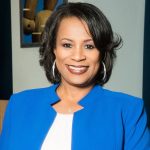
Dr. Nicole Garner Scott is a Financial Representative with Northwestern Mutual. She takes a unique approach in her practice by helping people achieve financial security through holistic planning.

She is also a sought after Money Coach, Certified Financial Educator, speaker, author and business woman.

Nicole received her undergraduate degree from Georgia State University, her MBA in Digital Entrepreneurship and awarded an honorary doctorate recognized for her work in business.

Connect with Nicole on LinkedIn and follow her on Facebook.

What You’ll Learn In This Episode

  • Emergency fund
  • Strategies to bulk up your emergency funds
  • Smart financial moves to help maximize tax refunds
  • Smart ways to use your tax refund

This transcript is machine transcribed by Sonix

TRANSCRIPT

Intro: [00:00:04] Broadcasting live from the Business RadioX Studios in Atlanta, Georgia. It’s time for Atlanta Business Radio. Brought to you by on pay. Atlanta’s New standard in payroll. Now, here’s your host.

Lee Kantor: [00:00:25] Lee Kantor here another episode of Atlanta Business Radio, and this is going to be a good one. But before we get started, it’s important to recognize our sponsor, Onpay. Without them, we couldn’t be sharing these important stories. Today on Atlanta Business Radio, we have Nicole Garner Scott with Northwestern Mutual. Welcome.

Nicole Garner Scott: [00:00:44] Hi, how are you?

Lee Kantor: [00:00:45] I am doing well. I am so excited to learn what you’re up to. For the people who aren’t familiar, can you share a little bit about Northwestern Mutual, how you serving folks?

Nicole Garner Scott: [00:00:53] Yes, I sure can. Well, thank you so much, Lee, for having me on. Very excited to talk with you today. Just a little bit about Northwestern Mutual. We have an office right here in Atlanta, Georgia. We’re in the Buckhead area. But the company itself is national, has been around for over 100 years. And really, you can think of Northwestern when you’re wanting to put your financial plan together from an integrative perspective. So I would say Northwestern really specializes in helping you retain your wealth grow and sustain your wealth. And that’s really our key principles of how we work with our clientele.

Lee Kantor: [00:01:30] So what is typically the point of origination? Like, where does a person like is a person typically going through something? Does an event occur where they’re like, You know what, I better get in contact with the Northwestern Mutual folks because I have this challenge? Or is this something that just kind of organically happens over time?

Nicole Garner Scott: [00:01:51] I would say it’s a multitude. Definitely different areas bring people into the fold. So one that could be if there’s something that’s happened in your life that’s alerting you to wanting to have things more together. So let’s say that you have lost a loved one or you’re taking care of aging parents or things of that nature, and you’re really realizing that you need to have the proper protections in place so that your own children don’t go through that or that you’re able to mitigate what’s transpiring. That that’s usually a reason people reach out. Another is when there’s economic times such as this, having, you know, the reliance of a true professional team to help navigate you through these areas becomes very important. And then some people, just overall, they have very intent goals where they’re wanting to go and where they want to end up and second half of life and just don’t know how to get there. And even though there’s a lot of information disseminating, you know, you can Google anything at this point or YouTube university, but how to make it all make sense and make it applicable to their life starts to become confusing. And so that’s when a lot of individuals lean on a financial professional really help guide them through that area. Yeah.

Lee Kantor: [00:03:08] Can you talk a little bit more about that? Because I think that’s really important for the listener to understand just because there’s a lot of information available to you, knowing what’s relevant to you at what time usually requires some sort of professional advisor. It’s it’s very difficult to really get customized information for your particular information just based on, you know, your able ability to Google search because that isn’t your day job. You’re not spending all your time thinking about this stuff. You have your own day job and these professionals, this is what they’re doing 24 over seven.

Nicole Garner Scott: [00:03:49] Mhm. Mhm. Definitely. I think when it comes to financial planning there’s a few different key factors you have to take into regard. First and foremost is everyone has a different starting point. And so when it comes to building out a financial plan and let’s say that you here’s something that’s trending in the news or you read about an investment opportunity or you look up, this is how you should be doing things or this is what you should be focusing your financial energy on. That ranges from person to person because a lot depends on where you starting, what is that, what variables are in place and where is that foundational piece that plays a large role in what’s transpiring. So definitely that then second, I would say goals are different, right? And so even though yourself and maybe your best friend Lee, maybe you’re very similar places in life, but you might want to retire, you know, right here in Georgia. And your best friend is deciding that they want a vacation home and they want to be able to travel the world. And, you know, just a few other things. And so that that final goal looks very different on your cost of living in the future and that person’s cost of living in the future. So those goals play a large role in that customization need as well.

Lee Kantor: [00:05:14] Yeah. And I think that as part of a good financial plan for anybody, some of the work that has to be done isn’t kind of the sexy stuff. If that gets written about in financial newspapers or blogs, you know, things like an emergency fund, you know, people don’t talk about kind of some of the blocking and tackling that people need in order to be able to weather a storm or to be able to handle that kind of unexpected emergency.

Nicole Garner Scott: [00:05:44] Definitely, if it depending on the age of who’s listening. But if you remember back in I believe it was 2015, there was a lot of data that was put out just in regards to a large percentage of Americans taking out hardship withdrawals from their 401. Ks. Or, you know, you could turn on the news at any given time now and see just through the last few years there’s been so much going on. How many individuals just were basically living check to check and weren’t even really aware of it. You know, they might be doing very well in life, but when it comes to the magnitude of their expenses and what was automated coming out of their accounts, etcetera, that money dwindled down very quick. If they were in between jobs or, you know, dealing with with cutbacks with their companies and those different things. And so that emergency fund, even though it sounds so beginner and so basic, it is really one of the key foundational tools that keep people in a space where you can take care of the now you in the future, you at the same time.

Lee Kantor: [00:06:57] Now, when you’re dealing with a client, can you talk about what those initial conversations look like? Because, you know, thinking about future you for some people seems daunting that it seems like, well, I’ll get to future me when future me becomes present. Me But it’s important. It’s important to really think ahead because things do happen. A pandemic did happen. And, you know, a car breaks down unexpectedly. And to have something like an emergency fund as one of your kind of buckets you’re putting money in, it’s going to help present you at some point in time. It’s just a matter of when.

Nicole Garner Scott: [00:07:39] Very, very, very true. I think that in regards to those initial conversations, really starting with getting a good handle on cash flow even, you know, for those who are doing very well and who are able to keep a lot of that cash flow in the positive, what happens is you’re not really aware of what your fixed expenses are or what’s discretionary and what it really costs to keep moving you along in the way that you feel comfortable with moving along. And so that becomes very integrated into understanding just where you are and where that emergency fund needs to be. Second off, we really take a deep dive into just what your overall goals are. And so understanding those goals become very prioritized. Prioritize in that conversation. Sometimes people think that when it comes to your financial planning, it has to be a either either or. But usually it’s an and like you can start to make sure you’re saving for your emergency fund, but also retirement at the same time and really just starting to put the right percentages of what your surplus is into those different areas. So it becomes very integrated into really understanding what is it that matters to you and then allowing your priorities to show up through how you’re handling the tool of money.

Lee Kantor: [00:09:12] And then also, isn’t it important, especially for young people to just get in the habit of putting aside money in these various places, even if it’s not a lot of money? It’s just the discipline of having a system and a process that you’re automatically kind of putting money in a variety of buckets that are going to help you down the road is a good practice to have.

Nicole Garner Scott: [00:09:39] It is. And you know, many individuals, through the use of technology and apps and you know, what’s what’s available to us now, they kind of hide money from us from themselves. So previous generations, you know, parents, grandparents, etcetera, they will hide money in the physical manner. But now, because everything is so digitized and we live in such a digital world, you’re not really connecting how much you’re spending throughout the course of the day, right? So even if you are on Amazon and you went on Amazon to get one thing and next thing you have a full cart and there’s boxes coming every other day, there’s no physical connection on how much money is going out and coming in. And a lot of people are actually surprised by that. And so that’s when I say it’s a good opportunity to establish a new a new base level for yourself, a new zero. And so every time you get a little bit more in your bucket of of what you’re building and saving for yourself, then you just keep understanding what that new zero is like. You cannot go below the point of $500 and 5000, then 50,000, whatever that might be for you. But establishing that new zero, keeping that that liquidity, that liquid cash away from how it could easily be spent in a multitude of ways. So putting that in a different sub account, using a high yield savings account, which is excellent right now during these times with what you’re getting for return on that, being able to place that in just a different bucket that’s not co-mingled with what you’re spending on day in and day out.

Lee Kantor: [00:11:27] Now, sometimes in life you get a windfall and sometimes these windfalls are, you know, for a lot of people nowadays, it’s tied to maybe they got a tax refund that they didn’t anticipate and all of a sudden, wow, here comes some money. Are there any do you have any advice or recommendations for somebody who all of a sudden, you know, gets a windfall like a tax refund?

Nicole Garner Scott: [00:11:50] I do. Yeah, definitely. I feel like that’s a great time to already have some professionals surrounding you that can start to help you navigate through that. Um, and more people receive windfalls than not. So really establishing those processes, systems and people prior to is is excellent. But if that did not occur, then really understanding that with that windfall there’s certain key areas and key buckets in your life that you always want to keep top of mind. One area being retirement. Um, usually when I speak with individuals and ask, have you, have you figured out what’s that number for you to live comfortable and retirement. Most people have not sat down and really calculated that out. Um, if you take the data based on years ago, the average individual will live to 65, 66, 67 years old. But now at this point, given the advancement in health care and everything that has just come full circle, individuals are living to 90, 95, 98 is very common to see people live that long. And what we have not thought about the most is who’s paying for us to live that long. And so when you’re getting some of these windfalls, contributing to that future version of you starts to become very imperative to our company did a study, I believe, in 2022 just in regards to how much people will need to retire. And I believe that number was about 1.25 million is what most individuals would need to to be in a comfortable space. But as you can see through the news and when you’re cutting everything on that, the retirement savings rate continues to keep dropping.

Nicole Garner Scott: [00:13:45] So we’re going to run into that issue of individuals outliving their money. And Lee, you made such a great point earlier when you said that people don’t tend to think about their future you because they’re just so focused on the present you. But the one thing you can do is is think about future you is going to have the same standards of life that present you have now. And the only way, the only person that future you can blame is current you if you’re not tapped into thinking about that. So definitely when you get those windfalls, being able to really think about strategic retirement contributions becomes very important. And then I would definitely say if debt is a part of what you’re what you’re wanting to eradicate, being able to get that out the way so you can really repurpose your dollars towards your goals. Um, many people have the burden of debt on them for years and years at a time, and it, it affects so many areas of you being able to future plan enjoy things as they’re coming in place those dollars in ways that your dollars will work better for you. And so those windfalls are excellent opportunities to clear out debt plan for future retirement. You beef up your emergency fund. So that’s all in place and then you pretty much insulate yourself from a lot of the uncontrollables that can happen.

Lee Kantor: [00:15:14] And then most importantly, you take advantage of one of the most powerful forces in the universe, which is compounding. And I don’t think enough people, especially young people, understand how powerful compounding is. And that’s why I think it’s so important to start investing any amount of money just in a systematic way with the advice of a professional kind of guiding you just so you get in the habit and you automate some of these tools that exist nowadays, just like your Netflix bill is getting paid automatically every month, you can pay yourself automatically every month and put it and put compounding to work for yourself if you’re if you’re planning correctly.

Nicole Garner Scott: [00:15:57] Mhm. Mhm.

Nicole Garner Scott: [00:15:59] Very true. Very true. Lee And, and also too in regards to um, when we’re thinking of having our money work for us and just some of that future forecasting when you’re doing it now, your earlier years in life, it’s small commitments that you make to a larger goal when you’re waiting until your later years, then you’re having to play catch up and those numbers become a lot larger and things become a lot more intense. And so if you have the blessing of getting those windfalls and if you have the blessing of getting bonuses and additional opportunities, inheritances, etcetera, thinking about how you can make those dollars continue to work for you and not dry out. Becomes a way that you’re really setting yourself up for for how you want to live in the future.

Lee Kantor: [00:16:57] Well, if somebody wants to learn more about what you have to offer or get on your calendar or have a conversation with somebody on your team, what is the best way to do that?

Nicole Garner Scott: [00:17:07] Sure. Sure. So you can go to northwestern.com. Also, if you’re interested in me directly, it would be northwestern.com backslash. Nicole Garner. Garner Just to find out more information in regards to really sitting down with a professional and starting to really organize all of this and having someone guide you through the things that you don’t know that’s coming your way. Distributions, taxation, inflation, everything that we’re hearing so much about. How does that really impact you outside of just what you can see right now? And so our team is ready to sit down and help you with that.

Lee Kantor: [00:17:50] Yeah, there are so many variables. It’s very difficult for a lay person to do this by themselves. I think especially in an area this important, you need the help of a professional and it’s definitely worth having a conversation with Nicole or somebody on her team to just learn more about the possibilities and maybe some of the things you’re not thinking about.

Nicole Garner Scott: [00:18:11] Excellent. Well, thank you, Lee.

Lee Kantor: [00:18:13] Well, thank you, Nicole. You’re doing important work, and we appreciate you. It’s such a pleasure. All right. This is Lee Kantor. We’ll see you all next time on Atlanta Business Radio.

About Our Sponsor

OnPay’sOnPay-Dots payroll services and HR software give you more time to focus on what’s most important. Rated “Excellent” by PC Magazine, we make it easy to pay employees fast, we automate all payroll taxes, and we even keep all your HR and benefits organized and compliant.

Our award-winning customer service includes an accuracy guarantee, deep integrations with popular accounting software, and we’ll even enter all your employee information for you — whether you have five employees or 500. Take a closer look to see all the ways we can save you time and money in the back office.


Follow OnPay on LinkedIn, Facebook, and Twitter.

Tagged With: Nicole Garner Scott, Northwestern Mutual

Stuart S. Rohatiner With Gerson Preston

April 28, 2023 by Jacob Lapera

South Florida Business Radio
Stuart S. Rohatiner With Gerson Preston
Loading
00:00 /
RSS Feed
Share
Link
Embed

Download file

DTLLogo-Blue-Bannerv2

Stuart S. Rohatiner brings more than 25 years of experience and achievement to Gerson Preston. Mr. Rohatiner has extensive working relationships with the firm’s various international and domestic clients.

He is highly proficient in using tax research software programs to solve complex tax issues for the firm’s clients. Mr. Rohatiner advises international and domestic corporations, business owners and investors on tax-efficient structures and transactions to save or lower taxes on international joint ventures, acquisitions, sale of businesses and recapitalizations.

Recently, Mr. Rohatiner has been involved in helping a significant amount of US taxpayers come into tax compliance in the US under the Internal Revenue Services’ offshore voluntary disclosure programs. He works closely with the top attorneys in town.

Mr. Rohatiner has clients in Europe, Canada, the Far East, Latin America and Central America. In addition, Mr. Rohatiner manages staff accountants and assists them in career development. He has meticulous attention to detail, client service and has proven capabilities for uncovering accounting fraud; which he has done for previous clients.

Mr. Rohatiner is also an attorney and joined the firm in 1998 after graduating with honors from the University of Miami School of Law, where he specialized in taxation. He was awarded the book award in International Finance Law. Mr. Rohatiner started his career with a top four accounting firm in NYC and worked with a powerhouse investment bank after graduating from Boston University, School of Management, with honors. Boston University is considered one of the premier schools in the country for international studies.

He has been a valuable speaker on tax issues, he was a volunteer teacher at Miami Edison Senior High, an appointee to political office in North Bay Village and a board member of The Locust Project, Miami, Florida, a not for profit, set up to showcase the work of young and upcoming artists. He has been quoted in national financial publications and all over the US by the Associated Press.

Mr. Rohatiner implemented Miami Job Summer Connect/Overtown Youth Center Summer Internship Program at the firm providing Miami youth from the inner city with opportunity to obtain work experience and accounting skills. Program is in its third year.

He was recently appointed to the Overtown Youth Center Board, Financial Oversight Committee – Capital Improvement Campaign New Market Tax Credits.

Mr. Rohatiner and his wife, Judith, have two kids, Layla and Zoe, and reside in North Bay Village. He is an active member of Temple Beth Shalom on Miami Beach and a long-time Miami Heat season ticket holder.

Follow Gerson Preston on LinkedIn.

What You’ll Learn In This Episode

  • The important of teaching financial literacy to students
  • How to teach financial literacy
  • What students want to learn

This transcript is machine transcribed by Sonix

TRANSCRIPT

Intro: [00:00:01] Broadcasting live from the Business RadioX Studios in South Florida. It’s time for South Florida Business Radio.

[00:00:08] Now, here’s your host.

Lee Kantor: [00:00:14] Lee Kantor here another episode of South Florida Business Radio, and this is going to be a good one. But before we get started, it’s important to recognize our sponsor, Diaz Trade Law, your customs expert today on South Florida Business Radio, we have Stuart Rohatiner, and he is with Gerson, Preston Klein, Lipps, Eisenberg and Gelber, accounting firm. Welcome.

Stuart Rohatiner: [00:00:38] Thank you for having me today, Lee.

Lee Kantor: [00:00:39] Well, before we get too far into things, tell us about your firm. How are you serving folks?

Stuart Rohatiner: [00:00:44] So the name of our firm is Gersten, Preston Klein, Lipps, Eisenberg, Gelber, PR, And we’re really a very strong regional South Florida firm. We cover the whole state of Florida, and now we do a lot of international and also throughout the states. But the firm was started by Gary Gerson back in the late 50 seconds, and it’s a very entrepreneurial type firm with a lot of people who have a broad based experience from, you know, the big eight to the big four to other industries. And the goal is really be a problem solver. We do a lot of compliance, but we also do a lot of tax problems and solving. And it’s to be sort of with an entrepreneurial spirit act and understand our customers and give them great service.

Lee Kantor: [00:01:31] Now, do you have a niche that you serve?

Stuart Rohatiner: [00:01:33] I work in the real estate, high net worth sports and entertainment, athletes and international.

Lee Kantor: [00:01:41] So that’s what you do. But as a firm, is it pretty industry agnostic or do you kind of have some niches?

Stuart Rohatiner: [00:01:48] You know, we do some stuff in the aircraft industry for a lot of entrepreneurs a ton, a lot of real estate, and the firm is starting to expand into all the new stuff digital assets, crypto nfts, which you know, is a hot area, things along those lines. But basically we try to help entrepreneurs with I’d say the bread and butter of the firm is sort of high net worth individuals. Somebody has a business, they own some real estate, maybe they have a few trusts, and we try to, you know, make sure they’re in full compliance and answer their questions and help them. The other thing is the firm’s grown dramatically, which I think sort of mimics South Florida with the huge influx of international individuals the last 15, 20 years. So almost it’s like that eclipses almost everything in the sense that in some deal that we have or client, there’s an international partner, international owner. And now with the great influx of people from the Northeast, New York and even the West California, Illinois. So we’re doing a lot of state stuff. So it’s really an exciting time to be a CPA in South Florida.

Lee Kantor: [00:02:57] Now, are you finding that young people are approaching entrepreneur entrepreneurism or being an entrepreneur as a career path more today than they had been in the past?

Stuart Rohatiner: [00:03:09] Yeah, I think so. And I think that’s for a few reasons. I think some of the kids, though I, as I mentioned, are we’ve discussed I teach high school financial literacy in the high schools, and I think it’s a combination of a few things in the sense that if they’re old enough or they went through with their parents, you had the all the foreclosures in the 80s and in the late in the early 2000. Right. So I think a lot of kids maybe feel a little burnt or upset of what their parents went through. And then fast forward, you have COVID, which sort of provided where certain resources are if you were in the right place or had the money, you were okay. But if you didn’t have a skill set to be entrepreneurial or, you know, to use the Internet or all that, all that stuff, again, you were if you were on the wrong side of the sort of the dividing line, that wasn’t good. So I think, um, and then you’re at and then everybody sees all the great success in the Internet companies. And so I think a lot of young individuals, they want to have what they feel or perceive is to have more control of their life. And the reality is, with technology today, you could really start a business from anywhere and create a product. You just get followers or get enough leads and on LinkedIn or on Twitter or any of the other stuff, and you could start a business. So that’s interesting.

Lee Kantor: [00:04:34] Now, with that kind of desire aspiration to be an entrepreneur or business owner, are they coming to the table with kind of the foundational financial literacy skills that they need at a young age?

Stuart Rohatiner: [00:04:47] So that’s a great question. And he from my end, really. I teach financial literacy in the high schools and we can go into that. Just a little background. Bunch of years ago, you know, ten, eight, ten years ago, I asked my daughter, what do you think I should teach? They want me to go help in some of the high schools. And she said, you should teach about financial literacy. That’s what kids want to know. They want to know about taxes, how to start a business. So as opposed to I could speak to anything. I took her advice and it’s just been a great success. And I, um, I find what happens is the kids are just really interested. You know, we do these classes and for the better part of an hour and a half, two hours, they’re just plugged in and bring some guests we could talk about. But that’s really an area they’re interested in. So we try to gear it up towards entrepreneurship, you know, and go what it takes to raise capital or how to start a small business plan, how to read financial statements, how much money you might need. So we sort of cover all those things. So when Yeah, yeah.

Lee Kantor: [00:05:48] When you’re teaching a young person about kind of the math of business, how do you kind of balance the necessity to teach them kind of these foundational elements, but without kind of crushing the dream to make it seem impossible? Because, you know, a lot of times the math doesn’t look that great. You know, a lot of times the startup has math that, you know, they’re assuming a best case scenario. They’re not assuming kind of a median case scenario or a worst case scenario.

Stuart Rohatiner: [00:06:22] Right. That’s interesting. That’s a great question. Um, so the teacher I work with at Alonzo and Tracy Mourning, Senior High School, he sort of he, you know, he takes the approach. It’s okay to, um, give some of the students some of the hard facts or throw some cold water on them. So I think, you know, before we even get to say the entrepreneurship or reading a financial statement, we really try to get into budgeting and give students an idea after they leave high school, you know, what their costs would be potentially and going to college or going out on their own. And, you know, what I try to do is make it into a few things just to bring in. So when we do these classes, I’ll try to bring in an athlete or a few other professionals that, you know, have specific industry experience and that usually gets the students attention. And then we try to make it interactive so they’re plugged in and can discuss some of that. But um, you know, so we start with the idea that you have to come up with a budget or have some sense of what reality is post-high school, and we’ll get the kids to say, How much do you think the rent is or how much is it to rent a car, to have a car and car insurance? And then hopefully, you know, like you said, the tough thing is you have to have a good job and then pay your expenses and you have to make room for taxes. But we try to get them in the position that if they’re aware of these things, maybe in 3 or 5 years between some savings and maybe some family loans or whatever that is, that they can get going and get started or home ownership. But, you know, so we try to give them some hard reality at first. But you raise a great point that it’s never a always rosy and it’s a tough road, but not not only you have to have a good idea, but you have to execute.

Lee Kantor: [00:08:10] Now, I remember when I was younger, I had the opportunity to learn from somebody who was teaching. Similarly that, as you were describing, were they they kind of listed out, okay, if you want to live in, you know, where do you where do you want to live? And you could pick whatever city you wanted. And then they’re like, okay, go. And then at that time, it was newspapers go to the newspapers and start, you know, figuring out what things cost. You know, make some calls, find out what the, you know, how much is the average electric bill? How much is the average rent? How much is the average, you know, insurance. And you do that and all of a sudden you realize, you know, this is a bigger number than than I realized because, you know, there are kids and and most of their expenses are paid for.

Stuart Rohatiner: [00:08:57] Correct? You’re exactly right. I mean, right. That’s it’s something that you just have to you know, we’re just trying to lay out the facts or get them prepped. But you’re exactly right. But, you know, I try to preface it with some encouragement. If you come up with a plan and start to put some money away. And so. Right. The goal is you need to get a pretty decent job. So you need skill, a skill set to get that. But, you know, these are the hard facts. And if you could just come up with a savings plan, which is really hard, like you said, that maybe and you build some momentum and on some levels, you know, some ideas, you could almost don’t need as much money because of the Internet and how things are. But I don’t want it’s a it’s not an easy task, like you said, but at least from our perspective, um, we what you’re trying to do on the educational side is at least expose students or kids to, you know, these concepts or the, or balance sheet or the cost of living and try to be enthusiastic about it and say that there’s always a way to sort of overcome or solve a problem or, you know, maybe two things. I would just backtrack. Um, the Florida legislature last year finally passed a piece where every high school kid in the state of Florida has to graduate with at least taken this class or a financial literacy class. So that’s really good. And, you know, so and then I also try to tell them to go speak to mentors or people that have gone to or have overcome and started their own business. But I think you got to start with the facts and reality Now.

Lee Kantor: [00:10:39] Do you spend time on kind of the power of compounding? I think that that’s an area that young people especially don’t really understand. And they and they’re the ones who can benefit the most, even if they can get into a habit of saving a little bit on an automatic kind of way if they have the right systems in place to put aside even, you know, just a few dollars just to get them in the habit of, you know, kind of the savers mentality.

Stuart Rohatiner: [00:11:08] It’s a it’s a great idea and great point. And yeah, that’s what we try to do. We do have somebody, you know, in the banking world will come in and show the power of compounding even on the debt side when you owe debt and the interest on that and the interest in interest or credit cards. But on the other side, like you said, we just really try to say, you know what, put 5% away, put 7% away, whatever it is, 3% just do it, create that habit. The interesting thing is, I think once you get used to that, then you figure out a way to make more money. And so a lot of stuff also with financial literacy is almost behavioral science, right? We could have the greatest ideas, but if we don’t act and so like, as you said, just to start small and do something is better than doing nothing.

Lee Kantor: [00:11:53] Well well, I would think that young people would at least intellectually understand the idea of, look, I pay a monthly cell phone bill or somebody does, or we have a monthly Netflix bill or somebody in the family does. And if we can take use that power of automation and use it for for our good and our, you know, to help our future us down the road. That effort, especially in the teenage years, is going to pay tremendous dividends down the road, even if they’re saving just a few dollars a month, if they’re getting the habit of, okay, I’m going to save just a few dollars and I’ll just incrementally as I make more, I’ll throw more into that bucket. I mean, that that’s where kind of you have an opportunity to create generational wealth, you know, pretty much no matter what path you decide from a career standpoint, if you do this correctly.

Stuart Rohatiner: [00:12:47] I think you’re spot on. That’s a great point. I agree 100%.

Lee Kantor: [00:12:52] So now, ah, when you’re kind of open their the kids eyes to this stuff, is this something that they’re kind of hungry for or is it something that they get kind of glazed eyes over, you know, like another, Oh, great. Somebody else is just trying to tell me, you know, what to do.

Stuart Rohatiner: [00:13:11] It’s a good question. You know, the. Teacher that we work with at Alonzo and Tracy Mourning Senior High School, is very into having guest speakers. So I think, you know, sometimes we’ll bring in an athlete, ex athlete or current athlete, maybe somebody who manages money on different areas. We brought in a WNBA sports agent and I think that gets their attention and I think they’re really hungry for it because, you know, to them and I think for all of us, having the ability to control our finances is empowerment, right? We want to we feel like, you know, one, we have freedom and we can make our own choices. We don’t have to rely on anybody else. And, you know, there’s a million situations as an adult as you get older. I also try to explain sometimes early in life you struggle or, you know, you’re not making a lot. So the better your finances are, the easier it is to withstand tough times or maybe avoid a divorce or the stress situations when you’re a young person starting out. So I think they’re really hungry for it because it represents freedom, the ability almost like back maybe when I was growing up having a car. So, um, and they’re very much interested in all the new stuff, the crypto, the NFT. I mean, they’re just of an age where I think they’re sort of sieves and just want to know as much as possible.

Lee Kantor: [00:14:36] Right? And I mean, that’s kind of a double edged sword because there’s a lot of snake oil being tossed around when it comes to those kind of subjects. And it’s hard to know who you can trust and who’s, you know, kind of watching your back 100%.

Stuart Rohatiner: [00:14:50] You’re exactly right. And sometimes, you know, when we teach, we try to we’ll make it interactive, you know, as an example, maybe, um, we’ll split the class into three, and one third of the class will represent a blue chip or an older type stock, and middle of the class represent them, middle of the road stock and then a startup. And you know, we try to just go through some of those that, you know, the pros and cons or what each one of those stocks might represent or if we do budgets, I let them do the budget, you know, and see how they do against the mean. And actually in a next week or a few weeks, we’re going to do one where we’re going to use Chatgpt and see how it does against the professionals and maybe feed in like 10 or 15 questions that are most on the mind of high school students and see what the the AI says versus the professionals.

Lee Kantor: [00:15:48] Now, are you finding even at the high school age that there are a handful of kids that are kind of experimenting, that are doing, you know, some sort of Amazon arbitrage or they have some, you know, running Google ads or or Facebook ads that are trying to do some digital create some digital wealth.

Stuart Rohatiner: [00:16:10] You know, I would say definitely maybe 5 or 10, ten, 15%. What’s interesting is, you know, as you know, we’re blessed to live in Miami, which is a city of a lot of immigrants or immigrant kids. And there’s a lot of really highly intelligent students in these high schools that maybe didn’t grow up in the United States. And, you know, they to them from where they’re coming from, the United States represents, you know, so much opportunity. And so there’s a few of them that are on that, you know, the top side of that same curve where they want to start their own business or they’re doing things or maybe, you know, they have a dad or a mom or a family friend who is willing to teach them and help them. But I agree there there are people that are running their own businesses. Yes.

Lee Kantor: [00:16:56] Now, are is there less kids that are, you know, mowing lawns and babysitting and doing kind of the things maybe we did as kids and are trying to leverage crypto and doing the more aggressive forward thinking things?

Stuart Rohatiner: [00:17:14] You know, I think so, yeah. The right everybody’s really plugged into the technology today and there’s not as much of like you said, the lawn business or stuff like that.

Lee Kantor: [00:17:29] Yeah, it’s crazy how in just the generation that I mean the change is dramatic and then you layer in all this AI and chatgpt, it’s you couldn’t even predict what’s going to happen in the next ten years.

Stuart Rohatiner: [00:17:42] Exactly. Um, somebody posted somewhere. There was an article that the teachers protested back in the 1980s or 90s that they didn’t want the students using their calculator in class. Right. And you know, so it’s hard, but. But you’re right. Who knows where where all this goes. And it’s I try, you know, from the side of from just a teaching standpoint, it’s not necessarily I’m going to tell you how it is or what you have to do. It’s really about I’m going to expose you and be enthusiastic about it, try to encourage you to get these skills right. Like in anything in life, you still have to spend the time whether you’re going to perfect study in stocks or opening a business, it’s still really on the individual. But all I’m hoping to do is to get them a little bit more excited and feel good about learning this stuff. That’ll give them some freedom and plus, you know, at the cost of college and everything else going on, you know, these are important tools that they know what they’re getting into. Or I remember when I was going there just to sign these loan papers, no problem. And I don’t think anybody takes the time to figure out what the potential cost. And, you know, there’s a whole thing going on now about should they be forgiven. And so it’s an interesting time. But even with all the good and bad, there’s always great opportunities in the US.

Lee Kantor: [00:19:02] Well, I think it’s great that Florida is kind of leaning into this financial literacy as a kind of mandatory. And I never understood why they just weren’t incorporating that into basic mathematics. I mean, all the components of financial literacy can easily be woven into just your basic math that you’re trying to teach kids.

Stuart Rohatiner: [00:19:23] I agree. I mean, I’m not into all the politics or anything, but maybe it was just a combination of a shortage of teachers or I think internally the teachers maybe felt like it was just another thing that they had to teach. So, um, maybe sometimes that’s why some of the teachers in the schools, like went outside professionals, you know, come in and are willing to help. And then you also, you know, the big thing is we know the University of Miami and you and all the great sports basketball teams we had down here. So now we have a whole generation of, um, young athletes who are getting paid for their name, image and likeness. And do they know how to do their taxes? Are they doing tax planning? So yeah, that all that stuff is really helpful. And, um, and you know, it’s amazing. And as you know, as you mentioned with the snake oil and then you read in the news and you always say, how is it possible there’s another, for lack of a better word, a madoff or a Ponzi scheme or this or that. And so, um, people who come into money or come into money quickly, athletes need to have a good team or trust around them and also be aware of some of the pitfalls of what can happen with your money.

Lee Kantor: [00:20:35] Right. And just and for a lot of these athletes, I think there’s a I don’t know if it’s still the same, but I remember a few years ago it was like the vast majority of professional athletes were filing bankruptcy at some point down the line, pretty much no matter how much money they were making in their career, which is it’s hard for a regular person to even fathom how that would be possible.

Stuart Rohatiner: [00:20:58] Correctly. Yeah. Yeah, no, you’re right. I know there’s a sports agent that I’ve worked with or just talked to. He won’t work with you unless you put away 50% of your money. Otherwise, he doesn’t want to. He’s not dealing with you. And so maybe that’s a little extreme, but he’s trying to help, you know, set up a pattern where you’re protected for life, right? That’s right. Too many of these athletes are their life span, right? There’s very few Shaquille O’Neal’s or Tom Brady’s or where, you know, you can come back from a bad investment or a rainy day.

Lee Kantor: [00:21:32] Right. And then and then they have kind of the foresight to to look ahead and to plan accordingly and prudently. And they’re not falling in the trap of some of these athletes that just kind of burn through the money with friends, family and bad, bad choices quickly.

Stuart Rohatiner: [00:21:51] Exactly right. You’re on the right path. And that’s why I’ll say it’s amazing, even with all the being a CPA and going to law school and all the knowledge and it’s still at the end of the day, right, with everything. A lot of it’s behavioral and being around the right people. Or you could teach all this stuff almost like we could show a client great estate planning or tax planning. They don’t want to do it, they’re not doing it. So I try to be aware that there’s also got to be some psychological, some behavioral science in this, right?

Lee Kantor: [00:22:19] Or they have a buddy who knows a buddy that just made a fortune doing this thing. And then that’s who they trust, you know, that has that person has their ear, correct?

Stuart Rohatiner: [00:22:29] Yeah, exactly.

Lee Kantor: [00:22:30] But yeah. So for you, what it sounds like you’re really passionate about this, serving the community and helping the youth. Is that something that surprised you, how much you would enjoy something like this or how much you’re getting into it?

Stuart Rohatiner: [00:22:46] Uh, maybe it wasn’t. But ten, 12 years ago, when we had a marketing coordinator, they asked me what I wanted to do. And I remember they said to me, you know, they need volunteer teachers. And she said, If you want to go to Aventura or Pine Crest, forget about it. They don’t need anybody. But if you want to go to like Overtown or Cooper’s, you know, one of the I think it was Edison High School. So I said, you know, I grew up in New York City. I’m happy to go. I’m not really scared of too much. And I think what was amazing is that when I did, I taught accounting, financial literacy, I taught profit and loss statements. And, you know, we looked at comparatively the greatest thing was to just see a young kid or student’s light face light up from that knowledge, you know, whether whatever business they could do and I’ve been going at this ever since. People have asked me to, you know, know that I enjoy doing it. And I think it’s just the you’re helping people with empowerment. You’re giving them important concepts. And, you know, it’s with all the technology and everything else, right? And to, um, whether we lived in a building in Brickell or I was just at a hotel in New York and the. The guy who is the valet recognizes you. It’s all about humanity, right? With all the technology, it’s still about the human connection. So I think that, um, joy that you see on kids faces makes it all worthwhile. Yeah. And.

Lee Kantor: [00:24:20] And and providing them this kind of foundational information, it’s going to be transferable to whatever they’re going to do. I mean, this information is stands the test of time. The things that you’re teaching them are things that are going to serve them throughout their whole lives. So it’s so important for them to get it young and early before they make some of these mistakes and and don’t know what they don’t know. You’re giving them kind of a roadmap to a successful financial future if they’re paying attention.

Stuart Rohatiner: [00:24:51] Exactly. And then one is they have personal fulfillment or feel better. It can maybe reach their goals or get to where they want to go. And is society on a whole level? You know, we all benefit when everybody does better or prospers, right? It’s just it’s it’s if you do better, I do better. We all do better together. So, yeah.

Lee Kantor: [00:25:11] The impact is real. I mean, you’re impacting them as individuals, but you could be impacting their family, their community. I mean, it ripples out from where it where it begins.

Stuart Rohatiner: [00:25:21] Exactly. You’d be surprised also at some of the athletes or their parents. Right. They almost want this education more sometimes. And so we try to sometimes do adult classes down at the Overtown Youth Center. And, you know, we’ve we’ve done it through out. But you’re exactly right. And then and then the interplay of high school kids and their parents. Right. How they communicate and sometimes money is taboo or no one wants to discuss it. So that’s a great thing. Sometimes trying to break down those barriers.

Lee Kantor: [00:25:51] Right. And give them an easy place to begin a conversation.

Stuart Rohatiner: [00:25:55] For sure. For sure. Yeah.

Lee Kantor: [00:25:56] So if somebody wants to learn more about this, this initiative that you’re working on, get ahold of you or somebody on the team or wants more information on Gersson Preston, what’s the website? What’s the best way to get ahold of you?

Stuart Rohatiner: [00:26:10] Um, you could send an email. It’s SR at GPC, Lg.com is my email and also our website I believe is gpc dot you know, w-w-w dot gpc.com.

Lee Kantor: [00:26:29] Good stuff. Well, Stuart, thank you so much for sharing your story today. You’re doing such important work and we appreciate, you.

Stuart Rohatiner: [00:26:35] Know, I appreciate you taking the time. Thanks for having me on the show and thanks for, you know, providing information and education to the individuals down in South Florida.

Lee Kantor: [00:26:47] You got it. All right. This Lee Kantor. We’ll see y’all next time on South Florida Business Radio.

Tagged With: Gerson Preston, Stuart S. Rohatiner

Licenia Rojas With TD Bank Group

April 27, 2023 by Jacob Lapera

Innovation Radio
Innovation Radio
Licenia Rojas With TD Bank Group
Loading
00:00 /
RSS Feed
Share
Link
Embed

Download file

In this episode of Innovation Radio, Lee Kantor interviews Licenia Rojas, Senior Vice President, Chief Engineer, and Chief Architect at TD Bank Group. They discuss TD Bank Group’s focus on serving customers’ needs and the importance of investing in talent and having a plan to navigate the chaos of rapidly evolving technology.

Licenia also shares her experience as a woman and Latina in a male-dominated industry and emphasizes the importance of mentorship, sponsorship, and being an ally. She provides advice for young women on how to approach potential mentors and the importance of networking.

The episode is sponsored by the Levan Center of Innovation, which supports entrepreneurs from the birth of an idea to a successful exit or global expansion.

Licenia Rojas is a Senior Vice President, and Chief Engineer and Chief Architect at TD Bank.  She is a solutions-driven, established Senior Technology Executive with a wealth of experience in planning, development, and implementation of innovative technology solutions. She has in-depth expertise in evolving technology platforms to support servicing functions, robotic process automation initiatives, and integrating machine learning and other artificial intelligence capabilities into legacy operations. ​
​
Currently, Licenia is responsible for the Architecture and Engineering Strategy at TD and leads the Enablement Platform team that delivers on the following technology capabilities: event streaming, APIs, workflow, RPA, and digitization. As head of the Architecture, Software Engineering (inclusive of the developer experience), Quality Engineering, and Analyst practices, Licenia is focused on attracting and developing talent and building out best practices and standards to deliver capabilities faster, better and simpler for TD. This entails improving the safety and stability of our systems and developing standards to enhance tooling and processes to support our architecture and engineering practitioners.​
​
She is a proud advocate for women in technology and frequently participates in various internal and external events to inspire and share insights on how to be your authentic self in the workplace. She is also a Board of Governor Member of the Alan B. Levan Nova Southeastern University Broward Center of Innovation.
​
​Prior to her role at TD, she was at American Express for 23 years where she held several senior leadership roles, driving significant contributions to innovation, leading enterprise-wide data and digital capabilities.  Most recently, she was the Senior Vice President and Unit CIO, Global Servicing Group Technology where she had global responsibility for the technology vision, strategy and delivery of the technology platforms that enable the best customer and colleague experience at American Express including all global servicing functions such as customer service, credit/collections, card issuance, procurement and real estate.​
​
Licenia holds a Bachelor of Science in Management Information Systems from Barry University.  She lives in Davie, FL with her husband, Tony and three children.​

Connect with Licenia on LinkedIn.

This transcript is machine transcribed by Sonix

TRANSCRIPT

Intro: [00:00:02] You’re listening to Innovation Radio, where we interview entrepreneurs focused on innovation, technology and entrepreneurship. Innovation Radio is brought to you by the world’s first theme park for entrepreneurs, the Leuven Center of Innovation, the only innovation center in the nation to support the founder’s journey from birth of idea through successful exit or global expansion. Now here’s your host, Lee Kantor.

Lee Kantor: [00:00:34] Lee Kantor here another episode of Innovation Radio, and this is going to be a good one. But before we get started, it’s important to recognize the Levant center of innovation. Without them, we couldn’t be sharing these important stories. Today on Innovation Radio, we have Licenia Rojas with TD Bank Group. Welcome.

Licenia Rojas: [00:00:55] Thank you, Lee. So excited to be on the show with you today.

Lee Kantor: [00:00:58] Well, I’m excited to learn what you’re up to. Tell us a little bit about TD Bank Group, how you serving folks.

Licenia Rojas: [00:01:06] So we’re thank you for asking that question. We’re at TD Bank Group. We’re very excited about our customers and our ability to serve their needs as they are thinking about life events that are happening to them. We just recently earned the number one spot in Canada as the most valuable brand by brand finance. So we’re really excited about that. And that really anchors on the point that we’re honing in on what matters most to our customers and we’re the better bank. Like we’re in the business of trust, and that’s the way we’re operating across North America, you know, across the world, serving our customers.

Lee Kantor: [00:01:43] And what’s your role at TD Bank Group?

Licenia Rojas: [00:01:46] So at TD Bank Group, I am the senior vice president, chief engineer and chief architect. And what that means in simple terms is that I’m responsible for the technology strategy for the company that enables the capabilities that our colleagues and customers are leveraging. So I work very closely across multiple groups, whether they’re driving platform engineering or business capabilities. And we look for what are those opportunities to modernize and create new experiences for our customers and colleagues.

Lee Kantor: [00:02:17] So how have you seen technology evolve over the years? I mean, it seems like it moves so rapidly. It’s hard for any kind of brand to really leverage technology to its fullest and serve its customers in the way they want to be served. It must have been, you know, it must be really exciting. But also pretty chaotic.

Licenia Rojas: [00:02:37] It’s a great question. So I’ve been in technology for 30 years, so seen so many changes in my own lifetime. I can only imagine those that have been around longer even before all the advancements in technology. And I think one of the key things is that as a company, you have to be forward thinking and invest in the future. And that’s one of the things that excited me about joining TD Bank Group. They’re very focused not just on what needs to happen right now in the moment in order to serve our customers and colleagues. But how do you invest for the future? And how you do that is you invest in your talent and you really have to think about how to adopt technology and have the right people and invest in them and in the training. So it’s something that we are spending a lot of time on and it’s something core to the culture of the bank. We’re very focused on evolving capabilities, attracting and retaining skilled talent. So when you have that, what I would say a planned approach, a strategy and roadmap that helps you get through the chaos, because if you don’t have a plan, then it’s really chaotic. So when you have a plan, then you can make adjustments in pivots. If there’s things that change, right? There’s technology that customers take to differently and maybe in different markets and you make those adjustments accordingly and then you start building for skills of the future. So we’ve invested a lot in building skills around Microsoft Azure, Cloud security, machine learning, UX design, and we’ve built talent around that through the years. And then that way, as technology advances and changes, we’re ready and we’re ahead of what our customers are also looking for in terms of experiences.

Lee Kantor: [00:04:13] Now, growing up, what was it like to kind of be in a in an industry that is kind of male dominated and and you grow into this leadership role that you’re in now? I’m sure as you’ve kind of gone through your career, there’s not a lot of people that look like you as you’re kind of rising through the ranks. How were you able to navigate that?

Licenia Rojas: [00:04:40] That’s a great question. And and thank you for asking because of the fact that there you know, we definitely want to see more women and I’m Latina as well and you early on you don’t see a lot I didn’t see a lot of people that look like me around the room. It’s starting in school. So I encourage young girls, young women, if you’re in school, stay. If you’re passionate about science, technology, engineering or math, stay the course. We need more of you. We always want people that are diverse and different and businesses because we serve our customers, right? So there’s a definitely a strategy behind diversity and inclusion in businesses, and we want those ideas to come forward as well. Right? We all have different approaches of how we would look at a customer or colleague solution. So I encourage you to stay the course and I think it’s really important to join groups of where you can get support as well. So there’s a lot of women groups out there. I’m a big fan of like Grace Hopper and the Anita Borg organization. They do a lot for women chief. I’m a founding member of chief here in Miami. It’s for executive women. But before I got to where I am today, a lot of it was through mentorship and sponsorship programs and companies. So when you’re looking at where to also go work, you have to think about how committed is your organization to diversity and inclusion and are they really listening to their colleagues and creating those networks and those opportunities where you can gain mentorship And then eventually from mentorship, you’ll find sponsors along your career and you know, those are all great and those are very important factors.

Licenia Rojas: [00:06:22] But I would tell you that it all starts with yourself and believing in yourself and being authentic. And those are things that I’ve learned through the years. I wish I would have all those experiences much earlier on, but I share that a lot with my mentees because of the fact that when you’re yourself, you always will perform better. So you want to be yourself and you want to be around others that bring out that in you. So as you’re looking at companies, you’re looking at leaders, these are all things to think about, not just the job itself, but all the surround sound around it, because you’re going to grow and from that as well. So those are important things. And if things don’t always go the way you planned, then, you know, pivot, give yourself the flexibility to make those adjustments and and change course if you need to, but follow the path that you want to in terms of creating that career growth. And I would say that a lot of the allies and sponsors that I have are men. So you don’t necessarily always need to think about that. Your sponsors and mentors are only women there. It’s great to have. I have women different backgrounds that are my sponsors and mentors for many years now, but I also have the great relationship with allies. So it’s really important to have allies and then also be an ally to others as well. So I support many other colleague type groups, other, you know, whether it’s pride or, you know, the black professional networks. So to me, it’s very important to give back and help each other grow.

Lee Kantor: [00:08:00] Now you’re using phrases like Ally, mentor and sponsor. For those who aren’t as familiar with those terms. Can you kind of define each one? Because I think there’s a lot of confusion, especially amongst well meaning people who think like, Oh, I’ll mentor somebody and that means, you know, they’re on a phone call once a month with somebody and they think, Oh, I’ll check that box. I’m doing all I can do. But a sponsor, for example, that requires a lot more risk in terms of political capital to really put your name on the line to help somebody up. But can you explain the difference between Ally, mentor and sponsor?

Licenia Rojas: [00:08:38] Yes.

Licenia Rojas: [00:08:39] Yes. And it is true. You have a great point. It can be confusing. So when you mentor someone, you enter into a relationship where you’re you want to give something back in terms of your experiences, your knowledge to someone else that has talent and needs experience, needs someone to maybe come to that is not sometimes not in their direct line of leadership. Sometimes you’re in the same group, but you’re offering a different perspective and view to them and offering your experience as a and and how I often do that, I always listen first. What are you looking for out of this mentorship relationship? How can I help them? What are their career objectives? What are they going through right now and where do they want to go so that we create a plan? Because it’s a plan to gather around the mentor and the mentee. I learn a lot from my mentees as well because I think about I have to think about things that I’ve experienced and knowledge that I have to pass on. So there’s a learning process you go through as a mentor as well, so that you can be the best mentor possible. And I would tell you that I grew with time and appreciation of having the mentor role. I knew it was important to be a mentor, but when I was part of an, you know, which I’m still part of this organization, it’s called Gear Up and it’s around.

Licenia Rojas: [00:10:07] It’s a program designated. It’s a non-for-profit around bringing urban youth to corporate groups for sponsorship, internships, and eventually a path to be able to a full time to gain full time employment. It’s really to deal with this lack of path that we have sometimes for what we call like mid skill level and really to give an opportunity to people that possibly corporate America would not look at typically. And what I learned from them was that I needed to do more around mentorship. Given my role as a woman, a Latina. I came from a low income area of Miami, and I understood some of the struggles of just not knowing where you fit in. So I mentor a lot of in in those scenarios as well to help people understand how to navigate maybe situations they’ve not come across. They’re giving their first presentation to an executive down to I’m going on my first business trip, what should I expect? And they feel safe talking to me about that. So I play that role. Then as a sponsor. Sometimes I’ve sponsored folks because I’ve built a relationship with them as a mentor, but now as a sponsor, I become an advocate. I’m advocating for their career. I’m helping them get the visibility, the focus from others, maybe introducing them to others, and also putting my, um, my own credibility to say this is someone that I know is ready for this next role, for this opportunity.

Licenia Rojas: [00:11:45] So I’m, you’re more active, so it’s like activating different parts of the engagement. So as a mentor, you should be heavily engaged and giving of your time. And then as a sponsor, you’re taking it to a next level. You’re more proactive in that advocating of their career and being out there. So you have how I see it is like a almost like a bit of a pyramid. You have more mentees and then you have some people you sponsor and you gain that over time. And Ally is a term used a lot in diversity and inclusion, and I use it around the fact that we’re, you know, we’re we’re different in many ways, which is a great thing about being inclusive and you want to support others, although. You know, like in the scenario that I was giving, I’m Latina and I’m a woman. And I you know, I’m an ally of my colleagues that are in the, you know, let’s say, in a LGBTQ plus network. Right? I want to make sure that I’m there as an ally to them, sponsoring events, being a voice of, you know, how we need to make sure that they’re meeting their objectives around the event that they have, that they feel included, that they know that, you know, you know, we’re together in in driving and inclusive inclusivity.

Licenia Rojas: [00:13:12] And the same with, you know, the black professional network that I’m an ally to them. And although I’m not black or part of the LGBTQ community in the way that it’s defined, right, I’m with them and that they know that they have that support. That’s what it means to be an ally, that you’re with them and that you’re part of driving all those great causes. So and sometimes through those relationships, you meet people that become your mentor, you are their mentee there or the other way around. You meet mentees and it’s like a circle of networking and giving. To me that’s really important to pay it forward. A lot of the success I’ve had is that someone saw something in me and. You know, gave me an opportunity. And sometimes you would think at the time, probably ridiculous opportunity. So I think that it’s important to pay it forward as well. And you learn along the way how to be better at all these things. Being a mentor, being a sponsor and being an ally. I learn a lot from others and I think that’s part of the journey.

Lee Kantor: [00:14:22] Now, do you have any advice for that young person out there that maybe is the young you that has dreams maybe bigger than their circumstances are at the point that they have these dreams, but they want to move forward in their career. They believe in themselves. How do they kind of get on the radar of these mentors, of these sponsors, like what’s kind of a path for them to follow, you know, when they don’t have a lot in terms of experience right now, but they have big dreams. Is there some organization like should they get involved in maybe some of the business trade organizations, Like how do they kind of show that they have potential to be a leader when they’re not in a role of a leader? Right. Yet. You know, right now.

Licenia Rojas: [00:15:09] So I always start with perform well with the role that you have because that is starts with, you know, whether you’re in school, you’re doing well in school. That says a lot about you as well, right? People look at your what performance you have had to date, so that always helps. I would say that. Always do well in what you currently have. My mother always said that you want to do well in every job that you do, big or small. However it is, that’s very, very important. And you know, you are someone that others view as your your performing well and you because that’s what people look for. They’re looking for those types of things. Then you want to have access and sometimes you don’t know how to have that. If you’re in a you’re working for a small business, you don’t have these large networks that, you know, large corporations like TD Bank Group has. You know, so what you would do in those scenarios, it’s great to use resources like LinkedIn. You can also tap into like the Levant Center. It’s a great organization to be a part of, to understand what’s happening in South Florida, going to the events, networking and meeting people. And you could start small because I know for sometimes for people the events can be intimidating. But you can find events where they’re more intimate chats and talks. So that way it’s not, you know, hundreds and thousands of people that you’re working through. But you start you can start small there and introduce yourself to people and say, I’d like to take a moment, learn a little bit more about you. And you create the conversation and you start building your network in that way.

Licenia Rojas: [00:16:48] And then as you meet someone and you get to know them, then you can ask them, Would you be willing to mentor me? I, you know, because you want to give them a reason why you’re also selecting them as a mentor. You could say, Well, I heard you speak and you know, I have a scenario like that where I’m trying to communicate my idea and I want to learn. What’s the best way to pitch an idea? Would you be willing to mentor me and listen to my pitch and give me pointers of what I could do better? And that’s, you know, different ways you can approach, But you want to make it real to say, Why are you asking that person to be your mentor? So that’s why going to these events and so forth and being part of, you know, I mentioned, you know, Anita Bjork, if you’re, um, you know, different, you know, you can go to cure a career in tech, you can go to, um. Nesby Right. The you could go to a, you know, different, different groups to, to think through, you know, you have Alpha, which is for the Latin American groups as well here in in the US. So there’s in Canada you can go to the Black Professional Technology Network. So there’s many, many places that you can go for networking and you know, there’s many resources that you can. But what I would say is probably the easiest way for many folks is to look through LinkedIn, because that will have many groups that you can join and you can join the chats and that way you can meet people through that and send them direct messages as well.

Lee Kantor: [00:18:22] Now, why was it important for TD Bank Group to partner in the way that you have with the Levant Center? What did you see in them and what did you want to get out of that relationship?

Licenia Rojas: [00:18:36] So interestingly enough, I’m also a board of governor at the Levant Center and that started previous to joining TD Bank Group and as I was. Joining the TD Bank group and we were talking about what was happening at the Levant Center then. The group was interested in creating a relationship because we wanted to get close to the entrepreneurs, the businesses and the community. And that’s a very big part of TD is to be part of the community. So it was also then now an investment then to not just for me to be a board of governor at the TD Bank Group. I mean, I’m sorry, at the Levant Center, but also for the TD Bank Group to join and be part of the Levant Center community, because that’s how we’re tapping into the community of technology, the innovation, the talent that I spoke to earlier that’s happening in South Florida. And we’re able to also offer one of my peers in the organization sits with entrepreneurs and goes through their ideas and helps them with their pitch. So we’re also giving back to the community and we’re getting to help entrepreneurs think about financing after they thought about how they’re going to articulate how they’re going to make money with their idea. So there’s a lot to us being able to help others. And then we’re learning also what’s happening in the community. So we found that as a as a win win and it’s a great way for us to stay close to what’s happening and technology trends and get ahead of it. It goes back to what I was mentioning to you. When you have a multi year plan and you’re thinking ahead and you’re building for the future, you want to stay close to where the action is happening. And definitely the Levant Center is, you know, the pride and joy of South Florida as the world’s first theme park for innovation.

Lee Kantor: [00:20:34] Now for you, what has been can you share a story maybe of somebody that you’ve impacted or TD has impacted in terms of helping them get to a new level based on the mentorship or advice or sponsorship you or TD has given them?

Licenia Rojas: [00:20:53] Well, there’s groups I can’t speak about any groups specifically. Right.

Lee Kantor: [00:20:56] Just maybe share, share, maybe conceptually, what would their challenge was and how the advice you gave that enabled them to get to a new level?

Licenia Rojas: [00:21:07] Yes. So I met with an entrepreneur and she had a great business plan. She was trying to develop another part of her business with engaging her expertise and offering as a technology service. So we sat down. We talked about what her idea was. I gave her some things to think about in terms of the offering itself, What made it different? What was the differential? Why would someone, you know, a company in this case think that there was something, you know, different? Like what was that extra piece like? How were they going to separate themselves from others in that similar service offering? What were there going to be those differentiators? And how was she also going to check how her business was doing? Is she what were her outcomes, her what we refer to as OKRs? So your your key results that you’re trying to drive for those objectives. So it’s your objective key results and you know, sat with her and thought about it and then she she gave me feedback after that. It was really helpful for her and her team to go back and think about, um, besides the offering itself, how were they going to stand out and differentiate and how would they track their success with that and with their clients so that they had a way to understand how that relationship work? That was something that was missing from her pitch, because a lot of times when you’re setting up a partnership, you want to understand how is that partnership evolving? Are you hitting those key metrics? So that was feedback that I received directly from some work that I did with an entrepreneur that’s based out of the Levin Center.

Lee Kantor: [00:22:49] So if somebody wants to connect with you or TD Bank, what is the best way to do that?

Licenia Rojas: [00:23:00] Well, you can catch me on LinkedIn, I’m on LinkedIn. So that’s a great way to reach out to me directly. And then we’re where we are. We have 155. If you’re here in Florida, we have 155 stores. So we welcome you there. We’re part of our community and obviously we’re online. We have great online presence, both web and mobile. So we’re very happy to have you here. Just across in the US alone, we have over 1100 retail stores, so you can catch us there. And if you are in Canada, you know, we’re happy to have you on, you know, our stores across Canada as well. So, you know, please, you know, come visit us. We’re here to serve our customers and their needs, current needs, future needs. We want to grow with you. And, you know, we’re very focused on. What your journey is and where do you want to go next and what’s important to you. And that’s one of the things that really excited me when I joined TD because I’m very about the experience. If you heard me say it a few times, Lee, because that’s what differentiates A from B is how the the experience you deliver to that customer, how you make them feel in that moment, how you anticipate their needs and how you grow with them.

Licenia Rojas: [00:24:27] And you know, things like it doesn’t seem huge sometimes, but all the little things do add up. And something I’m really proud of is the fact that we just did a, an accessibility. Launch into our stores so that our colleagues can pick the preferences and individualize how they’re going to deal, you know, like anything that they need from an accessibility perspective. So not only are we thinking about our customers, but we’re thinking about our colleagues so they can better serve our customers. And that was something that was built out of a lab and then brought to market very quickly. So we’re thinking about how we address the needs of our customers in all kinds of spectrum, not just in terms of the financial services, but also how we can make things easier for them in their in their day to day lives.

Lee Kantor: [00:25:20] Well, thank you so much for sharing your story today. You’re doing such important work and we appreciate you.

Licenia Rojas: [00:25:27] Thank you, Lee. Thank you for having me. And keep doing what you’re doing. You’re bringing a voice to many of these great topics and look forward to catching your next podcast.

Lee Kantor: [00:25:37] All right. This is Lee Kantor. We’ll see you all next time on Innovation Radio.

Outro: [00:25:43] This episode of Innovation Radio was brought to you by the world’s first theme park for entrepreneurs, the Levant Center of Innovation, the only innovation center in the nation to support the founder’s journey from birth of idea through successful exit or global expansion. If you are ready to launch or scale your business, please check out the Levant Center of Innovation by visiting W-w-w dot Nova Edu slash Innovation.

Tagged With: Licenia Rojas, TD Bank Group

Stephanie Judd With Wolf And Heron

April 25, 2023 by Jacob Lapera

Atlanta Business Radio
Stephanie Judd With Wolf And Heron
Loading
00:00 /
RSS Feed
Share
Link
Embed

Download file

Founder of Wolf & Heron, Stephanie Judd specializes in workshop facilitation and one-on-one coaching. Stephanie holds a B.A. from Cornell University, an MBA from the Ross School of Business, and a M.S. in Natural Resources and the Environment from the University of Michigan.

She is certified as a Coactive Coach by the Coaches Training Institute and a member of the Forbes Coaches Council. In her free time, Stephanie likes to hang out with her kiddos and consume inordinate amounts of chocolate at her home in Alpharetta, Georgia.

Connect with Stephanie on LinkedIn and follow Wolf and Heron on Facebook.

What You’ll Learn In This Episode

  • Critical skills that leaders should develop in a hybrid work environment
  • How managers support and motivate employees during layoffs
  • Sustainable leadership practices
  • How important is it for organizations to invest time, money, and resources into professional development

This transcript is machine transcribed by Sonix

TRANSCRIPT

Intro: [00:00:04] Broadcasting live from the Business RadioX Studios in Atlanta, Georgia. It’s time for Atlanta Business Radio. Brought to you by on pay. Atlanta’s New standard in payroll. Now, here’s your host.

Lee Kantor: [00:00:25] Lee Kantor here another episode of Atlanta Business Radio, and this is going to be a good one. But before we get started, it’s important to recognize our sponsor, Onpay. Without them, we couldn’t be sharing these important stories. Today on Atlanta Business Radio, we have Stephanie Judd with Wolf and Heron. Welcome.

Stephanie Judd: [00:00:43] Thank you. Happy to be here.

Lee Kantor: [00:00:45] Well, I’m excited to learn what you’re up to. Tell us about your firm, how you serving folks.

Stephanie Judd: [00:00:50] We are a professional development firm that helps leaders engage in inspire others through the art and science of storytelling.

Lee Kantor: [00:00:58] So what’s your backstory? How’d you get into this line of work?

Stephanie Judd: [00:01:01] Believe it or not, it was very circuitous and all over the place. But fundamentally, what got me interested in storytelling was my work in professional organizational change management. Because when I was consulting as a change management consultant, a lot of the work that we were doing was fundamentally crafting stories and then and then telling them in ways that were inspiring and engaging for the organization to to rally behind. And that art was just so fascinating to me because there’s social science and individual psychology and inspiring leadership and all kinds of complex, you know, group dynamics that are happening and stories create culture. And it is through that that we were able to really engage and inspire other folks. And so when I and my partner launched Wolf and Heron, we were we were really thinking about the way the power of what stories can do and how it can really change hearts and minds. And and we wanted to to bring that to the world.

Lee Kantor: [00:02:04] Now, when you had that kind of hypothesis that storytelling is the way to go, and I’m sure you had facts and figures to back that up, how difficult was it to get maybe some of the numbers, people to get behind something that maybe isn’t as tangible or as kind of numerically define ed as they tend to prefer? Because that to me would be not the easiest thing to do for some folks. Some folks may not kind of understand these softer skills of being able to articulate a message through story rather than a spreadsheet or a pie chart.

Stephanie Judd: [00:02:43] Yeah. And fundamentally, what you’re what you’re asking me is what were the stories that we told? Because it is through storytelling mostly that we sell storytelling, believe it or not. It’s you’re right, it’s hard to put into numbers what the power of storytelling really is. I can point to the brain science and the way that, you know, different parts of the brain light up when stories are told versus when information is presented in a pie chart. But fundamentally, it’s really people are like, Yeah, but we’re businesses. We make decisions based on the numbers and the information. And and the truth of the matter is that our brains actually make decisions long before the logic part of our head has actually come to the conclusion we make decisions and rationalize them after the fact, not beforehand. And so, so much of what we look at when we’re looking at how to communicate is really how to activate the emotional side of of the decision making brain and also the the the the emotional interest in whatever it is that we’re trying to drive. Um, and then and then we have these skills that we teach in our storytelling that are really just about how do you make your story speak to the emotional brain centers, the inspired parts of us as human beings that really create connection, build, relationship, establish trust. And all of those things are hard to measure. But at the end of the day, we all kind of understand that that is important. And we know that, you know, charisma and gravitas make a difference. And so we so we tend to to see how storytelling then becomes relevant.

Lee Kantor: [00:04:32] Now, when you first approached somebody to pitch them this concept, um, what was that first conversation like? I’m sure you leaned on storytelling to kind of communicate your value proposition, but again, I’m just having a difficult time on. I mean, I’m a big believer, so don’t get me wrong, I’m with you 100%. I believe in the power of storytelling. I believe in the emotional and visceral components of storytelling and how that information sticks with somebody. And I believe that it’s extremely difficult to measure. And and I and I also believe that people rationalize decisions with numerical things after they’ve emotionally purchased or bought whatever it is you’re selling. So believe me, I’m. On your side. I’m just having. I know I’ve had these conversations with people and it’s always been a challenge for me to communicate the value of some of these softer things, despite no matter how compelling the story might might be. So if you can share some tips and tricks on how to best communicate through storytelling on when you’re dealing with that person that is so kind of math or numerically, you know, they prioritize that or justify that in order to sell in whatever you’re trying to sell to their boss, you know?

Stephanie Judd: [00:06:01] Yeah. So I was recently presenting to a group of product managers. Product managers are very, you know, data driven folks. They have to make data driven decisions all the time. And, and I was presenting on the power of storytelling and what and why they should include storytelling in their presentations. And one of the things that I find to be very, very effective is to give them a before and after, You know. And I actually used in this particular presentation, I used an example of a product manager who was trying to communicate the value of her, um, her virtual product, virtual meeting product, basically. And, and she had a slide and it had like the three main bullet points as to why it was better than the competitors And her before, if you will, was really just a walk through of the bullet points. Well it has, you know audio management control and it has this quick thing that does X, Y, Z, and it’s, you know, it has light adjustment so that you look you look good on your camera. Right? And it’s like these are the things that make it better. But fundamentally, it’s a very cerebral argument. And the audience could understand that because that’s what they that’s what they do. They make cerebral arguments. But then, you know, I worked with this particular person and coached her into a story and she turned her answer to this question What makes your product different or better than its competitors? She turned her answer into a story, and the story was personal anecdote about how she had to use her product and a competitor’s product in the same day, preparing for meetings that were roughly similar to each other.

Stephanie Judd: [00:07:47] But one experience was super low key, low stress, really, really easy, smooth. And the other experience was extremely high stress and very chaotic. And she had to manage 17 different work streams in her head at the same time. And it was through this storytelling that she was much more effectively capable of communicating the power of the simplicity and the and the the ease of use that her product offered that the competitor product didn’t. And it’s, you know, it’s like the emotional component of that experience is what is what what convinces people of the to the of the difference between these two products and the value add that her particular product had. And so it’s like by showing it’s almost like yeah by showing instead of telling the audience will will come on board, I think more often than, than, you know, I can’t I’m not going to give you a spreadsheet, but I’ll tell you a story or I’ll give you an example of a story or, you know, have videos of people telling stories and that that tends to be the most compelling.

Lee Kantor: [00:08:56] Now when you’re trying to like, okay, I’m all in, I believe you. That makes perfect sense. Like, and I’m assuming the way that you help people are you first get all their data, their information that they’re typically sharing and then you’re like, okay, let’s let’s get some real life stories or examples about this and let’s craft and reframe some of what you’re doing in terms of that arc of a story, you know, the challenges and then us overcoming us, overcoming them and then, you know, our our customer being the hero because they solve this this challenge through story. And when you’re doing that and you’re working with people, how do they then take that concept, that storytelling concept and then scale it to a variety of people with a variety of different, you know, abilities and skills and natural tendencies When it comes to articulating something that is, again, a softer skill of storytelling as opposed to, you know, they might be more comfortable with the numbers and with the kind of data rather than leaning into that personal where to tell a story correctly or not, maybe not correctly, it’s too harsh of a word, but to tell a story in a compelling way, you have to be kind of vulnerable, right? You have to be able to have some humility and open yourself as a human in order to, you know, really drive home the point of the story rather than just recite a memorized script.

Stephanie Judd: [00:10:35] Yes. So there’s a couple of things that we do fundamentally when we are when we are training folks on storytelling, we actually provide them a process and a framework for how to look at a story and really analyze it and understand and design it for for influence. And so our storytelling point of view is that every story, if you want it to be effective at actually changing hearts and minds, has to include four key components. The first is what we call keep it Real, which is exactly what you’re talking about, this idea of vulnerability, authenticity, connection. And it is through keep it real that a story becomes a vehicle for building trust. And so, yes, the first piece is there needs to be an element of yourself as the storyteller that is woven through the story. And that’s easy to do if it’s a story that’s your own. But when it’s a customer story or a brand story or a story that you might tell in a sales process, you have to be really thoughtful about how you include yourself and bring some component of who you are to the story that you’re telling. But that is the first, the first piece. And then we have three other qualities of the story that make it compelling.

Stephanie Judd: [00:11:51] One is engage emotion, which of course, you know, every storyteller will say that One is invite curiosity, which is really about activating the mind and getting people interested in problem solving. And then the final one is pick one theme, which is which is fundamentally the hardest one, but it’s also the one that is the most unique for stories that are designed to engage and inspire and change the hearts and minds of people. And it’s it’s really about having only one point in your story, which is really hard to do. And there’s plenty of great stories out there that have more than one point. But those stories aren’t designed for influence. So if you have a story that has all four of these components, the authenticity, the emotional component, the intellectual interest and a single point, you’ll have a better chance of making your story actually work. And it is by giving people that framework that they can then they can then scale, right? It’s like you can now start to think about, okay, I have a story, it’s on a piece of paper here in front of me. Let me take a lens four times to this story and really make sure that it has all the qualities and components that will make it powerful.

Lee Kantor: [00:12:59] And then you one theme per story. But you can have a lot of stories.

Stephanie Judd: [00:13:05] Absolutely. Absolutely. I mean, we talk very often. We’re coaching folks who are putting together a presentation and we say, if you’re in a half, if you’re doing a 30 minute presentation, you probably have five story opportunities built in, right? It’s not that you only have one story and that it has to be 30 minutes long. No, no, no, no. You can have a story to open. You can have a story halfway through to to drive one of your points. You can have a story to close. There’s lots of micro moments inside a larger presentation arc that you can use as storytelling opportunities to really push push the point that you’re trying to make in a way that’s really compelling.

Lee Kantor: [00:13:40] Now, can you share maybe a little bit about how you would help somebody like that’s going through that fundamental change in their organization? Maybe there were layoffs. That’s happening a lot in today’s world. They’re seeing, you know, the the trust between the worker and the bosses is fraying. You know, there’s a lot of cynicism and and this change that we’re having today or this layoff we’re having it, it may not look exactly like the one we had, you know, a year or two ago, but it probably rhymes. And and it’s difficult for the kind of the leaders to get that buy in and move these. They’re people, you know, without survivor guilt, without, you know, this fear of the future. How would you help these larger organizations kind of communicate this, a fundamental change that seems to be happening more and more often. And the it seems to me that the employees are getting more and more cynical about the whole thing.

Stephanie Judd: [00:14:49] Yeah. So there’s there’s I’m actually going to take your question and split it into two parts because the first part is, you know, communicating the message. And 99% of the time when communicating large scale change like this, the best opportunity for storytelling as a vehicle is in explaining the why. Right? Why are we doing this? Why do we have to go through this? What is you know, it’s like helping people to really understand the reasons behind what’s happening. And and if a story is wrapped around the why, it’s going to be the stickiest rather than just kind of like, again, here’s the bullet points. Here’s six reasons why. It’s like, no, no, no. Craft a story that is compelling, that has a human component to it, that has characters that we can relate to and gives people a reason to to feel why the change is important. The other piece, though, the piece about fraying trust and the fact that people are disengaged because of that, that is actually, I would argue, from a change management perspective, um, a pull instead of a push opportunity. And what I mean by that is folks who are left behind, if you will, survivor guilt or whatever, those folks need to vent. They need to feel seen, heard and understood. They need to feel like what they’re going through is recognized and acknowledged. And the skill of the leader in those moments is not to be pushing a story, but instead to be asking questions and listening and and holding space and staying quiet and letting people have that opportunity to really get off their chest what they’re feeling. Because because in those moments, it’s yeah, it’s not about the message people. They’ve heard the message. What they want is to feel acknowledged in the experience that they’re having now.

Lee Kantor: [00:16:54] Um, I think it’s so important to, for people that are trying to attempt this on their own, you know, maybe they read, read a book or a blog. This is not something that I would recommend you do without some professional help. You need people like yourselves and your team to help folks really articulate a good message and a good story. Because, you know, there recently there was some news about one leader that had a story that was maybe clumsily told. I think they mentioned like a pity party or something along those lines in the story. And that wasn’t their intention, but it was just done clumsily. And maybe they didn’t understand how they were communicating and how the story was being heard. What advice would you give to folks that think they can do this without some sort of professional guidance? Like what are some of the kind of pros and cons of trying to do something where the stakes are kind of high and you’re trying to kind of do this based on, oh, it’s a story. I know what a story. I’ve heard stories my whole life.

Stephanie Judd: [00:18:02] Yeah, there’s a couple watch outs. That’s absolutely right. And you’re right. Stories can you can fumble the words and then oops, it came out wrong and now it’s out there and people have received a message that you did not intend and that is that is oopsie. Um, and so, so much of what we teach in our story crafting process is that iteration is so, so, so important and having feedback from live audiences that are not the final audience that you’re, that you’re hoping to influence, but that are representative or focus groups mean these things are so, so, so critical in making sure that you land the message exactly the way that you intend for it to land because it can come out wrong. And then and then it’s all it’s all a mess that you have to backpedal and it’s no fun. The other challenge that often happens with organizations, especially ones that are going through change, is that the leaders will be trying to tell a story, but they’re all telling a slightly different version of that story. And because of that, then the messages are getting confused and people are not really sure what what the story is. And so a lot of the work that we do in helping leaders is really making sure that they’re all in sync and that the story that they have designed and crafted together is a story that they can all share consistently, despite the fact that it’s different messenger every time. And so when we are talking to folks who are thinking about doing this without professional help, we often kind of just point to the watch outs and say, okay, hey, just make sure, make sure that you’ve practiced and that you are all aligned on exactly what your story is and that you’re telling it in a way that’s consistent.

Lee Kantor: [00:19:49] Yeah. One of my favorite examples of this kind of iteration are what, like a stand up comedian does. You know, they test material every night and they’re just slowly honing their message or their joke over time with real live people. And then, you know, at the end of the year, then they have an hour special for Netflix. It’s not like their first swing at this is an hour special at Netflix. You know, they’ve been honing this and crafting it and articulating and really getting the words exactly right so they can deliver that message. They want to communicate and it takes them a year. So a lot of leaders I find, you know, they’re asking their spouse or one person and they’re like, yeah, that’s good. And then they go boldly forward to a mass audience with some messaging that hasn’t really been tested and vetted with the people that matter most to them.

Stephanie Judd: [00:20:42] That’s right. We cite the comedians all the time. There are some of the world’s greatest storytellers, and it’s absolutely right. They spent a whole year working on their on their one hour of messaging, if you will. And so, yeah, absolutely. It’s it’s so critical to practice and tell the story and tell the story again and again and again. And it’s actually in that process that you not only get tighter in your messaging and get tighter in your, you know, turns of phrase, but it also comes off the tongue more easily. You start to have the capacity to think about things like timing and things like what is your face going to look like when you say that thing? Or how are you going to shift your body? And so then you can really start to hone the message holistically past just what are the words you’re going to say?

Lee Kantor: [00:21:31] Right? I think that there’s a great opportunity for a lot of companies to really lean on their, you know, salespeople that are on the front lines to kind of test messages and to test and get best practices from the folks who are delivering a story or a message with a variety of people, you know, on a regular basis. So you can quickly hone in on, okay, this is resonating. This isn’t let’s do more of this, less of this. And really, if you can arm your salespeople or the people or your customer support people, the people that are on the front lines dealing with real people, you know, and getting the volume you need, you can really make great strides in a shorter period of time than some, you know, a handful of executives on the whiteboard telling everybody else this is the the way to do this.

Stephanie Judd: [00:22:19] Yes. Yeah, we do a lot of training with salespeople. You know, it’s a natural space where storytelling is is an obvious fit. And yet what you’re hinting at here is actually very interesting in terms of doing a little bit of a pull as well as the push, right? So instead of just training, training salespeople to push the story out is also training them to be listening for what’s resonating, what’s not, and pulling back information about how they should tweak that story or reshape it for the next the next person. And I think that that’s that’s exactly the point. It’s like make sure that your story lives and it’s iterating over time and it grows and it changes and it shapes. It takes on shapes. As as your audiences shift.

Lee Kantor: [00:23:05] Right. And it’s that combination of being a really good listener in order to kind of being paying attention to the cues and the clues that the people you’re trying to influence are giving you so that you can kind of make your story that much more powerful and more relevant to the people that matter most to you.

Stephanie Judd: [00:23:24] Absolutely.

Lee Kantor: [00:23:26] So if somebody wants to learn more, have a more substantive conversation with you or somebody on the team, what’s the best way to get a hold of you?

Stephanie Judd: [00:23:33] Our website wolf and heron.com is the best place to find us. And then of course we are we are on LinkedIn at Wolf and Heron as well and.

Lee Kantor: [00:23:45] That’s Wolf spelled out and and is spelled out as well. Wolf and heron.com.

Stephanie Judd: [00:23:51] That’s correct, Wolf. Like the the the animal and heron like the bird.

Lee Kantor: [00:23:55] And I’m sure there’s a story behind that.

Stephanie Judd: [00:23:58] Of course.

Lee Kantor: [00:24:00] Well, thank you so much for sharing your story. You’re doing important work and we appreciate you.

Stephanie Judd: [00:24:05] Oh, thank you for having me.

Lee Kantor: [00:24:07] All right. This is Lee Kantor. We will see you all next time on Atlanta Business Radio.

About Our Sponsor

OnPay’sOnPay-Dots payroll services and HR software give you more time to focus on what’s most important. Rated “Excellent” by PC Magazine, we make it easy to pay employees fast, we automate all payroll taxes, and we even keep all your HR and benefits organized and compliant.

Our award-winning customer service includes an accuracy guarantee, deep integrations with popular accounting software, and we’ll even enter all your employee information for you — whether you have five employees or 500. Take a closer look to see all the ways we can save you time and money in the back office.

Follow OnPay on LinkedIn, Facebook, and Twitter

Tagged With: Stephanie Judd, Wolf And Heron

William Warren With The Sketch Effect

April 20, 2023 by Jacob Lapera

Atlanta Business Radio
William Warren With The Sketch Effect
Loading
00:00 /
RSS Feed
Share
Link
Embed

Download file

William Warren is an illustrator and entrepreneur who has spent his career using visuals to help communicate ideas and tell stories. He is the Founder and CEO of The Sketch Effect, a Visual Communication company that helps make ideas understandable and actionable through animation, live event sketching and infographics.

The Sketch Effect’s client list includes top-tier brands such as Marriott, Oracle, Chick-fil-A, and Delta in addition to premier consultancies including BCG, EY, and Accenture. The Sketch Effect has sketched for thought leaders such as Steve Wozniak, Brene Brown, Malala Yousafzai, Sheryl Sandberg, Andy Stanley, and many more. William lives in Atlanta, GA with his wife Monica and three little kids, Liam, Gracie, and Preston.

Connect with William on LinkedIn.

What You’ll Learn In This Episode

  • Running a creative business or freelance business
  • Self Care for Creatives
  • Top soft skills for creatives
  • Productivity and Time Management
  • The Sketch Effect’s business story

This transcript is machine transcribed by Sonix

TRANSCRIPT

Intro: [00:00:10] Broadcasting live from the Business RadioX Studios in Atlanta, Georgia. It’s time for Atlanta Business Radio. Brought to you by Onpay. Built in Atlanta, ONPAY is the top rated payroll and HR software anywhere. Get one month free at on paycom. Now here’s your host.

Lee Kantor: [00:00:37] Lee Kantor here another episode of Atlanta Business Radio, and this is going to be a good one. But before we get started, it’s important to recognize our sponsor, Onpay. Without them, we couldn’t be sharing these important stories. Today on Atlanta Business Radio, we have William Warren with The Sketch Effect. Welcome, William.

Warren William: [00:00:56] Hey, thanks for having me on. I’m looking forward to it.

Lee Kantor: [00:00:59] Well, I’m so excited to learn what you’re up to. Tell us about the sketch effect, how you serving folks.

Warren William: [00:01:04] So the fact we’re an Atlanta based business, but we serve clients globally and we call ourselves a visual communications provider, essentially, we help our clients communicate their ideas in a more effective, enjoyable and actionable way using visuals, which is typically animation, graphic design. And we have a really unique in-person meeting service called graphic recording, where we send artists to corporate meetings or events or trade shows, and we basically sketch in the room while people are having their meetings, creating a visual summary or a visual mind map of their content.

Lee Kantor: [00:01:39] So how has your business evolved over the years as technology has changed so rapidly and the importance of graphics and images and animation have kind of grown and been and become more accessible to regular people and not just artists.

Warren William: [00:01:58] So one of the interesting things about our business is that we exist at the intersection of a very old skill which is listening and synthesizing and processing ideas, but also very new technology, the latest and greatest technology. A great example would have been in 2020 during the COVID pandemic, when we had to adapt to virtual meetings and virtual events, basically take this analog sketching service and make it work virtually. And so we’re always looking at the technology, we’re always looking at what’s up and coming. You know, the latest and most interesting is what’s going on in the world of AI. So we’re talking about that. But at the end of the day, you know, you can’t substitute good old fashioned listening and telling stories and then communicating that. And so that’s really what we try to provide is a really great way to communicate ideas and understandable and actionable way using visuals.

Lee Kantor: [00:02:56] So what’s your back story? How’d you get involved in this line of work?

Warren William: [00:03:00] So I’ve always been an illustrator and a cartoonist ever since I was a little kid. I loved drawing comics and making cartoons and doing fun drawings and so pursued that professionally for a while. Ended up getting a master’s degree in illustration from Savannah College of Art and Design and then did sort of a career 180. And I ended up getting a corporate marketing job at a large company here in Atlanta, and I was there for almost three years. And while I was there, I realized that I really needed a creative outlet at work. I was doing great work and enjoying what I was doing, but it wasn’t a traditionally creative role. So to inject that creativity, I would draw during meetings or I would sketch in my notebook or I would hop up on a whiteboard and draw out the concepts that we would be discussing in that particular meeting. And now for me, this was just a creative outlet, just a way to make a potentially boring meeting a little bit more exciting. But the magic really started happening. It really started to click when the people around me. Found value in what I was providing. They realized that, hey, taking our meeting notes or our discussion and then or marrying it with compelling, relevant visuals was producing an output, an artifact that was making the meeting more effective and making the outcomes more actionable and achievable. So just did that for fun. And then it ended up becoming a side hustle where a few folks offered to pay me to do it, and then there was enough of that that it warranted starting a business. And so that was about ten years ago that I left that corporate marketing job and started a sketch effect. And we’ve grown ever since. We’ve served clients across every industry you can think of in multiple continents. And now, as I mentioned, virtually as well as in-person events.

Lee Kantor: [00:04:46] Now, as your your business and yourself has evolved over the years, are you finding more young people being drawn to the creative?

Warren William: [00:04:57] Of course. So young people have I would say creativity has always been appealing to to young folks, but now it’s more accessible than ever. You know, the tools are more accessible than ever. The training is more accessible than ever. And then thanks to the Internet, you know, the channels, to have a successful creative career or creative business have never been more accessible. You know, 30 years ago, 40 years ago, there were these gatekeepers of the industry, you know, large publishers, large, you know, media conglomerates. And now anyone who has an iPad and a connection to the Internet can have a creative business or have a creative career, it’s much easier to find your niche and carve out your own space in our modern gig economy. And so, yeah, I would say that it’s never been more popular than ever to have a creative career now.

Lee Kantor: [00:05:47] I remember interviewing a person several years ago and they said something that was kind of shocking to me and tell me if this is something that resonates with you or you see this in your own life. When talking to kindergarten kids, they asked, Who’s an artist? Everybody raises their hand. But eat. Just a few years later, I forgot it was third or fifth grade. They asked who’s an artist? And barely anybody raised their hand. Only the two kids that can draw well raise their hand. Do you see that as well? And is that something that we can maybe fix or improve on?

Warren William: [00:06:26] Yes, actually, I find that information really compelling. And I’ve read the research that says exactly that. Every kid, every person is born drawing. You know, we learn to draw before we learn to write and read. Everyone is a visual thinker, a visual communicator from day one, maybe not day one, but from kindergarten and onward. And then for some reason, it works its way out of most of us. And that’s, I would say, partly because we. Well, you know, we’re told, hey, we’re not really good at drawing or we’re not skilled at this or it’s shamed out of us. And essentially we move away from thinking and communicating creatively and tend to fall more into. Quote unquote, traditional means of communication, you know, written and spoken word. And I’m a believer that, you know, we never really do lose that, you know, desire to think and communicate visually. We just think it’s relegated to the, quote unquote, artists. And so one thing that I’ve loved doing at the sketch effect is bringing that creativity to all types of people and encouraging all types of people to lean into their creative side, to lean into their visual side. Because the science shows that if you are thinking and communicating, using visuals and you’re tapping into that part of your visual brain, the ideas are more understandable, they’re more memorable and they’re more actionable. They’re more practical.

Lee Kantor: [00:07:53] Now, let’s talk a little bit about your new book that’s coming out May 2nd. I think it’s called The Conquering Creative. Can you talk about the impetus of writing a book, number one, and publishing it in the manner that you did, which is kind of unique?

Warren William: [00:08:09] For sure. So I’m really excited about this book. This has been something I’ve been wanting to do for a long time. And then last year I said at times the time is right to do it. Let’s make it happen. So the conquering creative is essentially a business book for creative people. And in essence, I wrote the book to myself from ten years in the past or two or myself from ten years ago. See, for me, I grew up, as I mentioned, always drawing. I consider myself a creative. I never considered myself a business person or an entrepreneur. I sort of happened into this life and it’s been a great life. But I never set out to own a business or to have a thriving creative career. All of that quote business stuff has never come naturally, naturally to me. I’ve had to learn it through trial and error, through mentors, through coaches, through reading, you know, all sorts of ways. And so the conquering creative book is my attempt to help other creatives. You know, anyone who has a creative skill and wants to make a living out of it. My goal with the book is to help them understand that it’s not as hard as they think and to equip them with some simple frameworks, some simple advice, some tools and some encouragement that will help them to take that next step and start their creative career or grow their creative business.

Lee Kantor: [00:09:30] So let’s let’s give some advice to some folks. Say you’re that person who is maybe has a corporate job or maybe has a job that’s not creative at all, but has that itch or has that kind of passion maybe that has been going on like you since your youth, that you would doodle on the side and you would draw just for fun? That was just the way you expressed yourself. How does that person elevate that skill into a business? What are some of the baby steps they can take to see if what they’re doing and the talent they have can turn into at least a side hustle, but maybe something bigger than that over time.

Warren William: [00:10:11] So chapter one introduces this shift in thinking that any creative has to make if they want to do what you describe, if they want to jump to be a professional, creative or leave their day job or start a business. And that shift is that we have to shift our thinking from my my art is my passion to my passion is my product. So for a lot of creatives, we begin doing our creative thing, whatever that thing is, because we’re passionate about it. It’s part of who we are. It’s part of our heart and soul. It’s a very emotional thing. However, if anyone longs to take that creative skill and turn it into a career or a business, they have to be comfortable turning that passion of theirs into a product. Now, product might feel like an icky word. It might feel like, you know, a set of boxer briefs or discounted tires or, you know, some snake oil or something. But all I mean by product is, is that we have to take our creative skills and turn it into something that is packageable, that is sellable and that the average person can understand and and receive a lot of creative work tends to be a little bit hard to pin down. It’s a little bit, you know, it’s not as concrete or, you know, approachable as a traditional product, but that’s that’s an important part of the process. And I introduce an exercise called the Sweet spot exercise that I would encourage everybody to do from the outset, which is to consider three parts of your life.

Warren William: [00:11:49] The first part are things that you’re naturally good at. These are going to be your natural skills, your talents, your ability, Anything that someone has said, Wow, you’re really good at that. That’s the first circle. The second circle of this Venn diagram is what are you passionate about? Now, this is not necessarily what you’re good at, but what you’re passionate about. What is something that fires you up, that excites you? So this could be related to your purpose or to things that are deep, you know, part of your heart and soul. What are the things that fire you up that can sustain you long term? And then the third circle, and this is the kicker, is what will the market need? What does the market need? What will people actually spend their money on? What will people actually want to buy? And if you can find a destination or if you can find something that’s at the center of those three circles, what you’re good at, what you’re passionate about and what the market needs, then you’re off to the races and it’s inevitable that you’ll have a successful creative career. So those are two things I would encourage people to do from the outset If they’re thinking about starting a creative business or creative career is to consider how to turn their thing into a product and then to do that sweet spot exercise.

Lee Kantor: [00:12:58] Now when? How do you feel about people who are creative? They have that passion. Like let’s take the you when you were doodling during meetings back in the day. Um, you were doing this just because it was interesting to you. Maybe it helped you retain some of the information that was going on. For whatever reason, it was a personal endeavor for yourself to be doing that activity. Um, how do you kind of protect yourself from people judging it and saying, Oh, that I don’t get it or that doesn’t work for me, or that’s never going to work. Like all the negativity where a lot of folks, when they see creative people, they don’t treat them tenderly. They, you know, just at a glance they’ll make some judgment that can really hamstring a creative person and stop them in their tracks. And then, you know, kind of nip nip something in the bud before it even has a chance to turn into anything.

Warren William: [00:14:00] It’s a huge deal. And because our creative work is so connected to our heart and soul, that rejection or that dismissal can be devastating, it can be crippling. And in fact, chapter three of the book deals with that directly. So in Chapter three, we introduce this shift from this shift in thinking from I am my work to I am more than my work. Because a lot of creatives, they struggle with that. You know, if their art gets rejected, they feel rejected. If they’re if they’re not offered the job, they feel like they’re not worthy If and the flip side is true as well, if they’re told their art is incredible, then they all of a sudden might grow an inflated ego and think that they’re incredible. So it’s important for professional creatives to have a healthy distance from their work. They need to be attached to it and they need to care deeply about it. But they also need to know that that they are more than their work. And so in chapter three, we introduce three strategies to build that emotional resilience, and those include getting plugged into community, finding yourself, mentors and coaches. And then thirdly, building a self care routine that you prioritize and actually put into your calendar. Um, so yeah, that’s what I would definitely encourage for creatives because I’ve dealt with that, you know, I’ve had my work rejected. I’ve had clients who hired us once and didn’t come back and you know, thankfully most of our clients come back and we have had a successful ten year run at the sketch effect, but we have had rejection. And so it’s critical for creatives if if you want to have a creative career or a business where you’re going to put your work out into the marketplace, you have to build that emotional resilience and you have to you have to distance yourself from your work.

Lee Kantor: [00:15:44] Now, that sounds good in theory, but in practice, when a person is, like you said, kind of bleeding on the page and putting their heart and soul into a piece of work to not take it personally. When someone says, No, no, that doesn’t work. It just seems like a real it takes a lot of resilience and self confidence to kind of separate yourself from the work. And is this something that just, you know, you develop a scar tissue over time, a callus where this becomes easier over time? Or do you still take things personally if you think, oh, this one I got, this is a home run, I can see it in my head and then the client rejects it.

Warren William: [00:16:30] So it never gets it never goes away. There’s always a little bit of sting when you get that rejection. And so what I what I would argue is that it one, it does you do start to build up a little bit of resistance to it. You expect it, you know that it might be coming and you get better at dealing with it. But I also would encourage creatives to to to learn from it and take what they can from that rejection. You know, why did they reject you? Is it is there a problem with the product? Is are you targeting the wrong customer? Are you in the wrong market? I think if we switch from just simply being devastated by rejection to learning from it, then we shake off, the sting wears off and then it becomes actionable. It becomes, okay, what can I gain from this? How can I take this rejection and then improve and get better? And so I’m a big believer in growth mindset that we all have the opportunity to grow. Our skills and abilities are not fixed. And so I think if you approach rejection from this attitude of growth mindset, you do develop more emotional resilience and then you bounce back faster and then you apply your learning. And we talk a lot about product market fit as well, and sometimes it’s really good. Teacher You know, maybe your work is rejected because it’s not the right product market or fit. And so it’s a balance of, of having that emotional distance from your work to where you’re not devastated by rejection, but also leveraging it and learning from it and finding a better product market fit, finding ways to improve and yeah, just keep on growing.

Lee Kantor: [00:18:07] So let’s talk a little bit about that reframing of product market fit, because as a creative you have a point of view and you are that’s why the people are hiring you. How do you kind of maybe elevate your thinking and your thoughts to, hey, this is what I do every day and you hire me because I do this rather than I will do whatever you tell me to do. You know, tell me what you want and I will deliver what you want. That there has to be some artistic integrity, I would think, for creative over time to be able to sustain themselves and separate themselves from everybody else and not just be somebody who can just deliver something exactly the way that the client envisions it in their head, because they’re paying for you as a creative for your unique point of view and your unique talents.

Warren William: [00:19:05] Of course, yeah, There’s a balance between the fact that someone is hiring a creative because of their expertise, and so they need to respect that expertise and let the creative do what the creative does best. However, we do live in the real world. We live in a marketplace. And if there’s not demand for something, then. A creative is not going to be successful in that marketplace offering what they are currently offering. So I think it’s a balance. I think it’s a it’s a give and take a little bit between what are customers actually wanting and asking and then also providing expertise and educating the market as well. You know, we have had folks who have pushed back on some of our creative decisions and there’s some times when we we fight for it and sometimes we let it go. But I think at the end of the day, if you balance between what is the market asking for and then also leaning on and leading with your expertise. Then I think everyone wins in the end because, you know, it’s important to know that as professional creatives, we are ultimately meeting a need in the marketplace. And so if the customer is not satisfied, then the creative business is not going to be sustainable long term. So we got to keep that customer satisfaction front of mind. And if you have a if one has a creative expression or work that they do not think has a place in the marketplace, then it’s perfectly fine to keep that for yourself or to keep it in the quote, hobby zone, which we talk about in the book. There’s a time and place for that, and that’s great. But if anyone is going to be running and gunning in the marketplace, they have to balance the realities of demand while also knowing that they are an expert and what they have to offer is worthy. And what they have to say is is valuable.

Lee Kantor: [00:20:50] Well, if somebody wants to learn more about the sketch effect or get a hold of your book, what is the website or websites to do that?

Warren William: [00:20:58] Of course, the sketch effect.com is the place to go and that’s the sketch effect.com. That’s the place to go. If anyone wants to learn more about our graphic recording or visual note taking service as well as animation, infographics and other things we provide for our corporate, mostly corporate clients. And if anyone’s interested in the book, the conquering creative, or if you have a creative in your life, maybe a son or a daughter or a niece or nephew or a friend who you think might benefit from a business book written for creative people, then you can go to the conquering creative.com/book. It’s available May 2nd on Amazon and I would encourage anyone to check it out. And you know, as a reminder, this is a business book for creative people, but it’s not a typical business book. It’s fully illustrated. It’s it’s got over 150 illustrations actually drawn by me. I’m really proud of them. It’s readable. There’s lots of stories, a lot of actionable stuff. So, you know, this isn’t your 1980s era business book. This is a modern business book for a new generation of creative professionals. So conquering the conquering creative.com/book and yeah, would love to love for you to check it out.

Lee Kantor: [00:22:07] Well, William, thank you so much for sharing your story today. You’re doing such important work. We appreciate you.

Warren William: [00:22:12] Thanks, Lee. Appreciate the opportunity to come on and share.

Lee Kantor: [00:22:14] All right. This is Lee Kantor. We’ll see y’all next time on Atlanta Business Radio.

Intro: [00:22:21] Today’s episode of Atlanta Business Radio is brought to you by Onpay. Built in Atlanta, Onpay is the top rated payroll and HR software anywhere. Get one month free at on paycom.

About Our Sponsor

OnPay’sOnPay-Dots payroll services and HR software give you more time to focus on what’s most important. Rated “Excellent” by PC Magazine, we make it easy to pay employees fast, we automate all payroll taxes, and we even keep all your HR and benefits organized and compliant.

Our award-winning customer service includes an accuracy guarantee, deep integrations with popular accounting software, and we’ll even enter all your employee information for you — whether you have five employees or 500. Take a closer look to see all the ways we can save you time and money in the back office.

Follow OnPay on LinkedIn, Facebook, and Twitter

Tagged With: The Sketch Effect, William Warren

Scott Matthews With Verusen

April 12, 2023 by Jacob Lapera

Atlanta Business Radio
Scott Matthews With Verusen
Loading
00:00 /
RSS Feed
Share
Link
Embed

Download file

Scott Matthews, Chief Executive Officer of Verusen.

As CEO, Scott leads day-to-day operations alongside Founder Paul Noble. Scott brings 16 years of leadership experience to Verusen.

Previously, Scott was CEO of MRP, the Philadelphia, PA-based global provider of predictive customer acquisition software and services. Before joining MRP, Scott was CEO of CrowdTwist Inc. for four years. Scott successfully negotiated multimillion-dollar contracts with Fortune 500 accounts while repositioning the go-to-market strategy for CrowdTwist’s customer loyalty SaaS solution. During Scott’s tenure, the company rapidly scaled sales achieving 728% overall revenue growth, delivered strong business performance, and was acquired by Oracle in a multimillion-dollar deal in 2019. Earlier, Scott held senior-level roles in technology, sales, and SaaS companies.

Verusen is a leading Supply Chain Materials Intelligence provider focused on helping global manufacturers streamline their supply and materials management strategy. Verusen utilizes advanced data science and artificial intelligence to harmonize disparate material data across multiple enterprise systems to provide complex supply chains with material truth for supply and inventory planning and procurement intelligence. This helps organizations reduce risk, optimize working capital, and ensure production uptime to meet customer needs. The result is a foundation organizations can trust to fuel digital transformation and support supply chain maturity initiatives. Headquartered in Atlanta, Verusen has been named one of Georgia’s Top 10 Innovative Technology Companies.

Connect with Scott on LinkedIn.

What You’ll Learn In This Episode

  • What makes Atlanta an ideal place for businesses in 2023
  • Why did he join Verusen
  • His plan to grow Verusen’s business
  • Where is the future of supply chain headed
  • How can Verusen help its customers in good economic times or challenging ones

This transcript is machine transcribed by Sonix

TRANSCRIPT

Intro: [00:00:04] Broadcasting live from the Business RadioX Studios in Atlanta, Georgia. It’s time for Atlanta Business Radio. Brought to you by on pay. Atlanta’s New standard in payroll. Now, here’s your host.

Lee Kantor: [00:00:25] Lee Kantor here another episode of Atlanta Business Radio, and this is going to be a good one. But before we get started, it’s important to recognize our sponsor, Onpay. Without them, we couldn’t be sharing these important stories. Today on Atlanta Business Radio, we have Scott Mathews with Verusen. Welcome, Scott. Thanks, Lee. For those who don’t know, tell us a little bit about Verizon, how you serving folks.

Scott Matthews: [00:00:49] Yeah, So what we are is we’re a supply chain company that helps large companies operate their businesses and manufacturing facilities with less inventory and not increased business risk. And we do it through artificial intelligence and processing data in lots of different systems. So that’s what our company does.

Lee Kantor: [00:01:11] So how recently there were all these issues in the supply chain? There’s probably still issues. How does Verusen kind of help in that manner?

Scott Matthews: [00:01:21] Yeah. So how we help is inventory is stored in hundreds of locations for large local companies, often named different things with different part numbers and different descriptions. And it’s hard for a company to get a handle on where inventory is, when is it needed, how do you plan for it, and how do you run it with the least amount of capital to make sure that your business operates 100% of the time? And with COVID and the complications of a supply chain, it became harder for companies to have visibility into their indirect materials, which most companies, large companies have hundreds of millions of dollars of inventory. So Verusen helps companies to have that visibility and to operate their companies with less inventory on hand without compromising a company’s uptime or delivery schedules for the goods and services that they make.

Lee Kantor: [00:02:22] So did this kind of crisis that we went through make it that much more easy for you to communicate? The value is that when everything became clear of what you’re bringing to the table?

Scott Matthews: [00:02:32] Yeah, it definitely amplified, you know, what the need was there before COVID, but it became even more of a requirement because lead times to buy products and services went through the roof for because companies were shut down. They didn’t manufacture enough, you know, ships were stuck in shipping lanes. And so the need went up. But, you know, it started well before COVID as as a need to minimize the investment in inventory and working capital to make companies efficient.

Lee Kantor: [00:03:05] So can you talk about how Atlanta is important to this story and why this is the place for Verizon and other supply chain organizations to be based and to be working in?

Scott Matthews: [00:03:19] Sure. So Atlanta is an awesome location for, you know, 50, 60% of where goods and services are made down in the southeast. And we’ve drafted from technology that’s resident in the Atlanta area. Georgia Tech has been a great feeding ground for us. We’re partners with Georgia Tech and we’ve hired lots of technologists that help us to write the artificial intelligence routines, the machine learning routines, the natural language processing routines that help us to understand the incongruencies of data and to make sense for customers. 65% of our employees are in the Atlanta metro area. It’s a it’s a great place for high tech and innovation, and I have no plans on changing that investment thesis. As far as being based in Atlanta, um, most of our customers are in the Southeast because that’s where manufacturing is most prevalent in the United States. So and we’re, we’re, we’re the backbone is in Atlanta and the future is in Atlanta for our company because the drafting zone for people that are innovative and are able to work at high tech companies like Verizon are plentiful, you know, in the Atlanta area.

Lee Kantor: [00:04:38] Now because of Georgia’s, I guess, unique, um, economic diversity, having a port, having a, you know, a well-established international airport, having those kind of university resources that you described, do you find that Georgia is becoming a hub for supply chain and a great place for others like yourself to be based and to tap into that infrastructure that’s here. And it’s very business friendly and it has so many resources that touch all aspects of supply chain and logistics.

Scott Matthews: [00:05:14] Sure. You know, we’re inextricably linked in the supply chain, and there are many companies that are synergistic to Verizon partners. That Verizon has in the supply chain that are based in the southeast. And it seems to be the right place at the right time with the right geographic location and the the the ample grounds to find employees with the talent that we need. So it’s very synergistic. You know, you don’t see these types of companies in the Northeast. You don’t see them out west. It really is. The southeast is where, you know, supply chain is headquartered for lots of innovation in America and how we grow internationally, you know, outside of this area.

Lee Kantor: [00:05:59] And do you find it by having kind of being a hub for supply chain and organizations like yourselves and others that it creates a cluster or some density where there is so much talent and people can go from one, you know, maybe a start up in supply chain and find another opportunity pretty quickly because there’s so many people doing work in that industry.

Scott Matthews: [00:06:25] Sure. So that’s that’s one way and a correct way to look at it. The other side is, you know, we’ve drafted employees from really large manufacturers in the supply chain in the Atlanta metro area that we’re looking to expand their abilities versus working for a $20 billion company. You know, let’s actually take a look at an innovative startup that’s disrupting something that’s been going on for a long time. So I would say half of our employees have come from really large, huge companies that these employees want a different paradigm to look at and how they look at their career versus, you know, working at a high tech innovation company versus, you know, Georgia Pacific or something, you know, that’s in our area. So we’ve drafted from that background because, you know, having subject matter expertise is important. Having conversational knowledge is important, having industry knowledge is important to apply the technology that we’re developing. So it’s actually bilaterally important on on that.

Lee Kantor: [00:07:32] So what’s your backstory? Have you always been involved in supply chain and logistics?

Scott Matthews: [00:07:38] Um, no, I haven’t. Um, my background is, is helping innovative companies reach scale. So I’ve been a participant of a number of startups that have reached some level of scale. And, you know, this is the right time to apply my talents to the co-founder of of Verizon, Paul Noble. Paul is not leaving the company, even though I’m a new CEO to Verizon. Paul is the visionary. Paul is the product backbone of the company. And Paul and I, together with my business expertise, my go to market expertise, coupled with Paul’s background, as is the partnership that I’ve struck with Paul and the investors in Verizon mean we’re a B round company. So that means that we’ve raised venture capital and we’re looking to grow exponentially over the next 3 to 5 years.

Lee Kantor: [00:08:35] So what does your roadmap look like? What what do you kind of foresee in the coming year or two?

Scott Matthews: [00:08:43] Um, so the roadmap is to actually expand the feature set to address a wider swath of problems so customers could use a service like Verizon to disintermediate manual process, to disintermediate manual decisioning, to disintermediate, you know, redundancies of inventory both on the shop floor or the plant floor, the inventory, the warehouses. And then where we’re going is actually deep integration to the suppliers of those goods and services to the manufacturers that we’re representing. So you’re going to find us to virally grow into the suppliers, the distribution up channels of the supply chain to provide an end to end solution for both suppliers, manufacturers and the consumers of those goods and services. So we have a very rich roadmap that we’ll be looking at over the next 3 to 5 years.

Lee Kantor: [00:09:44] So who is your ideal partner or customer?

Scott Matthews: [00:09:49] So it’s Georgia Pacific is, you know, one of our larger customers, the Southern company, you know, right in the Atlanta area. Right. Our huge customers and users of our technology, we’re blessed to have very large consumer packaged goods companies, names that are in the top three that you would recognize. Sometimes they don’t let us talk about their names. They’re protective of that. But it’s three of the top five consumer brands that you might see on a grocery store aisle when you shop down there. They’re using our product to make more efficient decisions in the manufacturing process and lower their cost of goods sold as they look at their supply chains. So traditionally, we sell to a very large customer set that has hundreds of millions of dollars of inventory, and they’re looking for ways to manage that inventory more effectively is the ideal customer that we have. Every one of our customers is global. In some cases we might start in another country, but you know, the headquarters is normally in the US that we’ve done business with so far.

Lee Kantor: [00:11:02] So what is that kind of pain that they’re experiencing where they should at least be inquiring?

Scott Matthews: [00:11:09] So probably $1 billion company is the, you know, the minimum amount of revenue that we could sell into that would realize the value and have the ability to execute on the software that we would provide to them. And if you look at verticals, it’s really any vertical that that makes a durable, hard good that has multiple manufacturing or plants. There are thousands of customers that are in our, um, I’ll call it the ideal customer profile that, you know, if properly represented and they have a desire to solve the problem that we solve should be a customer of Verizon and it spans many different verticals that we would sell into.

Lee Kantor: [00:11:57] And then when they’re working with you, is there a story you can share? You don’t have to name the name, but of, you know, once working with you that you were able to save them some money or save them some time or make them more efficient.

Scott Matthews: [00:12:09] One of the top three consumer brands that you would recognize, they don’t let us use your name, you know, has actually decreased inventory by $8 million a year by using our our software and not increasing any business risk because any plant manager can say, oh, I’m going to reduce inventory by X percent, but gosh, what if a line goes down? What if something breaks or something they can’t get in the supply chain? That’s that’s a bad decision to put your business at risk. So we help companies balance risk with the optimal inventory mix, but that’s one customer that just implemented us. Um, and the food and beverage industry in our area.

Lee Kantor: [00:12:51] So now, what was it about this company that said, you know what, I’ve got to find a way to be part of this team? You know, what was it for you that made you take this leap?

Scott Matthews: [00:13:05] Sure. So it’s an outstanding total available market, right? If you look at who we could sell to in in an extreme. You know, it’s thousands of companies that have this problem of optimizing inventory across a myriad of locations because the problem is inventory is not labeled the same thing. It’s not part number, the same thing. It’s bought through different sources. It’s bought on POS, it’s bought through bill of materials. So I’ll say it’s a very inconsistent inventory management problem. And then we help harmonize that dissimilar information in a way that a customer can make really efficient decisions about. I have this part in ten different locations. You know, the min max levels are this We can run this company with far less inventory and we help them to make that decision and to have far less inventory to continue the operations at 100% uptime. And that was an exciting opportunity because we’re doing it through modern technology, artificial intelligence, machine learning, natural language processing, and we’re applying those modern disruptive technologies to a problem that, you know, almost every company has for inventory management. So it’s actually a really, really exciting opportunity that we have.

Lee Kantor: [00:14:38] So you were excited about the market, but you were also excited about the solution?

Scott Matthews: [00:14:44] Well, yeah, because if the product is there and now I need to find who the customers are, my background is helping customers on go to market. It’s trying to figure out who are the ideal customers, what are the personas that we should apply our technology to, and how do those companies make decisions and how do they act on solving a problem? That’s actually my background and how I’m able to be a great partner with Paul because, you know, we’re pushing the accelerator down and we’re a very small company. You know, we’re a venture backed company that has raised tens of millions of dollars to, you know, start this company. But, you know, the outcome could be really, really exciting in years to come is why I chose to to work here.

Lee Kantor: [00:15:35] So what do you need more of? How can we help you.

Scott Matthews: [00:15:40] Find more qualified prospects who have this problem? And this is a way to do it, communicating through, you know, your program. But ultimately it’s awareness, right? For companies like ours that we don’t have multi-million dollar advertising budgets, we don’t have multi-million dollar marketing budgets. You know, we’re doing it through, you know, traditional methods of calling people and having conversations and, you know, telling stories about why we’re successful to other customers. And that’s, you know, more of what I try to do to to find the right customer at the right time that has the pain that they want to solve. So that’s actually, you know, my most important task is to figure out that top of funnel work about who we can sell to and who has the best product market fit to to use our products and services.

Lee Kantor: [00:16:29] And then part of the challenge is that you’re some of your largest customers don’t want you to tell anybody that you’re doing you’re helping them.

Scott Matthews: [00:16:39] It’s it’s a balance and they want to keep that proprietary. Right. Right. Why do I want to share that with my competitors? But ultimately, you know, it’s how high tech operates. You know, you know, they are customers and I’m a vendor, but you need to move to some level of partnership and mutual benefit. So, you know, because it’s not our company isn’t the kind of thing you hire for a month and then walk away from. It’s a multi-year process to reduce inventory and working capital to run your business more efficiently. And unless you have partnerships with companies with mutual trust, relationships fizzle and you won’t be successful. So there are some customers that let us use their names, like the ones I’ve already named, and there are some customers that, you know, it’s the shroud of secrecy because it’s their secret sauce about how they’ll innovate and how they’ll compete against their competitors.

Lee Kantor: [00:17:35] Right. And look, a partnership is great, but and being a best kept secret, you know, could damage the partnership over time because you need the resources to keep innovating and making what you’re doing special over. Time.

Scott Matthews: [00:17:52] Yeah, it’s a balance, right? And you know, we have case studies that I can publicly talk about their on our website. I’ve named the customers that allow us to talk about the mutual success that we have. Um, and you know, it’s how high tech operates. Half your customers will let you talk about it and half won’t. And you respect that because I’m not going to violate the trust at a strategic level on things like that. But, you know, maybe they’ll speak at a conference, maybe they’ll do a private reference for us, something like that, because, you know, they ultimately are vested in my success because if I’m not successful, they won’t be successful with us. So there is, um, there is an opportunity for marketing and publicity and how we’ll ultimately help each other at a corporate level.

Lee Kantor: [00:18:40] Well, congratulations on all the success and momentum. If somebody wants to learn more, have a more substantive conversation with you or somebody on the team, what is the website or the best way to get ahold of you?

Scott Matthews: [00:18:51] It’s verizon.com ver us. Com And you know, we’re right on sixth street on in Tech Square in midtown Atlanta is the headquarters of the company.

Lee Kantor: [00:19:04] All right, Scott, Well, thank you so much for sharing your story. You’re doing important work and we appreciate you.

Scott Matthews: [00:19:09] Lee Thank you for the opportunity.

Lee Kantor: [00:19:10] All right. This is Lee Kantor. We’ll see you all next time on Atlanta Business Radio.

About Our Sponsor

OnPay’sOnPay-Dots payroll services and HR software give you more time to focus on what’s most important. Rated “Excellent” by PC Magazine, we make it easy to pay employees fast, we automate all payroll taxes, and we even keep all your HR and benefits organized and compliant.

Our award-winning customer service includes an accuracy guarantee, deep integrations with popular accounting software, and we’ll even enter all your employee information for you — whether you have five employees or 500. Take a closer look to see all the ways we can save you time and money in the back office.
Follow OnPay on LinkedIn, Facebook, and Twitter

Tagged With: Scott Matthews, Verusen

Lori A. Manns With Quality Media Consultant Group

April 11, 2023 by Jacob Lapera

Atlanta Business Radio
Lori A. Manns With Quality Media Consultant Group
Loading
00:00 /
RSS Feed
Share
Link
Embed

Download file

In this podcast episode, Lee Kanter interviews Lori Manns, President of Quality Media Consultant Group. They discuss the evolution of marketing with new technology, the importance of analyzing the right metrics, and how to build brand equity and reputation.

Lori shares how her firm tailors its services to meet the needs and goals of each client, and shares a success story of a financial consultant who was able to secure clients at three times the rate they were charging before. She also invites listeners to attend the upcoming Trailblazer Business Summit.

Dr. Lori A. Manns, President of Quality Media Consultant Group, is an award-winning, trailblazing entrepreneur and has been the owner of a successful business consulting firm for the past nearly 14 years.

As a sought-after speaker, media personality, and business coach, she is considered an expert content creator and thought leader in the marketing and sales industries.

Her work has been featured on Forbes.com and other national platforms. Across her social media channels and private network, she has amassed an audience of over 40K people. Her goal is to help purpose-driven, female entrepreneurs grow their incomes and reach their first or next six or seven figures.

Connect with Lori on LinkedIn and follow her on Facebook and Twitter.

What You’ll Learn In This Episode

  • Thriving not just surviving in entrepreneurship through economic crisis
  • What does it take to survive in business during a recession or difficult times
  • What are some of the latest trends
  • Some issues entrepreneurs must avoid in order to succeed
  • How do you help entrepreneurs grow their businesses
  • Upcoming events

This transcript is machine transcribed by Sonix

TRANSCRIPT

Intro: [00:00:04] Broadcasting live from the Business RadioX Studios in Atlanta, Georgia. It’s time for Atlanta Business Radio. Brought to you by on pay. Atlanta’s New standard in payroll. Now, here’s your host.

Lee Kantor: [00:00:25] Lee Kantor here another episode of Atlanta Business Radio, and this is going to be a good one. But before we get started, it’s important to recognize our sponsor, Onpay. Without them, we couldn’t be sharing these important stories. Today on Atlanta Business Radio, we have Lori Manns with Quality Media Consultant Group. Welcome, Laurie.

Lori Manns: [00:00:44] Hi, Lee Thank you for having me.

Lee Kantor: [00:00:46] I’m so excited to get caught up and learn what you got going on. For those who don’t know, tell us a little bit about Quality Media Consulting Group. How are you serving folks?

Lori Manns: [00:00:55] Well, Quality Media Consultant Group is a business consultancy firm specializing in advertising, marketing and sales solutions for optimal business growth. And essentially what that means is we help our clients to grow and scale their businesses to the next level of success, whatever that means for them.

Lee Kantor: [00:01:15] So do you have a sweet spot in terms of the people you serve? Is there a size of the organization or an industry niche?

Lori Manns: [00:01:22] Yeah, we have two sides of our business. One is we work with corporate clients on their advertising and marketing strategies to put their brilliant messages out there to the universe and attract their target audience. And for corporations, we do marketing plans and media buying. And for small business owners and entrepreneurs, we are servicing those people who are service based business owners primarily. And we also primarily work with purpose driven women who are coaches, consultants, trainers, speakers and influencers.

Lee Kantor: [00:02:04] Now how have you seen marketing evolve with all the new technology? And now there’s AI, There’s all kinds of stuff that are tools available for businesses and entrepreneurs. How have you seen kind of the evolution of that in your work?

Lori Manns: [00:02:21] Well, digital technology is influencing business more and more as time passes, because one of the things for sure, artificial intelligence is here to stay. Chatgpt is here to stay. And it’s only going to grow and evolve. And one of the best things I tell my clients is to learn the new trends. Learn what is. Happening and get to know what you need to know and how you can use it, leverage it and optimize it for your business, but more importantly, learn the things not to do. So I have seen digital technology evolve in my 14 years of business. Digital marketing has also evolved because during the time that I’ve been in business, I have seen social media platforms come and go. I’ve also seen. Marketing strategies come and go in terms of the trends. But I do believe that artificial intelligence and primarily chatgpt is one of those things that you can absolutely leverage and use it the right way to grow your business.

Lee Kantor: [00:03:41] Now, what do you tell the business folks out there that are now experiencing this kind of economic chaos that’s occurring and has been occurring for a little bit now? And couple that with all these new technologies that are available. How do you know when it’s time to really kind of take a leap into some new technologies instead of maybe shoring up some of the foundational marketing resources that you’ve been using in the past? Because, you know, there always seems to be a new crisis and there always seems to be a new technology. And it’s just really getting harder and harder to, you know, stay on top of everything.

Lori Manns: [00:04:22] Well, the first thing I say is to analyze what you’re currently doing and how it’s working. And so if you’re using a methodology, a strategy or a game plan to grow your business and it’s working, continue to do that. If you are using something that is not working, then it’s time for you to consider some other options. And so because of the fact that we are in an economic downturn, a lot of people did not plan for this, even when it was forecast by economists and even when it was forecast by talking heads. A lot of people failed to act in business and they failed to pivot. And so it doesn’t necessarily mean that when we’re in an economic downturn that you have to stop everything that you’re doing. But it just means that you need to analyze what’s working well and what’s not working so well so that you can figure out how to fill in the gaps. And so, for example, if you are a business owner and you’re not getting the leads that you want, you’re not getting the sales that you want, then it’s time to look at how are you putting messages out there, How are you, you know, deciphering what your marketing strategies are. And perhaps you do need to take a look at some new innovative ways to reach your target audience and doing so on social media and or using something like artificial intelligence or augmented reality or chatgpt may be a strategy that you just want to look at.

Lee Kantor: [00:06:09] So now you mentioned leads. That’s a maybe a symptom of things that aren’t going as well as you’d like. Are there any other kind of metrics that matter for, you know, entrepreneurs and corporations?

Lori Manns: [00:06:21] Yeah. The number one metric that matters is revenue. If your revenue is down, if your revenue is not where you want it to be, sales are not coming in. That’s a good indication that you need to make a shift or a pivot. Then of course, you have to look at, you know, the leads and the cost per lead that you’re spending to get the leads. You have to look at those kinds of things. But more importantly, you also have to look at what are your top selling products and services and what are your worst selling products and services. These are also metrics that can help you determine if it’s time to pivot or shift.

Lee Kantor: [00:07:05] Now, do you find that some folks just aren’t aware of that kind of data, that they’re capturing all kinds of data, but maybe they’re not prioritizing what truly is important. For example, some folks, you know, maybe they’re on social media and they’re focusing on, look, we’re getting a lot new, you know, followers or or maybe they’re paying attention to some areas that seemingly is going well. But like you said, if it’s not translating to bottom line green dollar ROI, maybe that’s a distraction and not really a priority in your marketing.

Lori Manns: [00:07:44] Exactly. And I think you’re right on target, Lee, because a lot of people, when they implement a social media marketing strategy, just because social media is so big right now, they think that if they get more followers, that that translates into it’s working. Well, what really translates into whether or not your marketing is working, whether it’s on social media or whether it’s traditional media or any form of marketing is if it is converting. And so if you are converting those prospects into clients and or customers, then that is a signal that it’s working. If you’re not, then that’s a signal that it’s not working. And so, yes, followers on social media is important. Yes, engagement is important, but the most important thing is are your efforts producing a return on investment and is it moving the needle when it comes to sales and revenue for your business?

Lee Kantor: [00:08:53] Now, is that part of your challenge as a marketing consultant is to really educate your client into focusing in on the things that truly matter and that just because historically you’ve been using one measure of success. If you’re not measuring the right thing, you know, you’re kind of just kind of going through the motions of business. You’re not really optimizing your business. Is that part of what you’re one of your challenges is to really understand and explain to your clients, hey, you know what, I know it looks like because you were using a metric, like you said, of followers, our followers are down, but your, you know, your revenue was up. And isn’t revenue what you want more of, not followers Like is that do you spend some time explaining people, hey, this is the stuff you’ve got to really be focusing in on, not this other thing that that might look great to the world, but it may not be really helping your bottom line.

Lori Manns: [00:09:54] You’re absolutely right. Because here’s the thing. In business, you have to measure so many things in order to have a profitable business and a profitable business model. Now, there’s also things that you can measure that are going to influence whether or not you do get that bump in sales and revenue. And for example, one of the things that you can measure to lead to that road of revenue success is what is your brand known for? Do you have brand equity? That means is your brand. Is your company respected and revered in your industry? And if when you speak, people listen, That is a good indication that when you put out marketing messages and when you put out offers, that you’re going to get a response. So of course, before we get to trying to sell anyone who’s following us, we have to build the reputation that makes them know that we are the leader in that industry. We are the expert and the authority, and we actually have a good handle on what we speak of in order to bring about some good results for the people that we say we can help.

Lee Kantor: [00:11:14] But but also times for especially people who aren’t working with an expert like yourself, some of the easiest things that can be measured aren’t really worth measuring. Like it might be easy to see. I keep coming back to it, but followers, it might be easy to see, Oh, the followers are going up. So you know, we’re doing good, so stop thinking about it. But if you go a couple layers deeper like you described, you might be seeing a different result. That is a little trickier to measure, but really is more impactful.

Lori Manns: [00:11:48] Absolutely. And I can totally relate to what you’re saying because, yes, people will measure what I call vanity metrics and the vanity we call them.

Lee Kantor: [00:12:00] We call them cosmetics.

Lori Manns: [00:12:03] Exactly. And that simply means you’re spending too much time focusing on perceived. Opinions and engagement when it comes to social media. Because if you have a public. Company page on any social media platform, you could get followers that are only curious. They’re not necessarily interested buyers or ready to buy customers. They could just simply be curious or they saw somebody else like your page or engage with your page. And so therefore they liked it too. But they’re not really interested. They’re not really engaged. So when you measure the vanity of, Oh, I’ve got 100 likes or I’ve got 500 likes or a thousand, oh, this person went viral. Okay, well, what did that viral post do for them? And if they went pseudo viral, what did it do for them in terms of helping them to produce a bigger impact, helping them to produce a bigger income and helping them to produce more influence. If it helped them in all of those areas, then great. But if it was just something that was trendy for the moment, then it was so fleeting and it was so based on vanity that it just doesn’t matter.

Lee Kantor: [00:13:27] And sometimes when you go viral, it might be for a negative reason. It could be because you got some some attention for something controversial or isn’t going to really serve you in the long run.

Lori Manns: [00:13:39] Absolutely.

Lee Kantor: [00:13:41] So now what does it look like when a company works with you? What does that first few conversations look like and how do you kind of onboard them and get them going?

Lori Manns: [00:13:52] Well, the first couple of conversations are what I like to call a business needs analysis. That’s when we just take a look at the business or the person themselves and we look at what are your top needs and what is it that you are facing in terms of your challenges that you need help with the most? And when we identify what your biggest needs are, your biggest challenges, we come up with a strategy to help you to overcome those challenges and meet those needs in a way that’s going to produce in the area of more income, more brand visibility, more clients and conversions and greater impact in your industry. So it starts off with just an analysis. Where are you now and where do you ultimately want to be?

Lee Kantor: [00:14:45] So now I know when you go to market, you do through a variety of ways. Can you talk about some of the ways that you serve your clients? Number one, like I know you do consulting, but there’s also other aspects to your business.

Lori Manns: [00:15:02] Yes. So we decide based on the needs and the goals. Do you need to have a. Brand overview and a brand strategy session, or do you already have that and you now need to market your company or yourself, and if you already have the marketing in place, then we decide, okay, is it time for you to do media and advertising to really get that? Momentum built in your business. And then, of course, we look at what’s the sales plan, how are we going to convert those prospects once they start to come after we have. Put out those messages. Once we get them into our funnel and once we get them into our system, how are we then going to convert them into paying clients? And so that is all about creating a process for welcoming prospects into your business, taking them through the sales cycle, making sure that whatever you offer, be it a product or a service, is something that they actually need, something that solves a problem or meets a need so that when they have engaged and they have bought that thing, they are happy and satisfied and they become your biggest brand ambassador. And that simply means that they are your unpaid sales force because when happy customers become. Referral partners is simply that they tell everyone they know that I bought X, Y, Z from this company or I hired X, Y, Z person and they did a great job. And, you know, happy people tell other happy people and unhappy people also tell unhappy people. So that’s that’s basically the basis of the work that we do.

Lee Kantor: [00:17:06] Now, is there a success story you can share? You don’t have to name the name of the company, but explain maybe the problem they came to you with and how you helped them get past that and get to a new level.

Lori Manns: [00:17:16] Yes. I had a VIP client that was a financial. Consultant and had created an app and was struggling to really connect with people who were interested in paying for the financial consulting and services they were offering. And after working with myself and my company, we were able to not only look at some of the holes in the marketing and advertising strategy, but also to look at the programs that were being offered and analyze them in a way that made them more valuable to the end user. We raised the price and changed the entire marketing strategy, and they were able to secure a handful of clients at three times the rate that they were charging before and therefore made a significant amount of money in a very short amount of time. And we’re talking, you know, when it comes to financial consulting and coaches, you can run into all types of levels of experience, but this person really had a high level of experience. And so they were able to reach five figures, high five figures in just a couple of months where they had not previously done that before with just a handful of clients.

Lee Kantor: [00:18:44] So if somebody wants to learn more and connect with you or somebody on your team, is there a website or are there any events you got upcoming?

Lori Manns: [00:18:52] Yes, there’s both an upcoming event and a website. So I am actually celebrating 14 years in business this month, which is April and. At that event where I’m going to be celebrating my business anniversary. It’s called the Trailblazer Business Summit, taking place Saturday, April the 22nd. And you can go to quality media consultants.com on the events page and check it out. There’s going to be ten speakers talking in TED talk style, but with more strategy and meat on the bones than you would get on a TED talk. But it’s going to be amazing. They’re going to be talking about all kinds of business topics, and one of them is something that we covered today, and that is how to use artificial intelligence and chatgpt as well as social media to grow your business when the times are changing. And you need to be abreast of what’s going on in the digital world. So we’re going to have three professionals talking about that, as well as finance scaling your company automation, video technology and branding and so much more. It’ll be an amazing event. It’s virtual. You can join from anywhere. Saturday, April the 22nd, the Trailblazer Business Summit. And once again you can go to WW dot quality media consultants.com.

Lee Kantor: [00:20:28] Well Laurie thank you so much for sharing your story today you’re doing such important work and we appreciate you.

Lori Manns: [00:20:33] Thank you so much Lee it’s always a pleasure to talk to you and it’s a great opportunity. I appreciate.

Lee Kantor: [00:20:39] It. All right. This is Lee Kantor. We’ll see you all next time on Atlanta Business Radio.

About Our Sponsor

OnPay’sOnPay-Dots payroll services and HR software give you more time to focus on what’s most important. Rated “Excellent” by PC Magazine, we make it easy to pay employees fast, we automate all payroll taxes, and we even keep all your HR and benefits organized and compliant.

Our award-winning customer service includes an accuracy guarantee, deep integrations with popular accounting software, and we’ll even enter all your employee information for you — whether you have five employees or 500. Take a closer look to see all the ways we can save you time and money in the back office.
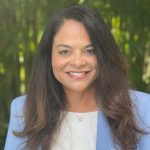
Follow OnPay on LinkedIn, Facebook, and Twitter

Tagged With: Lori A. Manns, quality media consultant group

Jason Rubottom With Cloverly

April 7, 2023 by Jacob Lapera

Atlanta Business Radio
Jason Rubottom With Cloverly
Loading
00:00 /
RSS Feed
Share
Link
Embed

Download file

In this episode of Atlanta Business Radio, Lee Kanter chats with Jason Rubottom from Cloverly, a climate tech company in Atlanta. They talk about carbon credits, which are a way to fight climate change by removing or avoiding CO2 from the atmosphere to make up for emissions elsewhere.

Jason explains how Cloverly fits into the carbon credit marketplace and how it helps with climate action. They also discuss how carbon credits play a role in achieving net-zero goals and how companies pay for them to remove CO2 from the atmosphere. Jason stresses the importance of companies taking steps towards sustainability goals, even if it’s not perfect. 

** Correction: While Jason is discussing carbon credit and how 80% needs to come from decarbonization, and that it would still require 20% of the solution to come from carbon removal, the correct number is about 10 billion tons of CO2 per year, not 1 billion. **

Jason Rubottom is the CEO of Cloverly, a technology-powered climate action platform for carbon removals that enables companies in financial services, logistics, e-commerce, and more to build sustainable solutions for their customers.

Before Cloverly, he was an Entrepreneur-In-Residence (EIR) with Engage Ventures and a consultant and advisor to various startups. He was previously the CEO of Ally Commerce, an e-commerce software company recognized as one of the fastest-growing companies in America for several years in a row. Before Ally Commerce, he was the General Manager for two of eBay’s emerging businesses.

Before that, he spent seven years as a generalist in management consulting for companies such as Microsoft and Expedia – first at Accenture, a global management consulting firm, and later at Revel Consulting, a technology consulting firm. He obtained his MBA at the Kellogg School of Management and his BBA at Pacific Lutheran University (PLU).

Connect with Jason on LinkedIn.

What You’ll Learn In This Episode

  • About Cloverly’s technology
  • Climate Tech is an incredibly dynamic field, how Jason and the Cloverly team are evolving to keep pace
  • Where Cloverly sees the climate change conversation headed in 2023

This transcript is machine transcribed by Sonix

TRANSCRIPT

Intro: [00:00:04] Broadcasting live from the Business RadioX Studios in Atlanta, Georgia. It’s time for Atlanta Business Radio. Brought to you by on pay. Atlanta’s New standard in payroll. Now, here’s your host.

Lee Kantor: [00:00:24] Lee Kantor here another episode of Atlanta Business Radio, and this is going to be a good one. But before we get started, it’s important to recognize our sponsor, Onpay. Without them, we couldn’t be sharing these important stories. Today on Atlanta Business Radio, we have Jason Rubottom with Cloverly. Welcome, Jason. Thank you for having me. I’m so excited to learn what you’re up to. Tell us about Cloverly how you serving folks.

Jason Rubottom: [00:00:48] Yeah, Cloverly is a venture backed climate tech company in Atlanta. We’re basically a platform for climate action that allows any company or consumer to take climate action through carbon removal.

Lee Kantor: [00:01:04] For people who aren’t familiar with this concept, can you share a little bit about this carbon credit marketplace? Like, what does it mean? How does it work?

Jason Rubottom: [00:01:14] Yeah, sure. So a carbon credit sometimes used synonymously with carbon removal or carbon offset. It’s basically a mechanism to fight climate change. And essentially a carbon credit is the removal or avoidance of CO2 from the atmosphere in order to compensate for emissions somewhere else. So basically they’re typically for example, there would be a company like a Fortune 500 and they have sustainability goals and they’re trying to address that through different means, one of which is decarbonization, renewable energy, fleet, electrification. Et cetera. But even with all of that, they still will have a significant amount of unavoidable emissions that still have to be addressed, or else we won’t come anywhere near the goals laid out in the Paris Agreement for climate change. And so in that case, the corporate would effectively be willing to pay another party to remove or sequester CO2 from the atmosphere. So there are different ways to do that. Different parties that would do that for them. And one example is tree planting trees absorb carbon from the atmosphere. Another example could be there are lots of human engineered solutions such as direct air capture, and in that case, there’s literally a machine sucking CO2 out of the atmosphere and storing it underground permanently. And so that’s what a carbon credit is. And the reason that’s important is if you look at the what’s needed to solve climate change, look ahead to the year 2050, in a net zero world that we have to get to, about 80% of that has to come from decarbonization. Examples that I mentioned a minute ago. However, that still requires 20% of the solution to come from carbon removal. That’s about a billion tons of CO2 per year. So it’s a massive amount. And so we have to scale to that from a market today where it’s a lot less than that. But that’s a very critical role in the fight against climate change. And that’s how Cloverly fits in, is we’re a platform that facilitates that climate action through carbon credits.

Lee Kantor: [00:03:23] So now let me see if I understand this. There’s on one side of the ledger are people that are creating a lot of carbon, right? There’s a lot of CO2 being emitted in a variety of ways in a lot of organizations. And then on the other side of the ledger are people that are doing things to remove carbon dioxide. And so obviously, we wouldn’t be having this problem if there were more people on the side of the ledger removing carbon dioxide. And that’s just not the case right now.

Jason Rubottom: [00:03:56] Yeah, that’s that’s correct. We there there are so many emissions and so many unavoidable emissions today. Much of this is unfortunately, that we’re past the point where we can just start to reduce our emissions through decarbonization. There’s already too much CO2 in the atmosphere, so it has to be removed. But also you look at decarbonization, things like renewable energy and fleet electrification that will take several decades to get there. And so even again, in a net zero world year 20, 50, 20% of that still will require carbon removal because even then we’ll still have some unavoidable emissions. And so that’s kind of how this all fits together.

Lee Kantor: [00:04:40] So now on the side of the ledger that the people that are emitting a lot of CO2, they have to pay a fine or a fee to these people to encourage them to remove more. Is that where the fee is going?

Jason Rubottom: [00:04:58] Yeah, the buyer, let’s say it’s a corporate and it could also be the corporate customers who could even be consumers and they could empower the consumers to take action. For example, in e-commerce, letting the consumer opt in to make their shipment carbon neutral might only cost them $0.02, for example. But that kind of starts with the corporate and the corporate will have a net zero goal. For example, there’s an exponential growth in the number of companies out there with net zero goals, and for almost all of them, they can’t reach net zero without carbon credits as a part of that. And so they will effectively buy a carbon credit, which is effectively paying someone called a project developer like a tree planter, to go in and implement that project that removes the CO2 and there’s a lot of science behind it and things like the type of tree and the soil composition and there’s a whole science to it. And they get that verified by an independent third party that those claims are accurate about the CO2 removal. Et cetera. And then the corporate who paid them for that effectively gets a claim that they almost like proof verification that they contributed to this amount of carbon removed from the atmosphere. And that is that is a part of their overall net zero goal. Another illustration of that would be in many countries, especially in Europe, there’s actually a carbon tax. And so companies are literally taxed on their carbon emissions and so that encourages them to decarbonize and just avoid emissions in general. However, again, they still have lots of unavoidable emissions and so it is often more cost effective for them to buy carbon credits. In other words, pay a project developer a carbon credits, pay them to remove that carbon out of the atmosphere for them rather than paying the carbon tax itself.

Lee Kantor: [00:07:01] But I’m still confused now. The one I understand people are emitting too much CO2 and say in my organization I’m emitting a million CO2 units and I say, You know what? I want them all to be kind of zeroed out in this ledger. If I say I’m going to pay whatever I got to pay. And to get on the other side of the ledger, is that money actually removing that a million units of CO2 or is it just going to these people that at some future time, a million my a million units will be removed?

Jason Rubottom: [00:07:40] It’s going to projects where the CO2 has actually been removed. So an example would be with direct air capture. This machine sucks CO2 out of the air and then stores it underground permanently or for at least a thousand years. And then a third party independent party comes and verifies that that has happened and that the claims are accurate and specifically the amount of CO2 that has been removed. It’s not until that point it’s officially verified that then the corporate can buy that from them. So yes, at that point it has already been done and it’s verified that the claims are accurate, that it’s going to be stored away for the amount of time that it’s claimed.

Lee Kantor: [00:08:26] But if everybody that’s emitting too much says I’m going to pay today, is there enough resources to remove all of the CO2 that’s being emitted today?

Jason Rubottom: [00:08:40] No, not even close. Frankly, we have a we have a a really significant challenge across the board for for climate change. There’s there is no silver bullet, unfortunately, whether it’s you look at these other levers we have like renewable energy and electrification of fleets and eliminating waste, etcetera, we need really need all of them. None of them will come even close to solving the whole problem. And so carbon credits is just one piece of that, that solution.

Lee Kantor: [00:09:14] But if if everybody who was emitting too much said, I’m going to pay my carbon credits to get to zero, that wouldn’t it would be impossible.

Jason Rubottom: [00:09:26] In today’s market. Yes. So, for example, today’s market, there’s about $1 billion worth in carbon credits purchased annually. And that is a directional reflection of how much supply is available. It’s a reflection of how much capacity there is in the market. However, based on all the forecasts, this market is expected to be at least 50 billion by the year 2030 and 1 trillion by the year 2050. And so that is the kind of scale that is literally needed for us to reach the goals laid out in the Paris Agreement regarding climate change. But I will say that’s not that unique to carbon credits. That’s the kind of scale that we need to reach across the board. You know, things like fleet electrification or renewable energy. That’s the kind of scale we need across all of climate tech.

Lee Kantor: [00:10:24] Now, is there kind of exponential growth in the side of the ledger that’s removing the CO two? Is there as much effort and startup excitement in on that side to just come up with new innovative ways to remove more and more CO2?

Jason Rubottom: [00:10:43] Yeah, there is. It’s quite exciting, actually. There’s. There’s an incredible amount of investment going into this space to invest into projects that are removing CO2 and many different technologies from direct air capture to biochar and utilizing the ocean and seaweed. Lots of different technologies and governments are providing significant incentives and tax credits and subsidies across many different countries. Even the recent, you know, IRA, the Inflation Reduction Act in the US incorporated some of that for direct air capture. So there is a lot of that actually. Yes.

Lee Kantor: [00:11:24] Now when a carbon carbon credit is purchased, does any of the money go to those startups or those innovators that are actually removing the CO2?

Jason Rubottom: [00:11:36] It does. Yeah. It’s the, the generally they’re called the project developer who’s effectively removing that CO2 and creating the carbon credit, if you will, the carbon offset. And so yes, they are the ones that are getting paid directly on that.

Lee Kantor: [00:11:52] So that’s so every kind of dollar that’s invested in carbon credits is going to someone who’s whose mission is to solve the problem and remove the CO2.

Jason Rubottom: [00:12:06] It would come from them or through an intermediary.

Jason Rubottom: [00:12:11] That’s that’s helping you think about the the buyer side of the market. There are many, many different types of buyers, whether it be based on company size or geography or industry. They’ll have different needs. And even think about buyer size all the way down to mid-market and small and medium sized businesses and even consumers. It’s effectively a really significant and nuanced market. So each of those different markets of buyers will have their own needs. And so there are many ways in which they need to be served. And so there will be different like in other industries, you’d often think of them as like there could be a marketplace or a value added reseller, so there will be many of those helping the project developers serve the end buyer.

Lee Kantor: [00:13:05] And then Clover Lee’s place in this marketplace is kind of to help facilitate and move those carbon credits to the people who need them.

Jason Rubottom: [00:13:15] Yeah, that’s correct. So you think about the the carbon credit market and it has it’s very early immature market and it has some pretty significant challenges that have to be overcome in order for it to scale and really make the the impact that is needed and expected. It’s a highly opaque and fragmented market near impossible for someone to just go identify what projects are out there for me to contribute to. What are the details? What’s the true impact of it? How much does it cost? How much can I trust this? And it’s almost like e-commerce in 1990 where it didn’t really exist and it needed a lot of digital infrastructure to be built for it to scale. And so these are the problems that cloverleaf solving as, as a marketplace we’re bringing, we’re making it digital connecting buyers and sellers, using software to connect them and surface data so that buyers can access everything available and provide transparency to them about all the project information so they know what the most meaningful projects are and and the prices and build trust allow them to take action. And also to do this very easily. Because today a buyer historically would it would feel like searching for a needle in a haystack if they were searching for carbon credits. And so those are the things that we’re solving for as a marketplace.

Lee Kantor: [00:14:47] And so the way it would work, a company on either side of the ledger just goes to cloverly. And if they are looking to buy the credits, then they say, okay, I have. Or is there a tool that lets me know first how many credits I need? Is there any type of way to kind of guesstimate or get a good idea of how many, how much carbon I’m emitting? Because it may not be obvious to the eye. You may not have like a manufacturing plant that smokes bellowing outside you like you mentioned e-commerce companies like they you know, it could an e-commerce company in today’s world could be somebody sitting in their basement you know selling stuff on eBay. But but the shipping, I guess, would create the emissions that needed to be offset.

Jason Rubottom: [00:15:36] Yeah, that’s a great point. And yeah, so I’ll break it down by supply and then demand the two sides of a marketplace.

Jason Rubottom: [00:15:44] On the supply side. We this, this.

Jason Rubottom: [00:15:47] Side of the marketplace is fairly typical in the sense that we allow suppliers, these project developers, to list their projects and all the project information right there for the buyers to evaluate, etcetera, and to be able to purchase. And the other thing we do that’s perhaps atypical for a marketplace is we provide this layer of quality curation because not all projects have the same level of impact per se. So there’s this, there’s this issue of quality and trust. So we brought in in-house.

Jason Rubottom: [00:16:23] Climate science.

Jason Rubottom: [00:16:23] Expertise and evaluated the quality of of these projects about 7500 globally. And we effectively provide quality curation and we’re providing less than 10% of the projects globally because we vet and select the ones that are of highest quality. But that’s the supply side, mostly typical for a marketplace. The demand side is where it gets nuanced, but there are two main ways in which a customer on the on the demand side of the marketplace could could utilize Cloverly one is a direct purchase where a head of sustainability or a head of ESG for a corporate can come directly to cloverly and purchase a portfolio of carbon credits, high quality, diversified across different geographies or technologies. Et cetera. And then the second product is any company can utilize Cloverly software to embed climate action into their product. So that could be an e-commerce company building cloverly into their checkout and enabling carbon neutral shipping and checkout. It could be in travel such as carbon neutral flights, it could be other forms of shipping like B2B shipping. It could be lots of financial products such as credit cards, allowing.

Jason Rubottom: [00:17:49] The credit card holders, whether it’s.

Jason Rubottom: [00:17:51] Consumers or even businesses, to estimate their carbon footprint from their credit card transactions and then allow them to take action, contribute to carbon removal. And yes, to your point, we provide calculations for for those. But we also a lot of this is it’s enablement and making this accessible for for companies depending on their situation. So many companies to your point have have a different third party calculate their entire footprint whether that’s a consultant or a software company which is called carbon accounting software. And then whoever does that for them, whoever does the carbon accounting for them, would then partner with Cloverly for them to offset some of their unavoidable emissions. And in that case, they can actually bring our technology, integrate us into their application so that their customer, some company can see their carbon footprint and have all this advice on how they can decarbonize, reduce their emissions. And then also right there is a page where they can purchase offsets. So it’s sort of a seamless experience.

Lee Kantor: [00:18:59] Now, what is kind of the ballpark like what is a carbon credit cost and how like like you mentioned how you calculate it, But like is it a huge number for all these companies Like like is there a way to give us an idea of of how much money we’re talking about when it comes to offsetting carbon credits for a different types of industries?

Jason Rubottom: [00:19:22] Yeah. Yeah. So a carbon.

Jason Rubottom: [00:19:24] Credit is.

Jason Rubottom: [00:19:25] Sold in units of.

Jason Rubottom: [00:19:28] One metric ton.

Jason Rubottom: [00:19:30] And so they’re sold in terms of a price per metric ton. That’s the price per credit. And there’s a wide range anywhere from roughly $5 per metric ton to $1,000 per metric ton. The reason there’s such a wide range is.

Jason Rubottom: [00:19:49] There are actually a few different reasons.

Jason Rubottom: [00:19:50] The biggest is that. The in the range of 50 to $1000 per metric ton is the human engineered solutions that are early stage, such as the direct air capture, and they play a really significant role in the solution long term. But they’re new now and they haven’t scaled yet. And so just like.

Jason Rubottom: [00:20:14] Anything, they.

Jason Rubottom: [00:20:15] Lack those economies of scale and they haven’t brought the cost curve down. But these are choosing to invest at least some of their money into those types of carbon credits. One, because they still are they’re of the highest quality because they’re definitely, unequivocally removing the carbon from the atmosphere, there’s no question there. But also they’re permanent rather than only removing the carbon for 50 years, for example. So they’re of the highest quality. That’s one reason many corporates would still buy that. But the second reason is that they want to.

Jason Rubottom: [00:20:50] Support.

Jason Rubottom: [00:20:51] These emerging technologies. Now because when, let’s say, think about roughly the year 2030.

Jason Rubottom: [00:20:58] Which is when a lot of these corporates.

Jason Rubottom: [00:21:00] Net zero commitments begin to come into play, they they will not be even close to decarbonize yet. And so they’re going to have a heavy dependance on carbon removal and therefore we need to start scaling that now and then that scale will help bring down that price to something that’s more viable. So that’s why you see such a wide range of costs of carbon credits and why many companies still invest in the more expensive ones.

Lee Kantor: [00:21:28] But is it a ton? A lot? Like, what is that like?

Jason Rubottom: [00:21:35] Yeah, for for perspective, the.

Jason Rubottom: [00:21:38] Average American average American’s own.

Jason Rubottom: [00:21:44] Individual carbon footprint is about 15 tons per year.

Lee Kantor: [00:21:49] So like a little over a ton a month.

Jason Rubottom: [00:21:53] Yeah.

Lee Kantor: [00:21:55] And so if individuals want to do this, can they do this? Can they buy their ton a month from you?

Jason Rubottom: [00:22:04] Yeah, they could buy it. Not directly from Clovelly, but from.

Jason Rubottom: [00:22:08] Clovelly partners, for example.

Jason Rubottom: [00:22:11] Their credit card. We’re already live in a bit of a soft launch that’s not being publicly promoted yet, but.

Jason Rubottom: [00:22:20] We’re.

Jason Rubottom: [00:22:21] Already live through a product offering that’s available to 24 million card members in the US and that will become much more visible over time at the very recent launch. But you will see, we will all see in the next couple of years this will become almost ubiquitous. All of us will be able to see our own carbon footprints through our credit card transactions. So that’s a common one. And then those other examples I mentioned, like e-commerce and flights, we’re going to see a significant number of options for that as consumers all around us on a day to day basis. And in those cases, that’s the second product of the two that I mentioned for Cloverleaf’s demand side of its marketplace, where we provide that software that allows the company to offer that to their customers and they basically build that into their product or their customer experience.

Lee Kantor: [00:23:12] So what do you need more of right now? How can we help? Do you need you know, you’ve got to fill both sides of the marketplace, obviously.

Jason Rubottom: [00:23:22] Yeah, I think.

Jason Rubottom: [00:23:25] The biggest thing is companies taking action now. It doesn’t have to be everything. It’s progress over over perfection and start trying something. Whether it be providing an offering to your customers and or start contributing to carbon removal toward your own sustainability goals and have a plan. Again, progress over perfection and start thinking about multiyear commitments because we do have to start now. I think that’s the biggest thing as a company that’s growing in a market.

Jason Rubottom: [00:24:03] That has to.

Jason Rubottom: [00:24:04] Scale really fast. Naturally, our our biggest constraint is just hiring a large number of really, really talented people as quickly as possible, which is frankly going quite well. But if there’s any folks out there who are passionate about climate making a difference, then we are hiring, hiring a lot. And feel free to check that out@cloverlay.com.

Lee Kantor: [00:24:29] So with cloverleaf.com, that’s the best way to get ahold of you or somebody on your team if somebody wants to learn more. Yeah. Well, Jason, thank you so much for sharing your story today. You’re doing such important work and we appreciate you.

Jason Rubottom: [00:24:44] Yeah. Thank you for having me.

Lee Kantor: [00:24:46] All right. This is Lee Kantor. We’ll see you all next time on Atlanta Business Radio.

About Our Sponsor

OnPay’sOnPay-Dots payroll services and HR software give you more time to focus on what’s most important. Rated “Excellent” by PC Magazine, we make it easy to pay employees fast, we automate all payroll taxes, and we even keep all your HR and benefits organized and compliant.

Our award-winning customer service includes an accuracy guarantee, deep integrations with popular accounting software, and we’ll even enter all your employee information for you — whether you have five employees or 500. Take a closer look to see all the ways we can save you time and money in the back office.

Follow OnPay on LinkedIn, Facebook, and Twitter

Tagged With: Cloverly, Jason Rubottom

Hunter Ewing With High Ground Company

April 6, 2023 by Jacob Lapera

Atlanta Business Radio
Hunter Ewing With High Ground Company
Loading
00:00 /
RSS Feed
Share
Link
Embed

Download file

In this episode, Lee Kanter chats with Hunter Ewing from High Ground Company, an insurance advisory firm. They get into the nitty-gritty of life insurance and how it’s not just a boring expense. They talk about how it can actually be an asset and give some examples of when it’s a total no-brainer to have it, like in business succession planning and estate tax planning for rich folks.

Hunter stresses the importance of bringing up life insurance in financial planning talks with advisors and consultants. They also touch on the tricky topic of business succession planning and how to figure out how much a business is worth for insurance purposes. Hunter even spills the tea on how much life insurance costs and how the industry is always changing.

In 2019, Hunter Ewing and ​​Bo Wilkins co-founded High Ground Company. High Ground Company is an Atlanta-based boutique wealth consultancy that uses creative insurance strategies and planning to achieve meaningful success for you and your family.

Taking a broader view of wealth to spot new paths to success, High Ground safeguards personal assets, protects against family liability risk, supports legacy planning and enhances the value of closely held businesses. With more than 52 years of combined experience, High Ground Company delivers concierge service that yields expert results.

Connect with Hunter on LinkedIn.

What You’ll Learn In This Episode

  • High Ground’s Business Offerings: Life Insurance, Private Lines (Property & Causality) and Business Succession Planning
  • Legacy Building for Businesses & HNW Families
  • Industry trends, such as the rise of caretaking for the mid-generation

This transcript is machine transcribed by Sonix

TRANSCRIPT

Intro: [00:00:04] Broadcasting live from the Business RadioX Studios in Atlanta, Georgia. It’s time for Atlanta Business Radio. Brought to you by on pay. Atlanta’s New standard in payroll. Now, here’s your host.

Lee Kantor: [00:00:24] Lee Kantor here another episode of Atlanta Business Radio, and this is going to be a good one. But before we get started, it’s important to recognize our sponsor, Onpay. Without them, we couldn’t be sharing these important stories. Today on Atlanta Business Radio, we have Hunter Ewing with High Ground Company. Welcome, Hunter.

Hunter Ewing: [00:00:43] Thank you, Lee. It’s great to be here.

Lee Kantor: [00:00:44] Well, it’s great reconnecting with you. For the folks who don’t know, can you tell us a little bit about high ground, how you serving folks?

Hunter Ewing: [00:00:52] Well, thanks, Lee. We are an insurance advisory firm. Lee We have a particular niche in using life insurance products to help folks, in many cases with tax planning, with business planning, sometimes philanthropic planning. So these are more sort of tactical strategic uses of life insurance planning, many times driven off of those things, as well as just the tax benefits of life insurance. So we look a lot like a consulting firm, I guess, is what I would say.

Lee Kantor: [00:01:23] So can you share some maybe some misconceptions about life insurance that folks aren’t aware of?

Hunter Ewing: [00:01:30] Well, that’s a I appreciate the question. That’s a that’s a great question. I think I think one of the biggest misconceptions about life insurance is that it is a cost. And let me differentiate that. I think of life insurance as an asset. And the reason I think of it that way is because like anything that you put money into and you know something is going to come out of it in the future, you can sort of say, All right, what’s the investment return or the internal rate of return on doing that? And that looks a lot like an asset. So if I put money into a real estate, whatever, something’s going to happen in the future where there’s going to be a return and that’s an asset. So I think a big misconception is just that it’s a cost or an expense. When I think of it more as an asset.

Lee Kantor: [00:02:14] Is it because by using having the word insurance as part of the name, that people look at it that way, that this is, you know, in case everything goes bad, something will be there. Hopefully they don’t they don’t kind of look at it as an investment.

Hunter Ewing: [00:02:29] Yeah, I think that’s absolutely right. Lee, I think also in all candor, you know, our our industry has not done itself any favors in some ways in the sense that, you know, many people have purchased life insurance products that have not been adequately serviced over time and they haven’t provided the the the outcome that was originally intended. You know, that’s an issue. I think also candidly, I think just kind of the nature of the beast, it’s difficult sometimes for folks to discuss and think about their own mortality. That can be an issue. But, you know, I think one thing I would just say is if you sort of strip away the word and the name life insurance and you sort of look at it on an economic basis, you look at it and go, man, that’s a very efficient financial product. And the right set of circumstances can really can really be helpful for whatever someone is trying to accomplish. Doesn’t fit every need, but it certainly can be very useful in the right situation.

Lee Kantor: [00:03:24] But if you’re planning, you know, if you’re working with a financial advisor or a wealth consultant, it should be part of the conversation, right? This isn’t something that you just immediately just take off the table.

Hunter Ewing: [00:03:37] I would think so. And candidly, that’s really a lot of our business is referred to us from other financial advisors, many of them in the wealth management asset management world. Lots of our business comes from attorneys that specialize in tax planning CPAs. But yeah, absolutely. You know, we see we see some of the wealth management firms really appreciate the role of life insurance in a client’s overall financial planning.

Lee Kantor: [00:04:08] Now, can you share like a hypothetical example of where this is like a no brainer that people should be at least considering it? Like, what is a scenario where this would be kind of a kind of no brainer move?

Hunter Ewing: [00:04:24] That is a great, great question. I’ll try to keep it short and sweet. I think two things come to mind, Lee. If you and I own a business together and it’s a very valuable business and something happens to me, my ownership in the business is going to go to Lisa, my wife. You got to have the means to cash to be able to buy Lisa’s interest out after I’m gone. So in this example, what a life insurance policy will do for each of us is it would give you the cash tax free that you would then use to buy life. Lisa’s interest in the business. And so from a business succession, what’s called buy, sell planning, I think life insurance is a no brainer. The other the other thing that comes to mind is if I’m a very, very high net worth family or individual and I have am subject to a potential estate tax in the future on transitioning my wealth to the next generation In my family, I can purchase a life insurance policy. Essentially what I’m doing in that case, Lee, is I’m buying cash in the future at a big discount. So just to pick a number, if I’ve got to if I face a $10 million tax bill in the future or my family does, I can buy $10 million of tax free capital by way of a life insurance policy for a lot less than $10 million. And so to me, that’s a no brainer.

Lee Kantor: [00:05:59] So now you’re talking about high net worth, folks. Is this something that like what’s a number that of net worth that you should consider at least having conversations about this? If somebody has $100,000, is net worth, is this something worth having a conversation on or is it, like you said, it’s got to be 10 million and above?

Hunter Ewing: [00:06:20] Well, there’s certainly let me let me answer the question this way. There are certainly great uses of life insurance, regardless of what someone’s someone’s wealth is. It happens that our our business is more focused on the high net worth market space, but but you know, for example, I don’t consider myself mega high net worth at all. And we’ve used my wife and I are using life insurance as a way to create some capital for our three kids and grandkids at some point in time by way of kind of a legacy creation strategy. So when we go, there’s a certain amount of money that’s going to go into a trust and sort of create some inheritance for our children and grandchildren someday. So, you know, I think it the the rules apply. Again, I would say to simplify it, if someone says I want to create some capital when I go for some reason, I want to create some cash tax free when I go for whatever the reason is, I think insurance is at least should be considered and taking a close look at.

Lee Kantor: [00:07:27] So now you mentioned that a lot of your work is done through referrals from people, I guess, who aren’t specialized in this niche as as you are. How do you kind of bubble up those opportunities for these folks? Is it just a hole in their offering that they don’t do this and they’re looking for an export, or is it something that you’ve established yourself as kind of a thought leader in this space?

Hunter Ewing: [00:07:52] Uh, wish I could call myself a thought leader. That’s. But the answer is that it’s taken. It takes a lot of time to develop trusted relationships with other advisors. There’s lots that goes into that, like personal chemistry, trust, confidence. But we’ve spent a lot of time over the years developing relationships that are trusted. These folks that we and it goes the other direction, too. We have a client, for example, who who maybe says, you know, gosh, I’m I would really like to have a new accounting advisor, a CPA that could be, you know, provide X, Y or Z. You know, we we have a great network of folks that we could refer based upon whatever they’re trying to accomplish. And it goes the same way. So we have spent a lot of time over the years developing relationships. We spend a lot of time regularly keeping our close relationships, educated on opportunities for insurance planning so that when there working with a client and the client says something that may trigger a thought where the advisor might say, you know, maybe that’s something we need to consider, let’s call high ground and at least do some analysis and figure out if it’s a good fit. Is there a problem that you have that the client has that maybe insurance can can help solve? So that’s our approach.

Lee Kantor: [00:09:17] Now, you mentioned one of the uses of insurance or life insurance is through this kind of succession planning for businesses. Is this something that I mean, you mentioned early, early that individuals don’t like to talk about their own mortality, but in business people, it’s probably even worse because they have their own mortality plus the mortality of their organization. So is that kind of even more difficult to even open these conversations with business owners?

Hunter Ewing: [00:09:47] Yeah, I think I think I don’t know if it’s more difficult, but it’s equally difficult. Um, and, you know, look, my partner, Beau Wilkins, and I own high ground company. Um, we’re, you know, just like all business owners. Busy, busy, busy every day with, you know, running and growing your business. And sometimes it’s just hard to sort of pull back and say, whoa, I need to take some time to really sort of think about this particular issue. And you sort of look at it and go, well, maybe it’s not, you know, going to create revenue today. It’s it’s a longer term sort of thought process. And I think that’s the thing that makes it difficult is just the fact that business, you know, business owners are busy people. They’ve got a lot of things that are happening every day, fires that pop up. And so, you know, allocating the time and energy and to think about these kind of things is just it’s just not easy.

Lee Kantor: [00:10:46] So what would it look like if you have like you and your partner, what does that conversation look like and how do you begin to even calculate what is the appropriate policy that the partners should have?

Hunter Ewing: [00:11:03] Well, that’s a great question. Let’s think about it this way. In a situation where perhaps maybe an attorney has introduced us to his or her client and they’ve already discussed the importance of sort of business succession planning, then the issue is already on the table. And the the prospective client, the business owner is, you know, sort of of a mindset that they want to sort of focus on it and discuss it, you know, in a situation like that. Lee We would we would have a meeting with the client and those advisors to really so that we could understand firsthand what their concerns are and what what they were trying to accomplish. On the other hand, if it’s sort of a more traditional sort of organic situation where maybe we just meet someone and and that previous conversation has not happened, you know, we would we would take the approach again of from really the ground up to learn about them, learn about their family, learn about their business, learn about what’s important to them, what are their concerns, and go about it in a more traditional manner. Did that answer your question?

Lee Kantor: [00:12:13] I’m just trying to get I’m trying to look at it through the lens of a listener that has a business and they have a partner and maybe they’re getting older. It’s like you said, they were busy. This didn’t even occur to them that the tax ramifications and the logistics of, okay, what am I going to do? One of us, you know, you know, is not here anymore. You know, now I’ve got to deal with their spouse. I got like it’s all these unintended consequences that occur, you know, once that domino falls. So so like, say they wrangle their partner and they say, okay, Hunter, what what do we do? Like, do I get an appraisal for the company so I know the value, Like, how am I going to logistically, you know, get this policy so that I can take this worry off my plate?

Hunter Ewing: [00:13:01] Yeah, that’s a great that’s a great question. So I think that’s right. I mean, we would certainly in that kind of case, we need to we need to assign an accurate value for it. So we work with accounting firms and valuation firms that would do that, that very that very thing. I will tell you that at least sometimes we’re involved in a project right now and these two fellows own a very successful business. And as simple as it sounds, we said to them, Look, hey, Bob, what is the you know, if you were going to sell to to Jeff today, what is the minimum value you would take for that? And they sort of sat back and, you know, sort of looked at each other and laughed and made a couple of jokes. But they finally came back and said, you know what? In all seriousness, if I were out of here, if I were just going to sell it and retire today, I would take no less than blank. And and so we talked about that more and really sort of drilled down on that. But at the end of the day, that’s the amount of protection that we’re we’re working off of.

Lee Kantor: [00:13:58] So it doesn’t really the a third party appraiser that’s nice to have. But the bottom bottom line is this is a negotiation between two partners, right? So the the value is in the eye of the beholder from that standpoint.

Hunter Ewing: [00:14:15] Yeah, that’s right. I think that’s exactly right. Um. But no doubt about it. Yeah, they and the other thing I would add to that is, you know, we certainly see situations I would we have clients that will ensure some of the risk that they have in some cases, not all of it. We certainly have clients that will ensure all of that value, but in some situations they also have other strategies that they incorporate with insurance, such as an installment type arrangement. Maybe. Lee you and I again own a business and it’s worth a lot of money. We might fund 50% of that potential buyout cost with insurance. And then we might say, okay, the rest is is sort of paid out over time or a lot of times we’ll get a question about, okay, well, my business is worth X today, but certainly we hope it’s going to be worth more in the future. What you know, what insurance value should we work off of? And we can certainly say, all right, you know, let’s let’s insure the value today. We can even buy forward a little bit and increase the value based upon anticipated growth. But in a lot of cases, Lee, they might say, all right, the value is X today and anything over that amount, we’re going to, you know, handle by way of some kind of installment payout or loan arrangement, something like that. So, you know, it’s all the above.

Lee Kantor: [00:15:33] Now, if somebody’s like, say, they say, okay, our business is worth $1 million and I want to get $1 million of life insurance in case one one of us goes, What is the like, how much is $1 million worth of life insurance or is there a flat amount of money? Or is that thing depend on several variables.

Hunter Ewing: [00:15:54] Another great question. So it will depend upon the person’s age and their health and the type of product that they purchase. So there are different types of insurance products. Oftentimes people will use term life insurance, which is a great product for a short term need. Sometimes they’ll use a permanent life insurance product for kind of an indefinite need. So one of the really important things we try to understand and is where are they on that? Are they do they intend to maybe sell the business in the in the short term or in the future? We would in that case, we probably would recommend they buy term life insurance. On the other hand, like the fellas that I mentioned earlier, they’re saying, you know, this is this is no, we’re going to be here for the long haul and we want this protection to never go away. Well, in that case, we’re recommending permanent insurance. So all the things that you’re asking will be driven off of their age, their health, and the amount of insurance and obviously the type of insurance.

Lee Kantor: [00:16:54] So what would be kind of a range for $1 million like for a term and for permanent?

Hunter Ewing: [00:17:00] You know, I would say for term insurance, my sense would be call it 1000 or $1500 for every million, assuming someone is I’m 58 years old, $1 million of term insurance for someone in good health is probably $1,500 for every million dollars. And that would last about 20 years. Obviously, it’s kind of a good estimate if it’s a permanent insurance policy. The outlay might be 7 to 8 times that amount, but it’ll never go away. So that’s kind of the distinction. You’re buying a longer period of coverage and that just takes a higher amortized outlay.

Lee Kantor: [00:17:45] And that’s an annual fee. You’re paying that every year to maintain the insurance.

Hunter Ewing: [00:17:50] That’s right. And then they can be really, really customized. So today’s products are so much better than they used to be and they allow us to design the the policy so that, again, I’m going to pick on you and me. You know, we might say, look, you know, boy, we’re really doing well right now and we expect our business to be really, really strong for the next five years. We want to we want to knock this thing out and fund it over the next five years. And we don’t want to have to pay for it after that. You know, we could sort of design the the contributions to the policy to really to to pay it off or pay pay pay it up in five years. And so they’re very, very customizable this day in time.

Lee Kantor: [00:18:36] And that’s why you kind of need an expert. Right. This isn’t something if you were trying to Google this and try to figure it out on your own, you know you’re going to miss some stuff. You got to work with folks that are doing this every day.

Hunter Ewing: [00:18:49] Um, thank you. Yeah, I agree with that. You know, it sounds self-serving, but there’s a lot to it. And, um, it makes me think about. Here’s an analogy. You know, you can buy a a will or a trust or some sort of legal document off legal zoom, but you sort of get what you pay for and you really ought to have a good attorney. I know it’s sometimes it’s expensive, but those folks are invaluable and a good accountant, they are invaluable and a good wealth management person. You know, instead of trying to do it yourself, they’re going to be invaluable. So, you know, we think of ourselves, I guess, in that same same vein, right?

Lee Kantor: [00:19:29] It’s one of those things you don’t know what you don’t know. And these people are kind of going over this every day. They’re paying attention to the trends and the little nuances of this stuff that you might miss because you have a real job. You know, you have another job that’s not this and this is their job.

Hunter Ewing: [00:19:46] Yeah. And the one thing that comes to mind is you said that is it’s so important to have a good team. And I think that’s one of the things that we enjoy about our work is we get to work with other advisors and really put our heads together with them and, you know, figure out the right approach for the client together, get the attorney’s perspective, get the accountant’s perspective, get everybody’s thoughts on the table. 99 times out of 100, that creates the best, best outcome.

Lee Kantor: [00:20:15] Now, are there is this an industry that changes a lot or are there new things coming, new offerings coming like every day and you got to be on top of this? Or is it something that, you know, this thing is what it’s been?

Hunter Ewing: [00:20:27] Yeah, man, that is a you’ve got some great questions today. It changes all the time. And there there are a handful of things that change. The products change a lot. One of the things that was really, um, was really helpful, I think, about COVID was the fact that it really forced insurance companies. Insurance companies, for probably a good reason, have gotten a bad rap on their on their technology and on their implementation systems and what have you. And man, COVID really, really forced them to get in the game from a technology standpoint. And so a good example would be, you know, when someone buys insurance historically, they have to go. They have to have an examiner come see them and get a blood sample and urine sample and this stuff to to, you know, prove they’re in good health. Today’s world, that still happens in some cases, but more and more frequently now, technology is coming into play where some of that underwriting can be done without those kinds of things. So and we know the companies that do that and we know the companies that are easy to work with and and that changes all the time. Um, products change. It’s a very, very competitive market. Insurance companies are always trying to out develop each other on the product development side. Um, they’re constantly coming out with new products or tweaks to existing products. And yeah, a big part of our job is to stay on top of all that stuff and know what’s happening in the market so we can bring the best potential solution to our clients.

Lee Kantor: [00:22:02] Well, if somebody wants to learn more, have a more substantive conversation with you or somebody on the team, what’s the website? What’s the best way to get ahold of you?

Hunter Ewing: [00:22:09] It is W-w-w dot High Ground company.com W-w-w dot high ground company.com. And we are here in Atlanta right over by Powers Ferry in 285. But our business is all over the country and we would be happy to help take a phone call or arrange an appointment to learn more, see what we could see if we could help.

Lee Kantor: [00:22:34] Well, Hunter, thank you so much for sharing your story today. You’re doing such important work and we appreciate you.

Hunter Ewing: [00:22:40] Thank you. Lee. It’s been it’s been fun. I’ve really enjoyed it.

Lee Kantor: [00:22:42] All right. This is Lee Kantor. We’ll see you next time on Atlanta Business Radio.

About Our Sponsor

OnPay’sOnPay-Dots payroll services and HR software give you more time to focus on what’s most important. Rated “Excellent” by PC Magazine, we make it easy to pay employees fast, we automate all payroll taxes, and we even keep all your HR and benefits organized and compliant.

Our award-winning customer service includes an accuracy guarantee, deep integrations with popular accounting software, and we’ll even enter all your employee information for you — whether you have five employees or 500. Take a closer look to see all the ways we can save you time and money in the back office.
Follow OnPay on LinkedIn, Facebook, and Twitter.

Tagged With: High Ground Company, Hunter Ewing

  • « Previous Page
  • 1
  • …
  • 36
  • 37
  • 38
  • 39
  • 40
  • …
  • 117
  • Next Page »

Business RadioX ® Network


Our Most Recent Episode

CONNECT WITH US

  • Email
  • Facebook
  • LinkedIn
  • Twitter
  • YouTube

Our Mission

We help local business leaders get the word out about the important work they’re doing to serve their market, their community, and their profession.

We support and celebrate business by sharing positive business stories that traditional media ignores. Some media leans left. Some media leans right. We lean business.

Sponsor a Show

Build Relationships and Grow Your Business. Click here for more details.

Partner With Us

Discover More Here

Terms and Conditions
Privacy Policy

Connect with us

Want to keep up with the latest in pro-business news across the network? Follow us on social media for the latest stories!
  • Email
  • Facebook
  • Google+
  • LinkedIn
  • Twitter
  • YouTube

Business RadioX® Headquarters
1000 Abernathy Rd. NE
Building 400, Suite L-10
Sandy Springs, GA 30328

© 2025 Business RadioX ® · Rainmaker Platform

BRXStudioCoversLA

Wait! Don’t Miss an Episode of LA Business Radio

BRXStudioCoversDENVER

Wait! Don’t Miss an Episode of Denver Business Radio

BRXStudioCoversPENSACOLA

Wait! Don’t Miss an Episode of Pensacola Business Radio

BRXStudioCoversBIRMINGHAM

Wait! Don’t Miss an Episode of Birmingham Business Radio

BRXStudioCoversTALLAHASSEE

Wait! Don’t Miss an Episode of Tallahassee Business Radio

BRXStudioCoversRALEIGH

Wait! Don’t Miss an Episode of Raleigh Business Radio

BRXStudioCoversRICHMONDNoWhite

Wait! Don’t Miss an Episode of Richmond Business Radio

BRXStudioCoversNASHVILLENoWhite

Wait! Don’t Miss an Episode of Nashville Business Radio

BRXStudioCoversDETROIT

Wait! Don’t Miss an Episode of Detroit Business Radio

BRXStudioCoversSTLOUIS

Wait! Don’t Miss an Episode of St. Louis Business Radio

BRXStudioCoversCOLUMBUS-small

Wait! Don’t Miss an Episode of Columbus Business Radio

Coachthecoach-08-08

Wait! Don’t Miss an Episode of Coach the Coach

BRXStudioCoversBAYAREA

Wait! Don’t Miss an Episode of Bay Area Business Radio

BRXStudioCoversCHICAGO

Wait! Don’t Miss an Episode of Chicago Business Radio

Wait! Don’t Miss an Episode of Atlanta Business Radio