
Business RadioX ®

  • Home
  • Business RadioX ® Communities
    • Southeast
      • Alabama
        • Birmingham
      • Florida
        • Orlando
        • Pensacola
        • South Florida
        • Tampa
        • Tallahassee
      • Georgia
        • Atlanta
        • Cherokee
        • Forsyth
        • Greater Perimeter
        • Gwinnett
        • North Fulton
        • North Georgia
        • Northeast Georgia
        • Rome
        • Savannah
      • Louisiana
        • New Orleans
      • North Carolina
        • Charlotte
        • Raleigh
      • Tennessee
        • Chattanooga
        • Nashville
      • Virginia
        • Richmond
    • South Central
      • Arkansas
        • Northwest Arkansas
    • Midwest
      • Illinois
        • Chicago
      • Michigan
        • Detroit
      • Minnesota
        • Minneapolis St. Paul
      • Missouri
        • St. Louis
      • Ohio
        • Cleveland
        • Columbus
        • Dayton
    • Southwest
      • Arizona
        • Phoenix
        • Tucson
        • Valley
      • Texas
        • Austin
        • Dallas
        • Houston
    • West
      • California
        • Bay Area
        • LA
        • Pasadena
      • Colorado
        • Denver
      • Hawaii
        • Oahu
  • FAQs
  • About Us
    • Our Mission
    • Our Audience
    • Why It Works
    • What People Are Saying
    • BRX in the News
  • Resources
    • BRX Pro Tips
    • B2B Marketing: The 4Rs
    • High Velocity Selling Habits
    • Why Most B2B Media Strategies Fail
    • 9 Reasons To Sponsor A Business RadioX ® Show
  • Partner With Us
  • Veteran Business RadioX ®

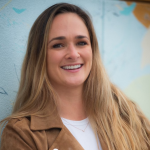
Cheryl Dodge With Time4Learning

March 31, 2023 by Jacob Lapera

South Florida Business Radio
Cheryl Dodge With Time4Learning
Loading
00:00 /
RSS Feed
Share
Link
Embed

Download file

DTLLogo-Blue-Bannerv2Cheryl Dodge comes to Time4Learning with a diverse background in business management, product development, and instructional design, primarily in the education technology sector. She began her career as a classroom teacher, having taught at the elementary, middle, and high school levels. A chance opportunity to teach mathematics to Marine Corps and Navy personnel via a distance learning program sparked her interest in education technology. Throughout her edtech career, she has expressed her passion for the learner by building innovative PK-12 products and creating transformative learning experiences.

Most recently, she was the chief product officer at Edmentum, leading product strategy and portfolio development. Prior roles include chief business officer at Pivot Learning, where she led business development and strategy for scaling and growing the organization, and vice president, technical product management at CTB/McGraw-Hill, where she provided strategic direction and leadership for large-scale assessment solutions. She holds a bachelor’s degree in liberal studies from Saint Mary’s College of California and a master of arts degree in curriculum and instruction, having graduated from Chapman University with honors.

She also holds a Multiple Subject Teaching Credential and a Cross-cultural Language and Academic Development certificate. She is active in her community, having started a recreational youth soccer program, and most recently, started and serves on the board of a nonprofit that aims to preserve natural spaces.

Connect with Cheryl on LinkedIn and follow Time4Learning on Facebook and Twitter.

What You’ll Learn In This Episode

  • Her background in the edtech industry
  • Some changes she noticed in K-12 education
  • What does the future hold for K-12 education and edtech innovations
  • Why is Time4Learning becoming the “school of choice” for many families in the U.S.

This transcript is machine transcribed by Sonix

TRANSCRIPT

Intro: [00:00:01] Broadcasting live from the Business RadioX Studios in South Florida. It’s time for South Florida Business Radio.

[00:00:08] Now, here’s your host.

Lee Kantor: [00:00:14] Lee Kantor here another episode of South Florida Business Radio, and this is going to be a good one. But before we get started, it’s important to recognize our sponsor, Diaz Trade Law, your customs expert today on South Florida Business Radio, we have Cheryl Dodge with Time4Learning. Welcome, Cheryl.

Cheryl Dodge: [00:00:33] Hi there. Thank you.

Lee Kantor: [00:00:34] I am so excited to learn what you’re up to. Tell us a little bit about time for learning. How are you serving folks?

Cheryl Dodge: [00:00:40] Sure. So Time for Learning is an organization that started in South Florida actually almost 20 years ago. And we are a home education organization, which means we offer software and services to families who are educating their children at home. So predominantly that means families who are homeschooling their children and this is pre-K to 12 in all 50 states as well as internationally.

Lee Kantor: [00:01:04] So what was the genesis of the idea? How did this get started?

Cheryl Dodge: [00:01:08] Yeah, our founder, John Edelson, years ago had spent time in the Silicon Valley, sort of in that that crew of people who were making lots of changes in the way that we use technology, particularly in gaming. And when he came out of an experience where he’d worked on building some games just for fun, he had this thought that he wanted to do something that was a little more value to society, something that would perhaps help others. So he took what he knew about the gaming industry and he came up with this idea of creating a curriculum, a program that was going to be served up online. This was in the early 2000 before people were really doing this, too. And it would give family access to a full curriculum so that they could educate their children at home. But he would do it in a way that the experience would be engaging, similar to some of the game design principles of those early years in the early 2000.

Lee Kantor: [00:02:05] And then that started locally and then just grew from there.

Cheryl Dodge: [00:02:08] It did. It started off with just a pre-K program, and then as the team built the program up, they added on additional grade levels until they got to all the way to 12th grade. So now we serve pre-K through 12th grade and it took a few years to do that, but it’s definitely been a program that has added value to families lives because of the flexibility it offers them, as well as the anytime, anywhere learning experience. So it’s become particularly during the pandemic, it was a great resource for families who were looking for an alternative experience for ensuring their kids had learning in the home when they couldn’t be in their brick and mortar.

Lee Kantor: [00:02:48] So how did the pandemic affect your company? Did that accelerate growth?

Cheryl Dodge: [00:02:54] Oh yeah, it absolutely accelerated growth. And the interesting thing is that years past, a lot of families thought that homeschooling wasn’t for them. That was perhaps more of a thing that only certain kinds of families could do, and they really didn’t have an awareness of how it could be so applicable to their particular family interests. And how their family values. And so through the pandemic, not only did our program grow exponentially, but I think parents awareness, they became much more savvy. They began to understand what they could do differently and that they actually had agency over their kids learning. So now that we’re coming, you know, we’ve come out of the pandemic, families are still homeschooling. In fact, while we’ve seen some settling, if you will, what we would call sort of recalibration, we’re seeing a lot of families who before the pandemic would never have considered themselves as a homeschooling family, are sticking with it because they love what it offers their children and what offers their family.

Lee Kantor: [00:03:52] For the person that has a child and is maybe considering homeschooling. Can you explain maybe some of the tradeoffs, some of the pros and cons of homeschooling versus traditional?

Cheryl Dodge: [00:04:02] Yeah. So I think there’s some misconceptions about homeschooling that I would love to disseminate because I think those can oftentimes make families think that homeschooling isn’t for them. So sort of on the face value, of course, homeschooling means you’re at home, you’re not in a brick and mortar setting. And so the first challenge that parents are very curious about and concerned about is socialization. The one thing that we always talk about with homeschooling is because it can be anytime, anywhere. Socialization is happening all the time. So through homeschooling groups, through homeschooling pods and meetups, sports arts, other types of activities, neighborhood friends. So the homeschooling families we serve, they really don’t complain about socialization being a problem. And in fact they find richer relationships because they create space and time for their children to have really rewarding connections. I think the biggest difference between traditional brick and mortar and homeschooling is in a traditional school. You have a classroom teacher or a set of teachers, depending on your student’s grade level, and that teacher is responsible for delivering the curriculum to your child and the learning experience. When you’re at home, you’re the teacher of record. And so. It’s your responsibility to do that. But with our program, one of the cool things is because we’re a structured homeschooling program, all the instruction is built into the courses.

Cheryl Dodge: [00:05:21] So for families who may be another potential barrier might have been fear or, gosh, I don’t know if I can teach chemistry, we can help them alleviate those very easily because the curriculum itself is fantastic and really supportive of the parents. I think the last thing about homeschooling that’s different from the traditional brick and mortar setting is that homeschooling is incredibly flexible and very efficient. So most of our families really only sit in front of a computer maybe 2 to 3 hours a day and their kids complete, if not the same amount of curriculum that their peer would in a brick and mortar setting, they oftentimes complete more. And the reason for that is that there’s efficiency in what they’re learning. There’s the ability for them to focus, and then that allows them time to do all kinds of other things. So, you know, they work on a farm. If they’ve got homeschooling groups that they go to, if their family takes them to museums and local areas of interest, if they have sports, they can play, It really creates a lot of flexibility for them to explore their passions and interests in ways that sometimes in a brick and mortar setting, they don’t really have the time to do that during the learning day.

Lee Kantor: [00:06:25] Now, if the family has more than one child at a different levels, like, say, first grade and seventh grade, is it possible to utilize time for learning to teach both of them and so that each of the children can learn at, you know, separately but together?

Cheryl Dodge: [00:06:42] Absolutely. We have different models that we suggest to families. The first one is if your family is capable of doing it and able, you get them each their own individual laptop so that they can be working at the same time. If that’s not possible, if the family’s finances don’t allow for that, you just stagger who’s on the laptop, at which time and when one student is doing their time for learning curriculum, another student could be doing their 20 minutes of reading. They could be working on an offline project. They could be doing chores around the house. They could be working on a passion or an interest activity. And so because the homeschooling structure is so flexible, it’s really not a problem for families. And the curriculum we offer is graded curriculum, grade level curriculum. And so families have no problem if they have multiple children having all of their kids use the curriculum. Each kid gets their their own access to their grade level content. And so parents, it’s very easy for them to track what their kids are doing, no matter what grade level they’re in and how many children they have.

Lee Kantor: [00:07:43] And then the experience would be accredited so they would be getting the same types of credit they would be if they went to a traditional brick and mortar school.

Cheryl Dodge: [00:07:53] There is a great question. So homeschooling is not an accredited school. So when a parent takes on homeschooling, they become the teacher of record. It is legal in all 50 states to homeschool, but that’s different than an accredited school. An accredited school is where a and it can be a virtual school. It can be a brick and mortar where kids go face to face. It could be a hybrid situation. In an accredited school, there’s a certain type of certification that comes from different governing bodies that basically looks at the overall program and deems it appropriate for that particular grade level. But the United States doesn’t require that for families. So homeschooling allows families to do their learning at home or anywhere they want to be on the road, have the same level of rigor that you would if you were in a brick and mortar classroom. In terms of the how challenging the content is for kids, but then the flexibility sort of sort of live their lives, That main difference is if families want an accredited solution, then that would be in a virtual school or a brick and mortar school, which could be private or public.

Lee Kantor: [00:08:57] So what if so if they’re part of time for learning, at some point, do they have to take a test or how do they get a high school degree and how do they get into colleges and all that stuff?

Cheryl Dodge: [00:09:08] Questions. So there’s a few different pieces to this. So every curriculum has curriculum based assessments, so it’s basically we remember those as, you know, those quizzes and tests you have to take. And there’s different ways because the program is sort of a interactive dynamic program. There’s different ways that we assess kids where it feels fun and exciting to them, and they would have to say, that doesn’t even feel like an assessment maybe that we remember back when we were in school. So that’s one way we know how kids are doing, and that information goes to parents in the form of reports so parents can look and see how their child is doing. They can have kids repeat lessons or chapters within the courses that they’re taking. It’s really up to the parent in terms of graduating. Every state has different requirements, so it’s up to the parents to make sure that the courses that they’re using from time for learning align to what the graduation requirements are in their state. And then the parent keeps a student portfolio and they are required by each state to show some level of evidence of learning.

Cheryl Dodge: [00:10:06] And when they do that, then the state basically says, okay, mom or dad, whoever’s been the primary parent in the. Teacher record. Show us what your child has completed. And so we just offer some templates for families to use. And so the parents actually responsible for recording all of their courses, both the courses that they use within Typekit learning and anything they’ve done offline, for example. So maybe they’ve taken a music class somewhere else or a dance class in a studio. Those can all count towards their graduation requirements. And then those transcripts are used to be sent to colleges of interest that children are looking to apply to and as well as to file with their respective school district or their state for making sure that they’re complying with any state regulations. It’s pretty easy for parents in most states. There are a few states that are a little more challenging in terms of the documentation, but it’s also very well received by colleges these days. So kids who go through homeschooling and they decide to go on to college generally do very, very well in college scenarios.

Lee Kantor: [00:11:06] So you have children that have gone through the whole K through 12, maybe not all one person, the whole 12, 13 years, but you’ve had people graduate and get into college and, you know, live successful lives.

Cheryl Dodge: [00:11:20] Absolutely. In fact, we have some of the students who used to be time for learning. Students actually work for us. Now, some of them have gone straight to career. Some have gone to college for the last few years. We’ve offered a graduation celebration. So we have an opportunity to celebrate all of the kid’s accomplishments. So we do a graduation celebration for our high school students, our middle school, our kids who are moving up into the middle school and then our kindergartners. So a great opportunity for parents to celebrate those developmental milestones. But those high schoolers absolutely go off and do amazing things in college and career and pretty much there’s no limitation on them. It’s really what they’ve done at home in terms of their interests and passions that help them decide what their options are.

Lee Kantor: [00:12:06] Moving beyond that now, is there a time for learning community amongst the people who are on the platform in each locality so they can get together and maybe, you know, go to that museum together or do things like that?

Cheryl Dodge: [00:12:20] Yeah. So we do have Facebook Families group of over 50,000 members, and that is a families group where families seek out other families in their locale. So someone might say, Hey, I live in New Jersey, does anyone else live here? Are you interested in doing some kind of meetup? So they have an opportunity to interact that way. They also use that space for doing activities together or finding connections. So the location is not a barrier to their community that they create amongst each other. And oftentimes because it is online, they’re able to make connections with families, you know, in other states that they otherwise may not have had access to were they just looking for local families. So they use it for both. They use it for creating local meetups as well as creating online meetups for children, whether it be from an activity they want to do for fun or just help they might need on a particular subject or extracurricular types of activities they want to engage in.

Lee Kantor: [00:13:19] Now, is the curriculum secular or is there a religious component to it?

Cheryl Dodge: [00:13:24] The curriculum is secular and the families who use our program are both secular and faith based families, and they modify it based on their their family values and their family needs. But yes, it’s a secular program, so it’s based on standards, so state standards, it’s aligned to the top standards across the country. And so they’re very much in alignment with any particular state. In fact, one of the questions you asked before about, you know, how do students do with testing? There’s a lot of states require kids to take their state test at the end of the year. So homeschooling kids generally do quite well, if not better, than their peers in the brick and mortar setting.

Lee Kantor: [00:14:07] So what do you if you looked in your crystal ball, what do you see for the future of EdTech and companies like Time for Learning?

Cheryl Dodge: [00:14:15] Well, I, I would be remiss if I didn’t talk about AI, but actually love to talk a little bit about the future of the student first and then I’ll wrap it up with AI. It’s interesting because I think we really have to think about how kids are different today from how they’ve been in years past. So I’ll tell you a quick little story. It’s really cute. Years ago, I was helping my son’s. Classmates. They were volunteering at a field day event and the kids responsibility was to provide these little envelopes to their classmates so their classmates could get their tickets to go and do these these field day activities. And I was watching the kids as the student would come up and give their last name, try to find the envelope with the child’s last name in it. And it occurred to me as I was watching them that, you know, for example, a kid would come up with the last name Moreno, and the kids who were volunteering would go and start with the A, and they’d work their way through the envelopes till they got to the M, And they did this over and over. It didn’t matter what the letter was. They always started from the A and I realized, wow, that generation, those are zoomers, right? Or Gen Z kids are different. They are not linear thinkers, right? They’ve been raised with, you know, using search terms and looking for patterns and relationships to find things on the Internet.

Cheryl Dodge: [00:15:27] And that generation is definitely a different kind of kid. And then you look beyond them. You look at the generation Alpha, the next generation after them. Those kids are even more different because all they know is working in immersive virtual worlds like Roblox and Fortnite and Minecraft. So they’ve been using those types of programs as their primary medium for exploration and online socialization and creation and gameplay. So when I think about the kids of today, I think about how we’ve shifted from this like really linear thinking model to that more network based model of our Generation Z kids. And to this new one, I would call it more like a canvas, whereas no beginning and end. Why this matters is that in EdTech we’re seeing a lot of innovation happening and because of AI, we’re going to see it happen pretty rapidly. I think what’s going to happen is that we’re going to move to a place where learning becomes really dynamic. It’s going to be based in these immersive worlds and that no two learning experiences will be the same. So we don’t know how fast this will go, but I definitely think that with the onset of AI and all the tools that are available to us now, it’ll be in short order that will be creating really different personalized learning experiences for kids that we can’t even possibly imagine today.

Lee Kantor: [00:16:42] Now I’m glad you mentioned AI, because a lot of people have expressed a fear of AI, especially in terms of education when it comes to writing essays for for an assignment or something along those lines. What’s your take on that from, you know, is that a fear that’s reasonable or is it something that or is this just another tool for people to use to be more productive, faster?

Cheryl Dodge: [00:17:09] I think there’s always a fear when a new tool comes out about how kids are going to apply it. You know, back in the day it was with the calculator and then it was the, you know, word processors and then computers. So every generation that has new technology always comes about with a place and a concern of, gosh, is this thing going to be okay for us? Is this going to be something that our students can use in a productive and safe way? I think I there’s a lot of components to it that we have to be really thoughtful of in terms of the safety and security of kids. But I think as a productivity and a creativity tool, I think sky’s the limit and it’s a wonderful opportunity. I really think it’s up to us as educators to really think about how we can apply it in ways that are going back to what I said about kids that really match where they are and what kind of thinkers they are today. So that sort of canvas ideas, how can we use AI to be more supportive of them and use it as a tool and not be afraid of of how it’s just changing the way kids learn and how we need to.

Lee Kantor: [00:18:11] Teach, right? Like, like you said, like when calculators came out, people were like, Oh, they’ll never be able to add or, you know, the Internet came out and it’s like, Oh, you can’t use Wikipedia as a resource. Like whatever the new technology is. They thought that that was the checkmate, and it’s always eventually just turns into a tool.

Cheryl Dodge: [00:18:32] Absolutely. And one hopefully that think that we can all be proud of because it will allow us to think about learning even differently than we can consider today. And and as a proponent and a very passionate person about the learning experience for kids, I think we just have a wonderful opportunity in front of us. You know, whether you’re homeschooling, if you’re in a traditional brick and mortar, there are so many opportunities to apply AI that will really make learning dynamic for kids. It’s pretty exciting.

Lee Kantor: [00:19:00] So what do you need more of? How can we help you?

Cheryl Dodge: [00:19:04] Why do we need more of think What we need more of is the school choice and that we are providing access for kids to the types of learning environments and learning tools and curriculum and content that best meets their needs. So I just think is it from a community standpoint, it’s great when we can be supportive of the programs and opportunities that are out there that support families and making decisions about how they want to educate their children.

Lee Kantor: [00:19:34] So if there’s a parent out there listening, what are some of the maybe symptoms that are happening in their child’s life that might be a clue that, hey, maybe we should check out Time for Learning? What are some signals that maybe that what time for learning has is a better fit than what they have today? Yeah.

Cheryl Dodge: [00:19:53] I think we want to look at it from several different lenses. So the first lens would of course would be academic. Is a child thriving with their academics? Are they engaged with their work at school or are they excited to learn? And, you know, of course all kids have some level of, oh, I’ve got to do homework or school is hard. But if you’re seeing your child’s grades drop, if you’re seeing them not engaging with the learning experience, that might be one indicator that the learning in the environment they’re in isn’t working for them. The second piece is their social emotional learning. How are they doing? You know, obviously, coming out of a pandemic, we’re seeing a lot of mental health issues. So is your kid hanging out in the room by themselves a lot more than maybe your average teenager? Are they despondent? Are they expressing feelings of hopelessness? Are they having challenges with bullies at school? Are they not able to keep up with the pace of the curriculum and the classroom? There’s so many reasons why parents might think about using a home school curriculum and moving to time for learning.

Cheryl Dodge: [00:20:53] But I think it’s really about what do you want your child’s learning experience to be like? And the wonderful thing that we can offer is that the parent gets to shape that. So our curriculum really provides that flexibility and support for parents so parents are successful and that the learning experience can be completely tailored to the specific areas of need and interest of each kid. So my recommendation would be would be for families to do a little research on time for learning, come to our website, look up other programs out there, you know, look up what the requirements are in their state for home schooling laws and start asking around and certainly can call us. We have a wonderful support team that literally coaches parents every single day. People call in and ask, you know, what is the difference between accredited and not accredited? Or how do I know if this is right for me? And we have a lot of home schooling parents who work for our organization, so they are truly experts and give great advice to families and helping them make those decisions.

Lee Kantor: [00:21:48] Now, is this a decision that you have to kind of be all in or can you dip your toe in the water? Is there a way to test this in a smaller scale or do you have to have your kid leave school?

Cheryl Dodge: [00:21:58] Sure. So families can try it over the summer if they want to. You can be 100% fully enrolled in your brick and mortar classroom and still be using time for learning, because time for learning is the curriculum that families use. Because we’re not that school for kids, there’s absolutely no barriers for parents using it right now. In fact, we actually have some families who use what we call a double dose, which is they go to their brick and mortar classroom and then in the afternoons, they use time for learning to shore up some of their learning gaps or some of their learning challenges. And they might just choose maybe two of the subjects, maybe the language arts and the math courses to help support what’s happening in the brick and mortar. So that’s a great way to test to see if it’s good for your kid. Doing it over the summer as a sort of supplemental is another wonderful way. And parents can always come in and out of their brick and mortar classroom. They really do have to check there with their school district and with their state requirements are because if they do decide to come to time for learning and they do, that parent becomes that teacher of record. The parent is responsible for making sure that they’re adhering to certain regulations within their state, in their school district.

Lee Kantor: [00:23:08] So if somebody wants to learn more, have a more substantive conversation with you or somebody on the team, what’s the website?

Cheryl Dodge: [00:23:14] We are at a time for learning.com and the four is the number so super easy to find us. You can go to navigate to our support. You can chat with us, you can call us, you can email, We’re happy to take your call or your chat or your email and help you out.

Lee Kantor: [00:23:31] Well, Cheryl, thank you so much for sharing your story today. You’re doing such important work and we appreciate you.

Cheryl Dodge: [00:23:36] Thank you. Thank you so much for having me. It’s been a pleasure speaking with you.

Lee Kantor: [00:23:39] All right. This is Lee Kantor. We’ll see y’all next time on South Florida Business Radio.


Tagged With: Cheryl Dodge, Time4Learning

Michelle Songy With Press Hook

March 31, 2023 by Jacob Lapera

Atlanta Business Radio
Michelle Songy With Press Hook
Loading
00:00 /
RSS Feed
Share
Link
Embed

Download file

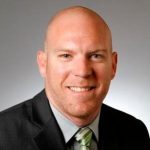
Michelle Songy is a serial tech entrepreneur and the founder and CEO of Press Hook, a media relations platform that connects brands, media, publicists and journalists. As a PR industry change maker, she was recently named on PRWeek’s Dashboard 25 list of the most influential people in communications technology, representing the enterprises that are shaping your tech stack. She has more than a decade of experience developing, managing and marketing businesses from start-ups to Fortune 500 companies.

After relocating to London in 2014 for a finance management position with Coca-Cola, she founded her first company, Cake Technologies. It became the United Kingdom’s largest mobile payment platform for restaurants and was sold to American Express just three years later, in 2017.

In 2020, she founded her second entrepreneurial endeavor and passion project, Press Hook, a tech-enabled media relations platform specializing in promoting brands, especially small businesses. The Press Hook platform offers the first two-sided marketplace that intelligently connects brands seeking publicity with journalists seeking content. With Press Hook lifestyle and consumer brands can easily and affordably get the media coverage they deserve with unprecedented speed, volume and reach.

She is a graduate of the University of Georgia, in the Terry School of Business with a degree in Management Information Systems.

Connect with Michelle on LinkedIn.

What You’ll Learn In This Episode

  • How small businesses can gain media exposure
  • How to spend time/marketing budget in a downturn
  • ROI of doing PR. How long does it usually take to see results
  • Options for getting PR for your business
  • How does PR and affiliates work
  • Earned media, versus owned, versus paid media

This transcript is machine transcribed by Sonix

TRANSCRIPT

Intro: [00:00:04] Broadcasting live from the Business RadioX Studios in Atlanta, Georgia. It’s time for Atlanta Business Radio. Brought to you by on pay. Atlanta’s New standard in payroll. Now, here’s your host.

Lee Kantor: [00:00:25] Lee Kantor here another episode of Atlanta Business Radio, and this is going to be a good one. But before we get started, it’s important to recognize our sponsor, Onpay. Without them, we couldn’t be sharing these important stories. Today on Atlanta Business Radio, we have Michelle Songy with Press Hook. Welcome, Michelle.

Michelle Songy: [00:00:43] Hi there. Thank you for having me on.

Lee Kantor: [00:00:45] I’m so excited to learn what you’re up to. Tell us about Press Hook. How are you serving folks?

Michelle Songy: [00:00:50] Sure. So Press Hook is a media relations network that directly connects brands and journalists to create newsworthy stories.

Lee Kantor: [00:00:58] So what’s your backstory? How did you get into this line of work?

Michelle Songy: [00:01:02] I actually created a mobile payment app company before I was based in London, and while we were in the matter of selling that, we actually sold it to American Express. I was trying to figure out on my own how to do PR on my own. We didn’t have an agency anymore, but I had no experience and I figured it was. And then I found out it was very time consuming, expensive, and I just really didn’t have the network built out. And the more I learned, I tried to figure out and hack ways and figuring out if there’s any solutions out there to help me generate and connect with journalists and get media coverage for my business. And I just didn’t see anything out there.

Lee Kantor: [00:01:39] So what did you end up doing?

Michelle Songy: [00:01:41] So after our business was acquired and this was in about 20 early 2020, I had actually just taken a trip to Indonesia. I went somewhere really far away, remote, and I read about it in Culture Trip and I got there and the guy said, How, you know, how did you end up here? And I said, Well, I’ve been I read about this three years ago on Culture Trip, and I always wanted to come here. And he said, Well, that’s how we get, you know, a crazy most of our business just comes from that one article. We have no idea how to recreate that and get more earned media coverage. And so while I was there, kind of connected, if we could build something essentially similar, like a marketplace like Airbnb, we could connect more small businesses and people around the world to top journalists that are writing stories.

Lee Kantor: [00:02:25] So when you’re coming up with the concept, okay, I have journalists who need stories and I have businesses that want their story told. How did you come up with a marketplace that made sense financially for each side of the market?

Michelle Songy: [00:02:38] Yeah. So building a marketplace, we started off being pretty bootstrapped. We had two sides of it. So one side was the businesses and the brands, and the other side was the media. So and we also started building this in February of 2020. So you could imagine what was about to happen a month into us developing the platform. But we really actually started just adding brands and their profiles and trying to figure out how journalists and what they would need and how they would connect to them and how they would use the platform to search for products or brands or experts for their stories. So we let the platform. It was free for about six months and then we started charging after. And then so it was a SaaS subscription where brands could pay a monthly platform, but it’s always been free for media.

Lee Kantor: [00:03:22] So the journalist puts, I guess, their contact information out or what stories they’re looking for and they get.

Michelle Songy: [00:03:28] Yeah, they search it just like Google. So they put in a key term they’re looking for. So they’re looking for sustainability or if they’re looking for AI based businesses or an expert they can speak to, they put in that key term. And now we actually do use a lot of AI throughout the experience. So they can put in a full source request for something specifically they’re looking for and it will generate and provide them recommendations of products or brands or people, experts to speak to for their stories.

Lee Kantor: [00:03:57] Now, has the platform changed in the evolution of journalists now where so many of them, for example, will be journalists, but they’ll have their whole business on a substack or a newsletter or blog is that journalists, who is also their own product, who needs sponsors to keep their lights on, as well as stories to keep their audience happy.

Michelle Songy: [00:04:25] Yep. So you’ve nailed it. So a lot of freelance journalists especially have become their own media empire. Say they have they can run podcasts. They have substacks. Of course. They have their social media channels, and then they can freelance across a number of different publications in. And that is really how they’re starting to learn how to monetize themselves is through these substacks So they could be paid or free newsletters that they run, they can do sponsorships, they come on our platform and are looking for guests potentially for their next podcast, and they’re really looking for new innovative businesses and people to speak to that can help develop their stories for them or with them.

Lee Kantor: [00:05:06] So are they using the platform primarily as a way to just get guests or are they using the platform as a way to get sponsors or both?

Michelle Songy: [00:05:14] Not yet sponsors. We’re 100% right now earned media, so we don’t have influencers and we don’t have paid opportunities yet on the platform. Everything has been earned so far.

Lee Kantor: [00:05:25] So the only so the brands that are paying, they’re paying something and they know that they’re going to get an earned media story in exchange for whatever they’re paying you to be part of the platform.

Michelle Songy: [00:05:38] Exactly, Yes. So we have a lot of small businesses and startups. That’s actually how we started, was primarily targeting them because we were a new and cost efficient way of them doing PR without having to hire an agency that is usually really expensive for them, especially in their early years, or them just not knowing how to do it themselves. So we started off really generating a lot of interest around the small businesses and startups we were supporting. However, you know, a couple years later we do have a lot bigger brands on the platform. We have over 70 PR agencies that have added their clients to it because, you know, with the speed of content, how quickly it’s being written and all the changes that have happened in the media industry, it’s hard to keep up. It’s hard to it’s impossible to know what any person, any internal journalist or freelancer could be writing at any given moment. So it now is a much bigger platform that we provide services not just to small businesses, but larger companies and their agencies as well.

Lee Kantor: [00:06:42] Now, do you mind explaining to the listener who is that small business owner that maybe have dabbled in advertising or pay per click or something like that, but hasn’t really taken the plunge to PR because PR is a different animal. It’s not. A lot of times you’re paying and hoping that you get coverage somewhere, but there’s no guarantees in. Pr Can you explain how it works for somebody who’s never done it before and also how your platform helps them kind of maybe be more efficient and effective?

Michelle Songy: [00:07:14] Sure. So the way to go about it is a small business. And I agree it can be expensive or time consuming to do, but we built it. As you know, you first create a press kit and that really shows a journalist who your brand is and what it’s about. What’s who’s part of it, you know, who are the founders, their background, what are the products or services you’re offering? So we also have a template that helps brands create a press kit on the site. The next is you need to find what what media and what journalists and publications are are target for your audience. Like what are your consumers reading? We also just developed a tool. It’s also a. Based where when a business signs up, it automatically recommends them a list of media that are relevant to their business. And why? Because a lot of times businesses had a hard time saying, you know what? Publications or what writers are really the target and having to do a lot of that homework and then also having to figure out what’s you how do we get in touch with them, how do we email them, how do we pitch them? So we’ve also built a suite of new tools and features for them as well. We have an AI driven pitch generator. We have a press release generator where they can put in some inputs and it comes out with a press release for them and then helps them to figure out who exactly they should be pitching to. So, you know, whether they’re doing it on their own or with press or somehow different, you still have to always develop and know like, who is your. Who’s your target media publications? Who are the people you should be building relationships with? Who would want to talk? Tell your story or tell your new news. So it’s really a form of figuring out what content, what is newsworthy and who is it newsworthy for.

Lee Kantor: [00:08:57] And then any surprises when you decided I mean, this is a different venture than you did previously. I guess it has some of the same bones, but is this market different than the market you encountered in your first startup?

Michelle Songy: [00:09:11] Completely different. I was in the mobile payment industry before and I started it right after the whole Uber launch and people were moving more and thinking about different mobile payment applications. I obviously had some a lot of big, bigger players with deeper pockets around me and we were, you know, a small woman owned, you know, company living abroad in London doing this. And I had actually moved I was working with Coca-Cola in Atlanta. They had moved me to London for my job. And I actually then after that decided to start this company, that mobile payment company, on my own over there. But I was in a really crowded industry. There was a lot of competition, but PR and media, media, tech industry just really caught my eye because it was an open space. There was not really lacked technology. It lacked efficiency across the board. There’s been a few of the same players that kind of re rebuild themselves as in new forms of companies. But there was always two different platforms. There was platforms built for journalists or platforms built for PR professionals, but there was no two sided marketplace that connected both sides.

Lee Kantor: [00:10:24] So what do you need more of? How can we help you?

Michelle Songy: [00:10:29] We’re always looking for new businesses, new innovative brands, new services, new features, new products out there, and seeing what people are building and helping them get exposure for that. So I welcome anyone to come on to our site. It’s press hook.com fill out. You know, you can sign up, you can learn more about it, you can book a strategy session, you can book a demo just to learn more. And we just like to help also give people, you know, the resources and the knowledge that that that they need, whether they’re doing it themselves or they start deciding to use a resource like us. But we’re constantly looking for new content, new ideas, new experts, new thought leaders to speak to. So we welcome all sorts of people like that.

Lee Kantor: [00:11:13] So walk me through what it’s like. Say hypothetically, I’m a maybe a franchise and I’d like more press for all of my people around the country. How would I go about the franchise or how would I go about, you know, squeezing the most juice out of press hook?

Michelle Songy: [00:11:31] Sure. So let’s say I’m just thinking of franchise, I don’t know, a Dairy Queen or something, but you could come on to the site. You would create a press kit, which is a profile of your business and putting in that important key information that journalist needs to know about it and overview, you know, your links to your socials, links to your sites and image gallery. So all of your PR assets, we really get in place first. And once that’s set, then we can read the data and the content and your profile and help make suggestions. So let’s say you want to put out a new press release for a new store launch or a new product launch, we could help you generate a pitch or a press release and then also help you figure out who is the most relevant and targeted media outlets that you should be reaching out to. So we really help in every step of that way of getting you, helping you find, locate, pitch and get and get even feedback on on the pitches that you’re doing. So it really gets you in front of the right journalists at the right time and in reverse. Just by you having that profile on the site, media can immediately come to you. They can discover you when they’re looking for certain content or people or people within the industry of the franchise you’re in. Or maybe they’re looking for someone really that’s an expert and someone that can talk about the food and beverage industry and how they’re affected by SVB or I or any new topic coming out in, in in the media. So it really allows two ways. One way you can push news out to the media and the other way you can receive press inquiries live as they are.

Lee Kantor: [00:13:09] But is it the is it similar in that PR there’s no guarantee. Like you pay for something and you’re hoping that there’s coverage. We’re advertising, you pay for something and you’re going to get, you know, whatever that ad is going to run wherever you paid for it.

Michelle Songy: [00:13:25] Well, same with this. Like with advertising, you are paying for impressions that doesn’t always lead and generate to sales. So it’s the same here. We’re not charging for the impressions and the you know, we’re charging you a flat monthly fee to exposure to quality media to be at the right place right time. You know, sometimes if a product isn’t ready yet and there’s other reasons it might not get picked up yet. But, you know, sometimes these things take take some time. You know, it’s it’s like sales. You keep doing it and seeing what works. And I think it’s really about finding your your niche and your really your relevant journalists and a relevant publication for your news and understanding who that is. But we believe that the more you work on it, it definitely can happen no matter what. But you’re right that it’s it’s not something that you can guarantee, but there is a structure and a process to it.

Lee Kantor: [00:14:18] Now, is there any kind of success story you can share that maybe somebody put themselves out there, got on the platform and then was able to get the coverage that they had hoped for?

Michelle Songy: [00:14:27] Yes. So a few we have some media or we had one brand that since started they started using press hook. They said that sales boosted 30% in the first six months. They received 49 press hits and 37 product sample requests in the first year, leading to more than 1 billion impressions in top tier media.

Lee Kantor: [00:14:52] Now, does it work better for B2C or B2B or does it really matter?

Michelle Songy: [00:14:58] So we actually started at B2C. We started with really like CPG and DTC Ecom based brands. However, we have been expanding and we’re adding now standalone experts. So it could be like a dentist or doctor lawyer. Et cetera. Or interior designer. And we are now, you know, expanding into B2B.

Lee Kantor: [00:15:18] And also.

Michelle Songy: [00:15:20] Hospitality.

Lee Kantor: [00:15:21] Okay. So that’s the niches. Like, is there niches specifically that you have a sweet spot where there’s been a lot of activity around?

Michelle Songy: [00:15:29] Definitely B2C. I think there’s just more opportunities. There’s a lot of lifestyle publications. There’s the growth of e-comm that has really boomed lately. A lot of media publications have an e-commerce section where they’re reviewing products. There’s a big pull of, you know, the affiliate commissions that they’re getting in those sections. So that is definitely been one of the the spaces that gets probably the most traction I’ve seen.

Lee Kantor: [00:15:58] Now, a couple of times you use the phrase digital or use the phrase press kit. I think that’s what you called it. Can you explain kind of some of the must haves and things you’d rather not see in a press kit?

Michelle Songy: [00:16:12] Sure. So you definitely need that about section. They call it a boilerplate in the PR industry. So really that quick, you know, 3 to 4 sentence that explains your company. A founding story is really important. People want to learn, just like you asked me, like, why did you start this? What is the reason? What is the impact? So that really makes the connection between a journalist and the media and the brand. So we really think the founding story is impactful. Another thing is just listing any of your websites, social handles, of course, so they can quickly find and locate some of your social channels quickly. Also listing your media friendly people, too. So it could be a founder. It could be an executive. It could be someone, an expert who can talk on behalf of your brand. So really listing out people that are important assets in your company to shout out. Another is we list actually the core products or services or features of a company. And next, sometimes people list if it’s a CPG company, they might list what retailers or affiliates they’re on, where they’re sold. And then last but not least, is very important these days is your assets. So it’s your branding, it’s your logo. It might be product shots, it might be lifestyle images they can use. So, you know, images are very important these days, from a digital publication to a print publication to newsletter to them sharing it on their social. So really making sure they have easy access to high resolution and various types of images and assets as well.

Lee Kantor: [00:17:45] And you mentioned you work with agencies. Can you talk about how that works? Like if you’re a PR agency, you might have, you know, 20, 50 or 100 clients. Is this something you just dump all your clients into?

Michelle Songy: [00:17:56] Yes. So an agency can create one account and within that they can list multiple different profiles for their clients. So each client will have their own press kit located in one account, but they can assign a different press contact for each. So whoever is in charge of managing that client’s media relations will be the one interacting and messaging the media on the site back and forth and editing the profile, uploading press releases. We even have a really cool dashboard. You can see who’s viewed your profile more analytics on on the back end right there. And I think that agencies just find that it’s it’s very it’s efficient and helps them keep track of, you know, incoming media requests, maybe product samples they’ve sent out. And in the same way in the journalist side, it really is a very structured inbox for them. So they can put in they can put in one story idea they’re working on and see all the pitches and save products or people to that story. So I think on both sides, we’re really just trying to make a more efficient organized structure for how everybody does their jobs these days.

Lee Kantor: [00:19:06] So is that an area that you’re focusing in on just building more relationships with agencies, or is it better for you to go directly to the brands?

Michelle Songy: [00:19:15] You know, we’re really open for either. I think it depends what what stage a brand is in. There’s some that there’s some brands that it’s a founder that is on our platform and they’re they’re managing on on their own until they grow and they might hire a CMO. And then after that it might be the marketing manager who oversees this profile, and then they might grow even bigger and hire an agency or they decide they want to, you know, create an internal communications and PR team, so then they’ll come back that way. So we really do have all sorts of roles on the platform right now from anything from the founder, CEO down to marketing executives level marketing roles.

Lee Kantor: [00:19:54] Good stuff. Well, congratulations on the momentum and the success thus far.

Michelle Songy: [00:20:00] Thank you so much. I’m glad to be here. And I love move back to Atlanta a year ago and I’m excited to build up the company here.

Lee Kantor: [00:20:06] So if somebody wants to connect with you or somebody on your team, what’s the website again?

Michelle Songy: [00:20:11] Sure, it’s pressbook.com. That’s p r e s s h o o k.com.

Lee Kantor: [00:20:19] Well, Michelle, thank you so much again for sharing your story, doing such important work. And we appreciate you.

Michelle Songy: [00:20:25] Thank you. Thanks. Good talking to you and hope to see some of you guys soon.

Lee Kantor: [00:20:29] All right. This is Lee Kantor. We’ll see you all next time on Atlanta Business Radio.

About Our Sponsor

OnPay’sOnPay-Dots payroll services and HR software give you more time to focus on what’s most important. Rated “Excellent” by PC Magazine, we make it easy to pay employees fast, we automate all payroll taxes, and we even keep all your HR and benefits organized and compliant.

Our award-winning customer service includes an accuracy guarantee, deep integrations with popular accounting software, and we’ll even enter all your employee information for you — whether you have five employees or 500. Take a closer look to see all the ways we can save you time and money in the back office.

Follow OnPay on LinkedIn, Facebook, and Twitter

Tagged With: Michelle Songy, Press Hook

Dustin Dubois With JWR Construction And David Schopp With Sharpe Project Developments

March 29, 2023 by Jacob Lapera

Innovation Radio
Innovation Radio
Dustin Dubois With JWR Construction And David Schopp With Sharpe Project Developments
Loading
00:00 /
RSS Feed
Share
Link
Embed

Download file

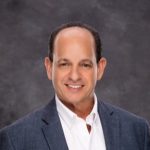
Dustin DuBois, President at JWR Construction Services

JWR Construction was the General Contractor. Sharpe Projects was the Owner’s Representative. P2 Interiors was the designer. These three organizations collaborated to build the physical facility which is the Levan Center of Innovation.

Their hard work and dedication to the vision resulted in the “World’s First Theme Park for Entrepreneurs.” The discussion on what it takes to build such an inspiring space, in the midst of the pandemic, will be around the challenges, opportunities, and strategies it took for it to happen.

Connect with Dustin on LinkedIn.

Here’s the YouTube playlist for NSU Center of Innovation Project Updates.

David Schopp, Principal at Sharpe Project Developments

Founded in 1990, Sharpe Project Developments is a full-service Owner Representative based in Fort Lauderdale, Florida.

Their mission from day one has been to Protect Your Investment as your fiduciary agent and deliver your project on time and under budget.

Connect with David on LinkedIn.

This transcript is machine transcribed by Sonix

TRANSCRIPT

Intro: [00:00:07] You’re listening to Innovation Radio, where we interview entrepreneurs focused on innovation, technology and entrepreneurship. Innovation Radio is brought to you by the world’s first theme park for entrepreneurs, the Levant Center of Innovation, the only innovation center in the nation to support the founder’s journey from birth of an idea through successful exit or global expansion. Now here’s your host, Lee Kantor.

Lee Kantor: [00:00:37] Lee Kantor here another episode of Innovation Radio, and this is going to be a good one. But before we get started, it’s important to recognize our sponsor, the Levine Center of Innovation. Without their generous support, we wouldn’t be able to share these important stories. Today on Innovation radio, we have Dustin Dubios and David Schopp. Dustin is with J.w.r. Construction and David is with Sharp Projects. And they were the team, part of the team behind the actual creation and building of the Levine Innovation Center. Welcome, gentlemen.

Dustin Dubios: [00:01:11] Thank you.

David Schopp: [00:01:12] Thank you. Nice to be here.

Lee Kantor: [00:01:14] Now, David, in your role, can you share a little bit about how this project got started and how you were brought into it?

David Schopp: [00:01:21] Sure. Absolutely. So, you know, this this was a vision of Alan Levine’s, hence the name of the facility. We had worked with Alan’s groups in prior years, and he was he was familiar with our ability to run projects and keep them on time and on budget and felt that it would be good to have a independent party kind of overseeing the projects, program design and construction. So we’re owners reps slash project managers, so that’s really what we do. So the project was conceived to be this innovation center that I think we’re all aware of. We just had a nice introduction from John Wensveen, but we’re we’re typically engaged to help get a project tracked, scheduled, budgeted properly and then assemble that team, which is what we did. And we assembled a real good one on this project. And I’d like to say that the project came in on time and on budget. So it was, it was. And thanks to Dustin obviously on the construction side. So we’re a big success for everyone.

Lee Kantor: [00:02:24] Which is a pretty amazing as it started during the pandemic. Right.

David Schopp: [00:02:29] Go ahead, Dustin.

Dustin Dubios: [00:02:30] Oh, yeah, absolutely. Right in the middle of the pandemic. It certainly didn’t didn’t make the project any any easier, right?

Lee Kantor: [00:02:37] So it added a degree of difficulty. But when you’re starting a project like that, how did you start kind of with, you know, on the whiteboard and planning out, you know, okay, I want it to have these elements and I want it to have a certain look and feel. So it kind of, you know, kind of screams innovation as soon as somebody walks in the doors.

David Schopp: [00:02:57] So I’ll take that. I mean, we we had a tiered group of designers. I think what what was important is to Pontedera was part of our team. And he was brought in by Alan Levine as well to kind of create a vision and a flow. And it was real important to create, to harness technology, but also a flowing type of facility that that wanted you to peer around every corner, so to speak. And when I say corner, that’s really a misnomer because there’s a lot of soft edges in this building. It’s very curvilinear. But the important thing was to take advantage of the 16 foot high deck and try and, you know, concrete floors and make it feel as though it truly was an innovation center, something that was was built around the structure itself. And so and we accomplished that. I mean, there have been I’ve seen meetings where they’re riding tricycles around the space, you know, so it’s it’s to get people’s their juices flowing and that space accomplish that.

Lee Kantor: [00:03:55] And then to encourage collaboration because that’s kind of the heart of innovation, right? You have to be able to work together and pull teams together and grab somebody and have a meeting or grab three people and have a meeting. It has to be able to flex to whatever kind of where the creativity takes you.

David Schopp: [00:04:13] Yes. And there’s there’s great spaces within the space. There’s there’s cafes and there’s little carve outs and there’s there’s soundproof rooms if need be. And the space really become a hub for other businesses in this marketplace to want to use the space and bring their people there and show off what’s happening in Broward County and how the space is is benefiting the community. And there’s there’s events back to back all the time in this space. And it’s really being recognized across the region as as the center, the center for innovation in this marketplace.

Lee Kantor: [00:04:51] So what were some of the I mean, the pandemic obviously was a challenge, but was it difficult to get everybody kind of on the same page thematically?

David Schopp: [00:05:03] All from a standpoint of program or standpoint of the construction.

Lee Kantor: [00:05:05] Well, the construction well, first you had the programing that you had to say, okay, these are going to be the core tenants and these are the areas that we’re going to we want to focus in on and be, you know, kind of best in class. And then you had to build something that accommodated those.

Dustin Dubios: [00:05:21] So I’ll take it. Dave. I mean, I think. You know, you had you had multiple challenges in the project. In a lot of them related ultimately to the pandemic. Right. It’s a unique space. Right. Which. Which required unique finishes. Unique teams that could put these different finishes and different, you know, building material types into the space. And certainly, you know, having having a global pandemic at that time didn’t make it any easier to source, you know, those those special materials so that that challenge you had and then just, you know, getting getting staff out to the job site. Um, you know, it was at a time where, you know, one person contracted COVID and if you had been anywhere near him, you were required to isolate for I think it was two weeks at the time, right? So you were constantly dealing with losing people and crews on the job site. I mean, it’s 60,000 square foot space, so people were able to spread out. But, you know, at some point you’re working on top of each other. So it was it was definitely a challenge on that side of it. And you had to be able to to adapt and make changes on the fly. And that’s really where having, you know, people like sharp development in there. And David to help facilitate those changes and make the decisions in a timely manner so that we didn’t stop production on the project.

Lee Kantor: [00:06:57] So it was kind of living into how entrepreneurs handle things, right? It’s you got to keep moving. You got to make things happen and you got to just find a way.

Dustin Dubios: [00:07:09] Yeah, there’s there’s there’s no, there’s no just throwing your hands up and, and going, well we’re just going to sit here and wait. Right. There may be temporary things that you put in, you know, for the time being that you’d have to come back when materials come in. But yeah, you have to be able to adapt. And that’s just the construction business in general. I think you always have to be be able to adapt and overcome for sure.

Lee Kantor: [00:07:32] Now, when you started out on this project, I’m sure everybody was super excited because this is kind of a new and different initiative probably for each of you. When did you start feeling like, Hey, this thing is really this is going to be something special?

Dustin Dubios: [00:07:51] From my perspective, it was the first time I heard about it. I’m not sure about you, but I’m on the ambassador’s board for NSU. We’ve been working on campus for 20 years and the first time I heard about it, it was, um. It was exciting for me. I’m kind of a serial entrepreneur myself, and so I wanted to make sure everybody I came in contact knew that I wanted to be the guy to build that project. So.

David Schopp: [00:08:15] Yeah. And we look.

David Schopp: [00:08:18] It was the same thing for us. I mean, we got on, you heard about it like a little bit before us, but, but we once I knew of the project and understood that Alan Levine was behind it and how exciting it was going to be, and I’ll be honest, you when you sit and talk to a guy like John Wensveen and you get his energy and you know what? That that he’s going to be leading the charge we were all in and seeing some of the initial renderings and what the space was going to look like and how it was going to function. It’s a one of a kind. And we built I’ve been in this business for almost 40 years and we’ve done a lot of great interior spaces, but this is one to showcase for sure because it’s you can duplicate it, but I don’t think you get the same effect that this one has.

Lee Kantor: [00:09:03] So when you were kind of building it, how did you keep like instead of it seems like there was so much creativity at the beginning and so much vision, How do you kind of rein some of that in to the realities of, okay, this is what we have to deal with, this is the space, this is what can what we can and can’t do. Like, was that a difficult challenge of kind of reining in all that can be?

Dustin Dubios: [00:09:28] It’s the challenge. Yes, right. There’s there’s there’s putting a beautiful building on paper. Right. And then there’s like you said, there’s the reality of can we physically do this? Um, you know, our, our, our framing crew invested in new technology that helped them lay the project out. Like David had mentioned, there’s there’s radiused walls all over the space, right? So they had had they not invested in this equipment, it would have been next to impossible to get everything right. Um. But having regular on site meetings with the folks as the project was being built was the only way that we could work through, you know, kind of the I didn’t I didn’t I didn’t anticipate that coming up sort of stuff. Right. Right. And there was and there was quite a bit of that and not so much on the side of, you know, maybe things that weren’t thought out in the design process, but stuff that popped up because we were building this into an existing space, right. Which which had its own unique issues long before anybody got involved in that.

David Schopp: [00:10:33] So and, you know, one of the things you hit a really good point there, Dustin, and that is that, you know, weekly meetings are critical and documenting things. And even it is a daily pulse on the job, too, and you have to keep the job flowing. So it’s important that the architect, the contractor and the owner are constantly in communication so that so that the all the information is flowing and keeping people moving so they don’t have a down and and, you know, back to the issue of, you know, is it what we thought it would be? Very much so. And again, one of the things we’re usually tasked with is let’s get it budgeted, let’s get it, let’s get it scheduled. And we had a budget to hold. We knew what our vision was and we put exactly what was on that paper, on those renderings is exactly we put in the space. Dustin I don’t believe we compromised on anything. It looks like the initial renderings did and probably better.

Dustin Dubios: [00:11:25] Yeah. No, I mean, I think really the biggest challenge we had on that project was was Air systems. And again, it was an existing thing and working, working around that system that we couldn’t, we couldn’t change. So.

David Schopp: [00:11:41] Right, right. 100%. And it was an existing occupied library that we had to work on a fifth floor with badging and at COVID times and, you know, escalations and all those things, not just COVID, but we were dealing with, hey, the price of copper is going up. And no, I didn’t hear that. Sorry, you’ve got the wrong number. And but we figured out a way to get through it. Right. And we we did. And, you know, the trade partners worked with us and we figured out a way to still keep this thing on budget. So total success.

Lee Kantor: [00:12:10] Now, you mentioned that the success of the project currently and that people are coming from all over the country, all over the world to kind of take a look at this and kind of dream big dreams for themselves that maybe we can make an innovation center where we are. Are you do you have any advice for folks who are at the beginning stages of building out their own innovation centers? What are some kind of key do’s and don’ts from what you learned through this project? It sounds like communication is an important one.

David Schopp: [00:12:43] Communications are important. I believe that like any project, you have to have a fully defined program up front. Otherwise the project will get away from you. We call it scope creep, and the vision is important. You can’t you can’t design the vision as you go. You need a vision. You need a program. And you put pencil to paper, put your pencils down and move forward. So, Dustin, go ahead.

Dustin Dubios: [00:13:09] No, I mean, it’s everything, right? I try and explain to my clients on every project that, you know, it’s like sharpening the ax before you start swinging on the tree, right? You got to take the time upfront to think through everything you possibly can because by the time we start building, it’s, it’s it’s far too late to make changes efficiently because you’ve got such specialized material and products going in there that you have to and especially in today’s market, you have to purchase equipment, you know, long, long or far ahead of when you need it on the project.

David Schopp: [00:13:48] So we didn’t have this problem then, but right now, Crestron Controls are 70 weeks out. Our project was at 70 weeks long. I think our project was 40 weeks, whatever it was. So there’s things that are problematic right now in the marketplace that it’s it’s identifying what it is you need. Like you’re saying, Justin ahead of time. And one of the things that this and every space has technology but this space correct me if I’m wrong, Dustin was uniquely just full of technology on every corner. And so if you’re not if you’re not incorporating that into the design and having that information up front, it’ll slow a job down. And we had a good partner with NSU and our collective teams to make sure that that, that that happened.

Dustin Dubios: [00:14:37] Yeah, I would say also, you know in in that planning phase, making sure you know who the users are going to be, at least everybody you can possibly figure on and getting their involvement and their input into those spaces because there was definitely some changes that had to be made as the end users came in and said, Well, you know, we need to adjust this here or there. And it wasn’t anything substantial. But, you know, getting their involvement during the construction process or sooner is super helpful as well.

Lee Kantor: [00:15:06] So now for the folks who haven’t been over there, can you share some of your favorite parts of the center?

Dustin Dubios: [00:15:16] I’ll tell you for for for me it’s the. And forgive me. I don’t know the name of it anymore. I forgot. But there’s there’s temporary walls that that kind of accordion up into the ceiling. They drop down to make different meeting spaces. So they’re complicated to begin with, but they’re also soundproof. So it was a very difficult detail, and that one required a lot of collaboration between the design team, the construction and the and the supplier of the product. I don’t remember where it came from. It was out of the country.

David Schopp: [00:15:50] Yeah, Skyfall was the product. Skyfall.

Dustin Dubios: [00:15:53] That’s it. Right. So and it had to be rushed into very, very tight tolerances. Um. But at the end of the day, everything got put in. It’s functional and it’s and it’s soundproof. It’s an impressive space.

David Schopp: [00:16:08] And but to Lee’s question like like from a visitor perspective, it’s a cool space because you hit one button and all these six walls just kind of come down slowly. They don’t fall on top of you. And then it creates like these, these multiple spaces that can be used for different functions. You know, I think, you know, I think the most unique, the the most, I guess sought after unique space in that facility is a cyber lab. You know, it’s kind of a I don’t it’s ranked some us you know army I don’t know it’s ranked it’s ranked as one of these top grade facilities in the country where it’s completely cyber secure. But there’s a really wonderful room at the end of the building. I call it the Kiva. You know, where you have we built you remember those platforms and they had to be fire rated. And we built these really cool wood platforms where they can gather 100 people in there and they’ve got a video wall up front and they have great functions in there to to for whether it’s a class or whether we’re bringing folks through there and explain to them, you know, how some type of new technology or innovation works. So that’s that’s where I would take them first because it’s very impressive.

Lee Kantor: [00:17:15] Now, was there anything you mentioned some surprises when the end user starts using the space and then, you know, they’re asking for things that would be useful for them? Um, are you finding that the folks that are coming in there and taking part of activities there and using the space, is this are they kind of blown away? I would imagine just walking in their heads explode?

Dustin Dubios: [00:17:43] I’ll tell you, I haven’t I haven’t met anybody that’s been through the space that that hasn’t just gotten super excited. And when they when they want to tell you about it and there’s very few people, frankly, that that haven’t been through the space just to see it. It’s been it’s been quite a showpiece. So and everybody’s extremely impressed with it.

David Schopp: [00:18:07] And, you know, they’re very accommodating, too. I mean, the folks here, John, in particular, if we it’s created what’s really wonderful is I feel we’ve created a great friendship at the center. I mean, we’ve been to events there and they’re very complimentary, complimentary of our assistance and our teaming with them. And so it’s kind of come it’s a great space. I like to get there more often, but if I have an event that I wanted to host, that’s the first place that I would call and ask, Look, I want to host, I want to bring people up there, showcase it and be able to have a great place to have have that function.

Lee Kantor: [00:18:45] So now, Dustin, if somebody wants to connect with you and learn more about construction, can you share a website coordinates?

Dustin Dubios: [00:18:55] Sure. I mean, our website is just w ww.construction.com. Um, if you want to connect with me personally, LinkedIn is always the best way to get in touch with me and David.

Lee Kantor: [00:19:08] The best way to get a hold of you and your team.

David Schopp: [00:19:10] Yeah. So you know it’s we’re the company is sharp project developments. I’m sharp. My partner, I’m sharp. He’s sharp but sharp. Project development. Our website is sharp Project comm proj for short. And we’re also I’m also on LinkedIn, of course, and we’ve been doing this. We’ve been in business since 1990. And all we do is project management, always representation on everything from this. We call this a tenant improvement build out project to ground up. So and I know Dustin’s of the same, so we partner on other projects and we’re looking forward to doing more work with Dustin and his team.

Lee Kantor: [00:19:48] And then I would imagine each of you are starting to get calls from folks around the world maybe about building innovation centers in their neck of the woods. Are you finding that to be the case?

Dustin Dubios: [00:20:03] I haven’t gotten any calls for international yet, but we’re definitely getting calls. And I think, like David alluded to.

Dustin Dubios: [00:20:10] The team at the innovation has been, for lack of a better term, I think big cheerleaders of the entire project.

David Schopp: [00:20:16] Big, big advocates of ours.

David Schopp: [00:20:17] Yes. And that’s what all we want when we finish a project. We just want to know that we can hang it on the wall and use that folks to reference and go look. Yeah, they did a great job. We’d call them again in a heartbeat. And you know, we’ve been told by John and Alan if we do any more work here or modifications, you’re the first folks we’re going to call. So that’s all I really want to hear.

Dustin Dubios: [00:20:39] Yeah. One thing Lee and I forgot to mention, though, if anybody’s interested, we, we, we did monthly updates on the project videos, so if anybody’s interested, you can kind of see the project come come to life on on Dwr’s YouTube channel as well.

Lee Kantor: [00:20:57] So and, and just the fact to build something like this an innovation center just in its name it really speaks to the the priorities of a university. You know, building out one of these centers is so critical to the brand of the university and what it’s trying to accomplish.

Dustin Dubios: [00:21:21] Absolutely.

David Schopp: [00:21:22] Yeah. It’s it’s it’s.

David Schopp: [00:21:23] It’s been a big boost to the university. I mean, it’s they’re doing so many things. They’re going to be building a cancer center. This NSU has become this real institution and I think this has helped them kind of step it up a notch.

Lee Kantor: [00:21:36] Well, thank you, gentlemen, for being part of the show. You’re doing such important work and we appreciate you.

David Schopp: [00:21:42] Thank you for. Thanks.

Lee Kantor: [00:21:43] All right. This is Lee Kantor. We’ll see you all next time on Innovation Radio.

Intro: [00:21:55] This episode of Innovation Radio was brought to you by the world’s first theme park for entrepreneurs, the Levant Center of Innovation, the only innovation center in the nation to support the founder’s journey from birth of an idea through successful exit or global expansion. If you are ready to launch or scale your business, please check out the Levant Center of Innovation by visiting Nova. Edu Forward Slash Innovation.

Tagged With: David Schopp, Dustin Dubois, JWR Construction, P2 Interior, Ponch Herrera, Sharpe Project Developments

Adam Helman With IMD Guest House Foundation

March 28, 2023 by Jacob Lapera

Chicago Business Radio
Adam Helman With IMD Guest House Foundation
Loading
00:00 /
RSS Feed
Share
Link
Embed

Download file

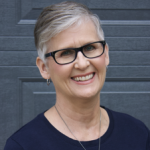
Firmspace-sponsor-bannerA native Chicagoan, Adam Helman joined the Guest House staff in 2015, and has served in his current position since 2016. This is his first full-time work in the non-profit sector, following a 24-year career in marketing and advertising. The career change resulted from a job transfer by his previous employer, that returned him home to Chicago. He spent the first two years of his professional life as a political speechwriter in Chicago.

He grew up in Kenwood. He earned a bachelor’s degree in political science from Washington University in St. Louis, and an MBA from Kellogg School of Management at Northwestern. He lives in Wicker Park with his wife Rachel Krause, and enjoys painting, cooking, and travel in his spare time.

Follow Guest House Chicago on LinkedIn and Facebook.

What You’ll Learn In This Episode

  • Delivering their mission: the practical and the emotional benefits
  • Guest populations they serve
  • The House Always Wins, on May 11th – their only fundraiser in 2023

This transcript is machine transcribed by Sonix

TRANSCRIPT

Intro: [00:00:03] Broadcasting live from the Business RadioX studio in Chicago, Illinois. It’s time for Chicago Business Radio. Brought to you by Firm Space, your private sanctuary for productivity and growth. To learn more, go to firm spacecom. Now, here’s your host.

Max Kantor: [00:00:21] Hey, everybody. And welcome back to another episode of Chicago Business Radio. I’m your host, Max Kantor. And before we get started, as always, today’s show is sponsored by Firm Space. Big thanks to firm Space because without them, we couldn’t be sharing these important stories. And we got a really good one for you today. On today’s show, we have the executive director of the Guest House Foundation. So please welcome to the show, Adam Helman. Welcome to the show, Adam.

Adam Helman: [00:00:47] Thanks so much, Max. It’s really great to be here.

Max Kantor: [00:00:49] I’m excited to talk to you about everything you’re doing. So let’s jump right in. Tell me a little bit about the Guest House Foundation.

Adam Helman: [00:00:56] Okay. So the guest house is a registered 500 and 1C3 nonprofit. We provide temporary lodging for medical patients and their families when they need to stay near the hospital for treatment. We’re the only organization in the Chicago area that supports patients of any age receiving any type of treatment. And if you think about what it is that we do for people who have sort of advanced medical conditions, serious conditions like cancer, they need an organ transplant or some kind of hospital treatment. That specialized treatment is located only in a small number of hospitals often, and the hospitals want the patients nearby but want to minimize the time they spend as inpatients. So they really like to support patients as outpatients as much as possible, and we facilitate that.

Max Kantor: [00:01:52] Now, how did the Guest House Foundation come to be and how did you get involved with them?

Adam Helman: [00:01:57] The guest house came to be in 19 in the late 1990s, and it was started by an administrator at Rush University Medical Center, which is one of our hospital partners who is working with pediatric patients. And there was a patient whose family was coming in from Chile and they needed a place to stay. And she was sort of shocked that the hospital didn’t have any facility available for them. So she started just working to make that happen. And she agitated, I guess, agitated. She reached out to people in the hospital. She reached out to some of the other hospitals around us, University of Illinois Hospital and Stroger Hospital of Cook County, and just started moving to kind of get things organized. The organization was founded in 1999 and then started taking care of patients in 2005. I joined the guest house in 2015. It was a midlife career change for me. I had spent most of my professional career working in for profit marketing and advertising, things like that, and I ended up going into this sort of later in life because my wife and I relocated to Chicago, which is home for me. And I decided after a while it was time for a change in direction professionally now that I was sort of back home living in Chicago.

Max Kantor: [00:03:35] Now, Guest House provides so many benefits to all of its guests. Right. But can you talk a little bit about the practical and the emotional benefits? Because there’s so many when you have visitors staying with you guys.

Adam Helman: [00:03:49] Absolutely. So the practical, which is an important part of it, we help about 700 families a year and provide around 12,000 nights of service. And for people who can pay, they pay a small fee for people who can’t pay. We discount the rate for them or they don’t pay anything at all. We never turn anybody away for lack of fees. The practical part of it is that Chicago is a pretty expensive city. And if you’re coming here for. Six weeks, eight weeks longer. We have people who stay with us for a year. Sometimes the thought of. Paying for a hotel is kind of outrageous. It’s just, you know, the average price of a hotel in Chicago is probably about $189 a night, plus 17% tax plus parking. So the cost goes up pretty high. So just being able to stay somewhere that’s affordable is a big, big difference for people and really enables them to be able to stay here. The fact that also there’s no particular limit to how long someone can stay, they can stay for one night. They can stay for as long as they’re in treatment. The only. The only limit on that is their medical team saying they need to be here so they can be near treatment. So from a practical standpoint, we really enable people to receive life saving care that they might not otherwise be able to receive or complete. From an emotional standpoint, and this is something that when I got into this work, I did not understand quite as much or fully appreciate. But. We’ve all sort of, I’m sure in our families have had this feeling where somebody has had a serious medical diagnosis.

Adam Helman: [00:05:44] And that’s a very isolating feeling for the family. All of a sudden they start to feel alone. Oftentimes, patients and families start to feel like they are of a their diagnosis. And, you know, it starts to be, oh, that’s the family with the person who needs the liver transplant or that’s the family of the cancer patient or that’s the family with the child in the neonatal ICU, the NICU. And they stop feeling like they’re people or they’re individuals. And the emotional benefit of what we do is that we really create a sense of community for the people who stay here, which is really, really important. So sort of a sense of being found for them. It’s almost like they’re lost before, before they stay here. There’s sort of an added tension. Somebody says, Oh, you’ve got to come to Chicago. It’s a city you don’t know very well. You might not know anybody here, and you’re going to have to stay for two months. And people, you know, the natural reaction is, oh my God, what am I going to say? How am I going to afford it? How will it possibly work for me? And we can remove. A certain aspect of tension and loneliness that goes along with that because we can help people by giving them a place to stay. And one thing to be sure about, there’s still the ambiguity that goes along with medical care. But there’s that one aspect of care, that one aspect of life, and then the opportunity to interact with other people. That really is a great emotional benefit.

Max Kantor: [00:07:24] So tell me a little bit about the facilities, too, that your guests are staying and what are they like? How are the rooms built? Is it fully furnished? What should someone expect when they come to stay with you?

Adam Helman: [00:07:37] So when people stay with us, we have 47 fully furnished apartments, so either 1 or 2 bedroom apartments. But each one has a separate kind of living room, dining room area. They have a kitchen that’s fully equipped plates, pots, pans, dishes, silverware, everything you would need to cook appliances in the room and private bath. And they also have streaming entertainment on television and free Wi-Fi. So they really are they’re small, but they’re fully self-contained apartments. And that’s important because when people are staying for a long time, they need to have a little space and they also need to be able to cook for themselves. And I was talking earlier about the expense of staying in Chicago. You’ve got you know, if you’re staying in a hotel, you’ve got both the hotel expense and then the daily meal expense as well. So the apartments, we have 47 apartments, all of them fully furnished, ready to stay in. When the guests come here, they’re all in one location. We’re on the campus of the University of Illinois, Chicago, which puts us in the middle of some of our partner hospitals. We also have a partnership with UChicago Medicine in Hyde Park. So we’ll have patients from UChicago Stay here as well. And I can talk about some of our other partners too, and some of our other programs, but the apartments are really just fully furnished and fully set up for people to stay here, which is, you know, very important for them. We also have a community room that’s open during the week, all day, and we’ll have a volunteer program where people will come in and prepare meals once a week like a group meal for for the guests to either eat in the community room or take back to their rooms. And then people will come and do other volunteer activity there as well to help the guests out.

Max Kantor: [00:09:30] Funny that you mentioned volunteering, because I was curious about how you guys staff the guest home or the guest house. So do you have is it only run by volunteers? Do you have some permanent staff that helps out? How does that work?

Adam Helman: [00:09:43] So we have a small permanent staff. We have seven people on the staff right now. And it’s a variety of there’s myself we have a person who works in fundraising, who’s a director of fundraising, and she has somebody who works for her. And we have somebody who runs our volunteerism and programing. And then we have a guest services team who are employed, who actually work with the guests and their referrals and keeping us organized for people to stay here. So it’s a small staff and then we have a lot of people who come and volunteer. We’ll have probably about 400 different people come through and volunteer for us in 2023. We’re building our volunteer program back up. We were as big as 800 before COVID, and slowly that’s coming back and we’re bringing more and more groups of people in. One of the things that renting space from the University of Illinois helps us with is that it makes us efficient. So the university provides the overnight staff, the university provides the maintenance for the building because it’s their building. We rent the space from them. The university provides the security through the campus police.

Max Kantor: [00:11:06] Now talk about your the hospital partners you guys work with and the types of programs that you run to for patients and their families.

Adam Helman: [00:11:15] Right. So we have four core hospital partners, and that’s Rush University Medical Center, Stroger Hospital of Cook County, U. Chicago Medicine and University of Illinois Hospital and Health Sciences System, or UI Health, because that’s kind of a mouthful. So those are all of our partners and each one slightly different groups of patients. We’re open to any diagnosis, but from Stroger we’ll get primarily either people who are traumatic injury victims, their families or the families with babies in the NICU. Those are the most common Stroger patients. The most common. Rush patients are cancer patients. Um, and then we also have a program with Rush, and we have a lot of other diagnoses along with them. But cancer is their biggest population. The other big population we have associated with Rush are veterans who are getting treated for PTSD through the Road Home program at Rush, which is a wonderful program that provides two weeks of treatment for groups of up to 18 veterans who come and stay with us while they’re going through that therapy sort of all day, every day. So that’s kind of the rush model. Ui Health, the University of Illinois, they send US transplant patients is their biggest single population. We also have neurology and cardiology and some other hematology patients.

Adam Helman: [00:12:51] But organ transplants is their probably their biggest single population. And then UChicago, our cancer patients and organ transplant patients and cardiology at UChicago, we’ve really started to do more with heart transplant patients. So that’s a small number of patients every year that we work with, but they stay for a very long time. So heart transplant patients and their families. Um, we also, outside of our hospital partners, we also have partnerships with American Cancer Society. So we’re able to support patients from receiving treatment, cancer patients receiving treatment at any Chicago area hospital. Um, and likewise, we have a relationship with the Gift of Hope organ and Tissue Donor network, and that opens us up to support organ transplant patients from any Chicago area hospital and the two hospitals which contribute or send patients to us. The most out of that are, um, Northwestern and Loyola send us both oncology patients and organ transplant patients. And then we’ve also had funding at different times to work with patients from Shirley Ryan Ability Center. We do a little work with Lurie Family Hospital when they have somebody who needs help. So it’s a variety of hospitals and partners and a pretty big network now of places that will send us patients for different reasons.

Max Kantor: [00:14:27] Now later this year in May, you’re you’re having your only fundraiser for 2023. The house always wins. What is that event and how can people get involved with it?

Adam Helman: [00:14:39] Well, that’s really we’re so excited. This is going to be our only fundraiser of 2023. The house always wins. Um is going to be a terrific fundraiser that offers great food. Cocktails, musical entertainment and casino entertainment. So people have the opportunity to enjoy a great fundraiser and also to play casino games. And so we had an event sort of like that in 2019 to celebrate our 20th anniversary. Thought we’d roll that out again and again and again, and it kind of fell by the wayside with COVID. But we’re really excited to bring this event back. So it’s going to be the evening of Thursday, May 11th. Um, the event starts at 630 and goes to 9:30 p.m. Um, and it’s going to be at a terrific facility called the Walden, which is on Walnut Street, a little west of Damon, so not too far from our neighborhood, not too far from United Center for people who are familiar with that in Chicago. But it’s a terrific facility which has a great gourmet kitchen on site. So the food is going to be really good. We have terrific entertainment lined up. And we also will have a VIP reception for people who want to attend that starting at 530. The best way to find out about the event is you can go to our website, which is w-w-w dot guest house chicago.org. Again guest house chicago.org. And on the slider you’ll see the house always wins located right there. It will be, I guarantee, a really, really fun and enjoyable evening.

Max Kantor: [00:16:42] So Adam, what does guest house need more of? Whether it’s volunteers, whether it’s donations, how can our listeners help you guys and support you guys?

Adam Helman: [00:16:52] Well, we you know.

Adam Helman: [00:16:54] I’m glad you’re asking that. Certainly, donations are very helpful. Um, we as as I said, we don’t send patients away for financial reasons. So we really anything that can help us run our programing, be sure to be able to accommodate patients at their time of need is really terrific. So funding is great. Uh, funding for cancer patients, funding for organ transplant patients, funding to help families with sick children, funding to help military veterans struggling with PTSD, and then any other diagnosis. That’s all very, very important. Volunteerism is also really important. As I said, we’re really trying to build up our volunteer program and some of the things that people do. They’ll certainly come in and either bring in a dinner or prepare a dinner. Typically on Thursday nights we have a group coming in tonight that’s going to do a volunteer dinner for our guests. So that’s a volunteer opportunity. There are other volunteer opportunities, such as coming in and baking during the day. We have family groups from an organization called the Honeycomb Project that come in on Saturdays, a couple of days a weekend, and they’ll do cookie baking and they’ll make encouragement cards for the patients. Um, people can also do things like as volunteers, you can either bring in items to make welcome bags and goodie bags for our guests, or you can do those at home or at your place of work and bring those in, or we can arrange to pick them up. There are a lot of of different varieties of things to do. You can find us on Volunteermatch or you can contact our office and that number is (312) 996-1167. And say you’re interested in volunteering and they can connect you with Jan, who runs our volunteering and programing. So almost anything that people are interested in doing and feel like helping out, we can do short of construction. We have to work with the university, but we don’t do remodeling ourselves or let volunteers do that because that’s the university’s end of things. But other than that, we can do just about anything people want.

Max Kantor: [00:19:27] Adam, my final question for you is a question I like to ask every guest that comes on Chicago Business Radio. For you, what is the most rewarding part of what you get to do with Guest House?

Adam Helman: [00:19:39] Oh, I’ll tell you exactly what that is. That’s a really easy answer for me. It’s getting to. See and interact with the people who get the benefit of our hard work every day. That’s for me and also for my staff. When I worked in corporate America, I really enjoyed that and that was terrific. I worked for a big company and the people who seemed to benefit from my work there were the stockholders and, you know, good on them. I’m really happy to have supported them and I felt great about that life. But working in a small nonprofit like this, where our offices are right in the middle of where all the guests stay, is just wonderful because we get to see just day by day and interact with every day the people who are getting the benefit of what we do.

Max Kantor: [00:20:32] Adam, you said it a little earlier, but if people want to learn more about volunteering or donating or even attending your event, the house always wins. Where can they find you guys online? Social media. How can they reach out?

Adam Helman: [00:20:46] Yes, The best place to find us is at our website. Again, that’s guest house chicago.org. So you can find us there. We are on social media. We’re on LinkedIn, we’re on Facebook as well. So you can always find us on those sites. And our phone number is three. One, two. 9961167. So those are all ways to find us. If you go to the website, you can cover everything. You can learn about volunteering, you can learn about making a donation, you can learn about attending. The house always wins. You can do everything. So the probably the one stop that gets it all is guest house chicago.org. W-w-w dot guest house chicago.org.

Max Kantor: [00:21:40] Awesome. Well Adam, thank you so much for being a guest today. I mean, you guys are just doing really great work for the Chicago community and and I appreciate you coming on the show today to talk about all that you’re doing.

Adam Helman: [00:21:51] Well, thanks so much, Max. It’s great talking to you. And it’s my pleasure.

Max Kantor: [00:21:55] And thank you for listening to another episode of Chicago Business Radio. I’m your host, Max Kanter, and we’ll see you next time.

Intro: [00:22:04] This episode of Chicago Business Radio has been brought to you by firm space, your private sanctuary for productivity and growth. To learn more, go to firm Space.com.

Tagged With: Adam Helman, IMD Guest House Foundation

Rita Garnto With Simple Self Care by Rita

March 27, 2023 by Jacob Lapera

Charlotte Business Radio
Rita Garnto With Simple Self Care by Rita
Loading
00:00 /
RSS Feed
Share
Link
Embed

Download file

Rita Garnto’s unique professional skillset is comprised of 20 years as a Registered Respiratory Therapist, including several years on the Trauma Flight team in Charlotte, NC, and 16 years as a licensed massage therapist. Adding her in-depth personal stress overload challenges, she has earned the title of Simple Self-Care Specialist and Stress-Buster. Her book, “Simple Self-Care Saved Me!”, released in 2018, has an international following.

Her strategy implementation of using simple self-care as her solution for reducing stress is immediately implementable. Through her in-person and virtual keynote presentations, workshops, masterclass group classes, seminars, and Stress Less community, the topics Rita presents are not only relatable and practical, but also motivational, inspirational, and educational.

Connect with Rita on LinkedIn and follow Simple Self Care on Facebook.

What You’ll Learn In This Episode

  • Mistake made in entrepreneurship journey
  • Tools needed
  • People want to know about self care
  • Biggest Influence on her life

This transcript is machine transcribed by Sonix

TRANSCRIPT

Intro: [00:00:04] Broadcasting live from the Business RadioX Studios in Charlotte, North Carolina. It’s time for Charlotte Business Radio. Now, here’s your host.

Lee Kantor: [00:00:17] Lee Kantor here another episode of Charlotte Business Radio, and this is going to be a good one. Today on the show we have Rita Garnto with Simple Self Care by Rita. Welcome.

Rita Garnto: [00:00:29] Hey, thanks, Lee.

Lee Kantor: [00:00:30] I am so excited to learn what you’re up to. Tell us about your company, how you serving folks.

Rita Garnto: [00:00:35] Well, I am a stress management educator and so my tagline is I teach busy stress people how to go from feeling crappy to happy with simple self care tools. So demystifying what stress is all about and how to bring down your stress level at the moment when you’re stressing so, so simple.

Lee Kantor: [00:00:59] So what’s your backstory? How did you get involved in this line of work?

Rita Garnto: [00:01:02] Oh my gosh. So my backstory is probably about 50 years. I was a respiratory therapist for 20 years right out of high school. Part of that was I was flew on the trauma flight team at Carolinas Medical Center. And so I have a solid medical background. And I understand stress because as I was on the flight team, it was very stressful. And I actually started doing stress management lectures back in 1997. And I hate to date myself, but, you know, whatever. And so finally, after 20 years of sort of tired of the sickness and the death and the dying, I became a massage therapist and opened my own massage business and did that for 17 years. So I really was teaching my clients how to do self care. And so I have the Eastern and the wettest Eastern and Western medicine background, and it just seemed a natural progression that I would continue to do stress management and self care education. And then in 2009, my husband and I adopted two toddlers at the same time. One was 18 months and one was almost four. And then six months after that I had an almost near nervous breakdown because I did not deal with stress very well at that time and I needed to find a solution to this to survive like this crazy thing called life. Realizing that stress was not going to go away, I just had to figure out how to handle it. And then in 2018, I wrote a book and I’m now I do self care workshops and I’m a paid speaker. And just my purpose to serve is to help people stress less and live happier.

Lee Kantor: [00:02:37] Now, do you feel that stress is just part of life, that there’s no removing stress or getting rid of stress? It’s just a matter of learning how to manage it?

Rita Garnto: [00:02:48] Absolutely. And I think with the pandemic that really brought it to the forefront and what I tell people is it doesn’t matter what your background is, your story, your age, whether you’re a high schooler, you know, teenager, pre teen, you know, older adults, we all have different stressors in our lives and life is just stressful. And so really it’s not going to go away. And it really is a matter of managing it before we become stress overloaded and burnt out now.

Lee Kantor: [00:03:22] So it’s not it’s kind of a feature. It’s not a bug. Like it’s not something that, oh, that person somehow figured out how to not have stress in their life. It’s just everybody’s life has stress and stressors and it just you just have to figure out tools that work for you on how to manage whatever those stressors are.

Rita Garnto: [00:03:42] Absolutely. Absolutely. And, you know, some people handle stress better than others. And I think it has to do with mindset. And, of course, you know, eating habits, sleeping habits, all those you know, all those sort of basic foundational habits. But it is yeah, we really you know, whether you’re dealing with cancer, whether you’ve lost your job or you’re just dealing with a snarky teenager at home, I mean, it’s all stress and it’s affecting you and, you know, is affecting your your mental health, your physical health. So, yes, it’s not going away now.

Lee Kantor: [00:04:16] Is there any low hanging fruit that works for most people when it comes to stress? Are there are certain things that someone can do maybe regarding their breath and breathing or just, you know, pausing for a second? Is there a certain things that you find that kind of I don’t want to say universally, because not everybody nothing works for everybody, but some things that work for a lot of people. A lot of the times when it comes to managing a stressful situation.

Rita Garnto: [00:04:42] I think actually, Lee, you’ve you’ve hit the nail on the head that it is about pausing. And so so really what happens is when we start stressing about a situation and our body’s reacting to it, we’re getting anxious. It’s because our brain is triggered the stress response, which is called the fight or flight. And so adrenaline and cortisol have been released into our bodies and it causes changes, increased heart rate, increased blood pressure. And unfortunately, as we’ve evolved as humans, the smallest thing can set us. Off whether we were late for a meeting. And so really taking that moment to pause and being aware that you’re you’re reacting to you’re feeling stressed or overwhelmed. Taking that pause actually will reset your brain and you will actually switch to your other nervous system, which is the resting and digesting part. And research shows it only takes 30 seconds for you to calm your brain and your to start calming your brain and your body and deep breaths are perfect.

Lee Kantor: [00:05:50] Now, why are why is deep breathing and deep breaths? Why is that such a calming thing to be doing? Like what is it about the breath that makes your body kind of relax?

Rita Garnto: [00:06:05] It. It literally the way I the way I explain it and this is not the most medical, but it’s I say it’s letting your brain know that you’re not in danger and you’re not facing a threat. So really what you’re doing is you’re switching. We have two different I’m sorry, I should preface I’m a self-proclaimed science nerd. So we have two nervous systems that are our body will function off of its one or the other, not both. And so by deep breathing, we will actually trigger the calming nervous system, the parasympathetic nervous system, and that will take over and our heart rate will slow down. Our blood pressure will drop, our breathing rate will drop, and our body functions will turn back a little bit, you know, back to normal. Um, you know, it’s mindfulness. It’s that as that pause is taking a moment just to, to sort of reset and recharge and just. You know, before we act spontaneously and say something we shouldn’t probably shouldn’t say.

Lee Kantor: [00:07:09] Now, does that make sense? Yeah. Does does some of this kind of go back to the fact that there was for most of humanity’s time here, we had to fear for our lives and we had to fight for our our food every day. And it was something that for a long period of time, life and death was really kind of pressing for most people on a day by day basis. And today, for a lot of people, they don’t have those kind of life or death stressors. And now we’re reacting to other stimuli that we might be interpreting as life or death, when in actuality, they obviously aren’t as severe as that.

Rita Garnto: [00:07:53] Correct. That’s that’s a great that’s a great explanation description. And I use that in my presentations. Yeah. So when I, you know, way back at the beginning of time, we’re hardwired with this fight or flight, this stress response. And it was really life when it came to life or death. And, you know, as we have evolved, it has not changed with us. And so now with, you know, stored, you’ve got emotions and memories and stored trauma and different triggers and, you know, all this, the brain makes a very quick decision. It’s like, oh, you know, you don’t have enough resources to handle. You’re late again for work. And oh, my gosh, you might lose your job. And did it, you know, before you know it, you’re all wound up so, you know. Absolutely. So, again, fighting our neurobiology. And we’re hard wired.

Lee Kantor: [00:08:46] And and I guess our body can’t discern that the person cutting us off in traffic may not necessarily be there to kill us.

Rita Garnto: [00:08:56] Correct. So that is that is why I think awareness is so important, that understanding. Okay. I have that stress response within me. That guy just cut me off. I’m okay. I’m okay. I’m going to take some deep breaths. And I love to combine deep breathing with wiggling my toes because that really distracts the brain. So should try that and the listeners take a deep take a few deep breaths and wiggle your toes at the same time.

Lee Kantor: [00:09:23] And then and that kind of resets you and you’re like, okay, I’m not going to die here. Let’s just get back to what I was doing.

Rita Garnto: [00:09:31] Exactly. So and even telling yourself, I’m safe where I am, it’s okay. You know, talking to yourself, repeating a mantra or affirmation, anything where you can just get that, that pause, that gap between running on your primitive life or death response and then your more logical response.

Lee Kantor: [00:09:53] Now the term self care is being used more and more lately, especially, I think a lot of younger people are embracing this idea of self care. But can you educate our listeners of what it means to you and why it’s so important?

Rita Garnto: [00:10:08] So self care is defined as any intentional action you take to take care of your mental, emotional, spiritual or physical health. So that really taking that moment, whether it’s going to the gym exercise is very powerful. Going for a walk, meditating, yoga, all the, you know, getting a massage, all these things really allow, you know, they they activate your parasympathetic nervous system and they allow your body to relax. But what I found, especially when I was a mom at 46 with two toddlers, is that life was really busy because I had a massage business. I created simple self-care and to me that’s any intentional self-care action that you can slide into your day. So I don’t have to change my clothes or my shoes and go to the gym, even though if I had the time and the energy fabulous do all that, that traditional self-care. But when you’re pressed for time and you’re driving down like I 77, which I really dislike, driving down that interstate, you know, and someone cuts you off, well, I can’t pull over and go for a run, but I can I can take a few deep breaths and wiggle my toes and tell myself I’m going to be okay. Does that does that make sense? So it’s when, you know you’re running late or something awful has happened, you know, taking those deep breaths and resetting and doesn’t mean you’re not going to go back into fight or flight, but it just it brings it allows your body just to relax a little bit. Um, and you know, I remember, you know, ages 16, I was journaling, I was running, um, you know, I was sort of self-medicated with self care, not realizing as a teenager what I was doing. So I think self care is so, so, so important, especially now.

Lee Kantor: [00:12:00] And but ultimately the individual has to figure out what is the appropriate self care for them. And and some people sadly self medicate through drugs or alcohol or some things that may not be good to be doing in the long term.

Rita Garnto: [00:12:16] Correct. And you know, I you know, I even I will I will tell people my presentations, you know, if all of a sudden you’re two cups or three cups of coffee have turned into like a pot of coffee or a three pots of coffee, you know, there’s no judgment here, Right? It’s a red flag. It’s that awareness piece that, you know, I’m now needing a lot more coffee or wine or prescription drugs or whatever have you to get through the day and to cope. That needs to be a red flag. And that’s trying to teach people to be more aware and understand that I’m not doing myself any good here. I need to get some help or I need to go for a walk or make an extra effort to to learn meditation or or use one of the apps on the phone and, you know, with calm music and, and, you know, different affirmations and things like that.

Lee Kantor: [00:13:09] Now, having come from a career where you were in the midst of super high adrenaline, a lot of action and chaos to a day where there’s probably less of that kind of actual life or death things happening. Do you think that that gives you this unique perspective to be able to give people, your clients that kind of perspective where, Hey, I know it seems stressful, but like, here’s what a day in my life used to look like. This is closer to what true stress. You know what real life and death consequences could look like. But what you’re going through may be maybe it feels like that, but it’s not. It’s not anywhere in the kind of stratosphere of what what that is.

Rita Garnto: [00:14:01] You know, I’ve never thought of it that way. And I think because, you know, when I adopted, you know, when we adopted our daughters, like that was very real. I mean, I ended up sitting on the back deck sobbing uncontrollably and and and wondering, you know, if I, you know, I was having suicidal thoughts. So even though that wasn’t a life or death situation, I was so overwhelmed. So, you know, I, I really believe, you know, even though, you know, flying around on helicopters and landing. Yes. Was very stressful. I ended up on antidepressants. A lot of the flight team at that time, we were all on antidepressants because it was so stressful, believe it or not. Um, but but I think it’s so individual. If, if, you know, you have, um, an abscess on your foot, like that’s not really a big deal compared to someone who’s dying of cancer. But if you are a single mom and you have three jobs, we’re on your feet and you can hardly walk. That’s a huge stressor, right? That’s a huge that really affects your life. So it’s you can’t compare apples and oranges. I think everybody is. Um. You know, everybody, like I said, has their story and it’s focusing on what’s going on in your life and accepting it’s okay to not be okay. It’s okay for me to ask. Help for help. And yes, my life is stressful, even though some people may roll their eyes at it. Does that make sense? Lee does that.

Lee Kantor: [00:15:33] Well, right. I mean, I just think that as as we evolve as humans, I think because we’re so far removed from true life and death for most people that we’re just not maybe as resilient or not as it’s harder for us to cope with maybe smaller things like smaller things become bigger things because we have more time and we have more kind of affluence.

Rita Garnto: [00:16:03] Yes, I think I think that’s an important factor as well. And then when you think back to our ancestors, when they got into a situation where it was life or death, they would run or fight. So all those byproducts, the adrenaline and cortisol and the extra sugar and the blood and all these things, they exercised right in the form of either fighting or running. So they had that release. They worked off the byproducts of the of that stress response. And then they could reset if they survived.

Lee Kantor: [00:16:40] Right. And remember, what happens today.

Rita Garnto: [00:16:43] You know, you’re driving to work and you’re late and you’re stressing, oh, my God, traffic’s horrible and I’m late. My boss, I’m going to lose my job. And you find, oh, my gosh, I can’t find a parking spot. And you’re screaming and yelling at all the cars. And then you get to your desk, take the elevator. You hardly walk. You don’t do anything. You sit at your desk all day. So there’s that lack of physical activity, that lack of release of of that stress through exercise or activity.

Lee Kantor: [00:17:10] Yeah. And I see it even you see it in children today where when I was a kid, we had pe every day, five days a week. It was outside, it was, you know, you’d sweat. And nowadays there’s less and less of that physical relief for young people to really help them manage the stress that they’re going through.

Rita Garnto: [00:17:31] Absolutely. I have two teenage daughters and one one’s in, uh, she’s a sophomore now. And and hardly active at all. I mean, I remember, you know, we would leave, leave in the morning and come back when the street lights came on. You know, we were outside playing in the neighborhoods. Our parents didn’t know where we were. I mean, and I understand things are different now, but we were outside playing. Our parents would tell us to go outside and we would go outside and kick a soccer ball around or shoot hoops or do something. Um, yeah, I think the lack of lack of activity and, you know, kids nowadays are glued to their phones.

Lee Kantor: [00:18:06] Right. I think that that’s part of the price they pay is that they don’t have those physical reliefs that we had just even, like you said, go out and play. Even if you weren’t physically doing anything, you were walking somewhere to some place. You were your body was moving. Even if you weren’t, if you were just hanging out with your friends, it was usually outside moving. It wasn’t, you know, in front of your phone.

Rita Garnto: [00:18:31] Exactly. Exactly. So life. You know, I read an interesting post on Facebook and I knew this, but reading it is that the world that our parents, you know, taught, you know, we grew up in no longer exists. And that was like, wow, that is so true that you you can’t compare our childhood like my childhood and my daughter’s childhood. Like it’s that doesn’t exist anymore and that it’s sad on some levels. Um, and, you know, like, so how do we help these kids? How do we help, you know, educate and, um, you know, help, help give them the tools so they have tools in their tool belt that, oh, my gosh, I’m sitting here. I don’t know what that math answer is on that question. Well, here, let me instead of getting all nervous, let me take a few deep breaths. Let me wiggle my toes, get my brain back online, and and maybe I’ll have a better chance of getting that question. Right. So it’s it’s it’s learning healthy coping.

Lee Kantor: [00:19:29] Right? It’s like you mentioned earlier when you were young, you were just instinctively doing these kind of things. You were running, you were exercising. You were kind of taking your your brain to relax your brain in ways that you were just figured out on your own. And nowadays, I don’t think that people have they’re definitely not leaning into exercise or movement as part of their solution. So they have to learn things from people like you. Experts have to share kind of that wisdom and pass it along to them about self care, about why it’s so important and how to do it effectively.

Rita Garnto: [00:20:06] Absolutely. And, you know, we made it so hard. I think we just so overthink things, you know, And it’s not that hard. It’s like if if you are sitting behind your computer and you’re getting a headache or you feel like your shoulders are up by your ears, do some shoulder rolls, like just roll your shoulders. Few deep breaths. Reach up, reach out, get up, go get a cup of water. Go. You know, like I just all this information is out there, but I just don’t think that we’re putting one plus two plus two together. Like, just get up and move. Ten seconds. 30 seconds. Right. And it has to be intentional. And I you know, I say it simple, but it’s not easy. But but once, you know, you get used to it. And, you know, one of the first things I started doing with being a mom, I’ve had lower I’ve had lower back surgery. I would stretch while I brush my teeth. Well, that would stretch my hip flexors and allow my back, you know, I’d be in less pain. So, you know, it’s finding those little things. And that’s with my presentations and my workshops. I walk people give them lots of examples and we do things in that workshop and then it’s at the end, it’s like, pick one. That’s all I’m asking. You just pick one thing to start with.

Lee Kantor: [00:21:23] So if somebody wants to connect with you and to learn about the workshops, your book and the the kind of roadmap you’re willing to share with folks to help them kind of improve their self care, What is the website?

Rita Garnto: [00:21:38] The website is simple self care.net.

Lee Kantor: [00:21:44] Good stuff. Well, Rita, thank you so much for sharing your story today. You’re doing such important work and we appreciate you.

Rita Garnto: [00:21:51] Right. Thank you so much, Lee.

Lee Kantor: [00:21:53] All right. This is Lee Kantor. We’ll see y’all next time on Charlotte Business Radio.

Tagged With: Rita Garnto, Simple Self Care by Rita

Aubrey Brown With CSX Transportation

March 21, 2023 by Jacob Lapera

South Florida Business Radio
Aubrey Brown With CSX Transportation
Loading
00:00 /
RSS Feed
Share
Link
Embed

Download file

DTLLogo-Blue-Bannerv2Aubrey Brown is the Senior Manager of Business Development for CSX Transportation for Georgia and Florida. He is responsible for influencing the location of new industry along CSX and connecting short line properties. He understands the CSX operating network and positively influences the development of new sites for customers at locations that complement network operations. He serves as an advocate of rail use to the business community and economic development partners. Business Development helps businesses locate or expand their facilities along the CSX network.

He works not only with existing and potential customers, but also with representatives of state and local government agencies and short line railroad partners to help facilitate these projects. The Business Development team maintains an extensive inventory of potential sites for new or expanded customer locations, and works with many departments throughout the company to help bring projects to fruition. He is a member of the Georgia Economic Developers Association (GEDA), Georgia Railroad Association (GRA), Florida Economic Development Conference (FEDC) and Southern Economic Development Council (SEDC).

He is a veteran of the South African Navy and received his law degree from the University of Pretoria in South Africa, and his MBA from the University of Phoenix. He is fluent in English, Afrikaans and Italian.

Connect with Aubrey on LinkedIn.

What You’ll Learn In This Episode

  • Rail-based freight transportation perspective related to the global supply chain
  • Opportunities for Port Miami and Florida markets to benefit from this overload on the west coast
  • Insight or initiatives CSX is taking to improve supply chain resilience
  • Lessons learned or potential opportunities in this industry
  • Recommendations for companies (particularly those based in South Florida) that have been challenged with the Global Supply Chain disruptions

This transcript is machine transcribed by Sonix

TRANSCRIPT

Intro: [00:00:01] Broadcasting live from the Business RadioX Studios in South Florida. It’s time for South Florida Business Radio.

[00:00:08] Now, here’s your host.

Lee Kantor: [00:00:14] Lee Kantor here another episode of South Florida Business Radio, and this is going to be a good one. But before we get started, it’s important to recognize our sponsor, Diaz Trade Law, your customs expert today on South Florida Business Radio, we have Aubrey Brown with CSX Transportation. Welcome, Aubrey.

Aubrey Brown: [00:00:34] Thank you very much.

Lee Kantor: [00:00:36] I’m so excited to be talking to you today. For the folks who don’t know, can you share a little bit about CSX, Transportation, how you serving folks?

Aubrey Brown: [00:00:45] Absolutely. So CSX Transportation is the third largest freight railroad in the United States. Now, that’s a freight railroad versus a passenger railroad. And CSX operates through 21,000 mile network east of the Mississippi River, roughly 20,000 miles across 26 states, including including the District of Columbia. We have some of the most advanced intermodal terminals, container terminals in the country. We connect to 240 Shortline railroad partners and and various ports, about 70 ports. And we provide an alternative to trucking and just a great rail network. And we service all of the state of Florida, including South Florida, Miami Dade County.

Lee Kantor: [00:01:31] Now, I don’t think that the public at large really understands how important rail is as part of the supply chain and logistics. You mentioned that. I guess in some ways it takes the place of the trucking, but just the fact that it’s been around for so long and is, you know, a rail is a permanent line throughout the United States. And without rail, we couldn’t have the supply chain that we have today. Right. It’s super important.

Aubrey Brown: [00:02:04] Absolutely. Look, most of the you know, first of all, a train is more efficient than a truck. If it’s a product which is heavy and moving a long distance, the railroad is really very effective. And what we talk about, we try to provide an innovative freight solution. The other thing which I think folks don’t realize is you see a train out there, you don’t realize that trains emit a lot less pollutants than the alternative than a truck, you know, and we can carry a ton of freight, 465 miles on one gallon of fuel. And that’s an interesting statistic, if you think about it that way. You know, but the for instance, any industry that requires raw materials, the railroad is the way to get that material there, especially over the long distances that they travel. You know, this is a very large rail network in the country. And the freight railroads, you know, very safely carry a lot of these materials. And there’s just not there’s not a safer way for you to carry something that’s that heavy for that long of a distance, but by rail. And we certainly look to, you know, our biggest challenge is to try to divert more freight off the highways without sacrificing reliability. And I’ll get into some of the things that we’ve been doing in just a minute. But there’s definitely, definitely a place and we think the future for rail looks bright and we think there’s more opportunities in the future.

Lee Kantor: [00:03:30] Now, I recently had a chance to go to Savannah, Georgia, and obviously that’s a large port and a lot of shipping containers coming and going from that port. But something I noticed while I was around there is that having a port is allows a lot of business to take place. Now I’m seeing a ton of warehouses being built farther and farther away from the port, but the goods have to get into these warehouses. Having a port or one of these kind of nodes where a lot of activity happens is great for the economy in those areas. Right. And there must be a lot of opportunities for rail, I would think, moving forward in these nodes where this type of intersection occurs.

Aubrey Brown: [00:04:20] Absolutely. Especially if if the intersection if you think a little bit about South Florida and the huge influx of of of goods and material that come in from abroad into the Port Miami and Port Everglades. And so on, you do have a connection with the FEC short line railroad, but the CSX railroad comes in to South Florida directly as well. And in fact, we are exploring to do something just exactly the same as what’s being done in Savannah, where they’ve increased their containers on rail from 500,000 per year to 1 million. And exactly to your point, Lee, what that has spurred is these huge distribution warehouses, both for imports and exports. And we’re very interested in looking at how we can explore replicating that along the East Coast, particularly with emphasis in South Florida, because the greatest percentage of the greatest population in the state of Florida is, as we all know, between Orlando and South Florida. So we absolutely believe this is absolutely an opportunity for South Florida moving forward. If we look at what’s happened in a place like Savannah and if we can emulate that, not at exactly the same scale, but just look at what that possibility could be. And we would like to be part of that solution to provide a real alternative.

Lee Kantor: [00:05:39] Now, isn’t it funny how rail has been along around for the longest period of time and there are still ways to innovate, you know, decades and decades after, you know, the first thought of how rail could impact the country.

Aubrey Brown: [00:05:52] Yeah. You know what’s so interesting about rail is that because you’re able to bring such a large amount of raw material into an area, you allow those industries in that area particularly to flourish. I’ll give you an example. I’m not going to mention names, but some customers that I’ve assisted in Miami Dade County by being able to get a direct rail service on CSX, they’ve been able to increase the amount of employees they hire. They’ve been able to increase their output of what they of what they produce by about 100%. So there’s a clear example of what that can do. And I think, you know, there’s little knowledge about railroads. Folks see that train. And it’s more of an annoyance when you held up at a crossing somewhere. But the benefit is unbelievable if you just think about the connectivity across this country.

Lee Kantor: [00:06:40] Right. And people forget that the United States is very large. Yeah. And it’s not that simple to make something appear on one coast and then appear again on another coast. It takes a lot of coordination and a lot of energy for that to occur. And rail is an important component of that that I think sometimes that we lose track of the.

Aubrey Brown: [00:07:03] Absolutely because and you know, there are so when we talk about freight railroads, there are more than 600 freight railroads in the United States, but there are only seven class one railroads. And these are railroads with operating revenue in excess of $500 million a year. Csx is one of the largest in the east. In the west, you’ve got the Union Pacific and the Burlington Northern Santa Fe. But we would be, you know, on the railroad, you’re able to take product from Miami all the way to California. You can’t do that very effectively or in any sort of, you know, any it would be cost prohibitive to do it on a truck. But you’re able to do that on the railroad very easily because you have that connectivity on a on a very large rail network in the United States. And people don’t realize just how large that is.

Lee Kantor: [00:07:48] Now, are we heard so much about the supply chain issues from Asia to the West Coast. Has the that benefited the folks on the East Coast and South Florida specifically? Has there been some, you know, frustration that people are like, hey, I need this to get to a port somewhere?

Aubrey Brown: [00:08:07] And then. Exactly. So that’s been exactly the benefit for the East Coast. And, you know, the East Coast ports have been the beneficiary of of labor disputes and of supply chain issues. Now, you know, will you get the full amount that that comes in on the West Coast? It’s still the preeminent port for things coming out of Asia. But there’s clearly there’s a there’s a there’s a real desire by the large companies who want to diversify that, you know, the way that their product comes into the United States, they don’t want to be dependent on one port only. So they’ve they’ve explored the use of East Coast ports. It’s been the benefit of the East Coast. And we will continue to see that because they they want to eliminate supply chain disruptions to the best of their ability. Now, the pandemic, Lee, was something unusual. But what we have done at CSX, like most companies, we lost a number of employees when the pandemic started. But we have been on an accelerated pace of hiring. And the railroad’s view is that even if if things do slow down in the economy, we’re going to continue hiring because we do not want to be in a position where we do not have enough employees to able to meet the demand of our customers. And in fact, because we’ve hired a large number of engine and train folks to run these trains and we continue hiring, we’ve seen our service level out to pre-pandemic levels. The railroad is running very smoothly right now. It’s taken us quite a while to get back. But yes, to your point, absolutely. What’s happening on the West Coast is going to be a clear benefit to East Coast ports.

Lee Kantor: [00:09:46] Now, are you seeing any opportunity with the with new technology coming on like there’s so much happening in like electric vehicles? Is there a play there for rail as well or is that something that rail is just too large and too heavy for electric to really play this?

Aubrey Brown: [00:10:05] Lee There are you know, the rail industry is constantly looking to to innovate. Now, what combination that would be? Would it be a hybrid locomotive? I’m not sure if if a locomotive with the tremendous weight that they have to carry can be completely electric. But I can tell you that they are constantly they’re constantly looking at how we can reduce any kind of particular emission, how to do greater cost savings, what type of locomotive. It uses less diesel. Absolutely. I mean, those the entire rail industry is looking at how technology can assist. And the most important thing is that ESG is such a large component for new companies that are coming that are starting up and that are reshoring to the United States, that when you look at the numbers and the carbon emissions on the railroad and just see how that compares, that’s a compelling argument for companies as well. And we continue working to make that an even greater number. And, you know, who knows? I don’t have a crystal ball into the future, but you might have, you know, a locomotive that that needs no diesel, some other kind of technology. It’s being looked at at the moment.

Lee Kantor: [00:11:13] Now, for you mentioned the opportunity for companies in other countries to kind of take advantage of some of the assets that South Florida has when it comes to this. Are there certain industries in particular that you think would benefit from at least inquiring about how CSX could help them, you know, get into the United States states and get their goods across the country? Absolutely.

Aubrey Brown: [00:11:41] So one thing that we look at, I mean, the railroad’s network, its intermodal network, its container network is just unsurpassed. And so the the velocity from Florida to the markets up in New York and Chicago, no truck can compete with. And so we currently partner with the FEC railroad, which goes right into the Port of Miami to take containers and particularly, I think of of flowers. The largest amount of stems come into before Mother’s Day, come in through South Florida. All kinds of food products that come in could could go by rail. The railroad has refrigerated large refrigerated railroad cars to move this product and then the flow into South Florida of building materials and shingles and windows and gypsum, those sorts of things that are used in the building industry, particularly with the growth that’s going to be taking place towards the southern part of Miami Dade County, specifically between Miami and Homestead. We know there’s a lot of development going on down there. We think the railroad can really provide an alternative to bring some of that building material, aggregate material, you know, down into South Florida and vice versa, you know, product that’s coming into South Florida. You know, if companies have not considered the railroad in the past, we would do a study. We would assist the companies, do an analysis. Obviously, they’re going to want to know what those rates would be. But it just provides another alternative to the trucking industry, which is rather expensive, to bring product into South Florida all the way down there.

Lee Kantor: [00:13:25] Now, do you also work with kind of local municipalities to say, you know what, if we had kind of a node here, maybe this would be an opportunity for them to have an area where they could kind of build out that little ecosystem of trade.

Aubrey Brown: [00:13:44] Exactly. So we work closely with the Miami Beacon Council. The. So absolutely. We discussed that with business groups, with local municipalities, with customers, with the entire business community as an alternative, you know, but we’re trying to do a better job of making ourselves visible and known. I think what you see in South Florida, you see Tri-rail trains, we see Amtrak. You know, now Brightline goes to or, you know, to Orlando. You don’t see very much on the freight side because we really operate, you know, in the middle of the night because of the way things are in South Florida now. That’s the only window we currently have to operate between midnight and 6 or 7 in the morning before Tri-rail starts up. But that’s good. I mean, we still have a way to bring the goods in. And, you know, we’re trying to and this is one good opportunity with this show is to just let folks know what you do. Have a freight railroad alternative out there which can provide some alternative to you for your shipping needs.

Lee Kantor: [00:14:44] Yeah, it’s frustrating being a best kept secret, especially for something that’s been around for as long as rail has. Exactly. Now, is there anything you can share, maybe trends looking ahead or things that you’re excited about in 2023 and beyond?

Aubrey Brown: [00:15:01] Absolutely. So, you know, I can tell you this, there’s a lot of discussion about a corridor. There’s a 25 mile stretch of railroad track from, say, from Miami, if you know where the Miami Zoo is, all the way down to Homestead. And that’s a corridor that has not been utilized in quite some time. And we’re exploring the possibility of of whether that could be revitalized as as a freight corridor, particularly as we know growth will, you know, go further down south. In the county. That’s something we’re looking at. And the other thing is we’re also looking at potential rail sites along that corridor and all up in the in the Miami Gardens area near the airport. We’re identifying buildings that have a rail spur that might not have been used in quite some time and simply would need to be refurbished. We see it’s a very great opportunity to bring in things like rice and beans, you know, things which which come into the South Florida market. So we’re working with numerous groups of realtors in Miami Dade County. We’re working with the Miami Beacon Council, and then we’re working with individual customers who have reached out to us to assist them coming up with a solution. And then we’re also obviously working with our partners. But I think for us, the opportunity this year is going to be the prevalence of rail in South Florida and to really show folks if it’s a good fit, what the advantages of rail would be and to make folks aware that there really is an alternative that for us is the most important. I mean, we’re in growth mode, Lee. We need to grow the railroads in the United States. I told you there are more than 600 railroads in this country currently only ship 9% of the freight in the country. The the trucks have got 91%. So our goal is to try to convert more traffic from the highway to the rail. And that is going to be the focus for 2023.

Lee Kantor: [00:17:10] So what is the pain that that customer is having where they might do well by exploring rail?

Aubrey Brown: [00:17:18] I think really it boils down to cost because you know, with the railroad, you know, you’re not going to get the same velocity as you can on a truck. But you definitely let me say this, Lee, The one railroad car has the capacity of almost four semi trucks. So you do the math on that and see what that cost saving could be, particularly if a customer is in the manufacturing space and they’re bringing in steel coils or, you know, plastic pellets for extrusion and so on, it makes a lot of sense for the railroad. So this is what folks are looking at. And I want to say it’s it’s the cost factor. Just just the amount of money that it costs to get a truck that far down south. And of course, we we also act as a consultant for the customer. In other words, if they’re even exploring, we do two things. What we’ll do at CSX, we’ll assist the customers to identify sites. We’ll find a site for them. We’ll work with the local community, we’ll do rail designs for them. If it’s just a greenfield site which needs design work, we’ll put an entire package together for them as well, which I don’t think is available in in the trucking industry at the moment.

Lee Kantor: [00:18:29] So if anybody has even the beginning of a frustration, it’s worth having a conversation, right? Like there’s no downside to having a conversation.

Aubrey Brown: [00:18:40] No, no. I mean, we would help them evaluate whether rail is a good fit or not. There are a number of factors, but that’s something that that we do. Our industrial development department is linked to the rest of the railroad and we absolutely are absolutely customer focused. I mean, this is the new in 2023, I believe. What’s going to be most important for for this railroad is going to be our customers. I mean, you know, the railroads made most of the revenue generated by shipping coal for 200 years. We all know that coal will no longer be around in the future. And so it is vital for the railroad to find alternatives. And we think the greatest opportunity is to convert from, you know, traffic that’s moving on the highway to rail if and when it’s a good fit for the customer.

Lee Kantor: [00:19:28] Well, if somebody wants to learn more, have a more substantive conversation with you or somebody on your team, what is the website? What’s the best way to get ahold of you?

Aubrey Brown: [00:19:37] Well, the best way is csx.com C, as in cat S as in snake X as in X-ray KSDK.COM Or they could and then you’d go to the TAB customers, or they could reach out directly. There would be a list of their business development person for the state of Florida. But I’m going to give you my information directly to Lee, if I may. So I am Aubrey. Aubrey Aubrey Brown. And my email address is Aubrey. Aubrey and then underscore the little underline Brown is in the color aubrey_brown@csx.com. Aubrey_brown@csx.com And I’m going to give you my mobile phone number as well. I’m available at any time. Folks can call me at the area code of 904334861. Again, that’s (904) 334-8615. Very happy to take any call, assist any customer and evaluate the rail.

Lee Kantor: [00:20:45] Well, Aubrey, thank you so much for sharing your story today. You’re doing such important work and we appreciate you.

Aubrey Brown: [00:20:50] Thank you very much, sir.

Lee Kantor: [00:20:51] All right. This is Lee Kantor. We’ll see you all next time on South Florida Business Radio.

Tagged With: Aubrey Brown, CSX Transportation

Eric Krucke With Aprio, LLP

March 21, 2023 by Jacob Lapera

Atlanta Business Radio
Eric Krucke With Aprio, LLP
Loading
00:00 /
RSS Feed
Share
Link
Embed

Download file

Eric Krucke is the National Practice Director of Aprio CFO Advisory — helping companies fund, build, strengthen, grow and transition. A former Berkshire Hathaway CFO, he advises companies walking through transitions and transactions or seeking to accelerate growth. Eric has more than 25 years of financial leadership experience accelerating growth, navigating acquisitions, finding capital to fund growth, and facilitating successful exits for founders and investors, including a sale to Berkshire Hathaway. He’s seen time and again that the most important responsibility of a CEO or founder is to provide clarity, particularly during the first 100 days of an inflection point.

Connect with Eric on LinkedIn and follow him on Twitter.

What You’ll Learn In This Episode

  • 100 Day Playbook focused on a business’s inflection points
  • Clarity in business and leadership and how it applies to finding an interim or fractional CFO
  • Risks to a business if they don’t establish (or provide their team with) clarity

This transcript is machine transcribed by Sonix

TRANSCRIPT

Intro: [00:00:04] Broadcasting live from the Business RadioX Studios in Atlanta, Georgia. It’s time for Atlanta Business Radio. Brought to you by on pay. Atlanta’s New standard in payroll. Now, here’s your host.

Lee Kantor: [00:00:24] Lee Kantor here another episode of Atlanta Business Radio, and this is going to be a good one. But before we get started, it’s important to recognize our sponsor, Onpay. Without them, we couldn’t be sharing these important stories. Today on Atlanta Business Radio, we have Eric Krucke with Aprio. Welcome, Eric.

Eric Krucke: [00:00:43] Thank you. Lee It’s great to be here.

Lee Kantor: [00:00:45] I am so excited to get caught up. Tell us, for those who don’t know about Aprio, how you serving folks?

Eric Krucke: [00:00:51] Well, Aprio is a national business advisory and CPA firm. Now in over 15 locations. We just this past week were named the 26th largest business business advisory and CPA firm and the fastest growing in the country. So we we support businesses and bring them strong financial management and help them with all things finance.

Lee Kantor: [00:01:19] And when you like. How are you defining businesses? Is this anybody from a mom and pop all the way up to, you know, huge enterprise level organizations do mid-size like do you have a sweet spot?

Eric Krucke: [00:01:31] Yeah. So we have over 6000 clients and we we serve the middle market and lower middle market and small business owners. So we help founders and and even start ups. But the the sweet spot is that lower middle market small business.

Lee Kantor: [00:01:50] And that seems to be there’s a couple to choose from right there. That’s a pretty big market.

Eric Krucke: [00:01:55] Yeah this is the firm has grown. We’ve ended up serving larger clients. But we the core of our client is that founder entrepreneur that is needing help to grow their business.

Lee Kantor: [00:02:10] And then what’s your role with Aprio?

Eric Krucke: [00:02:13] So I’ve been at Aprio two years and I lead the CFO practice. So our CFO practice serves to bring strong financial leadership and help build out finance teams for companies, typically when they don’t have an in-house CFO. But we also help CFOs when they’re at inflection points and just need help. But we provide fractional interim and permanent CFOs to to growing businesses.

Lee Kantor: [00:02:45] So now what would a growing business, what are some symptoms of growing business would be having where you’re like, Hey, maybe it’s time to bring in somebody smarter than anybody here and that we need help in this area. Like what are some of the kind of signs that it might be time to talk to?

Eric Krucke: [00:03:02] Aprio Yeah, I think when when a business is at an inflection point, which typically can be a transaction, so now we’re thinking of doing an acquisition or we’re thinking of raising capital. Those situations, those those transactions or transitions of ownership typically start asking more and more of their finance team. And so what happens and what you see the pain points that start to arise are you see the finance team having a difficult time keeping up with the demands of investors or banks and and or the businesses growing at such a pace that the systems and the processes that got us here no longer are working effectively and efficiently. So you typically see a lot of strain in team members, you know, raising their hands. They just can’t get it all done. And so it’s it’s time for, you know, a time to bring in help.

Lee Kantor: [00:04:12] Now, are these folks typically maybe they’re at a stage where there’s somebody on the team that does QuickBooks or they have a bookkeeper or maybe they have a CPA that helps with tax, but they really don’t have an advisor that’s kind of analyzing the numbers, projecting the future and really kind of wringing out as much value from that seed as possible.

Eric Krucke: [00:04:35] Yeah, I think you painted the picture well. So I think in the life cycle of a business, the founder first is just confirming the market. The product that they they’re bringing to market. They’re highly focused as they should be on customer service and the customer’s experience and marketing and sales typically will get the early investments and infrastructure typically next. So whether it’s technology or finance, it’s you’ll you’ll see, for example, early investments in QuickBooks or Xero. You may have seen a company start off with Net Suite, a lite version of Net Suite or Intacct Sage. But but now what their systems are doing for them and what really their customers need and their team members need to be successful, no longer are available in those systems and in that structure of the team. So sometimes that’s an in-house. Finance or accounting team, and sometimes they’ve outsourced it. But now, just to your point, they’re needing to look past just doing doing well this week and they’re having to look forward hopefully as much as 2 to 3 years forward with a clear destination. But but now they’re they realize, hey, is we’re we’re trying to onboard this new customer that has 90 day terms and the largest inventory investment we have to make to serve them. All of that is forward looking projections and planning that they just before that point haven’t had to do.

Lee Kantor: [00:06:34] So when when you’re beginning a project or an engagement with a new client, can you talk about maybe what those first 100 days look like? Do you have kind of a baked plan of attack so that you can go into pretty much any situation and know, okay, this is what you can expect because there’s going to be some change. Obviously, this is not the way they used to do something. And change is difficult in a lot of circumstances and especially around money. It can be even that much more charged. So can you talk us through maybe that 100 day playbook that you guys have that helps launch a new project or client?

Eric Krucke: [00:07:21] Yeah, absolutely. So we we basically built the 100 day playbook as a strategy to drive clarity across the organization. So for for us to accomplish with the company, um, all that needs to be done. The dilemma is that the team on the ground already has their day job. They have everything that they’ve always been asked to do, and now we’re really investing towards accelerating growth. Expanding the infrastructure could be a systems implementation, could be the expansion from one location to multiple locations, whatever it is that we’re having to do, what we what we try and focus on and bring to the team is a clear destination. So teams love to win. And if you can paint a really clear picture of what we’re trying to achieve in the end game and be really transparent down to I’m the founder and my goal is in 2 to 3 years are X, Y or Z. You know, I hope to sell a part of my business so that I can enjoy and bring to my family some of the value that we’ve created in this business. But at the same time, we may look for capital to be invested, to accelerate growth.

Eric Krucke: [00:08:56] And to do that, we’re going to have to transform our business. We’re going to have to upgrade our systems, expand our locations, and and by equipping the team with the knowledge of the destination, it lets you walk backwards. If you have a clear destination, you can walk backwards and see everything that’s required of you. So that you can build a roadmap. So that’s exactly what we do with every client is we’ll talk first about that end game, the clear destination. We’ll walk backwards with them and their teams to identify what’s required of us to get there. We, you know, we we codify that roadmap and then we basically, in a 100 day playbook, decide what, what what do we need to achieve first. And that’s where the 100 days comes in. We want to we want to give urgency, focus and momentum to the team, but we want to want to make sure we’re setting up a winnable game. Teams love to win and they can’t do it without clarity. So that’s that’s really how we go about our walk in point.

Lee Kantor: [00:10:11] Now is your relationship then, from that point forward, just rolling 100 day plans?

Eric Krucke: [00:10:18] So that is the perfect question. The intensity level of 100 day playbook. Typekit typically is pretty high. So I think there are instances where you can run two major initiatives like that in a given year, but you have to be sensitive to your team. It might be that you can only do one and then you need a real solid 3 to 4 month break. But it also depends on really what the mandate is and what are those initiatives that are necessary. So back to back, probably not just because I think there’s so much expected of the team, but you know, we work with the companies ongoing, but the 100 day playbook is built. For that inflection point. When you’re in the midst of a transaction or a transition or accelerated growth and you’ve just got to drive significant change. But our experience has been that you definitely want to give the team a break in between.

Lee Kantor: [00:11:25] So maybe after the 100 day playbook, then you kind of let it breathe, allow some slack in the systems to see, let things settle, see what the new reality is, and how they’ve accomplished what they’ve done and how much of it stuck and how much do we have to, you know, kind of fix down the road and then and then you can attack that again. You know, after certain other milestones or benchmarks are hit.

Eric Krucke: [00:11:52] Yeah, that that’s exactly right. You need a time to to really examine what went well, what could have gone better to just as a working group. But but it’s really important to let let those accomplishments, you know fully fully operate for a bit of time and let them reload and get ready for the next 100 day playbook together.

Lee Kantor: [00:12:20] Now, you used the word clarity quite a bit. And is that an area you find that when dealing with business owners or entrepreneurs especially, that it’s a hard thing to pin down because everything is so amorphous. Everything is you know, we’ll make it happen. There’s you know, it’s not a clear, okay, this is the finish line and then we’re done. It’s never that. It’s always a moving finish line. So it’s hard to have clarity sometimes when especially when you’re starting out, when there are so many unknowns.

Eric Krucke: [00:12:56] Yeah, I think it’s a great call out. The and let me add to that, too, before I answer, the typical success of an entrepreneur has been their flexibility and agility. So their one of their greatest muscles is their ability to adapt, adjust and move to something else. And that’s what’s literally gotten to that business and that founder to that point. So now we’re at a point where we have a larger team around us. It could be ten, it could be 50. It just depends on the circumstance. And we’ve got to accomplish more, but we’ve got to do it together. So no longer can the founder just put things on their back. So the concept of clarity really comes comes through there. So. The other thing we see a lot is the founder, the CEO is hesitant to talk too much about what the end game is and the ultimate destination. And what you end up then is you end up with a team that. Can execute what’s asked of them, but they really can’t put it into perspective on on the why is not clear. So so they end up lacking motivation because they don’t really know how they’re making a difference.

Eric Krucke: [00:14:29] So what we found is clarity is critical. It starts with strategy and then a clear roadmap. The thing about the roadmap is you got to build it with your team and you also have to recognize that like any journey, you know, we’re perhaps you’re traveling. Sometimes you have to go a different direction. And so it’s not an absolute the path you build. In fact, it’s best if there’s more than one path you outline on your roadmap. So it’s clear that if we hit a road roadblock, we know already, especially if we can anticipate it. And that’s our job as leaders. If we see a roadblock, then we ought to know at least 1 or 2 options we’re going to take the team through. And my experience has been that a lot of these discussions, if they happen in a business, don’t happen with the whole team. And, you know, we’ve seen great success when the full strategy and roadmap and options have been laid out really clearly and openly with the team.

Lee Kantor: [00:15:44] So when you when you’re working with clients and especially when you’re getting to that level of intimacy in terms of recommending, okay, you know, when you started and there was four of you, everybody understood what had to be done and who was doing what. But now there’s 100 of you. And and in fact, sometimes now the CEO doesn’t even know the 100th person, you know, like the 100th, you know, the early hires were friends of friends. The 100th person is somebody that an outsourced person might have, you know, onboarded and they didn’t even talk to. So when you’re working with those folks and you’re explaining to them that we have to get everybody involved now and we have to do this mindfully, it can’t just be, hey, great idea, go make it happen. And then you just kind of abdicate and you hope that it trickles down to the right people. Right. Any coaching or advice you can give that leader to, number one, trust that that’s that’s going to pay off and work and also to execute that in a way that allows them to kind of still live into their mission and still be that kind of entrepreneur that is kind of making it up as they go to a certain extent, whether they want to admit that or not.

Eric Krucke: [00:17:00] Right. Right. You know, one of the great things, by the way, about Appirio is I say this all the time. The culture is just entrepreneurial, very entrepreneurial. And you would think in a financial service business, you know, things might be highly prescribed and, you know, very dictated in terms of the different things that are required of you each day and and day in, day out. But what the firm has done well, and it’s an exact the same thing we would take to a client. It’s the firm has done a great job talking about the destination and and it’s you know, I keep coming back to that need because if you have a high performing team. And, you know, again, this is a founder CEO that’s making a transition. The same things that got them their trust and engagement. Um, you know, of everything you think about that founder that had to do everything. Now they’re having to do it through others. So the key for a high performing team is that it’s it’s full of trust that they are highly engaged, that they are giving you back accountability because you gave them authority to make decisions and to do what’s right.

Eric Krucke: [00:18:25] You haven’t you haven’t prescribed every step. And so what they give you back is, you know, accountability because you’re giving them this responsibility and this authority. And and the the last part of, you know, being a high performing team is making a difference. And team members love to know. What, what and how their work and their focus is going to impact the people around them. And so it’s a difficult shift. I’ve seen it both with clients that we work with, but also even in my career where, you know, an owner and a founder is at an inflection point. And if they manage it well, they’re able to scale and grow the business. If not, you know, there is risk the business could eventually die or the reality is they probably need to sell it. But clarity. Clarity fuels the action of the team, and a high performing team, you know, needs to be trusted, highly engaged and given a lot of authority. And and those are new muscles in some cases for certain founders or CEOs.

Lee Kantor: [00:19:46] Now, if there’s a team out there that’s listening and they haven’t kind of pulled the trigger on getting help and maybe bringing in an advisor like you and your team or something like that and not. And they haven’t kind of felt confident or felt maybe the urgency to invest in this. Can you talk about the risks of that, of staying the status quo too long before you bring in help? What are some of the potential things that they’re not seeing or they’re not understanding in terms of cost or risk when it comes to not investing in this type of leadership around finance sooner rather than later?

Eric Krucke: [00:20:32] Yeah, I think probably the greatest short term risk is, is that people will leave. You know, we’re asking too much of them based on old ways of doing things. And the business is growing and accelerating and moving to the next level. But I’m not getting you know, I’m a team member and I’m just not getting the help I need. Whether that’s your time or technology or just more team members to help me get my work done. So I think that’s the greatest risk, is that we lose, lose our best people because we always ask the most of our best people. But, you know, I’ve seen time and time again, if a team doesn’t have clarity, they don’t have a clear picture of what’s expected of them and the why and how it fits into the strategy that everyone on the team is more than happy to fill in the blanks themselves. And to me, that’s the you know, the greatest risk of a leader is if I don’t provide or create clarity with my team. My team is happy to fill in the blanks. And what happens is you end up with a lot of wasted effort, wasted focus, fear. Because a lot of people will, in the absence of knowing, you know, maybe their security, even they, you know, they’ll become fearful, fearful about their role and their place. And, you know, obviously, it’s a productivity killer, a culture killer, but you also could lose those team members. But advancing to the next levels, it really impossible in my mind without it. This is a big shift that’s required for a management team and a founder, and you just need help getting there.

Lee Kantor: [00:22:29] Yeah, it’s funny that you bring that up because they talk about in marketing and branding. If you’re not branding mindfully, then your customers are going to put you in a box somewhere, you know, and it goes to the same with culture. If you’re not mindful about it, there’s going to be a culture like something’s going to happen in its place, and it’s the same thing here. And and and that might be an interesting article for you or your team or a book even about these, about the core tenants of a business. If you’re not mindful about them, they’re going to form and they’re going to form with or without your help. And if you’re not kind of being proactive and guiding it, it’s still going to happen. So you might as well invest the time because the stakes are so high. If you if you can do it right, the sky’s the limit. But if you don’t do it or if you ignore it and just think it’s going to do something on its own, it could really destroy your business.

Eric Krucke: [00:23:26] Yeah, I think it’s a great point. Just over the years with the people I’ve worked with, we’ve always tried to remind ourselves as leaders that, you know, cultures either getting better or worse. And and we as leaders own the outcome. You know, and so it’s it’s the same same thing with the branding, you know, what drumbeat do we have within the business and outside of the business to make clear who we are and and how we try to serve and, you know, are we providing the right clarity? And, you know, teams love to win and they love to work with confidence. And, you know, I’m a firm believer that clarity leads to confidence. And if you have a confident team member, they’re going to execute well, They’re going to deliver results and they’re going to help you grow your business.

Lee Kantor: [00:24:18] So if somebody wants to learn more, get a hold of you or somebody on your team, what is the website?

Eric Krucke: [00:24:26] Oh, thanks. You can reach out to me at appirio.com/cfo. You can also Google my name. Eric Crook Crook and our firm name Appirio. A p r i o. And you’ll find my bio page. Both both places will allow you to reach out to me and you can also look me up on LinkedIn and I’m happy to connect with you and serve you and just love helping people. So please reach out.

Lee Kantor: [00:25:02] Well, Eric, thank you so much for sharing your story today. You’re doing such important work and we appreciate you.

Eric Krucke: [00:25:08] Thank you. Thanks for asking me to join.

Lee Kantor: [00:25:10] All right. This is Lee Kantor. We’ll see you all next time on Atlanta Business Radio.

About Our Sponsor

OnPay’sOnPay-Dots payroll services and HR software give you more time to focus on what’s most important. Rated “Excellent” by PC Magazine, we make it easy to pay employees fast, we automate all payroll taxes, and we even keep all your HR and benefits organized and compliant.

Our award-winning customer service includes an accuracy guarantee, deep integrations with popular accounting software, and we’ll even enter all your employee information for you — whether you have five employees or 500. Take a closer look to see all the ways we can save you time and money in the back office.

Follow OnPay on LinkedIn, Facebook, and Twitter

Tagged With: Aprio, Eric Krucke

Exploring the Smart Cities and Mobility Space with Brandon Branham

March 21, 2023 by Jacob Lapera

Atlanta Business Radio
Exploring the Smart Cities and Mobility Space with Brandon Branham
Loading
00:00 /
RSS Feed
Share
Link
Embed

Download file

In this episode of Atlanta Business Radio, host Lee Kantor sits down with Brandon Branham, the Assistant City Manager of Peachtree Corners and Executive Director of Curiosity Lab. Together, they delve into the evolution of Curiosity Lab and its role in the smart cities and mobility space.

Throughout the interview, Branham highlights the impact of Curiosity Lab’s projects on the community, including the various technologies being tested and developed, such as connected vehicles, autonomous shuttles, and IoT.

Branham also discusses the startup ecosystem at Curiosity Lab and the partnerships it has formed with companies both locally and internationally. Listeners gain insight into the innovative work being done at Curiosity Lab and its potential to shape the future of transportation.

Brandon Branham, Chief Technology Officer (CTO) and Assistant City Manager, leads the City of Peachtree Corners’ groundbreaking smart city and Internet of Things (IoT) programs. Overseeing one of the first real-world smart city ecosystems deployed in the United States, he is bringing the region to the forefront in the development of next generation IoT technologies that will change the face of business and society in the near future – both within the country and across the world.

Curiosity Lab at Peachtree Corners is the country’s first true smart city technology proving ground – featuring real connected city infrastructure and thousands of interacting residents/vehicles that can’t be replicated by closed or controlled testing environments. The 500-acre technology park and 1.5-mile autonomous vehicle test street creates conditions that enable robotics, artificial intelligence, autonomous services/vehicles and countless more emerging applications to be trialed, developed and ultimately deployed globally.

Serving as the model for how government entities and the free market must collaborate to build out smart cities and regions in the United States, Curiosity Lab showcases how buildings and other city fixtures are enabling, and connecting with, devices and solutions. When it comes to autonomous technologies, for example, Curiosity Lab’s mobile 5G network, combined with direct short-range communications (DSRC) roadside units, enable disruptive technology developers to test vehicle-to everything (V2X) communications in an unprecedented manner. Intelligent traffic cameras and traffic signals, along with smart street lights and data sensors, push video and invaluable data to a central operations center for analysis and action. All reflective of how city infrastructure will soon communicate with machines and humans on a scale never seen before.

He serves on various boards in the community, and recently received his certification in cybersecurity leadership from the Professional Development Academy, in conjunction with the International City Managers Association.

Connect with Brandon on LinkedIn.

What You’ll Learn In This Episode

  • Curiosity Lab at Peachtree Corners
  • Major factors that separate Curiosity Lab from any other testing site in the world
  • Curiosity Lab’s startup programs and partners
  • How Curiosity Lab helping to support the growing tech community
  • Major technologies that have been deployed and or are coming to the Curiosity Lab
  • Curiosity Lab evolving into the future

This transcript is machine transcribed by Sonix

TRANSCRIPT

Intro: [00:00:04] Broadcasting live from the Business RadioX Studios in Atlanta, Georgia. It’s time for Atlanta Business Radio. Brought to you by on pay. Atlanta’s New standard in payroll. Now, here’s your host.

Lee Kantor: [00:00:25] Lee Kantor here another episode of Atlanta Business Radio, and this is going to be a good one. But before we get started, it’s important to recognize our sponsor, Onpay. Without them, we couldn’t be sharing these important stories. Today on Atlanta Business Radio, we have Brandon Branham with Curiosity Lab. Welcome.

Brandon Branham: [00:00:44] Thanks, Lee, for having me today.

Lee Kantor: [00:00:46] So excited to get caught up with what you’re up to. For those who don’t know, tell us a little bit about Curiosity Lab, how you serving folks.

Brandon Branham: [00:00:53] Yeah. So Curiosity Lab here in Peachtree Corners. So just north of Atlanta, we created and developed a living lab. So taking use of public infrastructure to help support big companies in the startup ecosystem to test, develop, deploy, demonstrate emerging technologies in the Iot, Smart cities, mobility space.

Lee Kantor: [00:01:15] Now, Curiosity Labs have been around for a minute. Can you share a little bit about how it’s evolved and how you stay kind of current with the trends and what the market is demanding?

Brandon Branham: [00:01:25] Yeah. I’ve been so opened in 2019 and as we continue to work with the companies and the startups, we continue to evolve our infrastructure that supports the needs that they have, continue to expand our partnerships both locally and internationally to help these companies come into an operational standpoint where they can scale their product or business model through the support and infrastructure that we have here at the lab. So I feel like I’m always doing construction. It’s an ever evolving process as we just continue to say yes to companies and to find ways to help support them.

Lee Kantor: [00:02:05] Now, can you talk about your role specifically in this as the assistant city manager of the city and also the executive director at Curiosity Lab? How do you kind of balance the two?

Brandon Branham: [00:02:18] Yeah, it’s a unique position, I think, and it also offers the flexibility that we need to move quickly and the work that we’re doing because the city is the main funder of the operations infrastructure that is in place. And then Curiosity Labs, the nonprofit supporting that startup ecosystem and the day to day operations. So having the close tie between both places allows us to move very quickly so that we can get companies onboarded and testing, you know, within days, not months. And then being closely knit on both organizations helps when I go back to our elected body and our residential citizens and explain the work that’s going on and how it’s benefiting, you know, the quality of life for the city and then how it’s benefiting the startup ecosystem and business cooperation that we’re seeing now.

Lee Kantor: [00:03:10] When it started, it’s always been kind of focusing on the smart cities and creating that kind of a blueprint for others in other parts of the country and Peachtree Corners, obviously. But that term smart City is kind of broadened and it gets broader and broader by the minute as new technologies develop and the definition of smart kind of expands. Just like at one point there were technology firms and now every firm is a technology firm because every firm uses technology. Are you seeing the same type of evolution and broadening of the term smart City?

Brandon Branham: [00:03:45] Yeah, absolutely. And you could ask 100 people, what is a smart city and you are probably going to get 100 different answers because it is so uniquely tied to each individual community and the challenges and the services that they’re providing. And then how do you use the smart city technology to enhance that service or find new data that you didn’t have before that increases traffic flow or helps you manage trash service? So it continues to adapt based on the needs of the community.

Lee Kantor: [00:04:19] Now, has there been anything that you’ve uncovered in the, what, the five, almost five years now that you guys have been doing it, that has made Peachtree Corners smarter?

Brandon Branham: [00:04:30] Yeah, a couple folds. Projects that have really, I think, changed the operational impact. Right? We live in metro Atlanta. Traffic is a nightmare. So how do we start to solve for those challenges? And two things that have really shown that we’ve led in the space is the use of LIDAR to manage traffic corridors and using that data that you learn, you know, in real time from the edge and then implementing that into the operational efficiencies of the traffic systems. And then two is around connected vehicle applications. So starting to put in devices on the infrastructure and the cars and then now onto the vulnerable road users like our E-scooters, our e-bikes, our cyclists motorcycles. And now those devices can start to talk to one another. So we’re increasing the safety of the roadway because now I can tell a car that’s 200 yards away that there’s a pedestrian in that crosswalk using this type of technology. And then you can send out the messaging from the traffic signal to let that car know, hey, you’re not going to make the light, it’s going to turn red. So go ahead and start slowing down. Or if you maintain this speed, you will clear the light. So just that efficiency and traffic, but also keeping the safety component to another level.

Lee Kantor: [00:05:53] Now, does that type of technology accelerate maybe autonomous vehicles?

Brandon Branham: [00:05:59] It does. And we were actually able to do the preemption of a traffic signal. So we turned the light green for an autonomous shuttle here in the lab. So as you think of the connectedness that the an awareness of these vehicles, as they continue to adapt their systems, the more information you feed that system, the better it is it operates. And so now that you have those supporting infrastructure pieces so they know the traffic signal timing, they know the environment before they get into it, those are all helping those systems continue to advance.

Lee Kantor: [00:06:35] Now, has the momentum that you’ve generated in kind of building out this infrastructure helped you attract the startups at the quantity and quality you anticipated?

Brandon Branham: [00:06:48] Yeah, we have. We’ve been very pleased. Right opening in 2019, September 2019. A lot of this has been through the pandemic, but because of the unique environment that we have provided, we’ve seen a pretty big uptick in the last year and a half in our startup community. So currently in our startup programs, we have 52 startups from both locally across the country and internationally. So we’re very happy with that. And the work that is coming from these startups is unbelievable to see.

Lee Kantor: [00:07:21] Now, when a startup is considering partnering with Curiosity Lab, what kind of arrangement is that? Is it an incubator? Is there an equity stake taken? How does it work?

Brandon Branham: [00:07:34] Yeah, great question. Um, we do not take equity stake in any of the companies. We don’t require IP from any of the companies. So our job is to help them grow. So they just have very cheap rent within our innovation center and that gets them into the mentorship programs that we have in place to help them start. So we see a lot of early stage Pre-series A startups are really getting them from prototype to scale.

Lee Kantor: [00:08:02] And are you finding by being in such close quarters and having all the toys there that you’re able to kind of create that serendipity in those mash ups where maybe somebody, somebody’s startup didn’t work out, but they were able to jump onto another one and create that kind of density you need in order to create a thriving ecosystem.

Brandon Branham: [00:08:22] Yeah, that’s probably the funnest thing to see happen in the space is to see these companies come together and say, Hey, I’m struggling with that, or, Hey, I found a way to fix that, or even see some of our larger partners come alongside and say, Actually, I need some research. I need help in this area. Why don’t you come alongside me and help me figure out this solution for our broader customer base? And we’ve seen that happen a couple times with some just random collisions inside the space and ended up getting funding one of their projects, Delta funded one of the research projects here because of that incidental, you know, serendipitous collision in the break room. So those are probably the most fascinating things to watch happen.

Lee Kantor: [00:09:06] Are you getting the type of enterprise level support you need from the larger companies that are around town?

Brandon Branham: [00:09:14] Yeah, that’s been you know, I think the big shift we’ve seen is the private sector in these large organizations coming alongside. You know, traditionally it was that buy sell mentality. Now it’s that collaboration mentality. So T-Mobile is here and brings a lot of support both for us as a city, but a lot for the startup ecosystem. You know, as we look at the future of 5G and the applications that are possible, they’re here on site working side by side. Bosch has made a big investment here as Cisco continues to be involved. So we’re seeing all of these companies come together that are big ones working, you know, in the sandbox with the smaller startups.

Lee Kantor: [00:09:58] Now, do you have any advice for other maybe people that are in kind of city government in creating these types of partnerships and collaborations where you have this public private kind of collaboration and you really are this is economic development, even though there is some risk involved to this. But it seems like this is a must have in communities nowadays to create these types of thriving ecosystems that have the blessing of the government and also the blessing of the large corporations that are there as well.

Brandon Branham: [00:10:31] Yeah, that statement couldn’t be made even clearer just because of the opportunity that’s there. So my recommendation always to them is ask a lot of times we don’t get outside of the bubble and we don’t make the ask. So we’re seeing that the private sector is really wanting to come alongside. There’s always been that weird division between government and private and but you come to the local level, it’s a different perspective in local government, but people just need to ask, so don’t be afraid to ask because you will find someone that will take that conversation and find a way to say yes.

Lee Kantor: [00:11:10] And and Curiosity Labs are great prototype for this.

Brandon Branham: [00:11:15] Yeah, absolutely. That’s I mean, that has been what has set us apart from other innovation labs. You can ask T-Mobile that. They will tell you why they’re here, why they’ve made the investment they have is because of that relationship with the city and our ability to use public infrastructure that only government can own and operate and regulate. But to do that in a manner that is collaborative, you know, is I think what really sets us apart and what can help other cities start to make that that move into the next generation of smart infrastructure.

Lee Kantor: [00:11:49] Now, do you have a partnership with any of the universities?

Brandon Branham: [00:11:54] We do. We’ve got several with Georgia Tech, so they are a partnership with their Atdc program, the Advanced Technology Development Center. They run a cohort accelerator around five G with us, and then they use our facility for research. So we’re tied in pretty tight with the research arms there. And they actually teach classes in our innovation center, which we’re one of only two locations out of main campus that Georgia Tech teaches classes, and that’s a coding and data analytics bootcamp 24 week class you can take inside the space. We work with Kennesaw State University in their Iot program and then all the way down to our local high schools. And we have a STEM school here that we work in the drone club in cybersecurity, and then our Norcross High School is here. We work with their entrepreneur program. They have a program where the students work all year to create a product. And then we have about 130 of them descending on the innovation center here in a couple of weeks to pitch their idea.

Lee Kantor: [00:12:56] So you mentioned earlier that you have some international startups. How did that come about? And is that part of kind of the roadmap is just to take startups anywhere that they come from?

Brandon Branham: [00:13:07] Yeah. Yeah. As you mentioned earlier, just that the economic development portion of this, right? So Peachtree Corners is 50,000 residents, but we’re 50,000 jobs. So we are a regional job hub for the area. And because of that, we have a zero millage rate. So we don’t charge a city property tax. So we have to keep that business environment very healthy. And as we looked into, especially in the smart cities, smart mobility, manufacturing, there’s an opportunity that most of these international companies are looking to enter the North American market. So how could we, through Curiosity lab, remove a lot of the barrier of entry for them? How do we get them that soft landing pad to really scale and grow in the North American market? So have established several relationships. We are the French tech host site, and that is a program that the French government set up to fund French startups injuries into North America. So we capture all of that here for the Southeast. Israel obviously startup nation do a lot of work with them in the startup systems. They’re partnered with startup terrorists in Taiwan, largest incubator in Taiwan there, and then in Canada. We actually have an event coming up on April 11th where we’ve partnered with our team up in Canada to bring the first Canadian built vehicle showcased here in Curiosity lab.

Lee Kantor: [00:14:31] So what do you need more of? How can we help?

Brandon Branham: [00:14:34] Yeah, yeah. It’s funny. We can go internationally and people know the name, but you know, here in the metro area, we’ve got a lot of great innovation centers. We’ve got a lot of great startup systems. So just letting people know we’re here, we’re aware and we’ve got these services here for them.

Lee Kantor: [00:14:52] So if somebody wants to connect with you or somebody on the team. What’s a website?

Brandon Branham: [00:14:56] Yeah. Website is curiosity lab.com.

Lee Kantor: [00:15:01] Good stuff. Well, thank you so much for sharing your story today. You’re doing such important work. We appreciate you.

Brandon Branham: [00:15:06] Thank you, Lee.

Lee Kantor: [00:15:08] All right. This is Lee Kantor. We’ll see you all next time on Atlanta Business Radio.

About Our Sponsor

OnPay’sOnPay-Dots payroll services and HR software give you more time to focus on what’s most important. Rated “Excellent” by PC Magazine, we make it easy to pay employees fast, we automate all payroll taxes, and we even keep all your HR and benefits organized and compliant.

Our award-winning customer service includes an accuracy guarantee, deep integrations with popular accounting software, and we’ll even enter all your employee information for you — whether you have five employees or 500. Take a closer look to see all the ways we can save you time and money in the back office.

Follow OnPay on LinkedIn, Facebook, and Twitter

Tagged With: Brandon Branham, Curiosity Lab

Mike Malakhov with Carpool Logistics

March 14, 2023 by Jacob Lapera

Tech Talk
Tech Talk
Mike Malakhov with Carpool Logistics
Loading
00:00 /
RSS Feed
Share
Link
Embed

Download file

Tech-Talk-3923

Mike Malakhov is a Founder & CEO of a car shipping marketplace Carpool Logistics. Mike is an entrepreneur with passion for logistics & automotive technology.

He has 20+ years of experience in supply chain & logistics, with a track record of building and scaling successful businesses.

He holds a Bachelor of Science degree in Supply Chain & Finance from Georgia Southern University and an MBA from the Emory University’s Goizueta Business School.

Connect with Mike on LinkedIn.

This transcript is machine transcribed by Sonix.

TRANSCRIPT

Intro: [00:00:07] Coming to you live from Atlanta, Georgia. It’s time for another episode of Tech Talk with your host, Joey Klein.

Joey Kline: [00:00:17] Greetings. I think that this actually might be the first tech talk of 2023. So welcome, all. We have a single guest today. We’re going to focus all of our attention on one company, Carpool Logistics, founded by CEO Mike Malakhov. Mike, how are you?

Michael Malakhov: [00:00:33] Doing well, thank you. Thanks for.

Joey Kline: [00:00:34] Having me. Sure thing. Okay, so all eyes are on you. And let’s start with just kind of a headline executive summary of what does Carpool Logistics do?

Michael Malakhov: [00:00:46] So carpool is a car shipping marketplace. We support dealerships, auto auctions, individuals that need to reposition their vehicles from point A to point B all over the country in the US. Okay.

Joey Kline: [00:01:01] So I think that most people listening to this, they’re on the ground knowledge of what this might look like is, you know, the the large vehicles on the interstate we see with, you know, ten cars attached to the back of it. Okay. What percentage of the car transport market do those vehicles make up?

Michael Malakhov: [00:01:20] So majority of the transportation actually happens on smaller car haulers that move 3 to 5 vehicles at a time versus the nine car haulers that you see on the road. Those generally support the car manufacturers. So from a plant to a to a rail yard, that kind of transport and the smaller ones usually move. A lot of the used vehicles all over the country are 95% of the market.

Joey Kline: [00:01:46] So like an F 350 with something strong attached to the back of it. Exactly. Okay.

Michael Malakhov: [00:01:52] Yep, that’s exactly right.

Joey Kline: [00:01:54] And are the are the folks that are that 95% of the market. Right. The folks that are taking used car from lot A to lot B right not you know Kia plant to dealership floor is this their full time job? Do they flex what’s the profile of the people that are in that, quote unquote profession?

Michael Malakhov: [00:02:13] Most of them are entrepreneurs and they are a small operation, small business. A lot of times it’s husband, wife, combination, Husband is the driver and the wife is the dispatcher. But yeah, it is full time generally. And usually it’s, you know, small companies, it’s 1 or 2 trucks Max. Okay.

Joey Kline: [00:02:32] And I’m going to guess this is a bit more regional than national.

Michael Malakhov: [00:02:37] It is very much regional. Yes. Most of the transportation is two, 300 miles. Yeah, There is, of course, longer transportation, especially for relocation. And across the country, those are generally a little bit larger trailers that operate those hauls. Okay.

Joey Kline: [00:02:54] But, you know, for most of it, it’s like obviously it depends on the size of the state, but mostly staying within the state or if not, maybe going one state next door.

Michael Malakhov: [00:03:04] Pretty much. Yeah. Okay. Two, 300 miles generally is the range.

Joey Kline: [00:03:07] Okay. So so what is the what is the relationship right now between those kind of mom and pop operations and the dealerships that they serve? How do they get business? How do they know about how do they get opportunities? How do they function in terms of payment? Like what is the disruption that was needed in this space?

Michael Malakhov: [00:03:27] So it’s extremely fragmented market. So as I mentioned, a lot of the small operators, you know, they can only handle whatever their truck can fit. So dealerships have much larger need to support them all over the country. So they want to have 1 or 2 vendors that they work with rather than a plethora of large companies. So and technology lacks in the space obviously is, you know, operating a small trucking company. They generally don’t have a lot of technology. So there’s lacks lacks transparency. You don’t know when the vehicle is getting picked up, when it’s delivered. So the communication and the flow of the dialog is very challenging. So and ability to track those vehicles in transit is almost nonexistent. So one of the things that we at carpool are focused on is creating that transparency, creating the ability to track those vehicles in transit as well as we also focus on pooling multiple vehicles that are moving in the same similar direction that help reduce costs and emissions.

Joey Kline: [00:04:29] Sure. Okay. So let’s say that someone is you know, they’ve got the capacity for three cars. They’re picking up, you know, two from Peachtree Corners. You know, they’re going up to, you know, let’s call it Greenville, South Carolina. If this basically gives them the ability to say, oh, you know, there’s a separate dealership that’s in Buford on the way where I could pick one up and it’s going to the same place.

Michael Malakhov: [00:04:54] That’s exactly right. So we try to aggregate those so it’s already pre-planned for our partner. Transport companies. So we bundle those, give them a full load so they’re able to transport it to Greenville. And then we’ll also help them from Greenville to get back home.

Joey Kline: [00:05:11] Okay. And so your your end consumer is the dealership that is using this technology to better enable the transport of the vehicles.

Michael Malakhov: [00:05:21] It’s so you know, we’re double sided both sides. Yeah. Okay. So on one side it is a dealership and on the other side is the transportation company. They’re both our customers. Okay? And we just help coordinate and flow, coordinate flow of information.

Joey Kline: [00:05:37] That is a very I always whenever we talk to entrepreneurs and, you know, we’re kind of focusing on how does a company kind of go from infancy to, you know, product to, you know, saturating the market with its solution? I always think about the sales process, and part of that is probably just, you know, what I do for a living. But the double sided marketplace is a very complicated problem. In addition to the fact that you have you have a very fragmented marketplace, you have small companies. How are you finding all of these, whether it’s the mom and pop transporters or the dealers, that has to be somewhat of an arduous task to find all these folks.

Michael Malakhov: [00:06:18] So we so 30% of our business is referrals, which is helpful. Yeah, but it is a direct sales process where we reach out to our potential future customers and see if there’s a pain point with their transportation needs. And that’s whether they’re buying vehicles at an auction and need them shipped to their store or they’re sending wholesale vehicles to the auction, or if it’s a consumer buying a vehicle from the dealership, needing to ship that car to their house. So it is a direct sales process. But we do we do get a lot of referrals, which is okay.

Joey Kline: [00:06:57] That helps. Yeah. So what what are the folks that are not using your technology doing right now? Just calling up the same couple of folks they’ve used, you know, every time and just, you know, saying we’ll be here on X day but not really having any way to track it.

Michael Malakhov: [00:07:14] Yeah, exactly. So it’s a lot of it is, you know, texting multiple people to see who’s available to pick up some of these cards and then kind of then following up with them, see if the cars were picked up via calls, text messages. Sometimes you don’t get responses. So really lacks kind of visibility and the transparency in the process. So we’re trying to simplify. They can reach out to us and we coordinate everything on the back end and they get communication from us basically 24 over seven.

Joey Kline: [00:07:41] So but is this, as I’m trying to picture kind of the interface and the experience of a dealer that is calling out for a need? Right. Is this almost like everyone uses an Uber of whatever, but just, you know, forgive me, right? You know, is this like I go onto my Uber app and I put in where I want to go and I’m waiting to be matched with someone. Is it almost akin to, you know, I need to transport a vehicle to Charlottesville, Virginia? Who’s going there? Who can help me out?

Michael Malakhov: [00:08:10] Yeah. So it’s you know, we are the ones that are doing the matching. Okay? So the dealership reaches out to us and then we control the equation from there. They don’t need to be involved in the matching process. We already have pre-vetted transporters to handle different routes all over the country and we all automatically will match them with those and pre-bundled cars and then match them.

Joey Kline: [00:08:33] Okay, So, so it is not just software. It you’re really are offering kind of the full service. Yeah, absolutely.

Michael Malakhov: [00:08:40] Yeah. We’re not a SaaS platform. It is a marketplace where we’re the ones we take the order in, we aggregate, make it efficient, more efficient and then assign it to the pre vetted transportation companies that we already have on our platform.

Joey Kline: [00:08:53] Let me ask you this. Did you consider the other way around the example that I just gave and decide on this for whatever reason you’re going to give me why it’s a better business model?

Michael Malakhov: [00:09:05] So we feel that a lot of the industry in the automotive industry, they want to focus on buying and selling cars. They don’t want to deal with transportation. So we are their managed transportation partner. We basically are an extension of their team as a logistics team to support all of the logistics of their vehicles.

Michael Malakhov: [00:09:25] Gotcha.

Joey Kline: [00:09:26] Makes sense. And your background is in shipping and trucking, correct?

Michael Malakhov: [00:09:32] I’ve been in supply chain 20 plus years. So yes, a lot of it spent on the freight industry side. And then I learned about automotive space and some of the challenges in automotive industry as it relates to logistics and so an opportunity. And improve it and make the process better for our potential clients. So that’s kind of how we focused on it. Yeah.

Joey Kline: [00:09:58] Okay. So you are look, there are some people that are just, you know, they can’t do they can’t work for anyone else and they start a business right out of college and that’s all they can do. And there are some people that I find are, you know, after however many years of professional life and they have the light bulb and they do it, and I find those two people fall into two camps. Okay. Some of them are those that have always wanted to do their own thing, just never really had, you know, the idea or the, you know, the opportunity to do it and others really, you know, it’s like they wish someone else would do it. They’re not really an entrepreneur at heart, but like God, no one else is going to solve it. And you’re making me do this. What do you think that you fall into one of those two camps, or is there a third or fourth camp that I’m missing that you think your your psychological profile is in?

Michael Malakhov: [00:10:43] Interesting point. And I’ve had, you know, a lot of conversations around about this topic. So, you know, I’m probably unique in a way because you have, as you mentioned, you have younger adults that come out of college and they want to be entrepreneur from day one, and that’s what they start doing right away. You know, they do multiple start ups in their career. Some fail and hopefully some succeed. And then you have other professionals that may or may not get into the entrepreneurship. So I’ve always wanted to be an entrepreneur and I was waiting for the right timing and the right opportunity. That timing and opportunity came up during COVID, where I found the the right problem to solve. We felt that this space had growth opportunity because you have the electric vehicles going direct to consumers. You have people buying more cars online. A lot of that drives direct interaction with the consumers and the experience was very poor. So we thought that was a good opportunity to streamline that process. So I mean, I certainly consider myself in that category where I have the experience in the industry, the will to succeed as an entrepreneur, because I’ve I’ve managed teams, I’ve scaled businesses in the past. And having the right moment in your family life as well. And support system also certainly helps.

Joey Kline: [00:12:18] Now, look, that’s that’s a big one, too. Depending on the profile of your, you know, your spouse or your kids, that’s. And look, I certainly I didn’t think about that until I was in that position. But, yeah, there’s a whole other set of people that, you know, your your actions have consequences for.

Michael Malakhov: [00:12:33] I mean, that’s probably one of the most challenges, challenging parts that, you know, if you’re have been in the workforce for 15, 20 years, you know, most a lot of times you’re married with children to to quit your at that time probably a lucrative corporate career and start something from scratch is when.

Joey Kline: [00:12:54] Your expenses are probably the highest. Exactly. Yeah.

Michael Malakhov: [00:12:56] It’s very risky. You have children, you have to pay. So having the right, you know, spouse that can support you and the right infrastructure is very important to be successful.

Joey Kline: [00:13:07] Yeah, because look, at the end of the day, I’ve, I was at a basic I don’t know who told me this maybe a mentor early in my career but essentially said look the the first step that you have to take to bring everything to work and being the most effective that you can be is if everything is okay at home, if something is wrong at home with whoever your partner is and that mental strain is on you, there is no way that you can be 100%. And he was he was absolutely right.

Michael Malakhov: [00:13:38] Absolutely, 100%. I mean, entrepreneurship is a roller coaster ride already. So you have to have some be grounded and you have to have the right support system to get through it for sure. So, yeah, it is a very important part.

Joey Kline: [00:13:51] What has been the thing that has surprised you the most? Right? You’ve gone from you’ve been at some large corporations, you’ve been at some smaller corporations, you’ve managed teams. You know, you are now and I know you have a number of co-founders, but you know, you are you are the lightning rod for the company. You are, you know, the the the success of your team is partly riding on your and your partners making this, you know, something, something real. It’s not the right word. Obviously, it’s real. But I think you know what I mean, Something bigger than it is right now. I’m curious, what has been the most surprising part of building this and growing a team, whether it’s from a management or culture perspective, just what have you found that you didn’t realize you were going to find?

Michael Malakhov: [00:14:38] I mean, I would say, you know, one of the big surprising things, the ecosystem in Atlanta to support entrepreneurs has been amazing. I mean, we’ve been part of the Atlanta Tech Village building since the day we started the business. That decision has been extremely important to our success. That’s what we’ve you know, we found our co founders. They were next door to us in the office. It was a very important part. We were also part of Atdc. So it’s the ecosystem itself in Atlanta has been very supportive from an investor perspective as well as just advisory. So that was very helpful. And then as we continue to grow, you know, having the right people in the seats and the right team has been extremely important as well, because I have three other co-founders and each one of us owns our own lane. We we know what our accountability is and we focus on that. And that creates growth and success for us. Because, you know, one person, it’s very hard for one person to build something. We have 30, almost 30 people now. Yeah. So everybody plays a critical role. And the team that we’re building is also plays a very critical role for for us to continue to grow because we can’t do it alone.

Joey Kline: [00:15:54] That’s right. And, you know, look, it’s in the early stages. It’s kind of all on you and the co founders. And then there gets to sort of be this nebulous point in between where you are power is becoming an influence is sort of diffusing throughout the organization. And it’s maybe not as simple as it used to be where, you know, it’s four of you in a room and you just all know the same things. Each key, the the individual contribution of each player really means a lot more than it ever did before.

Michael Malakhov: [00:16:24] Yeah, absolutely. I mean, we’re at that stage already where, you know, if you were strong individual contributor and you’re in a manager role now, you got to stop being an individual contributor or we stop growing. So it’s extremely important for the leadership to to lead and not do.

Joey Kline: [00:16:42] That’s right. That’s right. Set the tone. You know, this is an interesting time nationally and I think for Georgia and the car industry. Look, obviously, you happen to live here. And so this was started in Georgia. Um, Georgia is just crushing it from an automotive perspective right now. It’s really incredible to see.

Michael Malakhov: [00:17:06] Yes. You know, Southeast is like the new battery belt, right? You have Well, it’s not just the EVs, right? You have a lot of the foreign companies, automotive companies had already established themselves pretty well. You know, Mercedes obviously headquartered in Atlanta. Porsche is headquartered in Atlanta. Bmw has a plant in Greenville. A lot of the imports that come from Europe come to Brunswick and Jacksonville Ports. There’s a plant, Hyundai plant in Columbus. There’s a mercedes plant in Alabama. So it’s the southeast has been very strong in automotive already. Nissan’s in Tennessee. And now you have the EV companies coming here just because there already is an established infrastructure for automotive. Not to mention, you know, Cox Automotive is one of the largest software providers for dealership industry for automotive. So it’s a very big automotive space in the Southeast. Atlanta plays a big role.

Joey Kline: [00:18:09] I’ve always wondered this question, so I’ve anecdotally, I know that a lot of the cars that come in to be shipped across the country come into the Port of Brunswick. Okay. Why Brunswick? Right. You have Savannah so close. What is what is the specific reason behind why Brunswick, Georgia?

Michael Malakhov: [00:18:25] That’s a great question. So, you know, historically, Savannah, you know, became a larger port in the last ten, 15 years. But the history of vehicles coming in into those Jacksonville and Brunswick ports has been there for quite some time. So I think some of that is the continuity of what has been in place. There is good infrastructure, rail infrastructure that carries a lot of these vehicles across the country as well. So it’s not just the port, it’s the rail infrastructure that supports the port that’s heavily influencing that part because, you know, think about who’s in who’s in Jacksonville. Csx. Yeah, CSX railroads based out of Jacksonville. So it’s a it’s no coincidence, I’m sure. Yeah.

Joey Kline: [00:19:09] Okay. All right. Well, just a little, little tidbit there. So let’s see, we talked about your team. Let’s actually go back to capital for a second, because I feel like, you know, even as recently as a couple of years ago, I would I would do the show, would ask about capital. We’d ask about things Atlanta could do better. And, you know, often there was a comment of, you know, the ecosystem is great support is great, talent is great. But I got to go to the West Coast to raise money. Now, I think that we’ve seen influx of a lot of West Coast or northeast operations that now have an office here and have set up roots here. I’m curious, do you feel do you feel the ecosystem from a capital perspective is markedly different than even a couple of years ago? Because from an outsider’s perspective, it feels that way. It feels more robust than it used to be.

Michael Malakhov: [00:19:58] It certainly feels a lot more robust. I mean, there’s a good support. System from investor perspective in Atlanta or the Southeast in general. So there’s multiple funds that already operate in the southeast. And then you have as Atlanta continues to grow as a large tech hub, you have a lot of the VC firms opening up shop in the Southeast as well. And obviously, Atlanta is one of the key hubs. So it is becoming a lot more attractive. So there is, you know, presented a venture, Atlanta, and there were a lot of out of town investors in visiting. Some of them are have offices here. So it certainly there is a lot of attention on Atlanta.

Joey Kline: [00:20:41] There is. I think, look, the the Sun Belt is is doing quite well. Atlanta is doing quite well on a number of fronts. You mentioned presenting it venture Atlanta. I just have to give you kind of another shameless plug here. I believe that you are on the the, you know, Atlanta Awards companies to watch, correct?

Michael Malakhov: [00:21:02] We are, yes.

Joey Kline: [00:21:02] Thank you. Yeah, just just making sure that we get that in there. And for anyone listening, I believe the event is March 16th. And of course, not not planned whatsoever. But my company, JLL, is sponsoring it. So if you want to come on down, I believe it’s at the west side, at the Star Metals Building. There’s a lot of great companies, obviously, including carpool logistics. Absolutely. Yeah. Okay. Now back to our regularly scheduled program. So what what are you up to now? What’s the goal of the next 12 to 18 months? Is this purely just gain as much market share as possible? Is there a new business line you’re getting into new technology? What are you focused on for the future?

Michael Malakhov: [00:21:46] So we’re heavily investing in continuing to build out our platform. We’ve doubled our software development team in the last few months and core focus is on continuing to build out the platform, make it as efficient as possible, create as much efficiency for our customers and visibility as possible. So the tools that we’re building are constantly getting enhancements. So that’s one of the big focus areas. And then also continue to build out our sales team and organization because we’re not even scratching the surface. I mean, we being in Atlanta, we obviously started out in the Southeast heavily and the goal is to expand across the US.

Joey Kline: [00:22:31] So are you does your expansion. I’m thinking about I’m presuming about your sales cycle and you can correct me if I’m wrong, but this seems like certainly for most of these fragmented marketplace like this, this is probably an over-the-phone sale as opposed to kind of an enterprise in-person sale. Are there are there geographies or prospects in which it really makes sense that you’ve got to have someone on the ground there?

Michael Malakhov: [00:23:01] It’s a mixture of both. Yeah. Automotive is a very relationship driven industry, so being local in local markets is very helpful. So we kind of have a mixture of phone in person, yeah, approach, but we keep our operations as one hub in one place so the sales force can be distributed. The operations is centralized.

Michael Malakhov: [00:23:28] Gotcha. Okay. Um.

Joey Kline: [00:23:30] You know, it is it is such an interesting time in the automotive market, not just the shift in geography of where automobiles and components are manufactured, but also the hype, I think makes it sound like it is not real. It is very real. The switch to EV and sort of the race to get into that. I’m not a specific question, but just kind of your thoughts on where things are, who you see as some of the future winners and losers, where you think innovation is going to be. Just overall thoughts on the market as it kind of switches probably one of the most significant shifts since the invention of the automobile, Really?

Michael Malakhov: [00:24:13] Absolutely. Automotive industry certainly going through a renaissance. We’re probably going to see more change in the next 5 to 10 years than we’ve seen in the last 50 years. So electrics are not going away. They’re certainly here to stay. And there’s going to be pretty aggressive push in the next five years for all manufacturers to start significantly expanding that segment. So and also, you know. You know, a lot of car manufacturers are looking at distribution model for EVs, have relationships through dealerships. Dealerships have to make investments. There’s a lot of investment that has to go into to implement this. Not to mention the charging stations all across the country. A lot of innovation around batteries is important. The China controls a lot of the supply chain for the batteries, which is a big challenge for the US. So there’s a big push to start to build control within North America to to supply those batteries and the components of those batteries. There’s a lot of investment going into that space. So I think it’s going to be very interesting to watch the entire supply chain and how that evolves in the next few years.

Joey Kline: [00:25:24] It really does feel like and this is beyond just batteries, but obviously that is a huge component. It does feel like we’re entering a phase in kind of the international world order in which we are.

Michael Malakhov: [00:25:36] Not.

Joey Kline: [00:25:38] Globalized, isn’t ending. We’re not necessarily retreating from globalization. But I feel like things are becoming a bit more regional. I think that certainly the United States is understanding that, look, there was there was absolutely a business case, you know, in the last 50 years for putting a plant of whatever kind halfway around the world. And I think we’re seeing now that, you know, that has its consequences. There is a there is a real advantage jobs, culture, national security, to having things on our own shores or at the very least, our own continent. I mean, I think Mexico is going to be a very big winner as well in this switch.

Michael Malakhov: [00:26:21] Yeah, absolutely. Nearshoring is certainly happening. I mean, as you mentioned, a lot of geopolitical challenges currently. So a lot of companies are thinking about how do we get closer to the United States and those markets that you serve. So that regionalization is very much on top of mind for all supply chains, not automotive specifically, but just all supply chains. Yeah.

Joey Kline: [00:26:48] I mean, the service you’re providing obviously at a at the stage that your company is in, it is very important to focus and focus on doing, you know, generally one thing really, really well and carve out a niche for yourself. My hunch is that the service that you’re providing and the technology that you are using for that service can probably be used for other sort of transport models as well. And I’m curious if that is something that is on your long term radar or it’s too far away to even think about that right now.

Michael Malakhov: [00:27:22] Yeah, kind of like you mentioned. I mean, our core focus is around vehicles. We plan to stick to that core focus there is the freight industry on its own is a $3 trillion industry worldwide. So there is already a lot of investment going into that space. We see part of the thesis was that automotive supply chain and logistics wasn’t getting enough attention and it’s much smaller segment and that’s why we decided to go after this segment specifically. And the tools that we’re building are specifically for automotive industry. And one of the reasons we decided to build those tools is because there’s not a lot of platforms and tools out there to really support this business. So we thought it was very important as the industry evolves. To be able to create the customer experience that consumers are used to. Then Amazon like delivery. Sure, If you want to have a car delivered to your house and have a similar experience, there’s a whole lot more work to be done.

Joey Kline: [00:28:24] Yeah, that’s right. And like, I think that there are plenty of companies that have found a a really strong niche in a process or industry that is highly fragmented, that isn’t really using technology that is somewhat analog. Those are, you know, very, very ripe for disruption and that’s obviously why you’re doing what you’re doing. Absolutely. Yeah. Well, Mike, this is great. Thanks a lot for coming on and telling us about carpool logistics. If there are people listening that want to get in touch with you or learn more about the company, what’s the best way for them to do that?

Michael Malakhov: [00:29:00] Yeah, thanks for having me. You can reach me at Mike at Carpool logistics.com.

Joey Kline: [00:29:04] And again for everyone listening March 16th Atlanta event Mike and his company are going to be there as well as a lot of other great start ups. Thanks for listening, everyone. Have a great day.

Tagged With: Carpool Logistics, Mike Malakhov

  • « Previous Page
  • 1
  • …
  • 37
  • 38
  • 39
  • 40
  • 41
  • …
  • 117
  • Next Page »

Business RadioX ® Network


Our Most Recent Episode

CONNECT WITH US

  • Email
  • Facebook
  • LinkedIn
  • Twitter
  • YouTube

Our Mission

We help local business leaders get the word out about the important work they’re doing to serve their market, their community, and their profession.

We support and celebrate business by sharing positive business stories that traditional media ignores. Some media leans left. Some media leans right. We lean business.

Sponsor a Show

Build Relationships and Grow Your Business. Click here for more details.

Partner With Us

Discover More Here

Terms and Conditions
Privacy Policy

Connect with us

Want to keep up with the latest in pro-business news across the network? Follow us on social media for the latest stories!
  • Email
  • Facebook
  • Google+
  • LinkedIn
  • Twitter
  • YouTube

Business RadioX® Headquarters
1000 Abernathy Rd. NE
Building 400, Suite L-10
Sandy Springs, GA 30328

© 2025 Business RadioX ® · Rainmaker Platform

BRXStudioCoversLA

Wait! Don’t Miss an Episode of LA Business Radio

BRXStudioCoversDENVER

Wait! Don’t Miss an Episode of Denver Business Radio

BRXStudioCoversPENSACOLA

Wait! Don’t Miss an Episode of Pensacola Business Radio

BRXStudioCoversBIRMINGHAM

Wait! Don’t Miss an Episode of Birmingham Business Radio

BRXStudioCoversTALLAHASSEE

Wait! Don’t Miss an Episode of Tallahassee Business Radio

BRXStudioCoversRALEIGH

Wait! Don’t Miss an Episode of Raleigh Business Radio

BRXStudioCoversRICHMONDNoWhite

Wait! Don’t Miss an Episode of Richmond Business Radio

BRXStudioCoversNASHVILLENoWhite

Wait! Don’t Miss an Episode of Nashville Business Radio

BRXStudioCoversDETROIT

Wait! Don’t Miss an Episode of Detroit Business Radio

BRXStudioCoversSTLOUIS

Wait! Don’t Miss an Episode of St. Louis Business Radio

BRXStudioCoversCOLUMBUS-small

Wait! Don’t Miss an Episode of Columbus Business Radio

Coachthecoach-08-08

Wait! Don’t Miss an Episode of Coach the Coach

BRXStudioCoversBAYAREA

Wait! Don’t Miss an Episode of Bay Area Business Radio

BRXStudioCoversCHICAGO

Wait! Don’t Miss an Episode of Chicago Business Radio

Wait! Don’t Miss an Episode of Atlanta Business Radio