Business RadioX ®

  • Home
  • Business RadioX ® Communities
    • Southeast
      • Alabama
        • Birmingham
      • Florida
        • Orlando
        • Pensacola
        • South Florida
        • Tampa
        • Tallahassee
      • Georgia
        • Atlanta
        • Cherokee
        • Forsyth
        • Greater Perimeter
        • Gwinnett
        • North Fulton
        • North Georgia
        • Northeast Georgia
        • Rome
        • Savannah
      • Louisiana
        • New Orleans
      • North Carolina
        • Charlotte
        • Raleigh
      • Tennessee
        • Chattanooga
        • Nashville
      • Virginia
        • Richmond
    • South Central
      • Arkansas
        • Northwest Arkansas
    • Midwest
      • Illinois
        • Chicago
      • Michigan
        • Detroit
      • Minnesota
        • Minneapolis St. Paul
      • Missouri
        • St. Louis
      • Ohio
        • Cleveland
        • Columbus
        • Dayton
    • Southwest
      • Arizona
        • Phoenix
        • Tucson
        • Valley
      • Texas
        • Austin
        • Dallas
        • Houston
    • West
      • California
        • Bay Area
        • LA
        • Pasadena
      • Colorado
        • Denver
      • Hawaii
        • Oahu
  • FAQs
  • About Us
    • Our Mission
    • Our Audience
    • Why It Works
    • What People Are Saying
    • BRX in the News
  • Resources
    • BRX Pro Tips
    • B2B Marketing: The 4Rs
    • High Velocity Selling Habits
    • Why Most B2B Media Strategies Fail
    • 9 Reasons To Sponsor A Business RadioX ® Show
  • Partner With Us
  • Veteran Business RadioX ®

Jennifer Prell With Elderwerks Educational Services

February 22, 2023 by Jacob Lapera

Chicago Business Radio
Jennifer Prell With Elderwerks Educational Services
Loading
00:00 /
RSS Feed
Share
Link
Embed

Download file

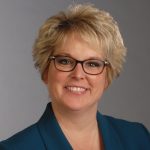
Firmspace-sponsor-bannerJennifer Prell is the founder and president of Elderwerks Educational Services, a not-for-profit 501(c)3 organization offering senior living coordination, advocacy, and education to older adults, seniors, families, and professionals. She is also the founder and president of Paxem, Inc., A+ Accredited Senior Move Managers and an ASEL (American Society of Estate Liquidators) Accredited Organization. Her credentials include SMM-C (certified Senior Move Manager) and Dementia Reality® Specialist. Jennifer is acknowledged as an expert on age related issues, and the transitioning of older adults.

She is a member of Leading Age Illinois, President of Continuity of Care Lake/McHenry Chapter, founding member of the Mainstreet Organization of Realtors Senior Service Committee, Board member of the National Association of Senior Move and Specialty Managers (NASMM), and a member of several chambers of commerce.

She has been on several radio programs, featured on WGN News, NBC News, Washington Post Live, winner of Entrepreneurial Excellence Award 2022, Community Organization of the Year winner 2020 by the Palatine Chamber of Commerce, and winner of the 2019 OWL (Outstanding Woman Leader) award from the Barrington Chamber of Commerce for mentorship.

Jennifer believes everyone deserves respect and dignity. Helping others has always been part of her core. She is married for over 33 years with two wonderful adult children.

Connect with Jennifer on LinkedIn and follow Elderwerks on Facebook.

What You’ll Learn In This Episode

  • Services Elderwerks offer to older adults to help them prepare for aging
  • Importance to plan for aging
  • Some programs Elderwerks has put in place to help people remain social
  • Different housing options for those over 65
  • Veterans’ benefits, moving, downsizing, organizing, estate liquidations, etc.

This transcript is machine transcribed by Sonix

TRANSCRIPT

Intro: [00:00:03] Broadcasting live from the business radio studio in Chicago, Illinois. It’s time for Chicago Business Radio, brought to you by firm space, your private sanctuary for productivity and growth. To learn more, go to firm Space.com. Now, here’s your host.

Max Kantor: [00:00:21] Hey, everybody, and welcome to another episode of Chicago Business Radio. I’m your host, Max Kantor. And before we get started, as always, today’s show is sponsored by Firm Space. Thanks to firm space, because without them, we couldn’t be sharing these important stories. And we’ve got a good one for you today. On today’s show, we have the president of Elderwerks Educational Services. So please welcome to the show, Jennifer Prell. Welcome to the show, Jennifer.

Jennifer Prell: [00:00:45] Thank you so much. I’m glad to be here.

Max Kantor: [00:00:47] I’m excited to talk to you about everything you’re doing and everything ElderWorks is doing. So let’s jump right in. Tell me a little bit about Elderworks and how you guys are serving folks.

Jennifer Prell: [00:00:57] Sure. So Elder Works is a not for profit. 51c3 located in Palatine, Illinois. And we help older adults and seniors with senior living coordination, advocacy and education. And we are a complementary service acting like senior guidance counselors. So if you have a question about aging, you want to join a fitness club, you want to get into health, then anything aging, we can help you.

Max Kantor: [00:01:22] So how did you get involved in this line of work?

Jennifer Prell: [00:01:27] Well, I started another organization back in 2003 called Packs, and we help people pack and move. And during our packing and moving, we noticed that the older adults and seniors didn’t really understand the aging process, where they were going, where they were moving. They didn’t understand anything about the landscape in Illinois. And I thought, hmm, maybe we need to start an organization that just helps people figure things out for themselves because no one likes to be told what to do or how to do things. And, well, maybe you do, Max, but I don’t. I like toys. So we wanted to give people choice. And I thought this would be a great way to offer information and referrals on a neutral platform and represent everybody. So we we help people find any type of senior housing. We know every type of community and any community in Illinois. We know them all. We know who’s good at what, we know who’s not so good at some things. We watch staff turnover, we watch the quality of care, things like that. And then when someone reaches out, we get person centered referrals based on their needs. They want to stay home. Great. Let’s figure out how you can stay home. Well, you want to move Well, let’s figure out what your best opportunities are. So it’s it’s a lot it’s not just a five minute conversation. It includes legal aspects of aging, your health, aspects where your family is, where what kind of lifestyle do you want? Because it’s about you and your loved one. It’s not about us for sure.

Max Kantor: [00:02:54] There are so many complexities that go into it. And so I feel like, you know, for a lot of people, having those types of conversations with loved ones can be really difficult. So over the years, have you encountered strategies to to bring up aging to loved ones or just begin that conversation to talk about this transition?

Jennifer Prell: [00:03:14] Oh, 100%. Our advice is always start early. The more often you talk, the better off everybody is. Everyone in your family should know what you want. So for instance, when my parents were close to 60, actually my dad was 60, we started talking about what he and my mom wanted for their futures every year. My dad’s now 83. My mom’s going to turn 80. And every year we have this conversation. This is where you’re at, This is where you are financially, this is where you are in terms of your health and this is where you’re going to be going should something happen. And it’s based on what they tell me every single year. And it is an important conversation. You are so right and it depends on your family. Some families are really. Not so good at divulging the finances to their kids. They don’t want their kids involved, or maybe they’re trying to protect them from some of their health concerns, but it doesn’t help anyone to not share that information.

Max Kantor: [00:04:08] Now, I’m sure you deal with clients who who aren’t fully healthy, whether they have dementia or maybe Alzheimer’s. Do you have programs for these types of people as well?

Jennifer Prell: [00:04:20] Yes, absolutely. So depending on where your loved one is in their stage of dementia and Alzheimer’s, there are things you can put in place to help them. So if your loved one is in the beginning stages of memory loss, it is time to make sure all of their legal and health aspects of aging are put in place. You need to make sure power of attorney or health care and power of attorney for property is in place so that should something happen and we know it will be because they have dementia and Alzheimer’s. When it happens, you can step in and make sure their wishes are granted. So if they say, you know what, I want to stay home as long as possible, wonderful. Let’s find someone, a home care agency who’s trained in taking care of someone with memory loss in the home. Let’s make sure the home is safe. Let’s make sure that you have the right nutrition in place, things like that. Now, don’t ever promise that you won’t move them out of their home. You just can’t do that. There is. There’s this thing called guilt, and everybody feels guilty when they try to do the right thing because mom or dad said, I want to live in my house forever. Well, everybody wants to live where they are forever. But sometimes you just can’t. Sometimes you have to move to a safer environment where you can thrive. If you stay home with cognitive impairment, you will lose your memory much faster because it’s not a structured environment. A person losing their memory needs structure. They need to get up at the same time, they need to have breakfast at the same time, they need to do an activity, etc. etc. If you don’t do that, your brain tends to go faster, if you will.

Max Kantor: [00:05:55] So when you guys are looking at, you know, services to recommend people or, you know, like residential places to recommend people, what criteria do you use to vet out places to know that they’re a trustworthy and safe place for either you, yourself or your loved ones?

Jennifer Prell: [00:06:13] Well, we tour often. We’re mostly we’re the strongest in northern Illinois. We don’t really go to bourbon often. We rely on family feedback. So we take all of the information that we see and what families give us. So for instance, when we tour a community or a facility, we’re looking at what kind of activities are in place, the quality of care, how clean is the community or facility? How happy are are the residents? Is it an engaging place? Does everyone take ownership of the building because people are moving in into their home? Are you treating it? Are you treating these people with respect and dignity or are you treating them like a patient? Are you treating them as a temporary resident? That is extremely important. No one wants their mom or dad or anyone else to go into a community where they feel like a number, Right? It’s just not appropriate. Everyone needs to feel love. Everyone needs to feel respect and dignity no matter where they are in the aging process. So we see all that we go in and we find how to all of the qualities. Then we also keep track of staff turnover. If there’s a lot of turnover in a building, we may not refer for a bit until we’re sure that the building stabilized.

Jennifer Prell: [00:07:27] If the building is of high quality, they will get referrals based on the person that we’re helping. It has to be appropriate for the person. So if someone is independent, we’re not going to send them to a memory care community. If someone has more memory loss, we’re not going to send them to a more independent assisted living building. They need more structure. So it’s all based on the person and their finances. Their finances are extremely important. So we need to find out everything about the person. We find out about their health, their physical limitations, their personality and their actual income, their assets and income. And the reason we do that is we don’t want to dangle a carrot and say, Oh, you should try this community, but you’re going to be out of money in six months. That’s just not appropriate. So we want to find the best place for the person we’re helping. And then the family feedback is wonderful. We always use it. And then when we do get a negative report, we always follow up on it to make sure that the issue is corrected. And if it’s not corrected, then we stop referring until the issues are corrected.

Max Kantor: [00:08:33] Yeah, it really sounds like you guys do your research and are only going to recommend places that you know you yourself would trust to put your own loved ones 100%.

Jennifer Prell: [00:08:43] 100%.

Max Kantor: [00:08:44] So let’s talk about once a loved one. It moves into to one of these residences. You know, I remember with my own grandfather when he moved in to one of his retired. I met Holmes. He liked to call it Shangri-La. That’s. That was his nickname for the place. But there were all these, like, events to keep residences, you know, socializing, happy, you know, exercise programs. So talk a little bit about some programs that Elder works has to help people, you know, get out and socialize or to stay healthy wherever they may move.

Jennifer Prell: [00:09:17] Well, if someone is staying at home or is more independent, our goal is to always get people social socialization helps people stay healthier. Honestly, if you are social, you’ve got a whole system of friends that can help your your psyche, right? You have your religious component, you have your friends, and then you have your health. We have a program called Stepping Out for Fitness. It is for any person that wants to get up and get healthy. It doesn’t matter your fitness level. You’re not competing with people in terms of their fitness level. It’s at your own pace. It is a challenge. Every month we draw gift card winners. Doesn’t matter where you live in the world, we can mail you a gift card and at the end of the year we draw from a big pot and you can win an Apple Watch or a flat screen TV. Our goal is to get people out of their chairs. And if they’re stuck in their chairs, at least exercising in their chairs, such as chair yoga or tai chi or lifting cans of corn, whatever you can do to get yourself some good health.

Max Kantor: [00:10:16] I saw to that you’re the 2022 Entrepreneurial Excellence award recipient. So can you talk a little bit about like what that meant to you to win that award based on what you’re doing?

Jennifer Prell: [00:10:30] Gosh, it meant a lot. Elder works works very hard for other people. We are not for profit. Everything we do is for others. We can think of ourselves as forward thinking. We adapt to the needs of the society we’re in. So we’ve grown from just one thing. We used to just tell people find senior living well. We expanded that every single year. For the last ten years, we’ve added on resources such as elder law attorneys, financial planners, handymen, plumbers, government officials, education support groups, book clubs, health and wellness programs, education. We have a huge education area where we provide community education and professional education on aging topics. We always are adapting to the need out there, and it was really nice to be recognized for our efforts because we are not a typical not for profit. We are not funded by the federal government or our local governments. We do get a few grants from like the McHenry County. They have a community foundation that supports us. We have the Economic Commission of McHenry County who’s supporting us because we help a ton of people in those areas and we don’t discriminate. So we’ll help any older adult or senior based on who they are, not on their wealth. So we help a lot of income restricted folks and it’s being recognized. We are now finally being recognized for all of our efforts. And you know what? It feels good because my team works there. Took us as off to help others.

Max Kantor: [00:12:05] Oh, yeah. I mean, it totally sounds like it to hear you talk about, you know, everything you’re doing is just absolutely incredible. And so for my last question for you is the question I like to ask every guest that comes on Chicago Business Radio. And I’m really interested in what you’re going to say because I know you’re going to have a great answer. But for you, what is the most rewarding part of all the work that you get to do with Elder works?

Jennifer Prell: [00:12:28] Oh, gosh. You know, the amount of good that myself and my team has done. Like we’ve spread happy and happy is a term I use quite often. It is pieces of ourselves to help others overcome and grow and move on with their lives because we all know there’s an end, but it’s how you get to the end that matters. And that is something that I won’t forget. I’ve worked with. Thousands and thousands of older adults and their families. And the best compliment I ever get is people that are in crisis just breathing. And no longer crying and getting centered and understanding that there is hope.

Max Kantor: [00:13:20] Wow. Well, Jennifer, I mean, it was an absolute pleasure to to talk to you. Your passion for what you do is really inspiring. And everything that you and your whole team at Ellen Works are doing. You guys are just doing some some really great work and we appreciate everything that you’re doing. So it was a pleasure to talk to you today on Chicago Business Radio.

Jennifer Prell: [00:13:40] Thank you so much.

Max Kantor: [00:13:41] If you’d like to learn more about Elder works and everything Jennifer and her team are doing, visit their website at WW. Elder works dot org. That’s elder e. R. W. E. R. K. S dot org. Thank you for listening to another episode of Chicago Business Radio. I’m your host Max Kanter, and we’ll see you next time.

Intro: [00:14:02] This episode of Chicago Business Radio has been brought to you by firm space, your private sanctuary for productivity and growth. To learn more, go to firm Space.com.

Tagged With: Elderwerks Educational Services, Jennifer Prell

Robert Cadena With Lean Solutions Group

February 22, 2023 by Jacob Lapera

South Florida Business Radio
Robert Cadena With Lean Solutions Group
Loading
00:00 /
RSS Feed
Share
Link
Embed

Download file

DTLLogo-Blue-Bannerv2Robert Cadena is currently the CEO and Co-founder of Lean Solutions Group. He has spent his entire career in logistics, having founded a transportation brokerage business in 2001 which was supported by his back-office operation in Colombia. After selling his brokerage business, he decided to dedicate all his energy on helping others in the logistics industry cut costs by setting up their own operations in Colombia.

Today, he has helped over 500 US based companies set up a satellite office in Latin America. These companies have reduced employee turnover, cut costs, eliminated the legal risk from ever increasing HR related issues, and created the ability to expand their workforces at a pace that would not be possible in the United States. Under his leadership, Lean Solutions currently has over 9,000 employees in five different Colombian cities, Guatemala, and the Philippines, expanding into Mexico in 2023.

Under his management, Lean Solutions has been on INC5000 fastest growing private companies in America four years straight. His vast experience has allowed him to provide tailor-made solutions for his customers in need of staff augmentation for operations, technology, sales, marketing, and traditional BPO services.

Connect with Robert on LinkedIn.

What You’ll Learn In This Episode

  • Lean Solutions Group
  • Company’s growth over the last decade
  • Attribute to his company’s success
  • Company culture
  • Future plans for growth
  • Nearshore and offshore industries changing over the next five to ten years

This transcript is machine transcribed by Sonix

TRANSCRIPT

Intro: [00:00:01] Broadcasting live from the Business RadioX studios in South Florida. It’s time for South Florida Business Radio now. Here’s your host.

Lee Kantor: [00:00:14] Lee Kantor here another episode of South Florida Business Radio. And this is going to be a good one. But before we get started, it’s important to recognize our sponsor. Diaz Trade Law, your customs expert today on South Florida Business Radio, we have Robert Cadena with Lean Solutions Group. Welcome, Robert.

Robert Cadena: [00:00:35] Thank you so much for having me.

Lee Kantor: [00:00:37] I am so excited to learn what you’re up to. Tell us about Lean Solutions Group. How are you serving folks?

Robert Cadena: [00:00:43] First, thank you so much for the invite. What we do is we set up satellite offices for US based companies in Latin America. So we first started with Columbia and now Mexico City. And what we do is basically set up their satellite office in Colombia for all their back office needs here in the US. As you know, we have a lot of problem with turnover, not finding folks to for certain positions. So we kind of set up that office for them to hire good college educated people for those type of roles.

Lee Kantor: [00:01:14] And then is there a sweet spot in terms of the type of roles or are all types of talent available there?

Robert Cadena: [00:01:21] Yeah, Right now when we first started, it was basic entry level positions. We are mostly concentrated in transportation and logistics, but we move them to their segments as well. We started with positions like basic customer service, but now everything has evolved. We’ve been in business ten years. We now have people that are doing auditing and cash applications, a lot of things that require a lot of technical expertise. And what we do is our team try to reposition ourselves so we can train them, make sure they’re doing the exact same functions as the US employee so we can compare apples to apples and make sure that that their quality is there and that they’re doing supposedly suppose what they’re what they’re supposed to be doing.

Lee Kantor: [00:02:05] So how would it work? So say I have a company and that I need help. How would I even think to choose you guys as a partner in this other than like, you know, if help can be anything, how do I even know where to begin?

Robert Cadena: [00:02:21] Absolutely. And as you know, outsourcing is not a good word to use. When people use outsource, they would go to a they would go to a country very far away who didn’t understand our culture. And it was difficult to facilitate that process of having back office support. So that’s what we came in and we called it different. We called it setting up your satellite office. It’s basically us setting up your own call center. So at the end of the day, if you have any positions that you have a business and you’re doing a lot of just to give you an example, accounts receivable, where did you just call in folks and ask them if they have their invoice when that check is coming and you have somebody here in the US, you can actually have that same position in Colombia. It’ll be your employee without the liability, but you would obviously have a cost savings. That is important at this point in time. We’re not only looking at cost savings per se because there’s obviously a lot of cost savings, but we’re actually looking at the quality of the employee that are going to be doing those tasks and how much how much better they get as time goes by and what other positions can they fill as they scale your business. So we have clients that have 20 people with us. We have clients that have 300 people with us, and the positions varied depending on the need of the company. So if a company is struggling and I usually tell them, listen, look at the positions where you have a lot of high turnover where it’s hard to hire. And let’s start with those with the positions that you’re really struggling with. They call us and tell us these are the positions we create an SOP, a job description for each one, and then we replicate what they’re doing here in the US and we give them tools to measure the productivity of their team in Latin America.

Lee Kantor: [00:04:08] Now, is there kind of a way to test this? So it sounds good. I mean, do I start with a 90 day project to see how it goes? Or do I have to commit to a period of time? Like, how do you move from sounds good to at least a pilot program?

Robert Cadena: [00:04:28] Actually, that’s a great question. And we try to make it very simple on our clients. We have no contracts, so what we set up to do is a 90 a month to month agreement. So you start with us, you make sure it works, and after a year it becomes renewable every year. But you can leave at any point in time because we wanted to make sure that if you start this project and it’s working great, we’ll continue to grow together. But if not, you can leave at any time. And that’s kind of our compromise that this and if this is not 100% of what you want it give you the outlet for you guys to to to just move on. But we haven’t had that happen so far. We have a great customer retention. And I think it’s because of that. Because. Give them complete visibility as to what their employees are doing. And in some cases they say, would you please use these analytics and these data metrics for our team in the US because we don’t have it. So it’s much more than staff augmentation is how do I utilize my employees to the best of of of their capacities and how do I know I given them the right amount of work to each one? And I think that’s what we’re really good at, how to maintain those processes in the back end.

Lee Kantor: [00:05:43] So now say, I take the leap and I’m working with you. Am I training somebody on your team at Lean Solutions Group on how to do this task? And then you’re finding that employee to do the task so that if that employee leaves, I’m not having to retrain them. Somebody on your team is already know how to do it, and they’re the ones that are kind of managing that individual.

Robert Cadena: [00:06:10] That’s right. Exactly. One of the the aspects that are not really considered by by business owners is how much time does it take me to hire, recruit, train and follow that process of that one employee that could leave in two months from now? So that’s where we come in. When when we start the process, we create an SOP, job description. We know the business. If somebody were to leave, we have enough people and we do the hiring and we do the background checks, make sure everything is online and we know what type of employee we’re going to be using for that particular position. So all this process that we went through, once we can replicate and train as many employees as possible, not only for people that are that that that are being replaced, but actual growth for the company. So you have explosive growth and you need to hire 1020 employees to do customer service or whatever it is. It’s hard to do it here in the US and it’s hard to do it by yourself as a business owner because that’s not your business. Your business is whatever the specialty you’re that made your business grow. So you get to partner with Lean Solutions and then you get this, this process where I’m growing and I have a partner that’s looking at all of my back office, making sure I have enough work for everybody. And I’m actually looking towards the future and I know I have the right partner in place. So like I said, we have right now over over 500 US based companies and we are very close to the 10,000 employee mark in all of our offices in that America.

Lee Kantor: [00:07:50] Now, you mentioned operations and but it goes well beyond that, right? Like you can help with business development or marketing. There’s a lot of areas that you have talent kind of ready to go. If I had a need.

Robert Cadena: [00:08:05] That’s correct. Our niche and how we got started is operations. It’s a basic back office. But then our clients started coming to us and say, We love this model. Do you guys can I have a marketing team? So we started leading our marketing division, which is basically the same staff augmentation for marketing. And then it happened the same with sales. My business needs a couple of leaders, business development reps. We place them in Colombia, they start knocking on doors and then the team actually makes the clothes in the US. And then finally we have the tech side and that’s our our largest segment. I think we have over 600 engineers, so programmers doing coding, we have front end, back end, all sorts of positions also assigned to US based employees because of the cost, which is considerably low and the quality is absolutely amazing. So we’ve been able to go into those four segments and really specialize in that niche and and grow from there. And it’s funny because it came from our clients saying, can you can you help me with this because I’m struggling with this? So we hear where our clients tell us and we also come back to them with with with best practices, given that we have so many clients that we can come to you and say, Hey, this process that you have currently, we can probably automate, get an RPA, get a team of programmers, we can build you this and this way you don’t have to do this on a on a day to day basis. So we’ve been able to develop over over 100 RPAs to build those models for customers. So if you ask me what really works, the combination between tech and and and people is really what enables us to go to scale. Where, where, where are we at right now?

Lee Kantor: [00:09:55] So now from the US standpoint, when you’re working with clients here in the US, what are some of the maybe misconceptions they might have about using a service such as yours? What are some of the areas where they might have a bias to think that they’re. There’s no way this is going to work for my company.

Robert Cadena: [00:10:16] Sure. There obviously, I’ve been I’ve been doing this for 20 years and I’ve had to break out a lot of those doors that were shut in front of me, the first one being the culture. So that’s why we began with this near-shore model, because they were right. The the culture of somebody being 12 hours away, 8 hours away, it’s completely different. The time zones are completely different. With this, we kind of mitigate a lot of those. A lot of those those things that came to us as as as opposing this business. So right now, we have places that are two and one half hours away. The culture in Colombia, Mexico and Guatemala is very similar to the one in the US. I’d say a big one is the English. We have a thick accent because maybe my customers are not going to like that. I was born and raised in Columbia. I came here when I was 24. I went to George Washington High School. And like me, there’s thousands and thousands of of people in Latin America that that really understand the culture, have great English levels. And I’d say 99% of our staff is completely bilingual with great English levels. So I think those that’s the most one. And and the last one was, is it dangerous for me to go over there and train my team? And I think we’ve had God knows how many visitors, but we have at least 5 to 7 clients visit us on a daily on a weekly basis. It’s very safe. It’s a beautiful place. And when you get to know the people there, you understand that this is not just a job for them. It’s it’s how they maintain their family, how they grow, how they set up a a career path. So it’s just amazing not only as a business, but the social component that this has to many people that maybe disregard this type of job. And it’s really something they value in the places where we have offices.

Lee Kantor: [00:12:11] But it doesn’t require me to go there, right? Like, ultimately, the employee is a Lean Solutions group employee, not an employee of my organization, right?

Robert Cadena: [00:12:21] Correct. Yes, absolutely. The whole liability is on us. We’re basically a vendor here in the US. We the business, the model works where we build our clients here in the US with a fixed monthly flat fee for a 40 hour work week like you would anybody here in the States. So that’s the business model. But in in as you scale and grow, we have companies that are we have over 20 companies that are publicly traded companies. They want their team to go down there and experience what it is to be with their team. But but you’re right. You don’t have to be there to have a team. We just recommend it because it’s it’s so close. You’re going to have a great time and you get to experience that culture and have conversations directly with the team that’s assigned to you.

Lee Kantor: [00:13:10] Now, regarding your ideal customer, I’m sure over the years it’s changed quite a bit, but are you finding that more midsize and larger organizations are using your service or you still work with some small startups or small companies?

Robert Cadena: [00:13:30] It’s it’s it’s incredible that that obviously when we first got started, our clients used to come to us and say, Hey, I need two or three. We can still do that. I truly believe that people want to get their feet wet before they jump in the water. So it’s okay to come in, to come to us and say, Hey, listen, I want to start with two. I want to see how this works. If there’s potential to grow, we have no problem starting with two for six right now. Our our ideal size to begin with is between six and ten. But that does not mean that if you have to, you can come to us and we’ll help you through the process. It really depends on the the complexity of the job because it takes for us our implementation team takes the same amount of time to onboard a 20 person account that it is a two person account. But if that two person account has potential and and they feel that that this is something that that it’s going to scale and grow, then by all means we definitely want everybody because we want to help every single company, not just the big ones that are already situated, that are that are positioned, but also those companies that are struggling to get over. And I think that’s the story behind mine. This is why I started my back office in Colombia. I was struggling to hire employees in the US, and the scaling is basically impossible for me as a small company. And then I just set up my satellite office in Colombia because I was originally from there. It just made perfect sense for me to do that, and that’s how this whole process got started.

Lee Kantor: [00:15:07] So if there was a firm out there that needed, like say, they’re ready to get a sales team in place or a digital marketing team in place for their organization, but rather than hire one person here in America, they can say, Hey, you know what, I’m going to partner with Lean Group and then I can hire a team and then I can be off and running and train them well once. And then I’ll have a constant supply as they grow and I scale at 100%.

Robert Cadena: [00:15:40] And like I said, their objectives should be to focus on their main business, what they do. And to your point, if I can bring one time a team of Lean group and they can if I need if I have need of more people, they can train them and go through the process of hiring, recruiting, doing all this process, then it makes perfect sense. The one thing that we’ve been able to do is replicate what the US based company has. We don’t want to change the culture. We don’t want to change any of the structure of the company. We want to ensure that what you build your business is growing. It’s because it’s a good business. So we just want to make sure we’re there and we kind of replicate exactly what what the company is doing here in the US. I think I think one of the biggest obstacles that we had was we had a lot of clients saying, Do I lose control of my like I don’t want I don’t know where Colombia is or Guatemala, I don’t care. But I just I don’t want to lose control. And the fact that we we kind of take these employees and present them to the customer, they can interview them. They’ll be talking to them on a day to day basis. It’s like hiring somebody in another state. It’s the exact same thing. So we just give you the tools for you to do that and you become a multinational multinational company overnight when you have an office in Colombia through Lean Solutions and you can manage that team very closely as opposed to just a regular outsourcing where somebody is doing the job for you. And there’s really no measuring of of whether or not that’s working. And if your clients are enjoying that. We have a ton of clients that have customer facing positions that were unheard of ten years ago. It’s because if we if we replicate everything, including the culture, the way customers are treated, the processing, which is done, then there’s no reason why you wouldn’t have something like this that gives you huge benefits and helps you scale and grow.

Lee Kantor: [00:17:39] So what do you need more of? How can we help you?

Robert Cadena: [00:17:43] Okay, so we’re one of the ideas of of of what we’re trying to do is go into different areas. Right? We’re in transportation logistics. We’ve been moving into the supply chain world. Obviously, that’s that’s where our expertise comes from. But we also have other shippers, people that that that sell products. So if there’s a company out there that has it’s in a different model of what we have right now. We can we can take that same model and do the same process and help them, and that’ll give us the knowledge and expertise of other other business and other areas that we can expand to. So for me, that’s the most important part. Right now we have a company that that wants to start startup with engineers and. Architects to help them build models and renderings out of our offices in Latin America. And I think that’s going to be a good one. I just I just want to know how many of those businesses we can we can help establish and grow.

Lee Kantor: [00:18:44] Now, are your clients primarily in South Florida, or do you have clients all over the world?

Robert Cadena: [00:18:49] All over? The majority, I’d say 98% of them are in Canada, in the USA.

Lee Kantor: [00:18:56] But they’re not in specific. Like, are you looking to target certain regions of of the US, like in certain areas like the Southeast? Is that better than the West or It doesn’t really matter.

Robert Cadena: [00:19:07] It really doesn’t matter. We have a ton of customers from Chicago. We have a lot of New York, California, Salt Lake City, Texas. It really doesn’t matter. And that’s why we position our offices in different places and Latin America to make it convenient for them with the time zones and the getting there if they decide to go visit their folks. So it really doesn’t matter. I think I think obviously there’s areas that struggle more than others, places like California and New York where talent is so expensive. And when you find a place where you get similar talent and it’s a fraction of the cost, then then it’s a no brainer. But but it works in every single and every single state in the US. And I think we have all over at this point.

Lee Kantor: [00:19:59] So if somebody wants to learn more, have a more substantive conversation with you or somebody on the team, what is the website? What are the best way to get a hold of you?

Robert Cadena: [00:20:07] Sure. Our website is lean group dot com. You can go in there. We have actually that website, the website for Lean group. We do have videos of our offices and it kind of shows each location, the cities where we’re in. We also have all of our services, all the information. So you can, you can check out that email. All the, the information for you guys to contact us is there. And like I said, it’s it’s I know it’s it’s one of the hardest things for people that have never done this before, but this model really works. So if you’re struggling on hiring, recruiting, finding that right time in the US, maybe we can find you the same sort of talent, the same level of talent somewhere else. So go to our website, check it out. There’s a there’s a contact info, of course, on the website and hoping we can get some some good companies out of the out of this interview of course.

Lee Kantor: [00:21:08] Yeah. And it’s one of those things where if you’re struggling, it’s worth a conversation 100%.

Robert Cadena: [00:21:14] And by the way, we mentioned before, there’s there’s no contract. So if you want to try it out for a certain period of time, you can try it out. You can leave it any time. So there’s there’s there’s really no reason why you can’t get this a chance. And if it works, it’s great. And if not, there’s no harm, no foul. Right.

Lee Kantor: [00:21:32] Good stuff. Well, Robert, thank you so much for sharing your story today, doing such important work. And we appreciate you.

Robert Cadena: [00:21:38] Thank you so much for you. Appreciate the invitation. And and like I said, again, we’re we’re very happy that that that that you guys have us on the show and hopefully this this reaches a lot of people that are listening and wanting to do this but maybe we’re reluctant to do so. And after hearing the story, they they’re probably going to try it out. So thank you so much, Lee. I appreciate it.

Lee Kantor: [00:22:00] You got it. All right, this Lee Kantor, we’ll see you next time on South Florida Business Radio

Tagged With: Lean Solutions Group, Robert Cadena

Gary Long With Botanical Sciences

February 22, 2023 by Jacob Lapera

Atlanta Business Radio
Gary Long With Botanical Sciences
Loading
00:00 /
RSS Feed
Share
Link
Embed

Download file

Gary Long is the Chief Executive Officer of Botanical Sciences. With an extensive background in healthcare in the state and across the country, Long is uniquely qualified to lead Botanical Sciences on its journey to provide hope and relief for the patients of Georgia.

Most recently, Long served as Executive Vice President and Chief Commercial Officer of R1 RCM (NASDAQ: RCM), offering technology enabled revenue cycle management services for healthcare providers across the country. While at R1, Long led the company to unprecedented levels of market success and profitable revenue growth.

Previously, Long held numerous executive leadership roles within the healthcare industry. He spent nearly six years with Premier Inc (NASDAQ: PINC), one of the leading group purchasing organizations and healthcare technology companies, and 11 years at McKesson (NYSE: MCK), one of the largest pharmaceutical distribution and health technology providers in the country.

In his free time, Long enjoys giving back to the community. He serves as a board member for an organization dedicated to the empowerment of underserved youth through mentoring programs and scholarships for post-secondary education. Long values spending time with his family and living an active lifestyle, with his favorite activities including golf, tennis and pickleball.

Connect with Gary on LinkedIn.

What You’ll Learn In This Episode

  • Legalization of Cannabis in GA
  • Day-to-day duties at CEO of Botanical Sciences
  • Benefits of medical cannabis in GA
  • The dedication ceremony that was held in December
  • Types of products

This transcript is machine transcribed by Sonix

TRANSCRIPT

Intro: [00:00:04] Broadcasting live from the Business RadioX studios in Atlanta, Georgia. It’s time for Atlanta Business Radio, brought to you by on pay. Atlanta’s new standard in payroll. Now, here’s your host.

Lee Kantor: [00:00:25] Lee Kantor here another episode of Atlanta Business Radio. And this is going to be a good one. But before we get started, it’s important to recognize our sponsor on pay. Without them, we can’t be sharing these important stories. Today on Atlanta Business Radio, we have Gary Long with Botanical Sciences. Welcome, Gary.

Gary Long: [00:00:43] Thank you.

Lee Kantor: [00:00:44] So be here. I’m so excited to learn what you’re up to. Tell us a little bit about botanical sciences. How are you serving folks?

Gary Long: [00:00:50] Yeah, Botanical Sciences is the first physician to own medicinal cannabis company in the state of Georgia. So we’ve been issued a license by the state back in the fall of last year, and we’re ready when the state is gives us the go ahead to start serving patients.

Lee Kantor: [00:01:10] Now, why does it take so long for this whole process to happen after it seems like you it’s been given the thumbs up and then but it’s still not able to kind of exist in real life yet?

Gary Long: [00:01:25] Yeah, I know there’s been some challenges in that regard. I mean, just for the audience. Medicinal cannabis has been legalized in the state since April of 2015. At that time, Governor Nathan Deal passed the HOPE Act, and that’s what legalized medicinal cannabis. So we’re coming up on almost eight years since then. But things are progressing pretty quickly now, I think, between the fact that a company like ours and five others were went through an RFP process back over the last couple of years, and we were fortunate enough and honored to be selected as one of the two class one companies to provide this therapeutic treatment to the patients of the state. And we anticipate that as things progress over the first half of this year, that the state will authorize us to begin dispensing product.

Lee Kantor: [00:02:18] Now, can you educate the listeners about where we are at regarding cannabis and maybe at the macro level in the United States and then maybe in a micro level here in Georgia?

Gary Long: [00:02:30] Yeah, sure. I mean, as everybody is probably aware, this has been progressing throughout our country for the last several years. I mean, I think everybody’s aware of what happened in Colorado and in the Western states over the last ten plus years. And that wave is now starting to make its way into the south. And Georgia, along with Florida, are kind of leading that way. And so just a reminder, the market for medicinal cannabis, there’s now approximately around 40 of the 50 states that have laws on the books that authorize the use of the product for patients that have a specified need. And we can go through that in a moment. And so our company is designed to serve those patients. We are a physician founded business. Our founder, Dr. Robin Fowler, was an interventional anesthesiologist and has been treating patients in pain and having these types of needs for his whole career. And so I’ve been involved with the business for about three years myself and just recently taking over. But as you can imagine, there’s this pent up demand that’s existed because our state has been a little slower on the on the uptake for this. But it’s definitely moving forward now and we feel like things will progress towards, again, our ability to dispense later this year.

Lee Kantor: [00:03:53] Now for medical cannabis, there are certain the science is there in terms of the effectiveness of this. Am I right or is this something that it sounds good people believe it’s so, or is it something that there’s research to document that there’s better outcomes with it?

Gary Long: [00:04:12] Yeah, there is a myriad of studies that have been conducted over tens of years, decades that just talk about the efficacy of of medicinal cannabis for the treatment of certain diseases in terms of being able to provide hope and relief for patients that may have cancer as an example, or intractable pain or seizure disorders, ulcerative colitis, Crohn’s disease. So there’s a lot of research that’s been done, but because this has been federally illegal, the research that you would normally see has not been funded by the government. Now the government is also now starting to change its tune in that regard. Our company, we we are actually sponsoring some of those same studies ourselves because we do believe in it. We know there’s a ton of people who have gained benefit from from utilizing it for, again, these types of diseases that I’ve referenced. And we’re certain that it’s going to be an incredible therapy for folks that are in need of it.

Lee Kantor: [00:05:21] Now, for folks that are in need of it, how are. Are they dealing with it right now if they are in Georgia? Is this something that they just have to wait until this comes out or are they going to other states right now? How are they kind of solving this problem?

Gary Long: [00:05:35] Yeah, it’s probably a little bit of all of that. The state of Georgia has a patient registry that’s run by the Department of Public Health. And right now, today, there’s somewhere between 28 and 30,000 people that have already registered. So that when it is available, they will be able to receive a a therapy of medicinal cannabis from their physician. So, yeah, I mean, there’s definitely some pent up demand there. We anticipate that there’s going to be many more patients that will present once it is available for them to purchase. What have they been doing in the past? I mean, you can imagine many of them have been going to other states where it is legal and they have the ability to buy it. I’m sure there’s a population of people that are also buying it on the black market, which isn’t great. And one of the things that I think we will bring, I know that the state is going to help us do this is we’re going to provide a very pure form of the product that is lab tested from by ourselves and then also by the state’s labs that will ensure its efficacy, its purity, its compliance, and so that patients can take comfort in the fact that when we are able to dispense that, our products will be of the highest quality and purity.

Lee Kantor: [00:07:00] Now, is this something that you are growing the cannabis here in Georgia?

Gary Long: [00:07:06] We are, yes. In fact, that was a key stipulation as part of our licensure. We’re located our manufacturing operations is located in Tatton County, which is about an hour west of Savannah. And the town that we’re located in is called Glenville, Georgia. So we are actually manufacturing product today. We are authorized to do that by the state, and we will be ready to have product for patients to purchase in the end of the first quarter, beginning of the second quarter of this year. Now, we are not authorized to dispense that until the state actually approves us to do so. But we’re in a position to be able to start serving patients in a month or so.

Lee Kantor: [00:07:50] And then is the climate in Georgia exceptionally good for growing cannabis, or is it one of those things where that’s not as important? It’s just possible?

Gary Long: [00:08:01] Well, it has dictated by the state. This has to be grown indoors. So it’s a very, very controlled environment. We use the most state of the art irrigation, hydroponic type of systems and lighting to grow extremely pure cannabis. All of the other folks who have actually been awarded a license are going to be required of the same thing to grow indoors. It has to be very secure and we have rules and regulations that we’re going to be following that the state has is close to passing, which will kind of dictate exactly how we’re to operate. So we are in compliance. We will be in compliance. And that’s another thing that patients can take comfort in when they do purchase products from botanical sciences is that we we will be a very compliant and are a very compliant company as it relates to what the state’s going to need from us.

Lee Kantor: [00:08:58] So you’re in control of the growing of the product as well as the distribution, or is it are you. Yes. So you.

Gary Long: [00:09:06] That’s correct. The state has, I think, rightfully so, awarded licenses that are referred to as seed to sale. And what that means for those people in business, I’m sure they will understand it’s a vertically integrated license, meaning we have the ability to grow the product, process the product into its useful form, distribute it and then dispense it. So essentially, going from the ground to a packaged product where somebody can purchase it. Many other states have chosen different approaches where they have vertically integrated license holders, but then they also have certain companies that would just manufacture the product. Other companies would distribute it, and then other companies would then dispense it. I think Georgia’s done it correctly because this ensures a consistent supply chain. And again, it makes it easier on us and it makes it easier on the state to ensure that there is a a high quality product that is completely trackable from the minute it’s planted to the minute a patient ingests it. So that’s going to be of benefit to all of us in the state of Georgia.

Lee Kantor: [00:10:23] Now, how. How are the various distribution points regulated? Are there a finite number of those? Did they say there can only be X number of this, or is it going to be like some things where they’re on every corner?

Gary Long: [00:10:38] Yep. Great. Great question. So there are two classes of license holders in the state. There were six total companies that were selected. There are two which are class one licenses, which is ourselves and another company. There are four class two licenses that are smaller. And I’ll explain the two. Class one licenses have the ability to grow with 100,000 square foot, square feet of capacity, and the class twos have 50,000 square feet of capacity. The delineation between those also dictates the number of dispensaries that you were granted as part of your licensure. As a class one. We were granted five initial owned dispensaries that we could open. And so we are in the process of actually finishing those right now as we speak. So that, again, when we’re authorized to dispense product, we will have the ability to do that for every 10,000 patients that gets added to the registry per the state. We are authorized with another dispensary. I don’t anticipate at least I can speak for botanical sciences. We’re going to be good stewards of the communities that we operate in. And so we’re very excited about the engagement with the patients, the communities that we’re going to be operating in. And we believe this is going to be a really, really good thing for the patients of the state.

Lee Kantor: [00:12:08] So do you have locations for the five kind of mapped out?

Gary Long: [00:12:12] We do. We’re not disclosing that externally just yet, but we’re going to be located, as you would imagine, across the metro Atlanta area and in other large population centers around the state. And as we continue to again add patients to this, we’ve got a plan to essentially be in near every population center in the state. So we’re very excited about that getting going because we do believe there’s a lot of pent up demand that hasn’t put their name on the roster yet for the Department of Public Health, but we anticipate that’s going to increase dramatically over the next several months.

Lee Kantor: [00:12:49] And but there being only five, Georgia is a fairly large state. Is this one of those things where it’s like, I’m going to Costco and I’m buying a big amount of this? Or is it something that I can only get a little bit and I’m going to have to go back every week or so?

Gary Long: [00:13:07] Yeah, no, that’s a great question. And just to clear it up for your audience, the state has only authorized us to provide medicinal cannabis in three delivery methods or packaging forms. So a tincture, which is like an eyedropper bottle that has a measured amount of THC oil capsules which contain the product as well, and topicals. So in the state, there is no authorization for a company like ourselves to provide any other form at this point in time that includes edibles and includes smokable oils. So this truly is being treated as a medicine, which is commendable because I think we’ve if you’ve been around the country and some of these other cities, there’s some abuse that goes on and where you see people walking down the street just openly smoking the product, this will be treated very much like a medicine, like a pharmaceutical therapy. And that’s again going to be great for for patients. Now, over time, will that evolve? More than likely it will evolve. But I can’t speak for what the state necessarily is going to is going to do and when they’re going to do it. But we do interact with the Georgia Access to Medical Cannabis Commission on a regular basis, as well as other legislators. And again, we’ll follow whatever guidance they give us. That is kind of a difference about how Georgia is treating this than other states. And also one other thing is that our product, which again is governed by the state, is what’s considered low THC oil. So that’s a 5% concentration or less. So that’s just another bit of information for your audience.

Lee Kantor: [00:14:47] So the people who will benefit will get the health benefits of it, but they won’t get the maybe recreational benefits.

Gary Long: [00:14:57] That’s correct. This is not a recreational market. The way that the process works is you would visit with your physician. That physician would then make a recommendation for you to receive product, which is then needed for you to register with the Department of Public Health. And once you have that registration listed, the Department of Public Health usually takes a week or two to turn around and get you your medicinal cannabis card, which then you will be required to present to us at a dispensary in order to receive product. So it’s a closed loop chain of how patients would receive product or be authorized to receive product. And it seems like a very good approach, at least initially, for giving access to patients around the state.

Lee Kantor: [00:15:47] Now, is this something that’s reciprocal? If I have a license to get cannabis in Georgia, that if I go to another state, I would also be able to get it there? Or is it just exclusive for Georgia?

Gary Long: [00:15:59] Yeah, it’s just exclusive for Georgia. That is something that I think some states have thought about this reciprocal license once you receive your card. But I think for now, my understanding is that Georgia is just very much focused on Georgia, and so are we in serving the patients of the state. And just going back to where we started this conversation, you know, having it been legalized almost eight years ago, there’s a lot of pent up demand and our state has grown tremendously since then as well. So the number of people that are potentially waiting for this as a treatment has grown leaps and bounds.

Lee Kantor: [00:16:39] So what do you need more of? How can we help? Do you need more people to get on the list? You need more people to sign up for your mailing list or get on your website so that you know they exist so that when the time comes, you are able to communicate with them.

Gary Long: [00:16:52] Yeah, I mean, all exact things that are that we’re helping kind of get the word out now ourselves in the state. We’re trying to communicate effectively about the availability. Obviously, our company being more formally introduced at the beginning of this year. Patients can go to our website at Botanical Sciences. We’re also on all the primary social platforms where we actually have these instructions, the very simple instructions for them, if they have one of these indicated conditions that the state is authorized for patients to receive the product, then how they would go about having a conversation with their physician and then essentially going through that process with the Department of Public Health to get their card. So, yes, if they have any questions, they can actually reach us through the website. We’ve got a team of people that are engaging not only with patients, but with a lot of the physician caregivers in the in and across the state to provide education, because again, we are a science based physician led company. And so our true north is serving patients the same way that physicians are the same way that pharmacists are. And that’s where we align ourselves as well. So we’re very excited about it and and just are eager to get going.

Lee Kantor: [00:18:18] And the website is Botanical Sciences within WSJ.com.

Gary Long: [00:18:22] That’s correct.

Lee Kantor: [00:18:24] Well, Gary, thank you so much for sharing your story today. You’re doing important work and we appreciate you.

Gary Long: [00:18:29] Thank you, Lee. I appreciate it.

Lee Kantor: [00:18:30] All right. This is Lee Kantor. We’ll see you next time on Atlanta Business Radio.

About Our Sponsor

OnPay’sOnPay-Dots payroll services and HR software give you more time to focus on what’s most important. Rated “Excellent” by PC Magazine, we make it easy to pay employees fast, we automate all payroll taxes, and we even keep all your HR and benefits organized and compliant.

Our award-winning customer service includes an accuracy guarantee, deep integrations with popular accounting software, and we’ll even enter all your employee information for you — whether you have five employees or 500. Take a closer look to see all the ways we can save you time and money in the back office.

Follow OnPay on LinkedIn, Facebook, and Twitter

Tagged With: Botanical Sciences, Gary Long

Michael Falato With Full Throttle Falato Leads

February 22, 2023 by Jacob Lapera

High Velocity Radio
High Velocity Radio
Michael Falato With Full Throttle Falato Leads
Loading
00:00 /
RSS Feed
Share
Link
Embed

Download file

Michael Falato, CEO and Founder of Full Throttle Falato Leads.

He has 25 years of enterprise sales in software. He has sold to the NFL, UFC, AT&T, Invesco, as well as many start-ups. He knows that producing qualified leads or recruiting top talent is a huge drain on resources so he started his own lead generation/recruiting company.

They have access to over 950 million contacts and can develop persona-based drip marketing campaigns using emails and LinkedIn automation. They will provide a shorter cycle, tighten the messaging, as well as provide metrics, insights, and consultation.

Michael has the capacity to safely send over 20,000 emails a month and over 150 LinkedIn Inmails/Invites a day for lead generation.

Connect with Michael on LinkedIn.

This transcript is machine transcribed by Sonix.

TRANSCRIPT

Intro: [00:00:05] Broadcasting live from the Business RadioX studios in Atlanta, Georgia. It’s time for High Velocity Radio.

Lee Kantor: [00:00:15] Lee Kantor here another episode of High Velocity Radio and this is going to be a good one. Today on the show we have Michael Falato with Full Throttle Falato Leads. Welcome, Michael.

Michael Falato: [00:00:26] Thanks, Leigh. How are you doing?

Lee Kantor: [00:00:27] I am doing well. I’m so excited to learn what you’re up to. Tell us about your firm. How are you serving folks?

Michael Falato: [00:00:34] Basically, folks spend way too much time hunting and hiring stars and lead gen approaches, and they don’t necessarily get enough leads or they damage their domain or their LinkedIn profile. So I basically serve up top of funnel qualified leads using email, LinkedIn, automation and roundtables.

Lee Kantor: [00:00:55] So what’s your backstory? How did you get into this line of work?

Michael Falato: [00:00:58] I was working as a software salesperson the last 25 years. Also, I have a background in the Air Force Reserve, and I’ve always been kind of hunting and gathering and selling the whole full cycle, and I’ve always been better at hunting than anybody else. So I basically started my old Legion company the last couple of years and grew it from zero to about 650 the first year and the million last year. So it’s been in hypergrowth mode. Took a couple other companies from 250 to 2.8 million in one year and helped them raise their series A. So I have a really good experience and background and just helping startups and companies that don’t necessarily know how to build their top of funnel or realize that they should be focusing on closing and selling, not on hunting.

Lee Kantor: [00:01:44] So since you’ve kind of gone through the whole process yourself, and what are some of the mistakes that folks make when they are trying to build out a funnel like you describe?

Michael Falato: [00:01:54] Well, the higher steers and they’re usually out of college, so there’s a lot of turnover and they don’t know what they’re doing yet, unfortunately, because they’re just starting. They’re using HubSpot or other things like outreach and they’re using their Gmail and Office 365 to send emails. And those tools are great. But if you’re using your own domain, you’re going to ruin your domain and ruin your your deliverability. And if you don’t have an email engineer that understands how to deliver these emails at bulk but personalized bulk, then it’s a really bad idea. And I actually have done the wrong things that I can basically shorten your time so you don’t have to do those yourself. So they’re doing that a lot. They’re also using automation tools for LinkedIn that get their LinkedIn profile banned or or penalized or suspended. I’m sitting out 200, 300 invites a day on LinkedIn or emails doing 20, 30, 40,000 emails a month and not damaging domains or LinkedIn. So I have a repeatable and scalable process that works.

Lee Kantor: [00:02:55] Now, one of the challenges for a lot of folks when they’re kind of they have an idea of who they’re they don’t have a clear idea of who the ideal client is and they market to maybe too broad a group. Do you help kind of hone in on who that that ideal target is so they can, you know, get some low hanging fruit so they get some wins right away?

Michael Falato: [00:03:18] Yeah. I mean, a lot of folks, especially when they’re starting out and getting through the MVP stage or getting just to go to market, they just raise a series A or seed round. They’re not for sure what their ICP is sometimes. And if you look at what I do is I deliver emails in bulk but personalize. So they’re good a B test and figure out what works, what doesn’t, and we reinforce the good and we stopped doing what’s not resonating. So I definitely help with that because otherwise there’s a lot of market research that is not real world and they’re guessing what their IP is, especially if they’re startups. So yeah, stats tell everything and that’s why Moneyball and all these analytics companies are popping up because you’ve got to do what the stats tell you, not what the heart and mind tell you all the time.

Lee Kantor: [00:04:03] Now, is it something that like walk me through what happens? Somebody says, you know what, Michael, I’m in. Tell me what to do. I don’t know what to do. I got this great thing. This is who we think the ideal customer is. But I need your expertise to really hone in on on, on the right person and double down when you find them. So how do you help me kind of get started to maximize kind of the value I’d get out of your firm?

Michael Falato: [00:04:32] Well, there’s a startup guy that I built because I get that question a lot. Like, what’s your IP? What’s your personas? What you do not contact list? Whose LinkedIn profiles do you want to automate what you’re offering? I always say, Listen, you’ve got to make the emails and LinkedIn about them. Who cares? So what? Why are you bugging me? What are you going to do for me? How are you going to save my job? And what’s the fear of missing out if it doesn’t attach to your brain or your heart? It’s not going to get people to book a meeting. Stop selling features and functions and buttons and start selling. Can I figure out a way to help you be prescriptive, be a doctor, be an investigator, ask 4 to 5 questions deep, and then you’ll find a solution that will fit their budget and fit their needs. Because realistically, doing this internally, it’s not getting the same type of people. And just the data alone on Zoom info or some other platform, it’s $0.50 to a dollar. So you’re going to pay more than that just for data and not have a good way to deliver it through automation. That’s not going to hurt. Domain or your LinkedIn. So you leave the expertise to the experts just like you would do for anything else in your life. Most people think they can just go out there and hunt themselves and it’s not the best way of doing it. Subject matter experts should be selling mat hunting press and buttons all day and trying to figure out how to automate.

Lee Kantor: [00:05:52] Now, Is this something that is done for you? Done with you? How does it work?

Michael Falato: [00:05:58] Done for you? But I think the partner approach like let’s talk about your messaging, your ICP or personas, have a week to two weeks. Every two weeks we have a meeting and we talk about strategy. So it’s I don’t like being left alone and saying, this is what I want to do. Go for it, because things change and we always got to be able to adapt and overcome. So it’s really more of a joint partnership. But once we get set up, you know, automation bots, they don’t get tired, they don’t complain, they don’t want to have their next job. As to it’s one of those things where it’s repeatable and scalable and way faster for me to do it for them and cheaper than doing it internally and trying to figure out. I mean, people spend millions of dollars on an SDR team and on a demand gen specialist, a demand gen manager, and I’ve been at companies, I don’t want to name them to call them out, but they’re really they’ve run their domains and had to change domains. They’re using HubSpot and using Gmail and they’re getting their email shut down because it’s not made to send mass emails that are not scrubbed. It’s a lot of people moving around. So emails get bad. You got to know what you’re doing and how you’re doing it and have a strategy. Otherwise you’re just throwing stuff at the wall.

Lee Kantor: [00:07:14] Now. So you’re still a believer in email marketing? You’re still a believer in in LinkedIn marketing that these haven’t been played out. They haven’t been too kind of saturated by so many of the scammers and spammers.

Michael Falato: [00:07:32] Yeah. You got to you got to think what’s in it for them. If you’re going to send a LinkedIn message and then the next message is, here’s what we do, here’s everything about us. It’s going to scare people away. You’ve got to look at it as a dating approach. Let’s introduce myself. How are you doing? Look at their background once. Once they connect, it goes off to automation and then up to that person to kind of find some common ground. That’s the same thing you want to do on email and LinkedIn. It automates to get the door open and then the subject matter expert or the person at the company should should kind of take over their messaging. So you have to do enough to get through the noise is kind of what I heard you ask. And if you don’t do that, you’re not going to get a plate appearance. So you’ve got to get up to bat. You have to have a chance to get a single or double. And that’s what I really provide, is that chance to get up to bat and get a single or double. And it takes time and effort and cost a database to do that. And if you don’t know how to deliver that, then you’re basically going too slow or you’re not going to get through the noise and email and LinkedIn. Another thing that I’ve added was the round table approach where you have everybody come on and talk about what they do, how they do it, why they do it, what’s their game and what’s their take. The whole idea there is to kind of just spread knowledge and then it’s brought to you by that company that I’m helping. And so they kind of get leads from that too. It’s more of a white paper thought leadership approach, roundtable approach.

Lee Kantor: [00:08:57] Now, do I have to have a big list to begin with, or is that some of the services you provide is kind of the way and the group to communicate with?

Michael Falato: [00:09:08] No, there’s 250 million people I have in my database, which is similar to like Zoom info. And then LinkedIn has 750 million people at least. So there’s a billion people I can reach out to. So I just focus on B2B for my particular approach. I’m outreach. I don’t do b2c, but there’s if they’re on LinkedIn, there’s a pretty good chance that we can we could find them. If you’re looking to sell like refrigeration equipment to Joe’s Pizza and there’s three in Chicago and three in Detroit. That’s not what I do. Mine’s more of an enterprise sales approach. It’s services or tech companies that I help. And it’s really it’s more of a more complex sale. And it’s really not like a $20 a month thing because you’re going to you’re going to spend 5 to 6000 a month on hiring SVR. I say, Hey, listen, we’re hiring an expert instead who’s going to do everything for you and put it in a rap and a bow and have it connect to your HubSpot or LinkedIn so that you can monitor all the data as well.

Lee Kantor: [00:10:08] Now, when you’re working with people. How quickly do they see results? Is this something that takes six months to a year to get kind of momentum, or is this something that if you do this right, you’re going to see results pretty rapidly?

Michael Falato: [00:10:23] Well, the first month you need to warm up the IP address and the LinkedIn profile. You’re not going to pretty much do full, full throttle, but you can go pretty half throttle to three fourths throttle in the first month and then month two, three and four and five. Then you’re going full throttle. So I say give it at least 3 to 4 months because you wouldn’t hire an STR or lead gen person internally and say you got a month or two months and then probably going to fire you if you don’t have this, because my KPIs are, listen, you can hire someone to do this or you can hire me and I can send out this volume and it’s a joint partnership. You know what I’m doing? I know what you’re doing, and we’re all on the same page. So it’s usually at least 3 to 4 months. Sales takes time. Momentum takes time. If you don’t have a brand, that’s a definitely challenge as well. A lot of the companies I work with, no one knows who they are yet because they’re a startup.

Lee Kantor: [00:11:20] Now, do you use LinkedIn as kind of the top, top of the funnel? And then once somebody is connected and then interacted a bit, then you move them off of LinkedIn into email?

Michael Falato: [00:11:31] No, it’s a12 punch. It’s email and LinkedIn at the same time and just get them in multiple tasks so they can communicate. The more salespeople are stars that I can automate their LinkedIn. That’s always good because there is a limit about how many we could send out a day. And then, like I said, the roundtables is more of a more of a approach just to kind of a thought leadership approach. So we use LinkedIn and email to drive people to those events.

Lee Kantor: [00:11:59] So you mentioned a variety of companies that you’ve helped, the types of companies, if you had one kind of group is there. Is it startups, Are they technology? You mentioned B2B. It has to be a sale That obviously makes it make sense. So it can’t be a $10 sale necessarily, but. So professional services, I would imagine, would benefit from this. What about, like some franchisors trying to get more franchisees? Do you work in that space at all?

Michael Falato: [00:12:27] Yeah, that’s a little bit harder. I mean, it’s hard to find people that own. Franchises. First of all, I’ve worked for a tech company where we had subways and Jamba Juice, and there’s folks that have like 20 Jamba Juices and ten subways, and they’re trying to find people that own that they’re not they’re not hidden. The people that are visible on LinkedIn are usually the ones that we want to help because we know that they’re not trying to hide from folks or not be contacted. So it’s services, it’s software. It’s really not hardware like mixers that that’s going to be a good fit. It’s really things that are more unique, the more unique the product and solution and the pain it solves, the better the approach. I’ve helped companies that just do web design and they had one client and there were two guys and they had no branding. So that wasn’t easy and that wasn’t something that was very successful. But if you have something unique, you have something that has the solving of pain. I amplify that. If you have something that’s okay and it’s not really that exciting and not many people want it, then I amplify that and I try to help, but I can only amplify what’s good or what’s bad from your company.

Lee Kantor: [00:13:43] So what do you need more of? How can we help you?

Michael Falato: [00:13:49] For me, it’s I do really well because I’m a lead shoe company, so I produce my own leads. But I’ll see working with you on your audience and helping some of the companies that you work with, it would be great. And just, if anything, just just not working. I just like to network and go to events and I do a lot of shows, whether it be blogs or blogs or or radio. So I’m here to help.

Lee Kantor: [00:14:14] So, okay, let’s give some advice. So what some low hanging fruit that anybody could do right now to generate a lead this week or next week.

Michael Falato: [00:14:24] I would say get this, get in Sales Navigator on LinkedIn. That’s not necessarily automation, but that will let you really get into who knows who filter out exactly who you need to go after and save list. So that’s a that’s a good start. You know, there’s a there’s a platform I use called Link Helper that takes a lot of. Studying to kind of figure out how to use it. But that’s what I use for link for LinkedIn and I can definitely help there as well. But it’s some of the stuff you just you just need. You need someone to help you. It’s not something that I can you go to that website and start doing it because you have to teach yourself pretty much, and what do you want to do? You want to sell and do your, your your normal job? Or do you want to try to figure out every single technology and try to be an expert to everything.

Lee Kantor: [00:15:22] So when they work with you, you’re giving them qualified leads that are closer to close.

Michael Falato: [00:15:29] Yeah, we call them skills or skills in space. I mean, that’s really I think they’re more skills because. They filtered out what we want to go after. We put some band questions in the calendar program like, you know, help us prepare for me. And what do you want to talk about? What’s your decision time process for this? A couple of questions that just talk about budget authority needs and timing would be nice to ask. And when you book an appointment, you’re using calendar or using HubSpot calendar or something like that. So the more you ask, the more you’re going to be prepared for the for the first call. And for the first call is someone that you really want to talk to because we just didn’t throw an advertisement on some sort of Google search. I think that’s a better lead because we targeted that person purposely.

Lee Kantor: [00:16:17] Now when you’re explaining the value to someone, obviously your work can’t close the sale. It’s up to the client to ultimately sell them whatever it is they do. How do you kind of explain that to them in a way that they don’t kind of blame you for their lack of sales?

Michael Falato: [00:16:38] Well, I know I’ve been selling for 25 years. I didn’t challenge her activist training Dale Carnegie. So I try to help them as much as I can as a consultant. But that’s not really what’s repeatable and scalable in my process. It’s more the Legion. So they should have some sort of sales. Ackman To basically close a deal once they do a demo or discovery call with them. So that’s I don’t necessarily get them to that because I don’t find that I have unlimited time as Michael Falardeau So mine is more of a repeatable, scalable type of funnel. Let me get them through the door and then we make sure that’s the right fit and then you build or read the person that that’s the client. They build a relationship with that person by asking them discovery questions and hopefully they get to proposal. My job is more just to get them to the door funnel, right?

Lee Kantor: [00:17:33] But when they’re kind of discerning if this working or not, are they going by, Wow, you gave me ten people to talk to or they going, I sold three people something.

Michael Falato: [00:17:44] Yeah, it’s mostly when they’re dealing with me, I let them know where I stop and where I start. So it’s usually how many meetings do I book and how many outreach do I do? And realistically I try to explain them. I’m FedEx and UPS. I’m delivering the messages that you and I both agreed on that the filters you and I both agreed on you. Either you can do this yourself or you can hire me. I’d be glad to help you, but just realize that this was a joint decision on the on the process. And my advice was this. And your advice was that. But we pushed it out. We got these meetings and it’s really more of an audit. I’m a automation expert more than just, Hey, what’s the KPI of the of the meetings? I’ll see that’s what they’re going to judge if they continue with me. But it’s also branding as well. So they have to realize that this is just the same, just meetings.

Lee Kantor: [00:18:38] Now when you’re working with these folks and they’re getting the results, is there been a story you can share that don’t name the name of the company, but one in which you kind of blew them away or you surprised yourself or was more rewarding?

Michael Falato: [00:18:54] Yeah. I mean, I would say the company that I was helping, that was an I.T. staffing company, boots on the ground, I.T. support, It took them from 250 to 250 K to 2.8 million in a year. And they were able to raise a series A because of that. I also worked with another company that is a software SaaS company, and they’ve been with me over a year and they brought in some big clients. Also another client in LA, they’ve got the meetings with guests. Home Depot, they go after brands, Tik-tok, Netflix, stuff like that. So I have a pretty big background helping people have in my past. I’ve also sold to AT&T, NFL worked in sports marketing. I have a pretty big background in as far as knock down the door, get someone in there, whether it’s me or someone else, and then the magic’s up to that person.

Lee Kantor: [00:19:53] So if somebody wants to learn more, what’s the website? What’s the best way to do to talk to you or somebody on the team?

Michael Falato: [00:19:59] Yeah, it’s full throttle. A lot of leads dot com. My phone number is 5126393375. But everything’s basically on the website and I’d be glad to set up a discovery call to see if there’s a fit.

Lee Kantor: [00:20:14] Good stuff, man. Thanks so much for sharing your story today. You’re doing important work and we appreciate you.

Michael Falato: [00:20:19] Thanks, Lee. Appreciate your time.

Lee Kantor: [00:20:21] All right. This is Lee Kantor. We’ll see you all next time on High velocity radio.


Tagged With: Full Throttle Falato Leads, Michael Falato

America Baez: Speaker, Author, Talent Attraction & DEI Leader

February 15, 2023 by Jacob Lapera

Chicago Business Radio
America Baez: Speaker, Author, Talent Attraction & DEI Leader
Loading
00:00 /
RSS Feed
Share
Link
Embed

Download file

Firmspace-sponsor-bannerAmerica Baez has an extensive career as a global thought leader in talent acquisition and diversity, equity & inclusion. She has implemented transformational global DEI talent solutions for Fortune 100 companies including Accenture, Comcast and most recently led the global diversity recruiting operations strategy for Verizon. She has held leadership roles in several organizations including Prospanica where she was Chicago chapter president and national board member.

She has also served in the Society of Talent Acquisition & Recruitment (STAR Chicago) board for several years where she launched the first-ever mentoring program for recruiting professionals.Recent accolades include the “2020 Diversity MBA Top 100 Emerging Leaders” award, “Who’s Who” in Hispanic Business in Chicago by Negocios Now, and the prestigious Prospanica National “Brillante” Award, just to name a few. She was selected as a National Hispana Leadership Institute (NHLI) Executive Leadership Program Fellow and invited by the We Are All Human organization to be a Hispanic STAR Ambassador. She completed leadership development programs at Harvard University and the Center for Creative Leadership (CCL) in Portugal.

She earned her MBA from Texas A&M International University and a Directorship Certification from the National Association of Corporate Directors (NACD). In her free time, she enjoys mentoring professionals and allowing them to discover their true genius and spending time with family.

Connect with America on LinkedIn.

This transcript is machine transcribed by Sonix

TRANSCRIPT

Intro: [00:00:03] Broadcasting live from the business radio studio in Chicago, Illinois. It’s time for Chicago Business Radio, brought to you by firm space, your private sanctuary for productivity and growth. To learn more, go to firm Space.com. Now, here’s your host.

Max Kantor: [00:00:21] Hey, everybody, and welcome to another episode of Chicago Business Radio. I’m your host, Max Kanter. And before we get started, as always, today’s show is sponsored by Firm Space. Thanks to firm space, because without them, we couldn’t be sharing these important stories. And we have a great guest for you today. She is the talent acquisition and Diversity Equity and Inclusion leader. So please welcome to the show, America Baez. Welcome to the show, America.

America Baez: [00:00:47] Thank you, Max. Thank you for having me.

Max Kantor: [00:00:48] Of course, I’m excited to talk to you and learn a bit about yourself. So why don’t you just tell me a little bit about yourself and what you do?

America Baez: [00:00:57] Yes, well, I am a talent acquisition and diversity equity and inclusion leader, as well as a nonprofit leader. I am involved in different in different fields, but I have led diversity, recruiting strategies and operations at Fortune 100 companies. And I’ve also led diverse organizations, especially Hispanic organization called Spanish to better Hispanic community in business.

Max Kantor: [00:01:28] Awesome. And so how did you find yourself in the field of HR and recruiting? What led you down this path?

America Baez: [00:01:34] Yes, well, precisely. When I got involved with this Hispanic organization, responding to the mission was to provide career development opportunities, educational opportunities for the members. And I was I became the Chicago chapter president, and eventually I was on the national board. So I was getting sponsors talking to different companies and also increasing or working on increasing the membership. And that led to my h.r. Career when one of those corporate partners suggested me considering hr and recruiting as my next move. And and that’s what i ended up doing it, and i loved it. It was a great fit and this was many years ago. So that’s when i made the switch.

Max Kantor: [00:02:27] So as you know, right now as a diversity equity and inclusion leader, you know, how are you helping companies create these DEI groups and developing strategies to attract talent?

America Baez: [00:02:39] Yes, well, definitely in the current environment, you know, with the social issues and racial issues going on, this has it was important before, but it became even more important now. And I work with the companies to assess their their recruiting practices, their attracting talent to make sure that their processes are are fair for everyone, and then they track people from applying to jobs also for a company perspective or an employer perspective to to position them as employer of choice in different communities, especially underrepresented communities, by building their brand. And and most importantly, you know, nowadays companies really need to commit to supporting diversity and inclusion, since this is very important for many people out there and that candidates are looking for those kind of companies that have a purpose and have a mission. So I work with them to establish processes and programs to to attract talent and and elevate the talent within their organizations.

Max Kantor: [00:04:04] Absolutely. And so while you’ve been working with these companies, you know, what you’re doing is so important. I’m sure as you’ve been working with them, you’ve encountered some challenges that the companies face in HR and recruiting. So what are some of these challenges that you’ve encountered and how have you helped companies beat them?

America Baez: [00:04:26] Yes, Well, definitely. Again, I mentioned earlier the issues around racial injustice that companies need to really be committed and committed in. And they have to establish programs, internal and external programs to to address those issues. And otherwise, they’re not going to attract the talent that they want to attract. And and so the company has to do kind of like a help with their homework, do some legwork in order to position themselves as as employers and. And another issue is also that with COVID or after COVID, things changed in the workplace and now most people, more people really want to work from home and they want to have more flexibility. And companies, some companies weren’t just to having that kind of flexibility before. And so now they have to really think about it and and and put that in practice.

Max Kantor: [00:05:38] I’m glad you actually brought up COVID, because I have a question for you about networking and its importance in, you know, building your relationships in a professional environment with COVID. Everyone’s at home. You you had to resort to doing it remotely. So can you talk a little bit about networking in person versus networking remotely?

America Baez: [00:06:01] Yes. Well, it has. I think that also had a silver lining or COVID and it working with COVID before there was social media and a lot of people were leveraging that. But with COVID, every everything and everyone pivoted to to virtual. So now folks have become more savvy about how to use social media, how to leverage social media and connect with folks out there. Also, the companies themselves or organizations and the people themselves. Everyone is more receptive to connecting with people virtually, because that became kind of the norm. So. It’s it’s something that, you know, we or the person has to get comfortable with and perhaps read articles or watch videos online about networking online and reaching out and how to leverage platforms like LinkedIn. But once they do that, it’s it’s going to become easier and people are more receptive again, because the the the the things that have really changed over the last couple of years.

Max Kantor: [00:07:42] Now, America, I’ve heard that you’ve been featured in a new book called Today’s Inspired Leader, Volume four. So can you talk to me a little bit about your thoughts on leadership?

America Baez: [00:07:54] Yes. Well, you know, I think that everybody well, you know, when I say this, it may sound like a cheesy line, but every everybody is a leader. I think that we just need to kind of like create a read more about ourselves and how we operate, how we lead and and and and really the this could be leading at any level in their careers, regardless of what they do. Now. They ideally, you know, to continue learning and growing. We want to we want to be able to identify these trends. To focus on our strengths as a person, as a professional. To to to continue developing in that area and in leading that those areas and also influence as people move from one career to the next or one job to the next, or even in nonprofit organizations or in government, you are influencing and leading. And that’s important. Mm hmm.

Max Kantor: [00:09:23] America. You’re doing so much good work for so many people. So this is a question I like to ask all my guests. What is the most rewarding part about what you do?

America Baez: [00:09:37] Yes. The most rewarding part is that I am lifting people up, that I am elevating at least my purpose. My personal mission is to help people out and to elevate the people and the talent around me. So even in my for my know the early days in my career, I felt that I was already doing this. And I continue to do it through again, through the work that I do day in and day out, at different capacities or different positions throughout my career. Regardless of that, every every moment I feel that I am doing that. And that’s the most rewarding thing and it’s the most meaningful, meaningful thing for me.

Max Kantor: [00:10:36] That’s great. That’s so awesome to hear. And so if if people want to learn more about you or maybe want to learn more about the services that you provide and the work that you’ve been doing, what’s the best way they can find out more about you, like a website or social media?

America Baez: [00:10:52] Yes, they can look up my they can find me on my website, which is my name America bias that com And I also have my profile there on LinkedIn.

Max Kantor: [00:11:08] Awesome. Well America, it’s been so great chatting with you. You’re really doing some really great work and we appreciate you. So thank you for being on the show today.

America Baez: [00:11:16] Thank you, Max.

Max Kantor: [00:11:17] And thank you for listening to another episode of Chicago Business Radio. I’m your host, Max Kanter, and we’ll see you next time.

Intro: [00:11:26] This episode of Chicago Business Radio has been brought to you by firm space, your private sanctuary for productivity and growth. To learn more, go to firm Space.com.

Tagged With: America Baez

Brent Barbee With Conquer

February 10, 2023 by Jacob Lapera

Atlanta Business Radio
Brent Barbee With Conquer
Loading
00:00 /
RSS Feed
Share
Link
Embed

Download file

After 17 years in advertising/media industry, as President and Co-founder, Brent Barbee launched Conquer in the summer of 2015. The media agency is a response to a growing media marketplace, largely fragmented across TV, digital and social platforms.
The vision for the company is to provide principally driven planning that leads to intelligent buying solutions across all media. Conquer serves clients across the country from offices in Atlanta, St Simons Island, Indianapolis, and across Michigan. Client categories include but are not limited to: consumer packaged goods, non-profit, and entertainment brands. Brent lives in St Simons Island, GA with his wife, Tonya, and three children.

Connect with Brent on LinkedIn.

What You’ll Learn In This Episode

  • About Conquer
  • Media strategy and macro-media categories
  • Media budgeting and spending
  • Media attribution – Marketing Science

This transcript is machine transcribed by Sonix

TRANSCRIPT

Intro: [00:00:04] Broadcasting live from the Business RadioX studios in Atlanta, Georgia. It’s time for Atlanta Business Radio, brought to you by on pay. Atlanta’s new standard in payroll. Now, here’s your host.

Lee Kantor: [00:00:25] Lee Kantor are here, another episode of Atlanta Business Radio. And this is going to be a good one. But before we get started, it’s important to recognize our sponsor on pay. Without them, we couldn’t be sharing these important stories. Today on Atlanta Business Radio, we have Brant Barbee with Conquer. Welcome, Brant.

Brent Barbee: [00:00:43] Thank you, Lee. Great to be here.

Lee Kantor: [00:00:45] Well, I’m excited to learn what you’re up to. Tell us a little bit about Conquer. How are you serving folks?

Brent Barbee: [00:00:50] Yeah, So conquer is a media agency. Specifically, we like to say a paid media agency because we deal with the strategy of placing ads and the execution of getting that done for our clients.

Lee Kantor: [00:01:02] So what was the evolution of the idea? Have you always been involved in this line of work?

Brent Barbee: [00:01:08] You know, really, I have most of my career. I’ve been in some sort of media work or advertising work. I started in ad sales, TV ad sales way back in late nineties, early 2000s, and then went agency side with a full service agency. And out of that we actually birthed Conquer in 2015. That’s right here in Atlanta.

Lee Kantor: [00:01:28] So from a standpoint from a client standpoint, are they coming to you to just solve this specific problem or better? What would be the problem they’re coming to you to solve?

Brent Barbee: [00:01:38] Normally we like to sort of partner at least over a year’s time with them go on the journey of kind of executing, you know, the media aspect of their marketing plan or, you know, maybe more involved just overall would their marketing plan. But the relationships really like a partnership, I like to say. I mean, we have a seat at that table, talk through their various challenges, maybe with what they’re trying to accomplish with marketing and then, like I say, like to try to mediate ties, those business goals and to things that we can put out into the marketplace.

Lee Kantor: [00:02:08] Now, isn’t media part of every marketing strategy? I mean, you have to get your message into the hands of your possible consumers in some means, and media usually is that path.

Brent Barbee: [00:02:20] Yeah, absolutely. I think, you know, it depends on you’re right there’s some there’s some lever there whether it be I think some lean into the PR side of getting their message out and others have a a very methodical budgeted media budget and they fully expect to spend money to to get the word out and and they want to measure that return on investment. So we’re really on that side of the the budget. We’ll advise on what the budget should be, you know, based on what they’re trying to accomplish. But oftentimes the client will have a budget, a specified budget, which will then begin to divvy up and we get the media exposure they need with that budget.

Lee Kantor: [00:03:02] Now, is there a niche you serve? Are you do you have a sweet spot in terms of industry or types of clients you like to work with?

Brent Barbee: [00:03:09] Yeah, I think we’re sort of all over the map portfolio wise, which is great because we can kind of weather any type of like weird industry trends and things that could arise if we were more so a specialty agency. But we I would characterize our client base is sort of an emerging brand, a challenger brand type situation most of the time where we’re taking on a much larger ed in the space. But we deal with national brands and we deal with those national media brands to get those. Those media plans taken care of?

Lee Kantor: [00:03:44] Are they mostly B2C or do you do some B2B?

Brent Barbee: [00:03:48] Mostly to see. Yeah, we have a wide range. We work with consumer product know we’ve got CPG brands like Farm Rich and CPAC that are fun kind of frozen food snack brands. And then we have some more sort of interesting things like Arkane, which is a which is an attraction in northern Kentucky, you know, south of Cincinnati. That’s a literal place you can visit and see how big that you know. Noah’s Ark actually was. And it’s a it’s just amazing. You know, we work with faith based, we work with CPG, we work with a lot of different types of clients. That’s a lot of fun.

Lee Kantor: [00:04:32] Now, when you’re having those initial conversations, are they coming to you because they’ve had a media partner and it’s not working out or they’re coming to you maybe for the first time to do an extensive media buy or media expansion?

Brent Barbee: [00:04:49] Yeah, I think it’s both. I mean, we definitely have some that are unhappy with maybe who they’re they expected to do this for them and they’re looking to to make a change. And then we have others that are sort of living the you know, 50% of this must be wasted. I just don’t know which 50%. So can I get a better idea by hiring someone like us to come in? We do some auditing services that are just that, you know, we look at what they’re currently, you know, what they currently have on their media plan and active and, you know, are there things that they could be doing better from our perspective. And so a lot of the times that’s how our relationships start. It’s just trying to scratch the surface of the problem and then and then dig deeper once we all have done that due diligence.

Lee Kantor: [00:05:37] So the first step in an onboarding situation is to kind of audit where they’ve been. And then my maybe kind of understand, hey, was the problem in the last thing that you did a function of the content quality or creative versus where it was and the frequency was shown in that environment?

Brent Barbee: [00:06:01] Exactly. You know, all things are considered certainly, but media, when you measure it, it gives you a great idea, especially in the digital space. Now you can see what messages were responded to, had more engagement, which ones really didn’t gain the traction that you want and and how to maybe introduce some new strategies based on other client work we’ve done that could help them because there’s some similarity there.

Lee Kantor: [00:06:26] So how does one kind of track the effectiveness of any given media outlet when it comes to a purchase, especially in consumer products? Like if I pick up that frozen food at Publix, how do you know I did it? Because I saw the ad on, you know, on the Kelly Clarkson Show versus the ad that I listened to on, you know, some radio show I was listening to on the way to the Publix.

Brent Barbee: [00:06:57] Sure. Yeah. You know. There are definitely very there’s there’s a lot of definitive ways you can measure And we we always caution though, to not. To not be over so concerned with measurement that the message doesn’t cut through. So, for example, you’re making it harder on the can for by punching in a code or doing some certain things just so you’ll know that it worked. But today’s media market has gotten way more tricky in that way. You can promo codes have become more prevalent, you know, scanning QR codes. There’s things that we can do that the consumer can appreciate that. We can also get a good indication that that media program is working. And, you know, in the instance also with retail, many of our retailers also have their own retailer specific media now that really connects those dots more effectively for us. So we like to incorporate those tactics to not only does it reward the, say, Kroger customer, but it also gives us a good indication or precise indicator that that works.

Lee Kantor: [00:08:12] So now in your work, you refer to what you do as marketing science. Like what percent is science and what percent is art? And when it comes to creating advertising that sells.

Brent Barbee: [00:08:28] Sure. I think a lot of the science part, whether it be doing audience research or testing audiences in the digital space to see if they’re responsive, that can be scientific. We try to take information to and from our past plans and see if it’s helping us predict maybe tactics and media add weight that would be effective for this. Our next wave of media. So it’s we’re it’s an information loop, if you will, that we’re educating ourselves on and becoming better as we as we move forward each time. The art part, that’s really, you know, can we measure some of the message? Are we doing AB testing between images that we can see which one the consumers seem to respond to better than the other? And then sometimes, yeah, there’s just kind of a persuasive magic that a great creative director applies to a message that it’s hard to measure. But that’s everyone knows that it was sort of the artistic approach that that helped it stand out. So there’s a little bit of everything going on and working together to to make an effective ad plan.

Lee Kantor: [00:09:43] Is there any advice you can share for entrepreneurs or business owners listening right now? Is there any low hanging fruit that they can take advantage of themselves?

Brent Barbee: [00:09:53] Sure. I think, you know, the interesting part about today’s media market is that many things are becoming, you know. Many things are are able to be managed by an independent entrepreneur. Maybe it’s somebody on their staff, but those platforms are set up so that it doesn’t require necessarily a specialist to do it in its simplest kind of basic starting form. Getting started form Facebook advertising, for example, or Instagram. All these paid social vehicles and LinkedIn to are fairly turnkey and really built to help. Those that really don’t have a tremendous amount of expertise in this space. You know, they they’re training you up. They want you to be able to use it and to empower it for your business.

Lee Kantor: [00:10:46] So do you treat when it comes to media like do you treat a Facebook or LinkedIn ad campaign in a similar manner you would as a television and or like a more traditional media? Or are they.

Brent Barbee: [00:11:02] You know, sort of I think the you know, with LinkedIn, for example, you know, it’s it’s a platform that allows you to reach out to individuals. I think, you know, there’s a flooding of LinkedIn right now that is probably becoming a little annoying to some people. And some of the ways that you can be sort of solicited on that platform. But it is a very sophisticated social media platform. And if you if you embrace some of the things that they’ve built to help you reach out, say, be to be you can really be precise with it. And yeah, I mean I think you have to think about about it sort of like a TV spot, but it can be even more personalized because of the platform.

Lee Kantor: [00:11:45] Is there a story you can share, maybe a success story in terms of working with a client and maybe share, you know, it’s the name of the client, but share the problem that they had when they came to you and how you were able to help them get to a new level.

Brent Barbee: [00:12:00] Sure. I think where we really see some tangibility oftentimes is when we’re trying to capture leads for a client that can then be handed off directly to their sales force or, you know, whomever they wish. And we’ve got numerous stories, really, of where we’ve built subscription bases and a very flywheel snowball kind of build month over month. And it’s very measurable and it’s just really rewarding to see, I think, for our media planners and buyers and also the client can see that there’s a tangible. Affect to their advertising, whether they had somebody opt in to give their their number or email or whatever to engage further. We’ve had several like that that have been trial subscription base that have worked out really well through the power of media.

Lee Kantor: [00:12:55] Now when you’re working with somebody sales funnel, how do you kind of maybe score the value of a lead that comes in that’s at the top of the funnel that maybe agrees to join a list and then they work their way through the funnel to the final part where they buy something. Do you kind of give. That person or different score as they work their way down, or is there more value to being, you know, at different parts of the funnel in terms of what the client expectation is?

Brent Barbee: [00:13:33] Sure. I think, you know, as media planners and buyers, we think about the funnel a little differently and that each stage of the funnel requires almost a different tactic, paid media tactics. So, for example, at the top of the funnel, you would have more broad awareness that maybe our TV tactics and broadcast or what have you that are a little harder to measure, but we know they’re getting through. And then as the individual often opts in and we get more information on them and they say they’d like to know more about the product or what have you, then we switch tactics to nurture that lead. But we also have things going on at the stage of the funnel, even if they haven’t opted in that are a little closer to home, whether it be, again, as I mentioned, maybe on a social page, you’re reaching out to them in a more personalized way or that’s the way it feels. And then even down to the bottom of more conversion where this person is literally maybe typing their information into an ad unit and it’s very transactional and it’s the completion of the funnel until the the salesperson, if you will, would get in contact with them or they make the purchase themselves on an Adidas type site.

Lee Kantor: [00:14:47] So if you had that kind of equation, so you have an awareness, you have a nurture, you have a conversion, you have a purchase, like is an awareness, like, you know, a value of one say, because that’s the beginning. And then a purchase is a valuable value of 100. Like, how do you how would you kind of measure that or would you use different way to measure that, that kind of journey?

Brent Barbee: [00:15:15] Yeah I think, you know, with we talk funnel, you know, we want to be as efficient as we can On the broader reaching topic or tactics, You know, we look at things like cost per thousand, cost per thousand impressions or what’s that going to cost us? That’s kind of a common metric we use when we’re buying media. And then as we may be willing to pay a little higher CPM as we get to tactics that are a little more precise and have a higher likelihood of conversion down the funnel, maybe that CPM for that tactic can be higher than maybe the 7 to $10 we were willing to pay for the broader reaching, if that makes sense.

Lee Kantor: [00:15:59] So you always use kind of a cost per thousand as the guide.

Brent Barbee: [00:16:05] Sure. Yeah, that’s certainly a buying a buying metric we look at. And to keep ourselves accountable, you know, we don’t want to overpay and something that’s going to be less targeted.

Lee Kantor: [00:16:16] But also you want to at some point somebody has to buy something. So having lots of impressions of people who never buy anything, even if it’s cheap, isn’t a good value in the long run.

Brent Barbee: [00:16:27] Exactly. Right.

Lee Kantor: [00:16:29] Now, how much of your work is spent kind of managing the expectations of your client? Because I would imagine, you know, a lot of people think that, you know, if I do this, I should get a return at the end, even though, you know, you’d like to get a return. But there’s no obvious guarantees on anything. Yeah.

Brent Barbee: [00:16:46] Yeah. I think we’re really trying to set expectations. You know, you ask, you know, how much time is spent managing those expectations? Well, a lot. You know, we have an entire vertical on our team, you know, account strategy that, you know, deals with primarily deals with client interface and keeping us accountable to the business objective we were setting out to accomplish. And but we answer it with a lot of communication. We answer it with a lot of on the on the front end, setting a a metric or expectation that we can all sort of rally around as as a reasonable expectation to reach or if it’s a stretch goal. We all agree this is a stretch goal. We’re going to test this a little bit, you know, and then we communicate via like dashboard visualizations frequently. And that may mean weekly with some and maybe a little less or a little more with others. But communication is really the key. And it is it’s a lot of our time. But but, you know, we’re meant to be a partner and a good steward of their dollars. So we definitely open the doorway to communication. And like I said, we provide them a dashboard and everything that they can even log in on their own oftentimes to check up on things.

Lee Kantor: [00:18:05] So what do you need more of? How can we help you?

Brent Barbee: [00:18:10] Well, I think, you know, we’re we’re on a we’ve got very ambitious growth goals every year. We’ve had a tremendous trajectory since 2015, and 2023 was our biggest year. I’m sorry, 2022 was our biggest year yet. So we just really want to keep the momentum rolling and more introductions to to to partners we could work with. It’ll be great. I hope you know this. We definitely want to grow in Atlanta. We want to we’re we’re HQ here, but we’re working with brands all over the country, so. Yeah.

Lee Kantor: [00:18:43] But yeah, a good a good client for you is the actual brand or is it do you work with marketing agencies that don’t specialize in media as as in-depth as you like? Who is that good client for you?

Brent Barbee: [00:18:59] Yeah, that’s a great question. I appreciate it. We work directly with brands and then yes, we work with other agencies, several here in Atlanta and other areas of the country where they that’s one of the things one of the things that isn’t under their roof and that’s paid media. So we many times will come in as that paid media partner to complete sort of their account management team. And and those those have been really fruitful as well. And we’ve had relationships like that for years. So yeah, I encourage other agencies love to network with them and find out how we can help them, even if it just means coming in and again giving them kind of a consultancy of of approach. We have we’ve worked with some brand strategy agencies that just want to know could media solve this problem? And those are fun meetings and fun relationships as well.

Lee Kantor: [00:19:54] And then the paid media, you’re not just you’re not excluding social media, right? So paid media could include the social media platforms as well, right?

Brent Barbee: [00:20:05] Yep. Every social every social platform has paid ads there. Some are better than others, but they certainly monetize their platforms that way. And so we just feel like, you know. We want to be a good partner to those platforms, even by by doing those ads well for clients. But as I mentioned, you know, a lot of those you can kind of go direct to and test it, but it sooner or later it becomes a full time job when it when it begins to work for you.

Lee Kantor: [00:20:38] So if somebody wants to learn more, have a more substantive conversation with you or somebody on the team, what’s the website.

Brent Barbee: [00:20:44] Sure it’s conquer WW dot com so conquer worldwide or conquer WW.

Lee Kantor: [00:20:52] Well Brant thank you so much for sharing your story today you’re doing important work and we appreciate you.

Brent Barbee: [00:20:56] I appreciate it.

Lee Kantor: [00:20:58] Thank you. All right. This is Lee Kantor. We’ll see you next time on Atlanta Business Radio.

About Our Sponsor

OnPay’sOnPay-Dots payroll services and HR software give you more time to focus on what’s most important. Rated “Excellent” by PC Magazine, we make it easy to pay employees fast, we automate all payroll taxes, and we even keep all your HR and benefits organized and compliant.

Our award-winning customer service includes an accuracy guarantee, deep integrations with popular accounting software, and we’ll even enter all your employee information for you — whether you have five employees or 500. Take a closer look to see all the ways we can save you time and money in the back office.

Follow OnPay on LinkedIn, Facebook, and Twitter

Tagged With: Brent Barbee, Conquer

Kelli Kedis Ogborn With Space Foundation

February 10, 2023 by Jacob Lapera

Innovation Radio
Innovation Radio
Kelli Kedis Ogborn With Space Foundation
Loading
00:00 /
RSS Feed
Share
Link
Embed

Download file

Kelli Kedis Ogborn drives organizational and product growth through leadership roles in disruptive technology commercialization of space and defense innovations. With extensive experience in R&D and cutting-edge technology applications for the U.S. government and private sector, her qualitative and quantitative methodologies guide organizations that are transitioning from development ecosystems to market capitalization.
As Vice President of Space Commerce and Entrepreneurship at Space Foundation, She leverages her expertise to spearhead Space Commerce Institute, an initiative designed to deliver informed insight and actionable programming to help companies and individuals find their market share and grow within the burgeoning space economy.

Prior to joining Space Foundation, Kedis Ogborn was President and Chief Operating Officer of Advanced Rockets Corporation (an aerospace company specializing in hypersonic flight), President and Chief Executive Officer of H.S. Dracones (a consulting company specializing in technology commercialization) and was contracted as the Congressional Liaison to the Defense Advanced Research Projects Agency (DARPA). In the DARPA liaison role, she provided advice to senior leadership and technical offices on Congressional engagement strategies to maintain the agency’s position and reputation as a premier science and technology organization.

She is an often-published author on the market applications of innovation and has worked extensively as an authoritative voice within the emerging space economy – qualifying and quantifying the economic drivers and technology trends driving the industry forward and shaping its investment potential and growth. She is a frequent panel reviewer and technology assessor for commercialization merit of government R&D proposals, mentor for entrepreneurs, and speaker for STEM initiatives.

She holds an International Security and Conflict Resolution Bachelor’s Degree from San Diego State University, a Political Science Bachelor’s Degree from Stockholm University, and a Master’s Degree in Government and Security Studies from Johns Hopkins University. She resides in Washington, DC.

Connect with Kedis on LinkedIn.

This transcript is machine transcribed by Sonix

TRANSCRIPT

Intro: [00:00:01] You’re listening to Innovation Radio, where we interview entrepreneurs focused on innovation, technology and entrepreneurship. Innovation radio is brought to you by the world’s first theme park for entrepreneurs the Levein’s Center of Innovation, the only innovation center in the nation to support the founders journey from Birth of an Idea through successful exit or global expansion. Now here’s your host, Lee Kantor.

Lee Kantor: [00:00:28] Lee Kantor here another episode of Innovation Radio and couldn’t be doing this kind of work without support from our sponsor, the Levine Center of Innovation. Today’s show is going to be great. I think you’re going to enjoy listening to our guest and learning quite a bit. Today on Innovation Radio, we have Kelly Kedis Ogborn with Space Foundation. Welcome, Kelly.

Kelli Kedis Ogborn: [00:00:53] Thank you, Lee. I’m really looking forward to this conversation and talking about all the wonderful things happening in space.

Lee Kantor: [00:00:58] Yeah, we’ve talked a lot about what’s happening on Earth, so it’s time we get beyond that and understand what the possibilities are out there in space. But before we get too far into it, tell us about Space Foundation, how you serve in folks.

Kelli Kedis Ogborn: [00:01:12] Absolutely. So it’s it’s a privilege to join you today and be able to talk to your audience. So Space Foundation has been a long standing pillar within the space community. We’re actually turning 40 years old this year. So it spanned four decades. And we really are the vanguard for information, education and collaboration across the global space ecosystem. And so what that means is that we provide really diverse products and services to help the totality of everyone trying to scale and grow into space. And what most people know is for is the Space Symposium, which is a annual conference this year. It’s going to be in its 38th year. That happens every April in Colorado Springs. And what that does is it’s really widely attended with all cross sections of space. So everyone from national security, academia, commercial and civil come to really talk about the policy and the evolution of where space is going. And then we also on the other side of the House do a lot of really robust K through 12 education. We believe that space really begins in the classroom. And so being able to educate and inspire students about how to get involved in the ecosystem and what skill sets and background scale is really critical for us. And then where I fit is sort of in the middle of those two. So I am the vice president of Space Commerce and Entrepreneurship for Space Foundation. And what I really focus on are the startup startup ecosystem and the entrepreneurs and also the high growth companies that want to both qualify and quantify where space is going and create roadmaps for success. So I get the really fun job of being able to forecast market trends and tech trends and and figure out insertion points for companies so they can be successful in scale.

Lee Kantor: [00:02:58] So how has the evolution of the industry gone over these 40 years that you’ve been around? I would imagine if some point it was kind of government was the impetus to exploration and had the means to do some of these things. But nowadays it seems like there’s more entrepreneurs getting involved into this area. How have has it evolved over the years?

Kelli Kedis Ogborn: [00:03:23] Absolutely. It has evolved tremendously. However, there is still a lot of room for growth. And so what I mean by that is you can really think about it in three different ways. You can look about the government strategic role, you can look at investment profiles and also entrepreneurial tech activity. And I’ll I’ll touch on all three of those. So from a government aspect, you’re absolutely right. I mean, our space race started with the launch of Sputnik one in 1957, and really that’s what propelled the United States to get involved in space activities. And at that time, really from the 1950s until the early 1990s, all activities within space were vertically integrated and aligned with government priorities. And so the government really, from a national security perspective, set the direction of where they wanted to go. And so exploration and technological progression were sort of secondary to that space posturing because as you can imagine, it was very important for us to be to be first and to be the most long standing. But since then we are really moving away from this era of Apollo is what I like to categorize it. And the Apollo era was really critical because it really did give us our modern day space industry. But now we are moving into the era of Artemus, which calls for more collaboration as well as competition. But if we are collectively as an ecosystem, trying to go back to the moon, partially for posturing, but mainly right now it’s to conduct research missions, it’s to establish lunar outposts and then really use that use the surface of the moon as a leverage point to jump off into other orbits and also Mars and eventually go to Mars. It’s really critical to involve both government and the commercial world. And so now we’re seeing a little bit less vertically integrated from government direction down commercial up to now, the government really setting the strategic direction, but the commercial companies.

Kelli Kedis Ogborn: [00:05:26] He’s really interpreting what that means from a business opportunity and scaling into it. The second piece of that is if you just look at funding right now, space is really exploding. So this year, the space economy number was cataloged at $469 Billion and it’s projected to reach 1 trillion by 2040. And so 2040 is really not that far along. And 469 billion is very close to half. The other piece, too, is that we are, as an industry, 55% higher than just a decade ago. And what’s driving that is a lot of this in private investment into the ecosystem. Last year there was about $10 Billion of Private investment. And what’s interesting about it is that it was diversified not just on orbit. So traditionally investment would go toward your large scale satellite systems in geosynchronous orbit. But we are now seeing investment for low earth orbit, which is very, very close to the Earth’s surface for a diversity of types of technologies and business opportunities. And so the diversification has really made it exciting. And then on the technological side, one of the things that I always say is that the future of space will be anchored by familiar segments, but really defined by these emerging markets. And every day we see these new companies and ideas and capabilities coming online that as an industry we want to figure out what to do with them and and fold them in. And so it’s really starting to make people think more creatively about the future of space and how it can really encompass established space businesses and these young, agile, creative minds.

Lee Kantor: [00:07:10] Now, is that why it’s so important to engage younger people in the possibilities of space and working in this area and thinking creatively about this area? And and I would think that at some point that the creative class, the authors, the science fiction writers or dreamers or the, you know, people who make movies about space, all of those play kind of a role to inspire people to get involved and see the possibilities within space. And then you have, you know, the telescopes, the Webb telescope, the Hubble, that it’s out there showing you these amazing pictures of of worlds you can’t even imagine or years ago you didn’t even know existed. Like, how does that all come together and play? Because in order to have that growth, in order to have the ability to do all those things down the road, you need talent to be able to execute on that.

Kelli Kedis Ogborn: [00:08:06] You do. You need talent and you need agility are probably two of the main things. One thing that we benefit from in the space industry is that there is no shortage of very intelligent, driven people. And so you see this creativity kind of permeate throughout the ecosystem, whether it’s from a government agency or someone from who’s like a really established industry rep down to your entrepreneurial mind. So we benefit from that fact. We also benefit from the fact that space is really cool. It’s not that difficult to work in an industry where it it’ll always attract people because no one’s going to say that it’s boring. So we at least have that baked in interest. One of the things that I often think about so I worked at DARPA for eight years and one of the directors I worked for would always say that what was once science fiction will often become science fact. And you are seeing that a lot of times with the space ecosystem. And like you said, you know the things of sci fi novels. A lot of times you just need the technological maturity to catch up with the wish of the future. And we are really at this precipice where when commerce activities become a thing in low earth orbit, which we are actually pretty close to doing, because what’s required to allow that to happen are really more sophisticated launch capabilities in terms of making them cheap, routine, ubiquitous, all of those things.

Kelli Kedis Ogborn: [00:09:35] It’s going to open up a tremendous need for creative ways to store energy, because if you’re going to power something on the moon, you’re not going to have outlets in the wall. It’s going to look at creative ways of manufacturing and refueling and all of these other areas that have people have been thinking about and dreaming about. But now it’s becoming more possible. And so getting as many industries involved and recognizing that there is a place for them in the future space ecosystem now, I think is really critical because once the possibility is there, we want everyone to be able to take advantage of it and also to be able to bring their inventions to us. And so one of the things that I think is extremely exciting is that I talk often about this concept of space adjacency. And really what it means is recognizing these secondary and tertiary markets and. Industries that are going to be relevant in three, five, seven years. So once we have lunar outposts, what do the creature comforts look like? What is the environmental assessment around it? What are the textiles need to look like to keep humans safe for long duration missions on the moon? So these industries all have a heritage to space and I want them to be able to self select in and find their path within it.

Lee Kantor: [00:10:50] So right now is that like you mentioned, textiles. Is there a budding textile in space startup or industry kind of somewhere out there going, Hey, we already do this here like it would, We could do it there. We just don’t know. We all know what kind of the needs and the stressors are there and how we can serve that niche market. Are there people today doing that or thinking like that, or is that something that once it happens, that will then be the catalyst to spur that type of thought and activity?

Kelli Kedis Ogborn: [00:11:28] The goal of what I do at SpaceX Foundation and what we’re going to what we’re going to be doing with level five space dock at the Leaven Center. And I know we will talk about that later, but is to get people to start thinking like that. So one of the things that I often do is I do this sort of space economy one on one talk and it talks about economic trends, market drivers, technologies that are really on the precipice and the forefront of really shaping the ecosystem. And the goal is for people to self recognize that their idea or their technology is relevant. Some of the industries that I have talked to, to your point about them thinking about it, one of the major strategies for some folks to think about is the strategy of pivoting. So even though you are not already in the space industry, doesn’t mean that you don’t have a product or service that can very much be tweaked in a very particular way, ruggedized in a very particular way for the conditions of space. And so when when I work with these entrepreneurs and these high growth companies, I’m also looking at established companies in potentially different industries that have a very, very relevant connection to the future of space.

Lee Kantor: [00:12:40] So like we mentioned, textiles, that probably isn’t the first thing that would come to mind from a person thinking about, oh, if we, you know, are in space, we’re going to need this. What are some of the other maybe things that are or you can clearly see as needed, but a person here may not think of it as relevant to space, but it could be.

Kelli Kedis Ogborn: [00:13:03] Absolutely. And before I get into that, I’ll actually do two qualifying thoughts, which I think are important for people to to distinguish how to think about space. So the space market really has two pieces to it. There’s the space to space market and the space to earth market. So the space to space market is goods and services produced in space for use in space. So these are going to be things that are more far reaching, things that are created on the lunar surface that can then be flown from that from the moon until Mars and other other aspects. But then there’s the space to earth market, which is the production of goods and service and space for use on Earth. And that market is a 95% of the space ecosystem. So it’s everything that touches us. It’s telecommunications, it’s broadband, it’s anyone who invents an app that has a time stamping feature or a GPS feature, you’re interacting with space data and space technology every day. There’s also a plethora of space technology spinoffs that have permeated our daily lives, like baby food and the Black and Decker drill, or now it was a lunar drill, Now it’s a vacuum. Also, invisible braces came from space technology. So I want to first level set with our listeners that they touch space at least 13 different times a day, and they may not realize it in terms of the future and these sort of how to think about the technologies and connections.

Kelli Kedis Ogborn: [00:14:32] Some are tech driven and then some are deeply human. So some of the areas that are really budding, I already mentioned textiles, but the area of fashion design and seamstresses. So it’s no shock to anybody listening that, you know, commercial space flight for space tourism is becoming a thing. And so when that becomes a reality, there’s an esthetic that is going to be assumed that comes with that kind of activity. But also if you have everyday citizens that do not necessarily meet the rigorous health standards that astronauts need to go through, you need spacesuits that are going to keep them healthy and safe. We’re also looking at advancements in augmented reality and virtual reality, as well as any sort of automation and artificial intelligence that’s going to be critical for certain space missions. But also people are deeply human and. So if we are asking them to give up life on Earth and go for these great exploration means on the moon and Mars and beyond, we need to keep them sane as well.

Kelli Kedis Ogborn: [00:15:37] One of the interesting things that has sort of, I think, hampered some people’s thoughts when they have simulated different Mars missions. It’s not the technological piece, but there’s crew mutiny about five days in, and it’s because you have people in dark spaces with strangers really kind of left to their own devices and their minds can start to wander. And so looking at creature comforts, how can you connect them back at home? How can you keep them healthy and safe that flies into biometrics or telemedicine? All these various areas that we take for granted on Earth but are extremely critical in space. Another way is manufacturing techniques. So there have been a lot of advancements in additive manufacturing and 3-D manufacturing. But one of the things that is truly going to allow space to thrive is if you take Earth out of the equation. And what I mean by that is that when you can when you don’t have to rely on things getting flown to you from the Earth’s surface, you really can then grow the sustainable ecosystem in space. And so being able to print your own machines and print your own electronics and things like that are really critical aspects that are going to be very necessary.

Lee Kantor: [00:16:47] Now when you’re in space and you have a need to build something or a place for someone to live or stay or play. How does not having gravity come into play of this? Do you need the same types of materials, or is it something that because there’s no gravity, you can get away with less materials or they have to be strengthened in this way instead of the way it is with the current gravity situation here on Earth?

Kelli Kedis Ogborn: [00:17:16] Yeah, that’s a great question. Those are definitely some of the conversations happening in terms of the in terms of the infrastructure and design and what these habitats look like. I am not a materials expert, but I do know that those those come into play. Also, what’s interesting about the surface of the moon is that there’s a lot of rare, rare earth materials that can be mined and then utilized for different type of building properties. And so there’s a lot of opportunity. It’s just what do you design those habitats to look like? The other piece too, is not so much for Lunar Outpost, but more for these long duration Mars missions, which I think is a community. And definitely from from Elon Musk perspective is where people are pushing. There’s still two very varying schools of thought on how people would live, whether they live underground or they live in these domes like we saw in The Martian. And so I think we’re still having those hypothetical conversations that will then turn into more, more practical conversations as we get closer to that becoming a reality. Right now, it’s more figuring out what’s going to be necessary and put the pieces in place and then the building will come.

Lee Kantor: [00:18:27] Now, has there any been has there been any like kind of surprises or maybe accidental inventions from like folks on the the International Space Station where they have to amuse themselves in some ways? Have they invented some games for zero gravity? Have they come up with some ways to pass the time that maybe was unexpected that they just figured out because they were they’re stuck with each other looking at each other for so long?

Kelli Kedis Ogborn: [00:18:57] Oh, I’m sure I don’t have any good, good answers to that. But I’m sure I always find with humans they the creativity and imagination never ceases to amaze me. Also recently, I had the pleasure of visiting Johnson Space Center out of Houston, where Mission Control is. And it was really fun to see because they have a 24 hour live cam on board the ISS. And so I was able to see some of the astronauts repairing spacesuits and doing all of these other things. One thing I can say about just accidental inventions, I mentioned baby food as a as a spin off from space technology, but that was actually came out of the need to create nutrient dense food for astronauts while while up in space. And then they realize that a lot of the same packaging and, you know, preservation and preparing of this food could be really helpful to infants. And so that’s how baby food came about.

Lee Kantor: [00:19:54] Yeah, humans are pretty creative and they figure things out, you know, especially when their life depends on it. You know, that’s really a good impetus to solve some problems.

Kelli Kedis Ogborn: [00:20:04] Yeah, Well, and one thing I’ll say, too, that’s a wasn’t a creation in space, but it definitely came from someone in the space industry. The Super Soaker was actually developed by a a former NASA fluid dynamic expert who was trying to create a more fun summer gun for his children.

Lee Kantor: [00:20:23] Now let’s talk a bit about the Levein’s center of innovation. How do they play in this ecosystem?

Kelli Kedis Ogborn: [00:20:30] Yes, So the Levein’s Center is one of our strategic partners, and we recently launched Level five Space Dock, which is one of their initiatives that we really want to connect the entrepreneurs with the Levein’s Center and have the Levein’s Center be this beacon of economic opportunity and and space opportunity within Broward County. But really looking at Florida more nationally and then globally as well. And so what we’ve established is a series of programing to help connect the entrepreneurs to the greater space ecosystem and train them for insertion and scalability. So we are going to be doing everything from very much space focused cohorts. So following their structure of their founders journey, which is very prosperous and very successful, already at the Levein’s Center, we created what I like to call a space wrapping on top of it. And so taking the structure, we added space business lessons to help entrepreneurs be able to find where the relevant insertion point is, figure out what their framework is. Figure out scalability. How do you think about partnership? How might you go about investment? And we have different programs designed for different maturity levels of companies as well, because some people are just thinking about the idea. Some people actually have a prototype. Going back to what we said earlier about the strategy of pivoting that they might want to maneuver into into the space industry. And so we really wanted to be able to meet the entrepreneurs with the right resources at the right time. And so we have our first cohort actually launching February 28th, which is the IDA cohort, and then the space incubate cohort is following with the start date of March six.

Kelli Kedis Ogborn: [00:22:15] And these cohorts are going to continue throughout this year. There’s going to be different versions of them and then into next year. And then we’re also going to be doing very different sort of space. Space events and space panels. And so we’re going to do various panels, one on space medicine. So how do you think about the future of medicine? How can industries help create this framework of what’s necessary for. For its growth and sustainment? We’re going to be looking at the industry of satellites, which really right now is one of the major backbones of the space ecosystem. And then also looking at a lot of these other far flung but relevant capabilities that are going to be necessary for the future of space. And so there really is something for everybody, and they have just been so wonderful. What I love about. John, who leads the team, is that he very much approaches problems like I do where nothing’s off the table. And so it very much has been this creative process to figure out how we can bring the most impact to the entrepreneurs they serve, but then also have the Leaven Center be this flagship for people within Broward County. But then also we want to get the word out so more people can take advantage of the services.

Lee Kantor: [00:23:26] So, Kelly, what do you need more of? How can we help you in Space Foundation?

Kelli Kedis Ogborn: [00:23:33] That’s great. I appreciate that question, I would say. Just more people to take a chance on space. And what I mean by that is going back to a comment I meant earlier or I said earlier, rather, is that nobody thinks that space isn’t cool. The problem is, is a lot of people don’t recognize that their background, their skillset, their their capability, their technology fits within it. So they might write it off and just say, okay, well, I’m going to monitor space from a enthusiast point of view, but not actually figure out figure it out from a business point of view. And so I would encourage them to look at Space Commerce Institute, the entity that I run to learn about how to think about space and how we want folks to grow. And then for those in Broward County, definitely check out the level five space resources we provide, because as I mentioned, there really is something for everybody. I’m a firm believer that entrepreneurship is not a one size fits all. There are very unique challenges that each company has, and so we want to be able to serve them where they are in their particular journey and help them succeed.

Lee Kantor: [00:24:42] Right. But I think it’s so important to have somebody like you and the folks that live and to show people the way and help them connect dots where they might be the exact right person, but they’re just not seeing it. Or they think the timeline’s too far and they can’t play yet. And but somebody has to be there to kind of show them the path or at least show them that it is possible. And to at least expand your thinking into this realm, because without those types of partnerships and without those types of relationships, it’s going to take even longer. You’ll have to build them from scratch. And there’s already so many people doing so many amazing things here. It’s just a matter of them opening their mind and connecting some dots so that they can see what’s possible.

Kelli Kedis Ogborn: [00:25:29] Absolutely. And the point that you made is, is so spot on about people thinking that the opportunities are too far in the future. And one of the things that we really try to do is create a practical roadmap with very tangible elements and resources, because as you know, because you’ve worked with tons of entrepreneurs and businesses, is that even if something isn’t going to be possible as a business case for five years, there’s still things that you need to do now to prepare yourself for that. And so what I like to illuminate from a space perspective is being able to balance this altruism and excitement for where the future is going with real pragmatism for what’s going to create ROI now. But for these companies that may have a technology and capability that will be really relevant, let them know exactly when their insertion point is and what they need to do now in terms of establishing partnerships or potentially tweaking their tech development timeline, there are really critical things that they can do to prime the path so that when the opportunity is there, they’re ready to jump as opposed to waiting and then being a bit too late to the game. Spacex is really attracting a lot of people right now, which is very exciting. I always say there’s really no better time to become part of the space ecosystem. And so the more people that we can get to recognize that it should be part of their business path now, it will just serve them better for the opportunities to come.

Lee Kantor: [00:26:54] So if somebody wants to connect with you or somebody on the team, what is the coordinates? What’s the website? Our best way to learn more.

Kelli Kedis Ogborn: [00:27:01] Absolutely. I appreciate that. It is Space Foundation dot org slash CI that’ll take you directly to our Space Commerce Institute web page. And then you can you can browse content. We have programs and services that we offer and then we also have an element on there which is free content called the vector. And what the vector is, is I have a conversation every month with different individuals on topics, trends and inventions really driving the space ecosystem. So it’s one way to to help individuals to start to think about the opportunities. There’s also a form on there and it comes directly to my inbox. And so I invite everyone to to fill it out. Please connect. I really believe that, like one of the greatest joys of my life is seeing people succeed and seeing their ideas become a reality. And if I can play a small part in that and help them create a strategy around it, that’s really good for me.

Lee Kantor: [00:27:57] Well, thank you so much for sharing your story. You’re doing such important work and we appreciate you.

Kelli Kedis Ogborn: [00:28:03] Well, thanks, Lee. And I think that these kind of conversations are really, really important, because for entrepreneurs, I’ve worked with entrepreneurs for a long time and businesses that are looking to scale and sometimes, you know, in the. Confronted with too many options, you sort of get analysis, paralysis. And so being able to actually break down where people should focus or even opportunities that they didn’t know were illuminated to them, I think is really important.

Lee Kantor: [00:28:32] Yeah. Something I heard a while ago was sometimes you need help, but sometimes you need a helper and you need someone to kind of be your Sherpa to guide you through some of these things that to that helper. It’s very obvious and clear, but to you it seems difficult or impossible. So to have a human being that you can interact with that can say, Hey, just tweak this thing a little and you’re you’re almost there. Like that’s that can make the difference between somebody taking action or not.

Kelli Kedis Ogborn: [00:29:04] Absolutely. And one of the things that I’ve really stressed with my team to and this is why I mentioned that the form submission comes straight to my inbox and my team’s is I was a consultant for seven years prior to joining the Space Foundation, and I very much believe in what you said is that it’s that human touch and the necessity to sometimes cut through the red tape and answer a question. And so for anyone who contacts us, we always, always respond, because I understand that it takes a big step to even reach out and ask for help. And if we can help illuminate an opportunity, point them in the right direction. I don’t like just responding with generic emails, and so I firmly believe that it’s important to offer that that warm hand and that warm guidance.

Lee Kantor: [00:29:49] Yeah, Well, thank you again for sharing your story.

Kelli Kedis Ogborn: [00:29:53] Thank you. I appreciate you having me on.

Lee Kantor: [00:29:54] All right. This is Lee Kantor. We’ll see you next time on Innovation Radio.

Tagged With: Kelli Kedis Ogborn, Space Foundation

Caitlin Stella With Joe DiMaggio Children’s Hospital

February 9, 2023 by Jacob Lapera

South Florida Business Radio
Caitlin Stella With Joe DiMaggio Children's Hospital
Loading
00:00 /
RSS Feed
Share
Link
Embed

Download file

DTLLogo-Blue-Bannerv2Caitlin Stella, MPH is the CEO of Joe DiMaggio Children’s Hospital. She began at UCLA’s Autism Center where she also managed an epidemiologic study in California. After completing her Master of Public Health (MPH) at UCLA, she joined PwC’s healthcare consulting practice.

Prior to joining Joe DiMaggio, she was the Chief Administrative Officer at UCLA Health for Mattel Children’s Hospital. She is a Board member of Make-A-Wish, the Museum of Discovery and Science and Jack and Jill and is a member of the Junior Achievement Circle of Wise Women.

She was included as one of 113 great leaders in healthcare by Becker’s Hospital Review in 2022. She serves on the Broward Economic Council and belongs to YPO and IWF. She Chaired LLS’s Light the Night in 2020 and 2021 and is Chairing the 2022 Heart Ball with her husband, Todd.

Connect with Caitlin on LinkedIn.

What You’ll Learn In This Episode

  • How the pandemic-driven migration of families to South Florida has impacted the business of healthcare
  • New opportunities for innovation through technology, to provide high-quality patient care
  • Lead with Love – management style, with kids and parents navigating a highly complex healthcare landscape, and via creative fundraising campaigns

This transcript is machine transcribed by Sonix

TRANSCRIPT

Intro: [00:00:01] Broadcasting live from the Business RadioX studios in South Florida. It’s time for South Florida Business Radio now. Here’s your host.

Lee Kantor: [00:00:14] Lee Canter here, another episode of South Florida Business Radio. And this is going to be a good one. But before we get started, it’s important to recognize our sponsor, Diaz Trade Law, your customs expert today on South Florida Business Radio, we have Caitlin Stella with the Joe DiMaggio Children’s Hospital. Welcome, Caitlin.

Caitlin Stella: [00:00:34] Hi, Lee. Thank you so much for having me.

Lee Kantor: [00:00:37] I am so excited to be talking to you. For the two people out there who don’t know, tell us a little bit about Joe DiMaggio Children’s Hospital. How are you serving folks?

Caitlin Stella: [00:00:46] Absolutely. Joe DiMaggio Children’s Hospital has been a part of the community for many years. I think we’ve been around I think 30 years is the anniversary. And we started as a small pediatric unit inside Memorial Regional Hospital. And then Joe DiMaggio lent his name to the hospital in 1992. I can tell you that story, actually. It’s an interesting one. And then we’ve grown over the years, first into a freestanding four story children’s hospital, and we just added four more stories to the children’s hospital. So we now have 216 beds where a quaternary center, we do everything from broken bones with a nationally ranked orthopedic children’s orthopedic program largest in the state. We have a nationally ranked cardiac program. We do heart transplants, one of the only two programs in the state. We do kidney transplant, neurosurgery, oncology, everything in between. So we have a variety of medical and surgical specialties that we serve families all throughout South Florida and beyond. We also have a large facility in Palm Beach County in Wellington, and we’re actually opening another facility, not a hospital, but ambulatory services in Miramar. And we’re continuing to grow. We have offices all over the tri county area. So yeah, it’s a very special place. We’re also very well known for our patient experience. We have a very unique patient experience here at Joe DiMaggio. We were actually the first children’s hospital in the world to have a designation called Plain Tree. It’s from an organization called Plain Tree, which is about person centered design, which means that we design all of our programs and services around the child and the child’s needs developmentally, the needs of the family, and then the needs of the team. But the child is the center of everything we do, and we have really outstanding different kinds of designations and awards related to our patient experience because it’s very, very unique. And we often hear from kids that they feel like they’re not in a children’s hospital and they want to stay. So I feel like we’re doing a good job now.

Lee Kantor: [00:03:05] Why is it important for a community to have a children’s hospital like Joe DiMaggio, like instead of just having a pediatric center as part of another, you know, a subset of a of a larger hospital? Like, why is it important to kind of have its own space?

Caitlin Stella: [00:03:21] It’s extremely important. So first and foremost, children are not little adults. So environmentally, it’s very important that we have a space that is developmentally appropriate for kids of all ages. So an environment that’s not intimidating or scary, things that are anxiety reducing and sort of like a whole infrastructure of services and programs that really help prevent children from being afraid to come either to this hospital or any hospital, because you really are setting the stage for especially for kids that have chronic illnesses. You really can have medical trauma over time if the environment is not appropriate for the child and the care. And I can tell you many stories of examples of things that happened to a child in a place that was not set up to take care of a child. It sometimes can prolong treatment and certainly create more fear and anxiety than necessary. So that’s why being in a children’s hospital, particularly like ours, which is separate and it’s only children, allows us to create a very unique space where things happen that wouldn’t necessarily happen in an adult hospital. Sometimes I think they should. But just creating fun, creating distraction, creating activities that have much more to do with development, like things like art therapy and music therapy, fun making, making things as fun as they possibly can be, even if it’s a really difficult time. So it’s a very important that we have all of that infrastructure and services and programs that are set up for a child and their needs.

Caitlin Stella: [00:05:03] And some kids have many specialties. So like if they have a particular diagnosis, they need to go see multiple doctors or they need to come. For multiple treatments or some of them come here regularly, once a week, once a month or whatever. And it’s very distracting, not only for their own structure of their lives, meaning school and friends and siblings. So it takes them out of those norms and they have to come to the hospital. So we like to incorporate those things back in so they don’t feel like they’re missing any part of the structure of their lives that make kids kids. So we have a lot of those things in place, including our own school teacher. He’s here full time. They’re able to stay on task if they’re going to be here and they don’t miss any of their studies. We have lots of outside programing that comes in that’s enriching, entertaining, entertaining, educational. And we bring in a lot of things like yoga therapy or yesterday we had a theatrical performance. So there was something for kids to do to get out of their rooms. And we let them drive around in their own little cars so they can have some fun when they’re getting around and freedom and control and all of those things. So it’s a great place and it’s a very unique place. Of all the children’s hospitals I’ve been in.

Lee Kantor: [00:06:23] Now, as a leader of an organization like that, is it? I don’t know. I don’t know if strange is the right word, but in in a children’s hospital environment, all of those things you describe sound wonderful and they seem like perfect makes perfect sense that you would have them there. But for adults, you wouldn’t even consider that. Like you’re trying to get the adult in and out of there as quickly as possible. Like how why is there such a disconnect between how we think it’s appropriate to care for children and how we think it’s appropriate to care for adults?

Caitlin Stella: [00:06:58] I got to be honest with you, I don’t really know because I actually really have been a proponent over the years of looking at children’s hospitals as a model for things to integrate into adult hospitals to help with care. And I’ll give you an example. There are a lot of populations that are similar. I mean, you think about, you know, very elderly adults, older adults that have sensitivity to touch. They might have thin skin, they might be hard to get an IV into. They might be seeing multiple specialists, They might have dementia and have a hard time understanding things. So you have to explain things to them in a certain way. You might have cultural issues, you might have linguistic issues, you may have. So what what we do in the Children’s Hospital is very much about providing tools and techniques for, for example, if it’s if it’s a baby and we need to put an IV in, we use different kinds of equipment and we use different kinds of approaches and we use specialized team members. And so so that we minimize pain. And we only have to give the child the IV one time. I don’t know why we don’t do that with with older adults are very similar. They have very similar issues physically. Same thing with understanding what’s happening to you. So with children in a children’s hospital, if you’re diagnosed with cancer and you’re four years old, how we explain it to you and what we show you so you understand what’s happening to you and the techniques that we use with child life specialists.

Caitlin Stella: [00:08:29] And that’s a role that only exists in a children’s hospital. And it’s really there to explain to the child and developmentally appropriate terms what’s happening to them. How we explain cancer at age four is different than how we explain cancer at age 14. To me, that’s very similar to how you would explain what’s happening to, like I said, someone with dementia, someone with a developmental disability, and I’m talking to adults, you have to really think of like developmentally what’s appropriate and that goes through the entire lifespan. So to be honest, I’ve never really understood why we only have those kinds of things here. I’ve been a big proponent of trying to pilot some of those same programs in the adult hospitals. And I have to say in the health system where part of memorial health care system, we actually do quite a bit of that because we do have music therapy and art therapy and even animal assisted therapy even in our adult hospital. So I think we do a good job and I think adult medicine is starting to adopt some of those practices, but they’ve been long standing in children’s hospitals.

Lee Kantor: [00:09:32] Now, is your background always been with children?

Caitlin Stella: [00:09:36] Yes, my undergraduate degree was in child development, so I studied that. I come from a big family too. I’m the second of seven kids, so I kind of I grew up in a learning lab of child development. My mom’s a teacher, so we always were very well educated and always had activities that were age appropriate in my house. But then I also have a master’s degree from UCLA in public health, so I kind of married child development with public health. And then, yeah, I pretty much have worked in children’s hospitals my whole career. I did some consulting over time with some adult hospitals and different like some health care insurance companies and biotech companies and pharma and stuff like that. Because as I was going through my early days of my career, I really thought that was the way to learn the health care system. So I worked for C and I was a consultant and it really was a great education because it kind of I started my career in the Autism Center at UCLA. I got my master’s, I went into consulting. I learned sort of the US health care system, if you will, living all over the country as a consultant and really then went back to the children’s hospital environment at Children’s of LA and then back at UCLA and now here at Joe DiMaggio. So I’ve always kind of found my way back to the pediatric environment, which is really what I love. I mean, I’m a kid at heart. I will tell you, I’m not my friends will tell you I should say that that I am not your traditional CEO.

Caitlin Stella: [00:11:10] I like to talk to the kids. I like to look like I like approachable. I don’t wear suits. I try to play with them. I try to get them to tell me how their experiences are. I want to hear from them firsthand. Do you like the food? Are you comfortable? Is your bed comfortable? Have you made friends here? Do you go to school? Do you like it? Just the comforts and actually they inspire me. I love talking to the kids because as we were doing our construction project, for example, we had planned out quite a bit of the space. But as I talk to the children here and knowing that the weather in South Florida is beautiful, we decided that we would incorporate an outdoor play space into our construction When we added the four stories because many of the children told me that they want. To go outside. They wanted to go outside and do their rehab. They wanted to go outside and take a walk. They wanted their parents to go outside with them or their family members. And so we incorporated that into our plans. Same thing with like our play space. So the hospital’s very dedicated, and the theme of the building is the healing power of play. And we decided to not only put play rooms on every floor, which we have on our units, but then we decided to go all in and we built a Garth Brooks Teammates for Kids Child lives zone, which is a whole zone for really enriching activities so that children want to leave their rooms and go and socialize, which is really important because you can get very isolated here when you’re in a hospital by yourself or with your parents, and it gets very isolating for the whole family.

Caitlin Stella: [00:12:50] So the zone is great because it’s kind of like it reminds me of like being on a cruise or something where every day you get a laundry list of of different activities that are happening in the zone and you can choose, Do you want to come up for the theatrical performance? Do you want to come up for the game show? If you don’t want to come, but you want to participate, you can do it from your room. We have something called Jodie TV and you can watch the game show on TV and we’ll bring you a prize if you win. So it’s a way for them to engage and socialize. And it’s really been beautiful to watch because I go up to the child zone every day, and if you just hang out up there, you’ll see kids wander in for the first time and they’re like, Wow, this place is awesome. There are video games, there’s air hockey, and then there are things that are really meant to be more medically, like educational. There’s no we’re not. It’s a no white code zone. It’s only for play. But they can go up there and have some fun, which I love to watch.

Lee Kantor: [00:13:48] Now, one of the challenges in leading a health care facility like yours is fundraising. How do you found that you’re this empathetic management style In this empathetic way you treat your patients and their families has helped in the fundraising area is that you kind of cement that bond with the people who are financially supporting a lot of the efforts that you have ongoing in order to keep growing and keep serving the community.

Caitlin Stella: [00:14:21] Absolutely. I do believe that anybody that’s had an experience here at DiMaggio Children’s Hospital with any of our services at either at the main hospital or at our outpatient locations, it’s very common that you speak to someone in the community and they’ve had someone in their family or know someone who had some kind of experience here, either their baby was born here and they were in the nick. You their child broke their bones. Someone had major surgery. We do a lot of like air and ground transport for trauma. So maybe you had a tragic story of a child that did well here. Or so there’s I feel like this community, many, many people have a story that goes back to some interaction that they had with Joe DiMaggio and what just what a great place it was, no matter what. Sometimes the outcomes aren’t optimal, but they had a good experience with the team or the environment, or they felt that love, they felt that environment, they felt that that feeling that I’ve described, where we try to have that empathy and everything that we do. And I do believe that there is there’s a perceived value in that, like parents and family members and the community at large appreciate that this resource is here. I always say that we’re very fortunate to be the community’s children’s hospital, and the community’s also very fortunate to have such a special place here, and that has translated to more support for the hospital. As we’ve grown and we’ve had our capital campaign. We have a capital campaign going now called Catch the Love. It’s help us grow this building. It’s going to continue to help us grow services like behavioral health and expand our emergency services. And so we’re continuing to raise money. But I do believe that this community does value that because people have had an experience here and they have felt that environment or they felt that empathy for their own family or know somebody. So it definitely has helped.

Lee Kantor: [00:16:14] And then as we’re coming out of the pandemic, I’m sure the needs haven’t diminished. You know, where South Florida is such a high growth area, people moving from all over the planet to South Florida, you know, to handle such a diverse population, you know, in the numbers that are there, it must be challenging by itself.

Caitlin Stella: [00:16:36] Oh, yeah. I mean, the community continues to grow and grow and we definitely have seen people move from all over. And actually we created a program called the Concierge just to help with that exact thing, because some families that are moving here have children with known health care needs. And so when you move to a new city, the first thing you do when you have a kid with a chronic illness is fine Children’s hospital, you’re going to make your home base. So kids here is just great because it can help you get plugged in to the right specialists and the right treatments. And if there’s something ongoing, know, like I said, we have kids that are here regularly, so kids here has been great. And even if they’re from out of town or maybe they live here part time because, you know, we have a lot of seasonal people here, too. Again, we’re able to kind of have a resource for them to get their care down here for whenever they’re here. But that that’s one aspect. The other aspect is it’s really shown us that we need to keep growing our services with the population’s growing, the population of children are growing and in certain areas because, you know, South Florida is not really all that easy to get around. Sometimes if you don’t have convenient care close to home, then it makes it really difficult. And like I said, it’s very disruptive for a child to leave school and keep driving to the hospital or not be able to participate in sports because they have to go to the hospital for care every week, you know. So we like to bring our services close to home so we have more and more outposts in the community so it’s less disruptive. And we’ll continue to do that based on community needs.

Lee Kantor: [00:18:11] And you mentioned the good weather. They’re going to take advantage of it through those outdoor areas. I mean, the good weather also, I’m sure, is a reason there are so many air visits because people are playing and they’re, you know, getting hurt maybe more often. They are in other communities where it’s not perfect weather, you know, every single day.

Caitlin Stella: [00:18:30] Yeah. You know what I’ve learned? I’ve been all over the country, and especially when I consult in children’s hospitals, kids will find a way to get hurt, whether it’s snow or ice or if it’s the beach or whatever. But no, it is true. I think that is one of the reasons why our our Joe DiMaggio Children’s Hospital Orthopedic Institute. And then also we have a program called Under 18 U. 18, which is our sports medicine and rehab program. It is the largest in the southeast, if you ask me. I mean, I think that it is it’s an absolutely a top program. It’s it’s ranked nationally by US News. And we do more surgeries than any other program in the state. We have our own sports medicine rehab program just for kids. And actually, that’s a that’s a perfect example of how it’s not apples to apples when you have adult services with kids services, because, for example, you know, when a child breaks a bone or has a severe orthopedic injury, how it’s managed because they’re still growing is very different than how you would treat it in an adult that’s already grown. So we tend to do things in a way where we’re going to try to avoid long term impact. That’s not positive. So maybe we do more bracing or we do more monitoring and then we do surgery as needed versus or sometimes surgery is the preferred route because you’re going to have better outcomes long run. But adult providers tend to do what’s good for adults. So if you if you bring a child to an adult or a pod, for example, or orthopedic surgeon, you’re going to get treated differently because it’s just a different approach, different training. So I think that it is absolutely true that that’s why that’s one of our biggest programs, because there are a lot of kids, are a ton of sports sports programs, sports competitions. So, yeah, I mean, that definitely is part of the reason why we’ve continued to grow.

Lee Kantor: [00:20:24] Now, are you seeing any trends or innovation coming up or on your radar now that maybe wasn’t there when you started?

Caitlin Stella: [00:20:35] Yeah, for sure. I mean, science obviously continues to move in terms of evolution and innovation. So we’re seeing a lot more things in children’s health care that are less invasive. So we have a growing cardiac catheter catheterization program that is actually a lot of new devices, a lot of procedures that can be done without doing open heart surgery, which is a great thing for kids. You know, definitely less invasive, definitely less downtime. So and that’s all a result of a lot of scientific innovation. So we’re seeing things like that even within neurosurgery or neurology, neurosciences, a lot of new treatments for things like epilepsy. So there’s also a trend now for more wearable technology for kids, which gives them a lot more freedom. So you can monitor their monitor them at home. Even within the hospital, we’ve tried to, wherever possible, have wearables that. Prevent them from being kind of tethered to their bed or so they have freedom to move and ambulate and walk around. So I think there’s a lot of cool innovation coming with children’s health care. We’re actually part of a national technology accelerator for children. It’s called Kidz X and it’s kind of like Space X, but kids X and we actually get to review and pilot a lot of different programs and services.

Caitlin Stella: [00:22:02] Some of them are things like apps, like we actually we’re fortunate to be part of a pilot study for an app that monitored a child’s tone of voice to see if they could predict depression. And it’s interesting because there was evidence within the research that was developed by the app developers and the company that that was there was a predictive model there. So it actually was very interesting to put that into use for something like predicting when a child was going to have a depressive episode and intervening before it happened. So we do a lot of cool things here, and I’m proud to say that even though we’re not part of a university, we are very much an academic institution. We have our own graduate medical education program with our own medical residents. We’re creating fellowships, we do research. So and I actually think sometimes we’re more nimble and more free because we don’t have that at university model. But it’s fun to watch, like the evolution of science and innovation come forward for the benefit of kids.

Lee Kantor: [00:23:07] So what do you need more of? How can we help?

Caitlin Stella: [00:23:11] Well, I will say that actually philanthropically, that’s probably the most important point to leave you with, because I think that there are children’s hospitals are a great resource for a community. But oftentimes, first of all, Joe DiMaggio Children’s Hospital, we take care of all children regardless of their ability to pay. So the only way we can really do that is similar to places like St Jude follows the same model. They are able to provide what they provide because they do a lot of fundraising. It’s the same exact thing. So we need that philanthropic support. I always tell people, if you’re going to give a dollar to St Jude, give ten to your local children’s hospital because kids are going to end up coming here for everything, not just cancer, which is what St Jude treats. But that’s just an example. I think that in general children’s hospitals are a really important structure in the community and when you have one and you have a good one, like an amazing one like mine, like Joe DiMaggio, it’s really important to continue to support it, even if it’s with time.

Caitlin Stella: [00:24:14] Some people volunteer. We have a school program called All Stars where the school adopts Joe DiMaggio as a charity of choice, and they do service projects for us, which means our projects with the kids, they come and donate things they do. They read stories. They they’ve done a lot of cool things with our kids over time. But whether you volunteer, whether you give in-kind, whether you give financially, I think it’s just really important to support hospitals like Children’s Hospital and take care of all kids in our community. And we also have a really great relationship with Boston Children’s Hospital. We’re affiliated with them and we are able to if a child has a very rare disease or a family needs to have a consult, a second opinion, whatever, we can facilitate that with our local partner. So again, it keeps kids close to home. It keeps their schedules regular, it gives kids exceptional care. And we’re only able to do those things with the support of the community. So that’s what I will leave you with for sure.

Lee Kantor: [00:25:15] And if somebody wanted to do that and support Joe DiMaggio, what’s the website and where should they be looking on the website to find ways to plug in, whether it’s to volunteer, whether it’s a donate, whether it’s a get involved in whatever manner is appropriate?

Caitlin Stella: [00:25:31] Yeah, We have a very simple website for that. It’s JD.com backslash. Give, give, give. So if you’re looking to give back either through a donation or you’re looking to give back through volunteerism or all of our programs like the ones I mentioned, like all sorts, like things like that, corporate giving, corporate matching, things like that. It’s all, all the information is available on that website. Jd.com Backslash, Give good stuff.

Lee Kantor: [00:25:59] Well, Kaitlin, congratulations on all the success and thank you so much for doing what you’re doing and sharing your story. You’re doing such important work and we appreciate you.

Caitlin Stella: [00:26:07] Well, thank you. And thank you for letting us tell the story of this special gem that we have here. So I appreciate the timely.

Lee Kantor: [00:26:14] Thank you. All right. This is Lee Kantor. We’ll see you next time on South Florida Business Radio. Yeah.

Tagged With: Caitlin Stella, Joe DiMaggio Children's Hospital

Steven Gu With GU & COMPANY

February 3, 2023 by Jacob Lapera

Steven
Atlanta Business Radio
Steven Gu With GU & COMPANY
Loading
00:00 /
RSS Feed
Share
Link
Embed

Download file

Steven Gu, CEO of GU & COMPANY, a none traditional CPA & Business Advisory firm that offers Tax Planning and Outsourced CFO services to small and medium businesses. 

He is a Tax Strategist who gives clarity and certainty to taxes for business owners. He is both a CPA and Tax Attorney (non-practicing) with more than 15 years of experience in taxes and accounting, and a Big4 Accounting firm Alumni. Steven loves to talk about Saving Money on Taxes and enjoys translating tax and accounting for entrepreneurs. He does that by helping navigate tax laws and accounting principles and speaking Entrepreneurs, not Accountants or lawyers .

Steven’s CPA firm offers a proven 7-step system to legally reduce small business taxes by average 46-100%. He also acts as Fractional CFO working with entrepreneurs to grow their businesses to the next level.  He helped entrepreneurs grow from $2M to $20M within 13 months, and assisted SAAS client achieve high 8-figure exit within 2 years.

He is the author of the book: “Tax Saving Strategies – 90 Strategies to help grow your business, build personal wealth and pay less taxes”. He is a member of Georgia Society of CPAs (GSCPA) and National Asian Pacific American Bar Association.

Connect with Steven on LinkedIn.

What You’ll Learn In This Episode

  • Tax Planning
  • Tax Saving Strategies
  • Tax Efficiency for Wealth Building
  • Why Riches pay zero taxes

This transcript is machine transcribed by Sonix

TRANSCRIPT

Intro: [00:00:04] Broadcasting live from the Business RadioX studios in Atlanta, Georgia. It’s time for Atlanta Business Radio, brought to you by on pay. Atlanta’s new standard in payroll. Now, here’s your host.

Lee Kantor: [00:00:25] Lee Kantor here another episode of Atlanta Business Radio, and this is going to be a good one. But before we get started, it’s important to recognize our sponsor on pay. Without them, we couldn’t be sharing these important stories. Today on Atlanta Business Radio, we have Steven Gu with GU and Company. Welcome, Steven.

Steven Gu: [00:00:43] Haley Thanks so much for inviting me.

Lee Kantor: [00:00:45] I am so excited to learn what you’re up to. Tell us about your firm. How you serving folks?

Steven Gu: [00:00:51] Okay, we are a CPA firm, by the way, structured our firm a little bit different. You know, majority of the small CPA firms, they are more, let’s say, tax compliance focused, basically, you know, helping people file their returns. By the way, a little bit different. We are focused more on the tax planning. The I don’t know if you know the difference between tax preparation versus tax planning.

Lee Kantor: [00:01:17] I’ve interviewed a lot of people over the years and a lot of CPAs, and like you said, a lot of CPAs, their only concern is doing your taxes and you give them information, they fill out a form, and that’s your whole entire interaction with them.

Steven Gu: [00:01:33] Exactly. So majority of the CPA firm, then, just like you said, there’s a focus on compliance. And basically, you know, you’ve got information after the year end, right? You give them your W-2 1099 and the financial statement, Then they calculate those. They’re putting the software calculator for you clean up and then they send it to is that’s what the tax preparation is. But our work is we are more focused on the planning. We do it before the year end. We look at your personal tax situation, look at the business tax situation, and then look at the most recent regulatory changes, right? Look at your legal entity. Structure is a C Corp partnership schedule C, Inc. Which one? What were the best? We look at a retirement, look at the insurance, look at the most recent tax or changes in Information Act Chaos Act Trump tax cut all those. Then we come back with certain strategies, certain actions the taxpayer have to do. They have to change the fact so that they can change the result, right? Once they implement those strategies, then we were able to help them to save taxes at the end. So that’s what we do. That’s how we structured our business.

Lee Kantor: [00:02:45] So does that mean when you’re working with a client, you’re not just waiting until probably around now to just get a pile of documents so that you can input that data into a software program to spit out a tax return that you want to have conversations with your clients throughout the year. So you can kind of maximize the tax situation for the behalf of the client and also at the bottom line, make them more money at the end of the day.

Steven Gu: [00:03:18] That’s exactly right. So why don’t we if you think about it, in a lot of CPA firm, there was say we would do a year end planning, that’s very common. But typically, you know, you probably personally experience that, too. That’s a year in the planning. But what are the year planning means? For lots of time they will say, okay, sorry you made it too much money this year. You have to plan to write a bigger check in January, right When you pay your Q four, when you pay your Q for estimated tax payments. Right. That’s what are their tax planning is. But instead of doing year, year end planning, we are focused more on a year round tax planning. If you really think about it now, if you want to really proactively manage your taxes, there are multiple touchpoints either in in March or April. You have to think about do you have to file your extensions for your business or your personal return? And then if you file those, then you have to file your return in September or in October. Those are for touchpoint already, but you as a business owner, you are required to calculate your estimated tax payments every quarter. You have to use update to make those quarterly estimate tax payment, right. So add those before that’s a touch point. And besides, no, during the year, your personal tax situation will be changed. You probably, you know, your kids went to school. You probably you think about a purchase and other rental properties or you’re going to sell your residential house. Right. Or your business situation could change. Right? Are you adding the partners? Are you going to invest in another entity? Do you do lots of research and credits? Do you have any cost by or are you acquired building? Lots of things going to happen during the year? So our our way is why you do get the planning when you do the year and the planning, things already happen. It’s too late to change anything. So we have to focus on year around tax planning and that’s how we serve our so our approach to serve our clients.

Lee Kantor: [00:05:19] Now, who is your ideal client? Are they business owners? Are they just wealthy people or are they executives at corporations? Like what’s your ideal profile of your ideal client look like?

Steven Gu: [00:05:33] It might be small to medium business owners because for w to owner, really they are not too much you can do to save your taxes, right? You have W-2, you pay taxes and max only a few things. Maybe you max out your 41k but really not too much deductions you can do. But for business owners, you can do the other. Lots of strategy available. As a matter of fact, I have I wrote a book called A 90 Strategies. Those are common strategies you can every business can consider and help them to max the deductions and reduce.

Lee Kantor: [00:06:08] So if you’re a business owner and you’re listening and your CPA isn’t suggesting some of those 90 deductions, it might be time to think about getting a new CPA. Right?

Steven Gu: [00:06:22] Exactly. It has to be a very proactive. And if you think about I always use this example to tell my clients, but really, you and me, we are paying more prime membership fee than Amazon. Pay these taxes. I back in 2000, I think Tucson to 18, Amazon paid zero taxes despite their revenue was close to $20 billion. They paid us zero taxes. Not only they paid zero taxes, they received a $125 million tax credit back. Right. So what does this means? This means your tax liability. It’s not a function of tax preparation, but it’s a function of tax planning and a function of proactively how do you proactively manage your taxes. But for big a company like Amazon, they have maybe hundreds of tax advisers helping them to do tax planning. When I was with Big Apple and in my background, actually, I was a I was both a tax lawyer and a CPA. My firm is a CPA firm, but I have a I went to law school and I have a I’m a tax lawyer. So when I was working for bigger four in the Amazon in a bigger company, multinationals are our clients. You know, they pay us lots of lots of money to just do the tax planning. We call the tax advice advisory work. Every big four, I think every Big Ten large accounting firms, they always have a special group. They call it a tax advisory group. That typically is not a group. You see lots of tax lawyers, lots of CPAs, and they just do tax planning. And that’s how they save money. They think about how we are to put their IP through to register a foreign company at a Cayman Island, how to do the treaty shopping. That’s how they save taxes. It’s all about tax planning. It’s not about just tax preparation.

Lee Kantor: [00:08:20] And then part of that, you mentioned the words tax credits. There’s opportunities to leverage tax credits to your benefit if you know about them and if you know how to, you know, put your business in the right position to take advantage of them. But that’s not something a typical business owner would know by themselves. That’s why you need to hire an expert to help you through that, because, like, I don’t think the IRS are necessarily bad guys trying to just take all your money. I think there’s a lot of opportunities there and they give you a lot of opportunities to save a lot of money or even, you know, get some tax credits. But most people just don’t know about them.

Steven Gu: [00:09:03] Exactly. I always tell them our client is actually loves you, always loves you. Here’s why. And if you really look at the tax law, the tax law is actually written to reduce business owners taxes. But tax code is nothing but a collection of juicy tax deductions and credits and incentives for business owners. And there’s the other tax policy behind that, because the government wants to let’s say they want to develop low income community housing. They wanted you to invest. They wanted to develop the you know, in our chamber, there’s the area called the Opportunity Zone area. Now, because they wanted they want to develop that area. So that’s why they give you incentives. I don’t know if you heard about a, quote, opportunity zone. Let’s say if you have capital, can you sell your sell your portfolio? You sell, sell, sell a property. You have certain capital gain. Now, you can put those capital gains into those opportunities zone area and you do not have to pay your capital gain immediately. Your capital gain. You’ve got to get it deferred after you hold that for a few years, typically more than seven years, you get addition of 15% discount. So let’s say you have $1 million. Now, after seven years, you only have to pay. You only have to pay capital gain on the $857. Right. Get it deferred or get it deduction. And what’s even better, like if you invest in the opportunity zone, let’s say you invest in another business and you started that business after ten years later, you sell that business, you get you make additional $1 million. Those $1 million are exempted.

Steven Gu: [00:10:42] You do not have to pay taxes. But. And why? Why, why, why the government give you those incentives? Because they want to develop those areas. But let’s for example, let’s give you another example. And this is how I saved my client close to $10 Million Taxes. And if you you have a small business, especially for like hypergrowth or your technology company grows very fast and you have potential, very big exit. It’s always it’s it’s always better idea to consider what entity structure you want to you want to establish. But for example, if you do Inc but then we allow you to make so called small business entity election right under that. Once you make that election, if you exit, you can you can exempt, you can get exempt, you can get the sum of up to $10 million. We have be exempted from taxes. Right. So why the come and try to give you that instance? Because they try to encourage people to to invest, to invest a startup startup companies and to hire more employees. So they are always the tax policy behind that. Let me give you another example. For example, if you export, right, they give you equity. They allow you to establish another almost like paper company. You can sell the product to that company. And if that company export to another to to foreign buyers, you can get a reduced rate. And there’s another one called an. Like what a cute text. Right or so called an intangible. If you sell intangible products to other countries, you get a reduced taxes as well.

Lee Kantor: [00:12:35] Now, when you’re working with somebody and you’re part, I think in your mind, you want to be a partner, right? You want to be part of their trusted advisory team. You want to be somebody that they are looking to for advice throughout the year. Do you also work with. Because I’m sure a lot of the business owners you work with, they also have financial planners and wealth advisors. Is it something that you work with those people as well to communicate, at least to understand what’s happening on that side so you can really kind of do have more information to do what you need to do to help your client?

Steven Gu: [00:13:15] Absolutely. Absolutely. We actually we work with financial advisors very closely. We partner with very big companies and Morgan Stanley and Merrill Lynch, all kinds of typical financial advisors. And I think the tax advisor, should it be considered as part of the financial advisor, because for tax, it’s one tax is a very important way to help people to build up their net wealth. I don’t know if you heard of Tony Robbins wrote a book about like a Money Mastery game. Money like the Math of the game. What’s a pretty 600 pages book? But in his book, he argued as that a tax efficiency is one of the simplest way to continue to increase the real returns over your portfolio, and that tax efficiency equals faster financial freedom. And if you read the book, they are that list. He spent at least the two chapters talking about taxes and. If you really think about this, how much tax we are paying to think about, you have to pay income tax. We have to pay real estate tax. We have to pay sales, use tax, write all those tax as as up together. That’s almost like a 50%. Goes to the Texas. Right. And if we really think about that 50%, let’s no, let’s discount a little bit. Let’s say so for small business or just average taxpayer, at least you would pay 40%. Right? If you really think about that, 40% means, you know, that is. 3 hours a day. 40% times eight. Right? Right. That’s about 12 hours a week. Okay. And let’s say average America works for 30 years. Let’s say you just start a 30 and you retire to 60. That means you spend 12 years out of your 30 years working for IRAs alone. That’s like my lifetime prison. Right. That’s how much damage is a tax cost to yourself, if you think about it. You you go to work. You know, you spend 3 hours working for so long.

Lee Kantor: [00:15:36] Yeah. And that’s why that’s why you need to have experts and trusted advisors that can help you, because all you do every day is think about this, where a business owner is thinking about their business. You need somebody that’s kind of watching your back when it comes to this type of of the expertise that you have. It’s not something that a regular person I don’t think can do, you know, with a TurboTax software program as well as somebody with your experience and knowledge and team behind it.

Steven Gu: [00:16:10] Exactly. And the number one reason we feel small business owners are overpaying tax, it’s because of their mindset, because they don’t know the difference between tax planning and a tax preparation. Right. And they didn’t realize the impact, how much how much impact they’re going to cause to their really, you know, to their net worth build up and. I would go back to the Tony Robbins book one more time. They are one example. It’s very sort of very impactful. When I read it, he said, Suppose let me let me do a calculator. Let’s do a quick mass. Supposedly you have $1 and you get 100% return every year. So you can have $1 for a year, $2 next year, and a $4 in the 30 year and $8 for the fourth year. Right. Continue the math after 20 years. Guess how much money you have? Cumulative amount. Let’s give it a wider.

Lee Kantor: [00:17:12] I guess it’s it’s a big number because I know the power of compounding is the secret to success. So I don’t know the number, but I’m sure it’s very, very, very large.

Steven Gu: [00:17:25] Let me give you a multiple choice. Okay. Do you think it would be between 10000 to 50000 now?

Lee Kantor: [00:17:34] Hundreds of thousands to a million.

Steven Gu: [00:17:36] Okay. You’re very close. It’s $1.07 million. 100% of tank company in 20 years, $1.07 million. But if you have to pay tax 30% tax every year, same formula, you get $1, you pay 30% tax, and then you get a double double return and then you pay tax every year. So 80%. Guess how much that a number where.

Lee Kantor: [00:18:04] That number would be? Is it not just 30% less?

Steven Gu: [00:18:09] No. You have to pay every year.

Lee Kantor: [00:18:11] Oh, so every year. So that’s compounding as well.

Steven Gu: [00:18:14] Yeah.

Lee Kantor: [00:18:14] So what? 300,000.

Steven Gu: [00:18:20] Not even that. It’s 27, seven, 27.

Lee Kantor: [00:18:25] Wow. So you’re doing all that work and you’re not getting the return you could if you had better advice.

Steven Gu: [00:18:31] Yeah. So the tax that could cause a 50 time difference is on your. By $27,000 versus 1 million. Close to 50, 50 times differences. That’s why Tony always in his book, he always argue like tax. Tax efficiency is so important because it is going to cause. Like 50 times differences. If you can manage to grow your wealth at a tax free or more tax effective way versus you pay tax every year, that after 20 years the result will be huge.

Lee Kantor: [00:19:06] So if somebody wants to learn more about your process and your firm, is there a website they can go to to have a conversation with you or somebody on your team?

Steven Gu: [00:19:19] Yeah, they can go to my website. Gq As a lot of you go to CPA group dot com, or they can email me at a Stephen at GQ. Cpa group dot net. And if they give if they’re right, if they include a business rate of X and I can I can give them a free assessment.

Lee Kantor: [00:19:38] Great. So, well, thank you so much for sharing your story. You’re doing such important work and we appreciate you.

Steven Gu: [00:19:44] Thank you for inviting me. Appreciate it.

Lee Kantor: [00:19:46] All right. This is Lee Kantor Wilson, Next time on Atlanta Business Radio.

About Our Sponsor

OnPay’sOnPay-Dots payroll services and HR software give you more time to focus on what’s most important. Rated “Excellent” by PC Magazine, we make it easy to pay employees fast, we automate all payroll taxes, and we even keep all your HR and benefits organized and compliant.

Our award-winning customer service includes an accuracy guarantee, deep integrations with popular accounting software, and we’ll even enter all your employee information for you — whether you have five employees or 500. Take a closer look to see all the ways we can save you time and money in the back office.

Follow OnPay on LinkedIn, Facebook, and Twitter

Tagged With: GU & COMPANY, Steven Gu

  • « Previous Page
  • 1
  • …
  • 39
  • 40
  • 41
  • 42
  • 43
  • …
  • 117
  • Next Page »

Business RadioX ® Network


Our Most Recent Episode

CONNECT WITH US

  • Email
  • Facebook
  • LinkedIn
  • Twitter
  • YouTube

Our Mission

We help local business leaders get the word out about the important work they’re doing to serve their market, their community, and their profession.

We support and celebrate business by sharing positive business stories that traditional media ignores. Some media leans left. Some media leans right. We lean business.

Sponsor a Show

Build Relationships and Grow Your Business. Click here for more details.

Partner With Us

Discover More Here

Terms and Conditions
Privacy Policy

Connect with us

Want to keep up with the latest in pro-business news across the network? Follow us on social media for the latest stories!
  • Email
  • Facebook
  • Google+
  • LinkedIn
  • Twitter
  • YouTube

Business RadioX® Headquarters
1000 Abernathy Rd. NE
Building 400, Suite L-10
Sandy Springs, GA 30328

© 2025 Business RadioX ® · Rainmaker Platform

BRXStudioCoversLA

Wait! Don’t Miss an Episode of LA Business Radio

BRXStudioCoversDENVER

Wait! Don’t Miss an Episode of Denver Business Radio

BRXStudioCoversPENSACOLA

Wait! Don’t Miss an Episode of Pensacola Business Radio

BRXStudioCoversBIRMINGHAM

Wait! Don’t Miss an Episode of Birmingham Business Radio

BRXStudioCoversTALLAHASSEE

Wait! Don’t Miss an Episode of Tallahassee Business Radio

BRXStudioCoversRALEIGH

Wait! Don’t Miss an Episode of Raleigh Business Radio

BRXStudioCoversRICHMONDNoWhite

Wait! Don’t Miss an Episode of Richmond Business Radio

BRXStudioCoversNASHVILLENoWhite

Wait! Don’t Miss an Episode of Nashville Business Radio

BRXStudioCoversDETROIT

Wait! Don’t Miss an Episode of Detroit Business Radio

BRXStudioCoversSTLOUIS

Wait! Don’t Miss an Episode of St. Louis Business Radio

BRXStudioCoversCOLUMBUS-small

Wait! Don’t Miss an Episode of Columbus Business Radio

Coachthecoach-08-08

Wait! Don’t Miss an Episode of Coach the Coach

BRXStudioCoversBAYAREA

Wait! Don’t Miss an Episode of Bay Area Business Radio

BRXStudioCoversCHICAGO

Wait! Don’t Miss an Episode of Chicago Business Radio

Wait! Don’t Miss an Episode of Atlanta Business Radio