
Business RadioX ®

  • Home
  • Business RadioX ® Communities
    • Southeast
      • Alabama
        • Birmingham
      • Florida
        • Orlando
        • Pensacola
        • South Florida
        • Tampa
        • Tallahassee
      • Georgia
        • Atlanta
        • Cherokee
        • Forsyth
        • Greater Perimeter
        • Gwinnett
        • North Fulton
        • North Georgia
        • Northeast Georgia
        • Rome
        • Savannah
      • Louisiana
        • New Orleans
      • North Carolina
        • Charlotte
        • Raleigh
      • Tennessee
        • Chattanooga
        • Nashville
      • Virginia
        • Richmond
    • South Central
      • Arkansas
        • Northwest Arkansas
    • Midwest
      • Illinois
        • Chicago
      • Michigan
        • Detroit
      • Minnesota
        • Minneapolis St. Paul
      • Missouri
        • St. Louis
      • Ohio
        • Cleveland
        • Columbus
        • Dayton
    • Southwest
      • Arizona
        • Phoenix
        • Tucson
        • Valley
      • Texas
        • Austin
        • Dallas
        • Houston
    • West
      • California
        • Bay Area
        • LA
        • Pasadena
      • Colorado
        • Denver
      • Hawaii
        • Oahu
  • FAQs
  • About Us
    • Our Mission
    • Our Audience
    • Why It Works
    • What People Are Saying
    • BRX in the News
  • Resources
    • BRX Pro Tips
    • B2B Marketing: The 4Rs
    • High Velocity Selling Habits
    • Why Most B2B Media Strategies Fail
    • 9 Reasons To Sponsor A Business RadioX ® Show
  • Partner With Us
  • Veteran Business RadioX ®

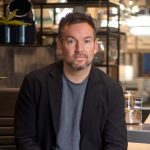
Andrew Koenig With CITY Furniture

February 3, 2023 by Jacob Lapera

South Florida Business Radio
Andrew Koenig With CITY Furniture
Loading
00:00 /
RSS Feed
Share
Link
Embed

Download file

DTLLogo-Blue-Bannerv2Andrew Koenig graduated with degrees in Finance and Accounting from Elon University in 2005 and received his MBA in Entrepreneurship from Nova Southeastern University – Huizenga College of Business and Entrepreneurship. He began his full-time career with City Furniture in January 2006 in the Receiving Department unloading furniture on containers, and has worked his way up through the company and in almost all divisions of the company. He spent a significant time streamlining the Operations Department in the first 8 years of his career to become one of the industry’s best.

Currently, he is serving as CEO of City Furniture, overseeing all departments of the business. Shortly before joining City Furniture, He studied Lean Philosophy at Toyota’s headquarters in Toyota City, Japan. After learning from Toyota and other Lean companies in the United States and abroad, he introduced Lean Thinking to City Furniture in 2007. Ever since, City Furniture has been on a Lean Journey to create a culture of mutual trust and respect, teamwork and a deep sense of urgency to continuously improve. Since the implementation of Lean, the company has seen many major breakthroughs in turnover reduction, operational process improvement, customer experience, safety, associate satisfaction, strategic planning, financial success and much more.

The journey is never over and Andrew & Sr. Team are working very hard to implement Lean Thinking throughout the company which is now been renamed as “The City Furniture Operating System (CFOS).” He is extremely lucky to have 1 amazing wife Deana (who he met during his MBA) and 3 beautiful kids (Aaron, Daya, & Christian). He is the son of Keith Koenig & nephew to Kevin Koenig, the founders of Waterbed City in 1971 which ultimately converted to City Furniture in 1994.

Connect with Andrew on LinkedIn and follow him on Facebook.

What You’ll Learn In This Episode

  • CITY’s 5% Giving Pledge
  • 2040 Green Promise
  • CITY’s sustainability journey
  • Cybersecurity

This transcript is machine transcribed by Sonix

TRANSCRIPT

Intro: [00:00:01] Broadcasting live from the Business RadioX studios in South Florida. It’s time for South Florida Business Radio now. Here’s your host.

Lee Kantor: [00:00:14] Lee Kantor here another episode of South Florida Business Radio. And this is going to be a good one. But before we get started, it’s important to recognize our sponsor, DIAZ Trade Law, your customs expert today on South Florida Business Radio, we have Andrew Koenig with City Furniture. Welcome.

Andrew Koenig: [00:00:32] Thanks, Lee. Thanks for having me, man.

Lee Kantor: [00:00:34] Well, I am so excited to learn what you’re up to. Tell us a little bit about city furniture, how you saw them, folks.

Andrew Koenig: [00:00:40] Sure. City Furniture is a 51 year old home furnishings retailer here in South Florida and also central Florida. Started as waterbed city retailer in 1971. My father and my uncle were a couple of hippies selling water beds, and it turned into city furniture in 1994 when water beds got uncool and we shifted into full line home furnishings. And we’ve been city furniture ever since.

Lee Kantor: [00:01:04] Now, what was that transition like? Was that were you involved at the time with the organization?

Andrew Koenig: [00:01:10] No, no, I was not here. But I can tell you, we put all of our all of our dough on the line in a bet to transition from water beds to city furniture. And our first store to the right of us was Levitz Furniture, the number one furniture retailer in the country, and a startup called Rooms to Go that we all know is a big retailer throughout the Southeast United States and proud that our little city furniture concept has succeeded since then. And number one in South Florida. So we’re really proud.

Lee Kantor: [00:01:38] How do you what do you attribute that kind of the ability to make that transition and go from a niche business to kind of more of a mass business and still keep a culture and kind of the the work you’re doing in in the community? How do you how do you keep that all going?

Andrew Koenig: [00:01:55] Sure. So my uncle, who was the founder of our business that pulled my dad and he was a natural entrepreneur, he was saved his money as a bellman to open up our first store, sold yo yos on the street corner. Just very entrepreneurial. So what got us through that transition from water beds into a full line home furnishings retailer was just the entrepreneurial spirit that is our number one corporate value at city. I’ve always evolving, always moving towards where the customer wants us to be next, and that’s just who we are. And we’re very blessed that we have a fantastic team that, you know, we take things head on as a city family, we call it, and they did a fantastic job transitioning and clearly they’ve done a great job. And now we’re continuously evolving as every year customers change needs the community change and we evolve with it. So that can’t be difficult for us. That needs to be part of who we are.

Lee Kantor: [00:02:49] So it becomes part of the culture in the DNA of the organization 100%.

Andrew Koenig: [00:02:54] Yeah, that’s, you know, other corporate value that we have is continuous improvement, you know, teamwork, family, spirit, you these are all things that just keep us constantly evolving over time.

Lee Kantor: [00:03:04] Now, how does that work in terms of the employees? How like was there are ways that you can measure that or demonstrate that?

Andrew Koenig: [00:03:12] Sure, we are very data driven, so we have a fairly large data analytics team. So we’re always measuring our associates satisfaction. All the KPIs, whether it’s customer externally related like surveys and brand research studies, but we also measure internal customer satisfaction, you know, how accounting serves, you know, the sales associate or how marketing serve sales. So we have a lot of metrics to measure our performance. We believe in that philosophy of you. You know, you don’t you can’t measure or you can’t manage what you don’t measure. So so we’re we’re a continuous improvement house and we use data to solve problems and improve things. And sometimes that’s culture related. And we have a lot of metrics along those lines.

Lee Kantor: [00:03:56] Now, part of your culture is a giving pledge. Can you talk a little bit about that?

Andrew Koenig: [00:04:01] Yeah, I’m real proud of this one. So my father, my uncle were a couple very religious guys and always believed, you know, as they grew the business and got some success, they wanted to give back to the community. So we’ve been giving back to organizations like Covenant House for 40 plus years. So but the story about the Giving Pledge is about five years ago. I remember looking into our financials and seeing how much donations we were giving. And I remember talking to my dad. I’m like, Dad, we got to tell the story. You know, my generation, I’m an older millennial, needs to be aware of what, you know, the companies that they choose to buy from are doing for the community. And and the story goes that, you know, I pitched them on, hey, let’s brand this as a strategy of 5% giving pledge pledge, and let’s make a public announcement to the community that we’re going to make give back a minimum of 5% of our profits every single year. The five categories we focus on are health. So that could be like American Cancer Society or the American Heart Association.

Andrew Koenig: [00:05:09] Unfortunately, my our founder, my Uncle Kevin, passed away from heart disease. A mom passed away from cancer about seven years ago. So those are really big causes. We also focus on service. So giving back to women and men that serve our communities or serve the US. You name it. And the military. We also support education, know like colleges, junior achievement, South Florida, you name it home, which would example that would be like Habitat for Humanity. And what’s the last one? Health service. Oh, diversity would be another core value where we’re partners with One Pulse Foundation in Orlando and the Heritage Foundation and several others there, Urban League. So we’re trying to get back in areas that we think are in need for the community and that fit within those five pillars. And, you know, as our business continuously improves and grows and our profitability grows. We have a big community team that works really hard to make sure we give back properly and keep keep my Uncle Kevin’s spirit alive and making sure we’re we’re living our purpose, which is to enrich people’s lives and make the world a better place.

Lee Kantor: [00:06:16] Now, when you’re deciding which nonprofit to support, how how do you go about that? Are you listening to your employees, your customers? How does somebody get on one of those lists?

Andrew Koenig: [00:06:27] All the above. But we’re also listening to the community. We’re also reflecting on who we are as a business. What are some of the problems we’ve personally experienced? You know, again, it was it was a very difficult time when we lost my Uncle Kevin. It was very difficult for my father. So you’d imagine heart diseases is it just happens to be the number one killer of Americans even more than COVID. Even during the pandemic, we didn’t see enough work being done there. So we partnered American Heart. Same thing with the American Cancer Society. When my mom passed, I was very devastating time for our culture and our team. She was like the matriarch of our business. And to honor her and what she’s done for us over the last 40 plus years of being the matriarch, we wanted to go all in on the American Cancer Society. So, you know, it’s a bit of who we are. It’s a bit of community needs. It’s a bit of what our associates and customers want. And we do the absolute best we can to spend every single penny as wisely as possible. But we’ll listen to all our organizations and their needs. And, you know, I get on calls with a lot of them, and we do the best we can to serve as much as we possibly can. So I hope that helps.

Lee Kantor: [00:07:30] Now, on top of the Giving Pledge, you also have a promise regarding sustainability. Is that totally separate than the Giving Pledge or that’s in addition?

Andrew Koenig: [00:07:40] Yeah. Yeah, that is separate. Our 5% giving pledge is strictly giving in in charitable aspects. The 2040 Green Promise is our promise, public promise that will be carbon neutral by the year 2040. And we’ve been on a journey to be a very green organization for probably 20 years. We had one of the very first Styrofoam liquified technologies that liquefies and melts and hardens Styrofoam and turn them into I think crocs are chairs and you name it. So 100% recyclable and safe. About ten plus years ago, we we invested in our green fleet. I’m happy to say our entire fleet is 100% renewable, compressed natural gas as well as renewable natural gas. Essentially, the Department of Energy considers that a green energy, and it’s about 67% less emissions than any other truck you’ll see on the road. I’m proud to say 2021, we were the we were ranked the greenest fleet in the entire United States amongst all fleets. I’m talking like police departments, air Force ups, you name it. And that was a really big honor for our business. We only build green buildings, LEED certified leadership, energy, environmental design buildings, or Energy star certified buildings. So we’ve been doing that for over ten years. So we’ve always been very green forward. And, you know, it’s the right thing to do for the planet. It’s the right thing to do to attract customers and make them feel proud of their purchases. It’s also a great business cause a lot of these efforts actually have helped us save a lot of money. To give you an idea, you know our fuel costs members remember this past summer fuel diesel prices went up to like five or six bucks a gallon. You know, we were substantially below that. I’d say the number, but it’s substantially below that. And so, you know, it’s harder work to execute green strategies and go after this, but there’s actually a really solid ROI. Most areas and so we’re on our journey to be carbon neutral and we’re real proud of it.

Lee Kantor: [00:09:54] Now, what was it like kind of being part of a family owned business, a family run business? Is there anything like was it kind of assumed that you would be leading it at some point, or was that something that you decided at some point to to get back involved with the organization?

Andrew Koenig: [00:10:15] Yeah. So so actually, in college I tried to go pro in golf, so I was a big golfer in high school, and I always dreamed of being a professional golfer until I started playing some of the top five schools in our country. And I was like, whoa, You know, I played for like a top 50 school, you know, as a starter. And I remember I remember playing some of those players and I was like, wow, that guy is on another level. And so I remember in college saying, okay, I need to I need to get a real job one day because I don’t think this is gonna work out. So but I was always very competitive and very I’m very you know, once I find something I love, I’m all into it. And actually, in an accounting class in college, I fell in love with business. And I fell in love. I didn’t realize business was as competitive as sports. And I have like, you know, I have a competitive spirit. My dad has a competitive spirit. And I guess my and then I started learning more about business. And that really that really sparked a passion in me, in the business world. And then coming out of college, I really wanted to learn everything I could about City.

Andrew Koenig: [00:11:21] And I really I found I loved our industry, I loved our business, I loved the business my father built. And I see a lot of opportunity to take this business very far into the future and do a lot of really special things. And I also what I also found is I really love our people. Like, you know, my father and my uncle really built a special culture here at City that, you know, it was not it was very hard not to fall in love with. So, you know. So, no, I started in the receiving docks in offloading furniture. I spent several years in the warehouse on the ground floor. The reason there is I never felt like I would earn the respect of our operations team if I didn’t know the work, do the work and be there side by side. So I was a delivery driver for many months. I worked overnight. I remember my my now wife was my girlfriend at the time. She didn’t really think I was going to work at 930 and coming back the next day at 9:00 in the morning. And so she was like, Oh, you must have another girlfriend. But but no, I’ve worked all the tough shifts and worked a lot of different departments in in.

Andrew Koenig: [00:12:27] It’s helped me become a better leader. And my father did not give me anything. I had to work for everything I got. But I’m an ambitious guy and I was fortunate to learn from a lot of great leaders in our organization. That helped make me pretty solid. And, you know, I but but I feel, you know, over the years, I really was a student of the game. And over time, when I felt like I was capable of taking on more, you know, luckily I got those opportunities and it just naturally happened this way. And I’m proud to be where I’m at. And I’m also very proud of BCO because I get to give my dad some time off. He’s worked 51 years and he’s a chairman and, you know, you know, if you work 51 years at City and, you know, building this thing, you deserve some time off. And I love seeing that he’s not working as hard as he used to. And I’m happy to take on that workload for him because, you know, I wouldn’t be here in this situation for my family and my city family if it wasn’t for him. So I’m proud to take on some of this work for him.

Lee Kantor: [00:13:28] When you were growing up, how did you view the city? Was it something like, Oh, that’s my dad works there and and you were just, you know, obviously you were aware of it, but it wasn’t like that. Curious. But it wasn’t until after you were in college and kind of saw like, Hey, there is something there for me and there’s a way for me to contribute.

Andrew Koenig: [00:13:49] Yeah. I mean, I as a kid, I always thought it was cool and I thought it was interesting, but I definitely thought sports were more cool or more interesting. And I didn’t really didn’t really fall in love with the business until college, when really that accounting class really kind of woke me up and said, Hey, there’s an industry here. Hey, there’s, you know, this this is an opportunity to build something really fun. And so I always thought what he built was very special in the culture was really special, But I didn’t really see the fun in work when I was a kid. And I think that’s something that the world needs to do a lot better. Job at work can be a lot of fun. Like I love what I do. I, I know our team really works hard because they enjoy who they do it with. It’s a fun work experience. The challenges every day are fun and we’re all we all on a mission and a vision and got great purpose. And you know, it’s just work’s a lot more fun when you when you have a great team and great culture and great opportunity. Then I think that I learned when I was in high school, you know what I mean? Or when I heard about work. It sounds horrible work. Oh, you got to work hard, you know. You know.

Lee Kantor: [00:15:01] Especially comparing it to golf.

Andrew Koenig: [00:15:03] Yeah, exactly. Exactly. So, you know, but but as soon as I realized the work was fun and challenging in.

Lee Kantor: [00:15:12] And has meaning in impact, I mean, you’re what you’re doing is impacting so many families through your employees and the joy you’re bringing to the customers. It’s it’s a gift. A lot of the stuff you’re doing and the reframing of that, I’m agreement 100%. The young people have to see the joy of work and the personal satisfaction and the impact you’re making in the families and the community. I mean, that stuff’s real.

Andrew Koenig: [00:15:38] Yeah. There’s there’s nothing more proud to know that. You know, I’ll start with the product side just to provide just amazing product. You know, our product is in factories where, you know, right down the line is RH or Williams-Sonoma or Pottery Barn. Some of the some of the highest end brands you could think of. And we’re able to provide that product substantially, you know, 70 to 80% less and pass on that value to our customers. My father and my uncle always they they have very humble beginnings. They didn’t come from money. You know, they they were they had to work the work through college and keep themselves afloat. They probably started working when they’re 12 years old, you know, So they understand the value dollar. And our business is all about creating or developing amazing product, amazing style, amazing quality at affordable and strong values for our customers and and a fun and exciting environment. So after you find the product you love and the price, you’re like, Wow, that’s amazing. Then you have a great sales associate and delivery experience. It just makes our entire shopping experience something very special. And when when city succeeds, you’re absolutely right. When we grow and financially we can do more. The fact that I have more dough in the bank account to give back to American Cancer Society, American Heart Association, Junior Achievement, Habitat for Humanity, you name it.

Andrew Koenig: [00:17:05] Some of these causes that are just greater than anything I could ever do. You know, I think these people are angels, what they do and and the fact that we can financially help them out and support them is just it’s a dream. And and I’ll never forget the story if I just add I remember we’re we’re trying to raise money for the American Heart Association three years ago and and I’m and I rarely ask our associates to participate. I think once a year it’s always the American heart, you know, and I don’t ask for much. It’s a buck, whatever you want to help out. Of course, we ask our customers and we raise money with our vendors and all that good stuff. But I remember this this guy walking out in the warehouse worker walks up to me, he says, Andrew, I’m sorry, man. I just I just don’t have a buck to share right now. I go, Bro, I love you, man. That is so nice that you actually came up to me to tell me that. Number two, you don’t have to worry about it. You work at Citi, like the better our company does, the better you do helping our company, the better city does, the more money we have at the end of the year to give back to these charities and these organizations.

Andrew Koenig: [00:18:05] And his eyes just lit up. He was like, You’re telling me I’m by me working here and helping like kick butt Today in the warehouse, I’m actually helping American Cancer Society, American Heart Association, all these guys. Yes. And he was like, wow. Like, he was like, you know what? That’s amazing. Thank you so much. Like, and it’s true. So a lot of our associates, we have 3000 plus associates know that. And our sales team, we’ve got about eight, eight, 900 sales associates in our stores right now. There right now, this first quarter of this year, they’re trying to raise $500,000 for the American Heart Association with our test campaign. So, you know, our our culture is very special. Like we definitely believe we’re we’re doing more. Right before I came to this meeting or this podcast, I just left another meeting in. It was for the American Heart Association that we’re trying to raise. And I ended the meeting saying, let let’s save some lives. Like what? It’s not a marketing campaign. Your marketing campaign is actually saving lives. And we truly believe that. So that’s just one example of many about what we’re we’re doing here at City.

Lee Kantor: [00:19:06] So what do you need more of? How can we help you? Do you need more talent? You need more employees, you need more customers, You need more causes to help. How can we help you?

Andrew Koenig: [00:19:18] Oh, man. So, you know, we’re an open book. So, you know, number one, I’d say, hey, give me give me anybody out there listening. Give me ideas to help make us better, how to serve our customers better, how to how to be better. And in return, our company will continue to grow and we’ll be able to give back more. So I think I’m always asking anybody, I’m interacting whether you’ve shopped with us or or whether you didn’t tell me how I can improve, how we can improve to be a better retailer and or home furnishings retailer or anybody listen in that. You know, could provide me advice on how to run our business better, how to create better culture, how to have better technology or better supply chain. You know, I’m all ears. So, you know, I try to network as much as possible and and connect with as much as possible to learn from everybody. We’re a continuous improvement organization. And how everybody can help me, how you can help me is help me be better and give me ideas. Never hesitate to be honest and direct with me on on where we can improve. Or if you just have ideas while wild, crazy ideas. They’re all welcome. So that’s that what’s that’s what I need.

Lee Kantor: [00:20:33] So if somebody wants to learn more about city and trying to location near them, what’s the coordinates?

Andrew Koenig: [00:20:41] Well, the website is a good one. You can learn a lot about us online and obviously shop with us online. But we have a corporate social responsibility report. We have about US page. We have a lot of branding information there that really explains who we are as a business and where we’re going and what we’re trying to do. Of course, you can go to your local city store. We’re pretty much within 50 minutes of everybody in South Florida and now Orlando and about to be Tampa. We got our first store there in Tampa. But so, yeah, we’re not too far away or anybody can reach out to me at Andrew Kay at City Furniture dot com. I share my email with everybody and I’m happy to take any feedback calls, network, you name it.

Lee Kantor: [00:21:21] Well, congratulations on all the success. You must be doing something right. You win an awards and all different categories all over the place. So congratulations and you’re doing important work and we appreciate you.

Andrew Koenig: [00:21:33] All right, back at you. And thank you so much for having me on. And I wouldn’t be here. And without my amazing city family, it’s all them. They’re kicking butt every day. I’m so proud of them.

Lee Kantor: [00:21:42] All that city furniture. City furniture dot com. To learn more, this is Lee Kantor. We’ll see you all next time on South Florida Business Radio. He.

Tagged With: Andrew Koenig, CITY Furniture

David S. Rose With Gust, Inc.

February 1, 2023 by Jacob Lapera

Innovation Radio
Innovation Radio
David S. Rose With Gust, Inc.
Loading
00:00 /
RSS Feed
Share
Link
Embed

Download file

David S. Rose, Founder and Executive Chairman of Gust.

He is an Inc. 500 CEO, serial entrepreneur, angel investor, venture capitalist and best selling author who has founded or funded over 100 pioneering companies.

He has been described by Forbes as “New York’s Archangel”, by BusinessWeek as a “world conquering entrepreneur”, by Crain’s New York Business as “the father of angel investing in New York”, and by Red Herring magazine as “patriarch of Silicon Alley”.

He is the New York Times best selling author of both Angel Investing: The Gust Guide to Making Money & Having Fun Investing in Startups and The Startup Checklist: 25 Steps to a Scalable, High-Growth Business.

Connect with David on LinkedIn, Facebook and Twitter.

What You’ll Learn In This Episode

  • Entrepreneurship
  • Exponential technology growth (the Singularity)
  • Angel Investing
  • Current economic market
  • Startup ecosystems
  • Effect of automation on fundraising

This transcript is machine transcribed by Sonix

TRANSCRIPT

Intro: [00:00:00] You’re listening to Innovation Radio, where we interview entrepreneurs focused on innovation, technology and entrepreneurship. Innovation radio is brought to you by the world’s first theme park for entrepreneurs the Levein’s Center of Innovation, the only innovation center in the nation to support the founders journey from Birth of an Idea through successful exit or global expansion. Now, here’s your host, Lee Kantor.

Lee Kantor: [00:00:24] All right, Lee Kantor Here another episode of Innovation Radio. And this is going to be a good one. But before we get started, it’s important to recognize our sponsor, the Leuven Center of Innovation. Without them, we couldn’t be sharing these important stories. Today on Innovation radio, we have David S Rose and he is with Gust. Welcome.

David S Rose: [00:00:45] Thank you. It’s a pleasure to be here.

Lee Kantor: [00:00:47] I am so excited to learn what you’re up to. Tell us a little bit about gust how you serving folks.

David S Rose: [00:00:52] So Gust is the global platform for the entrepreneurial finance world. So we’ve been around for almost 20 years and we connect all the world’s startup companies to all the world’s early stage angel investors. So we are used on the one side by many of the world’s largest angel investment groups to handle all their applications for funding. And on the other side, we’re used by millions of founders to both create their companies, spin up and incorporate their companies here in the US, and then connect them to all of these investors and accelerators who are looking for innovative companies.

Lee Kantor: [00:01:25] Now are there right now a lot of incubators, accelerators, innovation centers. Is this something that you’re seeing that’s trending upward?

David S Rose: [00:01:35] Oh, absolutely. And the the whole world of accelerators is a relatively recent development. As recent things go, there are only maybe 15 or so years old and you’re seeing an increasing number. There are literally many, many hundreds of accelerators around the world. However, they are not all the same. There are a handful of top accelerators that are sort of household names and a developed reputation over a dozen years. There are another handful of newer accelerators associated with really great organizations that are spinning up rapidly and developing reputations. And then there are a lot of other ones that are people are trying, but they really haven’t been as successful and may not provide quite as much value.

Lee Kantor: [00:02:18] Now, is it something that is always or typically associated with universities or is some of them just private ventures?

David S Rose: [00:02:26] Oh, no. They’re actually the original accelerators. The very first of them was something called Y Combinator, which is still going strong and still toward the top of the heap. And that was just started up as a purely independent program to help founders who had gotten started accelerate their their activities. And then that spurred another a number of other accelerators that were purely independent accelerators. And so after a few years when the world saw companies coming out of these accelerators that were clearly taking advantage of the contacts and the skills and the training and the mentorship and the peer grouping that they had met at their accelerator, many organizations, both universities and businesses, said, Hey, we can really leverage what we have to help startup companies and therefore go ahead and and created their own accelerators. And so because of that, you’ve seen a number of universities have their own accelerators, you’ve seen companies, large banks and and manufacturing companies create accelerators. And so now you’ve got a pretty wide range from independent standalones to ones affiliated with the universities, ones affiliated with major innovation centers like Van and the like.

Lee Kantor: [00:03:34] Now, is it something that is skews towards technology firms or are there accelerators and incubators for firms in any industry?

David S Rose: [00:03:44] Yes and yes. And the answer is they do tend to skew towards access to technology because they skew to the kinds of companies that are suitable for outside equity financing from angel investors or or venture capital funds. And in reality, because starting a company is so risky, the only companies that are really viable for that outside equity funding, which is taking a lot of risk earlier on, are companies that can grow very, very rapidly and grow very, very big. And those companies tend to be technology companies because technology lets you scale and start small and grow big and the like. And so therefore, yes, most of these things are technology. However, the second yes is technology, which started out just being manufacturing chips and computers and then software and stuff like that has itself expanded over the last several decades. And so now everything is affected by technology. And what that means is you’re now seeing accelerators across the entire universe of things. There is what is known as as agricultural technology or agtech or food tech. You have urban tech proptech for real estate, fintech for the financial institutions. And for example, the romance center has got a. Accelerator coming up and called Spaceport, which is all about space technology. And so while you can have things like agriculture, it typically when you look at these accelerator programs, they typically are technology or scalable business models applied to a particular domain.

Lee Kantor: [00:05:18] So what’s your backstory? Have you always been involved in these early stage companies?

David S Rose: [00:05:23] My back story is I was born to this. I am actually a fifth generation serial entrepreneur myself. So I grew up with the idea of starting companies and entrepreneurial activities as sort of my my, my lifeblood. Back in the dot com boom in the 1990s, I was a finalist for the NY Entrepreneur of the Year award. My father won it in 2002. My father is currently 93 years old and is going strong and won the Entrepreneur of the Year in 2002. So that gives you some of the background there. But interestingly, on the other side, I am actually a third generation angel investor because my great uncle, after whom I was named the first David Rose, was actually one of the first angel investors in the mid 20th century. He was the angel investor behind things like the portable kidney dialysis unit, vascular stapling, hyperbaric operating chambers and the like. As a matter of fact, the main street of the Institute of Technology in Israel is David Rose Avenue. So I have a multigenerational history in both starting up companies and in investing in early stage companies.

Lee Kantor: [00:06:35] Now, any advice for the person that’s just getting started in angel investing? Are there some do’s and don’ts?

David S Rose: [00:06:42] Oh, there are. There are quite a few things about getting started in angel investing. As a matter of fact, I wrote a book about it, which is become a New York Times bestseller and is sort of the standard textbook on how to be an angel investor. And it’s called very imaginative title Angel Investing the Guts Guide to Making Money and Having Fun Investing in Startups. But the answer is just don’t do it blindly. Angel groups Groups of angel investors are a wonderful place to get started because it gives you a sort of instant peer group of people who’ve been there ahead of you, and you can ride along their coattails and watch what they do and leverage their deal flow and pool your resources with them to get started. If you start, start investing by yourself, without that kind of infrastructure or training or experience, you’re almost guaranteed to make a mistake because angel investing A It’s as bad as risky as things get. Doing it without a background or an out and understanding of how the economics work, what the time frames are, what standard terms are, what is, what else is happening in the industry. You’re almost guaranteed to fail if you try and do it on your own just starting. And that’s why we always strongly recommend that you work with a either a local group of angel investors or do some reading or find out more about it.

Lee Kantor: [00:07:55] And if you’re trying to join a group of angel investors in your community, is this something that you just Google Angel Investor Group and then nowadays there’s some one in every community? Or is it something that only in kind of the larger cities?

David S Rose: [00:08:10] No. Well, it started out originally back in the you know, the very first groups were started in probably the 1990, early 1990s, and they grew and grew from them. Today is the Angel Capital Association, which is the national umbrella organization of angel investment groups. And so you could go to Angel Capital Association dot org, pretty long name there. And they have a list of all their member groups, hundreds of groups around the country. If you want to cast a little wider net, you can go to August. On August G ust gusta, we actually have a directory of hundreds of 750 angel groups that you can look for over there, or you can just sort of Google it. But finding a group that’s either on dust or a member of the Angel Capital Association is a great place to start because those tend to be vetted groups that have been around for a while and or serious players, other people who call themselves an angel group may or may not actually be an angel group.

Lee Kantor: [00:09:08] Now, is the expectation different or the mindset different for an angel investor than, say, somebody that historically has invested in something like real estate or developing or things like that?

David S Rose: [00:09:20] Oh, yes, indeed. It absolutely is. My my other background actually is in real estate. And I’m these days I’m the CEO of the US real estate market. So I have a lot of experience in real estate as well. And believe me, they are very, very different. Investing in early stage companies is wildly risky. It takes a very long time. It tends to be binary, which is you either tend to lose your money or you tend to make a lot of money in it. It doesn’t pay anything along the way. While you’re waiting for you’re waiting for the good times to come. And so that’s angel investing real estate. On the other hand, you tend to buy a building or invest in a building, and it pays. Distributes, you know, every year or quarter or whatever. So you may often get distributions depending on what you’re investing in along the way. And typically it’ll take, depending on how you’re doing it, if you’re investing in a fund, for example, you can sell it at any time, more or less. So it’s a somewhat liquid, whereas in the case of angel investing, the average holding time for an angel investment in the United States is between nine and ten years. And from the minute you invest until that exit happens, not only do you not get any additional any cash out along the way, you can’t take your money back or take it out even if you really, really need it because it’s completely illiquid. And very often you’ll be expected to make another follow on investment because the company didn’t quite do what it hoped it would do with your initial investment. So angel investing is really crazy. Making it can be very risky. It can be remarkably rewarding if you do it and you do it right and if you know what you’re getting into. But no, it is unlike any other kind of investing now.

Lee Kantor: [00:11:01] This world of entrepreneurship, are you seeing a trend towards more people opening their mind to the possibly of themselves as an entrepreneur? There was a time maybe it was even now a decade or two ago, where the thought was, when you’re a young person, you’re going to go get a job. You know, you’ll stick with that job for a while. But today it seems a lot more chaotic and a person’s career takes many turns. Is entrepreneurship kind of the path that more and more people are opening themselves up to?

David S Rose: [00:11:33] Well, the idea of entrepreneurship is something that has gained extraordinary currency recently. When I was I mean, I’m not that old, but when I was in school there was not one single class course club or activity with the word entrepreneur in it. Whereas today you can’t walk down the street without finding yourself in front of some program or club or group or magazine or something about it. So what we are seeing is a remarkable societal openness towards being an entrepreneur and starting companies. That being said in the United States is certainly an entrepreneurial society, and that’s one of the things that differentiates us from most of the rest of the world. And people have always been starting companies. However, I would caveat that with the fact that not everybody is cut out to be an entrepreneur. It has nothing to do with race, color, creed, age, national origin, anything else. I know entrepreneurs who I mean, my close friend and mentor and role model, Norman Lear, is now 100 years old and is still starting new things. My father is 93. I recently invested in a company with a guy named Peter Sprague, who I think is 88, so there is no age impediment to doing it. I’ve invested in young kids and old people. However, it takes a certain kind of mindset. It takes the ability to be able to stomach some risk, to be able to have confidence in yourself, to bullet through, to to be able to start something when nobody knows you can nobody can tell you what to do.

David S Rose: [00:13:02] And so in reality, of all the people in the world, it’s a sort of a bell curve, right? Some some people are more entrepreneurial than others. The people who tend to start companies fall in generally into sort of the top 5% or so of the world or one 5% towards one end of the entrepreneurial world, you know, 1%, 1% or 20% of the of that 5% are people who are natural born entrepreneurs. They were born to do this stuff. And they’re the people who will be starting companies as a six year old. Right. And you find them and, you know, I’m one of those guys. My father is one of those guys. There are people like that of all kinds. And in all countries as well. The other majority, 80% of people who start companies, however, are what I call self-made entrepreneurs. And these are people who are entrepreneurial, but they have experience in their domain and their business area with a particular technology or or marketplace. And they see a need and they they they take a survey of what they who they know and what they have and what their ideas are. And then they create a company to fill that need and they actually can grow really, really big. And so that’s the majority of people we see starting companies. But the answer is there is nothing stopping anybody in general if you are otherwise attuned to being an entrepreneur.

Lee Kantor: [00:14:23] And is that why it’s so important to have things like the Levanon Center of Innovation, places where you can go and be around other kind of like minded people, other mentors, people that can kind of guide you if you have that spark, you know, whether it’s your own idea. If you’re a creator like that or you’re a see an opportunity in the niche, but to have a place where you can go that can help you create that infrastructure, you need to be successful.

David S Rose: [00:14:56] Absolutely. I mean the Levant center for. Or your listeners who haven’t been there. I mean, you have to go there. It is literally mind boggling. I’ve been around the entrepreneurial business, as I mentioned my entire career, and I run this platform that has got more power than anybody else in the world. I have never been to a place like Lemon. It is truly mind boggling. I mean, it’s 54,000 square feet. They call themselves or actually somebody called them and they’ve adopted it as their tagline as an entrepreneur’s theme park. And that’s exactly what it is. I mean, they have the people, the startups, the mentors, they have the technology to create your own podcast. They have the technology to to do your pitches to investors. They have pitch nights, they have accelerators, they have they’re building a whole 3-D studio for motion capture. They have a make a robotics lab. They have you know, it is a truly unbelievable place. And most importantly, what they have are other startups, other entrepreneurs who are starting companies, entrepreneurs who are in their universe, people like me who come down and mentor and talk and teach and lecture. They have this great accelerator program which has multiple levels, so they are big enough and they have enough tools and mentors. And in a universe to have not just one accelerator program, but multiple ones, ones for pure startups. And with the idea stage and ideation stage, ones that have just gotten started and are accelerating, ones that are later stage and need help expanding and growing, then they’ve got specialized ones. First for the space industry and other things. So for any entrepreneur in the area or frankly even out of the area who is looking for a place for support and inspiration and people to help them on their journey, the center of innovation is a truly mind boggling place.

Lee Kantor: [00:16:53] Now, in your work, is there any story that stands out for you working with an entrepreneur, maybe mentoring an entrepreneur that you can share that you were maybe help them get over a problem that they might have thought was insurmountable, that you were able to add something to based on your experience that help them get to a new level?

David S Rose: [00:17:14] Yeah, I mean, I wouldn’t take credit for it, but, you know, I mentored and worked with founders for four decades. And I’ll give you one interesting example, and that’s a team. When I was judging the NYU Business Plan competition up here in New York many, many years ago, one of the teams that was presenting in this university affiliated business plan competition was a techie and a guy who did presentation design for for a law firm. And they were both comic collectors, comic book collectors. And they said they thought that there was a business for comic book collectors in helping to organize your collection software, to organize your library and a news feed to find out what was new, what new comic books were being released. And by the way, they all bought their bought their comics at the local comic book store like you saw on the Big Bang Theory. And those guys didn’t have any software. So maybe you could do software for the comic book stores that could tie into the software for the comic book collectors. And they were really energetic and knowledgeable. Clearly, I’m not a comic book guy, but they were. And so and they had a great plan, a great presentation.

David S Rose: [00:18:21] So we actually they actually ended up winning the business plan competition. We suggested that they apply for funding to our angel group, New York Angels. So they applied for funding to York Angels. I invested in them. We led the round. The company was called Comixology. And cut a long story short, a number of years later they were in position when the iPhone came out to let you read comic books on your iPhone before anybody knew that the iPhone was going to be very big. And so they did deals with Marvel and DC Comics and so on, and they became the way to read comics on your iPhone. And so eventually, when digital books came into play, who’s a big player over there? As Amazon and Amazon looked at them and they and these guys, my little teeny company, owned the marketplace for comics, and so they ended up being acquired by Amazon. And today, if you are a comic book reader, you will likely read your comic books on Amazon’s comics platform, which is called Comixology, which started out as a couple of guys in a garage at the NYU Business Plan competition.

Lee Kantor: [00:19:19] Well, amazing story. And another example of you set out to do one thing and you might end up doing something else that’s tangential, but you have to start somewhere.

David S Rose: [00:19:29] Yep, we call it pivoting. And I don’t know of any company that didn’t pivot. I mean, whether you’re talking about Amazon, which started out selling books to and now becoming the world supermarket, whether you’re talking about Uber, which a fundamental limited partner was the first investor in Uber when they were simply dispatch software for local black car services in San Francisco before they changed the entire pace of transportation. And so you never know where you’re going to. But if you’re a good entrepreneur, you start trying to solve a problem. And then, as you said, no battle plan survives first contact with the enemy. And the corollary to that, of course, is no business plan survives first contact to the market. But once you do find out what your MVP is, your minimum viable product, and you see how people and your users are reacting to it, you then pivot and you adjust and you tweak. And that’s the entire essence of the Lean Startup. So there’s a book called The Lean Startup Methodology by my friend Eric Reese, which is all about how you start Don’t make a giant plan and a 15 year product roadmap. Just start doing something. Get it out there into the hands of your clients and customers, see what they like, what they don’t like, and on the basis of that feedback, tweak the product and or build something else or go in a different direction. And that’s ultimately how you build something that can sustain a large market.

Lee Kantor: [00:20:50] Now, for the startup founders out there, is that your biggest piece of advice? Because taking action and starting, you can’t beat that. That’s a that’s non-negotiable.

David S Rose: [00:21:01] One, if there’s one piece of non-negotiable advice, it is just start. I mean, literally, you know, I joke that there are four kinds of entrepreneurs. There are the natural born entrepreneurs. I mentioned the self-made entrepreneurs. I mentioned there are survival entrepreneurs who will do whatever they have to do to put food on the table for their kids. But then the fourth group we call, it’s really three and a half because we call that fourth group the Want for Pioneers. And these are people who talk a very big game about starting up and they read all the books and they namedrop Jeff Bezos and Elon Musk and so on and so forth. But they never actually start a company and you can’t get anywhere unless you start. And so the one piece of advice to anybody listen to this podcast is if you think of yourself as a founder, if you are thinking about starting something, just do it. Just start. Don’t wait for funding. Don’t wait for somebody telling you it’s okay. Don’t wait for a class, Don’t wait for a sign from above. Just start. And as rough and tough as it is, as you get started, you’ll find something.

David S Rose: [00:22:04] It may not work at all. Or it may work with a little teeny tweak, in which case tweak it and then try it again. And eventually you will find just enough success that you will have the the psychological support from yourself to keep going. And then along the way, you want to reach out to people, find co founders to start a whole company often will take to not a one person job or three. Find out if there is support near you from things like the Levant Center, which is a remarkable place to find peer support and office space and tools and services and all kinds of things for founders when you’re ready, but not immediately because you will not get funded by Angel immediately. Find local investors through a local angel group. But angels will not fund an idea. Angel investors only fund a company that has actually started doing something. So start doing something as tough as it takes, as dangerous, as crazy as leap as it sounds. Just start and then that’s the way you get going.

Lee Kantor: [00:23:02] Now, you mentioned fundraising a little bit. There was a time, at least in the mythology of this industry, in this world of funding off of a napkin, an idea on a napkin. Are those days over? Is it now kind of bootstrapped first, have some, you know, sell somebody something before you start fundraising? And is that part of the trends that you’re seeing in fundraising moving forward?

David S Rose: [00:23:26] Yeah, The problem is that was really a mythological day, right? I mean, that was in mythology, something that didn’t actually happen. And so it became a cliche because it happened just enough. It happened once or twice, and that became a famous story. And then everybody assumed, Oh, I got fucking on the back of a napkin. But in the real world, that was never a common way of doing things. I mean, for a little bit of time in the late 1990s, during the dot com boom, the world was crazy enough and there were potential investors who didn’t want to lose out on a good thing. And so they didn’t have they had no idea what they were doing. And so if somebody came to them and said Internet, they would say, Here’s some money. But that was again, it was few and far between companies, but it just never got funded. People lost a lot of money. And then after that, they sobered up. And so certainly for the last 20 years, even, I mean, right now we are going through a particularly tough time in the market. During the global financial crisis, there was a tough time between those times. There have been better times and there likely will be so. But whether it’s a good time or a not good time, investors are looking for traction and so they don’t look frightened. Investors simply don’t fund ideas. And so you can spend all day long talking great idea of drawing things, sketches on a napkin and you will not get funded.

David S Rose: [00:24:43] Instead, if you go out and do something, get the thing started, and then find out that, hey, you’re actually doing something that somebody else finds interesting. That’s what investors invest in. And when investors say traction, it’s really interesting. It’s not at all what founders think of as. You have to wonder what destruction mean. They’ll likely say, Oh, I filed for the name of my company. I incorporated it, I wrote some code, I brought on a founding partner. People said nice things about me, you know, all those kinds of. I registered the trademark. I got a patent. As far as investors are concerned, none of that is traction, believe it or not. Instead, as far as investors concerned, traction can be defined as something outside of your control that shows that somebody else is willing to assign real economic value to what you’re doing. So the bottom line is, of course, therefore, by that definition, the best traction is sales. And so if you have profitable sales, that’s a great thing that investors love to see. And anything less than that is going to be getting farther away from what they hope for as traction people who are beta customers or pilot customers or whatever. But that’s the kind of traction that investors are looking for.

Lee Kantor: [00:25:59] So now regarding just what is it that you need? What can we be doing to help you?

David S Rose: [00:26:06] Well, you can help spread the word because Gusto is this great platform for starting a company. If you are one of these founders who is looking to get started. The best way to get started is actually with a platform we have called August launch, which is the way you launch a company. It’s I joke that it’s almost an IQ test because if you’re starting what you expect to be a high growth, venture fundable company and you don’t start this way, you bet. Such a big bet that it makes me question how smart you are, because literally for $300 to $300 for a whole year, you can you press a button and Gus spins up the company for you. Literally, we incorporate you as a Delaware C Corp, which is the kind of thing that investors need to see before they will fund you. We filed with the IRS to get your new employer identification number. We foreign qualify you in your home state. We set up your cap table. We issue your shares of stock to your founding team. We do all the basic things that it takes to actually get you started and then through other things as you go along, we help give you literally 100,000 bucks worth of discounts to all kinds of tools and services. We’ll help manage your equity and write your option plan and get you a checking account and introduce you to an attorney who will give you a free legal work and so on and so forth.

David S Rose: [00:27:23] And so Gus launch is the platform that is ideal for founders. And when we show this to a first time founder, they’ll say, Wow, that sounds really interesting when you show it to any founder who’s actually started a business before. What’s very funny is they have the exact same reaction I actually have a framed on over my desk because they say the exact same literal words. And those are quote unquote, Holy shit. Where were you when I started my last company? I would save 100,000, end quote. So the best thing you could do for us is to help get the word out, because if you are a founder who is thinking of launching a company that you expect to get funded by angel investors or VCs run, do not walk to gusto dot com and g ust dot com and you’ll find all kinds of both free tools and guts launch which will help start up and incorporate your company. And you’ll also be able to find when you’re ready for it access to investors and apply to accelerator programs and all kinds of things for that because that’s what we do. We support these early stage founders.

Lee Kantor: [00:28:24] And then on that site, will you also find maybe opportunities to partner with other innovation centers or accelerators? Is it a resource like that?

David S Rose: [00:28:33] You will search. If you search there, you will find the Levant Center, and if you actually apply for the Levant Center spaceport, you’ll find yourself on just as well, because we’re powering that accelerator program for them. So absolutely, it’s it’s a great place to find the ecosystem and to and to start a company.

Lee Kantor: [00:28:51] So one last thing before we wrap. How do you feel about the economy? Are you bullish right now? Is this an opportunity for a lot of folks? Because a lot of people, you know, they like to wait and hide and until a bell rings, it tells them it’s time to start again. How do you feel about this?

David S Rose: [00:29:07] Well, the interesting thing is, you know, for who? Right. There are all kinds of people involved at all stages. And so if you are a current company in the early stage startup world who raised, you know, a first round of cash, say, a couple of years ago at a nice high valuation, expecting that you be able to do an even bigger round right now, this is not a good time. You will find a lot of trouble raising around If you were somebody who hasn’t raised around yet and you read stories about those other guys and you have dreams of people investing in your company and giving you millions of dollars at a $20 Million valuation, you’re also in for a disappointment because that’s not going to happen either. But if you are somebody who sees a real need and an entrepreneurial need and you’re able to get your act together and get started and just do something. Just get started, even if it’s really, you know, small and beginning stages and you can bootstrap yourself without a lot of money. This is a perfect time to start a business because by the time you are ready for an angel investment round or a VC round in a year or 18 months, two years, when you’re ready, that will be the beginning of the next boom cycle and you’ll find investors there to fund you because you will have had traction that that they can see based on what you’ve done these last couple of years. So this is a great time to start a business. It’s not really a great time to get a business funded.

Lee Kantor: [00:30:33] Well, David, thank you so much for sharing your story today, doing such important work. And we appreciate you.

David S Rose: [00:30:39] My pleasure. Thank you very much.

Lee Kantor: [00:30:41] All right. This is Lee Kantor. We’ll see y’all next time on Innovation Radio.

Intro: [00:30:46] This episode of Innovation Radio was brought to you by the world’s first theme park for entrepreneurs, the Levant Center of Innovation, the only innovation center in the nation to support the founders journey from birth of an idea through successful exit or global expansion. If you’re ready to launch or scale your business, please check out the Levant Center of Innovation by visiting Nova edu forward slash innovation.

Tagged With: David S Rose, Gust, Inc.

Gwennetta Wright With Xpert Tax Service LLC

February 1, 2023 by Jacob Lapera

Atlanta Business Radio
Gwennetta Wright With Xpert Tax Service LLC
Loading
00:00 /
RSS Feed
Share
Link
Embed

Download file

Gwennetta Wright is a seasoned entrepreneur and celebrated author. An award-winning business woman, Wright’s ability to reflect a passion for service in order to reach success has become a flagship component to her brand as a tax professional, business strategist, realtor and media spokesperson. Known for her ability to project manage multiple and complicated professional endeavors, she utilizes her resources and talents to empower others and provide accurate and sound advice to other businesses. Gwennetta, herself, owns Xpert Tax Service LLC, Pretty Essentials and she is the CEO of Reach 4 Your Dream Inc.

Further, she is also a realtor with Prestige Property Broker and host of her own talk show Gwen’s Business Corner on Fox 54. While work is important, Gwennetta has a vested interest in helping others polish their efforts by acting as a philanthropist and community-based liaison and mentor. Her strong reputation within the business world and involvement within the Georgia community compliment her tireless passion for service.

She has helped lay the foundation for a variety of small businesses, as well as dedicating her time and attention to various issues for at-risk youth. Her professional ambition and accomplishments are embedded alongside her religious views, which help others discover not only how the Lord’s lessons in life can turn into one’s biggest blessings, but also how serving others helps both community and businesses grow.

Connect with Gwennetta on LinkedIn, and Xpert Tax Service on Facebook.

What You’ll Learn In This Episode

  • Taxes
  • Business
  • Media
  • Faith

This transcript is machine transcribed by Sonix

TRANSCRIPT

Speaker1: [00:00:04] Broadcasting live from the Business RadioX studios in Atlanta, Georgia. It’s time for Atlanta Business Radio, brought to you by on pay. Atlanta’s new standard in payroll. Now, here’s your host.

Lee Kantor: [00:00:25] Lee Kantor here another episode of Atlanta Business Radio. And this is going to be a good one. But before we get started, it’s important to thank our sponsor on pay. Without them, we couldn’t be sharing these important stories. Today on Atlanta Business Radio, we have Gwennetta Wright with Xpert Tax Service. Welcome.

Gwennetta Wright: [00:00:45] How are you?

Lee Kantor: [00:00:45] I am doing well. I’m so excited to learn what you’re up to, especially this time of year. It’s so important. Tell us a little bit about expert tax service. How are you serving folks?

Gwennetta Wright: [00:00:54] So it’s for a test or. Thank you first for having me on. It’s Express Service is a tax preparation company where we help individuals and small business owners that are single member LLCs and sole proprietors save money when filing their tax.

Lee Kantor: [00:01:11] Now, what’s your back story? Have you always been involved in this line of work?

Gwennetta Wright: [00:01:15] I’ve been doing it for a long time now. I’ve actually been doing it for 19 years this year and business for the last 17. So I’ve been doing it for quite some time now.

Lee Kantor: [00:01:28] Now, what is it about kind of this this line of work serving the business community when it comes to taxes that is so important to you? Why did you get involved in this line of work with taxes?

Gwennetta Wright: [00:01:41] This is very important for me because I think as even individuals, but especially small business owners, we take the lack of what taxes and how it affects our lives very likely. As a business owner, it’s very important for you to know, like your bottom line when you’re operating your business and how your taxes up that that. So for me it’s just important that I get out the education not just preparing taxes for people, but making sure they’re educated about their specific tax situation so that they’re not faced with getting leaves on their homes on so much to the IRS and then not knowing what to do.

Lee Kantor: [00:02:24] Now, have you always specialized in helping business people?

Gwennetta Wright: [00:02:28] Yes, I have. I have a passion for business people because I’m a business owner myself, and when I first started in business, I didn’t have anyone to really educate me really on business or on my taxes. You see so many like celebrities, influencers going to jail or facing tax issues because the lack of education. So for me, it’s very important for small business owners to understand their taxes.

Lee Kantor: [00:02:55] Now we’re in January, the end of January. Is there something that I should be doing right now that can help me with my taxes?

Gwennetta Wright: [00:03:03] Well, as a anybody, like an individual or small business, you should be gathering your documents. I say make a list of everything that you have going on last year that could affect you tax wise and make sure that before you go, try to file your taxes, that you have all your tax documents so that way you don’t have any issues later on because you love something. I’ll also for like my small business owners, definitely start crunching your numbers. If you have not kept up with your bookkeeping as far as what you have coming in each month and what you had going out each month, start gathering those numbers so that you are taking advantage of all the deductions that you can take as as a business owner and as an individual.

Lee Kantor: [00:03:49] Now, is it too late for me right now to make any moves or do I still have time to do certain things?

Gwennetta Wright: [00:03:56] It’s really kind of too late for the 2022 tax season, but it’s never too late to be preparing for next year. So one thing is for like individuals that have just start, you know, check your withholdings. What I’m seeing a lot of in tax season has just started is with a lot of individuals not paying no money in taxes. And what that is causing is for a lot of people to end up only when they possibly then want to or they might they might want it more money in their check. But they’re not just getting more money in their check. It’s causing them to. Oh, so start checking your withholdings so that you are prepared for the next upcoming tax season and you’re not faced with that issue.

Lee Kantor: [00:04:44] Now, How do you help the the people that you know how so many people nowadays they have a bunch of side hustles and they might have money coming in from all different places. You know, maybe they have an Etsy shop or maybe, you know, some people pay them through Venmo. How do you keep track of all that stuff?

Gwennetta Wright: [00:05:02] So well, a lot of those vendors like Etsy and Venmo, of course, you can write reports for them at the at the beginning of the year monthly to see what their transactions are as far as what you brought in. So again, it goes back to when I said like making a list because we do have a lot of people that. They sell products and they sell on different platforms. So keep in mind all the places you sold something or you did business somewhere and then go into each one, run a report from January 1st, 20, 22 to December 31st, 2022, and get your total for each one of those platforms.

Lee Kantor: [00:05:46] Now, is there something that you when you were working with your clients that you see all the time where you’re like, Man, if they would have done this one thing, this could have saved them so much, either money or time. Is there anything that you see over and over from folks that if they would just make a couple little changes, it would make their life so much easier?

Gwennetta Wright: [00:06:06] The funniest thing is pay your taxes. That will make your life so much easier. The worst part of it is, of course, nobody wants to pay taxes. We don’t want to give our money to the government. I mean, that’s who wants to do that, right? But if you go ahead and pay it, then you save yourself time and and heartache and anxiety at the beginning of the year when you’re scared now that you got to face a tax bill. And that’s for, again, individuals and small business owners, because ill employees, if you’re an employee and you’re allowing them to go ahead and take what they’re going to take out during the year, then you’re not worrying about whether you’re going to face a tax bill at the beginning of the year. And now you’ve got to own the risk. And same thing for small business owners and small business owners. We a lot of educated to know that you are responsible for your own tax bill. In order for you to take care of that, you have to pay your taxes quarterly. So go ahead and put some money into to your taxes. Nobody wants to do it. But guess what? The government is going to get their money regardless if you pay it now or later. So save yourself some heartache and just go ahead and let them get it now.

Lee Kantor: [00:07:20] Now, was there anything because of COVID? Is there was there opportunities for folks that they could take advantage this year or not?

Gwennetta Wright: [00:07:31] Now, that’s the sad part about this year. So the sad part about this year is the fact that the last two years we have had so many. Credits that have benefited both individuals and small business due to COVID. And unfortunately, in 2020, to this up, this tax is a lot of those credits have went away and people are seeing way smaller refunds than they have seen in the past two years. So that’s why it’s going to be important for you now to be looking at ways that you possibly could, you know, help increase your future taxes, because this year, unexpectedly, people are not going to be used to how they reduced all the different credits that they have been getting due to COVID for the last two years. So refunds are actually smaller than they have been in the last two years. But, you know, it is what it is.

Lee Kantor: [00:08:33] Right? I mean, it couldn’t go on forever. Right?

Gwennetta Wright: [00:08:36] Right. It can go on forever. And the boat has stopped. But, you know, so now you have to be careful.

Lee Kantor: [00:08:44] So if somebody wants to work with you, is it like can they just show up at your door with a box full of receipts and documents and then you you just fix everything for them? Or is it something where if you want to work with you and your team, that they you know, it requires regular check ins and keeping you up to date, maybe sharing their QuickBooks or whatever service they’re using with you so you can kind of help them along the line.

Gwennetta Wright: [00:09:13] So for me, I do take walk ins, but if you come with a shoe box and you want us to go through your documents, you know that’s going to be additional fee because it’s really your responsibility to keep up with your bookkeeping and have someone to do your bookkeeping during the year. But we will assist if you have not been able to do that. We do take walk ins, we prefer appointments and we also have virtual services. So it doesn’t matter where you’re living, you can submit your information to us via our website at W WW expert tax services dot com and it’s spelled with Asperger’s spelled with the X and you know the only thing that we require is making sure that you have your documents and all the information that you’re going to need for us to prepare your taxes.

Lee Kantor: [00:10:02] So if, if somebody needed help with bookkeeping and keeping track of that, you have a service that can help them with that along the way. So that way it makes their taxes pretty easy at the end of the year.

Gwennetta Wright: [00:10:13] No, we don’t actually do bookkeeping at my particular company, but we do have some partners that we can refer them to that can assist them in their bookkeeping for the year. But if you have not kept up with your books for the years, then we’re able to assist you to try to get your numbers together for you for this particular tax season. By you either share again your QuickBooks sign in or your bank statements will go in and we’ll reconstruct and pluck your numbers for you so that you can have the most accurate tax return possible.

Lee Kantor: [00:10:48] Now, it’s important for business owners to be more proactive, right? Like the you shouldn’t be just showing up with a big pile of papers and then hope to make a move. If you if you have a partner with your tax service, you should be able to have them help you decide, Hey, maybe you should buy this, or maybe you should start an account over here. This is a better way to spend this money, right? Like you want to be their partner.

Gwennetta Wright: [00:11:13] All right? So we want to make sure that there they are in order. And we do consult you and do sessions with you as far as helping you to do it, if you need to do it yourself. I actually offer a money planner for small business owners that can help them keep up with their income and expenses monthly, yearly and daily. So I do offer that and then we do assist in helping them get someone to help them and making sure that they are keeping up with the information. We just don’t do ongoing bookkeeping specifically at my company.

Lee Kantor: [00:11:54] Right. But you. But it makes everybody’s life easier if they have that organized.

Gwennetta Wright: [00:11:59] Correct. It definitely will.

Lee Kantor: [00:12:01] And it probably saves you money in the long run because you don’t have to have somebody just going through all that paperwork. Right. So you’re doing a little bit each month. It’s a lot easier than doing a big pile once a year.

Gwennetta Wright: [00:12:13] Yes. And that’s that’s what I’m an advocate for, making sure that people definitely keep up with their their books monthly instead of waiting till the beginning of the year.

Lee Kantor: [00:12:23] So now what’s your favorite part of the job?

Gwennetta Wright: [00:12:27] That at one more time.

Lee Kantor: [00:12:28] What’s your favorite part of the job?

Gwennetta Wright: [00:12:31] Oh, my favorite part of the job is educating people and making sure that they understand, again, their taxes. I understand their business, understand their bottom line, and to put them in a position to win in their business. I also love when I have the opportunity to introduce different things to my clients and that can help them in saving money when it’s time to come to their taxes.

Lee Kantor: [00:13:00] So now, is there a story you can share of you working with a client that you help them get to a new level?

Gwennetta Wright: [00:13:09] Well, I can share a story with you in reference to clients who maybe, you know, had a small business and they had issues with the IRS and they was audited. And I was able to successfully, successfully make sure they walk away with not on the IRS anything and being able to make sure that there was they was able to represent their business and their finances to the IRS where they walked away with $0 owing them. And my go ahead.

Lee Kantor: [00:13:43] And that’s that’s why it’s important to partner with an expert like yourself. Right. Because you can’t just go to QuickBooks or, you know, TurboTax and get this kind of help. You need a professional.

Gwennetta Wright: [00:13:58] Exactly. And that’s the that’s the thing you said. Or then, you know, it’s very important for you to understand the tax laws. The computer can do anything. You can patent anything on a computer. But is you putting the correct information based off the law? And unfortunately, a lot of people don’t understand that, because when the IRS comes knocking at your door, you can’t say, oh, what? Turbotax told me that I supposed to get the credit because you’re actually responsible for what’s on your documents. So it’s very important for you to hire a tax professional so that you understand what the laws are and what you are entitled to when it comes to filing your taxes.

Lee Kantor: [00:14:40] So if somebody wants to learn more, have a more substantive conversation with you or somebody on your team one more time, that website.

Gwennetta Wright: [00:14:48] They can go to w w w x expert tax services with the s on the n dot com and experts start with the x and not an e. You also can follow us on social media. I do a tax talk weekly because like I said, I love educating people about their tax situation. So I do a tax talk weekly during tax season on my Facebook expert chat service.

Lee Kantor: [00:15:13] Good stuff. Well, thank you so much for sharing your story today. You’re doing such important work and we appreciate you.

Gwennetta Wright: [00:15:19] Thank you so much. And I appreciate you having me. I appreciate you having me. Thank you so much.

Lee Kantor: [00:15:24] All right. This is Lee Kantor. We’ll see you all next time on Atlanta Business Radio.

About Our Sponsor

OnPay’sOnPay-Dots payroll services and HR software give you more time to focus on what’s most important. Rated “Excellent” by PC Magazine, we make it easy to pay employees fast, we automate all payroll taxes, and we even keep all your HR and benefits organized and compliant.

Our award-winning customer service includes an accuracy guarantee, deep integrations with popular accounting software, and we’ll even enter all your employee information for you — whether you have five employees or 500. Take a closer look to see all the ways we can save you time and money in the back office.

Follow OnPay on LinkedIn, Facebook, and Twitter

Tagged With: Gwennetta Wright, Xpert Tax Service LLC

David Pettit With LIME Fresh Mexican Grill

January 30, 2023 by Jacob Lapera

South Florida Business Radio
David Pettit With LIME Fresh Mexican Grill
Loading
00:00 /
RSS Feed
Share
Link
Embed

Download file

DTLLogo-Blue-Bannerv2A natural entrepreneur, David Pettit owns and operates five LIME Fresh Mexican Grill locations across South Florida. Over the past 17 years, he has supported the brand’s evolution through franchise development and construction and by focusing on human resources and accounting.

Throughout his career, Pettit has encouraged internal professional development among his teams and prioritized giving back to the community through the LIME Chips In initiative. Prior to his role as a restauranteur, Petit opened a financial services firm in 2002. Pettit graduated from the University of Georgia in 1997 with a degree in finance.

Follow LIME Fresh Mexican Grill on Facebook.

What You’ll Learn In This Episode

  • LIME over the last 15 years
  • Pembroke Gardens
  • LIME’s company culture

This transcript is machine transcribed by Sonix

TRANSCRIPT

Intro: [00:00:01] Broadcasting live from the business radio studios in South Florida. It’s time for South Florida Business Radio. Now, here’s your host.

Lee Kantor: [00:00:14] Lee Kantor here another episode of South Florida Business Radio. And this is going to be a good one. But before we get started, it’s important to recognize our sponsor. Diaz Trade Law, your customs expert today on South Florida Business Radio, we have David Pettit and he is with Lime Fresh Mexican Grill. Welcome, David.

David Pettit: [00:00:35] Thank you. I’m glad to be here. I appreciate you having me on your show.

Lee Kantor: [00:00:38] Well, I am so excited to learn what you’re up to. Tell us about Lime. I know you’ve been in the market for a while, but here are things are growing.

David Pettit: [00:00:48] Yeah, it’s been a great ride. I mean, we’re in the process right now of celebrating our 15 year anniversary at our Pembroke Pines location, which is the first was the first franchise location in the brand. To take listeners back a little bit to the history of line. It started in 2004, the South Beach location on Alton Road, which is a corporate store. My business partner and I, Nick Burrows, had an opportunity to partner in a corporate store with the original founder back in 2005, which was in North Miami Beach. And then subsequently we had a desire to franchise. And so I come from a financial services background. I own a financial services company here locally in South Florida. Nick actually is a CPA and comes from an accounting background, but who knew what we had the desire to get in the restaurant business. And so we approached the owner, John Kunkel, and we were partners with and said we’d love to franchise. And so back in 2007, in December, we opened the first Lime Fresh Mexican grill location in Broward County. But it also happened to be the first franchise location in the brand’s history. And so from there, the brand has grown. We’ve been involved in both owning and operating off and on nine different locations. Currently, we own five. There’s an additional eight locations in Dade County owned by another franchisee, and there’s one location open in Orlando and a second one on the way. So the brand is healthy, the brand is growing, and over the last 15 years we’ve got a lot of successes and we look forward to celebrating that actually here on February the fourth at our Pines location, which should be a great event.

Lee Kantor: [00:02:36] Now let’s talk about just going from a business owner, and you weren’t in the restaurant business, so you were something was attractive to you. What kind of caught your eye on on the first lime that you were like, Hey, you know what? This is something I want to get involved in because I’m sure in your life you’ve been to lots of restaurants and you didn’t have those conversations with the folks in any of the other ones.

David Pettit: [00:02:58] Yeah. So you’ve got a little bit of an interesting perspective with Lyme. I actually got to know the owner through the financial services practice. I was always into having food that was of great quality but at a good price with good service. And so those are kind of the three things that led me to see, Hey, lime looks attractive. And then from a business perspective, from the time the doors open, they were extremely busy. So you put that combination together as an entrepreneur with a good product, with a good business. It certainly peaks your interest. And so we kind of like I set out an opportunity to invest from a financial standpoint in the second ever location in North Miami back in 2005, and that gave us some insight into the successes that Lime look like was having, but also looked like they were going to have. And so we then kind of went head first, opening the plan, the Pembroke Pines location, and then subsequently a few years later opening in Plantation and then kind of going north from there.

Lee Kantor: [00:04:09] So and initially, were you thinking at all times, okay, this is going to be a franchise, so I’m going to build systems and documentation in order to replicate and to have somebody else be able to run this, you know, out in the wild without our help. Like, what was your thinking always kind of to scale or was it something that just organically grew when you were seeing the demand of those initial locations?

David Pettit: [00:04:33] Yeah, I think there are always a vision to try to scale it, but at the same time we always wanted to do it properly. So certainly the systems were put in place from the very beginning because if you want to run a restaurant successfully, you’ve got to have those systems in place. And so they were in place. And as we continued to grow and went from one or two units where you kind of can micromanage as an owner and make sure that all the T’s are crossed and the I’s are dotted to now going to managing seven, eight, nine locations, you’re now in a position where you’ve got to make sure that you have systems in place that can be replicated. So when a guest goes from store A to store B to stored C, it has the same feel as it did from the original unit all the way back to 2004.

Lee Kantor: [00:05:25] Now, do you have any advice for other business owners that are thinking about scaling to help them scale the corporate culture, the company culture, so that it does feel the same, so that people are are kind of the customer experience feels the same wherever they go.

David Pettit: [00:05:42] And I think that’s a great question, and I think it’s something where we’ve had a lot of successes. Certainly there’s been a learning curve as well. I think the main thing that we’ve done that’s been really important is to use a baseball analogy. We’ve kind of built ourself like a triple A, a, a, a single a team and then kind of work those employees up to the majors. We have a lot of homegrown talent. And so we’ve taken a lot of our early employees. We’ve kind of identified the best of that group, move them into a shift leader role, kind of went ahead and identified the best for that group, then moved them into a management position and then from that group identified our general managers. And so I think one of the proudest things as an owner that Nick and I take away from this entire experience over the last 15 plus years is the fact that we’ve been able to take some of these hourly employees, move them through this system. And today, all all of our general managers at the five locations that we own and operate, all were once hourly employees. And a number of them have been with us from now more than ten years. In fact, the general manager that’s in our Pine store was an hourly employee who moved up through the system. And now, 14 years later, she’s the general manager.

Lee Kantor: [00:07:04] Now, does that same strategy help you get franchisees, new franchisees, or is it something that franchisee coming into a line has to understand? Okay, if you want to scale the way the owners have scaled, you have to be patient and grow your own.

David Pettit: [00:07:23] Yeah, well, I mean, certainly you want to bring the culture. So, I mean, obviously you’re trying to impart your knowledge to any of the units, whether they’re corporately owned or franchise. We we have meetings all together, corporate and franchisees, on a fairly regular basis. We actually do a bi weekly call. So I think one of the things we try to do within our organization is on a quarterly basis, we try to go ahead and get our staff, our owners, our HR department and our catering folks all in a room with the people that we identify that could be promoted soon. And so it allows them to hear, to kind of hear from the horse’s mouth, like, here’s what we expect. And so we want to again, go back to delivering a great product at a great price with great service. And we feel like if we do that consistently, it builds sales. And certainly it’s built the growth of lime over the last 15 plus years. And so I think one of the other things that’s really important as we grow is to continue to see our menu evolve. And so there’s a pretty big emphasis right now on that to kind of take all the things that are great about lime and obviously continue to use those. But then also we’re always looking to add things that are better where we can improve and bring new flavors and new tastes and to our guests that they might be excited about.

Lee Kantor: [00:08:51] Now, as you expand throughout Florida and eventually, I’m sure to other parts of the country, are you enabling some of your franchisees to maybe experiment or make suggestions to corporate so that you can kind of use what’s happening in their region or area to help grow your menu?

David Pettit: [00:09:10] Yeah, absolutely. I mean, there’s always there’s always feedback and there’s always innovation. I mean, a lot of our best suggestions have come from guests and from our staff. You know, you have staff who have been with you a long time and they want to experiment and say, Hey, what do you think of this? And what do you think of that? So we’re able to take a menu item where usually a lot of times able to run it as an LTO or a limited time offer so that we can get a temperature for how our guests feel about it. And then if it’s something that they really like, then we’ll move it on to our menu on a permanent basis. And so certainly as you grow, you want to take more and more of those suggestions into account. And the more people feel involved, the more employees feel involved in any organization, I think the more buy in you get, the better culture that you develop.

Lee Kantor: [00:09:59] Now, how does Lime immerse itself in the communities that you serve?

David Pettit: [00:10:05] Yeah, that’s always been a really big part of the brand. I mean, going back 15 years for our Pembroke Pines store. One thing that Nick and I really wanted to focus on is how we could give back to our community and really be involved. And so we really focused on three things. I would say we focused on sports teams, local sports teams for youth. We focused on schools and we focused on non-profits that were some things that we were excited to support. And so through that, when someone went out into the community, their kid, they’d go to their child’s school and they’d say, Oh, well, I’m sponsoring here. And then they would go to their youth sports team and their name would be on their jerseys, and then they would go to their local nonprofit and they’d be like, Oh, I’m here as well. And so even if they’ve never tried us it, then they were like, Hey, you know what? Let’s get these guys and try. They’re doing a lot of good things in the community. And so that really drives a lot of what we believe and what we’re trying to accomplish is trying to give back to those around us. And we’ve been very blessed and fortunate with the business that we have. And we’ve had that opportunity over the last 15 years. And there are schools and there’s youth sports leagues and nonprofits that literally for the entire 15 years we’ve been plugged in with and we keep adding more locations. And I encourage listeners, if you want us to be involved with any of those type of entities, you can reach out to us through our website and we’re happy to do family nights. We do those on a regular basis. Well, we’ll give back part of the sales to that organization, and then we’ll also do outreach sponsorships with other locations and organizations. But that’s certainly been a big part of what life has done over the last 15 plus years now.

Lee Kantor: [00:11:54] Are you doing anything to celebrate the 15 years at the Pembroke Gardens location? It’s like a big event.

David Pettit: [00:12:03] Yes, we’re doing a couple of things. For the 15 days leading up for the 15 years, we’re actually offering three legacy menu items to our guests at $6, which was the original kind of menu price. And so we would encourage our guests to come out and give some of those a try. But in addition to that, and I think just as important, all day on Saturday, February 4th, we’re going to be having a big celebration, a street party at our Pembroke Pines location. Well, music, love, stuff for your kids. And a lot of that information is out on Instagram or Facebook and our website. But it’s going to be pretty much you come out from 12 in the morning and 1:00, 2:00 all the way through ten or 11:00 at night. We’re going to have things going on, celebrating everything that the is accomplished, celebrating everything that this store has meant to the brand. Like I say, we have a number of employees that have been with us for more than ten years, and we have a few that have been with us almost since inception. So to celebrate their successes and what they’ve accomplished is something we look forward to, to do. And I know that we’ve impacted a lot of people over the last 15 years. We’ve had thousands and thousands of guests come through our store, and so we would invite them to come out and celebrate with us and have a great time.

Lee Kantor: [00:13:22] Now, are the wins in this business as rewarding, more rewarding, a different kind of rewarding for you than it is in the financial service business?

David Pettit: [00:13:32] Yeah, I would say completely different. I mean, I think in this particular business you’re trying to deliver that great food. That leaves an impression and people’s mouth and minds with every bite and you’re really trying to deliver great service. And so there is some overlap, but I think it is quite different. And I think the successes in the restaurant business, like I say, are small. Kind of one guess at a time. But at the same time, you have an opportunity not only to impact your guests, but I think a lot of fulfillment comes for us from impacting our employees. Again, trying to create a great culture, trying to take care of them, trying to make sure that not only their pay but their bonus structures are extremely competitive with some of the larger companies out there taking care of our families with turkeys and gift cards at Thanksgiving and bonuses at Christmas. And so I think our employees have come to expect that. But I also think at the other time, it’s something that we really enjoy doing for them to reward them for all the hard work throughout the year.

Lee Kantor: [00:14:43] So if somebody wants to find a Lyme location near them, what is the website? And if they want to attend this event, I’m sure it’s on there, but the website.

David Pettit: [00:14:52] So it’s going to just be W.W. line fresh Mexican grill dot com. You’re also going to hit us up on Facebook or Instagram. But yeah, on the website you can actually find information about being hired. You can check out all the locations, You can come in to any of our locations at any time. We’re always looking for great new talent. It’s definitely one of the biggest challenges in this industry is just finding good talent and then obviously keeping that talent, developing that talent. I think, like I said, we’ve done a good job of it. A lot of our all of our general managers and a lot of our managers have kind of worked up through our system. And so there is a lot of opportunity for those who would like to be employed here, and they can certainly check all those locations out on our website.

Lee Kantor: [00:15:35] Good stuff. Well, congratulations on all the success and thank you so much for sharing your story. You’re doing important work and we appreciate you.

David Pettit: [00:15:44] Yeah, no, thank you so much for having us. And yeah, we look forward to everyone continuing to come into our locations and join a great meal at a great price. And we look forward to celebrating the 15th anniversary on February 4th at our Pembroke Pines location.

Lee Kantor: [00:15:59] All right. This is Lee Kantor. We’ll see you next time on South Florida Business Radio.

Tagged With: David Pettit, LIME Fresh Mexican Grill

Mandy Aran With Insight Food Group

January 30, 2023 by Jacob Lapera

South Florida Business Radio
Mandy Aran With Insight Food Group
Loading
00:00 /
RSS Feed
Share
Link
Embed

Download file

DTLLogo-Blue-Bannerv2Mandy Aran is the CEO of Insight Food Group.

He is sought out as an industry expert in the food & beverage category. With more than 40 years of experience, he has spent his career building, executing and creating brands for a host of companies, including The Coca-Cola Company, ARAMARK and Naturipe Farms. He has developed long-term professional relationships and leverages these connections.

At Insight Food Group, Mandy brings together all facets of the food & beverage industry. From the color on the package to the quantity in the carton, his obsession with product perfection drives success for his clients.

Connect with Mandy on LinkedIn.

What You’ll Learn In This Episode

  • Challenges
  • Marketing skills
  • Best use of skill set and where to start
  • Transactional world versus reality

This transcript is machine transcribed by Sonix

TRANSCRIPT

Intro: [00:00:01] Broadcasting live from the business radio studios in South Florida. It’s time for South Florida Business Radio now. Here’s your host.

Lee Kantor: [00:00:14] Lee Kantor here another episode of South Florida Business Radio. And this is going to be a good one. But before we get started, it’s important to recognize our sponsor. Diaz Trade Law, your customs expert today on South Florida Business Radio, we have Mandy Aran and he is with Insight Food Group. Welcome, Andy.

Mandy Aran: [00:00:34] Thanks, Lee. Thanks for having me on the show.

Lee Kantor: [00:00:35] Well, I am so excited to learn what you’re up to. Tell us about Insight Food Group, how you serve in folks.

Mandy Aran: [00:00:41] Well, Lee, it’s funny that you use all your life experiences to bring together a vision and an idea. Inside Food Group was started just a few months ago, and really it’s kind of taken off for me with business consulting and with product representation. We’re single proprietor here, but what I bring to the table for my customers is that quote unquote insight into the food business. I’ve been involved for over 40 years in the business, and I have experience, as I like to say, from the lunchroom to the boardroom. So I’ve been there, I’ve sat there, I’ve talked to people, I’ve listened to people. And the company is based on providing that concierge white glove service to those handful of customers that developing.

Lee Kantor: [00:01:34] So now, in your background, had you previously worked for large enterprise level companies or startups or like what’s your background?

Mandy Aran: [00:01:42] My background really started in the food business with a wonderful gentleman that was really a mentor to me. Dick Berberian was his name. He’s since passed. But, you know, Dick was an old school, hard core gentleman that taught me the foundations of the food business. From there, I moved on to national account representation for apparel companies. And then from there, I moved on to servicing the food and beverage industry, working for Coca-Cola, North America here in South Florida, and then through Atlanta, the Atlanta office. I’ve always been involved in national accounts. I’ve had national exposure. And what I bring to the table for those customers is that ability to channel down all that big company thoughts and put it in a capsule or in a shell so that companies today can take advantage of my experiences and my expertise in the food and beverage industry to bring their products to market, to give them guidance on strategic activities, what they need to be thinking about not only today, tomorrow, but a year from now and three years from now, and really lay a good foundation for them to succeed. I gain no more pleasure in this world than having my customers succeed because it makes your planning and your representation of them whole. You’re giving them an idea. You’re giving them a concept, something to think about in their packaging. They execute it and then it’s successful. There’s no more glorious times for us than when that occurs.

Lee Kantor: [00:03:23] Now, in your mind, in today’s world with what you’re doing today, are you are you targeting as clients these enterprise level mega companies like a Coca-Cola, or could it be a smaller scale business that’s just getting started? Like in your mind, do you have a vision of who that ideal client fit is for you?

Mandy Aran: [00:03:45] It’s funny you mention that. Lee Right now, I just finished a consulting project for a very nice food company out of Spain that wanted to bring or is bringing their products into Florida. So I help this medium sized company with a strategic plan for how to launch their products with who the customer base is, who the distributor base is. I gave them my recommendations on packaging and product and design and so on and so forth, and that’s just one example. Lee I come from humble beginnings. My parents came from Cuba in 1962, and there was ten of us living in a one bedroom apartment. So when those kinds of things happen, you kind of get humbled. And when I look back at those times right now, I am a startup. I am focusing on those medium range companies that have an idea of what to do, but need that little extra advice or strategic planning to get their products not only launched in a certain area, but make sure that all the packaging is correct and all the designing is correct and it meets all the necessary regulatory excuse me, regulatory items that come up having to do with foreign product. But one of the things that I am passionate about and I’m in the. Says the planning is to develop a workshop for smaller startup companies that can come to someone like me that’s got that experience at the big boy level, let’s say, and I can channel that down to them and talk to them about the key items that they need to be thinking about startup companies today.

Mandy Aran: [00:05:35] You know, they can start anywhere. They can start in your garage and your basement in your living room, and they’re so focused on the product and making sure that the product is correct that they forget the sales side of it. Okay, your product is beautiful. You’re going to sell it to who’s going to distribute it for you. How much money have you set aside for marketing? What’s your your plan on on advertising? What are you going to have to offer these customers to really make your product shine besides the quality of your product? So in the near future, I will be hosting these workshops where I’m also bringing in another party into it, a company called Red Sky Communications, so that that way we cover two ends of the fence forum. We cover the business and the sales side and then give them some advice and some affordable pricing on how do we put this all together and how do we bundle it so that when you go to market, you’ve got your best foot forward.

Lee Kantor: [00:06:40] Now, these companies that you aspire to work with, are they international companies that are looking to come to America? Are they American companies that are looking to go international? A combination.

Mandy Aran: [00:06:52] It’s a combo platter. Li Mostly it’s the international companies that want to come into the US on one front that be that would be my consulting side of the business. I also represent brands out in the trade to place their product in supermarkets, whether they’re big box stores, convenience retail or your typical club store. It all depends on the functionality of the product, the packaging and whatever the vision of those customers are.

Lee Kantor: [00:07:24] Now, there are so many folks out there that especially with the advent of the Food Network that are dabbling in food and beverage on aisle, let’s call it a a festival level or a farmer’s market level right there. You can’t not go to a farmer’s market and see some independent person with a dream that’s selling something. Do you have any advice for that person at that kind of micro level on some do’s and don’ts if they aspire to get to the level you’re talking about?

Mandy Aran: [00:07:57] The most important thing is to develop a business plan. What do you envision the company doing? What are your key attributes that give you strength? What are the attributes that make your product? Or service better than the other guy. The one thing that the food market is is flooded. There’s thousands of companies coming in. How are you going to make your company different? Is it going to be packaging? Is it going to be flavoring those farmers markets companies? When you start like in these workshops that I just discussed? That could be your next Amazon, that could be your next potato chip company. It could be anything. If you follow the passion of those folks and the dedication and you give them sound, solid business advice. Help them think strategically. Those could be the next company that are just blowing product out of the stores and you help them get there.

Lee Kantor: [00:09:04] Now, in your work, can you explain to the listener what an engagement would look like? Say there is somebody listening now that maybe is in another country and they have a brand there that’s doing pretty good and they have dreams of coming to the US. What are some of the things you would ask them? What are some of the things they would need in order to work with you in order to have their best chance of success?

Mandy Aran: [00:09:31] Lee First of all, especially in today’s world, there has to be some sort of governmental certification as to quality and food safety. It’s critical. Any. Operator that you go to, whether it’s a distributor or if you’re going directly into a retail chain, there has to be certain standards that have to be met. And in certain cases, you’re better off exceeding those standards than having the bare minimum. So they have to think about quality and food safety, number one. Number two is being able to present your product to the FDA and your ideas of what the packaging looks like, the ingredients. There’s certain things that need to be on that packaging. So you need to button that up and make sure that your packaging is in line. And then it’s it’s the brutal reality of do I, Mandy Aran and inside food group think that you have a chance. The one thing that I’ve done in my consulting projects has been I’m not here to tell you whether your product is going to sell or not, but these are the requirements that you need in order to do it, number one. And then I’ll give you the brutal reality of whether I think you have a chance or not. Now, I don’t do that arbitrarily. I don’t take that lightheartedly, but there’s got to be a rhyme and a reason to the product. And. How you present your story on that product to your supplier or to your soon to be customer. There’s got to be a story to it. People love stories. You and I live on stories and being able to portray that message and communicate whatever that company is looking for in their message and in their branding, because packaging and branding all kind of worlds into one pie. And those items are critical for them to know.

Lee Kantor: [00:11:40] Now, when you’re working with somebody, is there a kind of especially from another country, is there do they have to be at a certain level of maturity, like a minimum sales, annual sales that you’re looking before you take them on or or will you talk to them? You know, if they’ve met that minimum requirement that you said that they have some governmental approval or that they have this food safety part buttoned up.

Mandy Aran: [00:12:07] There’s a reality of all of this in the food business, and it’s really no different than any other business, right? You’re not going to get a second chance to make a first impression. Now, envision you going through this whole FDA approval. You get your product approved, you package it, you send it over to the US. And you start the distribution of your product into a client, into a retail chain, into a distributor. And then you run out of product. So it’s not only that initial order that you have to think about and project, but it’s also that follow up to your business. You’ve got to put some boots on the ground, you’ve got to market your product, you have to get people excited about your product. So part of what this whole inside food group does is it’s a collaboration between the supplier and the end customer to create a joint forecast of, okay, where do we think we’re going to be with this? How many stores do you have? How much space are we going to garner? And then you automatically place that first order. You put a 50% back up order immediately following right after that. But you need to have product stateside so that your supply chain doesn’t disrupt. You go into any supermarket today and it’s. It’s tough to see sometimes. How can you not have eggs, for example? How can you be out of blueberries, for example? It’s because that supply chain has to take into consideration time of travel, intermodal travel as far as getting your product from the ports to the distribution center.

Mandy Aran: [00:13:53] There’s a whole network of things that have to happen in the background so that you keep that supply chain full. But that really starts when you engage with the customer and you build a joint forecast of where you think this product is going to go. How much sales are we going to have? And then you got to hit the streets. You’ve got to go out. You’ve got to support your product. You have to create your your ad calendars and your planning so that you are in a position to win. And the rest is really up to the customer. If they don’t enjoy the product, if they don’t. Like the packaging, they’re not going to buy it. And then you’re going to be having a separate discussion after that. But it’s all in keeping that pipeline of product full so that when it does take off because the retailers are putting trust in you, that you’re giving them a salable product. They like it. They, they, they feel that you will have the sufficient shelf movement in the rings that the register with the product. So it’s a matter of putting all those years of experience into a into a little bundle and making sure that you’re covered at every step of the transaction. And then. Sell.

Lee Kantor: [00:15:09] Now, is your work primarily the strategic thinking part of this to help them understand what they’re getting themselves into? Or is some of your work also transcend into the boots on the ground to help them actually get their stuff in the country, in a store, get them some distribution or partners that can help them, you know, actually sell an item here in America.

Mandy Aran: [00:15:34] Lee, part of the service of the company. You know, the company is based on three really beacons of of of productivity. Right. Beacon number one is the brokerage business. So I will buy and sell items, whether it’s fruit, vegetables. And those companies have a need for that product for their manufacturing. So the same process I just described of making sure you have enough product in the pipeline applies to their. The second facet of the company is Brand brand ambassador. So I do represent companies out in the trade. There’s a local Kombucha company here in South Florida called Radiate Miami that I am working with in that startup company role that they have, and I’m helping them with product placement, helping them with how to think strategically, and then obviously selling the product to retailers and putting it on the shelf. And the third part of the company is obviously the business consulting piece, which is is really a soup to nuts part of the business as far as where are we today, where do you want to be? What do we need to do to get there?

Lee Kantor: [00:16:55] So what do you need more of today? How can we help?

Mandy Aran: [00:17:00] Well, being a startup, you know, there are certain things that, you know, I’m learning by by default, you know, the fact that I have a different pace now and can be more strategic helps me make those customers understand that what I bring to the table is the experience of going through all these processes, making all these mistakes, and that I can offer them that personalized, like I mentioned, white glove concierge service to make them successful. So the best way for them to do that is to contact me through my website Inside Food Group, or I’m also on LinkedIn and, you know, start those conversations. Let me feel and hear the passion that you have so I can tell you how we can turn that into results.

Lee Kantor: [00:17:54] Well, Mandy, congratulations on all the momentum thus far. You’re doing important work and we appreciate you.

Mandy Aran: [00:18:01] Well, I appreciate the time, Lee, and all the best to you and the organization.

Lee Kantor: [00:18:06] All right and that’s insight food group dot com in c. H. Tf0o. D. G. R. O. U. P. Mandy, thank you again for sharing your story.

Mandy Aran: [00:18:19] You thanks for the time.

Lee Kantor: [00:18:20] All right. This Lee Kantor will sail next time on South Florida Business Radio. He.

Tagged With: Insight Food Group, Mandy Aran

Shay Howe With ActiveCampaign

January 30, 2023 by Jacob Lapera

Atlanta Business Radio
Shay Howe With ActiveCampaign
Loading
00:00 /
RSS Feed
Share
Link
Embed

Download file

Shay Howe is Chief Marketing Officer at ActiveCampaign, where he leads the marketing, customer activation, partnership, platform strategy, and ActiveCampaign Postmark teams. He has previously held leadership positions across product and design. His product-led growth approach has helped scale the company into a global tech unicorn. Prior to ActiveCampaign, Shay was Vice President of Product at Belly and Yello, where he was responsible for product strategy and design.

He has previously led product teams at multiple high-growth companies, including Groupon. He has held in-residence roles as an advisor with the Techstars, Lightbank, and Prota Venture portfolios. Shay’s passion for building teams extends outside of work. He also serves as a mentor with Techstars and LongJump Ventures.

Follow ActiveCampaign on LinkedIn, Facebook, and Twitter.

For anyone who would like to attend the ActiveCampaign Atlanta Study Hall, you can find tickets through Eventbrite here, and ActiveCampaign is offering our listeners 50% off for any of their Study Halls. Use the code “LEARN” through Eventbrite. You can also find the rest of their Study Hall events by searching ActiveCampaign on Eventbrite.

What You’ll Learn In This Episode

  • About ActiveCampaign
  • Live event in Atlanta on February 7, 2023
  • Events ActiveCampaign hosting this year
  • ActiveCampaign partners

This transcript is machine transcribed by Sonix

TRANSCRIPT

Intro: [00:00:04] Broadcasting live from the Business RadioX studios in Atlanta, Georgia. It’s time for Atlanta Business Radio, brought to you by on pay. Atlanta’s new standard in payroll. Now, here’s your host.

Lee Kantor: [00:00:25] Lee Kantor here another episode of Atlanta Business Radio, and this is going to be a good one. But before we get started, it’s important to recognize our sponsor on pay. Without them, we can’t be sharing these important stories. Today on Atlanta Business Radio, we have Shay Howe with ActiveCampaign. Welcome, Shay.

Shay Howe: [00:00:42] Thank you. Thank you for having me.

Lee Kantor: [00:00:44] Well, I’m excited to learn what you’re up to. For those who don’t know, tell us a little bit about active campaign. How are you serving folks?

Shay Howe: [00:00:52] Yeah, Active Campaign is the leader in marketing, automation, email marketing and CRM software. We help businesses of all sizes, be it folks from social entrepreneurs to enterprises who are solving very complex challenges, grow by scaling and personalizing their customer experiences, and we largely do so using automation. The idea is that we allow these businesses to accelerate their growth by being able to automate some 1 to 1 experiences that happen across all the different channels, all the different markets by which they speak and get engaged with their customers.

Lee Kantor: [00:01:23] And now there’s several players in this space that you’re in. What kind of separates you from the others?

Shay Howe: [00:01:31] Yeah, it’s a good question. We do a number of different things, one of which we have built a true platform. And what I mean by that is one of which we don’t focus on a given vertical per se, nor do we focus on a very specific size of business. The thought is we want to build a platform that is approachable, that’s intuitive, one by which anyone can come to active campaign and learn how to use it. But it’s also depth enough in its capabilities and qualities that it services businesses of all types. Right? So it’s not just for small businesses, but it also works for that mid-market to enterprise. Truly, anyone can come in and figure out how to use that to campaign, but also figure out how to get it to address the complex needs that they may have within the organization. And so many other platforms probably go deeper into one very specific vertical or one very specific market of customers per se. We tend to think wider than that and how we could service a much larger range of customers, if you will.

Lee Kantor: [00:02:27] Now, for the folks who are kind of choosing, which is the right automation or service for them, how would you recommend they go about kind of doing that kind of research to land on the best fit?

Shay Howe: [00:02:39] Yeah, it’s a good question. I think every business is going to have different needs, right? And they should think about those needs. They should spend some time writing those down, documenting those and doing the evaluation of different platforms against them. A lot of it may depend on how you go to market, how you reach existing customers, how you engage new customers, how you want to retain them. Does you think about that pretty end to end holistically and evaluate tools against that set? One of the things I would recommend in doing that though, would be also considering and weighing out the idea that every business uses a plethora of tools to operate, right? It’s very rare that you have just one tool you use to run your business. Liam Venture To guess. You have numerous tools you use day to day at work, right? You think about a platform that is able to integrate and connect all of those different tools. And I say that because if you bring automation into that experience, the way to make that automation personalized is by bringing those tools together so that you’re capturing the data from the different odds and ends of it to ensure that you’re able to take use on that to change a customer’s experience based off what might be their behaviors or existing actions, but things you can know about them.

Shay Howe: [00:03:48] And you have to have that data across all those tools to do that. I can give you an example. If you are a sales rep about to reach out to an existing customer because they have a contract renewal, or you think there’s a good way that you could upsell or expand their their account, you probably want to double check inside of your customer support or service system to ensure that that person doesn’t have any open tickets or outstanding issues. Right. And can make and help bring the integration across all of those so that you’re not creating tasks for a sales rep to go reach out to folks who may have those open areas of opportunity or issues per se. What was the opposite that we could be looking at folks visiting your website, they’re visiting your pricing page, they’re visiting very specific categories of your blog, but which you can detect. And that person has a very specific interest in this type of service or offering, but they’re not currently engaged in with us. We should reach out to them and ask them if they have any curiosity. Want to learn more? There is anything we could help them learn or educate on that very specific end. So how do you think about the integrations you have can matter significantly into what type of platform you might choose.

Lee Kantor: [00:04:53] And then how skilled of a technologist do you have to be to implement all those integrations? Is that something that’s pretty intuitive or is it something that you work with your clients to help them integrate? Or so how does that part work?

Shay Howe: [00:05:08] Yeah, good question. I think it’s that can be intimidating, right, to think about. Okay, hold on. I got to build all these integrations then to go out and build out all of these automations, all these emails, that can be a lot of work. That is it’s not the case for that to. We focus a lot on how to keep the platform truly intuitive. So when you set the integrations, largely the way you connect the tools and authenticate across them is no different than logging into them. And we help provide a lot of easy default and settings so that when you’re connecting, you can see which data is getting passed from tool to tool. You can customize that if you wish, but we’re going to be intelligent in what we recommend. As you think about building out automations, we’ll give you what we call recipes, which are largely just recommendations of based off of this trigger. You probably want to take these actions and you could use those directly out of the box, or you could go in to begin to customize those and what might be the messaging or language within an email. We also provide a lot of email templates or landing page templates by which you can jump in and not have to design something from scratch, but start with a strong foundation and grow and build from there. So we certainly do our best to make it as intuitive, as easy to get started as possible. We really want folks to find that kind of value very quickly.

Lee Kantor: [00:06:25] Now, in your work, I guess in your background, you started as a technologist and moved into marketing.

Shay Howe: [00:06:32] Yeah, I’m a weird background, to be honest with you. I started in design, but it was designed in the sense of how to use design to go out and solve a very specific problem. I spent the first six years of my career working in different marketing agencies where designing websites, emails, ads, you name it. I learned a lot about how to drive organic traffic through search engines as well as how to do paid customer acquisition. After that, myself, I went deeper into software as a service or SAS start ups where designing and building the product. And throughout that journey I went from design deeper into what would be the engineering or product management ends and how to actually go out and solve a customer’s problems. But in doing that, also understand where where is there a viable commercial opportunity or market that truly wants that? And come to learn. It’s almost like a field of dreams, right? If you build, it doesn’t necessarily mean that they are going to come. And that’s where I went deeper into marketing, learning about more on how to garner interest and how to go out and acquire customers. But further, how do you actually drive adoption of those folks who are interested and how to retain them as a customer for a long time? That’s led me through different, different roles in design, product engineering and marketing, and a number of number of different companies.

Lee Kantor: [00:07:48] Now, as part of active Campaigns marketing, you’re hosting a live event in Atlanta on February 7th. Can you talk about that and how this kind of building community through face to face live, you know, in real life events comes into play in an organization that prides itself in marketing automation.

Shay Howe: [00:08:10] Yeah, Yeah. You know, we have on February 7th in Atlanta is what we call a study hall. And a study hall is a half day workshop where we have live instruction on learning from in-house experts on email marketing, market automation, customer relations, anything you would think about in terms of how to grow your business. So if you’ve ever wanted to start a business or if you have an Etsy shop or a brick and mortar business or you’re already in the wake of it, or if you’ve used technology to help scale your business in the past and maybe it hasn’t worked well, you should come check it out. You will walk away from a study hall with the principles and best practices that don’t do launching personalized marketing campaigns that help you garner attention and grow sales. The entire idea of a study is that folks walk away with the skills to run an effective sales and marketing team and functions, and we go deep into to all ends of that. The idea of getting together in person is one by which we get hands on. We can ask and answer questions more directly. We can pull up our computers, walk through accounts, those integrations, all the campaigns, automations, etc. will directly help you set those up. We’ll do that together, live in the room. And it’s so fun to sit in one of those rooms because what you’ll see and find is you might have a very specific idea or thought of how you want to set up an automation or something in your business. But someone across the room is going to ask a question, perhaps completely unrelated, but the answer to it is going to unlock a new potential or thought in your own mind of, Hey, that’s an interesting question. I bet I could use that in a unique or different way in my own business. So the energy in those rooms is really dynamic. The buzz across them as folks start to build automations and change the operations of their business is really exciting to see.

Lee Kantor: [00:09:55] Now, are the folks that are in these rooms, are they entrepreneurs? Are they kind of the marketing person in the organization? Is it kind of a solopreneur all the way up to somebody that might be in an enterprise organization? It’s just a hodgepodge.

Shay Howe: [00:10:10] Yeah. Yes, all the above. You will find folks who are social entrepreneurs who run and grow their own business. You’re going to find folks who work in small businesses where there is maybe a team of a dozen folks. You can find folks who come from organizations with 1000 plus employees, and they sit on the marketing team, or maybe they’re in a sales management or operations role. You can find folks from from all different kind of backgrounds and functionalities. And it’s kind of the beauty of it, right, to bring a diverse audience and crowd together like that, to start to share some ideas really starts to unlock the potential or thoughts that you otherwise may not have had, have not had gotten into a room with those folks.

Lee Kantor: [00:10:49] And the way the the day will kind of unfold is there’s kind of learning education, somebody teaching something, and then there’s breakout sessions and places to ask questions and to kind of work together.

Shay Howe: [00:11:01] Yeah. Yeah. So you have an instructor that’s leading a little bit of a lesson per se, but very interactive. It’s not someone standing at a podium just talking for a few hours. There’s questions to the audience. It’s not just a presentation. We’ll actually have the platform. We’ll be walking through building things, live together. We’ll stop. We’ll do breakout groups to work on some of those problems together. We’ll also leave space in the day for folks to just be in their own account, setting up automations, trying to build stuff very hands on. Honestly, I’d say the majority of the session is not actually a lecture per se. It’s more conversational and doing live demonstration, if not sitting with folks individually, going through what they could be doing in the platform.

Lee Kantor: [00:11:47] Now, are these people that are attending, are they your existing customers right now, or is this good for a new person that maybe isn’t familiar, that can educate themselves and get maybe launched in your product? Yeah.

Shay Howe: [00:12:00] That’s both. So we certainly have a lot of existing customers come because they’re always curious to know, Hey, what else could I be doing with Active campaign? What capabilities the platform might not be taking advantage of. We also have plenty of folks who are just either curious about ActiveCampaign or quite honestly, more curious about marketing automation, email marketing, kind of figure out ways of what is the relevant messaging, how to stay topical, really understand what what resonates with customers in today’s landscape of marketing, etc. We dig in all that. So we have folks that aren’t customers with existing customers, and that’s part of the benefit, right? Again, that diversity really provides a richer form, more depth of conversation and understanding how to grow.

Lee Kantor: [00:12:48] Individual businesses and where is this event happening? Because it’s a live event. It’s not a virtual event that’s running live, Right? This is in real life.

Shay Howe: [00:12:58] Yeah. Yeah. So, yeah, we will be live in Atlanta. We have a venue set aside for we’ll have breakfast, we’ll have lunch together. Yeah, we will be in person through and through.

Lee Kantor: [00:13:11] And then is this the only event that active campaign is hosting or are there other events throughout the year and other locations?

Shay Howe: [00:13:19] Yeah, we’re going to be doing a bunch of study halls this year. As I mentioned, we’re in Atlanta on February 7th. Directly following that, we will head over to Charleston, where will be on February 8th and then later in February will be in Washington, D.C., Chicago, Indianapolis. We’ll head over to Europe and do some events in Dublin, London and Amsterdam. And honestly, we have a whole slate of cities we’ll be visiting throughout the year. So my recommendation would be over to to head over to Eventbrite and search for active campaign. And you’ll be able to find out all the different cities we’re in and what dates will be at them.

Lee Kantor: [00:13:55] Now in the markets that you serve, do you have kind of active campaign offices or active campaign partners that help people?

Shay Howe: [00:14:03] Uh, we in some sense do. Yes. Our team is fairly distributed. We have hubs in Chicago, Indianapolis, Dublin, Sydney, as well as down in Brazil. So we have folks there, but we also have folks just remotely spread out throughout the globe. And then we have a partner network, be it of resellers, referrals or consultants globally as well. A number of those folks, those partners will come to the events to help out, to engage with that local community. Local employees will come as well. Servicing as a bit of a teacher’s assistant, answering questions, walking in the room, helping folks out. So as we host the events, we try and engage the broader ecosystem and community around active campaign as well and make sure it’s the best event for everyone involved, that everyone walks away getting their questions answered. Finding new ways to essentially add automation into their business.

Lee Kantor: [00:14:57] Now, any advice for the business owner out there? And the best way to leverage a marketing automation like you’re a marketing automation company, but yet you’re doing it in real life event. So is there a combination or the right recipe to market in today’s world that combines automation, email in real life events?

Shay Howe: [00:15:20] Yeah, absolutely. I think maybe while as a marketing automation company, we tell folks all the time, Hey, do not over automate. With a sense that if you’re doing things that aren’t personalized, people begin to notice or feels that there’s a there’s a machine or a robot perhaps behind the scenes on that, right? There are certain parts of your business you can automate because they’re mundane or just topical and easy to to offload where automation shines, where you can really begin to personalize it so that folks feel as if they are your only customer regardless if you have one or 1 million customers. I think that’s where the spirit of automation comes into play. You should always be playing with that line of What am I automating versus what am I doing by hand, or layering in that human touch aspect to. I think you’ll be interested to find there’s some things that work really well, automated. There’s some things that that personal touch you can’t beat, right? And that’s something we would recommend folks to to adjust to play around with, iterate on. And for us, the ability to get together with our customers prospects live not only helps us educate them and hear their stories around how to grow their business, but it’s feedback for us and how we can iterate, build, evolve our own product, platform, marketing, you name it. So it’s one of those areas where we automate a lot of the scheduling of the events, the event reminders, the scheduling and marketing around the event, but nothing beats getting in person with those folks live to have those conversations, to hear their feedback, really dig in 1 to 1, if you will.

Lee Kantor: [00:17:03] And so you’re thinking that’s a mistake some people make is to rely too much on automation and and forget about the fact that business ultimately is done kind of human to human at some point.

Shay Howe: [00:17:15] Yeah. I mean, the end of like, we’re all people. You might be selling into a business as a customer, but this is run by people. Right. I think the relationship there is super important. So not losing sight of that, being personable throughout all of that is very important.

Lee Kantor: [00:17:32] Well, Shae, thank you so much for sharing your story today. The website for Active Campaign. If somebody wants to learn more about that and also one more time, the coordinates for the event via Eventbrite.

Shay Howe: [00:17:45] Yeah. So you can find us online at ActiveCampaign. We’re on all the relevant social channels as well. So be it. Linkedin, Twitter, Instagram, etc.. And then all the events, all of our study halls are listed on Eventbrite, and you can find the Atlanta event coming up on February 7th. And for anyone who’s interested in attending as well, we have a coupon code. We’re happy to share with them. The code would be learned so l e a r n, and that will give you half off a study hall. And that coupon code works not only for Atlanta, but all the events we have coming up so you can find those all on Eventbrite.

Lee Kantor: [00:18:22] Now, before we wrap, I have one quick question. Do you mind sharing a story, maybe your your favorite success story of somebody leveraging active campaign to take their business or project to a new level?

Shay Howe: [00:18:36] Yeah, it’s a it can be a difficult question to answer. Lee It’s almost like selecting your favorite child in some respect. I can give an example of a customer in Atlanta, actually, there is Apple. Rose Beauty. Apple Rose Beauty offers vegan cruelty free excuse me, cruelty free, organic skin care and organic beauty products that work for sensitive skin. And they have a very interesting and inspiring story of how they’ve adjusted the business and evolved throughout the pandemic and basically using it to campaign. Apple Rose Beauty turned what was mainly an in-person approach into a thriving e-commerce business when the pandemic hit, right where they had to basically remove that face to face interaction when that wasn’t possible. So Kristy Alexander, who is their founder and chief Big Heart, implemented a number of different automations. She went out and created these 1 to 1 experiences that helped grow the company’s online sales by over 300%, which is absolutely wild. And pre-pandemic they are doing about 30% of Apple Beauty’s business from online sales. Most of that, in some respects was coming from live events where they got immediate direct feedback from customers that help them stay connected and to mimic that experience or that in-person experience online. Kristi pivoted and did far deeper conversational marketing within her email marketing. And while email had accumulated or accounted for roughly 12 to 15%, I believe, of Apple, Rose’s video revenue pre-pandemic today is accounting for north of 30%. So they’ve been able to go in and layer an active campaign, find ways to be conversational, personal in their email marketing, do some automations to find the right moments to engage their customers with the correct messaging, and they’re being able to scale to that, right? So a business that’s in many ways evolved and in some sense grown throughout the pandemic despite any challenges in front of that. So it’s very awesome and kind of wonderful to see them deliver a personalized experience at scale. And wonderful to see Christie and her team focus on delivering great products to the customers.

Lee Kantor: [00:20:42] Now when they’re when they’re working through that is active campaign assisting them in any manner? Or is it just something that they’re figuring out on their own by kind of learning about it as as just kind of stumbling upon what works and doesn’t? Or is there some help by active campaign, whether it’s a library or an academy or a human that helps them kind of wring out the most value from the software?

Shay Howe: [00:21:08] Yeah, they can do in any customer can do either or. Right. We have an entire academy, a learn section, really rich help docs with videos, tutorials and guides where folks, if they want to kind of self service their way to setting up an account and learning how to kind of pivot or evolve their business, they can certainly do so. We also offer just a number of events such as study halls, but also virtual events where we can you can talk to customer success manager or you can jump on the phone with different product experts that will really help understand what’s your use case and how best to set that up or solve for that inactive campaign. So in that same scenario where we have a mix of automation and human touch, we take that exact same approach into the education, into the implementation and enablement of active campaign. So yeah, you can certainly find resources online, but we are also here to help you with the human led experience as well.

Lee Kantor: [00:22:03] Good stuff. Well, Shay, thank you again for sharing your story. You’re doing important work and we appreciate you.

Shay Howe: [00:22:08] We thank you so much for the time. Thank you for having me.

Lee Kantor: [00:22:10] All right. This is Lee Kantor. We’ll see you all next time on Atlanta Business Radio.

About Our Sponsor

OnPay’sOnPay-Dots payroll services and HR software give you more time to focus on what’s most important. Rated “Excellent” by PC Magazine, we make it easy to pay employees fast, we automate all payroll taxes, and we even keep all your HR and benefits organized and compliant.

Our award-winning customer service includes an accuracy guarantee, deep integrations with popular accounting software, and we’ll even enter all your employee information for you — whether you have five employees or 500. Take a closer look to see all the ways we can save you time and money in the back office.

Follow OnPay on LinkedIn, Facebook, and Twitter

Tagged With: ActiveCampaign, Shay Howe

Linda Ruffenach With Execuity

January 26, 2023 by Jacob Lapera

High Velocity Radio
High Velocity Radio
Linda Ruffenach With Execuity
Loading
00:00 /
RSS Feed
Share
Link
Embed

Download file

Linda Ruffenach is an entrepreneur committed to helping business owners achieve their maximum potential and protect their legacy. Her 20+ years of C-level experience with a startup enables her to relate to the challenges business owners face every day. As the former CEO of a $100 million international enterprise, she has been through almost every stage a company can experience from fast growth, and rapid decline, to complete transformation.



In 2014, she founded two companies, Execuity Value Advisors and Whisky Chicks. Both companies embrace the idea that knowledge and experience breed confidence. Linda is a skilled facilitator and has developed a systematic approach for accelerating growth, increasing profits, and optimizing the value of a business.

More importantly, she knows how to turn strategy into results and deliver results. She is a Certified Exit Planning Advisor through the Exit Planning Institute where she is a member of the EPI Thought Leadership Council. She was recently featured as a Leading Exit Planning Advisor in the publication Exit Smart Vol. 3. She has appeared as an expert speaker for WBENC, IBBA, Women’s President’s Organization, Goering Center for Family & Private Business, WIFS Women in Insurance and Financial Services and the Exit Planning Institute.

In addition to running multiple businesses, Linda is Entrepreneur in Residence at the University of Louisville’s School of Business where she teaches Venture Finance and oversees the MBA Capstone program. She is also the best selling author of the book, “How to be a Bourbon Badass”.

Connect with Linda on LinkedIn and follow her on Twitter.

What You’ll Learn In This Episode

  • It is never too early to start planning for an eventual transition
  • The 5 D’s that can disrupt your business
  • 3 things you can do today to accelerate business value

This transcript is machine transcribed by Sonix.

TRANSCRIPT

Intro: [00:00:04] Broadcasting live from the Business RadioX studios in Atlanta, Georgia. It’s time for High Velocity Radio.

Lee Kantor: [00:00:15] Lee Kantor here another episode of High Velocity Radio and this is going to be a good one. Today on the show we have Linda Ruffenach and she is with Execuity. Welcome, Linda.

Linda Ruffenach: [00:00:26] Thank you. I’m excited to be here today.

Lee Kantor: [00:00:28] I am so excited to learn what you’re up to. Tell us about your firm. How are you serving folks?

Linda Ruffenach: [00:00:32] So we actually are a firm that focuses on helping small business owners scale, grow and navigate major transitions in their business that could be reinventing themselves, not getting investment into their organization or from any of them. It’s transitioning out of their business.

Lee Kantor: [00:00:50] So what’s your back story? How’d you get involved in this line of work?

Linda Ruffenach: [00:00:54] Well, it’s funny. I spent 20 years at a company that, when I started, was just a mere startup with 15 employees. And over a 19 year period, we grew that from a 15 person operation to over 3000. We had 11 locations in four different countries. And through that journey I ran operations most of the time, was CFO for a short stint and then spent the last few years as CEO. And in that role of CEO, I really discovered what it was like to be lonely at the top, even though I’d been there for so many years and had all my friends and peers surrounded me, it was just a very different role. And when I thought outside help, what I found was individuals that would either follow a cookie cutter approach or ones that wanted to tell me what to do versus advise me on what to do or help me discover the answers myself. So when I left there, I decided I’m going to be the role that I couldn’t find, and that’s kind of how executing got started.

Lee Kantor: [00:01:51] Now, when you started, how did you begin the journey of kind of attracting clients to you? How did you get the word out to let people know, you know, what you did and how you can help?

Linda Ruffenach: [00:02:03] Well, here was my first lesson in the whole deal. I did not do enough networking when I was CEO of the prior company. A lot of my network was within my clients or within the the business that I was in. And after being and it was a customer care marketing business, and I’d been that in for a long time. And anybody that spent a long time in the customer care business knows that it’s a 24 by seven operation. And I was kind of tired. I needed to get away from that. So I really had to start hitting hard and start building my network. A lot of that was here in based in Louisville, Kentucky, but I started to have to build network out beyond there. And over the years I’ve kind of created a bit of a following. And and so I actually do presentations and speaking engagements all over the US now. And that’s kind of how I been able to gain clients today.

Lee Kantor: [00:02:55] And what organizations hire you to speak? What’s your kind of keynote on?

Linda Ruffenach: [00:03:00] Well, I kind of got two messages out there, so the word some of it started out I actually have done some work in the bourbon industry, being from Kentucky. You know, I began a group of women speaking and hosting events related around Bourbon added that I wrote a book called How to Be a Bourbon Badass. And so that introduced me into giving some presentations on that very topic. But given my business background, one of the analogies that I found was a lot of things in the bourbon industry crossed over into the business industry and a lot of really great lessons came out of that. And so that’s that’s also another topic I spend time talking on is a lot on the business side of it. And today I spent a lot of time talking about transition planning and a lot of that is in front of women groups such as Women’s President’s organization, NABA, the National Association of Women Business Owners, WFS the Women’s Financial and Insurance Services. But I also work with family business centers such as the Center up at University of Cincinnati and the one here at U of L. All of it’s around helping business owners and introducing them to the things they can do now and in the future to help increase the value of their business.

Lee Kantor: [00:04:09] Now, you mentioned when you were the CEO of that organization prior to your current adventure that you hadn’t kind of invested the time in the networking as much, you know, in hindsight that you maybe would have made a faster transition? Is that the same for your clients? That they have to really invest some time into like who that person is that’s going to buy their business or attract the people that are the potential buyers? At some point they have to kind of build a bigger network.

Linda Ruffenach: [00:04:42] Well, one of the things that I found a lot of business owners struggling with is who their customer really is and really understanding their persona. And what I mean by persona is who is that buyer? What are the influences that have inside and outside the role that they have within when it comes to making that decision, becoming that decision maker, making the decision to buy from you? Really looking at the wants, needs and fears of those individuals and discovering who those individuals are, and then from there figuring out where did they live, where did they where do they congregate, how do you connect into that and really start focusing your networking in those areas? The other thing is looking at those common connections. Part of my network over the last couple of years, especially since we went through the pandemic, it’s been much easier to reach out to people than before. It’s trying to find people that I do have something in common with. So for instance, I’m a certified exit planning advisor. So one of the things that I did is I reached out to certified Exit Planning Advisors on LinkedIn just to make that connection. I’ve done the same thing with NABA. I’ve also done things with same thing with the bank, which is the Women Certified Women Business Enterprise Organization and making those connections and then not approaching it from a sales perspective, but just approaching it from a relationship standpoint of how do I get to know you and how do you get to know me type thing?

Lee Kantor: [00:06:07] So you didn’t look at all of those folks as competitors. You looked at them as kind of potential partners or referral sources or just people that would be beneficial to kind of a win win in your network and theirs.

Linda Ruffenach: [00:06:21] Exactly. You know, that kind of comes back to my second lesson that I learned is that when I came out, I was kind of insulated from the standpoint of if I was afraid somebody else was going to do what I was going to do or that if I explained it to too many people or got too close to other consultants, that they were going to take my business or they’re going to replicate my ideas. But the one thing I came to conclusion is that I’m the only one that can do what I do, even though there’s others that offer have similar offerings and they maybe don’t exit planning, they may be helping do business coaching and advising. I’m the only one that can do it the way I do it. And and I think that’s one of the places that I had to get to, as well as the fact that there’s more power when you start to support each other. You know, that was a key lesson to learn from the bourbon industry, which is they truly embrace the philosophy of all boats rise where it was such an anomaly to me, to where I discovered that like take a two competing distilleries that are right down the road from each other. If one of them has a breakdown on their equipment, they can actually call down the street and ask the guy down the road if they can borrow something so they can keep their production up. Totally strange to me coming from that competitive business world, but it was all built upon a philosophy of all boats rise. Their mindset is that if I convince one person that they like bourbon, then that’s that’s a customer for me. But then the guy down the street also sees it as a potential customer for them as well. So once embracing that, it really is, you know, people ask, Who is my competition? I don’t know that I have competition per se. It’s about figuring out how do we support each other and I might be the right fit for you, but that other person might be a better fit.

Lee Kantor: [00:08:02] Well, all boats rise. Sounds like a good title for your next book.

Linda Ruffenach: [00:08:08] Well, look, we’ll start working on that one.

Lee Kantor: [00:08:10] I agree wholeheartedly. I think that it might seem counterintuitive to people that collaboration and a generous spirit is beneficial in the long run. But I think that just as a society, that it just better that people perform better. People want to work with people like you. And instead of just saying, you know, I’m out there and I do X, it’s just keep looking for best fit clients and don’t worry about anything else. And there are people where you’re the best fit for and that’s all you should really care about and not worry about every single person as a prospect, because that’s not the reality of the situation. You have best fit clients and the faster you identify them and the faster they identify you, then both of you win.

Linda Ruffenach: [00:09:01] Exactly. And the one thing the other thing that I learned along this journey is the power and saying no, because to your point, not all clients are best for me and I’m not best for all clients. And and I think that’s an important part of any business is recognizing who are the right fits and who are not and saying no, particularly when you’re starting up a business or you’re in that early phase and you’re really trying to grow revenue and you’re trying to pay all your bills, you tend to go towards saying yes to everything. And that’s exactly what I did in the beginning. But what I found is it created a lot of distractions. It created me, created a lot of angst for me. And so I made a conscious decisions a few years ago, which is I’m going to work with those clients that can have the most impact with and that are going to enjoy being with me and I’m going to enjoy being with them. And if I’m not the right fit, then I’m going to introduce them to somebody else at my network who I think is right.

Lee Kantor: [00:09:54] That’s it’s so much healthier, I think, and it’s so much less stress on both parties. You don’t want to ever have a client. You dread their call.

Linda Ruffenach: [00:10:04] We’ve all had a few of those.

Lee Kantor: [00:10:06] But early on it’s hard to really believe that. So but I think in the long run, most people kind of land where you landed on this.

Linda Ruffenach: [00:10:15] I hope so. I hope so. You know, it’s funny is it’s a place where you almost get this place of relief and freedom when you realize you don’t have to take that on and you kind of get away from that place of desperation. And it took me a long time to get there. And I started to just really, through the process, discovered my purpose. Right. Which is that I have been given all kinds of experience and knowledge and gifts that it’s my responsibility to pay it forward. And when I lean into that, I worry less about whether the next is going to come around, the next client’s going to come, the next one that I’m supposed to help and supposed to lead. They’re going to be there and I’m going to have an impact and I do my best to have an impact on their business.

Lee Kantor: [00:10:58] Amen to that. Now let’s talk about what it looks like from an onboarding standpoint. How early do you want to start having conversations with people about a transition? In the past, I’ve talked to people that say, look, the minute you start a business, you should know what that exit is, or at least start planning for that. What should that person that has a business, how should they be thinking about their exit and or this transition? How early?

Linda Ruffenach: [00:11:28] Well, as I tell most business owners, it’s never too early to start. And to your point, that can start when you actually create your business. I will actually do a little workshops for startup companies and work with startup companies and actually teach at one of the local colleges. And one of the things in the concept that I’m trying to drive home is you you want to have an idea where you want to take this thing because you’re going to make a lot of decisions up front that are either going to enable your ability to do that or it’s going to put a roadblock in front of you down the road. And that’s everything from the type of products and services you create to actually how you take on funding or investors or financing and those type of things. When I’m talking to a company that’s been around for a few years and they tell me, Oh, I’m not going to plan on transitioning for at least ten, 15 years. One of the questions I ask them is, what are you going to do if something was to happen to you? And one of the more poignant questions I’ll ask a business owner is, you know, if something had happened to you three months ago and you died suddenly, where would your business be today? And that gives a lot of people pause. And the fact that, you know what? When you look at it that way and it’s not about trying to be negative, but the bottom line is you’re going to leave your business one day no matter what. And it’s either going to be under your conditions or somebody else’s conditions. And I don’t know about you, but I’d much rather do it under my conditions than somebody else’s. And the only way to do that is you have to plan for it.

Lee Kantor: [00:12:56] Now, when you’re having these conversations with people, it sounds like kind of the life insurance conversation that people have. It’s like you don’t want to think about that. Like it’s almost something that, you know, is going to happen. You know, at some point you’re going to not be here anymore, but you don’t want to think about that. Is it? Is it kind of emotionally that same feeling for a business owner where that this is something that they don’t really want to think about because it’s so much their business? A lot of times it’s part of their identity. It’s how they see themselves, how the community sees them, and it’s not something that they’re very easily want to give up, especially before they have to.

Linda Ruffenach: [00:13:36] Well, you know, it’s funny because one of the things is I point out to them what I call the five D’s, there’s death, divorce, disagreement, disability and disaster. And I think in the last couple of years, we’ve seen how that can impact businesses left and right. So that’s one perspective of it and trying to get them to see it from that side of it. But there are those business owners who don’t want to think they put their tunnel vision on, you know, put their blinders on. And the way that I approach them is, you know, some of the techniques that I’ll teach you is how to make your business worth more. And if you’re the number one investor in your business, don’t you want your investment to be worth more? And so whether you’re going to take on or sell this eventually or you’re going to pass it on to your kids, nobody goes into business to go out of business. We go into business because we want to make money. We want to build something. We’re trying to create a legacy for ourselves or for our children or our families or the community, whatever that might be.

Linda Ruffenach: [00:14:31] And if that that feeling of I don’t want to think about what could happen, but then focus on the fact that you’re the biggest investor that can shift your mindset as well, which is for many business owners, they have 70 to 80% of their wealth tied up in their business. But the scary part is over 97% of them have no idea what it’s worth. And when I learned that stat, I was astounded. And then you think about it, that there was another survey done that three out of four business owners regret selling their business one year later. And the reason is, one, they didn’t get the price that they thought they wanted and deserved. And two, they had no plans for what they were going to do afterwards. So the earlier you start to think about these things, the the higher the likelihood you’re going to get out of it what you want. And you also protect the legacy that you want to create for for yourself, your family, community and all of those things.

Lee Kantor: [00:15:24] So when you’re working with somebody as one of the first steps, doing some type of valuation so that you have some number, some baseline that you’re like, okay, this is where we are today. This is where down the road you want to get to one way or another, let’s at least kind of see where we’re at today. It’s like when you go to the doctor, they take your blood pressure so they have something to compare it to. You know, a year from now, five years from now to see how you’re doing.

Linda Ruffenach: [00:15:51] Exactly. And that is one of the places that we’ll start actually do two types of evaluations. One is a purely financial evaluation. It looks at your income statement, your balance sheet, all of those things to come back to. What really is your business worth from a financial standpoint? And there’s a lot of factors that go into that, including what your what type of business you are, what recent multiples have taken place and that. But the second type I do is more of a subjective assessment, which is going through a series of questions to identify where you are in alignment to some of the key value drivers that are out there. It’s built on John Murillo’s Built to Sell method, which is there’s eight key drivers in your business. And when you understand those drivers and understand where you are in alignment with that, then you can start to build strategies that will make your business worth more, but also makes your business stronger and more equipped to handle downturns and recessions and all of those things that none of us plan on and never, never want to think about. But you’re in a much better position had you not thought about it and planned for it.

Lee Kantor: [00:17:00] Now, when you do this evaluation and valuation and does that number for the most part, are they your clients like, Wow, that’s more than I thought, or Wow, that’s less than I thought. Like, where do they typically fall?

Linda Ruffenach: [00:17:15] Um, I will say there’s been a few that have been. Wow. But the majority is. Oh, wow. I didn’t know that’s what it was worth. More like I thought it was worth more because we hear anecdotal stories about others out there selling their business for four or five times the revenue that they generated, or you’re talking to the to the individual down the street. And she sold her business for all this money. And you kind of look and you’re like, well, I think my business is stronger than hers and I run my business far better. If she can do it, then I can do it. But the reality is there are so many factors that go into that. It’s it’s not always a good comparison when somebody says, I sold it for this, you should be able to sell it for that. So there’s a reality check to it. I think the bigger thing that people underestimate is how much they have to sell their business for in order to retire that they don’t realize. That if I sell my business for 5 million, I may only be walking away with 3.2 and we get those numbers in our head and think, Wow, I can live off of 5 million, or I can live off a million and a half. But when you start taking out fees and legal expenses and retention, things that you want to play to your leadership team and all the legal all of those things, go into it, that you’re not walking away with a whole lot. Oh, and by the way, taxes, you have to pay taxes and all of that. And people realizing I need to sell my business for a lot more than I thought it would. I thought I would. And there’s some big steps I have to take to get there. And these aren’t the kind of steps you can make in 18 months. These are the kinds of strategic decisions that take 3 to 5 years to implement.

Lee Kantor: [00:18:58] So is there any advice you can give somebody today? Is there anything actionable today that a person could do to increase their value of their business or they’re some kind of low hanging fruit that you find in a lot of businesses?

Linda Ruffenach: [00:19:12] Well, there’s two two of the biggest factors that impact the value of the business is recurring revenue versus recurring revenue. And let me explain the difference between that. So you’ve got a customer who comes back and buys from you on a regular basis, but there’s no contractual obligation. There’s no monthly quarterly annual fee that they’re paying to you. It’s just project or project, or they may even be paying you an annual amount, but you have to initiate a renewal in the process. That’s recurring business. I’m sorry, I’m going to get mixed up reoccurring that’s reoccurring. Sorry, reoccurring business. What you want is recurring business, which is that predictable revenue that’s coming in every month and that comes from subscriptions. It comes from having longer term agreements. It’s about having auto renewals, it’s about where it’s consistent, predictable revenue. And when an outside investor comes to either look to acquire you or invest in your business, they’re looking for predictable income, that they have high levels of confidence and that are either going to grow or at the very least is going to stay around after you go. And so that recurring revenue model gives them those extra assurances. The second thing is dependency on you as an owner. You know, there’s a lot of business owners that take pride in the fact that the business runs can’t run without me. I know every client by name and every client can pick up the phone and call me, and those clients know they can trust me.

Linda Ruffenach: [00:20:45] Well, if you really want to build a business that’s worth a lot more, yes, they need to trust you. But more than anything, they need to trust your business. They need to trust your team members. They don’t should not need to have the need to pick up the phone and call you, because when they pick up the phone and call you, then that business is dependent upon you. And if something happens to you, then once again, I’m an outside investor. I’m somebody looking to acquire you. What happens if Bob or Jane go away and the business is depend upon it? Well, they bought from Bob, they bought from Jane. Now they’re going to go find somebody else to buy from because it was purely dependent upon you. And that is really a place where a lot of individuals and business owners struggle is how do I peel myself away and how do I let go and how do I trust? And this isn’t even just trust between letting others take place many times. This is the biggest challenge you have in a family owned business, is how do I let the next generation start taking on these relationships when I’ve owned them for so many years?

Lee Kantor: [00:21:45] Yeah, the ability to delegate and have systems and processes that work without you, that seems just kind of just they have to you have to have that right. And that’s just almost table stakes and any type of exit.

Linda Ruffenach: [00:22:01] Absolutely. And it’s a hard thing to do if you don’t start on it. It’s not something if you’ve never really planned for that, you’ve not really done much around succession planning and you’ve been just working head down in your business and you’re looking at, you know what, I’m 60 some years old and I’m I’m ready to start pulling back a little bit or I’m getting tired and you’re starting it a couple of years before you want to do it. It takes a long time to get people to break dependance on you and takes a long time for you to let go. And some of the stuff that’s in your head that tribal knowledge is difficult to transfer if you don’t take the time and the effort to work with others to get that or bring people alongside you that you can mentor and grow. Because the other piece that when investors come in and look at your business, they’re looking at your leadership team, you know, there are some that are strategic that they come in and all they’re on is the technology or they’re buying the customer list or all that kind of stuff. But a lot of times when investors come in and looking to acquire you, they’re looking to acquire the talent and the leadership as well. And if you don’t have the right talent and leadership in place, then that’s also going to discount your value. And that talent leadership also needs to have a vested interest in staying because maybe they’re working for you, because they like working for you. And as soon as you sell this thing, they’re out of there. Well, that’s not going to be appealing to an investor who’s wanting to come in, put their money into the business and get their money out in the next few years.

Lee Kantor: [00:23:27] So what’s it look like when a firm is working with you? Is it something that is done at the beginning to put a plan into place? And you say, okay, good luck. Go forth and prosper? Or is it something that you’re working with them throughout all the way through the exit and maybe onto their next adventure? Like, what are your kind of has how does your relationship typically play out with a client?

Linda Ruffenach: [00:23:51] So I do everything to get them ready to put it on market. I’m not a business broker. I will help them find a business broker. I will help them find somebody who or an investment banker who can help put it out there. But that’s not a role that I play. But what I do do is do everything up to that point, which is helping them get ready, helping them put their business together and start to tell their story and figure out how to tell their story in a way that’s going to be the most appealing to the investors. How do you put credentials against the things that you’re saying about your business? Like, my customers are really loyal. Great. How do you quantify that? Where do we get that information that my customers have a lifetime, a very high lifetime value? Well, let’s quantify that. Let’s figure out how we put metrics behind some of these story points that you’re telling and then getting it to where, once again, that it becomes an appealing business to put in front of an investment banker or a business broker who says, Wow, I can sell this thing and I can sell it pretty easy. And then once it’s in their hands, the one thing that I will do is I will stay alongside the business owner if they want me to, to help them through that decision making process. Because selling your business is far more than just getting the right price for it.

Linda Ruffenach: [00:25:03] It’s about finding that right buyer who is going to fit for you and fit for the legacy you’re wanting to create. For some, it’s all about the financial transaction and there’s absolutely nothing wrong with that. You’ve built this thing to sell it, and so I’m going to sell it for the most that I can sell it for. But there’s others who have had their business for 30 years and their team is their family. And so making those decisions about a sale is very different for them. They when they come to selling it, they want to think about what’s the impact on the team I have, what’s the impact on the community. You know, I had one recent gentleman who we we worked really hard. We worked with the broker. We actually got the price he wanted for his business from the people that he wanted to make the offer. And then when it came down to it, he stepped back and realized he was taking all kinds of revenue and money and taxes out of the side of the community that he lived in. And he changed his mind. He was like, I can’t do this. I can’t do it to my community. And so he chose to stick with it. And now we’re looking at other alternatives for him. But there’s a lot that goes in that decision making way beyond just the money.

Lee Kantor: [00:26:13] Right? And I guess at those points of inflection where it’s becoming real, then you understand the ramifications of what that looks like and how it’s going to impact others. And the sooner you kind of go through at least that process in your head, then the more effectively and efficiently you can make that transition.

Linda Ruffenach: [00:26:33] Absolutely.

Lee Kantor: [00:26:34] So if somebody wants to learn more about your work, your team and how to get on your calendar, is there a website?

Linda Ruffenach: [00:26:42] Yeah, there is. So you can go to execute. It’s x, e, c, u, i, t, or if you want to set up 30 minutes to chat, it’s really easy. You can go to consult Linda dot com and you get direct access into my calendar and set up 30 minutes and I always love chatting with. Any business owner out there. And if I can’t help you, I’m going to point you in a direction to somebody who can.

Lee Kantor: [00:27:06] Good stuff. Well, Linda, thank you so much for sharing your story today. You’re doing such important work and we appreciate you.

Linda Ruffenach: [00:27:12] Thank you, Lee. I appreciate you having me on.

Lee Kantor: [00:27:14] All right. This is Lee Kantor. We’ll see you all next time on High Velocity Radio.

Tagged With: Execuity, Linda Ruffenach

Crystal Khalil & Dr. Nicole LaBeach With Sister Diamonds and Volition Enterprises

January 26, 2023 by Jacob Lapera

Atlanta Business Radio
Crystal Khalil & Dr. Nicole LaBeach With Sister Diamonds and Volition Enterprises
Loading
00:00 /
RSS Feed
Share
Link
Embed

Download file

Dr. Nicole LaBeach, entrepreneur and former host of OWN’s “Put A Ring on It,” and Crystal Khalil, former Porsche C-suite executive and entrepreneur, have joined forces as Co-CEOs of Sister Diamonds and Volition Enterprises to empower individuals in business and relationships.

Through their vast business and entrepreneurship experiences, the duo harnesses the power of collectivism and collaboration to celebrate and advance individuals through many events and opportunities.

Follow Sister Diamonds on LinkedIn, Facebook, and Twitter.

What You’ll Learn In This Episode

  • Entrepreneurship
  • Women in Business
  • Business Relationships
  • Minorities in Business
  • Leadership
  • Business
  • Professionalism
  • Confidence
  • Public Speaking
  • Persuasion

This transcript is machine transcribed by Sonix

TRANSCRIPT

Intro: [00:00:04] Broadcasting live from the Business RadioX studios in Atlanta, Georgia. It’s time for Atlanta Business Radio, brought to you by on pay. Atlanta’s new standard in payroll. Now, here’s your host.

Lee Kantor: [00:00:25] Lee Kantor here another episode of Atlanta Business Radio, and this is going to be a good one. But before we get started, it’s important to recognize our sponsor on pay. Without them, we couldn’t be sharing these important stories. Today on the Atlanta Business Radio, we have Crystal Carlisle and Dr. Nicole La Beach with Sister Diamonds and Volition Enterprises. Welcome, ladies.

Dr Nicole LaBeach: [00:00:47] Thank you.

Lee Kantor: [00:00:48] I am so excited to learn what you’re up to Tell us about your venture. How are you some folks?

Crystal Khalil: [00:00:54] Well, the doctor, Nicole and I, are focused on helping high achieving women unlock and unbind their unlimited potential in business and relationships. And we do this through our Women Unlimited live platform that we host monthly, where we help women to transition in corporate America, if that’s what they’re looking to do or grow their careers, or if they’re focusing on relationships that matter to them at the home and community or in their workplace.

Lee Kantor: [00:01:30] So how did you stumble upon this calling? Is this something that you’ve always done in your career? Is this a new thing for you to join forces like this?

Dr Nicole LaBeach: [00:01:37] Well, we’ve both been in the coaching and development and leadership space for many, many years. Crystal was the first African-American executive for Portia Collins worldwide. I had my own business in the space of leadership development and AI and change management, and before that I was a leader in the corporate arena as well. So when we saw the opportunity to really help women in our BDC space, right, which is Sister Diamond’s, we jumped on it right away because we could see the opportunity to help women flourish in their careers and in business. And we really had worked in the corporate arena from a coaching and development standpoint, helping businesses that really wanted to develop their people. So it was really a good way to extend our expertise, extend our purpose and help people to grow.

Lee Kantor: [00:02:42] Now, were you finding in your work in kind of enterprise level organizations that there was a hunger from women specifically to kind of be all they can be and to really maximize their talents, whether those opportunities are internally or externally?

Dr Nicole LaBeach: [00:02:59] Absolutely. 100% looking for opportunities to grow, to create allies in their work, to create relationships where they were developing mentors and being mentors to others, seeking opportunities to be sponsored, and rooms where they weren’t, where people could speak to their talents. We could see that women were seeking to be proactive in their development and seeking to create alignment with other people that saw their genius were open to them growing and open to them moving forward to serve others on their teams and serve others in leadership.

Lee Kantor: [00:03:49] Now, it’s one of those things where sometimes in life you need help and sometimes you need a helper. Do you find that folks have the desire to be to go to new levels, but maybe they lack the roadmap or the path or and there’s folks out there that would gladly tell them, but they just don’t know each other. And there’s an opportunity to be this connector that can really help people get to new levels just by building community.

Crystal Khalil: [00:04:18] You know, oftentimes women who’ve achieved a certain level of success really are what we call the brilliant caretakers. They are the ones that are taking care of everybody around them. They are the go to at work. They are the Olivia Pope at home and in the community and in their service efforts and even in their friend circle. They are the one that everybody comes to for support. And they often look around and they don’t know who can help them in their development and in their growth. And what you said was so crucial community, right. Getting into community with others who can do for you what you do for everyone else is critical and your your next level development. And so we focus on building that community, bringing together what we call those brilliant caretakers that just are are the ones that are solving problems for everybody else. And then. Putting them in a community together where you can mastermind and you have other people that can connect you to their connection and that will go the extra mile for you like you do everyone else. It’s a game changer.

Lee Kantor: [00:05:37] Now, earlier you mentioned two words, and I think that people don’t really understand the difference between them. You use the word mentor and you use the word sponsor. Can you explain? While mentorship is nice and it’s great and everybody loves being mentored and being a mentee, but sponsorship is what really gets you to new levels.

Crystal Khalil: [00:05:59] Yes, sponsors. Mentors can show you the way. They’ve been there. They’ve done that. They can show you the way where sponsors speak up for you when you’re not in the room. And that’s a game changer. We don’t always develop sponsors. Sometimes sponsors are watching you. I find that their people are always watching you. People are always looking at how you show up in the world, and sponsors will be those people that will tap you on the shoulder for opportunities that you may not even have known are available, or they’ll speak up for you in a room that you have never stepped foot in. So it is so critical to be aware of sponsors and that people are watching and the connections that you make, how important those are because sponsors are difference makers.

Lee Kantor: [00:06:53] Right? I think that people really don’t appreciate the difference there because a lot of folks that are in corporate especially think, oh, I’ll be a mentor and I’ll share my knowledge and I’ll carve out 30 minutes every once in a while to help this person. And I’m checking a box in my head that I’m helping. But the people that make a difference, like you said, that are the game changers, are the ones that put their own political capital on the line. And they say Mary is a rock star. Hire her for this position, move her up. She deserves more. She can do more.

Crystal Khalil: [00:07:28] Absolutely.

Lee Kantor: [00:07:31] But I just don’t think that there’s I think sponsorship is underutilized. And it happens, like you said, kind of behind the scenes. But it has to be something that we talk about and that that gets as much press as mentorship because everybody talks about being a mentor mentee. Doing mentoring, that sounds good, but it’s putting political capital on the line to move people up is where the differences are made.

Dr Nicole LaBeach: [00:07:58] Sure, and that’s where leadership comes into play. You know, being a leader in a position where you can help. Clear a path for somebody else to move up, for somebody else to have a special project, for somebody else to be promoted or to have some cross functional team expertise. You recognizing your opportunity to do that for others is very important because often if you are in that leadership position, you are in a room behind closed doors with other leaders who may be putting other people’s names in the forefront and speaking about their capacity and their capabilities. So it’s it’s very important if you are in a leadership role or if you know that you are an influencer who gets the attention of leaders that are in those formal positions, that you really speak up and push forward, those who could really benefit from the opportunity and who, you know, are going to take the opportunity seriously and be able to do things to serve the company brand and to elevate possibility for others.

Lee Kantor: [00:09:21] And that’s where representation is so critical, because if there aren’t people that look different than you, it’s easy to just pick people that look like you to fill that next spot.

Dr Nicole LaBeach: [00:09:34] You know, it’s one of those things where in a lot of the coaching that we do, the professional and executive coaching on the corporate side, we really try to help leaders take an inventory of what it looks like as it relates to who they’re advocating for, because we know there is such a thing as unconscious bias and everybody has it. Everybody has it. No matter your gender, your race, ethnicity, everybody has unconscious bias, but it is stopping to audit and being able to say, okay. Who are the people that I’ve been helping get ahead and what does that look like as far as diversity of their experience, as far as inclusivity? What what does that look like for me as a leader? And if when I’m looking at what I’ve been doing for the past six months or who I’ve been pushing forward, do I see inclusivity? Do I see a diversity in what I’m positioning and who I’m mentioning and whose names are coming forward? Or does it look pretty homogeneous? Because a lot of times it’s not until you stop and you take that inventory as a leader that you can see, Oh, wow, I’m missing some opportunities here. So then what can I do about it? Are there some diverse players that I can go to and say, Hey, help me to understand what your team talent is looking like these days? Who are some of the shining stars that you’re seeing that I need to be made more aware of who has expertise in these areas that I may not be privy to. It’s when you take that audit that you can then say, Do I like what I’m seeing? Or do I have some areas of improvement that I can maximize to really turn some things around? If people start doing that, you can start to see some real different moves in how things are moving forward.

Lee Kantor: [00:11:43] Yeah, it really kind of shocks me in today’s world that especially with the the challenge people are having with talent, that they don’t even just look at their own website’s leadership page. It doesn’t take, you know, a super consultant to just tell somebody to look at their their company’s leadership page. And if the leadership page doesn’t look like your customers or your employees, maybe you should have some conversations.

Crystal Khalil: [00:12:12] Absolutely.

Lee Kantor: [00:12:14] Now, talk about these monthly events that you’re you’re doing. What happens there and who would be good people to attend?

Crystal Khalil: [00:12:25] Woman Unlimited live is for that brilliant woman who’s high achieving and it’s just looking to grow in her career. Or maybe she’s pivoting and transitioning and she wants to start her own business, or she started a business and wants to grow that business. And she also wants to get in community with other like minded women who can hold her accountable, who can see her for not just what she does in the world, but who she is. Right? These women are the ones that everyone looks to for solutions, and so we bring them into community. Woman Unlimited Live is a four hour mastermind with these amazing women where we show them our three step process that we follow personally to unleash and unbind our unlimited potential to live our yummy life. We call it the yummy life. Yummy stands for your ultimate most meaningful yet, because oftentimes we can be doing a lot of good things, but it’s not the best thing for our purpose and what’s next for us in life. We can be serving in our community and showing up at work and we’re meeting everyone else’s expectations. But when you ask what is your purpose and are you fulfilled, these women take a step back. So Women Unlimited Live is the place to come to unlock that unlimited potential. We show you three steps to unwinding and unleashing that unlimited potential.

Lee Kantor: [00:14:12] So for the folks that are participating or joining those events, what are those 4 hours like? Are they listening to somebody for four, 4 hours or are they actively doing things? Is there is it interactive? Is there a breakout groups like what are those 4 hours look like for an attendee?

Dr Nicole LaBeach: [00:14:31] It’s very interactive. It’s a lot of fun because you know what we recognize as women when we come together in this space is the value of being heard, the value of having a like minded experience with other women who recognize that there’s more. They are feeling like there’s more, but they’re not really sure how to get to that more, how to move within purpose at this stage of their lives. So it’s interactive where you’re able to hear crystal and mind journey, you’re able to see other women that are in this this space without the mask is what we talk about, because in so many dynamics as women, we have to wear multiple masks to be able to progress, to be able to deal with politics, to be able to move within the expected role. And in this space, there’s a freedom to be able to speak truth to power, to be able to see one another, identify with one another, and really figure out the practices that are going to be necessary to move from where they are when they come into the room to where they desire to go. So it’s a progression that happens over the 4 hours where there’s intimacy, there’s connection, and there’s a recognition. Wow, I am not alone. I can do this.

Lee Kantor: [00:16:08] Is there a story you can share of maybe a woman? You don’t have to name her name, but maybe that her story of what she came to you with and her challenges and how you were able to help her get to a new level.

Crystal Khalil: [00:16:22] We have one woman who came to us at a point in her career where she was feeling like she needed some growth. She felt stagnant and stuck in her in her career. And after working with us, we uncovered her purpose was to create her own business, to help others. She was a social worker, a social worker in schools. And what she’d always really wanted to do was start programs to help social workers, to reach children in a different way in schools. And a lot of schools were pulling pulling out their funding for social work and programs. So she wanted to consult with school systems and school districts on the social working field and work with social workers. And so after working with us for some time, she actually retired from her position and started her business. And now she’s actively walking in her purpose and making a difference in the lives of children in her community as well as social workers. But she just needed that extra oomph and push to know that she could do it, to be in community with other like minded women, to have that coaching and accountability to help her make strategic moves during that transition so that she could leave and retire in a position where she was financially stable. But she was also able to make her employer, her sponsor, and they were able to help her to build out that business as well and be a reference for her in building out that business.

Lee Kantor: [00:18:05] So what do you need more of? How can we help? Do you need more attendees? You need more corporate sponsorship and clients. How can we help you?

Crystal Khalil: [00:18:13] So for women that are that are listening, we invite you to join us at Women Unlimited Live Woman unlimited live dot com the up for the upcoming one and then if you if your organization is in need of executive coaching D-I and training in training leadership and training that goes beyond just checking the box. Please visit us at volition enterprises dot com volition enterprises dot com.

Lee Kantor: [00:18:46] Well thank you both so much for sharing your story today, doing such important work and we appreciate you.

Dr Nicole LaBeach: [00:18:52] Thank you, Lee. We appreciate you.

Crystal Khalil: [00:18:54] Thank you.

Lee Kantor: [00:18:55] All right. This is Lee Kantor. We’ll see you next time on Atlanta Business Radio.

Tagged With: crystal khalil, Dr. Nicole LaBeach, Sister Diamonds, Volition Enterprises

Anders Lillevik With Focal Point

January 26, 2023 by Jacob Lapera

Atlanta Business Radio
Anders Lillevik With Focal Point
Loading
00:00 /
RSS Feed
Share
Link
Embed

Download file

Anders Lillevik is the CEO and Founder of Focal Point – a company providing an end-to-end enterprise procurement orchestration platform. For more than 20 years as a Chief Procurement Officer, Anders has helped organizations such as Fannie Mae, QBE Insurance, and Webster Bank optimize their procurement operations. In these roles, he has managed teams of 120+, including $8bn annual spend and $5m annual procurement software expenditures.
As an industry veteran, Anders had a vision for procurement departments to shift from pure cost centers to strategic contributors to the top and bottom lines.

In 2020, he set this vision in motion and founded Focal Point to address the unmet need for a complete solution that connects the tools for every aspect of procurement orchestration across siloed data and processes. Focal Point empowers Chief Procurement Officers to move up the digital maturity curve across the entire procurement process.

Connect with Anders on LinkedIn.

What You’ll Learn In This Episode

  • Inspiration to go from a CPO at large financial services institutions to founding Focal Point
  • Enterprise procurement faring today
  • Focal Point’s objective

This transcript is machine transcribed by Sonix

TRANSCRIPT

Intro: [00:00:04] Broadcasting live from the Business RadioX studios in Atlanta, Georgia. It’s time for Atlanta Business Radio, brought to you by on pay. Atlanta’s new standard in payroll. Now, here’s your host.

Lee Kantor: [00:00:25] Lee Kantor here another episode of Atlanta Business Radio. And this is going to be a good one. But before we get started, it’s important to recognize our sponsor on pay. Without them, we couldn’t be sharing these important stories. Today on the Atlanta Business Radio, we have Anders Lillevik with Focal Point. Welcome.

Anders Lillevik: [00:00:43] Welcome. Thanks for having me, Ali.

Lee Kantor: [00:00:45] So excited to learn what you’re up to. Can you update us a little bit about focal point? How are you serving folks?

Anders Lillevik: [00:00:50] Yeah, so focal point is A B to B SAS solution in the procurement space. What that means is we are facilitating the processes that are currently under served in the procurement space, specifically as it pertains to how selection processes and supplier management activities are done. And we’re basically our biggest competitor at the moment are Excel and Email, which is an exciting space for us to get into.

Lee Kantor: [00:01:16] So what’s your backstory? How did you get involved in this line of work?

Anders Lillevik: [00:01:19] Well, I have been in procurement for 25 years. The last 20 or so I was leading large global and complex procurement organizations and I have implemented a slew of systems in my time. And the challenging part for me, like I said earlier, was that regardless of how much money I spent on procurement technology, my team and I were working predominantly in Excel and email to to facilitate things like collaborate, collect data, consolidate data and so on. And I had this epiphany that there’s a lot of good technology out there, but there’s a connective tissue that is missing, and that’s why I decided to build focal point, really to help bridge that gap.

Lee Kantor: [00:02:02] So were you the technologist who put the software together or did you partner with other folks?

Anders Lillevik: [00:02:07] No, no. So the origin story there is I created a wireframe and a PowerPoint deck, and I walk that around to a bunch of people in procurement, and we got our first two customers before we actually started developing the product. I’ve got two large global brands said, Yeah, we have this problem too, and if you build this, we sure would love to try it with that. I went to my wife, we just got married actually, and I said, Hey, I’ve got this crazy idea. I want to leave the corporate world and start my own company. So I guess you can say she was my first investor. So we bootstrapped the company on a higher set of Ukrainian developers to build a first prototype. Went live at the in December of 2020. So I’m not a technologist and I don’t pretend to be one either.

Lee Kantor: [00:02:51] So when you were making that transition, was it something that you had always wanted to be an entrepreneur and this was just the opportunity Was there or was this kind of a big, you know, map out the pros and cons of this decision and play out different scenarios? Was this really a hard choice for you or was this something like a calling that you were like, I got I’m the right person to do this.

Anders Lillevik: [00:03:12] It’s a it’s a mix of a few of those things. Like I never set out to be an entrepreneur. To me, it was always scary and always sort of, you know, I got my MBA, I, I was on the path of, you know, I was a senior vice president at a very large global organization. So for me, it certainly wasn’t a financial calling for me. It was a real problem that I think the industry needs to be solved. And I kind of sat down and looked at it and said, look, I’m not of a certain age now. I’ve been I’ve had a long career and if I don’t do this now, I will never do it. And, you know, having having done this for a very long time, I really felt that I was the right person to to solve the problems And certainly with the validation of having customers pre development was was also a good sort of benchmark for me to say, yeah, I got something here. And it wasn’t really until I went live with two national global brands where I realized like, holy smokes, now I have to build a company around this because it’s literally just me and a bunch of folks in the Ukraine on contract. And that’s when things started sort of really ramping up.

Lee Kantor: [00:04:22] Was that the point where you’re like, okay, this is real now? Like, this is I have to really start, you know, having systems and processes like I’m really running a business now. And this isn’t just like this clever idea that’s solving a problem. This is like now a complex business.

Anders Lillevik: [00:04:38] Yeah, absolutely. And that’s when I realized, like, I have to get some, some money to sort of fund the operation because the two first customers, when they sign up pre product, they’re not willing to pay a lot of money for this. Right. So in in 2021, it was kind of a pivotal year to to start dipping my toe into the venture capital arena, getting some some VC funding, hiring a CTO, bringing a team on site and not on site, but in the company. So when you have to stand up against things like security reviews and process mappings and so on, that it’s not just a bunch of outsource folks is literally we have a team we can, we can show them the team, we can show them our processes. So yeah, that’s when things really started getting real and it’s. It’s been a journey ever since.

Lee Kantor: [00:05:24] Now, has that part been as rewarding? Like to me having an idea and seeing it kind of bubble to life, that’s exciting. You know, a lot of the administrative side and operational side is the stuff that’s super important that makes, you know, the trains run on time, but that’s not as, you know, romanticized maybe as that aha moment and then making something come to life.

Anders Lillevik: [00:05:49] Well, having having been on the other side of of of buying technology, I knew this was a necessary evil so to speak. Right. So you don’t get into a Fortune 500 company and processing their data without having all these things buttoned up fairly tight. So I knew that all along that if I’m going to play in that arena, this is something that we needed to do. And it’s it’s kind of when all the trains come in, right? When you’re able to get in front of the customer, sell them on the value proposition, get them to see the vision. And then going through the security review, the legal review, the insurance review and all the other stuff they make you do. And when they finally go live, that’s that’s the thing that really makes me excited about it. Like one more customer. A couple of hundred people in procurement and in the organization using our solution. That’s really cool to me. And it’s all of it. Not just the epiphany moment where it’s like, Oh, someone should go fix this.

Lee Kantor: [00:06:48] So now you’re finding the joy in the actual kind of keeping everything, all those plates spinning at the same time. Now that’s the the rewarding part for you, knowing that you have a solution that is getting traction, that is providing value, and it’s just now a matter of just kind of scaling.

Anders Lillevik: [00:07:05] Yeah, Yeah. I mean, it’s it’s, it’s never ending, right? Because what you realize is that your requirements are different for different industries. So, for example, we have a very large hotel brand that’s using our solution. And their complexity is very different than a pharmaceutical company that we’re just onboarded. And you kind of I never run out of things to do on the operational side that’s going to help us become stronger and be able to grow faster and scale faster. So I kind of lean into it. I think a lot of startups fight the the need to to build a robust operation and kind of deal with that as as they scale Eileen right into it and say, look, it’s better that we deal with these things upfront than try to kick the can down the road and deal with it two years from now. I’d rather fix it now then then when things go wrong. And I think that’s going to serve us well in this industry.

Lee Kantor: [00:07:59] So when you started, you focused on financial and then now have expanded to other verticals.

Anders Lillevik: [00:08:05] So it’s interesting. So our first two customers, one was a very large recruitment recruiting company based in Austin, Texas, and the second one was a gaming company in California. And now we have hotel chains, we have pharma companies, we have insurance companies. So it’s a bit of everything. But all of our customers have in common is that they are large and complex and they have legacy systems that are disconnected and and we bring that to the table and help them structure their their processes, structure how they work with their customers and become that connective tissue. So I wouldn’t say that we are specifically connected to verticals. We we deal with large, complex organizations and regardless of the vertical they’re in.

Lee Kantor: [00:08:54] So how quickly do they notice that things have improved?

Anders Lillevik: [00:09:00] Yeah, it’s an interesting question. A lot of these large companies are very resistant to change, right, because some of these folks have been in the company for 20 plus years and they love their Excel spreadsheets, for example. And some customers like are the recruiting company that I keep referencing. They went live globally and to end in two weeks and they saw they saw the benefits immediately. Some of the larger companies that are are on ramping in, say, 6 to 9 months. That’s when things are really coming to the forefront, when you can actually see everything in one spot. Hence the name of the company focal point. You can manage everything in one spot and that’s when things become real for them. So it really depends on your risk appetite and how much you’re willing to bite off.

Lee Kantor: [00:09:46] Now, how does the you know, I know you’re solving a problem with software. How is the change management part of this solved with the humans?

Anders Lillevik: [00:09:58] Yeah. Showing them how the new how the new thing can work in in the new environment is really, really helpful. So the software itself is fairly easy to use. It’s you get notifications, you get told what to do and how to do it, and it’s just a matter of following the prompts. It’s kind of like paint by numbers, right? So we demystify some complex processes by making them more accessible and user friendly for even non procurement practitioners. So the change management is kind of twofold. Like number one, you show them how to do it. Number two, you’re always available if and when they need help. And I think that helps a lot as well because we have a chat bot, for example, or a phone phone number, they can call and we’re always very responsive to make sure that if there is a need we can address it head on and very early so that it takes away the fear factor of trying something new.

Lee Kantor: [00:10:50] So they’re able to kind of ease into it. And then knowing that there’s always someone kind of watching their back.

Anders Lillevik: [00:10:58] Correct 100%. So again, back to our original question of having infrastructure, right? So our helpdesk can see which screens customers are on and sort of pick it up from there today. Or you should click here, click there, and it becomes easy to to to shepherd people through the process.

Lee Kantor: [00:11:14] So now when you’re selling this in, is this like you’re selling it into the C suite and they’re deploying it, or is it somebody that’s kind of the boots on the ground that’s kind of dealing with this day to day that’s like kind of pushing this from the bottom up and saying, hey, we need a better solution and here’s one.

Anders Lillevik: [00:11:33] It’s a mix. So I would say that the process owners are the folks that typically bring us in to say, Alright, there’s a better way of doing this process, whatever that process is, whether that is managing suppliers or managing projects in procurement or managing supplier risk or whatever. Right. And they will say, Well, we’re doing this manually today. This is something that we can use to create visibility and workflow and visibility to to the process, and they can bring us into the C-suite or the organization’s procurement office or head of procurement can bring us in and realize like I can manage my entire department with more visibility, more transparency and better customer service if I just implement something that can manage that. This process beginning from from beginning to end. Sorry.

Lee Kantor: [00:12:19] Now is there you know, people don’t like change and this sounds like something new. And like you said, some people’s identity are built on how good they know Excel. And that’s, you know, part of their brand is I’m the person to go to, you know, if you got a problem. Is that a difficult change to manage when it comes to, you know, just having a better mousetrap here that solves things better? But do you the emotional connection that people have to legacy systems and the fear of, you know, I don’t want to be the one that’s pulling the trigger on this, this thing explodes?

Anders Lillevik: [00:12:55] Yeah, it’s an interesting question because some of these larger organizations have those folks right, that I’m the gatekeeper of this particular information and making it visible to other folks is not necessarily a good thing for me. Those are not typically the people that are going to lead the change. But once the rest of the organization comes down the system and realize that there’s benefits to it, it’s hard to resist. Right. And I think ultimately it comes down to the leadership of the organizations we’re selling into. We need strong leaders to be able to, like you said, deal with the change management process and push the organization along. And if there’s not an impetus for change at the top, you know, this is probably not the solution for folks, right. If they want to if you want to keep doing the same thing over and over again, but this is not your type of solution.

Lee Kantor: [00:13:42] Now, do you think that you again, it seems like you were just at the right person at the right time for this type of solution, having kind of lived through all of this and knowing where all the landmines are, it helps you kind of communicate the value proposition more effectively and efficiently with more kind of street cred than maybe some technologists who develop the software know.

Anders Lillevik: [00:14:03] Absolutely right. And you find as I’m as I’m starting to navigate the startup community and also the procurement startup community, there’s a lot of technologists that have developed a thing that solves a problem, a very specific problem, and they leverage the heck out of it and they start scaling it. And that’s kind of the the anti focal point solution. They essentially they’re building a point solution that does one thing and does it really well, and it’s disconnected from the rest of the systems that are in the organization. We we bring this together end to end and we’re looking at things more holistically rather than just a point solution. And this is probably why I took we have 30 engineers working on the solution and it’s been quite a while now and we’re very development focused and product focused. So yeah, I believe you’re right. It’s the right person solving the right problem at the right time and also the advent of and the normalization of using APIs to push and pull data is necessary for us to do what we do.

Lee Kantor: [00:15:10] Now with the recent supply chain issues and logistics issues, does your solution have made things better or more efficient or made things more obvious, like where the problems were? Like, How would your solution impact any of that stuff or would it?

Anders Lillevik: [00:15:27] It would, but it necessitates you from actually doing the work, right? So we can say, let’s call it aluminum. Let’s say a category of spend is aluminum, and your organization is critically dependent on the supply of aluminum using using focal point. You can drill down to say, how many aluminum providers do I have and where in the world are they? And am I am I covered? Like if, for example, if you have two providers that are both in the same geographical location. Then you potentially could have risk there. So what we do helps organizations map out where they have problems or where the potential problems could be. And if they have, if the, God forbid, something happens, you can very quickly respond to and say, all right, I only had one provider. They went down, how can I find another one? So but it necessitates you from doing the work you actually actually have to do the work or else is not. That’s no good, right?

Lee Kantor: [00:16:22] Right. But it it kind of gives you a view of things maybe more holistically and where you can see where there might be a potential problem down the road a lot more efficiently than a huge spreadsheet.

Anders Lillevik: [00:16:35] Exactly right. Exactly right.

Lee Kantor: [00:16:37] Now, are there any kind of trends in procurement that we should be keeping our eyes on in 2023 that you you all are well positioned to leverage.

Anders Lillevik: [00:16:49] Right? So, I mean, procurement is a is a is a discipline that continues to evolve, right? So 20 years ago, it was all about saving money and trying to negotiate the best deals possible. Ten years ago it became save money while reducing supply risk. Make sure that they have a secure environment, make sure that they can handle your data properly. And now I would like to say a procurement is also trying to save the world. So it’s not just the best price with less risk, but also with the least amount of carbon footprint, least amount of waste and energy usage and so on. So so now procurement is really getting into the ESG space, getting into the supplier diversity space. So you have to make sure that a certain percentage of your spend goes to diverse suppliers and that that continues to reflect the environment that you’re in. So focal point can can now start measuring and tracking supplier diversity as well as supplier ESG initiative. So, for example, if you’re looking for a ways to reduce your carbon footprint, we can benchmark your current footprint and come up with solutions for how you can reduce that carbon footprint either through supplier innovation or through switching to closer supplier, for example.

Lee Kantor: [00:18:12] Now, as you grow, are you finding that you’re kind of developing a marketplace of suppliers that focal point will have knowledge about?

Anders Lillevik: [00:18:24] Absolutely. So we because we are connecting to so many different, you know, different supply chain partners. So we connect with the large organizations like SAP or Oracle, but also the smaller startups that provide data services, for example. And we’re becoming, like I said, the focal point for all these things where the processes kind of come together. And it’s it’s kind of intimidating about all of the data connections and APIs that we have to build and maintain. But it’s it’s really exciting stuff.

Lee Kantor: [00:18:56] But it becomes a situation where you’re solving a problem for an individual company, but you’re also have the opportunity to build a marketplace for all people within that industry at some point.

Anders Lillevik: [00:19:08] Correct? I mean, obviously downstream we’re looking at crowdsourcing a lot of these different data sources and figuring out what are the best suppliers in a specific field, in a specific region, for example. And I think that’s going to become even more valuable than than what we imagine it is today.

Lee Kantor: [00:19:27] So what do you need more of? How can we help? Do you need I would imagine talent is near the near the top of your list, but also customers, maybe customers in certain industries. I know you said your industry agnostic, but there’s probably some places that are more available than others.

Anders Lillevik: [00:19:45] Yeah, large services organizations are prime or prime leaves for us always looking for more customers to deploy technology to. We love helping people save money and reduce risk while making better customer service and the organization talents. We’ve been very lucky. We found really good talent here in Atlanta. We have a team of 12 people here now, plus our development staff offshore. So we’ve been very lucky, but we’re continuing to grow and we’re probably going to be racing an around later on this year. So a lot of things happening.

Lee Kantor: [00:20:25] So if somebody wants to learn more, maybe get on your calendar or maybe somebody on your teams, is there a website.

Anders Lillevik: [00:20:31] Yeah, get focal point dot com.

Lee Kantor: [00:20:33] And that’s get focal point dot com.

Anders Lillevik: [00:20:38] You got it.

Lee Kantor: [00:20:39] Well thank you so much for sharing your story today. You’re doing such important work and we appreciate you.

Anders Lillevik: [00:20:44] Thank you, Lee. Thanks for having me.

Lee Kantor: [00:20:45] All right. This is Lee Kantor. We’ll see you all next time on Atlanta Business Radio.

Tagged With: Anders Lillevik, Focal Point

  • « Previous Page
  • 1
  • …
  • 40
  • 41
  • 42
  • 43
  • 44
  • …
  • 117
  • Next Page »

Business RadioX ® Network


Our Most Recent Episode

CONNECT WITH US

  • Email
  • Facebook
  • LinkedIn
  • Twitter
  • YouTube

Our Mission

We help local business leaders get the word out about the important work they’re doing to serve their market, their community, and their profession.

We support and celebrate business by sharing positive business stories that traditional media ignores. Some media leans left. Some media leans right. We lean business.

Sponsor a Show

Build Relationships and Grow Your Business. Click here for more details.

Partner With Us

Discover More Here

Terms and Conditions
Privacy Policy

Connect with us

Want to keep up with the latest in pro-business news across the network? Follow us on social media for the latest stories!
  • Email
  • Facebook
  • Google+
  • LinkedIn
  • Twitter
  • YouTube

Business RadioX® Headquarters
1000 Abernathy Rd. NE
Building 400, Suite L-10
Sandy Springs, GA 30328

© 2025 Business RadioX ® · Rainmaker Platform

BRXStudioCoversLA

Wait! Don’t Miss an Episode of LA Business Radio

BRXStudioCoversDENVER

Wait! Don’t Miss an Episode of Denver Business Radio

BRXStudioCoversPENSACOLA

Wait! Don’t Miss an Episode of Pensacola Business Radio

BRXStudioCoversBIRMINGHAM

Wait! Don’t Miss an Episode of Birmingham Business Radio

BRXStudioCoversTALLAHASSEE

Wait! Don’t Miss an Episode of Tallahassee Business Radio

BRXStudioCoversRALEIGH

Wait! Don’t Miss an Episode of Raleigh Business Radio

BRXStudioCoversRICHMONDNoWhite

Wait! Don’t Miss an Episode of Richmond Business Radio

BRXStudioCoversNASHVILLENoWhite

Wait! Don’t Miss an Episode of Nashville Business Radio

BRXStudioCoversDETROIT

Wait! Don’t Miss an Episode of Detroit Business Radio

BRXStudioCoversSTLOUIS

Wait! Don’t Miss an Episode of St. Louis Business Radio

BRXStudioCoversCOLUMBUS-small

Wait! Don’t Miss an Episode of Columbus Business Radio

Coachthecoach-08-08

Wait! Don’t Miss an Episode of Coach the Coach

BRXStudioCoversBAYAREA

Wait! Don’t Miss an Episode of Bay Area Business Radio

BRXStudioCoversCHICAGO

Wait! Don’t Miss an Episode of Chicago Business Radio

Wait! Don’t Miss an Episode of Atlanta Business Radio