Business RadioX ®

  • Home
  • Business RadioX ® Communities
    • Southeast
      • Alabama
        • Birmingham
      • Florida
        • Orlando
        • Pensacola
        • South Florida
        • Tampa
        • Tallahassee
      • Georgia
        • Atlanta
        • Cherokee
        • Forsyth
        • Greater Perimeter
        • Gwinnett
        • North Fulton
        • North Georgia
        • Northeast Georgia
        • Rome
        • Savannah
      • Louisiana
        • New Orleans
      • North Carolina
        • Charlotte
        • Raleigh
      • Tennessee
        • Chattanooga
        • Nashville
      • Virginia
        • Richmond
    • South Central
      • Arkansas
        • Northwest Arkansas
    • Midwest
      • Illinois
        • Chicago
      • Michigan
        • Detroit
      • Minnesota
        • Minneapolis St. Paul
      • Missouri
        • St. Louis
      • Ohio
        • Cleveland
        • Columbus
        • Dayton
    • Southwest
      • Arizona
        • Phoenix
        • Tucson
        • Valley
      • Texas
        • Austin
        • Dallas
        • Houston
    • West
      • California
        • Bay Area
        • LA
        • Pasadena
      • Colorado
        • Denver
      • Hawaii
        • Oahu
  • FAQs
  • About Us
    • Our Mission
    • Our Audience
    • Why It Works
    • What People Are Saying
    • BRX in the News
  • Resources
    • BRX Pro Tips
    • B2B Marketing: The 4Rs
    • High Velocity Selling Habits
    • Why Most B2B Media Strategies Fail
    • 9 Reasons To Sponsor A Business RadioX ® Show
  • Partner With Us
  • Veteran Business RadioX ®

Dan Maddux With American Payroll Association

January 25, 2023 by Jacob Lapera

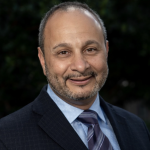
Dan Maddux headshot
Association Leadership Radio
Dan Maddux With American Payroll Association
Loading
00:00 /
RSS Feed
Share
Link
Embed

Download file

APA Dan Maddux headshotDan Maddux is Executive Director of the American Payroll Association (APA), the leading payroll authority in the United States. His APA career began in 1982 as the first employee hired by the fledgling association. Over the next ten years, he would hold every job in the association, ultimately becoming Executive Director in 1992.

Through classroom and online education, print and electronic publications, certification programs, a network of over 100 local affiliated chapters, and advocacy with government agencies, the American Payroll Association serves a community of over 48,000. APA membership also includes representatives of large, medium, and small payroll service providers who are responsible for processing payroll for an additional 2 million U.S. employers. APA has represented these constituents on Capitol Hill and with federal, state, and local government agencies for more than 30 years.

In 2015, APA launched the Global Payroll Management Institute (GPMI), with the mission of forging a community by providing th education, skills, and resources necessary for global payroll professionals to become successful leaders and strategic partners within their organizations. As GPMI’s President, Dan has led the organization’s growth to a worldwide community of global payroll professionals with over 12,000 subscribers in 117 countries. Each year, more than 9,700 global payroll professionals attend GPMI education. Currently, GPMI has established four chapters in three countries. GPMI is headquartered in Washington, D.C.

The APA is headquartered in San Antonio, TX, with additional facilities in Las Vegas, NV and Washington, D.C. APA owns all its properties, which house the association’s operations, including a host of commercial tenants, and an acclaimed Event and Training.

Connect with Dan on LinkedIn.

What You’ll Learn In This Episode

  • About the American Payroll Association
  • Products and services they offer
  • Payroll industry looks like in the future
  • Projects or initiatives they’re looking forward to in 2023
  • Some advice for other leaders doing work in Associations

This transcript is machine transcribed by Sonix.

TRANSCRIPT

Intro: [00:00:00] We’re broadcasting live from the Business RadioX studios in Atlanta, Georgia. It’s time for Association Leadership Radio. Now, here’s your host.

Lee Kantor: [00:00:20] Lee Kantor here another episode of Association Leadership Radio and this is going to be a good one. Today on the show, we have Dan Maddux with the American Payroll Association. Welcome, Dan.

Dan Maddux: [00:00:32] Hi, Lee.

Lee Kantor: [00:00:33] Hey, So excited to learn what you’re up to. Tell us a little bit about American Payroll Association. How are you serving, folks?

Dan Maddux: [00:00:39] Thank you, Lee. The American Payroll Association was founded in 1982. We’re a professional organization that is comprised of individuals that are responsible for payroll management. We also attract professionals from HR and other payroll related corporate financial responsibilities. The APA represents payroll professionals across the US and increasingly from across the globe that have US payroll responsibilities. Annually, we conduct training programs, conferences, seminars and an annual convention and expo through a myriad of in-person and virtual deliveries. We reach about 75,000 individuals with some type of education experience annually.

Lee Kantor: [00:01:24] How has the payroll industry kind of evolved over the years in that I’m sure at one point it was all kind of corporations doing payroll for their employees, and now we’re living in a world where there are so many subcontractors, there are so many, you know, kind of software as a service solutions for payroll. How have you seen the industry evolve?

Dan Maddux: [00:01:47] The industry has evolved in many ways, I guess to a great extent, because we’re a professional organization and we serve the individuals and their professional journey. We’ve seen the industry involved and the fact that products and services are constantly evolving and changing. So that is something that that professionals in the industry need to keep up with. Often those products are for payroll and HR, so they’re working with their partners in HR. Whenever a company is going through any kind of change. I would say more and more payroll are brought to the table and helping to make that decision. Historically, before that, you know, decades ago. Payroll often found out about the changes and it wasn’t necessarily something that they were part of, but certainly they were part of the implementation. These days, I would say that they definitely have a seat at the table and helping to make those decisions. And they’re, of course, part of the implementation. And that’s where I’d say that the industry has grown considerably in the fact that they do have a leadership seat at the table and more and more, which we always try to expose to our members, is that you have payroll professionals or people that have even risen to being at the C-suite level.

Dan Maddux: [00:03:02] And often when you will meet, let’s say, payroll vice presidents or officers in a corporation, they begin to think that they’re the only ones. And in some cases, that’s why, let’s say over the years they have become less engaged with our association, because they really do truly think that they’re the only one that exists in the industry. And you bring them to the table and you ask them to share their story and then they come to realize that there are actually a lot more people in their position in the industry, which shows you that the industry is evolving and it’s changing and their positions have become more strategic. They still are going to have the regulatory and compliance aspects that payroll is responsible for, but they have become more strategic players. And I think that the great thing about that, not only for those people that are in the C-suite positions and payroll, but for the general people in the industry, is that for them they thought that there was this ceiling and that for them to move further in their career, they had to lead payroll. And now it allows them to redefine their career objectives. And the fact that they really can truly go further in their profession.

Lee Kantor: [00:04:16] Now, how do you kind of share the information with your folks? Do you do it through chapters? Do you have national conferences? Do you have online learning? Like how do people interact with the knowledge that you are willing to share?

Dan Maddux: [00:04:30] We do have 125 affiliated chapters, but I would say the way we communicate more with our members, though, certainly through the host of publications that we have, we have eight attorneys on staff that research and write, but we also have what we consider a customer or membership publications. We have several of those, predominantly as an organization beyond the work that we do in D.C. with government agencies. Most of what we do is communicate it through education, so we have education to take them throughout their entire journey. So through what would be foundations, which of course companies utilize us for to train people as they’re coming into the profession, but also through. Their career all the way up to management. So we we train over 75,000 people a year through the myriad of education that we provide. That historically, of course, there was a lot of in-person learning as what we did we. Years ago, prior to the pandemic, we began to move quite a bit of what we did virtually. And I would say that in the years of the pandemic, you know, two years plus, we moved so much of what we did for the myriad of training programs that we provide know 1 to 3, up to five day learning programs. We moved to virtual formats. We even moved our annual convention for a couple of years to a virtual format. And when we were now, while we had a virtual delivery for over ten years for our annual convention, it did challenge us to pivot, to move everything that we did to a virtual format for those two years, even the delivery of our certification exams. And while I’m not saying I’m looking forward to another pandemic, I would tell you that we made the pandemic a really great learning experience and we had to do a lot of soft and hard pivots.

Dan Maddux: [00:06:32] But we figured if we’re going to have to move everything that we do to virtual deliveries, which we are very skilled at doing, but also a annual convention and an expo, we’re going to be the best because I saw so many organizations that were deciding not to do much in 20 and deescalated what they would normally do in 21 as well. And now today they’re still catching up. And we had really no downtime. While we may have had some slight delays because we had to pivot to new deliveries, I would tell you that our virtual convention in 2018 was it was very exciting. And then when we knew we had to do it for 21, we could even make it more exciting. And what I loved coming back to an in-person convention in 22 was that I met people that were members or customers for years. They knew about our convention called Peril Congress, but they had never really considered attending. But they decided to attend it because it was offered virtually. And they said if they can make it this exciting, virtually, I’ve got to attend in person. So what I thought was great about that is that we knew that what we were providing during the pandemic was substantial. But when you are speaking to customers face to face that are telling you that what you delivered during the pandemic was so inviting and exciting that it that it was essentially the marketing tool that made them come to their first in-person convention. To me, that was very powerful.

Lee Kantor: [00:08:04] Now, did that trickle down to the chapter level as well? Did the folks locally, were they able to kind of make the best of a bad situation in their local markets?

Dan Maddux: [00:08:17] Every chapter is different, of course, than their affiliated chapters. But what we did do is we offered them Zoom licenses and having their national organization be so apt at at providing we embraced virtual many years ago. So even by the fact that we had more than one office, we were originally located in New York City, moved the headquarters to San Antonio. We’ve always had multiple offices, Washington, DC, so we would use video conferencing from the Donna video conferencing. So we always embraced technology. So we’ve been utilizing Zoom for a number of years. What we did is we worked out a Zoom license for our chapters so that they could facilitate their chapter meetings through Zoom, and that was very well received by our chapters because there was really no other way for them to conduct their meetings in a professional way. And I would tell you that quite a few of our chapters have maintained their zoom license. And now, even though some are back to some in-person delivery, some of their meetings, just like just like everything else in life is a hybrid, some some of their meetings are still conducted virtually.

Lee Kantor: [00:09:37] And did you find that as the pandemic waned, people were hungry for this kind of face to face and getting back to interacting in person?

Dan Maddux: [00:09:48] I think what people are hungry for and what their employers will support or what they have the bearing to do are two different things. So what? So people may want to go back to in-person and certainly we want to get back to in-person. But what we’re finding and I think that that other groups will will share this with you as well, is that what we’re finding is that virtual is still a more popular option. Now that is probably more popular because there are so many people working remotely or in a hybrid situation. Also, employers had the cost savings of virtual deliveries. So now when you’re looking at in-person deliveries, particularly when there is travel, hotel and incidentals and they’re comparing those costs, certainly some employers are going to look at saying, yes, an in-person delivery of a convention people are going to get more out of. But when it comes to a training program, do you necessarily need to have those additional costs? So we are we have less than person deliveries because we try to gear them towards the market need. And what we’ve found is that we have an increased need for virtual deliveries. So coming out of the pandemic, we are seeing we’ve amped up more virtual deliveries, but we we still do have the in-person component and we’ll continue to adjust those by market need. But I would tell you that in introducing one new class that we have that’s foundation of payroll analytics that was introduced in 22, while there is a need for people to attend it in person and there’s a value to that. We have three times as many people that would like to attend it virtually.

Lee Kantor: [00:11:35] Now, since you kind of had the head start of embracing virtual, you know, pre-pandemic, that obviously had a running start when the pandemic happened and you were that much more adept at and skilled at executing that. Or is there any tips you can share on how to create engagement virtually? Is it just is education and training kind of the easiest path to create the education, or were you able to do it also in these kind of just maybe informal, you know, monthly meetings or things like that?

Dan Maddux: [00:12:08] I think there’s many different ways to communicate. But in in in education, I think that sometimes sometimes in a learning experience when when it’s being delivered, which we have, of course, acknowledged and embraced many years ago, I would say well over 15 years ago. Is that education? Well, I actually say even longer than that because of our learning centers, that education has to be more participatory, that people get more out of the educational experiences if it’s not just a one way delivery. You can have plenty of one way deliveries when it comes to an instructor providing or a speaker providing information that that is webinars or a more rigorous delivery. But when you’re looking at 6 hours or 12 hours or 18 hours of education, if it doesn’t have some level of participation and it’s not more participatory and you don’t have ways for them not only to to interact with the instructor but also interact with each other, that it is difficult to keep that engagement of people. Now, by today’s standards, of course, everybody is experiencing this. You will have people that want the online education and however it’s being delivered, but they have a difficult time fully engaging.

Dan Maddux: [00:13:32] They won’t necessarily turn on their camera. They still want to chat their questions rather than to ask their questions. But what we find, because we have been nurturing this more participatory way of educating for decades, is that we do have a it’s it’s how you’ve seasoned your audience. So more than half of the people that attend our virtual experiences when it is 6 hours, 12 hours, 18 hours, that a good portion of the class, more than half, they are on camera and they are raising their hand and they are asking questions in the virtual environment, which does make it a much more inviting experience for them or a more well-rounded experience. But you still are going to have those people that I believe have gotten into a rut by what their companies have allowed or in any other type of educational experience that they’ve had because of the other type of education that they may be required to achieve through their employer that have turned it into a one way communication and don’t necessarily see that it is to their benefit for it to be more participatory and for them to fully engage.

Lee Kantor: [00:14:49] Now, when it comes to payroll, in the macro sense, are there any trends or anything in the industry that we should be on the lookout for coming forward that.

Dan Maddux: [00:15:03] So I’d say that from that framework that employers and this is really worldwide, but particularly in first world countries that during the. Pandemic. We had this aspect of allowing people to work remotely, and in some aspects we didn’t always know where they were working from. In places like the UK, what was a predominant factor was people going to Spain to work. And in the US we were very lenient as well. But in the US of course we have, we have federal laws, but we also have various state laws and local jurisdictions. And during the pandemic there was a certain leniency. But you will have, let’s say, some well-known companies, and I’m not going to say who they are, but that will have been on the news and saying we don’t care where our employees work. But it’s like, do you really not care where they work? Because wherever they’re working from that you as an employer are going to have have a responsibility And you probably have seen it in the news. It was reported well over six months ago that we know that there are over 1.6 million Americans working in Mexico, predominantly in Mexico City. And there that’s a big issue because it’s not only do employers need to be aware of the fact that where their employees are working, but also at some juncture, those jurisdictions, you know, Mexico is going to say we’re going to need a piece of that taxation pie, and that’s going to happen. That’s going to be a global issue and an issue for employers in the US because they’re going to need to take hold of and take responsibility for where their employees are working. And that’s something that’s been a bit laxed throughout the pandemic, but is going to be a significant issue moving forward. So there are employers that do embrace allowing people to work from wherever, but they’re also doing all of the backend things that are necessary in order to make that possible.

Lee Kantor: [00:17:18] So they have to kind of ramp up some infrastructure for themselves to handle that complexity of their employees being in different states, different countries because of the taxation rules wherever that employee individually is located.

Dan Maddux: [00:17:35] They do because when when these companies are inevitably audited, their their employee cell phone records, these employees will have probably signed leases. Let’s say there’s going to be an audit. Even the technology for the employer, they’re going to know whether people have logged in from and all of this is going to factor into audits. So employers are going to need to get in front of that and either have stricter rules about what states, let’s say in the US you can work in or can’t. And if you can work outside the US, they’re going to need to be aware of that and then provide for that because it’s not as simple as saying that somebody can work in Mexico. There are certain corporate structures that have to change and filings that have to change. So I believe there are employers that that have already they they rose to the occasion and will continue to rise to the occasion. But I think the majority of employers, when they understand the complexities of that type of global reporting and even domestic reporting in order to provide for that will retract from allowing their employees to have the leniency of working anywhere they want.

Dan Maddux: [00:18:59] So I do think that that the pandemic certainly changed the way we work. And the fact that there is this well, there is more remote work. There is an expectation that you can be a hybrid worker or a remote worker. And it is how we attract talent now is that we have to think about the fact that talent isn’t necessarily going to be in our back door. We need to to set our sights a bit further and where we we look and attract talent. But we have to take these other considerations into the equation. We just happen to represent the payroll industry, which is highly has has a slew of regulatory and legislative issues that companies have to adhere to. So it is it’s the space that we’re in. So we’re more cognizant of it. But I do think that that’s going to be an issue for any small to medium to large size employer that is going to have to reel in what they allowed for during the pandemic.

Lee Kantor: [00:20:02] Right. So the pandemic kind of forced their hand. It seemed like they were being generous and accommodating. But, you know, once you flip that domino, there’s other ramifications that are occurring that maybe you didn’t realize. Time or didn’t understand kind of how how many things that that affected down the road.

Dan Maddux: [00:20:21] Yes.

Lee Kantor: [00:20:22] So now, is there anything through your organization that you’re most looking forward to in 2023 and beyond? Any projects or things you’re working on?

Dan Maddux: [00:20:31] We’re looking forward to that. We I mentioned to you earlier that in 22 we came out with our first. It was called Foundations of Payroll Analytics. It’s 18 hours and we provide in-person delivery and also virtual delivery. And what was great about providing that is that the attendees could naturally see by the the 18 hours of education that there had to be a part two, which we already had in development. But it’s great when the attendees can say I need more. So we have part two in development and we plan on having it in the marketplace before the the end of 23. So that’s exciting. And I believe that even past part two, it’s going to continue. So it’s substantial content. I believe that by the time we finish the series, we’ll have over 50 hours of content just on this one subject matter, which to me is really exciting to procure or create new content. And another exciting project that we’re working on is that we will soon launch our online community and we like to think of the fact that yes, we have members, but we also have subscribers. We have customers. I think any association has to begin to look at what are your total engagements, because people that may hold your certifications aren’t necessarily your members, but they do think of themselves as part of your community. So when we look at our total engagements, we in 22 had over 191,000 engagements. So if somebody has your certification and they’re in another country, they still think of being in inside your circle. They still think of being part of your community.

Dan Maddux: [00:22:20] So when we launch this community, it is available to anybody worldwide. And it does. It is for our members, for our customers, for our engagements, for those that have our certifications worldwide. So I think that it’s very exciting because not only does it does it connect people from around the world because you could have somebody in Ohio that has an issue with German payrolls and can connect with somebody and ask a question. So it really does meet the need of the fact that many years ago people would think of a multinational company as being a really large company, but now it can really be a company of any size and they can be located anywhere. So it does create a knowledge share within the industry because within this industry, yes, every payroll practice or regulatory and legislative issue around the world is different. But payroll as it is, is is pretty much processed the same way no matter where you are. It’s just pay cycles are different and the laws are different, but there’s a lot of commonality. And we’re looking forward to launching this community because that, yes, there are people within our community in the US that just think US centric, but their world is changing and they may not be in a multinational company today, but you don’t know where their company is going tomorrow or what employer they might be working for next year. And by having this worldwide community, not only will it meet the needs that people have today, but people today don’t realize that it will meet needs that they’ll have in future years.

Lee Kantor: [00:24:12] Right. And it could open up other opportunities. When you have this knowledge, it may not be something that you’re fearful of or you embrace and you lean into and say, hey, oh, there is somebody there I can chat with and just ask them some questions.

Dan Maddux: [00:24:24] Absolutely.

Lee Kantor: [00:24:25] I mean, building relationships worldwide, I mean, there’s no negative to that.

Dan Maddux: [00:24:31] There is. There isn’t. And I that has organically happened over the years. You know, you provide the forum for it, but then it organically happens among people. But I believe that with an online community that that it will happen much faster. And then years from now, in a few short years from now, there are people that would not have seen the value that will see it as being a very valuable tool.

Lee Kantor: [00:25:00] So what do you need more of? How can we help you? Do you need more members? You need more subject matter experts, you need more chapter leads. How can we.

Dan Maddux: [00:25:09] Help? We we are always we have been great over the years of. Cultivating SMS or subject matter experts. I would tell you that and I would recommend to any organization to do this. We certainly put subject matter experts through the test and cultivating their natural well. We improve their their their knowledge base, but we have always had professional speech coaching for decades so that our subject matter experts become the best speakers they can be because they’re really the voice piece for the for all of the hundreds of courses that we teach a year. So we always want more customers, we always want more members, we always want more people to go through our certification programs. So in in the various ways that we serve the community, whether it’s through the American Payroll Association, the Global Payroll Management Institute, we always want more people to come into the fold.

Lee Kantor: [00:26:17] Well, I really appreciate you coming on and sharing your wisdom and congratulations on all the success to be able to handle the pandemic as well as you did and to really use it as a launching point for even more robust services and education for your members. Congratulations. That is just amazing achievement and I hope you’re proud and I hope your members appreciate what it took to do that, because that’s a big deal and you did a great job. Thank you for sharing your story. You’re doing important work and we appreciate you.

Dan Maddux: [00:26:49] Thank you so much, Lee.

Lee Kantor: [00:26:51] All right. This is Lee Kantor. We’ll see you all next time on Association Leadership Radio


Tagged With: American Payroll Association, Dan Maddux

Daniel A. Scola, Jr. With Hoffman & Baron

January 23, 2023 by Jacob Lapera

High Velocity Radio
High Velocity Radio
Daniel A. Scola, Jr. With Hoffman & Baron
Loading
00:00 /
RSS Feed
Share
Link
Embed

Download file

Daniel A. Scola, Jr. is the managing partner of Hoffmann & Baron, LLP, and also manages the chemical, pharmaceutical/biochemical, and medical device practice group in the New Jersey office. He has extensive experience in polymers, pharmaceuticals, and medical devices. He specializes in building IP portfolios and designing strategies to protect and enhance company value.

Previously, he was Counsel, patents, and trademarks as well as Assistant Corporate Secretary at The Warner-Lambert Co. and Intellectual Property Attorney at Loctite Corporation.

Prior to earning his law degree, Scola was an adhesive and composite materials engineer at the Pratt & Whitney Division of United Technologies.

Connect with Daniel on LinkedIn.

What You’ll Learn In This Episode

  • Intellectual property
  • Importance of intellectual property to any business or entity
  • Protecting assets for start-up companies
  • IP to be implemented at the same time funding is received
  • Venture capitalist to work with an IP law firm

This transcript is machine transcribed by Sonix.

TRANSCRIPT

Intro: [00:00:04] Broadcasting live from the Business RadioX studios in Atlanta, Georgia. It’s time for High Velocity Radio.

Lee Kantor: [00:00:15] Lee Kantor here another episode of High Velocity Radio and this is going to be a good one. Today on the show we have Daniel Scola with Hoffman and Baron. Welcome, Dan.

Daniel Scola: [00:00:26] Thanks, Lee. Thanks for having me.

Lee Kantor: [00:00:28] I am so excited to learn what you’re up to. Tell us a little bit about Hoffman and Baron and how you serve in folks.

Daniel Scola: [00:00:33] Yeah, so we’re an intellectual property law firm, and that means we’re exclusively devoted to procuring, protecting and enforcing protection of ideas, creations and expressions of those ideas into intellectual property.

Lee Kantor: [00:00:50] Now, in today’s world, intellectual property seems to be an area there’s a lot of gray area in terms of what is my intellectual property, what is kind of the public’s intellectual property, how is it defined, number one? And number two, how can you possibly protect it?

Daniel Scola: [00:01:08] Well, there are very good vehicles for protecting it. And they go back to the constitutional mandate that if you exchange your ideas and teach the public how to do certain things, the government will in return give you a limited monopoly or monopoly for a short period of time. So, for example, there’s different vehicles that protect things like patents, protect inventions, for example, and you get 20 years of protection and then you’ve got the creation of expressions and ideas that go into brands and that’s covered by trademarks. And then you’ve got copyrights, which is protection of things that are reduced to a tangible form like like books, movies, dance steps and so forth and so on. And what actually happens is these rights become property rights just so just like real property, like you can sell real property. It’s an asset. You can, you could license it, you could, you could rent your, your, your land, for example. Same thing goes on with assets that are formed from these intangible ideas. You reduce them to a tangible form and they become property rights that you can license, you can sell, and they’re quite valuable.

Lee Kantor: [00:02:21] Now, the area where for me it gets gray and I was in Chicago the other day with my son and we were walking and there was a truck that was selling like a roofer or something. It was some manual labor vehicle. And on it they had pictures of all kinds of superheroes that are well known. And then my son made a comment about, Wow, how did they do that? And I’m like, something tells me they didn’t ask for permission to do that, that they just did that. And so how like is Marvel going to search these people out to try to tell them to stop doing this? Like it just seems like that in today’s world where there’s so much content just constantly being thrown around, it’s hard to defend your trademarks or your your marks in terms of everywhere that somebody is misusing it.

Daniel Scola: [00:03:16] Well, that’s a very good question, but there also is a very good answer to it. You know, normally what they would what most companies do who have like certainly the famous brands, for example, like the Marvel Comics, you know, all those action figures there, they have a a daily, weekly and a monthly program where they police their their marks and the use of their marks. So they hire people. Sometimes it’s outside law firms like ourselves. And we look to see, you know, on a constant ongoing basis, monitoring basis who is using something that is similar or identical because it’s not just using identical, it’s something that’s confusingly similar to the public. And so what happens then is they’ll get they’ll get a letter saying, you know, you either have to stop doing this or you have to have some discussions with us to allow us to develop maybe a license situation. And, you know, it’s just a way of policing it. So you really do have to to you know, one of the big advantages of having IP is that when you do get a copy copycat, you do have rights to to stop them from doing it. And I know that there’s a lot of content out there, but it’s also a lot easier to find the content these days so you can search and find lots of things it used to be, and they still do it to some extent.

Daniel Scola: [00:04:45] Used to be in the old days before social media became so prevalent, you could hear in a restaurant, for example, you could hear various songs that, you know, well known music being played in the background. Well, all those commercial establishments have licenses to play that music and they play they they they go through a a single source. Usually it’s it’s ASKAP. And they’re responsible for giving royalties to all of the performers and the people who have copyrights in the music. And they pay a limited amount for certain amount of plays that they’re you know, it’s sort of an average. And they go back and it’s a little bit on the honor system, but they do audit audited it. So all those restaurants that are playing commercially available music are paying license fees on those. So you can imagine how many restaurants out there and how many royalties are getting paid just for that, and that’s restaurants. It applies to any commercial situation. And yeah, you’re right. You’ve got to monitor it and police it and then you’ve got to get someone to to write the letter or actually follow up on on something like a lawsuit.

Lee Kantor: [00:06:03] And if you don’t follow up, are you at risk of losing your marks?

Daniel Scola: [00:06:09] Well, you do have some risks if you don’t follow up. So, for example, in the trademark situation, if you allow someone to exist so long, it becomes more difficult to to make the argument that the coexistence is creating an issue for you, even though there’s infringement. I mean, you can still get them off. But it’s always almost like, for example, in patents, the patent area, if you have an invention and you have a patent on it and you know there’s infringement and you don’t follow up on that for a period of time, usually it’s a six year period of time. There’s a doctrine called latches, which means you basically sat on your rights, you didn’t enforce them, and now you can’t enforce them. So, yeah, you have to pay if you’re going to have an asset. It’s very much like if I have a house sitting empty on a lot and I do nothing with it and I just let whoever wants to go live there, you know, I’m sitting on my rights. I have the right to charge them rent, but I’m not not a good thing to do in any field.

Daniel Scola: [00:07:15] And also the IP field is the same way. Can’t do it. So you really should pay attention. Look, it’s an asset. You know, these are valuable, valuable assets. They’re property. They can be licensed, they can be sold. They they increase the value of your company. And and by the way, whenever you’re looking for money for an investment, IP is is right at the forefront. They’ll say, okay, what is your product or what are your services? And then is it protected by IP because IP represents a barrier to the public getting in. So normally you would be you would say, I have IP and here’s here’s what it is. And they would do an evaluation. They say, oh, well, you know, the people shouldn’t be able to get to where you are easily. They have to redesign something and that’s going to cost them money and that’s going to take time. So you’ll be out there for a while first in the market will invest in you. And that’s sort of the thought process.

Lee Kantor: [00:08:17] Now is the recommendation for a, you know, maybe a startup or a new firm, even a professional service or consulting firm to develop some IP that is uniquely theirs. Will that help them in the long run, maybe get more value down the road if and when they sell?

Daniel Scola: [00:08:37] Absolutely. You know, IP always increases the value. Sometimes it’s exponential. I can tell you many examples of situations where startup companies have come to me and to my firm and we’ve worked with them to develop an IP portfolio. So it becomes a thicket of of little think of them as little land masses where people have to figure out how to walk in between these land masses so they don’t step on your IP because they don’t want to infringe. And and nobody wants infringement, right. But you know that you can enforce it if you if someone does. So it’s a real barrier and they have to redesign spend the money and sometimes they just go it’s it’s too expensive, it’s too difficult. I will just take a license from them and I’ll just compete with them. But I’ll I’ll make mine a different name. So I’ll call it a different brand and I’ll work on my brand and just try to develop that as opposed to the product and the patent behind it. But but no, you know, almost all investors look very heavily at the market and how they can prevent others from getting into the market if they invest in this in this particular asset. So if a company has a good portfolio of of IP assets or a dominant position in that technology area in terms of patents and a dominant position in terms of trademark, which is the awareness, the goodwill associated with the name and everybody knows it’s that company that sells that name, you know, then, you know, they really feel much more comfortable and they do a lot of due diligence before they put, you know, hundreds of thousands or even millions of dollars in in investments.

Lee Kantor: [00:10:32] Now, if somebody is thinking about protecting their IP, when you’re working with an IP attorney, is their job just kind of just kind of going through the process of protecting it and defending it or is a good relationship with an IP attorney, one in which maybe your brainstorming together and you’re saying, you know what the IP attorney maybe is making recommendations of, hey, you should think about protecting this, or if you did this a little differently than that might be protectable. Like, is it is it kind of more of a partnership or is it more of a kind of person that’s executing some tasks?

Daniel Scola: [00:11:10] You’ve you’ve hit on a very important point. It’s actually the latter. It’s a person who is in a partnership with the client and has added value in terms of creativity, where to step, where not to step, how to take an idea which might be somewhat narrow and say, listen, we can develop this into a little broader concept and still not be within the scope of other people’s property. And you know, you do you do searches, you do patent searches, you hire specialized patent search firms, you do an analysis. You say, you know what, there’s a range of competitors or we’re doing something similar, it’s yours is distinguishable, but it’s going to narrow the scope of your protection. Do you still want to go forward with this? Or we can redesign this to actually broaden it out in another aspect which goes away from those competitors? What do you think? It really is a partnership and and a good IP attorney who is thinking ahead also has to add creativity to it to really be. And so what does that mean? It means a lot of times you have to know or learn something about the technology because, I mean, we do everything from complex immunology to, you know, in engineering, industrial engineering, chemistry, I.T. computer business methods is a whole array of technology. So, you know, you have a lot of specialists. So you hire people who have you know, the attorneys have electrical backgrounds or they have I.T. backgrounds, or they might be a biological guy or a chemical guy. And it’s sometimes you get a team and the same thing goes when you’re enforcing it. You know, you have that whole litigation aspect to it, which is more more than just protecting it. It’s defending it. So, yeah, it’s an excellent question. It’s really a partnership.

Lee Kantor: [00:13:05] And when you’re in your firm, when you’re working with clients as your client, maybe the business owner, or sometimes are you working with like private equity firms or venture capitalists who might have a portfolio of clients that it might be more efficient to work with one IP attorney firm in order to help my whole portfolio of clients rather than, you know, one at a time.

Daniel Scola: [00:13:30] Well, you know, it’s it’s the the the portfolio management like with with investors, what we’re looking to do is work with investor groups who need an evaluation of all their IP, because we have we have different departments which can handle that. But the idea is you want a consistent source of, of judgment in the evaluating of the IP. So we we work with we do diligent diligence for investment companies, but we also do a lot of work for eight universities, large companies, small companies, startups. I love startups because and I love the due diligence, which comes when investors are looking to put money into startups because that’s where I feel I can be particularly creative and add value. And and I have a lot of experience judging when something is going to be too close to for comfort and that you need to change something so you don’t get into a situation which is uncomfortable, you know, maybe a litigation or maybe someone saying the product isn’t differential enough. And, you know, but we work with all kinds of and all levels of people, including some individuals and professors and inside guys, the business guys are fun to work with. Sometimes it’s a small company and the top business guy will come and, you know, if they’re a really sharp entrepreneur, it’s a pleasure to work with them because they understand what it means to take prudent risks. They also they also know when they see creativity, they they latch on to it. So it’s it’s really it’s a fun area to practice. And I have to say, and you have to be able to to trust experts. And so this is our expertise. But when we talk to inventors, for example, or marketing people, you know, they’re experts at what they do. So it’s a nice integration of expertise coming together. When you when you work together, like in a partnership like that.

Lee Kantor: [00:15:42] Now, can you share a story? Don’t name the name, but explain maybe the challenge they had or where the opportunity was. Were you able to add value, maybe make a recommendation that that took their business or their idea to a new level?

Daniel Scola: [00:15:56] Sure. Actually, I won’t name the name, but it’s a it’s a company that was a one person startup and now it’s a public company and it is a leader in its field and it’s in the pharmaceutical area. They came to me with an idea of how to make a particular dosage form for a drug. And the idea was it came from watching the way California pulp manufacturers dried dried fruit. And they said, Gosh, that’s a cool process. I wonder if I can take certain pieces of that and adapt it into a new process and make something that will be useful to deliver drugs, which no one has done before. So in evaluating that, I found that there was an awful it was just a terrible amount of a huge amount of prior art. But in other words, patents and and disclosures in different publications which talked about, you know, this particular delivery system that this this client wanted to make, but they never described how they went about to make it. They would describe what we have a product and here’s what the product is made of X, Y and Z. But the process of getting there was never described. So what I had suggested to them is focus on that process piece, because if you can dominate a process of making it, nobody else has that. And then they all have to go through your patent to do it. And that’s exactly what happened. We got coverage on the particular and it had to do with the uniformity of content. So when you go to make a dosage form, the FDA wants to make sure the public is getting whatever the label says. If it says ten milligrams of a certain drug, you want to make sure that there’s ten milligrams in there with a small variation one way or the other, plus or minus.

Daniel Scola: [00:18:02] But when you’re doing that particular dosage form happened to be a film, like a small film, I mean, years ago. Give you an idea of what a small film is. It’s like a one inch by one inch very thin film you put on your tongue and that’s how you got your dosage form. They were making Listerine pocket parts. If you remember, Listerine used to sell a little thin strip. You could pull out and put it in your mouth. If you saw some years ago. Yeah, well, it was similar to that. Only they had to have uniformity of content. So the drug in each one of those strips had to be the same amount of drug that it’s that they said it was in it and each one of the strips had to have that. Now when you go to make they’re not making individual one by one strips. They’re making hundreds of thousands of yards of film and then cutting it. So how do you make sure that every every one by one inch film cut has the right drug in it, the right amount that you’re saying it does? So that was their invention. So when I saw that, I said, don’t worry about the compositional nature of it. Go and try to get the best coverage we can get. And sure enough, they have several hundred patents on it. They’re a public company. We still represent them. And that’s that’s an idea. I’ll give you another quick one, very quick, if you like, on Super Glue. That’s that was a patent one I just gave you. This will be a trademark example. So you’re familiar with the trademark super glue?

Lee Kantor: [00:19:33] Sure.

Daniel Scola: [00:19:34] Yeah. Most people, they know Super Glue. Well, when I was a fledgling attorney with, you know, I had maybe a couple of months experience, I was on the ground floor when the guy who came up with the name Super Glue came in to me and of course I was assigned to him. So he came in and he was a big marketing guy and he was he was herald to be this this real marketing genius. So I was a little intimidated by the guy at the time because I was just brand new and he was asking me all these questions. But the one question that he asked me was, What do you think of the name Super Glue as a trademark? And I knew this much. I said, I think it’s great from a marketing perspective, but I don’t think it’s protectable. And he said, Why not? He said, I said, Well, you know, to be protectable, it has to be something that doesn’t it can’t be generic, right? Because no one can own the rights to a generic name like glue. Glue is a generic name, and it has to be something that’s fanciful that doesn’t describe the product. That’s what most people get confused. Trademarks should not describe the product.

Daniel Scola: [00:20:45] They’re really adjectives, but they don’t describe the product per se. And Super Glue Super was just saying, Well, it’s kind of a laudatory thing, saying it’s pretty good glue and you know, you would not get that that trademark through. So I said to him, I don’t think you’re it’s very protectable. He goes, Well, I don’t care. I’m putting $10 Million into this program. And we’ll just beat them on the market side. So, you know, we’ll do our best from the legal side, but I think it’s going to be difficult. So he didn’t listen to me. But he did listen to me. And the reason I said he didn’t, because he launched the product was very, very successful. The reason I said he did listen to me is because very shortly after that, he left the company and he started his own company called the Superglue Corporation. And and we sued him. And we we basically lost because it’s a terrible trademark. Trademarks. Look at look at the word tide. That’s a pretty famous trademark, right? It doesn’t describe what the product is. It’s a great mark. It’s very fanciful. It’s like, well, you know, it gives you the connotation of suds.

Daniel Scola: [00:22:03] You know, like when you see the ocean waves come in. They look like, you know, the tides come in. It gives you that sort of foamy action. And so they named their detergent that way. And everyone knows Procter and Gamble makes Tide. And you’ve got to enforce it. And going back to your other question real quickly there, you know, Velcro is a very well known mark, and it was almost in, you know, going generic because of misuse. People would refer to say, give me a I’d like to buy some Velcro. It really it’s it’s a hook and loop structure and the brand is Velcro. So people were identifying it like Velcro is a noun. And if you said Velcro brand, fine. Ibm went through this when with I’m sorry, I’m sorry Xerox went through this with photocopying. Everyone would say, make a Xerox copy of this. Well, you know, there’s a lot of different copying machines out there. So Xerox put a whole marketing program together saying don’t misuse our trademark. If you misuse the trademark and you let people do it long enough, you will use it. Lose it. So. So did you know that escalator was a trademark that went generic?

Lee Kantor: [00:23:18] I didn’t I didn’t know escalator. I imagine Kleenex was one Kleenex.

Daniel Scola: [00:23:23] Right. Kleenex. I’m not sure if Kleenex still. Kleenex still may be. I’m not sure it’s generic. I’ll tell you what really is surprising. It was surprising to me when I learned it. Adrenaline was a trademark. In fact, it was it was a trademark of a company I once worked for, which was the Warner-Lambert Company. Adrenaline was the trademark for epinephrine. So and everyone uses adrenaline now to get your adrenaline going. Well, you know, drink some, drink some coffee, and you’ll get your adrenaline going.

Lee Kantor: [00:23:54] So they created their own word. That’s now just that’s.

Daniel Scola: [00:24:01] That’s amazing. In that’s what trademarks are great on you be be creative. You know, you can come up with some great names and I’m guessing that adrenaline came from the adrenal glands, right? Right. But they called it for it was for a shot that contained epinephrine. And that’s that’s what they named it. So, you know, it’s these these trademarks can be extremely valuable. I mean, you know, and sold. I remember when when Johnson and Johnson bought the Mylanta name, they bought it. In fact, I was involved in the sale and. My lanta was a it’s. It had a distinct color on the bottle. It has a distinct name and so forth. And they even the color of the bottle in combination with the name was a protectable thing under trade dress. It’s part of the trademark genre of protection. So IP can really be a fun place to be if you’re if you create. And the one thing that entrepreneurs don’t do usually early enough is get their IP, because once they disclose their idea, if that’s not under a non disclosure, it’s gone. You can’t protect it anywhere. I mean, you get it, you get a little time in the States, they give you a little grace period. But you know, you always have to file first if you’re going to get the best out of your IP because you never know if you’re going to misstep. Otherwise, it’s just very much safer. So what do you do if you don’t have the money? You have to have the money early enough. You’ve got to get some money to get some IP early enough or you will you will really be sorry later. And there are many stories I could tell you where people come and there’s not a lot you can do with the early stage stuff they had now, which was excellent but now can be copied. So it’s just a lesson, you know, for entrepreneurs.

Lee Kantor: [00:26:08] So now who is the ideal client for you and your firm? What is that, that perfect fit client for you?

Daniel Scola: [00:26:16] Well, I think, you know, between companies where they’re they’re really technology driven and that’s really independent of the size and they really have a lot that they want to do in the IP side. That’s the kind of client because that’s where you can you can have the most room for being creative. I love the due diligence aspects. I love evaluating IP and creating it. So investment firms like large companies that that large investment companies that that are looking to buy and companies that are looking to get new IP, it could be there could be small firms, it could be medium sized firms, they could do large firms. And we have all of those small investors, big investors. You know, a lot of times people think, well, patent patent firms, they really just, you know, deal with single inventors who come in, who have got a better way to slice bread. That’s not really the bulk of the work that we do. We certainly do some of that because there are investors. I mean, it takes a little bit of money to get some patents going. So, you know, you can’t think you’re going to get have a patent with that’s going to cover anything for a small amount of money. This doesn’t happen. You have to know you’re in for it for the long haul. You’re getting a monopoly. So you’ve got to pay for a monopoly. Monopoly? It’s not it’s not a free thing.

Lee Kantor: [00:27:49] Right. So but these larger entities, like a VC firm, private equity firm, a university where they they have a lot of intellectual property or potentially could have a lot that’s a good fit for you to have conversations with.

Daniel Scola: [00:28:02] Absolutely. Yeah.

Lee Kantor: [00:28:04] Now, if somebody wants to connect with you or your firm, is there a website?

Daniel Scola: [00:28:08] There is. You know, it’s it’s the Hoffman and Barron website. W. W w h. B ip locked. Or you could put in Hoffman and Baron, and you’ll see it come up on any of the search engines. And the firm number is is, is on there as well. So.

Lee Kantor: [00:28:32] And you’re open. If they go to the website they can find information to connect with you, maybe learn some things.

Daniel Scola: [00:28:39] Absolutely. Yeah, absolutely. You know, you can go and do some there’s a blog page where you might be able to there’s there’s I know that we have some basics on why should I get a pad and what should I do, you know, when is it a good time? And then if they just want to give a call or an email, I can answer them. Or we can get people, other attorneys who might specialize in that particular question.

Lee Kantor: [00:29:06] Well, Dan, thank you so much for sharing your story today. You’re doing such important work and we appreciate you.

Daniel Scola: [00:29:12] Well, thank you, Lee. It was a pleasure to be on.

Lee Kantor: [00:29:14] All right. This is Lee Kantor. We’ll see you next time on High Velocity Radio.

Tagged With: Daniel A. Scola, Hoffman & Baron, Jr

Dustin Whistler With Forte Commercial Real Estate

January 23, 2023 by Jacob Lapera

DustinWhistler
Association Leadership Radio
Dustin Whistler With Forte Commercial Real Estate
Loading
00:00 /
RSS Feed
Share
Link
Embed

Download file

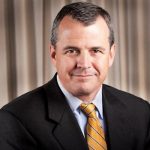
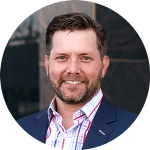
FCREDustinWhistlerDustin Whistler is a Denver-based entrepreneur with a unique combination of business talent, leadership skills, community engagement, and activism that make him an asset to his clients, boards, and committees he serves. He is the founder and principal at Forte Commercial Real Estate, a corporate –, community–, and sector–serving firm that does work along Colorado’s front range and nationally.

Dustin’s unique value to his clients is synthesizing the goals and strategy of boards/leadership teams with operational realities to achieve best-in-class real estate solutions.

Forte has a deep client roster and following in practice areas including the Nonprofit/Creative Sector, Life Science, Manufacturing, Architecture/Engineering/Construction, and Outdoor & Apparel. Dustin serves as Chair of the Colorado Business Committee for the Arts, is on the board of Colorado BioScience Association, and serves on the Building Up Committee for Executives Partnering to Invest in Children.

Dustin makes Denver his home with his wife Tamra Ward, three children, and one rescue daughter. In his free time, he’s a patron and likes to travel, run, and spend time with his family.

Connect with Dustin on LinkedIn and follow Commercial Real Estate on Facebook and  Twitter.

What You’ll Learn In This Episode

  • About Forte CRE
  • Forte CRE being set apart from other commercial real estate firms
  • Examples of their unique work

This transcript is machine transcribed by Sonix.

TRANSCRIPT

Intro: [00:00:00] We’re broadcasting live from the Business RadioX studios in Atlanta, Georgia. It’s time for Association Leadership Radio. Now, here’s your host.

Lee Kantor: [00:00:20] Lee Kantor here another episode of Association Leadership Radio and this is going to be a good one. Today on the show, we have Dustin Whistler with Forte Commercial Real Estate. Welcome.

Dustin Whistler: [00:00:32] Thank you.

Lee Kantor: [00:00:34] Well, tell us about your firm. How are you serving folks?

Dustin Whistler: [00:00:37] So we’re forte Commercial real estate is an occupier driven and sector focused commercial real estate firm based in Denver. We represent businesses that occupy real estate, and usually that’s office space or industrial space or both. Simply put, we’re a rep firm, but we focus deeply in certain sectors in which we have a unique story or more to offer a passion, I guess. And those sectors are manufacturing, outdoor and apparel, advanced industries like bioscience or clean tech, community real estate, which we think of as nonprofit sector, creative sector, social enterprise. And then we recently launched the architecture and engineering and construction practice, and then we do a lot of work with private equity as well. And then the service offering is really lease acquisition or renewal or sublease, or we do a bunch of project management and then our community real estate practice, we do capital campaigns and non profit center services.

Lee Kantor: [00:01:41] So what’s your backstory? How how’d you get involved in this line of work?

Dustin Whistler: [00:01:45] I originally I guess I started working this in 96, I guess late 95, 95, I was working in cell site acquisitions and those are small micro transactions and I was getting permits to do to install these antennas when it was first when we first started having cell site coverage like we do today. And by the end of the year, I realized I just really like the transaction site a little bit better and decided to move into commercial real estate. Now, in 2008, we launched the firm with the idea that we would just start a firm focus on the user.

Lee Kantor: [00:02:28] And did you have a niche then, or was that something that just evolved over time?

Dustin Whistler: [00:02:34] Yeah, for I guess our niche. I guess what makes us unique is our original niche was manufacturing, lifestyle, life sciences and outdoor and apparel. And so the theme there is those are all companies that have typically hard to do transactions. So what we do is then those companies need more than most brokers can or will provide. And so what I guess our niche is, is we’ve built a we’ve built solutions to specifically support them. And that’s particularly true in one of our newer that that new I guess now it’s nine years or eight years. Our committed real estate practice really true that can be can be really hard to do.

Lee Kantor: [00:03:22] So when you were building out the firm, you had this vision and you were handling transactions that were more complex or required more. Was it difficult for you to build a team that was kind of on the same page from a value standpoint?

Dustin Whistler: [00:03:37] Um, I don’t think originally we were really focused on values, but as we. As we grew. So the early days, it was very. So there would be external partners that we would engage and we were working with companies we enjoyed and or that were profitable. And I think where that changed is in 2000, I guess that’s 15. We started thinking about what was working well, what was working well, and what was working well was Boardwalk and Orca and our bioscience practice. And I realize is that’s a very. Both of those are very mission driven organizations and our mission driven deals. So the. So your board work you’re trying to achieve a mission and bioscience their focus is on saving lives and improving lives. And so we realized that we just wanted more of that in our sort of company DNA. And so started asking people what we do in the community, whether we should start a nonprofit practice. And that was in January. By June, we had to hire someone, just work in that practice area. And so. So back to culture, where that starts to shift is right at that moment and evolved to a point where we kind of think of ourselves as a very mission driven firm. So whether you’re manufacturing 5G towers or you’re trying to build a nonprofit center to serve the well-being of the people of Colorado, our clients mission is our mission shapes that that sort of mission driven idea really shapes how we serve our clients, their success and how we serve in our community.

Lee Kantor: [00:05:27] So when you kind of flip that switch, did you was that something that you were like, Wow, now that we’ve kind of made that mental shift, I mean, it probably didn’t change many behaviors, but now mentally, you’re saying this out loud and you’re talking about it. Did that impact anything or did you notice anything like, Hey, we’re getting better people or people seem more engaged? Or did you was there any kind of clues that you were on to something here?

Dustin Whistler: [00:05:53] Um, yes, several. One is that that business that we pursue and that we want to do in the nonprofit community or in a community real estate practice that comes in so readily. And what we find is that we, we do a bunch of work in those other sectors, but it’s it is not nearly as easy as in the nonprofit practice. And so I think part of it is that we understand the nonprofit community because we’re members of those boards and committees and we understand how nonprofits work and what they need. And it’s shifted. Who is attracted to our firm? I think the people that we get here are coming here because of that mission focus. And and then I think we’ve just become known for a bunch of that work we do now.

Lee Kantor: [00:06:47] How does it work Kind of practically now and now that you have employees going out in the world, is that something when you’re onboarding an employee, there’s you tell them there’s like a level of expectations that you’re expecting them to kind of lean into their community and give back and get immersed in the nonprofits and the business associations and really, you know, kind of walk the walk and not just join, you know, pay money and be a member and just say, look, I’m a member and then I’m done.

Dustin Whistler: [00:07:18] Yeah, Yeah, that’s right. So my answer is set a couple of ways. So one one thing is that a lot of our peers and this isn’t true, uniformly true, but a lot of our peers might think it’s good enough to serve, raise money once a year and ask clients for money and then give it to a cause and that gather together as a community sometimes. But is that as deep of a commitment to the community? And so we view that as part of our culture and part of our expectations. So when we’re interviewing people, usually they’ve come to us Because of that, we’re a little different than the rest of the commercial real estate world and our mission focus. But then, yeah, we really expect we were pretty declarative than we expect Our everybody that’s in our firm that they’re tangibly engaged in the community. I’m chair of the Board of Color of Business Committee for the Arts. And so we put I think we put through six or seven different folks in our firm through the Leadership Arts program, which is basically for training. And so, yeah, it’s shifted. I think what the other piece that I would say is that.

Dustin Whistler: [00:08:33] Well, we have I guess to follow on to that one is we think an organization’s value should show up in the way it does business, that what it says. And part of that is investing your time, treasure, talents and connections for the work you do. And and that that really shows up when you’re especially if you have a community real estate practice that where you know what’s going on in the broader community. So you’re really a value to those boards that are associations you’re on the board of. And then the other one is just that that expectation, what it what it does in my mind is when you are serving on a board, being responsible for the health of that organization, it changes your posture and your business and your life. I think it’s really about stewardship, right? You’re the you’re the steward of the board you serve on or the cause of the committee you’re serving on or the association. And that shifts how you treat your clients in more of a stewardship model. And it just feels good ultimately.

Lee Kantor: [00:09:43] Now, when you’re talking to a young person about this, is this something that they’re like, wow, you know, I didn’t think of business in this manner. You know, I thought I was getting a job and I just show up and do my work and I go home. But this is asking them to really, you know, think of the community, not just the business or their job.

Dustin Whistler: [00:10:04] Yeah, I think the younger folks like it. So I think they prefer to work for a company that has a broader purpose and they’re just making money. And we don’t we like we like making money and we think that’s valuable. We also believe in sort of this virtuous cycle about giving back to the communities you’re working in.

Lee Kantor: [00:10:33] Now, is there a story you can share about maybe one of your employees that kind of got involved in one of these groups and helped take them to a new level or because of the connections or the resources that they had?

Dustin Whistler: [00:10:47] Well, I don’t know that I have a specific story. I mean. I guess I could talk about a project we work done where I feel like our involvement was in our practice was community building.

Lee Kantor: [00:11:04] Yeah, that’d be great. Yeah. Just something where you can kind of draw a line to this effort into the kind of helping the greater good here.

Dustin Whistler: [00:11:13] Yep. So in some ways, we think of ourselves as a chief enablement officer. So if you have some crazy idea or that’s good for the community or you have desire to grow your footprint and grow your company, we’re we’re the ones that you have the vision, we have the infrastructure to make it happen. So one example of that work would be Colorado’s health capital. The CEO of Healthier Colorado had the vision to create a nonprofit center focused on the well-being of people of Colorado and our client, their client, Jake Williams, CEO and Healthier Colorado had that vision. And then we got to know each other through connections in the community. And what what the result is, is that we ended up building a 26,000 square foot nonprofit center with 40 nonprofits in the building. And what was true on the front end is that Jake said, hey, here’s 13 folks that we know that are interested. And we said, Well, we have a database of, I think, around 200 organizations that we think would have some appetite for this. And so, in fact, to sort of that, your mission is our mission at times, I think Jake would say, hey, we should just go grab this tenant because it would gobble up a lot of space. But when we think about are they on mission or not? The answer was no. Sometimes we would skip it and then we just worked hard enough that within I guess we’re now a year and a half in, it’s 97% leased. And so who we knew in the community via boards we served on or other work, we do really help that nonprofit center be successful.

Lee Kantor: [00:13:13] Right? Without you, it would have been impossible.

Dustin Whistler: [00:13:16] I just don’t think there was anybody else that does what we do. So yeah, it would have been a lot harder. And yeah, without without all that infrastructure, without the commitment and the community asset possible.

Lee Kantor: [00:13:30] So then you mentioned some of the industries you serve and some of the work that you do. Is there an ideal client or is it something that if they’re within those industries, then you know, they should talk to you? Or is it, you know, would you like them also? Obviously, I would imagine, to share similar values or if they have similar values and maybe aren’t in those niches that you serve, maybe they would work out as well, Like who is that kind of perfect fit client for you?

Dustin Whistler: [00:13:58] Yeah. You know what? We we do business across all sectors, to be honest. And. But the perfect client is someone that is doing good in the world, whether that’s innovating in the medical device world or they’re doing something in the community or we we love geeking out on manufacturing projects. So I feel like a lot of those what I’d say about those sectors that we’re focused on is we’re not entirely agnostic, but pretty close to the size and who they are. We love doing bigger deals, obviously, but if it’s if it’s a nonprofit in our community and it’s a small town probably in our community, we’re going to find a way to help them out.

Lee Kantor: [00:14:47] So if somebody wants to learn more, have a more substantive conversation with you or somebody on the team, What is the website? What’s the coordinates?

Dustin Whistler: [00:14:55] Our website is 40 c r e dot com.

Lee Kantor: [00:15:01] And that’s 40 CARICOM.

Dustin Whistler: [00:15:05] That’s right.

Lee Kantor: [00:15:07] And then they can go there, they can learn more mission, purpose and some of the work that you’ve done in the past and how to get a hold of you.

Dustin Whistler: [00:15:15] Yep. And they can find us on social media, LinkedIn, Twitter, Facebook. We’re pretty easy to find.

Lee Kantor: [00:15:23] Now, is your work primarily in the metro Denver and Colorado area?

Dustin Whistler: [00:15:30] We were probably the the deepest along the front range in Colorado, but we work nationally as well. We’re part of a larger national network. And, you know, year to year, our business is probably 25 to 35% outside the state and the rest within Colorado.

Lee Kantor: [00:15:52] Well, congratulations on all the success. You’re doing important work and we appreciate you.

Dustin Whistler: [00:15:57] Thank you. Thanks for what you’re doing. Hopefully you’re motivating a lot more people to get involved.

Lee Kantor: [00:16:02] Yeah, that is what we’re trying to do every day, is to teach people, you know, how to get the most out of, you know, this type of association work and leadership and getting involved in all aspects of it, not just running them, but also the you know, they couldn’t survive without people like you who are really encouraging their people to get involved and to lean into the work in their community.

Dustin Whistler: [00:16:25] Yep. Yep. Well, thanks for what you do, and thanks for having me on.

Lee Kantor: [00:16:28] All right. This is Lee Kantor. We’ll see you all next time on Association Leadership Radio.

Tagged With: Dustin Whistler, Forte Commercial Real Estate

Sam Nimah With TriVent Healthcare

January 23, 2023 by Jacob Lapera

Sam Nimah
South Florida Business Radio
Sam Nimah With TriVent Healthcare
Loading
00:00 /
RSS Feed
Share
Link
Embed

Download file

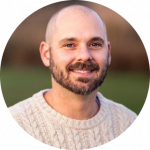
DTLLogo-Blue-Bannerv2TriventSam NimahAfter several years as an executive at two Fortune 100 companies, Sam Nimah, MBA, CPA became the CEO and owner of TriVent Healthcare in March 2014.

While healthcare has always been one of Nimah’s passions, he also fell in love with the positive clinical impact the company has on its patients. Currently, he serves on the Board of Advisors for The Center for Supply Chain Management at The University of Florida and is a member of the Young Presidents Organization of Palm Beach.

Nimah earned his Bachelor of Accounting from the University of Florida and his Master of Business Administration from Florida Atlantic University.

Connect with Sam on LinkedIn and TriVent Healthcare on Facebook.

What You’ll Learn In This Episode

TriVent Healthcare

  • Difference between a Trivent Healthcare unit in a hospital compared to an ICU in a hospital
  • Help with partner hospitals during the COVID-19 pandemic
  • The importance for hospitals to have a dedicated ventilator care unit and staff

This transcript is machine transcribed by Sonix

TRANSCRIPT

Intro: [00:00:01] Broadcasting live from the Business RadioX studios in South Florida. It’s time for South Florida Business Radio now. Here’s your host.

Lee Kantor: [00:00:14] Lee Kantor here another episode of South Florida Business Radio. And this is going to be a good one. But before we get started, it’s important to recognize our sponsor, Diaz Trade Law, your customs expert today on South Florida Business Radio, we have Sam Nimah with TriVent Healthcare. Welcome, Sam.

Sam Nimah: [00:00:33] Hey, thanks, Lee. How are you this afternoon?

Lee Kantor: [00:00:35] I am doing well. I’m so excited to learn what you have to tell us about private health care. How are you serving, folks?

Sam Nimah: [00:00:41] Well, we are a a unique one of a kind company. We operate inside of hospitals. We work and partner with hospitals to care for their ventilated patients who’ve had a tracheostomy. So they are typically the most complex patients in the hospital. And we we help them liberate from the ventilator.

Lee Kantor: [00:01:04] So how did this idea come about?

Sam Nimah: [00:01:06] Well, it was started about 30 years ago by a respiratory therapist. They simply needed they needed a better solution for this patient population. These patients are typically in the hospital for a very long time. They can sit in an ICU for a very long time, which is very expensive real estate within a hospital. And they are they have been a challenge for the entire industry to get off the ventilator and permanently and and moved in through the continuum of care. So it was founded 32 years ago.

Lee Kantor: [00:01:41] And then so so you’re becoming your organization is a specialist in this niche?

Sam Nimah: [00:01:48] Yes. In fact, we’re the only specialists in this niche.

Lee Kantor: [00:01:51] Now, why is it something that the hospital staff can’t handle?

Sam Nimah: [00:01:56] So so these patients typically start in an ICU, and ICU stands for intensive care unit, as we all know. And the idea in an intensive care unit is to help the patient survive. It’s not about rehabilitation. It’s simply about survival and stabilization. So patients don’t typically rehabilitate in the ICU. And so we are a stepdown level of care from ICU. And we have a model of care that allows us to really laser focus on just this patient population. Whereas an ICU, it could be a neuro ICU or a medical ICU or post surgical ICU. But a tragic event patient requires a very different approach. In any one of those ICU, you may have you may have one tragic event patient. But in our stepdown unit, we take all of the patients and we it’s a laser focus on that patient population.

Lee Kantor: [00:02:59] So then you’re taking the patient out of the hospital into your facility?

Sam Nimah: [00:03:04] No, we work with the hospital in the hospital. So we operate inside the hospital. We have a unit within the hospital, but we operate inside the hospital.

Lee Kantor: [00:03:13] Now, do you work in hospitals all over South Florida or just in a handful of hospitals?

Sam Nimah: [00:03:19] So the closest unit we have to south Florida is Tampa General Hospital. We are not currently in South Florida.

Lee Kantor: [00:03:27] So you’re based in south Florida, but your your operations, you’re working around the country?

Sam Nimah: [00:03:32] Yes, it is our corporate home.

Lee Kantor: [00:03:35] And then so why are some hospitals open to this and others hesitant?

Sam Nimah: [00:03:42] The model of care is very uniquely. Many hospitals are not familiar with it. There is a model of care called a long term acute care hospital, which is actually a standalone facility. Hospitals can and can discharge those patients to those hospitals. The results have not been fantastic in those hospitals for this particular patient population. They have a they have a role to play in our industry, but tragic event patients. They’ve just they’ve been a problem in the ICU. They’ve been a problem in health tax. I have not seen anybody who provides the outcomes for patients that we do.

Lee Kantor: [00:04:29] Now is what makes you different. Is it your personality or training? Do you have technology that that makes you different?

Sam Nimah: [00:04:38] You know, people ask us our secret sauce all the time. What I tell them is we have so many ingredients to the secret sauce that it’s really difficult to pinpoint any one. Yes. Do we have personnel that is allowed to? This is a key point. We allow our personnel to practice through the entire scope of their professional training. If you ask many respiratory therapists. What they get to do. They have so many patients to see on a daily basis and they have to travel throughout the hospital typically to see them. So there’s a lot of windshield time. So by the time they get to the patient, they don’t get to, again, practice through the entire scope of their professional training. On our unit, we don’t have a respiratory therapist coming from all over the hospital. They are dedicated to our unit. And by the way, I’m talking about respiratory therapy, but it’s really all of the disciplines. So we get to work together as a small group. A small team. And we get to really, again, practice the entire scope of our professional training. That’s such an important piece. And and it’s it’s often overlooked when you have people that don’t get to practice through the entire scope. They don’t get the level of satisfaction in their job that they do on our unit. So the satisfying is on our unit, not pay, not the hours are long, the patients are hard, but it’s really the ability to to work as a team, as a team member and through the entire scope of their professional training.

Lee Kantor: [00:06:23] Now, why do you think it’s important for hospitals to invest in something like this and have a dedicated ventilator care unit and staff there in their facility?

Sam Nimah: [00:06:34] Well, everywhere I go in the country, I look at the statistics for these patients. And anywhere I go, the statistics are bad. There isn’t a single place in the country that that handles this patient population as well as the results of providing on a daily basis. Now, we’re not for everybody. If you have a very, very young, healthy population, I’ll give you an example. We were asked to to quote some business in Utah, and frankly, there weren’t enough of this patient population to make one of our units viable. But then we looked in in markets where there’s either a large population density or a large enough population density of of elderly, and there’s just so many of these patients. So it’s not for everybody. We would never go to probably North Dakota because there just isn’t enough volume there for us to make sense. But in the markets where we provide care, we are doing so in a manner that provides better care for the patient. It saves the hospital money and it improves some really key statistics for them, and that’s length of stay and quality metrics, which are huge in hospital reimbursement.

Lee Kantor: [00:07:56] So what are some of those clues that a hospital that isn’t partnering with you? What are some of the symptoms they’re having where try them may be able to be a good partner and a good solution for them?

Sam Nimah: [00:08:08] Sure. Very, very simple. The length of stay for this patient population, they’ll they’ll see it climbing and high. The readmission rate, meaning the rate at which they discharge a patient and they come right back to the hospital for the same disease. That is another indicator. And then lastly, their internal ventilator liberation percentage. The national average for ventilator liberation is about 60%. We consistently have been providing ventilator liberation at 86%. In fact, the next level of success, if you will, after you wean the patient or liberate the patient from the ventilator, is to decontaminate them, remove that cannula from their throat. And we’re doing that at a rate that exceeds 60%. So we’re decontaminating patients at a rate in excess of the national average for ventilator liberation. So anywhere where there’s population density, we see that the length of stay for this patient population is super high. And anywhere that happens, we can be of assistance.

Lee Kantor: [00:09:17] Now, how what is like kind of the onboarding and the transition to partner with you look like? Because a lot of folks, you know, this type of change management might be a bridge too far for some people. Can you talk about what it feels like to go, you know, a before and after when you’re working with Prevent?

Sam Nimah: [00:09:34] Sure. I mean, we’re fairly turnkey. We provide most of the resources for our own unit. We one key thing is we do not provide the physicians. We allow the physicians in the hospital to to to do what they do best. So we partner with the physicians in the hospital. We provide all of the other staffing and incremental care in the unit. And it’s again, it takes about 4 to 6 months to to stand one of our units up. But it’s fairly turnkey. We do a lot of the heavy lifting.

Lee Kantor: [00:10:10] Is there any story you can share about kind of a problem that one of the hospitals had? Then you came in and you helped them get maybe to a better place?

Sam Nimah: [00:10:20] Yeah, You know, so. So I could very easily share one story. There was a patient. She was a bilateral lung transplant patient, and she had been discharged to El TAC two times and readmitted both times to the hospital. She had failed to wean from the ventilator a number of times, but all in Lea. She had been hospitalized for over three years. I want to I want to let that sit three years in my hospital. So we had gotten we’d gotten a shot at her. They sent her over to us and frankly, we were able to wean her off the ventilator in 32 days. After three years of being hospitalized. She got off the ventilator, spent a couple of weeks in inpatient rehab after that, and then she got to go home. Now, I love that story because it shows the the the high end of the spectrum of what we can do. But the reality is there’s not a lot of bilateral lung transplant patients out there. What we love is the little everyday stories we’ve got. We’ve got dozens of them. But we had a we had a name for a hot rod motorcycle driver. His crew chief came down with COVID. And then ultimately had to be tracked on the ventilator. And we helped save his life. We got to participate in that. That that team went on to build one of the third fastest motorcycle engine in history and actually gave us a duplicate of one of their trophies after they want to race. And they brought it back to our unit. And that was really cool. But the other piece is I like to tell the stories. Like, for example, we mentioned Tampa General, their CEO in a recent article written he expressed that we saved them in fiscal 21. We saved them $2.3 million. Now we know hospitals are really taking it on the chin right now. Financials are really, really at risk. So when we can help save a hospital $2.3 million, that’s meaningful. And those those are all those are all stories to tell.

Lee Kantor: [00:12:42] So now you mentioned COVID. Was it were the hospitals that had you there, was that a big help for them to kind of go through that that period of crisis?

Sam Nimah: [00:12:54] Yeah, Yeah, we are. We’re proud to be part of the COVID response in our hospitals. We were able to take post COVID patients and wean them off the ventilator. I told you that our our our liberation percentage is about 86%. Frankly, with COVID patients, it was over 90%. We had great success getting COVID patients off the ventilator. And that’s when, by the way, everybody was telling you that if you went on the ventilator with COVID, it was going to be a bad outcome. We had amazing success with that patient population. At one point during one of the peaks, we were actually called on by one of our hospitals and they said, Look, we don’t need a ventilator weaning unit right now. What we really need is a COVID unit. And so we told our team, Hey, we’re going to transition for a period of time. And for six weeks we became an extension of a COVID unit for the hospital. And then when the six weeks were up and the latest surge died down, we went back to doing what we do. But during COVID, we all needed to be good partners. And so we just we did what we needed to do.

Lee Kantor: [00:14:00] So what do you need more of? How can we help you? Look, do you need more hospitals? You need more folks to work there? How can we help you?

Sam Nimah: [00:14:10] Well, I’ll tell you, we have there’s there’s plenty of patients both in South Florida and throughout the country that need this care. And they’re not getting it. They’re not getting it in South Florida, when we would love to be able to to provide it and where, frankly, where our corporate home is. Right. I live in South Florida, and we’re looking forward to partnering with some hospitals in this market and others.

Lee Kantor: [00:14:33] So who in the hospital do you need to talk to?

Sam Nimah: [00:14:36] Oh, goodness. You know, any anybody in the C-suite, frankly, whether it’s the CEO, the chief medical officer, is typically a huge fan of what we do because they see the quality metrics and the outcomes. The chief financial officer can identify what the dollars that we’re going to save them or make them. So really anybody in the C-suite is an appropriate in for us.

Lee Kantor: [00:15:01] And then you said it’s in hospitals in areas where there’s an elderly population. That’s kind of the sweet spot for you.

Sam Nimah: [00:15:09] Either either a large elderly population or a or a super large population density. I’ll give you an example. In New York City, for example, there are over 8000 patients in New York City alone every year. That’s just a huge number.

Lee Kantor: [00:15:29] So if somebody wants to learn more, have a more substantive conversation with you or somebody on the team, what’s the website?

Sam Nimah: [00:15:35] Yeah, it is to prevent H I’m sorry, to prevent health care. Try vents, not try. Don’t try vent health care dot com.

Lee Kantor: [00:15:45] That’s try V.A. health care.com.

Sam Nimah: [00:15:50] Yes, sir.

Lee Kantor: [00:15:50] Well, Sam, thank you so much for sharing your story today. You’re doing such important work and we appreciate you.

Sam Nimah: [00:15:56] Ali, I appreciate the opportunity to chat with you.

Lee Kantor: [00:15:59] All right. This is Lee Kantor. We’ll see you all next time on South Florida Business Radio.

Tagged With: Sam Nimah, TriVent Healthcare

Jeremiah Smith And Ed Carroll With Edison Marks

January 12, 2023 by Jacob Lapera

Jeremiah-Smith
Startup Showdown Podcast
Jeremiah Smith And Ed Carroll With Edison Marks
Loading
00:00 /
RSS Feed
Share
Link
Embed

Download file

EdisonMarks

JeremiahJeremiah Smith, CEO and Cofounder at Edison Marks

Jeremiah brings more than 15 years of diversified marketing and sales leadership experience and a documented history of creating hyper-growth in technology driven environments – ranging from SaaS, B2B tech, cybersecurity, and machine learning.

For him, it’s all about authentic communication of your story and just the right amount of behavioral psychology. Meet people where they are, listen with purpose, break the rules. The rest will come.

Along his journey he’s seen just about everything startup life can throw at you – from the highs of finding traction and scalability as the first sales hire to the lows of a $580m valuation turned flameout and a handful of exits.

He’s even ventured out on his own as Cofounder more than once – (Navacy, Edison Marks). He counts the epic failures as the best learning experiences of his life.

EdCaroll

Ed Carroll, Cofounder and President at Edison Marks.

Ed is a consistent, top-producing sales and partner Executive in the security space that has a proven ability to bring in new business while retaining and growing the base.

Connect with Ed on LinkedIn and follow Edison Marks on LinkedIn and Twitter.

What You’ll Learn In This Episode

  • Behavioral Science & Cybersecurity
  • Philosophy about security for startups and small businesses.
  • Fundraising in advance of a looming recession.

This transcript is machine transcribed by Sonix

TRANSCRIPT

Intro: [00:00:06] Welcome back to the Startup Showdown podcast, where we discuss pitching, funding and scaling startups. Join us as we interview winners, mentors and judges of the monthly 120,000 pitch competition powered by Panoramic Ventures. We also discuss the latest updates in software Web3, Healthcare, Tech, FinTech, and more. Now sit tight as we interview this week’s guest and their journey through entrepreneurship.

Lee Kantor: [00:00:41] Lee Kantor here another episode of Startup Showdown podcast, and this is going to be a good one. But before we get started, it’s important to recognize our sponsor Panoramic Ventures. Without them, we couldn’t be sharing these important stories. Today on Startup Showdown, we have Jeremiah Smith and Ed Carroll with Edison Marks. Welcome, gentlemen.

Jeremiah Smith: [00:01:02] Appreciate you having us today. Lee, looking forward to talking with you.

Lee Kantor: [00:01:06] Well, before we get too far into things, tell us about Edison Marks. How are you serving folks?

Jeremiah Smith: [00:01:11] Edison Marks is a platform that’s built on the premise that that a small and medium business operator should be able to manage their cybersecurity risk as easily as the average consumer manages their credit score. That’s just not the way the world works today. So Ed and Nick and myself set out to to change that, to help them reduce their overall vulnerability as an operator and put them in a better position.

Lee Kantor: [00:01:40] Now, if they don’t work with you, what are they doing or are they doing anything in this regard?

Jeremiah Smith: [00:01:46] The overwhelming majority of small and medium enterprises are ignoring the problem. About 42% of all cyberattacks are focused on the small and medium business, but about 14% are prepared, which means the overwhelming majority, again, are just not doing anything. It’s mostly because the problem is hard to understand. The solutions are mostly built for the enterprise, which means they’re pretty complex or pretty pricey for a small or medium business operator. So it just makes it easier to just sort of put your head in the sand and pretend it won’t happen to you.

Lee Kantor: [00:02:18] And then what are some of the cybersecurity issues that a small to midsize business would be dealing with now?

Jeremiah Smith: [00:02:25] You’ll see things from we actually still see quite a bit of phishing attempts. So most of the breaches are still coming through email. They’re looking for credentials, your username and password, that type of information. And once they get those types of things, they’re looking to do malware or things to to inflict viruses on systems and looking for ransom in a lot of cases. So different hackers, different cybercriminals are going to are going to attempt different types of things. But for small businesses, we’re going to see mostly things that result in them looking for ransom or looking for money to encrypt their systems. Which sucks.

Lee Kantor: [00:03:01] Yeah, I can ruin your day. It can ruin your business. You could be out of business if you don’t take this seriously. Are you seeing are you are you selling the service as kind of software as a service where this is a subscription? I pay a fee and then I get kind of access to this on an ongoing basis. It’s working in the background.

Jeremiah Smith: [00:03:21] Well, currently we’re working through what we would best describe as trusted business partners or providers for small and medium businesses today. These are the folks that have already been working with small and medium businesses, so they’re trusted partners to them. They have the ear of the owner or operator, which allows us the opportunity to do what we do best, but through that partner. So today the platform is going through managed services providers manage security services, providers, white labeled for them. They pay a subscription fee to us and then provide it to their client base as a supporting tool in their toolbox to their range of solutions that they’re providing already today.

Lee Kantor: [00:04:09] So then you’re going through this intermediary that already has access to the client base.

Jeremiah Smith: [00:04:14] Right? I mean, going door to door with and selling small or medium business operator is both slow and hard. Right. And and so we thought this is the best way to find traction. And scalability is again, work through these partners who have who have already established themselves in that arena. And that intermediary is proven pretty successful for us thus far.

Lee Kantor: [00:04:36] And then what kind of services are these intermediaries providing to the small and midsize business owner? Again.

Jeremiah Smith: [00:04:43] Most of them today, those who are going through to start with are think of them as sort of an outsourced i.t provider. So lots of small and medium business operators supplement their i.t department or have the entirety of their IT department outsourced to what we call a managed services provider or managed security services provider. And that’s the group we’re going with. So we’re going through these sort of outsourced I.T providers and, and working our way into the trusted conversation with the owner.

Lee Kantor: [00:05:16] And those folks don’t have a cybersecurity solution right now or there’s isn’t as good as yours.

Jeremiah Smith: [00:05:22] Now, funny story is that they have solutions. Their problem is selling those solutions and our solution supports them in that. For the managed services provider, this is a great utility for them to highlight. In a really simplistic and easy to understand manner the concerns that they are trying to sell additional services to support. But today they have. That’s their number one problem is customer acquisition. And so for us, we support that customer acquisition effort without them having to change their operation or their process. And and so they get that value added benefit, but then they get to have this really simple, straightforward conversation with a small and medium business owner that they can then upsell. Right? They can then provide their additional services that we are not by design providing to close the gap with that customer.

Lee Kantor: [00:06:15] So what was the kind of genesis of the idea? How’d you get involved in this line of work?

Jeremiah Smith: [00:06:24] Yeah. I’d say both of us have been in and around cybersecurity for the last 15, 20 years, and we were starting to realize a lot of the times we were focused on enterprise and we’ve got friends, we’ve got family. We both remind myself have fathers that were small business owners, and we started to see these trends starting to happen. So we had a passion about trying to find solutions and being in the enterprise space and talking bits and bytes. We’ve realized that when we talk to our friends that are small business owners, that they would just retreat if we started talking about cybersecurity. To them it was, you know, they they, they’d crawl into their shell and say, I’m not interested in hearing any of this. And so we had some experience in the past working for a company that leveraged behavioral science helps to help folks reduce their energy spend. And we thought, hmm, why don’t we look to apply something similar to this problem that we’re both passionate about, that we both want to help these small businesses with? And so in your mind, and I’ve known each other for over 30 years, we grew up playing baseball on the fields of East Asheville and always spitballing ideas with each other. And so it just organically came out on like a Thursday afternoon. I still remember the day.

Lee Kantor: [00:07:37] Now, was this the first time that you worked together on a project like this?

Jeremiah Smith: [00:07:43] Yeah. You know, interestingly enough, having done all of having spent all of that time together as we grew up, went through high school, went to college, both Ed and I, having spent time in startups since I was like you mentioned, this is the first project we’ve really been able to dig into together, and that’s been an interesting sort of wrinkle in our relationship for sure.

Lee Kantor: [00:08:07] Now you also have a third co-founder that is not in Asheville, that’s another country. How did that come about?

Jeremiah Smith: [00:08:18] Nick Kristof is our CTO and and I met him through editor. Ed, why don’t you talk about Nick? Yeah. So I’ve known Nick for a number of years. We both worked at an email security company a number of years ago, and he ran product for us. And interestingly, like he was right under our nose this whole time, as Jeremy and I were coming together on this, we looked at, Hey, how do we get our VP out? How do we get this minimum viable product out? Do we go low-code no code? Do we try this approach to go test the waters on some of these things? And in Nick’s been a buddy that we’ve worked with in the past and and it kind of dawned on us one day because we’ve talked about doing this type of stuff with Nick before and, and, and we brought it up and he’s like, Oh, I’m in, I’m in because he, he gets it. He also has a passion for what we’re doing here, too. And it was just one of these weird things where it was like, keep your eyes open. You just don’t know where that next co-founder or next strategic relationship is going to be. Keep keep your seats warm with folks.

Lee Kantor: [00:09:21] Now, a lot of folks, you know, start a company with two co-founders and that has its own challenges. But to have three and have this kind of triangulated possibility happening, how are you guys managing that?

Jeremiah Smith: [00:09:38] I’d say I’d say pretty easily. I mean, I think we’ve. What’s the old adage on you need the the hipster the I’m not going to remember maybe Jeremiah will remember that. But I think we all have our roles. Jeremiah has been fantastic as our CEO to make sure I’m a maverick. If you look at my personality test, I’m a maverick. I need to be reined in. I’ll go off and try to pursue interesting strategic things. And Jeremiah is a perfect person to rein me in. And Nick from a from a from a CTO perspective and a tech perspective, he’s the perfect guy we know and trust him. We’ve known him for years and so it’s been a little easier than one would think. You know, we’ve got three strong personalities, but I think we all know our roles and where our strengths and weaknesses. Knowing Jeremiah for the last 30 years, he he knows my weaknesses. He knows my strengths. And he makes sure he puts me in a position to to take advantage of my strengths.

Lee Kantor: [00:10:29] And then you don’t have any of those, you know, kind of flashbacks to when you were ten. And then the, you know, the that history, those relationship history, little pokes that can come about when you were dealing with an old friend.

Jeremiah Smith: [00:10:46] I think that that’s actually played to our advantage. I mean, we still have arguments about whether or not Dale Murphy is the greatest baseball player of all time, but he’s not the but the the ability to be able to sort of break a tense, business oriented conversation with with a flashback to the the beatings that he used to get on the baseball field. Our team versus his are actually nice break points from from what would just be otherwise a business relationship. I think that’s created this situation where we’re able to work together and understand when it’s time to relax and how to communicate in both those situations pretty effectively.

Lee Kantor: [00:11:30] And then you were able to kind of convey this mission and the values with Nick as well, which I mean that you have to think the little bit that that’s a tough needle to thread to get three people all aligned with this kind of this is our true north, these are our values. This is the mission. This is the hell we’re trying to climb.

Jeremiah Smith: [00:11:55] Yeah, I think for me, the. You’re absolutely right. Right. I don’t think that’s something that that every team thinks is ideal. Come together. Let’s put three heads on the founding team and just assume we can make it all go successfully. I’ve had some experience across 15 years. Teams like Planned Grid, that was four co founders right out of the gate as they graduated Y Combinator in in being an active participant in a very, very early days with teams like that and how they worked and operated and and communicated internally to the success of their near-term and long term goals, I think really, really helped us in this situation. I think we’re we’re all pretty sensitive to to each other’s unique needs. And we we’ve been around the block enough to know that to take care of them as they arise. And so I think experience has helped us in that respect. Now speaking well, maybe I’d lead that also. I mean, look at the missions altruistic in its nature. And I think when you look at cybersecurity and you can come from that background, too, it’s it’s easy to get aligned when you’re doing good, important things. You know, now we get lost maybe sometimes in making some of these businesses, but the overall mission is so altruistic that we’re able to quickly align on that.

Lee Kantor: [00:13:17] Now when you are attacking kind of something like this, I would think that it’s kind of easy to get behind because the mission is so kind of pure in the sense of you’re trying to help small and mid-sized businesses deal with something that’s that they’re kind of in denial about. So I get that completely. But do you think that you guys are kind of uniquely qualified because you have kind of been around the block a bit and you have a bunch of failures that are part of everybody. I mean, not just your resume, but everybody’s resume. And you’ve kind of lived through that. And I think that when you’ve gone through some of that and you have that skinny, it’s easier kind of to attack things and easier to kind of bring people together that have all shared those experiences 100%.

Jeremiah Smith: [00:14:05] And well said, the skin the knee analogy is perfect. It gives us the opportunity to not get too caught up in whatever it is in the moment. Right. We can all stay focused, whether it’s good news or bad news or otherwise. That experience has put us in a unique position to take on what is a challenge that, candidly, most cybersecurity startups flat out will not go after because it is such a challenge. So yeah, I think you’re right. Well said. It puts us in a unique position and we’re taking advantage of that.

Lee Kantor: [00:14:41] Now when you are I mean, I think this is one of the advantages of having people have gone through the process several times where, you know, that one big issue isn’t necessarily a death blow. You know, you’re like, look, we’ve been through worse than this. This looks hard and it’s a setback. But I mean, we’re going to we can figure this out like you have the confidence and because of the experience. And I think that that probably helps you kind of reach ultimately reach your goals.

Jeremiah Smith: [00:15:13] Yeah. Like it’s the old like. I mean, you can make sort of analogies on this all day long, but for us it’s, it’s we just want to get 1% better every day. And we know that’s going to come with some some setbacks. But the experience, again, of of having been through start ups from 0 to 100 million, $150 million flame outs and sort of everything in between has definitely put us in this position where where we we neither get too excited or too high or too low, right. I think actually that may have created a weakness that we kind of laugh about. We don’t celebrate enough. Right. You know, because we’re like, let’s keep trucking. We’ve got work to do, but we don’t celebrate enough in that respect is probably the weakness of that. All that experience and all that, all those skinned knees have created.

Lee Kantor: [00:16:01] Right. It’s funny you bring that up in my business. My wife was worked in corporate for a long time and now she’s part of my small business. And we ring a bell when something good happens and she’s so ready to ring the bell. And I’m like, Look, not yet. We’re not ready yet. You know, like and it’s important to ring the bell, you know, you got to the the the mouse has to get the cheese because that helps everybody kind of, you know, stay motivated and feel like you are making that 1% progress each day.

Jeremiah Smith: [00:16:31] Well said.

Lee Kantor: [00:16:32] Now. So what is next for you all? What do you need more of? How can we help?

Jeremiah Smith: [00:16:38] Yeah, I think what’s been interesting in Lee, you probably hearing this from other other founders and folks that are on is is what we’re staring at is this economic downturn that we should probably expect the next 12 to 24 months. And so we we know with that experience we have to be nimble and adjust and adapt. And so we’ve started looking at a few different things. We’ve recently were accepted into a highly competitive, competitive accelerator with a cybersecurity focus. Very interesting thing that we’ll be doing. It’s international based and we have very specific reasons for wanting to do that. And some of the relationships that we’ll have and we’re kind of shifting a little bit from we were pursuing a lot of institutional funding and we’re saying, hey, let’s we were thinking about it now we’re going to we’re going to pull back and really fine tune our program. And in our platform these next six months, we’ve got a transformative type of opportunity since the startup showdown that we’re working on right now. So we’ll spend some time really doing that well so that we can replicate and reproduce it. And then we’ll probably look at a different type of fundraise. We might look more towards angels for a period of time and then going into 2023, really throwing gas on it. So I think that’s an important thing for us to be thinking about, right, is what we’re seeing from an economic downturn, being able to be nimble and adjust.

Lee Kantor: [00:17:57] So how did you hear about startup shutdown in Panoramic Ventures?

Jeremiah Smith: [00:18:02] Look, if you look into we’re very specific about who we wanted to talk to really early. And if you look into the world of institutional funding, particularly in the Southeast, and then you sort of cross that with, again, cybersecurity players, people, judges name rises right to the top. And so really early before we were. Ready in any way, shape or form to begin really talking to institutional investors like panoramic. We knew we wanted to talk to Paul. We knew we wanted to talk to Biraj and get feedback because I think feedback is something we’ve learned really, really early on in our startup careers is, is what’s going to propel you further, faster? So being specific in who we wanted to talk to and knowing that at the intersection, cybersecurity, Paul George is somebody who’s well respected. Panoramic is extremely busy in terms of their volume. It was an easy one for us to find and surface as a as a sort of must have conversation really early on. Startup Showdown came as a result of us chasing Biraj down in bucket and getting a 15 minute meeting with him over coffee. He presented Startup Showdown as an opportunity for us to to go test our value proposition in front of a really good group of judges. And we were just absolutely going to jump on that for the experience, if nothing else.

Lee Kantor: [00:19:30] So what had you benefit from going through the process?

Jeremiah Smith: [00:19:35] Yeah, I’d say that there’s a number of things that we took from it. It’s the amazing mentors that they put in place that were super helpful with feedback on on, on our pitch that and along with working with Dustin the team at Panoramic like they really helped us fine tune and customize our pitch a little bit more. So those things were super helpful for us. It’s it’s always good to be doing these pitches in a vacuum with each other. But to get that type of feedback from the type of people that panoramic puts in place is priceless.

Lee Kantor: [00:20:08] So now, having gone through the process and having kind of made some adjustments and which is just part of the part of the experience as you move forward, is there any advice for other founders when you’re and let’s talk about advice because I love to ask the advice question, but in your case, I think I’d like to be specific in terms of giving advice to folks that are that their ideal prospect is not necessarily the end user, but is an intermediary. So how would you recommend founders who are, you know, taking on the same strategy, the go to market strategy as you are, go about finding those first partners and and kind of customizing the offering so it helps them sell to the end user.

Jeremiah Smith: [00:21:01] I’ll jump on that by just simply saying, in my personal opinion and it may have something to add here. In my personal opinion, my advice would be to get out early and often. We’ve benefited from having done so, get out talking about what we’re doing really early and often. I mean, it wasn’t forget about it being baked, right? The oven wasn’t even really warm yet. And we were out just conversing because we we felt like we were really on to something. And so getting out early and often gave us an opportunity to both spread the word in terms of who we are getting introduced to, people who seemed like they might be a proxy value add to what we’re presenting and then continue to tweak our focus and orientation in our go to market strategy. It gave us an opportunity to do all of those things getting out early. Right. It’s it’s really helped us hone in on the crowd that that understands what we’re doing. But we wouldn’t have had the opportunity to even get there in such a short period of time if we hadn’t started before we were ever ready. So I’d say, don’t be shy, get out there.

Lee Kantor: [00:22:02] And just start kind of learning and having conversations with people that are in the space just to see what their needs are and how you can fit your solution in there.

Jeremiah Smith: [00:22:12] Right? If you if you’re really going out and having these conversations from the perspective of curiosity and adding value, not selling or trying to assume that that everybody’s a buyer. Right. Don’t present yourself in that conversation that way, but really get out, get curious, have a conversation, build a relationship and understand that it may not go anywhere, but it also may if you really doing that and you’re really being honest with yourself about about how you’re approaching that, then getting out early and often, you’ll find people will reciprocate, right? They’ll respond in kind and it’ll lead you down a path you didn’t even know was in existence.

Lee Kantor: [00:22:53] Right. Which sounds a little counterintuitive to maybe a new startup person, because it requires you to be humble and vulnerable and curious and ask a lot more questions than kind of showing how smart you are as well.

Jeremiah Smith: [00:23:09] Said well said. We were we were all of those things in many conversations. Right, humbled, left, vulnerable, questioning ourselves in a lot of really early conversations. But again, it’s such a priceless conversation to have had and has really taken us leaps and bounds beyond where we would have gotten without it.

Lee Kantor: [00:23:29] Well, congratulations on all the success thus far in the momentum. If somebody wants to learn more and have more substantive conversation with you or anybody on the team, what’s the website? What’s the best way to connect websites?

Jeremiah Smith: [00:23:44] Edison Marks and we’re happy to connect. You can chat with us there. You can send us an email in our emails. We’re we’re an open book, whether it’s just to talk about starting a venture early and the things that we’ve learned or if it’s about managing your cybersecurity vulnerabilities, pointing you in the right direction, we’re happy to have any and all those conversations. And you can get us at edX, at Edison Carroll, at Edison Marks and Jeremiah at Edison Mark’s dot com. And we’d love to talk.

Lee Kantor: [00:24:12] Well, thank you both for sharing your story. You’re doing important work, and we appreciate you.

Jeremiah Smith: [00:24:18] Thanks for having us, Lee. Really appreciate it.

Lee Kantor: [00:24:20] All right. This is Lee Kantor. We’ll see you next time on Startup Showdown.

Intro: [00:24:26] As always, thanks for joining us. And don’t forget to follow and subscribe to the Startup Showdown podcast. So you get the latest episode as it drops wherever you listen to podcasts to learn more and apply to our next startup Showdown Pitch Competition Visit Showdown Dot VC. That’s Showdown Dot VC. All right. That’s all for this week. Goodbye for now.

Tagged With: Ed Carroll, Edison Marks, Jeremiah Smith

Sandra Marin Ruiz With Florida SBDC

January 11, 2023 by Jacob Lapera

South Florida Business Radio
Sandra Marin Ruiz With Florida SBDC
Loading
00:00 /
RSS Feed
Share
Link
Embed

Download file

DTLLogo-Blue-Bannerv2Sandra D. Marin Ruiz, Ed.D. is the Assistant Vice President for Innovation and Business Development and the Regional Director of the Florida SBDC at FAU. She is a serial entrepreneur and leader in innovation and business development ecosystems in Latin America, the Midwest, and Florida. Dr. Marin specializes in international trade, technology commercialization, and community and industry engagement. She is well known as a partnership builder in domestic and international entrepreneurial ecosystems of the America’s Small Business Development Center Network and the International Business Innovation Association.

As an engineer and a member of the communities she serves, her mission includes engaging communities to bridge the gap between accessing capital and opportunities to run successful businesses as well as support economies via technology innovations that address social needs.

Her broad background also encompasses expertise and credentials as a Florida Small Business Development Center consultant, university professor, and certified program director for Kauffman FastTrac, SBDC Global, and Lean LaunchPad, and extensive experience as an entrepreneur and business owner. She is passionate about linking local needs to national and international policy. She is well recognized for being part of a positive force to support organizations in implementing entrepreneurship and social innovation programs.

Connect with Sandra on LinkedIn and follow her on Twitter.

What You’ll Learn In This Episode

  • About SBDC and her role
  • The relationship between the SBDC and Florida Atlantic University
  • Mission and vision of the SBDC
  • Services they provide to help businesses
  • Type of specific businesses they work with and the size range

This transcript is machine transcribed by Sonix

TRANSCRIPT

Intro: [00:00:01] Broadcasting live from the business radio studios in South Florida. It’s time for South Florida Business Radio.

Lee Kantor: [00:00:08] Now, here’s your host. Lee Kantor here another episode of South Florida Business Radio. And this is going to be a good one. But before we get started, it’s important to recognize our sponsor, DIA’s Trade Law, your customs expert today on South Florida Business Radio, we have Sandra Myron Ruiz, who is the Florida SBDC and Assistant Vice President of Innovation and Business Development at Florida Atlantic University. Welcome.

Sandra Marin Ruiz: [00:00:43] Hi, Lee. Thank you for the invite.

Lee Kantor: [00:00:46] I am doing well. I’m so excited to learn about what you’re up to. Tell us a little bit about the SBC for the folks who don’t know, what’s the mission purpose and your role.

Sandra Marin Ruiz: [00:00:56] Oh, thank you so much. This is a great opportunity to inform our business owners and also those who are seeking to start a business that we are a resource available. So the Small Business Development Center is a program that was founded 60 years ago by the Small Business Administration. And this is a national network. So wherever you are in the US and now in different countries in Latin America, you can find a small business development center to help you in business consulting at no cost and confidential for starting a business to grow your business, even to do exports. So we have a group of 40 consultants serving Broward and Palm Beach counties. And together, we help all of those business owners with different expertise. So we work in capital access. We support technology based commercialization. Also, we support the government contracts path, local contracts, federal contracts. And also we have programs together with Enterprise, Florida, to support exporters. And also we surround this BDC with a lot of resources that the university has in house that I will expand in a minute. And most of the vision is related to help our regional economy, helping businesses start growth and also to provide assistance to help those businesses to stay in business, to access capital, and most importantly, to create more jobs that support our communities at the same time.

Lee Kantor: [00:02:39] Now, this is something for any kind of stage of a business, right? You can come to this BDC with just an idea and you can come to the sbdc with a, you know, a business that’s been in business for 20 years. There’s still resources available to each of those constituents, right?

Sandra Marin Ruiz: [00:02:57] That’s correct. And the beauty of this BDC is that now we are an anchor program of the Florida Atlantic Innovation and Business Development. So we created an ecosystem of multiple resources that facilitate that no matter which state you are your business, if you’re in the idea, if you are just an innovator who would like to explore federal grants to create intellectual property, or if you’re in business and you will start contracting with the government no matter which stage you’re at or which industry. We have a one stop shop at Florida Atlantic in which BDC is the anchor that provides the services based on your needs. So you come to us identify what is the support that you are looking for. And we have multiple resources that can help you identify the right path. And the beauty of this is that they are services sponsored by the federal government, the State government, the Florida Atlantic University and other partners. So those services are provided at no cost. So there’s no skills to start a business now.

Lee Kantor: [00:04:09] Now, can you really make it clear about where the service begins and ends in terms of can are you a consultant or are you just advising or are you actually kind of rolling up your sleeves and doing work for your members or the people taking advantage of this opportunity?

Sandra Marin Ruiz: [00:04:27] So the process is start requiring consulting services. This is something that anybody can do on an online platform that we have is BDC that if a you that you so then we provide business consulting. So our team is our certified business consultants in different areas. We have from finance marketing, the government contracts and what we do is to advise. But sometimes there are clients that require more hands on work. So we provide export marketing plans, government marketing plans and marketing plans. And this is the time in which we put capacity doing the research and also doing some work for the business for them to use. So it happens a lot when we do capital access, in which we do some financial projections. Also we provide some business valuation. So the business are able to have some elements, some assets that they can utilize to move forward. So we work together. It’s a collaborative, collaborative work with the entrepreneur as well, because like a business plan, this is something that we guide in the process, but we also provide some data and resources that we have in hand. So it’s. More like a mix. It depends of what is the exact need of the innovator, the entrepreneur or the business owner at that time.

Lee Kantor: [00:05:50] But you wouldn’t be doing something like making business development calls or cold calls on their behalf. You’re more helping them and guide them rather than, you know, doing the day to day operations or work of that business.

Sandra Marin Ruiz: [00:06:08] Yes, sir. This is the right way to explain it.

Lee Kantor: [00:06:12] So now what’s your back story? How did you get involved in this line of work? It seems very rewarding.

Sandra Marin Ruiz: [00:06:17] Oh, yes. We are mission oriented. So I started in my country many years ago being a technology based business owner. So then I moved to the US and identify that is, BDC has too many resources to support entrepreneurs. I had to start my business and sell my business with no resources, basically. So in the US we have the beauty of having these small business development centers funded by the Small Business Administration, and I started this 12 years ago in the state of Missouri, and then I moved to Florida two years and a half ago to run the Small Business Development center here and be able to support more entrepreneurs that are related to my roots. And I’ve been connected to the BDC and entrepreneurial ecosystems in Latin America and the Midwest. Now I’m working with Europe and the rewards are coming, helping all those businesses to actually reach their goals. And when you see a business that impacts their community as well is what keeps us doing this work every day in our best capacity and I’ve been in both, is because I know what it means to be a business owner and to run a business and to support your employees, to help your economy. And from the CDC, what we find is, and I personally find very rewarding to contribute with our work. And this is what keeps us happy every day.

Lee Kantor: [00:07:51] Now, as part of your mission to attract businesses from other countries to come to America, to either establish, you know, North American operations or to just expand.

Sandra Marin Ruiz: [00:08:07] And yes, so we are part of the Small Business Network of the Americas. This is a program that is started with the US Department of State about five years ago. We established a small business development centers in different countries. Chile, Brazil is about to come also in the Caribbean. And with them we help their clients or businesses abroad to identify how to do business in the US. So with that business attraction process, we guide them on how to establish a business in the US, how to grow that business. And once they are located in Florida, we provide the services that we have for local businesses. So when we talk about economic development, we’re talking about business attraction, retention and growth. So we are helping the business attraction, helping businesses to start in the US from abroad. So we also support those ecosystems in other countries to support our exporters to have those early connections. So this is a win win. And answering your question, yes, we help on business attraction, helping businesses from other countries coming to Florida. And specifically, we have 17 companies from Chile working with the College of Business at Florida Atlantic. We help them with market research, helping them even before coming to the US on a trip. We are helping them to get information and to have market research from the students. And it helps a lot to have the decision. Now, there are 17 companies that will be located in Palm Beach County in the next year.

Lee Kantor: [00:09:46] And having the Sbdc as kind of a partner to help them get going, that really probably accelerates their growth in the US and in Florida, Right?

Sandra Marin Ruiz: [00:09:58] That’s true. And also this is I’m telling all the business owners in Latin America they engage with, this is the safest way to learn how to do business because we’re a neutral party. It’s also at no cost. So this is a resource that really worth to explore before even engaging on having some investment, because we’ve seen a lot of companies that start the. Some bees and start registering an entity before even knowing if the US is a market for them. So we are helping from the early stage, from the communication with doing outreach and definitely having the BDC on their side, being able to provide resources and information or at least connecting with the right resources in the area is the easiest way to start navigating the US as a potential way to put a new business.

Lee Kantor: [00:10:54] Is there a story for you? Is there a story you can share with maybe one of the businesses that you were working with that you helped them get to a new level? Maybe not you personally, but the sbdc through for you. Is there a story that kind of stands out to you over the years? That was, wow, we really made a difference and we really impacted not only this company but the community as well?

Sandra Marin Ruiz: [00:11:18] Yeah, it was a it was a story that happened during COVID. So we have a manufacturer that started with us 20 years ago because in Florida we’ve been 45 years already. So imagine the age of some of the successful businesses in the region. So one of our manufacturers who run company, they successfully exporting and everything happened during the pandemic in which they had to shift because they sold mostly their products to Crucis. So suddenly they didn’t have a client. And we help them to shift the operations in manufacturing from Rome. They had all the infrastructure, so they moved to hand sanitizers and we start doing all of the process to export and also to supply the domestic market. So in a couple of months they were able to shift from producing rum to produce a high demand product for the domestic market. We started doing some export support as well. We put all the resources, the connection that we had in hand and they were able to stay in business. They were able to save about 200 jobs in South Florida. And then once the pandemic finished, they kept that new business line. But also they shift the traditional cruises as a client to shift to do a commercial product. So they start doing now canned recourse. And that is the type of support that we provide in the backyard. And we just take this as part of our heart as well. So we just this is one example of many. So we serve about 4000 businesses a year. So you can pick the story you want. And actually on our website we have a lot of the success stories that you can read at anytime now.

Lee Kantor: [00:13:18] What does it look like if somebody says, You know what, I’ve never heard of this before. It’s one of those best kept secrets in a lot of places where they they wish there was something like this available. And for it to be no cost is hard to believe. But if somebody says, you know what, I want to learn more, how do they what is the process look like to begin a relationship with the Sbdc?

Sandra Marin Ruiz: [00:13:42] Oh, thank you for that question. And basically what you utilize is open source. We utilize partners and a opportunities like this to share what we do for the business community and the process to study super easy. You can type in Google as BDC and regardless where you’re at when you register, it will land in this BDC that is closer to you. So we do as BDC that for you that EDU is another way. So you request consulting. So once you request consulting, you get into our system. If there is a listener here that may be in Miami, they will go to the Miami SBC. If they are in Tampa, they go to the Tampa BDC. If they’re in Broward and Palm Beach County, they land in our team. So the process is the same nationwide. So you register request for consulting and you will assign a business consultant. So that business consultant will contact, you will have a conversation and decide what are the services and the path that we can follow. And we start with multiple expertise. So you start the process. Maybe you are meeting one consultant, three or four consultants according to your need. Some people come for capital access, but the best option for them to start is with a business valuation. Or some people come for government contracts, but they need to align for the marketing. So we put all this network of business consultants in their hands and the process is start with that, just contact us Registered request consulting and we take it from there and. Is not an automatic is an individual talking to you all the time.

Lee Kantor: [00:15:29] So but it can start with a phone call or online conversation. It doesn’t require them physically coming to your office, or it can be both.

Sandra Marin Ruiz: [00:15:38] Can be both by the process starts requesting consulting through our website.

Lee Kantor: [00:15:45] So that’s the that’s the first step that somebody has to take. They have to take that action of coming to you via their website and signing up, and then someone will contact them to just kind of see what the needs are. And then that way you can match them to the appropriate resource.

Sandra Marin Ruiz: [00:16:02] Yes, sir, that’s the right way. And we match with the consultant and most of the consulting processes virtual unless the business owner or the consultant agreed to meet in person because it facilitates the conversation. So nowadays you don’t have to take your car to go for an hour meeting. So we provide both according to what is the business owner. Sometimes we do visits to the companies as well, so it depends more of the the dynamic that the business owner would like to follow.

Lee Kantor: [00:16:33] Now, in addition to this personalized consulting, there’s also do you do educational kind of seminars and webinars and things like that?

Sandra Marin Ruiz: [00:16:42] Yeah, we have like a monthly webinar. We have multiple topics. Our format is to have some theoretical conversation at the beginning and then we have. Like consulting a life while we have the webinars we do a lot of this in. How to charge your business as a bankable asset. How to do government contracts, how to export. So we do the basics and this year we will have a series of export assistance support in Spanish. We also have in Spanish other type of programs that are for early stage businesses. This is an eight week bootcamp that we have in Davie in town of Davie coming up in February. This is also a scholarship that we work with the cities and the training is basically hands on activities to help our business owners, our entrepreneurs to navigate the process faster. So we have webinars that are super informative and also we have onsite training. So the best way is just to stay connected. So we have newsletters that provide information on what training programs are coming up, but also we have a lot of social media presence. So it’s the easiest way to know is to follow us and just participate. Everything again, is at no cost and as much information, a business owner has better decisions they can take. So we invite them to be part of this.

Lee Kantor: [00:18:21] And like you said earlier, it’s industry agnostic. Like you don’t have to be part of a technology firm or a manufacturer exporter. This is open to any business owner or entrepreneur, right?

Sandra Marin Ruiz: [00:18:32] And to every industry. And again, we are moving to have more Spanish based communications. So it’s easy to access. Yes, we have to have English to the businesses in the United States, but sometimes the conversation is easier to have it in our own language. I’m Latino, so I understand that some concepts need to be explained differently. So just follow us and be part of this community and we will. We are super happy to support whoever is coming to our door. We serve a nondiscriminatory basis. So whatever business you have business idea, we would like to help you.

Lee Kantor: [00:19:15] So if somebody wants to learn more, have a more substantive conversation with you or somebody on your team, what’s the website one more time?

Sandra Marin Ruiz: [00:19:23] You can type. Florida is BDC, the Small Business Development Center, and you can put like the county or you can put Florida Atlantic, but if you just put Florida’s BDC and you can have a lot of results in Google and if you go to the Florida Atlantic University website or if you go to the BDC website, it will land in the same place in which your request for consulting and then we’re taken from there. I suggest that you also follow us in LinkedIn or Facebook and follow us and identify which training you would like to start. If you don’t want to start consulting right away, at least start being informed and involved. And we have 11 locations in the region. So if you want to meet your consultant in person, we have 11 locations that you can access those. So the websites are, if it’s BDC that for you that is EU or Florida is BDC that org.

Lee Kantor: [00:20:32] Well, thank you so much for sharing your story today. You’re doing such important work and we appreciate you and I am a big fan of the Sbdc. I think it’s one of those best kept secrets. I it boggles the mind that more people aren’t taking advantage of this. The people involved are smart. They, you know, are, are talented. They have a history of working at a high level and they can help a business grow and it doesn’t cost anything. So it’s one of those things where I wish every business owner at least had a conversation and got to know a little bit their Sbdc.

Sandra Marin Ruiz: [00:21:07] This is one of the great opportunities we have as a program that you allow us to share this with the community and I do really appreciate it. This is an area because as much businesses know that we exist and that we have resources for them, the better we are as a community, as as economies.

Lee Kantor: [00:21:28] Right? It’s a win win across the board. It helps with more jobs, it helps more entrepreneurs succeed. And everybody knows that there’s a high failure rate with entrepreneurs. And why not do everything in your power to help yourself succeed? And that sbdc is a great resource for everybody.

Sandra Marin Ruiz: [00:21:47] Thank you so much.

Lee Kantor: [00:21:49] All right. This is Lee Kantor. We’ll see you all next time on South Florida Business Radio.

Tagged With: Florida SBDC, Sandra Marin Ruiz

Stefanie Diaz With She Conquers Capital Podcast

January 5, 2023 by Jacob Lapera

Stefanie-Diaz
Startup Showdown Podcast
Stefanie Diaz With She Conquers Capital Podcast
Loading
00:00 /
RSS Feed
Share
Link
Embed

Download file

SCCStefanie DiazStefanie Diaz is the Creator and Host of She Conquers Capital podcast.

Disrupting the future of healthcare at Catalyst by Wellstar. Amplifying Women in VC through She Conquers Capital.

Sought-after advisor for founders in tech for Atlanta Tech Village and the greater ecosystem.

Connect with Stefanie on LinkedIn and Twitter.

What You’ll Learn In This Episode

  • Women in venture capital
  • Pitching like a thought-leader
  • Bringing your whole self to your work
  • The intersection of capital and spirituality
  • Trusting the process

This transcript is machine transcribed by Sonix

TRANSCRIPT

Intro: [00:00:04] Welcome back to the Startup Showdown podcast, where we discuss pitching, funding and scaling startups. Join us as we interview winners, mentors and judges of the monthly 120,000 pitch competition powered by Panoramic Ventures. We also discuss the latest updates in software web3, health care, tech, fintech and more. Now sit tight as we interview this week’s guest and their journey through entrepreneurship.

Lee Kantor: [00:00:39] Lee Kantor here another episode of Startup Showdown podcast, and this is going to be a good one. But before we get started, it’s important to recognize our sponsor, Panoramic Ventures. Without them, we couldn’t be sharing these important stories. Today on Startup Showdown, we have Stefanie Diaz with She Conquers Capital Podcast. Welcome, Stefanie.

Stefanie Diaz: [00:01:01] Thank you so much for having me. Lee.

Lee Kantor: [00:01:03] I am so excited to learn what you’re up to first. Tell us a little bit about the podcast. Who do you talk to and how are you serving folks?

Stefanie Diaz: [00:01:11] Yeah, so she conquers capital has been around since 2020. It is all about featuring the women who are impacting the flow of venture capital. And it’s currently on season three, which is dedicated to exclusively featuring Latinas in venture capital. So primarily interviewing Latina investors, which there are plenty. But we also have featured some Latina founders who have raised significant amounts of capital as well.

Lee Kantor: [00:01:43] So what’s been the most rewarding part of the podcast so far?

Stefanie Diaz: [00:01:47] The most rewarding part is when I get to talk to founders or investors who say, I listen to your show and it gives me so much inspiration and I’m learning so much. You know, the the premise of the podcast is really to be of service to all in the venture space who desire to learn more. And then the subtle, oh, by the way, it’s the voices of women who are imparting this wisdom. So it’s really the space for anyone to learn, but to kind of like subliminally share that women have a strong voice in this industry and are a great resource for information around this industry.

Lee Kantor: [00:02:28] Now, the podcast is just one of the many things you do. Can you talk about other aspects of your work?

Stefanie Diaz: [00:02:34] Yes. Well, I’m thrilled to be with Catalyst by well, Star. Well, Star is the largest health care system in the state of Georgia. And Catalyst by well, Star is a newly formed corporate innovation and venture fund focused on digital health and many solutions involving the health care, the health care industry. My role there is industry discovery and research and our deal flow process for our venture funds. So it’s my role to keep an external lens on all things innovation, tech, venture and health care so that our team can can create and invest in the best technology around health care today.

Lee Kantor: [00:03:18] Now, what’s your back story? How did you get involved in venture? How did you get involved in and have this passion for helping entrepreneurs and and female entrepreneurs?

Stefanie Diaz: [00:03:29] It’s a winding journey, but the short story is coming out of my MBA. I ended up landing within a pharmaceutical startup and we grew that company to over 100 million in annual revenue in four years. I was reporting right into the owner and while my title was National Accounts Manager, I was I had a hand in a little bit of everything, as you can imagine, true startup style. We had less than 24 team members. You see a lot and I learned a lot in that, in that experience. And I was determined to take that experience and do something big with it. At the time, I did not know exactly what. The only thing I knew is that I didn’t see myself forever in the pharma industry. And so I wanted to figure out how do why switch industries but not start at the bottom somewhere else. And so it was back in the early. And you will you will appreciate this leave the early podcasting days in 20 1415. I, I was listening to a lot of podcasts around entrepreneurship getting really inspired and I started to get this idea that maybe a podcast could be the platform that would launch something new, something else in a new industry. I had helped by that point.

Stefanie Diaz: [00:04:46] I had helped a few family and friends launch a business, and so I felt something in that area. Helping new entrepreneurs was the thing. And I was ready to to figure that out. And I thought podcasting would be a part of it. So I launched a show mastermind your launch. And as I was interviewing business owners and networking, someone said, Hey, you should go down to this Atlanta Tech village. They have a lot of really cool founders there. I bet you could find some fun people to interview and that’s kind of the rest is history. I loved the world of tech and startup and venture. I loved meeting these founders that had big ideas. I was fascinated by the fact that they could raise, you know, six and seven figures in just a few months and be off to the races. And I said, this is where I belong. As you know, that podcasts ended up joining the Business RadioX platform. I started hosting events for entrepreneurs and just I became very visible in the Atlanta ecosystem. Doors started to open for me, and one of them being an invitation to join a fintech company as their chief of staff and head of Investor Relations. And that was really exciting because having seen so many startup pitches and then seeing so many announcements, so-and-so just closed one $2 million.

Stefanie Diaz: [00:06:08] I still didn’t have a lot of visibility about the in between. But how does all of this capital change hands? And I’ve finance has been a passion of mine whether it’s personal finance or business finance. So I was excited and intrigued to dive in. So for that fintech company, I started negotiating deals with investors, engaging our investor network, planning our investor strategy via that same network. I was invited to run the screening and due diligence for a local angel investor group, and that was really exciting because it gave me a seat on both sides of the table, raising capital for the fintech company, screening and deploying capital on the angel investor side. And within that, often seeing that I would be the only woman in the room, the only Latina in the room, and feeling like I wanted to do something, use this experience in my platform, in my voice, to start to shape that. I ended up going back out on my own, a journey that quickly led me to a venture fund focused on investing in underrepresented founders, and then shortly thereafter found my way to Catalyst.

Lee Kantor: [00:07:19] Now, in your work, you’ve talked to a lot of I’m sure you’ve seen kind of both sides of the desk. Right. You’ve you’ve talked to a lot of entrepreneurs and you’ve had conversations with a lot of people with capital. Do you mind sharing some advice about the, you know, probably both sides to give maybe a glimpse for that startup founder and idea of what is it that this VC is saying behind my back, you know, before I pitch or after I pitch it, it can’t always be just strictly about the math and the numbers. There has to be more kind of art to this as well.

Stefanie Diaz: [00:07:58] Right? Well, I mean, that’s definitely where my mind goes first and foremost. Obviously, there’s so much advice on so many different things that we could talk about. But I you know, people love doing business with people that they enjoy. And so to your point, it’s got to be more about the numbers. And for as far as advice, what I would share with founders that are raising capital is to be aware that while you’re talking about what you are planning to do, what you have done, what you have created, what people are also reading into between the lines is how? How do you show up? How do you lead and communicate and compel others, whether they are team members? How do you galvanize an investor network? How do you really communicate your vision and create buy in and create connection? I think all of those elements of of leadership and just connecting with people, building relationships, establishing rapport also go a long way. And when we talk to talk about underrepresented founders and there’s a level of confidence and feeling as though you belong that allows you to better establish that rapport and build those relationships. And so to know that alongside telling the story of what you have, you’re also communicating how. So be really mindful of that.

Lee Kantor: [00:09:26] And then when you are kind of demonstrating, how are there things that you recommend person do to kind of put off that? It’s almost an aura of somebody that, okay, this person is an authority. This person, I might not believe what they are saying, but I believe that they believe, you know, they’re they’re all in on this. And they they seem very committed. And and, you know, those kind of subtle cues that are helping a person determine, hey, am I going to bet on this person or not?

Stefanie Diaz: [00:10:01] Right. So something that I have coached a lot of founders and mentored a lot of founders in this area, and I have some free resources about this on on my website as well, if anyone wants to explore. But I as a public speaker, you know, that level of communication and having that presence is a way that I really love to empower founders. And so what I try to help them avoid is that moment in the presentation, whether it’s a pitch or a speaking engagement or an interview where they are searching for the answer, you know, that you get blindsided, you’re a deer in headlights and you’re trying to search for the answer in your head. And it takes you ten times as long to spit it out as you as you wanted it to. No one wants to be in that place, and it can be really hard to recover sometimes when you find yourself in that kind of a moment. And so proactively developing what I call power statements, which is just having language at the ready that you have committed to memory, you deliver it powerfully because you believe in it with such conviction, really allows you to feel like you’re a master of communication when you’re out there. And so I encourage founders to practice to not just bullet point what you’re going to say, but can you have a phrase, you know, like the quotables, if you see people writing down a quote from a speaking engagement or something, then, you know, you’ve landed on some powerful language. You don’t have to create the wheel. Make sure you remember that. Keep using it again and again. And some of your favorite founders and public speakers do exactly that. So look at how they leverage that thought leadership for yourself.

Lee Kantor: [00:11:44] Right. That’s an important part point, because so many leaders that are kind of well-known right now, they have a handful of catch phrases that they’ll repeat over and over that we just take for granted. So why not? You also have them as well that, you know, have some kind of taglines or phrases or quotes that can really stand out and help people remember who you are and what you believe in.

Stefanie Diaz: [00:12:12] Exactly. And then every time you pitch or go to speak or go to tell your story, you get to build upon what you have already created. And that’s what you should be doing.

Lee Kantor: [00:12:24] Now, when you’re talking specifically to women in venture capital, I’m sure hopefully today there’s a lot more than there were when you started first. Is that true? That’s an assumption I’m making. But is that is that true?

Stefanie Diaz: [00:12:40] Absolutely. And growing. I’ll tell a quick story. When I first had the idea to launch this podcast, the She Conquers Capital Podcast in early 2020 pre-pandemic, I remember sharing it, sharing the concept with someone, local investor here in the ecosystem. And I mentioned that I wanted to feature women investors and women who have closed significant rounds of capital. And he said that I would quickly run out of women to interview. And for me, I heard that and I was surprised at his advice. And I was also challenged, you know, like, all right, I’m going to prove him wrong. And here we are more than two years later, just the Latina edition. This third season has just hit 31 episodes. And so there is there is not a shortage of women who have had significant success in the world of capital, whether on the founders side or the investor side. I know I have only scratched the surface. I continue to meet women that I’m like, how do I not already know who you are? And it’s a blessing to be able to amplify them so that people really do know we are plentiful. Could there be more? Absolutely. Always. We do have a ways to go, but we’re here and I’m thrilled to be a part of telling that story.

Lee Kantor: [00:14:03] Now, is the pipeline being filled by women who have had start ups that have had successful exits and then are moving into venture capital? Is that a place where, you know, the pipeline is getting filled?

Stefanie Diaz: [00:14:16] You know, it’s interesting that you say that. I have had so many women on the podcast who are early in their careers and went almost straight into venture shortly after college. They may have had other jobs in the finance industry that were venture capital adjacent and made their way there. And those are some of my favorite episodes to feature because I feel like it really does start to break down the stigma that you have to have this huge check check list of things that you accomplish before you have a significant role in venture. There are many women who are early in their career who have, you know, and I’m not the first podcast that they’ve been on. They are out there. They have a strong voice, they have a strong following. And I think that we’ll see a lot more of that now.

Lee Kantor: [00:15:08] How did you get involved with Startup Showdown? What was your role with them?

Stefanie Diaz: [00:15:13] Yes. So I you know, having been in the ecosystem for a long time, I used to be a part of Atlanta Startup Battle with Paul Judge back in the day and have known Tammy McQueen for a very long time. And then it was Tammy who reached out to me to invite me to be a judge at, I believe it was the October showdown that they had.

Lee Kantor: [00:15:35] Now having taken part in a startup showdown, what do you think that the participants how do you think they benefit the most? By going through the process.

Stefanie Diaz: [00:15:47] Oh, well, Startup Showdown does a really great job of supporting these founders in a holistic way. So there’s the mentorship that they provide, which allows a startup to just get access to all of these thought leaders and really flesh out their ideas before they take the main stage. Something that I really do enjoy about the vibe with Panoramic as a whole and the Startup Showdown events is that I feel like founders are really encouraged to be themselves and have fun while they’re doing this. And so it takes something the investor pitch, which in some cases could feel stuffy and a bit dry and it just brings so much life to it. And so if I was to give advice to founders in that respect too, it’s like really lean in to being yourself, having fun, enjoying the process and dialing up the volume in ways maybe you haven’t before.

Lee Kantor: [00:16:47] Now in your career, have you had the opportunity to be mentored by anybody?

Stefanie Diaz: [00:16:53] I feel, yeah. I mean, I feel like I’ve built an amazing network and I don’t know that every every mentor might say that they are my mentor, but have been able to glean lots of wisdom from people well ahead of me and and have felt a lot of generosity when it comes to people who are willing to sit down over coffee, open doors, make introductions, invite me to the table, stay in touch, nurture my journey. I definitely have benefited from people who are mentors.

Lee Kantor: [00:17:35] Well, it sounds like throughout your career you’ve really leaned into building community and see the value in having a robust network and really doing your part to be an active participant in it, not just somebody along for the ride.

Stefanie Diaz: [00:17:51] True. I yes. Community has been one of those things that interestingly enough, you know, and I talk about this not all the time, but sometimes but a little bit about me is I and my family is originally from Puerto Rico. I grew up in a suburb outside of Atlanta and felt very out of place for a long time and struggled to find where I belonged. And I think for me, that’s why community means so much, is because I know what it’s like to not know where you belong, not know if you have a community. And so I do look at community with a lot of intention. And and for that reason, I take a lot of pride in being that sense of community and home for others.

Lee Kantor: [00:18:40] Yeah. And I think that it can be a competitive advantage. The person who is able to kind of create a community or be a catalyst to start a community is somebody that I think that other people are drawn to and then want to work with and are going to be creative in ways to make that happen. So even if you’re a startup founder, to think about community, the community that you’re building, whether it’s with your people and your team and or your customers and or the industry you serve, I think that that’s competitive can be a competitive advantage.

Stefanie Diaz: [00:19:15] Absolutely. And I something that I appreciate when I see a founder doing that, especially early in their career, especially, you know, I love when they feel like they don’t have to check all of the boxes. You don’t have to reach a certain level of success or level of traction in your business to start bringing others alongside you. And that’s something that we can all do at any time. And so I really enjoy when I see a startup founder doing that within for themselves and within their industry.

Lee Kantor: [00:19:48] So right now, what can we be doing to help you? What do you need more of and how can we help?

Stefanie Diaz: [00:19:55] Oh, my goodness. Well, I guess, you know, letting women know that she conquers capital exists and that they can use it as a resource. I’ve also launched a she conquers capital circle community where women can join for free and just keep the conversation going. Connect with each other, connect with me. I have a lot of free resources within there. Lots of training videos on mastering your pitch, mastering public speaking and mastering your personal confidence amid this journey that can leave us questioning ourselves and our path from time to time. And so I would love to see more women in there, both female founders and investors. And depending on when this episode airs, there may be some live events happening in the Atlanta area. So definitely be sure to follow on social or sign up for my newsletter for all of the info around that.

Lee Kantor: [00:20:49] And if they wanted to do that, what’s a website?

Stefanie Diaz: [00:20:52] Oh, thank you. These Stephanie Diaz, Stephanie with an F.

Lee Kantor: [00:20:56] Good stuff. Well, Stephanie, thank you so much for sharing your story today. You’re doing such important work and we appreciate you.

Stefanie Diaz: [00:21:03] Thank you, Lee, for having me.

Lee Kantor: [00:21:05] All right. This is Lee Kantor. We’ll see you next time on Startup Showdown.

Intro: [00:21:11] As always, thanks for joining us. And don’t forget to follow and subscribe to the Startup Showdown podcast. So you get the latest episode as it drops wherever you listen to podcasts to learn more and apply to our next startup Showdown Pitch Competition Visit Showdown VC. That’s Showdown Dot VC. All right. That’s all for this week. Goodbye for now.


Tagged With: She Conquers Capital, Stefanie Diaz

Yash Daftary With FanBasis Inc.

December 29, 2022 by Jacob Lapera

Yash-Daftary
Startup Showdown Podcast
Yash Daftary With FanBasis Inc.
Loading
00:00 /
RSS Feed
Share
Link
Embed

Download file

FanBasisYash DaftaryYash Daftary is the CEO & Co-Founder of FanBasis, the first Content Creator Monetization Ecosystem & Social Equalizer, designed to eliminate the barriers separating content creators from their fans. Yash is a serial entrepreneur who started his first business when he was 16 and has been fascinated with entrepreneurship since he was young.

Prior to FanBasis, Yash also worked in Venture Capital at firms called Storm Ventures and MBX Capital. While working in the VC world, he gained valuable experience that led to the roadmap and strategic foundation of scalability & success for FanBasis.

He’s been a serial entrepreneur ever since he was young, he was always fascinated with entrepreneurship and the idea of creating change by starting his own venture. By the time he got to high school he had finally put himself in a position to make that come to fruition, starting his first venture, and exiting before beginning college and learning the fundamental X-factor for all entrepreneurs: your company will only travel as far as your ambition.

Previous to FanBasis, he worked in Venture Capital at firms called Storm Ventures and MBX Capital. While working in the VC world, he gained valuable experience that led to a roadmap and strategic foundation of scalability & success for FanBasis.

Connect with Yash on LinkedIn and follow him on Facebook and Twitter.

What You’ll Learn In This Episode

  • About FanBasis
  • The limitations of who can be a creator on FanBasis
  • Plans for FanBasis’s future
  • Establishing credibility in such a competitive market

This transcript is machine transcribed by Sonix

TRANSCRIPT

Intro: [00:00:04] Welcome back to the Startup Showdown podcast, where we discuss pitching, funding and scaling startups. Join us as we interview winners, mentors, and judges of the monthly $120,000 pitch competition powered by Panoramic Ventures. We also discuss the latest updates in software Web three, health care, tech, fintech, and more. Now sit tight as we interview this week’s guest and their journey through entrepreneurship.

Lee Kantor: [00:00:39] Lee Kantor here, another episode of Startup Showdown podcast, and this is going to be a good one. But before we get started, it’s important to recognize our sponsor, Panoramic Ventures. Without them, we couldn’t be sharing these important stories. Today on Startup Showdown, we have Yash Daftary with FanBasis. Welcome.

Yash Daftary: [00:00:59] Hi, Lee. Thanks for having me on the show.

Lee Kantor: [00:01:01] Well, I’m excited to learn what you’re up to. Tell us a little bit about FanBasis. How you serving folks?

Yash Daftary: [00:01:06] Absolutely. So. Fanbasis is the monetization platform for content creators, influencers, celebrities, and athletes, where we give them the ability to set up a digital storefront where they can sell experiences of all kinds to their fans. These experiences can be anything from one on one lessons, virtual meet and greets, social media interactions, take talk duets or anything that they can think of. Basically, we enable them to utilize their skill sets and the reason that they have a fan following and monetize on that directly with their fan base.

Lee Kantor: [00:01:39] So now what was the genesis of the idea? How did you come up with this?

Yash Daftary: [00:01:44] So actually started working on this idea in late 2020, around the time of the pandemic. And essentially I was utilizing social media a decent amount, especially tiktok. And this is kind of when Tik Tok blew up and I realized, you know, there were tons of people that were going viral and becoming famous very, very quickly. And Tik Tok kind of started that trend and gave people the ability to do that. So while I was using social media, I would see influencers that had 800,000 or a million or 1.2 million followers. And, you know, and it was crazy to me because in their bios I would see them having their Venmo or cash app links and tags. And what the thought that sparked that was sparked in my mind was if I had a million followers on a social media platform, I can guarantee you that I can create a business around that in some sort of way. So after having that thought, I reached out to all the people in my network that kind of had a fan following themselves and and figured out that this is a real problem. The only way that they really make money right now is through sponsorships and endorsements or selling merch. But they’ve got a million people that are following them for the content that they’re putting out and aren’t monetizing directly with the fans. So basically I realized that the solution to this problem is creating a bridge between the fans and the creators or celebrities in which they can interact directly and creators can monetize from the fans in a one on one and personalized way.

Lee Kantor: [00:03:18] So now in order to do that, they have to kind of get off the platform where the fans are and then go into the fan bases platform.

Yash Daftary: [00:03:26] Yeah. So we consider ourselves to be complementary to social media platforms like Instagram, TikTok, YouTube, Twitch, where basically the way it works is a creator will make a profile in a storefront on fan basis and we’ll put the link to their account in their bio posted on Tik Tok on their Instagram stories. And, and the fans will go from that platform to this creator’s fan base page and browse the different digital experiences that they’re offering and choose whichever one is the most valuable to them.

Lee Kantor: [00:03:59] So now. So walk me through this like a real life example. Do you have like is this live now or are people using it?

Yash Daftary: [00:04:07] Yes. So we’ve got a decent amount of traction actually in the past year and we’ve got a lot of creators using our platform to date. We’ve just broke over 10,000 users total that are currently using the platform on a monthly basis. But we’ve we’ve seen a lot of really cool success stories and case studies come out of our platform so far.

Lee Kantor: [00:04:33] So is the platform. Does it kind of categorize the creator? So like you could have a creator that’s like a musician or a creator that’s a comedian or creator that is a athlete. Like, like, is there kind of a a different place for different artists?

Yash Daftary: [00:04:55] Exactly. So, you know, basically, fan basis is not limited to just people with a with a fan following as well. Anyone that has a skill set can utilize our platform to sell whatever they want. For example, we’re working with some LinkedIn, quote unquote influencers right now, but essentially business professionals that want to offer their skill sets. Like for 200 bucks, I’ll look over your pitch deck and give you advice or I’ll consult you on your business. And we’re basically enabling people to sell their services through our platform. But our main focus is on those creators. And yeah, if you go on to our website or on our app, you can easily see the different kinds of creators we have. We break them down by niches like cooking beauty athletes, actors, comedians, or you can do them by social media platform. And there’s a couple of different ways. But, you know, the kinds of users we have in our platform is a very broad spectrum right now, which is kind of by design.

Lee Kantor: [00:05:55] So say I’m a comedian, I’m on Tik Tok and I have a following of a million followers. What is kind of a practical way that I’m going to move them from TOK onto fan bases so they so I can monetize.

Yash Daftary: [00:06:12] Yeah. So we’ve got, we have a lot of TikTok creators and that’s kind of what Tik Tok is what inspired the idea for this business in the first place. So when we originally built the MVP of our platform is kind of focused towards them and the way that we see the most success from Tik Tok creators using or using fan bases is they essentially keep the link, their fan bases link in their bio and make a tik tok about it or just talk about it on their live streams and things of that nature. It really depends on the creator themselves and what kind of engagement they have. Some of them, you know, if they post a tik tok about it, they won’t need to even promote their page for another few months because that Tik Tok will keep on getting views from their fans and we’ll continue to sell experiences. But we see the most success with people that create a series of Tik Tok promoting different individual experiences that they have and bringing fans over that way.

Lee Kantor: [00:07:06] So like an example would be I have this following, I put I do a tik tok on fan basis and how I’ll do, you know, like me and this fan could do something together and it’s a unique experience for the fan that helps the fan out. It helps me kind of show that I’m interacting one on one with the fans and is that taking place back on Tik Tok or that’s happening on the fan bases platform.

Yash Daftary: [00:07:32] So that we built out our infrastructure so that everything can be done through our platform. The only things that are done off platform are you can purchase things like you can buy a Instagram shout out and follow back from a influencers that we have. Or you can buy a tik tok duet or stitch from a tik talker that we have. So those things are obviously they have to be done on the social media platforms. But overall, everything for the most part can be done through the fan bases, app and website. And going back to your your first question. So to give you an idea of how they they kind of use it is, for example, we have a beauty influencer on our platform that sells things like hair care and skin care routines. So essentially what he’ll do is kind of give a sneak peek of his haircare routine and say, hey, if you want to get the full hair care routine, check out my fan basis page links in the bio. Or we have normal tiktokers that are really going to dance. And they’re professional dancers. So they’ll sell, they’ll post a dance and say, Hey, I want to learn how to dance like me. You know, go to my fan bases page and you can see all the different kinds of dances I can teach you. So kind of, you know, incorporating it into their videos so that it still gets natural engagement. And it’s the content that our fans want to see. But also it gives their superfans the ability to interact with them in a more personalized way.

Lee Kantor: [00:08:50] So is that experience just a one off for that individual fan or is that like kind of a premium membership that gives you access to exclusive content?

Yash Daftary: [00:09:00] So it could be it could be both. Typically for those for what I just described, those would be one off experiences. But we give we give these creators the ability to set up a membership as well. So if they want to use it more as a Patreon style paywall, they can do so. And we have people that use the membership functionality for selling, like just access to exclusive content behind the scenes of music videos, unreleased music, things of that nature. We have fitness people that use the platform, that use the membership functionality to set to sell their monthly or yearly fitness plans so they have the ability to do so. But for the most part, the most of the transactions we have are one off experiences.

Lee Kantor: [00:09:48] And now so is that the biggest point of differentiation from you and the other kind of players in this space?

Yash Daftary: [00:09:55] So the biggest point of differentiation is we have the largest monetization toolset of any platform on the Internet. A good way to think about us is kind of like a Shopify for Creators or a cameo and Patreon on steroids, where on our platform you can do live experiences, prerecorded experiences, sweepstakes memberships, you can sell merch, and essentially you can also sell physical interactions in person. So essentially you can sell literally anything that you can think of as a creator. And we fulfill all of their needs, which is why we’ve been able to get so much traction. And we’ve converted tons of users from our competitors onto our platform because, you know, one of the main things that we help creators with is eliminating their link tree. Are you familiar with link trees and these influencers bios?

Lee Kantor: [00:10:47] Yeah.

Yash Daftary: [00:10:48] Yeah. So if you’ve ever clicked on one, if you go to any Instagram influencers page right now, you’ll click on their link tree and it’ll have a link to their personal website, to their Spotify.

Lee Kantor: [00:10:59] Right. Ten different places.

Yash Daftary: [00:11:01] There’s a million different things on there. We basically wanted to give them the ability to eliminate that altogether and say, Hey, you know, if you have a different merch store, a different website for your membership and all of this, people aren’t going to be going back and forth to check out every single offering you have with fan bases. You can put it all in one storefront. The storefront looks super nice and you can customize it literally however you want. So that’s one of the bigger problems that we’ve been able to solve and kind of differentiate ourselves with. As we’re the all in one toolset.

Lee Kantor: [00:11:35] Now for the creators, it’s something that they’re only paying a transaction fee when money gets exchanged. Or is this something that they’ve got to pay a monthly fee to be part of the fan based platform?

Yash Daftary: [00:11:48] No. So fan basis is totally free to use for creators. They can create a profile and we basically get paid with their success on our platform. So essentially we take a 20% platform fee every time a transaction is created.

Lee Kantor: [00:12:05] Now, when you came up with the idea and you started, you know, putting the technology onto the all the services that you were offering, when did you start seeing traction where, hey, this is something that is really got a chance to work here? Is there were there some breadcrumbs that you were like, I think we’re in the right spot here?

Yash Daftary: [00:12:26] Yeah. So no, there is definitely a little bit of a learning curve that went into this business. Basically we I started working on this business in late 2020, launched the MVP, which was a bare bones version of our platform, looked completely different with a limited feature set back in May of last year in 2021, and we launched a beta version of our platform in August. So essentially the roadmap was between the MVP and the beta version. We were kind of limiting it to between 50 to 100 creators on our platform so that we can start testing out different hypotheses that we had. And we think these kinds of experiences will work well. We think these kinds of creators will work well. Let’s see if this niche attracts a lot of users onto our platform. So we went through a little bit of a learning curve there and and it was extremely helpful in terms of figuring out what we should be marketing to creators to bring them onto our platform. What makes the most sense for creators to be pushing out to their fans? That’s something that’s super important because there isn’t really anything like this on the market. And, you know, this space is relatively new and it started booming recently.

Yash Daftary: [00:13:39] So, you know, even the creators don’t fully know what their fans are going to want to purchase. And we needed to learn a lot to be able to provide them with the correct insights to do so. But we essentially really started getting traction this year since January, because we’ve made some partnerships that really expanded the amount of creators that we have on our platform, and we’ve created a pretty large snowball effect. If you check out our social media is on like our Instagram or TikTok, you can see the different creators we work with and you can see that a lot of our posts have gone viral, which created a really organic pipeline of creators coming on to our platform. And frankly, right now, you know, we are we are scaling up our our human capital and onboarding teams because we want to be able to not have a bottleneck when it comes to onboarding a certain amount of creators a day, but be able to just keep on bringing on all the people that are interested in joining. So yeah, this year it was really the accelerator when it came to growing the business.

Lee Kantor: [00:14:40] Now as you since you offer so many different services in one place for the Creator, are you finding that sharing those best practices because you’re seeing which what what offers are working, which ones aren’t? Is that something that kind of again differentiates yourself from others because you’re able to give them the education that they need to kind of level up just by, you know, you running this platform.

Yash Daftary: [00:15:07] Yeah. No, 100%. It’s something that we didn’t really do too much when we first started the business, which is kind of what I was saying when it comes to the learning curve. But we realized it was a pretty vital element into making someone’s fan base successful. And I kind of break it down for you. There’s two kinds of creators that use our platform. Essentially, there’s some creators that say that hop on a call with us and they say, Hey, can you guys help me create my profile? I’m not 100% sure what experiences to offer. I’m not sure how to price it, you know, things of that nature. And we have an onboarding team and a customer success team fully set up to be able to onboard those creators, help them out and optimize their page for success. And the kinds of creators that actually perform really well on our platforms are the ones that jump on fan bases. They create a profile and they say to us, Hey, we actually don’t want you guys touching the page. We want to be customizing everything ourselves. And we realize that people that really take their own initiative and make everything themselves are the ones that know what their fans want the most and are very connected with them and kind of have those cult like followings. So those are kind of the two different kinds of creators we see.

Lee Kantor: [00:16:27] Right? So the ones that are kind of professional creators that already have success and are monetizing, they have a lot more data and they know what’s working. But the kind of the newer ones that maybe had a lightning in a bottle moment where they got a bunch of followers don’t kind of understand the nuance of their relationship yet. So they need help when it comes to monetizing.

Yash Daftary: [00:16:52] Exactly. That’s that’s honestly spot on. And it’s very interesting because, you know, TikTok is fairly a fairly new concept. You know, it didn’t really become popular until 2020 and that’s when it really took off. But with Tick Tock, you can post two videos. I actually have a friend, she posted two videos, you know, the first two videos she posted and literally one week she went viral. She got 3.4 million views on one of those videos and gained a couple of hundred thousand followers, which is crazy because there’s no other social media platform on the planet right now that you can have that ability with TikTok. If you can catch the algorithm, you go viral. And now she’s got she’s an influencer. Technically, she’s got hundreds of thousands of followers but doesn’t know anything about her fan base. She doesn’t know how to monetize them and doesn’t have any infrastructure set up. Now, if you compare that to a YouTuber that spends 8 to 10 hours to edit each video that they’re posting and their fans are viewing this content for ten plus 10 to 30 minutes and are super engaged. It’s very it’s a very different kind of experience than having a tiktoker where you look at their video for 8 seconds and then you scroll past it and go on to the next person. It’s a different kind of relationship between the fan and the creator.

Lee Kantor: [00:18:11] Right? And that and that’s a difference between making money and not I mean.

Yash Daftary: [00:18:17] In a lot of cases, yes. I mean, the people that have those cult like followings, by far the best performers on our platform.

Lee Kantor: [00:18:23] Now, how did you hear about Startup Showdown and Panoramic?

Yash Daftary: [00:18:28] Yeah. So, you know, I think I mentioned earlier I’m based out of Brooklyn in Miami, but, you know, there’s been a lot of stuff going on in the Miami Tech ecosystem. And I heard a lot of whispers about panoramic ventures and the different initiatives they have, like Startup Showdown, just by going through different events. Speaking of founders, but I really got interested and learned a lot more about it when I met Stephanie at Loandepot Park, where the Marlins play and when they were hosting a tech event last year and I met her, I told her about fan bases. You know, she heard a little bit about it from different digital events that we were running in the past. And she really encouraged me to apply for Startup Showdown, so I ended up doing so and it was a really cool experience and I’m very, very happy to have that opportunity.

Lee Kantor: [00:19:21] So what did what part of the experience did you find most beneficial?

Yash Daftary: [00:19:27] So just to break it down to people that aren’t super familiar with it, basically the way it works is you send in an application and if you’re selected out of pretty a couple dozen companies, I think there is like around 30 to 50 that were selected to make it into the second round. They bring you into the next phase and essentially what you do there is you meet with different venture and venture associates and people on the panoramic ventures. Investment team, and every single startup meets with 3 to 4 members from that team, and you give them a five or six minute pitch on your business. And after that, they they give you advice on how you could have made it better. And if you’re and I believe after that phase, there was about six companies selected that move on to the next round, 6 to 8 companies. But honestly, that that phase where we met a bunch of people on the investment team was really beneficial. I actually gained a lot of unique perspectives and validation on new ideas that we were thinking of implementing from from an investment perspective. So that was a very beneficial part of the process for me. And I think the another beneficial part was right before you actually compete in the event you get to meet with the managing partner at, at panoramic and that was a super cool, you know, he basically ran through the pitch with him and he gave us some great one on one feedback for an extended period of time on how we can improve the pitch and what parts of it we should be emphasizing, especially for the competition. So, you know, the process itself was a very exciting one and also a great learning experience.

Lee Kantor: [00:21:14] Now, when you were when you were kind of had this idea for the startup in your head, obviously you’ve gone through some iterations of this. There were some challenges. Is there any kind of. Maybe a setback that happened that when you were able to kind of get through it, it took your business to a new level. And just talk about kind of how you handle setbacks, especially at the early stage when it’s such a kind of loose idea. It’s more of an idea than a thing yet.

Yash Daftary: [00:21:47] Yeah, definitely. So I would say the biggest challenge and thing that I wish I knew understood better while starting this business was picking the right team to start the business with. And initially I basically raised these funds on using a family and friends round and a pre-seed round, all from individual investors. I didn’t take any institutional money and I’ll explain why in a second, but I was trying to stay lean on capital, which involved us not hiring employees and trying to do as much as as much as I could by myself, which definitely delayed the growth of the business. And what I would say is, you know, having a team is having a team where every member of the team has different specialized skill sets is super important. And that’s definitely one of the biggest contributors to our success this year, because I started hiring this team in March, and now I’ve got someone that I’ve got a CMO that focuses on the marketing. I’ve got CEO that his name is Lyle, that focuses fully on the onboarding process. I’ve got a team built out underneath Lyle that handles all the different initiatives when it comes to outreach, creating partnerships, things of that nature. And, you know, all of this combined just really enabled us to focus on what we’re good at each individual team member and optimize the business instead of having me just try to do as much as I can at once and then hiring contractors whenever I could to help out with the workload.

Yash Daftary: [00:23:30] So, you know, I would say that’s the biggest challenge and difficulty when starting a business is finding the right team. Another thing I would say is for founders that aren’t that don’t have a technical background, it’s very important to make sure that your partners on the technology side are extremely fluent and really understand the vision behind the product itself. You know, I think a lot of founders make the mistake of just hiring the first development team that they can find that fits their budget and paying them. But a good way to think about it is when you’re hiring a development team, you’re essentially getting a bunch of construction workers to build a house. But how do they know what kind of house to build if you don’t have an architect behind it? And without having a technical background, it’s hard to be that architect yourself because you don’t know which databases are going to work the best for your idea, what programing languages are going to work the best. So I would say finding someone that’s a really good CTO or having advisors on your team that have a lot of technical experience, is definitely key to starting a business where the majority of it is going to be SAS based or b b hosted on a web platform.

Lee Kantor: [00:24:45] So what’s next for fan base is where do you go from here?

Yash Daftary: [00:24:49] Yeah. So we’re actually currently raising a $1.5 million seed round to accelerate the growth. As I was mentioning earlier, we are looking to expand the amount of human capital that we have because we are close to reaching a bottleneck in terms of how many creators we can even onboard and given week. And these organic snowball effects that we’ve reached have really helped us accelerate that process. So it’s a good problem to have, but the next step for us is creating these creating and building out a long term onboarding and customer success team. And on the business side of things, we actually have some partnerships lined up with some mega creators and celebrities, which we are waiting for this round to fully launch because we want to make sure we have enough money to properly market the partnerships that we’re creating here, which is going to be a game changer. And we’re expecting it to increase the amount of traffic that we’re getting by 1000 x. So those are the two main things that are kind of in the works as soon as we raise this this next round.

Lee Kantor: [00:26:00] So if somebody wants to learn more about paying basis, what is the coordinates.

Yash Daftary: [00:26:05] Yeah. So I would say check out WW fan bases dot com. You can see a lot of information about what we do and you can get started over there or I would encourage everyone to download our app on the app store just called Fan Base. This looks really nice, very easy to use and we’ll give you all the info you need to get started.

Lee Kantor: [00:26:24] Well, thank you so much for sharing your story today. You’re doing important work and we appreciate you.

Yash Daftary: [00:26:29] Absolutely. I appreciate you bringing me on the podcast and giving me this opportunity.

Lee Kantor: [00:26:33] All right. All right. This is Lee Kantor. We’ll see you all next time on Startup Showdown.

Intro: [00:26:40] As always, thanks for joining us. And don’t forget to follow and subscribe to the Startup Showdown podcast to. Get the latest episode as it drops wherever you listen to podcasts to learn more and apply to our next start up Showdown Pitch Competition Visit Showdown VC. That’s Showdown VC. All right. That’s all for this week. Goodbye for now.


Tagged With: FanBasis, Yash Daftary

Robert Daniel With ATDC

December 22, 2022 by Jacob Lapera

Robert-Daniel-ATDC
Startup Showdown Podcast
Robert Daniel With ATDC
Loading
00:00 /
RSS Feed
Share
Link
Embed

Download file

RobertRobert Daniel received his Bachelor of Science in Management at Georgia Institute of Technology and is an MBA candidate at Scheller College of Business at Georgia Tech for the class of 2022.

He is a seasoned executive in financial services, management consulting, hedge funds, payment operations, wealth management, and fintech.

He’s current focus is on expanding the startup ecosystem in the Metro Atlanta area through his advisory and mentorship with the Technology Association of Georgia (TAG) and Atlanta Technology Development Center (ATDC).

Connect with Robert on LinkedIn.

What You’ll Learn In This Episode

  • Benefits of mentorship in the startup ecosystem
  • A Catalyst/Coach do
  • Avenues for startup help in the ATL

This transcript is machine transcribed by Sonix

TRANSCRIPT

Intro: [00:00:04] Welcome back to the Startup Showdown podcast, where we discuss pitching, funding and scaling startups. Join us as we interview winners, mentors and judges of the monthly 120,000 pitch competition powered by Panoramic Ventures. We also discuss the latest updates in software Web three, health care, tech, fintech and more. Now sit tight as we interview this week’s guest and their journey through entrepreneurship.

Lee Kantor: [00:00:39] Lee Kantor here another episode of Startup Showdown podcast, and this is going to be a good one. But before we get started, it’s important to recognize our sponsor, Panoramic Ventures. Without them, we couldn’t be sharing these important stories. Today on Startup Showdown, we have Robert Daniel and he is the fintech catalyst with the ATDC. Welcome, Robert.

Robert Daniel: [00:01:02] Hey, Lee, great to be here today.

Lee Kantor: [00:01:04] Well, I’m excited to catch up with you. For those who aren’t familiar, can you share a little bit about the brief history of ATDC and why it’s such an important part of the Atlanta startup and tech area and the state of Georgia Tech infrastructure here?

Robert Daniel: [00:01:20] Yeah, that’d be great. ATDC has been around for about 40 years. We started in 1980. We are focused on building the startup community here in Georgia. So most of them are most, if not all of our companies that come through ATDC or Georgia based. Some have exposure and reach that happens outside of the state. But we want to focus on how can we create economic growth? And it’s anywhere from, hey, hey, I have a business idea. And they might join our first of our three memberships, which would be educate. Then we have accelerate and signature, which is what I usually focus on is a fintech catalyst. And those are companies that really have product market fit. They’re looking for their first first customers or partners and all the way up to usually Series A and that’s at the end of the signature and hopefully they will graduate from there. We have about a 95% success rate for graduation for our signature companies, so we’re pretty proud of that.

Lee Kantor: [00:02:18] And ATDC though has a place for everybody at every stage from like you said at the from the napkin stage all the way up through funding and exiting.

Robert Daniel: [00:02:30] Correct. That’s a lot of a lot of startup founders come to us when they first have an idea and they say, we don’t know how to get started, you know, these first time founders and they’re looking for ways and opportunities to build their skill sets around entrepreneurship. We have a lot of kind of educational platforms or programs that we offer anything from customer discovery, how to get funded and how to manage your manage. Starting up a company, all the back end components that go into that. It’s a choose your own adventure model where you get to log on, create an account and then just start learning. So this is a fantastic way to really start your entrepreneurial journey, entrepreneurial journey through the cycle and really get a good understanding of what it takes.

Lee Kantor: [00:03:15] Now, when they get to you as the fintech catalyst, like you said, they’re already kind of more mature and they’ve got some more traction. Can you share a little bit about what your day to day as a catalyst? You’re kind of a coach, right? A catalyst slash coach.

Robert Daniel: [00:03:30] A catalyst would be a good coach. Yeah. I feel like my day feels like an entrepreneurial journey in and of itself. I could be talking to. My day usually starts off with some sort of podcast. I’m trying to get a good temperature gauge of what’s going on within the Atlanta ecosystem, looking at bringing on new companies always. So trying to find the next fintechs. Since I’m focused on fintechs, we’ve got other catalysts that are doing supply chain. They’re doing robotics, they’re doing we’re looking at cybersecurity. We’re looking at, you know, any really solid tech that’s coming through through the pipeline. So I focus on fintechs. Some people reach out to me and say, Hey, I have this great idea. We’d love to chat and see how there’s an opportunity to work together, have office hours that we can we can make that happen. Other parts of the day are looking at how I can work and develop good habits with some of our some of our existing members on our and our fintech portfolio. And then sometimes it’s just reaching out to other community builders and finding ways we can work together and continue to build the ecosystem and that that might be other just startup ecosystems or it might be part of the fintech community. So working with some of those bigger banks and payment operators within the community so that when there’s an opportunity to present one of my companies, it’s much easier. And even working with some of those who might be investing, so whether it’s angel investors or venture capitalists, always trying to keep a pipeline open and say, here’s what we’re working on. And Community Bankers of Association and FinTech Atlanta have been a couple of a couple of the groups that we’re looking at to to really develop deeper relationships to to help the fintechs in Atlanta.

Lee Kantor: [00:05:27] Now, the fintech scene in Atlanta is pretty collaborative. There’s a lot of enterprise activity out there, but there’s also a lot of space for these entrepreneurial fintech. Companies to partner with these enterprises. They’re kind of open to that, which might not be the case in every community. But can you talk about how some of those relationships get made and and how Etsy kind of helps facilitate some of that?

Robert Daniel: [00:05:55] Yeah, that’s that’s a great question. There’s there’s lots of ways to get involved in the fintech space in Atlanta. Atlanta is truly a leader and transaction alley. We always hear that 70% of the payments come through Atlanta, but we’re much, much deeper than just the payments and transaction a town. I think there’s much more opportunity to look at some of the other things coming through, especially as we dig deeper into Defi and other opportunities there. But we have an incredible support system from the amount of organizations that are out there. Fintech Atlanta Tag and their fintech society are two that come to mind that are usually powerhouses with that. So digging deeper into into their network. The CBA CBA all have opportunities to to partner and develop those relationships. I mean, you have NCR right down the street from Georgia Tech and Deluxe, not too far up the highway as well. So we have a number of people who are really, really interested in seeing the fintech space and the transaction and payment space and Atlanta thrive. And it’s pretty easy to tap into them and just have conversations and see where we are, where their needs are, and where our fintechs that are just starting up solving different problems can fit into that kind of puzzle piece.

Lee Kantor: [00:07:26] So what’s your backstory? How did you get into this line of work?

Robert Daniel: [00:07:30] Yeah, I didn’t really anticipate getting into this from the from the front end of my career. I went up to New York and I’ve been up there for the past 15 years. The pandemic brought me back. I was up in New York doing everything from hedge funds all the way to managing roundtables with financial service execs. So that’s where my payments industry background really thrived for the past six years. So we were looking at fintechs, auto finance fraud, anything from credit cards to bank, and really learning the best practices of what what these executives were doing at their respective shops. So being able to translate that into something down here was important for me. The pandemic kind of got me off the road every two weeks and got me thinking what my purpose could be. Purpose is very important for for from my perspective, and I think it’s very important for a lot of entrepreneurs. And so I wanted to focus on Atlanta, grow up here, love it. And now we’re seeing a lot more companies staying here instead of getting pulled out to Silicon Valley or Silicon Alley. So we have an opportunity to cultivate this ecosystem, and that’s what I wanted to do. I had 20 some odd years of experience to be able to pour back into into the knowledge bucket of other startups, whether that’s business development and sales or team leadership or operations. I just wanted to be able to give back and be that mentor, advisor and investor in the community here, really at the seed stage level. So that’s what I started looking at as the pandemic hit. You know, sometimes there’s there’s things that kind of shape your career. It’s kind of funny because I graduated college in 2001 when we saw the dotcom bubble dry up, and that’s why I didn’t necessarily gravitate towards startups then and move towards hedge funds. But this is the next phase of my kind of my career trajectory. And I think this is going to be it because this is there’s so much to do over the next few decades here, and it’s going to be a fascinating ride.

Lee Kantor: [00:09:42] So what excites you the most about working with these kind of earlier stage companies?

Robert Daniel: [00:09:50] Yeah, I think that’s a that’s a fantastic question because one of the one of the phrases I hate most in life is we’ve always done it like this. That’s kind of when I when I hear that, I think organizations, that’s where they go to die. So entrepreneurs always think of what can we do different? How can we solve this problem? And look at really early stage companies. That’s when they’re taking a problem and really trying to figure that out most of the time because it irks them and they just want to want to deal with it and then hand that off to somebody else, or maybe they want to stay with it for the long time. So having an opportunity to be a part of that journey and be a part of the journey with some specific community builders who are focused definitively on the community as well, is fantastic. And having conversations about early strategy, early ways to to help and give back and that just. Into the DNA because the DNA of the strategic DNA gets really formulated with the founders and can live with the company for its entire existence. So being part of that early on is just an amazing experience and it’s a fun, fun thing to see. Now humbling and able to help with it, if you think about it.

Lee Kantor: [00:11:15] Yeah, I mean, it requires a level of humbleness, humility and vulnerability in order to to do it right, I think. Now, can you give some advice for maybe people that were on the or are on the same track that you used to be on where you were, you know, in this kind of big business world and you weren’t kind of I mean, you were I’m sure you were aware of the startup community, but you weren’t as immersed as you are today. Any advice for them to maybe kind of open up some time for those folks, whether it be mentorship in the startup community or I mean, they don’t have to do what you do and pull the ripcord and just jump right in. But, you know, just to open themselves up to to getting more involved with the startup ecosystem in terms of mentorship or at least paying more attention to it personally.

Robert Daniel: [00:12:10] Yeah. That’s that’s something I’ve been thinking about. Leading a panel next week. And that’s that’s one of the questions. It’s how do you how do you kind of get involved in stage one? Just raise your hand. There’s a lot of opportunities now around the country. In Georgia itself, you have at D.C. ATV Russell Center, there’s ways to get involved and give back tech stars. Everybody needs mentors right now. Start ups, showdown. That’s how I got drawn into Startup Showdown. I was talking to Dan Driscoll at a fintech Atlanta event and he goes, Hey, you know, you’re talking about trying to get involved. You’re looking to raise your hand start up showdown needs mentors, get involved in sign up and help just shape their pitches. So getting more involved is just a matter of looking for those opportunities. There’s plenty of them around. Startups need, need a few things. They definitely need access to capital. They need access to kind of the knowledge that a lot of these seasoned executives have not from a standpoint that you can coach them on their strategy. But there’s a lot of tactical components that go into starting up a company that people who have had experience can help with everything from sales.

Robert Daniel: [00:13:31] What’s your sales strategy? How have you cold called people? Do you know the great right times of day or how should I form my company? These are things that seasoned execs can help with. You’re probably not going to get in there and say, okay, your strategy on your strategy of your company is incorrect because they’ve done the customer discovery and they should know intimately the problem. So I don’t usually touch those things, but there’s other ways for people to get involved in and whether it’s through AC DC, we have entrepreneurs night and people gather there every third Thursday ATV, they have mentor days where people come in and just sit there and have that open opportunity. I was at Capital Factory last month and they have the opportunity for mentors to come in. So mentors are needed. So you all out there who want to find a great way to get involved and give back to some amazing companies, go search it out. It’s it’s a it’s a Google search away and just get involved.

Lee Kantor: [00:14:36] Yeah. And I think it it by coming from the perspective, like you said, of this seasoned veteran in the industry and you come back and see the energy and the creativity and the problems that these startup founders are trying to solve. It might connect dots for you and it could lead you to some opportunity that you could never have anticipated in your office. You know, I think it’s a really symbiotic relationship.

Robert Daniel: [00:15:07] I agree. You never know where the opportunities are. And I think that’s the beauty of startups because even a startup that that formulates from a business idea, it might pivot along the way. Anybody who gets involved with startups, you might start as a as a trusted mentor advisor and you might pivot into a startup and possibly be a co founder from there, or you might just be an investor, or you might just want to do this as as a side hustle to be able to help and give back. And that’s that’s it.

Lee Kantor: [00:15:37] Yeah. I think there’s it’s definitely a worthwhile pursuit and the impact that these mentors give to the startup founders and startups, it’s real. I mean, the impact can be dramatic. Like one sentence from a mentor can really open the mind of a founder and shift their business. I mean, stuff that that a veteran, seasoned person in the industry kind of takes for granted. You know, the founder is hungry for that.

Robert Daniel: [00:16:10] I completely agree. I was sitting down with a company the other day and was asking. They were looking at a double sided marketplace and I said, Well, what are you doing on this side of the marketplace? They’ve been so focused on one side, and they they hadn’t really formulated the other side as much. And you said you just gave me this amazing jewel, this idea. And I was like, Well, I’m not trying to change your strategy. You have to go back and test this. It’s all part of the testing phase. I’m not there to as I said, I’m not there to affect strategy, but I’m there to kind of uncover opportunities because some people can get very myopic and focus on one specific area. But as a coach, you’re there to look at everything holistically and look at the entire business model and the business. So it’s part of that operational structure as well and how that fits together. So that’s what I’m I’m there to help uncover. And everybody in life, I feel like needs a good wolfpack around them, whether that’s a coach and mentor or whether that’s a trusted friend. Keith Frost had your own personal board of trustees. I think that’s a such an important thing to have people who will continue to challenge you to kind of get outside your own mind and your own kind of ideas that you think are correct and keep pushing you. So that’s that’s what I feel like I can help do and other mentors can help do. They can be that part of that wolfpack of that that founder.

Lee Kantor: [00:17:39] Now, you mentioned Startup Showdown and panoramic for the startup founder that’s going through a startup showdown or any type of competition like that. Is there any advice you would give them in order to get the most out of that activity? Like what could they be doing either before they get started or as they’re in it, to really wring out the most value? Because, you know, obviously there’s the winners are few, but the participants are many. So for for the many people that maybe don’t win, but how do they get the most out of the experience?

Robert Daniel: [00:18:16] I think one of the first stops is, is the mentors going through and being able to mentor and mentoring from a perspective of the pitches was it was incredible. I would say before you go in there, have a few pitch, pitch run thrus with different coaches, different mentors. You’ve got to have a good pitch and you’ve got to get to the point of the problem first. Why is your problem important and why is it a personal issue for you? So telling that story is is very important and getting it right is not necessarily easy, especially for a five minute pitch. But a five minute pitch is just about what you’re going to have out in the world. People are not going to say, okay, I’ve got 15 minutes to listen to your problem and how you’re fixing it. Sometimes it’s only 30 seconds, so you have to have various different pitches and various different ways of telling your story, whether that’s 30 seconds, whether that’s 5 minutes, whether that’s 15 minutes. So get a good coach. Get an advisor to help you with that. It could be your Wolfpack. Talk to some other co founders and see what’s worked for them. Get a good deck because that’s important, kind of that visual aspect as well. But really understanding your product market fit is what’s key. You see various different stages coming to panoramic ventures and even coming to coming to DC to kind of talk to us about what they want to do or what they want to solve. So I think that’s kind of the challenge is how do you pair that up? So you might lose, but you might have an amazing idea. That doesn’t mean that you did it once and you should stop. You should continue down your path. And then at some point in time, it’s going to be the right time and that’s when it’s going to be click and investable, because at the end of the day, this isn’t investable. They’re looking for investable companies. So you might be early and that’s fine. You’ll eventually get there, hopefully.

Lee Kantor: [00:20:22] And Robert, if somebody wants to connect with you or learn more about DC and the beauty of DC, it’s whatever stage you’re at, there’s a place for you there. Can you share the coordinates? Best way to connect with you and ATC.

Robert Daniel: [00:20:36] Yeah. Atc dot org is our website. Feel free to go there. I’m on there. You can click through there and find me, but you can also connect on LinkedIn. I’m pretty active on there are Daniel and I’m there and available. Love to talk to anybody who’s looking to start a business and how how you can go from there.

Lee Kantor: [00:20:58] Yeah. And you’re the fintech catalyst at ATC, but there’s a place for pretty much anybody in tech. There’s a there’s a home for you there.

Robert Daniel: [00:21:06] Right? There’s anything that that’s tech we’ve got we’ve got a wide spectrum of different companies. And, you know, I focus on on fintech for AC DC, but I also look at other, other industries. I’m also a also working with a space company. I always wanted to be an astronaut as a kid until I found out that I didn’t have 2020 vision. But my friend was storing up space elements, so I was able to be an advisory board member there. So I look at a lot of different industries and some of the same things that we can help across the board, like pitch practice is is pretty agnostic to industry.

Lee Kantor: [00:21:44] Well, Robert, thank you again for sharing your story. You’re doing important work and we appreciate you.

Robert Daniel: [00:21:49] Well, thank you for your time. And thank you for thank you to panoramic for the opportunity as well.

Lee Kantor: [00:21:54] All right. This is Lee Kantor. We’ll see you all next time on Startup Showdown.

Intro: [00:22:00] As always, thanks for joining us. And don’t forget to follow and subscribe to the Startup Showdown podcast. So you get the latest episode as it drops wherever you listen to podcasts to learn more and apply to our next startup Showdown Pitch Competition Visit Showdown DOT VC. That’s Showdown VC. All right, that’s all for this week. Goodbye for now.


Tagged With: atdc, Robert Daniel

  • « Previous Page
  • 1
  • …
  • 41
  • 42
  • 43
  • 44
  • 45
  • …
  • 117
  • Next Page »

Business RadioX ® Network


Our Most Recent Episode

CONNECT WITH US

  • Email
  • Facebook
  • LinkedIn
  • Twitter
  • YouTube

Our Mission

We help local business leaders get the word out about the important work they’re doing to serve their market, their community, and their profession.

We support and celebrate business by sharing positive business stories that traditional media ignores. Some media leans left. Some media leans right. We lean business.

Sponsor a Show

Build Relationships and Grow Your Business. Click here for more details.

Partner With Us

Discover More Here

Terms and Conditions
Privacy Policy

Connect with us

Want to keep up with the latest in pro-business news across the network? Follow us on social media for the latest stories!
  • Email
  • Facebook
  • Google+
  • LinkedIn
  • Twitter
  • YouTube

Business RadioX® Headquarters
1000 Abernathy Rd. NE
Building 400, Suite L-10
Sandy Springs, GA 30328

© 2025 Business RadioX ® · Rainmaker Platform

BRXStudioCoversLA

Wait! Don’t Miss an Episode of LA Business Radio

BRXStudioCoversDENVER

Wait! Don’t Miss an Episode of Denver Business Radio

BRXStudioCoversPENSACOLA

Wait! Don’t Miss an Episode of Pensacola Business Radio

BRXStudioCoversBIRMINGHAM

Wait! Don’t Miss an Episode of Birmingham Business Radio

BRXStudioCoversTALLAHASSEE

Wait! Don’t Miss an Episode of Tallahassee Business Radio

BRXStudioCoversRALEIGH

Wait! Don’t Miss an Episode of Raleigh Business Radio

BRXStudioCoversRICHMONDNoWhite

Wait! Don’t Miss an Episode of Richmond Business Radio

BRXStudioCoversNASHVILLENoWhite

Wait! Don’t Miss an Episode of Nashville Business Radio

BRXStudioCoversDETROIT

Wait! Don’t Miss an Episode of Detroit Business Radio

BRXStudioCoversSTLOUIS

Wait! Don’t Miss an Episode of St. Louis Business Radio

BRXStudioCoversCOLUMBUS-small

Wait! Don’t Miss an Episode of Columbus Business Radio

Coachthecoach-08-08

Wait! Don’t Miss an Episode of Coach the Coach

BRXStudioCoversBAYAREA

Wait! Don’t Miss an Episode of Bay Area Business Radio

BRXStudioCoversCHICAGO

Wait! Don’t Miss an Episode of Chicago Business Radio

Wait! Don’t Miss an Episode of Atlanta Business Radio