Business RadioX ®

  • Home
  • Business RadioX ® Communities
    • Southeast
      • Alabama
        • Birmingham
      • Florida
        • Orlando
        • Pensacola
        • South Florida
        • Tampa
        • Tallahassee
      • Georgia
        • Atlanta
        • Cherokee
        • Forsyth
        • Greater Perimeter
        • Gwinnett
        • North Fulton
        • North Georgia
        • Northeast Georgia
        • Rome
        • Savannah
      • Louisiana
        • New Orleans
      • North Carolina
        • Charlotte
        • Raleigh
      • Tennessee
        • Chattanooga
        • Nashville
      • Virginia
        • Richmond
    • South Central
      • Arkansas
        • Northwest Arkansas
    • Midwest
      • Illinois
        • Chicago
      • Michigan
        • Detroit
      • Minnesota
        • Minneapolis St. Paul
      • Missouri
        • St. Louis
      • Ohio
        • Cleveland
        • Columbus
        • Dayton
    • Southwest
      • Arizona
        • Phoenix
        • Tucson
        • Valley
      • Texas
        • Austin
        • Dallas
        • Houston
    • West
      • California
        • Bay Area
        • LA
        • Pasadena
      • Colorado
        • Denver
      • Hawaii
        • Oahu
  • FAQs
  • About Us
    • Our Mission
    • Our Audience
    • Why It Works
    • What People Are Saying
    • BRX in the News
  • Resources
    • BRX Pro Tips
    • B2B Marketing: The 4Rs
    • High Velocity Selling Habits
    • Why Most B2B Media Strategies Fail
    • 9 Reasons To Sponsor A Business RadioX ® Show
  • Partner With Us
  • Veteran Business RadioX ®

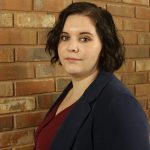
Anastassia Laskey With Ground Control Research

December 8, 2022 by Jacob Lapera

Startup Showdown Podcast
Anastassia Laskey With Ground Control Research
Loading
00:00 /
RSS Feed
Share
Link
Embed

Download file

GroundControlResearchAnastassia LaskeyAnastassia Laskey has spent her career helping startups and entrepreneurial teams make better and faster decisions by effectively applying customer insights to the way they operate. She has a unique perspective on all things entrepreneurial. She has held leadership roles at multiple startups, founded multiple companies, worked with venture capital and private equity on due diligence, and advised numerous high-growth startups.

In her current role as President & Founder of Ground Control Research, Ana spends her time helping companies gather and apply right-sized insights to their business decision-making, resulting in greater in-market traction, faster scale, and improved organizational efficiency.

She lives in the Atlanta area with her husband, dog, and cat. When she is not working, you can find her gardening in her backyard.

Connect with Anastassia on LinkedIn and follow her on Twitter.

What You’ll Learn In This Episode

  • Finding product-market fit and the #1 thing that holds many entrepreneurs back
  • Defining and explaining your target audience and the problem you solve (for funding purposes, and for in-market growth purposes)
  • Using right-sized customer insights as a speed accelerator and confidence booster, as opposed to a confusing bottleneck
  • Growing beyond the effectiveness of “growth hacking”
  • Making high-risk business decisions with certainty
  • How and when to pivot
  • Staying on top of what your customers want as you scale

This transcript is machine transcribed by Sonix

TRANSCRIPT

Intro: [00:00:04] Welcome back to the Startup Showdown podcast, where we discuss pitching, funding and scaling startups. Join us as we interview winners, mentors and judges of the monthly $120,000 pitch competition powered by Panoramic Ventures. We also discuss the latest updates in software Web3, Healthcare, Tech, FinTech, and more. Now sit tight as we interview this week’s guest and their journey through entrepreneurship.

Lee Kantor: [00:00:39] Lee Kantor here. Another episode of Startup Showdown podcast, and this is going to be a good one. But before we get started, it’s important to recognize our sponsor Panoramic Ventures. Without them, we couldn’t be sharing these important stories. Today on Startup Showdown, we have Ana Laskey with Ground Control Research. Welcome.

Anastassia Laskey: [00:00:59] Hey, Lee, thanks for having me.

Lee Kantor: [00:01:01] I am so excited to learn what you’re up to. Tell us a little bit about ground control research. How are you serving folks?

Anastassia Laskey: [00:01:06] Absolutely. So my firm Ground Control Research basically operates as a, we call it a growth accelerator for startups and entrepreneurial teams. So and we do that all through the lens of customer insight and using the needs, wants, desires, goals of your customer to actually inform how you’re going to accomplish your growth goals as a startup. So it’s a pretty fun world and we learn a lot of interesting facts about what people want and what they like.

Lee Kantor: [00:01:38] So and then having research in the name of the firm would suggest to me that research is an important component about how you go about doing what you do.

Anastassia Laskey: [00:01:49] Yeah, absolutely. So, you know, what I found in working in startup environments for many years now is a lot of times folks have some ideas about what their customer wants or they have a sense of it. But what we’re able to really do is, is put hard data behind it and actually go out and speak to customers or target markets or whomever and actually put some rigor around it so that companies can make better and faster decisions with that, with that insight.

Lee Kantor: [00:02:20] Now, what’s your back story? How did you get involved in this kind of work?

Anastassia Laskey: [00:02:24] Yeah, it all happened in sort of an interesting, organic way. I started my career actually at Nielsen, which is a big insights innovation firm, and I was working with large multinationals on new product innovation and new product introduction, and it was a really, really great experience for me. But I was doing that based in San Francisco. That’s just where they assigned me. You know, when I when I joined right out of college and as I got more in the San Francisco sort of community, I started to get really interested in startups. And I wanted to work at a startup and I wanted to be a part of that, that innovation and that sort of big rapid change. And so I moved over into that world, and that’s where I’ve been ever since. And about six years ago, I was kind of at this career decision point, and I could stay inside working in startups, or I could maybe start my own practice, my own consulting firm, and try to actually reach more companies and help more companies with the same types of things I was doing in-house at startups. And so that was how I got my start, and that’s how ground control research was born.

Lee Kantor: [00:03:37] Now, are you finding that in the startup community, I mean, they they talk always about, you know, product market fit, customer discovery. Those are elements of research.

Anastassia Laskey: [00:03:49] Yeah, absolutely. That’s, you know, 80 90% of of what we help companies with is really establishing the product market fit. Or, you know, companies might say, well, I see the signs, I see the indicators that, you know, either things are stagnant or we’re getting some engagement. We don’t really know what are we going to do on it. And I kind of break it down for them in a very stepwise process of, okay, these are the pieces of information that you don’t actually know about your customer, and this is what’s holding you back from product market fit. So let’s close those gaps. Let’s get you that insight. Let’s help you actually blow it up in a good way. Let’s help you. Let’s help you really dial in what you’re doing and the way you’re able to communicate with your customer as well.

Lee Kantor: [00:04:36] Now, when you talk to an early stage leader or founder, they, I would assume, have some assumptions about who the ideal customer is. And, you know, and the plan to at least reach them kind of based on their gut and based on kind of their understanding of the market in their mind. How often is that accurate?

Anastassia Laskey: [00:05:03] Yeah, it’s interesting because I would say it’s it’s accurate, but it may not be precise. And here I’m going to go a little nerdy. Right. So accuracy means that you’re like you’re hitting the dartboard. Precision is I’m hitting the exact same spot on the dartboard over and over and over again. And what I find with startup founders that I work with is they have a great sense generally of the problem that they’re solving and who the customer is. But when it comes to actually going to market and being successful in market. It’s not just about knowing that in an abstract way. It’s about actually knowing the language that that customer uses to describe their their problem. Right. And it’s about actually knowing of these 27 features that you could offer, which are the three that are that are actually going to move the needle, that are actually compelling. And how do you simplify what you’re saying while increasing the precision of what you’re saying? So I think I answered a question, but they’re mostly like 80% there. But that last 20% is what what we see drive a huge difference in market.

Lee Kantor: [00:06:11] So that by being by being more precise helps them grow faster with the limited resources they typically have.

Anastassia Laskey: [00:06:20] Absolutely. And that’s that’s the big thing that I work with startups on is you could figure this out the hard way by trial and error. And a lot of them come to us after doing that for many months. And, you know, it’s not like I’m trying to say I told you so, but my whole philosophy is like, why wouldn’t we just spend two weeks, three weeks now getting those answers, getting that level of precision, getting you the actual language and the messaging that you need that’s going to resonate with your target audience. And then you can just start using that. So we’re not we’re not bumping into it on accident, which is what happens a lot of the time in that very fast paced startup kind of scale up environment.

Lee Kantor: [00:07:04] So this isn’t something that takes months or years to get enough data to make these kind of precision kind of results that you’re looking for. This is something that is just a matter of weeks or a month.

Anastassia Laskey: [00:07:19] Yeah, absolutely. And that is really, again, why I founded my firm, because there’s this huge misconception that research takes a long time and it’s multiple quarters and it’s like this huge thing and it’s super expensive. And you can do all that for sure. And we do have clients that are a later stage startup or they’re more of a corporate client, and they do that large scale research. But I think what what I’ve sort of been teaching and preaching philosophically is there is a way to balance getting what you need to increase your level of precision in market while not drawing yourself away from everything else that has to happen and doing it in a short order. So a lot of what I’m doing in very practical terms is like, okay, now you’re going to go talk to five of your customers and I just have you ask these questions, right? So they’re very focused, very precise, and the answers to those kinds of questions are going to give us the answer. So it’s I like to make it into baby steps and and bite sizes so that a startup that’s an early stage startup can actually do it. Right. Because if it’s a huge thing, it’s, it’s it’s distracting versus helpful.

Lee Kantor: [00:08:28] So now let’s maybe share some tactics or advice for folks listening now that are in this stage that maybe aren’t ready to hire you and your firm. Is there any work they can be doing today that will help them kind of identify that target audience?

Anastassia Laskey: [00:08:47] Absolutely. Is.

Lee Kantor: [00:08:47] There are some some things that, you know, are that maybe aren’t you know, doesn’t require your expertise, but is something they can do to get a little more precise for sure.

Anastassia Laskey: [00:08:58] Yeah, absolutely. So I have a few main areas of advice. One is always be talking to your customer. And I think this is everyone in the startup world is like, yeah, talk to your customer, talk to your customer, but have a structured way of talking to your customers. Don’t just talk to them about, Oh, hey, we’re considering launching this new feature. What do you think? Which is a lot of what I see having happened in a company have a structured way of talking to your customer that’s really about you maintaining a pulse on what problems they’re trying to solve, what it is that your product is or isn’t doing to help them with that. Some of these broader conversations with with customers and have in doing that, let’s say you’re a startup founder, you block off 3 hours each month to just have four or five conversations with customers like that. You’ll stay way more in touch with the market and what the market needs by doing that versus just focusing on like product or how are we going to how are we going to build the thing? How are we going to scale the thing? So yeah, that’s that’s one piece of advice.

Anastassia Laskey: [00:10:04] And then the other piece of advice that I would offer is don’t just talk to your current customers and don’t even just talk to prospects. Try to get outside of of your bubble and try to talk to members of this broader target audience that have nothing to do with you currently. That’s a great way to make sure that we’re not just sort of targeting a bubble within a within an audience. And we’re actually making sure that what we’re offering is reflective of that bigger group of people as well. And there’s some really great tools that founders and. Early stage teams can use, such as Deep Bench. It’s a tool where you can essentially go to them and say, Hey, I need to talk to 27 SAS founders over the next three months and they will help you pull together a list. Yeah, you do pay for it, but the cost versus the benefit there is is disproportionate. So I recommend doing that versus asking for intros and having all this kind of swirl around it. Just go talk to people, pay a few hundred dollars and get their insight.

Lee Kantor: [00:11:13] Now, when you’re working with a founder and they feel like, okay, we’re kind of honing in on this, how do you maybe protect them from some of these? They make it seem so easy, these kind of growth hacking. Here’s the secret to really growing quickly and almost magically. How do you kind of help them work through that in a way that is going to get them the outcome they desire?

Anastassia Laskey: [00:11:41] Yeah, absolutely. This is something I encounter all the time, and I’m glad you brought it up. One of the things that we often see is that clients will have hired some growth hacker people, whether they’re in-house or whether this is like a firm they’ve brought on and they’re not actually getting results. And that’s actually the triggering event that they come to us and say, hey, like, something’s going on. We don’t know what it is. And what I’ve learned after dealing with that experience many, many times is, you know, there are some amazing sort of operational principles of growing a company that are very important, that startups understand that they use. How are you going to scale up your advertising? How are you going to scale up production of all these materials? Like, how are you going to all those questions? And what we really focus our clients on and where we speak with them is about the why questions. So why are you even targeting that group? Like, why is this message going to land? And so that’s the big difference that I try to push into. And our work it it really is a playbook or a companion or a guide for them to use with all of the growth hacking, quote unquote, activities that they want to do. Right. You’re going to be much more effective at implementing some of these strategies if you can customize them to what your business needs, to what your customer needs to, what you can actually do as a business. And that’s where we really feel the client, our clients get such a benefit in pairing those two types of activities.

Lee Kantor: [00:13:24] Now, most startup founders or anybody in this business for any length of time knows that pivoting, if not is pivoting, is something that invariably is going to happen. How do you help your clients know when it’s time to pivot? Or maybe they’re on the right track and they just have to kind of grind a little longer?

Anastassia Laskey: [00:13:47] Yeah, absolutely. That’s something we work with clients on all the time, and it really comes down to the sense for the customer. And then also like, how are we measuring this pivot? And I think I think typically or historically a lot of the focus is on measuring, let’s say, very particular external KPIs, such as what was the click through rate on this ad that’s like launching a different thing or let’s do like a dummy door test or let’s do all these different things. And one of the things that we work with clients on is what are some of the customer criteria, not just like what clicks and all that, but like what are some of the metrics that you can be measuring on appetite, appeal, interest, intention, consideration, etc. around this, this idea you’re considering, this pivot you’re considering, and how can you do that as part of doing these experiments, these in-market experience experiments? Because we’re all I’m all about like test and market. It’s most efficient way a lot of the time, but we have to find a way to measure that beyond just the numbers that would appear in your Google Analytics.

Lee Kantor: [00:15:02] Now, what for you is the most rewarding part of working with folks at this stage of their business lifecycle, you know, the startup and the early stage?

Anastassia Laskey: [00:15:14] Yeah. So for me it’s really about seeing them succeed. I just as a person, I tend to be more of that. I consider myself to be an entrepreneur and founder. I founded other businesses prior to prior to this business and I just I get so excited to see any business succeed, but especially some of these early stage startups where what they’re doing. It’s really disruptive. What they’re doing is really solving a huge pain point. And I just love the fresh thinking that comes with that environment. So for me, the reward is really just seeing them move to the next stage, whatever that might mean for them, whether it’s three X revenue, whether it’s ten X in revenue, whether it’s preparing and successfully getting the next round of funding, whatever their milestone is, whatever their goal is, I just love seeing them succeed.

Lee Kantor: [00:16:06] Now, how did you get involved in mentoring with Startup Showdown and Panoramic?

Anastassia Laskey: [00:16:11] Yeah, so that’s a great question. They reached out to me, so I have no idea if someone referred me to them or how it all went behind the scenes. But they reached out and I got the email and I was like, Oh, this sounds really, really cool. So it was a no brainer for me to sign up. And mentorship is something I’m really passionate about in general. So yeah, it’s been a great experience so far. Being a mentor with Startup Showdown.

Lee Kantor: [00:16:39] Now, is there any advice for folks that are involved with Startup Shutdown or any of these type of events to get the most out of their experience? Is there anything that you would recommend they do, maybe pre homework before they get there in order to really wring out the most value from this experience?

Anastassia Laskey: [00:16:56] Yeah, one thing that I would say is if you are accepted into the program and you are going to be participating in Mentor Day, take some time to look up the mentors that are going to be mentoring you or kind of figure out or ask at the beginning of the mentor session like, Hey, where is your area of focus in business? Because what I’ve learned over time is that, you know, there’s all these different mentors that I’ve met and they all have a very unique experience. They have a very different way of seeing the world, and they can provide a really valuable perspective that’s based upon that lens that they see it. But sometimes when companies come to the 30 minute mentor session and they’re in my case, they’re like asking me about the financial terms of the deal. I’m like, Yeah, I understand that as a business person, right? But like, my focus is actually helping you better communicate who your audience is or make sure you’re latched into the right audience or that you’re really articulating the pain that you solve, the problem that you solve. Right? So I guess my long winded advice is, is really kind of know your audience as a startup when you go into this process, I think it will make it a much more valuable experience.

Lee Kantor: [00:18:14] Now for you moving forward, is there anything that you need that we can help you with? What do you need to get your firm to a new level?

Anastassia Laskey: [00:18:23] Yeah, absolutely. So we just launched. We’re in a soft launch kind of phase with it right now, a new way of working with companies. And I think this is potentially really appealing to the smaller or growing startups where we’re actually offering a problem solving series, a workshop series with these with these startups. And we say, hey, come with a problem that you have, whether it’s a it needs to be growth related, right? Like, hey, we don’t know how we’re going to we’re going to ten X our growth. Hey, we don’t know how we’re going to increase our repeat or our retention. Hey, we want to launch or pivot into a new area. What are we going to how are we going to do that? And we’re working with startups to go through this four workshop series to actually as a team, get them aligned around this and teach them through that process how they can gather those insights together. So it’s a facilitated problem solving that gets them the answer. And we do that over a period of about 4 to 6 weeks. So it’s also very fast. So I guess my message is, if anyone’s interested in that, please reach out to us. Go to ground control research dot com to learn more.

Lee Kantor: [00:19:34] Now can you share a story where you helped the startup get to a new level? Maybe share what was the problem that they were kind of struggling with and how you were able to come in and help take them to a new level?

Anastassia Laskey: [00:19:46] Yeah, absolutely. So try to go through and think of a concise example for you. We. One of the one of the startups we worked with a couple of years ago, maybe a year ago. They’re an education technology company, and they have had a consumer business and an enterprise business for a number of years. But their goal was, how are we going to problem? They came with us, came to us with was how are we going to grow our enterprise business? Here’s what we’re saying now and here’s what we think we might need to say and here’s what we see as working. And do we need to pivot? Do we need to launch something new? Right. So you can see it’s a very complex problem. It involves marketing, it involves sales, it involves product, it involves like the whole organization. And we worked with them to essentially gather insight from all of the possible target audiences. So in their case, they had three or four different possible target audiences evaluate that and help them start to reflect changes in their business. And this range from hey, on your on your website. This is the messaging that lands like these are the key messages to use all the way into hey, in your sales process, you can actually optimize that down into instead of six meetings. Like you can get that down to three meetings and here’s the content that you need to cover at each step of the way. So the result of us doing that was, one, simplifying their business operations in a lot of ways, right? Instead of us guessing and having a bunch of meetings, we’re just getting the answers, applying them and let’s go. Right. And then to in terms of like a business effect, they were able to significantly multiply their net new net new customers and net new logo and they really, really strongly increase. I think it’s like three X or four X increase to their average client value. So their average transaction value, so good on them for implementing all of these insights and to how they worked.

Lee Kantor: [00:21:55] And then the amount of time that took was how long about.

Anastassia Laskey: [00:21:58] Yeah, with that client, I would say we started getting initial insights to them within three or four weeks. We worked with them for a considerable period of time that we work with them for over a year to do all the breath that we did with that client.

Lee Kantor: [00:22:16] But the impact was real and it was pretty quick.

Anastassia Laskey: [00:22:19] Yeah, yeah. And that’s the cool thing about working with me or with us is like, I can’t stand to hold back, like I can’t keep it to myself. So we always end up, you know, my team and I, we end up sharing stuff as soon as we can and we want to really we understand how fast start ups move. So that’s why our business is designed around not waiting until some long period of time has passed. Right. Let’s break it up. Do it. Small, iterative. Let’s go.

Lee Kantor: [00:22:44] Good stuff. Well, congratulations on all the success. And thank you so much for sharing your story today.

Anastassia Laskey: [00:22:51] Yeah, thanks, Lee. Appreciate it.

Lee Kantor: [00:22:52] Now, one more time before we wrap, what is the website coordinates and the best way to get ahold of you?

Anastassia Laskey: [00:22:58] Absolutely. So our website is ground control research dot com. And then folks can find me on LinkedIn. I’m pretty active and present there, so feel free to reach out anytime.

Lee Kantor: [00:23:10] All right. Well, thank you again for sharing your story. You’re doing important work and we appreciate you.

Anastassia Laskey: [00:23:14] Thanks, Lee.

Lee Kantor: [00:23:15] All right. This is Lee Kantor. We’ll see you all next time on Startup Showdown.

Intro: [00:23:21] As always, thanks for joining us. And don’t forget to follow and subscribe to the Startup Showdown podcast. So you get the latest episode as it drops wherever you listen to podcasts to learn more and apply to our next startup Showdown Pitch Competition Visit Showdown VC. That’s Showdown Dot VC. All right, that’s all for this week. Goodbye for now.

 

Tagged With: Anastassia Laskey, Ground Control Research

Anna Yudina With The Toy Association

December 7, 2022 by Jacob Lapera

Anna Yudina
Association Leadership Radio
Anna Yudina With The Toy Association
Loading
00:00 /
RSS Feed
Share
Link
Embed

Download file

The Toy AssociationAnna YudinaAnna Yudina joined The Toy Association in February 2015 as the Director of Marketing Communications. Ms. Yudina is spearheading the Association’s Genius of Play™ initiative to raise awareness of play as a crucial part of child development and encourage families to make time for play in their daily lives. Since its launch in June 2015, The Genius of Play has reached millions of parents, caregivers and educators, providing research-based facts, expert advice, and a host of play activities through its website, social media channels, live events and various media.

Ms. Yudina has also been leading The Toy Association’s strategic STEAM initiative, which culminated in the development of the comprehensive “STEAM Toy Assessment Framework” and the launch of industry’s first official STEAM Toy Accreditation program.

Connect with Anna on LinkedIn.

What You’ll Learn In This Episode

  • About The Toy Association and the work they do to support learning through play
  • Holiday 2022 STEAM Toy Guide
  • STEAM Accreditation helping parents and anyone who shops for toys
  • The Toy Association’s Genius of Play initiative

This transcript is machine transcribed by Sonix.

TRANSCRIPT

Intro: We’re broadcasting live from the Business RadioX studios in Atlanta, Georgia. It’s time for Association Leadership Radio. Now, here’s your host.

Lee Kantor: Lee Kantor here, another episode of Association Leadership Radio. And this is going to be a fun one. Today on the show, we have Anna Yudina with the Toy Association. Welcome, Anna.

Anna Yudina: Hi Lee, thanks for having.

Lee Kantor: Me. I am so excited to learn about what you got going on. Tell us about the toy association, how you serve in folks.

Anna Yudina: Absolutely. The toy association is a not for profit trade association and we represent hundreds of companies all in the toy play and youth entertainment industry. So it is a fun industry, as you can imagine. Our members include toy manufacturers, retailers, licensors, inventors, designers. So pretty much anybody who is involved in creating and marketing toys and games for kids of all ages. That’s what we do.

Lee Kantor: Now, are your members. I would imagine there are some kind of enterprise level members, but are there also kind of that lone inventor or creator of a game or a toy?

Anna Yudina: So our members are companies. If a lone inventor or designer, they have their own company and a lot of them chew, they can absolutely become a member of the toy association. We have different levels of membership, so probably the best way to find out is just visit our website Toy association dot org and talk to our member services. I know that a lot of companies are members, but also a lot of solo entrepreneurs. It’s such an entrepreneurial industry. So while everybody knows Lego and Mattel and Hasbro and all of those big companies, the majority of our members are actually much, much smaller. And a lot of them, they they started their own company and then did their own game or came up with a really good idea.

Lee Kantor: Now, in your work, as I understand it, part of the mission is to support learning through play. Can you talk about how important play is to learning?

Anna Yudina: Absolutely. That is a huge part of our mission at the toy association, and we do that in many ways. But the major way in which we do that is our genius of play initiative. And the Toy Association started the genius of play in 2015. And so we have been doing that for for several years. It is consumer facing. So our audience is parents, caregivers and it’s also educators. And really the goal of the initiative is to support learning through play and all benefits of play and developmental benefits of play. So in the beginning, we started by working with a lot of experts in child development and education and disseminating important research that talks about the benefits of play, making sure parents are aware of all the wonderful things kids are learning to play. So that was in the beginning. And then over the years, we really saw the demand from families as well as educators for play based resources. So a lot of parents understand the benefits of play and definitely the educators too. But it’s what to do with the kids. How do I promote this learning through play? How do I foster social skills in my child’s play? So we provide tons of play of play ideas, ready to use activities. You can find it all on our website. The Genius of play dot org. And for educators, there are also a lot of needs for play based lessons, play based learning activities that they can show in the classroom or in the after school and the camp. Whatever is the educational setting, it can be formal or informal. So we have a special section for teachers as well on the website and we provide a lot of those resources. So those are the ways in which we help families making it easier for families to bring more play to to kids, to their lifestyle and also in schools making it easier for educators to teach kids through play.

Lee Kantor: Now, when you were doing this kind of research and seeing kind of the demand from parents and kids enjoying this kind of thing, was that something that the manufacturers were like, Wow, this is really something we should be leaning into? Did you see kind of an increase in the amount of creativity and maybe attention to including learning as part of the play that these toy manufacturers were doing?

Anna Yudina: Yeah, I definitely have seen that over the years. I worked in the toy industry before for a toy company, and then I came back, joined the toy association in 2015. So really have been watching that for a while. And I have to tell that, yes, the educational component connecting play to what kids are learning. That has been a growing trend over all of these years. And Steam toys, that is a good example of that. They stand for science, technology, engineering, arts and mathematics. The toys are educational in nature. They are supposed to teach kids exactly those subjects. They’re supposed to teach them about chemistry and other sciences and building and technology and things like that. But even apart from and that has been a growing trend, really, really taking taking a lot of a lot of space in product manufacturing, in toy manufacturers line, but also even separate and apart from steam toys, just connecting toys to emotional benefits, for instance, doll play and nurturing empathy, connecting play to physical and cognitive benefits to creativity. Definitely that has been happening.

Lee Kantor: As well as representation. You’ve seen a lot more of that as well.

Anna Yudina: Absolutely, yes. Diversity and inclusion and making sure that the toys that kids play with, they reflect the diversity of the world that we live in. And that, again, goes back to also what parents are looking for. A lot more parents are aware of the social issues and they want to teach kids about those social issues early on, diversity being one of them, diversity and inclusion. But there is also environment and sustainability is so toys that address that and teach kids should be respectful of nature, of animals, of the world that we live in. That has definitely been a growing trend as well.

Lee Kantor: Now, you mentioned steam. I know that your association releases a holiday toy guide for Steam related toys. Can you talk about that?

Anna Yudina: Yeah. So we actually did that for the first time this holiday season. We issued our holiday 2022 Steam Toy Guide and all of the toys that are featured in the Guide. They have been independently reviewed and accredited. So the toy association now has the STEAM accreditation program and we do it in partnership. Our accreditation partner is the good play guide. They have decades of experience in the toy evaluation space, so they are the ones who review and test and evaluate all the toys. So only toys that pass the accreditation were eligible for inclusion in our holiday guide. And beyond the accreditation, of course, we looked at toys that address a variety of ages. So there is a toy in the guide that’s good for kids as young as 18 months old or young. But there are also toys that are good for kids that are much older tweens, teens and pretty much any age group. So that was an important consideration. And also we look for toys that really cover the whole spectrum of steam. So it’s science, technology, it’s a lot of other disciplines. So we have a chemistry set, for example, but we also have a robot that kids can use to learn how to code. We have a lot of construction sets, but we even have a butterfly garden kind of toys. So really the variety of toys that address all the different areas of steam. That was an important consideration for putting together this holiday guide. And we also have a partnership with Amazon now. So in addition to the holiday guide which people can find at toy Association dot org, there is also a theme accredited toy store front right on Amazon and people can access it from Amazon’s toys and games page and that includes all of the products that have been accredited so far that are sold on Amazon. So if you’re looking for even larger selection of toys, steam toys specifically, that’s a good place to check out.

Lee Kantor: Yeah. And for those who aren’t aware, the importance of kids embracing steam when it comes to education is critical. I mean, that’s the future of education, of kids jobs later on. So if you can start building interest and desire and love of those kind of things early through toys, you can be putting your kid on the right path when it comes to a really important career. And in areas where they’re hungry for talent, I mean, the unemployment rate for steam jobs is probably zero right now because they’re so hungry for for people that have that kind. Degree in education.

Anna Yudina: Yeah, you’re absolutely right. And again, parents understand that. We did a survey with parents and we asked them what is the ideal age for a child to start exploring their future career? And you know what they told us? Five and one half. Five and a half. That was the average age. So that is a really young child. So what is the best way for kids of that age to explore a career or to explore anything? It is absolutely toys and play because that’s the language that these kids understand. That’s something that they can relate to. So toys and play absolutely are critical to sort of spark that early interest and help a child become interested and start forming that healthy relationship with science and math. So instead of like, oh, it’s complicated, oh, I’m afraid of math, or I have this fear or it’s abstract. I don’t really get it. I don’t know what it’s used for. Toys help kids relate those disciplines to the world around them and make them real for lack of a better world.

Lee Kantor: Right? And they can actually participate in it. It isn’t like theoretical or hypothetical where they have to imagine things. This is them actually touching things and and using things. So it comes alive. And some people learn better by doing things like that rather than just watching someone right on the on the on a whiteboard.

Anna Yudina: Right, Exactly. You learn by doing and being hands on and active involvement. Those are actually some of the criteria that are used in our toy assessment framework. So when we accredit toys or rather when the good play guide evaluates toys for accreditation, this is something that they evaluate. Does the toy promote that active hands on involvement in seeing?

Lee Kantor: Now, you mentioned earlier this genius of play initiative. I know that you were kind of a champion of that. Why was that so important to you?

Anna Yudina: To me personally, I as I mentioned, I worked in the toy industry before. So I come from this industry. I have this love for play and products and for our little customers. So it was great to come back to the industry in a different kind of role. But also I saw I saw a lot of potential and I saw a great need for an initiative like that. And back in 2015, things were a little bit different. That was pre-pandemic. So people were very, very busy as they are today. But I think pandemic just changed the lot and help those look a little bit differently at work life balance. But back in 2015, kids were just as busy as adults and they were going from one activity to the next. And families were placing a lot of emphasis on formal education, on tests, on studying for testing and studying for college, and mastering those skills that are taught in the classroom. And that’s all great, but it needs to be balanced with play. And play usually is less structured. It’s fun. It’s it’s learning. You’re learning things, but you’re learning them almost inadvertently. A lot of times you’re not even a child doesn’t know that they’re learning to play and they just look like they’re having so much fun. So there was a need to kind of like market play a little bit better and really connect those dots between play and learning and help parents understand that, that even though it may not look like they’re learning a whole lot, they actually are practicing important skills. So that initially attracted me to the genius of play and the toy association. And then, like I said, over the years, the initiative has evolved so much it has become more of a resource of free play ideas and downloadable activities and all the fun stuff that you can do with the kids or in the classroom as a teacher. So I would say that I have grown, continue to grow with the initiative and evolve, and that has always been interested in this.

Lee Kantor: Yeah, it’s funny. I think it’s just reminding people of their youth when there was much less structured play and people were went out to play and they were on their own and it was chaotic and they were learning on their own by doing and we went, the pendulum swung to the other side where everything was structured. You had a coach or a teacher and everything was very in in a box. And I think encouraging people to have this kind of unstructured play is critical and it reminds people of possibilities you can’t kind of plan out. So and there’s so much there for kids, and I think kids are hungry for that.

Anna Yudina: Absolutely. Yeah, kids. And I think a lot of adults are hungry for that, too. One of the trends that we see in the toy industry is a lot more adults are interested in toys, buying toys for themselves and pursuing all kinds of hobbies and activities that are playing basically.

Lee Kantor: Well, if somebody wants to learn more, what is the website? What are the coordinates to get the guide to? To learn more about the toy association, if you can remind us one more time.

Anna Yudina: Yeah, absolutely. So if you’re a parent, caregiver or educator, I would suggest you head over to the genius of play dot org. This is our consumer facing website. That’s where you can find all the resources that I mentioned. You can subscribe to our email list on the website. You can also, if you’re active on social media, you can find us on Instagram, on Facebook. It’s at Genius of Play. We also have a steam section on the genius of play dot org and you can see all the products that have been steam accredited so far in that section. But if you are looking to learn about the toy association as an organization and everything that we do, because obviously we do a lot more than just the genius of play and Steam accreditation, you can go to toy association dot org and that’s where you can also find out what our members are and how you can become a member if that’s something that’s of interest to you. So basically learn about everything Toy association does. Toy association dot org.

Lee Kantor: Well, thank you so much for sharing your story. You’re doing such important work and we appreciate you.

Anna Yudina: Thank you, Lee. It’s been a pleasure.

Lee Kantor: All right. This is Lee Kantor. We’ll see you all next time on Association Leadership Radio.


Tagged With: Anna Yudina, The Toy Association

Rick Krebs With Business Sales Group

December 7, 2022 by Jacob Lapera

Rick Krebs
High Velocity Radio
Rick Krebs With Business Sales Group
Loading
00:00 /
RSS Feed
Share
Link
Embed

Download file

BSGRick KrebsRick Krebs brings a unique blend of sales, entrepreneurial, and financial experience to the Business Sales Group. He began his career as a CPA, working in Nevada and Utah where the valuable financial experience was gained. He uses those skills every day. He graduated with a Master of Science Degree and a Bachelor’s Degree from Utah State University.

As a business owner, he started Liberty Mortgage, a mortgage bank licensed in 23 states nationwide. He eventually sold the successful company to an investor from California. He has been in the M&A space helping people sell their businesses since July 2010. During his first year with BRC, he listed and sold more businesses than the entire office combined.

As a sale-side and buy-side advisor for Mergers and Acquisitions transactions Rick’s advisory, accounting, and management skills are invaluable when advising sellers as they maneuver the intricate details of the deal through closing. Rick is also a CNA (Certified Negotiation Expert) which helps him negotiate the most favorable terms for clients in a transaction.

He was quoted by FORBES as an expert sales-side advisor who helps Sellers avoid the pitfalls of selling a business.

Connect with Rick on LinkedIn.

What You’ll Learn In This Episode

  • Current Landscape for Selling a Business
  • Advisor Types and Specialties
  • 3 Things You Absolutely Need to Address in Your LOI
  • Taxes – How to Minimize Taxes When You Sell a Company
  • IRS Form 8594 – How Knowing About This Saved My Client $80,000
  • The First Step to Selling a Business
  • Common Mistakes Business Owners Make When Selling

This transcript is machine transcribed by Sonix.

TRANSCRIPT

Intro: Broadcasting live from the Business RadioX studios in Atlanta, Georgia. It’s time for High Velocity Radio.

Lee Kantor: Lee Kantor here another episode of High Velocity Radio and this is going to be a good one. Today on the show, we have Rick Krebs with Business Sales Group. Welcome, Rick.

Rick Krebs: Thank you. Good to be here today.

Lee Kantor: I’m so excited to learn what you’re up to. Tell us about business sales group. How are you serving folks?

Rick Krebs: Sure. So business sales group specializes in selling businesses in the lower mid-market. So those are businesses typically between 2 million and enterprise value up to $30 million in enterprise value.

Lee Kantor: So what’s your backstory? How did you get involved in this line of work?

Rick Krebs: So I started as a bean counter. I started as a CPA, strong financial background, and I just got tired of counting other people’s money. I started a business on my own and I ended up selling it without any help and sold it the wrong way. I really should have had some help and I ended up hiring attorneys to get paid and it was a horrible experience. So I learned how not to sell a business by selling my business the first time the wrong way and decided to go out and to help other people to not make the same mistakes that I did.

Lee Kantor: So what are some ways people sell it the wrong way?

Rick Krebs: I made the first mistake of not hiring someone. I didn’t know that there were M&A advisors or business brokers or investment bankers out there, and so we tried to do it on our own. Myself and my and my partner. And that was the first one not hiring the help which we needed. And to I would say not not planning. I see a lot of people that come to me and they want to sell their company and they just aren’t quite ready or they they are waiting till the gas tank is empty. They don’t have a lot of energy to run the business. And so I would say if you’re going to sell your company, start planning for that exit early. Don’t wait until the last minute because the earlier you start to plan, the more money that we’re going to be able to get you when you do sell.

Lee Kantor: Now, how are you defining early? Is that a year? Is a five years? Is it when you start the business?

Rick Krebs: Yeah. So I would say when you start your business, start it with the end in mind, you would look and say, okay, this is and it’s kind of counterintuitive, right? It’s kind of like the prenuptial agreement on again, when you’re getting married, it’s the last thing you want to think about, but it’s absolutely the first thing that you should be thinking about how am I going to exit? How long a time horizon do I have? And and you start building it in a manner which will help it make more, help it make more attractive to buyers when they when they do buy.

Lee Kantor: So let’s assume we have a person that’s your ideal client. They come to you say, five or six years ahead of time, and they say, okay, I’m going to I want to sell my business in five or six years. How do you help me today? So I get the most valued, you know, down the road.

Rick Krebs: So the first thing that I would recommend is we do a valuation. Let’s look and assess your value. And as part of that valuation process, we would look at weaknesses and I’m strong into financial items. And so I think we would take a look at your books. Where are your books at? Or do you have good books or the things that we can do to make your books better? A lot of times what I see is people only do financial reporting at the level at which they have to, which is for tax returns. But there’s a lot of things that you can do with your books and your financials to make them to be better tools to help you manage your business. So valuation is number one. The second thing I would say is let’s let’s get with a financial planner, and I’m not a financial planner, but I would recommend getting with a good financial planner and looking at your overall financial plan as part of this exit. It takes a team of people to help these people exit in in the best manner. And so I would get a financial planner to look at their overall financial plan, their debts, where they want to be, how old they are, their life expectancy, their cash flow needs. And then the third thing I would do is I would get with an M&A advisor or business broker or banker, depending on the size of your business, and I would start a conversation with them. I’m planning to sell. And what do I need to know? What do I need to do to get this business ready? And these people will tell you.

Lee Kantor: Now are most people, when they come to you and say, I’m looking to sell. Let’s do that valuation. Are they pleasantly surprised with the number when you do the valuation? Are they negatively surprised? Like what? What is? Have they overestimated or underestimated the value of their business?

Rick Krebs: Well, believe it or not, most people overestimate the value of their business, right? You and I see that with their with their houses or anything. A lot of times we think that it’s worth more than it actually is. Once in a while it will be worth more than what they think it is. But most of the time they they tend to overestimate the value. And what I would recommend is we we do an assessment of value from an independent third party person. And I’ve got a company. We do those. It doesn’t cost you a lot of money. And then once you have that and you have a realistic number, then you start to reverse engineer and say, okay, my company is worth 5 million today. I need to be at $15 Million for my exit. What do I need to do to get it there? And then I would recommend hiring a business coach as well, someone that’s going to help you move the needle, scaling your business, get it prepared, get your financials where they need to be, and get you operationally where you need to be. These businesses need to run better in the owner’s absence than they do the owner’s presence. And so that’s one of the things that I would include in this in this overall exit plan.

Lee Kantor: Now, is the business valuation just strictly math? Is it like, okay, it has this much revenue or this much profit, so therefore it’s worth X?

Rick Krebs: So a formal business valuation will include both financial metrics, which is the math, right, and non financial metrics, which include things like risk. What is your industry risk? What is your customer concentration risk? The risk of losing management? How is that going to impact business? Those are at a minimum, those are the things which the valuations that include. There’s a lot of other things that that can move the value of your company. For instance, we have companies that that are on the lower end of the scale. When we pull comparables, like with real estate or the business, we have comparable sales and some will sell for say a three multiple of EBITDA and some will sell for a six multiple of EBIT in the same industry. So you want to look at your business and say, okay, what about my business? Would make it sell for double than it should make it sell on the higher end of the spectrum? And so we really get into the financials, we get into the operations, we get into the management and get into the things that and we start planning it early. The things which should get you a higher multiple and a higher ultimate selling price when you’re ready to sell.

Lee Kantor: Now, when you’re working with clients, how important is the kind of tax mitigation? Because I would imagine if you structured the deal in one way, you might have a more beneficial tax situation as if you do it just haphazardly.

Rick Krebs: You know what? That’s a that’s a really good point. There are tax saving strategies for taxes, both in the structure of the deal and in the planning for a business setup. So, for instance, if you if you’re getting ready to sell your company and you’re going to want to have a really good CPA that has has done this before, that understands there’s an IRS form called 84, 85, 94, which you have to allocate the assets of the business and you want to get someone who understands that allocation. Most people don’t because they only do it once in their life. Right? But you want to make sure that you understand how that allocation works, because it can certainly flip your tax bill hundreds of thousands of dollars. The second thing is you want to look at some other structures, tax saving structures, I’m going to call them number one. There’s something called an asset exchange or tax trust, which allows you to defer. You don’t eliminate, but you get to defer the taxes. The other things that you can look at are donor advisory funds. The third is there’s something called the CRT Trust or a credit. And those are three tools which off the top of my head would help people or could help people reduce their taxes, because if you don’t do it, you’re looking at a 30 or 40% tax bill. And so this is the single largest financial transaction of your life. You want to make sure that you get it right and that you hire the right people to help you with that. And if your accountant is not telling you what you think, what you think is right, don’t be afraid to get a second opinion. Get some advisors, some people that are professionals that can help you with this.

Lee Kantor: Now, is this a good time right now in this kind of, I would say, uncertain, chaotic economic situation we’re in right now? Is this an optimal time to sell or is it something that you should just kind of pause for a bit and let this play out a little bit, see if there’s a recovery into next year? What would be your current thinking right now?

Rick Krebs: Yeah, you know what, That’s a great question. And I would say it’s a really good time to sell. The reason being a lot of money has been moving out of real estate. People are feeling like real estate is overvalued. They’ve been selling their real estate and so they’re sitting on cash. That cash has moved over into private equity hands and those guys are looking to deploy that capital that they’re sitting on, and most of them are wanting to deploy it and to buy businesses. So as far as the landscape for selling a business right now, the environment is very good. I don’t see it quite as good as last year because interest rates are increasing SBA loans, interest rates have gone up from 4% to about seven and one half percent. And so that does tend to erode prices. But for good businesses, they’re bringing top dollar still, and I would anticipate that’s going to continue for the next two years.

Lee Kantor: Are there any industries that are better than others right now?

Rick Krebs: Yeah, tech businesses are really hot. I sold two SAS companies this year. Sas stands for software as a service company, so their software businesses, domestic manufacturing is very hot. Real estate was hot, but I’ve seen that cool off just a little bit. So I would say tech companies and anything in domestic manufacturing is really strong right now.

Lee Kantor: So any advice for that person that is on the you know, maybe he hadn’t thought about it. Maybe he’s thinking about it now after hearing you speak. Other than get the valuation, is there anything they could be doing themselves right now to prepare for an exit?

Rick Krebs: So what I would do, I’m part of an exit planning group. And this is a this is something that’s sweeping the nation right now. And this is the notion that business owners need to plan for their exit. I call it Minding Your exit, not blinding your exit. I would get with a good financial planner and a good exit planner in your area. If you’d like to reach out to me, you certainly can. Do you share the emails and the information?

Lee Kantor: Yeah, sure. But you can say it also.

Rick Krebs: So. So my my website or my email is Rick at B for business record B sales group. And you can certainly email me and I can align you with someone in your area. We have a we have a nationwide group of exit planners I would give with an exit planner because they will be able to align you with with people that are like myself, that sell businesses. They’ll be able to align with business coaches, but understand that it takes a team to help you with this transaction and start assembling that team, get you an exit plan or get you a business coach, get you an M&A advisor, business broker, investment banker, depending on the size of your company and start talking to these people early. Start asking them questions. Start. Some of these exit planning groups allow you to go to their meetings and talk to other business owners who have recently sold. The name of that group is the Exit Planning Institute. And I would can get on their website that API is the is the acronym that you use, but it’s the Exit Planning Institute. I would look at them and look at your local chapters and start attending those meetings, learning all you can. I also have a book. If you get on w w w dot design my sail dot com. There’s a lot of good information in there. You can. The book’s really inexpensive. Is one of Amazon top sellers. For $20 you can buy a book audible or Kindle version or a paperback, whichever you’d like, but just start learning, getting all the information that you can now start learning about the process, talking to people that have done it in the past. Attending these chapter meetings of the Exit Planning Institute will be very helpful to you and feel free to reach out in, get my email address, feel free to reach out if you have any questions. I’m happy to answer those questions and help you with this process to give you the ultimate exit.

Lee Kantor: Now, before we wrap, can you share a story of maybe a company that you helped exit and you don’t have to name the name of the company, but maybe come to share, You know how they came to you and maybe not so great shape and how you were able to put them in a position to get a selling price. Maybe that was I don’t want to say surprising, but maybe it was a little bit like, Wow, that was just like you promised.

Rick Krebs: Yeah. So I’m going to tell you the story of the last one that I just sold. These guys came to me a couple of years ago. I had a software business and we did a valuation and I knew the number that they were trying to get and they they weren’t ready. Right. I call it. They were more in the incubation stage than the final stages of of being ready to sell. And so I aligned them with a really good business coach. A friend of mine has an interest. Christianson and Rich helped them grow their business and help them clean it up. It’s just like when you’re selling a car, you know, you got to go out and get a wash it. You got to fix the dents. You got to make it look look as good as presentable as you can. It’s the same with businesses and it takes an outside person to do that. And we got them with a good business coach. We were anticipating up the business ready. We spent a couple of years helping them, working with management, working with the owners, fine tuning it, and then we brought it to market. You know, we thought we were going to get an $8 million price tag and we ended up getting more than half, more than double that. So that was because we ran the process. We took the time that we needed to get the business ready. And in that two years that we worked with them, we were able to double the value of their business more than double the value of their business. So it’s so important that you get with a good advisory team, you give with a good exit planning team because your your numbers increase and the value can be exponential, as we saw with this one.

Lee Kantor: Right? It’s one of those things where you have to surround yourself with trusted advisors in this area because as you mentioned, you’re doing this, you know, one time, two times in your entire life. And these people are doing it every single day. They know where the problems are, the landmines, where the opportunity lies, and you don’t know where you don’t know. And these people do know. So you have to surround yourself with these trusted advisors. If you want to get a selling price that you’re going to be happy with.

Rick Krebs: That’s that is right. And and a lot of us, I think as entrepreneurs and business owners, we try and take on things ourselves. We’re like, you know what we’ve got? And we and the problem is, it’s that that’s worked very well for us, right? We’re able to tackle problems. We’re able to do things that other people are not. And this is something you do not want to do on your own. You absolutely want help and you don’t just want mediocre help. You want the best help that you can possibly get. You want people that have done this many times, that have been down that road that can walk you through this, because we joke about a little bit and say it’s a knife fight. Right? If you go in, you go into a knife fight, you got to have a knife and you got to have someone that’s going to help you tell you what’s going to what’s around the bend, what’s going to happen, what to expect, and help you get your business ready. Like I’m the one we just sold. You know, they took them from we doubled the price of that business by doing this work over two years. And you definitely want a great team to help you with that. Good point.

Lee Kantor: Right. And also the person who’s buying it, they probably have trusted advisors helping them. So you want to, you know, like you said, arm yourself at least to have the same type of knowledge as you as the person buying.

Rick Krebs: That’s right. And in oftentimes we’re on those calls and there’ll be four or five of us on the cell side, but sometimes there’ll be 15 people on the buy side. Right. And you go in there outnumbered. And so you’ve got to get your team together and your team of people that are going to help you with this team of professionals. I call them deal guys, people that have done this time and time again, that have that have swam with the sharks before and understand how to maneuver and what to do to to help you sell your business in the best way.

Lee Kantor: Well, Rick, thank you so much for sharing your story. The website one more time for business sales group.

Rick Krebs: W w w dot b the letter B sales group. And the website for the book is w w w dot design my sail dot com.

Lee Kantor: Well, Rick, thank you again for sharing your story, doing important work. And we appreciate you.

Rick Krebs: You’re welcome. Thank you. I appreciate it today. Appreciate your time. Thank you.

Lee Kantor: All right. This is Lee Kantor. We’ll see you all next time on High Velocity Radio

Tagged With: Business Sales Group, RICK KREBS

Tracy Hale Clark With Louisa County Chamber of Commerce

December 7, 2022 by Jacob Lapera

LCCC-Logo
Association Leadership Radio
Tracy Hale Clark With Louisa County Chamber of Commerce
Loading
00:00 /
RSS Feed
Share
Link
Embed

Download file

TracyTracy Hale Clark, Executive Director at Louisa County Chamber of Commerce, and the Louisa Forward Foundation
A walking excitement seminar focused on making an impact.

Tracy’s sales and marketing expertise, coupled with her passion for people and fun, inspires others to overcome their fears, believe in possibilities, and build partnerships to lift the community.

Prior to joining the Louisa Chamber, Tracy traveled the country working with various Chamber of Commerce organizations, the US Junior Chamber of Commerce, and more than two hundred local, regional, and national nonprofit programs and over one-thousand events developing strategies and programs for volunteer engagement, event management, and increased FUND raising.

Tracy’s journey with the Louisa County Chamber of Commerce (Louisa) began in January 2019 and she has faced challenges beyond her control, including a global pandemic and a devasting winter storm. Despite these challenges, she led with a spirit of possibility and enthusiasm while creatively transforming the Chamber’s value proposition, impact, and credibility in the community. In three years, the Louisa Chamber has grown by 17% with a 30% increase in new members, received over $65,000 in grants, purchased their first permanent office and most recently celebrated 95 years.

Tracy holds a bachelor’s degree in marketing from Virginia Commonwealth of Virginia. She serves on the Board of Directors for the Virginia Association of Chamber of Commerce Executives. She loves being an aunt and grand aunt and travels with family and friends as often as possible. She is always on the go, curious to meet new people and gain new experiences.

Connect with Tracy on LinkedIn and follow Louisa County Chamber of Commerce on Facebook.

What You’ll Learn In This Episode

  • About Louisa County Chamber of Commerce
  • Grew membership by 17% with a 30% increase in new members
  • Louisa Forward Foundation

This transcript is machine transcribed by Sonix.

TRANSCRIPT

Intro: We’re broadcasting live from the Business RadioX studios in Atlanta, Georgia. It’s time for Association Leadership Radio. Now, here’s your host.

Lee Kantor: Lee Kantor here, another episode of Association Leadership Radio. And this is going to be a good one. Today on the show, we have Tracy Hale Clark with the Louisa County Chamber of Commerce. Welcome.

Tracy Hale Clark: Tracy Hello. Hi, Lee. Thanks so much for having me.

Lee Kantor: I am so excited to learn what you’re up to. Tell us a little bit about the Louisa County Chamber. How are you serving, folks?

Tracy Hale Clark: Oh, gosh, we’re serving them in a number of ways. Whichever way is possible, we can do. Not sure the familiarity of a Chamber of commerce. So I’ll just give a brief about that. We are the voice of business in our community where the center of the business community and we work to lift up and strengthen our economy, our community through education resources and just overall promoting and engaging the businesses so that they can thrive and grow.

Lee Kantor: What’s your back story? Have you always been involved in chamber work?

Tracy Hale Clark: Gosh, it’s I would say that I’ve always been involved in some capacity with chambers of commerce across the country. Going all the way back to my early twenties. I worked for a publisher actually traveling the country, and I sold pages in a coffee table style book that was used for economic development, and that was done in partnership with Chambers of Commerce. So that was really my first initial introduction to Chamber World, and it was fascinating to see the work that they were doing that crosses a lot of lines, not just in visibility for business and support, but economic development, serving their community. It was just a really interesting and fascinating environment. I then went on to serve actually in the non profit community, predominantly with your disease related type of organizations, working with them on fundraising campaigns and strategies across the country. But when you’re doing that kind of fundraising, you’re always involved with Chambers of commerce. So it’s just been a part of my life for 30 plus years.

Lee Kantor: Yeah, I think the Chambers of Commerce are one of those unsung heroes that are in kind of in the background, but they touch pretty much everything in the community. And when you have a good chamber of commerce, you’re really giving your community a superpower.

Tracy Hale Clark: Yeah, absolutely. I describe it a lot to people that don’t know or aren’t familiar with the Chamber of Commerce is I use kind of the visual of a bicycle wheel. And at the center of that wheel is your Chamber of commerce. And we we are connected to all things related to the community. And so we’re always a great resource to kind of make that first phone call of who do you know, who can you connect me to? And that’s really how I vision or how we function here in Louisa is we are that connector. We we look to build collaborations and connections across all community environments, government, nonprofits, community service, you know, the citizens. It’s it’s pretty exciting Now.

Lee Kantor: When you’re a leader in a chamber, how how do you kind of prioritize what is the efforts that we’re going to be focusing in on in a given period of time? Because there’s so much to do?

Tracy Hale Clark: You are you’re exactly right. There is a lot to do. And my role here in Louisa started in 2019, and as soon as I got through the first year COVID hit. So when you ask me the question about how do you prioritize and determine, you know, I was thrown a massive curve ball rather early in my involvement with the Louisa County Chamber, and we were determining priorities really by listening to the needs of our businesses and the needs of our community. And we just did the best that we could to lift them up and connect them to resources, information, while also maintaining a level of calm and positive that we would get through it. So as we’ve gotten through those couple of years, it’s a new it’s a new environment, particularly in our community. But I would say that listening and really communicating with our membership, being aware and engaged with our community to understand the needs, that’s what determines a lot of our priorities. And every. Chamber is different in the list of priorities because of that reason. They need to pay attention to what the needs in their specific community might be.

Lee Kantor: And how do you balance kind of the needs of the different levels of business that are in any community? You have some kind of mega businesses that are maybe the household names that people know, but probably the majority in quantity are these small to midsize businesses that should be members and would benefit from being members. But you can’t really serve them in exactly the same way you would serve kind of these big enterprise level organizations.

Tracy Hale Clark: Yeah, you’re exactly right. Diversity in our membership is really important, and that’s one of the things that I really love about being a Chamber of Commerce is that we have something to offer no matter what size, no matter what industry, no matter what priorities you have as a business. And I think our job and especially being a leader of the chamber, is to really understand what those priorities and objectives are for the particular businesses in our community. I’ll give you an example of kind of the comment that you made about how do you serve the big mega businesses versus the small local mom and pops, retail, small business, restaurants and so forth. You know, on a daily basis, those B2C type of businesses that are all about bringing people in their doors. Right, getting those customers, that awareness, we do a lot of campaigns related to lifting them up and generating visibility for them, whether it’s with tourism campaigns or right now we’re running a hometown holidays campaign. Of course, the shops, small campaigns that are offered nationally, we we tap into those to help lift up our small businesses on a regular basis. But some of our larger businesses in the area, you know, our utility companies in particular, they are businesses that don’t necessarily need the resources that the chamber offer on a day to day basis. However, they are very community minded and they are great resources.

Tracy Hale Clark: They’re always looking for opportunities to support local and to support what’s happening at the community level. We have great involvement from these larger businesses in that capacity, whether it’s sponsoring events, whether it’s engaging and lifting up small businesses by just supporting purchasing locally, using them with their programs for employee recognition and things. But I would even like to cite, you know, somebody like a utility company that, as I mentioned, we don’t typically get the opportunity to kind of give back to them. We faced a very unique year in January. We were hit with a devastating winter storm. And as a chamber, it impacted our entire community from retail, small businesses to our utility service providers, as well as essential workers. And one of the things that I love about Louisa is we’re so community minded that the Chamber we led this rally cry to support the essential workers that were out in devastating conditions away from their families, trying to get the lights and the power back on to serve the entire community, not just the businesses. And it was really a way to demonstrate, Look, the chamber is here to support you as well as a mega business, even though you’re not looking to drive customers necessarily into shop and buy product from you. We can still be a resource to your business as well.

Lee Kantor: Right? Because you’re in that unique seat of of serving the entire community. And you you have relationships with folks in disparate places that any other individual entity would have a difficult time, you know, rallying all the troops like you can.

Tracy Hale Clark: Yeah, absolutely. And that’s that’s probably one of the things I personally enjoy about my role with the Chamber of Commerce is being that connector and being aware. I describe a lot of times I’m not an expert in a lot of things, but I know enough that I can get the right people to the table. And that’s where the real beauty happens. That’s where the real magic happens. If you can bring together people in a room and discuss, that’s where you can come up with some amazing solutions to tackle problems like workforce or. Emergency situations or even just how do we. We’re launching a program right now for our Main street to revitalize and rebuild our town. Main Street area.

Lee Kantor: Yeah, it’s it’s funny that people don’t realize themselves and their typical life going about their business, their network is kind of siloed in some ways. You know, they don’t know what might be happening, you know, a few blocks down because they’re so into their world. But a chamber kind of knows where what’s going on in all of those kind of entities. And then because of that, you can be that matchmaker and make connections with people who should know each other but may never run into each other in their normal lives.

Tracy Hale Clark: Absolutely. And that’s what I love, too. It’s just, you know, you have to be as a as a chamber director, you do need to immerse yourself into the community and be engaged. And that is one thing that I really do love this community. From the moment that I got here, there’s a unique spirit that people want to work together. They want to help each other. And but just just like you said, they don’t always know where to go or who to talk to. And so just being knowledgeable and getting to know people and network, we’re able to foster a lot of those relationships. And that’s what we do in our programing as well, is we really try to foster those opportunities for people to get to know potential partners and build relationships to solve problems.

Lee Kantor: Are you finding that people are kind of joining chambers or your chamber specifically and leaning into that, knowing that, hey, this is an important, not only important community builder within our community, but it’s good for my business to kind of invest time, energy and resources as being a member and not just kind of writing a check and just like I’m done, but really doing kind of the the work that needs to be done, the volunteering, the showing up and things like that.

Tracy Hale Clark: Absolutely. Our chamber since since the time that I’ve been here, we’ve had phenomenal growth. Our membership is up over 17%. We’ve got a 30% increase in new members. There’s definitely an interest in engagement, especially our reputation as a chamber has grown as being a source prior to, you know, prior to 2019 and certainly prior to COVID. I wouldn’t say that we had the the same level of respect in the community as a resource. And it definitely when COVID hit, it really transformed. And I had businesses prior to that. That we’re not engaged with the chamber. But immediately when we started taking action, they were getting involved and it just continues that way. And as more collaborations and as members are satisfied and getting value from the organization, that’s where the true momentum and growth happens because businesses talk to other businesses and, you know, just like keeping customers happy. If you’re keeping customers happy, then they’re going to talk about you and they’re going to bring more people to your business. It happens the same way with the Chamber of Commerce or really any other organization. If your existing membership is happy and getting value, then they’re going to talk and speak well and refer people to your organization.

Lee Kantor: Right. And markers to determine if you are providing value are the ones that you’re seeing kind of growth in membership, sponsorship, things like that. You’re seeing folks raise their hand and write checks and show up to demonstrate that they are getting value because people just can’t afford to invest in organizations, even the chamber, if they’re not going to get something out of it at the end of the day.

Tracy Hale Clark: Yeah, absolutely. I mean, the community at large, the sponsors, as you mentioned, sponsorship dollars and involvement with our chamber has increased immensely. And I hear the reasons behind that are because they are seeing the return and what the chamber is doing and the impacts that we’re making in our community. We just celebrated this is our 95th anniversary and it was it still is. We’re in the middle of fundraising. We we initiated a capital campaign, a legacy campaign to raise $95,000 this year to help us pay off our first ever office. That’s right on Main Street. And the support that we’re getting from our businesses and our community at large is just been so heartwarming. It’s great to see that they do support us and our organization and they do feel the value and the contributions that we’re making to lift up this entire community.

Lee Kantor: Now, do you have any advice for other maybe leaders of chambers in order to kind of grow the next generation? Are you doing anything that can help the next generation of leaders, you know, not only get involved but also kind of add to their arsenal as they kind of grow their career?

Tracy Hale Clark: Specific to chamber members or.

Lee Kantor: Just in general to the business community. Is there anything happening regarding leadership?

Tracy Hale Clark: Absolutely, we did. Louisa I know that there’s leadership programs in a lot of communities that are started from Chambers of Commerce in a lot of situations, but Louisa, up until last year did not have one. So we initiated our Leadership Louisa program, which is about lifting up business folks to be potential community leaders. We’ve gotten a great response. Our first year was wonderful. We’ve doubled the number of participants this year. Beyond our community and being a leader in developing for the future growth. We also I personally participate with the Virginia Association of Chamber of Commerce Executives, and we’re involved with training and engagement to help lift up and educate and provide resources for the leaders of other chambers across Virginia. It’s very rewarding. One of the things I’m a big fan of is what I would call R&D, which is basically rip off and duplicate. You know, there’s chambers out there that are doing some phenomenal things and we get a chance to share that as a peer to peer group. And I can adopt that and bring it back to my community for what works here. And I like the ability to be able to do that and help other communities as well, to share what’s going on in our community, to help lift up other parts of the Commonwealth as well.

Lee Kantor: Yeah, that’s so important to have some mechanism that can share best practices and and just transfer that knowledge because everybody wins when you share.

Tracy Hale Clark: Absolutely. I mean, that’s what’s about. It’s the spirit of collaboration. I tend to function from a mindset of abundance versus scarcity, and it pays off every time if you are willing to share, you know, a lot of times competition scarce people, but when you come from a place of there’s enough to go around, it helps. There’s just a greater impact that way.

Lee Kantor: Yeah, that’s I think that anybody that’s been in business for any length of time kind of realizes that that’s the better course of action is is with that spirit of generosity and sharing. And there is plenty to go around in life doesn’t have to be a zero sum game.

Tracy Hale Clark: Absolutely. Yeah. Collaboration is is always better than trying to fly fly solo, you know?

Lee Kantor: Now, what do you need more of? How can we help you?

Tracy Hale Clark: Oh, wow. What do we need more of? Well, I would say that I want to remind the individual community and businesses that even though we have made it through the last few years, what I’ve seen is. A bigger struggle this year than in the past two years. I’ve seen more businesses, small businesses, be impacted by raising costs and expenses. Supply chain issues, workforce issues. And unfortunately, I’ve seen more businesses closed this year than in the past two years. And it’s. It’s unfortunate. At the same time, I’ve seen a lot of new businesses open their doors. So my plea to the community at large is you need to continue to support the business community as you did in the past. They need compassion and understanding because these businesses owners are facing enormous challenges right now. And what I’ve noticed is there’s less compassion from the general public as it relates to businesses. And I can understand we’re all frustrated, you know, raising prices and things are more expensive. You’re you’re not getting as much as you did for the same price. And that can cause a lot of angst with people. But I just ask people to remember that the businesses, you know, the business owners are being squeezed in the middle. They are getting increased pricing challenges with work force, not enough people to work. You know, in some cases, they still have to close their doors because they don’t have enough staff. They have to change their services because they don’t have the staff and employees that they need. So we are still in this transition and and learning our way and compassion from the community at large is still so very important to support our businesses because these business owners are tired. They’re struggling in a lot of ways.

Lee Kantor: Yeah, I see that as well. That’s what I do every day is talk to business owners and it’s just they don’t get appreciated enough. I don’t think people understand the risks that they have are taking and understand the pressures they’re under. And a lot of folks, unless you’ve had a payroll and are responsible for other people, you don’t really understand that life of the entrepreneur. You know, you see these stories of maybe some of these mega entrepreneurs that have, you know, billions of dollars. But that’s just not the case for 99% of folks out there that have businesses. They’re just battling every single day just to kind of survive.

Tracy Hale Clark: Absolutely. I mean, and it is a challenge because the business owners that I know, they really do care about their employees. They care about the community. And it’s it’s hard to not take it personally when somebody complains, oh, I didn’t get my food and enough time or they don’t offer this favorite dish that I used to love, you know, And they in some cases give a bad review or something like that when some of these situations are just beyond their control. Right. They just can’t control that.

Lee Kantor: Yeah, it’s I can’t tell you how many conversations I’ve had with especially in the restaurant business where you read a one star review of they’re so busy like it is has nothing to do with the quality of the food or anything like that. It’s just they’re their busyness is somehow offensive to you. So you’re going to give them a one star review. And it just boggles the mind. And they don’t understand the kind of the ramifications of that and how fragile, especially a restaurant is with a handful of one star reviews. No matter the reason, it just a lot better. I find to if you’ve got a problem, just talk to the manager. They want to know the problem. They’re not, you know, these evil, greedy, exploitive people that the media sometimes makes them seem to be. They’re generous people, that without them your community would suffer.

Tracy Hale Clark: Absolutely. I mean, you hit it with the word generosity. I mean, your small business owners in particular are probably some of the most generous people that I’ve ever met, because they really they are they’re following a passion to support their family and make a living. But they really care about the community in which they chose to do their business. And it’s just just putting that face on a business owner is what I employ. The are ask plead the community to do at large is to have that level of grace and understanding and appreciation that these are people to. They’re your neighbors, they’re your friends. Yeah, they need.

Lee Kantor: Support and they’re the ones, you know, that are are in the background funding your church, your schools and a bunch of other stuff. You have no idea about that. They’re just doing it, you know, because they were asked. And without them the community suffers. So I’m that’s my mission in life is to be that voice of business around the country for small and midsize businesses, because I don’t think that people really understand the pressure. The risk that they’re taking every single day to do what they’re doing. And it’s it’s just hard out there. It’s it’s much harder than it looks. I think the media is it gives a disservice to business by focusing on a handful of these mega celebrity entrepreneurs that make it seem like every business owner out there is like that with private jets and billionaires. And that’s just not the case. Most business owners are just trying to survive, you know, another corner.

Tracy Hale Clark: Absolutely.

Lee Kantor: So if somebody wants to connect with you, what’s the website? What’s the coordinates?

Tracy Hale Clark: Yeah, communicate. Connect with us. We’re on Facebook, LinkedIn. You can go directly to our website, which is Luisa o U is a chamber dot org. Phone numbers 5409670944. We’d love to connect with anybody that’s interested in assisting Louisa County, getting involved here with supporting the businesses and just what we’ve got going on. It’d be great.

Lee Kantor: Well, thank you so much for sharing your story. You’re doing important work and we appreciate you.

Tracy Hale Clark: Thank you so much, Li. I appreciate the time and all that you’re doing to shine a light on organizations like ourselves and those that are serving the community in the greater good.

Lee Kantor: All right. This is Lee Kantor. We’ll see you all next time on Association Leadership Radio.

Tagged With: Louisa County Chamber of Commerce, Tracy Hale Clark

Kip Morse With International Association of Better Business Bureaus

December 7, 2022 by Jacob Lapera

Association Leadership Radio
Kip Morse With International Association of Better Business Bureaus
Loading
00:00 /
RSS Feed
Share
Link
Embed

Download file

Kip MorseWith 32 BBB experience and 22 years as President and CEO of the BBB in Columbus, Ohio, Kip Morse was tapped to lead IABBB in early 2021. Kip is known for his commitment to integrity, and has launched programs such as the BBB Torch Awards for Ethics, the BBB Spark Awards, the Center for Character Ethics, the BBB TrustScore, and other programs that focus on the role of honor and truthfulness in personal behavior and in business performance.

Kip served on the boards of the Council of Better Business Bureaus and the BBB Institute for Marketplace Trust, as well as a number of other committees and leadership roles within the organization.

Connect with Kip on LinkedIn.

What You’ll Learn In This Episode

  • Standards of Trust
  • Leadership Character
  • BBB Impact
  • Stakeholder Involvement
  • Collaboration

This transcript is machine transcribed by Sonix.

TRANSCRIPT

Intro: We’re broadcasting live from the Business RadioX studios in Atlanta, Georgia. It’s time for Association Leadership Radio. Now, here’s your host.

Lee Kantor: Lee Kantor here another episode of Association Leadership Radio and this is going to be a good one. Today on the show we have Kip Morse with the International Association of Better Business Bureaus. Welcome, Kip.

Kip Morse: Hey, thanks for having me.

Lee Kantor: I am so excited to talk to you and learn more. Please tell us a little bit about the International Association of Better Business Bureaus. For the folks who aren’t familiar. I’m sure everybody’s heard of the Better Business Bureau, but the Association for Better Business Bureaus is exciting, and I’m excited to hear about it.

Kip Morse: Yeah, so better business girls have been around for 110 years now. We’ve got 95 babies and 165 different locations in North America. And so we have an international association that does fairly new. We’ve always had an umbrella organization, but we broke away from a much larger association. And so for our line of business, this is the association that that runs b v dot org and serves the stakeholders of the biz and provides resources and brand alignment across North America to help those babies have the biggest impact in their communities.

Lee Kantor: Now, can you educate us a little bit about the history of the b b? How did that get started?

Kip Morse: Yeah, really, one of the first babies was out of Minneapolis, Minnesota, and they were really formed for business owners getting together and recognizing that in the free market, free enterprise system, there’s a responsibility required to operate a business and that we should set standards so that the government doesn’t have to come in and and provide all sorts of regulations. And so it was really around responsibilities. There was Rotarians oftentimes were a big part of the first VBS that were getting started, and then it kind of just moved across the country and local communities decided to start their own lives and set those standards for how to operate and separate themselves from those businesses that that were taking advantage of the system and taking advantage of consumers now.

Lee Kantor: So we’re kind of organically grew at the beginning.

Kip Morse: At the beginning it did. And then then they felt as though the need was to have an association. So there’s been a number of variations of of the association, but yet it organically grew. I knew I started with a and down in northeast Florida, and that actually started within the Chamber of Commerce as a better business division. And then once they realized that the missions were very different and that we were evaluating businesses based on standards, they separated from the chamber and became a better business Bureau. So some are 110 years old and others are more like 50 years old. But yeah, the collaboration of communities that move towards having a better Business Bureau.

Lee Kantor: Now, once you’re in a market, how does that work in a given market? So you have your you have overarching kind of standards, right, that you’re saying this is how we recommend businesses you serve and these are kind of the rules of the game. And then you look for local business people to raise their hand and say, I agree with that.

Kip Morse: Yeah, pretty much so. But because we have robust data and we build profiles on businesses and and businesses come to us because we have a rating system, it’s around introducing businesses to what all the value of the Better Business Bureau is. We consider it a community of trustworthy businesses. So in the older days it was more of the guardian of public trust and and businesses would support us because they’d say, yes, we want there to be a better Business Bureau. We love the work you do. On protecting the community from scams and and evaluating businesses that are aren’t operating properly. But then it kind of shifted more. And our focus is much more now around building better businesses. And so when a business is in a community and they need help and they know that trust is the the number one component that’s going to drive success, they want to understand what what trust means. And so that dives into customer service and dispute resolution and leading with high character leadership and ethics and and and involving yourself in the community. And so we set those standards and then try to convey those to businesses and help them if they’re not properly licensed and they want to be a part of our community, we help them get properly licensed, work with them in any way, shape or form that they need assistance.

Lee Kantor: So it sounds like over the years it’s evolved and but it’s always around standards, standards of trust and character, things like that.

Kip Morse: Yeah, we always say standard based organization. We’ve got we’ve got the standards that we evaluate businesses on in order for them to become accredited with us. And if they become accredited with us, it opens up the opportunity to work with us on a lot of different initiatives. And then we’ve got even higher level standards where we just finished up our internal International Torch Award for ethics. And we evaluate businesses based on character, culture, community and customers. And so those businesses really kind of highlight what we stand for and what the brand stands for. And so we utilize them to, one, honor them, but then also showcase this is what it looks like. These are businesses that that put a lot of are very intentional around how they build out those four quadrants.

Lee Kantor: Now what are some of the challenges in the in the markets that you serve it Is it do do companies embrace the b-bbee as they once did? I remember when I was younger, that was like kind of that stamp of approval that this was a b-bbee organization. So I knew I can kind of trust it. And in today’s world, with so many, you know, online Yelp reviews, things like that, people are going to other places for, you know, kind of at least a glimpse of what trust could be.

Kip Morse: Yeah, that’s that’s why we do a lot of collaboration because absolutely, we encourage them to go to lots of different places because there’s a lot of different aspects of trust. We want to build more into our business profiles and we’re doing that, but we’re still looking at upwards to 20 million people coming to our website every single month and and looking for businesses they can trust. And the fact that we have 165 locations. So I refer to it as boots on the ground. We know the players in the communities and we can we can have a lot of data on them. And so if a company, let’s say a company is going south or has an F rating and they they know that that’s it’s very difficult to operate with an F rating if consumers are coming and finding that out, if they decide to shut that down and open up another company to try to get a better rating, we have that information in our database. And and we can tie that to their their business practices and vice versa. If they are operating a fantastic company and they open up another company, we know the type of a business that they’re going to operate. So it’s it’s a matter of using the data and then engaging in the local communities and and working with those businesses. And when you say that that seal, it’s really the sign of a better business is what we’re there monitor it and it’s it’s still incredibly valuable to businesses so that they can they understand that consumers are looking for businesses they can trust and they know that we’ve evaluated them based on standards. And if they decide or if there’s something takes place where they all of a sudden decide they’re not going to respond to complaints and resolve them satisfactorily or they’re no longer licensed or they end up with a government action, then they lose that accreditation and it affects their ratings. So it’s an opportunity to to work with the business and try to understand what they might be struggling with.

Lee Kantor: Now, in your role as the CEO of the International Association of Better Business Bureaus, the you’re helping those people in the local markets kind of serve their community better and giving them best practices, giving them tools that they can use and implement locally.

Kip Morse: Exactly. The goal of the international association is how how would an enterprise level can we can we take the responsibility of whether it’s whether it’s marketing, whether it’s the infrastructure in the in the website, the user experience coming to the website, consistency on the website for our business resources and content. How can we deliver that so that the local VBS can spend their time with their expertise of working with the businesses and, and really having the most impact that they have? So we don’t we don’t want to build a system whereby local B&Bs have to do so much data integrity work that can be done at the enterprise level. We want to give them the resources so that their marketing to businesses and their marketing to consumers is effective and done at the at the level that a brand like the B-BBEE is required.

Lee Kantor: So you’re trying to take kind of the back office heavy lifting from technology and data management off their plate so they can focus on that kind of, like you said, boots on the ground shaking hands and kissing babies, part of the the networking and marketing locally.

Kip Morse: Yeah, exactly. But. But the shaking hands and kissing babies is is a lot more intensive. They do a lot more of dispute resolution answering calls from consumers, working with businesses, evaluating them based on standards, having they all have their local boards of directors. And so they’re really having to evaluate whether a business is still worthy of accreditation. And then they’re engaged in collaborations and partnerships, whether it’s with the SBDC, the SBA or other associations that that trade associations that really have high standards of trust for their own members. So there’s. You know, they’re never at a loss for a work to be done at the local level.

Lee Kantor: But it sounds like over the years, their role has evolved from not just being a directory of these are accredited resources, but you’re also trying to help those local businesses, you know, maintain and stay trustworthy and give them tools themselves to serve their clients better to uphold the standards of the Beeb.

Kip Morse: Yeah, absolutely. I mean, the best case scenario case study is Phenix, San Diego and a couple of additional locations. They actually have incubators, co-working spaces, Kiva hubs, where they have small business loans that they provide. And so they’re working with really new young entrepreneurs that are catching them early on and helping them build their businesses out. That’s been kind of a wave across North America where there’s going to be more of those co-working spaces. Some of it started before the pandemic, but the pandemic obviously was with opening up some of the spaces and people working from home on the on the back rooms areas. It opens up those spaces to be collaborative spaces that businesses love, and that enables us to have those conversations with businesses like we’ve never had before.

Lee Kantor: Now, you’ve been with the Beeb for quite some time. Is there a story that stands out to you of maybe a local business that joined and really was able to take their business to a new level because of that, you know, stamp of approval via the BPP.

Kip Morse: Well, I mean, there’s there’s all sorts of there was there was one. And so I ran the Columbus V for 20 years, and there was one in Columbus that was already a really good company. It was a bank. And and we really worked with them on taking it to another level with some of the programs that we have with the Trust Store and and the Student Integrity Awards and the Torch Awards. And so they became very intentional about wanting to develop a culture of high character within their organization. And they used a lot of our resources and it ended up becoming a torch award for ethics recipient. And and it was we used that as a case study for really taking it to another level. But then there’s stories where you have a business that has a all of a sudden has a C or D rating and they’re in the roofing industry and and they’re upset that they have that rating. And we we bring them into the office and we say, okay, we reviewed all these all the complaints. And it seems there’s a common thread here that that delay in responding to those complaints and the light bulb went off for them and they said, you know, we give bonuses to our to the to the leads at the team leads on the different jobs if they don’t get any complaints.

Kip Morse: And so what’s happening is they’re making sure those complaints don’t ever make it to the Home Office. And so they’re kind of doing what they can, but it’s not sufficient. They change their entire model based on the data that we had. And and they no longer saw those complaints and their rating began to improve. So it’s insights into business models that people might have. And if we say there’s a pattern of complaints and this is what it looks like, it might be their advertising, it might be that they they’re promising something that they can’t deliver. And and so we can help share with them that this is deceptive and misleading because you can’t deliver on it. And so they make changes. And and we help them understand what causes that rating to go bad.

Lee Kantor: Now, do you have any advice for other leaders of associations when it comes to you know, when you’re working, it’s almost like a client’s client, like your people are working with business people locally. So when there’s organizations out there that have chapters may be and then they’re dealing with members, is there ways that you’ve learned that can help the communication and the sharing of best practices get disseminated quickly or efficiently throughout the network? You know, in a in a way that, you know, kind of gets those learnings out of the hands of maybe one person that’s doing an innovative thing into the hands of others.

Kip Morse: Yeah. I mean, really around collaboration. I mean, whenever I talk to businesses, I’d say, you know, you get to cover your ABCs, you should be a part of it at your trade association. Part of the Better Business Bureau and a part of your Chamber of Commerce. Now there’s lots more as well with the SBDC and the SBA and and, and different groups to work with. Now, with young entrepreneurs, there are so many different incubators and work groups that we are we can we can go to those and we can present modules or trainings on building trust within your customers, whereas they might be doing everything from finance to accounting to budgeting or whatever else they’re working with the business on. So it’s a matter of collaborating and finding what is really your niche in terms of educating a business. And and let’s let’s work together on that. And so we’ve got, we’ve got a national MOU with the Sbdc so that we can share what resources they have and then vice versa, they can share the resources that B2B have.

Lee Kantor: So what do you need more of? How can we help?

Kip Morse: Well, I think we we need more businesses to to understand and seek out the B2B and understand that we’re much more like you said, we’re much more than a a website for consumers to check on businesses. It’s really more about businesses finding out how their local Better Business Bureau can walk hand in hand and helping them grow their business, develop trust within their community, and and use a lot of the resources that we’ve developed and the cost savings alone on on a number of the partnerships that we’ve got is immense. And so I think it’s. Explore your local Better Business Bureau. It’s not your grandfather’s breed and and see what you find out.

Lee Kantor: And for those who want to learn more, what’s the website?

Kip Morse: You can go b-bbee dot org and and the way that our website works is you will based on where your IP address is coming from, you will be open up to your local communities view site and then you can change that. If you’re if you’re wanting to check out other sites and other locations, but go to that org and that’s there all centrally located right there.

Lee Kantor: And then once you do that you can drill down to the the b-bbee nearest you and then reach out and contact the person running that.

Kip Morse: Yeah. You can contact the person running that you can we have a live chat built in so you can do a live chat right there on the spot. And there’s a section on that site that says for businesses. And so you can even just kind of do your own little review and see what they have for businesses and and get a sense of all the different resources that are available.

Lee Kantor: Well, Kip, thank you so much for sharing your story today. You’re doing such important work and we appreciate you.

Kip Morse: Thank you very much, Lee. I appreciate being on.

Lee Kantor: All right. This is Lee Kantor. We’ll see you all next time on Association Leadership Radio.

Tagged With: International Association of Better Business Bureaus, Kip Morse

Blake Patton With Tech Square Ventures and Engage

December 5, 2022 by Jacob Lapera

Blake Patton
Atlanta Business Radio
Blake Patton With Tech Square Ventures and Engage
Loading
00:00 /
RSS Feed
Share
Link
Embed

Download file

TechSquareVenturesBlake PattonBlake Patton is the founder and Managing General Partner of Tech Square Ventures and Engage where he leads investments in enterprise software, marketplace, and platform technology companies. Under his leadership, the firm has invested in over 90 early-stage companies. He currently represents Tech Square Ventures as a director or observer on the boards of Pointivo (Chairman), Saleo, Toolpath, Fortify, Yesler, Speedscale, Slip Robotics, and PreTel Health (Chairman).

Prior to founding Tech Square Ventures, Blake was General Manager of the Advanced Technology Development Center (ATDC) at Georgia Tech – named by Forbes as one of the “Top 12 Incubators Changing the World”. Prior to leading ATDC, he served as President & COO of Interactive Advisory Software and EVP of iXL, an internet services company that he joined through the acquisition of Swan Media and was part of the executive team that grew the company from startup to over $400 million in annualized revenue and an IPO. He started his career as an Associate at SEI Corporation.

He is an active leader in the technology community, serving on the boards of Engage, Georgia Advanced Technology Ventures (GATV), and High Tech Ministries (Treasurer). He also serves on the advisory boards of ATDC and Georgia Tech’s Cowan-Turner Center for Servant Leadership and is a former Chairman of Venture Atlanta, former Chairman of the Center for American Entrepreneurship, a Georgia Research Alliance Industry Fellow, and a member of the selection committee for the NC State Chancellor’s Innovation Fund. Blake is a part-time Professor of the Practice at Georgia Tech’s Scheller College of Business where he teaches Entrepreneurial Finance.

He earned a Bachelor of Industrial and Systems Engineering degree from Georgia Tech, where he was captain of the swim team. He was inducted into the Georgia Tech College of Engineering’s Council of Outstanding Young Engineering Alumni, is a former Georgia Tech Alumni Association Trustee, and previously served on the Georgia Tech Advisory Board.

Connect with Blake on LinkedIn.

What You’ll Learn In This Episode

  • About Tech Square Ventures and Engage
  • Key to Engage’s success
  • Current market conditions impact venture capital in Atlanta and in the Southeast
  • Helping startups beyond just capital
  • Product-market fit

This transcript is machine transcribed by Sonix

TRANSCRIPT

Intro: Broadcasting live from the Business RadioX studios in Atlanta, Georgia. It’s time for Atlanta Business Radio, brought to you by on pay. Atlanta’s new standard in payroll. Now, here’s your host.

Lee Kantor: Lee Kantor here another episode of Atlanta Business Radio. And this is going to be a good one. But before we get started, it’s important to recognize our sponsor on pay. Without them, we couldn’t be sharing these important stories. Today on Atlanta Business Radio, we have Blake Patton with Tech Square Ventures and Engage. Welcome, Blake.

Blake Patton: Thanks for having me.

Lee Kantor: So excited to get caught up with what’s going on at Tech Square Ventures and Engage. So let us know what you are up to.

Blake Patton: Yeah. So. Well, first, it’s great to be with you, and thanks for inviting me on today. As you know, we’re an early stage venture firm based here in Atlanta. We back enterprise and marketplace technology companies. We’re one of the more active firms here in the Southeast. We’ve invested in over 90 companies, 90 startups since we launched the firm. And we have our early stage fund. And we are also the venture firm behind Engage, which is an innovative corporate innovation and startup go to market program that we partnered with Georgia Tech and 14 large corporations to put together. And it’s I guess what’s what’s going on is the same as same as always, right? We are excited to be working with the best and brightest entrepreneurs here in Georgia and outside. About 70% of our companies are based in the Southeast. The 30% come from all over. And it’s just our privilege to work with amazing founders and and the really cool innovations they’re bringing to market.

Lee Kantor: Now, how have you seen the Atlanta startup community evolve over the years since you’ve since you got started? It’s been a hot minute for you since you’ve been involved in this world.

Blake Patton: Yeah, you know, I’ve gotten to watch this market evolve from multiple perspectives. I spent most of my career as an entrepreneur with some of that here in Atlanta. And then around about a decade ago, I was fortunate to be asked to be the interim head of ATC, the startup incubator down at Georgia Tech. And it was during that time that I really recognized sort of this momentum building in the southeast and farther back than that. Right? We’ve had amazing entrepreneurial success here. I got to see that during the dotcom days when I was like, so but I really saw this sort of critical mass starting to come together during my time down at ATC based here in Technology Square, I would look out the window and see the kind of collaboration between the corporates and the corporate innovation centers opening here and the the researchers and of course, the entrepreneurs. And it sort of reminded me of my time when I was in Boston, I had an office in Kendall Square and saw similar dynamics. It was more life sciences than but really saw this momentum building. And that’s that was the genesis of why I jumped in and started a tech square Ventures. I kept hearing from the entrepreneurs that they know about lack of access to capital in the region and sort of saw that as a need and opportunity. And so fast forward for what we’ve seen over this past decade, and I think critical mass is the right, right word. We finally had this base of experienced entrepreneurs from prior successes coming together.

Blake Patton: We’ve all worked with each other for years, enough angel and seed capital to support more and more of that activity, enough entrepreneurs to build those management teams. And it’s really about connecting the ecosystem. So when you look at our firm and what we’ve done, there’s really sort of two things that that we’ve tried to build around. First was this recognition that what entrepreneurs need more than capital is access to markets and customers. So they need that connectivity. And then second, we realized the best way to do that and build that ecosystem here, and that’s really was the power behind Engage. And we can talk more about how that came together. But the vision there was connecting these these large corporates with the innovation that was impacting their ecosystem, connecting them with each other so they could gain cross corporate learning and, and helping the ecosystem grow. So out of that, we get all the market insights from listening to those companies, essentially the customers of what would be our the startups we invest in. And we get to apply that into the insights that we invest in. We get to use that to help better diligence and then obviously to help the entrepreneurs. So on the engage side, we celebrated our fifth anniversary this year. Super excited about that. We’ve had over 120 contracts between those big companies and the startups since we launched Engage. And so I think the short answer to what’s going on in Atlanta is just a lot of momentum, and that’s really happening because we’re connecting our ecosystem.

Lee Kantor: Now, if you were to look back, you know, decades ago and you would see the in the investment kind of community here, it was primarily like real estate developer driven. And at some point, like you said, probably around ten years ago, there was this evolution to more startups. Angel type investment happening. Why do you think that was? Was it the fact that so many there had been some exits and the people decided to stay here and reinvest in the community? Is it because of the diversity of the economy that there are so many different little clusters or industries or niches here that allowed that kind of collaboration and less kind of cutthroat? If there was one industry and there was only one kind of major player, would be maybe you wouldn’t have this kind of collaborative environment that we have today.

Blake Patton: Yeah. Look, I think it’s a mix of a couple of things. I sometimes joke and say all of us com kids are now in their fifties and forties and fifties and, and so sort of that stage in the career. But, but one I think it is I think for sure what you said I think that the way a healthy startup ecosystem works as when they’re startup success that creates not only the future entrepreneurs and managers to build the next set of startups, but it also creates wealth. And those people are more comfortable investing and supporting that ecosystem. I think hopefully in Atlanta we’ve moved past this idea of it being giving back and that it’s actually just a smart thing to do and it’s a rewarding thing to do, I think. Second is this past decade, obviously, for lots of macroeconomic reasons, alternative investments became very attractive. And to your point, historically in Atlanta, that has meant real estate. But the need for both institutions and high net worth individuals to put more more to work in alternative assets was good timing for all the activity that happened to be building in Atlanta. And then third is we had a lot of visible successes over the last decade. This those exits that we talked about earlier, where people made money and dozens of experienced entrepreneurs and managers came out of people outside the region also noticed that.

Blake Patton: And we’re when you think about investing in startups, this activity that has generally been associated with the valley and then the coast and the New England starts started to. Brought out people realizing these large successes were coming from all over the country. And if you think about having coverage there, this is an area that most of the prior investments weren’t weren’t covering. So there was more interest in allocating capital and managers that were taking advantage of the opportunities in those regions. So I think a lot came to a lot of things happened and came. Came together that fueled all that and the then. You know, I think there were things that probably longer than this call even, you know, a lot of the what we now call late stage venture capital, you know. 20 years ago was was was really private equity or public markets, companies just staying private longer. So lots and lots of capital that had to be put to work in these private companies at later stages drew more awareness to the asset class from those capital allocators. They started to notice and pay attention to where those opportunities were being funded. Um, upstream from them and that attractive capital.

Blake Patton: So, look, I think there’s just so much going on here and a lot, lot came together and the last thing I’ll say is I think the. Each ecosystem has its own strengths, and I think Atlanta really finally started playing to his strengths. And from a timing perspective, happened to coincide with when, you know, ten, 15 years ago, large companies started to look outside their four walls at innovation. They recognize, you know, 50, 60 years ago, the average lifespan of a company on the S&P 500 was something like 40 or 50 years. Now it’s like 17 or 20. So they recognized the pace of disruption was happening faster and and started to look at innovation outside their four walls. Started out. You heard the phrase open innovation from consulting firms. And it’s just grown to be sort of de facto instead of just being large tech companies thinking about it at all. Companies became tech companies and start to think about innovation outside their four walls. So in Atlanta, we’ve been able to take advantage of that and use that to connect all of those different players. And once you start to connect an ecosystem, that’s how you get the flywheel turning. And I think that’s really what you’ve seen in the past decade here.

Lee Kantor: And I think you’re talking about engages work. Can you talk a little bit about maybe the early stages of Engage when you were having those initial conversations with these enterprise level companies and kind of pairing them with startups and working together, you know, on projects and maybe beta testing things and seeing if there are fits, Were those conversations easy or hard, and what are they like today?

Blake Patton: Yeah. So. Well, first, it’s probably helpful to share a little bit about the genesis of Engage. The CEO of INVESCO, Marty Flanagan, and Bud Peterson, the president of Georgia Tech, had some conversations with different business leaders that were asking that question and what what could be done. And I think we’re wise enough to recognize that it’s about connecting the ecosystem. It’s not just about is there enough money here? And they reached out to me and the three of us started brainstorming what what would bring what would bring that connectivity to the region. And that’s ultimately what became engaged. And so. You know, we did what any good startup would do. We kind of hit the road and did customer discovery. In our case, it was about talking to the CEOs of these large enterprises, large companies, mostly based here in Atlanta. And the. Overwhelmingly positive reception. We we had I think we had 11 initial CEOs we talked to and wound up getting, Yes. Yeses from ten of them. And what we heard from them was really three things pretty consistently. They were looking for access to the innovation that was mattered to their industry. So things that were happening at the edge of their industry, how do they connect with the right startups? How do they get a lens into what was going on? Second, they cared a lot about cross corporate learning. They wanted to connect their leaders and they wanted them to.

Blake Patton: They wanted to see how other industries were applying these new technologies, right? How are they leveraging them and seeing how they can apply that in their industries? And then third, they recognized and cared about, recognize the need and cared about Atlanta and the Southeast being a leading tech hub. It mattered for them as well. If they were going to track the talent they wanted, they needed this region to elevate. So so there was so from the very top level, there was a lot of support. And so we what we did is we put together this really unique collaboration. We asked them to invest in the fund. We asked the CEOs of those companies to serve on a board, and then we ask each of those companies to assign call a quarterback or advisory board members, but kind of a senior innovation person that understood the corporate corporations, strategic and innovation kind of mandates and goals, and could also help us navigate and find the right people in those companies to find the right business units. And we started to work with them through a partnership with Georgia Tech to understand their strategic focus areas. And we would and we developed working groups and looked at areas where they had common interests, things like supply chain logistics, AI, data analytics, future work, sustainability, topics like that. And we would take those insights we got and go start sourcing startups that were solving those problems that they cared about.

Blake Patton: And so in the course of doing that, you know, you’re navigating through these companies, you’re connecting hundreds and now thousands of executives from across these companies and. And really kind of closing that closing that gap and that that startups have always had is, you know, how do I get how do I get to sell and partner with these large companies? And then also helping start at the large companies figure out, you know, these are the startups that are working on the problems you’re solving and helping coach them on. How do they engage with these startups successfully. And so I think the what what engage I sometimes. But only half jokingly tell people it’s really a big pickup basketball game that just gets all the right people together. And when you get the right people together, that’s how innovation happens. And so it has not been hard. Quite the opposite, I think. I think fast forwarding today, five years later, I think our biggest challenge is actually that we’ve their expectations are higher now than they were five years ago. And so if we have any challenge, it’s not their level of interest. It’s it’s in keeping up with their appetite for innovation and for us to continue to help build that tool that helps them do that.

Lee Kantor: Now, how do you kind of manage the expectations of both sides? You know, from one side you have the entrepreneur that you know is dreaming of, you know, the dog, dreaming of catching the car and then catching the car. You know, it sounds good in their head, but when you’re actually working with a large company, you have to be able to kind of scale to their desired outcome. And then you have the large company who maybe isn’t used to, you know, a failure rate of startups that politically might not be good for their career, you know, to betting on a horse that may not make it.

Blake Patton: Yeah, that’s a great, great question. The right question, the. So I think with the Engage program. You know, we’ve cracked the code a little bit. So from the beginning, the corporate our corporate partners are actively involved in helping us select the companies that will go through the accelerator program. So they have they have they’re not meeting the startups for the first time after we’ve already brought them through the program. And so they’re part of a selection process that leads to us choosing 5 to 8 companies twice a year that go through a cohort, 10 to 12 week cohort experience. And during that cohort experience, we do a couple of things. We work with the startup to refine their enterprise, go to market and then coach them through it. And we’re also working with the corporates to identify which of the startups might be relevant to them. And then facilitating these one on one conversations and our team sits in those meetings kind of two or three meetings deep with the corporates and helps identify potential target areas. And I think both sides, one of the beauties of the Engage program on the corporate side. But part of what it’s done is it’s given those executives inside the company some degree of air cover to take a risk that might be harder to do with something outside the Engage program. They know they’re committed to it. They trust us as a partner. And so the business unit leaders and business unit heads facilitated by their quarterbacks and their innovation leaders in their company can maybe take risks that would be harder to take outside of engage.

Blake Patton: And then also, we’re helping them identify appropriate pilots. We’re sharing best practices. That we know about Georgia Tech is helping. And then we’re also there also sharing those best practices with each other. So we. We identify appropriate scale pilots to help mitigate that risk. You talked about, hey, maybe you don’t roll this out to all your customers on day one. Maybe we design a pilot that’s more manageable. And then the startup side, same thing there are. We’re helping them to understand why those sales cycles are different. What does enterprise sales look like? And. And coached them through that and delivery. And so they’re getting all sorts of valuable feedback, even in just the nose. And I think that’s the difference, is we are bringing those startups and those corporate executives together. And I always remind people we in the startup community, sometimes we get in this habit of saying, Oh, these are big, slow companies, or they don’t get innovation. And that couldn’t be farther from the case. These companies are leaders in their industries because they have the smartest people in the world at what they do working for them. And these people are amazing mentors for us and for the startups. And and to your point, right, they don’t necessarily have the muscle memory.

Blake Patton: They have all sorts of things that matter for a big company. If you’re a very large company, you’re very process oriented, process driven, which can be the enemy of innovation. But when you create a program like Engage, where everyone builds relationship and a trust with each other and you can you have those those engagements sort of prescheduled like we do with our accelerator program, everyone shows up, it’s game day, gets the right feedback, and we work with both the corporates and the startups. On Where does it make sense to spend your time and energy? And it’s been very successful. I think I mentioned earlier we’ve had over 120 contracts between those companies and startups. So it’s the magic is less than you think. It’s about creating a set of activities that are valuable, so valuable for everyone that they’ll participate. And then when they participate, they build those relationships and trust. They see how each other are doing it. And, and you sort of have this. Patience and the Sherpa of the Engage program to work through it. And we see that with the startups we invest in out of our early stage fund, too. Some of them have gone through the Engage program, some of them not. But as they mature, they go through that learning as well, and we’re able to help coach them through that. We’re able to help make introductions and connections and leverage those same learnings and insights.

Lee Kantor: But I think that the secret sauce to this is the is the engaged program engaging the being that intermediary is what allows these things to happen at a speed that they wouldn’t happen at all, maybe never if there wasn’t engage in the middle of the interaction.

Blake Patton: Yeah, no doubt about it. And then to take that one step further, it’s the commitment and vision of those executives. These are leading companies Chick-Fil-A, Coca-Cola, Cox, Delta, Georgia-Pacific, Georgia Power, Goldman Sachs, Home Depot, Honeywell, ICE Inspire, Invesco, UPS, Well, Star. So these those logos are all great and those names are all great. But if you pause and think about it, it’s also those are leaders in airline communications, energy, health care, financial services. It’s the it’s the breadth of expertise that they bring. And so their vision and commitment to this and it’s really about building those those relationships and that connectivity. So that’s that’s why I come back to it’s the pickup basketball game in the middle of it all that empowers that empowers it all. And I think what. Uh, part of the magic of Engage is, you know, hundreds were really now over over a couple thousand of corporate executives and startup leaders that don’t know each other now know each other. And we’ve had when we first launched Engage, I would sort of joke with the corporate executives that we’ll know it’s working when one of their executives quits to start a startup. And we’ve had startups incubated inside these big companies that we spun out with the help of Engage and a company like Clovelly that was incubated and developed an idea and conceived of it Southern Company. And then through Engage, we helped them nurture that into down a path. And as it became clear, it was a good opportunity. You know, our our tech square early stage fund provided the seed capital for that, and we helped put together the management team and built that into a stand alone startup that’s now doing very well. So you’re starting to see what a connected ecosystem looks like. And I think Engage has played a huge role in helping accelerate that kind of connectivity. And Atlanta that’s benefiting not just engage, but really the region and all the participants, right?

Lee Kantor: It’s helping the corporates, it’s helping the startups, it’s helping the entire community. And you might equate it to a pickup game, a basketball game, but engages the court, the ball, the ref and the coaches on each team. I mean, there are key player as part of that equation.

Blake Patton: Yeah, for sure.

Lee Kantor: So now are you seeing because you have your finger on the pulse of a lot of the new new technology that’s happening? Is there any areas right now in this area of the country of the world that is most exciting for you as you look forward to 2023?

Blake Patton: Yeah. You know, at Dexter Ventures, I think because of all this activity we’re doing that we’ve just talked about through the engage partnerships, we really follow, we call it a market led investment approach and market led insights, investment approach. And so a lot of times the themes that we get interested in are things that we’re seeing through the lens of these market leaders, and we’re hearing from them firsthand what they’re seeing and why. That’s why that’s unique, is it gives you the hardest part to figure out about what are emerging areas isn’t necessarily what are the hot or emerging or new areas, what’s changing the world. The hardest thing to figure out is the timing. The example I use with my wife is none of us are sitting around wondering if autonomous vehicles are part of our future. But it’s harder to pick. It’s harder to predict the timing and what applications will adopt it first. And so some areas that we see for sure, obviously artificial, broadly artificial intelligence and machine learning, data analytics, that that is a driver of lots of things. If the Internet boom was really about connecting first millions and then billions of people and then mobile phones and now the past decade devices connecting millions and billions of devices. Now, now we’re to the stage of we’re just all these opportunities that are that didn’t exist ten years ago because of these advancements and in AI and not just the data analytics, but actually all the technologies that had to exist first for us to have access to that data.

Blake Patton: So so the influence of that will be huge in the coming decade. We’re super excited about logistics and supply chain. That was a harder, harder thing to explain to people before COVID. I think the last two years, lots of people understand why logistics and supply chain is a big opportunity now. Certainly, sustainability in energy is producing lots of necessary innovations. So those are those are some of the bigger areas that we’re excited and focused on, along with the things that we’ve always been good at and our strengths here in the region broadly, kind of infrastructure and automation, cloud SAS tools and then customer experience and vertical platforms. A lot of what we’ve seen, a lot of successes you’ve seen here in the past decade where. It was about bringing these picks and shovels that enable the things we just talked about. And then there’s very deep vertical applications of those. What how do you apply that to financial services or how do you apply that to supply chain? And what are the types of companies that come out of that? So those are some of the things that we’re excited about and focused on. And and you kind of see that reflected in our portfolio. You see that reflected in the early stage companies that we’re investing in out of our early stage fund. And you see that in the companies that are being selected for the Engage program as well.

Lee Kantor: Now, I know this isn’t your area of expertise necessarily, but it’s an area that I think that impacts any time you talk about this level of disruption and change. How would you advise a politician or somebody that is a leader in government right now to, you know, partially stay out of the way to let these things kind of blossom and bloom in the way that they can get some traction, but also be recognized at some level of regulation is going to be needed at some point. But you don’t want to be too premature. You’re seeing some regulation happen, you know, way late. And maybe they start regulating a group that isn’t even relevant anymore by the time it gets to the politician in Washington. Any advice for political leaders on how to manage this level of change and the speed at which it’s happening?

Blake Patton: Yeah, a huge topic. What’s interesting is you phrased this out of the way. I don’t think it’s even that simple. If you think about what makes what drives innovation, right, ideas and people and capital and a lot of times the things that the government can do actually is just sort of remove some of the pebbles and the dam that have built up sort of some of the unintended consequences and regulations, you know, things, things where making it, you know, for sure. Right. Things like immigration are a big deal. Sometimes when we get in debates about things like capital gains tax, it’s it’s easy to have these examples of these big giant firms benefiting from it. And we forget, right, that that’s a driver behind the math, behind venture capital and things like that. So I think some of it’s just awareness and saying, okay, what do we what can we do to to do that? And, you know, look, in the past decade, the government has actually been pretty good at that. It’s the point where people are asking questions like you’re asking, hey, should should they have stepped in and regulated crypto earlier or whatever? But I think it’s policies around access to capital. There’s a lot of complexity.

Blake Patton: And and the venture landscape that I think was designed to protect people during a different time period doesn’t make a lot of sense that some of the people that work for our startups somebody that. You know, it’s probably more qualified than 99.9% of the people to make a decision whether or not to invest in a startup. Can’t because they’re not accredited yet. That same employee can go to Vegas and take a spin at the roulette. We also there’s all sorts of things, and I think it’s more I think it’s more about removing pedals than adding new regulations. But anything that affects talent, capital formation, those are all important policy decisions. And I think what politicians can do is, is think about in the broader context of things they’re doing. Are there unintended consequences for early stage companies and for that access to capital? And then in their whatever their particular domain is, whether it’s local. Our national economic development has always kind of bent. Economic development is maturing as well, right? Economic development was about recruiting things that aren’t here to come here. And I think Atlanta, we’re really blessed to have Metro Chamber here and Atlantic City for progress and a lot of economic development organizations that I think are pretty forward thinking and get it that innovation is about building, building locally.

Blake Patton: It’s about building the conditions locally that will support and foster that. And so it’s about empowering what’s already here and building on that. It’s not something you can depend on picking up and moving here from somewhere else. So lots of lots of things on that front. But look, new, new advances, you know, everything, blockchain, crypto. Yeah. Know you see the consequences of of some some of that lack of regulation. But I don’t think anybody should be critical. I think I think that I think that we’d rather err on the side of letting that innovation grow. And obviously maybe there should be a little more oversight in some of those areas, but you don’t want to stop it from spreading. And and the real promise that the blockchain and tokenization has may not may not look like the Internet was a great, great example of that. If we went to the same thing in the in the nineties right with there was a lot of question of should it be regulated more differently? And had it been, we certainly wouldn’t be sitting where we are today with, with some of these innovation categories.

Lee Kantor: Right. I agree. I think I.

Blake Patton: Would encourage them to think about unintended consequences of what they do and how they can help facilitate and support their the local activity. It’s just a giant flywheel. And if that ecosystem gets built and that ecosystem has local support, local capital, local talent, all of those things, it will flourish and to whatever degree policy decisions can help with that. That’s that’s what that’s what will foster innovation.

Lee Kantor: Right. I agree. I think you have to get comfortable with some level of chaos and just let it play out a little. Let the market tell you what’s going to be here tomorrow. Not some politician that’s picking winners.

Blake Patton: Yeah, I like to I like to remind people that. You know, in 2010, kind of sort of the peak of the pain after the great financial crisis. I read somewhere San Jose, California, and Austin, Texas, had the lowest unemployment rates. And I don’t think that’s an accident. I think it’s because they had local thriving innovation ecosystems that were continuing to fuel that growth.

Lee Kantor: Well, Blake, thank you so much for sharing your story today. If somebody wants to connect with you, learn more about Tech Square Ventures are engaged. What’s the coordinates, websites, things like that.

Blake Patton: Yeah so tech square ventures dot com and engage VC. So either of those websites will get you get you to us if you’re an early stage company looking to raise capital. That’s what our early stage fund does that’s the tech square ventures dot com. And if you’re interested in the Engage program for startups, that’s the engaged VC and you can reach out to anybody on the team. All of our email links are on our team page and we would love to talk to you.

Lee Kantor: Well, Blake, thank you again for sharing your story. You’re doing important work and we appreciate you.

Blake Patton: Well, thanks for having me, Lee. And and thanks for giving us a chance to share it.

Lee Kantor: All right. This is Lee Kantor. We’ll see you next time on Atlanta Business Radio.

OnPay’sOnPay-Dots payroll services and HR software give you more time to focus on what’s most important. Rated “Excellent” by PC Magazine, we make it easy to pay employees fast, we automate all payroll taxes, and we even keep all your HR and benefits organized and compliant.

Our award-winning customer service includes an accuracy guarantee, deep integrations with popular accounting software, and we’ll even enter all your employee information for you — whether you have five employees or 500. Take a closer look to see all the ways we can save you time and money in the back office.

Follow OnPay on LinkedIn, Facebook, and Twitter

Tagged With: Blake Patton, Blake Patton With Tech Square Ventures and Engage

Ryan Weaks With Lynchburg Regional Business Alliance

December 5, 2022 by Jacob Lapera

Ryan Weaks
Association Leadership Radio
Ryan Weaks With Lynchburg Regional Business Alliance
Loading
00:00 /
RSS Feed
Share
Link
Embed

Download file

LRBARyan WeaksRyan Weaks was born and raised in North Carolina but moved to Lynchburg, Virginia in 2014. Ryan is a seasoned marketer and communicator with over seven years of experience working for nonprofits, athletics, nuclear energy, and in the chamber of commerce industry.
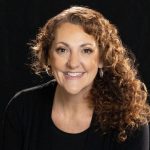
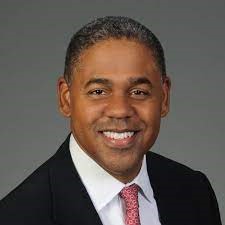
Ryan currently serves as the Director of Marketing & Communications for the Lynchburg Regional Business Alliance, a combined chamber of commerce and economic development organization operating since 1883. In this role, Ryan plans strategy for all areas of marketing and communications for the Alliance, from podcasting to PR and social media to graphic design, and much more.

In 2022, he was recognized by his chamber of commerce colleagues across the country as a 40 Under 40 professional by the Association of Chamber of Commerce Executives (ACCE).

He is also an Eagle Scout with a passion for the outdoors and gardening and was recently nominated as the 2023 President for the Lynchburg chapter of the International Association of Business Communicators.

Ryan is married to his beautiful wife, Kirsten, and together they do their best to wrangle their golden retriever puppy, Ruby.

Connect with Ryan on LinkedIn and follow Lynchburg Regional Business Alliance on Facebook and Twitter.

What You’ll Learn In This Episode

  • Celebrating 140th year in 2023
  • Strategies for celebrating milestones.
  • The focus of Lynchburg Regional Business Alliance
  • Chamber novice to chamber expert
  • Marketing project management
  • Key industries for Lynchburg

This transcript is machine transcribed by Sonix.

TRANSCRIPT

Intro: We’re broadcasting live from the Business RadioX studios in Atlanta, Georgia. It’s time for Association Leadership Radio. Now, here’s your host.

Lee Kantor: Lee Kantor here another episode of Association Leadership Radio and this is going to be a good one. Today on the show we have Ryan Weaks with Lynchburg Regional Business Alliance. Welcome, Ryan.

Ryan Weaks: Thanks, Lee. It’s great to be here today.

Lee Kantor: I am so excited to learn what you’re up to. Tell us about the Lynchburg Regional Business Alliance. How are you serving folks?

Ryan Weaks: So we are a combined economic development and Chamber of commerce here in central Virginia. We have about 800 members at the moment, and we are doing a lot of different things. We work primarily with small businesses. About 80% of our members are small businesses, but also larger corporations, nonprofits, individuals. So a lot of a lot of different people, a lot of different organizations.

Lee Kantor: Now, how do you see kind of your role in being that, I guess maybe a common thread for all those disparate constituencies because they each have their own agenda and their own goals, But in some ways you’re kind of a glue that holds them all together and maybe helps them in ways that they couldn’t even anticipate.

Ryan Weaks: Yeah, I think I think our primary role is to help them tell their story, really. You know, we have all these different points of view coming in, all these different businesses of different size and tactics and everything in between. But really, we’re here to act kind of as their concierge or their storyteller to help them get from where they are to where they want to be, to connect them with fellow business owners and fellow people in the same field, stuff like that, just to elevate them and then help them to share their story with the world, too.

Lee Kantor: Now, how did you all handle kind of coming out of the pandemic when there was a period of time when there wasn’t a lot of face to face interaction and now there’s more of that happening? How was that for you guys? Were you able to navigate that in a virtual world and now coming out a bit more face to face?

Ryan Weaks: Yeah, we we took the tactic of going pretty much virtual. We have events. They all went virtual pretty much everything. We went to virtual, but we try to do more timely things rather than large events throughout the year. So we would host webinars on a particular topic of interest for the community. For example, we did one on inflation recently. Since that’s been such a huge topic and having things virtual helps you get things I would say done faster. So you know those timely things, you can get those up and running within a day or two, whereas a big event, you can’t necessarily do that. So we did that and we also set up a couple of sort of like focus groups. We would take an industry that might be suffering during the pandemic, for example, restaurants. So we would gather a couple of leaders from around the community, have them come to the same virtual room and talk through the issues that they’re going through and hopefully, hopefully find a few solutions. So that worked pretty well for our community as well.

Lee Kantor: Now, speaking about your community, your organization’s been around for a minute, huh? And you’re having a big birthday.

Ryan Weaks: Yes. Yes. We’ve been around since 1883. Can you believe it? So next year, 2023 is our 140th year, and we’re really excited to launch a huge campaign celebration commemorating that milestone. So we’re working on that right now, making a lot of plans and I’m very excited about it.

Lee Kantor: Now, do you have any advice for maybe a person that’s new to belonging to a chamber? How would you recommend they get the most out of a chamber membership and really wring out the most value? Because I think a lot of people out there that have enjoyed a chamber or maybe joined in weren’t thrilled with the results. They might have kind of I don’t want to say the wrong expectations, but maybe an incorrect expectation of what happens. Like this isn’t something you just join and then business comes your way. You’ve got to kind of earn it.

Ryan Weaks: Yeah, I’d say there’s a couple different ways, depending on what the person’s looking to get out of it. But number one, I would connect with the. Your key person, your key connection in the association or chamber. Always stay connected with them, make sure that they are on the same wavelength as you. Because if you’re looking to get recommendations out of this, or if you’re looking to find new business connections, you need to let that person know so that they can help you get those things. Secondly, if you’re looking for kind of engagement events is where you need to be or sponsorships is where you need to be, You need to be able to tell your story either in person or through some kind of visual or audio or something like that. And then third, I think it’s really important for someone who’s new to the chamber to increase their involvement from a leadership perspective. So just being a member is great, but you can get so much more out of being a part of a chamber or another association by leaning in. Maybe, maybe you join a committee. Maybe you help plan a project or volunteer your time for for something or other. And doing that really helps you get way more involved than just being at an event as a normal member or staying connected through a newsletter or something like that.

Lee Kantor: Yeah, that’s one of my kind of hacks. I tell a young person, if you want to accelerate your career, get involved in the chamber, but just don’t join. But just get start taking leadership roles and volunteering for things and being visible to people that might be your next boss down the road.

Ryan Weaks: Exactly, yeah.

Lee Kantor: Now, are you finding that the business community in today’s kind of chaotic world is embracing chambers and business associations more that they’re kind of not just saying, okay, only the highest level people will get a membership, but let’s let’s let more people in the firm be members. Maybe we’ll pay for it, maybe we’ll encourage it. But there’s a value in having more and more of your team as part of the chamber and getting involved in all those things you mentioned.

Ryan Weaks: Sure, definitely. So for for our model, if a business becomes a member, then all their employees are automatically members as well. So we have some companies that have, you know, 1000 employees. All those employees are automatically become a member as well. So that helps us to. Share more in the community and be out there. And they also the business also gets to take advantage of a bunch of our benefits as well. Over the course of this year, we’ve seen a huge growth in membership numbers and I think that’s because coming out of the pandemic, the businesses and people are looking to get back involved. And there’s more. More personal style of things rather than tuning in to a virtual talk or something like that. So I think a lot of businesses out there are seeing the value of associations right now. And I would recommend if for other associations to consider opening your membership to all employees of a business.

Lee Kantor: Yeah, I agree. I believe in casting that wide net. It just there’s no reason to create kind of a scarcity mentality when it comes to something like this, because the value of the entire network just increases by having more people involved.

Ryan Weaks: Absolutely. I think that as we keep going this year, I know the economy is kind of a big issue right now for a lot of people looking to join an association or a chamber. But I think once we clear that hump, we’re going to keep seeing this this growth in expansion and people looking to get involved.

Lee Kantor: Now, what’s your back story? Have you always been involved in association work?

Ryan Weaks: No, I am fairly new. I’ve been at the chamber now three years. But before that, I worked with a couple of non-profits. I worked in athletics marketing. I also worked for a nuclear energy firm for a short minute, all kind of communications and marketing. But my journey to joining a chamber was actually doing an internship with a leadership program, so I got to see kind of how that works and how our leadership program connects with the same work that the Chamber is doing in the community, creating leaders in local businesses. So from there, that’s how I got involved now, and it’s been great for me. I really enjoyed the work and being able to connect and talk with people from a lot of different backgrounds and businesses, nonprofits, everything across the board. So I really enjoy it. I love marketing, communicating, so it’s great.

Lee Kantor: Now, you mentioned storytelling is important in your mission and helping others tell their story. Can you share a story maybe where a member, you know, maybe kind of came into the alliance and maybe didn’t have the most high expectations, but were optimistic, and then maybe you can share how they were able to benefit being part of the alliance.

Ryan Weaks: Sure I can.

Lee Kantor: You don’t have to name the name of the company. Don’t name the name of the company, but just tell maybe their challenge and how being part of the alliance was able to help them kind of accelerate their growth.

Ryan Weaks: Sure. Well, we had a member come in. He was a former former employee for Google, and he had this idea of setting up a business that helps other businesses kind of set up their cloud network, moving things from from paper and digital to a centralized cloud kind of thing. So he had that idea. He had that experience coming from working at Google, but it was just him and he wanted to found this company. So he actually joined the chamber. We got to connect with him and we actually have office space for lease here. So you’ve got to take advantage of that and lease out that space. So he was figuring out where his business was going to go, where he was going to pull a couple of employees and join him in the work. And from there, he got to take advantage of actually having an office right here at the chamber and being able to pull people in, taking advantage of those opportunities to tell his story. So in the events that we had, he was already there ready to connect. And he grew his business from just himself to five, ten people. And now he’s actually at over 150 employees here. It’s crazy. And it’s only been. Three, four years now since he started. And they have their own building now, not here. But it’s it’s been a real blessing to have him come in and then see the growth that he’s been able to have with a little bit of our help.

Lee Kantor: Well, the impact is real. I mean, when you talk about those kind of success stories, not only is that great for that person, his family, his community, but I mean, he’s now impacting, like you said, over a hundred other families out there with their and their communities like it just kind of the multiplier effect is real. And the work you’re doing is important.

Ryan Weaks: Yeah. And he actually set up this business. It’s it’s for profit. But all the profit goes to two different charities. One is for supporting kids in the community, making sure they have good homes and food. And the other is for athletics. So he’s a big football fan, so he gets kids to come in so that they spend time in a controlled environment and interested in sports, getting good coaches, stuff like that. And then actually there’s a third one for specifically helping them kids going out of high school to help find jobs. So it’s really interesting. He’s pulled that in his business success and is giving back to the community through it. It’s really cool.

Lee Kantor: Yeah, it’s super important and it’s a great story to share. Thank you for sharing that.

Ryan Weaks: Yeah, you’re welcome.

Lee Kantor: Now what do you need more of? How can we help you?

Ryan Weaks: Well, I think right now a lot of us are looking for ways to do more work with less, and that’s with time and energy. So I need advice on how to not have burnout, things like that.

Lee Kantor: In terms of you’re talking about burnout for your team or your volunteers. I would imagine, you know, with the hiring situation we’re having now, it must be just as difficult to get and keep volunteers.

Ryan Weaks: Yeah, it’s across the board. Staff. Staff are burnout from working so hard over COVID and volunteers are burnout from either being virtual for too long or too many events, too many commitments. And of course the holidays are always busy. It really is kind of across the board.

Lee Kantor: Well, if somebody wants to learn more about the alliance or connect with you or somebody on your team, what’s a website?

Ryan Weaks: Yeah. Our website is Lynchburg Region dot org. And we also have one specifically for economic development. That’s it’s yes Lynchburg region dot org.

Lee Kantor: And that’s Lynchburg l y and see HBCU r g region reg iwn dot org. Right?

Ryan Weaks: That’s right.

Lee Kantor: Well, Ryan, thank you so much for sharing your story today. You’re still doing such important work and we appreciate you.

Ryan Weaks: Thanks, Lee. I really appreciate coming on.

Lee Kantor: All right. This is Lee Kantor. We’ll see you next time on Association Leadership Radio.

Tagged With: Lynchburg Regional Business Alliance, Ryan Weaks

Camille Miller With The Natural Life Business Partnership

December 2, 2022 by Jacob Lapera

NaturalLifeBusinessPartnership
Association Leadership Radio
Camille Miller With The Natural Life Business Partnership
Loading
00:00 /
RSS Feed
Share
Link
Embed

Download file

CamilleMillerCamille L. Miller, MBA, Ph.D. ABD is the Founder & Chief Visionary of The Natural Life Business Partnership, a global professional organization and business incubator for soul-aligned entrepreneurs who are ready to awaken their financial and spiritual potential. She is the host of the weekly podcast Six-Figure Souls: Doing Good and Making Money®, which highlights soul-aligned business owners who crushed the six-figure ceiling and still feel in alignment with the Universe and their purpose.

She recently released her debut book, The Ultimate Guide to Creating Your Soul-Aligned Business which hit Amazon Bestseller status in six categories including Starting a Business, and ranked #3 behind Joe Dispenza and Brene Brown in Personal Transformation & Spirituality. She is currently working on her second book which will be released next summer, The Ultimate Guide to Becoming a Six-Figure Soul Professional.

As the pioneer for the Soul Professional Movement, Camille delivers powerful messaging about the Role of Soul. She is on a quest this year to move entrepreneurs to awaken their financial and spiritual potential and to operate from a place authenticity, in both business and life. Camille believes there is no great secret to creating a massively profitable business that aligns with your soul’s purpose. There is, however, a need to shift your mindset to get there.

Connect with Camille on LinkedIn and follow The Natural Life Business Partnership on Facebook.

What You’ll Learn In This Episode

  • About The Natural Life Business Partnership
  • Being passionate about their purpose and to lead from their soul
  • The importance of finding purpose and being soul aligned

This transcript is machine transcribed by Sonix.

TRANSCRIPT

Intro: We’re broadcasting live from the Business RadioX studios in Atlanta, Georgia. It’s time for Association Leadership Radio. Now, here’s your host.

Lee Kantor: Lee Kantor here another episode of Association Leadership Radio and this is going to be a good one. Today on the show, we have Camille Miller with the Natural Life Business Partnership. Welcome, Camille.

Camille Miller: Hi, Lee. Thanks for having me today.

Lee Kantor: I am so excited to learn what you’re up to. Tell us a little bit about natural life business partnership. How are you serving folks?

Camille Miller: So the Natural Life Business Partnership is a global professional organization for the soul aligned entrepreneur. So part of what we do is bridge that gap between business success and spirituality. So we always say the inner work helps your outer success. So what we do is we’re an organization that brings professionals together that just lead from a different way, do business differently. We say you live in a higher vibration, you have an alternative approach to business, and you’re here to help repair the world. And it’s just a safe space to build businesses in a way of kindness. And that’s very authentic to who people are.

Lee Kantor: So what was the genesis of the idea? How did you think of this and how did you get this kind of off the ground?

Camille Miller: Yeah, so my background is in not for profit strategy. I was an executive in a not for profit world before I created this. I was CEO for the Northeast Organic Farming Association in New Jersey, later became president of the Northeast. And it put me in Washington working in our health care system and on our organic label. But I met people that were like me that had these professional roles and professional look about themselves, we could say, and that were totally different in their personal lives. Right? And that’s kind of who I was. I was very spiritual. I believed in alternative medicine. I ate organic food, I was very healthy. And I definitely had an alternative approach to business. But in that role, I got to bring my whole self to work so I didn’t have to worry about who I was professionally and who I was. You know, back at home, I wasn’t putting on this role of a professional, and I was hanging around with the doctors, the scientists, the schoolteachers, the Wall Street executives. And because I led the organization, we had deep spiritual conversations and deep business and strategy conversations. And I just kind of loved it. And we came from a place of abundance and believing that we’re enough. And I was kind of a different way of looking at business. So that job was defunded in 2015, and I found myself kind of figuring out like, what am I going to do next in life? I felt so fulfilled and I love advocacy work.

Camille Miller: So as I was looking for my professional tribe, I came up a little short when I went to places like a Chamber of Commerce or any other networking organization, a business organization. I felt that it was very egocentric. It was very like people stabbing you with your card. If if they couldn’t make a sale, they were moving on. It wasn’t really a personal environment. But then when I went to a, say, the holistic Chamber of Commerce or a more of a holistic way of doing business or organization, I found that it was way to woo woo for me. So I wanted to find something in between. So I started this coffee club and telling people like, Hey, we should have our own professional organization. Why don’t we? Where would we go? What would we do? And I wanted something very grounded in business principles. I had built many companies and I felt that the strategy was important and I really wanted to help people bring their gifts to the world. And that was the main strategy. So it was how was I going to help people bring their gifts to the world, teach them how to do business? Because I do believe people are doing great things in the world. They just don’t know how to run a business. So it started as a coffee club. We were in New York, New Jersey, Connecticut.

Camille Miller: We went all along the Northeast. That’s where I’m from, New Jersey. And then at the end of 2017, I got a phone call from someone in California saying, Oh my gosh, I can’t wait for you to get out here. And I knew in that moment I did not have a sustainable business model or scalable in any way. So I’m a single mom. I had three young kids at that time. They were all high schoolers, and I couldn’t travel anymore than I already was. And I heard about this thing called Zoom, and in the beginning of 2018, we opened up as a no chapter virtual professional organization. And I taught people how to use Zoom and meet people around the world to really grow their. Business. So the next year we became international and in 2020, obviously there was a global pandemic and everyone started using Zoom and we didn’t have to pivot or change because we were already who we were. We’ve grown completely by word of mouth, and now in 2021, we rebranded and went. We trademark the word soul professional. And now my whole goal is to tell people there’s an alternative way of doing business and we and we can do it and build wealth from a place of kindness and generosity and consciously care about everyone that works for the company. So that’s what we’re doing. Now, that’s a little bit about the background.

Lee Kantor: Now, when you came up with this idea and you, you, I guess you experienced firsthand a spectrum of people in business, right? You have the cutthroat dog eat dog. It’s me or you, and only one of us is coming out of this alive kind of mentality on one side and then on the other side, this, you know, maybe some negative connotations of business that it’s greedy, exploitive. And there’s some, you know, some some of that going on as well. And you’re trying to thread the needle. It sounds like to me with business can be good and you can feel good doing it if you’re kind of in and around the right folks with the right mindset.

Camille Miller: That’s part of it. But I think also that we whatever we do in life, right, if you’re an accountant, if you’re a doctor, if you’re a lawyer or whatever you are, whatever you train to do, you did with good intentions, thinking that you are going to love this work. But so many people, especially in my age, I’m in my mid fifties. We maybe got the paycheck right, Maybe did all of the work, but it didn’t make our heart sing right. We got to a place, We climbed the ladder, we did something or we were in the daily grind. And you’re like, This is not what it’s about. It’s paying the bills, but it’s not really giving me the creativeness that I’m looking for. It’s not really what we say making my heart sing right. This is not really what I signed up for. It’s not really what I want to do. Maybe regulations had changed, the job had changed, but whatever it is, it changed a little. And we’re here. And most of the people that I work with, I call myself personally an alternative business engineer. So you can do whatever you do, whatever your passion is, but let’s do it a little differently, right? So if you don’t like social media, don’t do it right. If you don’t like live videos, don’t do it right. If you don’t like going to networking, don’t do it. Like do it a different way. It’s not that I went to business school. They taught us Disney. They taught us McDonald’s. Right. But they didn’t. At the time, teachers had to be entrepreneurs. Now, I graduated business school in 95, so 1995. So that was quite a while. Now they do have entrepreneurship. But no one was taught to build a business around their lifestyle.

Camille Miller: So when I built this business, I said, What am I really good at? What I love and what do I hate? Right. I hated working with board of directors being a not for profit executive. I didn’t like working at nights. I don’t like going to an office. So I built a job that allowed me to be totally me, be authentic all the time. I love strategizing and building companies. I can’t stand running them. So I built a role for myself that allows me to help people strategize. I don’t do one on one work because it’s not my thing. I like groups, I like masterminds. I like running things at a higher level. And as I grow, then I can offer more things to more people. So my gift is building community. So that’s that’s my lane of joy. That’s where I stay. So really, this community is about staying in your lane of joy, doing what feels good to you, you know, and you’re more attracting the money and all the good things to you instead of like feeling yucky and selling them to people, if that makes sense. So people usually come to find us or they’re out there searching just like I was. I was searching for my people. A little bit of both. I want to be a professional, but I lead from my heart. I do things a little differently and that’s okay. Maybe I look a little different or I wear different clothes or whatever that is, and it’s all okay. It’s not what it used to be. And I do believe that there is an evolution happening in the world and we’re all kind of looking for our purpose beyond our profit now.

Lee Kantor: So what does the ideal member look like for you? Is is it are they solopreneur hours or are they owners of small to midsize firms or runs the gamut?

Camille Miller: It runs the gamut. So we have people just starting out and trying to create something. It could be from a hobby. It could be that they’ve retired from their position. It could just be they’re worn out and they want to try something else. We have found since the pandemic that many people chose not to go back to corporate and how are they redefining themselves. So we do have the soul openers that are just trying to figure it out. We have many that have very successful careers, and maybe they don’t want to staff, maybe say like a coach or something and they’re the center of it. But then we have other people, we call it our soul leader inner circle that built their own brands from this level of consciousness and are building past that million dollar mark. So we have like our own CEO we call our inner circle, but it’s our own CEO roundtable. You have to have a company over 250,000 with at least two employees to even be a part of it. And your main goal is to leave the day to day operations. So if you’re a coach and you’re doing all the coaching, you can’t be in that call because you’re not a CEO, right? It’s a real CEO. So it’s all levels, but at every level you mentor the level behind you.

Camille Miller: So it’s all about giving back. It’s it’s not about the competition because we believe everyone is different in their own way, and it’s really about giving back and teaching. So when you become a part of our organization, it’s a membership based organization. When you come to be a part of it, you’re getting mentorship and you’re getting mindset help. So we can teach you. We call it woo and wealth, we call it we teach you business finance, we teach you messaging, marketing strategy, but we also teach you self care. We have a class called Soul Curiosity just to ask questions about your spirituality or what you think in the world or this other level of consciousness. And we have mindset mastery. So we believe it’s both of those things that make success. I would say the inner work creates the outer success. It’s getting rid of blocks and all the reasons you’ve told yourself you can’t do it or what society has told you it should be done this way. We’re trying to erase that and say, Nope, let’s let’s do it on your terms. How do you want to do it? So it’s really dovetails with your lifestyle. That’s the most important thing. It’s almost like lifestyle business. I don’t know if that’s a word.

Lee Kantor: But it’s a combination of education. It’s a collaboration, like you said, mastermind kind of group thing happening as well. So it’s kind of checking all the boxes that some some organizations have already, but it’s aligned with people who are kind of with the same mindset around this kind of soul affirming why first mentality.

Camille Miller: Yeah, yeah. It’s we call it purpose beyond profit and it’s all levels and it’s really just about doing things a little differently. So when I look. And can’t find it. I just create it. That’s how a lot of our micro community started. So curiosity. Well, I didn’t have a great amount of knowledge in it. So we ask other people to mentor us, right? So it’s really about everybody else. It’s not the organization. I’m just the community curator. It was the legacy I want to leave in the world. But, you know, as I grew, grew my own business, I needed to surround myself with people that were also had the same core values and were also growing their business. So. And I found once you hit the three 350 mark in your business, a lot of the masterminds that I could have bought into all went kind of like in that ego way. Again, they were running things based on numbers. And not to say that that’s not important. I’m not saying that you still need all of that, but it’s also about allowing does this feel right? And my mission creeping is this really who I want to serve, how I want to serve? And it’s not about just selling. It’s more around the purpose. And I couldn’t find it, so I created it. And actually it’s the number one way that we bring in members right now is inviting them to our inner circle because it doesn’t exist out there the way we do it.

Lee Kantor: Now, you mentioned at first it started in person around coffee, then it evolved into Zoom. What is it today? Is it a combination? Do you have chapters or is it primarily zoom?

Camille Miller: We do everything on Zoom. Everything is open to everyone from all over the world. So it’s just based on different time zones. Our masterminds are all in different time zones, so you can come to different ones. You can come to the one for the, you know, North America or you can come to one for Europe. It doesn’t matter. But everything’s on Zoom. And we do we have what we call member gatherings where we may all show up in a city, but there’s no structure around it. We might just go for a hike or to go do something. Usually we stay at a hotel and we just kind of hang and get to know each other. And we have online member mingles that socially, everyone makes a drink and an appetizer at home and they show up. So everything’s virtual, though, that we do. That’s not to say, though, we have members, especially in New Jersey, because that’s where it started. We have a ton of members. They may all show up for happy hour or may do something, but it’s not really run through the organization as much as the members just doing it.

Lee Kantor: Now, any advice for somebody who is new to community building like this? What are some of the do’s and don’ts to get a community off the ground and get that escape velocity?

Camille Miller: Yeah, I think the most important thing is to listen to your community. Don’t create products to sell and then try to create the community around it. It’s create your community. Listen to what they need. They will always, always tell you what they need. That’s how we build and grow. If enough people ask for it, I’m like, Oh, obviously they can’t find it in the world. Let’s create it. And we choose not to really compete with anyone. We used to have like a low level membership. We got rid of it because so many people are doing it. They’re doing a good job doing it. So I’d rather say, Hey, go over here and do it and when you’re ready to come to us.

Lee Kantor: Now, tell us a little bit about tell us a little bit about your new book, The Ultimate Guide to creating your solo Line business.

Camille Miller: Oh, yeah. I show it off. Oh, wait, this is Radio. Yeah. The Ultimate Guide to Creating Your Soul Line Business. That is a collaborative book. So it’s not only my story about why I created this, and then if you wanted to find a job or even change your own career that’s more aligned with who you are, It’s a book of stories of people that have done it and the strategies they took to take it. So it became an Amazon bestseller in six categories, and we ranked number three behind the Bernie Brown and Joe dispenser in women. I want to say it’s women’s spirituality or something. I’m honestly, I forget the title, but yeah, and I’m working on the second book right now called The Ultimate Guide to Becoming a six Figure Soul Professional.

Lee Kantor: Now there’s the first book, The Ultimate Guide to Creating Your Soul Line Business. Was that with some of kind of the early members were kind of sharing their story about how doing this together impacted them and their lives.

Camille Miller: Yeah, so some were they’re not all they weren’t all members. It’s really a cross-section of people, very people that have done it, that are that are pretty successful. And they and they just told their stories or some and I think it covered five different countries. So we just chose a bunch of people and they wrote about their stories and, and I didn’t actually read it because we have a publisher and an editor and all that. And so before it went to print, obviously because it had my name on it and reading it, I was like, Oh my gosh, this is so much better than I had thought. And it was very clear that we all had a common thread. It was all that decision of This doesn’t feel good and I want to do this instead. It was like that aha moment of, I’ve had enough, I’m not doing this anymore. I’m going to do this instead. Growing your business is the next book because it’s one thing to just decide it’s a whole nother thing to make money doing it.

Lee Kantor: So for you in this journey, what’s been the most rewarding part of this adventure?

Camille Miller: Oh my gosh, so many things. Meeting people all over the world, seeing what it’s like for them, co-creating, you know, watching people have their aha moments of having a hobby and me saying, Hey, do you want to make a career out of that? You know, let’s let’s put that blueprint together for you, you know, and then watching them do it, you know, this week, usually between Thanksgiving and the New Year, I check in with people to kind of see like, where are you this year? How are you doing? Especially if I haven’t seen them in a while. And it’s always amazing to hear their stories about what they’ve been doing and watching them grow. I think I think that’s a that’s a big one when people say, you know, I just want ten clients. We have one one member just won ten clients. And then it was like, okay, my practice is full. What do I do next? Well, we make a wait list and now she has books out and our practice is full. I talked to her this week and she’s like, I am making more than enough money. And I was like, okay, now it’s time to bring in associates. Now you’ve got to grow your practice, you know? But it started out as a little hobby, so that’s kind of amazing.

Lee Kantor: Now, were you surprised that this many people are kind of resonating with the message and the big why behind this? Or is this something that you were hopeful that this could be?

Camille Miller: So? It’s a little bit of both. And I’ve been doing this for seven years, so it’s actually taking me a little time to find the exact right path and what I’m doing right, because the same people that were in that coffee club, some of them are still with us today. We’ve had people with us the whole time, but we’ve morphed a little bit until I could really figure out exactly who are we, and it had to do with my own growth. I would say after the pandemic, like especially last year, is when I was really surprised, like I felt the world needed it. And I last year I was really surprised with how. Now, because I always say our people hide their in every single profession, but they’re hiding. They’re not talking about that side of them, that holistic ness, that that spirituality, that piece of them. It doesn’t come up in your professional world. We don’t talk about it. It was kind of like eating organic food. No one talks about it. So I feel like during the pandemic, it kind of broke that that shield that we were all hiding behind to say it’s okay to be authentic, it’s okay to be me, it’s okay to be different. I’m just going to follow what makes my heart sing, what makes me happy, what brings me joy. So now I’m seeing more and more and more of them. And I’m like, Wow, There are thousands and thousands and thousands. And that was the big decision for us to go so global and rebrands and everything last year and start to trademark things because it’s more than a coffee club now. So we spent all of 2021 just doing the back end work to make sure that if 100, 200 people join in the next few months. Which we expect. We’re ready to handle it. So now we’re ready to handle it. So that’s a yes and no.

Lee Kantor: So if somebody wants to learn more, connect with you or somebody on the team, what’s the website? What’s a coordinates? Best way to do that?

Camille Miller: The best way to do it is go to soul professional dot com. We have lots of free stuff that you can come try out see for a good fit. We have meet and greets that we just talk about what is the so professional movement. Everything is no pressure. You either belong or you don’t. You’ll know and come check us out. If we sound like your people, come check us out.

Lee Kantor: Well, Camille, congratulations on all the success and thank you so much for sharing your story today. You’re doing important work and we appreciate you.

Camille Miller: I appreciate that. Thanks, Lee.

Lee Kantor: All right. This is Lee Kantor will show next time on Association Leadership Radio.

Tagged With: Camille Miller, The Natural Life Business Partnership

Michael Dawkins With BNY Mellon Wealth Management

December 2, 2022 by Jacob Lapera

Mike Dawkins
Atlanta Business Radio
Michael Dawkins With BNY Mellon Wealth Management
Loading
00:00 /
RSS Feed
Share
Link
Embed

Download file

BNY MellonMike DawkinsMike Dawkins serves as Market President in Atlanta, Georgia, at BNY Mellon Wealth Management where he oversees all aspects of the Wealth Management business in the Atlanta market, including advisory, investments, fiduciary, private banking and marketing.
He brings nearly 30 years of fiduciary and investment wealth management experience to this role, including more than 10 years with BNY Mellon Wealth Management, having previously served as Senior Director and Team Leader. Before that, he was employed as a Senior Portfolio Manager with BlackRock and Merrill Lynch Private Investors leading their Atlanta market practice, along with specializing in high-net-worth clients and institutions.

He earned a Bachelor of Science degree in Finance from Florida State University. He is a CFA Charterholder, CFP® professional, and a member of the CFA Institute and CFA Society Atlanta (formerly The Atlanta Society of Finance and Investment Professionals). He is a member of Beta Gamma Sigma and Elizabeth Baptist Church. He actively volunteers with the Atlanta Chapter of Jack & Jill of America, Inc. and has volunteered with Literacy Action and on multiple Habitat for Humanity builds. He previously served as Southeast Region Chair of the BNY Mellon Wealth Management Diversity and Inclusion Council, Southeast Region Co-Chair of the BNY Wealth Management Mentoring Program, and has been a member of the Shepherd Center Advisory Board.

Connect with Mike on LinkedIn.

What You’ll Learn In This Episode

  • Mike’s background and his day-to-day role leading BNY Mellon Wealth Management’s Atlanta market
  • BNY Mellon Wealth Management’s business model and main focus for clients in the Atlanta region
  • The trajectory of BNY Mellon Wealth Management’s business in the Atlanta Market
  • How Mike is building his team in Atlanta and deploying new offerings and services to meet clients’ evolving needs to responsibly manage and build wealth
  • What advice Mike is giving to clients interested in growing a business or investing in new startups / ventures in the current market environment

This transcript is machine transcribed by Sonix

TRANSCRIPT

Intro: Broadcasting live from the Business RadioX studios in Atlanta, Georgia. It’s time for Atlanta Business Radio, brought to you by on pay. Atlanta’s new standard in payroll. Now, here’s your host.

Lee Kantor: Lee Kantor here another episode of Atlanta Business Radio, and this is going to be a good one. But before we get into it, it’s important to recognize our sponsor on pay. Without them, we couldn’t be sharing these important stories. Today on Atlanta Business Radio, we have Mike Dawkins with BNY Mellon Wealth Management. Welcome, Mike.

Mike Dawkins: Thank you. Welcome, Lee. It’s a pleasure to be here.

Lee Kantor: Well, I’m so excited to learn what you’re up to be and why. Tell us a little bit about your work. How are you serving folks?

Mike Dawkins: Sure. Absolutely. So, first of all, again, I want to thank you again for this opportunity, Lee. So we work with high net worth individuals and families and some institutions like endowments and foundations. But we really are in a unique position because we’re able to kind of partner with them to really help them achieve successfully their aspirations. So it’s a really kind of really fulfilling opportunity that we have with those clients and prospects.

Lee Kantor: So what’s your backstory? How did you get involved in this line of work?

Mike Dawkins: Sure. It actually started when I was relatively younger in high school, taking an economics class at the time. I’m going to date myself a little bit, but at the time it was kind of in the late eighties and there was a gentleman named Michael Milken who was working on Wall Street at the time for a junk bond firm. And I think I saw that he’d made like a significant bonus one year for bonus. And I figured, like, hey, that would be a pretty neat thing to be able to do. And then from there, just kind of through my coursework and also opportunities and working really developed a genuine passion for wealth management and investment management and helping individuals and families.

Lee Kantor: Now, what led you to be in why? Why did you take that route as opposed to maybe a boutique firm or any of the other firms out there?

Mike Dawkins: Right. So I started I’ve been in the business about 30 plus years, so I’ve been in multiple platforms. And I started out with a large bank trust company in Florida and then moved to a broker dealer and also an investment manager. And really the reason that I came to being in wealth management in 2010 was the platform. It’s a fiduciary platform, and I think it also allows us to focus directly on clients and their advisors versus some of the other platforms. And I just like the way it was really set up where we could focus on serving the clients and also collaborating with them and their advisors.

Lee Kantor: Now where do you see the opportunity in leading Atlanta’s market? Like where, where do you see maybe opportunity that hasn’t been leveraged just yet?

Mike Dawkins: So I think Atlanta is a unique market because it’s a very dynamic market. Clearly, there’s a lot of individuals, there’s a lot of corporations that are coming here. So there’s a lot of wealth that’s being created. I think it’s also a very dynamic environment. There’s a lot of colleges and universities. So I think there’s a lot of whether it’s health care or technology, I think there’s a lot of interest in the area. The relative cost of living, I think is very competitive. So we’re seeing a lot of those opportunities, whether it’s entertainment, whether again, it’s technology or other industries. I think Atlanta is a very good market for that. And actually in our market, we service not only Atlanta, but we service Alabama, Mississippi, North and South Carolina and Tennessee. But most of our business is in and around Atlanta, and we’ve just seen a lot of growth in that. And with that kind of a lot of needs for individuals, for whether it’s planning for retirement, whether it’s planning for a deal that’s going to be transpiring, or just building out their advisor team with somebody that can help them out.

Lee Kantor: Now, as part of the role of an advisor on your team, somebody that is just worried about the wealth of the client or would they be involved in maybe connecting them with somebody that might help them expand their business or exit if they were ready to exit? Like where does kind of the lines drawn when it comes to the advisors on your team? You know, because it seems like one of your clients might have a variety of needs that involve trusted advisors that hopefully would be able to work together.

Mike Dawkins: No, absolutely. I think where we see a lot of opportunities, Lee is with our platform. It’s a fiduciary platform, but we definitely welcome collaboration with clients, prospective clients and their advisor team. I think that’s one of the strengths and the benefits. Usually that can be any number of things and as I said before, we’re fortunate enough to be able to work with clients and prospective clients on their aspirations. So that could be financial, that could be personal or family or charitable or philanthropic. So really across a number of different needs, whether it’s building out of business, whether it is kind of transferring wealth, whether it is making sure that things are being managed tax efficiently. We have a lot of resources within our firm, but we also work very well collaboratively with the other advisors of those entities. Joules have. So it really runs the gamut from if an individual just wants to focus primarily on preserving wealth or building wealth, we can definitely do that. However, we feel that our prospective clients are best served when we really take a holistic approach and look across. There’s really about five key drivers that we really want to focus on in managing their overall wealth picture and not just investments, but those are invest, spend, borrow, manage and protect. So we really have team members that are able to address all of those needs in addition to working with their other advisors.

Lee Kantor: Now, is your ideal client somebody that has already accumulated wealth? Are they growing wealth? Are they, you know, do they have an advisor right now that you hope they switch to you like like where are they at in their journey?

Mike Dawkins: So for a lot of our opportunities, we do see individuals because our minimum typically starts at around $10 Million in total client balances. But our sweet spot is really about 25 to 250 million. And we definitely have opportunities that scale higher than that. But a lot of those individuals, they build out a successful business, they build out a successful balance sheet. So they have a team in place that’s helped them do that. We come along and partner with them to identify again what their long term goals and objectives are and work with those current advisors that they currently have on their team. Or we can make recommendations with partners that we have worked with mutual clients on. But it really is again, it could be financial, it could be from a planning and what’s the most effective way to transfer wealth or they have an interest and the community or philanthropic endeavor. So we really not only just focus on investments, but really kind of talk about what is the overall picture and what they’re trying to accomplish and really develop team members that can work with them along those lines.

Lee Kantor: Speaking of team members, what is it right now? Are you do you have your team already for the Atlanta in the region or is this something that you are looking to hire?

Mike Dawkins: So solely we’re always looking to because we are growing our practice. We’ve been fortunate that the Atlanta market is a very successful market, so we’re always looking for great team members to add. We’ve got about 45 current team members and typically the roles run from individuals who originate business opportunities to most of the team members are client service. So whether that is a portfolio manager, whether that is a portfolio officer who works along with a portfolio manager, private bankers, fiduciary or planning specialists. So it really has been a blessing for us to have the growth that we’ve had because we’ve been able to add a lot of great new team members to help service the clients, because as you can imagine, in looking across all the five facets of what really is going to be a key driver of their wealth, it takes multiple team members and we have to have a lot of bandwidth to engage with all of their advisors. So it’s a very kind of custom approach and we’re always looking for great team members to add to that.

Lee Kantor: Now when you’re onboarding a new client, what does that look like and what would like the first year of interacting with you and your team look like for a new client?

Mike Dawkins: Right. So the onboarding process is, you know, the goal of it is to make it as seamless and transparent as possible. So what we usually do is when we are engaging with a prospective client, we will ask questions about again, what their long term goals and objectives are. We’ll find out who their current advisors are. We will map out a strategy or a plan for making a transition. It typically is a turnkey process. I believe that’s where the different team members come in, the team members who focus on originating business opportunities. That’s essentially what they primarily do. And then like the portfolio managers, the private bankers, their main goal is to really collaborate with other partners and service those. So the onboarding process involves all the team members and each one has different roles. Typically it’s the the business development individuals that are making sure that the transition, all the assets come over smoothly will engage the fiduciary or the trust in estate planning, individuals that there’s trusts involved. But really all the team members are involved in making a successful transition. And then during that first year, we typically see three or four client meetings. It can be more or less depending on the specific client. It’s really kind of dictated. What they want and the relationship. We really let our clients define success, not us. So it is really a very kind of tailored and custom approach to what they want to see. But there’s a lot of contact usually in that first year and in the second year, and then usually it drops off to maybe same semiannual or annual meetings. But throughout the process, their advisors and our team are in constant communication with what’s happening now.

Lee Kantor: What percentage of the work of your team is with a client that maybe just exited their business?

Mike Dawkins: That’s a significant amount because again, through this market and in Atlanta, there’s a lot of opportunities, you know, kind of first generation wealth or opportunities for liquidity events. So we do see a significant number of our opportunities that are coming from business owners and entrepreneurs. They tend to not only maybe have a successful practice, but they also continue to go back in or reinvest in that and continue to have other opportunities. So we do see a significant number of our opportunities stem from business owners and entrepreneurs. They continue to want to have a foundational piece and manage their wealth, but also make sure that it’s integrated with their trust and estate planning and also with wealth transfer strategies to ensure that their legacy continues on.

Lee Kantor: But I would imagine that they’d probably be best served if they are going to partner with you moving forward, It would probably be better to get you involved prior to that exit, right, That liquidity moment.

Mike Dawkins: That is absolutely right. Lee So yeah, there’s a lot of there’s a lot more opportunities for pre transaction planning before those deals get signed. So again, coming to us and those early stages allows us the most flexibility as far as structures, as far as being able to do it at tax efficiently after the transaction. There’s still some opportunities, but definitely you get the most benefit from doing that prior to a transaction. So I’d say definitely if somebody is close to that or even considering selling their business, we have a lot of resources to help navigate that.

Lee Kantor: So even though their wealth might be tied up in their business, you’d still be willing to talk to a person, you know, a few years prior in order to make that transition as seamless and as tax efficient as possible.

Mike Dawkins: We do. And I think if you look at the longevity of our organization. So we were founded in 1784 by Alexander Hamilton. So if you just kind of think of all of the market environments that have happened since then, whether it’s high inflation, political kind of turmoil, volatility in the markets, you know, our organization and our advisors have been working and advising clients successfully and helping them navigate this for really 230 plus years. So in all those stages, again, some may have already had a liquidity event, but we really welcome a discussion and an opportunity if they are just kind of forming that or starting that out.

Lee Kantor: And do you have any advice you would give folks right now that are in order to take advantage of the current situation we’re in now regarding growing a business or maybe investing in startups? Is there something in Atlanta or the region that you think is an opportunity?

Mike Dawkins: I would say, Lee, that I think they should make sure that their team that they are utilizing or if they are considering partnering with a team, just make sure that team is looking at things comprehensively and also not just looking at the risks, but also looking at opportunities that can stem from it. I know like several years ago when interest rates were very low, that was a challenge for some parts of the portfolio. If you are buying like municipal bonds or taxable bonds, But that also created opportunities to borrow at a low cost to maybe expand operations. Many of our clients have utilized their portfolios to start like a family bank concept, where they are actually becoming the bank for opportunities for business ventures. So I would say make sure that with volatility, with risk, there also comes opportunity. So just kind of make sure that you’re advising your team or looking at not only the assets but the balance sheet and also taking a very long term and strategic approach to business opportunities. And again, the efficient transfer of wealth.

Lee Kantor: Well, if somebody wants to learn more, have more substantive conversation with you or somebody on the team or maybe is interested in a career shift to you guys, what is the website? What is the best way to connect?

Mike Dawkins: Sure. So the website is B and Y mellon wealth. From there you can go to the about us and it shows the locations not only for Atlanta but around the country. And Lee, I’m going to also give you my direct information or the listeners can contact me directly. The email is michael m i c h a l period Dawkins a k i s at B and y mellon. And my number is 6785382019.

Lee Kantor: Well, Mike, congratulations on all the success and thank you so much for sharing your story today.

Mike Dawkins: Well, thank you, Lee, and I definitely appreciate the opportunity and I enjoy your program.

Lee Kantor: All right. You’re doing important work and we appreciate you. This is Lee Kantor. We will see you all next time on Atlanta Business Radio.

About Our Sponsor

OnPay’sOnPay-Dots payroll services and HR software give you more time to focus on what’s most important. Rated “Excellent” by PC Magazine, we make it easy to pay employees fast, we automate all payroll taxes, and we even keep all your HR and benefits organized and compliant.

Our award-winning customer service includes an accuracy guarantee, deep integrations with popular accounting software, and we’ll even enter all your employee information for you — whether you have five employees or 500. Take a closer look to see all the ways we can save you time and money in the back office.

Follow OnPay on LinkedIn, Facebook, and Twitter

Tagged With: BNY Mellon Wealth Management, Mike Dawkins

  • « Previous Page
  • 1
  • …
  • 43
  • 44
  • 45
  • 46
  • 47
  • …
  • 117
  • Next Page »

Business RadioX ® Network


Our Most Recent Episode

CONNECT WITH US

  • Email
  • Facebook
  • LinkedIn
  • Twitter
  • YouTube

Our Mission

We help local business leaders get the word out about the important work they’re doing to serve their market, their community, and their profession.

We support and celebrate business by sharing positive business stories that traditional media ignores. Some media leans left. Some media leans right. We lean business.

Sponsor a Show

Build Relationships and Grow Your Business. Click here for more details.

Partner With Us

Discover More Here

Terms and Conditions
Privacy Policy

Connect with us

Want to keep up with the latest in pro-business news across the network? Follow us on social media for the latest stories!
  • Email
  • Facebook
  • Google+
  • LinkedIn
  • Twitter
  • YouTube

Business RadioX® Headquarters
1000 Abernathy Rd. NE
Building 400, Suite L-10
Sandy Springs, GA 30328

© 2025 Business RadioX ® · Rainmaker Platform

BRXStudioCoversLA

Wait! Don’t Miss an Episode of LA Business Radio

BRXStudioCoversDENVER

Wait! Don’t Miss an Episode of Denver Business Radio

BRXStudioCoversPENSACOLA

Wait! Don’t Miss an Episode of Pensacola Business Radio

BRXStudioCoversBIRMINGHAM

Wait! Don’t Miss an Episode of Birmingham Business Radio

BRXStudioCoversTALLAHASSEE

Wait! Don’t Miss an Episode of Tallahassee Business Radio

BRXStudioCoversRALEIGH

Wait! Don’t Miss an Episode of Raleigh Business Radio

BRXStudioCoversRICHMONDNoWhite

Wait! Don’t Miss an Episode of Richmond Business Radio

BRXStudioCoversNASHVILLENoWhite

Wait! Don’t Miss an Episode of Nashville Business Radio

BRXStudioCoversDETROIT

Wait! Don’t Miss an Episode of Detroit Business Radio

BRXStudioCoversSTLOUIS

Wait! Don’t Miss an Episode of St. Louis Business Radio

BRXStudioCoversCOLUMBUS-small

Wait! Don’t Miss an Episode of Columbus Business Radio

Coachthecoach-08-08

Wait! Don’t Miss an Episode of Coach the Coach

BRXStudioCoversBAYAREA

Wait! Don’t Miss an Episode of Bay Area Business Radio

BRXStudioCoversCHICAGO

Wait! Don’t Miss an Episode of Chicago Business Radio

Wait! Don’t Miss an Episode of Atlanta Business Radio