
Business RadioX ®

  • Home
  • Business RadioX ® Communities
    • Southeast
      • Alabama
        • Birmingham
      • Florida
        • Orlando
        • Pensacola
        • South Florida
        • Tampa
        • Tallahassee
      • Georgia
        • Atlanta
        • Cherokee
        • Forsyth
        • Greater Perimeter
        • Gwinnett
        • North Fulton
        • North Georgia
        • Northeast Georgia
        • Rome
        • Savannah
      • Louisiana
        • New Orleans
      • North Carolina
        • Charlotte
        • Raleigh
      • Tennessee
        • Chattanooga
        • Nashville
      • Virginia
        • Richmond
    • South Central
      • Arkansas
        • Northwest Arkansas
    • Midwest
      • Illinois
        • Chicago
      • Michigan
        • Detroit
      • Minnesota
        • Minneapolis St. Paul
      • Missouri
        • St. Louis
      • Ohio
        • Cleveland
        • Columbus
        • Dayton
    • Southwest
      • Arizona
        • Phoenix
        • Tucson
        • Valley
      • Texas
        • Austin
        • Dallas
        • Houston
    • West
      • California
        • Bay Area
        • LA
        • Pasadena
      • Colorado
        • Denver
      • Hawaii
        • Oahu
  • FAQs
  • About Us
    • Our Mission
    • Our Audience
    • Why It Works
    • What People Are Saying
    • BRX in the News
  • Resources
    • BRX Pro Tips
    • B2B Marketing: The 4Rs
    • High Velocity Selling Habits
    • Why Most B2B Media Strategies Fail
    • 9 Reasons To Sponsor A Business RadioX ® Show
  • Partner With Us
  • Veteran Business RadioX ®

Alon Bender With CLEER Security

October 11, 2022 by Jacob Lapera

Alon Bender
Atlanta Business Radio
Alon Bender With CLEER Security
Loading
00:00 /
RSS Feed
Share
Link
Embed

Download file

CLEER SecurityAlon BenderAlon Bender is the CEO and founder of CLEER Security, a Miami-based cybersecurity startup. Backed by industry leaders, CLEER Security offers a SAAS Cybersecurity solution to help SOC teams respond quickly to the alerts that need their immediate attention.

Prior to his current role, Mr. Bender spent 20 years as an enterprise cybersecurity engineer working at the leading cybersecurity vendors including Trend Micro, Symantec, McAfee, and Proofpoint.

He is an NSU Cybersecurity Advisory Committee member, MDC Cybersecurity Center of the Americas Advisory Committee member, South Florida HIMSS member, and South Florida ISSA member.

Connect with Alon on LinkedIn.

What You’ll Learn In This Episode

  • Inspiration to found CLEER Security
  • People who benefit the most from the CLEER Security solution
  • Example of major event that went undetected and had impact to people lives
  • Making cybersecurity more easily handled for their customers
  • Best way to learn more or get in touch with CLEER Security

This transcript is machine transcribed by Sonix

TRANSCRIPT

Intro: [00:00:04] Broadcasting live from the Business RadioX studios in Atlanta, Georgia. It’s time for Atlanta Business Radio, brought to you by on pay. Built in Atlanta on pay is the top rated payroll and HR software anywhere. Get one month free at onpay. Now here’s your host.

Lee Kantor: [00:00:31] Lee Kantor here, another episode of Atlanta Business Radio. And this is going to be a good one. But before we get started, it’s important to recognize our sponsor on pay. Without them, we couldn’t be sharing these important stories today on Atlanta Business Radio. We have Alon Bender with CLEER Security. Welcome, Alon.

Alon Bender: [00:00:49] Thank you so much, Lee. A pleasure to be here.

Lee Kantor: [00:00:52] Before we get too far into things, tell us a little bit about clear security. How are you serving folks?

Alon Bender: [00:00:57] Yeah, CLEER Security is a cybersecurity startup based in Florida, and the way we serve folks is by offering a solution to help organizations better defend themselves against cyber attacks. So we developed a unique and innovative platform. It’s SAS security, a service. It’s all cloud based that allows businesses. We typically target the large organizations, allows businesses and other organizations to deal with the overwhelming number of threats that triggers alerts and be able to sort through the noise and figure out how to respond to those alerts, security alerts, cybersecurity alerts, and in a timely manner.

Lee Kantor: [00:01:48] What’s your background? Why are you the right person to take on this challenge?

Alon Bender: [00:01:53] Yeah, so my background in cybersecurity through and through, I’ve been in the cybersecurity field for my entire career. So in the last ten years, I’ve been working for some of the leading companies in the space like Trend Micro, Symantec, McAfee, Proofpoint, well-known brands. And I witnessed the problem firsthand as a security engineer. I’ve been working with different organizations on the East Coast, on the West Coast, and I learned about the problem of getting overwhelmed with security alerts, cybersecurity alerts first hand by working with a key decision maker. So just coming from that hands on field experience really gave me the right tools and background to put together this company clear security in order to come up with a solution. One of my experiences of being that working for some of those other vendors, when when you meet with the potential customers, each vendor wants to say, Hey, I have my new shiny tool that if you deploy that and that tool will block nearly 100% of threats. While the reality is really there is no tool out there that can get anywhere close to being able to fulfill that promise of stopping 100% of of threats that just doesn’t exist. And that turns into an operational nightmare, operational challenge for many organizations that it’s not if they will get rich, but it’s really when and how do you prepare for that and how do you not overstretch your limited resources as you go through that process of protecting the digital assets of your company?

Lee Kantor: [00:03:47] Now, what part of your technology allows them to kind of see the signal instead of the noise? How do you kind of discern what are the threats that they should be paying attention to and what are the ones that they could ignore?

Alon Bender: [00:04:04] Yeah, that’s a great question. So one of the other things that we notice and that definitely since COVID 19 is that the threat landscape shifted to being people focused, meaning that most of the breaches. So if you look at the latest analyst reports, they talk about 82% in the last year of breaches happened when a person was basically compromised. Someone may have gotten a PCR results and say, Hey, click here, your PCR results are arriving, it’s urgent and other types of a little bit more sophisticated type of attacks like social engineering. You may get the message from someone that you think is your manager. It’s actually not your manager asking you to do something urgent and to share with them a sensitive information like account, bank account details, etc. And those unfortunately are very effective from the bad actors perspective and are able to bypass all of the existing defenses. So what we have done with security, we basically developed and came up with a unique, innovative technology that allows us to identify how people are being targeted. And by doing so, we are now able to go and identify that signal, what we call a signal, and correlate. To look at all of the other signals that you may already have in your network in order to unveil how that bridge or how that threat is propagating or targeting your organization. By doing so, be able to respond to that very quickly.

Lee Kantor: [00:05:47] Now, you mentioned that this is a SaaS product. Is this something that’s geared primarily to kind of the Fortune 1000 companies, or is this something that’s going to be deployed to businesses of all sizes?

Alon Bender: [00:05:59] Yeah, that’s a great question. So we see different use cases. I would say the vast majority of the use cases are the large organization like 2500 employees and above. However, we do work with some MSPs. Those are managed security service providers that are typically much smaller in size and they provide they have the ability to wrap their services around our SAS offering and provide that service to their customers. So they those MSPs are typically much, much smaller. They may have dozens of employees, probably not more than that. And for them to be able to scale up without having to hire lots of resources and it’s very hard to justify that when you are a small organization while still keeping up with the growth in threats that their customers are experiencing and meeting their service level agreements or sla’s with their customers while keeping that within their profit margin. This is where clear security helps these type of service providers to be able to basically provide a force multiplier. So automate what otherwise would have been handled manually.

Lee Kantor: [00:07:17] And then so they become the user of clear on behalf of their clients.

Alon Bender: [00:07:23] Correct. So that becoming the manager of manager. So they basically manage the environment on behalf of their clients and they basically are a client of clear security, but they use clear security as a platform to really manage their customers environment using clear security.

Lee Kantor: [00:07:43] Now, at this stage you mentioned you’re a startup. At this stage. Do you have examples that you can share where this has been deployed and has kind of done what you promise?

Alon Bender: [00:07:55] Yeah. So we are actually this is exactly the process that we are going through right now. We are just releasing our first product, first release to the market. We are actually right now planning for several pilots with potential customers and we definitely would welcome the opportunity to invite anyone else to join our pilot program and just to test the system, there’s no risk. It’s out of band. There’s no risk to any business flow. It’s very safe. The setup of this type of system because it’s SAS cloud base takes minutes. So very easy to set it up and let it just run in audit mode and prove itself.

Lee Kantor: [00:08:44] And so you’re looking for partners to pilot this, whether they’re the end user or the MSPs.

Alon Bender: [00:08:50] Yes, Correct. So we are looking to add more pilots to the program. So if there are any organizations out there that are experiencing challenges when it comes to their security operations, being able to keep up with alerts, with the amount of threats, this is where we can come in and offer a pilot, basically a proof of concept to demonstrate how we are able to help them in their unique and specific environment.

Lee Kantor: [00:09:21] Now, you mentioned before that humans tend to be the weak link or can be a weak link in organizations. Is there an example you can share of something that maybe has gone undetected and that had a big impact?

Alon Bender: [00:09:35] Yeah, absolutely. So I would think about something that actually there are a number of examples that are more recent, like Uber. The Uber one is fairly recent, very recent. But I like to give another example because I was involved in that hands on, and that’s back in 2018, there was a major ransomware attack on the city of Atlanta. So if you remember, that was all over the news. And that all started basically with a simple email that contained the ransomware. And the the impact of that single attack was immense. The MARTA services were impacted a pain. All of the payment services throughout the city of Atlanta went down for a period of time. It took several good months to recover from that cyber attack. And during that time there was disruption to all city services. Anything that involved payments from parking to transportation to airport. That was a very severe event and I like to use that as an example because people not always realize that those type of cyber attacks have very real implications and they can impact our lives in a very, very real way. And the Atlanta Bridge would be probably a good example of that.

Lee Kantor: [00:11:01] And then sometimes it’s like you said, that it’s just an email that people aren’t, you know, paying super close attention to that just slip through the cracks. Somebody clicks on something and then all of a sudden now a hundred dominoes have now fallen and you’re in trouble.

Alon Bender: [00:11:18] Exactly. So what happened with the city of Atlanta is that the bad actors? It was an Iranian group that actually operated out of Germany, and they basically targeted specific people within the city. So that was a highly targeted, very sophisticated type of attack. It’s not a widespread virus that everybody sees, and it’s easier to to identify the footprint, but it was highly targeted. Those are very hard to detect, even though the method itself was very simple. So during my involvement with the city of Atlanta at the time, I helped the city to identify some of those risks and I was able to show to the heads of cybersecurity in City of Atlanta that the police department, including the police radio, were targeted by bad actors trying to bring down anything that is related to the police form the police radio, meaning just try to insert a ransomware and lock down all of the systems and all of the files that are related to the police radio to targeting. At the time, the chief of police and deputy deputy chief of police. So that was a very sophisticated orchestrated attack. And unfortunately, those happen every single day.

Lee Kantor: [00:12:43] Now, if somebody wants to learn more about clear security, maybe participate in the pilot or just learn more about the offering, what is the best way to get a hold of you or check out the website or something along those lines?

Alon Bender: [00:12:58] Yeah, I think the best way is to check out our website. Our website is clear c l e r s e c dot com. And if anyone wants to get a hold of me, they can find my details on LinkedIn. That’s alone a one vendor and we are more than happy to share more details around our programs as well as to further discuss the opportunity to offer pilots. And what are some of the benefits of running those pilots risk free. It’s we don’t charge for the pilots, so there’s really no risk, no cost, and it will give you a good visibility to into the threats that you may be missing today and more importantly, how you can automate what you may be doing today manually.

Lee Kantor: [00:13:49] Now, as you mentioned before, your startup, are you looking for funding at this point? Are you looking for talent? Is there anything else we could be doing to help you?

Alon Bender: [00:14:00] Yes. So we are in the process of actually opening our next round of funding. So we definitely are open to discussions with any VCs or investors. We do have several high profile angel investors that are behind clear security and we definitely look forward to the opportunity to to extend that that opportunity to additional investors as we are planning for our hypergrowth and and executing executing on our go to market strategy.

Lee Kantor: [00:14:39] Well, Alan, thank you so much for sharing your story. You’re doing important work and we appreciate you.

Alon Bender: [00:14:44] Thank you. Lee, Thank you so much.

Lee Kantor: [00:14:46] All right. This is Lee Kantor. We’ll see you next time on Atlanta Business Radio.

Intro: [00:14:54] Today’s episode of Atlanta Business Radio is brought to you by On pay. Built in Atlanta on pay is the top rated payroll in HR software anywhere get one month free at on paycom.


About Our Sponsor

OnPay’sOnPay-Dots payroll services and HR software give you more time to focus on what’s most important. Rated “Excellent” by PC Magazine, we make it easy to pay employees fast, we automate all payroll taxes, and we even keep all your HR and benefits organized and compliant.

Our award-winning customer service includes an accuracy guarantee, deep integrations with popular accounting software, and we’ll even enter all your employee information for you — whether you have five employees or 500. Take a closer look to see all the ways we can save you time and money in the back office.


Follow OnPay on LinkedIn, Facebook, and Twitter

Tagged With: Alon Bender, CLEER Security

Amber Cleveland With Peace of mind Popsicles

October 6, 2022 by Jacob Lapera

Amber Cleveland
Atlanta Business Radio
Amber Cleveland With Peace of mind Popsicles
Loading
00:00 /
RSS Feed
Share
Link
Embed

Download file

Amber ClevelandAmber Cleveland, CEO at Peace of mind Popsicles.

She is a serial entrepreneur, a mom, a mental health therapist, and a GSU alumni. She has been in private practice for 12 years in Decatur, GA treating adults with anxiety, depression and stress management. She’s the mother of a child with learning differences and food sensitivities. And she is passionate about making life easier for all parents as they raise unique and amazing children.

Connect with Amber on LinkedIn and follow Peace of mind Popsicles on Facebook.

What You’ll Learn In This Episode

  • The inspiration of the idea for POM pops
  • What makes their brand different
  • How and why the gut brain connection is so important
  • Who POM pops are for
  • Where to buy POM pops

This transcript is machine transcribed by Sonix

TRANSCRIPT

Intro: [00:00:04] Broadcasting live from the Business RadioX studios in Atlanta, Georgia. It’s time for Atlanta Business Radio, brought to you by on pay. Built in Atlanta on pay is the top rated payroll and HR software anywhere. Get one month free at on pay. Now here’s your host.

Lee Kantor: [00:00:31] Lee Kantor here another episode of GSU ENI radio. And I am so excited to be talking to my guest today. Amber Cleveland with Peace of mind Popsicles or POM pops. Welcome, Amber.

Amber Cleveland: [00:00:45] Hi.

Lee Kantor: [00:00:47] I’m so excited about learning more about your operation. Tell us about pom pops. How are you serving folks?

Amber Cleveland: [00:00:53] So we are an allergen dye and GMO free brand of popsicles. We offer freedom of choice for kids. They can have anything in our brand if they have food sensitivities or allergies, and we offer no stress for parents. They don’t have to ask about ingredients. They don’t have to worry about reactions to foods. It’s just inclusion and fun and freedom for the whole family.

Lee Kantor: [00:01:17] So what was the kind of genesis of this idea? How did it come about?

Amber Cleveland: [00:01:22] Sure. So I am the mother of a child with food sensitivities and learning differences. So one day after tutoring, I decided to take her to Jenny’s ice cream for a treat, and we walked up to the counter and I asked the cashier, Do you have any options that are both gluten and dairy free? And she said, Yeah, I have this one right here, and pointed to the one in front of her. And my daughter was livid. She said, I don’t want that one. I want one of those, and pointed to the other 30 flavors behind the counter. And what should have been fun just turned into something really stressful. And I realized that I’m not the only parent going through this. She’s not the only kid going through this. There’s just a lack of options for these kids and these families, and they’re just underserved in public places.

Lee Kantor: [00:02:14] So then, had you ever made popsicles before?

Amber Cleveland: [00:02:19] I had, actually. So my daughter was on a really specialized diet when she was little called the Gap diet. And I’m I’m actually a mental health therapist. And so I had a lot of experience on healing her body through nutrition. And so I have a background in making foods by hand for years, actually.

Lee Kantor: [00:02:41] So was this the first time that you tried to create your own kind of brand of Popsicle?

Amber Cleveland: [00:02:49] So it is my my first time creating a food brand. My family owned a restaurant in College Park for 20 years, so I have some experience in the food service industry and in that domain. And I actually have a business partner who makes the popsicles now, but I have made popsicles in the past that I’m not technically the popsicle maker at this point.

Lee Kantor: [00:03:09] Now, when you were coming up with the concept and you were trying to make it, you know, I guess specifically for your child, but children like your child and maybe adults as well, how did you kind of come up with the flavors like the widget? How do you even launch something like this? Did you start with one flavor and then expand? How did that go?

Amber Cleveland: [00:03:32] That’s a great question. So it was a little bit of trial and error. We tried a few different recipes to see which ones were the best. And then I did a little bit of research on what are the most popular flavors of popsicles and ice cream. So that was kind of the starting point. And in regard to kind of getting them out there, we started selling in local farmer’s markets and really just started getting feedback from people and kind of tracking sales and seeing like, what did we sell the most of the least of and trying to figure out what was the most popular.

Lee Kantor: [00:04:05] And then what are the types of ingredients that are in one of your popsicles in order to satisfy all of those demands for folks who have allergies and all the different issues that they’re dealing with.

Amber Cleveland: [00:04:18] So the base of our popsicles is a combination of organic, non-GMO, coconut milk, organic, non-GMO cane sugar, and then a grass fed beef gelatin. And from there we add in different ingredients that we source locally, like different fruits and herbs and spices.

Lee Kantor: [00:04:39] And then when did you start going? Hmm, We might be on to something here.

Amber Cleveland: [00:04:45] Hmm. That’s a great question. I think once we started getting feedback from people at the farmer’s market and they were asking, you know, are you going to distribute? Where can I get these? It was just it was reinforcement that there was a need and that the product, you know, met their expectations and was actually both healthy and delicious.

Lee Kantor: [00:05:07] Now, none of the like kind of the big players in the popsicle market, they’re not going after this market at all. And you guys are the kind of for creating your own path in this space.

Amber Cleveland: [00:05:22] To some degree, yes. There are. So like King of Pop’s is out there and they do have some allergen free options. But what differentiates us is that our entire brand is free of these things. So we offer something that they can’t in terms of the exclusivity of the brand being entirely inclusive. We subtract the mental work for the parents and that’s not something they can offer unless they get rid of all of their regular popsicles, which is highly unlikely given that that’s where the majority of their sales is going to be.

Lee Kantor: [00:05:54] And then so you’ve been rolling this out primarily through festivals and farmer’s markets.

Amber Cleveland: [00:06:00] We have that’s that’s been phase one of our sales and that’s where we have been. And we’re we’re currently moving into phase two and where we haven’t solidified anything yet, but we’re we’re in discussions with two local health food stores to retail them by early winter.

Lee Kantor: [00:06:18] And then how did you get involved with the Main Street fund? How did that get on your radar?

Amber Cleveland: [00:06:26] I actually was in the first cohort about two and a half years ago, two years ago, three years ago. It’s been a while and for a lot of personal reasons, wasn’t able to complete that that project that I you know, I had a great relationship with M.K., the director, and he said, you know, I understand what you’re going through personally, and if you have another idea, you can always come back. And I had another idea and I came back and it just happened to work out this time and everything lined up. And so that’s kind of how I got into this cohort.

Lee Kantor: [00:06:59] Now how have they helped you kind of get to a new level? What what has their experience been for you to go through the program again?

Amber Cleveland: [00:07:08] It’s been great. So the funding has been tremendous. Just to have money to work with to start for start up costs, doing food we have for permitting and everything. We have a lease with a commercial kitchen. So it’s been great to have the funding for that to help us get off the ground. And then also the mentorship, it’s just been incredible. There’s just so much that you don’t know about, what you don’t know. And being able to rely on the expertise of the mentors in the program has been incredibly helpful.

Lee Kantor: [00:07:42] Now, can you explain to the listener why it’s important to have a choice like this out there for folks like why that maybe explain the the connection between the food and the body and brain of a young person, especially why it’s important to have a brand like yours out there serving not just folks with food sensitivities, but probably other people as well would benefit from this choice rather than one that doesn’t do it the way you do it.

Amber Cleveland: [00:08:15] Now, that is really my passion. When you ask me what the recipe was, the all of the primary ingredients serve your health holistically right, children and adults, but especially in growing bodies and brains. The coconut milk is a healthy fat and your brain is 70% fat. So automatically you’re feeding your child’s brain when they’re when they’re eating coconut milk. The beef gelatin that I mentioned that heals and seals your gut. So that’s going to improve your GI function. And 90% of your serotonin and a lot of your other trans neurotransmitters are made in the gut. And then last but not least, the fruit and the herbs and the spices. They all contain phytochemicals and micronutrients which boost your immune system. So not only are you not doing anything bad by avoiding the bad stuff, you’re doing something really, really good. Every time your kid has one of these popsicles, it’s actually building the foundation of health.

Lee Kantor: [00:09:22] Now, a lot of foods that are good for you don’t taste that great. How do you make these things taste great?

Amber Cleveland: [00:09:31] So sorry. It. So the cane sugar helps, right? A little. A little bit of sweetness. Certainly appeals to most people. And also Taylor, who actually makes our popsicles, is I mean, she’s an amazing chef. She’s an amazing cook. Her background is in food and early childhood education. So she’s very passionate about this. But she has a knack for bringing all these ingredients together in a way that just is really delicious.

Lee Kantor: [00:10:02] And then so if people want to kind of get one and try them. Is there a website like how how do people find out where you’re at or where you’ll be in a given week or weekend?

Amber Cleveland: [00:10:17] So you can follow us on Instagram at At Peace of Mind Pops and all of our information is right there. We are working toward building a website and we intend to eventually have direct to consumer sales that we can ship them directly. But prior to that, we’ll be in some stores in the Atlanta area and our our lineup of where we’re going to be at different farmer’s markets is also posted on our Instagram page.

Lee Kantor: [00:10:44] It’s really an amazing story. Do you have any advice for other maybe moms out there that have figured out something for their kid that they might be sitting on a real business opportunity if they kind of maybe looked at it a little differently? Any advice for moms out there to take something that they’ve been doing at home and maybe at least make it available for others to see if it could be a business?

Amber Cleveland: [00:11:08] Yeah, I think it’s it’s just talking to the other moms that, you know, and seeing if there’s really a need for that. And then, you know, it’s there’s something just really powerful and people wanting to help other people. And that’s a huge motivation for us as well as I know a lot of other kind of wellness businesses in the Atlanta area. If you’re passionate about helping people, if you really have something that makes people’s lives easier and makes their quality of life better, it will sell itself. It’s just a matter of bringing it to life and and the resources are out there. You’ve just got to pursue them.

Lee Kantor: [00:11:47] Well, congratulations on all the success and the momentum you’ve got. It must be pretty exciting for you to see this thing keep blossoming.

Amber Cleveland: [00:11:55] It really is. It is. It is thrilling to to see this unfold and to be a part of it. It is it is a passion that I have. And watching the progress that my child has made over time, I can only hope that other families experience the same thing. And if peace of mind pops can be a part of that. It’s just it’s really great.

Lee Kantor: [00:12:16] And then Instagram is the best place to find peace of mind pops right now, and then they can find out where you’re at at any given weekend.

Amber Cleveland: [00:12:25] Exactly. And we will have a website coming soon that’s just on our ongoing list of things to develop. We’re not there yet, but anything you need to know for now, you can find on Instagram.

Lee Kantor: [00:12:35] Well, Amber, thank you so much for sharing your story today. You’re doing such important work and we appreciate you.

Amber Cleveland: [00:12:41] Okay, great. Thank you. I appreciate you having me.

Lee Kantor: [00:12:43] All right. This is Lee Kantor. We’ll see you all next time on GSU. Any radio?

Intro: [00:12:52] Today’s episode of Atlanta Business Radio is brought to you by On pay. Built in Atlanta on pay is the top rated payroll in HR software anywhere. Get one month free at on Paycom.


Tagged With: Amber Cleveland, Peace of mind Popsicles

Dr. Sabina Prempeh-Arbuah With Sabine DuPain Consults LLC

October 6, 2022 by Jacob Lapera

Dr. Sabina Prempeh-Arbuah
GWBC Radio
Dr. Sabina Prempeh-Arbuah With Sabine DuPain Consults LLC
Loading
00:00 /
RSS Feed
Share
Link
Embed

Download file

SabineDupainConsultsDr. Sabina Prempeh-ArbuahDr. Sabina Prempeh-Arbuah, MBA, SSM (h.c.) obtained her Bachelor of Science degree in International Trade & Finance from Louisiana State University (Baton Rouge, Louisiana) and pursued a professional and advanced degree in a dual program. She graduated summa cum laude with a Masters in Business Administration (MBA Degree) from Keller Graduate School of Management and a certification in Health Services Management. She also attained a Harvard certification in Management Essentials

She has over 18+ years of corporate experience in FP&A (Financial Planning & Analysis) and Business Strategy with global, publicly traded, and Big 4 companies. She has spent 8 years of her corporate career in the consulting industry with one of the top 4 consulting firms in the world and acquired a wealth of knowledge and expertise from her tenure. Thereafter, she transitioned to industry and then to the financial services sector.

She is a Certified Life Coach, Inspirational and Motivational Speaker. She speaks at conferences internationally and in the United States. Sabina is the Executive Producer and Host of The Dominion series; an inspirational and motivational program airing on Radio, TV, the Sabina Music-Dominion TV youtube channel and on her social media platforms.

She has been featured on CBS, FOX, NBC, The US Times, Voyager ATL Trailblazers among other news publications, where she shares a message of hope and encouragement – embracing life in its fullness, weathering storms and living on purpose.

She is the CEO of Sabine Dupain Consults LLC; a business, financial consulting and coaching firm. Sabina has been helping clients since 2008 attain clarity, break through obstacles holding them back in life, discover purpose and live at full potential through a journey of transformational change.

Connect with Sabina on LinkedIn.

What You’ll Learn In This Episode

  • Business consulting & financial management experience helping companies in FP&A. & Agile methodologies.
  • Expertise as a certified life coach. Featured in multiple publications including Voyager ATL, Fox, CBS, Beauty & The Gospel, etc – sharing her story of overcoming challenges, inspiring change, encouraging others – and have a goal helping her clients.
  • Work as a motivational speaker, host and exec producer of inspirational series on Youtube, Radio & TV – SabinaMusic -DominionTV
  • Courses she have launched and have upcoming – Mystery of dreams – LIVE (This is under life coaching wing)
  • Other courses (Business coaching wing) – Agile Simplified series. – Free webinar coming plus teaching and coaching on all seeking Agile safe certification, and to understand Agile.

Tagged With: Dr. Sabina Prempeh-Arbuah, Sabine DuPain Consults LLC

Cordero Tanner With Athleaders 360°

October 6, 2022 by Jacob Lapera

Cordero Tanner
Atlanta Business Radio
Cordero Tanner With Athleaders 360°
Loading
00:00 /
RSS Feed
Share
Link
Embed

Download file

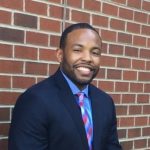
Athleaders 360Cordero TannerCordero Tanner is the Founder and Executive Director of Athleaders 360°. He holds a Master’s of Public Health from Georgia State University and a bachelor’s of science in Sociology for Virginia Tech. Tanner has over ten years of youth and community development in a variety of roles from coaching to being an outreach coordinator.

His public health experience has enabled him to develop a unique approach to sports. Using the socioecological model of health, Tanner looks at the complex interplay between individual, relationship, community and society to create a holistic approach to coaching and youth development that seamlessly incorporates the character traits of “discipline, grit, teamwork, and sportsmanship.” With this approach he not only concentrates on athletic performance, but social and mental wellbeing to equip athletes with the necessary tools to function on and off the field.

Cordero is a loving husband and dedicated father of a daughter and son, whom he is raising in Atlanta.

Connect with Cordero on LinkedIn.

What You’ll Learn In This Episode

  • Issues that their organization addresses
  • Their organization’s key activities
  • Their goals for Athleaders 360

This transcript is machine transcribed by Sonix

TRANSCRIPT

Intro: [00:00:04] Broadcasting live from the Business RadioX studios in Atlanta, Georgia. It’s time for Atlanta Business Radio, brought to you by on pay. Built in Atlanta on pay is the top rated payroll and HR software anywhere. Get one month free at on pay. Now here’s your host.

Lee Kantor: [00:00:31] Lee Kantor here. It’s time for another one of my favorite things we do each week, and that is to spotlight the folks at GSU ENI and the Main Street Fund, folks that are really changing the landscape of the entrepreneurial world in Atlanta. So today on GSU ENI Radio, we have Cordero Tanner with Athleaders 360. Welcome.

Cordero Tanner: [00:00:55] Thank you for having me. I’m glad to be here. Beyond today?

Lee Kantor: [00:00:58] Well, I’m excited to learn what you’re up to. Tell us about at Leaders 360. How are you serving, folks?

Cordero Tanner: [00:01:04] Yeah. So at least 3060 is a leadership development organization for young athletes. And we help youth sports coaches develop the skills needed to coach the next generation of leaders in the sports world as a deep divide between the expectations of youth sports coaches and actual competencies of those coaches. Of the 6.5 million youth coaches in the in the United States, only 30 of them, 30% of them have any kind of training. And sports is one of the only areas where adults are allowed to guide, you know, skills or training. So an athlete. We focus on equipping coaches with the best practices and practices in youth development so they can develop a coaching framework that is child centered, looks at the four lives out in the communities they are from and uses social justice to holistically develop their athletes.

Lee Kantor: [00:01:54] So how did this idea come about? What was the genesis? Did something happen that kind of got you fired up about this issue and this way to tackle it?

Cordero Tanner: [00:02:04] Yeah. So I’ve always had a strong passion for sports. I remember when I was in the fifth grade, I declared myself the assistant basketball coach of one of my teachers. Girls basketball team had a whistle and everything. And, you know, it was in college when I actually got my first chance to be a volunteer coach to a fourth grade basketball team. And my experiences, coupled with what I was learning in my sociology classes and public health, and I was actually what I was saying in youth development, and I was seeing the link between social inequities and sports and thinking there could be a way to actually holistically develop youth. So in spring of 2020, right before the pandemic, you know, I created athletes because you know what they say, they often say coaches say they don’t care about what you know until they know that you care. So I felt like, you know, this is the opportunity to give to other coaches and be able to show our athletes that we care about them and that we can give them all the tools that they need to be leaders in this world.

Lee Kantor: [00:03:09] And at the heart of it, though, is the athletes, right? Where these the person that chooses to be part of a sport, to be part of a team, they have kind of the core fundamentals maybe that aren’t fully developed yet, but at least there’s an opportunity to develop these athletes as true leaders. And with the right training and coaching, they can really kind of wring out the most value of being an athlete leader, whether they are, you know, become a professional athlete or not, just fundamentally the skills they’re going to gain if trained properly, are going to serve them the rest of their life.

Cordero Tanner: [00:03:46] Yeah, that’s right. So one of the things that we like to say is we, we through it, we do the work for the athletes, but we do it through our coaches. If you don’t even know anything about the sports world, athletes, coaches, anywhere between 12 to 25 hours per week, and that’s a lot of times that’s more than with any other adult. So we saw that the coach athlete relationship is a very critical relationship that we if we can get it right. And we can give these coaches the tools that they need, that we can we could really launch these athletes and have them prepared for the world, whether or not they make it to that next level or not. They’ll be ready for life regardless.

Lee Kantor: [00:04:33] Now, how did you develop this methodology around what you’re going to be coaching these coaches about and in order to serve their athletes that they’re working with?

Cordero Tanner: [00:04:46] Yeah, that’s a good question. So I’ve been a coach now for probably a little over ten years, so I’m deeply rooted in the coaching world. But also, like I said earlier, you know, my relationship with players, you know, that I’ve had in the past and, you know, the players that I coached, they they said these are the things they need. Like they verbalize those things that, you know, they need more support from their coaches. They want to be heard from their coaches and they seek this relationship. So everything that we’ve done with athletics is deeply rooted in the community. Everything is based on the needs of our athletes, but also we have input from coaches and saying, you know, where they need help it and where areas sit their weekend. So everything that we do at athletics has been rooted in what the coaches and athletes need.

Lee Kantor: [00:05:42] But as a coach, there’s a lot of there’s different styles of coaching. I mean, you have some that are kind of the old school yell at you and berate you to build you back up again. There’s others that are nurtured, more nurturing and more like kind of players, coaches. How do you kind of land on or do you land on a way, a methodology, or do you just say, here’s some best practices and just incorporate them? You know, that fits in a way that fits your personality and your style.

Cordero Tanner: [00:06:13] Yeah. So that’s another great question. I believe for the most part. There are multiple coaching styles, but what athlete is what we do is we just tell coaches like, here’s what your what your current generation of athletes need. Here are the things that they believe in here, the things that they value, and here are the things that they want to see in their leaders. And we give them those those best practices so they can in turn translate, add that into their coaching philosophy so they can be the best coaches for their for the athletes.

Lee Kantor: [00:06:50] And then right now, what stage are you at? You’ve obviously developed some methodology. Is any of your work happening right now?

Cordero Tanner: [00:07:00] Yeah. So just this summer we had five leadership retreats where we brought in athletes. We got them away from the hustle and bustle of everyday world, and we took them into the mountains and, you know, we did a lot of personal development, identity development, and talked about mental health and just gave them the opportunity to develop bonds with their peers, their teammates. And actually in this fall, we’re going to this fall, coming forward, we’re going to have our first. Coaching fellowship, where we’re going to work with coaches and really just work on that idea of being a transformational coach for your players.

Lee Kantor: [00:07:42] So the first retreat was athlete focused and then the next one is going to be coach focused.

Cordero Tanner: [00:07:48] Exactly. So one of our methods is we we focus on athletes, we talk to them, we learn the things that they need, the things that they want, and really figure out the areas in which they are struggling in and and where coaches can be best helpful. And then we take what we learn and we give it to the coaches.

Lee Kantor: [00:08:10] And then so moving forward, are you going to have services that are geared directly to the athlete as well as services that are aimed at the coaches, or is it going to be one or the other or It’s both right now?

Cordero Tanner: [00:08:26] Currently it’s both. Right now, I believe it’s important to really focus on on both. And that way by focusing on our athletes who are always, you know. Of the new challenges and the things that they’re going through. Say, we could give our coaches the latest and most up to date information to help them so they got the best tools to help their athletes.

Lee Kantor: [00:08:50] So how did you learn about the Main Street fund?

Cordero Tanner: [00:08:56] I actually learned about it from a participant in cohort to elicit that she we did the Civic Atlanta Fellowship with the center, the civic innovation. We did that together. And she’s like, you should apply, you know, you’re at Georgia State. And I was like, okay, I’ll apply. So that’s how I found out about it.

Lee Kantor: [00:09:16] Can you share maybe some ways that going through the program, how that’s helped you grow your business or maybe position it?

Cordero Tanner: [00:09:26] Yes. Since I started the fellowship, things have been going. I’m really great. You know, I’ve developed a lot of partnerships, important partnerships with people in the city of Atlanta. And I’ve also been able to learn a lot from from M.K. and his team there. And Erica. They’ve really been very helpful and very hands on and been able to, you know, catapult the guys, the people that are in the fellowship. So it’s been a great experience. But then I would say the most important thing and the most the thing that I’m most excited is that being around like peers who are on this entrepreneurial journey with me and we’re going to be able to share our wins and share our losses and, you know, be there to support each other. So that’s one of the main things that I’m most excited about being a part of this cohort.

Lee Kantor: [00:10:23] Now, do you have any advice you could share for other founders, you know, that are thinking about taking the leap into entrepreneurship and maybe are hesitant a little because, you know, not not everybody is kind of what wants to be that founder, that wants to be that person that’s following this type of path. Some people, you know, want to just go to school, get a degree, get a job. Any advice for that person that maybe has in the back of their head? I think I want to try this entrepreneur path.

Cordero Tanner: [00:10:57] Yeah, no, it’s definitely not easy. So I guess the main thing that I would say and what’s been most helpful for me is finding you a community, a supportive community that that’s going to be there for you. It’s going to call to check on you. If they haven’t heard from you a while, that’s going to give you constructive criticism or an advice. So finding that that close community that you can lean on when times get hard and that you can celebrate when you reach your accomplishment. So I would say that’s the main thing. Like if you’re going to go down this route, you have to get you a strong, tight community that you can rely on throughout the whole process.

Lee Kantor: [00:11:40] So what do you need more of? How can we help you?

Cordero Tanner: [00:11:46] Oh, well, right now, if anyone’s listening and you have a youth sports organization and you feel like your coaches need any training, feel free to contact me. And also, you are a school district or something and you want some coaches training or want to work through the athletes you can contact with. An athlete is 3060 dot org and we’ll love to partner with you.

Lee Kantor: [00:12:11] And that’s 80 Aliadiere is the number three, the number six, the number zero dot org.

Cordero Tanner: [00:12:20] That’s great.

Lee Kantor: [00:12:21] Well, congratulations on all the success and thank you so much for sharing your story. You’re doing important work and we appreciate you.

Cordero Tanner: [00:12:30] Thank you so much for having me. I really enjoyed my time.

Lee Kantor: [00:12:32] All right. This is Lee Kantor. We’ll see you all next time on GSU, N.I. Radio.

Intro: [00:12:41] Today’s episode of Atlanta Business Radio is brought to you by On pay. Built in Atlanta on pay is the top rated payroll in HR software anywhere. Get one month free at onpay.com.

About Our Sponsor

OnPay’sOnPay-Dots payroll services and HR software give you more time to focus on what’s most important. Rated “Excellent” by PC Magazine, we make it easy to pay employees fast, we automate all payroll taxes, and we even keep all your HR and benefits organized and compliant.

Our award-winning customer service includes an accuracy guarantee, deep integrations with popular accounting software, and we’ll even enter all your employee information for you — whether you have five employees or 500. Take a closer look to see all the ways we can save you time and money in the back office.

Follow OnPay on LinkedIn, Facebook, and Twitter

Tagged With: Athleaders 360, Cordero Tanner

Steve Gilman With Range

October 6, 2022 by Jacob Lapera

Steve-Gilman
Startup Showdown Podcast
Steve Gilman With Range
Loading
00:00 /
RSS Feed
Share
Link
Embed

Download file

Range-logo

SteveGilmanSteve Gilman, Co-Founder & CEO at Range

Steve graduated Yale University with a BS in Mechanical Engineering and was elected captain of the baseball team. He spent several years as a closing pitcher after being drafted in 2008 by the Detroit Tigers.

Following baseball he spent time as an Intelligence Officer for the Department of Defense, completing embassy tours as a diplomat in Cairo and Abu Dhabi.

He attended Columbia business school, graduating in 2015 with his MBA, it was then he Co-Founded blockparty, which changed the way tailgating partnerships are developed division 1 colleges.

While building the company in Dallas, TX, he received a direct commission into the US Navy as a Reserve Intelligence Officer, where he currently serves as a Lieutenant. Steve moved back to NYC area at the end of 2020 and started Range, an early-stage workforce development tech company.

Connect with Steve on LinkedIn.

What You’ll Learn In This Episode

  • Leading an early-stage team
  • What makes a good co-founder
  • Test Go to Market Strategies
  • Professional development for employees
  • Product development

This transcript is machine transcribed by Sonix

TRANSCRIPT

Intro: [00:00:04] Welcome back to the Startup Showdown podcast, where we discuss pitching, funding and scaling startups. Join us as we interview winners, mentors and judges of the monthly $120,000 pitch competition powered by Panoramic Ventures. We also discuss the latest updates in software Web3, Healthcare, Tech, FinTech, and more. Now sit tight as we interview this week’s guest and their journey through entrepreneurship.

Lee Kantor: [00:00:39] Lee Kantor here another episode of Startup Showdown, and this is going to be a good one. But before we get started, it’s important to recognize our sponsor, Panoramic Ventures. Without them, we couldn’t be sharing these important stories. Today on Startup Showdown, we have Steve Gilman with Range. Welcome, Steve.

Steve Gilman: [00:00:57] Hey, Lee. Thanks for having me. Excited to be here.

Lee Kantor: [00:01:00] Well, I’m excited to learn what you’re up to. Tell us a little bit about range, how you serve in folks.

Steve Gilman: [00:01:05] Yeah. So Range is a professional development platform and service that allows companies to invest in the individual employees. We’re a service that allows companies to strategically upskill all of their employees to make sure they retain and grow top talent.

Lee Kantor: [00:01:23] So how did you get into this line of work? Have you always been involved in this industry?

Steve Gilman: [00:01:29] Yeah, I think it’s it’s interesting. I haven’t always been. I come from a varied background of different types of organizations. But throughout my career, I reflected and understood that the one thing that I always tried to do, no matter what my job title was, was to empower others. And usually I saw myself doing that, advising chief people, officers or HR in terms of how professional development worked at the company. I basically wanted my self and friends to get ahead if they were willing to continuously learn throughout their career. And so whether it was with the government or with Johnson Johnson, IBM, in my past, I’ve always kind of found a way to to help others thrive. And so range is just a culmination of of that and making it more scalable for professional development to happen everywhere.

Lee Kantor: [00:02:22] So you always saw the value of professional development and came up with a way that it can kind of be deployed for more people and more situations.

Steve Gilman: [00:02:32] That’s exactly right. I saw the value in professional development. I also kind of saw whether it’s a small company or a large company, no matter what the industry is, it’s incredibly hard to deploy true professional development, which is usually very individualized, usually uses external resources. We’ve all heard of tuition reimbursement and things like that, and when it comes down to it, companies usually don’t have the infrastructure to do what’s needed, what their employees are continuously demanding for lifelong education. So I got together with my co-founder and CTO Hooten a little over a year ago and realized that we both saw the same issues, both as employees of larger companies and operators of our own companies in the past.

Lee Kantor: [00:03:18] So you decided to go the route with a co founder. Can you talk about kind of the trade offs you had to make when identifying the right co founder and kind of negotiating the arrangement?

Steve Gilman: [00:03:30] Yeah, I think who tends a good friend of mine and has been since we both started our first company separately, we met in a combined co-working center back in 2015 and each had our own experiences. I went into live events in hospitality with a company called BLOCK Party. He went into machine learning as well as an E commerce business. Starting from the ground up. When we settle on the idea of starting a company co-founding a company together. I think there was two main things. One, we had enough startup experience to know how forming arrangements work and and why that was going to be good for us, our company and any stakeholders that came along. So that was relatively easy to put together. Our first conversation and the other piece is bifurcation of duties. I’m clearly on the business side. He’s clearly on the product brand technology side. And so it was a little easier to know which domains we kind of control. And at the end of the day, we trust each other. So conversations have been easy ever since ever since we decided to start something together.

Lee Kantor: [00:04:43] Now, you mentioned your past. That’s been pretty varied in terms of what you’ve done, whether it’s been playing sports, whether it’s been getting involved in the government or work in enterprise level organizations, making this leap to, you know, a startup. How has that been? Or is this just another kind of game that you’re playing here and that it’s the same rules, just a different field?

Steve Gilman: [00:05:09] I like how I like how you frame that. So to kind of describe where I am in my journey, I am a recovering mechanical engineer, recovering professional baseball player, recovering project manager, recovering intelligence officer. And that all happened before I went back to business school full time to discover what I wanted to do next. I found very quickly, not just in the groups that I kind of spend most of my time with, but also just as a creative outlet that building businesses from the ground up was going to be what I did with my life, and I needed business school to understand how that transition work and get some of the skills I needed to apply every business that I start. I, I, I want to be with it for 10 to 20 years and beyond, and I want to be in it with the right people. So I started my first company in 2015. I started this latest one when I moved back up to New York during the pandemic, knowing I want to have a technology venture with Hooton and we started building. So, you know, startups for me are a time in my life where I don’t see anything else in front of me. Right. You kind of work for your own. You’re building that creativity. Whenever I’ve been part of other organizations, I’ve always looked out for what’s next. Now it’s all about Do we have what it takes to drive the mission? And so range is kind of a culmination of everything I’ve been through, but the only thing really that I care about right now.

Lee Kantor: [00:06:45] So in some ways it’s similar to sports in terms of you have a goal that you’re putting all your efforts and that building a team around. Do you notice any similarities to, you know, having been part of successful teams and have building your own team here with range?

Steve Gilman: [00:07:05] Yeah. So I owe baseball and athletic career to a lot of the lessons that I derive in my life about leadership, about achieving goals, about interacting with different personalities, dealing with adversity and everything like that. I think the main difference, which is why startups are just so interesting and fascinating and kind of never stop, is that with sports you usually have a goal defined for you. In baseball, it’s scored more runs than the other team and win the World Series, right. And keep climbing the ladder. So everything you’re doing is building towards that goal. Work harder, work smarter, get the right people on the team, lead through adversity. Awesome in startup land, in business land in general. All of those same things apply to hit the goals, but you have to define what the goals are, and it’s a little more ambiguity. There’s a lot more ambiguity when it comes to leading a team in the right direction, because you’ll never 100% of the time know the exact direction that you have to be leading the team. And so in that way, it’s more challenging, more stimulating. You bring all the pieces together, but you’re also doing a lot of trying to figure it out every every day along the pattern, if you’re if you’re heading towards the right goals, because if you achieve the wrong goals, it’s not going to matter much in terms of achieving your mission.

Lee Kantor: [00:08:29] Right. That’s something that’s always fascinated me about sports, is that in some ways, sports it’s it’s very it’s a meritocracy in the sense that the best players are the ones playing and participating. But each season kind of is finite. So there’s an end and that means there’s a rest period and reevaluation. And then rejiggering of the team happens. So sports and business have similarities, but you brought up some really great points, the ambiguity and the lack of, you know, kind of a finish line that’s, you know, that everybody knows that we’re all aiming for is a lot different. And it requires different skills and a different kind of timeline and level of patience and humility.

Steve Gilman: [00:09:13] Yeah, I think. I think that’s right. Our coaches used to pose it to us in baseball. You play for seven months out of the year what they call the championship season from spring training until you lose or win in the playoffs. And then you have five months off and you get sick of the game that you play every single day, no matter how exciting it is, that offseason gives you a chance to do something else, realize how much you miss it, and then come back energized. And the seven five rule kind of works really well for a lot of different sports. You don’t get the time off with start ups. Yeah, there’s slower times of the month and their seasonality to some of the things that work. But much like the rest of the working world, there’s no time off to kind of reevaluate and realize what you miss most about the day. So it’s a little bit different in that way. The other thing that I’ll kind of point out is in baseball, we often joked amongst the folks who went in right after college that you take it so seriously, right? You want to be competitive. It’s what you do. It’s your trade, it’s what you get paid for. But at the end of the day, it is a game, right? You still go to Denny’s after the game, eat your grand slam and then the next day you wake up and it’s all over. The worst that happens is some fans say I’ll shucks, will get them tomorrow and they’re not tremendously pleased when they go home. Business is different. You’re trying to affect people’s lives every single day. So we take it very seriously here and we try to have fun while we’re doing it to make sure we’re we’re creative and innovative. But it’s very different than kind of the the swings of being in it and being not in it when when you’re doing sports.

Lee Kantor: [00:10:56] Now, getting back to the business part of things, when did you start realizing that with this idea that you had something that is viable? Like did you have a moment where you’re like, okay, this I’m getting kind of some love from these beta testers or I got my first client and they, they see some things that here that can really scale. Like, when did you start seeing those breadcrumbs that you had something?

Steve Gilman: [00:11:26] Yeah, excellent question. So Hooten and I got together and had to figure out what we were really passionate about. And when it came to professional development, I mentioned we had some disconnects with employers or as employers with our employees. And so there’s really two things that came together very quickly in our process. The first is we built a site that aggregated different tools, kind of as like a very late MVP. We said, hey, online courses, books, come get whatever you want. And within the first day, people came to the site and then they mentioned that they need some way for their companies to sponsor. So if you’re going to take a $400 course on Coursera, that’s awesome. But my company needs to pay for it, right? So we quickly realized, hey, this is all going to land within a company ROI for attracting and retaining folks. And then too we started talking to a company leaders and there was always, always, always a disconnect between what executives or managers thought they were doing for people in terms of professional development and what the employees thought that companies were doing for them. All right. So a typical conversation would be we invest in all of our employees. They get whatever resources they want. They continuously upskill and it’s part of their performance. Talk to an employee that maybe just came into the company or has a new manager and they say, Yeah, I know there’s some budget that I can access for external resources, but I’m not familiar with how to use it. I wouldn’t know where to find it, and I’m a little afraid to put it on my personal card because I’ve heard some disaster stories about reimbursements in the past. I mean, that was a typical conversation that kept happening over and over and over again. So the reason we love our business models, because we align the employees interests and goals with the employer’s interests and goals, and we do it all from a single platform, something that technology helps a tremendous amount with and that, you know, honestly, we could have started years earlier to make sure it happens.

Lee Kantor: [00:13:28] So with the professional development, the way you’ve defined it, it sounds like it includes online courses and things like that. Does it also include like coaching, business coaching, those kind of elements as well?

Steve Gilman: [00:13:43] Yeah. So we defined professional development as individualized. There has to be specific budgets because everyone’s goals are usually different. We define it as strategic upskilling. So it’s not just to be competent with your current job or be compliant with what you’re currently doing, but how to get ahead, how to challenge the status quo in your own career. And it’s usually from external resources. And that doesn’t come from us. That comes from employees. And surveys show that 99% of employees participate in professional development and activities. And of that, 90% of them are external. So it’s outside of what the company is actually able to provide. When it comes to format. We are edtech at the end of the day. So online courses continue to be great and there’s huge demand for them. In-person courses and seminars, things like that are coming back. We’re starting to see conferences. Webinars coaching you mentioned, is pretty huge, connecting with people that have experience, books, podcasts and everything also. We’re format agnostic because we know most employees are format agnostic. Typically, we’ll see people get one or two courses, a book from Amazon, a podcast, and maybe a coach for three months out of the year. And that’s how they choose to develop their skills.

Lee Kantor: [00:15:01] So what’s next? What do you need next? How can we help?

Steve Gilman: [00:15:07] Yeah, I appreciate that. We’re we’re getting the word out. We have launched our latest features which completely streamline everything for the company and for the employee. If for those not familiar with range, we’re a marketplace solution where employees can add whatever they need to the marketplace, be it a coach, conference book, podcast, anything like that, while also discovering their own. And now we help companies streamline payments, which helps with security, and people don’t have to do any personal reimbursement. So when we go into companies, we are an end to end solution that requires little to no management and or oversight, but the companies win and the employees continuous continuously win. We have enough data at this point to provide great recommendations for someone, and at any step of their career and for anybody in the organization, no matter what your job function is, which is different than what we’ve seen in the market, we’re getting out there and we’re building professional development programs with companies either from scratch, we’re taking over software solutions like a single online course provider, or we’re working to help manage the stipends that pre exist, just making it more transparent to employees and delivering an ROI to the company. So no matter what stage a company is at, we can come in and help very seamlessly with with some great technology.

Lee Kantor: [00:16:32] Now, how did you hear about Startup Showdown and Panoramic Ventures? How did they get on your radar?

Steve Gilman: [00:16:38] Yeah, so we were kind of in the middle of a fund raise a few months ago, so I was well aware of panoramic ventures and and what they have done in the space. And we’re also part of Capital Factory, so we’re Capital Factory Portfolio Company, which is an accelerator investment fund co-working center out of Austin, Texas. Startup Showdown worked with Capital Factory in partnership not only for investment purposes, but also to host the startup showdown. So we got connected through Capital Factory. We love going through the application process because it helped us reorient and organize our thoughts and we kind of launched off into actually getting to the finals and making a trip to Austin to to have fun with them. On the Startup Showdown.

Lee Kantor: [00:17:31] Now, can you talk a little bit about when when you get kind of go through the ringer there and they really are asking hard questions how how you handle that? And in terms because it takes confidence, but humility, you have to be confident in your product and service, but you also have to be coachable and and listened. How did your you and the team handle that?

Steve Gilman: [00:17:56] Yeah. So I think the first thing is you have to have a business that’s headed in the right direction. Right. So no application can be strong unless you know the market, you know your position in the market and you’re you’re gaining traction. You’re helping people in that way. The first step is always a written application, pitch decks, things like that. So until you’re able to really get to know someone and they’re able to understand your background, your product and service is exactly what you put out there. So descriptions of backgrounds, pitch decks, things like that. I think one of the pieces that we excelled in, but was also very advantageous for us, was what they call a mentoring session, where they organize the entrepreneurs. They for 2 hours put you in front of four different mentors. One individual is from Panoramic Ventures as an investor. The other three were from different areas of business. All three of those, in addition to the panoramic ventures investor I connected with pretty immediately I’ve stayed in contact with and their whole thing was pitched to me and I’ll give you my thoughts, feedback and everything else while making sure that you are a good fit to be evaluated for the next round. So that was really just getting in front of people and almost like a speed dating, but really meant to be beneficial to the company. And I really thought that was a good part of the process that I haven’t seen traditionally in a lot of the competitions.

Lee Kantor: [00:19:24] Now in your career, I would imagine you’ve had mentors or people that you’ve looked up to and maybe used as a kind of a guide to go through the process. Is there anybody from the startup world that you’re kind of lean on for advice or whether you know them personally or you just read their blog or their books? Is there anybody out there as your new kind of your role model of startup founder?

Steve Gilman: [00:19:48] Oh, yeah. Listen, there’s there’s way too much there’s way too many to mention my network from undergrad and graduate school. I continually to continually lean on almost every single day. I’ve become friends with investors of mine. I’ve made investors friends of mine. And so I think in terms of people that I looked up to, I can throw out a few names. Going into business school, I wrote an essay on wanting to be a consultant, which I think is what most people do if they don’t know what they want to do coming out of business school. I was turning down job offers to make sure I could be an entrepreneur. I think one of the people that I credit for that is an individual named Dave Lerner. He’s director of entrepreneurship at Columbia University as a whole. But I knew him through Columbia Business School and he taught me that 0 to 1 kind of mentality of how to go out and do it. Another person that I kind of look up to is Ryan Petersen of Flex. He’s a multi time entrepreneur who came back actually to a class to teach about how he built his businesses. And so I have fun following his career and listening to his interviews and things like that. We were able to spend some time together and I got more advice in 5 minutes in a car ride than I did from him about fund raising. Then I traditionally see reading articles and articles and following different people. So those are two folks that came from my business school career I continually lean on and look up to as entrepreneurs.

Lee Kantor: [00:21:29] Now, before we wrap, I’d like you to share a piece of advice for other founders and maybe let’s talk specifically of folks who have gone and played sports at a high level, because I think that that’s a unique group. And I think that a lot of times those folks are high achievers, no matter what they do well outside the sports world. Can you share some advice for somebody that plays sports at a high level? And then, you know, the clock ran out for them that they’ve gone as far as they can go. And it’s time now to enter the business world. Can you share some advice for them to either start their own thing or just to be successful?

Steve Gilman: [00:22:11] Yeah, that the the transition between sports and business, especially entrepreneurship, is a difficult one. What’s made it easier and what I think I would give advice to for any founder is that when you’re on a sports team, you have a team, you have a coach. Depending on what level you’re at, they all get better. You never want to be the best person on your team, right? Because then you’re learning less than than most people on your team. And so when it comes down to being a founder, transitioning to a business career, you kind of have to set up those relationships on your own. Specifically talking about building your own team, which is different than you’ve experienced in sports. I’m talking about getting with other founders or other business like minded people that do something similar because you’re going to learn from those people the most. And then in terms of coaches and where you’re going to go, you need to gain experience. So build relationships with mentors. You’d be lucky to call them investors, obviously, and have financial stakes in each other’s outcomes. But when it comes down to it, if you don’t seek all of the components that you used to have playing on a sports team at a competitive level, you’re not going to learn as quick. You’re not going to be as effective. And to be honest, playing at a competitive level, you love having teammates, right? So never isolate yourself. Never spend all your day reading on the Internet, trying to learn something new. Get around the people that already know what they’re doing and hopefully get accepted into into networks that can help you continue to build and grow.

Lee Kantor: [00:23:46] Yeah, that’s super important advice. And like you said, in one five minute car ride, you learn more than you did reading, you know, pages and pages of books and articles so the right person can accelerate your learning and your network everything dramatically. So meet more people.

Steve Gilman: [00:24:07] Yeah, that’s right. I in undergrad, I concentrated on mechanical engineering design. All right, so how do you build a bicycle from someone from scratch? What materials do you use? How do they connect? What’s the packaging look like? Stuff like that. And I had an influential professor. That one day senior year looked at the class and he goes, Och, I have no idea what size, sprocket or gear to put on this bicycle. How do I figure it out? And 15 people in the class, 14 of them went directly to the mechanical engineering book for design. We had in front of us, flip through, started writing down calculations and while it looked like I was the slowest one to start opening my book and looking for calculations, I ended up having the best answer, which was the point of his question, which is, if you don’t know, just ask somebody. Yeah, there’s calculations you can do, there’s chalkboards you can draw on, there’s different tools and software you can build out. But if someone’s already built the bicycle and they know what size the sprocket should be for a certain gear length, ask them. And that’s where you learn the most. So building on human experiences has been kind of the theme throughout my career.

Lee Kantor: [00:25:18] Good stuff, Steve. Congratulations on all the success. If somebody wants to learn more about range, what’s a website?

Steve Gilman: [00:25:25] Yeah, you can find us at get range dot com, get range dot com. And we’re happy to chat with folks about professional development on LinkedIn personally or through the company page.

Lee Kantor: [00:25:36] All right. Well, thank you again for sharing your story. You’re doing important work and we appreciate you.

Steve Gilman: [00:25:40] Thank you so much, Lee.

Lee Kantor: [00:25:42] Appreciate it. All right. This is Lee Kantor. We’ll see you all next time on Startup Showdown.

Intro: [00:25:48] As always, thanks for joining us. And don’t forget to follow and subscribe to the Startup Showdown podcast. So you get the latest episode as it drops wherever you listen to podcasts to learn more and apply to our next startup Showdown Pitch Competition Visit Showdown VC. That’s Showdown Dot VC. All right, that’s all for this week. Goodbye for now.

Tagged With: Range, Steve Gilman

Ngozi Ahanotu With Hiihat Global

October 3, 2022 by Jacob Lapera

Ngozi Ahanotu
Atlanta Business Radio
Ngozi Ahanotu With Hiihat Global
Loading
00:00 /
RSS Feed
Share
Link
Embed

Download file

hiihatNgozi AhanotuNgozi Ahanotu-Anorue is an ambitious, well-versed Founder across content creation and customer experience. As early as she could remember, she was shuffling words on paper and selling something to someone, somewhere. So she’s turned her passion for entrepreneurship and community, into the story-driven content agency NIA NIA Creative Studio and community-led website hiihat, a search engine to help people find all things Black, an all-in-one place called hiihat.

Ngozi’s superpower is improving and advancing the intricacies of a brand’s online or offline presence through words, data, and video. Her approach at developing brand voice allows her to mentor and coach creators on upskilling and implementing sharp marketing efforts or campaigns.

A graduate of Georgia State University (B.A. Journalism) and Johnson and Wales University (MBA Hospitality), she lives, breathes, and creates all things Black not just for herself, but for the future of Black communities. Although a tech founder, her love for storytelling doesn’t lean only on technology but on the historical themes that can repeat themselves in society, offline. She believes supporting and endorsing Black life is not charity work, it’s a necessity for the American economy to survive.

Ngozi resides in Atlanta, GA and is recently married. When she’s not advancing how we circulate the dollar in Black communities through content or via search, she’s traveling with her husband, spending time with her family, friends, and sorority sisters at celebrations and live concerts, or dining at a new restaurant anywhere in the world.

Connect with Ngozi on LinkedIn.

What You’ll Learn In This Episode

  • hiihat 1000 list that celebrate small Black businesses
  • Paid advertising that is better than Google

This transcript is machine transcribed by Sonix

TRANSCRIPT

Intro: [00:00:03] Broadcasting live from the business radio studios in Atlanta, Georgia. It’s time for Atlanta Business Radio, brought to you by on pay. Built in Atlanta on pay is the top rated payroll and HR software anywhere. Get one month free at on pay. Now here’s your host.

Lee Kantor: [00:00:31] Lee Kantor here another episode of Atlanta Business Radio. But this is one of my favorite series that we do the GSU ENI radio series where we spotlight folks doing work out of GSU any and or the Main Street fund. So excited to be talking to my guest today. Ngozi Ahanotu with Hiihat Global. Welcome.

Ngozi Ahanotu: [00:00:52] Thank you so much for having me, Lee.

Lee Kantor: [00:00:54] Well, I’m so excited to learn what you’re up to. Tell us about Hiihat Global. How are you serving, folks?

Ngozi Ahanotu: [00:01:00] Oh, my gosh. Hiihat is such a labor of love. But it came from I had is a B2C search platform. We operate as a search engine similar to Google, but ultimately we are serving the black community in terms of black businesses, black media, black services. We are working with these small businesses who are the bedrock of America to make sure they’re getting the traffic and exposure they need to ultimately build their business and create generational wealth.

Lee Kantor: [00:01:30] Now, what was the impetus of this adventure? What was the genesis of the idea?

Ngozi Ahanotu: [00:01:36] Yeah, so I had basically derived from me growing up, I have to be very honest. Like Black History Month tends to be very repetitive. They kind of tell the same stories. They showcase the same people who, while they are pioneers and our elders and our ancestors and we respect them. It’s just something where we think that we want to see something more future. Like who are the people that are leading us now? Who are the people that we should look up to and that we can see as our representation? So for me, part of that was going into my research skills and finding black owned businesses in my area when I was growing up in Atlanta and Stone Mountain. So from that, just over the years, I grew into doing more black owned things, working with more black owned businesses. And when COVID hit, I just decided, okay, how can I just ultimately do everything more black owned and really support these businesses? So from that database, I just said, let me try a search engine, you know, instead of a directory or marketplace, because I really think everything needs to be in one place. I want to read black news in one place. I want to buy my products in one place. I want to get my services from my home or whatever I need in one place. And that’s how high hat came together. It’s search all things black, all in one place.

Lee Kantor: [00:02:55] Now, are you a technologist? Where were you able to kind of code this yourself?

Ngozi Ahanotu: [00:03:00] No, I am a non-technical person. I do have a tech team. A close friend of mine when I went to grad school. He works in tech and we were able to connect and he really believed in what I was building. So he’s been helping me get this off the ground and launch it and it’s really been great.

Lee Kantor: [00:03:19] Now, can you give some advice for other non-tech founders? How were you able to identify that right partner? And how were you able to kind of get them buying into your vision of what this could be?

Ngozi Ahanotu: [00:03:33] Absolutely. That’s a really great question. You know, I would say in my case, I’ve known this person for almost ten years. So for me, it was a matter of really showing him this is what I’m doing, this is what I can contribute to the business and this is what I would need your help contributing. And once I was able to do that with him, he really believed in what I was putting together and we were able to convince some other tech people what we can really do and build. So that’s how we’ve been able to get things done so quickly in a matter of a few months, just adding new features and things like that. But and what I would advise other entrepreneurs who are non-technical, don’t be afraid to like, learn some things and then go at someone. This is what I’m trying to build. How can you help me? Because a lot of people are going to help you based off your commitment, your vision, your ability to contribute. It’s not just having an idea. It’s like, okay, maybe you don’t know how to code, but maybe, you know some other things tech wise that you can keep up with. Or maybe you’re really good at research, so you can research some things to help the tech team be able to contribute. And they will. It’ll show them that you can really you’re committed to this project and you’re serious about it.

Lee Kantor: [00:04:50] Now, when you started kind of building and putting it out there for the world to see, did you have some indication, some clues that, hey, we might be on to something big here?

Ngozi Ahanotu: [00:05:02] Yeah, I think that initial clue was when I would talk to the customers, customers and the people using it. It was really like, Oh, I found what I was looking for. And for me that’s the biggest thing in search. That’s something that Google is trying to solve every day. When I when someone comes to search for something, are they finding what they’re looking for within the first or second page? So when that is what’s happening or what’s what they’re getting, you’re definitely on to something because when they find what they’re looking for, then they’re able to then they’re able to really you’re able to really say, okay, the customer likes what’s happening, the user likes what’s happening.

Lee Kantor: [00:05:38] Now, are you going to monetize in the same manner that a Google monetize in terms of advertising?

Ngozi Ahanotu: [00:05:44] Yes. So that’s why we’re a B2C search platform, because ultimately we are working with small businesses on their ability to pay per click advertising, which they’re not already doing inside of they’re not already doing with Google. So we’re able to work with them directly on the ground and say, oh my gosh, like this is something that can really help your business. And we know you’re not as technical or we know that you’re not able to keep up with the trends. But we’re such a niche search platform, we’re able to really put together what it is that they need.

Lee Kantor: [00:06:15] Now, is your I know you’re based in Georgia. Is this something that is going to start out kind of Georgia centric and then expand kind of organically, organically from there? Or is kind of the world your oyster because there’s black owned businesses all over the planet?

Ngozi Ahanotu: [00:06:30] Yeah, the world is our oyster and we’re actually already in most major cities in the US. Were also have some things in UK like London that we’ve been able to put together Australia, South Africa and we’re hoping to get some things in Mexico and Canada as well. So it’s just an ongoing process of us really building things out.

Lee Kantor: [00:06:53] And is. I know that you’re doing something to celebrate black businesses, small black businesses. Can you talk a little bit about that?

Ngozi Ahanotu: [00:07:03] Yes. So we are having our annual event, Black Quest. It’s going to be on Saturday, October 1st, in Atlanta, Georgia. Our starting point is Mocha Pops, which is a black owned popsicle shop. And basically what happens, people sign up as teams or solo participants and they have a chance to win $1,000 when they use hi hat to find the destinations on the clues. So it’s a really fun event that we do every year. The businesses love it, the teams love it. You know, the city really gets to just come alive when you’re starting to find all these black owned businesses that you never knew.

Lee Kantor: [00:07:43] So it’s kind of like a treasure hunt.

Ngozi Ahanotu: [00:07:45] Yes, But I would say scavenger hunt tours the prizes at the end. You don’t get treasure throughout where there are some prizes throughout. But yeah, I would say closer to scavenger hunt. I don’t know. Treasure hunt. Scavenger hunt. You are using hi hat to find it.

Lee Kantor: [00:08:00] And then is this something that you plan to roll out in the other markets that you’re in?

Ngozi Ahanotu: [00:08:05] Yes, we actually so part of what we’re doing is black is really for the users. It’s just for them to know how to use the website, for them to just really learn what’s in their city. But some other events we’re doing directly for our business customers are they would need to come to happy hour events that we’re doing. I personally am going to speak to small business organizations in order to figure out what is it that you need. How can we help you outside of the paper Click advertising. We have some really great things that we’re putting together for small business owners in order to get them onto the platform.

Lee Kantor: [00:08:40] And then what’s your kind of sales pitch to a business owner to advertise with Hi rather than Google?

Ngozi Ahanotu: [00:08:49] Well, what’s really great is that they’re probably not already advertising with Google so that I don’t even have to compete with them. But my pitch is usually, you know, how are you getting customers? And here’s an opportunity for you to get more qualified customers that you know are looking for your services, because our search platform is so niche that when someone looks for something, it’s more likely they’re going to find what they’re looking for in your business when you have advertising with us. Because what they are searching for is a very particular thing, which is a black person who can do these services. A black business who has these products or a black media platform who has this type of news.

Lee Kantor: [00:09:33] And how did you hear about the mainstream fund?

Ngozi Ahanotu: [00:09:36] So I am actually third generation in Georgia State. My father was a professor there for several years. My sister graduated from there. So I was always on campus with her growing up as well as my dad. I was always on Georgia State campus growing up and then I went there as well. I graduated 2010 and I just always continue to stay involved. So I was chair of the Georgia State University Alumni Entrepreneurship Network. And as a chair, I just know more about entrepreneurship opportunities, and that was when I was able to have a better understanding of what it is that. You know, Jordan State’s doing and how I can be involved as an entrepreneur and business owner.

Lee Kantor: [00:10:16] So how has gone going through the program helped you grow your business?

Ngozi Ahanotu: [00:10:22] You know, I have to say, like I’ve actually learned so much and I have been able to transform my business in ways I would not have thought of prior to this program. And I’m sure a lot of people are going to say that. But I genuinely have to say like, I don’t mind. I want my hat to be looked at as a search engine. So I spent a lot of the program trying to figure out what is it that I’m telling businesses as customers and users who are customers as well? What am I telling them to make sure they understand? While we do appear to be a search engine like Google, we have so much more to offer you when it comes to your efforts to a little more black owned life. So I think this program has really been able to push me into a different direction as to how I can get that message out, the type of language I need to use, and ultimately how I can best serve the users and customers.

Lee Kantor: [00:11:15] Yeah, I think that community’s at the heart of it and focusing on that and that I think is going to resonate with a lot of folks.

Ngozi Ahanotu: [00:11:24] Absolutely. Thank you so much.

Lee Kantor: [00:11:26] Now, if somebody wants to learn more about high hat, either maybe submit their business to be in the search engine or advertise on the search engine, what is the the website? What’s the best way to learn more?

Ngozi Ahanotu: [00:11:40] Yes. So if you are a business owner and you want to claim your business in our search engine, you will go to high hat dot com h i h a t. There is a button there for you to claim your business. It takes a matter of 60 seconds and once your business is in there, we can start crawling you and get you right into the search engine. And if you’re a user who is someone who is transitioning to a more black owned lifestyle, you’re someone who money doesn’t matter. I really want to make sure I support black owned everything. Or if you’re even an ally and you have someone in your life who you love, who is black or African or of that community, and this is a way for you that you think you can support them. All of you guys can visit dot com I hate and take advantage of the search engine to your best visibility and find what you’re looking for.

Lee Kantor: [00:12:33] Well, congratulations on all the success. You’re doing important work and we appreciate you.

Ngozi Ahanotu: [00:12:38] Thank you so much for having me again. Lee. It’s great.

Lee Kantor: [00:12:42] All right. This is Lee Kantor. We’ll see you all next time on GSU. Any radio?

Intro: [00:12:51] Today’s episode of Atlanta Business Radio is brought to you by On pay. Built in Atlanta on pay is the top rated payroll in HR software anywhere. Get one month free at on Paycom.


About Our Sponsor

OnPay’sOnPay-Dots payroll services and HR software give you more time to focus on what’s most important. Rated “Excellent” by PC Magazine, we make it easy to pay employees fast, we automate all payroll taxes, and we even keep all your HR and benefits organized and compliant.

Our award-winning customer service includes an accuracy guarantee, deep integrations with popular accounting software, and we’ll even enter all your employee information for you — whether you have five employees or 500. Take a closer look to see all the ways we can save you time and money in the back office.

Follow OnPay on LinkedIn, Facebook, and Twitter

Tagged With: Hiihat Global, Ngozi Ahanotu

Meridith Michelle Rose With HomeTele SLP

October 3, 2022 by Jacob Lapera

Meredith Rose
Atlanta Business Radio
Meridith Michelle Rose With HomeTele SLP
Loading
00:00 /
RSS Feed
Share
Link
Embed

Download file

Hometele SLPMeredith RoseMeridith Rose, MS, CCC-SLP is a pediatric speech-language pathologist and owner of HomeTele SLP, which was founded in June 2020. She was inspired to become a speech-language pathologist over 20 years ago, following her youngest brother’s diagnosis with an autism spectrum disorder.

Her passion to help her brother and other children with communication and neurodevelopmental disorders led to her receiving her Bachelor of Arts degree in Communication Sciences and Disorders from the University of Florida, Master of Sciences degree in Speech-Language Pathology and Audiology from Florida Atlantic University, and Applied Behavior Analysis program certificate from Florida Institute of Technology.

She has 15 years of experience as a Florida and Georgia licensed and certified Speech-Language Pathologist, and has served neurotypical and neurodiverse pediatric populations ages 2-18 with various communication disorders and exceptionalities in a variety of settings (e.g., schools, daycares/preschools, clinics, homes). Her background in Applied Behavior Analysis (ABA) has been instrumental in her speech and language therapy treatment approaches (e.g., positive reinforcement, facilitation of oral language development).

Throughout her career she has developed an immense passion for her work. She strives to improve her clients’ communication skills through the implementation of fun yet functional therapy activities that are culturally responsive, in their school or home environment via tele-therapy. Understanding the importance of the generalization of learned skills, she works closely with her clients and their families to provide them with strategies and supports to aid in the transfer of communication skills across environments.

As a lifelong learner, She is continually seeking opportunities to grow professionally. She is currently a doctoral student, graduate research assistant (GRA), and GaLEND Fellow at Georgia State University, where she is pursuing a Doctor of Philosophy (Ph.D.) in the Education of Students with Exceptionalities.

Free 30-minute consults that can be scheduled by visiting the website www.HomeTeleSLP.com

Connect with Meredith on LinkedIn.

What You’ll Learn In This Episode

  • The start of HomeTele SLP
  • HomeTele SLP – as a business
  • SLPs do in their work with children (Communication Disorders)
  • Target audience

This transcript is machine transcribed by Sonix

TRANSCRIPT

Intro: [00:00:03] Broadcasting live from the Business RadioX studios in Atlanta, Georgia. It’s time for Atlanta Business Radio, brought to you by on pay. Built in Atlanta on pay is the top rated payroll and HR software anywhere. Get one month free at unpaid. Now here’s your host.

Lee Kantor: [00:00:31] Lee Kantor are here, another episode of Atlanta Business Radio. And these are my very favorite ones. These are the GSU ENI radio episodes where we spotlight folks coming either through or around the GSU ENI program. Today on the show we have Meredith Rose with HomeTele SLP. Welcome, Meridith.

Meridith Michelle Rose: [00:00:53] Hi, Good morning, Lee. How are.

Lee Kantor: [00:00:54] You? I am doing well. I’m so excited to learn what you’re up to. Tell us about your company. How are you serving folks?

Meridith Michelle Rose: [00:01:01] So HomeTele SLP provides speech, language evaluations and speech language therapy via tele therapy. And it is person centered, family centered and culturally responsive. So we provide those services to pediatric populations ages 3 to 18 and both the states of Georgia and Florida.

Lee Kantor: [00:01:22] So what was kind of the genesis of the idea? How did you get started with this?

Meridith Michelle Rose: [00:01:27] Well, it’s kind of funny, actually. My journey to becoming a speech language pathologist started over 20 years ago following the diagnosis of my youngest brother’s, his diagnosis with autism spectrum disorder. And so that’s where my journey towards speech language pathology started. And I had a strong passion and not only helping my brother to communicate, but children like him. And so I’ve been a pediatric speech language pathologist for the past 15 years and have often worked privately outside of a full time job in providing services to children and their families. However, the pandemic changed that a little bit, and so I had to pivot from providing in-home services to tele therapy services. So that was the genesis of Home Tele SLP.

Lee Kantor: [00:02:15] Now, what is kind of so how does the practice work? So a person has a child that is suffering or needs some help in this area and they contact you. And then is this kind of just online or how are you communicating with them and how does it work?

Meridith Michelle Rose: [00:02:32] Yes. So parents will often reach out to me. I have free 30 minute consults that I provide to parents of children who may have a communication disorder, but children who have a speech or language disorder pretty easy to identify. A parent may notice that their child produces speech that is unclear. Or maybe they have a younger child and they’re not making sounds or gestures, or they’re using very few words. They’re not easily understood or they have difficulty understanding others. Or perhaps it’s more so about their social skills or even older kids. Maybe they have trouble with their writing skills and having conversations, conversational skills. So typically a parent will reach out to me for a console, we’ll schedule an evaluation, and then from there we start treatment.

Lee Kantor: [00:03:22] Now, in your work, when you’re working with a child, what are some of the activities that are going to go on during the kind of the work that you’re doing?

Meridith Michelle Rose: [00:03:33] So depending on the child’s area of weakness, we’re going to target those areas by developing individualized goals. So let’s say the child is having difficulty with their receptive language skills following directions. We work on skills that help with that area or, for example, expressive language skills. Maybe they have difficulty answering questions or who, what, where questions, or even just putting words together in a fluid manner. So we help with both expressive, receptive language skills, social skills and writing skills, oral language skills and writing skills as well.

Lee Kantor: [00:04:16] Now, is there something that it’s an everyday thing, every week thing? Does it take forever to like, is this a lifelong journey or is sometimes your work can help people kind of get over the hump and then they can do some self work on their own and just improve organically over time?

Meridith Michelle Rose: [00:04:35] Every child is different. No child is exactly the same. And so some children have communicate communication disorders that are mild in terms of their severity. Others may have moderate to severe disorders. So every child’s treatment plan is different, but typically a child may receive 30 minute sessions twice a week, once a week, depending on if they’re progressing in their session time or I’m sorry, and their therapy session. So the time will change depending on that child in terms of how long they’re in therapy, that is something that also depends.

Lee Kantor: [00:05:15] Now when they’re working for you, is this something that the child like enjoys? Is this something that becomes a something that’s fun for the child? Because I remember with my child he was having some speech issues. When he was very young and he worked with the school speech pathologist and he loved it like he it was like one of the favorite parts of his day. So do you kind of create your therapy in an enjoyable manner for the children? Or is this something like, Oh, I got to do this?

Meridith Michelle Rose: [00:05:45] Absolutely. It is enjoyable. We focus on providing therapy that is fun and functional. So while we are targeting goals and objectives to help improve the child’s communication skills, we’re also implementing positive reinforcement. And so by knowing what things interest the child, those interests can be incorporated into our therapy sessions to increase engagement.

Lee Kantor: [00:06:10] Now, is this something that affects a lot of children and maybe goes undiagnosed and they don’t take it seriously? But if you I would imagine if you kind of nip it at the butter early, you’re really going to have a lot of benefits for the child moving forward.

Meridith Michelle Rose: [00:06:24] Yes, that is true. Early intervention is always key. According to the National Institute of Health. We know that nearly one in 12 or 7.7% of us children between the ages of three and 17 has a disorder that’s related to speech, language, voice or swallowing. So these are disorders that impact a lot of our children.

Lee Kantor: [00:06:48] And then is it something that usually the parent identifies this or the pediatrician, or is it the the teacher or somebody at their school?

Meridith Michelle Rose: [00:06:58] During for example, you mentioned a pediatrician during an annual physical, a pediatrician may ask the parent questions related to their child’s speech and language. And during those conversations, that child may be referred, if not a parent, may just have concerns having had having other children in their family. So maybe their child is the youngest. So they know that developmentally there are milestones that their child may not be meeting as early as their their other children. So that may be something that prompts them to explore whether or not therapy is needed. And as you also mentioned, teachers in our educational system, they are very keen on knowing if there’s something happening at times related to speech and language that may be impacting that child academically. And so oftentimes in the school systems, referrals are also made.

Lee Kantor: [00:07:51] Now, in your work, can you share a story maybe of a child that came to you obviously don’t name their name, but maybe share what the challenge was and how you were able to help them get to a new level.

Meridith Michelle Rose: [00:08:02] Oh my goodness. There are so many, so many children. If I could think of one, there was a child who had a very difficult time and producing clear speech. This child had a proxy of speech and a lot of his vocalizations consisted of vowels. So there weren’t a lot of consonant sounds which made it which made it hard to decipher what he was trying to say. And it was very amazing because over a six month period of time he went from using vowels to using syllables to using words, the phrases, the sentences. And it’s just so exciting to see a child make progress in a way that impacts not only their ability to make their wants and needs known, but it also is very affirming for the family to see that their child is able to communicate with them and their peers and their family.

Lee Kantor: [00:09:08] Now, this must be such a rewarding work for you to be able to make that kind of impact, like you said, not just on the child, but on the family as well. And it could change the whole trajectory of that child’s life if they kind of can take care of this early and really get the improvement that you described it. You must feel really good every day waking up and doing this kind of work.

Meridith Michelle Rose: [00:09:33] It’s extremely rewarding. I have a few families that have kept in contact with me over the past 15 years, students that I worked with when they were a preschool age that are now in college or in the military. And it’s just been really nice to see over the years. Some of these families have kept in contact with me and reached out to me if their child needed assistance here and there. It’s just a beautiful, beautiful thing to witness, a wonderful profession to be a part of. And I consider it a blessing to be able to impact the lives of children and their families.

Lee Kantor: [00:10:14] Now, how did you get involved with the Main Street fund? How did that get on your radar?

Meridith Michelle Rose: [00:10:19] I remember learning about Main Street and specifically and I through Fujitsu during my graduate student orientation fall of last year. And so it all started there. And once I found out that they were accepting applications for their third cohort, I applied and and here I am.

Lee Kantor: [00:10:41] Now, what have you gotten out of it? Has this been helpful as you grow your business?

Meridith Michelle Rose: [00:10:45] Yes, this has been extremely helpful. I’ve received a lot of coaching to help me with identifying my customer. I’ve received a lot of help financially, even with my business, to help me to get it off the ground and to start to gain traction. I’ve learned quite a bit about how to pitch my business, and so everything that I’ve learned over the past six months in Main Street has been, I think, very instrumental to where I am now.

Lee Kantor: [00:11:18] So what do you need more of? How can we help you?

Meridith Michelle Rose: [00:11:21] I need more exposure. I need for people to know about home tele SLP, what we do, why we’re here, and we’re here to help.

Lee Kantor: [00:11:32] And if somebody wants to learn more, what’s the website? What’s the best way to find you and get a hold of you to have a more substantive conversation?

Meridith Michelle Rose: [00:11:39] Our website is home tele slp ph0etel slp dot com and you can follow us on social media at home tele slp.

Lee Kantor: [00:11:54] And that’s home. E. T e. L e slp dot com.

Meridith Michelle Rose: [00:11:59] That is correct.

Lee Kantor: [00:12:00] Well, Meredith, congratulations on all the success and the momentum. You’re doing such important work and we appreciate you.

Meridith Michelle Rose: [00:12:07] Thank you so much for your time, Lee.

Lee Kantor: [00:12:09] All right. This is Lee Kantor. We’ll see you next time on Gesu e anni radio.

Intro: [00:12:18] Today’s episode of Atlanta Business Radio is brought to you by On pay. Built in Atlanta on pay is the top rated payroll in HR software anywhere. Get one month free at onpay.com.

About Our Sponsor

OnPay’sOnPay-Dots payroll services and HR software give you more time to focus on what’s most important. Rated “Excellent” by PC Magazine, we make it easy to pay employees fast, we automate all payroll taxes, and we even keep all your HR and benefits organized and compliant.

Our award-winning customer service includes an accuracy guarantee, deep integrations with popular accounting software, and we’ll even enter all your employee information for you — whether you have five employees or 500. Take a closer look to see all the ways we can save you time and money in the back office.
Follow OnPay on LinkedIn, Facebook, and Twitter

Tagged With: HomeTele SLP, Meridith Michelle Rose

Jarett S. Levan With BBX Capital

October 3, 2022 by Jacob Lapera

Jarett Levan
South Florida Business Radio
Jarett S. Levan With BBX Capital
Loading
00:00 /
RSS Feed
Share
Link
Embed

Download file

DTLLogo-Blue-Bannerv2BBX CapitalJarett LevanJarett S. Levan is President and CEO of BBX Capital (OTC: BBXIA), a diversified investment and asset management company. The business of BBX Capital includes real estate ownership, direct acquisition and joint venture equity in real estate, specialty finance, and the acquisition of controlling and non-controlling investments in operating businesses, including its ownership in The Altman Companies, BBX Logistic Properties, Renin Holdings and BBX Sweet Holdings.

He is also CEO of BBX Sweet Holdings, which owns and operates Hoffman’s Chocolates, a 45-year old South Florida chain of chocolate and scoop shops, IT’SUGAR, the largest specialty candy retailer in the United States with 100 locations in 26 states, and Las Olas Confections and Snacks, a manufacturer of specialty chocolates and candies. He sits on the boards of BBX Capital, Bluegreen Vacations Holdings (NYSE: BVH), and Bluegreen Vacations Corporation (NYSE: BXG).

Mr. Levan also serves on the boards of Broward Performing Arts Foundation, and is the Chair of Business for the Arts of Broward, and is an Advisory Board Member of Hollywood Art and Culture Center. He is a Board Member of the Broward College Foundation, the Broward Workshop and Greater Fort Lauderdale Alliance Foundation, a member of the Nova Southeastern University Ambassadors’ Board and Fellows’ Society, and is a member of Young Presidents’ Organization (YPO) and the Florida Bar.

He is also on the board of the BBX Capital Foundation. The BBX Capital Foundation, formerly the BankAtlantic Foundation, was established in 1994 to support a wide array of activities in the arts, education, social welfare, and community and economic development. The role of the foundation is to foster partnerships with other private sector organizations, not-for-profit institutions and government agencies. Since its inception, the Foundation has awarded more than $20 million in contributions and in kind services to charitable organizations throughout the state of Florida.

Connect with Jarett on LinkedIn and follow BBX Capital on Facebook and Twitter.

What You’ll Learn In This Episode

  • The importance of diversified investments and assets
  • The business of candy and sweets
  • The importance of giving back and how BBX Capital supports the community

This transcript is machine transcribed by Sonix

TRANSCRIPT

Intro: [00:00:01] Broadcasting live from the Business RadioX studios in South Florida. It’s time for South Florida Business Radio. Now, here’s your host.

Lee Kantor: [00:00:12] The Lee Kantor here another episode of South Florida Business Radio. And this is going to be a good one. But before we get started, it’s important to recognize our sponsor, Diaz Trade Law, your customs expert today on South Florida Business Radio, we have Jarrett Levan with BBX Capital. Welcome, Jarett.

Jarett Levan: [00:00:32] Hi, Lee. Thank you.

Lee Kantor: [00:00:33] I am so excited to learn what you’re up to. But for those who don’t know, tell us a little bit about BBX Capital. How you serving folks?

Jarett Levan: [00:00:42] So, BBX Capital is a diversified holding company. We have three major, what we call verticals or in the real estate business or in the candy business. And then we make door parts, barn door sliders, closet doors, and hardware. So it’s a very diversified and eclectic portfolio.

Lee Kantor: [00:01:01] Now can you just share a little bit about the history? Did you start out in one industry and then organically grew into the others, or like how did this kind of conglomerate come about?

Jarett Levan: [00:01:12] So our company has gone through many transitions over over five decades. We started in the real estate business in Miami in the mid eighties. We acquired a company called Bank Atlantic, which we operated for about 30 years, sold that in 2012, and at that point BBW became a diversified holding company, still stayed with our roots, which is real estate and real estate investing, and then have diversified into other platforms.

Lee Kantor: [00:01:40] So how did the Candy and Sweets business catch your eye?

Jarett Levan: [00:01:44] So actually, interestingly enough, Hoffmann’s Chocolates, which is headquartered in Green Acres and Palm Beach County, was a customer virus of Bank Atlantic. And as CEO of Bank Atlantic, I used to visit our customers regularly and just coincidentally, I would I would make Hoffman’s on my every time I went to Palm Beach County. I would put that on on the tour and we sold Bank Atlantic and decided to to develop a diversified platform. I’ve always been always had a sweet tooth. I was in the candy business in sixth grade and decided to reach out to the owners of Hoffman’s and see if they would sell to us. And they did. And that that was our first acquisition ten years ago this year, and it kind of catapulted us into this exciting industry.

Lee Kantor: [00:02:29] So when you were in in kind of banking, you had a glimpse of lots and lots of businesses. So that was the first thing that caught your eye was a chocolate company.

Jarett Levan: [00:02:40] Well, what I love well, first of all, I’m a chocoholic. So yes, I’m very passionate about my chocolate. But what I loved about Hoffmann’s on a much smaller scale was that they were rooted in the local community, which is no different than Bank Atlantic. We were rooted in the South Florida community. Hoffman’s was as well. Bank Atlantic had 100 locations. Hoffmann’s had three, but the concept was the same. And I tell people that the candy industry is very, very similar to the banking industry. You have very large companies like Mars and Hershey’s and Nestlé like you have very large banks and you have thousands of much smaller candy businesses around the country. And that’s what appealed to me about this industry.

Lee Kantor: [00:03:23] And then from there, that led to the other kind of confectionery acquisitions.

Jarett Levan: [00:03:30] Yes, we we had after Hoffmann’s, we made two more acquisitions in Florida, including the company that makes the legendary coconut patties that you see in the airports and the in the hotels and other shops around Florida and other tourist destinations. And then we acquired five years ago it’s Sugar, which is the largest of the specialty candy retailers in North America. And that business is really catapulted BBQ Sweet holdings.

Lee Kantor: [00:03:57] Now that that’s a franchise, right?

Jarett Levan: [00:04:00] No, it’s not a franchise. It’s not it Sugar owns and as a result owns 100, owns and operates 100 store locations and just we just opened our first one in Canada about six weeks ago.

Lee Kantor: [00:04:13] Wow. I didn’t realize that because I know I’ve seen them around the country and I just assumed it was a franchise. So those are all owner operated?

Jarett Levan: [00:04:20] Yes, they are.

Lee Kantor: [00:04:21] Wow. So what attracts you to that kind of an operation?

Jarett Levan: [00:04:27] Well, first of all, Candy, in North America is a $35 billion industry and growing. It’s not recession proof. Nothing is. But I’d like to say it’s recession resistant. We all like our candy. Many of us have a sweet tooth, but it’s sugar specifically has partnered with a lot of the large brands. And we we opened the first Sour Patch Kids Cafe. We just opened the first ever Oreo Cafe. We have relationships with all the large brands and, you know, our our footprint, you know, you can you can buy our you can buy the same candy maybe at Target or or at a I was going to say a five and dime, but those don’t exist anymore. But you can buy them at a grocery store or a drugstore. But we provide the entertainment aspect and we provide license apparel and accessories, and it’s just a different experience. Shopping at adventure, which makes it fun and exciting.

Lee Kantor: [00:05:26] Yeah, and it’s very social media friendly. I mean, that’s a it’s I mean, your marketing is kind of built into the to the store.

Jarett Levan: [00:05:34] It is. And we’re opening larger stores. We opened a 24,000 square foot store in New Jersey near the Meadowlands. We opened up 15,000 square foot store on Michigan Avenue. We’re opening a big store in Miami next year. We’ve got a big store in Times Square that just opened two months ago. So we have larger footprint, which allows us to to offer not only more candy, more nostalgic candy, more more fan favorites, but also, as I mentioned, we can also sell we have room to sell the licensed merchandise from from some of the big candy brands.

Lee Kantor: [00:06:12] Now, are you telling them to make kind of the large, super large packaged goods there or they had them? They always had them. And it was just difficult for the consumer to get.

Jarett Levan: [00:06:24] They always had them. We also have some exclusive items which we call the Giants, which are cereal sized boxes and larger. And we do some fun things with the brands. For instance, a lot of people like the Pink Starburst. You cannot buy pink Starburst in the store, but you can buy an exclusive pink starburst starburst collection, added sugar. You know, that’s just one example. But, you know, we work with the brands to create fun and exclusive content that you might not be able to buy elsewhere.

Lee Kantor: [00:06:54] Now, when you were kind of falling into this diversified investment strategy of yours, was it something that after a while you’re like, Hey, we maybe should have done this sooner? Like, was that something you were like, This was this was really working out well, because now, you know, we’re not as dependent on one aspect of the economy. If something gets hit, there’s always some kind of a hedge in there.

Jarett Levan: [00:07:18] So. So let me answer that in two ways. One, I don’t look back. I think there’s always a time and place. And the banking business was really good for 30 years. And what I enjoy about the diversified holding company is that we get to, you know, day is the same every day. I’m involved in different aspects of the different businesses. But the most important thing is that, you know, we have best practices across the companies, across industries. We have shared experiences, shared resources, we collaborate. And that’s the benefit that that a capital has as a diversified company, having different businesses, lots of different leaders throughout the organization, different geographies and different experience. And and that’s the beauty of of our diversified holding company.

Lee Kantor: [00:08:11] Now, how do you kind of create a culture that maybe permeates all of the brands that you serve?

Jarett Levan: [00:08:19] So we launched about three years ago an internal concept called one PBX, working together as the power of one. And we we have councils across the organizations. We have starting with the CEO council, we get I lead a council of myself and five other of our CEOs of a marketing council, a real estate council, a Finance council, a community Impact Council culture committee. So we encourage and tap people to join these councils to represent each of the companies that they become ambassadors for one, and they become ambassadors for the culture across and around the organization.

Lee Kantor: [00:09:05] Now that you’re in multiple markets, are you able to kind of live into that philosophy of supporting the community? I know how much you support the South Florida community, but does that kind of trickle into the other markets you serve with your brands in different parts of the country?

Jarett Levan: [00:09:22] It does. With our Community Impact Council, they meet once a month and we have people represented from South Florida, from Orlando and from from Toronto, and they talk about collaboration on initiatives like food drives or we did a a a build day a couple of months ago where we had in five different locations and five different cities across two countries where we had 101 associates building on the same day. And and then we created a video with photos and videos from each of the sites and put it on our in our one box newsletter. So, yes, we we we encourage the companies to do things locally, but we also try to do try to do community initiatives collectively. We also have a big partnership with Make-A-Wish nationally through a sugar and Witch, which is across all of our stores, and we’re in 28 states and two countries added sugar. And we’ve we’ve written a check as much as 700,000 to to to make a wish. So all these initiatives are important for and it’s it’s been a part of our DNA since since inception to give back to our local communities and local can be defined in many ways.

Lee Kantor: [00:10:52] Now, do you have any advice for other leaders that might be leading a diversified kind of portfolio that like you are? Is there any advice that you would give to them on how to kind of make sure that everybody is on the same page when it comes to communication? It sounds like that one is a great way for everybody to kind of get alignment and kind of get on the same page.

Jarett Levan: [00:11:19] So I, I joke internally that in addition to my title being the CEO, it’s also the CRO, the chief reminding officer and I spent a lot of time talking about talking to our executives across our companies and encouraging our companies to learn from each other. And that doesn’t just happen by chance. You have to create the platforms and the counsels and the communication for that to occur. And so I would encourage anybody that’s involved in or runs a diversified holding company to set up the platforms for their people to communicate. We have a newsletter I mentioned we sent out every month, and in addition to a memo from me, we highlight people and projects and initiatives and new stores and new apartment complexes and awards across the different companies. So I think the communication is just so critical in not only any company, but especially in a diversified platform.

Lee Kantor: [00:12:27] Especially when in one area somebody stumbles upon a great idea. It’s so important for that to be disseminated because you never know how somebody in the different industry might be able to leverage a similar principles.

Jarett Levan: [00:12:38] Actually, if we have time, I’ll share a story with you in the in the middle of the pandemic where freight costs from from China or had just gone went through the roof and one of our companies was struggling with the with the being incredible increase in the cost of bringing containers from China. I had heard of another one of our companies that was paying about 40% less. So I put the two of them together and it was significant savings that that was materialized just from that conversation.

Lee Kantor: [00:13:14] Right where it was. It might have been a throwaway line that you heard, but you were able to go, Hey, this connection is going to be valuable to somebody else. And and having that kind of open lines of communication to encourage sharing and then having somebody that can connect the dots, I mean, that’s where really a lot of impact happens.

Jarett Levan: [00:13:35] Exactly.

Lee Kantor: [00:13:37] So what do you need more of? How can we help?

Jarett Levan: [00:13:42] We what do we need more of? We need. We need we need good weather.

Lee Kantor: [00:13:51] We’ll work on that.

Jarett Levan: [00:13:53] We’ll work on that. What we need is we need which is happening. We need talented people, skilled workers in Florida, and we’re located on LA Solis. We need it’s actually easier than it used to be, used to be difficult to recruit people to South Florida. It’s gotten easier. Quality of life is just so great here. You know, having no state income tax really helps. But we just we continue to need more skilled, qualified labor in South Florida.

Lee Kantor: [00:14:25] And then what kind of backgrounds do you need? Do you need finance people? You need real estate experts. What kind of talent are you looking for?

Jarett Levan: [00:14:34] Finance and technology.

Lee Kantor: [00:14:37] Finance and technology. And then if somebody wants to learn more, what is the best way of doing that? What’s the best way to learn more about capital and maybe connect with you or somebody on your team?

Jarett Levan: [00:14:52] Well, they can. They can go to a capital com for sure. They can connect with me on LinkedIn and. You know, we’re we’re we’re always looking for ideas and opportunities. We’re we’re an acquisitive organization. So we do look for good opportunities, whether it’s in real estate or in operating companies. So if anybody has an idea or I love meeting with people to get new ideas. So if someone has an idea, I’d encourage them to reach out.

Lee Kantor: [00:15:25] And then so are you looking to acquire more candy companies, more real estate? Is that, you know, kind of the doors are open for that kind of conversation or are you open to any other businesses that might be doing interesting things?

Jarett Levan: [00:15:38] So I probably more focused on what we call bolt on acquisitions of our existing portfolio companies. However, if there’s an I, I’d be more focused right now on a company in Florida that might be available. But if there is an opportunity that someone thinks makes sense, we look for good brands. We don’t invest in startups, we don’t really invest in technology, we’re investing in mature brands in good sectors. We will, even if it’s not a bolt on, it’s a new sector. We would look at it.

Lee Kantor: [00:16:13] Good stuff. Well, Jared, thank you so much for sharing your story. You’re doing important work and we appreciate you.

Jarett Levan: [00:16:18] Thank you, Lee. I appreciate it.

Lee Kantor: [00:16:20] All right. This is Lee Kantor. We’ll see you all next time on South Florida Business Radio.

Tagged With: BBX Capital, Jarett Levan

Rolina Camello With Trans International Trucking Inc.

October 3, 2022 by Jacob Lapera

Rolina Camello
Association Leadership Radio
Rolina Camello With Trans International Trucking Inc.
Loading
00:00 /
RSS Feed
Share
Link
Embed

Download file

Trans Intl Trucking Inc.Rolina CamelloRolina Camello, SR VP Sales at Trans International Trucking Inc.

She is a member of Foreign Trade Association. Global Logistics Professional, specializing in Transpacific Ocean shipping, Drayage transportation, Full Truckload, LTL/Volume transportation, Cross-dock and Warehousing, and Chassis knowledge, offering Global Supply Chain Solutions. Specialties: Global Logistic Specialist – Certified (CSULB – 2005). Hands-on, skilled professional, offering Project Management, Pricing, Operations, Terminal Relations, providing Customer Retention with experience in Marketing and Social Media.

Connect with Rolina on LinkedIn.

What You’ll Learn In This Episode

  • About Trans International Trucking Inc.

This transcript is machine transcribed by Sonix.

TRANSCRIPT

Intro: [00:00:02] Broadcasting live from the Business RadioX Studios in Atlanta, Georgia. It’s time for Association Leadership Radio. Now here’s your host.

Lee Kantor: [00:00:20] Lee Kantor here another episode of Association Leadership Radio and this is going to be a good one. Today on the show we have Rolina Camello with Trans International Trucking. Welcome.

Rolina Camello: [00:00:33] Thank you. Thank you so much for having me, Lee.

Lee Kantor: [00:00:36] Well, before we get too far to things, tell us about trans international trucking. How are you serving, folks?

Rolina Camello: [00:00:42] So what we do is we do container drainage. So all those containers at the Port of L.A. and Long Beach, those big ships that are there, our trucks go in and we pull those containers out. We bring them to local distribution centers here in Southern California.

Lee Kantor: [00:00:55] Now, for the people who aren’t super familiar with supply chain and logistics, can you explain the importance to that activity you’re doing and just the activity in and around transportation that a lot of people don’t realize the importance of it. And I think they’re kind of the unsung heroes of this economy.

Rolina Camello: [00:01:17] Yeah, absolutely. And I think a lot of us seem seeing that in the in the media this over this last year after the pandemic. But the importance is that it’s not quite the end of the of the the supply chain, the end route, but it’s the major point where the containers are going to the warehouses. And from the warehouses they pull the freight off. And the commodities that we’re moving is anywhere from clothing, apparel to important items like, you know, essential goods that we need to have on the shelf for retail. So it all kind of plays a part in this. That’s why they call it supply chain. So we’re part of that chain of bringing the containers to the warehouse distribution centers. So it’s very important. It’s very vital because there’s a lot of different regulations to that we have to pull through to stay operating here at the Port of L.A. and Long Beach.

Lee Kantor: [00:02:11] And it’s one of those things where it’s just very complex. A lot of folks touch each thing and it all has to kind of work seamlessly so the consumer gets their what they’re looking for in an efficient manner. And it just it’s this remarkable dance that I just don’t feel like people understand how hard it is to do because it looks so easy when you just show up at your store and there’s always the thing you want on the shelf.

Rolina Camello: [00:02:36] Correct? Correct. And there’s there’s a lot of challenges that come into play. You know, a lot of things could happen. And right now, the inventories are so high, which is actually a good thing. But the volumes that we’re seeing coming in from Asia is very low. But yes, we do play a very intricate part. There still is another part where we do and we also trans international does this part of the transportation to where we have trucks that pull from the distribution centers to the actual store door. So we actually do deliveries like to the Coles and to the Rosses of the world for retail.

Lee Kantor: [00:03:13] And what’s your story? How did you get involved in this line of work? It’s fascinating.

Rolina Camello: [00:03:18] So very fascinating. And I actually started just as a job doing data entry for a trucking company here in Long Beach. And it was so interesting to me. I grew up in Long Beach and I saw the port structure grow from a kid going to high school out here. And I just kept staying with it. I did different jobs within the trucking company. I took a global logistics specialist course at Cal State University, Long Beach, and realized that, wow, it’s not just dredge. There’s a whole supply chain of different things that happen. And I just found it so fascinating that I made it my career. And I’ve been here for about 23 years plus in the industry. But that’s how I started. I started just doing data entry and then customer service and then working my way up.

Lee Kantor: [00:04:04] Now, how have you seen the industry evolve? Because it’s probably not your grandfather and grandmother’s supply chain as it was when you were starting out.

Rolina Camello: [00:04:16] Right, Right. Well, it’s very interesting, you know, how the containerization changed and the Pacific, East and West trade out of Asia. It really started to get its boom in the eighties. I see. Just by some of the studies that I did. And they started to realize, you know, all these steamship lines started building bigger ships and bigger vessels. And as they started building, so did the port structure grow? And if you go over the bridge there, you can see there’s it’s just an ocean almost of containers everywhere. And I believe that, you know, as as as the global economy started to grow, so did the ocean freight. And so it just kind of took off from there.

Lee Kantor: [00:04:58] And when more when the ships were putting more and more containers on them, then they had the ports had to dig deeper and deeper. Right. Like this was kind of a domino effect. If you want bigger boats, then you have to have bigger ports to handle that size of of a ship.

Rolina Camello: [00:05:17] Yeah. And and believe it or not, they’re still working. They’re still dredging more space to offload more container ships. I mean, that that I think is going to be an evolution that never changes. Now the terminals are working on automation just so that they can operate more efficiently. So it’s really come a long way. There’s been tremendous growth in just over the last few years, you know, having the influx of many vessels calling at the terminal at once and being able to handle all those container moves, you know, I think we’ve kind of seen the need even more and we’re really still working on the infrastructure as well. But yeah, it’s it’s definitely, definitely an ever evolving industry challenges every day. And that’s, I think, one of the reasons why I stay in this industry. You know, never a dull moment.

Lee Kantor: [00:06:08] Now on the boats are those containers that like every container kind of goes on to an 18 wheeler chassis so that it could be sent. How many containers can fit on on some of these large vessels?

Rolina Camello: [00:06:25] Some of them are about 8000 to 10000 we call them t use, which is a 20 equivalent unit or a 40 to 40 equivalent unit. So a lot of these vessels are about 8500 or even 10,000. We even have some that are up to 18,000, not too many of them. But yet we they can go up to bigger than the Eiffel Tower.

Lee Kantor: [00:06:51] And it’s one of those things if you’ve ever had the opportunity at a port to see one of those ships coming in, it just boggles the mind how many containers there are. It just the size is just it’s just difficult to really imagine unless you see it with your eyes and then just look at that. That’s going to turn, you know, all that’s going to hit a highway somewhere or hit a warehouse somewhere. And it’s just crazy the amount of goods that are transported this way.

Rolina Camello: [00:07:20] Yeah, absolutely.

Lee Kantor: [00:07:21] Now, for your work, who is your ideal customer? Who? Who are you good partners with?

Rolina Camello: [00:07:29] So there’s a variety of different partners that that trucking company who does drainage and over the road works with primarily we we always like to work directly with the with the shipper or we call it the BCL, the beneficial cargo owner. But we we have relationships with them as customers. But another partner that’s very strategic for us is also the steamship lines. They already have the relationship with the BCOs and they’re also helping what they call door deliveries. So they’ll orchestrate and communicate with us and have us pick up the container for them and bring it to their customers door or to the warehouse. So it’s kind of between those two. And then there’s also another party, which is a freight forwarder, and they actually contract freight as a third party through the steamship lines. And so they can also be a customer of ARDS as well. So it kind of gets a you know, there’s a broad spectrum of folks that we work with that need their containers delivered. And usually, you know, it filters right down to the VCO, which is why that’s those are our major players.

Lee Kantor: [00:08:35] Now, for you personally, as your career was starting to blossom, did you get involved in any trade associations or business associations to kind of immerse yourself in the industry?

Rolina Camello: [00:08:46] Yes, I did. In fact, that was that was one of the the key things that kind of opened my eyes to so many different facets of the industry. And the first trade association that I signed up for was the Los Angeles Transportation Club. And I’ve always been a big believer on staying involved in a lot of these social networks and associations because you you meet other colleagues in your field as well as others that are in other fields, and you learn about their challenges and we start to work together. And I feel that from right now in 2022 compared to 1998, we’ve opened up our eyes and we are all working together as a team to try to have the cargo move fluidly and try to help each other, help each other, if that makes any sense. But I’ve always been big on pushing folks to come to these meetings, learn about what each other is doing, learn about what challenges are ahead, and then also learn about each other’s successes and how we can operate our business more efficient.

Lee Kantor: [00:09:47] Yeah, I think that’s great advice, especially to young people that are new to an industry. It’s such a wonderful way to kind of learn more about the industry and also demonstrate some leadership by getting involved in volunteering and meeting colleagues that could help you get your next job or, you know, just really influence your path in your career.

Rolina Camello: [00:10:11] Yeah, absolutely. And and that’s kind of what happened. And through the years, I’ve made some really great friends, great connections and business connections as well.

Lee Kantor: [00:10:20] So now in the association you’re a member of today, are you taking up leadership positions like what’s your roles in them?

Rolina Camello: [00:10:30] So, so now I’m involved in the FTA, which is a foreign trade association, one of the board of directors for that that conglomerate. And they’re there primarily of customs house brokers. So they handle all of the legalities of cargo that’s moving from overseas here and then also export and import side so that this organization that I just became involved in over the last few years and it’s been kind of it hasn’t there hasn’t been a lot of activity because we’ve all been working from home. So there’s been a lot of Zoom calls meeting with the team. But, you know, they’re a great organization for me. I’ve learned so much about some of the challenges that they have overseas with factories and such and what Customs is doing as far as clearing cargo and things like that. Another association that I’m involved with in I am not a board of directors, but I’m a very active member, is the Harvard Trucking Association that that organization is a key player for you if you are in the drug business. And it’s because they they do a lot of of battling for us over rules and regulations that we don’t even know about that’s coming our way. You know, I hear there’s there’s about 100 new laws passing monthly, almost four against our trade, and we don’t even know about them. So it’s very good to stay involved and keep our company abreast of what challenges are ahead so that we can make sure that we operate efficiently.

Lee Kantor: [00:12:00] Yeah, that’s a key point that a lot of these associations are advocating for the people that are doing the work in the industry because sometimes politicians are making rules and laws that impact your industry and they don’t really understand maybe the full scope of the ramifications of some of those rules and laws.

Rolina Camello: [00:12:21] Yeah, absolutely. And, and, and that’s another thing that I do too. Besides the being involved in the association is I’ll meet with other colleagues weekly just to touch base and educate them on what I’m experiencing here. And we have some challenges ahead of us. We have a new car ruling coming out where they will ban trucks that are 2010 and older out of the Portobello and Long Beach, which is going to drop about 30% of capacity. And that’s just around the corner. So a lot of folks don’t know about that. And so, you know, just a lot of educating and just cross-referencing to find out like what you’re doing about it. Do you have the right key players in place so that you can continue to operate efficiently through these challenges?

Lee Kantor: [00:13:05] Yeah, education is so important and it’s also you have to get ahead of these things because I see it so many times that that rule is passed or regulation is passed and they don’t understand the unintended consequences of that. You know, a couple of years down the road and then all of a sudden everybody’s scrambling and they’re like, how did this happen? You know, it could be one sentence in a big, you know, legal proceeding that happened. And all of a sudden now it’s a fire drill for everybody.

Rolina Camello: [00:13:36] Right. And one of the things to Lee about being ahead of the curve is that there’s also incentives in play for those who who want to be ahead of the curve. Ev trucks is another big term that we’ve been all dancing around here over the last year. Electric trucks. Years ago, it was LNG. It keeps getting more and more complex and we have a big goal to hit zero emission here in the next five years. So, you know, I always find it fascinating educating myself so that I can educate my team here at Trans International and what regulations are coming up and then what options do we have for electric vehicles and electric trucks And then how is that infrastructure going to look? How is it going to roll out? What days and what locations are they looking at, putting this infrastructure in place? So there’s a lot of things that you can do. And I feel like knowledge is key and it’s it’s almost like you’re investigating every day on on what new things that you can do and what things you can take advantage of as well.

Lee Kantor: [00:14:38] Now, what other trends do you see kind of moving ahead in the trucking world? You mentioned electronic vehicles. What are you seeing any of these autonomous vehicles popping up or is this kind of still a science fiction dream?

Rolina Camello: [00:14:53] You know what, it’s funny you mention that. I was just talking to a colleague yesterday and it is very real. I’m not sure the rollout date. I know there’s a good handful of people that are for it just for for safety reasons and also because capacity. I my opinion might be a little bit jaded on that. I mean, you hear what’s going on with Tesla and their, you know, automated driving system and it’s just I don’t think we’re quite there yet, but I don’t think that’s something that we that’s pie in the sky. I think it will it will come to pass. It’s something that that I think it’s inevitable and there’s lots of different ways to use that automation. It could be just on a local move or, you know, something to that nature. There’s a lot of the rigs at the terminals that run automated and they move containers and there’s nobody even in the truck driving it. And that happens now through, I believe it’s Magnetic Technologies.

Lee Kantor: [00:15:51] Now, what about the kind of driver shortage you been hearing a lot of that. Is there some room in that area for some solutions that can alleviate some of that?

Rolina Camello: [00:16:04] You know what? That’s I think the driver shortage problem is something that I’ve seen throughout my last 20 years in this industry. We’ve always had difficulties keeping drivers and retaining drivers, fighting to get the drivers paid properly and things to that nature. It’s always something that a lot of people are now thinking drivers and we have driver appreciation days and such, but it’s always been a challenge to keep drivers and to bring new drivers into the community. One of the hopes that I’ve heard out there with my associations is that with these new electric vehicles and newer truck models, it’s a lot different, right? It’s not like riding your normal diesel truck. And so it makes it a lot, I guess, a lot more attractive for younger drivers to step into the seat and take up that gig.

Lee Kantor: [00:16:54] Now, what do you need more of? How can we help you?

Rolina Camello: [00:16:59] You know what I would say? Nobody really knows who trans international is, and I’m trying to market my company. A lot of people don’t know who we are. We’ve been in business for 25 years, but we’ve been very busy with our customers that we’ve had long term relationships with. And we’re ready to grow. We’re going to be starting up a new operation out in Houston, Texas, and Savannah, as well as we see continual container growth and movement out that way. So just marketing and telling folks about trans international trucking and in what we do.

Lee Kantor: [00:17:34] And then if somebody wants to learn more, have a more substantive conversation with you or somebody on the team, what’s the website.

Rolina Camello: [00:17:41] Our website is w ww dot trans i n. T. T r. U c k. I and g. So that’s trans int trucking dot com.

Lee Kantor: [00:17:54] Well, thank you so much for sharing your story today. You’re doing such important work and we appreciate you.

Rolina Camello: [00:17:59] Thank you so much, Lee.

Lee Kantor: [00:18:01] All right. This is Lee Kantor. We’ll see y’all next time on Association Leadership Radio.

Tagged With: Rolina Camello, Trans International Trucking Inc.

  • « Previous Page
  • 1
  • …
  • 49
  • 50
  • 51
  • 52
  • 53
  • …
  • 117
  • Next Page »

Business RadioX ® Network


Our Most Recent Episode

CONNECT WITH US

  • Email
  • Facebook
  • LinkedIn
  • Twitter
  • YouTube

Our Mission

We help local business leaders get the word out about the important work they’re doing to serve their market, their community, and their profession.

We support and celebrate business by sharing positive business stories that traditional media ignores. Some media leans left. Some media leans right. We lean business.

Sponsor a Show

Build Relationships and Grow Your Business. Click here for more details.

Partner With Us

Discover More Here

Terms and Conditions
Privacy Policy

Connect with us

Want to keep up with the latest in pro-business news across the network? Follow us on social media for the latest stories!
  • Email
  • Facebook
  • Google+
  • LinkedIn
  • Twitter
  • YouTube

Business RadioX® Headquarters
1000 Abernathy Rd. NE
Building 400, Suite L-10
Sandy Springs, GA 30328

© 2025 Business RadioX ® · Rainmaker Platform

BRXStudioCoversLA

Wait! Don’t Miss an Episode of LA Business Radio

BRXStudioCoversDENVER

Wait! Don’t Miss an Episode of Denver Business Radio

BRXStudioCoversPENSACOLA

Wait! Don’t Miss an Episode of Pensacola Business Radio

BRXStudioCoversBIRMINGHAM

Wait! Don’t Miss an Episode of Birmingham Business Radio

BRXStudioCoversTALLAHASSEE

Wait! Don’t Miss an Episode of Tallahassee Business Radio

BRXStudioCoversRALEIGH

Wait! Don’t Miss an Episode of Raleigh Business Radio

BRXStudioCoversRICHMONDNoWhite

Wait! Don’t Miss an Episode of Richmond Business Radio

BRXStudioCoversNASHVILLENoWhite

Wait! Don’t Miss an Episode of Nashville Business Radio

BRXStudioCoversDETROIT

Wait! Don’t Miss an Episode of Detroit Business Radio

BRXStudioCoversSTLOUIS

Wait! Don’t Miss an Episode of St. Louis Business Radio

BRXStudioCoversCOLUMBUS-small

Wait! Don’t Miss an Episode of Columbus Business Radio

Coachthecoach-08-08

Wait! Don’t Miss an Episode of Coach the Coach

BRXStudioCoversBAYAREA

Wait! Don’t Miss an Episode of Bay Area Business Radio

BRXStudioCoversCHICAGO

Wait! Don’t Miss an Episode of Chicago Business Radio

Wait! Don’t Miss an Episode of Atlanta Business Radio