Business RadioX ®

  • Home
  • Business RadioX ® Communities
    • Southeast
      • Alabama
        • Birmingham
      • Florida
        • Orlando
        • Pensacola
        • South Florida
        • Tampa
        • Tallahassee
      • Georgia
        • Atlanta
        • Cherokee
        • Forsyth
        • Greater Perimeter
        • Gwinnett
        • North Fulton
        • North Georgia
        • Northeast Georgia
        • Rome
        • Savannah
      • Louisiana
        • New Orleans
      • North Carolina
        • Charlotte
        • Raleigh
      • Tennessee
        • Chattanooga
        • Nashville
      • Virginia
        • Richmond
    • South Central
      • Arkansas
        • Northwest Arkansas
    • Midwest
      • Illinois
        • Chicago
      • Michigan
        • Detroit
      • Minnesota
        • Minneapolis St. Paul
      • Missouri
        • St. Louis
      • Ohio
        • Cleveland
        • Columbus
        • Dayton
    • Southwest
      • Arizona
        • Phoenix
        • Tucson
        • Valley
      • Texas
        • Austin
        • Dallas
        • Houston
    • West
      • California
        • Bay Area
        • LA
        • Pasadena
      • Colorado
        • Denver
      • Hawaii
        • Oahu
  • FAQs
  • About Us
    • Our Mission
    • Our Audience
    • Why It Works
    • What People Are Saying
    • BRX in the News
  • Resources
    • BRX Pro Tips
    • B2B Marketing: The 4Rs
    • High Velocity Selling Habits
    • Why Most B2B Media Strategies Fail
    • 9 Reasons To Sponsor A Business RadioX ® Show
  • Partner With Us
  • Veteran Business RadioX ®

Scott Snider With Exit Planning Institute

September 30, 2022 by Jacob Lapera

Scott Snider
Association Leadership Radio
Scott Snider With Exit Planning Institute
Loading
00:00 /
RSS Feed
Share
Link
Embed

Download file

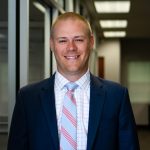
EPIScott SniderScott Snider is the President of Exit Planning Institute (EPI), which is widely recognized as the authority on exit planning in the United States and offers the Certified Exit Planning Advisor (CEPA) credential program. Scott earned the CEPA credential in 2008 and saw the potential for growing the exit planning discipline within the financial planning industry. Scott and his father Chris Snider purchased EPI in 2012 and have grown the number of CEPAs from 120 to over 3,000. Since the start of the pandemic, EPI has expanded its curriculum to include an online CEPA Masterclass and an in-person CEPA Executive course.

In addition to the rapid expansion of the CEPA community, Scott Snider lives his life according to the value acceleration model the program espouses and teaches. He started his first business at 17 and exited 7 years later. Scott continuously educates businesspeople and entrepreneurs about incorporating succession planning in their financial plans through his writing and speaking.

Connect with Scott on LinkedIn and follow EPI on Facebook and Twitter.

What You’ll Learn In This Episode

  • About Exit Planning Institute
  • Personal experiences with exit planning
  • Goals for the Exit Planning Institute as they continue to grow

This transcript is machine transcribed by Sonix.

TRANSCRIPT

Intro: [00:00:02] Broadcasting live from the business radio studios in Atlanta, Georgia. It’s time for Association Leadership Radio. Now, here’s your host.

Lee Kantor: [00:00:20] Lee Kantor here another episode of Association Leadership Radio and this is going to be a good one. Today on the show, we have Scott Snider with the who’s the President of the Exit Planning Institute. Welcome, Scott.

Scott Snider: [00:00:34] Hey, Lee. Thanks for having me.

Lee Kantor: [00:00:36] I’m so excited to learn what you’re up to. Tell us a little bit about Exit Planning Institute, how you servin’ folks.

Scott Snider: [00:00:42] Yeah, sure. So the Exit Planning Institute primarily serves professional advisors. So more specifically, that likely is a financial advisor, a accountant or a consultant to business owners. And so what we’re trying to do at EPRI is surround the the lower middle market or small business owner with the right holistic minded team to help them grow value in their business and align their business personal and financial goals. So EPI serves and educates the professional advisor that then goes out and surrounds the business owner with a high quality team.

Lee Kantor: [00:01:17] Now, when it comes to exit planning for folks that are the ilk that you describe, you know, these kind of folks that have spent their career building a practice and growing it, is there some kind of maybe a misconception of the value of it if they just kind of think like, oh, it’s time to retire and then I’m going to call it and I’ll just, you know, hey, hey, my practice up for sale. And then there’s kind of smack in the face of you think it’s worth what, Like if you don’t plan this, right? Aren’t you in for kind of a really big surprise?

Scott Snider: [00:01:51] You are really hit. You hit the nail on the head for sure. We talk about it at API as very successful companies versus very significant ones. And if there’s a business owner listening to the show right now, you probably feel I think most business owners feel very prideful and very proud of what they’ve done. They feel very successful. They likely are successful, right? They have great people. They have great customers. They’re likely kind of the heartbeat of their culture, if you will. They might have a strong balance sheet, have a good pal, might live a nice lifestyle. And then to your point, when they go to sell this company a decade from now, or if you’re a baby boomer business owner, right, that’s maybe 65 years old, you started your business back when you were 30 out of the shed in your backyard or your garage or your bedroom. You’ve owned this thing for 35 years and you go to sell this thing. And to your point, I love how you use it. You’re kind of smacked across the face because in fact, the buyer on the other end now has called your baby ugly. They’re saying, look, it’s either not what you think it’s worth or unfortunately maybe not worth anything at all. And that’s a I think, a big issue. It’s a big issue across the United States and a big issue across the globe, as many business owners, regardless of age, primarily focus in on what they’re most passionate about, and that’s growing their business. What they don’t realize is that just because you have a successful company year over year doesn’t necessarily mean that you have something of significance or something that’s worth that’s that’s something that’s valuable and transferable. So you’re you’re spot on. Many owners forget to concentrate on the end and only concentrate in the moment.

Lee Kantor: [00:03:30] Now, this came very clear to me. I’ll never forget it. My background is in marketing, so I have I’m kind of paying attention to marketing when it comes to businesses. So I had a dentist that I went to regularly love the dentist, and then all of a sudden, you know, he got older, just like you described probably in his mid sixties, and then he sold the practice to somebody else. And I went to that person one time and then I’m like, Why am I going to this dentist is a brand new dentist. I can go to any dentist. You know, I’ve always gone to this other guy because I’ve been there going to him for 20 years. Why am I going to this new person? Why don’t I? And I had moved since then and I was trying driving to see my old dentist and now I’m like, Why am I driving all this way? There has to be a dentist near me. I didn’t have any connection with this new person, so they bought a business and the client who was me that had no kind of loyalty, they had no, I wasn’t invested in this new person. I always liked my old person. So I became clear to me like this person bought a business that really is a brand new business. Like unless there’s a really elegant kind of way to hand this off. And maybe they would have had them kind of do some of my work and over the over years to build some trust. So if you don’t plan for this and you just think you’re going to just find somebody and say, Hey, here’s a business, buy this. I got 100 clients. You don’t have this new person doesn’t have 100 clients.

Scott Snider: [00:05:02] Right? So I think you’re I think you’re spot on. These are actually some of these, like service based businesses, physician’s office, dentists, veterinarian practices. There have a lot of goodwill and a lot of that goodwill is usually with their people. So to your point. Couple of things. One from the the original dentist, right? The guy that you like to go see, what he was able to sell his practice. Right. So, so good for him. I think that that’s great. However, you know, if you’re again, in that realm of things, if you’re in that service base kind of businesses, when you’re approaching your kind of ideal exit or we have to start thinking about to ensure a good exit and a high multiple. Right. Maybe your dentist could have actually sold his business for much more, but they built a business that sounds like a really nice lifestyle company built around one single dentist. To your point, integrating other other people, having the right customer experience overall, something maybe unique to that that that dentist that that that’s practice culture, people, clients, systems processes that’s really what that person was buying was that if you just kind of want I always kind of think about it in these smaller companies that are service based. Well, you know, to your point, you’re kind of married to the dentist. So when that dentist leaves, you’re likely going you’re likely going somewhere else. And so I think that if I was waiting to buy that business right, I would just wait for that person to just retire. Why would I buy his book of business when likely they’re tied to that dentist that you weren’t tied to the brand? That was the dentistry office, right? You were tied to the dentist, the individual. So I think there’s and you see a lot of that. There’s obviously a huge amount of businesses in our small and our small business market that tend to have a owner operator type feel and the business is very dependent on them.

Lee Kantor: [00:06:51] So how do you help your members kind of rethink the plan? Because, you know, for a lot of folks that start a business, you know, maybe they were disgruntled and they go, I’m going to do this myself and I’m going to, you know, I hate my boss, so I’m going to start my own practice or my own firm. And then how do you kind of help them prevent what we were discussing, where that the client is buying a brand? They’re not buying an individual because when you’re relying on that individual that’s fragile and it’s probably not worth anywhere near as much as if it was a if they were falling in love with a brand.

Scott Snider: [00:07:28] Yeah. No, I think you’re absolutely right. So we would do what? And so we combat that by teaching what we call the value acceleration methodology. It’s a process that integrates three elements business, personal and financial. These three elements that I think every business owner has and gives them a framework that brings these longer term goals and strategies down into one year strategies in the 90 day sprints. But basically what you’re saying is, and what we would call three challenges that every owner face, right? So number one, the first challenge is, is that they actually if you looked at some of our state of owner readiness research, we just released one in the understanding business owners in the state of Colorado every time time and again, I don’t care what state we’re in. The first question we ask is, is having an exit and transition strategy important to your your future and the future of your business? 95% agreed in some way, shape or form, 61% strongly agreed with that statement. But what we’ve been talking about over the last few minutes is their kind of their goals and objectives and way of thinking don’t match that statement because they’re actually not doing anything about it, which is challenge one. They actually believe it’s important. Yes. They’re not doing anything about it because they don’t think it’s urgent. Well, I’m not ready to sell now. I’ll do it when the time comes to or maybe maybe 18 months, 24 months before I go to sell my company. It’s kind of like readying a house for sale.

Scott Snider: [00:08:53] Right. Let’s paint the doors. Let’s get some some fresh paint on the inside. Maybe re landscape a little bit. Let’s get this thing position for sale. And that’s just not how it works. Challenge two that would definitely hit your your dentist example is whether you’re a huge business with multiple employees generating millions of dollars of revenue or a smaller owner operator type business with only a few people. We are all subject to what we call these five D’s, these things that involuntarily force us out of our companies, something like our global pandemic, something like a partner dispute, a death, a disability, something that particularly in these lifestyle owner operator businesses force us out of the a force us out these content these these unbeknownst to us things that that happen. Right. And then last I think many owners are concentrated on generating a nice income not generating value. Right. How many times you walk into an owner’s business and maybe you’re looking at their metrics or their key performance indicators and you’re looking at things like customer retention, lead generation, customer satisfaction, efficiency scores. You don’t see a lot of things that relate to how much more value did I create in my business this month or this quarter or this year? So those three challenges are really combated by the value acceleration methodology, which is what we’re teaching to those certified exit planning advisors that then go out and teach those business owners and align with those business owners to create a company of significance.

Lee Kantor: [00:10:23] So then who are your members? Are they kind of consultants that want to help folks exit in a successful manner, or are they you know, maybe they’re already CPAs or they’re already kind of in a business that touches on some of these elements? Who is a member?

Scott Snider: [00:10:41] Yeah, our members are financial advisors, CPAs, accountants or consultants. So they’re going to come back. They’re going to come with three different specialties, right? So you have the business, so you have the CPA, the attorney, the consultant on that, and then you have the personal and financial side, which is typically their financial advisor. So any and all of those types of advisors, you can think about it as anybody that’s really surrounding the business owner in an advisory capacity is coming to API to get trained and how to be a better advisor, how to be a more holistic minded advisor, and how to think about those three challenges that owners have and how to implement the methodology to combat them.

Lee Kantor: [00:11:20] So when should a business owner start thinking about their exit? Is it one of those things where as soon as you start, you should be kind of picturing at least or planning for the end in mind 100%?

Scott Snider: [00:11:34] I would say that whether you’re 25 years old and just launching your very first business as a new entrepreneur or you’re 65 or 70 years old, trying to more immediately harvest the value from your company and move into the next phase of your life. You should be focusing on exit planning. Now, we always say at RPI that exit planning is present tense, not something that you do in the future. You focus on right now. If you focus on exit planning right now, not only will you have a better business year over year, a more successful company, but you’ll be building a business that for the is is more valuable and transferable for the future that’s aligned to your business, personal and financial goals. Or the short answer is right now we should all be practicing exit planning if we’re owners.

Lee Kantor: [00:12:12] Now, you mentioned kind of a membership that involves kind of wealth advisors and CPAs and folks like that. How much of their time are they spending even discussing this? You know, even if they’re never a member of your association, Are these conversations are even having with their clients or are they kind of, you know, is the CPA like, hey, I’m doing their taxes and, you know, I’ll give them a pal every quarter or whatever. And it’s like that they’re are they’re kind of on their own.

Scott Snider: [00:12:41] Yeah, I would say that if you asked me that question like ten years ago, I would have said that no one’s really talking about it. Right? The owner certainly not talking about it because they’re focused on income generation, not value creation. They’re focused on short term, not long term. And the advisor is, to your point, concentrating on their expert expertise. So if I’m the accountant, I’m concentrating on the financials and the tax position from the if I’m the financial advisor, well, I don’t really care about the business because I’m really talking about helping the owner in their investment portfolio. And if I’m the consultant, well, I don’t really care about what they want to do personally because I’m here to grow the business. And so ten years ago I think many advisors, although very much experts inside of their space, didn’t come with a holistic approach. Nowadays, I think more conversations are being had both by advisor and owner from an owner’s perspective. Last year we saw one of the hottest markets in our country’s history high multiples, a lot of businesses being sold, primarily driven by the baby boomers who are the average owner this year. The average baby boomer business owner this year is 67 years old. And according to an NY study that came out just last year, they said that the average owner starts thinking about exit and transition when they’re 63.

Scott Snider: [00:13:56] So I think that the market is prime time. So more owners are saying, Hey, you know, you’re my most trusted advisor as my CPA. You’ve been around for a while and now I’m thinking about transitioning. How do I get out of this business? How do I sell it? And then the advisors are a lot more educated because the market has come along and to this the more holistic minded market. And if you look down the generational stream, if you will, to people in their forties or early fifties, these Gen Xers, well, their generational characteristics tell us that they’re actually more focused on optimizing their time, they’re more focused on investing and saving money appropriately, and they’re more focused on a balance of life. And if you are appropriately doing exit planning, these things all come to you, right? We’re talking kind of come back to this organizing principle, this balance of business, personal and financial goals. So I think in 2022 and beyond, I think many advisors and owners are having these conversations more frequently. And I think that’s why you see this exit planning space or exit planning profession really as a hot topic within the in the business ownership realm or in the professional advisory space.

Lee Kantor: [00:15:06] Now when you’re talking to a CPA that maybe isn’t doing this right now or is learning about Exit Planning Institute, is this something they’re like, Oh, where have you been all my life? Or is this something where it’s like, Oh great, something else I have to learn or something else I have to do? And I like to just stay in my lane and I’m not I don’t want to start being responsible for an exit and that kind of thing, because I’m just I don’t know, the mindset of a lot of CPAs are just let me do your taxes. You know, I’m not here to help you grow. I’m here to help count your money.

Scott Snider: [00:15:46] Right? That might that might not be their role. So I think that a lot of people, when you think about exit planners, they think that it’s going to be a new service line or they think about this person that’s a consultant, what we would call like a value advisor, this person that actually goes in and runs the methodology. To your point, I agree a lot of the CPAs and a lot of the financial advisors who work on the personal and financial side, they don’t work on the business, so they’re not here to help you position your business for for sale. They’re not here to work on these mitigating risk business improvements. But what they are here to do is align your personal. On financial plan with your business plan. And so though they might not run like the CPA might not come in and say, look, I want to do the exit planning. They might say, look, I want to stay in my lane and I want to work with my expertise, which is giving you good business advice, doing your taxes and mitigating some risk in that realm. I think any advisor, though, this adviser of the future, if you will, that wants to work with business owners, needs to understand what it takes to exit a company, even though they might not do it. So many of our members actually don’t do the work. They come in and become a certified exit planning advisor and maintain a membership with us because they always want to continuously be evolving their thinking and their position with business owners.

Scott Snider: [00:17:02] And so there’s people that are what we call CPAs that are these influencers and educators. They’re here to kind of help the owner down the exit path, though they might introduce somebody on the other side of the coin, which is the value advisor that will come in and run this, run this methodology and actually ready the business for sale, whether that’s an internal or internal or external exit. I think for the most part these days, given the topics hot, most people are like, Oh man, I know. I didn’t know Exit Planning Institute existed. Right? It’s the the running joke in our office. If you just kind of think about exit planning institute and know very little about exit planning, you guys probably think we’re funeral directors or something. But nonetheless. Yeah I think people today are, are certainly saying, okay, my business owners are starting to talk about this transition, this exit, the succession plan. I’m not necessarily equipped to have this conversation. Where can I have it? And so they’re turning to the API that you’re turning, you’re turning to the Exit Planning Institute to get the right credentials, courses, content and community to have these type of conversations and bring the right people in. If it’s not you that’s going to go do that work.

Lee Kantor: [00:18:10] So now in your association, is it kind of a national virtual association? Are there chapters around the country where people meet in person? Sure. How do you kind of work it?

Scott Snider: [00:18:23] Certainly, yeah. So we’re a global organization, though, I think primarily we’re certainly here in the United States. We have about 25,000 advisors in the overall community, and 4000 of those 25,000 have the Certified Exit Planning Advisor credential or designation, primarily here in the United States. But EPRI is technically in about 18 different countries across the world. So obviously since two years ago and our pandemic changed our world, we’ve certainly become more virtual than not. So I would say today the API community and the people that associate to it are virtual and in person. So we have weekly think tanks that allow advisors to get together and have deeper conversations and network that are virtual so you can tune in from anywhere across the world. And then we have our chapter network, which has about 20 to 25 different chapters around the United States, where people come together on a monthly basis to actually to meet and to meet in person and and collaborate and network there. And on a larger scale, we have something that’s called the Exit Planning Summit. It’s the largest exit planning centric event in the United States. So if you’re looking to further your knowledge or get associated with some experts within the space, the summit is a place where we bring together about 1000 people each year to talk exit planning and have different experiences and different innovative ideas along the way. And so we have both virtual and in-person options depending on how deep you want to go.

Lee Kantor: [00:19:56] So what’s your backstory? How did you get involved in this line of work?

Scott Snider: [00:19:59] Yeah, interesting backstory for sure. So I’m an exited owner, so I started my business at the seat in my geometry class when I was 16 years old. I probably should have been paying more attention, but I really wanted to start my business and so I started that and was able to sell it when I was 24 years old. The interesting twist to this story is that my father, Chris, who’s the creator of the value acceleration methodology, which is in Chris’s my dad’s book, Walking to Destiny, we he was a certified exit planning advisor, so he was a part of the first 100 CPAs certified back in 2008. So I knew a little bit about exit planning and I struggled with my exit. Even though my dad was a CPA. Primarily, I struggled on the personal side. I remember coming out selling my first business. I was 24 years old. I had a little change in my pocket, probably more so than my buddies that were all graduating and college and starting their careers with a lot of college debt. And I literally I lost my identity. As the year progressed after selling my business, I fell into this Price Waterhouse statistic that we always hear in our space that says 75% of owners profoundly regret selling their business just a year after selling it. And it’s usually from a personal standpoint, they they lost. My phone wasn’t ringing. People didn’t need me. There was no big challenges for the day. There was no massive interaction with people. So I came into my dad’s practice at the time and again, he’s a he’s a CPA. And what I found was many owners had similar issues and my dad was running a process that then he called buy in, prove, grow, sell the Biggs process.

Scott Snider: [00:21:38] And I said, Dad, I think that we need to really change our model. I think what you’ve learned at CPA back in 2008 and what you’re doing with owners today, you’ve create this very interesting approach and outlook that have combined some new concepts and a process that you can go out and execute to see results. And some of the original exit planning principles that were taught to you and CPA in 2008. So fast forward now a couple of years from there, Dad and I ended up buying the Exit Planning Institute, which was based in Chicago, now based here in Cleveland, Ohio. And we flipped our model. Instead of working with business owners, we worked with professional advisors. And again, as we kind of started our conversation, we felt that though the advisors on the team were highly qualified experts within their role, they weren’t unified under one goal and objectives and they weren’t having cross collaboration and communication around these three critical elements business, personal, financial that allowed a business owner to grow from success to significant. So we bought API, implemented what’s now called the value acceleration methodology, and here we are today. But yeah, so it’s an interesting, it’s always an interesting perspective for me. Sometimes I have a hat on that’s an educator, sometimes I have a hat on that’s advisor and almost always I have the hat on. It’s a business owner as well. So so that’s the interesting back story of API and how we, how we came into this business.

Lee Kantor: [00:23:08] Now when you took it over, was it a when did you start kind of feeling like, Hey, we’re on to something? This is something that really is resonating and people are, you know, getting that aha moment and they really do understand what we’re trying to accomplish here.

Scott Snider: [00:23:29] And so we bought it in 2012 and I would say it was probably about 2017 when we really took good root and really started to, you know, J curve, if you will, on the on the entrepreneurial growth and the growth entrepreneurial growth path. And I would say that because in 2013 we changed up the credentialing program that our members were taught, we implemented the value acceleration methodology as core curriculum, and that took a couple of years to kind of take root. And then in 2016, my dad wrote his book Walking to Destiny, and it launched into the market. So we were able to actually hit more people. At the same time we were launching chapters across the United States. So awareness in these different regional pockets came and then we also had about four years under us of doing regular consistent research on over owners through our state of owner readiness research. So I would say between those three or four kind of critical thrust kind of initiatives, 2017, we started to see really major, I would say a major spike in general, generally in professional advisors wanting to be involved, whether that was attending the annual summit, getting involved in our chapters or taking the full leap and becoming a CPA, that’s really, really took root. And we went from about, I think it was about 500 certified exit planning advisors at the end of seven and 17 to over 4000 certified exit planning advisors as we conclude this year. So yeah, pretty, pretty massive growth.

Lee Kantor: [00:25:07] Just five years to be an overnight success, right?

Scott Snider: [00:25:10] Yeah, that and a lot of sleepless nights now.

Lee Kantor: [00:25:13] Do you have any advice for other folks that are leading associations and maybe emerging associations, like how do you kind of attract those early chapter leads? How do you kind of enter a new market with something that I don’t want to say isn’t fully baked but is still evolving?

Scott Snider: [00:25:33] Yeah, I think that you have to have like champions, like boots on the ground, people that really believe in what you do and that are going to spread the word. And I think that, you know, for me, my dad, Chris, who invented the value acceleration methodology, but the founders of API way back in 2005, Peter Christman and Rich Jakab, when they started these kind of original exit planning concepts in their book called The $10 Trillion Opportunity, these people will really think that those three gentlemen were people that sparked an idea what happened when we started to grow the membership and we had these chapter leaders that are running these regional chapters across the United States. Those are really people that carried the torch and that really championed the appropriate way to grow a company, and that’s through the value acceleration methodology. And I think that if I had to look at other association leaders and. Talk to them. I would say that what that truly boils down to me is being very in tune to your member’s needs and your member feedback. And I could tell you that maybe a lot of us experienced this again in 2020 and April and May when we all kind of had to look at ourselves and say, Hey, maybe we were primarily an in-person organization.

Scott Snider: [00:26:40] Now we have to have this virtual component. It really we dialed it back in 2020 and said, We want to focus this year, obviously pivoting our company. But in order to do that, we wanted to pivot the organization in a way that was very representative to our and very driven by the members themselves and creating opportunities, experiences and creating programing that was member driven, not necessarily top down driven, but bottom up, I guess you could say, really creating a community that wasn’t really about the $10 trillion opportunity, wasn’t necessarily about walking Destiny, wasn’t about Chris or Scott Snyder, but it was truly about the certified exit planning advisor and what they were saying. So really understanding in depth with data backed with data backed information, really understanding your members and what they want, I think allows associations to evolve, whether that be evolve and growing and retaining their membership or evolve by growing through some acquisitions of other like minded associations. But always keeping your your member in mind I think is critical.

Lee Kantor: [00:27:49] Well, what do you need more of? How can we help?

Scott Snider: [00:27:52] Sure. I think that spreading the word around exit planning is better for everybody. I think that it’s truly a economic and a social impact. Right. If you think about business owners in the United States and how much they power, whether that be taxes, charitable intent, employment, all of that good stuff, I think that spreading the word of exit planning, you can do that. So you can do that in two ways. Number one, just go to earn CPA and you can interact with all kinds of different stuff there, whether that’s content, people experiences, we have that all. And I would say go on to LinkedIn and just follow me on LinkedIn. Scott Snyder with an I. Snyder and I try to share different stories, experiences and content. I think a pretty authentic approach. I’d like to thank almost daily. So check that out and begin to spread the word about what it means to really grow a company of significance.

Lee Kantor: [00:28:45] Well, Scott, thank you so much for sharing your story. You’re doing important work and we appreciate you. And then before we wrap up one more time, the website and the best just the website would be great.

Scott Snider: [00:28:57] Sure. Cpa dot com and CPA is certified exit planning advisor. So it’s earn CPA dot com.

Lee Kantor: [00:29:04] All right. Well thank you again. It’s so important for entrepreneurs business owners to have the exit they’ve kind of earned and not leave money on the table. If you do this right, if you plan for it, you’re going to be so much more successful when it comes time to have that good exit.

Scott Snider: [00:29:24] Thanks. Yeah. Totally agree.

Lee Kantor: [00:29:26] All right. This is Lee Kantor will sell next time on Association Leadership Radio.


Tagged With: EPI, Exit Planning Institute, Scott Snider

Alon Bender With CLEER Security

September 29, 2022 by Jacob Lapera

Alon Bender
South Florida Business Radio
Alon Bender With CLEER Security
Loading
00:00 /
RSS Feed
Share
Link
Embed

Download file

DTLLogo-Blue-Bannerv2CLEER SecurityAlon BenderAlon Bender is the CEO and founder for CLEER Security, a Miami based cybersecurity startup. Backed by industry leaders, CLEER Security offers a SAAS Cybersecurity solution to help SOC teams respond quicker to the alerts that needs their immediate attention. Prior to his current role, he spent 20 years as enterprise cybersecurity engineer working at the leading cybersecurity vendors including: Trend Micro, Symantec, McAfee and Proofpoint.

He designed and delivered hundreds of cybersecurity solutions to F500, G2000, State and Local Government in the US since 2002. Earlier in his career, he served as EVP Strategy – Network Privacy Inc., CEO & Founder – WingedHat, CTO – IntraTech, CEO & Founder – AB Networks and Cyber Ops Planning Commander – IDF. He relocated from Silicon Valley to South Florida in 2017 and working since to help support and grow local cybersecurity presence building his company here in Miami. He holds twenty-five certifications, in addition to bachelor’s degree in science in applied science and technology from Trinity University.

He is active in the South Florida technology innovation scene. Member of Cybersecurity Advisory Committee at NSU, Levan Innovation Center MDC Cybersecurity Center of the Americas Advisory Committee, member South Florida HIMSS local chapter member.

Connect with Alon on LinkedIn.

What You’ll Learn In This Episode

  • About CLEER security
  • Recipe for success
  • The most valuable lesson he have learned from his previous start-ups
  • Advice to young entrepreneurs that are looking to build B2B software startup

This transcript is machine transcribed by Sonix

TRANSCRIPT

Intro: [00:00:01] Broadcasting live from the Business RadioX studios in South Florida. It’s time for South Florida Business Radio. Now, here’s your host.

Lee Kantor: [00:00:14] Lee Kantor here another episode of South Florida Business Radio. And this is going to be a good one. But before we get started, it’s important to recognize our sponsor, Diaz Trade Law, Your customs expert today on South Florida Business Radio, we have Alan Bender and he is with CLEER Security. Welcome.

Alon Bender: [00:00:34] Great to be here.

Lee Kantor: [00:00:36] I am so excited to be talking to you about this. This is so important. But before we get too far into things, tell us about CLEER security, how you serve in folks.

Alon Bender: [00:00:45] Yeah, absolutely. I appreciate it. So we CLEER security. We are early stage startup and we are helping organization to deal with the problem of being overwhelmed with the alerts and data. And so if you look at the last five years, the volume of security alerts in security operations has doubled. The staff level didn’t double in any organization that we are aware of. So really the solution is to automate more and reduce the workload in a security operations center and allow companies to respond quicker and faster to to security threats.

Lee Kantor: [00:01:28] Now, for the listeners who aren’t kind of in the weeds of this as much as you are, can you share a little bit about cybersecurity and and the kind of maybe the evolution of the bad actors? At one point, you know, there were movies where the bad actors or teenagers in a basement, you know, with Cheetos and Red Bull. But today’s bad actor, they they’re much more sophisticated. This is a full time job. This is very organized. So can you speak to that a little bit to educate the listener about where we’re at and what we’re dealing with today?

Alon Bender: [00:02:03] Yeah, absolutely. So, yeah, you’re absolutely right about that. Today’s what we call bad actors are sophisticated, that it’s really an underground economy. It’s a very large economy, actually. And what you’re seeing, the type of threats that you you’re seeing, especially since COVID is really going after what we call the human behavior, meaning that you may get a link. So you may heard the term phishing emails say, hey, your PCR results arrive, click here, it’s urgent and it really takes you to an identity stealing basically website or here’s your Amazon gift card or Apple gift card, whatever the case may be, all the way to more sophisticated attacks where the bad actors are assuming or basically stealing an identity and assuming an identity of a manager and finding the way into an organization, sending a message on behalf of the manager to the people that report to the manager, asking them to do something with the typically with the sense of urgency, Hey, I need this account number. Sign your CFO. I’m on the road, please send it to me a.S.A.P. And unfortunately, those type of sophisticated attacks are extremely powerful from the bad actors perspective. And the main motivation here is really is money. There are some government actors that are looking for sensitive data, but for the most, say, a majority of those type of attacks, the driver, the main driver is basically they are looking to make money and they are fortunately making a lot of money.

Lee Kantor: [00:03:47] So what’s your back story? How did you get involved in this line of work?

Alon Bender: [00:03:52] Yeah. So I’ve been walking actually in Silicon Valley before I moved to Florida back in 2017, and I’ve been working with the companies, Fortune 500 companies from all the verticals from NASCAR to Nike to Chevron to Bank of America and others. And what I’ve noticed is that everybody is dealing with the same problem, meaning that DDoS attacks are becoming more sophisticated, they are harder to detect. And if you don’t do take those, then you can really have what is called a response policy in place to go and remediate those as soon as possible. While the different vendors are offering new and shiny tools that will be the best next detection antivirus tools that will block supposedly 100% of threats out there, where the reality is that there’s really no solution. There is no tool that will always block 100% of threats. So this basically turned into an operational nightmare where especially with large organizations, they just can’t keep up with all of the data, all of the alerts that are coming in from all of the different security tools. And they still need to be able to basically investigate every single one because that’s not actually taking place. Many of those alerts are left basically as is. And for the most well known breaches, those alerts actually were buried in the pile of information and no one knew that that’s the alert that they needed to get to a right now. So this is really the background of why we founded Clear Security. With that in mind and with those experiences, seeing those experiences firsthand, working with customers from all verticals.

Lee Kantor: [00:05:40] Now, this is one of the biggest challenges for large organizations especially, is they want to be responsive to their customers. Their customers are expecting kind of almost real time answers and real time information and the ability to get into their accounts. The businesses have to keep the account secure and they have to make sure it’s who they say they are are really who they are. It just and and they’re fighting a force that is just really sharing information and sharing best practices. It’s just it seems like an almost overwhelming challenge. How does clear kind of stay in front of this? Because it just seems like there’s there’s so many challenges in this regard.

Alon Bender: [00:06:28] Yeah, absolutely. And you touch a very important point, which is brands, right? So brands are built in the digital economy on trust. If you don’t trust your back, you may think twice before you sign up or open an account. With Bank A versus bank B, your bank is getting breached and it’s all over the news every other week. So that that has a real impact. So with clear security, what we identified is that most of the breaches. So if you look at the latest, some of the latest reports from the top analysts in the cybersecurity industry, 82% of threats are actually targeting humans people. So what we did with clear security, we build a technology that allows us to identify how people, how humans are being targeted and from there adding that missing visibility to all of those threats so that even if that entire event took place outside of the corporate network, when someone was on their smartphone, working from home, working in a hybrid type of environment where the security team don’t necessarily have full visibility into the user’s activity, by bringing that exposure, we are able to basically add that missing context around how your employees or your people are being targeted and then bring in all of the other signals or security alerts from your existing tools so that you will know which alert you need to respond to right now and fully automate that entire process from there.

Lee Kantor: [00:08:09] So now is the is your ideal customer, are they these kind of are they only enterprise level or does this trickle down to the smaller business as well?

Alon Bender: [00:08:19] Yeah. So it’s very interesting. It’s a good question because we see interest from MSPs or managed security service providers that are typically smaller in size. So one of them from the West Coast that we are working with right now, they have about 115 customers. They very lean, mean a level of staff that don’t have lots of employees. It’s fairly a thin type of environment and they need to manage for their customers. Exactly the. Ability to respond quickly to those type of threats, and they don’t have the ability to add lots of staff. So what we see is that with clear security, we are like a force multiplier. So by adding that automation, we’re able to basically allow the MSP, the service provider, to provide better services, more services without necessarily having to increase the size of their team by doing so. Also keeping their cost costs of a customer, their customer within their profit margin.

Lee Kantor: [00:09:27] Now let’s talk a minute about the South Florida Tech community, especially around cybersecurity. Are you able to find the talent you need there in South Florida or is your team kind of everywhere?

Alon Bender: [00:09:40] Yeah. So we we are all working remotely, but we do have several employees that are based in Florida and South Florida. So most of our employees are local. Finding talent in cybersecurity is not as easy. There is a big gap in the industry. So just a couple of months ago, the White House actually started an initiative trying to address the talent crisis we have in the cybersecurity industry right now. There are 714,000 cybersecurity analyst positions that companies and organizations are trying to fill, and that talent is nowhere to be found. So this is a real problem in the entire industry. And we see some of that also here in Florida, in south Florida. And this is also where I’m involved with several initiatives, working with Miami-Dade College, working with NSU, and then being a member in several associations like James Isay for South Florida and others to basically help build that that cybersecurity talent and that next generation cybersecurity and resources that are desperately needed here in Florida, in South Florida.

Lee Kantor: [00:11:01] Are you finding that the universities are open to allowing some people from industry to help create this curriculum that will kind of train that next generation of cybersecurity expert with the help of industry for these jobs that you know so that your team and others like you can kind of grow your own employees and at least get them pretty trained up just through the universities.

Alon Bender: [00:11:28] Yeah, absolutely. So we’ve been working with clear security, we’ve been working with the Miami-Dade College, for example, last year and also actually right now on internship programs. So working closely with the Miami-Dade College and others to really perform any number of things from what we call mock interview interviews, meaning expose the students to what is expected of them in a real cybersecurity workplace type of environment, all the way to internship programs, which is we’re hiring students, exposing them to cybersecurity. In our case, it’s a startup environment. So using lots of innovation, innovative tools, collaboration tools and other tools that they will most likely see in the in the commercial industry once they go out there. And and the third pillar here is my personal involvement through the different committees, whether it’s an issue or whether it’s a Miami-Dade College. I remember the advisory center of the America Advisory Committee with the Miami-Dade College with NSU. I’m also a member in the Cyber Security Advisory Committee as a member. So that gives us in the private industry an opportunity to influence, communicate and support the students and the next generation cybersecurity talent that is coming out of education.

Lee Kantor: [00:13:03] Now, having come from Silicon Valley where there’s so much innovation and has been around for so long and there’s so much density when it comes to startups, so that when a startup doesn’t go the way that the founder wanted, there’s a place for that founder to land or to mash up with another startup that might be doing something similar. Are you seeing the South Florida kind of ecosystem kind of taking that same tact where they’re trying to increase the number of startups there and as well as giving those founders a place to land when the the startup doesn’t go the way they want?

Alon Bender: [00:13:42] Yeah, absolutely. So the short answer is yes, definitely. The longer answer is that when I first moved here in 2017, all of my. Friends from Silicon Valley thought I’m crazy and two years later they want to join me. So South Florida is becoming a major tech hub, and it’s as real as it gets, not just in cybersecurity, but in innovation in general, from crypto to A.I.. Just a couple of weeks ago, Miami Dade College, for example, they launched a brand new AI center. So I definitely see a lot of opportunity in South Florida like never before, so that when you have that what we call the repeat of serial entrepreneurs that may have started one project or one initiative, they had to pivot to something else. Maybe they were successful more or less. There are plenty of opportunities to participate in the ecosystem, and we have the different communities, frameworks, clubs and associations that really are part of that, a fast growing infrastructure that allows all of that talent to continue and invest from their expertise, from their talent, feeding back into the ecosystem and basically finding their way through collaboration, through maybe exploring new ideas or other ideas, through collaboration with the with the academia. And that’s definitely a growing trend. And it’s a very, very strong here in South Florida.

Lee Kantor: [00:15:27] Now, do you have any advice for other founders in the community? Like what are some of the lessons learned that kind of resonate the most with you?

Alon Bender: [00:15:36] Yeah, I think if I were to be asked this question, probably I would say it all starts with people, right? So that would be probably my number one takeaway for at least for myself. You want to surround yourself typically with people that are smarter and more successful than yourself, and that that opens up lots of opportunity. What I learned from previous startups that I founded or was part of is that it’s really it’s all about the people, frankly. It starts and ends with the people, with the team. From there, it’s really make sure that you talk to your potential customers before you start to build anything. And when you build, make sure that you’re able to prove real value and make that repeatable so it can be like a one off thing, but it really has to be a repeatable process. Always negotiate from a position of strength that’s based on my prior experiences. Make sure that you are always negotiating, whether it’s with investors, whether it’s with the employees, whether it’s with customers. Always make sure that you have. When I say strength, I mean value. So always make sure that you have enough value to offer and that’s really your strength. Stay focus. Focus is key, especially in startup. It’s very easy to get distracted, especially with today’s social media, slack, etc. It’s very easy to get distracted to lose focus, and that applies to also the team that you are part of. Or if you manage a team, make sure that you stay on track. But with that being said, always have enough flexibility to be able to pivot and fine tune and have that as a repeatable process. Listening to your customers, listening to the people that you are working with and proving value.

Lee Kantor: [00:17:35] Now, is there anything in the South Florida Tech scene that you wish that they had more of?

Alon Bender: [00:17:44] I think we have the growing pain of a fast growing tech environment. So I would say I would love to see more cybersecurity talent here. I would love to see more cybersecurity startups there. Not too many cybersecurity startups here in South Florida. I would definitely would love to see more. I’m I believe that I’m not afraid of competition per se. I think there is enough room for everyone. Cybersecurity is an industry. It’s it’s a huge industry and there is an opportunity for everyone. So I would love to see cyber security becoming stronger. And I’m doing at least on my side with all humility, of course, whatever I can to support the different through associations, through the universities, to support that. The trend to attract more cybersecurity talent and grow that cybersecurity tech and. Ecosystem here in South Florida.

Lee Kantor: [00:18:55] So what does clear need more of right now and how can we help? Are you looking for more talent? You need more clients. What would you like to have more of?

Alon Bender: [00:19:04] Yeah. So we are just now launching our first release of our product and we have been reaching out to several organizations and design partners that we have been working with and Will definitely would welcome the opportunity to work with any organization that is looking to increase productivity in their security operations center, and that would like to learn more about a human signal technology, a unique and innovative way to respond to threats that matter. Now.

Lee Kantor: [00:19:37] Well, if somebody wanted to learn more, have a more substantive conversation with you or somebody on the team, what’s the website? What’s the best way to get ahold of you?

Alon Bender: [00:19:44] Yeah, the best way our website is clear sec that c. L e e r s e c dot com. And you can also find me on LinkedIn alone. That’s al0n vendor B and the r and the happy to also help others. If anyone is looking for mentorship as far as guidance in cybersecurity here in South Florida, happy to help whenever I can as as far as clear security will definitely welcome the opportunity to to add more customers to our platform.

Lee Kantor: [00:20:21] Well, Alan, thank you so much for sharing your story. You’re doing important work and we appreciate you.

Alon Bender: [00:20:27] Thank you so much, Lee. Appreciate it.

Lee Kantor: [00:20:29] All right. This is Lee Kantor. We’ll see you all next time on South Florida Business Radio.


Tagged With: Alon Bender, CLEER Security

Sylvia Montgomery With SiMMs Solutions for Business & Life, LLC

September 29, 2022 by Jacob Lapera

Sylvia Montgomery
Richmond Business Radio
Sylvia Montgomery With SiMMs Solutions for Business & Life, LLC
Loading
00:00 /
RSS Feed
Share
Link
Embed

Download file

Coach-Karena-ambassadorSiMMs SolutionsSylvia MontgomerySylvia Montgomery is the owner and founder of SiMMs Solutions for Business & Life, LLC. She has dedicated most of her career as a public servant where she spent 30 years at the U.S. Department of Agriculture in Washington, DC. She retired in September 2019 and is now living in her purpose, helping businesses and individuals to live their best lives and be successful.

In this capacity, she’s provided various forms of content for many small businesses in multiple industries, writing blogs, product descriptions, web content, social media posts, service descriptions, landing pages, scripts, biographies, and news releases for nearly 150 clients.

She’s a book editor and has edited nearly 30 non-fiction books that provide knowledge to mainstream individuals to help them succeed in life. She’s a course creator having created, An Introvert’s Guide to Finding Purpose, which helps any individual to realize their purpose, and she’s a podcast host who talks to other entrepreneurs to encourage and inspire everyday individuals to live their purpose.

Connect with Sylvia on LinkedIn and follow her on Facebook.

What You’ll Learn In This Episode

  • How I help people in business and life
  • The importance of purpose to your work
  • What your life looks like when it’s not purpose-driven
  • How we can discover our purpose
  • Ways to stay focused on your purpose

This transcript is machine transcribed by Sonix

TRANSCRIPT

Intro: [00:00:03] Broadcasting live from the Business RadioX studios in Richmond, Virginia. It’s time for Richmond Business Radio. Now here’s your host.

Lee Kantor: [00:00:16] Lee Kantor here another episode of Richmond Business Radio and this is going to be a good one. But before we get started, it’s important to recognize our sponsor works by consulting solutions, supporting women to lean into their purpose, craft their vision and crush their goals. Today on Richmond Business Radio, we have Sylvia Montgomery with SiMMs Solutions for Business and Life. Welcome, Sylvia.

Sylvia Montgomery: [00:00:43] Hello, Lee. How are you today?

Lee Kantor: [00:00:45] I am doing well. I am so excited to learn what you’re up to. Tell us a little bit about SiMMs. How are you serving folks?

Sylvia Montgomery: [00:00:52] So Sims Solutions is just that. It’s an opportunity to help provide solutions to individuals and businesses, particularly small businesses, because it’s life is hard enough, right? It’s not easy. And so when we have the opportunity to provide solutions or to help in any way, then I just find it an awesome thing to be able to do that. And the solutions I provide are around content creation and copy editing, and that’s particularly to businesses or entrepreneurs who for one reason or another, they may not have time to really take the time to create the copy that they need, the content that they need for their business. And anyone in business knows that content is extremely important in anything that you do. So what I do is I step in there and I help to create that content. And that content can be in just about any form. It can be blog post, social media, email campaigns, news releases, even websites. So anything that a business needs, oftentimes there just isn’t time. And especially with small businesses because we were 1001 hats, right? So just being able to provide that type of help and those types of solutions to businesses, you know, is extremely important. And I also work in the way of copyediting. So when you need someone to look over your work, when you need someone to look over your websites and things of that nature, I also edit books, manuscripts.

Sylvia Montgomery: [00:02:40] So for individuals who are trying to create that next project, that next book project, I’m also available to that. And I’ve helped quite a few businesses over the past couple of years as well as have edited 28 book projects. So, you know, I find that very you know, I love writing and I love proofing. So that’s just something that I love to do. But I really like helping other people to live their best lives and reach their best selves as well. I also provide informational blogs that are very beneficial and useful to businesses, to entrepreneurs who are trying to find solutions to some of their challenges that they have around business. And I am a podcast host where I interview entrepreneurs so that they can help encourage and motivate other entrepreneurs or who are just trying to get started or just getting started. Oftentimes there are people who want to get started in business, but there are so many challenges they see before them and they’re not quite sure what to do, how to do things. And so my weekly podcast helps to inspire, motivate, encourage and provide solutions by even giving them people that they can sort of relate to, associate with and even go to if they need to.

Sylvia Montgomery: [00:04:10] So to provide assistance in that way. And then the other thing I do really is because I’m so focused on purpose, I believe that. No one can really be truly happy or fulfilled in life if they are not living their purpose. And I don’t care what it is we’re doing in life. I work in the federal government for 30 years, and even in doing that, I was not fulfilling my purpose. It is not. It’s just been these past few years when I went on my entrepreneur journey that I am now evolving into the person that I was meant to be in fulfilling my purpose. And so I am on a mission to help others do that as well. So I’ve created a purpose course. I’m an Introverts guide to finding purpose to help introverts extroverts. It really doesn’t matter who you are. I just believe that you will not live your best life until you are fully living in your purpose. And so I provide that opportunity as well. So I’m just really excited right now about the opportunities to come to help other people, and I just want to do it as often as I can for whomever I can.

Lee Kantor: [00:05:26] So let’s dig in a little deeper when it comes to purpose. And I agree with you 100%. If you’re aligned with your purpose, then life is a lot easier and it’s a lot more fulfilling. Do you have any advice for the folks out there who might be struggling, who might be frustrated in the life they’re leading on how to kind of know when you’re on the right track and that you are kind of living a life of purpose or there are some things, are there some clues or some work they can do right now to help them kind of identify what their true north is or should be?

Sylvia Montgomery: [00:06:00] So it’s you know, it’s sort of a tricky question because a lot of times we can be doing things or we can be living a certain way and we find ourselves happy in doing that and we feel a little content and especially if, you know, if everything’s going well for us and if we’re busy, right? It just seems like we’re always having something to do. We’re always on the go. A lot of times that leaves us with not much time to really think about what we’re doing and how we’re living. And if we’re really, really fully happy with what we’re doing with our lives. So I’d say there are quite a few things that we really need to do within us to really a certain whether or not we’re on the path that we’re meant to be. And, you know, even with my course, I have people go back as far back as they can early in their childhood to just really think about what their dreams were when they were small. Because when we’re young, that’s when we’re our authentic selves, right? That’s when we are truly our best selves. We’re young and we’re thinking or thinking outside the box. It’s like no limits, right? And the sky’s the limit for us. But as we get older, we find that as we get older, we go through life.

Sylvia Montgomery: [00:07:24] Life happens. Reality sets in. And all those dreams that we used to have, we no longer have them. We may still have them, but we don’t feel as compelled to move forward with trying to fulfill those dreams because life can hit us hard. And when it does, we tend to feel that that’s just not possible. So one of the things I tell people is go back to your young self, because if we go back there, that is where so many of our answers lie. We can do that. One of the things that I did, even though, like I said, I was in the federal government for 30 years, I always felt myself doing things on the side and I always had people coming to me asking me certain things, certain questions, as if they knew I could help them. I didn’t have solutions then, but it was always as if and even now, you know, people still come to me with certain things. And when that happens, if they come to me enough with those things, then I know that’s what I need to figure out how to do for that individual, or that’s what I need to figure out how to do for more people as part of my solutions package. But a lot of times the answers are right around us. The answers are there.

Sylvia Montgomery: [00:08:45] We’re either not paying attention or we just don’t want to give into it. Because again, when we truly live our purpose, it’s hard. Purpose is not easy. It’s a challenge. And a lot of times we just want to avoid it because we feel that it is too challenging. And that’s why my podcast, I feel, is just so important because it helps people to understand the challenges are going to come in life regardless of what you do. Everyone has challenges, even those who have been successful in being able to live the life that they were meant to live have had challenges. But we talk about how we get over those challenges and we talk about how to get through those things. Even when you’re not living your purpose, you’re going to have challenges. You know something? One of my guests recently said is that choose your heart. Choose your heart because the challenges are going to come. It’s going to be hard either way. So do you want to try to challenge through what it is you are meant to do to get over it? Or do you want to have the challenges of something that’s not even fulfilling yet? So you’re going to have the challenges that are going to come, but let’s have the challenges around what we were meant to do so that we can help you to get over it, because help is out there.

Sylvia Montgomery: [00:10:09] There are people who are there to support, and that’s one of the things that I do at some solutions. So those are two of the things I say. Go back to your childhood and I say, Just look around you. And when you really take time to take time to yourself, when we get away from our busyness and just really think about our lives, there are like a ton of questions that I put out there for people to just answer about themselves. One of the things I have them do is to define Who are you? Answer that question. A lot of us, if you ask who are you, they’re not able to really tell you who they are. So that I think there’s so many questions that that help us to answer that question about ourselves. So, you know, there are some exercises there, but really spending time with yourself because the. The answer lies within you. It’s there. And guess what? It’s been there all the time. So our purpose is for us. Our purpose is it’s what makes us truly happy. It’s what truly fulfills us. And if we’re not living it, we might be content for a little bit, but that’s always going to be something that’s missing.

Lee Kantor: [00:11:23] Now, how do you recommend folks who say, okay, I believe every word you’re saying, I am going to now live my life with purpose, on purpose, and I am. So that’s going to mean I’m changing a little bit. You know, like you said, you were working 30 years in the government and now you’re an entrepreneur and, you know, coming to a family or a group of friends who were part of that, they might, you know, with your best interests at heart, might not they might kind of I don’t want to say sabotage, but they might not be as enthusiastic about that drastic change as you were about making it, which the change is difficult by itself. So how do you kind of protect yourself and insulate yourself, inoculate yourself from some of the negativity that might come with a change of directions, especially if it is kind of drastic in terms of what you used to be and what you’d like to be?

Sylvia Montgomery: [00:12:20] Mm hmm. That’s a very good question. And again, as I said, you know, it’s challenging, it’s hard. And that’s even one of the challenges, just trying to stay focused. So, you know, once you have an idea, you’ve come to a certain of what your purpose is. And you you know, you said this is what I want to do and this is the course I want to take. Yeah, there are definitely going to be obstacles. You know, I’m not even going to I’m not even going to lie about that. There are going to be so many obstacles. There going to be so many distractions. There are going to be people around you who will not understand and who will be very feel very free to tell you, oh, just stay where you are or God, you should just do this. You know, they’re even going to put words in your mouth and tell you what you should be doing. But that is why that weekly podcast is so important, because we put that out there, the importance of understanding that those types of obstacles and those are just, you know, those aren’t even the real, real like work related obstacles. That’s just a mindset thing, you know, it’s important that mindset change doesn’t happen overnight. That’s a process. So you have to surround yourself around the right people. And if you’ve never been around the right people again, that’s not an overnight thing. You have to look for the right people. You’ve got to join groups, be a part of networks. There’s so much stuff happening online now. There are so many Facebook groups out there just for just about anything that you can think of.

Sylvia Montgomery: [00:13:56] So if you just do some searching out there, you will find a Facebook group that can relate to what you’re going to or what it is you’re trying to do. Even maybe so, I would say connect with the people that you really need to help you to think a little bit better, be a little bit more positive about what it is you’re trying to do. Mindset is extremely important and actually that’s one of the places I start from with my course, because again, we’re talking about when you’re talking about mindset, you’re talking about changing your belief system and changing what you have probably thought or believed all of your life. And a lot of that belief system is stuff that we learned along the way as we grew up from our parents and then from generations and generations. You know, it could be a generational thing. You know, you don’t do this or you don’t do that or you shouldn’t do that. One of the misconceptions that are one of the beliefs that I had growing up with that, one of the things I used to hear a lot was money don’t grow on trees. And while that is true, that’s a very true statement. It does not grow on trees. But what that led me to believe is that money is very, very, very limited. You know, there’s not a lot out there. And I believe to this day, there is so much out there, we just need to know how to access it. So it’s about accessing the money where it is. Otherwise it can leave you in a state of feeling very limited and that you have very few options and that there’s no way to get to anything.

Sylvia Montgomery: [00:15:30] But that’s a mindset thing and that’s just something that how it just triggers and it can change everything. Now, if I really believe that it’s there, I just need to figure out how to get to it, then that changes everything you see. So that just totally changed how I can now feel a little freer about how I move. Otherwise I feel that my future is hopeless and I’ll never be able to do the things that I want to do in life. So I think that. Dealing with, you know, mindset because that is what’s going to help us to be able to get through some of those challenges that you just named off. And another thing that I do is I provide six weeks of goal setting, well, six sessions of goal setting. And in that, what it is, is so once you’ve discovered or decided what it is you need to be doing, you may not have a clue how to even get started. And so the six sessions of goal setting just sort of helps to get you on the right course, even connect you with people that you need to connect to in that regard if that is the case. So there are definitely some things you can do, but you’re going to have to if you don’t have the right people around you. That’s the biggest challenge. Getting past that and understanding that you’re going to hear so many negative things before you even get started, really. And that can keep us from getting started. And that’s the one thing we don’t want.

Lee Kantor: [00:17:00] Now, is there an ideal client of yours? Do you have a niche that you’re you’re really kind of good at, or is this for pretty much anybody? Like, do you work primarily with solopreneur or with big corporate people? Do you work with executives? Is there a niche that that your solutions are best suited for?

Sylvia Montgomery: [00:17:23] So I work mostly with small businesses for the content creation. I understand that time, you know, you just don’t have the time to put in to, you know, that type of work because there’s research involved. And so I, you know, help them with that and get a lot of that done to actually get the blog posts and things of that nature. And I’ve worked with businesses in just about any industry. My favorite industry, though, is finance, and I love writing about entrepreneurship in itself. So but I’ve worked in many different industries as far as the purpose. I’m looking more toward individuals who just do not feel fulfilled in life. And my guess is the reason you don’t feel fulfilled is because you’re not doing what you are meant to be doing. We all have a purpose from the moment we were born, just as I said, from when we were our smallest selves, there is something we were meant to be doing and if we are not doing it, then we’re not completely fulfilled. And I just want to help people to live their best lives.

Lee Kantor: [00:18:30] So if somebody wants to learn more about your practice, maybe get on your calendar for a chat. Is there a website? What is the best way to get a hold of you or somebody on your team?

Sylvia Montgomery: [00:18:43] Yes. So they can go to my website, which is Sims Hyphen Solutions Bill.com and that Sims with two M’s hyphen solutions bill.com. I’m also on Instagram. Sims underscore solutions and they can find me there and they can email me at business at. Sam Solutions BLOCK.

Lee Kantor: [00:19:16] Well, congratulations on all the success and the momentum. You’re doing such important work and we appreciate you.

Sylvia Montgomery: [00:19:24] But thank you, Lee. I appreciate being on your show today. Thank you for having me.

Lee Kantor: [00:19:28] Well, thank you for sharing your story. All right. This is Lee Kantor. We’ll see you all next time on Richmond Business Radio.


Tagged With: LLC, SiMMs Solutions for Business & Life, Sylvia Montgomery

Dennis Li With Reeske

September 29, 2022 by Jacob Lapera

Dennis-Li
Startup Showdown Podcast
Dennis Li With Reeske
Loading
00:00 /
RSS Feed
Share
Link
Embed

Download file

ReeskeDennis LiDennis Li is a credentialed actuary, ex-insurance business leader, and co-founder of Reeske. He strives to challenge the status quo and accelerate change.

Dennis delivers a positive impact through innovation & technology, in a sustainable, meaningful, and scalable way.

Connect with Dennis on LinkedIn

What You’ll Learn In This Episode

  • About Reeske and how it works
  • Aspects of the Startup Showdown process that are most beneficial
  • Difficulties when starting a company
  • Advice for other startups that are getting started

This transcript is machine transcribed by Sonix

TRANSCRIPT

Intro: [00:00:00] Welcome back to the Startup Showdown podcast, where we discuss pitching, funding and scaling startups. Join us as we interview winners, mentors and judges of the monthly $120,000 pitch competition powered by Panoramic Ventures. We also discuss the latest updates in software Web three, health care, tech, fintech and more. Now sit tight as we interview this week’s guest and their journey through entrepreneurship.

Lee Kantor: [00:00:39] Lee Kantor here another episode of Startup Showdown podcast, and this is going to be a good one. But before we get started, it’s important to recognize our sponsor Panoramic Ventures. Without them, we couldn’t be sharing these important stories. Today on startups, on startup shutdown, we have Dennis Li with Reeske. Welcome, Dennis.

Dennis Li: [00:00:59] Hey, thanks for having me. Glad to be here.

Lee Kantor: [00:01:01] Well, I’m excited to learn what you’re up to. Tell us about your startup.

Dennis Li: [00:01:06] Yeah. Yes. So we are in short tech companies and we redefine how millennials protect their money using embedded insurance with AI.

Lee Kantor: [00:01:17] So if they’re not using your service, what are they doing or are they doing anything?

Dennis Li: [00:01:22] Great question. So that’s a problem, right? When you look at the broader picture, millennials, personal finance today is very fragile for an average person. We estimated three quarters, 75% of their income is subject to unprotected risk like death, illness, disabilities, all these horrible stuff. You know, a small portion of people choose to buy it from a traditional broker and agent. But most people just involuntarily choose inaction just because there is no good digital solution to do it. And we’re here to bring insurance to everyone and make it accessible using data.

Lee Kantor: [00:02:00] Are you communicating with these millennials directly or do you use intermediaries?

Dennis Li: [00:02:06] Yeah, great question. So we actually access these millennials through fintech company. So our business model where B2C. So we empower B2C, fintech companies who offer income protection insurance. By that I mean life insurance, disability insurance and critical illness insurance and all that. You know, non-compulsory product, complicated product. We access customer through through these channels.

Lee Kantor: [00:02:34] So what was the genesis of the idea? How did you come up with this?

Dennis Li: [00:02:38] Yeah, so I didn’t really come up with it because before I started Risky actually live and breathing insurance for nine years I was an actuary, so we actually built products, insurance product from the ground up. But what I realize is, you know, product innovation is great, but when it comes to insurance, we’re not there yet, meaning that we struggle even as a big company to access customer economically just to be getting in front of them when it gets to digital channel, it’s a huge challenge. And the second thing is, you know, even if we get in front of them, how do we convey the value proposition now without like a broker, an agent to kind of walk them through? So it’s really these two barriers we need to get over first before we think about developing new product. And that’s really what risky set out to do to solve the distribution inefficiency problem and also the customer engagement problem using, you know, the newly available technology and the data.

Lee Kantor: [00:03:42] Now, I would imagine that this is an interesting time when it comes to insurance. There’s so much information and there’s so much availability for a person if they wanted it on one hand, right? It’s all there. Everything’s there. But then it’s just almost overwhelming. Or they’re thinking about things they don’t want to think about, so they just kind of either put it off or they ignore it.

Dennis Li: [00:04:05] Yeah. Spot on. That’s the problem we try to solve. You know, up until today, in the past five or six years, the way life and health insurance company tried to try to market digitally is mostly direct to consumer. But, you know, you just talk about the challenges, right? It’s very hard to use advertisement to get people to just all of a sudden think about insurance. You know, it’s very hard to convert people that way and it is also have anti selection. So most people end up buying life that will be poor risk. Right. So it just it’s just a really leaky funnel at many levels. And, you know, we’re trying to come in here and figure out where are the customer today. Right. They are looking for insurance. These are necessary evil. You know, insurance is always something that people have to think about. But where is a place that people already thinking about insurance? They already trust the customer. They already trust the brand. So being part of that, right, being part of that, to engage with customers and also provide a level of personalization to be more efficient in conveying value proposition is what we do and what we do very differently from other other companies.

Lee Kantor: [00:05:20] Now, let’s talk for a second about your journey. You mentioned being an actuary insurance, kind of seasoned insurance veteran. How did you kind of make the leap into a startup which, you know, the talk about risk, you know, that’s not for the faint of heart for somebody who’s so numbers oriented. How did you kind of wrap your head around the risk of kind of founding a startup and doing something like that? Because that seems it’s not for everybody.

Dennis Li: [00:05:55] Yeah, that’s always an interesting topic because I’m an entrepreneur. Coming from actuarial background is still rare and every time I meet one it was it just makes me smile. Right. And I think, you know, even since I was young, I always like to build stuff, you know, I always really creative, want to solve problems, you know, just throughout my, my, my, my journey, I’m always trying to find these opportunities. And when I get into college, I started to learn about insurance. So I didn’t really know anything about insurance before college. And that just really get fascinated about how much legacy Bowdoin has, how much you know, because it really touch upon multiple subject right is finance is you know, it touch upon behavioral psychology. So all these things really just get me fascinated. I started my career as an actuary. You know, I work in different functions finance, building, product, technology. So it just allow me to see where exactly the market gap is. And at some point, right. I understand that if I want to, you know, have a bigger impact, I it’s very challenged. I’m very challenged to do that in a big corporation. So just have to pull the plug at one point. And, you know, starting the beginning of last year, it was just the right time. It was just the right time. So I just did it.

Lee Kantor: [00:07:21] Can you I’m just trying to dig in here a little bit more in terms of for folks out there that may be in the back of their head, they’re like, you know what, I’m entrepreneurial. I’d like at some point to do this, but I’m in a pretty secure spot here. I feel pretty good. I’m kind of moving up the ladder. Yeah. Did you can you share a little bit about how you did the math of this, the trade offs back and forth on, you know, you had this itch you wanted to scratch, you saw this gap. And, you know, obviously you pulled the trigger and went for it. A lot of folks struggle with taking that leap. Can you share some of kind of the the the mental gymnastics you did to get to the to where you are today?

Dennis Li: [00:08:04] Yeah, for sure. You know, I think it’s all about individual’s priority, right? I think for me, just solving interesting problem. It’s on the top, right. And I’m also enjoy uncertainty. I think that’s one of the key elements. If you want to be successful in entrepreneurship or an entrepreneur journey is, you know, if you are if you thrive in uncertainty. Right. And this journey has been great so far. It’s very exciting, but definitely not every day. It’s good news. A lot of times there’s bad news and sometimes these good news and bad news will not one hour apart. So my point is, you know, I started to understand myself a lot more even before I started to started this journey. And I knew that I would I would enjoy it and it will give me a great opportunity to solve interesting problem, you know. And of course, there’s always opportunity cause. Right. And understanding that and make. Make a decision. I think there is no magic pill behind that. But just understanding what you prioritize, who you are, what you’re good at, and use all these data. So it’s still a data driven decision, but, you know, it’s also a a judgment element in it.

Lee Kantor: [00:09:23] Now, you mentioned that this is B to B to C, are you having a difficult time reaching the other B involved, the intermediary in order to explain the offering and the value proposition? Or did you start talking to those folks early and then get a hint that, hey, we’re going to be able to leverage this and this? This could work out?

Dennis Li: [00:09:47] Yeah, it happened a little bit. Both. So we definitely didn’t land it at this distribution channel right off the bat. Wish we did. But we actually went through a lot of iterations. You know, we we understand that to access customer, we have to go through an intermediary. That’s a fact, right? Because direct to consumer is just very challenging for the product we’re trying to distribute. But the next question is what intermediary makes sense, right? The unique challenge of B to B to C is that we have to provide value to both B and C to have a long term mutual success. There has to be alignment of interest. Timing has to be right. And also both parties have to be willing to move at the pace that that that makes sense to each party. So in the beginning it is challenging. But, you know, once we gaining more exposure in the space, once I understand the channel a little bit more after we landed at this fintech channel, just after having a lot more opportunity to have those direct conversations with the founders, the customer discovery session almost naturally organically turned into a sort of a sales process because I realize a problem is the one that we’re addressing so perfect, right? So that’s sort of how it unfolds right now. We are pretty small team. I’m leading the effort in growing the business. So yeah, looking forward to to to really expand our go to market team and get some sales superstar on board.

Lee Kantor: [00:11:20] Now how did you hear about start of shutdown in panoramic was that you know how did they get on your radar.

Dennis Li: [00:11:28] Yeah. So one of our mentors in the Atlanta area actually mentioned panoramic to us. So I check you guys out. I was pretty intrigued by the thesis and the mission to to help founders overlook founders, first time founders and for the showdown event. I always love these types of favors, so it’s pretty a no brainer for me to sign up. And after all, it’s a really well-organized event. So kudos to the.

Lee Kantor: [00:11:56] Team now having gone through what were some of the things that you got out of it? What were some some things that were most beneficial to you?

Dennis Li: [00:12:06] Yeah, I think the whole experience was quite fun. I enjoy meeting other founders, sharing our mission and bringing awareness to insurance innovation. Right, because it’s a it’s not a very fun topic for most people, but important topics. So, you know, often fell off people’s radar. So I like this all kind of opportunity. Also enjoyed the competition element of it. I think most founders like it in terms of, you know, learning other people’s business and sharing their mission.

Lee Kantor: [00:12:36] Now, you mentioned a mentor. Has there been a lot of mentors for you kind of guiding your path? Is there any startup founder that’s out there that you’re kind of looking up to, that you’re trying to emulate or, you know, whether you know them in person or you just heard about them? Is there someone you go to for advice and inspiration?

Dennis Li: [00:12:56] Yeah, we have a very strong supporting system behind Risky, so that’s something I’m really grateful of. They are, you know, insurance executives, business leaders, and there are some ex operators as well. I think, you know, there are a lot of names of people I look up to. But those are instrumental, right? Because as a first time founders, I don’t know what I don’t know. Right. And most of the time, I think when startup didn’t work out, it’s not necessarily because founders lack of any skills, but because of strategic planning, right? Things. They haven’t get to the point they need to get to before they run out of money. So just talking to people and having these experienced folks behind us, pulling us away is instrumental.

Lee Kantor: [00:13:44] Now, has there been maybe a mistake you made or some setback that you were able to get through that propelled you forward? Because you mentioned iterating the intermediaries a bit. Can you share a little bit about how. Because that’s always hard. You know, everybody it’s not a straight line. It’s ups and downs, but. Sometimes the downs really are a blessing in disguise that that helps catapult you to a new place because it opens your mind to a new opportunities.

Dennis Li: [00:14:14] Yes, I think there is a lot of there’s a lot of learnings throughout the journey. One thing that’s been particularly helpful is how do we do customer discovery? I think in the beginning it’s a common issue. I heard from founders just talk too much, right? We have our hypotheses. We try to sell before we learn. And I think being a good listener, like an active listener throughout the session, really gave us insight into what’s the real problem out there. I think in the insurance and fintech ecosystem, everyone hold a piece of the puzzle to solve this, to solve this, this problem we’re trying to solve. And our job is to put it together. And to do that, we have to be able to listen well and, you know, not letting our sort of bias or hypothesis like, you know, overshadow what’s the truth out there.

Lee Kantor: [00:15:13] I know it’s hard, though. That takes a lot of self-discipline because you’re so excited about your solution and you want everybody to know about it. But really, maybe the first step is just being a good, active listener. Hearing their challenges and their frustrations and then seeing if you can elegantly fit your solution in there is probably better. You’re better served if you can pull that off for sure.

Dennis Li: [00:15:37] Yep.

Lee Kantor: [00:15:37] So what’s next for you guys? How can we help?

Dennis Li: [00:15:42] Yeah. So right now, you know, we’re just moving forward full speed. We’ve grown the business in terms of partnership, building out the right team and of course, you know, get to work with investors who share the same mission really in democratizing insurance for everyone. So, you know, a full plate here. But yeah, we’d love to talk to any investor right now. We’re still trying to close a round of the seed round right now, so we’d love to get in touch with people who are interested in solving this problem and innovating insurance distribution.

Lee Kantor: [00:16:17] And if somebody wants to learn more, have a more substantive conversation with you or somebody on the team, what’s a website?

Dennis Li: [00:16:23] Yeah, so you can reach me very easy. Dennis Dublin is at Risky, Risky dotcom, so we’d love to hear from you and bounce ideas.

Lee Kantor: [00:16:35] Well, Dennis, thank you so much for sharing your story. You’re doing important work and we appreciate you.

Dennis Li: [00:16:39] Thank you for having me.

Lee Kantor: [00:16:41] All right. This is Lee Kantor. We’ll see you all next time on Startup Showdown.

Intro: [00:16:47] As always, thanks for joining us. And don’t forget to follow and subscribe to the Startup Showdown podcast. So you get the latest episode as it drops wherever you listen to podcasts to learn more and apply to our next startup Showdown Pitch Competition Visit Showdown Dot VC. That’s Showdown Dot VC. All right, that’s all for this week. Goodbye for now.


Tagged With: Dennis Li, Reeske

Jason Russell With Stable Kernel

September 28, 2022 by Jacob Lapera

Atlanta Business Radio
Jason Russell With Stable Kernel
Loading
00:00 /
RSS Feed
Share
Link
Embed

Download file

Stable KernelJason Russell is the CEO and Co-Founder of Stable Kernel, an Atlanta-based software company that builds scalable software solutions for cutting-edge enterprises including some of the most innovative Fortune 500 companies in the world.

Possessing proven entrepreneurial skills, Russell is an experienced leader with a successful track record in software solutions, executive leadership, and accelerating business value. As CEO of Stable Kernel, he oversees the day-to-day operations and draws from his success as a mobile technology visionary to build client relationships and drive business development and growth.

Jason champions Stable Kernel’s commitment as a strategic, innovative partner to provide clients with high quality software that maintains relevance despite changing technology.

Connect with Jason on LinkedIn and follow Stable Kernel on Twitter.

What You’ll Learn In This Episode

  • Stable Kernel – offering to the marketplace
  •  A “snapshot” of Stable Kernel’s typical client—size, industry, needs
  • Evolving/advancing technology
  • Company’s plans for continued growth/presence in operations in Atlanta
  • Stable Kernel’s operating strategy during the pandemic

This transcript is machine transcribed by Sonix

TRANSCRIPT

Intro: [00:00:03] Broadcasting live from the Business RadioX studios in Atlanta, Georgia. It’s time for Atlanta Business Radio, brought to you by on pay. Built in Atlanta, on pay is the top rated payroll and HR software anywhere. Get one month free at on pay. Now here’s your host.

Lee Kantor: [00:00:31] Lee Kantor here, another episode of Atlanta Business Radio. And this is going to be a good one. Today on the show, we have Jason Russell with Stable Kernel. Welcome, Jason.

Jason Russell: [00:00:41] Hey, thanks for having me.

Lee Kantor: [00:00:43] Well, I’m excited to get caught up with you for the listeners who aren’t aware. Tell us a little bit about Stable Kernel, how you serve in folks.

Jason Russell: [00:00:51] Sure. Well, we are product companies, a software product company. We build products for large companies mainly. So we work with typically Fortune 1000 and build enterprise software. We have teams on board that we we supply teams to our clients. So you’re talking about business analyst and project managers, software engineers, architects, market research folks across the board. So we we inject into their teams and we build products for our clients.

Lee Kantor: [00:01:22] So take me through kind of one of the scenarios that a client of yours was having. Is it something that, hey, they’re working on something internally and it’s not maybe their main website for the organization, but it’s this kind of project or marketing program or maybe an internal something that they’re working on. And they they don’t have the right team internally. So they turn to you to kind of solve this problem.

Jason Russell: [00:01:48] Yeah, that’s right. So many clients we work with, software isn’t their number one priority, right? I mean, obviously, software is a big component of the business, but for instance, they maybe they make hamburgers or brew beer. So for instance, we created a piece of software for a brewery, a pretty large brewery, where it connects and visualizes data for them so they can actually ensure quality across the board. So if you pick up a beverage, it has the same taste across the board and they’re able to look at various pieces of data to analyze that. So again, they would hire us to be a custom development shop. So what we do typically is we come in and we build custom software for different companies, and at times we would inject people like for instance, we might inject developers, software engineers onto teams to work inside of other teams at these big companies. But at other times we would actually be the product team for these companies. So we would drop in and build like, say, a greenfield product.

Lee Kantor: [00:02:50] So they might come to you with a, Hey, we have this problem, this we don’t know the first thing on how to solve this. Is it even possible to solve it with a software solution to kind of figure out a way to tie all this data and all this information together to help us execute on something so they they may not even have it fully fleshed out. And you can help kind of mold it into something that’s doable.

Jason Russell: [00:03:13] That’s right. That’s right. We have different product journeys, so it may be a company that actually has a unique problem and they haven’t built anything. Right. So we may start out with market research and maybe a company where we drop in somewhere in the middle where they’ve got a product, perhaps they’re having some challenges, perhaps they’re trying to grow the product, they’re trying to reach more people so they would hire us to come in and enhance that, perhaps pick up more velocity, more quality. I’d also say we’re a lower custom shop. We’re also premium shop too. So we’re not a some companies I think drop people in and they call them resources. We’re not that we’re not a recruiter. We actually, like I said, have have full time employees who are on board who actually work directly with our clients.

Lee Kantor: [00:04:00] So you’re more of a partner than just a vendor?

Jason Russell: [00:04:03] Absolutely nailed it. We are we are a partner. And certainly, I think on our side and the services business, lots and lots of people say your partner, we always want to be a partner, but that’s what we’re working, we’re striving for. So when a client calls us a partner, we know he’s succeeded.

Lee Kantor: [00:04:20] So now once you start working with them, is this one of those things where they’re like, Wow, this worked great over here. Maybe they can help us over there. And all of a sudden now you’re doing multiple projects within the same company.

Jason Russell: [00:04:32] Totally. And that’s. You nailed it. So most of our engagements right at our side were 75 or so full time people. So we’re not a massive company. So we would typically drop in a few people depending on the services needed. And then we grow those teams and then we go sideways. So like you said, they have other products, other needs and that’s certainly the best way. Right? From a referral perspective, there’s nothing better than that inside of a company. So for instance, we’ve got several clients we’re working with now or building multiple products for them.

Lee Kantor: [00:05:07] So how has this kind of job climate impacted you or has it made you that much more attractive for talent because you’re able to kind of give, I would imagine, your workers a variety of things to work on.

Jason Russell: [00:05:23] Yeah. I mean, so like, for instance, the pandemic specifically has has changed things dramatically. But I would say overall, I mean, costs have gone up. I mean, especially in software development, software engineering, I’m sure you notice that I haven’t seen, you know, salaries go up like this in any industry. And I’ve been in business for nearly 30 years. I’ve never seen it like this. So the demand is super high. And what we’re able to offer companies is, again, a unique culture we’ve got. We’ve built a great culture and we’ve got incredible retention. So our retention enables us to have that product knowledge that these companies need. So we do we act like a partner. We act basically as full time employees inside of these companies.

Lee Kantor: [00:06:10] So what do you need more of right now? Are you looking for more talent or are you looking for more clients?

Jason Russell: [00:06:17] Well, I am. I also said on the new business side, I’d always say we need more clients. Our head of engineering might say We don’t need more clients right now, but we always want more clients. I think it’s double edged, right? I mean, obviously, if you bring on new clients, you need more people. We always have the hiring sign on. We are constantly hiring. I think we’ve hired nearly 30 people this year, so we’re always looking for new software engineers, for business analysts, QA folks, market research folks. So we’re really looking across the board and from a client perspective, as I mentioned earlier, I mean, we we typically swim in deeper waters for our size. I think a lot of these large companies now, a lot of these Fortune 500 have been burned by a lot of bigger consultancies. And as a small, smaller shop. Right. And some people say boutique. I’d say we’re just a smaller services company. I think, again, we’re more nimble. We’re able to move around more effectively. We don’t come in and drop in and say, you need 50 people on this team. So I believe we offer something a bit different than, say, some of the bigger consultancies do.

Lee Kantor: [00:07:25] Now, is your work primarily in Atlanta or now kind of the world’s your oyster?

Jason Russell: [00:07:31] Yeah. I mean, most of our work, many companies we work with do have offices in Atlanta. It might not be based solely in Atlanta, but they’ve got offices in Atlanta. But but as you said, I mean, things have changed so much that it really doesn’t matter. We have I think we have people in 12 or 13 different states at COL. We also, of course, have well over 40 people that are local, that are full time employees here, too. So while it has changed dramatically in terms of the landscape, we can work with anyone, anywhere. We’ve got clients who are clients out west and north. We also have nearshore partners you work with, too. So none of that seems to matter anymore, of course, having had thousands of virtual calls in the last few years.

Lee Kantor: [00:08:14] Now, any advice for the companies out there? Maybe the ones that are like you, maybe under 100 employees that have a combination of in the office folks as well as some remote people around the country. How do you kind of maintain that culture and attract the right person, especially when they’re not kind of living close by the the main office?

Jason Russell: [00:08:36] Yeah. I mean, listen, I again, I’ve been around business for a long time. I just believe culture wins out over everything. And I think if you have a strong culture, strong values, and we live there and breathe those every day, I believe that’s the way you retain employees. We are very transparent. Our core values are out in front of everyone all the time. So I think operating from a very transparent perspective where the company is going, laying those goals out for folks. And again, for us, I mean, whether you live in Michigan or Tennessee or Georgia, it doesn’t matter. You’re going to get the benefit of all those things. So, for instance, we have learning allowances we give their employees so that they can go to various conferences for higher education. We do lots of things internally, whether we call them Fundamental Fridays or we’ve got strategic meetings we set up to be able to share information internally. We do all of those things, and that’s something I would suggest to anyone or any company that’s trying to grow. Focus on your people when your people stay. It creates that consistency that you want on these accounts. And again, our company is thriving, but also our clients are thriving as well.

Lee Kantor: [00:09:50] Now, any advice for those kind of enterprise level companies out there in terms of how should they be keeping up with the advancing technology that’s constantly evolving, that’s changing? It always seems like there’s a new, better thing out there that if you’re not on it, you’re missing out.

Jason Russell: [00:10:13] Yeah. I mean, you know, I think from our perspective, I think omnichannel is more important than ever if companies are relying on technology to give their clients the same experience regardless of where where they’re traveling to. I mean, this for me, this means like remote and online avenues have to be stronger, easier. I think there’s also more demand for data science and machine learning. We’re seeing that elastic approach from all cloud. The hybrid cloud is again trending back to all cloud. Yeah, I think those are some some things that I would encourage some of the larger enterprises to focus on. And also, again, attracting talent is hard. So keeping that in mind, right. I mean, salaries for the industry in general is just rising for the foreseeable future. If you look at the trends and the data out there, these things aren’t staying put. They’re just continuing to go up. So I think you have to be really diligent about the people you hire, ensuring their skills are real and reliable. For instance, we’ve got an amazing hiring process here. It’s very difficult to get a job stable, Colonel, and I think that’s very, very important.

Lee Kantor: [00:11:20] Now, do you think it’s one of those things where the salaries are going to go so high? It’s going to force organizations to lean more in AI and automation and kind of machine learning and automate their way out of this hiring situation.

Jason Russell: [00:11:37] Hmm. Yeah. I mean, I think that that’s certainly possible. I don’t see that in the near future. I think there are plenty of jobs to be had that require hands on keyboards to actually do that work. And certainly where where jobs go away or new opportunities that are always created. But absolutely, I mean, machine learning, as I mentioned earlier, data science, I you know, as you’ve probably seen, the advances are amazing. I mean, what we were doing ten years ago versus today is just is jaw dropping. So certainly there are going to be more and more opportunities there, I think. But I don’t see that affecting the job market in terms of salaries. Yeah, I think they’re I don’t think they’re spinning out of control. But I do believe that at some point they probably have to calibrate a bit. But, you know, probably the market was due for a correction on the salary side as well. And we’re seeing that. And to be honest, most of our clients are quite happy to pay for that talent.

Lee Kantor: [00:12:38] But it seems like every industry that felt like, oh, you know, automation is going to affect us at some point, all that automation affects them.

Jason Russell: [00:12:48] Sure. Sure. And we we’re in a driver seat in our business, right. As a software company. And I think that certainly at some level, automation creates efficiencies that that are fantastic. But I don’t see them obviously pushing out the workers in our industry. And when they do, I think some of those efficiencies are needed and we’re able to work on actually larger, harder problems.

Lee Kantor: [00:13:14] Now let’s talk a minute about the the Atlanta tech scene. You’ve been here for a minute. How have you seen it evolve? And what are you kind of what trends are you looking at in the future for Atlanta?

Jason Russell: [00:13:27] Yeah, I mean, it’s evolved tremendously. I mean, the startup scene here is amazing with data done at ETV. And I remember when that started and we’ve been working with them for gosh, over ten years, even at my previous company. I think, like I said, the startup scene has been amazing here. All the meetup groups have been phenomenal. I will say in the last couple of years, obviously some of those things have stalled a bit just from an event perspective, right? I mean, we’ve had to go virtual from those things. I think from a networking social standpoint, that’s been a lot harder. I’m personally really excited that we’re able to get out a bit more now, and it seems like a lot of things are happening. We’ve got a rooftop at our building and we posted some events here and I think that would be certainly be helpful. But yeah, the Atlanta scene is amazing. I’d say from a tech perspective, it’s definitely top five in the country. Again, having Georgia Tech here helps as well. But I would say not only do you have that, but you’ve got a lot of investors locally, you’ve got a lot of the angel stuff going on as well. So yeah, it’s an amazing scene and we’re just happy to be part of it.

Lee Kantor: [00:14:32] Now maybe when you started the tech scene, there was a lot of the investment investors were kind of coming from a real estate background or development background. Are you seeing more and more people who are having successful exits kind of hang around Atlanta and reinvest in? You mentioned David Cummings as an example of somebody who did just that. But are you seeing more and more people do that as well?

Jason Russell: [00:14:59] Yeah, for sure. And I’ve had friends have gone through exits and they’re all dipping their toes in and maybe even more maybe jumping in the deep end. In terms of investment, I think there’s a huge amount of opportunity. What we’re seeing a lot of folks are investing in multiple efforts now. And honestly, I’d say that it’s a lot easier to get involved now. I think ten years ago it was it was more difficult for for people like me perhaps to get invested or invest in some of these companies. And now it’s it’s a small environment. I mean, while it is a big city from a software perspective, running the same people often. So as far as getting funded and things like that, you know, from my perspective, I think it’s it’s a lot easier. And again, I think that’s a good thing.

Lee Kantor: [00:15:46] Now, what do you think this ecosystem needs more of?

Jason Russell: [00:15:55] Hmm. Why does it need more of. The Atlanta ecosystem specifically.

Lee Kantor: [00:16:03] Right. Because I mean, you mentioned top five. Obviously, there’s the bigger ones that maybe have been around longer than ours, but we’re growing and we have certain clusters and niches that are, you know, where maybe Atlanta is known for maybe fintech health care, maybe marketing, but it tends to be kind of B2B. There’s some B2C in there. But is there anything that you would like the Atlanta tech community to have more of or that you’ve seen elsewhere?

Jason Russell: [00:16:34] Yeah. I don’t know if I’d say there’s anything specifically that I’d say I’ve seen elsewhere. I mean, certainly from my perspective, as we focus a lot on B2B, I would love to see more on the B2B front. Certainly from my experience has been a bit more leftist and you see a lot of opportunities out there. But as far as the South goes, you’re definitely seeing more and more of it. We had a big paper company we work with recently. We don’t talk about a lot of our clients externally, but they had some really neat initiatives we worked on. So I think B2B would be certainly an area of growth opportunity, as you mentioned earlier. I mean, some of the new technologies and I say new, I mean things like that, certainly I think there’s a huge opportunity there. It’s still feels new to me because so many companies really haven’t been able to actually have something tangible yet.

Lee Kantor: [00:17:26] Well, if somebody wants to learn more about stable kernel, get on your calendar. Where should they go?

Jason Russell: [00:17:33] Sure. Stable kernel dot com. And yeah, I would love to talk to you. So if you have any needs on the software front, please hit us up. And it was a pleasure talking to you today, Lee.

Lee Kantor: [00:17:46] All right. Well, I appreciate you. You’re doing important work and we appreciate what you’re doing.

Jason Russell: [00:17:52] Thank you so much.

Lee Kantor: [00:17:53] All right. Does Lee Kantor wussy? Next time on Atlanta Business Radio.

Intro: [00:18:01] Today’s episode of Atlanta Business Radio is brought to you by on pay. Built in Atlanta, on pay is the top rated payroll in HR software anywhere. Get one month free at onpay.com.

About Our Sponsor

OnPay’sOnPay-Dots payroll services and HR software give you more time to focus on what’s most important. Rated “Excellent” by PC Magazine, we make it easy to pay employees fast, we automate all payroll taxes, and we even keep all your HR and benefits organized and compliant.

Our award-winning customer service includes an accuracy guarantee, deep integrations with popular accounting software, and we’ll even enter all your employee information for you — whether you have five employees or 500. Take a closer look to see all the ways we can save you time and money in the back office.

Follow OnPay on LinkedIn, Facebook, and Twitter.

Tagged With: Jason Russell, Stable Kernel

Ambria Hardy With The Maxwell Haus

September 28, 2022 by Jacob Lapera

Ambria Hardy
Atlanta Business Radio
Ambria Hardy With The Maxwell Haus
Loading
00:00 /
RSS Feed
Share
Link
Embed

Download file

the Maxwell HausAmbria HardyAmbria Hardy, Founder & Qualifying Broker at The Maxwell Haus.

Ambria is a real estate broker by trade and an economic developer. She is currently a Project Manager with the Georgia Dept. of Economic Development, specializing in business attraction. She is also a veteran of the GA Army National Guard where she held two MOSs as a Geospatial Engineer and a Geospatial Intelligence Imagery Analyst.

Connect with Ambria on LinkedIn.

What You’ll Learn In This Episode

  • Wealth gap in AA communities
  • Affordable housing
  • Estate planning
  • Extracurricular activities for children

This transcript is machine transcribed by Sonix

TRANSCRIPT

Intro: [00:00:03] Broadcasting live from the Business RadioX studios in Atlanta, Georgia. It’s time for Atlanta Business Radio, brought to you by on pay. Built in Atlanta, on pay is the top rated payroll and HR software anywhere. Get one month free at on pay. Now here’s your host.

Lee Kantor: [00:00:31] Lee Kantor here, another episode of Atlanta Business Radio. And these are my very favorite episodes. They are the GSU ENI radio episodes and today’s guest will be no different than the others, fascinating, interesting and doing amazing things. Today’s guest is Ambria Hardy and she is with the Maxwell Haus. Welcome, Ambria.

Ambria Hardy: [00:00:55] Welcome. Thank you for having me.

Lee Kantor: [00:00:57] Well, I’m excited to learn what you’re up to. Tell us about your firm. How are you serving folks?

Ambria Hardy: [00:01:03] Yes. So the Maxwell Haus is actually a hybrid social enterprise. There is the Maxwell Haus Residential Agency, which is our for profit branch. And then we have the Maxwell Academy, which is our nonprofit side of it, which makes it a kind of a hybrid social enterprise. So the brokerage is pretty much your standard brokerage where basically we assist buyers with sellers. What’s more, I guess socially inclined for business is the fact that we kind of look at African American consumers in the industry and the vulnerable consumer. When we look at the when we look at the American Housing Survey, when we look at the US Census Bureau, what we notice is that African Americans tend to have the worst of the pickings when you consider appraisals. For example, if we’re looking at a homeowner or our home buyer, specifically a homeowner, typically appraisals in predominantly African American communities tend to be lower than those in other communities. That includes Hispanic, Asian and white communities. When we look at mortgage rates, interest rates, even when we had our season of really low interest rates in the mortgage industry, what we saw was and also reported by the American Housing Survey was that African Americans who not only have higher credit scores in their cards, but also with more income, they are also being charged higher interest rates as well. So you have the appraisal and you have the interest rates, and then you also have the competition of the seller’s market where people are pretty much kind of picking, you know, the best case scenario as far as homeowners who would buy the house. So you have people who are already disadvantaged monetarily and just socially in the real estate market competing with other people who have competitive interest rates, competitive appraisals in that market. In there, you can see that they’re losing. That’s also reported that the pandemic also increased the wealth gap between African Americans and pretty much every other American.

Lee Kantor: [00:03:16] So how does Maxwell House help kind of solve these challenges?

Ambria Hardy: [00:03:20] Yeah. So as far as the real estate brokerage side of it, again, it’s just a standard day to day. But what we do is we we pretty much hold the hand of our our clients from from the time that they even consider purchasing or selling a home. As far as appraisals, we have, like lawyers that we work with that help us fight appraisal Ty Waters if they’re VA lender loans as well. As far as buying a home, we help our we use the Consumer Financial Protection Bureau. We use their education to help our consumers learn how to choose interest rates, how to shop for mortgage loans, and how to really have that conversation with underwriters to make sure that the points are reflected as something that is fair and something that that they do most often with every consumer and not just African American consumers.

Lee Kantor: [00:04:22] So a lot of your work is education, but you’re also kind of walking someone through and helping them get that loan, get the proper appraisal and get their dream house or sell their dream house.

Ambria Hardy: [00:04:35] Yes. Well, what we and what we actually try to do is take away from that dream house ideology. We don’t we don’t support that ideology at the Maxwell House because I just don’t think that as a whole the African American community is is really. I will pass. I want based on the esthetics and things of that nature because we haven’t. Built a system where let me see how how would I put this? We haven’t really built a system where we could say, you know, this is the time for me to buy exactly what it is that I want and I desire in my house. Yes, there are plenty of African Americans with good jobs that make decent salaries, livable salaries, and even better. But what we have to understand is that it’s more important to look at where we are buying land, and if that land is something that’s going to increase in appreciating value over time. What we have to focus on is whether or not we’re in a school system that supports our children. We have to recognize that we can’t buy houses the same way other people buy houses right now because we’re just not as a whole in a position to do that. And so our education is a very, very immersive sort of education where we can either help you in the process now or help you prepare for the process in the future. And we teach you how to look at houses, and I use myself as an example my myself and my husband, we became homeowners at 25 and 27.

Ambria Hardy: [00:06:14] And how we did that was I really took a lot of the information that I received. I was someone as a child that was always kind of I stuck to the statistics. For example, in grade school we have a class sex education, for example, and you hear these types of things. And if you go to a predominantly black school, it’s even scarier, right? Because you’ll hear things like, well, one in four African American women will be HIV positive by the time they’re 30 or one in six African American women will be teenage mothers or, you know, one in three African American men will be incarcerated. Now, when you go to a school that is predominantly black, you can literally just sit in the class and you go, one, two, three, you, one, two, three, you. And so I’ve always been someone that always wanted to go against the grain as far as that. And so that’s also the process that I felt in my mind when I purchased my very own house. And so even me, I’m the youngest of six and I am the first person in my family to actually get married without having a child first. I’m actually the first one to get a bachelor’s degree. I’m actually the first person that actually own a house. And and to buy a house that has appreciated over 300,000 since we just did in 2017.

Ambria Hardy: [00:07:43] And so that methodology that I use for myself and my husband, I like to share that with other African Americans who are interested in building generational wealth and not necessarily just buying a beautiful house, you know, and that goal is there. I never tell people not to have that goal, but I’m saying let’s let’s be realistic for a second. We if we lost our job, could we still afford this house? Are we really are we suffering monthly with every other thing because we have to make a mortgage on this beautiful house. We want to buy what we can afford and then let that buy our next house for us. And so that’s really the methodology that I use in my immersive learning, which goes into the not for profit portion, which is the real estate academy. So the real estate academy offers C courses in pre licensed courses. So basically anyone who would like to become a real estate agent can come through the Maxwell House Real Estate Academy, take the pre licensed course, pass the city and become licensed. This is a really great opportunity for, I think people like myself. When I went to college, I went to college on a Fulbright scholarship. I was the only one of siblings to do so. To assist me in other ways. So I was in three part time jobs back when the average hourly wage was 7.25.

Ambria Hardy: [00:09:12] Trying to do that maintain a 3.0 GPA. Someone should have introduced me to real estate at the time. I wouldn’t have had to work so many jobs. I could have sold one or two houses and made enough money to support whatever my fees were, my food needs and things. So I think it helps in that I definitely look to bring on freshmen and younger generations just to kind of teach them how to make that money quickly. Also with that, you get see credits, courses are woven some sort of African American history, some sort of geographic information systems learning and just, you know, financial literacy for in both their clients. I teach agents how to talk to a vulnerable consumer. Who are the African Americans with these courses? But then there’s a third tier and there’s the consumer facing education as well, where we do all ages, all age groups, we have coloring books, we have chapter books, and then we also have books for adults as well who are looking to learn more about financial literacy and how to build generational wealth, because it has to be a family wide conversation. Like if your five year old comes to you and say, Mom, what am I inheriting? That’s kind of one of those jaw dropping moments at the dinner table where you say, you know what, we really should have that conversation. I think this education is going to bring about that conversation as an everyday conversation.

Lee Kantor: [00:10:55] So I guess since you’ve kind of tasted the benefits of home ownership and of using real estate to create generational wealth, you’re really using that knowledge and information to help other people kind of leverage that in a similar way that you have.

Ambria Hardy: [00:11:14] Yes, I would say that’s exactly what I’m doing. I would never go so far as to teach someone something. That one. I don’t feel confident saying that. I know. But also I wouldn’t put someone through a process that I myself haven’t gone through. And this is a process that I’ve gone through completely by myself. And so every trial and error, I had to kind of figure out and strategize how to mitigate those obstacles by myself. And so now I have that blueprint to just pass on to other agents, to teach their clients to other families, to teach their children, their sisters and even and just other agents so that we can be more competitive in the real estate market and help build more generational wealth, which is widening, obviously.

Lee Kantor: [00:12:15] Now, how did you find out about the Main Street Fund? How did that get on your radar and how has it helped you grow your business?

Ambria Hardy: [00:12:25] It’s very interesting how that how that came out. So, again, if I remember my story, which was. We started working once I. I started working a lot and I would I would pull in so many full time positions that I would just drop out a semester. If I got offered a full time job, I would drop out that semester, complete my full time job, save that money, you know, maybe go back to school the next semester, maybe. And then I just. Ain’t working. And I knew that I had to work because I had to eat. My bills came every month like everyone else is dead. I’m 19, 20 years old, but real world worked upon me. Even. I did go to school on a Fulbright scholarship. And so with the money that I made through real estate during the real estate boom, I ended up quitting my job with Clayton County Community Development, and I went full time into real estate and I did well. I did very well. And around this time my husband ended up getting a better job as well. So I was able to pull back and pay cash to finish my senior year. One of the classes that I took, I met M.K. Mother that come and for our final exam in this class was the introduction to social entrepreneurship. In that course, our final exam was a pitch, and what I did was I just chose to pitch something that I had already been doing right, which was real estate and helping African Americans and just showing people how to build generational wealth, how to actually buy a house, especially if you’re a first time home buyer in your family, you know, and things like that. And so he was so drawn to my my enthusiasm for it, my passion for it. And I thought my presentation, I put a lot of energy into it. And so he then recommended to my professor to have me apply for the program. And that’s how I joined the program.

Lee Kantor: [00:14:29] And have you benefited from going through that?

Ambria Hardy: [00:14:33] I have very much benefited from going through this program because I’m someone that I had to get gritty at a very early age. And so to have someone say, you know what, I recognize what it is that you’ve been doing and I see how organic it is for you and we assist you in building this. I definitely have learned so much about entrepreneurial brilliance that you kind of get thrust into entrepreneurs and independent contractor, but it’s more of a hustle. And I think on this side, what it what it taught me was how to organize my processes, organize my thoughts, how to bring to customer discovery and things of that nature. So this has been a very organized approach to what I had been doing, which was hustling at a higher level. Now it’s more business, you know, business etiquette.

Lee Kantor: [00:15:32] And you’re learning from others who have done it before you and you’re trying to do the same thing with your skills and your experiences and try to help others learn from you.

Ambria Hardy: [00:15:43] And yep, and it makes a great opportunity to just meet other like minded individuals. Just being in a cohort, it’s a cohort of 15 different founders and just bouncing ideas off of each other. It’s just something that I really desired, you know, especially when I first got into real estate back in 2016, you know, just to share that kind of think tank when you’re in real estate and and you can from from an outsider and become an insider, everyone’s very tight lipped. You have to figure it out completely by yourself, as from the fear of maybe she’ll take it and do it better. Maybe she has more money to do it to implement this faster. So you don’t really get to share ideas with other realtors or real estate brokers organically unless you kind of got into that group, got into that crew, which I’ve done. But this kind of happened quickly. It happened quickly. Everybody genuinely trust you and have an authentic desire to see you in as well, even though we are all in the competition now.

Lee Kantor: [00:16:56] Any advice for other founders out there or people who, you know, maybe it wasn’t their first thinking to be in a startup or to found something, but, you know, they decided to take the plunge and go for it. Any advice for them about doing something like this?

Ambria Hardy: [00:17:14] Say, the best advice, because I did ended up taking another full time position. I never had a jobs, so I actually ended up taking a full time position around the same time that I did get accepted into the cohort. And I would say and this is you can’t serve to two entities at once. And I think there are a lot of people who work full time in the program and they’re doing well. But if you really, truly, truly know that what you’re doing is impactful, if you’re really, truly passionate about it, go all in. You don’t have to split that time between, you know, your full time job in Main Street, in your business, go full on at your business. That would be my best advice. If I could start over, I would not have accepted a full time position. I do love my job, but. I would just say go full. Go full throttle. Let up.

Lee Kantor: [00:18:17] So if somebody wants to learn more about Maxwell House, what’s the best way of getting hold of you or somebody on your team?

Ambria Hardy: [00:18:25] Yes. My website is Maxwell House Hot Real Estate and I can be contacted at contact us at Maxwell House. That real estate.

Lee Kantor: [00:18:36] Well, good stuff. Congratulations on all the success and all the momentum. Where you’re doing important work. And we appreciate you.

Ambria Hardy: [00:18:45] Thank you. I appreciate your time.

Lee Kantor: [00:18:47] All right. This is Lee Kantor. We’ll see you all next time on GSU. Any radio?

Intro: [00:18:56] Today’s episode of Atlanta Business Radio is brought to you by on pay. Built in Atlanta, on pay is the top rated payroll in HR software anywhere. Get one month free at onpay.com.

About Our Sponsor

OnPay’sOnPay-Dots payroll services and HR software give you more time to focus on what’s most important. Rated “Excellent” by PC Magazine, we make it easy to pay employees fast, we automate all payroll taxes, and we even keep all your HR and benefits organized and compliant.

Our award-winning customer service includes an accuracy guarantee, deep integrations with popular accounting software, and we’ll even enter all your employee information for you — whether you have five employees or 500. Take a closer look to see all the ways we can save you time and money in the back office.

Follow OnPay on LinkedIn, Facebook, and Twitter

Tagged With: Ambria Hardy, The Maxwell Haus

Tinamarie Hernandez & Jim Elliott With Diveheart

September 27, 2022 by Jacob Lapera

Jim Elliot
Chicago Business Radio
Tinamarie Hernandez & Jim Elliott With Diveheart
Loading
00:00 /
RSS Feed
Share
Link
Embed

Download file

Firmspace-sponsor-bannerDiveheartJim ElliotJim Elliott, Diveheart’s Founder, and the President, has been around people with disabilities his entire life. When he discovered scuba diving he realized that the healing powers of zero gravity underwater could translate into hope and healing for those with disabilities.

When Tinamarie Hernandez discovered Diveheart she was coming off an amazing career as a volunteer from everything from candy striping to coaching softball. Tinamarie’s cousin had both cognitive and physical disabilities. There was an immediate connection and desire to serve.

Follow Diveheart on LinkedIn, Facebook, and Twitter.

What You’ll Learn In This Episode

  • Scuba Therapy and the benefits for people with disabilities as it relates to chronic pain, autism, ptsd and other injuries and illnesses
  • The future of therapy in zero gravity
  • The future of Scuba therapy research

This transcript is machine transcribed by Sonix

TRANSCRIPT

Intro: [00:00:03] Broadcasting live from the business radio studio in Chicago, Illinois. It’s time for Chicago Business Radio. Brought to you by firm space, your private sanctuary for productivity and growth. To learn more, go to firm space.com. Now here’s your host.

Max Kantor: [00:00:21] Hey, everybody. And welcome back to another episode of Chicago Business Radio. I’m your host, Max Kanter. And before we get started, today’s show is sponsored by Firm Space. Firm Space. Without them, we wouldn’t be sharing these important stories. And we got a really good one for you today. We actually have two guests on the show today. We have the executive director of Dive Heart, Tinamarie Hernandez, and the president and founder of Dive Heart, Jim Elliott. Welcome to the show, guys.

Jim and Tinamarie: [00:00:48] Thank you so much. Hi, Max.

Max Kantor: [00:00:50] Thank you. So let’s jump right in. Tell me a little bit about Dive Heart.

Tinamarie Hernandez: [00:00:55] So depart is a 20 plus year 500 1c3 where based out of Downers Grove, Illinois. And we’re actually a global nonprofit that works with people with cognitive and physical disabilities, and we do that through scuba therapy. So scuba diving and pools, lakes, oceans, and that’s basically it.

Max Kantor: [00:01:19] How did Dive Hard get started?

Jim Elliot: [00:01:22] Well, I was in the media business for decades, and I started guiding and teaching blind skiers back in the eighties because my eldest daughter was blind. And I started actually diving in college as a young journalism major, thinking, if I ever met someone like Jacques Cousteau, I’d better not scuba dive. Right. So? So, yes, I was brainstorming for decades, really thinking, gosh, you know, skiing, you can only do it at certain times of the year, certain places in the world. But diving, all you need is a swimming pool, right? So you get a guy out of a wheelchair, you get him in a swimming pool and he’s standing up going, Oh my God, this is the first time I’ve stood up since my injury. So I thought that’d be pretty cool. So after I left the media business, I decided to start Dive Heart in 2001.

Max Kantor: [00:02:08] And at the time, was this an innovative way to do therapy? Because I’ve heard of like, you know, animal therapy, but this is the first time I’ve heard of diving therapy. So at the time, was this a very new thing?

Jim Elliot: [00:02:20] Yeah, we actually coined the phrase scuba therapy. I taught the first class at Good Samaritan Hospital when they opened their rehab center and had a therapy pool. And we got a nice full page story on it. So we approved and it was. But yeah, we just started. We thought we were going to be like a little local thing in the Chicagoland area, do some pool stuff and go to the quarry and no summer once in a while and maybe do a trip or two a year. But in the last eight weeks we’ve been to four separate countries and I presented at a medical conference in Malaysia just like two and a half weeks ago. So it’s really taken off in a way that I never thought we changed the dive industry. Now every dive training agency addresses some form of adaptive scuba, and we changed it from really people were calling people handicapped divers and disabled divers. And I said, I don’t like that. I said, It’s about adapting. So we decided to change it to adaptive diving and our training program reflects that.

Max Kantor: [00:03:17] So what are some of the benefits of adaptive diving for its participants?

Tinamarie Hernandez: [00:03:23] Well, what a lot of people will tell you is freedom is the big thing. People feel very free under the water. If it might be freedom from using a wheelchair or a walker all the time, it might be freedom from feeling kind of less than for some people, freedom from pain. For a lot of people, they experience less pain or no pain either during the dive or sometimes after diving, especially if they’re going on like a week long trip and then mentally just freedom from stressors and the chaos that might be happening above the water. And let me tell you, every diver will tell you some of those things. They don’t have to be an adaptive diver to get these types of benefits. And it was kind of like a secret, but not intentionally that all of us experience as divers. And then we decided to open it up to people who were not being asked to join in on that and get that type of relief. And that’s one of the beautiful things about what we do, is we’re able to open this type of experience to a lot of people who never thought that they could do it.

Max Kantor: [00:04:39] And to to participate in adaptive diving. Do you have to know how to swim or be trained in diving?

Tinamarie Hernandez: [00:04:46] We do. There’s things obviously you have to learn, like number one rule in diving is keep breathing. You’re always breathing. You don’t hold your breath ever. And other little tidbits you have to get to know the gear and things like that. So when we do pool programs, which is where we start, everybody, we introduce people and we have instructors who introduce people who’ve not done it before to these basic things. And then if someone is interested in becoming more trained up and certified as an adaptive diver, we we offer that. The other thing is we do dive with people who cannot necessarily use their arms or their legs or maybe they don’t have arms and legs. And so, no, you don’t have to be a swimmer. We will help you in the water. And what’s the beautiful part about our program is it’s based on need. So if you can be a more independent person under the water, we will. We’ll let you be as independent as you can be and we’ll hopefully show you. For some people, they think they’re not going to be independent underwater. And then they realize that they are part fish and they’re able to be very independent underwater.

Max Kantor: [00:05:58] Well, what’s super cool about what you guys are doing, what it sounds like is, you know, you’re just opening up the world of diving for so many people who otherwise might have been excluded from it historically.

Jim Elliot: [00:06:10] Absolutely. In fact, right now, the best way people could find out about us is going to dive heart dot org and write on the front page immediately pops up. A documentary that was premiered in Downers Grove, actually in May called Adapting to Dive. We met a filmmaker last year who did a documentary, and the twist is really unbelievable. A week before he was coming on the trip in December, we had 40 divers, eight with disabilities, five wheelchair users. His son came over for Thanksgiving and had a wonderful dinner with him, had just gotten out of rehab. He was addicted to opioids, went in his room and overdosed and died. So now the filmmaker from L.A. had to decide, Do I go? I’ve done all these back stories on all these die hard people with disabilities and challenges they face. And his family said, Go, don’t get sucked down into this hole of depression. He came and he said nothing to us. We had no idea. He and his brother were filming on two different boats. And the last night we do a go round and say, Hey, Max, how was the trip? What do you think? And it’s all Kumbaya stuff. And then at the very end, he kind of says, Well, I didn’t tell you this, but and it was so emotional and so and it was he said, this has been a transformational trip in my life. My son just passed. And so and it’s winning awards in international film festivals all over the world. So that’s a great way to see what we do at an open water trip. For sure. The heavy lifting is done in swimming pools for sure all over the country. But.

Max Kantor: [00:07:44] So eventually you you take people, you know, they start in the pools, but eventually you offer programs in other bodies of water.

Tinamarie Hernandez: [00:07:52] Correct. I mean, every one of our largest tenants and depart is challenged by choice. So anyone who wants to come on and continue doing the pool programs and never move beyond that, we’re 100% backing that. However, a lot of people are like, This is so cool in the pool. What would it be like to go to the quarry or what would it be like to go on a trip, even an international trip? And we do offer those opportunities. They’re not all free like they are with the pool programs, but we jointly fundraise with people and we get sponsorships and we work to make sure if someone really wants to come on a trip, we help them do that.

Max Kantor: [00:08:32] So what does the future of therapy in zero gravity look like? What would be some of your predictions?

Tinamarie Hernandez: [00:08:39] I hope that people. We need more hardcore scientists, which Jim and I are not medical people, but we’ve been partnering with them for a long time. I’d love to see more research done in and around scuba therapy and figuring out how does our body react to certain things. You know, we have a feeling about a lot of stuff. Like I feel like our bodies probably metabolize some of the medications. We’re on a little bit quicker when we’re underwater. How does that affect when we get out of the water? How does that affect something that you might be on or if these people who have relief from pain? Is that something that you could partner with the medication you’re currently on and maybe they don’t have to be on as much? Or you can say, well, if you guys are going to be diving this week and that’s where it leads into the fact that we have this dream of building a facility. And that facility would be meant our primary focuses would be research, rehabilitation, therapy given to people on a more regular basis, because you can’t do that all just through international trips or trips down to the Keys. And a lot of times the reason we’re taking these trips and taking people there is cold water is not a friend of someone who has a Thermoregulation issue. So someone who might be a paraplegic or quadriplegic or if they have a condition that doesn’t let circulation happen, as with other people to help keep them warm in the water, we’re all going to get cold in the water, but certain conditions cause it to happen quicker. And so that’s why we dive a lot of times in warm water. But this this pool, this facility that we’re hoping to build is going to really be conducive to more research and rehabilitation and more training and getting people in the water and those experiences that hopefully will bring relief. And. 21. Go ahead.

Max Kantor: [00:10:44] Oh, no, go ahead, Jim.

Jim Elliot: [00:10:46] I was just going to say, 21 years into this, we’ve done 11 international adaptive scuba symposiums with professors and physicians and therapists from all over the country. Most recently, Edinburgh, Scotland. We had one of the first scuba therapy research professors join us in a virtual symposium that we did. But we know those symposiums are on a playlist, along with our medical stories and our military stories on our YouTube channel. You just go to YouTube, channel dive art and just click on playlist and you could look at the fun stuff. You could look at the science stuff. The science stuff, yeah, the medical stuff. I mean, it’s it’s all right there and it’s it’s something like I said, I didn’t know we’d be doing the training program, for example, that we have. The reason we go on trips is because it’s experience based. I was training a lot of instructors that if we didn’t give them the experience, they weren’t actually doing anything with the certification we were giving them. So we decided, well, let’s build experience into a trip training program. So when we go to Cozumel, we we were December trip to Cozumel and we have nine adaptive divers. We can’t accept any more right now until we get more instructors and buddies on that trip. But they will be able to work with a kid with autism one day and then somebody with a spinal cord injury the next day with traumatic brain injury or ALS. By the end of that week, they really have had an opportunity to really drill down and get to know the person you know, in and out of the water. And that really gives people a lot more confidence. And then they can go back to their part of their country or their part of the world, and they can help facilitate a program there in their community.

Max Kantor: [00:12:30] So I love to ask each of my guests this question, so I would love to ask each of you this to you. What is the most rewarding part about what you do with Dive Heart?

Tinamarie Hernandez: [00:12:44] The feeling that we give people of community and family is really I can’t tell you how many times I’ve had a parent or the person themselves say, I really feel a part of something. And that was something maybe that was missing in their lives. I love when people say, you know, I really like coming to these programs because if I didn’t come, someone would miss me. That means a lot to me and it means a lot to. We talk a lot these days about inclusivity. And that’s where this came from, really. This it was created initially because we wanted people to feel included and to be able to get experiences that they thought were close to them. So that for me is the biggest reward. Yeah, we started Dive Hard to build confidence, independence and self esteem in individuals of all abilities. We don’t look at disabilities, we just look at their abilities and we work with what abilities they have. The thrill for me is when I get a guy or anyone in the first time standing up and they’re in water out of their wheelchair, and they look down and they get this look of shock on their face and they go, Oh my God, this is the first time I’ve stood up since my spinal cord injury.

Jim Elliot: [00:13:57] And the thing I love about that is not only it feels good, it immediately creates a paradigm shift. It’s not Johnny in a wheelchair anymore. It’s Jonny, the scuba diver. And then he goes, Wow, what else can I take on? And when I get him neutrally buoyant and there’s swimming around the pool in ten feet of water, completely independent, that’s really a thrill. And I mentioned earlier I guided and taught blind skiers for years, and it takes the better part of a week on a trip to get somebody acclimated to the equipment and the fall line of the hill and all the things you need to know in downhill skiing with somebody who’s blind or disabled. But in diving in 30 minutes, I can have somebody completely independent in a swimming pool for the first time in their life, and they may never have swam before. But the equipment is very forgiving and the techniques that we’ve developed over the years are innovative and have really speeded up the process. We can assimilate these people into a zero gravity environment very fast.

Max Kantor: [00:14:55] So if people want to learn more about dive heart or even participate, where are you guys located? And also how can they learn more online?

Tinamarie and Jim: [00:15:04] Online the best way it’s info at dive parked up or go. That’s our website and they can email us at info info at dive heart dot org. And then we’re located in Downers Grove. We’re about to do a grand opening of our first ever outreach center. It’s on the main street in downtown Downers Grove, and we’re really excited to invite the community to come and find out more about us. Come talk to us, come figure out who we are. We’re really excited. Jim’s always thinking up. He’s an entrepreneur from his tippy top head to his toes. And so he’s always coming up with various ideas of how do we get the community involved? How can we do various activities? And now that we have this outreach center, we’re going to be really busy. Yeah, we, we helped facilitate the first research in the world on autism and scuba therapy and with Midwestern University and Downers Grove. And we’ll probably have little mini symposiums in our in our outreach center at 5147 Main Street in downtown Downers Grove. You know, Bailey Doyle’s Irish pub right next to it. Right. Very close to it. But or talk about chronic pain. Talk about how doctors from Hopkins went with one of the teams we trained and found out that if you go to 66 feet underwater, there’s an extra output of serotonin and that helps with pain management. And we’ve had people with chronic pain who they’re pain free on the trip and then their chronic pain doesn’t start coming back for two more weeks or on that same study, PTSD symptoms, veterans, 80% of their symptoms are relieved during a pilot study with Hopkins. So there’s I mean, the facility we want to build is going to really usher in new, exciting research, which is going to revolutionize rehabilitation. For example, a drug company. We know what your drug does at one atmosphere. What will it do it to atmospheres at 50% or two or something like that. So there’s a lot of cool things that lie ahead.

Max Kantor: [00:17:11] Absolutely. And Teena marie and Jim, it’s been awesome to talk to you. You both have incredible stories and it’s really heartwarming and just inspiring the way that you are impacting so many people’s lives, so many different people’s lives are being changed because of you guys. So and the work that Die Hard is doing. So thank you. And we appreciate you for everything that that you do with Dive Heart.

Tinamarie and Jim: [00:17:34] Thank you very much. Thanks for sharing the story. Yeah, thank you.

Max Kantor: [00:17:37] And thanks to you for listening to another episode of Chicago Business Radio. I’m your host, Max Cantor. And we’ll see you next time.

Intro: [00:17:46] This episode of Chicago Business Radio has been brought to you by firm space, your private sanctuary for productivity and growth. To learn more, go to firmspace.com.

Tagged With: DiveHeart, Jim Elliot, Tinamarie Hernandez

Kristen Bomas with Kristen Bomas PA

September 27, 2022 by Jacob Lapera

Kristen Bomas
Chicago Business Radio
Kristen Bomas with Kristen Bomas PA
Loading
00:00 /
RSS Feed
Share
Link
Embed

Download file

DTLLogo-Blue-Bannerv2KristenBomasPAKristen BomasKristen Bomas, Life Mastery Guide at Kristen Bomas PA.

She is a speaker, author, workshop facilitator, licensed psychotherapist, and the creator of  The Sage’s Template, a framework for the most anguished and complicated of relationships – the one between yourself and your universe.

By recognizing life always ditches the original plan, her work reveals how fear becomes a bedfellow. Trauma gets the better of us. Contentment sees other people. And divorce from our true nature is therefore inevitable. But we can mend this delicate, fractured bond we have with the world around us. If we’re willing to venture beyond our normal thought patterns and confront what awaits us there.

Connect with Kristen on LinkedIn, Facebook and Twitter.

What You’ll Learn In This Episode

  • Communication
  • Relationships
  • Self Mastery
  • Spirituality
  • The Sage’s Template

This transcript is machine transcribed by Sonix

TRANSCRIPT

Intro: [00:00:01] Broadcasting live from the Business RadioX studios in South Florida. It’s time for South Florida Business Radio. Now, here’s your host.

Lee Kantor: [00:00:12] Lee Kantor here, another episode of South Florida Business Radio. And this is going to be a good one. But before we get started, it’s important to recognize our sponsor, DIA’s trade law, your customs expert. Today on South Florida Business Radio, we have Kristen Thomas with KristenBomasPA. Welcome.

Kristen Bomas: [00:00:35] Thank you. I am honored to be here.

Lee Kantor: [00:00:38] Well, I’m excited to learn what you’re up to. Tell us about your practice. How are you serving folks?

Kristen Bomas: [00:00:43] Well, I am trained as a psychologist, but my practice has evolved over time. So I’m really working with individuals in the practice who are looking for more out of their life. Their usually their career and their relationships are fairly solid, but they’re not feeling the depth of the happiness that they’re looking for. So in the practice, I’m really working on that, but we’re expanding that into a way to really let everybody participate in self mastery and life mastery, which are my main teachings.

Lee Kantor: [00:01:16] So what’s your back story? How did you get involved in this line of work?

Kristen Bomas: [00:01:20] Well, you know, we go way back. I started off at the University of Florida in chemical engineering on my way to medical school, and I stumbled into the psych building one day just to go to the restroom because it was easier access. And I was intrigued. And when it came time to apply for graduate school of Medical School, I ended up really falling in love with psychology. So I did my doctorate there at the University of Florida, worked on my doctorate there at the University of Florida. And then in my practice, I had an analytic practice that evolved to a point where my clients and me, because as an analyst, you also have to be in therapy, analytic therapy. It evolved to a point that our questions were beyond psychology, and it was during that phase of the practice that I developed a template that I now call the Sages template to teach life. And so it’s been a lot of really interesting twists and turns in my life that brought me to where I am today.

Lee Kantor: [00:02:20] So can you share a little bit about the template? How does the framework work?

Kristen Bomas: [00:02:25] Absolutely. So we’re really looking at self mastery within life mastery. And self mastery is really becoming aware of yourself and those challenges that limit you and really seeking out true freedom in this life. Right. And then life mastery is starting. As you start to get to that point of freedom within yourself, you start to see the connection between you and all of life, and that becomes the life mastery. And it’s a process, it’s not an endpoint. So the Sages template is a very simple way of taking life, narrowing it down into its dualistic model, and then helping you transcend that dualism into a monolithic model to make it even more simply stated, it is a way it offers my clients and audience a way to create greater freedom and love in their lives in a very simple way, difficult to master, but easy to understand and move through.

Lee Kantor: [00:03:22] Now, a lot of our listeners are business people. How would a business person kind of take this information to help them grow their business and maybe help them lead a more balanced, more productive life?

Kristen Bomas: [00:03:36] Well, you know, 90% of my clients are strong professionals. They’re executive officers, business owners, very successful in their careers. And so there are a couple of things. Number one, I do a lot of work with businesses on team development, culture development, because as you start to really understand the communication and the relationships inside life, which is also business, you start to create a more solid foundation for the relationships. We are always in relationship and we are always communicating. And so consequently those two things are happening in business as well. It also I do a lot of executive a lot of executives because they want a greater I don’t really want to use the word balance, but balance between work and play, they don’t sometimes they’ve lost sight of how to play, how to build love in their relationships. Things have become very predictable and familiar, but not enhancing. So for the business community, you know, we are as business professionals, as I am as well, we also have a life once we leave work. So it goes both directions. I can help with the relationships in business and your relationship to your career, but even more importantly, the relationship you have with yourself and with your life as you lead your career and finding that that real, fulfilling space of how they work together.

Lee Kantor: [00:05:02] So what is the typical frustration a new client is coming to you with? Are there some kind of I don’t want to say universal but common themes? That folks that are looking for your solution are suffering from.

Kristen Bomas: [00:05:18] I don’t know that most of them are really suffering as much as the other questions would be. It certainly can be. It’s going to always be relationship oriented in some way, right? It can be relationship oriented. Maybe they are an executive officer in a corporation and they’re really feeling the impact of their position and wanting to develop a greater camaraderie with some of the other executive members. Maybe they’re finding great frustration with some of the other members, so they want to develop those relationships with greater strength. Some are business owners. Some are business owners that are anchored in the land market or the real estate market or the commercial real estate market. And there there’s always the ebb and the flow. How do I use those times where things slow down to my benefit? How do I move beyond that worry that is this going to be like it was before when everything came to a halt? Most people have you know, if you have a lot of money, it doesn’t mean you’re not afraid of losing it. You know, it doesn’t mean that a business owner isn’t also fighting to constantly do better, do better, do better. And they don’t understand why they can’t just be pleased with the success that they have. So a lot of those types of questions come through the door. There are also some more basic questions that come through the door. You know, I’m in a relationship. I don’t know if I should stay with my partner or leave. And that becomes a real balancing act in life as well. And everybody is going through some sort of transition. So if we just generalize it and understand that what we’re really looking at are major transitions in life and people realizing in those periods that their life isn’t as fulfilling as it wants to be, then that’s kind of your it’s kind of what you see coming through the door. It just comes through through various transitions and various questions.

Lee Kantor: [00:07:23] Now, those folks have to be kind of self-aware enough to know, Hey, something’s amiss and I need help. Are there more kind of obvious symptoms? Like if you have a business and you’re having a lot of turnover or you’re, you know, you’re haven’t sold anything for an extended period of time that something’s changed. Are people coming to you when there are, you know, kind of obvious symptoms like and they don’t know. They’re not as self aware to kind of go layers deep and see where it all begins.

Kristen Bomas: [00:08:01] Yes. And that’s a really great question, because there are those things, those symptoms that happen in life and inside the individual that prompt them to know something’s off. Right. And once they know something is off, they’re seeking some sort of support. And my whole practice is word of mouth, you know, for the most part. And so it really works that they they are referred in because the other person to whom they’re speaking knows there’s this is something inside you. Like maybe their whatever is stressing them that has to come from inside them because because the stress is inside them. So usually it’s it’s either they’re not happy and they want to know why they’re frustrated because like you said, the business just isn’t moving in the way they thought it would. And they’re wondering if it’s them relationships with colleagues or friends or family. Aren’t what they think they should be and they don’t know why. So yeah, there are symptoms like that that, that definitely occur. And usually you find yourself talking to a friend and they say like, really, what are you thinking here? Like I was just talking to a friend earlier who had. A challenge with his son, and he was sitting in a place with a bunch of colleagues, actually, it’s a little restaurant in downtown Broward.

Kristen Bomas: [00:09:39] And I seen with a bunch of colleagues talking about how upset he was about his son. And all of a sudden everybody said, you know, you really handled it well. Don’t expect your wife to be in agreement with it, but you handled it really well. And so I get the phone call. So why is it that I’m so worried about? I think I handled this well. Did I handle this well? How do I deal with my wife handling a different not understanding why I handled my son the way I did? And and so those questions come to the table. But you can see how people start to talk. And as they’re talking, they start to realize that, oh, wait, I need more advice on this. And not necessarily advice, but understanding and comprehension so that I can really move forward. And I used a family example on purpose because I think that’s where it really hits home, all puns intended. And I think people see more in their personal life before they they really see it in their business life.

Lee Kantor: [00:10:38] Now, do you have any advice for other people in your field that are looking to maybe scale their business out of the traditional therapist kind of framework in terms of you’re a writer, you’re a teacher, you have you know, you’re building in this online community where you’re doing workshops. How did you kind of rethink the model and expand it in the way that you have? And maybe you can share some of that insight and maybe some of the tactics you use to kind of grow your practice beyond that kind of traditional, you know, one at a time kind of business that therapy has been over the years is yeah.

Kristen Bomas: [00:11:21] Well, like I said, my practice moved beyond traditional questions in the first place so that that kind of set me into a different mode. But, you know, honestly, people can’t afford therapy and our insurance policies really don’t don’t cover therapy in the way that you would wish they did. And there’s just not a real respect for the emotional health in this culture overall, unfortunately. And that’s another soapbox, another day. But so, yeah, I have never taken insurance because of confidentiality. I don’t I work with a lot of people who don’t need their personal business on their insurance records. And and a lot of a lot of people in psychology are starting to not work for insurance because it it doesn’t pay anything. You can’t you can’t live off of what you get paid. And so the question is, it’s a fair question. So what did I do? Well, you know, when you leave insurance behind, most people can’t afford you. And I really want it to be available to everyone who wanted to learn more about self mastery and life mastery. And I started to and I saw how how people received my Sage’s template. And it was remarkable. It was really, oh, so humbling to see. And so how do I get it out to everyone? I love to write, I love to teach. And so it seemed pretty natural for me because it took a tremendous amount of networking and meeting people and advertising and marketing and doing just to get my practice as successful as it is. And it’s a lot of work. And, you know, unlike other businesses, if I leave for a week, I lose that week’s income period. It doesn’t come back in any way, shape and form. So you have to keep going.

Kristen Bomas: [00:13:14] And that’s an exhausting thing for a lot of therapists, and especially if they aren’t fully trained to really not feel the impact of what they do for a living. So it’s for all of my colleagues out there, you know, there are ways that you can open those doors to more people, to creating what you teach in a workshop or a downloadable course. But you have to really know what it is you’re teaching and what you would like to get out to the general public. I think for me, I took what I love. I love people, I love life. I love talking with everybody. You could throw me in the middle of a football stadium and I would feel like I was sitting in a living room. I just love people. And so it was a natural evolution for me. The book that I just got published is was a dream of mine because I really wanted the template to be in anyone’s hands who wanted it without having to pay me an hourly fee. And so it opened up those doors and opened up the opportunity for many people to start to ask questions. That they’ve had inside that couldn’t be answered. And so I think between that social media, between podcasting, blogging, my website, all of all of the different social media sites, you start to touch the lives of many. And if that’s your goal as as a therapist in some way or as a coach in some way, then you just have to start really learning within yourself. What is that experience that you would like to have for yourself and for everyone around you, and then you start to embark upon all these options?

Lee Kantor: [00:14:57] Well, congratulations on all the success. If somebody wants to learn more and about your writing, about your teaching, about your speaking, what is the website? What’s the best way to find you and get a hold of you?

Kristen Bomas: [00:15:10] Well, the website is my name. Christine Bonus. Christine Biomass. That’s pretty much the easiest way to find me on all social media. The book is The Journey of a Sage, and you can go to the journey of a sage and find it directly. You can purchase it on Amazon. You can find a bunch of information on the website as well. So that’s the easiest. And you can always call the office at 5612, one two, seven, five, seven, five.

Lee Kantor: [00:15:39] And then on the website there that lists all the workshops, all your podcasts, the books, anything about you and your work can be found there.

Kristen Bomas: [00:15:50] Absolutely. It certainly can. You can find everything that we’re doing from the Book Study Group to all the podcasts, all of the blogging. Everything is right there in one nice, sweet place. Yes.

Lee Kantor: [00:16:05] Well, thank you again for sharing your story. You’re doing important work and we appreciate you.

Kristen Bomas: [00:16:11] Well, thank you, Lee. I really appreciate the time and the opportunity. I really enjoyed my time. Thank you.

Lee Kantor: [00:16:16] All right. This is Lee Kantor. We’ll see you next time on South Florida Business Radio.

Tagged With: Kristen Bomas, Kristen Bomas PA

Rob Garcia With Pinnacle Financial Partners

September 26, 2022 by Jacob Lapera

Rob Garcia
Atlanta Business Radio
Rob Garcia With Pinnacle Financial Partners
Loading
00:00 /
RSS Feed
Share
Link
Embed

Download file

Pinnacle Financial PartnersRob GarciaRob Garcia serves as Pinnacle Financial Partners’ Atlanta president. Before he joined Pinnacle in 2019 to lead the firm’s de novo entry into Atlanta, Garcia was responsible for Synovus’ largest division, which includes metro Atlanta and northwest Georgia, as its division CEO.

Garcia began his financial services career in 1986. He has extensive commercial banking experience with a concentration in commercial real estate and C&I lending. Garcia joined Bank of North Georgia as a regional market president in 2006 through its merger with Riverside Bank. In 2010, he led a team of commercial real estate bankers in growing and managing the division’s extensive CRE portfolio. Garcia was promoted to president and chief operating officer in 2011, and in 2013 he became president and chief executive officer of Bank of North Georgia (now Synovus).

He is a graduate of Auburn University.

Garcia is a very active leader in Cobb County and metro Atlanta. Garcia serves as a board member and immediate past chair of Cobb Competitive EDGE (Economic Development for a Growing Economy). He also is a board member and former chairman of the Cobb Chamber of Commerce. Garcia serves on the boards of the Atlanta Regional Commission (District 13), Action Ministries, the Council for Quality Growth and the Atlanta Police Foundation. He is a recipient of the 2015 Mack Henderson Public Service Award, presented by the Cobb Chamber of Commerce for outstanding commitment to building a better quality of life for citizens of Cobb County.

Follow Pinnacle Financial Partners on LinkedIn.

What You’ll Learn In This Episode

  • Banking and finance
  • Local economy

This transcript is machine transcribed by Sonix

TRANSCRIPT

Intro: [00:00:04] Broadcasting live from the Business RadioX studios in Atlanta, Georgia. It’s time for Atlanta Business Radio, brought to you by on pay. Built in Atlanta, on pay is the top rated payroll and HR software anywhere. Get one month free at on pay. Now here’s your host.

Lee Kantor: [00:00:31] Lee Kantor here, another episode of Atlanta Business Radio. And this is going to be a good one. Today on the show, we have Rob Garcia with Pinnacle Financial Partners. Welcome, Rob.

Rob Garcia: [00:00:44] Thank you. Glad to be here.

Lee Kantor: [00:00:45] Well, I’m excited to learn what you’re up to. Tell us a little bit about Pinnacle. How are you serving, folks?

Rob Garcia: [00:00:51] Well, I’ll tell you, it’s been an exciting run. Just joined the firm in, I guess, very late 2019 December. We really opened for business in January of 2020, just in time for COVID hit. But we’ve been at it almost about three years, and I’ve just absolutely had a ball building this bank. And it’s been it’s been a tremendous success by by all of our expectations.

Lee Kantor: [00:01:19] So for maybe the folks who aren’t as familiar with Pinnacle, what is kind of your value proposition? How are you kind of differentiating yourself from the other financial services firms in Atlanta, in the Southeast?

Rob Garcia: [00:01:32] Well, we may be new to Atlanta, but PINNACLE is certainly not new to banking. Pinnacle originally was founded in 2000 in Nashville, Tennessee. A handful of people in a few dollars started a bank. And here we are 22 years later and I think one or two ranked size bank in Tennessee serving the top 50 in the nation. So there was a great deal of tailwinds that I was able to to really use to really build up what we were wanting to do here in Atlanta. Pinnacle made the decision to come into Georgia and really wanted Atlanta to be the starting jump off place. So that’s that’s what I joined to do with them here. And so for us, while we may be new to the market, we did have a little reputation benefit because Pinnacle, like I said, has been around for for 20 years at that time. And really, our value proposition is pretty simple. I mean, banking, I hate to say it, it’s not that complicated. Sometimes bankers tend to make it complicated. But the reality of it is our value proposition is simple. We build we have a tremendous brand and and speed. The market is our is our benefit. Know we like to describe ourselves as an urban community bank. And what that means by that is, is we operate with the structure and the flexibility and the nimbleness that we know of community banks. But we have the size of a large bank to be able to bring all the resources, to be able to do larger credits and sophisticated capital markets and swap deals.

Rob Garcia: [00:03:03] So it really is a blend of a great structure and a tremendous set of resources behind us. So that’s been our advantage. I mean, our team is built here in Atlanta, but we have built a complete banking team here. I have everything from folks on the lending side. We have a complete credit team. So all the decisions that are made are made here locally. And and that that really adds to our our most important value proposition is speed to market. The other thing I would say that’s very helpful to us is our hiring policies. You have to have at least ten years of experience before you qualify to work with Pinnacle, five years in some of the more support roles. But if I were someone on the lending side or the credit side, I would have to bring at least ten years of experience. My team average is 22 years of banking experience. And while that’s important is because we have a very experienced group of people here. So you combine experience with speed to market because of all the local resources that we have. And I think that’s what’s really helped us gain a competitive advantage and allow us to have the growth that we have had here in Atlanta.

Lee Kantor: [00:04:21] Now, is your ideal customer or is that an individual that’s looking for a banking relationship? Is it a business person that’s looking to partner with a bank in order to be a trusted advisor to help them grow? Are you looking for kind of wealthy folks that need help with their wealth management? Who is that ideal pinnacle customer?

Rob Garcia: [00:04:48] The answer to that question is yes, and it’s all of the above. We have we have bankers that have expertise on on commercial lending in all phases of it. What I mean by that is we have we have we have folks who have a strong history of working in the small business market, which is very different than the larger commercial corporate type commercial business. And we have middle market bankers that really operate more in that upper size, upper tier of of of banking. So on the commercial side, we really have all segments covered well with the experienced team that we have here. We have a wealth group, licensed wealth. A bankers here that have Series 766 insurance license to the whole licensure battery to really take care of the banking needs of of our high net worth individuals. And in addition to that private wealth banker, we also have relationship with Raymond James. So we have a financial advisement group right here in our office that can literally provide the security sales, the planning, all those kinds of services on the wealth management side as well. So all of that is located right here in Atlanta. We have two and about to open our third branch location. So we have an office here in the Cumberland area in Riverwood. This is our main office. We have an office on Peachtree and then we’re building our third location right across from Avalon. And so those offices will provide retail banking services to our clients and our prospects to the traditional come in and open a checking account. If if we’re lucky enough to earn that business from someone, we have the capability to do that. So we’re really fully faceted in banking services. And really our growth has come almost a third, a third, a third really. We have a commercial real estate group as well. So between the commercial effort, the wealth effort and our retail effort, I would say our growth is really been pretty even across those segments.

Lee Kantor: [00:07:01] Now, since you’ve been in banking for a minute, can you give some advice to the entrepreneur, the business owner, who doesn’t yet have a relationship with the banker? And can you share like kind of why that’s so critically important, especially in today’s chaotic times?

Rob Garcia: [00:07:23] Oh, I can’t that’s that’s my favorite question. Lee and I and I can’t imagine a better question for a bank to answer. Covid could have been or should be the greatest example of what we went through with COVID, particularly the PGP program. If we all go back and remember the PGP, it was so chaotic. It was a it was a program that was birthed in just a couple of weeks by the federal government. We were learning as banks, we were learning the rules as we went along. Banks had to build organizations to support the whole PGP effort. And as we all did and what we learned in that process is it is very important to know who your banker is by name. And what I mean by that is some of the best clients and some of the largest regional banks were referred to a one 800 number during that time where no one really knew if their application was approved. And it was a very tense and stressful times as we were watching that thermometer of SBA funds just steadily decreasing and all they had was a one 800 number. And what we were able to provide in the market in our ability and nimbleness is, you know, it was it was nice to have a name associated with your organization and advocate, if you will, on the inside. So if there’s anything I would say to that customer profile that you just defined, I would say know your banker even more importantly than knowing where the bank locations are, because you need an advocate, you need an individual that you can rely on. And like I said, the PGP was the best example of that.

Lee Kantor: [00:09:08] Now you used the phrase Community Bank earlier. Why is it important for the culture of Pinnacle to be seen as that kind of good neighborhood corporate citizen?

Rob Garcia: [00:09:25] Well, first of all, that’s a very important component. You know, one of the things that community banks do well is really they invest in their community. And I’m going to hate to say it, sometimes the larger you get, the more the more that becomes less and less an effort. And sometimes it’s just easier to write checks when you’re a big company as opposed to really investing in your community. And so a very important value intended for PINNACLE is community involvement. And so that’s a that’s an important part of that. But when I refer to Community Bank, I’m mostly referring to the nimbleness of a community bank. You know, in a community bank, you know, one person and that person can take care of every one of your needs, soup to nuts. And you know what? My commercial banker may not be a mortgage lender, but he’s got a mortgage lender two doors down with him that he’s going to bring into the relationship. And our client doesn’t have to remember five different names and five different business cards. You know, it’s almost a concierge kind of approach to it. And so that nimbleness for. It tends to be what we describe. The community bank effort now, usually with community banks are small or can only do small loans and the resources are limited and that’s what we’re a little different. We use their approach, but at a $40 Billion bank, we bring tremendous resources to do some of the larger credits and and some very sophisticated transactions. So so it’s more of the structure, the delivery model. We’re geographically designed. So so everything having to do with Georgia in Atlanta is under my responsibility. And we’re not siloed under a bunch of different groups like retail and commercial. All of it is brought together into one leadership, one team, and that gives the client a much, much more responsive resource to the bank.

Lee Kantor: [00:11:24] Well, if somebody out there is maybe frustrated by their their bank, that maybe is investing a lot of their resources on the naming stadiums rather than serving their customers. What is the website or the best way to get a hold of you or somebody on your team?

Rob Garcia: [00:11:42] Well, we can dial the website is NFP Paul, Nancy, Frank Paul and PHP dot com. And that will get us to our corporate website website our my office number here is 4709908401 and that’s my office number. I’m the regional president. And so I would be delighted to take your call and, and, and listen to the opportunity and be able to match you up with the banking professional here that could that could take care of your specific needs.

Lee Kantor: [00:12:16] Well, Rob, we really appreciate you coming on and sharing your story. You’re doing important work and we appreciate you.

Rob Garcia: [00:12:23] Thank you. Appreciate it. Thank you for being on.

Lee Kantor: [00:12:26] All right. This is Lee Kantor. We’ll see you next time on Atlanta Business Radio.

Intro: [00:12:34] Today’s episode of Atlanta Business Radio is brought to you by on pay. Built in Atlanta on pay is the top rated payroll in HR software anywhere. Get one month free add onpay.com.

About Our Sponsor

OnPay’sOnPay-Dots payroll services and HR software give you more time to focus on what’s most important. Rated “Excellent” by PC Magazine, we make it easy to pay employees fast, we automate all payroll taxes, and we even keep all your HR and benefits organized and compliant.

Our award-winning customer service includes an accuracy guarantee, deep integrations with popular accounting software, and we’ll even enter all your employee information for you — whether you have five employees or 500. Take a closer look to see all the ways we can save you time and money in the back office.

Follow OnPay on LinkedIn, Facebook, and Twitter

Tagged With: Pinnacle Financial Partners, Rob Garcia

  • « Previous Page
  • 1
  • …
  • 50
  • 51
  • 52
  • 53
  • 54
  • …
  • 117
  • Next Page »

Business RadioX ® Network


Our Most Recent Episode

CONNECT WITH US

  • Email
  • Facebook
  • LinkedIn
  • Twitter
  • YouTube

Our Mission

We help local business leaders get the word out about the important work they’re doing to serve their market, their community, and their profession.

We support and celebrate business by sharing positive business stories that traditional media ignores. Some media leans left. Some media leans right. We lean business.

Sponsor a Show

Build Relationships and Grow Your Business. Click here for more details.

Partner With Us

Discover More Here

Terms and Conditions
Privacy Policy

Connect with us

Want to keep up with the latest in pro-business news across the network? Follow us on social media for the latest stories!
  • Email
  • Facebook
  • Google+
  • LinkedIn
  • Twitter
  • YouTube

Business RadioX® Headquarters
1000 Abernathy Rd. NE
Building 400, Suite L-10
Sandy Springs, GA 30328

© 2025 Business RadioX ® · Rainmaker Platform

BRXStudioCoversLA

Wait! Don’t Miss an Episode of LA Business Radio

BRXStudioCoversDENVER

Wait! Don’t Miss an Episode of Denver Business Radio

BRXStudioCoversPENSACOLA

Wait! Don’t Miss an Episode of Pensacola Business Radio

BRXStudioCoversBIRMINGHAM

Wait! Don’t Miss an Episode of Birmingham Business Radio

BRXStudioCoversTALLAHASSEE

Wait! Don’t Miss an Episode of Tallahassee Business Radio

BRXStudioCoversRALEIGH

Wait! Don’t Miss an Episode of Raleigh Business Radio

BRXStudioCoversRICHMONDNoWhite

Wait! Don’t Miss an Episode of Richmond Business Radio

BRXStudioCoversNASHVILLENoWhite

Wait! Don’t Miss an Episode of Nashville Business Radio

BRXStudioCoversDETROIT

Wait! Don’t Miss an Episode of Detroit Business Radio

BRXStudioCoversSTLOUIS

Wait! Don’t Miss an Episode of St. Louis Business Radio

BRXStudioCoversCOLUMBUS-small

Wait! Don’t Miss an Episode of Columbus Business Radio

Coachthecoach-08-08

Wait! Don’t Miss an Episode of Coach the Coach

BRXStudioCoversBAYAREA

Wait! Don’t Miss an Episode of Bay Area Business Radio

BRXStudioCoversCHICAGO

Wait! Don’t Miss an Episode of Chicago Business Radio

Wait! Don’t Miss an Episode of Atlanta Business Radio