Business RadioX ®

  • Home
  • Business RadioX ® Communities
    • Southeast
      • Alabama
        • Birmingham
      • Florida
        • Orlando
        • Pensacola
        • South Florida
        • Tampa
        • Tallahassee
      • Georgia
        • Atlanta
        • Cherokee
        • Forsyth
        • Greater Perimeter
        • Gwinnett
        • North Fulton
        • North Georgia
        • Northeast Georgia
        • Rome
        • Savannah
      • Louisiana
        • New Orleans
      • North Carolina
        • Charlotte
        • Raleigh
      • Tennessee
        • Chattanooga
        • Nashville
      • Virginia
        • Richmond
    • South Central
      • Arkansas
        • Northwest Arkansas
    • Midwest
      • Illinois
        • Chicago
      • Michigan
        • Detroit
      • Minnesota
        • Minneapolis St. Paul
      • Missouri
        • St. Louis
      • Ohio
        • Cleveland
        • Columbus
        • Dayton
    • Southwest
      • Arizona
        • Phoenix
        • Tucson
        • Valley
      • Texas
        • Austin
        • Dallas
        • Houston
    • West
      • California
        • Bay Area
        • LA
        • Pasadena
      • Colorado
        • Denver
      • Hawaii
        • Oahu
  • FAQs
  • About Us
    • Our Mission
    • Our Audience
    • Why It Works
    • What People Are Saying
    • BRX in the News
  • Resources
    • BRX Pro Tips
    • B2B Marketing: The 4Rs
    • High Velocity Selling Habits
    • Why Most B2B Media Strategies Fail
    • 9 Reasons To Sponsor A Business RadioX ® Show
  • Partner With Us
  • Veteran Business RadioX ®

Shawn D. Smith With 1 True Health – Care Management

September 15, 2022 by Jacob Lapera

Shawn-Smith
Startup Showdown Podcast
Shawn D. Smith With 1 True Health - Care Management
Loading
00:00 /
RSS Feed
Share
Link
Embed

Download file

1truehealth

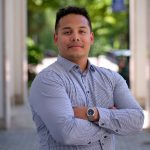
Shawn Smith is the Chief Executive Officer of 1 True Health – Care Management. He has over 35 years of experience in corporate operations, executive management, sales/marketing, and business development, primarily in the healthcare, public health, emergency response, humanitarian aid, and information technology industries.

Shawn has a proven ability to understand market requirements and to design and deliver strategic solutions. He has coached, mentored, and led corporate teams. He has managed large-scale operations and delivered to the satisfaction of clients.

Shawn has a strong record of accomplishments with start-up and high-growth Healthcare Information Technology companies.

He has led organizations with software solutions for syndromic surveillance, emergency response and disaster relief, inpatient clinical management, emergency department information management, post-acute care, senior and assisted living, and revenue cycle management.

Connect with Shawn on LinkedIn and follow him on Twitter.

What You’ll Learn In This Episode

  • Virtual First Preventative Care.
  • The difficulties in communication and engagement between Medicare-aged patients and healthcare practitioners
  • The effects of COVID social isolation and loneliness are reported to be particularly acute among older adults.
  • Chronic Care Management and Remote Patient Monitoring are two key service areas for 1 True Health.
  • Patient’s expanded “Care Network”.
  • Providing Social Impact in rural communities.

This transcript is machine transcribed by Sonix

TRANSCRIPT

Intro: [00:00:04] We’ll come back to the Startup Showdown podcast, where we discuss pitching, funding and scaling startups. Join us as we interview winners, mentors and judges of the monthly 120,000 pitch competition powered by Panoramic Ventures. We also discuss the latest updates in software Web three, health care, tech, fintech and more. Now sit tight as we interview this week’s guest and their journey through entrepreneurship.

Lee Kantor: [00:00:39] Lee Kantor here another episode of Startup Showdown podcast, and this is going to be a good one. But before we get started, it’s important to recognize our sponsor Panoramic Ventures. Without them, we couldn’t be sharing these important stories. Today on Startup Showdown, we have Shawn Smith with One True Health. Welcome.

Shawn Smith: [00:00:59] Thanks so much, Lee. It’s great to be here. Thank you.

Lee Kantor: [00:01:01] Well, before we get too far into things, can you share a little bit about one true health? How are you serving folks?

Shawn Smith: [00:01:08] You bet. Well, once your health, we are a virtual we’re a technology enabled clinical services company, and we’re based in Austin, Texas. And we focus on providing virtual first preventative care through delightful services and intelligent software, primarily focused on Medicare eligible seniors suffering from chronic conditions.

Lee Kantor: [00:01:26] So what does that kind of. Can you share a little bit about your vision of virtual first preventative care? What is that what does that kind of mean for the for everybody?

Shawn Smith: [00:01:35] Absolutely. Well, it’s a couple of facts to throw at you here. First is chronic and acute conditions are really the nation’s number one health problem. 90% of the annual spend is related to some form of management of chronic or acute conditions like hypertension, diabetes, cancer, heart disease. And that really, really affects our seniors. The Centers for Medicare and Medicaid Services recognize the problem. And so for 43 million Medicare eligible seniors, 65 and older, that suffer from two or more chronic conditions, they created a monthly wellness checkup program, but less than 1.5% of eligible seniors participate in this. And that’s a problem because chronic conditions require additional attention. And especially with this fact, 40% of American seniors haven’t seen a physician in person or through telehealth since the start of COVID. So we literally have a silver tsunami of problems headed to our health system with with the management of of these chronic conditions. And that’s really where we focus is in the era of COVID when people weren’t seeing their their doctors. And really since Covid’s waned, they still aren’t on a regular basis going back and seeing their clinicians. We need to provide a virtual first approach to give the seniors the information they need to to get healthy and to stay healthy.

Lee Kantor: [00:02:50] And ironically, so there’s programs in place to encourage them to have this kind of engagement. But they’re just kind of choosing not to for a variety of reasons, like, you know, they don’t have transportation or they can’t or for whatever reason, they’re not able to take advantage of this kind of engagement. And you’re trying to solve that problem through technology?

Shawn Smith: [00:03:13] Well, we’re definitely trying to solve it through technology. But but, Lee, really, the the the issue let’s let’s talk pre-COVID. Certainly in rural communities, access to care, as you’re indicating, has been a challenge. Transportation issues, other social determinants of health issues were were a play and still are today in the in the pandemic and endemic era that COVID brought to us. But there was a transition more to telehealth as a way to kind of connect with patients. But that even though that technology has been there, many, many patients don’t really they’re not even aware that this there is a reimbursable program that insurance, Medicare and even private insurers would pay for them, spending time with someone to help them through their health and wellness strategies. That’s that’s literally 1.5% market penetration. So it’s literally a matter of the fact that the providers, the regular standard health care protection practitioners, your primary care doctor, your specialists are not staffed now to engage with connecting with the patients in between in-person encounters. So there’s such a need for virtual care and the patients just don’t know what’s out there. So that’s what we’re trying to do is to to make sure that we can connect with them and to extend the clinical practice into the home so they can receive the additional attention they need to manage chronic and acute conditions.

Lee Kantor: [00:04:32] So you’re trying to be the matchmaker between the medical community and the end user?

Shawn Smith: [00:04:38] Absolutely. That’s a great way of putting it.

Lee Kantor: [00:04:40] So now is part of the disconnect from the end user standpoint that they are just not aware that that this is possible or they don’t feel comfortable with it? Or is it once you kind of flip that switch in their head that it’s available, then they’re all gangbusters and they’re doing it all the time.

Shawn Smith: [00:04:58] Well well, fortunately, most of the the senior population, you know, every single baby boomer aged person will be Medicare eligible by the end of this decade. And that older elderly population tends to follow the instructions that they receive from their doctors. So if their doctors are aware of this program and they say you’ll benefit from from participating with one health in this delightful service, it becomes very sticky and they comply and they do receive good assistance. We’ve had great testimonies from diabetics with lower agency levels, with people suffering from obesity that are have experienced good weight loss for people that are hypertensive, that have. A lot lower percentages in terms of of their diastolic and systolic readings. We’re really making a difference when you provide and give them the attention they deserve. But to your point about the clinical practices, again, you’ve heard of the great resignation, right? During COVID health care organizations lost staffing. We’re some statistics say now that we’re about 200,000 nurses shy of where we need to be as an example. So it doesn’t matter if it’s a large health system all the way down to a small primary care practice in rural America. They just don’t have the staff to be able to engage the patients in the home where they’re spending most of their time and they’re having difficulty getting those patients back into regular encounters. So our kind of service, you call it a matchmaker that I haven’t heard that before, but it’s a really good one. It allows us to go to the clinical practice and say, you can offer this service to your patients. You don’t have to worry about staffing. We’ll provide a white glove, turnkey clinical service, delighting your patients that helps to engage them, improve their health and get them back in to see you on a regular basis, which is what it’s all about, that engagement that’s needed in health care, especially for the senior age population.

Lee Kantor: [00:06:45] Are you kind of doing this as a white label for them? So it appears that their practice is providing the service, or is it something that it’s your brand that they’re kind of using?

Shawn Smith: [00:06:56] We are happy to white label. So in some of our cases, the clinics are are asking us to answer the phone with with their name, Dr. Ramirez’s clinic. We’re great to talk to you, Susie. And in some cases, we’ve got larger organizations that say there’s benefit to to the partnership and the brand. And this is this is our partner one to help doing it. So it just depends on who our client is as to whether or not we white label it. But we certainly provide that as a service.

Lee Kantor: [00:07:21] Now, is this a service, your relationship, your financial relationship is with the medical practice?

Shawn Smith: [00:07:29] That’s correct. So again, if it’s a clinical practice, a hospital, a health system, we’re getting a lot of attention right now through our existing resellers and partners that have hospitals, especially in rural communities. And in Texas, for example, where we’re based, that relationship is there. So we are basically coming alongside and saying, you’ve got patients transitioning out of your facility from from a procedure or from a visit to the emergency room. We will help provide that transitional care and then we’ll provide care for chronic chronic conditions, chronic care management, or we’ll also offer remote patient monitoring, helping patients with the devices that measure their acute conditions, like a blood pressure cuff for someone suffering for hypertension or a glucometer for a diabetic. So those are the levels of services we provide. And again, we can follow the patient out and deliver the services on behalf of their hospital or clinic or clinical practice, and to do so in a way that delights them and gets some reengaged in a proper way back into that facility.

Lee Kantor: [00:08:30] This seems like a no brainer because of the emphasis, especially on the emphasis of outcomes. Nowadays, this is almost like an insurance policy to help them get the outcome that the patient is expecting.

Shawn Smith: [00:08:43] Oh, well, you’re absolutely correct. I’ll throw another stat at you. You know, 26% of hospital readmissions are due to medication errors. And a lot of that has to do with the the patient that’s walking out of the facility with a stack of instructions in their hands that they either don’t read or don’t understand. And there’s no platform to necessarily engage them. So to have a service where we can communicate with the patient in post transition from a facility, help them with their instructions, help them to be compliant with it. And then here’s where we are. We are a technology enabled service. We also have the ability of providing information in terms of a comprehensive care plan to tell them, These were your instructions, here’s what you need to do to get healthy and to stay healthy. And then we provide technology in the form of a digital companion, conversational AI or a chat bots that can engage with the patient in between encounters to say, for example, you were supposed to walk 10 minutes today. Did you? Patient could say, Well, no, I didn’t. Well, the system could then say, Can you walk today? Well, no, I’ve got leg cramps. Well, do you need information on leg cramps that we can provide? Do we need to connect you with with your with your doctor? All of these things that we can do to help make it more sticky in terms of patient engagement and compliance with protocols that were given by their doctors, helps them again to get healthy and to stay healthy. So I agree with you. It’s a no brainer, but it’s a unique combination of service and technology that engages that patient and gets them on the plan to health.

Lee Kantor: [00:10:10] Right. And I think that if it’s framed correctly at the beginning, then I think that the patient is going to feel less intimidated to ask a dumb question or I don’t want to bother the doctor or this, you know, I’m not going to go in for this little thing. Let me check, you know, wait a few days to see if it gets better by itself. If you can kind of lower that intimidation factor and make it easy and you want to have conversations. And interactions. Then they’re going to be more apt to use it and take advantage of it.

Shawn Smith: [00:10:42] Oh, I completely agree. So. So in our service. Most of the care is provided by a person we call a care navigator. Now, in the Medicare world and in private insurance for chronic and acute conditions, you don’t have to be a licensed clinician to deliver that service to a patient. You only have to be under the patient’s record and the care plan has to be under the review of a licensed practitioner. So in our case, we have medical students, we have church ladies and soccer moms who we have maybe have some expertise and knowledge in nutrition or exercise and what they don’t have in terms of knowledge, we train them through our care coordinator, Beth Sims, who used to run the health and wellness program for a for a multibillion dollar energy company. So we have the staff and the ability to come alongside and make this a less intimidating encounter for patients. So we literally build relationships with our seniors where they’re excited to communicate with us on a monthly basis. And often many of our patients desire more attention. So we also offer a subscription service where they can receive weekly or even daily attention and interactions with our care navigators. And that’s, again, by video or by voice. But again, we have that digital companion, that technology approach, even in between our video and voice encounters that really can create a relationship again and to help a patient, if they’re struggling with with their with their their diet, if they’re need assistance, with exercising in the right way, if they’re having difficulty sleeping, if they have some stress related issues, maybe social isolation and loneliness and anxiety issues post COVID, these are all the areas that we can help with. And and that’s that combination of a delightful in-person service that’s not intimidating and technology to help them stay on the plan that is of a real value to our to our patients.

Lee Kantor: [00:12:35] Now, does the service kind of is it possible to expand the service outside the patient into the family? I know when I was dealing with senior parents for a period of time, I was part of the team and I wasn’t, you know, in the same room with my parents at the time. So is there a way to expand kind of at least the communication element of this so I can help and I can be part of the team to help make sure that my parents are getting a good outcome?

Shawn Smith: [00:13:05] Well, Lee, I’m glad you brought that up because I’m in the same boat. I’m 57 years old. I have a part of that sandwich generation. The sandwich generation, 9% of adult Americans like me have a child still in school. I have a son in college, and I have a mom who’s 81 years old in assisted living. And boy wouldn’t what I wouldn’t give to be able to understand exactly what her care plan is and to participate in it. So that’s exactly what we do on the technology side of one to health is to roll up our encounter information into a personal health record and a comprehensive care plan that can then be shared with everyone in the care network of the patient and the care network we define as family members, caregivers that may or may not be family health care practitioners. You know, it’s why is it kind of a little bit of a dovetail here? Why is it that if I’m based in Austin, Texas, and I travel to Florida, I could go to an ATM and get a pretty accurate information on the side of the street of my financial information. But if I get hit by a bus in that street outside of my own community, that hospital is likely going to have no information on me or how to take care of me. Medication, contraindications. Past Encounter Information. We need to do a better job through technology of giving the patient a complete view of what’s happened to them in the past and then that care plan that they need on a go forward basis to to maintain their health. And that’s that’s what we’re doing with respect to one health on the technology side. And absolutely that’s shareable with family members, caregivers, other members of the care network.

Lee Kantor: [00:14:40] Now have we’re talking about how nice this would be to have and the people appreciate it. Are there stats to say that when this is in place and it’s implemented and people are taking advantage of it, they are truly getting much better outcomes that they are really kind of benefiting in. It lowers the cost for the medical institutions and it’s also lowers the cost for the patient and they get better outcomes. Like I would imagine that that happens as well.

Shawn Smith: [00:15:11] That is absolutely data that we are collecting today. We’ve we have it’s not just anecdotal, it’s real data. Again, I mentioned lowering A1 C levels for diabetics being able to to improve and lower blood pressure for hypertensive patients. We’re we are very, very involved in under patient consent to be able to collect information that that would produce trends and and to then disclose. Those trends over to the organizations that we’re partnering with for for their patient base. So, for example, we were recently endorsed by an organization of rural and community hospitals in Texas to do a pilot for 250 diabetic patients post transition from a hospital in rural Texas. And they want six months worth of data collected so they can then present that back in an educational seminar at their annual conference to all 160 hospital members. So it’s important for each of those facilities that are that are providing patients into our delightful service to be able to have the outcomes information that proves that there is a less recidivism back into the facility, that proves that we’re improving the health and wellness of their patients, that proves that they can be reengaged in a accurate and sustainable way back into the health system that is more cost effective and not a hair on fire 10,000 visit into the emergency room. So when you have that kind of information than the the payers of the world, the insurance companies are excited and get involved and will support the transition of patients into services like ours. So that’s really, really critical for us to collect that information.

Lee Kantor: [00:16:46] Right. And in those rural and remote areas where there is an access, this becomes a must have. This isn’t a nice to have anymore. This is kind of their lifeline to medical support and help. So this is not a non negotiable thing at some point, isn’t it?

Shawn Smith: [00:17:06] The need for virtual care in rural communities was already very, very big prior to COVID. So there are many, many people in again in our state of Texas that that might drive 45 miles, 50 miles, 60 miles to get to their doctor. And in the case of emergency situations, some of those smaller facilities weren’t really staffed or capable of doing providing the care that they needed and certainly weren’t getting the patients weren’t getting access to that care through through telehealth to help prevent them from having an emergent situation that would take them to the hospital. So it was really important already to have access through virtual first preventative care. It’s even more important now through COVID with the lack of attention that patients have received in both rural and urban communities. But but I’ll follow on with with one other thought in that area. One of our resellers is Hasa HASA is the largest health care information exchange in the state of Texas, 57 hospitals, hundreds of clinics associated clinical practices, mostly in rural communities. And for them, the idea of using technology and a service to engage the patient and to provide them with details that, again, prevent the need for them to be traveling to a very, very expensive visit into the facility is huge. It’s a game changer for rural communities. And and by the way, we love organizations like Casa Torch, which is the Texas Organization of Rural Community Hospitals. We love those organizations because it’s a fact that lower income seniors and seniors of color, especially in rural communities, have less access to care, less less access to actual information. And we are about providing that social impact in terms of our service. In fact, part of what we do is when someone subscribes to our service, we provide a free monthly wellness checkup for a person in an underserved community. So it’s part of our heart and our passion, especially in rural America, to provide that little service that is just difficult to get even prior to COVID and so incredibly important today.

Lee Kantor: [00:19:12] Now, do you have any advice for other founders who are dealing or relying on resellers as part of their growth? Is there some advice you can share about how to build those relationships, how to kind of get to know these folks when you don’t have something that’s been around forever and they’re, you know, it’s new to them.

Shawn Smith: [00:19:32] I’d say get to know your market. What would be my first bit of advice and it it sounds like it’s a no brainer and something that everyone thinks about. But but I’ve found and by the way, just this is my fourth startup. Once your health is my fourth, fourth startup, I’ve had the pleasure of being the CEO and the entrepreneur on three other organizations that were in the in the health care digital space, where, where we designed productize and monetize digital health solutions. And so this comes a bit of advice from experience. The organizations that spend the time on market research and spend the time, the money on getting to know their market, to figure out what it is that they have to sell, who’s going to buy it for how much and what value does it provide and who can they partner with in order to to get more traction is well worth the time in the money for for an entrepreneur. So if that’s not already baked into the budget, I would say that that’d be the first thing that that advice I always have, especially about connecting with other potential resellers. You can’t figure out who’s in the market that you need to partner with in. Until you better understand the market and then start looking for personnel that you can bring to to the party, if you will. So, for example, our chief sales officer had over 35 years of experience in digital health sales to hospitals and health systems. What a great place to start is to bring someone in with that kind of experience and those those connections and that network to be able to help you not only understand who your customer base is, but but how to immediately connect with people that can make a difference in bringing sales to your company.

Lee Kantor: [00:21:09] Good stuff. Well, how did you hear about Startup Showdown and Panoramic? How did they get on your radar?

Shawn Smith: [00:21:16] Well, again, since it’s my fourth startup and we were moving from our own founder and friends and family round into a seed round, I started looking at some of the institutional investors that are that are in the marketplace. And in Atlanta, Georgia, a good, good friend of mine that’s with a venture capital, I’d actually actually recommended panoramic ventures in the startup showdown. He said, Well, you know, the VC that I’m speaking with are, again, good friend of mine went to to Rice University, like I did in Houston. And they don’t focus they focus more on on fintech and cybersecurity. So health wasn’t their area, but they recommended panoramic and the startup showdown. And what a great opportunity to get connected with with a VC that that really can make a difference in the growth and the scale of your of your organization. And I think that’s what panoramic is doing with the startup showdown is they’re identifying a lot of companies with really unique technologies, with with great digital health applications, with technology enabled services like ours, and giving them the opportunity to take advantage of their own experience and their own network to help you scale and grow.

Shawn Smith: [00:22:25] And and that’s what we really love about panoramic since we’ve gotten to know them after winning the startup showdown is as one of their companies is that they’re true operators they really have the experience and the understanding and their goal is to help you to be to scale to a series, a round and beyond. And but they’re not just you’re not just folks providing money and they’re not just guys that are sitting on the board and saying, Give me your metrics. They’re really folks that want to be involved. They have the experience, they have the connections, they have the network, and they’re just fantastic partners. And that’d be another bit of advice for for a startup company is find the right partner financially that can understand your business and fill in the gaps in areas where you need help with. Make recommendations, advice, counsel on other partners, on on potential customers, on other people that might help to extend your funding. And I believe and know that that’s who we have in a partner at Panoramic Ventures.

Lee Kantor: [00:23:22] Yeah. It’s like you said earlier, relationships are important, so choose them wisely. Right? So if somebody wants to learn more about one true health, what is the coordinates? What’s website? Best way to connect with you or somebody on the team?

Shawn Smith: [00:23:37] Oh, thanks for asking. So the number one true health.com is our website and you’ll get a great view here of what we do to engage patients that are consumers, that people can actually register or schedule a call. Become part of our family. And as far as as my own email address, Shawn Smith, SJW and Smitty at one True Health and I’ll be more than happy to connect and answer information or if there’s somebody else in our organization like our chief sales officer or someone else that can be of service, we would be more than happy to to make that connection.

Lee Kantor: [00:24:16] Well, Sean, thank you so much for sharing your story today. You’re doing important work and we appreciate you.

Shawn Smith: [00:24:21] Thank you, Lee. It’s an honor to be here and all the best to you.

Lee Kantor: [00:24:23] All right. This is Lee Kantor. We’ll see you next time on Startup Showdown.

Intro: [00:24:29] As always, thanks for joining us. And don’t forget to follow and subscribe to the Startup Showdown podcast. So you get the latest episode as it drops wherever you listen to podcasts to learn more and apply to our next startup Showdown Pitch Competition Visit Showdown DC. That’s Showdown Dot DC. All right, that’s all for this week. Goodbye for now.


Tagged With: 1 True Health - Care Management, Shawn D. Smith

JT Trujillo With hand+sum

September 15, 2022 by Jacob Lapera

JTTrujillo
Atlanta Business Radio
JT Trujillo With hand+sum
Loading
00:00 /
RSS Feed
Share
Link
Embed

Download file

handsumJTTrujilloJT Trujillo, CEO & Founder at hand+sum

2023 MBA Candidate at Emory Goizueta Business School

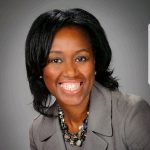
JT Trujillois a first-generation Colombian-American as well as a first-generation college grad. He is married and has three little girls. He is a grad student at Emory University’s Goizueta Business School. Coming from a banking/FinTech background and he leaned on his professional experience for class projects at GSU. Little did he know, he was onto something. Through this business idea/plan he wants to change the way under-represented minorities (URM) and the underbanked population perceive the financial industry and how they can access borrow money.

Connect with JT on LinkedIn.

What You’ll Learn In This Episode

  • Vicious cycle of pay day lending
  • Lack of equitable credit market for minorities and immigrants
  • Credit
  • Alternative methods of lending/borrow/credit
  • Pay day lending industry/practices bogging down URM’s
  • Different versions of P2P lending
  • How social media and online forums are helping to create new ways of borrow/requesting a micro-loan

This transcript is machine transcribed by Sonix

TRANSCRIPT

Intro: [00:00:04] Broadcasting live from the Business RadioX studios in Atlanta, Georgia. It’s time for Atlanta Business Radio, brought to you by on pay. Built in Atlanta, on pay is the top rated payroll and HR software anywhere. Get one month free at onpay.com. Now here’s your host.

Lee Kantor: [00:00:31] Lee Kanter here another episode of Atlanta Business Radio. And this is a very special one. It is our Gsu eni radio edition and it’s going to be a good one. Today on this show we have JT Trujillo and he is with Handsome. Welcome JT.

JT Trujillo: [00:00:46] Hey Lee, Thanks for having me.

Lee Kantor: [00:00:49] Well, I’m excited to learn what you’re up to. Tell us a little bit about your company. How are you serving folks?

JT Trujillo: [00:00:55] Yeah, absolutely. I’ll definitely go into that. So handsome is an alternative lending solution for payday lending. The three components behind Handsome are that it offers fixed rate fees rather than high interest rates. It allows customers to earn discounts on those fees, like depending on what their journey is throughout the loan and then as well as the funding takes place. Almost immediate leveraging some of that a to a the account debt account technology kind of like when you Zelle someone you get the funds almost immediately so yeah handsome is on a mission to provide more affordable lending solutions to the underrepresented minorities.

Lee Kantor: [00:01:40] Can you explain for the listener who isn’t familiar about kind of this payday lending? How does it work? Who do they target and why it can be? On one hand, it’s helpful, but it can be detrimental in the long term.

JT Trujillo: [00:01:54] Yeah, absolutely. So payday lending actually leads a lot of families into a vicious debt cycle. So I like to say and there’s statistics backing this, that there’s like a dual credit market. So typically individuals that have good credit earn anywhere over 60,000 a year. They can go into a regular financial institution like a bank or credit union, ask for a personal loan or maybe like a credit card, and have pretty reasonable rates. Now coming to payday lending. What really inspired me was this statistic that kind of scared me is that there is an only 37 states allow payday lending and there are more payday lending storefronts than there are McDonald’s in the entire US. And so payday lending actually targets the underbanked community. And basically you just go in there and to apply for a loan anywhere between typically it’s between $100 and $400. And they just take your pay stub and they give you, you know, sometimes up to 50% or more of what your actual earnings are for that pay cycle. And so what happens is that a lot of individuals are just going in there to either bridge the gap, kind of like my parents were. And what happens is that it catches them in a debt trap because when their next paycheck comes in, they have other expenses to pay and it makes it really difficult to pay that payday loan that they have outstanding. And then it just becomes a constant cycle of just paying that. Most payday loans are actually borrowed about nine times, so that’s where that industry is and it’s a pretty big one.

Lee Kantor: [00:03:39] Now, what are the choices for people if they don’t go payday lending? Where can they go or is there nothing else? Is that the best move they can make?

JT Trujillo: [00:03:53] Yeah, the only other options that they have are borrowing from friends and family, which can bring a little bit of shame. There are some fintechs that are out there that are coming up with some sort of anonymous ways of requesting funds from friends and family. But, you know, they don’t they’re not really they’re left in the dark. They’re left behind by some of these financial institutions. So they don’t really have a lot of options other than that. So payday lending, although it is a vicious cycle and it does trap people in a vicious cycle of debt, it is a necessary tool. There’s just a lot of improvement in ways that it can be done better.

Lee Kantor: [00:04:31] Now, if you were to look at it through the lens of the payday lender, how do you think they’re kind of justifying the high rates? Like what’s their rationale for their high rates?

JT Trujillo: [00:04:45] Yeah, good question. So from a business perspective, there is a little they’re taking on a lot of risk. So a lot of these individuals either have a very short credit history or if not, they have pretty bad credit. That’s why they don’t actually pull credit to verify these loans. It’s more based off of income. So some of these interest rates can go up to 396% and that’s an API. So it’s pretty scary how high these interest rates can go as well as the hidden fees that are associated with payday loans. So maybe you might take out a loan for $100. And you know, if you roll that over or request an extension, there’s a fee for that. And then on $100 loan, you can end up paying. Act like $250 for just that $100. So I do think that the business is look at it from a high risk perspective, but there’s still so many other components in ways that you can make that better and more affordable for people who are already having a tough time affording life.

Lee Kantor: [00:05:48] Now, you mentioned a personal kind of maybe impetus that got you into this space. Can you share a little bit about that and what your solution is to help kind of alleviate some of the pain?

JT Trujillo: [00:06:00] Yes, absolutely. So I used to actually be a customer of payday lending early on in my adulthood. I wasn’t making a lot of money. I didn’t have the the tools and the education to know how to and understand money and how to manage it. And so I did go to a few payday lenders and I experienced that vicious debt cycle myself. And so it was just difficult. It was like playing catch up every time. But even before that, I’m a first generation Columbian American, and my parents immigrated to this country and we lived in a low income neighborhood and community. And I saw that despite that fact, a lot of individuals worked really hard. They they worked odd jobs. They worked multiple jobs. And they would pay their bills on time. And sometimes they just needed a little bit more to get them over the hump until they received another paycheck. And they would turn to these payday lending storefronts and it would just be a trap. And sometimes it was just money to put food on the table, to keep the lights on, you know, to pay for tuition. So it made it really, really difficult. And then fast forward to being at GSU and my entrepreneurship class. I’ve I just heard this scary statistic that, you know, over 67% of the adult population in the US can’t afford a $400 emergency. So that quickly, you know, just inspired me and made me so enthusiastic to find a solution to this that would not only help, you know, individuals such as myself and my family, but, you know, so many other Americans that need an affordable alternative solution to payday lending. So that’s where Handsome came about.

Lee Kantor: [00:07:48] So how does it work?

JT Trujillo: [00:07:50] So handsome. So the way that the Hansell works is that you apply for a loan anywhere between $100 and $400. Now, what I’m working on right now is trying to structure an algorithm that would help alleviate some of that underwriting. So there’s some financial components that in, you know, an applicant would have to submit. We would look at some of the financials so we won’t pull credit because it’s historically known that, you know, some of these individuals will qualify for certain loans. And rather than digging their credit, we’re trying to pull from other sources to underwrite them and get them a loan and approved. And then after the approval, after they’ve been their financials have been reviewed, if they can’t receive or qualify for the entire loan, then there will be a counteroffer made rather than just a straight denial of the loan altogether. And then after approval, once they sign in and basically finalize the documents, the funding can actually take place almost immediately, which is needed and always overlooked because some of these individuals are in a pinch in the middle of the night, or they get off on a late shift, their car got towed, sometimes their cars break down in the middle of the night and they just don’t have anything else to get them through the next pay period.

Lee Kantor: [00:09:10] So who is your underwriter or funder?

JT Trujillo: [00:09:14] So that I don’t have one yet. So I’m doing everything manually right now. And that’s what Main Street, that’s where Main Street came in. And I’ve been guided and mentored a lot as to what our other solutions. So right now I’m doing a lot of this work manually, so I don’t have any partnerships just yet. Hopefully that’s what I achieve to do. That’s what I’m hoping to achieve when Demo Day comes around in October.

Lee Kantor: [00:09:41] So do you have targets like who would be an ideal partner for you? Or is this something that can be done, maybe peer to peer and do some sort of, you know, crowdsourcing for the the people that are lending?

JT Trujillo: [00:09:56] Yeah. So I actually thought about the idea originally as a peer to peer lending, but then there’s a lot of regulations that comes around the peer to peer because then you have both sides. You have to appease both sides, not only just the borrowers, but also the lenders, and it just makes it a little bit more complicated. So I am hoping to target a partner that I can actually receive some of the funding from and maybe process the loans through that way on a short term loan basis, almost like Squarespace does with some of its. Like some of its vendors and stores where they might have a short term loan of three days to pay back, you know, X amount of like X amount of revenue. So all the other streams of revenue that they’re getting through three days, they’ll get a loan and then they pay it off. So that’s that’s what I aim to achieve.

Lee Kantor: [00:10:49] So how did Main Street get on your radar? How did you get involved with that program?

JT Trujillo: [00:10:55] I was actually a student at the time at Georgia State University, and I was taking an entrepreneurship class and my professor, Arthur Stepanian, at the time, he made me aware that there was a school, not only just an incubator, but then there’s an accelerator. So there’s launch JSU and then there was Main Street. And he after I submitted my project and my idea, he thought it was really mature for the, for just a simple school project. And he and he really taught me that maybe I should use this little, I might have caught lightning in a bottle. And he thinks I should definitely develop the idea. So I took him on and I took his word for it and I applied to Main Street. I wasn’t sure what the outcome was going to be because I was still a student. I was applying to business school and I’m a father of three, so it was a lot to juggle. But then, you know, after the interview process and the and the first couple of rounds, I was I was admitted. So, yeah, that’s how Main Street came on my radar.

Lee Kantor: [00:11:58] So prior to that, were you thinking your career path was going to be a guy to get a job at a, you know, an enterprise level organization and just follow a traditional kind of career path. And now you’re into this world of entrepreneurship.

JT Trujillo: [00:12:12] Yes, exactly. I thought I graduate from Georgia State, go back to work and basically, you know, a nice, cushy, remote job or, you know, something of that sort. And but then once I got every day I work at this at Handsome and chip away at it and understand, especially with the pandemic as well as inflation and everything that’s going on in society right now. And the current in in the news, it’s like, you know, more than ever, so many individuals are in need of a product like this, you know, just to get by.

Lee Kantor: [00:12:51] So has it been how you imagined? Is it harder or easier? What have been some of the challenges?

JT Trujillo: [00:12:58] Yeah, that’s a good question. I can definitely say it’s been a lot harder, but Main Street has definitely helped in providing a lot of mentorship, a lot of guidance and direction, if there’s any support that we need or any question. The entrepreneur in residence as well, some of the other mentors that are part of the program, it’s very easy to reach out to them and and kind of say, hey, I’m lost or reach out to your own cohort. We’re very close and we have like a Slack channel, you know, for all of us. So yeah, it’s it’s been hard and I thought I was the only one struggling. But it’s nice to hear from the other founders that they’ve run into a lot of hurdles and obstacles, and you’re very ambitious as an entrepreneur and you think you’re going to achieve a goal and like a week and it really takes a month. And so that’s one thing that I’m starting to realize. You know, there’s always you know, you have to plan for one step. It’s going to take multiple steps to get there.

Lee Kantor: [00:13:57] Now. Do you have any advice for other startup founders?

JT Trujillo: [00:14:03] Never stop working. That’s always my key piece of advice, because when you stop working and you put your startup down for a second, that’s when doubt starts to creep in and you have all those other voices and there’s just so much noise that comes in, even if it’s just an hour a day or 30 minutes a day, just getting ahead on something, I would definitely just say, never stop working.

Lee Kantor: [00:14:27] Now. What do you need more of? How can we help?

JT Trujillo: [00:14:33] I guess. I mean, what do I need more of? I mean, more than anything. Capital, for sure. A nice software developer, CTO would help too. But no, just a platform of choice. I think that just the awareness that there’s actual there’s a big need that needs to be filled and just using this platform to kind of just spread the awareness on payday lending and how many Americans actually need help just to get by and put food on the table. That would that’s just that’s helpful enough.

Lee Kantor: [00:15:05] And when you were saying that it’s not that they need loans for $1,000,000, they need loans for a few hundred dollars. So, I mean, it seems to me like this is a dream that could come true if you have the right players involved.

JT Trujillo: [00:15:20] Yes. Yes. My goal is not behind this idea. I mean, I am a for profit business. This is not a for profit organization. But I do want to provide underrepresented minorities with the option, you know, seeking just they don’t have to go and and put themselves in a vicious cycle of debt and really, really disrupt their family’s livelihoods just because, you know, they need a few hundred bucks. This is going to be easy. And so, yeah, I definitely look to achieve and bring a solution to the market that would help all these families in need.

Lee Kantor: [00:16:00] Now, how many do you have any idea of the number of people that are underbanked?

JT Trujillo: [00:16:06] There’s about 12 million Americans that are underbanked, and then there’s even more that are just unbanked altogether. But yeah, 12 million Americans in the United States just have a simple checking account with a debit card. And there’s so many other alternatives. There’s so many other products and solutions to their financial needs that can be offered to them. But sometimes they feel like they are just left behind and just written off just because they might not make more than $60,000 a year. But as we know, with inflation now, 60,000 is a lot different than it was just a year ago or two years ago.

Lee Kantor: [00:16:44] Right. And if there’s more of these payday lenders in more locations than McDonald’s, there must be a lot of demand for the service because they’re not opening up storefronts just for their payday.

JT Trujillo: [00:17:00] Lending is a $46 billion a year business. So they are they are definitely around. And they’re they’re making a lot of money. And the sad part about it is that only about 14% of individuals who take out these payday loans can actually afford to repay it. So, you know, it just goes to show that those hidden fees and those high interest rates, also the individuals just don’t know what they’re getting themselves into with payday lending. I know my family didn’t, you know, speaking a different language. They thought it was just a quick loan. They didn’t understand that when you borrow $100 in two weeks, it’s over $150. They didn’t understand that component.

Lee Kantor: [00:17:42] Well, if somebody wants to learn more about Handsome, get on your radar. Maybe have a conversation with you more, learn more. What is the website? What is the best way to connect with you?

JT Trujillo: [00:17:54] So I am still in the process of launching the website, but you can go to you can visit Handsome IO. If not, you can reach out to me on LinkedIn. Jt Trujillo You’ll, you’ll definitely find me under there. But yeah, those are the ways to connect.

Lee Kantor: [00:18:11] Well, JT, thank you so much for sharing your story today. You’re doing important work and we appreciate you.

JT Trujillo: [00:18:16] Thank you so much for having me, Lee. I really appreciate it.

Lee Kantor: [00:18:19] All right. This is Lee Kantor. We will see you on. See you all next time on GSU Inai Radio.

Intro: [00:18:27] Today’s episode of Atlanta Business Radio is brought to you by on pay. Built in Atlanta on pay is the top rated payroll in HR software anywhere. Get one month free at on paycom.


About Our Sponsor

OnPay’sOnPay-Dots payroll services and HR software give you more time to focus on what’s most important. Rated “Excellent” by PC Magazine, we make it easy to pay employees fast, we automate all payroll taxes, and we even keep all your HR and benefits organized and compliant.

Our award-winning customer service includes an accuracy guarantee, deep integrations with popular accounting software, and we’ll even enter all your employee information for you — whether you have five employees or 500. Take a closer look to see all the ways we can save you time and money in the back office.

Follow OnPay on LinkedIn, Facebook, and Twitter

Tagged With: hand+sum, JT Trujillo

Spark Stories Episode 19

September 12, 2022 by Jacob Lapera

DarleneDrew
Spark Stories
Spark Stories Episode 19
Loading
00:00 /
RSS Feed
Share
Link
Embed

Download file

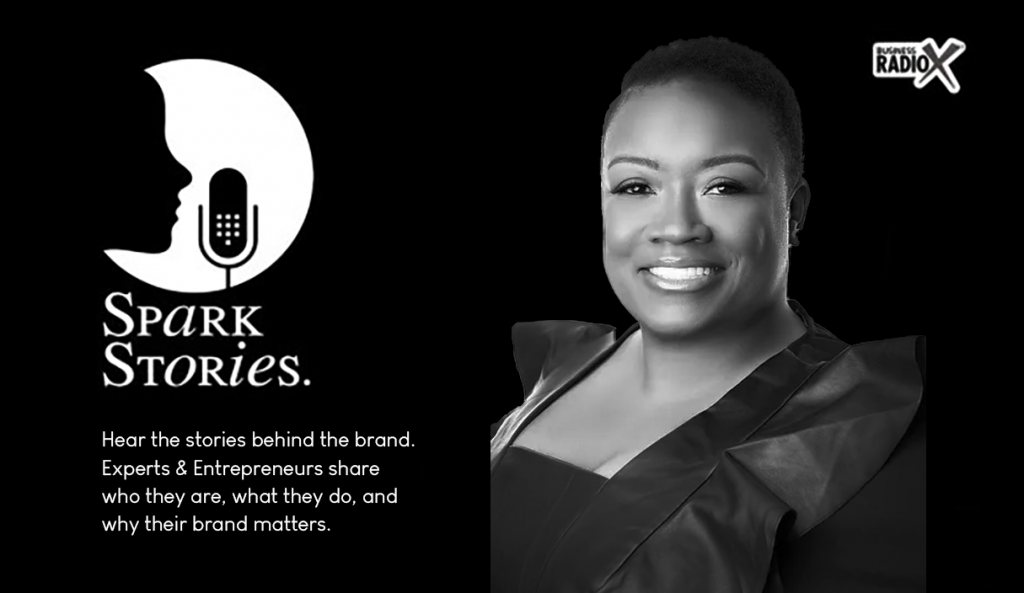
Darlene_DrewDarlene Drew is a public servant.  She’s a Leadership Trainer and the CEO/Owner of Leadership Conditioning, Personal & Professional Development, LLC.  She’s a Certified Leadership Trainer, Professional Speaker and Executive Coach with the John Maxwell Team.  Darlene helps businesses, companies and organizations by helping leaders develop leaders

Darlene’s passion is “building up people,” through teaching, training and speaking.  Her guiding life and leadership principle is, “Don’t teach what you don’t know, Don’t lead where you won’t go and Don’t ask for what you won’t give.”  Lead Well!

Darlene has been a public servant through employment in law enforcement which began as a Correctional Officer where she was initially told, “You’ll never make it!” Having decided to “make it,” she continued this career path with a focus on making the field better for staff and inmates.  Throughout it, she was asked interesting questions, some of which were: “Why are you here? What should we call you? Why do you do it?” These were all learning and teachable moments from Darlene’s perspective to do what she loves: learn, teach and train.   She placed her focus on effecting change, mentoring and developing staff and inmates.

Connect with Darlene on LinkedIn.


About Your Host

sparkstories2022

Dr. Clarissa J. Sparks is a personal brand strategist, trainer, mentor, and investor for women entrepreneurs. She is the founder of She Sparks, a brand strategy design consultancy.

Using her ten-plus years of branding & marketing experience, Dr. Sparks has supported over 4,000 women entrepreneurs in gaining clarity on who they are, what they do, and how they can brand, market, and grow their businesses. Using her Brand Thinking™ Blueprint & Action Plan she gives entrepreneurs the resources and support they need to become the go-to expert in their industry.

Follow Dr. Clarissa Sparks on LinkedIn, Twitter, Instagram and Facebook.

Tagged With: Darlene Drew, Leadership Conditioning

Glyn Hughes With TIACA

September 8, 2022 by Jacob Lapera

South Florida Business Radio
Glyn Hughes With TIACA
Loading
00:00 /
RSS Feed
Share
Link
Embed

Download file

DTLLogo-Blue-Bannerv2Glyn HughesGlyn Hughes has been involved in Air Cargo for over 37 years having started his career with British Caledonian in the UK. He joined IATA in 1991 and become IATA’s Global Head of Cargo in June 2014, where he had overall responsibility to deliver the agenda agreed by the Cargo Committee to support the Air Cargo industry.

In February 2021, Glyn joined TIACA as its first Director General where he will work with the Board to deliver the organization’s vision for a safe, profitable, and united air cargo industry that embraces modern technologies and practices to sustainably and fairly serve trade and social development worldwide. Priority areas include safety, security, digitalization, and innovation.

He is dedicated to developing collaborative relationships and is a firm believer in supporting the next generation of industry leaders and innovators. Glyn spends a large amount of time on outreach programs with training and other educational establishments.

Connect with Glyn on LinkedIn.

What You’ll Learn In This Episode

  • The role air cargo logistics plays in the global economy
  • The role Miami airport plays in US logistics
  • About TIACA
  • The TIACA Air Cargo Forum
  • Supporting sustainable developments

This transcript is machine transcribed by Sonix

TRANSCRIPT

Intro: [00:00:01] Broadcasting live from the Business RadioX studios in South Florida. It’s time for South Florida Business Radio. Now, here’s your host.

Lee Kantor: [00:00:14] Lee Kantor here another episode of South Florida Business Radio. And this is going to be a good one. But before we get started, it’s important to recognize our sponsor, Diaz Trade Law, your customs expert today on South Florida Business Radio, we have Glen Hughes with TIACA. Welcome.

Glyn Hughes: [00:00:32] Thank you, Lee. It’s a pleasure to be speaking with you today.

Lee Kantor: [00:00:34] Well, I am so excited to learn about your organization. Tell us a little bit about TIACA. How are you serving folks?

Glyn Hughes: [00:00:40] Well, what we’re doing in TIACA, let me just explain what the acronym stands for. It’s The International Air Cargo Association, and we are a global association based in South Florida, in fact, based at Miami International Airport. And we represent the entire logistics supply chain that deals with air cargo. Most people, when they see an airplane fly, they think of the people sitting on that plane flying to their holidays to see family. But what they don’t possibly realize is that what’s also flying on that plane could be millions of dollars worth of pharmaceuticals, vaccines, cell phones, computers. Almost anything that we use in our daily lives is going to be flying on an airplane at some point.

Lee Kantor: [00:01:20] So when a regular person is flying, you know, to a city for vacation in the cargo hold, there might be commercial products also on board as well.

Glyn Hughes: [00:01:30] Absolutely. Yeah. And in fact, from a from a global value perspective, global trade is roughly about $18 trillion, about a third of that, in fact, slightly more than a third, about over six and one half, nearly $7 trillion worth flies on airplanes. Some of that flies on dedicated cargo airplanes that you see the likes of FedEx and UPS operating, but also the American Airlines, Delta, United, they’ve all got very large cargo divisions which are carrying billions of dollars worth of cargo in their what we call them, their bellies. So it’s literally underneath the passenger seat, an incredibly valuable part of the global economy, the US economy and also the Floridian economy.

Lee Kantor: [00:02:12] This to me is another example of how logistics and supply chain are like invisible to kind of regular people and they’re so vital to the communities they serve. Can you talk about kind of how this association came about? Like what was the was this has this been around since the beginning of air travel and air, the use of airplanes?

Glyn Hughes: [00:02:34] Well, I’ve been around in aviation for quite a long time. People often say, did I know the Wright brothers when they were in Kitty Hawk? I haven’t been around that long. But it’s it’s it’s nearly 40 years that I’ve been involved in in aviation, and T.A. has been around even longer than that. It it really sprung up because very much associated what you said a moment ago, really, about the fact that everyday folks aren’t always aware of of what logistics does because it operates behind the scenes. People see it when the guy knocks on the door and gives them their parcel that they’ve ordered on Amazon, but they don’t necessarily associate everything that happened prior to that parcel coming to their door. And so when it comes to lobbying governments, working with airports, working with regulators, working with manufacturers about the need for industry efficiency, for solutions and standards that can actually work to pick up a piece of cargo. The other side of the world and basically fly it in the safe, same condition of which it originally entered the supply chain requires a global voice. And this is really what TR does, is it brings together members. Our members are airports, airlines, ground handlers, trucking companies, all sorts of people associated with logistics. And then we can represent them collectively and try and ensure that the industry is is safe, effective and efficient.

Lee Kantor: [00:03:57] Can you talk a little bit about because this to me is fascinating in terms of there are so many moving parts literally and there are so many different ways to move, you know, cargo from one place to place. So, you know, you have ships, you have trains, you have, you know, trucks, and now you have air. How do you all play together? How does how do you kind of keep track of a of a box from point A to the endpoint of the consumer? Like, it seems so complex. There are so many, you know, variables that you have to deal with.

Glyn Hughes: [00:04:32] Exactly. A great question because, of course, again, we associate ourselves as passengers. If we want to move to go on vacation, we effectively get ourselves from our house to the airport, whether or not we use public transport, taxi, our own vehicle or whatever. We then walk through the airport, we walk onto the plane, we get off the plane, we then somehow get ourselves to the destination hotel or people were visiting. But if you’re a piece of cargo that can’t walk or talk, you’re going to need to rely on something to make sure that those boxes, crates, cartons, whatever, get to where they need to go. So we have to use advanced technology. Sometimes some of the cargo, which is extremely precious, if you think, for example, COVID vaccine, COVID vaccine has basically been flying on airplanes for about 190 countries. Much of that vaccine has to be maintained in precise temperature conditions, flying sometimes to very hot environments, some environments which don’t necessarily have a strong infrastructure. So we can use data sensors that travel with the cargo, that can transmit information, that can record the temperature that the cargo was moving in. For secure goods, if you’re moving gold bars, diamonds, other things of value, you want to make sure that there’s no tampering. So we use a lot of digital connectivity to exchange information so that people on the supply chain knows what’s coming. We can then communicate with customs and other regulators to ensure that the cargo is cleared and is approved to go into a particular country or acceptable to export. And then, of course, as I say, we monitor the condition throughout throughout the journey. So it’s a combination of using high tech and great procedures and a lot of very dedicated men and women who work pretty, pretty solidly during some very tough conditions to make sure the precious cargo moves when it needs to be moved to where it needs to be moved to.

Lee Kantor: [00:06:27] Now with the kind of the acceleration of technology and things like blockchain and how does that play into all of this? Because in some ways, some industries are slow to move and lean into technologies and others are faster. Where do you see kind of logistics and supply chain when it comes to leaning on newer technologies to solve some of these complex problems?

Glyn Hughes: [00:06:54] Yeah, I would actually say that that historically we were probably a little bit slower than what one would have considered the norm or the accepted standard. But it has to be said that during COVID, when most of the world was kind of shuttering in place at home, etc., the logistics industry was working 24 seven, moving PPE around, and then moving vaccine and moving other medical things around. And then digitalized solutions really accelerated in terms of adoption because the information, even simple things in the early days of COVID, people didn’t want to hand over pieces of paper because they weren’t sure where was that piece of paper safe. So transferring digital information was a way of cutting down on that human to human interaction. Then it was a way of accelerating information flow. So the airports were aware of what was coming towards them so they could prepare in advance rather than wait to see and then react. So it was a way of making the system more efficient. Customs and other regulatory agencies say, Well, you know what, we would like to get information electronically so we can make sure it’s safe to fly. So there’s a lot of countries now in the US was one of the first in this area where you submit electronic information before the shipments are moved so that the regulators can actually assess and say, yep, I’m happy for that to enter my country. So I would say that, you know, the latest adoption of technology has really accelerated in the last couple of years throughout the logistics and air cargo space, and we expect that to continue.

Lee Kantor: [00:08:25] Now, how do you feel that South Florida is doing when it comes to its role in the United States logistics? Is it something that the airport is is kind of rocking and rolling or is it something that, hey, you know what, in a perfect world, you wish there was more of this or that?

Glyn Hughes: [00:08:46] Well, and I first of all, have to say, despite my accent, I actually grew up in south Florida. So I’m a kindred spirit.

Lee Kantor: [00:08:53] It sounded like a Kendall accent.

Glyn Hughes: [00:08:57] Well, I grew up in West Palm and then in the latter years lived just north of Fort Lauderdale. Now I’m based in Europe, but our association is based in Miami. And I say this with with no doubt whatsoever that anybody is going to contradict me, that Miami International Airport is without doubt one of the world’s leading airports when it comes to air cargo. In fact, it’s the second. In fact, I think it’s the largest airport in the US for international cargo movements. If you look at domestic, you’ve obviously got FedEx and UPS at Louisville and Memphis who move more domestic cargo. But MIA is the largest international cargo airport in the US. It is the gateway to Latin America. You couldn’t you just couldn’t imagine how many flowers and fresh fruits and vegetables actually come through the airport. The conditions at which they store them and move them is exceptional. And just from a number perspective, and this one is actually I look this up earlier and it’s quite staggering when you think of the size of Miami Airport versus the rest of the state. 40% of Florida’s trade with the world goes through MIA International Airport by value. So if you think Miami Port, you’ve got a wonderful port there. You’ve got wonderful ports in Jacksonville, you’ve got wonderful other airports Orlando, West Palm, Fort Lauderdale, etc.. But the importance of MIA internationally for air cargo is tremendous. And as I say, 40% by dollar value in terms of Florida’s trade with the rest of the world is pretty, pretty exceptional.

Lee Kantor: [00:10:30] Well, let’s talk a little bit about. Like a day in the life of your association. How do its members kind of participate? Who is the ideal member? And, you know, what is some of the benefits of being part of the organization?

Glyn Hughes: [00:10:46] And a great question. First of all, who is a member? Anybody that is associated with logistics. So, you know, it can be somebody that just owns one van and they they do a delivery round. Or it could be an airline that has 400 aircraft. It could be airports. It could be, as I say, trucking companies, grain handlers, technology providers. Anybody that’s involved in this great industry is welcome to join the family. What we then do and and our role has to be pretty fluid. During COVID, for example, when people were trying to move things around the world, we were instrumental in making sure that closed airspace in certain countries were open so that the cargo coming in could land safely and help to distribute and save lives of the citizens of those countries. And also bringing in, as I say, important things like food when it comes to humanitarian situations. We work very closely with a lot of agencies like UNICEF and others to make sure that we can help where there are disaster recovery situations and that the access they need to capacity, we can we can match with people who own that capacity. And those are kind of urgent type of reactions.

Glyn Hughes: [00:11:54] But then on a more day to day basis, we work with the entire industry looking ahead, how we can tackle, excuse me, some collective challenges like right now. The sustainability question is one that’s huge. And for us, sustainability is not really just the environment. It’s about looking after the planet, looking after the people, and helping global prosperity. And when it comes to things like recruitment, you know, this industry is is is a growing industry and it needs to attract and retain and develop a lot of young talent, as well as return to workers. And we need to make sure that the workforce out there is is aware that this great industry is there and the benefits that it can bring to global society and to local society. So we have a lot of roles or a lot of activities about industry promotion, working with universities. We’re putting on a big trade show later on this year actually in Miami. So we do a lot of outreach and do a lot of white papers and whatever we can do to help the industry grow because this industry is supporting effectively the global community.

Lee Kantor: [00:13:01] Yeah, I think when you especially when you talk about next generation workforce, it’s it’s just not on the radar of young people. I think, you know, when when kids are playing, they’re not like, I’m going to be the supply chain person, you know, like I’m going to be in logistics. You know, that’s not a role or a career that it’s top of mind. And I think it’s so crucial. I think there has to be a lot of coordination between public and private and and especially the universities to develop curriculum that is going to help solve that workforce challenge that, you know, as more and more things and people move logistics plays a bigger and bigger role.

Glyn Hughes: [00:13:41] Absolutely. I mean, that is incredibly well said, Lee. And if you don’t mind, I’m probably going to quote you going forward, because that was really eloquently put. I mean, a lot of people just think when they say logistics, they think are delivery driver. Well, that’s that’s one part that’s an important part. But this industry also has huge investments about autonomous vehicles. If people like playing with drones in their private life, come and work in this industry and develop drones that can fly in the Canadian frozen outback or into the Brazilian Amazon rainforest or throughout Florida, doing drop offs, doing humanitarian drops in in Africa, we’ve got advanced robotics. There’s people designing the next generation of technology, even things like social media and modern communication platforms, solution designing. I mean, this industry is so diverse, fleet planning, equipment purchasing. I mean, these modern aircraft are worth hundreds of millions of dollars. So people are actually applying incredibly, I would say, well considered strategic plans for how to make the aviation economics work. And just the idea of moving something. Let’s take wildlife, for example, conservation programs. If people really want to focus on how they can support cons of conservation, not conversation, but conservation programs for wildlife. Air cargo is at the forefront of this. It helps in breeding programs, but to move delicate wildlife again from one side of the planet to the other requires incredible precision planning and animal welfare. So these are all really intensely important and valuable roles that this industry can offer people.

Lee Kantor: [00:15:22] Yeah, I think that there just has to be a more awareness for young people to see kind of that side of it. Because it is. Leveraging bleeding edge technology to really make a huge impact in whatever area that they’d like to make that impact in. Like you mentioned, wildlife conservation, you know, play with drones and robots. I mean, it’s not your grandfather’s supply chain or logistics where there’s, you know, people in warehouses lifting boxes and stuff, like more and more of that is becoming automated and robots are doing that kind of work. And you need this brainpower to really kind of take this another step forward.

Glyn Hughes: [00:16:02] Absolutely. And again, you know, you hit the nail on the head when you said it’s not about just the boxes, it’s not about moving one box from A to B. This industry is actually focusing on the value that’s inside that box. And if you gain if you want to picture people giving over engagement rings, wedding rings, flowers on on Mother’s Day, flowers on Valentine’s Day, all these are activities which we take for granted. But if it wasn’t for our cargo, they wouldn’t be possible. And these are the powerful images that we need to instill in that next generation, because they can truly make an impact on their local community, as I say, and the global community. And in fact, we’re going to be holding this event in Miami in November. And we’ve dedicated the third day of our event to what we call Careers Day. And we hope that any university or high school or even just individuals that are vaguely interested in this area to kind of come along to the Miami Beach Convention Center. It’s a free event. We’re going to have about 5000 people attending with 200 different exhibitors and conference program and world class speakers. And it’s it’s free for people to come along and introduce themselves and just kind of hopefully go away with an aircraft model or two and and hopefully a vision and a dream of how they can impact this industry in a positive way.

Lee Kantor: [00:17:20] Well, it’s been a pleasure chatting with you. If somebody wants to learn more about that air cargo forum that’s coming up in November or any of the other events that you have going on throughout the year or become a member, what is the website? What is the best way to get a hold of you or somebody on your team?

Glyn Hughes: [00:17:38] Right. That’s a great question. The best way is to go on to our website. It’s T aka dot org. So t a c a dot org. The event, as I say, in Miami Beach Convention Center is November 8 to 10, the 10th. It’s the Thursday is the day we’re opening up for Careers Day. And we’re also going to have some giveaways for students and and raffle off some iPads and other equipment, etc., as is we. We know how to hopefully keep their attention going. Anything related to technology, they’re the front of all of that. So we hope we can help them as well with some latest tech.

Lee Kantor: [00:18:10] And that’s IAC a dot org. Glenn, thank you so much for sharing your story today. You’re doing such important work and we appreciate you.

Glyn Hughes: [00:18:19] Thank you very much, Lee. I really appreciate giving us the opportunity to speak to your great audience.

Lee Kantor: [00:18:23] All right. This is Lee Kantor. We will sail next time on South Florida Business Radio.


Tagged With: Glyn Hughes, TIACA

Marcus Cooksey With DUKE.ai

September 8, 2022 by Jacob Lapera

Marcus-Cooksey
Startup Showdown Podcast
Marcus Cooksey With DUKE.ai
Loading
00:00 /
RSS Feed
Share
Link
Embed

Download file

MarcusCookseyMarcus Cooksey, CEO and Founder at DUKE.ai., has 25 years of software development experience, along with a broad range of expertise related to embedded systems design and software development of real-time applications. Previous roles included, Applications Engineer for TI’s VoCable, IPPhone, ThinClient and Automotive Infotainment product lines and Business Development Manager (China/Taiwan) for Texas Instruments’ ADAS product lines.

His entrance into the technology world was built upon years of working as a UPS loader and sorter to subsidize my college tuition. He returned to his trucking roots in 2015 and founded LUI Transport, LLC. LUI Transport grew from a single truck to five trucks in 2019.

The inspiration of DUKE.AI occurred while attempting to manage financial bookkeeping and accounting using software tools available at the time.

Connect with Marcus on LinkedIn and follow Duke.ai on Facebook

What You’ll Learn in This Episode

  • Tech background
  • Transportation
  • Problems in transportation workflows today
  • Challenges to overcome in starting/running DUKE.ai

This transcript is machine transcribed by Sonix

TRANSCRIPT

Intro: [00:00:04] Welcome back to the Start Up Showdown podcast where we discuss pitching, funding and scaling startups. Join us as we interview winners, mentors and judges of the monthly $120,000 pitch competition powered by Panoramic Ventures. We also discuss the latest updates in software Web3, Healthcare, Tech, FinTech, and more. Now sit tight as we interview this week’s guest and their journey through entrepreneurship.

Lee Kantor: [00:00:39] Lee Kantor here another episode of Startup Showdown podcast. And this is going to be a good one. But before we get started, it’s important to recognize our sponsor Panoramic Ventures. Without them, we couldn’t be sharing these important stories. Today on Startup Showdown, we have Marcus Cooksey and he is with Duke.ai. Welcome Marcus.

Marcus Cooksey: [00:00:59] Hello, Lee, how are you?

Lee Kantor: [00:01:00] I am doing well. I’m so excited to learn what you’re up to. Tell us a little bit about Duke AI. How are you serving folks?

Marcus Cooksey: [00:01:07] So we’ve created a virtual bot and that virtual bot is responsible for processing documents specifically in the kind of legacy mundane kind of world of transportation and logistics for applications such as payments, load order, entry bookkeeping and accounting and invoicing.

Lee Kantor: [00:01:25] So how did you get into this line of work? What’s your backstory?

Marcus Cooksey: [00:01:29] Backstory is my background is in computer science engineering. I was part of our automated driving, self driving solution at a Fortune 500 company. I was building solutions for business in China and Taiwan, kind of growing that business there. But I also had a fleet of trucks, so I had five trucks that I was running at the same time. And I was fascinated with how archaic documents processing payments was done at that time using humans before Duke was invented. And so I took kind of the vision based learning that’s needed for self-driving cars to apply that vision types of machine learning for reading documents and processing them like a human would do it.

Lee Kantor: [00:02:10] Is this the first time you’ve led a startup, or were you always working kind of in a corporate setting or a technology startup setting, but not as the leader?

Marcus Cooksey: [00:02:20] Absolutely. So even within working in the corporate setting, I’ve always were on kind of skunkworks projects and so forth. So I led a project that involved natural language processing. So it was one of the first what they call digital assistants, voice activated digital assistants. But yeah, this was my first time with my own personal tech startup. Now my trucking business could be considered a startup and as well. But in terms of technology, this is the first time.

Lee Kantor: [00:02:48] Oh, so your trucking business was kind of a side hustle for you?

Marcus Cooksey: [00:02:51] Yes, indeed.

Lee Kantor: [00:02:53] And that’s where you kind of combine kind of your technology background with what you were doing, boots on the ground with the trucking.

Marcus Cooksey: [00:03:00] Yes, absolutely. So I saw the inefficiencies in transportation and I became more fascinated with applying kind of what I knew around self-driving cars to creating kind of this virtual bot that processes documents.

Lee Kantor: [00:03:13] Now, when you had the idea, did you like how did you kind of get some traction or at least some clues that maybe this was a solution that could scale?

Marcus Cooksey: [00:03:23] Yeah, I needed to know that it was practical because I knew, unlike, you know, self-driving cars, the, you know, the rules in vision based applications with cars are kind of well known. You know what a human looks like a vehicle lane markers. But in transportation, you could have thousands of different documents, formats, the orientations, all of those different things that makes processing and document difficult. I need to prove that it works. So I did some little experimentation at home on my own, did some prototyping, tested with a variety of different documents to see if I could actually lease, extract the data data and then do some contextualized learning and then pull out the key data. When I was able to do that on a across a few documents, I got confident that I could actually implement this and make this do it on a broader scale.

Lee Kantor: [00:04:15] Now, was it difficult when you attack a problem like this and you have kind of legacy businesses that have been doing things the way we’ve always been doing it? There are a lot of times hesitant to change. Was it difficult to open their mind to the possibility that you were offering?

Marcus Cooksey: [00:04:31] Absolutely. I remember being in a meeting and I told them that our virtual bot could process documents accurately nearly 99% of the time. And he was very skeptical and pretty much walked me out of the door because he recognized how difficult the problem was and he was a little skeptical. I think most people, you know, in this industry, maybe it’s just because of just their their backgrounds or understanding how hard the problem was. They were very skeptical. And so when you you know, in this case, you actually have to do the proof in the pudding to really bring people on your side and make the believers.

Lee Kantor: [00:05:09] Now when they’re processing it kind of in a human way. Isn’t kind of the errors and mistakes way more prevalent than your way?

Marcus Cooksey: [00:05:17] Absolutely, yeah. I mean, the attention span of a human to do some repetitive, mundane task is very short. We don’t realize it, and we’re prone to do errors on a regular basis. But I think it’s like self-driving cars. You know, when I was doing that, people are hesitant of even given that control. All of a vehicle to a to a to a robot. Even though we know humans are prone, 90% of the errors or accidents are caused by humans. And the same would apply for processing documents, the introduction of human error into the process.

Lee Kantor: [00:05:54] Now, how were you able to get kind of those first companies online to beta test and to even, you know, explore the possibilities of your solution?

Marcus Cooksey: [00:06:05] Now. Fortunately, we even though the the platform can scale to other applications on the enterprise size. Fortunately we had a an app and so I think the app gives you a quicker way to connect with customers by having them to download it and experiment with it and then eventually become paid customers. So by having that app, it gave us the feedback loop that we needed that customers were interested or certain things were not working right and improvements we had to make versus having to go to a larger company and convince them to integrate this. So we were able to get some test learning through the mobile app we have.

Lee Kantor: [00:06:44] And then once they did that, they were getting more and more confident with your solution.

Marcus Cooksey: [00:06:48] Absolutely right. So the mobile app does what you would say, the bookkeeping part, right? So now think about a trucker who’s an owner operator. He’s on the road. He doesn’t know anything about accounting. And so now he just connects to his bank account and uploads receipts or invoices or send them via email to a virtual bot. And it handles it like a human would. So it automatically categorizes, it generates charts of accounts, generates reports, profit and loss statements without the driver even changing and modifying anything. And so we had to refine that. But that learning taught us that we could have further applications beyond just the bookkeeping part, right?

Lee Kantor: [00:07:26] And once they feel comfortable there, then it’s easy to kind of nudge them into more and more adjacent services.

Marcus Cooksey: [00:07:33] Absolutely. So now we’re offering other products such as invoicing. So now they see it on the bookkeeping side and they’re like, okay, now you’re doing something more serious, like payments. Can this virtual bot now handle my payments in invoicing on my behalf and doing all of the checks and aging and so forth? And so now they’re gaining more confidence around its ability to handle payments as well.

Lee Kantor: [00:08:00] So now has this started to evolve beyond kind of the side hustle and now this is your main gig? Or did you are you still kind of in two camps here?

Marcus Cooksey: [00:08:10] Oh, absolutely not. No. It’s impossible for me to go to two camps. I am fully in I’ve been fully in now for three years. And now we have employees that work at the company. And so, yeah, I spend all of my time on for the most part.

Lee Kantor: [00:08:26] So now as leading a tech company that you are any kind of surprises or is it how you imagined.

Marcus Cooksey: [00:08:35] It, didn’t it? Oh, so many surprises. You know, I tell people there’s not a straight line in a startup. You envision it being a straight line, but it comes with a lot of curves. I wouldn’t have known that Covert would have occurred. I couldn’t have known that retaining employees, no matter how smart they were, we’re going to be an easy thing to do. So we had to come up with clever ways to survive through all of these different situations competition for top talent, creating our own apprenticeship program to offset that, it’s just been I won’t say it’s been easy, but I have developed all types of survival skills that I didn’t have before.

Lee Kantor: [00:09:19] Now, for a lot of founders, they have advisors and their mentors. Were you able to kind of benefit from that? Did you have advisors or mentors along the way?

Marcus Cooksey: [00:09:31] I’ve been very fortunate. That has been the difference maker. My co-founder, Vishwanath Gupta, came on with me. We were colleagues at T.I. He came to help me on the technical side and then we brought in some other individuals that were friends of mine on the CFO side. And then along the way, as we participated in different events, networking events, I brought on an who knew the industry, who could coach me well and help me identify key talent to help make our product even more robust and complete. And that has been significant, more so than sometimes the sales or even money. You raised that advisor. Committee board as is very pivotal, very important.

Lee Kantor: [00:10:17] Now, when you when you have the idea for a service like this, did you know you were going to get a co founder or was there something was a part of you saying, hey, I think I can do this on my own? Or were you always saying, okay, I need a co founder? And if so, how did you kind of go about choosing the co founder you have?

Marcus Cooksey: [00:10:39] It is funny. We chose each other. My co-founder and I and we didn’t start the company until we both found it. We both kind of chose each other, so to speak. We were at a launch in 2017. He was talking about what he was doing for his wife’s medical practice, and I was talking about what I was attempting to do with my trucking company and both of them were very similar. Im trying to automate documents around medical back office and me for transportation. And so once we agreed that we both had the same goals and objectives, we formed the customer, the company do guy. So I don’t think I would have formed the company without a co founder.

Lee Kantor: [00:11:22] And so when you were negotiating with the co founder and getting kind of aligned on values and vision, can you share some advice on how to have those kind of those conversations? Could be difficult and you have to kind of address things good and bad and ugly moving forward in a future that you’re not aware of how it’s going to play out.

Marcus Cooksey: [00:11:42] Absolutely. Fortunately, we had the same corporate values because we came from the same company. So we had similar work values in terms of our, you would say, social values, even though we’re from different nationalities. He’s from India and from the United States. Our core values of believing in people and cultivating people, we share that in common. And then the desire to do something in AI that we shared in common in terms of passion and technology. So for for me, I was fortunate that I didn’t have to go shop with someone because I had a person within my network that I continued to talk with, even though we were in divergent types of. Applications of AI and data science. We were able to come together and settle on what we thought was which was a trucking problem to be solved more so than the medical problem. And then I think that that has paid off. It’s been a good bit.

Lee Kantor: [00:12:46] Now, you mentioned the challenge of attracting and acquiring talent. Was that difficult to kind of transfer your vision, dream and the you know, the the monument you’re trying to build to other people?

Marcus Cooksey: [00:13:00] Absolutely. I mean, you’re talking about a very, very difficult. Solution. The answers don’t exist. There aren’t any boxes that you can open up that tells you how to process documents, how to create workflows, how to do it across a cloud, and how to do sales and marketing. And there’s no books. And so it’s a first time founder. In terms of tech, there are things I didn’t know. Right? And I’m learning on the fly and the team doesn’t know. Right. And so they have to believe that. And that’s some of the challenges that that they had. Some of my team members couldn’t trust the decisions that we’re making, and we ended up losing some some talent. And so we ended up doing that. Lee is is coming up with another way because we always think about jobs being taken from AI. And one of the things my co-founder and I challenged is challenged ourselves is is that, you know, why don’t we go out and find people who are just hungry? And let’s train them around data science and AI. And we found that to be a better pipeline than trying to go find someone who works at Facebook or Google as like we were doing before and cultivating those individuals.

Lee Kantor: [00:14:13] So you’re kind of growing your own talent.

Marcus Cooksey: [00:14:15] Yes. And that comes with challenges as well, because now it’s the same thing they don’t quite understand. They’ve never been on projects. Certain projects that my co-founder and I have had. But we could we’ve learned that it’s possible to cultivate individuals and grow them, you know, kind of within both in the culture as well as the technical skills they need.

Lee Kantor: [00:14:38] Right. And in a lot of industries, they, you know, they hire for attitude and trained for skills.

Marcus Cooksey: [00:14:45] Yes, absolutely.

Lee Kantor: [00:14:47] So how did you hear about startup shutdown and panoramic ventures?

Marcus Cooksey: [00:14:53] You can call me a fan of Paul George. I have been been watching his activities both on LinkedIn, on Instagram. And I was part of the Tech Square Lab Pitch event some years ago, back in 2019, when he was I don’t know if he was if he’s still managing it, but at that time he was director or he was involved there. And so I continue to observe him. So when the opportunity came, I applied for the startup showdown that they had in Austin.

Lee Kantor: [00:15:24] And then what part of that experience was most beneficial?

Marcus Cooksey: [00:15:30] It was the mentor session that was really good. I had one particular mentor. She really broke down and asked some good questions on my pitch deck and I revised it. She didn’t quite know who who were my customers. It wasn’t a parent. And really we had two customer bases, both the small businesses and enterprise banks. But it wasn’t clear. And it was a simple change into on one slide that actually identified both. And I think that story was able to resonate with even with the judges, because they could see that we’re we basically have a symbiotic growth between two customers. It’s not limited to one. And so that feedback she gave me, I think, really set the stage for really defining who our customers were and how we were targeting.

Lee Kantor: [00:16:22] So what’s next? What can we do to help?

Marcus Cooksey: [00:16:28] Yeah. I mean, at this moment, I always tell people we built the engine. Right now we are building the assembly line. We want to get document processing into the hands of big carriers, banks in the transportation industry. Software platforms. We are a platform that plugs in and integrates into any solution. And so we just now need the assembly line, which is the cells we model ourselves. After that, they have this quick, easy way to be able to download their SD cards, their apps and so forth, and quickly develop. And that’s kind of the vision that we have too, is because in transportation there’s a lot of costs associated with operational costs. Of course, fuel is one of them today. And so what we offer is the ability to reduce operational costs, create cash flow, while also giving business insight. And that’s an, I think, a new, compelling solution or vision. I wouldn’t even say vision. It’s just a new way, a new paradigm that we’re introducing into transportation and transportation. So we just want to get this disseminated to everyone in the industry.

Lee Kantor: [00:17:39] And any advice for a founder of a startup that’s like you that’s trying to kind of go into a world that has a legacy way of doing things and you’re really kind of trying to disrupt it. Any advice for that person on how to frame their offering in a way that allows people to open their mind to it?

Marcus Cooksey: [00:18:00] Yeah. Trucking is tribal, and I didn’t understand that at first. So you must understand the tribal nature of whatever industry you’re going through. So there’s, there’s I wouldn’t use the word gatekeepers, but understand the culture. Right. And it’s not even just your product, what concerns the customer and it’s not even the product that you’re offering. It could be the fact that the restrooms that they go to or the gas stations that they go to or they can’t find parking are issues. Understand everything about the industry and not just the small part you’re solving. And now that makes you more credible and able to empathize with all aspects of the business. So understand that’s the first thing I would say is really respect the tribal nature of the industry you’re going into and then to be ready to pivot, right? You will pivot in some kind of way and unless you’re just fortunately fortunate. And so in order to pivot, you will need to have good advisors to help you to understand the other applications. So you need great advisors, you’ll think you need money and you do. But advisors are really pivotal and critical.

Lee Kantor: [00:19:15] Yeah. And to be able to discern who has the better connections and advice within that money is an important consideration.

Marcus Cooksey: [00:19:27] Yes, absolutely. Absolutely.

Lee Kantor: [00:19:29] Now, Marcus, who is the ideal prospect for your service? Who do you want to meet more of?

Marcus Cooksey: [00:19:38] We’d like to meet more banks that pay carrier’s truckers, but we also like to work with other software services or software companies that service the carries the truckers to integrate the technology into their platforms.

Lee Kantor: [00:19:59] So if somebody wants to learn more about Duke, what is the website? What’s the best way to get a hold of you or somebody on your team?

Marcus Cooksey: [00:20:06] If you want to learn more about the product, you just go to the website. Duke I we’re on Instagram. Duke I Facebook. Duke Guy And I’m on LinkedIn. Marcus Cooksey And, and in fact, on our website, we have a direct if you ever want to schedule a meeting with someone from my team, we actually have a direct free scheduling so somebody could reach out to me if they have a question about starting a business or anything other than the app, they can find me for those resources.

Lee Kantor: [00:20:36] Well, Marcus, thank you so much for sharing your story today and congratulations on all the momentum you’ve got going on right now.

Marcus Cooksey: [00:20:44] Yeah, and thanks for the startup showdown and Panoramic Ventures for believing in the vision that we have. We’re like I said, I’m a fan of Paul Judge and everything that he’s doing in the tech scene. And so, you know, I’m kind of. Sometimes you just need visionaries and you just watch them and model them. And so some of that is what I do is kind of watch what he does. And so I’m thankful for the opportunity and their belief in what we’re doing here at Duke. So thanks for having me, all.

Lee Kantor: [00:21:12] Well, Marcus, thank you again for sharing your story. You’re doing important work and we appreciate you.

Marcus Cooksey: [00:21:17] Thank you, sir.

Lee Kantor: [00:21:17] All right. This is Lee Kantor. We’ll see you next time on Startup Showdown.

Intro: [00:21:23] As always, thanks for joining us. And don’t forget to follow and subscribe to the Start Up Showdown podcast. So you get the latest episode as it drops wherever you listen to podcasts to learn more and apply to our next startup Showdown Pitch Competition Visit Showdown B.C. That’s Showdown dot B.C., right? That’s all for this week. Goodbye for now.

Tagged With: Duke.ai, Marcus Cooksey

Lori A. Manns With Quality Media Consultant Group LLC

September 2, 2022 by Jacob Lapera

Lori Manns
Atlanta Business Radio
Lori A. Manns With Quality Media Consultant Group LLC
Loading
00:00 /
RSS Feed
Share
Link
Embed

Download file

QMC GroupLori MannsLori A. Manns is president of Quality Media Consultant Group, a consultancy firm providing value-based, solutions regarding advertising, marketing, and sales strategies for optimal business success. Lori specializes in helping entrepreneurs and small business owners gain more clients, generate brand awareness, and grow sales. As a master business strategist, Lori’s mission is to help one million, purpose-driven, entrepreneurs to monetize their expertise and achieve trailblazing success. Because of this mission, she founded the Trailblazer Business Academy, a consultancy program to help entrepreneurs build and scale profitable businesses.

Lori is a published author and professional national speaker. She hosts nationwide events educating entrepreneurs about marketing, sales, and sponsorship procurement. Since establishing QMC Group, Lori joined the esteemed Forbes Coaches Council and is a regular contributor to Forbes.com. She was named 2017 “Business Woman of the Year” by Transforming Women Entrepreneurs (TWE), and has been featured in Who’s Who In Black Atlanta from 2010 to 2021. Lori has received numerous other awards from national organizations and local municipalities. Prior to QMC Group, Lori worked for WVEE and WAOK as Senior Multi-Media Account Manager for 13 years.

In addition to being an entrepreneur, Lori demonstrates her passion for philanthropy as president of Live Healthy & Thrive Youth Foundation, Inc., a 501(c)3 non-profit organization dedicated to children’s health. Manns holds a bachelor’s degree in Mass Communications from Auburn University/Montgomery. Her professional affiliations include Dekalb Chamber of Commerce, NAACP, and Leadership Dekalb. Lori currently resides in the metropolitan Atlanta area.

Connect with Lori on LinkedIn and follow her on Facebook and Twitter.

What You’ll Learn In This Episode

  • Sponsorship as a topic that entrepreneurs should learn about
  • The misconceptions about getting sponsorship
  • The advantages when working with sponsors
  • Sponsors expectation from us if we want to partner with them
  • Helping entrepreneurs learn about sponsorship

This transcript is machine transcribed by Sonix

TRANSCRIPT

Intro: [00:00:03] Broadcasting live from the Business RadioX studios in Atlanta, Georgia. It’s time for Atlanta Business Radio, brought to you by on pay. Built in Atlanta, on pay is the top rated payroll and HR software anywhere. Get one month free at on pay. Now here’s your host.

Lee Kantor: [00:00:31] Lee Kantor here, another episode of Atlanta Business Radio, and this is going to be a good one. Today on the show we have Lori Manns with Quality Media Consultant Group. Welcome, Lori.

Lori Manns: [00:00:42] Thank you, I’m so happy to be here.

Lee Kantor: [00:00:44] Well, I’m so excited to catch up with you. For those who don’t know, share a little bit about Quality Media Consultant Group. How are you serving folks?

Lori Manns: [00:00:51] Well, we are a business consultancy firm specializing in advertising, marketing and sales solutions to help small business owners grow and scale their businesses for maximum impact and revenue.

Lee Kantor: [00:01:05] And today, we’re going to talk about a topic that probably not a lot of small business people consider as a go to move at first. And you’re saying maybe they should and that is sponsorship. Can you talk about what that is and how entrepreneurs can leverage that?

Lori Manns: [00:01:21] Absolutely. You’re absolutely right, Ali, because a lot of entrepreneurs and small business owners don’t realize how big of an industry sponsorship really is. It’s 25 billion annual dollars are spent in the world of sponsorship each year. And a lot of times we think of like the natural things for sponsorship, like sports teams and entertainment concerts and things like that. But they’re major corporations, Fortune 500 corporations that work with entrepreneurs and small business owners all throughout the year. And so sponsorship is basically selling the exclusive rights to a company to partner with your organization or your small business in exchange for media. It could be anything. It could be media that you give them. Like if you have advertising on a platform, you could also exchange for signage, you could exchange for digital assets. There’s so many things that you can add in your sponsorship arsenal that a sponsor may be interested in. And so that’s why I like to talk about this topic as a possible revenue stream for entrepreneurs and small business owners.

Lee Kantor: [00:02:47] Now, if somebody says, Hey, that sounds interesting, what would be some baby steps they can be doing today to make their company or service or platform more attractive to create these sponsorship partnerships?

Lori Manns: [00:03:04] That’s a great question. One of the things that I always tell my clients is to increase your brand awareness, and that is because most corporations do not need us to help them get the word out about their businesses. But they do have initiatives that they want to penetrate in their target market and they want brand loyalty. And so as a entrepreneur who’s interested in working with sponsors, if you have penetrated your target audience and created brand awareness for your company and you have some engagement, whether that be through social media or whether that be your website or whether that be a blog or podcast or whatever it is that you have that you utilize to create brand awareness for your company, then that is an asset to a sponsor. It shows that you already have a audience that they can tap into and potentially get some brand loyalty through you and through a partnership with you. So that’s the first thing work on your brand awareness.

Lee Kantor: [00:04:17] And then how do you even identify the right person in the organization to have these conversations with? Is there a director of sponsorship in companies or is this an advertising function or a marketing function? Like who is the person that makes this buying decision?

Lori Manns: [00:04:33] Well, that’s also a great question. It’s going to depend on what it is that you’re trying to get a sponsorship for. And so there are many departments within a corporation. For example, if you are. A small company or an entrepreneur, and you are a human resource consultant and you work with businesses to help them get their human resources department up and running. Well, then you want to talk to somebody at a corporation who’s in the human resources department or possibly supplier diversity. So it just depends on what it is that you do. And what it is that you’re trying to get a sponsor to fund as to who you would talk to within that corporation. So that’s why you need to work with a professional consultant and coach like me. So you could be trained on precisely who the person is that you want to talk to, what you need to say to them in order to be attractive to them so that you can position yourself as an asset and show that you have some synergy with that company and with their goals so that you can demonstrate that alignment and they would be more attractive and attractive to you.

Lee Kantor: [00:05:56] So what’s your backstory? How did you get into this line of work?

Lori Manns: [00:06:01] Well, I spent 19 years, almost 20 years in radio sales and marketing, and I worked for two stations in the Atlanta area. One was Cox Media and the other was CBS at the time, and CBS is now Odyssey. But I sold radio advertising and also digital assets because we had the Internet and streaming and live streaming as well. So selling radio advertising and digital assets to major corporations gave me the experience to know how to navigate the world of sales as it pertains to sponsorship. And when I became an entrepreneur in 2009, I decided that this was a topic that a lot of small business owners, especially the micro business owners and solo entrepreneurs, they had no knowledge of. And so that’s why I wanted to educate them about ways that they could partner with local companies in their area, as well as corporations, so that they could develop a revenue stream that would really help them grow their businesses.

Lee Kantor: [00:07:21] Now, you mentioned that one of the key points is to emphasize brand loyalty over brand awareness on behalf of the enterprise sponsor partner. Are there any other kind of do’s and don’ts that you would recommend a entrepreneur or a small business kind of taking advantage of when it comes to building this kind of sponsor package? Is it a one size fits all or is this something you’ve got to kind of customize for every conversation you’re having with an enterprise level sponsor partner?

Lori Manns: [00:07:54] Well, I believe it’s something that deserves customization. I wouldn’t go in to one corporation with the same pitch that I would go in with another because you actually have to do your homework to develop that sponsorship proposal based upon what their unique needs are. And you don’t want to have a canned sponsorship proposal that you send out because they truly may not be attracted to that. And then again, they may. It just depends on where they are in terms of their goals and initiatives. So one of the things that you can do is to. Always have some recommendations, testimonials and case studies that you can provide to a sponsor to demonstrate your expertise in the area where you navigate. So whatever industry you’re in, whatever area that you represent in your business, whether it’s a niche or whatever it may be, you must have some case studies and testimonials and recommendations from satisfied clients and or partners that you have collaborated with in the past to demonstrate your reputation, your work ethic and all of that good stuff so that you can show your credibility and show your level of expertise. Because once again, a corporation, they have the brand name behind them, they have the big dollars behind them. And they also have a lot of you know. Protocol procedures and whatnot that they have to follow to be able to justify why they worked with a entrepreneur like yourself or a small business like yourself. So if you have some of that due diligence that you’ve done to demonstrate your expertise, your credibility and your reputation in the marketplace, that’s always going to put you above some of the folks that don’t have that.

Lee Kantor: [00:10:02] Now, what about in terms of the deliverable back to the sponsor? What are some of the expectations they’re going to have from us if they’re going to if there is to be a good, healthy partnership?

Lori Manns: [00:10:16] Well, those deliverables can vary. And again, the basics, you know, people always think, well, we’re going to put their logo on our marketing assets. Well, they don’t so much care about that. That’s like gravy. But you really have to get in there and and do a real analysis as to what’s going to move the ticket for them. Are they looking for return on investment or are they looking for penetration in the market just to help them promote a new program or a new initiative? So it just depends upon what they’re looking for as to what deliverables you should be promising them. But of course, you know, one of the things that all sponsors like is media. They like to get their name out there in the public and make sure that they have some penetration in the media.

Lee Kantor: [00:11:11] And then when an entrepreneur is working with you or do you work primarily with entrepreneurs to help them get sponsorships, or do you work with sponsors helping them match up with the appropriate entrepreneur?

Lori Manns: [00:11:25] I work with entrepreneurs to consult with them about how to get sponsors so that they can establish relationships and get sponsors on their own.

Lee Kantor: [00:11:36] So are you doing that via, you know, kind of hand-holding, consulting to help them individually or is this group or do you do events?

Lori Manns: [00:11:45] I do events and group as well.

Lee Kantor: [00:11:49] So how does it work? Do you have an upcoming event or is there can you explain what what a session or a workshop looks like with you and your team?

Lori Manns: [00:11:59] Absolutely. I have an event coming up called Sponsorship Sales Secrets Live, and it is September 23rd and 24th. And it’s a virtual event where I teach entrepreneurs how to get sponsors and grow their business.

Lee Kantor: [00:12:15] And then what? Like, what can you expect by attending this event?

Lori Manns: [00:12:20] Well, they are going to get practical tools, tips and strategies for how to sell. The first day we do sales mastery and the second day we focus on sponsorship selling, and they’re going to get actionable strategies and tools that they can implement that day and learn how to go out. And first of all, who to target, how to sell, how to overcome objections, how to get to the right decision maker. There’s a ton of information that I share over this two day event to help entrepreneurs get sponsors and grow their businesses.

Lee Kantor: [00:12:56] And then the two day event. How many is it? An hour a day? Is it all day? Like, what’s the.

Lori Manns: [00:13:02] Well, it’s Friday and Saturday, September 23rd and 24th from 10 to 3. So it’s 4 hours. We take a break at noon and then we come back at one. So it’s 4 hours of great content. It’s a working seminar where I also give you some assignments and I do some hot seats and basically go over your sales pitch and your sponsorship pitch right there on the spot. So you walk away with knowing how to put that pitch together.

Lee Kantor: [00:13:35] And you said there’s still space available if somebody wants to attend.

Lori Manns: [00:13:39] Absolutely. There’s still space available. And I would love for everyone to check it out at sponsorship sales secrets.

Lee Kantor: [00:13:49] Sponsorship sales secrets dot com. And if you go there, you can check it out. And again, like, do you have like how how sponsor ready do you have to be is that somebody that could just be considering this or is somebody that’s totally new or it’s for veteran sponsor people?

Lori Manns: [00:14:08] Well, sponsors want to work with you at any stage as long as you can demonstrate what I said before, some brand awareness and credibility and interaction with your target audience, whether you’re just starting out or whether you’re an experienced entrepreneur, you can pitch sponsors. And so it’s the gamut because when I first became an entrepreneur, I did not have a track record. I had only been in business a year, but I was able to still get sponsors. So it’s not something that only experienced entrepreneurs can can use that as a revenue stream. It’s for anybody.

Lee Kantor: [00:14:50] So if in your career thus far, is there a story you can share, maybe a client you worked with that you helped get a sponsorship and take their business to a new level? You don’t have to name the name, but maybe explain what their service was and how they were able to build this sponsor package to attract the sponsor.

Lori Manns: [00:15:10] Yeah, well, I’ve had clients in various industries throughout the years that I’ve coached and consulted with. I had one entrepreneur who had a nonprofit that focused on financial literacy for young people, and she came to this event and just by the information that she learned while she was there, she took what I shared with her and what I taught at this very same conference that I’m talking to you about today and was able to go out and get a Fortune 500 company to sponsor her nonprofit. And that happened within just a couple of months after she left the Sponsorship Sales Secrets Workshop that I am referring to.

Lee Kantor: [00:16:00] Well, congratulations on all the success again. Could you give the coordinates for your firm if they want to learn more there and this event.

Lori Manns: [00:16:09] Yes my firm is quality media consultant group and you can find us at WW W quality media consultants dot com. And also this event is called Sponsorship Sale Secrets Live. It’s taking place September 23rd and 24th virtually. And so that means you can join from anywhere and you can register at sponsorship sales secrets.

Lee Kantor: [00:16:38] Well, Laurie, thank you so much for sharing your story, doing such important work. And we appreciate you.

Lori Manns: [00:16:44] Thank you. Lee Canter, you are awesome and I just love Business RadioX and you guys do a great job. Thanks for having me.

Lee Kantor: [00:16:51] All right. This is Lee Kantor. We will see you all next time on Atlanta Business Radio.

Intro: [00:17:00] Today’s episode of Atlanta Business Radio is brought to you by on pay. Built in Atlanta, on pay is the top rated payroll in HR software anywhere. Get one month free at on paycom.

About Our Sponsor

OnPay’sOnPay-Dots payroll services and HR software give you more time to focus on what’s most important. Rated “Excellent” by PC Magazine, we make it easy to pay employees fast, we automate all payroll taxes, and we even keep all your HR and benefits organized and compliant.

Our award-winning customer service includes an accuracy guarantee, deep integrations with popular accounting software, and we’ll even enter all your employee information for you — whether you have five employees or 500. Take a closer look to see all the ways we can save you time and money in the back office.

Follow OnPay on LinkedIn, Facebook, and Twitter

Tagged With: lori manns, Quality Media Consultant Group LLC

Jonathan Weathington With Shuckin’ Shack

September 2, 2022 by Jacob Lapera

Jonathan Weathington
Franchise Marketing Radio
Jonathan Weathington With Shuckin' Shack
Loading
00:00 /
RSS Feed
Share
Link
Embed

Download file

Shuckin ShackJonathan WeathingtonJonathan Weathington, CEO at Shuckin’ Shack.

As a Chief Executive Officer with a demonstrated history of working in the retail and restaurant industry, his desire focuses around bringing out the absolute best results in his teammates and co-workers. With a combination of analytical thinking, servant leadership, and true cultural dependency, they work together to achieve real results. A proven systems developer and implementer, as well an empiricist, his goal revolves around never losing status as a trusted advisor to colleagues and customers.

Connect with Jonathan on LinkedIn.

What You’ll Learn In This Episode

  • Unique Positioning and Bar Sales Make Shuckin’ Shack a Recession Shark
  • The brand’s outlook on scaling franchising efforts ahead of the recession

This transcript is machine transcribed by Sonix

TRANSCRIPT

Intro: [00:00:05] Coming to you live from the Business RadioX studio. It’s Franchise Marketing Radio brought to you by IDs, an award winning digital marketing agency that delivers integrated marketing solutions for franchisors, franchisees and franchise development teams. Learn why over 75 brands depend on ID’s team of dedicated marketers and client service professionals to deliver a strong ROI on their marketing investment. Go to ID’s franchise marketing for a complimentary digital audit and consultation Lee Kantor.

Lee Kantor: [00:00:44] Here, another episode of Franchise Marketing Radio and this is going to be a good one. Today on the show we have Jonathan Weathington with Shuckin’ Shack. Welcome, Jonathan.

Jonathan Weathington: [00:00:55] Hey, Lee. Thanks for having me on.

Lee Kantor: [00:00:56] Well, I’m so excited to be catching up with you. For those who don’t know, tell us a little bit about Shuckin’ Shack.

Jonathan Weathington: [00:01:02] Sure. So my very, very abbreviated elevator pitch, let’s say we’re going from floor one to floor two. My abbreviated elevator pitch is, if you like raw oysters and cold beer, you’re going to like us just fine. That’s that’s the very brief one. The 32nd one is we are a we’re we’re an oyster bar franchise founded on the Carolina coast in 2007. We’ve since expanded into five states, soon to be two more states by the end of this year. And we serve fresh seafood, exceptional, exceptional spirits, full service, bar, craft, beer, all of those things. Just a little bit of a little bit of a differentiator in the market aside from what you would get in a normal sports bar, your normal bar scene.

Lee Kantor: [00:01:43] Can you talk about the origin story? Like how did this come about?

Jonathan Weathington: [00:01:48] Sure. It’s and I actually just told this origin story last night, as it were, to to a group of folks asking me about the same things. You know, chug and check started as a place where people wanted to hang out. The founders I am not a founder of the brand and Matt Pickett and Sean Cook founded the brand in 2007, and it was in a sleepy beach town of Carolina Beach, North Carolina. And their goal was really to open a bar. They’re both in their twenties who doesn’t want to open a bar in their twenties? And I think they were a little surprised that it was so successful. And we talk about that all the time. Sean and I were just talking the other day about how things happen, right place, right time, and it just took off and open the second location in 2012 in downtown Wilmington. So all of a sudden we had a little bit of proof away from the coast, more than a central business district market. And then in 20 1314, looking for a third location and decided to go the route of franchising. That’s when they brought me on board. I was friends with them back when they opened the first initial, the first location. So we started franchising in 2014 and have been opening restaurants every year since.

Lee Kantor: [00:02:53] So what was your kind of background that you were the right fit to help them expand?

Jonathan Weathington: [00:02:58] You know, I like to think I like to think my biggest background fit was personality. Working with two founders, especially two founders that are very passionate about their business is it takes a certain person to do that in myself. Me personally, knowing them ahead of time certainly helped. So I think that was the biggest key to to our success and how we fit together thus far. However, my background, I have a really strong background in retail primarily of course, now restaurant and bar. But I’ve worked for some very, very large companies in the retail space, customer centric positions. I did a short stint in banking. I’ve done pretty much everything you can think of. My my work history is highly varied, but always very customer centric, always very focused on customer service. And so what I brought to them was, was I was able to use some of the experience and knowledge I had gained at some multibillion dollar companies and able to implement some of those systems, procedures and thought processes into the brand.

Lee Kantor: [00:04:01] So how did you kind of develop that avatar of the ideal franchisee?

Jonathan Weathington: [00:04:08] Yeah, it took a long time at first. Whenever you start franchising, there’s this moment of of it’s just this really nebulous, I would say three, six months, maybe. Sometimes it lasts a year. And you’re really just curious about who’s going to be attracted to your system? We went through that. I think every other brand also goes through that. However, over time, as we brought people into our system as franchise owners, we learned, Hey, we really like this quality in a person. We like that they’re outgoing. For instance, being outgoing, being primarily extroverted is a big deal within our own system. We’re in the hospitality industry, which means we have to have to be hospitable. And a part of being hospitable is is being extroverted and being outgoing and able to carry on a conversation and able to host people within your four walls and then making those connections outside of the four walls. So that was one of the things. And I think not only that, that’s not just trying to check and check, I think that’s very common in what you would see in other restaurant and bar franchises. But then beyond that, I think there’s a real there’s a real grit quality, for lack of a better term. Grit is is a big deal, especially when you’re talking about the restaurant industry as a whole. It is a difficult industry at times. Employee turnover can be high at times. And your you cannot get caught in the day to day grind of it and lose sight of what your overall goal is, which is to serve your customer base and make sure they come back. That’s all that really matters in the long run. And so those are two primary qualities that we look for in folks. And then, of course, over time, you develop what would be considered more soft skill learning, so more personality based things, and then, of course, hard skills, you know, is this does this person have basic financial responsibility? Do they understand basic accounting, at least to the extent of controlling food and labor costs and all of those items?

Lee Kantor: [00:06:01] So when you kind of identify those attributes for that avatar of the ideal franchisee, now that you do that and you have these qualities hard and soft skills, how do you then find this person? Like, you can’t just do a Google search for, you know, extroverts with grit. You know, you can’t.

Jonathan Weathington: [00:06:21] I wish you could that would that would that might put the CEO and pay per click out of business if you could Google search for four four people with grit and have extroverted personalities. We use a number of ways first the first and foremost way that we use and this is very common to systems our size is that we open healthy restaurants with happy owners. That’s it. Happy owners tell people about the experience that they’re happy that they’re having and they communicate that to interested parties that might also be interested in opening a restaurant and bar of their own. That is the first primary lead source. And then beyond that, we’re we’re seeking out digital channels as well. So search engine optimization, pay per click via Google and less so Bing. And then doing some social media ads. It’s really I think if you’re looking at it from an outsider’s view and thinking, Oh, that’s easy, you just run commercial ads and seeking people, it’s like hiring. Well, yes and no. Some of the aspects of it are like hiring and that you do put out, Hey, this is who we’re looking for. Do you have a desire to do this? Do you feel like you have this quality internally? But then on the other side of things, it’s a it’s a massive brand push as well. So you can’t put all of your eggs in one basket, so to speak. You have to participate in some franchise shows. You have to do all of the digital channels. Like I mentioned before, you have to have a strong presence on social media, including Facebook, Instagram and LinkedIn, and you’ve got to communicate that same message, which is the absolute most important thing that you can do. You’ve got to come with a cohesive message to the market so that regardless of who the listener is, that they’re seeing the same message throughout. And then their read on that message is These people have it together. They know what they’re talking about. They’re consistently saying these things and they’re also producing once the store gets open.

Lee Kantor: [00:08:11] So now as you expanded and they’re growing, how did you guys navigate the pandemic? How was your support system internally from corporate side as well as your franchisees that were kind of the boots on the ground there? Was there any changes that had to happen that are maybe now kind of silver linings that may be then now you’re doing business a little differently and attracting a slightly different group? Or was everything just kind of boldly forward and just keep doing what we’re doing?

Jonathan Weathington: [00:08:44] I think it was a little bit of both, and that’s that’s a total punt answer. But it is the truth. You know, looking at the pandemic as a lessons learned experiment at this point, we can look back at certain decisions that we made and very, very clearly say, yes, we definitely did that correctly. For example, we going into the pandemic and delivery seem to to reach a. Fever pitch. We sat down internally, we spoke with our franchisees. And the overall and overarching message was seafood typically doesn’t travel all that well. And with the delivery companies cut on on the items that we’re sending out the door, we would rather put our money into marketing and weather, put our money into marketing as a franchise marketing radio. We would rather put our money into direct to consumer marketing that says, if you like us, come to the curb and pick up your food. So that helped us control some of those costs. I mean, because if you’re looking at delivery companies as a whole, you’re talking 20 to 30% of whatever’s going out the door. It’s a loss leader. You’re losing money every time something walks out the door. And so we decided to turn that on its head and say, we’re willing to give up this money as food walks out the door. Let’s take that money, put it into a marketing budget. Let’s market to our customers that what we’re doing internally, when you’re allowed to come back, this is what we’re doing internally and we want you to come back safely and dine with us so that when you do want to escape your home, your compound, and you are choosing maybe to eat out once a week safely with your family or with a couple or whomever it may be that you will choose us.

Jonathan Weathington: [00:10:16] And then on top of that, hey, we’re going to be waiting for you at the curb. Seafood doesn’t travel directly. We’re not going to trust the delivery companies as a whole to deliver it effectively. But we know that if you come and you call us, we’ll have it to you and it’ll be hot by the time you get home. So we double down on those things. And that was that was a very, very critical decision. On our end. We decided that we weren’t going to be able to compete with pizza. We weren’t going to be able to compete with Chinese delivery or some of the other delivery options out there. And so we weren’t we didn’t put a ton of money or effort into that. So those are some of the pandemic lessons learned in that. And as a part of that, what helped us make that decision was, like you said, doubling down, continuing to forge forward in what we know and who we are. We’re very fortunate and that we know exactly who we are. And so we never had to question our direction in that. And it was enforcing when our franchise owners all reopened after COVID and have done extremely well moving out of COVID.

Lee Kantor: [00:11:13] So now the experience, obviously the seafood element is there. That’s part of your name. But the bar part is also an important component of a successful restaurant. Can you talk about how that’s going and maybe some innovation on that side?

Jonathan Weathington: [00:11:28] Sure. So the bar component is huge, about 30%. Our system average is 30% alcohol sales, which is which is pretty strong. If you look at casual dining as a whole, 30% is way up there. So we have doubled down on that over time for two reasons. Number one, it’s our true identity. So Chuck and Shaq, we talk about the early days, 27, 2008. Chuck and Jack was the dive bar that served great food. That’s how strong Shaq started. And if you remember from my initial conversation, initial storytelling, it was open because two 2020 somethings wanted to open a bar and have fun. And that was the whole impetus behind Shaq. We have maintained those routes. The bar always plays a focal point in all of our restaurants. It can be seen from the front door. We make it a part of the show, quote unquote, of what’s going on within the restaurant. It’s a big deal. So we’ve maintained that that’s the first reason. The second reason and why we continue to push that as a part of our advertising, as a part of our social media. And even when it comes to franchisee recruitment is because it’s profitable. The profitability behind your liquor sales and your beer sales, draft beer, bottled beer, liquor drinks, cocktails is higher than what you would see typically coming out of the kitchen. And so if we can do 30% of our business at the bar, we have a really, really strong profit center that helps us produce higher profits within the restaurants because it’s such a significant portion of our business.

Lee Kantor: [00:12:54] So what has been kind of the most rewarding part for you in the growth of Chuck and Jack.

Jonathan Weathington: [00:13:00] Seeing other people be successful? That’s it. I answer that question the same way every time is seeing other people be successful and ancillary as a part of that. Walking into any one of our locations across the country and seeing the same feelings that I had, because again, I’m not a founder that I had as my first customer experience, meaning I felt welcome. I felt like I belonged there. I’d only been there one time, but I was told to sit down. They’d be with me in just a second, having all of those feelings and seeing that imparted on the rest of our customer base and then getting to experience those things as well has been the most rewarding part to me. You know, and going back to to my first point, seeing the franchise owners be successful, that’s it. You know, we’re we’re in a results driven culture. We’re in a results driven company. And quite frankly, the franchisor doesn’t succeed unless the franchisees succeed. And the only way that happens is if they’re happy and they’re profitable. And we think that we have we think that we’ve been able to do that pretty well.

Lee Kantor: [00:13:58] So what’s next? What do you need more of and how can we help?

Jonathan Weathington: [00:14:02] I want to open healthy restaurants. That’s what we need more of is more healthy restaurants that. Said We could ask all the time, Hey, what’s your number? What are you guys looking at? When do you want to get out? You know? Of course, all those conversations lead in one direction. And my response is always, I want to open healthy units. That’s it. And I want good people to open those units, people that can participate in their community, their outgoing, they’re extroverted. They understand how to have a conversation. They have some of those hard skills that we discussed. And that’s that’s what we’re after. That’s what we want.

Lee Kantor: [00:14:32] So if somebody wants to learn more, have more substantive conversation with you or somebody on the team, where should they go?

Jonathan Weathington: [00:14:38] Sure. The easiest thing to do, if you are interested in a franchise with us, you can go to Chuck and Shack franchise. There is no G and Chuck and Chuck and check franchised dot com.

Lee Kantor: [00:14:48] All right. Well, Jonathan, thank you so much for sharing your story today. You’re doing important work and we appreciate you.

Jonathan Weathington: [00:14:53] Thanks. We appreciate it.

Lee Kantor: [00:14:55] All right. This is Lee Kantor will SEAL next time on franchise marketing radio.

Tagged With: Jonathan Weathington, Shuckin' Shack

Paul Kamm With Pet Wants

September 2, 2022 by Jacob Lapera

Paul Kamm
Franchise Marketing Radio
Paul Kamm With Pet Wants
Loading
00:00 /
RSS Feed
Share
Link
Embed

Download file

Pet wantsPaul KammPaul Kamm is the Vice President of Operations for Pet Wants, a national dog/cat nutrition, and wellness company. Paul has spent 35+ years in the pet industry, most recently as Vice President of Sales and Operations for Jack’s Pets, a regional full-line pet store chain.

Previous positions at Jack’s included Director of Operations and Director of E-Commerce. Paul was also President of Fishvet, an aquarium medication manufacturer, and a Buyer for Pet Care Superstores. He feels truly fortunate to have a career in a field where he can help pets live longer and healthier lives.

Connect with Paul on LinkedIn.

What You’ll Learn In This Episode

  • About Pet Wants
  • The growth strategy with Pet Wants as it eyes the 200th mark
  • Qualities they look for in a Pet Wants franchisee

This transcript is machine transcribed by Sonix

TRANSCRIPT

Intro: [00:00:05] Coming to you live from the Business RadioX studio. It’s Franchise Marketing Radio brought to you by IDs, an award winning digital marketing agency that delivers integrated marketing solutions for franchisors, franchisees and franchise development teams. Learn why over 75 brands depend on ID’s team of dedicated marketers and client service professionals to deliver a strong ROI on their marketing investment. Go to Ids franchise marketing for a complimentary digital audit in consultation.

Lee Kantor: [00:00:44] Lee Kantor here another episode of Franchise Marketing Radio, and this is going to be a good one. Today on the show we have Paul Kamm with Pet Wants. Welcome, Paul.

Paul Kamm: [00:00:54] Thanks, Lee. Glad to be.

Lee Kantor: [00:00:55] Here. I’m excited to learn what you’re up to. Tell us a little bit about Pet Wants, how you serve in folks.

Paul Kamm: [00:01:01] Well, Pet Wants we’re a dog and cat nutrition and wellness company basically servicing. We sell dog and cat food treats, chews supplements to kind of take care of all the nutritional needs of anybody’s pet.

Lee Kantor: [00:01:15] Well, can you share a little bit about the back story? How did this come about?

Paul Kamm: [00:01:20] Yeah, it’s actually very interesting. Our founder back in 2010, I believe it was, could be wrong on the year she had a couple of pets, a couple of dogs that had some skin problems and she wasn’t happy with wanting to put him on medication. The vet wasn’t really helpful and she kind of realized looking at diet that that was going to make a difference. So she did a ton of research, spent months, probably a couple of years looking into pet nutrition, and it did a deep dive and actually came up with some formulations for food. She found a small manufacturer in northern Ohio that was willing to make like a £400 test batch and make the food. She comes back, she’s feeding it to her dog. She’s noticing a difference in her dog skin, their coat, the behavior, the dog just totally changes, kind of becomes the dog she wanted, not the dog she had. So she had to make a little more food. Some of her friends noticed the changes in the dogs. Hey, can we try some of that food? So then she gets £1,000 made, then she’s getting a couple thousand pounds made. And the manufacturer kind of said to her, What’s going on here? You got something? Something happening? So she opened a store in the Findlay Market down in Cincinnati. Findlay Market at the time is, I should say, one of the oldest farmer’s markets in in America. At the time it was a smaller it’s kind of a tourist destination now, but it was a small little market. And she opened a store to start kind of supplying the food to other pet owners and kind of build from there. I mean, it really is that grassroots beginning story that you think about a business starting from scratch. She started it from from totally from scratch from the first piece of dog food up.

Lee Kantor: [00:03:02] So then what was the thinking to franchise? How did that come about?

Paul Kamm: [00:03:07] Her commitment to nutrition and education and trying to help more pets across the country. She’s the sole operator. She’s an incredibly intelligent woman and business person. But franchising going national was not her forte. So she partnered with our parent company called Strategic Franchising, also based here in Ohio. So then you could take the model and franchise it out. She’s smart enough to understand that was not her expertise. Her expertise was in nutrition, the formulation and kind of the educational piece. So we’ve built off of that and move forward to take it franchised around the country.

Lee Kantor: [00:03:49] So when when a company chooses that route, what does that look like? How kind of what what state of the business do they have to be in where a firm like yours says, you know what, they have the good bones here and we’ll be able to really do what we do and get this out in front of lots more people than they could have individually.

Paul Kamm: [00:04:13] Well, I think that comes down to an individual. Every every company that’s going to franchise or a franchise or I should say, probably evaluates the potential differently. We saw and again, being those of us in the business here are pet people as well. So we understood the power of what she was doing, the coming at the issue with with dog and cat skin coat behavior issues from a nutritional standpoint. We saw the power in that and her whole focus on education, nutrition, getting the pet owner to understand what was really needed for their pet. That was real powerful to us. We kind of bought into that early and saw that this had a lot of potential. That and the fact if you look at the pet industry itself, it’s kind of a recession proof industry. It’s growing, it’s very strong. It just that everything came together and said this makes sense to take this. The next step.

Lee Kantor: [00:05:14] Now is the kind of pet as family member. Is that unique for America or is that happening around the world?

Paul Kamm: [00:05:23] It’s interesting. I think it’s more. More an American thing where we humanize the pet. But I don’t want to take away anything around the world. I mean, I understand. Like down in Brazil, a friend of mine runs a different franchise company. And down in Brazil, they groom their dogs every two weeks. I mean, it’s just there’s such a there’s such a focus on the dog has to look good. It’s kind of a status symbol. So depending on the industry, depending on the country, I should say, the the social norms are a little different where where kind of a pets are people in Brazil, it’s kind of pets are a status symbol. Other countries are going to be a little different. But what we’re a little unique that we treat them really like children. There are fur.

Lee Kantor: [00:06:14] Babies. Now, did the pandemic just accelerate this trend?

Paul Kamm: [00:06:20] I think so a bit. What really happened during the pandemic was people obviously being indoors and not socializing as much. The desire to have pets, to add some more love and fun companionship into the house kind of exploded. And really what what was noticed in industry, especially like millennials primarily, but also baby boomers and seniors, a lot of pet adoption where a lot of shelters had in the past, a lot of animals trying to find they really had to work hard to find homes. All of sudden the demand was there and people were adopting animals and really adding population into their homes.

Lee Kantor: [00:07:00] Now, as the pandemic wanes and the reality of, oh, I also travel and I have a life comes into play, how did that impact pet ownership?

Paul Kamm: [00:07:12] I don’t think that people who did a lot of traveling were necessarily the ones that jumped out and got the animals knowing that it was going to end eventually. You know, my my my daughter is an example. You know, she she ended up stepping up to get a pet for the exact same reason. I want some, some, some other love in the house. And she doesn’t travel for work. She’s back at work, but not traveling. So I don’t think there was a big impact in that regard to people who are traveling. I think a lot of responsible pet owners, again, these are their fur babies. They wanted to bring animals into the house because they were in the house and would be home not traveling.

Lee Kantor: [00:07:53] Now, when you were kind of building out the plan to franchise, what was kind of that avatar of that ideal franchise.

Paul Kamm: [00:08:02] Ideal franchisee for us really is kind of a couple of things. One, and the obvious one is obviously the pet lover. But that that’s that’s more of the minor part. Our business is really built around community based marketing, going out to farmer’s markets and events and educating people and making contact. So we were looking for people that had kind of a spirit to serve what we call values, the value, relational marketing or relationships. They want to connect with people, educate people, and help them provide the best nutrition and care for their pets. So it really is a people person is really the primary person we’re looking for and somebody who’s got a lot of drive, you know, you can’t open a business and people aren’t going to just come to your door. You have got to go find the business. So we’re looking for people that are outgoing as well.

Lee Kantor: [00:08:57] Now, is the plan kind of the world is your oyster at this point? You’re like just trying to get as many in America as you possibly can. Like, where are you at on the growth curve?

Paul Kamm: [00:09:07] Yeah, we feel we’re we’re not if we’re not crawling, we’re walking. We’re not running yet. We have about 150 territories now. We added 47 territories last year. We signed about 15 year to date, got about 20 more to go. We really look at the marketplace saying there could be 400 plus by 2028. So we’re we’re still in the in the first third of what we really feel we can do.

Lee Kantor: [00:09:38] And then you’re going like the whole country is kind of where you’re going or you’re targeting certain regions.

Paul Kamm: [00:09:45] We are going, yeah, coast to coast. Absolutely.

Lee Kantor: [00:09:48] So what do you need more of? How can we help you?

Paul Kamm: [00:09:54] You know, we’re looking for good quality people who are really want to dedicate to helping pets get get better, helping pet parents, so to speak. It’s a fun industry. I call it the love business. In all honesty, people don’t have to have pets. They want to have pets. Add that companionship, add security, whatever, to the house. So somebody that resonates with that, they understand that that pets are not have to it’s a want to. And relate to that typically a pet owner. Our our best franchisees really come out of our customer base because they’ve tried our foods. It’s all private label foods. We only make our own and they see that result with their dog and become kind of a. Kind of preach, preach to the rest of the people how good the food is.

Lee Kantor: [00:10:49] So what’s a day in the life look like for a franchisee? Are they spending their time in a store? They networking with veterinarians? Like what is the what is their day look like?

Paul Kamm: [00:11:01] The typical day is a little of both. I mean, we are event based marketing. Besides having a small retail footprint, we really go out into the marketplace versus expecting them to come to us. So a typical day we could be prepping for a market and doing a market or community networking, certainly going out to meet veterinarians and educating about our food and what makes our food different. Other businesses in the area, dog walkers, any kind of business that does things with pets and other businesses that are pet friendly. A lot of businesses let people bring in their pets. A lot of our owners do cross promotions with businesses like that. So it is really spending majority of the time in the community trying to build relationships up with people about our business and about their pets.

Lee Kantor: [00:11:52] So do they need a storefront like mandatory or is it something they can ease into a storefront?

Paul Kamm: [00:11:58] Well, I’m going to say they ease into it’s mandatory. But the way our agreement works is they come on board, they’re immediately going to launch after training. We have a whole onboarding and a whole training process that they go through to be ready to launch the business. We’re going to train people about pet nutrition. We’re going to train people about running a business. We’re going to train people about marketing. We have all these programs and processes in place, so it’s kind of cookie cutter helping them to understand how to run their business. But the start immediately is is event based marketing. We call it mobile. They have an e-commerce platform, so they have their own website so they can do business and e commerce platform for home delivery. They start the the launch, the mobile immediately. And within a year we expect them to open up a what we call a pet store. Our stores are slightly different than most people would think of a retail store as our stores really are about 1000 to 1200 square feet, 350 square feet of retail space on front. And the back side is kind of a services area for grooming, dog washing, that kind of thing. So we offer a service out of the out of the retail location as well. The front being small again, where nutrition supplements chews and treats. That’s all we carry in store online. We sell other items, but in store, it’s really those items that turn the most create the the highest demand items, the the items that turn the most for our owners so our owners can keep the inventory and the cash flowing rapidly instead of putting their money into inventory that sits.

Lee Kantor: [00:13:36] So if somebody wants to learn more, have a more substantive conversation with you or somebody on the team, what’s the website? What’s the best way to get to hold you guys.

Paul Kamm: [00:13:43] That want pet swanscombe? It’s really the easiest way to go to.

Lee Kantor: [00:13:48] Well, congratulations on all the success. You’re doing important work and we appreciate you.

Paul Kamm: [00:13:53] Well, thank you. I appreciate that as well.

Lee Kantor: [00:13:55] All right. This is Lee Kantor. We will see all next time on Franchise Marketing Radio.


Tagged With: Paul Kamm, Pet Wants

John Allen With G&A Partners

September 1, 2022 by Jacob Lapera

John Allen
BRX National
John Allen With G&A Partners
Loading
00:00 /
RSS Feed
Share
Link
Embed

Download file

GApartnersJohn AllenAs G&A Partner‘s President and CEO, John W. Allen oversees the daily operations of the company and is heavily involved in the strategic outlook and growth of the firm. Before co-founding G&A with Chairman Tony Grijalva in 1995, John was a consulting partner with Grant Thornton, where he worked with emerging-growth companies and cultivated his management consulting and financial expertise.

A PPACA-certified and licensed life and health insurance agent, John is actively involved in the Houston business community and is a member of the American Institute of Certified Public Accountants, the Texas Society of Certified Public Accountants, and the Houston Chapter of the Texas Society of Certified Public Accountants. He earned both his bachelor’s degree in accounting and his master’s degree in management consulting from Brigham Young University.

Connect with John on LinkedIn.

What You’ll Learn In This Episode

  • About G&A Partners
  • What is a PEO?
  • Services offered by a PEO
  • Benefits SMBs can get in working with a PEO
  • Future plans for the company

This transcript is machine transcribed by Sonix

TRANSCRIPT

Lee Kantor: [00:00:15] Lee Kantor here another episode of Houston Business Radio, and this is going to be a good one. Today on the show, we have John Allen, who is the CEO and president of G&A Partners. Welcome, John.

John Allen: [00:00:28] Thank you.

Lee Kantor: [00:00:30] I’m so excited to learn what you’re up to. Tell us a little bit about G&A. How are you serving folks?

John Allen: [00:00:36] Well, G&A Partners is a HR outsourcing firm. We primarily work with smaller emerging growth companies, and we tackle their back office challenges so they can focus on growing their business and doing what they got into business to do in the first place.

Lee Kantor: [00:00:54] So what’s your back story? How did you get involved in this line of work?

John Allen: [00:00:58] Well, that’s a long story. I’ll give you the short version. I came out of public accounting and years ago listen to a presentation on a concept called employee leasing. I was fascinated and when the opportunity came for me to transition from the accounting world into the human resource management space, we decided to become the preeminent, privately held professional employer organization in the state of Texas and kind of follow or implement the strategies that we heard in that employee leasing presentation.

Lee Kantor: [00:01:33] So for those who aren’t familiar, can you share a little bit about what RPO is?

John Allen: [00:01:39] Sure. The acronym stands for Professional Employer Organization. And in essence, we become a service provider or a co employer to small businesses and tackle back office tasks like payroll benefits, human resource management and risk management. So we provide those services again. So a small business owner can focus on other things.

Lee Kantor: [00:02:06] And then what is the typical is there a typical type of industry that this is most beneficial for, or is this something that every company should at least consider?

John Allen: [00:02:18] There are CEOs that service all types of industries. We’re certainly one of those. Some focus on blue collar, some on white collar, some on the entire spectrum. But any business that is looking to outsource HR could benefit from the services of a CEO. They tend to be smaller businesses, so our niche is typically 20 to 200 employee clients, but we’ve got clients that are smaller than that and clients that are larger than that. But that’s kind of the focal point because most of those businesses don’t have the resources to hire HR talent, HR technology and so forth.

Lee Kantor: [00:03:01] So what like if I’m a business owner and maybe I’m approaching that 20 person size, is this something that like share with me like kind of the trade offs? What are kind of the pros and cons of doing this?

John Allen: [00:03:16] Well, obviously, from my perspective.

Lee Kantor: [00:03:17] There’s I know there are all pros, but hypothetically, if there were a con, what would that be?

John Allen: [00:03:23] Well, if there were a con, I think that some small business owners think that they’re somehow giving up control over their employee base to the to the peo. It’s really not the case. We’re providing services, but ultimately the decisions that drive a business forward and that determine whether a person is hired, fired, promoted, etc. all those are decisions made by our clients. We’ll provide advice and counsel recommendations, but ultimately our clients do control what happens in the workplace. But that’s an area that requires us to educate small business owners because they fear that they might be giving up control. The other concern, of course, is cost. And so there’s a process that goes have to go through to justify the investment the small businesses make in our services and the kind of return that they get from those investments.

Lee Kantor: [00:04:26] So what’s what are the returns? So can you share a little bit about what kind of an ROI a client might expect?

John Allen: [00:04:33] Sure. You know, about a year or so ago, our trade association, the National Association of Professional Employer Organizations, actually engaged an outside consulting firm to analyze exactly that. And if memory serves me right, I think the ROI average across a broad array of clients that were part of the survey was a little over 27%. So for every dollar that somebody spent on PEO services, they were getting a dollar 27 in cost savings in return. And those cost savings typically come from not having to invest in HR talent, HR technology, cost savings on employee benefits, cost savings on workers comp insurance premiums. And again, those cost savings typically offset in most cases, the fees that we charge for the services that we provide.

Lee Kantor: [00:05:32] Now, some of the benefits, if I’m a smaller company, you have some economies of scale that I can’t possibly have. So I can offer a more robust benefits package than I could if I was just doing this on my own.

John Allen: [00:05:46] Yes, absolutely. So, I mean, we payroll over 85,000 people across some 3000 plus clients. So that gives us purchasing power that most small businesses just don’t have. And so when it comes to employee benefits, we can put together a Fortune 500 benefit program at cost that small businesses can afford, and so they can get various choices on group medical, dental vision, various ancillary products, access to a 401. K that would be a lot more expensive if they went out on their own. So again, Fortune 500 benefits for affordable small business cost.

Lee Kantor: [00:06:30] And then in today’s time where it’s so difficult to attract and retain quality employees, this having a robust benefit package I would think is now a must have not a nice to have.

John Allen: [00:06:43] Yeah in today’s market it is extremely important. So I mean, there’s a war for talent. And so one way to differentiate yourself from a competitor down the street is through your benefit program. And to be able to get that more affordably is obviously key to most small businesses.

Lee Kantor: [00:07:05] Now, can you share a story? Don’t name the name of the company, but explain the challenge that they were having before they started working with you. And then how working with you took them to a new level.

John Allen: [00:07:18] Sure. Well, I can think of several, but I’ll just focus on one for the time being. I had a relationship with this particular the the owner of this particular firm when I was in public accounting, made several attempts to secure their business and was unsuccessful. And then finally we had the opportunity to do business. He’s since been a client, I think, for 20 plus years. What drove him to us is they were a startup. They had innovative technology, they were manufacturing kind of a neat product and going to market, and they wanted to focus their resources on the engineering and production and then sales of that product. They didn’t want to deal with the hassle of payroll administration and providing or shopping for benefits and mentoring benefits, dealing with HR compliance issues and so forth. So they outsourced that to us so they could focus on growing their business. They now dominate their market. I think they have like over 80% market share. They’ve gone from just a handful of employees to somewhere between 80 and 100 employees working three shifts. They’ve expanded their manufacturing facility, I think, on four separate occasions. They now have a state of the art manufacturing facility on the north side of Houston. And so, again, over that 20 year period, they’ve they’ve grown from being kind of a lifestyle business where they’ve been able to scale the business, and now they’ve become a dominant factor in their in their particular industry.

Lee Kantor: [00:09:05] And in this case, it’s an example of when you’re working with a client, you’re really a partner with that client. You’re trying to help them solve this talent issue as effectively as possible.

John Allen: [00:09:17] We are, and that’s the reason why we’re called GINA Partners. As we search for how to brand what we did, we decided that partnering with our clients and their employees, with our vendors, with our own employees, that that was going to be paramount to our success. And so it became part of our name.

Lee Kantor: [00:09:39] Now, for you personally, do you is this more rewarding work than being a CPA?

John Allen: [00:09:47] Yeah, certainly is. You know, I was a consulting partner with a national CPA firm, so I got to do some some fun and exciting stuff and have an impact. But in this role, the work that I’m doing is far more diverse. Its impact is far more significant. So yeah, I love what I do and I have a lot of fun doing it.

Lee Kantor: [00:10:14] When you made the switch, what were some of the clues that you had that, hey, this thing is going to get some traction and this thing’s really going to blow up?

John Allen: [00:10:24] But you know, initially my partner, my longtime business partner and I started this and it was more of a lifestyle business. It was a way to provide for our families and for our employees. We didn’t have an elaborate business plan that that described how we were going to get from where we were then to where we are now. So we’ve taken advantage of opportunities that had been presented along the way. We’ve been incredibly blessed along the way as well. I’d love to tell you this is all part of a master plan, certainly wasn’t part of our master plan, but we’re delighted to be where we are. And it’s been a wonderful journey.

Lee Kantor: [00:11:10] So what do you if you look into your crystal ball, what are you looking at as we enter the fourth quarter and into 2023?

John Allen: [00:11:20] Well, if my crystal ball was crystal clear, I’d be heavily invested in the marketplace trying to try to make money that way. But it’s hard to forecast the future. I mean, as I look out over the near term, obviously we have a very important election on the horizon and the outcome of that election will certainly have an impact on policy and on the economy. So I’m anxious to see how that turns out, both within the state of Texas and and elsewhere and on the national scene. I do think that if you look at the economic numbers, we meet the definition of a recession, although we do have a number of people that are waiting for additional signs. We’re not seeing a huge downturn in the business that our clients provide. So while the economy while the growth rate is stymied, we still have record employment levels and a war on talent. And so we’re not seeing our clients anyway laying off people. We are seeing larger clients do some of that and firms in the technology space doing some of that. But we’re not seeing that any of that within our client base. As I look out a little bit further. I think the prognosticators would suggest there will be some sort of recession. So there will be a dip. And we as a service provider to small businesses and our small business clients have to be prepared for that and we’ll have to take some corrective action. But it looks like the dip will be small and short in duration, so that’s encouraging. So we’re not losing too much sleep over where we see the economy going over the next 6 to 24 months.

Lee Kantor: [00:13:23] Now, I would imagine a year firm and firms like yours are kind of leading indicators for some of this stuff.

John Allen: [00:13:32] We certainly can be. I know when the pandemic hit, we we lost about 15% of our worksite employees, worksite employees or those that work at our client company. So once we went into quarantine, we had a number of clients that laid people off, terminated people outright, furloughed people temporarily while they try to figure out what was going to happen. For many of those clients, those layoffs lasted for two, three, four, five, six months, a lot longer than anybody anticipated. But once we started to emerge from that chaos, most of those clients hired their people back and employment levels returned to kind of where they were. We actually had a very good 2020, a very good 2021 in spite of those unprecedented times. And it was a moment in time where our clients needed us more than they ever needed us before. And our net promoter scores that kind of assess satisfaction with our services were at all time highs. We were helping clients with PPE, loan applications and just all kinds of HR issues as they dealt with the the the impact of the pandemic and the quarantine. So hopefully we won’t see that again in my lifetime or ever. But we were in a unique position to help our clients through that and most did rebound and are doing well in spite of some of the uncertainty in today’s economy.

Lee Kantor: [00:15:26] So what’s next for Gina partners? What do you need and how can we help?

John Allen: [00:15:33] Well, we made the decision several years ago to scale the organization to transform from being a lifestyle business to being a major player in our industry. And that strategy included scaling our sales organizations. So that has grown dramatically. It included expanding geographically. Most of that we did through a creative acquisitions. And then the last leg to that three legged stool, if you will, was to provide phenomenal customer care and hang on to the clients that we brought on, either through organic sales or through acquisitions. We’ve been very successful in that effort, knock on wood, and the strategy is to continue to do that and constantly tweak how we provide services, how we make a difference in the business lives of our clients and their employees, how we provide value. So our plan has been working and we just want to execute it even better than we have heretofore.

Lee Kantor: [00:16:38] Now, are your clients primarily in Texas or are they all over the place?

John Allen: [00:16:44] Houston is our home and we’ve got four other offices here in Texas, and probably over 50% of our clients and our worksite employees are domiciled in the state of Texas. But we’ve got, I think, 15 other offices. Well, that outside of Texas, we probably have another ten offices, mostly in the Midwest or in the southwestern United States, and and are looking for other opportunities to expand where it makes sense. But Texas is home. And so it will continue to get a great deal of our our focus and consideration.

Lee Kantor: [00:17:25] Well, if somebody wants to learn more, have more substantive conversation with you or somebody on the team, what is the website? What’s the best way to get a hold of you guys?

John Allen: [00:17:33] Well, our website is w w w Gina partners and that Jean, that’s MN is in Nancy. And they can certainly call our our main number as well at 713784 1181. And any of our employees would be happy to answer questions and provide information.

Lee Kantor: [00:17:57] Well, John, thank you so much for sharing your story today. You’re doing important work and we appreciate you.

John Allen: [00:18:03] My pleasure. Thank you so much.

Lee Kantor: [00:18:05] All right. This is Lee Kantor. We’ll see you next time on Houston Business Radio.

Tagged With: G&A Partners, John Allen

  • « Previous Page
  • 1
  • …
  • 52
  • 53
  • 54
  • 55
  • 56
  • …
  • 117
  • Next Page »

Business RadioX ® Network


Our Most Recent Episode

CONNECT WITH US

  • Email
  • Facebook
  • LinkedIn
  • Twitter
  • YouTube

Our Mission

We help local business leaders get the word out about the important work they’re doing to serve their market, their community, and their profession.

We support and celebrate business by sharing positive business stories that traditional media ignores. Some media leans left. Some media leans right. We lean business.

Sponsor a Show

Build Relationships and Grow Your Business. Click here for more details.

Partner With Us

Discover More Here

Terms and Conditions
Privacy Policy

Connect with us

Want to keep up with the latest in pro-business news across the network? Follow us on social media for the latest stories!
  • Email
  • Facebook
  • Google+
  • LinkedIn
  • Twitter
  • YouTube

Business RadioX® Headquarters
1000 Abernathy Rd. NE
Building 400, Suite L-10
Sandy Springs, GA 30328

© 2025 Business RadioX ® · Rainmaker Platform

BRXStudioCoversLA

Wait! Don’t Miss an Episode of LA Business Radio

BRXStudioCoversDENVER

Wait! Don’t Miss an Episode of Denver Business Radio

BRXStudioCoversPENSACOLA

Wait! Don’t Miss an Episode of Pensacola Business Radio

BRXStudioCoversBIRMINGHAM

Wait! Don’t Miss an Episode of Birmingham Business Radio

BRXStudioCoversTALLAHASSEE

Wait! Don’t Miss an Episode of Tallahassee Business Radio

BRXStudioCoversRALEIGH

Wait! Don’t Miss an Episode of Raleigh Business Radio

BRXStudioCoversRICHMONDNoWhite

Wait! Don’t Miss an Episode of Richmond Business Radio

BRXStudioCoversNASHVILLENoWhite

Wait! Don’t Miss an Episode of Nashville Business Radio

BRXStudioCoversDETROIT

Wait! Don’t Miss an Episode of Detroit Business Radio

BRXStudioCoversSTLOUIS

Wait! Don’t Miss an Episode of St. Louis Business Radio

BRXStudioCoversCOLUMBUS-small

Wait! Don’t Miss an Episode of Columbus Business Radio

Coachthecoach-08-08

Wait! Don’t Miss an Episode of Coach the Coach

BRXStudioCoversBAYAREA

Wait! Don’t Miss an Episode of Bay Area Business Radio

BRXStudioCoversCHICAGO

Wait! Don’t Miss an Episode of Chicago Business Radio

Wait! Don’t Miss an Episode of Atlanta Business Radio