Business RadioX ®

  • Home
  • Business RadioX ® Communities
    • Southeast
      • Alabama
        • Birmingham
      • Florida
        • Orlando
        • Pensacola
        • South Florida
        • Tampa
        • Tallahassee
      • Georgia
        • Atlanta
        • Cherokee
        • Forsyth
        • Greater Perimeter
        • Gwinnett
        • North Fulton
        • North Georgia
        • Northeast Georgia
        • Rome
        • Savannah
      • Louisiana
        • New Orleans
      • North Carolina
        • Charlotte
        • Raleigh
      • Tennessee
        • Chattanooga
        • Nashville
      • Virginia
        • Richmond
    • South Central
      • Arkansas
        • Northwest Arkansas
    • Midwest
      • Illinois
        • Chicago
      • Michigan
        • Detroit
      • Minnesota
        • Minneapolis St. Paul
      • Missouri
        • St. Louis
      • Ohio
        • Cleveland
        • Columbus
        • Dayton
    • Southwest
      • Arizona
        • Phoenix
        • Tucson
        • Valley
      • Texas
        • Austin
        • Dallas
        • Houston
    • West
      • California
        • Bay Area
        • LA
        • Pasadena
      • Colorado
        • Denver
      • Hawaii
        • Oahu
  • FAQs
  • About Us
    • Our Mission
    • Our Audience
    • Why It Works
    • What People Are Saying
    • BRX in the News
  • Resources
    • BRX Pro Tips
    • B2B Marketing: The 4Rs
    • High Velocity Selling Habits
    • Why Most B2B Media Strategies Fail
    • 9 Reasons To Sponsor A Business RadioX ® Show
  • Partner With Us
  • Veteran Business RadioX ®

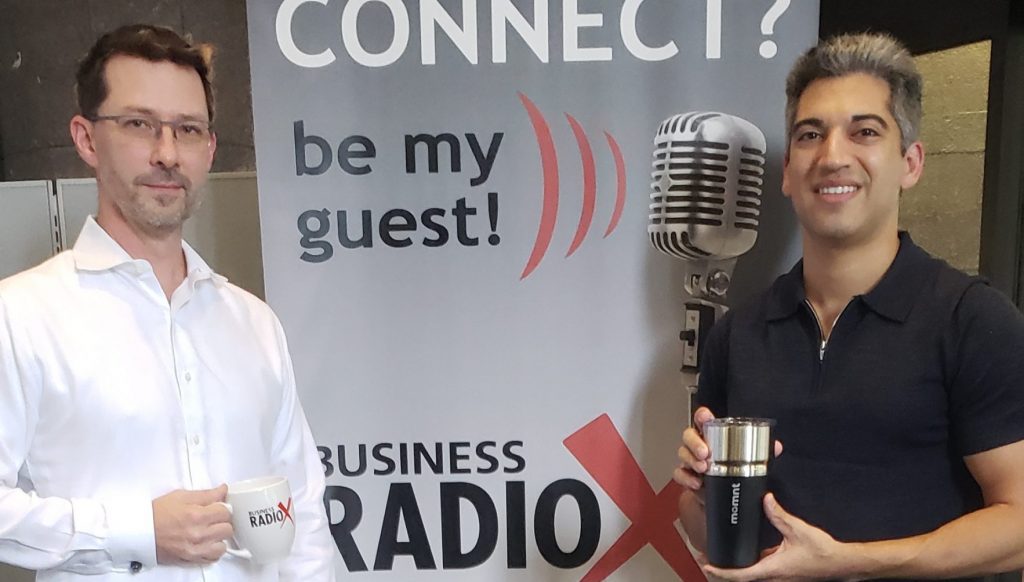
Brian Lanehart With Momnt

August 11, 2022 by Jacob Lapera

BrianLanehart
Tech Talk
Brian Lanehart With Momnt
Loading
00:00 /
RSS Feed
Share
Link
Embed

Download file

This episode is brought to you in part by our Co-Sponsor Trevelino/Keller

TKNewLogosv002-02

Brian Lanehart is the President of Momnt, an embedded financial services platform for digital, point-of-need lending and payments. Lanehart is responsible for the company’s adherence to its vision, mission, and strategy. He provides leadership and oversight across many different verticals, including finance, fundraising, product and technology strategy, compliance, analytics and AI/ML, marketing efforts and strategic selling.

As an industry veteran, holding many executive leadership titles and starting his own consulting firm, Lanehart is an expert in strategy, technology, and product execution. He’s applied keen decision-making skills to create joint ventures and alliances to improve operations and performance for clients in the legal, technical and financial industries. Lanehart continues to contribute to an environment of success, having a pulse on market trends, competition as well as executing strategies to benefit Momnt stakeholders.

Before joining Momnt, Lanehart was the senior vice president of global innovation at Brightwell, where he created their global go-to-market strategy and technical vision for a new initiative. He was able to establish and manage a way for migrant workers to transfer money across borders and currencies in real-time and hold multiple non-virtual currencies from a single account. In doing so, he formed strategic partnerships, performed competitive analysis and managed the innovative practice by creating long-term value adds to the platform.

Lanehart also led the strategic vision for growing another FinTech into the consumer lending space, where his VC decks put this company on the acquisition watchlist for Google, Citi, and others, as well as closed a $5 million Series B round.

Much of his recent career was at GreenSky, where he was the director of business services then transitioned to director of product. Due to his detailed industry and competitive intelligence, the company awarded him the product owner position of the company’s core platform where he created and implemented improvements for Finance & Compliance, Data Analytics, and chaired the API Governance team.  Also charged with re-monetizing the company’s platform, he orchestrated and strategically planned a new go-to-market strategy for the API offering, growing revenue of this channel from 11% of total revenue to over 35% in total revenue over 24 months.  He also chartered the company’s eCommerce and Speciality Retail offering, growing a pipeline of $120M in net new lending under 12 months while also cutting the operating cost of the eCommerce program by over 50% which resulted in creating the most profitable program in the company’s portfolio.

Lanehart graduated from Samford University with a bachelor’s degree in finance & entrepreneurship and computer science and minor in philosophy and music performance. He attended college with a music performance scholarship. He currently resides in the Dunwoody area north of Atlanta, where he spends his free time reading, going to concerts and movies, watching and playing soccer and tennis, reading and traveling.

Connect with Brian on LinkedIn.

Tagged With: Brian Lanehart, Momnt

Matthew Schmidt with Peoplelogic

August 11, 2022 by Jacob Lapera

Matthew-Schmidt-feature
Startup Showdown Podcast
Matthew Schmidt with Peoplelogic
Loading
00:00 /
RSS Feed
Share
Link
Embed

Download file

Peoplelogic-logo

Matthew-Schmidt-PeoplelogicMatt Schmidt is Founder & CEO of Peoplelogic. As a lifetime serial entrepreneur and technologist, Matt was formerly the co-founder of DZone Media and AnswerHub where he helped grow the company from two partners on a couch to more than 50 people and a successful exit in 2017.

He realized that the tools that the teams used every day held a wealth of information that could be used to make sure the organization had a way to measure and optimize its organizational health – from the board room to the individual team members.

He left DZone in 2019 to found Peoplelogic and ensure that growing companies had the visibility and actionable insight they needed to scale with reduced risk.

Follow Peoplelogic on LinkedIn, Facebook and Twitter.

What You’ll Learn in This Episode

  • Future of work
  • Burnout
  • Organizational health

This transcript is machine transcribed by Sonix

TRANSCRIPT

Intro: [00:00:04] Welcome back to the start of Showdown podcast where we discuss pitching, funding and scaling startups. Join us as we interview winners, mentors and judges of the monthly $120,000 pitch competition powered by Panoramic Ventures. We also discuss the latest updates in software Web3, Healthcare, Tech, FinTech, and more. Now sit tight as we interview this week’s guest and their journey through entrepreneurship.

Lee Kantor: [00:00:38] Lee Kantor here another episode of Startup Showdown, and this is going to be a good one. But before we get into it, it’s important to recognize our sponsor Panoramic Ventures. Without them, we couldn’t be sharing these important stories. Today on Startup Showdown, we have Matt Schmidt with PeopleLogic. Welcome, Matt.

Matthew Schmidt: [00:00:56] Hey, Lee, thanks for having me.

Lee Kantor: [00:00:57] Well, I’m excited to learn what you’re up to. Tell us a little bit about people logic. How are you serving folks?

Matthew Schmidt: [00:01:03] Yeah, fantastic. Great question. So people logic is all about helping make companies organizational help be simple enough to be actionable. And when we talk about organizational health, we’re talking about all the messy things around your people and your processes, helping you predict attrition and burnout and where you’ve got people working on things that don’t necessarily move the business forward and help you strategically plan and all those fun things that help businesses grow more effectively.

Lee Kantor: [00:01:32] So if they don’t have people logic, how are they going about that right now?

Matthew Schmidt: [00:01:37] Yeah, that’s a that’s a great question. Usually they’re getting surprised when people are when their best people are leaving or when they find out that they’re somebody they thought was a high performer, was was not being as effective as they thought they could be. And if they’re doing strategic planning, they’re usually taking a best guess and using their expertize and their their gut feelings around the things that they’re doing. A lot of companies are relying on surveys and those types of things, but we found that our customers tend to be more data driven than that and find see all the pretty well known problems that exist within beating your team over the head with more surveys.

Lee Kantor: [00:02:19] So how does it work? Like where are you gleaning the information? Where are you getting the data so you can make these informed decisions and assessments?

Matthew Schmidt: [00:02:29] Yeah. So we connect right to the tools that that your team spend their day using. Right. So it’s your zooms, your salesforce is your HubSpot, your JIRA is your GitHub. And we’re just consuming the exhaust data from those tools, the things that are left on the floor from the usage. Without getting into the specific details and content of those things, we’re able to glean really useful insights about how your teams are interacting and where there’s potential risks to the business.

Lee Kantor: [00:03:02] So from looking at those kind of breadcrumbs, you’re able to see, Hey, Bill is, you know, we think Bill’s a top performer, but maybe it’s Mary who’s really the top performer.

Matthew Schmidt: [00:03:14] That’s certainly one of the insights. One of the more common things that we also see is where you thought that a team was actually distributing the work across the entire team. But really, you’ve got somebody that’s standing there at the bottom of an inverted pyramid holding everybody up, that they’re doing all the work and or an outsized amount of work, which puts them really at a risk for burning out and for also for feeling like they’re carrying more of the team than everybody else, which can lead to a toxic culture as well.

Lee Kantor: [00:03:48] And and the other side of that is that somebody might be kind of a gatekeeper, that maybe you don’t want them to be a gatekeeper.

Matthew Schmidt: [00:03:57] Exactly. Exactly. There’s very often as organizations scale, you get somebody who was was the person that everything had to go through when you were ten or 25 people. But as you get to 50 people, that person still being that bottleneck is no longer effective. It doesn’t help the business. And so you sometimes forget that those things are still in place because organizations move so fast that that you don’t pay attention to it until it’s too late.

Lee Kantor: [00:04:27] Now, is this solution like a nice to have for smaller organizations? But as you get to x number of employees, it becomes a must have.

Matthew Schmidt: [00:04:36] Yeah, that’s what we started to see it. As you start to become a growth company, moving from a startup to a scale up as you go past 50 people into 75 to 100 and up to probably 1000 or so, it becomes much more of a of a need to a must have. Right. As you get bigger than that, then we begin to see it break down into the individual departments and the teams and those sorts of things that operate much more like companies. And then there people begin to use this for things, for understanding a baseline, for changes that they want to make, or for doing a planning around whether they have enough of the right kinds of people to do the work that they want to do. Those types of things, it becomes bigger, more here’re problems as you as you get bigger.

Lee Kantor: [00:05:25] Now in your career you’ve worked on several startups and and scaled several businesses. Were they always in this space?

Matthew Schmidt: [00:05:35] No, this is. It’s my first one. And what I think now it’s safe to call it the future of work. My last business was a design and answer hub and we were in the developer engagement, developer community space and so very different. But at the end of the day, business is how businesses grow and how they run. Have a lot of similarities and so you’re able to apply your learnings from one into the next.

Lee Kantor: [00:06:04] Now at the beginning of your career where you always on an entrepreneurial track, or did you work for a large organizations and then kind of pivot to startups and more entrepreneur?

Matthew Schmidt: [00:06:15] That’s a that’s a great question. I think I started my first business when I was 12 or 13 doing web development. Back before everybody had the Internet and you could remember where to go on the Internet by remembering the domain. And there were only a handful of them. So I’ve always been an entrepreneur at heart. And this is I tend to to go all in on my startups. And this my last one took about 15 years to navigate its way, bootstrapped to an exit. And this one, we’re on a very different path in venture back and choosing to go at it much more aggressively.

Lee Kantor: [00:06:53] Now, what was the learning there from, you know, going from bootstrap to exit now going to venture backed to hopefully eventual exit.

Matthew Schmidt: [00:07:04] So I think the biggest learning there was that. When you’re bootstrapped, you’re very, very focused on making sure that you’re funding everything with the cash flow from adding customers, and that you do need to solve a problem immediately versus trying to. Here we’re very much focused on we see the problem, we understand how to solve the problem. But we’re also we’re building something that hasn’t been done before and there’s intellectual property behind it and that is allowed. We needed the additional funding to be able to really bring that bigger vision to to work. Right. And so the big learning, I would say, is that you when you’re bootstrapped and when you’re somewhat more cash strapped in that way, you make different decisions about the things that you prioritize that maybe don’t serve you best for accelerating the business forward. Whereas when you’re down this path now with having raised a small amount of money here, people logic, we’re making choices around how do we hire the best people for the job to be able to to get us to where we’re going as quickly as we can.

Lee Kantor: [00:08:23] Rather than just hiring the person to solve the problem today.

Matthew Schmidt: [00:08:27] Yeah. And then what’s going to take us into the future, which is what we’re looking at now and aiming for something that is going to have a much larger impact on the business. And so that’s we are we’re very focused on. And the other difference being that when you’re funded and you’re backed, when you’re using other folks as money, you’re very focused. You’re always thinking about how you’re going to build the right relationships that are going to get you to an exit. And when you’re bootstrapped and it’s your own money, you’re not necessarily thinking about that. You’re going to look for an exit. You’re happy when one comes. But that’s not ultimately for most folks the the way that they run their business.

Lee Kantor: [00:09:16] Now, what about from as a CEO, as a leader, the feeling when you’re bootstrapped, you know, kind of the buck stops with you. But when you’re using other people’s money, now you’ve got other people yelling at you.

Matthew Schmidt: [00:09:31] Well, you know, ultimately with the team, the buck stops with me. And and it’s now not only do I feel an obligation to my team to make sure that I’m doing everything that I can to to clear the roadblocks for them. I’m also very aware of the obligation that I have to our investors to make sure that we ultimately get them a return on their investment and that we’re incorporating them into the processes where it makes sense with our own business and keeping them updated. And so you really now are beholden to two different groups of stakeholders within the business. When you when you’ve taken other people’s money and there is a saying that that used to that I was used to know and it was you spend your money differently when it’s other people’s money. But the truth is, when it’s other people’s money, you are actually accountable to them for how you spend. And so it’s for me, it’s important that we do that in a in a way that is conservative and appropriate for what they expected to get out of their investment in us.

Lee Kantor: [00:10:47] Right. And aggressive enough to get to the milestones you need to get to.

Matthew Schmidt: [00:10:51] Exactly where we are certainly beholden to the model that we put in front of them in our projections for where we expect to get to, that’s for sure.

Lee Kantor: [00:11:00] Now as a leader, is there a mentor or an advisor or somebody that’s kind of your true north that you aspire to be? Or is this something that you have just been kind of picking up on your own and, you know, just figuring things out on your own?

Matthew Schmidt: [00:11:17] Yeah, that’s. Until recently, I was not someone who really took advantage of having coaches and mentors and advisors. Over the past couple of months, I’ve made a pretty concerted effort to start to incorporate more of those types of people into my into my world so that I get different perspectives as I try to figure out how to run the business and that I have people to turn to when I’m looking to figure out how to solve problems. And so I have different coaches for the different types of challenges that might come up in my world. Some are useful for helping me understand challenges around product market fit and go to market, and others are useful for helping me just understand the day and day out stressors of being a CEO and I think I have begun to see how that why people turn to those. And I’ve had some great other CEOs that have leveraged both of our both of my coaches and others to. Have them be able to tell me the value that they’ve seen from from working with people like that and how it’s helped them accelerate their business.

Lee Kantor: [00:12:33] So what was the kind of reason for taking that leap into coaching? Did something happen or was there something that you were like, other people are doing this. Am I missing something that’s like right in front of me that I should just be checking out?

Matthew Schmidt: [00:12:48] You know, that was I probably started down that path in a moment of self doubt of whether I was doing the right thing as a CEO. And so they in speaking with some other CEOs and to some of our customers who actually referred me to one of my coaches, they they spoke of similar problems and how that had helped them. So I don’t know that there was any one thing other than that I knew that I wanted to be a better CEO and a leader and that this was a way that had worked for others that were at our stage in place to be able to get there.

Lee Kantor: [00:13:27] Now, where do you think your your superpower is as a leader?

Matthew Schmidt: [00:13:34] That’s a that’s a great question. I think that typically my superpower is being able to see around corners and to see the whole picture. That tends to be where I had the most value and which gives me a different perspective than the rest of the team has. And being able to understand where we need to to make changes and do that in a way that’s not going to just disrupt the entire organization.

Lee Kantor: [00:14:05] Now. Any advice for other founders out there on building that team of eight players? The team of people, they can kind of take your vision and make it real.

Matthew Schmidt: [00:14:18] I think you can’t stress enough how important it is to have a players on the team and to go and get the best players that you can. I’m a sole founder here and people logic, but the people that I’ve put around me on the executive team are people that I’ve known forever and who have been important into the growth of of people logic. And so if you you’re going to have a much harder time if you don’t figure out one way or another how to get those players in at the moment where they have an impact, it may stretch your exit or the ability to get another round of funding by months or years if you don’t bring those people in at the right time. So my advice is definitely one way or another, figure out how to bring those people in, to get them to buy into your vision and get them to help you make it real.

Lee Kantor: [00:15:18] So it sounds like you’re saying that those are must haves. Not nice to have.

Matthew Schmidt: [00:15:23] I have come to the position that having those eight players, particularly around you, on your senior leadership team is a must have.

Lee Kantor: [00:15:32] Now, how did you hear about Start, Showdown and Panoramic Ventures?

Matthew Schmidt: [00:15:38] Oh, gosh, it’s it’s been a couple of months. I think know in this case, I think I was. There was an outreach from Panoramic Ventures. We were in the middle of raising our our pre-seed round. And I think they invited us in to fill out the application. And we went through the process and went through the first stage and the second stage and then were eventually selected as a finalist and got to present on the stage, which was fortunate that they had moved back to to being in person. And it was in Charlotte here where we’re based in Durham, so we North Carolina. And so we were able to go and be a person and present as a finalist for their second ever event, I think.

Lee Kantor: [00:16:25] Was there any aspect of the process that was most beneficial or that you felt like that was a good use of our time?

Matthew Schmidt: [00:16:33] You know, just getting to basically the first couple of stages of it are really basically lightning pitches. 2 to 5 minutes. Getting to do it over and over again. And that part was super helpful. After that, being a finalist. The getting to see the other founders and hear how they talked about it here, that they were having the same challenges and being in the same stage that was that part was also super helpful. The actual presenting in person in front of other people was entirely too nerve wracking, particularly after having been virtual for the last two years. Right. So suddenly going back and being in person and presenting and doing your pitch and walking down a stage and you forget how different that is from just being a head on a zoom screen.

Lee Kantor: [00:17:28] Yeah, I think we’re all relearning that nowadays. We’re all relearning that in real life experience.

Matthew Schmidt: [00:17:34] Exactly. Your real life social skills of having to get dressed and put on and actually interact with people is is something you have to relearn. So. But the act of I was appreciative that they pushed for that in person and we’re able to do that in such a way that we were able to get out and pitch to an audience and really got some really great feedback even though we didn’t.

Lee Kantor: [00:18:01] So what’s next for people? Logic. How can we help?

Matthew Schmidt: [00:18:06] Yeah, the next we’ve just finished our our first round here of funding and we’re really very focused on adding new customers and growing the business that’s getting that revenue in the door is really the thing that we’re most focused on now. We’ve got a great team in place and now if there’s companies that that have the problems that we solve around attrition and burnout and ineffective processes, where we’re here to help and always looking to find ways to work with great companies.

Lee Kantor: [00:18:39] And those companies are what, 50 plus people with that are growing rapidly.

Matthew Schmidt: [00:18:45] Yep. 50 plus growing rapidly, usually in the tech space.

Lee Kantor: [00:18:49] And then what are some symptoms that they might have a problem that you can solve?

Matthew Schmidt: [00:18:54] Yeah. Usually they’re worried that they’re going to lose team members or they’re starting to hear people talk about burnout. Those tend to be two quick signs that they need to do something.

Lee Kantor: [00:19:07] Well, Matt, thank you so much for sharing your story today. If somebody wants to connect with you or learn more about people logic, what’s a website?

Matthew Schmidt: [00:19:15] Yeah, it’s people object I. And you can also reach me at math and people object I.

Lee Kantor: [00:19:23] All right. Well, thank you again for sharing your story. You’re doing important work and we appreciate you.

Matthew Schmidt: [00:19:28] Thanks so much. I appreciate it.

Lee Kantor: [00:19:29] All right. This Lee Kantor. We will see all next time on Startup Showdown.

Intro: [00:19:34] As always, thanks for joining us. And don’t forget to follow and subscribe to the Startup Showdown podcast. So you get the latest episode as it drops wherever you listen to podcasts to learn more and apply to our next startup Showdown Pitch Competition Visit Showdown Dot VC. That’s Showdown Dot VC. All right. That’s all for this week. Goodbye for now.

Tagged With: Matthew Schmidt, Peoplelogic

Stephanie Whyte With Aetna

August 10, 2022 by Jacob Lapera

Stephanie
Atlanta Business Radio
Stephanie Whyte With Aetna
Loading
00:00 /
RSS Feed
Share
Link
Embed

Download file

CVShealthStephanieDr. Stephanie Whyte is a seasoned physician executive and transformational leader known for building teams and leading innovative, large-scale initiatives. A senior medical director for Aetna Medicaid, she oversees the medical team for a region of three states. Dr. Whyte joined Aetna in 2015 and has served as a medical director and interim chief medical officer for two Aetna Better Health plans.

Dr. Whyte led the pediatric strategy for COVID-19 vaccines in for the 5-11 population in CVS stores, training pharmacists and immunizers. She has represented Aetna Medicaid and CVS Health in efforts to address vaccine hesitancy.

Prior to Aetna, Dr. Whyte was the inaugural Chief Health Officer for the Chicago Public Schools (CPS) district establishing a new office to focus on student health and wellness. Before CPS, she was Medical Director of Mobile Care Chicago, caring for children with asthma in Chicago’s most underserved neighborhoods on a mobile medical unit for over a decade.

Dr. Whyte is a board-certified pediatrician and honored “Distinguished Alumnus” from both the Chicago Medical School and Illinois Wesleyan University. She also holds an MBA in Public and Nonprofit Management; is a certified health care insurance executive; and board-certified in Health Care and Quality Management.

Connect with Dr. Stephanie on LinkedIn.

What You’ll Learn In This Episode

  • The Health Care Insights Study
  • CVS Health increasing access to affordable, convenient health services
  • CVS Health addressing consumers’ mental health needs
  • Future plans in the works for CVS Health

This transcript is machine transcribed by Sonix

TRANSCRIPT

Intro: [00:00:03] Broadcasting live from the Business RadioX studios in Atlanta, Georgia. It’s time for Atlanta Business Radio, brought to you by on pay. Built in Atlanta, on pay is the top rated payroll and HR software anywhere. Get one month free at on pay. Now here’s your host.

Lee Kantor: [00:00:31] Lee Kantor here, another episode of Atlanta Business Radio. And this is going to be a good one. But before we get started, it’s important to recognize our sponsor on pay. Without them, we couldn’t be sharing these important stories. Today on Atlanta Business Radio, we have Dr. Stephanie Whyte, senior clinical medical director with Aetna, a CVS health company. Welcome, Dr. Whyte.

Stephanie Whyte: [00:00:53] Thank you for having me, Lee.

Lee Kantor: [00:00:56] Well, I’m excited to learn what you’re up to. Can you tell us a little bit about CVS Health at number one and we’ll go from there?

Stephanie Whyte: [00:01:06] Absolutely. Well, CVS Health is a leading health solutions company. We’ve reached more people and improve the health of communities across America through our local presence, digital channels and over 300,000 colleagues, including more than 40,000 physicians, pharmacists, nurses and nurse practitioners. We have more than 85% of Americans living within ten miles of a CVS pharmacy, 9000 CVS pharmacy locations nationwide. So in a nutshell, we help people navigate the health care system and their personal health care by focusing on quality of care, convenience, improving access and lowering costs.

Lee Kantor: [00:01:50] Now, I would imagine because CVS Health has such a broad kind of I guess you touched so many people in in the in health in their health kind of journey. You recently had the opportunity to do a survey and you were able to glean some interesting insights. Can you talk a little bit about that health care insights study that you guys kind of put together?

Stephanie Whyte: [00:02:18] Absolutely. So the health care insights study by CVS Health is now in its fifth year. And the goal of this study is to understand the needs and the mindsets of consumers as they pursue their individual health care journey. So Atlanta was one of the regions that we focused on in this year’s journey this year study oncology. And so the study finds that people have embraced the holistic outlook on health and they want more meaningful and engaging relationships with the health care providers. And they’re increasingly searching for a new kind of health care experience that’s simpler, less costly and efficient.

Lee Kantor: [00:02:57] So is there anything actionable that companies can take regarding that? Like, is there anything that medical practitioners should take away from that or anything that the consumers can take away from that?

Stephanie Whyte: [00:03:08] Oh, absolutely. So accessibility and affordability of health care services were a prominent theme among the respondents. Right. So one of the things that we’re doing is making certain that we’re accessible and available. Again, 85% of Americans are within ten miles of CVS Pharmacy 400. Sorry, let me restate that. There are 200 CVS pharmacies in Atlanta metro area. There are nearly 40 with MinuteClinic and Healthhub locations. So we’re creating access to our locations as well as the survey results so that nearly one in four Atlanta respondents preferred using the pharmacy over the E.R. or urgent care center post-pandemic. So they were looking to their local pharmacy as their source of care. So we’re providing that access and that route of service for them. So. Well, sorry.

Lee Kantor: [00:04:26] So do you think that because of that, there’s going to be more opportunities for people to go into a CVS pharmacy to get kind of a little more care than than maybe historically pharmacies have offered?

Stephanie Whyte: [00:04:40] Absolutely. Our MinuteClinic locations offer a wide range of essential women’s health services, such as treatment for yeast infections, pregnancy, UTI testing. We also offer minor injury and illness treatment at our health hubs. We’re also committed to addressing social determinants of health and focusing on key challenges within the community. So among the things that our Atlanta respondents identified was an issue for them was transportation. So we’ve partnered this year with Uber and local community organizations and kicked off health zones Atlanta as an initiative. And this initiative provides free transportation to residents live. In a30318 zip code so they can more easily access health facilities, food pantries and vaccination appointments.

Lee Kantor: [00:05:38] Now, or is there an initiative that is going to target telehealth?

Stephanie Whyte: [00:05:45] We are expanding our telehealth. We have a CVS Virtual Primary Care Health, which is a evolution of a physician led, comprehensive primary care model that brings together a multidisciplinary team to offer patients coordinated care. And in this model, patients get the opportunity to have a continuous relationship with on demand care, chronic disease management and mental health services. And absolutely, virtual health is an offering there.

Lee Kantor: [00:06:25] So now let’s talk a little bit about mental health that seems to be very popular nowadays. Is there an opportunity there to address the consumer’s mental health needs that seem to be really prevalent, especially, you know, as we get through the pandemic?

Stephanie Whyte: [00:06:45] In the Lancet metro area, there are nearly 40 CVS Health Minute clinics and health hub locations. At these locations, we have licensed therapists to provide onsite confidential mental health counseling, and we’re looking to expand access to mental health, wellbeing and telehealth services. But anyone can visit the Minuteclinics to find a location near them. And what’s really important here, and I’m glad you highlighted this since 2019, our nationwide virtual visits for mental health ballooned from 10,000 to over 10 million last year. So that’s like a 1000 fold increase. And that just punctuates our ability to meet the need and the scale of what is clearly a critical public health increase. And what the data actually showed is that the Atlanta respondents were concerned about the mental health will well-being of their loved ones, and that was one of the stressors that they identified over the past year in the survey data.

Lee Kantor: [00:07:56] Now, do you think that this influx of mental health requests, is it something that all of a sudden now there’s more people suffering or is it now there’s less maybe shame in getting help?

Stephanie Whyte: [00:08:11] I think that people are looking for the opportunity to have a conversation and relationship with their providers that they can discuss stress, they can discuss happiness, their health levels, and have a holistic approach when dealing with their health care provider. And that’s what the data actually show. They’re seeking higher levels of engagement and communication, and that is what the data is reflecting, and that’s what our offerings are trying to provide. And that’s why you will find therapists in our MinuteClinic locations. We’re expanding services for telehealth. We’re doing the virtual care with the physician led teams that are engaging with both a virtual health option and care as it needs to be at home when they need to be.

Lee Kantor: [00:09:09] So what’s your back story? How did you get involved with CVS Health?

Stephanie Whyte: [00:09:15] I am a pediatrician by training. I joined the company after being non-clinical and leading the Chicago Public School District Health System Health there. And I just have a passion for care and making certain that we address the needs of those who need services. And that’s a beautiful segue, and I’m glad you added that to ask me that, because there’s one more thing I want to punctuate that we’re doing that speaks to why I’m here, and that is our project Health Initiative, that’s addressing some of the social determinants of health. That’s really my passion. And CVS Health is doing a wonderful job of this project Health Initiative, which brings community health services to those who are under resourced. And that beginning mid-August, our mobile RV units will serve several Atlanta metro areas, providing screens to our project Health Seniors. And these screenings identify those who have high blood pressure, blood pressure levels, glucose levels, cholesterol levels. And in my prior life, I’ve done screenings like this. And you are surprised at those who are walking around with malignant, life threatening, high blood pressure levels, cholesterol levels, leading them on the path to coronary artery disease, and they have no idea. So screenings like these are wonderfully helpful. We have more than a dozen lined up and the Atlanta metro area between now and the end of the year. Those interested can contact CVS.com slash project hyphen health to find out about an event near them. Cvs.com slash project hyphen health. To find out about an event near them. But we’ve done we’ve provided $7.6 worth of free medical services and just the Atlanta Atlanta area via Project Health since 2006. And this type of work really drives the passion and speaks to us getting out there. And that’s my story of how I came here to do things like this.

Lee Kantor: [00:11:34] Now, can you share a story maybe of your time working with folks kind of boots on the ground that these kinds of screenings are can save lives? This is catching things, knowing your numbers are things that are important to catch things before they become real, really problematic. I mean, I think that a lot of folks don’t take the initiative in terms of knowing their numbers and getting checked out and doing some of these screenings in order to catch things before they become very big problems and maybe even, you know, kind of end of life problems if you wait too long. Can you share a story, maybe a personal you don’t have to name their name, but just explain what it was like for this person to go through a screening identifying this and really nipping something in the bud.

Stephanie Whyte: [00:12:20] Oh, absolutely. So I did a large screening like this in the Chicago area at Navy Pier, a huge convention center, and they were offering the exact same things glucose, cholesterol, hypertension, blood pressure, checking for your bone. And as the people went through, they were offered. They then got they did lung function as well. They then got to sit with the physicians that were there to do an interpretation of the results and explain what that meant. So I was one of two docs there on site doing it, and one of the gentlemen who came to sit with me was someone who was uninsured, who said he had no symptoms. He was just it was free. He got in line and said, why not? Had not seen a doctor in at least ten years. And the level of the magnitude of his hypertension, the level of his blood pressure, how high it was, was what we would call malignant hypertension. It was extremely high. He’d said he had no headaches. He said he didn’t have any dizziness, he had no problems. He denied any of that to the point where he didn’t believe me when I was like my heart was palpitating on his behalf. And so we talked to him. We asked about family. I asked about family history and other things. And there was some things there that were triggers but actually called an ambulance for him. He could not leave. I could not have him leave the convention center like that. So this is how we go. You need to follow up with a doctor. We need to link you with somebody. No, we need to call the ambulance. And you need to immediately be sent somewhere for care. It was that bad.

Lee Kantor: [00:14:04] And that’s the thing to the person they may not even notice. And then they’re dead. Like, it’s that dramatic. And I’m not.

Stephanie Whyte: [00:14:12] Hypertension. It’s called the silent killer. So. Yes, so. So when you take these to communities that lack regular access to health care resources, the impact is critical.

Lee Kantor: [00:14:24] Yeah. And this is something that when you are if you haven’t been to the doctor in any length of time and you have an opportunity to get a screening, these are things these aren’t nice to have. These are must haves.

Stephanie Whyte: [00:14:37] Absolutely.

Lee Kantor: [00:14:38] So one more time, if somebody wants to learn more about, you know, these clinics and these screenings and things like that.

Stephanie Whyte: [00:14:45] Project health events. Cvs dot com slash project hyphen health.

Lee Kantor: [00:14:53] Well, Dr. White, thank you so much for sharing your story today. You’re doing such important work and we appreciate you.

Stephanie Whyte: [00:14:59] Thank you so much, Lee. It was a pleasure.

Lee Kantor: [00:15:01] All right. This is Lee Kantor. We’ll see you next time on Atlanta Business Radio.

Intro: [00:15:09] Today’s episode of Atlanta Business Radio is brought to you by on pay. Built in Atlanta, on pay is the top rated payroll in HR software anywhere. Get one month free at onpay.com.

About Our Sponsor

OnPay’sOnPay-Dots payroll services and HR software give you more time to focus on what’s most important. Rated “Excellent” by PC Magazine, we make it easy to pay employees fast, we automate all payroll taxes, and we even keep all your HR and benefits organized and compliant.

Our award-winning customer service includes an accuracy guarantee, deep integrations with popular accounting software, and we’ll even enter all your employee information for you — whether you have five employees or 500. Take a closer look to see all the ways we can save you time and money in the back office.

Follow OnPay on LinkedIn, Facebook, and Twitter


Tagged With: Aetna, Stephanie Whyte

Stanley Rigaud With Miami-Dade Beacon Council

August 10, 2022 by Jacob Lapera

South Florida Business Radio
Stanley Rigaud With Miami-Dade Beacon Council
Loading
00:00 /
RSS Feed
Share
Link
Embed

Download file

DTLLogo-Blue-Bannerv2

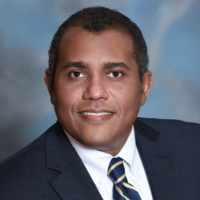
Stanley Rigaud is the Vice-President of Economic Development of Miami-Dade Beacon Council. He is responsible for attracting job-generating business investments to the Miami community and maintaining active working knowledge of the economic trends of Miami-Dade County and the State of Florida.

Mr. Rigaud leads Miami-Dade Beacon Council’s Small Business Committee efforts in building inclusion into their Small Business programming and seeking diverse perspectives in industry strategic discussions to expand industry activity among underrepresented demographics and targeted County commercial submarkets. He also leads the Beacon Council’s Trade & Logistics industry in Miami-Dade County helping to create a business climate that encourages the promotion and growth of this targeted industry sector.

Prior to his current role, Mr. Rigaud spent 25 years at FedEx leading multi-functional teams that provided integrated logistics solutions for FedEx customers with high-value products and complex supply chain requirements in both air and ground operations.

Volunteer Activity
Mr. Rigaud is currently a Board Member for the Freight Transportation Advisory Committee (FTAC) which is the industry’s advisory panel to the TPO Governing Board on freight movement and truck traffic needs. He is also a member of the Transportation Committee for the Greater Miami Chamber of Commerce working to leverage partnerships and dialogue between the business community, transportation officials, and local, state, and federal governmental agencies in order to improve transportation infrastructure and mobility through educational forums, legislative and policy initiatives, and improved ridership in mass transit. He is also a member of the Perishables Committee at PortMiami, Steering Committee member for the Florida Supply Chain Summit, and Advisory Board Member for FIU’s M.S. in Logistics Engineering Program.

Mr. Rigaud is also currently a Board Member for Rebâti Santé Mentale dedicated to strengthening capacity and awareness of mental health issues for underserved communities. He also serves on the Advisory Committee for the Little Haiti Eco-District committed to urban development and rooted in Equity, Resilience, and Climate Protection for sustainable neighborhood development. Mr. Rigaud is also a Year Up South Florida mentor to disconnected young adults seeking to navigate new experiences and shape their careers.

Connect with Stanley on LinkedIn.

What You’ll Learn In This Episode

  • Miami-Dade Beacon Council Mission and Vision
  • Job responsibilities as an Economic Developer/Project Manager
  • Trade & Logistics Industry and Committee
  • Small Business Committee and SBX
  • Lead Generation Activities
  • Community Outreach
  • Community Engagement
  • Partnerships and Relationships

This transcript is machine transcribed by Sonix

TRANSCRIPT

Intro: [00:00:01] Broadcasting live from the Business RadioX studios in South Florida. It’s time for South Florida Business Radio. Now, here’s your host.

Lee Kantor: [00:00:14] Lee Kantor here another episode of South Florida Business Radio. And this is going to be a good one. But before we get started, it’s important to recognize our sponsor, Diaz Trade Law. Your customs expert today on South Florida Business Radio is Stanley Rigaud and he is with the Miami-Dade Beacon Council. Welcome, Stanley.

Stanley Rigaud: [00:00:35] Hey, Lee, how are you?

Lee Kantor: [00:00:36] I am doing well. I’m so excited to be talking to you. For those who aren’t familiar, can you share a little bit about the Beacon Council? How are you serving folks?

Stanley Rigaud: [00:00:45] Yeah, sure. Well, the Beacon Council is Miami-Dade County’s official economic development organization or partnership where public-private partnerships we’re governed by and led by a volunteer group of board of directors who are both business and government leaders in the community. A subset of the board makes up our executive committee and they are delegated with decision making authority for the board annually. I guess you could say too that the organization helps to market the county as a world business class destination. So our job is to attract and retain companies that invest in and create high value jobs in this community, driving long term economic prosperity and inclusive growth.

Lee Kantor: [00:01:27] Now, what was the genesis of the idea? How did this come about?

Stanley Rigaud: [00:01:31] Yeah, so the organization was founded in 1985, and the focus of this organization was to focus on Miami-Dade County, which is one of 67 counties in the state of Florida. Interestingly enough, people tend to think that Enterprise Florida, which is the state agency that does economic development for the state, preceded Beacon Counsel. But Beacon Counsel was actual was actually the model that enterprise use to create Enterprise Florida. So we’ve really been sort of ingrained in this community for the longest. We are we’ve been recognized as one of only 62 economic development organizations in the country that is designated by the International Economic Development Council as an accredited economic development organization. And all that mumbo jumbo means is that we are audited on a regular basis on the work that we do here.

Lee Kantor: [00:02:25] Now, what is kind of a day in the life for someone at the Miami-Dade Beacon Council?

Stanley Rigaud: [00:02:31] Yeah, every day is different because of the number of companies that were were assisting the different industry sectors that the team here focuses on. I personally, I’m responsible for the Trade Logistics Committee and, well, the trade logistics industry sector. We focus on six targeted industry sectors outside of hospitality and tourism, which we typically see to the Greater Miami Convention Visitors Bureau. But the six targeted industry sectors are aviation, financial services, creative design, which we now call creative industries, innovation, technology, life sciences and health care and trade and logistics. So those are our six targeted industry sectors. And you can imagine for each of these industry sectors, there are just a host of subsectors in those. So no day is the same.

Lee Kantor: [00:03:28] Now is your work trying to attract businesses from around the world to headquarter or have a presence in Miami-Dade? Or is it to help businesses within Miami-Dade to help kind of grow their businesses within Miami-Dade and the world? Does it work both ways or is it are you doing one more than the other?

Stanley Rigaud: [00:03:49] Yeah. No, definitely. It’s it’s our focus is on foreign direct investments to Miami when it comes to especially on the trade logistics side, when it comes to exports or work with some of the delegation or some some of the trade offices, we we partner with the International Trade Consortium at Miami-Dade County, but definitely defer to them as the lead. Our focus is in bringing foreign direct investments to Miami and helping other companies within the United States that understand the value that Miami brings to this community, particularly as we are the gateway to the to Latin America and the Caribbean, as an opportunity for them to have a regional headquarter here in in South Florida or Miami in particular.

Lee Kantor: [00:04:37] So what’s kind of your elevator pitch to them?

Stanley Rigaud: [00:04:41] Yeah, I mean, my I mean, the data shows this is I guess the easiest elevator pitch is that we market Miami as a world business class destination. We help local companies grow. And the work that we do is really focused on helping to shape the direction of our economy.

Lee Kantor: [00:05:01] And then has it been working like you’ve been around since 85? I imagine it’s worked pretty well. But can you share some of the stats to, you know, for our listeners to understand the impact? You’re all making?

Stanley Rigaud: [00:05:14] Absolutely. Well, for for one thing. As you said, we’ve been around for, I want to say, 37 years now, if I’m not mistaken, since since 1985. Since then, we have assisted over, I want to say, 1000 companies. There’s, I think, close to $7 billion in capital investment. I should have had some of these numbers.

Lee Kantor: [00:05:43] Yeah, but it’s billions of dollars that are being generated through the efforts. And I’ve been not solely through your efforts, but the impact that you’re making is real on the and I would imagine in all the sectors that you’re focusing in on, those are all growing as well.

Stanley Rigaud: [00:05:59] Yes, they are. We have I think we’ve seen continuous growth even throughout the pandemic, both in the financial services and the tech industry. The cargo industry has been just exploding since even before the pandemic. But even throughout the pandemic and since the pandemic, the numbers have really not not stopped to grow. And and it’s it’s it’s interesting because you would think, especially since we’re in this sort of inflation mode, that we would have seen a dip in some of the numbers. And I think maybe this week or within this month, we’re starting to see a slight decline. But nothing that suggests that we’re there’s there’s a there’s a recession around the corner now.

Lee Kantor: [00:06:53] How has the ability to help the people who do kind of move into the Miami-Dade area finding talent? Are you having a challenge there or do you have a good pipeline for them to have the right folks in place to help them?

Stanley Rigaud: [00:07:12] Yeah. You cut out just a little bit. Lee, can you repeat that?

Lee Kantor: [00:07:16] Sure. Can you talk about how you help the people who, when they do relocate to Miami to help them find the talent that they need to be successful?

Stanley Rigaud: [00:07:27] Yes, absolutely. So. We’ve got a team of experts here that are very familiar with the trends of our industry sectors and some of the sort of key services that we offer here. They vary between some of the finance financing programs that we have here. As you mentioned, we we assist with recruitment and training in collaboration with some of our partners, like career South Florida. We’re very adept at helping to expedite the permitting process or anything with permitting and regulatory issues. We certainly partner with our real estate community in helping with site selection. Some companies that are relocating here, if they need employee assistance, relocation, we have a program for that as well. And I think the biggest value that we bring is our customized research. So we can create customized reports to include demographic profiles of Miami-Dade County, whichever municipality that they might be interested in, outlining the different firms by industry that’s that’s here any employment by industry, the percentage of distribution of employment. So there’s some really good data points that can help a company in making that final decision about coming to Miami.

Lee Kantor: [00:08:49] And it sounds like that the the business environment is very collaborative where you have these public private partnerships that can really accelerate a company’s ability to be successful faster.

Stanley Rigaud: [00:09:05] Yes. And I think aside from the research piece, I think the other sort of biggest value that the Beacon Council brings because of our how long we’ve been around, is the relationships that we have forged over the last 35 years, both in the private and public sector. So when a company comes here and whether or not they’re part of a cluster, because we’ve had these really deep relationships with private companies, the public sector as well, that allows them to really get to know the community, get to know the industry in as part of the Miami-Dade area and how they can begin to move the the company’s growth and progress a lot sooner than they than they could have without the Beacon Council.

Lee Kantor: [00:09:58] Now, is there a story you can share, maybe a success story? You don’t have to name the name of the company, but maybe explain the challenge that they were facing when they found the Miami-Dade Beacon Council and how you were helping help them get to maybe a new level once they kind of got plugged in with you and your team.

Stanley Rigaud: [00:10:17] Yeah, it’s interesting. I get this all the time when I when I meet someone that either found out about us three months later or six months later or even a year later, they go, Gosh, had I known about you guys, you guys, you would have saved us so much time and effort. So that’s that’s that’s really a common theme. And I think part of it is really because we we’re very familiar with the industry sector. We know all the players here and the committees have really helped for each of our targeted industry sectors. We have a committee that comes together quarterly, in some cases monthly to talk about all of the sort of impending issues that an industry could face in terms of potential impediments, but also opportunities for growth. So all of our industry sectors has a is tied to a committee, and each of these committees, they serve as a as a platform for not just for industry intelligence, but also for communication of industry knowledge. And and as a result of that, when a company comes here, we start to make those introductions. It really helps to expedite how quickly they establish themselves here in Miami.

Stanley Rigaud: [00:11:37] So, I mean, it’s hard to kind of pick one because we get this on a regular basis. But you can tell when we meet with the company, they are just elated that that there’s an organization that’s here that’s able to kind of help them sort of leapfrog a few months rather than than having to do this by themselves. And the other sort of major point that I want to make sure that I bring up is that we operate under confidentiality. And, you know, and because of the sunshine laws here in Florida, when you when you’re dealing with either a municipality or with the county itself, any kind of exchange of information is subject to to public record. And in the case of the Beacon Council, because we are. Under confidentiality. It really does allow private sector companies to come in and and do business in a way that they know that nothing will be shared until they’re until they’re ready to share that information, whether it’s through a press release or however they might choose to do that.

Lee Kantor: [00:12:42] Now, what are the size of the companies that are kind of coming to you at the Beacon Council and coming to Miami-Dade? Are they kind of of all sizes? Are startups kind of knocking on the door or these enterprise level companies may be in another country that are looking to, you know, get into America and use Miami-Dade as the launching point, like what is the typical size of the company that is coming in?

Stanley Rigaud: [00:13:11] Know. That’s exactly right. It’s a great question. It really runs the spectrum. I think other than maybe perhaps before the or during this this pandemic period, we really focused on small to midsize companies all the way up to your large multinational corporations. But during the pandemic, we’ve begun to work with some of the micro businesses, and that’s really had to do with especially in the hospitality area, where a lot of the businesses that were struggling the most were some of those micro businesses. But traditionally it’s been small businesses of 2 million, $3 million in revenue to your your biggest companies that are out there. So it’s not unusual, for example, for me to be working with a maersk or a CMA CGM on the shipping side or a rider or FedEx, but also a very sort of local Miami company. So it runs the gamut.

Lee Kantor: [00:14:19] So what’s your backstory? How did you get involved in this line of work? It sounds exciting and very rewarding.

Stanley Rigaud: [00:14:26] Actually, it truly is. And I think the best part is just meeting people in every walk of life. So my background, I actually I worked for FedEx for 25 years. So I know a little a little bit about logistics. And and at the time, they were looking for somebody who had some background in in the trade logistics sector. And and I got hired at the Beacon Council. I’ve been here for just under eight years and have really just developed some great relationships, particularly at the at the airport and seaport, which are two of the key intermodal for moving cargo. But we’ve got some just tremendous assets here. When you when you think about both the seaport and the airport, whether it’s on the seaport side, whether it’s the crew side or the cargo side, just truly an economic engine. Same thing goes for for for our airport here at Miami International Airport, both on the passenger side and cargo. Just some serious assets that we have here. I think for for my for this industry, sector and trade and logistics, we’ve really done a phenomenal job in in investing in this community, investing in our seaports and our in our airport. And as a result of that, tons of companies have benefited from from that investment. So it’s it’s it’s every day is fun. Every day you meet great people. People are excited to to come to Miami. Even the startups. I mean, I can’t tell you how many logistics companies or or logistics I.T. companies that are that are here and they’re here because the infrastructure is here and it allows them to grow. So always, always exciting.

Lee Kantor: [00:16:10] Right. But it’s one of those things where you’re kind of a best kept secret. And we’re trying to help get the word out to make people know that you exist and that they should be partnering with you and getting to know you because it can accelerate their growth, it can flatten their learning curve. And it’s just silly not to. I mean, you’re a resource there that’s meant to be helpful and available. So I’d like, you know, more and more firms that are coming or thinking about coming to America and Miami-Dade specifically to get a hold of you and learn more about the Beacon Council.

Stanley Rigaud: [00:16:43] Yeah, I know. That was that’s well said. You know, this is a diverse community. We were we’re in a region of of over 6.2 million people. When you think about South Florida in general, I mean, South Florida is these three counties I often refer to South Florida as the anchor of the state. To think that just three counties represents almost a third of the entire population just tells you how important we are to the state of Florida. Most people know that we are now the third largest state in the country. But I think what they don’t know is that we are we have more than 1400 multinational corporations that call Miami home. They don’t know that we are the fastest emerging tech hub in the United States. A lot of people don’t know that. Even Miami leads the nation in tech, talent, migration, where we have we’re creating an ecosystem where everyone is welcome. The government is actively supporting the growth here. And we you can see it in the numbers at the airport, at the seaport, whether it’s the cruise industry, our airlines are just seeing just incredible growth. So Miami is a unique geographic location where we’re internationally trained work workforce with what I think is a very modern infrastructure that really enables business leaders to to make Miami a base of operations. So it’s, you know, when people come here, they go, wow, we just thought this was just great weather, beautiful beaches. And little did they know that we are for example, we’re the number one cruise port in the world. We’ve got we’re probably the number one container port in the world. I know that we’re for international cargo. We’re number one in the United States. I think we’re number two in US airport for international passengers. And so the list goes on of of some of our really great rankings. And, and until and unless you, you reach out to organizations like the Beacon Council, you’re just really unaware of some of these great statistics.

Lee Kantor: [00:19:03] Right. And it’s one of those things where trade and logistics is kind of invisible to the average person. It’s not on their radar until something bad happens. And we’re here to talk about all the good things that are happening and how important the trade and logistics is to not only South Florida, but Florida and the country in the world you have. You’re at a hub, and it’s important to recognize that. And it’s important that organizations like Miami-Dade Beacon Council exist to help make business go. I mean, without your help, it would be a lot harder for these companies to integrate themselves in the community and really get the the level of success that they’re able to get with your help. So I think that more and more companies should be reaching out to Miami-Dade Beacon Council. And if they are interested in learning more, Stan Lee, what is the coordinates? What is the best way to get a hold of you or somebody on the team? Is there a website? Is there social media coordinates that people should know about?

Stanley Rigaud: [00:20:04] Sure. Yes, absolutely. We are very much on social media. So but the website is Miami-Dade Beacon Council or just Beacon Counsel dot com. You’ll definitely get a great overview of of of the organization who’s here. If you go into the search bar you can just you put in staff or when you scroll into the website you’ll get all the information. Obviously my name is Stanley Rago, all of us, its first initial last name. So in my case it’s S3 go at beacon counsel dot com but easily reachable through our website and I think our phone number is I should know this but I think it’s 305 579, 1300. My specific line is 3055791346. So yes, we’re all on LinkedIn. Oui, oui, oui, oui, oui. Post a lot of stuff on on LinkedIn as well. So very easy to find.

Lee Kantor: [00:21:11] Well, thank you so much for sharing your story today. You’re doing such important work and we appreciate you.

Stanley Rigaud: [00:21:17] Thank you, Lee. I appreciate that. The time to come and speak on your show.

Lee Kantor: [00:21:21] All right. This is Lee Kantor. We will see you all next time on South Florida Business Radio.


Tagged With: Miami-Dade Beacon Council, Stanley Rigaud

Kesha Aycock With Catering By Design, LLC

August 10, 2022 by Jacob Lapera

Atlanta Business Radio
Kesha Aycock With Catering By Design, LLC
Loading
00:00 /
RSS Feed
Share
Link
Embed

Download file

Kesha Jefferson-Aycock, Owner & Personal Chef at Catering By Design, LLC

She is a locally known Personal Chef and Caterer in the metro Atlanta area since 2005. Catering to numerous companies for various events, she has gained the reputation of displaying professionalism and culinary craftmanship to every client.

Connect with Kesha on LinkedIn, Facebook, and Twitter.

What You’ll Learn In This Episode

  • About Catering By Design, LLC
  • Type of dishes they offer
  • Type of events they cater
  • About the $25,000 enhancement grant they won through the Coalition to Back Black Businesses

This transcript is machine transcribed by Sonix

TRANSCRIPT

Intro: [00:00:02] Broadcasting live from the Business RadioX studios in Atlanta, Georgia. It’s time for Atlanta Business Radio, brought to you by on pay. Built in Atlanta, on pay is the top rated payroll and HR software anywhere. Get one month free at on pay.com. Now here’s your host.

Lee Kantor: [00:00:31] Lee Kantor here. Another episode of Atlanta Business Radio. And this is going to be a good one. But before we get started, it’s important to recognize our sponsor on pay. Without them, we couldn’t be sharing these important stories today on Atlanta Business Radio. We have Chef Kesha Aycock with Catering by Design, LLC. Welcome, Chef Kesha.

Kesha Aycock: [00:00:55] Hello there, Lee. How are you?

Lee Kantor: [00:00:57] I am doing well. I’m so excited to learn what you’re up to. Tell us a little bit about catering by design. How are you serving folks?

Kesha Aycock: [00:01:04] Oh, my goodness. We are serving the metro Atlanta area as well as surrounding counties and out of the state. We are serving up some of the best southern and American cuisines that you can put your hands on.

Lee Kantor: [00:01:22] So how did you get into this line of work? Have you always been interested in, you know, chef-ing and being in the food business?

Kesha Aycock: [00:01:31] Yes, I have. I started off watching my parents and grandparents. My father was a chef in the military, so I had an awesome experience watching him make beautiful few food in the presentations as well as my grandparents. They used to feed a lot of people from the church and within the community, and I think I was one of the grandchildren that actually was involved and wanted to know more about it. Because I saw the togetherness, I saw the friendliness, I saw what it brought to the family, how we got together, and the good times were amazing and the food was more awesome that you can possibly imagine. So that’s one of the ways that I really was intrigued in getting into the business.

Lee Kantor: [00:02:20] So what was your kind of first foray into the business? Did you work at other places and then eventually started your own business? Or like, Well, what was the path?

Kesha Aycock: [00:02:29] Well, first I started catering, caring for close friends and family members, you know, just getting together barbecues, birthdays, celebrations, things of that nature. And my husband and I looked at the overwhelming response of the people that was not basically related to us, but wanted to say, know, wanted to ask, hey, do you guys do this full time? What are you doing? My husband and I was like, No, we just do it for close family and friends. And it was like, Well, I have a wedding or I have a birthday party and I would love for you guys to do it. And we were like, Okay, so we kind of got our feet wet that way. And then the best form of communication was word of mouth, as well as actually being at an event where we catered and it just exploded from there.

Lee Kantor: [00:03:17] So what happened at that event? What made it so special that people couldn’t stop talking about it and referring you out?

Kesha Aycock: [00:03:26] Well, it was the food, honestly. And not only the food that we that we made made it very tasty. It was the experience with it. It was the love and the passion that we have behind it. It was something that it was it’s in us. So if something is in you, it’s going to come out. And the way that it came out, it came out phenomenally. So people started asking us, hey, you know, can you do this for us? And we were like, Sure. So that was the passion behind everything. That’s how we originally got started.

Lee Kantor: [00:04:03] Now, what were some of the dishes you were serving then, and what was your kind of unique spin on them, though? That was so awesome.

Kesha Aycock: [00:04:14] Well, we started doing things that we were familiar with some of the ingredients and recipes that we grew up with, like the Southern style macaroni and cheese, smothered chicken, collard greens. And then some of the American dishes came a little bit later as we kind of ventured into creating a certain spin on some of the classic American dishes, like the miniature hamburger sliders. We kind of made our own little recipes from those dishes. The lemon Herb Selman, the lollipop and lamb chops, grilled asparagus. I mean, the list goes on and on.

Lee Kantor: [00:04:53] So how does it work when these events contact you? Do they, like, have a menu that they’re picking from or do they tell you, hey, we would love for you to do this? And they they’re kind of kind of giving you the menu or does it work both ways?

Kesha Aycock: [00:05:07] Yes, it does for both work. Tai Tung today. Work both ways. We do cater to your expertise. Maybe there’s a family tradition dish that you may want. Or you may go to our website at WW. Catering by Design LLC DOT and from that website you’ll see the menu selections and you can kind of pick from there. And we kind of cater to what you what you really want, what you may want to experience at that time.

Lee Kantor: [00:05:39] Now, is there a sweet spot in terms of the size of the event or does it really matter? Can it be like for ten, 20 people or does it have to be 100 or 500 or 1000?

Kesha Aycock: [00:05:51] No, not at all. It can be any size. We do intimate private dining. Sometimes it’s just a husband and wife anniversary, or it may be a corporate event where they have in 304 hundred people. It could be 100 people. Really? There’s really no size. We even do personal dining, such as during the height of the pandemic, we decided to reinvent ourselves to be available to all of our clients as well as the new clients. Because during the pandemic, everybody was cooking and nobody wanted to go to the store. So they reached out to us and say, Hey, we have a family of four. We want to eat for two days. So can you create something like two meats, three sides, your bread rolls, beverages, just so that we can get through the weekend? I don’t have to cook all week. So that was a phenomenal opportunity that we had during the pandemic. It actually exploded because we were getting text messages and calls and emails and the clients were going through our website saying, Hey, we need food. Can you please cater something for us? So that was that went over very well.

Lee Kantor: [00:07:02] So you were kind of doing like meal prep for your clients that they had, you know, kind of probably better, much better quality than they could get on their own. But it was done by a professional chef.

Kesha Aycock: [00:07:14] Yes, that’s correct. Because as you already know, during the pandemic, a lot of the grocery stores were bare. So being a personal shopper, licensed personal chef, you have access to a lot of companies and grocers that are not privy to the public. So we were able to get food and prepare these food, these dishes, which a typical person wouldn’t be able to have access to.

Lee Kantor: [00:07:42] Now. What’s the most rewarding part of your work? It sounds like, you know, these events that are catered by you, you’re really making an impact to making a difference.

Kesha Aycock: [00:07:54] The most rewarding part of our work is at the end of each event, the look on their face, the gratitude that they show, the happiness and joy that they feel, indicating how well they were treated and how honored they are. Well, how honored we are to be a part of whatever event it was. It’s the look on the face and the satisfaction at the end of each event that we get from our clients that says it all. That is way worth more than any dollar amount that we can ever receive coming from our business venture.

Lee Kantor: [00:08:34] Now, can you talk to us about the Coalition to Back Black Businesses? How did you get involved with that?

Kesha Aycock: [00:08:42] Oh, my goodness. Okay. So this experience was I was in ah, and I’m still in on this has been a couple of months now, but the Coalition to Back Black Businesses, I’ll receive information from them through a platform of the Eureka Entrepreneurship Mentoring Ship Program. I became a member of this. You can sign up for free. They offer mentorship for entrepreneurs that are in need of going to the next level or becoming more successful than they are. A lot of small businesses don’t know where to turn when it comes to trying to get their business to the next level. So during the course of the mentorship, they the Coalition to Back Black Businesses, along with their founding partner of American Express, offered a $25,000 grant and also continued mentorship coaching through their 2021 grant program and catering by design applied for the grant, and we were one of the 20 recipients that received the grant. It was an amazing experience and we are forever grateful to all of the organizations that was involved. And those organizations consist of the National Black Chamber of Commerce, the National Business League, US Black Chambers Inc, Walker’s legacy and of course, the Eureka Entrepreneurship Platform.

Lee Kantor: [00:10:10] So you apply for this grant and then ended up getting it. What was the criteria to get it? Was it. Had they choose you?

Kesha Aycock: [00:10:20] Well, the the criteria was first and foremost, you had to be a small business. And they have a financial you have a financial obligation to not make a certain amount of money. And I believe it’s like under 1 million. I can’t remember the exact amount, but they can. The United States Chamber of Commerce recognized small businesses based on the amount of money that you currently make. And so that was the first criteria you had to be licensed in your business, whether it was whether it was a catering company, whether it was a any type of business, honestly, just any type of business, you had to be licensed. And third, you had to go through the mentorship program, through the Eureka platform. And during the course of the mentorship, a coach would have to recommend you to to be a part or recommend you to be awarded the recipients. And I was told that many participants were a part of I think it was well over maybe 100, maybe 200 people applied. And from the referral that the coach gave, along with your dedication to being a part of that mentorship program, you apply for the grants and you just kind of hope that you won. And I think what really put us on the edge to be one of the 20 recipients is the the what do you call it, the referral from the coach. You build a relationship with your coach during the course of X amount of months.

Kesha Aycock: [00:12:05] You go online, Zoom conferences, you ask questions, you do homework. And I had an amazing coach by the name of Priya Gopal. We built a relationship so strong that she saw the dedication, hard work and the drive that we had to become successful. And she knew that the $25,000 grant will be the seed money that we would need to help open up a restaurant in the future. So it’s the dedication that she saw, along with how hard I was working and how hungry I was so that, you know, I was able to apply for this grant. And when I received a phone call I was in complete. I just I didn’t have any words. It was just absolutely amazing. So those were some of the requirements that you had to have. You had to be dedicated and you can’t just come on and I’ll just look at it another day or I’ll just do the homework when I get ready. Any time you want something, you got to work for it. It’s not always easy, easy. But when you have people that’s behind you and they see the potential that you have, they’re going to push for you just as hard as you push for yourself. And that Eureka platform, they saw everything that we want it to be and more.

Lee Kantor: [00:13:34] Now, that’s a very important statement you just made, and a lot of entrepreneurs really should listen to that. There are places that want to help you, but you have to take the action and get involved. You can’t just sign up for stuff and hope things go your way. You got to do the work. You’ve got to kind of be the person that these mentors are kind of pushing you towards. So any advice for a business owner out there that maybe, you know, a lot of entrepreneurs think, I got to do this on my own or it doesn’t count, but there’s so many people out there that want you to win and succeed. There’s places that want to help you be the best you you can be. Any advice for that entrepreneur to take that step and ask for help and get mentored and find those things like Eureka that can help take you to new levels?

Kesha Aycock: [00:14:24] Yes. The advice that I give to anyone that wants to do it is you got to you got to make sure that you’re hungry when you’re hungry. Just imagine your meal, right? You’re hungry, your stomach is growling and you’re ready to eat, right? So you have to prepare to eat. So first of all, you got to find out what you want. Do I want a burger? Do I want a pizza? Do I want a good old dinner from Red Lobster or whatever it is you decide on what you want. That’s number one. Number two, prepare for that meal. I need a fork, a knife, a spoon, and I have to sit at the table. And if you’re not sitting at the table or wherever you. Wherever you are, you cannot prepare for this meal. You cannot. And my my advice to give to anyone that wants an opportunity to be heard or to be seen or to get to where they want to go is. Be your best. Dig, dig, dig into anything and everything that is surrounding you. Yeah, I have to take away a lot of the negativity because the negativity that we received through the whole process, not from Eureka, but from other people that we knew that we thought that was going to help us. They actually told us that there is no funding or there is no grants for you to succeed your your business. It’s not out there that’s just make believe. And the first thing that I did was I killed off the negativity. I was like, there there is funding. You know, we may not have the funding to get started because, you know, you might you know, you work a regular job and you just you don’t know what to do.

Kesha Aycock: [00:16:18] And the money is just not always there. The government, the United States government has given so much money toward small businesses, not just black businesses, just the small businesses, because we’re the ones we’re the bread and butter of the business industry. It’s the small mom and pop businesses that’s trying to get to where a lot of the multimillion dollar businesses are. But we’re the ones that makes America thrive. So whenever you receive negative information, don’t receive it at all. Just kill it out, take a breather, start digging, started looking, asks questions. And that’s the one thing that I do. Everybody that knows me, I ask tons and tons of questions and I don’t stop until I get the answer that I need. I’m up early in the morning. I’m late, I’m up late at night looking on the Internet, finding out what website can I go to, who can I ask? Who can I meet with just to find out where can I go to get what I need to become successful? So if you’re listening to this broadcast, it is not by an accident. It is not by just some coincidence. It’s because you’re there’s something great in you. There’s something in you that’s motivated. But you have to push the button to motivate yourself to keep going. Nobody’s going to do this. But you. You can have a team of people behind you, but if it’s your dream, nobody’s going to see your dream come true unless you push through. So keep going. Don’t stop. Ask questions. Do what you got to do. Go where you got to go. And I promise you, I’m a witness that there is funding out there for you, so keep going. Don’t stop.

Lee Kantor: [00:18:10] Well, Chef Kesha, a very inspirational words. If somebody wants to connect with you and learn more about Catering by Design LLC, maybe book some catering, maybe just talk about business. What is the website? What is the best way to get a hold of you and your team?

Kesha Aycock: [00:18:26] Okay, so they had this. We have several platforms and where you can reach us first and foremost is Catering by Design LLC. That’s our website. There’s an inquiry tab under the label where you can reach out to us about that. Or if you want to see some of the work that we’ve done, we’re on Facebook, which is at one catering by design and also Instagram catering by design underscore. And if you just you can reach us through Messenger, Facebook or just an instant message or DM from Instagram to get in touch with us. And again, that’s WW Catering by Design LLC or for Facebook at one Catering by Design and DMS for Instagram at Catering by Design Underscore.

Lee Kantor: [00:19:19] Well, Chef Keisha, thank you so much for sharing your story today. You’re doing such important work and we appreciate you.

Kesha Aycock: [00:19:26] Thank you so much for having me, Leigh.

Lee Kantor: [00:19:28] All right. This is Lee Kantor. We’ll see y’all next time on Atlanta Business Radio.

Intro: [00:19:36] Today’s episode of Atlanta Business Radio is brought to you by on pay. Built in Atlanta, on pay is the top rated payroll in HR software anywhere. Get one month free at on paycom.


About Our Sponsor

OnPay’sOnPay-Dots payroll services and HR software give you more time to focus on what’s most important. Rated “Excellent” by PC Magazine, we make it easy to pay employees fast, we automate all payroll taxes, and we even keep all your HR and benefits organized and compliant.

Our award-winning customer service includes an accuracy guarantee, deep integrations with popular accounting software, and we’ll even enter all your employee information for you — whether you have five employees or 500. Take a closer look to see all the ways we can save you time and money in the back office.

Follow OnPay on LinkedIn, Facebook, and Twitter

Tagged With: Catering By Design, Kesha Aycock

Christabel Ghansah With Curlnalyzer

August 9, 2022 by Jacob Lapera

christabelghansah2
Atlanta Business Radio
Christabel Ghansah With Curlnalyzer
Loading
00:00 /
RSS Feed
Share
Link
Embed

Download file

christabelghansah2Christabel Ghansah is the Founder of Curlnalyzer. Curlnalyzer is a platform/app using AI technology to assess hair types/textures and customizing products and hairstyles for users.

Their goal is to promote accessibility to products and resources for people with naturally curly hair and challenge Eurocentric standards of beauty and professionalism.

When Christabel isn’t working on Curlnalyzer, she can be found at her 9-5 working in economic development for a city in Gwinnett County. She is a 3x graduate of Georgia State University and is currently a member of the Main Street Entrepreneurial Seed Fund cohort 3.

What You’ll Learn In This Episode

  • The story of Curlnalyzer
  • MSESF and how others can get involved
  • The importance of accelerator programs

This transcript is machine transcribed by Sonix

TRANSCRIPT

Intro: [00:00:00] So. Broadcasting live from the Business RadioX studios in Atlanta, Georgia. It’s time for Atlanta Business Radio, brought to you by on pay. Built in Atlanta, on pay is the top rated payroll and HR software anywhere. Get one month free at onpay.com. Now here’s your host.

Lee Kantor: [00:00:31] Lee Kantor here, another episode of Atlanta Business Radio. But this is a very special one. It’s the GSU. Any special interviews where we’re interviewing folks that are coming out of that program and involved in the Main Street Fund? Today on the show, we have Christabel Ghansah with Curlnalyzer. Do I say that right Curlnalyzer correctly?

Christabel Ghansah: [00:00:54] I know it’s a mouthful. Yes, that’s correct.

Lee Kantor: [00:00:56] Well, Christabel, congratulations on developing Curlnalyzer. Can you tell us a little bit about what it is and how other folks can learn about it?

Christabel Ghansah: [00:01:06] Absolutely. Thank you so much for the opportunity. So, Curlnalyzer, we are still very much in the ideation stage and Main Street has been helping us, helping out with fleshing out that idea a little bit and turn it into a product. But the main goal really is to promote accessibility to hair care products and hairstyles for black women, specifically individuals that have a little bit more kinky curly hair that have difficulty finding products for their hair texture. That’s what we’re doing here at Colonel Kaiser.

Lee Kantor: [00:01:37] So what was the genesis of the idea? Was this a problem you had or your friends had or family members had? Like, how did you say, you know what, this is a problem I think technology might help us solve?

Christabel Ghansah: [00:01:47] Yes, all of the above. But yes, primarily because it’s a problem I have in speaking with friends, family members, sisters, I have three older sisters and we all keep natural black hair. It’s an issue that we all face. And actually, I was taken a class, I was enrolled in the MBA program at Georgia State, and I graduated last December 2021 and taken a class with Dr. Pinn in Digital Innovation. And that was the basis of the class really encouraging us to think outside the box a little bit and find problems that we’re all facing individually and how we can create innovative ways to solve those problems. So that’s how we came about initially.

Lee Kantor: [00:02:30] So when you were younger, did you think, Oh, one day I’ll be an entrepreneur?

Christabel Ghansah: [00:02:36] I don’t think so. I don’t think I ever had that idea. I actually didn’t know what was involved. I mean, I’d heard about it seeing individuals submit people that work full time as entrepreneurs. But that has never been my goal. It just sort of fell into my life. I guess that’s not really a good way to put it, but I didn’t think I was going to be an entrepreneur growing up. But here we are.

Lee Kantor: [00:03:03] But here we are. And I mean, part of it is you’re involved with Georgia State, right? You graduated at Georgia State and multiple degrees. Right. And and one of the things JSU does a great job with is to at least explore entrepreneurism in in almost all, if not all of their majors. Right. Like there’s a little bit of entrepreneurship you can glean in, in wherever you are in that university. And maybe that contributed a bit.

Christabel Ghansah: [00:03:35] Mm hmm. Oh, absolutely. I would say that digital innovation class that I took contributed a lot because we did have entrepreneurs, individuals that have started their own businesses and had ideas while they were enrolled come and speak to us in the class. And so even there was an idea that I’d been sort of thinking about a little bit. It was through that class that I realized that maybe I can turn this into something that everybody else can find useful and not just me. So I would definitely say being a student multiple times at Georgia State and having the opportunity to network and speak with other entrepreneurs like definitely played into me wanting to turn this idea into a product.

Lee Kantor: [00:04:17] Now, are you a technologist? Like, how are you kind of handling the technology part of this? Because it’s one thing to go, well, my hair is really curly, and that would be great if there was an app that would just kind of tell me what to buy. Right. But like, how do you make the technology you do that?

Christabel Ghansah: [00:04:35] Technology background. Unfortunately, my background is very much in public administration and the social sciences. So not a field that I’m very familiar with technology, but actually through the Main Street Fund, I’ve been able to connect with other individuals that have the background that I can find their services. I haven’t committed to anyone just yet. I think it’s a very important decision that I have to take my time and make. But I’ve been through the program, met different people that I’ve spoken with and still like vetting and seeing who I would eventually have on my team.

Lee Kantor: [00:05:14] Now that is a big decision and you want to hopefully get it right or close to right. Is there any advice for other non tech founders out there that are doing what you’re doing of like what are kind of some of the red flags? You’re meeting somebody, you’re like, oh, this is not going to be a fit or, hey, this person. Potential. Is there anything you’ve learned thus far on how to kind of hone in on the appropriate technology partner?

Christabel Ghansah: [00:05:38] Right. I mean, I think the the main Seed Entrepreneurship Seed Fund, that’s something that we’re all learning. We have different sessions and they teach us different things that we should look out for and how we should build our team and things like that. So I would say just talk to as many people as you possibly can and don’t make the decision like right away. Because for me personally, I’m looking for someone that works in the field and knows what they’re doing. But I also want to make sure that it’s the right fit and it’s someone that equally cares about what I’m doing. So I would rather have someone that cares about what I’m doing and have the background also than just someone that has the background. So yeah, that I think wanting that both in one person has made the process a little longer. But at the same time, like I said, I think it’s a very important decision and so I want to take my time and make that decision. But yeah, I think my advice would be just talk to as many people as possible and vet out people based on what you’re looking for.

Lee Kantor: [00:06:43] Now, what has been kind of the most rewarding part of the process thus far?

Christabel Ghansah: [00:06:49] Oh, I would definitely say the customer discovery process. So we’ve had three different sessions based on customer discovery alone. And my one big aha moment or my takeaway has been sort of like we all came into the program having an idea based on problems that we individually faced and we wanted to. Find a solution for. But again, we want to get it to a point where it’s not just beneficial to us, it’s beneficial to other people. So we have to make sure we take in feedback from the ideal customer right into consideration as well. So talking to people outside of family, friends and people in that in my inner circle who will obviously give me positive feedback and actually seeking out who I think my ideal customer base and getting their feedback and what they would like to see and if this is even a problem for them that they want to solve, you know, that has helped me really validate my idea and take a different approach than what I had in mind initially when I came into the program. So I think that has been extremely beneficial.

Lee Kantor: [00:08:01] Has there been any kind of big hurdle thus far or has it been kind of smooth sailing?

Christabel Ghansah: [00:08:07] Oh, it’s been challenging. I’m not going to lie. I am. I think if I were doing this full time, it wouldn’t have been as challenging as it’s been. But I also work full time and working on this idea full time with the Main Street Fund. So it has been challenging, like planning everything and making sure I’m on top of everything and meeting the deadlines because after every session we have homework assignments that we have to do and check in with our mentor and things like that. So you have to make sure you’re keeping on, otherwise you’re going to fall behind and not meet the expectations at the end of the program. So that has been very challenging. And also just getting out of my comfort zone and talking to people, you know, and hearing some feedback that is not very positive, but it’s feedback nonetheless that will help flesh out the idea a little bit. So it’s been emotionally tasking, it’s been physically task and it’s been challenging overall, but still very fulfilling.

Lee Kantor: [00:09:14] Now, do you have anybody else on the team or is it just you?

Christabel Ghansah: [00:09:18] I do have my brother helping out in terms of the operations side of things and making sure we’re keeping on deadline and when we’re doing the customer discovery. He’s there to take the notes for me. So it’s not just me going having to talk to people and memorize or like take notes at the same time, because I think that can be confusing sometimes if it’s just one person. So shout out to my brother.

Lee Kantor: [00:09:47] Yeah, everybody’s got to help a little, right?

Christabel Ghansah: [00:09:50] A little bit, yes.

Lee Kantor: [00:09:52] Now, being part of the Main Street Entrepreneurial Seed Fund, that’s a big achievement just unto itself. That process you mentioned, you’ve been gaining a lot of insight from going through it. Probably without that fund, you might not have taken these steps. Right.

Christabel Ghansah: [00:10:12] Actually, you know, like, to be honest with you, when I applied initially because the one of the cohort members that I applied not saying that the funding is not nice, but when I applied, Michelle, I didn’t realize there was a funding aspect to it because I think the opportunity to actually meet people that work in the field and can give you very specific feedback and guide you a little bit. Also in terms of like turning your idea or even people that have the product, making it a little bit better and going to the next stage in itself is very valuable. But absolutely the funding has been also helpful in terms of me bringing on people to my team, because even the fact that we’re very small, like nobody is still going to work for free. So the fund has been a very nice cushion also, but I think I would have still applied even if there was no funding attached to it.

Lee Kantor: [00:11:04] Right. But would you do you think you would have gone this far in pursuing this analyzer solution if you weren’t part of this program? Do you think you would have done this without being part of that kind of having that help?

Christabel Ghansah: [00:11:19] Oh, I don’t know. I would have gotten this far without the help. I think it’s pushed me like it’s just been a couple of months, but I’ve made a huge progress since when I started the program, because literally when I started the program, I didn’t have any product. I was literally just an idea that I presented to the team and thankfully they thought it was a good idea and they were willing to support. But I don’t think I would have gotten as far as I have gotten if I didn’t have that support. So it’s definitely been very beneficial to my success. Yes.

Lee Kantor: [00:11:53] Yeah. I think that the Main Street and other other kind of initiatives like this really, because they put you on a path to success, like there are things to do, you have homework, like you have to do things. So it forces.

Christabel Ghansah: [00:12:10] You to mentors, right?

Lee Kantor: [00:12:11] It forces you to.

Christabel Ghansah: [00:12:13] Do this when you work? Yes.

Lee Kantor: [00:12:15] Because otherwise it’ll be like, hey, I have this idea. And then you would like maybe get to it, maybe on a vacation, you’d bring it up again. But it could it could take years for it to come to life. And this is like, well, now you’re on a clock, you’ve got deadlines, you’ve got things have to happen now.

Christabel Ghansah: [00:12:31] Absolutely. Like we have a schedule and every couple of weeks there’s a class, an assignment. You’re checking in with your mentor in between. It’s yes, you have to keep up.

Lee Kantor: [00:12:42] Right. And then. But it’s paying off, though. You’re making you can see real progress.

Christabel Ghansah: [00:12:47] I know. I am amazed. Like I didn’t think I had it in me, but yeah, very amazed at my progress so far.

Lee Kantor: [00:12:56] Well, it’s a big achievement. You should be super proud of yourself. This is I mean, this is a big deal.

Christabel Ghansah: [00:13:01] Thank you so much. It is a big deal. I’m coming. I’m now getting to realize it. But when I started, the process was a little bit overwhelming. But now looking back and seeing how far I’ve come and the progress that I’ve made, it’s just amazing. So, yes, I’m very proud of myself.

Lee Kantor: [00:13:19] So what do you need more of? How can we help?

Christabel Ghansah: [00:13:23] Oh yes. So I am still doing customer feedback. I don’t think I’ll ever stop even when my product is fully on the market. I’m always going to want to hear people’s feedback on how things are working, how we can make things better for folks. So anybody that’s interested, please email us at info or no. Hello. Hello friend. Please email us at hello at the dot com. We’re still looking to build our team. We’re looking for our tech person. We’re looking for individuals that really care about this product that we’re building to help us in the customer discovery page. So space. So anybody that’s interested at all please email us at hello at the dot com.

Lee Kantor: [00:14:08] So it’s a. Fertilizer is the.

Christabel Ghansah: [00:14:13] Yes.

Lee Kantor: [00:14:14] All right, let me. It’s. Hello.

Christabel Ghansah: [00:14:17] Hello? At at Pearl’s.

Lee Kantor: [00:14:19] C u r l l.

Christabel Ghansah: [00:14:20] U r l n a l y z e r dot com.

Lee Kantor: [00:14:29] And then when they do that, that’ll get to you. Are you on any of the social platforms too, or is this the main way to get a hold of you?

Christabel Ghansah: [00:14:38] This is the main way to get a hold of me. I’m on LinkedIn kind of like this. Not yet. Personally. I’m on LinkedIn, I’m on Instagram and other social media platforms, but I I’m centralizing all my communication to our email for right now.

Lee Kantor: [00:14:53] Right. And if they want to contact you and social, what is share like the spelling of your name so they can find you?

Christabel Ghansah: [00:15:00] Sure. Yes. My first name. C h Christ. A B e l last name is an s h and that’s Cristobal Gonzales.

Lee Kantor: [00:15:10] Well, Cristobal, thank you so much for sharing your story. You’re doing such important work and we appreciate you.

Christabel Ghansah: [00:15:16] Thank you so much, Lee. This was awesome. Truly appreciate your time.

Lee Kantor: [00:15:19] All right. This is Lee Kantor. We’ll see you all next time on GSU. Any radio?

Intro: [00:15:26] Today’s episode of Atlanta Business Radio is brought to you by on pay. Built in Atlanta, on pay is the top rated payroll in HR software anywhere. Get one month free at paycom.

About Our Sponsor

OnPay’sOnPay-Dots payroll services and HR software give you more time to focus on what’s most important. Rated “Excellent” by PC Magazine, we make it easy to pay employees fast, we automate all payroll taxes, and we even keep all your HR and benefits organized and compliant.

Our award-winning customer service includes an accuracy guarantee, deep integrations with popular accounting software, and we’ll even enter all your employee information for you — whether you have five employees or 500. Take a closer look to see all the ways we can save you time and money in the back office.

Follow OnPay on LinkedIn, Facebook, and Twitter


Tagged With: Christabel Ghansah, Curlnalyzer

Beto Guajardo With Focus Brands International

August 9, 2022 by Jacob Lapera

Beto Guajardo
Atlanta Business Radio
Beto Guajardo With Focus Brands International
Loading
00:00 /
RSS Feed
Share
Link
Embed

Download file

Beto GuajardoBeto Guajardo was named President of Focus Brands International in April 2020. He commenced his role as President of Schlotzsky’s in September 2019. Beto brings extensive global experience in corporate and brand strategy, new business development, mergers and acquisitions and organizational structure.

Over the past three decades, his career has spanned a broad spectrum of industries, including management consulting, global retail, automotive, energy, consumer packaged goods, and media and entertainment. Beto joined Focus Brands from Starbucks Coffee, where he served as Senior Vice President, Global Strategy.

Beto built the Global Strategy team that was responsible for developing the company’s five-year strategic plan and operated as a coordinating body, developing and implementing strategies to succeed corporate goals. His teams worked extensively on executing Starbucks Delivery, acquiring technology to power Starbucks CRM, and developing new go-to-market processes to streamline store development innovation.

Prior to his tenure with Starbucks, Beto held senior leadership positions in corporate strategy as Global Vice President of Brand Strategy for Levi’s Strauss & Co and Vice President of Strategy for Avon Cosmetics.

Earlier in his career, Beto spent eight years in professional services consulting with McKinsey, Inc. and Deloitte Consulting, LLP. He received an MBA from Northwestern University and a BS from the University of Illinois.

Connect with Beto on LinkedIn.

What You’ll Learn In This Episode

  • Leading a team from ideation to implementation
  • Why Costa Rica is the best place to hub centralized locations
  • Continued Disruption: Innovation in Global Training
  • Supporting the Great Resignation through virtual tools
  • What sets the Customer Experience Center of Excellence apart

This transcript is machine transcribed by Sonix

TRANSCRIPT

Intro: [00:00:03] Broadcasting live from the Business RadioX studios in Atlanta, Georgia. It’s time for Atlanta Business Radio, brought to you by on pay. Built in Atlanta, on pay is the top rated payroll and HR software anywhere. Get one month free at on pay. Now here’s your host.

Lee Kantor: [00:00:31] Lee Kantor here, another episode of Atlanta Business Radio. And this is going to be a good one. But before we get started, it’s important to recognize our sponsor on pay. Without them, we couldn’t be sharing these important stories today on the Atlanta Business Radio. We have Beto Guajardo with Focus Brand International. Welcome.

Beto Guajardo: [00:00:51] Thanks, Lee.

Lee Kantor: [00:00:52] Now, before we get too far into things, please share with our listeners. Focus brands for those who aren’t aware of what you all do. Can you talk about how you’re serving folks?

Beto Guajardo: [00:01:04] Absolutely. So Focus Brands is the parent company of world class franchising brands like Cinnabon, Auntie Anne’s Moe’s, Carvel ice Cream, Jamba Juice, Mcalister’s and Schlotzsky’s. And the international division oversees the stores that we have in approximately 60 countries, about 2000 units across all time zones.

Lee Kantor: [00:01:32] Now, in your work, what is your main focus? Is it on kind of expanding the brands around the world? Is it on kind of getting the most out of each brands? Is it all of the above?

Beto Guajardo: [00:01:43] You know, it’s all of the above, Leigh. But the way I like to characterize it, I share with my team and our franchisees, our job is to make our franchisees more successful. And if we help them be more profitable, they’re going to want to open more stores, they’re going to want to grow faster, and it makes our lives easier.

Lee Kantor: [00:02:02] Now, are you seeing a trend in franchising that more and more folks are open to the idea of exploring franchising as a way to increase their wealth and as a career path 100%.

Beto Guajardo: [00:02:16] As a matter of fact, I think it’s an exciting time to become a franchisor. You know, one of the for for someone who comes into this business, you’re in business for yourself, but you’re never in it by yourself. You’ve got the power of the brands and the power of the corporate team, basically helping you be successful, ensuring that you’re spending your marketing dollars where they need to be spent, ensuring that you’re building your stores the way they need to be built, and ensuring that you’re serving your customers the way they need to be served.

Lee Kantor: [00:02:43] Now, are you seeing what typical franchisee is different today than they were maybe five, ten, 15, 20 years ago, where maybe back then they were an individual? It was kind of I’m going to just be in my area. And now today there’s kind of I call them professional franchisees where they might have several brands, they have more infrastructure and they’re like more empire builders.

Beto Guajardo: [00:03:08] Well, you hit the nail on the head. As a matter of fact. You know, when you think about how individual investors got into franchising 20 years ago, they usually started off with one store. They were maybe granted a geographical territory that allowed them to build a couple of stores and oftentimes they stop there. Now we have investors coming to us who want to own the entire country. And, you know, as an example, our Auntie Anne’s franchisee in the U.K. has the opportunity to open up as many as 190 stores. They have approximately 45 so far. And we signed an agreement with them that actually made them a master franchiser. So not only can they invest with their own money to open stores, but they can sub franchise to other individuals.

Lee Kantor: [00:03:59] Now, why do you think that this change has occurred?

Beto Guajardo: [00:04:02] You know, I think. In the world, especially in restaurants, you people are seeking customers or seeking consistency in what it is that they buy. They don’t want to walk into a brand that they might be familiar with and feel that it’s a completely different experience than what they had the month before. And franchise owners like ourselves offer up the tools and the capabilities to ensure that there is a consistent delivery of that customer experience. No matter where you go around the world. And investors recognizing that, see that, customers seek that, and it’s making their businesses more profitable.

Lee Kantor: [00:04:42] Now, the pandemic, which we’re hopefully in the final days of, has changed a lot of things. And especially in the restaurant business, it’s impacted a lot of folks, whether it’s in terms of attracting employees. Now, the expectations of the customer now where they expect things, you know, almost leaning more on heavily on technology to get what they want, when they want it in the manner that they want it. How has the pandemic or maybe spurred you and your team to kind of lean into technology, maybe to solve some problems that you were solving differently pre-pandemic?

Beto Guajardo: [00:05:21] Yeah, great question, Lee. You know, pre-pandemic, we did spend quite a bit of time on airplanes flying around the world and meeting our franchisees and visiting their stores and assessing their operations and helping them improve pandemic hits. And suddenly we found ourselves isolated from our business partners. We lived on Zoom, right, for nearly nine months plus, and the ability to actually leave the US was fraught with risks. You know, as an example, it wasn’t until recently that the US government lifted the requirement to be tested within 24 hours of returning to the states. And so if you flew somewhere, even if you were vaccinated and you ended up testing positive for COVID 19, you were stuck self isolating for ten days in that foreign market. Knowing that, but knowing that we also had to get into our stores, we investigated and eventually ended up building what we’re calling the Customer Experience Center of Excellence or CC for short. The CC is actually a virtual operation center located in Costa Rica. We have the ability to work with our franchisees and their store managers to do virtual virtual coaching and audit sessions of their stores. We’re operating 24 seven. And just to put it in perspective, you know, pre-pandemic Focus Brands International, I think we did a grand total of about 150 store visits per year. Since we’ve opened up the Center of Excellence in August of 2021, we’ve already done 1900 store visits. And so it’s given us an opportunity to actually be closer to our franchisees post-pandemic.

Lee Kantor: [00:07:16] Now, are your franchisees taking advantage of this additional coaching, and is it on demand or is this kind of schedule coaching calls like how does that occur?

Beto Guajardo: [00:07:27] Yeah, it started off as scheduled coaching calls. What we wanted to do was to make it as easy as possible for the store managers all around the world to be able to be on the other end of that virtual coaching session or audit. And so what we ended up doing is actually sourcing eight languages. Our coaches speak eight languages in Costa Rica, and we start off by reaching out via email and the store managers respond and are able to schedule their own time. So essentially they’re able to schedule their own time in their own language to be able to have this coaching session and tour. Now, in the beginning, you can probably imagine it felt a little bit like, what are these folks doing? What do they want inside my stores? And they were a little skeptical. But I’m telling you, and I’ve watched many, many of these coaching sessions 30 minutes into it, the ice is melted. They welcome the opportunity. They’re excited to show their stores, they’re excited to show their operations. They’re excited to learn more about how they can do a better job of serving their customers. And it is turning into an on demand service now where store managers and franchisees are saying, can we get another coaching session then? So it’s really been fun to watch the evolution of it even in such a short period of time.

Lee Kantor: [00:08:49] Well, it’s interesting because it aligns with the kind of growth of professional coaching in the business world. You know, at one time that was only for the either the superstars or was for some fixing somebody’s problem. Sure. And now it’s like everybody wants to have a coach that’s like a perk now. So if it’s framed right, I guess your franchisees look at it as more of a perk than punishment.

Beto Guajardo: [00:09:15] Leigh, I love the fact that you you framed it up that way. And you’re absolutely right. And I’ll tell you, the folks who are our coaches across our brands in the Center of Excellence in Costa Rica, I can honestly say, you know, the number one quality that we hired for was personality and attitude. And we’ve taught them the essence of restaurant operations. They actually trained for nearly four weeks in our stores themselves as individuals. But what they bring to the table in terms of the way they approach their coaching sessions, really building up the support for the individual store managers and using complementary techniques to get them to move to action is really the secret sauce.

Lee Kantor: [00:10:07] Now, are you finding that this type of coaching, it might be. It’s too early for this. Like while it’s there to serve the existing franchisees, it becomes a selling point for potential franchisees because they know they have this level of support as kind of built into the program.

Beto Guajardo: [00:10:24] Really, we are already seeing a significant amount of interest from investors around the world who are approaching us and saying, hey, you know, I might already be a franchisee with one brand, but I’d love to get into business with focused brands. And because of the services that you can provide, that’s going to help me be more successful more quickly. And then you’re going to love this one way. They’re asking if we can provide those services to the brands that they already have. So, you know, a lot of excitement around this around this program.

Lee Kantor: [00:10:56] So this could become a new franchise.

Beto Guajardo: [00:10:59] You know, it’s interesting. We’ve already been approached by other brands outside of focus brands to see if we could support their operations with our virtual center.

Lee Kantor: [00:11:11] Now, is this virtual is are you referring to it’s a training center in some ways, right? Is that how you’re referring to it?

Beto Guajardo: [00:11:18] Yeah. So basically, I don’t know if you’re familiar with businesses, business process, outsourcers, they are organizations that provide, you know, could be anything from back of the House operations. They could be doing your accounting, they can do your HR, they can do your I.T. and they’re usually located in areas that are much more cost effective to operate than, say, New York City. In this particular case, some some previous experience that I had, I knew Costa Rica would be a sweet spot because of the education of the population, because of their investments in infrastructure. And they also have something called free trade zones, which allow you to stand up operations in a tax advantaged environment. And so we ended up partnering up with a company called OCS. And if you can imagine, it almost looks like a call center, but a little bit more fancy. And they allowed us to actually bring in our brands. And so when you walk in to our section of this operations, it feels like you’re walking into a focused brand’s office decorated with the Cinnabons and the anti ans paraphernalia, if you would. And the coaches actually sit in several rows of cubes, if you can imagine, with multiple screens in front of them. But they actually work very closely with one another, coaching each other on things that they are trying out with their store managers to be more effective. So it’s a real collaborative effort now.

Lee Kantor: [00:12:49] Is the coaching kind of request, is it based on those audits? So you mentioned earlier that, hey, these numbers look down, here’s some suggestions that might help in this area. Or is it something that the franchisee is saying, hey, I’m having a challenge, maybe getting new employees in this market using these techniques, or is it all the above?

Beto Guajardo: [00:13:12] Yeah. Yeah. So let me give you a couple of examples how we see it manifesting itself. On the one hand, let’s talk about stores that score very high in what we call an OCR that stands for Operations Excellence Review. So let’s say a store scores a perfect 100 on the OCR. We are making it a point to celebrate that store success, publishing their names, their locations, their brands when they actually receive that score. And if we have someone in market ensuring that we’re having a celebration with those store managers that scored perfectly well, guess what happens? Other franchisees see this and they want to prove that they can score 100 on these orders. And when they don’t, they want to quickly remedy the situation and come back and have it done again. So it. Really is self perpetuating itself, really driven by the pride of the individuals who own and operate these stores.

Lee Kantor: [00:14:13] And I think that’s a great piece of advice for other leaders. Invest time in supporting and celebrating your top performers to encourage the others what what good looks like and how it’s done. And it’s doable. I think that not enough organizations really invest there. They’re always kind of bringing up the rear and trying to fix kind of the low performers instead of supporting and celebrating the top performers.

Beto Guajardo: [00:14:41] Absolutely. You know, I learned a long time ago with this little coffee company that I used to work for in Seattle, that celebrating those individuals, those operations that were proving themselves to be the best of the best, not knocking down the folks who weren’t doing well, but rather elevating and lifting up those that were doing great. Made more people want to be great.

Lee Kantor: [00:15:08] And a lot of the times when you show them what great looks like, then the other people are like, Well, I can do that. Like, it’s, it’s not some kind of something they were just imagining in their head. They’re seeing this is what great looks like. And now I have something to aim at.

Beto Guajardo: [00:15:25] That’s right. That’s right. I liken it to to being a star athlete. You know, if if you’ve never seen great before, there aren’t many of those amongst us who can actually create great. You know, you think Michael Jordan and all the creativity that he brought to the game of basketball and then how many individuals he inspired to want to be just like Mike. Right. That’s essentially what we’re doing in business.

Lee Kantor: [00:15:50] Well, good for you. So what is it we can do to help you? What do you need more of? Do you need more franchisees? You need more people to work at these franchises. How can we help you?

Beto Guajardo: [00:16:00] Yeah, absolutely. You know, for Focus Brands and again, I really like to think of us as an opportunity company, providing opportunity to investors who want to go into business for themselves, an opportunity for them. You know, look, we’re selling brands that bring joy to people’s lives. It’s fun. It’s a it’s a fun way to build your wealth. And so, you know, you can help us lead by getting the word out that we’ve got opportunities around the world, not just in the US, but around the world to be a part of our brand family.

Lee Kantor: [00:16:37] Well, thank you so much for sharing your story today. You’re doing important work and we appreciate you. If somebody wants to connect with you or somebody on the team, what’s the website? What’s the best way to get ahold of you?

Beto Guajardo: [00:16:47] Yeah, that’s the way is just to go to WWE Focus Brands there. You’ll see a link to either our domestic or international pages where you can provide inquiries. And we’ll get right back to you.

Lee Kantor: [00:16:59] All right. Well, thank you again for sharing your story.

Beto Guajardo: [00:17:02] Thank you.

Lee Kantor: [00:17:03] Lee. All right. This is Lee Kantor. We’ll see you all next time on Atlanta Business Radio.

Intro: [00:17:11] Today’s episode of Atlanta Business Radio is brought to you by on pay. Built in Atlanta, on pay is the top rated payroll in HR software anywhere. Get one month free. Add on paycom.

About Our Sponsor

OnPay’sOnPay-Dots payroll services and HR software give you more time to focus on what’s most important. Rated “Excellent” by PC Magazine, we make it easy to pay employees fast, we automate all payroll taxes, and we even keep all your HR and benefits organized and compliant.

Our award-winning customer service includes an accuracy guarantee, deep integrations with popular accounting software, and we’ll even enter all your employee information for you — whether you have five employees or 500. Take a closer look to see all the ways we can save you time and money in the back office.

Follow OnPay on LinkedIn, Facebook, and Twitter

Tagged With: Beto Guajardo, Focus Brands International

Gary M. Goldfarb With Interport Logistics, LLC

August 5, 2022 by Jacob Lapera

Gary
South Florida Business Radio
Gary M. Goldfarb With Interport Logistics, LLC
Loading
00:00 /
RSS Feed
Share
Link
Embed

Download file

DTLLogo-Blue-Bannerv2InterportLogisticsGaryGary M. Goldfarb is Chief Strategy Officer of Interport Group of Companies, a leading Supply Chain Management providing Foreign Trade Zones & Customs bonded warehousing, inventory control, Transportation, Distribution services and fulfillment and Duty Drawback expertise. With Interport, Gary has developed several key business units including “Compra Fora” Brasil Customs Clearance Center in Miami, GPS Tracking and Location Technology, Foreign Trade Zone, and Trade Facilitation Consulting (Over 280 FTZ activations in the past 6 years) as well as Supply Chain Engineering. Recently created the only Luxury Marine Industry Foreign Trade Zone in the US in Fort Lauderdale, FL.

He is also a member of the Board of Directors and Executive Team at Vanguard Tactical Systems, LLC, a company dedicated to Armor and Tactical Products for Government Purchases.

Additionally, Gary is also a member of the Board of Directors and Executive Team and New Day Food Company, a company dedicated to feeding large-scale population at risk (such as refugees or famine-stricken regions)

He helped bring The Miami Free Zone back to its glory days, with over 96% occupancy, reaching almost $ 1 billion in trade in 2006. Prior to the Miami Free Zone, Goldfarb developed and obtained patents for software solutions for International Logistics. (From2.com). He built and took public Golden Eagle Group (NASDAQ:GEGP) , which became one of the largest Third Party Logistics (3PL) Companies in the United States, specializing in Inventory Control and Just in Time (JIT) programs. He has more than 44 years in International Trade and Supply Chain Management.

He is actively involved in South Florida community and professional associations, serving in many Board of Directors and Executive Boards and Chairs International Trade & Logistics Committees. He is Immediate Past Chairman of the Board of Directors of The Beacon Council, Miami-Dade County’s official Economic Development Organization, Served as Chair of One Community One Goal-Trade and Logistics Committee. He is a treasurer and Member of the Board of Directors of The World Trade Center-Miami, Former Member of the Board of Directors of the International Trade Consortium of Miami Dade County, Board of Advisors of FDOT (Florida Department of Transportation), Chairman of the Board of Advisors of FIU (Florida International University) Engineering and Computing Master’s Program, Chairman of the Advisory Committee at Miami-Dade College School of Global Business. Chairman of US Department of Labor Apprenticeship Program at Miami Dade College, Former Member of the Board of Advisors of First Horizon Bank and Board of Advisors to one of the largest Hedge Funds.

Goldfarb is an inductee into the FCBF Hall of Fame (Florida Customs Brokers and Freight Forwarders Association).

Connect with Gary on LinkedIn

What You’ll Learn In This Episode

  • Supply Chain Crisis
  • In-Shoring and Near-Shoring
  • Miami Trade Community
  • Foreign Trade Zones
  • The future of Trade

This transcript is machine transcribed by Sonix

TRANSCRIPT

Intro: [00:00:01] Broadcasting live from the Business RadioX studios in South Florida. It’s time for South Florida Business Radio. Now, here’s your host.

Lee Kantor: [00:00:14] Lee Kantor here another episode of South Florida Business Radio. And this is going to be a good one. But before we get started, it’s important to recognize our sponsor, Diaz Trade Law, your customs expert. Today on South Florida Business Radio, we have Gary Goldfarb with Interport Logistics. Welcome, Gary.

Gary Goldfarb: [00:00:33] Thank you very much.

Lee Kantor: [00:00:34] Well, I’m excited to learn what you’re up to. Tell us a little bit about airport logistics. How are you serving folks?

Gary Goldfarb: [00:00:41] Interport logistics is a very interesting company. It’s 20-21 years old, but it’s a surviving entity of a company. I started in the seventies, which went public and we’re very successful and we are again very large operator here and very successful.

Lee Kantor: [00:00:59] So what’s your backstory? Have you always been involved in supply chain and logistics?

Gary Goldfarb: [00:01:05] I have been in the logistics industry since January 12th, 1972.

Lee Kantor: [00:01:11] You remember the date, January 12th?

Gary Goldfarb: [00:01:14] Yeah, I remember the day of the date. I remember a lot of things. And that’s 50 years. And in 50 years, the business has gone from being a small mom and pop community where we used to have to ship by truck to New York to get to South America to being the gateway to the Americas and receiving cargo from Europe and Asia for the U.S., as well as Europe and Asia for the Caribbean, Central and South America. So it’s been it’s been quite a transformation.

Lee Kantor: [00:01:47] Now, for folks who aren’t familiar with they’re familiar with logistics when they go to the grocery store or get something off a shelf. But they may not understand how how difficult and challenging it is to do what you do every day. Can you share a little bit about the importance of having ports in the area and the ability to get goods from other places quickly into the country and out of the country and moving goods? It’s very complicated. I think people just kind of don’t understand the, you know, the complexity.

Gary Goldfarb: [00:02:24] Yeah, our industry is most probably the most complicated industry around. And people, you know, broad brush here, they call it people, they call it logistics, they call it trucking, they call it freight forwarding. It’s really the management of the supply chain. So the supply chain isn’t a factory that makes a finished good, that delivers it to a warehouse that receives a finished goods. It’s components coming together into a an assembly point. Is that finished product going to another assembly point or warehouse to be joined with other products to be first delivered to in the case of the United States, delivered to a distribution center or in the case of international delivered to another international port, for them to then deliver it to distribution center and then the merchandise gets to a store. So we handle a variety of very large, big box food retailers or club stores, if you will. They buy merchandise in 68 countries. But all of the merchandise in smaller quantities have to arrive in each one of their 24 stores. And we have to move the merchandise from the skate countries into centralized warehouses somewhere, whether it’s in Costa Rica, in Miami, in Los Angeles or one of our other facilities, then unload those those full containers of a single product, mix them with other products to create a store shipment to one of these mega stores containing maybe a thousand different items. It’s really complicated because you have to maintain tracking of where all these items are and what’s required in the store at any one time. Plus, if there are electronics, these items have serial numbers. So you have to track the serial numbers as well. It’s very complicated. I have gone to some of the high schools to speak to the trade and logistics students, because now in Miami, we have five high schools that teach trade and logistics. And I asked him if they know how they get a cell phone. And they say, yeah, they order online and it comes to their house. Well, all of that process of they order online and comes to the house. It’s all really complicated logistics.

Lee Kantor: [00:04:52] Now, you know, a while back, and I think we’re still kind of working through this supply chain crisis. And some of it was because of what you just said, where there’s a lot of parts going to a lot of different places. And over time, if one part isn’t there or one especially an electronic piece of technology isn’t there, then, you know, when the music stops, everybody stops, right? Like you can’t you can’t just send out that cell phone missing the one of the semiconductor components like that. Right.

Gary Goldfarb: [00:05:25] Or every car or a car with a computer.

Lee Kantor: [00:05:28] Right. So like, there are the cars just kind of backing up and they’re just waiting for the computer chip. Like, I mean, that’s part of what exacerbated the situation, right?

Gary Goldfarb: [00:05:38] Yeah. So the supply chain crisis began in February of 2020. At that time, I had written an article on the Hill advocating for something called stress tests of the supply chain. And the reason for that is we saw that any one hiccup could potentially damage the supply chain for very large companies that are publicly traded. And just like banks have stressed us to make sure the bank can survive its stress, nobody stress tests the supply chain of publicly traded companies and people buy and sell shares. Not realizing this company may miss their quarter simply because there are no computer chips for their cars or there is no toilet paper. As we saw at the beginning of the pandemic and I thought I truly thought accounting firms were going to pick this up and say, we’ll run this stress test. Nobody actually did. We did that for all of our customers. We ran a stress test for all of them and helped align their supply chain so that it wouldn’t be just in time. In the 1950s, when Japan was getting rebuilt by the US. They created a project called Just in Time Logistics, which meant that everything arrived just in time.

Gary Goldfarb: [00:06:57] You didn’t need warehouses or inventory to be able to manufacture. Over time, we created just in time retail and we were receiving product that was going to store shelf within a day or two. That doesn’t work anymore. So we’ve changed git over just in time to best deliver time. And when we work with our customers, we look at what is the soonest we can deliver all of it and we align all of the orders to have a best delivery time, not necessarily just in time, and it works. But some of the crisis is manufactured and some of the crisis was people or companies taking advantage of the fact that there is a crisis to profiteer. And you have steamship companies making billions and trillions of dollars of profit. And the rates are 20 times what they should have been. Know what they were. And 20 times. I’m not exaggerating. It’s it’s it’s a multiple of tow that’s profiteering. And some of that was allowed to happen. It shouldn’t have been allowed to happen.

Lee Kantor: [00:08:08] Now, was the thinking in just in time when you were just getting the element you need at the moment you need it, then you were saving money in warehousing it and and storing it. So rather than doing that, you were just getting it when you need it. So you didn’t have a need like the the shipping was the warehouse kind of.

Gary Goldfarb: [00:08:29] Right. So I did a Just In Time project for Airbus Industries in Toulouse, France, in the mid-nineties, and Airbus had 70 million square feet of warehousing in and around Toulouse, France, to be able to build an aircraft. And they had millions and millions and millions of dollars or hundreds of millions of dollars of parts sitting around and in avionics. It’s the technology improves so fast that some of these parts were becoming obsolete. So we convince them to allow us to do just in time logistics. It took us a year to develop a computer program to be able to manage it all. And we used to communicate by satellite because the Internet wasn’t worldwide yet, but we were able to change those 70 million square feet of space into a 20 day transportation pair of products coming in to the assembly line to arrive at the right time. So the wing sections would arrive the right time, and two weeks later the landing gear would arrive. There was no point in having the landing gear if the wind sections weren’t attached first, and so on and so forth. And it saved them maybe having hundreds of millions of dollars of inventory.

Gary Goldfarb: [00:09:49] It saved them from obsolescence and it saved them from having maybe two thirds of that 70 million square feet of warehousing space in Toulouse, France. So it does just in time. It’s a very. A creative, intelligent way of building things. They build automobiles just in time, and then there’s no glass for the windshield and the automobile factory shut down, or there is no computer chips for the cars and nobody can build the cars. So we’ve changed the whole dynamics of just in time, because as the world becomes more complex and now we have wars and in Eastern Europe and, you know, God knows what’s going to happen with China and Taiwan, all of those disruptions just don’t allow us to complete a task. So ensuring reassurance, reshoring or near shoring is very important for ensuring, which is a new terminology now, which means do business with friends rather than with strangers. French sharing has become very important, and it’s all because everybody wants to try to get as close to just in time as possible.

Lee Kantor: [00:11:03] But while still protecting themselves for these from these disruptions, because it’s very fragile. I mean, it requires trust on every and every every step of the way.

Gary Goldfarb: [00:11:16] Yeah. But part of it is, is a year long self infliction. We used to manufacture shirts in Colombia and a lot of the other apparel in Central America and computer chips in Costa Rica or the U.S. consumption countries that are still friendly to us over time. China and their giant manufacturing investments took the chips from Costa Rica to to China. They took the apparel from Central America. And therefore, we have a whole migration. Looking for work because there’s no work there. And they started to centralize everything in a location that is, at minimum 15 days transit time to the West Coast and 35 days transit time to the East Coast, a day at least a day’s travel, a different language and a different culture. So we set ourselves up. To fail. And on the first event, black swan event, we failed.

Lee Kantor: [00:12:21] And then are we making changes to prevent this from happening again, or are we still just kind of going boldly forward with what worked maybe five, ten, 20 years ago and isn’t really functioning?

Gary Goldfarb: [00:12:36] We were making changes under this administration. They’ve they’ve discounted those changes and re encouraged activities in China. But we were making changes. Mexico was starting the makela business all over again. Mexico at one time was our manufacturing base. It’s very important because Mexico is also a customer of ours. So it’s very important to do business with your friends because then they buy from you a finished product and a whole bunch of other services. Some apparel manufacturing is coming back to Central America. I don’t know that the chip business is coming back to Costa Rica, but there is some chip manufacturing coming to Texas now. But we haven’t made the inroads I thought we were going to make. The original reason for the famous China tariffs, what they call Section 301, which put 25% additional tariff on Chinese products, was to cause just that, to cause a movement towards manufacturing here. But the Chinese did is they went on to subsidize their factories by 8%. So the impact was a lesser impact and they still manufacture in China. China should be able to manufacture. Vietnam should be able to manufacture. And we do get a lot of product out of Vietnam, Taiwan, all of those countries should have a manufacturing base, but not to the point where they control our destiny. We should not allow that right.

Lee Kantor: [00:14:11] I don’t think that we can allow that, especially on things that are critical, not only just for our stuff that we enjoy from an entertainment standpoint, but for national defense. Some of these things are critical and we can’t be beholden to certain groups that may not have our best interests in hand.

Gary Goldfarb: [00:14:31] Or health care because a great deal of the components for our medicines and I’m talking about medicines that are that are to cure cancer or to or to arrest the development of cancer, come from from Asia, come from China. And the raw materials are the components to make this come from China. We move them, we know. And a container of that refrigerator, container of that medicine was prior to the pandemic. 3030 $500 in freight right now costs $35,000 to bring one of those containers. So if you go to the store and all of a sudden the medicine that you were buying costs twice as much, it’s because the cost of transportation has become exorbitant for no reason, because there’s more capacity. But since the supply chain has been disrupted, those who would profiteer are doing that. Some of the medicine is starting to come from Brazil now, but it’s not not in the volumes that they come out of China. Our. Most vital health care, health care medications, 80% of them are coming out of China.

Lee Kantor: [00:15:48] So where do you see things going like? Are we going to kind of lean more onto our friends and help our friends kind of spin up some of these components? Because we can be a good consumer of a lot of this stuff and we can be a good customer for them if we, you know, and that way we ensure kind of less disruption.

Gary Goldfarb: [00:16:12] Yeah. I mean, it takes political will and it takes political will on both sides. I was very impressed with the fact that that Nancy Pelosi actually went to Taiwan after being warned or threatened or insinuated not to go. And that’s the kind of stuff we need to see. During the previous administration, with all the, you know, the tweeting and all of that and putting all of that aside, we stood firm against China and we stood firm with Mexico, even though Mexico had a had a leftist election. And we said, we’ll work with you and we still trump to China. We said, we love to buy from you, but it can’t be everything. And we we need to be able to reshore some of these effects. Canada has the same issue in Canada has a bigger issue because Canada could be supplying us a tremendous amount of product, but they’re bringing a lot of product from China as well, a smaller population, more vulnerable to to stopping supply chain than us. So we need political will to be able to say, look, we need to make a certain amount of a product here and do a stress test of the government purchases, do a stress test of the publicly traded companies, and have a limit beneath which they can’t operate. So if it’s less if it’s more than 75% of your product coming out of one region, you have to you have to diversify.

Lee Kantor: [00:17:48] Right? I mean, we all know that.

Gary Goldfarb: [00:17:50] Or have more inventory, right?

Lee Kantor: [00:17:51] Right. I mean, you can’t put all your eggs in one basket. And especially if that baskets held by somebody that doesn’t have your best interest at heart.

Gary Goldfarb: [00:17:59] That seems Walmart and Target.

Lee Kantor: [00:18:03] Right? I mean, it becomes a risk. I mean, the risk that, you know, that’s how, you know, a lot of these big companies, when they’re big companies, you know, 50 years later, they don’t exist anymore. It’s from decisions like that.

Gary Goldfarb: [00:18:19] And it’s all about the supply chain. And that’s how that’s why it’s so absolutely complex. What we do is really, really, really complicated. You have export customs at Origin. You have import customs here, which Jennifer Diaz, your sponsor, deals with on a daily basis. And that’s not the only complexity, but one of the complexities. So all of this has to move and flow really fast because our ports aren’t these massive land masses. Our ports were pretty efficient, but they don’t have room for excess capacity. So if things don’t flow through customs, then then it gets stuck there. And we’ve seen Port of Los Angeles all of a sudden come to a complete screeching halt with with 80 or 100 vessels sitting outside the harbor because it didn’t flow through customs fast enough. So it’s you know, it’s a really, really complex industry. You need to be very good in math because if you’re not good in math and be able to calculate and it’s all driven by computer systems, but our computer systems are vast with with multiple terabytes of storage for just one month of operation. So it’s Amazon Cloud boasts most of the supply chain companies simply because they have this vast capacity for for data. And look at Amazon Amazon notes is started to falter and not have the right product mix because they couldn’t get the product.

Lee Kantor: [00:20:01] So now what are you as these chaotic times are stressing everybody out, but are you overall optimistic? Are you kind of bearish? How do you feel about maybe short term and long term? You know, I think.

Gary Goldfarb: [00:20:17] Our companies are making a lot of all of our companies are making a great deal of money because we are now before we were not even considered. Now we are we are the solution of the problem. Right. So those companies like us who are were highly, highly computerized, very organized. Everything in our warehouses is run by radio frequency. So we were the winners of the chaos and our companies are growing and keep on growing and our business keeps on growing. But at some point in time, we have to, as a country start to manufacture. We we need to stress test our supply chain to see where the merchandise is coming from and have a hard and fast rule that any more percentage of X for any one product line should be manufactured in various countries. You have a tremendous manufacturing base in Latin America. You have a tremendous manufacturing base and capability in Africa. Nobody’s ever tapped. You have a lot of Eastern European countries that have great capacity to manufacture. If the if the missiles stop falling, the Ukraine is a major producer of technology. We need to focus on those more so that we have a truly diversified supply chain. But to do that, we have to test ourselves honestly.

Lee Kantor: [00:21:45] Right. Well, that’s the that’s the first step. Right. You have to get a clear picture of of where we stand. And if, you know, 90% of your components are coming from one place, you’re at risk. And if everybody knew that the companies would be less likely to put themselves in that kind of risk. It was the same, like you said, with the financial situation. They were stress testing and they said you had to have this amount of money in cash or available. You can’t, you know, kind of go upside down like you had been. It’s the same thing here. You have to know where you stand. And I think people would be shocked if they knew that some people were relying, you know, at the levels you’re describing on on these kind of dangerous locations.

Gary Goldfarb: [00:22:36] Yeah. I mean, what’s what’s more what’s more important than life saving drugs, right? Right.

Lee Kantor: [00:22:41] I mean, like, people aren’t aware of that, though. I mean.

Gary Goldfarb: [00:22:45] Right. Yeah. Yeah.

Lee Kantor: [00:22:46] But so you have to create regulation, is that it? You have to have the government come in and say this has to be or can you get companies to voluntarily do this and say, hey, we can self-police ourselves, we’re going to do this to let ourselves and our shareholders and our customers know that we have your back.

Gary Goldfarb: [00:23:05] I wrote the I wrote this article in early March of 2020 where? At the beginning of the pandemic. And if you read it today. It’s on the Hill. It’s still out there. We read it today. You’ll see that everything that we thought was going to happen actually happened and magnified ten times over. And it was really, truly painful. I have spoken to several senators, especially Florida senators, and I’ve spoken to some of the Florida Congress community and in D.C. to see if we can at least start to have a conversation about stress testing ourselves. Maybe it becomes voluntary, but if it doesn’t become voluntary, at least government agencies should stress test themselves because it needs that needs to happen. And I thought that I truly, truly thought that the big six auditors, I think, is now the big five. We’re going to lead the charge, because for them, it would be a new a new line of business. But nobody really understood what was going to happen. And then when it happened, everybody said, well, supply chain, let’s blame China, but let’s blame ourselves. We knew this was coming.

Lee Kantor: [00:24:22] Right. I mean, just take responsibility. Well, you can take responsibility on I mean, we can control that part of the equation. We can see what’s what, you know, we can count. You said math was important. I mean, to do the math of where your components are coming from, what percentage is it? That’s a dream that can come true if you want to. If you have the will.

Gary Goldfarb: [00:24:44] Yeah. It’s just we have to. We have to have the political will to. To look at ourselves, not as Republicans and Democrats, but to look at ourselves as citizens of this great country and say, okay, how do we prevent this from happening again? The next time. And if we’re serious as a as a country, we do that. I’ve spoken to ta ta ta Senator Scott and he gets it. But he’s one of 100. You know, we need to have a greater conversation. And I think it requires Congress to to at least have some sort of hearings and say, okay, the supply chain isn’t broken because the Port of Los Angeles didn’t manage itself properly. It begins, like you said. It begins at the beginning. Where is our flow coming from and why is it all concentrated in one area?

Lee Kantor: [00:25:48] Right. But the public, it seems like they see a, you know, a photograph, a satellite photograph of 80 ships waiting. And then it’s easy to go, wow. Well, that’s the problem. Like, it’s so complex, a complex issue. I don’t know if the public can grasp where the problem begins and ends. And and that’s just a visual. Like they can get that, oh, look, they can’t get in. So that must be the problem. And it’s just more complicated than that. That’s just that’s not that might be a symptom, but that’s not the cause.

Gary Goldfarb: [00:26:22] Right. So so, you know, when you have an outage in a community and the traffic lights go out and then the traffic lights get out of synchronous synchronization and for two or three weeks until they synchronize again, you stop at every red light and you don’t understand why you’re not being able to go through. So imagine a multiply that by a thousand times and then you have the Port of Los Angeles gets really congested. So all of us start routing cargo away from Los Angeles to the East Coast. So now the ports in the East Coast are totally congested because we have more cargo than we were planning on having. Right. So it’s the same is the same. No, no longer synchronized. The red lights and the Panama Canal got congested because now the ships have to cross the Panama Canal. Yeah, we need to look at it from the beginning and it would be wonderful. I would more than glad to participate in anything like this. But we need to create a wave. And maybe the groundswell starts from South Florida because we are the leading community for for the supply international supply chain of global supply chain. There are more freight forwarders in Miami than in the rest of the United States combined. There are more bonded warehouses in Miami than in the rest of the United States combined.

Lee Kantor: [00:27:48] Well, I think it’s one of those things where, you know, if change has to start with some somewhere and and change can begin with one act. So, I mean, maybe we should continue to be having these conversations and just make more and more people aware of how fragile this is. We got a sense of how fragile things are. But, I mean, once you I think you’re right on point with this. Let’s just stress test things and just let the public and let everybody know how fragile this is. I mean, this is it’s too important of an issue. I mean, you saw that we’re just kneecapped when, you know, in a blink of an eye, the whole, you know, the house of cards come crashing down.

Gary Goldfarb: [00:28:34] Yeah. I mean, maybe you want to start a groundswell. I mean. I mean, if you want me to, but.

Lee Kantor: [00:28:39] Well, I think it’s important to just keep. Keep having these conversations. And and I think you’ve got to hold these companies accountable in terms of. Okay, what percentage of your components, how reliant are you on these players and what’s what? I mean, let’s this shouldn’t be a secret. If everybody knew, they’d be shocked. And then I think we’d be taking more action. But I think you’ve got to start somewhere.

Gary Goldfarb: [00:29:05] So Wal-Mart missed expectations this quarter, right?

Lee Kantor: [00:29:08] Right.

Gary Goldfarb: [00:29:09] Because of the supply chain. But they’ve known this all.

Lee Kantor: [00:29:12] Along, right? They know it. But but they’re not they’re not being transparent enough.

Gary Goldfarb: [00:29:21] So if I was the FTC, I would require companies that that have a vulnerability to supply chain to have published a supply chain stress test.

Lee Kantor: [00:29:31] Right. It’s like, look, it’s just it goes down to like even at the basic level for individuals, understand, there’s a label on your food that tells you what’s inside. There should be a label on these companies that say what percentage of their components are coming and how reliant are they, especially on things that we deem as essential and critical. I mean, it can’t be a secret that this is happening and then we’re like looking at each other. How did this happen? And we’re blaming other things where there was a lot of control that we had in this. We could have, you know, if if they were truly transparent, we could have been holding them accountable and saying, okay, why aren’t you know, when you get to whatever the percentage that you think is the right percentage, then you have to diversify. Then you move a plant somewhere else. That would help kind of the global situation here because it’s a big planet here filled with opportunity and other locations that you can diversify into, especially into when they know that you’re going to be a customer, that it’s not just a super risky thing that, you know, if we build it, they will come. You tell them, Look, I can’t give you any more capacity. I have to move it somewhere else, and I’d prefer to move it somewhere. That’s my friend.

Gary Goldfarb: [00:30:45] Right. So I don’t know how we’re running on time, but I can tell you that Wal-Mart took a different approach. They said, well, you know, if we’re going to be have shortages, we’re just going to buy two or three or four times what we normally buy and we’re going to have inventory on hand, which they did. And over the year, last year and a half, they built up a huge inventory on hand. And then with the recession, the economy slowed down and their sales slowed down. And now Wal-Mart is saying they have too much inventory because they didn’t do a stress test to begin with.

Lee Kantor: [00:31:23] Right. But that was their way of dealing with it without dealing with it. And it’s like you said when you were talking about those that airplane parts, they become obsolete at some point. Nobody wants, you know, the the fashion you thought they wanted, you know, 18 months ago. It’s it’s obsolete now. They’re not interested. Exactly. So now what do you do with it? Now you’re going to have to discount it, and now you’re going to miss earnings again. So if you knew all of this or you were held accountable to this, then you wouldn’t be in this situation. They tried to kind of use their power of money and solve this by throwing a lot of money at it. But they didn’t really get to the systemic heart of the problem.

Gary Goldfarb: [00:32:07] You’re absolutely right.

Lee Kantor: [00:32:09] Well, Gary, I could talk to you all day about this because I think it’s super important and I think that people should know about it because it is going to affect them one way or another, whether they realize it or not. But folks who want to learn more about airport logistics, what is the best way to get a hold of you or somebody on your team to so you can help them solve their supply chain crisis?

Gary Goldfarb: [00:32:35] You can always visit W WW and deport us. And then there’s a link to me there. Or you can go on on LinkedIn and friend me Gary Goldfarb on LinkedIn, which is a great product for the business community to be able to talk to each other. So I’m always available.

Lee Kantor: [00:32:55] Well, Gary, thank you so much for sharing your story today. You’re doing such important work and we appreciate you.

Gary Goldfarb: [00:33:02] Thank you very much for having me.

Lee Kantor: [00:33:03] All right. This is Lee Kantor will all next time on South Florida Business Radio.

Tagged With: Gary Goldfarb, Interport Logistics

Paolo Bilotta With Curava Recycled Glass Surfaces

August 5, 2022 by Jacob Lapera

South Florida Business Radio
Paolo Bilotta With Curava Recycled Glass Surfaces
Loading
00:00 /
RSS Feed
Share
Link
Embed

Download file

DTLLogo-Blue-Bannerv2Paolo Bilotta, Owner of Curava Recycled Glass Surfaces

Paolo Graduated from Phillips Academy (Andover, MA), B.S. from Boston College (Chestnut Hill, MA), and an owner of 2 companies (Stone fabrication shop in NH and Curava) since 1998.

Connect with Paolo on LinkedIn

What You’ll Learn In This Episode

  • The business environment is South Florida
  • Combating product cost inflation
  • Importance of Sustainable Products like theirs
  • Importance of Small Businesses for the economy
  • The supply chain environment post Covid

This transcript is machine transcribed by Sonix

TRANSCRIPT

Speaker1: [00:00:01] Broadcasting live from the Business RadioX studios in South Florida. It’s time for South Florida Business Radio. Now, here’s your host.

Lee Kantor: [00:00:14] Lee Kantor here another episode of South Florida Business Radio. And this is going to be a good one. But before we get started, it’s important to recognize our sponsor, Diaz Trade Law, your customs expert today on South Florida Business Radio. We have Paolo Bilotta with Curava. Welcome.

Paolo Bilotta: [00:00:33] Thank you. Thank you for having me on the air.

Lee Kantor: [00:00:36] Well, I’m excited. I’m excited to learn about Curava Recycled Glass Surfaces. How are you serving, folks?

Paolo Bilotta: [00:00:43] I’m sorry. How are we? Oh, we’re serving folks. Basically, what we do is we’re a manufacturer and distributor of a particular type of surfacing product that’s primarily used for countertops, any horizontal surfaces. And it’s basically the product consists of a mix of a quartz and polyester resin, and the majority of the contents of that is actually recycled glass, which we source from landfills. We source from post-industrial sources that make shower glass. We basically reincorporate into the cycle the system waste that’s been that we sterilize ourself, we sort through colors and sizes, and we create the very interesting and beautiful surfaces that have a very, very unique look. So we’re kind of a niche market within the surfacing industry. But we’ve been we’ve been doing this now for 12 years and pretty much on a national level, even though our main our main market is actually our best market is actually here in Florida, we are not, but we’re present mostly along the East Coast and a couple of areas on the West Coast and around the L.A. area and up in the Denver area as well, and Colorado. But this seems to be our best market. Our product actually has a very it’s very contemporary. So Florida has very contemporary trends as far as kitchen cabinets and renovation. So it does very well, especially along the coast.

Lee Kantor: [00:02:30] So how did you get how did you get into this line of work? Were you always involved in this?

Paolo Bilotta: [00:02:36] I was always yeah. I was always involved in the in the stone industry since right out of college. And it’s a family owned business. But before this, we were actually it’s my brother and myself. We were actually mostly into natural stone and we were only doing commercial projects in particularly cladding, veneer cladding, exterior veneers of churches of, of courthouses with with solid pieces of whatever stone the architect specified. But that got to be a little bit stressful also because there’s different locations around the country. Then it became different, different projects around the world and it was a lot of traveling. So I basically decided to kind of branch off and and create one particular product and just just base here in the US and in Florida. And so it turned out to to work.

Lee Kantor: [00:03:38] So but what how did kind of recycle glass get on your radar to use as as part of this?

Paolo Bilotta: [00:03:46] It was just we were just running I was just running some experiments on on my downtime, like on weekends about how to actually create a surface that is a little bit different from the average quartz surface, which I’m not sure if the listeners are familiar with, but it’s it’s an engineered stone, it’s not a natural stone, but they have kind of they mimic it’s a way to mimic natural stone through machinery. Basically, it’s made in factories. So I wanted to be kind of in that. That general field. But I wanted to create something that was very unique and it had a very unique look. And so in just testing it out, we tested it out in cement before just to get the look. And it really appealed to me. And then I started showing it around to a lot of renovators and kitchen and bath dealers and it, it basically got really good feedback. So we started producing small batches and suddenly small batches became bigger batches. And now we, we do quite a bit of volume around the country. And we also have been working with one of the big box stores, only for one box stores for for probably about ten years now. Now, that’s helped to to make awareness to create awareness for the product.

Lee Kantor: [00:05:19] Are you the only firm that that does it with recycled glass like this, or is that becoming now more popular for other manufacturers?

Paolo Bilotta: [00:05:29] No, we’re not the only firm. We’ve never been the only firm. But we’re we were the first firm to to make it with a certain type of binder, which is incredibly resistant. But there were just a handful, maybe ten years ago now. Actually there are fewer, believe it or not, because some of them haven’t made it. And we kind of we kind of start we kind of grew and we feel that that spot. So I think there are are very local. There are not as many there’s very few maybe national providers of this product, but there’s probably more very localized shops that make this probably custom, custom made for any particular project or or need in the kitchen. But as far as the actual number has gone down as far as nationally available companies, is it which is interesting.

Lee Kantor: [00:06:34] Is it difficult to get the recycled glass? I mean, is is that something because that adds a new element to this, right?

Paolo Bilotta: [00:06:42] Yeah. Well, the easy the easy part is that there’s never a shortage.

Lee Kantor: [00:06:47] There’s there’s a lot of recycled glass out there just getting it right.

Paolo Bilotta: [00:06:51] There’s a lot of glass that is in that is in landfills or they’re in factories and they’re just sitting there and they’re basically waste. Obviously, it’s not toxic, thank goodness. Not something that, you know, it’s it’s something that can be reused as many times as possible. Glass can be melted and reused for other purposes, or it can be just incorporating in this. But so it’s not to your question. Oh, it’s not easy. The part that’s a little bit tricky is the obviously the sterilization and the crushing and the filtering, which is we do that and it’s basically every slab of ours has exactly the same formula as far as different grains and different sizes of glass per color, so that every batch is exactly uniform, which is a big plus. So every every slab, every color of ours looks basically the same, whether we produce it yesterday or two years ago, because it’s exactly the same. We control the glass sizes and the glass colors to the dot and they get electronically dosed for every slab. So now answer your question that the actual the actual quantity that’s available to recycle is is almost infinite.

Lee Kantor: [00:08:22] Now, is it? You know, if I’m using this on my countertop, is this something that is going to, you know, is it going to stay in the way that it’s looking or like, does it stay easy? Does it chip like are there like is the surface difficult to maintain?

Paolo Bilotta: [00:08:42] No, not at all. Actually, it’s very similar to any non-porous surface, like an engineered stone, like a quartz, mainly because we use a binder that is that is non-porous. It’s a polyester resin. The binder is basically it’s what keeps everything together and it’s not it’s a very small portion of the slab, but it’s actually it’s the most important part because the quality of the binder determines how durable the surface is. And we use an extremely high quality binder. And so nothing, nothing will stain it chipping. Not really, no. Unless obviously, you know, we do outrageous things like put a refrigerator on your countertops, maybe you may get a little chip. But no, for the most part, we don’t have any of those issues.

Lee Kantor: [00:09:34] Now in terms of sustainable products, I would imagine that this is attracting a certain customer. That this is a super important is have you found that to be so?

Paolo Bilotta: [00:09:47] Yes. It’s actually been interesting because early on when we started, believe it or not, the people that were most attracted to our product were actually attracted by the look of it, and secondary was the sustainability of it. But over the years, it’s kind of reversed. I mean, people I mean, I’m assuming they still like the look because it’s an essential part, but they’re more and more I found more more and more attracted to the fact that that we’re removing waste, we’re making it usable, and we’re and we’re making it to create something that’s esthetically pleasing as well. And that’s been interesting. I thought I thought that the sustainability factor would have been 99% of the decision of the buyers, but it wasn’t initially. It’s becoming more and more important now, especially on commercial projects.

Lee Kantor: [00:10:40] And especially I mean, obviously it looks so good that being sustainable is like the cherry on top, right? Like sometimes sometimes with sustainable products, you’re like, Oh, well, at least it’s sustainable. Like in this the product looks fantastic and it’s sustainable. Like you’re getting the best of both worlds.

Paolo Bilotta: [00:11:03] Correct. Yeah, but the funny thing is that the trend is that, oh wow, the product is sustainable and it looks fantastic. So I think the emphasis is shifting a little bit more towards the sustainability part, which is actually what we really wanted because that’s that’s basically what we’re trying to push right now.

Lee Kantor: [00:11:27] And how was it at the beginning when you were trying to find the recycled glass? Was it something because you’re taking other people’s waste and then putting it into your product? That’s kind of the featured element. Was this something that that companies were like, hey, take as much as you want? Like they were like happy to get rid of it and happy to use you as a resource to help them get rid of it or.

Paolo Bilotta: [00:11:49] Is for some. It’s a great question, actually. And for some it really depends on the color of the glass for for clear glass, for example, there’s such a big market, a lot of the clear glass we use is post-industrial or factories that make shower glass enclosures or etc.. And in those cases, actually, they’re first there’s a big market for re melting it and creating new plate glass. So in those cases, we actually have to we have to auction it and we have to we have to buy it for certain other colors. It’s actually it’s like you’re saying they are like, please, can you take can you take this this glass? Because we have we have way too many. Like, for example, there’s way too many beer bottles in landfills. There’s wine bottles, beer bottles and in other post-industrial products for for deodorants and things like that. So it depends mostly on the color, but but so it’s a bit of a mix. Yeah.

Lee Kantor: [00:12:58] Now how has the kind of the small business community been for you? I guess you’re in South Florida now, but you started you said in the northeast, is that right?

Paolo Bilotta: [00:13:11] Correct. Yeah, we started up near Boston and in New Hampshire.

Lee Kantor: [00:13:15] And then. So can you share maybe the difference between the small business community and each each locale?

Paolo Bilotta: [00:13:25] Well, Florida is definitely a more vibrant I mean, even compared to Massachusetts. I mean, we were in New Hampshire, which is a lot a lot less vibrant than here, but Florida. There’s way more small businesses. And so most of our transactions and our sales are to small business owners that actually cut up our material, install it for the final customer. And it’s actually been the feeling. The feeling you get is that it’s so alive and now and it’s just becoming more and more alive because we all know what’s happening to the Florida population. It’s increasing so fast. It’s just there’s there’s always more and more going on. And there’s small businesses popping up left and right that are related to our industry. So it’s it feels more lively. And it’s it’s it’s definitely a happening market and it’s feeling like it’s going that direction faster and faster, which is, which is great because the more goes in that direction, the more we can sell, the more glass we remove from landfills.

Lee Kantor: [00:14:37] Right. It’s it’s kind of one of those righteous circles like at every stage, you know, you’re winning. People are winning at every stage. That’s fantastic.

Paolo Bilotta: [00:14:47] Yeah, yeah, yeah, yeah. So it’s been honestly Florida here ten years in Florida and it’s been South Florida and it’s been I love it. I love working here and I really like. And then the interesting thing is it’s because it’s a big state. Every little every every area of Florida kind of has its own own market and its own type of small business, and they’re all good. I mean, we’ve had I’ve had very few bad experiences and I hope very few people have had bad experiences with us. So now it’s been it’s been very good.

Lee Kantor: [00:15:25] So primarily you sell to people who install it in consumers hands or can consumers get it right from you? Or they consumers can’t get it from you. They have to go through no consumers.

Paolo Bilotta: [00:15:37] Consumers would get it from from fabrication shops they’re called, which are basically the companies that have the equipment to cut down our slabs, which are pretty, pretty big and and cut them down into a kitchen doing all the edging. And then they’ll also install it in the homeowner. So, no, we don’t sell directly to consumers.

Lee Kantor: [00:15:59] And now any advice for business people out there that are in the business of selling to kind of middlemen, that they sell a product that a consumer is going to use, but it’s going to go through a middleman. Is there anything you’ve learned over the years that helps kind of identify the good ones and how to, you know, create win win partnerships with kind of, in your case, fabricators?

Paolo Bilotta: [00:16:27] Yeah, I think there’s one main piece of advice is to that the middle entity, whether it’s a business or an individual that handles their product and resells it properly. Educates the final consumer about the product, about the characteristics. That’s that’s essential because the more that they just describe in detail what what they’re getting to the final consumer, the more streamlined the process is the expectations also of delivery, the timeframe of the installation? It’s I think it’s key because when when people in the middle promised things that are not realistic, sometimes it’s it fires back at the people. Well, it hurts the consumer and then it fires back at the people that are making the product that were never really endorsed, the the the expectations of timing that the middle people promised their own customers. So I think it’s an essential part, just the the openness and the and the education to the final consumer about what they’re getting when they’re getting. And sometimes that doesn’t happen. But that’s that’s who, you know, that someone you can work with in the future or not.

Lee Kantor: [00:17:54] Now, that seems to be one of those things when you are getting in business with, in your case, fabricators to real, because they’re kind of you want to protect your brand, right? And then you’re trusting them to, like you said, communicate the truth and what what’s realistic and manage the expectations of the end consumer. To really have those lines of communication open. Seems like it could get tricky. Do you have some kind of can you share a story on how you were able to maybe build the relationships trust in a way that that they the fabricator was kind of kind of protecting your brand and telling the truth and helping educate the consumer in the way that it would be as if you were doing that.

Paolo Bilotta: [00:18:50] Yeah, well, I think the best I’m not sure. I mean, with a particular fabricator.

Lee Kantor: [00:18:57] I mean, don’t name any names, but.

Paolo Bilotta: [00:18:59] But no, no, no. I’m just thinking of if I could think of a specific instance. But sometimes it’s to to have our salespeople travel with the salespeople of the fabricator or actually be present initially on the first few jobs.

Lee Kantor: [00:19:16] Or oh, so you do so customer. So you’re really so your people are coming kind of along for the ride initially to help kind of that hand-off be as smooth as possible. So there are less miscommunications and there are kind of clear understandings of the correct.

Paolo Bilotta: [00:19:34] Yeah, correct. But I think the main tool that that that we’ve learned to use is to on our website, all of the information is available for the final for everyone, for the fabricator, for the homeowner. So it’s all there. And we encourage everyone to see it. What it’s what our product is made of, the use and care, the warranty, the basically anything that’s relevant, we it’s very important, I think, for our small business to put everything out there so that there’s just there’s no way that people can misinterpret anything or can can not understand what the product looks like, what the product feels like, how it performs. And and that’s been very, very helpful. So post if there’s any issues in general, we’ve been very, very proactive in dealing then with with the final customer if there’s any issue at all. And then because we want to we care about our name, correct? So from that moment on, we if there’s any, we just take over and and we work with the final customer in educating them and assisting them because so many times it’s it’s just easier.

Lee Kantor: [00:20:55] Now, you mentioned that fabricators are important part of your growth, like what is a fabricator who isn’t aware of your brand right now? Why should they be like, what is something like how would you pitch a fabricator that maybe isn’t carrying your brand right now?

Paolo Bilotta: [00:21:16] Well, simply because it’s a niche market of a much larger product line. And however, this niche is growing fast and people are now becoming more and more aware in general. About anything that’s sustainable. I mean, we’ve seen that with with with Tesla. I mean, now now today compared to five years ago, you see, I don’t know how many times more Tesla is on the road. So it’s just a trend that’s happening and it’s something basically fabricators need to be convinced that this niche will become. Constantly bigger. And it’s also a product where it’s considered a not specialty, but again, a niche one. So they can also do well installing it both financially and just ethically. And so it’s something that is a little bit of a I would say like a medium high priced final product. Not not not too expensive, but it’s medium high. And it’s it’s something that the fabricator can do well on.

Lee Kantor: [00:22:32] Well, if somebody wants to learn more and get a hold of you or somebody on your team, what is the website?

Paolo Bilotta: [00:22:40] The website is our name. So it’s qr a v a dot com. Well, thank you. See all the colors? You’ll see how it’s made. And you will see everything you need to know.

Lee Kantor: [00:22:54] Well, thank you so much for sharing your story today. You’re doing important work and we appreciate you.

Paolo Bilotta: [00:23:00] No. Thank you for having me.

Lee Kantor: [00:23:01] All right. This is Lee Kantor. We’ll see you next time on South Florida Business Radio.

Tagged With: Curava Recycled Glass Surfaces, Paolo Bilotta

  • « Previous Page
  • 1
  • …
  • 56
  • 57
  • 58
  • 59
  • 60
  • …
  • 117
  • Next Page »

Business RadioX ® Network


Our Most Recent Episode

CONNECT WITH US

  • Email
  • Facebook
  • LinkedIn
  • Twitter
  • YouTube

Our Mission

We help local business leaders get the word out about the important work they’re doing to serve their market, their community, and their profession.

We support and celebrate business by sharing positive business stories that traditional media ignores. Some media leans left. Some media leans right. We lean business.

Sponsor a Show

Build Relationships and Grow Your Business. Click here for more details.

Partner With Us

Discover More Here

Terms and Conditions
Privacy Policy

Connect with us

Want to keep up with the latest in pro-business news across the network? Follow us on social media for the latest stories!
  • Email
  • Facebook
  • Google+
  • LinkedIn
  • Twitter
  • YouTube

Business RadioX® Headquarters
1000 Abernathy Rd. NE
Building 400, Suite L-10
Sandy Springs, GA 30328

© 2025 Business RadioX ® · Rainmaker Platform

BRXStudioCoversLA

Wait! Don’t Miss an Episode of LA Business Radio

BRXStudioCoversDENVER

Wait! Don’t Miss an Episode of Denver Business Radio

BRXStudioCoversPENSACOLA

Wait! Don’t Miss an Episode of Pensacola Business Radio

BRXStudioCoversBIRMINGHAM

Wait! Don’t Miss an Episode of Birmingham Business Radio

BRXStudioCoversTALLAHASSEE

Wait! Don’t Miss an Episode of Tallahassee Business Radio

BRXStudioCoversRALEIGH

Wait! Don’t Miss an Episode of Raleigh Business Radio

BRXStudioCoversRICHMONDNoWhite

Wait! Don’t Miss an Episode of Richmond Business Radio

BRXStudioCoversNASHVILLENoWhite

Wait! Don’t Miss an Episode of Nashville Business Radio

BRXStudioCoversDETROIT

Wait! Don’t Miss an Episode of Detroit Business Radio

BRXStudioCoversSTLOUIS

Wait! Don’t Miss an Episode of St. Louis Business Radio

BRXStudioCoversCOLUMBUS-small

Wait! Don’t Miss an Episode of Columbus Business Radio

Coachthecoach-08-08

Wait! Don’t Miss an Episode of Coach the Coach

BRXStudioCoversBAYAREA

Wait! Don’t Miss an Episode of Bay Area Business Radio

BRXStudioCoversCHICAGO

Wait! Don’t Miss an Episode of Chicago Business Radio

Wait! Don’t Miss an Episode of Atlanta Business Radio