
Business RadioX ®

  • Home
  • Business RadioX ® Communities
    • Southeast
      • Alabama
        • Birmingham
      • Florida
        • Orlando
        • Pensacola
        • South Florida
        • Tampa
        • Tallahassee
      • Georgia
        • Atlanta
        • Cherokee
        • Forsyth
        • Greater Perimeter
        • Gwinnett
        • North Fulton
        • North Georgia
        • Northeast Georgia
        • Rome
        • Savannah
      • Louisiana
        • New Orleans
      • North Carolina
        • Charlotte
        • Raleigh
      • Tennessee
        • Chattanooga
        • Nashville
      • Virginia
        • Richmond
    • South Central
      • Arkansas
        • Northwest Arkansas
    • Midwest
      • Illinois
        • Chicago
      • Michigan
        • Detroit
      • Minnesota
        • Minneapolis St. Paul
      • Missouri
        • St. Louis
      • Ohio
        • Cleveland
        • Columbus
        • Dayton
    • Southwest
      • Arizona
        • Phoenix
        • Tucson
        • Valley
      • Texas
        • Austin
        • Dallas
        • Houston
    • West
      • California
        • Bay Area
        • LA
        • Pasadena
      • Colorado
        • Denver
      • Hawaii
        • Oahu
  • FAQs
  • About Us
    • Our Mission
    • Our Audience
    • Why It Works
    • What People Are Saying
    • BRX in the News
  • Resources
    • BRX Pro Tips
    • B2B Marketing: The 4Rs
    • High Velocity Selling Habits
    • Why Most B2B Media Strategies Fail
    • 9 Reasons To Sponsor A Business RadioX ® Show
  • Partner With Us
  • Veteran Business RadioX ®

Aleksandra Degernes With MyProgress, LLC And Slavic Business Association

July 21, 2022 by Jacob Lapera

Aleksandra
Charlotte Business Radio
Aleksandra Degernes With MyProgress, LLC And Slavic Business Association
Loading
00:00 /
RSS Feed
Share
Link
Embed

Download file

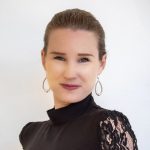
SlavicAleksandraAleksandra Degernes, Communications Director at MyProgress, LLC And Slavic Business Association

Aleksandra Degernes works as an independent consultant. She integrates her Career Development Program into various nonprofits and businesses that have international teams or work with immigrants.

Besides that, she provides consulting services in Strategic Partnerships, Communications, and Public Relations.

She also serves on the board of directors for the local non-profit, which is called Slavic Business Association. They host educational business workshops, networking events, and conferences for our community of immigrants, professionals, business owners, and entrepreneurs.

Connect with Aleksandra on LinkedIn

What You’ll Learn In This Episode

  • About MyProgress, LLC
  • Skill-underutilization
  • About Slavic Business Association

This transcript is machine transcribed by Sonix

TRANSCRIPT

Intro: [00:00:04] Broadcasting live from the Business RadioX studios in Charlotte, North Carolina. It’s time for Charlotte Business Radio. Now, here’s your host.

Lee Kantor: [00:00:18] Lee Kantor here. Another episode of Charlotte Business Radio, and this is going to be a good one. Today on the show, we have Aleksandra Degernes with my Progress LLC and the Slavic Business Association. Welcome.

Aleksandra Degernes: [00:00:33] Hi, Lee. It’s good to be here.

Lee Kantor: [00:00:37] Well, I am so excited to learn what you’re up to. Which one do you want to start out with? First, my progress or the Slavic Business Association. You’ve got a lot going on.

Aleksandra Degernes: [00:00:46] I will start with my personal story since you guys like stories on the radio. So I think I’ll start with that.

Lee Kantor: [00:00:53] All right. So this is your back story about how you got to Charlotte and where you’re at right now.

Aleksandra Degernes: [00:00:58] Yes. Yes. Even a little bit further back, I would say just a few years back.

Lee Kantor: [00:01:06] All right. Fire away.

Aleksandra Degernes: [00:01:09] Well, I was born and raised in Russia, and about ten years ago I moved from Russia to the US with limited English proficiency, I imagine me, but with a few English words. You know, I lived in a few different states. I lived in Oregon, I lived in Florida most of my time. I spent living and working in California in the greater Los Angeles area. And as all immigrants, I’ve had a variety of different jobs before I found something I really like. So I did like temp jobs as a waitress. I was doing lots of hustling, and when I found the industry that I really enjoy working in, I was able to grow pretty fast. And essentially for about seven years out of ten I worked as an event production manager. That was fun. I mean, we’ll say Angelus there, parties everywhere and there are lots of opportunity in the events field, obviously. But when I moved from L.A. to Charlotte, that was three years ago. I could not work in events anymore. Because of what? Guess what?

Lee Kantor: [00:02:37] There was a pandemic and there’s not as many events probably.

Aleksandra Degernes: [00:02:41] Yes, right on point. Yes. So essentially I was I lost the entire industry that I was working so hard for and did some house remodeling. I did a few puzzles. I think all of us did a few puzzles during those times. And I met many people from my community, Russian speaking, Slavic immigrants, Ukrainian immigrants from Moldova, essentially lots of people from that post-Soviet era. And I started noticing lots of similarities and noticing patterns in their questions. And those are questions that many, many immigrants ask and many immigrants trying to find answers to, or like, what are the cultural business aspects in the US? How do you do networking? How do you look for a job? What do employers in America want from their employees? And lots of things like that. And you know, I just had so much knowledge that I’ve gained. I did not even I didn’t even value the amount of knowledge I held at that time. But then I was like, You know what? I’m going to create a training program. And so that’s what I did. It took me a year. I included some research on integration and immigration and employment statistics and you know how to write, resume me how to what’s the strategy of looking for a job and all of those things essentially became a five day of five week career development program for all immigrants.

Aleksandra Degernes: [00:04:30] And that’s how I started my Consulting LLC, my Progress LLC. And that basically was the new career, the new path that I approached, and that’s what I started doing. So I don’t just work one on one with people. I also help local organizations who have diverse teams. And we all know companies become more diverse. And in more diverse teams there is a higher chance of conflict within organizations, organization. So essentially development and training is the field. I’m working right now and I work with local nonprofits that do immigration work as well, because I can I can implement the training programs, not just for Slavic immigrants, Eastern European immigrants. That could be for anybody who come to this country and as many research shows that. Successful immigrants, they pay better taxes. And those are money that we use for essential services in the country. And just in general, the country would benefit from professionally successful people.

Lee Kantor: [00:05:56] So so at my progress, what started was kind of a slant towards folks with Slavic background has expanded to pretty much any immigrant write your your training can help any immigrant kind of integrate themselves better to the company and it can help the company integrate more immigrants into their business.

Aleksandra Degernes: [00:06:21] Correct? Yes. And it’s yes, I do have an insight to the Slavic community. I am from that culture. So I do understand a few things that they’re dealing with. But the information that I provide, it’s it’s a general source that comes from any kind of career centers and, you know, like recruitment books or whatever. So, you know, because I’ve been doing lots of research and I am getting my master’s and you and see this coming full and. I’m going to apply for it. Let me just clarify it. But the school has been one of the greatest resources to me. But immigrants, it’s just so much information that comes their way, like they need to deal with legal things. They need to do their social securities and statuses. And they come they’re dealing with cultural barriers, the language barrier, psychological barrier, and that professional barrier, which is the fifth one. And I identify five, the ones that are just told you about. It’s it’s just way too much. And they’re very behind behind even very successful, high skilled people are still very, very behind because of those barriers. But they with a little bit of help that can do so much better. And that’s what my program is tailored to, to do. And essentially it does. Going back to your question, it does apply to any immigrant or any diverse team that works with foreigners or immigrants, right?

Lee Kantor: [00:08:18] So while your background was from a Slavic country, obviously it’s the challenges that any immigrants having are similar, like they have to deal, like you said with English, they have cultural challenges. They don’t understand all of the legalities. And and to have a trusted advisor there that can help them kind of go through that maze is super helpful. That helps the immigrant and it helps the company get a really good employee that’s going to be a hard worker that’s going to help them grow.

Aleksandra Degernes: [00:08:48] Yeah, just a little just tiny, small adjustments in communication. Hey, here’s how you write an email, right? For example, to your boss, or here’s what it means, you know, just little cultural things because really, if we think about it, it’s just those cultural mismatches, misunderstandings we sometimes perceive as something rude, you know, and we don’t hire people because we’re like, Oh, I don’t know, we’ll be easy to work with that person, you know? So essentially that program should help to remove those miscommunications, misunderstandings. And another thing really is that it’s important to work with opinion leaders and the community leaders. For example, the program can go into any immigrant community. And I work with local leaders, if you know what I mean. Like, for example, there is a Ukrainian community, large Ukrainian community in Charlotte. And I just hosted my career development workshop for refugees and. I don’t reach out to every single Ukrainian person living in Charlotte. I reach out to to leaders who organize protests right now for I mean, for help over Ukraine. They have like the cultural festivals. Is that how you called the protests? But but, you know, the awareness, essentially. So working with community leaders is essential. So that’s what I’m trying to do as well.

Lee Kantor: [00:10:36] So now how did these Slavic Business Association come into play? Was that already an existing organization that you joined or did you help create that? Like how did that come into play in Charlotte?

Aleksandra Degernes: [00:10:50] That’s a good question. There is a nonprofit which is called Slavic Business Association. It’s it’s a very young one year old one and a half year old organization. And when I was doing my my seminars in town, I was meeting people, coaching them, helping them to find jobs and things like that. I was approached by one of the one of the people of this team, and they offered me to join the board. And they said their mission was to bring together leaders of the immigrant community and businesses. And so we can create programs for people who would need. Our knowledge and our experience and things like that. I was like, Oh my gosh, that’s a great idea. I want to be a part of this thing. And so since then, I was helping them with the community engagement, communications, public relations, strategic partnerships and program developments. And working together for about a year and a half, we have developed a concrete programs based on the needs of our community, which are known. Those are workshops, educational workshops and of course, networking events and educational workshops are happening when we reach out to local businesses and they’re ready to contribute to the immigrant community and they want to promote their business.

Aleksandra Degernes: [00:12:48] So like smaller real estate companies or mortgage companies or consulting companies or any kind of company who wants to create a workshop for people based on their how do you say, their knowledge know like for example, we had a real estate professionals creating workshops on how to invest in land and what are the market trends right now. And, you know, just valuable insights from their industry. And that way we educate people on what’s going on and how to invest in land, for example. So and networking events are, of course, a big part of how you find a job in America and just how you move up in your career. It’s networking is amazing. I love this thing. I had no and I know people from my culture, they don’t have that concept because of the cultural barrier. There are some things that prevent us from a good networking, but, you know, it’s a big thing in the U.S. and that’s what we try to to organize as well.

Lee Kantor: [00:14:07] Well, it sounds like it’s really aligned with your skill set and your interests. And everything seems to be working together in order to really help you serve that community and help you help the immigrant community get a leg up and really, you know, start to see seeing some of the benefits of being part of the United States.

Aleksandra Degernes: [00:14:30] Definitely. And we have served hundreds of people already in our community. We helped entrepreneurs to grow. We helped those who come fresh off the boat and go. We call them fresh off the boat to adapt. And and we help them to to believe in what’s in what they can achieve through our education. So their win win. I see everywhere from any side.

Lee Kantor: [00:15:05] Now, do you mind sharing a little bit maybe get give a little insight to folks out there that aren’t as having as many conversations with recent immigrants as you are. Can you share some of maybe some of their fears or some of their hopes? And maybe that will spur some thinking on our listeners part so that we can figure out more ways to help them acclimate and integrate themselves into our community.

Aleksandra Degernes: [00:15:34] Yeah, the biggest thing we should all understand that successful immigrants are a benefit for everybody. And what do I define by success? That would be immigrants who have better English, who can get better positions. And essentially understanding that. That we all benefit from those successful immigrants that would benefit our company, our country as a whole. And. What else I would say is that in terms of business side is that if you are growing a business nowadays and you can tap into large communities of Slavic immigrants, could be Chinese, Iranian, any kind of immigrants, you expand your services to a broader audience and you enhance your world view and you understand different aspects of your services. So you just get richer and your business gets better when you kind of invest into helping immigrants, including them in your business or educating them. So it’s just losses everywhere, like I said.

Lee Kantor: [00:17:24] And this is I mean, number one, it’s good for people to do this. But number two, this is also could be good for their business as well, aren’t there? I mean, there’s hundreds of thousands of Slavic people in the community, right? Like this isn’t like 12 people. This is a lot of people here that you’re missing out of that could be potential customers. If you treat them right.

Aleksandra Degernes: [00:17:49] You would be surprised. Yeah. According to the current population survey from 2015, they estimated about 40,000 Eastern European immigrants in North Carolina. And, you know, the other thing is really interesting you people should know about immigrants is that they start their businesses very often. So the myth that immigrants take jobs, they actually it’s actually not based on fact because statistically and I’m studying statistics, studying sociology and immigration in particular, it’s cool. The statistics show that lots of immigrants started their businesses because of all of those difficulties, like language barrier and things like that. It’s easier for them to just start a company that does, you know, construction services, cleaning services. You think about I mean, there are so many creative services, photography, they start their own, whatever. And it’s so easy to start a business in America comparing to some countries from out there. So the entrepreneurial kind of spirit is very high in immigrants. So they create jobs.

Lee Kantor: [00:19:16] Yeah. And, and that’s that’s the reality of the situation. When they’re frustrated, they can’t get a job, they don’t complain about it. They go and start their own job and then they figure out their own thing. Now, as part of the Slavic Business Association, you mentioned a lot of services you provide, but one of them is kind of a regular networking opportunity, right, where that people can get together. And I don’t I don’t know when the next one is, but maybe you can share the date and time and location of the next kind of networking event where people can get together and meet and and explore ways to work together.

Aleksandra Degernes: [00:19:54] Definitely. So we are working on listing out our workshops schedule and for those we work with local businesses as well. So if you own a business, is it marketing, is it financial advising? It could be anything really any kind of service. And you want to expand your audience, you want to expand your clientele reach and you want to contribute to the large community of immigrants here and Ukrainians as well here. Now, we work with many of those people, go on Slavic VA that come and apply for hosting the workshop and we can also meet. I love meeting with people face to face. I host monthly networking events, very casual and in South Park, Foxcroft Wine and Co and it’s in South Park area. Like I said, just very casual on the 28th meeting. A few people I’ll be there at 5 p.m. but you need to RSVP to. In that event, you can find on our events tab on our Slavic Bazaar.com website, and there are also other things you can find there. More events and everything. Everything. But I will be on the 20th that foxcroft wine.

Lee Kantor: [00:21:40] Yeah. And, and that’s where you can meet other folks that maybe came from the same part of the world as you. And you can kind of catch up and plug yourself into a community that’s really looking to help and can really help you get to a new level.

Aleksandra Degernes: [00:21:56] Yes, definitely. We welcome everybody. So it doesn’t matter whether you’re immigrant or not, whether you business owner or entrepreneur or you’re just moved to the US from somewhere, you know, we’re inclusive. We do we do have kind of the immigration aspect of here if you say, but yes, you definitely can come and meet. So it doesn’t matter where you’re from, who you are, right?

Lee Kantor: [00:22:28] So for that networking opportunity and educational opportunity at Slavic Bazaar.com, you can learn more there if somebody wants to learn about your business. My progress, what is the website for that? Because they’re they can get some consulting from you and whether they’re a business or an immigrant and you can help them individually.

Aleksandra Degernes: [00:22:53] Yes, it’s my progress. Dot us and you will see the home page there where I outline a few important things that everybody should know about immigration and highly skilled immigrants who come to this country. And there’s also a button where you can contact me and contact me. And yeah, it’s a pretty easy website to navigate and it’s free to do well.

Lee Kantor: [00:23:27] Thank you so much for sharing your story today. You’re doing such important work and we appreciate you.

Aleksandra Degernes: [00:23:32] Thank you. Thank you. It was a pleasure.

Lee Kantor: [00:23:35] All right. This is Lee Kantor. We’ll see you all next time on Charlotte Business Radio.


Tagged With: Aleksandra Degernes, MyProgress, Slavic Business Association

Clay Gordon With Stout Street Capital

July 21, 2022 by Jacob Lapera

Clay-Gordon-Feature
Startup Showdown Podcast
Clay Gordon With Stout Street Capital
Loading
00:00 /
RSS Feed
Share
Link
Embed

Download file

Clay-Gordon-Stout-Street-CapitalClay Gordon is Managing Partner of Stout Street Capital, which he co-founded in 2016.

Upon graduation from the University of Colorado, Clay joined a large Washington DC-based nonprofit where he led regional development efforts in the Southeast, contributing to annual fundraising of $25 million.

Clay then served as the Business Development Manager for Denver-based Strata Resources Inc., before founding Stout Street Capital with business partner John Francis to become early investors in Colorado’s burgeoning tech scene.

Clay specializes in fundraising and deal flow management for the fund.

Connect with Clay on LinkedIn.

What You’ll Learn In This Episode

  • Early-stage investing in non coastal markets

This transcript is machine transcribed by Sonix

TRANSCRIPT

Intro: [00:00:04] We’ll come back to the Startup Showdown podcast, where we discuss pitching, funding and scaling startups. Join us as we interview winners, mentors and judges of the monthly $120,000 pitch competition powered by Panoramic Ventures. We also discuss the latest updates in software web3, health care, tech, fintech and more. Now sit tight as we interview this week’s guest and their journey through entrepreneurship.

Lee Kantor: [00:00:38] Lee Kantor here another episode of Startup Showdown, and this is going to be a good one. But before we get started, it’s important to recognize our sponsor Panoramic Ventures. Without them, we couldn’t be sharing these important stories. Today on Startup Showdown, we have Clay Gordon and he’s with Stout Street Capital. Welcome, Clay.

Clay Gordon: [00:00:58] Thank you so much. Excited to be here.

Lee Kantor: [00:01:00] Well, I’m excited to learn what you’re up to. Tell us a little bit about South Street. How are you serving folks?

Clay Gordon: [00:01:05] Yeah, so South Street Capital, we are a seed stage venture capital firm based in Denver, Colorado. We invest in non coastal markets and we also invest in Canada. We’ve we’ve raised two funds and made 65 investments and then we are still actively raising for our third fund. But we’ll have a first close actually today. So I got some celebration to share.

Lee Kantor: [00:01:30] Well, congratulations. Well, what’s your back story? How’d you get involved in this line of work?

Clay Gordon: [00:01:36] Yeah. So it’s a nontraditional path. I assume that’s probably the most common answer as well. So I was actually doing, I would say, community organizing prior in the Carolinas. So I worked in and lived in Washington, D.C. and then ultimately found a home in Wilmington, North Carolina, where I was doing, I would say, community organizing. And I really saw the power of that as well, finding like minded individuals and groups to come together for a certain cause. And so ultimately, I was going to move to Denver, which is where family and home is, and I just saw the power of that and my partner was involved in the startup community as well. And so we just felt like it was just great complementary skill set to kick off a seed stage fund and support more broadly the community. And that’s what we’ve been doing ever since.

Lee Kantor: [00:02:23] So when you were when you made that leap, because this is a it’s a pretty drastic leap, right, from your work as a community organizer to your work today, when did you start realizing, hey, this is something that I am making an impact? I do kind of getting that same warm feeling I used to get when I was doing the community organizing work and this is really making a difference in people’s lives.

Clay Gordon: [00:02:47] Yeah, I would say there was a couple of different factors that came in and I want to say like the writing was on the wall. But ultimately I worked at start ups in college at the University of Colorado in Denver specifically. And so I saw this this industry really, as I would say, new. And I felt like it was an industry that I would be able to create value very different than, let’s say, energy or real estate. I felt like this is something that I could truly create value to benefit the next generation of entrepreneurs. And so a couple of different factors all pointed to, Hey, let’s do startups and let’s build something that could have a lasting impact. And being on the financing is is an important part of that as well. And then we looked at, I would say, historically underserved regions to to invest in. And so we invest again really in small markets across the country, and that can be Phenix, Kansas City, Denver. And again, we have five deals in Toronto. I got a deal in Charleston. So just really great opportunity, really great founders. And I think a little bit of filling out on resources around some of these stellar entrepreneurs can make a huge difference, and that’s really what we try to do at South Street.

Lee Kantor: [00:03:59] Did you have an experience early in your career as a in a startup and actually participating in a startup?

Clay Gordon: [00:04:07] Yes, we were doing warehouse fulfillment and e-commerce for a startup in Denver. I was in the logistics side. More specifically, I was just shipping things all day long. But I really like the free flow environment of a startup as well as helping others kind of achieve their goal. And again, on the e-commerce and logistics business, we were reselling other people’s product, which I think was a win win for everyone. So I really like that aspect. My partner did have more of a finance bent or I mean that that is his background. And so ultimately we were both around it and felt like it was a really good complementary skill set to kick off a fund.

Lee Kantor: [00:04:48] Now. Are you seeing traits in startup founders that you’re like, okay, these are kind of the must haves. These are the kind of the, you know, red flags. Are there certain kind of qualities you’re looking for that stand out to you that gives you a clue that this that this is the right horse to bet on?

Clay Gordon: [00:05:07] Yeah. You know, we do have a different opinion on this because this is, I would say, one of the most common questions as well. South Street. You know, we do look at, I would say, the underlying business model, maybe a little bit more. We emphasize the underlying business model a little bit more than other firms. And the founder is obviously one of the most important parts, but that is not our sole reason for investing. And so at least our firm, we do look for at least a little bit of product validation. And so that does mean revenue at the end of the day. And so as far as red flags or advice, you know, our advice is, you know, go see what the market on the customer side has to say. Usually there’s a couple pivots to find things, and then you’re going back to investors at much more of a position of strength saying, hey, I’m already in market generating revenue and a little bit of investment would go a long way as opposed to the other way to say, Hey, I have a good idea. Will you invest in my idea to move it to a business? We just feel like having a little bit of product market validation really amplifies the company to investors as well.

Lee Kantor: [00:06:15] So selling something to somebody is a clue that you might be on to something.

Clay Gordon: [00:06:20] Yes, you know, I would say I trust the customer a little bit more than me, you know, and 100% of the cases, I would never know as much about the company, product or industry as these entrepreneurs would. And therefore, if someone’s willing to pay money for their product, I feel like there is a lot or that’s very meaningful. So anyways, we do wait the underlying business model a little bit more than other VC shops. But again, these are all in underserved regions where we feel like there is tremendous opportunity that has been overlooked by coastal investors. So we feel like it’s just a win win for everyone.

Lee Kantor: [00:06:57] So now can you explain some of the trade offs when you’re dealing with these underserved markets? Are there what are some of the kind of the great things because it’s probably a less jaded group of people than you’re you’re with, but then they’re not as seasoned and they may not be as cynical. So can you talk about some of the trade offs of working with these underserved groups and markets?

Clay Gordon: [00:07:21] Yeah, you know, I would say some of the benefits will start there. Some of the benefits are the people. You know, we’ve done a ton in the Midwest. I feel like working with people in the Midwest. I feel like that Midwest values really resonates with us. And I feel like the people that you interact with more frequently are very respectful, transparent and considerate, which I think is incredibly important as as we are investors that invest outside of our region. And so getting, you know, transparent and honest communication is we see the importance of that. And so I feel like the people where we invest is got to be number one. I think number two, again, kind of wearing the investor hat is the prices are significantly lower than coastal markets and I feel like that is due to labor just cheaper to hire someone in Saint Louis than it is in New York. And same with Denver versus San Francisco. So I would say those are kind of the two that come top of mind. As far as the flip side of that, I think the two big problems with investing in this region, which are more opportunities, is access to capital because there is few and far between venture capital shops and access to talent.

Clay Gordon: [00:08:31] The good thing is we started a venture conference called the Unmet Conference, which we’ve hosted eight times in four different states, specifically designed to help companies raise institutional seed and institutional series A and this is really where my community organizer background comes in, but again, that is an opportunity to solve this problem. I don’t know if we’ll ever be able to solve it, but at least it’s better than the status quo. And then as far as access to talent, the good thing with tech, which was already happening pre COVID is you can hire people really anywhere in the world to help. And then we’ve also partnered with firms like Powderkeg and Indianapolis to really help non coastal companies get access to a big database of people in the tech industry looking for jobs. So these are two ways that we’ve addressed. I would say the two biggest problems of non or starting a company in a less densely populated area.

Lee Kantor: [00:09:30] Now, are there niches that South Street Capital focus in on or you’re kind of industry agnostic?

Clay Gordon: [00:09:36] We are industry agnostic, so we are all over the bat. I would say like my preference is, is historically I’ve gravitated a little bit more towards S&P software, a little bit more niche your business. And so we’ve invested in software companies that sell to florist, to dental offices, to veterinarians. And we found a lot of really good opportunity and I would say established markets for a product to improve what’s already existing. We do shy away from, I would say, the truly transfer transformational ideas, which probably do require more coastal capital. You know, we do look for, I would say, minor improvements within an established market, which is a little bit more niche here or a little bit smaller of markets.

Lee Kantor: [00:10:24] So now what’s your favorite part about working with these kind of founders that are in these underserved areas?

Clay Gordon: [00:10:30] Yeah, I mean, ultimately it’s to be helpful. I think that’s everyone’s goal for the most part in the startup community, which is just really filling for a career. And then to kind of going back as the community organizer, I mean, how can we put the right people around the table where one plus one can equal three? And I feel like it’s it’s a challenge, but I feel like it’s a sense of purpose that I feel like is truly unique for this disconnected startup community that we all operate in. But again, I think it’s an opportunity to create value for long term, not necessarily change, but value. And I feel like it’s very rewarding.

Lee Kantor: [00:11:11] Now, how did you find out about the start of Showdown and get involved as a judge and mentor?

Clay Gordon: [00:11:18] Yeah, well, I have known the team over at Panoramic for probably about four years. We have a very good reciprocal relationship when it comes to sharing companies we like with each other. There are much bigger than than Stout Street. And so sending opportunities in our portfolio that have grown is a good fit for them and then vice versa as well. And there’s really a great ecosystem of investors primarily in the flyover country, that just share opportunities to be helpful. And I feel like panoramic has been one of our best partners. And then I’ve also participated as a judge and their startup showdown as well. And I think they do a great job. So that’s that’s how I found out about it.

Lee Kantor: [00:12:00] Now, any advice for startups that have never done kind of an event like Startup Showdown? How would you recommend they prepare and, you know, kind of get in the right mindset to get the most out of that activity? Well, going through the process and making sure whether they win or not, but just making sure they’re they’re kind of leveraging their time and getting the most out of the experience.

Clay Gordon: [00:12:29] Yeah, I feel like this is the most actionable, which I love. I feel like listening to other podcasts, quite frankly, is the best is the best answer. And I would say it’s a pet peeve of mine as founders that come to me to say, like, what a style to focus on. You know, we do have a website that we try to articulate as clearly as possible what we invest in and what we don’t invest in. And this one and I have also participated in a couple of other podcasts as well, where I define what we look for in companies. My background and this is all for the most part free where you can listen into what I look for in companies and not necessarily like tailor your pitch accordingly. But chances are there are investors in the room that put out information of what they look for. And I feel like doing that research ahead of time really sets you up for success. And for the most part, it is free and easily accessible.

Lee Kantor: [00:13:28] And there’s a lot of it. It’s happening every day, so there’s no excuse not to do that kind of due diligence.

Clay Gordon: [00:13:35] Yeah, I mean, I would say like as a fund manager, it’s kind of it’s on us to do the same. So like as companies put out information on their company, like it’s kind of our expectation to do that research ahead of time. And that way you’re going into that conversation prepared and at least educated to a certain extent. I feel like it just makes those because sort showdown I would say is like it’s a resource and it makes that resource much more effective.

Lee Kantor: [00:14:03] Now. Any advice for founders out there? It’s so interesting that you’re serving an area that there aren’t a plethora of other people probably tapping in and helping them and giving them the resources to be successful. What advice would you give them that may be common knowledge in like those coastal cities where there’s just so much density there and there’s so much information just everywhere but to give those people in. Like you said, the flyover areas, you know, a leg up. What would give them an edge?

Clay Gordon: [00:14:38] Yeah, I’ll say for my hat as an investor, I mean, I feel like it’s all the power of the network at the end of the day. And I feel like coastal markets just from density, they just have such a strong network because just for proximity reasons. So as far as my advice, which isn’t necessarily easy and so let’s say a company based in Florida, which does have a limited amount of VCs and it is growing by the day and more capital is going on. The tech on the VC tech side is coming to Florida. I would suggest companies to get to know VCs outside of their state, which is much easier said than done. However, there is other conferences that is free for companies like the Internet conference that you can participate that gets you access to investors outside of your region. So one that’s usually the biggest problem of early stage companies is, hey, my network is in, let’s say, Colorado, and that market just from density is still limited. How do I get to know people outside of my region just because like myself, I’ve got I’ve spent 5 to 6 years establishing those networks, but a new founder, that’s all new to them. You can ask some of these seasoned people like who do you know outside of the state that actively invest in this sector or this state? And a second part just to try to be helpful is I feel like a lot of times service providers specifically have always been bucketed as someone that can help with legal or banking or PPO. And I feel like they have resources outside of their role and asking people that you already work with, that you might view that relationship very myopically to say, Hey, who do you know? And so we’ve actually leaned on like our attorney and our banker and things like that to help with connections because they it’s their job to also network. And I feel like that’s an untapped resource by a lot of people just kind of viewing some of these people and just their own individual role.

Lee Kantor: [00:16:33] Now some VCs only want to learn about startups through kind of a warm referral or a lead like that is at the same street, or you’ll talk to anybody if they, you know, go on your website and fill out a form.

Clay Gordon: [00:16:48] Yeah. So we do respond 100% to people. So we actually use a different database called Startup Networks and that works is with an ex dotcom and someone can submit their presentation to us and we do respond to all of those that submit it. Anyone that does through our website, it’s we do look at 100% of those, but we do respond on startup networks to to all of them. We understand that that is a bias where let’s say you have a really good relationship with a fund and any deal that they send to you, you automatically think more positively about that company. We do recognize that bias and do steer away from it, and we do want to value a cold outreach just as much as a referral. Again, easier said than done, but again, we do respond via startup networks, which is again, it’s all on our website, it’s all on our website.

Lee Kantor: [00:17:42] And then, as you were saying, with the startup in these flyover areas, that it’s important to network and it’s important to take initiative. So by listening to a podcast and you hear a managing partner of a fund talk, reach out to them, comment about that and get, you know, introduce yourself to them, get to know them in the in the way that they want to get to know folks. I mean, I think it’s important to kind of be the change you want in the world. Go out and take action. Don’t wait.

Clay Gordon: [00:18:15] Yeah, exactly. I’m not encouraging anyone to pay money to get on a plane, to go network and in a different state. But you can again listen to podcasts and things that are readily available and for the most time free. And then I feel like that is your your legion, essentially. And so like if again, you’re on the East Coast and you want an introduction to South Street listing this podcast, you know, I have told you how we respond to cold outrage. I mean, again, this is a free form lead. So yeah.

Lee Kantor: [00:18:50] Well, if somebody wants to learn more about South Street Capital, what’s the website?

Clay Gordon: [00:18:55] It’s South Street Capital. Think me on LinkedIn, South Street, VC on Twitter email. Probably best, but LinkedIn is is good as well. So.

Lee Kantor: [00:19:06] Well, Clay, thank you so much for sharing your story today. You’re doing important work and we appreciate you.

Clay Gordon: [00:19:10] Thank you for having me on.

Lee Kantor: [00:19:12] All right. This is Lee Kantor. We’ll see you next time on Startup Showdown.

Intro: [00:19:17] As always, thanks for joining us. And don’t forget to follow and subscribe to the Startup Showdown podcast. So you get the latest episode as it drops wherever you listen to podcasts to learn more and apply to our next startup Showdown Pitch Competition Visit Showdown Dot VC. That’s Showdown Dot VC. All right, that’s all for this week. Goodbye for now.

Tagged With: Clay Gordon, Stout Street Capital

Rush Imhotep With Northwestern Mutual

July 18, 2022 by Jacob Lapera

Rush Imhotep
Atlanta Business Radio
Rush Imhotep With Northwestern Mutual
Loading
00:00 /
RSS Feed
Share
Link
Embed

Download file

RushImhotep

Rush Imhotep, Financial Advisor at Northwestern Mutual

Rush graduated Cum Laude from Cornell University, with a Bachelors of Arts in Africana Studies and Business Management.

At Cornell, Rush was a two time Captain of their football team, and an inductee to the 4.0 Breakfast Club. In 2014, He also earned the National Football Foundation Scholar Athlete Award in addition to the Jack Murphy “Big Play” Man of the Year Award. Outside of athletics he was a prominent member of Cornell’s Multi-Cultural Concert Funding Advisory Board, while also finding time to host a show on Cornell Radio.

Prior to joining Northwestern, Rush was initially an intern with the company, and after a brief stint of playing Arena Football, also spent time with Community Capital Funding Group, helping small business owners secure debt and equity financing.

Currently Rush has been a Million Dollar Round Table qualifier, and was recently highlighted at Atlanta’s A3C Festival and Conference as a speaker for their panel on “Start Ups and Wealth Management.”

Connect with Rush on Facebook, LinkedIn, and Twitter.

What You’ll Learn In This Episode

  • Investing during a recession
  • General financial knowledge/information

This transcript is machine transcribed by Sonix

TRANSCRIPT

Intro: [00:00:03] Broadcasting live from the Business RadioX studios in Atlanta, Georgia. It’s time for Atlanta Business Radio, brought to you by on pay. Built in Atlanta, on pay is the top rated payroll and HR software anywhere. Get one month free at unpaid. Now here’s your host.

Lee Kantor: [00:00:31] Lee Kantor here, another episode of Atlanta Business Radio. And this is going to be a good one. But before we get started, it’s important to recognize our sponsor on pay. Without them, we couldn’t be sharing these important stories today on Atlanta Business Radio. We have Rush Imhotep with Northwestern Mutual. Welcome, Rush.

Rush Imhotep: [00:00:51] How are you doing? Lee Thanks for having me.

Lee Kantor: [00:00:53] I am doing well. For those who aren’t familiar. Can you tell us a little bit about Northwestern Mutual and your work?

Rush Imhotep: [00:01:00] Yeah, for sure. So Northwestern is probably one of the oldest insurance companies in the country. And in about the mid 1907, 1950s, they got in to wealth management. So, you know, we are a one stop shop when it comes to financial services. You know, we do investments, we do insurance, we do financial planning for our clients. We help them think through retirement planning, estate planning, taxes. Really any consideration as it relates to you making, preserving, growing, etc., your money? Those are all areas where we’re able to help our clients be fortuitous.

Lee Kantor: [00:01:39] Now, what’s your back story? How’d you get involved in this line of work?

Rush Imhotep: [00:01:43] Yeah. So originally I’m actually from Brooklyn. I grew up in Brooklyn, played football growing up, and I was able to secure an opportunity to play football at Cornell University. And it was while I was at Cornell, a big donor on our football team. His name is Matt Russo. We got connected and he’s actually the managing partner of Northwestern’s New York office. And I interned for Matt one summer. I had a great experience. They actually offered me a job. I said, No, Matt, I’m going to go play in the NFL. I went and try to play in the NFL, but realized that, you know, not many teams are drafting four seven safeties from the Ivy League and that’s for 740. My speed, not my height and like six to have that in there just for no confusion. But I had to figure out what I wanted to do next. And and to that point in my life, I was only really good at two things. I was good at football because I’ve been doing that for so long and I was good at finances, right? I was good at connecting with people. I was good at making information more digestible, understanding businesses and things like that. And it just made sense for this next phase of my life or what I wanted to transition to post my short lived professional career.

Lee Kantor: [00:03:05] Well, how has being an athlete at the level you were at, which is pretty high, how has that impacted your kind of work life?

Rush Imhotep: [00:03:16] I mean, it’s impacted my life in general. I mean, it’s one it builds up this massive resiliency that I think a lot of people get the opportunity to do, because a lot of people don’t put themselves in a position where they can experience large amounts of failure. And in being a athlete, you know, not only do you fail on game day at times, but you can fail in other portions of your life or your career. So I think that’s probably one of the biggest things is just helping me build up that resiliency. And then secondly, some of the intangible traits that are developed around work ethic discipline and these are probably. You know. Well understood by this point. But, you know, team sports and just learning how to operate in that environment. Now, there are traits that directly transition to a professional environment that I’ve been able to leverage then and also like I mentioned, in my personal life.

Lee Kantor: [00:04:18] Now, what is it like when you transition from being an athlete at that level into the workforce where, like you said earlier, like you felt, hey, my superpower is football and now I’m not playing football. And it’s almost like you need a new identity and a new way to kind of see yourself.

Rush Imhotep: [00:04:37] That’s such a great way to put it. You do you do have to create a new identity because for so long your identity is playing well, for better or worse. And then that was me. And it was challenging when I initially stopped playing football. To go through that, it was really challenging. And there’s people that I know, I peers that I know that are still dealing with that struggle today. And I think that’s probably an underserved portion of the mental health community is dealing with identity crisis. But the way that I was able to overcome it was support, the same energy that I had for football and to the and to other outlets of my life and let that kind of begin to redefine me. So obviously, my professional career was one thing. I think another thing that’s developed out of that, you know, my love for martial arts, I actually grew up boxing, but now I’ve been able to reengage with different forms of martial arts that I didn’t get into prior because I was playing football and just other areas of my life that to this point had been more or less underserved because so much of my energy, time and attention was just going towards game day.

Lee Kantor: [00:05:51] Now, as you kind of are growing your practice here in Atlanta, are you focusing on a certain type of client or do you have a niche that you’re serving? Or is it kind of anybody who has wealth or wants to have wealth is a good fit?

Rush Imhotep: [00:06:10] Yeah, I mean, anybody that has money, we should definitely talk. But that’s more specifically, you know, our practice is primarily focused around working with people in tech or really anybody that receives equity based compensation. So I know a lot of guys at big tech firms, they receive these things called art issues or restricted stock units where a large portion of their income is tied to the equity of the company that they’re working for. Or alternatively, a lot of guys in the startup space, they’ll get stock options. Or if they get bought out, if they go public and things like that that create these massive liquidity events that they’ve got to figure out what to do with the money. So do a lot of work in tech and then local to Atlanta just because you know how great this community is and has been to me. I’ve also had the opportunity to connect with a number of business owners out here. So doing a lot of work in their space. And I have specialists on my team that have resources available for them for their various needs.

Lee Kantor: [00:07:10] So when you’re working with somebody that’s involved in a startup, they may not be making a lot of money today, but they could make a lot of money. A lot, a lot of money. You know, if the thing, like you said, goes public or they get bought out or something along those lines when you’re managing their wealth, is there different strategies that are effective for that person as opposed to somebody that has more traditional corporate career and they’re just grinding every month, every you know, they’re just throwing money into a. 401k.

Rush Imhotep: [00:07:42] Yeah, that’s a that’s a great question. I think one the biggest nuance is the equity portion of their compensation is different than, you know, the guy just kind of working at the I wouldn’t say regular non ified but in a more traditional role I’d be usually I mean if you’re working at like Coca-Cola or something, you’ll probably get some ass use. But especially in the tech space, so much of comp is tied to equity. So that’s probably one big nuance. And then secondly, from a pure planning perspective, especially before they come into any level of wealth, you know, with clients and really anybody trying to figure out is capital allocation or cash flow planning, where do I put my money? Right. I make this much. I expense this much with what I have left over. Where do I funnel it to a maximum of 41k, that’s 20 grand a year, but most people can save more than that. So where else should I be putting dollars that’s both tax efficient but also strategic from an investment perspective?

Lee Kantor: [00:08:45] Yeah, it’s one of those things when if you’re if you have a bunch of options and you’re betting on your company, it’s that saying of, you know, putting all your eggs in one basket. You better keep a good eye on that basket. But you better also have kind of a plan B in case that basket, you know, doesn’t work out. Because in the startup world, just because it looks like it’s doing great today doesn’t mean that it’s it’s the one that’s going to become a unicorn tomorrow.

Rush Imhotep: [00:09:17] Couldn’t agree more, Ali. And I think that’s that’s one of the biggest things that I impress upon, especially guys. I mean, really, any tech company or startup or whatever, you know, you don’t want too much of your net worth tied to something you don’t directly control. Right. If I’m working at Twitter and, you know, 60, 70% of my net worth is tied to Twitter stock, which can experience, you know, ten, 20 point Moz based on what Elon Musk says. That’s probably not the best strategy for me. So having some level of diversification, especially around things that are more or less out of your control, like broader market dynamics, just makes a ton of sense.

Lee Kantor: [00:10:00] Now, I would imagine in today’s market you’re getting a lot of calls because everybody when the when the market’s going up, everybody’s a genius. Every system, every, you know, kind of plan they had seems like it’s working. When it’s not going up, then all of a sudden everybody’s like, Hey, why are we what’s happening here? How do you kind of help people manage through a chaotic economy like we’re having now? Because I would think a lot of your role is almost as a therapist where you’ve got to just keep people kind of calm and just say, look, historically this has always worked out, so just hang in there.

Rush Imhotep: [00:10:38] Yeah, I think I mean, you hit it on the head. I think using using history as an analog is super helpful. I think one of the biggest things that market participants run into is that they think that their view of the market is the market. Right. So you have the young professional that they’ve been investing for a few years and they’re 5 to 7 years invested in their market. They feel like their experience is how the market should behave. And candidly, that’s not the case. Right. And there’s historical precedent that outlines market behavior and what it looks like when we have these economic conditions versus when we have more accommodating, accommodating economic conditions. So one of the biggest things I try to impress upon clients is that is all of these things have happened before. Right. And there are analogs that we can point to. The biggest thing that we need to manage is your behavior through this environment, because there’s a proven strategy that if we’re properly diversified and properly invested, you know, this could this could be a very fortuitous opportunity for you when you’re experiencing these types of dislocations in the market versus somebody that’s just kind of throwing it, throwing their hands up and saying, hey, I was selling everything and hopefully things get better.

Lee Kantor: [00:11:58] Yeah. And it also depends where they’re at in their kind of life because, you know, when you’re 20 or 30 or 40 and this is happening, you’re like, wow, this is good news for me. I’m here for the long haul, so I’m getting everything on sale. But if you’re 60 or 70 or 80, you’re like, What is going on here? This is my life saving. My nest egg is kind of depleting here.

Rush Imhotep: [00:12:21] Couldn’t agree more. Couldn’t agree more. And again, that just goes to strategy, just making sure you have a proper strategy in place.

Lee Kantor: [00:12:29] Yeah. And that’s why I think it’s super important to have a trusted advisor like yourself involved when it comes to finances, because you need someone that has kind of some context that it isn’t as emotional and you’re not reacting kind of in a knee jerk way because some voice of calm and reason during this time is what’s needed. You don’t want to make impulsive moves. That means you didn’t have a plan. That means you’re just reacting. And that’s where where a lot of people get hurt.

Rush Imhotep: [00:13:00] Right? No, you’re right. You’re right. I could I could not agree more. Could not agree more. I need to put you on payroll.

Lee Kantor: [00:13:06] So what? What do you need more of? How can we help you.

Rush Imhotep: [00:13:13] As far as your audience or this plan?

Lee Kantor: [00:13:15] Yeah. For our listeners right now, what could we be doing to help you in your work? I know you do a lot of talks for start ups. I know you’re are you looking for more speaking opportunities for startups? Are you looking for more opportunities to connect and serve the startup community? Do you need just more clients? What do you need? How can we help?

Rush Imhotep: [00:13:34] I mean, I’ve yet to meet the business that doesn’t need more clients. If you find it, show it to me. They probably do. They’ve done something incredibly well, I guess. Or maybe not. But it definitely need more clients always looking for opportunities to get in front of more people and share my story, my background, some of the areas where I’ve been helpful. And then I think. Um. And this is probably the best way to say it. But let me help me help you. Right. If you if you’re listening to this show and you’re a business owner or you’re in tech or you have a large portion of your content and equity and you’re trying to figure out what to do with it, don’t hesitate to reach out. Obviously, we can find ways to get my information shared. But I’d say those are some of the biggest the biggest areas where. There would be some synergistic cross currents between our worlds.

Lee Kantor: [00:14:41] What about talent? Are you looking to build out your team?

Rush Imhotep: [00:14:44] Yeah, I am. So right now I’m actually in the process of hiring a marketing director, mainly focused around helping me secure engagements like the one I’m on right now. So that’s that is something that we’re looking for. So if you have somebody that or if you are somebody that has experience with community engagement, branding, sponsorships, specifically able to specifically able to help myself and my team members get broader exposure on a more organic level, specifically in the Atlanta marketplace, specifically in the tech community. I think those would all be wins.

Lee Kantor: [00:15:28] Good stuff. And if somebody wants to connect with you and have a more substantive conversation, what’s your website?

Rush Imhotep: [00:15:34] Yeah. So it’s Rush, Imhotep and CNN.com. I believe me.

Lee Kantor: [00:15:40] Triple check. I got that in front of me. I got rush hour. You S-H, Imhotep Dot unmarked.

Rush Imhotep: [00:15:50] Yep. That is it. That’s the one.

Lee Kantor: [00:15:53] Good stuff. Well, thank you so much for sharing your story today. You’re doing important work and we appreciate you.

Rush Imhotep: [00:15:59] I appreciate you, too, Lee. Thank you.

Lee Kantor: [00:16:01] All right. This is Lee Kantor. We’ll see you all next time on Atlanta Business Radio.

Intro: [00:16:08] Today’s episode of Atlanta Business Radio is brought to you by on pay. Built in Atlanta, on pay is the top rated payroll in HR software anywhere get one month free at on paycom.

About Our Sponsor

OnPay’sOnPay-Dots payroll services and HR software give you more time to focus on what’s most important. Rated “Excellent” by PC Magazine, we make it easy to pay employees fast, we automate all payroll taxes, and we even keep all your HR and benefits organized and compliant.

Our award-winning customer service includes an accuracy guarantee, deep integrations with popular accounting software, and we’ll even enter all your employee information for you — whether you have five employees or 500. Take a closer look to see all the ways we can save you time and money in the back office.

Follow OnPay on LinkedIn, Facebook, and Twitter

Tagged With: Northwestern Mutual, Rush Imhotep

Michelle Cauley With Cauley & Associates Inc

July 18, 2022 by Jacob Lapera

MichelleCauley
High Velocity Radio
Michelle Cauley With Cauley & Associates Inc
Loading
00:00 /
RSS Feed
Share
Link
Embed

Download file

MichelleCauleyMichelle Cauley is the founder of Cauley & Associates, a Los Angeles private group practice established in 2004.

The practice provides therapeutic services to adults and couples. Some of Michelle’s clinical specialties include depression, anxiety, trauma, and grief and loss.

In addition to her clinical work, Michelle has extensive experience in working with large corporations providing business consultations, coaching, crisis management, training, and development. All associates in her practice are licensed clinical therapists and educators making them uniquely qualified to assess and address the full scope of corporate needs.

Michelle is certified in cognitive coaching, a grief and loss expert, Dare to Lead trained by Brene’ Brown, and a specialist in emotional intelligence.

All associates are certified in Crisis-Management providing immediate responses to trauma that could overwhelm and debilitate a work community or individual. Other specialties in her practice include Mindfulness, Substance Abuse expert, Wellness Coaching, and more.

Michelle empowers her clients with the knowledge, tools, and courage to work through life’s toughest challenges. Her clients appreciate her blend of knowledge, empathy, humor, and her down-to-earth approach to therapy. Whether it be the corporate client or her everyday client, she creates a safe empowering space where clients can find acceptance, healing, learn to love and reconnect with their authentic selves.

Connect with Michelle on Facebook and LinkedIn.

What You’ll Learn In This Episode

  • How corporations can benefit from mental health support for their employees
  • Business therapy
  • Anxiety surrounding the last two years (pandemic and world-wide concerns)
  • Self-care relating to burnout, exhaustion

This transcript is machine transcribed by Sonix

TRANSCRIPT

Intro: [00:00:05] Broadcasting live from the Business RadioX studios in Atlanta, Georgia. It’s time for high velocity radio.

Lee Kantor: [00:00:14] Lee Kantor here, another episode of High Velocity Radio, and this is going to be a good one. Today on the show we have Michelle Cauley with Cauley & Associates Inc. Welcome, Michelle.

Michelle Cauley: [00:00:25] Hi. Thank you.

Lee Kantor: [00:00:27] Well, I’m excited to learn what you’re up to tell us about calling associates. How are you serving folks?

Michelle Cauley: [00:00:32] Sure. Calling Associates. We are a group private practice. We are all licensed clinicians, licensed educators. So we work with that good old fashioned stuff like individual therapy, couples therapy, we provide trainings, stuff like that.

Lee Kantor: [00:00:51] And with mental health being in the headlines so much lately, you must be pretty busy.

Michelle Cauley: [00:00:59] We have never been this busy. I thought we were busy before, but yeah, we. Yeah, yeah, we’re running and we have not stopped, which is important because we also have to take care of ourselves as well.

Lee Kantor: [00:01:15] That’s right. You can’t neglect that, that’s for sure. Can you tell us a little bit about your background? Are you working primarily with individuals? Do you work with corporations? Who is that kind of ideal client for you and your team?

Michelle Cauley: [00:01:31] Sure. You know, we do it all. We do both. So initially our practice, we started off working with individuals just, you know, regular day Joe Blow, someone that might comes in with experiencing depression or anxiety or, you know, that boss at work is giving me a hard time and I’m just, you know, having a really hard time or sleep issues. And then there was there’s couples counseling. You know, my husband or my wife or my partner is doing this and we’re not getting along. And so that’s how we initially started. And then, of course, over the years, we grew into working with corporations, just like you have an individual client that comes in, a corporation is a client as well, you know, and each company has a culture. And so with that, sometimes we’ve gotten calls where, you know, there are two employees that are not getting along or we’re having a lot of high turnover or you name it.

Lee Kantor: [00:02:43] So now.

Michelle Cauley: [00:02:44] We do.

Lee Kantor: [00:02:44] Both when you’re working with a corporation. And what, because this may not seem intuitive for corporations to go, you know what? We should partner with a mental health support person or team. You know, that may not be like kind of top of mind. So and you mentioned some challenges that a lot of companies are facing, whether it’s turnover, whether it’s retention, whether, you know, it’s just conflict or and culture. Those are all issues that every company has to deal with in some regard. But but it may not be kind of, you know, like I said at the top of their mind to go, let’s partner with a mental health professional. So can you talk about like ways you work with companies, like are you talking with the leadership of the company and then kind of getting to know them to understand how you might be able to plug in and and support their employees?

Michelle Cauley: [00:03:36] Yes. Well, you know, it is a unique way. Right. You think, you know, with a corporation with retention or or conflict or any of those things, like why would we call a mental health provider? And the thing is, it’s the smartest thing I think of it is something like we’d like to frame it as business therapy. And so sometimes people think, oh, we need some conflict resolution or we need to talk to legal because there are some issues here. But really sometimes just being able to talk things out, folks with mental health background, we really have a unique skill set. And so we’re able to look at the behavior because we’re all people and people have behavior, but then we’re also able to listen to it from a problem solving perspective. And so really when you marry both of those, it’s like the best of both. And so oftentimes hours have come from HR department. Sometimes it’s word of mouth. A lot of times, you know, in terms of bringing in a mental health professional. And then, you know, and the other thing is mental health professionals, they’re different names. So it could be therapist, it could be an executive coach, it could be. So that’s how it can look in terms of. Our entryway into corporations. I don’t know. Did that answer does that help or.

Lee Kantor: [00:05:09] Yeah, I’m just trying to I’m trying to for the listener, I’m trying to open their mind to how they might be able to best leverage this because they may not have thought about it. They might have hired a consultant, they might have hired a lot of people to try to solve this same problem where they hadn’t it hadn’t occurred to them that maybe this might be the best path to solve that problem.

Michelle Cauley: [00:05:31] That’s right. Well, I also think given since this pandemic and, you know, especially the last couple of years that we’ve had, corporations are now more open to it because people are stressed out. You know, we’ve all heard about this great resignation and it’s just been a really unique time. And really, I think it’s because of the uncertainty. Right. And uncertainty brings anxiety. And so as a result, with all of mental health being at the forefront, there has been more conversation and more dialog around it.

Lee Kantor: [00:06:12] Yeah. And I think also that I think some of the by seeing like some of these professional athletes at the highest levels or, or, you know, entertainers at the highest level say, you know, I’m taking a break because I’m getting burned out or I’m feeling anxiety and I’m not performing it. They’re taking some of the stigma and shame away from it as well, I think. And it’s opening people’s minds to, hey, if if this person can go through this for sure, I shouldn’t be neglecting these feelings I’m having.

Michelle Cauley: [00:06:44] That’s right. Entertainment for athletes. Exactly. And so and the thing about it, it’s so common. Look, we can bend our ear to, you know, our spouses or our friends or our siblings. But at some point, it really is okay just to have a conversation. You know, and I tell people it’s really a conversation and it’s the same thing. If a corporation is able to just say, well, you know what, let me connect with a person, whether we’re coaches or consultants or mental health professionals, it really brings value to the to you know, it shows value to the employees of OC. There’s a space that my employer has provided that I can go in and be able to speak to someone. And then also the other part of this I wanted to just share is corporations are also bringing folks like us in just to do training. So there might be, let’s say, I don’t know, the third Wednesday, the third Thursday of each month. You know, there might be something where we’re going to have a talk about depression, we’re going to have a talk about workplace stress. We’re going to have a talk about imposter syndrome. You know what I mean? So those are those. So there’s a lot more opening. Oftentimes it comes through HR. I don’t know if any of this makes sense. I feel like I’m rambling a bit.

Lee Kantor: [00:08:05] Well, I think it does make sense because it’s I just think that corporations aren’t thinking of your service as the a possible solution and they’re going to maybe more business accepted places like, oh, I’m going to hire a consultant to come in to talk about these issues because it’s a business issue and it’s a business, you know, service that I’m hiring. And they’re not thinking about mental health professionals attacking that same problem. But just from your, you know, your lens and your your way of dealing with these issues. And the company at the bottom line is they just want to solve the problem. You know, they’re really solution agnostic. They just want the problem solved as effectively and as efficiently as possible. And I think that your solution is a very valid and useful way of dealing with these same business issues that are happening every day and impacting their employees in lots and lots of ways.

Michelle Cauley: [00:09:08] That’s right. Because the bottom line is always, you know, it’s the dollar bill, right? And so if we can come in and assist and work on whatever that conflict is or that oftentimes it’s communication and the we can come because we’re a neutral party. And if we can come in and kind of open some things and, you know, kind of like. You have some communication kind of kind of get into some ego. It’s a win win for everyone, right? So the problem can can get solved or can get addressed. And we can dig in and kind of maybe look at some feelings around that and really be able to get back to business, which is what both people want usually.

Lee Kantor: [00:09:57] Right. And I think that in the services that you offer in terms of educational seminars or talks or lunch and learns or just kind of that safe space to talk about some of these issues that are in the back of probably everybody’s mind, but for whatever reason, they’re not comfortable talking about it. You bring an interesting perspective to it, where they might feel safer to be sharing with somebody with your background.

Michelle Cauley: [00:10:26] That’s right. That’s right. And I’m going to tell you, I love this stuff. I love when I see the light bulb pops on. I love when I see, you know, like, oh, I never thought of it from that perspective. We’ve been doing this work for over 20 years. And and it’s it’s, you know, we need it. And I think that to your point of what you mentioned, it’s it’s looked at as a business issue. And I’m just hoping that more mental health professionals, those that are interested in working with corporations, it’s really about using the language and getting our skill set out there for corporations to be able to see that there can be a huge impact and it can be a win win for everyone.

Lee Kantor: [00:11:13] Now talking about impact, can you share a story? Obviously don’t name the name, but maybe talk about the challenge that these folks were dealing with. Maybe you were working with a corporation and somebody inside had an issue and you were really able to work with them and help them get through it and maybe get to a new level that they didn’t even think was possible at the beginning.

Michelle Cauley: [00:11:34] Sure. One that comes to mind is there was a company and there was conflict between two people, you know, to two people that were that were really important. And so because there were conflict between these two people, they were causing disruption and chaos for the other teams. And it was just they were just having a difficult time. And so I guess other consultants and others had been called and nothing had happened. And so they called us and they said, well, you know, we really don’t know how to present this, but they shared it. And I said, well, sure, absolutely. We’ll we’ll come in. And so we did. And we listened to what the issue was, and we ended up spending time with both of these two employees. And we realized that one of the employees was having a mental health break and the other employee there was I guess I could I would just term it as what we call workplace bullying. And so. It really looked like there was a lot of bickering and there was a lot of you don’t respect my work and you know, I’m not hurt and all of those things. So after we met with both and we went back and we shared our findings, we realized we were able to get this one employee some mental health assistance because that’s what that person needed. They would have never known that. That would have they would have never known it would have been looked like this is a problem employee the employee that was kind of I don’t know doing the heckling. We were able to get him some education. And. Ever since then, we know we’ve been providing assistance, you know, to this company.

Lee Kantor: [00:13:35] And it probably changed the dynamic of the company. People don’t feel like they’re on eggshells. There’s not a feeling of safety and respect. And and the culture actually changes, you know, when you deal with these difficult situations in a productive manner.

Michelle Cauley: [00:13:53] That’s right. Absolutely. It completely changed. And, you know, this person, both both employees had been there for a really long time, you know, but there was this. So yeah. So yeah. So it changed the culture and but everyone got help and it was there was assistance and but it was interesting where they were like, we never thought of it from that aspect.

Lee Kantor: [00:14:15] Yeah. And to you it’s probably like in 2 seconds you saw it, but to them this is what didn’t even occur to them at all. It wasn’t even on their radar.

Michelle Cauley: [00:14:24] That’s right. That’s right.

Lee Kantor: [00:14:26] Yeah. So I think it’s so important to work with experts like yourself and and have a team of support that can help people get through difficult times. And like you said earlier, coming out of the pandemic and with all this uncertainty, with sometimes you’re working from home, sometimes you’re in the office and you want to be you don’t want to be. There are so many issues that people are dealing with now that are causing anxiety that it just exacerbating any type of, you know, which might have started out as a small mental health challenge becomes a big one pretty quickly.

Michelle Cauley: [00:15:00] Well, you know, generalized anxiety disorder is the number one diagnosed disorder in the world, not just the USA in the world. And so since this pandemic, I think it’s there has it’s been an increase with children, with teenagers, of course, with adults. And so what do we do? You know, and so some people that would have never entertained let me just go talk to a counselor. Let me go talk to someone, you know. You know, they’ve reached out, which is a good thing. And I you know what I say to people, you know, there is a stigma with mental health where, oh, you know, something’s wrong with you or you must be crazy. And, you know, and really, I say you’re not. It takes the more in-depth person to be able to pick up the phone. You know, you think about if you go to the doctor or let’s say if something’s going on with my skin, I’m going to go call a dermatologist. Right. I’m like, you know, this is their specialty. Let me go have them look at this. It’s the same thing. But really, it’s just like what you and I are having. It’s really just a conversation. And and sometimes people go in and all they need are just a few sessions. It’s like, okay, I got a different perspective. I was able to listen. And then sometimes people, you know, need more. And so, you know, just to kind of get that stigma out of the way of there’s something wrong with me, you know, from a deficit model.

Lee Kantor: [00:16:33] Yeah, I agree 100%. And congratulations on all the success. It’s just an amazing story. If somebody wants to learn more about your practice and get, you know, on your calendar, maybe to have a conversation. Is there a website?

Michelle Cauley: [00:16:50] Sure. Leigh, it’s Collie, which is my last name. C a u l e y. And then the word associates all spelled out plural dot com. So call the associates dot com.

Lee Kantor: [00:17:06] Well, Michelle, thank you so much for sharing your story. You’re doing important work and we appreciate you.

Michelle Cauley: [00:17:11] I appreciate you. Thank you so much for having me. I really appreciate.

Lee Kantor: [00:17:15] It.

Michelle Cauley: [00:17:16] All right.

Lee Kantor: [00:17:17] This is Lee Kantor Russel next time on High Velocity Radio.

Tagged With: Cauley & Associates Inc, Michelle Cauley

Erik Boemanns With Improving Atlanta

July 15, 2022 by Jacob Lapera

ErikBoemanns
Atlanta Business Radio
Erik Boemanns With Improving Atlanta
Loading
00:00 /
RSS Feed
Share
Link
Embed

Download file

improvingatlanta

ErikBoemannsErik Boemanns is Vice President of Technology at Improving Atlanta, as well as the office’s CISO. As a non-practicing attorney and technologist, Erik brings a unique perspective to technology and compliance. He’s led several organizations through their compliance journeys (PCI-DSS, SAS 70, HIPAA, and SOC 2), as well as their enterprise technology.

Connect with Erik on LinkedIn.

What You’ll Learn In This Episode

  • Technology trends
  • Security
  • Cloud
  • Retention of technology talent
  • Recruiting in current market

This transcript is machine transcribed by Sonix

TRANSCRIPT

Intro: [00:00:04] Broadcasting live from the Business RadioX studios in Atlanta, Georgia. It’s time for Atlanta Business Radio, brought to you by on pay. Built in Atlanta, on pay is the top rated payroll and HR software anywhere. Get one month free at on pay. Now here’s your host.

Lee Kantor: [00:00:32] Lee Kantor here, another episode of Atlanta Business Radio. And this is going to be a good one. But before we get started, it’s important to recognize our sponsor on pay. Without them, we couldn’t be sharing these important stories. Today on the Atlanta Business Radio, we have Erik Boemanns with improving. Welcome, Eric. Thanks, Lee. I’m excited to learn what you’re up to. Tell us a little bit about improving how you serving folks.

Erik Boemanns: [00:00:56] Sure. So improving is an I.T. consulting company. It’s based out of Dallas, Texas. But we have offices in Canada, US and Mexico and one of our offices here in the Atlantic region. We we actually have had a location here for about 13 years, but we were acquired by improving back in 2019. So we actually, like I said it consulting and we try to bring a slightly different approach to it consulting. We actually want to change the perception of it through trust. So if anybody goes to our website, you’ll actually see the word trust is one of the first words you see versus anything about what we do or the kind of services we offer. So how do we. Approach it in a way that builds trust and builds a relationship with our clients.

Lee Kantor: [00:01:42] So what is kind of that ideal client look like for you guys? What is an ideal improving client look like? Are they enterprise level? Are they small to midsize?

Erik Boemanns: [00:01:54] So we work with pretty much all sizes. We’ve got clients such as BP, American Airlines, all the way down to midsize clients here in Atlanta, as well as even startups in smaller groups. So we work with all the sizes and just depends on what they’re trying to do and how we can help.

Lee Kantor: [00:02:10] And what is the typical pain point that they’re having where improving is the right solution for what they need?

Erik Boemanns: [00:02:18] Yeah, so kind of two different pain points are pretty common right now. One is just in general the whole whole cloud thing. Right, is a lot of businesses are still trying to figure that out or they did figure it out, but are realizing that it’s quite a bit more expensive than they expected. So a lot of what we’re doing now is focused on how we can help with understanding how to best leverage the cloud, whether that’s Microsoft, Azure, Amazon, US or Google’s Cloud. All of those different things are areas that our clients are working in, and we’re helping them navigate those costs and helping them navigate. How do I actually use those services in a way that brings value to my business but also achieves on my goals? The second pain point, which is pretty common right now as well, is how do I staff my IT projects? How do I as a company, I’m needing to grow my IT services, my offerings, my products. How am I able to tap into talent that is very high in demand as they also are trying to hire? Also, instead of hiring, can a consulting company like improving it in a way that helps them accelerate projects where direct hire might be difficult?

Lee Kantor: [00:03:32] So it’s really turnkey services in terms of you can come in and fix the problem that I’m having. I can hire you as a consultant to fix the problems that I’m having. But you can also help me train brand new people to recruit or find the right talent to insert into my organization.

Erik Boemanns: [00:03:49] Yeah, absolutely. So we work on several different levels. One is absolutely that turnkey, that project based where we’re helping you solve a problem or even prevent a problem. Right. We can come in ahead of an initiative and help you plan that initiative out in a way that reduces risk and makes it a smoother implementation. And then we can help you actually implement it with teams that we can build from our side. And then ultimately we can actually even help recruit team members directly to to you.

Lee Kantor: [00:04:16] Now, what is the kind of the market look like right now? Historically, technology talent has kind of had a negative employment rate right there. The people you’re hiring aren’t just sitting on the couch waiting for the phone to ring. They’re already have a job somewhere or a project or they’re freelance or doing something.

Erik Boemanns: [00:04:37] Yep. And that’s only truer now. Right. A lot of big technology companies, especially in Atlanta, have either opened offices recently or some recent announcements that they’re going to be opening offices and hiring thousands of people. And if you’re already in Atlanta, you’re already trying to hire it. Then, you know, there’s there’s not thousands of people available. And so it absolutely is a market where the top talent really has their options in front of them and they’re looking for a job.

Lee Kantor: [00:05:04] So but part of your kind of secret sauce is you have the ability to help people recruit in this market and also retain their current talent that they have.

Erik Boemanns: [00:05:16] So so we can definitely recruit and that is something that we do help clients with. But I think the other part of that is more that we have our own talent, that we’ve been able to to build a strong team around in a lot of different trust principles that we bring. I mean, if a client’s working with us and we’re providing a team from our resources, they see consistency there. A lot of times you may go to a consulting shop and have a different consultant every month because they’re having their own issues. We work really hard with our internal team to make sure that we’re retaining the best talent internally so that we can always make those available to clients.

Lee Kantor: [00:05:52] Now, do you think that you’re good at retaining talent just because of the culture and improving? Like what is what is improving doing that maybe other firms can learn from in order to help them retain talent?

Erik Boemanns: [00:06:06] Yeah. Obviously, we’re not going to give all of our secrets away. But but yeah, I think culture is a huge part of that, right? We strive to really create a connection and a place for what we like to call magnets, where people see a reason to be a part of a team. They may be working with a client team, they may be working by themselves with a client, but they always feel a connection back to moving back to Atlanta office. We have tons of different type of culture events. We do a huge amount of internal education, typically two months of loans every week that are on different topics, both on technology and consulting, helping people identify. Because one thing about technologists is they almost always love to learn because whatever you know, today is going to be out of date sometimes within weeks. And so how do we connect to the individual with what they want to learn and where they want to head is something that we do that’s super important to our team.

Lee Kantor: [00:06:59] Now, when it comes to talent, are you finding talent locally here in Atlanta? Is it something that you have to kind of really be global in your thinking or are there kind of pockets of talent kind of hiding in plain sight in different regions?

Erik Boemanns: [00:07:18] Yeah. So that’s the interesting thing about improving, right, is we have offices in Canada, US and Mexico, so we are actively recruiting in all of those different regions from Minneapolis to Chicago to Ohio, Texas as well. And so each office has its own kind of recruiting focus. So here in Atlanta, we’re definitely focused more on local Atlanta talent. But at the same time, we’ve got employees working in Florida, North Carolina, Virginia. And so so we while we are Atlanta focused, when we do our recruiting, we obviously still have that global perspective because the talent could be anywhere. And with a lot more remote work, it literally can be anywhere. So we a lot of. To answer the first part of your question, a lot of the way we do find people is word of mouth and referral. People who work here, if they know people that they want to work with, often help us connect with those and bring them in.

Lee Kantor: [00:08:14] Now, you mentioned earlier training, coaching, education. Is that something you’re only doing for your own people or is it something that you do kind of outwardly to kind of grow your own talent so you can identify, oh, this person will be good here, and then we can give them a pathway to a full time position or a different type of position than they have currently.

Erik Boemanns: [00:08:38] Yeah, that’s a great question because we actually both offer training and coaching for technologies and things like Agile and Scrum to our clients and to their teams and help them adopt new technologies and new ways of doing technology projects. But we also absolutely offer that same level of of service to our internal clients. Our internal employees. Right. We’re helping them understand new technologies and grow. We also do National One and learn pretty much every week that are free to the public on a variety of topics. So we have a lot of different ways to to take the knowledge that we have, make sure that we’re sharing it with all of our stakeholders, whether they are clients, whether they are the general community or our employees. So that everybody has kind of that access to to new information, new technology.

Lee Kantor: [00:09:26] Now, you mentioned having the advantages of having locations around the world here in Atlanta. Are there kind of specialties that you’re you know, like we’re good at certain? Things here, like we’re going to health care I.T., we’re going to fintech. Are you finding the talent here kind of gravitates around those clusters or and then maybe a different part of the country that they have a bunch of people that are in cybersecurity or different types of specialties?

Erik Boemanns: [00:09:53] Yeah, absolutely. You mentioned both the medtech and the fintech. Those are both big for us in terms of our Atlanta office. We also do a lot of financial services, fintech and the insurance side, as well as the banking. And then but for a great example, right, our Houston office is much more involved in the the oil side of things. Right. So the local companies there. Dallas has some local major corporations there in the Dallas area. So you’ll see those slices, depending on which office you’re talking to, both in terms of the clients that we have, the internal expertise we have, and then also the the team members. We also do a little bit of technology specialization as well. So, for example, fintech may tend toward some of the Linux and Java side of things, whereas our office tends to lean towards Microsoft Azure. And so you’ll see a little bit of technology slicing in that way as well, just because of what kind of products and backgrounds those companies have.

Lee Kantor: [00:10:57] And I would think that that kind of gives you an advantage in the sense that you have specialists in all different areas because of your footprint all over the place.

Erik Boemanns: [00:11:09] Absolutely. Yeah, there are very few projects that we don’t have some level of expertise, whether it’s industrial or technical, not that we know everything about everything. There are definitely areas that we would always refer to a better specialist than we are, but we do have we can bring depth of experience to lots of different industries, lots of different verticals as well as technical backgrounds.

Lee Kantor: [00:11:34] So now when you’re working with a client, are you kind of triaging areas where they have a problem or a challenge, or are you kind of leading in the sense that you’re pushing them into, you know, into the future or like, say, like Web 3.0? Is that something that you’re like saying, hey, we have the skills to do this and you might be able to benefit because of this where they may not have been, you know, in a front burner issue for them.

Erik Boemanns: [00:12:05] Yeah, really, it’s both. I mean, we used to joke that you don’t hire a consultant if everything’s running great, right? Because why do you need to change anything? So we do absolutely a lot of that kind of troubleshooting, firefighting of systems, companies that have outgrown their current capacity, that are scaling beyond what they the systems they build. How do you take what you have, get it to a place where it’s stable and then how do you take it forward from there? And it becomes that next conversation. So if you’ve got something that you’re happy with and you need to grow it, scale it, become an international company, leverage the cloud better than you have today. And that’s something we can absolutely help. But a lot of times it does begin with that, hey, this is broken. Can you guys help?

Lee Kantor: [00:12:48] Now, what about kind of this push pull around hybrid remote in office? How are you kind of handling that turbulence in the talent market right now?

Erik Boemanns: [00:13:02] Yeah, I think that might be another advantage that we bring because we’re consulting, right? So we love to see people in our office when it’s safe and when they’re comfortable coming in or if it’s geographically convenient. We have an office in Alpharetta. It’s a great space, but at the same time. Even even beyond before COVID just commuting is can be a pain. And so we’ve always had a hybrid model. Our office is only about a quarter of the size of our company, so we actually never expect everybody to be here unless it’s an all hands meeting, which are almost quarterly at most when possible. So hybrid is really our assumption. So we’ve got employees who aren’t even local and even they will come in to some of these meetings, but that that hybrid model works well for consulting. The question mark is going to be our clients. Our clients also have to support a hybrid model or as they as the local companies are considering bringing their workers back to their offices. Will they be asking consultants to also show up? One of the things that we’re paying attention to and working with consultants who like the work but aren’t ready to show up on a client’s doorstep. So how do we create that balance of of local businesses who are ready to return to work that are our clients and we being a hybrid company, how do we support nearly both sides is one of the things that we work hard on now.

Lee Kantor: [00:14:29] Are you seeing any other kind of trends in the technology space right now that we should be paying attention to?

Erik Boemanns: [00:14:38] Well, you mentioned cybersecurity earlier. That is absolutely the biggest trend. So I mentioned at the beginning of cloud, right. How do we get to the cloud? How do we spend less money in the cloud? But the other current of all these is also how do I do that in a secure way? The amount of attacks on cyber resources, it’s only gone up every single month. And so how do we build something that is secure? How do we build something that meets a lot of different security requirements? That’s something that I personally work a lot in. I’m actually our local cybersecurity officer and have talked a lot about a lot of the different security approaches that we bring to a client’s all industry standards, the secret sauce there. It’s got to rely on what all the people are doing together, but I’d say that is probably the biggest trend other than just how do I better leverage the money I’m spending on my IT resources.

Lee Kantor: [00:15:34] Now, are you seeing regarding cybersecurity, there’s always been obviously attacks on enterprise level or organizations, you know, but now it seems like the the bad guys are going a little bit more downstream and attacking midsize and smaller organizations. And they tend to not have the, you know, all of the cyber security toys that the enterprise people have. And in some cases, they, you know, have their head in the sand. They don’t even want to think about it.

Erik Boemanns: [00:16:07] Yeah, no, exactly. And kind of saying is there’s a price for every size target. Right? I’m a grandmother all the way up to Fortune 500 companies. There’s a way to monetize an attack on any size of organization. At this point. It’s become very, almost a shopping cart style for the attackers to be able to make money off of anyone. Obviously, a lot more concerted efforts against the big players because it’s a bigger dollar value that you can get. The they’re the people who are doing the attacks obviously want to get a good return on their investment as well, unfortunately. But another thing that we’ve also seen and kind of want to make sure people are aware is as you’re thinking about that, they also look at LinkedIn and they see what your corporate org chart is. They also read your public PR releases. So we’ve seen companies who announce, hey, we just got this $50 Million deal a couple of days later. The attacks just go way up at that point because they just told the world that they’ve got some money coming in. So it’s a sophisticated environment that we’re operating in.

Lee Kantor: [00:17:14] Yeah, and that’s something I don’t know if everybody realizes that these are kind of professionals doing this. This isn’t the kid in the basement with Cheetos and Red Bull. These are they’re whiteboarding things out. They’re, you know, running experiments. They’re paying attention to not only your LinkedIn, but your Facebook. And if you’re I’ve heard horror stories of CEOs saying they’re on vacation and then on Facebook and then immediately somebody is sending a note to the HR person asking for something and, you know, pretending to be the CEO. It’s just these are professionals. These aren’t, you know, just kids just screwing around.

Erik Boemanns: [00:17:57] Yeah, absolutely. It’s it’s a monthly occurrence where somebody reports that they got a supposed text from our CEO and saying, hey, can you send some iTunes gift cards to me? And yes, they’re all fake. Right. And that’s the same thing we have to repeat. Our CEO has a different way. That’s right. And gift cards, right? That’s not texting the newest person who just got hired.

Lee Kantor: [00:18:19] Yeah, it’s it’s really it’s it’s tough for businesses because you want to be able to react fast and have that speed and the is expecting speed in in any interaction. But also you have to be cautious because with speed becomes these kind of mistakes that you can make. One click can be, you know, download malware and it’s game over.

Erik Boemanns: [00:18:44] Absolutely. Yeah. And that’s the balance. Right. And that’s what we’re working with clients is, is how do you strike that balance of speed to market, of being agile with your practices but also staying secure? How do you do secure software development? How do you do DevOps is a trend. Devsecops is the flavor that we try to preach, right? Because security really has to be present in every single decision point. If you leave it out, if you don’t have security, have a seat at the table yet you’re opening yourself up to huge risks. So it’s definitely something that we talk about a lot.

Lee Kantor: [00:19:19] Well, if somebody wants to learn more about improving, what is the website? What is the best way to get a hold of you or somebody on your team to have more substantive conversation?

Erik Boemanns: [00:19:29] Yeah. So improving. Com is our website. From there you can go to any of our local offices. The Atlanta office is there with our address phone number. I’m Eric Bowman’s as well. So I’m on LinkedIn and as well as the rest of our team. So it’s easy to find us and get ahold of us.

Lee Kantor: [00:19:44] Well, Eric, thank you so much for sharing your story today. You’re doing important work and we appreciate you.

Erik Boemanns: [00:19:49] Absolutely. Thank you.

Lee Kantor: [00:19:50] All right. This is Lee Kantor. We’ll see you all next time on Atlanta Business Radio.

Intro: [00:19:57] Today’s episode of Atlanta Business Radio is brought to you by on pay. Built in Atlanta, on pay is the top rated payroll in HR software anywhere. Get one month free at paycom.

About Our Sponsor

OnPay’sOnPay-Dots payroll services and HR software give you more time to focus on what’s most important. Rated “Excellent” by PC Magazine, we make it easy to pay employees fast, we automate all payroll taxes, and we even keep all your HR and benefits organized and compliant.

Our award-winning customer service includes an accuracy guarantee, deep integrations with popular accounting software, and we’ll even enter all your employee information for you — whether you have five employees or 500. Take a closer look to see all the ways we can save you time and money in the back office.

Follow OnPay on LinkedIn, Facebook, and Twitter


Tagged With: Erik Boemanns, Improving Atlanta

Jacqueline Johnson With Ferrari of Atlanta

July 15, 2022 by Jacob Lapera

Jacqueline Johnson
Atlanta Business Radio
Jacqueline Johnson With Ferrari of Atlanta
Loading
00:00 /
RSS Feed
Share
Link
Embed

Download file

Jacqueline JohnsonJacqueline Johnson is the director of marketing at Ferrari of Atlanta. Rides to Remember charity event gives pediatric cancer patients in Atlanta, Georgia a chance to forget some of their day-to-day struggles as they get the opportunity to take a ride in exotic cars at Atlanta Motorsports Park.

Ferrari of Atlanta chose to start Rides to Remember more than a decade ago to honor a family member who was diagnosed with Neuroblastoma. The dealership partners with their Ferrari clients as well as outside sports car owners and enthusiasts in an effort to raise funds for 3 beloved charities: Atlanta Ronald McDonald House, Camp Sunshine, and Cure Childhood Cancer.

Connect with Jacqueline on LinkedIn.

What You’ll Learn In This Episode

  • Rides To Remember
  • The Pony
  • New at Ferrari of Atlanta

This transcript is machine transcribed by Sonix

TRANSCRIPT

Intro: [00:00:03] Broadcasting live from the Business RadioX studios in Atlanta, Georgia. It’s time for Atlanta Business Radio, brought to you by on pay. Built in Atlanta, on pay is the top rated payroll and HR software anywhere. Get one month free at on pay. Now here’s your host.

Lee Kantor: [00:00:31] Lee Kantor here, another episode of Atlanta Business Radio. And this is going to be a good one. But before we get started, it’s important to recognize our sponsor on pay. Without them, we couldn’t be sharing these important stories. Today on Atlanta Business Radio, we have Jacqueline Johnson with Ferrari of Atlanta. Welcome.

Jacqueline Johnson: [00:00:50] Hi. Thank you so much for having me.

Lee Kantor: [00:00:51] Well, I’m excited to learn what you’re up to first. Tell us a little bit about Ferrari of Atlanta.

Jacqueline Johnson: [00:00:59] Sure. So Ferrari of Atlanta is the only official Ferrari dealership in Georgia. It’s locally owned. We’ve been here for a little bit more than 30 years now, and we are located in Alpharetta. And yeah, I’ve been with the company for for almost going on five years now. And so it’s a great company to work for a great atmosphere and we just love what we do so.

Lee Kantor: [00:01:27] Well. I’m curious, as a marketer, I’m curious on how how do you market and you’re the director of marketing, how do you market Ferrari? Isn’t it something like anybody who would want a Ferrari kind of knows about Ferrari? Like how do you kind of stay top of mind?

Jacqueline Johnson: [00:01:44] Sure. A lot of people that is, you know, it’s a very popular brand in the world, world renowned brand. But, you know, we do other things. So we’re very local and we’re very involved in our community. So we throw events with the Ferrari Club of America for our clients. We do unveilings of new models, new model launches, things like that. And of course, digital presence is important. So we just want to immerse ourselves in the community as much as possible.

Lee Kantor: [00:02:16] And then when you immerse yourself in the community, is it something that like the community is a small group, right? The people that can afford Ferrari isn’t that like you’re not the community, is it? Every single person in Atlanta? I’m sure you want everybody to love Ferrari, but the typical Ferrari buyer, I would think is it is a short list.

Jacqueline Johnson: [00:02:38] It it is. But you know, we do. So we have an event actually. It’s coming up. It’s called Italian Car Day. And this is just an example. You know, Fiat, Fiat come and participate. Any type of, you know, Italian make. They come and they eat and they get to see our store and we chit chat about things and there’s prizes. So that’s just one example. We’re very inclusive of everyone. I do know that there’s a very short list of clientele that that can’t buy Ferraris, but do we do other things?

Lee Kantor: [00:03:18] So now one of the other things you do is rides to remember. Can you talk about that?

Jacqueline Johnson: [00:03:22] Yeah, absolutely. So it is a charity event that was created back in 2016 and we’re now on our 16th year. And the charity’s core mission is to give pediatric cancer patients a chance to forget some of their day to day struggles. And so we do that by giving them and their families the opportunity to jump in exotic cars and the exotic car at Atlanta Motorsports Park, which is an amazing private track that’s located in Dawsonville, Georgia. And our fundraising goal this year is to raise a total of 200,000. And a portion of those proceeds will be divided amongst three local charities we have supported since day one, which are all amazing their cure, childhood cancer, Atlanta, Ronald McDonald, House Charities, and then Camp Sunshine.

Lee Kantor: [00:04:15] So what was the genesis of the idea? How did this come about?

Jacqueline Johnson: [00:04:20] So back in 2016, we wanted to honor a family member who was diagnosed with neuroblastoma. So we decided to partner with our our clients and other exotic sports car owners and then let in the Atlanta community to raise funds for these charities that I mentioned. And we are also now giving children and families of the Make-A-Wish Foundation to participate as well, and we’re very excited about that. So that’s how rights for a member was born.

Lee Kantor: [00:04:53] And then at the event, what occurs.

Jacqueline Johnson: [00:04:57] So what happens is they well, the drivers and the sponsors arrive at the dealership, Ferrari of Atlanta. We have breakfast and then we all take a police escort to Atlanta Motorsports track that morning. And when we get there, the children and their families are already there, they’re already pumped, they’re excited. And it’s just amazing to see all of these. Actually, this year we have about 100. Cars that are participating. So it’s just amazing to see the motorcade and the cars pull around to the track. And when we get there, I mean, it’s it’s go time, you know, the cars the children pick, what car they want to get in, they take a ride around the track, they come back, then they pick another one and another one. And it’s just really fun for everyone.

Lee Kantor: [00:05:52] So they get to not only do they get to experience what that feels like, they get to go into several different cars. It’s so it’s like a whole day event or several hours.

Jacqueline Johnson: [00:06:03] So it’s so it’s from 9:00 AM until 1 p.m..

Lee Kantor: [00:06:08] And then how if somebody wants to get involved in this, how can they get involved? Like if they have an exotic sports car or if they, you know, want to volunteer or is there a ways for people to get involved?

Jacqueline Johnson: [00:06:19] Sure. Absolutely. So we have a website. It’s rights to remember dot org. There was there’s a registration page there for volunteers. There’s another page where kids and families who are involved with the three charities can sign up to participate. And then we have a place where drivers themselves can register to drive. There’s also a donation page there that anyone can contribute to, no matter if you’re participating or not. There’s no minimum. All donation amounts are welcome and very much appreciated.

Lee Kantor: [00:06:51] Now you mentioned you use the word community. I’m sure that wasn’t an accident. The folks that buy Ferraris or they’re part of a community. Right. That’s part of what you get when you’re kind of in the family there.

Jacqueline Johnson: [00:07:06] Absolutely. Yeah. We do a lot of events. We’re not just a brand, we’re a lifestyle. So when you buy a Ferrari from us, you’re not only buying a product, you’re you’re kind of in our family. So it’s a very experiential brand.

Lee Kantor: [00:07:21] And then so that if you have a Ferrari, you can participate in this event, right?

Jacqueline Johnson: [00:07:27] Oh, absolutely, yeah. You don’t even have to buy the Ferrari from us.

Lee Kantor: [00:07:31] But you can be part of this and be there with, you know, like you said, 100 other cars going around the track and helping these young people create memories that’ll be there for their lifetime.

Jacqueline Johnson: [00:07:45] Absolutely.

Lee Kantor: [00:07:46] So what do you need more of? How can we help you?

Jacqueline Johnson: [00:07:50] Well, you know, we we would love more volunteers. They’re they’re pivotal. And every single year, they do so much for us. And we appreciate all that they do. You know, we need to raise a little bit more this year to reach our goal of 200,000. So but we are looking for sponsors still. We do need sponsors. So if you own, you know, a local business here and you think that this might be a good fit for you, just reach out to us. You can reach out to me myself or go on the website and fill out a form and we will reach out to you. Yeah, but help is help is always needed and greatly appreciated.

Lee Kantor: [00:08:35] So now what is the phrase the pony mean? Like what is Ride Shotgun with the Pony mean?

Jacqueline Johnson: [00:08:44] Sure. So this year it’s actually it is a new thing that we’re trying for the first time. It’s kind of a play on a mysterious driver from a popular British television show. I’m sure a lot of people listening are familiar with it, and we just thought it would be very fun addition to have to boost our fundraising initiatives. So the person who raises the most funds for the event, whether it be them or a friend of their sponsors them to do this, which is all can be all done in line. They get to ride shotgun with the renowned race car driver at the end of the event on the track. And let me tell you, it’s going to be worth it because the track at AMP is well known for its aggressive elevation changes and its technical layout. So it’s really a fun track to drive on. And when you have a professional racecar driver in the car with you, it’s going to be very memorable for the lucky winner. And the twist is actually the identity of the pony won’t be revealed into the day of the event, so you won’t find out who it is until you get there.

Lee Kantor: [00:09:58] So so that gets everybody kind of motivated and fired up to keep donating.

Jacqueline Johnson: [00:10:05] Absolutely.

Lee Kantor: [00:10:06] And then, like you said, the sponsors can be any business. They don’t have to be car related. It could be any local business that just wants to participate in this event.

Jacqueline Johnson: [00:10:15] Any local business that wants to participate and our sponsorship deck and all that information and the different tier levels and all that can also be found on our website as well.

Lee Kantor: [00:10:25] And then at the website, that’s where like if you have a. Ferrari or an exotic car. You can kind of register your car there, or if you want to volunteer, you can register there. Or if you’re a parent of a child, you can register there as well.

Jacqueline Johnson: [00:10:40] Yes, yes. It’s it’s it’s it’s it’s a very easy website to navigate. And and there’s all all three you can do, whether you’re a volunteer driver or sponsor, you can do everything right through there.

Lee Kantor: [00:10:54] And that’s rides to remember dot org.

Jacqueline Johnson: [00:10:58] Yes.

Lee Kantor: [00:11:00] Well, thank you so much for sharing your story today. You’re doing such important work and we appreciate you.

Jacqueline Johnson: [00:11:06] Well, thank you so much for having me.

Lee Kantor: [00:11:08] All right. This is Lee Kantor. We’ll see you all next time on Atlanta Business Radio.

Intro: [00:11:15] Today’s episode of Atlanta Business Radio is brought to you by on pay. Built in Atlanta, on pay is the top rated payroll in HR software anywhere. Get one month free. Add on paycom.

About Our Sponsor

OnPay’sOnPay-Dots payroll services and HR software give you more time to focus on what’s most important. Rated “Excellent” by PC Magazine, we make it easy to pay employees fast, we automate all payroll taxes, and we even keep all your HR and benefits organized and compliant.

Our award-winning customer service includes an accuracy guarantee, deep integrations with popular accounting software, and we’ll even enter all your employee information for you — whether you have five employees or 500. Take a closer look to see all the ways we can save you time and money in the back office.

Follow OnPay on LinkedIn, Facebook, and Twitter

Tagged With: Ferrari of Atlanta, Jacqueline Johnson

Eric Anderson With The Carpet Chemist

July 15, 2022 by Jacob Lapera

EricAnderson
Franchise Marketing Radio
Eric Anderson With The Carpet Chemist
Loading
00:00 /
RSS Feed
Share
Link
Embed

Download file

Brought To You By SeoSamba . . . Comprehensive, High Performing Marketing Solutions For Mature And Emerging Franchise Brands . . . To Supercharge Your Franchise Marketing, Go To seosamba.com.

EricAndersonEric Anderson, President at The Carpet Chemist

Eric Anderson is a business executive with experience in all areas of business development and management.

Connect with Eric on LinkedIn.

What You’ll Learn In This Episode

  • The Carpet Chemist’s services
  • Why not stay in the niche carpet cleaning space
  • The ideal franchisee

This transcript is machine transcribed by Sonix

TRANSCRIPT

Intro: [00:00:07] Welcome to Franchise Marketing Radio. Brought to you by SeoSamba comprehensive high performing marketing solutions for mature and emerging franchise brands. To Supercharge Your Franchise Marketing. Go to seosamba.com. That’s seosamba.com.

Lee Kantor: [00:00:32] Lee Kantor here another episode of Franchise Marketing Radio and this is going to be a good one. Today on the show, we have Eric Anderson and he is with the carpet chemist. Welcome, Eric.

Eric Anderson: [00:00:44] How are you doing, Lee?

Lee Kantor: [00:00:45] I am doing well. I’m so excited to learn what you’re up to. Tell us a little bit about the carpet chemist. How are you serving folks?

Eric Anderson: [00:00:52] So Carpet Chemist is it’s bash. It’s basically a home service. We provide quite a few services carpet cleaning, carpet repair, carpet dyeing, upholstery cleaning, cleaning, hardwood floor tile and grout. So pretty much one stop shop for for anything flooring or upholstery needs.

Lee Kantor: [00:01:10] So what was the genesis of the idea? How did the brand get started?

Eric Anderson: [00:01:14] So the brand was the brand was started a few years ago by Brandon Cerrito down in Louisville, Kentucky. And the thing that that worked out well for him is he provided a lot of services, a lot of carpet cleaning places, didn’t do so. He originally started with carpet cleaning. Then he learned how to repair carpets, sew holes from pets and things like that that you wouldn’t think would be fixed. He can fix those dying carpets, red wine stains, bleach spots, things like that, carpet stretching, which is something that you’d normally have to have and install or do. Upholstery cleaning just started doing a lot of things that that other places didn’t do. So business really took off for him. He realized that that he had something special there and it would be a good thing to franchise. So then he brought me in on the team. We expanded it, expanded the services a little bit titling, grout cleaning, hardwood, floor cleaning, air cleaning. And here we are today.

Lee Kantor: [00:02:07] So he started out just kind of a guy with a dream, and he was just doing the work and just kind of listening to his customers and just adapting and then growing organically.

Eric Anderson: [00:02:19] Right. Exactly. He he started with one of the other major carpet cleaning companies and decided he wanted to go off on his own. And what would differentiate him from the rest of the competition would be these other unique services that that he would offer that no one else was offering so he could come out, he could clean the carpets, he could repair them, he could fix bleach stains where normally people would be replacing carpets. And that’s when things really took off for him.

Lee Kantor: [00:02:43] Now, when you’re working with this business that is now a franchise, how do you kind of, you know, thread the needle in terms of keep adding services but not kind of chasing every shiny object that’s out there.

Eric Anderson: [00:03:02] So all the services kind of work together. Obviously, the carpet repair and the carpet dyeing, there’s rug cleaning as well. All that kind of goes along with the carpet cleaning services. But at the same time, you also typically have rooms in your house with hardwood flooring, rooms in your house with tile, use a lot of the same machines to do it. So from a franchisee standpoint, makes a lot of sense because you’re already out there with the equipment that you’ve already purchased. And then the air duct cleaning was kind of already it’s kind of a natural fit because you don’t want clean carpets and dirty air ducts because it’s going to blow the dust right back on your clean carpets. So everything that we’ve put together, upholstery, everything we put together kind of sinks with each other.

Lee Kantor: [00:03:45] And then by having all these services, this helps the franchisee kind of have, you know, many more revenue streams because these are all kind of add on services.

Eric Anderson: [00:03:57] Right. Well, yeah. So it produces a higher overall ticket, but also at a time when I don’t know where everyone’s located, but gas is $6 a gallon by me. Instead of running all over multiple jobs a day, driving back and forth, wasting a lot of time and gas in the van, you can go to one person’s house, perform multiple services, get a higher average ticket, and it’s good for the consumer as well because they don’t have to find three or four different places to come out and do everything that they need. So it’s it’s a lot more convenient for the end consumer as well.

Lee Kantor: [00:04:30] And then from franchisee standpoint, this is something where it’s hard to acquire customers. So if you’ve acquired one, you can sell them a bunch of complimentary services. That’s a lot better for your business and your bottom line than it is chasing six different customers for six different services.

Eric Anderson: [00:04:47] Absolutely. You already have the customer, you have the van, you have the equipment. So it just it makes sense.

Lee Kantor: [00:04:54] So now what is the profile of that ideal franchisee look like?

Eric Anderson: [00:04:59] You know, it can be someone that’s currently doing one of those one of those things on their own that would be a conversion. Or it could be someone that’s just just a go getter, someone with a good personality, someone with good customer service that’s willing to hustle and they can get into it for for a low cost. We can turn it around, get it open fairly quickly. And they don’t have to worry about anything as far as real estate because realistically their van is their workshop, it’s their office, it’s their transportation, it’s everything that they need. So I think it’s a it’s a pretty broad group of of people that that we can appeal to.

Lee Kantor: [00:05:35] Does it can you be an absentee owner or is this something you’d like them to kind of roll up their sleeves and kind of get out there?

Eric Anderson: [00:05:44] Sure. You can be an absentee owner as well. You can you can have someone trained. We do a ten day training down in Louisville, Kentucky. So if you want to be an absentee owner, you could buy into the franchise. You could get your your general manager or your person that you want on the van, send them down for the ten days of training. We would recommend coming down as well for the training. Just just so you know what, what’s supposed to be done and how we do things. But yeah, it’s either either it can be you on your own or you can have multiple vans with with multiple people and just just manage it from home.

Lee Kantor: [00:06:15] Are you at this stage looking for kind of those single units or single locations, or are you looking for the kind of the empire builder that you, you know, wants to take over a kind of bigger area?

Eric Anderson: [00:06:27] To be honest, we’re open to either we we’re ready to scale. We’ve got everything set in place. So whether it’s someone that just just wants to start with one van and get out there and do it on their own, or it’s someone that wants to come in and buy multiple vans in a territory or multiple vans throughout multiple territories. We can service either one.

Lee Kantor: [00:06:45] Now, how do you help the franchisee with their marketing or is that something they have to kind of go to the the, you know, leads, clubs, meetings and kind of press the flesh and shake hands and kiss babies locally? Or is this something you guys handle digitally or a combination?

Eric Anderson: [00:07:01] Yeah, it’s a combination of the two, actually. We we have we have a start up marketing package where we get all their advertising set up in the area and then we have additional add on packages that that they can buy into different different levels of what they want to do depending. But we also recommend that they get out in their local area. We have a we have a great brand and the van is beautifully wrapped with the carpet chemist, the all the decals and the logo and everything like that. Just being out in their van, driving it through town, they get stopped all the time and have people requesting appointments just, just by seeing the van, because it’s just a it’s just such a great look. It’s such a professional looking brand.

Lee Kantor: [00:07:41] And is there any story you can share of maybe somebody who was hadn’t considered this as their franchise choice and ended up with it and has been able to become successful?

Eric Anderson: [00:07:53] Yeah, actually, our our Chicago franchisee, he he went for the training. He flew through the training, did really well with that, learned all the services during the ten day training. You can literally go from knowing nothing about carpets to being an expert. In the ten days of training he got back. He had appointments lined up throughout the month, took care of those. He he had great reviews that led to more appointments and he’s off and running. And then in addition to the digital marketing that we do for him, he goes out and he gets business from other other local business owners and other local businesses in the flooring industry and works on partnerships. So he does probably half of his business is commercial and the other half is residential. It’s working out great so far.

Lee Kantor: [00:08:36] So so this opportunity is not just kind of solely residential. You can work in a commercial setting as well.

Eric Anderson: [00:08:43] Oh, absolutely. Gyms. Office buildings, apartment buildings, nursing homes, everything like that. So the beauty of it is, is once you’re there, it’s it’s so much more beneficial to have a larger job because you’re already there, you’re already doing something. So and it works out for the person, too, because you can give them a better break on the pricing because you you can do more at the same amount of time so you don’t have to cover your travel costs on an additional call.

Lee Kantor: [00:09:14] Now, you mentioned that conversions are a part of the mix. What percentage are conversions in? What percentage are folks that are doing this for the first time?

Eric Anderson: [00:09:23] To be honest, we actually haven’t had any conversions yet. We’ve talked to some people that are interested, but we just haven’t had anyone quite sign on yet. You know, I think the benefits of of the conversion process would be the things that they would learn from the founder as far as the carpet repairs and the dying and the different services that we provide that maybe they weren’t existing doing existing already. So I think it would be a great opportunity for them to do that. In addition to the marketing that we provide, we can just add them straight on to the marketing and do half the work for them.

Lee Kantor: [00:09:57] Now I know you don’t have any conversions yet, but that to me is so intriguing because there are so many other brands that I’ve talked to that have an opportunity to target conversions. But a lot of times when a person is their own business, they think they don’t need any help and they think they got things figured out. How do you kind of educate that conversion potential conversion candidate about the help that you can provide the community you can provide and the ways that they can make a lot more money if they kind of took the leap of being part of the team rather than just kind of being a solo operator.

Eric Anderson: [00:10:34] You know, I think where we saw that being a possibility is Brandon, the founder. He gets a lot of messages from other people in that industry asking him how to perform some of the things that he does as far as the repairs, as far as the dyeing, the different things that they’re not currently doing. So there’s a lot of interest from other people in the services that we already provide that they just don’t have any idea how to do yet.

Lee Kantor: [00:11:03] So like, intellectually they understand, look, there’s stuff I don’t know and I need the education, but they are just hesitant to kind of take the leap to to become part of the family and join the team.

Eric Anderson: [00:11:16] Right. And, you know, but I think what intrigues people is, again, I’m going to say it and I didn’t obviously I didn’t invent the brand, but it’s just a great brand. It’s such a professional looking brand. From from the logo to the colors to to how they show up in the uniform and how they present themselves on the in front of the home, how they park the van, how they stand on the stoop when they when the person answers the door. There’s just so many things that Brandon has perfected over the course of the years that most people don’t do and don’t even realize that they should be doing. I think people realize once they once they talk to him that there’s a lot more that they actually don’t do or maybe don’t know.

Lee Kantor: [00:11:58] Yeah, and it’s so funny. People are so hesitant to partner when there’s just so much more opportunity when you’re part of a community and a network that you’re learning from others all over the place. I mean, there’s there’s so much upside to considering this.

Eric Anderson: [00:12:17] Absolutely. From the from the training that we can provide to even the the carpet chemist branded chemicals that we specifically picked and used to the to the deals that they can get on vans and equipment that they’re going to use just just by being able to be a part of the volume pricing. Even that alone can can cover any, any costs associated with with transferring over.

Lee Kantor: [00:12:42] Yeah. Yeah. I wish more people would just open their mind to the possibilities and not think that just because you’ve done it this way for the last ten years, you have to continue doing it this way. There’s a lot more opportunity there if you can kind of get your mind around it.

Eric Anderson: [00:12:56] Right. And and that’s what we’re looking for realistically. I mean, granted, yes, they’re called franchisees, but we’re really looking for four partners. So obviously we need them. They need us. So we’re looking to form partnerships with people to to get more carpet chemist locations out there.

Lee Kantor: [00:13:13] So now what areas are you looking to grow in? You say you’re I guess, starting in Louisville. Is that are you going kind of Louisville outward or or is kind of the world your oyster now? And it really doesn’t matter where they come from.

Eric Anderson: [00:13:26] Well, we can go anywhere. The direct focus now, just where we can provide the absolute most support, but also we already have the brand recognition is areas in and around the Chicagoland area and surrounding states and in and around the Louisville area and surrounding states of Kentucky. So in the Chicagoland area, we’ve we’ve done people outside of the area. Wisconsin, Indiana, Michigan, Brandon has done different. And down in Louisville, he’s done he’s gone into Ohio. In Indiana, he’s gone across the state. In Kentucky, he’s gone even further than that. So I think that there’s already brand recognitions in those in those areas. So it’s it’s a natural fit because people are already looking for our services in those areas.

Lee Kantor: [00:14:17] Right. And it’s just a matter of just finding the right partners, like you said.

Eric Anderson: [00:14:22] Right, exactly. Yeah. We’ve got a couple in the pipeline right now that that that should be signing up fairly soon in each area. So from that point, it’s it’s just going to grow from there. But we can go anywhere from California to New York. So it doesn’t doesn’t mean that we wouldn’t happily welcome someone from California or New York and provide them with the best support that they can possibly get as well.

Lee Kantor: [00:14:46] So if somebody wants to learn more, have a more substantive conversation with you or somebody on the team, what’s the website or the best coordinates.

Eric Anderson: [00:14:54] So they can check out the carpet chemist dot com or the carpet chemist franchise dot com. So if they want to just see the brand and kind of see what we offer and what we do, that would be the carpet chemist dot com and then carpet chemist franchise dot com or B carpet chemist franchise dot com is going to tell you all about our franchising. There’s a contact us form on there that they can fill out and someone usually will get back to them if not immediately, within 24 hours at the absolute latest. But normally they would receive a call within hours just to answer any initial questions that they might have, since obviously they’re clearly interested at that moment.

Lee Kantor: [00:15:28] Well, Eric, congratulations on all the success and the momentum. You’re doing important work. We appreciate you.

Eric Anderson: [00:15:35] Yeah, thanks for having me, Leigh. I really appreciate it. It’s great talking to you.

Lee Kantor: [00:15:38] All right. This is Lee Kantor. We’ll see you next time on franchise marketing radio.

Tagged With: Eric Anderson, The Carpet Chemist

Matt Frentheway With Learn2Franchise/Franchoice

July 14, 2022 by Jacob Lapera

MattFrentheway
Franchise Marketing Radio
Matt Frentheway With Learn2Franchise/Franchoice
Loading
00:00 /
RSS Feed
Share
Link
Embed

Download file

Brought To You By SeoSamba . . . Comprehensive, High Performing Marketing Solutions For Mature And Emerging Franchise Brands . . . To Supercharge Your Franchise Marketing, Go To seosamba.com.

learn2franchise

MattFrenthewayMatt Frentheway, Franchise Consultant at Learn2franchise

Matt Frentheway is the co-creator of the Legends Boxing franchise. Today, he operates multiple franchise locations part time. As a franchise consultant, Matt helps people find franchises that match their lifestyle and skill sets – franchises that help them reach their goals and dreams so they can live life on their own terms. Matt lives in Park City, Utah, and enjoys wake surfing, skiing, traveling, and mountain biking with his family.

Connect with Matt on LinkedIn and follow Learn2franchise on Facebook.

What You’ll Learn In This Episode

  • Biggest failure in business
  • Two main types of business ownership
  • The secrets to running multiple businesses at the same time
  • The best franchises today

This transcript is machine transcribed by Sonix

TRANSCRIPT

Intro: [00:00:07] Welcome to Franchise Marketing Radio. Brought to you by SeoSamba comprehensive high performing marketing solutions for mature and emerging franchise brands to supercharge your franchise marketing. Go to seosamba.com. That’s seosamba.com.

Lee Kantor: [00:00:32] Lee Kantor here another episode of Franchise Marketing Radio and this is going to be a good one. Today on the show we have Matt Frentheway and he is with learn2franchise. Welcome, Matt.

Matt Frentheway: [00:00:43] Hey, thanks for having me on. I’m excited to be here.

Lee Kantor: [00:00:46] Well, I am excited to learn what you’re up to. Tell us a little bit about learn the franchise. How are you serving folks?

Matt Frentheway: [00:00:51] Well, learning a franchise is what I do is I help people that are interested in owning the franchise business of their own. Figure out which franchise to own. So to put it simply, I’m a matchmaker between the person that wants to own a franchise and finding the right franchise that matches up to them. So they’re super happy with it.

Lee Kantor: [00:01:08] So what’s your back story? How did you get involved in the franchising world?

Matt Frentheway: [00:01:12] Well, I came into it a little bit backwards. I’ve been an independent business owner my whole life, and back in 2014 and 2015, I partnered with a friend of mine in a boxing fitness concept called Legends of Boxing. And we had one location and we scaled it, made it successful, and we wanted to grow, but we didn’t have the capital we needed to to open up our own corporate locations. So we looked into franchising and thought that would be a great idea to do. So we made an international franchise in about 2018 and and it took off from there. And then I sold out of my partnership in that and became a franchise consultant.

Lee Kantor: [00:01:47] So you got so you got to experience franchising from the franchisor side first.

Matt Frentheway: [00:01:53] Exactly. Yeah. A lot of people that are consultants go the other way. They’re the franchisees first and then they become consultants. Some of them are franchise owners sometimes, but it’s kind of rare.

Lee Kantor: [00:02:03] So what do you think is an advantage of kind of looking at this puzzle through the lens of a franchisor?

Matt Frentheway: [00:02:09] So I’ve seen that, you know, the the the good things and the bad things about being a franchise or the what you call the ugly side of being a franchisor. So if I mean, so I know what to look out with my candidates and helping them choose a good franchise and that I can look at the pitfalls that a franchise owner may be going through or may experience if they don’t take care of it for, for example, financing a franchise or be well financed or else when they start growing, they’re not able to support their franchisees. That’s just one thing, part of the puzzle that I’m able to look at for my candidates.

Lee Kantor: [00:02:44] So now when you made the switch from being a franchise or to helping people become franchisees, obviously you were kind of enamored with the franchising system, the idea of buying a franchise that was attractive to you and you learned that through actually having a franchise. What kind of made you make this kind of in some ways a drastic switch from, you know, kind of running this empire business of businesses to helping other people just kind of get into business?

Matt Frentheway: [00:03:17] Well, so I learned through the school of hard knocks as far as being a business owner and how was I able to go back to my twenties? If I were able to go back to my twenties and instead of starting my own independent businesses and trying to figure out the hard way in the wrong way to do things and scale my businesses, I would rather own a franchise because I learned that franchises are already scaled for people. It’s just kind of a turnkey business system, especially for those people that have never been in business for themselves before and want to be. It’s a good safety net and it’s a great track to success for them to accelerate their their level of success. I wish I would’ve had that when I was in my early, early years. And so when we made a franchise, I saw that I’m like, Wow, I wish that would have existed. I want to provide this for other people too, so that people can minimize the risk and opening businesses.

Lee Kantor: [00:04:06] So if somebody is considering a franchise, what are kind of some of the things you have to educate them about? What are some of the maybe misconceptions they think it is? And and you have kind of the experience to tell them what the reality is.

Matt Frentheway: [00:04:22] Well, I think probably one misconception that people don’t know is sometimes they think the franchise is going to do everything for them. And that’s not the case. When a person owns a franchise, they are the business owner. It’s their business. The franchise is there to help them, give them their operations systems and give them support. But the franchise is not going to do it for them. And so that’s one misconception that people need to be aware of, is that they will be in business for themselves and then you need to put the effort in. The other thing is there’s a reason they’re buying a franchise and they need to follow the system of the franchise because they’ve proven to be successful. A lot of people forget about that part and they become mavericks, so to speak, and they kind of go off the reservation and try to do things on their own and their own way, which isn’t so successful. And if they just kept it simple and followed the franchise system, they’ll be successful faster.

Lee Kantor: [00:05:13] So now doing this show for the amount of time I’ve been doing this show and I’ve interviewed franchise owners and franchisees, inevitably the franchisor gets frustrated. The franchisee is kind of, like you said, kind of doing their own thing. And the franchisee is frustrated that. The franchisor doesn’t understand my market. It’s different. And, you know, we’re different than what you had when you started. How do you help them kind of make the right choice in terms of making sure it’s a fit kind of culturally that they each understand where, you know, each of their expertise lies and what each of them are really best at.

Matt Frentheway: [00:05:54] Yeah. So it’s kind of a learning curve of being a franchisee and a franchisor. So in the beginning the franchisees super excited and once you go in and then they usually follow the system pretty well with a franchise franchisor. But then after a while, especially after they start seeing a little success, they start to think, Well, what do I need the franchise owner for? What am I paying these royalties for is being successful. And so there’s some friction there sometimes. But what they don’t realize down the road is with the franchise, they got to realize that the franchise or they have a system of other franchises across the nation where there’s sort of a mastermind type of alliance. People can share best practices and ideas. And as you know, economies change, markets change. The franchise owner isn’t always going to know the answer to all the questions, but they do have the wherewithal and the and the mental pool to pull from to make changes and pivot, which benefits the franchisee. So to put it simply, I would just tell the franchisees to be patient, trust the system, and work together with the franchise or to come up with solutions instead of trying to fight them.

Lee Kantor: [00:07:01] And then I think you brought up a really great point. One of the strengths of a franchisor, especially as it grows and it learns more, is it’s it’s kind of accumulating all this market knowledge from other people doing the work in a variety of places and locales. So they’re getting kind of more and more IP when it comes to helping the future franchisee, whereas somebody says, Oh, I know enough, I can do this on their own. Maybe as an individual you can, but you don’t have kind of that brainpower that you refer to, that mastermind kind of level understanding of kind of macro things that you might be missing just doing your work in your own kind of location.

Matt Frentheway: [00:07:43] Right? Yeah, I like to call it kind of an experience where the franchisor has a whole wealth of experience, shares with all the franchisees in their system. And so with all that, so there’s got to be one or two experiences that other franchisees have had similar to what this particular franchisee might be having in their market that the franchise can draw from to help the franchisee the struggling.

Lee Kantor: [00:08:07] Now is that one of the things you’re looking for when you’re trying to match the right franchise with the right individual, that they do kind of share the knowledge and that they are kind of proactive when it comes to letting people know best practices or, hey, they tried this thing here and it worked great and I recommend you at least experiment with it.

Matt Frentheway: [00:08:29] Yeah, definitely. That’s one thing I have my candidates, you know, they they’ve got to investigate the franchise themselves, but I coach them along the way. That’s one thing. I have them make sure they ask the franchise owner as well as the other franchisees and the system. An example, be asked a question. Tell me a time you guys came into a market or came up with something that you’d never faced before. How did you handle it? The asking the other franchisees, they can do based on their answer. It can be good. It can be bad. If it’s good, of course, you probably want to be a part of that system. If it’s bad, then you might want to move on because it may not seem like the franchisor has the wherewithal to to have the foresight to change and pivot. And that’s a great question for franchise owners, too, is you can give them scenario questions like, for example, what if what if I’m in this area and you don’t have any other franchisees in this particular area? And I’m looking at a situation where I want to work together with you, how could you help me be successful? Those type of questions are really important to ask going into the investigation process.

Lee Kantor: [00:09:27] Now, are you finding the franchisee of today is different than maybe the franchisee when you started kind of working with them? Is it like our people looking for? At one time people were buying a franchise and it was one shop in their neighborhood and you know, that was good. Or maybe they’d buy a couple around and, you know, adjacent neighborhoods. But it seems like I’m seeing a lot of folks that are kind of empire builders that are buying complementary brands and they’re building up kind of regional kind of machines to serve a whole bunch of people. Is the franchisee look a little different today?

Matt Frentheway: [00:10:02] Yeah. As far as the Empire Builders go, I yes, I think so. I don’t know if this is a brand new what I’m going to tell you if it’s a brand new concept and franchising. But it seems something that’s catching on and it’s what I call going deep or some people calling going vertical. And so what empire building builders have done in the past is they’ll buy large geographical areas. You know, they’ll buy a whole area, five or six units, ten units, and then they’ll just grow one or two at a year until they have them all up and running. The next level that a lot of folks have been doing now is they’ll do that same thing, but then they will buy another brand that’s complementary to their first brand. So they already have a customer base from the first brand that they can feed into their second brand and get successful a lot faster. And it’s in the same geographical area. So there’s some economies of scale there. So I don’t think that’s a brand new concept, but I think it’s being used a lot more than what I’ve seen in the past.

Lee Kantor: [00:10:58] So is the profile of a potential franchisee like what do they look like to you and your area?

Matt Frentheway: [00:11:06] The ones that I work with the most are usually buyer and father, usually executives. They’ve worked in corporate America. They most of them still work in corporate America, and they’re looking for a few things. The first thing is a lot of them are very diversified into real estate. They have the retirement plans, which is in stocks and bonds usually, and they want a third leg of their studio or their stool, financial stool to be more solid. So they want to own a business. And so looking at a franchise to diversify their assets, another thing they’re looking for is they don’t want to be beholden to their job their whole life. They may really enjoy their life or their job, but they don’t want to be worried about what are they going to do for money if they get laid off. And so that’s another level of protection that a lot of folks are doing in starting a franchise so that they can fall back on that in case something happens to their job. And of course, you have the final person that just does not like their job at all and they want to transition out of the job and just be a full time business owner. And so they’ll start a franchise and do that up and running until it’s paying their bills and then they can leave their job. But by and far, I’m working with a lot of executives these days. It seems like that’s the way it’s been going.

Lee Kantor: [00:12:11] And then how do they become aware of you? Are you working with like their financial advisors and wealth advisors to explain this kind of three legged stool that you described?

Matt Frentheway: [00:12:21] I do have relationships with financial advisors, but I don’t get my referrals from them per se. I do a lot of networking on LinkedIn and it’s easy to find executives on LinkedIn. And so I reach out to them and and create relationships. And then of course, my referral network, people that I’ve helped in the past refer their friends and family to me. You know, those are the most effective ways I work. But really it’s just by networking, you know, locally and or nationally on LinkedIn and then local networking groups around where I live now.

Lee Kantor: [00:12:53] Are there certain trends in franchising that you’re seeing today that like there’s this is a good opportunity for certain kinds of franchises? You know, how they have some of these trends come and go, like some things, you know, frozen yogurt was super hot a while ago or cupcakes, you know, like all of a sudden you see like five of them popping up in a in a market. Or is there a certain trends right now you’re looking at?

Matt Frentheway: [00:13:17] Yeah. And I would say since since COVID, the large trend I see is in the service industry. And so what I determine is service industry. Is where the business owners take in their service to their customer, whether it’s a business or a consumer, rather than the business or consumer coming to one place of business like a bricks and mortar place. The reason services are taking off so, so fast now is, number one, they’re less expensive. They’re faster to start. But most of them are essential businesses so they can operate during the pandemic if that ever happens. And then a lot of them are also recession resistant because they’re needed. Service is not wanted services. So for example, something as simple as roofing, if your roof falls apart, you’ve got to get that fixed. You can’t wait until you have more money. And in fact, you usually have insurance to cover that. So it doesn’t really matter what the economy is doing. The roof’s got to get fixed, the insurance will cover it, which enables the franchisee to be successful. And there’s many other services that are needed too. But that seems to be the trend right now with the recession worries and what we have to provide.

Lee Kantor: [00:14:23] So what advice would you give that person, that executive that wants to explore, you know, having a franchise as part of their wealth plan moving forward? What is kind of the baby steps they should be taking today?

Matt Frentheway: [00:14:38] Well, if they’re interested in exploring franchising, I recommend that they work with a consultant, whether it’s me or somebody else that’s going to put them way far ahead of the curve, rather than trying to do that themselves. Most people don’t know all the franchises that exist out there. There’s three or 4000 in the nation right now, and then they don’t know which ones to even look at or which are good opportunities. So working with a consultant that’s already kind of preselected, prescreened a lot of franchisees and has relationships with them will put them ahead of the curve. The consultant can also direct them to a franchise that matches up to their personality and their skill set and their budget and things like that. Basically, it’s just going to save them a lot of time and headache. That’s probably the first thing I’d recommend is working with a consultant now.

Lee Kantor: [00:15:21] And that’s an important point that you bring up. You know, just because you like ice cream doesn’t mean an ice cream franchise is the right fit for you. I mean, you’ve got to look at what kind of lifestyle you want. You want to be home in the afternoon. You want to work on the weekends and the evenings. Like there are certain things that are much beyond, you know, you having a childhood dream of owning an ice cream store.

Matt Frentheway: [00:15:43] That’s right. That’s probably one of the most important things that a consultant is going to help. Somebody, a potential franchisee do is identify the characteristics of what their ideal business is going to look like. So a good consultant is going to take the brand out of the equation, not even focus on any name or brand or what it does or anything. They’re just going to focus on what a day in the life of the franchisee. What an ideal day in the life of the franchisee they want, like what hours of operations they wanted to run in. How many people do they want to work for them? All those other things you said, identify those characteristics and then that. And then in the consulting field, go out and pick the franchises that match up to that candidate’s characteristics. So it resonates with them and it’s a good match.

Lee Kantor: [00:16:23] Yeah. And something that I think a lot of people don’t realize going in the thing that they think is the the one they should pick is rarely the one they end up with.

Matt Frentheway: [00:16:34] That’s true. So, you know, I get a lot probably the biggest question I get these days is, hey, do you work with Chick fil A? And that’s understandable. Chick fil A, super successful. And I asked them, well, what do you like about Chick fil A? And they like well, and they say it’s just so busy there. There’s always a line going out the door and around the drive thru for business. And so I like to point out to them that maybe it’s not Chick fil A. They want they just want a business that’s super popular and needed and busy. That’s the character is that they want something that they want to have a service or a business where people want to do business with it. Like Chick fil A is not necessarily Chick fil A they want.

Lee Kantor: [00:17:11] Yeah. And that’s an important distinction. And that’s why it’s important to work with a consultant like you to help them kind of ask and answer those tough questions.

Matt Frentheway: [00:17:19] That’s right. Yeah. You could ask them a lot of questions they never considered before. You know, one question I asked folks that they haven’t really considered kind of goes along the lines of begin with the end in mind. And the question is, what is your what’s your exit plan for your franchise? Do you have one right now, even if they don’t own one yet, like five, six years down the road? Or is it something you’re going to want to sell? You want to keep it and hand out your children? Do you want to open more units? That’s just one simple question a lot of people haven’t thought of before because that but whatever their answer is, is going to determine what kind of franchise they should give into as well to match up to that plan.

Lee Kantor: [00:17:53] Yeah, this isn’t like buying a candy bar when you’re leaving the grocery store. This is a big decision that you need a professional advisor to help you kind of walk through scenarios.

Matt Frentheway: [00:18:02] Right? Yeah.

Lee Kantor: [00:18:04] So, Matt, if somebody wants to learn more, what is the website?

Matt Frentheway: [00:18:09] My website is learn to franchise two is the number two. So learn the number two franchise dot com. If people want my free e-book, it’s the top industry’s top franchise industries in the nation today. It’s a great book that will explain all the industries that are on fire as far as selling right now. They can go to learn to franchise Booking.com and get a free copy of it.

Lee Kantor: [00:18:36] Good stuff. Well, Matt, thank you so much for sharing your story today. You’re doing important work and we appreciate you.

Matt Frentheway: [00:18:42] Thanks. I appreciate you having me on the show, Lee.

Lee Kantor: [00:18:44] All right. This is Lee Kantor. We will see you all next time on Franchise Marketing Radio.

Tagged With: Learn2Franchise, Matt Frentheway

Woodstock Arts Series: July 2022

July 14, 2022 by Jacob Lapera

BrianGamelCSBC
Cherokee Business Radio
Woodstock Arts Series: July 2022
Loading
00:00 /
RSS Feed
Share
Link
Embed

Download file

This Episode was brought to you by

The Innovation SpotAlma Coffee


WoodstockArtsLogo

BrianGamelBrian Gamel, Managing Director of Woodstock Arts

Brian grew up in the Woodstock area and has loved this town ever since. After going off to get his undergraduate degree in Theatre from Florida State University he came back home and became a part of the Elm Street Cultural Arts Village’s team, now known as Woodstock Arts.

Connect with Brian on LinkedIn.

This transcript is machine transcribed by Sonix

TRANSCRIPT

Intro: [00:00:07] Broadcasting live from the Business RadioX studios in Woodstock, Georgia. It’s time for Cherokee Business Radio. Now, here’s your host.
Stone Payton: [00:00:23] Welcome to this very special edition of Cherokee Business Radio. It is time for our Woodstock Arts segment, one of my favorite times of the month. Really enjoy visiting with the folks over at Woodstock Arts. We have so much going on in this community and Woodstock Arts is such a big part of it. Please join me in welcoming to the broadcast once again, no stranger to the Business RadioX microphone, Mr. Brian Gamel. Good morning.

Brian Gamel: [00:00:50] Sir. Good morning, sir. I’m glad to be here.

Stone Payton: [00:00:51] Well, it’s a delight to have you. Before we went on air, I was just thanking you for giving me the heads up on this. The Croce show. You said the stone. If you and Holly want to go this thing, you better get you some tickets, because this is going fast.

Brian Gamel: [00:01:05] Yeah, we. We are pretty dadgum close to selling out considering we went on sale less than less than 12 days ago. So, wow, we we officially went live with our new ticketing system. So it’s a lot simpler and easier to use for our patrons. And, and we also went on sale for everything next year. So through from August one through July 31st of next year, everything that we’re doing is on the website, on sale, all of those lovely things.

Stone Payton: [00:01:30] And there’s like a season option or two as well. You don’t have to just go in there and buy individual stuff and there’s probably some sort of incentive or some packages, right?

Brian Gamel: [00:01:39] For sure. So it’s super exciting because the old ticketing system, you used to have to go into subscriptions to get a subscription. This one as you’re going through, if you buy if you’re buying your table for lantern series and say, hey, if you want a discount, just get three more tables, there’s a pick for option. Just give, just get three more and we’ll give you this percentage off. Or if you buy all of them, you’ll get this percentage off. So it’s a really, really cool and advantageous system to allow customers to come in, buy a table and go, Oh, wait, you know what, I do want to go to a couple more of these and I can get them discounted instead of sitting here and, you know, every single time. Yeah. Trying to go and find a subscription. Right.

Stone Payton: [00:02:16] So and in these tables, this is not like you don’t have to mortgage your house to get these tables. They’re like a couple hundred bucks or something like 300 bucks.

Brian Gamel: [00:02:24] It’s it’s kind of insane, you know, it’s it’s sticker shock at first when you’re thinking about it, right? Because you’re buying the whole table, which is 6 to 8 seats.

Stone Payton: [00:02:30] Yeah.

Brian Gamel: [00:02:31] If you have four other friends or if you’re with a partner and you have four other friends or two other couples, that’s really all it takes. And you can fill that table up. Then you’re talking other than Croce, because that’s our headline and it’s going to cost a little bit more. You’re normally talking for a reserve table, 20 bucks a person somewhere in that ballpark, and the seats that you buy for just two of you end up being about 18 bucks a person. So, you know, you pay two extra dollars, you can get to sit significantly closer. And if you come and decorate your table, you get a chance to win a table to the next concert. So it’s it’s one of those things that the deal is just outrageous and people have a lot of fun with it. It makes it easier to just bring a meal, eat, have a good time. We have the we have waitstaff service for the tables as well. So you don’t have to get up and get your own drink and miss anything. We will come to you and ask if you need anything. Get you another get you another reformation, get you another land, hard cider, maybe some wine, you know.

Stone Payton: [00:03:22] Well, and a little plug for Christopher, because the first couple of times that Holly and I went out, she likes the Sauvignon Blanc and you didn’t have it. And Holly pestered Christopher to the point where you got plenty of Sauvignon Blanc now and every other thing, probably, yeah.

Brian Gamel: [00:03:37] When we when we first started the Lantern series, we just had the theater space, right? The Reeves house wasn’t built yet, so all the inventory was over there and it just turned into, well, you know, we’ll just use we’ll have a couple of more options over at Lantern Series. And now we basically bring up most of the Reeves house inventory of wine, too, which is a wine bar. So, you know, you have you have premium, you have house for most of everything. I think the Savion BLOCK is one of those more mid-tier where we don’t have a house wine. We have like the nice sauvignon blanc for you.

Stone Payton: [00:04:04] Sweet well know our M.O. and we’ll do it for for Croce but we’ll do it for the for the season. We’ll, we’ll smoke something on the grill during the day or the day before, or we’ll bring some shrimp out and we get kind of schmancy with it. My newest project, because I had it at a nice restaurant up in Chattanooga over the weekend. I’m an old country boy. I eat fried okra all the time. But this chef cut the the okra the long way. And then he he baked it or fried it in very shallow, a little bit olive oil. So we’re going to show it with like this stone special okra probably I got to experiment with. But yeah, we’ll we’ll steam some shrimp or smoke some, you know, smoke some ribs or some pork butt. And then you invite a couple other couples to come to the table and you say, tell someone you handle kind of order stuff, we’ll handle the main thing and then you do the dessert. It’s just, it’s, it’s it’s a party, man.

Brian Gamel: [00:04:58] It’s so much fun. And you got to try fry and pickled okra. I did that once. All right.

Stone Payton: [00:05:02] Now, did was it already pickled or did you pickle it?

Brian Gamel: [00:05:05] My mom pickled it. It was something from the family. So we we bought it and or we brought it over and went, why don’t we fry this like fried pickles and do it? Yeah. Yeah. It is amazing with a little bit of ranch and.

Stone Payton: [00:05:15] And so you bread it with like cornmeal or whatever the normal breading is and then you like deep fry it like the old school. Okay, I haven’t. I bet that does. It’s flavor.

Brian Gamel: [00:05:23] Yeah, it’s a nice little like a little bit like a fried pickle, you.

Stone Payton: [00:05:25] Know, man, I love to cook, I love to eat. I’ve been trying to eat a little bit less and a little less often, but I find that I enjoy food as much, if not more, than I did when I just gorged myself. So, yeah, I love it. And these are great opportunities, right? Take your cooler in. Don’t worry about the drinks. They’ll handle the drinks and just, you know, get you on a little roll in coolers. And we got us one of those. One of those little wagons. Yeah. Like the young couples have with the kids. Yep. Instead of having kids in ours, you know, we got food.

Brian Gamel: [00:05:54] Listen, my wife and I been talking about getting the same thing. We don’t have kids yet, at least. And, you know, those little wagons just moving them around wherever you need to go there, especially for events like the Lantern series or the Jazz Nights that we have at the Reeves house that are completely free to the public. Just go ahead and bring whatever you need on the wagon back there.

Stone Payton: [00:06:12] So I know I love Jazz Nights, too. I mean, this is. So you got jazz nights. You got the you’ve got the Lantern series, you’ve got the theater. And we’re kind of early in a new, relatively new installation over to Reeves House right now, right?

Brian Gamel: [00:06:27] Yeah. There’s the exhibit. It’s called Homegrown. So it’s all artists from Georgia and it’s a juried showcase, which means that they submitted and they had to be selected by a panel of judges and the judges that are going to determine a winner of it and they’re going to get a prize. So we’re planning on doing a similar thing next year, but expanding it to the entire southeast. So not just the state of Georgia, but this is all homegrown Peach State kind of tying in with our production of James and the Giant Peach, which opens when we’re recording this tomorrow, Wednesday morning, the 13th. So if you have any of the kids at home to that, yeah, you’re like, man, I need, I need to do something with these kids. It’s been a month of summer vacation. I need to do something with them in the mornings on a Wednesday well, 10 a.m. Wednesday mornings and also Saturday and Sunday afternoons. We have James and the Giant Peach for the next month for you and you.

Stone Payton: [00:07:14] That is such a cool story.

Brian Gamel: [00:07:16] Yeah, it’s a lot of fun. And the scenic team did a great job of building this giant peach on stage, and the cast is a lot of fun. We have a kid playing James and then we have adults playing some of the other roles. So it’s really that theater for young audiences, right? It’s not just kids in the show, but it’s it’s adults and kids, but it’s for kids, you know, and they do a lot of great work. The music’s a lot of fun. It’s by the same guys who wrote The Greatest Showman and Dear Evan Hansen. And a lot of those, the music is just so much fun. And the cast, you can tell, is having fun with it, too.

Stone Payton: [00:07:46] And there are seasonal options for the theater, their season options for the Lannan Series, or there’s all kinds of different packages, but just go to the website and run through it and find what’s right for you.

Brian Gamel: [00:07:56] Yeah, I know. It’ll be super easy. I will say for the theater where we’re introducing select your own seats. Not not for James, because it’s still part of this current season that doesn’t until July, but everything from August on, you actually can select your seats in the theater. So it’s not the general admission buy ticket, then hopefully show up 45 minutes early to get a front row seat. It’s sweet. You can go ahead and pick it out. And I’ll also say our subscribers, you get an insane deal if you if you subscribe to the season. Yeah it’s cheaper for the front row than anywhere else. If, if you subscribe. Wow. If you get the full season it’s, it’s something insane. I don’t remember the exact price. I want to say it’s close to like 12 bucks a ticket or something because it’s, you.

Stone Payton: [00:08:36] Know, and that’s great. That makes it accessible to everybody.

Brian Gamel: [00:08:40] Well, yeah. And that’s our goal, too, as an art center, obviously, with the way the world is working right now, you know, but trying to keep it as accessible as possible because we are a volunteer run organization, because there’s also being at the beginning of the new season, a ton of volunteer opportunities. If you’re if you’re crafty and thrifty and you really want to get make props, you know, we have those opportunities throughout the season. Same thing for costumes and for lighting and sound and all those fun things with the theater.

Stone Payton: [00:09:09] And like me, I have no discernible skills, but I have a truck and I have time.

Brian Gamel: [00:09:13] Yeah, that that is so important.

Stone Payton: [00:09:17] Those are stuff in a truck. Run it over to the to the green or whatever or you know, just I can do like the, you know, and it’s good to get out and do a little something physical or whatever. So, I mean, I can be ice guy, so, you know, go get us some ice.

Brian Gamel: [00:09:32] Yeah. And we have a couple volunteers who come every lantern series Saturday morning and roll some tables and put them out. You know, it’s, it’s there’s always something, you know, even if you’re not skilled and all you have is a truck, you can you can probably move at least a table in a couple of chairs. Right. But it’s you know, we we love our volunteers. It is so much fun to work with them. And, you know, we’re we have Camille, who’s doing a great job with it. And we’ve been counting ours because, you know, as an organization, we want to show the work you’ve put in and how that equates to financial or whatever that may be. So the system that we have tracks all of that, but also if you’re within a certain top ten or top 12 for that month or whatever it may be, you might be invited to extra special events.

Stone Payton: [00:10:16] Like.

Brian Gamel: [00:10:16] A preview night for a theater show or whatever that may be.

Stone Payton: [00:10:19] So you’ve got all these new ticketing. Season kind of packages and options. And part of it has been brought brought to bear because you have a new software system that’s more user friendly and all that stuff. Probably a lot easier to manage. Yes. And I think last time we talked, you were just about to install some kind of digital screen TV thingy. Tell us about that.

Brian Gamel: [00:10:42] So that the LED screen is completely installed. So have you been at Ben at Reformation, looked across the street, you can see a giant black wall because it’s not turned on that that we have beautiful picture. We’ve been working with the city on some events that they’ve been doing. So we’ve had, I believe, two movie nights up to this point. There’s another one coming up this month, Harry Potter. So Harry Potter and the Sorcerer’s Stone on the third Thursday of the month. And we’re super excited to have that. But also we’re going to start having some more events out there like with that. So they’re not technically on the website or anything yet. So there’s still kind of early phases, but we’re talking about having movie nights or selves kind of throughout whenever we can. We’re going to have a couple over December for the holiday movies. Those will not be at night, just a heads up. Those might be more of during the day for the families, but so we’re planning on having a lot more free events out there that, you know, because Lantern Series is a paid ticketed event, because we are a nonprofit that are paying for these artists to come in. But we definitely want to be able to make a lot more accessible and free programing for our community. And what better place than the event?

Stone Payton: [00:11:50] Green So where are you? I forget because we’ve been doing this segment for a while and I can I can remember there’s there’s a period of the year where you go out and source these marvelous acts. Is that is that in the fall when when do you do that?

Brian Gamel: [00:12:05] That’s normally fall winter area. That way we can get everything planned and then we announce next year it’ll be in April. Hold on. Let me do some math. I believe it’s going to be April 15th, if I’m not mistaken, that we’re going to announce all of what’s happening the following August, through the following July. So not 20, 2023, August through July, 2024.

Stone Payton: [00:12:29] So do you go to places where there are your peers from other communities and the acts come to you or do you go to? The acts are a little bit of both.

Brian Gamel: [00:12:38] It’s mostly been conferences from that side of things if we’re going nowhere. I also so we just recently had some radio, phenomenal group. They were a lot of fun, but I found them through an artist we had already had, you know, we had had Sammy Ray in The Friends October of 2020 and follow them on social media, because it’s the best way to kind of figure out who knows who in that industry because everybody knows everybody. Yeah. And then she just said, Man, I love these guys. And I went, Great, we can love them too. So I found their agent, talked to him a little bit, but like Croce and when we had Crystal Bowersox from American Idol, when we had her here, it was it was we were at a conference, Croce, I believe, actually showcase. We got to see him perform. Crystal did not and some of the other ones haven’t. But they we get to see some artist showcase, we get to talk to their agents, but also we get to just talk to whatever agents are there and figure out. It’s just what we normally say is we love the unexpected and high energy. Yeah, because that’s just what we found. Our audience likes and kind of the goal and mission of the Lantern series is to bring different cultures and conversations together. So being able to say, Yeah, I want people to go, I’m not so sure about that chamber soul and then come and have such a phenomenal time. You know, you come to one or two Lantern Series concerts and you’re going to realize you can trust us because, you know, the talent will always be there. And for me, it’s also when if you go, you know what? They were very talented. It’s not my cup of tea, but they were very talented and I’m happy I came.

Stone Payton: [00:14:03] Right. And we still had the shrimp and the wine.

Brian Gamel: [00:14:06] Yeah, exactly. You’re going to have a great time no matter what. But and in all honesty, very rarely recently have we had a lot of the you know, it wasn’t my cup of tea, but, you know, they were very talented. And we’ve had a lot more, I think, open mindedness because we have a lot of returners of like, you know, I’m going to go into this thing and I don’t know what I’m going to get and I’m going to have a great time because I know I will.

Stone Payton: [00:14:26] Well, I got to say, personal experience that has personally happened to me, I’ve opened my mind because, you know, in the old days I was like, yeah, man, I listen to both kinds, country and western. And now, you know, I don’t you if you if you get the email from Libby, which I do want and you want to make sure you get on that email list and get the information from which because they’ll send you an email and check out their website. But I mean, you might see like we’re going to have bluegrass and reggae, you know, I mean, it’s just there is no combination that’s out of bounds.

Brian Gamel: [00:14:54] Oh, yeah, no, for sure. And kind of like you said, I was like, yeah, I’m open to music, I like musicals and I like country. And that’s what I like, that I’m very open to all kinds of music. But you know, by doing this job and by doing it, I used to not like bluegrass at all. I really love it now. Obviously love it now. Yeah. And I specifically love Irish bluegrass too, because there’s a couple of groups that do it and they do it really well, and it’s a genre that’s kind of weird, but it could work. It works really well. So we had a big jam earlier. If it was this calendar year. It’s been a roller coaster of a year. Sure. I think it was in March. We finally had them after the pandemic, forcing them to get pushed back like two or three years. But yeah, it was great having these guys from Tullamore Ireland come in and play some bluegrass.

Stone Payton: [00:15:37] Yeah, yeah. All right. So to plugging in as a volunteer, a website’s a good place to poke around. And there’s probably some some people to contact or reach out or or, you know, what, swing battery’s house and can get you one of those waffles and then ask about it. There’s lots of different ways to plug in, but the website is just a wealth of information. That’s a great place to start it.

Brian Gamel: [00:15:57] Yes, for sure. And the website can give you direct access to our volunteer portal where you can sign up and log in. And Camille does Camille does what we call Visionary 101, because that’s what we call our volunteers, visionaries. They share in the vision of the organization.

Stone Payton: [00:16:09] Absolutely.

Brian Gamel: [00:16:10] But where she’ll give you a tour and talk to you about what’s going on in the organization, show you the entire property, because we have that four and a half, four and a half acre lot that we’re constantly developing. We helped design the playground that’s on the lot, all of those lovely things. But she’ll talk you through all of that and the easiest way to do it is just go on the website and sign up for one of those visionary 100 ones and figure out how you want to get involved.

Stone Payton: [00:16:35] And you can just straight up write a check, too. If you if you have the means and you resonate with the mission and you believe in this, I mean, there may not be an opportunity to buy a brick and a sidewalk anymore. I don’t know about that. But but if you just you can just straight up do that.

Brian Gamel: [00:16:49] And we are a50103. So all that is, I believe, still tax deductible. You can write all of that off even from a business side, from sponsorship standpoint to what we’re right now in sign up in renewal season because the next season starts in August. So yeah, if you’re a business really looking to throw your name on something in downtown Woodstock, we I believe, you know, Chris Van Zandt, he’s signed on to be our presenting partner for the theater suite. So we still have a presenting partnership available for the Reeves house. But then we have other other things you can find out as well. The best person to contact for that one would be Beth. She’s our development manager. So and the easiest way to contact any of us is our name at Woodstock Arts dot org.

Stone Payton: [00:17:30] Well, that’s.

Brian Gamel: [00:17:30] Easy. That’s our agreement.

Stone Payton: [00:17:31] So I love what you guys did. Is it accurate to call it like a rebranding from upstate to to Woodstock Arts? I mean, I think part of the team you had helped you do that is like these are people that did this stuff for like Coca Cola, like big companies and stuff, right?

Brian Gamel: [00:17:47] Yeah. Yeah. We did work with Tom Cox and a little bit with the city as well because he did their rebranding for the Visit Woodstock’s section of the city branding. But yeah, they did great work and Libby’s been able to use that well and to also take the overarching brand and create things in our theater season and to create things with the Lantern series. So everything feels cohesive and smooth. And you know what? Instead of someone getting on the radio and butchering Elm Street Cultural Arts Village, if I had a nickel every time, so that was a mouthful, we’d have a brand new $10 Million Theater. But yeah, now we just have Woodstock Arts because we’re in Woodstock and we do the arts and keep it simple.

Stone Payton: [00:18:29] No, I love it. And of course, now we have a Woodstock arts hat.

Brian Gamel: [00:18:32] Yeah, we are selling merch. You can find out the Reaves House or Lantern Series or.

Stone Payton: [00:18:35] Not in the studio right now because it’s in my personal collection, because I love that hat. I wear it everywhere.

Brian Gamel: [00:18:40] You got one right there.

Stone Payton: [00:18:41] I do. Yeah. Yeah. Okay. I give you two. Yeah. Oh yeah. I do have one right by the on air light sweet. You did give me too because. Yes.

Brian Gamel: [00:18:50] Yeah. No, it’s it’s a nice it’s a nice hat too.

Stone Payton: [00:18:53] It is.

Brian Gamel: [00:18:53] It’s a mickey about my hat. So that’s a nice hat.

Stone Payton: [00:18:56] Very cool. All right, before we wrap, let’s let’s leave our listeners this month with some with some key URLs and some key dates just to give them a little quick reminder.

Brian Gamel: [00:19:07] Yeah, for sure. Homegrown is still happening throughout the summer. That’s the exhibit over at the Reeves house. So go in and check that out at any point. All those pieces are for sale. They have actually been going pretty quick. So if you like something, you might want to go ahead and yeah, go ahead and sign up and pay for it. But you would get those at the end of that exhibit. Obviously, we have a concert this weekend. Shoshana Armstrong, she is phenomenal. She’s a Georgia native, does great work. But then we also are kicking off next season with Croce plays Croce, which you might have seen on PBS. And he’s done some great work with that as well. And in the theater we have James and the Giant Peach, and then we’ll kick off next season with a play called Cry It Out. That’s about women who have just given birth and just kind of all of them are in different phases of motherhood. And it’s a it’s a beautiful story. And then we have auditions coming up for Rocky Horror Picture Show or no Rocky Horror Show. It’s not the picture show. There’s there’s a difference. So the live version, stage version of the show.

Stone Payton: [00:20:01] Oh, very cool.

Brian Gamel: [00:20:02] Yeah. So that’s just a few of the things coming up.

Stone Payton: [00:20:04] So check out the site is.

Brian Gamel: [00:20:06] Woodstock Arts dot org. Yeah, not dot org, but yeah.

Stone Payton: [00:20:11] All right. Well, thanks again for coming in and keeping us up to date, man. And I’ll. I’ll see you on the green.

Brian Gamel: [00:20:16] Yeah, see you then.

Stone Payton: [00:20:17] Okey doke. This is Stone Payton for our guest today, Brian Gammel with Woodstock. Arts and everyone here at the Business RadioX family saying, we’ll see you next time on Cherokee Business Radio.


Tagged With: Brian Gamel, Woodstock Arts

  • « Previous Page
  • 1
  • …
  • 59
  • 60
  • 61
  • 62
  • 63
  • …
  • 117
  • Next Page »

Business RadioX ® Network


Our Most Recent Episode

CONNECT WITH US

  • Email
  • Facebook
  • LinkedIn
  • Twitter
  • YouTube

Our Mission

We help local business leaders get the word out about the important work they’re doing to serve their market, their community, and their profession.

We support and celebrate business by sharing positive business stories that traditional media ignores. Some media leans left. Some media leans right. We lean business.

Sponsor a Show

Build Relationships and Grow Your Business. Click here for more details.

Partner With Us

Discover More Here

Terms and Conditions
Privacy Policy

Connect with us

Want to keep up with the latest in pro-business news across the network? Follow us on social media for the latest stories!
  • Email
  • Facebook
  • Google+
  • LinkedIn
  • Twitter
  • YouTube

Business RadioX® Headquarters
1000 Abernathy Rd. NE
Building 400, Suite L-10
Sandy Springs, GA 30328

© 2025 Business RadioX ® · Rainmaker Platform

BRXStudioCoversLA

Wait! Don’t Miss an Episode of LA Business Radio

BRXStudioCoversDENVER

Wait! Don’t Miss an Episode of Denver Business Radio

BRXStudioCoversPENSACOLA

Wait! Don’t Miss an Episode of Pensacola Business Radio

BRXStudioCoversBIRMINGHAM

Wait! Don’t Miss an Episode of Birmingham Business Radio

BRXStudioCoversTALLAHASSEE

Wait! Don’t Miss an Episode of Tallahassee Business Radio

BRXStudioCoversRALEIGH

Wait! Don’t Miss an Episode of Raleigh Business Radio

BRXStudioCoversRICHMONDNoWhite

Wait! Don’t Miss an Episode of Richmond Business Radio

BRXStudioCoversNASHVILLENoWhite

Wait! Don’t Miss an Episode of Nashville Business Radio

BRXStudioCoversDETROIT

Wait! Don’t Miss an Episode of Detroit Business Radio

BRXStudioCoversSTLOUIS

Wait! Don’t Miss an Episode of St. Louis Business Radio

BRXStudioCoversCOLUMBUS-small

Wait! Don’t Miss an Episode of Columbus Business Radio

Coachthecoach-08-08

Wait! Don’t Miss an Episode of Coach the Coach

BRXStudioCoversBAYAREA

Wait! Don’t Miss an Episode of Bay Area Business Radio

BRXStudioCoversCHICAGO

Wait! Don’t Miss an Episode of Chicago Business Radio

Wait! Don’t Miss an Episode of Atlanta Business Radio