Business RadioX ®

  • Home
  • Business RadioX ® Communities
    • Southeast
      • Alabama
        • Birmingham
      • Florida
        • Orlando
        • Pensacola
        • South Florida
        • Tampa
        • Tallahassee
      • Georgia
        • Atlanta
        • Cherokee
        • Forsyth
        • Greater Perimeter
        • Gwinnett
        • North Fulton
        • North Georgia
        • Northeast Georgia
        • Rome
        • Savannah
      • Louisiana
        • New Orleans
      • North Carolina
        • Charlotte
        • Raleigh
      • Tennessee
        • Chattanooga
        • Nashville
      • Virginia
        • Richmond
    • South Central
      • Arkansas
        • Northwest Arkansas
    • Midwest
      • Illinois
        • Chicago
      • Michigan
        • Detroit
      • Minnesota
        • Minneapolis St. Paul
      • Missouri
        • St. Louis
      • Ohio
        • Cleveland
        • Columbus
        • Dayton
    • Southwest
      • Arizona
        • Phoenix
        • Tucson
        • Valley
      • Texas
        • Austin
        • Dallas
        • Houston
    • West
      • California
        • Bay Area
        • LA
        • Pasadena
      • Colorado
        • Denver
      • Hawaii
        • Oahu
  • FAQs
  • About Us
    • Our Mission
    • Our Audience
    • Why It Works
    • What People Are Saying
    • BRX in the News
  • Resources
    • BRX Pro Tips
    • B2B Marketing: The 4Rs
    • High Velocity Selling Habits
    • Why Most B2B Media Strategies Fail
    • 9 Reasons To Sponsor A Business RadioX ® Show
  • Partner With Us
  • Veteran Business RadioX ®

Bill Schankel With NAFA Fleet Management

April 11, 2022 by Jacob Lapera

BillSchankel
Association Leadership Radio
Bill Schankel With NAFA Fleet Management
Loading
00:00 /
RSS Feed
Share
Link
Embed

Download file

NAFAFleetManagement

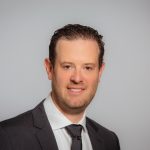
BillSchankelBill Schankel, CEO at NAFA Fleet Management

Bill is an innovative association professional with over 25 years of experience at membership associations, non-profit organizations, and educational institutions. He created and implemented B2B and Consumer campaigns.

He managed membership, business development, event, and educational/training marketing campaigns. He solicited and oversaw major fund-development efforts. He served as a liaison to several high-level boards and councils. He is a strong strategic thinker and team builder.

What You’ll Learn In This Episode

  • Change Management
  • Culture Building for a remote staff
  • Moving on from legacy programs

This transcript is machine transcribed by Sonix

TRANSCRIPT

Intro: [00:00:02] Broadcasting live from the Business RadioX studios in Atlanta, Georgia. It’s time for Association Leadership Radio. Now, here’s your host.

Lee Kantor: [00:00:17] Lee Kantor here another episode of Association Leadership Radio, and this is going to be a good one. Today on the show, we have Bill Schankel with NAFA Fleet Management Association. Welcome, Bill.

Bill Schankel: [00:00:28] Thank you. It’s great to be here, Lee.

Lee Kantor: [00:00:30] Well, I’m excited to learn what you’re up to. Tell us a little bit about Napa. How are you serving folks?

Bill Schankel: [00:00:36] Sure. So Napa Fleet Management Association, we represent three just around 3000 fleet management professionals, automotive professionals. So those are everybody from our individuals in the government fleet. So groups like your public safety fleets, from law enforcement to emergency medical to fire to the corporate fleets, from your delivery services as Amazon and UPS to basic sales fleets of pharmaceutical groups as well as educational fleets from both higher ed and universities to the public schools and private schools that all of our children go to. So we have a broad range of types of fleets and individuals we represent.

Lee Kantor: [00:01:23] So what’s your back story? How did you get involved in association work?

Bill Schankel: [00:01:27] So I’ve been in the association space for about 23 years now and it’s basically it was by accident. I applied for a job early on at the National Kitchen and Bath Association marketing job and really didn’t understand what associations were at the time going into that and then got into the business and really loved the the opportunity to not only learn an industry but really get to know the leaders in those industries. So I’ve been in multiple associations now throughout the years and one of my favorite things just is really getting to see all the types of people that get involved in these associations, the passions that they have, and learn a lot about leadership from, from various volunteer leaders that I worked with over the years. And it’s really been a great opportunity and great experience for me now.

Lee Kantor: [00:02:15] Has working through the pandemic had any challenges for you in your work that you hadn’t really encountered prior to the pandemic happening? Is there some things that you were like, Wow, I don’t know if we’re going to be able to get through this?

Bill Schankel: [00:02:31] There definitely were. I’m sure we are like many other organizations, so we had some big challenges. Obviously, we so I was actually in the interim CEO role at Napa at the time, so I wasn’t even fully a CEO yet, but we had to face the cancelation of our in-person conference and trade show, which represented represents about 50% of our revenue. So it was definitely something I’ve never experienced before being new in a leadership role within an organization and then also having to face something as drastic as that where you had to potentially lose 50% of your revenue. We’ve had great support from our board and our volunteer leaders through all that. And what I found is we we just kind of worked our way through it, made decisions based off the data we had at the time. We actually did not cancel our event right away. We actually moved it and then had to move it again and got lucky. We were able to hold it last year at the end of the summer, 18 months after that first time. But it was really a challenge in communications as well, communicating back to members, making everybody feel safe and comfortable that Napa would be there for them after the pandemic was over, whenever that was going to be and really get through. And we learned a lot of different ways to deliver value that we never did before. So it was a great opportunity, particularly as a new leader coming in to try a lot of things and build somewhat of a change management culture because we were forced to change. And that was, I think, the positive experience of that, even though it was a very challenging time.

Lee Kantor: [00:04:05] Now when you are dealing with that type of chaos, it can be an opportunity, like you said, to to make changes where there’s maybe less pushback because these are such trying times. Is there any kind of lessons you learned that you will be able to use moving forward regarding that? When it comes to that type of change?

Bill Schankel: [00:04:27] I definitely will. I think one of the the big things that we that really we did during the we became very data centric during this whole process. So as we started to have to look at resources and understand every resource needed to have some type of impact, whether it be member value, how members rated and engaged with the resource financial. So what’s the revenue we brought in from that or also from an efficiency point of view, what what does this program take from a staff resource and or from an expense side for us to deliver? So as we went through the change and as we we were forced to look at some of these things, that was the way we made the judgment. And what what are the programs we can stop doing? What are the programs we need to do more of so that. Getting that mindset in when we had to. In the midst of the chaos, as you mentioned, it’s really something we carried forward now. And now as we look at programs, it’s not just an automatic assumption that, yes, we should keep doing that. We now look at that a few key metrics and say, are our members engaging with this? Is this something we need from a revenue resource? And is this something that is the way we do? It is not really efficient or we’re taking way too many resources to deliver on that for the the ROI we’re getting back. So those are some of the lessons that I’ve learned in this process that we carried forward, even as the pandemic comes to a close here.

Lee Kantor: [00:05:49] Now, when you are kind of leaning into data like you are, sometimes that brings about some change that you’re forced to make with some legacy programs that might have constituents that enjoy that status quo and are hesitant to move forward from that. How do you kind of thread that needle to keep your team engaged with programs that might have kind of run its course where that maybe it is time for a change and to look at things with fresh eyes, especially when you have data to back it up.

Bill Schankel: [00:06:25] Right. It’s definitely it’s definitely a challenge. And as you said, there’s people that are passionate about programs that as you start finding the data and looking at the the engagement and the involvement, knowing that they’re legacy programs, but they’ve they’ve they’ve played out or they’ve they’ve have dwindling value in today’s world and how things are happening. So it’s really trying to get some of those really passionate people to, to look at the data, understand the data, understand the reason for change. And I’ve been trying to engage them to be part of the solution, saying we’re not we’re not trying to throw out the history of this. Let’s take the best parts of some of these legacy programs and say, is there another way we can package them or or the benefits that you’re getting from some of these legacy programs? Are there other ways we can do that? And we’re going through that process right now with several different legacy programs that started throughout the pandemic that now are going to, over the course of 2022 and 2023, are going to really change. And we’re going to phase out some some longstanding programs just based off that data and that internal look we did. But we tried to engage as many of those what I’ll say, the passionate people that that had a strong support for those programs and keep them in the process and become part of that process to help us navigate that change. And in some cases, it doesn’t work out. It can’t say it’s always successful. Sometimes people just they just don’t see the see the data as that crucial. And and that’s fine. And that’s been another thing we’ve learned is that we are in the process of change. We can’t please everyone. So in some cases, we do have to understand where you have to go for the greater good and you are going to have to lose some people and change process. But for the most part, it’s been very people have been very supportive and want to be part of the solution.

Lee Kantor: [00:08:16] Now, when you take on a challenge of leading an organization and being new to it, and how do you kind of keep the culture while respecting the past, but also kind of making the change necessarily that you need to do into the future? That that’s a tricky needle to thread. And especially now, I think it’s even more challenging as more and more organizations are going to either a hybrid or a remote staff where there’s not even that face to face camaraderie, where we can all kind of feel like we’re on this team together now. Everybody could be spread out. So how have you been able to kind of manage the culture?

Bill Schankel: [00:08:56] Sure, we did. We we actually did go from an in-person, completely in-person staff to now we are completely virtual. We actually moved out of our lease. So we actually are completely virtual through that whole process. I mean, we did have a lot of really open and frank conversations with staff via I mean, we met a lot via virtual meetings, but really it’s really around communication. And I said those exact words you started two questions with is that we want to honor the history. There’s no blame or judgment in the fact that things have to change. It’s more circumstances that are causing changes that we need to move past some of the historical ways of doing things, some of the historical procedures and policies and processes we had in place. We just need to move past that because of other factors. So it was no blame. So that was one key thing is to make sure we get especially some of the long standing employees and members of board and volunteer leaders to make make it clear that this change was not an indictment on anything that anybody did in the past. But it’s really a need to move forward. And essentially what we do is just really communicate again with that, focusing on the end goal and try to get as much in. And involvement from the staff as we can. We’ve created some inter-departmental teams with our our staff because we do have a fully virtual staff. So we want to make sure that because our marketing team may meet on a weekly basis virtually, they don’t know how to talk with our education team or our membership team. So we created a few inter-departmental teams to ensure that representatives on all those teams getting together and talking once a week or once every two weeks just to get a sense of what’s happening, what are the projects doing. And then we do a full all staff meeting every week, virtually with a full agenda, letting people put any items on the agenda they want so they can ask any questions. And that’s really been helpful in building the culture out.

Lee Kantor: [00:10:57] Yeah, I think that as we move to a more remote virtual world that you have to be more intentional when it comes to communication and you have to kind of schedule these things, like things that you take for granted in person where like you bump into people or I’ll see them at some point during the day, you know, virtually that’s not going to happen unless you put it in a calendar schedule.

Bill Schankel: [00:11:20] That’s definitely what we’ve found. And the messaging, getting our staff to start utilizing messaging, the messaging tools such as a microsoft teams or and there’s multiple ones out there to ensure that those hallway conversations can still happen. But just think somebody on their laptop and and chat them up that way. So that’s been a little bit of a change because people at first didn’t think of it that way and we didn’t want them necessarily sending emails back and forth as their communication method because there’s other, more effective ways. So now we have we’ve built that into our culture to where people are much more comfortable in messaging each other through some of the instant messaging opportunities out there. And that’s been helpful as well to kind of build back in some of those hallway conversations that that won’t happen now that we’re virtual.

Lee Kantor: [00:12:09] Now, has there been anything that’s occurred where you’re like, okay, these are some breadcrumbs that we were on the right track here that I feel pretty good about this change that it’s occurring.

Bill Schankel: [00:12:21] We actually we do. We’ve so as we started changing and we’ve we’ve been putting out more calls for volunteers as staff, we’ve been doing some what I’ll call her not listening to us because we haven’t been traveling, but we’ve been calling members or talking to members and more of a town hall, town hall format. And I think the biggest thing we’re seeing is that the change is positive is we’re getting a lot of new members engaged that weren’t in the past. So I think like most associations, you have your corps of longtime volunteers, the stalwarts in the in the profession, in the industry, that everybody recognized those names. But now we’re starting to see some of the new people within our our membership base that people say, I never I never knew that person or I didn’t I don’t recognize that name. And we’re getting more and more of those. And now when we put out those call for volunteers, we’re in the past, it was a very similar roster of people that would volunteer. We’re getting much larger number of people. So that, in my mind, makes me feel good that more people see the see the vision, see the change we’re making and want to get involved and want to be part of this process. So I think that’s one that I feel really good about.

Lee Kantor: [00:13:32] Yeah, I think that that’s one of those unintended consequences of kind of people getting more comfortable with virtual. I think a lot of folks are saying, you know what, because things are virtual, I’m going to have to be more proactive and get more involved in my association. I’m going to have to be the the change I want to see in the world. And people, I think, are stepping up.

Bill Schankel: [00:13:53] They definitely are. And I think a lot of people that that may have been to your point and may have been more hesitant in the past, because I can’t travel to an event or I don’t have a travel budget to get there. I can’t go to these other meetings now that they see the meetings are more and more likely to take part, at least majority of them on a virtual session I can now join in and we’ve also been cognizant of that. People have less time now in today’s world. Even though we were all home for two years, it seems like people have less time to do things. So we’ve even tried to to right size a lot of our meetings and volunteer opportunities as well to say, we’re not going to put you if you volunteer, we’re not going to put you on an eight hour zoom call. We’re going to set up these meetings. So it’s 20 minutes every other week and we’re going to have you talk and we’re going to do things through a collaboration site where you’re not going to have to sit and meet a specific time, but we’ll ask the questions and you can give your input that way. So we’ve created new ways for them to get involved too, which aren’t a big time commitment, which I think they seem to like.

Lee Kantor: [00:14:51] Yeah, I think flexibility in time especially is a key component of today’s working world. I mean, people are demanding it.

Bill Schankel: [00:15:00] Yes, absolutely. And we understand that it’s extremely important for us to to make sure that we we make it as easy as possible. If somebody is willing to give us their insights and help us to leverage their professional experience and their thoughts, we want to make it as simple as possible for them to get involved with us and and get the more voices, the better it is for us as an association.

Lee Kantor: [00:15:23] Now, do you have any advice for the leaders out there on how to engage your members and how to kind of keep pushing the value line for members?

Bill Schankel: [00:15:34] So I think the the biggest things that we’ve heard is, is some of the things we spoke about is look at the data. Don’t just assume that because you’ve been doing a program for a long time, you are getting a lot of value out of it. You really look at the data and set some real clear metrics. I think all of the all of our members that are part of whatever industry associations are and their everyday job, they have clear metric that they’re working towards for the most part. And so from my point of view is when we had to start implementing change and pushing some things that people may have felt uncomfortable with, and we started going back to the data, here’s why we’re doing that and could show real tangible data points, whether they’re financial or engagement or resource driven, whatever they may be. It was a lot easier to tell that story and people could relate that more to their everyday job. So why? I know a lot of times associations tend to focus on the the emotion and the connectivity of of being part of an association. When we start putting more of that, the data driven content out and the reason of why we’re doing this, it seemed to help members get more engaged because, one, it gave them a clear understanding and a clear target of where we were going. But it also gave them a clearer picture as to why this wasn’t an emotional or a philosophical change. It’s more of a necessity or an opportunity change.

Lee Kantor: [00:17:01] So now what are the kind of the metrics that matter for you and you and your team? Like what are the things that get you high fiving the team at the end of the week or the quarter?

Bill Schankel: [00:17:11] So as most I mean, we’re, we’re obviously membership growth is important to us. Membership growth and retention is key for us. We’ve during the pandemic, we did take a decent sized membership because a lot of our particularly government fleet managers that had budget cuts needed to drop. So we’re focusing on building back up that member base. That’s definitely a key for us. We’re also we’ve also launched quite a few new educational opportunities. So we’ve set some metrics to see how many people we can engage both members and non members on some of the educational opportunities which are online seminars and and starting to do some in-person conferences. So seeing how many people can get engaged in those because those are some of the newer programs that we’ve just launched. So those are really ones we high five about because as we launch new things, did we hit the marks on the metrics and did we get the right people there? Did we get the amount of people there is really important to us because that’s when we really see that that change is making a difference and people are liking the vision that we set out a few years ago and they’re getting involved.

Lee Kantor: [00:18:20] So what’s the most rewarding part of the job for you?

Bill Schankel: [00:18:24] I think from my perspective, it’s it’s really the collaboration of getting all these groups together. I mean, it’s while it’s been the most challenging time I’ve ever had in my career the last few years, some of the proudest times I’ve had is when groups came together of both staff and volunteer leaders and suppliers to really put their heads together and all dig in and do work towards that common goal of how do we how do we move the organization together? To the point of early on it was how do we save the organization from not not going under with this financial hit, but just to the the the amount of passion, but then also the amount of level headedness from the from everybody involved and understanding of what’s on the line here and what our ultimate vision is, what we do for for our members, why that’s important and how we need to move forward. That’s one of the the I guess my favorite part of what happened over the last year is it forced that collaboration with people I may not have had the opportunity to work with to that degree, but just to see their passion and for them to come in and their willingness to work with us and help us was just really great.

Lee Kantor: [00:19:31] Now, is there a trend in the industry that you’re most excited about?

Bill Schankel: [00:19:36] So we we are very we’re very excited because obviously if you watching the news and everything that we are on the what I’ll say is a front lines for several things that you hear a lot about now. So supply chain issues, the electric vehicles changes some of the mobility and vehicle to vehicle communications, which is going to create a much more safer roadway. And some of the the alternative fuel opportunities that are coming down the road. We are we’re on the front line of those, both from a legislative side as well as from our members having to actually implement those changes. So it’s been great because our members see the values of both sides and from of everything that needs to happen and laying out really a realistic plan for how how can our members help reshape what the infrastructure looks like in a reasonable time? That doesn’t that doesn’t overpromise, but but sets expectations out there. And what we what organizations can do to to lay some of those things into their business practices. So that’s been, for me, the electric vehicles, the alternative fuel, and then also how we can assist in the in some of the supply chain issues that are happening has been really the the things that I’m really getting excited about every day to see what our members are doing and how naphtha can help lead the way in some of those initiatives.

Lee Kantor: [00:21:03] Yeah, strong organizations and associations like yours are the key to really make the biggest impact, I think in the industry. I mean, it’s important for folks to get involved with their association and really share those best practices and collaborate and just everybody wins.

Bill Schankel: [00:21:22] That’s really what we’ve found. And obviously we’ve done a lot from a legislative side in the recently and some of the infrastructure discussions that have happened over the last few years. So we’ve had a lot of input and impact to the point where we’ve had some of our members writing letters or actually providing some testimony to elected officials in both state and the federal level, because we realize obviously things are changing and we can we can be on the front line to help ensure that this is a a positive change for everybody and also something that that we can actually implement. So it’s not it’s we are our members are the real world examples of what a lot of the legislation you’re hearing about is going to impact. And they’re the ones that have to implement those changes. So it’s been it’s been really a fascinating time for us.

Lee Kantor: [00:22:13] Well, if somebody wants to contact you or get a hold of or learn more about the organization, can you share the website?

Bill Schankel: [00:22:20] Sure. Actually, they can go to WWE dot nafaa dot org and all of our staff information’s there. They can contact me. I’m happy to take any emails or talk to anybody we have and definitely check out our website. And like I said, I’m happy to provide any advice I can from a little bit I learned over the last few years.

Lee Kantor: [00:22:39] Well, Bill, thank you so much for sharing your story today. You’re doing important work and we appreciate you.

Bill Schankel: [00:22:44] All right. Thank you. I appreciate it, Lee.

Lee Kantor: [00:22:46] All right. This is Lee Kantor. We will see you all next time on the Association Leadership Radio.


 

Tagged With: Bill Schankel, NAFA Fleet Management

Jason Wachtel With JW Michaels & Co.

April 11, 2022 by Jacob Lapera

JasonWachtel
Atlanta Business Radio
Jason Wachtel With JW Michaels & Co.
Loading
00:00 /
RSS Feed
Share
Link
Embed

Download file

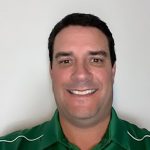
JasonWachtelJason Wachtel is the Managing Partner of JW Michaels & Co. and heads up all business development, operation and strategic growth initiatives for the firm. Jason is one of the founders and partners of Compliance Risk Concepts (CRC) and Execusource.

He has been designated as a Senior fellow to the Regulatory Compliance Association’s (RCA) community of over 80,000 executives. In addition, he serves as the RCA’s annual keynote speaker discussing compensation trends for legal, compliance, A&F and risk professionals.

Follow JW Michaels & Co. on Facebook, LinkedIn, and Twitter.

What You’ll Learn In This Episode

  • The ‘great resignation’
  • Atlanta’s current job market
  • What should employers be doing differently

This transcript is machine transcribed by Sonix

TRANSCRIPT

Intro: [00:00:04] Broadcasting live from the Business RadioX studios in Atlanta, Georgia. It’s time for Atlanta Business Radio brought to you by onpay Atlanta’s new standard in payroll. Now here’s your host.

Lee Kantor: [00:00:24] Lee Kantor here, another episode of Atlanta Business Radio. And this is going to be a good one. But before we get started, it’s important to support our sponsor on pay. Without them, we couldn’t be sharing these important stories. Today on the Atlanta Business Radio, we have Jason Wachtel with JW Michaels & Co. Welcome, Jason.

Jason Wachtel: [00:00:44] Thank you, Lee. Nice to be here.

Lee Kantor: [00:00:46] Well, I’m excited to learn what you’re up to. Tell us a little bit about J.W. Michaels. How are you serving, folks?

Jason Wachtel: [00:00:52] Well, thank goodness we are extremely busy. J.w. Michaels We focus on placing high level attorneys, compliance, I.T. accounting and finance and HR professionals. And fortunately for us, the Atlanta market has been super, super busy. So it’s been a really good time to be in our industry helping great companies, higher grade fellow Georgians. Just a very tight labor market. So it’s a great time, but also a very challenging time due to the lack of talent in the marketplace.

Lee Kantor: [00:01:22] Well, do you mind if we chat a little bit about maybe both sides of that balloon? If you were an employer, what can you be doing to make your offer and firm the one that people want to work for? What are some of the things they can be doing to attract the right talent?

Jason Wachtel: [00:01:41] Sure. Well, of course, there’s a few things. Obviously, compensation is important, but there’s a new there’s a new aspect of what really employers have to be focused on. And that’s the hybrid model. You have to listen to your employees. And most employees are looking for a employment opportunity where obviously they’re compensated well, treated well, but also what’s the hybrid schedule? So the companies that are struggling and will continue to struggle are the companies that are requiring their employees to be in the office five days a week. Now there’s five days a week, there’s remote and there’s hybrid. And what we’ve seen is most of our clients have adopted some kind of hybrid schedule that could be two days, three days, four days a week in the office. But if you’re requiring your people five days a week and you think that paying your people a fair wage is going to be sufficient, you’re going to see that not only you’re going to lose some of the talent that you have, but you’re going not going to be able to hire great talent to help your firm grow. So really adapting that hybrid model, listening to your employees and sort of that separation of when the day is over, unless it’s an absolute emergency, you shouldn’t be reaching out, emailing your employees, because what happened before COVID, where people were technically on 24 seven. Now there has to be weekends where you don’t harass your people. And when the work’s done, at least if it’s not an emergency, you have to sort of turn it off for the day and sort of start again new the next day.

Lee Kantor: [00:03:03] Now, the folks that kind of embrace this hybrid model, doesn’t that mean that they’re kind of abandoning the remote model? Because if I work remotely, I can live anywhere in the world and still work for this company. But if I’m working in a hybrid environment, I have to be semi close to this employer so I can come in that one or two or three days a week.

Jason Wachtel: [00:03:24] Yes, you actually nailed a very good point. So most companies are requiring some kind of hybrid model. However, what you what you mentioned about if you’re working for a firm that’s remote, in theory, you could be living in Idaho and be and still continue to do your job in Atlanta. What’s really made the Atlanta job market, specifically Atlanta, so challenging? I mean, you have the Fortune 500 companies. Atlanta, Georgia is the out of the ten most populated states, has the lowest level of unemployment. And part of the reason is you have the Amazons, the Googles, the Facebooks of the world, where generally those are in Northern California or Seattle. They would only be able to hire people in that area. Now they’re saying we’re going to hire the best talent the market has to offer. So if you’re in Atlanta and you’re a technologist, let’s say, for example, we have no issue working remotely and working for us in Seattle. So what’s happened is you’re losing a lot of local talent in Atlanta to companies that are that are open to remote. So you’re making it that much more challenging in the market to hire people. So you really nailed a very good point.

Lee Kantor: [00:04:28] So now let’s look at it through the eyes of the employee. What could they be doing to be attractive to these these great employers that are out there looking for more and more talent? Well, what some of the things that employee can do so they get found online or however they get found.

Jason Wachtel: [00:04:48] Well, you know, obviously a very good networking tool is LinkedIn. I would encourage people to have a strong profile on LinkedIn. Part of when you’re looking for a new job or being as desirable as possible is networking. So networking going to networking events, you may have a neighbor down the street who is a senior employee at, let’s say, Home Depot, maybe be able to get some introductions that way, but also trying to broaden your skill set. So maybe before you were very narrow, focused in what you did and now with the way that the employment market is, there’s so many openings all over the place, you may go up to your boss and say, listen, I might just be an accounting. I’d like to do a little bit more of operations. So then you’re broadening, broadening your skill set, and that also makes you more desirable to your for your future employer.

Lee Kantor: [00:05:32] Now, what what’s something on LinkedIn that catches your eye? What are some kind of red flags or do’s or don’ts that people can be doing on LinkedIn that catch the eye of people like you?

Jason Wachtel: [00:05:42] Well, the first thing is LinkedIn has all these algorithms. So the first thing you got to do is you have to sort of fill out your profile to be a fully completed profile. Otherwise, you’re on the bottom of the algorithm. So LinkedIn has a sort of policy on what you need to do. You need to make sure your your profile is completely filled out. Second thing is you need to explain what you do in your description, whether that’s LinkedIn or Monster. You need to have a very broad understanding of what you do and really how do you articulate that? And then the thing is, no one really wants to see job hoppers. So if you’re taking a job every six months to a year, that’s generally a little bit of a red flag. When a recruiter or a Home Depot or a Coca-Cola is looking at you on LinkedIn or Monster when you’ve a new job every six months. So that’s not that’s not a positive. So really the first thing is sort of expanding it, expanding your description, making sure it’s very clear what your roles and responsibilities are. Another helpful thing is no matter what you’re doing, how you might have saved the company money, how you might have made the company money, and how you were able to deal with a tough problem and came up with a creative solution. Those are generally what employers and recruiters look for when they see a candidate that they get excited for to represent and send to their clients.

Lee Kantor: [00:06:55] Now, there was a lot of headlines about the great resignation and and a lot of people either saying, you know, pulling the ripcord and saying, okay, I’ve had enough, I have enough. I don’t have to work here anymore. I can just, you know, call it a day. But I’ve also been sensing that there’s a rethinking of that, where a lot of those folks that may be resigned or retired are saying, you know what? This is such a great job market. Maybe I’ll throw my hat back in the ring. Have you been seeing a trend in that direction where a lot of folks that had quit maybe have either got a little buyer’s dissonance where they said, hey, maybe I should shouldn’t have quit, or maybe it’s time to even maybe look in a different direction.

Jason Wachtel: [00:07:40] So what we’ve seen a lot of is, first of all, we think the resignation is only going to continue to to get stronger and stronger. So J.W Michaels and most recruiting firms in our in the industry we all had record years last year and as great as last year was this year is even off to a much, much better start as we can see from unemployment numbers. I think I read that the unemployment rate is as low as it was in 1968. So because of that, if you left the job market and you sort you retiring like, wow, I can make a lot more money if I go back to the to the to the employment world or you’re at your company and you’re seeing your friends making 20, 30, 40% more at other firms, you’re going to move. And that also increases to the great resignation. And then also when now that you might have been at a company for ten years, but you were commuting for 2 hours each way. Now, you may be able to work completely remote work for one of those companies that I mentioned in the earlier part of this interview. And that also increases the great resignation. So there’s a lot of factors that I just mentioned that helped come to create this perfect storm of why this great resignation has been so unbelievable that no one seemed before, but also why we really believe that this is going to continue for a much longer time.

Lee Kantor: [00:08:51] Now, are you seeing folks that had retired from kind of corporate jobs and going back as maybe contract workers?

Jason Wachtel: [00:08:59] We haven’t seen as much as that. I mean, one of the major impacts of the great resignation is there’s been a lot less companies leaning on contractors. They like to continue to lead on contractors. But with unemployment rates so low, contractors that were having a hard time finding full time jobs, they’ve been all scooped up by all these big companies or small companies. So although companies would prefer sometimes to use contractors, they’re just not a lot of talent in the marketplace because there’s so many full time jobs there. So I think if you were a career contractor, a lot of those career contractors have gone on full time roles just because of their demands and just because unemployment is so low, it’s really hard to find people that are having a hard time gaining employment when when unemployment is at a record low.

Lee Kantor: [00:09:47] Now, you mentioned that Atlanta is kind of a unique place in terms of the combination of enterprise. So many enterprise level, Fortune 500 headquarters here, as well as the the amount of educated workforce that we have and the great colleges that we have in universities that are kind of spilling into that. What are some of the other kind of characteristics you see that makes Atlanta a different market than maybe some of the other ones around the country?

Jason Wachtel: [00:10:19] I think you nailed a lot of the really key reasons, in my opinion, but I think even before the great resignation Atlanta has been is such a fast growing city. So you have all these Fortune 500 I think it’s over a dozen in in Atlanta or Georgia. You have unemployment so low in Atlanta and you have an area that was so thriving before COVID. And now it’s like, wow, you have all these companies, you have all these great people, all these great schools. As you mentioned, it’s like a perfect storm and affordable housing compared to the northeast. And so you take all those aspects. You create an environment where it’s like an unbelievable place for businesses to grow and thrive and employees to get great careers and really grow, not just professionally but financially.

Lee Kantor: [00:11:03] Yeah, I also think the diversity of the economy is is so vast that it’s different that we’re not a one industry town. There’s a lot of industries and in fact, some of the northern suburbs, if they were cities by themselves, they’d be a large city unto themselves. And there’s no kind of geographic boundary where a lot of the in the coasts obviously have the oceans. And there’s a limit to the size. But Atlanta is kind of in the center north of the state, so there’s plenty of room to just keep growing outward. And that’s you know, that’s what’s happening. You’re I mean, we have a film industry now that didn’t exist, you know, 20 years ago. And now it’s one of the top in the world.

Jason Wachtel: [00:11:44] You have a film industry of a major tech hub now in Atlanta. There’s a lot of things, as you mentioned, that are just created this unbelievable environment for talent and for employees to employers to want to relocate to Georgia to take advantage of that.

Lee Kantor: [00:11:58] Now, are you seeing young people wanting to move to Atlanta from other parts of the country because there is so much opportunity here?

Jason Wachtel: [00:12:06] We saw that before COVID and we’re continuing to see that after COVID. You know, generally, Atlanta was a much smaller version of Manhattan, but you had all if you went to University of Alabama, you go to grade school like Emory, Georgia, you know, Auburn, you all went everybody went to Atlanta. If you’re in the Midwest and Chicago was the hub Iowa, you’d go to Chicago and then you have New York. But what you’re seeing is a lot of people from the Northeast specifically because of the cost of living differences. You know, a lot of people have relocated down to Atlanta, companies have moved down to Georgia. And so you’re seeing a lot of younger people, for the reasons that I mentioned, have now made Georgia home, more so than, let’s say, in the last ten years.

Lee Kantor: [00:12:49] So now in your work, you do you work a kind of industry agnostic or do you have some niches that you’re are kind of known for sweet spot for your firm?

Jason Wachtel: [00:13:00] You know, in our headquarters in Atlanta, we’re really focused on accounting and finance, i.t. Supply chain and some human resources. That’s where our bread and butter has been for the last 15 to 20 years. So our clients are your fortune 500 companies, manufacturing companies, finance companies that sort of spread across what their disciplines are. But those are the areas that we focus on.

Lee Kantor: [00:13:26] So what do you need more of? How can we help you?

Jason Wachtel: [00:13:29] So right now, you know, it’s it’s crazy because generally as a firm grows, you need you always need to continue to have clients and new job orders. And so that’s always what the most important thing is. Now, however, because it is such an employee and employee driven market, you know, any great candidate that we come across, we can generally get two or three offers the next day for that, I would say within that week or two of that person. So any amazing candidate that is looking for the next great opportunity, we’d be so excited to talk to that person because we have so many great opportunities to discuss with them.

Lee Kantor: [00:14:02] And if somebody wants to learn more about your firm and get a hold of you or somebody on the team, what’s the website?

Jason Wachtel: [00:14:08] The website is WW GW Michael’s dot com.

Lee Kantor: [00:14:13] Well, Jason, thank you so much for sharing your story today. You’re doing important work and we appreciate you.

Jason Wachtel: [00:14:18] Thank you for having me in. My pleasure.

Lee Kantor: [00:14:20] All right. This is Lee Kantor Russell next time on the Atlanta Business Radio.


About Our Sponsor

OnPay’sOnPay-Dots payroll services and HR software give you more time to focus on what’s most important. Rated “Excellent” by PC Magazine, we make it easy to pay employees fast, we automate all payroll taxes, and we even keep all your HR and benefits organized and compliant.

Our award-winning customer service includes an accuracy guarantee, deep integrations with popular accounting software, and we’ll even enter all your employee information for you — whether you have five employees or 500. Take a closer look to see all the ways we can save you time and money in the back office.

Follow OnPay on LinkedIn, Facebook, and Twitter


Tagged With: Jason Wachtel, JW Michaels & Co.

Andrew Taulbee With LIME Painting

April 8, 2022 by Jacob Lapera

limepainting
Atlanta Business Radio
Andrew Taulbee With LIME Painting
Loading
00:00 /
RSS Feed
Share
Link
Embed

Download file

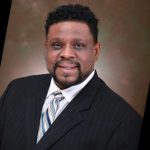
AndrewAndrew Taulbee, Owner at LIME Painting

Andrew is an Atlanta native who grew up playing sports in east Atlanta. He attended Clemson University, where he lettered in baseball for 3 years and was drafted by the San Francisco Giants. He returned to Clemson to finish his degree in Business Management / Accounting once his playing days were over.

Upon graduating, he entered the financial services industry and eventually gravitated to IT communications. The time Andrew spent playing team sports and working his way up in corporate America has given him a strong work ethic, a team attitude, and a drive for excellence.

His strong business and sales background working with different industries throughout his career, gives him the ability and knowledge needed to run a successful painting company in the communities of Atlanta.

What You’ll Learn In This Episode

  • Professional background before LIME Painting
  • How LIME Painting serves the Atlanta community
  • Leadership style
  • Past and potentially future charitable initiatives

This transcript is machine transcribed by Sonix

TRANSCRIPT

Intro: [00:00:04] Broadcasting live from the Business RadioX studios in Atlanta, Georgia. It’s time for Atlanta Business Radio brought to you by onpay Atlanta’s new standard in payroll. Now, here’s your host.

Lee Kantor: [00:00:24] Lee Kantor here, another episode of Atlanta Business Radio. And this is going to be a fun one. But before we get started, it’s important to recognize our sponsor onpay. Without them, we couldn’t be sharing these important stories. Today on Atlanta Business Radio, we have Andrew Taulbee with Lime Painting. Welcome, Andrew.

Andrew Taulbee: [00:00:42] Thank you, ma’am.

Lee Kantor: [00:00:44] Well, I’m excited to learn what you’re up to. Tell us a little bit about lime painting.

Andrew Taulbee: [00:00:49] Lime painting is a national paint company based out of Denver, Colorado. It’s very value based. They are very active in supporting charities of different mostly youth and faith based organizations, and they’re expanding rapidly across the US. And I’m actually the first franchise owner here in Georgia.

Lee Kantor: [00:01:17] So what’s your back story? How did you get involved in this line of work?

Andrew Taulbee: [00:01:23] Well, I came out of college playing professional sports. I was a baseball player. I was drafted in the second round by the Giants coming out of college. I played for five years and blew out my shoulder. And the first instinct for me was to go into something financial. I went into financial planning and realized I didn’t get into it at the right time and didn’t really like it. So I went into telecommunications, which I’ve been in that for the last 12 or 13 years or so. I’ve basically sat at a desk and talked to people locally and also around the world, but I realized that I wanted to be more outside and doing something to give back to the community. Lime painting came along after a thorough search of different franchises that were service based, and it was since it’s value based and giving back, it was very intriguing to my wife and myself and that’s kind of how we landed on it.

Lee Kantor: [00:02:21] Can you share a little bit about going through the process of choosing a franchise? Because once you kind of make that decision, okay, I’m going to go franchise as a, you know, kind of a career path. There’s infinite possibilities. And how did you narrow it down and how did you ultimately land online? Did you have help or was this something you did on your own?

Andrew Taulbee: [00:02:45] Sure, it’s a great question. So there are a couple of different ways you can go about getting into a franchise. One, you can just walk by a franchise and they’ll have a sign up there. Says, Interested in being a franchise? That’s a kind of a limited way of looking at it. You can also just look up franchises on the Internet, and once you do that, you’ll probably have a bunch of franchise brokers reaching out to you. And that’s what happened with me. I had a franchise broker come out. They interview you, ask you what your likes and dislikes are, what your hobbies, what you’re interested in, and then they bring back four or five different choices of national franchises. And then you sit there and vet those out over a couple of weeks. Then you go out on Discovery Day for the two or three that you like, and then you ultimately make a decision and sign the paper.

Lee Kantor: [00:03:33] Now you like, how did you get into painting like? Was that in your radar when you first started where you’re like, it’s probably going to be a painting franchise?

Andrew Taulbee: [00:03:43] No, that was one of the first questions the broker asked me is because have you ever thought about going into the painting business? So no, actually the franchises that came our way were a little bit different based on our backgrounds. We were looking for something that was service based, that didn’t have any physical location overhead or lots of it. But they came up with different ones that were one of them was seniors helping seniors, where you have the older community helping seniors in need. One of them was a water restoration business line. Painting was one and then one was was called D one training. It was actually a gym where people of either high school age or college age can go and work out with a professional trainer.

Lee Kantor: [00:04:27] So then what were some of the questions they asked you to kind of narrow it down and ultimately choose lime?

Andrew Taulbee: [00:04:34] Oh, they ask you about your background. What are your attitudes towards owning overhead, how much you want to spend, what your net worth is, things of that nature?

Lee Kantor: [00:04:44] And then what was the like? So what put it over the top for you. Where Line Lime was the right choice?

Andrew Taulbee: [00:04:51] Well, Lime was a service business that allowed me to be outside most of the day. It’s a need that’s COVID proof, recession proof. Because everywhere you look is a coating needs to be placed somewhere, whether it’s in a commercial building or a home. So it’s something that always needs to happen and their value system. Lime stands for Love, Integrity, Mission and Excellence. It just spoke to us.

Lee Kantor: [00:05:20] So now tell us about the actual lime services you mentioned that you do can work commercial or residential. Can you talk about the types of services that you offer?

Andrew Taulbee: [00:05:31] Sure. So Lime is traditionally a painting company. With painting comes a lot of different things, including exterior, interior, commercial, residential. You also have different services. Services surfaces like wood, metal stamped concrete will also do restoration services like gutters leaking. Or if you have rot on your house, we’ll go in and replace all that for you with quality and custom and premier products. So we do a good job and do it right.

Lee Kantor: [00:06:05] So now as part of the mission of lime is not only to do great work, but it’s also to serve the community. So how are do you plan on serving the Atlanta community?

Andrew Taulbee: [00:06:17] Great question. So my wife and I have been involved in a charity called Lighthouse Family Retreats. It’s a charity that focuses on giving families that have children with cancer some time away like a vacation. So what we do is we raise money for that organization and then go and serve. We serve those families while they’re on vacation. So they have a little time off, a little break from the normal day to day and have time to enjoy some of the cooler things in life, usually on the beach.

Lee Kantor: [00:06:51] So now in your previous work, you’ve worked for larger organizations. Is this the first time you’ve kind of been the boss and this is your own entrepreneurial venture?

Andrew Taulbee: [00:07:03] It’s the first time I’ve been the boss in something this this big as an organization. I’ve owned little companies, LLCs before that have done things like hold rental properties and stuff like that. But this is the first time I’ve had employees and manage sales teams. So yes.

Lee Kantor: [00:07:21] So how has that adventure been? Because that’s a different skill set, right, to lead yourself or, you know, manage your own time and your own kind of the outcomes that you desire versus now leading an organization and training people to get ready to serve and also to be able to create that culture so that your employees understand, you know, the why behind what you do.

Andrew Taulbee: [00:07:47] Yes. Yeah. So I’ve always been a part of teams where I’ve either been the lead, but this is just a little bit different because it’s actually me that’s funding it. It’s just a different, I guess, mindset and that you’re doing it for yourself and the community instead of just for somebody else, the company.

Lee Kantor: [00:08:08] So do you have a mentor or a coach that’s helping you through this?

Andrew Taulbee: [00:08:15] Yes, the community is actually very thorough. So I communicate with the corporation themselves. I’m the head of lineman in Denver. And then also they have a good network of mentors through the franchisees. So we have a call and then I have the ability to talk to them whenever I have a question or a need or an experience. They’re very fast to help out and explain the process and how they handled it and and how to move forward.

Lee Kantor: [00:08:47] Now, is there any moment so far that has been rewarding that you’ve you’ve kind of got that goosebump feeling like, hey, we’re on the right path. This is something that’s really going to be good for us and the community.

Andrew Taulbee: [00:09:05] Yeah. When we hired our first employee and we came back from training and and she went out the first day and got a couple of prospects that that was very rewarding just to see her to grow and get to that point where she’s able to do it by herself and and manage the process. So that was very rewarding.

Lee Kantor: [00:09:25] Now, you mentioned you were the first lime in Georgia. Is it something that you’re trying to build a lime empire throughout Georgia? Is that the intention or is this kind of a business for you in the in the area that you’re living right now?

Andrew Taulbee: [00:09:39] It would be nice to build a lime empire. It’s going to take some time. And of course, building the reputation is kind of curious. Some of the people I went to training with, they were in Texas and my my territories I have three territories here in Georgia. My three territories fit in one of their territories. So the land is very dense in terms of population. So it would take a lot to get us to grow phenomenally. It’s going to take some time.

Lee Kantor: [00:10:09] So now what is the kind of pain your customer is feeling right now where lime is the right solution?

Andrew Taulbee: [00:10:17] Well, we usually focused on on. The higher end. We’re not usually going out for just any paint job. We’re very custom painters. So we’re we’re usually looking for 500,000 and above. We’re very quality based. So we’re not just going to go out there and paint something and not prepared the surfaces. We’re going to make sure it’s prepped right. There’s a solid substrate and that we can paint and make it look phenomenal. So some people get picky, but we explain the value in that, that if you want it to last and look good for a long time, this is the process and it’s sometimes it’s not going to be your basic paint job.

Lee Kantor: [00:10:59] So now is this paint job, is it the whole exterior of the house? Is it the whole interior of the house? Could it be just one room? Like what is the typical job?

Andrew Taulbee: [00:11:09] Yeah, typically in painting, usually you start on exteriors because those are the easiest to do and you only have a certain amount of time based on the weather. But we also do interiors as well. We also do cabinets, custom surfaces. It just depends on the job.

Lee Kantor: [00:11:28] So your quote, if anybody has any painting need, you’ll have a conversation with them, right?

Andrew Taulbee: [00:11:33] Correct. Yes.

Lee Kantor: [00:11:34] And if somebody wanted to have that more substantive conversation with you or somebody on the team, what’s the best way to get a hold of you?

Andrew Taulbee: [00:11:42] The best way is to call us this way. It’s 34704685599 would be the best way.

Lee Kantor: [00:11:58] And then is there a website for Lyme?

Andrew Taulbee: [00:12:00] Yes we’re W WW dot lime painting of Atlanta dot com.

Lee Kantor: [00:12:06] And then if they went to lime painting dot com they can find you through that and drill down to your location as well.

Andrew Taulbee: [00:12:13] Yes the lime painting dot com would actually go to the one in Denver, but if they put in their zip code or anything like that, it would out back to us.

Lee Kantor: [00:12:20] Well, Andrew, congratulations on all the success.

Andrew Taulbee: [00:12:26] Well, thank you.

Lee Kantor: [00:12:27] All right. So one more time, the website for lime.

Andrew Taulbee: [00:12:32] It’s a lime painting of Atlanta.

Lee Kantor: [00:12:35] Its lime painting of Atlanta dot com.

Andrew Taulbee: [00:12:39] Correct.

Lee Kantor: [00:12:40] All right, Andrew Taub, lime painting. Thank you for sharing your story today.

Andrew Taulbee: [00:12:45] All right.

Lee Kantor: [00:12:46] Thank you. All right. This Lee Kantor will see you all next time on Atlanta Business Radio.

About Our Sponsor

OnPay’sOnPay-Dots payroll services and HR software give you more time to focus on what’s most important. Rated “Excellent” by PC Magazine, we make it easy to pay employees fast, we automate all payroll taxes, and we even keep all your HR and benefits organized and compliant.

Our award-winning customer service includes an accuracy guarantee, deep integrations with popular accounting software, and we’ll even enter all your employee information for you — whether you have five employees or 500. Take a closer look to see all the ways we can save you time and money in the back office.

Follow OnPay on LinkedIn, Facebook, and Twitter

Tagged With: Andrew Taulbee, LIME Painting

Cal Burlock With STEMReps

April 8, 2022 by Jacob Lapera

Cal
Atlanta Business Radio
Cal Burlock With STEMReps
Loading
00:00 /
RSS Feed
Share
Link
Embed

Download file

stemrepsCalCal Burlock, Founder at STEMReps

STEMreps is a new TECHNOLOGY AND TRAINING network of STEM students, technologists, and professionals whose commitment is to learn about and support disruptive STEM and the smart inventions/ new technologies that 1.)  actually make a real difference, primarily in human health and biotech research, 2.)  are always revenue-positive, and 3.) improve our health and environment.

“True Education” is the Goal- applied in the bright and lucrative STEM fields.  They want to lead an excited and committed group of STEM professionals entering or continuing in the workforce as scientists, healthcare professionals, business owners, managers, and inventors who will be in command of how technology works, how it’s adopted and spread, and how they can inspire others to leverage STEM for human advance.

Its mission is to define and spread great STEMsmart technology, always upholding its Premise Promise, to develop and retool a workforce for the careers and ownership that drive STEM and tech advancement, and to offer a new and fresh approach to B2B and B2C outbound markets that manufacturers and service providers can leverage to take their STEMreps-approved solution to market.

Connect with Cal on LinkedIn.

What You’ll Learn In This Episode

  • About STEMreps
  • Dive into $5K won from Staples
  • Future/next steps of STEMreps

This transcript is machine transcribed by Sonix

TRANSCRIPT

Intro: [00:00:04] Broadcasting live from the Business RadioX studios in Atlanta, Georgia. It’s time for Atlanta Business Radio brought to you by onpay Atlanta’s new standard in payroll. Now here’s your host.

Lee Kantor: [00:00:24] Lee Kantor here, another episode of Atlanta Business Radio. And this is going to be a good one. But before we get started, it’s important to recognize our sponsor on pay. Without them, we couldn’t be sharing these important stories today on the Atlanta Business Radio. We have Cal Burlock with STEMreps. Welcome, Cal.

Cal Burlock: [00:00:42] Thank you so much, Lee, for having us. We’re excited to be here.

Lee Kantor: [00:00:45] Well, I’m excited to learn what you’re up to. Tell us a little bit about stem ropes. How you serving folks?

Cal Burlock: [00:00:50] Absolutely. Well, STEM Ropes is a platform that connects innovative manufacturers with their end users. We represent science, technology, engineering, mathematics. And we use a highly trained technical sales and marketing force to go out and bring impactful science to human use. So in order to explain this appropriately, I have to kind of go from general to specific. If you’ve ever wondered how Marta or Delta or any hospital or university, for that matter, gains its actual technology, they usually leverage a highly trained, credible employee of the manufacturer who’s known as an executive account manager or an account executive, to come out and speaks about speak about the solutions and benefits of their technology, and then they guide the institution. Be it Marta Delta or any one of those, the repurchasing process, what we’ve done is privatize that, taking that out of the employer’s hands and created an outsource that does those exact things. So that’s a very general explanation of what we do in that we serve three groups. We serve the manufacturers, we serve the end users who need the technology, and then we serve this middle group to take the technology out to the end users. And we have technology ranging from robotics and automation and chemical reagents used in the university down to sanitizer, soaps and wipes that are fighting the pandemic that we’re in right now. So quite a spread of technology and knowledge base.

Lee Kantor: [00:02:19] So what was the genesis of the idea? How did it come about?

Cal Burlock: [00:02:23] Sure. Well, I had for years been myself an account executive working for companies like Roche, one of the largest companies, pharmaceutical companies in the world, working for like a biosystems perkinelmer, several multinational large technology producers. I mean, well known, top of the line, you know, technology coming out of these companies. And prior to going to that, I had been a teacher. I taught at Marist, I taught at South Cobb and a couple other places around Atlanta. So STEM reps was really the amalgamation of my experience in the world as a scientist. It has a provider of technology, my ability to teach right, and the desire to get economic development going. So I finished Morehouse here in Atlanta and graduated in history, in education. And my entire life had always been about trying to kind of figure out what is going on in America, right. With the economy and with the different, you know, melting pot expressions that we have here in the country. And I felt that for African-Americans many times, the holy grail that’s been missing is economic development. There have been attempts the entire time throughout the history of the country, but they were thwarted or either successful locally. But we need a lot more of that. And so I thought I saw STEM science, technology, engineering, mathematics as the best vehicle and the broadest spectrum vehicle to drive economic development, not only for African-Americans, but for everyone. So I built this structure to say, you know, I really can create this same amazing job and this amazing, amazing life outside of an employer. So we’re an alternative pathway. We take people from soup to nuts and they’re prepared to walk into the boardroom and negotiate and construct deals.

Lee Kantor: [00:04:13] So how does STEM reps impact like those people in K through 12 or in, you know, college or how do you serve that constituent?

Cal Burlock: [00:04:25] Sure. Great question. Most STEM programs and we have been around for about five and a half years. So when we first started using the moniker STEM, people were like, Huh, what’s that? Stem cells, right? But most STEM programs, STEM Nights, they’re all related to K through 12 education. And I wanted to do something that was post K through 12, something where the adult, the young adult could pick up stem and continue their education and not only their education but their employment into STEM. So I purposely did not go into K 12. We target college students, forward adult learners, folks who might want second jobs, folks who might be looking to start their own businesses. And we search out those folks so that you have a adult STEM education and an adult STEM applications. In many ways, STEM is still very foreign to adult learners. They’re still like, Hey, man, I’m trying to get a little bit of it. I bought a new computer and I’m a little dangerous there, but stem in general is something. That’s missing us. We need no further example, no better example than how our country has dealt with this pandemic these last couple of years. My specialty has been biotech and health care tech. So when this came along, this literally fell into our wheelhouse.

Cal Burlock: [00:05:38] I mean, I’ve been doing immunology and microbiology and lab science for 15 years. So none of this, none of the stuff, be it related to the vaccine or to the virus, is foreign to me. So it afforded us an opportunity to speak to adults. To adults. We have a media channel that we teach and try to put to bed a lot of misinformation. We have a situation where blacks are dying at nearly three times the rate. Still, even though there’s been a you know, we’re in a middle of a low, lower part of the surge and out of the surge into a low point, numbers in the black community are still fairly high. And our the deaths are still nearly three times the rate of others. And a good part of that has to do with vaccine hesitancy, a lot of misinformation that’s being passed about. So we saw this as an opportunity to leverage that side of our profession. The education piece, our motto is Learn, earn, gross off, and we do all four of those things. So of course, you can learn with us. You can certainly represent our solutions and earn with us. We’re going to grow your network, grow your resume, and we’re going to solve some of the toughest human challenges.

Lee Kantor: [00:06:45] So let’s talk about each one of those. We talked a little bit already about the learning where you’re trying to educate folks about what’s what out out there and the benefits. I would think of leaning into a STEM related career because there’s so much opportunity here and employers are just, you know, desperate for people with the skills necessary to help them them grow. So I could see tremendous educational opportunities. How does the earning opportunities come into play? How do you help folks earn, you know, maybe either a full time or secondary income?

Cal Burlock: [00:07:22] Absolutely. So we will recruit people to to come into our learning, to take up our our technical training and then place them as account executives to the field. So we have teams that serve universities. So like Georgia Tech, we provided them a 3D bio printer for their bioengineering department, very cutting edge stuff. We only touch the most cutting edge, the literal bleeding edge. It’s actually part of our religion and our our badge of honor. We call the premise promise we won’t touch anything unless it’s very disruptive. And so we send people forth. They go out to the universities, they go out to doctor’s offices, clinical environments, daycares, and provide our technology again, from general to specific, even though we provide robotics and automation and all that kind of high level stuff for for research laboratories, we also provide to daycare schools. We provide a technology in antimicrobial that actually lasts much longer on the surfaces and much longer on your hands. So right as the pandemic came prior to that, we were actually already in antimicrobials. We were already representing non leaching technology. So we have people who take this out and they make commissions off of sales and off of the relationships that they build. If they’re really good, we will promote them. On to the more technical team where they’ll actually be talking to cancer labs and protein and genetics labs and so forth. So we’ve got something for for just about every technical skill level. We do qualify you and test you and make sure that you’re ready to represent us correctly and send you out and you make commissions on those sales.

Lee Kantor: [00:08:58] So is that a difficult conversation to have with folks? I’m sure people are attracted to the idea of, hey, there’s money to be made doing this kind of work and people need this kind of work. But this isn’t like you have to be educated and this kind of learning. Some people struggle with this kind of science based learning.

Cal Burlock: [00:09:18] Bleh or so, right? I mean, that’s, that’s been a little bit for me because I’ve always been certified nerd, right? So I knew when I started this, I said, Well, we’re not like a multi-level marketing organization. We’re not just open to everybody. We’re very specific on the kind of talent base that we’re looking for. You know, this is science and tech, so you need to be polished when you actually walk into an environment or you reach out to them. So we do a good job at qualifying the right kind of people and it’s not for everyone. We want to get those folks who are on the fence who don’t think they can learn tech, but they just need the right kind of teacher. And for me, in my experience, I’ve our program, what we’ve set up has been the right kind of teaching to really reach out to people. So not for everybody, but I think for a lot of folks, especially for those are coming out of K through 12 who’ve had STEM education for these last 15 years or so. And they are at least in the conversation. Well, we want to take that forward and show them how to earn money with it.

Lee Kantor: [00:10:23] So now how did you get involved with that Staples program where you won $5,000?

Cal Burlock: [00:10:28] Sure thing. We are always looking for resources. We’re always looking to collaborate and partner. My mantra this year has been collaboration is the new tech. So so we were, I think, cruising on social media, probably on Facebook. And I saw the application and I was like, this is for me. And I dove right into filling things out. You know, when you’re in our situation where we have been relying on our organic growth and organic sales, we’ve not taken on any investment. When you’re in that situation and kind of bootstrapping along, every partner that comes to the table is really helpful. And so to be able to get, you know, $5,000, which will go to our equipment, go to making us not look so amateurish on our TV channel. I’ve never been a TV channel producer, and yet here I have a channel that goes to 200 million homes and 200, 200 countries. And so I and I’ve had that now for about four months, and we’re trying to do as best as we can to produce TV level quality. So we were able to buy some communication tools, new computers, software, business software. All of that is extremely helpful. So now I feel very outfitted. Even though we’re not done making our purchases, I feel very outfitted to approaching the market better and serving our constituencies much better.

Lee Kantor: [00:11:50] And then, so what is next for STEM reps now that you have kind of some funding in place, you’ve got a little bit of momentum now and you’re got these new channels that you’re able to kind of get the word out on. What’s next for you and your team?

Cal Burlock: [00:12:07] Hey, the sky and all of space, man. Stem is an explosive metaverse. There really is no end to it. I always say, you know, my strong suit has been biotech, health care, tech, but there’s stem in everything from food science to audio engineering to oil in petroleum to materials engineering. So we’re as long as we bring on the expertize and a corresponding cutting edge product set, there is no limit to where we’re going, where we are right now. As far as the very next step is to pour gasoline on our model, we’re looking for new partners, new collaborations. You know, we may entertain some investment, looking for more customers, looking to serve our community. I will say I know I’ve said a lot here on this interview, but one of our I would say the tip of our spear right now is biosafety, is giving our community the tools that they need to fight the pandemic. So we do regular education on that, just broadly to the public. Right. Do a clubhouse a couple of nights a week. We try to on our television channel. I’ve got an episode there. I call What to Tell Your Kids about COVID, where it’s a non-threatening way for really the adults. It’s really written for the parents, but it’s got kids in the title, so hopefully people will watch it and go, Oh yeah, let me see what to tell my kid and actually get educated themselves.

Cal Burlock: [00:13:22] So that’s on the channel. We just want to pour gasoline on our model. We want to reach more customers, protect more environments. The kinds of testimonies that I get coming out of some of the environments that we’ve impacted are just phenomenal. We’ve got daycares, churches, schools who’ve been very, you know, been pretty much without COVID or have not been able to have the infection spread that they usually would have. I mean, like longtime daycare owners, you’ve only daycare for 15 years. And you know that hand, foot, mouth disease, thyroid disease, norovirus, flu, these are things that are common in a daycare. Well, when we come in and coat those environments, we put down a 90 day germ killer. It’s a barrier that goes on all the surfaces, the floors, the door pulls, the switches right, and kills microbes that land there. And all of a sudden your absenteeism goes down, your employee absenteeism goes down. Right. And you’re not losing kids who are getting sick, you know, and your daycare operators are not sick every day. And it just it’s a real it’s a real impact. So that’s what we’re in it for, to make a real impact. And we want to do that in more places. Our message is that everyone needs to upgrade their kind of their disinfectant technology right now.

Lee Kantor: [00:14:29] So now what’s what’s an actionable piece of advice you can share with other founders when you’re launching, especially one of these mission based organizations where your work not only, you know, can generate revenue, but it also can really make an impact in a community.

Cal Burlock: [00:14:49] Sure. Your job is our job is to serve. If I’m not serving anyone today, I’m failing. And that’s the way I see it. I you know, obviously, I told you the heart of this is economic development, but we believe that economic development comes when you serve others, when you provide value to your community. So I would say don’t give up and don’t lose the focus of providing a service and being of service to your community. I think it starts there and collaborate, collaborate, collaborate, collaborate is the new tech. So there are people who are more attuned to doing some maybe some facets of your business, perhaps, you know, collaborate, find those folks and build build a consensus and a team approach and whatever vehicle you guys choose. But yep.

Lee Kantor: [00:15:38] Well, Kyle, if somebody wants to learn more about STEM reps, whether they want to learn, they want to earn, they want to grow. What is the website.

Cal Burlock: [00:15:47] Sure. We’re at WW stem reps dot com just like it sounds stem reps. We’re on all social media at STEM reps and definitely reach out to us at any of those sites. We have contact forms on every page of our website so you can drop in a note, say, Hey, I’d like to join the group, I’d like to learn Earn GROSS off with you, I want to partner with you. And in some way we’re completely open for that. So we’re just we’re just just growing now, man. It’s really just growing and scaling.

Lee Kantor: [00:16:20] Well, thank you again for sharing your story. You’re doing important work and we appreciate you.

Cal Burlock: [00:16:25] All right. Well, I appreciate the ability to get on your platform and tell people about it. So thank you so much.

Lee Kantor: [00:16:31] All right. This Lee Kantor will show next time on Atlanta Business Radio.

About Our Sponsor

OnPay’sOnPay-Dots payroll services and HR software give you more time to focus on what’s most important. Rated “Excellent” by PC Magazine, we make it easy to pay employees fast, we automate all payroll taxes, and we even keep all your HR and benefits organized and compliant.

Our award-winning customer service includes an accuracy guarantee, deep integrations with popular accounting software, and we’ll even enter all your employee information for you — whether you have five employees or 500. Take a closer look to see all the ways we can save you time and money in the back office.

Follow OnPay on LinkedIn, Facebook, and Twitter

Tagged With: Cal Burlock, STEMReps

Mike Kelleher With MarketBridge

April 8, 2022 by Jacob Lapera

MikeKelleher
High Velocity Radio
Mike Kelleher With MarketBridge
Loading
00:00 /
RSS Feed
Share
Link
Embed

Download file

Marketbridge

Mike Kelleher, Senior Vice President at MarketBridge

Mike leads MarketBridge’s Technology practice where he delivers innovative Go-To-Market solutions to Fortune 1000 sales and marketing executives and their teams. He brings practical solutions to accelerate market share growth around Cloud, Big Data, and IoT opportunities by leveraging data analytics and personalized content to arm direct and indirect sales channels to manage the digital customer journey.

Connect with Mike on LinkedIn.

What You’ll Learn In This Episode

  • About MarketBridge
  • The shift to subscription models disrupted the marketplace
  • How does transitioning to the as-a-Service model change go-to-market strategies

This transcript is machine transcribed by Sonix

TRANSCRIPT

Intro: [00:00:04] Broadcasting live from the Business RadioX studios in Atlanta, Georgia. It’s time for high velocity radio.

Lee Kantor: [00:00:13] Lee Kantor here, another episode of High Velocity Radio, and this is going to be a fun one. Today on the show we have Mike Kelliher with Market Bridge. Welcome, Mike.

Mike Kelleher: [00:00:23] Hi, Lee, how are you?

Lee Kantor: [00:00:24] I am doing well. Before we get too far into things, tell us a little bit about Market Bridge, how you serve them, folks.

Mike Kelleher: [00:00:30] Yeah, I’d be glad to. Thanks, Mark. Bridge really has long been a leading provider of innovative go to market consulting and professional services to Fortune 1000 and hypergrowth firms. We’ve been doing it for 30 years. We work primarily with chief marketing officers, chief revenue officers and PAL owners to use data to rethink how they can best reach and gauge and convert their customers. We call our unique approach go to market science. Primarily because we use big data and little data. Big data being high volume transaction or customer interaction data sets and small data being primary customer or competitive research to prescribe for our clients exactly what they should do next to drive revenue growth and customer value. I happen to run the high tech practice and then the high tech industry being agile and how organizations go to market is really a requirement now with this megatrend around everything migrating to as a service.

Lee Kantor: [00:01:35] Now, does your firm you mentioned you’re in high tech. Are you in certain verticals or is this kind of industry agnostic?

Mike Kelleher: [00:01:44] We are. So our company specializes in, as I mentioned already, high tech financial services, health care, consumer products. And increasingly now we’re getting more into medical. We can service clients who really have a common characteristics of selling to either B2B or B to C, but really a relatively considered purchase, frequently selling through multiple, multiple sales channels such as field sales, inside sales channel partners. There’s generally some complexity to the way that they’re selling to their customers.

Lee Kantor: [00:02:20] So now you mentioned this as a service model becoming more and more commonplace. How do you approach a business that maybe hadn’t thought of their business in that manner and help them move into that kind of solution?

Mike Kelleher: [00:02:35] Yeah, in the tech space, there’s probably three types of organizations, those who have led the path on moving to as a service. They saw the writing on the wall. It started with software, but it’s migrating now to hardware and frankly, in almost every area. And those folks are a little bit further out ahead and leading the charge on this this trend, the second class is those folks who know that they need to make a transition. They’ve made the transition, but they’re still kind of struggling in two different business models. One is the the before as a service model, which is classically referred to on premise, as well as trying to figure out what they need to do to succeed in this new as a service. The third group of folks either aren’t making the transition or they happen to have a unique business model where as a service may not be as pertinent to them. But for the most part, data that we’ve collected and research that we’ve done has shown that increasingly there’s a greater and greater percentage every year of tech vendors who are saying there’s big money. I want to go after it. I’ve got to figure out how to sell as a service because customers are really demanding this is how they want to buy technology, products and services.

Lee Kantor: [00:03:55] Now, do you believe that any service can be transformed into this as a service model, or is this only for certain things?

Mike Kelleher: [00:04:04] Well, it really depends on the customer. So the customers really drove this transition for a variety of reasons. One is it was a much more cost effective approach to procuring technology, right? So in traditional ways of buying technology, every 3 to 5 years, there was a relatively large capital expenditure by a by an enterprise customer. That was a lot of money, a lot of effort put into buying technology. But now customers were saying, I want a different model. I would rather spend some operating expenses, dollars maybe on a monthly or a quarterly basis, not as much, but more frequently, and have access to new technology and new software as it emerges and not be behind the curve. If I just bought something, I got to wait five years to get something new. The as a service model really allows customers to get the best. Available technology at a flexible price. But that that new model is kind of Wrexham havoc on some vendors who need to make sure that they are changing their go to market accordingly to succeed in that new environment.

Lee Kantor: [00:05:18] Now what are some of the trade offs when you make that transition into this as a service model or subscription model? I can see on one hand it’s like before you used to, you know, have a version, whatever, 1.0. And then like you said, a year or two years, there’s 2.0. So they had to buy that again. And now you’re almost in real time upgrading their experience.

Mike Kelleher: [00:05:42] Yeah, you are. That’s true. And so for the vendors, those who sell the technology service, there’s there’s just been a tremendous amount of complexity in the customer purchasing process, which is really forcing sales and marketing leaders to rethink their approach to how they sell and to whom. And I’ll explain why. Really? First of all, the buyers have changed. Traditionally, tech vendors sold to the CIO and they’re sweet. Now they’re selling to line of business owners, you know, heads of marketing and sales and supply chain finance, human resources. Those buyers have very different wants and needs than a CIO. Number two, there’s been changes in the purchasing process. As I mentioned, it’s migrated from once every 3 to 5 years to something where it’s a monthly purchase for software or hardware or infrastructure like us. Even folks like HP sell print cartridges for their printer and then as a service model. The third area of change is that because vendors are selling to new buyers now, there’s been a pretty big shift in the value propositions that are going to resonate with those buyers. With CIOs, for instance, there was a lot of focus on speeds and feeds and security and increasingly now mobility. But for line of business heads, it’s much more specific to how their teams are going to accomplish a very specific job.

Mike Kelleher: [00:07:18] How do they handle invoicing, for instance, for finance or inventory management for supply chain? Also, what’s changed for vendors is there’s been this this incredible groundswell of new competitors that have entered into the market and who are trying to basically be be born in this as a service environment. They don’t need a transition from some legacy approach. So there’s been a whole lot of technology companies that have really started up trying to say, I’m going to capture this as a service market share faster than some very large incumbent technology companies. So that creates change. A lot of challenges for our competitors and large or our competitors sorry, our clients in large organizations and also in the tech sector overall, as I’m sure you know, there’s there’s a lot of change very quickly. There’s a lot of new products being released, a lot of new versions being released. You add all that stuff together that I just went over, and that’s really where the complexity comes from for sales and marketing execs to say, What do I need to do different to reach and engage and convert my customers in this new environment?

Lee Kantor: [00:08:29] And then some of those areas that they have to do different, I would imagine, are that customer success, onboarding, getting them up and running quickly and effectively getting them the small wins they need very quickly in order to kind of lock them in as the solution.

Mike Kelleher: [00:08:46] Yeah, if you really kind of think about the customer experience lifecycle, there’s, there’s everything that comes before they actually make a purchase, which is like, I got to reach them, I got to engage them, I have to deliver my message, I have to differentiate from my competitor. But to your point, once they actually become a customer, client, customers of ours now need to make sure they do deliver those wins. They deliver those successes very quickly and consistently, because one of the one of the downsides for vendors in this space is there’s lower switching costs now than have ever been before. So clients, if they don’t experience that positive onboarding, that that quick wins, that that positive customer experience from a technology vendor, they’ve got options, right? And because they don’t need to wait 3 to 5 years anymore, they can actually switch pretty quickly to a better mousetrap if they’re not provided a great experience from from this as a service offering.

Lee Kantor: [00:09:48] And especially with those more nimble, more people that have been creating this without that legacy, they can help them switch faster so they don’t have the. Pain that they used to have. That pain is the switching cost. Pain goes away in today’s world because you have to earn your keep every month.

Mike Kelleher: [00:10:12] Yeah. The smaller organizations who are usually faster growing, they’re faster growing and growing for a reason. Right? Because they’re agile, they’re nimble, they’re not encumbered by some traditional processes that they that they have as legacy. So that does keep some of the larger name brand technology companies on their toes to be very competitive, very agile. And that’s not always the strongest muscle for a lot of these organizations. They need to build that muscle and they need to flex that muscle regularly to to always keep their finger on the pulse of, well, who are my small competitors who might be nipping at my heels? How do I continually evolve the way I communicate the value of my product or service to my customers? So I keep them or I win them back from from those smaller customers. And how do I deliver on the promise of that customer experience so that they’re delighted? Right. And so not only do they stay a customer, but with as a service solution, they might expand the number of users, they might grow the number of adjacent offerings that they use. And that’s where larger organizations who are good are very good at competing against smaller upstarts.

Lee Kantor: [00:11:28] Now, for you, when you’re working with a company that’s thinking about doing this transformation or maybe have started it, what are some of the kind of maybe some of the the challenges of doing this, some of the things they should be aware of and wary of, and then maybe some of the things they can look forward to if they pull this off.

Mike Kelleher: [00:11:49] Yeah. So I think for sales and marketing execs and owners, they really need to figure out four things in this new environment and how they differ from the traditional way of growing their business. The first is what are you selling? Right? And it’s not as easy as saying, well, we used to sell a laptop to a school, now we sell that device as a service. Right. That’s not it’s not that easy. It’s like, what actually are you selling to what customers in this as a service environment? The second thing they need to figure out is who are they selling that to? As I mentioned, the stakeholders and decision makers have changed and understanding those new decision makers and stakeholders. It’s hard, right? But it’s but it’s required because you can’t deliver the old technology centric messaging to a business decision maker who runs a line of business. Because that’s going to fall on deaf ears. Right. You got you got to change change your messaging. And that’s the really kind of leads into this third issue. It’s how do you differentiate not only how you position your new as a service solution, but how do you reach those buyers? What are the sales channels you need to use? Field sales inside sales, a wide array of channel partners, especially in the technology space. Who do you need? How many of them do you need? What type to cover the market that will deliver the revenue targets that you have? And then the fourth area really is you need to equip those sellers and empower them to deliver this new message to these new buyers with differentiated value props. You need to educate that, right? You need to you can’t just kind of say, oh, I’m going to put it on a piece of paper. This is our new message. This is our new product. Let’s make it happen. You really need to educate, in some cases thousands of sellers and thousands of channel partners who aren’t employees of yours to successfully deliver that message. That’s proven to be very hard for a lot of technology organizations.

Lee Kantor: [00:14:02] Well, building that kind of community is a challenge for a lot of folks, but it’s for a large enterprise, especially that feeling of I can’t control all of this is a mindset shift that I don’t know all of them are comfortable with and allowing that community to talk among themselves. How do you help them through that?

Mike Kelleher: [00:14:26] Yeah, so we we kind of act in many, many ways as connective tissue between different departments inside of our large technology clients to help paint a picture as to, well, what is the customer thinking? So if we’re working with marketing organizations or sales organizations or the folks who own the channel that those two sales and marketing teams work for, that we’re really unifying. Well, what is the vision they’re trying to accomplish? How has their world changed? What’s the implication to the programs and the way they’re going to market today? And what is a prescriptive way to change what they’re doing to get a better result? Right. So so two of the things that. We do to help in that regard is we bring a lot of research and analytics to the table to really let facts paint the picture as to something needs to be done differently, either because current profitability isn’t where it needs to be, or customers are shifting to some of these more nimble competitors, or there’s adjacent market space that our clients can grow into. So the first area is bring facts to the table. The second is be very prescriptive on the specific steps and tasks. Our sales and marketing and PAL clients need to do across cross-functional teams to be able to enact change in their business. We also help them measure that impact over time to make sure they’re getting the positive feedback. But those two areas, in my mind, help take these these different, different decision makers and stakeholders, stakeholders inside large organizations, and start to get them on the same page and be very prescriptive as to, well, how should they come together to to make change, to be able to succeed more in this as a service environment.

Lee Kantor: [00:16:22] Now, is there a typical point of entry for your team to come in and make a difference? Or is this something different for in each case?

Mike Kelleher: [00:16:30] Yeah, well, in most cases are our executive sponsors are trying to do something different that they haven’t done before. So that may be they’re trying to enter new markets where they might be a new player or not the dominant player. They might be launching a new product to a new customer segment, and they need to ensure that they are best positioned versus the competition that’s already in that space or they may need to in their sales area say, you know what, we might need to redesign the compensation plan for our field sales team to better align to selling and as a service version of our portfolio of products versus versus traditional. So the common theme really is we’re trying to do something different that we haven’t done before and usually it has to our entry point is either we’re looking to enter a new market, we’re looking to launch a new product. We’re looking to revitalize the way we sell through our sales channels to be able to capitalize on this on this megatrend around as a service.

Lee Kantor: [00:17:40] Is there any advice or something actionable? Our listeners who are about to go through this transformation or thinking about it should be can do today or tomorrow or this week.

Mike Kelleher: [00:17:50] Yeah, I think depending on on who the whether it’s a person, a marketing person or a salesperson, you know, the kind of the four or five things I’m thinking about that might be good places to start is, is number one, if you’re entering in a new market, be very prescriptive and very defined as to what’s the what’s the growth pathway from where you are today to capturing new revenue in a new market. So there’s a very defined process to say, okay, we want to be in adjacent market with the size of the market. What’s the whitespace? What is the best fit for our business based on our skill sets and our existing lines of business? What are the weak spots in the competitors and what’s the prescribed path to be able to get to, let’s say, $100 Million, the fastest path for sellers, right. It’s really thinking about, well, does there need to be a refresh to the routes to market or the channels that are used to sell to those customers that you’re looking to expand your market share in? And for marketers, it’s really in my mind around understanding these new stakeholders, these new lines of business decision makers, what is their buyer journey and what messaging is going to resonate best with those stakeholders versus traditional IT stakeholders? So I think those are three areas to kind of start with. If you’re pal owner, what’s your growth pathway and your fastest path to get the revenues if you are a sales executive, what’s the route to market and potential mix that needs to change to cover your customers that you’re trying to sell to? And if you’re a marketer really understanding what these new stakeholders and decision makers, how do they consume information and evaluate competitors and make decisions, and what value properties resonate best with them?

Lee Kantor: [00:19:49] Now do you think that this anything as a service or everything as a service, is this something that is a fad? Or you see this as like where on its lifecycle do you see it?

Mike Kelleher: [00:20:01] Well, it’s it’s it’s not a fad. Right. So it started probably about 15 years ago with the software as a service market. Right. And really, Salesforce.com really did. Great job of expanding that market and they really proved the value to enterprise organizations on and companies like Salesforce prove the value proposition of this is a more cost effective way to purchase a superior product. And I’m not saying Salesforce is superior. I’m saying the fact that they can roll out versions and instances of the same software over time and the customer enjoys the benefit of that, that’s a better experience for the customer. So that software experience then migrated into hardware as a service, right? And really kind of big iron infrastructure more than desktops. There are companies like HP and AWS do this very well where they’ll sell the infrastructure as a service and whatever you need, an enterprise client can tap into it, use it like a utility, stop paying for it when they’re done with it. And then that started to migrate into really almost everything in the tech space I referenced earlier. Even HP sells ink and toner as a service now. Right. You don’t need to go into Staples or Office Depot to buy a cartridge if you don’t want to. So really almost everything in the tech space, both for enterprise buyers and consumers, has or is migrating to as a service, at least as an option. I’m not saying everything eventually is going to succeed, but but I don’t think there’s any going backwards from a positive customer experience, a positive financial experience, and frankly, the availability of options because it’s such a competitive space, that’s great for the buyer.

Lee Kantor: [00:21:58] So now where would Market Bridge like to play in this? Like at what point do you want to be having these conversations with folks?

Mike Kelleher: [00:22:09] So I think if I come back to that, that something is changing inside our clients that we work for, right? If it’s a pal, owner, a CMO or a CRO, they’re trying to do something different. So I come back to that. If they’re trying to enter a new market, we help them define the growth pathways to get to the revenue objectives as fast as possible. We help see our chief revenue officers define well, what are the sales channels that they’re going to need to put in place to be able to deliver on their revenue targets? We help marketers identify what’s the best marketing channels they should utilize to reach their customers. Where should they be spending their money? We do a lot of marketing effectiveness analytics for organizations that spend hundreds of millions of dollars in marketing to be able to say what is the best place to spend the next dollar? And then we help our clients measure that right? In this new environment, there are in some of our clients, there are millions of transactions that we’re collecting information on every year with their their partner network. And we’re helping them analyze are they getting the market share that they believe they should be getting and supplying them with that data to innovate the way that they go to market? Really back to that issue of go to market science.

Lee Kantor: [00:23:30] Now, is there an as a service offering from Market Bridge?

Mike Kelleher: [00:23:35] There is, actually. We work with our clients in two formats. One is projects. Some clients have short term engagement needs. They need to size and market opportunity and determine what’s the best way to get in. In other cases, we do a lot of programs where we support our clients with I mentioned earlier marketing effectiveness analysis. So we will constantly, with some of our clients collect the data on customer interactions, customer transactions, campaigns that our clients are running to measure the effectiveness near real time on how they’re spending their money and how they might fine tune that to get a better result next week, next month, next quarter. So those are some of our are as a service offerings of our own.

Lee Kantor: [00:24:23] So if somebody wants to learn more, have a more substantive conversation with you or somebody on the team, what’s the website?

Mike Kelleher: [00:24:29] So the website is market dash bridge dot com and I can be reached at RM Kelleher at Market Bridge as well.

Lee Kantor: [00:24:38] Well, Mike, thank you so much for sharing your story today. You’re doing important work and we appreciate you.

Mike Kelleher: [00:24:43] Thanks, Lee. It’s been fun.

Lee Kantor: [00:24:44] All right. This is Lee Kantor. We’ll see you next time on High Velocity Radio.

Tagged With: MarketBridge, Mike Kelleher

Steve Greene With FLEETCOR

April 7, 2022 by Jacob Lapera

stevegreene
Atlanta Business Radio
Steve Greene With FLEETCOR
Loading
00:00 /
RSS Feed
Share
Link
Embed

Download file

fleetcor

stevegreeneSteve Greene is Executive Vice President of corporate development and Strategy for FLEETCOR.

Steve is responsible for Global M&A activities and heads up the company’s corporate strategy function. He joined FLEETCOR in 2009.  Before his current role, Steve was managing director of epyx, FLEETCOR’s fleet software business based in the UK, and then president of FLEETCOR’s North America Mastercard fuel card business. Prior to FLEETCOR, he was a principal at CHB Capital Partners, a private equity firm, and a management consultant at McKinsey & Company.

He received his MBA from Harvard Business School and his BBA from the University of Notre Dame.

Connect with Steve on LinkedIn.

What You’ll Learn In This Episode

  • About FLEETCOR
  • M&A strategy
  • The most impactful trend for this year

This transcript is machine transcribed by Sonix

TRANSCRIPT

Intro: [00:00:04] Broadcasting live from the Business RadioX studios in Atlanta, Georgia. It’s time for Atlanta Business Radio brought to you by onpay Atlanta’s new standard in payroll. Now here’s your host.

Lee Kantor: [00:00:24] Lee Kantor here, another episode of Atlanta Business Radio. And this is going to be a good one. But before we get started, it’s important to recognize our sponsor on pay. Without them, we couldn’t be sharing these important stories. Today on the Atlanta Business Radio. We have Steve Greene with FleetCor. Welcome, Steve.

Steve Greene: [00:00:41] Welcome. Hi, Lee. How are you doing?

Lee Kantor: [00:00:43] I am doing great. I’m excited to learn what’s going on over there. But before we get too far into things, just let the listener know about Fleet Corps. How are you serving, folks?

Steve Greene: [00:00:53] Yeah, thank you. So Fleet Corps is a global leader in business payments. We help businesses enable and control what they purchase in the bills that they pay. And we do that across the world. We have over 10,000 employees, over 800,000 clients in the US, in Europe and in Brazil.

Lee Kantor: [00:01:18] Now, obviously you’re one of the largest companies here in Atlanta. What was kind of the genesis of the idea? You didn’t start out as a super large company. What was it like when you were a small company?

Steve Greene: [00:01:31] Yeah, the business was kind of founded in 2000, and it started as a small regional fuel card business that was on the verge of bankruptcy at the time. And slowly over the years, we’ve we’ve grown both organically and through acquisitions. So now, to the extent that the fuel car business that we originally started out as is less than half of our of our revenues and the rest of the business is spread between corporate payment products, which we can talk about lodging solutions, some prepaid solutions we offer businesses and as well as tolls. And we serve originally we serve, obviously, businesses that had fleets in vehicles that they were looking to fuel. And now we serve businesses of all types of all sizes in just about every industry.

Lee Kantor: [00:02:30] Now, are you using technology in these kind of complementary industries that you were using with the fleet business? Or is this like totally different kind of technology?

Steve Greene: [00:02:41] Yes, it varies from business to business. We we technology forms a critical part of all of our businesses. And you can think of our businesses as having a network. So on one side, we have clients, the businesses, and on the other side we have merchants or places where those businesses do go and buy stuff. And so sitting in between the merchants and the clients are I.T. systems. And those I.T. systems do vary a little bit from the fuel card business, which helps manage and control how much fuel is put in the gas tank or what type of fuel is put in to more of a corporate payments app type application where our systems are verifying that a bill is ready to be paid and then it helps execute the payment. So the technologies are in some ways similar, but the actual code is pretty different from business to business.

Lee Kantor: [00:03:41] Now, how does how do you decide which kind of vertical to go into when you decide to kind of expand?

Steve Greene: [00:03:49] Yeah, it’s a it’s a good question. So. We look at things that are related to what we do. And so those would be kind of specialty payment products in those. Businesses typically have pretty similar business model characteristics. So we focus a lot on what kind of products and solutions the business offers and the the the business model characteristics that those businesses have. So we look for things that have other specialty payment applications and solutions, and then we look for things that have, call it, recurring revenues that are network business. They have similar distribution and sales channels that we’re familiar with from the businesses we operate today. We look for things with with high growth and low capital intensity. So those are some of the things that we look for when we start to expand.

Lee Kantor: [00:04:48] And how do you decide whether to kind of build your own rather than buy an existing company in that space?

Steve Greene: [00:04:55] Yeah, it’s a super good question. So we typically buy things for one of three reasons. The first is if we want to enter a new market space or extend an area that we’re in already, in a lot of times buying a business is it’s easier to buy something then start it from scratch. The second thing we do in terms of deciding whether to build organically or buy something is is speed. So we’re in a hurry. We have high growth aspirations and organic growth and starting stuff from scratch can take can take longer in many cases. And so we’ve want to go fast in a certain area we choose to acquire. And then the last thing is we it’s helpful for creating value for our shareholders. And so they’ll be businesses that we look at where we can either have some kind of cost synergy where it’s a similar business that is supporting two finance teams, for example, we only need one or there’s a revenue synergy where maybe a company has a great product, but it hasn’t been able to invest in sales, sales or distribution capability, and those are channels that we would already have. So we take an existing product and we can pump it through our sales channel and help that business grow faster.

Lee Kantor: [00:06:29] So they may not your acquisition target may not be kind of the biggest player in the space, but they might have kind of the bones of something that you can put your secret sauce on that you can you think can accelerate the growth.

Steve Greene: [00:06:42] Yeah, exactly. So let me give you a couple of examples. So we we acquired a business early last year, which is a company called Roger, who’s based both here and over in Scandinavia. And that was really more of a product acquisition. They had a small business bill pay software application, and it was a relatively new business. They’d only been around for three or four years. And so it had great technology but still hadn’t had time yet to build a big customer base. So we bought that company the beginning of last year and we’re now taking that product. We’ve rebranded it into Corp one and now we’re rolling it out through our existing distribution channels and offering that same software tool back to the businesses that already take some of our products. So that’d be something where the business is earlier stage and we’re super interested in it. And then we did another deal last year. The company called Apex, which was a larger business, it was in the cross-border payment space, but they had tens of thousands of accounts. But it was a complementary geography. It wasn’t in an area that we already were in. And so that was an opportunity for us to buy a more mature, larger business, but was really complementary to what we had. We already had. So it’s a bit of both. I mean, both small businesses are interesting to us in larger, more mature businesses are interesting as well.

Lee Kantor: [00:08:07] Now, how did COVID impact the acquisitions? Was that something where things paused or was that something where you had the foot on the gas?

Steve Greene: [00:08:15] Yeah, it’s the answer is a bit of both. So I think like everyone else probably out there, if you if you ask me that question in March of 2020, I think we we paused. We weren’t sure what was going to happen. We weren’t sure if it was a good idea to spend a bunch of capital and acquisitions or should we hunker down. And as 2020 rolled into 2021, we got more comfortable with with the outlook, with how our clients were doing. And we really chose to to step on the gas. And so 2021 was one of our best years ever in terms of acquisitions. We we closed eight acquisitions, spent over $1,000,000,000. And we really use COVID to focus on some areas of growth that we’re really excited about and try to add to some businesses the footprint and some businesses that we already own. So the answer is kind of a bit of both.

Lee Kantor: [00:09:13] Can you share a little bit about what it was like during that time of crisis when you were all hunkered down and just kind of getting the lay of the land? What were some of the conversations you were having in terms of the trade offs of going in either direction, whether it’s hunkering down or putting your foot on the gas? What can you share a little bit about the thought process and the mood and the like? I’m sure there was spirited conversations and I think a lot of people can learn from a company like yours going through a crisis in that way. What were some of the things you were afraid of? And look, you know, saw opportunity, like just go through kind of what was happening there.

Steve Greene: [00:09:49] Yeah, I know. It’s a good question. So we the first thing we looked at was what’s happening with our clients, the businesses that we serve. Are they is COVID going to be is it going to help them or is it going to hurt them? And particularly for the businesses that we’re going to struggle, what can we do to protect fleet core and at the same time be helping our business companies continue to operate? And so we looked at things like credit lines. Is are we extending the appropriate amount of credit to our clients? Are we in terms of accepting new accounts? Is it the right profile account that we want to accept or do we want to be a little more conservative with what new accounts that we offer? And then I’d say we had a close tracking of of cash flow in those days and payments and people are they staying current? How are they doing, etc.. So that was really I’d say the the very early days of COVID getting our handle around the health of our clients and the types of sales and new accounts we wanted to accept. That was really what happened there. If you flip over to once we decided to move, pivot back into acquisitions that all a lot of those discussions were, what is the impact of COVID on this particular acquisition target? And I have to tell you, it was a little bit of a tale of two cities.

Steve Greene: [00:11:23] And so some businesses were helped by COVID. They were businesses that were had software tools that helped companies pay bills, pay bills, but do so with a remote workforce where people aren’t in the office. So you can digitize invoices in app clerks, can work from home. There are other businesses like we have a lodging business. Those businesses travel was down a lot. And so then we get into the the forecasting business of trying to figure out how long will volumes be down and what’s the rate at which they’ll start to come back. And can we structure a deal so that the buyer core is comfortable with taking some risk on the recovery? But we can also produce an attractive enough offer to the seller so that maybe we share some risk so that we if it does, we offer a little bit of money maybe at closing, and then if it does a little bit better, we give them some more money. And if it kind of meets expectations even more, we give them some more money. So we kind of created structures in those days around the recovery to help match what was going to happen in the future with the ultimate proceeds that the seller would get.

Lee Kantor: [00:12:46] Now, can you talk a little bit about your offering to the small business market?

Steve Greene: [00:12:51] Yeah, so we do. It’s an exciting time to be in our business. So I mentioned earlier at the top of the show we have things that products that help enable and control what’s purchased. So think of those are like fuel cards or a TD card. And then we have another set of solutions that help businesses enable control the bills that are paid. So think about this as I’m in a home office, the headquarters, and I’m paying app bills that are coming in, what we’re trying to do for small businesses is both. So we’re trying to provide specialized payment tools so that people who are out in the field can buy what they need to buy to do their jobs, fuel or supplies for a construction business and help the small business owner pay the bills as they come to. And we’re putting that on a platform for those businesses that’s kind of a software platform so they can manage all the expenses that they have to manage. Their operation. They can pay all the bills that they have coming in to the central office and wrap that with a nice piece of software. So it’s a it’s an easy way of doing both things. And typically, for most of the small business owners, you had a credit card doing the walkaround stuff and you had QuickBooks or something that kind of managing your app. So we’ve kind of tried to create a solution that helps small businesses do both of those things in one convenient UI.

Lee Kantor: [00:14:21] And is that getting traction?

Steve Greene: [00:14:23] Yeah, the product called Core Pay one. So that’s the thing we bought from Roger I mentioned earlier. We’ve got a few thousand accounts on it today. And the real interesting thing is we can take that product back to the hundreds of thousands of fuel card accounts so we can take that product back to the to the fuel card accounts we have who are just using a fuel card. And we can add on this core pay one solution. So it’s a pretty exciting thing we’re working on now.

Lee Kantor: [00:14:51] Is there anything kind of worth your kind of forward looking a little bit? Are there any areas that you’re not in yet that you’re looking to branch out on to?

Steve Greene: [00:15:00] Yeah, it’s a good question, particularly on the M&A side. So I’d say the answer is we’re continuing to what we’re good at, which is stick with what we know and invest in by businesses that we’re familiar with and fuel and toll and lodging and corporate payments. So we’ll keep doing that. And then I’d say two areas which we’re starting to get into a little bit more are electric vehicles. So the world is transitioning from fossil fuel powered vehicles to electric vehicles over some period of time. And so we want to be there to help our clients manage that transition. So we’ve done we’ve announced a couple of different investments, one with a connected car company and then another with a software tool that helps clients manage fueling at home. And so we’re starting to get more into EV. So that’s the first area. And then the second thing is, is more of a technology, a software tool where our products typically have been point of sale purchases or helping send out and pay bills. There’s a lot of work that a small business will go through before those things happen. So there’s approvals that need to be made. There’s expense reports that need to be filled out. So there’s basically a set of workflows that need to take place. And we think we can attach some software tools that help a business, do those things and marry them up with our payment products to basically help clients do even more things inside their business. So those are two areas and software we’re starting to look pretty closely at and start to make some investments.

Lee Kantor: [00:16:42] And regarding EV, that’s both the fleets and individual, like just a homeowner, like a regular person.

Steve Greene: [00:16:50] Mostly we have it’s mostly the the short answer is mostly for businesses. That’s where we’re really that’s the thing we’re really emphasizing not as much for consumers.

Lee Kantor: [00:16:59] So the business like the people who are using EV with the trucking.

Steve Greene: [00:17:04] Correct it’s more I’d say trucking will probably be interesting in EV. So the transition to EV is going to happen at a different pace for different types of vehicles and in different markets countries. And so I think the last use application will probably be kind of 18 wheelers. That’s a harder thing to solve. The first thing we’re seeing are kind of sedans or small vans. Those those cars are going to go to EV faster than big 18 wheelers. And what we’re already seeing in our businesses in Europe.

Lee Kantor: [00:17:38] So it’s already happening overseas.

Steve Greene: [00:17:40] Yes, absolutely.

Lee Kantor: [00:17:42] Well, exciting times. Is there anything that that you’re seeing here in the United States that we should be paying attention to?

Steve Greene: [00:17:52] Yeah, I’d say there’s there’s I think for 20, 22, there’s three things that that we have a pretty close eye on that will in fact, they’ll impact not only the amount of deals we do in M&A, but also our business, our businesses in general. So what are those things? Number one, we continue to keep an eye on COVID and is COVID really gone or we now have lockdowns. So that’s one thing that that we monitor. And we’re in markets all over the globe. So there’s countries, very different states of of of coming out of the COVID recovery. Number two is is obviously the war in in Ukraine and how much disruption what are the ripple effects of that conflict? Is there going to be an impact on some of our European operations and on some some knock on effects for for for those of us here in the US? And then the third one, which. I think is the biggest one to keep an eye on is inflation and the interest rates. So we’re close to 8% inflation right now. The Fed has already communicated that they’re going to they’re going to take up interest rates. We’ve already started a round of interest rate increases. And I think where interest rates top out and the impact on the economy and can the Fed thread the needle without taming inflation, but not cutting down growth and hurting the economy too much will be a very delicate balance. So that’s something we’re watching very carefully is is how the interest rate progression in the inflation impact, how that kind of plays out throughout 2022.

Lee Kantor: [00:19:42] So do you have a gut feeling regarding inflation?

Steve Greene: [00:19:47] I think. I don’t know. Clearly, we can’t be at 8%. I think it’s going to be, unfortunately, a little more stubborn. I mean, who knows whose crystal ball is more accurate? But I think we’re going to have some lingering effects of inflation. So I’d probably be a little bit biased towards more interest rate increases than less. We we haven’t seen really any abatement yet, so least in our businesses. So I’d say I don’t know. I think it’s going to be it’s going to be a tough thing to solve, although I think the Fed’s committed to getting there. And the question is, can they can they keep interest rates low enough without really bringing the economic growth down too much?

Lee Kantor: [00:20:39] Right. It is threading the needle. And but I mean, to everybody, I think is is cautious now. They assume there’s going to be some impact, obviously, and it’s just a matter of how quickly we can work through it.

Steve Greene: [00:20:50] Yeah, I think that’s right.

Lee Kantor: [00:20:52] So what do you need more of? How can we help? Are you looking you’re actively obviously looking for partners to acquire. And are you looking for talent right now? What’s your how do you feel about that? Because I think that’s an unintended consequence of the Ukraine situation. There’s a lot of developers over there that a lot of companies use. So as talent is something that you’re kind of on the hunt for as well.

Steve Greene: [00:21:18] Yeah. Know, we you know, it’s strong strong management really, really obviously makes a difference. We’re it’s kind of a crazy hiring market right now. I’m hiring on my team. The I know that our I.T. folks are continue to hire you know, a growing company needs more folks. And so I think there’s it’s been tough to recruit people. I think the silver lining there, which is something we’re starting to experiment with, is, you know, you used to have folks, you hired them and they went into an office and they were. So when you wanted to hire, it was helpful to have people in in the community where you’re hiring people. And so that’s obviously our preference for a lot of the jobs. But we’re evolving to more of a hybrid approach where we’re going to be flexible with some roles and let people not have to come into the office every single day. And I think that might alleviate some of the bottlenecks in terms of hiring people is to offer some kind of hybrid approach. And like we’re studying pretty carefully like on on sales side know it used to be you’re going to set up a sales force. You need two people in Dallas and two people in New Orleans and two people in LA. I think it’s interesting to think about how the labor markets evolve, that maybe you can have kind of a a zoom based sales force, right. You don’t need everyone in the do you need to hire two people in every single market that you’re in, for example? And so I think that’s kind of an interesting thing that we that we’re studying and taking a look at to get us some relief from some of the labor constraints that we’re seeing in some of the markets. We’re hiring it.

Lee Kantor: [00:22:55] Right, because it’s a lot more affordable to hire them in the middle of the country than on the West Coast specifically.

Steve Greene: [00:23:01] Yeah, it’s cost, but it’s also just we can hire a lot more people. I’d say it’s both of those leagues. It’s certainly cost makes a factor. But if we want to add 50 people, if you could if you’re not geographically constrained. Right. And find 50 people in the same city, I think it’s helpful as well.

Lee Kantor: [00:23:17] Right. Because the world’s your oyster now. Yeah, it’s game on now. You can get the best from anywhere instead of just that one locale, right?

Steve Greene: [00:23:25] Absolutely. Then go with it. You are the talent is the best. You’re not you’re not as constrained like we used to be.

Lee Kantor: [00:23:30] Right. But then you have the challenge of how do I get them as part of the culture and get all that kind of soft stuff right with that remote employee. So.

Steve Greene: [00:23:39] Right.

Lee Kantor: [00:23:40] That has its own challenges.

Steve Greene: [00:23:42] Yeah, you got it.

Lee Kantor: [00:23:43] So now if somebody wants to learn more about Fleet Core, what’s a website?

Steve Greene: [00:23:47] Yeah, it’s WW W dot fleet core fleet class. Talk to you. Learn a little bit about the clients we have, the products that we offer and a little bit more about the company.

Lee Kantor: [00:23:59] Good stuff. Well, Steve, thank you so much for sharing your story today. You’re doing important work and we appreciate you.

Steve Greene: [00:24:05] Thanks, Lee. I appreciate the time. Thank you very much for having me.

Lee Kantor: [00:24:07] All right. This Lee Kantor will you next time on Atlanta Business Radio.


About Our Sponsor

OnPay’sOnPay-Dots payroll services and HR software give you more time to focus on what’s most important. Rated “Excellent” by PC Magazine, we make it easy to pay employees fast, we automate all payroll taxes, and we even keep all your HR and benefits organized and compliant.

Our award-winning customer service includes an accuracy guarantee, deep integrations with popular accounting software, and we’ll even enter all your employee information for you — whether you have five employees or 500. Take a closer look to see all the ways we can save you time and money in the back office.

Follow OnPay on LinkedIn, Facebook, and Twitter

Tagged With: FLEETCOR, Steve Greene

Ellen Tyler With Ellen Tyler Coaching

April 7, 2022 by Jacob Lapera

GWBC Radio
GWBC Radio
Ellen Tyler With Ellen Tyler Coaching
Loading
00:00 /
RSS Feed
Share
Link
Embed

Download file

Ellen Tyler-Logo

ellentylerEllen Tyler is a Business, Mindset, and Sales Coach who has been helping her clients create the life they want and making their (BIG) goals a reality.

Ellen has excelled in business for the past 30 years. As a former financial services professional, she has been recognized for her ability to build business – whether individual or corporate. She then turned her attention to broadening her capability to help expand ALL areas of a client’s life. Have you ever wondered why some people are successful and others aren’t? Ellen knows exactly how and why and more importantly – how many of us can have the same results.

No matter what your past was, your future is dependent on what you do today. People often wait for their “golden opportunity” or until it’s “their turn” to be successful. However, those opportunities aren’t handed out. They are created by individuals who are passionate about and determined to improve the quality of their life and reach their goals. DECIDE right now to astonish yourself. With what you can become. What you can do. What you can have.

Connect with Ellen on Facebook and LinkedIn.

What You’ll Learn In This Episode

  • How to Build Your Dream Business
  • 90 Day Action Plan – fill your pipeline
  • You can’t outearn your image
  • Most of us don’t know how to set a goal
  • Identifying and avoiding the land mine that will sabotage your success
TRANSCRIPT

Intro: [00:00:04] Broadcasting live from the Business RadioX studios in Atlanta, Georgia, it’s time for GWBC Radio’s Open for Business. Now here’s your host.

Lee Kantor: [00:00:18] Lee Kantor here. Another episode of GWBC Open for Business. And this is going to be a fun one. Today on the show, we have Ellen Tyler and she is with Ellen Tyler Coaching. Welcome, Ellen.

Ellen Tyler: [00:00:29] Hi, Lee. Glad to be here.

Lee Kantor: [00:00:31] Well, I am excited to learn about your practice. Tell us a little bit about your coaching practice, how you’re serving folks.

Ellen Tyler: [00:00:39] So, I like to say I help serve individuals who are trying to define what success means to them rather than to tell them what success should mean for them because it’s different for each and every person. But typically it’s around some business aspect that they’re just trying to get someplace they’ve never been before.

Lee Kantor: [00:01:00] Now, could they be an entrepreneur that has their own business? Could they be like a corporate executive that wants to move up the ladder or a variety of folks?

Ellen Tyler: [00:01:10] I think the variety of folks helps describe it the best way. If you think about a person’s role as an entrepreneur, they’re responsible for growing their business. As an executive, they’re responsible for their role, their division, and how they get from point A to point B in any given timeframe.

Lee Kantor: [00:01:34] So, now what’s your back story? How’d you get into this line of work? Have you always been a coach?

Ellen Tyler: [00:01:39] Not at all. In fact, I always like to say that we find our way and we find the solution when we’re not looking for it. And I left a few decades of working in financial services, which similar, I didn’t start out that way. And it was through the insight of one of my former managers who thought sales would be a good fit for this introverted, shy person. I’m not quite sure how that managed, but a couple of things. I’m a really good student. I’m very aware that other people have knowledge that will help me. And when you end up in financial services that you never thought you would, you realize, I should raise my hand and get a little bit of help. And it introduced me to the idea of what the heck a coach even does because I wasn’t raised in that environment. I went to school, picked a major. But it was the ability to identify that if I needed to uplevel my skills that there were other people who had the roadmap. And, I like to say that the transition was seamless, even though my peers in financial services would have thought me a little bit crazy. But in both instances, you’re helping people. In financial services, you have to wait for a financial event, and on the coaching side, I don’t have to wait for that. I get to help them at any stage along the journey.

Lee Kantor: [00:03:14] Now, so you were saying that you kind of invested in coaching in your career while your peers were not?

Ellen Tyler: [00:03:22] Yes. Look, I think it’s who you associate yourself with and how you identify the individuals that do well in business and you ask them questions. What did they do differently? Why are they having success and others aren’t? And sometimes sales is a really easy place to see that in any organization. You’ll have the superstars and then you’ll have the people who are just struggling to get by.

Lee Kantor: [00:03:50] And then, you found a correlation between the superstars and them getting either mentored or coached.

Ellen Tyler: [00:03:57] That and sometimes they would like to say their unconscious competence, but they recognized that there are different skills, that just because we went to school it doesn’t mean that somebody taught me how to have a sales conversation or how to prospect or get in front of people or what the heck a balance sheet looks like. All those different areas are places that we can benefit from asking questions and being a really good student.

Lee Kantor: [00:04:28] Now, in your practice, you focus a lot on helping people get better results. How did you kind of use that as your – how did that come about as kind of a lever for conversation or for just helping people get the outcome they desire?

Ellen Tyler: [00:04:43] Sure. So, when I thought about what it really meant as a coach for me and what the outcome was, I couldn’t have imagined that somebody could help me double or triple my income and stay in the same role. And even to this day, sometimes it sounds just a little bit impossible, but that’s truly the benefit of working with a coach, is to identify where do they want to get to, what type of outcomes would mean success for them.

Ellen Tyler: [00:05:19] Typically around income is why somebody comes in the door to begin with. And then, Lee, they also understand that if I can figure this out, how to increase my income, I can probably use this in some other areas of my life. I just chose the business side because I had spent such a long time in the business world as to what success looked like for most that I could speak their language. And it wasn’t that I was going to have to learn a whole new language with how to help people define success within the structure of what they do.

Lee Kantor: [00:05:55] And then, the good thing about sales and business is there are numbers. So, you know, that’s quantifiable. Like, you can say, I have X number of dollars today and then in 90 days, you know, I have X plus or X times the amount of money. Like, you can quantify it. How do you, how do you – is there a way that you can help somebody, a listener right now, at least take some baby steps when it comes to putting together some sort of an action plan or just, you know, some sort of a launching point to help them get the result that they would want. Is there something that you can share today that can put people on the right track?

Ellen Tyler: [00:06:41] Oh, absolutely. It’s one of the things that I love is being able to bring value to anybody where they sit today. And I sometimes talk about what is their – what is a 90-day action plan? So, somebody sitting here at the very beginning week of the third quarter I wish, second quarter, is looking at how do I get a little bit closer to the goal that I already set out? And, first is to ask a question. If it’s number of clients that defines where I’m trying to get to, so I’ll speak in the terms of somebody who’s just trying to reach X. If I want to add ten more clients today, then let’s back into that and create the action plan. So, the first question becomes, what’s the game plan? And if I want to add clients, it’s where do I find them? How do I get introduced?

Ellen Tyler: [00:07:37] You run through all the normal prospecting ideas that you can come up with. So, first is to lay out the game plan, but then it’s to break it down even further from that and narrow it in as to what is the one thing that they know if they focus on for the next 90 days that they’re certain because they’ve seen it work for them before, that it’s going to get them closer to having those X number of clients.

Ellen Tyler: [00:08:07] So, what is the one thing? It could be something as simple as consistently calling five people a day, showing up at networking. But just focus on one thing, because the challenge becomes in a 90-day plan is that we try to do too many things. So, have the game plan, focus on the one thing and then have a daily discipline each and every day for those 90 days.

Ellen Tyler: [00:08:34] And it’s to consistently track that daily discipline, whether it’s how do I start my morning? How do I contact people each and every day? What do I have to change to get to that? And then, most important at the end of the week is to review what the week has looked like to reflect on any changes that you might need to add to that and then repeat. So, it’s almost rinse, review, repeat. If anyone listening adheres to those five steps in their industry, game plan, focus, daily discipline, and review, repeat and rinse, they will hit where they want to go in 90 days.

Lee Kantor: [00:09:22] And is this part of your coaching process? You really help them hone in so they are being efficient and effective in executing that plan.

Ellen Tyler: [00:09:30] I would say yes. I like to tell my clients, look, you’re going to fall down. You’re going to need some help getting up. We’re going to dust you off and we’re going to send you down the right path again. It sounds so simple when I say it, but when each and every one of us tries to implement it, we’re going to hit bumps. And the best thing to understand is that when those bumps come, it’s how do we address them and just get right back to the game plan.

Lee Kantor: [00:10:00] And that’s what I think a lot of people don’t realize that a coach does. They’re there to catch them when they fall and get them back on track as quickly as possible, as opposed to if you’re on your own, one day becomes a bad week and that bad week becomes a bad month, and then that bad month, a bad quarter. And then, you had a plan last year. And it just kind of spirals out of control if you don’t have someone that’s, you know, holding you accountable and watching your back.

Ellen Tyler: [00:10:28] Very true. I think I heard and I wish I could attribute to where I heard this from, but it was a great description of coaching versus being exposed to training that a lot of the companies do, and I came from those companies so I understand it. It’s that when you’re in the audience, listening to a speaker, a coach, a motivational person, you’re being exposed to the idea. So, you’re exposed to the idea of what coaching does. But just as you said, I always say my job is, is that I hold you accountable so I will come and hunt you down if you’re not doing the work that you need to do, that you get to practice because there’s practice involved in that repetition, and then, you have repetition. And it’s having a guide who’s been there before, who understands that there is not perfect. Because if perfect happened, we all wouldn’t be going to goals, that we are going to learn to come out of that rabbit hole quicker than stay in it.

Lee Kantor: [00:11:30] Now, how do you help people who have never set a goal before that they may not even know how to begin this?

Ellen Tyler: [00:11:37] So, Lee, one of the exercises I give them, because here playing, if I ask them what’s your goal and they can’t answer that, there’s two different ways to start feeling like they’re getting closer. One is to ask, “Well, what don’t you want?” Sounds kind of crazy. But if I don’t want to be the bottom of the sales bucket, then that’s a really good way to start defining.

Ellen Tyler: [00:12:02] But the other is to start on an exercise that is going to take a little bit of time, and that is to list up to at least 50 and the goal is to try to get to 100 of personal and professional wants that you would like to have. The reason that the number is so large to help anyone is that the first 10 or 12 are the ones we’ve been taught by society to say, I want a vacation home. I’d like to go travel to Italy. I’d like to go around the world. And so, we have to get through those first ones to really start identifying what do we really want.

Ellen Tyler: [00:12:43] The next step for someone who has taken the time to do that is to take whatever number it is and, let’s say, it’s only 30 or even 15, is to divide those into three equal columns, from most important to least. Focus on that most important column because your goal is hidden in there and it’s wrapped around what’s important to you.

Lee Kantor: [00:13:08] And then, that helped you kind of hone in on once you know these things now it’s just a matter of doing that kind of relentless, persistent, daily discipline, the behavior that you need to do to just start knocking out these dreams and goals.

Ellen Tyler: [00:13:23] Right. And the other place that it helps you in is that it will give you the why do you get up in the morning and why do you really want to get to that goal? And, it’s to assign an accountability like who gets hurt. Because the problem with goals and that whole thing about, oh, my gosh, New Year’s resolutions, they don’t work because you’re not assigning why do you care so much about it.

Ellen Tyler: [00:13:49] So, for instance, I have five kids. I do everything so that I can improve their life and make sure that they are happy, contribute to society. And why do they get hurt if I don’t succeed is that they’re not going to have life experiences. So, I tell some of my clients, assign it to a Disney trip, which sounds crazy, but if you’ve ever taken kids to Disney, you know how expensive it is. But it is really who’s going to get hurt if you don’t make this goal because that’s the person you have to be accountable to at the end of the year.

Lee Kantor: [00:14:24] Now, is there anything that could be done for the person that may be subconsciously sabotaging themselves or maybe has some bad habits or behaviors that are preventing them from reaching their goals?

Ellen Tyler: [00:14:38] Always. In fact, that’s the bulk of the work that I do, is that I like to let people know that we cannot outearn our self-image, but our self-image is only what we accepted of the opinions and the evaluations of others. But habits are – you know, you’ve heard it takes 21 days to make a habit stick. Part of what happens with an individual who’s, let’s say I’m trying to go to the gym and I want to work out and I want to stop drinking sweet tea here in Georgia and replace it with water. Well, that’s all good and fine until I hit a day that I’m craving that drink that I used to love. And it’s the missing piece that most of these other, or I would say like, training programs miss is that, is to give yourself the ability to create a command, which is I replace sweet tea with water every day. I love to drink it and I drink eight glasses a day however it is. But it’s to give ourselves a command.

Ellen Tyler: [00:14:38] And, again, I’ll go back to that very beginning part, whereas they’re going to fall down, I’m going to fall down in my habit, but I’m going to give myself the command the very next day to instill that habit. And we don’t leave working on the habit until we’re sure that it’s moving us closer to the goal. And habits are important to understand. It should be an action step that will help us improve our life and get closer to where we want to be.

Lee Kantor: [00:16:19] Now, this Ellen Tyler Coaching methodology, is this something that you have just kind of put together over the years of having read and experienced life and have seen things? Or is this – are you following someone else’s kind of paradigm? How did you come about this kind of, you know, this almost a curriculum for success?

Ellen Tyler: [00:16:42] Yeah. I will say this because the curriculum that I use and the process and the system was the brilliant genius of Sandy Gallagher and Bob Proctor. Bob Proctor is no longer with us. We lost him a couple of weeks ago. And he would have told you that everything that we do and the way that we take people through this process is information that he gleaned from you can go through the books, Think And Grow Rich, The Science of Getting Rich, individuals like Dr. Thurman Fleet or JB Ryan from Duke.

Ellen Tyler: [00:17:24] And Bob Proctor had all this information in his head. Sandy Gallagher came along, brilliant merger and acquisition attorney, who decided she wanted to work with him and had the insight to take what was inside him because this is what he taught and to pull it out of him into this system. So, we always give credit that this is not something we created. This is not something that is only Proctor-Gallagher, but it was through the 60 years of research that Bob did into all these other individuals.

Lee Kantor: [00:17:58] So, now when you decided to kind of make this your career, this part of your career, when did you kind of start seeing that traction, those breadcrumbs that are saying, hey, I am on the right path?

Ellen Tyler: [00:18:12] Well, I think part of it is that to understand when we all take a leap and it doesn’t matter whether it’s going from financial services to coaching. The first thing is for myself and everybody is that decision, and the decision is this is going to be successful no matter what. It really comes down to persistence. And it’s asking the important questions, who do I want to help? And, how is that going to be successful for myself and my clients?

Ellen Tyler: [00:18:46] And I always give the story to my clients. Look, I have no insight into when we’re going to be locked down, but in 2019 I had been doing some coaching and I decided I was going to leave and do that full time. And then, it really was in 2020 because everybody had to pivot. Everybody had something that was put in front of them that they’ve not ever seen and they didn’t know how to navigate it, which was, it was like the perfect storm. It was the ability to relate to what they were going through and to be able to help them have a roadmap because nobody had the roadmap.

Lee Kantor: [00:19:29] And then what –

Ellen Tyler: [00:19:30] And that wasn’t easy.

Lee Kantor: [00:19:31] Right. So, you’re in this kind of a chaotic time and then you decided to kind of just lean into this direction. Rather than fight it, you just went with it and said, let me get – let me relentlessly pursue this. So, congratulations for, you know, also having that not only having the mindset to embrace it instead of, you know, battle it, but to, you know, kind of get the most out of it. That’s a big achievement. You should be very proud.

Ellen Tyler: [00:20:04] I am. I’m fortunate that I’ve always looked at how can we make this better? That’s really – that’s really it. How can we make this better? And one of the things I tell my clients, which I adhere to, Lee, is if I didn’t choose to make the jump when I did, I was going to hurt the clients that were looking for me.

Lee Kantor: [00:20:24] Right. The sooner you got into this, the more people you could help.

Ellen Tyler: [00:20:27] Right.

Lee Kantor: [00:20:29] Now, what drew you to GWBC?

Ellen Tyler: [00:20:33] Well, it was a client of mine. So, I was unaware that this was a benefit or an organization that really was honed in in helping those of us, female entrepreneurs, to really grow and expand our business and to really make a footprint. And, a client of mine was giving a presentation, speaking about her business, and that she said two major things happened, is that she had gone through this process of recognizing and organizing as a woman-owned business. Coupled with that, she was increasing her visibility and that her business just did that J curve and soared and took off. And I asked a very simple question, not being aware, I go, “Well, how many people need to be in this woman-owned business?” And she said, “One.” And I go, “Okay. Let me think about this. I care about the growth of businesses. I help all of my clients understand how to grow businesses. And you’re telling me there’s this organization that’s going to help me even more?” It was a no-brainer.

Lee Kantor: [00:21:48] And then, so you kind of researched it and then just took the leap in this area as well.

Ellen Tyler: [00:21:54] I researched it. I did everything that I needed to do. I’m a person who believes into participate because when – it’s no different than a sports team in school. You join it. You don’t know how to play the sport. You’re trying to figure out your role in it. And to get a better understanding is to jump in and participate as much as you possibly can without asking how.

Lee Kantor: [00:22:24] Right. I agree 100%. To get the most out of anything, it’s hard to dabble. You have to kind of go all in and immerse yourself and be part of the organization or whatever it is you’re trying to do. The more you’re involved, the better your chances of leveraging it to get the most out of it.

Ellen Tyler: [00:22:43] And I think for me it was, also because of the type of work I do, it’s also to ask how can I help you. So, when you think about all of the businesses that encompass this, it’s how can I help? Do I know somebody? Is there a skill that you need? Is it a way to comfortably expand? I tell people I collect relationships and I’m looking to see who can open doors for you. That’s the way I approach it.

Lee Kantor: [00:23:14] Now, have you identified kind of that opening point that point of first interaction that at least gives you a chance to get a new client or to learn about a new client? Is there something that happens first for you to – where a prospect can raise their hand and say, I’d like to talk to Ellen?

Ellen Tyler: [00:23:37] So, through a couple of different ways. But typically a person who’s thinking about that they can do better – it’s like perfect storm, Lee – is that I have opportunities where I get to speak in front of groups. I have opportunities where I get introduced to individuals. It’s that same philosophy is like, how can I help? I tend to describe it as if there’s somebody in these situations, if they’re an entrepreneur and they’re frustrated and they’re sitting in the 3 to 5 year and they’ve plateaued and they don’t know how to get past it, let’s have a conversation. And it’s in a sense, it’s having your warriors out there for you who understand the types of businesses that you like to help and being able to just ask those simple questions, would you like some help? What is the goal for your business? I think I know somebody who can help you get there.

Lee Kantor: [00:24:36] And then, you do talks as well. So, if there’s a team or an organization or group that would have you come in and speak, you do different talks about getting results and things like that.

Ellen Tyler: [00:24:46] I do. And it’s very simple. Some of the most requested topics are subtle things like if I know what to do, why am I not doing it? And I just tell people, I trained with the best. I trained with Bob Proctor. And all we want to do is get this information in people’s hands like that 90-day plan. And I think through those types of talks, people understand. We just want to help you have the tools at your fingertips so that you can do this because it works for everyone in every instance on anything that they want to get to. And I think it’s that approachability. It’s not – this is not a big secret. I will tell people exactly what to do. And if they want the accountability and the help along the way, then they raise their hand.

Lee Kantor: [00:25:39] Well, congratulations on all the success. And, thank you for sharing your story today.

Ellen Tyler: [00:25:45] Look, Lee, if it changes one person’s life and if one person sits there and goes, “Oh, shoot. It is the second quarter and maybe I should just come up with that game plan so it doesn’t happen, like you said, that it gets at the end of the year,” then this was the perfect conversation.

Lee Kantor: [00:26:03] And if somebody wants to learn more, have a more substantive conversation with you, what’s the website?

Ellen Tyler: [00:26:09] It’s ellentylercoaching.com.

Lee Kantor: [00:26:11] And they can connect with you there or I’m sure on LinkedIn and all the socials.

Ellen Tyler: [00:26:17] All the usual suspects.

Lee Kantor: [00:26:19] Well, thank you again for sharing your story. You’re doing important work, and we appreciate you.

Ellen Tyler: [00:26:24] Thanks, Lee. I’m glad to be here.

Lee Kantor: [00:26:26] All right. This is Lee Kantor. We’ll see you all next time on GWBC Open for Business.

Tagged With: Ellen Tyler, Ellen Tyler Coaching

Adam Geisler With Youth Athletes United

April 7, 2022 by Jacob Lapera

AdamGeisler
Franchise Marketing Radio
Adam Geisler With Youth Athletes United
Loading
00:00 /
RSS Feed
Share
Link
Embed

Download file

Brought To You By SeoSamba . . . Comprehensive, High Performing Marketing Solutions For Mature And Emerging Franchise Brands . . . To Supercharge Your Franchise Marketing, Go To seosamba.com.

AdamGeislerAdam Geisler spent the first 10 years of his career at Everlast, the 118-year-old half a billion dollar global fitness and lifestyle brand. Adam held positions in Marketing, Merchandising, and eventually President of the business, where he led the brand’s wholesale and licensing divisions globally to over $55M in wholesale sales (4 years 15% CAGR) and $18M in licensing income.

Everlast was acquired in 2007 by the $3B retailer Sports Direct for $200M, a 12x+ multiple. Adam later went on to help lead the start-up sports performance accessory company called MISSION. While at MISSION, he led Strategy, Merchandising, and Sales to grow the business from $3M to $50M in wholesale in less than 5 years. He then went on to Authentic Brands Group the 2nd largest IP company globally generating over $13B in total retail sales. There he was the Global Brand Manager of their sports portfolio – Prince, Spyder, and Airwalk to name a few—which represented over $1B in retail sales. He would eventually move on to business development across the IP portfolio, driving new business as well as global retail development.

Adam along with Private Equity Firm Reynolds Channel, his partners and the pre-existing management team created Youth Athletes United 3 years ago with a goal of creating the largest youth sports franchise platform in the country, where every child is an athlete and can enjoy learning the fundamentals of the sport while having fun! Adam and his team have led the company to double its revenue growth in less than 3 years system-wide revenue via organic growth and strategic acquisitions.

Most importantly, the team is getting closer every day to reaching its goal of impacting over 1M kids every year through its platform. Today they impact over 200k+ kids, while burning over 20M calories annually! The company is a group of committed individuals with a team-first approach towards positively impacting children’s lives every day. It is a passion and a lifestyle for all involved!

Connect with Adam on LinkedIn.

What You’ll Learn In This Episode

  • About Youth Athletes United
  • Leveraging a new strategy for franchise growth
  • New brand ambassador program

This transcript is machine transcribed by Sonix

TRANSCRIPT

Intro: [00:00:07] Welcome to Franchise Marketing Radio. Brought to you by SeoSamba comprehensive high performing marketing solutions for mature and emerging franchise brands. To supercharge your franchise marketing, go to seosamba.com. That’s seosamba.com.

Lee Kantor: [00:00:31] Lee Kantor here another episode of Franchise Marketing Radio and this is going to be a fun one. Today on the show, we have Adam Geisler and he’s with Youth Athletes United. Welcome, Adam.

Adam Geisler: [00:00:43] Thank you, Lee. Thanks for having us.

Lee Kantor: [00:00:45] Well, I’m excited to learn what you’re up to. Tell us a little bit about Youth Athletes United. How are you serving folks?

Adam Geisler: [00:00:51] Yeah. So, listen, we we saw an opportunity to create what we believe is one of the largest youth franchise, youth sports franchise platforms in the industry. And the biggest opportunity that we saw is getting kids active, getting kids moving. And I think there’s a lot of people in our space who are starting to see this opportunity. It’s not just about an opportunity. It’s opportunity to have impact. And so what we really said is we want to create this experience of my first sport experience for kids, for parents, and really have an impact for them as they’re coming up through life. And that’s from an activity standpoint. And that’s really what we focus here, focus on here at Youth Athletes, United is being the first sport experience where every kid is an athlete. And we want to we want these kids to have fun while learning the fundamentals of sport. And so we focus on a lot of those first sport experiences soccer, multi sport, baseball, tennis and golf, and those types of experiences where we can really have a profound impact on them both their their physical education, as well as their mental acuity and their life skills.

Lee Kantor: [00:02:06] So for a lot of kids, there’s a lot of leagues and stuff for individual sports as yours kind of all encompassing that you’re kind of sport agnostic and then you’re serving a variety of sports.

Adam Geisler: [00:02:18] Well, no, it’s a really listen, a really great question. So we kind of serve both. So for people that want to have and try every sport, which is what we encourage for kids and for parents, we have amazing athletes and jump bunch. Those two brands, they’re their first sport experience and we teach a different sport every single week. So those become really important gauges for kids to try different things and find paths. Then we have sports specific curriculum. So the brand called super soccer stars called Little Rookies Baseball, and a brand called PGA Tennis and Golf Athletics, where we teach sports specific skills. All of the programs that we have are curriculum based, so they’re as little as 30 minutes to 60 minutes of fun engaging content where we’re teaching them muscle groups, food groups, and then we really get into those sports specific skills.

Lee Kantor: [00:03:07] Now, for a lot of parents, they want their kid to have as much training as possible, to be as good as they want to be or that, you know, to kind of maximize their potential. Is that for this type of parent and child or is this more for the parent that just wants the kid to have an active lifestyle, enjoy sports, you know, not be the professional athlete.

Adam Geisler: [00:03:31] So the answer is both. And that’s really what we’re very focused on. And it’s one of the reasons we’ll talk about in a few minutes of why we’ve brought these professional athlete endorsers is because the success path is actually one in the same. Whether you want to be an elite athlete or you just want to have a lifestyle. The success point is the same. And so there’s this great, great book called Sports Gene, and the principle being is intentional play versus unintentional play. So what we really want to focus on is this unintentional play. They don’t know the kid doesn’t know what they want yet because they haven’t been exposed to enough. So it’s not our decision as parents to say, I want you to be a professional baseball player or professional soccer player. It’s I want you to be a good person. I want you to be a healthy person. And I want to expose you to different things and take you down a journey where ultimately that kid can make that decision. And what we really want and we want to be able to encourage and want to have a big influence on is we don’t want that child or parent to really make that intentional decision to about six or seven years old. And this sports team really talks about this whole pathway and the pathway to lead athletes is let them figure out on their own that journey because it’s not just about where their skills are, but it’s also about where their desires are.

Adam Geisler: [00:04:48] You want that child or that parent to make that decision come to come to them on their own if they’re forced into it. We’ve heard all the stories, and we do know that there are going to be those exceptions in those one offs where it does happen at the age of 18 months. They’re swinging that golf club and we’re seeing the Tiger Woods and everybody says, well, I want to emulate that. If you want to emulate that, emulate that. This is the path. Get your kids trying multiple sports. And we really want to pride ourselves on as that first sport experience. There’s a big opportunity and responsibility that opportunities to have a big impact. But if it’s not fun, it’s not engaging. There’s times where that child or parent may opt out of that sport and they’re done. You know, we’d hate to lose a great professional soccer player if the soccer class isn’t good or if the golf classes and tennis classes good. So that’s a big responsibility on opportunity. But the answer to your question, it’s for all those parents. And the goal is let kids have fun. Let them. Learn their passion. Let them find their passion, that sport. Then at that point in time, we can take them up into that sport specific and that more intentional play with soccer, golf and tennis. But we want them to enjoy everything at first.

Lee Kantor: [00:05:58] Now, in Europe, that’s more common than here. I think that training of young people is more a generalist approach rather than a sports specific approach. Does this require a lot of education for you with the parent to explain that, look, you’re not wasting time by having them be a generous and play these sports. You’re actually helping them. That’s going to you know, they’re going to get a lot better. Maybe they’re going to get more passionate about it and they won’t burn out like some of these young people are.

Adam Geisler: [00:06:28] Yeah, there’s definitely going to take some education and listen, the brands that that that we’ve kind of put into this platform have been around for 20 plus years. So they have buy in from the parents, they have authenticity and they’ve really been tried and tested. But I think the other piece that’s really interesting to your point is we’ve brought on a few athlete endorsers. And the reason and the rationale is exactly what you’re talking about. It’s about that education. So we’ve brought on some really interesting athlete endorsers Leylah Fernandez, Trinity Rodman, Danny Geiss, Ben Graef all with different levels of success in their professional careers. But the thread between all of them is they all played multiple sports, they all had different journeys that led them to ultimately what their success point is. And by them continuing to tell their stories about how they found the sport that was important to them, and they all took similar paths to what we present. That’s the education that we want to give back to the parents. And there’s two really cool stories, if I can. One is Trinity Robin, who’s now really one of the most sought after and up and coming rising female soccer players in the country. She actually took our amazing acting classes at the age of three. And so the principal of the fact that she was exposed to so many different sports at a young age and then ultimately found that soccer was where she felt the most at home. And with her skills and her prowess, she found that after I played basketball and baseball and these other sports, this is what felt like home to me and this is something I wanted to spend my time on. And she’d had really good experiences and coaches up to that point led her to continue down that path.

Adam Geisler: [00:08:06] Leylah Fernandez much the same thing. Her father was actually a professional soccer player and so he actually didn’t want her to be a soccer player. He wanted her to take her own path. And she started out with soccer and she was really, really good at it. And then he kept exposing her to other sports to one day he went to Canadian Tire and said, Listen to sporting a store in Canada. And he said, Listen, I just want a sport where my daughter can swing something with a ball like this big. And the guy’s like, Yeah, well, have you ever heard of tennis? She’s like, No, but just give give me whatever you have. And so they found a tennis racket and tennis ball, and she swung it and she said, This is home for me. This is what I love. And that’s how she found her pathway. And we found that with Danny Guice, who is a professional golfer. His father is one of our franchisees for TGA and Danny played he actually loved basketball is his favorite sport for a while and then he found that golf was really passionate, wasn’t even until high school and that’s where he’s focused all the kind of time and attention. So having those types of stories, I think really for the parents that do believe or they see enough potential in their kids that professional or collegiate is the aspiration. We want to give them that path that this can lead you down there. And then for everyone else, we want to make sure that every parent is getting their kids involved in youth sports because we need to create and promote healthy, active lifestyles at a very young age.

Lee Kantor: [00:09:26] Now, let’s talk about the franchise aspect of this is tell me about that ideal franchisee. What does that person look like? Are they a former athlete or are they, you know, a parent with a child? Like what does a franchisee look like?

Adam Geisler: [00:09:43] Yeah, listen, we have some amazing franchisees in our system. And I would say one of the tie that binds almost every single one of these franchisees, whether it’s amazing athletes, whether it’s super soccer stars, where the PGA or whether it’s Jump Bunch is, they care about kids and they’ve had some sort of experience. Sometimes it’s their own kids are going through sports and they say, you know what, I love sports so much. I want to be a part of it and I want to impact more kids. A lot of times they’ve been educators, whether it’s physical educators or they’ve been enrichment educators. And they say, I know that sports and education can really empower and pack more kids. So I want to do that for a living. And that’s got to be the fundamental root of every franchisee. If they’re willing to get out there and coach and have an impact on kids, every single one of those franchisees will be successful. And that seems to be the profile of what we’ve really built over time. They really got to be passionate about kids and being willing to impact kids.

Lee Kantor: [00:10:36] But they don’t have to be like coaches or former players to have that kind of knowledge because you have a curricular. That’s going to do the training and teaching and coaching part.

Adam Geisler: [00:10:47] Excellent question. So it’s actually almost quite the opposite. You know, it’s sometimes harder for people at that elite level. Doesn’t mean they can’t. But but at that elite level, sometimes they have challenges relating to the younger kids. Now, our business, the real sweet spot of that business is 2 to 6. That’s where a lot of that impact is. So being able to relate to a kid at 2 to 6 is very different than being a really good professional coach who can get high school athletes or really talented younger individuals into sports. So some coaches, we do have plenty of plenty of franchisees who are at that level and have that experience and can relate. But you don’t have to because we’re teaching a life skills and it’s more about how can you relate to a kid? We can teach you soccer, baseball, those other pieces. You don’t have to have that sport experience necessarily.

Lee Kantor: [00:11:30] So what does a day look like for a franchisee?

Adam Geisler: [00:11:33] Yeah, I mean, it depends on the franchisee. And that’s what’s really nice about our system. On amazing athletes, we have these wonderful franchisees that the majority of their day is packed five days a week from about 9 to 12. And sometimes if they have after school businesses as well, but they’re going into preschools and they’re impacting kids and they’re raising kids in from different classes and different programs. They’re running about 30 minutes. It’s 30 minute sessions back to back to back for 2 to 3 hours, anywhere between 4 to 5 times a week. And as they’re growing, they’re really managing a team of 4 to 5 coaches that are doing that within the preschool channel. And that’s the amazing athletes business on the PGA. It’s much the same, but it tends to happen more after school and weekends. We’re running tennis and golf classes at schools and gymnasiums. So we’re going we’re going where the kids are, and we’re running an enrichment program where we’re teaching the fundamentals of tennis and golf, not on a tennis court or a golf course, which can be really intimidating. We want to get you there and we’ll run plenty of classes there.

Adam Geisler: [00:12:33] But those franchisees are running it at schools or hiring coaches to run this at schools. And then on the weekends they’re running those programs on court or on course where they’re able to really enrich these lives and teach them the game of golf and tennis. It’s really, really exciting. And then soccer is much the same is it can run all of those gamuts it can be during the it can be in the morning, it can be after school and it can be on the weekend or impacting these kids and these parents with their first sport experience of soccer. And it’s there’s so much excitement, so much opportunity. And we’re also finding that many of those franchisees, as we’ve been doing this for about three and a half years, they’re taking on multiple brands. So almost 30% of our system are franchisees who have either amazing athletes, soccer stars, PGA or Jump Bunch, and they have multiple brands because they feel that as long as they can impact kids throughout the day, they want to continue to use these different brands and curriculums to do it.

Lee Kantor: [00:13:27] So when they find out about your your company and then they interact with you, is it typically they have a point of entry with one of the brands and then over time they’re adding brands. Are the brands kind of like modules to one overarching umbrella or is it you’re buying an individual franchise in each brand is is its own franchise?

Adam Geisler: [00:13:48] It’s a really good question. So our theory is is no different than than any other business, I think, is you’ve got to come in with focus. So any franchisee that comes in first, they tend to come in with one point of view of they’re very into either impacting kids or specific sport, and we try to lead them down that path. But we do have other brands that we can promote, promote to them if if that territory was sold out as an example. But philosophically, if somebody is into multi sport, they’re coming through amazing athletes, we want them to start with amazing athletes for the first 1 to 2 years and then know that they have an opportunity once they start to build that business. We have other other opportunities, franchise products for them to get into, whether that’s tennis, golf, baseball or soccer. And so that’s kind of the path that we’d want them to be in. Same thing if they come in as a golf expert and they really want to we want them to start in golf, then if they’re really strong, we want to take them over to tennis or we can take them over to soccer or multi sport, but we want them to get really focused, build out their core competency in one area, but know that they have opportunities to build into other brands and build their business and have a real lifestyle business that they feel really good about impacting kids that can generate real revenue and profit for themselves.

Lee Kantor: [00:14:59] Now, is the franchisee typically kind of all in on youth athletes united or is this a complementary brand in a bigger portfolio that might include, you know, other, you know, just complementary brands that they are already a part of. So they’re already kind of in the franchise mindset and working in franchising, and they’re just adding this to a portfolio that they already have in the local market.

Adam Geisler: [00:15:24] I think. I think over time, you know, listen, we launched we had super soccer stars and amazing athletes for about three years. We recently acquired PGA tennis and golf athletics. We just added another business, little rookies, baseball as well as Jump Bunch. So I think the system overall is still very new. We’re still learning our way through what franchisees what type of franchisees will ultimately come through the system. I think you will find some franchisees that will be in franchising, say, I want to be part of this type of business. I’ve been in retail or services or other things, and this looks really interesting to me and I want to impact kids or we have some franchisees and this is what they will do exclusively is be involved in just youth sports and they’ll have they’ll buy into amazing athletes, then they’ll buy the super soccer stars and they’ll buy me. And ultimately, we’d like to see franchisees that can do all of these brands within single territories or multi unit territories.

Lee Kantor: [00:16:17] Now, you mentioned partnering with these younger athletes. Is that trickling down to leveraging some of that nil? With college athletes now being able to take sponsorship? Are you are you going in that direction as well? Or you’ve just kind of handpicked a handful of folks that represent the spirit of what you’re trying to accomplish?

Adam Geisler: [00:16:39] It’s such a great question, and I think you’re spot on to what’s going on in the market. And so what we have seen is with our athletes and Danny guys I think is a really good example of this. And we’re about to do a launch with Ben Greve next this coming weekend in San Diego on the on the baseball side is having these these local market clinics and kind of the touch and feel with these parents and these kids is is unbelievable. So the example is we use Danny Geiss. We had him do a golf clinic for us out in Long Beach with a franchisee, and he spent four and a half hours in professional golf or spent four and a half hours. These kids talk about what he goes through, teaching the different things, helping them with their swing, with their grip, all these different types of things. They will look up to Danny for the rest of his life. As far as they’re concerned, he is Tiger Woods. He is Phil Mickelson. He is one of these elite golfers. And so that aspirational piece, I think, is really important when you can have that connection. So I think our vision we’ve talked to a few different groups about it is to really look at those collegiate athletes. We’ve got to be smart about it. But finding those collegiate athletes in soccer, golf, tennis, multi sports where they can come in and they can impact kids on a different level because they will look up to them, they will follow them. And we know that aspirational piece. It’s good for the parents and it’s good for them for the kids to see what can I be if I if I put my mind to it, what can I accomplish?

Lee Kantor: [00:18:01] So are you targeting certain regions of the country or is this kind of a the world is your oyster situation where you’ll take a franchisee from anywhere?

Adam Geisler: [00:18:10] It’ll really be about franchise adoption. You have some franchisees that I think will will be able to leverage this and be able to do it really well. And so it’ll be on a case by case basis for the franchisee where it makes the most sense if a franchise in Missouri finds that they can get some good local college athletes in tennis and golf, and that can really help them activate their business and impact their business, let’s do it. If in Detroit it doesn’t make sense, we’re not going to do it. So it’s really on a case by case basis. But I think principally the concept of being able to use these collegiate athletes as as role models and examples and aspirations for these kids and these parents is really important. It’s a big opportunity that now a company like ours is afforded to do, and we’re absolutely going to take advantage of it.

Lee Kantor: [00:18:52] So what’s next for you? How do you kind of project growth in the coming year or two?

Adam Geisler: [00:18:58] Yeah, listen, I think for us, you know, we really want to see ourselves growing at 50 to 100 units across our system every single year. And that’s agnostic of brand. As long as we’re impacting kids, it doesn’t matter. And so I think we want to get more amazing at these franchisees, super successful franchisees to franchisees. We just launched little rookies baseball. We want to get more jump on franchisees. We want to see our systems grow. And I think as we continue to do that and we find we see all these shared services where franchisees are able to come in, we’re able to remove a lot of the points of failure that a lot of franchisees have coming in, whether that’s admin, whether that’s scale, whether it’s technology resources, whether it’s marketing resources. A lot of things that we can provide that are turnkey. If we can remove a lot of those points of failure and give new franchisees more confidence to grow within the system and bring in new, then we’ll also continue to look at new support verticals. So I think system growth over the next 3 to 5 years with what we have is really important. And I think there’s probably 2 to 3 new sport verticals that we really see ourselves getting into that will really help grow and kind of complete that athlete pathway where ultimately we want a parent to be able to come to Youth Athletes United and say, listen, I want to I want to invest my time and money into you because I trust you as a brand. And I want to be able to take a soccer class, a baseball class, a tennis class, a multisport class. All with you. I know. I trust you. I know you have all my information. I know you’re going to give me a quality experience and my kids are going to be able to go through the athlete pathway. That’s where we want to be a year or two from now.

Lee Kantor: [00:20:33] Well, congratulations on all the success. If somebody wants to learn more about the opportunity, what’s a website?

Adam Geisler: [00:20:39] Yes. Youth Athletes United.

Lee Kantor: [00:20:42] Good stuff. Well, congratulations again. And thank you so much for sharing your story today. You’re doing important work and we appreciate you.

Adam Geisler: [00:20:49] Thanks a lot.

Lee Kantor: [00:20:50] All right. This is Lee Kantor. We’ll see all next time on Franchise Marketing Radio.

Tagged With: Adam Geisler, Youth Athletes United

David Patt With Association Executive Management

April 4, 2022 by Jacob Lapera

davidpatt
Association Leadership Radio
David Patt With Association Executive Management
Loading
00:00 /
RSS Feed
Share
Link
Embed

Download file

davidpattDavid M. Patt, CAE, has been an association executive for 39 years, serving as CEO for organizations representing physicians, nutritionists, appraisers, runners, nursing home residents, and neighborhood organizations.

He has also been a Board President and volunteer leader for professional organizations and community groups, written and spoken about management, sponsorship, advocacy, ethics, and other organizational issues, and worked in his family business. He is the author of “200 Practical Decisions for Membership Organizations,” and “What the Executive Director of a Very Small Organization Needs to Know.”

Connect with David on LinkedIn.

What You’ll Learn In This Episode

  • Turnarounds
  • Small associations
  • Member preferences
  • Pragmatism
  • Financial realities
  • Political issues

This transcript is machine transcribed by Sonix

TRANSCRIPT

Intro: [00:00:02] Broadcasting live from the Business RadioX studios in Atlanta, Georgia. It’s time for Association Leadership Radio. Now, here’s your host.

Lee Kantor: [00:00:16] Lee Kantor here another episode of Association Leadership Radio, and this is going to be a good one. Today on the show we have David Patt and he is with us Association Executive Management. Welcome, David.

David Patt: [00:00:27] Thank you, Lee.

Lee Kantor: [00:00:29] Well, I’m excited to learn what you’re up to. Tell us a little bit about association executive management. How are you serving folks?

David Patt: [00:00:35] Well, I serve as an executive director of associations. They hire me and I manage their events. I do a little bit of association management consulting, too, but it’s primarily the the CEO gigs, places that are looking for a CEO who’s usually works on a part time basis. And so I’ll manage two or three of them at the same time.

Lee Kantor: [00:00:59] So what’s your back story? How did you get involved in association work?

David Patt: [00:01:03] Well, I was I started when I was very, very young volunteering. And so by the time I started doing this professionally, I had a lot of experience. I had been the board chair, I had served on boards. And so my first job was as an executive director and I managed associations. I seem to have gravitated not intentionally, but toward turnarounds because, you know, you tend to want to fix problems. And I got good at it. And so I tend to get into organizations that have problems that need to be solved. And unfortunately, they don’t always recognize that those are problems. And so that creates a little tension sometimes. But that’s what I do, and I’ve usually worked in small associations, so resources are scarce and you have to be really smart about what you do and what you don’t do. And so a lot of times you just have to set priorities and do what needs to be done.

Lee Kantor: [00:01:53] Now, when you’re defining small, like, how do you define that? Like what is small to you?

David Patt: [00:01:59] Like less eight people or less. And sometimes you’re the only one. And so I’ve been in places where even though I was a CEO, I did a lot of other things. I did some database thing which actually was a very good thing to do and some various other things, because when you’re your executive director, you are also the chief operating officer, you are also the chief financial officer, the marketing director, the personnel director. You basically have your hands on everything and you just hire people to take care of the things that need to be taken care of that aren’t really worth your time. Or if you’re doing a lot of things, like if you do a lot of meetings, you either hire a meeting planner or outsource meeting planning, but a lot of times you set up those yourself too. And so I have a lot of experience dealing with a lot of the issues that associations have to deal with.

Lee Kantor: [00:02:46] Now, you mentioned kind of focusing on the smaller size ones. Those typically, I would imagine, have less resources available for you and to you. What are some of the priorities that a smaller association you think should be on the top of their list and that, you know, should be their kind of true north?

David Patt: [00:03:05] Well, they should do the things not just that are important, but are the absolute most important. And the way to do that ideally is your list, all the things you want to do and prioritize them. And you don’t do number 22 on the list. If you haven’t done number two. And it’s better to do a small number of things really well than to try to do as many things as you can. And that’s where some of them have problems because they feel they’re being limited. But if you really good at some things, you develop a reputation for being really good at them. And but for a lot of them, it’s tough because there are things that they think are important that just don’t rate. And so you have to you have to be very kind of pragmatic about that. So that’s like doing triage.

Lee Kantor: [00:03:46] Well, you’re doing triage, but there’s a lot of constituents that think that their issues are the most pressing. So how do you kind of prioritize that when you come in there to turn something around? Especially there obviously is a challenge happening or else they wouldn’t have brought you in. So there are things that have to be solved urgently. So how do you kind of maybe make those hard choices where the board is saying, hey, fix this and you’re like, well, let me fix this first, then we’ll get to what you think is a priority. And a bit.

David Patt: [00:04:15] Sometimes you can do that and sometimes you can’t. And the difference is partly is if what what sometimes happens is the board members who are a different stage in their lives and their careers than most of the members, they have a different idea of what’s important than the members do. And you’ll always want to put the member needs first. And I think if you can show that the members feel a certain way about something, even recalcitrant board members will go along because they realize that’s really what they’re here for. And then the ones who like just insist, no, we’ve got to do what they really care about. They’re really outvoted. And so one example I worked for a long time and probably my greatest achievement was turning around the Chicago Area Runners Association. Now, when I came in, a lot of the people on the board, they were serious, competitive runners. Some of them thought the marathon is the ultimate, ultimate goal for everybody. Well, the vast majority of runners will never run a marathon. In fact, the majority of runners won’t run any races at all. They just go out and run for health or whatever reason. And so we were able to make them realize that. And we started a lot of other programs that just took off. And and while the marathon was probably our our most profitable one, because the people who run marathons are really committed and they’ll spend money on stuff, but they weren’t the majority of people. So that’s really where you that’s that’s the the real challenge, what happens when you’re appealing to not a majority of your members, but they are, but it is the most profitable activity. But we were able to do a lot of different things and as we grew, we could do more of them and we could expand the programs. So I think everybody was happy.

Lee Kantor: [00:06:03] So are there some things that you’ve learned on how to engage members to kind of elevate themselves to maybe that squeaky wheel where they get more attention because there are more of them, even though they may not necessarily have the ear of the people who make the decisions regarding the direction of the association.

David Patt: [00:06:22] One of the things that’s important in a lot of situations is to make them give them faith in you, because all the data in the world may not convince them. So in some cases, the best thing is to just come in and be an expediter, not a change agent. There’s things that everyone agrees need to be done, get them done and get them done well. And there are probably things that they thought were important that weren’t getting done because nobody knew how to do them or nobody thought they were important enough or they didn’t have enough people doing them, whatever the reason. And once they see that you can get things done, they have more faith in your opinion about things and you can start sort of gently move them in the direction where you think they should be. Now, if things are really horrible mess, they’re more likely to listen to you. And back in the in the Runners Association in the early days, things were not going well and I wasn’t sure the turnaround would work. And board members came up to me at the end of the meeting and they said, You’re doing a great job, David. Hang in there. I realized they have no idea what to do. They’re just hoping, I think of something and you know, and so so I had a lot of political support and the president said to me one time when things weren’t going well, she says, do whatever it takes, just get us out of this. And so I so I knew they would listen to me and we were able to do things. And it turns into a phenomenal turnaround. But it didn’t look like that in the early days.

Lee Kantor: [00:07:48] So now in your work, you mentioned smaller associations. Are they typically kind of in a, B to B, setting a, B to C setting because runners sound like anybody could be a member of that. But in some of your work, it sounds like some of your work is with professional organizations where there’s are kind of business people. Well, are you kind of agnostic when it comes to this?

David Patt: [00:08:08] Well, some of them are business people. Some of them are just professionals in their field. So the really the really good at what they do, although they’re not always savvy about business because some of them don’t work in a business setting. I work for a group of doctors, for example, super people doing really good work, really important work. But. They didn’t always understand how they fit in everywhere in one place. They they wanted to adapt an advocacy program based on what they consider to be the most important issue in the profession. And I don’t doubt that they think that’s the most important issue. That’s what it is. But I told them it’s going to lose because it carried a $25 billion price tag. It required the support of Congress and the insurance industry and manufacturers, and the resources it would take to pull all that stuff together was far more than we had for our whole organization. I advise them to focus on what they identified as the second most important issue. It costs a lot less. There’s allies already identified out there, and some of our members were in positions to make this happen. And I said this one could win. And if you win, it’s important because that other people see that you’re effective and they’ll help you more later on. They just didn’t understand that.

David Patt: [00:09:20] No, they focused on the most important one and it didn’t go anywhere. So you can’t always get that across to people because they just don’t think that way. And that’s that’s probably one of the biggest challenges in a lot of small groups. The culture, people just think of different way. There are some places that people say we should do whatever it takes no matter what it costs. Well, if you do that, you’re going to run out of money and then you can’t do anything. So you have to find ways to get them to realize these things. And then you have to identify the people in these groups who who get it and try to find ways to get them to influence the other people. And sometimes it’s not an easy thing to do, and it really depends on your situation. You know, when you’re the free executive director of a freestanding group, you can pull a lot more levers. But if you’re working for a management company or if you’re managing a small group for a larger group. You. You they didn’t hire you. They hired the larger group or the management company. You were simply assigned to them and they don’t feel that they have to listen to you. So you can’t you can’t press all the right buttons all the time.

Lee Kantor: [00:10:28] Well, it sounds like a leader of an association. You know, they’re juggling a lot of a lot of people are kind of chirping in their ears. Right. You got the political side, the advocacy side. You have just the financial realities of what their situation is today. Juggling all of those priorities, it just seems like a challenge. And you mentioned prioritizing and, you know, prioritizing with some level of pragmatic pragmatism. How did you become so good at all this? Like, is it just because you’ve been doing it for so long, you’ve got a lot of scar tissue and that you’ve kind of just figured out a methodology that makes you an effective leader?

David Patt: [00:11:12] Well, it may be because I was involved in grassroots politics before I did this professionally. So I’m accustomed to dealing with people who do things for a variety of reasons. And in any situation, whether you’re dealing with members or corporate sponsors or the media, anybody, you always have to put yourself in their shoes and see how they view you so that you know how to pitch what you want. And I think that works and it enables you to say to them, for example, this is not going to pass by the legislature. So it just isn’t for whatever reason. In fact, one long time ago I trained the National Association of Social Workers that did a training for them when they were supporting a certification bill in their state. And I said, You’re going to have a problem because the clinical social workers have their own bill and the legislators are going to think that the social work field is divided and they don’t want to get in the middle of that. And they said, Oh, no, these two bills have nothing to do with each other. Well, the legislators aren’t going to understand that.

David Patt: [00:12:16] And so what you really have to do is package the two together. Well, they didn’t do it and they failed. The the licensure bill eventually did pass in a later session, but they just didn’t get it. And so I think one of the things that that’s where it comes back to, if you have a history with a group, you build that faith in you and you have to find ways to tell them how success is going to happen because they all want success and they’re not going to be that far apart on what determines success. But there are things that they have no experience with. The legislature is one of them. Advocate advocacy is another, media is another. They just don’t know how these things work. And those things work often in an illogical way. And so the thing you just have to say is it may not make sense, but this is how it works. And so we’re going to do it this way. And if you’re if you’re able to, you get them to follow you.

Lee Kantor: [00:13:09] So now in your career, what what made you kind of maybe adjust the trajectory instead of kind of being a niche player in where you started, but to serve all these disparate associations, what was kind of the thinking there and becoming, you know, kind of leader agnostic and not not mattering what the association is that you can serve?

David Patt: [00:13:34] Well, at the very beginning I wasn’t like that. I was still I was still passionate about the mission and the causes. But as I learned how to be an executive director, I learned things as I recruited sponsors, as I did fundraising. I realized how things were done and I grew. And fortunately, a lot of the board members that I’ve worked with over time didn’t. So that’s where that gap came in. And I don’t think I sat down one day and thought this through. It was just an evolution. And then I was always drawn to organizational work. And because I can see the power of an organization all by yourself, you can do a lot less than if you are part of a group that can do things and that you have a lot of different talents in the group, a lot of different contacts. And what you need is sort of a captain of the ship to make sure every everybody who’s got something to do does it. And when you hire staff, I feel that every person on the staff should know far more about their area of responsibility than I do, and be able to do a much better job at it than if I had to do it myself. And my challenge is to to combine all of their expertize for and generated toward organizational success. And so I guess I just it just developed in me. There’s one thing that that happens, though, as you as you get through your career that you have to be aware of. That as you go through it, you become a little more deferential to the people who you work for, which is good, but some of them don’t care and they just want to really someone to just charge out there and be a leader and others don’t like that at all. And you got to really know when one works and one the other and be able to switch instantly if you have to.

Lee Kantor: [00:15:16] So do you have any actionable advice for an association leader today that they could be doing, you know, in the next day or so, an action they could take that would make an impact on their association? Is there some low hanging fruit that maybe you attack early on in an engagement or something that you think is just like table stakes, that these people should be paying attention to this metric or this priority on a regular basis?

David Patt: [00:15:43] You have to pay attention to the political dynamics. And that doesn’t mean the partizan politics, but what motivates people to do things? What motivates someone to be on the board, to chair a committee, to volunteer in the organization? What are they looking for? And figure out how to how to blend that into your vision of what you think is necessary to to succeed. And keep in mind, they are the association. You are just a hired gun even. It doesn’t matter what you’ve done, how much you care. You could be very knowledgeable about the field. You may even come out of the field, which happens especially in a lot of trade associations. But that’s not your role here. Your role is to be the the neutral captain of the ship. And you take the ship where it needs to go and not try to superimpose your beliefs and your values and your direction. And you don’t want them to be so reliant on that. I was in one organization where we it was time to revisit the strategic plan, and I thought there were two directions we could choose, but I didn’t think that should be my choice. And I went back to the board and said, Here are two directions which one you want to go in? And I could tell some of the people lost a little faith in me when they did that because they just always kind of go, Well, David will take care of things, so you have to find a way to do that in a way that they still have faith in you. But you’re not taking over. You’re not taking the initiative away from them. In some places they won’t let you. They’ll just kick in the teeth to try to do that. So, you know, but every every group is different. That’s the thing. Every industry is different. Every profession is different, every association is different. Every person in every association is different. And so you really have to be good at assessing what they want and and how they’ll act now.

Lee Kantor: [00:17:27] Can you share a success story where you work with the association that had a challenge? Maybe explain what the challenge was when you came aboard and how you were able to help take them to a new level. You don’t have to name the name of the association, but if you could just share a little bit about what that problem was and the solution that you were able to to give them in order to help them.

David Patt: [00:17:47] I came into one association that had it had four executive directors in the previous four years. So there’s like no leadership going on here and board members just didn’t know what was going on. I also found there are some ethical transgressions which I never imagined I would encounter, and I did. And so what I and then the money, oh, there was not a lot of money and there had been a fire in the office and the insurance settlement had.

Lee Kantor: [00:18:18] Been so a literal fire. There was a literal fire.

David Patt: [00:18:21] Fire, somebody said, fired a two places on the block, and this office was one of them. And it had nothing to do with the office. Just.

Lee Kantor: [00:18:28] Just bad luck.

David Patt: [00:18:29] An arsonist. Okay, so the the settlement was budgeted as income. Well, the settlement came in less than was budgeted, and that made a big difference. And the insurance company didn’t have good records. They said, well, our fire occurred between two big disasters and they weren’t keeping good records. So I had no idea what was supposed to be paid and what wasn’t. And so I had to make some judgments about who would be paid and who would. I’d make weight. And in the meantime, it also laid off the whole staff and which the board was relieved. I did that. If I had known they liked it, I would have done it right away. I didn’t want to seem like the guy coming in and just firing everybody, and we slowly built up and turned it around and we focused on the things that that our members cared most about. And all of our programs grew and our membership grew. And we were more successful in advocacy and we brought in more money and everything worked. But I had to overcome the initial problems that, that, that were just sitting there waiting for me. And, you know, in one case, I found this was this is awful. As we were downsizing our office in this debt ridden organization, I found a couple thousand dollars worth of cash checks hidden in various nooks and crannies around the office.

David Patt: [00:19:44] That did not strike me as a positive thing. Wow. So that’s another thing I had to deal with. The attorney said, forget it. It didn’t happen on your watch, so you shouldn’t feel personally responsible. We got bigger problems. Let’s just move forward. So we never pursued that stuff and we move forward and and things eventually fell into place and worked. And and I think you have to be you have to figure out what’s going to work and what isn’t and do the things that are going to work and and that follow conventional wisdom. One of the things we did in a couple of places I did, we stopped doing programs that were typical of our kind of organization. And some people thought we were nuts. Well, because they weren’t working, so why should we do them? We instead did things that did work. So you have to be willing to be different. You don’t follow benchmarks all the time. And it’s nice to know what other people are doing. They don’t just do something because everyone else is doing it. You do it because you think it’s going to work for you. And that’s what we did so well.

Lee Kantor: [00:20:44] Congratulations on all the success. If there’s an association out there that wants to get a hold of you, just maybe have a conversation or a brief consultation to learn to see if you’re the right fit for them. Is there a website?

David Patt: [00:20:58] Yes, it’s a pat dot com.

Lee Kantor: [00:21:03] Am hyphen dot.com. David, thank you so much for sharing your story today. You’re doing such important work and we appreciate you.

David Patt: [00:21:12] Well, thank you so much, Leigh.

Lee Kantor: [00:21:13] All right. This is Lee Kantor Willesee all next time on Association Leadership Radio.

Tagged With: Association Executive Management, David Patt

  • « Previous Page
  • 1
  • …
  • 72
  • 73
  • 74
  • 75
  • 76
  • …
  • 117
  • Next Page »

Business RadioX ® Network


Our Most Recent Episode

CONNECT WITH US

  • Email
  • Facebook
  • LinkedIn
  • Twitter
  • YouTube

Our Mission

We help local business leaders get the word out about the important work they’re doing to serve their market, their community, and their profession.

We support and celebrate business by sharing positive business stories that traditional media ignores. Some media leans left. Some media leans right. We lean business.

Sponsor a Show

Build Relationships and Grow Your Business. Click here for more details.

Partner With Us

Discover More Here

Terms and Conditions
Privacy Policy

Connect with us

Want to keep up with the latest in pro-business news across the network? Follow us on social media for the latest stories!
  • Email
  • Facebook
  • Google+
  • LinkedIn
  • Twitter
  • YouTube

Business RadioX® Headquarters
1000 Abernathy Rd. NE
Building 400, Suite L-10
Sandy Springs, GA 30328

© 2025 Business RadioX ® · Rainmaker Platform

BRXStudioCoversLA

Wait! Don’t Miss an Episode of LA Business Radio

BRXStudioCoversDENVER

Wait! Don’t Miss an Episode of Denver Business Radio

BRXStudioCoversPENSACOLA

Wait! Don’t Miss an Episode of Pensacola Business Radio

BRXStudioCoversBIRMINGHAM

Wait! Don’t Miss an Episode of Birmingham Business Radio

BRXStudioCoversTALLAHASSEE

Wait! Don’t Miss an Episode of Tallahassee Business Radio

BRXStudioCoversRALEIGH

Wait! Don’t Miss an Episode of Raleigh Business Radio

BRXStudioCoversRICHMONDNoWhite

Wait! Don’t Miss an Episode of Richmond Business Radio

BRXStudioCoversNASHVILLENoWhite

Wait! Don’t Miss an Episode of Nashville Business Radio

BRXStudioCoversDETROIT

Wait! Don’t Miss an Episode of Detroit Business Radio

BRXStudioCoversSTLOUIS

Wait! Don’t Miss an Episode of St. Louis Business Radio

BRXStudioCoversCOLUMBUS-small

Wait! Don’t Miss an Episode of Columbus Business Radio

Coachthecoach-08-08

Wait! Don’t Miss an Episode of Coach the Coach

BRXStudioCoversBAYAREA

Wait! Don’t Miss an Episode of Bay Area Business Radio

BRXStudioCoversCHICAGO

Wait! Don’t Miss an Episode of Chicago Business Radio

Wait! Don’t Miss an Episode of Atlanta Business Radio