Business RadioX ®

  • Home
  • Business RadioX ® Communities
    • Southeast
      • Alabama
        • Birmingham
      • Florida
        • Orlando
        • Pensacola
        • South Florida
        • Tampa
        • Tallahassee
      • Georgia
        • Atlanta
        • Cherokee
        • Forsyth
        • Greater Perimeter
        • Gwinnett
        • North Fulton
        • North Georgia
        • Northeast Georgia
        • Rome
        • Savannah
      • Louisiana
        • New Orleans
      • North Carolina
        • Charlotte
        • Raleigh
      • Tennessee
        • Chattanooga
        • Nashville
      • Virginia
        • Richmond
    • South Central
      • Arkansas
        • Northwest Arkansas
    • Midwest
      • Illinois
        • Chicago
      • Michigan
        • Detroit
      • Minnesota
        • Minneapolis St. Paul
      • Missouri
        • St. Louis
      • Ohio
        • Cleveland
        • Columbus
        • Dayton
    • Southwest
      • Arizona
        • Phoenix
        • Tucson
        • Valley
      • Texas
        • Austin
        • Dallas
        • Houston
    • West
      • California
        • Bay Area
        • LA
        • Pasadena
      • Colorado
        • Denver
      • Hawaii
        • Oahu
  • FAQs
  • About Us
    • Our Mission
    • Our Audience
    • Why It Works
    • What People Are Saying
    • BRX in the News
  • Resources
    • BRX Pro Tips
    • B2B Marketing: The 4Rs
    • High Velocity Selling Habits
    • Why Most B2B Media Strategies Fail
    • 9 Reasons To Sponsor A Business RadioX ® Show
  • Partner With Us
  • Veteran Business RadioX ®

Chiropractor Dr. Thomas Graham, Licensed Realtor Susan Guda And Chiropractor Dr. Zach Conner on Cherokee Business Radio

March 31, 2022 by Jacob Lapera

CherokeeBusinessRadio032922pic
Cherokee Business Radio
Chiropractor Dr. Thomas Graham, Licensed Realtor Susan Guda And Chiropractor Dr. Zach Conner on Cherokee Business Radio
Loading
00:00 /
RSS Feed
Share
Link
Embed

Download file

This Episode was brought to you by
The Innovation SpotAlma Coffee


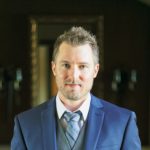
Dr. Thomas Graham, Chiropractor at GENESIS: Centre For Optimal Living

Dr. Thomas was born and raised in a small town in New Hampshire where his hobbies included music, sports, outdoors, boy scouts and more. In his college career, he found his passion was health and the human body, so he studied personal training and biochemistry to create his own major (like sports medicine).

Shortly after he got his bachelor’s degree, Chiropractic became his focus and passion and In 2014 he started Chiropractic College at LIFE University in Marietta Georgia. Since then he’s embarked on a vitalistic journey to learn the true dynamics of a better life and healthier living.

Through school he learned a lot about the brain, nervous system, and positive psychology, which was a perfect combination for his love of health, personal development, and quantum physics (or the new science). He was also involved in many clubs, studied under some of the best doctors internationally, traveled on 3 different missions trips, and was able to communicate with other students from around the world to share the true chiropractic message. In September of 2017, he Graduated from LIFE University, Cum Laude, with his Doctorate of Chiropractic, and since then he’s continued to get his masters in positive psychology, because he realized how truly important our mindset is in the journey of life and healing.

The ONLY thing more important than chiropractic in health, is your mindset to begin with, and now his devotion is leading others towards betterment in all aspects of life! His life experiences and chiropractic have enabled him to help others in a way he never previously conceived possible, so It is his PLEASURE to serve and guide people into the next evolution of their LIFE!

Follow GENESIS on Facebook.
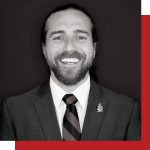
 

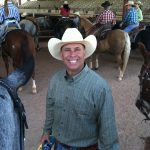
ZachCornerDr. Zach Conner, Life Enhancing Tonal Chiropractor

Dr. Zach Conner is in his last year of chiropractic school at Life University in Marietta, Georgia and plans on opening his first office at the beginning 2023 in the suburbs Detroit.

Ever since 2008, Zach has found a passion for the study of principles – the foundational truths upon which other truths are built. In 2017, he found a way to apply these principles through the philosophy, science, and art of chiropractic.

Zach’s mission is influence positive and lasting change in others through life-enhancing tonal chiropractic care.

Follow Zach on Instagram.

 

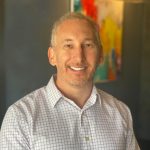
SusanGudaSusan Guda, CEO at Guda Residential Services, LLC

Metro-Atlanta, Georgia is a great place to live and work, which is why she chose to call it home. With roots in Atlanta, Georgia, Susan returned to Metro-Atlanta in 1987. She has spent her entire career helping families and individuals reach their life goals. As a listing agent in residential real estate, she has utilized 3-D tours for her own clients and has seen the benefits of providing virtual tours even prior to the current market change. Real estate is a passion for her, with a background in education and real estate photography and videography, it is easy to see why her clients called her for help buying and selling.

She enjoys being a part of the Atlanta Communities family and she’s passionate about helping clients take the next step in their homeownership journey. She volunteers with The Hope Center, To Write Love on Her Arms, Next Step Ministries, Forever Fed and loves being a part of other Metro-Atlanta community events.

When she is not in the office or volunteering, you’ll often find me pursuing her love of the outdoors, leading hiking and backpacking expeditions, kayaking, and biking. She also enjoys spending time in her community, supporting local artists and small businesses, listening to live music, and enjoying time with friends and family.

Connect with Susan on Facebook, LinkedIn, and Twitter.


This transcript is machine transcribed by Sonix

TRANSCRIPT

Intro: [00:00:07] Broadcasting live from the Business RadioX studios in Woodstock, Georgia. It’s time for Cherokee Business Radio. Now, here’s your host.

Stone Payton: [00:00:23] Welcome to Cherokee Business Radio Stone Payton here with you this morning. And today’s episode is brought to you in part by Alma Coffee. Sustainably grown, veteran, owned and direct trade, which means, of course, from seed to cup, there are no middlemen. Please go check them out at my alma coffee ecom and go visit their Roastery Cafe at 3448 Holly Springs Parkway in Canton. As for Harry or the brains of the outfit, Letitia and tell them that Stone sent you. You guys are in for such a real treat this morning. Please join me in welcoming to the broadcast. First up on today’s edition of Cherokee Business Radio with Genesis Center for Optimal Living. Dr. Thomas Graham. Good morning, sir.

Dr. Thomas Graham: [00:01:10] Good morning. How’s it.

Stone Payton: [00:01:11] Going? It is going well. We’ve been looking forward to this for some weeks now. I’ve really have kind of envisioned us having this conversation for a few reasons that may come to light as as our discussion unfolds. But you and I, I think we initially connected at maybe Woodstock Business Club or YPO, one of these local business organizations that were so fortunate to have here in this community. Am I remembering that right?

Dr. Thomas Graham: [00:01:37] Yeah. I believe I originally met you, the y pow and then later on at Woodstock Business Club. So.

Stone Payton: [00:01:44] So incidentally, why Powell? The why and why Palestinians for young, why they let me participate in that group? I don’t know. But I am so fortunate your heart. That’s I am I am young at heart. All right, Dr. Tom, tell us a little bit about mission purpose. Would your work with your practice? What are you really out there trying to do for folks?

Dr. Thomas Graham: [00:02:08] Well, I’ll start with just my purpose statement. I feel that gives a lot of clarity to what we kind of do in this crazy rock we call Earth. So my purpose is to elevate humanity’s consciousness through personal growth and development, utilizing inspiration, education and opportunity.

Stone Payton: [00:02:26] I feel like you’ve answered that question before, maybe once or twice. That was very articulate, very, very eloquent. All right. So say well.

Dr. Thomas Graham: [00:02:33] So ultimately, my my place on this earth is to try to get people thinking clear, trying to elevate their choices, and then also creating education, hopefully inspire people with things like this radio show and then, of course, create opportunity where someone could go better, their mind better, their life, their health. What’s the next step for you and your evolution ultimately?

Stone Payton: [00:02:56] So let’s do that. Let’s talk about optimal health, because I’m operating under the impression you probably have a very distinct frame of reference definition for that. And maybe in the course of that same discussion, maybe a little bit about, you know, what is disease in your mind?

Dr. Thomas Graham: [00:03:14] Well, it all starts in the the root of the word dis ease. So disease is literally the lack of ease in a body. So chiropractic on a on a I’ll say historic level has looked at health a lot different than, let’s say, many Western medicines. And they look at disease as essentially things that you come across in your surroundings, your environment, things like that that ultimately your brain can’t fully process. And with time that starts to create resistance or the lack of ease in a system or the lack of flow in an energetic system, so that at the at the end of it all, disease is essentially these things. You can’t process finding resistance in your body. And with time, that usually ends up creating dysfunction disease. Yeah.

Stone Payton: [00:04:11] All right. And so optimal health is in your mind the the other end of that continuum or the.

Dr. Thomas Graham: [00:04:17] Exactly. So so health is is very much a spectrum. On one side of health, you have optimal health means that, you know, all the cells in your body are doing their appropriate function, your organs are are giving back. All the cells in the body have right communication flow. And essentially that would be things are regenerating with you at your at your prime. There’s there’s guys even today that, you know, 100 years old are running marathons and wow, what’s possible for one is possible for all. It’s a matter of it’s a matter of the steps you take to actually achieve that and how you can essentially create more ease throughout the system.

Stone Payton: [00:05:00] So in our admittedly pretty cursory conversations, you have mentioned on more than one occasion brain and nervous system. And this is a this is a very important aspect of of your practice. Can you speak more to that?

Dr. Thomas Graham: [00:05:14] Absolutely. So the brain and nervous system is really what I focus on at Genesis as chiropractors. Ultimately, like I said, the body is all energetic. Flow in the brain and nervous system is the key system. It’s also the master control center, kind of like at the computer of the whole body. So if the computer can’t connect to the part, right, the part is going to start malfunctioning.

Stone Payton: [00:05:45] I love these stone level descriptions. I know it’s helpful for me and I think it’s probably helpful for the listeners. Thank you. Yeah. Keep going.

Dr. Thomas Graham: [00:05:51] So if you can’t get full communication to all the cells in the body, essentially that’s what starts the process of disease or dysfunction. So the brain and nervous system, right, all runs through the spinal cord. So those that have seen chiropractors of any sort, generally they’re working with your spine somehow. That’s because 90% of all your nervous system essentially is between your head and your tailbone happens all through that core layer. And when that starts to dysfunction, twist the spine and the body start to twist, distort things like that. The level of communication that goes to those cells goes to your different organs and tissues starts to minimize. And now the cells don’t know how to react to the rest of the body. They’re not getting all the right information right. So if you’ve been on a phone call with someone, you can only hear 50% of the conversation. You try to get to Woodstock, they end up in Alabama.

Stone Payton: [00:06:53] So I think most of us laypeople already understand there’s probably a little bit of a departure from the the art and science of chiropractic versus traditional Western medicine. But I get the sense that there’s a little bit of a departure in, in in your path, your approach to chiropractic than maybe what we might describe as traditional chiropractic. Is that.

Dr. Thomas Graham: [00:07:17] Accurate? I will I will actually correct you slightly.

Stone Payton: [00:07:23] It happens to me all the time. My wife, Holly, does that a lot.

Dr. Thomas Graham: [00:07:25] I am actually what you would consider a traditional chiropractor.

Stone Payton: [00:07:29] Okay.

Dr. Thomas Graham: [00:07:30] Because this is the philosophy that that the profession was truly founded on. Right. It uses principles. We even have something in the chiropractic profession called the 33 principles. Some of them are talking about universal principles. Some of them talk about biologic principles. But when you add all those together, essentially you come up with a very clean framework about how someone can go about their life, starting to make better decisions and starting to up the game. Right. So universal principle number one, there is an intelligence that exists through all of matter universally. So whether it’s in the table, the chair, our bodies in this microphone, the computer, there are some sort of intelligence that holds atoms together, some sort of intelligence that allows stuff to stay operating. I’m not that smart to know what that intelligence is, but I can observe it every day, all the time, right? Oh, yeah. So another one would be time. Principle number six is all processes require time, right? You can see it easily observable principle that you could basically demonstrate over and over and over and over again. Right. So when you when you take that approach using principles as far as how you start facilitating someone’s health journey at the at the end of the day, as long as those principles are true, then, then absolutely you’re going to end up at much higher gains in your life and function so that traditional chiropractic takes that approach. Western medicine has has started to integrate with a lot of chiropractic and.

Stone Payton: [00:09:17] Much more so than in recent than, you know, a decade back. Right. It was not so much back then. Yeah.

Dr. Thomas Graham: [00:09:23] I would say it really it really started in the late seventies and eighties is when when insurance got involved more with the profession, diagnosis, things like that. So a lot of the profession took on more of a Western medical allopathic treatment protocol versus principles of living. Does that make sense? Yeah.

Stone Payton: [00:09:47] Well, so far.

Stone Payton: [00:09:48] I’ve got.

Stone Payton: [00:09:48] Lots of other questions. I mean, there’s just so much I don’t know about so much, but particularly this domain. I’m not going to run out of questions. We’ll just have to have you guys back. All right. We’re going to dove more into that because I really do. It fascinates it fascinates me. And I’m on my own personal health journey right now that, you know, it’s my show. So I’m going to talk about that a little bit, too, in a little while. But you brought somebody with you. Tell us about who you who you brought with you. Man, this team.

Dr. Thomas Graham: [00:10:12] Up, he’s he’s like my brother from another mother. We met later on in chiropractic school. We basically look like twins.

Stone Payton: [00:10:21] Yes, you do. You should start your own cult or something. I don’t know.

Dr. Thomas Graham: [00:10:26] It’s a endeared friend of mine. Fellow fraternity brother in the chiropractic, professional fraternity and doctor, or soon to be Dr. Zack Conner. He’ll be graduating and starting practice in Michigan in December as when his departure from from Georgia happens.

Stone Payton: [00:10:44] But. All right. Well, welcome to the show, Zach.

Dr. Zach Conner: [00:10:47] Thank you. It’s great to be here.

Stone Payton: [00:10:48] Yeah. So you can see it now. The light at the end of the tunnel, you’re going to you’re going to get your credentials and then you’re making a bold move right out of the box here. You’re leaving sunny Georgia and going to Michigan.

Dr. Zach Conner: [00:11:01] Yeah, yeah. My, my better, more beautiful half and her family are up there, and it’s going to be exciting north of Detroit, Macomb County, somewhere in that area.

Stone Payton: [00:11:10] So when and how did you make the decision to pursue this path? Because, I mean, you’re a good looking, strapping, young, healthy guy. You could have been a lot of things, right? You could have been an Army man, bus driver. I’ll explain that to our audience here a little bit.

Dr. Zach Conner: [00:11:29] It’s almost as if you’ve known me for.

Stone Payton: [00:11:30] Exactly.

Dr. Zach Conner: [00:11:31] Yeah. So I was in the Navy for a while and I was going to get out of the Navy because they treated me nice and it went well. But as far as people telling me what to do every day, I was kind of getting sick of that. And I threw this Hail Mary, which is basically I’ll re-enlist if I get this job. And it’s not like I had pool. I didn’t have leverage like that. I just got lucky and I got it. And they call it cake duty and it’s just an intentionally easy job that somebody has to do. And I happen to be that guy. So I had too much free time basically, and just spent my time out in San Diego researching and and exploring, really fell in love with philosophy and ancient Egyptian philosophy and anything that had to do with base principles and stacking of awarenesses and understandings. And then I got out of the Navy and just played for probably way too long and worked in the service industry, got into bartending and met, you know, cool, interesting people like Dr. Tom here and just kept talking philosophy. And one day my my neck was messed up from a fall and it was like, you know, I can crack my own neck. And and I was actually at work bartending and I went to crack my own neck and made it way worse. Ended up going to a local chiropractor, Doctor Bobby Braille. He’s still in Marietta practicing. And he spit the philosophy at me and it hit me, like, deeply, because I’m like, wow, this is an application of these fundamental truths that I’ve been studying for all these years because I wasn’t specifically studying the body, but the fundamental truths are represented in the body. And so it was just this beautiful union. And ever since then, it’s been nothing but a re affirmation. You know, it’s it’s very affirmed. This is where I’m supposed to be.

Stone Payton: [00:13:16] So both of you and I’d like for both of you to speak to this. So you you’ve got your credential. You’re out doing your thing. Dr. Tom. Zach, you got your whole life ahead of you with this. And you both also know you’ve got your business people. So, I mean, that’s a whole nother domain of expertize and angst. And and I don’t know what, but I’ll start with you, Dr. Tom. Tell us a little bit about that, like becoming a business person, things you found exciting, things that didn’t maybe go so well, challenges, rewards. What was that like?

Dr. Thomas Graham: [00:13:51] Well, I’m still learning every day. And I definitely didn’t go to business school for 15 years. Yeah, that was a rude awakening. But but ultimately, it’s, it’s that stepping stone for for helping other people. So even even through the stuff, you know, I don’t absolutely fall in love with doing at the end of the day, it’s become worth it because you get to help more people make good connections, everything like that. But yeah, the business the business side of the business side of things has definitely been a learning curve just because there’s a lot of aspects to it. You’re the you’re wearing all the hats, right, right, right. Right off the bat as well. Of course, you know, starting on a on a student budget, I’ll say don’t have the finances to hire people and stuff like that. So so yeah, it’s been definitely a learning curve but enjoyable.

Stone Payton: [00:14:51] So so far, how does the whole sales and marketing thing work for a guy like you at practice? Like, are you out there shaking the bushes or are you creating really important relationships with other people in that in the health ecosystem? How are you getting the new business?

Dr. Thomas Graham: [00:15:09] So most recently it’s been a lot of business to business connections, honestly doing networking, stuff like that. Besides that though, but I’ll say before I did a whole rebranding. Assess for about a year out of my office and everything like that and was basically just word of mouth. So luckily when you’re good at what you do, people do sing praises, which I’m grateful for. So, so yeah, in that process, it’s just been keeping me floating. And going forward, I’ll say and then now that I’ve actually got rebranded completely and everything, doing a lot more actual personal outreach, doing health talks, education’s definitely one of the the pillars as far as making a sustainable practice, especially especially a model like this, because you’re not looking for the the one time Nick Payne Pop or whatever really it’s showing people that health is a journey and showing them that chiropractic can be part of their brain and neurology piece of that, just like nutrition is, you know, a piece of that as well. Exercise, it’s a piece of that big journey.

Stone Payton: [00:16:22] So are you finding that you’re educating different groups of people like lay people like me who may need and want to be clients of yours, but other practitioners and other domains like are you educating doctors or people who are nutritionists? Are you educating them as well so that you can?

Dr. Thomas Graham: [00:16:42] Yeah, yeah. Yeah. So I’m always, always an advocate for reaching out to other businesses in the health realm because my office brain nervous system. That’s it, right? I can make recommendations of of supplements and stuff like that. But really, that’s not my forte. It’s not what I do in office. So I want people if you want to lose some weight, I have a couple of people I can call up. Oh, I got the person for you. Or if you want to go, get in better shape. Yeah, I got the person from you for you. You need a massage? Yep, I got a person for you. So having that trusted network of people is absolutely part of my business model. Maybe eventually down the road, I’ll get to a place where I can have it all under one roof. But. Right, well.

Stone Payton: [00:17:27] That could be.

Dr. Thomas Graham: [00:17:28] Cool. But right now, I love, love the thought of just taking care of people’s brain nervous system and and love them. Yeah.

Stone Payton: [00:17:35] Yeah. Okay, Zach, you got to get out there and run a business here before too long. Are there some things you’re doing now to to prep for that? Because you don’t want to just land a mission and go, oh, gosh, I got to do something. Right. So you’re doing some stuff now?

Dr. Zach Conner: [00:17:50] Yeah. So right now I’m collecting resources essentially, and I’ve been mentor shopping the whole time I’ve been in school. And so I’ve been finding more and more successful people that are willing to willing to help out. And luckily I’ve got my again, my more beautiful half Fiona Gallagher. Her father, Terrence Gallagher, is a successful businessman who’s opened many chiropractic offices in Michigan, and he’s willing to help us out on the coaching of the business end of things. And so from what I’ve heard, whether it’s an organization that’s you pay a certain amount of money a month or you do a full on franchise, having some type of coaching and mentoring is really where it’s at. And so and I’m going to be pulling from as many resources as I can. So that’s a long way to answer. I’ve got a lot to do.

Dr. Zach Conner: [00:18:42] I’ve done a lot of step one and stepping into step two shortly. So sure. Yeah. Making preparations, you know. Yeah.

Stone Payton: [00:18:50] So let’s shift gears a little bit. I’m going to ask you first, Zac, but could you speak to to some of the misconceptions that a layperson, like, like myself, might have about this whole field of chiropractic or about, you know, wellness in general? Are there are there some patterns that you see over and over? You know, like if you get in a conversation with a lay person, you almost can be assured this topic is going to come up and you’re going to do your best to kind of nudge them in a direction.

Dr. Zach Conner: [00:19:19] Yeah. So Barton gives me an opportunity to practice communicating chiropractic to the layperson. And I’ve actually found and I don’t think Lay is derogatory, just the non chiropractic person. I found that it’s easier to communicate chiropractic to people who have no exposure to chiropractic or minimal exposure to chiropractic than it is to people who feel like they’ve had a lot of exposure to it and then maybe didn’t have a good experience. You know, chiropractic works, it’s just that some chiropractic works better.

Stone Payton: [00:19:54] And.

Dr. Zach Conner: [00:19:55] And so maybe they were at an office that worked but maybe didn’t work enough or they just the communication maybe wasn’t there because sometimes when the healing process kicks in, areas of the body that have dimmed down a little bit because of to prevent further injury, part of that would be maybe even the pain signals have turned down. And so as we go through this healing journey, one of the things that might happen is the pain. Might actually increase their start in a new area that it wasn’t. But as long as we see that it’s changing, that’s how we know the body is adapting. And so the difference there in the communication is the process of healing shows adaptation and the process of disease and sickness shows a pattern. And so even though we may have something new, arise in the initial stages of the healing process, that’s still gauged, and we can tell that you’re on a healing journey. So communication like that, and I know a real common one that comes up when I’m talking to people about it is imagine a guitar, but imagine that the guitar is a self tuning guitar with artificial intelligence and now imagine it gets kind of stuck and then it just needs a little nudge so it can continue its process of auto tuning. And so we are like a third party perspective and we can see areas the bodies have just gotten stuck and they just need a little nudge. You know, humans weren’t made dependent on chiropractors, but we have had a interesting 150 or 200. I mean, we’ve had an interesting time with the Industrial Revolution going into the early 1900s. You know, we’re sitting all the time. We’re stressed out, we’ve got blue lights, we’re on unnaturally flat surfaces. And so the body gets overwhelmed and chiropractors are there to assist the body in doing what it’s already doing. So those are a few of the things that kind of come up in the just regular person conversation.

Stone Payton: [00:21:43] Yeah, so same question for you, Dr. Tom. And are there different? What’s the right word? Techniques, approaches to this business of chiropractic? And if so, can you kind of lay them out for us a little bit?

Dr. Thomas Graham: [00:21:58] Yeah, so? So absolutely. There’s over 350 techniques of chiropractic. Believe it or not.

Stone Payton: [00:22:06] Holy moly.

Dr. Thomas Graham: [00:22:07] But different different techniques use different approaches. End of the day, all chiropractors, whether you’re traditional or or more modernized and everything like that, generally are looking for some sort of increase in neurology and brain function. So you could be taking x rays. So they have just, let’s say specifically x ray based approaches where they’re trying to get your your curves and your spine back to normal. Because there’s a ton of science showing that when people’s curves in their spine are normal, they have less pain symptoms and disease, right? So some versions of chiropractic will just focus on that. Other versions of chiropractic use lots of, let’s say, muscle testing, things like that to try to analyze where the weaknesses are. Other versions of chiropractic are just strictly energy, which is just essentially even being able to visualize someone. You can feel heat readings off of them when there’s dysfunction. There’s also lots of different tools sometimes people use to try to measure the function of the nervous system. Like thermography is even muscle testing, like they have electronic muscle testings where people can figure out what’s going on. So yeah, many different approaches to to ultimately the same goal, get the person’s brain nervous system firing better wiring together. And when that happens, health increases, right?

Stone Payton: [00:23:43] Yeah. And then initially, do you run into some of these same kind of misconceptions Zach was describing and or some others?

Dr. Thomas Graham: [00:23:50] Absolutely. And as he said, it’s actually easier to to communicate with someone that doesn’t have previous previous notions about what chiropractic is. Right. Just because, again, it’s not it’s not necessarily bad thing, but a lot of people are just associate chiropractic. Oh, headache back pain, neck pain. So so when you have some sort of musculoskeletal issue, oh, this is the pain doc. So yeah, trying to deprogram and or reprogram someone to be like, okay, what are you doing when the pain goes away? Because pain is 5% of your whole neurology, so you’re just focusing on 5% or do you want the other 95%? Because function is really where it’s at. It’s not about it’s not about the pain. It’s what the pain is keeping you from doing. You want to go play with your grandkids again or you want to go out and play softball, right? So, so trying to trying to alter someone’s perception so that they can see a bigger picture when you’re dealing with someone that does have preconceived notions of it, that’s the challenge, someone that’s brand new to it. You can you can basically say, hey, this thing, the brain controls the whole body, right? So if we help the brain function better, your whole health is going to be better, right? It’s a little bit more of an organic, easier conversation than someone that’s stuck in, oh, you treat my back pain and headaches.

Stone Payton: [00:25:22] Right, right. Okay. Let’s talk about me for a minute. It’s my favorite topic. So I really am kind of on a health journey for, I’d say, about five weeks. And now the result has been 12 plus pounds lost, close fitting a lot better. You know, I still had that little, little paunch, but nothing like I did. And I didn’t really go in my mind radical. I still enjoy, you know, a bourbon or a scotch, you know, a couple of evenings a week, not as much. I backed off the beer a lot because it seemed to have a real impact on on my gut. I walk a ton and of course I have walked quite a bit since I moved here. But I don’t stop at every beer market, every walk now.

Stone Payton: [00:26:07] For that bit of refreshment. But I think one of the biggest moves that I made, I was having a conversation. She wasn’t on the show, we were just talking. But she came to the studio with Stacy Roby, who’s in the Woodstock Business Club. And she she has some real knowledge and personal experience around this whole idea of of functional medicine and, you know, food as medicine, I guess I would almost say. And so we got to talk. She was so helpful because she put it at stone level for me and she said, you know, you might want to look at not so much process, not so much sugar, you know, and maybe more Whole Foods. And I said, well, help me with that Whole Foods. And she said, if it has a mother or comes out of the ground. So that’s been like my guideline, right? And I’ve been eating a little bit less meat, so I’ve had some success and now I’m feeling momentum. So I’m encouraged, you know, like you get a little bit of of momentum. So I’m thrilled. I feel better. You know, I don’t know if I look any better, but my clothes fit better and I feel better about myself. I feel like I have more energy. My question so I intend to continue on that path and try to learn more. And I’m reading books like on longevity, like The Blue Zone and all this stuff. What, if any, attention should I put toward this domain? Like, I’m not in any pain, but is there is there potentially some value perhaps in visiting with someone in your line of work? I don’t know, just just to kind of do like a baseline assessment or to tune some things up and yeah, anything either of you have to offer in that regard.

Dr. Thomas Graham: [00:27:46] Do you do you feel as healthy as you could be?

Stone Payton: [00:27:49] No, no, no, no. Absolutely. Absolutely not. I feel like I’ve made tremendous progress in five weeks time, but I feel like there’s no I can do ten push ups and I could do five when I started.

Stone Payton: [00:28:03] But no, the short answer your question is no.

Dr. Thomas Graham: [00:28:05] So if you’re not feeling like you’re as healthy as you can be, that’s the brain. It’s the neurology there is in every single piece. So it doesn’t matter whether I have I use five pillars of health in my office. Nervous system brain is pillar number one. Mindset pillar number two. Nutrition. Pillar number three, exercise is pillar number four and then detox and de stresses pillar number five. Right. But the reason brain and neurology becomes number one is because if you’re let’s say your brain isn’t connected to your digestive system, to your intestines and stomach. Right. Is your intestines and stomach going to be taking in all the nutrition it could be? Does it know what nutrition it needs or is there some level of miscommunication? Right. Your muscles doing five pushups to ten pushups. Right. Most most of that, believe it or not, was probably neurology training in the beginning because your your neurology sets all aspects of your life.

Stone Payton: [00:29:13] And day one, it was like, what are you doing?

Stone Payton: [00:29:17] So this is not us.

Dr. Thomas Graham: [00:29:18] Don’t to the point they even have studies again where after an adjustment, athletes will get a ten or 15% increase in their max weight. Huh? Right after an adjustment. Wow. Because the brain is when you can’t lift the weight. That’s because your brain is telling you that you can’t lift it. So if you clear the communication between the muscle and the brain, oh, now we got rid of some of that disease, some of that stress and that muscle, and now we’ve got another ten or 15% more.

Stone Payton: [00:29:48] Okay. So your answer is an enthusiastic yes. If I’m serious about that.

Dr. Thomas Graham: [00:29:51] Every part of your body, it starts at the brain in neurology.

Stone Payton: [00:29:55] Yeah. Okay. All right, Zach, anything to add to that or any personal experience where you’ve kind of seen what he’s describing come to come to life?

Dr. Zach Conner: [00:30:06] Yeah, there’s no ceiling to optimization, so you can always further optimize. So it’s a never ending journey. You know, it becomes this lifelong endeavor to continuously optimize the the nervous system. And that’s why I plan on doing, you know, a monthly. I just want to charge people monthly because I want them to be able to come in as often as they can. And I want to charge a very fair amount, you know, because having a third party perspective look to see if there’s interference in the nervous system and then initiate a process of self. Correction is something I think everybody would benefit from two times a week for the rest of their life. And if they’ve got something dynamic going on maybe three or four times a week, but especially with the low force technique that both Dr. Tom and myself do it, you know, this concept of being over adjusted or causing harm with adjustments, it’s absolutely not possible with the technique that we use. So yeah, I think on your healing journey, Stone, I think you would greatly benefit from regular chiropractic care. And I think Tom being in the region is a great chiropractor.

Stone Payton: [00:31:17] All right. Good option for you.

Stone Payton: [00:31:19] Fantastic. One more question. I’m not going to go too far down this road on air. I may off air. But I got to believe this. The work I’m already doing and complemented with brain and nervous work and the detox stuff that that you talked about on the other end, as I envision it, would certainly have a potentially some real positive impact on libido, love, life, that area of your life, is that accurate?

Dr. Thomas Graham: [00:31:48] Absolutely. So so I kind of put people in different levels depending on on where they’re at. I’ll say energetically, functionally, when your body is in a state of disease. Right. And it gets really bad, you don’t have the energy to get out of bed. Right. You’re so you’re so energetically locked that that even getting out of bed seems like a task, right? Because most of your energy at that point is actually going into defending your body and essentially and trying its best to heal. But ultimately, things are locked, things aren’t flowing. So when you actually start to get rid of some of these inefficient programs that this brain neurology is, we call them patterns in chiropractic. When you start to break some of these inefficient patterns, that frees up energy. Just like if you have 50 programs running on your computer and you take away ten of them, your computer has more energy now. And what you do with that energy is your life. That’s your quality of life. So now you can go out and walk or eventually run or eventually get to 100 push ups. Who knows? So it’s it’s an evolution ultimately. And yes, the energetic body is really what dictates. Are you are you in a form of defense, what I call training or discover, like discovering your body and stuff like that? Or are you more a little bit more energetically efficient where you have somewhere we would be more in transform care is what we call it. So am I to. Offended right now, or do I have energy to play with and start creating my life?

Stone Payton: [00:33:32] So it does make sense. And our next visit is going to be in your studio.

Dr. Thomas Graham: [00:33:36] Perfect.

Stone Payton: [00:33:37] And we don’t have to record it, but I’m looking forward to that. You’ve absolutely sold me, you guys. You got Zac Conner’s endorsement. I don’t know what else it would take to get someone to do something if Zac says to do it. Zac, I’m going to say this and I’m gonna explain to our listeners why it’s okay to say this. I am so excited for you and I am so proud of you. Zac. Incidentally, Zac Connor is my nephew. His father’s name is Rock, by the way. Mine is Stone. His father and I have actually worked together in the same company, and it did create some interesting conversations when people would call that company and ask for rock. Well, Rock’s out to lunch, but Stone here. What can I do to help you? Very dear. Family member. I have watched Zac grow up and I. And he really did it one time in a school play that Holly and I attended suggested that he wanted to be an army man bus driver. He’s he’s since pivoted and is clearly now going to go into this practice. I’m excited for you. I am really proud of you. And I am so I’m so looking forward to to watching your life and your career and your and your and your family unfold. I don’t know what might be appropriate at this juncture, but I would love for people to be able to connect with you who might want to. And so I don’t know if it’s a LinkedIn, an email, whatever, but before we wrap, let’s leave them with some some point of contact for you, please.

Dr. Zach Conner: [00:35:09] Yeah. And I’m still building, you know, what’s going to end up being my brand. And while it’s coming quick, December right now, the only I think the best point to would be Dr. Zac Conner on Instagram. So it’s at D, r, z, a, c, hc0nner and once I finally get a website up and LinkedIn and all that going professionally in the next year, a few months it’ll all be hosted on there.

Stone Payton: [00:35:33] So and when you do that, if you come to town and you’re seeing rock and glory or whatever, we can come back in the studio. But if not, we’ll set up like a virtual interview and kind of do an update. I think that could be we have like a whole series follow. Zac Well, it’s been a delight having you in the studio, man. It’s so good to see you.

Dr. Zach Conner: [00:35:52] Good to see you, too, Tom Stone.

Stone Payton: [00:35:54] All right, Dr. Tom, let’s make sure that it’s that it’s easy for folks to come see you. Or maybe at this point, they just would like to have a brief conversation with you and explore some ideas. Let’s leave them with a nice, easy way to connect with you, man.

Dr. Thomas Graham: [00:36:07] Yeah. So practice name is Genesis Center for Optimal Living. It’s Genesis Optimal Living dot com has my phone number also email if that works for you as best ways to get out.

Stone Payton: [00:36:21] Yeah, fantastic. Well, thank you so much for coming. Thanks for bringing Zach. My pleasure. I really look forward to seeing your practice flourish and I’m quite sincere on both counts. One having you back on the show sometime, I think that would be really interesting. It might even be fun perhaps to have a delighted client join you and or market partner. You know, it strikes me that some of your market partners might be clients too, but it might be fun to kind of explore how you guys work together to, you know, to mutually serve a client. So let’s keep that channel open. And I’m equally sincere. I’m going to come see you because I’m quite serious about this journey and I’ve experienced enough early success that I don’t want to. I don’t want to lose the momentum, man.

Stone Payton: [00:37:09] All right. Hey, guys, can you hang out with us while we visit with our next guest? Absolutely. All right. Okay. Y’all ready for the headliner out there? Please join me in welcoming to the show with Guru Residential Services, Miss Susan Gouda. How are you.

Susan Guda: [00:37:25] Doing? I’m doing fantastic. Thanks, Stone, for having me out. Yeah.

Stone Payton: [00:37:29] So. So what did you learn in that last segment?

Susan Guda: [00:37:32] Oh, my goodness. There were so many, I believe, very strongly in chiropractic, first of all. So that’s it’s fantastic. But there are so many analogies to living just in looking at that that highway, you know, that that spinal cord highway to communication. And in segueing into some of the things that are important to me in real estate, believe it or not, I spent 28 years in in education, actually. And people say, wow, education, real estate, really? Oh, my goodness. There’s so many connections to it. And the same thing when you’re talking about body and then you talk about community and why do we do what we do and what’s the value and optimal living that involves the community as well. So going outside the body is super important. So I love I love the practice of chiropractic and what it does for body and mind. And. And then I’ve been a performance athlete as well. So using that to keep me going, keep my body from breaking on the road has been very beneficial. So thank you for what you do and what you bring.

Stone Payton: [00:38:39] To the table. You’re both welcome, guys. And you know, we don’t charge people to come on the show, but I think I may have to invoice you for that little clip. Nice work.

Stone Payton: [00:38:48] Susan.

Stone Payton: [00:38:49] All right, so. So residential services, what are the services and who are you serving?

Susan Guda: [00:38:55] Wow, all of metro Atlanta. I’ve lived in this area for 33 years now. It’s hard to believe because I grew up moving every two years. So that also impacts what I do now. But in residential services, I do full residential real estate and in listing I do all of the photography, videography, 3D video. And even in this market where, you know, you could basically just set a house for sale, sign out and sell your house to optimize the selling of that house. I do everything I would have done in a buyer’s market for that home and to market it because you want to get the best that you can for your clients. So I think that it’s vitally important to do the same thing, knowing how well that goes and get as many eyes on those properties as possible. So and then once I used to just do the videography for my own listings, but once COVID hit and the fear of actually being able to show properties and getting into people’s homes, it became very apparent that we needed that in the residential community or the real estate community overall. And so I opened it up and Atlanta real estate video services became a side of what I do. And for other realtors, because I know what I want when I market my property. So then I was able to open that up, which also gets my eyes out there and what the market is containing as well. So that’s been helpful on both sides, I bet.

Stone Payton: [00:40:26] So outside looking in your world just looks great. Crazy to me, right?

Susan Guda: [00:40:32] And vise versa inside looking out.

Stone Payton: [00:40:34] It looks a little crazy too.

Stone Payton: [00:40:35] Yeah. So both of my daughters, Zach’s cousins, have recently been engaged. They got engaged over the holiday and they have both. They each now have a home under contract. My youngest and Chattanooga’s got one that’s a little bit more of a fixer upper kind of thing, and they’re all geared for doing that. And, and then my oldest up in Washington DC has, has got one and it’s under contract, but the oldest one in DC, Katie, they must have gone after a dozen homes and not and I mean they were bidding what to me sounds like a ridiculous amount of.

Stone Payton: [00:41:10] Money.

Stone Payton: [00:41:11] And they were bidding like more than the asking price. You had a list price, right?

Susan Guda: [00:41:16] Yeah. Yeah. And that’s very common. And so now it’s it’s been a real transition in these last couple of years and we thought last year was crazy. This year is even more.

Susan Guda: [00:41:30] Yeah, for sure. And what I tell my buyers is, look, you’ve got let’s not look at the list price as the value of the home. Let’s look at that as the marketing price because the way that you’re listing homes is so totally different than what it used to be as well. But the thing is, when you’re looking at buying a home, it’s always about what your goals are. So if your goals are to go in there and flip a home and get a quick profit, you may really want to be careful in the market that we’re in right now, but if your goals are to go in there and hold property, I’d say five, seven years. You’re still in a good place. It’s you know, this all turns it comes out in the wash because like we bought a home last March and it’s already up over 20% in value. And so now that’s not going to necessarily happen year over year. We don’t have a crystal ball to know exactly what.

Stone Payton: [00:42:24] Can you help me pick stocks, too? I mean, sounds like.

Susan Guda: [00:42:30] And you know, and that’s what a lot of a lot of the country has done. I mean, 21% gains over the year have been pretty almost standard in many of the larger markets. And metro Atlanta is one of those markets that, of course, we have Hartsfield International Airport. So we’ve got so many of the global operations of of mega companies in Atlanta. And then, of course, we’ve turned into this entertainment capital as well. And that’s been a huge thing. And so people are coming from all other areas of the country and there’s a lot of other factors as well. But people coming in from all other areas of the country, California, and we are having to say, look, this $400,000 home that you’re looking at here is totally different than the 400,000 home you were looking at in California. You do not have to put up with those things here. You can get more for your money still here. But it’s an equalizing it’s it’s becoming equalized more so and so I don’t see a big. Drift in price is going downward. But I do see a steadying coming because we’ve got interest rates that are changing all of those things. So, I mean, it’s it’s not I don’t see it as a tremendously volatile market. Like, I don’t see it as a bubble. And that’s a pretty broad that’s a popular understanding and by economists and and others in the industry. And but it is. It is an interesting market. I tell you. I feel like I should wear a cape when we get to the offer table, when we get the closing table, not the offer table. Goodness. When we get to the closing table with a buyer, I feel like, oh, we won. And and recently I actually had somebody close on a property under list price with closing costs included.

Stone Payton: [00:44:13] Wow. You do wear a cape. Wow.

Stone Payton: [00:44:17] Hey, let’s do let’s let’s get kind of tactical here for a minute. Let’s let’s let’s share some pro tips, if we could, for to help a buyer compete in this market.

Susan Guda: [00:44:26] Yeah. Yeah. And it really depends. I mean, it’s important to have a realtor who really has a good network of other realtors to get along with. You see it as a competition, but it really isn’t. So it’s really a matter of creating win win for our clients. We are all looking out for our clients and so it’s very important that we have good communication with other realtors. So for my buyer, when I’m with a buyer, I will go to the realtor the first thing I do what is important to your client so we can strategize because it’s not necessarily we need to close an eight days and we need to, you know, have no contingencies offers, you know, for my listings, I put them on a spreadsheet. So I know it’s nice to work both sides of it because I know what we’re looking for and you want somebody who’s motivated, so you want to show that motivation. Now, I don’t get too much into the letters and those sorts of things because fair housing is a big deal and you want to make sure that everything is on the up and up. And I so I, you know, but it is important to show that the client is very motivated personally to own that home because they may you might get an offer, this outrageous offer, maybe non committed sort of investor type offer, which some investor offers are great and some investor offers.

Susan Guda: [00:45:41] They’re just throwing a lot of them out there. You get a lot of them right away and maybe they’re lowball or maybe they’re just really ridiculously high, but you know, they’re not going to stick. So, you know, it’s helping my client to get to the top of the offer pile. I it’s a combination of finding out what’s important, asking the questions to both my client and and the seller of the property and then strategizing with my lender or the lender that they have chosen to use. You know, outside of that, if they have their own already to be able to get appraisals done quickly, to get to close quickly, if that’s the necessity and to be able to use a variety of different lending tactics. So things like Ribbon are out there and that is something where they can come in with a full cash deal and make it look like a full cash deal instead. And so it’s a thruway for people to get their lending. And ribbon is the one that stands up for that and gets the cash for that. There are other avenues where you take somebody who may have a 20% down for their they’ve got the cash put 20% down.

Susan Guda: [00:46:58] Fabulous. Well, if they’re going to have to have an appraisal gap and that’s you know, that’s in this market, that’s an important thing to have in an offer. Then you can write that appraisal gap in comfortably by eating into a little bit of that down payment. But then they can upfront pay their principal their PMI, which is the the first, you know, when you’re below 20% that insurance that you have to have that kind of ups the the monthly payment for a while there but you can upfront pay that if you’ve got that you know then then it’s just one price and then you can go in and say, well, I’ve still got that same monthly mortgage. And people think, Oh, well, this 10,000 is going to cost me so much. But the 10,000 per month over the course of a 30 year mortgage is not much at all. Of course, it depends on the interest rates and all of that. And what I say to people all the time is, look, it’s not your it’s not just the bottom line house price, it’s the bottom line plus interest. And of course, that’s playing a part in people’s ability to buy right now as well.

Stone Payton: [00:48:00] Yeah. So you mentioned how important are the realtors are? Yeah. What about lenders? I guess you have marvelous relationships. Those are critical, right?

Susan Guda: [00:48:09] Absolutely. And really in any area of the market that touches home ownership. So my vendor relationships are very important. Having people that I can you know, people come to me all the time asking me, do you know somebody who does windows or does siding or painting or and I want to be able to give them a good, solid resource so I don’t just throw those names out there. Those are relationships that are I need proof in the pudding before I’ll give a name out. And so the lenders I work with and the closing attorneys I work with, all of those are people that I have worked with and trust to bring to do the best by my client to handle the and to communicate well with them and to get them to the closing. People without as little stress as possible in the buying process. I can’t say without stress at all, but, you know.

Stone Payton: [00:49:03] So you mentioned like letters or that kind of thing. So is whether it’s through a letter or just through conversation that you equipped your realtor to have with the other realtor, do things like, hey, we’re a young family. And like, does that help at all?

Susan Guda: [00:49:19] You know, the thing about that is you got to be very careful. I am very careful. Different realtors do it different ways, but integrity is everything.

Stone Payton: [00:49:28] Right?

Susan Guda: [00:49:29] And I don’t want anybody to ever question why we chose one offer over another based on anything to do with family structure or, you know, fair housing practices. And that’s never that’s never the case. Right. And I don’t want there to be any questions. So generally speaking, when somebody says, hey, I’ve got this cover, this letter from my client, I will not pass it along until after an offer is accepted. I just don’t want the questions about that. And like I said, integrity is extremely important.

Stone Payton: [00:49:59] But being very clear about what the client needs and wants, you’ve got to do that before you can do your job, your job properly.

Susan Guda: [00:50:08] Right. And when I send in a listing, I set up a listing in the Mlss. I put everything in there. So I’ll put in there all the upgrades that have been done to the property. I’ll put in every detail of everything to make the offer as easy as possible. But I also put in the priority list of the seller, and then once the bids have come in, I’ve learned that it’s really important also to communicate back with the realtor, to let their buyer know kind of where they fell. Not directly like this is the number and that is the number. It is. These are the numbers of offers that came in at this point over asking. These are the numbers offers that came in, you know, at different areas and with contingency, without contingency, with appraisal, gap, without, so that they learn to write a better offer. And so because, you know, it’s. In this market. We do have as realtors, we have to combat the thinking that we’re trying to get more out of the commission. And I would rather take a person. To me, it’s not transactional. It’s very much relational. And in in with all of my clients, well, that’s what I that.

Stone Payton: [00:51:16] Relationship that’s what I think I’m learning in this conversation. This world is far more relationship oriented. Relationship dependent, I guess I had it in much more of a transactional frame, but I can see where you’re going to be working with that realtor again. So you’re equipping her to help her client and that even if you don’t end up in that particular deal, there’s three more coming down the pike this year. Right. And you need to have that good, good relationship.

Susan Guda: [00:51:44] Absolutely. Absolutely. And with the realtor and with my clients, I mean, I’m building a referral based business, so that’s imperative. I have tried other means of creating lead generation, but the one that speaks mostly to me are the people who I really that, of course, know and and trust me. Sure. And and that can really help to not just go from A to B, but to do all of the and the turns, twists and turns in the process, getting from A to B.

Stone Payton: [00:52:15] So so referrals. Some would come from people who are buying and selling houses. I’m sure I had a great experience more, I would think maybe from other realtors or lenders.

Susan Guda: [00:52:26] Or sometimes in realtors out of the area, of course, you know, or you know, if they don’t do business on the north side, northwest side of Atlanta that Susan talked to Susan, that’s you know, and I’ve even had realtors go in with their client on the buy side and to one of my listings and say, oh, man, this is going to be fantastic. Susan Good is doing this and this is going to be a great property to look at.

Stone Payton: [00:52:49] Nice.

Susan Guda: [00:52:49] So that’s I mean, that’s what you want. That’s the reputation you want to have out there.

Stone Payton: [00:52:54] And then like lenders do, they like.

Susan Guda: [00:52:56] Others can as well. It’s not why I choose lenders so, but it is, you know, you develop that relationship, you you send people their way. I do preferred lenders a lot of times in my with my listings because I know that they are good solid lenders and the people that are approving are not just they’re pre-approved, not just pre qualified. Right. So.

Stone Payton: [00:53:21] Well, I want to jump to something else in just a moment. But but since you brought up, let’s make that distinction. Okay.

Susan Guda: [00:53:28] Pre pre-approved they’ve gone through several of the the paperwork, you know, the proof of their income.

Stone Payton: [00:53:36] And it’s not like there are radio hosts. They probably have like real jobs, you know, well documented income. Right. Okay.

Stone Payton: [00:53:43] Got it. Yes.

Susan Guda: [00:53:44] But a pre pre qual is hey, this is what I make and they just kind of type it in. They’re not doing a lot of actual having to prove their income or you know, and so you might go out to some online company and just type in a number and you get an automatic response. Yeah, you’re pre-approved for this much, but then you get into it and there’s like, yeah, that’s not real true.

Stone Payton: [00:54:08] All right.

Stone Payton: [00:54:09] So all right. So let’s talk a little bit more about this other work, this video, this photography. You talked a little bit about the the catalyst is what you just saw, the need you knew what you needed and wanted. So is this I mean, are you doing this two, three or four days a week or are you doing an ad hoc? How’s that?

Susan Guda: [00:54:28] Yeah. And I really have developed relationships with realtors again to like to use my services for what I do provide there, because I can provide a full site plan and and floor plan. You know, some some realtors decide that because it’s such a seller’s market, you know, they may not want to go to the full extent there, but I think there’s tremendous value in it. It’s especially when I’m working with my buyers to see to be able to actually walk through, also brings in people from other areas of the country. So I can look at it from a distance. That’s right.

Stone Payton: [00:55:01] Or people who are coming and they can see a video or pictures describe again, like what I might see if I saw some. Susan, good work.

Susan Guda: [00:55:09] Right? Right. Well, what you would see, Atlanta real estate, video services, ATL real estate video services. So you can see some of the samples there. But the the 3D video, it’s like a walk through you. You can look from any side. You can measure walls you can measure, yeah. You can put your furniture in there, you know, basically. And and you can get up close and real personal to like the water heater. How old is that really? You know, if you get the right angles, you can get all of that information as well. So that’s really beneficial because it’s it really, truly is like you’re walking through not like it is. And so it’s very detailed. It’s a Matterport 3D tour. And then the photos, I, you know, I actually have learned to take the photos with the Matterport so that. That and the angles that need to be done so that it’s not strange.

Stone Payton: [00:56:03] And so this is a this is a professional tool or suite of tools that you use to to capture photography and video in a way that’s going to really lend itself to.

Susan Guda: [00:56:12] Light and adjust lighting and all of those things to make sure that it comes, that you can see everything in its clarity and clarity and and it shows the true size of a room as best as possible, trying to get the entire room, as you know. And so, yeah, I mean, I love it. It gives me a creative outlet. Sure. As far as how often I do it, I did it a lot when COVID first hit. And now I have kind of I’m very, very busy with my real estate business. And so it’s flexible like that.

Stone Payton: [00:56:41] Right. You can you can kind of squeeze the balloon. Oh, yeah. If you really need business on that side, you just call up people and say, you know, we were going to buy that house, but your photos suck.

Stone Payton: [00:56:49] So yeah.

Stone Payton: [00:56:51] I just happen to know a certain.

Stone Payton: [00:56:56] Hey, I’m a marketing guy. I got all kind of ideas, you know?

Susan Guda: [00:56:59] Well, you see a lot of houses out there that are under listed just because they think, Oh, it’s a seller’s market, they’ll buy whatever. They won’t really still buy whatever. They still are going to be picky about what they buy and you’re not going to get the top dollar that you could get.

Stone Payton: [00:57:11] So early in the conversation. We touched on a little bit, but I could sense in you a genuine affinity for community.

Susan Guda: [00:57:21] Yeah, thank you for that. Thank you for bringing that into the conversation because that’s my heart. You know, I mentioned that I had been in education. I owned a montessori preschool for 21 years, and I home educated my children for a lot of their schooling as well. Community where we thrive. And there’s been so many changes in the way that we do things and way we choose homes based on the community. It’s because people are not tied into their office so much anymore.

Stone Payton: [00:57:54] So right.

Susan Guda: [00:57:55] They yeah, they are able to choose their homes based on what they love to do and if they can create a community that’s live, work, play something that’s very healthy and health minded. I love this area and where I am in Woodstock in that I can walk. I can walk from my home to Woodstock, down the Woodstock pass and find the noonday creek and you know, and have.

Stone Payton: [00:58:23] A so we’re neighbors. Holly and I bought a little patio home right here on the edge of hips is my first lily pad. When I’m walking to town.

Stone Payton: [00:58:30] I love it, I.

Susan Guda: [00:58:31] Love it, I love it. I love the fact that we can I mean, it really is kind of like I’m going to really age myself, but it’s like cheers, you know? Everybody knows your name.

Stone Payton: [00:58:38] Yeah.

Susan Guda: [00:58:40] But and that’s so important to walk down the street. And I have lived in another community for 30 years and I never felt that sense of, of, of closeness. I mean, there’s so many in the community. Well, if you can create that sense of live, work, play in a community and have enough events and have enough feeling that I used to run a magazine and I’d like to really get that started again.

Stone Payton: [00:59:03] Honestly, you can’t hold down a job.

Susan Guda: [00:59:10] Yeah.

Stone Payton: [00:59:10] So so the magazine, what would be the the concept for that?

Susan Guda: [00:59:14] The concept is and and was and was fully embraced is really highlighting the stories of people. And so there was a lot of diversity enabled there because people that you wouldn’t normally necessarily have a conversation with, we’re telling their stories. And I think that some of that also allowed for differences of views that were able to be embraced because you understand the back story behind it. And if if our boy is, you know, we’re so polarized, it would be really nice to live in a world where we could really not necessarily agree with everybody. That’s not the that’s not the key. But listen, let’s listen to the stories. And how about these people who are making that pebble drop difference? They’re just living their lives. They live their lives giving. That’s who they are. Let’s highlight those people and let’s change the way we think about our world. So if we if we highlight these people and one of the questions I really love, my favorite one was, you know, who’s the most interesting person you have met here and who would you nominate for this magazine? And because immediately they would look up and they would think, oh, I know this person who lives that way and that. And they give me a whole long list of people that live that way. And and then we all leave just feeling like, you know, the angels are singing in the background.

Stone Payton: [01:00:36] The world is lovely and skies are blue.

Susan Guda: [01:00:39] And, you know, and really, I think we are more good than we. We are not. And I think that we need to remember that that we we really do thrive. By understanding the stories of others.

Stone Payton: [01:00:53] Amen. What a delight to have you come and join us this morning. This is. This is marvelous. Thank you so much. Let’s make sure our listeners know how to get in touch with you on all those fronts. With respect to the real estate and the the video and the photography. And maybe if they want to have a conversation with you, help you get this magazine rekindled. So let’s leave them with some points of contact.

Susan Guda: [01:01:19] All right, fantastic. Well, my my email, if I ever forget that, then I’m in big trouble. It’s Susan at Susan Gouda. It’s Suzanne G. Today.com and Susan and Susan Google.com. And then my website is Susan Gouda dot com. So that’s pretty easy for me to remember. And my, my phone number is six, seven, eight, seven, five, four, seven, nine, seven, seven. And yeah, call me any time I, I answer my phone.

Stone Payton: [01:01:47] I answer my.

Stone Payton: [01:01:48] Phone. Well, keep up the good work. We’re going to continue to follow your story. And don’t be a stranger and I’ll have my my eyes up and my ears open when I’m walking around town. I bet I’ll probably notice you more often now. All right. This is Stone Payton for our guest today and everyone here at the Business RadioX family saying we’ll see you next time on Cherokee Business Radio.

Ted Turner With Intelligent Leadership Executive Coaching

March 31, 2022 by Jacob Lapera

TedTurner
Association Leadership Radio
Ted Turner With Intelligent Leadership Executive Coaching
Loading
00:00 /
RSS Feed
Share
Link
Embed

Download file

ilec

TedTurnerTed Turner, Master Certified Executive coach at ILEC. With over 40 years of leadership experience in the Engineering, Construction and Services industries, Ted has successfully managed large, complex projects in 31 states and 17 countries and four continents.

His professional credentials include General Engineering licenses in four states and contractor licenses in 12 states, as well as certifications from the U.S. Army Corps of Engineers, The U.S. Navy Facilities Engineering Command, The Board of Certified Safety Professionals, The American welding society, IMD Lausanne Switzerland and other entities.

He is co-author of the ACCE Decision and Risk Management Professional Study Guide, and his accomplishments have been featured in Popular Science, The San Diego Union Tribune, The Austin Construction News, and other publications.

As a business executive Ted has directed business portfolios exceeding $3.5 Billion USD to profitable, safe, and timely completion. An example of his entrepreneurial acumen is the recent development of a small specialty contractor from $24 Million USD to $140 Million USD in yearly revenue while increasing EBITA from 6.7% to 16.2%.

However, in Ted’s view those accomplishments pale in comparison to the successes in working with executives and others from around the world, bridging differences in culture, education, habit, language, religion, customs, experience, and attitudes to build cohesive teams of people that respect each other’s talents, show patience for their weaknesses, and embrace their mutual success.

Helping individuals and groups unlock their potential and realize successes they never thought possible have by far been the most rewarding experiences in a long and varied career.

Ted is a Master Certified Executive Leadership Coach, focusing on developing leaders, from C-suite occupants to emerging leaders, corporate culture, Diversity and Inclusion efforts, and team alignment.

Connect with Tedd on LinkedIn.

What You’ll Learn In This Episode

  • Member participation – a two-edged sword
  • Recruitment and retention
  • The importance of strong leadership
  • Leveraging shared values
  • Diversity and inclusion

This transcript is machine transcribed by Sonix

TRANSCRIPT

Intro: [00:00:02] Broadcasting live from the Business RadioX studios in Atlanta, Georgia. It’s time for Association Leadership Radio. Now, here’s your host.

Lee Kantor: [00:00:17] Lee Kantor here another episode of Association Leadership Radio, and this is going to be a good one. Today on the show, we have Ted Turner and he is a master certified executive coach and he is here to talk about associations. Welcome, Ted.

Ted Turner: [00:00:33] Thank you Lee, pleasure to be back with you.

Lee Kantor: [00:00:34] Well, before we get too far into things, let’s talk a little bit about your coaching practice. I know you serve leaders in all different facets of business, but your background includes some roles in associations as well. So tell us a little bit about your practice and your background.

Ted Turner: [00:00:55] Well, certainly so my my background has been in construction and engineering for 40 years, large, major projects all around the world. And so as part of that, I’ve been a member of several trade organizations concerning engineering, construction, trade work, those kind of things. I’ve served on a number of committees, both at the local chapter level and at the national level advisory committees, as well as on the political action committees and and workforce development. A number of different experiences working with associations.

Lee Kantor: [00:01:31] So now for those people listening and that maybe aren’t members of associations left yet, why was it important for you to being a practitioner and working in the industry? Why was it important for you to not only join associations but also to take leadership roles?

Ted Turner: [00:01:50] You know, there’s a number of reasons why a person would want to get involved in an association. For me, I got involved at a early stage in my career and really didn’t know what to expect. I was there really to soak up the information at that point to learn from those that had been in the industry longer, to get the latest tidbits of information and research to be able to network and get creative ideas for different problems we were solving. I was very much into the educational part of the associations and all the unique things that they offered. And then as the years went by, I became more and more involved in setting the tone there and taking on assignments and working in an advisory role in different capacity. So my reason changed over time. I realized the power of having a lot of like minded people, whether you’re trying to affect ways to reach out to the community, ways to to fill gaps in workforce, ways to prepare the next generation of workers, whether it’s regulatory issues. There just was a lot of power and a lot of different directions that you could affect your industry, dealing with a well organized and and good sized association. And that’s true for whatever industry you’re in.

Lee Kantor: [00:03:11] So now since you have been on kind of experience in association at a variety of levels, can you share a little bit now using your master certified executive coach lens on what advice would you give the leader of an association in order to serve their members more to maybe increase retention or to recruit more people, maybe a more diverse group of people? What advice would you give those leaders of associations? You know, having kind of been there and done that in a variety of ways?

Ted Turner: [00:03:47] Yeah. You know, I tell you, that’s a very timely question. There’s there’s a fairly new survey out that shows that 45% of associations in the United States are reporting declines in membership renewals. Just last year, that was only 24%. So that’s that’s a huge issue that they’re facing right now. So so there’s the good news, bad news with that with associations. The good news is, is that leadership is agnostic. The traits that make a good leader in an association are much the same in any kind of an organization. They have to be a constant presence. People have to know that they can depend on them and know that they’re steering the ship with some constancy and some competence. They need to be vulnerable enough to listen. And especially in an association, these are all volunteers. None of them have to be there. They all have a level of passion about what they’re doing, at least enough to sign up. For some, it is just the level of passion that they think, Oh, this might be fun going to some of these mixers. For others, they are truly passionate about accomplishing something and they will jump in and they will work. So a leader of an association has got to have a very clear vision, has to communicate it very well to people so that they understand what it is they’re trying to accomplish. That’s even more important when you’ve got an all volunteer army, all these people have day jobs, right? And so motivating them takes some strength and it takes some some inclusivity.

Ted Turner: [00:05:16] It takes opening up your mind and explaining things and listening to the needs of your members. Because when you talk about retention, which what you asked about and getting new members, number one top priority, you’ve got to show your members value if you’re not giving. A value for their time and their money. They’re not going to stick around. Most of them are not in it just for the social aspect. Like I said, there are some. But you’ve got to give them you’ve got to give them value for their money. Are you helping their businesses? Are you helping their personal growth? Are you offering them products and services that will help them grow as business people or as researchers or as educators or as whatever the association is? Are you giving them unique things that they can’t get anywhere else? Are you helping them to leverage the power of that association? Are you fostering networking so that they can work within a group of people that have the same values? They’re just so many things there. If you’ve got some time, Lee, I can give you an example of some recent things we’ve done on this committee to meet the needs of the members. That I think is quite unique.

Lee Kantor: [00:06:21] Yeah. And you’re bringing up DNI diversity, equity and inclusion. That is obviously it’s a hot topic today and maybe it should have been a hot topic way before today. But how let’s bring that into play here a little bit, because a lot of associations, leadership don’t look like the members. And a lot of times if you go to the Web page of the leaders, they all look alike. And and it’s hard for some of them to make the shift to include other people that don’t look like them. So any advice or or counsel in this area is much appreciated.

Ted Turner: [00:07:06] Yeah. And like I said, that’s that’s the committee I’m serving on now. So that’s my focus now. But it all comes down to member value and diversity, equity, inclusion. Like so many things, we don’t make the shift until it either becomes too painful not to or until the lightbulb goes off. So many organizations wait until it’s painful to make the change. It’s smart to be on the front end of it. We just recently made a presentation to a to an association board about why it is monetarily and morally and every other aspect you want to make of it. Imperative to open up your doors and bring in diverse, you know, diverse attitudes, diverse experiences, diverse backgrounds, cultures. Open up those doors to those other ideas that you haven’t accessed in the past. The demographics of this country are changing that if even if you’re a cynical person, you just want to look at it at the bottom line. You’re not going to be able to attract intelligent and capable workers if you don’t start opening up your eyes and recruiting those that are a little bit more diverse. The demographics are just going to put us all in a bind if we don’t. Now, you couple that with the fact that there is some great talent that just has been ignored for a long, long time women and minorities and other marginalized groups.

Ted Turner: [00:08:34] There’s been no good reason to marginalize them. It’s just been our bias that’s done it and not that that’s always nefarious. Sometimes you just do what you’re used to doing. You just lean towards the people you’re used to see. But but there’s a huge wealth of talent out there that needs to be tapped into. And somebody will somebody will tap into that talent. So it’s either going to be your association or your company, or you’re going to be five years down the road thinking, dang, we really should have gotten ahead of this thing because now we’re hurting for people. We’re not able to compete because we don’t have the good ideas, we don’t have the new ideas, we don’t have the fresh perspectives. Just a slew of things. I know Toyota, when they first started making SUVs, they thought they had the perfect plan. And one of the women engineers walked out and said, well, this tailgate doesn’t work for me. I’m probably holding a baby and I’m trying to unload groceries. And this just flat out doesn’t work. None of the other engineers, all male, had ever thought about the practical application of half of their drivers. The female audience.

Lee Kantor: [00:09:33] Yeah, this is one of those things to me where associations really should take the lead. They have to be the role models for the industry. And if they’re not demonstrating this, making this a priority in the association, they’re really doing a disservice to their industry. I think that this is, you know, if their association isn’t doing it, it’s a lot easier for the industry members to say, you know, it must not be that important. But if they see the the associations leaning into this and doing this and behaving and role modeling this behavior, I think you have a lot better chance of getting the members to step up.

Ted Turner: [00:10:13] Yeah. And there has to be outreach. You have to reach out to those folks that traditionally have not been part of your association. And you’re right, if they haven’t been part of your association, then you’re probably not seeing them reflected in the leadership of your association. You’ve got to face the fact that that’s where you are and go out and show them the benefit to them to being a part of your group.

Lee Kantor: [00:10:33] Right. And at first, you might have to be proactive and go out and and kind of knock on some doors that you historically haven’t. And I don’t think it’s fair to say, well, they know where we are. You know.

Ted Turner: [00:10:46] It’s not fair at all.

Lee Kantor: [00:10:48] But a lot of folks take that that perspective where, hey, you know, we’re we’re out there. We’re it’s not like we’re hiding now.

Ted Turner: [00:10:56] You’ve got to be proactive. And as we’ve built the the participation in the women and minority owned businesses, we’ve been able to partner with municipalities and state, county, federal, you know, local port district to build some outreach programs and also to build some educational programs to get some of these newer women and minority owned businesses in those circles where they can network with those that they can do business with to to do some leadership training with them, to do some general business training with them, to give them access to things that an association buying in bulk, so to speak, can provide at a much, much more cost effective price point. Then they can get on their own hooking people up with mentors in their industries. So there’s a lot that you can do to show them that value, and then that value returns to your industry, to your association.

Lee Kantor: [00:11:50] And especially in today’s world where there is kind of a crisis of hiring and finding the right people. I mean, to ignore certain parts of the population seems silly.

Ted Turner: [00:12:01] We’ve especially in construction where my background is, for years we have faced a dearth of qualified people. It’s been really hard to find folks to fill those slots and it’s only going to get worse. You know, we’ve had something like 6.7 million people. If the workforce just 6.7 more than would have left because of COVID just decided to stop working. It’s just going to get worse. We’ve got to tap into those generations that are up and coming. And the greatest area of growth right now is in minorities in this country. So we’re going to come from that’s where the leadership is going to come from.

Lee Kantor: [00:12:37] So what is some baby step? What’s a baby step in association or a member company can take to attract a more diverse kind of base?

Ted Turner: [00:12:49] You know, it’s it’s hard to overcome inertia in anything, isn’t it? You said it earlier. A mindset has to shift. I was talking with a member of the board of this association. He’s an African American man who his first experience with this association was kind of standoffish, admittedly on his side. He didn’t see anybody that looked like him. He didn’t really have confidence that they were serious about integrating. And in talking to him just the other day, he made a comment. He said they’d been trying for years to do something and they finally decided to be serious about it. And that really is what it comes down to. They made the decision, you got to make the decision that this is something we’re committed to. You need to, again, coming back to vulnerability, reach out to those that have done this, that know how this is done. Reach out to the other associations. Reach out to the people who do this as a living within corporations that they have their outreach and the committees and initiatives. Learn the things you don’t know and start making those contacts and be aware that it may take time. You’ve got to build trust with people that you’ve never had a relationship with. We all like to trust the other human being talking to us, but we all have those reservations, no matter what the setting is. You’ve got to make the decision that you put in the time and you will put in the effort. And it really comes down to that. Nothing is going to start until you are dedicated to it.

Lee Kantor: [00:14:17] And and just like any change in an organization, it has a better chance of succeeding if it starts at the top.

Ted Turner: [00:14:26] Oh, yeah. I mean, you talk about initiatives and there’s lots of studies that show that over 70% of any kind of business initiative fails to reach its its stated goals. And that all comes down to leadership. So absolutely, if the leadership the association, the industry association you use, you’ve got a president or CEO or something, but then there’s usually a good sized board behind them. If they as a group and individually don’t buy in, give it the resources, give it the time, give it their personal clout. It’s not going to happen. Or if it does, it’s going to be much more difficult than it has to be.

Lee Kantor: [00:15:02] Well, Ted, thank you so much for sharing your insight today. If somebody wants to get a hold of you, maybe needs help with their association. You’re coaching practice is a great place to start to have these conversations. What is the best way to find you on the internet?

Ted Turner: [00:15:19] On the internet? You can find me at Ted Turner dot intelligent leadership e c that e c stands for executive coaching. So Ted Turner Intelligent Leadership E SI.com.

Lee Kantor: [00:15:33] Good stuff. Well, thank you again for sharing your story. You’re doing important work and we appreciate you.

Ted Turner: [00:15:37] Thank you so much, Leon.

Lee Kantor: [00:15:39] All right. This is Lee Kantor. We’ll see you next time on Association Leadership Radio.

Tagged With: Intelligent Leadership Executive Coaching, Ted Turner

Dr. Allen Pratt With National Rural Education Association

March 31, 2022 by Jacob Lapera

Dr.AllenPratt
Association Leadership Radio
Dr. Allen Pratt With National Rural Education Association
Loading
00:00 /
RSS Feed
Share
Link
Embed

Download file

NationalRuralEducationAssociation

Dr.AllenPrattDr. Allen Pratt is the executive director of the National Rural Education Association.

He has served in this role for five years. The focus of his work is providing a unified voice for rural schools and communities. His work in the past has been in the areas of workforce development, school reform, professional learning communities, and rural education initiatives.

Connect with Dr. Allen on LinkedIn.

What You’ll Learn In This Episode

  • Education and communities in a rural context
  • Teacher shortages,
  • Economics and development
  • Workforce alignment to K12,
  • Regional development.

This transcript is machine transcribed by Sonix

TRANSCRIPT

Intro: [00:00:02] Broadcasting live from the Business RadioX studios in Atlanta, Georgia. It’s time for Association Leadership Radio. Now, here’s your host.

Lee Kantor: [00:00:16] Lee Kantor here, another episode of Association Leadership Radio. And this is going to be a good one. Today on the show, we have Dr. Allen Pratt with the National Rural Education Association. Welcome, Alan.

Dr. Allen Pratt: [00:00:29] Hey, thanks Lee, for having me on today. Excited to discuss our work and share our mission with the folks that are listening.

Lee Kantor: [00:00:38] All right. Well, let’s get right into it. Tell us a little bit about the new V.A. How are you serving, folks?

Dr. Allen Pratt: [00:00:44] Yes. So just a brief history, really. We were founded in 1907 and we’ve been a rural education standalone association since about 87. So we started in with the original Department of Ed back, way back and then part of NEA and then broke off into our current role. We have 46 state affiliates, we have members in all 50 states, and we’re really strive to be the voice of real schools and communities across the country.

Lee Kantor: [00:01:15] And then so what is the kind of the mission? What is the thing that gets you high fiving your peers each and every day, month or quarter or school year?

Dr. Allen Pratt: [00:01:25] You know, I think telling the stories of what’s what is good going on in rural communities and rural schools and how the work and how we’re overcoming many barriers and challenges and and really doing a good job educating children and also helping prepare those students for roles in our community, but also roles outside of the community and really the innovative work that’s going on in helping our country.

Lee Kantor: [00:01:53] So how is it different for an educator in a rural community then an urban community or a suburban community?

Dr. Allen Pratt: [00:02:03] I think it starts with place in context. And I think if you’re teaching in a rural community or rural setting, you kind of feel more involved in that place and setting because it is smaller in most cases. And and you kind of feel a part of that community, part of that family. And I think sometimes in urban areas you’re probably in an area of the city, but it doesn’t mean you’re necessarily a part of that area. And I think rural, you’re the school is a hub of the community and a lot of things kind of factor in far as the school programs and extracurriculars are all really well received and taken in by the community at large.

Lee Kantor: [00:02:42] So in one side they’re probably more immersed in the community, maybe because there’s less things around them and they are kind of the community. They’re more important because there’s fewer. And then but there are challenges to that. The flip side of that coin is maybe there’s less things that you would like to have, maybe there’s less teachers, maybe there’s less opportunity or less, you know, extracurricular things that would be more available in a more maybe population dense environment.

Dr. Allen Pratt: [00:03:14] Yeah. I think I think you can’t go into this conversation without talking about that. There are deficits in certain areas and there definitely class and course offerings that, you know, in the past have been really challenging because the distance from the school, from a suburban or urban location. But one thing we found going through that is that, you know, distance learning and different ways that we are connecting to other areas and allowing opportunities for for students. And we’re also seeing people move to more rural areas because cost of living and also they can work remotely. So we’re seeing a growth in a lot of those areas as well. But you’re right, some of the amenities that you would be used to having in an urban or suburban area, we don’t have as many some of the secondary amenities, you know, coffee shops and, you know, places to get your haircut or places just to kind of hang out. I think those are a little bit different. And I think we look at it from town to town, region and region to region. But a regionalism approach is the key to this, too, to be able to lock those amenities or secondary amenities in and and grow our communities.

Lee Kantor: [00:04:25] So now, as the leader of this association, is there things that you can do that maybe share some best practices that’s happening around the country, maybe create some economies of scale so that everybody can benefit, maybe from a technological improvement or an opportunity that might be difficult for one town to really implement. But if everybody joins forces together, then it becomes affordable.

Dr. Allen Pratt: [00:04:52] Yeah, that’s a good point. You know, two years ago, we started a raising rule theme of kind of raising all things up rural and making those connections instead of being a silo, being more connected. And then one of the things we’ve done at our conference the past two years and coming into this fall, our national conference is looking at all aspects that touch rural communities and that region, holistic approach. And and one of those things that are that we highlighted last year and we’re going to have in October at our fall conference is a researcher, sociologist at Minnesota called Ben. His name is Ben Winchester. And Ben’s really good at bringing those numbers and doing just like you talked about. How do we look at a region holistic approach and what’s working in certain towns that we can, you know, think about out noodle on, so to speak, to usually, and then carry it on to another area. And I think that’s kind of what we’ve been doing at Nicaea, is bringing those folks together at the table and really trying to work this out as we move forward.

Lee Kantor: [00:05:50] So what’s your back story? Had you always been involved in this association and then work your way up to a leadership role? Or is it something that just came? The opportunity arose and then you stepped up. How did that come about?

Dr. Allen Pratt: [00:06:04] You know, I’ve always been in rural education as a teacher or principal, worked in the central office, work for our State Department here in Tennessee, and worked with our state affiliate at Tennessee, Tennessee Rural Education Association, and really started really connecting with the national level about 2010, 2011. And this opportunity came up in 2016. And I thought it was just the time to apply and see if we could work it out so I can be on board.

Lee Kantor: [00:06:31] Now is since the folks that are involved in this are part of these kind of rural ecosystems, wherever they are, spread apart. Is was it difficult to kind of get them to think about, okay, let’s all come together on this and let’s all learn together. Let’s all work together, let’s all, you know, maybe put aside some biases we might have about each other because we’re in different parts of the country. But the the common good here is real and the impact is real if we can all kind of road together.

Dr. Allen Pratt: [00:07:05] Yeah, I think when you look at it from the sense of you’re right and there are regional kind of differences of rural from Northwest into Montana and then Idaho as compared to the southeast or southwest or northeast. One of the things about Nia, it’s kind of like a family and it’s really an arm of extension of that family, a place where rural educators and rural researchers feel like they belong and they’re part of the group. So bringing them together as a collaborative effort was not hard in the sense of bringing them to Nadia. It is difficult when you’re talking about people that are paid as paid members and they’re volunteering a lot of their time to help us out. So we’re appreciative of all all the work that goes on. But building those state affiliates and also building at the national level is top priority. And it’s really you know, we’ve really seen it grow since 2020, a membership growth like never before. So we’re excited about that, that process for us now.

Lee Kantor: [00:08:06] Do you find that that membership growth is kind of an offshoot of this great resignation, that folks are kind of maybe getting back to their roots? They are realizing that I can use technology, I can live wherever I want, so I don’t have to deal with some of the stuff that isn’t appealing to me about an urban or suburb. And I can go back kind of to my roots and to my home and live the lifestyle I’d like and, you know, have these opportunities that maybe this local community won’t be able to give me, but I can still access kind of the the world.

Dr. Allen Pratt: [00:08:36] Yeah, I think that’s a good point. I think you look at positives coming out of COVID. I think people wanted information and we were able to provide information and updates and really keep them connected to what’s going on in D.C., but also at their state level through our state affiliates. I think that really helped us out in the sense of membership growth in that that access to information and updates. And we served on several task force and teams from 24th March 2020 and still today. And I think that’s been a positive for our membership base as well. And then also doing a hybrid conference last year, doing an in-person, in-person and online was a big growth for us and it really helped kind of make the connections even deeper and stronger with our our members and all the states.

Lee Kantor: [00:09:26] So any advice for other leaders of associations out there that are maybe have a membership that is spread out and disparate and how you can bring them together? What are some of the kind of do’s and don’ts that you found leading your organization that maybe they can learn from?

Dr. Allen Pratt: [00:09:46] I think it’s good to have a board that’s really supportive and really has kind of a visionary stance on how we move forward and bringing folks together. I was lucky to inherit a well-run machine from Dr. John Hill, who retired. So that helped. But also, I think going with the the mainstream flow of what your membership base is looking for and what they want from you and staying in our lane, we don’t try to get too much out of the lane. We try to stay involved and be a part of what we’re doing.

Lee Kantor: [00:10:18] So now is there can you share some of your vision of how you would like your tenure as executive director to be like? What are some of the accomplishment that you’re shooting for, the vision that you have of this association?

Dr. Allen Pratt: [00:10:33] I’d like to have a state affiliate in every state. So we cover all 50. That would be one I’d like to leave with the next person coming in. I also would like to really grow our footprint outside our borders. So more of an international membership as well. So grow our 50 state affiliates, but also look at international because we know rural small communities are everywhere and really grow that connection in space.

Lee Kantor: [00:11:02] Now, is there anything you would like to leave for the layperson who isn’t aware? Maybe they aren’t familiar with their rural part of their state where they live and that some things that you’d like to share for them. So they have a deeper understanding and maybe more empathy of what you’re going through and understand the importance of serving this community as well.

Dr. Allen Pratt: [00:11:22] I think don’t just assume that parts of your state, rural, don’t assume they are certain ways, meaning politically or socially or whatever. Actually go visit, spend time, find interesting things around those areas. Go visit. Go check it out. Be curious and don’t be judgmental. Be curious and find out what’s going on.

Lee Kantor: [00:11:45] Yeah, that’s a great lesson for everybody, I think, in this day and time. Is there anything that the folks in these rural communities need more than other things? Like I know I would imagine that there are shortages of teachers. I would imagine that there are shortages of certain materials. Is there anything that we as just listeners that lay people could be doing to help our our community in the rural the rural communities?

Dr. Allen Pratt: [00:12:15] Yeah, I think understanding that the rural areas, rural communities of our country are really, really the backbone of a lot of things that happen in our country. And if they if they’re surviving and excelling, that’s good for our country. And to understand there is a divide, we also we obviously know there’s larger cities and they do have a lot more population and things going on. But but really understand that challenges are there. And even the smallest challenge that you think that an educator in an urban area would think is that’s not a big deal. It’s a big deal in water, rural, rural communities. I mean, teacher shortage is happening everywhere, but it’s a greater impact in rural communities simply because we’re battling distance sometimes, but we’re also battling pay differences that are major in that. And it’s going to you know, we’re trying everything we can to recruit and get folks to come teaching those rural schools and communities. We just we need help. And if you’re in an urban area and you want to try something different, please come out our way. We’d love to have you in the rural areas.

Lee Kantor: [00:13:17] Now, how about the you talked briefly about how important technology has been to help through COVID. Is that one of those things that maybe a person in an urban or suburban area takes for granted that they have WiFi, that they have Internet, that maybe the whole country isn’t benefiting from that level of Internet connectivity, and that maybe there should be more of an investment in the rural communities in this regard.

Dr. Allen Pratt: [00:13:46] Yeah, I think I think we all have Internet issues, but we do have definitely high quality connectivity is not in all areas of our country, obviously. So the more that schools go back and schools are in session, the schools are pretty well adapted. It’s the communities and that can be affordability but also could be just the right or access to that. And we don’t we don’t have the greatest solution in all of our communities. And some of them won’t be a fixed to hardwire solution. Some of it has to be a remote signal from above, so to speak. So there’s a lot of different ways to do it, and we just need the opportunity to allow that to happen in all of our communities. Should be it should be like utilities, should be like power and water. There should be an opportunity for all to have those services.

Lee Kantor: [00:14:36] Now, are you seeing an opportunity for business to partner with education in these communities as well that maybe isn’t being developed as quickly as you would like?

Dr. Allen Pratt: [00:14:47] Yeah, I think the the private business or the workforce industry and partnerships with the rural schools is it’s getting better. And I think it’s always there’s always room for us to to strengthen that bond between the two. And I’ll be honest with you, sometimes the K-12 environment and even the higher ed environment, we don’t make it easy to partner with. Sometimes we have to do a better job of working together to partner and to find out how we can better serve the regional workforce businesses, especially local businesses, and how we can be a better player in our community, so to speak.

Lee Kantor: [00:15:21] Yeah, I would think there’s a tremendous opportunity there to be creative and to work together, especially with these shortages that a lot of folks are having with employees, that if you’re able to partner with an educational institution in your community and kind of grow your own employees and train them while they’re learning and then they have a job after that becomes a win win for everybody.

Dr. Allen Pratt: [00:15:42] Yeah, that’s a major deal. Partner with the Higher Ed Institute is vital for our rural schools and communities, and that can be done locally, but also regionally is a big part of that as well.

Lee Kantor: [00:15:52] So, Dr. Pratt, that sounds like you have a lot of a lot on your plate.

Dr. Allen Pratt: [00:15:58] We’re working hard and, you know, feel free to reach out if you have questions or ways to help or want to inquire about our association. Happy to answer questions.

Lee Kantor: [00:16:08] Well, if somebody wants to learn more, connect with you. What’s the website.

Dr. Allen Pratt: [00:16:13] Now? Dot net.

Lee Kantor: [00:16:16] Andrea dot net. Dr. Alan Pratt, thank you so much for sharing your story today. You’re doing important work and we appreciate you.

Dr. Allen Pratt: [00:16:24] Great. Thanks for having me again.

Lee Kantor: [00:16:25] Appreciate it. All right. This is Lee Kantor. We’ll see you next time on the Association Leadership Radio.

Tagged With: Dr. Allen Pratt, National Rural Education Association

Spark Stories Episode 12

March 30, 2022 by Jacob Lapera

Leslie Marie Moseley
Spark Stories
Spark Stories Episode 12
Loading
00:00 /
RSS Feed
Share
Link
Embed

Download file

Leslie Marie Moseley2

Leslie Marie Moseley is a Real Estate professional serving the Metro Atlanta area, who has fifteen years of Sales and Marketing experience. She is excited about being with eXp Realty, one of the largest independent real estate brokerage firms in the nation. Leslie is Licensed in Georgia and Virginia and specializes in working with First Time Home Buyers, New Construction, and Relocation.

Leslie has been featured as a real estate expert on the HGTV series House Hunters. Her vast professional knowledge has given her the skills to work with a variety of clients. She has a huge referral base including investors across the globe. Leslie is a dependable hard-working agent ready to go that extra mile for you.

This transcript is machine transcribed by Sonix

TRANSCRIPT

Intro: [00:00:02] Welcome to Spark Stories, where entrepreneurs and experts share their brand story and how they found their spark, the spark that started it all.

Dr. Clarissa J. Sparks: [00:00:13] Welcome to Spark Story Live Business Radio brought to you by the Atlanta Business Radio Network. Every week, entrepreneurs and experts share the stories behind the brand who they are, what they do, and why their brands matter. I’m your host, Clarissa Jae Sparks. March is Women’s History Month and we are celebrating celebrating women who own it. In our own series, we dove into the everyday operations of inspiring small business owners in our community. You can listen live on Saturdays or play the rebroadcast at WW dot Business RadioX dot com. Today we’re going to talk about clarifying your message and why it’s so important to be memorable. How to build relationships with customers. Please allow me to introduce one amazing woman entrepreneur who owns it, Lesley Marie Moseley, real estate professionals serving the metro Atlanta area who has 15 years of sales and marketing experience. She’s excited about being with Exp Realty, one of the largest independent real estate brokerage firms in the nation. Lesley is a licensed Georgia and Virginia agent and specializes in working with first time homebuyers, new construction and relocation. Lesley has been featured as a real estate expert on the HGTV series House Hunters. Her professional knowledge has given her the skills to work with a variety of clients. She has a huge referral base, including investors across the globe. Lesley is dependable, hard working agent. Ready to go the extra mile just for you. Lesley. Welcome.

Leslie Marie Moseley: [00:01:56] Thank you. Thank you so much for having me. Clarissa, this is amazing.

Dr. Clarissa J. Sparks: [00:02:01] Yes. We’re excited to have you here today. And we are again celebrating Women’s History Month. Excited to have you on the show to hear about your expertize as a realtor. And I know that you have stepped out and you’ve launched and you’ve taken that leap of faith into entrepreneurship. Why don’t you introduce yourself to the list to our listeners today?

Leslie Marie Moseley: [00:02:25] Hi, everyone. I am Lesley Marie Mosley. I am a licensed realtor and now certified mentor with XP Realty and I am originally from Richmond, Virginia. And I got to Atlanta in 2016 and absolutely love this place.

Dr. Clarissa J. Sparks: [00:02:45] Welcome to.

Leslie Marie Moseley: [00:02:45] Atlanta. Thank you. Absolutely love this place.

Dr. Clarissa J. Sparks: [00:02:52] Very good. So when did you actually start? You said you came here to Atlanta in 2016. And did you start your business then, or how did you start off as a real estate agent?

Leslie Marie Moseley: [00:03:07] Great question. So in 2009, I went to real estate school when I got laid off from my job, and then they called me back and so I went back to work. So I finished the course, went back to work, and then it was pulling on me ever since then, you know, to go back and finish out my real estate. So in 2016 I got licensed and then I had an opportunity to move to Atlanta and I couldn’t take I couldn’t like pass that up. So I got to Atlanta with a job and got my license here because there’s something called reciprocity. So I was able to move my license here to Georgia, and I’ve been here ever since.

Dr. Clarissa J. Sparks: [00:03:53] Very good. Now, I know a lot of. Business owners, they do make that major transition from corporate over into entrepreneurship other than the layoff. How did you. What made you want to take that leap?

Leslie Marie Moseley: [00:04:13] I was always entrepreneurial. Like even as a little girl, I remember my family had, like a church and like this it was the usher building. I don’t remember what the business was, but it was called Usher. And when the business went out of business, we took over the building and they had left all their business stuff. So it was like they had this huge conference room. That’s where we would have church and then it had like these breakout office spaces and I would make all the kids play business with me, all of.

Dr. Clarissa J. Sparks: [00:04:43] Them, my business. So I used to play school, so I was a schoolteacher. Then I moved up into administration and I was the principal and so I totally get it. So you are always playing the CEO?

Leslie Marie Moseley: [00:04:54] I was playing the CEO. I had my business cards. I had all this like they left everything. So I was like in heaven and all the kids worked for me while church was going on. And that was my start into knowing that one day.

Dr. Clarissa J. Sparks: [00:05:07] See, it always starts when we’re really young. So that is that is funny. Again, so you started off as the young CEO CEO.

Leslie Marie Moseley: [00:05:16] And so like most people, a lot of people with real estate. I didn’t start going straight in. I kept my job and I tried to hold on to it and it was just this pulling on me and I’m like, This is not who I am. This is not my purpose. This is not fulfill me. I’m not waking up fulfilled. And during the pandemic, I said, You know what? I can’t do this anymore. We don’t know what’s going to come. We don’t know what’s going to happen. And I cannot imagine being the person who just sits back and lets life happen to me. So I sent an email of resignation and that was it. And I just went straight into real estate and I have not one regret. It’s been amazing. I’ve been to Cabo, I’ve been to Dallas, I’ve been to Puerto Rico, all these different places with my organization in real estate and just learning and growing and just expanding myself. And I can’t see myself looking back.

Dr. Clarissa J. Sparks: [00:06:14] One of the things you just mentioned, and I think that it’s very important when starting out, is knowing your vision and knowing your purpose. Can you expand a little bit on your why?

Leslie Marie Moseley: [00:06:27] Sure. So my why and anything that I do, because they always say you have to have this big Y. And I know we always say because we want to show our children or or whatever the case may be, that’s like the safe answer. But my why is because I honestly cannot imagine being the person in the nursing home living with a life of regret, because I know that my father owns this entire universe, and for me to only penetrate just a little piece of it would be just so almost disrespectful to my Heavenly Father that I don’t take advantage of every single opportunity that He’s given me in this short period of time that I have here.

Dr. Clarissa J. Sparks: [00:07:12] I think, you know, that’s very good statement and that is recognizing opportunity. So as a realtor, what opportunities or what signs do you look for when it is a great opportunity?

Leslie Marie Moseley: [00:07:26] When it comes to real estate signs, I look at when it’s a great opportunity. Is that more so with the client or just the industry as a whole?

Dr. Clarissa J. Sparks: [00:07:38] I guess the industry as a whole. And then we can kind of go into how you build those relationships with clients through opportunity.

Leslie Marie Moseley: [00:07:45] Okay, great. So in the industry, I would say the best opportunities is now in real estate. There’s never a bad time to invest in real estate. I know a lot of people get afraid because of things that happen like in 2009 and things like that. But you’ll also know that that’s where a lot of people gain their wealth when the market crashed. So I feel like when it comes to owning land and when it comes to owning space, you always have to have somewhere to live. 100% of rental payments goes to a landlord. Like, there’s no no questioning that. So we could worry about interest rates going up or it’s one day, 3%, it’s four and a half percent or whatever the case may be. Yeah, but we know what the landlord, it’s always 100% interest rate. It’s never.

Dr. Clarissa J. Sparks: [00:08:37] Yours. So their benefit, right?

Leslie Marie Moseley: [00:08:38] So there’s a benefit to placing your money in the real estate market. So there’s always a good opportunity, in my opinion, to invest in real estate.

Dr. Clarissa J. Sparks: [00:08:47] Now, when I was reading your bio, it said that you help first time homeowners.

Leslie Marie Moseley: [00:08:51] Yes.

Dr. Clarissa J. Sparks: [00:08:52] And what is some advice that would you give? A non homeowner who’s interested but may be a little have some reservation about going into the market.

Leslie Marie Moseley: [00:09:05] Love your family and friends, but trust the professionals. I would definitely say that I have a strong heart for first time homebuyers because when I initially bought, I did not have the best experience. And from that, in my lack of knowledge, it got me to the place where when I work with a first time homebuyer, the educational piece is so important to me. I would definitely say love your family and friends, but they’re going to advise you on when they purchased, which was more than likely over five years ago, over ten years ago, over 15 years ago. And so much has changed. And every single time I’ve had a conversation about first time homebuyers since the start of this pandemic, I think about a client that came to me. He was a young man, new baby on the way, fiancee. I had taken him shopping all over the place. We had gotten at least three homes under contract during the pandemic. And you all know this market has just been bananas. And he turned down each of them and ultimately didn’t buy because he listened to his future mother in law who told him the houses were too high. Don’t buy right now. Just wait. And now he’s come back to me like a year later, once things, he’s like, okay, things are just going up and he no longer qualifies.

Dr. Clarissa J. Sparks: [00:10:24] Oh, no.

Leslie Marie Moseley: [00:10:25] He no longer qualifies. And it breaks my heart because I’m like this young man, you know, he has a child, he has a fiance. He wants to do the right thing, the right thing. Right. And now he can’t, because he listened to the advice of someone who did not know the market.

Dr. Clarissa J. Sparks: [00:10:40] So listeners, you hear that you have to trust the.

Leslie Marie Moseley: [00:10:43] Trust the.

Dr. Clarissa J. Sparks: [00:10:44] Expert. Please, the expert, because you’ll miss out on an opportunity.

Leslie Marie Moseley: [00:10:49] Missed out because guess what? He’d have equity today because housing market has it’s gone up like we’re in a time where it’s just unreal. People are buying a house like two years ago and getting like $50,000, $70,000 from something they.

Dr. Clarissa J. Sparks: [00:11:05] Bought two years ago. Wow.

Leslie Marie Moseley: [00:11:07] So had he bought just that year ago, he’d easily he could have sold it today and made money.

Dr. Clarissa J. Sparks: [00:11:13] All right. So now that he doesn’t qualify, how can he how can you turn that around for him?

Leslie Marie Moseley: [00:11:20] Well, we’re working to turn that around, of course, because I like to be results driven. I’m the resourceful realtor, so I always believe no is not right now it’s not a no. So we’re working on some things on the back end to get him repositioned so he can get back in the game.

Dr. Clarissa J. Sparks: [00:11:37] All right. Help him, Leslie.

Leslie Marie Moseley: [00:11:38] Yeah, definitely. No, is it not right now?

Dr. Clarissa J. Sparks: [00:11:41] All right. And I think you can use that same philosophy just in life. So as you’re looking at other opportunities and as you’re continuing to grow and to help your clients grow. The know or trust the process.

Leslie Marie Moseley: [00:11:58] Trust the process.

Dr. Clarissa J. Sparks: [00:11:59] Trust in perfect timing.

Leslie Marie Moseley: [00:12:01] Absolutely.

Dr. Clarissa J. Sparks: [00:12:02] And those same skills in that mindset can be applied to entrepreneurship. So I’m sure you have to use that a lot in your daily walk. So can you talk about some of maybe the challenges that you’ve had to overcome and say, you know what? I had to trust the process.

Leslie Marie Moseley: [00:12:20] Oh, gosh, that’s probably like a daily part of life because entrepreneurship isn’t easy in real estate. Definitely as a realtor is not easy, like most realtors will fail in their first three years. So every single day I’m having to make sure that I’m training my brain and training myself to know that I have to trust the process. I’m not going to see the road ahead. Like, in that moment, I just have to trust step by step so they can get to that next step.

Dr. Clarissa J. Sparks: [00:12:52] Okay, that’s good. So in trusting the process, you have to have clarity.

Leslie Marie Moseley: [00:12:57] You have to have clarity.

Dr. Clarissa J. Sparks: [00:12:58] You have to have clarity in your messaging. So how do you differentiate yourself from the other realtors within the market?

Leslie Marie Moseley: [00:13:06] The way that I differentiate myself is I stay true to who I am. We are in a time where you almost have to keep up with every single trend you have to keep up with with what’s happening next. You know, it’s one minute you should be on Instagram, next minute you should be on tick tock. One minute you should be gone. Are the days of door knocking or gone are the days of cold call. You should be an influencer. You should be this or that. So I differentiate myself by staying in my lane, doing what’s true to who I am. So that way I’m not compromising and I’m not doing anything that I’m going to regret later.

Dr. Clarissa J. Sparks: [00:13:48] How long did it take you to find your lane?

Leslie Marie Moseley: [00:13:51] Finding your lane is a lifelong job. It’s like you’re constantly trying to say, Oh, I can’t do that. The way that I’m finding my lane, honestly, is I have a branding coach that I recently took on she and I met years ago. We talked about timing, right? About perfect timing. She and I met, I want to say, in 2017 or so. Do I have time to tell? Like a funny story about.

Dr. Clarissa J. Sparks: [00:14:20] We’re listening. We’re ready to laugh.

Leslie Marie Moseley: [00:14:21] Okay. So when I met her, I met her in a mastermind. And I promise you, I’m always in rooms that I feel like I probably don’t even belong. I think I talked to you about that earlier. And I’m in here with business owners of all various fields who are hyper successful. And I remember gravitating towards her, not knowing what she did or who she was, whatever the case may be. And when I broke off her lunch, it was here in Atlanta, of all places. This mastermind just happened to be here in Atlanta. Business owners came from all over. And I had a car and it was like a breakout to go to lunch. And she didn’t have a way. So I said, You can ride with me. So we get to lunch and I learn that she wasn’t necessarily a business owner herself. She was pretty much the brain behind one of the business owners there who had gotten him to this like eight figure business status, but it wasn’t necessarily her. And so fast forward to today. We remain like Instagram friends and things like that. She reached out to me and she told me how she never forgot that day because I was the only person who did not treat her like she was. Help.

Dr. Clarissa J. Sparks: [00:15:35] Oh, Barry. So building relationships is important.

Leslie Marie Moseley: [00:15:38] Building relationships is so important.

Dr. Clarissa J. Sparks: [00:15:40] It’s treating everyone with respect.

Leslie Marie Moseley: [00:15:43] Treating everyone with respect is important. And she said she never forgot that. And from that moment forward, she wanted to help me.

Dr. Clarissa J. Sparks: [00:15:52] So yeah, I get it. So building relationships again that we talked about this a little bit earlier, you are one step away.

Leslie Marie Moseley: [00:16:01] One step away.

Dr. Clarissa J. Sparks: [00:16:02] One introduction away from your next opportunity and or expanding your network. And again, this comes from building relationships. So it is important to speak to everyone in the room, acknowledge everyone you.

Leslie Marie Moseley: [00:16:15] Never.

Dr. Clarissa J. Sparks: [00:16:15] Know because you never know.

Leslie Marie Moseley: [00:16:17] Who’s what you know. And as I mentioned to these people, she may not have been, whatever the case may be. But what’s funny is at that event after lunch, this guy was on stage and he couldn’t talk to certain things, so he had to call her up. Wow. And when he called her up after that, everyone wanted to be friends with her because they realized what she possessed. And I never knew any of this until today. Like, fast forward now a few months ago when she and I started working together and she was like. I never forgot that you talked to me before that moment. And I knew that an opportunity would come where we could work together.

Dr. Clarissa J. Sparks: [00:16:55] Yeah, that’s really good, Leslie. Where, again? Being in rooms that you do deserve to be in. Yeah, and every person that has the expertize or the knowledge is not always the keynote speaker.

Leslie Marie Moseley: [00:17:07] It’s not always the keynote speaker.

Dr. Clarissa J. Sparks: [00:17:09] So you have to be able to recognize that as you continue to go on your journey, entrepreneurial journey, because again, it’s the people who sit to your left, the people who are sitting to your right. Yeah, but sometimes we lose focus because we’re looking to who’s on stage.

Leslie Marie Moseley: [00:17:25] We’re looking to who’s on stage.

Dr. Clarissa J. Sparks: [00:17:27] Yeah. So sometimes you just have to appreciate the space that you’re in and again, embrace every moment.

Leslie Marie Moseley: [00:17:35] Absolutely.

Dr. Clarissa J. Sparks: [00:17:36] And be able to build those relationships as you should always go into any networking situation with the expectation of meeting someone.

Leslie Marie Moseley: [00:17:44] Absolutely.

Dr. Clarissa J. Sparks: [00:17:45] Who can give you your next opportunity.

Leslie Marie Moseley: [00:17:47] And all it takes is one, just one. You don’t have to try to work every single person in the room. Just make it a goal to make 2 to 3 key, you know, relationships when you go places and develop from there. Right.

Dr. Clarissa J. Sparks: [00:18:00] And because of your energy, you make yourself memorable.

Leslie Marie Moseley: [00:18:03] Memorable. And and that was just being myself. Right. You have to be authentic to who you are.

Dr. Clarissa J. Sparks: [00:18:09] Yeah. And I think that is a key takeaway in this conversation is of course, being memorable and building relationships. And that’s what it’s all about. And I know that, gosh, if I had to put it on a priority list, building a relationship as a realtor has to be number one. It has to be because you use referrals. To its business model or referral business model to get your next opportunity or your next.

Leslie Marie Moseley: [00:18:35] Base business, you absolutely have to be memorable. And something that realtors have to remember is we do a lot of focusing on marketing to new clients, but really it’s those existing relationships that are really going to be the key to getting ahead, investing in the people that already, you know, did the sale with you. Most recently, I had a client that we closed on a home, and before we even closed, she was referring a friend of hers out in California to me who I was able to assist her with over there because I am with an international brokerage, so I’m able to help anywhere in the US. I like to be recognized as a global realtor because I have partners everywhere. So from that one client, I’ve now had two sales in a matter of what, a month just with that one person. So focus on relationships with your clients and not making it transactional.

Dr. Clarissa J. Sparks: [00:19:33] Absolutely. So what has worked best for gaining traction?

Leslie Marie Moseley: [00:19:38] What’s worked best for me with gaining traction is consistency, being consistently present, constantly touching those people that are like my key people. Like, for instance, the story I just told with the client that I recently connected with staying top of mind and. I have a way with my clients of making them feel like I’m their homegirl. Like I’m their friend. You know what I mean? And I think from them feeling like we’re friends and there’s that connection. It creates this loyalty to where I have to stick with her. You know, and they’ll text me, like, random things that don’t even have anything to do with real estate, because we’ve built that level of a rapport.

Dr. Clarissa J. Sparks: [00:20:28] Very good. Very good. So in building rapport and gaining traction, what has been your biggest aha moment?

Leslie Marie Moseley: [00:20:38] My biggest Aha moment is honestly that real estate is ministry for me.

Dr. Clarissa J. Sparks: [00:20:45] Wow.

Leslie Marie Moseley: [00:20:46] Yeah. It’s not about the houses. It’s really about the people. Because I’m touching them beyond the house. Like, I’m having, like, intimate moments where it’s something that I say or something that I bring to them that’s sparking something else in their lives.

Dr. Clarissa J. Sparks: [00:21:10] I like that. You see how she sparked?

Leslie Marie Moseley: [00:21:13] I didn’t even try to do that. It worked.

Dr. Clarissa J. Sparks: [00:21:17] And it worked really well. Yes, it did. You know, I think you talked about earlier being a lifelong learner.

Leslie Marie Moseley: [00:21:25] Mm hmm.

Dr. Clarissa J. Sparks: [00:21:26] Are there any books or podcasts that you read or that you would recommend to someone who’s just starting out or need an extra push?

Leslie Marie Moseley: [00:21:38] Oh, gosh, I love books. I can never remember the names of them, but I love books when I tell you I have so many books. I would say definitely the miracle morning, the four hour work week. Oh, gosh, there’s so many good ones. Anything by John Maxwell is a John C Maxwell thought leadership.

Dr. Clarissa J. Sparks: [00:22:02] Yeah.

Leslie Marie Moseley: [00:22:03] Anything from him. Oh, gosh. There’s so many.

Dr. Clarissa J. Sparks: [00:22:07] Yeah. I think, like I said, being that lifelong learner and just constantly placing your self in a position to gain more knowledge, it will always help you to be a stronger expert within your industry. It’s going to help you. It’s going to keep you abreast of what’s going on out there. It’s going to keep you fresh. It’s going to help you to build stronger relationships.

Leslie Marie Moseley: [00:22:30] Thinking, grow rich, thinking. Oh, my absolute favorite. If you read absolutely nothing else in this world, the four agreements.

Dr. Clarissa J. Sparks: [00:22:39] The four agreement, the.

Leslie Marie Moseley: [00:22:40] Four, if you read nothing else, read the four agreements.

Dr. Clarissa J. Sparks: [00:22:43] Okay. I have to check it out. You’re going to have to probably use Google now to figure who’s the author of that short one.

Leslie Marie Moseley: [00:22:49] I can’t remember the author, but the four agreements, it’s it’s a practical living book. And when you read that, it pretty much teaches you how to take absolutely nothing personal and to really understand why people do the things they do.

Dr. Clarissa J. Sparks: [00:23:06] Let’s talk about that. Not taking things personal. And when you don’t take it personal, how does that impact your relationships?

Leslie Marie Moseley: [00:23:16] When you don’t take anything personal, it it only strengthens the relationship because you understand a lot when people speak, it’s usually out of a place of their experience, their hurt, their trauma or their happiness or however they’re feeling it more so than it has anything to do with you. It’s just sort of like a mirror, a reflection of whatever they’re feeling about themselves. And that’s what that book, you know, kind of teaches you. But when you operate from that place, it only deepens the relationship because walls can come down because your response is it’s not going to be based on it’s not going to be based on how they feel because, you know, that has nothing to do with you. Your responses are going to be genuine to what you know.

Dr. Clarissa J. Sparks: [00:23:59] Absolutely. Yeah. The Four Agreements. It is a practical guide to personal freedom and on your entrepreneurial journey, I think that freedom and finding that path really directs your steps. Do would you find that to be true?

Leslie Marie Moseley: [00:24:17] I do. And I feel like freedom is a mindset. I feel like right now we’re in such a world where entrepreneurship is pushed heavily and almost an unrealistic way. You know, everyone sold. You could do this and you’ll become a millionaire tomorrow. No, that’s that’s not how life works. That’s not how entrepreneurship work. There’s a lot of sacrifices, however. It’s it’s possible. But you always have to have hope. You always have to have hope. And you always have to know that your journey is yours.

Dr. Clarissa J. Sparks: [00:24:51] If you care to share. What has been your biggest sacrifice?

Leslie Marie Moseley: [00:24:56] My biggest sacrifice. So, gosh, which one? My. Biggest sacrifice. Hmm. Is having to relocate me and my me and my daughter like our lives. We relocated. I feel like that was a sacrifice because she doesn’t get to necessarily be raised around family every day. Like we get to go back a lot, which is nice, but she doesn’t get that every day. You know how you could just go to grandma’s house on the weekends or you could just, you know, go and hang out with cousins and things like that. She doesn’t have that. So that’s a big level of sacrifice. However, I know in my heart of hearts the sacrifice is going to be worth it for where our lives are headed. All right.

Dr. Clarissa J. Sparks: [00:25:54] And that’s that that we talked about that a little earlier about. Taking the next steps, those leaps of faith, because you know that the picture or the vision is.

Leslie Marie Moseley: [00:26:05] Bigger, it’s bigger.

Dr. Clarissa J. Sparks: [00:26:07] It’s bigger.

Leslie Marie Moseley: [00:26:07] Like the vision is for her kids, kids, you know. So those are the sacrifices we’re making today. It’s only to make sure that our legacy lives on.

Dr. Clarissa J. Sparks: [00:26:20] Legacy is so important. I think that’s probably a part of the entrepreneurial mix. Knowing that you’re going to leave something behind for the next generation to come. Yes. So I think that’s a value that differentiates you in the market as well as. Having that common interest with your customers to build that strong relationship. So just really that that freedom that we talked about, the freedom and the sacrifice, the freedom and legacy building the the freedom of generational wealth, the freedom in personal development, the freedom and leadership development, the freedom and just knowing who you are, what you do, and why it matters. I think that it’s so important for us to really to learn that mindset and so that you can, again, have a clarify, a clarifying message so that you can. I guess overall just build. For the next generation.

Leslie Marie Moseley: [00:27:34] Absolutely.

Dr. Clarissa J. Sparks: [00:27:34] It’s so important. You know, here at within my organization, she sparks, like I said, we try to do everything to support women entrepreneurs. So my question to you is, how can we support you?

Leslie Marie Moseley: [00:27:47] Oh, wow. Support me by sending all of your referrals. If you know anyone who’s in the market to buy, sell, invest in real estate, please be sure to contact me. I’m on social media. I’m here in Georgia at Leslie, at my realtor, Leslie Marie, on all of the social platforms, you can reach me and please support me in that way and drop a message. Say hello.

Dr. Clarissa J. Sparks: [00:28:18] Say hello to Miss Leslie. Like I said, we can find her on Facebook, Instagram, LinkedIn, all of the social media outlets and channels. And like you said, we can support by tagging. Yes, we can support by referrals. All of the ways, again, that we can help her to thrive. And we’re going to do our best and we need your support in doing so. So, Leslie, I really want to thank you for sharing who you are, what you do, and why it matters and being such a pillar in our community as a businesswoman. And we just love we love your story.

Leslie Marie Moseley: [00:28:56] Thank you. Love your.

Dr. Clarissa J. Sparks: [00:28:57] Story. And we just want to thank our listeners. And again, just please for support women entrepreneurs and any women small business and express your support, join their local or like share or whatever you need to do to help push their vision forward. All right. So I want everyone to create a great day again. Leslie, thank you for your expertize and we’ll talk to you soon.

Leslie Marie Moseley: [00:29:24] Thank you so much for having me. I appreciate this opportunity.

Dr. Clarissa J. Sparks: [00:29:27] No problem.

Speaker1: [00:29:30] Thank you for listening to Spark Stories. If you’re looking for more help in gaining focus, come check out our website where you can find episode show notes, browse our archives and access free resources like worksheets, trainings, events and more. It’s all at WW she.

About Your Host

sparkstories2022

Dr. Clarissa J. Sparks is a personal brand strategist, trainer, mentor, and investor for women entrepreneurs. She is the founder of She Sparks, a brand strategy design consultancy.

Using her ten-plus years of branding & marketing experience, Dr. Sparks has supported over 4,000 women entrepreneurs in gaining clarity on who they are, what they do, and how they can brand, market, and grow their businesses. Using her Brand Thinking™ Blueprint & Action Plan she gives entrepreneurs the resources and support they need to become the go-to expert in their industry.

Follow Dr. Clarissa Sparks on LinkedIn, Twitter, Instagram and Facebook.

Tagged With: Leslie Marie Moseley

Michael Eastwood (Cowboy Mike) With Pony 4 Precious

March 30, 2022 by Jacob Lapera

Pony4Precious
High Velocity Radio
Michael Eastwood (Cowboy Mike) With Pony 4 Precious
Loading
00:00 /
RSS Feed
Share
Link
Embed

Download file

MichaelEastwoodMichael Eastwood is an Author, Professional Speaker, Companies Board of Directors, and a C Level Executive poised to apply vast business ceo-storiesacumen, drive revenue & brand advancement domestically & internationally in Multi-State Equipment Dealerships, Manufacturing Companies, Retail Day – Med Spas, Non-Profits I Executive Sales & Marketing Coach, Real Estate Company, CEO of a Chamber of Commerce.

He is a trusted, long-term leader to drive and support your organization for consistent, continued future growth and success. His passion is to help a business grow and change all employees’ lives. Michael became a published author in 2020. He is passionate about guest speaking and helping leaders become more successful. Michael’s Goal is to visit hospitals and donate books to children in the hospitals.

Michael’s first book was developed based on businesses that failed over time when the children become the CEO of the family business. Michael’s second book is about a pony named Winston and the education of owning a pony in The Day in the Life of Cowboy Mike and Winston. Michale’s third book is A Day at Blue Mountain Ranch with Cowboy Mike and Winston. Michael developed a 501 C 3 charity to help children receive free scholarships. For these books that are sold on Amazon, 100% of All proceeds are donated to the charity Pony 4 Precious.

Michael Eastwood is a seasoned executive with 25 years of experience, his key area of expertise is turn around a business where he will design new, more powerful, and profitable strategies for large or small business, organizations & Non Profits (annual revenues of $2 Million – Quarter Billion) his passion is to increase sales, expand market share, and grow revenues, refine the process and develop the manager and staff to achieve the company goals.

Michael has worked with companies, signed contracts or has developed purchasing contracts over his management career partnering with John Deere, LinkedIn, Facebook, Kaiser Hospital, Google, Cisco, EA Sports, Apple, ESPN, Arnold Palmer Golf Management, Gary Player Management, Marriott- Hilton Hotels, LA Angels, LA Dodgers, Oakland A’s, Oakland Raiders, American Golf, SF 49ers, City of San Francisco, City of LA, City of Anaheim, and many others cities across the country. Michael over the years has supported over 50 PGA events, including Pebble Beach golf courses and Augusta National, TPC, and many more.

Connect with LinkedIn and follow Pony 4 Precious on Facebook and Twitter.

What You’ll Learn In This Episode

  • Why was Pony 4 Precious charity developed
  • How can people look into your Pony 4 Precious charity
  • Who is Michael Eastwood (Cowboy Mike)
  • Pony 4 Precious’s mission
  • The charities teen Ranch idea in Prescott
  • How can people support this charity

This transcript is machine transcribed by Sonix

TRANSCRIPT

Intro: [00:00:04] Broadcasting live from the Business RadioX studios in Atlanta, Georgia. It’s time for high velocity radio.

Lee Kantor: [00:00:13] Lee Kantor here, another episode of High Velocity Radio, and this is going to be a good one. Today on the show, we have Michael Eastwood, that’s Cowboy Mike, and he is with Pony 4 Precious. Welcome, Cowboy Mike.

Michael Eastwood: [00:00:28] Hey, how are you doing? Thank you very much for having me on the show.

Lee Kantor: [00:00:31] Well, I’m excited to learn what you’re up to. Tell us a little bit about Pony for Precious. How are you serving folks?

Michael Eastwood: [00:00:36] Sure. So Pony for Precious was developed. Really? So I was doing a consulting job in San Francisco for a company that was supporting the Super Bowl. And I brought up I did a marketing meeting with some Google and Salesforce executives and things like this, and they said, hey, this idea, you know, they always talk about, oh, hey, purchase a star or whatever. And I said, I got this pony I rescued. And I’m thinking about developing a program of, hey, you could purchase a share of the pony, and I’d give all this money to charity. And so that we can kind of came by was on a Friday and my marketing VP was Monday morning, says, Mike, I got to talk to you. You got to develop this program. And I said, Why is that? And he says, Why is that my daughter’s soccer game? And she’s not real very good and she doesn’t play a lot. And they had a tie. So I’m not a big soccer guy, so they actually do a kickoff and they came down where she’s the last one and he’s sitting in the sidelines. Of course, he lives in San Francisco on a high rise and he yells out his daughter’s name. He says, If you make this, daddy will buy you a pony. And she kicks the goal and she comes running off the field and says, Dad, when do I get my pony? So he looked at me Monday morning, says, We got to come up with something for you. So that’s kind of how it started. And then we opened it up as a 501 C three charity in 2017. And again, that’s where it’s kind of come it started from on the whole deal is I had a pony that I had rescued and we originally we were going to just sell these adoption shares on the website.

Lee Kantor: [00:02:04] And then the pony would just go about its life. And then a bunch of folks would be, you know, part owner of this pony, right?

Michael Eastwood: [00:02:11] It was it was one of those ones where the money, you know, they donate the money and they could say, hey, daddy, please buy me a pony. And the dad says, Yeah, I bought.

Lee Kantor: [00:02:18] It right here. Here’s a picture.

Michael Eastwood: [00:02:20] Yeah. So they get a picture and a certificate and a letter from Cowboy Mike and Winston. And of course we have a full blown website and everything, but that’s where it started at. But then from there, we’ve really involved the charity into being a true charity to have giving back to children and students.

Lee Kantor: [00:02:39] So then how how did you make that pivot? It’s one thing to have a clever idea that sounds like it would get some traction and be, you know, be a good tool to raise money. But then how did you kind of vet the different partners and then find the right charity that was the right fit for this.

Michael Eastwood: [00:02:56] Right. Well, and that’s where Pony for Precious. So we opened it up instead of ever open it as a business, we opened it as a charity and we got certified as a 501 C three. And one of the things that people want to find out about us is there’s a company called GuideStar that watches all the charities. And, you know, and if you want to, you have to put your information in to get ranked. And for five years in a row, we’ve been ranked a platinum level. So it’s the highest rating you can get. So this is a very legit charity. There’s only 1% of the charities in the United States that ever hits this level. And and it’s about putting in from your strategic plan to your board members to work your panels. The whole information is all based, and it probably takes four or 5 hours to load all this stuff up in there to hit that level every year. So so they closely watch us and modernize, but that’s kind of where it started was, hey, we want to be a charity. That’s that’s true. That’s out there were 100% volunteer board and nobody takes a paycheck. Every dollar that goes in, the money goes back out.

Lee Kantor: [00:03:56] And then how do you choose who to give the money to and the resources?

Michael Eastwood: [00:04:01] Right. So on our website, we actually have a scholarship page and students can go in and they can click on the scholarship page and then they can fill out the form. Takes about 30 seconds. Read the details in there and they can push the button and that’s on HONY for precious dot org and four is the number four for atoning for precious. And and then our board looks at the scholarships, how much we raise that year and how much we’ll give away. We’ve already awarded a scholarship this year to a student going to Yavapai College out in Prescott, Arizona, doing nursing school. We have another one that we have probably a few more that we’ll do in April because April 4th are cut off for the high schools and then anybody can apply. And one of the things that we have out there is Google actually gives us free AdWords that we can push this thing out. So we get a lot of emails. Really, the funny part is, is getting the person to fill out the form because we won’t take your application without filling out the form.

Lee Kantor: [00:05:00] And then there’s books also as part of the charity.

Michael Eastwood: [00:05:03] Yeah. So then one of the things that Cowboy Mike did is he came up with his first book and it was called A Day in the Life of Cowboy Mike and Winston. And it’s really how much work it is, say, to take care of a pony. And that’s what the first book was published it on Amazon. People loved it. We had some great success. So I’ve published two more and the second book is A Day at Blue Mountain Ranch with Cowboy Mike and Winston. And then the third one is Dr. Julie is it’s Cowboy Mike and Winston. And we actually have a fourth one in the design stage that’ll be Cowboy Mike and Winston attending Cowboy Church. And these books are really for probably 1 to 4 year olds, you know, type of deal. It’s more about the drawings and the words, but we try to keep it educational, fun, learning everything, learning about a pony and things that cowboy Mike and Winston do on a daily basis.

Lee Kantor: [00:05:57] So is there just one horse? There’s just one pony, or is this something that now you’ve got a whole bunch of ponies because people are adopting a whole bunch of ponies? Or is everybody adopting Winston over and over again?

Michael Eastwood: [00:06:09] Yeah, it’s it’s Winston’s the one. Like I said, we don’t keep any money. The money goes towards the scholarships and things like that. So Winston’s the pony. We do have two other horses, Blue and Mr. Bones, and then they all live at Blue Mountain Ranch. That’s truly a ranch in Prescott, Arizona. And in our long term goal, eventually would maybe be in a full blown horse rescue. But again, that takes more money, more land fencing, corrals, everything else. So right now we really spend our time on, like I said, awarding scholarships. And then the other thing Cowboy Mike does is he will tend events and give free books to children. So one of the events that’s on the schedule this year is July 9th at the Arizona Wranglers is arena football, and we’ll bring probably 150 books, autograph them and we donate them, like I said. And then they’re all donated by the charity and we just give them to the children to show up to the games.

Lee Kantor: [00:07:04] And then can people come and actually see Winston and the other horses?

Michael Eastwood: [00:07:10] Well, there is a program in there if you want to sponsor and come. I mean it. Guess if somebody wanted to contact us. Yeah. We would let them come out to the ranch and see us, but they would have to contact to do that, not just show up.

Lee Kantor: [00:07:22] Now on the website, there’s you got some testimonials from a couple of the Harry Potter folks. How did you pull that off?

Michael Eastwood: [00:07:30] So I, I got a website guy that it’s a marketing people that push stuff. So I don’t remember off that one how they got that one. So I apologize.

Lee Kantor: [00:07:41] Now talk about your back story. You know, obviously this is something you do, but you have a day job. Can you talk a little bit about that?

Michael Eastwood: [00:07:49] Yes. So I own a company called West USA Realty at Prescott. We’re a brokerage out in Prescott, Arizona, the tri valley, what we call it up here. And we have 85 agents that work for us. And so that’s kind of my you know, is what I do. I mean, I’m actually a seasoned veteran and I ran companies for over 30 years. I actually have a book published called CEO Stories and it’s children employed by Owners. That was my first book and it was a business book. But we take a percentage of our profits and we donate it to the charity every year. And then we have some local companies that work with us that’s starting to sponsor. We’re not heavily out knocking on doors and asking for money or a lot of the charities. We’ve more been organic and if people hear and they say, Hey, we want to help, and then we let them know about the program and everything we do. I mean, our ultimate goal is we’d love to raise $100,000 a year and give $100,000 a year scholarships out and free books. And I mean, just that’s our process of what we do.

Lee Kantor: [00:08:51] Now, any advice for other entrepreneurs that are listening that may be on the back of their mind? They’ve thought, you know, that would be nice to, you know, start a charity or some philanthropy in this manner. Can you talk about how hard or easy it is to get, you know, a charity going and how it can really help you as a person grow and maybe even your business?

Michael Eastwood: [00:09:12] Sure. So, I mean, that’s one of my passions is to give back on. And I was actually fortunate enough to work for a company in Indiana years ago called Wood Mizer. And that was one of the things that the owners was a big Christian company and they would give back and they would support missions and we’d do about $1,000,000 a year. So they’re the ones that kind of drove me into saying, Yeah, you’re right, you make a good income. How do you give back? How do you how do you change lives? I mean, one of our companies is called Below Soul Link. And where we change business, we grow, we change lives. And it’s about if we can help the owners learn to make more money, their employees make more money and everybody’s lives change. So it’s that willingness now to open one was one task, but then it’s just really getting involved. So I’ll give you an example. I used to be a CEO of a Chamber of Commerce for a while, and I had 192 charities just in this one chamber in Arizona, and there’s probably 100 chambers out there. So, you know, you always you know, how much money are you battling for and everything else and where it come.

Michael Eastwood: [00:10:14] And that’s why, like for us, you know, I took my business and said, hey, it’s this is what it’s about and what we can do and drive our own sales and then give the profits to give some back to the people. So it’s a challenge, but it’s worthwhile and it gets what gets me up every day. I mean, I carry books with me in my truck and I’ll be at the grocery store and I’ll see a little kid walking down the, you know, back to the car with their parents. And I’ll grab a book and I’ll say, Hey, my name is Cowboy Mike. I’m a local author. Would it be okay if I gave you an autograph book? I said, I don’t want to step on toes 99%. They’re going, Oh yeah. Once in a while the mom will say, Can I look at it first? And then they thank me. And it’s just that smile of that children’s face is what drives me to the next day and, you know, making everything better.

Lee Kantor: [00:10:59] And it’s so important for business owners to, I think, have that same mindset of giving back and paying it forward and and doing work that matters, you know, because a lot of the times people get in a rut, sometimes they get burnt out and they kind of lose focus of the why they got in the business to begin with. But to always have this type of an entity around you and always be looking for opportunities to help others, I think that keeps you energized and keeps you moving forward.

Michael Eastwood: [00:11:28] Right. And one of the things for us up here is we have a big teen population up here. When I say big of of that, live with their grandparents right there in and they’re looking for mentoring and everything else. And my daughter is actually the president and has like 20 teens that she works with on a weekly basis of what it is and things like that of helping them and to cope and and how to change. And that’s where our charity comes in, where we will put on an event for them to at the same time because they’re too old for the books. But we want to help teens and help them grow. And then we get them into the Port of Hay file for the scholarships and go from there. And how do we change their lives and get them directions? You know, we always say, can you imagine if you could just take one teen and change your life? What if we can take ten? What’s our what are we going to be like? What about if we can do 100 or 1000? So that’s what we focus on. Our board is, is really just trying to change people’s lives and make them for the better.

Lee Kantor: [00:12:26] That was a difficult to put a board together.

Michael Eastwood: [00:12:30] No. When I started this, it was actually I called some of my friends and we were all horse people and everyone said, Hey, I’ll do it. It’s the hard part is keeping some because we’re all in different cities, you know. It’s keeping them motivated. I mean, with Zoom and everything now, it makes it a lot easier that you can have meetings. But the challenge of when you get that board is one thing, but you have to have then the board wanting to willing to help because one person, it makes it tough if that you’re the only one ever doing everything every day.

Lee Kantor: [00:12:59] Yeah, but the impact is real. I mean, it must be very rewarding to see those books in the hands of happy children and seeing those scholarships really make an impact in that individual and their family and their community.

Michael Eastwood: [00:13:12] Right. And and it is exciting. We just, like I said, award one last month and she came to actually to our real estate office because the junior college is maybe a mile away, half a mile away. So we ordered with the check. I mean, it was a single mother made a big difference in their lives, you know, because she was, you know, just to help her pay for books and everything else. So that’s the stuff where then you go, I want to give more. I want to do more. We’ve got to go raise more. We got to donate more to, you know, to get more out. So that’s what excites me, right? It’s just like I say, seeing the smiles on their faces. I don’t even care for a thank you. It’s just knowing you’ve done something.

Lee Kantor: [00:13:50] Right, the impact is real. I mean, that is that’s going to leave a mark and that’s that’s a good thing.

Michael Eastwood: [00:13:57] Yes. It’s real exciting. And one of the projects that we’re we kind of you know, everybody I’ve kind of come from on those ones you have your day to day business and what’s a big picture project. And our goal is to build a teen horse ranch up here where we would have cabins. There’s a lot of places up. It’s called Young Life, and I think they’re all over the country, but they have little camps in in children or teens can go up and, you know, and do it. And that’s kind of what our deal is. Maybe a ten acre ranch, have some horses. They can come on on the weekends, they can spend the night. They can learn about them. They get some chores, get some skills. Maybe we put an event or two and they work a snack shop to help raise money for the charities to keep it going. But but that’s kind of our big passion is, like I said, is this horse ranch and getting these books that the children’s words coming from in our big pictures and our focuses. I mean, our goal this year is to do 2500 books.

Lee Kantor: [00:14:52] Well, congratulations on all the success. If somebody wants to support the charity, what’s the website?

Michael Eastwood: [00:14:59] So the website is WW W dot, of course, Pony Pony, the number for precious p r e c ious dot org. So it’s pony for precious dot org.

Lee Kantor: [00:15:13] Good stuff. Well, Cowboy Mike, thank you so much for sharing your story today. You’re doing such important work and we appreciate you.

Michael Eastwood: [00:15:19] Thank you very much for having me on the show. And this was exciting when you contact me. And again, we appreciate everybody out there and hope you look at our Lisa, our website and learn more about us.

Lee Kantor: [00:15:31] We’ll do well. Thank you again. This is Lee Kantor will show next time on High Velocity Radio.

Tagged With: Michael Eastwood, Pony 4 Precious

Bea Wang With Rizing

March 30, 2022 by Jacob Lapera

BeaWang
Atlanta Business Radio
Bea Wang With Rizing
Loading
00:00 /
RSS Feed
Share
Link
Embed

Download file

The ULI Hines Student Competition, now in its 20th year, is one of the core education initiatives of the Urban Land Institute. The competition offers eligible students the opportunity to form multidisciplinary teams and engage in a challenging exercise in responsible land use. It is part of ULI’s ongoing effort to raise interest among young people in creating better communities, improving development patterns, and increasing awareness of the need for multidisciplinary solutions to development and design challenges.

Our guest today was selected as one of the competition finalists.

rizing

BeaWangBea Wang is a third-year evening MBA student at Scheller from Georgia Tech. She works full-time professionally as a Senior GIS Analyst at Rizing LLC on helping capture and interpret requirements into the necessary spatial solutions and facilitate the creation of project deliverables. Bea used to lead a data analyst team at the client site and successfully executed more than 200 projects in three years.

Bea Wang is concentrating on Information Technology Management and is enrolled in the TI: GER (Technology Innovation Generate Economic Results) program in MBA. She had worked with several tech startups and Fortune 100 companies on strategy-level planning in MBA projects.

Bea kept the passion for real estate and had a background in city planning from Michigan State. She worked at a Chinese city planning organization on developing a residential community for 300 households.

Connect with Bea on LinkedIn.

What You’ll Learn In This Episode

  • How did GIS technology change
  • The experience working with non-technical background/design students
  • The ULI case competition experience

This transcript is machine transcribed by Sonix

TRANSCRIPT

Intro: [00:00:04] Broadcasting live from the Business RadioX studios in Atlanta, Georgia. It’s time for Atlanta Business Radio brought to you by onpay Atlanta’s new standard in payroll. Now, here’s your host.

Lee Kantor: [00:00:24] Lee Kantor here, another episode of Atlanta Business Radio. And this is going to be a good one. But before we get started, it’s important to recognize our sponsor on pay. Without them, we couldn’t be sharing these important stories today on the Atlanta Business Radio. We have Bea Wang and she’s a Georgia Tech student, and she was part of a competition for the Urban Land Institute’s Hines Competition. And she’s here to talk about being a finalist in that. Welcome. Bea.

Bea Wang: [00:00:51] Thank you, Lee.

Lee Kantor: [00:00:53] Now, first off, please share a little bit about the competition. What what is the competition about? It’s a national competition. And, you know, Georgia Tech has made it to the finals. So that’s fantastic. So please just let us know about the competition and what drew you to it.

Bea Wang: [00:01:12] Sure sounds good. So I think it’s still defines national competition, but this year they have other countries team enter the competition as well.

Lee Kantor: [00:01:21] So it’s a global competition.

Bea Wang: [00:01:23] Well, I think they should consider nationally, most of the teams do come from us, but I know there’s Asian team, their Canada team this year.

Lee Kantor: [00:01:32] So now what is the kind of the the purpose of the competition? What do you what are you trying to accomplish?

Bea Wang: [00:01:38] So the most thing I learned from this competition is we are really as a student, we don’t really have a chance to do a real close to real life close, real world, real real estate development project. So less, less competition is give us the opportunity to work on our closer real life, large real estate development.

Lee Kantor: [00:02:01] And then so what? So when you say that this was I guess you were targeting the Oakland area.

Bea Wang: [00:02:07] Yes. This year, yes.

Lee Kantor: [00:02:08] So Oakland in California. And then so there was, I believe, the downtown area you were supposed to to work on some design or to what was kind of the mission.

Bea Wang: [00:02:22] Yeah. So it’s not really only it’s Oakland downtown, not really downtown downtown, but more like CBD. They try to extend their downtown to connect to more areas. So it’s not really only about the design. We are in charge of finance, pre-development, also design. So planning, architecture, urban design, finance.

Lee Kantor: [00:02:45] So it’s like a kind of a holistic way to deal with the downtown, to expand the kind of the reach and the services associated with it, to make sure that.

Bea Wang: [00:02:56] Everybody yeah, we need to kind of consider everything the general population, the economic, the environment, everything. Basically, it’s like that’s what I’m saying. It’s more closer to real development, right?

Lee Kantor: [00:03:09] So then this wasn’t just kind of a bunch of techie people. You needed some people that had a variety of expertize in different disciplines then. Right as part of the team.

Bea Wang: [00:03:19] Yeah, yeah. That’s how our team kind of like generally. So we have city planning, we have urban design, we have our MBA. I don’t really have a real estate background, but I had a manager in city planning. I focus on transportation, environmental, so.

Lee Kantor: [00:03:41] So that’s what you brought to the table. So what was it like kind of dealing with all those disparate backgrounds and expertize?

Bea Wang: [00:03:51] So to me, I’m the only one in the team have working experience and I’m super on technical data analysis. So it’s kind of different to work with students, especially full time students. At the beginning, we definitely have a lot of issues like scheduling or the way we’re handling things, but we figured out like we need to set a boundary and understanding each other’s personality capabilities to keep the project moving.

Lee Kantor: [00:04:23] So was that fun for you? Was it challenging? Do you think it’s going to help you in your career to go through this kind of a process?

Bea Wang: [00:04:30] Yeah, definitely. So my career after MBA, I’m thinking move out from technical part, move to like project manager, program manager PA. So I’m going to deal with more non-technical technical person. So that’s going to be help me to like to understand how to work in a group without much technical background. Also, like probably I’m going to work with the fresh credit, which like I said as other team members in the team, I know how to deal with them as well. And also last one is set up a boundary. I know it’s hard at the beginning because we don’t really know each other, but it’s going to help to for the team to work faster or work together well.

Lee Kantor: [00:05:19] Now, your background is in GIS and I believe that stands for Geographic Information System. Yes.

Bea Wang: [00:05:27] Yes.

Lee Kantor: [00:05:27] Now, that’s super technical, right? That’s not not not ever. And people have heard of GPS. I don’t know if everybody’s heard of guys. Can you explain the difference?

Bea Wang: [00:05:40] Gps is a position system. So it’s basic position. The objects, as is more like using the data, using the GPS data to do analysis on top. And the the most easiest example is the census data or voting the census data presenting a map. Or like when you see a city planning, transportation planning, there’s always a map. That’s what the GPS is going to do.

Lee Kantor: [00:06:09] And then how did that kind of expertize you had in this help your team come up with your what you presented?

Bea Wang: [00:06:16] Yeah. So there is a two. If you’re not a genius, you probably don’t know. It’s called as regards ArcGIS as part of a gas. I are using this tool from like ten years ago. They are actually partnered with this competition. They provide all kinds of data at the beginning. So market analysis, they even provide 3D model for the current street street as well. So lots of part I would I saw how much the Arctic is growing is amazing. Like they provide 3D and they also have put different demographic from different distance. It’s so much rich data they could provide from that part.

Lee Kantor: [00:07:00] So now when you got to work on this project, what was kind of the conclusion and what was like? How did you come up with the solution that got you into the to be a finalist?

Bea Wang: [00:07:14] So one is definitely we as a team, we worked at the Connect Together as a finance analysis. I’m always one saying no to the design saying we don’t have the budget that’s not really fit in the demographic. I’m not always one saying like we’re definitely a lot of communication, a lot of agreement. Our argument as well to to make the plan happening. I think that’s one of the reasons why we’ve become the finalist, because we talk a lot in the in the team. The second one, we have a solid idea support from us from beginning to then. We believe that’s the idea we want to follow. It is the link up. It’s like really link the community together. That’s where we try to present. I think from from what we heard, what we saw from other teams where the team appealed based on the current situation and most real realistic team. But we also have idealists for ownerships and community service.

Lee Kantor: [00:08:23] Now, when you’re doing this kind of city planning and trying to look at things holistically and you are very data focused, how do you kind of there’s a lot of gray area and ambiguity because you’re dealing with situations that are very sensitive, like there’s a lot of social inequities or racial injustice, and those things are personal. And data kind of sometimes doesn’t tell the whole picture. So how do you kind of marry the data with, you know, taking care of human beings?

Bea Wang: [00:08:57] So from the data, I could tell the current situation, but we also have a brief from the competition saying where they want to go, what kind of problem they try to solve. So I kind of linked this to the data. The current data weighs their vision of what their plans are and link and then link with what our vision, what our plan is going to be. So for the easiest example is we purchase outside the study parcels, we purchase opportunity zone because we from the data, we figure there is a demographic change from West Auckland to Auckland. There is a physical boundary there where our teams really wish to solve that problem and link this community together. Because whilst Auckland has in general has lower incomes and their work, they are more like a blue collar work workers there. So we try to link this community to grow together. I think that’s how I say the data involved in this project.

Lee Kantor: [00:10:08] Now, is this something that the information you’re learning here, is it transferable to other kind of cities?

Bea Wang: [00:10:15] Yes, I think so. That’s why as we bring their market analysis to and business analysis as well is the two is available, I think most of the government and nonprofit as well. That’s what my saying is that they have reached data. It is how you combine the data to show the result to help the project.

Lee Kantor: [00:10:39] So now having gone through this, you said you’re the the only person on the team that has kind of a lot of work experience. Is this something that’s going to maybe catapult you in a different direction? Are you are you thinking about a different career or are you going to still stay on the path you are right now?

Bea Wang: [00:10:59] So as I said, I have urban planning underground. So really it’s something I’m interesting with. That’s kind of what the reason I evolve in this competition because what is my full time job and evening Mbaye doing this competition? Really, I don’t really have that much time to spend something like for fun, but I do because one is I want to explore the finance part, which that’s why I was doing. The Performa in the team is a finance analysis and the second one after this competition, I know I’m I’m able to do the performa which which basically open another area for my. I post them via Korea so I know I could definitely apply something like. But program managing the real estate industry. Before that, I don’t really have a solid reason to apply that position, but after this, I know I understand the performance side and also the whole development process.

Lee Kantor: [00:12:07] So is that something you would think you’re going to work with more real estate kind of residential planning and things like that?

Bea Wang: [00:12:14] It’s more of a commercial commercial, yes. But it’s now really I’m transferring fully from it data not to here it is another choice for me.

Lee Kantor: [00:12:25] So what’s next with this competition? When do they announce the winners?

Bea Wang: [00:12:31] So we’re going to fly to California to present in April, April six. So one week, two weeks, one week away. And after that, they’re going to make they’re going to vote for the bringer out of sight. The fall teams. I think they’re going to announce it in May.

Lee Kantor: [00:12:51] And then what? What do you win? What’s the prize?

Bea Wang: [00:12:55] So as a finalist, we already won ten K for the team. And then if we won the, like, the, the top one, we’re going to get 50 K for the team and then plus 5000 for the school.

Lee Kantor: [00:13:10] Wow. Congratulations. I mean, it’s exciting. And and you said that this is the first time Georgia Tech has had a team that go this far in this competition.

Bea Wang: [00:13:20] It’s where the second.

Lee Kantor: [00:13:21] The second.

Bea Wang: [00:13:22] Yes.

Lee Kantor: [00:13:23] Wow. Congratulations is. So you recommend this competition to other folks?

Bea Wang: [00:13:30] Yeah, definitely. I would definitely tell my MBA classmates to do this. It’s definitely a lot of time consuming, but I definitely learn a lot and push me to to understand the whole concept other than like learning from the class.

Lee Kantor: [00:13:49] And then what did you what did you think is that having gone through this that you developed, you feel more confident with certain skills you have and that that can just make you a better kind of person in the future.

Bea Wang: [00:14:03] Yeah. So I know I’m capable to, to do something I don’t really know, but I learn everything from like to, you know, two weeks for the competition. A second. I know how much. How much pressure I could take. As I said, a full time job, an MBA, and then this. That’s a lot during that two weeks.

Lee Kantor: [00:14:25] Yeah, but you got it done and you’re a finalist. Well, congratulations. Thanks. Well, thank you so much for sharing your story today.

Bea Wang: [00:14:33] Thank you.

Lee Kantor: [00:14:34] All right. This is Lee Kantor. We’ll see you all next time on Atlanta Business Radio.

About Our Sponsor

OnPay’sOnPay-Dots payroll services and HR software give you more time to focus on what’s most important. Rated “Excellent” by PC Magazine, we make it easy to pay employees fast, we automate all payroll taxes, and we even keep all your HR and benefits organized and compliant.

Our award-winning customer service includes an accuracy guarantee, deep integrations with popular accounting software, and we’ll even enter all your employee information for you — whether you have five employees or 500. Take a closer look to see all the ways we can save you time and money in the back office.

Follow OnPay on LinkedIn, Facebook, and Twitter

Tagged With: Bea Wang, Rizing, ULI Hines Student Competition

Warren Sager With Warren Sager Coaching

March 29, 2022 by Jacob Lapera

WarrenSager
High Velocity Radio
Warren Sager With Warren Sager Coaching
Loading
00:00 /
RSS Feed
Share
Link
Embed

Download file

WarrenSagerlogo

WarrenSagerWarren Sager has successfully started, scaled, and sold over 15 different e-commerce properties. Warren’s top skills are in operational efficiencies and life balance. This means Warren knows how to get things done the easiest way possible so that time and energy can be used for other life pursuits. “Work smarter, not harder.” This is a mantra that Warren is always saying. This allows you to leverage your resources so you can still make a huge impact without consuming all of your available time and energy.

Warren has been a leader in retail and e-commerce for over 30 years. He started his career learning from the top leaders at Walmart where he managed several Sam’s Clubs in the northeast. He then branched out to start his own company and has been a retail-business owner for the past 30 years. 20 of those years building and running e-commerce websites.

Connect with Warren on Facebook and LinkedIn.

What You’ll Learn In This Episode

  • Some of the things that business leaders need to be thinking about
  • Some hacks to being a successful leader
  • Business system
  • “Good enough”

This transcript is machine transcribed by Sonix

TRANSCRIPT

Intro: [00:00:04] Broadcasting live from the Business RadioX studios in Atlanta, Georgia. It’s time for high velocity radio.

Lee Kantor: [00:00:13] Lee Kantor here, another episode of High Velocity Radio, and this is going to be a fun one. Today on the show we have Warren Sager with Warren Sager coaching. Welcome, Warren.

Warren Sager: [00:00:23] Thank you. I’m glad to be here.

Lee Kantor: [00:00:25] Well, I’m excited to learn what you’re up to. Tell us a little bit about your practice. How are you serving folks?

Warren Sager: [00:00:29] So, you know, through and through. I’m an entrepreneur at heart, built and scaled many businesses over the years. And after a lot of successes and a lot of failures, I think I’ve learned a lot. I’ve got a few gray hairs and earned every one of them. And I’ve decided that taking all that experience and hopefully help other entrepreneurs accomplish some of the things they want to do without going through some of the trials and tribulations that I have. And so really excited to be helping other entrepreneurs scale and grow their businesses by helping them institute a solid growth system into their organization.

Lee Kantor: [00:01:05] Now, having, you know, been part of multiple organizations and companies that you’ve started and I’m sure just collaborated with. How was starting a coaching business different from any of the other entrepreneurial ventures that you were on, or was it just like any other one?

Warren Sager: [00:01:24] No, I’m glad you ask us. For me personally, it’s been one of the hardest business to is to start. So most of my other businesses involve products and services that were easy to offer people. It was very clear in black and white, and it didn’t involve any business development. I just promoted my product and it sold as a business coach. One of the challenges is that I’ve got to go out and do one on one business development. I’m actually selling myself, which is something that I’ve not had to do, and I’m learning a lot through the process, which is great because always learning, growing and stretching as a leader and an individual, which is fun.

Lee Kantor: [00:02:02] So how is it different selling yourself as the product or service or product izing yourself as opposed to, you know, a widget or one of the other, you know, multiple items that you had sold in the past.

Warren Sager: [00:02:15] So great question. The number one thing when selling a product is you really got to be very proud of your product and be willing to shout it from the rooftops. And I’ve always been proud of everything that I’ve sold. And don’t get me wrong, I’m very proud of myself and the coaching that I do and the value proposition that I offer. But also I kind of grew up to be a humble person and talking about all the great things that I do and all the value that I put out there is is not normally something that I’m comfortable doing and speaking out loud to folks. I like to be more behind the scenes and just be more of a servant leader than to to be out there and being in front. And so that’s that’s one of the things that I’ve had to work through and I’m still working through.

Lee Kantor: [00:02:58] So any advice for other people that have the similar at least the way they see themselves as this humble servant leader? How do you kind of shout from the rooftops or show enough social proof or enough evidence, case studies, some of those other things that maybe are doing the shouting for you to help get the word out so that people do choose you because you can’t help people if they don’t know that you’re available to help them.

Warren Sager: [00:03:25] Yeah, absolutely. So there’s I’ll answer that in two parts. Part number one would be, first of all, I’ve got to and you’ve got to get over the fact that you don’t have something awesome to talk about sell and that you’re proud of. So got to get out of my own head and say, no, I’m confident in what I’m doing. I just need to get out there and offer it. So that’s that’s the hardest part, but it’s also simple. The second part, though, is and so what’s next? And for me, what I’ve been able to do is, again, as a successful entrepreneur, I do have a core group of people that I’ve worked with over the years in other capacities. So there’s there’s a common respect of knowledge and experience, and I’m starting with them as the core group of people and working through them and helping them and explain to them what I’m doing. So then they could be the voice to help me get out there to the greater community and show and offer what I’ve done, prove through my core group to the greater group that doesn’t know who I am yet.

Lee Kantor: [00:04:22] And that’s a great lesson for the listeners, is to start with people who already know and like you and build out from there, rather than start with complete strangers and try to build a relationship, you know, with nothing other than, you know, the website or a blog post or something like that. Start with people you already know.

Warren Sager: [00:04:40] Yeah, absolutely. One of the things that my coach has taught me, because, again, I have my own coach to help me grow my business. They’ve told me that cold, calling people out of the blue. It just is very ineffective. So you’ve got to start with people that love you and care about you and grow from there. If you just sort of shout out there to everyone in anyone, it’s just going to be a waste of time and energy.

Lee Kantor: [00:05:02] Yeah. And, and what you need when you’re starting are some quick wins. It’ll help you get the quick wins, get the momentum, get that energy going in the right direction to keep you fired up and believing in yourself that you can do this.

Warren Sager: [00:05:16] Yeah, well, that’s one of the things I wanted to speak to is kind of how I came to coaching, and it kind of speaks to the point you just mentioned. So I didn’t become a coach. That kind of coaching found me and growing up in a family business, it was actually a farming business. And one of my mantras today is Work smarter, not harder. And the reason I believe that so passionately is when I was growing up, we worked the opposite. We worked so hard and not smart. My parents both died young and I believe a lot of their health conditions became happening because of the stress of the life they created and the hard work that they had to do. I don’t know if it’s true or not, but that’s really what I believe. And so it really imprinted in me this focus on I don’t want it to be like that. I want to be able to work smarter and have a life that’s not as hard as what I grew up with. So I started my first business and guess what happened? I was right back there with most folks and like my parents, where I was still working really, really hard. And don’t get me wrong, hard work is great. Everyone needs to work hard. But it gets to a level where it’s. Alarming and too much. And and the folks out there will know what I’m talking about when it happens. And so I’m like, wait, wait. This is exactly what I said I wasn’t going to do. So what’s happening here? And that’s when a little luck jumped in. And I found through a entrepreneurs organization, which is an entrepreneur group, that I became a part of a peer to peer network of entrepreneurs.

Warren Sager: [00:06:43] And they actually, as part of that group, used a operating system to help scale businesses for themselves. I’m like, Wait, there’s a system, there’s a process. There’s actually a way to do this that kind of has best practices. And I dove into that all in very excited, and that transformed my business. And from that all of a sudden, because it was so, so important to me and I was so passionate about it, all my other entrepreneur friends started saying, Hey, wait, you like have a really successful business and you don’t seem to be working that hard. What’s your secret like? It’s not really a secret. I’m actually just going all in with the system and people started buying me lunch and coffee and I started just helping people because obviously I figured out how to really implement these processes into my business and they wanted to learn how to do it for theirs. And it just sort of kind of kept growing from there until one day one of my entrepreneur buddies had a business that was failing and he’s like, I need somebody to come in more holistically, not just lunches and coffee. I need some real help. And so I helped him transform his business and coached him through it, him and his leadership team, and literally watched him as a leader and the team and the company thrive and grow. And I said, Holy crap, this stuff really works not just for me, for others. And after that I’m like this. This is my passion. This is what I’ve got to do. I’m great at it. It comes from a really place of of of value. And I want others to have have the same benefit as I did.

Lee Kantor: [00:08:16] So at some point you went from just helping out friends over coffee to, you know, having an actual paid coaching gig.

Warren Sager: [00:08:27] Yeah, exactly. And then from it just kind of grew from there organically. And now only recently am I kind of getting out there outside of my normal scope of people that I know and say, Hey, wait, I’ve now done this for a while. I really am good at it and I’ve got a good track record. Let me see who else is out there that getting out to that next level of of businesses that might not know who I am, but they should and I like them to.

Lee Kantor: [00:08:51] Now, you mentioned earlier that you have a coach. Did you always have a coach or was that something that happened later in your career?

Warren Sager: [00:08:59] Yeah. So again, one of the things that I learned the hard way is a coach is really important. And no, I didn’t get a coach until I actually became a coach. And the first thing they said when I joined my coaching group, So who’s your coach? And I’m like, Holy moly, I don’t have one. Well, well, we got to fix that right away because how can you grow and help other people unless somebody’s also helping you grow as well? So everyone everyone should have a coach in one form or fashion. And you look at some of the most famous people in the world. The quick example that I usually go to is somebody like Tiger Woods, the number one golfer in the world for a long time and throughout his entire career, even when he was the number one golfer in the world and no one could touch him, he still had a coach. Why? Because you need one. It’s just so important to have somebody help, help you grow, see things you can’t see, you know, your blind spots and just hold you accountable to to be the best you can be. So everyone should have a coach. And I learned that too late. But not everyone is there yet. And they could they can get a coach and help grow as well.

Lee Kantor: [00:10:05] Now, are you finding that leaders are more open to using a coach nowadays as maybe when you started your career, like could you even imagine your parents and their position going, Oh, I’m going to get a coach? Like it probably wouldn’t even be on their radar.

Warren Sager: [00:10:21] It’s changed so much. You know, one of the reasons I probably didn’t have a coach is there was no such thing as coaches. There were no business coaches 25 years ago. It just was unheard of. In fact, the business systems that now that a lot of businesses are using, that I coach and others coach that didn’t exist either. So there’s a lot of growth in the past 15 to 20 years, especially coaching in the past five years, that now it’s not weird or crazy to be thinking about having a coach. It’s just this is new industry that’s really grown up and it’s great because life is hard and people need all the advantages they can get. And a coach is just one of those things.

Lee Kantor: [00:10:55] Now, for the person who maybe has never used a coach before, what are some of the symptoms that maybe they need a coach or at least consider having a conversation with a coach to see if it’s a right fit?

Warren Sager: [00:11:09] Yeah, that that is exactly the right question. So first of all, when I’m looking for people that need coaching or when they come to me, the first thing I’m looking for is this growth mindset. Some people kind of think they want help, but you can tell from talking to them. They’re not really in that mental space to grow and make things happen. And no one can coach somebody if they don’t really want to grow and be coached. So that’s the first thing on both sides. You’ve got to be real honest with yourself that you really are ready to grow and have a coach. And the second thing within specifically within business coaching, which is what I do, it’s very simple. There’s two things. I’m looking for a company that is doing amazing things. They’re growing and scaling, but the CEO owner is miserable because life is just like, Wait, I’m achieving all the success, but I am just not happy. I’m working too hard, I’m stressed, I feel too much pressure. I’m doing well successfully with financial benefit, but not making all the money like it’s just not quite right. So why? Why am I doing so well and still not where I want to be? So that’s the first thing I look for and that’s a great need then for a coach. And then the second thing is the opposite of that, where they’re working hard and they’re doing their job and their business and it’s running, but they’re stuck. They just know that they want more and no matter what they do, it’s not happening. So they’re obviously missing something and they’re looking for some help to help get unstuck.

Lee Kantor: [00:12:34] Now, you mentioned that you were made aware of a certain methodology about business. I believe it was the entrepreneur operating system that we said.

Warren Sager: [00:12:44] The Ontario Entrepreneurs Organization.

Lee Kantor: [00:12:46] Entrepreneur Organization, the AEO, peer to peer group. Right.

Warren Sager: [00:12:50] But there are many operating systems out there and they’re very, very similar. So one of the bigger ones out there is called iOS Entrepreneurs.

Lee Kantor: [00:12:59] Operating, right? Yeah, that’s the one I thought you meant. But you were talking about the other one.

Warren Sager: [00:13:03] Oh, is is a different.

Lee Kantor: [00:13:05] Thing, right. They’re not affiliated.

Warren Sager: [00:13:06] Right. A scaling up run harness program is is another very strong and successful operating system. Actually, though, the one that I decided to work with is a company called Metronome and Shannon. Cisco is the head coach and owner of that company. And very similar story to me where she grew up in a successful business and she knew there had to be a better way and she built found this better way of coaching with a system. And then she sold her company and people said, Hey, you did so well with your company, come help me with mine. And she just kind of kept building and building, and then she just became an authority figure, wrote some books. The main one is called Metagenomics on How to Scale and Grow Your Company. And all of a sudden, like she said, Well, I can only help so many people as a coach. So you know what? I’m going to create a coaching company and help train other coaches like me to learn the system so they can get out there and help more companies and more entrepreneurs. And it’s just it’s a really great organization, but all of the coaching platforms out there are very similar in any one of them can help companies really grow and scale.

Lee Kantor: [00:14:11] Now, do you have any actionable advice for a listener right now so they can help them maybe take their business to a new level, maybe become a more successful leader? Is there something right now that people could be doing or thinking about in order to grow?

Warren Sager: [00:14:27] Yes. So there’s two things I want to share. First of all, is the most important thing you need to do as leader is these three things. One is, what is the job of a leader? And I think a leader job is only basically three roles that a leader should have in their position. You need to set the vision for your company that everyone knows and understands. You then need to build a team of a players the best that you can find to help you execute on that vision. And then the third and only thing you have to do as a leader is you need to help your team support them with the tools and resources so they can be successful and then hold them accountable to do it. Those are the three main things that a leader should be doing. And what happens is leaders do all sorts of things when they run their companies except these things, and these are the things they should put their time and energy in and let the rest of the team members do the rest. So that’s really important thing on a high level. But I’m going to take like another minute or two. I have this whole long speech that I give on ways that entrepreneurs and leaders can grow. And I’m just going to just do a bullet list real quick, just so I can hit them and you can see what they are.

Lee Kantor: [00:15:39] It sounds good.

Warren Sager: [00:15:40] Number one thing is for companies to be successful, they need to huddle. You need to have daily huddles, weekly huddles, meetings to communicate. Communication is key to being cohesive. You’ve got to have meetings. You’ve got to huddle, too, is you’ve got to have stats, metrics, goals, specific information that everyone knows. And it’s black and white and people are working towards it and you’re measuring it. What measure matters? So you’ve got to do that. The third three is you need to have a visual strategy so everyone can see where you are and where you going and how are you going to get there. If everyone if you said, Hey, let’s go to California and everyone just hopped in the car and went, it’s not the same as, hey, let’s map it out and we’re going to stop here in this day and here that day, you got to have a plan and everyone needs to be on it. Otherwise, who knows what’s going to happen? Next thing is you need to plan to accomplish that scratch strategy just because you want a strategy. It’s not just going to happen. You’ve got to plan it. What are we going to do this quarter? What do we have to do this month? What are we going to do this week? What are those actions? So a lot of people are planning. They’re just getting up every day and going to work. And what do I got to do today? You got to plan.

Warren Sager: [00:16:43] And culture and core values is what drives most really successful organizations. So it’s so important to build a strong culture and have these core values that are living and breathing through the organization. So it’s it’s part of who you are and everyone knows what to do because that’s kind of the rules of what guides everyone through what they do. And then two quick more points and I’m just about done. Recruit, recruit, recruit. You’ve got to have those a players in your company. That only happens through constant recruiting. You can’t just wait for a need and oh wait, I need somebody. So always be looking for people, great people, and always being able to improve your organization with great people. And the last point is a scorecard. How do you know if you’re winning unless you know what the score is? So it’s so important to be having these goals printed big and large in an organization and be following them on a regular basis. Everyone on the team needs to know if we’re winning and if we’re winning, then we need to be celebrating. And if we’re not winning, we need to figure out what’s not working and fix it. So there’s my long speech in like 2 minutes or less, but those are all the things, the highlights of what people should do to help build stronger organizations. And our entire coaching program is to support the things that I just said.

Lee Kantor: [00:17:58] Now, is there a niche that you specialize in? You mentioned a lot of ecommerce. Is that your specialty or is it kind of industry agnostic, your work?

Warren Sager: [00:18:08] So these systems are industry agnostic and a really good coach can work with any team because the product or service is not what’s important. It’s, it’s the systems and the people and that’s kind of the same across all boards. But having said that, having experience in ecommerce and that’s my background in some of those tech fields, sure, it’s always better to work with people that you have more of an understanding about how they operate and the kind of leader they are. So my goal is to is to specialize and focus on more of the ecommerce people since that’s that’s where I came from.

Lee Kantor: [00:18:43] So if somebody wants to learn more again, have a more substantive conversation with you or somebody on your team, what’s a website?

Warren Sager: [00:18:50] Yeah. So sure, I’m out there on all the socials, but also Warren Sager, that’s my name and that’s my my website and would be happy to have a free introductory conversation with anyone that wants to know more. And people like me that love coaching. Obviously I’m now I’m doing this for career, but remember I started this because it was just something I love to do and I cared about. So I just love helping people. And if somebody reaches out and wants help, always happy to start the ball rolling and get them started, you know, at just to help them out because life’s too short, it’s too hard, and we all need to help each other as much as we can.

Lee Kantor: [00:19:27] Amen to that. Well, Warren, thank you so much for sharing your story today. You’re doing important work and we appreciate you.

Warren Sager: [00:19:33] Well, thank you. Thanks for having me on.

Lee Kantor: [00:19:34] All right. This is Lee Kantor. We’ll see you next time on High Velocity Radio.

Tagged With: Warren Sager

Greg Reffner With Abstrakt

March 29, 2022 by Jacob Lapera

Abstrakt-feature
Startup Showdown Podcast
Greg Reffner With Abstrakt
Loading
00:00 /
RSS Feed
Share
Link
Embed

Download file

GregReffnerGreg Reffner is the Founder and CEO at Abstrakt

As one of the very first power users of Conversational Intelligence as an Account Executive, Greg fell in love with how technology-enabled his success.

As Abstrakt’s leader, his vision and “why” is to help every sales rep and leader avoid the pain of missing their number.

Connect with Greg on LinkedIn.

What You’ll Learn In This Episode

  • Developing software for real-time
  • How to start a technical company, not being a technical founder
  • Startup showdown experience
  • Conversational Intelligence vs. Real-Time Call Coaching Software
  • Roadmap of what’s next for Abstrakt

This transcript is machine transcribed by Sonix

TRANSCRIPT

Intro: [00:00:08] Welcome back to the Startup Showdown podcast, where we discuss pitching, funding and scaling startups. Join us as we interview winners, mentors and judges of the monthly 120,000 pitch competition powered by Panoramic Ventures. We also discuss the latest updates in software Web three, health care, tech, fintech and more. Now sit tight as we interview our guest and explore their journey through entrepreneurship.

Lee Kantor: [00:00:45] Lee Kantor here another episode of Start Up Showdown Radio, and this is going to be a good one. But before we get started, it’s important to recognize our sponsor Panoramic Ventures. Without them, we couldn’t be sharing these important stories today on start up showdown radio, we have Greg Reffner with Abstrakt. Welcome, Greg.

Greg Reffner : [00:01:05] Hey, thanks for having me. Excited to be here and kind of dove into some of the details of our experience and kind of what we’ve learned along the way.

Lee Kantor: [00:01:11] Well, before we get too far into things, just tell us kind of about abstract how you serving folks?

Greg Reffner : [00:01:18] Yeah. So we are a real time coaching software that essentially is you’re always on sales coach, so imagine you’re on a sales call and an objection comes up that you’ve never heard before. Well, abstract is listening to that conversation and then in real time providing insights or recommend and responses to sales reps so they know exactly how to answer that question and don’t lose that opportunity.

Lee Kantor: [00:01:43] So this is just kind of happening in a stream on the side or something as I’m interacting with the prospect.

Greg Reffner : [00:01:50] Yeah. So imagine I’m kind of looking at my computer through a zoom call or on a phone call and yeah, based upon what’s happening in the conversation, there’s we call it our heads up display is on your desktop and it pops up and says recognizes that they said, Hey, this is too expensive or call me back later. And in about 0.2 seconds, there’s a little called a recommended response card that pops up and says, Hey, they said this, you say that.

Lee Kantor: [00:02:18] So what was the genesis of the idea?

Greg Reffner : [00:02:21] Yeah. So it kind of started about eight years or so ago when I first started my career as an SDR called Calling every single day. And back then the tools that sales managers relied upon to coach their team were largely two things. One was called Whisper and one was called Barge. And what Whisper would do is it allow a manager to tap into a phone call while it was happening and in one ear tell the sales rep what to say. While the sales rep was supposed to be paying attention to what the prospect was saying in the other ear, it was very distracting, didn’t work very well. So that’s kind of my early exposure to call coaching sales, coaching software, and that evolved into tools that most people know today as conversational intelligence tools like Gong and Chorus. And I was a very early adopter of those. I love those technologies attribute much of my success to being able to use those technologies effectively. And a couple of years ago I was using a speech to text on my iPhone, talking with my wife about what we wanted to name our first born son. And I was kind of like, Why aren’t we using this type of technology in B2B software sales? And kind of one thing led to another. And I realized that it was actually quite hard to do automated speech recognition in real time, kind of at scale. And so kind of early exposure to painful coaching tools, early adopter of technology that was coming out along with a chance kind of thought in my mind as to speech the text and how it could be applied to sales is kind of looking back the breadcrumbs that made up what an abstract is today.

Lee Kantor: [00:04:11] So you’re not a technologist, you are a practitioner?

Greg Reffner : [00:04:18] Yes, I am definitely not a technologist. I know what code looks like, but I wouldn’t be able to tell you how to write it or if it’s good code.

Lee Kantor: [00:04:26] But you were able to find kind of a a problem to be solved and you were able to communicate that with people who know the technology.

Greg Reffner : [00:04:37] Yeah. So that was it was interesting because I, I knew the problem I wanted to solve and being a non technical person, being able to take that problem and communicate it in a way to technical person that would start to paint the picture for kind of what the, how the technology could be built was a challenge. And ultimately I spent a long time in there was actually I spoke with 37 different kind of development firms before I found somebody who understood what I was trying to do. I felt like it could be done and was willing to invest the time with me to actually try to build a proof of concept. So it’s definitely a challenge being the practitioner, as you said, and not the actual technology person behind building it, because going out and finding someone to help you build is definitely a challenge.

Lee Kantor: [00:05:35] Now, any advice for other non-technical founders to kind of find that right fit? Because I’m. Sure. As you mentioned, you had to kiss a lot of frogs, right, in order to find the right fit for yourself.

Greg Reffner : [00:05:51] Yeah. So I think there’s a there’s a website called Co Founders Lab, and that’s ultimately where I found my technical cofounding team. So I think just like kind of anything today, there’s resources out there. So Co Founders Lab, there’s a couple LinkedIn groups for sales, marketing, operational type folks looking for technical co-founders. So there’s, there’s resources out there for non-technical people to find technical people because it makes sense. There’s probably technical people in the world that are looking for their their counterpart from a sales marketing operational perspective. So there’s there’s websites, there’s resources, there’s groups, there’s meetups for people that want to find those technical cofounders. You don’t have to kind of just kiss a lot of frogs. There’s actually kind of very, very, very good groups and networks out there already established. You just got to find them in your area.

Lee Kantor: [00:06:54] Yeah, it seems like there’s a platform or a marketplace for pretty much everything nowadays.

Greg Reffner : [00:06:59] I would say it’s a fair statement. Yes, sir.

Lee Kantor: [00:07:02] So now let’s talk kind of the beginning, beginning of your career. You mentioned you spent some time as an SDR, but what was when you were younger? What was your kind of dream to become? Was it always an entrepreneur, always a founder?

Greg Reffner : [00:07:17] Yes. I wanted to become a fighter pilot in high school, and it turns out my eyesight wasn’t good enough to be a fighter pilot. And they told me that I could work on planes if I went and got a mechanical or aerospace engineering degree. And so that was what my original degree was going to be. And when I went to college and it took me all of about three weeks to figure out that Friday morning classes, combined with my interest in joining the fraternity, did not make sense. They weren’t going to turn out too well for me. So I went back and forth, changed my major, I think five or six times. I ended up getting kicked out of college, believe it or not, because I didn’t go to any classes. And a couple of years later I invented a piece of exercise equipment, fell in love with the idea of inventing things and kind of taking a napkin drawing and turn it into something that people use was moderately successful at doing that, but I had no idea what I was doing from a business perspective. I ended up running out of money, running that company into the ground, and ultimately just realized that I kind of enjoyed that process. I love the idea of working for myself, but I didn’t know anything about how to run a company or even market or sell a company. And so that’s when I was like, okay, I need to get into the ground floor somewhere and start my career cold calling, building sales funnels, building pipeline. And that’s when I made my way into the world of being an SDR.

Lee Kantor: [00:08:53] So going through that process and learning other people’s systems on how to work a funnel and, and, you know, participate in the moving of prospect through the funnel that was foundational for you in terms of abstract. Like those, those learnings sound like they kind of set the stage. You had the entrepreneurial drive, but that gave you some tools maybe to to help make abstracts successful.

Greg Reffner : [00:09:17] I think so. I mean, ultimately, I think when I talk with. My peers that are kind of going through the same stage where abstract is one of the problems they have is they don’t know sales and marketing. They wouldn’t know how to tell you how to build a marketing funnel or a lead generation engine. They wouldn’t know how to sell their own software. And so I feel like I don’t have that problem. I feel very confident and comfortable in that. And I can attribute a lot of what I know today to what I learned. Being okay. Kind of stepping back and joining a company called Axon Software as an SDR. I think it was foundational to kind of laying the groundwork for where we are today.

Lee Kantor: [00:10:08] So now you got to participate in this kind of transition from conversational intelligence to real time call coaching software.

Greg Reffner : [00:10:18] Yeah. Yep. Yes, sir.

Lee Kantor: [00:10:20] So you were able to kind of see the the trade offs in each one of those, and then how abstract is maybe a better way, a better solution?

Greg Reffner : [00:10:31] Yeah. So as one of our early customers put it, he said, with conversational intelligence tools out there today, it’s like finding the black box after the plane’s already gone down. It tells you what went wrong, what broke, what you could have done better. But you only find that after you’ve already lost the opportunity. And with abstracts, I imagine autopilot kicks in when things go wrong and saves the opportunity. And so it was kind of a natural progression. When you look around as consumers, we have things in our cars that drive our cars for us. When we’re not paying attention, we have things on our phone that help us to do things when we’re maybe not organized as we should be. We have tools in our house that automate some things that we don’t want to think about anymore. And so it just it becomes like this natural progression in the B2B world to to start to think about how technology can be used in the same way to help us avoid those lost opportunities, as opposed to only waiting until to find out they were lost until after they’ve already been lost.

Lee Kantor: [00:11:49] Right. Like, instead of doing the autopsy, you’re kind of solving the problem and saving them in real life.

Greg Reffner : [00:11:56] Exactly. Absolutely.

Lee Kantor: [00:11:57] Now is how from a technology standpoint, were you able to not only kind of capture good enough content where it’s understanding the context of what’s being said? Because a lot of times their subtext during a conversation and to to bubble up the right information for that sales person that, you know, in that speed. At that speed.

Greg Reffner : [00:12:25] Oh, that’s the million dollar question if you ask. So I asked one of our first solutions architects was a guy named Josh, and I asked Josh that same question, like, how did we figure this out? And his answer still kind of sticks with me today because he said, Honestly, Greg, we didn’t know what we didn’t know. And we didn’t come in with any preconceived notions of how things should be built. And what he meant by that was there’s a lot of companies out there today that are worth billions of dollars, have more money in the bank that they know how to do it, that haven’t been able to figure out what we figured out. And so we were able to look at. Building abstract without kind of preconceived notions of how software should be built in the first place. And as a result of that, we were able to do some pretty interesting things through some algorithms changing the way in which we tapped into cloud servers using sound cards on computers. And we weren’t constrained by. The the status quo of how software is built today because the team that said yes hadn’t ever really built a B2B software application before. And so we came at this from a very creative perspective. We came at it with eyes wide open. And honestly, one of the one of the algorithms that we use, Lee, was written in 1954. We went back in time to see how the first people who are trying to diagnose audio streams and audio channels looked at using mathematical equations to understand audio. And we applied those principles into our software. And as a result, we were able to build abstract.

Lee Kantor: [00:14:24] Well, it’s an amazing story. How did you hear about Startup Showdown and Panoramic Ventures? What got them on your radar?

Greg Reffner : [00:14:33] Yeah, so I was introduced to a couple of the guys, Dustin and Faraj, back in May of 2021 through a mutual connection. I had introduced Abstract to this mutual connection. She’s like, Hey, you got to compete in this thing called Startup Showdown. And I was like, What? I don’t know anything about this. And so I reached out to the Startup Showdown guys, and submitted my deck and made it to the semifinals, actually, the first time. And after Mentor Day, I got some feedback that that the team at Panoramic didn’t really think that abstract could be built or that we could get it live kind of working in the wild. And they said, hey, come back to us when if you’ve made any progress. And I kind of took that as a challenge.

Lee Kantor: [00:15:24] And now it’s personal now.

Greg Reffner : [00:15:27] All right. Don’t tell me. And so a couple it must have been a couple of days before the semifinalists round of the last month’s competition where I saw something on LinkedIn about it. And so I reached out to the Tammy and Dustin. I was like, Hey, I already competed in this thing once. Can I compete again? Here’s the traction I’ve made. And they’re like, Absolutely, submit it. So it made the semifinalists. I made the finalist round. And I guess the rest is history. But this was actually the second time that I came back to the start up showdown.

Lee Kantor: [00:16:07] So now can you share a little bit about what you got out of this process of going through the startup shutdown process that you feel was most beneficial? You know, doing these kind of events, they’re a job unto itself. And it can be I don’t want to say a distraction, but it’s just another thing on your plate. And this is all work that has to be done. But, you know, when you’re trying to build software like you are, you’ve got a lot on your plate. How did this process help you and ultimately get to the goals that you’re aiming for?

Greg Reffner : [00:16:45] Yeah. So I think some of the when you’re going to like Mentor Day. It’s one of the valuable things there is. You’re getting kind of rapid fire feedback on your deck and. As I went through Mentor Day and then had the opportunity to sit down with Paul before and kind of go over my deck again. One of the things that I realized that hadn’t been pointed out to me before is that my deck did a really good job of selling the company, but it did nothing to emotionally draw people into the story or the vision behind the product and why I wanted to build this and what I was trying to solve for. And so thinking about what I got out of this, it was I needed to tell more of a story of how we got here and why this needed to be solved for and the impact it would have on people, not just, hey, look what we did. Look at the cool product. It’s kind of Simon Sinek is famous for his book. Start With Why I Needed to do that more in my presentation. And so when I think about what I got out of this, it was get people tapped into the story of why this matters. And the moment I did that, I realized that everybody that I talk to has felt the pain of not knowing what to say when faced with an objection. And the moment you can emotionally attach somebody to that, then it becomes something that they feel powerful they feel strongly about and buy into. So that’s what I got most out of this was don’t be afraid to get people to buy into this emotionally and get the side of the story behind why I want to do what we’re doing.

Lee Kantor: [00:18:31] And that’s a great lesson for other founders that sometimes they get so enamored with the technology and they get all that. That’s all they’re thinking about, but they’re not really looking at it through the lens of the user or the buyer and that emotional frustration that they’re dealing with. And if you can get to the heart of that and make that go away, you have a really compelling sales case for them.

Greg Reffner : [00:18:52] Absolutely. Spot on.

Lee Kantor: [00:18:55] So now what’s next for abstract? Where are you on the road map and how you plan to get there?

Greg Reffner : [00:19:01] Yeah. So next steps, we have two pretty big product releases that we’re going to be pushing out in May and June of this year that we were able to accelerate as a result of our winnings from the start up showdown. And really, we’re on our path to to raising our seed round of a couple million dollars later this year. So pipeline strong, we’ve got a great marketing engine growing. We have a very predictable engineering and product release cycle. So we’ve we’ve accelerated some things with this investment. We’re looking to hire a couple more people internally from a product perspective and raise a raise two or $3 million, hopefully middle of this year.

Lee Kantor: [00:19:45] Now, have you got clarity around your ideal sales persona or the folks that should be buying the software?

Greg Reffner : [00:19:54] Yeah. So what’s what’s been interesting about that is we have had a thesis around who that should be and it was B2B software companies, mid-market, less than 1000 employees. But what’s been fascinating is that just organically other markets, other buyers have come to us and found instant value in this. So who are we targeting? We’re targeting B2B software companies. That being said, the problems that we solve are applicable across any vertical, any market that has a sales team. So we’re going to remain hyper focused on B2B software, but our product works organically across again, anybody who needs to make a phone call and handle objections.

Lee Kantor: [00:20:41] Now, has there been a mentor or somebody either that you met in person or that maybe you read about or maybe you read their books? That has kind of left a mark in terms of inspiration or philosophy and your leadership in abstract.

Greg Reffner : [00:20:58] I think there’s probably two. I like Steve Jobs. I’ve always been a fan of Steve Jobs. I know kind of ruffled a lot of people the wrong way. Was tough to work with and work for. But. We wouldn’t have the iPhone. We wouldn’t have smartphones without him in the way some of the stories of how we push people. I know probably some folks on my team. Probably. Are frustrated with me at some times, but I think Steve Jobs is somebody that changed the world. And I think you’ve got to kind of be a little crazy to do to do that. So I relate to him. And then the other person that I really like and I think I try to live by is a gentleman by the name of Jocko Willink. He was a Navy SEAL. Talks about extreme ownership and kind of owning responsibility for everything. Because when you own the responsibility, you don’t pass the buck to somebody else. It allows you to make changes. So yeah Steve Jobs Jocko willing to people that are really. Really aspire to kind of follow in their footsteps to some degree.

Lee Kantor: [00:22:13] So what do you need more of right now and how could we help? Do you need more funding, more clients, more talent?

Greg Reffner : [00:22:22] Yeah. So right now we’re hyper focused on finding our first VP of engineering. So that’s the person that I’m on the lookout for. I have three recruiting firms actively looking for that first person to come in and be kind of our, our, my, my counterpart, our technical leader. So that’s, that’s number one, two money fundraising. That’ll come. I, I wouldn’t know how to spend $2 million today if I got $2 million. So we have some things to do, some some answers to get from a marketing perspective and a pipeline generation perspective before we know what a repeatable sales and marketing motion looks like. So really right now, hyper focus on finding a VP of engineering to bring in house and to just going out and getting new customers and delighting those customers every step of the way.

Lee Kantor: [00:23:14] Well, if somebody wants to learn more about abstract, what’s the website.

Greg Reffner : [00:23:20] Abstract dot i the abstract spelled with a K mainly because abstract with the C was way too expensive.

Lee Kantor: [00:23:26] And that’s abstract I.

Greg Reffner : [00:23:31] Yes, sir.

Lee Kantor: [00:23:32] Well, Greg, thank you so much for sharing your story today. You’re doing important work and we appreciate you.

Greg Reffner : [00:23:37] Yeah, thank you for having me, Lee. I appreciate you giving us an opportunity to share our story.

Lee Kantor: [00:23:41] All right. This is Lee Kantor. What’s our next time on Startup Showdown Radio?

Intro: [00:23:52] As always, thanks for joining us. And don’t forget to follow and subscribe to the Start Up Showdown podcast so you get the latest episode as it drops. To learn more and apply to our next startup Showdown Pitch Competition Visit Showdown DC Goodbye for now.

Tagged With: Abstrakt, Greg Reffner

Sharon Newport With Sharon Newport, LLC

March 29, 2022 by Jacob Lapera

SharonNewportlogo
Association Leadership Radio
Sharon Newport With Sharon Newport, LLC
Loading
00:00 /
RSS Feed
Share
Link
Embed

Download file

SharonNewportSharon Newport, CAE, is an organizational consultant, facilitator, and executive coach with clients in the nonprofit and for-profit sectors across the globe. Sharon supports her clients’ goals of transformational change using expertise in organizational development, diversity, equity, and inclusion, neuroscience, and body intelligence to deliver leading-edge thought leadership for her clients, to meet them where they are, and support their goals to evolve. Sharon also serves as adjunct faculty at Georgetown University’s Institute of Transformational Leadership.

Sharon served as an association and nonprofit executive for over 12 years, including executive director, COO, and CEO roles, successfully leading wide-scale strategic, operational, and cultural change, building partnerships, improving value propositions, relevance, advocacy, and profitability. Sharon has delivered keynotes and education, authored content, and provided consultation, expertise and facilitation across four continents to support and inspire cultural and strategic transformation.

In Sharon’s early career, she was a documentary television/film producer and actor for over a decade, including television series for The History Channel, Discovery Channel, and Animal Planet. As a volunteer, Sharon serves on the Global Policy Think Tank for the Institute for Association Leadership, ForesightWorks Advisory Council for the American Society for Association Executives (ASAE), and as a Board member for Safe and Sound Schools.

Sharon has earned the Certified Association Executive (CAE) designation from ASAE, an Executive Certificate from Georgetown University in Organizational Consulting and Change Leadership, and her B.F.A. from the State University of New York, Purchase College, graduating Magna Cum Laude. Sharon was awarded a Leader of Distinction by digitalNow and is a proud ASAE Diversity Executive Leadership Program alumnus.

Connect with Sharon on LinkedIn and Twitter.

What You’ll Learn In This Episode

  • About the company
  • Sharon’s unique professional history and path

This transcript is machine transcribed by Sonix

TRANSCRIPT

Intro: [00:00:02] Broadcasting live from the Business RadioX studios in Atlanta, Georgia. It’s time for Association Leadership Radio. Now, here’s your host.

Lee Kantor: [00:00:17] Lee Kantor here another episode of Association Leadership Radio, and this is going to be a good one. Today on the show we have Sharon Newport with Sharon Newport, LLC. Welcome, Sharon.

Sharon Newport: [00:00:29] Thank you so much for having me.

Lee Kantor: [00:00:30] Well, I’m excited to learn what you’re up to. Tell us a little bit about your practice. How are you serving folks?

Sharon Newport: [00:00:36] Well, I am excited to be serving a lot of clients in the association space. Having an association background for about a dozen years, I serve folks around change and transformation. Fundamentally, a particular area of expertize also includes culture, which includes DEI and within. That certainly includes strategy. But usually people come to me when they want something to some best practices or leadership or inspiration to be delivered. And often that becomes the precursor to creating a change process. And so my work really is grounded in supporting my clients through an entire change or transformation process, which can look like consulting, facilitation, group and team work, individual coaching, etc.. So I’m excited to be doing that in this really unique time and in our lifetime.

Lee Kantor: [00:01:32] Now, when people are working with you, are they coming to you typically like for a project or one kind of an issue and then it kind of over time it morphs into something a little more foundational.

Sharon Newport: [00:01:45] Yeah, that’s an interesting question. Usually I sometimes have clients that come to me and they don’t know how to name it, but they’ll say, We’re having trouble getting the work done, we’re having trouble getting along or having effective disagreements. We know strategically what we need to be doing and everyone’s really clear on their job. But I’m making up a scenario. But we’re just we’re having trouble as a team being with each other or we’re having trouble being effective with our use of time, or we’re having trouble figuring out the best way to navigate hybrid life, etc., etc. But usually it’s grounded in some bigger things. Those tend to be symptoms of other stuff. And so while part of my expertize is to be able to see the duality of those things, or even sometimes the polarity of those things, or maybe the overuse of one to the lack and detriment of the other, and needing to have a both end mindset towards things that are supportive to the organization getting it done. But the other thing that people really want right now is support around diversity, equity and inclusion work in a way that’s not checking the box, that’s not isolated to one area of the association or the organization, but really baking it in into everything that the organization does, not only across staff, but across the board, across what is given to membership, what are all the IT systems, what are all the lenses? And while I don’t have the expertize in every single one of those areas, my expertize is supporting their mindset, their thinking, their knowledge and discernment to make good choices and build effective processes and attract the right partners and further down the line around change to be able to make the kind of transformation that is lasting.

Sharon Newport: [00:03:35] And that is the difference between change and transformation, is that change might be a shift and it might not be forever. It might be to to navigate a new thing, but it might not need to be forever. Transformation is fundamentally changing form so that it never goes back to what it was before. And so my clients often come to me when they don’t know how to put their finger on it, but they know it does have something to do with the human component. And so I use not only some of the areas that I’ve named, but I also really use neuroscience and somatic work, which is work around the body and being able to help create awareness and understanding about the language of the body, the language of how neuroscience. There’s some stuff around neuroscience, I would say dabble on the edges on that, but teaches us how to show up better as leaders and use more resources and messages from our bodies and what we’re learning from each other and being with each other around that, that can really get at the non-verbal component as well as the energy in a room so that we are really better supporting the effective, lasting change that we seek to create.

Lee Kantor: [00:04:42] Now as catalyst for change. I think associations are uniquely qualified to be the leaders in this area and to really lean into this DIY and this transformation, because if they are doing it from their lens, then their members hopefully will learn from them and they’ll they’ll be role modeling the behavior that we all would like. So I think that there’s definitely a need and it’s exciting that there is a desire for the associations to kind of lean into this and be the. Role models for the others in their industries.

Sharon Newport: [00:05:19] Yeah. Well said. Is, is the role model component is really important and that also includes the board. Right and supporting all leaders to be able to model the way and be in that. But it also changes their knowledge and discernment on how to influence the future of the organization. And so you’ve said it well and and that is also, you know, I think there’s often expectation that we just do some things and we get it done and it doesn’t work that way. So it really does require the indefinite long term commitment that we do in steps in order to avoid any sort of urgency bias that we might feel, but really be willing to step forward because there’s a lot of slowing down that has to happen sometimes to really make sure that we are gaining that wisdom rather than biasing action over knowledge. That wise action once does not mean we know how to do it again. So we want to make sure we have the knowledge.

Lee Kantor: [00:06:19] And is that kind of action bias? I don’t think I’ve ever heard that term before. Is that something that maybe a younger generation is more comfortable with taking action faster and wanting expecting change to happen faster? Because their whole experience in life is something where, you know, when they want something, they get it. If they, you know, information, weather, whatever it is, pretty much everything is instant, you know, you know, next day everything is fast.

Sharon Newport: [00:06:50] You know, that might be true. But I would say in my experience, action bias or urgency bias and I would say the other side of that would be reflection and slowing down. I think I experience that from all generations. I think that when people I think it’s natural that when people decide something needs to change or transform, there’s an excitement about that, right? We start to get a glimpse of what that future state could look like, and we’re comparing it to where we are. And we go, Oh, and to get there when to get there right now. But there is absolutely a journey that must take place to change form. And we often as humans get so excited and so towards moving towards action and urgency that we can skip steps and not realize that part of the process is being in process and being uncomfortable and learning and growing and having reflection time. Otherwise, we are naturally going to miss some of the things that some of the ingredients that are required to come out with this new preferred future state. So in any change or transformation work, whether it’s DEI related or not, it is an ongoing conversation I’m always having with my leaders around that because it can actually create real unintended consequences.

Lee Kantor: [00:08:14] And I, I’d like to fit in whenever there is a change in my own world or my own life. I like to kind of sit sit with something for a bit and have some patience and try it on before, you know, maybe a knee jerk move to the next thing. Or, you know, a lot of times you want to just see how the story ends. So let’s just get to the end and then skip the six steps in between, because I know what the end I want to be, but by not kind of sitting in it and just marinating in it a bit, I think you’re right that you do miss out on some of these things that you just might glance over because you don’t think it’s important. But it could be very important to go to the next step and to kind of earn your way up the ladder and to really earn that change.

Sharon Newport: [00:09:01] Absolutely. And, and, and yeah, I, I, I’m curious about the earning that change, and I want to clarify that it’s a decision a lot of the times to make the change. So sitting in the reflection doesn’t create the change, right? We know that you do have to take action and do behavior and all of that good stuff, but you will not necessarily know how to hold it and keep it indefinitely without some of that reflection time. Yeah.

Lee Kantor: [00:09:33] So you have to build that in. And is that kind of an aha moment for your clients when you’re like telling them, okay, we can get there, but we have to kind of leave these oasis’s where we just hang a bit and it may seem like we’re not doing anything, but believe me, things are happening underneath the surface here.

Sharon Newport: [00:09:53] That no, that’s exactly right. It is a big aha moment because most people don’t realize that thing in us that has us moving towards those urgency or action biases. And, and frankly, I’ve I’ve always had clients appreciate me pointing it out. That’s not that’s the. Aha. That’s exciting. The hard part is sitting in that and part of my role is supporting their ability to see what they are gaining. As we slow it down, we don’t stop. We’re still in process, but they want to leap to like five things. And I’m recommending two or three maybe, for example. And as I’m walking through that with them, I’m continuously pointing out the value of our pace. So because part of what I’m also trying to do is literally recalibrate the energy and the velocity that they are accustomed to likely weigh in their muscles that supports their ability to help everybody else in their organization. Because I’m working with the leaders. Right. And we want everyone else in the organization to attune to that so that it slows the whole organization down without having to yell slowdown everybody. Right. We want them to attune to this leader who is changing the pace at which we do this work. And the real tough stuff around change and transformation is being willing to look at the things that we did naturally as steps A, B and C or one, two and three and say, wait a minute, I need to rethink how I want to do A, B, C, and 1 to 3 to align with these values or these these ways in which we’re going to behave going forward, or the ways in which we need to create new outcomes going forward.

Sharon Newport: [00:11:34] And that slowing down requires support and requires partners to think through. And, and when the organization sees, that’s how we’re going to get through. This is slowing down and being willing to go, Gosh, I need to build more time for these projects now, right? I need to build more capacity for how I look at the annual conference this year and how we build X, Y and Z because we want time, because we value this to go look at it from these new lenses. And so you’re right, and it’s the doing that’s harder than the mindset. Once I pointed out a few times, they get really excited about it, but it is the learning how to do it that can be challenging and exciting I think, for people at the same time.

Lee Kantor: [00:12:15] And isn’t that where your background in the neuroscience. Yeah, comes into play where behavioral change is difficult and then you have to kind of account for some sort of setback or some sort of, you know, period of just like you said, rest where where things are kind of percolating. And if you don’t have those kind of insurance policies that are keeping people on track during those kind of transition periods, then they’re, you know, then a bad day turns into a bad week. And then all of a sudden that was, you know, a folder on a shelf somewhere that you used to you thought about doing. And it’s important to keep that, you know, to build that into the process or else it’s going to be difficult to make that change last Exactly.

Sharon Newport: [00:13:01] And and one of the things neuroscience teaches us and somatic teaches us is how there are specific things that we’ve learned that neurologically people need to hear, feel, experience in order to have capacity for their best selves at work, even if everyone’s exhausted. Certain aspects around inclusion, relatedness, understanding the importance of my role in the context of everything where I fit around the org chart and how that’s important to the strategic plan, etc. etc. certainty. You know, the thing with change is that there might be a great deal of uncertainty, but a good leader is always going to find something to be certain about. And sometimes I was that leader in COVID that was like, We don’t know if we’re going to be in this in-person meeting next month that is going to make or break our budget. Right. There was a lot of deep, serious uncertainty. But what we know for sure is that you I am so proud of how. You are and how committed we are to each other that we are going to get through this together. You’ve got to find something that you can really have everyone rally around and ground in that creates some certainty so that I can show up with some assuredness around what I’m doing right now, even if what I know tomorrow might change it all.

Lee Kantor: [00:14:20] Now, how do you help the folks that. Maybe they got you there, but they’re not going to get you to where you want to go. The people that maybe are not the right fit for this future organization, how do you kind of counsel them on just that change? You know, the person that was great in the old world may not be the right fit for this new world.

Sharon Newport: [00:14:45] Well, I think it’s important to center autonomy around those kinds of things. Sometimes people know that that’s true about themselves, that they’re saying, gosh, I don’t know that this is for me anymore and giving them the room for that. I would also say that the premise of fitting into an organization needs to change. I think that ideally an organization always allows everyone to fit if they want to be there and they have the qualifications to do the role. The premise of FIT needs to flip and the notion that you hire for fit needs to ground and center on skills and competencies and not some of the other stuff that we sometimes consciously and unconsciously would decide as good for us, which often magically would create homogeneous organizations. And that can’t be the way anymore. So if that person can do the job and they need different accommodations to be able to do that for whatever reason, I think that’s a conversation that I’m teaching leaders how to look at a little differently and how to realize that accessibility matters and inclusion matters. And if you want to keep this person but here’s the deal. In this new COVID world, right, or this new hybrid work life, we have to look at it differently. And the organization has to decide their values. They have to decide their based upon their resources. I mean, the organization has the right to do a lot of things, but if they want to explore the new horizon of what will be the best practice if it’s not deemed already, we have to be willing to revisit that paradigm.

Lee Kantor: [00:16:22] So how do you help them kind of open their mind to maybe a broader team than they had previously? Like a lot of these organizations, they find their next hire by a friend of their current hire or a relative of somebody they know, and they’re not looking outside kind of maybe their own version of traditional places.

Sharon Newport: [00:16:49] Well said, whatever they deem is their network or traditional places might be very homogenous and might be getting the same thing over and over again. And if they want to diversify, that is going to require them to go beyond what they’ve been doing before and do things differently. When I have I have absolutely had clients say to me, I mean, those you know, those kinds of folks are just not applying to our job or maybe aren’t attracted to our industry and really kind of blaming the component once again rather than saying perhaps it is on me if I want this organization to look different, to think different, to bring diversity of thought and experience and background and identity, to be able to help us innovate faster. Then I have to go find where they are and bring them to us. It’s our job to be attractive to them and to always put that burden on the premise of the quote unquote right candidate is, I think, backwards and antiquated and is not going to get you this outcome that you say you want. And you cannot blame the candidates for not being those things when you’ve not done the work to go outside of it.

Sharon Newport: [00:18:01] What’s interesting is that in slowing that down in conversation and in action, we really can support some unconscious bias in thinking and approaches that they did not even know about their own network or their own traditional ways. They were going about it and getting them to think differently about going to HBCUs or going to other trades or going to let’s look at transferable skills and go find maybe veterans. I mean, this is not reinventing the wheel, but for some and slowing that down and really getting to critically think about that can feel like that. And so I have to honor that for them to slow it down enough to not skip the step, give them a chance to process. Sometimes there’s some emotion around that and sometimes then they’re ready to go and we’re off to the races and we can go get different kinds of candidates to fill these roles. So so there’s there’s sometimes a little more to it than strategy.

Lee Kantor: [00:19:03] Right? And if if they say that they are open to change and if they can look at their board of directors page on their website and see if that reflects their members, then that should do the trick, you would think.

Sharon Newport: [00:19:20] Or really the other comparison is, does our board reflect our members and does the member reflect the industry or the population of the area? Our mission says we serve. So, for example, if we serve the United States, does the industry reflect the population diversity of the United States? And does the membership reflect that and does the board reflect that? And there’s often different levels of schism across those different metrics. And I have a client right now that’s very deeply committed. They do not feel that their board represents the industry and the industry doesn’t represent the population of the areas that they serve, which in this case is the United States. And so they’re committed to not only diversify the industry, but therefore also start with diversifying. They’ve diversified their staff. They want to diversify their board and volunteer scope. They’re doing they’re committed to doing cohort style education around this so that those volunteers are really looking at things differently, looking at their networks differently, looking at the premise of mentorship and allyship differently, and and bringing succession in differently so that it can start to model and attract people to the association that previously may or may not have been attracted to the industry or the association before. So they’re really trying to be a leader in that. And I think that’s one of the power of associations is that we have the power to support an industry by being a little bit ahead of it, not always falling behind it and blaming the pace of the industry for what can get done. I don’t think that associations will always be able to to live that way anymore.

Lee Kantor: [00:20:58] No, I think it’s imperative that they are the leader and I think that the ripple effect is real and that if they are walking the walk, it’s a lot harder for those industry members to say that it’s impossible if the association that serves them is demonstrating, it is possible.

Sharon Newport: [00:21:16] It’s exactly right. I yes, I think we completely agree. And from the association side, I would say that’s part of what makes the work really exciting and and innovative and different and being able to create really generative discussions for that industry to explore itself, its evolution towards change as well.

Lee Kantor: [00:21:38] So any advice for the association leader that let me reframe it, any advice for the young person out? Who’s considering getting involved in associations, whether it’s just they’re an industry person and they want to be a member of an association or maybe pivot their career to open themselves up to a career in serving associations, because I think that that’s an opportunity for young people to really accelerate their career if they if they’d like that.

Sharon Newport: [00:22:10] Yeah. So from the premise of becoming a member of an association, I would say whatever industry you’re in, go seek out the association or associations that serve that industry and get involved. I would say join start to dabble in some volunteerism. There’s likely some sort of micro volunteerism where you can start to see what it’s like to participate in something much greater than yourself, which is what I believe, what it’s like as a member of an association to work on the association side from the volunteer perspective. So without question, don’t hesitate. Just do it, just do it. You’re going to learn a lot about yourself. You’re going to probably get more out of it than you’d ever give. And you’ll learn about your profession and whether you stay in that profession or in that job or not, your association will be able to. That association experience will help you grow in a really, really powerful way that you might not know how to measure until after you’ve had the opportunity to engage. For those who are interested in working in associations, I of course say do that. I have a testimony for that as well. I’ve been on both sides. I would also say that what’s so interesting about associations, and particularly in this, we’re all all of our industries are going through a shift right now.

Sharon Newport: [00:23:32] And I’m really excited about the leaders who are running the larger societies across the globe right now. They are fantastic global thinkers who are talking and working together about how we can absolutely elevate the industries we serve and the associations that we serve to do really important work in this world that this world needs right now, period. And not doing that in isolation, but doing it in community. And that is what associations are built upon, are hearing diverse voices from multiple layers of volunteers who influence ultimately the way the association leads that industry to its future. It has a deep grounding and belonging that is possible. Not always happening, but possible. And to be part of that is from the staff perspective as well as the volunteer perspective and my experience. And in those that I work around constantly, I pretty much say we all feel I can’t speak for everyone, but I’m on a dare. It can be life changing, the kind of power that can happen through the community that associations create.

Lee Kantor: [00:24:43] Well, Sharon, if somebody wants to learn more about your practice, get a hold of you or somebody on your team. What is the website?

Sharon Newport: [00:24:50] My website is Sharon Newport. Shar0 rn ewp0rt.

Lee Kantor: [00:24:57] Thank you so much for sharing your story today. You’re doing important work and we appreciate you.

Sharon Newport: [00:25:03] Well, thank you so much for having me. It’s been a great conversation.

Lee Kantor: [00:25:05] All right. This is Lee Kantor. We’ll see you all next time on Association Leadership Radio.
Tagged With: Sharon Newport

  • « Previous Page
  • 1
  • …
  • 73
  • 74
  • 75
  • 76
  • 77
  • …
  • 117
  • Next Page »

Business RadioX ® Network


Our Most Recent Episode

CONNECT WITH US

  • Email
  • Facebook
  • LinkedIn
  • Twitter
  • YouTube

Our Mission

We help local business leaders get the word out about the important work they’re doing to serve their market, their community, and their profession.
We support and celebrate business by sharing positive business stories that traditional media ignores. Some media leans left. Some media leans right. We lean business.

Sponsor a Show

Build Relationships and Grow Your Business. Click here for more details.

Partner With Us

Discover More Here

Terms and Conditions
Privacy Policy

Connect with us

Want to keep up with the latest in pro-business news across the network? Follow us on social media for the latest stories!
  • Email
  • Facebook
  • Google+
  • LinkedIn
  • Twitter
  • YouTube

Business RadioX® Headquarters
1000 Abernathy Rd. NE
Building 400, Suite L-10
Sandy Springs, GA 30328

© 2025 Business RadioX ® · Rainmaker Platform

BRXStudioCoversLA

Wait! Don’t Miss an Episode of LA Business Radio

BRXStudioCoversDENVER

Wait! Don’t Miss an Episode of Denver Business Radio

BRXStudioCoversPENSACOLA

Wait! Don’t Miss an Episode of Pensacola Business Radio

BRXStudioCoversBIRMINGHAM

Wait! Don’t Miss an Episode of Birmingham Business Radio

BRXStudioCoversTALLAHASSEE

Wait! Don’t Miss an Episode of Tallahassee Business Radio

BRXStudioCoversRALEIGH

Wait! Don’t Miss an Episode of Raleigh Business Radio

BRXStudioCoversRICHMONDNoWhite

Wait! Don’t Miss an Episode of Richmond Business Radio

BRXStudioCoversNASHVILLENoWhite

Wait! Don’t Miss an Episode of Nashville Business Radio

BRXStudioCoversDETROIT

Wait! Don’t Miss an Episode of Detroit Business Radio

BRXStudioCoversSTLOUIS

Wait! Don’t Miss an Episode of St. Louis Business Radio

BRXStudioCoversCOLUMBUS-small

Wait! Don’t Miss an Episode of Columbus Business Radio

Coachthecoach-08-08

Wait! Don’t Miss an Episode of Coach the Coach

BRXStudioCoversBAYAREA

Wait! Don’t Miss an Episode of Bay Area Business Radio

BRXStudioCoversCHICAGO

Wait! Don’t Miss an Episode of Chicago Business Radio

Wait! Don’t Miss an Episode of Atlanta Business Radio