Business RadioX ®

  • Home
  • Business RadioX ® Communities
    • Southeast
      • Alabama
        • Birmingham
      • Florida
        • Orlando
        • Pensacola
        • South Florida
        • Tampa
        • Tallahassee
      • Georgia
        • Atlanta
        • Cherokee
        • Forsyth
        • Greater Perimeter
        • Gwinnett
        • North Fulton
        • North Georgia
        • Northeast Georgia
        • Rome
        • Savannah
      • Louisiana
        • New Orleans
      • North Carolina
        • Charlotte
        • Raleigh
      • Tennessee
        • Chattanooga
        • Nashville
      • Virginia
        • Richmond
    • South Central
      • Arkansas
        • Northwest Arkansas
    • Midwest
      • Illinois
        • Chicago
      • Michigan
        • Detroit
      • Minnesota
        • Minneapolis St. Paul
      • Missouri
        • St. Louis
      • Ohio
        • Cleveland
        • Columbus
        • Dayton
    • Southwest
      • Arizona
        • Phoenix
        • Tucson
        • Valley
      • Texas
        • Austin
        • Dallas
        • Houston
    • West
      • California
        • Bay Area
        • LA
        • Pasadena
      • Colorado
        • Denver
      • Hawaii
        • Oahu
  • FAQs
  • About Us
    • Our Mission
    • Our Audience
    • Why It Works
    • What People Are Saying
    • BRX in the News
  • Resources
    • BRX Pro Tips
    • B2B Marketing: The 4Rs
    • High Velocity Selling Habits
    • Why Most B2B Media Strategies Fail
    • 9 Reasons To Sponsor A Business RadioX ® Show
  • Partner With Us
  • Veteran Business RadioX ®

Cory Yates With Recruiting Analytics LLC

March 21, 2022 by Jacob Lapera

Recruiting-Analytics-feature
Startup Showdown Podcast
Cory Yates With Recruiting Analytics LLC
Loading
00:00 /
RSS Feed
Share
Link
Embed

Download file

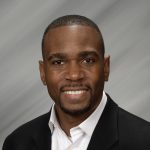
CoryYatesCory Yates, Co-founder & CEO at Recruiting Analytics LLC, is a passion-driven entrepreneur motivated by innovative problem-solving.

He is the Co-founder & CEO of Recruiting Analytics, a sports tech and data company that is reinventing how the sports industry identifies and evaluates talent in order to achieve a 99.9% hit rate by 2050.

Follow Recruiting Analytics on Twitter. Recruiting-Analytics-logo
What You’ll Learn In This Episode

  • Use case of data analytics in sports
  • Evolution of player tracking data in player evaluations
  • The role of player tracking data for fan engagement
  • Using performance data to predict future NFL players
  • Some sports teams slow to adopt player tracking data

This transcript is machine transcribed by Sonix

TRANSCRIPT

Intro: [00:00:08] Welcome back to the Startup Showdown podcast, where we discuss pitching, funding and scaling startups. Join us as we interview winners, mentors and judges of the monthly 120,000 pitch competition powered by Panoramic Ventures. We also discuss the latest updates in software Web three, health care, tech, fintech and more. Now sit tight as we interview our guest and explore their journey through entrepreneurship.

Lee Kantor: [00:00:45] Lee Kantor here another episode of Startup Showdown, and this is going to be a good one. But before we get too far into things, it’s important to recognize panoramic ventures. Without them, we couldn’t be sharing these important stories. Today on the show, we have Corey Yates and he is with Recruiting Analytics. Welcome, Corey.

Cory Yates: [00:01:04] Good afternoon. Thanks for having me.

Lee Kantor: [00:01:06] Well, I am so excited to hear about record recruiting analytics. I know you’re a recent winner at Startup Showdown at ATL in Atlanta. Talk about recruiting analytics. How are you serving folks?

Cory Yates: [00:01:21] Yeah. So we essentially are a sports technology and data company that analyzes video to measure athleticism, and we help coaches evaluate players more effectively.

Lee Kantor: [00:01:34] So what’s your backstory? How did you get involved in this line of work?

Cory Yates: [00:01:39] So essentially it started at 2019 is when when I founded the company and the company was inspired by the recruiting process that my son was going through at the time. And what I quickly realized was that the recruiting process for college football players or for high school players entering college had not changed since I was being recruited in the early nineties. It was subjective and it lacked data and there was very little technology involved in evaluating players and then also identifying players. So I felt that there was an opportunity there to fill a fill a need as it relates to leveraging technology and integrating data into the recruiting process. And that’s really what the inspiration was.

Lee Kantor: [00:02:29] So what’s your back story in terms of your technical background to kind of connect the dots between the data and the physical activity that’s being done that can be measured?

Cory Yates: [00:02:40] Yeah, sure. So my background, I spent 20 years in corporate America as a merchandizing, merchandizing executive running various businesses from consumer electronics to exterior paint to in-stock kitchens. And so as my role as a merchandizing executive, we used data and analytics in our decision making process. And so that’s that’s in my DNA. And what I quickly learned in 2019 was that there was just a lack of performance data that was being utilized to evaluate players. And that particular void led me to say, Hey, listen, why couldn’t we bring to the table new athleticism data to help these coaches not only identify players, but also to evaluate them accurately in a way that is consistent with how they traditionally measure athleticism, which is through the use of video. So what our technology does is we extract new athleticism data from video, and we serve that up to college coaches again to help them make informed, data driven decisions about the players ability to play at the next level.

Lee Kantor: [00:04:04] So when you were younger and growing up, you participated in athletics at a high level? I’m taking it.

Cory Yates: [00:04:11] Yeah. So aside from my 20 year stint in corporate America, I’m a former collegiate football player. I played at a small Division two program, so I was lightly recruited. I was one of those those players that had the ability to play at the collegiate level, but was lightly recruited primarily because of lack of awareness. So I walked on, had an opportunity to earn a scholarship, became a starter, and then after my playing days, went right into coaching. And so I coached at the collegiate level before I went into corporate America. So recruiting analytics is a perfect blend of my passion and experience as a former player, coach, parent and mentor as it relates to the recruiting process with my business analytics experience.

Lee Kantor: [00:05:03] Now, when you were in your kind of corporate job, where you still involved in athletics, were you like, you know, coaching or you were doing something on the side as maybe just for fun or still involved in sports? Or did you kind of pause for that period of time and really lean into your kind of work? And then just, you know, this all came back together when your kid was going through your process and the and then that kind of, you know, said, Hey, maybe I can make a business out of this.

Cory Yates: [00:05:31] Yeah, that’s a great question. You know, I stayed close to the sport even throughout my tenure as a corporate executive. So I did volunteer coaching at the youth level. I was a community coach at the high school level throughout those 20 years. I also am a board member of a nonprofit organization by the name of I Dare You, which is an organization based here in Atlanta, Georgia, that mentors and trains high school student athletes to help them achieve their goal of playing college football on scholarship. So far, it’s been a part of that program. We’ve helped over 300 student athletes earn athletic scholarships. So again, throughout that 20 years, I’ve been very close to the sport of football and very close to the recruiting process.

Lee Kantor: [00:06:27] Now, because of that, do you think that that really helped galvanize your thinking when it came to democratizing this kind of information? Because a lot of people. I would imagine, are not recruited because of maybe bias, maybe it’s subconscious bias, but they’re not being seen. But if you can give people a metric that matters or analytics that they can get behind, that kind of takes some of the subjectivity out of the process and it’ll give them a better outcome, which I think that’s what everybody would like at the end of the day.

Cory Yates: [00:07:02] Absolutely. Yeah. So, I mean, I’ve experienced kids who I know from experience, personal experience, having played and coached that had the talent to play on Saturday, but they could not get the traction from a recruiter because the big question was either lack of size or there is a speed deficiency. And so what we’re able to do is we’re able to verify these athletes play speed. So instead of relying on the 40 yard dash or maybe even 100 meter time, we’re able to verify how fast a player is in the context of a live game. And we serve that that unit of measure up in terms of miles per hour. And then we contextualize that that MPH data point to coaches by showing them where these athletes fall as it relates to their place B relative to their percentile. And so not only do they get the raw data in terms of the max speed miles per hour, but then they we also provide context in terms of where they fall from a percentile perspective among their peers.

Lee Kantor: [00:08:21] And that’s that’s the kind of the ironic part about this. Right. A lot of the way that they’re capturing data, they’re having the player do drills that aren’t really, you know, true football moves like a 40 yard dash. How often is a player running 40 yards, you know, without being touched in the in space? And how how useful is that information in a game when the person has to get off the line of scrimmage and make a move, you know, in a step or two.

Cory Yates: [00:08:53] Yeah, absolutely. I mean, if you think about how college programs measure athleticism and even to even at the NFL level to a large extent. But there are three basic tools, what I call the big three, the scale, the tape measure, and the stopwatch. Those three tools, if you think about if you go all the way back to the early 1900s, that those are the tools that are used to measure athleticism. And guess what? Lead today, those are the same three tools that are being used to measure athleticism. And so if you think about innovation and what’s change among those three things, that much is changed. But the athlete has changed over the years. Right. If you think about it, six, four, £200 athlete in the early 1900s, that athlete was typically the biggest and slowest player on an NFL team and played offense. Block. Well, today, an athlete that size. Metcalf Right. He is. Those athletes are now some of the biggest but also fastest and most athletic players on the field. So that’s how the athlete is evolved. The tools to measure that athleticism hasn’t evolved, and that’s where recruiting analytics comes into play because we’re able to unlock athletic data from video and help coaches understand, Hey.

Cory Yates: [00:10:17] I know how fast this kid plays because I have his miles per hour metric. I know what his max speed is. I know how quickly this receiver can get in and out of his brakes because I’ve got his transition time. And so we’re able to provide all of the ways that coaches would typically measure athleticism at a combined setting. A 40 yard dash. We have miles per hour max speed. Ten yard split. We have time to match speed. So we’re giving the coaches data that tells them how quickly they get up to Mach speed in a combined setting. They would typically use the shuttle or the three cone drill to predict their change of direction. Well, we take that guesswork out because we’re measuring transition time again. How quickly can that rod receiver get in and out of his brakes? How quickly does that defensive back get out of his break? So those are the some of the metrics that we’re able to provide to these coaches that, again, takes the guesswork out where they don’t have to rely on a combine or a drill to try to project if that’s going to translate to on the field.

Lee Kantor: [00:11:30] Now, does those kind of metrics translate into the ability to predict whether they’re going to be successful or not? Or is this just something that gives you a way to measure everybody so that everybody is kind of you’re able to look at everybody kind of equally?

Cory Yates: [00:11:47] Yeah, both. So so what it allows us to do is allows us to educate the coaches from a comp standpoint, right? So they can, they can take the 15 receivers that they’re considering. We can rack and stack those 15 receivers based on the some of the metrics that I mentioned, we even have position specific metrics like yards of separation so they can do it, do that from a perspective. But then we’re also able to project players their ability to the next level. And the way we’re able to do that is our technology. We’re able to reverse engineer successful players, so we’re able to take an NFL player or a collegiate player that had success and were able to break down his high school film and measure his athletic performance. And therein that allows us to create performance thresholds by which we measure the prospects against.

Lee Kantor: [00:12:47] So. So you’re able to give whoever this is, whether it’s a college recruiter or high school, I guess it could even trickle down to high school recruiting, college recruiting, even professional at this point, or you’re just targeting college.

Cory Yates: [00:13:01] Right. So the application is is. Level agnostic, meaning we can actually use this at the NFL level, the collegiate level and even high school level. And so right now we’re targeting college football programs, so we’re building a robust database around high school players. So that way, again, they can help we can help them identify and evaluate talent more effectively and efficiently. And then that data base will eventually be extremely valuable to NFL teams, because guess what? As they do their background checks and as they do their due diligence on draft prospects, one of the things that we know that they’re very interested in is they want to understand that that draft prospect’s athletic background. And so that’s where our tracking data, our high school tracking data, is going to be extremely valuable to NFL teams in that regard.

Lee Kantor: [00:14:03] Now, you mentioned that kind of the catalyst of the idea was when your kid was going through this process and you’re like, man, this hasn’t changed since I was a kid. When did you kind of feel the same way when it comes to getting traction for the for your company? So did something happen early on? You know, going from the idea of this could work to. Okay, now we have something. Let me see if the real world or the market is ready for this kind of solution.

Cory Yates: [00:14:33] Yeah, I would say that there were kind of two, two moments, right? So the first came in August of 2019 where I went to the Player Personnel Symposium, which is the industry conference, where all of the player evaluation executives attend mostly college, a few NFL and a few high school player executives, player personnel executives attend this conference. And so what I did was at that time we were still in customer discovery mode. So we had already talked to about 150 coaches about this concept of utilizing tracking data to help measure athleticism. And then we had wireframes of what this would look like in terms of a platform. And so I showed this wireframe to Drew Hughes, who is who at that time was the director of player personnel for the University of Tennessee, who is now a scout with the Jacksonville Jaguars. I showed him the wireframes and said, hey, what do you what do you think about this? Can you give me some feedback? I just need 2 minutes of your time. So that 2 minutes turned into 40 minutes. And then at the conclusion of the discussion, he wanted to fly us over to Knoxville and meet with Coach Pruitt, who was the head coach at the time. And I had to press pause and said, Wait a second, Drew. These are just wireframes. This is not this is this does not exist. We haven’t even developed an MVP yet. And so he said, well, let me tell you something. You guys are sitting on $1,000,000 idea if you guys can make this a reality. So at that point, we decided to make make the investment ourselves, Fonzo and my co-founder Alfonso Thurman.

Cory Yates: [00:16:23] We decided to make the investment ourselves. And then fast forward a few months later, we did our we launched our MVP at the AFC, the American Football Coaches Association. We launched it there in January of 2020 and again was met with tremendous positivity as it received extremely well. And what we did not what we did not anticipate was the appetite for this data to be consumed by high school programs. And so we had several high school coaches come by our booth and they wanted to know, hey, what’s what’s this buzz? What’s this here? Recruiting, analytics. You guys are able to measure speed, you know, show me. I want to see the demo. And first couple of times we kind of turned it and I was like, well, you know, this is kind of for college coaches, not necessarily high school coaches, and we continue to get interest from that space. And so we said, hey, well, help me understand what where do you see the value? How can we add value to their program? And I said we’d love it because it helps us do a few things. One, it’s a good benchmark to see how well our strength and conditioning program is working. Two, it helps us kind of level set expectation with both the athletes and the families, and help helps them focus their efforts and energy on what level that they potentially can play at on Saturdays, so that when they make their college tour schedule, they’re focusing on on the schools that are the best fit for them athletically.

Lee Kantor: [00:18:06] And this goes to the importance of this customer discovery phase of a startup. You learn some things that you probably didn’t anticipate learning, huh?

Cory Yates: [00:18:16] Absolutely. Yeah, absolutely. So. So that was a good thing. It was a great learning for us. You know, we continue to learn. I really we pride ourselves on having a culture of curiosity. So we’re always challenging ourselves and asking, what if? And that’s the only way we can continue to innovate and stay ahead of our competition.

Lee Kantor: [00:18:39] Now, as part of this startup journey, what has been the most rewarding part? Are you still working at your kind of corporate job, or are you kind of putting all the chips on the table for recruiting an analytics, recruiting, analytics.

Cory Yates: [00:18:54] We jumped in feet first and in July 2019. So July of 2019, I left corporate America after several years. And thank goodness I have a beautiful wife who supported the decision because obviously when you get into the startup space, it’s it’s a risky proposition. Right. And this is before COVID. So probably had I had been if I was privy to what was around the corner, I probably wouldn’t have made the leap of faith. But nonetheless, it was a good, good decision. We’ve we’ve got some really good traction, not only at the high school level and the collegiate level, but we’re now getting attention and inquiries at the NFL level. And it’s been all organic. We haven’t we haven’t done any marketing and advertising just yet. It’s all been through word of mouth and the buzz that we’ve been able to create through social media.

Lee Kantor: [00:19:56] Now, talk a little bit about your co-founder. How did you find your co-founder and how do your skills complement each other?

Cory Yates: [00:20:04] Yeah, sure. So Alfonzo Thurman and I, we met in 2005, so he and I both were recruited into a merchandizing leadership program here in Atlanta for for Home Depot. And that’s how he and I met. So we’ve known each other for several years now. We have similar backgrounds. He, too, is a former collegiate player. He played a Division one ball at Indiana University, was an All-Big ten linebacker, and even had the opportunity to play professionally in the CFL before he went out into corporate America. So he had a little bit more of a runway as it relates to playing playing the sport of football than I did. But but that’s his background from a sports standpoint. And then corporately, once he retired from football, he went into consumer packaged goods. And so he spent time as in the in the consumer packaged goods space at P&G and then also category management for for a grocery chain out in the West Coast before he eventually came over to to Home Depot. So his background is similar to mine. When we were both merchandizing executives, he ran very different businesses that required different decision trees as it relates to the products and services that we’re bringing to market. He likes to say he was in the sexy world of plumbing and repair as opposed to to my world of decor and paint.

Lee Kantor: [00:21:42] But both of you are kind of big believers in analytics, so that that’s where that comes together.

Cory Yates: [00:21:48] Absolutely. Yeah. I mean, everything we did as it relates to running those businesses, we it was it was all it was. It was data driven. Right. I mean, from our pricing strategy to how we to our our logistics strategy to product placement, the whole the whole line. So from concept to commercialization, every step of the way, we leveraged data to make sure that when we did launch a new product or service, that it was supported and rooted in data to make us successful so that we can kind of continue to take market share in the space, in the home improvement space at that particular time. And so that same that same strategy is kind of kind of how we operate today.

Lee Kantor: [00:22:41] Now, how did you hear about Startup Showdown and Panoramic Ventures?

Cory Yates: [00:22:46] All right. So I just heard about it through through his he had a he had a I think he had a former because he’s a he’s a two time father. I’m a I’m a first time father. And so someone that recommended to Alfonzo that we should look into this start up showdown and think about applying. And so we went for it. We had not participated in any pitch competition, so it was our first rodeo and it was a great experience.

Lee Kantor: [00:23:18] So what did you learn from going through that process? I mean, because that becomes a, you know, a job by itself doing those preparation for those pitch contests.

Cory Yates: [00:23:28] Yeah. So listen, I mean, we we learned how to succinctly state what it is that we do and do it in such a way that that if you’re not close to the space, you have a general understanding of who we are and what we do. So that was kind of point one and I think point to we we learned how to better articulate the opportunities in the marketplace so that the mentors that helped us prepare for the big event were fantastic. They gave us a ton of feedback that resonated and constructive feedback that was spot on that we thought to kind of help us crystallize how to better articulate our go to market strategy.

Lee Kantor: [00:24:16] Now, as part of any startup, there’s going to be some adapting to change and chaos. Have you had to do any kind of pivot or any type of shift in the either the thinking, the marketing, the appropriate customer? And if so, share how that came about and how you were able to kind of weather that storm?

Cory Yates: [00:24:39] Absolutely. So I think the 2020. Right, I think that’s the year of pivot is probably how I would describe it. So for us, we were building a platform and we were building tech at the same time. And so what we what we ended up having to do once, once COVID and the pandemic negatively impacted the budgets, the athletic budgets, I mean, these budgets were slashed. Close to 50% in some cases. And so and then there was uncertainty about when those budgets would go back to 2019 levels. And so what we had to do, because at that time, we we had onboarded or generated our first sale is we had to make a strategic decision on how we wanted to continue to invest in the company. And so what we weren’t going to do is we weren’t going to stop investing in the company, even even during the pandemic. So we made a strategic decision to shift our capital from the platform to the tech right. And we said, let’s place our bet on the tech and let’s continue to refine, improve the tech because it’s going to pay dividends once we come out of the pandemic. And that would that would give us a tremendous amount of tailwind to go into 2021. And that, fortunately, paid dividends for us. So by leaving it to the technology, pressing pause for now on the platform changed how we service and help our customers. So instead of instead of a subscription based model, we have a consultative service model whereby we help these coaches. They provide us their list of players that they want the player tracking data on, and we provide them with that service that way, as opposed to them subscribing to our platform, logging on and accessing the data. They provide us the list of names and then we perform our magic from there.

Lee Kantor: [00:26:58] Now, you mentioned earlier that one of the benefits of being part of the startup shutdown was access to these mentors. Can you talk about if there has been any other mentors in the you know, in this while you’ve been going through this adventure and or have there been any startup founders that are out there that in your ecosystem that’s helped inspire you or maybe at least bounce some ideas off of to help you get to a new level?

Cory Yates: [00:27:26] Yeah, absolutely. I mean, so first foremost, we’ve got a strong advisory board. So Dr. David Hahn, who heads up the School of Engineering at the University of Arizona, he’s a phenomenal advisor, my whole career who heads up the Sports Analytics Department at Texas A&M. He’s an industry thought leader in the computer vision space and the sports analytics space. He’s been a great partner and advisor. So without those two, we wouldn’t be where we are. And then we’ve also had a number of other folks who have helped us along the way. I mentioned Drew Hughes, who even after we met initially in August of 2019, we continued to leverage his expertize to make sure that we’re we’re thinking about certain metrics the right way and that they have value. We’ve also reached out to other startups that are in a similar space as ours. Mark branched out of tracking football. He’s been a great supporter. Craig Ridley Ridley of Route Analytics. He’s been a great supporter. And so, you know, those folks have also kind of helped us navigate the landscape of the college football space. And so for that, we’re thankful.

Lee Kantor: [00:28:47] Now as the leader of this organization, what’s your superpower? What is it about you or what is it that you bring to the table that’s going to make this company a success?

Cory Yates: [00:28:59] Innovation. So I would say that I’ve got a proven track record for driving innovation, and we’re going to continue to drive innovation and stay ahead of our competition.

Lee Kantor: [00:29:11] Now. Do you have any advice for other startup founders about launching, about, you know, just what? You would tell them if you were in their shoes of just you know, they haven’t pulled the trigger yet, but they’re thinking about it.

Cory Yates: [00:29:27] Pull the trigger. Be bold about it. If you’re passionate about it, you’re going to find success. That’s that’s worked for us. We found our passion and we’ve married our passion with our experience and expertize. And it’s been a perfect blend. But if you’ve got a passion for it, pull the trigger. You won’t regret it. There’s so much there’s so many resources out there that you can leverage and lean on to help you navigate this whole entrepreneurial landscape. Because, again, this is this is our first time I’ve been an entrepreneur but haven’t been an entrepreneur. So certainly leveraging resources and asking folks questions to help navigate some of the landmines that are out there now.

Lee Kantor: [00:30:14] What do you need more of? How can we help?

Cory Yates: [00:30:18] Spread the word. You know, I think we are certainly one of the things that we learn to talk about learning and startups and customer discovery. One of the things that we were also surprised about is just the the appetite to consume our data from a fan engagement standpoint. So we’ve got this vision of, hey, we want to make sure we help these coaches evaluate players more accurately. But at the same time, when we’re receiving this information on social media, we are getting tremendous amount of engagement around our data. And so what we quickly learned was these fans have a tremendous appetite to consume because they want to they want to be educated on on what it is that they’re that they’re watching. You think about the fantasy sports and the sports betting space, right. That is growing at a tremendous rate. And so these fans are wanting as much information as possible to get educated on the game, to get educated on the player so that they can make educated decisions around whether it’s fantasy or or legalized sports betting. And so that’s where we have a tremendous amount of opportunity to continue to grow the company and generate revenue from that particular channel.

Lee Kantor: [00:31:44] Well, Corey, congratulations on all the success. If somebody wants to connect with you or learn more about your company, can you share the website?

Cory Yates: [00:31:56] Sure. So our website is recruiting dash analytics dot com. You can follow us on Twitter. Our Twitter handle is at RS in Red As and Apple Analytics. There you can actually see on our Twitter handle our technology in action and you can see some of the some of the process videos and the data that we serve up that’s driving a lot of buzz in the marketplace.

Lee Kantor: [00:32:25] Good stuff. Well, thank you so much for sharing your story. You’re doing important work and we appreciate you.

Cory Yates: [00:32:30] Thanks a lot for having me. Take care.

Lee Kantor: [00:32:32] All right. This is Lee Kantor. We’ll see you all next time on Startup Showdown.

Intro: [00:32:44] As always, thanks for joining us. And don’t forget to follow and subscribe to the Start Up Showdown podcast so you get the latest episode as it drops. To learn more and apply to our next startup Showdown Pitch Competition Visit Showdown DC Goodbye for now.


 

Tagged With: Cory Yates

Tammy Cohen With InfoMart

March 18, 2022 by Jacob Lapera

GWBC Radio
GWBC Radio
Tammy Cohen With InfoMart
Loading
00:00 /
RSS Feed
Share
Link
Embed

Download file

infomart

Tammy Cohen (SHRM-CP, PHR), a background screening pioneer with three decades of experience, is a nationally honored entrepreneur, a successful businesswoman, and a recognized thought leader.

Founder and Chief Visionary Officer of InfoMart, one of the top 10 largest background check and identity screening companies in the industry, Cohen is known professionally as the Queen of Screen and was named among “Atlanta’s Top 20 Women-Owned Firms” and “Top 500 Women-Owned Businesses in the US.” Recently, she was recognized as a WBE Star, the Most Influential Woman in Background Screening, and “Maverick of the Year” by the Stevie Awards. She lends her expertise to renowned publications, including contributions to Forbes, Entrepreneur, HR Executive, and HR Technologist.

Driven by Tammy’s passion, InfoMart continues to be instrumental in the development of processes and technology that are now the industry standard. She is leading the charge in the development of a digital Career Wallet™ that will change the way people manage their career credentials. Tammy’s drive has modernized hiring and given her clients a competitive edge when recruiting top talent.

Connect with Tammy on Facebook, LinkedIn, and Twitter.

What You’ll Learn In This Episode

  • The company through the pandemic
  • Employee engagement program
  • Strategy for the upcoming WBENC National Conference
  • Advice for WBEs at the national conference
TRANSCRIPT

Intro: [00:00:04] Broadcasting live from the Business RadioX studios in Atlanta, Georgia. It’s time for GWBC Radio’s Open for Business. Now here’s your host.

Lee Kantor: [00:00:18] Lee Kantor here. Another episode of GWBC Open for Business and this is going to be a fun one. Today on the show we have Tammy Cohen and she is with InfoMart. Welcome, Tammy.

Tammy Cohen: [00:00:29] Thank you for having me.

Lee Kantor: [00:00:31] Well, I am so excited to get caught up with what you got going on. But for the few people out there who don’t know, tell us a little bit about InfoMart, how you’re serving folks.

Tammy Cohen: [00:00:41] So, InfoMart is a global background screening company. So, we do the typical background checks of criminal verifications, driving records, drug testing, but we also do third-party vendor screening as well as monitoring of your employees.

Lee Kantor: [00:00:56] So, you’ve been doing this for a minute. Can you talk a little bit about your backstory and how you got into this line of work?

Tammy Cohen: [00:01:04] So, yes, I have been doing it for a minute. So, a little bit over 33 years ago, I was an administrative assistant at a property management company and we did build a suit construction and we built the Glock handgun building and there were three of us on the team. And Glock gave over three handguns and the vice president gave one to the other guy and he kept one and he gave all the others away. And I didn’t get a handgun, which, you know, in the day that was Southern swag to get a handgun. So, I was only 25 and I reacted quickly, probably should have thought it through, but I just quit my job. So, I had a choice to go get another job or start a business that I’d been thinking of and that’s what I did.

Lee Kantor: [00:01:51] So, now where did you see kind of the opportunity that other people didn’t see? What did you notice that clued you in that there was an opportunity here in the screening and background checks?

Tammy Cohen: [00:02:03] So, we had hired a girl who came into our office and she had worked for like half-a-day and put out all her pictures on her desk, everything. And then, she worked one full day. The next day she came in and at lunch, she never came back. And all those pictures and everything she set out was gone. And so, I was like, this is weird. So, I started checking to, you know, is there somebody that can look into the background of somebody before you hire them. And at the time, Equifax was doing it, it was like $150 to do this background check. And come to find out this girl was on like three or four different states unemployment rolls. So, she was getting checks from multiple states because back in the day you could do that. And so, I had worked in banks and knew what credit was about and had worked in real estate so I knew about public records and I knew there was probably like $5 of work in that $150. So that’s where I came up with the idea to do background checks.

Lee Kantor: [00:03:01] And then, where did you see, kind of, your point of differentiation? Where did you see kind of the lever that you were going to use to separate yourself from the others?

Tammy Cohen: [00:03:10] So, at 25, I wasn’t that business savvy to be honest with you. I was more of just keep my nose to the grindstone and this thing’s going to make it.

Lee Kantor: [00:03:22] Okay. So, you said, okay, I can do this kind of work for other people, but then did you go, okay, like who did you start targeting at the beginning? Where did you think the most opportunity was?

Tammy Cohen: [00:03:33] So, back then, hardly anybody was doing background checks. I mean, when I went to go sell, I had to convince people that it was legal to do a background check. So, you know, I first started out with retail and fast food because there had been a lot of situations where there was one particular company that was one of my first accounts that I contacted that somebody had raped a girl and then was working on their line serving food, and she came in to have dinner and saw the guy who raped her. And, they had to close the store. They had so much bad media. So, that was a little bit of how I sort of focused on who I was going to contact.

Lee Kantor: [00:04:14] And then, at that point, part of it was just educating them that they were allowed to do it, number one. But also, there’s a benefit from doing it. There’s going to be an ROI if you do this.

Tammy Cohen: [00:04:27] Yes. Yes, definitely. And it took time. I mean, it was, you know, that I’m embarrassed, but yet I’m proud that people call me the queen of screen because I was in it so early. It was an industry in its infancy. You know, we didn’t have a [inaudible] code. It was just really unknown.

Lee Kantor: [00:04:48] So, now your title is Chief Visionary Officer. Can you talk about that? Is that because you saw this before anybody else did?

Tammy Cohen: [00:04:59] Well, I think yes. But over the years, InfoMart has always been quick to innovate. And I think there’s a benefit of starting a business in the day when there was no Internet or an email and everything was manual. And so, when the email came out and Internet and different types of technology, I’ve been able to be ahead of the game and innovate something that we’ve thought about doing and just having everything in place to be able to do that. So, it’s been a benefit being in business this long. It gives us great opportunities to innovate before anybody else.

Lee Kantor: [00:05:34] Now, are you seeing this kind of work now trickling into areas and industries that you couldn’t even have dreamt that it would get there? Or, did you see early on that this is something that everybody should be kind of leaning into getting this kind of information?

Tammy Cohen: [00:05:51] Well, over the years, I’ve seen it start from just basically retail and fast food and a nuclear power plant to, now, everybody does background checks. And now the differentiators would be, do you do it on your own management only or do you do it on only your hourly people? And then, what level of services that you do? And then, there’s legal compliance that’s really stepped in, that’s regulated industries to make them have certain type of background checks.

Tammy Cohen: [00:06:22] So, I think that over the years, what’s changed is the more of the level and amount of information. And then, what InforMart has done recently that’s really taken off is that after COVID, we have put in a continuous criminal monitoring on employees. So, like, an employer can get a message on Sunday morning that says one of their employees had a booking event and they had a DUI that evening before so they’re not caught off guard on Monday when they’re not in the office.

Tammy Cohen: [00:06:53] So, that’s been a really interesting new twist in our industry, is now looking at social media searches on your current employees, looking at that remote worker since you’re not getting to see them as often.

Lee Kantor: [00:07:06] Now, I saw that even some industries like even these dating apps are having a layer of this kind of screening in their apps.

Tammy Cohen: [00:07:15] Yes, but it’s different than doing an employer background check. So, their sites like been verified that a consumer or anybody can go on there and you put somebody’s name in their date of birth and it’s going to run and see if it finds a criminal history through a database. And those types of criminal record searches, you don’t always have to have a release from somebody. But for what I do, because it’s being used for the decision of employment, we’re regulated. So, anybody in my industry doing background checks for employers isn’t involved in doing dating apps or just random search of information without lots of legal releases.

Lee Kantor: [00:07:59] So, is your information more thorough and you have access to more information than some of these more superficial searches?

Tammy Cohen: [00:08:08] So, yes, the main difference is that courthouses run every county in the United States is like their own little business. That’s why you have some states that say DUI and some say DWI. They have their own lingo. So, we work with all 3000 counties. And because of that, we go directly to these courthouses or their online sites now to gather the data. So, we’re getting the point of entry. So, there’s no watering down or missing it because it’s been passed around or it’s not publicly available on a database.

Lee Kantor: [00:08:46] Now, in your work, as it evolved from you, I would imagine at the beginning you were the kind of main salesperson and also the researcher wearing many hats. But over the years, you’ve grown and built a culture that is, you know, kind of top of its class in terms of best and brightest places to work and this great kind of employee engagement activities that you’ve been doing. Can you talk about why that was important to you as you grew the business to really invest in the culture and invest in your people?

Tammy Cohen: [00:09:26] So, employee engagement is a very – it’s a very interesting science to your business, you know, developing that culture. Because when you’re small, you have completely different things that you’re able to do because you can get closer to your employees and you get your employees more committed. So, like I have employees that have been with me for over 30 years, 20 years. They stayed with me a long time because they were there in those early days when their engagement was very close and intimate.

Tammy Cohen: [00:09:54] But as you grow, you have to look at what’s really engaging to a lot of people. And what we came up with is what we call the IM teams. So, we had I am growing, I am celebrating, I’m living. And these teams are all employee-run not by managers and they had their own little business of running different types of events for employees and just keep them engaged. And it just has made a huge difference in keeping employees long-term, which develops experts which ends up getting you more accounts because you have really talented, experienced people in the organization. So, most everybody on our leadership teams or even in sales, client relations, they all started at the bottom, working in verifications, criminal searches. Everybody has hands-on experience, which is really very different for our industry.

Lee Kantor: [00:10:49] So if you were giving advice to an up-and-coming company, a leader of an up-and-coming company, what would be some things that they could do to lay the groundwork for developing the kind of culture that you’ve developed?

Tammy Cohen: [00:11:04] So, COVID has really changed employee engagement and I’ve really looked at it now as you’ve got to look at your employee experience because you can’t really engage them like you did when they were right there with you. But your experience makes the difference.

Tammy Cohen: [00:11:19] So, some of the things that we’ve done is like we had all of our employees come in and they got professional photos taken and those are – we use professional photos because we’re sort of like a banker. We need to look professional all the time. And then, there’s things like we play games like Rapid Fire called the Chairman Challenge, where basically I put out what are the key things a casino is looking for when they do a background check and nobody knows what the question is going to be and everybody has 5 minutes to give us everything from news services to what are their pain points. So, those end up being fun.

Tammy Cohen: [00:12:00] So, we just look at things like – we’ve really upped our employee meetings and any type of meeting we have where we try to make it like it’s a large conference. We’ve invested in that technology. We’re not investing in our office place. So, we’re investing in the technology of where we do connect with our employees. So, I think for anybody right now, it’s looking at that experience they’re having with your organization.

Lee Kantor: [00:12:25] Right. I think it’s so important to be mindful and intentional when it comes to this level of engagement because what you used to be able to get away with when everybody was in the same place and you’d bump into people with a certain level of frequency and you don’t have as much of that. Now, you really have to go out of your way to intentionally create those kind of serendipitous collisions.

Tammy Cohen: [00:12:48] You really do. We do have guidelines of your camera has to be on unless it’s a meeting where we don’t have cameras on. But most of the time we require it. We have an early morning meeting to make sure everybody is up and running. So, we’ve put a lot of parameters around to make sure – and it’s not to make sure people are necessarily working as much as it is to see each other’s faces and to be one-on-one with each other.

Lee Kantor: [00:13:15] Right. Because ultimately business is humans doing business with other humans. So, you know, you have to – you can’t ignore the human part of the equation. And even though a lot of businesses kind of lean on technology and automation, I think the successful ones really create that balance when it comes to human-to-human interaction.

Tammy Cohen: [00:13:36] Definitely. I mean, the long-term goal is to keep your employees committed and loyal to your organization. And it’s just not tenure. It’s giving ideas, it’s improvements. It’s just totally being involved. And that comes really from seeing people face-to-face.

Lee Kantor: [00:13:55] Now, speaking of involvement, you’re very actively involved with the GWBC. Can you talk about how that organization has impacted your business?

Tammy Cohen: [00:14:05] It is – it’s a very unique organization and it has really brought on large accounts for InfoMart. But I think one of the greatest things that InfoMart or I personally get out of it is a network of professionals that, or sort of in the same fight I am day after day just trying to build your business. So, it’s just sort of unique to be in that type of environment with your friends.

Lee Kantor: [00:14:37] Yeah. It’s very rewarding and it’s emotionally satisfying to know that you’re having an impact on all these other businesswomen that are out there grinding and battling and that you can share your expertise and wisdom and maybe some connections to help them get to a new level.

Tammy Cohen: [00:14:54] Yes. And, you know, and it’s a two-way street. You know, I like to tease that when we sit down together at any of our conferences, you know, some people might exchange recipes, but we’re exchanging new campaign, marketing campaign ideas or, you know, it’s just a different environment. But I even take away so much because just like a marketing company, there’s might be all kinds of things I’ve never thought of that somebody’s going to share that a company like I can do.

Tammy Cohen: [00:15:20] So, it’s very – the women that are involved, the women business owners, they’re very supportive of each other. I mean, I get emails and notices of events or RFPs that are happening that they find out and it’s just a very unique environment and how everybody is out to make each other successful.

Lee Kantor: [00:15:42] Now, there’s an upcoming WBENC National Conference. Can you talk about how you’re going to be involved with that and what you’re doing to kind of bring out the most value from attending?

Tammy Cohen: [00:15:57] So, you know, especially with the WBENC Conference, but any conference, you know, I always go to a conference with a strategy. I don’t look at it so much as I know I’m going to see my friends and I know I’m going to network, but I go in prepared and I think that to get the most out of WBENC for sure, you have to go in. You have to know your pitch. You have to know what is your capabilities, what is your differentiators. And they have to be on your tongue, ready, not rehearsed. You know, you have to be in the portals and be prepared for the questions you want to ask.

Tammy Cohen: [00:16:32] I think there’s just – sometimes we go to these conferences thinking that, oh, we’re going to see people and we’re going to walk around and grab swag. But I think that more than anything, the WBENC Conference is one that this is a great opportunity and you have to treat it like you’re a powerhouse, you know, attend every event. Just let no moment pass you by.

Lee Kantor: [00:16:54] Yeah. A lot of times people see these kinds of events, especially since it’s been a while since we’ve had these kinds of an event to this magnitude where they kind of winging it. They’re like, oh, I know what I know. And, I think I agree 100% with your strategy of you’ve got to prepare for this. Like this is, you know, this is your Super Bowl. This is – get ready to get the most because where else are you going to have this many people in one place?

Tammy Cohen: [00:17:19] Oh, exactly. I like the way you referred to that that it is the Super Bowl of women business owners. So, that’s a great example.

Lee Kantor: [00:17:28] So, is there anything that you can share with our listeners, with kind of the entrepreneurs out there that are out there grinding that keeps you motivated? Is there a favorite quote or a mantra that you use to keep you grinding every day?

Tammy Cohen: [00:17:45] Well, so, you know, I think that the main thing that I always have on the tip of my tongue is power, peace, and wisdom. You know, it’s what I pray for when I don’t know what to pray for. It’s what I pray for when I’m nervous. It’s what I pray for when, you know, I want a new account. And it just seems to be the foundation of everything I do is always looking for power, peace, and wisdom.

Lee Kantor: [00:18:11] And, is there any trend that’s kind of in your visionary view up ahead that we should be excited about or wary about?

Tammy Cohen: [00:18:21] Oh, I am really excited about the future. I look at right now similar to when Internet entered the industry. You know, before the Internet, we were faxing things back and forth between employers. And then, the Internet came about and we were able to do web applications. So, now, we at InfoMart, and just a few other background check companies in the world, are on the largest verifiable credential blockchain. And we’re working on a career wallet which would be similar to your financial app you have in your mobile device. But it would manage all your credentials, your driving record, your identity, your education degree.

Tammy Cohen: [00:19:04] But what’s really cool and different is that right now the way background checks happen is that the employer controls your data. They request you to give it to them, they send it to me. We do a background check. We send it back to the employer. But in the new way of doing background checks in a career wallet, the candidate would basically share their information with the employer. And then, the employer, we would do a background check and then we would offer back to that candidate to claim their credentials. So, it makes the process quicker. It really lowers the expense of doing a background check for an employer. But most of all, we all begin to own our own data, which to me is a huge – is just so important anymore that people have that ownership because we’ve lost all ownership of our information.

Lee Kantor: [00:19:52] Yeah. And that’s exciting that blockchain is helping in this area. We’ve been talking about blockchain a lot in maybe financial services and in other areas, but for it to enter your world and you to be kind of championing it and kind of seeing what you can do with it is exciting.

Tammy Cohen: [00:20:10] Oh, it really is. And, you know, we got into blockchain, Oh, gosh, I would say six or seven years ago. And even then, it just wasn’t quite ready. But over the last two years, it really is at a place now that and, too, it’s again like when we started InfoMart, it’s the learning curve to get people to understand it’s just not cryptocurrency. It’s completely different. It’s just a way of operating and securing data.

Lee Kantor: [00:20:38] Right. And, that’s where being a visionary like you are really helps because by getting in early when it’s in that chaotic, maybe unformed blob of information and possibility and you get involved and learn, by the time it kind of solidifies and becomes more, you know, standardized, you’ve already been doing it for years. You already kind of have the scar tissue and you already have a deeper understanding than something that just jumps in, you know, seven years later.

Tammy Cohen: [00:21:11] Oh, exactly. They call me an information junkie because I love to be spammed because I read it, you know, when I download information and I save trends year after year and I’m able to go back and look at the way things evolve. So, I think any entrepreneur once you get to a certain level with your organization, that is the most fun I’ve had being in business at all, is just constantly looking at what can be developed and innovated for the future. Some are great successes and you’re going to have failures, but that’s all what it’s about.

Lee Kantor: [00:21:50] Right. And that’s your ability to have this deep depth of knowledge in this industry and be able to then take in a new concept like a blockchain and go, okay, I can connect dots maybe in ways that other people can’t and they’re not seeing what I see because I have this deep depth of knowledge over here, and then I’ll bolt this on and let’s see how this plays out. I mean, that gives you a leg up and keeps you ahead of the game.

Tammy Cohen: [00:22:14] Well, Lee, I think you’re giving away my secrets [inaudible].

Lee Kantor: [00:22:19] But I think that that’s what makes you as successful as you are in your business, as, you know, successful as it is. So, congratulations on all the success. If somebody wants to learn more whether they’re an employee, a potential employee that wants to get on your radar and join the team, or a client that might be interested in using your services, what’s the website?

Tammy Cohen: [00:22:41] It’s backgroundscreening.com.

Lee Kantor: [00:22:45] backgroundscreening.com. Tammy Cohen, thank you so much for sharing your story. You’re doing such important work and we appreciate you.

Tammy Cohen: [00:22:52] Thank you. I appreciate you letting me on today.

Lee Kantor: [00:22:55] All right. This is Lee Kantor. We’ll see you next time on GWBC Open for Business.

Tagged With: InfoMart, Tammy Cohen

Dave Wescott With Transblue

March 18, 2022 by Jacob Lapera

DaveWescott
Franchise Marketing Radio
Dave Wescott With Transblue
Loading
00:00 /
RSS Feed
Share
Link
Embed

Download file

Brought To You By SeoSamba . . . Comprehensive, High Performing Marketing Solutions For Mature And Emerging Franchise Brands . . . To Supercharge Your Franchise Marketing, Go To seosamba.com.

transblue

DaveWescottDavid Wescott is the founder of Transblue. Transblue is a world-class general contractor franchise focused on high-end residential, government, multifamily, and commercial projects. David oversees the leadership team and focuses on strategic growth. He is passionate about being an angel investor in Native American Business and is driven by giving back.

Follow Transblue on LinkedIn.

What You’ll Learn In This Episode

  • Transblue’s founding story
  • Franchise opportunity
  • Transblue’s recent franchise growth.
  • Transblue’s philanthropy efforts
  • An ideal franchise candidate
  • Construction industry trends for 2022

This transcript is machine transcribed by Sonix

TRANSCRIPT

Intro: [00:00:07] Welcome to Franchise Marketing Radio. Brought to you by SeoSamba comprehensive high performing marketing solutions for mature and emerging franchise brands. To supercharge your franchise marketing, go to SeoSamba.com. That’s SeoSamba.com.

Lee Kantor: [00:00:32] Lee Kantor here another episode of Franchise Marketing Radio and this is going to be a good one. Today on the show, we have Dave Westcott with Trans Blue. Welcome, Dave.

Dave Wescott: [00:00:41] Good morning. How are you?

Lee Kantor: [00:00:42] I am doing great. I’m so excited to learn what you’re up to. Tell us a little bit about trans blue. How you serving folks?

Dave Wescott: [00:00:49] Yeah, thank you. We are in the construction industry, so we provide residential customers with outdoor living space experience. So anything from a pool to a patio to a deck or a covered, entertaining space on the residential side. And then on the on the multifamily commercial side, we focus on roofing, asphalt, paving, siding, painting, so on and so forth. So a little bit more hardened services on the commercial side, but that’s a little bit about what we do.

Lee Kantor: [00:01:19] Can you share how the the concept got started? Did it start as kind of a mom and pop that organically grew into a franchise, or was it built to be a franchise all along?

Dave Wescott: [00:01:29] Yeah, great question. So I was in the facility management construction industry for many, many years, and in doing that, we serviced just Fortune 500 brands and we worked with anywhere from 7500 subcontractors on a given day, doing millions and millions of dollars in facility management construction. And I happened to be at a snow conference and I was listening to a guest speaker, and he was sharing about the trouble that contractors had and the trouble that they had in business and getting started in business, even if they had been in business for 20 years, you know, they still struggled. They still weren’t doing well with the pal and weren’t doing well with the balance sheet, weren’t able to take vacations and working themselves to death. And I said, No, that’s not my life. That’s not the that’s not the life I live. And I’m in the construction industry and I’m in the building industry and my experience has been great. And so at that moment I said, I’m going to build something that can teach people who want to have their own business and want to be in the construction fields a better way to do things. And through some research and development, I found that franchising would be the the best thing for me to be able to make that happen. And that is what I’m sorry, man.

Lee Kantor: [00:02:55] No. Well, I’ll let you go with that. But the follow up question to that is, when you had this idea conceptually, how did you know that you’d be able to pull it off? Like what gave you confidence that you be able to kind of transfer this knowledge and training and have a kind of somebody execute it without your kind of vast knowledge and expertize?

Dave Wescott: [00:03:20] Yeah. So we’ve made it we’ve made the construction process very simple. You know, what we want to do is really rely on the subcontractor network on that network of expertize to enable the business owner and his team that he builds around him to be successful. For example, if I’ve got an asphalt paving project that’s coming up or a customer says I want to pave my driveway, you know, that owner doesn’t necessarily have to be an expert in every single piece of asphalt construction. But what they do need to do is align themselves with the correct partner. And so by aligning themselves with the correct partner, that partner can come in and properly do the demo and properly do the installation of the asphalt. And so that makes that makes that piece of the business very simple and very straightforward. And then you want to have hired a good staff. You know, I think that the right people in the right seats is something that you probably hear a lot about. But really having a project manager who has experience in the field, you know, helps to measure those KPIs that your subcontractors are working on for the different projects that they’re executing. Does that make sense?

Lee Kantor: [00:04:33] Yeah. So is your ideal franchise candidate and great project manager or do they have to be like kind of have a background in construction to know what’s what or is your training and ecosystem so robust that you have that knowledge? So I don’t have to necessarily know if this guy’s a rock star. You have tools or resources for me to vet this person to know if this guy really is a rock star.

Dave Wescott: [00:05:00] Yeah, that’s a great question. So primarily, we look for franchise owners who are outside of the construction field. We look for guys who have a good executive background. They’re good at managing people because that’s truly what this business is, is it’s managing people. And so once we find that right business owner, we want them to hire the right staff. And I think that’s consistent among all brands and all businesses. You need to put the right people in the right. Seems to be successful. I wouldn’t say that the business is dependent on the on the project manager or the sales person, but you want the right people in those seats so that they can execute properly. And then I would say that it’s 100% based on finding the right team of subcontractors to work with because they are the the backbone of your business. They’ve essentially replaced that front line worker in our brand.

Lee Kantor: [00:05:57] Right. So then this person, the boots on the ground in a given market, has to be able to align themselves with the right people that are doing the actual work, because they’re the ones in someone’s backyard. They’re the ones that are interacting with the owners of the house. So they’re they’re they’re kind of your brand in a lot of ways. So how do you kind of protect yourself from, you know, kind of horror stories that a lot of folks have when it comes to these type of workers, you know, when they’re going with just an individual worker to do a project?

Dave Wescott: [00:06:32] Yeah, great question. So, you know, you want to work with a reputable company and I believe that it all comes down to a culture of compliance. And I think it starts what we call the RFP process when we have a project and we’re and we’re going to take it out to bid, you know, it all comes down to how well did they fill out the paperwork? How well did they communicate with you along the process? Are they licensed, bonded, insured? Right. What is their online review say about them? How do they brand their business? You know, we want to partner in a line with the best companies on the market. And so by doing that, if we can identify from a compliance standpoint that they’re checking off all the boxes, we know that in the field they’re going to execute at a high level. And that is really what enables us to separate ourselves from more of the chuck in the truck versus an established business that’s there to grow and perform and provide excellent customer service.

Lee Kantor: [00:07:28] So you have kind of certain red flags, yellow flags, green flags, and they got to be pretty much all green for you to do business with them. That’s your recommendation to your franchisees?

Dave Wescott: [00:07:40] That’s right. We want to we really want to have all those lights turn green. We want to have you know, we really want them to focus on the compliance side and just make sure all the boxes are checked. You know, it’s easier to do it right the first time, then try to go back and fix it. So if we can conquer that and do that, that really works out well. And there’s a lot of amazing contractors out there doing amazing work. And so we really want to make sure we’re honing our skill and using the right partners in the field.

Lee Kantor: [00:08:09] Now, you mentioned earlier that the ideal franchise candidate isn’t necessarily someone in construction. Is it harder for you to find them because they’re not in construction, so they’re not even considering construction as a franchise? So how do you kind of identify them to even get into your funnel, to have a conversation with them to begin with?

Dave Wescott: [00:08:31] Yeah, I think that a lot of people look at the business that they want to be in and they say, Hey, what’s the best vehicle or what’s the best conduit for me to reach the goals that I want to achieve? What do I want to get to? And I think whether you’re looking at a restaurant, a restaurant or a restoration business or a construction business or whatever it might be, you want to look at that, you want to evaluate it, and you want to put yourself in the best position possible. And I think that we align strategically with a higher level thinker based on the fact that our business is asset light, meaning you don’t have to go out and purchase a bunch of construction equipment to do the work. It’s asset light. And the fact that you don’t have to hire, you know, 50 construction workers to start executing projects, right? You’re going to rely on a subcontractor network. So it keeps the cash flow at home. And the other thing is that it’s quick turn money, right? At the end of the day, you do a project, you collect a down payment and you work on a project. The project is over, you collect your cash. So it’s quick turn on the cash flow, which I think is really exciting for a lot of people. And I think when they’re evaluating the different business opportunities before them, they’re taking those things into consideration and they’re saying, What’s going to allow me to hit those those goals and dreams that I’ve put out before me? And I think trans blue ticks off those boxes for them. And I think that most people look at a variety of different brands when they’re making when they’re doing their due diligence and their research. And I think we’re a front runner for those type of individuals.

Lee Kantor: [00:10:13] Now, have you found a channel or a a a a kind of place to find these folks that’s working extremely well for you? Or is it kind of hit or miss and you’re just trying a lot of things in and, you know, the totality is what’s helping.

Dave Wescott: [00:10:29] Yeah. I mean, I would say that early on we definitely did the shotgun approach, right? Like, hey, let’s let’s join this portal, let’s be on this, let’s use this. I mean, you know, all of the different things. And I think that we had to learn and hone and and grow. And I think that we had to be honest. We had to learn who our ideal candidate was in the beginning, you know, and on day one, you kind of have an idea, but you don’t necessarily know, you know? And so I think we’ve done a good job at honing in on that. And I think that for the most part, we’re driving a lot of of of people through our website, through a lot of SEO work and a lot of work on LinkedIn. I would say that’s primarily the two generators that we’re using to find and locate our candidates.

Lee Kantor: [00:11:17] So how has your franchise growth been?

Dave Wescott: [00:11:22] It’s been good. We had, I think, year one, you know, we started off with three units and then year two we brought on 16 units. This year we’ve brought on three units. So we have a goal of 17 more for the year. So we’re excited of for the growth. You know, we’d love to hit 30 this year, but I think that realistically, you know, we hit that 20 mark and that’s that’s what we’re shooting for. That’s what we’re budgeting for. That’s what our trajectory looks like. So that’s where we’re moving towards.

Lee Kantor: [00:11:56] Now, as the founder, have you been surprised that the things that you’ve learned in this adventure, like has this having these now boots on the ground in multiple markets now, has that kind of helped you create even even better product from learning what they’re doing and what they’re successful at in their local market?

Dave Wescott: [00:12:19] Yeah. I think, you know, the things that we’ve really learned are really diving into the KPI’s. Understanding what they need, what the franchise needs from support, what they need in frequency of touches, what they need, and really trying to help fill those gaps and help them to be as successful as possible. I think that’s that’s the biggest learning lesson, is just putting those KPIs out there and also working with them on those KPIs so that they know, okay, we’re trending towards X this month, so we need to increase sales or maybe we need to back off sales a little bit, but just really helping them to identify where they need to be in their business I think has been a huge and the other thing that I’ve learned along the way is that, you know, they’re not employees, you know, they’re their own business owners. And so they’re going to make decisions a little bit different than they would if they were an employee of Trans Blue.

Lee Kantor: [00:13:20] And can you talk about the importance of giving back as part of trans blues culture and why that’s important and how that helps you maybe even identify the right franchisee?

Dave Wescott: [00:13:31] Yeah, no, that’s a great question. I believe that if you’re in business but nobody knows you’re in business or if if you’re were to close your doors tomorrow and nobody even knew that you existed, what would be the point in being in business? Absolutely. In my mind, no point. Right. So I believe that business has an obligation to make the communities that they’re in a better place. And since this business has been founded, started many years ago, that’s been something that’s been close to my heart and something that’s been very important to me. And I like to give to things that make a local impact so things that can bless the local economy of where we’re at. And and I like to hit a variety of different places. So, you know, we we like to look out for kids. So we support a lot of places that help kids who may have been abused. We serve a lot of places that maybe where women have been abused. We serve a lot of places that focus on drug and alcohol abuse, anything that can make the community better. We focus with a lot of food banks. We over the last, I would say three years, we’ve supported around 135 different organizations. And so that’s really an important thing that we can make that impact locally, nationally and then globally is also an important thing to us in business.

Dave Wescott: [00:15:06] And so that’s kind of the key metrics that I drive by. I think it’s important for company morale and team morale. It’s nice to say, hey, you know, we’re giving to something that’s bigger than just trans blue. I’m working for something that’s more important than just trans blue. Like we’re a business with a mission. And that’s that’s really where we go and what we believe in. And I think that our franchisees, you know, they like that, too. And I think that they’re like minded individuals and they want to make their communities and places better. And I think from a hiring perspective, you know, we’ve we’ve brought on some amazing individuals who work at trans blue who have joined because of how much we give back and because how involved in the community we are. And maybe we wouldn’t have had access to all of those individuals if we weren’t so prominent in our in our local markets. So it’s super important to me as a as a founder, as a business owner, I’ve got a big, hairy, audacious goal, as Jim Collins would say. And I want to put 100 million a year into charities, noble causes, things like that every single year. I may never hit that goal, but if I can work at it one step at a time, then. Then I feel like I’ve done my job.

Lee Kantor: [00:16:26] Yeah, that’s commendable. And I wish that more business owners and founders really embrace that bigger. Why? And really leaned into serving their community. Because I think like you’re finding that that’s really where it pays off. Your business does well. The community does well. Everybody wins.

Dave Wescott: [00:16:46] Yes, sir. It’s it’s very, very true. And you see it, right? You see the fruit of it. Yeah.

Lee Kantor: [00:16:54] And it trickles down. Forget about the money part. It trickles down to, like you said, your people and the people of the community, they root for you. And and business is it’s not easy. So you need all the help you can get.

Dave Wescott: [00:17:07] You know, man, it’s true. The comment that business is not easy is very true. You know, business is tough. And at the end of the day, you have disappointing days. We all do. Everybody every business has things they wish that would have gone better. But I’ll tell you that sometimes on those days, you know, you look at what you’ve given back to or you get a letter from somebody saying, hey, thanks for helping change my life. It makes all of that worthwhile. And it says, hey, man, this, you know, this is why I’m here. I’m glad that that was a tough moment, but this is making my life better and this is what I’m here for. And so giving and being charitable, whether it’s monetarily or whether we’re out there actually working on a property which which we do, you know, it makes you feel great. You know what I mean? It’s like it’s like instant shot of positivity. Right? Right. And so I love that.

Lee Kantor: [00:17:58] Yeah. And that’s why we’re all here. I mean, if we’re all here just to accumulate wealth, then I think that we’re missing something. You know, there has to be a bigger wide than that. And and I think that your goal of wanting to give back and having that that big, audacious, hairy goal of, you know, being able to help more and more people is. Admirable. I mean, the people you’re going to attract to this are people who believe the same thing and that’s what you want. And then everybody benefits by that.

Dave Wescott: [00:18:29] Yeah. You know, we got to have our own brand of crazy, right?

Lee Kantor: [00:18:31] That’s it. I mean, I’d rather have the crazy of helping people than destroying people. So I’m rooting for you. Now, is there any kind of industry trends coming up that gets you excited? That is kind of bullish for your brand and for your business?

Dave Wescott: [00:18:50] Yeah. I mean, you know, building, building and construction has just been it’s been awesome, you know? I mean, you know, going into the pandemic, I’m going to be 100% honest with you. You know, it was a little frightening, like, hey, what’s going to happen? What’s going to happen with construction? What’s going to happen with these mandates? And, you know, everybody went home, you know, and everybody was working from home. And and, you know, everybody said, hey, man, I got to get outside and I got to I got to get out of my house. And instead of spending that money on, you know, a trip to Vegas or a trip to Paris or whatever it might have been or whatever else they were doing outside, they started putting that money back inside their home on the inside and the outside. And, you know, I mean, the work on swimming pools, the work on outdoor living spaces, just extending their home into their backyard, you know, if you can pick up an extra 5500 square feet, if you can cover it and put a pool in it at a barbecue, a seating area, a fireplace, you know, and you can hang out there all summer long or the kids can hang out there and have some fun while you’re working inside. You know, it’s an extension of the home. And so that has been absolutely incredible for our business. I mean, the construction and the it just went through the roof like we’d never seen. And so that’s been exciting.

Dave Wescott: [00:20:08] And to be honest, it hasn’t stopped, you know, and you know, all of these brands that you see out there, Amazon, Google and all, you know, you’ve got all these folks working from home and they’re learning, Hey, man, we can work remote and we can live our life there. And so they’re I believe they’re investing in their properties. They’re investing in their homes. You’re seeing the housing prices increase. And so, you know, it’s been exciting. And when we look at the housing market and you look at the possibility of recession on the forecast, you know, we go back to 060708 when everybody said, hey, we’re in the bubble, we’re in the bubble, we’re in the bubble. You know? Well, you know, we don’t we don’t hear a lot about a bubble. Right. And a lot of this a lot of these investments in these homes are backed by cash. Right. You go into Amazon, someone’s making 350 K a year. Right. They can afford that mortgage. So I think that that’s I think that that’s really beneficial for us. And I think that that that investment in the home always pays off. It always increases the value. So for us, that’s that’s exciting. It’s good. And that’s where we see things going. We don’t we have an optimistic outlook on the future. You know, we’ve been through COVID. Now COVID is starting to wrap up. We’ve got some gas prices and some different things, but that will level out here. And I’m excited about the future.

Lee Kantor: [00:21:33] Amen to that. Now, if somebody wants to learn more about trans blue, about the opportunity, is there a website?

Dave Wescott: [00:21:39] Yeah, absolutely. Trans blue franchise dot com is is the best place to go and that’s got all the information about the business and and how to get ahold of us.

Lee Kantor: [00:21:51] Well, Dave, thank you so much for sharing your story today. You’re doing important work and we appreciate you.

Dave Wescott: [00:21:57] Hey, thank you, man. I appreciate it.

Lee Kantor: [00:21:59] All right. This is Lee Kantor will see you next time on Franchise Marketing Radio.

Tagged With: Dave Wescott, Transblue

Rahul Saxena With Georgia Tech CREATE-X

March 18, 2022 by Jacob Lapera

GeorgiaTechCREATE-X
Atlanta Business Radio
Rahul Saxena With Georgia Tech CREATE-X
Loading
00:00 /
RSS Feed
Share
Link
Embed

Download file

RahulSaxenaRahul Saxena, Associate Director at Georgia Tech CREATE-X

Rahul has a blend of deep technical and business experience that serve him well in his role as a Venture Capitalist. During undergrad at Georgia Tech, he conducted research by the age of 19 on mechanical heart valves that was later published and praised by the FDA. After Georgia Tech, he received a NATO Fellowship to pursue a European Master’s degree in Fluid Mechanics. After graduating, Rahul moved from Europe to Silicon Valley to be a mechatronic engineer for a VC-backed startup genetics instrumentation company called GeneMachines. The company was acquired in 2002 during the downturn.

In 2003, he began his MBA at Emory University’s Goizueta School of Business where he developed strong ties to the VC and entrepreneur community in Atlanta.

Rahul joined a pioneering hybrid angel/VC firm, Seraph Group, in 2005. At Seraph, he was the second full-time employee where he supported and was mentored by part-time investment partners that included the co-founder of Merrill Lynch’s VC firm, co-founder of Accenture’s Technology Fund who also started its BPO division, a member of the NASDAQ delisting committee, former CEO of Visa, co-founder of Apple Quicktime and WebTV, among others.

During his time with Seraph, the Board of a Seraph portfolio company asked Rahul to serve as interim CEO to help scale the SaaS business while working with Seraph part-time and then became full-time. The business was sold to Tyler Technologies, Inc (NYSE:TYL) where he currently serves as a consultant after transitioning it to them.

The experience of going from a VC to an operating role provides a unique background of seeing hundreds of companies and developing a pattern recognition to know what works in all the different scenarios entrepreneurs face. Rahul is currently leveraging his rich experience in mentoring young companies and entrepreneurs to help them understand the “ladder they’re climbing is on the right wall.”

Connect with Rahul on LinkedIn.

What You’ll Learn In This Episode

  • Entrepreneurship and investing
  • About Georgia Tech CREATE-X
TRANSCRIPT

Intro: [00:00:04] Broadcasting live from the Business RadioX studios in Atlanta, Georgia. It’s time for Atlanta Business Radio brought to you by on pay Atlanta’s new standard in payroll. Now here’s your host.

Lee Kantor: [00:00:24] Lee Kantor here, another episode of Atlanta Business Radio. And this is going to be a good one. But before we get started, it’s important to recognize our sponsor on pay. Without them, we can’t share these important stories today on the Atlanta Business Radio. We have Rahul Saxena with Georgia Tech’s Create X Program. Welcome, Rahul.

Rahul Saxena: [00:00:46] Hi. Thanks for having me.

Lee Kantor: [00:00:48] Well, I’m excited to learn what you’re up to. Tell us a little bit about critics.

Rahul Saxena: [00:00:53] Sure. Critics is Georgia Tech’s initiative to help students launch real startups. We actually have a twofold mission of instilling entrepreneurial confidence and launching real companies out of Georgia Tech. And we focus largely on what we say the students are doing in the dorm room.

Lee Kantor: [00:01:14] So how does this differ from all the other initiatives that Georgia Tech is working on that serves the startup community?

Rahul Saxena: [00:01:23] Sure. So where Georgia Tech is focused on is we there have been organizations like Venture Lab or Partner, which is one of our partner organizations at D.C. that have helped either mature companies or what has been largely Georgia Tech intellectual property related startups come out of Georgia Tech. What critics is focusing on is largely non Georgia Tech and IP. So these are what students are doing in the classrooms or ideas that they have that they want to launch on the side where they own all the IP and are interested in moving forward with it. There’s a lot of just great talent and just creative ideas to solve the problems that they face on a regular basis or that they see in their daily lives.

Lee Kantor: [00:02:15] So what was kind of the genesis of this idea to really cater to this group and to really kind of wall off how this is different than the other initiatives that are at Georgia Tech?

Rahul Saxena: [00:02:27] Sure. So I’m an alumni from the late nineties and I can say. From my experience and the experience of a lot of the alumni during those years, Georgia Tech didn’t emphasize as much on entrepreneurship in those early, early times. They the type of jobs that were available, the type of opportunities were largely with some of the larger companies that were established out there. And so in order to help facilitate just mindset of students saying, hey, I can do entrepreneurship, I can do a startup, it’s not a big deal to give it a shot. If it doesn’t work out, so be it. There’s no better time to do a startup than while you’re while you’re in school. Just to give it a give it a try. And that mindset wasn’t as available or prevalent on campus. This is why we have that twofold mission I talked about earlier about instilling entrepreneurial confidence. We want students to be able to say, Hey, this is a pretty neat idea. Look, this thing I’ve created really does solve a problem. How do I take it forward to the next step? And so create X was to help students have a pathway to figure that out, where it wasn’t always something that had deep intellectual property or deep, deep value, deep technology, I should say, based on research where millions of dollars of research that’s gone through but does solve a problem and there’s a market for it.

Lee Kantor: [00:04:04] Now, it’s interesting that you are kind of working in this space because historically at least the startup community is almost like a unicorn or bust mentality where if this thing doesn’t scale, if this doesn’t, you know, generate hundreds of millions of dollars, we failed. And I’ll just move on to the next thing. This sounds like you’re going after maybe more of the aspirational entrepreneur or the person that wants to maybe have gone from a side hustle to this or to open their mind that, hey, this may not be a unicorn, but it could still be a great lifestyle business, or it could even be a great business for you that just stays, you know, in the single million dollar range. And that’s okay.

Rahul Saxena: [00:04:50] Absolutely. So we want our students to think big and be untethered to kind of conventional limitations. We want them to go after big companies, be unicorns and so forth. But for us, we do want to just more get them exposed to the entrepreneurial mindset that that understanding of launching, failing, fast pivoting, trying new different types of ideas out there. And that is how we maintain from a from our academic initiative of helping students grow, getting them exposure to different aspects of entrepreneurship, where we’re helping them out, where we don’t need to from a BS, unlike an ABC, where you need every company to be this unicorn, we’re not doing it from an investment financial investment standpoint where we need these returns to justify our program. We’re doing it 1/1, student first. Hope the entrepreneurial. Just that environment, that ecosystem. That confidence that comes in and saying that. What’s the process of being an entrepreneur, of understanding who your customers are? What’s the problem that needs to be solved? And for us, what we find is that the students are coming in at a very raw stage in the sense that they have they may have a problem that they’re going after. And then giving them this pathway allows them to iterate, pivot when needed, and then they’ll evolve into a much broader market or broader business than they originally thought was applicable for what they were doing.

Lee Kantor: [00:06:39] So if if having your student not found the next unicorn, if that isn’t necessarily the thing that gets you all excited, to which I’m sure you would be excited if that happened. What are some of the outcomes that do get your team high fiving each other at the end of the week? What is those kind of breadcrumbs or clues that you’re doing some impactful work?

Rahul Saxena: [00:07:08] I think the. On one level, it’s getting students who understand the evidence based entrepreneurship side of doing a business. So back in the day. You probably heard the expression Entrepreneurs were born, not made. And what we’re showing is that we can produce entrepreneurs with a methodology. What the quote natural born entrepreneurs knew is, hey, talk to customers, know, find out from the customers. Do people want what you’re selling? Are you solving the problem? That is the problem that you want to solve, really a problem for them. And instilling that process can be applied to even if you’re going to a bigger company that’s trying to figure out innovation to doing a startup. Understanding and defining the problem first before jumping to a solution is, I think, one of the most important skill sets going forward, no matter what you want to do, the students who are exhibiting that, who go through and aren’t afraid of having 50 customer discovery calls where they’re defining the problem is a huge win. And we see a lot of those students are the most successful. It may be what we’ve seen in Create X during the we launched in about 2014. And since then we’ve launched 300 plus startups. We did 80 startups this past summer, 70 the year before that, and about 46 the year before that. And the startups that are the most successful are the ones who are talking to customers, pivoting when they need to, and just being scrappy, not tethered to any train of thought or what they think the solution should be. And we’ve seen some great outcomes come out of that.

Lee Kantor: [00:09:08] So what’s your background? How did you get involved with this?

Rahul Saxena: [00:09:11] Sure. I’m a Georgia Tech engineer with mechanical engineering from the late nineties. I did a European master’s and then moved out to the Bay Area right at the peak of the bubble and wrote it down and joined a startup there that it just raised some money in biotech area, worked with some really smart people, and so saw how a bunch of engineers can run a company into the ground, if you will, where you tend to over design put out a solution that you think is the right one and not what the market needs at the time and missile market as a result of it. So it was a great experience for me during that time frame. Couldn’t have gotten it any other way. I moved, came back to Atlanta to do some entrepreneurial stuff and then joined Emory to go to business school. And right after I got to know a lot of the entrepreneurial ecosystem during that time, made a special effort to really get to meet some of the venture capitalists and entrepreneurs here, and then joined a VC firm here in town called Seraph Group that was a brand new firm.

Rahul Saxena: [00:10:23] We were an entrepreneurial VC firm where we had to make sales as we were doing deals. 90% of our portfolio while I was there was on the West Coast, so got to see a lot of the innovation that was happening there and some compelling startups and then did that for a few years. And one of our portfolio companies went sideways and stepped in to do a turnaround. And once I got it sold to a public company called Tyler Technologies was looking for my next thing and saw this initiative that critics had already started with some colleagues of mine from the past and got really excited that Georgia Tech was addressing this issue. During my time on the West Coast, I was always frustrated that Georgia Tech, the students coming out of Georgia Tech, didn’t have this mindset of doing entrepreneurial, trying out startups, if you will. And during my time there, you had students coming out on their second or third startup, and I was like, Why can’t Georgia Tech do this? And now we’re seeing that with Create X and really wanted to be part of that story.

Lee Kantor: [00:11:36] Now can you share with our listeners, since you have been exposed to both coasts when it comes to this kind of an ecosystem that works? Can you talk about maybe some of the similarities between the Atlanta and the West Coast startup ecosystem and what maybe you wish Atlanta had that it’s lax.

Rahul Saxena: [00:11:57] You know, I think part of the reason Atlanta probably took a little bit longer to get here, it didn’t have a big body of water next to it. It’s one of those funny things that a city of this size shouldn’t exist without a big body of water, which somehow attracts a lot of the major city, bigger city resources. With all that said. There is this importance of. The community and the people in it. Identifying with other success stories in the Bay Area, you have so much success that’s happened that, you know, I can throw a rock down a sidewalk, I’ll hit a couple of entrepreneurs, will give me good advice. And that’s that’s relevant. And in Atlanta, it took a little bit longer for that ecosystem to happen. And I think a lot of the startups that were successful, some the founders didn’t as much go through that repeat cycle where you’re going on to sold one company. Let me start the next and as you saw that grow more sense over the last ten years in Atlanta and really over the last five years, we’re now you have multiple unicorns in town. You’ve had these founders that have been really successful.

Rahul Saxena: [00:13:16] I think a lot of people are looking at us like, oh, maybe I can do this, or I can relate to the story of how they started early on and they started getting that confidence that to give entrepreneurship a shot. That coupled with the fact that it’s never been more capital efficient to start a company you can do. You can launch a company or launch a product on a few, probably less than a few thousand, whereas in the past 15, 20 years ago, you needed several million dollars to do the same thing. And so the biggest thing that I see that’s different right now is just this ecosystem and some great mentors and ecosystem here where a lot of founders are giving back and mentoring some of the younger, newer founders that are coming in. These companies that are big and successful are creating a halo effect. Their employees are seeing it. They’re like, Oh, I have this idea. I want to move forward with it. And that halo effect is what’s really key and just basically fostering and building that ecosystem here in town.

Lee Kantor: [00:14:30] Yeah, I think that the West Coast, because of the density of startups that if one of them blew up, you could land somewhere else pretty easily. It wasn’t like, game over. And now we’re starting to get that here where if you want to stay in the startup community, you can bounce from one startup to the other or start a new one and get some other founders with you. The ecosystem is getting that level of density where that’s pretty easy if you really are inclined to do so.

Rahul Saxena: [00:15:02] That’s right. I think it’s that in just the pool of talent that’s here and the fact that we have such, I think there’s no better place to start to do a start up right now than Atlanta, just in the diversity of talent, the different types of industries that are here. And you have a city that’s really all in on growing this entrepreneurial ecosystem more now than ever before I’ve seen.

Lee Kantor: [00:15:28] So walk me through the creative process. So do I have to be a Georgia Tech student in order to participate, or is this open to anybody?

Rahul Saxena: [00:15:37] So we work with students at a really early stage. So we’ve taken in students from some of the local schools from Georgia State and Spelman too. We are largely Georgia Tech, where one co founder should be Georgia Tech affiliated. We never want to dictate who your co-founders are. You know, that’s a very personal decision. So we’ve had 20 to 30 schools around the country represented as their best friends or their sisters brothers. We’ve even had parents, mother, daughter, father, son, type of founders come through the program. Our biggest requirement is just one person is Georgia Tech affiliated. And then we’ve also made exceptions to the rule for some of the local schools like Spelman, Morehouse, where they’re just developing the program. And we see this talent that we want to help out and really believe are going to be building the next big thing they come through the program, the the accelerator portion of create X is a 12 week summer accelerator. You apply into it, we’ll will incorporate you over the summer. We have some great in-kind resources from law firms like Foley and Lardner and accounting services from Bennett and Thrasher that help incorporate you. We give some seed funding just five K and the whole goal of the summer is show product, market fit show that there’s some subset of customers that value what you what your product is and may be willing to pay you for it. But they believe that you’re solving their problem for them. It’s a fast summer. We want you to be talking to people and pivot as you’re learning every week. And the whole goal of it is by the end of the summer we’ll have a demo day where you’ll present historically has been at the Fox Theater when we weren’t in a pandemic where you get to present to 1000 plus people of investors and stakeholders and other students to learn about what you’re working on.

Lee Kantor: [00:17:50] And then every team is assigned a mentor.

Rahul Saxena: [00:17:55] That’s right. We we have coaches that are there that meet with meet with the founders every week. And then the beauty of Georgia Tech is that we have this rich ecosystem of really accomplished alumni or sponsor partners to just a whole vast array of resources that can help expedite and expedite your learnings every week, learn what their problems are, or talk to as many different people and open doors for them. So that’s a huge what we call an unfair advantage that we can provide to our students.

Lee Kantor: [00:18:35] Now, earlier, you mentioned that you’ve launched hundreds of startups. Can you share any of the successes?

Rahul Saxena: [00:18:42] Sure. This past fall was a a big win for us where we had several startups do well. So our most successful startup buy venture valuation is stored here in town, which is the supply chain management startup. Sean Henry came in as a freshman after his freshman year into our program. It was a great example of just they went after a consumer model and after a year had some success doing the consumer model and then saw the opportunity in solving this in the B2B level. They started growing their base out. They got great funding from West Coast investors like Kleiner Perkins and Founders Fund. And then with the pandemic accelerating things and the problem that they were solving became such bigger, they were able to raise a lot more money. They were just recently valued at 1.1 billion. We’ve had companies, startups that did online virtual school, which are developing a high school program for largely homeschooled students. They were launched in 2019. Also, the pandemic was able to accelerate the. The need and the market for parents looking for an alternative solution for their for their kids. They raised 19 $20 million and are valued a little above $90 million. Last I heard this was last fall and probably increased in value since then. And then our other startup Reframe, which is a company that helps you reduce alcohol consumption. They just recently closed a large round at the end of last year, valuing them over $100 million, too. So we’re seeing a lot of startups that. Address. They may start it off consumer, they may go to B2B, but finding really impactful ways to solve the problems that they’re trying to that they face.

Lee Kantor: [00:21:01] So what do you need more of? How can we help?

Rahul Saxena: [00:21:05] You know, we’re always looking for mentors and people who can look at the startups, provide guidance and give them just some direction, expose them to problems that that could be solved or there could be other uses for their for what they want to do. For us, we’re kind of a grassroots organization, and we’ll be looking for providing just the support, whether it’s financial or mentor or mentoring support. We grow through the partnerships that we have with different, different groups. So if you’re interested in partnering with us, go to our website, create x tech edu and reach out. We can see some of the startups that we’ve launched and just see who you’re willing, who if you see that they’re solving a problem that interests you to reach out to them, to some of our portfolio startups.

Lee Kantor: [00:22:05] Now, do you have any upcoming events?

Rahul Saxena: [00:22:08] Our next big event will be at the end of the summer. It’ll be our demo day event. It’ll be August 25th. We’re looking to have it in person if everything goes well, and that’s when you get to see. We’ll be launching 80 plus startups this summer, too, and you get to see just the latest class and some of the problems that they’re solving. And I think it’s a it’s a signature event for Georgia Tech that encourage everyone to see what kind of the next generation of founders are thinking about.

Lee Kantor: [00:22:43] And is it too late to apply?

Rahul Saxena: [00:22:47] We are extending the deadline today. Tonight is the application deadline and we’ll be extending it for another week or probably about another two weeks actually to bring in some founders. But we have just a great number of applications coming in that we’ll be serving. But no, it’s not too late to apply. And you can go on the website to submit an application.

Lee Kantor: [00:23:12] Well, congratulations on all the success. Once again, the website is create hyphen xigmatek hdd. You create x. Georgia Tech. Georgia Tech edu. Thank you so much for sharing your story today. You’re doing important work and we appreciate you.

Rahul Saxena: [00:23:33] Really appreciate the time and helping helping our students get the exposure out there. So enjoyed it.

Lee Kantor: [00:23:39] All right. This is Lee Kantor. We’ll see y’all next time on Atlanta Business Radio.

About Our Sponsor

OnPay’sOnPay-Dots payroll services and HR software give you more time to focus on what’s most important. Rated “Excellent” by PC Magazine, we make it easy to pay employees fast, we automate all payroll taxes, and we even keep all your HR and benefits organized and compliant.

Our award-winning customer service includes an accuracy guarantee, deep integrations with popular accounting software, and we’ll even enter all your employee information for you — whether you have five employees or 500. Take a closer look to see all the ways we can save you time and money in the back office.

Follow OnPay on LinkedIn, Facebook, and Twitter

Tagged With: Georgia Tech CREATE-X, Rahul Saxena

Denver Baxter With The Party Touch

March 18, 2022 by Jacob Lapera

Cherokee Business Radio
Denver Baxter With The Party Touch
Loading
00:00 /
RSS Feed
Share
Link
Embed

Download file

This Episode was brought to you by

The Innovation SpotAlma Coffee


denverbaxterDenver Baxter is The Party Touch entertainment service in Atlanta since 1986. With over 35 years of ‘proven’ experience, he can provide you and your guests with Atlanta’s most experienced entertainment service!

As the owner of The Party Touch entertainment services in metro Atlanta, Denver primarily provides professional disc jockey services for ALL types of “Special Events”. He provides entertainment for ‘corporate events’, ‘holiday parties’, ‘wedding receptions’, ‘birthday parties’, ‘Bar & Bat Mitzvah’s’, ‘sweet sixteen’, ‘retirement parties’, and any event that needs great music!

He has even done 3 ‘Celebration of Life’ ….funerals? Also a few ‘Divorce Parties’. For those of you that want to be sure your ‘location’ is seen, he has some LARGE ‘Bubble Machines’. Way better than the ‘fan blowing ‘Stick Men’! All of his reference letters are available upon request. He is “full time” and has been in this business in Atlanta since 1986. He actually started in 1976 in Daytona Beach Florida. A copy of a newspaper article that was done in 1977 when he was working as the “full time”, seven days a week D.J. in the largest, most popular nightclub in Daytona Beach.

Connect with Denver on LinkedIn and follow The Party Touch on Facebook.


This transcript is machine transcribed by Sonix

TRANSCRIPT

Intro: [00:00:07] Broadcasting live from the Business RadioX studios in Woodstock, Georgia. It’s time for Cherokee Business Radio. Now, here’s your host.

Stone Payton: [00:00:23] Welcome to Cherokee Business Radio Stone Payton here with you this morning. And today’s episode is brought to you in part by Elma Coffee. Sustainably grown, veteran, owned and direct trade, which means, of course, from seed to cup, there are no middlemen. Please go check them out at my Alma coffee and go visit their Roastery Cafe at 3448 Holly Springs Parkway in Canton. As for Harry or the brains of the outfit Leticia and please tell them that Stone sent you. You guys are in for a real treat this morning. Please join me in welcoming to the broadcast with the party touch. Mr. Denver Baxter. Good morning, sir.

Denver Baxter: [00:01:06] Good morning, Stone. Good to be.

Stone Payton: [00:01:08] Here. Oh, it’s a delight to have you in the studio, man. Okay. The party touch. Mission purpose. What are you guys out there trying to do for folks, ma’am?

Denver Baxter: [00:01:16] Well, just trying to get out there and play some music. I’ve been doing this for quite a long time here. I’ve been doing this since 1986, full time, believe it or not, here in Georgia.

Stone Payton: [00:01:27] Wow. So what’s the back story, man? How did you find yourself in this line of work?

Denver Baxter: [00:01:31] Well, I just kind of fell into it. I was in the corporate world doing world, doing sales and all kinds of other assorted things for a long time. And I finally just decided to let’s do something that I like to do and just kind of started the business back then and been doing it ever since, playing music for money.

Stone Payton: [00:01:52] So it was the first gig a little bit nerve racking, was it? I’m sure there was plenty you didn’t have figured out at that point.

Denver Baxter: [00:01:59] You know, I can’t remember that far back. I have no clue. But it’s never really been hard for me to get out there and do a little talking and other things.

Stone Payton: [00:02:09] Now, I suspect you are playing music that that particular crowd wants to hear. But as for you personally, is is there a genre that you’re really more fond of.

Denver Baxter: [00:02:18] Than definitely seventies classic rock? Yeah. Yeah, pretty much. Or before that, even as long as you can tell what there are here, what they’re saying. Right. And have instrumentation. And as long as it’s just good, good music, I’m not into rap. So don’t send me a rap gig, please. Although I can do it if I have to and I have done it. And you got to mix in everything because you never know what kind of crowd you’re going to get, so you’ve got to be able to read the crowd. And then on top of that, you’ve got to know like what music to, you know, what’s out there. I mean, I’ll never I’ll never forget the guy at the time, one of the young men I took out there. He came out to check me out. And I was thinking about working him into the fold, so to speak, to be one of my guys back in the day. And it was at the Cherokee Town Club, and he’s sitting there writing something down on a pad while I’m playing the music. You know, we’re in a, you know, Cherokee Town and Country Club. That’s nice.

Stone Payton: [00:03:16] Yeah. Yeah.

Denver Baxter: [00:03:17] And so he’s saying, wow, what’s that song?

Stone Payton: [00:03:19] What’s that song?

Denver Baxter: [00:03:21] And I said, You don’t know what this song is. He says, No, I never heard it. And it was, chances are, by Johnny Mathis, which, you know, maybe not everybody knows that song, of course. I mean. Right, right. But it’s just a story that I tell you. You’ve got to know music and you got to know all different types of music if you’re going to pull off a gig like that or any type of gig in front of people.

Stone Payton: [00:03:41] So I’m sure it’s a lot of fun. It is the work and I suspect like most things, including producing radio shows and running a network, there’s a lot going on behind the scenes that most of us really don’t know or or understand it. It takes a while to to master that.

Denver Baxter: [00:03:59] No, just I don’t know. It just never was. It didn’t seem to be difficult for me to do it. I don’t know. I just kind of just do it.

Stone Payton: [00:04:06] So how do you prep for a gig? What do you if you know you’ve got a gig tomorrow night or the things that you do today and tomorrow to get ready?

Denver Baxter: [00:04:13] It depends on what the type what type of an event it is. If it’s a wedding gig. I always like to get the information at least a month before the wedding date, such as song list people who are going to make toast.

Stone Payton: [00:04:27] Oh, that’s.

Denver Baxter: [00:04:28] Right. Yeah. And whether or not you’re going to do the specific dances, father, daughter, all those kind of things, you got to prep that. You can’t just. Well, you can. I’ve done. Yeah, you can. But it’s not the best way to approach it. Does it go in cold? You need to have all that information written down. So I have forums and things and I talk with the brides and try to work with them to make sure that I’m doing what they want to do. Like if they give me a list of the last wedding I did, they had a long, long list of food for 4 hours and 15 was it 6 hours is a long list of music and we’re only there for 4 hours. I said this. This amount of songs will not fit in the time that you’re having me here. So sometimes you got to give them a little bit of a reality check there for weddings especially. But the most gigs, I just kind of go out and just play it by ear and I’ve been doing it so long, I just read the crowd and take requests and just make it happen.

Stone Payton: [00:05:22] You’ve got to build all that in. Right. And they’re counting on you. They’re looking to you for your expertize and managing the flow of things and when to do the requests. And you’ve got to work in that. The father daughter dance. And you’re staying on top of all that because they’re they’re busy enjoying the day.

Denver Baxter: [00:05:37] Right. Exactly. Pretty much. I’m like a wedding coordinator now. There are specific people out there that do do a good job as wedding coordinators. But I kind of do it like that because back in the back, in the day when I started out, there weren’t a lot of real wedding coordinators. Not a lot of them out there like there are now and so on. The facilities, usually the facilities would do their own coordination and to make things happen behind the scene. But they started to like me a lot because I’d go in there and I’d already have my own format that I made up. Nice, which the bride is welcome to follow or not follow. But I’d go in there and everybody would know what was going on and I’d kind of make the flow happen. When do we cut the cake? I needed the bouquet toss, blah, blah, blah, blah, all that stuff. So I’m kind of like coordinated and.

Stone Payton: [00:06:24] Dj So what’s the most rewarding part, man? What do you enjoy the most?

Denver Baxter: [00:06:29] I haven’t seen people have fun.

Stone Payton: [00:06:31] Yeah.

Denver Baxter: [00:06:32] Have fun. Listen to good music. That’s you. That’s the most rewarding part, especially now with the seniors that I do. A lot of the seniors.

Stone Payton: [00:06:39] Oh, okay. Yeah. Say more about.

Denver Baxter: [00:06:41] That. Yeah. Doing a lot of the senior assisted. Well I hate to say it’s not assisted just senior facilities, senior residences which are all different levels of that as you probably know.

Stone Payton: [00:06:53] Right.

Denver Baxter: [00:06:54] And so, you know, we go in there and we make them happy, make them smile. Sometimes we make them dance. I don’t make them dance. I don’t make I don’t get out there with the prod and say you’re going to dance or anything like that. But just by playing the right music and again knowing what music to play and what’s going to work, and sometimes taking requests, although they’re not really big into request most of the time, but just knowing what to play, reading the crowd, asking them where they’re from, just little tricks. And I’m not going to say on the air, I’ve learned over the.

Stone Payton: [00:07:26] Years trade secrets.

Denver Baxter: [00:07:27] Trade secrets. So I’m not telling you any of those trade secrets.

Stone Payton: [00:07:30] You have to. By the book.

Denver Baxter: [00:07:31] Yes, by the book. The book’s available for $199.95 free shipping.

Stone Payton: [00:07:39] All right. So all right. So weddings, these these senior facilities. And then I’m operating under the impression if I wanted to throw a big party for all of our studio partners and the business radio network.

Denver Baxter: [00:07:51] I could do it today.

Stone Payton: [00:07:52] We could do it. I could hire you and you do your thing.

Denver Baxter: [00:07:55] I’ll be back in 20 minutes with the equipment. What would you use? Yours.

Stone Payton: [00:08:00] All right, so everything I know about hiring a professional deejay service, you could stick in your eye and still see out. Okay, so help. Help me and the other laypeople out there. What are some considerations? What are some things we should be thinking about? What are some questions maybe that we should ask someone that we’re considering engaging for this?

Denver Baxter: [00:08:22] Well, you know, I’ll tell you one thing. I’m a big kick off. I got a big thing. And how you want to phrase I don’t know if I’m using the right terminology, but a lot of a lot of people that are out there doing DJ thing, like I’m doing this type of DJ thing that I’m doing is that I don’t think that they have the proper insurance and I think I’m losing a lot of gigs because a lot of people are asking, you know, they’re on their they’re on these pages on Facebook, look who’s the DJ, who’s a DJ. And I’m looking at these guys. I mean, some of them don’t even they don’t even look professional in their setups or anything when I go to their if they have a web page, but they certainly don’t have a Coai certificate of insurance, which is very, very important. You need to be insured doing this business. Most of the facilities require it. But a lot of these guys, I’d be willing to bet that if any of the people that are looking to hire a DJ, they should always ask, first of all, do you have a certificate of insurance and take it a step beyond because the insurance companies that you’re insured with are supposed to and will send you out to Coai in an email basis. So you know that they’re not just taking somebody else’s COI paperwork and redoing it. So that’s very important to to know that the person has insurance. And then, of course, you have to see if the person has references. And a lot of times I see in websites on my competitor’s websites you see on there, we danced all night, had a great time. And then you see Susie and Harry. Well, let’s see. Wonder who Susie and Harry are. You know, it’s stone. I’ve got over 150 reference letters that go back. Yes, I’m old or older, but I have a letter that goes back to some of your listeners out there. May remember this Eastern Airlines. I don’t know. Have you ever heard of Eastern Airlines?

Stone Payton: [00:10:23] Yeah. I’m older, too. Too, so, yes, I do.

Denver Baxter: [00:10:26] So back in the day, that was one of the big players, Eastern Airlines. And, you know, I’ve got a letter that goes back to that time, and this is actually a typed full letter and signed by a person, not a made up quote on letterhead. So a lot of my reference reference letters are on letterhead. And yes, competitors out there, yes, they’re older reference letters. But I do have the experience and that proves it there. And then it goes back to prove that. And there are over 150 of those available. So if somebody wants to see them, I can certainly provide that. So it’s good to check the references and see I don’t know. What am I forgetting? I don’t know.

Stone Payton: [00:11:06] Well, no, I think I’m might have had the presence of mind to ask for some references or at least go look on the on the website. It would have never occurred to me to ask about insurance, right? It would never have even occurred to me.

Denver Baxter: [00:11:19] To most people that don’t doesn’t. And I don’t think most of the competitors out there actually push that.

Stone Payton: [00:11:25] Right. Well not have it.

Denver Baxter: [00:11:27] I you think maybe. Could that possibly be the reason. I don’t.

Stone Payton: [00:11:32] Know. Well so it sounds like it can be kind of what’s the word kind of a crowded space. A lot of folks out there purporting to deliver this service. How does the whole sales and marketing thing work for a guy like you? How do you how do you get the new business?

Denver Baxter: [00:11:50] Well, I most of my business has, as always, been primarily word of mouth from people that have used my service in the past, just developing it up up from that. And it still continues to be that way. Unfortunately, it’s not as effective these days, but that’s how it’s generally been. I’ve tried to write in publications and I didn’t work lots of money out the window. Yeah, back in the day when they actually had, you know, paper magazines. I remember those.

Stone Payton: [00:12:24] Days.

Intro: [00:12:25] Yeah.

Denver Baxter: [00:12:26] So but now it’s word of mouth and we’re just trying to get out there and get the word out. And people see me at events and they like what I do. And it’s like other DJs too. Sometimes they like the other styles of other DJs and you know, so.

Intro: [00:12:39] Yeah.

Denver Baxter: [00:12:39] I’m not the only one out there doing.

Stone Payton: [00:12:41] It right.

Denver Baxter: [00:12:42] But I’m the best.

Stone Payton: [00:12:43] There you go. But no, I mean, you’ve stood the test of time. Obviously, you’ve been a successful businessperson. So let’s shift gears here a little bit. You talk about being in business in general. A lot of our listenership, the people who tap into to our content, they’re either entrepreneurs or aspiring entrepreneurs. So I’d love to hear a little bit about in the early going, getting this thing off the ground. And any counsel that you might have about just just running a small business and, you know, keeping keeping things afloat and and even prosperous, you know, lessons lessons learned or, you know, maybe there’s Denver’s three dudes and three don’ts when it comes to to to run a business. Or maybe you’ve made a mistake or two that you felt like.

Denver Baxter: [00:13:31] You really never, never, never, never. Maybe not any of those happen. Ever. Never.

Intro: [00:13:37] I’m perfect.

Stone Payton: [00:13:39] But are there some disciplines that you live by or something? Everything from the way you manage the the money and to, you know, how you how you do try to present yourself to the. To the community.

Denver Baxter: [00:13:53] Hmm. I’d have to think about that. You’re stumping me.

Stone Payton: [00:13:59] That’s all.

Denver Baxter: [00:13:59] Right. It’s too early.

Stone Payton: [00:14:02] But surely there are some things that you do to make sure that you do have consistent flow of business, and that when you do get the business, you’re managing properly and you’re you’re keeping the client happy.

Denver Baxter: [00:14:11] I just try to, you know, keep in touch with the client as best as possible. And when they, you know, sometimes they don’t return phone calls or or get forms back to me when they need to, especially especially for like, let’s say, wedding market. We like to get forms back, at least in information back from brides and grooms, whoever, parents, whatever. Usually it’s the bride. Get things back from them at least a month before their wedding date. Oh, well, sometimes we get the brides out there that don’t adhere to that, and sometimes we get it, you know, a week before, and sometimes we don’t get it at all. Sometimes we get it a day before. We just try to keep on and on top of things. From the experience that I’ve had, you know, doing this so long, does it keep keep track of what’s going on and make sure that things happen the way that they’re they should happen? I guess is is the biggest thing I can think of right off the.

Stone Payton: [00:15:08] Top of my head. But no, but that’s just it kind of goes back to having repeatable processes and transferable tools. You have a system bringing you really. You do. You may not have thought about it in those terms, but clearly you do.

Denver Baxter: [00:15:22] True. Yes.

Stone Payton: [00:15:22] And that helps you, you know, keep everything nice and organized and deliver the best experience for these folks.

Denver Baxter: [00:15:28] That’s true. Yeah. Over the years, I’ve designed forums and things that I use that weren’t out there in the business when. When I started to make things go smoother, smoothly, smoother. Does that work smoother?

Stone Payton: [00:15:43] Sure.

Denver Baxter: [00:15:44] I’ve had a smoothie. Not recently anyway. Just try to just get the paperwork is a big part of it, making sure that things are in order. Nowadays. We don’t do paper, do we?

Stone Payton: [00:16:00] Well, not as much, but I. I have actually made a commitment to myself because, as you might imagine, there are a lot of behind the scenes processes and tools that we use in producing all the shows that we do across the network. So we have the we have the Breaks Academy, the business radio kind of playbook.

Denver Baxter: [00:16:18] Okay.

Stone Payton: [00:16:18] But I’ve recently begun a new project of Stones playbook, and I’m going to encourage all of our studio partners like John over at North Pole. You know, it would be nice, I think, if all of our studio partners could tap in and they could see John’s playbook and Stones playbook and Roger’s playbook and Karen’s playbook and.

Denver Baxter: [00:16:35] Oh, yeah, okay. So good idea. Yeah.

Stone Payton: [00:16:38] I don’t know. I find even on simple things like how to reach out and invite someone to to participate on a show, or if we’re bringing on a business development client, getting some information from them on the front end so that we can help them mold a show that’s going to serve them. And it sounds like you’re doing all that you just said. It’s so natural to you now. You’ve been doing it for so long. All this kind of stuff is just. It’s just. It’s just. It’s part of you.

Denver Baxter: [00:17:03] Yeah, yeah, yeah. I’m sorry. I can’t answer the question. Well, you did answer it.

Stone Payton: [00:17:07] No. Oh, you.

Intro: [00:17:07] Did.

Stone Payton: [00:17:09] So tell me about what you do in your downtime. Yeah. Where do you go to kind of recharge and refresh? Do you do you read? Do you travel? You hunt, fish? What’s your thing?

Denver Baxter: [00:17:22] Nada. No, not right now. I used to do traveling back in the day, you know, spend my money going like to Mexico and different.

Intro: [00:17:31] Places.

Denver Baxter: [00:17:33] Hanging out in Acapulco, Cozumel a little bit in Puerto Vallarta, just like to get away. But now, you know, lately I haven’t been doing that. I’m just trying to keep this business going. And that’s that’s what I’m trying to do. So most of my time is just really in the business. I hate to say, you know, it’s not a lot of not a lot of fun time going on lately, not not my trips anymore. So I kind of miss that. But we’re just trying to get this get get things going and make people happy with music.

Stone Payton: [00:18:01] But but it is fun time for you. I mean, you clearly enjoy the work.

Denver Baxter: [00:18:05] It’s yeah, yeah. I like what I do, what I.

Stone Payton: [00:18:08] Do. You’ve cracked that code for it. You know, you read in the books or you’ll hear a motivational speaker about find something that you love to do and you won’t you won’t really be working. So do it.

Denver Baxter: [00:18:19] All the networking.

Stone Payton: [00:18:20] Do you really?

Denver Baxter: [00:18:21] Well, you know, you see me out there.

Stone Payton: [00:18:22] I do. I do. And I’ve got to be honest, I’m not that much of a networker, at least until I moved to Woodstock. I there are two groups here that I try to make a point of hanging out with. One is young professionals of Woodstock. Now, why in the world? Why in the world? They let me in that group.

Denver Baxter: [00:18:43] I don’t I don’t know. I don’t know. Well, how.

Stone Payton: [00:18:45] Did you pull that off? So apparently it’s not a very high bar to clear for for young. But it’s a great group of folks. It’s a little different dynamic. As you probably will know. It’s not a typical kind of networking thing. It’s a more intimate kind of get to know people on a personal level, get together. Plenty of business happens, right? But it’s not the, you know, hey ho, give me your business card. What do you do? Elevator speech thing? It’s not that environmental and I really enjoy it. We get together over there at. At the circuit.

Denver Baxter: [00:19:15] The circuit. Okay. Yeah.

Stone Payton: [00:19:17] And when Holly and I moved here last year, we bought a little patio home, literally across the street from the circuit. So I just walk over there on Thursday morning.

Denver Baxter: [00:19:25] Oh, easy, easy.

Stone Payton: [00:19:26] And I get me a cup of coffee there at the Circle of Friends. I love what they’re doing. There’s a circle of friends. And then I hang out a while and I’m always a little bit late because I get involved in a conversation over there. I’m a little bit late in my walking down to the Woodstock Business Club that we and we do that at 830 on on Thursdays.

Denver Baxter: [00:19:49] Have you seen me? Either one of those.

Stone Payton: [00:19:50] I feel like I have, but maybe I have. I see you somewhere. I see you at the whiskey and cigar thing.

Denver Baxter: [00:19:55] You see me at those.

Stone Payton: [00:19:56] You don’t miss a whiskey and.

Denver Baxter: [00:19:57] No, I don’t know those. I don’t tend to a miss. But you’re not going to see me in the morning gigs. Oh, okay.

Stone Payton: [00:20:03] So, no, no mourning.

Denver Baxter: [00:20:04] No, no, no. I know a lot of you guys, a lot of friends of mine that are at the morning events, which, yes, I should be there. And I always think maybe I’m going to do it this week.

Stone Payton: [00:20:14] But you’re an entertainer, man.

Denver Baxter: [00:20:16] You get a pass. I just yeah, I’m not I’m not a real good morning in person and things.

Stone Payton: [00:20:21] But I’m sure you found I certainly this has been my experience that the and again historically I’m not a networking guy candidly when I want to meet someone, I invite them on one of the shows.

Denver Baxter: [00:20:32] That’s a good.

Stone Payton: [00:20:33] Way, right? I mean, that’s part of what we deliver for our business development clients. But again, both of those groups that are so collaborative, they’re so supportive of each other, even people from the same industry, you’ll have people you’ll have people from the same arena, genuinely just, you know, trying to learn from each other and trying to help each other out. There’s plenty of business out there for everybody, and there’s a real abundance within. In both of those groups and obviously I’ve come to enjoy that. So outside of that, I’m not really a networking guy, but I, I love this community and I love those two groups.

Denver Baxter: [00:21:05] Yeah, well, I’m not really a net. I can’t. Maybe I’m said the wrong thing. I’m not a big networking guy, but I do networking because I think it’s a means to an end and I try to. Sure. I got to get my name out there somehow. And advertising is just don’t have the big budgets to do these kind of advertising budgets and things. So I go out and try to meet people one on one and let them know who I am and hopefully they like me, I hope. And then maybe they’ll they’ll refer me. So some of it has paid off for the network. And you got to just keep going. You got to keep networking, keep networking, keep your keep your face out there and try to meet people and let them kind of know what you do. Yeah, sometimes I may abuse that as far as passing out the business cards a lot. Let’s see, I have about 300 with me today. How many do you need?

Stone Payton: [00:21:53] Well, if you become a community partner, we’ll put it in the official talk show radio mug.

Denver Baxter: [00:21:57] Oh, let’s do it.

Stone Payton: [00:21:58] That’s. That’s the new program here for our community partners. So, yeah, we were talking before we came on air. We don’t give these mugs out willy nilly. You have to have to be a guest and do a good job.

Denver Baxter: [00:22:11] And this is a good mug here, ladies and gentlemen. This is one of the better ones that I have seen as a giveaway. This is very nice. It has the logo on it. It’s big. It’s got the slant sides a little bit. It holds a lot of coffee or in my case, something else.

Stone Payton: [00:22:29] See? There you go. There’s another revenue stream for you. Could be a spokesperson.

Denver Baxter: [00:22:34] I could. I’m ready. Who wants me for a spokesperson? Let’s do it.

Stone Payton: [00:22:41] All right, before we wrap, let’s make sure that.

Denver Baxter: [00:22:43] We wrap.

Stone Payton: [00:22:44] In. Yeah, unless you got more to say. Hey, what else.

Denver Baxter: [00:22:46] Do they have? Hey. Hey.

Stone Payton: [00:22:48] I thought you didn’t. Oh, not that wrap. Before we conclude our cover. That kind of wrap? Yeah, yeah. No, I want to make sure that our listeners know how to get in touch with you. If they want to have a conversation with you, or maybe send them to the right place on a website, whatever is appropriate for you LinkedIn, website, email, phone, whatever is. Thank you. Yeah.

Denver Baxter: [00:23:09] Well, I am on LinkedIn, been on LinkedIn quite a while. Primarily just look me up on, you know, do an email. I mean do a.

Intro: [00:23:21] Hello.

Denver Baxter: [00:23:22] First. Before you do your email, you might want to find me. So you would probably want to go to my website. It’s my company is called the party touch so the website is the party touch dot com and I’m going to apologize. My website was designed by me not very well, so I will say that. And so if anyone like to sign a website and help a help a deejay, a nice guy like me, a veteran, by the way, help me out and design a website for me. I’m looking forward to your calling me up. But the party touch is my company. The party touch dot com and you can find me on Facebook also on the party touch.

Stone Payton: [00:24:00] Fantastic. Well, thanks for coming in and hanging out with us.

Denver Baxter: [00:24:03] Well, thank you, man. Yeah, Peyton. Thanks. It’s been great. I had fun.

Stone Payton: [00:24:06] All right, this is Stone Payton for our guest today, Denver Baxter with the party touch and everyone here at the Business RadioX family saying we’ll see you next time on Cherokee Business Radio.

Tagged With: Denver Baxter, The Party Touch

Adnan Alhaider With Footprints Floors

March 17, 2022 by Jacob Lapera

Adnan Alhaider
Franchise Marketing Radio
Adnan Alhaider With Footprints Floors
Loading
00:00 /
RSS Feed
Share
Link
Embed

Download file

Brought To You By SeoSamba . . . Comprehensive, High Performing Marketing Solutions For Mature And Emerging Franchise Brands . . . To Supercharge Your Franchise Marketing, Go To seosamba.com.

Adnan AlhaiderAdnan Alhaider, Owner at Footprints Floors

Born and raised in the Detroit area, Adnan attended Wayne State University and soon after started his own business called BHA Distributors. While he loved running his own business, Adnan was looking for more job stability, and eventually sold his part of the business and took a job at an engineering firm.

Two kids and eight years later, Adnan realized he still had a passion for being a business owner and decided to bring Footprints Floors in Michigan.

Connect with Adnan on LinkedIn.

What You’ll Learn In This Episode

  • DetrDetroit Native and Small Business Owner Expands Location and Reaches $1M in Sales In First Year of Business

This transcript is machine transcribed by Sonix

TRANSCRIPT

Tagged With: Adnan Alhaider, Footprints Floors

Leigh Ann Miller With Custom Leadership/Magic Learning Company

March 17, 2022 by Jacob Lapera

Workplace Wisdom
Workplace Wisdom
Leigh Ann Miller With Custom Leadership/Magic Learning Company
Loading
00:00 /
RSS Feed
Share
Link
Embed

Download file

LeighAnnMillerOriginally from Palm Beach, Florida, Leigh Ann Miller is a veteran in the hospitality industry with 30 years in restaurants, hotels, arenas, and private clubs. She has a strong reputation of creating an environment of warmth for both her team and her guests. Because of this, many of those who have worked under her leadership has grown into management roles and have invested themselves in the companies she has been involved with.

Many who have left, often return to either regain employment or simply come to visit her. Longevity in the workplace is very important to Leigh Ann. Her focus is to provide constant growth opportunities and continuing education. She would never want to have someone leave because they were not constantly learning, improving, and growing. Her favorite phrase is “I can teach you how to do your job, but I can’t teach you how to care”. She is dedicated to defying this phrase and will spend her career proving it wrong.

Teaching is inspiring. Her management teams have all made this a part of their mission as well which has been successful in building strong teams that last. Leigh Ann knows the value of managing the newest generations of the workforce. She knows that if we are not willing to adapt to changes in the workplace, we will lose out on the newest and brightest candidates. There are ways of doing this while maintaining systems that have been proven to be successful for many years. She is very passionate about teaching ways of providing these environments and making people decisions the most important decisions made.

Leigh Ann has been classically trained as a vocalist and composer and has performed with many great talents and names in the music business. Knowing the importance of being on stage, combined with her unwavering dedication to hospitality at a very high level creates a “show” for her guests. They love seeing just how passionate her teams are, and how they are fully invested in the guest experience. Teaching this is something that is very exciting for her, and something she looks forward to sharing with you.

Connect with Leigh Ann on LinkedIn.

What You’ll Learn In This Episode

  • Top three issues facing the hospitality business
  • Top three behaviors that need work 5. Fun stories of inspiration

This transcript is machine transcribed by Sonix

TRANSCRIPT

Intro: [00:00:08] Broadcasting live from the Business RadioX studios in Atlanta, Georgia. It’s time for workplace wisdom, sharing insight, perspective and best practices for creating the planet’s best workplaces. Now here’s your host.

Workplace Wisdom: [00:00:31] Welcome to this very special edition of Workplace Wisdom Stone Payton here with you this afternoon. You guys are in for a real treat. Please join me in welcoming to the broadcast with Magic Learning Company. Ms. Leigh Ann Miller. How are you?

Leigh Ann Miller: [00:00:46] Great. So happy to be here.

Workplace Wisdom: [00:00:48] Oh, it is a delight to have you in the studio. Before we dove into for let’s let’s give our listeners a little primer. A little overview. Mission. Purpose. What? What are you folks trying to get out there and do for people? How are you trying to serve?

Leigh Ann Miller: [00:01:04] So, you know, there are so many businesses that have the right core values in place. They have the right mindset in place. Their intentions are fantastic, but the delivery of that on a daily basis is sometimes lacking, you know? And right now, with everything being such a challenge to bounce back from where we’ve been over the past few years, you know, now is just really a good time to hit the reset button or the reset button should have honestly been hit a while ago. But, you know, we’re still we’re still struggling a little bit. And, you know, there are opportunities to really make an impact on, you know, our people and, you know, really carry out the best that we can for our guests and our customers. But, you know, I really do believe that there.

Workplace Wisdom: [00:02:03] Are.

Leigh Ann Miller: [00:02:04] Serious challenges right now that we’re all facing. And so that’s where we want to come in and help people out.

Workplace Wisdom: [00:02:11] It’s an interesting observation that you make about intent, because I can tell you for our company, I mentioned to you before we went on air that that I’m an investor and a managing partner for our network and my business partner, Lee, I can assure you we have some marvelous intentions. And, you know, between he and I, we’ve got these, you know, this great set of values and this vision and all that. And when it comes to effectively articulating that and and lining those things up, I’m sure we’re falling very short. And it sounds like that’s that we’re not the only ones.

Leigh Ann Miller: [00:02:44] You’re not the only ones you know. And it’s we hiring is such a key tool, you know, it’s when we bring people on that have great interviews. It’s not about the interview. It’s about the day to day practices and the body language and the verbiage and everything that we do on a day to day basis and the consistency of that, that really makes the difference. And so the owners of the business and the CEOs and the CEOs, you know, they they all have the right intentions in mind. But it’s when they’re not around and when, you know, they’re not seeing the day to day operations that are taking place that are either making or breaking companies right now. And so that’s that’s a big a big point for the series that I just recorded to get those right people in place and to make sure that regardless of if we’re watching or not, that our visions are being carried out with those people.

Workplace Wisdom: [00:03:53] Bad hires are they’re expensive. And when I say bad hires, it doesn’t mean they’re necessarily bad people. In fact, I’m sure they’re not. But but making a hire that that’s not fit in aligned with what you’re doing. I mean, this really does affect the bottom line. Yeah.

Leigh Ann Miller: [00:04:10] Yeah. And, you know, you have to find out what their vision is for your business. You know, you have to figure out what it is that they’re passionate about because, you know, right now, you know, especially in hospitality, it’s one of those it’s it’s one of those industries, regardless if you’re in a hotels or, you know, major sports venues or concert venues or restaurants that, you know, people think that there is something else on the other side. And so they leave for a period of time to go pursue, you know, their other aspirations. And then they come back, right. And, you know, you always say you can’t leave the restaurant business, you just can’t do it. But when people do and when they come back, it’s usually because they’re comfortable. And your best hires aren’t comfortable, they’re passionate. So when you bring people back in because of a resume and because they have so much experience and, you know, that’s a wonderful thing. But at the same time, you’ve got to keep their passions in check and you’ve got to make sure, you know, everything’s so interconnected hiring, training, inspiring, treating, firing. You know, we’re hanging on to people for too long, right? Because we can’t hire enough people to cover those places. And so we’re when we hang on to people for too long, that’s a cancer. You know, that’s a cancer to your organization. And it’s it’s difficult because you want to keep the people that have been there for so long that know the ins and outs of your business. But what are they honestly doing for it? You know, are they just comfortable? And they have the repertoire of, you know, of the spiel and the shtick and all that other kind of stuff, or are they really driving passion for people around them? You know, we’re hiring greener than ever.

Workplace Wisdom: [00:06:11] Yeah, I guess you’re right.

Leigh Ann Miller: [00:06:12] And, you know, because people are out there, you know, that have been in business organizations forever and then they decide that, hey, listen, I want to be a part of the restaurant business. They they go to bartending school or they go to, you know, because it’s it’s honestly, you know, it’s not discounting. The industry, but it is an easy in for people. Yeah, but sometimes the most green people that you bring in carry the most passion because they’re seeing things through brand new eyes. And so you get inspired by them. Yeah. So if you keep the people that are so comfortable in it because they just don’t leave. You know, what are they doing to those passion levels that are new and are going to bring innovation into your organization? So it’s really, really interesting watching how this unfolds for so many organizations right now.

Workplace Wisdom: [00:07:10] Well, I got to I got to say, it must be prevalent. I mean, yes, definitely in the hospitality arena. But I can tell you the professional services arena, I think we got we we have those same challenges. I know when it comes to conducting an interview, I don’t know. I am I find myself really pulling for the candidate and I think maybe seeing things that aren’t there or I went to a workshop one time and the lady she talked about hiring in your own image. And I think maybe I’ve made that mistake too. You know, like this guy is like me, you know, we’re going to have a lot of fun. But it was, you know, that was, like, not the right thing to that was not the right thing to do at all. So these these terms that you mentioned a moment ago, the hiring and inspiring and so on, is that a pretty good description of the the framework for the conversations and the work that you do when you engage with the client?

Leigh Ann Miller: [00:08:09] With a client? Yes. Yeah. With an interview, you know. Yes. But, you know, interviews are going to always give you the right answers. Right. You know, but when I’m dealing with clients right now, I’m seeing massive trends, you know, and one of which is hiring.

Workplace Wisdom: [00:08:29] Mm hmm.

Leigh Ann Miller: [00:08:30] And it’s not about not necessarily about getting the bodies into the position.

Workplace Wisdom: [00:08:35] Mm hmm.

Leigh Ann Miller: [00:08:36] It’s about getting the right people. And like I said, you know, sometimes we play off of resumes. Yeah. And we miss the conversation. And the conversation is going to tell you so much. And it’s also, you know, your Achilles heel, too, because you don’t want to, like you said, hire in your own image. But, you know, getting caught up in a conversation sometimes. Will lead you to great people, but not necessarily great candidates. So it’s it’s difficult because when you get wrapped up in those conversations and you enjoy the conversation and they make you laugh or you making them laugh, you know, it’s important to a sell the company, but not so far that they’re now interviewing you.

Workplace Wisdom: [00:09:30] Right.

Leigh Ann Miller: [00:09:30] Which that can happen a lot. And especially right now, we’re throwing incentives and signing bonuses like we never have before for positions that. Really shouldn’t have those things. You know, and so some people are interviewing at multiple companies to find out where the incentive is for them. And they’re missing the mission statement. They’re missing the passion of the company were were now just trying to buy people to come in. Just to have the bodies in place. And that’s so scary. It really is. Because where does it end?

Workplace Wisdom: [00:10:09] And long term, what kind of damage is that going to cause? Right.

Leigh Ann Miller: [00:10:13] Well, yeah, I can tell you exactly. You know. You know, say this. Business across the street is saying, okay, well, after 90 days, you’re going to get a $500 signing bonus. Well, then the business across the street is hearing about that and they’re like, well, we’ll give you $750. And then, you know, one down the down the road is upping the ante again. And, you know, after a while, like, where does it end? You know, and to the loyal employees that you have currently that didn’t get those incentives, what does that say to them? Where does it place their value? And you’re now driving them out because now they’re going to go out and say, well, okay, well, there’s no incentive to stay. Then I need to go somewhere else that’s going to pay me to sign on. And then you’re just you’re losing, you know, in some cases, the people that have stayed too long, but in other cases, the people that are your biggest advocates, because they’re just what was what was the point, you know, and also the training programs that are in place. We’re shortening them. We’re making them so short that now people can get through so quickly, whereas we held the people that have been with us long as so accountable in some businesses anyway. That they’re wondering why we put them through that whole rigmarole to to hop on board. And now we’re just shaking hands and saying, come on. And it’s it’s it’s such a catch 22 in so many places. And, you know, where people are placing value, you know, where their biggest needs are right now is terrifying.

Workplace Wisdom: [00:12:01] So in your words, you’re bringing some some discipline, some structure, some rigor to that process, some some repeatable processes and transferable tools so that a layperson like me whose day job is over here but I’ve also got to be involved in in the recruiting. That’s part of what you’re doing in your in your client work are a big part of it, it sounds like.

Leigh Ann Miller: [00:12:21] Yeah, exactly. It’s trying to teach where the balance is because we’re all suffering from this. So and it’s not the it’s not the future employees or current employees fault or problem. It’s ours. It’s our responsibility to the people that we’ve committed to by hiring them to create that work environment to where they feel like everyone is accountable and everyone is held to the same standards and to also treat them in a way that they don’t want to leave, to go find something else. They want to be a part of the training process for the future employees to harness and protect what they have come to value.

Workplace Wisdom: [00:13:10] What incredibly rewarding work this must be, that must be a lot. What do you find the most rewarding about it? What are you enjoying the most?

Leigh Ann Miller: [00:13:21] Honestly, I still I’m actually going to a wedding tomorrow for two of my former employees. But staying in touch with the employees that saw that value and felt that value, even though they didn’t like it at the time, because I was I wasn’t easy on them, you know, but people that have come to appreciate those standards and the fact that they were held accountable to those standards. Mm hmm. You know, and then now I’m seeing it in the businesses that I’m working with, you know, and hearing back from them, those same things. And so it’s really the feedback from the employees, you know, or your team members, I’d rather say, yeah, you know, that come back later on. And it’s not just for that business but for how they manage their life else side of the business too, and the standards that they set for themselves. People joke all the time because we used to have these this is such a small minute portion of it, but we used to have these throw pillows on, you know, whether it be in the hotel or in the private clubs that I was in or the restaurants that I was in. But if you had the opportunity to fluff and chop a pillow and I still have employees from 20 years ago that will take pictures of their couches or their bed. Oh, and send it back to me and say, see what you did to me. Like they’re doing it still, you know? But you know, like I said, it’s a menu thing. But the way that they manage their own companies now, you know, because some people have gone on to open their businesses and hearing back from them. What it is that they took to implement for their new employees is just that’s the greatest thing.

Workplace Wisdom: [00:15:08] All right. I got to know your backstory a little bit. How in the world does one find themselves in this line of work? Did you know you were going to do this?

Leigh Ann Miller: [00:15:17] No cost. No. And most people don’t. Now it’s different thanks to, you know, like the Food Network and, you know, you know, master chefs around the world that have, you know, made a name for themselves. And now there’s shows all over, you know, television that, you know, honestly glorify the restaurant industry or the hotel industry or, you know. But, no, I went to school for music. And, you know, my my goal was to become John Williams. One day I wanted to write film score, and I wanted to conduct. And that’s. And it’s neat the correlation between conducting and running a business because you think each department is another voice part or another instrument or another section of an orchestra. So when you make them all work in harmony, it all kind of comes into play. So that was my justification for myself of not actually doing that. It started out as a justification. Now it is absolute passion. You know, it’s seeing all those things work together.

Workplace Wisdom: [00:16:28] Mm hmm.

Leigh Ann Miller: [00:16:29] You know, if you’re in a hotel, you see, like, you only see the highlights if you’re a guest. But all the things that go into it, the logistics and like the boards where you’ve got housekeepers, like running certain things and how that’s managed and how they know where to go and what to do in the catering departments. And you’ve got weddings out the wazoo and you’ve got buffets, you know, the next morning and you’ve got people staying until 1:00 in the morning, resetting furniture, you know, for the event that day. And all of those logistics are just so fun to watch.

Workplace Wisdom: [00:17:04] But they can all be failure points, too. Right.

Leigh Ann Miller: [00:17:07] Absolutely.

Workplace Wisdom: [00:17:08] There’s so many moving parts because I am a layperson in this regard. I guess it never really dawned on me until just now how much is going on behind the scenes I shared with you before we went on air, my wife Holly and I and my brother in law and sister in law. We’re going on a Viking River cruise. It’ll be our second. I got to tell you, I think the Viking folks, at least our experience when we went in 2017, was, I think they really do a good job. And so from a guest perspective, they were doing all those things. But there must have been all kinds of crazy stuff going on in the background. When we were out playing in the Port of Call, they were back at the ship making things right.

Leigh Ann Miller: [00:17:45] Yeah. Yeah, absolutely. And that’s the that’s the greatest thing ever. I mean, you know, I have I have like my heart is in the Disney Corporation and like when it comes to the way that they make things happen without you seeing a thing in the way that their training program is so in place, you know, somebody drops a piece of trash. You know, there’s a reason why receptacles are placed where they’re at. It’s part of the show, you know, and if if a business like you mentioned Viking, like if they’re putting on a good show, then you’re not seeing the logistics that go on behind it. If you’re in this business, you want to you want to take a tour of like, you know, of how they go about their meetings during the day and how.

Workplace Wisdom: [00:18:35] That would be.

Leigh Ann Miller: [00:18:36] Cool. Oh yeah. Like you want to see exactly what goes into the way that they they speak together and the way that they, you know, the questions when someone raises their hand to say, okay, well, how are we going to make this happen? Okay, I want to hear I can’t wait to hear that answer. You know, it’s just it’s really, really neat. But it’s all about logistics.

Workplace Wisdom: [00:18:59] Well, there’s a pro tip. If you get a candidate coming to you and you’re talking about hiring them or thinking about hiring them if they have worked with Disney. Plus that’s that’s definitely goes in the plus column, doesn’t it?

Leigh Ann Miller: [00:19:10] Yeah, it does. Well, I mean any major corporation I mean, there’s there’s an amount of failure that has to happen to get you to.

Workplace Wisdom: [00:19:21] Yeah.

Leigh Ann Miller: [00:19:21] A high level. And that’s why, you know, people will say, well, you don’t have enough experience. Well, a lot of new candidates and people coming out of college and they don’t understand that statement like, well, you haven’t failed enough. Yeah. Why is that a good thing? Well, it’s because you don’t know the why. Behind the ask is a basic statement to that question. Like, you have to know the why behind it, and the best leaders will teach you the why while they’re training you. Because if you don’t, you know, if we are hiring greener and we’re not hiring, you know, experienced candidates and you’re expecting them to perform to the standard that you’ve set in place, they have to know the whys behind the asks. Right, in order to not do them. You know, I’ve often said to chefs, you know, when they’re hiring green candidates because their labor costs are what they are and, you know, they can’t necessarily afford to pay the top dollar amount, even though now we currently are part of the incentivizing thing that we talked about. And that’s going to be a very hard thing to bounce back from. But yeah, you know, when we’re hiring the greener candidates and for chefs, you know, you catch people on their phones constantly on Instagram and Facebook and everything. Okay, well, that’s fine. You know what? Let them do that. But give them people to follow, you know, tell them to follow. You know, I don’t want to go too specific here, but, you know, there’s plating experts that show, you know, what it is to make a beautiful plate or, you know, famous chefs that you want to emulate or restaurants that you hold at a higher caliber. So, you know, say, okay, fine, if you’re going to have your phone out, you know, you’re not on stage right now. None of our guests can see you. Follow this person, follow this restaurant. I followed this hotel, follow this, you know, concert venue, you know.

Workplace Wisdom: [00:21:34] And because that it really that’s a learning modality, a learning channel for people in that age group or that demographic. Right. That’s how they communicate and take on new. And from that, what a great idea.

Leigh Ann Miller: [00:21:46] And when they do it’s it’s amazing because they get inspired. Yeah, you know, they want to do those things and then they realize that there is another level out there, you know, that they may not have been exposed to. So how can we ask them to deliver on something that they’ve never seen before unless we’re putting it in front of them and putting it in front of them in a way that’s fun and a way that they can relate to.

Workplace Wisdom: [00:22:10] Now, as I understand it, one of the things that you’re doing to introduce people to this this framework and some of these very important topics, you have a maybe have more than one, but you have a series of is a videos where you’re talking to say more about that.

Leigh Ann Miller: [00:22:28] So we decided when I say we, this is the magic learning company and also leadership magic that are that are partnered. And so I flew out to meet with the owner of leadership magic to film videos. And so we decided to do a six part series called Let’s Be Right. And it’s like I mentioned, it’s in six parts. Hire right, train right, treat right. Inspire right. Include right and fire eight. Inclusion is such a fuzzy word right now, and a lot of people just really don’t get it. You know, we all want it, but making it happen is a very difficult thing. And that word is often misinterpreted. And so that that one’s very important to me. Also firing. Right. So a lot of people really don’t know how to properly fire someone. And it’s not just about what’s on paper and a list of things to do. It’s realizing the audience and the dignity of these people that you once committed to, to bring on. And you have to know that you did everything in your power to help them succeed before you even get to that point. Mm hmm. And that’s also a training, too. You know, I’ve known business owners that are holding people accountable by giving them information and expecting them to pass tests on their own time without guidance and without.

Leigh Ann Miller: [00:24:09] Like I said before, like the why behind right what the ask is. And so they’re left kind of flailing on their own to succeed. And then if we’re not impressed with the outcome, then we’re just letting them go. Our personal investment and the people that we hire is so important and they have to feel it. They you know, when, you know, I’ve only worked truthfully and in small businesses, you know, I haven’t worked in major corporations before. So there’s certain things that I was privileged to have the time to do, you know, and one on one sessions. A lot of major companies don’t have that privilege to do that, but they do have people and teams to do that. So following up with them and making sure that they’re carrying it out in a way that is really going to set people up for success is is a major deal. You know, if we’re just hiring people and then hoping that they get the job done because they say all the right things, that’s just. That’s a recipe for disaster.

Workplace Wisdom: [00:25:21] And going back to the bottom line, my personal experience has been and this these fruits were are not the product of Lee and I being geniuses. We just, I think got lucky on a couple of occasions. But the compound returns you get on a highly motivated, passionate team member are just beyond measure. I mean, it just keeps paying and paying and paying. Yes.

Leigh Ann Miller: [00:25:45] Yes, absolutely. Well, you know, and it’s so funny because, you know, we think that it’s you know, and it absolutely is our job to inspire people to get people excited to be in your business. But when they get excited about it, it often renews our investment in and renews our energy and our passion for it. So it just it’s constantly reciprocated. You know, it’s just like a 30, 60 sort of situation to where, you know, maybe one of us isn’t having the best day or one of us is like losing the passion for what we’re doing because we’ve been doing it for so long. And yeah, you know, to be reinvigorated by the people that we bring on and then to see other employees, you know, get excited again where maybe they lost their passion. It’s it’s wonderful to see. And yeah, it’s not always about the experience. Sometimes it’s just about the passion level.

Workplace Wisdom: [00:26:45] So I’m sure you’re seeing patterns and maybe we’ve already touched on all of them. But I’m going to ask anyway, are you finding that your clients that there are a handful of things that you’re seeing over and over that you know, these are the challenges right now? Yeah. Yeah.

Leigh Ann Miller: [00:27:01] Oh, yeah. I would say the top three things that I’m seeing over and over and over again is hiring like we talked about.

Workplace Wisdom: [00:27:09] Right.

Leigh Ann Miller: [00:27:10] And like I said, it’s not a yeah, we, we all needed to get creative to bring in candidates. But that only takes you so far and it’s not sustainable. So hiring is truthfully the number one thing that I’ve seen.

Workplace Wisdom: [00:27:29] Okay.

Leigh Ann Miller: [00:27:30] Firing is another one because because of the hiring process, we’re hanging on to people for too long.

Workplace Wisdom: [00:27:38] Right.

Leigh Ann Miller: [00:27:43] Training is is the other one. And there are those those last two are equally balanced, I would say. And it’s because of the fact that most of the time right now we’re hiring people because we have an absolute need and it’s a911. Got to get people in there. We got to get the bodies in there. And so we’re just pushing them into a situation to where we’re not taking the time to really spend with them. You know, and it’s multi department. You know, everything is interconnected when it comes to all the departments of your business.

Workplace Wisdom: [00:28:17] Mm hmm.

Leigh Ann Miller: [00:28:18] So we spend so much time training them for their task, but they don’t necessarily understand the tasks of their partners and other and how it fits in. So you might have somebody in the accounting department who’s getting frustrated with this person over here because they don’t know the why behind the how they’re doing it.

Workplace Wisdom: [00:28:42] Right.

Leigh Ann Miller: [00:28:42] And how it affects other people in their day to day, you know, timelines or timelines. But when it comes to the operational aspect of their job and how it affects those around them, we’re not spending enough time training on that. You know, and if everyone had a mutual understanding of how each department worked and why it might be like, this deadline’s not realistic for me because I’m relying on this to take place before this. This other department’s going to have a better understanding of that. You know, and so it makes a much more cohesive environment when we take the time to properly train people not just for their task at hand, but for how the inner workings of the business take place.

Workplace Wisdom: [00:29:29] Well, it makes complete sense to me, and it occurs to me that even if you somehow get your onboarding and early training just nailed right, and we get them that that training or maybe the desired outcome competency is really it’s a moving target, right? Like the bar, the goal line keeps moving. You got to keep pumping the handle. You can’t just do it and then be done.

Leigh Ann Miller: [00:29:54] And be done. It’s never ending. You know, it’s continuing education. You know, it’s you know, you know, take the IT world.

Workplace Wisdom: [00:30:04] For.

Leigh Ann Miller: [00:30:04] Instance. Oh, my word. Like, I still don’t know that I know how to properly work a DVD player. And I used to make my make fun of my parents for not being able to work a VCR, you know, and you know. So it’s constantly changing and every business is constantly changing in their own way. And you have to develop those people into the new whatever’s happening next.

Workplace Wisdom: [00:30:30] Right.

Leigh Ann Miller: [00:30:30] You know? And culinary is a perfect example of that. You know, there’s innovations with culinary, you know, and hospitality. Mm hmm. You know, what people want and what people value is different now than what it used to be. You know, people want to experience you know, it’s not just about food and beverage. It’s not just about how comfortable your pillows are in the hotel room. It’s not just about where your seats are at a concert venue. It’s about the entire experience.

Workplace Wisdom: [00:30:58] Right.

Leigh Ann Miller: [00:30:59] You know, and take concert venues for an example. You know, I’ve been very fortunate in my life to know a lot of people who are in the music business that travel and tour and and they are going to choose where they tour based on the hospitality levels of where they’re going and not necessarily for themselves, but what their guests are going to experience and what memories are going to bring back from those shows and those experiences and those sports venues and those, you know, what are our guests going to experience and are they going to want to come back? And what are they going to tell 100 of their friends on Instagram tomorrow? Right. You know, and it’s there are so many levels of hospitality within every business.

Workplace Wisdom: [00:31:45] All right. So let’s talk about the work and actually, let’s even go further, further upfront than that. How does the whole sales and marketing thing work for a practice like yours? Have you been at it long enough now that your phone rings, or do you still find yourself out there marketing and selling and that kind of thing every day? Okay.

Leigh Ann Miller: [00:32:04] Every day, you know, it’s LinkedIn, it’s social media. It’s which I’m so bad at social media. So if you start following me, I’m so sorry, but I’ve got to get better about that. But there are people that are wonderful with it that, you know, that really impacts their business. For me, you know, it’s going into places and then maybe sending an email saying, hey, listen, it was wonderful to be at your establishment. You know, these are the things that I noticed, you know, and not handing them a, you know, a playbook because that’s rude. But, you know, really sharing with them like, hey, listen, these are this is the reason why I continue to go back to your establishment because of this. And these are the things that we’ve noticed. And hey, so-and-so may have been, you know, a little off last night. And, you know, but I just wanted to give you a heads up from one business owner to another. And, you know, and sometimes it’s welcomed and, you know, you just have to be careful with those things, you know, when you’re giving feedback. But I don’t feel like, you know. The Internet is necessarily a place to give. Having been in the business for so long, I always appreciated a phone call or an email from someone to say, Hey, listen, these are the things that we notice, but we respect you enough to to say, hey, you know, we hope that this improves versus putting it out on those sites.

Workplace Wisdom: [00:33:33] I’m with you. Yeah, I’m the same. And I would be appreciative of that. You know, if someone were to to get to me about any of their experience in any of the 35 community studios we have. So, no, I can see that. Okay. So you have this conversation. You bring on a client, talk a little bit about the work, particularly the early stages. How does how does this relationship in this work get started?

Leigh Ann Miller: [00:33:57] So my business is is run by custom leaders or is run by leadership, magic and magic learning company. But my business is actually called custom leadership, and there is a reason for that. And I don’t even think I spent 2 seconds thinking about the name of the business because it’s exactly what I want it to be. It’s customized to what the needs are. So some people are fantastic at the delivery of their hospitality. Some places need a little work and, you know, one area versus another. And, you know, that’s where it’s really listening to what their challenges are versus telling them where their challenges are. And I never want to go in and and forgive me for this because I hate this word as a consultant, because I feel like that’s the most overused job title that’s out there right now. And I don’t like it, but. I want to listen to where they think their challenges are. And I want to spend maybe a week or two working alongside them in their business to maybe see things that they haven’t seen that hands on. Oh, absolutely fantastic. There’s no other way to go in and tell somebody what to do other than to get your hands dirty. You know, you’ve got to. And that’s out of respect to them and also the validity of your work. My words only going to mean so much. It’s going to be fuzzy and white noise over time if I keep saying the same things over and over again. And, you know, if if they truly want to get something out of it, then I have to be willing to go in there and do the work and talk to their employees and find out where they think their challenges are, because it might not be what an owner or CEO sees. You know, because floating in a helicopter above doesn’t necessarily mean that we know the challenges that our people are facing.

Workplace Wisdom: [00:36:00] So I mean, your passion just comes through on the airwaves, I’m sure, certainly in this room. But I mean, you’re human. You got to run out of gas now and again. When you do, where do you go for inspiration? How do you recharge the batteries?

Leigh Ann Miller: [00:36:17] That’s a great question.

Workplace Wisdom: [00:36:20] This travel for me and Holly.

Leigh Ann Miller: [00:36:21] That’s travel is a big deal for me to live. Music is a really big deal for me.

Workplace Wisdom: [00:36:26] You know, until I moved to Woodstock, I’d forgotten how much I love life. And now on the weekends especially, just walk around.

Leigh Ann Miller: [00:36:32] Yeah, I’ve got three shows that I’m trying to decide between tonight. All right. I just went to Augusta a couple of weeks ago to see a friend of ours play. Well, a friend of ours, someone play, you know, the most amazing bluegrass show ever. And now we’re getting ready to leave to Saint Augustine in a couple of weeks, you know, to see other people play. And yeah, that’s that’s my big passion. And it’s just it’s awesome. You know, I studied opera and classical music for a very, very long time. So the circles that I travel now in are very, very different from that.

Workplace Wisdom: [00:37:04] I’ll bet.

Leigh Ann Miller: [00:37:05] But yeah, that’s where my batteries get recharged for sure.

Workplace Wisdom: [00:37:09] And back to much earlier in our conversation, you also get to witness firsthand, I bet you some pretty inspiring stories in these client systems, right. When you’re when you’re in that, you see some really fun, inspiring stuff.

Leigh Ann Miller: [00:37:23] Oh, yeah. And, you know, some things that they forget to put value in. So, for example, in the training process, one of the things that I talk about is talk about your struggles and the company history and how hard it was for you to get where you’re at now. Because they’re going to appreciate that. They’re going to say like, Well, this isn’t just a company asking me to drink the Kool-Aid. Like they had to make the Kool-Aid first before we were drinking it. And, you know, some people’s stories are just so inspirational and the things that they had to overcome, you know, some people came from absolutely nothing. You know, I was fortunate enough to be working at a private club down in Jupiter, Florida. And the members of that club were all very hand-selected by the person I’d say owns it. But, you know, I would hear stories from these people that have multiple businesses all over the world, you know, talk about how they lived in their car for X amount of time beforehand and wow, like those stories like, well, if you can come back from that and. You know, we’ve there’s no excuse, you know what I mean?

Workplace Wisdom: [00:38:32] And I can wash dishes for a little while while I work on being a sous chef or what? I mean, I’m not I don’t know what I’m talking about, but. Yeah.

Leigh Ann Miller: [00:38:38] Yeah, yeah. It’s amazing what people are willing to do with grit and, you know, some great business owners that are even based here in Atlanta. I listen to their stories and one of which, you know, she talks about how she only had $5,000 in her pocket or in her bank account, for that matter, when she started her own business. Wow. And she would, you know, the the groundwork that had to take place to get her to where she’s at now is unbelievable. And you talk about grit and the things that you’re willing to do. You know, like don’t ever ask your employees to do something that you didn’t have to do to get where you’re at.

Workplace Wisdom: [00:39:21] That’s a good discipline to live by. Yeah. All right. Before we wrap a couple of things, one, do you intend to continue doing some of these these video series things? Right. You got some more stuff coming out on that front?

Leigh Ann Miller: [00:39:35] I do. I’m about halfway through writing. It’s as opposed to the six part series. This is now a 40 part series.

Workplace Wisdom: [00:39:42] Wow.

Leigh Ann Miller: [00:39:43] Yes. Ambitious hands are full on that one. Well, it’s to honestly, it’s to replicate in small business terms one of my mentors and I’d like to say hopefully that hopefully that would be well received. We’ll see. But he’s definitely a mentor. But he wrote a 40 part series in hospitality of and it really gets into the whys behind everything. But he’s more big business. I like to focus on the companies that are much, much smaller, that have the same luxuries that I did in terms of the interactions with their people, and I can speak to that obviously better. I’m not going to go into major companies and act like I know what I’m talking about. But the smaller companies that are really trying to get out of where they’re at or can sustain where they’re at, you know, that’s what that’s where my heart is. And so this 40 part series is all about hospitality and really fun stories and some major mishaps and some stupid mistakes that have been made over the years. You know, one of my favorite stories with that and this is going to be a part of the series, there was a couple that came into a restaurant that I was running at one point in time, and there was a courthouse right across the street and they were from another country. And so they had all of their family and friends come up from that country to celebrate with them. And we were going to be hosting their reception. So they got up to the window, apparently at the courthouse, and they said, I’m sorry, you just missed your deadline.

Leigh Ann Miller: [00:41:24] And it was like on a Friday. And so Saturday, Sunday weren’t going to happen and all their family and friends were going to be flying back and they specifically wanted a certain date. Some people are very date specific, lucky numbers, you know, family history, whatever it is. And so we decided at that point, we’re like, we’re not going to let this happen. So they were she was almost in tears. She threw away her bouquet. I watched her throw it in the trash. And so we ended up calling a regular guest who is an actual judge. We said, what are the odds of you actually coming up to the restaurant to marry this couple in the restaurant? And so we ended up sending people out to the local grocery store to buy flowers to build her another bouquet. We pulled her dad into my office and they said, Hey, listen, your daughter’s getting married today. He’s like, No, no, she’s not. You missed what happened. We’re like, No, no, we didn’t miss anything. This is what’s about to happen. A judge is about to walk up the stairs and marry your daughter today. And so to like finding moments of magic like that in a way to make an impact on people is the greatest thing that any of us can do. And, you know, we we we think so specifically to the hospitality industry being hotels, restaurants, you know, major event venues. But we forget that regardless of the business that you’re in, you’re in the hospitality industry.

Workplace Wisdom: [00:42:47] Yeah, well said. All right. If our listeners and I’m sure they will want to have a conversation with you or someone on your team or access some of this content that you’re creating for them. Let’s leave them with some contact points, whatever you feel like is appropriate, whether it’s email or websites or any of that kind of thing.

Leigh Ann Miller: [00:43:04] Sure. So I’ve recently gone up on a site called Learn Desk, which huge fan of anything from health and wellness to school to anything you can you can learn about on there. But it’s learned. Escort us and you can find my series there. Let’s be right. Or you can also put in my name Lee and Miller, and that will guide you to that. You can also, if you want. Emailed me directly, I’d be happy to receive your emails and its custom leadership at gmail.com.

Workplace Wisdom: [00:43:34] Fantastic. Well, it has been an absolute delight having you in the studio this afternoon, and we may need to do this again. Have kind of an update when you get on the other side of creating your your series. It might be fun to check in with you.

Leigh Ann Miller: [00:43:48] Yeah, I’d love to do that. Absolutely.

Workplace Wisdom: [00:43:51] All right. This is Stone Payton for our guest today, Liane Miller with Magic Learning Company and everyone here at the Business RadioX family saying we’ll see you next time on workplace wisdom.

Tagged With: Leigh Ann Miller

Darren Keeler With Shuckin’​ Shack Franchising

March 16, 2022 by Jacob Lapera

DarrenKeeler
Franchise Marketing Radio
Darren Keeler With Shuckin'​ Shack Franchising
Loading
00:00 /
RSS Feed
Share
Link
Embed

Download file

Brought To You By SeoSamba . . . Comprehensive, High Performing Marketing Solutions For Mature And Emerging Franchise Brands . . . To Supercharge Your Franchise Marketing, Go To seosamba.com.

shuckin-shack-logo

DarrenKeelerDarren Keeler, Vice President of Marketing & Creative at Shuckin’​ Shack Franchising, LLC

Darren handles the effective execution of social media ads, automated email campaigns, and print media ads. He provides emotional as well as marketing supports to maintain high morale system-wide. He creates and implements innovative franchise owner promotional directives provides small-detail support for soft and grand opening events.

Connect with Darren on LinkedIn.

This transcript is machine transcribed by Sonix

TRANSCRIPT

Intro: [00:00:07] Welcome to Franchise Marketing Radio, brought to you by SeoSamba Comprehensive, high performing marketing solutions for mature and emerging franchise brands to supercharge your franchise marketing. Go to SeoSamba.com that’s SeoSamba.com.

Lee Kantor: [00:00:32] Lee Kantor here, another episode of Franchise Marketing Radio, and this is going to be a good one today on the show, we have Darren Keeler and he is with Shuck and Shaq. Welcome, Darren.

Darren Keeler: [00:00:43] Thank you, Lee. Glad to be here.

Lee Kantor: [00:00:46] Well, I’m excited to learn what you’re up to before we get too far into things. Tell us about Shaq and Shaq.

Darren Keeler: [00:00:52] Do Shaq and Shaq Oyster Bar? We are a emerging franchise, we have 16 open locations right now, mainly on the East Coast. But this year we are officially going national. We are opening locations just outside of Chicago, in Naperville, Illinois, in the St. Louis area and then also in Mansfield, Texas. So twenty twenty two has been pretty good to us where we are officially crossing the Mississippi. We are a national brand now of, you know, a seafood restaurant that you go and slurp down a bunch of oysters, crab legs. Watch the game with a cold beer in hand with all your friends and family. We’re just a good shucking time.

Lee Kantor: [00:01:40] Now, was this expansion kind of organic or was this initiative that you aggressively were pursuing?

Darren Keeler: [00:01:49] It’s starting in twenty nineteen. We aggressively pursued going national with our franchise. We partner up with Rain Tree, our great friend of company. They have been awesome. So about 20 19. And then we had to take a break in 2020 with the pandemic, even though we we did open stores during the pandemic and which was amazing that a lot of brands really can’t say that. So we are super grateful for all of that. And then in twenty twenty one, the boosters really took off and we got off the ground and now we are, you know, full speed ahead going national.

Lee Kantor: [00:02:34] Now we’re here to talk about an exciting initiative that you guys are are kind of championing this this concept of a shack elite or tapping into this new college athlete trend of being able to work with them a little bit more intimately than historically that had been historically possible. Can you talk about how that came about and what it’s about?

Darren Keeler: [00:03:01] Yeah. So about a year ago or just under a year ago, the NCAA changed the rules for nil name, image and likeness for collegiate athletes before it was not legal for any brand or company to sponsor collegiate athletes, student athletes. And they changed the rules last year, where now brands and companies can sponsor these collegiate athletes. The rule change happened quick. It happened, kind of. The NCAA just said, Yep, we’re changing it. You could sponsor whoever you want from any college, any sport. And there was a big, a big kind of outcry of, yes, this is amazing, but how do we do it? And the past year has been a lot of companies and brands trying to figure out what this nil thing really is. And colleges are doing the same thing. This is brand new to everybody. But Shuck and Shaq is a, you know, a sports bar. We love going to Chuck and Jack and having a gold one, having amazing food while watching college football, college basketball. You know, we actually don’t even care what sport is on. If it’s college gymnastics, we’ll watch it at the shack. You know, it just fits in with our brand. So it was a no brainer to us when the NCAA changed the rules and we could start sponsoring collegiate athletes. We jumped all over. We partnered up with a company called Icon Source. They are amazing. They are. They are former collegiate athletes that after the run was over, they started this new company. And with the NCAA changing the rules for nil, their platform really blew up and they are emerging company. They’re just like us as an emerging brand and emerging franchise. So our partnership with Icon Source has been absolutely tremendous where we we started sponsoring these collegiate athletes.

Lee Kantor: [00:05:27] And then so what does that look like from the, you know, from the athlete side and what is the kind of the franchisee and the franchise or get from this relationship with these athletes?

Darren Keeler: [00:05:38] Do what we do is we sponsor collegiate athletes that are local to our shuck and sharks and Shake Shack franchisees, so let’s say a couple of weeks ago we just signed a lease. Bauer, who is a woman swimmer for the University of Florida, her hometown is Ocala, Florida, where we have a shark and shark location. So we sponsor collegiate athletes that have ties with our hometown or family members close to our locations, or they go to school close to one of our locations. So we when we sponsor these collegiate athletes, we use them as brand ambassadors. We send them apparel. We send them gift cards. They post on social media at the shuck and sharks at their local shark and sharks, and they get to know our owners, our staff. This is a great way to have almost like a grassroots local marketing campaign where college athletes range from 18 to 20 to 20 three, sometimes even up to twenty five. Now, with eligibility rules because of COVID, they could they could play for longer now. So with that, we’re hitting a whole demographic that we usually don’t organically hit. These college athletes are wearing our apparel around campus, and they’re bringing their teammates to Shuck and Shack now, which is awesome.

Lee Kantor: [00:07:25] And then this helps the athlete. It helps get the word out about the brand. It’s kind of a win win all the way around.

Darren Keeler: [00:07:33] Exactly, us, them, the collegiate athletes that are going to the shark and sharks and posting on social media that their their brand is awesome, is great for brand awareness and in return, we share all of their posts on our brand social media pages and all the PR that we have just to say, Hey, look at this college athlete, this local college athlete, look at everything they’re doing. And even if they’re not doing anything around the Chicken Shack brand, if they’re if they’re doing something in their community, if they’re volunteering somewhere, we’ll share that to say, Hey, they have, they share our culture. And these collegiate athletes are great brand ambassadors for Chuck Todd because of their character and what they do out in their community.

Lee Kantor: [00:08:30] Well, good stuff. Congratulations on taking the lead in this initiative. I mean, not many franchises have really tapped into this yet, and kudos for you for being innovative in this manner.

Darren Keeler: [00:08:43] Thanks. You know, the first one through the wall always gets bloody, so we’re still trying to figure out what this nial scope is going to turn into, what is it going to be? But we feel that we are doing it in a way that other brands, other companies aren’t really focusing on. We are going after kind of mid-level athletes. Their top performers in their sports. But when the Neal rule change happened, a lot of companies started going after the bigger athletes of marquee athletes and bigger schools. And we they were going after the top one hundred athletes nationwide to be brand ambassadors to sponsor them. We looked at it and you said there are a bunch of other smaller colleges around the nation, and these athletes are working their butts off to get to where they are and they’re amazing athletes on a women’s and men’s side that are totally forgotten. You know, there’s 10000 other athletes out there in the college sports world that have totally been forgotten and we just want to we want to show off what they have to offer.

Lee Kantor: [00:10:04] Good stuff. I mean, that should be commended. And you’re opening this up to a lot of folks that, like you said, would have been forgotten and they weren’t really benefiting from being the athlete they are and the sacrifices they’re making in that regard. Well, congratulations and congratulations to the continued growth of shock and Shaq. I mean, you really kind of growing despite the challenges that we’ve had. And, you know, it sounds like the sky’s the limit.

Darren Keeler: [00:10:32] Yeah, there’s no stopping us now.
Lee Kantor: [00:10:35] Now, if somebody wants to learn more, what’s the website?

Darren Keeler: [00:10:39] So for Shuck and Shack Athletics, you could go to the shucking shacks, shucking shack athletics. We have all the information on there with our program. And if you want to find out more about franchising, which I can check Oyster Bar, you could go to the shark contact.

Lee Kantor: [00:10:59] Good stuff. Well, Darren, thank you so much for sharing your story. You’re doing important work and we appreciate you.

Darren Keeler: [00:11:04] Thank you, Lee.


Tagged With: Darren Keeler

Cynthia Mills With The Leaders’ Haven

March 15, 2022 by Jacob Lapera

Cynthia Mills
Association Leadership Radio
Cynthia Mills With The Leaders' Haven
Loading
00:00 /
RSS Feed
Share
Link
Embed

Download file

the Leader's Haven

Cynthia MillsCynthia Mills founded The Leaders’ Haven to help leaders & teams go beyond business as usual & continuously transform, so they can fulfill their true calling & exceed the expectations of the people they serve.™ The consultancy partners with clients to align for impact & leverage results through strategy, governance, and leadership. The Leaders’ Haven serves associations, tax-exempt organizations, corporations, small, privately held, and family-owned businesses; and faith-based communities as a business strategist, board consultant, facilitator, leadership development catalyst, business & executive coach, succession planning & search Sherpa, change leadership guide, and speaker.

Nicknamed “The Board Whisperer™” and “Chief Experience Weaver™” by clients, Cynthia relishes transformational journeys and loves that moment when everyone sees their potential and commits!

A best-selling co-author of The Big Secret with Jack Canfield of “Chicken Soup for the Soul” renown, her chapter, Align for Impact, received an Editor’s Choice Award. She is also author of “CEOs First 90 Days: Breathing Tips for the Other End of the Fire Hose, The Leaders’ View: Strategy & Leadership Lessons Riding the Blue Ridge Parkway; The Empty Front Porch: Soul Sittin’ to Design Your porch to Porch Plan and is a featured author in five anthologies.

Cynthia holds an MA from the University of York, England as a Rotary International Ambassador Scholar and a dual BA from Queens College as a Presidential Scholar. An ASAE Academy of Leaders Awardee & Fellow, Cynthia served on the ASAE Board and Executive Committee, & ASAE’s for-profit subsidiary Board – ASBI, and was GSAE President. She was awarded the GSAE President’s & Clifford Clark Awards, the TCIA Chair’s Award twice, Outstanding Southeastern Association Executive and was elected as Fellows Chair by her peers. Cynthia is certified as a Master, Professional, & Christian Coach, & Association Executive and is an ASAE Career HQ Coach.

Connect with Cynthia on LinkedIn and follow The Leader’s Haven on Facebook.

What You’ll Learn In This Episode

  • The Transformational 2020s
  • How CEOs Lead & What Aspiring CEOs need to think about before saying yes
  • How Successful Boards & Volunteers are Engaging with Strategy and Thinking
  • What Staff Wishes Their CEOs and Boards Understood
  • How Saying No & Letting Go May Create the Strategic Breakthrough Needed
  • Leadership – associations’ opportunity to change the world one interaction at a time

This transcript is machine transcribed by Sonix

TRANSCRIPT

Intro: [00:00:00] Public broadcasting live from the Business RadioX Studios in Atlanta, Georgia, it’s time for association leadership radio. Now here’s your host

Lee Kantor: [00:00:16] Lee Kantor here, another episode of Association Leadership Radio, and I’m joined today with Cynthia Mills and she is with the leaders haven. Welcome, Cynthia.

Cynthia Mills: [00:00:28] Thank you so much, Leigh. It’s great to be with you today.

Lee Kantor: [00:00:31] Well, I’m excited to learn what you’re up to. Tell us a little bit about the leaders haven. How are you serving, folks?

Cynthia Mills: [00:00:37] Absolutely. Well, I put the leaders haven together. After about 20 years of serving in the CEO spot, I found that I really enjoyed working in the areas of strategy, governance and leadership, including executive coaching. And so my my work tends to go in those those three areas. But I also do a lot of book writing and I also do a lot of speaking and webinars and those sorts of things as well.

Lee Kantor: [00:01:02] So now when you say leaders Haven, what does that kind of mean?

Cynthia Mills: [00:01:09] Well, there is nothing more difficult, I think, particularly in the 2020s then being a leader, and I’m very pleased that we have people who are willing to step in to extraordinary variables in the transformational twenty twenties. And so I wanted to create a place where boards and individual leaders could feel like they could really explore the uncertainty of the times that that we’re in and to realize that there’s no playbook that we have the freedom to design into this experience that we’re in and to create possibility, but to do so in a way where people feel emboldened to do that and not overwhelmed by the environment we find ourselves in.

Lee Kantor: [00:01:52] Are you finding that leaders today are more open to? Sharing their vulnerabilities and their challenges with the group and then forming partnerships rather than saying, I am, you know, I’ve got this all figured out, just follow me. You know, I I have all the answers.

Cynthia Mills: [00:02:13] Yeah, I think the short answer to that is yes. In general, there’s certainly some who are struggling to to get comfortable with that. It’s certainly a very different leadership style than, you know, of decades before. What I’m finding is that leaders who understand their their roles really well and are allowing boards and staff to be able to play those roles well, be entrepreneurial and change leaders, but engage in this as learning organizations and not in the blame game. A pilot and test mentality As we begin to identify opportunities and and build more enterprise types of models, it’s really important to allow people to run with that. And that requires vulnerability and people being willing to say, Hey, these are the mistakes we learn. These are the the lessons that we learned out of that. Now we’re going to build in an even more bold way. And I think when we can get there and have that perspective from volunteers, boards and staff, we have an opportunity to do some pretty remarkable things right?

Lee Kantor: [00:03:23] And I think at the heart of that is that vulnerability, that ability to, like you said, to kind of test, learn and iterate rather than I know everything. And this is how it’s going to play out when everybody is really just taking educated guesses and we got to be OK with, you know, Mrs, because you can’t really, you know, find the edges unless you’re really pushing you. You can’t do tomorrow what you did yesterday and expect the same result.

Cynthia Mills: [00:03:54] Absolutely. And you know, one of the things that I had the opportunity to do in 19 end of nineteen was to speak before a number of CEOs. And I had put together what I usually use to sort of scare boards a little bit before strategy. And what I mean by that is it’s it’s not uncommon for leaders to be so focused on where they’re headed to not see a lot of other complex variables that are that are coming together. And I felt like that was part of what was happening at the end of twenty nineteen. And what fascinated me about it was after people said nice things, it was followed by one sentence and everybody said the same thing. You scared me to death. And what was interesting to me about that was that was before the COVID of the last couple of years before the elevation of social injustice, conversations to today’s levels and diversity, equity, inclusion and polarization to the level. We’re in those sorts of things. And so if we can have open conversations about all of those variables, be vulnerable about it, but also be respectful. I think one of the things that I find a lot of time is being spent on as people reach out to me as the is, how do I design those conversations, right? So so people may be open to being vulnerable. But by the same token, the expertize to design those conversations is something that I’m finding that that both seasoned and aspiring CEOs are really, really struggling with as well as boards. And so it’s one thing to say Let’s be vulnerable. It’s another thing to say, Well, how do we have the expertize to do that well and then come up with something that is also something we can execute on?

Lee Kantor: [00:05:40] But isn’t that an opportunity for consultants and people that have the kind of the outsider perspective with fresh eyes looking at something where they can help elegantly have these conversations with folks that may not have the skills that they do, and they can also take some of the heat and some of the pressure off of these boards and these people that are working in these organizations.

Cynthia Mills: [00:06:05] Oh, I think that’s absolutely true. And one of the things that the elements around that, you know, is this idea of what what people wish they were actually saying to each other. And so, you know, I hear things like the pace is not sustainable, and we talk a lot about the idea of, well, how do we put a reasonableness test in place when we’re in a design process where two or more are gathered, we can come up with things to do. But what are the most important strategic priorities that that we need to identify? And then how do we do that in a way where the pace is sustainable? And that is one of the places where someone from the outside can come in and bring that up as an issue, whereas, you know, that’s sometimes tougher for staffs or a CEO to say. Well, wait a minute, we we can’t just keep adding on. You know, and so I think what we have to do is be able to help them learn how to say no to some certain things, learn how to help them really create strategic breakthroughs by focusing priorities. And, as you said, taking a little bit of that heat so that at the end of that, we have really high structured strategic frameworks that people feel comfortable operating within. And then we’ve got all the people who have been engaged in the design, ready to go and work together. And if there’s anything that needs where he needs to be taken, that that’s left where the consultant was and not within the group of people that need to jointly execute together, right?

Lee Kantor: [00:07:39] And because that’s ultimately the goal of the consultant is to leave the organization in a better place. It doesn’t matter who takes the credit. You know, you’re just trying to help them get there.

Cynthia Mills: [00:07:50] Yeah. Being being a consultant is definitely not about taking credit. I think the thing that that thrills me the most is when people exceed their own expectations of themselves. There is nothing like that moment when you get to watch people own it and watch them get excited about the future they they have created. You know, I always think about if I can, if I can come along beside a group of people or an individual and help them with the ideas of how we build people, how we help them lead dynamics effectively and then align everything with strategy so that they’re exceeding those expectations. I’m a more than happy person and just thrilled to get to watch them fly as a result of that and thrive.

Lee Kantor: [00:08:38] Now is there a typical point of entry for you and your firm? Is there a pain that these organizations are having where your team is the logical solution?

Cynthia Mills: [00:08:48] Well, I would. I would answer your question by actually saying people come to me for a variety of reasons. You know, all of them around things like, how do we maximize our strategy? How do we use our resources? Well, how do we create the dynamics in governance that allow us to both design strategically and lead well? And then, you know, certainly how do we help staff teams to thrive? And so the leadership development around that, as well as helping them understand how to implement strategy and partner with boards? Those are certainly areas that that I think everyone is seeking. It’s that it’s that focused strategy with new models because our models are changing and our are needing to change. And then lastly, how how do we function well and in our careers really continue to build ourselves to to match the need that’s going forth. But sometimes that comes in as a strategy assignment requests. Sometimes it comes as an executive coaching. Sometimes it comes in as a Hey, can you come work with the leadership team? All of those are around. How do we build people, create dynamics and align strategy, you know, to thrive?

Lee Kantor: [00:10:02] But there are things that are happening in the organization that may be symptoms or breadcrumbs that are like, something’s amiss here. It’s time to get kind of another perspective.

Cynthia Mills: [00:10:14] Yeah, I think I think one of the things that I saw through the COVID experience was organizations that had really clear roles established between their board and their staff. Their board and CEO partnership was really, well intact, and that didn’t change because a crisis hit. They still allowed the CEO to see opportunities to fill gaps to to run with that inside of an overall strategic framework. You know, those organizations really continued to thrive and adjust to the crisis. The cracks were where there were political things that had always been in play and and that crisis situation exacerbated that. And so in those circumstances, you get you get brought in to either do conflict and negotiation management within groups or you’re you’re brought in to do more development around appropriate roles and communication and those sorts of things. And that’s certainly one one place that the experience of the last two years showed up things. And then I think secondly, we went through a strategic cause for a little while as people were doing crisis leadership. And so then there came another pain point, which was, Whoa, you know, we can’t continue to be on pause. We’ve got to accept the dynamics that are here and now we need to design strategy, knowing that there are a wide variety of variables that are continued to sort of bat us around. But we’re going to take control of that and take control of our destiny and be proactive, not reactive. And that that was another place where if you’re completely staying in the reactive mode, you’re going to need some help to shift your both your mindset as well as your practices into a more proactive. Approach and scenario approach going forward.

Lee Kantor: [00:12:01] So what’s your back story? How did you get involved in this type of leadership and working with organizations specifically?

Cynthia Mills: [00:12:08] Well, if you want if you want the real initial story. My mom called me 20, some 30 some years ago and said, There’s this job and it sounds like you. And and that’s how I actually wound up as the assistant executive director for the National Association of College Auxiliary Services. So I came straight in as the number two into a national organization and had an extraordinary mentor in the CEO there who was really behind me and my development. And I worked in a variety of organizations, you know, led six organizations C three, C four and and did that over like a say, a couple of decades and really realized that that my sweet spot was in the those areas around strategy, governance and people development. And so I decided that I had run businesses and I had reported to boards and partnered with strong staff and board teams. And I really wanted to be able to take all of those lessons learned and skills and be able to help more organizations than going from one organization to another at a time. And so I put all of the sort of track track and infrastructure in place, starting back in two thousand six and then in twenty fourteen end of that year, step full time into the leaders haven and have never looked back and have never been happier and considered a tremendous privilege to walk beside organizations as they as they find their future and make incredible contributions to our world.

Lee Kantor: [00:13:46] What trend excites you the most about these kind of associations and organizations?

Cynthia Mills: [00:13:53] I think that there was there was a NASA meeting a few years ago when I arrived and thought my word, it was like the page had been turned and the next generation had showed up in mass, you know, excited and hungry about leadership. And the Delp program that NASA had was was developing leaders. And it it it was that moment for me when I went, Wow, you know, all of the people that helped raise me up when I was at that space, you know, they were in later years in their career, and it just excited me so much to see how people were taking hold of designing both the profession and also being very excited about the contributions they wanted to make and leadership and all of these organizations. So I’m really excited to continue to watch how emerging professionals, young CEOs, aspiring C-suite leaders continue to develop both the profession and also make contributions that impact the world every day. So that’s the thing I’m most excited about and happy to support their their their work.

Lee Kantor: [00:15:11] Now is there anything that you could share with the listeners a piece of advice or something that’s actionable today that you think would kind of give a big impact for them tomorrow? Is there some action that they could take that can maybe at least open their mind to moving to a new level?

Cynthia Mills: [00:15:31] One of the most exciting things that I’ve watched being integrated into developing strategic framework is the idea of storytelling. And, you know, that’s certainly something I work with with clients on when we when we’re doing that, I like the model that Steve Denning developed. He says if you’re going to be a change leader, you have to be able to tell the story of the past. Y the past won’t work anymore, the story of the future and the bridging story between them. And I have found that clients who are utilizing that template to write that initial story think about the multiple audiences that they need to tell their story to and adjust the story based on that can can go tomorrow and do that without going through a new strategy exercise. But if they will do it more than once, they will find that the story gets refined. The clarity that that brings in boards and staff being able to communicate well with each other. And then for all of them to be ambassadors for what they believe in and what they’re trying to accomplish, I think is a critical skill set, but it’s also a discipline that you can return to to make sure that everyone has the same. Understandings of what you mean by mission, vision and strategy as an organization and align align your strategy with that story.

Lee Kantor: [00:17:05] Yeah, I think it’s really important for people to understand that true north, because like you said, there’s at the C-suite, they might think there is clarity and they may all be speaking the same language, but it may not be trickling down all the way to the volunteers and the kind of the boots on the ground.

Cynthia Mills: [00:17:24] Very, very true. And it can it can show up in something as simple as sending an email. And you think you’re being clear only you get something very different in the instructions and and I learned those sorts of things. The hard way is that communication is. And I mentioned earlier the idea of designing conversations. We have gotten to the point where we are so busy that our work can become, you know, checking off tasks instead of thinking about our communication and what we’re doing. I mean, we’re communicating whether we’re being intentional and purposeful about it or not. And so if we will take the time one interaction at a time to do that? Well, not only will we thrive in our organizations, but I truly think one interaction at a time that we can not only design meaningful work, but we can really change the world if we do that well.

Lee Kantor: [00:18:17] Yeah, if you can bring that level of mindfulness into every interaction, you know, whether it’s your job or your house, you can change the world, that’s for sure.

Cynthia Mills: [00:18:27] Absolutely. And you know, one of the things that I think we have to remember is, you know, leadership is really a moment by moment earned position and in its granted to you by others because of their belief, trust and evidence gathered that you have their best interests at heart. And I think sometimes we forget people are always gathering evidence and in in gathering that let’s have them gather the story and then the behaviors that support that story, that that ingrain in trust and everything in our organizations, which will in turn really help us have strong engagement and keep the momentum going. And all of us need that participation and excitement around our missions. And so I think that’s a critical leadership skill at this point,

Lee Kantor: [00:19:17] Right, to create that congruence where what you’re saying is matching what you’re doing is critical for that belief and to get the people to do that above and beyond that, you need them to do to reach the next level.

Cynthia Mills: [00:19:32] Absolutely. And and how how incredible it is to be able to watch that happen regardless of the environment around us. You know, we can either be reactive to our environment and get batted around like a ping pong ball or we can be proactive and take control of our destiny. And that’s what I love watching with boards and staffs and CEOs is is watching them take control of it and then just make things you never thought could have happened, occur. And if you can stay in that positivity, regardless of the environment, it’s pretty unstoppable.

Lee Kantor: [00:20:11] Now, do you mind sharing a story, maybe the kind of like you described earlier, maybe kind of the challenge they were having where you came on board to help them? And then, you know, maybe it’s around helping them dream bigger to help them get to a new level, like you said that they maybe not even could imagine.

Cynthia Mills: [00:20:31] Yeah, you know, I think the the interesting thing is the first thing one has to do is to give them permission. One of the the everybody walks into the room, figurative or literal and and they carry with them the experiences they’ve had, you know, of the past and one of the most powerful moments I had when I kind of had sort of a dull moment as a as a CEO was, I realized that the group that I was was leading in that way at the time, they weren’t process people. And so it didn’t matter what facilitator but I brought in. They didn’t want to engage in process and I had to help them, then subsequently let go of what their traditional thinking was around what strategic planning or building a framework looked like. And they then gave us permission, funnily enough, as staff to do the initial dreaming based on the expertize of that particular staff and to come back to them with the start of a framework. And you know, that’s that’s kind of backwards to what a lot of us get taught that we’re supposed to do in terms of how strategy gets built. But in that particular situation, that’s what that board really wanted to see happen. And we did. And. Is so exciting to watch them once we sort of gave each other the the opposite permissions to be something different to, to see what then happened when we all came together with these amazing ideas and the board wound up being emboldened to do something in that particular industry that at the time nobody would have ever imagined.

Cynthia Mills: [00:22:22] And they wound up putting a variety of accreditation and credentialing programs in place that fundamentally transformed that industry, and they even began to call it the transformation of the industry. And I was very privileged to be part of that and then got an opportunity later on to watch all of the words and the storytelling that we use to talk about where we were headed. Watched it all, then flood back to me a couple of years later and I realized they had owned it. And so that was a real lesson to me that I’ve carried into being a consultant that the first thing you need to do is really listen to the client and the participants around how they want to do work and to let go of traditional thinking about either roles or planning and those sorts of things in order for something new to show up in that space. And in that case, that organization has gone on long since I left and leveraged success over success, and it’s been a joy to watch them.

Lee Kantor: [00:23:27] Yeah, the impact is real. It’s amazing how, you know, kind of you were there when they needed you to be there and your impact really left the mark. I mean, that’s fantastic. Congratulations.

Cynthia Mills: [00:23:42] Well, thank you for saying that. Well, they’re still very dear in my heart and and and it’s just wonderful to get to to watch an organization take hold of a future that you know that they had a right to have, you know, and then step into it. And I think again, back to when I said, you know, I love watching people exceed their expectations of themselves. Unleashing that in in a group of leaders is is a real privilege and a real joy to me, right?

Lee Kantor: [00:24:11] And that’s and I think I really wish and hope more people are bold enough to dream bigger and to put things in place to aim higher and to partner with the right people. So you can kind of exceed expectations and go to places you didn’t even dream were possible.

Cynthia Mills: [00:24:29] Yeah, they’re very exciting people to to work with. And I think one of the things that that we have to remember in in this moment in time that we’re in is we we truly do get to design what comes next and nobody’s going to do it for us. And so we’re the ones that have to show up and say yes and and then take that on and then try, you know, we won’t always get it exactly exactly right. And that’s what adjusting and learning together is all about. And and that’s that’s not a bad thing. It’s a good thing to be able to continue to to build together, to learn together and to challenge each other in positive ways.

Lee Kantor: [00:25:10] Well, Cynthia, congratulations on all the success. If somebody wants to learn more, get a hold of you or your team. Is there a website they can go to?

Cynthia Mills: [00:25:19] Absolutely. It’s the leaders Haven leaders Haven.

Lee Kantor: [00:25:24] Cynthia M.. Our leaders Haven Dotcom. So THG Ltd., E.R.s, HIV, CNN.com. Thank you. All right. Cynthia Mills, thank you so much for sharing your story today. You’re doing important work and we appreciate you.

Cynthia Mills: [00:25:40] Thank you so much for the opportunity to be with you.

Lee Kantor: [00:25:43] All right, this is Lee Kantor. We’ll sail next time on association leadership radio.

Tagged With: Cynthia Mills, The Leaders' Haven

  • « Previous Page
  • 1
  • …
  • 75
  • 76
  • 77
  • 78
  • 79
  • …
  • 117
  • Next Page »

Business RadioX ® Network


Our Most Recent Episode

CONNECT WITH US

  • Email
  • Facebook
  • LinkedIn
  • Twitter
  • YouTube

Our Mission

We help local business leaders get the word out about the important work they’re doing to serve their market, their community, and their profession.

We support and celebrate business by sharing positive business stories that traditional media ignores. Some media leans left. Some media leans right. We lean business.

Sponsor a Show

Build Relationships and Grow Your Business. Click here for more details.

Partner With Us

Discover More Here

Terms and Conditions
Privacy Policy

Connect with us

Want to keep up with the latest in pro-business news across the network? Follow us on social media for the latest stories!
  • Email
  • Facebook
  • Google+
  • LinkedIn
  • Twitter
  • YouTube

Business RadioX® Headquarters
1000 Abernathy Rd. NE
Building 400, Suite L-10
Sandy Springs, GA 30328

© 2026 Business RadioX ® · Rainmaker Platform

BRXStudioCoversLA

Wait! Don’t Miss an Episode of LA Business Radio

BRXStudioCoversDENVER

Wait! Don’t Miss an Episode of Denver Business Radio

BRXStudioCoversPENSACOLA

Wait! Don’t Miss an Episode of Pensacola Business Radio

BRXStudioCoversBIRMINGHAM

Wait! Don’t Miss an Episode of Birmingham Business Radio

BRXStudioCoversTALLAHASSEE

Wait! Don’t Miss an Episode of Tallahassee Business Radio

BRXStudioCoversRALEIGH

Wait! Don’t Miss an Episode of Raleigh Business Radio

BRXStudioCoversRICHMONDNoWhite

Wait! Don’t Miss an Episode of Richmond Business Radio

BRXStudioCoversNASHVILLENoWhite

Wait! Don’t Miss an Episode of Nashville Business Radio

BRXStudioCoversDETROIT

Wait! Don’t Miss an Episode of Detroit Business Radio

BRXStudioCoversSTLOUIS

Wait! Don’t Miss an Episode of St. Louis Business Radio

BRXStudioCoversCOLUMBUS-small

Wait! Don’t Miss an Episode of Columbus Business Radio

Coachthecoach-08-08

Wait! Don’t Miss an Episode of Coach the Coach

BRXStudioCoversBAYAREA

Wait! Don’t Miss an Episode of Bay Area Business Radio

BRXStudioCoversCHICAGO

Wait! Don’t Miss an Episode of Chicago Business Radio

Wait! Don’t Miss an Episode of Atlanta Business Radio