Business RadioX ®

  • Home
  • Business RadioX ® Communities
    • Southeast
      • Alabama
        • Birmingham
      • Florida
        • Orlando
        • Pensacola
        • South Florida
        • Tampa
        • Tallahassee
      • Georgia
        • Atlanta
        • Cherokee
        • Forsyth
        • Greater Perimeter
        • Gwinnett
        • North Fulton
        • North Georgia
        • Northeast Georgia
        • Rome
        • Savannah
      • Louisiana
        • New Orleans
      • North Carolina
        • Charlotte
        • Raleigh
      • Tennessee
        • Chattanooga
        • Nashville
      • Virginia
        • Richmond
    • South Central
      • Arkansas
        • Northwest Arkansas
    • Midwest
      • Illinois
        • Chicago
      • Michigan
        • Detroit
      • Minnesota
        • Minneapolis St. Paul
      • Missouri
        • St. Louis
      • Ohio
        • Cleveland
        • Columbus
        • Dayton
    • Southwest
      • Arizona
        • Phoenix
        • Tucson
        • Valley
      • Texas
        • Austin
        • Dallas
        • Houston
    • West
      • California
        • Bay Area
        • LA
        • Pasadena
      • Colorado
        • Denver
      • Hawaii
        • Oahu
  • FAQs
  • About Us
    • Our Mission
    • Our Audience
    • Why It Works
    • What People Are Saying
    • BRX in the News
  • Resources
    • BRX Pro Tips
    • B2B Marketing: The 4Rs
    • High Velocity Selling Habits
    • Why Most B2B Media Strategies Fail
    • 9 Reasons To Sponsor A Business RadioX ® Show
  • Partner With Us
  • Veteran Business RadioX ®

Littie Brown With SpeedPro Marietta

February 18, 2022 by Jacob Lapera

GWBC Radio
GWBC Radio
Littie Brown With SpeedPro Marietta
Loading
00:00 /
RSS Feed
Share
Link
Embed

Download file

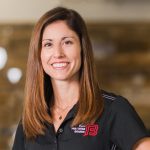
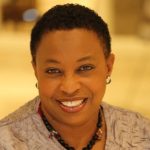
Inspirational, influential, creative, dynamic communicator, are words most often used to describe Littie Brown. Through her years of employment and community involvement Littie has helped individuals personally and professionally realize their dreams. Because of her investment in their lives, many persons have been promoted, taken on new opportunities and realized their own potential.

Professionally, Littie has successfully led sales organizations for three Fortune 500 Companies. She began her career in sales and sales management with Xerox Corporation where she spent 26 years. From there, she went on to Dunn & Bradstreet and then to W.W. Grainger, Inc. as Regional Sales Vice President rounding out 35 years of corporate leadership.

Today, Littie is in her ninth year as an entrepreneur. She is the President/Co-Owner of LittKare, LLC (dba) SpeedPro Marietta, specializing in large format printing. From banners to vehicle wraps, SpeedPro Marietta helps companies bring visibility to their business or organization. Her motto is “if you can image it, they can print it.” Since becoming an entrepreneur, Littie has become active in the business community.

Serving on several boards, Littie recently ended her term as President of NAWBO/Atlanta, (National Association of Women Business Owners Atlanta Chapter), she is the 1st Vice Chair for PIAG (Printing and Imaging Association of Georgia), Board Member of Cobb Chamber, and a Board Member for Zion Baptist Academy. Previous positions include, the Past President of East Cobb Business Association, and Past Vice Chair for MBEIC (Minority Business Enterprise Industry Council). Littie is a graduate of Leadership Cobb, Class of 2018 and currently a board member of the Leadership Cobb Alumni Association.

Littie is known as a mentor, teacher, advocate, and an author. In 2016, Littie published her first book, “Leadership Lessons from the HART,” keys, tips, and insights on successfully leading in business and in life. You will have to read the book to understand the meaning behind the word HART. Her second book, “An Issue of the HART,” learning to be a great giver in business and in life is slated to launch in 2021. Littie has spoken to both primary and secondary students at numerous high schools and universities. Most notably, she was a guest panelist for the Cole School of Business at Kennesaw State University.

As a business owner, Littie continues to share her knowledge, passion and insights wherever she is asked. She was a panelist for the Women of NABA Empowerment Forum, a panelist for the 17th Annual Phenomenal Women’s Conference at Kennesaw State University, a guest speaker at the East Cobb Business Association monthly luncheon, a guest presenter/teacher for the NAWMBA conference (National Association of Women M.B.A.) just to name a few.

In 2019, SpeedPro Marietta was selected as one of the Top 25 Small Businesses of the Year by the Cobb Chamber. SpeedPro Marietta was again recognized as one of the Top 30 Small Businesses of the Year by the Cobb Chamber in 2021.

Littie earned a B.B.A. in Management from Texas State University. She is single and very active in leadership roles in her church, Turner Chapel AME in Marietta, GA, and the community. She is an active member.

Connect with Littie on LinkedIn and follow SpeedPro Marietta on Facebook.

What You’ll Learn In This Episode

  • The biggest challenge in 2022
  • Stay motivated
  • A new and interesting event on SpeedPro Marietta for 2022
TRANSCRIPT

Intro: [00:00:04] Broadcasting live from the Business RadioX Studios in Atlanta, Georgia, it’s time for GWBC Radio’s Open for Business. Now, here’s your host

Lee Kantor: [00:00:18] Lee Kantor here. Another episode of GWBC Open for Business. And this is going to be a fun one. Today on the show, we have Littie Brown and she is with SpeedPro Marietta. Welcome.

Littie Brown: [00:00:29] Thank you, Lee. How are you?

Lee Kantor: [00:00:31] I am so excited to be catching up with you. Tell us a little bit about SpeedPro for the folks who aren’t familiar with what you do.

Littie Brown: [00:00:38] All right. Thank you very much. Well, first of all, SpeedPro Marietta is located in Marietta, Georgia. We’re a large format printing company. So, we produce three types of sign available to our customers, from a banner, to a wall graphic, to their vehicle wraps, to their trade show display. So, all things printing, graphic printing, we can help our customers with.

Lee Kantor: [00:01:04] Now, what’s your back story? How did you get involved in the printing business?

Littie Brown: [00:01:09] You know, they asked me that a lot. And my story has nothing to do with printing or this being where I was going to end up in my career. I spent 35 years in corporate America working for three Fortune 500 companies. And when I decided to leave the last company, Granger Industrial Supply, I was looking for something different and something new. And so, I was exploring and received a call from a franchise consultant who said, “You ought to consider owning your own business?” My current, my business partner right now and one of my best friends that always wanted to own our own business, so I was showing her all of the information. And one day, we just sat down and said, “Well, maybe it’s something that we could do together.” An[d we looked at it and saw the options.

The SpeedPro franchise model was one that draw our attention for a couple of reasons. One, we wanted something that that we’d actually work into the business, probably not as hard as I’m working right now, but we wanted to actually work the business and not just buy something for pricing. And it was new to the industry. You know, graphic printing, it’s been around for a little bit, but it’s really taken off in these last 12-15 years where people are graphically putting large signs out and visible graphics for drawing attention for their customers and for their events. So, we thought this would be a good one. And there was an existing business here in Marietta, and we jumped on it, and we’ve been here now. We celebrated nine years on yesterday. So, it’s surprising it’s been that long.

Lee Kantor: [00:02:49] Well, congratulations on that accomplishment. That’s a big deal. And I hope you take a moment to really appreciate that journey. It’s a hard one.

Littie Brown: [00:02:57] Yes, especially during two years of a pandemic.

Lee Kantor: [00:03:02] Now, can you talk a little bit about that moment? You’re in a transitional period, right? You went from corporate, and then you’re going to do this entrepreneurial adventure. Was there kind of a voice in the back of your head saying, “Oh, this is a big risk. I don’t know if I can do this”? Did you have any of that kind of apprehension or was this something like you were just kind of ready to go and just go boldly forward? I think a lot of people are in that same spot, right, where they have that moment where they’re in a big company, and then all of a sudden, they’re not. And now, they have to make a decision about their future. And you chose a very brave choice. Can you talk about how that decision came about and what gave you the confidence to go forward?

Littie Brown: [00:03:49] Yeah. You know, that’s a really good question because, like I said, it was not something that I stepped out on it and looked at. But I feel confident in my years of experience that I could go out and market myself. I had the backing of a good business partner who was very operational and who could quickly understand how to navigate the actual process, and the equipment, and the inside part of t[he business. And then, we did a lot of prayer, a lot of stepping out and saying, “Hey, if we’re going to ever do it, this would be the time to do it.”

And I will also say that there’s a little bit less fear when you have your finances in a good spot. And so, because I had that, I wasn’t relying on the business coming out of the gate being able to afford my lifestyle. So, that was a big piece that made the decision a little bit easier that you’re not risking everything that you had built up. So, you know what I tell people that are looking at what they should do or should they jump out there, you’ve got to feel comfortable with your finances and knowing coming out of the gate owning your own business, you’re not going to make the money that you are making when you leave your regular job. But there’s a point in time that you’ve got to just commit, and put all your effort into it, and go forward. So, that was it. I won’t say just boldly jump out, but I would say that we stepped out on faith and we went for it.

Lee Kantor: [00:05:30] And then, when you did that, when you took that leap, and then kind of, now, you put all your chips on the table, right, you were like, “Okay, we’re going to do this,” when did you start seeing kind of those clues that, “Hey, this is going to work out. I think we’re going to be okay”?

Littie Brown: [00:05:51] I think I’m still looking for some of them. No. I think I realized that the amount of support that was out there, two ways. I had some really great mentors. I had one mentor that said, “You really need to get certified as a women-owned business, and get involved, and do that with GWBC. Get certified as a minority-owned business with GMSDC, you know, and it put a network of people around you.” And then, more importantly, within the franchise model with our franchise, the owners across the country are very open to help and support, particularly the ones that had been around for a while, they knew the business a little bit better.

And so we, had a good network of people to learn from. And we had a very good consultant with the SBDC, the Small Business Development Council. I received from a good mentor that, “Hey, go to them. Let them help you kind of get started and understand what you need to do from a financial perspective and things like that.” So, I had some really good mentors that have been business owners that shared all their information and knowledge to really help us get started. And that, I think, kind of solidified the fact that, hey, we know we can make this work.

Lee Kantor: [00:07:21] Now, nothing prepared any of us for the last few years with the pandemic, as you mentioned earlier. How were you able to kind of navigate that? Was that through the help of kind of those foundational communities that you’re part of? Did that all contribute to your success to make it through?

Littie Brown: [00:07:43] I would say, yes, a lot of that. I think what happened with us, one, we’re small and lean, so we did not have to have any negative impact with our employees. We also recognized that people needed signage. You know, if nothing else, there was a lot of COVID signs going out there. So, we were in a good market that we couldn’t shut down. We may pull back a little bit, but we actually pushed out there. And customers that we built relationships over the years, particularly those that came through our corporate customers, really stepped up and needed us, and we were able to quickly deliver.

We actually went out and invested in a new piece of equipment that allowed us to do things to positively impact the COVID time frame, time period, the negative. So, it was worth the investment because we were able to do jobs that we would not have been able to do in the time frame that we needed them had it not been for us stepping out and going ahead and getting the machine. So, we kind of trusted what we knew. We had good relationships with our customers. We continued the ones that weren’t negatively impacted, and we were able to pursue and continue. So, we’ve had our our best two years the last two years. So, that says a lot.

Lee Kantor: [00:09:15] Yeah, that’s amazing. And going forward, is that something that’s — doing some of these things that you had to do kind of in a crisis mode, is that some of that going to bear fruit down the road, do you think?

Littie Brown: [00:09:27] I think so, yes. I think that once you stabilize, and people know you’re there, and people know that they can still trust to get things out, because there are quite a few in this industry that didn’t make it, that had some really tough times. We had one of our suppliers that stopped doing a certain part of their job that we got a lot of business from that pulled back or rescale. And you have to be able to find other means of filling in those gaps and finding other suppliers that did do well, that did make it. And then, relying on your staff. And you know, I will also say that we are thankful for the opportunity to get the PPP money, as well as the ideal money that just gives you a little bit of undergirding, so that you can continue to go out and build your business while the market might be still up and down.

Lee Kantor: [00:10:29] So, now, is there anything that you’re kind of nervous about moving forward into 2022? Is there any challenges that you’re kind of dealing with right now?

Littie Brown: [00:10:39] I think, you know, nervous. You stay with nervous, just don’t ever let it catch you. You’re always a little nervous, you just try to keep outrunning it. And so, I think, sustaining existing customers and getting new customers is always going to be the main focus. And so, right now, we got a little bit of a lull. We thought we had one earlier last month to pick back up. You go through these ebb and flow. So, any time you have a little bit of a lull, you kind of feel like, “Okay, where is everybody? And what’s everybody doing?” And then, you know, it pops right back up. So, try not to let those continuing to market and look for new ways to get your name out there because you’re not out cold calling, you know, you’re not out running in and out because nobody’s in a lot of businesses and nobody’s letting you in either. So, you got to find different ways to reach more customers. So, doing some investment in those areas kind of helps keep those nerves down.

Lee Kantor: [00:11:45] Can you talk about an event that you’re planning? For 2022, is there any event that you’re planning that maybe is going to help either serve your existing clients or get on the radar of some new clients?

Littie Brown: [00:12:00] Have not nailed that down. We always try to have some type of event here where we can recognize our customers, where they come in, and see the equipment, and kind of have a open house event. But because of where things are, we have not started to look at how is that going to work out. So, if we do anything like that again, we’ve done that in the past, it’ll be toward the summertime. So, I’m cautiously optimistic that we’ll be able to have our Customer Appreciation Day – that’s usually what we call it – and get customers in to see our new equipment, see some of the new things we can do. So, that’s what we have on the radar. But right now, we’re not close to pulling the trigger on that.

Lee Kantor: [00:12:49] Right. And it’s one of those catch 22s, right? Like you want to appreciate your clients and you want to let them see kind of the behind-the-scenes magic and, also, you have to be careful and cautious. Is there a way to do something like that virtually? Have you ever done anything like that where you’ve kind of given people tours virtually of your facility?

Littie Brown: [00:13:13] We did that. It’s funny you say that because we’ve done that with some individual customers and organizations where I’ve used my iPad. You put the Zoom on, and then I can literally walk them through the whole facility, and actually show them the equipment running, and they can actually see some of the stuff. So, we did some of that actually in 2020. We did that a couple of times where people couldn’t get in, but they wanted to to get a kind of an understanding of what we do. So, it’s a good point too. We haven’t thought about whether we want to go back that way. I think if we did it this year, it would still be kind of by customer or market base, not just an open house for anybody to get on. It’d be a lot more challenging to manage through that. And I think people do want to come in and see. I think people want to get out of the office or out of the house and have some hands on. We just have to be very cautious when we decide.

Lee Kantor: [00:14:18] Right? Yeah. I’ve done some traveling recently, and there’s some tours that I’ve done is like go behind the scenes. There was a chocolate making company, and then they took you through the whole process from how they take the beans, and then they get the seeds and they grind. So, you saw all these big machines working, and you see the process, and they tried to do it in a very safe way, everybody was separated, and masked and everything. And it was just an interesting glimpse kind of behind the scenes to see how something that the people working there probably just are like, you know, it’s not amazing to them but to-

Littie Brown: [00:15:00] It’s a regular bit.

Lee Kantor: [00:15:00] Right, but to a person that doesn’t know how these things work, it’s kind of fascinating to see how it goes from one thing, and then it turns into something different at the end, so.

Littie Brown: [00:15:11] Mm hmm. Mm-hmm.

Lee Kantor: [00:15:13] Now, is there any advice you can share for the listeners to kind of — how do you kind of stay motivated, and keep the energy up, and keep coming up with new ideas and great ways to serve your clients and find new clients?

Littie Brown: [00:15:28] Well, I think it starts internally with the person. I am an upbeat person naturally or by nature, I guess you’d say. So, sometimes, they tell me I might be too upbeat sometimes but I do think it has to come from that person. And I would tell people that the person you can trust the most is yourself. You know what your strengths and weaknesses are, focus on your strengths and then get somebody else to help you with your weaknesses. So, for me, having a business partner, my strengths are in marketing and sales, my weaknesses are in operation and driving the production side. And so, when I know that I have those resources with our employees and with my business partner, then I can go all out and focus on customers and focus on growing the business. And so, I think part of it is knowing who you are, what you do well, what you need to learn and work on.

I’m always learning, trying to learn new things. I’m involved in a lot of organizations. And so I get opportunities to go through training. The next level training through the Ladder Business League on last year, which was excellent and taught me a lot. And so, the more I can learn, the less panic that you feel about what you’re doing. Because the fear in being a small business owner is not knowing what you don’t know. You don’t know what’s missing because you’re not aware it’s something that you need. So, education is important to learn it.

And I think when you get in front of people who like you, customers who want to do business with you, they give you an upbeat feeling when you’re talking to people who just are looking for something nice or looking for something special and then you deliver. For me, it gives me a great feeling when customers leave out saying, “Oh my God, that’s more than I even thought it was going to be.” It’s, “Oh my god. I wasn’t even thinking about that,” or “Oh my gosh. Thank you for catching that mistake,” and they didn’t have to pay for it. So, those things. Customers make me excited,

Lee Kantor: [00:17:48] And it’s important, like you mentioned earlier, is to surround yourself with networks or network of folks that are kind of on the similar journey that you’re on, so that you can all learn from each other. One of those groups you mentioned was GWBC. Can you talk a little bit about how GWBC specifically has helped you with your business and your growth?

Littie Brown: [00:18:13] Oh yeah. One of the things I’m probably most proud of, last year, I received the Trailblazer Award for our category. And so, just being recognized by them as a great small business was a reward I’ve been looking for, and I was able to receive last year. And I think it’s because you have some commonality with other women business owners. Women deal with a whole set of things that not everybody has to deal with. And then, when you add businesses on top of that, the networking opportunities, even online, and people reaching out to you because everybody wants everybody to be successful, I think the GWBC provides that.

And then, on top of that, just the relationship building, the educational part, the programing where you get a chance to hear from not only successful other businesses but you also hear from those corporate businesses. What are they looking for? What type of business would they step out and do business with? It’s much harder to get my name out in front of some of the large companies than not having the ability to go through GWBC and meet those same people online. And so, we’ve had the opportunity to get involved and get engaged through GWBC with some corporate partners. And it’s because of those relationships that they have that then allow us to be able to meet those same folks. So, those. I think when you think about GWBC and what they offer, they offer education, they offer connection, and then they offer sponsorship with corporate accounts

Lee Kantor: [00:20:10] Now, for moving forward for your business, I know you’re in the large format printing business, have you kind of got a clear picture of the ideal client or is printing something that is pretty much anybody in business or even maybe not even in business only could use your services?

Littie Brown: [00:20:31] You know, it’s funny because it is not a single market or two market environment. Everybody needs some sort of printing. We focus on a corporate standpoint when they’re looking for things within their business operation. We focus on non-profits because they’re looking for signage for revenue growth for that nonprofit. We look at government and schools because they need both connection for inside with students and parents and community people, as well as externally to promote any causes or any opportunities that are working on. And then, we do even individuals will find us, especially those small businesses, that are just getting started, and they need something, and they kind of want — they’ve got a vehicle, they kind of want to get some advertising on their vehicle. It may only be one vehicle. And if we can get them a good pricing opportunity, then that’s advertising that every time they drive down the street. So, it goes across the gamut of people. Everybody in some shape or form can use some part of what we do.

Lee Kantor: [00:21:50] And if somebody wants to learn more, is there a website?

Littie Brown: [00:21:54] Yes, it is. You can go to SpeedProMarietta.com. That’s SpeedProMarietta.com. And then, you can always email us at OrdersMarietta@SpeedPro.com, and we respond back quickly.

Lee Kantor: [00:22:19] Well, Littie, congratulations on all the success. And happy anniversary. Nine years is quite the achievement. It’s a lot to be proud of, and you’re just getting started.

Littie Brown: [00:22:31] Just getting started. Thank you so much, Lee. Thank you for the opportunity. And thank you GWBC for this chance to talk a little bit about us.

Lee Kantor: [00:22:39] Well, you’re doing important work and we appreciate you.

Littie Brown: [00:22:42] Thank you.

Lee Kantor: [00:22:43] All right. This is Lee Kantor. We’ll see you next time on GWBC Open for Business.

About GWBC

The Greater Women’s Business Council (GWBC®) is at the forefront of redefining women business enterprises (WBEs). An increasing focus on supplier diversity means major corporations are viewing our WBEs as innovative, flexible and competitive solutions. The number of women-owned businesses is rising to reflect an increasingly diverse consumer base of women making a majority of buying decision for herself, her family and her business. GWBC-Logo

GWBC® has partnered with dozens of major companies who are committed to providing a sustainable foundation through our guiding principles to bring education, training and the standardization of national certification to women businesses in Georgia, North Carolina and South Carolina.


 

Tagged With: Littie Brown, SpeedPro Marietta

Jack Tompkins With Pineapple Consulting Firm

February 15, 2022 by Jacob Lapera

Jackthompkins
Austin Business Radio
Jack Tompkins With Pineapple Consulting Firm
Loading
00:00 /
RSS Feed
Share
Link
Embed

Download file

JackthompkinsJack Tompkins is the owner of Pineapple Consulting Firm based out of Charlotte, NC. He helps you analyze and visualize your data in interactive dashboards so you can get all of the insights from your data without actually touching it!

His goal is to help you grow profitably while giving your data a seat at the table and becoming a bit more data-driven.

Connect with Jack on LinkedIn.

What You’ll Learn In This Episode

  • Data for small businesses
  • Analytics for small businesses
  • The importance of visualizing your data
  • Benefits of the dashboard for a client
  • Types of data that are important to look at
  • KPIs are important for business owners
  • Data influence strategy

This transcript is machine transcribed by Sonix

TRANSCRIPT

Intro: [00:00:02] Broadcasting live from the Business RadioX Studios in Atlanta, Georgia. It’s time for Coach the Coach radio brought to you by the Business RadioX Ambassador Program, the no cost business development strategy for coaches who want to spend more time serving local business clients and less time selling them. Go to brxambassador.com To learn more. Now here’s your host.

Lee Kantor: [00:00:33] Lee Kantor here, another episode of Coach the Coach Radio, and this is going to be a good one, and for the folks out there, this is an important one for your business as well. So please help you have a pad of paper your phone handy to take some notes. This is going to be a lot of great information today on the show. We have Jack Thompkins and he is with pineapple consulting firm. Welcome, Jack.

Jack Thompkins: [00:00:54] Thanks, Lee. Pumped to be here. I couldn’t agree more. I think we’re going to cover a whole lot of good stuff.

Lee Kantor: [00:00:59] Well, I’m excited to learn more about your practice. Tell us about pineapple consulting firm. How are you serving, folks?

Jack Thompkins: [00:01:05] Sure. So we’re kind of your outsource data nerd. So everybody is familiar with the fractional CFO and fractional C-suite executive type thing. We’re kind of the fractional analyst. So that’s what we do. We put everything into dashboards, help folks become data driven. So even non-financial or non numbers, folks can easily make decisions and build strategies from their numbers.

Lee Kantor: [00:01:29] Now this is an area that’s, I think, really not appreciated by most entrepreneurs. There are so much data out there and there are so many numbers to look at. It’s very difficult for a business owner to really hone in on what are the kind of metrics that matter and how to discern what are the numbers you should be paying attention to every day. How do you help educate your clients to the importance of that number one and then give them some tools so that they can pay attention to the stuff that matters and not get bogged down by all these other distractions?

Jack Thompkins: [00:02:05] Yeah. So we’re obviously doing audio only, but I was aggressively nodding my head in agreement while you’re going through that. So, so number one, what’s important, right? Or how did they get started? What metrics do they pick that kind of thing? Honestly, I always say, start simple, start with something that you probably look at every day and I’ll use like revenue and profit as kind of the basic example, something that most business owners probably look at pretty frequently. Maybe it’s not every day, but whether they’re numbers, people, financial people or not, that is something that they’re going to look at every day. So kind of start there and then let the snowball grow from there. I always encourage people to start simple and then ask yourself, like, what does that mean? Right? So revenue is up 10 percent. Fantastic. That’s awesome. Why? Right? So was it more marketing? Was it better conversion rate? Did people come in from LinkedIn as opposed to networking groups? Stuff like that? And your questions will kind of feed your next steps. So that’s always my advice on where to start. And then second, part of your question stuff that we do at pineapple to kind of help make it easy is all just using dashboards. So an income statement, I’ll stick with the revenue example. I’m a financial nerd and I I absolutely love going through an income statement. Most people don’t because it’s a black and white piece of paper, and it’s kind of boring to look at. It doesn’t really tell you a lot of insights when you throw that into a dashboard. Now you have a trend graph, now you’ve got indicators of your performance and you’ve got your brand colors, and it’s actually kind of fun and engaging to look at. So I guess the all in answer is start simple. Feed your curiosity and then make everything visual because it becomes a whole lot more usable when it’s visual.

Lee Kantor: [00:03:54] And I think that’s another important kind of component with this. A lot of times people get, they just see kind of numbers and they see columns and it’s numbers and that that doesn’t really give them any context unless they can somehow remember what it was at the same time last year or over time or last quarter. It’s difficult to really understand and appreciate the direction your business is going unless you put this kind of data into some visual tool that helps you kind of see trends.

Jack Thompkins: [00:04:28] Right? Yeah, it’s exactly right. And the same thing goes for obviously this is Coach the Coach and everything. So for the coaches out there, for the consultants out there, when you’re working with a client, it’s a whole lot easier to point to a number that is in a graph or in a chart or something like that and have a solid foundation of to your point. The context around it, right? Here’s what it was last year. Here’s what it was last month. Here’s how we’re trending. Boom, now you have this solid foundation for the conversation, and you can get into strategy now that you’ve covered the numbers piece the quote unquote boring numbers piece that you have to get through.

Lee Kantor: [00:05:06] And I think it does a better job when you have these this information in a visual form, I think the story becomes clearer. It becomes when people can kind of see the graph and see the trends and see. However, you’re kind of framing the visual, whether it’s a pie chart with a big slice of pie that just improved, you can see it. It helps you tell your story better. It helps. You kind of understand the impact that people are making in the company.

Jack Thompkins: [00:05:37] Yeah, that’s exactly right. That is one hundred percent right. And that’s I think the number is like sixty five percent of people are visual based learners, but through a big red down arrow on the screen, everybody’s going to understand that that is not something that should be. That’s not what you’re going for it, right? That’s kind of the big red X that you want to avoid. So you dig into it and it becomes really clear with the visual. Absolutely.

Lee Kantor: [00:06:02] So now what’s your back story? How did you get into this line of work?

Jack Thompkins: [00:06:05] So kind of boring, honestly. I grew up, if you will, professionally in the insurance world. So Up in Connecticut was an analyst for an a bunch of different capacities and had some really cool like leadership roles in there. But really like the analysis, really liked making dashboards because I had to present every now and then to like the CFO of the division or my boss’s boss’s boss or something like that. And I quickly realized even continuing our visualization conversation. The best way to get my point across to this leader, who only has two minutes for me is to just not even explain it. Just turn my computer around, show them a picture of the dashboard, and then they’ll get the insights that they’re looking for. So that’s kind of where it all started. And then I’m about two years full time in running pineapple on my own.

Lee Kantor: [00:06:58] Now, kind of the epiphany of a dashboard or seeing the value of a dashboard. Was that something you were like, OK, I can create dashboards. I can take this data and kind of smush it into a dashboard so that it becomes very crystal clear just the handful of metrics that matter for an individual client. It was that kind of the epiphany, and now I can. Now I have a tool that I can now deploy and offer to lots of people. Was that what happened or is this something that you work with clients and then customize some solution, whether it’s a visual dashboard or whether it’s numbers or whatever the solution is?

Jack Thompkins: [00:07:36] Yeah, it’s kind of both. So I think I should know this because I’m a numbers person, but at least 90 percent of what I have done for clients has been completely custom from the ground up. And I honestly love that I have an absolute blast making that type of stuff. But to the first part of your question, that was kind of the formula, right? It was let me take the things that matter because in my corporate life, it was I know that they’re going to ask about these three metrics. And now in the small business world, I know we care about, you know, revenue, profit and leads and conversions or, you know, whatever it is. I know that those are the big things. So how do we package them and they kind of formed together to be this a bit of default stuff so we can have the conversation of here, the KPIs that we’re thinking about. Here’s why they make sense in general. Let’s see if they make sense for your business, too. And then part two, let’s let’s make it custom to your business and make it visual and make it engaging and make it interactive.

Lee Kantor: [00:08:39] Now, most small businesses, if they don’t, they would imagine not have kind of a data analyst on staff, but they might have a bookkeeper. They might have themselves with QuickBooks or some, you know, software. How does your firm kind of play with those tools and how do you help them get the most out of those tools?

Jack Thompkins: [00:09:00] Right. So it’s a very complementary situation, and I’m glad you brought it up early because my business is very garbage in, garbage out, right? So if the bookkeeper is or if there is no bookkeeper, right, maybe that’s the better example. There is no bookkeeper. It’s difficult to create a dashboard, a financial dashboard, right? Which is a very common thing. I link up to QuickBooks all the time. But if the data is not good in there or it’s inaccurate or whatever it is, the dashboard is not going to be totally useful. So whether it is the bookkeeper, whether it’s the CPA, whether it’s the CFO who wants to know or wants to drive the strategy but needs to know a few metrics first, those are all folks that are great, either information feeds for us or data sources for us.

Lee Kantor: [00:09:49] And then so how do you kind of work with your clients, is it something that you just say, OK, here’s what you need and then you just give them the resources to do that? And then they just now the bookkeeper is doing this kind of work or their CPA or their themselves? Or is it something that your service is kind of been ongoing, like a retainer like relationship?

Jack Thompkins: [00:10:12] It depends. It’s again, so everything that I build is custom, and that’s kind of the model for working with clients, too. It is very client by client. More often than not, it works out out to be a retainer type situation. So the example the standard example is people come in for, Hey, I have this idea. I want to see financial dashboard with, you know, sales by SKU or by product that came in through online versus versus whatever channels online or whatever other marketing sources. So they have that idea to start and then it kind of evolves into. All right, this is great. We also want to see how that impacts our operations. We want to see some more marketing stuff that we can do better. And so it kind of grows from there. So I guess kind of wrapping that up. It does transform into a retainer thing after starting as a project in more cases than not.

Lee Kantor: [00:11:08] Now are you typically kind of partnering with CPAs or these payroll services or the people that have some of this data? Or are you kind of going arm in arm with them? Or are they referral sources or are they just kind of, you know, you’re just complementary services that are both serving a similar client?

Jack Thompkins: [00:11:27] Yeah, it’s a good question. Kind of a little bit of all of it, I would say. Referral sources, both both directions, right? So a business coach, for example, needing to see the numbers, they talked to me and then me creating the numbers, building the dashboard and then saying, Hey, talk to this business coach because he’ll help you kind of build the strategy off of it. So the referral partner is most common of those options with, again, just very, very complementary services.

Lee Kantor: [00:11:56] And then in your work, are you kind of. Is this kind of industry agnostic or do you have some niches that you focus in on?

Jack Thompkins: [00:12:05] It’s been kind of all over the place, which honestly is a whole lot of fun for me because like I said, I came from insurance and that I really like the people. I like the work I did. I didn’t like insurance that much. So to be able to work, I have clients and transportation. I have clients and e-commerce. I have I have other consultants as clients and kind of the whole gamut. And that’s super, super fun for me. Honestly, there’s so many different metrics out there and so many ways to slice the data, and a bunch of different things matter to a bunch of different people. So I am pretty industry agnostic. I should say we are pretty industry agnostic because it’s just it’s more fun that way.

Lee Kantor: [00:12:45] And then because the dashboards don’t care about the data, right, it’s just a matter of aiming it at the right information that the person cares about.

Jack Thompkins: [00:12:52] That’s exactly right. Yep, 100 percent

Lee Kantor: [00:12:54] Now for you. Can you share a story? Maybe that kind of illustrates some of the impact you can have in an organization. Maybe share what the challenge was before they got a hold of you? And then what happened after you kind of deployed some of your services into their world?

Jack Thompkins: [00:13:09] Yeah, absolutely. So this will be a we’ll go with a transportation company, so fairly big company, big for my term. So I think there are 40 50 employees, something around that. But a whole lot of truck routes every day, right, going in and going out, delivering packages, all sorts of stuff. That is it feels like kind of what was the analogy that we used? It was putting out fires with a blindfold on. So it was so many things happen in a day, right? Maybe a truck breaks down, maybe a deliveries and all that stuff. So it was kind of just whatever happens today, we’re going to deal with it and then wake up and try and figure it out tomorrow, kind of thing. And and that’s probably a bit too cavalier. But the bottom line is it was put out the fires first and then try and build the strategy second. So what we did was we created an operational dashboard and a financial dashboard. So the operations was how many stops do we do? How many packages did we do? What was the time? What was the efficiency on all of that stuff? And then how does that lead to financials, right? So two complementary dashboards and now the operating structure isn’t put out fire figure out solution. It’s now anticipate what’s going to happen. Select the most efficient things, aim for specific targets that we know it can hit based on data and run the business much, much more efficiently and honestly with a lot more confidence. Because when when it’s not just dealing with. Fires. It’s a whole lot less stressful. And when the numbers are backing your decisions and you’re telling your management team and stuff like that, hey, here’s what we need to do. It’s a little bit of a stretch, but I think we can do it. You have the confidence of the numbers to back you up. So this client in particular would be the first to say that the dashboard is something that he looks at every day, and it is just it’s a 180 for his confidence in his day to day business.

Lee Kantor: [00:15:16] Now are there some kind of symptoms or breadcrumbs for you or for a company that says, Hey, you know what? Maybe a data analyst is the right person that we should be talking to, because I would imagine that this isn’t an area that a lot of that it’s top of mind for a lot of folks.

Jack Thompkins: [00:15:34] No, you’re right. It’s it’s not super top of mind. It’s one of those data is one of those things that honestly, even in the corporate world too, it was, Oh man, we should definitely look at that right? And then kind of crickets because it

Lee Kantor: [00:15:46] It seems like a nice to have, but not a must have. But I think that in today’s world, with so much data out there and everybody having the ability to collect so much, I think it moves higher up in that hierarchy and it becomes something that is becomes a must have.

Jack Thompkins: [00:16:01] I completely agree and I think that is the that’s the shift that’s happening. So corporate has had data and dashboards and stuff like that for a while and making decisions off that for a while now. I kind of seeing the transition into more small businesses and I have a couple of solopreneur clients as well that one of their first priorities when they started their business is let’s get the data set up. And I absolutely love that just in general for the for the whole field of data. So you’re absolutely right, it’s becoming more of a must have because of the decisions that come from it, because of the strategy that can come from data. And and again, that confidence and your gut tells you one thing your gut is going to be right your gut. Plus your data can make you completely profitable, right?

Lee Kantor: [00:16:49] And that’s the thing. I think a lot of, especially the smaller businesses they rely on just kind of their gut or just like that initial, you know, whatever happened first and then they’re using that data point as that’s kind of modeling for everything going forward, and that’s just one data point. And exactly. And I think that that’s a mistake. A lot of people and you can get into a rabbit hole and you can go down the wrong path pretty quickly if you adopt that kind of thinking in terms of strategic growth.

Jack Thompkins: [00:17:19] Right, it becomes a short term strategy that only has good short term results.

Lee Kantor: [00:17:24] Well, and then you forget when you’re wrong and then say you don’t have any kind of data that supports you having a good gut feel for things like you think it is. As long as you’re in business, you know, you just have to win a little bit more to stay in business. You don’t have to be that right. But if you have some system that kind of looks at your data and you can make better decisions, you’re going to increase your chance of success dramatically.

Jack Thompkins: [00:17:47] Oh, a hundred percent, absolutely. And this isn’t to say get rid of your gut, right, your guts, why you got into business in the first place, but again, your gut plus data, you’re absolutely right. It’s you can be so much more efficient grow, so much more scale, so much more when you have those processes in place and data being one of those processes, it is about as important as automating some of your marketing or developing a marketing strategy or consistent emails and conversations with clients. Anything like that. And if that operational day to day stuff data is right up there in terms of importance.

Lee Kantor: [00:18:24] So now is there any kind of low hanging fruit for our listeners out there right now, anything they they should be doing today or something they could do today that could at least get them thinking about, you know, kind of analyzing their data or even just kind of being aware of the metrics that matters or something that you would recommend people do.

Jack Thompkins: [00:18:45] Yeah, so I think first would be just kind of a kind of an easy take away for listeners is somewhat what we talked about at the beginning of starting simple. So even when you’re just walking to your next meeting in the shower or whatever, wherever you do your thinking time, I would encourage everybody to just challenge themselves a little bit and say, I know what I focus on, right? There’s a few metrics that I pretty much know offhand just because I have to. What’s the next step? So using the example we use at the beginning revenue, most people are going to know it. Why did it grow? Where did it come from? And then kind of build on that, right, so it’s that sort of step one is what is the next step of importance because every step that you take is going to be exponentially better. So if you go into why data are scary, why clients have joined me, fantastic, you’ll get more clients because you know that answer. And then tools wise, I always encourage folks to start with whatever sort of visual representation that their software they’re already using has. So QuickBooks, for an example, and most crimes have this Google Analytics as well for marketing and website analytics, there is always a default dashboard out there. It’s not going to be great. It’s not going to be exactly what you’re looking for. You kind of dip your toe and say, OK, this is cool, I get it, but it’s not exactly what I want. And then again, what’s the next step? And that’s where you get into some more in depth data conversations and and making sure that the processes are in place for the data flow properly and making it easier to update and easier to visualize. But it starts kind of like most cliches out there, right? How do you eat an elephant one bite at a time? This is very, very similar. Just start with the next logical step that makes sense to you, and it’s important to you today.

Lee Kantor: [00:20:48] So what is it that you need right now? Is there something we could be doing for you? The what is there anything the listener could be doing for you? Or are you looking for more referral partners? Are you looking for more clients? What can we do to help you grow?

Jack Thompkins: [00:21:04] Oh, I appreciate that. I never get that on the podcast, so thank you. More clients and more referral partners are always fantastic. Honestly, I really like just kind of talking shop. Like I said earlier with being industry agnostic, I always learned so much. It’s always a lot of fun. I just like kind of seeing what other folks are doing, so I would absolutely love to have a conversation with anybody that’s listening. Just kind of talk shop here about your business, and I’m sure there’s ways that we can help each other that will come out of that conversation, too. So I just I love small business and I love talking with other entrepreneurs. So please contact me and let’s talk some shop.

Lee Kantor: [00:21:41] All right. If somebody wants to learn more, what’s the website or the best way to get a hold of you?

Jack Thompkins: [00:21:46] Best way is the website, and it is pineapple kfcs, and that’s the abbreviation pineapple abbreviated consulting firm So Pineapple KF.

Lee Kantor: [00:21:56] Well, Jack, thank you so much for sharing your story today. You’re doing important work and we appreciate you.

Jack Thompkins: [00:22:00] Oh, thank you so much for having me on. This is fun and and I hope it was good for the listeners, too.

Lee Kantor: [00:22:04] All right. Lee Kantor we’ll see you next time on Coach the Coach radio.


Tagged With: Jack Tompkins, Pineapple Consulting Firm

Courtney Schutter and Tammy Lewis on Women in Business

February 11, 2022 by Jacob Lapera

Women In Business
Women In Business
Courtney Schutter and Tammy Lewis on Women in Business
Loading
00:00 /
RSS Feed
Share
Link
Embed

Download file

WomenInBusiness020922pic12

This Episode is brought to you byAlpha and Omega

CourtneyschutterCourtney Schutter is a Life Coach who works with ADHD parents to help them go from being overwhelmed, exhausted, and stressed out to organized, well-rested, and happy human beings.

After overcoming her own struggles with ADHD as a single mom Courtney knows the key to happy children is happy parents.

Courtney holds a Bachelor of Science in Psychology from Kennesaw State University and is a Certified ADHD Life Coach through the iAct center.

Outside of her passion for coaching, Courtney loves to play outside with her son and 2 dogs, painting, singing, and watching her favorite show The Office. She loves bringing parents and children joy through her other passion, Tinkergarten.

Connect with Courtney on Facebook and LinkedIn.


TamaraLewisTamara Lewis helps people get on the “Right Side” of wealth through people at work and money at work. Her personal passions are; empowering women, optimizing digital planning, and advocating for Breast Cancer awareness.

Connect with Tamara on Facebook and LinkedIn.


This transcript is machine transcribed by Sonix

 

TRANSCRIPT

Intro: [00:00:07] Broadcasting live from the Business RadioX Studios in Woodstock, Georgia. Welcome to women in business where we celebrate influential women making a difference in our community. Now here’s your host.

Lori Kennedy: [00:00:28] This is Lori Kennedy, and I’m your host today for women in business, powered by Business RadioX Stone Payton, our producer is also in the studio with us today. We’re grateful to have you tuned in with us and today we are interviewing Courtney Schutter. Did I say that right? Yes, you did. Ok? And Tami Lewis. So the first thing I’m going to do is I am going to ask each one of them to tell us about what they do and, you know, just their businesses and why they’re here. So I’m going to start with you, Courtney. Courtney, tell us what you do and how that plays out into your life and the community and that sort of thing.

Courtney Schutter: [00:01:03] Absolutely. So I am an ADHD life coach, so what I do is I help specifically parents with organization feeling overwhelmed, and we talk about the obstacles that are preventing them from getting to their goals, and we find ways to get over those obstacles.

Lori Kennedy: [00:01:24] Ok, so when you say parents, do you mean helping parents that have children with ADHD? Or do you mean helping parents or adults who have ADHD or both?

Courtney Schutter: [00:01:35] I can do both, but my passion is parents who are ADHD, because that’s that’s my story. So that’s why I got into this.

Lori Kennedy: [00:01:44] Yeah, well, I’m a parent who is ADHD without children in the home. Does that still count? Yes. Ok, good. I might need help.

Courtney Schutter: [00:01:54] Absolutely. Yes.

Lori Kennedy: [00:01:56] Absolutely awesome. Ok, and do you have a name for your business or do you operate on your own or how does that work?

Courtney Schutter: [00:02:02] Yes. So it’s ADHD Parent LLC.

Lori Kennedy: [00:02:06] Ah, OK, great. All right. Awesome, Tammy. Hey, hi. Tell us about what you do and how I know you have several things that you’re passionate about, so I want to hear about all of them.

Tammy Lewis: [00:02:18] Ok, well, thank you again for having me here. This is so awesome and a great opportunity just, you know, to meet other women and learn more about women in business. So my my journey has definitely changed. I was in corporate America for a while in the pharmaceutical industry, and I totally did a 360. So I’m actually in finance now, which has nothing to do with health or selling illegal pharmaceuticals. But but I did a total 360 in finance. I partner with my husband in our business, where we really do focus on helping people get on the right side of wealth with people at work and with money at work as well and life changes. And I’m pretty sure I’ll talk a little bit more about it. But I’m also a breast cancer survivor. So I started a nonprofit called Pink Pearl Hero, literally a week before my major major surgery, and it was because I didn’t see women who look like me talking about breast cancer and African-American women die at a higher rate. Oh wow. From it. So I was just like, why? You know, I was like, Somebody needs to talk about it, and I’m like, Well, why not you? Because your background is health, education. And then from that, which is not ironic. I always think things happen for a reason is I co-created a digital planner called One Dope Planner. It’s a digital organization planning experience. Pretty dope. But my partner actually was, as is, has been diagnosed with ADHD. So it’s again, I always say it’s divine that when you’re around certain people with, you know, places and that you go, So that’s me. So I’ve turned into a trilogy. I’m trying to figure out how to really say that. But you know, just from life, those are the three passions of mine.

Lori Kennedy: [00:04:10] Ok, I’m going to like, delve into each of those just a tad. Yes. First of all, I want to know more about this dope plan or like, how do you get it? What type of device do you need to use it on? Like what? Give me some details there. Like if I wanted to do this and be part of this, how do I join you in this?

Tammy Lewis: [00:04:28] So I mean, right now it’s just available on Instagram, so there’s a link where you can purchase it through Instagram. You do need like a tablet and you do need so, you know, iPads or like any type of PDF, you know, tablet you do need like a pen, you know, because it works better with like a stylus, you know, because people have asked me, What can I just, you know, purchase it and how does it work? And you do need to have certain software, but all that is laid out in like if you go check like the Instagram post on there. So we’ll be having more people because I don’t have time to do it, but we’ll be having more people kind of show how they use it just in their everyday lives. So and that actually came into play because when I was going through all my surgeries, I couldn’t carry anything over 10 pounds because I was like the Clevenger junkie, like I had. I had the top of the line lavenders because I always like to plan and organize. But when the surgery started to happen, my plastic surgeon said you can’t carry anything over 10 pounds and I said, Well, I got to figure this out because I still have a business that we’re running so I cannot not be organized. And so I learned, well, digital planning fell into my lap. It was a divine digital planning and I just started creating them, and it actually kept me busy during that process, too. So my mind was on that and not on where I currently was when I was going through that process.

Lori Kennedy: [00:05:57] That’s awesome. I do. I do. It seems to me like the more life I do, the more I realize that sometimes the hardest or the most difficult moments in our life are where things grow and bloom that take us to the next place, you know? And so the fact that you say that this planner came as a result of something that was, you know, a tragedy in your life and has turned it into a triumph? And that’s awesome and I of that. Mm hmm. I love that. Well, tell me a little about your story, Courtney. As far as like what led you to this place for such a time as this?

Courtney Schutter: [00:06:33] Yes. So I. Good things come out of tragedy sometimes. So I was let go from my insurance job. I was also in the insurance industry for 10 years, and I had no idea what I was going to do. I was a little bit panicked. I have a four year old, it’s just me and him and I had just been diagnosed with ADHD the summer before that. And you know, I was doing I was hyper focusing. That’s what ADHD people are really good at. And so I was hyper focusing and looking up all these things with ADHD. And I saw that there are ADHD life coaches and I thought, Well, what is that? I didn’t even know. I never even thought of a life coach, to be honest with you. And I looked into it, and it was one of those impulsive, a little bit impulsive ADHD things where I was like, Oh yes, that’s what I’m going to do. Shiny object. Let’s do it. And so I paid for the classes and just going through the certification process has made me learn so much about me how I function. It’s it’s been amazing. And it also explains a lot about like childhood because I was one of those ones where I was OK in school. I got, you know, talks too much on my report card, you know, every time they came out. But you know, my mom loves to tell this story that in high school, she she was a teacher. She met, she retired math teacher and she I was not doing well and she held a parent teacher conference. She was like, We need to talk. This is not acceptable.

Courtney Schutter: [00:08:16] And every single one of my teachers was like, Oh, but she’s so sweet, and she’s working so hard and it’s OK. And my mom is sitting there like, No, it’s not OK, she’s getting D’s. And, you know, it’s so. And we didn’t know at the time that there was anything going on in my brain. It was just I was struggling and we didn’t know I’m 35 years old back then. You didn’t really. It’s rare it did happen, but women really did not get diagnosed with ADHD, and it’s still very rare and we have to fight a lot harder to get our diagnosis. I actually had to convince my doctor to. I said, Listen, I’ve taken all these tests. I’ve talked to all my friends who know things. I need you to. What do we need to do to try this? Because I think this is what I have because before I was diagnosed, anxiety and depression and I thought, I’m not really depressed, I’m just really tired all the time. So, you know, so being let go from my job trying to figure out what I wanted to do with my life and then just jumping in and finding my passion. But I also have a degree in psychology that was my my undergrad, so I always in insurance. I worked in claims. So I always kind of said, Oh, I use my degree because I’m making people. I’m calming them down. I’m making them feel better when they’re stressed out because they just got in a car accident, right? But now I really am going back to my roots and I’m it’s it’s been awesome. It’s been awesome

Lori Kennedy: [00:09:53] Ride. That is awesome. I love that. So tell me what hyperfocus means. Like, I just want to understand or I want everybody who’s listening plus me to understand what that means exactly.

Courtney Schutter: [00:10:06] Yes. So when a typical person, we a lot of the word is neurotypical. So if you don’t have ADHD, autism, those things you are neurotypical neurodivergent is autism, ADHD, et cetera. So neurotypical people get exact. I read about stuff and they’re like, Oh, yeah, this is this is great, let me read about this for about an hour and they learn some things and it’s great. Neurodivergent people are like, Oh, that’s so cool. Five months later, they know everything about that subject because they have just completely consumed their day to day because they have to know everything about it. And that’s what happened after I got my ADHD diagnosis one, I realized that I have always been doing that. But to that’s what allowed me to really learn all these things about ADHD and find out what I really want to do with that. But yes, it’s we just take everything to a little bit of an extreme.

Lori Kennedy: [00:11:14] Ok, well, I want to explore this more with you later. One on one. And personally, yes. Tami, tell us about the financial or wealth building part of what you’re doing. And I would love for you to mention some of your social media things that you have happening around that as well.

Tammy Lewis: [00:11:37] Yeah. So what I realized and this actually came more into play during the whole breast cancer journey is I started reading when you said that, I’m like, Oh, that’s me. Wait a minute. Yeah, I was like self-diagnosis, but

Courtney Schutter: [00:11:53] It

Tammy Lewis: [00:11:53] Happens. I started reading more about why women don’t have the wealth that we should be, you know, should have. And a lot of it is because we’re trying to win a game and we don’t understand like where we are on the board and we’re playing from behind because women actually make 80 cents for every dollar that a man makes. I mean, it’s not our rules, it’s just what it is. And so if you’re playing a game, you got to know what the rules are. And I think that’s I think women know that, but they don’t like know the dollar. And when you look at it by race, I mean, the separation happens even more. So I’m like, OK, so we’re all trying to win this game of, you know, wealth, but we’re all playing from behind and we’re not using the right tools. So one of the things that I share is like when I went through my breast cancer journey is, you know, I had certain things in place. So, you know, I talk about how I had life insurance in place. You know, nobody wants to think about death, but I actually had to because, you know, we didn’t know what was going on, you know? And I told my husband, I said, You know, well, worst case scenario, the kid’s financial future is set because we put those plans in place.

Tammy Lewis: [00:13:03] And outside of, you know what you know, benefits that you get in a corporate job and then, you know, just teaching people about investments. So, you know, I’ll, you know, take time and do workshops on that or just one on one just to put a plan in place because I had money making money for me while I was going through all the surgeries. But, you know, in entrepreneurship because we had a business that had passive income. I didn’t have to work. And you know, I tell people, when you have options, you heal differently because, you know, when you’re going through like chemo and radiation, you only have one or two options. You’re either working because you have to because you got to have benefits and keep money coming in or you can’t work at all because the side effects are too bad. But when you got options, you do, you just heal differently.

Lori Kennedy: [00:13:52] And so I would assume I was just going to say I would assume that the stress of having to have a full time position while you are going through something like that would just make it even harder. Yes. Harder to heal from because you now you’re adding stress to it as well, right?

Tammy Lewis: [00:14:08] And I just was talking to actually one of my sorority sisters who’s also a breast cancer survivor who actually went to see my plastic surgeon for some redo reconstruction. And she said, Yeah, he said it again. He said, you were just an anomaly the way that you healed and because everything I did was intentional. But I think I could be more intentional about it because I didn’t have all these other stressors that most women, you know, have going through that process. So that’s, you know, and one of my girlfriends who was one of my partners in pharmaceuticals. She said, So you know what this means, right? So this means that you can tell your story from you living through it and the things that you had in place. And you know, having your business that you can talk to other women about this is how you have, you know, multiple sources of income. This is how you get your finances in order. And, you know, just talk to them through what you live through at the same time.

Lori Kennedy: [00:15:07] Yeah, I love how all the pieces like I’m trying to get you to tell me about one thing, but it always flows right into the next. It’s like your whole life is all so interconnected you don’t have like this space for this and this space for this. It’s all together because you do have this women of wealth. Social media and then you also with the breast cancer thing, I want you to tell me about these boxes or something that you were talking about in reference to that. I want to hear more about that. So tell me about those two things.

Tammy Lewis: [00:15:39] So the women are wealth like I. I started like a private group just so we can just start having wealth conversations. And, you know, most people think I’m just talking about finance. No health as wealth. You know, mindset is wealth, because if you have a bad mindset, then I mean, you’re not making any money because you’re just kind of like all over the place. And so bringing a platform where we can have safe conversations about that and again, going through the breast cancer, I, it’s like, OK. So I really need to do something with this. And when I was in the Woodstock business club for like the first time I was there, it was actually last March. And actually, Giselle came up to me and she said, You know, I wanted to introduce myself. I invited actually this person and this person. So we kind of went down the list and she said, and there’s probably seven other women in this room who know who you are, but you don’t know who they are. Oh, wow. And that’s when I said, OK, so this thing is really getting big. So it’s it’s an opportunity number one, to have wealth conversations on health mindset and wealth. But also what it’s turned into is I want it to be a platform for other women who are entrepreneurs to showcase their business.

Lori Kennedy: [00:16:54] Yeah, it’s

Tammy Lewis: [00:16:54] Awesome. You know, at the same time. So we’re working on what we’re actually going to do with it. So I’ve talked to some other women and just some of the relationships that I’ve had with other women and not just here, but it’s also like I went back and looked at the analytics because I’m a little analytical. And yeah, I mean, we have women from Atlanta, like all areas of Atlanta and in Nashville, in St. Louis and Houston and Dallas, parts of Jersey, New York. We got people in Boise, Idaho. I mean, it’s just. But it’s that, you know, six feet of separation that has happened and it’s like it’s own like growing organism.

Lori Kennedy: [00:17:39] So how many how many members of this social media?

Tammy Lewis: [00:17:45] So right now, when I last counted, we’re right at 1300 getting ready to tip over to 14, and that’s only because it’s private now. So like I know, as soon as we release it, it’s just going to turn into its own beast. So I just want to make sure a couple of things are in place before we do that. So we’re really supporting women in that process, not just kind of being another women’s group.

Lori Kennedy: [00:18:09] Yeah, yeah. I love the strategy behind that. So tell me about these boxes that we had talked about at one point in time. I want everybody to hear what you want to do.

Tammy Lewis: [00:18:17] So when I was when we started the Pink Pearl hero, it was like, So what are we going to do? Because I have some girlfriends who like valid is hope. One of my girlfriends in St. Louis, she does recliners for women who have double mastectomies. I would have never thought of that until I went through it, and it was like my saving grace. It was like my bed from October to October to the next May because of just the type of surgery. So what I decided was a couple of girlfriends of mine in St. Louis would send me a box once a month and I always like, look forward to the box and had funny things and it had t it had a mask and it it had like gift cards to Pinero, a Starbucks, T-shirts, all that stuff. And I said, Well, what am I going to do or what are we going to do to give back? So I decided, let’s do this hero box, because that was one of the things that I always look forward to. And that’s a way that someone can support another breast cancer survivor, even if they’re not in the same city as them.

Tammy Lewis: [00:19:22] So the hero box and so I took it a step further because, you know, big on supporting women in their businesses is let’s put contents of the box only from women’s businesses so we can support other women in their businesses. So that’s what we’re in the process of doing. And I’ve met some phenomenal women in the journey of doing that and even from things because we even talked about, you know, little things about getting, you know, oil change or car repair. I mean, it may sound like, OK, why would you put that in the box? I’m like, because the car still has to be repaired when you’re going, you know, through that process. And there are so many women. And I think that’s the only thing that keeps me talking about my journey is because there’s so many women who go through this alone. And, you know, and even some of my friends are like, Yeah, I just, you know, they have family members who don’t know they had breast cancer. Wow. Because that’s just their choice and I respect their choice. And so for me, I’m just like, Well, I’ll just be your voice now.

Lori Kennedy: [00:20:22] So that’s awesome. Yeah. Wow. So, Courtney, I want to hear about. How people like are able to know about. What you do and how they find you like, how does somebody come across, how do how would I have come across? Yeah, yeah. Like, I mean, I found you on social media, right? But it just was kind of by

Courtney Schutter: [00:20:45] Accident, which I’m so happy for.

Lori Kennedy: [00:20:47] Yes, I am, too. And I can’t wait for us to be a little

Courtney Schutter: [00:20:50] Obsessed with him. You know, I have to admit she’s awesome.

Lori Kennedy: [00:20:52] Yeah. Tammy is awesome.

Courtney Schutter: [00:20:54] Can we just ask her more questions?

Lori Kennedy: [00:20:56] You know, we want to hear from you, too. I know

Tammy Lewis: [00:20:58] Because I’m over here self-diagnosing,

Lori Kennedy: [00:21:01] Right?

Courtney Schutter: [00:21:01] Yes. Well, no. So I am most active on Instagram, so my Instagram is connected to my Facebook page. So it’s ADHD parent. Eighty six on Instagram, and that’s where I go live. I post a lot. I repost a lot of people who are self-diagnosing themselves with ADHD. They get it from Tok, which is fantastic. There’s a lot of good information out there, but there is a lot of not correct information out there, so I just would encourage everyone to just do their own research. You know, love the Tik Tok videos. Love the Instagram even. But yeah, and then go. And my favorite place that I go for a lot of my information is called Attitude Magazine. Its aid attitude. Oh, that’s cool. And so they have all these experts and a lot of different information about what ADHD is, what it is not. But yes, where you can find me is mostly on Instagram. That’s where I just talk, usually to myself, it’s fine. I love it. Actually, I go live it. No one’s there. I’m just like, Well, I’m just going to pretend I’m talking to you guys. And I just, you know, and usually some people will watch it afterwards and comment. But and then I have my own I have two websites, so Courtney Schutter is my just official coaching. That’s all it is. Is coaching and then ADHD. The parent is my blog. But in true ADHD fashion, I have three posts on my blog because I was so excited to become a blogger. And then it was like, Oh, wait, this is boring. I don’t want to do this, so I do want to get more into it. But again, this I’m a baby business. I just started even thinking about this in May. Oh, wow, yes.

Lori Kennedy: [00:23:08] Well, is this something that can be like connected to psychology or like, could you be on some sort of insurance type of thing where somebody could get so insurance?

Courtney Schutter: [00:23:21] No, it’s not. It’s not covered on insurance and it’s not like therapy counseling. But I do work with a lot of other coaches and you can go and buy regular advertising, things like that. The main body that kind of looks over all of life coaching is called the International Coaching Federation, so they’re the ones that are making sure that everyone’s kind of doing coaching in a similar manner. Ok, but yeah, all of it, you have to pay to get your name on there. And again, I’m a baby business. So yeah, yeah, yeah.

Lori Kennedy: [00:23:59] I just didn’t know how all that worked because it sounds like it should be something that is part of it. Should counseling or something of that nature, you know?

Courtney Schutter: [00:24:09] And I always encourage people coaching is not therapy, so what I’ll do is either I’ll have a conversation with somebody and I’ll realize they may be better suited for therapy because therapy, I think a lot is dealing with past traumas. Talking about the past, figuring out how to maybe get over those types of things, coaching is all about the future. It’s here’s where I am, and here’s where I want to be. How do I get there? And people just get stuck. I mean, I just talked to somebody yesterday that they had this great idea to fix a problem that they had, but they have no idea how to implement that fix. They’re like, I know this will work for me, but I cannot bring myself to actually do it. And it was like, OK, we can work on that. We can get there. It’s very similar to. Like, you hire a fitness coach, you’re like, OK, I’m here in my weight or my fitness level and I want to be here, but I cannot do it on my own. So can you get me there? And that’s what a life coach does, especially with people with ADHD. I think we tend to get stuck more often because we have a lot of stuff going on. And, you know, a lot of ideas, a lot of shiny new objects that we get so excited about, and it’s so hard to rein it in and think, OK, this is what I’m going to focus on today. Even I do. I mean, I have all the tools of a coach, you know, I know what I’m doing, and I still struggle with it sometimes. So it’s a work in project process.

Lori Kennedy: [00:25:46] Always, yeah. Ok, so the next question is, I want to know who’s in your household. So let’s start with you, Courtney.

Courtney Schutter: [00:25:54] I have my son who is four and two dogs and a cat. Oh, yes, it is. I just moved my office upstairs to my bedroom because where my house sits, the sun only hits one side of my house and I have to have that sunshine. Otherwise, I’m just like, Oh, it’s nap time, OK, let’s do that all day long. Even on medication, I’m just like, No, I can take a nap. That’s fine. So, yes, but my dogs were there little 10 pound dogs and they bark at everything.

Lori Kennedy: [00:26:29] So I have little ones too. What kind of

Courtney Schutter: [00:26:31] Ears? Bishan and having knees. Ok, I have Pomeranians.

Lori Kennedy: [00:26:36] Oh, and they bark at everything, too.

Courtney Schutter: [00:26:38] Yes. Jacki’s my next dog will be a German Shepherd.

Lori Kennedy: [00:26:42] German shepherds are

Courtney Schutter: [00:26:43] Beautiful. They’re my secret. They’re my favorite.

Lori Kennedy: [00:26:46] Yes. Well, Tammy, who is in your house?

Tammy Lewis: [00:26:48] Well, so we’re going through a transition because so my oldest is in college in Nashville and my youngest is graduating. She’s a senior and so she’ll be leaving the nest, so we’ll be empty nesters. And so I’m like, everybody is like, Are you excited? I’m like, Actually, I’m not because I’m so, you know, it’s always been them. And of course, I’m sorry my husband too.

Courtney Schutter: [00:27:14] Oh yeah. Oh yeah, the other big kid, right?

Tammy Lewis: [00:27:19] And we do have a little dog. We have a it’s a Yorkie, Shih-Tzu, Shawki Zoo, which that breed is got, you know, detachment issues, I think, for families, but which we’ve been informed from my older daughter that as soon as she gets her apartment in Nashville, she’s taking the dog too. So I was like, OK, so yeah, so Lauren, our youngest, it’ll be going to SCAD in the fall, but she’s going to be in, you know, in Atlanta, on campus there. So that’s who’s in the house, kind of in the house, but we’ll be empty nesters. So.

Lori Kennedy: [00:27:55] So why don’t you tell me? Tammy, about a mistake that you made in your business and what you learned from it.

Tammy Lewis: [00:28:03] Oh, I think I’ve made a lot of mistakes. I think one of the biggest mistakes always has to do with people. And, you know, in any business, I think especially when you have people that work with you is really not like listening. Like, you kind of hear them, but like really listening to what they’re saying and not clarifying and just assuming this is, you know, this is what I think I heard you say. And really just taking a step back, you know, the whole process, like he said, what I heard was. And taking that step where I just kind of like assumed and went on like a whole nother tangent and realizing that I mean, my like my agents, my agents are my customers. And you know, the customer is, you know, always, right? So you still have to kind of take that step to to listen. And I think, you know, a couple of times where I’ve made people mistakes is not taking that extra step to say, All right, well, maybe what you’re thinking and what they’re saying is two different things. So just take a step back, clarify, ask the question, just be humble about it. And then, you know, kind of go from there.

Lori Kennedy: [00:29:18] So, yeah, that’s great. Courtney, what about you?

Courtney Schutter: [00:29:22] So when I first thought about this question, I thought, Well, I’m too new. I haven’t made any mistakes. But now that you’ve said that, not that I have made any mistakes with other people yet because it is just me, but not listening to myself. So I was I’m past that point now, but I was being very wishy washy about who I wanted to coach. And then when it wasn’t working out immediately, I thought, OK, maybe I just need to go back to what I know insurance and maybe not get out of the coaching space per say. But, you know, start coaching insurance agents, which would have been months of retraining. And I thought, you know, finally, I just said, OK, no, no, no. Trust your gut. This is what you’re passionate about. So I think that would be, you know, my main takeaway and what I have to just try and remember consistently is trust your gut, you know, and don’t and just go with it. You know, this is what you’re good at. It may be a little bit of a slow start. Yeah, but again, I just started in May. So yeah, it’s great. It’s it’s, you know, you can’t expect things overnight to happen, but I do love that. I love what you said about taking a step back and making sure that you are understanding what people are actually saying to you and what they’re understanding because that’s big in coaching. It’s like, this is what I’m hearing you say you want to work on or this is what I’m hearing you say, making sure you have that understanding because people’s brains, you know, work differently and not just if they have ADHD, everybody, right? So getting that clarity is so important with all relationships.

Lori Kennedy: [00:31:13] What are some misconceptions about your industry?

Courtney Schutter: [00:31:17] So I think the biggest thing is people just don’t know about life coaches, especially that there are specific life coaches for people with ADHD. I know the courses that I took at the iaCt center, she the woman who runs them. She started them years ago, but it’s always been kind of a small, small school. And now finally, I think partly because of the pandemic, it’s just blown up, you know, because a lot of people are giving themselves permission to work on their mental health because we’re all struggling right now and a lot of people. There was a meme and I can’t remember the numbers, but it said women who took an online test to find out if their ADHD in Twenty Seventeen was like 1100 women who took an online test to find out if their ADHD in twenty twenty two was like twenty five hundred. I mean, it’s absolutely it’s just crazy because partly we are very under-diagnosed. We mask very well. Masking is when you you realize that you’re different and so you do whatever you need to do to fit in with everybody else, which also can then cause anxiety because you’re just not able to be yourself at all. So, yeah, and I lost my train of thought hashtag D

Lori Kennedy: [00:32:49] Did I think, don’t we all do that or

Tammy Lewis: [00:32:52] Yeah, actually a diagnosis in the DSM four? Yeah, to the it’s called postpartum amnesia. I’ve been using it for 20 years.

Courtney Schutter: [00:33:00] Yes. Yeah. There’s. There’s the normal rate, and then there’s the ADHD rate where you’re like, just OK by thought it was nice knowing you when I had you?

Lori Kennedy: [00:33:10] Well, so do you typically do Zoom? Is that how you do that?

Courtney Schutter: [00:33:15] Ok? All online? Yes. Ok. Yeah. So I’m international. So coaching, there’s no regulation. As far as like, I don’t have to have a license in each state, so it’s all Zoom and it’s whatever country, city, state, whatever I can.

Lori Kennedy: [00:33:32] Is it typically one hour sessions? Is that how you do it? Ok, yep.

Courtney Schutter: [00:33:36] So one hour. So I think one hour a week they can contact me throughout the week. Like if there’s a quote unquote emergency, they can message me through my client management system. And yeah, and then I offer 12 weeks or twenty four weeks. And right now what I’m doing, especially because, like I said, ADHD people can tend to quickly sign up for things or, oh, that’s going to work for me. I know this is going to fix me, which is one of the things I don’t do in my coaching is we’re not trying to fix you, but that’s how they think. They’re like, I’m going to be normal. It’s like, No honey, you don’t need to be normal. You’re perfect, but I do three weeks at a sliding scale. So essentially what you can afford for three weeks, and that gives people typically an understanding of if coaching is going to work for them, if that’s what they thought it was going to be. And then after that, then that’s when we sign up for they decide the 12 or 24

Lori Kennedy: [00:34:42] Weeks, OK? I love that.

Courtney Schutter: [00:34:44] Yeah, it just gives them kind of a, you know, a better idea of what coaching is and how I can help them. And I don’t want to be another app that you forget to cancel and then it just keeps renewing. And then, you know, $500 later. It’s like, Oh my god, I keep forgetting to cancel this. You know, I don’t need to be that. I don’t need you to sign up for the whole 12 weeks and then realize three weeks in. This is not what I thought it was going to be. So I like to give people that kind of trial.

Lori Kennedy: [00:35:16] Yeah, I love that. I appreciate that. Yeah. Tami, tell me about some misconceptions or a misconception in your industry.

Tammy Lewis: [00:35:25] Well, I mean, I think one of the biggest misconceptions, I think from a client perspective is that people. Like, like they don’t want to get their finances in order, like some people just don’t know where to start. Yeah, and I’ve met, you know, folks anywhere from like, this is all I have, you know? But I got to start somewhere to people who make six figures and say, I just never sat down and did it. And you know, like, they just I do the stuff you know, that my employer has. But there was never a plan in place, and I think it’s just some people just, you know, it’s just, you know, they’re they’re just working kind of like just in them on the treadmill, just kind of just working. And they’ve never stopped to say, I really need to put a plan in place. And I think like, especially like our Gen Xers know, not Gen Z or Gen Xers. I mean, we’re now at a point where it’s like, Oh, retirement is like in 20 years, and I never really like sat down and really put a plan in place. I just been kind of winging it the whole time. So and then I think the other misconception is like these younger folks, you know, they’re, you know, I do call them like kind of the juice box generation. They want instant gratification. But there are a handful out there that are just like, Look, I ain’t trying to do like, you know, my mom and my dad did, I got to do something different or I’m going to be stuck in this, you know, in this cycle. So I think there’s there’s more of that now in pockets than ever before.

Lori Kennedy: [00:37:05] Ok, do you have a message that is for women specifically?

Tammy Lewis: [00:37:10] Yes. Yes. Can you

Lori Kennedy: [00:37:13] Tell? I can.

Courtney Schutter: [00:37:14] I can. Big, deep breath go.

Tammy Lewis: [00:37:17] You know? And and here’s here’s why can I can I take a second to say, Wow,

Lori Kennedy: [00:37:20] You absolutely can. I just think it’s funny because I’ve read through these questions and I’m like, Oh, we’re answering them naturally. Like, I don’t I can’t even ask half of my questions because it’s just automatically come out. But yes, tell us.

Tammy Lewis: [00:37:32] So I think, well, a couple couple of reasons why it’s number one. Just through my own personal experience of going through breast cancer and having options in life is all about options. And I think the other thing is is just from sitting from on. The financial part of it is seeing women like I met. I met a lady who had been married for years over 20 years, and her husband dies and there’s not enough life insurance. So now she has to sell the house. She had an estate sale and she lives with her son in his basement because there wasn’t enough and she just never, she said. I just never thought to have the conversation and not saying that, you know, that’s just, you know, her husband just didn’t. They just never had the conversation and she thought that everything would be OK. So I’m a little different when I talk to couples, I always ask the wife. I said, he dies, what happens to you? And like, lay it out, tell me step by step. And a lot of women don’t know and vice versa, because I’ve seen the wife die and the husband have to figure it out where they had to get a nanny and had to have somebody come in like those little things. People don’t think about. So my message for women is if, if, if you’re married or not married, if you’re, you know, if you’re a single mom, a stay at home mom, if you don’t have a husband or a kid, you know, what is the plan? And if somebody said, Go, can you recite the plan like, you know, like for me, I shared because of this experience.

Tammy Lewis: [00:39:06] One of the things that we did is, I, you know, I was like, OK, well, this is real. So we’ve really got to put a better plan in place is, you know, I told my husband, something happens to me here the five accounts, and here’s where all the money needs to go. Nobody, again, nobody wants to talk about that. But now there’s an ease like if something still happens because something is going to happen one day. I mean, it’s like, I don’t know why people don’t realize you are going to die one day. So you just don’t. We don’t want to think about it. But the thing is, is that wealthy people think about it. That’s part of the plan like and that’s why they have generational wealth, because it’s part of the plan. So, you know, even like talking to Taylor, you know, our oldest now that she’s 20, I’m like, OK, so we need to redo our will because you’re 20 and you kind of know our business. And so putting those plans in place, because once you do it, then you don’t have to do it again and you can rest easy at night and you can really, really enjoy life and not be the wife that I met, whose husband is no longer here.

Tammy Lewis: [00:40:08] So she can’t even grieve because, you know, the house that she’s been in for years, she can no longer be in. So that makes me sad. I know me too, me too. And I hear it more so you know than not. I mean, and there was another case where the wife was. She stayed at home with the kids. Husband was in corporate, and these are fi. These are none of my clients. These are just stories that kind of, you know, brought more passion. And he goes, you drive. He’s on his motorcycle and he dies. And he’s making, you know, good income because you stayed at home, but they were like living in a half million dollar house. All that gone because it just wasn’t enough to plan for it. Wow. So it’s just no. Whatever the plan is, put the plan in place and on the good side and on for retirement. Unless you plan on working like you know how you see. Well, I don’t know. But like if you go to Wal-Mart, like it just burns. It burns me, and it makes me sad when I see older women working. Yeah, like over 70. Mm hmm. Still working? Yeah. Right. So like that shouldn’t.

Courtney Schutter: [00:41:22] Yeah, have the uncomfortable conversations. That’s me. I love them. Yeah. Conversations with people I love. I love to get awkward. But yeah,

Tammy Lewis: [00:41:30] Because, you know, it just makes people just start think like, Oh my gosh, and that’s what you know, struck me as I was like, Yeah, I was making great money in corporate, but I didn’t have a plan. Mm hmm.

Lori Kennedy: [00:41:41] So Courtney, is there a specifically for women? Is there a message that you

Courtney Schutter: [00:41:48] Have for that? Yeah, definitely. Go for your dreams. So, you know, I spent probably too many months trying to get back in the industry that I had been in that I knew. And then I finally decided to actually just forget it. Go for it. And I’m a single mom and it’s a big risk to decide I’m going to work for myself. I this is my business is my company. I know I can do this, but I also have days where I’m like, Oh my God, what was I thinking? This is not. This is terrible, but I just, I just keep going. And then the other thing really is take up space. You know, we do not. We shrink ourselves, which causes anxiety, and we just need to stop. We need to stop shrinking ourselves to make other people uncomfortable, make other people comfortable. Yeah. You know, I still do it to an extent. I catch myself, but it’s a hard habit to break. Yeah. You know, and especially women with ADHD, even if they don’t know it, they are much more susceptible to doing that because we’re so often told that we’re wrong. We’re doing it wrong. You’re, you know, you’re not being ladylike because especially women with ADHD, we have a really hard time being traditional women. We talk too much. We’re we’re too much for people, and I just would love every single woman ADHD or not to just get over it, you know, as best we could and just say, you know what, I’m going to take up all this space. And if it makes you uncomfortable, that’s your problem. That’s not my problem. So that’s, you know, I’m very passionate about that clearly.

Lori Kennedy: [00:43:38] Yeah, no. I mean, I think embracing who you are is something, yes, that a lot of women struggle with. And I think that the message of you are, OK, you are good enough, you are amazing. The way you are is something that needs to be retrained and a lot of brains.

Courtney Schutter: [00:43:59] And it is. It’s very, very difficult. I mean, I posted something. I mean, it was ADHD specific, but about ADHD being a superpower? Well, it’s not always a superpower. Sometimes it feels like kryptonite. You’re just like, I literally can’t get off the couch today. That’s just that’s that’s what’s going to happen today. I’m doing nothing but to be able to find that superpower is so important, but I posted it on a women’s ADHD and got torn apart. Oh no, because they said, because they don’t feel it and they and they are not in the space right now to be able to believe it, that they can be, that they can use this as their superpower.

Lori Kennedy: [00:44:39] Don’t you think, though, don’t both of you think and you too stone, don’t you all think that our superpower and our kryptonite are typically the same thing? Just one of them is managed and one is unbridled?

Tammy Lewis: [00:44:52] Yes, I would agree. Yeah.

Lori Kennedy: [00:44:54] Like when I when when you know, like if you’re in an interview and somebody says, What is your weakness? Well, you’re supposed to turn it around as your strength. But in reality, it’s probably the same thing. Your strength and your weakness is the same thing. Yeah, it’s just one of them. You’ve you’ve got a handle on. And then in some cases, it’s out of your grasp, so to speak.

Courtney Schutter: [00:45:16] Yeah. Absolutely. Like with ADHD, one of the people that people that people complain about is talking too much. I wish I could just shut up and stop talking, but I can’t. But then you can flip it and say, I’m really easy to talk to. Right? And so, yeah, absolutely. It can go both ways. It’s just a matter of being able to get to that mindset of, yes, this is a positive thing, and I’m going to use it as such and not everybody can get there.

Lori Kennedy: [00:45:47] It’s hard. Yeah, well, I love that that it’s your life’s mission to ensure that as many people get there as possible. Yes. And Courtney, how can people get in touch with you? Give us all of your things. I know you’ve done it already, but we’re going to have it right here. You know, packed in at the end.

Courtney Schutter: [00:46:04] Yeah, absolutely. So Instagram is ADHD parent. Eighty six. My website is ADHD Dash parent or Kourtney Shutter C o u r t and e.y s c h u ttr. Awesome. Yes.

Lori Kennedy: [00:46:26] And Tami, tell people how to get in touch with you.

Tammy Lewis: [00:46:29] Yes. So I guess because of my business, my, you know, in the brokerage, it’s really just my personal. So on Instagram is probably the easiest way. It’s Tami gluey. So it’s nothing like, you know, fancy because of that. But as far as, like the Pink Pearl hero on Facebook and Instagram, it is pink pearl hero altogether. And for the planner, it’s one dope planner. So it’s the number one d o p e so p like Paul E Planner and that’s on Facebook and Instagram. And now on Tik Tok. I wish I could just I mean, that’s why we’re hiring other people to do it. And when you said that about the kryptonite, I think my girlfriend and I, she’s an entrepreneur as well, and we both figured it out. We’re professional extroverts, but we’re personal introverts. Yes, because I’m really an introvert and people are like, No way. I’m like,

Courtney Schutter: [00:47:28] Yes, I’m going to go home and take a nap because all of this Typekit like, really,

Tammy Lewis: [00:47:33] I’m just like, Can I go back to the beach? That’s all I really want to do. So.

Lori Kennedy: [00:47:37] So Tami Lewis is with a Y and an e w e w.

Tammy Lewis: [00:47:41] Yes, OK. Just with Tami

Lori Kennedy: [00:47:43] Lewis from St. Louis, I knew that. But yeah, I wanted to make sure others could find you.

Courtney Schutter: [00:47:49] And then one is the number is the number one.

Lori Kennedy: [00:47:52] Yes. Yes, any last minute amazingness.

Tammy Lewis: [00:47:56] I think this is amazing. Yeah, you

Lori Kennedy: [00:47:57] Know, it’s fun.

Tammy Lewis: [00:47:58] I’ve seen personally, I’ve seen a shift in the U.S. with women, and I like I was seeing it. But now it’s kind of like I am woman. Hear me, wore your roar. And then when the pandemic happened, I think a lot of women actually pivoted and they were just like, You know what, this, you know, baby that I had on the shelf or this this feeling I had inside. Dang it, I’m going to do it and I’m going to do it guns blazing. And I think we’re seeing a lot of that now. So if there’s women listening, if you know, if you got that, that urge just I mean, literally just just do it because the world is waiting on, you definitely will meet you and the world needs you for sure.

Courtney Schutter: [00:48:38] Yeah, absolutely, absolutely. We need to be heard. And like I said, we need to take up more space for sure.

Lori Kennedy: [00:48:44] For sure. Awesome. Well, remember, if you already know everything, then you are sure to learn nothing. Lori Kennedy signing

Courtney Schutter: [00:48:51] Off.

Tagged With: Courtney Schutter, Tammy Lewis

Jordan Queen & Gilead Fishel With Dilly Dally Provisions

February 11, 2022 by Jacob Lapera

dillydally
Chicago Business Radio
Jordan Queen & Gilead Fishel With Dilly Dally Provisions
Loading
00:00 /
RSS Feed
Share
Link
Embed

Download file

Firmspace-sponsor-banner

Dillydallyco-foundersJordan Queen & Gilead Fishel, Co-Founders at Dilly Dally Provisions

Dilly Dally Provisions is a small food business that was founded by two brothers-in-law in 2020. They make handcrafted preserved goods that liven up everyday meals. Their products are made with clean, simple ingredients that promote healthy eating and reduce food waste through old-fashioned food preservation.

Follow Dilly Dally Provisions on Facebook, Instagram and LinkedIn.

This transcript is machine transcribed by Sonix

TRANSCRIPT

Intro: [00:00:04] Broadcasting live from the Business RadioX studio in Chicago, Illinois. It’s time for Chicago Business Radio brought to you by FirmSpace, your private sanctuary for productivity and growth. To learn more, go to Firmspace.com. Now here’s your host.

Max Kantor: [00:00:20] Hey everybody, and welcome to another episode of Chicago Business Radio. I’m your host, Max Kantor, and before we get started, I just want to go ahead and thank today’s sponsor today. Sponsor is firm space thanks to them because without them, we couldn’t be sharing these important stories. We’ve got a great one for you today. Today’s guests are the Dream Commercial Kitchen Pitch Contest winner at the hatchery in Chicago. They’re the co-founders of Dilly Dally Provisions, and I’m so excited to talk to them about everything they’re doing. Please welcome the show, Jordan Queen and Gilad Fishel. Welcome to the show, guys. Thanks for having us. Well, let’s jump right in. Tell me a little bit what is dilly dally provisions?

Jordan Queen: [00:01:03] Yeah, so don’t dilly dally provisions. We we specialize in chef crafted preserved goods. The focus is small batch handcrafted, everything, a sugar free, no additives, no preservatives. And we just take a lot of pride, a lot of passion in creating delicious good for you products that are oil free, vegan and also gluten free when possible.

Max Kantor: [00:01:31] So how did this idea come about of dilly dally provisions?

Jordan Queen: [00:01:37] Yeah, so Gilad and I are our brother in laws. You know, I moved to Chicago about three years ago and yeah, you know, I’ve always been a long time hobbyist of pickling and fermenting and preserving just always been something super passionate. I’ve been passionate about my grandmother. She we grew up in Appalachia mountains, so it was just very much a way of life. She was very self-sufficient. She grew everything herself. So, you know, always played around. But then, you know, of course, you know, the pandemic happened and I got furloughed, so I had to kind of move around a little bit kind of, you know, shift the focus. So I came up with this idea for dilly dally provisions. I knew we had some. I had some good recipe development, but I just I knew that I needed someone to kind of help bring more of a business perspective. And that’s when I approach my brother in law of Gilad. And we just started kind of brainstorming and thought that it had some legs and we’ve been making a run at it.

Max Kantor: [00:02:43] Now, Gilad, have you had any background kind of in like the food industry or restaurant industry or this was all new to you?

Gilead Fishel: [00:02:50] I’ve worked. I’ve dabbled in in restaurant kitchens. Not a ton. I mean, really, the the the culinary expertize comes from Jordan side. But I mean, I love food and you know, a little bit about our back, our backgrounds in general. I mean, Jordan’s from rural North Carolina. I grew up on a kibbutz in Israel. And so while we come from very different backgrounds, we just we found that we had this common set of values around the connection that we have to food and farming and sustainability. So you know, it just it’s just kind of it just kind of evolved and we’re just been really enjoying kind of taking our passions and creating something out of it.

Max Kantor: [00:03:35] Now, I’m not familiar with the pickling process. Could you talk about like what goes into pickling something and how do you guys decide what you are going to use?

Jordan Queen: [00:03:47] Yeah. So, I mean, the pickling process and this goes with fermenting, too, I mean, the basis of it is you need an acid. You know, usually sugar and salt. Those are the core ingredients and then spices that kind of makes up the general foundation for pickling. But that’s but there’s there’s so much that you can kind of build off that. So, you know, we we we do six products all very different. You know, it all ranges from, you know, kind of condiment based. We do hot sauces, spicy beer, mustard. We offer a couple of different relishes. Being in Chicago, we have to offer a genre relish that’s fermented and oil free. And we do dilly beans and corn relish. We’re just kind of taps into my roots of being in the south. But you know, the the R&D part is just, you know, that’s that’s kind of the fun part about our name dilly dally. It’s not only fun to say, but it’s also kind of expresses our love for food exploration. So a lot of times when we were developing these recipes and we continue to develop recipes throughout the farmers market season because we work with a lot of farmers and we offer seasonal rotation. So a lot of us just inspired by what we can get our hands on locally and and just kind of, you know, a lot of experimentation. You know, it’s a lot of things. We try it and we’re like, That’s not it. Sometimes we’re like, That’s cold. So it’s just a lot of trial and error. And then, you know, and then we’re constantly trying to perfect recipes, you know, tweaking here and there. But that’s kind of our process.

Max Kantor: [00:05:31] Totally. It’s interesting to hear you talk about how this business kind of grew during the pandemic because we’ve talked to a couple of restaurants on Chicago Business Radio and we obviously bring up, you know, how COVID hit them so hard. And Jordan, I know you talked about getting furloughed like, you know, firsthand, so it’s great to hear you guys took this really hard time, but then made something out of it. But during that? Were there any struggles that you had to overcome when getting started?

Gilead Fishel: [00:06:00] Yeah, I mean, I think, you know, I think it’s something that is not necessarily unique to our business, standing a business in the midst of a pandemic is sounds kind of crazy, but at the same time, it’s kind of like. Why not, you know, the world is kind of turned upside down, so we we I mean everything in terms of navigating. I mean, I think first and foremost, we launched our business really in in front of people at the farmer’s market. And so obviously, you know, we’ve been masked the whole time, pretty much at least initially when when when the business kicked off. A lot of a lot of people are interested in sampling our products, and that’s not something we’ve been able to do. You know, it’s kind of the typical list. Supply chain issues there was a major shortage of of glass jars when we started the business because guess what? We weren’t the only ones that thought that this would be a good time to start pickling. So, yeah, it was. Those are just a few of the challenges. But you know, we we are we’re so, we’re so grateful and feel so fortunate to be where we are. And we’ve already, you know, we launched in November of twenty twenty and we’ve we’ve managed to establish some really strong partnerships with some suppliers and vendors. And so it’s you compare it to the horror stories we’ve heard from from others. We feel really grateful that we’ve been able to move forward and execute in the way that we did last year and what we have planned for twenty twenty two.

Max Kantor: [00:07:42] Oh, absolutely. Now are you guys pickling out of your home kitchen? Do you have a space you go to? Where are you guys doing this?

Jordan Queen: [00:07:52] Yeah, that’s a great question. I mean, initially when it started a lot of the a lot of the experimenting and a good bit of the R&D started just from my home kitchen. But once we realized that it had potential, we kind of, you know, partnered up with Gil-Ad and really decided to make, you know, build a business model around this. We was lucky enough to have a neighbor that owned a restaurant just just nearby in Evanston, on the North Shore, and we were able there like the restaurant was closed down for almost a year, so we were able to get in there and do a lot of production. But, you know, as the pandemic lifted and restaurants started going back to normal, it kind of put a little bit of a squeeze and we had a we kind of had down dance around their schedule. So we started looking for other opportunities. And, you know, late late last fall, Dillard was like, Hey, there’s a pitch contest coming up, I’m going to sign us up for it. And I was like, Sure. And then, you know, next thing we know it’s we’ve been we made it down to top top five finalists, which we were just so humbled and blown away by that. We thought we were kind of a long shot just to get to that point. And then we, we we did our pitch in front of it was it was virtual, which is kind of different. But we had an amazing panel of judges and and we, you know, we we won which that was. We’re still kind of thinking shocking on cloud nine about that. So that’s allowed us. We’ve actually just moved in this past week into the hatchery. We have our own private kitchen here, and it’s just a total game changer for us, you know, just having unlimited access and just it’s going to really allow us to be able to scale and kind of ramp up our business, and we’re just really excited about it.

Max Kantor: [00:09:51] So you mentioned being in some like small farmers markets, markets like store like that. Where can people find you both in person and online?

Gilead Fishel: [00:10:05] Yeah, well, last year we were fortunate to participate and be a vendor in the Evanston Farmer’s market, which has been going on for over 30 years. So we were there every Saturday and as well as the Wicker Park Farmer’s Market, which is also long standing. So, you know, John lives in Evanston. I live in the city, and so we kind of started to focus on on kind of establishing ourselves in our own neighborhoods. And so those are two major markets we were also in in a number of other ones during the week Lincoln Square, Ravinia in uptown. But we’ve we have these wonderful independent shops all scattered throughout the the city and the suburbs that are taking a chance and offering our products. So Ravens, Goods and Ravenswood in Lincoln Square. Kaufman’s deli is a is is a fun one in in Skokie, to name a few.

Max Kantor: [00:11:13] Now do you guys have any upcoming products, locations, events that you want to share to our listeners?

Jordan Queen: [00:11:22] Yeah, I mean, we’re we’re as far as upcoming products, we have a lot of things kind of in the works. You know, the beauty about us working with local farmers like during the season, it really does. It’s kind of a it allows us to do a lot of R&D kind of testing recipes and then hopefully perfecting those where they can kind of move into our lineup. But you know, as Gilad mentioned earlier, he does, you know, he has, you know, he was born in a kibbutz in Israel and he’s got those roots. So we’re definitely focusing on maybe some Mediterranean flavors. We’re developing in the process of developing a harissa recipe where we’re trying to make it an oil free version, which a lot of commercial versions you get are are a little heavy on the oil. So, you know, and then just whatever we can get when peaches come in season, we we we do pickled peaches, pickled asparagus, we we just have so much available to us. We can kind of that’s the fun part. We have our core lineup, but we have so much room to play with on the seasonal side. And I don’t know. I personally, I love that aspect of it.

Max Kantor: [00:12:38] What would you say is the most rewarding part of what you guys are doing?

Jordan Queen: [00:12:45] I would say real time customer feedback and engagement. I think that’s just the beauty of being in a farmer’s market. It’s not like you’re selling online or a store or someone buys it and you never hear from them again. I mean, we see a lot of these people every week. I mean, they’re very much loyal to the markets in their neighborhoods, and they’ll be very frank with you and honest and and, you know, lucky for us, we’ve had a tremendous amount of positive feedback and it’s just it’s great. Like without that, we we feel like it would be hard for us to improve and get better. So we really we really are grateful to our customers.

Max Kantor: [00:13:27] And if people want to purchase some of your products, learn more. Do you guys have a website, social media? Where can they find you?

Gilead Fishel: [00:13:35] Yeah, we we absolutely do. Dilly Dally Provisions launched on Small Business Saturday Enough in twenty twenty. We offer free local delivery in the city for those that can’t make it out to visit us in markets or in gift shows. And yeah, we are on Instagram as well with the dilly dally provisions handle and lots of we try to we try to share our experiences and our journey of how we’re, you know what we’re up to. And so, yeah, please check us out.

Max Kantor: [00:14:12] Well, Jordan, glad you guys are both doing great work and we appreciate you for being on Chicago Business Radio today.

Jordan Queen: [00:14:20] Thanks so much for having us.

Gilead Fishel: [00:14:21] Thank you.

Max Kantor: [00:14:22] And thanks to you all for listening. Today’s episode once again is sponsored by firm SpaceX, and we’ll see you next time.

Intro: [00:14:30] This episode is Chicago Business Radio has been brought to you by firm SpaceX, your private sanctuary for productivity and growth. To learn more, go to Firme Space.com.

Tagged With: Dilly Dally Provisions, Gilead Fishel, Jordan Queen

Thomas Nieto With Main Squeeze Juice Co.

February 11, 2022 by Jacob Lapera

ThomasNeito
Austin Business Radio
Thomas Nieto With Main Squeeze Juice Co.
Loading
00:00 /
RSS Feed
Share
Link
Embed

Download file

Brought To You By SeoSamba . . . Comprehensive, High Performing Marketing Solutions For Mature And Emerging Franchise Brands . . . To Supercharge Your Franchise Marketing, Go To seosamba.com.

ThomasNeitoThomas Nieto, CEO at Main Squeeze Juice Co.

After a 10-year career building successful teams and managing a successful organization for the largest telecommunications company in the world, AT&T, Thomas Nieto decided to take a leap of faith and jump into entrepreneurship. Since 2017, Nieto has served as the CEO of Main Squeeze Juice Co. The New Orleans-based franchise’s mission is to make healthy easier, and the company’s nutritionist-designed, the superfood-centric menu does exactly that.

As CEO, Nieto serves as the brand’s fearless leader who manages their corporate team while leading site selection, franchisee support, and franchise sales.

Connect with Thomas on LinkedIn.

What You’ll Learn In This Episode

  • Nutrition
  • Technology
  • Health
  • Franchise
  • Development
  • Product

This transcript is machine transcribed by Sonix
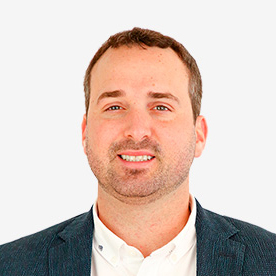
TRANSCRIPT

Intro: [00:00:07] Welcome to Franchise Marketing Radio, brought to you by SeoSamba Comprehensive, high-performing marketing solutions for mature and emerging franchise brands to supercharge your franchise marketing. Go to seosamba.com. That’s seosamba.com.

Lee Kantor: [00:00:32] Lee Kantor here, another episode of Franchise Marketing Radio, and this is going to be a fun one today on the show, we have Thomas Nieto with Main Squeeze Juice Co.. Welcome, Thomas.

Thomas Nieto: [00:00:43] Thank you very much for having me, Lee.

Lee Kantor: [00:00:45] Well, I’m excited to learn what you’re up to. Tell us a little bit about main squeeze juice company. How are you serving, folks?

Thomas Nieto: [00:00:52] Sure. We are serving folks with whole fruits, whole vegetables, healthy, clean eatery. Quick, fast on the go. Our mission is making healthy easier. And we do it by offering this whole fruits and vegetables. Real food. 100 percent plant based. And we do it conveniently, quickly and at an affordable price point. And so the story is basically, I stumbled across a mom and pop juice bar in Lake Charles, Louisiana, about four years ago walked in, blown away. It was not your typical juice bar. The design was breathtaking. All the products were the best tasting products that I’ve ever had in my life when it comes to juice, smoothies, bowls. And, you know, I ended up falling in love love at first sight. You can call it and and so the rest is history. Here we are today. We have twenty five locations opened. We have well over 50 plus more locations that are in various stages of development between, you know, real estate or design construction. And so, yeah, we have a lot of momentum. We’ve grown quickly, but we’ve grown in a very smart way. And it’s all been organic up to this point.

Lee Kantor: [00:02:17] So well, that’s fitting. Therefore, it’s fitting that it’s organic, right?

Thomas Nieto: [00:02:23] Yeah, exactly. No pun intended

Lee Kantor: [00:02:25] Now. So you just discover this as a consumer.

Thomas Nieto: [00:02:30] Well, actually so. All right. I guess I’ll have to make the long story short a little bit longer. So basically, my background is I cut my teeth in the business arena with AT&T, started as a sales rep, ended as a regional manager for AT&T Corporate over the company on retail locations in North Florida left AT&T to actually do a venture called In-N-Out Smart Repair. And this was about six years ago. And so the self there was a cell phone repair concept. If you cracked your screen, any kind of electronics that needed repair. It was the kind of business that it was and a buddy of mine who actually, funny enough, I had hired at AT&T. He worked in construction, was begging me to get him in the air conditioning for take him out of the construction world. He ended up getting fired six months later because he couldn’t show up to work, made me look bad, but then totally redeemed himself by convincing me to take the leap of faith from AT&T and starting what was in and out franchise. And so that was a venture where we scaled from seven locations. We opened seventy eight locations and right at three years time, we were the fastest growing franchise in that space. We rose up to be the number three player in the space and ended up getting acquired by the largest player in the space CPR cell phone repair.

Thomas Nieto: [00:04:00] So from when we after we sold and did that merger acquisition with CPR, at that point, I’m kind of figuring out my next move. What am I going to do? Where am I to go, you know? And so I was getting phone calls, opportunities and whatnot with some different folks wanting to do ventures. And so in my exploration of what my next steps were. I ended up talking to some guys at a Lake Charles, Louisiana, about their cell phone repair concept, which was called Fix My Phone. These two gentlemen named both of them were Nick and Carl, and great guys ended up meeting with them. And while I was there evaluating their cell phone repair concepts, they were like, Hey, do you mind jumping in the car real quick? And my little sister is about to open a juice and smoothie bar, and she needs help unloading produce, which I thought was kind of odd, but I was like, Yeah, sure, man, I’ll jump in the car and go, help out. Why not? So I did that, and that’s where I walked in love. At first sight, I was blown away and the the kind of creators, if you will, the founders of that, that location that worked with some of the best chefs in the world to create the recipes. And these are two really special people, very authentic. We’re very close with them today.

Thomas Nieto: [00:05:23] Matt Myranda, husband and wife, is their passion to to open this juice bar and and really offer a holistic vegan option to their community and Lake Charles. And so they were so thankful that I was helping them unload produce and whatnot. And they were like, Oh man, we have to. Our products like let us let you taste everything. Look, guys, I mean, I’m, you know, I’ll do that, but just so you know, I’m not, you know, I’m not the healthiest person. I don’t really like juice to me, like juice tasted like the dirt or fruits, you know, not my cup of tea, but you know, I wanted to oblige. So I was like, OK, sure, I’ll try them. And lo and behold, I’m trying like green juice, beet juice, all these different juices that I couldn’t believe that I was loving every single one of them. Like, we’re putting in this, like, how does this taste so good? And to my surprise that, you know, we’re not adding anything straight whole fruits, whole vegetables, two to four pounds of produce in every bottle of juice, which was kind of mind blowing. When you think about how much four pounds of produce is going into one bottle of juice and everything I tried, it was amazing. And we’re like, Oh, we got to try the smoothies. I’m like, Well, how great can a smoothie since a smoothie? And to my surprise, I mean, the best tasting smoothies I’ve ever had.

Thomas Nieto: [00:06:49] Like, what do you like? How did these smoothies taste so good? Why are they so different? Well, we have a very special process on our bananas. We get them in a certain ripening stage and we freeze them at a certain temperature for a certain period of time. And that’s what we don’t use any ice or any fillers or sirups. It’s all just 100 percent whole fruits, whole vegetables. The only thing we’re adding is organic superfoods. And man, I was blown away and then they showed me that they were like, Oh, we got to try the US edible. And I didn’t even know how to say, Asieh. I didn’t even I didn’t know what A-Xii was, but once again blown away, it was there like, Yeah, we get our wild harvested from the Amazon rainforest, from indigenous tribes who like, climb the trees and pick the berries, and then they clean it. They’re in Brazil and they ship it straight to us. I was like, Wow, so I I was just light bulb moment blown away with with how mind you like, I’m here. Like having this epiphany like, man, this this is a very special brand and this is this is what I’m interested in. But funny enough, like the whole purpose, it was completely random that I was even there. The whole purpose of me being in Lake Charles was again for that cell phone repair concept.

Thomas Nieto: [00:08:02] So, you know, kind of concluding, I basically said, Look, I would be very interested in scaling this brand. Or at least I wanted to see how, like the first month went to his mind. You like I was there the Thursday before they opened on that upcoming Monday. And so but I kind of, you know, establish that, hey, I’m very interested in this brand would be very interested in potentially franchising it and learning more about it, et cetera. And so but then I kind of, you know, took a back seat and wanted to watch and see what it did for the first month. And certainly like their first day that they opened with no marketing, they sold out of everything at two o’clock by two o’clock in the afternoon and did six thousand and sales did over ninety thousand almost one hundred thousand in their first month. And so I was like, OK, so confirmation this brand is very, very special. It’s a it’s a brand that the products are so amazing and they taste amazing and they make you feel amazing where, you know, it’s a lifestyle brand you end up. It’s kind of like how people go to Starbucks, you know, over and over again that addicted to caffeine. You know, that’s that’s how I saw this brand because I was like, if I lived here, I would come here every single day because the energy that you’re getting on infusing your body with two to four pounds of produce is a very natural, amazing energy rush that you’re getting.

Thomas Nieto: [00:09:32] That’s basically the benefits of caffeine without all the jitters, and it’s more of a sustainable energy and so many other benefits health wise. So, you know, and I was like, Man, how cool is it to like, you know, how cool would it be to be able to scale a brand that also is serving like products that are literally helping people and improving people’s lives and improving their health and their well-being? A lot of businesses out there to make make a dollar, but really cool to be able to partner with the brand and scale a brand that ultimately could make a difference, a positive impact in people’s lives with their physical and mental health. So all that being said, I ended up doing a deal founding the franchise company back in July of Twenty Seventeen. We got to work on building the FTD brought in my my brother in law, who was part of that last venture that I mentioned within and smart repair, and he is an attorney and basically wrote our Ph.D. for Main Squeeze franchise. We completed the. September of 17 started licensing, then again, very kind of organic word of mouth, and then, like I said, here we are today.

Lee Kantor: [00:10:52] Now has any of the tactics changed like of going to market with a franchise that is in this kind of industry rather than the technology cell phone repair kind of industry? Was it the same kind of philosophy and strategy in place in order to franchise and scale this brand?

Thomas Nieto: [00:11:15] Yeah, well, you know, what I learned was coming fresh off of the in and out smart repair concept that was that was my first endeavor in franchising, but what I learned and I learned so much through that endeavor, to be honest with you, most of what not to do. Nevertheless, learned some invaluable lessons. I’ve kind of figured the thing out. I figured out they always had my business. Background comes from marketing, merchandizing, customer experience, how to create an extraordinary experience that retail brick and mortar from AT&T, but in and out really gave me that franchising experience and figured out that franchising is all about systems and processes. It’s about having a great product with great people, with great process. And so those principles are always law and truth for any brand in franchising, regardless of what the brand is, comes to this point having great people, having a great product and having great processes in place. And and so that’s what we kind of, you know, got to work on immediately. While we were working on the FTD, I was working every day at Lake Charles store. Of course, we had to streamline a lot of the operations, for example, you know, their recipes were, well, a handful of this and you know, a pinch of this, you know, so we had to standardize everything and create good structure and processes that can be easily taught and replicated. And so, yeah, that’s what franchising is. It’s about creating that structure where an operator and an owner can come in and they know the machine, basically, if you will, is already built. And all they have to do is grab the steering wheel and and make sure that they’re driving it every single day. So from from that standpoint, yeah, very much very similar in that regard.

Lee Kantor: [00:13:23] Now does the idea, what is the ideal franchisee look like? Are they somebody that has this kind of health and wellness background? Or are they could be anybody that’s open to, you know, just following systems and kind of leaning into this kind of an opportunity?

Thomas Nieto: [00:13:42] Yeah. You know, I guess if you ask that question to different, different folks, you might get different variations of what the answer is. But for me, most important is, you know, kind of two two main things up front that are big qualifiers. Number one is financial qualifications, because at the end of the day, it’s the number one reason why small business owners fail even franchisees because they’re under capitalized. And so that’s a big one. We have to make sure that everybody who’s getting into the space and going to be opening a main squeeze, that they’re coming out of the gates from a position of strength, but they’re not fully overleveraging and fully extending themselves so much to where it puts them in a conflicted position, which is ultimately a position of weakness. For example, I mean, if you if the investment costs three hundred and fifty thousand and you’re you went all in, you have no other working capital. That was that’s not a good situation. We don’t want you to just because you have the money to do the investment, that that doesn’t mean that you’re you’re well capitalized because you are highly at risk if you don’t have sufficient capital with sufficient buffering to account for your kind of worst case scenarios. And so that’s a big one, and we spend a lot of time on that and we make it a big priority. That was one of the big lessons that I learned and in and out and I got to I got to see how those the consequences of not making that a priority and how that played out and it ended up playing out.

Thomas Nieto: [00:15:31] Not well. And and, you know, people were frustrated, people got hurt. And and that’s not why I’m in this game. I’m in this in this deal to help people and provide great opportunities for entrepreneurs and to serve our customers and amazing product and to an awesome place for all of our employees that come to work every day. So financials, number one number two is after that is I really, really feel strongly that this has to be this business specifically, not necessarily just franchising meaning like the passion. The talent of following systems and processes are the characteristics of somebody who does that very well. But. More so somebody has to be you have to be passionate about who we are and why we do what we do. You have to be connected to that. Why? And that might sound, oh, cheesy, superficial kind of. Everybody might say that. And you know, it’s it sounds good, but some people could think that that’s fluff or but it’s really not. It’s really important you have to be connected at the core value level to what we believe from a philosophy standpoint about people. You have to be connected to why we do what we do. And the reason is if you’re not passionate about what you’re doing and why you’re doing what you’re doing when the going gets tough and by the way, you will be tested, it’s not always going to be sunshine and rainbows.

Thomas Nieto: [00:17:06] You’re not always going to be on the mountaintop. Sometimes you will have to go through the valley and when the going gets really tough, if you’re not really passionate about it and all the real drive for you is money, well, you’re going to quit. You’re going to want to give up because it doesn’t mean anything deeper than a dollar. And so I really believe strongly that there has to be a fit at that core value level with what we believe about people philosophically and why we the mission behind what we’re doing and why we do what we do. And and if you have connectivity there, of course, third layer is I’m really looking for people that have a proven track record. Ideally, it’s very helpful as it would cuts the learning curve down if you have a background in restaurant operations that that helps. It’s not a deal breaker. The first two are, but that third one is not a deal breaker, but it makes a difference. And certainly, you know, regardless of whether you have that restaurant background or knowledge in your in your quiver, you at least need to have a proven track record of winning. I want to be able to see your past endeavors, your past work experiences, and I want to see what your track record is and I want to talk to references and I want to know what you’ve done up to this point.

Thomas Nieto: [00:18:35] And what you find is when you have a pattern of past successes and somebody that has a track record of winning and everything that they do, the odds are they’re going to continue that trend and they will they will find a way and make your way to win in whatever they do. And that’s just, you know, inside of somebody and that’s who they are at the core. So we’re looking for winners. We’re looking for people who are motivated that are, you know, that are that are passionate and determined to win no matter what it takes at all costs. And so, so those are the three main things that I’m looking for and what a great candidate looks like. And we are very selective. We we end up doing, you know, not doing, I should say a lot of deals with a lot of people that that meet criteria one typically financially in, but they don’t they don’t have number two and or a combination of number two and number three. And so that the ideal candidate, somebody that is well capitalized, that has the money that can fight from a position of strength right out of the gates. He’s very passionate about the brand and our mission and why we do what we do and really has a core value connection to like what we believe and what our philosophies are about business and people. And then, number three, having a proven track record of winning.

Lee Kantor: [00:20:05] Now your location, you started, I guess, in the Louisiana kind of Gulf Coast area. Are you? Is that the main area of growth now or is it the kind of the world is your oyster at this stage?

Thomas Nieto: [00:20:19] Yeah, I mean, for us is a young brand, and I would recommend for any brand again, this is a lesson that I learned within and out of what not to do is doing any kind of a shotgun approach. When you’re young and when you’re an emerging brand, you think it can work, but it can’t and it won’t. In my opinion, it’s too tough if you’re doing one unit in North Carolina and then you go in one unit in Colorado and then you’re doing two units in California and you’re doing. So for us, we were very intentional about our growth and about the foundation, how we see it as what we’re building with our units. And so we started out of Louisiana. We really honed in and targeted specifically Houston. And so we really focus all of our efforts on developing Houston. And now we have 30 locations that we’re doing in Houston alone. Now we’re turning our attention to Dallas and we want to. It’s like a domination strategy, if you will. But for going in, we want to be very intentional and targeted with our growth so that our units are really getting all of the the leverage of the power of the brand. And that brand power was shared marketing with the exposure of the brand and brand recognition and reputation and accessibility to our customers where they live, work and play.

Thomas Nieto: [00:21:48] And so we are growing in clusters specifically honed in on Gulf states. Southeast region is where we’re concentrated. But certainly, you know, the world is our oyster, but it’s just a matter of choosing the right time and the the right approach. For example, we are at this point, we’re going all the way to Florida. We’re doing a 10 unit development out of North Florida, Jacksonville. We want to continue developing in other markets south of Jacksonville and Florida. We’re going up actually to Missouri, but we’re in St. Louis. But when we’re doing a development deal in someplace outside of our existing clusters, we’re only going to do a deal if we’re doing it at least clusters of minimum of four, just because again, I’m not going to go, I’m not going to do a deal with somebody that wants to do one location that’s logistically really far away. I mean, especially in the food business, we have to find a new warehouse to be able to for distribution through distribution, supply chain logistics. I mean, there’s so many things that go into. And then furthermore, you kind of defeat the whole purpose of being a part of a powerful brand if you’re not going into a market with intention of dominating that market.

Lee Kantor: [00:23:10] So if somebody wants to learn more, have a more substantive conversation with you or somebody on the team, what’s the website?

Thomas Nieto: [00:23:17] Well, I didn’t get a main squeeze franchise icon and check us out, and we’d love. It’s a very quick little inquiry that you can fill out and and we would love to chat and have a conversation with anybody that wants to bring healthy to their community and and have to read more about us. If you feel like, you know, there is a core value connection and fit to what we’re all about, what our mission is. We’d love to chat.

Lee Kantor: [00:23:40] Good stuff. Well, Thomas, thank you so much for sharing your story today. You’re doing important work and we appreciate you.

Thomas Nieto: [00:23:46] Thank you very much for having me, Lynn.

Lee Kantor: [00:23:48] All right. Lee Kantor. We’ll see you next time on Franchise Marketing Radio.


Tagged With: Main Squeeze Juice Co., Thomas Nieto

Lamar Tyler With Traffic Sales & Profit

February 11, 2022 by Jacob Lapera

LamarTyler
Atlanta Business Radio
Lamar Tyler With Traffic Sales & Profit
Loading
00:00 /
RSS Feed
Share
Link
Embed

Download file

Trafficsales

LamarTylerLamar Tyler, CEO at Traffic Sales & Profit

Using his motto “The Gatekeepers Are Gone,” Lamar has leveraged digital marketing to move his online brands from small personal blogs to an international brand with over 700,000 social media fans and 60 thousand plus customers in all 50 states and 43 countries around the world.

Among the recognition received for his work, Lamar, along with wife Ronnie was named one of Ebony Magazine’s Power 100, a list of the top 100 movers and shakers in the black community, finalists for Black Enterprise’s Family Business of the Year, finalists for Infusionsoft’s Small Business ICON award and winners of the ClickFunnels Two Comma Award.

Additionally, in 2021, Lamar’s company Tyler New Media was ranked #2040 on the Inc. 5000 list of the country’s fastest-growing private companies and won the ClickFunnels Two Comma X Award for doing over 10 Million in sales using the ClickFunnels software platform.

Connect with Lamar on Facebook, LinkedIn, and Twitter.

What You’ll Learn In This Episode

  • Focus on the problem
  • The bigger the problem, the more opportunities to make money
  • Community building strategy from scratch

This transcript is machine transcribed by Sonix

TRANSCRIPT

Intro: [00:00:04] Broadcasting live from the Business RadioX Studios in Atlanta, Georgia. It’s time for Atlanta Business Radio brought to you by on pay Atlanta’s new standard in payroll. Now here’s your host.

Lee Kantor: [00:00:24] Lee Kantor here, another episode of Atlanta Business Radio, and this is going to be a fun one today on the show we have Lamar Tyler and he is with traffic, sales and profit. Welcome, Lamar.

Lamar Tyler: [00:00:35] Hey. Welcome. Thanks for having me.

Lee Kantor: [00:00:37] Well, I’m excited to learn what you’re up to. Tell us a little bit about traffic, sales and profit. How are you serving, folks?

Lamar Tyler: [00:00:42] Sure, traffic sales and profit is a business network. What we focus on increasing the amount of entrepreneurs, successful entrepreneurs in the African-American community, right? So we know that if we can have more sustainable businesses, we can lower unemployment and we can help close generational wealth gaps and other issues that we may face, right? Just because we will have more opportunity.

Lee Kantor: [00:01:03] So what’s your back story? What inspired you to take on this cause?

Lamar Tyler: [00:01:07] Sure. So I’ve had different businesses over the years and my my corporate background. I worked in I.T.. I ran the I.T. department at Fox five in D.C., Washington, D.C. and my wife and I actually started a blog about 15 years ago now, and it was around marriages, around parenting, and the blog took off. We started doing documentary films and e-books and audio books and membership sites and really learn how to market and leverage digital media to connect with customers to sell products and services that actually met needs and challenges that they face and really learn how to build a business. And at the time, it was very visible. We got a lot of press behind it, so people started coming to us and saying, Hey, can you teach me how to do the same thing? And we did, and that’s when we started traffic, sales and profit. So I said to to show other entrepreneurs, if so many people had great ideas that had great products, great services, but just didn’t know exactly how to get them into the hands of consumers and really didn’t know how to leverage the internet in the process. And that’s what we help people do.

Lee Kantor: [00:02:04] So what were the first kind of breadcrumbs that kind of made you think, Hey, this thing’s got a chance here?

Lamar Tyler: [00:02:12] You know what it was, and it was not like an immediate hit, even though we had a previous brand that had a sizable online community and presence where we quickly learn is that this new business that we were starting had a different avatar, had a different perfect customer and had a different pain point that it solved. So we started with online courses and trainings, and they did OK. We did a conference and we said, Hey, this first conference, we hope to have two hundred people there. We didn’t get that say we’ll have at least a hundred didn’t get that. Forty seven people showed up and half of them had free tickets anyway to come. But we just kept being consistent and as we were consistent, we started to see online community grow right with the focus of a free Facebook group that we have called traffic sales and profit. So we saw online community grow. We saw people start to show up more and it just was the more we were consistent with building that network and pouring value and information into those people, then we could see the breadcrumbs of an audience starting to come, people starting to want more information, wanting to come to events, wanting to get a hold of the resources that we had available to them.

Lee Kantor: [00:03:16] And there was there any kind of mentor or anybody that was kind of helping you at all at this time? Or this was you just kind of throwing stuff against the wall, just trying a variety of things until you were kind of finding things that worked and just expanding upon that?

Lamar Tyler: [00:03:30] Sure. My wife is in business with me, so I’m the the the idea guy, right? She’s the one that actually makes the ideas work. She’s a project manager by trade. So together we were in it and with our original that marriage and parenting brand I talked about, we did what you said. We just kind of were throwing things at the wall. This stuff just didn’t and we were successful, but we learned that that was probably the hardest possible way to do it. So with this new business, as we kind of grew and we got down the path where we started doing was hiring consultants, getting into masterminds and coaching programs and things that basically to give us a shortcut because we were connected, what other people had already done, what we wanted to do. So instead of trying to figure out what worked and what didn’t, they could point in that direction. Get us 80 percent of the weight in, and we just had to do the work to see if it fit for our audience so that,

Lee Kantor: [00:04:18] Well, you know, in this world, it’s kind of the Wild West out there. How did you kind of identify who the kind of real people were and who were the pretenders?

Lamar Tyler: [00:04:28] Oh, that’s a great question. For us, it was really going out right and is interesting now because we don’t really do it much because everything went on, but it was going out and meet people in person for one. So going out, meet people in person, going to conferences, going to networking events and being able to really get a personal feel. Because all we say, the thing is great about the internet is that anyone can be there, right and represent their business. The thing is bad about the internet is that anyone can be there and represent their business. So it’s a lot harder to tell who’s real and who’s fake, who’s who’s really done it, who can validate that they’ve done it online. So so really a just meeting those people in person, pulling up to them. But then b the other thing we learn is that it’s not so much. That we focus on the coach of the consultant. We want to focus on the people that they’ve actually worked with, right? What are the results that the people that have come to their programs have actually attained? So it’s not about how much money they have, how many resources they have, how how big they are, like, where’s the fruit from that tree? And can we see success all around that actual coach or consultant of that program? Because if a lot of other people came through and they were successful, then we know we probably can be successful too.

Lee Kantor: [00:05:37] And as part of the journey, you moved here to Atlanta.

Lamar Tyler: [00:05:42] Definitely so. So, like I said, we were in the Washington, D.C., area. We moved to Atlanta in one of the reasons I moved here and I actually moved here when I transitioned from working my nine to five to being a full time entrepreneur because at the time, everyone that was doing what I wanted to do in that digital space lived in Atlanta. And when I got here, I realized how different it was because it felt to me right on, on a professional. And as far as, you know, success and things like that, there were a lot of successful people I know in the D.C. area. But when I got here, what I realized is that there was a different kernel of entrepreneurship here. And that’s what I’m always telling people is it’s like Atlanta is just different when it comes to business, when it comes to entrepreneurship. I think there are a few different factors that play that play into it, but I don’t think there’s any place like it in the country.

Lee Kantor: [00:06:30] I find that our ecosystem is pretty collaborative and the economy is very diverse. There isn’t kind of one specialty like in D.C. it was probably a lot of people around the government. But here there’s a lot of diversity in terms of the economy

Lamar Tyler: [00:06:45] In terms of go ahead and would you say it’s only it right? In D.C., everything is government or government contractors, but like you said, here is so diverse and to be honest, also just like the cost of living makes it a lot easier to go out and try and bootstrap or start something on your own. If you don’t have, you know, five years worth of funding where in the D.C. area because of the cost of living like oftentimes you would need not only be working, but you would need a successful, well-paying nine to five and your spouse would need a successful, well-paying nine to five just to make kind of ends meet. So when we got down here and we saw the cost of living was a lot lower. One of the things we saw a lot of were entrepreneurs and stay at home parents, and that’s what we did not see in the D.C. area, just because the cost of living is so high.

Lee Kantor: [00:07:29] So now how have you kind of immerse yourself in the community? What groups are you kind of gravitating towards? And you know, what are some of the things that you’ve been up to?

Lamar Tyler: [00:07:39] Sure. Well, we’re a member of several chambers. And then what we’ve done was interesting enough. We do two conferences a year here in the Atlanta area. Most recently, we’ve been doing them at the Westin in Buckhead, next, next to Links Mall. But interestingly enough, we first came. The majority of our audience was not actually coming to the events from Atlanta. They were coming from the D.C. area of Chicago. We have a lot of folks from Houston and Dallas in Texas to come in, but by being consistent and just growing our presence here, right, we’re going to get more people from the actual local region. And so again, that consistency part I was talking about and really like I said, just as we connect it, more entrepreneurs connect with us, just connecting with them, finding out more about their stories and sharing their stories. It’s been a great benefit to us and being a part of this community.

Lee Kantor: [00:08:28] And then the ideal client fit for you is this kind of entrepreneur that is kind of have a higher purpose that there’s a kind of a why behind what they’re doing. They’re just not here trying to make money. They’re trying to really make a difference.

Lamar Tyler: [00:08:42] Definitely. So, you know, because you know, you know, you definitely can make money just making a widget every day, day in, day out and selling it and scaling it. But really, what we want to do is we want to impact the communities that we’re in and we want people that, hey, like, I want to make money and I want to make an impact in the difference all together. So that really is who we speak to. It is really who we find show ups for our events and our programs and we like to work with.

Lee Kantor: [00:09:05] Now are you working with the whole gamut of entrepreneur, that person who has maybe just like you said that day job and has a dream, as well as that person that is struggling and wants to get to a new level?

Lamar Tyler: [00:09:19] We do, but we work through them through different types of programs. So, for instance, we have like an online course program that just kind of gives information, has some group components, right, where we have coaches come in and do answer questions, kind of set people on the path if they’re just starting out. Now we do say you need to actually have a business. We don’t really coach around clarity around what should I do, but if they have a business, they can come in and we do help with that. But then on the other end, we do have multiple six figure seven multiple seven figure companies that are on the other end of that scale that are looking for kind of growth, looking for help around leadership and looking for help to kind of get the different components that they need to try to reach eight figures and beyond.

Lee Kantor: [00:09:58] And then is the primary kind of driver are these kind of big events that are bringing people together and then they can splinter off into these other courses and the other services?

Lamar Tyler: [00:10:08] Sure, it’s between big events. We do a lot of online challenges as well, right? So we do our free online challenges where entrepreneurs can kind of come in and get the information that they need because a lot of times they had somebody in the face on Facebook, say, just a few days ago, like like, they’re doing a lot of things right, but it just could be like two or three degrees of separation between like where they are and where they want to be. And a lot of times just pulling one lever that they may not have pulled yet. They kind of catapulted, catapults their marketing or gets their product or service in front of more people. So we do do a lot of free challenges as well online just to bring people into our ecosystem. To help share and show some things right, and again, to as we talked about before, validate that, hey, we actually do know we’re talking about, we actually do the things that we teach. We haven’t just read them somewhere and then kind of regurgitate them to you, and we can help you kind of move the needle forward in your business.

Lee Kantor: [00:10:56] Well, how about we give some advice for the entrepreneur out there that maybe isn’t maybe ready to talk to you yet, but has a dream of, you know, taking their business to a new level? Is there something in their digital marketing they could be doing today that it’s going to move the needle tomorrow?

Lamar Tyler: [00:11:13] Sure. Number one, what I would say is really focused on what is the problem or challenge that you solve, right and right? The bigger that problem, a challenge is for the people that you solving for the more opportunity there is and the more opportunities for you to kind of make money in that market too, right? If they really want that pain to go away. They really want that problem to go away. And it’s something that they’re really aching and they want to get rid of. I really will focus on that. The next thing I would do is really get clear on who the people that you’re serving are too many times ahead. Entrepreneurs say, Well, you know, I serve women or men between the ages of 20 and 80, and they can live in Atlanta or Chicago or Bali or Mexico in. And obviously, if you’re serving everyone, you’re really not serving anyone. So getting crystal clarity around what is the actual problem of challenge challenging my product and service overcomes. Who specifically is the person that I’m speaking to? What’s the demographic data? Was the psychographic data? What are their thoughts, their beliefs when they come to me? Are they frustrated or are they stressed out? So I know how to talk to them? And then? What I would this is what I prefer to build communities, right? I’m all I’m a community. I like building communities of people that we can speak directly to to have these certain pain points. And then it’s not like we’re fishing in a small pond that’s stacked full of fish, right? And instead of going out into the ocean and I like like really, really building a community of people that face the issue to face a problem and then being there to provide a solution for them. So those got like some initial things I would look at as you begin to say, Hey, how can I get more traction towards my business?

Lee Kantor: [00:12:42] And if they said, OK, I buy into this community building strategy, how would someone start a community from scratch?

Lamar Tyler: [00:12:50] Well, what I would do first is I would look at what social platform your community is on, and just a quick Google search can give you demographic data. It’ll say, Hey, if I’m going be to be, maybe I want to be on LinkedIn. If you know, if I’m reaching a demographic and based on what you sell and what you do right, you may want to be on Pinterest. So maybe it’s Instagram, or maybe it’s Facebook or such, but really find out where your people are and then that’s where you should be as well. And then when you’re there, another tip I’ll give is two things right. You do not have to build a community specifically pointed to your product, and I want to kind of bring some clarity around that. Like a lot of times, if people see a community, maybe it’s a Facebook group, for example, and it’s built around your product name. If I don’t know your product, I’m not joining that group. But if it’s a community built around the name of the problem or the issue or, you know, whatever the thing is that I’m facing, if I’m a realtor and I’m in real estate and I want more clients, I can say, OK, Lamar Tyler Realty, which is not a real thing, folks. I don’t look that up. I can say Lamar Tyler.

Lee Kantor: [00:13:50] Yeah, it might be. Who knows?

Lamar Tyler: [00:13:52] Five years? Right? I don’t know. But if I had a group called Lamar Tyler Realty, unless you know me, you wouldn’t care about that group. On the other hand, if I had a group that said, you know, best homes and neighborhoods in Gwinnett and, you know, then I may attract people to either living on that or they want to live in Gwinnett or interest in maybe moving to Gwinnett. And then I could create and curate content around, you know, maybe these are the the best schools in Gwinnett. These are the safest neighborhoods in Gwinnett. All the things that people in the home buying process may be interested in. And now, once I have a large pool of now, I’m creating value in a resource to them, then I can get them to know like and trust me, I can start to build rapport with them, and it’ll be a lot easier for me to move them into my products and services because they’ll already know who I am and what I do.

Lee Kantor: [00:14:38] Now I find a lot of entrepreneurs, especially aspiring entrepreneurs, they’re trying to kind of fast forward the process in terms of, well, look, I’m going to go on Facebook, let me just buy some Facebook ads or let me buy some ads and that’ll solve all my problems. I find that that’s kind of sometimes ineffective. And unless you have a lot of money, it’s hard to really make that payoff over time.

Lamar Tyler: [00:15:04] Well, you know what, you’re right, if these people do not have clarity and that’s the thing I always talk about, I love it, one of my mentors told me a long time ago, he says, three ways you can build traffic and everybody listening. Traffic is just leads with people. If you’ve got a brick and mortar, traffic is the people that come into your store that are looking and could potentially buy if you have online traffic is the people that come to your website. But he talked about and said, You can build it, you can borrow it or you can buy it, and buying it is the quickest way. Which is, like you said, advertising paid ads, things like Google ads or Facebook ads, or it could be radio, TV newspapers, any kind of legacy media buys as well. But when you buy in traffic, you need to be crystal clear on who you’re speaking to, how you speak to them, how you attract them, and then make sure you have an offer that converts on the back end because, like you said, you can spend a lot of money quickly. For good or bad, right, so you have to know what you’re doing. The other thing is right is most people, what they do is they try to build traffic, which is the organic just growth and going out and I call it like the digital version of shaking hands and kissing babies. And maybe you have a Facebook page, maybe you have an Instagram or LinkedIn.

Lamar Tyler: [00:16:09] Maybe you post things periodically, but it’s like you’re going out doing these, these things. Maybe you’re doing livestreams or going out, you know, getting a few people at a time. The thing is great, as these are your ride or die people thing as bad as this, just slow. One of the other things that people don’t do enough of is borrowing traffic, which is when you find a community or a person that already has your avatar in it, they’ve already accumulated a group or a community like we talked about of people, just like the people that want to purchase or need to purchase your product or service. So looking for groups like that and there are online groups and offline groups and figuring out how can I connect with that group? How can I offer value to them so that I can get my product to service in front of their people? And like, what’s in it for them to give me access to their crowd? So they’ve already spent the time building. I don’t have to spend a time building mine. A lot of times you have to pay for it up front like you would advertising, but you get access to that audience, make money and then maybe do some type of revenue share or split on the back end with the people that actually organize or own that group.

Lee Kantor: [00:17:05] Well, folks, if you’re listening, that was the tip of the day. If you kind of take that information, those three ways to generate traffic build borrower buy that should be money in your pocket because I think you’re exactly right there, Lamar, that that is the key to success in, especially in a digital world that we’re in now. Yes. Now, if somebody wants to learn more about traffic, sales and profit, you know, go to event, check out some of the courses. Just connect with you. What is the best way to do that? Is there a website?

Lamar Tyler: [00:17:37] Sure. Everything is on our website. You can go to WW W traffic, sales and profit and that’s and traffic sales and profit on that. You can find me find more information about the events, our programs and anything else that we’re doing.

Lee Kantor: [00:17:52] Good stuff. Well, Lamar, a pleasure talking to you. Thank you so much for sharing your story. You’re doing important work and we appreciate you.

Lamar Tyler: [00:17:59] Thank you so much for having me. I appreciate it.

Lee Kantor: [00:18:01] All right, this is Lee Kantor. We’ll see you next time on Atlanta Business Radio.


About Our Sponsor

OnPay’sOnPay-Dots payroll services and HR software give you more time to focus on what’s most important. Rated “Excellent” by PC Magazine, we make it easy to pay employees fast, we automate all payroll taxes, and we even keep all your HR and benefits organized and compliant.

Our award-winning customer service includes an accuracy guarantee, deep integrations with popular accounting software, and we’ll even enter all your employee information for you — whether you have five employees or 500. Take a closer look to see all the ways we can save you time and money in the back office.

Follow OnPay on LinkedIn, Facebook, and Twitter


Tagged With: Lamar Tyler, Traffic Sales & Profit

Angela Paules With Buzz Franchise Brands

February 10, 2022 by Jacob Lapera

AngelaPaules
Austin Business Radio
Angela Paules With Buzz Franchise Brands
Loading
00:00 /
RSS Feed
Share
Link
Embed

Download file

Brought To You By SeoSamba . . . Comprehensive, High Performing Marketing Solutions For Mature And Emerging Franchise Brands . . . To Supercharge Your Franchise Marketing, Go To seosamba.com.

AngelaPaulesAngela Paules joined Buzz Franchise Brands in July 2012 and currently serves as Chief Marketing Officer for the company. Prior to her entry into the franchise industry, Angela worked as Marketing Manager for The University of Texas at Austin’s top-ranked McCombs School of Business.

Before joining the McCombs School she worked in media planning for Austin-based advertising agency GSD&M, managing high-profile clients such as BMW and Walmart. Angela also co-founded and ran a successful coffee shop business in Austin, Texas. Angela earned her undergraduate degree from The University of Texas at Austin and received her Certified Franchise Executive (CFE) designation in 2016.

This transcript is machine transcribed by Sonix

TRANSCRIPT

Intro: [00:00:07] Welcome to Franchise Marketing Radio, brought to you by SeoSamba Comprehensive, high performing marketing solutions for mature and emerging franchise brands to supercharge your franchise marketing. Go to seosamba.com that’s seosamba.com.

Lee Kantor: [00:00:31] Lee Kantor here, another episode of Franchise Marketing Radio, and this is going to be a fun one today on the show, we have Angela Pauls with buzz franchise brands. Welcome, Angela.

Angela Paules: [00:00:41] Thank you. Good to be here.

Lee Kantor: [00:00:43] Well, I’m excited to learn what you’re up to. Tell us a little bit about buzz. How are you serving folks?

Angela Paules: [00:00:48] So bus franchise brands were a multi brand franchising company, and our current brand portfolio includes Pool Scouts, which is a residential school cleaning franchise. Home Claim Heroes, which is residential house cleaning, and British Swim School, which is water safety and swim instruction for kids and adults of all ages.

Lee Kantor: [00:01:10] Now what was the kind of how did the the company get started? Did it start in one brand and then evolved into these others? Or was it built to be a conglomerate all along?

Angela Paules: [00:01:21] Yeah, it actually it did start as one brand. In fact, our our founding brand was Mosquito Joe, and it’s that started in 2012 when our CEO, Kevin Wilson, purchased a local mosquito control business that was operating in the Hampton Roads, Virginia, area and called Mosquito Joe, and was working with the founders to expand the business through franchising. And so he recruited the our initial corporate team of about five people, myself included. And we were really tasked with taking that local business that had two trucks operating and a few hundred customers and turned it into what became one of the fastest growing franchises, especially in the home services space. We grew that business to over three hundred and fifty locations and eventually sold it in 2018 to neighborly. So along the way, in about 2015, we sort of transitioned into a multi brand strategy and that was really kind of the birth of the parent company of bus franchise brands and and really we we saw what we were doing with Mosquito Joe, and we just felt like we could serve in other ways. We had a really strong team, some really strong systems in place. And so in 2016, we launched pool scouts and both with the local operation that we operated and franchising effort simultaneously. And then just about a year later, we launched a local operation for home clean heroes and began franchising that business in Twenty Eighteen, which was the same year as I mentioned that we sold Mosquito Joe. And then in 2019, we acquired British Swim School. So that’s how we got to three brands currently, and our intent is to continue to build additional brands over the years to come. We sort of put everything on pause as far as larger brand portfolio growth during COVID so that we could really focus on our existing franchises and everything that they were going through and the additional support that they needed during that time. But now that everybody’s back up and operating and things are turning more normal than they have been in the last few years, we’re ready to continue to build on that as well.

Lee Kantor: [00:03:57] And the name buzz is an homage to the beginnings at mosquito growth.

Angela Paules: [00:04:03] It’s a bit of a it’s a bit of both. It’s kind of a nice tie to that. But we also are. Our tagline is that we build build companies that get people talking. And so just kind of being the the buzz, we’re very people oriented businesses. All of our brands are service focused businesses. And so it’s really that building the buzz in the communities through the services that we’re providing

Lee Kantor: [00:04:26] Now, I’m seeing more and more kind of clusters of brands around a certain type of customer. Is that kind of your strategy and that this in this home services space, a customer to one of your brands might be a customer to, you know, all of your brands?

Angela Paules: [00:04:45] Potentially. Yeah, we definitely started in the home services space, mosquito pool scouts and home clean heroes. All very much home service focused British Swim School was a bit of a divergence from that, but in that it’s not a home service, but it is still bringing our services to people in. The consumer doesn’t look that different from those in our other brands, so we certainly look for opportunities to have customers who would fit multiple of our brands, but we also don’t try to force that relationship. We in markets where we have multiple operating brands, we certainly provide all the support and materials to make sure that people are aware that we have sister brands. And and there may be some promotional opportunities around that, but we don’t want to lose the core consumer for each of our individual brands or that core message either. So it’s I think there’s a bit of a balance there between maintaining that authenticity and being able to encourage people that if you’re happy working with us in this capacity with this brand and we’re cleaning your house and you also have a pool, we can help you there as well.

Lee Kantor: [00:05:58] Now does that help in the acquisition of franchisees to to give them a path to create multiple revenue streams with kind of that economies of scale of the customer acquisition?

Angela Paules: [00:06:10] Yeah, it is certainly something that’s out there, we don’t have we only have a couple franchisees at this point that are operating more than one brand. And it’s it’s again one of those things where we want to see a franchisee typically come in with focused on one brand and really get them successful in that space first and then look at, OK, what are ways that we can continue to build on your business? Is it opening additional territories of that particular brand and growing that way? Or is it adding a complementary brand in your area and growing that way? There’s a few different options there, so we’ll work with franchisees to figure out what’s the best fit for them

Lee Kantor: [00:06:49] Now as part of your secret sauce, the ability to identify and acquire franchisees is that what makes you special? It buzzes that part of what differentiates you or is your ability to kind of create these brands that the consumer gravitates towards.

Angela Paules: [00:07:11] Yeah, I think, you know, I’m a marketing person, so I’m pretty biased in that regard, but I would say that I think our marketing is something that differentiates us. We put a lot of emphasis into the brands that we build from the start. We do a lot of research, consumer research and get to get our brand set up strong for success from the start. And then we’ve built essentially an in-house agency of support. And so we have a digital team, we have a creative team that that’s capabilities go from everything designed to video and photography. We’ve got a direct mail marketing team and then we’ve got brand dedicated marketing teams that really help our franchisees focus on local marketing efforts like building partnerships and getting out there in their communities. And so even when we have a new emerging brand that may only have five core people on the team, they’re leveraging all these shared services marketing resources to give them an additional maybe 10 people who are also supporting that brand. So it is it’s a lot of being able to have some good in-house expertize across the different functions of marketing that I think really supports us and our franchisees being successful when it comes to customer recruitment and even just building the relationships with consumers beyond the initial acquisition as well.

Lee Kantor: [00:08:41] Now, any advice for an emerging franchise that’s out there, that is maybe at the beginning stages, you have a lot of track record and probably scar tissue of launching a new brand. Is there some kind of dos and don’ts you’ve learned over the years that help a emerging franchise? You know, maybe get that escape velocity they need to really, you know, have that explosive growth that you’ve experienced?

Angela Paules: [00:09:05] There’s a few things that come to mind. I mean, I think part of it is really hiring the right people. And and I think that goes functionally speaking, but also culturally speaking, you want to build a team of people who really believes in what they’re doing and who really cares about your company’s mission. Our mission at BFD is to enable people to realize their dreams, and that goes through largely through our franchisees having the business ownership opportunity. But it’s really important that all of our corporate team who are supporting our franchisees believes in that mission as well, and that they really care and see their own personal contribution through their role to supporting the franchisees. So that’s one thing I would say is, you know, hire slow, I guess, as they say, make good, make good decisions there. And then I think just be very aware of your situation and know that things may change and evolve as your your brand grows. So when we started out with Mosquito Joe and there were five of us. I wasn’t running an in-house agency at that point. I was outsourcing a lot of what we were doing from a marketing perspective because I was the only marketing resources resource. However, as our brand was growing and we were able to add more in-house support, we were able to over time sort of transition and bring more services in-house and kind of pick and choose what was outsourced first versus handled in-house.

Angela Paules: [00:10:45] So I think sometimes it can be tempting as an emerging brand to go out and ask everybody else what they’re doing, who’s really successful and then mirror that to a T. And sometimes that’s just not realistic, depending on where you are in that stage of growth for your brand. So I think being very aware of that and then the last thing I would say is staying very focused on your customer, knowing who that person is, communicating with them, regularly, sending them surveys after every service that you’re doing so that you know where where operations are going, well, where there’s opportunities for improvement, what you could do better to help retain them for a longer period of time or get them to maybe increase their spend and what they’re doing with you. But you don’t want to make assumptions on that sort of thing. And that can also change over time. So it shouldn’t be a one time communication, but making sure that you’re very focused on that. So whether you’re doing surveys or focus groups or or a variety of things, make sure that you you’re always staying in touch with who that customer is. And in prioritizing that as you think about the decisions that you make growing your brand.

Lee Kantor: [00:12:08] Now, from a tactical standpoint in marketing. As there are certain things that you see that emerging brands aren’t kind of leveraging to the degree that you would recommend, like are they leaning too heavily, maybe on digital marketing and they should be focusing on maybe more partnerships among, you know, human to human relationships and leverage those kind of things? Is there something that you see out there that you wish people would do more of?

Angela Paules: [00:12:36] Yeah, that’s a great question, and I do think there is a tendency. Everything really has gone digital in a lot of ways, and so that does tend to be our first place to go from a marketing perspective, and I see everybody throwing all their eggs in that digital basket. But the reality is there’s there’s still not a silver bullet when it comes to marketing, and the old adage of the rule of seven still applies where consumers, it’s going to take seeing your message several different times and in several different places before they’re going to take action. And I would say that that the current version of that is probably more like the rule of twenty five or something with the amount of media impressions that we’re exposed to on a daily basis. So you don’t want to count on the only place that you’re finding consumers to be online, you want people to certainly see messages online, and that’s a great place to communicate with people because we’re spending so much time there. But also, as you’re being active in the community, people still want to do business with people.

Angela Paules: [00:13:44] That has not changed. And so if you’ve got opportunities to have a face to face conversation with someone who could be a potential customer, you’re building a much stronger and more personal relationship from the start. And that’s going to be the kind of customer who feels like they know your brand and have a different level of loyalty to your brand. That’s going to be the one that’s telling their friends and referring other people to you. And and by nature, those referred customers are also going to be tend to be more loyal. So I definitely think local marketing is key and making sure that your franchisees feel comfortable and empowered to go out there and know how to speak about their business and where to speak about their business and what some of those partnerships that they should pursue are. Because I think that’s that’s probably one of the most important things. It’s just remembering that that people still want to do business with people. So the more that you can personalize that experience, the better.

Lee Kantor: [00:14:47] And and that’s really, I think one of the key learnings that a franchisee has to that mindset has to shift in terms of that’s something that they have to do. A lot of that kind of boots on the ground work of building those relationships. And it’s it’s not something that corporate can just run blanket ads and that’s going to be some magic ticket to success. It requires it’s a team, you know?

Angela Paules: [00:15:11] Exactly. And that’s one of the things, you know, when I have new franchisees come through training, a lot of them ask, You know, what is it that makes your most successful franchisees? What are they doing different than than those that are maybe just trucking along? And and I always say it’s the ones that that get out there and are active. And if you are not the kind of person who is very social or is a very comfortable networker or has the time to get out there and do things, that’s OK, but then you should definitely find someone that can do that for your business if it’s not you. So whether you’re hiring someone, whether you’re getting a college intern or somebody who is really passionate about representing your business and believes in your mission and love speaking with people and is going to be the brand ambassador out there where you’re branded polo and going and interacting in places where your customers will be. That’s really essential, right?

Lee Kantor: [00:16:16] It’s hard to kind of outsource that. If you’re going to outsource it, they you have to outsource it to somebody who is willing to be that evangelist that’s out there, human to human representing the brand, you need the brand ubiquity to a certain degree in order to get those seven to twenty five impressions so they can make an informed buying decision. So it’s going to happen one way or another. Either you’re going to pay for it in terms of running a million ads or you’re going to pay for it in terms of hiring the right person or you’re going to pay for it in terms of your time being out there, being that ambassador.

Angela Paules: [00:16:52] Exactly. And it’s probably going to be a combination of all of the above. But I do think one mistake that I do see people make is just trying to check that off the list and say, OK, well, we had a table at the local Fourth of July parade or something. It’s like, OK, but who is who was there representing you? Was it someone sitting in a chair behind the table waiting for people to approach them and ask questions? Or was it somebody out there engaging and handing out branded tchotchkes and interacting and starting conversations with the kids walking by? Or was it someone who was really going beyond and not expecting people to come? You are you going to engage with them?

Lee Kantor: [00:17:38] Right? And that’s that’s probably the key when you’re trying to identify that ideal franchisee. Or are they going to do that or do they have a plan to do to behave in that manner in order to get the success that both of you want?

Angela Paules: [00:17:52] Exactly.

Lee Kantor: [00:17:53] Now let’s talk a little bit about the idea of franchisee. Have you identified the type of person that makes a good buzz franchisee?

Angela Paules: [00:18:02] So we we talk about candidates who are passionate, hardworking and driven. I mean, that’s kind of the core of the core traits that we want. You know, a certain level of business understanding is is ideal. But there’s also that’s also pretty trainable area. We’ve got a lot of systems in place and we can educate on that. I think it comes down to people with our brands who are are passionate about people and who are people, people, you know, and and who can build those relationships. Those are the ones that are going to be successful. And then by each individual brand, there may be different aspects to to the brand that appeal to different types of people. So, for example, British Swim School or mission really is about helping to save lives and helping to reduce the situations of drowning across North America to by helping people understand and learn key lifesaving skills and water safety skills, and then learning how to swim. And so the type of person that’s going to be a great franchisee, there is someone who maybe really enjoys working with kids or really feels passionate about a purpose driven brand and making an impact in that way in their community pool scouts. It may be someone who has a little bit more technical or mechanical interest or background, or someone who wants to spend more time outside and what they’re doing. So it can. It can vary a bit by brand as well, but I think the core of it really is about being hardworking, enjoying working with people and building relationships.

Lee Kantor: [00:19:53] And if somebody wants to learn more about the brands and get on your calendar or somebody on the team’s calendar to have a more substantive conversation, what’s the website?

Angela Paules: [00:20:03] Yeah, so you can go to Buzz Franchise Brands, the best franchise brand, and that’s got links to all three of our different brands. And from there you can fill out forms to get in touch with us, and we’d love to share information with anyone about our brands.

Lee Kantor: [00:20:21] Well, Angela, thank you so much for sharing your story today. You’re doing important work and we appreciate you.

Angela Paules: [00:20:26] Thanks so much.

Lee Kantor: [00:20:27] All right, this is Lee Kantor. We’ll see you next time on Franchise Marketing Radio.


Tagged With: Angela Paules, Buzz Franchise Brands

Marie Davis With Path to Shine And Brian Gamel With Woodstock Arts

February 10, 2022 by Jacob Lapera

Cherokee Business Radio
Marie Davis With Path to Shine And Brian Gamel With Woodstock Arts
Loading
00:00 /
RSS Feed
Share
Link
Embed

Download file

This Episode was brought to you by

The Innovation SpotAlma Coffee


MarieDavisMarie Davis, Executive Director at Path To Shine

Marie is an Atlanta, Georgia native. After obtaining a Social Work degree at The University of Georgia, she served as a foster care coordinator for the State of Georgia, certifying foster parents and working with foster care children. After obtaining a Series 7 and 63 financial license, she worked with a private financial firm as Assistant to the President.

While raising her two children, Marie worked for a local developer, forming relationships with County and State officials. Moving to Florida for ten years, Marie served as a Targeted Case Manager with Children’s Home Society of Florida and a certified tutor for autistic children. Marie also served as the Director of Mentoring for Center Point, a non-profit in Hall County Georgia. She recruited and trained mentors for several school systems.

She is also a Technical Assistant for www.mentoring.org, the National MENTOR program; through that program, she works with mentor programs across the country to help them with direction and development. Program innovation and designing ways to serve all children through mentorship is what she loves best about her job. Marie also serves on the Georgia Mentor Provider Council.

Currently, Marie is the Launch Manager for Georgia Center for Employee Ownership, directing the opening of the Georgia program.

Follow Path To Shine on LinkedIn and Twitter.

Brian Gamel, Managing Director at Woodstock Arts

Brian Gamel grew up in the Woodstock area and has loved this town ever since. After going off to get his undergraduate degree in Theatre from Florida State University he came back home and became a part of the Elm Street Cultural Arts Village’s team, now known as Woodstock Arts.

This transcript is machine transcribed by Sonix

 

TRANSCRIPT

Intro: [00:00:07] Welcome to Franchise Marketing Radio, brought to you by SeoSamba Comprehensive, high performing marketing solutions for mature and emerging franchise brands to supercharge your franchise marketing. Go to seosamba.com that’s seosamba.com.

Lee Kantor: [00:00:31] Lee Kantor here, another episode of Franchise Marketing Radio, and this is going to be a fun one today on the show, we have Angela Pauls with buzz franchise brands. Welcome, Angela.

Angela Paules: [00:00:41] Thank you. Good to be here.

Lee Kantor: [00:00:43] Well, I’m excited to learn what you’re up to. Tell us a little bit about buzz. How are you serving folks?

Angela Paules: [00:00:48] So bus franchise brands were a multi brand franchising company, and our current brand portfolio includes Pool Scouts, which is a residential school cleaning franchise. Home Claim Heroes, which is residential house cleaning, and British Swim School, which is water safety and swim instruction for kids and adults of all ages.

Lee Kantor: [00:01:10] Now what was the kind of how did the the company get started? Did it start in one brand and then evolved into these others? Or was it built to be a conglomerate all along?

Angela Paules: [00:01:21] Yeah, it actually it did start as one brand. In fact, our our founding brand was Mosquito Joe, and it’s that started in 2012 when our CEO, Kevin Wilson, purchased a local mosquito control business that was operating in the Hampton Roads, Virginia, area and called Mosquito Joe, and was working with the founders to expand the business through franchising. And so he recruited the our initial corporate team of about five people, myself included. And we were really tasked with taking that local business that had two trucks operating and a few hundred customers and turned it into what became one of the fastest growing franchises, especially in the home services space. We grew that business to over three hundred and fifty locations and eventually sold it in 2018 to neighborly. So along the way, in about 2015, we sort of transitioned into a multi brand strategy and that was really kind of the birth of the parent company of bus franchise brands and and really we we saw what we were doing with Mosquito Joe, and we just felt like we could serve in other ways. We had a really strong team, some really strong systems in place. And so in 2016, we launched pool scouts and both with the local operation that we operated and franchising effort simultaneously. And then just about a year later, we launched a local operation for home clean heroes and began franchising that business in Twenty Eighteen, which was the same year as I mentioned that we sold Mosquito Joe. And then in 2019, we acquired British Swim School. So that’s how we got to three brands currently, and our intent is to continue to build additional brands over the years to come. We sort of put everything on pause as far as larger brand portfolio growth during COVID so that we could really focus on our existing franchises and everything that they were going through and the additional support that they needed during that time. But now that everybody’s back up and operating and things are turning more normal than they have been in the last few years, we’re ready to continue to build on that as well.

Lee Kantor: [00:03:57] And the name buzz is an homage to the beginnings at mosquito growth.

Angela Paules: [00:04:03] It’s a bit of a it’s a bit of both. It’s kind of a nice tie to that. But we also are. Our tagline is that we build build companies that get people talking. And so just kind of being the the buzz, we’re very people oriented businesses. All of our brands are service focused businesses. And so it’s really that building the buzz in the communities through the services that we’re providing

Lee Kantor: [00:04:26] Now, I’m seeing more and more kind of clusters of brands around a certain type of customer. Is that kind of your strategy and that this in this home services space, a customer to one of your brands might be a customer to, you know, all of your brands?

Angela Paules: [00:04:45] Potentially. Yeah, we definitely started in the home services space, mosquito pool scouts and home clean heroes. All very much home service focused British Swim School was a bit of a divergence from that, but in that it’s not a home service, but it is still bringing our services to people in. The consumer doesn’t look that different from those in our other brands, so we certainly look for opportunities to have customers who would fit multiple of our brands, but we also don’t try to force that relationship. We in markets where we have multiple operating brands, we certainly provide all the support and materials to make sure that people are aware that we have sister brands. And and there may be some promotional opportunities around that, but we don’t want to lose the core consumer for each of our individual brands or that core message either. So it’s I think there’s a bit of a balance there between maintaining that authenticity and being able to encourage people that if you’re happy working with us in this capacity with this brand and we’re cleaning your house and you also have a pool, we can help you there as well.

Lee Kantor: [00:05:58] Now does that help in the acquisition of franchisees to to give them a path to create multiple revenue streams with kind of that economies of scale of the customer acquisition?

Angela Paules: [00:06:10] Yeah, it is certainly something that’s out there, we don’t have we only have a couple franchisees at this point that are operating more than one brand. And it’s it’s again one of those things where we want to see a franchisee typically come in with focused on one brand and really get them successful in that space first and then look at, OK, what are ways that we can continue to build on your business? Is it opening additional territories of that particular brand and growing that way? Or is it adding a complementary brand in your area and growing that way? There’s a few different options there, so we’ll work with franchisees to figure out what’s the best fit for them

Lee Kantor: [00:06:49] Now as part of your secret sauce, the ability to identify and acquire franchisees is that what makes you special? It buzzes that part of what differentiates you or is your ability to kind of create these brands that the consumer gravitates towards.

Angela Paules: [00:07:11] Yeah, I think, you know, I’m a marketing person, so I’m pretty biased in that regard, but I would say that I think our marketing is something that differentiates us. We put a lot of emphasis into the brands that we build from the start. We do a lot of research, consumer research and get to get our brand set up strong for success from the start. And then we’ve built essentially an in-house agency of support. And so we have a digital team, we have a creative team that that’s capabilities go from everything designed to video and photography. We’ve got a direct mail marketing team and then we’ve got brand dedicated marketing teams that really help our franchisees focus on local marketing efforts like building partnerships and getting out there in their communities. And so even when we have a new emerging brand that may only have five core people on the team, they’re leveraging all these shared services marketing resources to give them an additional maybe 10 people who are also supporting that brand. So it is it’s a lot of being able to have some good in-house expertize across the different functions of marketing that I think really supports us and our franchisees being successful when it comes to customer recruitment and even just building the relationships with consumers beyond the initial acquisition as well.

Lee Kantor: [00:08:41] Now, any advice for an emerging franchise that’s out there, that is maybe at the beginning stages, you have a lot of track record and probably scar tissue of launching a new brand. Is there some kind of dos and don’ts you’ve learned over the years that help a emerging franchise? You know, maybe get that escape velocity they need to really, you know, have that explosive growth that you’ve experienced?

Angela Paules: [00:09:05] There’s a few things that come to mind. I mean, I think part of it is really hiring the right people. And and I think that goes functionally speaking, but also culturally speaking, you want to build a team of people who really believes in what they’re doing and who really cares about your company’s mission. Our mission at BFD is to enable people to realize their dreams, and that goes through largely through our franchisees having the business ownership opportunity. But it’s really important that all of our corporate team who are supporting our franchisees believes in that mission as well, and that they really care and see their own personal contribution through their role to supporting the franchisees. So that’s one thing I would say is, you know, hire slow, I guess, as they say, make good, make good decisions there. And then I think just be very aware of your situation and know that things may change and evolve as your your brand grows. So when we started out with Mosquito Joe and there were five of us. I wasn’t running an in-house agency at that point. I was outsourcing a lot of what we were doing from a marketing perspective because I was the only marketing resources resource. However, as our brand was growing and we were able to add more in-house support, we were able to over time sort of transition and bring more services in-house and kind of pick and choose what was outsourced first versus handled in-house.

Angela Paules: [00:10:45] So I think sometimes it can be tempting as an emerging brand to go out and ask everybody else what they’re doing, who’s really successful and then mirror that to a T. And sometimes that’s just not realistic, depending on where you are in that stage of growth for your brand. So I think being very aware of that and then the last thing I would say is staying very focused on your customer, knowing who that person is, communicating with them, regularly, sending them surveys after every service that you’re doing so that you know where where operations are going, well, where there’s opportunities for improvement, what you could do better to help retain them for a longer period of time or get them to maybe increase their spend and what they’re doing with you. But you don’t want to make assumptions on that sort of thing. And that can also change over time. So it shouldn’t be a one time communication, but making sure that you’re very focused on that. So whether you’re doing surveys or focus groups or or a variety of things, make sure that you you’re always staying in touch with who that customer is. And in prioritizing that as you think about the decisions that you make growing your brand.

Lee Kantor: [00:12:08] Now, from a tactical standpoint in marketing. As there are certain things that you see that emerging brands aren’t kind of leveraging to the degree that you would recommend, like are they leaning too heavily, maybe on digital marketing and they should be focusing on maybe more partnerships among, you know, human to human relationships and leverage those kind of things? Is there something that you see out there that you wish people would do more of?

Angela Paules: [00:12:36] Yeah, that’s a great question, and I do think there is a tendency. Everything really has gone digital in a lot of ways, and so that does tend to be our first place to go from a marketing perspective, and I see everybody throwing all their eggs in that digital basket. But the reality is there’s there’s still not a silver bullet when it comes to marketing, and the old adage of the rule of seven still applies where consumers, it’s going to take seeing your message several different times and in several different places before they’re going to take action. And I would say that that the current version of that is probably more like the rule of twenty five or something with the amount of media impressions that we’re exposed to on a daily basis. So you don’t want to count on the only place that you’re finding consumers to be online, you want people to certainly see messages online, and that’s a great place to communicate with people because we’re spending so much time there. But also, as you’re being active in the community, people still want to do business with people.

Angela Paules: [00:13:44] That has not changed. And so if you’ve got opportunities to have a face to face conversation with someone who could be a potential customer, you’re building a much stronger and more personal relationship from the start. And that’s going to be the kind of customer who feels like they know your brand and have a different level of loyalty to your brand. That’s going to be the one that’s telling their friends and referring other people to you. And and by nature, those referred customers are also going to be tend to be more loyal. So I definitely think local marketing is key and making sure that your franchisees feel comfortable and empowered to go out there and know how to speak about their business and where to speak about their business and what some of those partnerships that they should pursue are. Because I think that’s that’s probably one of the most important things. It’s just remembering that that people still want to do business with people. So the more that you can personalize that experience, the better.

Lee Kantor: [00:14:47] And and that’s really, I think one of the key learnings that a franchisee has to that mindset has to shift in terms of that’s something that they have to do. A lot of that kind of boots on the ground work of building those relationships. And it’s it’s not something that corporate can just run blanket ads and that’s going to be some magic ticket to success. It requires it’s a team, you know?

Angela Paules: [00:15:11] Exactly. And that’s one of the things, you know, when I have new franchisees come through training, a lot of them ask, You know, what is it that makes your most successful franchisees? What are they doing different than than those that are maybe just trucking along? And and I always say it’s the ones that that get out there and are active. And if you are not the kind of person who is very social or is a very comfortable networker or has the time to get out there and do things, that’s OK, but then you should definitely find someone that can do that for your business if it’s not you. So whether you’re hiring someone, whether you’re getting a college intern or somebody who is really passionate about representing your business and believes in your mission and love speaking with people and is going to be the brand ambassador out there where you’re branded polo and going and interacting in places where your customers will be. That’s really essential, right?

Lee Kantor: [00:16:16] It’s hard to kind of outsource that. If you’re going to outsource it, they you have to outsource it to somebody who is willing to be that evangelist that’s out there, human to human representing the brand, you need the brand ubiquity to a certain degree in order to get those seven to twenty five impressions so they can make an informed buying decision. So it’s going to happen one way or another. Either you’re going to pay for it in terms of running a million ads or you’re going to pay for it in terms of hiring the right person or you’re going to pay for it in terms of your time being out there, being that ambassador.

Angela Paules: [00:16:52] Exactly. And it’s probably going to be a combination of all of the above. But I do think one mistake that I do see people make is just trying to check that off the list and say, OK, well, we had a table at the local Fourth of July parade or something. It’s like, OK, but who is who was there representing you? Was it someone sitting in a chair behind the table waiting for people to approach them and ask questions? Or was it somebody out there engaging and handing out branded tchotchkes and interacting and starting conversations with the kids walking by? Or was it someone who was really going beyond and not expecting people to come? You are you going to engage with them?

Lee Kantor: [00:17:38] Right? And that’s that’s probably the key when you’re trying to identify that ideal franchisee. Or are they going to do that or do they have a plan to do to behave in that manner in order to get the success that both of you want?

Angela Paules: [00:17:52] Exactly.

Lee Kantor: [00:17:53] Now let’s talk a little bit about the idea of franchisee. Have you identified the type of person that makes a good buzz franchisee?

Angela Paules: [00:18:02] So we we talk about candidates who are passionate, hardworking and driven. I mean, that’s kind of the core of the core traits that we want. You know, a certain level of business understanding is is ideal. But there’s also that’s also pretty trainable area. We’ve got a lot of systems in place and we can educate on that. I think it comes down to people with our brands who are are passionate about people and who are people, people, you know, and and who can build those relationships. Those are the ones that are going to be successful. And then by each individual brand, there may be different aspects to to the brand that appeal to different types of people. So, for example, British Swim School or mission really is about helping to save lives and helping to reduce the situations of drowning across North America to by helping people understand and learn key lifesaving skills and water safety skills, and then learning how to swim. And so the type of person that’s going to be a great franchisee, there is someone who maybe really enjoys working with kids or really feels passionate about a purpose driven brand and making an impact in that way in their community pool scouts. It may be someone who has a little bit more technical or mechanical interest or background, or someone who wants to spend more time outside and what they’re doing. So it can. It can vary a bit by brand as well, but I think the core of it really is about being hardworking, enjoying working with people and building relationships.

Lee Kantor: [00:19:53] And if somebody wants to learn more about the brands and get on your calendar or somebody on the team’s calendar to have a more substantive conversation, what’s the website?

Angela Paules: [00:20:03] Yeah, so you can go to Buzz Franchise Brands, the best franchise brand, and that’s got links to all three of our different brands. And from there you can fill out forms to get in touch with us, and we’d love to share information with anyone about our brands.

Lee Kantor: [00:20:21] Well, Angela, thank you so much for sharing your story today. You’re doing important work and we appreciate you.

Angela Paules: [00:20:26] Thanks so much.

Lee Kantor: [00:20:27] All right, this is Lee Kantor. We’ll see you next time on Franchise Marketing Radio.

Tagged With: marie davis, Path to Shine

Don McCrea With Your Business Legacy

February 9, 2022 by Jacob Lapera

DonMcCrea
Austin Business Radio
Don McCrea With Your Business Legacy
Loading
00:00 /
RSS Feed
Share
Link
Embed

Download file

DonMcCreaDon McCrea is the head of Your Business Legacy, and a family business retirement exit planning coach. For over 25 years, he helped individuals and their businesses achieve phenomenal, enduring success. He worked with businesses of all sizes in a variety of capacities—business strategist; management, marketing and sales consultant; sales, marketing, and systems development manager; intrapreneur (in-house entrepreneur); and systems designer; custom education solutions consultant; and educator.

Don holds a Ph.D. in Executive Management from the Peter F. Drucker Graduate School of Management at Claremont Graduate University and an M.S. in Mathematics from the University of Michigan.

Connect with Don on LinkedIn and follow YBL on Facebook.

What You’ll Learn In This Episode

  • Successfully Retiring as a Family Business Owner
  • The biggest issues family business owners face when preparing to retire
  • The critical pieces to plan for to successfully pass on the business

This transcript is machine transcribed by Sonix
TRANSCRIPT

Intro: [00:00:02] Broadcasting live from the Business RadioX Studios in Atlanta, Georgia. It’s time for Coach the Coach radio brought to you by the Business RadioX Ambassador Program, the no-cost business development strategy for coaches who want to spend more time serving local business clients and less time selling them. Go to brxambassador.com To learn more. Now here’s your host.

Lee Kantor: [00:00:33] Lee Kantor here, another episode of Coach the Coach Radio, and this is going to be a fun one today on the show, we have Don McCrea and he is with your business legacy. Welcome, Don.

Don McCrea: [00:00:42] Great. Thank you, Lee. It’s a pleasure to be here.

Lee Kantor: [00:00:44] Well, I’m excited to learn what you’re up to. Tell us a little bit about your business legacy. How are you serving, folks?

Don McCrea: [00:00:49] The primary audience that I serve are those who are ready to either retire from their business or if they want to spend a little less time with their business. And I focus on family businesses, that’s a special place in my heart. But it doesn’t have to be considered to be a family business because the needs are all the same and the bigger. The big issues, of course, are the lack of planning and even recognizing the need to perhaps do some considerable planning before they retire from their business. So it’s about helping them retire successfully and helping them transition that business successfully to the next leader.

Lee Kantor: [00:01:28] Now how do you open up the conversation with a business owner? Because I would think that this is something they’re so heads down and they’re so usually driven and ambitious that stopping isn’t kind of in their radar. Does something typically happen? Is there something like a health scare or does some some event happen that kind of opens up their mind of, Hey, I better have a plan here. I can’t just let this kind of jump out at me.

Don McCrea: [00:01:54] Well, it can. It can happen in a variety of ways, and certainly some of it is, you know, I just like to spend less time with my business. This is really much more of a referral business. My best referral sources are estate planners, financial planners, sometimes CPAs, because they’re all having these endpoint conversations with the business owner. And, you know, just part of financial planning and estate planning, especially is really looking at when do you expect this event to occur and what part of that. So a lot of it is those those referral sources, some of it, though, is is business owners who just want a change in their business and they’re not sure where to go, what to do next, how to even get started in it. There’s a huge lack of of even recognition that planning ahead is necessary. It’s almost as though they they they it’s kind of at the back of their mind. Well, I can either sell the business or close the doors and and not understanding that even selling the business may require a lot of planning if they’ve been making all the decisions for 30 years and and they’ve not groomed, excuse me, succession in that if they’ve not groomed their successors for that, then the business doesn’t have much value because someone else can’t just step in and take the lead.

Lee Kantor: [00:03:16] Now, when you’re having these conversations with folks, they might, I guess, intellectually understand that, but they hadn’t maybe tactically done anything to, you know, kind of ensure that the transition happens seamlessly. I would imagine that that opens up a can of worms for them. It’s like, OK, now what do I do? And I can’t retire today. That means I have to wait a period of time. I would imagine it’s a couple of years, at least, to transition into having a sellable business because that might not be a sellable business, might be a different business than the one that they have because they might have to put things in place to make it more attractive in order to bring out the most value.

Don McCrea: [00:03:55] That’s exactly right. And and, you know, selling the business is just one of a number of options, particularly if it’s a family business. There may be a family member, a son, a daughter or a niece nephew who’s interested in really running the business. On the other hand, I’m I’m seeing more now of this younger generation that they want to go do their own thing. And so the the business founder is is kind of left hanging as well. I want to preserve this legacy that I’ve created over decades. How do I do that? Who do I transition it to? And some of the options are things like worker cooperatives, for example, or bringing in a business partner and allowing that partner to really take on more much more of the day to day operational aspects of the business. So there are just a variety of things that that can be considered. So the first is stage usually is I want something different, but I’m not sure what to do next. And that’s usually where I I get involved and it’s it’s an educational process. That’s part of the reason that I’m out there speaking to groups doing networking, et cetera, is to just make them aware of of the need to talk to someone who understands the process.

Lee Kantor: [00:05:17] And it’s one of those things I would imagine you find that in the head of the business owner, they think that the business is worth X. And then, you know, when you get someone to do a valuation, it might be X minus and they might. Really want to accept that or or they it kind of makes them aware that they might have to put things in place to make it get the valuation that they would like it to get. Do you help them through that?

Don McCrea: [00:05:44] I I can. I do. That’s that’s certainly one of the options. Once they’ve looked at other options like a worker cooperative, for example, then well, let’s

Lee Kantor: [00:05:57] Let’s pause right there. Worker worker cooperative is a new term to me, and it’s probably to a lot of our listeners. Can you explain what that means and how it works?

Don McCrea: [00:06:07] Sure. Most people are familiar with ESOPs employee stock ownership program. Sure. And there’s a there’s there are a lot of regulations associated with it, and I’m not an attorney. I call in business attorneys, estate planners, financial planners, et cetera. When that’s really what the client calls for and make sure that everyone’s talking to everyone else. Examples are complicated and they have rules and regulations associated with them and the filings you have to do and so on. Worker cooperatives are a much simpler process, and it’s when some or all of the all of the employees have a share in the business and there there are processes to put that together. I have a couple of consultants I work with who are specialists in really working through all of the issues of that, but it’s much simpler. It doesn’t have the rules and regulations. It really depends much more upon the the devotion of the employees, their interest in owning a piece of a business of their own, their willingness to to put in the time and the effort to do that. And then is the leadership and and business management expertize. They’re either individually or collectively. And if not, there are things that can be done to really build that expertize as well. So it’s each situation is totally different than the other, but it is really focused on the business and the employees being able to run that business successfully as opposed to meeting all these rules and regulations and so on that Aesop’s require.

Lee Kantor: [00:07:42] So now when you’re talking to a business leader about their options and they’re weighing, you know, what is the best fit for them? What are some of the questions that they typically ask you in order to kind of hone in on, you know, on what is the best option and what are some of the trade offs of the different options?

Don McCrea: [00:08:03] Well, it’s it’s much more of a conversation than than a question and response sort of thing because they don’t know what questions to ask very often. Very often it’s it’s what do I do next? Where do I start? What’s involved? And that initial exploratory conversation, it’s a complimentary conversation that really gets into understanding what what are they looking to do next with their life? What are their goals? Do they just want to spend less time with their business for a couple of years and maybe do a little more traveling? Or do they really want to fully separate from the business? And those are very different decisions because fully separating is almost a grieving process. This is your baby you’ve built for 30 plus years. All of a sudden you’re going to step away from that baby. And so a piece of that discussion is is really helping them understand what do they really want to do with their lives? And are they prepared to do that? I mean, I’ve, you know, I could tell you a number of stories of business owners, for example, that had had done no financial planning whatsoever.

Don McCrea: [00:09:17] They want to sell their business. One instance, for example, had two offers and you want to know what’s the right price for the business. And as we got into the conversation, it turned out that that he and his wife and their late 50s or early 60s did not have a financial plan. They had no idea how they were going to carry on the quality of life that they’d had for the next 20 years. So they I put them in touch with a financial planner that really helped them begin to look at what role that business and its its income or its financial return, if it were sold, would play in that and that long term financial plan that they really needed to put together. And they ultimately decided neither of those options were right. They needed a few more years to really build that financial plan and be assured of a quality of life that they really wanted and to do the traveling and so on for the next next 20 years of their lives.

Lee Kantor: [00:10:14] Now is that unusual to have a business leader at that stage of their career to just, you know, just think, Oh, I’ll just sell my business and that’s my retirement plan and then just hope it all works out?

Don McCrea: [00:10:28] Well, a piece of it is what you brought up much earlier that they’re so busy that. They haven’t they haven’t really given it much thought. You know, their focus for so many years has been on the business, on the business itself and and ensuring the business is successful. So they haven’t really given a lot of thought to that planning. A number of them do. They do have financial planners. They they really have been focused on building wealth for themselves and their family. But for example, there’s there’s one client that I’m beginning to get engaged with right now that the the business itself is a food truck, but it is a they’ve had that business for 30 years, includes catering business, very successful, located in the middle of downtown San Francisco. These are two young people that came as as kids off the streets in Mexico some number of years ago that now have a very successful business. They own a home of their own, and they own two ranches in the Central Valley, one of which supplies the the meat for the for the catering and and Typekit truck business. And they have no estate plan. Their business, the business is a sole proprietorship. There’s no legal structure there that that protects the business. And there’s there there’s no planning to protect the the considerable assets that they’ve built. And that was early on in the discussion, and the first thing I did was put them in touch and bring a financial planner in and turns out they need someone who’s who speaks Spanish as well. And so we’ve we’ve got the second financial planner involved who’s now working with them to get just the powers of attorney and some initial protection in place so that we can begin to look at how how their son really needs to work through with them to take over the business.

Lee Kantor: [00:12:22] Now in your career, you mentioned that you’ve had a variety of adventures to get to the place you are right now. Is there anything or anybody that has been especially influential in your career path? Or have you had a variety of mentors or kind of leaders that you looked up to throughout the years?

Don McCrea: [00:12:43] Well, that’s that’s a good question. If I had to pick out one that particularly stood out. That’s Peter Drucker and I was a my doctorate is from Claremont Graduate University and what is now known as the Peter Drucker and Masatoshi Graduate School Management. Peter was still teaching at the time I was there doing my coursework. I managed their executive degree program for a year, including the PhD program, so I had some additional outside the classroom interaction with Peter. But the most brilliant I wouldn’t call him exactly a mentor because he wasn’t specifically a mentor to me. But on the other hand, he was fully engaged with his students, and the wisdom was remarkable in every single class. So he’s the he’s the one that stands out. The rest of it was just having lots of experiences of being open to what comes my way and be willing to learn I every position that I took as I move from one to the next. I had not done before. And so it was a matter of of of learning on the job. And for example, when I when I was first moved into a management position in computer industry, I had been a systems design or systems programmer, system designer, et cetera. Director of engineering moved me into a second level management position. I inherited five managers in something like 75 professional employees. I’d never managed people before, so I spent a lot of time in the office after hours with the director of engineering. Really, I learned tremendous amount from him. He’s unfortunately, since passed away at an early age, but he’s probably the best manager I ever had, and it was a tremendous learning experience. So it’s just it’s learning where that was necessary depending upon the upon the position.

Lee Kantor: [00:14:40] Now when you started this practice, at some point you realized early on I would imagine, or at some point that referrals were critically important to your success. How did you kind of come to that conclusion and what do you do to ensure that those referrals come in and that you can reciprocate back to all of those providers over referrals?

Don McCrea: [00:15:01] Well, a piece of it. A piece of it is is when I actually when I first started this business, I was focused on helping family and small businesses get from wherever they were to that transition point, whether it’s 20 or 30 years down the road, very different than the typical business and strategic planning, which at most focuses on maybe three to five years. And it took me, I did a lot of networking. I’m relatively new here in the North San Francisco Bay Area. I’ve been here about 10 years. Now, and so I had to build business relationships. And what I came to to understand fairly quickly is that it’s the problem you indicated they’re so busy with the day to day. They don’t have time to think that far out. But I’ve done some work with Cal State Fullerton, the Family Business Center there and under, and realized that when they got there, they still were going to have a number of issues. And so I began to. I reoriented the focus of the business developments nine stage process consultative process that underlies everything I do and began to develop the relationships, particularly the relationships with estate planners, financial planners, insurance people, business evaluators, business brokers, et cetera. And I was still out building those relationships with the business community and realized that that that’s that’s a one on one process.

Don McCrea: [00:16:29] It’s an educational process. And so there are a few things like speaking before groups. It can be useful, but even there it, it’s what are the right groups and what are their constituents, et cetera. So it was kind of evolved into, well, evolved out of the discussions that I had with the the estate and financial planners I was developing relationships with because that those two fields in particular are especially important to the owner being ready to retire. It’s part of their personal readiness. Preparation is to make sure they have those pieces in place and then as well business attorneys to make sure that the the business structure, the operating agreement, if there’s a partner, the buy sell agreement are all properly designed. Business structures correct is an LLC or an S-Corp or a C Corp, rather than a nowadays a benefit corporation. I love to work with those people because they have a they have a broader mission in life than just building a business. So it really was evolving, evolving into an understanding of where was the where was the greatest need? Who recognized the problem first? And and and then how could I provide support to them with their clients? So I guess that’s a long answer to to your question. It just evolved over time and recognizing what was necessary for success.

Lee Kantor: [00:17:59] But it sounds like you’re working kind of arm in arm with a variety of trusted advisors to really give a holistic counsel to these business owners.

Don McCrea: [00:18:10] That’s correct.

Lee Kantor: [00:18:11] And then do you do you find yourself as kind of. The quarterback of this team, where are you? Kind of a cog in the machine and somebody else is taking lead or varies depending on the situation.

Don McCrea: [00:18:24] I describe myself as like the conductor of the orchestra who plays some of the instruments. So if you if you look at this nine stage process, things like estate planning, making sure there’s been a, let’s say, if it’s a food business, for example, have they done a risk assessment to really ensure that that they’re all of their processes are as as as health wise, safe as they could possibly be? I am sure there aren’t too many insurance brokers, even commercial insurance brokers who do that kind of an assessment other than what insurance do you need? And so it and then for example, with, let’s say they they they need to restructure the the business. From a sole proprietorship to an LLC or escort business, attorney gets involved. Well, all of those people need to be talking to each other. The estate plan, the financial plan, the the succession planning, the business structure, all of those people need to talk to each other. And so my part of my role is overseeing that team and making sure that they’re working with each other. But then when we get into things like succession planning, success or preparation, looking at the the actual operational structure of the business, is it prepared and developing the the exit plan itself? That’s my those are my areas of specialization. My experience over so many years has been business strategy, business planning, but also leadership and employee development, et cetera. So it’s a piece of it is work that I do directly. A piece of it is is work that I have a strong collaboration with the other professionals that are involved. And and you know, these are licensed professionals which have clear areas of expertize. And I’m not going to even begin to try to duplicate that work. But it is important that that they talk to each other and that’s a part of my role.

Lee Kantor: [00:20:30] Now you mentioned that you work with a lot of family businesses. Is there a niche within that that you work like? Do you work as often with, you know, say, professional services where they’re selling kind of the invisible rather than a food truck or manufacturing? When there is stuff and the things are being sold, that’s physical.

Don McCrea: [00:20:50] Well, you know, I’ve had I’ve had the good fortune of working with a tremendous number of businesses I mentioned. I had almost 30 years in the computer industry, but the later part of that, probably maybe the last half of that was managing sales and marketing organizations. Now the company I worked for, we had a significant number of defense and aerospace clients, but we also had had clients in a variety of other businesses. But then I moved into teaching. I taught for Pepperdine University for five years and included it in their executive MBA program, a top business business marketing all of those people in the executive MBA program. We’re working for a huge variety of businesses, and of course, the work we did in class was a tremendous amount of experiential. And then I manage UC Irvine custom exec ed programs for five years and then UCLA’s for five years, as well as their corporate directors program. And again, the custom executive is is a consultative process as a business and business selling process. And it gave me experience with a lot of different kinds of businesses. And then throughout that, I’ve also been doing small business consulting. So to answer your question, no, there’s no particular niche that I specialize in because I’ve worked with so many different businesses and my perspective is the owner of the business is the expert in their field, and they’re the ones who really know their business. And so when we collaborate, that really brings in the business knowledge and expertize and the ability to work with many, many different kinds of businesses with someone who really understands their business, their markets, their clients well.

Lee Kantor: [00:22:39] And if somebody wants to learn more, have a more substantive conversation with you or somebody on your team, is there a website?

Don McCrea: [00:22:45] I do have a website. Your business legacy dot net.

Lee Kantor: [00:22:50] It’s your everything spelled out your business legacy. Dot net. Correct. Good stuff. Well, Don, thank you so much for sharing your story today. You’re doing such important work and we appreciate you.

Don McCrea: [00:23:01] Thankfully, it’s important to me, too. I come from a family business background. My dad formed his automobile dealership and it’s these businesses are close to my heart to see continue, especially as we’re coming out of the COVID pandemic, but also with the number of baby boomers who are retiring tremendous number of those kinds of businesses. I want to see them all survive.

Lee Kantor: [00:23:27] Yeah. And it’s one of those things where they invest so much of their blood, sweat and tears into something you hate for them to kind of screw it up at the finish line when you can. Exactly. You can kind of plan for things a little bit, and they have a much better outcome.

Don McCrea: [00:23:42] Exactly. That’s exactly right. You’re right on target with that.

Lee Kantor: [00:23:45] All right, Don. Thank you again for sharing your story. You’re welcome. All right. This is Lee Kantor. We’ll see, y’all next time on Coach the Coach radio.

Tagged With: Don McCrea, Your Business Legacy

  • « Previous Page
  • 1
  • …
  • 80
  • 81
  • 82
  • 83
  • 84
  • …
  • 117
  • Next Page »

Business RadioX ® Network


Our Most Recent Episode

CONNECT WITH US

  • Email
  • Facebook
  • LinkedIn
  • Twitter
  • YouTube

Our Mission

We help local business leaders get the word out about the important work they’re doing to serve their market, their community, and their profession.

We support and celebrate business by sharing positive business stories that traditional media ignores. Some media leans left. Some media leans right. We lean business.

Sponsor a Show

Build Relationships and Grow Your Business. Click here for more details.

Partner With Us

Discover More Here

Terms and Conditions
Privacy Policy

Connect with us

Want to keep up with the latest in pro-business news across the network? Follow us on social media for the latest stories!
  • Email
  • Facebook
  • Google+
  • LinkedIn
  • Twitter
  • YouTube

Business RadioX® Headquarters
1000 Abernathy Rd. NE
Building 400, Suite L-10
Sandy Springs, GA 30328

© 2026 Business RadioX ® · Rainmaker Platform

BRXStudioCoversLA

Wait! Don’t Miss an Episode of LA Business Radio

BRXStudioCoversDENVER

Wait! Don’t Miss an Episode of Denver Business Radio

BRXStudioCoversPENSACOLA

Wait! Don’t Miss an Episode of Pensacola Business Radio

BRXStudioCoversBIRMINGHAM

Wait! Don’t Miss an Episode of Birmingham Business Radio

BRXStudioCoversTALLAHASSEE

Wait! Don’t Miss an Episode of Tallahassee Business Radio

BRXStudioCoversRALEIGH

Wait! Don’t Miss an Episode of Raleigh Business Radio

BRXStudioCoversRICHMONDNoWhite

Wait! Don’t Miss an Episode of Richmond Business Radio

BRXStudioCoversNASHVILLENoWhite

Wait! Don’t Miss an Episode of Nashville Business Radio

BRXStudioCoversDETROIT

Wait! Don’t Miss an Episode of Detroit Business Radio

BRXStudioCoversSTLOUIS

Wait! Don’t Miss an Episode of St. Louis Business Radio

BRXStudioCoversCOLUMBUS-small

Wait! Don’t Miss an Episode of Columbus Business Radio

Coachthecoach-08-08

Wait! Don’t Miss an Episode of Coach the Coach

BRXStudioCoversBAYAREA

Wait! Don’t Miss an Episode of Bay Area Business Radio

BRXStudioCoversCHICAGO

Wait! Don’t Miss an Episode of Chicago Business Radio

Wait! Don’t Miss an Episode of Atlanta Business Radio