Business RadioX ®

  • Home
  • Business RadioX ® Communities
    • Southeast
      • Alabama
        • Birmingham
      • Florida
        • Orlando
        • Pensacola
        • South Florida
        • Tampa
        • Tallahassee
      • Georgia
        • Atlanta
        • Cherokee
        • Forsyth
        • Greater Perimeter
        • Gwinnett
        • North Fulton
        • North Georgia
        • Northeast Georgia
        • Rome
        • Savannah
      • Louisiana
        • New Orleans
      • North Carolina
        • Charlotte
        • Raleigh
      • Tennessee
        • Chattanooga
        • Nashville
      • Virginia
        • Richmond
    • South Central
      • Arkansas
        • Northwest Arkansas
    • Midwest
      • Illinois
        • Chicago
      • Michigan
        • Detroit
      • Minnesota
        • Minneapolis St. Paul
      • Missouri
        • St. Louis
      • Ohio
        • Cleveland
        • Columbus
        • Dayton
    • Southwest
      • Arizona
        • Phoenix
        • Tucson
        • Valley
      • Texas
        • Austin
        • Dallas
        • Houston
    • West
      • California
        • Bay Area
        • LA
        • Pasadena
      • Colorado
        • Denver
      • Hawaii
        • Oahu
  • FAQs
  • About Us
    • Our Mission
    • Our Audience
    • Why It Works
    • What People Are Saying
    • BRX in the News
  • Resources
    • BRX Pro Tips
    • B2B Marketing: The 4Rs
    • High Velocity Selling Habits
    • Why Most B2B Media Strategies Fail
    • 9 Reasons To Sponsor A Business RadioX ® Show
  • Partner With Us
  • Veteran Business RadioX ®

When “Know, Like, and Trust” Doesn’t Matter

January 22, 2022 by John Ray

know like and trust
North Fulton Studio
When "Know, Like, and Trust" Doesn't Matter
Loading
00:00 /
RSS Feed
Share
Link
Embed

Download file

know like trustWhen “Know, Like, and Trust” Doesn’t Matter

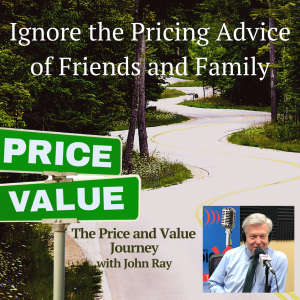
The old cliché about how “people do business with people they know, like, and trust” doesn’t fully explain why clients buy or define their willingness to pay. The Price and Value Journey is presented by John Ray and produced by the North Fulton studio of Business RadioX®.

TRANSCRIPT

John Ray: [00:00:00] Hi. I’m John Ray on The Price and Value Journey. When know, like, and trust doesn’t matter.

John Ray: [00:00:07] A neighbor of mine just had a new standby whole home generator installed for his home, replacing an older unit. I was surprised to see this installation for several reasons. To begin with, home standby generators aren’t a common feature of homes in my part of the country. I don’t know anyone else in our neighborhood who owns one. Nationwide, it’s estimated that less than three percent of all U.S. households have a standby electric generator installed.

John Ray: [00:00:40] Further, by all outward appearances, this man would not be a great prospect for a whole home generator salesperson. He’s now retired and I know that he and his wife have considered selling and downsizing, and generators of the size he bought stay with the home. In addition, he’s got a reputation for being cheap, one he gets good naturedly teased about.

John Ray: [00:01:08] Generators aren’t one of those home improvement features which generate a positive return when the house is sold. So, the idea of this thrifty minded guy buying a generator, which costs somewhere between $5,000 and $10,000 depending on the size of the unit, was eyebrow raising for me.

John Ray: [00:01:28] If you make your living selling whole home generators, you might look at this guy and think he’s the lowest likely to buy prospect. You would have been wrong. Maybe my neighbor’s background in the insurance industry makes him risk averse. Maybe he’s had a previous bad experience with an extended power outage. Maybe a recent fall makes him value knowing lights will always be available, so he’ll always be able to see where he’s going. Whatever the reason for his purchase, my neighbor had outcomes in his mind he wanted to achieve. Outcomes not apparent by outward appearances. He’s willing to write a significant check for those outcomes, all visible evidence to the contrary.

John Ray: [00:02:18] For me, I have zero interest in this product. I’m willing to live with the risk that the power may occasionally go out and I will have to go pull out the candles. If you’re the whole home generator salesperson, it doesn’t matter how much I might like and trust you. This is where the old cliché about how people do business with people they know, like, and trust comes up short. Know who I can trust is vital, of course. Yet a customer must be motivated to buy.

John Ray: [00:02:52] As with my neighbor, those motives are not immediately apparent. The only way you would have known of my neighbor’s motivations is to have a value conversation. It’s a dialogue focused on the desires, hopes, dreams, taste, and problems of that client sitting in front of you. It’s their values instead of the features and benefits of whatever you are selling.
John Ray: [00:03:20] In his book, The Secret of Selling Anything, Harry Browne writes, “Everyone is already motivated. The only question is by what.” Your job is to find out what it is that motivates your prospect. Don’t confuse your products with motivations. No one ever buys a product. He buys what the product will accomplish. He buys because there’s something he wants for his life. Your job is to find out what that something is.

John Ray: [00:03:53] As a professional services provider, if you don’t have the patience to have a value conversation, then you don’t understand the client who’s sitting in front of you. You may think you do, but what you think you know may simply be your preconceptions. And if you don’t understand the motivations driving that client, then your pricing will be wrong, guaranteed.

John Ray: [00:04:19] I’m John Ray on The Price and Value Journey. If you’d like to connect with me, go to johnray.co or you can email me directly, john@johnray.co.


About The Price and Value Journey

The title of this show describes the journey all professional services providers are on:  building a services practice by seeking to convince the world of the value we offer, helping clients achieve the outcomes they desire, and trying to do all that at pricing which reflects the value we deliver.

If you feel like you’re working too hard for too little money in your solo or small firm practice, this show is for you. Even if you’re reasonably happy with your practice, you’ll hear ways to improve both your bottom line as well as the mindset you bring to your business.

The show is produced by the North Fulton studio of Business RadioX® and can be found on all the major podcast apps. The complete show archive is here.

John Ray, Host of The Price and Value Journey

John Ray The Price and Value Journey
John Ray, Host of “The Price and Value Journey”

John Ray is the host of The Price and Value Journey.

John owns Ray Business Advisors, a business advisory practice. John’s services include advising solopreneur and small professional services firms on their pricing. John is passionate about the power of pricing for business owners, as changing pricing is the fastest way to change the profitability of a business. His clients are professionals who are selling their “grey matter,” such as attorneys, CPAs, accountants and bookkeepers, consultants, marketing professionals, and other professional services practitioners.

In his other business, John a Studio Owner, Producer, and Show Host with Business RadioX®, and works with business owners who want to do their own podcast. As a veteran B2B services provider, John’s special sauce is coaching B2B professionals to use a podcast to build relationships in a non-salesy way which translate into revenue.

John is the host of North Fulton Business Radio, Minneapolis-St. Paul Business Radio, Nashville Business Radio, Alpharetta Tech Talk, and Business Leaders Radio. house shows which feature a wide range of business leaders and companies. John has hosted and/or produced over 1,100 podcast episodes.

Connect with John Ray:

Website | LinkedIn | Twitter

Business RadioX®:  LinkedIn | Twitter | Facebook | Instagram

Tagged With: John Ray, Price and Value Journey, pricing, professional services, ray business advisors, value, value based pricing, value pricing

Confidence and Silencing the Voice in Your Head

January 21, 2022 by John Ray

confidence
North Fulton Studio
Confidence and Silencing the Voice in Your Head
Loading
00:00 /
RSS Feed
Share
Link
Embed

Download file

confidence

Confidence and Silencing the Voice in Your Head

The biggest problem most professionals have with their pricing starts with a lack of confidence. The solution to this problem starts with a change in perspective. The Price and Value Journey is presented by John Ray and produced by the North Fulton studio of Business RadioX®.

TRANSCRIPT

John Ray: [00:00:00] And hello again. I’m John Ray on The Price and Value Journey. Let’s talk about confidence and silencing the voice in your head. What’s the biggest problem most professional services providers have with their pricing? It’s lack of confidence. Hands down, no contest.

John Ray: [00:00:20] Most professional services providers I’ve worked with are secure in the notion that they can solve client problems. That’s usually not the issue. The lack of confidence manifests itself in that smirking little gremlin who stands on your shoulder while you’re in conversation with a possible client.

John Ray: [00:00:40] That prospect asks you about your pricing, and the gremlin starts whispering in your ear, “They’re not going to go for it. They’ll tell you you’re too expensive. You need this business, don’t screw it up now. If you don’t cut the price you came up with, you’ll lose the business.” You hear comments like this in your head and then you fold like the proverbial cheap suit. Whatever pricing you came up with, you backtrack. You can almost hear the cackle of the gremlin when you do.

John Ray: [00:01:17] I recently coached a client who hadn’t raised prices since she started her consulting practice. She priced by the hour – now, that’s another problem altogether. I asked her how she arrived at her hourly price. “It just felt right,” she said. “It felt right to who?” I asked. “Well, I didn’t think I could ask for any more.” Well, those responses from her revealed the problem. The focus is on her as the services provider.

John Ray: [00:01:50] Lack of confidence can be solved by a singular focus on the client. What’s the problem that the client has that you’re solving? How will their life change for the better because of your intervention? What’s the value of the solutions you’ve discussed? This perspective and the work which goes into establishing answers to such questions allows you to value price, to price based on client understanding of the value you deliver.

John Ray: [00:02:25] If there’s a question about how you came up with the price, the answer is centered around a perfectly appropriate answer, your pricing to capture just a little piece of the value your client receives. It’s fair to them. It’s understandable. And it’s a win-win for both sides.

John Ray: [00:02:42] Then, it’s not about you anymore. It’s not about the imposter syndrome or you thinking you’re not good enough. It’s not about your hourly rate or whether you deserve that amount. If you’re pricing conversation is grounded in the value you and the client have agreed the client will receive because of your work, you’ll be amazed at how much confidence you seem to have. And you’ll silence that smirking little gremlin.

John Ray: [00:03:13] I’m John Ray on The Price and Value Journey. If you’d like to connect with me directly, go to john@johnray.co or go to my website, johnray.co. Thanks again for joining me.


About The Price and Value Journey

The title of this show describes the journey all professional services providers are on:  building a services practice by seeking to convince the world of the value we offer, helping clients achieve the outcomes they desire, and trying to do all that at pricing which reflects the value we deliver.

If you feel like you’re working too hard for too little money in your solo or small firm practice, this show is for you. Even if you’re reasonably happy with your practice, you’ll hear ways to improve both your bottom line as well as the mindset you bring to your business.

The show is produced by the North Fulton studio of Business RadioX® and can be found on all the major podcast apps. The complete show archive is here.

John Ray, Host of The Price and Value Journey

John Ray The Price and Value Journey
John Ray, Host of “The Price and Value Journey”

John Ray is the host of The Price and Value Journey.

John owns Ray Business Advisors, a business advisory practice. John’s services include advising solopreneur and small professional services firms on their pricing. John is passionate about the power of pricing for business owners, as changing pricing is the fastest way to change the profitability of a business. His clients are professionals who are selling their “grey matter,” such as attorneys, CPAs, accountants and bookkeepers, consultants, marketing professionals, and other professional services practitioners.

In his other business, John a Studio Owner, Producer, and Show Host with Business RadioX®, and works with business owners who want to do their own podcast. As a veteran B2B services provider, John’s special sauce is coaching B2B professionals to use a podcast to build relationships in a non-salesy way which translate into revenue.

John is the host of North Fulton Business Radio, Minneapolis-St. Paul Business Radio, Nashville Business Radio, Alpharetta Tech Talk, and Business Leaders Radio. house shows which feature a wide range of business leaders and companies. John has hosted and/or produced over 1,100 podcast episodes.

Connect with John Ray:

Website | LinkedIn | Twitter

Business RadioX®:  LinkedIn | Twitter | Facebook | Instagram

Tagged With: confidence, John Ray, Price and Value Journey, pricing, professional services, ray business advisors, solopreneurs, value, value pricing

The Red Flags of Inadequate Pricing

January 21, 2022 by John Ray

inadequate pricing
North Fulton Studio
The Red Flags of Inadequate Pricing
Loading
00:00 /
RSS Feed
Share
Link
Embed

Download file

inadequate pricing

The Red Flags of Inadequate Pricing

In a discovery call I had with a videographer, he revealed that his pricing was inadequate before he disclosed what his prices were. What are those “red flags?” Do any of them apply to your practice? The Price and Value Journey is presented by John Ray and produced by the North Fulton studio of Business RadioX®.

TRANSCRIPT

John Ray: [00:00:00] And hello again. I’m John Ray on The Price and Value Journey. Recently, I was on a discovery call with a videographer. This man had been in business for about five years, and he felt like he needed to make some major changes to his business if he was going to achieve the goals he had set for himself.

John Ray: [00:00:21] About 15 or 20 minutes into the conversation, I told him, “You know, I can tell your pricing is too low.” “How do you know that?” he asked. “I haven’t told you my prices yet.”

John Ray: [00:00:35] In no particular order, I responded, there are several reasons. First, you price by the hour. By definition, a professional services provider, like you, who prices by the hour is underpricing their services. Second, you tell me that all clients are paying the same price. The problem there is that not all clients have the same values. Different clients value your services differently. You’re probably going the extra mile for clients who don’t value that added care you’re giving them and you’re not charging for it.

John Ray: [00:01:10] Third, you’re not offering options. Options are a powerful way to tailor your services to your best fit clients who love what you accomplish for them, and they’re willing to pay you a good price for that. Fourth, you complain that you feel like you’re working too hard for too little money. For professional services providers, like you, that’s always a sign of a pricing problem.

John Ray: [00:01:38] Fifth, you seem to be taking on most projects which come your way. More prospects should be turning you down because of price. Finally, I said, you’re talking a lot about what and how you do what you do instead of the challenges clients have that you solve. What that tells me is that you’re not having solid value conversations with clients at all. A value conversation is the dialogue you must have with a prospective client to understand the difficulties you’ll be helping them overcome. If you understand how your solution to their problems moves the needle for their business, then you’ll be able to set better prices.

John Ray: [00:02:25] He paused and said, “You’re exactly right. I need to work on my pricing.” In about 15 minutes, this videographer had run through just about every red flag I look for when assessing the pricing of professional services providers. If any of these red flags are flying over your practice, you have a pricing problem and your pricing is too low.

John Ray: [00:02:53] I’m John Ray on The Price and Value Journey. If you’d like to know more, go to johnray.co or connect with me directly, email me, john@johnray.co.


About The Price and Value Journey

The title of this show describes the journey all professional services providers are on:  building a services practice by seeking to convince the world of the value we offer, helping clients achieve the outcomes they desire, and trying to do all that at pricing which reflects the value we deliver.

If you feel like you’re working too hard for too little money in your solo or small firm practice, this show is for you. Even if you’re reasonably happy with your practice, you’ll hear ways to improve both your bottom line as well as the mindset you bring to your business.

The show is produced by the North Fulton studio of Business RadioX® and can be found on all the major podcast apps. The complete show archive is here.

John Ray, Host of The Price and Value Journey

John Ray The Price and Value Journey
John Ray, Host of “The Price and Value Journey”

John Ray is the host of The Price and Value Journey.

John owns Ray Business Advisors, a business advisory practice. John’s services include advising solopreneur and small professional services firms on their pricing. John is passionate about the power of pricing for business owners, as changing pricing is the fastest way to change the profitability of a business. His clients are professionals who are selling their “grey matter,” such as attorneys, CPAs, accountants and bookkeepers, consultants, marketing professionals, and other professional services practitioners.

In his other business, John a Studio Owner, Producer, and Show Host with Business RadioX®, and works with business owners who want to do their own podcast. As a veteran B2B services provider, John’s special sauce is coaching B2B professionals to use a podcast to build relationships in a non-salesy way which translate into revenue.

John is the host of North Fulton Business Radio, Minneapolis-St. Paul Business Radio, Nashville Business Radio, Alpharetta Tech Talk, and Business Leaders Radio. house shows which feature a wide range of business leaders and companies. John has hosted and/or produced over 1,100 podcast episodes.

Connect with John Ray:

Website | LinkedIn | Twitter

Business RadioX®:  LinkedIn | Twitter | Facebook | Instagra

Tagged With: inadequate pricing, John Ray, Price and Value Journey, pricing, professional services, ray business advisors, value, value pricing

Introduction to The Price and Value Journey

January 21, 2022 by John Ray

Price and Value Journey
North Fulton Studio
Introduction to The Price and Value Journey
Loading
00:00 /
RSS Feed
Share
Link
Embed

Download file

Price and Value Journey

Introduction to The Price and Value Journey

I’m launching a podcast, The Price and Value Journey, aimed at solopreneurs and small professional services firms.

As I mention in this introduction, the title of the show describes the journey all of us as B2B services providers are on:  building a business by seeking to convince the world of the value we offer, helping clients achieve the outcomes they desire, and trying to do all that at pricing which reflects the value we deliver.

If you’ve been following me for a while, you know that I have a particular passion around pricing, as I’m convinced that pricing is the biggest problem most professional services providers have. So this podcast will lean heavily into pricing-related issues.

You’ll hear short commentaries from me—think the audio version of the posts I make on LinkedIn, my blog, and elsewhere. I’ll also offer interviews with leaders in the professional services world.

The goal of this show is simple, to offer help in what all of us are looking for:  doing work we enjoy, for clients we love working for, and making more money along the way.

Thanks in advance for your support and feedback! If you’d like to be in touch, contact me at one of the links below.

TRANSCRIPT

John Ray: [00:00:01] Hello everyone. I’m John Ray, and welcome to The Price and Value Journey. That’s the name of the show. But if you’re a solo or small professional services firm, this title describes the journey you’re already on, whether you call it that or not.

John Ray: [00:00:18] When we start out in our business or our practice, you see, we’re trying to demonstrate the knowledge and experience we bring to clients. We’re trying to convince prospective clients of the value that we offer. Over time, hopefully, we grow. Our practice grows beyond friends and family to the contacts and referrals that have come from our marketing efforts.

John Ray: [00:00:42] Now, at a certain point, the activity of our business gets more fevered. We may have to hire a virtual assistant or maybe a full-time staff person, maybe we take on a partner. As we grow, there’s a gap between where we thought we’d be when we started out and the reality on the ground of where we find ourselves.

John Ray: [00:01:05] Maybe we’re not happy with the results of our marketing. Maybe we know we need to work on our branding or our social media game. It could be we need to do better in sales, but we don’t know how to or we just don’t like the idea of selling. Maybe we’ve got too much client turnover. It could be that we’re quite busy or even overwhelmed. And it may be even worse than that, we may feel like we’re working too hard for too little money.

John Ray: [00:01:37] Now, if that’s the case, then we’ve got a pricing problem. Maybe we know our rates or pricing is too low, but we don’t know what to do about it. Or we’re scared, if we’re really honest with ourselves. Maybe we don’t even know that being overwhelmed or too busy in our practice really is a symptom of a bigger problem that our pricing is too low.

John Ray: [00:02:06] Pricing is a particular passion for me, because I’m convinced that pricing is the biggest problem most professional services providers have. It’s not getting new clients or servicing them. It’s getting the best clients at better pricing.

John Ray: [00:02:25] Now, here’s the deal. Changes in pricing are the fastest way to change, not only the bottom line of a business, but the mindset of you, the business owner. The changes we make in our pricing mean the difference between frustration and a newfound enthusiasm for our business. Better clients to work with and working smarter instead of harder. And, of course, a stronger bottom line.

John Ray: [00:02:58] That’s where this show, The Price and Value Journey, comes in. Wherever you are on your entrepreneurial journey, the idea of the show is to share ideas and commentary, which help make you more money doing the work you enjoy doing for clients you love working for. I’ll share, not only what I’ve learned myself, but what I continue to hear and learn from clients that I work with. I’ll give you short commentaries and ideas and extended interviews with leaders in the professional services world.

John Ray: [00:03:37] I’ve been in the world of professional services in some form or role for 40 years. I’ve got plenty of t-shirts on the mistakes I’ve made along the way. I have my own business advisory practice, part of which includes helping professional services practitioners with their pricing. I also have a separate but related business, helping business owners, mostly professional services providers, who want to do their own podcast.

John Ray: [00:04:07] I welcome your feedback on the show. If you’d like to connect with me directly, you can email me at john@johnray.co or just visit my website, johnray, J-O-H-N-R-A-Y, .co. I’m also very active on LinkedIn, so you can connect with me there. My LinkedIn handle is johnray1, that’s J-O-H-N-R-A-Y-1. Thanks for joining me on this journey, The Price and Value Journey.


John Ray, Host of The Price and Value Journey

John Ray The Price and Value Journey
John Ray, Host of “The Price and Value Journey”

John Ray is the host of The Price and Value Journey.

John owns Ray Business Advisors, a business advisory practice. John’s services include advising solopreneur and small professional services firms on their pricing. John is passionate about the power of pricing for business owners, as changing pricing is the fastest way to change the profitability of a business. His clients are professionals who are selling their “grey matter,” such as attorneys, CPAs, accountants and bookkeepers, consultants, marketing professionals, and other professional services practitioners.

In his other business, John a Studio Owner, Producer, and Show Host with Business RadioX®, and works with business owners who want to do their own podcast. As a veteran B2B services provider, John’s special sauce is coaching B2B professionals to use a podcast to build relationships in a non-salesy way which translate into revenue.

John is the host of North Fulton Business Radio, Minneapolis-St. Paul Business Radio, Nashville Business Radio, Alpharetta Tech Talk, and Business Leaders Radio. house shows which feature a wide range of business leaders and companies. John has hosted and/or produced over 1,100 podcast episodes.

Connect with John Ray:

Website | LinkedIn | Twitter

Business RadioX®:  LinkedIn | Twitter | Facebook | Instagram

Tagged With: B2B services, John Ray, Price and Value Journey, pricing, professional services, value, value pricing

Five Considerations When Planning to Sell Your Practice, with Danielle McBride, Oberman Law Firm

January 21, 2022 by John Ray

Selling a Practice
Dental Law Radio
Five Considerations When Planning to Sell Your Practice, with Danielle McBride, Oberman Law Firm
Loading
00:00 /
RSS Feed
Share
Link
Embed

Download file

Sell a Practice

Five Considerations When Planning to Sell Your Practice, with Danielle McBride, Oberman Law Firm (Dental Law Radio, Episode 31)

Whether your exit plans are near term or down the road, this episode of Dental Law Radio is must listening. Danielle McBride joined host Stuart Oberman to discuss major considerations for any dental practice owner who plans to sell. Preparing for the due diligence a buyer will conduct is particularly vital. Danielle also discussed expenses which negatively impact profitability and therefore valuation, the lease, staffing, patient credits, and much more. Dental Law Radio is underwritten and presented by Oberman Law Firm and produced by the North Fulton studio of Business RadioX®.

Danielle McBride, Partner, Oberman Law Firm

Danielle McBride
Danielle McBride, Partner, Oberman Law Firm

Danielle McBride has been practicing law for over 21 years, and her primary focus is representing healthcare clients on a local, regional, and national basis. Ms. McBride regularly consults with clients regarding simple to complex healthcare transitions, including mergers and acquisitions, employment law, governmental compliance, tax strategies, practice valuations, DSO formation and structures, employee compensation, associate and partnership contracts, joint ventures, and partnership buy-in/buy-outs.

In addition, Ms. McBride brings a wealth of knowledge and experience preparing practice valuations for clients, as well as formulating simple to complex tax strategies, and entity formations.

Ms. McBride holds a Bachelor of Arts in Sociology/Criminology from The Ohio State University, a Juris Doctor (J.D.) from Ohio Northern University Pettit College of Law, and a Master of Laws (LL.M.) in Taxation from Case Western Reserve University.

LinkedIn

TRANSCRIPT

Intro: [00:00:02] Broadcasting from the Business RadioX studios in Atlanta, it’s time for Dental Law Radio. Dental Law Radio is brought to you by Oberman Law Firm, a leading dental-centric law firm serving dental clients on a local, regional and national basis. Now, here’s your host Stuart Oberman.

Stuart Oberman: [00:00:26] Welcome, ladies and gentlemen, to Dental Law Radio. Unbelievable guest speaker today, unbelievable on the podcast, Danielle McBride, partner in Oberman Law Firm. And little brief background, Danielle’s been practicing for about 21 years. Specialty market is dental law, mergers, acquisitions, tax, compliance. And we’re going to drill down on a couple of things today. I know that Danielle has probably done a couple of hundred transactions, if not thousands, in her illustrious career. And I know she’s going to have a lot of insight into this.

Stuart Oberman: [00:01:00] But I get this question, what do I need to consider when preparing for sale? So, what I want to do is Danielle, I want to leverage some of your experience here and expertise, and I want to run through about five things to consider when preparing your practice, we’re talking to a dentist for sale. So, let’s run through a couple of things. It’s sort of reoccurring theme – our doctors get into trouble, they’re not prepared. Number one, give me a number one. What’s the number one issue we see in preparing for practice sales that are sometimes problematic?

Danielle McBride: [00:01:41] Sure. So, number one is the due diligence in getting that in order. And that means understanding the business and your numbers, cash flow or profitability for the practice, what you sometimes hear in DSO languages, EBITA. And that’s the key to practice valuation and practice transition. You need to know your numbers, your discretionary expenses, those add backs in the practice. You need to take a look at your biggest expenses like staff, supplies, laboratory expenses. Knowing fee increases. What’s your fee schedule? We get questions for fee schedule, and when’s the last time you increased fees on things? And that’s a key thing right now with inflation.

Danielle McBride: [00:02:33] You want to also make sure that you’re not letting those fee increases lapse and not doing something from year to year as well to kind of keep up with things. Marketing, website, social media stuff, patient numbers, active patients, new patients, PPOs and referring doctors if you’re a specialist. All of those are due diligence items that are going to be requested by buyers, whether they’re private parties, individual dentist buyers, or whether they’re DSO transactions. And the DSO transactions, they’re much heavier on the due diligence. They will ask for every piece of paper you could possibly come up with in this transaction.

Stuart Oberman: [00:03:13] Plus.

Danielle McBride: [00:03:14] So, you know. So, getting those things in order ahead is key.

Stuart Oberman: [00:03:20] I got a question. So, profitability and EBITDAs. So, look, our doctors run a lot of stuff through their practice that they shouldn’t, and they get into trouble and it affects their numbers. What are some of the things that you see? Before we jump to number two, what are some of the things that you see doctors running through practices that they really need to clean up to get their numbers in order?

Danielle McBride: [00:03:46] Sure. A lot of it is things like running office expenses and personal expenses through the practice. And so, it’s easy to see.

Stuart Oberman: [00:03:56] That never happens.

Danielle McBride: [00:03:57] Yeah, yeah, never happens. They don’t go to Home Depot and buy toilet paper and paper towels for the office and home. So, a lot of times, they’re running things like that through the practice, and they don’t separate the receipts out. And so, it’s getting lumped into categories like office expenses or promotional expenses, things like sponsoring some of your kids’ events, and you write it off through practice promotion. That’s greedy when a buyer-

Stuart Oberman: [00:04:24] Pay your children, right? How do they pay their children?

Danielle McBride: [00:04:25] What’s that?

Stuart Oberman: [00:04:25] How do they pay their children?

Danielle McBride: [00:04:29] A lot of them pay their children. Put your kids on the payroll. You should be putting them on the payroll as soon as they’re old enough, maybe six or seven years old. Have them reaching the lower filing cabinets or modeling for the website, have them mow the lawn for the practice, and get them IRA contributions.

Stuart Oberman: [00:04:49] That’s good. Wow.

Danielle McBride: [00:04:50] Yeah. So, kids on the payroll. There’s a lot of spouses on the payroll too. And sometimes, they’re paid. Sometimes, they’re underpaid. Sometimes, they’re overpaid. And those are things that go into profitability on the practice as well and you don’t necessarily. Those are the easy things to see. The harder things are when they’re running all this stuff through office expense, and they’re like, “Yeah, yeah, $50,000 of it is just me running personal expenses through.” Well, that’s hard for a buyer to accept that. Okay, well, the profitability is really $100,000 higher than what’s showing up when I’m looking at your typical add backs. Your practice promotion expense – auto, car, meals, travel, continuing ed, staff or family on the payroll, those sort of things, those are all pretty easy to see. It’s the other things that really need cleaned up sometimes because it’s going to be hard to explain to that buyer unless you start showing them all your credit card statements.

Stuart Oberman: [00:05:55] I know you made a best friend out of all of the underpaid spouse managers.

Danielle McBride: [00:06:01] Yeah.

Stuart Oberman: [00:06:02] You just became an absolute cult hero, I can tell you that. Well, that’s good. That’s definitely good stuff that affects the profitability. And we also have seen some audits from state and federal on expenditures that are never good like that. So, give me a number two. Give me a number two on things to consider.

Danielle McBride: [00:06:24] Number two-

Stuart Oberman: [00:06:24] Yeah.

Danielle McBride: [00:06:25] … is the lease. Everyone always forgets about the lease and waits till the last minute. So, if you’re preparing for a transaction, get your lease out. Look at what the terms are, find out if you’ve got to get consent from your landlord to sell, find out what happens if you have a personal guarantee on that lease. If you’re going to assign the lease, if it’s a third-party landlord, make sure that you’ve got under control your lease. You want to make sure that you know what the terms are. If you’re up for a renewal and you’re thinking about selling your practice, there are lots of things that you could try to work into that lease with the landlord to try and prepare for a practice sale. Perhaps even getting something into the lease saying that you don’t need their consent to sell to transition the lease to that buyer if you’re selling your practice. I’ve run across lots of leases over my years with third-party landlords and it can be a real headache. And that is the single biggest reason I get a transaction delayed is that, “Oh my god, we don’t have the lease assignment from the third-party landlord.”

Stuart Oberman: [00:07:40] Now, are you seeing — we’re seeing this a little bit coming west to east? Are you seeing that if – which a landlord does not have to do – end the lease early, that they want a percentage of the sale to do that. We’re seeing some interesting numbers coming through that.

Danielle McBride: [00:08:01] Yeah, I’ve seen some. It has been more of a West Coast issue that I’ve seen this in. Midwest and Northeast, I haven’t seen a lot of that with a percentage of the sales. In New York, I have had a few transactions where we’ve had to try and buy the landlord, and essentially pay them something in order to get a seller out of a lease. But I had a transaction like that.

Stuart Oberman: [00:08:24] That’s called legal bribery.

Danielle McBride: [00:08:25] Yeah. Yeah, it is. The New York leases, they’re a lot of fun, let me tell you.

Stuart Oberman: [00:08:33] Wow! I mean, what usually starts in the West comes East. So, I think we’ll be seeing that eventually. But well, number three. That was a great number two. We had cash flow number one, and lease number two. And what are we looking at, maybe the third issue?

Danielle McBride: [00:08:50] Number three is staffing, goodwill transition, patient retention issues. So, you want to be able to transition the practice well. And some of the key things are not just the doctor transitioning to the new doctor, but also staffing and patient retention. And so, a lot of times, the goodwill transition is a key component. And sometimes, that’s where you see negotiations kind of get a little stuck from time to time. Is it the buyer wants to make sure that the seller and the staff are going to contribute to the transition, and make sure that the patients can be retained, that there’s going to be an introductory letter, or a letter to referral sources if it’s a specialty practice? Introductions maybe with the top 5-10 referral sources. Making sure that the staff is going to stay in the transaction, and that you’re not going to lose, and have a bunch of staff turnover right at the transition date. And now, you’re trying to retain patients, but you’ve got all new faces in there.

Stuart Oberman: [00:09:58] What about associate issues?

Danielle McBride: [00:10:01] Associate issues as well. That’s another key thing in staffing is that if you’ve got an employment agreement or you have associates working in the practice, and you didn’t have an employment agreement with them, and there are no restrictive covenants, your buyers are going to be coming in, and they’re going to be asking for those associates to sign contracts. And if you didn’t have one before, you’ve got nothing to actually assign, which means a new negotiation with that associate and potentially with the buyer. And if they’re a key producer in the practice, especially in these big DSO transactions, they’re offering this money for the transaction based on key production numbers. And if you’ve got an associate that is not going to stay with the practice or that you can’t enforce a covenant not to compete for in order to prevent them from competing with the buyer, then you’re going to have some things you’re going to have to negotiate, and it could really create some problems.

Stuart Oberman: [00:10:57] Now, question for you, when you do your practice evaluations, and you do a great job on that, does the associate not staying affect the value of the practice when you’re asked to evaluate what that practice is worth?

Danielle McBride: [00:11:14] Sometimes. It depends on the circumstances.

Stuart Oberman: [00:11:17] That’s a great legal answer.

Danielle McBride: [00:11:19] Yeah.

Stuart Oberman: [00:11:21] That’s a typical answer, “Well, it depends.”

Danielle McBride: [00:11:23] It really depends on facts and circumstances.

Stuart Oberman: [00:11:24] Yeah.

Danielle McBride: [00:11:24] Yeah. And the key is going to be whether or not the practice can find a replacement and associate easily, or whether or not the practice owner or the other doctors working in the practice are able to pick up that profitability, or to pick up that production from that doctor who’s not going to stay.

Stuart Oberman: [00:11:40] Staff, staff, staff. Wow! Let’s look at the number four. Give me the number four.

Danielle McBride: [00:11:48] Number four, equipment, assets and curb appeal. And a little bit of this is about allocations as well. You’ve got goodwill, and you’ve got tangible assets in the practice. And so, one of the things, if you’re thinking about putting your practice on the market, there are some practices out there that maybe they haven’t updated with newer equipment, or they’ve thought about refreshing their waiting room, or adding a CERAC machine, or adding a major piece of equipment, and they haven’t done it yet.

Stuart Oberman: [00:12:21] Pick it up at 179 deduction, right?

Danielle McBride: [00:12:24] Yeah, you can get the 179 deduction, so you can buy it and you can write it off all in the same year. And in part, it’s a seller problem; in part, it’s a buyer problem. And so, there’s a little bit of a fine line you walk between whether or not you go ahead and make some of those improvements to make the practice more attractive to a buyer, or you say, “I don’t want to invest in a lot of super new technology and go into debt just to be able to make the practice. I’ll take that into account when I value the practice. I’m going to look at what the equipment is and how much it’s valued there. If the practice is not – say they don’t have electronic records, everything still on paper in boxes, and computer systems haven’t been upgraded, there are some minimum requirements for computer systems to be upgraded that most buyers are going to ask.

Danielle McBride: [00:13:21] And so, those are things that are going to go into negotiating the ultimate purchase price that a buyer is going to be willing to pay. Now, some of it, it’s a seller’s problem. Some of it, it’s a buyer’s problem. If you want to be super fancy and buy all the latest and greatest technology, buyer, go ahead. That doesn’t mean I don’t have a practice that’s fully capable of supporting you working in it, and you can make whatever changes you want to make on your dime, but there are some things that a seller might want to do just to make things a little more attractive for a buyer.

Stuart Oberman: [00:13:53] And then, it’s — yeah. I mean, we had Dr. Richard Madow on a couple of episodes ago. He had a good talk about doctors buying equipment and profitability and doesn’t need that. And that was interesting analogy, and how that just compared to what you said regarding [crosstalk].

Danielle McBride: [00:14:18] Sure. Don’t go into debt to make it-.

Stuart Oberman: [00:14:19] Yeah.

Danielle McBride: [00:14:19] Don’t go into debt to make it appealable-

Stuart Oberman: [00:14:21] That’s a good-

Danielle McBride: [00:14:21] … or attractive to a buyer, but there are some things that you could do, especially if you’re looking at a year or two out from a practice sale and making a few revisions here or there. You can write these things off, 179, depreciation, deductions, bonus depreciation, et cetera, so.

Stuart Oberman: [00:14:40] Yeah, I mean, that is practical, practical advice, which a lot of times, I think doctors are missing from the advisor standpoint. Let’s talk about the last, number five. And this get a little sticky in the contract areas also. It’s, you know-

Danielle McBride: [00:15:01] Yes.

Stuart Oberman: [00:15:01] This is where, sort of, the rubber hits the road. And talk about number five on some of these.

Danielle McBride: [00:15:08] So, number five is my accounts receivable, prepaid accounts, patient credits and treatment in progress.

Stuart Oberman: [00:15:17] Yeah.

Danielle McBride: [00:15:17] Now, there is no one size fits all on any of those. And often, they wait until the last minute to look at these, “Oh, I’ll get you this. Oh, I’ll get you this report. Oh, I’ll look and see,” or they run the report, and they don’t pay attention to it.

Stuart Oberman: [00:15:33] Famous last words.

Danielle McBride: [00:15:35] Yeah. I mean, patient credits, in particular, your accounts receivable aging, you may have things that are sitting on the report if you haven’t cleaned up your collections, if you haven’t cleaned up your patient credits, those are all things that can go into the ultimate purchase price if someone’s going to purchase your accounts receivable and take over the practice. And then, your prepaid accounts. And it can vary based on specialty. Obviously, in orthodontic practices, you’ve got long-term contracts with payments that may have been paid in full, contracts paid in full at the start of treatment but you’ve got a buyer that’s doing — say, you had a bunch of patients pay right before the closing, you got all the money, but the buyer is going to get — seller got all the money, but buyer’s now going to have to do all of the work to finish those patients.

Danielle McBride: [00:16:27] And so, there, oftentimes, has to be some sort of adjustment to price or proration on prepaid contracts. And there can be other specialties as well or even general practices that maybe do some particular restorative type work or something that will have treatment in progress and prepaid treatment that is long-term patient treatment planning, where you’ve got courses of treatment that lasts for multiple appointments over a longer period of time, with maybe episodes of healing required in between, and you’ve got someone who’s got a $10,000 case that’s being paid on a monthly basis because that’s the arrangement they entered into with the doctor there, and their treatment is maybe a quarter of the way done, you’ve got to actually think about those things. And oftentimes, we add exhibits to the contract that will list patient credits, patient refunds having to be made prior to closing, prepaid cases being prorated between buyer and seller.

Stuart Oberman: [00:17:36] Do you have to do-

Danielle McBride: [00:17:36] Thinking of progress list being done.

Stuart Oberman: [00:17:38] Do you have to give special consideration in contracts when you have that seller who’s leaving, and and you’ve got open cases, or what happens if you got a hundred patients come back from faulty work-

Danielle McBride: [00:17:53] Right.

Stuart Oberman: [00:17:53] … what happens with that?

Danielle McBride: [00:17:57] Right. And that’s where we have provisions in our contracts that usually deal with what happens if there’s defective work or rework, and can the buyer — as a seller, you don’t want the buyer to just say, “Well, I have to redo all of this work. And now, you owe me this money,” and it goes on indefinitely. There are time limitations that should be put in their requirements. There are parameters that should be set. And this is all based on the facts and circumstances of the practice. You may have some practices where this isn’t a problem because you don’t have patients that are not paying when they receive their treatment.

Stuart Oberman: [00:18:31] Danielle, great stuff about the patient credits. One thing in redos, one thing I want to do is I want you elaborate a little bit more on the contract side as far as what happens when you’ve got a doctor that maybe is selling sticking around for a year or two. I mean, you mentioned earlier about limits in contracts and redos. Elaborate just a little bit more on that contract provision, what should be on there to limit the seller’s liabilities going forward?

Danielle McBride: [00:19:03] Sure. I mean, the seller should limit the liability going forward based on some parameters for patients. You can’t just have patients who have not been seen in the practice for the last year coming in to have rework done or having the buyer not consult you about rework before they agree to retreat a patient and then charge you for the fee to redo the work on that patient. Sometimes, I see caps or limits set.

Danielle McBride: [00:19:34] I mean, generally speaking, accounts receivable, patient credits, they all should be reviewed and wrapped up in your records. Your accounts receivable and credit should be cleaned up prior to a sale. You want to make sure that you don’t have long outstanding credits there. Maybe there are patients that you don’t even have in the practice any longer. A lot of practices are in the habit of not cleaning those up on an annual basis. So, clean those patient credits up because you’re going to have to pay them off. Generally, a buyer will ask for them to be paid off prior to closing. The DSOs, also, take that into account when they’re factoring in expenses to be paid and credits if they’re going to be assumed. You don’t want to be giving the buyer money that’s never going to come in.

Stuart Oberman: [00:20:26] Yeah. Well, it’s interesting, for 50 DSOs, you’ll have 50 ways of calculating all of this. That’s amazing.

Danielle McBride: [00:20:32] Yes.

Stuart Oberman: [00:20:33] Well, that is five great things to consider when you’re preparing your practice for sale. And all these are, obviously, a moving target. As the transition takes place, I mean, these are just moving targets and just constant adjustments. Well. Danielle, amazing, amazing stuff as always. Just, again, five topics that our doctors just have to consider on any transaction.

Stuart Oberman: [00:21:00] Also, honestly, this can be applied to any business listeners also on what they’re looking at, whether it’s just AR or cash flows, profitability. So, really, everything you’ve talked about today and in previous podcasts, I mean, any business owner really could use. So, amazing stuff.

Stuart Oberman: [00:21:19] Well, great job, Danielle. Thank you very much. And as always, amazing knowledge. And we really enjoyed having you on the podcast today. And I know our listeners did, so. Well, with that, we will call it a day as s we say. If you have any questions, please feel free to give us a call, 770-886-2400. Danielle, how do they get in touch with you if they want to send you an email or request some information?

Danielle McBride: [00:21:47] They can send me an email. They can call the corporate number. They can also send me an email at danielle@obermanlaw.com.

Stuart Oberman: [00:21:55] Good, good. Yeah, number’s 770-886-2400. My name is Stuart Oberman. It is Stuart@obermanlaw.com. Thank you for listening, and we appreciate it, and have a fantastic day.


About Dental Law Radio

Hosted by Stuart Oberman, a nationally recognized authority in dental law, Dental Law Radio covers legal, business, and other operating issues and topics of vital concern to dentists and dental practice owners. The show is produced by the North Fulton studio of Business RadioX® and can be found on all the major podcast apps. The complete show archive is here.

Stuart Oberman, Oberman Law Firm

Stuart Oberman
Stuart Oberman, host of “Dental Law Radio”

Stuart Oberman is the founder and President of Oberman Law Firm. Mr. Oberman graduated from Urbana University and received his law degree from John Marshall Law School. Mr. Oberman has been practicing law for over 25 years, and before going into private practice, Mr. Oberman was in-house counsel for a Fortune 500 Company. Mr. Oberman is widely regarded as the go-to attorney in the area of Dental Law, which includes DSO formation, corporate business structures, mergers and acquisitions, regulatory compliance, advertising regulations, HIPAA, Compliance, and employment law regulations that affect dental practices.

In addition, Mr. Oberman’s expertise in the health care industry includes advising clients in the complex regulatory landscape as it relates to telehealth and telemedicine, including compliance of corporate structures, third-party reimbursement, contract negotiations, technology, health care fraud and abuse law (Anti-Kickback Statute and the State Law), professional liability risk management, federal and state regulations.

As the long-term care industry evolves, Mr. Oberman has the knowledge and experience to guide clients in the long-term care sector with respect to corporate and regulatory matters, assisted living facilities, continuing care retirement communities (CCRCs). In addition, Mr. Oberman’s practice also focuses on health care facility acquisitions and other changes of ownership, as well as related licensure and Medicare/Medicaid certification matters, CCRC registrations, long-term care/skilled nursing facility management, operating agreements, assisted living licensure matters, and health care joint ventures.

In addition to his expertise in the health care industry, Mr. Oberman has a nationwide practice that focuses on all facets of contractual disputes, including corporate governance, fiduciary duty, trade secrets, unfair competition, covenants not to compete, trademark and copyright infringement, fraud, and deceptive trade practices, and other business-related matters. Mr. Oberman also represents clients throughout the United States in a wide range of practice areas, including mergers & acquisitions, partnership agreements, commercial real estate, entity formation, employment law, commercial leasing, intellectual property, and HIPAA/OSHA compliance.

Mr. Oberman is a national lecturer and has published articles in the U.S. and Canada.

LinkedIn

Oberman Law Firm

Oberman Law Firm has a long history of civic service, noted national, regional, and local clients, and stands among the Southeast’s eminent and fast-growing full-service law firms. Oberman Law Firm’s areas of practice include Business Planning, Commercial & Technology Transactions, Corporate, Employment & Labor, Estate Planning, Health Care, Intellectual Property, Litigation, Privacy & Data Security, and Real Estate.

By meeting their client’s goals and becoming a trusted partner and advocate for our clients, their attorneys are recognized as legal go-getters who provide value-added service. Their attorneys understand that in a rapidly changing legal market, clients have new expectations, constantly evolving choices, and operate in an environment of heightened reputational and commercial risk.

Oberman Law Firm’s strength is its ability to solve complex legal problems by collaborating across borders and practice areas.
Connect with Oberman Law Firm:

Company website | LinkedIn | Twitter

Tagged With: Danielle McBride, Dental Practice, dental practices, DSO, Oberman Law Firm, selling a dental practice, Selling a Practice, Stuart Oberman

Decision Vision Episode 152: Should I Become a Consultant or Freelancer? – An Interview with Ben Cagle, Cagle Consulting Partners

January 20, 2022 by John Ray

Cagle Consulting Partners
Decision Vision
Decision Vision Episode 152: Should I Become a Consultant or Freelancer? - An Interview with Ben Cagle, Cagle Consulting Partners
Loading
00:00 /
RSS Feed
Share
Link
Embed

Download file

Cagle Consulting Partners

Decision Vision Episode 152:  Should I Become a Consultant or Freelancer? – An Interview with Ben Cagle, Cagle Consulting Partners

With corporate employment in constant flux, executives tired of the corporate life often set up their own independent consulting practice. Host Mike Blake spoke with Ben Cagle, managing partner of Cagle Consulting Partners, about the process of becoming an independent consultant or freelancer. Ben discussed his journey, how to get that first client, networking and marketing, the challenges unique to consulting, and much more. Decision Vision is presented by Brady Ware & Company.

Cagle Consulting Partners

Cagle Consulting Partners (CCP) is an Advisory Firm focused on helping clients: • Accelerate Revenue Growth • Respond to Rapidly Changing Markets • Building/Scaling Organizations • Sell into Large Global Customers. CCP currently serves large Global Enterprises (IBM, Cisco, SAS), Mid-Market Firms, and diverse Technology Start-Up clients in Artificial Intelligence, Data Analytics, Cybersecurity, IoT, and Blockchain.
Company website | LinkedIn

Ben Cagle, Managing Partner, Cagle Consulting Partners

Ben Cagle
Ben Cagle, Managing Partner, Cagle Consulting Partners

Ben Cagle is Managing Partner of Cagle Consulting Partners (CCP), an Advisory Firm focused on helping clients:
• Accelerate Revenue Growth
• Respond to Rapidly Changing Markets
• Building/Scaling Organizations
• Selling to Large Global Customers.

CCP currently serves large Global Enterprises (IBM, Cisco, SAS), Mid-Market Firms, and diverse Technology Start-Up clients in Artificial Intelligence, Data Analytics, Cybersecurity, IoT, and Blockchain.

Prior to founding CCP, Ben served as a Division President for a Global 100 Enterprise. Ben had P&L responsibility for a global business unit (several $ hundred million in revenue) and was on the core team leading an industry consolidation initiative (with McKinsey & Company).

Transitioning from “industry” into global management consulting, Ben served in various Consulting Partner, Practice/Industry Leader, Solution Innovation, Marketing, and Thought Leadership roles. Ben’s global enterprise consulting leadership experience includes positions at HP Enterprise (formerly EDS), DXC Technology (formerly CSC Consulting), and Hitachi Consulting with clients across four continents.

Ben also has led various NASDAQ, VC-backed Software/SaaS, and entrepreneurial companies focused on Advanced Data Analytics, Market Insights, and Brand/Marketing Strategy targeting multiple industries.

Ben is an Alpharetta, Ga. native and currently resides in Alpharetta with his wife, Sara. He graduated of the Georgia Institute of Technology, is active in various Technology and Start-up organizations, and currently serves as the Chairman of Tech400 (sponsored by the Greater North Fulton Chamber of Commerce).

LinkedIn

Mike Blake, Brady Ware & Company

Mike Blake, Host of the “Decision Vision” podcast series

Michael Blake is the host of the Decision Vision podcast series and a Director of Brady Ware & Company. Mike specializes in the valuation of intellectual property-driven firms, such as software firms, aerospace firms, and professional services firms, most frequently in the capacity as a transaction advisor, helping clients obtain great outcomes from complex transaction opportunities. He is also a specialist in the appraisal of intellectual properties as stand-alone assets, such as software, trade secrets, and patents.

Mike has been a full-time business appraiser for 13 years with public accounting firms, boutique business appraisal firms, and an owner of his own firm. Prior to that, he spent 8 years in venture capital and investment banking, including transactions in the U.S., Israel, Russia, Ukraine, and Belarus.

LinkedIn | Facebook | Twitter | Instagram

Brady Ware & Company

Brady Ware & Company is a regional full-service accounting and advisory firm which helps businesses and entrepreneurs make visions a reality. Brady Ware services clients nationally from its offices in Alpharetta, GA; Columbus and Dayton, OH; and Richmond, IN. The firm is growth-minded, committed to the regions in which they operate, and most importantly, they make significant investments in their people and service offerings to meet the changing financial needs of those they are privileged to serve. The firm is dedicated to providing results that make a difference for its clients.

Decision Vision Podcast Series

Decision Vision is a podcast covering topics and issues facing small business owners and connecting them with solutions from leading experts. This series is presented by Brady Ware & Company. If you are a decision-maker for a small business, we’d love to hear from you. Contact us at decisionvision@bradyware.com and make sure to listen to every Thursday to the Decision Vision podcast.

Past episodes of Decision Vision can be found at decisionvisionpodcast.com. Decision Vision is produced and broadcast by the North Fulton studio of Business RadioX®.

Connect with Brady Ware & Company:

Website | LinkedIn | Facebook | Twitter | Instagram

TRANSCRIPT

Intro: [00:00:02] Welcome to Decision Vision, a podcast series focusing on critical business decisions. Brought to you by Brady Ware & Company. Brady Ware is a regional, full-service, accounting and advisory firm that helps businesses and entrepreneurs make visions a reality.

Mike Blake: [00:00:23] Welcome to Decision Vision, a podcast giving you, the listener, clear vision to make great decisions. In each episode, we discuss the process of decision making on a different topic from the business owners’ or executives’ perspective. We aren’t necessarily telling you what to do, but we can put you in a position to make an informed decision on your own and understand when you might need help along the way.

Mike Blake: [00:00:45] My name is Mike Blake, and I’m your host for today’s program. I’m a director at Brady Ware & Company, a full-service accounting firm based in Dayton, Ohio, with offices in Dayton; Columbus, Ohio; Richmond, Indiana; and Alpharetta, Georgia. My practice specializes in providing fact-based strategic and risk management advice to clients that are buying, selling, or growing the value of companies and intellectual property. Brady Ware is sponsoring this podcast, which is being recorded in Atlanta per social distancing protocols.

Mike Blake: [00:01:14] If you would like to engage with me on social media with my Chart of the Day and other content, I’m on LinkedIn as myself and @unblakeable on Facebook, Twitter, Clubhouse, and Instagram. I also recently launched a new LinkedIn group called A Group That Doesn’t Suck, so please join that as well if you would like to engage. If you like this podcast, please subscribe on your favorite podcast aggregator and please consider leaving a review of the podcast as well.

Mike Blake: [00:01:41] Today’s topic is, Should I become a consultant or freelancer? And it’s an interesting topic, as we record this on January 18, 2022 as we continue through this trans-pandemic period that we’re in, we are seeing society reorganize in many facets in real time. And one of the areas that I don’t think any of us are truly prepared for was the way the labor market is reorganizing.

Mike Blake: [00:02:18] And we’ve had a couple of shows late last year, probably in the 120s or so, I think this is recording number 151 or two or something, but, you know, we’ve had conversations about how to find or tap into underutilized, underexplored labor pools. And the reasons for that are that we are experiencing an unprecedented labor supply shock that we have not seen since World War II.

Mike Blake: [00:02:48] And that labor supply shock has occurred for a number of reasons including – in whatever order you want to place – that we’re two-and-a-half million immigrants short of where we would have been had we continued the policies that have been in place before, say, 2016. And that’s according to data from the Cato Institute. The Cato Institute is a conservative think tank. So, don’t go all up on Blake is a communist kind of thing.

Mike Blake: [00:03:19] We have seen between three to four million people retire that we were not expecting to retire, and that’s data that comes from the Kansas City and St. Louis Federal Reserve. Again, they may be communists, but take it up with them, not with me. And that’s been because of a combination of people being let go, and they probably don’t have great prospects for reentering the labor force. It’s because of people’s portfolios suddenly becoming a lot more valuable because they had invested in Apple and Netflix and, therefore, can afford to retire, and people that just don’t want to deal with a COVID work environment.

Mike Blake: [00:03:59] On top of that, we’ve had something on the order of 400,000 to 450,000 people simply die or be disabled by coronavirus that were of working age in the United States. And we don’t know how many people who have exited the workforce because for lack of day care and elder care. And the estimates I’ve seen have placed those numbers in the millions. So, the point is you take that many people out of the labor force in an 18 month period, you’re going to find that it’s hard to find workers.

Mike Blake: [00:04:35] And on top of all that, we’re finding that the script has flipped in what we’ve called the gig economy. I mean, the gig economy has been around for a while. It’s been around, as long as I can remember in my professional life, since around 2000 or 2005, when startups were relying on gig workers to help bootstrap their startups and run an ultra lien. And everything was about Elance and Fiverr and now Upwork and other places. But that was always considered sort of a fringe area of the labor market.

Mike Blake: [00:05:17] And then, we saw the second wave of gig economy in terms of delivery and transportation, Uber, Lyft, Amazon drivers, to a lesser extent, delivery services like Instacart but that really didn’t take hold until we all didn’t feel comfortable leaving our homes anymore.

Mike Blake: [00:05:38] But what’s happened now is that the script has flipped a little bit and that I think there is a perception for many of us that if you’re in the gig economy, you’re kind of there because you got relegated. You didn’t get picked to go work for a big company or you had unique life circumstances that simply wouldn’t let you work out of the home. But, frankly, we felt sorry for a lot of people that were in the gig economy because we had the sense or the stigma, perhaps, for being fair about it. We had the sense that people in the gig economy because they were forced there, not because that was a matter of choice.

Mike Blake: [00:06:23] And that’s now changing as we enter a phase in the economy that I have not seen in my adult lifetime. I don’t know if this happened in the early 80s. I was a dumb ass teenager then, so I don’t know. But I have not seen a period in my life where labor had this much power in the labor market in the United States. I cannot remember when that’s ever happened. Even during the dotcom boom, it was really nothing like this.

Mike Blake: [00:06:54] And for a combination of factors of wanting to work from home, from liking the flexibility of working from home, work life balance, in some cases better pay, in some cases, I would argue, better stability rather than less than in a gig economy than working in a J-O-B, job. Lots of people are making the switch to becoming consultants and freelancers, often for the companies where they quit their jobs to take that role in the first place. And that’s not new, but it’s more pervasive, because I think companies are more desperate to keep that talent so they’re kind of saying, “Well, whatever kind of keeps you in the seat, we’re going to be willing to do.”

Mike Blake: [00:07:32] And so, that made me think that this is a neat topic to visit at this point in time. Because whether you’re a decision maker thinking about entering the gig economy as a freelancer yourself, it could be as a side hustle, it could be as a fulltime thing, or whether it’s an employer wondering if your employees are thinking about becoming gig workers, whether they would prefer to become gig workers, maybe the gig work model is better for you as a company. I think that it has relevance and warrants a discussion of the topic that I’m not sure that it really has had since we launched the Decision Vision podcast, and I hope you’ll agree. If not, then you’ll probably have already turned off and listening to another podcast.

Mike Blake: [00:08:19] But with that long preamble – probably the longest I’ve ever had – today’s topic is, Should I become a consultant or freelancer? And according to the data from MBO Partners and presented by Visual Capitalist, gig workers are now contributing $1.2 trillion in revenue to the U.S. economy. That’s a little bit north of five percent, maybe six percent doing the math in my head. And according to Statista, millennial gig economy statistics show that 44 percent of millennials freelance.

Mike Blake: [00:08:55] And, you know, as I sit here, I’m now 51, I have to realize that millennials aren’t just pimply video game playing teenagers anymore. They’re serious people and serious jobs that are executives and owning companies, and some of them have become my clients. And, you know, now we get to make fun of the Gen Y or whatever the hell is behind them. But that generation has largely embraced the gig economy by choice. And so, again, it just underscores the fact – or my belief anyway – that this is a topic that is well worth talking about in the decision of whether to enter the gig economy or not.

Mike Blake: [00:09:36] And joining us today is somebody who is no stranger to the gig economy – I think, we’re going to find from many angles – Ben Cagle, who is Managing Partner of Cagle Consulting Partners, CCP, an advisory firm focused on helping clients accelerate revenue growth, respond to rapidly changing markets – I bet you’re busy doing that – building and scaling organizations, and selling into large global customers. CCP serves large global enterprises, IBM, Cisco, and SAS; mid-market firms, and diverse technology startup clients, and artificial intelligence, data analytics, cybersecurity, Internet of Things, and blockchain.

Mike Blake: [00:10:19] Prior to founding CCP, Ben served as a division president for a Global 100 Enterprise. He had P&L responsibility for a global business unit of several hundred million dollars of revenue. And was on the core team leading an industry consolidation initiative with McKinsey and Company. Transitioning from industry into global management consulting, Ben served in various consulting partner, practice, industry leader, solution innovation, marketing, and thought leadership roles.

Mike Blake: [00:10:49] Ben’s global enterprise consulting leadership experience includes positions at HP Enterprise, formerly EDS, DXC Technology, and Hitachi Consulting with clients across four continents. Ben has also led various Nasdaq Venture Capital backed software and SAS and entrepreneurial companies focused on advanced data analytics, market insights, and brand marketing strategy targeting multiple industries.

Mike Blake: [00:11:17] Ben is an Alpharetta, Georgia native – I knew there was one out there – and currently resides in Alpharetta with his wife, Sarah. He graduated from the Georgia Institute of Technology, is active in various technology and startup organizations, and currently serves as the chairman of Tech 400, sponsored by the Greater North Fulton Chamber of Commerce, and it goes on and on. Look at his LinkedIn profile, he’s done a bunch of stuff. Ben Cagle, welcome to the program. Thanks for coming on the show.

Ben Cagle: [00:11:47] Yeah. Thanks, Mike. And thanks for cutting my LinkedIn profile short on that intro. I appreciate it.

Mike Blake: [00:11:52] The beauty of copy and paste, maybe. So, you know before we get started, it’s bizarre that you and I have not talked more. You know, I spent a lot of time in the startup community with Startup Lounge, and I know you’re familiar with it and I’m familiar with your name. But this will probably represent the longest conversation you and I have ever had up until this point.

Ben Cagle: [00:12:17] Well, that’s because alcohol is not currently involved. But, virtually, we can take care of that. But, no, I look forward to it. I loved your intro. It was a bit lengthy, but I’ll give you grief about that later. But disruption has been a theme of my career and a theme of how I’ve had to create value for different clients and different opportunities. So, I really look forward to your setup. I really enjoyed the conversation.

Mike Blake: [00:12:37] Good. Well, like I said, it was a record. Most don’t go that far, but, you know, it is just a fascinating topic. And when we get into society evolution questions, I just find them so fascinating. And my favorite field of economics has always been labor economics. I’m not sure why, but just the relationship between workers work and society is really interesting. And it’s interesting because I think every time we think we understand, we find out just how little we understand.

Ben Cagle: [00:13:10] Yeah. And it’s interesting how it’s changed and how each industry is cascading at different maturity curves and everything else around that, so a lot going on. But, you know, I entered the workforce in the 80s – yes, I’m that old – and the expectation, I think, at that time – we read several articles – I was really at the edge of the baby boomers, the last year, maybe in the next generation past baby boomers, 35 year career, one employer. Three years after I graduated undergrad, they then said it was radical you may have three jobs in your career. Then, it turned five years, it was 12 jobs, maybe.

Ben Cagle: [00:13:50] So, you can see how that change in that expectation, that loyalty to the global enterprise. All the disruption you talked about has changed. And just going through all of that and, even getting a 401K where you’re accountable for your retirement versus all the baby boomers that are punched out before us, had the free ride with the pensions, all those changes I’ve cascaded. I call it surfing through those changes and had to really respond to industries, you know, disappearing, new ones emerging, and then how do you manage your career through that, which led me to starting my own consulting practice.

Mike Blake: [00:14:25] You know, it’ll be fascinating to see how my sons enter the economy. I’m a Gen-Xer. My oldest son will be 20 in April. My father had two jobs in his professional career after the Air Force. I’m on job, I think nine since college, maybe ten, I’m not sure. And my sons may have 30 over the course of their career. And the definition of a job may change. It’ll be really fascinating to see how that all kind of works.

Mike Blake: [00:14:59] So, Ben, you’ve done all these things. In a lot of ways, many people would say that you had to achieve the brass ring several times over. You sort of made it to the top of the pile. You made it to the top of the food chain. And then, you gave it up to go into consulting and freelancing. So, what I’d really like to understand and I think my listeners would find fascinating is, I’d love you just to tell me about the origin story. How did Ben Cagle, corporate chieftain venture capitalists turned into Ben Cagle, freelancer Fiverr?

Ben Cagle: [00:15:36] Well, my wife is still asking that same question.

Mike Blake: [00:15:41] Should we get her on? That’ll make for some good podcast.

Ben Cagle: [00:15:44] This will be a support group meeting if we do that. Now, if I may, I look at my career, not just by jobs, but by chapters. And there’s been four chapters to my career that kind of sets up what I’m in now, the fourth chapter, which is having my own consulting company. So, I, hopefully, won’t belabor the point. But let me just tell you that runway and the themes of that disruption that I previously mentioned.

Ben Cagle: [00:16:08] I got out of Georgia Tech, got into industry, Global 100 company, started in sales. They trained me supply chain all the way through operations. And, eventually, the industry itself was disrupted. And the industry is we sold paper to newspapers- yes, I am that old. Remember our newspaper, you used to get ink on your fingers. There was actually a product, not a digital product.

Ben Cagle: [00:16:36] But what happened is, during that change, we knew the world was changing. Our customers were consolidating. All the media companies were consolidating. We knew this thing called the internet was going to take off. I’m in my late 20s, early 30s saying, “Okay. I know that in 15 years I’m going to be obsolete, what do I do with my career?”

Ben Cagle: [00:16:54] So, at that time, I was very fortunate. We did a McKinsey study, reorg, and I knew that I had to get into technology if I was going to be sustainable in my career and to keep having value. So, with the industry, in the paper industry, I was able to be the division president, traveled the world, global clients. Did that, enjoyed that lifestyle, and enjoyed the ego strokes that came with that, but knew I was going to have transition.

Ben Cagle: [00:17:19] At that time, a company called EDS, their technology, they were looking at people that had business experience, not even technology experience. I don’t even know how to do a PowerPoint or anything like that. But they brought me in. I led some practices learn global consulting. I was recruited over to another company, CSC. So, the first chapter was industry. The second chapter was big consulting. So, again, big business, big systems, all the ERP, the enterprise resource planning, the internet bubble. We consulted right through that, advised several large companies.

Ben Cagle: [00:17:53] Third chapter of my career – and this is a key theme here, and I think this is what’s happening with the great resignation – people said, “Screw it. I’m tired of the corporate reorgs.” I was tired of climbing the ladder, building an organization. Someone made a decision, sold the business, shut the business, didn’t fund it. New CEO comes in with a new strategy every two years. So, at that time, I entered the third chapter, which was working with Nasdaq, traded data analytics companies or venture software, leveraging my industry experience and PNL experience into different smaller companies.

Ben Cagle: [00:18:27] You know, Mike, I only had, like, $2 million of revenue. Others had 120 that were Nasdaq traded. I had thousands of employees across two continents. So, that was the third chapter is managing these small businesses. And then, the fourth chapter was my own business.

Ben Cagle: [00:18:44] And the reason I decided was, “You know what? I’m tired of other influences determine my future. I’m tired of not being able to navigate and be totally accountable for my own success.” So, I did everything wrong when I started my consulting business. I had no clients. I had three ideas. And I really jumped out of it because I just left another position and the decision was, for me at that time – Mike, and this is PC, you know, pre-COVID – I said, “I had a decision to make. I’m in my 50s, do I want to do three more turns of the crank finding jobs every two to three years? Or do I want to do my own thing and really ride this into retirement or really create a new future?” And I made the decision, “I’m going to take accountability. I’m going to create my own future.”

Ben Cagle: [00:19:35] And to do that, I started out with, again, typically, someone in their 50s that punches out of corporate, they always go and sell themselves back. They do consulting or freelance work for their previous employer. That’s the standard model for someone in the 50s. Now, we’ll talk about younger people, different skill sets, how they’re freelancing versus consulting in just a minute. But that was my decision. And I really started with a three layer cake.

Ben Cagle: [00:20:04] I started with saying, “Okay. I’ve led venture capital software companies, let me play with startups.” And that’s where, Mike, I started hanging around all the incubators and accelerators in Atlanta, I think there’s 35 at last count. And just started kind of building relationships and learning.

Ben Cagle: [00:20:19] Second layer of the cake, mid-sized companies, five to 150 million. And then, I said, “What’s their problem? How can I add value? What would someone pay me for?” And that’s the problems of growing revenue, scaling organizations, applying disruption, and helping them just really think through their business strategy, and then execute that strategy.

Ben Cagle: [00:20:40] And then, I was very fortunate, kind of the third layer, the top layer of the cake with the Global 100 companies, I actually was recruited by a firm that actually provides senior level executives back to IBM, Cisco, and SAS, training their sales reps how to have the executive conversation with the CEO, CFO, line of business leaders.

Ben Cagle: [00:20:59] So, that’s kind of the three levels of my consulting business, startups, mid-sized companies – and really, I’ve done breweries. I’ve done software development in India, all that tech stuff, all of these services stuff. And then, still staying in touch with the global enterprises and even their innovation groups. Because – guess what? – they want to know about the startups and create value there. So, there’s a method to the madness of that three layer cake and then solving the three major problems of revenue scaling, responding to change, and innovation.
Ben Cagle: [00:21:31] So, Mike, thank you for letting me kind of share that, but that’s really what led me to building this business. The other thing is, it was kind of a lifestyle. But more importantly, I wanted to kind of say, “You know what? As I got older, I could either ramp it up or ramp it back.

Ben Cagle: [00:21:45] The other thing is cable partners, I called it that because I didn’t want the headache of having a payroll. So, I work with 15 different partner firms, some of them are three person, single entrepreneurs, freelancers. Some, actually, they have 100 employees. And if I need to assemble a team to deliver value, whether it’s tech or strategy or whatnot, I can do that. It’s really relationships together to deliver value for clients. So, that’s my long rambling.

Ben Cagle: [00:22:16] So, Mike, as I was telling that story, which themes head of your disruption of the gig economy 2.0, what were you thinking about as I was telling that story?

Mike Blake: [00:22:27] Well, the thing that struck me, probably because I just happen to violently agree with it so it must mean we’re both geniuses, is, you talked about or you touched upon what effectively is the myth of stable employment. You talked about being tired of somebody else making a decision for you.

Mike Blake: [00:22:47] And I remember years ago, I was a sole practitioner – I still consider myself sort of a sole practitioner within my firm and certainly my comp plan does, so I think that all agrees – I remember giving a talk. I was at the Kettering group, I think. And back then, they had a lot of executives in transition, that was sort of their thing, not that much anymore. But I started the talk by asking the question, “How many of you guys are in transition, guys and ladies in transition?” Two-thirds of them raised their hands.

Mike Blake: [00:23:18] I said, “Okay. Keep your hands up. And then, all of you who think that you are let go because of a bad thing that you did, keep your hands up.” And everybody’s hand went down. And it has everything to do with what you just talked about, acquisitions happen, strategic priorities change, economies happen, somebody has a bad day.

Ben Cagle: [00:23:48] Well, yeah. Perfect. I’ve been on the giving and the receiving side of a reduction in force.

Mike Blake: [00:23:55] So have I.

Ben Cagle: [00:23:56] And like the Nasdaq traded company, that was, again, about $120 million, we came in as a leadership team. We were about eight weeks with not making payroll. So, we had to get rid of about 20 percent of the workforce immediately, and you had to basically navigate a quick strategy, whipsaw. And I’m kind of a relationship guy. You know, I’m a spiritual guy. I was really having problems with that.

Ben Cagle: [00:24:20] But it’s kind of like the old, when you’re in that leadership position – so I understand it – it’s kind of like being a submarine commander. When you’re sub’s head in the front with a torpedo and you have to close all the doors, and you know the front sailors in the first section that got torpedoed are going to drown. But if you don’t do that, everyone’s going to die. So, that’s been in that kind of situation. So, I’ve been on the giving side of that.

Ben Cagle: [00:24:43] The other thing is, you know, I was hired by Hitachi Consulting, recruited by the CEO of the consulting group, working for the COO. They said they were going to be there five more years. I had three years to make my goal and build the business we were talking about. So, it was a senior level executive. They were throwing money at me. And three months after I joined them, the CEO was shut. The COO was shut. So, all these long term people that promised me the world, basically six months later, they took the top 15 of us and shut us all.

Ben Cagle: [00:25:14] So, that’s when I said, “Mad as hell. I’m not going to take anymore. I’m pissed.” And I’ve always said I’m smarter than everyone else and go prove it, you know, if you’re that pompous. And I said this to myself, “You’re that pompous. Go make it happen.” So, that’s how I got into consulting and just loved it. And I have no regrets going back.

Mike Blake: [00:25:34] And I think there’s a lot to the notion that when you have income coming from ten spots as opposed to one, it’s just basic diversification. One consultant decides they don’t need you anymore, for whatever reason. You still got the other nine. Not as big a deal.

Ben Cagle: [00:25:54] Let me tell you the best piece of career advice I got was from my landscaper, true story. So, between senior level executive, they always get rid of you, and then they send you a severance, and then you use that severance to look for your next role. Sometimes that could be a year gap, two year gap as you’re jumping. My Chapter three of my career, different leadership roles.

Ben Cagle: [00:26:20] So, he noticed I was home again, working for home yet again. “Hey, Ben. You’re between jobs.” “Yeah. Thanks, Al. I really appreciate you rubbing my nose in it.” And I said, “Well, at least I don’t have it like you do.” And he goes, “What do you mean?” I go, “Well, at least I have opportunities, and I’ve got the logos behind me, and I was doing all the corporate stuff.” He goes, “Well, Ben, that’s all great. You know I’ve got 140 customers, if three of them fire me, that just means I go home early.”

Ben Cagle: [00:26:48] So, I’m going, “Damn. I missed it again. That was just genius.” And really, Mike, I will be honest that informed my portfolio approach to I’m working with startups. They don’t always have money. So, I do some sweat equity, some for fee, retainer-based, fractional COO or CRO, whatever. But my portfolio, that middle tier of the cake working with those mid-sized companies, sometimes that’s a three month gig, sometimes I check in once a quarter. And then, the training that I do working with IBM, Cisco, or SAS, or the innovation group, the chief innovation officer that I work with, that comes and goes.

Ben Cagle: [00:27:25] So, you’re right, I’m managing a portfolio of interest, of revenue models, and everything else, but it’s my hand to play. It’s my cards. I lay three cards down. I’m playing draw poker. I pick three up. And that’s what I’ve enjoyed about it and being able to navigate those different ecosystems of relationships, which is key for freelancers or anything else. I’m sure we’re going to touch on that in terms of what’s success or how do you drive success. But that’s been the most fun part.

Ben Cagle: [00:27:50] And meeting, quite frankly, guys like you and some of the other professionals that turn into being, you know, referral networks, hub and spoke advisors. It’s just really cool. You meet wicked smart people with the same values. You don’t have to deal with the assholes. And you just run your business and run it the way you want to.

Mike Blake: [00:28:11] So, I think a question everybody is asking – and you sort of touched on this and you said you did everything wrong – everybody wonders how do you get your first client. That’s so scary. Now, you, obviously, have some exposure to sales, but not every consultant who goes out there has a background in sales. Talk about the story of getting that first client. You hang out the shingle Ben Cagle and Associates, or Partners, or whatever, Cagle Capital Partners and Consulting Partners, how do you get that first client?

Ben Cagle: [00:28:48] Yeah. It was a referral. I think it took me six months. In my first year – and this is not making fun of people or saying it’s derogatory – I think I made 30,000 in revenue. And there’s nothing wrong with making 30,000 revenue, but that was a little bit below my expectations, and I had two daughters in college at the time.

Ben Cagle: [00:29:09] But I remember that first retainer I got was from a technology company and it was part of my networking. So, I mentioned the three layers of the cake, I was networking and just going to events with startups down around Georgia Tech. I had a friend from Georgia Tech refer me to the startup, got a referral, and just started telling my story, and that was the connection. So, networking and referrals, key, key, key pipeline for driving any kind of freelance or consulting business pipeline.

Ben Cagle: [00:29:42] It’s not the only channel to drive revenue or get clients but, obviously, your first one’s going to come from that or, like I mentioned, a previous employer, or if you’ve got another partner in your practice, or other freelancers that can refer you in. So, that referral network, that’s key. If you don’t have that, if you haven’t built it, it’s going to take time.

Ben Cagle: [00:30:03] Someone advised me – Mike, I’m curious to hear your point of view – if you’re starting ground level cold, it takes about almost four to five years to build your network where it feeds your business. In addition to doing other marketing, doing thought leadership like you’re doing here with your blog, there’s other things to really get your marketing, your awareness, your interest out there besides networking. But you can’t avoid it. You’ve got to be out there talking to people and getting that referral network going.

Mike Blake: [00:30:32] Yeah. It definitely takes time, which is one of the things I’m harping on all of my team who are much younger than I am. I’m always pushing them to build networks. I only got serious about my network when I was about 35. And I kind of wonder because I was always the quant geek, I was the math geek they shoved in the closet someplace and never like to talk to human beings because I was the Greek letter guy. And that was fun. It was fun to have everybody talk about how smart you were.

Mike Blake: [00:31:03] But then, I realized what immense damage that did to my career that I had no network. And when, all of a sudden, I needed to learn how to sell, I think it took me a year to sell my first engagement period, which is a really small one. And then, it did take about five years before the flywheel started going, and I didn’t have to be always doing sales all the time for the phone to ring and emails to come in and so forth.

Ben Cagle: [00:31:35] Right. Exactly. I mean, for a lot of people in their 20s and 30s that are either getting started, I was talking to one lady, she worked with start ups. She’s 29. She’s already feeling obsolete because she doesn’t know where her next opportunity is coming from. She hasn’t worked on our network. She really hasn’t thought about her core competencies, poor English, what she’s really good at. And she hasn’t thought about either her own consulting, what’s the problem she’s solving, or anything else?

Ben Cagle: [00:32:04] You know, if you’re an engineer, you can do software coding. There’s enough websites now to keep you busy. My daughters are in their 20s, they’ve got a friend, she’s a financial analyst, great MBA, and she’s literally traveling the world. It’s like we play Where’s Waldo? It’s like Where’s Michelle this week? Because she is working anywhere in the world she wants to doing her financial analysis. Those are discrete mathematical engineering skills. And I think there’s kind of a hierarchy. Those are easy to quantify, easy to validate, easy to use all the technology out there.

Ben Cagle: [00:32:37] However, the more senior you are, the more vague you get. If you’re creative, you definitely need channel partnerships. You definitely need referral networks, alliance partners, that can really get you in the opportunities around that. So, really, I look at your skillset, your experience set, your tenure, which industries you played in. And then, of course, what scenarios have you been in? Were you in a high growth mode or a mature dying industry?

Ben Cagle: [00:33:05] All of those five or six kind of vertical lines when I do career coaching informally, I look at all those and say, “What are you really unable to? How can we wrap you, package you, and then how do we get you to market to meet the needs and create value where someone will pay you for it?

Mike Blake: [00:33:21] So, I don’t think it’s so much of a choice. I think it’s a spectrum. When you’re a consultant, the spectrum of lifestyle versus I want to kill it. One is, I want to have a certain lifestyle, and maybe it’s a 30 to 45 hour week kind of gig and that supports a certain lifestyle, if you will. And then, there’s a 75, I want to build the next McKinsey, Bain, Boston Consulting kind of thing. Where do you think you kind of were on that slider when you started and what went into your decision to go that direction?

Ben Cagle: [00:34:00] Yeah. Let’s be honest here, I think what you were implying, Mike, when you said, “Hey, it’s going to take you a while to win your first client,” cash is king. Cash is oxygen. Cash flow, if you don’t have cash flow or savings or investments that you’re willing to give up to fund this runway – and I think you said a year before you hit your first revenue, I would second that motion – I think it takes you three to five years to ramp up. So, this is going to be a long haul building this. Potentially, again, unless you have specific skills, very discreet.

Ben Cagle: [00:34:36] So, to me, my goal was, within three years, I’m going to be making X per month. I wanted to have revenue on all three layers of my cake, my startups and mid-sized enterprise. And I wanted to build a network. I had a networking goal, because I knew that the people, that connective tissue, was what was going to make me successful. And that’s what I evaluated on.

Ben Cagle: [00:34:58] The other thing is, you know, continuous learning and those kinds of things. So, I had a revenue goal, yeah, but I had other goals around relationship goals, exposure, or acquiring clients with specific problems, size of clients. And then, building my network of not only just getting into clients, but also how I deliver that value. So, that’s the way I thought about it. Some people get into it saying, “Hey, look, I’ve got three friends. We’re going to start billing. We’re going to do website development and we’re going to get out there and just knock it out and just lock arms and get it done.”

Ben Cagle: [00:35:34] But mine was all about virtual. I wanted to be leveraged. I wanted to market. If I need to resell, like if I needed a graphic designer, I would mark them up and I get 20 percent. They would do the work. I would be like general contractor. So, that virtual firm was my model and I’ve been very fortunate that we’d be able to pull that off. And I’ve had resources from India, Belarus brought in and, again, I love the virtual economy.

Ben Cagle: [00:35:58] I love COVID – I hate to say this – I’m picking up clients well outside of Atlanta, in Dallas, New York, Chicago just because, like this, you know, we’re talking on Zoom right now, you’re recording the audio. But I can add value to any client through any distance. I can collaborate with them. I can have deliverables. I can be part of their management groups without leaving the comfort of my home office. So, to me, that was the other dimension.

Ben Cagle: [00:36:27] I thought I had to be geographically based when I started five, six years ago. This has really opened my eyes to this leverage model and bringing in other freelancers or other consultants to assemble them to, again, deliver value for the client. But you have to be very intentional about the problems you saw, of the clients you go after, and the way you’re going to deliver that value, whether it’s your own skills and unique knowledge, or they’ll be tangible deliverables or products around that.

Mike Blake: [00:36:54] Isn’t it funny how we’ve had the telephone since the 1870s, I think, it was invented, right? So, we’ve had the telephone for 145 years. For 60 of those, we’ve had video conferencing available. AT&T showing it off the world’s fair. We’ve had video conferencing as long as we’ve wanted it. And nobody wanted it for a number of reasons. At first, it was because the frame rate was like two frames a second. And then, for other reasons we didn’t want it.

Mike Blake: [00:37:26] And now in the pandemic era, we can’t get away from it. I have people asking for permission to get on an old timey phone call because they’re afraid I’m going to think less of them that I’m going to put them on Zoom. And I want to see the innovation diffusion curve for video conferencing. I’m going to go back and do the research on that because that’s going to be a weirdly shaped curve.

Ben Cagle: [00:37:49] Yeah. And, again, now that we’ve all gotten comfortable, it’s like, I’m not wearing pants right now in this frame. I just have a shirt on for the show.

Mike Blake: [00:37:57] Well, thank you for that.

Ben Cagle: [00:37:58] Yeah. Yeah. Kidding, of course. But it’s funny how, to your point, the more has change. I mean, again, I deal with IBM, who calls on Goldman Sachs. They call them Royal Dutch Shell over in the E.U. They’re having to sell their consulting services virtually. You know how they measure relationships? If you know you’re really close with a client – and I just confirmed this with another mentee of mine who’s about 32 who’s in sales for tech sales – if you’ve got a text relationship, that’s like the ultimate. If you can text that CIO, Chief Information Officer, you’ve got permission. They’ve already got you identified in their address book when you pop up.

Ben Cagle: [00:38:42] When you can actually be on the Zoom call or the WebEx call and text them to get feedback on what’s going on, not even do chat, that’s when you know you’ve made it.

Ben Cagle: [00:38:52] So, everything has been inverted from a relationship, “Hey, let’s go get a cup of coffee in the cafeteria. Tell me about your kids and then I’ll find out what’s really going on.” You know, walking the halls, elevator pitch – remember all those terms? – they’re now obsolete. To now, the relationship, if you’ve got the highest relationship with a C level of a Global 500, if you’re texting back and forth weekends and all that, boy, you know you’ve made it.

Ben Cagle: [00:39:19] The other thing is, I found using Zoom and WebEx, people going, “How do you build a relationship?” And I said, “Hey, just cut the meeting short to 20 minutes and give them ten minutes back in their schedule, because everyone has 12 hours of Zoom now.” Give them back ten minutes and say, “Hey, Bill, by the way, or Barbara, before we break up, do you mind? I’ve got an idea I want to run by you that I think might help you guys, or may create value or, solve a problem.” And that’s the way you have to do it. And then, ask either for permission or get to text as soon as possible. And that’s how you know you’ve really made it from a sales and development standpoint.

Ben Cagle: [00:39:58] So, isn’t it weird the way that you used to avoid text because there was no interaction, there was no voice inflection. But now that’s become the gold standard of relationship.

Mike Blake: [00:40:07] Oh, it’s fascinating and probably warrants its own podcast in some fashion. I’ve met in person fewer than 25 percent of my clients, and that number goes down every year. They don’t want to see me, and there’s nothing to even look at if it’s a tech company.

Ben Cagle: [00:40:24] Yeah. They don’t want to deal with me. Occasionally, if we’re local and say, “Hey, let’s grab a beer or grab coffee,” there’s some social element to it. But when COVID hit, I hosted a virtual happy hour. Everyone got their drinks and we brought people in, literally, from four countries and, I guess, really, five time zones just trying to get social interaction, talking about how people are responding differently to COVID and everything else. So, that social element, that emotion, that need is still there.

Ben Cagle: [00:40:55] But you’re right, from a business to business standpoint, people don’t want to see you. They don’t want to invest the time. They don’t want to put a collared shirt or dress pants on.

Mike Blake: [00:41:08] So, thinking back when you started as a consultant, what was the scariest part? Or was there a scary part of it? And if so, what was the scariest part of that process? And how did you overcome that fear?

Ben Cagle: [00:41:24] Again, I’ll show my age here, but remember the Indiana Jones movie when he had to step out on faith and walk across an abyss of a hidden bridge and he didn’t know it was there? That’s what it was like is taking that first step saying, “I don’t know what’s going to handle.” Now, again, keep in mind, I had two daughters, no scholarships, out-of-state tuition. So, I had my highest cash flow outflow with zero income coming in, so that’s pressure.

Ben Cagle: [00:41:54] And if you’re measuring your security by your 401K, your investments, your cash flow, your savings, you might want to rethink when your kids are in college and starting your own consulting business. So, that was the scariest point to me is not knowing the financial insecurity, knowing that I may be betting part of my retirement savings on the fact that I’m betting on myself that I can build this business and be successful. That was the scariest part to me.

Mike Blake: [00:42:19] So, I’m happy to geek out on Indiana Jones and The Last Crusade, that was a great movie. So, what helped Indiana Jones overcome his fear was that his father had been shot and he was dying. What helped you overcome your fear? What is it that got you to take that first step off the cliff?

Ben Cagle: [00:42:40] Yeah. Well, I think what happened was it wasn’t a greater fear of going back into another job. It was, I think, my pissed factor. I was so mad. It exceeded my fear factor and it made me more determined just to go for it. So, if you’re doing a two-by-two matrix of pissed versus scared, I was more pissed than I was scared and going for it.

Ben Cagle: [00:43:01] And the other thing was I knew the world was changing rapidly. I had to adjust from selling paper to newspaper publishers, to implementing SAP ERP implementations to Toyota North America, to basically doing e-commerce for banking in Europe. I understood how change was happening and I thought I could capitalize on it. And I was betting on that. So, that was my big trade off. And I’m a very rational person and I’ve got a weird sense of humor. But that was the trade off, it’s like, “Damn it. I’m going to go do it. There’s a market opportunity, I believe I can capture it. And I think I can create a better future than I can going back into corporate or trying to get another leadership position that has a two year, three year runway.”

Ben Cagle: [00:43:49] And we haven’t proven that theory yet. But touch wood with God’s will and a little bit of more persistence and great network partners, we’re on our way. I’m feeling pretty good about it.

Mike Blake: [00:44:03] So, one thing that I think keeps people from becoming a freelancer or consultant is the matter of health insurance. You know, I had a sole practitioner shop for a while and one of the first lessons I learned as a sole practitioner is that the best insurance you can buy on the open market is more expensive and worse than the worst health insurance you’re going to get through almost any company. That’s what I learned anyway.

Ben Cagle: [00:44:34] Well, again, you’ve been talking to my wife doing background. She complained about our insurance, she still does. But just the two of us now, the kids finally got married and got off the payroll – well, partially off the payroll. So, we’re paying $1,400 or $1,500 a month in insurance with a high deductible and it covers catastrophic events. But beyond that, we get a free COVID shot and that’s about it. So, I think that was the biggest learning financially for me is health care. I’ve got my overhead. I knew that.

Ben Cagle: [00:45:09] But getting comfortable with that and, of course, all the tax implications of making sure that, “Hey, look how much money I’m making” versus making sure, especially if you come out of corporate you’re used to all those withholdings made for you, be very intentional about that, or for using retirement savings early penalties, the true cost of money, make sure you understand that before you make the leap to go there.

Mike Blake: [00:45:32] What’s a skillset that you’ve had to evolve or develop since moving out on your own?

Ben Cagle: [00:45:41] It’s not personal discipline but – and this is what a lot of people have trouble with – structuring your day. It is saying that I’m going to go to this networking event back in the day or I’m going to work on my LinkedIn profile. It’s allocating that working on the business versus in the business – you’ve heard that.

Ben Cagle: [00:46:02] When you first start – and, again, I mentioned that fear of having a high cash outflow and not much coming in – I thought I had to be, you know, constant business development, finding that, versus being smart about laying the foundation, and LinkedIn, using media like you’re using smart channels like RadioX and some other things you’re doing with your blogs. Being really intentional around that because that’s the foundation that will feed you and serve you later.

Ben Cagle: [00:46:28] So, that’s the biggest skill of work on the business versus in the business and really get used to adding structure and discipline. You know, no boss is going to tell you what to do. No company is going to set up mandatory conference calls. It is a blank slate and you’ve got to add that structure. I knew that but you really have to be intentional around that. And that was really a muscle I kind of had developed being part of corporate, but really had to be intentional around structure, work on versus in the business.

Mike Blake: [00:47:01] I’m talking with Ben Cagle of Cagle Consulting Partners – got it right instead of five tries this time. And the topic is, Should I become a consultant or freelancer? That’s the benefit of podcasting, more forgiving medium.

Mike Blake: [00:47:21] So, let me ask you this, who shouldn’t become a consultant? I want to take the flip side of this. Not everybody’s cut out to be through everything, right? There’s no amount of practicing I could ever do and become a successful ballet dancer. I should not become a ballet dancer. What kind of personality or what kind of personal situation, probably, maybe doesn’t prohibit, but at least puts you at a serious disadvantage to become a consultant or freelancer?

Ben Cagle: [00:47:49] Let’s go for kind of seniority level from a career standpoint and then work our way down. So, arrogant former CXOs should not be consultants, because they write their book that was basically their swan song. They promote their book and they add zero value. And, eventually, I’ve seen the tale of their growth curve goes off about eight to nine months, because no one wants to work with them because they’re arrogant and they think they own the world. And they’re doing it for ego versus really adding client value. So, that’s kind of one.

Ben Cagle: [00:48:27] On the other side of it, if you’re not comfortable with understanding problems, asking questions, interacting with people, that’s kind of like Consulting 101, doing discovery on what the problem you’re solving is, or what the requirements of the job spec they want to hire you for are. If you’re not comfortable with those interpersonal skills, and leading that, and thinking ahead, and you’re not a structured thinker, probably not a good idea to be a consultant. So, that’s kind of a skillset personality continuum. But those are kind of some of the people I’ve seen have tried and failed.

Ben Cagle: [00:49:00] You know, you can be very shy but be very analytical or very technical. And if you’ve got the right, either partnership or channel partners, or you kind of contract with a company that places you, you can do really well. But if you’re out on your own, I’m going to be dealing with clients. You’ve got to find it. You got to find the client, kill the client, skin the client, eat the client. You have to do, you know, all the delivery all the way through. You better make sure that you have confidence in yourself. You have great communication skills. And you’re not talking about yourself all the time. You’re spending at least, you know, 70 percent letting the client talk versus you.

Ben Cagle: [00:49:38] That’s what I meant about the arrogance, I’ve seen a lot of people just talk their way past opportunities because they were trying to prove how smart they were. So, kind of lessons learned there. That’s the pragmatic. Mike, what are your thoughts? What dimensions do you think about when you think about people consulting who are successful or not?

Mike Blake: [00:49:56] I think it’s coming to grips with the fact that having to sell becomes part of the job description. You know, if you have a particular skillset, that’s great. But if nobody knows about it, if nobody understands how that fits and how that addresses a need that they have, I think it’s very difficult for a consultant to succeed in that way.

Ben Cagle: [00:50:24] Excuse me for interrupting, the one question I’ve asked people that want to get in consulting, do you think sales is dirty? Is it beneath you? Is it sleazy? That perception will tell you if you’re ready for it. If you think sales is really helping people finding problems, how are you going to help them solve their problems, then, odds are you’ll be more successful as a consultant.

Ben Cagle: [00:50:53] But if you think you’ve got a sale and ask for the order, and I hate talking about money, they’re just trying to take advantage of me, if you kind of come in with that attitude, boy, keep your day job. Update your LinkedIn profile and, hopefully, find a good place or a staffing firm or a good recruiter because you’re going to need it. I agree with what you said there, Mike, yeah.

Mike Blake: [00:51:17] You know, the transition at the end of the day is, you might find yourself moving from being a cost center to a profit center. And that can be a difficult transition, because when we say somebody is a cost center, there’s an implication that you’re kind of a dead weight. And you’re not a dead weight, but you are a weight that has to be carried by the profit center.

Mike Blake: [00:51:45] And when I give advice for the few people who ask me for advice about their careers, always position yourself to be a profit center. If you’re a profit center, then you’re never going to be unemployed a day in your life. And that’s what consultants have to do. And if you particularly, as I did, come from a technical field, finance and business valuation, I can be the greatest spreadsheet jockey in the world. But if I can’t go out there and get clients, it just doesn’t matter. And what you find is the people who can sell make more and they have more job stability.

Ben Cagle: [00:52:27] Yeah. Absolutely. And just having that knowledge going in, I think, that’s like a yes/no primary screen question you should ask around that. Can you represent? And, again, not tell what you do but understand and relate to that person you’re sitting across the Zoom call on about what their issues are and how you’re relevant to them.

Ben Cagle: [00:52:48] So, I’ve been on both the buy side and the sell side of consulting, so I’ve had that advantage. And even today, I get sold constantly. They’re trying to sell me services for my own firm or people are trying for me to hire them or partner with them. It’s amazing how they push the play button and talk about themselves and really don’t understand the situation they’re going into. And if you don’t have that awareness, that EQ and IQ, boy, you’re not going to be successful as a consultant. So, you really got to have that radar going.

Mike Blake: [00:53:20] Yeah. It’s hard. Ben, this has been a great conversation. We’re running up against the hour that I asked of you for time. I know we haven’t gotten every question I wanted. We got off our script pretty quickly, but that’s okay. But there are probably questions that our listeners wish that I would have asked or we’d stayed on a little bit longer. If somebody wants to follow up on this conversation with you for some advice, can they do so? And if so, what’s the best way for them to do that?

Ben Cagle: [00:53:46] Yeah, Mike, we’re pretty casual about it. And thank you for this opportunity, I really enjoyed the conversation. Thank you for reaching out and, again, giving me the opportunity to be on your blog. And if they care to reach me, they can reach me directly through email at ben, B-E-N,@cagle, C-A-G-L-E, partners.com, ben@caglepartners.com. Or through my website Cagle, C-A-G-L-E, Partners, caglepartners.com.

Ben Cagle: [00:54:10] And, again, I coach people. Part of my values when I founded my firm is I want to help other people advance. If I can help them and create value for them, odds are, eventually, it’s like karma. It will eventually come back, if not from that person, someone else. Don’t mind helping people. Love to have a conversation anyway at all. I can get perspective or help people along the way. I would be glad to do that. Email or hit my website.

Mike Blake: [00:54:35] Well, that’s going to wrap it up for today’s program. I’d like to thank Ben Cagle so much for sharing his expertise with us.

Mike Blake: [00:54:41] We’ll be exploring a new topic each week, so please tune in so that when you’re faced with your next business decision, you have clear vision when making it. If you enjoy these podcasts, please consider leaving a review with your favorite podcast aggregator. It helps people find us so that we can help them.

Mike Blake: [00:54:58] If you would like to engage with me on social media with my Chart of the Day and other content, I’m on LinkedIn as myself and @unblakeable on Facebook, Twitter, Clubhouse, and Instagram. Also, check out my new LinkedIn group called A Group That Doesn’t Suck. Once again, this is Mike Blake. Our sponsor is Brady Ware & Company. And this has been the Decision Vision podcast.


Tagged With: Ben Cagle, Brady Ware & Company, Cagle Consulting Partners, Consultant, consulting, Decision Vision, Freelance, freelancer, freelancing, how to start freelancing, independent consulting, independent consulting career, Mike Blake

Workplace MVP : Brandee Izquierdo, SAFE Project, and Stacy Meyr, Athletico Physical Therapy

January 20, 2022 by John Ray

SAFE Project
Minneapolis St. Paul Studio
Workplace MVP : Brandee Izquierdo, SAFE Project, and Stacy Meyr, Athletico Physical Therapy
Loading
00:00 /
RSS Feed
Share
Link
Embed

Download file

SAFE Project

Workplace MVP:  Brandee Izquierdo, SAFE Project, and Stacy Meyr, Athletico Physical Therapy

Substance abuse in the workplace, a longtime issue anyway, is now front and center as hybrid and remote work complicates both how employers support their employees as well as address the issues raised by their substance abuse. Brandee Izquierdo with SAFE Project and Stacy Meyr with Athletico Physical Therapy joined host Jamie Gassmann for a look at factors employers need to be considering, ways SAFE Project is helping, such as the No Shame Pledge, what may be ahead for this issue, and much more. Workplace MVP is underwritten and presented by R3 Continuum and produced by the Minneapolis-St.Paul Studio of Business RadioX®.

SAFE Project

SAFE Project was founded in November 2017 by Admiral James and Mary Winnefeld, following the loss of their 19-year old son Jonathan to an accidental opioid overdose. Read more about Jonathan Winnefeld.

The Winnefelds immediately channeled their grief into action, hoping to save more families from the pain of loss. Whether it was seeking treatment, getting answers, or understanding the nature of the disease – they knew there needed to be a different solution to help other families facing the same journey with substance use disorder.

They swiftly built our SAFE Project team of experts who strive for meaningful action through our programs, and lead efforts that are unifying, non-partisan and evidence-based. SAFE seeks meaningful metrics that strengthen our interdependent six lines of operation, and ultimately aim to achieve SAFE Communities, SAFE Campuses, SAFE Workplaces and SAFE Veterans across the nation.

Company website | LinkedIn | Facebook

Brandee Izquierdo, Executive Director, SAFE Project

SAFE Project
Brandee Izquierdo, Executive Director, SAFE Project

Brandee Izquierdo’s drive and determination are built on making an impact within behavioral health, promoting long-term recovery, and ensuring communities are educated and have the tools necessary to combat the addiction epidemic. Before leading the SAFE Project team, Brandee worked for Faces & Voices of Recovery as the Director of Advocacy and Outreach. In addition, she served as the Associate Director of Special Populations with Behavioral Health System Baltimore and as the Director of Consumer Affairs for the state of Maryland’s Behavioral Health Administration. In these leadership roles, Brandee has led advocacy efforts to expand access to behavioral health services and recovery support services while providing technical assistance both nationally and internationally, empowering others within the recovery movement. Her ability to build relationships and bridge gaps within behavioral health, community services, and criminal justice has been a catalyst for global peer expansion.

As a subject matter expert with the Center for Social Innovation, Policy Research Associates, SAMHSA, and the International Certification and Reciprocity Consortium (IC&RC), Brandee has made vast contributions within behavioral health and within the recovery movement around public policy, outreach, and workforce development. Additionally, Brandee has made a significant impact within the judicial system, advocating for access to treatment and recovery, and is the principal investigator of Maryland’s integrated-Forensic Peer Recovery Specialist curriculum.

Brandee’s passion for service work and knowledge of recovery support services extend beyond behavioral health. With a master’s degree in Public Administration and a bachelor’s degree in Government and Public Policy, Brandee just completed a Doctorate in Public Administration with a specialization in Administration Justice.

LinkedIn

Athletico Physical Therapy

Atletico started with one therapist trying to make a difference in his community.  Founder and Executive Chairman, Mark Kaufman was a physical therapist and athletic trainer with a vision to help as many people as possible. He started by providing rehabilitation services for student athletes at various organizations, with his first two being Francis W. Parker High School and Chicago Lions Rugby. Through his work with these athletes, he recognized the need for a dedicated sports rehabilitation and physical therapy facility in Chicago which led to our first clinic opening in 1991.

Years later they have opened more than 550 neighborhood locations and added more services to help people of all ages recover from pains, strains and injuries. They employ more than 4,500 expert clinicians, athletic trainers, and other team members.

In addition to physical therapy, they provide athletic training, occupational therapy, specialty programs, and fitness services to high schools, colleges, and professional sports teams. Their expertise also includes evaluating workers’ compensation issues, like work conditioning, job-site analysis and ergonomic assessments.

Everything Athletico does is focused around the core purpose of enhancing people’s health and quality of life. When you choose them for your rehabilitation needs, you will discover their dedication to exceptional, compassionate care.

Company website | LinkedIn | Facebook

Stacy Meyr, Vice President of Payer Relations, Athletico Physical Therapy

Stacy Meyr, Vice President of Payer Relations, Athletico Physical Therapy

Stacy Meyr is Vice President of Payer Relations for Athletico Physical Therapy. Stacy was trained as a chiropractor and a decade ago moved into payer relations and provider engagement. She has worked for Aetna and in the Medicare Advantage space. She has been with Athletico since 2020. She has over twenty years of Managed Care and Health Care Administration experience.

Stacy has a Doctor of  Chiropractic from Logan University and a bachelor’s from Southeast Missouri State University.

LinkedIn

R3 Continuum

R3 Continuum is a global leader in workplace behavioral health and security solutions. R3c helps ensure the psychological and physical safety of organizations and their people in today’s ever-changing and often unpredictable world. Through their continuum of tailored solutions, including evaluations, crisis response, executive optimization, protective services, and more, they help organizations maintain and cultivate a workplace of wellbeing so that their people can thrive. Learn more about R3c at www.r3c.com.

Company website | LinkedIn | Facebook | Twitter

About Workplace MVP

Every day, around the world, organizations of all sizes face disruptive events and situations. Within those workplaces are everyday heroes in human resources, risk management, security, business continuity, and the C-suite. They don’t call themselves heroes though. On the contrary, they simply show up every day, laboring for the well-being of employees in their care, readying the workplace for and planning responses to disruption. This show, Workplace MVP, confers on these heroes the designation they deserve, Workplace MVP (Most Valuable Professionals), and gives them the forum to tell their story. As you hear their experiences, you will learn first-hand, real-life approaches to readying the workplace, responses to crisis situations, and overcoming challenges of disruption. Visit our show archive here.

Workplace MVP Host Jamie Gassmann

Jamie Gassmann, Host, “Workplace MVP”

In addition to serving as the host to the Workplace MVP podcast, Jamie Gassmann is the Director of Marketing at R3 Continuum (R3c). Collectively, she has more than fourteen years of marketing experience. Across her tenure, she has experience working in and with various industries including banking, real estate, retail, crisis management, insurance, business continuity, and more. She holds a Bachelor of Science Degree in Mass Communications with special interest in Advertising and Public Relations and a Master of Business Administration from Paseka School of Business, Minnesota State University.

TRANSCRIPT

Intro: [00:00:04] Broadcasting from the Business RadioX Studios, it’s time for Workplace MVP. Workplace MVP is brought to you by R3 Continuum, a global leader in workplace, behavioral health, and security solutions. Now, here’s your host, Jamie Gassman.

Jamie Gassman: [00:00:26] Hi, everyone. Your host, Jamie Gassman, here and welcome to this episode of Workplace MVP. The substance abuse, according to the Society of Human Resource Management, is one of the last taboo subjects to be brought to the limelight as a result of the COVID-19 pandemic. It is not that substance abuse on the job is new. It has been a longstanding issue or concern for workplaces. Why it has become a part of the mainstream conversation is due to the increased substance use as a coping mechanism amongst American workers in response to the stressors and challenges brought on by the COVID-19 pandemic.

Jamie Gassman: [00:01:05] The concern for workplaces is that as workers moved to a remote working environment, the employer’s ability to see the signs of substance abuse became even harder. In fact, nearly one in three employers so about 30% surveyed during drugabuse.com’s August 2021 survey indicated that virtual work has made it nearly impossible to ascertain whether an employee is drunk or high on the job.

Jamie Gassman: [00:01:32] Now, going forward, with so many workplaces remaining in a remote or shifting to hybrid-type working environments, how do employers find a way to identify substance abuse issues that may be present within their employees? And, how do they create a culture that destigmatizes substance abuse disorder to create an environment where employees can feel safe to talk about what they might be struggling with their employer?

Jamie Gassman: [00:01:57] Well, joining us today to share their expertise and personal experience in navigating substance abuse challenges in the workplace are Workplace MVP’s Dr. Brandee Izquierdo, Executive Director at SAFE Project, and Stacy Meyr, Vice President of Payer Relations for Athletico. Welcome to the show, Brandee and Stacy.

Brandee Izquierdo: [00:02:19] Thank you, Jamie.

Stacy Meyr: [00:02:21] Thank you. Good morning.

Jamie Gassman: [00:02:22] Good morning. So, we’re going to start out with our first Workplace MVP, so Dr. Brandee Izquierdo, Executive Director for SAFE Project. So, tell me, Brandee, you’ve got an interesting story for how your career has taken you to being the executive director at SAFE Project. Can you share your story with us?

Brandee Izquierdo: [00:02:41] Yeah, yeah, absolutely, Jamie, I appreciate the question. It is a pretty interesting story. I can tell you firsthand. I never thought that I would be in the world of behavioral health. You know, coming up, and especially in my career, I remember back in the day everyone’s like, “Where do you see yourself? You know, what are your aspirations?” I’m like, “I’m going to be the president of HP, Hewlett-Packard.” Right?

Brandee Izquierdo: [00:03:05] I used to work for voice and data communications organization or company. And, that was my first entry into the corporate world. What’s interesting about that is my substance use was lurking in the background, I am a person in long-term recovery. And, my substance use really affected me in many ways and I get – we’ll go back – we’ll go into that a little bit later of how you can find the signs and symptoms, I mean.

Brandee Izquierdo: [00:03:30] And, that’s really what it is. You know, substance use or addiction is a disease. It blindsides us. And, I can tell you firsthand that addiction is not a career move for sure. But sometimes we end up in the grips of addiction and don’t really realize it. And what’s interesting about that, Jamie, is my entire career, whether it was the voice and data communications company or the construction industry, you know, I was in procurement and contracting, so I was doing a lot of different things. I used to work for a food industry as well. That’s a funny story that maybe I’ll talk about a little bit later.

Brandee Izquierdo: [00:04:07] But, you know, I never, ever talked in terms of addiction with my colleagues who became friends, and it just continued to progress day after day, year after year to the point that I found myself in a jail cell. You know, mom-of-four found herself in a jail cell, still didn’t think I had a problem at the time. It was not until I went into a treatment center and was taught about the disease of addiction that there was an aha moment for me. And, I realized that I was not alone, that there were other people out there just like me. And, that was comforting, as odd as that sounds. It was extremely comforting because I felt a lot of discrimination and stigma in the workplace.

Brandee Izquierdo: [00:04:54] I mean, we spend quite a bit of time in the workforce. I always say that, you know, our workforce is our extended family to a certain point if you build that culture. And it’s unfortunate that we sidestepped and we just kind of leave it lurking in the dark and don’t talk about addiction in the workforce when it really impacts just individuals and family members as a whole.

Brandee Izquierdo: [00:05:19] So, that was my story. I mean, and just to end with this, I found myself in the behavioral health world and that’s where I am, and I’ve moved my career up, and now I’m the executive director of SAFE Project, really trying to combat this in all different forums within all different audiences.

Jamie Gassman: [00:05:38] Yeah. Thanks for sharing that. And, we’re going to dive into some of those areas that you kind of touched on in a little bit. But before we go there, tell us a little bit about what’s SAFE Project does.

Brandee Izquierdo: [00:05:48] I think the question is what does SAFE Project not do? And, Stacy can probably talk about that a little bit more. We work very closely together.

Brandee Izquierdo: [00:06:00] SAFE Project does a little bit of everything and I can tell you we bring our expertise from an organizational management standpoint and a behavioral health standpoint. We have a lot of organizations within the arena of behavioral health that do really great work, but it’s important for us to move that work outside of just the behavioral health arena and into the general public.

Brandee Izquierdo: [00:06:19] So, SAFE Project really was – it began actually with Admiral Winnefeld and his wife, Sandy, who lost their son, Jonathan, to an accidental overdose in 2017 on a college campus. So, their hearts are near and dear to this topic and this subject. And, rather than sitting idle or bawling up around grief, they really wanted to take action so no one else would have to deal with this or struggle with the pain of losing their son.

Brandee Izquierdo: [00:06:48] So, they started the non-profit SAFE Project, and it is actually built around different targeted audiences, including safe campuses, safe communities, safe veterans, and as we’re talking right now, safe workplaces. And then. It is fueled by six lines of operation.

Brandee Izquierdo: [00:07:06] I won’t go into a ton because I know you’re going to ask me at the end how to get in contact with us, so I want to leave a little mystery there. But you know, just certain things like public awareness, prevention, criminal justice and law enforcement, family support, we do an array of things to help communities and workplaces and other targeted audiences and stakeholders find their place in this addiction epidemic and start to combat it through in tandem.

Jamie Gassman: [00:07:38] Wow. You really do cover all the bases for areas that, you mentioned a few that you hear very commonly are highly impacted by substance abuse. So, looking at what’s SAFE Project does and your role within SAFE Project, how does your personal experience in dealing with substance abuse and, you know, working through recovery in a program? How does your personal experience help you in your role?

Brandee Izquierdo: [00:08:04] Well, I think my personal experience, I mean, I always front lead with my personal experience. It’s important to understand that, you know, we can have all the research and the data in the world. But the reality is when we’re talking about over a hundred thousand Americans are losing their lives to the addiction epidemic, these are not just numbers. They are family members. They are friends. They are colleagues.

Brandee Izquierdo: [00:08:26] So, bringing that personal experience in and having the ability to navigate stigma and discriminatory practices in all different arenas in all different settings not only allows me to do the work that I do and what SAFE does in general, but it also allows me to pull from my personal experience and share that story and really tug on the heartstrings of people to know that this is not just a public health crisis that we can rely on the government to mitigate. It’s really important for us to understand that it’s us as a whole, us as Americans coming together and unifying to stop this addiction fatality epidemic that’s happening.

Jamie Gassman: [00:09:08] Yeah, yeah, definitely. And so, you know, and looking at that, you know, the epidemic of this, you know, how big is the problem with substance abuse on the job in your opinion? I mean, as particularly looking at over the last two years where we know people are suffering and the ongoing stress. I mean, how big has it become since that?

Brandee Izquierdo: [00:09:29] So, I guess, you know, the one thing that I have to talk about is it’s bigger than we are choosing to acknowledge. Quite often you’ll see a lot. There’s a huge ripple effect from COVID. There’s a lot of conversation in terms of mental health and mental well-being.

Brandee Izquierdo: [00:09:46] But the other area that we don’t necessarily want to talk about in the workplace is the addiction. And, I think a lot of that derives from fear. Managers, leadership not really wanting to address the issue. It’s their problem, not ours. And, assuming or trying to operate under the assumption that addiction stops at the front door. And, it doesn’t.

Brandee Izquierdo: [00:10:08] So, we’re starting to create some leeway and really create some forward-leaning movement in terms of addiction. But you can only talk about a problem if you’re willing to acknowledge the problem. So, I think that’s why we’re here today to really talk about that portion of it. How do we acknowledge the problem to really get a handle and a hold on what it looks like in the workplace environment?

Jamie Gassman: [00:10:32] Yeah, absolutely. I mean, when you’re talking about employers that want to turn a blind eye or it stops at the door, it’s not coming into my work environment and we know that it is. What impact ultimately is that going to have on an organization when they’re not, you know, staying aware of that potential?

Brandee Izquierdo: [00:10:50] Well, we’re seeing, you know, it used to be the Great Recession. Now, it’s the great resignation, right? It’s really about the health and well-being of organizations. I mean, if we look at it from a bottom line, and I’m not going to take too much I’m in that conversation because I know Stacy can talk quite a bit about that, but you look at increased healthcare costs, right? Our healthcare costs are going or they’re skyrocketing. We’re looking at reduced productivity. So, individuals are not producing as much. We have higher employee turnover rates. And then, on top of that, increased workplace injuries. I mean, and that’s just what we can count, right? It’s not really talking about the emotional well-being and the health and wellness of the individual employees and their families. And it’s important that we talk about that, that aspect of addiction.

Brandee Izquierdo: [00:11:42] You know, Stacy or not, Stacy, sorry, I was looking at Stacy. She’s so beautiful. Jamie, it’s pretty interesting when we talk about the health and well-being of the families. We have to talk about the holistic approach, right, not just the mental health aspect of things, but the root cause as far as mental health, but also what are the symptoms associated with mental health and wellness? And, quite often addiction is a component that we don’t want to talk about.

Brandee Izquierdo: [00:12:16] And if we look even at organizations who choose not to address the addiction epidemic, I kind of compare that to sexual harassment in the workplace. We don’t ever want to believe in an organization that their sexual harassment going on, but we are willing to train on it. We’re willing to have those conversations and we’re willing to expose it. We need to do that same type of education and resource sharing in workplaces.

Jamie Gassman: [00:12:42] Oh, absolutely. That’s a great idea. I’ve not actually heard that shared in terms of, like, educating on substance abuse or some of those other areas that kind of drive some of this behavior.

Jamie Gassman: [00:12:52] So, looking at, you know, obviously, you kind of mentioned, you know, a lot of employees, it’s not like they choose that to be something that they do. There are things that, you know, maybe happen or reasons. Sometimes I’ve heard, you know, it’s hereditary. Their father was that way. Their mother was that way. It’s kind of followed generation after generation. But from what you’ve learned in the work that you’ve done, what are some of the reasons that an employee might develop a substance abuse disorder?

Brandee Izquierdo: [00:13:18] Well, there can be various reasons, and as you just mentioned, one of them could be genetics, you know, whether it’s the disease of addiction being passed down from generation to generation. It could be workplace injury. It could be just trying to numb the pain of something that’s happening in your personal life. There are various reasons. You know, it just could be just to get away from everything and not think about anything because there’s so much going on in the environment today.

Brandee Izquierdo: [00:13:50] And, there’s also a loss of connection when we think about it in terms of COVID. You know, the opposite of addiction is connection. And, unfortunately for many, there’s a lot of lost connection. And quite often, individuals, as they grow up and as they enter into the workforce, they don’t necessarily have the coping mechanisms or the skills to navigate that lost connection. So, quite often you’ll find that people will turn to substances to get out of their way, to celebrate, to deal with grief or loss.

Brandee Izquierdo: [00:14:21] So, there are various reasons that individuals end up having a substance use disorder. So, it’s important for us to understand all of those different avenues and how they are catalysts into full-blown addiction.

Jamie Gassman: [00:14:35] Yeah. And, in looking at that, obviously, you know, being there’s all these different ways that somebody might start to develop a substance abuse addiction, what are some of the warning signs that, like, an employer or coworker or even a family member or a spouse could be looking for that might help to identify that somebody is kind of going down that path?

Brandee Izquierdo: [00:14:59] Well, I think there are there are various signs, and I tend to be cautious in telling what these signs are because then we operate under the assumption that if someone comes in late then, oh my goodness, they have an addiction. And, that isn’t necessarily the case, but if it’s habitual lateness, habitually calling out of work, lost productivity, lack of engagement, or just a shift in personality. There are all different aspects in terms of addiction. We’ve seen or we’ve heard in the construction industry, for example, individuals who are out on site might go into the spot of parties and be there for quite a while and do this consistently, right? Or, signs that they’re sick. Perhaps, they aren’t able to use on the job, so they may end up going into detox. And, obviously, the drug testing, which I’m sure Stacy can talk about more on that aspect, too. I mean, that’s a real, real sign there, right?

Brandee Izquierdo: [00:16:07] So, I mean, there are all different aspects of addiction that come into play, and it’s important for us to have a culture or at least build a culture. Or if you do have a problem that you don’t have the fear of saying, “Hey, I may have an issue,” or teaching colleagues and friends to approach someone in a really compassionate and empathetic way and say, “Hey, I think maybe there might be an issue here. Could we talk?”

Jamie Gassman: [00:16:29] Right. And, I know we’re going to get in a little bit later in this conversation, talking about some of the ways that an employer can create that culture of openness.

Jamie Gassman: [00:16:39] But in looking at, like, some of the signs from a remote because, you know, I would imagine for an employer or a colleague, it’s a lot easier if you’re in the office or you’re working side by side to notice a change in your coworker. What are some of the things with this new remote and hybrid kind of work environment, which, you know, is not new for some employers, right, they were remote way before COVID happened, but I think the majority of employers this shift is new. So, how can they start to look for signs in kind of that remote environment? What are some things that you would recommend?

Brandee Izquierdo: [00:17:11] That is definitely a tough question. It’s much easier to hide your issues or your addiction when you don’t have to see people face to face. I mean, the obvious one is alcohol. And, I can speak to that firsthand. One of my issues in terms of addiction was alcohol use. And, I tell you. When I was working in procurement, I felt like I hit the jackpot because I work with vendors and I would go out for lunch and legitimately have the ability to drink during lunch, right? So, we’re not smelling that. So, our normal senses are not there anymore. It’s really navigating this environment or this virtual environment and what that looks like.

Brandee Izquierdo: [00:17:54] Again, for any employer, some of the signs of substance use may be that, again, they’re not showing up to meetings on time. Perhaps, they were a 15-minute early person when they would show up to meetings and now they’re disheveled when they come online. Or, maybe they’re canceling meetings, or maybe they don’t start their meetings until really late, or perhaps you can’t get a hold of them, or they’re not answering emails as quickly as they typically would.

Brandee Izquierdo: [00:18:25] It’s really again difficult to navigate the remote environment, which is why it’s so important, as a matter of fact imperative, that we have to create these cultures where individuals feel safe and comfortable having those conversations both from a leadership perspective, but also an employee to employee relational perspective.

Jamie Gassman: [00:18:45] Great. And, now we’re going to dive a little bit more deeper a little bit later in some other areas as well. But for right now, let’s shift over to our second workplace MVP, Stacy Meyr, Vice President of Payer Relations for Athletico. Welcome, Stacy. Can you take a moment to –

Stacy Meyr: [00:19:03] Thank you, Jamie.

Jamie Gassman: [00:19:03] Yeah. So, take a moment to share with us your career journey to how you’ve moved up your career path and becoming the vice president of Payer Relations.

Stacy Meyr: [00:19:15] Sure. So, I’m actually clinically trained as a chiropractor, and Athletico is a large physical therapy and occupational therapy company in multiple states, primarily in the Midwest and now on the East Coast. And, I no longer practice currently, but when I made that shift, some life changes happened and I went to a large payor. I worked for Aetna for about 10 years and then a smaller company after that in the Medicare Advantage space and [inaudible] my time and kind of my journey to get to this point.

Stacy Meyr: [00:19:52] I had several different positions. I work primarily in Payer Relations, Provider Engagement. And as value-based care started becoming, and accountable care started becoming more predominant in my time at Aetna, we learned that in order to help support healthcare providers to be successful in that space, we had to bring a lot more resources to them. And so, I’ve also done a lot on the population health management side of things, and I think that’s where particularly and the relationship with SAFE Project really overlaps because when we think about treating a patient and caring for a patient, that holistic approach is so important. You cannot compartmentalize or disconnect behavioral health challenges from physical health. And so, that’s really, kind of, how I got to this position and what the work is we’re doing now.

Jamie Gassman: [00:20:48] Great. So, and I know you kind of touched a little bit on what Athletico does. Can you dive a little bit deeper into kind of the services you provide and the type of work that you do?

Stacy Meyr: [00:20:59] Sure. So, as a physical therapy and occupational therapy provider, we treat lots of different patients and different conditions, but as Brandee mentioned, one of our big lines of business, if you will, that we work with are injured employees. And in the therapy space, there’s a lot of information research out there that talks about if patients can be managed early on from a workplace injury with hopefully not exposing them to an opioid or possibly addictive substance from a pain perspective that, they recover much faster, less cost to the employers, but also to the employee just feeling better, less risk of being exposed to other types of care that could be more costly or more of a concern.

Jamie Gassman: [00:21:55] Yeah. And, you kind of touching on an area that I know pre-COVID, I just remember the opioid pandemic, you know, and employees getting injured on the job, being prescribed an opioid that they become addicted to, that snowballs into their use of gateway drugs and kind of becoming even more of a problem. So, it’s great to see that you’re trying to find alternative methods to kind of supporting those employees without having to use a strong substance like that.

Jamie Gassman: [00:22:27] So, now talk to us a little bit about the work that you’re doing with SAFE Project and how are you leveraging the various programs and initiatives that they have for workplaces?

Stacy Meyr: [00:22:39] Sure. You know, I think the partnership has been a great opportunity, number one, in sort of two different facets, right? Obviously, we are a decent-sized employer. And so, looking at our own employees and what we can do to, as Brandee mentioned, create the culture, really focus on making the work environment a safe space to talk about addiction, you know, if folks need to.

Stacy Meyr: [00:23:08] And so, one of the things S.A.F.E Projects we partnered on is their No Shame Pledge, just creating awareness within our own workspace with our own employees and really promoting that that our culture is meant to be one of openness and that employees can talk about this in a safe space and hopefully be directed to resources and find support within their organization.

Stacy Meyr: [00:23:28] The other piece to this that I think is really important again, is because we are such a large healthcare provider and we have an opportunity to touch patients in a different way. So, I think creating the awareness within our own employees, which therefore can carry that on to patients, whether it’s putting up our No Shame Pledge, you know, certificates and things around our offices so that folks may ask about it or we can talk about what that is. And then, also with SAFE Project, having other partnerships and other resources that we’ve been able to tap into things like being able to put at-home drug disposal kits in our clinics, in our own offices for not only employees but also patients.

Stacy Meyr: [00:24:13] Again, we try to educate them about their physical health journey, about their pain management journey, and the opioid if they’ve been prescribed one, and how to try to mitigate those risks if we can get them feeling better and hopefully to pain-free, making sure that those things are not still in their medicine cabinet, either for the opportunity for themselves, for a younger generation. So, that’s really been helpful like I said, not only as an employer but also as a health care provider, just helping to create awareness and tap into some of the other resources that SAFE Project has been able to help us with.

Jamie Gassman: [00:24:53] Wonderful. And obviously looking at the trending – from the work that you’re doing with injured employees, but then also within your own work environment, are you seeing some of the increase in trends as well to some of the individuals maybe using substance abuse as a coping mechanism?

Stacy Meyr: [00:25:14] Yes. So, you know, I don’t have quite as much access or insight into that, probably as there are H.R. and obviously privacy issues there. But I think that it’s been very interesting even with the notion pledge, just the awareness, you know, and I think it kind of goes to like as Brandee said, talking about the fact that most people know someone, you know, they have a family member. And while even if it’s not them knowing now too that there is a safe space to be able to talk about, you know the support that they’ve needed or their own experience to try to educate folks to say this isn’t isolated events. We’re all touched by this. And, again, I think just really create that awareness. It’s hard, I think, for some folks to be able to share in that environment. But usually, once they’ve known that this is a part of our culture, it becomes much more comfortable to at least create awareness and you see these folks, and I know Brandee can speak to this how folks come up and then say, “Oh, you’re in recovery? Well, so am I.” Right? And maybe they didn’t talk about that before. And, I think that’s been just in itself, again, that acceptance piece, knowing that they’re not alone in that isolated and this should be something that we should be able to talk about or support.

Jamie Gassman: [00:26:35] Yeah. Absolutely. I mean, I see, you know, individual, you know, people that I follow on Facebook, you know, really open about their recovery. And, you know, taking that moment to celebrate their milestones in that journey that they’ve been on. And, I always just find it really kind of inspiring to watch their stories and how, you know, I think, you know, part of their recovery is sharing so others don’t feel alone. And so, it’s great that you create an environment within the workplace where employees can feel that support from their colleagues.

Jamie Gassman: [00:27:11] How have your employees responded to that? Because obviously rolling something like that out – how did you do that and how did the employees respond to it? What did that look like?

Stacy Meyr: [00:27:22] Sure. So, well, how we did it, and obviously that was a lot with SAFE Projects help having had that experience and trying to, as Brandee said, move this from behavioral health out into the real world. You know, we did a lot of promotion internally, like a lot of organizations and we have internet, we have social media channels, and just getting our leadership teams, our internal communication channels to promote that message. And, we would take pictures with our No Shame Pledge certificates. And, just really, you know, those are the kind of things, right? That’s how we get the word out on these type of things now, and folks can really appreciate and start to have the conversation.

Stacy Meyr: [00:28:06] I think the response that we saw and I’ll couple of this again like with the drug disposal. Again, it’s just those things, those little things, but they’re tangible things that the employees see as, “Wow. This – we really are doing something about this.” We’re not just – it’s not just putting words to it, and that also because, again, that was also made available to patients, I think it created a more intimate setting for clinician-patient relationships knowing that, hey, this is something that Athletica sports, they understand the risk that could be associated with this. And, as a patient, I appreciate them sort of going the extra step as well as just, again, individuals being able to utilize the drug disposal bags and being able to make sure that we’re trying to be mindful of all the things that can impact this epidemic.

Jamie Gassman: [00:29:04] Yeah. And, I got to imagine that employees, just by the nature of your the messaging, the internal communications around it, the actual taking initiatives like with the ability for them to bring, you know, prescription medications they’re not using anymore starts to create that safe environment that lets them know it’s okay to be you and we’re here to support you no matter what. And I think that’s so important. And that’s just, you know, kudos to you and the team for putting that in place. Great.

Stacy Meyr: [00:29:38] Thank you.

Jamie Gassman: [00:29:39] So, we’re going to take a moment to you here from our show sponsor. Workplace MVP is sponsored by our R3 Continuum. R3 Continuum is a global leader in providing expert, reliable, responsive, and tailored behavioral health, disruption, and violence solutions to promote workplace well-being and performance in the face of an ever-changing and often unpredictable world. Learn more about how R3 Continuum can tailor a solution for your organization’s unique challenges by visiting our r3c.com today.

Jamie Gassman: [00:30:10] So, now I’m going to do – have some questions for the both of you and kind of bring the two of you together in a conversation around some additional areas on this topic. So, my first question is, looking at how leaders can create that open environment for employees to feel safe and talking about substance abuse. Now, Stacy, I’m going to have you start out with that because you’ve implemented a program like that. So, talk about some of the – are there any – you know, as part of some of the work that you guys have done in bringing those that awareness of substance abuse and kind of that support for employees, how were some of the ways that you kind of made it directly known that they could feel safe about talking about it? Or is there anything particular that you did where, again, messaging or anything that really was like, if you’ve got, you know, we’re here for you or anything like that that might be able to be helpful for other leaders that might be looking at implementing something like this?

Stacy Meyr: [00:31:10] Yeah. I think that again, you know, promoting it like we did from a top-down approach and really making it a core tenet of things that we talk about and that we focus on. But also pairing that with and this is the challenge that a lot of employers are facing, right? When we think about employee retention, we think about wellness programs and sort of how we structure benefits. You know, this is something else that we did, you know being able to message these things and promote resources available to them, right, whether we have, you know, phone numbers, they can call to get additional benefits and support and get routed, you know, for counseling and things like that. So, really making them just aware of their own employee benefits that are there should they have a challenge. Also, knowing that we have a resource in addition with a company like, say, or partner like SAFE Project, that folks need more additional resources, at least we can help point them in the right direction.

Jamie Gassman: [00:32:16] Awesome. And, from your perspective, Brandee, in the work that you do at SAFE Project and from your own personal experiences, you know, or if you’re working with leaders yourselves in the programs that you’re offering, how can an employer create that feeling of safety and get employees comfortable with talking about substance abuse?

Brandee Izquierdo: [00:32:38] So, again, that’s a great question, and, you know, Stacy had mentioned some of it leading with the No Shame Pledge, something as simple as a No Shame Pledge and taking a picture. We always say a picture is worth a thousand words. So, just having top leadership saying, “Hey, here, I identify that there’s an addiction issue. It may not be here, but we want to make sure that you all are comfortable for pictures and selfies, and using your own organization’s social media platforms” is the first step.

Brandee Izquierdo: [00:33:10] But one thing that I also want to say, Jamie, is this takes time. You can’t come in and throw a No Shame Pledge and expect everyone to, you know, not still have their own stigma. If we look at lived experience or personal experience, as Stacy mentioned, nine times out of 10, someone in your organization has been affected by addiction in some capacity, whether it’s directly or indirectly.

Brandee Izquierdo: [00:33:34] So, it is going to take time. And even with the partnership with Athletico, it has taken over two years for us to really work collaboratively and intentionally to continue what I’m hoping, I’m going to put it out there on live, right, is a long-lasting partnership. So, that’s number one.

Brandee Izquierdo: [00:33:55] Number two, I think it’s important for people to understand that even as individuals in recovery, we can openly report history of substance use. But we do experience discrimination in the workplace, and quite often there are lower levels of acceptance among our colleagues. And that may be included, or there may be inclusion of microaggressions, verbal and non-verbal, and environmental contempt.

Brandee Izquierdo: [00:34:23] So, it’s important for us not only to deal with the addiction side of things perhaps if someone is actively or actively impacted by this but also the recovery portion of it and what that looks like in the workplace environment. And, it’s important for us to create a level of wellness where everyone can share their experiences.

Brandee Izquierdo: [00:34:43] And just lastly, I’ll give you a prime example of an indirect impact. We just saw an article come out over the weekend where a 13-year-old, I think it was a boy, lost his life and in high school. So, it’s not just about the person who lost their life in that high school environment. We have teachers and administration who are affected by this if we look at it from a workplace standpoint. We have the parents who have jobs who have to go back to those jobs, who are directly affected by this. And family members and friends.

Brandee Izquierdo: [00:35:18] So, there is a ripple effect. So, how do we start creating an environment that it’s not an outside problem, but it’s an inside issue that we can cultivate and start to have those conversations? How do we support those parents and those friends in that environment?

Brandee Izquierdo: [00:35:35] So, the more we talk at it or talk about it at a leadership level, the more likely we are to have it facilitated at an employee level.

Jamie Gassman: [00:35:45] Yeah, absolutely, and then be prepared. You know, if you do end up in a situation like that where it’s tragic, it’s sudden that you have the resources in place to be able to support those employees. Great. Great ideas and feedback and points there.

Jamie Gassman: [00:36:02] If a leader – let’s just say a leader feels like they have an employee that has a substance abuse concern, how should they be going about a conversation with that individual? How should they approach it? Because, obviously, there’s, you know, you’ve got the great resignation. You don’t want to single somebody out. You’ve got H.R. complexities, you have to navigate with that. But how can the leader who’s concerned, how can they approach that in a way that they can be effective but also kind of compliant and all the other things that come with that? So, Brandee, why don’t you start with your thoughts around that?

Brandee Izquierdo: [00:36:40] Well, I think, and again this goes back to what I just said. It’s very hard and it’s going to take some intention in terms of cultivating a safe environment for people. So, it’s going to be much easier to approach that issue once you’ve cultivated that environment. It’s a lot – it’s much more difficult to have those conversations if you haven’t cultivated that safe space. And, I think we’ll start with that portion of it.

Brandee Izquierdo: [00:37:09] You know, that is your first opportunity or your first chance not necessarily to address the addiction directly, but address the individual in terms of what’s happening in the workplace. What can they do as a leader to support this person?

Brandee Izquierdo: [00:37:27] One thing I can tell you as a person in recovery, I really pride myself on developing the skills of accountability and responsibility. And quite often, when you’re in active addiction, you’re still developing those skills of accountability and responsibility, so, as a leader, just being prepared that there may be some defense mechanisms that come up.

Brandee Izquierdo: [00:37:49] But just starting that conversation and quite often, that may be the start of what I like to call the Monty Hall approach from SAFE, the No Shame Pledge, the At-Home we utilized Deterra disposal bags. The more you have those types of signs in your workplace environment, the more likely people are to let their defenses down and start those conversations, even if it’s something small. Right? So, you may want to start in that way. You may not necessarily want to single that individual out. You may want to make it a collective effort where you -like, you would in sexual harassment.

Brandee Izquierdo: [00:38:26] I can tell you in the corporate world, there are many times that I’ve sat in those classes where it’s everyone included in that conversation. And then, perhaps that will fuel up or filter what’s really happening in that workplace.

Brandee Izquierdo: [00:38:41] But, again, anything that you’re doing in terms of conversation or addressing an issue in terms of addiction, it’s really meeting it with compassion and empathy and understanding and diminishing or at least minimizing the fear associated with our job.

Jamie Gassman: [00:38:57] Awesome. Stacy, anything else to add to that question?

Stacy Meyr: [00:39:03] So, I think that even in my role as a manager, you know, when you work with people, any tough conversation, right, that you need to have, whether it’s based on performance or something going on with them, having that sense of trust, as Brandee said, having that empathy. And, I’m actually going to feel this a little bit because I think Brandee is the one who shared this with me originally is, you know, when we think about addiction to is I think there’s a certain amount of education that we have to be responsible for in the corporate world in that this is a disease, this is not something that folks typically choose. It is truly a physical and mental health problem.

Stacy Meyr: [00:39:48] And if somebody comes to us because they’re having challenges of performance, because they’re undergoing treatment for some other health condition, use cancer as an example, what do we approach it with. But empathy and understanding, and obviously that’s their private condition that they don’t have to share. But I think being able to understand and being compassionate about that situation, I think that’s also a big challenge and something that, as leaders, we need to keep in mind because we would treat somebody with a healthcare condition with compassion and empathy, no matter what, and we need to be thinking about addiction in the same way.

Jamie Gassman: [00:40:29] Great. Great advice. Now looking at, where we’re now into 2022. We’re still dealing with some of the same COVID challenges that we’ve been dealing with for the last couple of years, and some people are really starting to weigh on a lot of individuals. What are your thoughts around trends in what substance abuse might look like in 2022 compared to how we’ve been at, how we’ve seen the increases over the last two years? Do we anticipate it’s going to continue to climb? Is it really imperative that workplaces take action now? What are some of your thoughts around that as we now enter this new year? And, we’ll start with you, Stacy.

Stacy Meyr: [00:41:12] So, that’s actually something that particularly in the work we do with patients and some of our value-based care work, there’s really good and strong indication that, you know, one of the leading indicators when we think about pain management and just musculoskeletal health is that folks get unfortunately get prescriptions a lot of times before they get sent to therapy. And, this is one of the metrics that we track from a cost perspective, and it really is eye-opening where we work with other employers, right, and not just ourselves, but our work with other employers to help with their musculoskeletal management, to say, look at your cost trends, look at the number of prescriptions when we start monitoring those leading indicators as we help to manage their patient population, trying to get folks into therapy earlier. There’s a lot of states where they don’t have to be referred for a physician and just educating employees that that is an option, and it’s usually much faster to get care and get them pain-free.

Stacy Meyr: [00:42:21] But really, we all know the money talks, so to speak, so getting employers to even look within their own data when it comes to their health plan benefits, their workers’ compensation spends. And, those are some of the things that we look at when we partner with them and focus on how do we help really impact in a positive way. And, of course, one of those things is cost, to start with, and that in itself is very eye-opening for them. So, I think that is one way that we can help or that we have been helping.

Jamie Gassman: [00:42:56] Great. How about you, Brandee?

Brandee Izquierdo: [00:43:01] So, if we’re talking about trends and what the trends for 2022 to look like, unfortunately, it’s very gloomy because we are seeing the overdose rates rise unbelievably exponentially as a matter of fact. We are at over 100,000 deaths, which is about two hundred and, I think, seventy-five – I don’t do math very well – that’s not my expertise – people a day. So, that upped from 96,000 I think it was from March 2020 to March 2021, and then the new results came in April. And, we’re only seeing it increase throughout America. So, we can’t sit here and say that over 100,000 people aren’t in the workforce. We know that they’re in the workforce, right?

Brandee Izquierdo: [00:43:52] Restaurant industry, for example, is a huge, a huge arena for substance use disorder. We see it all the time. So just, you know, the trends are there and they are going to continue to rise in terms of deaths and numbers, or we’re also seeing, and I know many people have heard of it is fentanyl. Fentanyl is out there. As Stacy mentioned, there are a lot of different aspects to the data and the numbers, whether people are being prescribed pain medication or pain management. They’re not being offered the alternatives initially. It may be in conjunction or after the fact. So, they may not have access to that pain management or those prescriptions based on a state-by-state scenario and how they report it to the state all of that, so, there may be blockage there, which then leads individuals to go to street level or illicit or just trying to find other alternatives while they’re already hooked. We know it takes about five days to get hooked to opioids.

Brandee Izquierdo: [00:44:59] So, it’s important for us to know all these nuances associated with addiction and be, you know, familiar with what’s happening out there in the environment so we’re not blindsided by it. Because this is not just an opioid issue, it’s an alcohol issue, it’s an Adderall or any other street-level pill that is being laced with Fentanyl. It’s taking people out. I just lost a very close friend over the weekend. So, it happens on a consistent basis and we need to be aware of it. And employers – if employers actually care about their employees, now’s the time to act.

Jamie Gassman: [00:45:40] Great. Sorry for your loss, because obviously it has to be really hard, especially at the type of work that you do in trying to reach out and help individuals with that ahead of time.

Jamie Gassman: [00:45:52] But if we’re looking at giving advice to an employer and trying to help them now with what they need to do first, so let’s say they want to take action, what would you recommend that they start with at least at a minimum as we going into this new year? Brandee, we’ll start with you.

Brandee Izquierdo: [00:46:10] So, I think at least a minimum, and I know I’ve said it and probably sound like a broken record, is really something as simple as that No Shame Pledge. You know taking that No Shame Pledge from a top-down or bottom-up, not at least we’ll start the conversation or at least ease everyone’s mind when more in-depth conversation comes. That’s number one.

Brandee Izquierdo: [00:46:31] Number two, ensuring that everyone understands the benefits plan that is associated with employment in terms of addiction or substance use disorder, as well as mental health. I think that’s another aspect of it.

Brandee Izquierdo: [00:46:46] You know, even starting something where, hey, let’s have a committee on the different aspects substance use and mental health wellness in the workplace, to have that conversation. One of the best things that you can do is create employee buy-in when you’re talking about change or introducing change into a workforce environment. So, having those employees drive that conversation may be helpful as well.

Brandee Izquierdo: [00:47:11] And finally, I think just creating that culture of compassion and empathy. I got to drive that home because the more understanding you are, the more likely I am to approach you and have these conversations.

Brandee Izquierdo: [00:47:25] And then finally, if you do also create an environment where individuals come out of the woodwork in terms of recovery, be prepared because they’re going to talk about it. And, we need to be prepared to say, “Hey, that’s interesting. Tell me more.” So, just creating those environments of love and compassion in the workplace, they’re important.

Jamie Gassman: [00:47:48] Absolutely. How about you, Stacy? Any last bits of advice you want to provide to the listeners?

Stacy Meyr: [00:47:55] Yeah. And, I go back to kind of my previous comment. I think that, and Brandee and I have had this experience at conferences where folks think, “Oh, we don’t have an issue or a problem in our workplace,” right? “This happens elsewhere.” And that’s where I would go back to for a lot of entities. If they really need to see some things in black and white, then they need to be looking at their benefit plans. They need to be seeing what services are being consumed and where and in particular, when you look at pharmacy, what’s being prescribed. I think that a lot of them would be surprised. It’s been our experience that they’re surprised both in the number and the cost. And unfortunately, sometimes that’s what gets their attention to start the conversation. But I think that that’s probably another key element. When folks are in doubt, they can look within their own company and where dollars are being spent.

Jamie Gassman: [00:48:52] Great. Well, you both were provided such great information and advice for our listeners. If they wanted to get a hold of you and seek more information from you, whether about Athletico or the SAFE Project or have questions on some of the work that you do or that you’ve done, How can they go about getting in touch with you? And I’ll start with you, Stacy.

Stacy Meyr: [00:49:17] Well, happy to provide my personal email to share with folks, but obviously, like most areas, we have a website, athletico.com, that talks about all of our services. There’s actually a lot of good materials, short videos there about, you know, how to handle pain management, how to get into therapy. Of course, in the world of COVID, we’re doing a lot of virtual even assessments for folks that they don’t even necessarily have to come into a clinic. And, again, just materials that talk about how to avoid more costly either expensive therapies and/or hopefully get them to a pain-free state or decrease their pain much faster so they can reduce the need for other substances.

Jamie Gassman: [00:50:07] Great. And how about you, Brandee?

Brandee Izquierdo: [00:50:11] Same with Stacy, I’m happy to report my email, which I will. It’s brandee, B-R-A-N-D-E-E, @safeproject.us. But more importantly, come on our website safeproject.us. In the beginning, you’ll see the No Shame Pledge. I challenge everyone who is listening to take the No Shame Pledge and then just dibble and dabble in our website. We have a ton of resources. We have stories and we have specific resources for each of our initiatives, safe campuses, communities, veterans, and safe workplaces.

Jamie Gassman: [00:50:46] Wonderful. Thank you both so much for being a part of this show and for sharing personal stories, the great work you’ve done in your own workplaces and with other workplaces. Very inspirational and really appreciate the opportunity to celebrate both of you. So, thank you so much for being on our show. Really appreciate you as guests.

Brandee Izquierdo: [00:51:04] Jamie, you’re like my BFF now. I absolutely adore you. Thank you for having us.

Jamie Gassman: [00:51:08] Absolutely. I always love – you can always take another BFF. I always hope for that.

Brandee Izquierdo: [00:51:14] Yeah, state-to-state. We should have BFFs in every state. That’s how we do it.

Jamie Gassman: [00:51:18] Agreed. Totally.

Stacy Meyr: [00:51:20] Yeah. Thank you for the opportunity.

Jamie Gassman: [00:51:22] Absolutely. And, we also want to thank our show sponsor, R3 Continuum, for supporting the Workplace MVP podcast and, to our listeners, thank you for tuning in. If you’ve not already done so, make sure to subscribe so you get our most recent episodes and other resources. You can also follow our show on LinkedIn, Facebook, and Twitter at Workplace MVP. And if you are a workplace MVP or you know someone who is, we want to hear from you. Email us at info@workplace-wvp.com. Thank you so much for joining us today and have a great rest of your day.


Tagged With: Athletico Physical Therapy, Dr. Brandee Izquierdo, Jamie Gassmann, No Shame Pledge, pain management, R3 Continuum, SAFE Project, Stacy Meyr, substance abuse, substance abuse counseling, Substance addiction, Workplace MVP

David Marsden, Advanced Merch

January 19, 2022 by John Ray

Business Beat
Business Beat
David Marsden, Advanced Merch
Loading
00:00 /
RSS Feed
Share
Link
Embed

Download file

Advanced Merch

Frazier & Deeter’s Business Beat: David Marsden, Advanced Merch

Since buying the business fifteen years ago, Advanced Merch co-owner David Marsden, along with his brother Chris, succeeded both by growing with their customers and going out of their way to take care of employees. David joined Frazier & Deeter’s Donna Beatty and Business RadioX host John Ray to discuss the lessons he’s learned along the way, his company’s philosophy of staying close to their clients to help them grow, navigating supply chain challenges, and much more. Business Beat is presented by Alpharetta CPA firm Frazier & Deeter.

Advanced Merch

Advanced Merch is a shop of wonders. From the drawing board to the screen press, they’ve got you covered for all your merchandise needs. Their team of craftsmen and experts has been working in the apparel and e-commerce business for over two decades. They offer custom embroidered and screen printed apparel, promotional products for every occasion, and product fulfillment for companies and brands. Hundreds of clients return to their shop for our extensive catalog of options and styles as well as their direct communication with each person. Advanced Merch believes a company should be socially conscious and have worked directly with many charities and social ventures to help them find the most affordable options without sacrificing quality.

Company website | Facebook | Twitter | LinkedIn | Instagram

David Marsden, Co-owner, Advanced Merch

Advanced Merch
David Marsden, Co-owner, Advanced Merch

David Marsden is the co-owner of Advanced Merch along with his brother, Chris Marsden. Their family-owned and operated business has been providing the best in custom screen printed and embroidered apparel and promotional products since 2004. Their professional full-service merchandising and fulfillment options will take your brand or company to the top level.


Donna Beatty, Frazier & Deeter

Donna Beatty, Frazier & Deeter

As a Partner in Frazier & Deeter’s Tax Department, Donna Beatty brings a wealth of professional tax and accounting knowledge to the firm. Her experience includes providing comprehensive tax planning, review, advisory and compliance services to closely held businesses, high net-worth individuals and professional services groups. She also has extensive experience consulting with small businesses on financial software.

Donna has worked with clients in a variety of industries that include real estate, construction, manufacturing & distribution, retail, professional services, technology, entertainment and family owned businesses. She specializes in helping law firms and real estate investment groups with complex tax matters. Her expansive industry knowledge allows Donna to provide background insight in an evolving market. She has successfully represented clients with the Internal Revenue Service, including a specific tax case in which she persuaded the IRS to agree to her argument in Washington, D.C.

Donna prides herself on her solid professional relationships with clients and thrives on learning and fulfilling her clients’ needs and expectations. Until 1994, she was a principal at Frazier & Deeter, before moving on to become a partner at small local accounting firm. Donna rejoined FD in January 2010 to better serve the needs of her clients.

LinkedIn

Frazier & Deeter

The Alpharetta office of Frazier & Deeter is home to a thriving CPA tax practice, a growing advisory practice and an Employee Benefit Plan Services group. CPAs and advisors in the Frazier & Deeter Alpharetta office serve clients across North Georgia and around the country with services such as personal tax planning, estate planning, business tax planning, business tax compliance, state and local tax planning, financial statement reviews, financial statement audits, employee benefit plan audits, internal audit outsourcing, cyber security, data privacy, SOX and other regulatory compliance, mergers and acquisitions and more. Alpharetta CPAs serve clients ranging from business owners and executives to large corporations.

Roger Lusby, Partner in Charge of Alpharetta office, Frazier & Deeter
Roger Lusby, Partner in Charge of the Alpharetta office of Frazier & Deeter

Roger Lusby, host of Frazier & Deeter’s Business Beat, is an Alpharetta CPA and Alpharetta Office Managing Partner for Frazier & Deeter. He is also a member of the Tax Department in charge of coordinating tax and accounting services for our clientele. His responsibilities include a review of a variety of tax returns with an emphasis in the individual, estate, and corporate areas. Client assistance is also provided in the areas of financial planning, executive compensation and stock option planning, estate and succession planning, international planning (FBAR, SFOP), health care, real estate, manufacturing, technology, and service companies.

You can find Frazier & Deeter on social media:

LinkedIn | Facebook | Twitter

An episode archive of Frazier & Deeter’s Business Beat can be found here.


Tagged With: Advanced Merch, Business Beat, custom apparrel, David Marsden, embroidered apparel, Frazier and Deeter, promotional products, screen printed apparel, Screen Printing

Slade Scoles, Brimstone Restaurant & Tavern

January 19, 2022 by John Ray

Brimstone Tavern
North Fulton Business Radio
Slade Scoles, Brimstone Restaurant & Tavern
Loading
00:00 /
RSS Feed
Share
Link
Embed

Download file

Brimstone Tavern

Slade Scoles, Brimstone Restaurant & Tavern (North Fulton Business Radio, Episode 427)

Slade Scoles, Owner of Brimstone Restaurant & Tavern, joined host John Ray to share the “dancing, food, and fun” happening there. Brimstone hosts ShagAtlanta and offers a large dance floor. Brimstone’s chef trained at Le Cordon Bleu, and all the food is freshly-prepared, down to even the mayonnaise and salad dressings. Brimstone offers great entertainment options as well, such as poker tournaments. Slade discussed his decision to buy the restaurant, their expansion plans, plans to offer grass-fed beef from the Wyoming ranch he owns, and much more. North Fulton Business Radio is broadcast from the North Fulton studio of Business RadioX® inside Renasant Bank in Alpharetta.

Brimstone Restaurant & Tavern

Brimstone Tavern is a locally owned sports bar on the south end of North Point Mall.

They are located at the intersection of Mansell Road and Old Alabama Connector, in the same shopping complex as Fancy Pantry. The restaurant layout is unique, where their custom carved bar is physically separated from a family-style dining area which is ideal for families with kids.

On one side of the restaurant, they also have a large private room, where a lot of working professionals can not only convert into their office but also use it as a meeting and training room. With super-fast free WiFi, secured with the best firewall technology in the industry; it’s a no-brainer! This large event space is fully-equipped with a PA system, a projector, and smart TVs, which has become a recent attraction for a lot of corporate events, local Meet-Ups, as well as family events, such as wedding rehearsals, birthday parties, Bar Mitzvahs, and more!

Brimstone’s chef-inspired menu features comfort food with international flavors. For example, their gourmet burgers are more than your idea of a traditional cheeseburger because of their signature sauces and other top-secret ingredients! Their burgers also feature an optional gluten-free bun, fried pickles, gourmet salads, and other options.

Wyoming Brand Certificate for Slade’s cattle ranch

Later in 2022, Brimstone will start sourcing all its beef directly from Slade’s 650-acre cattle ranch in Wyoming.

The sports bar has an extremely large selection of whiskeys (single malts/blended) and bourbons. Starting with the most basic ones, all the way to the Balvinies, Macallan’s, Johnny Walker’s, Basil Hayden’s, Knob Creek, Angels Envy of the Bourbon World… The list goes on and on! They feature local craft beer on tap to support local breweries and give their customers a taste of what your neighborhood businesses can do.

They are not just about food and drink, they are about Entertainment! For this very reason, they bring nightly activities, such as Trivia, Poker, and Live Music for their customers. They also give back to the community by hosting regular fundraisers for local charities, such as St. Baldrick’s. Come experience this unique sports bar that’s rocking the Alpharetta restaurant scene.

They host Any 2 Cards, the poker tournament company. For more information, visit the Any 2 Cards website.

Company Website | Facebook | Instagram

Slade Scoles, Owner, Brimstone Restaurant & Tavern

Slade Scoles, Owner, Brimstone Restaurant and Tavern

Slade Scoles, a U.S. Veteran, is the new owner of Brimstone Restaurant & Tavern. He is eager to make Brimstone your destination for food and drinks in the Alpharetta area. He also owns Any 2 Cards, a poker tournament company in the Atlanta area that plays at Brimstone.

Slade is also the Chief Scientist with SES Environmental. Founded in 1993, SES was formed to provide quality nationwide environmental services based on the principle that experienced professionals provide superior service. SES originally focused on government clients and performed Phase I and Phase II Assessments for clients such as the Georgia Department of Transportation and the Georgia Department of Corrections.

SES has grown to serve banks, law firms, property management firms, property developers, and industry leaders.

With a staff of over 20 people in the Atlanta area and over 60 nationwide, SES provides a credible and successful solution to a variety of environmental issues.

Slade has a Master’s in Public Health from Tulane University and a Master’s in Administration from Central Michigan University.

LinkedIn

Questions and Topics Discussed in this Episode

  • Tell us about Brimstone
  • Let’s hear about the food and entertainment
  • How did you come to own Brimstone?
  • Talk about Any 2 Cards
  • Talk about your expansion
  • Where do you source your beef?


North Fulton Business Radio is hosted by John Ray, and broadcast and produced from the North Fulton studio of Business RadioX® inside Renasant Bank in Alpharetta. You can find the full archive of shows by following this link. The show is available on all the major podcast apps, including Apple Podcasts, Spotify, Google, Amazon, iHeart Radio, Stitcher, TuneIn, and others.

RenasantBank


Renasant Bank has humble roots, starting in 1904 as a $100,000 bank in a Lee County, Mississippi, bakery. Since then, Renasant has grown to become one of the Southeast’s strongest financial institutions with over $13 billion in assets and more than 190 banking, lending, wealth management and financial services offices in Mississippi, Alabama, Tennessee, Georgia and Florida. All of Renasant’s success stems from each of their banker’s commitment to investing in their communities as a way of better understanding the people they serve. At Renasant Bank, they understand you because they work and live alongside you every day.


Special thanks to A&S Culinary Concepts for their support of this edition of North Fulton Business Radio. A&S Culinary Concepts, based in Johns Creek, is an award-winning culinary studio, celebrated for corporate catering, corporate team building, Big Green Egg Boot Camps, and private group events. They also provide oven-ready, cooked from scratch meals to go they call “Let Us Cook for You.” To see their menus and events, go to their website or call 678-336-9196.


Tagged With: Alpharetta, Alpharetta restaurant, Any 2 Cards, Brimstone Restaurant Tavern, Brimstone Tavern, North Fulton Business Radio, poker tournaments, SES Environmental, shag dancing, ShagAtlanta, Slade Scoles, tournament poker

  • « Previous Page
  • 1
  • …
  • 156
  • 157
  • 158
  • 159
  • 160
  • …
  • 275
  • Next Page »

Business RadioX ® Network


Our Most Recent Episode

CONNECT WITH US

  • Email
  • Facebook
  • LinkedIn
  • Twitter
  • YouTube

Our Mission

We help local business leaders get the word out about the important work they’re doing to serve their market, their community, and their profession.

We support and celebrate business by sharing positive business stories that traditional media ignores. Some media leans left. Some media leans right. We lean business.

Sponsor a Show

Build Relationships and Grow Your Business. Click here for more details.

Partner With Us

Discover More Here

Terms and Conditions
Privacy Policy

Connect with us

Want to keep up with the latest in pro-business news across the network? Follow us on social media for the latest stories!
  • Email
  • Facebook
  • Google+
  • LinkedIn
  • Twitter
  • YouTube

Business RadioX® Headquarters
1000 Abernathy Rd. NE
Building 400, Suite L-10
Sandy Springs, GA 30328

© 2026 Business RadioX ® · Rainmaker Platform

BRXStudioCoversLA

Wait! Don’t Miss an Episode of LA Business Radio

BRXStudioCoversDENVER

Wait! Don’t Miss an Episode of Denver Business Radio

BRXStudioCoversPENSACOLA

Wait! Don’t Miss an Episode of Pensacola Business Radio

BRXStudioCoversBIRMINGHAM

Wait! Don’t Miss an Episode of Birmingham Business Radio

BRXStudioCoversTALLAHASSEE

Wait! Don’t Miss an Episode of Tallahassee Business Radio

BRXStudioCoversRALEIGH

Wait! Don’t Miss an Episode of Raleigh Business Radio

BRXStudioCoversRICHMONDNoWhite

Wait! Don’t Miss an Episode of Richmond Business Radio

BRXStudioCoversNASHVILLENoWhite

Wait! Don’t Miss an Episode of Nashville Business Radio

BRXStudioCoversDETROIT

Wait! Don’t Miss an Episode of Detroit Business Radio

BRXStudioCoversSTLOUIS

Wait! Don’t Miss an Episode of St. Louis Business Radio

BRXStudioCoversCOLUMBUS-small

Wait! Don’t Miss an Episode of Columbus Business Radio

Coachthecoach-08-08

Wait! Don’t Miss an Episode of Coach the Coach

BRXStudioCoversBAYAREA

Wait! Don’t Miss an Episode of Bay Area Business Radio

BRXStudioCoversCHICAGO

Wait! Don’t Miss an Episode of Chicago Business Radio

Wait! Don’t Miss an Episode of Atlanta Business Radio