Business RadioX ®

  • Home
  • Business RadioX ® Communities
    • Southeast
      • Alabama
        • Birmingham
      • Florida
        • Orlando
        • Pensacola
        • South Florida
        • Tampa
        • Tallahassee
      • Georgia
        • Atlanta
        • Cherokee
        • Forsyth
        • Greater Perimeter
        • Gwinnett
        • North Fulton
        • North Georgia
        • Northeast Georgia
        • Rome
        • Savannah
      • Louisiana
        • New Orleans
      • North Carolina
        • Charlotte
        • Raleigh
      • Tennessee
        • Chattanooga
        • Nashville
      • Virginia
        • Richmond
    • South Central
      • Arkansas
        • Northwest Arkansas
    • Midwest
      • Illinois
        • Chicago
      • Michigan
        • Detroit
      • Minnesota
        • Minneapolis St. Paul
      • Missouri
        • St. Louis
      • Ohio
        • Cleveland
        • Columbus
        • Dayton
    • Southwest
      • Arizona
        • Phoenix
        • Tucson
        • Valley
      • Texas
        • Austin
        • Dallas
        • Houston
    • West
      • California
        • Bay Area
        • LA
        • Pasadena
      • Colorado
        • Denver
      • Hawaii
        • Oahu
  • FAQs
  • About Us
    • Our Mission
    • Our Audience
    • Why It Works
    • What People Are Saying
    • BRX in the News
  • Resources
    • BRX Pro Tips
    • B2B Marketing: The 4Rs
    • High Velocity Selling Habits
    • Why Most B2B Media Strategies Fail
    • 9 Reasons To Sponsor A Business RadioX ® Show
  • Partner With Us
  • Veteran Business RadioX ®

Decision Vision Episode 119: Should I Return to In-Person Events? – An Interview with David Walens, Exploring, Inc.

June 3, 2021 by John Ray

Exploring, Inc.
Decision Vision
Decision Vision Episode 119: Should I Return to In-Person Events? - An Interview with David Walens, Exploring, Inc.
Loading
00:00 /
RSS Feed
Share
Link
Embed

Download file

Exploring, Inc.

Decision Vision Episode 119: Should I Return to In-Person Events? – An Interview with David Walens, Exploring, Inc.

Is it the right time to go back to in-person events? Is it the right time to schedule these events and how will they look? David Walens, CEO of Exploring, Inc. shared his observations and projections for in-person events with host Mike Blake. Decision Vision is presented by Brady Ware & Company.

Exploring, Inc.

Exploring is the parent company of several unique, trailblazing Atlanta-based companies.Exploring Inc.

Their companies span a range of industries, from the exhibit and event industry to hospitality, commercial, retail, architectural, automotive, museum, and other markets.

What each Exploring company has in common, however, is a ceaseless focus on discovering truly innovative solutions and value for clients. In fact, that focus is what they look for when adding new companies to the Exploring family.

Exploring Inc. employs almost 180 people and operates in three locations, including a 150,000 square foot fabrication facility, providing a uniquely wide scope of capabilities and supported by a highly experienced, versatile, and talented team of metal fabricators, sculptors, artists, carpenters, painters, and printers. The rapidly growing company was founded in 1999 and includes ID3 Group, Chisel 3D, Atlantis Waterjet, Brumark, Shelmarc Carpets, and CGI Graphics. Exploring, Inc. has been named to the Inc. 500/5000 Inc. Magazine’s annual list of Fastest-Growing Private Companies in America six times in 2009, 2010, 2011, 2014, 2016, and 2018.

Company website | LinkedIn | Facebook

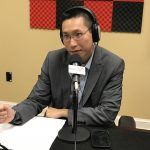
David Walens, CEO, Exploring, Inc.

Exploring, Inc.
David Walens, CEO, Exploring, Inc.

Dave has over 30 years of experience in developing and growing businesses. His ability to think creatively and strategically and his unwavering commitment to customer service are true differentiators. He has extensive experience in exhibit design and construction, event fabrication, graphic production, flooring production, and project management. This experience, combined with in-depth industry knowledge and expertise enables Dave to assist companies in reaching their strategic marketing objectives as efficiently and as effectively as possible.

Dave has been CEO of Exploring, Inc. for 22 years. He has a degree from Kennesaw State University.

LinkedIn

Mike Blake, Brady Ware & Company

Mike Blake, Host of the “Decision Vision” podcast series

Michael Blake is the host of the Decision Vision podcast series and a Director of Brady Ware & Company. Mike specializes in the valuation of intellectual property-driven firms, such as software firms, aerospace firms, and professional services firms, most frequently in the capacity as a transaction advisor, helping clients obtain great outcomes from complex transaction opportunities. He is also a specialist in the appraisal of intellectual properties as stand-alone assets, such as software, trade secrets, and patents.

Mike has been a full-time business appraiser for 13 years with public accounting firms, boutique business appraisal firms, and an owner of his own firm. Prior to that, he spent 8 years in venture capital and investment banking, including transactions in the U.S., Israel, Russia, Ukraine, and Belarus.

Brady Ware & Company

Brady Ware & Company is a regional full-service accounting and advisory firm which helps businesses and entrepreneurs make visions a reality. Brady Ware services clients nationally from its offices in Alpharetta, GA; Columbus and Dayton, OH; and Richmond, IN. The firm is growth-minded, committed to the regions in which they operate, and most importantly, they make significant investments in their people and service offerings to meet the changing financial needs of those they are privileged to serve. The firm is dedicated to providing results that make a difference for its clients.

Decision Vision Podcast Series

Decision Vision is a podcast covering topics and issues facing small business owners and connecting them with solutions from leading experts. This series is presented by Brady Ware & Company. If you are a decision-maker for a small business, we’d love to hear from you. Contact us at decisionvision@bradyware.com and make sure to listen to every Thursday to the Decision Vision podcast.

Past episodes of Decision Vision can be found at decisionvisionpodcast.com. Decision Vision is produced and broadcast by the North Fulton studio of Business RadioX®.

Connect with Brady Ware & Company:

Website | LinkedIn | Facebook | Twitter | Instagram

TRANSCRIPT

Intro: [00:00:02] Welcome to Decision Vision, a podcast series focusing on critical business decisions. Brought to you by Brady Ware & Company. Brady Ware is a regional full service accounting and advisory firm that helps businesses and entrepreneurs make visions a reality.

Mike Blake: [00:00:21] Welcome to Decision Vision, a podcast giving you, the listener, clear vision to make great decisions. In each episode, we discuss the process of decision making on a different topic from the business owners’ or executives’ perspective. We aren’t necessarily telling you what to do, but we can put you in a position to make an informed decision on your own and understand when you might need help along the way.

Mike Blake: [00:00:40] My name is Mike Blake, and I’m your host for today’s program. I’m a director at Brady Ware & Company, a full service accounting firm based in Dayton, Ohio, with offices in Dayton; Columbus, Ohio; Richmond, Indiana; and Alpharetta, Georgia. Brady Ware is sponsoring this podcast, which is being recorded in Atlanta per social distancing protocols. If you would like to engage with me on social media with my Chart of the Day and other content, I’m on LinkedIn as myself and @unblakeable on Facebook, Twitter, Clubhouse, and Instagram. If you like this podcast, please subscribe on your favorite podcast aggregator, and please consider leaving a review of the podcast as well.

Mike Blake: [00:01:15] So, today’s topic is, Should I go back to in-person events? And as we record this show just prior to Memorial Day, we are in what I like to call the trans-pandemic period, where we’re not in the throes of the pandemic hell that we found ourselves in six months ago or in the process of becoming vaccinated. It’s an open question whether or not we’re going to hit the 70 percent vaccination rate that the presidential administration has told us is required to achieve herd immunity. And I’m no epidemiologist. I have no clue if we’re going to get that. But just sort of taking straw polls, I think, we’re probably in the fall just short of that. So be it.

Mike Blake: [00:01:56] But whether we’re vaccinated or not or we reach that vaccination level or not, the floodgates are clearly opening. We’ve had enough. Even introverts like me are stepping out more and are willing to take a little bit more risk than we were willing to take 6 to 12 months ago. And almost, like it or not, things are going back to normal. In fact, at this point, probably the biggest obstacle of things to returning to events – at least trying to sort of daily life, I’ll put it that way. Because events, I think, are a different story – but return to daily life, I think, is simply finding enough people that want to actually work the jobs that are necessary to make those things happen.

Mike Blake: [00:02:37] And, again, I’m not going to enter into that discussion. But we are going to have a podcast on a related topic soon, Should I change careers? Because I think a lot of people have been prompted by the pandemic experience to rethink what it is they want to do with their professional lives and their personal lives. And our relationship with work, I think, for many of us, has forever changed. But, again, that’s getting ahead of ourselves. We have a very good topic in front of us today.

Mike Blake: [00:03:08] You know, opportunities are now opening up left and right. I know that professional events, sporting events are going to, if not full attendance capacity, certainly close to it. I think in my original hometown of Boston, when the Bruins and Celtics continue to play, hopefully the Celtics will just end their season. Bruins are miserable. Well, when the Bruins and Celtics continue their play, they’re going to be in front of something like 85 percent capacity crowds. Fenway Park is going to something similar. I haven’t paid attention to what’s going on in Atlanta, but I think it’s following a similar path. So, we’re going back to this stuff. People are going back to restaurants. I’m seeing in my email box more announcements for in-person events.

Mike Blake: [00:03:57] It’s starting to happen, although I think timidly. And I think the question now begs the asking. Should we be going back to in-person live events? I don’t mean that from a perspective, should we as a society go back to that. That’s not what this podcast is for. And, frankly, I’m not qualified to answer that question and nobody’s asked it of me, so I’m not going to answer it. But I suspect that many individuals are weighing now, is it the right time to go back to these events? Is it the right time to sponsor these events again, host these events? Will people come? Are they going to look exactly like they looked, say, in October of 2019? Are they going to look different? Are we going to have more virtual events? When we talk about hybrid events, what on earth does a hybrid event mean? Is a hybrid event even feasible?

Mike Blake: [00:04:55] And so, you know, right now I frankly cannot think of a more timely topic that is on most business people’s minds. Again, whether we’re an event producer – and Brady Ware just had a a fairly large event, virtual, for nonprofits. And I understand it was very successful, but it was virtual. But, you know, other events now are going to be in-person. And what does that look like?

Mike Blake: [00:05:20] And I’ll kind of end the monologue here with this, is that, according to meetings outlook, the 2021 winter edition, 49 percent of event planners and 42 percent of event suppliers expect in-person event activity to return to pre-pandemic levels by 2022. So, whether your glass is half full or empty, that means that over half of people in that industry expect 2022 to still be down for pre-pandemic levels. And the report was silent on when or if the industry may indeed return to pre-pandemic levels. It may not even be necessarily a desirable thing to do that, at least on a micro basis.

Mike Blake: [00:06:03] So, coming on to talk about this is my friend, Dave Walens, who is President of Exploring, Inc. The parent company of several unique trailblazing Atlanta-based companies supporting the event trade show experiential entertainment and flooring industries. He is also the current president and grand poobah of an organization – which I’ve been involved for several years and is really one of the few organizations I have time for and make time for – CEO NetWeavers. And we’ve had a couple of guests on who have been part of that group as well. So, they account for a big part of the guest quota that we’ve had with this podcast over the last two years.

Mike Blake: [00:06:39] Dave has over 30 years of experience in developing and growing businesses. His ability to think creatively and strategically and his unwavering commitment to customer service are a true differentiator. He has extensive experience in exhibit design and construction, event fabrication, graphic production, flooring production, and project management. This experience, combined with in-depth industry knowledge and expertise enables Dave to assist companies in reaching their strategic marketing objectives as efficiently and as effectively as possible.

Mike Blake: [00:07:07] Exploring Inc. employs almost 180 people and operates in three locations, including a 150,000 thousand square foot fabrication facility, providing uniquely wide scope of capabilities and supported by highly experienced, versatile, and talented team of metal fabricators, sculptors, artists, carpenters, painters, and printers. The rapidly growing company was founded in 1999 and includes ID3 Group, Chisel 3D, Atlantis Waterjet, Brumark, Shelmarc Carpets, and CGI Graphics. Exploring has been named to the Inc. 500/5000 Inc. Magazine’s annual list of Fastest Growing Private Companies in America six times in 2009, 2010, 2011, 2014, 2016, and 2018. Dave Walens, welcome to the program.

Dave Walens: [00:07:51] Well, thank you, Michael, in probably the longest intro ever.

Mike Blake: [00:07:55] Well, I talk fast. I’m at least old enough to remember the FedEx fast talking guy. I remember him so I can learn how to talk like him. But, you know, maybe it’s a long introduction, but I think it’s a worthwhile introduction because I think it establishes your expertise in the space. And, you know, our listeners don’t have time to listen to amateurs. There are plenty of podcasts that already do that. We need to listen experts and you’re one of those. So, again, thank you for being generous with your time and coming on today.

Dave Walens: [00:08:23] You bet, Mike. And thanks for having me, man.

Mike Blake: [00:08:25] So, we talked about what your company does. I’m sure you’re going to kind of sprinkle that over the course of the discussion. So, I’m going to kind of cut right to the chase. I mean, 2020 must have been an absolute brutal year for you guys. And if I’m right or if I’m even half right, I’d love to know how you guys survived it.

Dave Walens: [00:08:48] Well, great question to start out with. As a great entrepreneur that I think I am, I actually got even better during the pandemic because I learned how to run a company with no sales. That’s pretty impressive.

Mike Blake: [00:09:01] Yeah. I didn’t know that could be done.

Dave Walens: [00:09:03] Neither did I. So, frankly, it was a very, very difficult year. 2020 shut down the convention industry. Obviously, the event industry. We were the first industry to close. And, frankly, we’re going to be the last industry probably to open as trade shows aren’t really officially opening even yet. But we have survived it and we survived it for several key reasons.

Dave Walens: [00:09:27] One is, really, the mental fortitude that you have to have as an entrepreneur and changing to meet current needs. And that really was the core of our whole company and our employees is, really, that mindset. And we’ve just had a great team that came together and did whatever it takes to find paths to get through this thing. And we’ve done some very, very creative and unique ways to get through it. And I couldn’t be more proud of my executive management team and my management team to make it happen.

Dave Walens: [00:09:53] And, fortunately, we were really busy and the industry was super busy in the first quarter of ’20. And because of that, it helped us get to some benchmarks throughout the year to where we had cash flow to help us get through some of the worst times until PPP kicked in. So, to be very specific, if it wasn’t for that, this industry, the trade show industry and event industry, may not have survived. Not like it’s going to be.

Mike Blake: [00:10:19] So, you know, now we’re here. As I said, we’re here at the end of May, trans-pandemic period. What are you hearing? What are you sensing? What are you seeing in terms of the public’s interest in going back to live events right now?

Dave Walens: [00:10:34] First of all, I would look for facts in the marketplace that indicate what’s the appetite for folks to go back to live events. And, fortunately, we’re right here in Atlanta where we’re watching Van Gogh open up last week. And, fortunately, our ID3 Group was the builder of Van Gogh, so we got to partake in this. Actually, they’re sold out until August already. They’ve sold over 200,000 tickets and hard to find them. And attendance has been outstanding. So, those are the facts that I look for. So, every event that I have seen or witnessed has seen tremendous participation. That’s an awesome sign.

Mike Blake: [00:11:17] Now, what about among the event planners and sponsors and hosts, are they equally chomping at the bit to kind of get back to this thing?

Dave Walens: [00:11:29] Yeah. I think they are. We’re seeing it because many of them switched to stay connected to their customers. The event producers, if you will, the ones who own the show, want to make sure that their customer base was able to see their customers so they went to virtual events. And doing these virtual events was great. But it was just one element. And there was a real missing component of that interaction. And I think that’s the outcome of the virtual events, it connected a lot of people but, frankly, lost that human touch, that interpersonal touch that we really crave. So, when the opportunity started to come back, I think these event producers were clamoring to get back face-to-face and they found ways to do it.

Mike Blake: [00:12:15] And I’m curious, I rattled off a statistic before we started the formal interview. But it seems like more people in your industry now think that this year and maybe next year are going to be transition years. And maybe 2023, if we go back to the normal or if we achieve the new normal, that’s going to be the timeline. Do you share that opinion or do you differ from that?

Dave Walens: [00:12:41] I think I differ just a little bit from that, Mike. What I’m seeing is choppiness through the summer. As trade shows start to open, they’re opening up very conservatively with expectations. I mean, you’ve got to remember, many of these shows have canceled. And what’s happening is they’re rescheduling for summer, that typically were in the winter or even the spring. As they move to different parts of the year, attendance is going to be lower. They’re going to be spottier. You’re not going to have the back to back shows. They’re going to be smaller. I’m sure all that’s going to take place. But they are opening and they are committing to go face-to-face.

Dave Walens: [00:13:14] What that means is, I think, we’re really going to see things come back fourth quarter. So, summer will be choppy. Third quarter will start to build up. But a good stake in the ground is CES, which is opening in January, which is typical of where it always is open. And that is the largest trade show in our country. And I think that’s the one that I’m looking at most closely to be an indicator of where things are to come. So, if we get back fourth quarter, then 2022 should be a very, very good year.

Mike Blake: [00:13:41] I did not know that CES was the largest trade show in the country. I mean, I knew it was big, but I had no idea that it was the largest. And I agree that probably will be a very good barometer, especially because with CES, that’s actually a trade show that has the kind of content that actually is more easy to deliver virtually than others. You don’t necessarily have to have people in a room to show a demo of a video game, for example. So, if people are coming back in droves, then I agree with you that that is going to be the leading indicator.

Dave Walens: [00:14:16] Yeah. And I think CES is going to be well-attended this year, I think people cancelled last year. So, think about all the technology changes that have happened over this past year. This is the debut of the show. And I think people haven’t been able to go to Las Vegas. There’s a lot of new things in Las Vegas, including the convention center. So, there’s a lot of compelling reasons why people are going to want to travel. I know the dangers and the health issues, but I think they’re going to be overcome by the protocols that are being done by these shows that are being very careful. And I think they’re going to really have a great attendance. And if that happens, I think it’s going to pave the way for a very good 2022.

Mike Blake: [00:14:54] So, when I start going back to live events – and I’m pretty sure that’s going to happen this year for me, even if I’m on the conservative side – am I going to see something different? How are those events are going to look different when I walk in as opposed to what I remember being involved in back in ’19?

Dave Walens: [00:15:13] You know, I think they’re going to be different. I think people are going to look at them a little bit more conservatively, strategically. And I also think you’re going to see a lot of hybrid and live combined. So, one thing we learned about the hybrid event is we’re able to touch more people. So, we could actually communicate to a lot of people at a company because they’re obviously not paying the travel expense. However, when you’re able to do these live events, I think it’s like a combination of those two things happening, where content will be available to you even after that show, long after that show for a majority of people.

Dave Walens: [00:15:45] Which means the way that we communicate on the show floor will absolutely change. And I think things don’t necessarily have to be as large and as complicated and perhaps as complex. And I think there’ll be more storytelling being done and brand building than there will be just showing up to say, “I’m coming to this trade show. I’m going to show my products.”

Mike Blake: [00:16:07] And I think that’s a good thing. You know, as somebody who does his fair share of public speaking in some format or another, the one thing that I’ve long regretted and have never found a good solution for was to solve the perishability problem. I take the time to put a presentation together. I think I do a pretty good job. And then, it’s just gone. It perishes instantly. And you haven’t seen me in some of these things. I mean, I’ve tried so many contraptions and setups and weird things to try to capture what I do, you know, with an iPad or an iPhone or something. And it’s been both cumbersome and just bad outcome.

Mike Blake: [00:16:52] I think that as a content provider, one, I will appreciate if there’s sort of a default setting where there’s going to be something to capture my content that can live on. And that, to me, also says that it’s an opportunity to scale the business model because you don’t have to just serve the people that are out there on site. Am I crazy or have I gotten a bunch of stuff wrong in that sense?

Dave Walens: [00:17:14] No. You got a lot of things right in that sense, Mike. I mean, that’s exactly what you’re going to do. And that’s why you’re going to look at these trade shows and events just differently, because you could touch your customer in different ways and it lives on. So, you think about now capturing all your presentations in your live presentations in a way that has a lifespan that is endless. So, yeah, you really can look at how you approach this much differently.

Dave Walens: [00:17:41] And, frankly, how you justify it. I mean, it’s an investment of your time and your money, and that’s the other part of it. The return on your investment is going to be even wider and probably more effective. So, you’re going to want to go to maybe more events than you ever thought about, or more trade shows, or do more public speaking because you’re able to monetize that even better.

Mike Blake: [00:18:00] So, let’s look at this from the corporate side. You know, I’m a partner in a CPA firm, which means, you know, we’re really good accounting dollars. The jury is still out. We’re really good at making them, but we’re certainly very good at counting them. And, you know, there’s an argument that I’m sure some people are making or some businesses are making. I’m not necessarily making it, but it’s being made, I’m sure. Look, we got what we needed to get out of 2020, mostly education for our people. It was a lot less expensive. They didn’t have to be out of the office. They didn’t have to pay for travel. They didn’t have the time disruption of travel. You know, what have we missed and we need to get back by being forced into an all virtual environment? What’s waiting for us on the other side?

Dave Walens: [00:18:56] And I think that all goes back to human interaction and really being able to get to know people and get to understand people at different level than doing it over Zoom. You can never really achieve that. In fact, I would suggest people are really moving more to fatigue on Zoom. And they are truly finding it as a good experience and a positive experience. So, I do think it’s just another tool. And what is missing is just that human interaction. It’s just needed. Flat out needed.

Dave Walens: [00:19:26] And I will go on the record right now telling you that, if you’re not traveling to see your customers today because, frankly, some customers won’t let you come see them. But the second your competitor goes and flies and meets a customer face-to-face and you don’t, you tell me how fast you’re going to jump on a plane to go meet with your customer face-to-face. It’s the cycle. It’s going to happen.

Mike Blake: [00:19:51] So. I think I know the answer to this question, but I don’t want to assume. So, are hybrid events, in your mind, are they going to be a transitional step or is that going to be kind of part of the new normal? The new outgrowth is that there’s a role for digital play in these things and they’re just going to ride shotgun with one another.

Dave Walens: [00:20:12] I’m glad you said the word digital this time than virtual. From our industry as designers and producers of experiences and trade shows, we’re really turning into content producers and storytellers. And as content developers, we have to understand that market now better than anything to help brands achieve their goals. So, this is just one element. And what we’ve learned through content development now has a lot of legs. I mean, we could create movies around the content we’re building or, you know, video podcasts, whatever we want to do. But we better be good at that as well as building physical structure. So, if we’re going to help the brand the best way, then we have to know all elements of this marketplace.

Mike Blake: [00:21:01] And it’s interesting, I hadn’t thought of that. But I think I completely agree with that, that the core competencies, I would imagine, and people of your industry – participants in your industry, I think are going to need to evolve. From what I have seen – again, I haven’t worked in your industry behind the scenes of your industry is that, there are people on the physical events and then there are the people that do the audio, video, take the footage and whatnot, but they’re almost sort of parallel.

Mike Blake: [00:21:38] From my observation, you only talk to each other when you need to make sure you’re not stepping each other’s extension cord, basically. Or not going to screw up their WiFi, basically. I imagine that in the operational model, that’s no longer the case. You either have to be able to closely collaborate with each other or maybe you even just own those capabilities all in-house.

Dave Walens: [00:21:55] Yeah. Absolutely. But I’ll take that maybe even a little step higher, Mike, and go back to the customer. So, the customer is the one that we really got to focus on. And when a customer has got complications between going through virtual or digital content and physical content, really, what it is, is helping the brand achieve what it’s doing. And it lives in the hands of the customer.

Dave Walens: [00:22:17] As we learn more about it, it goes back to the fact that as designers and builders of environments, we may not have known much about graphics in the early days. We had to learn. We didn’t print them ourselves at the time, now we do. But we needed to know about it as well as a printer did, whether it be LED, whether it be whatever content that we’re dealing with, we have to know it.

Dave Walens: [00:22:38] In this case, we’re really helping the brand achieve its goals. That’s really what’s happened. And that lives in the hands of the customer. So, knowing how to work and manage that content is the important part in executing it. Not every one of these exhibit companies are going to be experts in content management. But they’re going to have resources at their fingertips so a customer has to go to one place rather than two. And that is a big time saver for a customer.

Mike Blake: [00:23:01] I’m curious in terms of what it’s going to take to put events together. I infer from what you’re telling me, they’re going to be more complex because the customer is asking you to do more, whether directly or indirectly. Are events going to be more expensive to put on? Or maybe they might be less expensive initially because fewer people are going to attend them. I can see an argument. Maybe there’s no impact whatsoever. I’m curious, just in terms of the cost structure, are events going to be more expensive to put on and, therefore, by extension to attend?

Dave Walens: [00:23:34] I have a feeling they’re going to be more expensive, to be honest with you. I’m starting to watch some of the data out there. The way that you participate in the show, there are some rates that are proposed by – in our industry called – the general contractor. And those rates are paid for by the exhibitors. And we’re already seeing those costs escalate a little bit surprisingly. But I think they’re anticipating smaller spaces initially. So, they have to generate revenue so their costs are a bit higher. We’ll see what happens in the long run. But I think you’re going to see an escalation in that.

Dave Walens: [00:24:09] And, of course, then you’ve got ruggedized issues and you’ve got supply chain issues that are driving up costs. So, for us as builders, we work a lot in wood. You know what’s happened with wood prices over this past year. They’ve gone up over 300 percent. And just about all raw materials have gone up. So, I think you are going to see an increase in cost. However, I think it’s going to be offset by the return that you get. And that’s where I think this industry, frankly, from my side of the table, suppliers to an exhibitor, that we have an opportunity of resetting to doing all the things that we were doing wrong, to now do them right. And eliminate cost overruns and things that were in the way before that we can now find ways to justify it and bring our value. So, that’s the opportunity.

Mike Blake: [00:24:56] So, I’m glad you brought that up, because this gets into really, frankly, one of the questions I was most looking forward to asking you, which was, from the pandemic experience – and I’d love you to think about this as broadly as possible, because I think there could be a very broad answer that will bring some insightful things to the fore – what in your mind have you – or if you want to be broader, you guys in your industry – learned from the pandemic? And how are some of those things learned going to be evident in the events that you produce and we’re going to start to attend later this year and forward?

Dave Walens: [00:25:36] Well, one thing that I think our industry learned by being truly shut down is that overhead will destroy you. And our industry is based on large spaces to accommodate building large exhibits. So, we all have a very big footprint to do what we do. You heard I’ve got 150,000 square foot facility, one of them just to do the work that we do. Building overhead will be a change in the minds of these business owners from here on out. That they’re going to have to find alternative ways not to build overhead.

Dave Walens: [00:26:12] And I think that then changes the model for them to look to be more marketing based. Go back to the content marketing base, working with brands and a marketing solution. Then, actually making the actual physical components that they could strategically work with others to build them. And let them really work with the brands to make sure they’re done right. So, I think there will be a reset in this industry of getting smaller, leaner, smarter about the things that we do because we’ve experienced the worst.

Mike Blake: [00:26:42] And it sounds like – and please correct me if I’m putting words in your mouth – the way I distill what you just said is, in a way, getting back to basics. What is the core value of what you actually deliver? And maybe building an exhibit, although a nice thing that you can offer, maybe that isn’t necessarily core to the value. Is that fair to say? Or am I going too far?

Dave Walens: [00:27:04] No. I think that’s a bit fair to say. I mean, I think where we used to differentiate by how we built something, you know, I built it better than you built it. Today, it’s about the outcome of the piece that we build. How is that story being told in your lobby, in your event, at your trade show? The outcome of that is the most important part. There’s no concern if I made it out of one material or another anymore as long as it looks like what you wanted it to look like. But if the story is told right, that’s the power of that execution and there’s the value. And that’s what we need to focus on.

Mike Blake: [00:27:37] So, it’s not necessarily about how you build it, but really why you built it.

Dave Walens: [00:27:41] That’s right. That’s exactly right.

Mike Blake: [00:27:43] And I like that. I think that’s a lesson that actually can be taken beyond just your industry, right? Going back and taking a step back, why are we doing this? Why does the customer want it? And then, that can help you rethink, is this the right or the necessary path to get there?

Mike Blake: [00:28:02] So, you answered the question one way in terms of how you run your business, which is great, is instructive. But I’m also curious, are there any lessons that you learned in terms of actually executing the event itself? Anything that you or others you think have learned from the pandemic that are going to impact simply the way that you execute on what you already do?

Dave Walens: [00:28:26] So, my seat is a little bit different, so we’re a supplier to those designers and builders of environments. So, I work with design build firms, event marketing companies, architects. So, yes, every one of those folks are approaching this much differently. And even we are about how we look at building an environment. And, you know, cost is a big issue now. So, we’re having to figure out creative ways to meet a need and finding new techniques and new materials to actually achieve what the design intent is.

Dave Walens: [00:29:00] But I will say this, the entire economy is moving to an experiential economy. People want to have a story told. And they want to know the brand has a message to them when they go and do it. And that’s the biggest piece of all. And we’re finding and we’re seeing that happen across the country right now with some very unique things that are opening up. Van Gogh is one of them, and I doubt that. But Meow Wolf is another one you may be familiar with. They’re out in New Mexico, they just opened up in Las Vegas. It’s a grocery shopping tour of the experiential type. It’s really an art exhibition more so than anything else.

Dave Walens: [00:29:33] You’re seeing a lot of these shows that are coming to fruition and it’s all about just telling the story. Malls are changing, that’s a good example of that as well. What’s happening inside of malls? With Animal Planet as an exhibition opening inside a mall. All sorts of things that really are taking what traditionally would be just standard graphic on a wall and really telling a whole story.

Mike Blake: [00:29:59] Is there any concern in your industry that some segment of the population is just not going to come back to live events? And I’m sure there’s a number, I just don’t know how big that is. In your mind, is that something that’s of concern to you that some people are just never coming back because they’ve just been so impacted almost to a PTSD level of the pandemic? Or do you think that’s just not going to be enough to move the needle for your industry?

Dave Walens: [00:30:32] No. That’s a huge concern, to be honest, Mike. Not so much individuals themselves because I don’t think there’ll be enough to move the needle. But when you have Google and Facebook and Apple telling their employees not to go to a show or we don’t want you to go to a show, that is devastating. Or we don’t think we need to do it, not because of even health issues, but the pandemic has showed them we could figure out other paths since we couldn’t do the events and go to trade shows, we’ll find an alternative way to do it. That’s very concerning. And, also, it’s also the opportunity. Because they’ll never not touch their customer. They will be face-to-face with their customer at some point. It may not look like a trade show or an event like we’re used to, but they’ll find that out.

Mike Blake: [00:31:18] Yeah. I think that’s right. You know, with things like these disruptions, it’s rare that the thing that’s disrupted goes away. It often is forced to adopt a different model. Even right now, taxis have not gone away with Uber and Lyft, but they have changed what they do and they’ve changed their value proposition.

Mike Blake: [00:31:41] I’m going to put on my amateur lawyer’s hat now. What could possibly go wrong with that? But, you know, I do wonder kind of about liability. And I wonder if this conversation has come up with you or in your circles at all. And interestingly enough, as I was preparing for this podcast, I read an article yesterday that the WWE folks, the folks that put on the “totally real wrestling matches” are making their attendees sign a waiver form that if they get sick by being in an event that, you know, you can’t come back and sue them. Is that a concern? And is that something that folks in your industry are taking a look at?

Dave Walens: [00:32:23] Absolutely. Look, liability, in my opinion and that’s my own personal opinion, is the reason that it’s taken so long for live events to come back. And I have been fortunate enough in my industry, I early on jumped on to really trying to help my industry and partnered virtually with two of our biggest players in the industry, Czarnowski and George P. Johnson. And we started what is called Live for Life, where we pull together people in our industry to help solve the temporary hospital issue.

Dave Walens: [00:32:56] We’re all shut down. We didn’t have any work at hand and we turned all of our attention to helping our communities. And so, what better workforce than obviously our trade show world that was used to making these temporary environments. And all of that became the liability issue at every turning point. And because of that, also, we got a privilege to sit in the forefront as things developed and how we were going to get over that liability. So, the protocols that were put in place with GBAC, which is a certification in the cleaning of these environments. And every single convention center or most convention centers have been certified through this GBAC.

Dave Walens: [00:33:38] Or putting in infrared and thermometers at locations and how we were going to have apps that actually trace people through an environment, making sure they were safe to go in. A program called Clear To Go – which in fact, my nephew developed the software to that – so that you tested at home, you came to an environment, you check in, you check out. All these protocols are put in place to minimize liability. It will never eliminate liability. And I haven’t seen it yet eliminate liability. But that is the biggest concern.

Mike Blake: [00:34:12] Yeah. You know, liability is sort of a particular part of the American way of life, right? So, you know, it’s just going to be ever present. That’s just the way that our society is now constructed. And there’s nothing you or I really can do to stop that. All we can do is try to work around it.

Dave Walens: [00:34:34] None of us want to be sued, and that’s really what this comes down to.

Mike Blake: [00:34:38] That’s exactly right.

Dave Walens: [00:34:39] This is a business and you were playing attorney, so I know that’s where you were going with it. But for us, as a company, we can’t afford to have that happen. And that’s the problem. It’s not that someone’s going to get sick. That, I don’t think is the issue. People are going to get sick. But it’s not going to be put in and be sued because you were allowed to be on the show floor or an event or a live event. That’s the problem.

Mike Blake: [00:35:03] So, I want to bring up another part of the value proposition of live events I’d like to get your reaction to it. This doesn’t get talked about a lot, but I think it’s more important. I think it doesn’t get talked about a lot because it’s not as polished and corporate from an outside perspective. But the reality is that, being able to send certain people to events is a form of compensation. And it’s a form of professional recognition. And I’ll use the word boondoggle. You may not, that’s fine. I don’t expect you to.

Mike Blake: [00:35:46] But the simple fact of the matter is that, a traditional way that companies have shown their appreciation for certain employees to retain them, to give them sort of non-compensation compensation is, “Hey, there’s this trade show in Vegas. Why don’t you go for this weekend and take your wife and so forth and we’ll write it off. You come back with some business cards, that’s great.” You know, I do think that’s also something that needs to come back. And if companies are thinking they can chip out and stop and sort of try to put an end to or discontinue that practice, they’re going to find out the hard way. They’re going to lose some very key people, because that is a consideration. That is a way that you make employees feel appreciated.

Dave Walens: [00:36:29] Absolutely. And no doubt about it and good point. I mean, that’s strategic, I mean, it’s cheaper to bring your sales team together and put them to good work at a trade show than it is to have a separate sales meeting. So, doing it around a trade show makes a lot of sense and the perk of doing that. So, I agree with you.

Dave Walens: [00:36:48] But I’ve actually seen that firsthand, Mike, through not a trade show, but at our industry event which was in San Antonio in December of this year. And interestingly enough, I was really surprised to see how many people showed up in our industry, in a very small industry, who were shut down. I’ll remind you of that, we were not working. And we still had over 100 people to show up at that meeting. That was a testament to that exact statement. They came out because they felt they needed to and it was part of the perk, just part of their core makeup, and they just made it happen. And it was surprising.

Mike Blake: [00:37:24] Yeah. And, look, there’s nothing wrong with that, right? As long as at least in the business you understand the decision that you’re making. I think that’s fine if businesses want to do that. But it’s interesting that I don’t see it talked about a lot, as if people don’t know that that goes on, which is kind of interesting. But, again, I do think a company that thinks they can cut out this kind of commerce travel, just on that basis alone, is making a mistake because a competitor that is sending people to those events are going to look a lot more attractive in terms of being an employer.

Mike Blake: [00:38:05] So, my impression, based on what I read is that, while we are working our way through the pandemic and I think most of us feel more secure doing things we did not feel secure doing some time ago, we’re still concerned about flare ups. There seems to be a new strain of the month and whatnot. And we don’t know what the vaccination scenario is. And it seems pretty clear that, at least in the United States, we’re not going to have these vaccination passports. There’s no way a conservative Supreme Court is going to approve that. Either that or other than that, I just don’t know politics.

Mike Blake: [00:38:45] But, you know, flare ups can kind of happen. I think something that could kill a conference forever is to, all of a sudden, be another one of these infection vectors. We hear about the wedding in Maine, or the funeral in Georgia, or something, or the biotech conference in Boston. That was the big one that actually launched this whole thing in North America. You don’t want to be that conference. That is the infection vector. Because I don’t know that as a conference, you could ever recover from that. In your mind, how do you just protect against being complacent that, you know, we see the light at the end of the tunnel, but we’re not through the tunnel yet.

Dave Walens: [00:39:32] Well, instead of the word complacent, I would put the word confident rather. I really do. And I think everybody, just like you, will find when they feel comfortable and confident to start traveling and going to these events, whether they’re local or whether you’re going to have to jump on a plane and go. Let’s be honest, if we follow the science, it’s confusing. If we follow the politicians, it’s confusing. If we try even to follow the facts, it’s confusing. So, it’s our own facts and our own mind that we have to make up what’s justifiable.

Dave Walens: [00:40:09] I’m an entrepreneur. I take risks every day. Way bigger risks just working and driving and the things that I do that I just didn’t feel the risk that I would take in certain environments make it uncomfortable for me. I justified it. Does it make it right or wrong? No. It’s just what I was able to handle.

Mike Blake: [00:40:28] It’s right for you.

Dave Walens: [00:40:30] Right. And that’s what I tell people, “If you have the confidence.” You know, I read a report yesterday that said, if you had coronavirus, you have the antibodies. Although we’ve been told it may only last three months. Now, they’re coming out saying it’s actually better than the vaccine and it’s for your lifetime. You never have to have a vaccine and have to go through it again. Who’s to know until it happens again? Until we get sick again? But we can’t stop living. And that’s just where my line is drawn. And I feel like if I could build enough confidence where people will take it a little bit of a risk, then maybe it’s worth it. But it’s all about individual choice. And that’s the beauty of where we’re at. I let people see for themselves what feels comfortable for them.

Mike Blake: [00:41:17] We’re talking with Dave Walens, CEO of Exploring Inc. And the topic is, Should I go back to in-person events? A couple more questions I’d like to cover before we let you go and start planning and keep planning those events that you’re working on. But one question I’m curious about is the international angle. International travel is much slower to recover, for good or ill that’s just the way it is. Europe says they might open to U.S. traffic sometime this summer. But they haven’t committed to that. Frankly, I have not followed what the U.S. stands on. I haven’t heard any definitive word from the Biden Administration.

Mike Blake: [00:41:58] Is that putting a damper on events right now? Are there plans or maybe some live events that have traditionally been international in nature and may be duplicated and localized? What’s the strategy or response to that? Or even to your mind, is there a strategy or response to that?

Dave Walens: [00:42:13] No. There absolutely is a strategy around that. And, yes, it is having an impact on attendance and exhibitors. And, frankly, I think the owners of these shows are having to work around that and find what’s the best way to approach the show, which means they may go smaller. That’s where we go back to how are they going to survive? Well, maybe they take less square footage and commit to that, knowing that a percentage of their exhibitors and attendees are international.

Dave Walens: [00:42:41] And, no, they shouldn’t plan for it. I mean, you’re an accountant, it’s kind of that zero based projection. And we’re going to plan for zero. And if we get any, we’ll incrementally benefit from it. If they’re planning to have them come, they’re going to be sorely missed because they probably won’t be showing up. And so, we’ll see perhaps some or fourth, and that’s where I say fourth quarter by the time it really wraps in. And it’ll be a gradual increase so we’ll see it coming. But if you’re not planning for them not to show up, you’re making a mistake, in my opinion.

Mike Blake: [00:43:11] So, one thing I was thinking about – and I could be completely off base, so if I’m wrong, you’ll tell me – it seems to me that events are part of or at least adjacent to the hospitality industry. And their struggles in terms of just finding people to staff are well-known and well-documented. I’m curious if your industry is facing similar challenges. And if so, how are those challenges going to be felt at events and your ability to to put them on?

Dave Walens: [00:43:43] Probably the number one issue for our industry right now.

Mike Blake: [00:43:46] So, I guess strike. Good.

Dave Walens: [00:43:48] Thanks for the question. In all honesty, if you really think about this, our industry is primarily made up of entrepreneurs, business owners. And most of them are owner operators. And the only way they survive this pandemic is by getting back to the basics of a handful of people, perhaps just themselves or one other person. So, their workforce has been decimated. And our employees were furloughed and laid off. And as I said, our industry still is not open. We’re at 10 percent. Restaurants never hit this level. Our workforce is absolutely been crushed. Our skilled labor has gone. Our project managers, our sales teams, gone. There’s no one to sell to unless they moved in to new areas like virtual events. But for the most part, it’s all going to have to be built back, which is going to take a toll.

Dave Walens: [00:44:40] I think we’re all projecting issues to happen because of that. On the show floor, hard to get people and hard to get enough people to fill the demand that’s starting to happen. And we’re seeing that specifically on projects that we’ve actually closed up outside of the trade show world. But some traveling exhibits, some permanent installations, and hospitality projects that we’re working on. And it’s just going to be a challenge getting back a workforce, especially a skilled base, high talent, the carpenters and the welders. They’ve all found work in the housing industry, which has exploded, or construction overall.

Mike Blake: [00:45:18] So, Dave, this has been a great conversation. And, you know, as an aside for the listener’s benefit, this conversation sort of has an interesting side dynamic, in that, Dave and I serve on the board of CEO NetWeavers. He’s the executive – not the executive director. He’s the president and I’m the head of the Events and Speakers Committee. And so, we’re going to be having a conversation internally in our board in the next couple of weeks about moving to in-person events as well. As it happens sort of lays the groundwork. But I say that for the benefit of our listeners, because this is an actual conversation that’s going on in an organization that he and I are both stewards of at the moment. And it just goes to underline the real practicality of it.

Mike Blake: [00:46:05] You know, Dave, you’ve got a lot of information. We couldn’t cover everything in one hour. We never do. But if somebody wants to ask you about information, you know, about attending events, hosting them, sponsoring them, participating in some way, can they do that? If they want to ask you something we didn’t talk about, say, want to go in more depth. And if so, what’s the best way to do that?

Dave Walens: [00:46:26] Absolutely, Mike. Good or bad, I’m always available. I would suggest emailing me. And, Mike, I got to clarify one thing for you. You have called me Walens the entire conversation, and COVID has caused that, because it’s actually Walens. But every single one of them, from friends to family, have called me Walens. Don’t ask me why for 2020. But it is actually dwalens@exploring.com is my email address, that’s D-W-A-L-E-N-S@exploring.com. Instagram, it’s drwalens. And you’re welcome to follow me or any of our companies, exploring.com is our main website for the parent company. You can get to all our brands through that and you see other things that we’re producing. So, I’m very accessible and I welcome you to connect at any time. I’d be happy to share more.

Mike Blake: [00:47:19] All right. Well, there you have it. There’s Dave Walens, who has been the victim of the COVID long A. But I would like to thank Dave so much for joining us and sharing his expertise with us today.

Mike Blake: [00:47:29] We’ll be exploring a new topic each week, so please tune in so that when you’re faced with your next business decision, you have clear vision when making it. If you enjoy these podcasts, please consider leaving a review with your favorite podcast aggregator. It helps people find us so that we can help them. If you like to engage with me on social media with my Chart of the Day and other content, I’m on LinkedIn as myself and @unblakeable on Facebook, Twitter, Clubhouse, and Instagram. Once again, this is Mike Blake. Our sponsor is Brady Ware & Company. And this has been the Decision Vision podcast.


Tagged With: Brady Ware, Brady Ware & Company, conventions, David Walens, exhibit design, Exploring, Mike Blake, trade shows

Dr. Clive Fields, Co-Founder and Chief Medical Officer, Village Medical

June 2, 2021 by John Ray

Village Medical
North Fulton Studio
Dr. Clive Fields, Co-Founder and Chief Medical Officer, Village Medical
Loading
00:00 /
RSS Feed
Share
Link
Embed

Download file

Village Medical

Dr. Clive Fields, Co-Founder and Chief Medical Officer, Village Medical (Episode 57, To Your Health with Dr. Jim Morrow)

Dr. Clive Fields, Co-Founder and Chief Medical Officer of Village Medical, joined Dr. Morrow to discuss the Village Medical model of care which utilizes state of the art technology, providing the best care for patients and keeping them well and out of the hospital. “To Your Health” is brought to you by Morrow Family Medicine, a Member of Village Medical, which brings the care back to healthcare.

Village Medical

Village Medical believes healthcare should be personal, accessible, and coordinated.

At Village Medical, the patient’s relationship with their primary care provider is the foundation to their health. Their doctors and staff partner with patients to understand their needs, and work together to focus not just on treatment, but also education and preventative care.

We combine the tools, technology, and people needed to help create healthier, happier patients. More connected care means more complete care.

With Village Medical at Home, they provide at-home visits designed to give eligible patients the attention they need, in a way that’s best for them and their caregivers.

At Village Medical, the future of healthcare is more personal than ever.

Company website | Facebook | Instagram | Twitter

Clive Fields, Co-Founder and Chief Medical Officer, VillageMD

Village Medical
Dr. Clive Fields, Founder and CMO, VillageMD

Dr. Fields is the co-founder and Chief Medical Officer of VillageMD. He has been a practicing primary care physician in the Houston area since 1991.

Dr. Fields has been recognized by Modern Healthcare as one of the country’s 50 Most Influential Clinical Executives and has received the American Academy of Family Practice’s Robert Graham Award for Physician Executive of the Year.

Dr. Fields oversees the clinical model at VillageMD.

LinkedIn

About Morrow Family Medicine, A Member of Village Medical

Morrow Family Medicine, a Member of Village Medical, is an award-winning, state-of-the-art family practice with offices in Cumming and Milton, Georgia. The practice combines healthcare information technology with old-fashioned care to provide the type of care that many are in search of today. Two physicians, three physician assistants and two nurse practitioners are supported by a knowledgeable and friendly staff to make your visit to Morrow Family Medicine, A Member of Village Medical one that will remind you of the way healthcare should be.  At Morrow Family Medicine, a Member of Village Medical, we like to say we are “bringing the care back to healthcare!”  The practice has been named the “Best of Forsyth” in Family Medicine in all five years of the award, is a three-time consecutive winner of the “Best of North Atlanta” by readers of Appen Media, and the 2019 winner of “Best of Life” in North Fulton County.

Village Medical offers a comprehensive suite of primary care services including preventative care, treatment for illness and injury, and management of chronic conditions such as diabetes, congestive heart failure, chronic obstructive pulmonary disease (COPD) and kidney disease. Atlanta-area patients can learn more about the practice here.

Dr. Jim Morrow, Morrow Family Medicine, and Host of “To Your Health with Dr. Jim Morrow”

Covid-19 misconceptionsDr. Jim Morrow is the founder and CEO of Morrow Family Medicine. He has been a trailblazer and evangelist in the area of healthcare information technology, was named Physician IT Leader of the Year by HIMSS, a HIMSS Davies Award Winner, the Cumming-Forsyth Chamber of Commerce Steve Bloom Award Winner as Entrepreneur of the Year and he received a Phoenix Award as Community Leader of the Year from the Metro Atlanta Chamber of Commerce.  He is married to Peggie Morrow and together they founded the Forsyth BYOT Benefit, a charity in Forsyth County to support students in need of technology and devices. They have two Goldendoodles, a gaggle of grandchildren and enjoy life on and around Lake Lanier.

Facebook: https://www.facebook.com/MorrowFamMed/

LinkedIn: https://www.linkedin.com/company/7788088/admin/

Twitter: https://twitter.com/toyourhealthMD

The complete show archive of “To Your Health with Dr. Jim Morrow” addresses a wide range of health and wellness topics, and can be found at www.toyourhealthradio.com.

Tagged With: Dr. Clive Fields, Dr. Jim Morrow, Morrow Family Medicine, preventative care, To Your Health With Dr. Jim Morrow, Village Medical, VillageMD

Andre Wright, The WRIGHT Consult

May 28, 2021 by John Ray

North Fulton Business Radio
Andre Wright, The WRIGHT Consult
Loading
00:00 /
RSS Feed
Share
Link
Embed

Download file

Andre Wright, The WRIGHT Consult (North Fulton Business Radio, Episode 360)

Digital marketing is essential for dental, chiropractic, and similar health-specific practices to grow and thrive. Andre Wright of The WRIGHT Consult joined host John Ray to share his tips and success stories in working with such practices, his career journey, and his new book, Visibility. North Fulton Business Radio is broadcast from the North Fulton studio of Business RadioX® inside Renasant Bank in Alpharetta.

The WRIGHT Consult

The WRIGHT Consult is a digital marketing agency located in Atlanta. Its mission is to help organizations leverage the power of digital marketing to increase leads, drive sales and improve market share. At TWC their commitment is to ensure that the job is performed with the highest degree of professionalism at all times. Its staff includes highly skilled professionals who provide great expertise, along with a professional management team providing exceptional project oversight. From a strong player in the industry in web development & design and effective digital marketing solutions, The WRIGHT Consult delivers results and meets and most often exceeds their client’s benchmarks.

They seek to guide customers with an underlying philosophy of “BBC” i.e.

  • BE THERE- With the advancement in digital media, businesses have to ensure they are on the necessary platforms to meet customers.
  • BE VISIBLE- It is not just being on these digital platforms, but an effective digital strategy has to be in place so that companies are actually “visible” and customers are seeing their websites/businesses when they search online.
  • CONVERT- This is what we all want customers to do; whether signing up on a form, downloading an app, or purchasing an item. Whatever the desired action we set out. To this end, we will implement effective digital strategies to influence these desired actions.

Their team will work tirelessly to help strategically position your brand in relevant search results to give optimal results.  Their founder was a part of the formative years of Google Adwords, Adwords Express, Shopping, and Display campaigns.

They distinguish themselves from the competition by providing clients with firsthand digital marketing experience and result-driven services in the online marketing arena to attract potential customers, engage them with SEO, PPC, Social Media, Display/Remarketing ads, and convert leads into sales.

Company website | LinkedIn | Twitter | Facebook | Instagram

Andre Wright, MBA, Founder and CEO, The WRIGHT Consult

Andre Wright
Andre Wright, MBA, Founder and CEO, The WRIGHT Consult

A digital marketer at heart, Andre has a passion to help individuals achieve their goals. Andre Wright

With more than twelve years of digital marketing experience, he has helped various organizations grow exponentially.

It all started with Google. During the infant stages of Google Ads, he was able to lead a group of digital strategists to great success promoting Google Ads to businesses. This led him to launch The WRIGHT Consult (TWC). a digital marketing company that not only helps clients with Google Ads but offers a wide range of other services to include search engine optimization(SEO).

Andre is a public speaker, hosts the Your Company Health Podcast, and is the author of a new book, Visibility: Digital Marketing Secrets to Growing Your Business the Wright Way. 

Andre has a Masters’s in Marketing from the University of Sunderland.  He is an avid golfer, who loves God, family, and his community.

Website | LinkedIn | Podcast | Book

Questions and Topics in this Interview:

  • How did you get into digital marketing?
  • What vertical do you serve?
  • Talk about the importance of digital marketing today
  • Talk to us about your new book, Visibility


North Fulton Business Radio is hosted by John Ray, and broadcast and produced from the North Fulton studio of Business RadioX® inside Renasant Bank in Alpharetta. You can find the full archive of shows by following this link. The show is available on all the major podcast apps, including Apple Podcasts, Spotify, Google, Amazon, iHeart Radio, Stitcher, TuneIn, and others.

Renasant Bank has humble roots, starting in 1904 as a $100,000 bank in a Lee County, Mississippi, bakery. Since then, Renasant has grown to become one of the Southeast’s strongest financial institutions with over $13 billion in assets and more than 190 banking, lending, wealth management and financial services offices in Mississippi, Alabama, Tennessee, Georgia and Florida. All of Renasant’s success stems from each of their banker’s commitment to investing in their communities as a way of better understanding the people they serve. At Renasant Bank, they understand you because they work and live alongside you every day.
Tagged With: adwords, Andre Wright, chiropractors, dental practices, digital marketing, SEO, The WRIGHT Consult, Visibility, Your Company Health

How to Avoid HR Problems

May 28, 2021 by John Ray

HR Problems
Dental Law Radio
How to Avoid HR Problems
Loading
00:00 /
RSS Feed
Share
Link
Embed

Download file

HR Problems

How to Avoid HR Problems (Dental Law Radio, Episode 6) 

From an HR perspective, Covid-19 has changed everything for a dental practice; the issues, regulations, and consequences of non-compliance are more complicated than ever. Host Stuart Oberman reviews the “must have” processes needed to avoid HR problems.  Dental Law Radio is underwritten and presented by Oberman Law Firm and produced by the North Fulton studio of Business RadioX®.


TRANSCRIPT

Intro: [00:00:02] Broadcasting from the Business RadioX Studios in Atlanta, it’s time for Dental Law Radio. Dental Law Radio is brought to you by Oberman Law Firm, a leading dental-centric law firm serving dental clients on a local, regional, and national basis. Now, here’s your host, Stuart Oberman.

Stuart Oberman: [00:00:25] Hello everyone and welcome to Dental Law Radio. Oh, our topic today, H.R., H.R., H.R. So, near and dear to our hearts. So, through this whole process, COVID-19, I think it taught us a lot. It let us take a look at what our doctors were and were not doing. And it really exposed a lot of problems. So, you know, what happened in the last year? What happened in the last five years?

Stuart Oberman: [00:00:59] So, anyone who owns a dental practice, works in a dental practice, knows for a fact that H.R. is changing every single day. There are more rules and regulations for employees than we ever had before. There’s more regulatory matters. There’s more problem employees. Employees are harder to deal with. Our doctors are fed up, discouraged with H.R. They can’t find employees. Employees are quitting. Employees are complaining. Tight economic conditions.

Stuart Oberman: [00:01:30] So, you know, where are we at? So, we have to look back at what happened this past year. It really brought a lot of things to the forefront. So, I would tell you, 2020, COVID-19 changed everything in H.R. Pre-COVID-19, what was ignored is now absolutely mandatory. We have states that are getting involved in H.R. like we never seen before. Federal Law is changing daily, it seems like, National Labor Relations Board, EEOC, Federal guidance, IRS, tax changes. You know, it’s a wonder that a lot of our doctors who’ve been practicing for some time, we’ll get these calls and they’ll say, “I’m done. I don’t want to put up with OSHA. I don’t want to put up with HIPAA. I can’t handle the H.R. I’m out of compliance. I need to go.”

Stuart Oberman: [00:02:27] So, what happens is, is that they’re frustrated, and we get it. So, I want to offer a couple of things. We put out a mandatory checklist for our clients. And I would encourage you to send us an email and we’ll send that mandatory checklist for you to you if you email us and request it. So, that’s mandatory checklists review, what you need on a daily basis to review.

Stuart Oberman: [00:03:04] So, another thing that we looked at is the hiring process, H.R. This exposed a lot of things. We had some practices that had a 70 to 80 percent turnover rate. If you don’t have an H.R. process and onboarding process in place, and you’ve got turnover at 70, 80 percent, for whatever reason, you are in a world of hurt, as we say. You’ve got to have an onboarding process. So, what we’ve developed is a new employee checklist. Again, at the end of today’s podcast, I’ll give information out on how to reach out to us and get that from us requested. If you need it, it’s there for you. If you need a mandatory checklist, it’s there for you.

Stuart Oberman: [00:03:51] So, the H.R. process we talked about, you know, in prior podcasts is a simple, simple process. I don’t want our guys to – I say our guys – I want our dentists to really go out on a deep end because it’s simple things, small things. You eat an elephant one bite at a time. You can’t overhaul a massive system. You’ve got to have a guideline on how to do this.

Stuart Oberman: [00:04:19] So, one of the things we stressed before, employee manual, got to have it. There’s no question you’ve got to have it. We mentioned before, social media, cell phone, internet policy, nondisclosure agreements, non- solicitation agreements. If you think your employees, if you think your associates, if you think your hygienist won’t steal your information from you when you leave or when they leave the practice, you are sadly mistaken. Because I will assure you, those are the first things that go. So, all those have got to be buttoned up and they got to be tight.

Stuart Oberman: [00:04:53] Employee files – I can’t stress this enough – you got to keep track of your employee files, reviews, negative, positive, review process. Do you even have a process in place for reviewing employees? And I know I said this before and I’ll say it many times through this podcast series, employees should never ever, in a million years, have control of their personnel files. Because I will guarantee you, you get an employee fired, that file goes with them. You’ll never see that file again. You need to have a limited access on your personnel files.

Stuart Oberman: [00:05:32] And I say that because our doctors call us all the time, you know, “John left. Mary left. They were fired,” or “we terminated them.” Great. So, where’s their file? Let’s see it. “Well, we can’t find it. We don’t know where they all went to.” That’s a huge problem. You’ve lost a battle. Period.

Stuart Oberman: [00:05:54] So, what are your practice policies? Internal operations? What are your processes? Success? You have people, processes, and systems. What’s the process? Again, do you have a recruiting or hiring process? What does that look like? Do you have an on boarding process? How are you recruiting? How are you handling complaints? Do you have a reporting process? Do you have a mechanism for them to file complaints against you internally before it goes to a third party?

Stuart Oberman: [00:06:38] Classifications, we talked about this earlier, previous podcast. Are you an employee? Are you an independent contractor? You’ve got to know these classifications because they’re detrimental to your practice if you don’t. What are the benefits? How are they being distributed? Are they equal? What is your OSHA and HIPAA policy? Are your manuals out of date? All these are compliance issues. All those things that you absolutely need to know.

Stuart Oberman: [00:07:09] So, on our are mandatory checklists that we have for review – I’ll be glad to send them out. Just let us know if you want one – that’s a pretty detailed process for what you need to review internally and a new employee checklist. So, I want to touch on new employees real quick. So, we all hear about the dental practices that recycle employees. If you go to some websites and you type in a name today that you saw, you’re going to see that same name in a year, six months. There is a whole mechanism for employees that are really bad, but they’re being recycled. The problem with that is, you could see who’s hiring them is not doing their due diligence. They’re not doing the background checks.

Stuart Oberman: [00:07:59] We had a particular employee – I’m sorry – employer that we discovered they hired employee without coming in with a full background check. We said, “We came in too late. You need to do a background check and have a process in place.” So, they did a letter of offer. They went ahead and offered the person the position. Come to find out, three days later a report comes back, they got a bankruptcy, they got a couple of felonies, assaulting an officer, drugs. Now, what do you do? Do you tell the employee who just told their employer that I’m no longer offered a job. What do you do?

Stuart Oberman: [00:08:51] So, those are things you’ve got to control. You’ve got to have an on boarding process. You know, why have an employee that has embezzled four other practices and you’re hiring them for accounting? Check the resumes, check the resources, do the background checks. For $100 dollars, you can make your life very, very easy. And our doctors don’t do that. And they hire because they need a body and that’s a disaster waiting to happen. That’s an H.R. nightmare.

Stuart Oberman: [00:09:25] So, you know, I want to go off topic a little bit. But if you got a disgruntled employee that’s leaving, put that employee under wraps, if you will. That employee needs to be given a severance, especially if they got dirt on the practice. You need to get them to sign a release. So, once they are paid X, Y, Z, dollars, whatever it is, as a severance. “Well, they’re not due a severance.” I get that. But what are you going to do if they got dirt on the practice and all of a sudden they start making inklings that they’re going to go to OSHA, HIPAA, Department of Labor, because you’re not paying them for overtime, they’re misclassified, they’re not exempt, they’re exempt.

Stuart Oberman: [00:10:10] So then, what do you do? You need to shut down that employee. You need to go ahead and get them under release. So, once they have been compensated, they sign a release, they can’t go forward with any other claims. And if they have a claim that has been withdrawn, they can’t go on social media, provided that you even have a social media policy. If you don’t, then the release will cover that. These are things you’ve got to do. In today’s world, these are the check downs that you have to have. And if you don’t, then, all of a sudden, we get these calls, and the cycle starts. And then, it’s damage control. Then, we’ve got things going on the internet, which we’re going to talk about in subsequent podcasts. And it becomes a snowball effect.

Stuart Oberman: [00:10:58] So, these are the basic things. Again, before COVID-19, you know, our doctors weren’t necessarily exposed unless something happened. But COVID-19 hits, now, we’ve got all these regulatory issues. We’ve got all these problem employees. We’ve got employees refusing to come to work. Employees that quit. We’ve got turnover. We’ve got H.R. problems. And, now, it’s exposed. The curtains down. So, you’ve got to make sure that you’ve got all the stuff done, checked down, in compliance. Because we’re in a different world, we’re in different time, and it’s not going to get any better. It’s not going to get any better. And you have to have a system in place as we go forward. People, processes, and systems, got to have it to avoid trouble in today’s world. It’s getting tough. It’s getting tougher every day.

Stuart Oberman: [00:11:43] So, again, as I say, 10,000 foot view. You know, this is a whole topic for an hour discussion, but we’re going to break it down to some things we think that are really needed in today’s market. So, anyway, if you have any questions, please call us, 770-554-1400. Visit us online, obermanlaw.com, stuart@obermanlaw.com, S-T-U-A-R-T@obermanlaw.com. And reach out to us, ask for the checklist, we’ll be glad to send it out, get you on a mailing list, keep you up to date. So, I’d like to wish everyone a fantastic day. And we look forward to having you join us on subsequent podcasts. Thanks a lot. Bye.
 

About Dental Law Radio

Hosted by Stuart Oberman, a nationally recognized authority in dental law, Dental Law Radio covers legal, business, and other operating issues and topics of vital concern to dentists and dental practice owners. The show is produced by the North Fulton studio of Business RadioX® and can be found on all the major podcast apps. The complete show archive is here.

Stuart Oberman, Oberman Law Firm

Oberman Law Firm
Stuart Oberman, host of “Dental Law Radio”

Stuart Oberman is the founder and President of Oberman Law Firm. Mr. Oberman graduated from Urbana University and received his law degree from John Marshall Law School. Mr. Oberman has been practicing law for over 25 years, and before going into private practice, Mr. Oberman was in-house counsel for a Fortune 500 Company. Mr. Oberman is widely regarded as the go-to attorney in the area of Dental Law, which includes DSO formation, corporate business structures, mergers and acquisitions, regulatory compliance, advertising regulations, HIPAA, Compliance, and employment law regulations that affect dental practices.

In addition, Mr. Oberman’s expertise in the health care industry includes advising clients in the complex regulatory landscape as it relates to telehealth and telemedicine, including compliance of corporate structures, third-party reimbursement, contract negotiations, technology, health care fraud and abuse law (Anti-Kickback Statute and the State Law), professional liability risk management, federal and state regulations.

As the long-term care industry evolves, Mr. Oberman has the knowledge and experience to guide clients in the long-term care sector with respect to corporate and regulatory matters, assisted living facilities, continuing care retirement communities (CCRCs). In addition, Mr. Oberman’s practice also focuses on health care facility acquisitions and other changes of ownership, as well as related licensure and Medicare/Medicaid certification matters, CCRC registrations, long-term care/skilled nursing facility management, operating agreements, assisted living licensure matters, and health care joint ventures.

In addition to his expertise in the health care industry, Mr. Oberman has a nationwide practice that focuses on all facets of contractual disputes, including corporate governance, fiduciary duty, trade secrets, unfair competition, covenants not to compete, trademark and copyright infringement, fraud, and deceptive trade practices, and other business-related matters. Mr. Oberman also represents clients throughout the United States in a wide range of practice areas, including mergers & acquisitions, partnership agreements, commercial real estate, entity formation, employment law, commercial leasing, intellectual property, and HIPAA/OSHA compliance.

Mr. Oberman is a national lecturer and has published articles in the U.S. and Canada.

LinkedIn

Oberman Law Firm

Oberman Law Firm has a long history of civic service, noted national, regional, and local clients, and stands among the Southeast’s eminent and fast-growing full-service law firms. Oberman Law Firm’s areas of practice include Business Planning, Commercial & Technology Transactions, Corporate, Employment & Labor, Estate Planning, Health Care, Intellectual Property, Litigation, Privacy & Data Security, and Real Estate.

By meeting their client’s goals and becoming a trusted partner and advocate for our clients, their attorneys are recognized as legal go-getters who provide value-added service. Their attorneys understand that in a rapidly changing legal market, clients have new expectations, constantly evolving choices, and operate in an environment of heightened reputational and commercial risk.

Oberman Law Firm’s strength is its ability to solve complex legal problems by collaborating across borders and practice areas.

Connect with Oberman Law Firm:

Company website | LinkedIn | Twitter

Tagged With: Dental Law Radio, HR, Human Resources, Oberman Law Firm, Stuart Oberman

Brian C. Adams, Excelsior Capital

May 27, 2021 by John Ray

Excelsior Capital
Nashville Business Radio
Brian C. Adams, Excelsior Capital
Loading
00:00 /
RSS Feed
Share
Link
Embed

Download file

Excelsior Capital

Brian C. Adams, Excelsior Capital (Nashville Business Radio, Episode 14)

Brian Adams of Excelsior Capital joined host John Ray to discuss the commercial estate investments his firm organizes for individuals, families, and family offices. Brian assessed the investment attractiveness of Nashville and other markets, discussed why Excelsior’s approach is much more tax friendly than larger commercial real estate funds, and much more. “Nashville Business Radio” is produced virtually from the Nashville studio of Business RadioX®.

Excelsior Capital

Excelsior Capital is a real estate private equity sponsor based in Nashville, Tennessee that specializes in yield generation by primarily focusing on stabilized income and capital preservation.

Their strategy centers around their belief that real estate assets are undervalued in secondary markets that possess strong underlying economic fundamentals. Within these MSA’s, they target stable assets located in healthy submarkets and have a strong history of occupancy. To capitalize on this strategy, they focus on assets in the $10M-$25M range, which are often overlooked by institutional investors.

Company website | LinkedIn

Brian C. Adams, President and Founder, Excelsior Capital

Excelsior Capital
Brian C. Adams, President and Founder, Excelsior Capital

Brian C. Adams is the President and Founder of Excelsior Capital, where he spearheads the investor relations and capital markets arms of the firm. He has 10 years of experience in real estate private equity and has advanced knowledge in best practices for strategic real estate investing. Prior to forming Excelsior Capital, Brian co-founded Priam Properties (an institutional real estate private equity sponsor) in 2010 and provided leadership and direction for the firm in connection with capital markets, investment management and investor relations.

He has served on the Board of Sirrom Partners, LP, a single-family office investing across private and public asset classes since May of 2008. Since May of 2017 he has served on the Investment Committee for Solidus LP, an early-stage venture capital firm focused on investment opportunities in Healthcare and Technology. From January of 2016 to January of 2018, Brian served as a member of the Board of Next Gen Advisory Faculty for the Institute of Private Investors / Campden, a program designed to support next generation family members in preparing the following generation for the responsibility of being a steward of family wealth. He has also served on the Advisory Committee for the Southeastern Family Office Forum since December of 2016. Brian is a former practicing attorney, earning his J.D. from Suffolk University and his B.A. from Wesleyan University with Honors.

LinkedIn

Questions and Topics in this Interview

  • Secondary growth markets and key demographic metrics driving change
  • Syndication platforms focused on taxable high net worth investors and family offices
  • Direct Co-Investment structure for RIA’s/boutique wealth management firms/ multifamily offices
  • Rebirth of the suburban office
  • Tax advantages of direct real estate ownership

“Nashville Business Radio” is hosted by John Ray and produced virtually from the Nashville studio of Business RadioX®.  You can find the full archive of shows by following this link. The show is available on all the major podcast apps, including Apple Podcasts, Spotify, Google, Amazon, iHeart Radio, Stitcher, TuneIn, and others.

Tagged With: Brian C Adams, commercial real estate, commercial real estate investing, Excelsior Capital, family offices, secondary growth market, syndication platforms

North Fulton’s Craft Beer Industry, with Charles Gridley, Six Bridges Brewing, and Andy Williams, Topside Tap Trail and Visit Roswell

May 27, 2021 by John Ray

Topside Tap Trail
North Fulton Studio
North Fulton's Craft Beer Industry, with Charles Gridley, Six Bridges Brewing, and Andy Williams, Topside Tap Trail and Visit Roswell
Loading
00:00 /
RSS Feed
Share
Link
Embed

Download file

Topside Tap Trail

North Fulton’s Craft Beer Industry (GNFCC 400 Insider, Episode 63)

Charles Gridley of Six Bridges Brewing and Andy Williams of the Roswell Convention and Visitors Bureau joined host Kali Boatright to discuss the burgeoning craft brewing industry North Fulton. Andy also talked about the new Topside Tap Trail, highlighting seven breweries in North Fulton, and Charles shared Six Bridges’ plans to expand to a second location in Milton. The GNFCC 400 Insider is presented by the Greater North Fulton Chamber of Commerce and produced by the North Fulton studio of Business RadioX®.

Charles Gridley, Co-Owner & CEO, Six Bridges Brewing in Johns Creek

Topside Tap Trail
Charles Gridley, Co-Owner & CEO, Six Bridges Brewing in Johns Creek

Charles Gridley is CEO and co-founder of Six Bridges Brewing in Johns Creek, GA with his son, Clay. They were homebrewers for 10 years before opening Six Bridges Brewing in 2018. Six Bridges has a 2,000 square-foot tasting room, as well as a 2,000 square-foot beer garden. They brew on a 30 barrel brewhouse, and a 2 barrel pilot system.

Charles is a chemical engineer and graduate of Georgia Tech. He previously worked in production manufacturing for Heraeus Tenevo and Baldor Electric.

Company website | Facebook | Instagram

Topside Tap Trail

The Topside Tap Trail is comprised of seven branded breweries in metro Atlanta’s “topside,” located in the cities of Roswell, Alpharetta, and Sandy Springs, Georgia. The trail was established to ensure North Fulton’s beer culture along the GA400 corridor gets the acclaimed recognition it deserves. The tap trail is brought to you by Visit Roswell, Awesome Alpharetta, and Visit Sandy Springs,

Website

Andy Williams, Executive Director, Visit Roswell – Roswell Convention and Visitors Bureau

Andy Williams, Executive Director, Roswell Convention & Visitors Bureau

Visit Roswell is the destination’s convention and visitors bureau. Often referred to as a destination marketing organization (DMO), their organization incorporates targeted advertising and marketing programs with sales and public relations efforts to build the image of Roswell as a travel destination and increase visitation to the city.

Andy Williams became Executive Director in January 2019. Williams is formerly Director of Sales for Destination South Meetings + Events, a DMC Network Company, which is based in Atlanta. He is a Certified Meeting Professional (CMP) through the Events Industry Council and a Travel Marketing Professional (TMP) through the Southeast Tourism Society.

A graduate of Young Harris College with an Associate of Science degree and Georgia Southern University with a Bachelor of Science: Tourism & Commercial Recreation, Williams began his tourism career as a Project Coordinator with the Madison-Morgan Convention and Visitors Bureau in Madison, Georgia in 2007.

In 2011, he became a Sales Manager for the Dunwoody Convention & Visitors Bureau, where he later became Director of Sales.

Williams has received several awards in his career, including Rookie Rotarian of the Year (2008-2009); Historic Heartland Travel Association Member of the Year in 2010; Meeting Professionals International – Georgia Chapter’s Rising Star of the Year in 2013; and Special Events Magazine’s 25 Young Event Pros to Watch in 2018.

Williams and his wife Ryan, have two children.

 Company website | LinkedIn | Facebook | Instagram | YouTube | Williams LinkedIn

About GNFCC and “The GNFCC 400 Insider”

Kali Boatright
Kali Boatright, President and CEO of GNFCC

“The GNFCC 400 Insider” is presented by the Greater North Fulton Chamber of Commerce (GNFCC) and is hosted by Kali Boatright, President and CEO of GNFCC. The Greater North Fulton Chamber of Commerce is a private, non-profit, member-driven organization comprised of over 1400 business enterprises, civic organizations, educational institutions and individuals.  Their service area includes Alpharetta, Johns Creek, Milton, Mountain Park, Roswell and Sandy Springs. GNFCC is the leading voice on economic development, business growth and quality of life issues in North Fulton County.

The GNFCC promotes the interests of our members by assuming a leadership role in making North Fulton an excellent place to work, live, play and stay. They provide one voice for all local businesses to influence decision makers, recommend legislation, and protect the valuable resources that make North Fulton a popular place to live.

For more information on GNFCC and its North Fulton County service area, follow this link or call (770) 993-8806. For more information on other GNFCC events such as this North Fulton Mayors Appreciation Lunch, follow this link.

For the complete show archive of “The GNFCC 400 Insider,” go to GNFCC400Insider.com. “The GNFCC 400 Insider” is produced by John Ray and the North Fulton studio of Business RadioX®.

Tagged With: Andy Williams, Charles Gridley, craft beer, craft brewing, family owned craft breweries, Johns Creek, Milton, Roswell CVB, Six Bridges Brewing, Topside Tap Trail, Visit Roswell

R3 Continuum Playbook: Managing Emotional Reactions to Reintegration

May 27, 2021 by John Ray

Reintegration
Minneapolis St. Paul Studio
R3 Continuum Playbook: Managing Emotional Reactions to Reintegration
Loading
00:00 /
RSS Feed
Share
Link
Embed

Download file

Reintegration

R3 Continuum Playbook:  Managing Emotional Reactions to Reintegration

The reintegration process to the workplace will be welcomed by many employees but could be full of emotional reactions. Jeff Gorter, R3 Continuum’s Vice President of Clinical Crisis Response, addressed the emotional challenges that may arise and offers helpful strategies for leaders.  The R3 Continuum Playbook is presented by R3 Continuum and is produced by the Minneapolis-St.Paul Studio of Business RadioX®. R3 Continuum is the underwriter of Workplace MVP, the show which celebrates heroes in the workplace.

TRANSCRIPT

Intro: [00:00:00] Broadcasting from the Business RadioX Studios, here is your R3 Continuum Playbook. Brought to you by Workplace MVP sponsor, R3 Continuum, a global leader in workplace behavioral health, crisis, and security solutions.

Jeff Gorter: [00:00:15] Hello. I’m Jeff Gorter, Vice President of Clinical Crisis Response at R3 Continuum. As the nation moves ever so slowly toward getting COVID-19 under control, many business leaders are looking ahead to the next stage of reintegration and return to work.

Jeff Gorter: [00:00:42] But as exciting as a return to some sense of normalcy is, it represents yet another change following a period of unprecedented and unexpected change. And change, as we all know, even positive change, can be stressful and presents with its own unique set of challenges. Here are three emotional reactions that business leaders should anticipate with their staff as well as themselves.

Jeff Gorter: [00:01:11] The first reaction is fatigue. So many of us have experienced a level of fatigue or weariness that is decidedly different from the type of fatigue we’ve experienced in the past following a full day of exertion at work. Zoom fatigue, which has become a common term, has been described by so many. But while virtual meetings have been literally a godsend and have allowed us to continue operations in ways we couldn’t have even imagined just a few years ago before this technology. But we all know it takes a different level of energy to make those kinds of meetings work.

Jeff Gorter: [00:01:51] In addition, many business leaders describe a type of decision fatigue. Feeling that their creative energies have been tapped out as they’ve had to make major business and personal challenges with very little reference and very little surety as to how they’ll work out in the future. Other leaders described compassion fatigue, knowing that their employees have experienced significant pain and loss over the course of this last year-and-a-half. And yet, as leaders, feeling ill-equipped to handle later how to respond to those particular needs.

Jeff Gorter: [00:02:29] The second expected emotional reaction is grief, not surprisingly. And grief tends to show up in two distinctly different ways. Tangible grief, which involves the direct loss of a family member, a friend, a co-worker, even a customer. This type of grief is the one most adults associate with a death or the end of a relationship. And in that regard, it’s completely understandable in the midst of a pandemic. The second variation, intangible grief is much more subtle, but in some ways is no less powerful for those who are experiencing it. Intangible grief involves the loss not of a person, but of a foundational concept, the sort of bedrock principles that held us up and made us feel secure.

Jeff Gorter: [00:03:22] For example, many of us have experienced a loss of the sense of safety that we had come to rely on and even take for granted prior to the advent of COVID-19. Many of us are grieving the familiar work patterns that used to structure our day and are now conducted virtually or in isolation. Many of us have experienced a grief surrounding increased financial challenges and pressures. A loss of connection to the community or to faith-based activities that formerly fed and sustained us. Many of us are grieving simply the way it was. And grief, whether tangible or intangible, takes time and emotional energy to heal and process.

Jeff Gorter: [00:04:11] Finally, the last emotional reaction business leaders can expect is anxiety, or to put it more precisely, anticipatory anxiety. Anxiety about what reintegration even looks like as that remains unclear and undefined at this point. Many experts expect a post-COVID ennui, that French term that describes a sense of listlessness, a lack of energy, and a proverbial asking, “Well, now what?” It stands to reason that as COVID has dominated our horizon for the last 16 months, it will not simply be a turning off of the switch and an immediate adjustment back to planning and motivating employees without COVID as the inescapable backdrop for everything we did.

Jeff Gorter: [00:05:02] Many employees are already reporting confusion along with the anxiety as to how unclear it is, what’s expected of me, what are the new roles, the new roles, the new interactions in my professional, my personal, and the social spheres in this brave new world that’s emerging.

Jeff Gorter: [00:05:25] Well, this is by no means an exhaustive list. These three emotional reactions, fatigue, grief, and anxiety can be expected during the reintegration and return to work period post-COVID-19. So, let’s look at some strategies that savvy business leaders have found helpful as they prepare themselves, their leadership teams, and their workforce for the next normal.

Jeff Gorter: [00:05:54] First, leaders need to entrench or foster connection once again. Encouraging work groups to re-establish some of the social and cultural norms, the little things which used to mark the workplace as best they can with reasonable adjustments. For example, is it safe to have a team lunch once again, face-to-face, all in a room? While we may not quite be there yet, it’s helpful to think about some adaptations we can do in the future to make that possible.

Jeff Gorter: [00:06:25] Such as, perhaps, having the lunch catered in rather than relying on the potluck that used to be a part of it. A catered in lunch is a safer alternative and it may enhance the comfort of those around. Now, while this example may sound simplistic or trivial, the little things can have an outsized power as your people are readjusting to this. Think about how much you’ve missed your work family over the last 16 months and how often you’ve longed for something, anything that involved other people and felt normal once again.

Jeff Gorter: [00:07:02] Second, it’s important for leaders to demonstrate and exercise patience as reintegration is a process, not a singular event. For many leaders, the phrase “Progress, not perfection” has become a guiding mantra. As in most things of life, your employees will return to work with a wide variety of attitudes and aptitudes with emotions and skills. And so, a leader wants to strike a balance between supportive understanding of where they are and what they’ve gone through and what they’re facing now. And performance expectations, because returning to work is an expression of functional resilience. Something that they want as well as the leader wants. So, we need to allow some time to readjust successfully.

Jeff Gorter: [00:07:54] Finally, effective leaders create space for the narrative to develop. That is, the story that will inevitably describe how we, as a company or as a work group, were impacted by COVID, how we managed through it, perhaps in spite of it, and where we are heading now as a group, as a collective. This sense of a story, a narrative with a beginning, middle, and end, is a natural and healthy way that all of us make sense of crisis events in our lives. The narrative allows us to begin to see this as an event in the past as a chapter in our lives that we’re able to close the book on as we once again look forward to the future.

Jeff Gorter: [00:08:42] Although this past year-and-a-half has been exhausting and painful, and while looking ahead may seem daunting to many business leaders, there are resources and consultation available to you. Our website, r3c.com, contains a number of articles that can be helpful in this process. And one particular service, our Telephonic Wellness Outreach, is an effective method to reconnect with your remote workforce ahead of time. Allowing you to gain an understanding of where they’re at and what their needs are, which allows you to provide resources in a strategic way that facilitates a return to work.

Jeff Gorter: [00:09:25] If you’d like to contact us, check out our website at www.r3c.com or email us at info@r3c.com. We’d be happy to have a discussion with you regarding any challenges that you may be facing. Thank you.


Show Underwriter

R3 Continuum (R3c) is a global leader in workplace behavioral health and security solutions. R3c helps ensure the psychological and physical safety of organizations and their people in today’s ever-changing and often unpredictable world. Through their continuum of tailored solutions, including evaluations, crisis response, executive optimization, protective services, and more, they help organizations maintain and cultivate a workplace of wellbeing so that their people can thrive. Learn more about R3c at www.r3c.com.

R3 Continuum is the underwriter of Workplace MVP, a show which celebrates the everyday heroes–Workplace Most Valuable Professionals–in human resources, risk management, security, business continuity, and the C-suite who resolutely labor for the well-being of employees in their care, readying the workplace for and planning responses to disruption.

Connect with R3 Continuum:  Website | LinkedIn | Facebook | Twitter

Tagged With: Jeff Gorter, R3 Continuum, return to office, Return to Work, workplace reintegration

Decision Vision Episode 118: Should I Hire Someone with a Disability? – An Interview with Bill Schultz, Opportunity Partners

May 27, 2021 by John Ray

Opportunity Partners
Decision Vision
Decision Vision Episode 118: Should I Hire Someone with a Disability? - An Interview with Bill Schultz, Opportunity Partners
Loading
00:00 /
RSS Feed
Share
Link
Embed

Download file

Opportunity Partners

Decision Vision Episode 118:  Should I Hire Someone with a Disability? – An Interview with Bill Schultz, Opportunity Partners

In a conversation with host Mike Blake, Bill Schultz, CEO of Opportunity Partners, demystifies misconceptions businesses have about hiring people with disabilities. He explains why so many businesses, once they get past those misunderstandings and bring on someone with a disability, often expand such hiring. Decision Vision is presented by Brady Ware & Company.

Opportunity Partners

Established in 1953, Opportunity Partners is a Minnesota nonprofit organization that works alongside people with disabilities to provide job training, employment, and residential support for people to live more independently, succeed on the job and lead lives filled with purpose and meaning.Opportunity Partners

Opportunity Partners serves people with many different types of disabilities. Some examples include Autism Spectrum Disorder, Asperger syndrome, brain injury, Down syndrome, cerebral palsy, Fetal Alcohol Syndrome, and many others.

Company website | LinkedIn | Facebook | Twitter | YouTube

Bill Schultz, President & CEO, Opportunity Partners

Bill Schultz, CEO & President, Opportunity Partners

Bill Schultz was named President & CEO of Opportunity Partners in August 2020, after serving briefly as Interim President & CEO. Bill joined Opportunity Partners in 2015 as Executive Vice President, Business Development and Operations, overseeing all business services and production operations, identifying new products, processes, and services in community and center-based work.

Bill came to Opportunity Partners with more than 20 years of experience in a variety of business leadership positions and was drawn to the organization for its strong mission and history of making a difference in the community.

LinkedIn

Mike Blake, Brady Ware & Company

Mike Blake, Host of the “Decision Vision” podcast series

Michael Blake is the host of the Decision Vision podcast series and a Director of Brady Ware & Company. Mike specializes in the valuation of intellectual property-driven firms, such as software firms, aerospace firms, and professional services firms, most frequently in the capacity as a transaction advisor, helping clients obtain great outcomes from complex transaction opportunities. He is also a specialist in the appraisal of intellectual properties as stand-alone assets, such as software, trade secrets, and patents.

Mike has been a full-time business appraiser for 13 years with public accounting firms, boutique business appraisal firms, and an owner of his own firm. Prior to that, he spent 8 years in venture capital and investment banking, including transactions in the U.S., Israel, Russia, Ukraine, and Belarus.

Brady Ware & Company

Brady Ware & Company is a regional full-service accounting and advisory firm which helps businesses and entrepreneurs make visions a reality. Brady Ware services clients nationally from its offices in Alpharetta, GA; Columbus and Dayton, OH; and Richmond, IN. The firm is growth-minded, committed to the regions in which they operate, and most importantly, they make significant investments in their people and service offerings to meet the changing financial needs of those they are privileged to serve. The firm is dedicated to providing results that make a difference for its clients.

Decision Vision Podcast Series

Decision Vision is a podcast covering topics and issues facing small business owners and connecting them with solutions from leading experts. This series is presented by Brady Ware & Company. If you are a decision-maker for a small business, we’d love to hear from you. Contact us at decisionvision@bradyware.com and make sure to listen to every Thursday to the Decision Vision podcast.

Past episodes of Decision Vision can be found at decisionvisionpodcast.com. Decision Vision is produced and broadcast by the North Fulton studio of Business RadioX®.

Connect with Brady Ware & Company:

Website | LinkedIn | Facebook | Twitter | Instagram

TRANSCRIPT

Intro: [00:00:01] Welcome to Decision Vision, a podcast series focusing on critical business decisions. Brought to you by Brady Ware & Company. Brady Ware is a regional full service accounting and advisory firm that helps businesses and entrepreneurs make visions a reality.

Mike Blake: [00:00:21] Welcome to Decision Vision, a podcast giving you, the listener, clear vision to make great decisions. In each episode, we discuss the process of decision making on a different topic from the business owners’ or executives’ perspective. We aren’t necessarily telling you what to do, but we can put you in a position to make an informed decision on your own and understand when you might need help along the way.

Mike Blake: [00:00:39] My name is Mike Blake, and I’m your host for today’s program. I’m a director at Brady Ware & Company, a full service accounting firm based in Dayton, Ohio, with offices in Dayton; Columbus, Ohio; Richmond, Indiana; and Alpharetta, Georgia. Brady Ware is sponsoring this podcast, which is being recorded in Atlanta per social distancing protocols. If you like to engage with me on social media with my Chart of the Day and other content, I’m on LinkedIn as myself, and @unblakeable on Facebook, Twitter, Clubhouse, and Instagram. If you like this podcast, please subscribe on your favorite podcast aggregator, and please consider leaving a review of the podcast as well.

Mike Blake: [00:01:12] So, today’s topic is, Should I hire someone with a disability? And in a way, this is an extension of the previous week’s topic, Should I hire somebody with a criminal background or somebody with a prison record, I forget what the actual title was, but you get the drift. And the same sort of concepts applies that we find ourselves in an unusual, if not unprecedented scenario in the workforce where we’re finding ourselves in a shortage of workers. And although this is being felt most acutely in the hospitality sector, it is not limited to that.

Mike Blake: [00:02:03] Over the course of the last 18 or 17 months or so, I think our society is redefining our relationship with work. I think at a micro and macro level, many of us are readdressing priorities. And I think we’re asking ourselves the question, is it worth it? You know, is it worth the effort and the expense to have a two income family? And I think with people now that have had an opportunity, whether they wanted it or not, to work-from-home or withdraw from the workforce for a while in order to meet their family obligations.

Mike Blake: [00:02:50] You know, I think this goes beyond more than simply the more generous unemployment. I think people are simply asking themselves, you know, was it really worth the extra income to give up what I gave up in terms of being with my family, and building the home that I want, and doing other things in my life. I think the answer that some people are giving is no. And some people, I think, are going back to school and they’re retraining for a job they think will suit them better. And I think others will simply exit the workforce on more or less permanent basis, certainly not coming back full time.

Mike Blake: [00:03:26] And as our previous guest, Jeff Korzenik, indicated – I thought that was a very astute observation – the size of the American labor force had already been exhibiting decline since 2010, maybe a little bit earlier. And as so many things in life, coronavirus simply accelerated trends that were already underlying. And so, we’re now finding ourselves as an economy and a scenario in which labor just is not available and plentiful the way that we are used to being. I am 51 years old and I cannot remember a scenario under which it was just so difficult to hire. I’ve been through tight labor markets for sure. But this is a different animal.

Mike Blake: [00:04:14] And so, as a result, I think that decision paths that people would not have ordinarily considered, for example, hiring someone with a criminal record and, in the case of our topic today, should I hire somebody with a disability. I think, whereas employers would just simply not have considered that or not have given as heavy consideration to it. I think we’re now at a point in our economy where, if you want to run your business the way you like to run it, if you’d like to be as profitable as a way and you’d like to grow it, you simply cannot afford to decide right off the bat that you’re not going to consider large segments of the population. And that’s not ideology, that’s just simply arithmetic. When the music stops, there just are not enough chairs to go around. In this case, not enough workers to go around for employers. And, again, we’re just not used to seeing that.

Mike Blake: [00:05:15] So, this is an extension of that topic. Again, I hope you’ll agree it’s a relevant topic. And for those of you maybe who have wondered about hiring people with disabilities, maybe how you do it, whether it makes sense to do it, or maybe you agree with me and you decide, “You know what? I need to -” even if I wasn’t discriminating against the disabled, maybe I wasn’t being intentional about doing it. You know, here’s a stone that can be overturned that may yield some great opportunities. And the goal is to help you explore whether or not that’s the right path for you. And if it is, then what is the best way to pursue that?

Mike Blake: [00:05:50] So, joining us today is Bill Schultz, who is President and CEO of Opportunity Partners. Established in 1953, Opportunity Partners is a Minnesota nonprofit organization that works alongside people with disabilities to provide job training, employment, and residential support for people to live more independently, succeed on the job, and lead lives filled with purpose and meaning. Opportunity Partners service people with many different types of disabilities. Some examples include autism spectrum disorder, Asperger Syndrome, brain injury, Down’s syndrome, cerebral palsy, fetal alcohol syndrome, and many others.

Mike Blake: [00:06:28] Bill joined Opportunity Partners in 2015 as Executive Vice President, Business Development and Operations, overseeing all business services and production operations, identifying new products, processes, and services in community and center based work. Bill came to Opportunity Partners with more than 20 years experience on a variety of business leadership positions and was drawn to the organization for its strong mission and a history of making a difference to the community. Maybe we should have had you on our podcast that will be publishing soon on transitioning to nonprofit. And, Bill, I believe you became CEO last year, 2020. Bill Schultz, welcome to the program.

Bill Schultz: [00:07:04] Thanks, Mike. It’s great to be here. Thanks for having me.

Mike Blake: [00:07:07] So, Bill, let’s start off easy. I’m sure this is a question that you could answer in your sleep. You must face it all the time. And that question is, make the case that hiring somebody with a disability is a good business decision, not just simply a good social decision.

Bill Schultz: [00:07:26] Right. And I think you made a strong argument. One, just the necessity right now of looking into non-traditional pools that employers might look at. And this is a group that’s often overlooked. And people with disabilities want to work. It’s the vocation that’s in the DNA of our organization. It was started by a group of parents that wanted to have work for their children. So, they bought a house in the small town in Richfield, Minnesota. Why not work with local businesses and brought back work. And then, a few years later, they placed their first person in the community.

Bill Schultz: [00:08:02] Because people want to feel normal and often somebody with a disability is ostracized that way and thought of that they can’t. And we just need to understand they have a wide range of abilities and we need to understand what support they need. They’re not different than you or me. We all have skills and can really thrive if we’re supported in the right way. So, these folks are very loyal. They’re great workers. They care. They can be great teammates.

Bill Schultz: [00:08:33] One of the fun things, too, that we’ll hear is, it also boosts the morale of the other folks that work there. You know, sometimes there’s an individual, sometimes there’s more than one. And I think it’s a feel good thing. And people get to know them and it demystifies people with disabilities because some people will be uncomfortable around them. And once they get to know them as a person, that goes away. And they’ll learn what their interests are and they’ll laugh with them. And it just boosts things that I’ve heard that from employers, that this is an unexpected benefit that we’ve had.

Bill Schultz: [00:09:12] And there’s also some that, you know, you’re going to have other workers that might have a child with a disability, it also gives them some hope because, “Hey, look. There is a future for my child.” Because they may be worried about that and what does the future hold for them. So, those are some things.

Bill Schultz: [00:09:29] But, you know, for the business owner or the manager that is running that storefront, it’s, “I need somebody. I need somebody that’s going to be reliable”, that can get there, they can coach and can do that. There’s other things, too, that we place a lot of people because we’re having a lot of wage pressure. That, I don’t want to pay someone this higher rate to do something more routine or that employee might not want to do these routine things that someone with a disability might really thrive on.

Bill Schultz: [00:10:01] Some people with disabilities in it, we have such a wide variety of diagnoses and just a wide range of individuals and what their characteristics are. They might really thrive in that. So, where one employee might say, “This is really mundane and I don’t enjoy this.” Someone with a disability might find this very rewarding and be very good at it. So, they can parse out those jobs and focus those other individuals that they’re may be paying a higher wage on those higher skilled areas. And let someone with a disability do other things. Like, whether it’s picking up boxes and having them recycled, moving different things about. There’s such a wide range of duties that we do. And those are just some of the benefits, I think, of hiring someone.

Mike Blake: [00:10:45] Now, you brought up something I would not have thought of in a million years. But my observation certainly bears it out. At least Americans love a story where somebody overcomes a disability, to overcome something, right? There was something on the news recently about, I think, a golfer with Down syndrome that is having some success. And it seems like every other month is a great story in ESPN. You know, somebody that maybe was the 15th person on the basketball team had a mental disability and they put them in sort of at the end of the last game of the season or something. And everybody sort of goes berserk.

Mike Blake: [00:11:29] There is sort of that element in contrast with the prior show that we did – I guess really two shows, not last show – on, you know, should we dip into the pool of people with criminal records. You know, there are people that they did something to earn that or to receive that distinction. Whereas, as opposed to people that are handicapped or are disabled, chances are very good that they did nothing to do that. You know, they’re are born with, generally, bad luck, basically. And there’s a very different attitude towards that. And I can see how, under the right circumstances, under the right leadership, that somebody who is disabled on a team can actually become a rallying point.

Bill Schultz: [00:12:25] Absolutely. The other thing is, these folks are really genuine. They’re curious about you. There’s no pretense with individuals. They want to get to know you. And it’s another thing that people, once they get comfortable – and, again, some people are just uncomfortable because they’re unique. And our organization will do training for people and just talk through it. And that really allows people to relieve their anxiety and build that relationship with that person and help support them in their role. Because they’ll need support like anyone else. And one of the things that we’ve seen where people are really successful.

Bill Schultz: [00:13:04] So, we offer job coaching. And that’s one of the things that employers should know, too, that whatever state you’re in – we’re in Minnesota – most states are going to have organizations like Opportunity Partners with job development and they come with a job coach. So, this is a free support that comes with this individual that the business doesn’t have to pay for. And they can help with onboarding and they can help with training. We go out those first few days, we’re there the full shift with them, helping them get onboarded. We’ll create checklists for them. Talk with the manager about getting to know. Because everyone’s different and they’re going to have different behaviors and things like that. So, that’s just a real benefit for someone to onboard that individual and help them be successful. And, also, demystify even for other employees on how to interact with the individual.

Mike Blake: [00:13:54] You know, I’m curious about one thing, because your organizational profile says you work with people who are on the autism spectrum and have Asperger Syndrome. What, if anything, was the impact of Elon Musk’s Saturday Night Live monologue in which he disclosed that he indeed has Asperger’s Syndrome? Is that bringing conversations to you? Is it changing conversations? Too early to tell? What do you think about that?

Bill Schultz: [00:14:24] I thought it was great. And, you know, just the buzz around it that, again, it’s just making it more acceptable and letting people know. There’s so many people with disabilities and we have a wide range of abilities. And everybody you work with, there’s likely someone with something that’s challenging them. The folks we support, you know, are just more parent, more obvious, so it’s visible. And Elon just normalized it for people. And also say, “Look. Look what I can accomplish. And I’m on the spectrum.”

Bill Schultz: [00:15:00] And people with autism spectrum disorder, also Asperger’s, which is just typically higher functioning, are wildly successful. And technology firms are discovering this, and there’s lots of them that are reaching out to this pool. Because with some minor modifications like, you know, often a technology office will have a wide open workspace. This individual might have some sensory issues where they need even an office or high walled cube, but they’re fantastic at coding or they’re fantastic at software analysis. I mean, things that other individuals wouldn’t pick out.

Bill Schultz: [00:15:37] So, again, just a wide spectrum of people that come to us, we’ll place them in technology jobs or different things like that that are well suited for their skills and where their interests lie. But there’s also, you know, a lot of traditional programs like post-secondary education isn’t well suited for people on spectrum, so they fall through the cracks. And there’s just such a wide group of underemployed, talented individuals that we really need to figure out a way to support and get them trained. And then, educate employers on how to bring them onboard and help them be a valuable asset.

Mike Blake: [00:16:12] And I can actually attest to that. I have a relative who has been diagnosed of Asperger’s Syndrome and he, in fact, is a software engineer. And they do make accommodations for him. Not overly heavy in my mind, actually. But he is fantastically successful and they’re just never going to let him go. And the good news is that, people with Asperger’s syndrome don’t particularly like change either. So, it’s actually a scenario that works extremely well for them. So, I can tell you this from my own experience of somebody who has weaknesses related to disability elsewhere, interpersonal reactions, relations, that sort of thing. But in terms of his ability to produce code, I mean, he’s a parent. I’m not an engineer, but for all accounts, he’s not good. He’s great.

Bill Schultz: [00:17:08] Yeah. That’s not an uncommon story. Businesses have to be open to it. I think one of the big miss out there is, there’s a liability or there’s expensive accommodations that need to be made. And that’s just not the case. So, I think it’s just learning. You know, obviously, a business owner can just dip their toes in the water and go and talk with an organization and learn more and meet some of the individuals. And, really, I think, get comfortable with that.

Bill Schultz: [00:17:40] I think one of the biggest things is, we support people with the job coaches so we can help people, we can help train them, and be that gap. And maybe people are worried about disciplinary things. We can come in and have the meeting with the manager and the individual and work through challenges if that becomes a thing. Or, “I can’t fire this individual.” “Well, yes, you can.” That’s not a worry. And we can help with that, too. And other organizations will do the same thing. Typically, it’s a process like anybody else, right? You sit down and kind of talk over. “Well, you’re not doing this or we had this incident. We can’t do that.” And we work through improvement.

Bill Schultz: [00:18:18] And one thing that goes back to the point you made earlier, just the challenge. We’re actually finding employers be a lot more tolerant and give more tries on things because of the challenge. And they see that this individual is trying. And it’s just something that we need to work through and help them understand, because it’s often just something new that comes up that was kind of unexpected. And we help them sort through it. So, I think a big thing is just thinking that there isn’t a liability. And, you know, it’s not expensive to bring on one of these people. There’s not a lot of accommodations that you have to make that are going to be hard for the organization to support.

Mike Blake: [00:18:59] So, obviously it’s important to the individual, it’s important to society, and can be a benefit to a company to hire somebody with a disability and give them a job, make them productive, et cetera. Do governments offer any special incentives that you’re aware of to hire somebody who’s disabled? Are government’s helping offset training costs or hiring costs or wages or anything like that that you’re aware of?

Bill Schultz: [00:19:26] Yeah. Well, I know the state of Minnesota does. There’s a tax break for employers that do. So, I just recommend a business owner go out, I think it’s $9,600 a year in tax break, no matter the number that they hire. So, I would just recommend that they reach out to their Employment Economic Office of their state and look and see if they’re doing something similar. We even have counties within Minnesota, too, that will offer something on top of that. So, you can even check with the county in which your business is and see if they’ll offer some kind of grants. Sometimes it’s for onboarding and they’ll be like onboarding grants and then a retention grant that they’ll get a couple of cash payments for.

Mike Blake: [00:20:11] I’d like to ask a question that popped up. And this may be an unfair question, but I think you can handle it. And that is, I have an observation that coronavirus, in effect, made some employees effectively disabled. Not necessarily from a mental standpoint, although that may be the case, but I think they simply became impaired because of demands that were placed on them outside the workplace, simply did not allow them to be their best selves at work, as they ordinarily would have been.

Mike Blake: [00:20:44] And frankly, I am one of them. My work life balance has changed as I have become a homeschooling father and tried to help my wife realize her goals of starting her business. And that just means I cannot work 15 hours a day and accomplish those things. I really can’t work 12 on a regular basis, frankly.

Mike Blake: [00:21:04] And, you know, as I think about our organization and people that have had to kind of step back and others have covered for them, I kind of wonder if the coronavirus experience maybe has made us collectively a little more understanding of individual people’s limitations. Those limitations may happen because of an actual disability that they have or the limitations may be environmental, but the net impact is the same, I think.

Mike Blake: [00:21:36] I’m curious if you think that maybe coronavirus and just seeing lots of people have had their lives upended and, therefore, they’re not able to be their best professional selves. Do you think that’s led to greater empathy towards the disabled that have kind of had to live with having a different baseline, if you will, of performance than their peers?

Bill Schultz: [00:22:00] Yeah. I think it’s probably a mixed case and it kind of depends on the individual, not the disabled individual, but the other individual. Because what I’ve seen from coronavirus is, and to your point, it can make people more empathetic to others and the challenges that they’re facing and see that. But I’ve also seen fatigue with corona and a lot of people hitting the wall and saying, “I’ve already got so much capacity, I need to do a little self-care. And I need to dial back a little bit on how I’m supporting others.” So, I’ve seen a little bit of both of that.

Bill Schultz: [00:22:41] So, I think one thing that’s helped us a little bit is actually some of the social unrest that we’ve seen with some of the different – well, In Minnesota, specifically with George Floyd and Daunte Wright right. But it’s across the country, unfortunately. That we’ll see a lot more talk around diversity, equity, and inclusion. And some organizations will put people with disabilities in there. And we’re trying to get more people to think about that, because I think that’s really an important thing to help open people’s eyes more so.

Bill Schultz: [00:23:20] Then, COVID is creating, “Oh, my gosh. I’m not thinking about that.” And that’s something that we, as an organization, should really think about, is, how do we do this? Because when they’re trying to do a diversity, equity, and inclusion, it shouldn’t be to do check boxes because they see the value that these individuals bring in different life experiences. And they’re going to add value or they’re going to make the organization stronger.

Bill Schultz: [00:23:41] I equate it to the United States. I think one of the reasons we’re so strong is we’re not homogeneous. We’re a melting pot of people from all over with brilliant entrepreneurs from around the world. And it makes us a great country. And I think a diverse organization, you’re going to get the same benefit. And seeing that being pushed forward, I think, will help people open up to people with disabilities and think of them as that way, too. And, of course, people that have intellectual developmental disabilities or physical disabilities come in all colors as well.

Mike Blake: [00:24:20] Sure. So, you’ve been with this organization for six years, presumably, or five years and change, maybe, I’m not sure the exact months, but are you aware of any data that measures how well disabled or employees with disabilities have performed relative to their peers that do not have such disabilities? They tend to perform as well, a little worse, a little better, pretty much the same? In your experience, kind of what have the results been?

Bill Schultz: [00:24:55] Yeah. I don’t know if there’s analytics around it, but I can say that the best way to equate it is all around individuals. And I’d say, by and large, they’re generally the population. They have people that are great and people that have different struggles and just need to find the right fit. Sometimes they go into one specific job and, you know, you might try out that, “I want to be a lawyer, but, gosh, I’m a terrible lawyer. And, really, I want to go be a chef.” So, it’s the same kind of thing of finding the right fit for the individual, whether they have a disability or not is really where we see it.

Bill Schultz: [00:25:28] We do see more employers opening up, so we’re definitely seeing a huge impact or a huge growth with people being placed on the community. So, that’s certainly in the data. And we see more and more of it. There’s just more demand. And we really are working with individuals to find that. And now, obviously, with employers. Obviously with COVID, a lot of businesses shut down and some jobs were lost. But that’s reboundingly crazy, like it is around the country.

Bill Schultz: [00:26:06] Especially, so we place a lot of people in, like, fast food, or dishwashers, or housekeeping, cashier stocking. I think one thing you’ll see a trend of that’s higher in someone with intellectual developmental disability than maybe your typical person that might be in this position is longevity. So, that’s one attribute that I think you’re going to see more loyalty there. And you also see a lot of reliability.

Bill Schultz: [00:26:36] I think one thing that employers need to understand and to think about is, typically, the folks we place don’t work eight hours a day. There can be income limits based on their benefits. And that’s something that the employer can always work with a job coach and say, “How many hours can this person work?” Because there’s often a misunderstanding by the person that has a disability or their guardian and to which how much they can make. So, maybe they can work 32 hours a week, and they just need to work through that.
Bill Schultz: [00:27:07] The other thing is, a lot of our folks don’t necessarily drive. Some people do. It depends on where they are within that range of ability. So, they’re taking public transportation or sometimes the state has a transportation, and that system can have some tolerance to it that, you know, they might have to show up a little bit early or a little bit late.

Bill Schultz: [00:27:29] And just so the employer educate themselves as to what’s happening. So, an appearance doesn’t look like, “Oh, my gosh, this guy is late again.” And it could be that, you know, he’s setting up a ride with the local state agency and those drivers, they got to figure out the route or whatever it is. So, they can talk with that job coach and really help sort those things out. So, I think something just for people to be aware of is, typically they’re going to be part time. I would say on average it’s 20 hours a week. But that can be also really helpful.

Bill Schultz: [00:28:03] Because a lot of times, you know, if I’m at a fast food restaurant, my busy shifts are this window. And I only want you to work this hour and these hours. And I don’t need you otherwise. And most of the folks aren’t going to ask for benefits because they’re getting the benefits. So, that can be a benefit for some business owners.

Mike Blake: [00:28:26] So, is there anything that the disabled tend to bring to the table because of their experience, their life experience, that may distinguish them from more conventional job candidates. And you mentioned longevity as one. Are there other ways that, in some ways, maybe hiring somebody with a disability may result actually in a superior employee on average?

Bill Schultz: [00:28:57] Yeah. I think, again, we’re just talking about individuals. So, there’s a wide range of that. But, again, I think the one thing that you might see is, some of the tasks that someone you’ve hired off the street is really not very productive at it because they’re really bored with it. And so, they’re going to be slower. Where you can bring in someone with a disability that they gravitate to that responsibility and they’re going to be just incredible at it.

Bill Schultz: [00:29:26] We also do what’s called support employment teams, where we’re the employer of record. And a lot of other organizations will do this. We call them support employment teams. Lots of organizations call them enclaves. So, they come to a business. The organization will be paid by the business. And then, we pay those individuals. But we show up and do the work.

Bill Schultz: [00:29:48] And we work, for example, at one of the plants for General Mills here in the Twin Cities. And this is hard work. So, we’re repackaging and making mixes for baked goods, frozen baked goods. So, it’s a cold environment, fast paced, heavy boxes. And you go in there and they are replacing temps that they hire with us. Because the quality of temps, we outperform them and we’re more reliable. So, all of those things can be attributed to someone that they hire an individual. Because it’s well suited. The folks that are there work really hard. And I mean, Mike, if you went there, you would be exhausted. And were there six hours a day, five days a week. So, I think those things are just considerations for businesses.

Mike Blake: [00:30:39] So, you mentioned something that I’d like to dig a little deeper into, because I think it’s important. And you tell me if it’s not, obviously. But one sort of subtext of what you’re describing is that many employees with a disability have a a support system around them that deeply wants them to succeed in that job. I mean, that’s their purpose in life. You ain’t doing it for the money. You’re doing it because you think it’s important, I’m sure. And your colleagues think that it’s important.

Mike Blake: [00:31:18] And, you know, there are a lot of nondisabled employees that would benefit from the same thing. That would benefit from focus, and paying attention, and showing up to work on time, and basic rules, and also work etiquette. And, also, when things aren’t going well, how do you you sort of handle that? Who do you vent to, et cetera? And it just strikes me that the benefit of having just that kind of support structure must be a massive advantage.

Mike Blake: [00:31:55] Imagine if as a manager, you know, if I had an employee that I wanted to cultivate and keep on the right track, in a professional sense, I would love to go home with that employee and sort of be around them 24/7 or have my structure around them 24/7. I cannot. But somebody with a disability may very well have somebody like you in your organization that does that. And what an awesome benefit.

Bill Schultz: [00:32:23] Yeah. True. I mean, to your point, there’s two things. One, so we’ll place someone in an organization and the manager will see what we’re doing for that person. We bring along. We help them onboard. We’ll go in and check on them occasionally. We’ll check with the manager. How are things going? What do we need to work on? What do they need to work on? Help the manager understand the individual and how to best coach them. If something comes up, we’re there.

Bill Schultz: [00:32:50] And we’ve had managers say, “Hey, I’ve got this person that could maybe use your services or the services.” So, within the the state of Minnesota, that individual just needs to go to the unemployment office – what is it? – Extended Employment Office here and demonstrate the need, whether it’s a disability or just the need for support, and they can often qualify for a certain number of hours of service to help that. So, that does happen.

Bill Schultz: [00:33:22] And we, obviously, offer support for people that are living in their home. So, it’s not just employment, but they need help organizing their bills. Because we’re trying to keep people in their homes. That’s the most cost effective way for a government. You know, if someone’s not living in a house or an apartment program where they’re paying paying a higher rate for that. So, we do a lot of that support as well. Just whether it’s socialization, managing their medical appointments, medications, bills, all those different things. You know, we try to encompass the full life, if that’s needed for the individual. Just help them be successful. Just a little bit of coaching and support goes just such a long ways in making that individual successful.

Mike Blake: [00:34:02] As an aside, I just have to say, you said something about how important it is to keep people in a home. I’ve read numerous studies that the biggest inflection point to preventing sort of a disastrous social outcome is making sure people stay in a home. Because once somebody is homeless, it’s at least ten times harder to kind of reverse that and get them off that track. So, good for you on that.

Mike Blake: [00:34:30] So, I’m going to change tack on the question here, because I want to cover both sides of this issue here. And what I want to ask is, what defines or what characterizes an organization that maybe is not a good fit for somebody with a disability? And I’ll preface this. That may be a confusing question.

Mike Blake: [00:34:58] So, to make it a little bit clearer, you know, I’m sure that you don’t have 100 percent or 1,000 batting average. You don’t have 100 percent success with every candidate. And I’m sure that in every case where there has not been success, I’m sure it has not always been the candidate’s fault. There may be some organizations that simply don’t have the infrastructure, culture, understanding, whatever it is, to properly onboard, manage, and cultivate somebody with a disability.

Mike Blake: [00:35:29] So, that’s a long winded way of simply getting to the question of, you know, what’s a warning sign of an organization that might have some work to do on itself before it really would be a good place to find a professional or a working home for somebody with a disability?

Bill Schultz: [00:35:47] Sure. I kind of see that in two questions. So, I want to answer the first part. I think when you’re looking at an individual with a disability and what might not be a good fit, it’s like any position you’re going to hire for anyone. And does that individual have the right skillset to meet the needs of the job? Because you could hire somebody and it’s like, “I need you to be an engineer.” And if they don’t have a background in engineering, they’re going to fail.

Bill Schultz: [00:36:14] So, if you’re going to hire someone with a disability that maybe has a mobility issue, and you’re in a warehouse environment with forklifts flying around, and they might be crossing that traffic, that might not be a good fit for the individual. But there’s also going to be a job coach that’s going to say, “Yeah. Probably not a good fit for this individual.” So, I think that’s one thing, is just, it’s going to depend on that person.

Bill Schultz: [00:36:39] One of the things that we’ve seen where, I think, businesses are successful with, one, having an open mind and flexibility around the individuals. And we see this grow over time because businesses will try to, typically, be either jaded. They had a bad experience, and it didn’t work out, and they won’t give it a second try. It’s just like, if I had a bad employee, I’m not ever hiring another employee again. But that’s not going to work for your business.

Bill Schultz: [00:37:02] So, I would say, you know, open your mind and just work with that organization, the job coach, to understand what it needs to support that person. Because we’ll see that be successful. And then, that business will hire more because they can see the success in it.

Bill Schultz: [00:37:20] Another area, this is an example of a fast food, where we have someone working at a well-known fast food place and wildly successful. This individual has some specific behaviors that would be triggered. But the manager understood those. He knew how to de-escalate things. It never happened in front of customers, but they could handle it well. Well, this manager went on vacation. They had somebody come in somewhere else. This person had that trigger. It showed that behavior to that manager. And the manager said, “This is intolerable. You’re fired.” So, they fired somebody that worked there for years just because they didn’t understand.

Bill Schultz: [00:37:57] So, there wasn’t proper training on the hand over is one thing that we’ll see where you’ve got a good employee, they just act in a unique way in certain situations. And that person knew how to handle it and this person didn’t. And the way they reacted was to terminate the employee.

Mike Blake: [00:38:14] So, that’s interesting. So, it sounds to me that, in particular, if you are an organization that maybe doesn’t have a lot of experience or history with hiring people with disabilities, it may be a good idea to pave the way for that with some sort of training, I guess, right? Because you do have to manage differently. You may even need to alter your culture to some extent.

Bill Schultz: [00:38:42] Yeah. We’ll do training. Sometimes they’ll just want to have the direct manager do it. We also did a grant initiative to help understand where are some of the barriers. And one of the things we learned that’s really helpful – and maybe you’ve had this experience – so you go on to a new job and you’re trying to figure out things. Where’s the coffee maker? What’s the culture like? What if this happened? And your relationship is just with your manager, and you want to have that relationship.

Bill Schultz: [00:39:13] So, if you can bring on somebody with a disability and it goes with any employer and have like a mentor for them that’s not their manager, they have someone to go to, you know, they can ask any kind of question to and also just another support for the individual. That really help them be successful.

Bill Schultz: [00:39:29] One of the things we also did was, we had funding where we paid the wages. So, one of the biggest barriers is employers haven’t done it. And there’s a risk of, “Oh, I don’t want to do this.” So, we would say, “Okay. Here’s, basically, an internship and we’re going to pay the wages for this individual for three weeks. You try it.” It doesn’t work out, they just walk away. And we had, I think, 80 percent of the people were hired after those three weeks.
Bill Schultz: [00:39:57] So, it’s just getting over that initial concern. And, really, we need to demystify that, if you hire someone with disability, you can’t fire them because of discrimination. That’s just not the case. And, again, usually the organization is going to come with a job coach. I would certainly recommend that. I think it just is going to make the individual and the business successful. And they can help you remove that person if it’s just not going to be a right fit, and they can find something else.

Mike Blake: [00:40:24] What’s a favorite success story that your organization has had with an individual that it’s just been a great experience? Maybe you have a ton of them you can’t pick, but I hope you can pick one because I would like to give our audience an understanding kind of what the ceiling looks like.

Bill Schultz: [00:40:42] Well, holy cow, there’s such a wide range. We have somebody that’s a certified nurse assistant at the VA. I think that’s been a real success. We placed people, again, with autism and maybe they don’t need as much support, in technology jobs. And, you know, it’s funny because they’re making way more money than their job coach is making, which is fine.

Bill Schultz: [00:41:08] I think one of the success stories that I like is, we have a lot of people that come to us just for job development and will go out in the community. We have other people that come – we have locations – and they’ll come to us for work and they work for us or they come for enrichment. And we had somebody that came in to us, really severe autism, and basically wouldn’t even make eye contact with people, and just had his nose in a book. A big guy, he’s like 6’4″, a couple hundred pounds, not very verbal. And we just worked with him over the years. And he wanted to work. His dream was to work at Potbelly was really his goal.

Bill Schultz: [00:41:48] And we worked with him and just slowly developed these skills where he could interact with people and got him, you know, more and more skills. And then, we were able to to get him a job at Potbelly, where he worked cleaning the area where you eat. So, that’s just one of the great stories, I think, because it just shows anybody with the right support can be successful. It just depends on where they’re starting from. And that was just a great story to see because he came through so many challenges. And the perseverance of our team to get him there and fulfill his goal of working at Potbelly was really exciting.

Mike Blake: [00:42:25] We’re talking with Bill Schultz, who’s President and CEO of Opportunity Partners. And the topic is, Should I hire someone with a disability? So, another question I’m sure that our audience would like to get an understanding of is, what are some best practices in terms of working with an employee with a disability? We talked sort of in generalities in terms of being flexible. I’m sure patience is part of it. But I think those are features of a company. But in terms of best practices and for day-to-day management to maximize that person’s value and performance, do you have any best practices you can share?

Bill Schultz: [00:43:11] Sure. I think that the biggest thing is, they’re coming with a job coach. Be open with the job coach. There’ll be some different corporate policies that, either we wouldn’t be able to access their schedule or get access to them on site or talk with their manager, because I think that’s just so successful. We can say, “Here’s John, and John’s going to have these kind of behaviors or challenges. And this is how you might handle this situation. What are the things you want, John, to do? Let’s go over that.” They will develop that checklist for the individual and work with them on those things.

Bill Schultz: [00:43:45] Then, say, “Okay. If John’s going to have downtime, how does he handle downtime?” Because John might not know what to do if there’s not. So, he needs some kind of direction. So, they’ll work through those learning things. So, I think it’s really important to know that working with a job coach is just going to steepen your learning curve so much and make that individual and that business more successful in doing that.

Mike Blake: [00:44:11] Kudos to you, by the way, for using steeping the learning curve correctly. Most people don’t. That drives me crazy. So, well done. You get a Decision Vision gold star. So, you’re in Minnesota, do you work across the country or are you regional? And if so, are there other organizations in different parts of the country that can help with more localized potential opportunity matches?

Bill Schultz: [00:44:40] Yeah. As a matter of fact, we’re just in Minnesota, but there are all kinds of organizations just like ours across the country, great organizations. They can just search disability organization and they will find those. You know, Google will be their friend.

Mike Blake: [00:44:59] Now, we talked a little bit about, you know, what kind of environments may not be optimal for hiring somebody with a disability. And I’m curious, I think a lot of us, just because they’re visible, we tend to associate the disabled with food service, hospitality, retail to some extent. Is that by accident or are there certain industries that tend to be a better match than others?

Bill Schultz: [00:45:31] Well, those are pretty common. It’s across the board, though. You know, it’s retail. We have an I.T. tech specialist that works for the Minnesota Department of Health. We have people that work for the Transportation Department. We have people that work at Lane Bryant or a rehabilitation center, retirement communities. Boy, it’s all over the place. But restaurants, convenience stores, stocking, manufacturing is really pretty common, so all kinds of different manufacturers, industrial things, where there usually is some kind of support. And, again, doing those tasks that they don’t want to have those higher paid skilled workers doing so they can off board that work and really focus those people on doing those things.

Mike Blake: [00:46:30] Bill, we’re running out of time and I have questions I’d hope to ask, but we’re not going to get to. But if somebody listening has a question that they want to address or maybe go deeper than we are able to in a question we did cover, are you willing to talk to them? And if so, how can people contact you for more information about this topic?

Bill Schultz: [00:46:48] For sure. Just have them reference my name Bill and email at info@opportunities – that’s plural – .org.

Mike Blake: [00:46:57] Very good. Well, that’s going to wrap it up for today’s program. I’d like to thank Bill Schultz so much for joining us and sharing his expertise with us.

Mike Blake: [00:47:05] We’ll be exploring a new topic each week. So, please tune in so that when you’re faced with your next business decision, you have clear vision when making it. If you enjoy these podcasts, please consider leaving a review with your favorite podcast aggregator. It helps people find us that we can help them. If you like to engage with me on social media with my Chart of the Day and other content, I’m on LinkedIn as myself and @unblakeable on Facebook, Twitter, Clubhouse, and Instagram. Once again, this is Mike Blake. Our sponsor is Brady Ware & Company. And this has been the Decision Vision podcast.


Tagged With: Asperger syndrome, Autism, Bill Schultz, Brady Ware, Brady Ware & Company, disabled adults, intellectual and developmental disability, Mike Blake, Opportunity Partners

Amalia Moreno-Damgaard, Amalia Latin Gourmet

May 25, 2021 by John Ray

Amalia Moreno-Damgaard
Minneapolis St. Paul Business Radio
Amalia Moreno-Damgaard, Amalia Latin Gourmet
Loading
00:00 /
RSS Feed
Share
Link
Embed

Download file

Amalia Moreno-Damgaard

Amalia Moreno-Damgaard, Amalia Latin Gourmet (Minneapolis-St. Paul Business Radio, Episode 8)

Amalia Moreno-Damgaard made a successful and accomplished transition from international banking to her first love, Guatemalan cooking and culture. She joined John Ray to chart the work she’s involved in and her passion for cultural education.  Minneapolis-St. Paul Business Radio is produced virtually by the Minneapolis St. Paul studio of Business RadioX®.

Amalia Latin Gourmet (Amalia LLC)

Amalia LLC is a WBENC nationally-certified woman-owned business enterprise specializing in consulting, representing brands, keynote speaking, and providing gourmet experiences based on the traditional cuisines and cultures of Central and South America, the Latin Caribbean, Mexico, and Spain.
Amalia helps organizations of all sizes develop a broader understanding and appreciation of Latin cultural nuances using traditional, healthy gourmet cuisine for keynote speaking, representing brands, consulting, and teaching.
Company website | LinkedIn | Facebook | Twitter

Amalia’s Guatemalan Kitchen

Amalia Moreno-Damgaard, a Guatemalan-American chef classically educated in the French culinary tradition, shares 170 of her favorite Guatemalan recipes for every occasion in her first cookbook aimed at home cooks.
Amalia Moreno-DamgaardThese healthy, quick, and easy gourmet dishes provide the perfect way to explore a fascinating culture that dates back to the ancient Mayan civilization. Amalia’s delicious, zesty recipes come alive with step-by-step instructions, helpful techniques and hints, personal stories, exciting suggestions for recipe variations, vegetarian and gluten-free options, and cultural insights behind the cuisine.

Amalia Moreno-Damgaard, Founder and CEO, Amalia LLC

Amalia Moreno-Damgaard, Founder & CEO, Amalia LLC

Amalia Moreno-Damgaard is a nine-time award-winning author and chef entrepreneur with a prior executive career in corporate America. Born and raised in Guatemala City, her best-selling book, Amalia’s Guatemalan Kitchen -Gourmet Cuisine with a Cultural Flair, is a personal memoir and recipe collection designed to encourage and empower people to explore new foods and cook more fresh meals at home for health and wellness.

Her passion for Latin culture and cuisine rose from her childhood in Guatemala, where her close-knit relationship with her maternal grandmother taught her simple and healthy artisan cooking using local organic ingredients. She was also determined to bridge the knowledge gap of Latin American culture in the United States.  At the core, Amalia’s style is fresh, practical, healthy, and proudly Latin American, blending pre-Columbian and classic French techniques with her Guatemalan-Spanish roots.

Amalia provides a distinctive approach to Latin culture and cuisine. She adopted her own unique style, fusing Latin flavors with a variety of the influences she received throughout her life, from the most rustic to the refined, and continues to create and develop new fresh and modern concepts. Global travel to over 80 countries on all 7 continents has also enhanced her cooking presentations. She is a graduate of Le Cordon Bleu and a member of the National Speakers Association with a Masters of International Business from St. Louis University.

In addition to running Amalia LLC, Amalia is co-founder-first president emeritus and chief advisor of Women Entrepreneurs of Minnesota (WeMN.org), a 501(c) 6 nonprofit (established in 2007) that fosters women entrepreneurship through mentoring and leadership education.

Amalia is the spokesperson of Crystal Farm’s (Michael Foods) first line of Hispanic cheeses. In addition, she has worked with Kroger, Del Monte, General Mills, Supervalu, Land O’Lakes, Target, Best Buy, Ecolab, Prudential Financial, Cargill, Medtronic, Boston Scientific, 3M, U.S. Bank, Macy’s Culinary Council, and Wells Fargo plus many more companies, nonprofits, universities, and professional organizations in the Twin Cities and beyond since her company’s inception.

Amalia’s work and talent have been recognized locally and internationally. Her accolades include:

  • The 2020 Woman in Business Champion of the Year by the U.S. Small Business Administration Minnesota District Office
  • 2020 Catalyst award by Women Venture
  • A 2020 Woman in Business Honoree by the Minneapolis/St. Paul Business Journal (MSPBJ)
  • 9-first prize literary awards for her book Amalia’s Guatemalan Kitchen, including the prestigious Gourmand World Cookbooks Award for Best Foreign Cuisine book USA
  • Advocate Award (a first of its kind) by NAWBO-National Association of Women Business Owners-Minnesota
  • Heritage Award for community leadership by Latino American Today
  • Champion Award for board service excellence by Depart Smart
  • Women Who Lead Honoree by Minnesota Business Magazine
  • Two-time Bold Award nominee by ACG-American Corporate Growth-MN
  • Speaker’s Academy Strides finalist by the National Speakers Association-MN
  • Outstanding Mentor Nominee by Team Women-MN

LinkedIn

Questions and Topics in this Interview

  • Who is Amalia?
  • What is Amalia Latin Gourmet’s work?
  • Tell us about your books.
  • What other work does Amalia do in the nonprofit space?
  • Tell us about your philanthropy and community work.
  • How have your businesses been impacted by the pandemic and how have you managed the challenges?
  • How can people reach you?

Minneapolis-St. Paul Business Radio is hosted by John Ray and produced virtually from the Minneapolis St. Paul studio of Business RadioX® .  You can find the full archive of shows by following this link. The show is available on all the major podcast apps, including Apple Podcasts, Spotify, Google, Amazon, iHeart Radio, Stitcher, TuneIn, and others.

Tagged With: Amalia Latin Gourmet, Amalia LLC, Amalia Moreno-Damgaard, Amalia's Guatemalan Kitchen, cooking, gourmet, Guatemala, guatemalan cuisine, Guatemalan culture

  • « Previous Page
  • 1
  • …
  • 191
  • 192
  • 193
  • 194
  • 195
  • …
  • 275
  • Next Page »

Business RadioX ® Network


Our Most Recent Episode

CONNECT WITH US

  • Email
  • Facebook
  • LinkedIn
  • Twitter
  • YouTube

Our Mission

We help local business leaders get the word out about the important work they’re doing to serve their market, their community, and their profession.

We support and celebrate business by sharing positive business stories that traditional media ignores. Some media leans left. Some media leans right. We lean business.

Sponsor a Show

Build Relationships and Grow Your Business. Click here for more details.

Partner With Us

Discover More Here

Terms and Conditions
Privacy Policy

Connect with us

Want to keep up with the latest in pro-business news across the network? Follow us on social media for the latest stories!
  • Email
  • Facebook
  • Google+
  • LinkedIn
  • Twitter
  • YouTube

Business RadioX® Headquarters
1000 Abernathy Rd. NE
Building 400, Suite L-10
Sandy Springs, GA 30328

© 2026 Business RadioX ® · Rainmaker Platform

BRXStudioCoversLA

Wait! Don’t Miss an Episode of LA Business Radio

BRXStudioCoversDENVER

Wait! Don’t Miss an Episode of Denver Business Radio

BRXStudioCoversPENSACOLA

Wait! Don’t Miss an Episode of Pensacola Business Radio

BRXStudioCoversBIRMINGHAM

Wait! Don’t Miss an Episode of Birmingham Business Radio

BRXStudioCoversTALLAHASSEE

Wait! Don’t Miss an Episode of Tallahassee Business Radio

BRXStudioCoversRALEIGH

Wait! Don’t Miss an Episode of Raleigh Business Radio

BRXStudioCoversRICHMONDNoWhite

Wait! Don’t Miss an Episode of Richmond Business Radio

BRXStudioCoversNASHVILLENoWhite

Wait! Don’t Miss an Episode of Nashville Business Radio

BRXStudioCoversDETROIT

Wait! Don’t Miss an Episode of Detroit Business Radio

BRXStudioCoversSTLOUIS

Wait! Don’t Miss an Episode of St. Louis Business Radio

BRXStudioCoversCOLUMBUS-small

Wait! Don’t Miss an Episode of Columbus Business Radio

Coachthecoach-08-08

Wait! Don’t Miss an Episode of Coach the Coach

BRXStudioCoversBAYAREA

Wait! Don’t Miss an Episode of Bay Area Business Radio

BRXStudioCoversCHICAGO

Wait! Don’t Miss an Episode of Chicago Business Radio

Wait! Don’t Miss an Episode of Atlanta Business Radio